What Makes Disposable Dry Ice Gel Packs Essential?
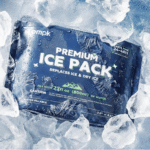
If you ship temperature sensitive medicines, you face a simple but critical question: how do you keep products ultra cold without leaks or spoilage? Disposable dry ice gel packs answer this challenge by encasing solid carbon dioxide in flexible pouches. When the dry ice sublimates – turning directly from solid to gas – it maintains sub zero temperatures (as low as –78.5 °C) for 24–72 hours without leaving moisture. This makes them invaluable for vaccines, biologics and other high value pharmaceuticals. In 2025, the global cold chain packaging refrigerants market is worth US$1.69 billion and is projected to reach US$2.92 billion by 2032. Knowing how and when to use disposable dry ice gel packs can help you control quality, meet regulations and stay ahead of the competition.
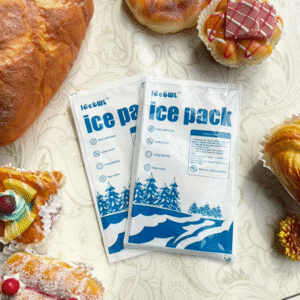
How do disposable dry ice gel packs work compared with traditional gel packs?
What size and quantity of dry ice gel packs do I need for different medicines and transit times?
What safety and regulatory requirements apply to shipping dry ice?
How can I minimize environmental impact while maintaining cold chain integrity?
What 2025 trends and innovations are reshaping cold chain logistics?
Frequently asked questions about dry ice gel packs and medicine transport.
How Do Disposable Dry Ice Gel Packs Work and Why Choose Them?
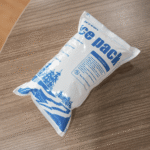
Disposable dry ice gel packs harness sublimation for mess free ultra cold cooling. Each pack contains pellets of solid carbon dioxide (dry ice) sealed within a durable polymer matrix. As the dry ice absorbs heat, it changes directly from solid to gas at –78.5 °C, maintaining temperatures below freezing for 24–72 hours. In contrast, standard gel packs are water based; they melt at around 0 °C and maintain 2–8 °C for up to 48 hours. Because dry ice sublimates, packages stay dry—critical when shipping sensitive pharmaceuticals that cannot tolerate condensation or water.
Pharmaceutical manufacturers and clinical labs often choose disposable dry ice gel packs over traditional gel packs when shipping ultra cold products such as vaccines, biologics, and investigational cell therapies. Dry ice provides the deep freeze necessary to preserve potency during long journeys and warm climates. Moreover, the flexible sheet format allows these packs to wrap around vials or cartons, improving contact and temperature uniformity.
Benefits Over Traditional Gel Packs
| Factor | Dry Ice Gel Packs | Gel Packs (2–8 °C) | What It Means for You |
| Temperature range | –78.5 °C to –18 °C | 2 °C–8 °C | Dry ice gel packs support ultra low temperatures needed for vaccines and biologics; gel packs are ideal for refrigerated medicines without freezing. |
| Duration | Up to 72 hours | Up to 48 hours | Dry ice extends shipping windows for long distance or delayed deliveries. |
| Moisture | No melting – gas simply escapes | Can leak when thawing | Dry ice packs keep packaging dry and protect labels, reducing contamination risk. |
| Regulation | Classified as Class 9 hazardous material – requires training and labeling | Generally unregulated | Gel packs are simpler to ship but cannot reach deep freeze temperatures. |
| Reusability | Can be reused until the textile shell becomes unhygienic | Reusable many times | Both options support reuse, but proper cleaning and inspection are essential. |
Sizing and Packing Strategies: How Much Dry Ice Gel Do You Need?
Selecting the correct amount of dry ice ensures your medicines stay within their required temperature range without over cooling or wasting CO₂. A simple rule of thumb is a 1:1 ratio of dry ice weight to product weight for a 48 hour shipment. For example, shipping 8 pounds (≈3.6 kg) of vaccines requires roughly 8 pounds of dry ice. Adjustments are necessary:
Seasonal temperature: Add 25–35 % more dry ice in summer to compensate for higher ambient heat.
Route complexity: Increase dry ice by 10–15 % when shipments pass through multiple hubs or face potential delays.
Insulation quality: High performance vacuum insulated panels or phase change materials (PCMs) can reduce dry ice requirements by 10–25 %.
Ultra cold products (–70 °C to –20 °C): Use higher weight ratios and additional pre conditioning—freeze the product below –18 °C and chill packaging materials before assembly.
Layout Strategies for Maximum Efficiency
Top Placement: Place dry ice gel packs on top of your medicines to allow cold air to sink down.
Surround Layout: Line the sides and bottom of the container with gel packs to create a uniform cold environment—ideal for small vials or when orientation may shift.
Hybrid Packouts: Combine dry ice with PCMs. Dry ice on top supplies ultra cold temperatures, while PCMs around the sides buffer temperature swings and extend hold time beyond 72 hours. This hybrid approach can also reduce overall dry ice consumption, cutting costs and CO₂ release.
Interactive Calculator Suggestion
For user engagement, embed a Dry Ice Weight Calculator that allows readers to input product weight, transit time, and ambient temperature to receive a recommended dry ice quantity. This tool can reduce guesswork and lower cost by avoiding over packing.
Safety, Handling and Regulatory Requirements
Shipping dry ice is not as straightforward as tossing a pack into a box. Dry ice is classified as a Class 9 hazardous material (UN 1845), which means you must comply with specific handling, training, and labeling standards.
Safe Handling Practices
Wear protective gear: Use insulated gloves, safety goggles and long sleeves to prevent frostbite. Direct contact with dry ice can cause severe skin burns.
Provide ventilation: Packages and storage containers must release carbon dioxide gas to avoid pressure build up. Never seal dry ice in an airtight container or car trunk; build up can cause explosion or asphyxiation.
Label clearly: Mark the package with “Dry Ice” or “Carbon dioxide, solid,” the UN 1845 identifier, net weight and hazard Class 9 label. Packages under 2.5 kg of dry ice are exempt from many regulations but must still include this marking.
Training: Anyone involved in packing or shipping must complete DOT/IATA training and follow Packaging Instruction 954. Many universities and carriers require refresher courses every two years.
Proper storage: Store dry ice in a ventilated area and a container designed to withstand low temperatures, such as Styrofoam coolers or purpose built insulated shippers. Do not store in freezers designed for regular ice; the extreme cold can damage gaskets or cause system failure.
Regulatory Standards
49 CFR § 173.217 (U.S. DOT): Packaging must permit CO₂ release to prevent ruptures. For air shipments, packages must bear the net mass of dry ice and the proper shipping name. Packages with less than 2.5 kg of dry ice are exempt from most requirements if marked appropriately.
IATA Packing Instruction 954: Packaging must withstand extreme cold, provide adequate gas venting and be secured to withstand air transport. Some airlines limit dry ice quantities (often 5 kg) per package.
Local transportation: Avoid transporting dry ice in poorly ventilated vehicles or public transport. For campus or urban deliveries, only trained couriers or approved vehicles should carry dry ice, and packages must not be left unattended.
Tip: Include a Safety Checklist section on your site where users can download a printable guide covering PPE, labeling and storage. This reduces the likelihood of misuse and fosters trust.
Environmental Impact and Sustainable Alternatives
Dry ice is carbon dioxide condensed into a solid; when it sublimates, it releases CO₂ gas that contributes to the greenhouse effect. Yet most industrial dry ice is produced from recycled CO₂ captured from processes like ammonia synthesis or ethanol production, making it a by product rather than a primary emission source. To further reduce environmental impact:
Source recycled CO₂: Ask suppliers whether they capture CO₂ from industrial processes or bioethanol plants. Bioethanol fermentation can generate high purity CO₂ that is repurposed into dry ice.
Use only what you need: Follow sizing guidelines and adjust for season and route to minimize excess CO₂ release.
Adopt hybrid solutions: Combine dry ice with phase change materials or eco friendly gel packs to reduce overall dry ice consumption.
Educate recipients: Provide disposal instructions; sublimated CO₂ can be captured for use in greenhouses or beverage carbonation.
Comparison of Refrigerant Options
| Refrigerant | Environmental considerations | Benefits | Practical application |
| Dry ice (CO₂) | Produced from recycled CO₂; emits CO₂ during sublimation; must ensure ventilation | Provides ultra cold temperatures (–78.5 °C) without moisture; ideal for long distance frozen shipments | Use for vaccines, biologics, frozen meals where freezing is required. Choose suppliers with recycled CO₂ and optimize quantity. |
| Phase change material (PCM) packs | PCMs can be engineered with non toxic, recyclable shells and reused hundreds of times | Precise temperature control without hazardous handling; good for 2–8 °C or –20 °C ranges | Use for refrigerated pharmaceuticals when freezing is undesirable. Higher initial cost but long-term savings. |
| Eco friendly gel packs | New gel packs use biodegradable contents and recyclable or compostable packaging | Reusable many times; strong thermal retention reduces insulation needs | Ideal for companies prioritizing sustainability; effective in chilled (2–8 °C) shipping. |
Sustainability Case Study
A meal kit company replaced single use foam and heavy gel packs with hybrid dry ice/PCM kits packaged in recyclable cardboard. By sizing packs carefully and using biodegradable PCMs, they cut shipping emissions by 20 % and received positive feedback from eco conscious customers.
2025 Cold Chain Trends and Innovations
The cold chain industry is evolving fast. E commerce growth, vaccine distribution and sustainability demands are reshaping how pharmaceuticals are transported. Key trends include:
Smart Temperature Monitoring: IoT sensors now capture real time data on temperature, humidity and vibration, enabling predictive analytics to prevent spoilage.
Blockchain Traceability: Decentralized ledgers create secure, immutable records of every shipment interaction, improving compliance and reducing fraud.
Sustainable Packaging: Manufacturers are developing recyclable thermal shippers and gel packs with biodegradable materials. Circular economy practices repurpose industrial CO₂ into dry ice.
Hybrid Refrigeration: Combining passive refrigeration (dry ice, PCMs) with active electric or hybrid transport units reduces reliance on diesel and lowers emissions.
Ready to Use Kits: Preassembled kits with pre calculated dry ice and PCMs simplify training and reduce packing errors.
Market Expansion: The cold chain refrigerants market will grow from US$1.69 billion in 2025 to US$2.92 billion by 2032 at a CAGR of 8.14 %, reflecting soaring demand for safe vaccine and biologic transport. Meanwhile, the overall cold chain market may exceed US$1.6 trillion by 2033.
Supply Constraints: Dry ice consumption climbs about 5 % per year, but CO₂ supply grows only 0.5 % annually, leading to shortages and spot price spikes of up to 300 %. Industry responses include localized production and on site CO₂ capture.
Bio CO₂ Sources: Bioethanol fermentation produces high purity CO₂ that can be captured for dry ice, creating circular supply chains.
Alternative Cooling Materials: Scientists at UC Davis developed “jelly ice”—a reusable, compostable hydrogel that is 90 % water and maintains up to 80 % of the cooling capacity of regular ice. Jelly ice cubes can be customized in shape, sanitized and composted, offering a melt free and biodegradable alternative for food and medicine transport.
When Should You Use Dry Ice vs. Gel Packs?
Choosing the right refrigerant depends on the required temperature range, product sensitivity and regulatory complexity. Here’s a decision framework:
Chilled Medicines (2–8 °C)
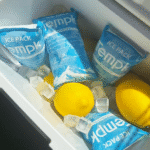
Use water or gel packs when shipping vaccines, insulin or biologics that must not freeze. Gel packs are cost effective, safe, and only require about one third the weight of your product to maintain 48 hour chilled temperatures. They do not carry hazardous materials regulations. Gel packs also cushion products during transit and can protect sensitive items from freezing when used at room temperature.
Frozen & Ultra Cold Medicines (–20 °C to –78.5 °C)
Choose dry ice gel packs when the product must remain frozen or deeply chilled, such as for cell therapies, gene therapies and long distance vaccine transport. Dry ice provides a far lower temperature and longer duration than gel packs. However, ensure that vials are sealed and able to withstand such cold—some biologics may denature if frozen. For shipments requiring a narrower range (–20 °C to –10 °C), consider PCMs engineered for that range..
Hybrid Strategies
Combining dry ice and gel packs can extend cooling duration and reduce sublimation. Gel packs buffer temperature swings, while dry ice maintains a baseline temperature. This hybrid approach is useful when the product can tolerate initial freezing but needs a gradual thaw or when shipments cross climates and delays are possible.
Industry Specific Recommendations
| Industry/Application | Recommended Refrigerant | Rationale |
| Food & Meal Kits | Water or gel packs | Low cost, safe, and adequate for maintaining 2–8 °C. Avoid dry ice to prevent over cooling. |
| Pharmaceuticals at 2–8 °C | Water or gel packs | Provide sufficient thermal stability without freezing medicines. |
| Frozen Foods / Ice Cream | Dry ice | Maintains sub zero temperatures; gel packs are insufficient for frozen goods. |
| Dairy & Cheese | Gel or water packs | Avoid freezing; maintain stable 2–8 °C. |
| Subscription Services | Reusable cold packs | Long term cost benefits and reduced waste when return logistics are feasible. |
| Specialty Biologics | Dry ice or PCMs | Ultra cold conditions to protect sensitive therapies; PCMs may offer precise temperature control with fewer regulations. |
2025 Market Insights & Regional Trends
Cold chain packaging refrigerants: The global market will grow from US$1.69 billion in 2025 to US$2.92 billion in 2032 at a CAGR of 8.14 %. Europe currently leads with 31.85 % market share due to strong exports and varying climate, while Asia Pacific is the fastest growing region thanks to booming pharmaceutical and food exports.
Supply demand imbalance: Dry ice consumption is growing 5 % annually, but CO₂ supply increases only 0.5 %, leading to shortages and price volatility.
Bio CO₂ and sustainability: Bioethanol plants capture CO₂ for dry ice production, offering a circular, lower carbon pathway. However, reliance on a few producers creates vulnerability, as seen in the UK where supply disruptions threaten food and beverage industries.
Hybrid and alternative refrigerants: PCMs and improved insulation reduce reliance on dry ice. Innovations like jelly ice hydrogel offer biodegradable, reusable alternatives with comparable cooling performance.
Frequently Asked Questions (FAQ)
How long does a disposable dry ice gel pack last?
Most disposable packs maintain –78.5 °C for up to 72 hours when properly insulated. Duration depends on product weight, ambient temperature and insulation quality. Using hybrid packouts or improved insulation can extend cooling beyond 72 hours.
Can I reuse disposable dry ice gel packs?
Yes. Dry ice sheets and gel packs can be reused multiple times until the textile shell or polymer cells become unhygienic. Always inspect for damage and ensure no leaks before reuse.
What is the recommended weight ratio of dry ice to product?
A 1:1 weight ratio (dry ice to product) is suitable for 48 hour shipments. Increase this by 25–35 % in summer or for complex routes, and decrease it when using high performance insulation or PCMs.
Do I need hazardous materials training to ship dry ice?
Yes. Anyone involved in packing or shipping must complete DOT/IATA training and follow Packaging Instruction 954. Only small packages (<2.5 kg) used as refrigerant may be exempt from shipping paper requirements.
How can I reduce the environmental impact of dry ice shipments?
Source dry ice produced from recycled CO₂, optimize quantity using sizing calculators, adopt hybrid packouts with PCMs, and educate recipients about proper ventilation and CO₂ capture.
What is “jelly ice,” and could it replace dry ice?
“Jelly ice” is a reusable hydrogel made from gelatin that is 90 % water and retains up to 80 % of the cooling capacity of regular ice. It doesn’t melt into water, is biodegradable, and can be sanitized and reused. Jelly ice could supplement gel packs in sustainable cold chain applications but cannot yet reach the –78.5 °C temperatures achieved by dry ice.
Are there legal limits on the amount of dry ice I can ship?
For air shipments, many airlines limit each package to 5 kg of dry ice. U.S. regulations exempt packages containing ≤2.5 kg of dry ice from most shipping paper requirements if properly labeled. Always check your carrier’s guidelines.
What happens if dry ice remains upon delivery?
Design your packaging so the dry ice fully sublimates by the time it reaches the customer to avoid hazards. If dry ice remains, include clear instructions on handling, ventilation and disposal to prevent injury.
Summary & Recommendations
Disposable dry ice gel packs combine the deep freeze power of dry ice with the convenience of flexible gel packs, enabling safe shipment of vaccines, biologics and other temperature sensitive medicines. The cold chain industry is booming; the market for cold chain refrigerants will grow from US$1.69 billion in 2025 to US$2.92 billion by 2032, while new technologies such as IoT monitoring, blockchain traceability and sustainable packaging are transforming logistics. To stay ahead:
Match the refrigerant to the product: Use gel packs for 2–8 °C medicines and dry ice for frozen or ultra cold products.
Calculate dry ice accurately: Start with a 1:1 weight ratio, adjust for season and insulation, and consider hybrid packouts.
Prioritize safety: Complete hazardous materials training, use proper PPE, ensure ventilation and follow labeling requirements.
Reduce environmental impact: Source recycled CO₂, optimize pack sizing, adopt hybrid and reusable alternatives, and educate recipients.
Monitor innovations: Watch for new materials like jelly ice and advanced sensors; consider blockchain for end to end traceability.
Actionable Next Steps
Assess your shipments: Determine weight, required temperature and transit duration.
Use a sizing calculator: Implement an interactive tool to calculate dry ice and gel pack quantities.
Invest in training: Enroll staff in DOT/IATA hazardous materials courses and create a compliance checklist.
Adopt sustainable practices: Explore hybrid solutions with PCMs and recycled CO₂ sources; evaluate innovative materials like jelly ice.
Engage customers: Include clear instructions for safe handling and disposal; leverage IoT monitoring to provide real time temperature data and build trust.
About Tempk
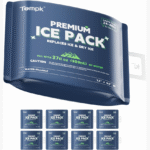
Tempk is a leader in high performance cold chain solutions. Our disposable dry ice gel packs maintain –78.5 °C cooling for up to 72 hours while keeping shipments dry, making them ideal for pharmaceuticals and biologics. We also offer insulated packaging, phase change materials, IoT monitoring tools and custom hybrid packouts to meet diverse temperature requirements. With a focus on innovation, sustainability and regulatory compliance, we help you deliver temperature sensitive products safely and efficiently. Ready to optimize your cold chain? Contact Tempk’s specialists for tailored advice and request a sample kit today.