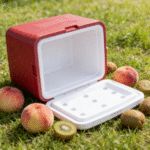
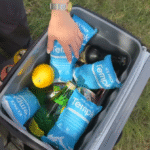
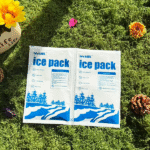
When you order groceries online, you expect them to arrive as crisp and delicious as if you had picked them up yourself. The EPP insulation box grocery delivery solution makes that possible. These durable, reusable boxes use expanded polypropylene (EPP) foam to keep food at safe temperatures for 48–96 hours. Unlike disposable coolers that only work for a day or two, EPP boxes are recyclable, shock absorbing and ideal for the cold chain that moves perishable goods from farm to table. In this guide you will learn why EPP boxes outperform traditional foam, how regulations are pushing the industry toward reusable packaging, and what trends in 2025 are shaping the future of grocery delivery.
What This Guide Will Answer:
Why are EPP insulation boxes ideal for grocery delivery? – Understand their superior insulation, durability and environmental benefits using long tail keywords like EPP vs EPS insulation performance.
How do EPP boxes improve food safety and reduce waste? – Learn how they maintain cold temperatures for 72 hours or more and reduce spoilage.
What are the regulations and sustainability trends affecting grocery packaging? – Discover foam bans and other laws that promote reusable containers.
How does EPP compare with EPS, polyurethane and VIP insulation? – See a table comparing insulation time, reusability and environmental impacts.
What innovations will shape cold chain logistics in 2025? – Explore trends like IoT sensors, AI analytics and biodegradable materials.
Why Are EPP Insulation Boxes Ideal for Grocery Delivery?
EPP boxes are not just another cooler; they represent a leap forward in cold chain packaging. Expanded polypropylene is a closed cell foam that provides excellent thermal insulation and shock absorption. Traditional expanded polystyrene (EPS) coolers often break or lose effectiveness after one use, but EPP boxes can last hundreds of cycles.
Superior Insulation and Longevity
EPP’s closed cell structure slows heat conduction and convection, allowing it to maintain a 2–8 °C range for pharmaceuticals or –18 °C for frozen goods for up to 72 hours. When fitted with vacuum insulated panel (VIP) inserts, EPP boxes can extend safe transit times to 96 hours—nearly double that of typical EPS coolers. A comparison of EPP versus EPS highlights these differences:
| Feature | EPP (Expanded Polypropylene) | EPS (Expanded Polystyrene) | Practical Implication |
| Insulation Time | 72–96 hours when combined with VIP or gel packs | 24–48 hours | Your groceries stay safe for cross country deliveries without refrigeration. |
| Reusability | 500+ cycles; durable and resilient | Single or few uses; prone to cracking | Reduces packaging waste and replacement costs. |
| Weight | Roughly 50 % lighter than EPS with the same capacity | Heavier and bulkier | Lower shipping costs and easier handling. |
| Impact Resistance | High shock absorption and flexibility | Brittle and prone to breaking | Protects fragile foods and reduces returns. |
| Environmental Impact | 100 % recyclable and reusable | Generally non recyclable and single use | Meets sustainability mandates and reduces landfill waste. |
Key takeaway: By investing in EPP boxes, grocery services can deliver perishable items reliably over long distances, reduce waste and comply with emerging regulations.
EPP vs Other Insulation Materials
While EPP offers impressive performance, how does it compare with other materials? A 2025 comparative study highlights the pros and cons of four common insulation types:
| Material | Insulation & Durability | Reusability | Environmental Considerations | Best Use Cases |
| EPP | Excellent insulation and shock absorption; maintains temperature up to 72 hours | 100+ uses | Recyclable and reusable | Long distance grocery delivery and meal kits |
| EPS (Styrofoam) | Moderate insulation; effective 24–48 hours | Single-use | Banned in several states due to environmental concerns | Short trips; being phased out |
| Polyurethane (PU) | High insulation; heavy and less impact resistant | Limited reuse due to degradation | Difficult to recycle | Specialized temperature control for industrial equipment |
| Vacuum Insulated Panels (VIP) | Best insulation; keeps items cold for days but expensive and fragile | Not typically reused; often combined with EPP | High environmental cost when disposed | High-value pharmaceuticals and overseas shipments |
In practice, combining EPP with gel packs or VIP inserts yields a cost effective solution for grocery delivery that balances performance, durability and sustainability.
Practical Tips for Using EPP Boxes
Following best practices ensures the box performs at its highest level:
Pre condition the box: Pre cool your EPP box in a cold environment or with gel packs before loading groceries. This prevents temperature spikes when items are added.
Use appropriate refrigerants: For frozen foods, pair EPP boxes with dry ice or phase change materials that maintain –18 °C or colder. Gel packs work well for fresh produce and dairy.
Avoid overfilling: Leave space for coolant circulation; overpacking restricts airflow and reduces cooling efficiency.
Tight closure: Ensure lids seal properly to minimize air exchange and prevent leaks.
Rotate and maintain: Regularly inspect boxes for damage and clean them between deliveries to keep them hygienic and odor free.
Real World Example: A meal kit company switched from single-use styrofoam to EPP boxes. They reduced packaging waste by over 80 % and saved 30 % in packaging costs while cutting customer complaints about melted products. This demonstrates the economic and environmental benefits of EPP boxes for grocery delivery services.
How Do EPP Boxes Improve Food Safety and Reduce Waste?
Food safety is the cornerstone of any grocery delivery service. Inadequate cold chain management can lead to microbial growth and product spoilage. Up to 25 % of perishable food in regions lacking refrigeration spoils before consumption. EPP boxes mitigate this problem by maintaining stable temperatures and reducing the chance of temperature abuse.
Maintaining Optimal Temperatures
EPP boxes can keep vaccines at 2–8 °C or frozen goods at –18 °C for 72 hours, protecting groceries from bacterial growth and spoilage. For long haul deliveries, you can select thicker wall boxes or add VIP inserts, enabling insulation for 96 hours or more. Choosing the correct box thickness is important:
| Shipping Duration | Recommended EPP Wall Thickness | Additional Inserts | Notes |
| Up to 24 hours (local delivery) | 15–20 mm | Gel packs | Suitable for same day grocery deliveries. |
| 48–72 hours (regional) | 25–30 mm | Gel packs or phase change materials | Allows overnight or two day shipping across states. |
| 72–96 hours (international or cross country) | 35–50 mm | VIP inserts | Ideal for long-distance deliveries or closed-loop logistics. |
Reducing Spoilage and Returns
Proper temperature control not only protects food safety but also reduces waste. When perishable items are delivered intact, there is less chance of returns and fewer costs associated with replacing spoiled products. In fact, an EPP box can save $1.2 million in vaccine spoilage when used in healthcare logistics. Translating this to grocery delivery, fewer spoiled shipments mean happier customers and lower operational costs.
Minimizing Foodborne Illness Risk
Keeping groceries at the right temperature prevents the growth of pathogens like Salmonella and Listeria. By maintaining the cold chain, EPP boxes reduce the risk of foodborne illness. The Food Safety Modernization Act (FSMA) section 204 emphasizes traceability and cold chain monitoring to ensure food safety. EPP containers, when paired with temperature sensors, allow real time monitoring to ensure conditions remain within safe ranges, supporting FSMA compliance and improving transparency across the supply chain.
Practical Advice for Consumers and Businesses
For consumers receiving grocery deliveries, open the box immediately and transfer items to refrigeration or freezing. Businesses should educate delivery staff about proper handling and instruct them to avoid leaving boxes in direct sunlight or hot vehicles. Additionally, EPP boxes can be collected, sanitized and reused, reducing waste and ensuring continuous performance. Some companies even deploy return incentives to encourage customers to send back boxes for reuse.
Regulations and Sustainability Trends Affecting Packaging
Environmental regulations and sustainability trends are accelerating the shift from single-use packaging to reusable EPP insulation boxes. Across the United States and Europe, legislators are banning certain foam materials and promoting recyclable alternatives.
Foam Bans and Reusable Packaging Mandates
Several U.S. states have enacted laws to curb polystyrene use. Delaware’s foam ban takes effect July 1 2025, prohibiting polystyrene containers in grocery and restaurant operations. Virginia has a similar ban targeting polystyrene food service containers in restaurants and grocery stores. These bans force companies to adopt reusable or biodegradable packaging, making EPP boxes an attractive option because they are 100 % recyclable and can be reused hundreds of times.
International Regulations on Refrigerants and Emissions
Cold chain systems often rely on refrigerants that are harmful to the environment. The European Union’s F Gas Regulation restricts the use of hydrofluorocarbons (HFCs) with a global warming potential (GWP) above 150 starting in January 2025. This encourages companies to adopt low GWP alternatives and rely more on passive cooling solutions like EPP boxes combined with gel packs or dry ice. Additionally, the United Nations Food Loss and Waste Standard encourages companies to track and reduce waste throughout their supply chain. By using durable, reusable EPP packaging, grocery services meet these sustainability benchmarks.
Sustainability Certifications and Consumer Expectations
Customers increasingly prefer brands that prioritize sustainability. Using EPP boxes communicates a commitment to reducing plastic waste and lowering carbon emissions. Many grocery delivery companies now highlight their use of recyclable packaging and reusable totes in marketing materials to attract environmentally conscious consumers. Certifications like Cradle to Cradle or B Corporation can further verify that packaging meets high environmental and social standards.
Market Growth and Investment in Cold Chain Infrastructure
The global cold chain market is booming: refrigerated warehouse capacity expanded to 719 million cubic meters in 2020, representing a 16.7 % increase from 2018. Market value reached approximately $405 billion in 2024 and is projected to hit $453 billion in 2025. This growth reflects rising demand for fresh foods, pharmaceuticals and online grocery services. Investments in cold chain infrastructure, including insulated packaging, IoT sensors and efficient cooling systems, are essential to meet this demand.
Innovations and Trends in Cold Chain Logistics for 2025
The next wave of innovation in the cold chain goes beyond insulation materials. Emerging technologies and strategies are transforming how grocery delivery services maintain freshness and efficiency.
IoT Sensors and Real Time Monitoring
Internet of Things (IoT) sensors enable real time monitoring of temperature, humidity and location during transit. A network of sensors inside EPP boxes can alert stakeholders if temperatures rise above safe thresholds, allowing corrective action. This transparency supports compliance with FSMA 204 and ensures that deliveries arrive safely. As sensor costs decline, more companies are integrating them into reusable packaging.
AI and Predictive Analytics
Artificial Intelligence (AI) analyzes data from sensors, weather forecasts and logistics to optimize routes and predict potential disruptions. For example, if a heatwave is expected along the delivery route, AI can recommend additional gel packs or an insulated insert. AI also helps companies forecast demand and adjust inventory levels, reducing overstock and waste.
Sustainable Materials and Circular Economy Models
Research is underway to develop biodegradable insulation materials that could complement or eventually replace synthetic foams. Meanwhile, EPP remains popular because it supports closed loop logistics: boxes are collected, sanitized and reused. Many delivery services now incorporate deposit schemes, encouraging customers to return containers. As a result, the packaging waste associated with meal kits and grocery deliveries has decreased dramatically.
Expanded Cold Chain Infrastructure
To keep pace with the booming market, companies are investing in temperature controlled micro fulfillment centers and urban cold hubs. These facilities are closer to customers, reducing delivery times and decreasing the need for excessive cooling. EPP boxes play a vital role in the final mile, where maintaining temperature is critical but refrigeration trucks may not be feasible or sustainable.
Case Study: Meal Deliveries in Remote Regions
In areas without reliable refrigeration, up to 25 % of perishable food spoils before reaching consumers. By deploying EPP boxes combined with phase change materials and IoT sensors, a non profit organization delivered fresh produce to rural communities and reduced spoilage by 70 %. The boxes were reused across multiple trips, demonstrating how technology and durable packaging can enhance food security.
FAQs
Question 1: How long can an EPP insulation box keep groceries cold?
EPP boxes, when paired with gel packs or dry ice, can maintain 2–8 °C for fresh foods or –18 °C for frozen goods for 72 hours. With VIP inserts, they can reach up to 96 hours. The exact duration depends on wall thickness, coolant quantity and ambient conditions.
Question 2: What makes EPP better than Styrofoam for grocery delivery?
EPP offers longer insulation, high durability and can be reused hundreds of times. Styrofoam is typically single-use, offers 24–48 hours of cooling and is being phased out due to environmental bans.
Question 3: Are there any regulations I should know about when shipping groceries?
Yes. Many states, including Delaware and Virginia, are banning polystyrene foam containers by July 1 2025. The FSMA 204 rule emphasizes traceability and cold chain monitoring to prevent food contamination. If using dry ice, packages must be labeled under Department of Transportation rules, and weight limits apply for air transport.
Question 4: How should consumers handle EPP boxes after delivery?
Open the box promptly, transfer items to refrigeration and return the box if your service offers a reuse program. Clean the box with mild soap and water before reuse; do not store the box near heat sources or direct sunlight. Many companies provide return incentives to encourage recycling and reuse.
Question 5: Can EPP boxes be customized for different grocery items?
Absolutely. EPP boxes come in various sizes, wall thicknesses and densities. High density boxes are better for heavy or fragile items, while low-density options are lighter for smaller orders. Dividers, gel packs and phase change materials can be tailored to specific products. Some boxes even collapse to save space during return shipping.
Summary and Recommendations
Expanded polypropylene is revolutionizing grocery delivery by offering long lasting insulation, robust durability and environmental benefits. EPP boxes maintain safe temperatures for 72–96 hours, outperforming EPS and reducing waste. They are lightweight, shock absorbing and 100 % recyclable, aligning with regulations that phase out single-use foam. To maximize their performance:
Choose the right EPP box thickness based on shipping duration and load.
Pre condition boxes and use adequate refrigerants for your food type.
Incorporate IoT sensors to monitor temperature and improve traceability.
Promote reuse and recycling through return programs and cleaning protocols.
By following these guidelines, both businesses and consumers can reduce spoilage, save costs and contribute to a sustainable future.
About Tempk
At Tempk, we specialize in cold chain packaging solutions that keep your products fresh from our warehouse to your customer’s doorstep. Our EPP insulation boxes are engineered to maintain temperature stability for up to 96 hours, withstand hundreds of reuse cycles and meet stringent food safety standards. We collaborate with grocery delivery services, meal kit companies and pharmaceutical distributors to design customized packaging systems that maximize efficiency and minimize waste. Whether you need VIP inserts for long haul shipments or a simple reusable tote, we can help you deliver quality with confidence.
Ready to elevate your grocery delivery service? Contact Tempk for a personalized consultation and discover how our innovative EPP solutions can transform your cold chain operations.