This article will help you:
Understand fiberboard insulated box thermal performance in real shipping scenarios
Compare fiberboard vs foam insulated boxes for cold chain use
Choose the right fiberboard insulated box for food, pharma, and biotech
Avoid common mistakes that increase temperature risk and shipping cost
What Is a Fiberboard Insulated Box and How Does It Work?
Direct Answer
A fiberboard insulated box combines a corrugated fiberboard outer shell with internal insulation layers to slow heat transfer. It protects your products by reducing temperature swings during transit, especially for short-to-medium duration shipments.
Expanded Explanation
Think of a fiberboard insulated box like a winter jacket for your products. The fiberboard gives structure and stacking strength, while the insulation traps air and slows heat movement. In practice, this means fewer temperature spikes when packages move through warehouses, trucks, or airport terminals. Many shippers use this solution because it is lightweight, cost-effective, and easy to customize for different payload sizes.
Insulation Materials Commonly Used in Fiberboard Insulated Boxes
| Insulation Type | Typical Thickness | Thermal Benefit | What It Means for You |
|---|---|---|---|
| EPS foam liner | 20–40 mm | Good thermal resistance | Lower cost, reliable short hauls |
| Recycled paper insulation | 25–50 mm | Moderate insulation | Better sustainability profile |
| Reflective foil liner | 5–10 mm | Radiant heat control | Helps in hot climates |
| Hybrid insulation | Variable | Balanced performance | Custom solutions for mixed routes |
Practical Tips for Buyers
Short routes (24–48 hours): Use EPS or paper insulation with gel packs
Urban last-mile delivery: Thinner insulation reduces size and cost
Sustainability goals: Choose recycled fiber insulation over plastic foam
Real-world example: A meal-kit company reduced spoilage by 18% after switching to a thicker fiberboard insulated box for summer deliveries, without increasing freight cost.
Why Are Fiberboard Insulated Boxes Popular in Cold Chain Shipping?
Direct Answer
Fiberboard insulated boxes are popular because they balance insulation, strength, cost, and sustainability. They perform well for many cold chain shipments without the expense of high-end containers.
Expanded Explanation
In 2026, shippers face rising freight costs and tighter sustainability targets. Fiberboard insulated boxes meet both needs. They are lighter than rigid plastic containers and easier to recycle. For many use cases, they provide “good enough” thermal protection without over-engineering. This makes them a preferred option for food, healthcare samples, and consumer goods.
Key Advantages at a Glance
Lightweight and easy to handle
Compatible with standard pallet sizes
Customizable dimensions and insulation types
Lower upfront cost than advanced insulated containers
When They May Not Be Ideal
Multi-day international shipments
Ultra-low temperature requirements
High humidity or repeated reuse cycles
Fiberboard Insulated Box vs Foam Insulated Box: What’s the Difference?
Direct Answer
Fiberboard insulated boxes use corrugated paper as the outer shell, while foam insulated boxes use expanded polystyrene (EPS) or similar materials throughout. Fiberboard is lighter and more recyclable; foam offers stronger thermal performance for longer durations.
Comparison Table
| Feature | Fiberboard Insulated Box | Foam Insulated Box |
|---|---|---|
| Thermal duration | 24–72 hours typical | 48–120+ hours typical |
| Weight | Lighter | Heavier |
| Recyclability | Curbside recyclable (paper) | Specialized recycling needed |
| Cost per unit | Lower | Higher |
| Moisture resistance | Moderate | High |
When to Choose Fiberboard
Shorter transit times
Lower budget
Sustainability requirements
When to Choose Foam
Longer transit times
Strict temperature control
High-value or sensitive products
How Do You Select the Right Fiberboard Insulated Box for Your Needs?
Direct Answer
Match the box size, insulation thickness, and coolant type to your product’s temperature requirements and transit duration. Then confirm the supplier can meet your volume and delivery schedule.
Step-by-Step Selection Process
Define your temperature range (e.g., 2–8°C for vaccines, 0–4°C for fresh food)
Estimate transit time, including potential delays
Calculate payload size and weight
Choose insulation type based on thermal needs and sustainability goals
Request samples and run thermal validation tests
Negotiate pricing and lead times with qualified suppliers
Common Mistakes to Avoid
Undersizing insulation for summer shipments
Ignoring humidity effects on fiberboard strength
Skipping thermal validation before production orders
What Are the Best Practices for Using Fiberboard Insulated Boxes?
Direct Answer
Pre-cool products and coolants, assemble boxes correctly, and monitor temperature during transit. These steps maximize thermal performance and reduce spoilage risk.
Packing Best Practices
Pre-cool products to target temperature before packing
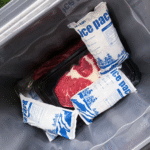
Use frozen gel packs or phase-change materials as coolants
Place coolants around all sides of the payload
Seal all seams and gaps to minimize air leakage
Label boxes with handling instructions and temperature indicators
Handling and Storage Tips
Store empty boxes in a cool, dry area
Avoid stacking too high to prevent crushing
Inspect for damage before each use
How Much Does a Fiberboard Insulated Box Cost in 2026?
Direct Answer
Prices typically range from $3 to $15 per unit for standard sizes, depending on insulation type, volume, and supplier. Custom designs or certifications may increase cost.
Cost Factors
| Factor | Impact on Price |
|---|---|
| Box size | Larger = higher cost |
| Insulation thickness | Thicker = higher cost |
| Order volume | Higher volume = lower unit cost |
| Customization | Printing, branding = added cost |
| Certifications | FDA, ISTA = added cost |
Budget Tips
Order in bulk to reduce per-unit cost
Standardize sizes across product lines
Negotiate annual contracts with suppliers
Who Are the Leading Fiberboard Insulated Box Suppliers in 2026?
Direct Answer
Leading suppliers include Sonoco ThermoSafe, Softbox Systems, Pelican BioThermal, and regional manufacturers in Asia and Europe. Your best choice depends on location, volume, and service needs.
What to Look for in a Supplier
Proven thermal performance data
Quality certifications (ISO, ISTA, etc.)
Flexible MOQs and lead times
Responsive customer support
Sustainability credentials
Questions to Ask Before Ordering
Can you provide thermal validation test reports?
What is your minimum order quantity?
What is your lead time for custom sizes?
Do you offer sample boxes for testing?
How Do Fiberboard Insulated Boxes Support Sustainability Goals?
Direct Answer
Fiberboard insulated boxes are often made from recycled materials and are easier to recycle than foam alternatives. This helps companies meet environmental targets and reduce packaging waste.
Sustainability Benefits
Lower carbon footprint than plastic foam
Compatible with curbside recycling programs
Supports circular economy initiatives
Reduces landfill waste
Certifications to Look For
FSC (Forest Stewardship Council)
SFI (Sustainable Forestry Initiative)
Recyclable or compostable labels
What Are the Limitations of Fiberboard Insulated Boxes?
Direct Answer
Fiberboard insulated boxes have shorter thermal duration and lower moisture resistance than foam or rigid containers. They are best suited for short-to-medium transit times and moderate conditions.
Key Limitations
Not ideal for multi-day international shipments
Can weaken in high humidity
May require more coolant for extreme temperatures
Limited reuse potential
Mitigation Strategies
Use moisture-resistant coatings on fiberboard
Combine with reflective liners for hot climates
Upgrade to hybrid insulation for longer routes
How Do You Validate Fiberboard Insulated Box Performance?
Direct Answer
Run thermal validation tests that simulate your shipping conditions. Measure internal temperature over time to confirm the box meets your requirements.
Validation Steps
Define test parameters (ambient temperature, duration, payload)
Pack box with product and coolant as planned
Place temperature loggers inside
Expose box to simulated transit conditions
Analyze temperature data and compare to requirements
When to Revalidate
After changing box size or insulation
After switching suppliers
After significant route or season changes
What Trends Are Shaping Fiberboard Insulated Box Design in 2026?
Direct Answer
Key trends include increased use of recycled and biodegradable materials, integration of temperature monitoring technology, and customization for e-commerce and direct-to-consumer shipping.
Emerging Trends
Bio-based insulation materials
Smart packaging with embedded sensors
Flat-pack designs for storage efficiency
Branded packaging for consumer appeal
What This Means for Buyers
More sustainable options available
Better visibility into shipment conditions
Greater flexibility for custom orders
Frequently Asked Questions
Can fiberboard insulated boxes be reused?
Some designs allow limited reuse, but most are intended for single use. Check with your supplier for reuse guidelines.
Are fiberboard insulated boxes FDA compliant?
Many suppliers offer FDA-compliant options for food and pharmaceutical use. Always verify certifications before ordering.
How do I dispose of fiberboard insulated boxes?
Most fiberboard boxes can be recycled with cardboard. Remove any non-recyclable insulation liners before recycling.
Can I customize the size and branding?
Yes, most suppliers offer custom sizes and printing. Minimum order quantities may apply.
Conclusion
Fiberboard insulated boxes offer a practical, cost-effective solution for many cold chain shipping needs in 2026. By understanding their strengths, limitations, and best practices, you can select the right box for your products and routes. Always validate performance before scaling up, and work with reputable suppliers who can support your quality and sustainability goals.