Ensuring fish stays cold and safe from catch to plate is a critical challenge in the seafood industry. The fish cold chain involves a series of temperature controlled steps that keep fish fresh, prevent microbial growth and preserve texture. This guide will teach you how to manage fish cold chain logistics successfully in 2025, drawing on the latest research and cold chain trends. We’ll cover temperature requirements, packaging, transport, smart monitoring, regulatory standards and emerging innovations. Following these practices not only improves product quality but also aligns with search engine ranking factors like high quality content and user experience.
Critical temperature ranges and why they matter — learn why keeping fresh fish near 0 °C and frozen fish below −18 °C preserves quality.
Packaging and handling strategies — discover which materials and workflows protect fish and reduce spoilage.
Shipping and transport best practices — explore how to minimise temperature fluctuations with refrigerated transport and route planning.
Smart technologies and data driven monitoring — see how IoT sensors, AI and blockchain improve reliability.
Regulatory compliance and standards — understand the rules you must follow in 2025 to meet food safety requirements.
2025 trends and sustainability — get updated on green logistics, the move to −15 °C storage and resilience to climate change.
Why is consistent temperature control critical in the fish cold chain?
Proper temperature control is the foundation of fish cold chain quality and safety. Fresh fish should be kept as close to 0 °C (32 °F) as possible to slow bacterial growth and enzymatic spoilage. Frozen fish must remain at −18 °C or colder to halt microbial activity and preserve texture. Allowing fish to warm or fluctuate causes rapid microbial growth and can even produce toxins; repeated thaw refreeze cycles degrade texture and flavour, leaving fish unsafe to eat.
Understanding the temperature ranges
Consistent temperatures aren’t simply “cold”; they fall within specific ranges for different products. Refer to the table below for guidelines and what they mean to your operations:
| Storage type | Recommended range | Benefit to quality | What it means to you |
| Fresh / chilled fish | 0 – 5 °C (32 – 41 °F) | Slows bacterial growth and enzymatic spoilage | Pack fish on ice or store in chilled rooms; monitor temperatures daily |
| Frozen fish | ≤ −18 °C (0 °F) | Stops microbial activity and preserves texture | Use validated freezers and reefer containers; avoid thaw refreeze cycles |
| Long term frozen fish | ≤ −24 °C (for fatty species) | Further reduces fat oxidation for oily fish | Invest in ultra low temperature storage for species like tuna and mackerel |
Practical tips for controlling temperature
Pre cool immediately after catch: Rapidly place fish on ice or in chilled seawater to remove field heat. Bury your catch in an ice slush of two parts ice to one part water.
Use calibrated refrigeration equipment: Ensure coolers and freezers are regularly maintained and calibrated; monitor temperatures multiple times per day.
Separate fresh and frozen products: Avoid cross contamination by storing fresh, chilled and frozen fish in separate compartments.
Cleanliness matters: Keep storage containers, tools and hands clean to reduce bacterial contamination.
Real case: A salmon exporter implemented continuous temperature logging on all shipments. By monitoring fish temperatures every 30 minutes and alerting drivers when readings deviated from 0–5 °C, spoilage claims dropped by 25% and customer satisfaction increased.
What are the best packaging and handling practices for fish in the cold chain?
Effective packaging acts as your first defence against temperature fluctuations, oxygen exposure and physical damage. Use insulated containers, moisture proof bags and high barrier films to maintain cold temperatures and prevent dehydration. Pre chill fish before packaging to avoid trapping residual heat.
Key packaging materials and workflows
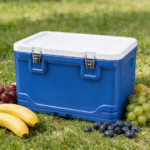
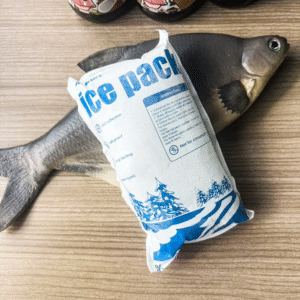
Insulated boxes or flexible fish bags: Suitable for short term transport or small catches; fill with ice or gel packs.
Vacuum seal or high barrier films: Ideal for long distance shipments; these materials reduce oxygen exposure but require strict temperature control to prevent pathogen growth.
Moisture proof wrapping: Wrap fillets or whole fish in plastic bags, moisture proof paper or foil before placing them on ice in the refrigerator.
Step by step workflow for fresh fish packaging:
Rinse and clean the fish at sea or dockside; remove viscera if necessary.
Pre chill in slurry ice or chilled seawater for 30 minutes.
Pack on ice or in an insulated container with gel packs; avoid leaving the fish uncovered
Place into cold storage or transport immediately to a processing facility.
Packaging materials comparison
| Material / tool | Description | Benefit to fish cold chain |
| Vacuum Insulated Panels (VIP) | Rigid panels with low thermal conductivity | Maintain stable temperatures for 24+ hours during transit |
| Expanded Polypropylene (EPP) boxes | Lightweight and reusable foam boxes | Provide insulation, are durable and reduce waste |
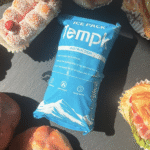
| Gel packs or dry ice | Frozen gel or CO₂ for cooling | Provide additional cold energy; dry ice is suitable for frozen shipments |
| High barrier films | Multi layer plastics with low oxygen transmission | Protect fish from oxidation and dehydration during long transit |
Practical advice
Avoid overpacking: Too much ice can crush delicate fish; ensure proper cushioning.
Label shipments clearly: Indicate “perishable” and include handling instructions to prevent mishandling.
Check packaging integrity upon arrival: Inspect for leaks or condensation, which may signal temperature abuse.
Example: A small oyster farm switched from single use Styrofoam boxes to reusable EPP containers with gel packs. The reusable boxes maintained temperature longer and reduced packaging costs by 30% over the season.
How do you ship and transport fish safely across long distances?
Shipping fish safely means keeping the cold chain intact during every transfer. Temperature fluctuations cause microbial growth, while thaw refreeze cycles damage texture. To avoid these problems, you need pre cooled vehicles, efficient logistics planning and continuous monitoring.
Transport best practices
Use refrigerated trucks or reefer containers: Ensure the cargo space is pre cooled to the target temperature before loading, minimising thermal shock.
Plan efficient routes: Reduce transit time and the number of transfers; limit loading and unloading to shorten exposure to ambient temperatures.
Monitor temperature continuously: Deploy IoT data loggers or Bluetooth sensors that send real time temperature and humidity readings. Set alerts so drivers can react quickly if temperatures drift outside safe ranges.
Maintain proper airflow: Stack boxes to allow cold air to circulate; avoid blocking vents.
Potential risks if transport fails
Microbial growth and spoilage: Even short exposure to warm temperatures can spur bacterial multiplication.
Loss of texture and flavour: Ice crystals form during thaw refreeze cycles, breaking down muscle fibres and causing drip loss.
Regulatory non compliance: Temperature logs are often required under regulations like the Food Safety Modernization Act; incomplete data could lead to fines.
Practical tip: For international shipments, choose carriers that specialise in cold chain logistics and provide end to end tracking. Request documentation of temperature logs upon delivery for quality assurance.
How can smart technologies like IoT and AI improve fish cold chain reliability?
Modern cold chain management is more than ice and insulation — it’s data driven. Advanced technologies such as IoT sensors, blockchain and artificial intelligence are transforming how fish are stored and transported. According to cold chain experts, IoT devices provide real time monitoring of temperature and humidity, blockchain ensures transparent traceability, and AI helps optimise routes and inventory.
Benefits of smart monitoring
Real time alerts: IoT sensors detect temperature excursions and notify operators immediately, allowing corrective action before spoilage occurs.
Data logging and traceability: Blockchain technology records every handoff, creating an immutable log that regulators and buyers can review.
Predictive analytics: AI analyses historical data to forecast demand, plan efficient routes and schedule maintenance, reducing costs and carbon footprint.
Scenario: A fish distributor implemented sensors on all shipments and integrated the data into an AI powered dashboard. The system highlighted routes with frequent delays and recommended alternative paths. After rerouting, the distributor reduced transit times by 15% and cut product losses by 20%.
What regulations and standards must you follow for fish cold chain compliance in 2025?
Compliance protects consumers and builds trust. Several standards govern fish cold chain operations:
Temperature control: Fresh fish must stay within 0–5 °C; frozen fish at −18 °C or colder.
Hazard analysis: Under FDA guidelines, processors must implement hazard analysis and controls for time/temperature abuse. This includes monitoring and documenting temperatures and corrective actions.
Record keeping: Many jurisdictions require temperature logs for shipments, plus traceability records for each batch.
Certifications: Retailers increasingly require certifications like SQF and BRC. Newer cold storage facilities are being built with advanced temperature control and automated tracking systems to meet these standards.
Tip: Consult your local regulatory agency or a food safety consultant to ensure your processes meet all requirements. Keep digital records for at least the minimum period specified by law (often 1–2 years).
2025 updates and trends in fish cold chain logistics
2025 is a pivotal year for cold chain logistics. Industry reports highlight several developments that directly impact fish operations:
Adoption of IoT, blockchain and AI: Companies are using IoT sensors, blockchain ledgers and predictive analytics to improve real time monitoring, traceability and route optimisation.
Surging demand for temperature sensitive products: Growth in e commerce, meal kits and plant based proteins requires more precise cold chain management.
Sustainability and energy efficiency: Businesses are switching to eco friendly packaging, renewable energy and energy efficient refrigeration to reduce their carbon footprint. Initiatives like “Move to −15 °C” promote storing frozen foods at slightly higher temperatures ( 15 °C) to save energy while maintaining safety.
Regulatory tightening: Retailers now prefer stringent certifications like BRC and SQF over older standards, and they demand detailed traceability.
Resilience and climate adaptation: Operators are investing in resilient infrastructure and strategic stockpiles to handle extreme weather events and geopolitical disruptions.
Market insights
The cold chain logistics market is booming. Reports suggest the global market will grow from USD 324.85 billion in 2024 to USD 862.33 billion by 2032, with a 13 % compound annual growth rate. Growth is driven by rising demand for fresh and frozen foods, pharmaceuticals and biologics. Upgraded facilities and expanded storage capacity are being built to meet this demand, often featuring automation and improved energy efficiency.
What this means for you
Stay competitive by embracing these trends. Invest in sensors and data analytics to improve visibility, experiment with sustainable packaging, and look for certifications that signal quality to your partners. Consider collaborative partnerships with logistics providers to build resilience against supply chain disruptions.
Frequently asked questions (FAQ)
Question 1: How quickly should I chill fish after catch?
Immediately. Place fish into ice or a chilled slurry within minutes of catching. Rapid chilling keeps fish out of the danger zone and slows bacterial growth.
Question 2: What packaging is best for long distance fish shipments?
Use insulated containers with gel packs or dry ice and high barrier films. Vacuum sealed or MAP (modified atmosphere) packaging helps preserve quality, but ensure strict temperature control to prevent anaerobic bacterial growth.
Question 3: Can I mix different seafood species in one box?
It’s best to separate species. Different fish have different fat contents and storage requirements; mixing them can cause cross contamination and compromise quality.
Question 4: How long can fresh fish stay good under proper cold chain conditions?
Fresh fish remains high quality for 2–3 days when stored near 0 °C and handled properly. Aim to process or sell fresh fish within this window.
Summary & recommendations
Key takeaways:
Maintain fish near 0–5 °C when fresh and below −18 °C when frozen. Fluctuations lead to spoilage and quality loss.
Use appropriate packaging (insulated boxes, moisture proof bags) and pre chill fish before packing.
Employ refrigerated transport, efficient route planning and real time temperature monitoring to maintain the cold chain.
Leverage smart technologies (IoT sensors, AI, blockchain) for transparency, predictive maintenance and traceability.
Embrace sustainability: adopt green packaging, renewable energy and consider the −15 °C initiative to reduce energy consumption.
Actionable next steps:
Audit your current cold chain process: Identify points where temperature control could fail. Use data loggers to validate temperatures.
Upgrade packaging and monitoring: Invest in reusable insulated containers and IoT sensors. Implement a monitoring platform to track shipments in real time.
Train your team: Ensure handlers know proper icing, packaging and cleaning procedures. Provide refreshers on regulatory requirements.
Partner with experts: Work with cold chain logistics providers who offer certified facilities, sustainable practices and integrated data solutions.
Measure and improve: Track metrics like spoilage rates, delivery times and customer complaints. Use these insights to improve your cold chain strategy.
About Tempk
We at Tempk specialise in cold chain packaging and logistics for seafood, pharmaceuticals and other perishable goods. Our solutions include insulated containers, gel packs, vacuum shrink bags and integrated monitoring systems. We focus on sustainability, regulatory compliance and efficiency to ensure your fish reaches customers fresh and safe. Reach out to our team for a custom evaluation of your fish cold chain process — we’re ready to help you build a reliable, sustainable supply chain.