Buying cold chain milk isn’t just about grabbing a carton from the refrigerated aisle. Milk is highly perishable; to keep it safe, processors cool it to 4 °C (39 °F) within two hours and transport it at 38–40 °F. Without a reliable cold chain, bacteria multiply quickly, compromising taste and nutrition. This guide shows you how to choose cold chain milk that meets modern safety standards, explains why temperature control matters, and highlights the latest 2026 innovations so you can shop with confidence.
This Article Will Answer:
Why does cold chain integrity matter when you buy milk? Learn how proper cooling and rapid transport preserve nutrients and prevent spoilage.
How can you identify quality cold chain milk? Discover labeling cues, packaging types and freshness indicators backed by industry data.
What technologies are transforming cold chain milk in 2026? Understand IoT sensors, solar coolers and blockchain that enhance safety.
What trends will shape the cold chain milk market in 2026? Explore consumer-driven demands such as functional dairy, clean labels and sustainable packaging.
Which challenges affect affordability and how can they be overcome? Learn about equipment costs, training and infrastructure gaps, plus practical solutions.
Why Is Cold Chain Milk Essential for Your Health and Budget?
Direct Answer
Cold chain milk stays fresh because it is cooled quickly and kept cold until it reaches your refrigerator. Milk’s mix of proteins and sugars makes it an ideal medium for bacterial growth; when temperature rises above around 4 °C (40 °F), bacteria multiply rapidly. To prevent spoilage, farmers cool fresh milk to 4 °C within two hours and transport it in tankers maintained at 38–40 °F (3–4 °C). Rapid cooling slows bacterial activity and preserves vitamin content. Without a reliable cold chain, producers face economic losses and regulatory penalties. By choosing cold chain milk, you protect your health and avoid paying for wasted product.
Expanded Explanation
Think of milk like a fresh salad—it starts out full of nutrients but quickly deteriorates if left at room temperature. As soon as milk leaves the cow, microorganisms begin to grow. If the temperature exceeds 4 °C for long, bacteria multiply exponentially. Cold chain practices—rapid cooling, refrigerated transport and storage—keep microbial growth in check, preserving flavor, vitamin A and B levels and calcium bioavailability. Without these controls, farmers and processors risk spoilage, fines and consumer distrust. For you, buying cold chain milk means lower risk of foodborne illness and less chance of pouring sour milk down the drain. Reliable temperature control also reduces wastage, helping keep prices stable.
What Makes Cold Chain Milk Safer Than Regular Milk?
Long before milk reaches your glass, it travels through several stages—collection, processing, packaging and retail. Each stage has specific temperature targets to preserve quality. The table below summarizes these stages and explains what they mean for you.
| Stage | Recommended Temperature | Typical Duration | What It Means for You |
| On farm cooling | 4 °C (39 °F) within 2 hours | Immediately after milking | Quick chilling slows bacterial growth and locks in nutrients. Ask if your milk supplier uses bulk milk coolers or instant chillers to meet this standard. |
| Transportation | 38–40 °F (3–4 °C) | 1–2 days | Refrigerated tankers and insulated containers prevent temperature spikes. Reliable logistics reduce spoilage and keep costs down. |
| Processing | 4 °C or below | Continuous | Pasteurization and homogenization occur under strict temperature control to kill pathogens and maintain quality. Automated testing ensures safety. |
| Distribution & Retail | 0–4 °C | 1–3 days | Cold storage and inventory rotation prevent waste. Retailers must keep milk refrigerated and rotate stock so you don’t purchase expired product. |
Practical Tips for Buying Cold Chain Milk
Check the temperature at the point of purchase: The milk display should be cold to the touch, ideally below 4 °C. Avoid cartons sitting outside refrigeration.
Look for clear date codes: Choose the latest “best-by” date and avoid products close to expiration. First-in/first-out inventory systems reduce risk.
Inspect packaging: Opt for cartons or bottles with intact seals and no signs of swelling. Choose insulated, lightweight packaging that maintains temperature and reduces environmental impact.
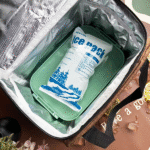
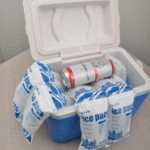
Minimize transit time: Shop for milk last and head home quickly. Bring an insulated bag or cooler to maintain cold chain integrity on the way to your refrigerator.
Support transparency: Many brands now offer QR codes or labels showing farm-to-shelf traceability. Blockchain systems record temperature and location at each step.
Case Study: A rural cooperative in India implemented insulated milk cans with ice packs and GPS tracking. By chilling milk immediately after milking and monitoring temperature during a 30 km journey, the cooperative reduced spoilage by 40 % and secured higher prices.
How to Choose the Right Cold Chain Milk Brand?
Direct Answer
Selecting a cold chain milk brand requires balancing freshness, sustainability and convenience. Look for brands that invest in insulated packaging, transparent supply chains and sustainable practices. The global dairy packaging market is projected to grow from USD 45.6 billion in 2024 to USD 62.5 billion by 2030. Innovations in packaging—such as lightweight barrier materials and bio based films—extend shelf life while meeting environmental mandates. Brands adopting smart labels and real time monitoring are better able to guarantee freshness.
Expanded Explanation
When choosing a brand, pay attention to the packaging. Rigid containers like cartons and bottles currently represent about 63 % of global dairy packaging revenue, while flexible pouches and films are growing fast due to lower logistics costs. Eco conscious consumers in North America and Europe increasingly favor recyclable cartons and biodegradable films. Meanwhile, innovations such as antimicrobial packaging and phase change materials help slow spoilage during transit. Choosing brands that adopt these technologies can enhance product safety and reduce waste. Also, look for labels highlighting clean ingredients and transparency—traits aligned with the clean label movement that is driving manufacturers to remove artificial additives.
Packaging Types and Their Pros and Cons
The chart below summarizes the market share of rigid versus flexible packaging and highlights key considerations when you buy cold chain milk.
| Packaging Type | Market Share (2024) | Key Benefits | Considerations |
| Rigid containers (cartons, bottles) | ~63 % of revenue | Provide strong protection and clarity; suitable for high volume products like milk and yogurt. Often recyclable when made from paper and board. | Heavier than flexible packaging; may have higher transport emissions. Plastic components raise environmental concerns. |
| Flexible packaging (pouches, wraps) | ~37 % of revenue | Lightweight and lower-cost; reduces fuel consumption and adapts to single serve formats. Growing in cheese and flavored milk segments. | May be harder to recycle depending on materials used; requires careful sealing to prevent leaks. |
| Glass jars | Niche share | Conveys premium quality, especially for organic milk. Reusable and inert. | Heavy and fragile; high energy cost to produce and transport. |
| Paper cartons (shelf stable) | Increasing in eco conscious regions | Made from renewable resources; often used for shelf stable milk and plant based alternatives. | Not always recyclable if lined with plastic or aluminum; shorter shelf life once opened. |
Practical Tips and Advice
Match packaging to your consumption habits: If you drink milk quickly, rigid cartons are fine. For on-the-go use, flexible pouches or single serve bottles reduce waste and spillage.
Check for smart labels: Some brands offer time-temperature indicators or scannable codes that show if the cold chain was maintained during transport.
Prioritize sustainability: Choose products packaged in recyclable or biodegradable materials when possible. Look for certifications that verify eco-friendly practices.
Real-world Example: Major dairy companies like Nestlé and Danone are investing in smart packaging with IoT sensors. Lightweight containers integrated with temperature sensors enable real-time tracking and reduce fuel costs. Logistics providers using such packaging have reduced fuel consumption by 15 % and spoilage by 20 %, improving both sustainability and profitability.
What Technologies Are Shaping Cold Chain Milk in 2026?
Direct Answer
Digital technologies, renewable energy and smart logistics are reshaping cold chain milk. IoT sensors monitor temperature and send alerts when deviations occur. Solar powered bulk milk coolers and instant chillers provide off grid cooling, lowering energy costs and supporting rural producers. GPS-enabled route optimization reduces fuel consumption and spoilage. Blockchain traceability records every transfer and temperature reading, increasing transparency. These technologies make the cold chain more efficient, resilient and affordable.
Expanded Explanation
Imagine a milk tanker equipped with sensors that continuously monitor temperature and location. If the milk warms beyond 4 °C, the system sends an alert so drivers can check refrigeration units or reroute. Such IoT devices are becoming standard in dairy logistics. At the farm level, solar-powered bulk milk coolers allow producers in areas with unreliable electricity to chill milk quickly. Instant chillers reduce bacterial growth before transportation, while insulated cans with phase change materials help smallholders maintain temperature when electricity isn’t available. On the data side, blockchain platforms create an immutable record from farm to shelf; consumers can scan a code to see where their milk came from and whether the cold chain was maintained.
Route optimization software integrates GPS tracking, milk volume data and farm pickup schedules to generate the most efficient routes. Some systems even adjust schedules based on real-time traffic, weather and milking times, reducing fuel use and carbon emissions. In research labs, low cost spectrometer sensors (AS7265x) analyze fat and protein content in real time, helping processors pay farmers fairly and ensuring quality. Combined, these technologies enhance cold chain integrity and keep your milk safer.
Cold Chain Market Growth Chart
To appreciate the scale of innovation, consider the projected growth of the cold chain market. It is expected to rise from USD 360.3 million in 2025 to USD 976 million by 2032, a compound annual growth rate of 15.3 %. Storage equipment holds the largest share because companies are expanding cold storage warehouses. The chart below illustrates this growth.
Challenges and Solutions in Affordable Cold Chain Milk
Key Challenges
High equipment costs: Bulk milk coolers, refrigerated trucks and smart sensors require substantial upfront investment. This is particularly difficult for small farmers.
Power reliability: Rural areas often experience power cuts, disrupting cooling and risking spoilage.
Limited refrigerated transport: Many farmers still rely on non refrigerated vehicles, leading to temperature deviations.
Lack of awareness and training: Some producers are unaware of proper hygiene and cold chain practices.
Practical Solutions
Cooperative and shared infrastructure: Shared bulk milk coolers and refrigerated trucks allow small producers to access cooling technology on a pay-per-use basis.
Government subsidies and financing: Many governments and development agencies offer grants or low-interest loans for solar-powered coolers and energy-efficient equipment.
Off-grid solutions: Solar-powered coolers and battery backups maintain temperature during power outages.
Training and education: Outreach programs teach hygiene, temperature monitoring and route planning. Adopting clean practices—such as washing hands, using stainless steel buckets and covering containers—reduces contamination.
Smart logistics: GPS tracking, route optimization and fuel monitoring reduce fuel theft, shorten travel time and lower emissions.
Example: A logistics provider equipped its fleet with route planning software, temperature sensors and lightweight insulated containers. They cut fuel consumption by 15 % and reduced spoilage by 20 %, demonstrating that investment in technology pays off.
Latest 2026 Cold Chain Milk Developments and Trends
Trend Overview
The dairy industry is evolving rapidly due to changing consumer expectations, sustainability mandates and technological advances. Key trends shaping cold chain milk in 2026 include:
Functional and fortified dairy products: Health-conscious consumers seek probiotic yogurts, high-protein milk and nutrient-enriched dairy. These products require strict cold chain control to preserve active cultures and nutrients.
Digital transformation in farming: Automated milking systems, AI-powered livestock monitoring and data analytics improve efficiency and animal welfare. These technologies support better milk quality and more predictable supply.
Clean label and organic demand: Consumers scrutinize ingredient lists and prefer minimally processed, chemical-free milk. Brands respond by simplifying formulations and highlighting transparency.
Plant-based and lactose-free alternatives: Growing veganism and lactose intolerance drive demand for oat, almond and soy beverages. Even traditional dairy companies now offer plant-based SKUs to capture market share.
Sustainability and low-carbon initiatives: Methane-reducing feed additives, regenerative grazing practices and biodegradable packaging help reduce the dairy industry’s environmental footprint. Consumers reward brands that demonstrate climate action.
Climate adaptation: Dairy companies are adopting solar-powered cooling, climate-resilient cattle breeds and precision water management to handle rising temperatures and water scarcity.
Supply chain transparency: Blockchain, IoT devices and AI-driven demand forecasting improve traceability and reduce waste.
Latest Progress Highlights
Real-time monitoring: IoT sensors monitor milk temperature during transport, sending alerts when deviations occur.
Solar-powered cooling: Adoption of solar BMCs and instant chillers provides reliable off-grid cooling solutions, especially in developing regions.
AI and machine learning: Data-driven tools predict demand trends, optimize routes and suggest inventory replenishment, reducing overstocking and waste.
Market Insights
The cold chain market is projected to grow significantly. In 2025 the market is valued at USD 360.3 million and is expected to reach USD 976 million by 2032, with a CAGR of 15.3 %. Storage equipment accounts for 57.4 % of the market because processed and packaged food demand is growing. As e commerce grocery sales rise, insulated containers and boxes will dominate packaging products. These numbers underscore the importance of investing in technology and infrastructure to handle increasing cold chain volume.
Frequently Asked Questions
Q1: How should I store cold chain milk at home? Keep milk at 0–4 °C (32–39 °F) in your refrigerator and always close the lid tightly. Place cartons on the middle shelf rather than in the door, where temperatures fluctuate. Consume within the “best by” date for optimal taste.
Q2: Is cold chain milk healthier than regular milk? Yes. Cold chain milk retains more protein, vitamins and minerals because rapid cooling slows enzymatic breakdown and bacterial growth. It also lowers the risk of foodborne illness by keeping pathogens at bay.
Q3: Does buying cold chain milk cost more? While specialized equipment adds cost, efficient logistics and reduced waste often offset the difference. Shared infrastructure and government subsidies make cold chain solutions affordable. The long shelf life and safety benefits justify a small price premium.
Q4: How can I tell if the cold chain was broken? Look for smart labels or time-temperature indicators on the packaging. Swollen or leaking containers and off smells are signs that temperature control failed. Always trust your senses and discard any milk that seems spoiled.
Summary and Recommendations
Cold chain milk safeguards your health by keeping milk chilled from farm to fridge. Rapid cooling to 4 °C and continuous refrigeration during transport protect nutrients and prevent bacterial growth. When shopping, check temperature, examine packaging and prioritize brands that invest in sustainable, insulated containers. Emerging technologies—such as IoT sensors, solar-powered coolers and blockchain—enhance transparency and efficiency. Market growth projections of USD 360.3 million in 2025 to USD 976 million by 2032 signal increasing investment opportunities.
Actionable Steps
Inspect before buying: Touch the carton to ensure it’s cold, check the date and choose packaging that looks secure.
Store correctly: Keep milk refrigerated at or below 4 °C and use an insulated bag when transporting home.
Support transparency: Choose brands that provide supply chain information and use sustainable packaging.
Advocate for better practices: Encourage retailers to invest in modern refrigeration and time-temperature indicators. Share feedback with brands when you notice cold chain issues.
Stay informed: Follow industry news and watch for innovations such as AI route planning, smart labeling and renewable-powered cooling.
About Tempk
Tempk is a leading provider of cold chain packaging and logistics solutions. We specialize in insulated boxes, thermal pallet covers and reusable ice packs designed to keep perishable goods safe throughout transport. Our products are engineered to meet the stringent temperature requirements of dairy and pharmaceutical industries and are certified under international quality standards. We prioritize sustainability by offering reusable and recyclable options and invest heavily in R&D to stay ahead of industry trends. Our clients range from small farmers to global food companies, all seeking reliable cold chain solutions.
Next Steps
To learn how Tempk’s products can help your business maintain milk quality and reduce spoilage, contact our team today. We offer personalized consultations and can recommend the optimal combination of insulated packaging and cooling technology for your needs. Let’s work together to keep your milk fresh, safe and profitable.