Introduction
Keeping food and drinks cold on the go is easier when you have the right gear. A cooler backpack neoprene offers insulation, comfort and water-resistant protection in one lightweight package. As outdoor recreation and food delivery surge, choosing a pack that matches your needs has become more important than ever. You’ll find that neoprene’s closed-cell structure traps air and reduces heat transfer, helping food and drinks maintain temperature for 2–4 hours. This guide, updated February 24 2026, breaks down everything you need to know, from materials and capacity to care tips and market trends.
This guide will answer:
What makes neoprene cooler backpacks special? – examine insulation, water resistance and durability.
How to choose the right size and features? – explore capacity categories and key performance indicators.
How to care for neoprene cooler backpacks? – simple cleaning and odor-removal practices.
What trends are shaping cooler backpacks in 2026? – understand market growth, sustainability and design innovations.
What Makes Neoprene Cooler Backpacks a Great Choice?
Neoprene is a synthetic rubber first developed in the 1930s. It is lightweight yet strong and naturally water-resistant. These qualities make it popular for wetsuits, laptop sleeves and lunch bags. Neoprene cooler backpacks combine thermal protection, durability and comfort in a single package. Here are the key reasons you might choose one:
Insulation performance. Neoprene has a closed-cell structure that traps tiny air pockets, slowing down heat transfer. Tests show neoprene bags keep food and drinks at a stable temperature for 2–4 hours without extra ice packs. For short trips or daily lunch use, that’s sufficient to keep items safe.
Water resistance. Because the material is naturally water-resistant, condensation stays inside the bag. This prevents moisture from leaking out and keeps the exterior dry.
Durability and comfort. Neoprene is flexible and shock-absorbing. It stretches to accommodate containers without tearing and feels comfortable on your shoulders. Compared with foil-lined bags, neoprene holds up better to daily use and frequent folding.
Eco-friendly benefits. Reusable bags reduce the need for single-use plastic packaging. While neoprene itself isn’t biodegradable, a durable cooler backpack neoprene lasts for years, lowering waste.
Comparing Insulation Materials: Neoprene vs. Others
How does neoprene stack up?
Different insulation materials provide varying levels of temperature retention, water resistance and durability. The table below summarizes key differences using concise phrases so you can decide which fits your needs.
| Material | Insulation & retention | Water resistance | Durability & care | What it means for you |
|---|---|---|---|---|
| Neoprene | Medium retention (2–4 h); closed-cell foam traps air | Naturally water-resistant | Flexible & long-lasting; machine-washable | Ideal for daily office or school use; comfortable and reusable |
| Polyester/Nylon | Low to moderate insulation | Fair water resistance | Durable but less eco-friendly | Good for lightweight promotional bags or short trips |
| Foil-lined soft coolers | High insulation (with foam) | Poor water resistance alone; leaks possible | Can tear easily | Best for longer trips when paired with thick foam and ice packs |
| Hard case coolers | Very high retention (all-day) | Excellent water resistance | Heavy & difficult to clean | Ideal for camping or long road trips where weight is less of a concern |
Practical implications
For daily commuting, neoprene offers a balanced combination of insulation and portability. Its light weight and machine-washable construction make it easy to carry and clean.
For longer travel or outdoor events, consider a foil-lined soft cooler with thicker foam or a hard case cooler for superior thermal retention.
Adding ice packs inside a neoprene cooler backpack can extend cooling time to around 6 hours, making it suitable for half-day excursions.
How to Choose the Right Neoprene Cooler Backpack
Understand your capacity needs
Cooler backpacks come in various volumes. Choosing the right capacity ensures effective insulation and comfort without wasted space. According to Tempk’s 2026 procurement guide, commercial cooler bags range from 6 L to 40 L. They categorize capacity as:
| Capacity category | Typical volume | Use cases | Practical implications |
|---|---|---|---|
| Compact (6–10 L) | Small | Single-meal deliveries, personal lunches | Lightweight and portable; holds a meal and drink |
| Mid-size (15–20 L) | Medium | Meal-prep services, grocery packs | Fits multiple containers; ideal for multi-meal orders |
| Large (30–40 L) | Large | Catering events, group outings | Requires sturdy construction; fill 80–90 % for best insulation |
Tip: Avoid underfilling large cooler backpacks; empty air pockets reduce insulation efficiency.
Evaluate insulation performance
Look at foam thickness, lining materials and closure systems:
Foam type and thickness. Closed-cell foams like polyurethane or cross-linked polyethylene deliver high R-values (~6/inch). Entry-level neoprene bags may have 3 mm foam for up to six hours of retention; thicker foam (5–8 mm) plus a reflective liner extends cooling to 8–24 hours when paired with gel packs.
Lining materials. Aluminum foil linings reflect radiant heat and resist moisture. PEVA liners are food-safe but may warp over time.
Closure design. Quality zippers, flaps and Velcro seals prevent ambient air ingress. Weak zippers undermine performance.
Check durability and comfort features
A cooler backpack should withstand daily handling and exposure to moisture. Outer fabrics like 600 D or 900 D Oxford resist abrasion, while recycled polyester (RPET) offers eco-friendly branding. Comfort features include padded, adjustable shoulder straps and reinforced base panels. A backpack-style cooler suits bike couriers and foot delivery because it distributes weight evenly.
Prioritize quality assurance and certifications
Before buying, test sample bags for thermal retention, leak resistance and load-bearing capacity. Trusted suppliers provide compliance packs that include labeling guidance, traceability documents and safety certificates like FDA or OEKO-TEX. Sustainable materials such as RPET fabrics and biodegradable foam help meet regulatory requirements and corporate net-zero commitments.
Practical Tips and Care for Neoprene Cooler Backpacks
Cleaning and maintenance
Hand wash or machine wash: Many neoprene bags can be washed with mild detergent. Avoid bleach and high-heat drying.
Air dry flat: Let the bag air dry to maintain its shape and prevent odor buildup.
Remove odors: If a new bag has a rubber smell, wash it with mild soap and air it outdoors until the odor dissipates.
Avoid microwaves and ovens: Neoprene is not heat-proof, so transfer food to microwave-safe containers before reheating.
Extend cooling time
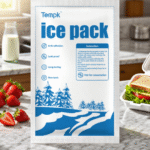
Add ice packs: Placing ice packs inside can extend cooling to around 6 hours.
Pre-chill or pre-heat items: Start with cold drinks or warm food to maximize insulation.
Keep it closed: Opening the bag often lets heat or cold escape.
Use a thermos: For hot foods, use a thermos inside the bag; neoprene will slow heat loss.
Scenario-specific advice
For office workers or students: Choose a lightweight neoprene cooler backpack with zipper closure and a compact size. It fits easily into lockers and doesn’t require extra space.
For long commutes or fieldwork: Consider a neoprene bag with added foil lining or additional foam thickness, or upgrade to a hard cooler when you need full-day performance.
For parents with kids: Select fun colors and easy-carry handles; neoprene is soft and safe for children.
Real-world example: During a 2025 corporate lunch program, a company used mid-size neoprene cooler backpacks with 5 mm foam and aluminum liners. Employees reported that meals remained below 5 °C for around four hours with one ice pack, and the padded straps made it easy to carry lunch on public transit. The company observed fewer food safety incidents and positive feedback on comfort.
Additional Features and Innovation Trends
Smart and sustainable packaging
Sustainability is no longer optional. Sector reports indicate that food packaging is shifting toward recyclable, compostable materials and reduced waste. Smart packaging with QR codes, NFC tags and temperature sensors improves traceability and food safety. When selecting a cooler backpack neoprene, look for suppliers that use recycled fabrics and integrated tracking features.
Lifestyle-focused designs
Backpack coolers have evolved into lifestyle accessories. Outdoor enthusiasts and urban commuters want products that are both functional and fashionable. Best-in-class models like Hydro Flask’s Day Escape offer thick closed-cell foam insulation, waterproof exteriors and easy-to-operate zippers. Premium options such as Yeti’s Hopper M20 feature magnetic closures and reinforced shells for superior cold retention. Budget-friendly designs like the Coleman Chiller 28-Can still provide padded straps and generous capacity at lower cost. For daily errands, a cooler backpack neoprene with ergonomic straps and stylish prints bridges the gap between fashion and function.
Market growth and consumer behaviour
The cooler bags market was valued at USD 4.2 billion in 2025 and is expected to grow to USD 4.3 billion in 2026, reaching USD 6.2 billion by 2035 at a 4 % compound annual growth rate. The growth is driven by rising outdoor activities, comfort demand and domestic travel. Consumers seek reusable alternatives to single-use packaging, pushing companies to develop durable, sustainable bags. As cooler bags become lifestyle items rather than occasional accessories, design, sustainability and multi-functionality will differentiate products.
2026 Trends and Developments for Neoprene Cooler Backpacks
Trend overview
In 2026, the cold-chain industry and consumer markets are experiencing several significant shifts:
Growing demand for temperature-sensitive products. The global frozen foods market is expected to grow from US$ 280.56 billion in 2025 to US$ 403.59 billion by 2032, creating more need for reliable portable insulation.
Sustainable and smart packaging. Food packaging is moving toward recyclable and compostable materials with embedded sensors and QR codes. Cooler backpacks with eco-friendly fabrics and smart tags will meet regulatory and consumer expectations.
Rise of reusable cooler bags as promotional tools. Studies show branded cooler bags generate 1,900–2,000 impressions and remain in use for more than two years, turning them into mobile advertisements for brands.
Hybrid designs and multi-use furniture. Outdoor gear continues to blur lines between backpacks, totes and daypacks. Models like the REI Co-op Cool Trail Split Pack offer separate compartments for gear and insulation.
Latest progress at a glance
Increased market size: Cooler bag revenue is forecast to climb to USD 6.2 billion by 2035.
Sustainability integration: Recycled fabrics and long-lasting construction are now baseline expectations.
Smart features: QR codes and temperature sensors provide real-time tracking in cold-chain logistics.
Ergonomic design: Premium models incorporate cushioned straps and quick-release closures for comfort and convenience.
Market insights and consumer preferences
Consumers prioritize mobility, sustainability and style. Urban dwellers want compact, lightweight packs that integrate into daily commutes and align with eco-friendly values. Outdoor enthusiasts seek durable, water-resistant designs for hiking, beach trips and picnics. Companies leveraging recycled materials, modern color palettes and functional features will build brand loyalty while meeting regulatory requirements.
Frequently Asked Questions
How long does a neoprene cooler backpack keep items cold?
A neoprene cooler backpack typically maintains food or drinks at safe temperatures for 2–4 hours. You can extend cooling to around 6 hours by adding an ice pack inside.
Is neoprene waterproof?
Neoprene is naturally water-resistant, meaning spills and condensation stay inside. However, prolonged submersion isn’t recommended. For full waterproofing, look for sealed zippers or additional protective layers.
How do I clean a neoprene cooler backpack?
Most neoprene bags can be hand-washed or machine-washed with mild detergent. Air dry the bag to preserve its shape and elasticity.
What size cooler backpack should I choose?
Select a capacity based on your use: compact (6–10 L) for single meals, mid-size (15–20 L) for multiple meals, or large (30–40 L) for group outings. Always fill the bag at least 80 % to improve insulation.
Can I put hot food in a neoprene cooler backpack?
Yes, but use a thermos to maintain heat. Neoprene slows down heat loss but doesn’t create a vacuum seal. Using a thermos inside the bag improves results.
Summary and Recommendations
Neoprene cooler backpacks offer a versatile and eco-friendly way to carry food and beverages. Thanks to their closed-cell insulation, water resistance and durability, they are ideal for daily commuting, picnics and short trips. When selecting a bag, consider capacity (6–40 L), foam thickness, lining materials and closure quality. Thicker foam and reflective linings enhance insulation, while padded straps improve comfort.
The cooler bags market is expanding, driven by outdoor lifestyle trends and sustainable practices. Choosing a durable, reusable cooler backpack neoprene supports environmental goals and provides branding opportunities. With growing emphasis on recyclable materials and smart features, look for models that integrate sustainable fabrics and sensor technology.
Actionable next steps
Assess your daily needs: Determine how much food or drink you need to carry and how long you need it chilled. Choose a capacity accordingly.
Evaluate features: Look for neoprene backpacks with 5 mm or thicker foam, reflective liners and durable zippers for better retention.
Test before buying: Conduct simple thermal, leak and load tests on sample bags. Check certifications for food safety and sustainability.
Plan for sustainability: Opt for products made with recycled fabrics and support brands that offer recycling programs.
Enhance your experience: Add ice packs or thermos containers, pre-chill items, and keep the bag closed to maximize insulation.
About Tempk
We are Tempk, a company dedicated to delivering reliable and eco-friendly cold-chain solutions. Our neoprene cooler backpacks combine high-performance insulation, recycled fabrics and ergonomic designs to support food delivery, healthcare and outdoor recreation. We invest in research and testing to ensure that our products meet strict temperature standards and sustainability goals. Partnering with us means working with a team that understands both product quality and environmental responsibility.
Call to action: Ready to find the perfect cooler backpack neoprene? Explore our range of insulated bags and consult our experts for tailored recommendations. Contact Tempk today to discuss your needs and discover products that keep your goods fresh and your brand on trend.