Insulated Cooler Bag Breast Milk: How Do You Keep It Safe in 2025?
If your day includes pumping, daycare runs, or travel, insulated cooler bag breast milk is your “portable fridge” strategy. Your goal is simple: keep milk cold, keep it sealed, and keep warm air out. CDC guidance says breast milk can be stored in an insulated cooler with frozen ice packs for up to 24 hours while traveling, then used, refrigerated, or frozen at your destination.
In this guide, you’ll learn:
-
How insulated cooler bag breast milk stays safe using time + temperature + cleanliness
-
How long insulated cooler bag breast milk can last in real-life routines (work, daycare, travel)
-
A repeatable packing method for insulated cooler bag breast milk for work commute
-
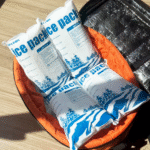
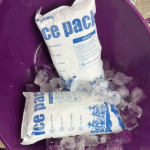
How to choose the best ice packs for breast milk cooler bag reliability
-
The simplest way to handle TSA breast milk cooler bag rules with less stress
-
How cleaning an insulated cooler bag for breast milk prevents odors and waste
Insulated cooler bag breast milk: What does “safe” really mean?
Direct answer: Insulated cooler bag breast milk is “safe” when milk stays cold enough, stays sealed, and avoids contamination. Safety is not only time. It’s time + temperature + clean handling. CDC also warns not to thaw or heat breast milk in a microwave and recommends specific time windows after warming or thawing.
Expanded explanation: Think of your cooler bag like a tiny refrigerator door. Every time you open it, cold air escapes and warm air enters. When that happens repeatedly, temperature swings rise and your “safe buffer” shrinks. Your best protection is a boring routine you can repeat when you’re tired.
Insulated cooler bag breast milk: The 4-point safety triangle
Detailed information: Use this as your mental checklist before you leave home.
| Safety factor | What it controls | What usually goes wrong | What it means for you |
|---|---|---|---|
| Ice packs | Temperature stability | Packs are too small or not fully frozen | Milk warms earlier than you think |
| Bag insulation | Heat gain rate | Thin bag or weak zipper seal | Hot commutes become riskier |
| Pack contact | Cooling efficiency | Packs don’t touch containers | “Cold air” isn’t enough |
| Opening discipline | Real-world performance | Bag opened too often | Temperature swings increase |
Practical tips you can use today
-
If you change one thing: make ice packs touch milk containers on 2 sides.
-
If your day is unpredictable: pack extra “cold mass” instead of relying on luck.
-
If you want less stress: open the cold zone once, close it fast, done.
Real-world example: One parent stopped “checking” the bag and only opened it to add milk. Their insulated cooler bag breast milk routine stayed colder all day.
insulated cooler bag breast milk
Insulated cooler bag breast milk: How long can it stay safe on the go?
Direct answer: For travel, CDC guidance states breast milk can be stored in an insulated cooler with frozen ice packs for up to 24 hours. After you arrive, CDC advises using it, refrigerating it, or freezing it.
Expanded explanation: “Up to 24 hours” is a ceiling, not a goal. Your real-world hold time depends on heat, air gaps, and how often the bag is opened. If you cannot control those, plan a shorter window and prioritize refrigeration sooner.
The hold-time “risk score” (interactive)
Add points and total your score:
-
Outdoor heat: under 75°F (+0), 75–90°F (+1), over 90°F (+2)
-
Cold-zone openings: 0–2 (+0), 3–6 (+1), 7+ (+2)
-
Ice packs: two+ fully frozen (+0), one/loose (+1), not fully frozen (+2)
-
Air space: mostly full (+0), half empty (+1)
| Score | What it means | What to do next | What it means for you |
|---|---|---|---|
| 0–1 | Low risk | Standard packout | More confidence, less guessing |
| 2–4 | Medium risk | Add cold mass, reduce openings | Better buffer time |
| 5–7 | High risk | Plan a fridge/freezer handoff | Avoid “hope-based” storage |
Quick reference: storage targets that support your cooler plan
Detailed information: Your cooler routine is a bridge to proper storage. Common guidance uses 40°F (4°C) for refrigeration and 0°F (-18°C) for freezers. FDA recommends keeping refrigerators at or below 40°F (4°C) and freezers at 0°F (-18°C). U.S. Food and Drug Administration
USDA WIC guidance for healthy, full-term babies lists up to 4 hours at room temperature (77°F or colder), up to 4 days refrigerated (40°F or colder), and “within 6 months is best” for freezer storage (0°F or colder), with up to 12 months acceptable.
Insulated cooler bag breast milk: How do you pack it for a work commute?
Direct answer: The most repeatable method is a “cold sandwich”: ice pack, milk, ice pack—then seal the bag and minimize openings. Pre-chilling the bag for 10–15 minutes helps, especially in summer.
insulated cooler bag breast milk
Expanded explanation: Your biggest enemy on a workday is not the commute. It’s repeated small openings and “warm items” stealing cooling power. Treat the milk zone like a fridge shelf: organized, full, and opened briefly.
Insulated cooler bag breast milk: The “Cold Sandwich” packout
Detailed information: This method is simple enough to repeat even on a rough day.
-
Pre-chill the bag (optional): add a frozen pack for 10–15 minutes.
-
Bottom layer: one flat frozen pack.
-
Middle: sealed bottles or milk storage bags.
-
Top/side layer: one flat frozen pack touching containers.
-
Fill air gaps: a clean towel or divider to reduce empty space.
-
Zip fully and avoid “half-open” carrying.
| Packout step | Do this | Avoid this | What it means for you |
|---|---|---|---|
| Pre-chill | Packs inside early | Loading into a warm bag | Longer cold hold |
| Cold sandwich | Milk between packs | Milk against warm walls | More stable cold |
| Fill gaps | Reduce air space | Big air pockets | Fewer warm swings |
Practical tips and suggestions
-
Busy workday: keep pump parts outside the milk zone so you open less.
-
Multiple sessions: use a “new milk zone” so warm milk doesn’t warm older milk.
-
If you’re unsure: move milk to a refrigerator sooner rather than stretching time.
Real-world example: A parent used one rule—only open the cold zone when adding milk. Their insulated cooler bag breast milk routine became more stable.
insulated cooler bag breast milk
Insulated cooler bag breast milk: Which ice packs and bag features matter most?
Direct answer: The best setup is the one that keeps ice packs in direct contact with milk containers, with minimal air gaps and a strong zipper seal. Flat packs usually make contact easier than bulky shapes.
insulated cooler bag breast milk
Expanded explanation: People often buy a bigger bag for “flexibility,” then accidentally create a half-empty air chamber that warms faster. In practice, a smaller structured bag that packs tight often performs better.
Best ice packs for breast milk cooler bag reliability
Detailed information: Your goal is steady cold, not extreme cold spots.
| Cold source | Works well for | Watch out for | What it means for you |
|---|---|---|---|
| Gel packs | Daily commuting | Too-cold contact on thin bags | Add a thin barrier if needed |
| Frozen water packs | Strong cooling | Leaks and sweating | Use sealed casings |
| Phase-change packs | Stable cooling range | Higher cost | Helpful for long, hot days |
Cooler Bag Fit Score (self-assessment)
Give yourself 1 point for each “Yes”:
-
I can freeze two flat packs overnight most days.
-
My bag fits milk + packs with minimal empty space.
-
The liner is wipeable and seams look durable.
-
The zipper closes fully and feels tight.
-
I can open the milk zone 3 times or less per day.
-
I have a plan to refrigerate or freeze after arrival.
Score meaning:
-
0–2: simplify your routine first.
-
3–4: improve pack contact and reduce air gaps.
-
5–6: you’re set for a strong insulated cooler bag breast milk routine.
Insulated cooler bag breast milk: Can you fly with it under TSA rules?
Direct answer: Yes. TSA allows breast milk in quantities greater than 3.4 oz (100 ml) and permits cooling accessories like ice packs and gel packs used to cool breast milk. You should expect separate screening.
Expanded explanation: Airport screening is smoother when your kit is tidy and easy to inspect. Your goal is fast inspection with minimal warming. You do not need a perfect speech. You need a calm, repeatable approach.
TSA breast milk cooler bag rules: the low-stress screening script
Detailed information:
-
“I’m carrying expressed breast milk and cooling packs.”
-
Keep milk together in one compartment.
-
Keep cold packs together.
-
Expect extra screening sometimes and plan extra time.
| TSA moment | What may happen | What you do | What it means for you |
|---|---|---|---|
| Extra screening | Bag pulled aside | Declare calmly | Less chaos, faster finish |
| Slushy packs | Questions about state | Explain purpose | Keeps milk cold and compliant |
| Many containers | “Reasonable amount” check | State travel need | Reduces repacking |
Real-world example: A traveler used a dedicated pouch inside the insulated cooler bag breast milk kit. Screening was quicker and nothing spilled.
insulated cooler bag breast milk
Insulated cooler bag breast milk: How do you keep it clean and low-stress?
Direct answer: Clean it like you’d clean a lunchbox for a baby: wipe spills immediately, wash the liner with mild soap, rinse, and air-dry fully with the bag open. Drying matters because damp seams create odors.
Expanded explanation: Most “sour smell” complaints are not mysterious. They are usually residue + moisture in corners and zipper tracks. A quick routine done often beats occasional deep cleans.
Cleaning an insulated cooler bag for breast milk: Clean–Dry–Air routine
Detailed information:
-
Empty the bag and remove inserts/dividers.
-
Wipe spills right away (especially seams).
-
Wash liner with mild soap + warm water.
-
Rinse well (soap smell can linger).
-
Air-dry open for several hours (don’t zip it closed damp).
| Area | Why it matters | What to do | What it means for you |
|---|---|---|---|
| Corners/seams | Residue hides here | Cloth + gentle brush | Less odor and less stress |
| Zipper track | Sticky buildup | Careful wipe | Zipper stays smooth |
| Dividers | Touch bags/bottles | Wash + dry | Cleaner daily routine |
Practical tips and suggestions
-
After a leak: clean the same day. Dried milk is harder to remove.
-
If odor persists: extend air-dry time. Moisture is usually the cause.
-
Keep it dedicated: don’t mix raw foods in the same bag.
Real-world example: One parent stopped storing the bag zipped overnight. Odor problems disappeared without changing products.
2025 latest trends in insulated cooler bag breast milk routines
Trend overview: In 2025, the winning approach is “low-effort safety”: structured bags, flatter ice packs, fewer openings, and clearer handoff routines. CDC continues to emphasize the travel rule—insulated cooler with frozen ice packs up to 24 hours—plus clear thawing and warming guidance.
Latest progress snapshot
-
More consistent travel planning: clearer expectations for transporting milk and cooling packs.
-
More workplace support clarity: DOL guidance notes employers must allow a nursing employee to bring a pump and an insulated food container or personal cooler, and provide a place to store them.
-
More “simple rules” education: AAP parent guidance highlights microwave avoidance and practical storage reminders. HealthyChildren.org
Market insight: The biggest gains still come from habits: pack contact, tight fit, and fewer openings. Gear helps, but routine wins.
Frequently Asked Questions
Q1: How long does insulated cooler bag breast milk stay safe with ice packs?
CDC guidance states up to 24 hours in an insulated cooler with frozen ice packs while traveling, then use, refrigerate, or freeze.
Q2: What temperature should an insulated cooler bag breast milk setup aim for?
Aim for “refrigerator-cold.” FDA recommends keeping refrigerators at or below 40°F (4°C) and freezers at 0°F (-18°C).
Q3: Can I add freshly pumped warm milk into my insulated cooler bag breast milk stash?
If you can, cool the new milk first so it doesn’t warm older milk. This is one of the easiest quality-protection habits.
Q4: What are the TSA breast milk cooler bag rules in plain English?
TSA allows breast milk in quantities greater than 3.4 oz and allows cooling accessories like ice packs and gel packs used to cool it. Expect separate screening.
Q5: What’s the safest way to warm milk after transport?
CDC recommends warming by placing the sealed container in warm water or under warm running water, and avoiding microwaves.
Q6: How long can thawed milk stay in the refrigerator?
CDC guidance says use thawed milk within 24 hours after it is completely thawed (and do not refreeze after thawing).
Summary and recommendations
A strong insulated cooler bag breast milk routine is not complicated. It’s repeatable. Use two fully frozen packs, make them touch the containers, pack tight to reduce air gaps, and minimize openings. Use CDC’s 24-hour travel guidance as your ceiling, then plan conservatively when your day is messy. If your baby is premature or medically fragile, follow your clinician’s guidance first.
Your next-step action plan (start tomorrow)
-
Freeze two flat packs overnight.
-
Pack using the cold sandwich method.
-
Cut your cold-zone openings in half for 7 days.
-
Transfer to fridge/freezer promptly after arrival.
-
Keep a quick “risk score” note for hot days and long delays.
About Tempk
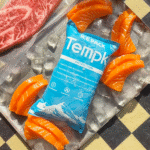
At Tempk, we design temperature-control packaging and practical cold chain workflows that fit real life—commutes, pumping schedules, daycare handoffs, and travel delays. We focus on stable insulation performance, simple packout logic, and routines that reduce “warm minutes” without adding complexity.
insulated cooler bag breast milk
Call to action: Tell us your typical commute time, how many bottles/bags you carry, and how many times you open the bag each day. We’ll suggest an insulated cooler bag breast milk packout plan matched to your routine.