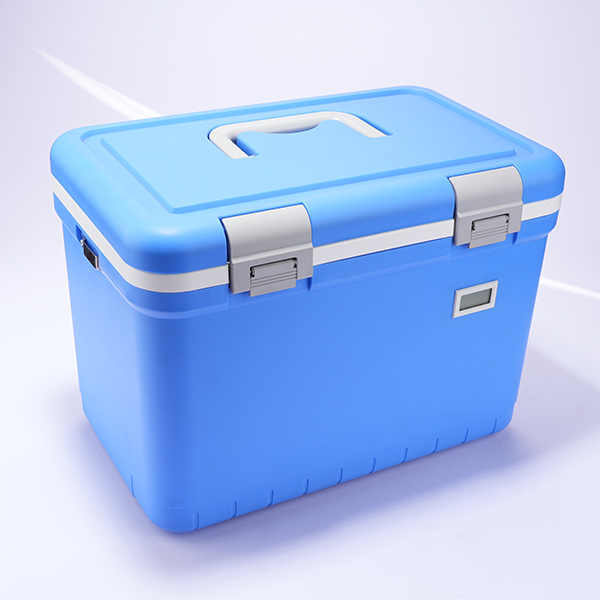
If you are buying insulated cooler bag wholesale, the smartest strategy is to treat the bag as a performance product, not just a low-cost accessory. A wholesale cooler bag affects shipping cost, customer experience, temperature protection, branding, and replacement frequency all at once. That is why this category is gaining attention as both cold-chain packaging and reusable packaging continue to grow globally. The cold-chain packaging market was estimated at US$ 33.73 billion in 2025 and is projected to reach US$ 93.15 billion by 2033, while the reusable packaging market is expected to reach US$ 190.1 billion by 2030. (大视野研究)
This guide will help you answer:
- How to assess insulated cooler bag wholesale products by use case
- Which materials and closures actually improve performance
- What MOQ, carton, and sampling decisions reduce cost risk
- How 2026 trends in delivery and sustainability affect wholesale buying
Why is insulated cooler bag wholesale changing?
Because wholesale buyers now want more value from every unit. Ten years ago, many cooler bags were bought as simple promotional products. In 2026, they are used for food delivery, meal transport, grocery fulfillment, short-haul cold movement, employee meal programs, and branded retail resale.
The market numbers reflect that change. Insulated food delivery bags alone are projected to grow from US$ 16,519 million in 2025 to US$ 31,840 million by 2035. This means more customers are using cooler bags as operational tools, not occasional accessories. (Future Market Insights)
- How should you segment your wholesale product line?
A better wholesale strategy starts with three product levels.
Entry level: promotional and retail giveaway use
Focus on appearance, clean branding, and acceptable basic insulation. The bag should still feel useful and presentable, even if it is not designed for heavy daily duty.
Mid level: retail resale and office meal transport
Here you need stronger materials, a better zipper, and a liner that cleans well. The goal is repeat use with a better customer experience.
Commercial level: food delivery and short-haul thermal transport
This level needs the strongest construction. You should prioritize loading speed, seam reliability, and real-use thermal testing.
- What should you demand from a supplier?
For insulated cooler bag wholesale, ask every supplier these questions:
- What are the MOQ tiers for stock and custom?
- What exact shell, insulation, and liner materials are used?
- Can you provide a real-use sample first?
- What is the carton quantity and carton size?
- What checks are done before shipment?
How stable is the repeat-order lead time?
These questions matter because small details drive big outcomes in wholesale. A weak zipper affects returns. A poor liner affects reviews. An oversized carton affects freight. A vague spec affects reorder consistency.
Which technical factors matter most?
Many buyers focus only on thickness, but the better question is how the entire bag performs. The shell controls wear resistance. The insulation slows temperature transfer. The liner affects hygiene and leak control. The closure affects air exchange. A poorly designed opening can cancel out otherwise good insulation.
Food-safety logic also matters. FDA Food Code guidance holds hot food at 135°F or above, while cold control expectations center on 41°F or less in practice. USDA also emphasizes that insulated bags help keep perishable foods safe and recommends cold sources for maintained temperature. If your wholesale customer is in food service, these numbers are not abstract. They shape what the bag must realistically support. (U.S. Food and Drug Administration)
Why does sustainability now matter in wholesale?
Because your customers are thinking in cost-per-use, waste reduction, and procurement standards. The EU’s official packaging direction includes making packaging recyclable in an economically viable way by 2030 and lowering virgin material use. Even outside Europe, this mindset is affecting product approvals and retailer expectations. (Environment)
For wholesale buyers, the practical takeaway is clear: reusable, durable, easy-clean bags often have stronger long-term value than ultra-cheap bags that fail quickly.
- What are the biggest mistakes to avoid?
Buying from photos without live samples
- Ignoring carton efficiency and freight cost
- Using one bag design for every use case
- Approving a logo before checking print placement on the real bag
- Comparing only unit price instead of cost per use
Frequently asked questions
What is the best MOQ for insulated cooler bag wholesale?
The best MOQ is the one that matches your sales velocity and customization needs. Do not buy volume you cannot move.
Should I offer foldable and structured versions?
Yes, if your customers vary. Foldable works well for retail storage. Structured bags often suit food-service use better.
How do I reduce return risk?
Use real samples, clear specifications, and simple QC checkpoints before bulk production.
Is a reusable bag always the better choice?
Not always, but it is often better when the bag is used repeatedly and brand image matters.
Summary and recommendation
The best insulated cooler bag wholesale strategy in 2026 is to build your offer around real customer use. Segment by duty level, review the full bag system, control sampling carefully, and compare landed cost instead of only unit price. That is how you create a wholesale program that sells well and performs well.
About Tempk
Tempk develops insulated packaging and cooler bag solutions for B2B customers who care about real performance. We focus on practical thermal design, scalable manufacturing, and repeat-order consistency so you can buy smarter and grow with fewer product issues.