


VIP shipping container for humidity control shipping: Practical Selection Framework
VIP shipping container for humidity control shipping: Practical Selection Framework

VIP shipping container for humidity control shipping: Selection Framework
For buyers, the practical question is not whether VIP insulation sounds advanced, but whether the complete packout fits the product and route. A VIP shipping container for humidity control shipping can be a strong option when the shipment needs compact thermal protection, but it should be evaluated as part of a complete passive temperature-control system. That system includes the insulated shell, coolant or PCM plan, payload preparation, packing instruction, monitoring approach, handling communication, and receiving review. The buyer's job is to connect those parts to the product, the lane, and the decision that will be made after delivery.
For quality manager, specialty materials shipper, pharmaceutical or diagnostic logistics team, the useful starting point is the real route: temperature-sensitive goods where condensation, moisture ingress, label damage, desiccant planning, or humidity data matters. The primary risk is that VIP insulation can reduce heat transfer, but it does not automatically control internal humidity; condensation may form when cold payloads meet warm air during loading or receiving. If the buyer only asks for a box size or a claimed duration, the supplier may not have enough information to recommend a safe and repeatable configuration. A better brief describes the product state, required temperature range, expected transit time, handover points, packaging evidence, and what the receiving team will accept or reject.
The first practical question is whether the product needs refrigerated, frozen, controlled-room-temperature, or another defined range. temperature targets and humidity limits should be defined separately, because a product may tolerate one exposure but not the other. A VIP shipper should therefore be reviewed against the actual product requirement and route condition, not against a generic promise. When product stability information is limited, the correct action is to ask for clarification and test evidence, not to fill the gap with assumptions.
Humidity-sensitive shipping needs a separate moisture strategy. Barrier bags, desiccants, liner choice, pre-conditioning, and humidity logging may matter as much as insulation. Condensation risk often appears when cold payloads meet warm air during packing or receiving, so process timing should be part of the design.
Start with product sensitivity, not container type
A final selection framework should begin with product sensitivity. For temperature-sensitive goods where condensation, moisture ingress, label damage, desiccant planning, or humidity data matters, the package may need to prevent warming, freezing, condensation, payload movement, or evidence gaps. The temperature range is only one part of the requirement. You also need to know whether the product is freeze-sensitive, whether the payload must remain dry, whether the receiving team needs a readable report, and whether a quality unit will review deviations.
This approach prevents a common buying error: choosing a container because it is labeled premium, then discovering later that the packout does not match the product. The box is one layer of control. It cannot replace product stability information, correct coolant conditioning, trained packing, or receiving decisions. A carefully written shipment brief is more valuable than a long list of generic features.
Turn the route into a testable packaging brief
A testable brief turns a rough shipping idea into a supplier-ready requirement. It should state the product type, required range, route family, expected maximum exposure, payload details, coolant preference or restriction, monitoring need, and receiving decision. For VIP shipping container for humidity control shipping, this brief should also identify the main failure mode: VIP insulation can reduce heat transfer, but it does not automatically control internal humidity; condensation may form when cold payloads meet warm air during loading or receiving.
The brief does not have to be perfect at the first draft. It does need to be explicit. If a value is unknown, mark it as a question for quality or logistics review. For example, do not write a fixed hold time unless you know the ambient profile and acceptance criteria. Do not write a payload capacity unless you know whether you mean gross internal volume or usable product space after coolant and separators are loaded.
Decision table for practical review
| Decision area | What to decide | What not to assume |
|---|---|---|
| Product requirement | Target range, excursion policy, freeze or moisture sensitivity. | Do not assume one range fits every product. |
| Thermal system | VIP container, coolant, separators, payload conditioning, and closure. | Do not treat the box alone as a qualified system. |
| Route exposure | Transit time, seasonal profile, customs, dwell, and last mile. | Do not use scheduled flight time as total exposure. |
| Evidence | Logger setup, calibration proof, report access, receiving rules. | Do not assume monitoring protects the product. |
| Scale-up | Sample consistency, production change control, packer training. | Do not approve production from a loose sample trial. |
This framework helps prevent overbuying and under-specifying at the same time. It lets procurement, logistics, and quality teams discuss the same facts before the packaging is approved.
When the VIP container is a good fit, and when it is not
A VIP container is a good fit when the product value, route risk, or space constraint justifies premium insulation and a more disciplined packout. It is less suitable when the team cannot define the temperature requirement, cannot pre-condition coolant, cannot retrieve shipment data, or needs active temperature control rather than passive insulation. A VIP shipping container is not a dehumidifier. Humidity control needs its own material and monitoring choices.
The decision should also consider the consignee. A laboratory, hospital, distributor, or household customer may have very different receiving behavior. If the recipient cannot unpack promptly or interpret a logger report, the packaging plan should include clear receiving instructions and escalation contacts.
Evidence that quality teams usually want to see
Quality teams usually want evidence that matches the risk level. For VIP shipping container for humidity control shipping, this may include the product shipping requirement, supplier technical data, packout instruction, test profile summary, sample review notes, logger settings, calibration information, and receiving inspection rules. The exact package depends on the product and market, so the article should not claim a single documentation bundle is mandatory everywhere.
What matters is traceability of the decision. When a route is approved, the team should know which packaging version was used, which coolant setup was tested, who trained the packers, and what change would trigger re-review. That is especially important when a sample becomes a production shipment or when a lane is expanded to a new region.
Supplier questions that reveal real readiness
Ask the supplier how the tested configuration relates to your route, not only whether the container is insulated. Ask whether the payload dimensions include coolant space. Ask what happens if the VIP panel is damaged. Ask whether the outer carton or shell is designed for the handling method you use. Ask whether the packout instruction is clear enough for warehouse staff who did not design the package.
Also ask what the supplier will not claim. A careful supplier should be willing to say that performance depends on route, payload, coolant configuration, and handling. That caution is not weakness. It is a sign that the packaging discussion is grounded in cold-chain reality.
Procurement notes for sample-to-production review
Sample approval should not end with a visual check. For VIP shipping container for humidity control shipping, the buyer should compare the sample with the production unit, confirm packaging materials, review the written packout, and decide what change would require re-approval. This matters when the first trial is packed by a technical person but routine shipments are packed by warehouse staff under time pressure. A well-designed VIP package can still produce inconsistent results if the process is not teachable.
A practical procurement file may include sample photos, packout steps, material description, route assumptions, monitoring requirements, and receiving actions. If the supplier offers customization, treat each change as a design variable. A different lid, liner, carton, handle, divider, or coolant format can change the way the system is packed and handled. Procurement should involve quality and operations before purchase volume increases.
FAQ
Is a VIP shipping container for humidity control shipping automatically qualified for my shipment?
No. A VIP container can be part of a qualified packaging system, but the shipment still needs review against the product temperature range, route profile, payload, coolant setup, handling process, and receiving rules. Ask for test context and packout instructions before treating the container as approved for production use.
Does VIP insulation replace gel packs, PCM, dry ice, or active refrigeration?
No. VIP insulation slows heat transfer; it does not create cold by itself. Many passive systems still need a coolant or phase change material selected for the product range. If the shipment requires active temperature control, a passive VIP box may not be sufficient.
Where should a data logger be placed inside the package?
Logger placement should match the monitoring purpose. A convenient location near the lid may not reflect the payload risk, while a deeply buried logger may miss exposure at edges. Define the placement map, alarm limits, report format, and receiving review before routine shipments begin.
What should I ask a supplier before ordering samples?
Share the product range, route, payload dimensions, expected exposure, and documentation need. Ask how the sample was tested, how much usable payload space remains after coolant, whether the packout is written clearly, and what changes would require review before scaling.
Does a VIP container control humidity by itself?
No. VIP insulation helps thermal resistance, not moisture control. Humidity-sensitive shipments may need barrier packaging, desiccants, condensation control, humidity logging, and a receiving inspection rule for moisture damage.
Cost comparison should include more than the unit price. A package that uses space efficiently, reduces rework, improves release evidence, or simplifies packing may justify a higher unit cost on certain lanes. The opposite can also be true: a premium container is wasteful if the route is low risk and a simpler tested shipper meets the requirement.
Training is part of packaging performance. Staff should know how to pre-condition coolant, load the payload, avoid crushing internal parts, place the logger, close the lid, apply labels, and record the dispatch time. If the instruction requires expert judgment at every step, the design may not be ready for routine operations.
Another point worth checking is the receiving team's decision process. If the shipment arrives with an alarm, damaged outer carton, missing report, or delayed delivery, someone must know whether to release, quarantine, or escalate. That decision should not be invented at the dock. It should be written into the shipping instruction so the package, data, and quality review work together.
The buyer should also ask how seasonal changes are handled. Summer, winter, and shoulder-season routes can require different coolant conditioning or different packaging margins. A VIP container may provide useful insulation across seasons, but the route profile and acceptance criteria should still be reviewed before the same packout is used year round.
Cost comparison should include more than the unit price. A package that uses space efficiently, reduces rework, improves release evidence, or simplifies packing may justify a higher unit cost on certain lanes. The opposite can also be true: a premium container is wasteful if the route is low risk and a simpler tested shipper meets the requirement.
Conclusion
A VIP shipping container for humidity control shipping should be selected as a complete cold-chain system, not as an isolated box. Start with product sensitivity, define the route, request evidence that matches the use case, and review how the package will be packed and received before scaling. If a claim cannot be tied to conditions, turn it into a supplier question.
About Tempk
Tempk's role in a VIP packaging discussion is to help turn a shipment brief into a workable packaging conversation rather than treating the box as a generic commodity. We focus on practical details such as the required temperature range, payload fit, coolant compatibility, route exposure, and monitoring needs. For projects involving VIP boxes, insulated containers, gel packs, PCM packs, or related cold-chain packaging, the most useful discussion begins with your route and product profile. Tempk does not need to turn every shipment into the most complex solution; the aim is to help buyers compare options carefully and choose a packaging direction that can be reviewed by their own operations and quality teams.
Ask Tempk to review your route, payload, and temperature requirement so the VIP packaging discussion starts from the shipment reality, not a generic box claim.
VIP shipping box for worldwide distribution: Practical Selection Framework
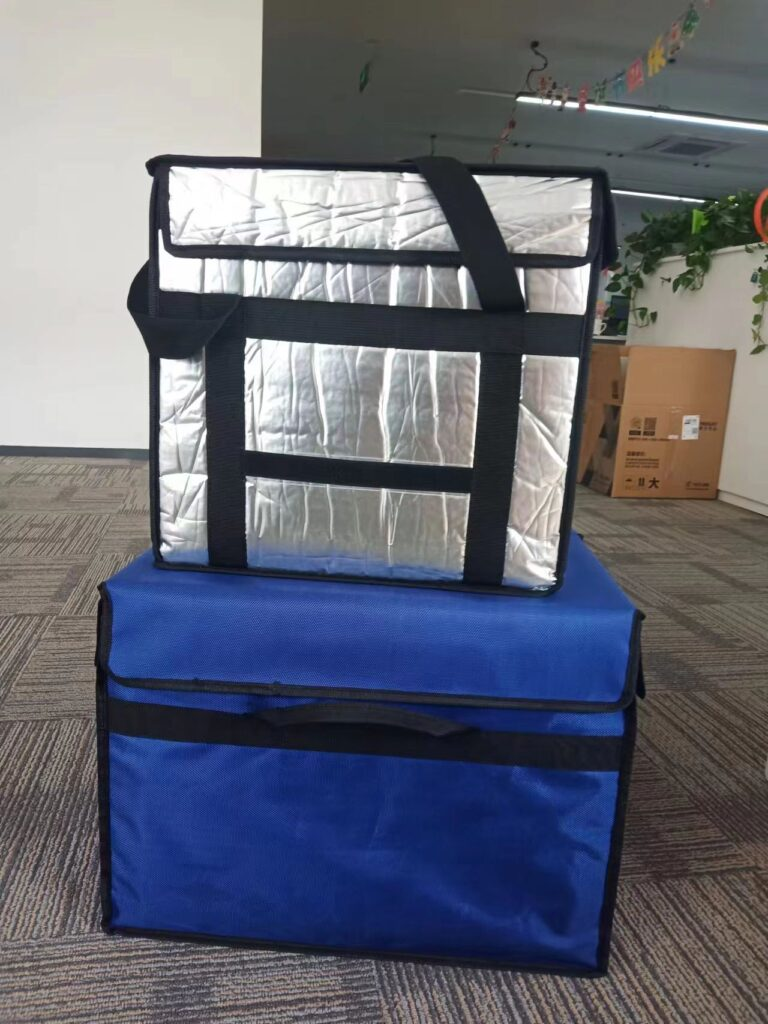
VIP shipping box for worldwide distribution: Selection Framework
For buyers, the practical question is not whether VIP insulation sounds advanced, but whether the complete packout fits the product and route. A VIP shipping box for worldwide distribution can be a strong option when the shipment needs compact thermal protection, but it should be evaluated as part of a complete passive temperature-control system. That system includes the insulated shell, coolant or PCM plan, payload preparation, packing instruction, monitoring approach, handling communication, and receiving review. The buyer's job is to connect those parts to the product, the lane, and the decision that will be made after delivery.
For global cold chain manager, export logistics buyer, packaging engineer, the useful starting point is the real route: export shipments that pass through air freight, truck legs, warehouses, and international handovers. The primary risk is that the same shipment may face origin dock dwell, airline acceptance, destination clearance, and regional last-mile exposure before the consignee receives it. If the buyer only asks for a box size or a claimed duration, the supplier may not have enough information to recommend a safe and repeatable configuration. A better brief describes the product state, required temperature range, expected transit time, handover points, packaging evidence, and what the receiving team will accept or reject.
The first practical question is whether the product needs refrigerated, frozen, controlled-room-temperature, or another defined range. the product label or stability file should define the accepted range; many healthcare lanes use refrigerated, frozen, or controlled-room-temperature targets, but the range is product-specific. A VIP shipper should therefore be reviewed against the actual product requirement and route condition, not against a generic promise. When product stability information is limited, the correct action is to ask for clarification and test evidence, not to fill the gap with assumptions.
Global and multi-site distribution should group routes by risk instead of assuming one configuration fits all lanes. A domestic courier route, an international air route, and a tropical last-mile lane may require different coolant conditioning, documentation, and monitoring even when the payload is the same.
Start with product sensitivity, not container type
A final selection framework should begin with product sensitivity. For export shipments that pass through air freight, truck legs, warehouses, and international handovers, the package may need to prevent warming, freezing, condensation, payload movement, or evidence gaps. The temperature range is only one part of the requirement. You also need to know whether the product is freeze-sensitive, whether the payload must remain dry, whether the receiving team needs a readable report, and whether a quality unit will review deviations.
This approach prevents a common buying error: choosing a container because it is labeled premium, then discovering later that the packout does not match the product. A stronger insulation layer can reduce risk, but it does not make documentation, labeling, and route communication optional. A carefully written shipment brief is more valuable than a long list of generic features.
Turn the route into a testable packaging brief
A testable brief turns a rough shipping idea into a supplier-ready requirement. It should state the product type, required range, route family, expected maximum exposure, payload details, coolant preference or restriction, monitoring need, and receiving decision. For VIP shipping box for worldwide distribution, this brief should also identify the main failure mode: the same shipment may face origin dock dwell, airline acceptance, destination clearance, and regional last-mile exposure before the consignee receives it.
The brief does not have to be perfect at the first draft. It does need to be explicit. If a value is unknown, mark it as a question for quality or logistics review. For example, do not write a fixed hold time unless you know the ambient profile and acceptance criteria. Do not write a payload capacity unless you know whether you mean gross internal volume or usable product space after coolant and separators are loaded.
Decision table for practical review
| Decision area | What to decide | What not to assume |
|---|---|---|
| Product requirement | Target range, excursion policy, freeze or moisture sensitivity. | Do not assume one range fits every product. |
| Thermal system | VIP container, coolant, separators, payload conditioning, and closure. | Do not treat the box alone as a qualified system. |
| Route exposure | Transit time, seasonal profile, customs, dwell, and last mile. | Do not use scheduled flight time as total exposure. |
| Evidence | Logger setup, calibration proof, report access, receiving rules. | Do not assume monitoring protects the product. |
| Scale-up | Sample consistency, production change control, packer training. | Do not approve production from a loose sample trial. |
This framework helps prevent overbuying and under-specifying at the same time. It lets procurement, logistics, and quality teams discuss the same facts before the packaging is approved.
When the VIP container is a good fit, and when it is not
A VIP container is a good fit when the product value, route risk, or space constraint justifies premium insulation and a more disciplined packout. It is less suitable when the team cannot define the temperature requirement, cannot pre-condition coolant, cannot retrieve shipment data, or needs active temperature control rather than passive insulation. Do not approve one box for every country simply because the insulation is premium. Worldwide distribution needs lane grouping, not a single assumption.
The decision should also consider the consignee. A laboratory, hospital, distributor, or household customer may have very different receiving behavior. If the recipient cannot unpack promptly or interpret a logger report, the packaging plan should include clear receiving instructions and escalation contacts.
Evidence that quality teams usually want to see
Quality teams usually want evidence that matches the risk level. For VIP shipping box for worldwide distribution, this may include the product shipping requirement, supplier technical data, packout instruction, test profile summary, sample review notes, logger settings, calibration information, and receiving inspection rules. The exact package depends on the product and market, so the article should not claim a single documentation bundle is mandatory everywhere.
What matters is traceability of the decision. When a route is approved, the team should know which packaging version was used, which coolant setup was tested, who trained the packers, and what change would trigger re-review. That is especially important when a sample becomes a production shipment or when a lane is expanded to a new region.
Supplier questions that reveal real readiness
Ask the supplier how the tested configuration relates to your route, not only whether the container is insulated. Ask whether the payload dimensions include coolant space. Ask what happens if the VIP panel is damaged. Ask whether the outer carton or shell is designed for the handling method you use. Ask whether the packout instruction is clear enough for warehouse staff who did not design the package.
Also ask what the supplier will not claim. A careful supplier should be willing to say that performance depends on route, payload, coolant configuration, and handling. That caution is not weakness. It is a sign that the packaging discussion is grounded in cold-chain reality.
Procurement notes for sample-to-production review
Sample approval should not end with a visual check. For VIP shipping box for worldwide distribution, the buyer should compare the sample with the production unit, confirm packaging materials, review the written packout, and decide what change would require re-approval. This matters when the first trial is packed by a technical person but routine shipments are packed by warehouse staff under time pressure. A well-designed VIP package can still produce inconsistent results if the process is not teachable.
A practical procurement file may include sample photos, packout steps, material description, route assumptions, monitoring requirements, and receiving actions. If the supplier offers customization, treat each change as a design variable. A different lid, liner, carton, handle, divider, or coolant format can change the way the system is packed and handled. Procurement should involve quality and operations before purchase volume increases.
FAQ
Is a VIP shipping box for worldwide distribution automatically qualified for my shipment?
No. A VIP container can be part of a qualified packaging system, but the shipment still needs review against the product temperature range, route profile, payload, coolant setup, handling process, and receiving rules. Ask for test context and packout instructions before treating the container as approved for production use.
Does VIP insulation replace gel packs, PCM, dry ice, or active refrigeration?
No. VIP insulation slows heat transfer; it does not create cold by itself. Many passive systems still need a coolant or phase change material selected for the product range. If the shipment requires active temperature control, a passive VIP box may not be sufficient.
Where should a data logger be placed inside the package?
Logger placement should match the monitoring purpose. A convenient location near the lid may not reflect the payload risk, while a deeply buried logger may miss exposure at edges. Define the placement map, alarm limits, report format, and receiving review before routine shipments begin.
What should I ask a supplier before ordering samples?
Share the product range, route, payload dimensions, expected exposure, and documentation need. Ask how the sample was tested, how much usable payload space remains after coolant, whether the packout is written clearly, and what changes would require review before scaling.
When is VIP packaging not the best choice?
It may not be the best choice when the route is short, product value is low, temperature risk is limited, or the team cannot support the required packout discipline. A simpler insulated shipper may be enough if it is tested for the route and product.
Another point worth checking is the receiving team's decision process. If the shipment arrives with an alarm, damaged outer carton, missing report, or delayed delivery, someone must know whether to release, quarantine, or escalate. That decision should not be invented at the dock. It should be written into the shipping instruction so the package, data, and quality review work together.
The buyer should also ask how seasonal changes are handled. Summer, winter, and shoulder-season routes can require different coolant conditioning or different packaging margins. A VIP container may provide useful insulation across seasons, but the route profile and acceptance criteria should still be reviewed before the same packout is used year round.
Cost comparison should include more than the unit price. A package that uses space efficiently, reduces rework, improves release evidence, or simplifies packing may justify a higher unit cost on certain lanes. The opposite can also be true: a premium container is wasteful if the route is low risk and a simpler tested shipper meets the requirement.
Training is part of packaging performance. Staff should know how to pre-condition coolant, load the payload, avoid crushing internal parts, place the logger, close the lid, apply labels, and record the dispatch time. If the instruction requires expert judgment at every step, the design may not be ready for routine operations.
Another point worth checking is the receiving team's decision process. If the shipment arrives with an alarm, damaged outer carton, missing report, or delayed delivery, someone must know whether to release, quarantine, or escalate. That decision should not be invented at the dock. It should be written into the shipping instruction so the package, data, and quality review work together.
Conclusion
A VIP shipping box for worldwide distribution should be selected as a complete cold-chain system, not as an isolated box. Start with product sensitivity, define the route, request evidence that matches the use case, and review how the package will be packed and received before scaling. If a claim cannot be tied to conditions, turn it into a supplier question.
About Tempk
Tempk works with cold-chain packaging projects where buyers need a practical match between product sensitivity, route exposure, and packout handling. We focus on practical details such as the required temperature range, payload fit, coolant compatibility, route exposure, and monitoring needs. For projects involving VIP boxes, insulated containers, gel packs, PCM packs, or related cold-chain packaging, the most useful discussion begins with your route and product profile. Tempk does not need to turn every shipment into the most complex solution; the aim is to help buyers compare options carefully and choose a packaging direction that can be reviewed by their own operations and quality teams.
Ask Tempk to review your route, payload, and temperature requirement so the VIP packaging discussion starts from the shipment reality, not a generic box claim.
VIP shipping box for high value shipments: Practical Selection Framework
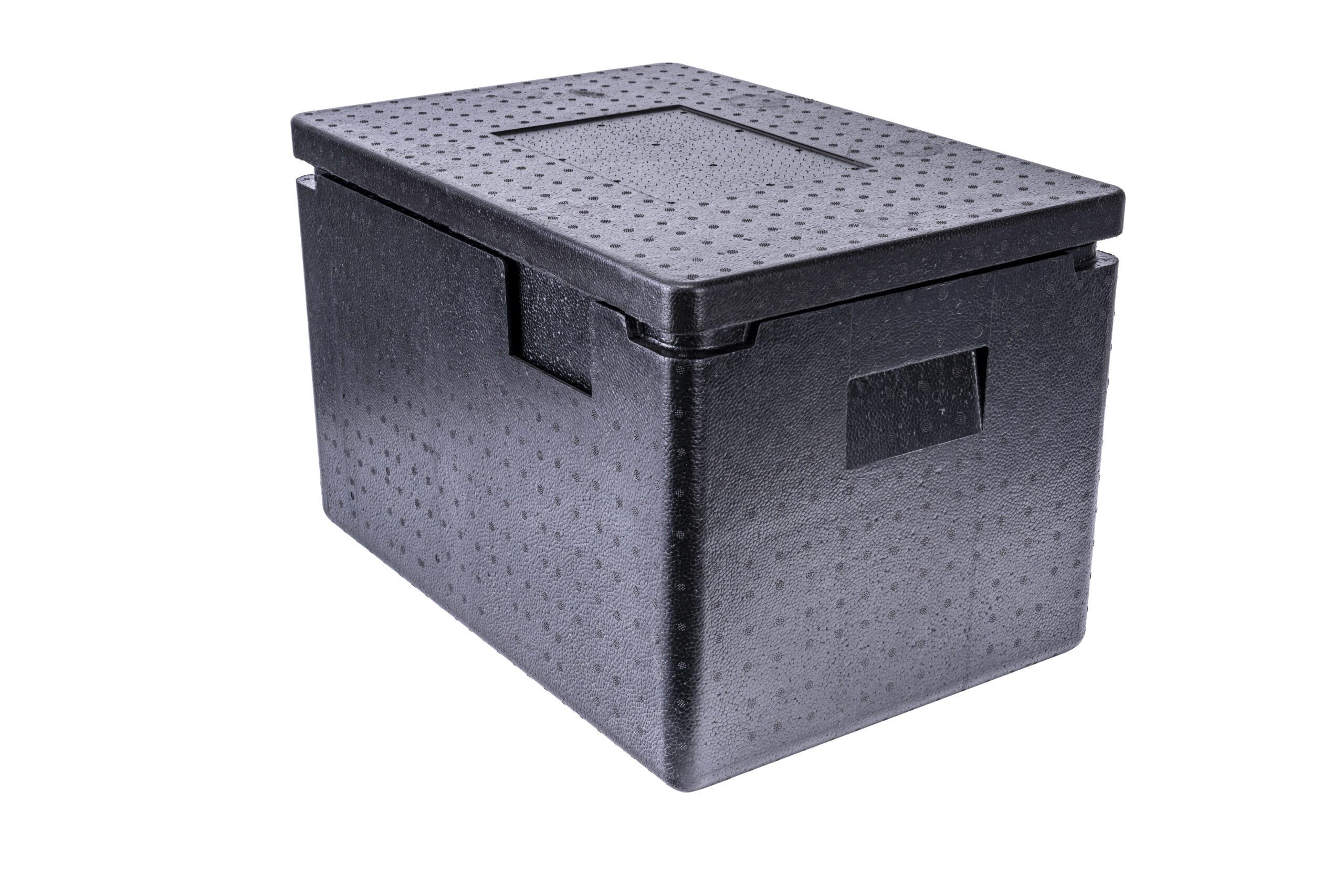
VIP shipping box for high value shipments: Selection Framework
Most cold-chain packaging mistakes appear at handover points, not in the neat part of the planned transit schedule. A VIP shipping box for high value shipments can be a strong option when the shipment needs compact thermal protection, but it should be evaluated as part of a complete passive temperature-control system. That system includes the insulated shell, coolant or PCM plan, payload preparation, packing instruction, monitoring approach, handling communication, and receiving review. The buyer's job is to connect those parts to the product, the lane, and the decision that will be made after delivery.
For quality director, high-value logistics buyer, insurance or risk manager, the useful starting point is the real route: shipments where product value, release risk, delay cost, or replacement difficulty makes packaging evidence important. The primary risk is that high value shipments can fail financially even when the physical loss is small, because a missing temperature record or unclear release rule may force quarantine or rejection. If the buyer only asks for a box size or a claimed duration, the supplier may not have enough information to recommend a safe and repeatable configuration. A better brief describes the product state, required temperature range, expected transit time, handover points, packaging evidence, and what the receiving team will accept or reject.
The first practical question is whether the product needs refrigerated, frozen, controlled-room-temperature, or another defined range. the required temperature range, excursion policy, and release decision should be defined before the shipment is packed. A VIP shipper should therefore be reviewed against the actual product requirement and route condition, not against a generic promise. When product stability information is limited, the correct action is to ask for clarification and test evidence, not to fill the gap with assumptions.
High-value shipments need evidence as much as insulation. Chain-of-custody notes, logger reports, escalation contacts, and release rules can determine whether a product is used, quarantined, or rejected. A small high-value package may deserve more planning than a much larger low-risk shipment.
Start with product sensitivity, not container type
A final selection framework should begin with product sensitivity. For shipments where product value, release risk, delay cost, or replacement difficulty makes packaging evidence important, the package may need to prevent warming, freezing, condensation, payload movement, or evidence gaps. The temperature range is only one part of the requirement. You also need to know whether the product is freeze-sensitive, whether the payload must remain dry, whether the receiving team needs a readable report, and whether a quality unit will review deviations.
This approach prevents a common buying error: choosing a container because it is labeled premium, then discovering later that the packout does not match the product. The container slows heat transfer. It does not decide whether an excursion is acceptable, and it does not make an unreviewed route qualified. A carefully written shipment brief is more valuable than a long list of generic features.
Turn the route into a testable packaging brief
A testable brief turns a rough shipping idea into a supplier-ready requirement. It should state the product type, required range, route family, expected maximum exposure, payload details, coolant preference or restriction, monitoring need, and receiving decision. For VIP shipping box for high value shipments, this brief should also identify the main failure mode: high value shipments can fail financially even when the physical loss is small, because a missing temperature record or unclear release rule may force quarantine or rejection.
The brief does not have to be perfect at the first draft. It does need to be explicit. If a value is unknown, mark it as a question for quality or logistics review. For example, do not write a fixed hold time unless you know the ambient profile and acceptance criteria. Do not write a payload capacity unless you know whether you mean gross internal volume or usable product space after coolant and separators are loaded.
Decision table for practical review
| Decision area | What to decide | What not to assume |
|---|---|---|
| Product requirement | Target range, excursion policy, freeze or moisture sensitivity. | Do not assume one range fits every product. |
| Thermal system | VIP container, coolant, separators, payload conditioning, and closure. | Do not treat the box alone as a qualified system. |
| Route exposure | Transit time, seasonal profile, customs, dwell, and last mile. | Do not use scheduled flight time as total exposure. |
| Evidence | Logger setup, calibration proof, report access, receiving rules. | Do not assume monitoring protects the product. |
| Scale-up | Sample consistency, production change control, packer training. | Do not approve production from a loose sample trial. |
This framework helps prevent overbuying and under-specifying at the same time. It lets procurement, logistics, and quality teams discuss the same facts before the packaging is approved.
When the VIP container is a good fit, and when it is not
A VIP container is a good fit when the product value, route risk, or space constraint justifies premium insulation and a more disciplined packout. It is less suitable when the team cannot define the temperature requirement, cannot pre-condition coolant, cannot retrieve shipment data, or needs active temperature control rather than passive insulation. High value does not always mean large volume. Sometimes the smallest shipment needs the strongest documentation discipline.
The decision should also consider the consignee. A laboratory, hospital, distributor, or household customer may have very different receiving behavior. If the recipient cannot unpack promptly or interpret a logger report, the packaging plan should include clear receiving instructions and escalation contacts.
Evidence that quality teams usually want to see
Quality teams usually want evidence that matches the risk level. For VIP shipping box for high value shipments, this may include the product shipping requirement, supplier technical data, packout instruction, test profile summary, sample review notes, logger settings, calibration information, and receiving inspection rules. The exact package depends on the product and market, so the article should not claim a single documentation bundle is mandatory everywhere.
What matters is traceability of the decision. When a route is approved, the team should know which packaging version was used, which coolant setup was tested, who trained the packers, and what change would trigger re-review. That is especially important when a sample becomes a production shipment or when a lane is expanded to a new region.
Supplier questions that reveal real readiness
Ask the supplier how the tested configuration relates to your route, not only whether the container is insulated. Ask whether the payload dimensions include coolant space. Ask what happens if the VIP panel is damaged. Ask whether the outer carton or shell is designed for the handling method you use. Ask whether the packout instruction is clear enough for warehouse staff who did not design the package.
Also ask what the supplier will not claim. A careful supplier should be willing to say that performance depends on route, payload, coolant configuration, and handling. That caution is not weakness. It is a sign that the packaging discussion is grounded in cold-chain reality.
Procurement notes for sample-to-production review
Sample approval should not end with a visual check. For VIP shipping box for high value shipments, the buyer should compare the sample with the production unit, confirm packaging materials, review the written packout, and decide what change would require re-approval. This matters when the first trial is packed by a technical person but routine shipments are packed by warehouse staff under time pressure. A well-designed VIP package can still produce inconsistent results if the process is not teachable.
A practical procurement file may include sample photos, packout steps, material description, route assumptions, monitoring requirements, and receiving actions. If the supplier offers customization, treat each change as a design variable. A different lid, liner, carton, handle, divider, or coolant format can change the way the system is packed and handled. Procurement should involve quality and operations before purchase volume increases.
FAQ
Is a VIP shipping box for high value shipments automatically qualified for my shipment?
No. A VIP container can be part of a qualified packaging system, but the shipment still needs review against the product temperature range, route profile, payload, coolant setup, handling process, and receiving rules. Ask for test context and packout instructions before treating the container as approved for production use.
Does VIP insulation replace gel packs, PCM, dry ice, or active refrigeration?
No. VIP insulation slows heat transfer; it does not create cold by itself. Many passive systems still need a coolant or phase change material selected for the product range. If the shipment requires active temperature control, a passive VIP box may not be sufficient.
Where should a data logger be placed inside the package?
Logger placement should match the monitoring purpose. A convenient location near the lid may not reflect the payload risk, while a deeply buried logger may miss exposure at edges. Define the placement map, alarm limits, report format, and receiving review before routine shipments begin.
What should I ask a supplier before ordering samples?
Share the product range, route, payload dimensions, expected exposure, and documentation need. Ask how the sample was tested, how much usable payload space remains after coolant, whether the packout is written clearly, and what changes would require review before scaling.
When is VIP packaging not the best choice?
It may not be the best choice when the route is short, product value is low, temperature risk is limited, or the team cannot support the required packout discipline. A simpler insulated shipper may be enough if it is tested for the route and product.
Cost comparison should include more than the unit price. A package that uses space efficiently, reduces rework, improves release evidence, or simplifies packing may justify a higher unit cost on certain lanes. The opposite can also be true: a premium container is wasteful if the route is low risk and a simpler tested shipper meets the requirement.
Training is part of packaging performance. Staff should know how to pre-condition coolant, load the payload, avoid crushing internal parts, place the logger, close the lid, apply labels, and record the dispatch time. If the instruction requires expert judgment at every step, the design may not be ready for routine operations.
Another point worth checking is the receiving team's decision process. If the shipment arrives with an alarm, damaged outer carton, missing report, or delayed delivery, someone must know whether to release, quarantine, or escalate. That decision should not be invented at the dock. It should be written into the shipping instruction so the package, data, and quality review work together.
The buyer should also ask how seasonal changes are handled. Summer, winter, and shoulder-season routes can require different coolant conditioning or different packaging margins. A VIP container may provide useful insulation across seasons, but the route profile and acceptance criteria should still be reviewed before the same packout is used year round.
Cost comparison should include more than the unit price. A package that uses space efficiently, reduces rework, improves release evidence, or simplifies packing may justify a higher unit cost on certain lanes. The opposite can also be true: a premium container is wasteful if the route is low risk and a simpler tested shipper meets the requirement.
Conclusion
A VIP shipping box for high value shipments should be selected as a complete cold-chain system, not as an isolated box. Start with product sensitivity, define the route, request evidence that matches the use case, and review how the package will be packed and received before scaling. If a claim cannot be tied to conditions, turn it into a supplier question.
About Tempk
Tempk's role in a VIP packaging discussion is to help turn a shipment brief into a workable packaging conversation rather than treating the box as a generic commodity. We focus on practical details such as the required temperature range, payload fit, coolant compatibility, route exposure, and monitoring needs. For projects involving VIP boxes, insulated containers, gel packs, PCM packs, or related cold-chain packaging, the most useful discussion begins with your route and product profile. Tempk does not need to turn every shipment into the most complex solution; the aim is to help buyers compare options carefully and choose a packaging direction that can be reviewed by their own operations and quality teams.
Ask Tempk to review your route, payload, and temperature requirement so the VIP packaging discussion starts from the shipment reality, not a generic box claim.
VIP refrigerated shipping container for last mile delivery: Practical Selection Framework

VIP refrigerated shipping container for last mile delivery: Selection Framework
A premium insulated container can still fail if the route, payload, and release rules are not defined before packing. A VIP refrigerated shipping container for last mile delivery can be a strong option when the shipment needs compact thermal protection, but it should be evaluated as part of a complete passive temperature-control system. That system includes the insulated shell, coolant or PCM plan, payload preparation, packing instruction, monitoring approach, handling communication, and receiving review. The buyer's job is to connect those parts to the product, the lane, and the decision that will be made after delivery.
For last-mile operations manager, food delivery buyer, healthcare distribution planner, the useful starting point is the real route: refrigerated-range deliveries that leave a depot and face doorsteps, vans, courier handoffs, lockers, or customer receiving delays. The primary risk is that last-mile failures often occur after the main line-haul is finished, when small packages sit in vehicles, building lobbies, or customer receiving areas. If the buyer only asks for a box size or a claimed duration, the supplier may not have enough information to recommend a safe and repeatable configuration. A better brief describes the product state, required temperature range, expected transit time, handover points, packaging evidence, and what the receiving team will accept or reject.
The first practical question is whether the product needs refrigerated, frozen, controlled-room-temperature, or another defined range. refrigerated delivery targets must be defined by product category; food, pharmaceuticals, and enzymes may not share the same release criteria. A VIP shipper should therefore be reviewed against the actual product requirement and route condition, not against a generic promise. When product stability information is limited, the correct action is to ask for clarification and test evidence, not to fill the gap with assumptions.
Last-mile delivery is often controlled by route density rather than laboratory conditions. The packaging plan should account for the last stop, not only the average stop. A package that performs well in the first hour of delivery may face a different risk after repeated vehicle openings, long dwell, or a customer who is not available to receive the order.
Start with product sensitivity, not container type
A final selection framework should begin with product sensitivity. For refrigerated-range deliveries that leave a depot and face doorsteps, vans, courier handoffs, lockers, or customer receiving delays, the package may need to prevent warming, freezing, condensation, payload movement, or evidence gaps. The temperature range is only one part of the requirement. You also need to know whether the product is freeze-sensitive, whether the payload must remain dry, whether the receiving team needs a readable report, and whether a quality unit will review deviations.
This approach prevents a common buying error: choosing a container because it is labeled premium, then discovering later that the packout does not match the product. Thermal margin is useful only when the team knows what it is protecting, how long the exposure may last, and what evidence will be reviewed at delivery. A carefully written shipment brief is more valuable than a long list of generic features.
Turn the route into a testable packaging brief
A testable brief turns a rough shipping idea into a supplier-ready requirement. It should state the product type, required range, route family, expected maximum exposure, payload details, coolant preference or restriction, monitoring need, and receiving decision. For VIP refrigerated shipping container for last mile delivery, this brief should also identify the main failure mode: last-mile failures often occur after the main line-haul is finished, when small packages sit in vehicles, building lobbies, or customer receiving areas.
The brief does not have to be perfect at the first draft. It does need to be explicit. If a value is unknown, mark it as a question for quality or logistics review. For example, do not write a fixed hold time unless you know the ambient profile and acceptance criteria. Do not write a payload capacity unless you know whether you mean gross internal volume or usable product space after coolant and separators are loaded.
Decision table for practical review
| Decision area | What to decide | What not to assume |
|---|---|---|
| Product requirement | Target range, excursion policy, freeze or moisture sensitivity. | Do not assume one range fits every product. |
| Thermal system | VIP container, coolant, separators, payload conditioning, and closure. | Do not treat the box alone as a qualified system. |
| Route exposure | Transit time, seasonal profile, customs, dwell, and last mile. | Do not use scheduled flight time as total exposure. |
| Evidence | Logger setup, calibration proof, report access, receiving rules. | Do not assume monitoring protects the product. |
| Scale-up | Sample consistency, production change control, packer training. | Do not approve production from a loose sample trial. |
This framework helps prevent overbuying and under-specifying at the same time. It lets procurement, logistics, and quality teams discuss the same facts before the packaging is approved.
When the VIP container is a good fit, and when it is not
A VIP container is a good fit when the product value, route risk, or space constraint justifies premium insulation and a more disciplined packout. It is less suitable when the team cannot define the temperature requirement, cannot pre-condition coolant, cannot retrieve shipment data, or needs active temperature control rather than passive insulation. A refrigerated shipping container in last-mile language may be passive. Unless the unit has active cooling, it needs a proven coolant plan and realistic route limits.
The decision should also consider the consignee. A laboratory, hospital, distributor, or household customer may have very different receiving behavior. If the recipient cannot unpack promptly or interpret a logger report, the packaging plan should include clear receiving instructions and escalation contacts.
Evidence that quality teams usually want to see
Quality teams usually want evidence that matches the risk level. For VIP refrigerated shipping container for last mile delivery, this may include the product shipping requirement, supplier technical data, packout instruction, test profile summary, sample review notes, logger settings, calibration information, and receiving inspection rules. The exact package depends on the product and market, so the article should not claim a single documentation bundle is mandatory everywhere.
What matters is traceability of the decision. When a route is approved, the team should know which packaging version was used, which coolant setup was tested, who trained the packers, and what change would trigger re-review. That is especially important when a sample becomes a production shipment or when a lane is expanded to a new region.
Supplier questions that reveal real readiness
Ask the supplier how the tested configuration relates to your route, not only whether the container is insulated. Ask whether the payload dimensions include coolant space. Ask what happens if the VIP panel is damaged. Ask whether the outer carton or shell is designed for the handling method you use. Ask whether the packout instruction is clear enough for warehouse staff who did not design the package.
Also ask what the supplier will not claim. A careful supplier should be willing to say that performance depends on route, payload, coolant configuration, and handling. That caution is not weakness. It is a sign that the packaging discussion is grounded in cold-chain reality.
Procurement notes for sample-to-production review
Sample approval should not end with a visual check. For VIP refrigerated shipping container for last mile delivery, the buyer should compare the sample with the production unit, confirm packaging materials, review the written packout, and decide what change would require re-approval. This matters when the first trial is packed by a technical person but routine shipments are packed by warehouse staff under time pressure. A well-designed VIP package can still produce inconsistent results if the process is not teachable.
A practical procurement file may include sample photos, packout steps, material description, route assumptions, monitoring requirements, and receiving actions. If the supplier offers customization, treat each change as a design variable. A different lid, liner, carton, handle, divider, or coolant format can change the way the system is packed and handled. Procurement should involve quality and operations before purchase volume increases.
FAQ
Is a VIP refrigerated shipping container for last mile delivery automatically qualified for my shipment?
No. A VIP container can be part of a qualified packaging system, but the shipment still needs review against the product temperature range, route profile, payload, coolant setup, handling process, and receiving rules. Ask for test context and packout instructions before treating the container as approved for production use.
Does VIP insulation replace gel packs, PCM, dry ice, or active refrigeration?
No. VIP insulation slows heat transfer; it does not create cold by itself. Many passive systems still need a coolant or phase change material selected for the product range. If the shipment requires active temperature control, a passive VIP box may not be sufficient.
Where should a data logger be placed inside the package?
Logger placement should match the monitoring purpose. A convenient location near the lid may not reflect the payload risk, while a deeply buried logger may miss exposure at edges. Define the placement map, alarm limits, report format, and receiving review before routine shipments begin.
What should I ask a supplier before ordering samples?
Share the product range, route, payload dimensions, expected exposure, and documentation need. Ask how the sample was tested, how much usable payload space remains after coolant, whether the packout is written clearly, and what changes would require review before scaling.
When is VIP packaging not the best choice?
It may not be the best choice when the route is short, product value is low, temperature risk is limited, or the team cannot support the required packout discipline. A simpler insulated shipper may be enough if it is tested for the route and product.
Training is part of packaging performance. Staff should know how to pre-condition coolant, load the payload, avoid crushing internal parts, place the logger, close the lid, apply labels, and record the dispatch time. If the instruction requires expert judgment at every step, the design may not be ready for routine operations.
Another point worth checking is the receiving team's decision process. If the shipment arrives with an alarm, damaged outer carton, missing report, or delayed delivery, someone must know whether to release, quarantine, or escalate. That decision should not be invented at the dock. It should be written into the shipping instruction so the package, data, and quality review work together.
The buyer should also ask how seasonal changes are handled. Summer, winter, and shoulder-season routes can require different coolant conditioning or different packaging margins. A VIP container may provide useful insulation across seasons, but the route profile and acceptance criteria should still be reviewed before the same packout is used year round.
Cost comparison should include more than the unit price. A package that uses space efficiently, reduces rework, improves release evidence, or simplifies packing may justify a higher unit cost on certain lanes. The opposite can also be true: a premium container is wasteful if the route is low risk and a simpler tested shipper meets the requirement.
Conclusion
A VIP refrigerated shipping container for last mile delivery should be selected as a complete cold-chain system, not as an isolated box. Start with product sensitivity, define the route, request evidence that matches the use case, and review how the package will be packed and received before scaling. If a claim cannot be tied to conditions, turn it into a supplier question.
About Tempk
For Tempk, a useful cold-chain recommendation starts with the shipment profile: product type, required range, route, payload, and proof expected at receiving. We focus on practical details such as the required temperature range, payload fit, coolant compatibility, route exposure, and monitoring needs. For projects involving VIP boxes, insulated containers, gel packs, PCM packs, or related cold-chain packaging, the most useful discussion begins with your route and product profile. Tempk does not need to turn every shipment into the most complex solution; the aim is to help buyers compare options carefully and choose a packaging direction that can be reviewed by their own operations and quality teams.
Ask Tempk to review your route, payload, and temperature requirement so the VIP packaging discussion starts from the shipment reality, not a generic box claim.
VIP refrigerated shipping container for enzyme shipping: Practical Selection Framework
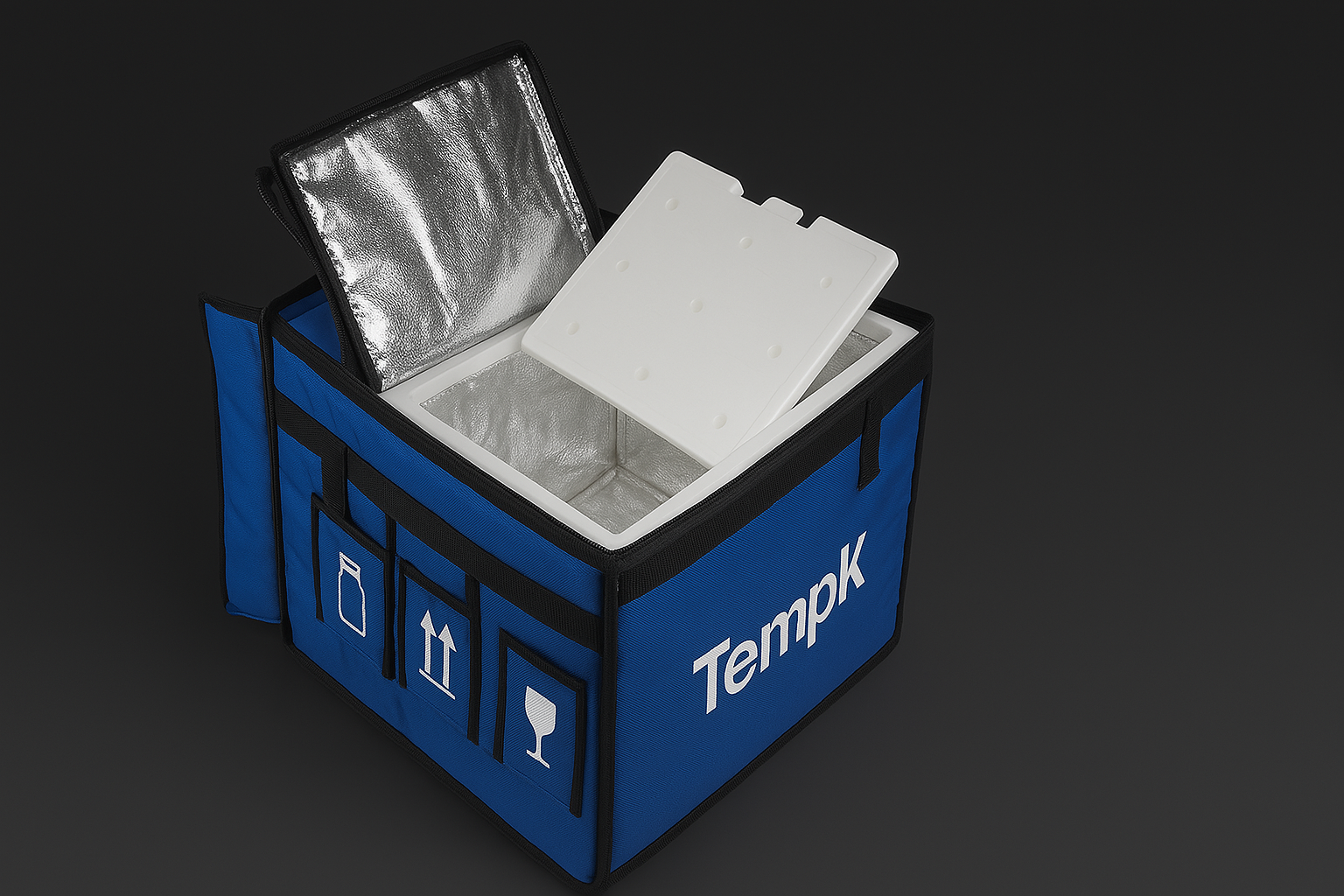
VIP refrigerated shipping container for enzyme shipping: Selection Framework
The safest cold-chain choice is usually the one that explains its limits clearly before the first order is placed. A VIP refrigerated shipping container for enzyme shipping can be a strong option when the shipment needs compact thermal protection, but it should be evaluated as part of a complete passive temperature-control system. That system includes the insulated shell, coolant or PCM plan, payload preparation, packing instruction, monitoring approach, handling communication, and receiving review. The buyer's job is to connect those parts to the product, the lane, and the decision that will be made after delivery.
For lab logistics manager, reagent supplier, biotech procurement team, the useful starting point is the real route: enzymes, reagents, and temperature-sensitive biological materials that may require refrigerated or frozen handling depending on formulation. The primary risk is that enzymes may lose activity through heat exposure, repeated freeze-thaw, moisture, or handling outside the validated range; the label condition matters more than the packaging name. If the buyer only asks for a box size or a claimed duration, the supplier may not have enough information to recommend a safe and repeatable configuration. A better brief describes the product state, required temperature range, expected transit time, handover points, packaging evidence, and what the receiving team will accept or reject.
The first practical question is whether the product needs refrigerated, frozen, controlled-room-temperature, or another defined range. the enzyme supplier’s stability file or product insert should define whether the shipment is refrigerated, frozen, or another controlled range. A VIP shipper should therefore be reviewed against the actual product requirement and route condition, not against a generic promise. When product stability information is limited, the correct action is to ask for clarification and test evidence, not to fill the gap with assumptions.
Enzyme shipping should start with the formulation rather than the category name. A liquid enzyme, lyophilized enzyme, reagent blend, or assay component may respond differently to heat, freezing, and moisture. The packaging brief should therefore state the stability requirement and any freeze-thaw concerns before choosing coolant.
Start with product sensitivity, not container type
A final selection framework should begin with product sensitivity. For enzymes, reagents, and temperature-sensitive biological materials that may require refrigerated or frozen handling depending on formulation, the package may need to prevent warming, freezing, condensation, payload movement, or evidence gaps. The temperature range is only one part of the requirement. You also need to know whether the product is freeze-sensitive, whether the payload must remain dry, whether the receiving team needs a readable report, and whether a quality unit will review deviations.
This approach prevents a common buying error: choosing a container because it is labeled premium, then discovering later that the packout does not match the product. A stronger insulation layer can reduce risk, but it does not make documentation, labeling, and route communication optional. A carefully written shipment brief is more valuable than a long list of generic features.
Turn the route into a testable packaging brief
A testable brief turns a rough shipping idea into a supplier-ready requirement. It should state the product type, required range, route family, expected maximum exposure, payload details, coolant preference or restriction, monitoring need, and receiving decision. For VIP refrigerated shipping container for enzyme shipping, this brief should also identify the main failure mode: enzymes may lose activity through heat exposure, repeated freeze-thaw, moisture, or handling outside the validated range; the label condition matters more than the packaging name.
The brief does not have to be perfect at the first draft. It does need to be explicit. If a value is unknown, mark it as a question for quality or logistics review. For example, do not write a fixed hold time unless you know the ambient profile and acceptance criteria. Do not write a payload capacity unless you know whether you mean gross internal volume or usable product space after coolant and separators are loaded.
Decision table for practical review
| Decision area | What to decide | What not to assume |
|---|---|---|
| Product requirement | Target range, excursion policy, freeze or moisture sensitivity. | Do not assume one range fits every product. |
| Thermal system | VIP container, coolant, separators, payload conditioning, and closure. | Do not treat the box alone as a qualified system. |
| Route exposure | Transit time, seasonal profile, customs, dwell, and last mile. | Do not use scheduled flight time as total exposure. |
| Evidence | Logger setup, calibration proof, report access, receiving rules. | Do not assume monitoring protects the product. |
| Scale-up | Sample consistency, production change control, packer training. | Do not approve production from a loose sample trial. |
This framework helps prevent overbuying and under-specifying at the same time. It lets procurement, logistics, and quality teams discuss the same facts before the packaging is approved.
When the VIP container is a good fit, and when it is not
A VIP container is a good fit when the product value, route risk, or space constraint justifies premium insulation and a more disciplined packout. It is less suitable when the team cannot define the temperature requirement, cannot pre-condition coolant, cannot retrieve shipment data, or needs active temperature control rather than passive insulation. Refrigerated is not a universal enzyme condition. Some enzymes need chilled handling, some need frozen handling, and some tolerate short controlled exposure only under defined conditions.
The decision should also consider the consignee. A laboratory, hospital, distributor, or household customer may have very different receiving behavior. If the recipient cannot unpack promptly or interpret a logger report, the packaging plan should include clear receiving instructions and escalation contacts.
Evidence that quality teams usually want to see
Quality teams usually want evidence that matches the risk level. For VIP refrigerated shipping container for enzyme shipping, this may include the product shipping requirement, supplier technical data, packout instruction, test profile summary, sample review notes, logger settings, calibration information, and receiving inspection rules. The exact package depends on the product and market, so the article should not claim a single documentation bundle is mandatory everywhere.
What matters is traceability of the decision. When a route is approved, the team should know which packaging version was used, which coolant setup was tested, who trained the packers, and what change would trigger re-review. That is especially important when a sample becomes a production shipment or when a lane is expanded to a new region.
Supplier questions that reveal real readiness
Ask the supplier how the tested configuration relates to your route, not only whether the container is insulated. Ask whether the payload dimensions include coolant space. Ask what happens if the VIP panel is damaged. Ask whether the outer carton or shell is designed for the handling method you use. Ask whether the packout instruction is clear enough for warehouse staff who did not design the package.
Also ask what the supplier will not claim. A careful supplier should be willing to say that performance depends on route, payload, coolant configuration, and handling. That caution is not weakness. It is a sign that the packaging discussion is grounded in cold-chain reality.
Procurement notes for sample-to-production review
Sample approval should not end with a visual check. For VIP refrigerated shipping container for enzyme shipping, the buyer should compare the sample with the production unit, confirm packaging materials, review the written packout, and decide what change would require re-approval. This matters when the first trial is packed by a technical person but routine shipments are packed by warehouse staff under time pressure. A well-designed VIP package can still produce inconsistent results if the process is not teachable.
A practical procurement file may include sample photos, packout steps, material description, route assumptions, monitoring requirements, and receiving actions. If the supplier offers customization, treat each change as a design variable. A different lid, liner, carton, handle, divider, or coolant format can change the way the system is packed and handled. Procurement should involve quality and operations before purchase volume increases.
FAQ
Is a VIP refrigerated shipping container for enzyme shipping automatically qualified for my shipment?
No. A VIP container can be part of a qualified packaging system, but the shipment still needs review against the product temperature range, route profile, payload, coolant setup, handling process, and receiving rules. Ask for test context and packout instructions before treating the container as approved for production use.
Does VIP insulation replace gel packs, PCM, dry ice, or active refrigeration?
No. VIP insulation slows heat transfer; it does not create cold by itself. Many passive systems still need a coolant or phase change material selected for the product range. If the shipment requires active temperature control, a passive VIP box may not be sufficient.
Where should a data logger be placed inside the package?
Logger placement should match the monitoring purpose. A convenient location near the lid may not reflect the payload risk, while a deeply buried logger may miss exposure at edges. Define the placement map, alarm limits, report format, and receiving review before routine shipments begin.
What should I ask a supplier before ordering samples?
Share the product range, route, payload dimensions, expected exposure, and documentation need. Ask how the sample was tested, how much usable payload space remains after coolant, whether the packout is written clearly, and what changes would require review before scaling.
When is VIP packaging not the best choice?
It may not be the best choice when the route is short, product value is low, temperature risk is limited, or the team cannot support the required packout discipline. A simpler insulated shipper may be enough if it is tested for the route and product.
Training is part of packaging performance. Staff should know how to pre-condition coolant, load the payload, avoid crushing internal parts, place the logger, close the lid, apply labels, and record the dispatch time. If the instruction requires expert judgment at every step, the design may not be ready for routine operations.
Another point worth checking is the receiving team's decision process. If the shipment arrives with an alarm, damaged outer carton, missing report, or delayed delivery, someone must know whether to release, quarantine, or escalate. That decision should not be invented at the dock. It should be written into the shipping instruction so the package, data, and quality review work together.
The buyer should also ask how seasonal changes are handled. Summer, winter, and shoulder-season routes can require different coolant conditioning or different packaging margins. A VIP container may provide useful insulation across seasons, but the route profile and acceptance criteria should still be reviewed before the same packout is used year round.
Cost comparison should include more than the unit price. A package that uses space efficiently, reduces rework, improves release evidence, or simplifies packing may justify a higher unit cost on certain lanes. The opposite can also be true: a premium container is wasteful if the route is low risk and a simpler tested shipper meets the requirement.
Training is part of packaging performance. Staff should know how to pre-condition coolant, load the payload, avoid crushing internal parts, place the logger, close the lid, apply labels, and record the dispatch time. If the instruction requires expert judgment at every step, the design may not be ready for routine operations.
Conclusion
A VIP refrigerated shipping container for enzyme shipping should be selected as a complete cold-chain system, not as an isolated box. Start with product sensitivity, define the route, request evidence that matches the use case, and review how the package will be packed and received before scaling. If a claim cannot be tied to conditions, turn it into a supplier question.
About Tempk
For Tempk, a useful cold-chain recommendation starts with the shipment profile: product type, required range, route, payload, and proof expected at receiving. We focus on practical details such as the required temperature range, payload fit, coolant compatibility, route exposure, and monitoring needs. For projects involving VIP boxes, insulated containers, gel packs, PCM packs, or related cold-chain packaging, the most useful discussion begins with your route and product profile. Tempk does not need to turn every shipment into the most complex solution; the aim is to help buyers compare options carefully and choose a packaging direction that can be reviewed by their own operations and quality teams.
Ask Tempk to review your route, payload, and temperature requirement so the VIP packaging discussion starts from the shipment reality, not a generic box claim.
VIP insulated packaging for customs clearance shipping: Practical Selection Framework
VIP insulated packaging for customs clearance shipping: Selection Framework
A useful packaging decision starts with the shipment that can go wrong, not with a catalog picture of a box. A VIP insulated packaging for customs clearance shipping can be a strong option when the shipment needs compact thermal protection, but it should be evaluated as part of a complete passive temperature-control system. That system includes the insulated shell, coolant or PCM plan, payload preparation, packing instruction, monitoring approach, handling communication, and receiving review. The buyer's job is to connect those parts to the product, the lane, and the decision that will be made after delivery.
For export manager, customs coordinator, pharmaceutical logistics buyer, the useful starting point is the real route: temperature-sensitive goods that may pause during customs clearance, border checks, broker handoff, or importer review. The primary risk is that paperwork delays and inspection holds can turn a short transit time into an exposure window that the original packout was never designed to cover. If the buyer only asks for a box size or a claimed duration, the supplier may not have enough information to recommend a safe and repeatable configuration. A better brief describes the product state, required temperature range, expected transit time, handover points, packaging evidence, and what the receiving team will accept or reject.
The first practical question is whether the product needs refrigerated, frozen, controlled-room-temperature, or another defined range. the required range should come from the product specification, shipping instruction, or quality agreement, not from a generic customs shipping template. A VIP shipper should therefore be reviewed against the actual product requirement and route condition, not against a generic promise. When product stability information is limited, the correct action is to ask for clarification and test evidence, not to fill the gap with assumptions.
Customs clearance adds a special type of uncertainty because the shipment may be physically close to the destination but operationally outside the receiver's control. Packaging should be planned with the broker process in mind. Documents, product descriptions, temperature labels, and importer instructions should be prepared before the shipment moves, because thermal margin is easier to preserve than to recover after a preventable hold.
Start with product sensitivity, not container type
A final selection framework should begin with product sensitivity. For temperature-sensitive goods that may pause during customs clearance, border checks, broker handoff, or importer review, the package may need to prevent warming, freezing, condensation, payload movement, or evidence gaps. The temperature range is only one part of the requirement. You also need to know whether the product is freeze-sensitive, whether the payload must remain dry, whether the receiving team needs a readable report, and whether a quality unit will review deviations.
This approach prevents a common buying error: choosing a container because it is labeled premium, then discovering later that the packout does not match the product. Thermal margin is useful only when the team knows what it is protecting, how long the exposure may last, and what evidence will be reviewed at delivery. A carefully written shipment brief is more valuable than a long list of generic features.
Turn the route into a testable packaging brief
A testable brief turns a rough shipping idea into a supplier-ready requirement. It should state the product type, required range, route family, expected maximum exposure, payload details, coolant preference or restriction, monitoring need, and receiving decision. For VIP insulated packaging for customs clearance shipping, this brief should also identify the main failure mode: paperwork delays and inspection holds can turn a short transit time into an exposure window that the original packout was never designed to cover.
The brief does not have to be perfect at the first draft. It does need to be explicit. If a value is unknown, mark it as a question for quality or logistics review. For example, do not write a fixed hold time unless you know the ambient profile and acceptance criteria. Do not write a payload capacity unless you know whether you mean gross internal volume or usable product space after coolant and separators are loaded.
Decision table for practical review
| Decision area | What to decide | What not to assume |
|---|---|---|
| Product requirement | Target range, excursion policy, freeze or moisture sensitivity. | Do not assume one range fits every product. |
| Thermal system | VIP container, coolant, separators, payload conditioning, and closure. | Do not treat the box alone as a qualified system. |
| Route exposure | Transit time, seasonal profile, customs, dwell, and last mile. | Do not use scheduled flight time as total exposure. |
| Evidence | Logger setup, calibration proof, report access, receiving rules. | Do not assume monitoring protects the product. |
| Scale-up | Sample consistency, production change control, packer training. | Do not approve production from a loose sample trial. |
This framework helps prevent overbuying and under-specifying at the same time. It lets procurement, logistics, and quality teams discuss the same facts before the packaging is approved.
When the VIP container is a good fit, and when it is not
A VIP container is a good fit when the product value, route risk, or space constraint justifies premium insulation and a more disciplined packout. It is less suitable when the team cannot define the temperature requirement, cannot pre-condition coolant, cannot retrieve shipment data, or needs active temperature control rather than passive insulation. Insulation does not clear customs. It only buys thermal margin while your documents, broker process, and receiving team do their jobs.
The decision should also consider the consignee. A laboratory, hospital, distributor, or household customer may have very different receiving behavior. If the recipient cannot unpack promptly or interpret a logger report, the packaging plan should include clear receiving instructions and escalation contacts.
Evidence that quality teams usually want to see
Quality teams usually want evidence that matches the risk level. For VIP insulated packaging for customs clearance shipping, this may include the product shipping requirement, supplier technical data, packout instruction, test profile summary, sample review notes, logger settings, calibration information, and receiving inspection rules. The exact package depends on the product and market, so the article should not claim a single documentation bundle is mandatory everywhere.
What matters is traceability of the decision. When a route is approved, the team should know which packaging version was used, which coolant setup was tested, who trained the packers, and what change would trigger re-review. That is especially important when a sample becomes a production shipment or when a lane is expanded to a new region.
Supplier questions that reveal real readiness
Ask the supplier how the tested configuration relates to your route, not only whether the container is insulated. Ask whether the payload dimensions include coolant space. Ask what happens if the VIP panel is damaged. Ask whether the outer carton or shell is designed for the handling method you use. Ask whether the packout instruction is clear enough for warehouse staff who did not design the package.
Also ask what the supplier will not claim. A careful supplier should be willing to say that performance depends on route, payload, coolant configuration, and handling. That caution is not weakness. It is a sign that the packaging discussion is grounded in cold-chain reality.
Procurement notes for sample-to-production review
Sample approval should not end with a visual check. For VIP insulated packaging for customs clearance shipping, the buyer should compare the sample with the production unit, confirm packaging materials, review the written packout, and decide what change would require re-approval. This matters when the first trial is packed by a technical person but routine shipments are packed by warehouse staff under time pressure. A well-designed VIP package can still produce inconsistent results if the process is not teachable.
A practical procurement file may include sample photos, packout steps, material description, route assumptions, monitoring requirements, and receiving actions. If the supplier offers customization, treat each change as a design variable. A different lid, liner, carton, handle, divider, or coolant format can change the way the system is packed and handled. Procurement should involve quality and operations before purchase volume increases.
FAQ
Is a VIP insulated packaging for customs clearance shipping automatically qualified for my shipment?
No. A VIP container can be part of a qualified packaging system, but the shipment still needs review against the product temperature range, route profile, payload, coolant setup, handling process, and receiving rules. Ask for test context and packout instructions before treating the container as approved for production use.
Does VIP insulation replace gel packs, PCM, dry ice, or active refrigeration?
No. VIP insulation slows heat transfer; it does not create cold by itself. Many passive systems still need a coolant or phase change material selected for the product range. If the shipment requires active temperature control, a passive VIP box may not be sufficient.
Where should a data logger be placed inside the package?
Logger placement should match the monitoring purpose. A convenient location near the lid may not reflect the payload risk, while a deeply buried logger may miss exposure at edges. Define the placement map, alarm limits, report format, and receiving review before routine shipments begin.
What should I ask a supplier before ordering samples?
Share the product range, route, payload dimensions, expected exposure, and documentation need. Ask how the sample was tested, how much usable payload space remains after coolant, whether the packout is written clearly, and what changes would require review before scaling.
Can VIP packaging solve customs delay risk?
It can create thermal margin during delay, but it cannot fix missing paperwork, unclear product descriptions, or broker issues. Customs-delay planning should combine packaging, documents, broker communication, monitoring, and a receiving decision rule.
The buyer should also ask how seasonal changes are handled. Summer, winter, and shoulder-season routes can require different coolant conditioning or different packaging margins. A VIP container may provide useful insulation across seasons, but the route profile and acceptance criteria should still be reviewed before the same packout is used year round.
Cost comparison should include more than the unit price. A package that uses space efficiently, reduces rework, improves release evidence, or simplifies packing may justify a higher unit cost on certain lanes. The opposite can also be true: a premium container is wasteful if the route is low risk and a simpler tested shipper meets the requirement.
Training is part of packaging performance. Staff should know how to pre-condition coolant, load the payload, avoid crushing internal parts, place the logger, close the lid, apply labels, and record the dispatch time. If the instruction requires expert judgment at every step, the design may not be ready for routine operations.
Another point worth checking is the receiving team's decision process. If the shipment arrives with an alarm, damaged outer carton, missing report, or delayed delivery, someone must know whether to release, quarantine, or escalate. That decision should not be invented at the dock. It should be written into the shipping instruction so the package, data, and quality review work together.
The buyer should also ask how seasonal changes are handled. Summer, winter, and shoulder-season routes can require different coolant conditioning or different packaging margins. A VIP container may provide useful insulation across seasons, but the route profile and acceptance criteria should still be reviewed before the same packout is used year round.
Conclusion
A VIP insulated packaging for customs clearance shipping should be selected as a complete cold-chain system, not as an isolated box. Start with product sensitivity, define the route, request evidence that matches the use case, and review how the package will be packed and received before scaling. If a claim cannot be tied to conditions, turn it into a supplier question.
About Tempk
Tempk supports temperature-controlled packaging discussions across insulated containers, coolant choices, and shipment planning for B2B cold-chain users. We focus on practical details such as the required temperature range, payload fit, coolant compatibility, route exposure, and monitoring needs. For projects involving VIP boxes, insulated containers, gel packs, PCM packs, or related cold-chain packaging, the most useful discussion begins with your route and product profile. Tempk does not need to turn every shipment into the most complex solution; the aim is to help buyers compare options carefully and choose a packaging direction that can be reviewed by their own operations and quality teams.
Ask Tempk to review your route, payload, and temperature requirement so the VIP packaging discussion starts from the shipment reality, not a generic box claim.
Buyer Guide to VIP insulated crate for seafood transport

Updated on: May 20, 2026
How to Evaluate a VIP insulated crate for seafood transport Before You Scale Cold-Chain Shipments
A VIP insulated crate for seafood transport can be the right choice when fresh, chilled, or frozen seafood needs more thermal margin than a basic insulated carton can provide. The decision should still be made like a cold-chain process decision, not a packaging shortcut. Start with the product condition, route exposure, payload map, coolant plan, and evidence required at receipt. VIP insulation can improve the design, but the full packout and operating procedure decide whether the shipment is reliable.
For buyers, the practical goal is to avoid two mistakes: under-protecting the shipment and over-trusting a box without evidence. The box may look simple from the outside, but it interacts with temperature, time, people, documents, and route uncertainty. That is why a useful evaluation has to cover both performance and operations.
The right question is fit, not premium material
VIP insulation is attractive because it can provide strong thermal resistance in a compact format. That matters when the shipment has limited space, high value, or uncertain handovers. But a VIP insulated crate for seafood transport is not automatically better for every lane. If the route is short, the temperature requirement is broad, and handling is controlled, a simpler insulated solution may be enough. If the route includes airport handovers, dock-to-courier transfers, last-mile drops, seafood market deliveries, and export routes with customs dwell time, the stronger thermal buffer may be easier to justify.
A fit-based evaluation prevents overbuying and underdesign. Overbuying happens when the team chooses a premium box without checking whether the payload, carrier, and receiver can use it correctly. Underdesign happens when the team chooses a low-cost package that cannot handle the real handover risk. Both problems can create waste. The better approach is to describe the lane clearly and then select the package that fits the risk.
For seafood exporters, processors, seafood distributors, and cold-chain packaging buyers, fit also includes workflow. Can packing staff load the box quickly and consistently? Can the receiver find the logger or documents? Can the box be cleaned or returned if reuse is planned? Can damaged units be identified? These questions may sound basic, but they often decide whether the packaging works after the first few sample shipments.
Build the requirement in five layers
The first layer is the product condition. Define the exact temperature requirement and the consequence of exposure. Some products are harmed by heat, some by freezing, some by thawing, and some by repeated cycling. Avoid borrowing a familiar temperature range from another product category. The range must come from the product specification, protocol, label, quality file, or buyer requirement.
The second layer is route exposure. Total transit time is not enough. A package may spend time on a packing bench, at a dock, in a courier vehicle, at an airport, in customs, or on a residential doorstep. Each point can create a different risk. A good packaging review maps the journey from release to receipt, including delays that are reasonably foreseeable.
The third layer is the loaded packout. Internal dimensions are not the same as usable payload space. Coolant, separators, absorbent material, liners, documents, and monitoring devices all use space. The fourth layer is evidence: test context, pilot lane data, supplier documentation, or a quality-approved packout. The fifth layer is exception handling. If the shipment is late, damaged, or outside the expected record, the team needs a decision path.
| Evaluation layer | Decision point | Common buyer mistake |
|---|---|---|
| Product condition | Confirm the required temperature and acceptance rule. | Using a generic range that does not belong to the product. |
| Route exposure | Map staging, handovers, dwell time, and seasonality. | Judging only by courier transit time. |
| Packout design | Review coolant, separators, payload map, closure, and monitor placement. | Approving an empty sample without a loaded test. |
| Evidence | Match test data or pilot records to the planned lane. | Treating a general hold-time claim as universal. |
| Operations | Define packing, receiving, reuse, cleaning, and exception procedures. | Assuming staff will interpret the process correctly without written instructions. |
These layers keep the buying process grounded. A supplier conversation becomes more useful when the buyer can describe the product, route, packout, evidence level, and operating process. It also makes quotes easier to compare, because each supplier is responding to the same real requirement rather than a broad request for an insulated box.
Where the full packout can fail
The most visible component is the box, but the failure often comes from something less visible. Coolant may be conditioned incorrectly. A separator may be missing. Payload may be loaded in a different orientation from the approved map. A lid may not close fully. A logger may be placed against the coolant instead of near the payload risk area. A receiving team may open the box, remove items, and forget to download the temperature record.
For this topic, the boundary is important: it is not a substitute for a seafood HACCP plan, sanitation controls, leak management, or receiving inspection. Buyers should therefore avoid statements that make the box sound like the entire control system. A more accurate statement is that the box supports a passive temperature-controlled packout when combined with the right coolant, loading procedure, monitoring, and route-specific review.
Another failure point is change. The packout may work for one payload size but not another. It may work in one season but need adjustment in another. It may work with one carrier but fail when transferred to a different service level. It may be accepted by one receiver but rejected by another because the paperwork or logger process differs. A change-control mindset is important even for packaging that appears physically simple.
Practical example: a sample approval that prevents later problems
Imagine a seafood exporter moving chilled fillets through an airport handover where the box may sit outside controlled storage before being loaded. During sample approval, the team should not only check whether the box closes. They should load the payload or a realistic equivalent, add the coolant, position any logger, include documents, and simulate the steps staff will follow. They should note whether the box is easy to close, whether labels fit, whether the payload is protected from direct coolant contact, and whether the receiver can inspect the shipment without confusion.
This approach can reveal problems before the purchase order is large. Perhaps the payload shifts during handling. Perhaps the box is too large for a courier service level. Perhaps a reusable design needs a stronger label-removal process. Perhaps the coolant plan is too complex for a busy fulfillment line. These findings are not failures of the sample. They are useful information that turns a packaging idea into an operating procedure.
Supplier questions that actually matter
When comparing suppliers for a VIP insulated crate for seafood transport, ask how the VIP panels are protected, what the loaded usable volume is, and whether production units match the sample. Ask for packout instructions and the test assumptions behind any performance statement. Ask whether the supplier can support seasonal variations, damaged-box inspection, replacement components, and repeat orders. If the shipment is regulated, ask what the supplier is providing and what remains the buyer’s responsibility.
Good supplier conversations are specific and sometimes uncomfortable. A credible supplier should be willing to discuss limits, not only advantages. If a box has not been evaluated for a lane, the supplier should not present it as proven for that lane. If a sustainability claim depends on reuse, the return rate and cleaning process should be part of the discussion. If a compliance claim depends on buyer procedures, that boundary should be clear.
For fresh, chilled, or frozen seafood, the buying team should also involve operations early. Procurement may compare price, quality may review evidence, logistics may understand carrier risk, and warehouse staff may know whether the packout can be repeated. The package succeeds only when these teams agree on what the box is expected to do and what must be checked at each step.
Operational checks before rollout
Staff repeatability deserves its own review. A VIP insulated crate for seafood transport may look robust during sample approval, but routine shipments depend on people doing the same steps under time pressure. Packing staff need a clear order of work: prepare the box, condition coolant, check liners, load payload, place any monitor, close the lid correctly, apply labels, and record release information. If those steps are not easy to repeat, the theoretical thermal advantage of VIP insulation may not become reliable shipment performance.
Buyers should also separate design approval from purchasing approval. Design approval asks whether the packout protects fresh, chilled, or frozen seafood under realistic conditions. Purchasing approval asks whether the supplier can deliver consistent units, replacement parts, packaging instructions, and support when routes change. A low quote is less attractive if the box dimensions vary, if the lid fit changes between batches, or if the supplier cannot explain how the packout was evaluated.
Receiving teams deserve attention as well. A package can leave the warehouse correctly and still fail inspection if the receiving site does not know where the logger is, what temperature evidence to review, how to judge physical damage, or what to do with a delayed delivery. For controlled shipments, the receiving checklist should be written before the packaging is scaled, because it defines what success looks like at the end of the lane.
Do not treat seasonality as a minor detail. Warm-weather routes, cold-weather routes, weekend shipping, airport dwell time, and holiday congestion can change the risk profile. A VIP insulated crate for seafood transport should be reviewed against these conditions before it is used broadly. When evidence is missing, ask for a pilot shipment, a chamber test, or a documented packout review rather than relying on a broad claim about insulation performance.
The commercial review should include after-sales support. Ask how the supplier handles damaged units, replacement liners, revised artwork, updated loading instructions, and repeat production. This matters because cold-chain packaging is rarely a one-time purchase. Once a VIP insulated crate for seafood transport becomes part of a shipping program, small supplier changes can affect packing speed, receiving checks, and confidence in the shipment record.
FAQ
What makes a VIP insulated crate for seafood transport different from a basic insulated box?
The main difference is the use of vacuum insulation panels to reduce heat transfer in a thinner insulation profile. That can help preserve payload space or improve thermal margin. The difference matters only when the full packout is designed and used correctly.
Can I rely on supplier hold-time claims?
Use them as a starting point, not as a universal promise. Ask for the payload, coolant, ambient profile, sensor placement, and acceptance criteria behind the claim. If your lane differs, request a pilot review or route-specific evaluation.
Is this type of packaging suitable for regulated shipments?
It may support regulated shipments, but the box alone does not create compliance. Regulated goods may need classification, SOPs, trained staff, monitoring, documentation, deviation handling, or specific packaging requirements. The buyer should confirm requirements with the quality or regulatory team.
What is the most important sample check?
Approve the loaded packout, not the empty box. Confirm usable space, coolant position, separator placement, closure quality, label area, monitor placement, and receiving steps. This prevents surprises when the package moves from sample review to routine operation.
Can this packaging support sustainability goals?
It can, especially when it reduces failed shipments, overpacking, or single-use waste. But carbon-neutral or low-carbon claims need measured evidence. Reuse, return logistics, cleaning, damage rates, and end-of-life handling all affect the result.
Conclusion
A VIP insulated crate for seafood transport should be evaluated as part of a complete cold-chain workflow. VIP insulation can be valuable, but the real decision depends on product condition, route exposure, payload map, coolant plan, evidence, staff repeatability, and receiving inspection. The safest procurement process asks for specific proof, defines limits, and checks whether the sample can become a reliable routine packout.
About Tempk
Tempk provides temperature-controlled packaging components such as ice packs, PCM-related cold sources, insulated boxes, medical coolers, liners, and pallet covers for cold-chain logistics. For buyers comparing a VIP insulated crate for seafood transport, we focus on route fit, usable space, handling realities, and packout repeatability. That practical approach helps teams avoid confusing insulation material with a finished, qualified shipping system.
Next step
Share your seafood type, route, payload, and desired arrival condition so Tempk can suggest a packout direction that fits the lane.
Buyer Guide to VIP insulated crate for clinical trials logistics

Updated on: May 20, 2026
How to Evaluate a VIP insulated crate for clinical trials logistics Before You Scale Cold-Chain Shipments
A VIP insulated crate for clinical trials logistics can be the right choice when investigational medicines, biological samples, kits, comparators, or temperature-sensitive trial supplies needs more thermal margin than a basic insulated carton can provide. The decision should still be made like a cold-chain process decision, not a packaging shortcut. Start with the product condition, route exposure, payload map, coolant plan, and evidence required at receipt. VIP insulation can improve the design, but the full packout and operating procedure decide whether the shipment is reliable.
For buyers, the practical goal is to avoid two mistakes: under-protecting the shipment and over-trusting a box without evidence. The box may look simple from the outside, but it interacts with temperature, time, people, documents, and route uncertainty. That is why a useful evaluation has to cover both performance and operations.
The right question is fit, not premium material
VIP insulation is attractive because it can provide strong thermal resistance in a compact format. That matters when the shipment has limited space, high value, or uncertain handovers. But a VIP insulated crate for clinical trials logistics is not automatically better for every lane. If the route is short, the temperature requirement is broad, and handling is controlled, a simpler insulated solution may be enough. If the route includes depot-to-site distribution, site-to-lab returns, decentralized trial pickup, cross-border supply, and emergency resupply, the stronger thermal buffer may be easier to justify.
A fit-based evaluation prevents overbuying and underdesign. Overbuying happens when the team chooses a premium box without checking whether the payload, carrier, and receiver can use it correctly. Underdesign happens when the team chooses a low-cost package that cannot handle the real handover risk. Both problems can create waste. The better approach is to describe the lane clearly and then select the package that fits the risk.
For clinical trial logistics managers, site operations teams, central labs, sponsors, and packaging procurement teams, fit also includes workflow. Can packing staff load the box quickly and consistently? Can the receiver find the logger or documents? Can the box be cleaned or returned if reuse is planned? Can damaged units be identified? These questions may sound basic, but they often decide whether the packaging works after the first few sample shipments.
Build the requirement in five layers
The first layer is the product condition. Define the exact temperature requirement and the consequence of exposure. Some products are harmed by heat, some by freezing, some by thawing, and some by repeated cycling. Avoid borrowing a familiar temperature range from another product category. The range must come from the product specification, protocol, label, quality file, or buyer requirement.
The second layer is route exposure. Total transit time is not enough. A package may spend time on a packing bench, at a dock, in a courier vehicle, at an airport, in customs, or on a residential doorstep. Each point can create a different risk. A good packaging review maps the journey from release to receipt, including delays that are reasonably foreseeable.
The third layer is the loaded packout. Internal dimensions are not the same as usable payload space. Coolant, separators, absorbent material, liners, documents, and monitoring devices all use space. The fourth layer is evidence: test context, pilot lane data, supplier documentation, or a quality-approved packout. The fifth layer is exception handling. If the shipment is late, damaged, or outside the expected record, the team needs a decision path.
| Evaluation layer | Decision point | Common buyer mistake |
|---|---|---|
| Product condition | Confirm the required temperature and acceptance rule. | Using a generic range that does not belong to the product. |
| Route exposure | Map staging, handovers, dwell time, and seasonality. | Judging only by courier transit time. |
| Packout design | Review coolant, separators, payload map, closure, and monitor placement. | Approving an empty sample without a loaded test. |
| Evidence | Match test data or pilot records to the planned lane. | Treating a general hold-time claim as universal. |
| Operations | Define packing, receiving, reuse, cleaning, and exception procedures. | Assuming staff will interpret the process correctly without written instructions. |
These layers keep the buying process grounded. A supplier conversation becomes more useful when the buyer can describe the product, route, packout, evidence level, and operating process. It also makes quotes easier to compare, because each supplier is responding to the same real requirement rather than a broad request for an insulated box.
Where the full packout can fail
The most visible component is the box, but the failure often comes from something less visible. Coolant may be conditioned incorrectly. A separator may be missing. Payload may be loaded in a different orientation from the approved map. A lid may not close fully. A logger may be placed against the coolant instead of near the payload risk area. A receiving team may open the box, remove items, and forget to download the temperature record.
For this topic, the boundary is important: it does not replace protocol instructions, IRT controls, labeling, chain of custody, or qualified handling procedures. Buyers should therefore avoid statements that make the box sound like the entire control system. A more accurate statement is that the box supports a passive temperature-controlled packout when combined with the right coolant, loading procedure, monitoring, and route-specific review.
Another failure point is change. The packout may work for one payload size but not another. It may work in one season but need adjustment in another. It may work with one carrier but fail when transferred to a different service level. It may be accepted by one receiver but rejected by another because the paperwork or logger process differs. A change-control mindset is important even for packaging that appears physically simple.
Practical example: a sample approval that prevents later problems
Imagine a trial sponsor supplying temperature-sensitive kits to sites in different climates while also receiving biological samples back from those sites. During sample approval, the team should not only check whether the box closes. They should load the payload or a realistic equivalent, add the coolant, position any logger, include documents, and simulate the steps staff will follow. They should note whether the box is easy to close, whether labels fit, whether the payload is protected from direct coolant contact, and whether the receiver can inspect the shipment without confusion.
This approach can reveal problems before the purchase order is large. Perhaps the payload shifts during handling. Perhaps the box is too large for a courier service level. Perhaps a reusable design needs a stronger label-removal process. Perhaps the coolant plan is too complex for a busy fulfillment line. These findings are not failures of the sample. They are useful information that turns a packaging idea into an operating procedure.
Supplier questions that actually matter
When comparing suppliers for a VIP insulated crate for clinical trials logistics, ask how the VIP panels are protected, what the loaded usable volume is, and whether production units match the sample. Ask for packout instructions and the test assumptions behind any performance statement. Ask whether the supplier can support seasonal variations, damaged-box inspection, replacement components, and repeat orders. If the shipment is regulated, ask what the supplier is providing and what remains the buyer’s responsibility.
Good supplier conversations are specific and sometimes uncomfortable. A credible supplier should be willing to discuss limits, not only advantages. If a box has not been evaluated for a lane, the supplier should not present it as proven for that lane. If a sustainability claim depends on reuse, the return rate and cleaning process should be part of the discussion. If a compliance claim depends on buyer procedures, that boundary should be clear.
For investigational medicines, biological samples, kits, comparators, or temperature-sensitive trial supplies, the buying team should also involve operations early. Procurement may compare price, quality may review evidence, logistics may understand carrier risk, and warehouse staff may know whether the packout can be repeated. The package succeeds only when these teams agree on what the box is expected to do and what must be checked at each step.
Operational checks before rollout
Staff repeatability deserves its own review. A VIP insulated crate for clinical trials logistics may look robust during sample approval, but routine shipments depend on people doing the same steps under time pressure. Packing staff need a clear order of work: prepare the box, condition coolant, check liners, load payload, place any monitor, close the lid correctly, apply labels, and record release information. If those steps are not easy to repeat, the theoretical thermal advantage of VIP insulation may not become reliable shipment performance.
Buyers should also separate design approval from purchasing approval. Design approval asks whether the packout protects investigational medicines, biological samples, kits, comparators, or temperature-sensitive trial supplies under realistic conditions. Purchasing approval asks whether the supplier can deliver consistent units, replacement parts, packaging instructions, and support when routes change. A low quote is less attractive if the box dimensions vary, if the lid fit changes between batches, or if the supplier cannot explain how the packout was evaluated.
Receiving teams deserve attention as well. A package can leave the warehouse correctly and still fail inspection if the receiving site does not know where the logger is, what temperature evidence to review, how to judge physical damage, or what to do with a delayed delivery. For controlled shipments, the receiving checklist should be written before the packaging is scaled, because it defines what success looks like at the end of the lane.
Do not treat seasonality as a minor detail. Warm-weather routes, cold-weather routes, weekend shipping, airport dwell time, and holiday congestion can change the risk profile. A VIP insulated crate for clinical trials logistics should be reviewed against these conditions before it is used broadly. When evidence is missing, ask for a pilot shipment, a chamber test, or a documented packout review rather than relying on a broad claim about insulation performance.
The commercial review should include after-sales support. Ask how the supplier handles damaged units, replacement liners, revised artwork, updated loading instructions, and repeat production. This matters because cold-chain packaging is rarely a one-time purchase. Once a VIP insulated crate for clinical trials logistics becomes part of a shipping program, small supplier changes can affect packing speed, receiving checks, and confidence in the shipment record.
FAQ
What makes a VIP insulated crate for clinical trials logistics different from a basic insulated box?
The main difference is the use of vacuum insulation panels to reduce heat transfer in a thinner insulation profile. That can help preserve payload space or improve thermal margin. The difference matters only when the full packout is designed and used correctly.
Can I rely on supplier hold-time claims?
Use them as a starting point, not as a universal promise. Ask for the payload, coolant, ambient profile, sensor placement, and acceptance criteria behind the claim. If your lane differs, request a pilot review or route-specific evaluation.
Is this type of packaging suitable for regulated shipments?
It may support regulated shipments, but the box alone does not create compliance. Regulated goods may need classification, SOPs, trained staff, monitoring, documentation, deviation handling, or specific packaging requirements. The buyer should confirm requirements with the quality or regulatory team.
What is the most important sample check?
Approve the loaded packout, not the empty box. Confirm usable space, coolant position, separator placement, closure quality, label area, monitor placement, and receiving steps. This prevents surprises when the package moves from sample review to routine operation.
Can this packaging support sustainability goals?
It can, especially when it reduces failed shipments, overpacking, or single-use waste. But carbon-neutral or low-carbon claims need measured evidence. Reuse, return logistics, cleaning, damage rates, and end-of-life handling all affect the result.
Conclusion
A VIP insulated crate for clinical trials logistics should be evaluated as part of a complete cold-chain workflow. VIP insulation can be valuable, but the real decision depends on product condition, route exposure, payload map, coolant plan, evidence, staff repeatability, and receiving inspection. The safest procurement process asks for specific proof, defines limits, and checks whether the sample can become a reliable routine packout.
About Tempk
Tempk provides temperature-controlled packaging components such as ice packs, PCM-related cold sources, insulated boxes, medical coolers, liners, and pallet covers for cold-chain logistics. For buyers comparing a VIP insulated crate for clinical trials logistics, we focus on route fit, usable space, handling realities, and packout repeatability. That practical approach helps teams avoid confusing insulation material with a finished, qualified shipping system.
Next step
Discuss trial material type, protocol temperature condition, site workflow, and return logistics with Tempk before scaling a VIP crate program.
Buyer Guide to VIP cooler box for GDP compliant shipping

Updated on: May 20, 2026
How to Evaluate a VIP cooler box for GDP compliant shipping Before You Scale Cold-Chain Shipments
A VIP cooler box for GDP compliant shipping can be the right choice when temperature-sensitive medicines, vaccines, biologics, and healthcare products under GDP-style distribution control needs more thermal margin than a basic insulated carton can provide. The decision should still be made like a cold-chain process decision, not a packaging shortcut. Start with the product condition, route exposure, payload map, coolant plan, and evidence required at receipt. VIP insulation can improve the design, but the full packout and operating procedure decide whether the shipment is reliable.
For buyers, the practical goal is to avoid two mistakes: under-protecting the shipment and over-trusting a box without evidence. The box may look simple from the outside, but it interacts with temperature, time, people, documents, and route uncertainty. That is why a useful evaluation has to cover both performance and operations.
The right question is fit, not premium material
VIP insulation is attractive because it can provide strong thermal resistance in a compact format. That matters when the shipment has limited space, high value, or uncertain handovers. But a VIP cooler box for GDP compliant shipping is not automatically better for every lane. If the route is short, the temperature requirement is broad, and handling is controlled, a simpler insulated solution may be enough. If the route includes local pharmacy routes, regional distribution, parcel healthcare delivery, and air cargo transfer points, the stronger thermal buffer may be easier to justify.
A fit-based evaluation prevents overbuying and underdesign. Overbuying happens when the team chooses a premium box without checking whether the payload, carrier, and receiver can use it correctly. Underdesign happens when the team chooses a low-cost package that cannot handle the real handover risk. Both problems can create waste. The better approach is to describe the lane clearly and then select the package that fits the risk.
For pharmaceutical wholesalers, hospital logistics teams, QA reviewers, and cold-chain packaging buyers, fit also includes workflow. Can packing staff load the box quickly and consistently? Can the receiver find the logger or documents? Can the box be cleaned or returned if reuse is planned? Can damaged units be identified? These questions may sound basic, but they often decide whether the packaging works after the first few sample shipments.
Build the requirement in five layers
The first layer is the product condition. Define the exact temperature requirement and the consequence of exposure. Some products are harmed by heat, some by freezing, some by thawing, and some by repeated cycling. Avoid borrowing a familiar temperature range from another product category. The range must come from the product specification, protocol, label, quality file, or buyer requirement.
The second layer is route exposure. Total transit time is not enough. A package may spend time on a packing bench, at a dock, in a courier vehicle, at an airport, in customs, or on a residential doorstep. Each point can create a different risk. A good packaging review maps the journey from release to receipt, including delays that are reasonably foreseeable.
The third layer is the loaded packout. Internal dimensions are not the same as usable payload space. Coolant, separators, absorbent material, liners, documents, and monitoring devices all use space. The fourth layer is evidence: test context, pilot lane data, supplier documentation, or a quality-approved packout. The fifth layer is exception handling. If the shipment is late, damaged, or outside the expected record, the team needs a decision path.
| Evaluation layer | Decision point | Common buyer mistake |
|---|---|---|
| Product condition | Confirm the required temperature and acceptance rule. | Using a generic range that does not belong to the product. |
| Route exposure | Map staging, handovers, dwell time, and seasonality. | Judging only by courier transit time. |
| Packout design | Review coolant, separators, payload map, closure, and monitor placement. | Approving an empty sample without a loaded test. |
| Evidence | Match test data or pilot records to the planned lane. | Treating a general hold-time claim as universal. |
| Operations | Define packing, receiving, reuse, cleaning, and exception procedures. | Assuming staff will interpret the process correctly without written instructions. |
These layers keep the buying process grounded. A supplier conversation becomes more useful when the buyer can describe the product, route, packout, evidence level, and operating process. It also makes quotes easier to compare, because each supplier is responding to the same real requirement rather than a broad request for an insulated box.
Where the full packout can fail
The most visible component is the box, but the failure often comes from something less visible. Coolant may be conditioned incorrectly. A separator may be missing. Payload may be loaded in a different orientation from the approved map. A lid may not close fully. A logger may be placed against the coolant instead of near the payload risk area. A receiving team may open the box, remove items, and forget to download the temperature record.
For this topic, the boundary is important: a cooler box cannot make a shipment GDP compliant unless the handling and documentation system also fits GDP expectations. Buyers should therefore avoid statements that make the box sound like the entire control system. A more accurate statement is that the box supports a passive temperature-controlled packout when combined with the right coolant, loading procedure, monitoring, and route-specific review.
Another failure point is change. The packout may work for one payload size but not another. It may work in one season but need adjustment in another. It may work with one carrier but fail when transferred to a different service level. It may be accepted by one receiver but rejected by another because the paperwork or logger process differs. A change-control mindset is important even for packaging that appears physically simple.
Practical example: a sample approval that prevents later problems
Imagine a hospital network moving temperature-sensitive products between facilities while needing evidence at receipt and a clear deviation path. During sample approval, the team should not only check whether the box closes. They should load the payload or a realistic equivalent, add the coolant, position any logger, include documents, and simulate the steps staff will follow. They should note whether the box is easy to close, whether labels fit, whether the payload is protected from direct coolant contact, and whether the receiver can inspect the shipment without confusion.
This approach can reveal problems before the purchase order is large. Perhaps the payload shifts during handling. Perhaps the box is too large for a courier service level. Perhaps a reusable design needs a stronger label-removal process. Perhaps the coolant plan is too complex for a busy fulfillment line. These findings are not failures of the sample. They are useful information that turns a packaging idea into an operating procedure.
Supplier questions that actually matter
When comparing suppliers for a VIP cooler box for GDP compliant shipping, ask how the VIP panels are protected, what the loaded usable volume is, and whether production units match the sample. Ask for packout instructions and the test assumptions behind any performance statement. Ask whether the supplier can support seasonal variations, damaged-box inspection, replacement components, and repeat orders. If the shipment is regulated, ask what the supplier is providing and what remains the buyer’s responsibility.
Good supplier conversations are specific and sometimes uncomfortable. A credible supplier should be willing to discuss limits, not only advantages. If a box has not been evaluated for a lane, the supplier should not present it as proven for that lane. If a sustainability claim depends on reuse, the return rate and cleaning process should be part of the discussion. If a compliance claim depends on buyer procedures, that boundary should be clear.
For temperature-sensitive medicines, vaccines, biologics, and healthcare products under GDP-style distribution control, the buying team should also involve operations early. Procurement may compare price, quality may review evidence, logistics may understand carrier risk, and warehouse staff may know whether the packout can be repeated. The package succeeds only when these teams agree on what the box is expected to do and what must be checked at each step.
Operational checks before rollout
Staff repeatability deserves its own review. A VIP cooler box for GDP compliant shipping may look robust during sample approval, but routine shipments depend on people doing the same steps under time pressure. Packing staff need a clear order of work: prepare the box, condition coolant, check liners, load payload, place any monitor, close the lid correctly, apply labels, and record release information. If those steps are not easy to repeat, the theoretical thermal advantage of VIP insulation may not become reliable shipment performance.
Buyers should also separate design approval from purchasing approval. Design approval asks whether the packout protects temperature-sensitive medicines, vaccines, biologics, and healthcare products under GDP-style distribution control under realistic conditions. Purchasing approval asks whether the supplier can deliver consistent units, replacement parts, packaging instructions, and support when routes change. A low quote is less attractive if the box dimensions vary, if the lid fit changes between batches, or if the supplier cannot explain how the packout was evaluated.
Receiving teams deserve attention as well. A package can leave the warehouse correctly and still fail inspection if the receiving site does not know where the logger is, what temperature evidence to review, how to judge physical damage, or what to do with a delayed delivery. For controlled shipments, the receiving checklist should be written before the packaging is scaled, because it defines what success looks like at the end of the lane.
Do not treat seasonality as a minor detail. Warm-weather routes, cold-weather routes, weekend shipping, airport dwell time, and holiday congestion can change the risk profile. A VIP cooler box for GDP compliant shipping should be reviewed against these conditions before it is used broadly. When evidence is missing, ask for a pilot shipment, a chamber test, or a documented packout review rather than relying on a broad claim about insulation performance.
The commercial review should include after-sales support. Ask how the supplier handles damaged units, replacement liners, revised artwork, updated loading instructions, and repeat production. This matters because cold-chain packaging is rarely a one-time purchase. Once a VIP cooler box for GDP compliant shipping becomes part of a shipping program, small supplier changes can affect packing speed, receiving checks, and confidence in the shipment record.
FAQ
What makes a VIP cooler box for GDP compliant shipping different from a basic insulated box?
The main difference is the use of vacuum insulation panels to reduce heat transfer in a thinner insulation profile. That can help preserve payload space or improve thermal margin. The difference matters only when the full packout is designed and used correctly.
Can I rely on supplier hold-time claims?
Use them as a starting point, not as a universal promise. Ask for the payload, coolant, ambient profile, sensor placement, and acceptance criteria behind the claim. If your lane differs, request a pilot review or route-specific evaluation.
Is this type of packaging suitable for regulated shipments?
It may support regulated shipments, but the box alone does not create compliance. Regulated goods may need classification, SOPs, trained staff, monitoring, documentation, deviation handling, or specific packaging requirements. The buyer should confirm requirements with the quality or regulatory team.
What is the most important sample check?
Approve the loaded packout, not the empty box. Confirm usable space, coolant position, separator placement, closure quality, label area, monitor placement, and receiving steps. This prevents surprises when the package moves from sample review to routine operation.
Can this packaging support sustainability goals?
It can, especially when it reduces failed shipments, overpacking, or single-use waste. But carbon-neutral or low-carbon claims need measured evidence. Reuse, return logistics, cleaning, damage rates, and end-of-life handling all affect the result.
Conclusion
A VIP cooler box for GDP compliant shipping should be evaluated as part of a complete cold-chain workflow. VIP insulation can be valuable, but the real decision depends on product condition, route exposure, payload map, coolant plan, evidence, staff repeatability, and receiving inspection. The safest procurement process asks for specific proof, defines limits, and checks whether the sample can become a reliable routine packout.
About Tempk
Tempk provides temperature-controlled packaging components such as ice packs, PCM-related cold sources, insulated boxes, medical coolers, liners, and pallet covers for cold-chain logistics. For buyers comparing a VIP cooler box for GDP compliant shipping, we focus on route fit, usable space, handling realities, and packout repeatability. That practical approach helps teams avoid confusing insulation material with a finished, qualified shipping system.
Next step
Use Tempk as a packaging discussion partner after your quality team defines the product range, route, and GDP evidence needed.
Buyer Guide to VIP cooler box for biological samples shipping
Updated on: May 20, 2026
How to Evaluate a VIP cooler box for biological samples shipping Before You Scale Cold-Chain Shipments
A VIP cooler box for biological samples shipping can be the right choice when biological samples, diagnostic specimens, research materials, and temperature-sensitive lab submissions needs more thermal margin than a basic insulated carton can provide. The decision should still be made like a cold-chain process decision, not a packaging shortcut. Start with the product condition, route exposure, payload map, coolant plan, and evidence required at receipt. VIP insulation can improve the design, but the full packout and operating procedure decide whether the shipment is reliable.
For buyers, the practical goal is to avoid two mistakes: under-protecting the shipment and over-trusting a box without evidence. The box may look simple from the outside, but it interacts with temperature, time, people, documents, and route uncertainty. That is why a useful evaluation has to cover both performance and operations.
The right question is fit, not premium material
VIP insulation is attractive because it can provide strong thermal resistance in a compact format. That matters when the shipment has limited space, high value, or uncertain handovers. But a VIP cooler box for biological samples shipping is not automatically better for every lane. If the route is short, the temperature requirement is broad, and handling is controlled, a simpler insulated solution may be enough. If the route includes clinic-to-lab routes, courier pickup, air express shipment, sample consolidation, and regional laboratory networks, the stronger thermal buffer may be easier to justify.
A fit-based evaluation prevents overbuying and underdesign. Overbuying happens when the team chooses a premium box without checking whether the payload, carrier, and receiver can use it correctly. Underdesign happens when the team chooses a low-cost package that cannot handle the real handover risk. Both problems can create waste. The better approach is to describe the lane clearly and then select the package that fits the risk.
For laboratory managers, diagnostic networks, biobank logistics teams, and clinical research coordinators, fit also includes workflow. Can packing staff load the box quickly and consistently? Can the receiver find the logger or documents? Can the box be cleaned or returned if reuse is planned? Can damaged units be identified? These questions may sound basic, but they often decide whether the packaging works after the first few sample shipments.
Build the requirement in five layers
The first layer is the product condition. Define the exact temperature requirement and the consequence of exposure. Some products are harmed by heat, some by freezing, some by thawing, and some by repeated cycling. Avoid borrowing a familiar temperature range from another product category. The range must come from the product specification, protocol, label, quality file, or buyer requirement.
The second layer is route exposure. Total transit time is not enough. A package may spend time on a packing bench, at a dock, in a courier vehicle, at an airport, in customs, or on a residential doorstep. Each point can create a different risk. A good packaging review maps the journey from release to receipt, including delays that are reasonably foreseeable.
The third layer is the loaded packout. Internal dimensions are not the same as usable payload space. Coolant, separators, absorbent material, liners, documents, and monitoring devices all use space. The fourth layer is evidence: test context, pilot lane data, supplier documentation, or a quality-approved packout. The fifth layer is exception handling. If the shipment is late, damaged, or outside the expected record, the team needs a decision path.
| Evaluation layer | Decision point | Common buyer mistake |
|---|---|---|
| Product condition | Confirm the required temperature and acceptance rule. | Using a generic range that does not belong to the product. |
| Route exposure | Map staging, handovers, dwell time, and seasonality. | Judging only by courier transit time. |
| Packout design | Review coolant, separators, payload map, closure, and monitor placement. | Approving an empty sample without a loaded test. |
| Evidence | Match test data or pilot records to the planned lane. | Treating a general hold-time claim as universal. |
| Operations | Define packing, receiving, reuse, cleaning, and exception procedures. | Assuming staff will interpret the process correctly without written instructions. |
These layers keep the buying process grounded. A supplier conversation becomes more useful when the buyer can describe the product, route, packout, evidence level, and operating process. It also makes quotes easier to compare, because each supplier is responding to the same real requirement rather than a broad request for an insulated box.
Where the full packout can fail
The most visible component is the box, but the failure often comes from something less visible. Coolant may be conditioned incorrectly. A separator may be missing. Payload may be loaded in a different orientation from the approved map. A lid may not close fully. A logger may be placed against the coolant instead of near the payload risk area. A receiving team may open the box, remove items, and forget to download the temperature record.
For this topic, the boundary is important: it is not a replacement for primary receptacles, secondary packaging, absorbent material, markings, labels, or trained shipper review. Buyers should therefore avoid statements that make the box sound like the entire control system. A more accurate statement is that the box supports a passive temperature-controlled packout when combined with the right coolant, loading procedure, monitoring, and route-specific review.
Another failure point is change. The packout may work for one payload size but not another. It may work in one season but need adjustment in another. It may work with one carrier but fail when transferred to a different service level. It may be accepted by one receiver but rejected by another because the paperwork or logger process differs. A change-control mindset is important even for packaging that appears physically simple.
Practical example: a sample approval that prevents later problems
Imagine a clinic sending temperature-sensitive diagnostic specimens to a regional lab with strict receiving checks and a data logger review. During sample approval, the team should not only check whether the box closes. They should load the payload or a realistic equivalent, add the coolant, position any logger, include documents, and simulate the steps staff will follow. They should note whether the box is easy to close, whether labels fit, whether the payload is protected from direct coolant contact, and whether the receiver can inspect the shipment without confusion.
This approach can reveal problems before the purchase order is large. Perhaps the payload shifts during handling. Perhaps the box is too large for a courier service level. Perhaps a reusable design needs a stronger label-removal process. Perhaps the coolant plan is too complex for a busy fulfillment line. These findings are not failures of the sample. They are useful information that turns a packaging idea into an operating procedure.
Supplier questions that actually matter
When comparing suppliers for a VIP cooler box for biological samples shipping, ask how the VIP panels are protected, what the loaded usable volume is, and whether production units match the sample. Ask for packout instructions and the test assumptions behind any performance statement. Ask whether the supplier can support seasonal variations, damaged-box inspection, replacement components, and repeat orders. If the shipment is regulated, ask what the supplier is providing and what remains the buyer’s responsibility.
Good supplier conversations are specific and sometimes uncomfortable. A credible supplier should be willing to discuss limits, not only advantages. If a box has not been evaluated for a lane, the supplier should not present it as proven for that lane. If a sustainability claim depends on reuse, the return rate and cleaning process should be part of the discussion. If a compliance claim depends on buyer procedures, that boundary should be clear.
For biological samples, diagnostic specimens, research materials, and temperature-sensitive lab submissions, the buying team should also involve operations early. Procurement may compare price, quality may review evidence, logistics may understand carrier risk, and warehouse staff may know whether the packout can be repeated. The package succeeds only when these teams agree on what the box is expected to do and what must be checked at each step.
Operational checks before rollout
Staff repeatability deserves its own review. A VIP cooler box for biological samples shipping may look robust during sample approval, but routine shipments depend on people doing the same steps under time pressure. Packing staff need a clear order of work: prepare the box, condition coolant, check liners, load payload, place any monitor, close the lid correctly, apply labels, and record release information. If those steps are not easy to repeat, the theoretical thermal advantage of VIP insulation may not become reliable shipment performance.
Buyers should also separate design approval from purchasing approval. Design approval asks whether the packout protects biological samples, diagnostic specimens, research materials, and temperature-sensitive lab submissions under realistic conditions. Purchasing approval asks whether the supplier can deliver consistent units, replacement parts, packaging instructions, and support when routes change. A low quote is less attractive if the box dimensions vary, if the lid fit changes between batches, or if the supplier cannot explain how the packout was evaluated.
Receiving teams deserve attention as well. A package can leave the warehouse correctly and still fail inspection if the receiving site does not know where the logger is, what temperature evidence to review, how to judge physical damage, or what to do with a delayed delivery. For controlled shipments, the receiving checklist should be written before the packaging is scaled, because it defines what success looks like at the end of the lane.
Do not treat seasonality as a minor detail. Warm-weather routes, cold-weather routes, weekend shipping, airport dwell time, and holiday congestion can change the risk profile. A VIP cooler box for biological samples shipping should be reviewed against these conditions before it is used broadly. When evidence is missing, ask for a pilot shipment, a chamber test, or a documented packout review rather than relying on a broad claim about insulation performance.
The commercial review should include after-sales support. Ask how the supplier handles damaged units, replacement liners, revised artwork, updated loading instructions, and repeat production. This matters because cold-chain packaging is rarely a one-time purchase. Once a VIP cooler box for biological samples shipping becomes part of a shipping program, small supplier changes can affect packing speed, receiving checks, and confidence in the shipment record.
FAQ
What makes a VIP cooler box for biological samples shipping different from a basic insulated box?
The main difference is the use of vacuum insulation panels to reduce heat transfer in a thinner insulation profile. That can help preserve payload space or improve thermal margin. The difference matters only when the full packout is designed and used correctly.
Can I rely on supplier hold-time claims?
Use them as a starting point, not as a universal promise. Ask for the payload, coolant, ambient profile, sensor placement, and acceptance criteria behind the claim. If your lane differs, request a pilot review or route-specific evaluation.
Is this type of packaging suitable for regulated shipments?
It may support regulated shipments, but the box alone does not create compliance. Regulated goods may need classification, SOPs, trained staff, monitoring, documentation, deviation handling, or specific packaging requirements. The buyer should confirm requirements with the quality or regulatory team.
What is the most important sample check?
Approve the loaded packout, not the empty box. Confirm usable space, coolant position, separator placement, closure quality, label area, monitor placement, and receiving steps. This prevents surprises when the package moves from sample review to routine operation.
Can this packaging support sustainability goals?
It can, especially when it reduces failed shipments, overpacking, or single-use waste. But carbon-neutral or low-carbon claims need measured evidence. Reuse, return logistics, cleaning, damage rates, and end-of-life handling all affect the result.
Conclusion
A VIP cooler box for biological samples shipping should be evaluated as part of a complete cold-chain workflow. VIP insulation can be valuable, but the real decision depends on product condition, route exposure, payload map, coolant plan, evidence, staff repeatability, and receiving inspection. The safest procurement process asks for specific proof, defines limits, and checks whether the sample can become a reliable routine packout.
About Tempk
Tempk provides temperature-controlled packaging components such as ice packs, PCM-related cold sources, insulated boxes, medical coolers, liners, and pallet covers for cold-chain logistics. For buyers comparing a VIP cooler box for biological samples shipping, we focus on route fit, usable space, handling realities, and packout repeatability. That practical approach helps teams avoid confusing insulation material with a finished, qualified shipping system.
Next step
Share the sample type, classification, route, and required condition so Tempk can help you evaluate a suitable thermal packaging approach.