


Buyer Guide to vacuum panel box for pharmaceutical shipping
Buyer Guide to vacuum panel box for pharmaceutical shipping

Updated on: May 20, 2026
How to Evaluate a vacuum panel box for pharmaceutical shipping Before You Scale Cold-Chain Shipments
A vacuum panel box for pharmaceutical shipping can be the right choice when medicines, vaccines, biologics, samples, or other pharmaceutical products that need documented temperature protection needs more thermal margin than a basic insulated carton can provide. The decision should still be made like a cold-chain process decision, not a packaging shortcut. Start with the product condition, route exposure, payload map, coolant plan, and evidence required at receipt. VIP insulation can improve the design, but the full packout and operating procedure decide whether the shipment is reliable.
For buyers, the practical goal is to avoid two mistakes: under-protecting the shipment and over-trusting a box without evidence. The box may look simple from the outside, but it interacts with temperature, time, people, documents, and route uncertainty. That is why a useful evaluation has to cover both performance and operations.
The right question is fit, not premium material
VIP insulation is attractive because it can provide strong thermal resistance in a compact format. That matters when the shipment has limited space, high value, or uncertain handovers. But a vacuum panel box for pharmaceutical shipping is not automatically better for every lane. If the route is short, the temperature requirement is broad, and handling is controlled, a simpler insulated solution may be enough. If the route includes pharmacy distribution, air cargo, parcel healthcare lanes, clinical supply movement, and regional medicine delivery, the stronger thermal buffer may be easier to justify.
A fit-based evaluation prevents overbuying and underdesign. Overbuying happens when the team chooses a premium box without checking whether the payload, carrier, and receiver can use it correctly. Underdesign happens when the team chooses a low-cost package that cannot handle the real handover risk. Both problems can create waste. The better approach is to describe the lane clearly and then select the package that fits the risk.
For pharmaceutical logistics buyers, quality managers, distributors, and packaging engineers, fit also includes workflow. Can packing staff load the box quickly and consistently? Can the receiver find the logger or documents? Can the box be cleaned or returned if reuse is planned? Can damaged units be identified? These questions may sound basic, but they often decide whether the packaging works after the first few sample shipments.
Build the requirement in five layers
The first layer is the product condition. Define the exact temperature requirement and the consequence of exposure. Some products are harmed by heat, some by freezing, some by thawing, and some by repeated cycling. Avoid borrowing a familiar temperature range from another product category. The range must come from the product specification, protocol, label, quality file, or buyer requirement.
The second layer is route exposure. Total transit time is not enough. A package may spend time on a packing bench, at a dock, in a courier vehicle, at an airport, in customs, or on a residential doorstep. Each point can create a different risk. A good packaging review maps the journey from release to receipt, including delays that are reasonably foreseeable.
The third layer is the loaded packout. Internal dimensions are not the same as usable payload space. Coolant, separators, absorbent material, liners, documents, and monitoring devices all use space. The fourth layer is evidence: test context, pilot lane data, supplier documentation, or a quality-approved packout. The fifth layer is exception handling. If the shipment is late, damaged, or outside the expected record, the team needs a decision path.
| Evaluation layer | Decision point | Common buyer mistake |
|---|---|---|
| Product condition | Confirm the required temperature and acceptance rule. | Using a generic range that does not belong to the product. |
| Route exposure | Map staging, handovers, dwell time, and seasonality. | Judging only by courier transit time. |
| Packout design | Review coolant, separators, payload map, closure, and monitor placement. | Approving an empty sample without a loaded test. |
| Evidence | Match test data or pilot records to the planned lane. | Treating a general hold-time claim as universal. |
| Operations | Define packing, receiving, reuse, cleaning, and exception procedures. | Assuming staff will interpret the process correctly without written instructions. |
These layers keep the buying process grounded. A supplier conversation becomes more useful when the buyer can describe the product, route, packout, evidence level, and operating process. It also makes quotes easier to compare, because each supplier is responding to the same real requirement rather than a broad request for an insulated box.
Where the full packout can fail
The most visible component is the box, but the failure often comes from something less visible. Coolant may be conditioned incorrectly. A separator may be missing. Payload may be loaded in a different orientation from the approved map. A lid may not close fully. A logger may be placed against the coolant instead of near the payload risk area. A receiving team may open the box, remove items, and forget to download the temperature record.
For this topic, the boundary is important: it is not automatically GDP compliant, lane qualified, or suitable for every medicine without product and route review. Buyers should therefore avoid statements that make the box sound like the entire control system. A more accurate statement is that the box supports a passive temperature-controlled packout when combined with the right coolant, loading procedure, monitoring, and route-specific review.
Another failure point is change. The packout may work for one payload size but not another. It may work in one season but need adjustment in another. It may work with one carrier but fail when transferred to a different service level. It may be accepted by one receiver but rejected by another because the paperwork or logger process differs. A change-control mindset is important even for packaging that appears physically simple.
Practical example: a sample approval that prevents later problems
Imagine a distributor moving refrigerated medicines through a seasonal air lane where customs delay and weekend delivery risk must be considered. During sample approval, the team should not only check whether the box closes. They should load the payload or a realistic equivalent, add the coolant, position any logger, include documents, and simulate the steps staff will follow. They should note whether the box is easy to close, whether labels fit, whether the payload is protected from direct coolant contact, and whether the receiver can inspect the shipment without confusion.
This approach can reveal problems before the purchase order is large. Perhaps the payload shifts during handling. Perhaps the box is too large for a courier service level. Perhaps a reusable design needs a stronger label-removal process. Perhaps the coolant plan is too complex for a busy fulfillment line. These findings are not failures of the sample. They are useful information that turns a packaging idea into an operating procedure.
Supplier questions that actually matter
When comparing suppliers for a vacuum panel box for pharmaceutical shipping, ask how the VIP panels are protected, what the loaded usable volume is, and whether production units match the sample. Ask for packout instructions and the test assumptions behind any performance statement. Ask whether the supplier can support seasonal variations, damaged-box inspection, replacement components, and repeat orders. If the shipment is regulated, ask what the supplier is providing and what remains the buyer’s responsibility.
Good supplier conversations are specific and sometimes uncomfortable. A credible supplier should be willing to discuss limits, not only advantages. If a box has not been evaluated for a lane, the supplier should not present it as proven for that lane. If a sustainability claim depends on reuse, the return rate and cleaning process should be part of the discussion. If a compliance claim depends on buyer procedures, that boundary should be clear.
For medicines, vaccines, biologics, samples, or other pharmaceutical products that need documented temperature protection, the buying team should also involve operations early. Procurement may compare price, quality may review evidence, logistics may understand carrier risk, and warehouse staff may know whether the packout can be repeated. The package succeeds only when these teams agree on what the box is expected to do and what must be checked at each step.
Operational checks before rollout
Staff repeatability deserves its own review. A vacuum panel box for pharmaceutical shipping may look robust during sample approval, but routine shipments depend on people doing the same steps under time pressure. Packing staff need a clear order of work: prepare the box, condition coolant, check liners, load payload, place any monitor, close the lid correctly, apply labels, and record release information. If those steps are not easy to repeat, the theoretical thermal advantage of VIP insulation may not become reliable shipment performance.
Buyers should also separate design approval from purchasing approval. Design approval asks whether the packout protects medicines, vaccines, biologics, samples, or other pharmaceutical products that need documented temperature protection under realistic conditions. Purchasing approval asks whether the supplier can deliver consistent units, replacement parts, packaging instructions, and support when routes change. A low quote is less attractive if the box dimensions vary, if the lid fit changes between batches, or if the supplier cannot explain how the packout was evaluated.
Receiving teams deserve attention as well. A package can leave the warehouse correctly and still fail inspection if the receiving site does not know where the logger is, what temperature evidence to review, how to judge physical damage, or what to do with a delayed delivery. For controlled shipments, the receiving checklist should be written before the packaging is scaled, because it defines what success looks like at the end of the lane.
Do not treat seasonality as a minor detail. Warm-weather routes, cold-weather routes, weekend shipping, airport dwell time, and holiday congestion can change the risk profile. A vacuum panel box for pharmaceutical shipping should be reviewed against these conditions before it is used broadly. When evidence is missing, ask for a pilot shipment, a chamber test, or a documented packout review rather than relying on a broad claim about insulation performance.
The commercial review should include after-sales support. Ask how the supplier handles damaged units, replacement liners, revised artwork, updated loading instructions, and repeat production. This matters because cold-chain packaging is rarely a one-time purchase. Once a vacuum panel box for pharmaceutical shipping becomes part of a shipping program, small supplier changes can affect packing speed, receiving checks, and confidence in the shipment record.
FAQ
What makes a vacuum panel box for pharmaceutical shipping different from a basic insulated box?
The main difference is the use of vacuum insulation panels to reduce heat transfer in a thinner insulation profile. That can help preserve payload space or improve thermal margin. The difference matters only when the full packout is designed and used correctly.
Can I rely on supplier hold-time claims?
Use them as a starting point, not as a universal promise. Ask for the payload, coolant, ambient profile, sensor placement, and acceptance criteria behind the claim. If your lane differs, request a pilot review or route-specific evaluation.
Is this type of packaging suitable for regulated shipments?
It may support regulated shipments, but the box alone does not create compliance. Regulated goods may need classification, SOPs, trained staff, monitoring, documentation, deviation handling, or specific packaging requirements. The buyer should confirm requirements with the quality or regulatory team.
What is the most important sample check?
Approve the loaded packout, not the empty box. Confirm usable space, coolant position, separator placement, closure quality, label area, monitor placement, and receiving steps. This prevents surprises when the package moves from sample review to routine operation.
Can this packaging support sustainability goals?
It can, especially when it reduces failed shipments, overpacking, or single-use waste. But carbon-neutral or low-carbon claims need measured evidence. Reuse, return logistics, cleaning, damage rates, and end-of-life handling all affect the result.
Conclusion
A vacuum panel box for pharmaceutical shipping should be evaluated as part of a complete cold-chain workflow. VIP insulation can be valuable, but the real decision depends on product condition, route exposure, payload map, coolant plan, evidence, staff repeatability, and receiving inspection. The safest procurement process asks for specific proof, defines limits, and checks whether the sample can become a reliable routine packout.
About Tempk
Tempk provides temperature-controlled packaging components such as ice packs, PCM-related cold sources, insulated boxes, medical coolers, liners, and pallet covers for cold-chain logistics. For buyers comparing a vacuum panel box for pharmaceutical shipping, we focus on route fit, usable space, handling realities, and packout repeatability. That practical approach helps teams avoid confusing insulation material with a finished, qualified shipping system.
Next step
Share the pharmaceutical temperature range, route duration, payload, and documentation needs to discuss a suitable VIP-based packout.
Buyer Guide to vacuum insulation panel box for worldwide distribution

Updated on: May 20, 2026
How to Evaluate a vacuum insulation panel box for worldwide distribution Before You Scale Cold-Chain Shipments
A vacuum insulation panel box for worldwide distribution can be the right choice when temperature-sensitive products moving across borders, modes, and handover points needs more thermal margin than a basic insulated carton can provide. The decision should still be made like a cold-chain process decision, not a packaging shortcut. Start with the product condition, route exposure, payload map, coolant plan, and evidence required at receipt. VIP insulation can improve the design, but the full packout and operating procedure decide whether the shipment is reliable.
For buyers, the practical goal is to avoid two mistakes: under-protecting the shipment and over-trusting a box without evidence. The box may look simple from the outside, but it interacts with temperature, time, people, documents, and route uncertainty. That is why a useful evaluation has to cover both performance and operations.
The right question is fit, not premium material
VIP insulation is attractive because it can provide strong thermal resistance in a compact format. That matters when the shipment has limited space, high value, or uncertain handovers. But a vacuum insulation panel box for worldwide distribution is not automatically better for every lane. If the route is short, the temperature requirement is broad, and handling is controlled, a simpler insulated solution may be enough. If the route includes international express lanes, air cargo, customs clearance, distribution center transfers, and multimodal export programs, the stronger thermal buffer may be easier to justify.
A fit-based evaluation prevents overbuying and underdesign. Overbuying happens when the team chooses a premium box without checking whether the payload, carrier, and receiver can use it correctly. Underdesign happens when the team chooses a low-cost package that cannot handle the real handover risk. Both problems can create waste. The better approach is to describe the lane clearly and then select the package that fits the risk.
For global logistics teams, procurement managers, exporters, and quality teams managing cross-border shipments, fit also includes workflow. Can packing staff load the box quickly and consistently? Can the receiver find the logger or documents? Can the box be cleaned or returned if reuse is planned? Can damaged units be identified? These questions may sound basic, but they often decide whether the packaging works after the first few sample shipments.
Build the requirement in five layers
The first layer is the product condition. Define the exact temperature requirement and the consequence of exposure. Some products are harmed by heat, some by freezing, some by thawing, and some by repeated cycling. Avoid borrowing a familiar temperature range from another product category. The range must come from the product specification, protocol, label, quality file, or buyer requirement.
The second layer is route exposure. Total transit time is not enough. A package may spend time on a packing bench, at a dock, in a courier vehicle, at an airport, in customs, or on a residential doorstep. Each point can create a different risk. A good packaging review maps the journey from release to receipt, including delays that are reasonably foreseeable.
The third layer is the loaded packout. Internal dimensions are not the same as usable payload space. Coolant, separators, absorbent material, liners, documents, and monitoring devices all use space. The fourth layer is evidence: test context, pilot lane data, supplier documentation, or a quality-approved packout. The fifth layer is exception handling. If the shipment is late, damaged, or outside the expected record, the team needs a decision path.
| Evaluation layer | Decision point | Common buyer mistake |
|---|---|---|
| Product condition | Confirm the required temperature and acceptance rule. | Using a generic range that does not belong to the product. |
| Route exposure | Map staging, handovers, dwell time, and seasonality. | Judging only by courier transit time. |
| Packout design | Review coolant, separators, payload map, closure, and monitor placement. | Approving an empty sample without a loaded test. |
| Evidence | Match test data or pilot records to the planned lane. | Treating a general hold-time claim as universal. |
| Operations | Define packing, receiving, reuse, cleaning, and exception procedures. | Assuming staff will interpret the process correctly without written instructions. |
These layers keep the buying process grounded. A supplier conversation becomes more useful when the buyer can describe the product, route, packout, evidence level, and operating process. It also makes quotes easier to compare, because each supplier is responding to the same real requirement rather than a broad request for an insulated box.
Where the full packout can fail
The most visible component is the box, but the failure often comes from something less visible. Coolant may be conditioned incorrectly. A separator may be missing. Payload may be loaded in a different orientation from the approved map. A lid may not close fully. A logger may be placed against the coolant instead of near the payload risk area. A receiving team may open the box, remove items, and forget to download the temperature record.
For this topic, the boundary is important: it is not a universal worldwide solution unless the packout is checked against each product, lane, season, and mode. Buyers should therefore avoid statements that make the box sound like the entire control system. A more accurate statement is that the box supports a passive temperature-controlled packout when combined with the right coolant, loading procedure, monitoring, and route-specific review.
Another failure point is change. The packout may work for one payload size but not another. It may work in one season but need adjustment in another. It may work with one carrier but fail when transferred to a different service level. It may be accepted by one receiver but rejected by another because the paperwork or logger process differs. A change-control mindset is important even for packaging that appears physically simple.
Practical example: a sample approval that prevents later problems
Imagine a procurement team shipping high-value samples from one continent to another with one airport transfer and one customs hold. During sample approval, the team should not only check whether the box closes. They should load the payload or a realistic equivalent, add the coolant, position any logger, include documents, and simulate the steps staff will follow. They should note whether the box is easy to close, whether labels fit, whether the payload is protected from direct coolant contact, and whether the receiver can inspect the shipment without confusion.
This approach can reveal problems before the purchase order is large. Perhaps the payload shifts during handling. Perhaps the box is too large for a courier service level. Perhaps a reusable design needs a stronger label-removal process. Perhaps the coolant plan is too complex for a busy fulfillment line. These findings are not failures of the sample. They are useful information that turns a packaging idea into an operating procedure.
Supplier questions that actually matter
When comparing suppliers for a vacuum insulation panel box for worldwide distribution, ask how the VIP panels are protected, what the loaded usable volume is, and whether production units match the sample. Ask for packout instructions and the test assumptions behind any performance statement. Ask whether the supplier can support seasonal variations, damaged-box inspection, replacement components, and repeat orders. If the shipment is regulated, ask what the supplier is providing and what remains the buyer’s responsibility.
Good supplier conversations are specific and sometimes uncomfortable. A credible supplier should be willing to discuss limits, not only advantages. If a box has not been evaluated for a lane, the supplier should not present it as proven for that lane. If a sustainability claim depends on reuse, the return rate and cleaning process should be part of the discussion. If a compliance claim depends on buyer procedures, that boundary should be clear.
For temperature-sensitive products moving across borders, modes, and handover points, the buying team should also involve operations early. Procurement may compare price, quality may review evidence, logistics may understand carrier risk, and warehouse staff may know whether the packout can be repeated. The package succeeds only when these teams agree on what the box is expected to do and what must be checked at each step.
Operational checks before rollout
Staff repeatability deserves its own review. A vacuum insulation panel box for worldwide distribution may look robust during sample approval, but routine shipments depend on people doing the same steps under time pressure. Packing staff need a clear order of work: prepare the box, condition coolant, check liners, load payload, place any monitor, close the lid correctly, apply labels, and record release information. If those steps are not easy to repeat, the theoretical thermal advantage of VIP insulation may not become reliable shipment performance.
Buyers should also separate design approval from purchasing approval. Design approval asks whether the packout protects temperature-sensitive products moving across borders, modes, and handover points under realistic conditions. Purchasing approval asks whether the supplier can deliver consistent units, replacement parts, packaging instructions, and support when routes change. A low quote is less attractive if the box dimensions vary, if the lid fit changes between batches, or if the supplier cannot explain how the packout was evaluated.
Receiving teams deserve attention as well. A package can leave the warehouse correctly and still fail inspection if the receiving site does not know where the logger is, what temperature evidence to review, how to judge physical damage, or what to do with a delayed delivery. For controlled shipments, the receiving checklist should be written before the packaging is scaled, because it defines what success looks like at the end of the lane.
Do not treat seasonality as a minor detail. Warm-weather routes, cold-weather routes, weekend shipping, airport dwell time, and holiday congestion can change the risk profile. A vacuum insulation panel box for worldwide distribution should be reviewed against these conditions before it is used broadly. When evidence is missing, ask for a pilot shipment, a chamber test, or a documented packout review rather than relying on a broad claim about insulation performance.
The commercial review should include after-sales support. Ask how the supplier handles damaged units, replacement liners, revised artwork, updated loading instructions, and repeat production. This matters because cold-chain packaging is rarely a one-time purchase. Once a vacuum insulation panel box for worldwide distribution becomes part of a shipping program, small supplier changes can affect packing speed, receiving checks, and confidence in the shipment record.
FAQ
What makes a vacuum insulation panel box for worldwide distribution different from a basic insulated box?
The main difference is the use of vacuum insulation panels to reduce heat transfer in a thinner insulation profile. That can help preserve payload space or improve thermal margin. The difference matters only when the full packout is designed and used correctly.
Can I rely on supplier hold-time claims?
Use them as a starting point, not as a universal promise. Ask for the payload, coolant, ambient profile, sensor placement, and acceptance criteria behind the claim. If your lane differs, request a pilot review or route-specific evaluation.
Is this type of packaging suitable for regulated shipments?
It may support regulated shipments, but the box alone does not create compliance. Regulated goods may need classification, SOPs, trained staff, monitoring, documentation, deviation handling, or specific packaging requirements. The buyer should confirm requirements with the quality or regulatory team.
What is the most important sample check?
Approve the loaded packout, not the empty box. Confirm usable space, coolant position, separator placement, closure quality, label area, monitor placement, and receiving steps. This prevents surprises when the package moves from sample review to routine operation.
Can this packaging support sustainability goals?
It can, especially when it reduces failed shipments, overpacking, or single-use waste. But carbon-neutral or low-carbon claims need measured evidence. Reuse, return logistics, cleaning, damage rates, and end-of-life handling all affect the result.
Conclusion
A vacuum insulation panel box for worldwide distribution should be evaluated as part of a complete cold-chain workflow. VIP insulation can be valuable, but the real decision depends on product condition, route exposure, payload map, coolant plan, evidence, staff repeatability, and receiving inspection. The safest procurement process asks for specific proof, defines limits, and checks whether the sample can become a reliable routine packout.
About Tempk
Tempk provides temperature-controlled packaging components such as ice packs, PCM-related cold sources, insulated boxes, medical coolers, liners, and pallet covers for cold-chain logistics. For buyers comparing a vacuum insulation panel box for worldwide distribution, we focus on route fit, usable space, handling realities, and packout repeatability. That practical approach helps teams avoid confusing insulation material with a finished, qualified shipping system.
Next step
Discuss the origin, destination, handover points, and product temperature range before choosing a worldwide distribution packout.
Buyer Guide to vacuum insulated panel box for cosmetic cold chain
Updated on: May 20, 2026
How to Evaluate a vacuum insulated panel box for cosmetic cold chain Before You Scale Cold-Chain Shipments
A vacuum insulated panel box for cosmetic cold chain can be the right choice when heat-sensitive creams, serums, masks, clean beauty products, probiotic-positioned formulas, and premium cosmetic kits needs more thermal margin than a basic insulated carton can provide. The decision should still be made like a cold-chain process decision, not a packaging shortcut. Start with the product condition, route exposure, payload map, coolant plan, and evidence required at receipt. VIP insulation can improve the design, but the full packout and operating procedure decide whether the shipment is reliable.
For buyers, the practical goal is to avoid two mistakes: under-protecting the shipment and over-trusting a box without evidence. The box may look simple from the outside, but it interacts with temperature, time, people, documents, and route uncertainty. That is why a useful evaluation has to cover both performance and operations.
The right question is fit, not premium material
VIP insulation is attractive because it can provide strong thermal resistance in a compact format. That matters when the shipment has limited space, high value, or uncertain handovers. But a vacuum insulated panel box for cosmetic cold chain is not automatically better for every lane. If the route is short, the temperature requirement is broad, and handling is controlled, a simpler insulated solution may be enough. If the route includes parcel delivery, retail replenishment, summer e-commerce lanes, warehouse staging, and cross-border beauty fulfillment, the stronger thermal buffer may be easier to justify.
A fit-based evaluation prevents overbuying and underdesign. Overbuying happens when the team chooses a premium box without checking whether the payload, carrier, and receiver can use it correctly. Underdesign happens when the team chooses a low-cost package that cannot handle the real handover risk. Both problems can create waste. The better approach is to describe the lane clearly and then select the package that fits the risk.
For cosmetic brands, contract manufacturers, fulfillment centers, and packaging buyers, fit also includes workflow. Can packing staff load the box quickly and consistently? Can the receiver find the logger or documents? Can the box be cleaned or returned if reuse is planned? Can damaged units be identified? These questions may sound basic, but they often decide whether the packaging works after the first few sample shipments.
Build the requirement in five layers
The first layer is the product condition. Define the exact temperature requirement and the consequence of exposure. Some products are harmed by heat, some by freezing, some by thawing, and some by repeated cycling. Avoid borrowing a familiar temperature range from another product category. The range must come from the product specification, protocol, label, quality file, or buyer requirement.
The second layer is route exposure. Total transit time is not enough. A package may spend time on a packing bench, at a dock, in a courier vehicle, at an airport, in customs, or on a residential doorstep. Each point can create a different risk. A good packaging review maps the journey from release to receipt, including delays that are reasonably foreseeable.
The third layer is the loaded packout. Internal dimensions are not the same as usable payload space. Coolant, separators, absorbent material, liners, documents, and monitoring devices all use space. The fourth layer is evidence: test context, pilot lane data, supplier documentation, or a quality-approved packout. The fifth layer is exception handling. If the shipment is late, damaged, or outside the expected record, the team needs a decision path.
| Evaluation layer | Decision point | Common buyer mistake |
|---|---|---|
| Product condition | Confirm the required temperature and acceptance rule. | Using a generic range that does not belong to the product. |
| Route exposure | Map staging, handovers, dwell time, and seasonality. | Judging only by courier transit time. |
| Packout design | Review coolant, separators, payload map, closure, and monitor placement. | Approving an empty sample without a loaded test. |
| Evidence | Match test data or pilot records to the planned lane. | Treating a general hold-time claim as universal. |
| Operations | Define packing, receiving, reuse, cleaning, and exception procedures. | Assuming staff will interpret the process correctly without written instructions. |
These layers keep the buying process grounded. A supplier conversation becomes more useful when the buyer can describe the product, route, packout, evidence level, and operating process. It also makes quotes easier to compare, because each supplier is responding to the same real requirement rather than a broad request for an insulated box.
Where the full packout can fail
The most visible component is the box, but the failure often comes from something less visible. Coolant may be conditioned incorrectly. A separator may be missing. Payload may be loaded in a different orientation from the approved map. A lid may not close fully. A logger may be placed against the coolant instead of near the payload risk area. A receiving team may open the box, remove items, and forget to download the temperature record.
For this topic, the boundary is important: it does not create a legal shelf life, replace stability testing, or turn a cosmetic into a drug-compliant shipment. Buyers should therefore avoid statements that make the box sound like the entire control system. A more accurate statement is that the box supports a passive temperature-controlled packout when combined with the right coolant, loading procedure, monitoring, and route-specific review.
Another failure point is change. The packout may work for one payload size but not another. It may work in one season but need adjustment in another. It may work with one carrier but fail when transferred to a different service level. It may be accepted by one receiver but rejected by another because the paperwork or logger process differs. A change-control mindset is important even for packaging that appears physically simple.
Practical example: a sample approval that prevents later problems
Imagine a premium serum kit moving through a hot regional parcel hub before delivery to a customer who expects the product to look and feel unchanged. During sample approval, the team should not only check whether the box closes. They should load the payload or a realistic equivalent, add the coolant, position any logger, include documents, and simulate the steps staff will follow. They should note whether the box is easy to close, whether labels fit, whether the payload is protected from direct coolant contact, and whether the receiver can inspect the shipment without confusion.
This approach can reveal problems before the purchase order is large. Perhaps the payload shifts during handling. Perhaps the box is too large for a courier service level. Perhaps a reusable design needs a stronger label-removal process. Perhaps the coolant plan is too complex for a busy fulfillment line. These findings are not failures of the sample. They are useful information that turns a packaging idea into an operating procedure.
Supplier questions that actually matter
When comparing suppliers for a vacuum insulated panel box for cosmetic cold chain, ask how the VIP panels are protected, what the loaded usable volume is, and whether production units match the sample. Ask for packout instructions and the test assumptions behind any performance statement. Ask whether the supplier can support seasonal variations, damaged-box inspection, replacement components, and repeat orders. If the shipment is regulated, ask what the supplier is providing and what remains the buyer’s responsibility.
Good supplier conversations are specific and sometimes uncomfortable. A credible supplier should be willing to discuss limits, not only advantages. If a box has not been evaluated for a lane, the supplier should not present it as proven for that lane. If a sustainability claim depends on reuse, the return rate and cleaning process should be part of the discussion. If a compliance claim depends on buyer procedures, that boundary should be clear.
For heat-sensitive creams, serums, masks, clean beauty products, probiotic-positioned formulas, and premium cosmetic kits, the buying team should also involve operations early. Procurement may compare price, quality may review evidence, logistics may understand carrier risk, and warehouse staff may know whether the packout can be repeated. The package succeeds only when these teams agree on what the box is expected to do and what must be checked at each step.
Operational checks before rollout
Staff repeatability deserves its own review. A vacuum insulated panel box for cosmetic cold chain may look robust during sample approval, but routine shipments depend on people doing the same steps under time pressure. Packing staff need a clear order of work: prepare the box, condition coolant, check liners, load payload, place any monitor, close the lid correctly, apply labels, and record release information. If those steps are not easy to repeat, the theoretical thermal advantage of VIP insulation may not become reliable shipment performance.
Buyers should also separate design approval from purchasing approval. Design approval asks whether the packout protects heat-sensitive creams, serums, masks, clean beauty products, probiotic-positioned formulas, and premium cosmetic kits under realistic conditions. Purchasing approval asks whether the supplier can deliver consistent units, replacement parts, packaging instructions, and support when routes change. A low quote is less attractive if the box dimensions vary, if the lid fit changes between batches, or if the supplier cannot explain how the packout was evaluated.
Receiving teams deserve attention as well. A package can leave the warehouse correctly and still fail inspection if the receiving site does not know where the logger is, what temperature evidence to review, how to judge physical damage, or what to do with a delayed delivery. For controlled shipments, the receiving checklist should be written before the packaging is scaled, because it defines what success looks like at the end of the lane.
Do not treat seasonality as a minor detail. Warm-weather routes, cold-weather routes, weekend shipping, airport dwell time, and holiday congestion can change the risk profile. A vacuum insulated panel box for cosmetic cold chain should be reviewed against these conditions before it is used broadly. When evidence is missing, ask for a pilot shipment, a chamber test, or a documented packout review rather than relying on a broad claim about insulation performance.
FAQ
What makes a vacuum insulated panel box for cosmetic cold chain different from a basic insulated box?
The main difference is the use of vacuum insulation panels to reduce heat transfer in a thinner insulation profile. That can help preserve payload space or improve thermal margin. The difference matters only when the full packout is designed and used correctly.
Can I rely on supplier hold-time claims?
Use them as a starting point, not as a universal promise. Ask for the payload, coolant, ambient profile, sensor placement, and acceptance criteria behind the claim. If your lane differs, request a pilot review or route-specific evaluation.
Is this type of packaging suitable for regulated shipments?
It may support regulated shipments, but the box alone does not create compliance. Regulated goods may need classification, SOPs, trained staff, monitoring, documentation, deviation handling, or specific packaging requirements. The buyer should confirm requirements with the quality or regulatory team.
What is the most important sample check?
Approve the loaded packout, not the empty box. Confirm usable space, coolant position, separator placement, closure quality, label area, monitor placement, and receiving steps. This prevents surprises when the package moves from sample review to routine operation.
Can this packaging support sustainability goals?
It can, especially when it reduces failed shipments, overpacking, or single-use waste. But carbon-neutral or low-carbon claims need measured evidence. Reuse, return logistics, cleaning, damage rates, and end-of-life handling all affect the result.
Conclusion
A vacuum insulated panel box for cosmetic cold chain should be evaluated as part of a complete cold-chain workflow. VIP insulation can be valuable, but the real decision depends on product condition, route exposure, payload map, coolant plan, evidence, staff repeatability, and receiving inspection. The safest procurement process asks for specific proof, defines limits, and checks whether the sample can become a reliable routine packout.
About Tempk
Tempk provides temperature-controlled packaging components such as ice packs, PCM-related cold sources, insulated boxes, medical coolers, liners, and pallet covers for cold-chain logistics. For buyers comparing a vacuum insulated panel box for cosmetic cold chain, we focus on route fit, usable space, handling realities, and packout repeatability. That practical approach helps teams avoid confusing insulation material with a finished, qualified shipping system.
Next step
Send Tempk your formula type, packaging format, and summer delivery concern to compare practical cold-chain packaging options.
Buyer Guide to vacuum insulated box for carbon neutral shipping
Updated on: May 20, 2026
How to Evaluate a vacuum insulated box for carbon neutral shipping Before You Scale Cold-Chain Shipments
A vacuum insulated box for carbon neutral shipping can be the right choice when temperature-sensitive shipments where reducing avoidable waste and documenting emissions both matter needs more thermal margin than a basic insulated carton can provide. The decision should still be made like a cold-chain process decision, not a packaging shortcut. Start with the product condition, route exposure, payload map, coolant plan, and evidence required at receipt. VIP insulation can improve the design, but the full packout and operating procedure decide whether the shipment is reliable.
For buyers, the practical goal is to avoid two mistakes: under-protecting the shipment and over-trusting a box without evidence. The box may look simple from the outside, but it interacts with temperature, time, people, documents, and route uncertainty. That is why a useful evaluation has to cover both performance and operations.
The right question is fit, not premium material
VIP insulation is attractive because it can provide strong thermal resistance in a compact format. That matters when the shipment has limited space, high value, or uncertain handovers. But a vacuum insulated box for carbon neutral shipping is not automatically better for every lane. If the route is short, the temperature requirement is broad, and handling is controlled, a simpler insulated solution may be enough. If the route includes repeatable delivery lanes, reverse-logistics loops, regional distribution, and export routes where packaging waste is visible, the stronger thermal buffer may be easier to justify.
A fit-based evaluation prevents overbuying and underdesign. Overbuying happens when the team chooses a premium box without checking whether the payload, carrier, and receiver can use it correctly. Underdesign happens when the team chooses a low-cost package that cannot handle the real handover risk. Both problems can create waste. The better approach is to describe the lane clearly and then select the package that fits the risk.
For procurement teams, sustainability leads, cold-chain engineers, and e-commerce operations teams, fit also includes workflow. Can packing staff load the box quickly and consistently? Can the receiver find the logger or documents? Can the box be cleaned or returned if reuse is planned? Can damaged units be identified? These questions may sound basic, but they often decide whether the packaging works after the first few sample shipments.
Build the requirement in five layers
The first layer is the product condition. Define the exact temperature requirement and the consequence of exposure. Some products are harmed by heat, some by freezing, some by thawing, and some by repeated cycling. Avoid borrowing a familiar temperature range from another product category. The range must come from the product specification, protocol, label, quality file, or buyer requirement.
The second layer is route exposure. Total transit time is not enough. A package may spend time on a packing bench, at a dock, in a courier vehicle, at an airport, in customs, or on a residential doorstep. Each point can create a different risk. A good packaging review maps the journey from release to receipt, including delays that are reasonably foreseeable.
The third layer is the loaded packout. Internal dimensions are not the same as usable payload space. Coolant, separators, absorbent material, liners, documents, and monitoring devices all use space. The fourth layer is evidence: test context, pilot lane data, supplier documentation, or a quality-approved packout. The fifth layer is exception handling. If the shipment is late, damaged, or outside the expected record, the team needs a decision path.
| Evaluation layer | Decision point | Common buyer mistake |
|---|---|---|
| Product condition | Confirm the required temperature and acceptance rule. | Using a generic range that does not belong to the product. |
| Route exposure | Map staging, handovers, dwell time, and seasonality. | Judging only by courier transit time. |
| Packout design | Review coolant, separators, payload map, closure, and monitor placement. | Approving an empty sample without a loaded test. |
| Evidence | Match test data or pilot records to the planned lane. | Treating a general hold-time claim as universal. |
| Operations | Define packing, receiving, reuse, cleaning, and exception procedures. | Assuming staff will interpret the process correctly without written instructions. |
These layers keep the buying process grounded. A supplier conversation becomes more useful when the buyer can describe the product, route, packout, evidence level, and operating process. It also makes quotes easier to compare, because each supplier is responding to the same real requirement rather than a broad request for an insulated box.
Where the full packout can fail
The most visible component is the box, but the failure often comes from something less visible. Coolant may be conditioned incorrectly. A separator may be missing. Payload may be loaded in a different orientation from the approved map. A lid may not close fully. A logger may be placed against the coolant instead of near the payload risk area. A receiving team may open the box, remove items, and forget to download the temperature record.
For this topic, the boundary is important: it cannot support a carbon-neutral message unless materials, transport, reuse, losses, and offsets are assessed honestly. Buyers should therefore avoid statements that make the box sound like the entire control system. A more accurate statement is that the box supports a passive temperature-controlled packout when combined with the right coolant, loading procedure, monitoring, and route-specific review.
Another failure point is change. The packout may work for one payload size but not another. It may work in one season but need adjustment in another. It may work with one carrier but fail when transferred to a different service level. It may be accepted by one receiver but rejected by another because the paperwork or logger process differs. A change-control mindset is important even for packaging that appears physically simple.
Practical example: a sample approval that prevents later problems
Imagine a food or healthcare shipper testing whether a reusable vacuum insulated box lowers material waste on a city-to-city route. During sample approval, the team should not only check whether the box closes. They should load the payload or a realistic equivalent, add the coolant, position any logger, include documents, and simulate the steps staff will follow. They should note whether the box is easy to close, whether labels fit, whether the payload is protected from direct coolant contact, and whether the receiver can inspect the shipment without confusion.
This approach can reveal problems before the purchase order is large. Perhaps the payload shifts during handling. Perhaps the box is too large for a courier service level. Perhaps a reusable design needs a stronger label-removal process. Perhaps the coolant plan is too complex for a busy fulfillment line. These findings are not failures of the sample. They are useful information that turns a packaging idea into an operating procedure.
Supplier questions that actually matter
When comparing suppliers for a vacuum insulated box for carbon neutral shipping, ask how the VIP panels are protected, what the loaded usable volume is, and whether production units match the sample. Ask for packout instructions and the test assumptions behind any performance statement. Ask whether the supplier can support seasonal variations, damaged-box inspection, replacement components, and repeat orders. If the shipment is regulated, ask what the supplier is providing and what remains the buyer’s responsibility.
Good supplier conversations are specific and sometimes uncomfortable. A credible supplier should be willing to discuss limits, not only advantages. If a box has not been evaluated for a lane, the supplier should not present it as proven for that lane. If a sustainability claim depends on reuse, the return rate and cleaning process should be part of the discussion. If a compliance claim depends on buyer procedures, that boundary should be clear.
For temperature-sensitive shipments where reducing avoidable waste and documenting emissions both matter, the buying team should also involve operations early. Procurement may compare price, quality may review evidence, logistics may understand carrier risk, and warehouse staff may know whether the packout can be repeated. The package succeeds only when these teams agree on what the box is expected to do and what must be checked at each step.
Operational checks before rollout
Staff repeatability deserves its own review. A vacuum insulated box for carbon neutral shipping may look robust during sample approval, but routine shipments depend on people doing the same steps under time pressure. Packing staff need a clear order of work: prepare the box, condition coolant, check liners, load payload, place any monitor, close the lid correctly, apply labels, and record release information. If those steps are not easy to repeat, the theoretical thermal advantage of VIP insulation may not become reliable shipment performance.
Buyers should also separate design approval from purchasing approval. Design approval asks whether the packout protects temperature-sensitive shipments where reducing avoidable waste and documenting emissions both matter under realistic conditions. Purchasing approval asks whether the supplier can deliver consistent units, replacement parts, packaging instructions, and support when routes change. A low quote is less attractive if the box dimensions vary, if the lid fit changes between batches, or if the supplier cannot explain how the packout was evaluated.
Receiving teams deserve attention as well. A package can leave the warehouse correctly and still fail inspection if the receiving site does not know where the logger is, what temperature evidence to review, how to judge physical damage, or what to do with a delayed delivery. For controlled shipments, the receiving checklist should be written before the packaging is scaled, because it defines what success looks like at the end of the lane.
Do not treat seasonality as a minor detail. Warm-weather routes, cold-weather routes, weekend shipping, airport dwell time, and holiday congestion can change the risk profile. A vacuum insulated box for carbon neutral shipping should be reviewed against these conditions before it is used broadly. When evidence is missing, ask for a pilot shipment, a chamber test, or a documented packout review rather than relying on a broad claim about insulation performance.
The commercial review should include after-sales support. Ask how the supplier handles damaged units, replacement liners, revised artwork, updated loading instructions, and repeat production. This matters because cold-chain packaging is rarely a one-time purchase. Once a vacuum insulated box for carbon neutral shipping becomes part of a shipping program, small supplier changes can affect packing speed, receiving checks, and confidence in the shipment record.
FAQ
What makes a vacuum insulated box for carbon neutral shipping different from a basic insulated box?
The main difference is the use of vacuum insulation panels to reduce heat transfer in a thinner insulation profile. That can help preserve payload space or improve thermal margin. The difference matters only when the full packout is designed and used correctly.
Can I rely on supplier hold-time claims?
Use them as a starting point, not as a universal promise. Ask for the payload, coolant, ambient profile, sensor placement, and acceptance criteria behind the claim. If your lane differs, request a pilot review or route-specific evaluation.
Is this type of packaging suitable for regulated shipments?
It may support regulated shipments, but the box alone does not create compliance. Regulated goods may need classification, SOPs, trained staff, monitoring, documentation, deviation handling, or specific packaging requirements. The buyer should confirm requirements with the quality or regulatory team.
What is the most important sample check?
Approve the loaded packout, not the empty box. Confirm usable space, coolant position, separator placement, closure quality, label area, monitor placement, and receiving steps. This prevents surprises when the package moves from sample review to routine operation.
Can this packaging support sustainability goals?
It can, especially when it reduces failed shipments, overpacking, or single-use waste. But carbon-neutral or low-carbon claims need measured evidence. Reuse, return logistics, cleaning, damage rates, and end-of-life handling all affect the result.
Conclusion
A vacuum insulated box for carbon neutral shipping should be evaluated as part of a complete cold-chain workflow. VIP insulation can be valuable, but the real decision depends on product condition, route exposure, payload map, coolant plan, evidence, staff repeatability, and receiving inspection. The safest procurement process asks for specific proof, defines limits, and checks whether the sample can become a reliable routine packout.
About Tempk
Tempk provides temperature-controlled packaging components such as ice packs, PCM-related cold sources, insulated boxes, medical coolers, liners, and pallet covers for cold-chain logistics. For buyers comparing a vacuum insulated box for carbon neutral shipping, we focus on route fit, usable space, handling realities, and packout repeatability. That practical approach helps teams avoid confusing insulation material with a finished, qualified shipping system.
Next step
Ask Tempk to compare packaging fit and operational practicality before treating a vacuum insulated box as part of a carbon-neutral program.
Buyer Guide to VIP thermal shipping box for pet food delivery
Updated on: May 20, 2026
How to Evaluate a VIP thermal shipping box for pet food delivery Before You Scale Cold-Chain Shipments
A VIP thermal shipping box for pet food delivery can be the right choice when fresh, refrigerated, raw, frozen, or minimally processed pet food needs more thermal margin than a basic insulated carton can provide. The decision should still be made like a cold-chain process decision, not a packaging shortcut. Start with the product condition, route exposure, payload map, coolant plan, and evidence required at receipt. VIP insulation can improve the design, but the full packout and operating procedure decide whether the shipment is reliable.
For buyers, the practical goal is to avoid two mistakes: under-protecting the shipment and over-trusting a box without evidence. The box may look simple from the outside, but it interacts with temperature, time, people, documents, and route uncertainty. That is why a useful evaluation has to cover both performance and operations.
The right question is fit, not premium material
VIP insulation is attractive because it can provide strong thermal resistance in a compact format. That matters when the shipment has limited space, high value, or uncertain handovers. But a VIP thermal shipping box for pet food delivery is not automatically better for every lane. If the route is short, the temperature requirement is broad, and handling is controlled, a simpler insulated solution may be enough. If the route includes warehouse-to-door parcel lanes, courier delivery windows, porch dwell time, and subscription packaging programs, the stronger thermal buffer may be easier to justify.
A fit-based evaluation prevents overbuying and underdesign. Overbuying happens when the team chooses a premium box without checking whether the payload, carrier, and receiver can use it correctly. Underdesign happens when the team chooses a low-cost package that cannot handle the real handover risk. Both problems can create waste. The better approach is to describe the lane clearly and then select the package that fits the risk.
For pet food brands, subscription delivery teams, fulfillment managers, and procurement teams, fit also includes workflow. Can packing staff load the box quickly and consistently? Can the receiver find the logger or documents? Can the box be cleaned or returned if reuse is planned? Can damaged units be identified? These questions may sound basic, but they often decide whether the packaging works after the first few sample shipments.
Build the requirement in five layers
The first layer is the product condition. Define the exact temperature requirement and the consequence of exposure. Some products are harmed by heat, some by freezing, some by thawing, and some by repeated cycling. Avoid borrowing a familiar temperature range from another product category. The range must come from the product specification, protocol, label, quality file, or buyer requirement.
The second layer is route exposure. Total transit time is not enough. A package may spend time on a packing bench, at a dock, in a courier vehicle, at an airport, in customs, or on a residential doorstep. Each point can create a different risk. A good packaging review maps the journey from release to receipt, including delays that are reasonably foreseeable.
The third layer is the loaded packout. Internal dimensions are not the same as usable payload space. Coolant, separators, absorbent material, liners, documents, and monitoring devices all use space. The fourth layer is evidence: test context, pilot lane data, supplier documentation, or a quality-approved packout. The fifth layer is exception handling. If the shipment is late, damaged, or outside the expected record, the team needs a decision path.
| Evaluation layer | Decision point | Common buyer mistake |
|---|---|---|
| Product condition | Confirm the required temperature and acceptance rule. | Using a generic range that does not belong to the product. |
| Route exposure | Map staging, handovers, dwell time, and seasonality. | Judging only by courier transit time. |
| Packout design | Review coolant, separators, payload map, closure, and monitor placement. | Approving an empty sample without a loaded test. |
| Evidence | Match test data or pilot records to the planned lane. | Treating a general hold-time claim as universal. |
| Operations | Define packing, receiving, reuse, cleaning, and exception procedures. | Assuming staff will interpret the process correctly without written instructions. |
These layers keep the buying process grounded. A supplier conversation becomes more useful when the buyer can describe the product, route, packout, evidence level, and operating process. It also makes quotes easier to compare, because each supplier is responding to the same real requirement rather than a broad request for an insulated box.
Where the full packout can fail
The most visible component is the box, but the failure often comes from something less visible. Coolant may be conditioned incorrectly. A separator may be missing. Payload may be loaded in a different orientation from the approved map. A lid may not close fully. A logger may be placed against the coolant instead of near the payload risk area. A receiving team may open the box, remove items, and forget to download the temperature record.
For this topic, the boundary is important: it cannot replace hygienic production, accurate labeling, safe storage instructions, or a validated packout. Buyers should therefore avoid statements that make the box sound like the entire control system. A more accurate statement is that the box supports a passive temperature-controlled packout when combined with the right coolant, loading procedure, monitoring, and route-specific review.
Another failure point is change. The packout may work for one payload size but not another. It may work in one season but need adjustment in another. It may work with one carrier but fail when transferred to a different service level. It may be accepted by one receiver but rejected by another because the paperwork or logger process differs. A change-control mindset is important even for packaging that appears physically simple.
Practical example: a sample approval that prevents later problems
Imagine a frozen pet food subscription order traveling through a warm regional hub before spending several hours at a residential doorstep. During sample approval, the team should not only check whether the box closes. They should load the payload or a realistic equivalent, add the coolant, position any logger, include documents, and simulate the steps staff will follow. They should note whether the box is easy to close, whether labels fit, whether the payload is protected from direct coolant contact, and whether the receiver can inspect the shipment without confusion.
This approach can reveal problems before the purchase order is large. Perhaps the payload shifts during handling. Perhaps the box is too large for a courier service level. Perhaps a reusable design needs a stronger label-removal process. Perhaps the coolant plan is too complex for a busy fulfillment line. These findings are not failures of the sample. They are useful information that turns a packaging idea into an operating procedure.
Supplier questions that actually matter
When comparing suppliers for a VIP thermal shipping box for pet food delivery, ask how the VIP panels are protected, what the loaded usable volume is, and whether production units match the sample. Ask for packout instructions and the test assumptions behind any performance statement. Ask whether the supplier can support seasonal variations, damaged-box inspection, replacement components, and repeat orders. If the shipment is regulated, ask what the supplier is providing and what remains the buyer’s responsibility.
Good supplier conversations are specific and sometimes uncomfortable. A credible supplier should be willing to discuss limits, not only advantages. If a box has not been evaluated for a lane, the supplier should not present it as proven for that lane. If a sustainability claim depends on reuse, the return rate and cleaning process should be part of the discussion. If a compliance claim depends on buyer procedures, that boundary should be clear.
For fresh, refrigerated, raw, frozen, or minimally processed pet food, the buying team should also involve operations early. Procurement may compare price, quality may review evidence, logistics may understand carrier risk, and warehouse staff may know whether the packout can be repeated. The package succeeds only when these teams agree on what the box is expected to do and what must be checked at each step.
Operational checks before rollout
Staff repeatability deserves its own review. A VIP thermal shipping box for pet food delivery may look robust during sample approval, but routine shipments depend on people doing the same steps under time pressure. Packing staff need a clear order of work: prepare the box, condition coolant, check liners, load payload, place any monitor, close the lid correctly, apply labels, and record release information. If those steps are not easy to repeat, the theoretical thermal advantage of VIP insulation may not become reliable shipment performance.
Buyers should also separate design approval from purchasing approval. Design approval asks whether the packout protects fresh, refrigerated, raw, frozen, or minimally processed pet food under realistic conditions. Purchasing approval asks whether the supplier can deliver consistent units, replacement parts, packaging instructions, and support when routes change. A low quote is less attractive if the box dimensions vary, if the lid fit changes between batches, or if the supplier cannot explain how the packout was evaluated.
Receiving teams deserve attention as well. A package can leave the warehouse correctly and still fail inspection if the receiving site does not know where the logger is, what temperature evidence to review, how to judge physical damage, or what to do with a delayed delivery. For controlled shipments, the receiving checklist should be written before the packaging is scaled, because it defines what success looks like at the end of the lane.
Do not treat seasonality as a minor detail. Warm-weather routes, cold-weather routes, weekend shipping, airport dwell time, and holiday congestion can change the risk profile. A VIP thermal shipping box for pet food delivery should be reviewed against these conditions before it is used broadly. When evidence is missing, ask for a pilot shipment, a chamber test, or a documented packout review rather than relying on a broad claim about insulation performance.
The commercial review should include after-sales support. Ask how the supplier handles damaged units, replacement liners, revised artwork, updated loading instructions, and repeat production. This matters because cold-chain packaging is rarely a one-time purchase. Once a VIP thermal shipping box for pet food delivery becomes part of a shipping program, small supplier changes can affect packing speed, receiving checks, and confidence in the shipment record.
FAQ
What makes a VIP thermal shipping box for pet food delivery different from a basic insulated box?
The main difference is the use of vacuum insulation panels to reduce heat transfer in a thinner insulation profile. That can help preserve payload space or improve thermal margin. The difference matters only when the full packout is designed and used correctly.
Can I rely on supplier hold-time claims?
Use them as a starting point, not as a universal promise. Ask for the payload, coolant, ambient profile, sensor placement, and acceptance criteria behind the claim. If your lane differs, request a pilot review or route-specific evaluation.
Is this type of packaging suitable for regulated shipments?
It may support regulated shipments, but the box alone does not create compliance. Regulated goods may need classification, SOPs, trained staff, monitoring, documentation, deviation handling, or specific packaging requirements. The buyer should confirm requirements with the quality or regulatory team.
What is the most important sample check?
Approve the loaded packout, not the empty box. Confirm usable space, coolant position, separator placement, closure quality, label area, monitor placement, and receiving steps. This prevents surprises when the package moves from sample review to routine operation.
Can this packaging support sustainability goals?
It can, especially when it reduces failed shipments, overpacking, or single-use waste. But carbon-neutral or low-carbon claims need measured evidence. Reuse, return logistics, cleaning, damage rates, and end-of-life handling all affect the result.
Conclusion
A VIP thermal shipping box for pet food delivery should be evaluated as part of a complete cold-chain workflow. VIP insulation can be valuable, but the real decision depends on product condition, route exposure, payload map, coolant plan, evidence, staff repeatability, and receiving inspection. The safest procurement process asks for specific proof, defines limits, and checks whether the sample can become a reliable routine packout.
About Tempk
Tempk provides temperature-controlled packaging components such as ice packs, PCM-related cold sources, insulated boxes, medical coolers, liners, and pallet covers for cold-chain logistics. For buyers comparing a VIP thermal shipping box for pet food delivery, we focus on route fit, usable space, handling realities, and packout repeatability. That practical approach helps teams avoid confusing insulation material with a finished, qualified shipping system.
Next step
Send Tempk your product format, target delivery window, and pack size so the packaging discussion starts with the real shipment risk.
Buyer Guide to VIP temperature controlled box for carbon neutral shipping
Updated on: May 20, 2026
How to Evaluate a VIP temperature controlled box for carbon neutral shipping Before You Scale Cold-Chain Shipments
A VIP temperature controlled box for carbon neutral shipping can be the right choice when temperature-sensitive goods where performance, reusable design, and environmental claims must be considered together needs more thermal margin than a basic insulated carton can provide. The decision should still be made like a cold-chain process decision, not a packaging shortcut. Start with the product condition, route exposure, payload map, coolant plan, and evidence required at receipt. VIP insulation can improve the design, but the full packout and operating procedure decide whether the shipment is reliable.
For buyers, the practical goal is to avoid two mistakes: under-protecting the shipment and over-trusting a box without evidence. The box may look simple from the outside, but it interacts with temperature, time, people, documents, and route uncertainty. That is why a useful evaluation has to cover both performance and operations.
The right question is fit, not premium material
VIP insulation is attractive because it can provide strong thermal resistance in a compact format. That matters when the shipment has limited space, high value, or uncertain handovers. But a VIP temperature controlled box for carbon neutral shipping is not automatically better for every lane. If the route is short, the temperature requirement is broad, and handling is controlled, a simpler insulated solution may be enough. If the route includes repeated distribution lanes, parcel or air routes, return-loop programs, and measured sustainability pilots, the stronger thermal buffer may be easier to justify.
A fit-based evaluation prevents overbuying and underdesign. Overbuying happens when the team chooses a premium box without checking whether the payload, carrier, and receiver can use it correctly. Underdesign happens when the team chooses a low-cost package that cannot handle the real handover risk. Both problems can create waste. The better approach is to describe the lane clearly and then select the package that fits the risk.
For sustainability managers, cold-chain buyers, logistics teams, and packaging engineers, fit also includes workflow. Can packing staff load the box quickly and consistently? Can the receiver find the logger or documents? Can the box be cleaned or returned if reuse is planned? Can damaged units be identified? These questions may sound basic, but they often decide whether the packaging works after the first few sample shipments.
Build the requirement in five layers
The first layer is the product condition. Define the exact temperature requirement and the consequence of exposure. Some products are harmed by heat, some by freezing, some by thawing, and some by repeated cycling. Avoid borrowing a familiar temperature range from another product category. The range must come from the product specification, protocol, label, quality file, or buyer requirement.
The second layer is route exposure. Total transit time is not enough. A package may spend time on a packing bench, at a dock, in a courier vehicle, at an airport, in customs, or on a residential doorstep. Each point can create a different risk. A good packaging review maps the journey from release to receipt, including delays that are reasonably foreseeable.
The third layer is the loaded packout. Internal dimensions are not the same as usable payload space. Coolant, separators, absorbent material, liners, documents, and monitoring devices all use space. The fourth layer is evidence: test context, pilot lane data, supplier documentation, or a quality-approved packout. The fifth layer is exception handling. If the shipment is late, damaged, or outside the expected record, the team needs a decision path.
| Evaluation layer | Decision point | Common buyer mistake |
|---|---|---|
| Product condition | Confirm the required temperature and acceptance rule. | Using a generic range that does not belong to the product. |
| Route exposure | Map staging, handovers, dwell time, and seasonality. | Judging only by courier transit time. |
| Packout design | Review coolant, separators, payload map, closure, and monitor placement. | Approving an empty sample without a loaded test. |
| Evidence | Match test data or pilot records to the planned lane. | Treating a general hold-time claim as universal. |
| Operations | Define packing, receiving, reuse, cleaning, and exception procedures. | Assuming staff will interpret the process correctly without written instructions. |
These layers keep the buying process grounded. A supplier conversation becomes more useful when the buyer can describe the product, route, packout, evidence level, and operating process. It also makes quotes easier to compare, because each supplier is responding to the same real requirement rather than a broad request for an insulated box.
Where the full packout can fail
The most visible component is the box, but the failure often comes from something less visible. Coolant may be conditioned incorrectly. A separator may be missing. Payload may be loaded in a different orientation from the approved map. A lid may not close fully. A logger may be placed against the coolant instead of near the payload risk area. A receiving team may open the box, remove items, and forget to download the temperature record.
For this topic, the boundary is important: the box itself is not automatically carbon neutral; the claim depends on measurement, boundaries, reduction actions, and offset policy if used. Buyers should therefore avoid statements that make the box sound like the entire control system. A more accurate statement is that the box supports a passive temperature-controlled packout when combined with the right coolant, loading procedure, monitoring, and route-specific review.
Another failure point is change. The packout may work for one payload size but not another. It may work in one season but need adjustment in another. It may work with one carrier but fail when transferred to a different service level. It may be accepted by one receiver but rejected by another because the paperwork or logger process differs. A change-control mindset is important even for packaging that appears physically simple.
Practical example: a sample approval that prevents later problems
Imagine a brand comparing single-use insulated packaging with a reusable VIP box on a repeated lane where returns and cleaning can be controlled. During sample approval, the team should not only check whether the box closes. They should load the payload or a realistic equivalent, add the coolant, position any logger, include documents, and simulate the steps staff will follow. They should note whether the box is easy to close, whether labels fit, whether the payload is protected from direct coolant contact, and whether the receiver can inspect the shipment without confusion.
This approach can reveal problems before the purchase order is large. Perhaps the payload shifts during handling. Perhaps the box is too large for a courier service level. Perhaps a reusable design needs a stronger label-removal process. Perhaps the coolant plan is too complex for a busy fulfillment line. These findings are not failures of the sample. They are useful information that turns a packaging idea into an operating procedure.
Supplier questions that actually matter
When comparing suppliers for a VIP temperature controlled box for carbon neutral shipping, ask how the VIP panels are protected, what the loaded usable volume is, and whether production units match the sample. Ask for packout instructions and the test assumptions behind any performance statement. Ask whether the supplier can support seasonal variations, damaged-box inspection, replacement components, and repeat orders. If the shipment is regulated, ask what the supplier is providing and what remains the buyer’s responsibility.
Good supplier conversations are specific and sometimes uncomfortable. A credible supplier should be willing to discuss limits, not only advantages. If a box has not been evaluated for a lane, the supplier should not present it as proven for that lane. If a sustainability claim depends on reuse, the return rate and cleaning process should be part of the discussion. If a compliance claim depends on buyer procedures, that boundary should be clear.
For temperature-sensitive goods where performance, reusable design, and environmental claims must be considered together, the buying team should also involve operations early. Procurement may compare price, quality may review evidence, logistics may understand carrier risk, and warehouse staff may know whether the packout can be repeated. The package succeeds only when these teams agree on what the box is expected to do and what must be checked at each step.
Operational checks before rollout
Staff repeatability deserves its own review. A VIP temperature controlled box for carbon neutral shipping may look robust during sample approval, but routine shipments depend on people doing the same steps under time pressure. Packing staff need a clear order of work: prepare the box, condition coolant, check liners, load payload, place any monitor, close the lid correctly, apply labels, and record release information. If those steps are not easy to repeat, the theoretical thermal advantage of VIP insulation may not become reliable shipment performance.
Buyers should also separate design approval from purchasing approval. Design approval asks whether the packout protects temperature-sensitive goods where performance, reusable design, and environmental claims must be considered together under realistic conditions. Purchasing approval asks whether the supplier can deliver consistent units, replacement parts, packaging instructions, and support when routes change. A low quote is less attractive if the box dimensions vary, if the lid fit changes between batches, or if the supplier cannot explain how the packout was evaluated.
Receiving teams deserve attention as well. A package can leave the warehouse correctly and still fail inspection if the receiving site does not know where the logger is, what temperature evidence to review, how to judge physical damage, or what to do with a delayed delivery. For controlled shipments, the receiving checklist should be written before the packaging is scaled, because it defines what success looks like at the end of the lane.
Do not treat seasonality as a minor detail. Warm-weather routes, cold-weather routes, weekend shipping, airport dwell time, and holiday congestion can change the risk profile. A VIP temperature controlled box for carbon neutral shipping should be reviewed against these conditions before it is used broadly. When evidence is missing, ask for a pilot shipment, a chamber test, or a documented packout review rather than relying on a broad claim about insulation performance.
FAQ
What makes a VIP temperature controlled box for carbon neutral shipping different from a basic insulated box?
The main difference is the use of vacuum insulation panels to reduce heat transfer in a thinner insulation profile. That can help preserve payload space or improve thermal margin. The difference matters only when the full packout is designed and used correctly.
Can I rely on supplier hold-time claims?
Use them as a starting point, not as a universal promise. Ask for the payload, coolant, ambient profile, sensor placement, and acceptance criteria behind the claim. If your lane differs, request a pilot review or route-specific evaluation.
Is this type of packaging suitable for regulated shipments?
It may support regulated shipments, but the box alone does not create compliance. Regulated goods may need classification, SOPs, trained staff, monitoring, documentation, deviation handling, or specific packaging requirements. The buyer should confirm requirements with the quality or regulatory team.
What is the most important sample check?
Approve the loaded packout, not the empty box. Confirm usable space, coolant position, separator placement, closure quality, label area, monitor placement, and receiving steps. This prevents surprises when the package moves from sample review to routine operation.
Can this packaging support sustainability goals?
It can, especially when it reduces failed shipments, overpacking, or single-use waste. But carbon-neutral or low-carbon claims need measured evidence. Reuse, return logistics, cleaning, damage rates, and end-of-life handling all affect the result.
Conclusion
A VIP temperature controlled box for carbon neutral shipping should be evaluated as part of a complete cold-chain workflow. VIP insulation can be valuable, but the real decision depends on product condition, route exposure, payload map, coolant plan, evidence, staff repeatability, and receiving inspection. The safest procurement process asks for specific proof, defines limits, and checks whether the sample can become a reliable routine packout.
About Tempk
Tempk provides temperature-controlled packaging components such as ice packs, PCM-related cold sources, insulated boxes, medical coolers, liners, and pallet covers for cold-chain logistics. For buyers comparing a VIP temperature controlled box for carbon neutral shipping, we focus on route fit, usable space, handling realities, and packout repeatability. That practical approach helps teams avoid confusing insulation material with a finished, qualified shipping system.
Next step
Discuss your route, reuse plan, and measurement boundary with Tempk before linking temperature-controlled packaging to a carbon-neutral claim.
Buyer Guide to VIP temperature controlled box for biological samples shipping
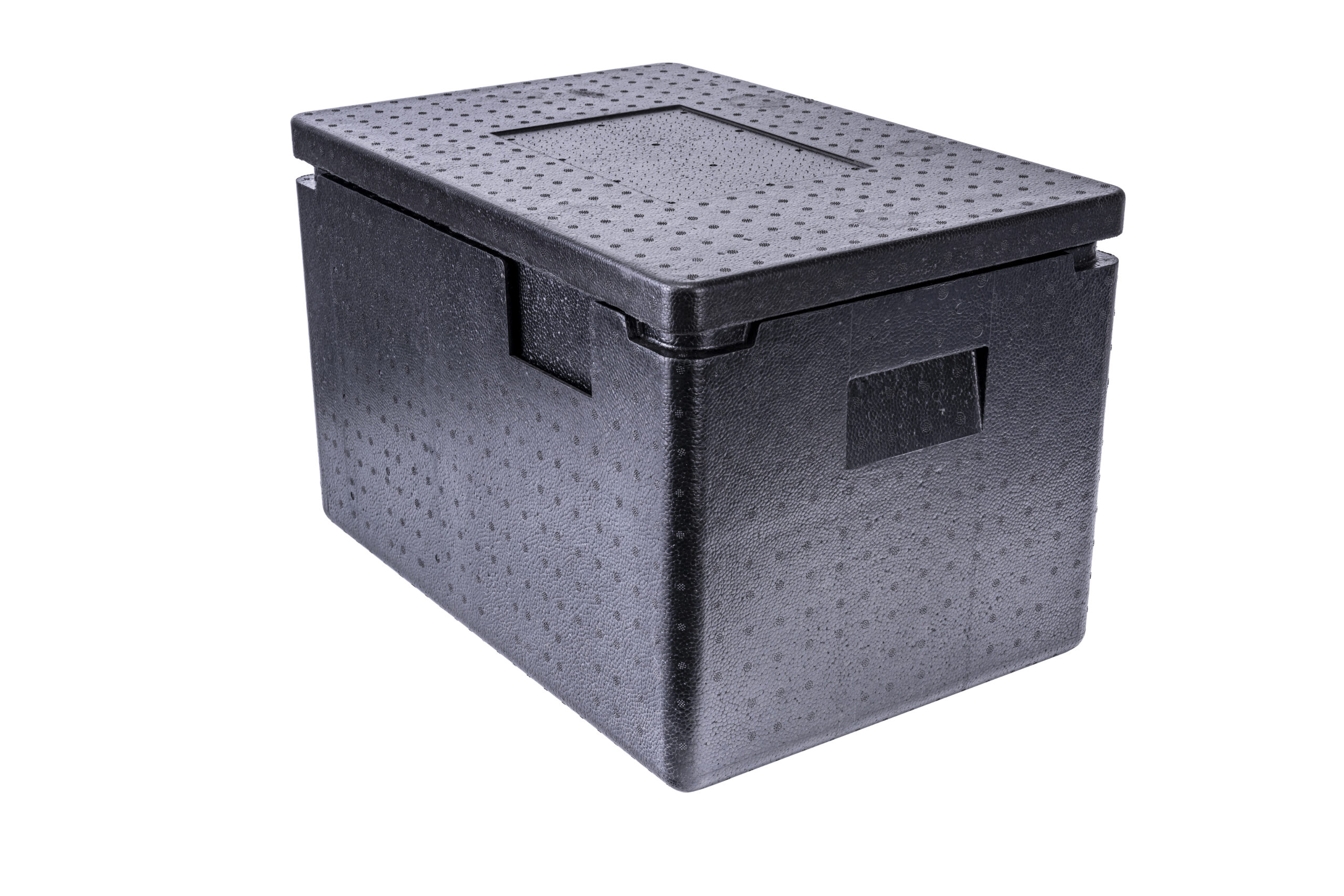
Updated on: May 20, 2026
How to Evaluate a VIP temperature controlled box for biological samples shipping Before You Scale Cold-Chain Shipments
A VIP temperature controlled box for biological samples shipping can be the right choice when biological samples, diagnostic specimens, research materials, and patient-derived sample shipments needs more thermal margin than a basic insulated carton can provide. The decision should still be made like a cold-chain process decision, not a packaging shortcut. Start with the product condition, route exposure, payload map, coolant plan, and evidence required at receipt. VIP insulation can improve the design, but the full packout and operating procedure decide whether the shipment is reliable.
For buyers, the practical goal is to avoid two mistakes: under-protecting the shipment and over-trusting a box without evidence. The box may look simple from the outside, but it interacts with temperature, time, people, documents, and route uncertainty. That is why a useful evaluation has to cover both performance and operations.
The right question is fit, not premium material
VIP insulation is attractive because it can provide strong thermal resistance in a compact format. That matters when the shipment has limited space, high value, or uncertain handovers. But a VIP temperature controlled box for biological samples shipping is not automatically better for every lane. If the route is short, the temperature requirement is broad, and handling is controlled, a simpler insulated solution may be enough. If the route includes clinic pickup, courier transfer, airport movement, regional lab networks, and central laboratory receipt, the stronger thermal buffer may be easier to justify.
A fit-based evaluation prevents overbuying and underdesign. Overbuying happens when the team chooses a premium box without checking whether the payload, carrier, and receiver can use it correctly. Underdesign happens when the team chooses a low-cost package that cannot handle the real handover risk. Both problems can create waste. The better approach is to describe the lane clearly and then select the package that fits the risk.
For lab operations managers, diagnostic sample coordinators, biobanks, and healthcare logistics buyers, fit also includes workflow. Can packing staff load the box quickly and consistently? Can the receiver find the logger or documents? Can the box be cleaned or returned if reuse is planned? Can damaged units be identified? These questions may sound basic, but they often decide whether the packaging works after the first few sample shipments.
Build the requirement in five layers
The first layer is the product condition. Define the exact temperature requirement and the consequence of exposure. Some products are harmed by heat, some by freezing, some by thawing, and some by repeated cycling. Avoid borrowing a familiar temperature range from another product category. The range must come from the product specification, protocol, label, quality file, or buyer requirement.
The second layer is route exposure. Total transit time is not enough. A package may spend time on a packing bench, at a dock, in a courier vehicle, at an airport, in customs, or on a residential doorstep. Each point can create a different risk. A good packaging review maps the journey from release to receipt, including delays that are reasonably foreseeable.
The third layer is the loaded packout. Internal dimensions are not the same as usable payload space. Coolant, separators, absorbent material, liners, documents, and monitoring devices all use space. The fourth layer is evidence: test context, pilot lane data, supplier documentation, or a quality-approved packout. The fifth layer is exception handling. If the shipment is late, damaged, or outside the expected record, the team needs a decision path.
| Evaluation layer | Decision point | Common buyer mistake |
|---|---|---|
| Product condition | Confirm the required temperature and acceptance rule. | Using a generic range that does not belong to the product. |
| Route exposure | Map staging, handovers, dwell time, and seasonality. | Judging only by courier transit time. |
| Packout design | Review coolant, separators, payload map, closure, and monitor placement. | Approving an empty sample without a loaded test. |
| Evidence | Match test data or pilot records to the planned lane. | Treating a general hold-time claim as universal. |
| Operations | Define packing, receiving, reuse, cleaning, and exception procedures. | Assuming staff will interpret the process correctly without written instructions. |
These layers keep the buying process grounded. A supplier conversation becomes more useful when the buyer can describe the product, route, packout, evidence level, and operating process. It also makes quotes easier to compare, because each supplier is responding to the same real requirement rather than a broad request for an insulated box.
Where the full packout can fail
The most visible component is the box, but the failure often comes from something less visible. Coolant may be conditioned incorrectly. A separator may be missing. Payload may be loaded in a different orientation from the approved map. A lid may not close fully. A logger may be placed against the coolant instead of near the payload risk area. A receiving team may open the box, remove items, and forget to download the temperature record.
For this topic, the boundary is important: temperature control does not replace leakproof primary packaging, secondary containment, absorbent material, or required markings. Buyers should therefore avoid statements that make the box sound like the entire control system. A more accurate statement is that the box supports a passive temperature-controlled packout when combined with the right coolant, loading procedure, monitoring, and route-specific review.
Another failure point is change. The packout may work for one payload size but not another. It may work in one season but need adjustment in another. It may work with one carrier but fail when transferred to a different service level. It may be accepted by one receiver but rejected by another because the paperwork or logger process differs. A change-control mindset is important even for packaging that appears physically simple.
Practical example: a sample approval that prevents later problems
Imagine a regional diagnostic network that needs one packaging approach for routine samples and a different one for temperature-sensitive investigational materials. During sample approval, the team should not only check whether the box closes. They should load the payload or a realistic equivalent, add the coolant, position any logger, include documents, and simulate the steps staff will follow. They should note whether the box is easy to close, whether labels fit, whether the payload is protected from direct coolant contact, and whether the receiver can inspect the shipment without confusion.
This approach can reveal problems before the purchase order is large. Perhaps the payload shifts during handling. Perhaps the box is too large for a courier service level. Perhaps a reusable design needs a stronger label-removal process. Perhaps the coolant plan is too complex for a busy fulfillment line. These findings are not failures of the sample. They are useful information that turns a packaging idea into an operating procedure.
Supplier questions that actually matter
When comparing suppliers for a VIP temperature controlled box for biological samples shipping, ask how the VIP panels are protected, what the loaded usable volume is, and whether production units match the sample. Ask for packout instructions and the test assumptions behind any performance statement. Ask whether the supplier can support seasonal variations, damaged-box inspection, replacement components, and repeat orders. If the shipment is regulated, ask what the supplier is providing and what remains the buyer’s responsibility.
Good supplier conversations are specific and sometimes uncomfortable. A credible supplier should be willing to discuss limits, not only advantages. If a box has not been evaluated for a lane, the supplier should not present it as proven for that lane. If a sustainability claim depends on reuse, the return rate and cleaning process should be part of the discussion. If a compliance claim depends on buyer procedures, that boundary should be clear.
For biological samples, diagnostic specimens, research materials, and patient-derived sample shipments, the buying team should also involve operations early. Procurement may compare price, quality may review evidence, logistics may understand carrier risk, and warehouse staff may know whether the packout can be repeated. The package succeeds only when these teams agree on what the box is expected to do and what must be checked at each step.
Operational checks before rollout
Staff repeatability deserves its own review. A VIP temperature controlled box for biological samples shipping may look robust during sample approval, but routine shipments depend on people doing the same steps under time pressure. Packing staff need a clear order of work: prepare the box, condition coolant, check liners, load payload, place any monitor, close the lid correctly, apply labels, and record release information. If those steps are not easy to repeat, the theoretical thermal advantage of VIP insulation may not become reliable shipment performance.
Buyers should also separate design approval from purchasing approval. Design approval asks whether the packout protects biological samples, diagnostic specimens, research materials, and patient-derived sample shipments under realistic conditions. Purchasing approval asks whether the supplier can deliver consistent units, replacement parts, packaging instructions, and support when routes change. A low quote is less attractive if the box dimensions vary, if the lid fit changes between batches, or if the supplier cannot explain how the packout was evaluated.
Receiving teams deserve attention as well. A package can leave the warehouse correctly and still fail inspection if the receiving site does not know where the logger is, what temperature evidence to review, how to judge physical damage, or what to do with a delayed delivery. For controlled shipments, the receiving checklist should be written before the packaging is scaled, because it defines what success looks like at the end of the lane.
Do not treat seasonality as a minor detail. Warm-weather routes, cold-weather routes, weekend shipping, airport dwell time, and holiday congestion can change the risk profile. A VIP temperature controlled box for biological samples shipping should be reviewed against these conditions before it is used broadly. When evidence is missing, ask for a pilot shipment, a chamber test, or a documented packout review rather than relying on a broad claim about insulation performance.
The commercial review should include after-sales support. Ask how the supplier handles damaged units, replacement liners, revised artwork, updated loading instructions, and repeat production. This matters because cold-chain packaging is rarely a one-time purchase. Once a VIP temperature controlled box for biological samples shipping becomes part of a shipping program, small supplier changes can affect packing speed, receiving checks, and confidence in the shipment record.
FAQ
What makes a VIP temperature controlled box for biological samples shipping different from a basic insulated box?
The main difference is the use of vacuum insulation panels to reduce heat transfer in a thinner insulation profile. That can help preserve payload space or improve thermal margin. The difference matters only when the full packout is designed and used correctly.
Can I rely on supplier hold-time claims?
Use them as a starting point, not as a universal promise. Ask for the payload, coolant, ambient profile, sensor placement, and acceptance criteria behind the claim. If your lane differs, request a pilot review or route-specific evaluation.
Is this type of packaging suitable for regulated shipments?
It may support regulated shipments, but the box alone does not create compliance. Regulated goods may need classification, SOPs, trained staff, monitoring, documentation, deviation handling, or specific packaging requirements. The buyer should confirm requirements with the quality or regulatory team.
What is the most important sample check?
Approve the loaded packout, not the empty box. Confirm usable space, coolant position, separator placement, closure quality, label area, monitor placement, and receiving steps. This prevents surprises when the package moves from sample review to routine operation.
Can this packaging support sustainability goals?
It can, especially when it reduces failed shipments, overpacking, or single-use waste. But carbon-neutral or low-carbon claims need measured evidence. Reuse, return logistics, cleaning, damage rates, and end-of-life handling all affect the result.
Conclusion
A VIP temperature controlled box for biological samples shipping should be evaluated as part of a complete cold-chain workflow. VIP insulation can be valuable, but the real decision depends on product condition, route exposure, payload map, coolant plan, evidence, staff repeatability, and receiving inspection. The safest procurement process asks for specific proof, defines limits, and checks whether the sample can become a reliable routine packout.
About Tempk
Tempk provides temperature-controlled packaging components such as ice packs, PCM-related cold sources, insulated boxes, medical coolers, liners, and pallet covers for cold-chain logistics. For buyers comparing a VIP temperature controlled box for biological samples shipping, we focus on route fit, usable space, handling realities, and packout repeatability. That practical approach helps teams avoid confusing insulation material with a finished, qualified shipping system.
Next step
Let Tempk review the route, sample condition, and packing constraints before selecting a VIP temperature controlled box configuration.
Buyer Guide to VIP refrigerated shipping container for clinical sample transport
Updated on: May 20, 2026
How to Evaluate a VIP refrigerated shipping container for clinical sample transport Before You Scale Cold-Chain Shipments
A VIP refrigerated shipping container for clinical sample transport can be the right choice when clinical samples, diagnostic specimens, trial samples, and related biological materials needs more thermal margin than a basic insulated carton can provide. The decision should still be made like a cold-chain process decision, not a packaging shortcut. Start with the product condition, route exposure, payload map, coolant plan, and evidence required at receipt. VIP insulation can improve the design, but the full packout and operating procedure decide whether the shipment is reliable.
For buyers, the practical goal is to avoid two mistakes: under-protecting the shipment and over-trusting a box without evidence. The box may look simple from the outside, but it interacts with temperature, time, people, documents, and route uncertainty. That is why a useful evaluation has to cover both performance and operations.
The right question is fit, not premium material
VIP insulation is attractive because it can provide strong thermal resistance in a compact format. That matters when the shipment has limited space, high value, or uncertain handovers. But a VIP refrigerated shipping container for clinical sample transport is not automatically better for every lane. If the route is short, the temperature requirement is broad, and handling is controlled, a simpler insulated solution may be enough. If the route includes site-to-lab courier routes, air express lanes, central laboratory submissions, and regional sample consolidation, the stronger thermal buffer may be easier to justify.
A fit-based evaluation prevents overbuying and underdesign. Overbuying happens when the team chooses a premium box without checking whether the payload, carrier, and receiver can use it correctly. Underdesign happens when the team chooses a low-cost package that cannot handle the real handover risk. Both problems can create waste. The better approach is to describe the lane clearly and then select the package that fits the risk.
For clinical laboratories, trial logistics teams, hospital networks, and sample management coordinators, fit also includes workflow. Can packing staff load the box quickly and consistently? Can the receiver find the logger or documents? Can the box be cleaned or returned if reuse is planned? Can damaged units be identified? These questions may sound basic, but they often decide whether the packaging works after the first few sample shipments.
Build the requirement in five layers
The first layer is the product condition. Define the exact temperature requirement and the consequence of exposure. Some products are harmed by heat, some by freezing, some by thawing, and some by repeated cycling. Avoid borrowing a familiar temperature range from another product category. The range must come from the product specification, protocol, label, quality file, or buyer requirement.
The second layer is route exposure. Total transit time is not enough. A package may spend time on a packing bench, at a dock, in a courier vehicle, at an airport, in customs, or on a residential doorstep. Each point can create a different risk. A good packaging review maps the journey from release to receipt, including delays that are reasonably foreseeable.
The third layer is the loaded packout. Internal dimensions are not the same as usable payload space. Coolant, separators, absorbent material, liners, documents, and monitoring devices all use space. The fourth layer is evidence: test context, pilot lane data, supplier documentation, or a quality-approved packout. The fifth layer is exception handling. If the shipment is late, damaged, or outside the expected record, the team needs a decision path.
| Evaluation layer | Decision point | Common buyer mistake |
|---|---|---|
| Product condition | Confirm the required temperature and acceptance rule. | Using a generic range that does not belong to the product. |
| Route exposure | Map staging, handovers, dwell time, and seasonality. | Judging only by courier transit time. |
| Packout design | Review coolant, separators, payload map, closure, and monitor placement. | Approving an empty sample without a loaded test. |
| Evidence | Match test data or pilot records to the planned lane. | Treating a general hold-time claim as universal. |
| Operations | Define packing, receiving, reuse, cleaning, and exception procedures. | Assuming staff will interpret the process correctly without written instructions. |
These layers keep the buying process grounded. A supplier conversation becomes more useful when the buyer can describe the product, route, packout, evidence level, and operating process. It also makes quotes easier to compare, because each supplier is responding to the same real requirement rather than a broad request for an insulated box.
Where the full packout can fail
The most visible component is the box, but the failure often comes from something less visible. Coolant may be conditioned incorrectly. A separator may be missing. Payload may be loaded in a different orientation from the approved map. A lid may not close fully. A logger may be placed against the coolant instead of near the payload risk area. A receiving team may open the box, remove items, and forget to download the temperature record.
For this topic, the boundary is important: it is not a complete clinical sample transport system without compliant sample packaging, absorbent material, markings, documents, and monitoring where needed. Buyers should therefore avoid statements that make the box sound like the entire control system. A more accurate statement is that the box supports a passive temperature-controlled packout when combined with the right coolant, loading procedure, monitoring, and route-specific review.
Another failure point is change. The packout may work for one payload size but not another. It may work in one season but need adjustment in another. It may work with one carrier but fail when transferred to a different service level. It may be accepted by one receiver but rejected by another because the paperwork or logger process differs. A change-control mindset is important even for packaging that appears physically simple.
Practical example: a sample approval that prevents later problems
Imagine a clinical trial site shipping blood samples to a central lab with a narrow pickup window and documented receipt checks. During sample approval, the team should not only check whether the box closes. They should load the payload or a realistic equivalent, add the coolant, position any logger, include documents, and simulate the steps staff will follow. They should note whether the box is easy to close, whether labels fit, whether the payload is protected from direct coolant contact, and whether the receiver can inspect the shipment without confusion.
This approach can reveal problems before the purchase order is large. Perhaps the payload shifts during handling. Perhaps the box is too large for a courier service level. Perhaps a reusable design needs a stronger label-removal process. Perhaps the coolant plan is too complex for a busy fulfillment line. These findings are not failures of the sample. They are useful information that turns a packaging idea into an operating procedure.
Supplier questions that actually matter
When comparing suppliers for a VIP refrigerated shipping container for clinical sample transport, ask how the VIP panels are protected, what the loaded usable volume is, and whether production units match the sample. Ask for packout instructions and the test assumptions behind any performance statement. Ask whether the supplier can support seasonal variations, damaged-box inspection, replacement components, and repeat orders. If the shipment is regulated, ask what the supplier is providing and what remains the buyer’s responsibility.
Good supplier conversations are specific and sometimes uncomfortable. A credible supplier should be willing to discuss limits, not only advantages. If a box has not been evaluated for a lane, the supplier should not present it as proven for that lane. If a sustainability claim depends on reuse, the return rate and cleaning process should be part of the discussion. If a compliance claim depends on buyer procedures, that boundary should be clear.
For clinical samples, diagnostic specimens, trial samples, and related biological materials, the buying team should also involve operations early. Procurement may compare price, quality may review evidence, logistics may understand carrier risk, and warehouse staff may know whether the packout can be repeated. The package succeeds only when these teams agree on what the box is expected to do and what must be checked at each step.
Operational checks before rollout
Staff repeatability deserves its own review. A VIP refrigerated shipping container for clinical sample transport may look robust during sample approval, but routine shipments depend on people doing the same steps under time pressure. Packing staff need a clear order of work: prepare the box, condition coolant, check liners, load payload, place any monitor, close the lid correctly, apply labels, and record release information. If those steps are not easy to repeat, the theoretical thermal advantage of VIP insulation may not become reliable shipment performance.
Buyers should also separate design approval from purchasing approval. Design approval asks whether the packout protects clinical samples, diagnostic specimens, trial samples, and related biological materials under realistic conditions. Purchasing approval asks whether the supplier can deliver consistent units, replacement parts, packaging instructions, and support when routes change. A low quote is less attractive if the box dimensions vary, if the lid fit changes between batches, or if the supplier cannot explain how the packout was evaluated.
Receiving teams deserve attention as well. A package can leave the warehouse correctly and still fail inspection if the receiving site does not know where the logger is, what temperature evidence to review, how to judge physical damage, or what to do with a delayed delivery. For controlled shipments, the receiving checklist should be written before the packaging is scaled, because it defines what success looks like at the end of the lane.
Do not treat seasonality as a minor detail. Warm-weather routes, cold-weather routes, weekend shipping, airport dwell time, and holiday congestion can change the risk profile. A VIP refrigerated shipping container for clinical sample transport should be reviewed against these conditions before it is used broadly. When evidence is missing, ask for a pilot shipment, a chamber test, or a documented packout review rather than relying on a broad claim about insulation performance.
The commercial review should include after-sales support. Ask how the supplier handles damaged units, replacement liners, revised artwork, updated loading instructions, and repeat production. This matters because cold-chain packaging is rarely a one-time purchase. Once a VIP refrigerated shipping container for clinical sample transport becomes part of a shipping program, small supplier changes can affect packing speed, receiving checks, and confidence in the shipment record.
FAQ
What makes a VIP refrigerated shipping container for clinical sample transport different from a basic insulated box?
The main difference is the use of vacuum insulation panels to reduce heat transfer in a thinner insulation profile. That can help preserve payload space or improve thermal margin. The difference matters only when the full packout is designed and used correctly.
Can I rely on supplier hold-time claims?
Use them as a starting point, not as a universal promise. Ask for the payload, coolant, ambient profile, sensor placement, and acceptance criteria behind the claim. If your lane differs, request a pilot review or route-specific evaluation.
Is this type of packaging suitable for regulated shipments?
It may support regulated shipments, but the box alone does not create compliance. Regulated goods may need classification, SOPs, trained staff, monitoring, documentation, deviation handling, or specific packaging requirements. The buyer should confirm requirements with the quality or regulatory team.
What is the most important sample check?
Approve the loaded packout, not the empty box. Confirm usable space, coolant position, separator placement, closure quality, label area, monitor placement, and receiving steps. This prevents surprises when the package moves from sample review to routine operation.
Can this packaging support sustainability goals?
It can, especially when it reduces failed shipments, overpacking, or single-use waste. But carbon-neutral or low-carbon claims need measured evidence. Reuse, return logistics, cleaning, damage rates, and end-of-life handling all affect the result.
Conclusion
A VIP refrigerated shipping container for clinical sample transport should be evaluated as part of a complete cold-chain workflow. VIP insulation can be valuable, but the real decision depends on product condition, route exposure, payload map, coolant plan, evidence, staff repeatability, and receiving inspection. The safest procurement process asks for specific proof, defines limits, and checks whether the sample can become a reliable routine packout.
About Tempk
Tempk provides temperature-controlled packaging components such as ice packs, PCM-related cold sources, insulated boxes, medical coolers, liners, and pallet covers for cold-chain logistics. For buyers comparing a VIP refrigerated shipping container for clinical sample transport, we focus on route fit, usable space, handling realities, and packout repeatability. That practical approach helps teams avoid confusing insulation material with a finished, qualified shipping system.
Next step
Share sample type, classification, protocol condition, and route timing to discuss a practical clinical sample packaging setup.
Buyer Guide to VIP refrigerated shipping box for GDP compliant shipping
Updated on: May 20, 2026
How to Evaluate a VIP refrigerated shipping box for GDP compliant shipping Before You Scale Cold-Chain Shipments
A VIP refrigerated shipping box for GDP compliant shipping can be the right choice when refrigerated medicines or other temperature-sensitive pharmaceutical products needs more thermal margin than a basic insulated carton can provide. The decision should still be made like a cold-chain process decision, not a packaging shortcut. Start with the product condition, route exposure, payload map, coolant plan, and evidence required at receipt. VIP insulation can improve the design, but the full packout and operating procedure decide whether the shipment is reliable.
For buyers, the practical goal is to avoid two mistakes: under-protecting the shipment and over-trusting a box without evidence. The box may look simple from the outside, but it interacts with temperature, time, people, documents, and route uncertainty. That is why a useful evaluation has to cover both performance and operations.
The right question is fit, not premium material
VIP insulation is attractive because it can provide strong thermal resistance in a compact format. That matters when the shipment has limited space, high value, or uncertain handovers. But a VIP refrigerated shipping box for GDP compliant shipping is not automatically better for every lane. If the route is short, the temperature requirement is broad, and handling is controlled, a simpler insulated solution may be enough. If the route includes wholesale distribution, courier medicine delivery, air cargo healthcare lanes, and cross-dock pharmaceutical movement, the stronger thermal buffer may be easier to justify.
A fit-based evaluation prevents overbuying and underdesign. Overbuying happens when the team chooses a premium box without checking whether the payload, carrier, and receiver can use it correctly. Underdesign happens when the team chooses a low-cost package that cannot handle the real handover risk. Both problems can create waste. The better approach is to describe the lane clearly and then select the package that fits the risk.
For GDP-responsible pharmaceutical distributors, wholesalers, QA teams, and logistics procurement teams, fit also includes workflow. Can packing staff load the box quickly and consistently? Can the receiver find the logger or documents? Can the box be cleaned or returned if reuse is planned? Can damaged units be identified? These questions may sound basic, but they often decide whether the packaging works after the first few sample shipments.
Build the requirement in five layers
The first layer is the product condition. Define the exact temperature requirement and the consequence of exposure. Some products are harmed by heat, some by freezing, some by thawing, and some by repeated cycling. Avoid borrowing a familiar temperature range from another product category. The range must come from the product specification, protocol, label, quality file, or buyer requirement.
The second layer is route exposure. Total transit time is not enough. A package may spend time on a packing bench, at a dock, in a courier vehicle, at an airport, in customs, or on a residential doorstep. Each point can create a different risk. A good packaging review maps the journey from release to receipt, including delays that are reasonably foreseeable.
The third layer is the loaded packout. Internal dimensions are not the same as usable payload space. Coolant, separators, absorbent material, liners, documents, and monitoring devices all use space. The fourth layer is evidence: test context, pilot lane data, supplier documentation, or a quality-approved packout. The fifth layer is exception handling. If the shipment is late, damaged, or outside the expected record, the team needs a decision path.
| Evaluation layer | Decision point | Common buyer mistake |
|---|---|---|
| Product condition | Confirm the required temperature and acceptance rule. | Using a generic range that does not belong to the product. |
| Route exposure | Map staging, handovers, dwell time, and seasonality. | Judging only by courier transit time. |
| Packout design | Review coolant, separators, payload map, closure, and monitor placement. | Approving an empty sample without a loaded test. |
| Evidence | Match test data or pilot records to the planned lane. | Treating a general hold-time claim as universal. |
| Operations | Define packing, receiving, reuse, cleaning, and exception procedures. | Assuming staff will interpret the process correctly without written instructions. |
These layers keep the buying process grounded. A supplier conversation becomes more useful when the buyer can describe the product, route, packout, evidence level, and operating process. It also makes quotes easier to compare, because each supplier is responding to the same real requirement rather than a broad request for an insulated box.
Where the full packout can fail
The most visible component is the box, but the failure often comes from something less visible. Coolant may be conditioned incorrectly. A separator may be missing. Payload may be loaded in a different orientation from the approved map. A lid may not close fully. A logger may be placed against the coolant instead of near the payload risk area. A receiving team may open the box, remove items, and forget to download the temperature record.
For this topic, the boundary is important: a VIP box supports GDP only when combined with SOPs, qualified packout, monitoring, trained handling, and records. Buyers should therefore avoid statements that make the box sound like the entire control system. A more accurate statement is that the box supports a passive temperature-controlled packout when combined with the right coolant, loading procedure, monitoring, and route-specific review.
Another failure point is change. The packout may work for one payload size but not another. It may work in one season but need adjustment in another. It may work with one carrier but fail when transferred to a different service level. It may be accepted by one receiver but rejected by another because the paperwork or logger process differs. A change-control mindset is important even for packaging that appears physically simple.
Practical example: a sample approval that prevents later problems
Imagine a wholesaler shipping refrigerated medicines through a courier lane that includes warehouse staging, driver pickup, and receiving inspection. During sample approval, the team should not only check whether the box closes. They should load the payload or a realistic equivalent, add the coolant, position any logger, include documents, and simulate the steps staff will follow. They should note whether the box is easy to close, whether labels fit, whether the payload is protected from direct coolant contact, and whether the receiver can inspect the shipment without confusion.
This approach can reveal problems before the purchase order is large. Perhaps the payload shifts during handling. Perhaps the box is too large for a courier service level. Perhaps a reusable design needs a stronger label-removal process. Perhaps the coolant plan is too complex for a busy fulfillment line. These findings are not failures of the sample. They are useful information that turns a packaging idea into an operating procedure.
Supplier questions that actually matter
When comparing suppliers for a VIP refrigerated shipping box for GDP compliant shipping, ask how the VIP panels are protected, what the loaded usable volume is, and whether production units match the sample. Ask for packout instructions and the test assumptions behind any performance statement. Ask whether the supplier can support seasonal variations, damaged-box inspection, replacement components, and repeat orders. If the shipment is regulated, ask what the supplier is providing and what remains the buyer’s responsibility.
Good supplier conversations are specific and sometimes uncomfortable. A credible supplier should be willing to discuss limits, not only advantages. If a box has not been evaluated for a lane, the supplier should not present it as proven for that lane. If a sustainability claim depends on reuse, the return rate and cleaning process should be part of the discussion. If a compliance claim depends on buyer procedures, that boundary should be clear.
For refrigerated medicines or other temperature-sensitive pharmaceutical products, the buying team should also involve operations early. Procurement may compare price, quality may review evidence, logistics may understand carrier risk, and warehouse staff may know whether the packout can be repeated. The package succeeds only when these teams agree on what the box is expected to do and what must be checked at each step.
Operational checks before rollout
Staff repeatability deserves its own review. A VIP refrigerated shipping box for GDP compliant shipping may look robust during sample approval, but routine shipments depend on people doing the same steps under time pressure. Packing staff need a clear order of work: prepare the box, condition coolant, check liners, load payload, place any monitor, close the lid correctly, apply labels, and record release information. If those steps are not easy to repeat, the theoretical thermal advantage of VIP insulation may not become reliable shipment performance.
Buyers should also separate design approval from purchasing approval. Design approval asks whether the packout protects refrigerated medicines or other temperature-sensitive pharmaceutical products under realistic conditions. Purchasing approval asks whether the supplier can deliver consistent units, replacement parts, packaging instructions, and support when routes change. A low quote is less attractive if the box dimensions vary, if the lid fit changes between batches, or if the supplier cannot explain how the packout was evaluated.
Receiving teams deserve attention as well. A package can leave the warehouse correctly and still fail inspection if the receiving site does not know where the logger is, what temperature evidence to review, how to judge physical damage, or what to do with a delayed delivery. For controlled shipments, the receiving checklist should be written before the packaging is scaled, because it defines what success looks like at the end of the lane.
Do not treat seasonality as a minor detail. Warm-weather routes, cold-weather routes, weekend shipping, airport dwell time, and holiday congestion can change the risk profile. A VIP refrigerated shipping box for GDP compliant shipping should be reviewed against these conditions before it is used broadly. When evidence is missing, ask for a pilot shipment, a chamber test, or a documented packout review rather than relying on a broad claim about insulation performance.
The commercial review should include after-sales support. Ask how the supplier handles damaged units, replacement liners, revised artwork, updated loading instructions, and repeat production. This matters because cold-chain packaging is rarely a one-time purchase. Once a VIP refrigerated shipping box for GDP compliant shipping becomes part of a shipping program, small supplier changes can affect packing speed, receiving checks, and confidence in the shipment record.
FAQ
What makes a VIP refrigerated shipping box for GDP compliant shipping different from a basic insulated box?
The main difference is the use of vacuum insulation panels to reduce heat transfer in a thinner insulation profile. That can help preserve payload space or improve thermal margin. The difference matters only when the full packout is designed and used correctly.
Can I rely on supplier hold-time claims?
Use them as a starting point, not as a universal promise. Ask for the payload, coolant, ambient profile, sensor placement, and acceptance criteria behind the claim. If your lane differs, request a pilot review or route-specific evaluation.
Is this type of packaging suitable for regulated shipments?
It may support regulated shipments, but the box alone does not create compliance. Regulated goods may need classification, SOPs, trained staff, monitoring, documentation, deviation handling, or specific packaging requirements. The buyer should confirm requirements with the quality or regulatory team.
What is the most important sample check?
Approve the loaded packout, not the empty box. Confirm usable space, coolant position, separator placement, closure quality, label area, monitor placement, and receiving steps. This prevents surprises when the package moves from sample review to routine operation.
Can this packaging support sustainability goals?
It can, especially when it reduces failed shipments, overpacking, or single-use waste. But carbon-neutral or low-carbon claims need measured evidence. Reuse, return logistics, cleaning, damage rates, and end-of-life handling all affect the result.
Conclusion
A VIP refrigerated shipping box for GDP compliant shipping should be evaluated as part of a complete cold-chain workflow. VIP insulation can be valuable, but the real decision depends on product condition, route exposure, payload map, coolant plan, evidence, staff repeatability, and receiving inspection. The safest procurement process asks for specific proof, defines limits, and checks whether the sample can become a reliable routine packout.
About Tempk
Tempk provides temperature-controlled packaging components such as ice packs, PCM-related cold sources, insulated boxes, medical coolers, liners, and pallet covers for cold-chain logistics. For buyers comparing a VIP refrigerated shipping box for GDP compliant shipping, we focus on route fit, usable space, handling realities, and packout repeatability. That practical approach helps teams avoid confusing insulation material with a finished, qualified shipping system.
Next step
Tell Tempk your refrigerated range, lane profile, and GDP documentation expectations to compare practical VIP box configurations.
Buyer Guide to VIP packaging for cold chain for patient-specific therapy transport

Updated on: May 20, 2026
How to Evaluate a VIP packaging for cold chain for patient-specific therapy transport Before You Scale Cold-Chain Shipments
A VIP packaging for cold chain for patient-specific therapy transport can be the right choice when patient-specific therapy materials, related clinical samples, or temperature-sensitive treatment components needs more thermal margin than a basic insulated carton can provide. The decision should still be made like a cold-chain process decision, not a packaging shortcut. Start with the product condition, route exposure, payload map, coolant plan, and evidence required at receipt. VIP insulation can improve the design, but the full packout and operating procedure decide whether the shipment is reliable.
For buyers, the practical goal is to avoid two mistakes: under-protecting the shipment and over-trusting a box without evidence. The box may look simple from the outside, but it interacts with temperature, time, people, documents, and route uncertainty. That is why a useful evaluation has to cover both performance and operations.
The right question is fit, not premium material
VIP insulation is attractive because it can provide strong thermal resistance in a compact format. That matters when the shipment has limited space, high value, or uncertain handovers. But a VIP packaging for cold chain for patient-specific therapy transport is not automatically better for every lane. If the route is short, the temperature requirement is broad, and handling is controlled, a simpler insulated solution may be enough. If the route includes hospital pickup, manufacturing site transfer, specialty courier handover, airport movement, and final clinical site delivery, the stronger thermal buffer may be easier to justify.
A fit-based evaluation prevents overbuying and underdesign. Overbuying happens when the team chooses a premium box without checking whether the payload, carrier, and receiver can use it correctly. Underdesign happens when the team chooses a low-cost package that cannot handle the real handover risk. Both problems can create waste. The better approach is to describe the lane clearly and then select the package that fits the risk.
For cell therapy logistics teams, specialty couriers, clinical operations teams, and quality managers, fit also includes workflow. Can packing staff load the box quickly and consistently? Can the receiver find the logger or documents? Can the box be cleaned or returned if reuse is planned? Can damaged units be identified? These questions may sound basic, but they often decide whether the packaging works after the first few sample shipments.
Build the requirement in five layers
The first layer is the product condition. Define the exact temperature requirement and the consequence of exposure. Some products are harmed by heat, some by freezing, some by thawing, and some by repeated cycling. Avoid borrowing a familiar temperature range from another product category. The range must come from the product specification, protocol, label, quality file, or buyer requirement.
The second layer is route exposure. Total transit time is not enough. A package may spend time on a packing bench, at a dock, in a courier vehicle, at an airport, in customs, or on a residential doorstep. Each point can create a different risk. A good packaging review maps the journey from release to receipt, including delays that are reasonably foreseeable.
The third layer is the loaded packout. Internal dimensions are not the same as usable payload space. Coolant, separators, absorbent material, liners, documents, and monitoring devices all use space. The fourth layer is evidence: test context, pilot lane data, supplier documentation, or a quality-approved packout. The fifth layer is exception handling. If the shipment is late, damaged, or outside the expected record, the team needs a decision path.
| Evaluation layer | Decision point | Common buyer mistake |
|---|---|---|
| Product condition | Confirm the required temperature and acceptance rule. | Using a generic range that does not belong to the product. |
| Route exposure | Map staging, handovers, dwell time, and seasonality. | Judging only by courier transit time. |
| Packout design | Review coolant, separators, payload map, closure, and monitor placement. | Approving an empty sample without a loaded test. |
| Evidence | Match test data or pilot records to the planned lane. | Treating a general hold-time claim as universal. |
| Operations | Define packing, receiving, reuse, cleaning, and exception procedures. | Assuming staff will interpret the process correctly without written instructions. |
These layers keep the buying process grounded. A supplier conversation becomes more useful when the buyer can describe the product, route, packout, evidence level, and operating process. It also makes quotes easier to compare, because each supplier is responding to the same real requirement rather than a broad request for an insulated box.
Where the full packout can fail
The most visible component is the box, but the failure often comes from something less visible. Coolant may be conditioned incorrectly. A separator may be missing. Payload may be loaded in a different orientation from the approved map. A lid may not close fully. A logger may be placed against the coolant instead of near the payload risk area. A receiving team may open the box, remove items, and forget to download the temperature record.
For this topic, the boundary is important: VIP packaging alone is not enough for cryogenic shipments, identity control, regulated dangerous goods, or protocol compliance. Buyers should therefore avoid statements that make the box sound like the entire control system. A more accurate statement is that the box supports a passive temperature-controlled packout when combined with the right coolant, loading procedure, monitoring, and route-specific review.
Another failure point is change. The packout may work for one payload size but not another. It may work in one season but need adjustment in another. It may work with one carrier but fail when transferred to a different service level. It may be accepted by one receiver but rejected by another because the paperwork or logger process differs. A change-control mindset is important even for packaging that appears physically simple.
Practical example: a sample approval that prevents later problems
Imagine a hospital-origin therapy material moving to a processing site where identity documentation and temperature evidence matter as much as insulation. During sample approval, the team should not only check whether the box closes. They should load the payload or a realistic equivalent, add the coolant, position any logger, include documents, and simulate the steps staff will follow. They should note whether the box is easy to close, whether labels fit, whether the payload is protected from direct coolant contact, and whether the receiver can inspect the shipment without confusion.
This approach can reveal problems before the purchase order is large. Perhaps the payload shifts during handling. Perhaps the box is too large for a courier service level. Perhaps a reusable design needs a stronger label-removal process. Perhaps the coolant plan is too complex for a busy fulfillment line. These findings are not failures of the sample. They are useful information that turns a packaging idea into an operating procedure.
Supplier questions that actually matter
When comparing suppliers for a VIP packaging for cold chain for patient-specific therapy transport, ask how the VIP panels are protected, what the loaded usable volume is, and whether production units match the sample. Ask for packout instructions and the test assumptions behind any performance statement. Ask whether the supplier can support seasonal variations, damaged-box inspection, replacement components, and repeat orders. If the shipment is regulated, ask what the supplier is providing and what remains the buyer’s responsibility.
Good supplier conversations are specific and sometimes uncomfortable. A credible supplier should be willing to discuss limits, not only advantages. If a box has not been evaluated for a lane, the supplier should not present it as proven for that lane. If a sustainability claim depends on reuse, the return rate and cleaning process should be part of the discussion. If a compliance claim depends on buyer procedures, that boundary should be clear.
For patient-specific therapy materials, related clinical samples, or temperature-sensitive treatment components, the buying team should also involve operations early. Procurement may compare price, quality may review evidence, logistics may understand carrier risk, and warehouse staff may know whether the packout can be repeated. The package succeeds only when these teams agree on what the box is expected to do and what must be checked at each step.
Operational checks before rollout
Staff repeatability deserves its own review. A VIP packaging for cold chain for patient-specific therapy transport may look robust during sample approval, but routine shipments depend on people doing the same steps under time pressure. Packing staff need a clear order of work: prepare the box, condition coolant, check liners, load payload, place any monitor, close the lid correctly, apply labels, and record release information. If those steps are not easy to repeat, the theoretical thermal advantage of VIP insulation may not become reliable shipment performance.
Buyers should also separate design approval from purchasing approval. Design approval asks whether the packout protects patient-specific therapy materials, related clinical samples, or temperature-sensitive treatment components under realistic conditions. Purchasing approval asks whether the supplier can deliver consistent units, replacement parts, packaging instructions, and support when routes change. A low quote is less attractive if the box dimensions vary, if the lid fit changes between batches, or if the supplier cannot explain how the packout was evaluated.
Receiving teams deserve attention as well. A package can leave the warehouse correctly and still fail inspection if the receiving site does not know where the logger is, what temperature evidence to review, how to judge physical damage, or what to do with a delayed delivery. For controlled shipments, the receiving checklist should be written before the packaging is scaled, because it defines what success looks like at the end of the lane.
Do not treat seasonality as a minor detail. Warm-weather routes, cold-weather routes, weekend shipping, airport dwell time, and holiday congestion can change the risk profile. A VIP packaging for cold chain for patient-specific therapy transport should be reviewed against these conditions before it is used broadly. When evidence is missing, ask for a pilot shipment, a chamber test, or a documented packout review rather than relying on a broad claim about insulation performance.
FAQ
What makes a VIP packaging for cold chain for patient-specific therapy transport different from a basic insulated box?
The main difference is the use of vacuum insulation panels to reduce heat transfer in a thinner insulation profile. That can help preserve payload space or improve thermal margin. The difference matters only when the full packout is designed and used correctly.
Can I rely on supplier hold-time claims?
Use them as a starting point, not as a universal promise. Ask for the payload, coolant, ambient profile, sensor placement, and acceptance criteria behind the claim. If your lane differs, request a pilot review or route-specific evaluation.
Is this type of packaging suitable for regulated shipments?
It may support regulated shipments, but the box alone does not create compliance. Regulated goods may need classification, SOPs, trained staff, monitoring, documentation, deviation handling, or specific packaging requirements. The buyer should confirm requirements with the quality or regulatory team.
What is the most important sample check?
Approve the loaded packout, not the empty box. Confirm usable space, coolant position, separator placement, closure quality, label area, monitor placement, and receiving steps. This prevents surprises when the package moves from sample review to routine operation.
Can this packaging support sustainability goals?
It can, especially when it reduces failed shipments, overpacking, or single-use waste. But carbon-neutral or low-carbon claims need measured evidence. Reuse, return logistics, cleaning, damage rates, and end-of-life handling all affect the result.
Conclusion
A VIP packaging for cold chain for patient-specific therapy transport should be evaluated as part of a complete cold-chain workflow. VIP insulation can be valuable, but the real decision depends on product condition, route exposure, payload map, coolant plan, evidence, staff repeatability, and receiving inspection. The safest procurement process asks for specific proof, defines limits, and checks whether the sample can become a reliable routine packout.
About Tempk
Tempk provides temperature-controlled packaging components such as ice packs, PCM-related cold sources, insulated boxes, medical coolers, liners, and pallet covers for cold-chain logistics. For buyers comparing a VIP packaging for cold chain for patient-specific therapy transport, we focus on route fit, usable space, handling realities, and packout repeatability. That practical approach helps teams avoid confusing insulation material with a finished, qualified shipping system.
Next step
Share the therapy temperature requirement, route, identity-control needs, and monitoring expectations so Tempk can help frame a packaging discussion.