


vacuum insulated panel container for life science packaging: How to Choose a Reliable System
vacuum insulated panel container for life science packaging: How to Choose a Reliable System
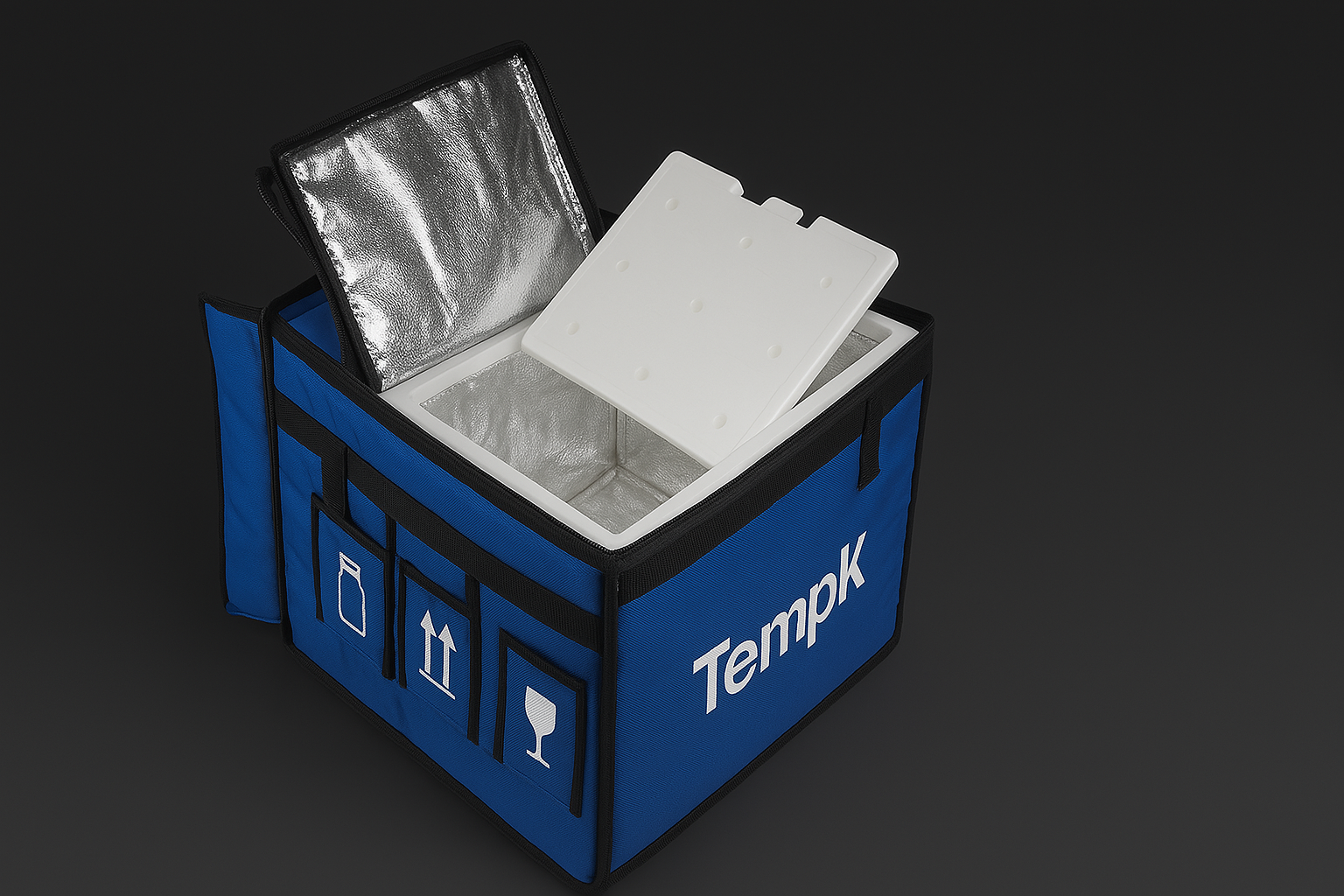
vacuum insulated panel container for life science packaging: Technical Selection Notes
A vacuum insulated panel container for life science packaging is a thermal system, not only a container with advanced insulation. Vacuum insulated panels reduce heat transfer by using an evacuated core inside a protective barrier, but finished packaging performance still depends on panel protection, lid design, coolant conditioning, payload mass, air gaps, route exposure, and handling discipline. For regulated or quality-sensitive shipments, the deeper question is how the box supports documented control. This article explains the technical trade-offs in plain English and shows which parameters should be verified rather than assumed.
Inside the Thermal Logic of a vacuum insulated panel container for life science packaging
The core technical advantage of a vacuum insulated panel is the reduction of gas conduction inside the panel. In simple terms, the panel removes much of the air path that normally carries heat through insulation. Many VIP constructions use a porous core protected by a high-barrier envelope. This is why VIP panels can offer strong thermal resistance in a compact wall. The finished container, however, is not only a sum of panel values. Heat can still enter through the lid, corners, gaps, seams, payload loading pattern, and every moment the box is open.
This is where thermal bridges matter. A thermal bridge is a path where heat can bypass the strongest insulation layer. It can appear at the junction between panels, around a loose lid, through a handle insert, or where coolant placement creates uneven conditions. If the payload is freeze-sensitive, the problem can also run in the opposite direction: a cold source placed too close to the product may cause local freezing even while the average chamber temperature looks acceptable. Technical selection therefore needs both insulation review and packout design.
A second technical issue is the life of the panel inside a reusable workflow. VIP panels are efficient but can be more vulnerable to puncture than thick foam. A reusable system needs a practical inspection method. Buyers should ask what visible damage matters, whether panels can be removed or replaced, how the outer shell shields edges, and whether the packout instructions change after cleaning or repeated return cycles. These questions are more useful than asking for a single performance number without knowing the condition of the box.
The Finished Packout Matters More Than Panel Claims
A vacuum insulated panel container for life science packaging generally refers to a passive insulated container that uses vacuum insulated panel technology to reduce heat transfer around a temperature-sensitive payload. Passive means the container does not create cold by itself. It works with conditioned gel packs, PCM packs, dry ice when appropriate, or another refrigerant strategy. The phrase refrigerated, when used in this context, usually means that the shipping system is designed for refrigerated-range cargo, not that the box contains an electric refrigeration unit.
This difference matters because buyers sometimes compare boxes as if insulation alone were the controlling factor. In practice, the box is one part of a packout. The coolant must be conditioned correctly, the payload must fit without crushing airflow or separators, and the lid must close consistently. If the shipment is part of a pharmaceutical, diagnostic, biotech, or hospital workflow, your quality team may also need documented procedures, temperature records, deviation rules, and evidence that the chosen system is suitable for the product and lane.
A useful way to evaluate the packaging is to separate three questions. First, what must the product experience during transport? Second, what can the packaging system demonstrate under relevant test or operating conditions? Third, what must your team verify at dispatch and receipt? Keeping these questions separate prevents broad claims from replacing practical evidence. It also helps you compare suppliers without assuming that every VIP box behaves the same after it is packed, handled, returned, and reused.
Parameters That Need Verification
| Parameter to verify | Why it should not be assumed | Practical verification method |
|---|---|---|
| Panel condition | A punctured or bent VIP panel may lose insulation value. | Inspect surface, edge protection, and panel fit before reuse. |
| Lid and closure design | A weak closure can create heat leakage even with strong panels. | Check closure repeatability, gasket or overlap, and handling instructions. |
| Coolant compatibility | Wrong coolant can freeze sensitive payloads or fail to hold the range. | Match gel pack or PCM selection to product range and route profile. |
| Test profile | A stated hold time is meaningful only under defined conditions. | Review payload, ambient profile, acceptance criteria, and packout diagram. |
| Documentation | Regulated workflows may require written procedures and records. | Confirm what datasheets, instructions, and supporting documents are available. |
The table is intentionally built around verification rather than fixed numbers. Many values that look simple in a datasheet, such as hold time, volume, or temperature range, can change when the payload, coolant mass, ambient profile, and handling conditions change. For quality-sensitive shipments, a supplier's answer should lead to a packout decision and a record your team can repeat.
Regulatory and Quality Boundaries
Life-science and biotech shipments often sit between research flexibility and regulated discipline. Not every shipment is a commercial drug product, yet many materials are expensive, unstable, or difficult to replace. The packaging decision should therefore use a quality mindset even when formal regulatory requirements vary. Confirm the material's allowable temperature range, freeze sensitivity, light sensitivity, contamination risk, documentation needs, and what receiving staff must inspect before accepting the shipment.
If the material is a medicine, biologic, clinical supply, diagnostic specimen, or regulated sample, additional requirements may apply. The box should be viewed as one component in a controlled distribution process. It can slow heat transfer and protect the payload environment, but it cannot classify the material, create a chain of custody, or decide whether a temperature excursion is acceptable. Those decisions belong in written procedures and quality review.
In everyday procurement, this means asking for documents that match the risk level of the shipment. A low-risk food or internal sample route may need simple packout instructions and receiving checks. A pharmaceutical or diagnostic workflow may need more formal evidence, change control, and quality approval. The phrase 'compliant' should always lead to a follow-up question: compliant with which procedure, product requirement, test basis, route, and market?
Coolant, Freeze Risk, and Logger Placement
A packout should be written so a new operator can follow it under time pressure. It should show which coolant goes where, whether a buffer layer is needed, how the payload is oriented, where any temperature logger is placed, and how the lid is closed. If the box is reused, the instruction should also show what to inspect before packing. Do not rely on verbal training alone for shipments that carry high-value or quality-sensitive goods.
Conditioning is equally important. Gel packs and PCM packs may need a specific preparation process before they are placed in the box. If they are too warm, they may not protect the payload long enough. If they are too cold or placed incorrectly, they may create local freeze risk. This is why the coolant is part of the packaging system, not an accessory added at the last minute.
Receiving procedures complete the loop. The receiver should know whether to open immediately, where to find any logger or indicator, what package condition to record, and who to contact if damage, delay, or temperature concern appears. A well-designed vacuum insulated panel container with protected VIP boards, rigid shell, lid seal, coolant configuration, and payload dividers gives the receiver fewer decisions to improvise. That reduces the chance that a borderline shipment is accepted, rejected, or stored incorrectly without review.
Where Technical Specifications Can Mislead Buyers
Several purchasing mistakes appear again and again when teams evaluate a vacuum insulated panel container for life science packaging. The first is asking for a long hold time before describing the actual lane. A supplier can only give a meaningful answer when it knows the product range, payload, coolant type, ambient exposure, and acceptance criteria. The second is ignoring freeze sensitivity. Many refrigerated products are damaged by freezing, so a system that stays cold is not necessarily safe if the coolant is too aggressive or placed too close to the payload.
Another mistake is buying by box volume rather than packout volume. A box can be large enough for the product and still too small for the product plus coolant plus separators plus paperwork. Return programs create a further risk: a box that looks reusable may have hidden panel damage, worn closures, label residue, or contamination concerns. Build a basic inspection process before scale-up, not after the first failed return cycle.
Finally, do not let a data logger create false confidence. Monitoring is valuable because it gives evidence after shipment, but it is not a cooling system. If the packout is poorly designed, the logger will only document the failure. Use monitoring to verify and improve a packaging process, not as a substitute for thermal design.
Common mistake: using hold time as a universal promise. Hold time is meaningful only with a defined ambient profile, payload, coolant load, and acceptance limit. The better approach is to turn the issue into a pre-order question and make sure the answer appears in the packout instruction or supplier record.
Common mistake: ignoring freeze risk. Refrigerated shipments can fail from overcooling if a payload touches frozen coolant or lacks a buffer layer. The better approach is to turn the issue into a pre-order question and make sure the answer appears in the packout instruction or supplier record.
Common mistake: buying by gross volume. Gross internal dimensions can be misleading once coolant, separators, and documents are placed inside. The better approach is to turn the issue into a pre-order question and make sure the answer appears in the packout instruction or supplier record.
Common mistake: forgetting handover points. The package may be exposed during packing, carrier pickup, customs, receiving, or internal transfer. The better approach is to turn the issue into a pre-order question and make sure the answer appears in the packout instruction or supplier record.
From Engineering Sample to Controlled Use
A practical supplier review for a vacuum insulated panel container for life science packaging should be specific enough that two vendors cannot answer with the same generic brochure. Ask for internal and external dimensions, usable payload space after coolant, compatible refrigerant options, closure and lid design, cleaning guidance, reuse inspection points, and available documentation. If a supplier gives a hold-time claim, ask what test profile, payload, coolant load, and acceptance criteria were used. If the answer is not available, treat the claim as a starting estimate rather than a purchasing decision.
For sample evaluation, pack the sample with the actual product or a realistic surrogate. Use the intended coolant conditioning process. Let the people who will pack and receive the shipment handle the box, not only the engineering team. They may notice practical issues that a datasheet does not show: a lid that is hard to close, a payload cavity that encourages wrong placement, a label area that is too small, or a return-cleaning step that is unrealistic for daily operations.
Before scaling from sample to production, confirm change-control expectations. Will the supplier notify you if panel structure, outer shell material, coolant specification, or dimensions change? Are replacement parts available? Can production units match the approved sample? For regulated or quality-sensitive cargo, small changes in packaging components can affect thermal behavior. Procurement should therefore work with quality, operations, and logistics before approving bulk orders.
FAQ
Is a vacuum insulated panel container for life science packaging automatically suitable for all refrigerated shipments?
No. It may be suitable for some refrigerated shipments, but the product range, payload, coolant, route, and acceptance criteria must be confirmed. A passive VIP box slows heat transfer; it does not define the required temperature range or remove the need for packout validation. Buyers should ask for documentation that matches their product and lane.
What should I ask before ordering samples?
Ask for usable payload space, compatible coolant options, packout guidance, panel protection details, cleaning or reuse instructions, and the basis of any hold-time claim. Share your product range, route, payload, and receiving requirements so the supplier can recommend a system instead of a generic box.
Should I use gel packs, PCM packs, or dry ice with a VIP box?
The choice depends on the product range and route. Gel packs may fit many refrigerated or chilled applications; PCM packs are useful when a tighter phase-change point is needed; dry ice is used for some frozen applications but creates separate handling and labeling considerations. The coolant must be matched to product sensitivity and tested packout assumptions.
Where should a temperature logger be placed?
Logger placement should reflect what your quality team needs to know. It should not be placed where it creates a misleading reading, blocks the lid, or touches coolant in a way that does not represent the payload. For high-risk shipments, define logger position in the packout instruction and keep the approach consistent.
How do I compare suppliers without relying on marketing claims?
Give each supplier the same shipment scenario and ask for the same information: usable volume, coolant configuration, route assumptions, test basis, available documentation, inspection steps, and change-control expectations. A clear, limited answer is often more useful than a broad claim that promises performance for every route.
Conclusion
A vacuum insulated panel container for life science packaging can be a strong cold-chain option when it is treated as part of a system. The box slows heat transfer; the coolant manages the thermal source; the packout controls layout; the route defines exposure; and the receiving process decides whether the shipment can be accepted. Buyers who separate these roles make better decisions than teams that rely on broad product labels.
Before ordering, confirm the product's required range, usable payload space, coolant plan, route conditions, evidence needs, and reuse or recovery process. For quality-sensitive products, involve operations and quality early. The most reliable packaging choice is usually the one your team can repeat, inspect, and document under normal working conditions.
About Tempk
Tempk works with cold-chain packaging components including vacuum insulated panel cooler boxes, medical cool boxes, EPP solutions, gel packs, and PCM packs. In technical packaging discussions, Tempk's role is to help buyers translate requirements into a workable system: insulation structure, coolant layout, payload fit, and handling instructions. For regulated or sensitive shipments, customers should still review the final packout with their own quality and logistics teams before production use.
Ask Tempk for a technical packaging discussion if you need to match a vacuum insulated panel container for life science packaging with coolant, usable payload space, and documentation requirements.
Portable Expanded Polypropylene Box Medium: How to Choose the Right Option
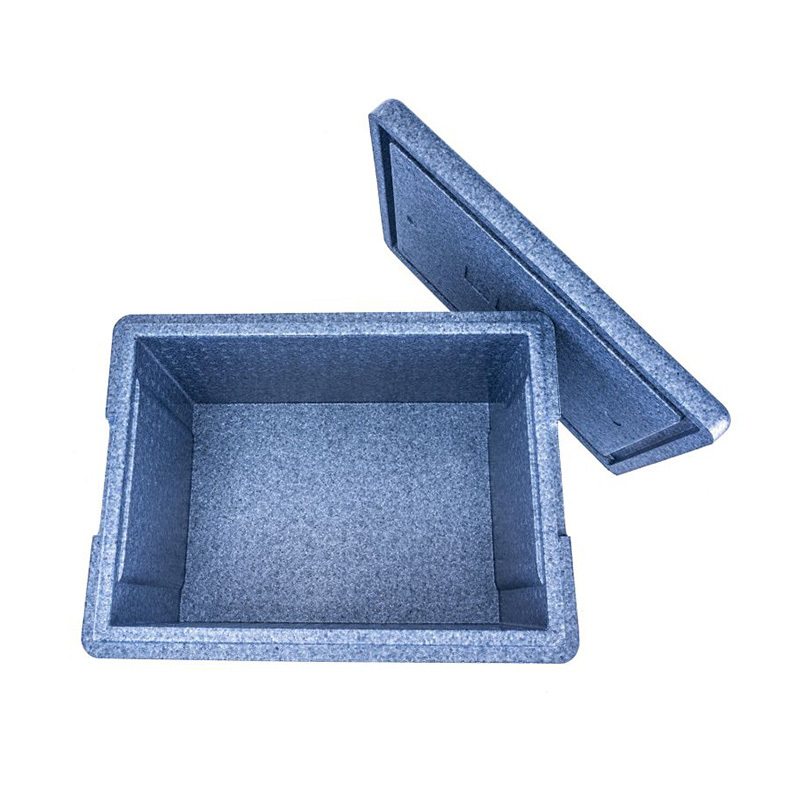
Portable Expanded Polypropylene Box Medium: How to Choose the Right Option Without Overclaiming Performance
A portable expanded polypropylene box medium is not selected by name alone. The right choice depends on the payload, usable space, route exposure, handling habits, coolant plan, and the evidence a supplier can provide. For procurement teams, route planners, and operations managers handling repeatable chilled or ambient-sensitive deliveries, this final buyer-focused version brings the material, operational, and sourcing questions together so the box can be evaluated as part of a real packaging process rather than as a generic catalog item.
The decision is smaller than a system and bigger than a box
The first boundary is simple: a portable EPP box is an insulated handling container unless it is built and qualified as part of a complete packout. This matters because many purchasing mistakes come from treating an insulated container as if it has already been qualified for every shipment. In food delivery, that can mean customer complaints or rejected goods. In healthcare or biotech work, it can mean a documentation gap that is discovered only after the shipment has moved.
For healthcare shipments, many refrigerated vaccine products are planned around 2°C to 8°C, but the exact range must be confirmed for the product. Food and industrial shipments may use different limits. A supplier can help you choose a box and suggest a packout, but the product owner or quality team should define the acceptance criteria. That distinction protects both sides of the transaction.
It is also useful to distinguish an insulated EPP box from a temperature data logger. The box helps slow heat transfer. The logger records what happened. Neither one replaces the other. If the shipment is sensitive, the packaging should be designed to reduce risk and the monitoring plan should be chosen to document risk.
Fit map for real use
| Decision area | What it means | What to do next |
|---|---|---|
| Good fit | hand-carried cold-chain distribution, branch replenishment, local pickup, field service kits, small pharma support loads | When payload, route, and handling are clearly defined |
| Needs extra review | Healthcare, biotech, pharmaceutical, or quality-sensitive goods | When temperature range, documentation, or monitoring is required |
| Poor fit | Undefined routes, unknown payloads, or unsupported thermal claims | When buyers expect the box to prove performance without packout evidence |
| Supplier discussion | portable handling, usable volume, lid fit, stack behavior, cleaning method, and whether the supplier can keep samples and production units consistent | When sample approval or bulk ordering is planned |
The fit map is a quick way to avoid overbuying or under-specifying. It shows that the same EPP container can be a smart choice in one workflow and an incomplete choice in another. The next step is to turn the intended use into measurable questions.
Specifications to lock before sample approval
Sizing is not just a question of external dimensions. Buyers often ask for a medium, compact, custom, or bulk-friendly box, but the operational answer is inside the container. The usable payload space is what remains after coolant, separators, void fill, product orientation, and worker handling are considered. A box can look generous in gross internal volume and still be cramped for the actual load.
For hand-carried cold-chain distribution, branch replenishment, local pickup, field service kits, small pharma support loads, ask how the payload will be placed and removed. If cartons are loaded vertically, the lid depth and hand clearance matter. If gel packs or PCM packs are used, there must be enough spacing to avoid direct freezing risk for products that should not touch frozen coolant. If the route includes frequent opening, the box design should make correct closure easy rather than relying on perfect operator behavior.
External dimensions also affect route cost. A box that is slightly too large may reduce vehicle utilization or increase return-storage pressure. A box that is too small may force workers to overpack, bend cartons, or leave less space for coolant. The better specification begins with payload drawings or measured samples, then confirms how the container is handled before and after shipment.
Customization should begin with a drawing or a clear measurement sheet. Internal width, height, and depth are only the start. Buyers should define the shape of the payload, how many units fit per layer, whether coolant sits beside, above, or below the goods, and whether a separator is needed to prevent direct contact.
For ODM or custom-size projects, tooling and sample approval deserve extra attention. A prototype may look correct, but the buyer should confirm tolerances, production material, lid fit, labeling surfaces, and whether future design changes will be communicated before they affect a repeat order. This is especially important when the packaging is part of a validated or quality-reviewed workflow.
Evidence, claims, and handover control
Thermal performance is the result of heat transfer, time, mass, and handling. The EPP body slows heat movement. Coolant absorbs heat. The payload responds according to its own sensitivity. The lid, separators, and void space influence how air moves inside the box. Because these elements work together, a generic hold-time claim should not be treated as proof for a different route.
When a supplier mentions a thermal test, ask for the conditions: ambient profile, payload load, coolant type, coolant conditioning, box size, starting temperature, logger placement, and pass or fail criteria. A test can be useful even when it is not identical to your lane, but it should be read as evidence under defined conditions, not as a universal promise.
For parcel or healthcare shipping, ISTA thermal profiles or IATA healthcare cargo practices may become part of the discussion. Those references help buyers ask better questions, but the product owner still has to confirm the required temperature range and the acceptable evidence for the specific shipment.
Routes fail at handover points more often than buyers expect. The box may sit on a loading dock, wait in a vehicle, move through a cross-dock, or be opened for inspection. Each handover adds uncertainty. A good EPP container choice reduces some risk, but it also needs instructions that match the route.
Look at where the box will be opened and by whom. If the receiving team opens it immediately and records condition, the process is different from a route where boxes wait in a branch refrigerator or on a customer counter. The operating model should decide label placement, logger position, tamper evidence, and cleaning return steps.
Supplier questions that actually matter
A supplier should be evaluated by the questions they can answer. Can they explain the difference between gross internal volume and usable payload space? Can they provide material information without turning it into a universal performance promise? Can they discuss sample approval, production consistency, packaging for export, and after-sales handling?
For wholesale, distributor, exporter, and ODM projects, communication matters as much as catalog variety. The buyer may need drawings, carton dimensions, logo options, label zones, cleaning guidance, or test-support information. If the supplier cannot provide these basics before the order, it may be difficult to solve problems after the shipment arrives.
A careful supplier will also say what needs to be verified by the buyer. That is a good sign. It means the supplier understands the boundary between selling an EPP container and approving a complete cold-chain operation. In sensitive applications, that boundary is part of risk control.
A practical scenario for buyer review
A typical scenario for portable expanded polypropylene box medium is a buyer replacing disposable foam cartons on a repeated delivery route. The current packaging is easy to buy but creates waste, inconsistent packing, and limited reuse. An EPP box looks attractive because it can be used repeatedly and handled like a durable tote, but the buyer still needs to check internal space, coolant placement, lid fit, and return handling.
If the sample is tested only on a desk, the decision is incomplete. Let operators load it, close it, carry it, clean it, and stack it as they would on a busy day. Small workflow problems show up quickly: a lid that is easy to misplace, a handle that feels awkward when full, or a shape that wastes van space. Those observations are often more useful than a polished catalog description.
FAQ
Is a portable expanded polypropylene box medium automatically temperature-controlled?
No. An EPP box provides insulation and physical protection, but temperature control depends on the full packout. Coolant type, payload loading, separators, route duration, ambient exposure, lid discipline, and monitoring all affect the result. Treat the box as one part of the system, not as a complete temperature solution by itself.
What should I check before ordering samples?
Start with payload dimensions, usable internal space, required temperature range if any, expected route time, cleaning method, labeling needs, and how operators will carry or stack the box. For hand-carried cold-chain distribution, branch replenishment, local pickup, field service kits, small pharma support loads, a sample review should include warehouse and receiving teams, not only the purchasing team.
Can EPP be used for food, medical, or biotech shipments?
EPP can be used in packaging for many food, healthcare, laboratory, and industrial scenarios, but suitability depends on the payload and the documentation required. Buyers should verify food-contact declarations, cleaning expectations, temperature requirements, and any quality or regulatory review before using the packaging for sensitive goods.
How should I compare two suppliers?
Compare more than price. Review sample consistency, lid fit, drawings, material details, cleaning guidance, carton packing, claim wording, and whether the supplier can explain the limits of thermal performance. A supplier that gives careful answers may be safer than one that promises one box will solve every lane.
Additional buyer notes before ordering
Before approving a portable expanded polypropylene box medium, ask who will own the operating procedure. Packaging decisions often sit between procurement, warehouse, logistics, quality, and sales. If no one owns the procedure, workers may pack the box differently from shift to shift. That matters for temperature-sensitive goods and it also matters for ordinary reusable packaging because inconsistent use shortens service life.
The sample review should include negative observations as well as positive ones. If a worker says the box is difficult to clean, if the lid is easy to leave loose, or if labels curl on the surface, record that feedback. These comments may seem small, but they predict how the box will behave after hundreds of busy handling events.
For buyers comparing suppliers across markets, be careful with translated claims. Words such as medical, food-grade, eco-friendly, durable, or professional can mean different things in different catalogs. Ask for the underlying evidence or use neutral wording in your own sales materials until your team has confirmed what can safely be claimed.
A final check is disposal or end-of-life planning. If the box is intended for reuse, decide what happens when it is cracked, stained, missing a lid, or no longer acceptable for the route. A simple inspection rule can keep damaged packaging from re-entering service and protect the credibility of the whole packaging program.
Buyers should also review how the boxes themselves are shipped before they carry any payload. Export cartons, pallet stacking, compression during transit, and warehouse receiving inspection can affect the condition of lids and corners. A damaged empty box may look like a small inbound issue, but it can become a recurring problem when the container is expected to protect higher-value goods later.
If the order is part of an ODM or private-label program, claim language should be approved with care. The safest description usually explains the material, intended use, and buyer verification steps without promising universal compliance or fixed thermal duration. That wording is easier for sales, quality, and logistics teams to defend when customers ask detailed questions.
Finally, decide what must remain standard and what can vary. Color, logo, or label area may be flexible, while internal dimensions, lid fit, coolant spacing, and material grade should remain controlled once the sample is approved. Clear control points reduce the chance that a later reorder looks similar but behaves differently in the field.
Conclusion
The best portable expanded polypropylene box medium choice is the one that fits the route, payload, handling routine, and evidence requirement. EPP can be a strong material for reusable insulated packaging, but the buyer should not turn material benefits into unsupported performance promises.
Before ordering, confirm usable space, coolant compatibility, lid behavior, cleaning method, documentation needs, and sample-to-production consistency. For regulated or quality-sensitive goods, involve the product owner or quality team early. That step saves time because it clarifies what the box is expected to do and what must be proven by the full packout.
About Tempk
Tempk supports B2B buyers who need cold-chain packaging components and practical packaging recommendations. For EPP box projects, that can include discussing custom dimensions, reusable handling, coolant compatibility, labeling surfaces, and whether the product is mainly for food, medical, biotech, or industrial logistics. The goal is to help the buyer define a clearer requirement before price comparison, sampling, or ODM development begins.
Ask Tempk for a packaging recommendation before scaling from sample to bulk order, especially if the shipment is food, medical, biotech, or route-sensitive.
Heat-insulating EPP Foam Box: How to Choose the Right Option
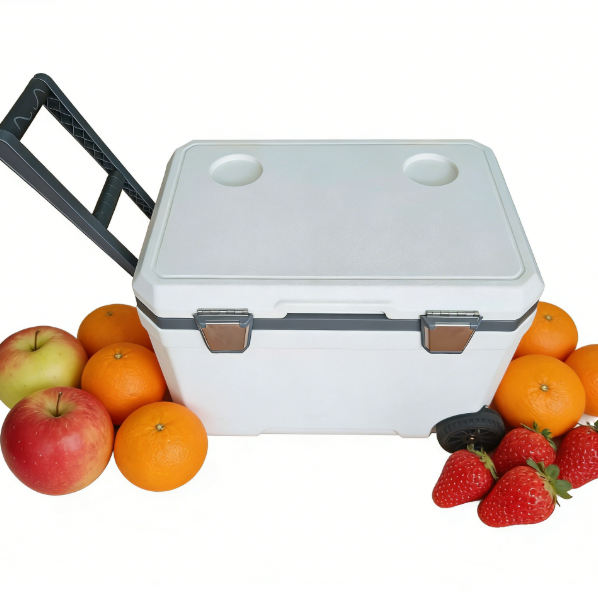
Heat-insulating EPP Foam Box: How to Choose the Right Option Without Overclaiming Performance
A heat-insulating EPP foam box is not selected by name alone. The right choice depends on the payload, usable space, route exposure, handling habits, coolant plan, and the evidence a supplier can provide. For cold-chain managers, packaging engineers, and distributors comparing insulation materials for repeatable shipment programs, this final buyer-focused version brings the material, operational, and sourcing questions together so the box can be evaluated as part of a real packaging process rather than as a generic catalog item.
The decision is smaller than a system and bigger than a box
The first boundary is simple: a heat-insulating box is not automatically a validated shipper for every lane. This matters because many purchasing mistakes come from treating an insulated container as if it has already been qualified for every shipment. In food delivery, that can mean customer complaints or rejected goods. In healthcare or biotech work, it can mean a documentation gap that is discovered only after the shipment has moved.
For pharmaceutical or vaccine work, the temperature range must come from product requirements and quality review; for food, it must match quality and safety expectations for that product. A supplier can help you choose a box and suggest a packout, but the product owner or quality team should define the acceptance criteria. That distinction protects both sides of the transaction.
It is also useful to distinguish an insulated EPP box from a temperature data logger. The box helps slow heat transfer. The logger records what happened. Neither one replaces the other. If the shipment is sensitive, the packaging should be designed to reduce risk and the monitoring plan should be chosen to document risk.
Fit map for real use
| Decision area | What it means | What to do next |
|---|---|---|
| Good fit | passive cold-chain packaging, chilled food transport, laboratory hand-carry programs, pharmacy distribution support | When payload, route, and handling are clearly defined |
| Needs extra review | Healthcare, biotech, pharmaceutical, or quality-sensitive goods | When temperature range, documentation, or monitoring is required |
| Poor fit | Undefined routes, unknown payloads, or unsupported thermal claims | When buyers expect the box to prove performance without packout evidence |
| Supplier discussion | thermal boundary, wall structure, lid design, payload arrangement, coolant compatibility, cleaning, and proof of tested performance where needed | When sample approval or bulk ordering is planned |
The fit map is a quick way to avoid overbuying or under-specifying. It shows that the same EPP container can be a smart choice in one workflow and an incomplete choice in another. The next step is to turn the intended use into measurable questions.
Specifications to lock before sample approval
Sizing is not just a question of external dimensions. Buyers often ask for a medium, compact, custom, or bulk-friendly box, but the operational answer is inside the container. The usable payload space is what remains after coolant, separators, void fill, product orientation, and worker handling are considered. A box can look generous in gross internal volume and still be cramped for the actual load.
For passive cold-chain packaging, chilled food transport, laboratory hand-carry programs, pharmacy distribution support, ask how the payload will be placed and removed. If cartons are loaded vertically, the lid depth and hand clearance matter. If gel packs or PCM packs are used, there must be enough spacing to avoid direct freezing risk for products that should not touch frozen coolant. If the route includes frequent opening, the box design should make correct closure easy rather than relying on perfect operator behavior.
External dimensions also affect route cost. A box that is slightly too large may reduce vehicle utilization or increase return-storage pressure. A box that is too small may force workers to overpack, bend cartons, or leave less space for coolant. The better specification begins with payload drawings or measured samples, then confirms how the container is handled before and after shipment.
Customization should begin with a drawing or a clear measurement sheet. Internal width, height, and depth are only the start. Buyers should define the shape of the payload, how many units fit per layer, whether coolant sits beside, above, or below the goods, and whether a separator is needed to prevent direct contact.
For ODM or custom-size projects, tooling and sample approval deserve extra attention. A prototype may look correct, but the buyer should confirm tolerances, production material, lid fit, labeling surfaces, and whether future design changes will be communicated before they affect a repeat order. This is especially important when the packaging is part of a validated or quality-reviewed workflow.
Evidence, claims, and handover control
Thermal performance is the result of heat transfer, time, mass, and handling. The EPP body slows heat movement. Coolant absorbs heat. The payload responds according to its own sensitivity. The lid, separators, and void space influence how air moves inside the box. Because these elements work together, a generic hold-time claim should not be treated as proof for a different route.
When a supplier mentions a thermal test, ask for the conditions: ambient profile, payload load, coolant type, coolant conditioning, box size, starting temperature, logger placement, and pass or fail criteria. A test can be useful even when it is not identical to your lane, but it should be read as evidence under defined conditions, not as a universal promise.
For parcel or healthcare shipping, ISTA thermal profiles or IATA healthcare cargo practices may become part of the discussion. Those references help buyers ask better questions, but the product owner still has to confirm the required temperature range and the acceptable evidence for the specific shipment.
Routes fail at handover points more often than buyers expect. The box may sit on a loading dock, wait in a vehicle, move through a cross-dock, or be opened for inspection. Each handover adds uncertainty. A good EPP container choice reduces some risk, but it also needs instructions that match the route.
Look at where the box will be opened and by whom. If the receiving team opens it immediately and records condition, the process is different from a route where boxes wait in a branch refrigerator or on a customer counter. The operating model should decide label placement, logger position, tamper evidence, and cleaning return steps.
Supplier questions that actually matter
A supplier should be evaluated by the questions they can answer. Can they explain the difference between gross internal volume and usable payload space? Can they provide material information without turning it into a universal performance promise? Can they discuss sample approval, production consistency, packaging for export, and after-sales handling?
For wholesale, distributor, exporter, and ODM projects, communication matters as much as catalog variety. The buyer may need drawings, carton dimensions, logo options, label zones, cleaning guidance, or test-support information. If the supplier cannot provide these basics before the order, it may be difficult to solve problems after the shipment arrives.
A careful supplier will also say what needs to be verified by the buyer. That is a good sign. It means the supplier understands the boundary between selling an EPP container and approving a complete cold-chain operation. In sensitive applications, that boundary is part of risk control.
A practical scenario for buyer review
A typical scenario for heat-insulating EPP foam box is a buyer replacing disposable foam cartons on a repeated delivery route. The current packaging is easy to buy but creates waste, inconsistent packing, and limited reuse. An EPP box looks attractive because it can be used repeatedly and handled like a durable tote, but the buyer still needs to check internal space, coolant placement, lid fit, and return handling.
If the sample is tested only on a desk, the decision is incomplete. Let operators load it, close it, carry it, clean it, and stack it as they would on a busy day. Small workflow problems show up quickly: a lid that is easy to misplace, a handle that feels awkward when full, or a shape that wastes van space. Those observations are often more useful than a polished catalog description.
FAQ
Is a heat-insulating EPP foam box automatically temperature-controlled?
No. An EPP box provides insulation and physical protection, but temperature control depends on the full packout. Coolant type, payload loading, separators, route duration, ambient exposure, lid discipline, and monitoring all affect the result. Treat the box as one part of the system, not as a complete temperature solution by itself.
What should I check before ordering samples?
Start with payload dimensions, usable internal space, required temperature range if any, expected route time, cleaning method, labeling needs, and how operators will carry or stack the box. For passive cold-chain packaging, chilled food transport, laboratory hand-carry programs, pharmacy distribution support, a sample review should include warehouse and receiving teams, not only the purchasing team.
Can EPP be used for food, medical, or biotech shipments?
EPP can be used in packaging for many food, healthcare, laboratory, and industrial scenarios, but suitability depends on the payload and the documentation required. Buyers should verify food-contact declarations, cleaning expectations, temperature requirements, and any quality or regulatory review before using the packaging for sensitive goods.
How should I compare two suppliers?
Compare more than price. Review sample consistency, lid fit, drawings, material details, cleaning guidance, carton packing, claim wording, and whether the supplier can explain the limits of thermal performance. A supplier that gives careful answers may be safer than one that promises one box will solve every lane.
Additional buyer notes before ordering
Before approving a heat-insulating EPP foam box, ask who will own the operating procedure. Packaging decisions often sit between procurement, warehouse, logistics, quality, and sales. If no one owns the procedure, workers may pack the box differently from shift to shift. That matters for temperature-sensitive goods and it also matters for ordinary reusable packaging because inconsistent use shortens service life.
The sample review should include negative observations as well as positive ones. If a worker says the box is difficult to clean, if the lid is easy to leave loose, or if labels curl on the surface, record that feedback. These comments may seem small, but they predict how the box will behave after hundreds of busy handling events.
For buyers comparing suppliers across markets, be careful with translated claims. Words such as medical, food-grade, eco-friendly, durable, or professional can mean different things in different catalogs. Ask for the underlying evidence or use neutral wording in your own sales materials until your team has confirmed what can safely be claimed.
A final check is disposal or end-of-life planning. If the box is intended for reuse, decide what happens when it is cracked, stained, missing a lid, or no longer acceptable for the route. A simple inspection rule can keep damaged packaging from re-entering service and protect the credibility of the whole packaging program.
Buyers should also review how the boxes themselves are shipped before they carry any payload. Export cartons, pallet stacking, compression during transit, and warehouse receiving inspection can affect the condition of lids and corners. A damaged empty box may look like a small inbound issue, but it can become a recurring problem when the container is expected to protect higher-value goods later.
If the order is part of an ODM or private-label program, claim language should be approved with care. The safest description usually explains the material, intended use, and buyer verification steps without promising universal compliance or fixed thermal duration. That wording is easier for sales, quality, and logistics teams to defend when customers ask detailed questions.
Finally, decide what must remain standard and what can vary. Color, logo, or label area may be flexible, while internal dimensions, lid fit, coolant spacing, and material grade should remain controlled once the sample is approved. Clear control points reduce the chance that a later reorder looks similar but behaves differently in the field.
Conclusion
The best heat-insulating EPP foam box choice is the one that fits the route, payload, handling routine, and evidence requirement. EPP can be a strong material for reusable insulated packaging, but the buyer should not turn material benefits into unsupported performance promises.
Before ordering, confirm usable space, coolant compatibility, lid behavior, cleaning method, documentation needs, and sample-to-production consistency. For regulated or quality-sensitive goods, involve the product owner or quality team early. That step saves time because it clarifies what the box is expected to do and what must be proven by the full packout.
About Tempk
Tempk works with cold-chain packaging buyers who need practical options such as gel ice packs, PCM ice bricks, EPP insulated boxes, cold shipping boxes, insulated liners, thermal bags, VPU medical cooler solutions, and pallet-level thermal covers. For this type of project, the useful conversation is not only about the box name. We help buyers discuss payload fit, route conditions, coolant layout, custom sizing, and documentation questions before they move from sample review to larger orders.
Share your payload, route, temperature range, and order stage with Tempk to discuss whether a heat-insulating EPP foam box is the right fit or whether another insulated packaging format should be reviewed first.
Food-grade Eco-friendly Insulated EPP Box: How to Choose the Right Option
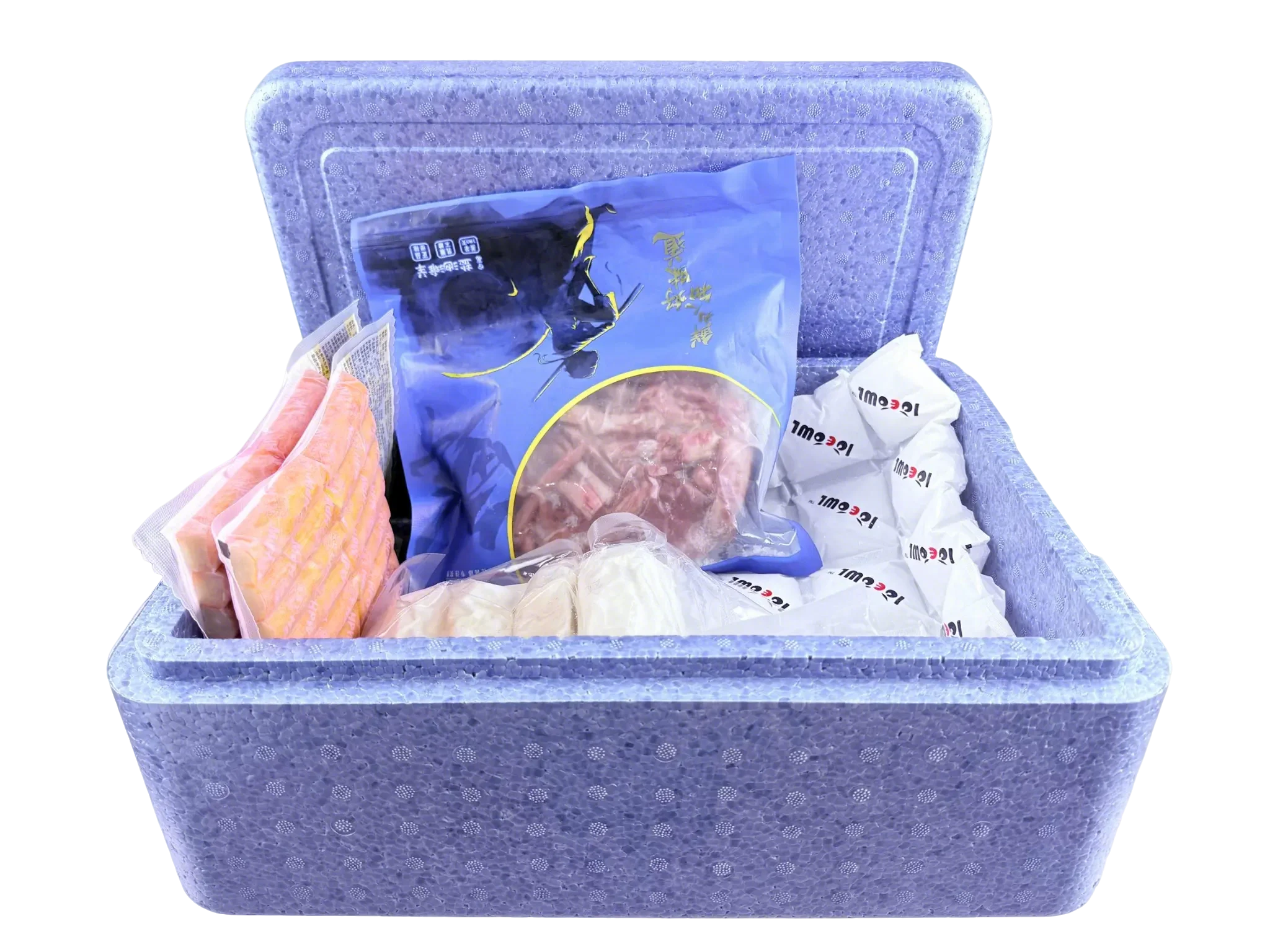
Food-grade Eco-friendly Insulated EPP Box: How to Choose the Right Option Without Overclaiming Performance
A food-grade eco-friendly insulated EPP box is not selected by name alone. The right choice depends on the payload, usable space, route exposure, handling habits, coolant plan, and the evidence a supplier can provide. For food exporters, meal-kit operators, grocery delivery teams, and quality managers responsible for packaging hygiene and brand expectations, this final buyer-focused version brings the material, operational, and sourcing questions together so the box can be evaluated as part of a real packaging process rather than as a generic catalog item.
The decision is smaller than a system and bigger than a box
The first boundary is simple: food-grade wording should be backed by relevant declarations for the target market and by practical hygiene controls in operation. This matters because many purchasing mistakes come from treating an insulated container as if it has already been qualified for every shipment. In food delivery, that can mean customer complaints or rejected goods. In healthcare or biotech work, it can mean a documentation gap that is discovered only after the shipment has moved.
Food temperature requirements vary by product, route, and local rules; chilled quality protection should be defined before packaging selection. A supplier can help you choose a box and suggest a packout, but the product owner or quality team should define the acceptance criteria. That distinction protects both sides of the transaction.
It is also useful to distinguish an insulated EPP box from a temperature data logger. The box helps slow heat transfer. The logger records what happened. Neither one replaces the other. If the shipment is sensitive, the packaging should be designed to reduce risk and the monitoring plan should be chosen to document risk.
Fit map for real use
| Decision area | What it means | What to do next |
|---|---|---|
| Good fit | meal delivery, grocery e-commerce, seafood and dairy sample shipping, bakery and produce delivery, returnable food logistics | When payload, route, and handling are clearly defined |
| Needs extra review | Healthcare, biotech, pharmaceutical, or quality-sensitive goods | When temperature range, documentation, or monitoring is required |
| Poor fit | Undefined routes, unknown payloads, or unsupported thermal claims | When buyers expect the box to prove performance without packout evidence |
| Supplier discussion | food-contact documentation, surface condition, cleaning method, odor retention, label management, return logistics, and coolant separation | When sample approval or bulk ordering is planned |
The fit map is a quick way to avoid overbuying or under-specifying. It shows that the same EPP container can be a smart choice in one workflow and an incomplete choice in another. The next step is to turn the intended use into measurable questions.
Specifications to lock before sample approval
Sizing is not just a question of external dimensions. Buyers often ask for a medium, compact, custom, or bulk-friendly box, but the operational answer is inside the container. The usable payload space is what remains after coolant, separators, void fill, product orientation, and worker handling are considered. A box can look generous in gross internal volume and still be cramped for the actual load.
For meal delivery, grocery e-commerce, seafood and dairy sample shipping, bakery and produce delivery, returnable food logistics, ask how the payload will be placed and removed. If cartons are loaded vertically, the lid depth and hand clearance matter. If gel packs or PCM packs are used, there must be enough spacing to avoid direct freezing risk for products that should not touch frozen coolant. If the route includes frequent opening, the box design should make correct closure easy rather than relying on perfect operator behavior.
External dimensions also affect route cost. A box that is slightly too large may reduce vehicle utilization or increase return-storage pressure. A box that is too small may force workers to overpack, bend cartons, or leave less space for coolant. The better specification begins with payload drawings or measured samples, then confirms how the container is handled before and after shipment.
Customization should begin with a drawing or a clear measurement sheet. Internal width, height, and depth are only the start. Buyers should define the shape of the payload, how many units fit per layer, whether coolant sits beside, above, or below the goods, and whether a separator is needed to prevent direct contact.
For ODM or custom-size projects, tooling and sample approval deserve extra attention. A prototype may look correct, but the buyer should confirm tolerances, production material, lid fit, labeling surfaces, and whether future design changes will be communicated before they affect a repeat order. This is especially important when the packaging is part of a validated or quality-reviewed workflow.
Evidence, claims, and handover control
Thermal performance is the result of heat transfer, time, mass, and handling. The EPP body slows heat movement. Coolant absorbs heat. The payload responds according to its own sensitivity. The lid, separators, and void space influence how air moves inside the box. Because these elements work together, a generic hold-time claim should not be treated as proof for a different route.
When a supplier mentions a thermal test, ask for the conditions: ambient profile, payload load, coolant type, coolant conditioning, box size, starting temperature, logger placement, and pass or fail criteria. A test can be useful even when it is not identical to your lane, but it should be read as evidence under defined conditions, not as a universal promise.
For parcel or healthcare shipping, ISTA thermal profiles or IATA healthcare cargo practices may become part of the discussion. Those references help buyers ask better questions, but the product owner still has to confirm the required temperature range and the acceptable evidence for the specific shipment.
Routes fail at handover points more often than buyers expect. The box may sit on a loading dock, wait in a vehicle, move through a cross-dock, or be opened for inspection. Each handover adds uncertainty. A good EPP container choice reduces some risk, but it also needs instructions that match the route.
Look at where the box will be opened and by whom. If the receiving team opens it immediately and records condition, the process is different from a route where boxes wait in a branch refrigerator or on a customer counter. The operating model should decide label placement, logger position, tamper evidence, and cleaning return steps.
Supplier questions that actually matter
A supplier should be evaluated by the questions they can answer. Can they explain the difference between gross internal volume and usable payload space? Can they provide material information without turning it into a universal performance promise? Can they discuss sample approval, production consistency, packaging for export, and after-sales handling?
For wholesale, distributor, exporter, and ODM projects, communication matters as much as catalog variety. The buyer may need drawings, carton dimensions, logo options, label zones, cleaning guidance, or test-support information. If the supplier cannot provide these basics before the order, it may be difficult to solve problems after the shipment arrives.
A careful supplier will also say what needs to be verified by the buyer. That is a good sign. It means the supplier understands the boundary between selling an EPP container and approving a complete cold-chain operation. In sensitive applications, that boundary is part of risk control.
A practical scenario for buyer review
For example, a prepared-food distributor may want a reusable box that keeps chilled products protected during local delivery. The EPP body can reduce heat gain and protect cartons from rough handling, but the buyer still has to decide how products are separated from coolant, how boxes are cleaned after returns, and how odor or residue will be managed. A box that works well for sealed cartons may need a different process for open trays or wet products.
The practical question is not only whether the box is insulated. It is whether the food operation can clean it, load it the same way every day, return it without losing units, and verify that the packaging matches quality expectations. That is where procurement, quality, and operations should review the sample together.
FAQ
Is a food-grade eco-friendly insulated EPP box automatically temperature-controlled?
No. An EPP box provides insulation and physical protection, but temperature control depends on the full packout. Coolant type, payload loading, separators, route duration, ambient exposure, lid discipline, and monitoring all affect the result. Treat the box as one part of the system, not as a complete temperature solution by itself.
What should I check before ordering samples?
Start with payload dimensions, usable internal space, required temperature range if any, expected route time, cleaning method, labeling needs, and how operators will carry or stack the box. For meal delivery, grocery e-commerce, seafood and dairy sample shipping, bakery and produce delivery, returnable food logistics, a sample review should include warehouse and receiving teams, not only the purchasing team.
Can EPP be used for food, medical, or biotech shipments?
EPP can be used in packaging for many food, healthcare, laboratory, and industrial scenarios, but suitability depends on the payload and the documentation required. Buyers should verify food-contact declarations, cleaning expectations, temperature requirements, and any quality or regulatory review before using the packaging for sensitive goods.
How should I compare two suppliers?
Compare more than price. Review sample consistency, lid fit, drawings, material details, cleaning guidance, carton packing, claim wording, and whether the supplier can explain the limits of thermal performance. A supplier that gives careful answers may be safer than one that promises one box will solve every lane.
Additional buyer notes before ordering
Before approving a food-grade eco-friendly insulated EPP box, ask who will own the operating procedure. Packaging decisions often sit between procurement, warehouse, logistics, quality, and sales. If no one owns the procedure, workers may pack the box differently from shift to shift. That matters for temperature-sensitive goods and it also matters for ordinary reusable packaging because inconsistent use shortens service life.
The sample review should include negative observations as well as positive ones. If a worker says the box is difficult to clean, if the lid is easy to leave loose, or if labels curl on the surface, record that feedback. These comments may seem small, but they predict how the box will behave after hundreds of busy handling events.
For buyers comparing suppliers across markets, be careful with translated claims. Words such as medical, food-grade, eco-friendly, durable, or professional can mean different things in different catalogs. Ask for the underlying evidence or use neutral wording in your own sales materials until your team has confirmed what can safely be claimed.
A final check is disposal or end-of-life planning. If the box is intended for reuse, decide what happens when it is cracked, stained, missing a lid, or no longer acceptable for the route. A simple inspection rule can keep damaged packaging from re-entering service and protect the credibility of the whole packaging program.
Buyers should also review how the boxes themselves are shipped before they carry any payload. Export cartons, pallet stacking, compression during transit, and warehouse receiving inspection can affect the condition of lids and corners. A damaged empty box may look like a small inbound issue, but it can become a recurring problem when the container is expected to protect higher-value goods later.
If the order is part of an ODM or private-label program, claim language should be approved with care. The safest description usually explains the material, intended use, and buyer verification steps without promising universal compliance or fixed thermal duration. That wording is easier for sales, quality, and logistics teams to defend when customers ask detailed questions.
Finally, decide what must remain standard and what can vary. Color, logo, or label area may be flexible, while internal dimensions, lid fit, coolant spacing, and material grade should remain controlled once the sample is approved. Clear control points reduce the chance that a later reorder looks similar but behaves differently in the field.
Conclusion
The best food-grade eco-friendly insulated EPP box choice is the one that fits the route, payload, handling routine, and evidence requirement. EPP can be a strong material for reusable insulated packaging, but the buyer should not turn material benefits into unsupported performance promises.
Before ordering, confirm usable space, coolant compatibility, lid behavior, cleaning method, documentation needs, and sample-to-production consistency. For regulated or quality-sensitive goods, involve the product owner or quality team early. That step saves time because it clarifies what the box is expected to do and what must be proven by the full packout.
About Tempk
Tempk supports B2B buyers who need cold-chain packaging components and practical packaging recommendations. For EPP box projects, that can include discussing custom dimensions, reusable handling, coolant compatibility, labeling surfaces, and whether the product is mainly for food, medical, biotech, or industrial logistics. The goal is to help the buyer define a clearer requirement before price comparison, sampling, or ODM development begins.
Ask Tempk for a packaging recommendation before scaling from sample to bulk order, especially if the shipment is food, medical, biotech, or route-sensitive.
EPP Foam Box Cheap: How to Choose the Right Option

EPP Foam Box Cheap: How to Choose the Right Option Without Overclaiming Performance
A EPP foam box cheap is not selected by name alone. The right choice depends on the payload, usable space, route exposure, handling habits, coolant plan, and the evidence a supplier can provide. For buyers comparing budget EPP foam box options for repeatable transport, resale, or startup cold-chain programs, this final buyer-focused version brings the material, operational, and sourcing questions together so the box can be evaluated as part of a real packaging process rather than as a generic catalog item.
Low price only works after the risk boundary is clear
The first boundary is simple: cheap should mean cost-effective for a defined use case, not a box chosen without route, payload, or cleaning checks. This matters because many purchasing mistakes come from treating an insulated container as if it has already been qualified for every shipment. In food delivery, that can mean customer complaints or rejected goods. In healthcare or biotech work, it can mean a documentation gap that is discovered only after the shipment has moved.
Any advertised temperature performance should be checked against test conditions, coolant layout, and actual use; a cheap box should not carry unsupported claims. A supplier can help you choose a box and suggest a packout, but the product owner or quality team should define the acceptance criteria. That distinction protects both sides of the transaction.
It is also useful to distinguish an insulated EPP box from a temperature data logger. The box helps slow heat transfer. The logger records what happened. Neither one replaces the other. If the shipment is sensitive, the packaging should be designed to reduce risk and the monitoring plan should be chosen to document risk.
Fit map for real use
| Decision area | What it means | What to do next |
|---|---|---|
| Good fit | food delivery, pickup service, starter cold-chain operations, distributor catalog items, low-budget reusable packaging | When payload, route, and handling are clearly defined |
| Needs extra review | Healthcare, biotech, pharmaceutical, or quality-sensitive goods | When temperature range, documentation, or monitoring is required |
| Poor fit | Undefined routes, unknown payloads, or unsupported thermal claims | When buyers expect the box to prove performance without packout evidence |
| Supplier discussion | unit price, replacement cost, wall strength, lid and handle design, usable payload, supplier documentation, and sample approval before volume buying | When sample approval or bulk ordering is planned |
The fit map is a quick way to avoid overbuying or under-specifying. It shows that the same EPP container can be a smart choice in one workflow and an incomplete choice in another. The next step is to turn the intended use into measurable questions.
Specifications to lock before sample approval
Sizing is not just a question of external dimensions. Buyers often ask for a medium, compact, custom, or bulk-friendly box, but the operational answer is inside the container. The usable payload space is what remains after coolant, separators, void fill, product orientation, and worker handling are considered. A box can look generous in gross internal volume and still be cramped for the actual load.
For food delivery, pickup service, starter cold-chain operations, distributor catalog items, low-budget reusable packaging, ask how the payload will be placed and removed. If cartons are loaded vertically, the lid depth and hand clearance matter. If gel packs or PCM packs are used, there must be enough spacing to avoid direct freezing risk for products that should not touch frozen coolant. If the route includes frequent opening, the box design should make correct closure easy rather than relying on perfect operator behavior.
External dimensions also affect route cost. A box that is slightly too large may reduce vehicle utilization or increase return-storage pressure. A box that is too small may force workers to overpack, bend cartons, or leave less space for coolant. The better specification begins with payload drawings or measured samples, then confirms how the container is handled before and after shipment.
Customization should begin with a drawing or a clear measurement sheet. Internal width, height, and depth are only the start. Buyers should define the shape of the payload, how many units fit per layer, whether coolant sits beside, above, or below the goods, and whether a separator is needed to prevent direct contact.
For ODM or custom-size projects, tooling and sample approval deserve extra attention. A prototype may look correct, but the buyer should confirm tolerances, production material, lid fit, labeling surfaces, and whether future design changes will be communicated before they affect a repeat order. This is especially important when the packaging is part of a validated or quality-reviewed workflow.
Evidence, claims, and handover control
Thermal performance is the result of heat transfer, time, mass, and handling. The EPP body slows heat movement. Coolant absorbs heat. The payload responds according to its own sensitivity. The lid, separators, and void space influence how air moves inside the box. Because these elements work together, a generic hold-time claim should not be treated as proof for a different route.
When a supplier mentions a thermal test, ask for the conditions: ambient profile, payload load, coolant type, coolant conditioning, box size, starting temperature, logger placement, and pass or fail criteria. A test can be useful even when it is not identical to your lane, but it should be read as evidence under defined conditions, not as a universal promise.
For parcel or healthcare shipping, ISTA thermal profiles or IATA healthcare cargo practices may become part of the discussion. Those references help buyers ask better questions, but the product owner still has to confirm the required temperature range and the acceptable evidence for the specific shipment.
Routes fail at handover points more often than buyers expect. The box may sit on a loading dock, wait in a vehicle, move through a cross-dock, or be opened for inspection. Each handover adds uncertainty. A good EPP container choice reduces some risk, but it also needs instructions that match the route.
Look at where the box will be opened and by whom. If the receiving team opens it immediately and records condition, the process is different from a route where boxes wait in a branch refrigerator or on a customer counter. The operating model should decide label placement, logger position, tamper evidence, and cleaning return steps.
Supplier questions that actually matter
A supplier should be evaluated by the questions they can answer. Can they explain the difference between gross internal volume and usable payload space? Can they provide material information without turning it into a universal performance promise? Can they discuss sample approval, production consistency, packaging for export, and after-sales handling?
For wholesale, distributor, exporter, and ODM projects, communication matters as much as catalog variety. The buyer may need drawings, carton dimensions, logo options, label zones, cleaning guidance, or test-support information. If the supplier cannot provide these basics before the order, it may be difficult to solve problems after the shipment arrives.
A careful supplier will also say what needs to be verified by the buyer. That is a good sign. It means the supplier understands the boundary between selling an EPP container and approving a complete cold-chain operation. In sensitive applications, that boundary is part of risk control.
A practical scenario for buyer review
A typical scenario for EPP foam box cheap is a buyer replacing disposable foam cartons on a repeated delivery route. The current packaging is easy to buy but creates waste, inconsistent packing, and limited reuse. An EPP box looks attractive because it can be used repeatedly and handled like a durable tote, but the buyer still needs to check internal space, coolant placement, lid fit, and return handling.
If the sample is tested only on a desk, the decision is incomplete. Let operators load it, close it, carry it, clean it, and stack it as they would on a busy day. Small workflow problems show up quickly: a lid that is easy to misplace, a handle that feels awkward when full, or a shape that wastes van space. Those observations are often more useful than a polished catalog description.
FAQ
Is a EPP foam box cheap automatically temperature-controlled?
No. An EPP box provides insulation and physical protection, but temperature control depends on the full packout. Coolant type, payload loading, separators, route duration, ambient exposure, lid discipline, and monitoring all affect the result. Treat the box as one part of the system, not as a complete temperature solution by itself.
What should I check before ordering samples?
Start with payload dimensions, usable internal space, required temperature range if any, expected route time, cleaning method, labeling needs, and how operators will carry or stack the box. For food delivery, pickup service, starter cold-chain operations, distributor catalog items, low-budget reusable packaging, a sample review should include warehouse and receiving teams, not only the purchasing team.
Can EPP be used for food, medical, or biotech shipments?
EPP can be used in packaging for many food, healthcare, laboratory, and industrial scenarios, but suitability depends on the payload and the documentation required. Buyers should verify food-contact declarations, cleaning expectations, temperature requirements, and any quality or regulatory review before using the packaging for sensitive goods.
How should I compare two suppliers?
Compare more than price. Review sample consistency, lid fit, drawings, material details, cleaning guidance, carton packing, claim wording, and whether the supplier can explain the limits of thermal performance. A supplier that gives careful answers may be safer than one that promises one box will solve every lane.
Additional buyer notes before ordering
Before approving a EPP foam box cheap, ask who will own the operating procedure. Packaging decisions often sit between procurement, warehouse, logistics, quality, and sales. If no one owns the procedure, workers may pack the box differently from shift to shift. That matters for temperature-sensitive goods and it also matters for ordinary reusable packaging because inconsistent use shortens service life.
The sample review should include negative observations as well as positive ones. If a worker says the box is difficult to clean, if the lid is easy to leave loose, or if labels curl on the surface, record that feedback. These comments may seem small, but they predict how the box will behave after hundreds of busy handling events.
For buyers comparing suppliers across markets, be careful with translated claims. Words such as medical, food-grade, eco-friendly, durable, or professional can mean different things in different catalogs. Ask for the underlying evidence or use neutral wording in your own sales materials until your team has confirmed what can safely be claimed.
A final check is disposal or end-of-life planning. If the box is intended for reuse, decide what happens when it is cracked, stained, missing a lid, or no longer acceptable for the route. A simple inspection rule can keep damaged packaging from re-entering service and protect the credibility of the whole packaging program.
Buyers should also review how the boxes themselves are shipped before they carry any payload. Export cartons, pallet stacking, compression during transit, and warehouse receiving inspection can affect the condition of lids and corners. A damaged empty box may look like a small inbound issue, but it can become a recurring problem when the container is expected to protect higher-value goods later.
If the order is part of an ODM or private-label program, claim language should be approved with care. The safest description usually explains the material, intended use, and buyer verification steps without promising universal compliance or fixed thermal duration. That wording is easier for sales, quality, and logistics teams to defend when customers ask detailed questions.
Finally, decide what must remain standard and what can vary. Color, logo, or label area may be flexible, while internal dimensions, lid fit, coolant spacing, and material grade should remain controlled once the sample is approved. Clear control points reduce the chance that a later reorder looks similar but behaves differently in the field.
Conclusion
The best EPP foam box cheap choice is the one that fits the route, payload, handling routine, and evidence requirement. EPP can be a strong material for reusable insulated packaging, but the buyer should not turn material benefits into unsupported performance promises.
Before ordering, confirm usable space, coolant compatibility, lid behavior, cleaning method, documentation needs, and sample-to-production consistency. For regulated or quality-sensitive goods, involve the product owner or quality team early. That step saves time because it clarifies what the box is expected to do and what must be proven by the full packout.
About Tempk
Tempk is connected with Shanghai Tempk Industrial Co., Ltd., a cold-chain packaging manufacturer focused on products for temperature-controlled transport and insulated handling. Our EPP-related work sits alongside gel packs, freezer ice bricks, medical cooler boxes, insulated bags, box liners, and thermal pallet covers. When a buyer asks about a specific EPP container, we try to connect the material choice with the actual route, product sensitivity, and operating model rather than treating the box as a stand-alone claim.
Send Tempk your dimensions, coolant plan, and handling route so the discussion can start from a practical packout rather than a generic product name.
EPP Cooler Box Custom Size: How to Choose the Right Option
EPP Cooler Box Custom Size: How to Choose the Right Option Without Overclaiming Performance
A EPP cooler box custom size is not selected by name alone. The right choice depends on the payload, usable space, route exposure, handling habits, coolant plan, and the evidence a supplier can provide. For packaging engineers, cold-chain buyers, and product managers who need a box matched to payload dimensions instead of a stock size, this final buyer-focused version brings the material, operational, and sourcing questions together so the box can be evaluated as part of a real packaging process rather than as a generic catalog item.
The design brief decides whether the project succeeds
The first boundary is simple: custom dimensions do not guarantee a qualified temperature profile; the packout still needs review and, where required, testing. This matters because many purchasing mistakes come from treating an insulated container as if it has already been qualified for every shipment. In food delivery, that can mean customer complaints or rejected goods. In healthcare or biotech work, it can mean a documentation gap that is discovered only after the shipment has moved.
Temperature ranges should be specified from the product requirement, not from the box supplier's generic sales description. A supplier can help you choose a box and suggest a packout, but the product owner or quality team should define the acceptance criteria. That distinction protects both sides of the transaction.
It is also useful to distinguish an insulated EPP box from a temperature data logger. The box helps slow heat transfer. The logger records what happened. Neither one replaces the other. If the shipment is sensitive, the packaging should be designed to reduce risk and the monitoring plan should be chosen to document risk.
Fit map for real use
| Decision area | What it means | What to do next |
|---|---|---|
| Good fit | custom packout programs, specialty food trays, medicine cartons, diagnostic kits, route-specific delivery totes | When payload, route, and handling are clearly defined |
| Needs extra review | Healthcare, biotech, pharmaceutical, or quality-sensitive goods | When temperature range, documentation, or monitoring is required |
| Poor fit | Undefined routes, unknown payloads, or unsupported thermal claims | When buyers expect the box to prove performance without packout evidence |
| Supplier discussion | internal dimensions, usable payload space, coolant cavities, lid compression, tooling implications, sample approval, and change-control communication | When sample approval or bulk ordering is planned |
The fit map is a quick way to avoid overbuying or under-specifying. It shows that the same EPP container can be a smart choice in one workflow and an incomplete choice in another. The next step is to turn the intended use into measurable questions.
Specifications to lock before sample approval
Sizing is not just a question of external dimensions. Buyers often ask for a medium, compact, custom, or bulk-friendly box, but the operational answer is inside the container. The usable payload space is what remains after coolant, separators, void fill, product orientation, and worker handling are considered. A box can look generous in gross internal volume and still be cramped for the actual load.
For custom packout programs, specialty food trays, medicine cartons, diagnostic kits, route-specific delivery totes, ask how the payload will be placed and removed. If cartons are loaded vertically, the lid depth and hand clearance matter. If gel packs or PCM packs are used, there must be enough spacing to avoid direct freezing risk for products that should not touch frozen coolant. If the route includes frequent opening, the box design should make correct closure easy rather than relying on perfect operator behavior.
External dimensions also affect route cost. A box that is slightly too large may reduce vehicle utilization or increase return-storage pressure. A box that is too small may force workers to overpack, bend cartons, or leave less space for coolant. The better specification begins with payload drawings or measured samples, then confirms how the container is handled before and after shipment.
Customization should begin with a drawing or a clear measurement sheet. Internal width, height, and depth are only the start. Buyers should define the shape of the payload, how many units fit per layer, whether coolant sits beside, above, or below the goods, and whether a separator is needed to prevent direct contact.
For ODM or custom-size projects, tooling and sample approval deserve extra attention. A prototype may look correct, but the buyer should confirm tolerances, production material, lid fit, labeling surfaces, and whether future design changes will be communicated before they affect a repeat order. This is especially important when the packaging is part of a validated or quality-reviewed workflow.
Evidence, claims, and handover control
Thermal performance is the result of heat transfer, time, mass, and handling. The EPP body slows heat movement. Coolant absorbs heat. The payload responds according to its own sensitivity. The lid, separators, and void space influence how air moves inside the box. Because these elements work together, a generic hold-time claim should not be treated as proof for a different route.
When a supplier mentions a thermal test, ask for the conditions: ambient profile, payload load, coolant type, coolant conditioning, box size, starting temperature, logger placement, and pass or fail criteria. A test can be useful even when it is not identical to your lane, but it should be read as evidence under defined conditions, not as a universal promise.
For parcel or healthcare shipping, ISTA thermal profiles or IATA healthcare cargo practices may become part of the discussion. Those references help buyers ask better questions, but the product owner still has to confirm the required temperature range and the acceptable evidence for the specific shipment.
Routes fail at handover points more often than buyers expect. The box may sit on a loading dock, wait in a vehicle, move through a cross-dock, or be opened for inspection. Each handover adds uncertainty. A good EPP container choice reduces some risk, but it also needs instructions that match the route.
Look at where the box will be opened and by whom. If the receiving team opens it immediately and records condition, the process is different from a route where boxes wait in a branch refrigerator or on a customer counter. The operating model should decide label placement, logger position, tamper evidence, and cleaning return steps.
Supplier questions that actually matter
A supplier should be evaluated by the questions they can answer. Can they explain the difference between gross internal volume and usable payload space? Can they provide material information without turning it into a universal performance promise? Can they discuss sample approval, production consistency, packaging for export, and after-sales handling?
For wholesale, distributor, exporter, and ODM projects, communication matters as much as catalog variety. The buyer may need drawings, carton dimensions, logo options, label zones, cleaning guidance, or test-support information. If the supplier cannot provide these basics before the order, it may be difficult to solve problems after the shipment arrives.
A careful supplier will also say what needs to be verified by the buyer. That is a good sign. It means the supplier understands the boundary between selling an EPP container and approving a complete cold-chain operation. In sensitive applications, that boundary is part of risk control.
A practical scenario for buyer review
A typical scenario for EPP cooler box custom size is a buyer replacing disposable foam cartons on a repeated delivery route. The current packaging is easy to buy but creates waste, inconsistent packing, and limited reuse. An EPP box looks attractive because it can be used repeatedly and handled like a durable tote, but the buyer still needs to check internal space, coolant placement, lid fit, and return handling.
If the sample is tested only on a desk, the decision is incomplete. Let operators load it, close it, carry it, clean it, and stack it as they would on a busy day. Small workflow problems show up quickly: a lid that is easy to misplace, a handle that feels awkward when full, or a shape that wastes van space. Those observations are often more useful than a polished catalog description.
FAQ
Is a EPP cooler box custom size automatically temperature-controlled?
No. An EPP box provides insulation and physical protection, but temperature control depends on the full packout. Coolant type, payload loading, separators, route duration, ambient exposure, lid discipline, and monitoring all affect the result. Treat the box as one part of the system, not as a complete temperature solution by itself.
What should I check before ordering samples?
Start with payload dimensions, usable internal space, required temperature range if any, expected route time, cleaning method, labeling needs, and how operators will carry or stack the box. For custom packout programs, specialty food trays, medicine cartons, diagnostic kits, route-specific delivery totes, a sample review should include warehouse and receiving teams, not only the purchasing team.
Can EPP be used for food, medical, or biotech shipments?
EPP can be used in packaging for many food, healthcare, laboratory, and industrial scenarios, but suitability depends on the payload and the documentation required. Buyers should verify food-contact declarations, cleaning expectations, temperature requirements, and any quality or regulatory review before using the packaging for sensitive goods.
How should I compare two suppliers?
Compare more than price. Review sample consistency, lid fit, drawings, material details, cleaning guidance, carton packing, claim wording, and whether the supplier can explain the limits of thermal performance. A supplier that gives careful answers may be safer than one that promises one box will solve every lane.
Additional buyer notes before ordering
Before approving a EPP cooler box custom size, ask who will own the operating procedure. Packaging decisions often sit between procurement, warehouse, logistics, quality, and sales. If no one owns the procedure, workers may pack the box differently from shift to shift. That matters for temperature-sensitive goods and it also matters for ordinary reusable packaging because inconsistent use shortens service life.
The sample review should include negative observations as well as positive ones. If a worker says the box is difficult to clean, if the lid is easy to leave loose, or if labels curl on the surface, record that feedback. These comments may seem small, but they predict how the box will behave after hundreds of busy handling events.
For buyers comparing suppliers across markets, be careful with translated claims. Words such as medical, food-grade, eco-friendly, durable, or professional can mean different things in different catalogs. Ask for the underlying evidence or use neutral wording in your own sales materials until your team has confirmed what can safely be claimed.
A final check is disposal or end-of-life planning. If the box is intended for reuse, decide what happens when it is cracked, stained, missing a lid, or no longer acceptable for the route. A simple inspection rule can keep damaged packaging from re-entering service and protect the credibility of the whole packaging program.
Buyers should also review how the boxes themselves are shipped before they carry any payload. Export cartons, pallet stacking, compression during transit, and warehouse receiving inspection can affect the condition of lids and corners. A damaged empty box may look like a small inbound issue, but it can become a recurring problem when the container is expected to protect higher-value goods later.
If the order is part of an ODM or private-label program, claim language should be approved with care. The safest description usually explains the material, intended use, and buyer verification steps without promising universal compliance or fixed thermal duration. That wording is easier for sales, quality, and logistics teams to defend when customers ask detailed questions.
Finally, decide what must remain standard and what can vary. Color, logo, or label area may be flexible, while internal dimensions, lid fit, coolant spacing, and material grade should remain controlled once the sample is approved. Clear control points reduce the chance that a later reorder looks similar but behaves differently in the field.
Conclusion
The best EPP cooler box custom size choice is the one that fits the route, payload, handling routine, and evidence requirement. EPP can be a strong material for reusable insulated packaging, but the buyer should not turn material benefits into unsupported performance promises.
Before ordering, confirm usable space, coolant compatibility, lid behavior, cleaning method, documentation needs, and sample-to-production consistency. For regulated or quality-sensitive goods, involve the product owner or quality team early. That step saves time because it clarifies what the box is expected to do and what must be proven by the full packout.
About Tempk
Tempk provides a range of cold-chain packaging products, including EPP insulated boxes, cold shipping boxes, gel ice packs, PCM bricks, insulated liners, thermal bags, and pallet covers. For buyers evaluating EPP containers, our role is to help turn a broad sourcing phrase into a practical brief: payload, route, temperature requirement, handling method, customization needs, and what evidence should be reviewed before scaling.
Use your route, payload, and documentation needs as the starting point, then ask Tempk to compare suitable EPP and cold-chain packaging options.
EPP Container Wholesale For Biotech: How to Choose the Right Option
EPP Container Wholesale For Biotech: How to Choose the Right Option Without Overclaiming Performance
A EPP container wholesale for biotech is not selected by name alone. The right choice depends on the payload, usable space, route exposure, handling habits, coolant plan, and the evidence a supplier can provide. For biotech procurement teams, lab operations managers, distributors, and wholesalers supplying insulated packaging for biological materials, this final buyer-focused version brings the material, operational, and sourcing questions together so the box can be evaluated as part of a real packaging process rather than as a generic catalog item.
Supplier capability matters more than a product photo
The first boundary is simple: an EPP container is only one part of a biotech cold-chain system; coolant, separators, loggers, SOPs, and receiving checks may be needed. This matters because many purchasing mistakes come from treating an insulated container as if it has already been qualified for every shipment. In food delivery, that can mean customer complaints or rejected goods. In healthcare or biotech work, it can mean a documentation gap that is discovered only after the shipment has moved.
Biotech products can require refrigerated, frozen, or other controlled conditions; verify the exact range with the product owner before sourcing packaging. A supplier can help you choose a box and suggest a packout, but the product owner or quality team should define the acceptance criteria. That distinction protects both sides of the transaction.
It is also useful to distinguish an insulated EPP box from a temperature data logger. The box helps slow heat transfer. The logger records what happened. Neither one replaces the other. If the shipment is sensitive, the packaging should be designed to reduce risk and the monitoring plan should be chosen to document risk.
Fit map for real use
| Decision area | What it means | What to do next |
|---|---|---|
| Good fit | biotech distributors, lab supply wholesalers, reagent logistics, sample pickup networks, clinical support packaging | When payload, route, and handling are clearly defined |
| Needs extra review | Healthcare, biotech, pharmaceutical, or quality-sensitive goods | When temperature range, documentation, or monitoring is required |
| Poor fit | Undefined routes, unknown payloads, or unsupported thermal claims | When buyers expect the box to prove performance without packout evidence |
| Supplier discussion | lot consistency, sample approval, carton packing, cleaning guidance, returnable model, documentation support, and ability to discuss packout risks | When sample approval or bulk ordering is planned |
The fit map is a quick way to avoid overbuying or under-specifying. It shows that the same EPP container can be a smart choice in one workflow and an incomplete choice in another. The next step is to turn the intended use into measurable questions.
Specifications to lock before sample approval
Sizing is not just a question of external dimensions. Buyers often ask for a medium, compact, custom, or bulk-friendly box, but the operational answer is inside the container. The usable payload space is what remains after coolant, separators, void fill, product orientation, and worker handling are considered. A box can look generous in gross internal volume and still be cramped for the actual load.
For biotech distributors, lab supply wholesalers, reagent logistics, sample pickup networks, clinical support packaging, ask how the payload will be placed and removed. If cartons are loaded vertically, the lid depth and hand clearance matter. If gel packs or PCM packs are used, there must be enough spacing to avoid direct freezing risk for products that should not touch frozen coolant. If the route includes frequent opening, the box design should make correct closure easy rather than relying on perfect operator behavior.
External dimensions also affect route cost. A box that is slightly too large may reduce vehicle utilization or increase return-storage pressure. A box that is too small may force workers to overpack, bend cartons, or leave less space for coolant. The better specification begins with payload drawings or measured samples, then confirms how the container is handled before and after shipment.
Customization should begin with a drawing or a clear measurement sheet. Internal width, height, and depth are only the start. Buyers should define the shape of the payload, how many units fit per layer, whether coolant sits beside, above, or below the goods, and whether a separator is needed to prevent direct contact.
For ODM or custom-size projects, tooling and sample approval deserve extra attention. A prototype may look correct, but the buyer should confirm tolerances, production material, lid fit, labeling surfaces, and whether future design changes will be communicated before they affect a repeat order. This is especially important when the packaging is part of a validated or quality-reviewed workflow.
Evidence, claims, and handover control
Thermal performance is the result of heat transfer, time, mass, and handling. The EPP body slows heat movement. Coolant absorbs heat. The payload responds according to its own sensitivity. The lid, separators, and void space influence how air moves inside the box. Because these elements work together, a generic hold-time claim should not be treated as proof for a different route.
When a supplier mentions a thermal test, ask for the conditions: ambient profile, payload load, coolant type, coolant conditioning, box size, starting temperature, logger placement, and pass or fail criteria. A test can be useful even when it is not identical to your lane, but it should be read as evidence under defined conditions, not as a universal promise.
For parcel or healthcare shipping, ISTA thermal profiles or IATA healthcare cargo practices may become part of the discussion. Those references help buyers ask better questions, but the product owner still has to confirm the required temperature range and the acceptable evidence for the specific shipment.
Routes fail at handover points more often than buyers expect. The box may sit on a loading dock, wait in a vehicle, move through a cross-dock, or be opened for inspection. Each handover adds uncertainty. A good EPP container choice reduces some risk, but it also needs instructions that match the route.
Look at where the box will be opened and by whom. If the receiving team opens it immediately and records condition, the process is different from a route where boxes wait in a branch refrigerator or on a customer counter. The operating model should decide label placement, logger position, tamper evidence, and cleaning return steps.
Supplier questions that actually matter
A supplier should be evaluated by the questions they can answer. Can they explain the difference between gross internal volume and usable payload space? Can they provide material information without turning it into a universal performance promise? Can they discuss sample approval, production consistency, packaging for export, and after-sales handling?
For wholesale, distributor, exporter, and ODM projects, communication matters as much as catalog variety. The buyer may need drawings, carton dimensions, logo options, label zones, cleaning guidance, or test-support information. If the supplier cannot provide these basics before the order, it may be difficult to solve problems after the shipment arrives.
A careful supplier will also say what needs to be verified by the buyer. That is a good sign. It means the supplier understands the boundary between selling an EPP container and approving a complete cold-chain operation. In sensitive applications, that boundary is part of risk control.
A practical scenario for buyer review
A typical biotech buyer may need containers for laboratory reagents, sample pickup, or distributor replenishment. The payloads may share the same box family but not the same risk level. One customer may need refrigerated control, another may need frozen support, and another may only need protective insulated handling during a short transfer. Wholesale or export sourcing should therefore avoid a single promise for all customers.
The practical approach is to define a box platform and then separate packout options by product group. The supplier can provide the EPP container and discuss compatible coolant layouts, while the buyer's quality or scientific team confirms what each payload needs. This avoids turning one container into an unsupported universal solution.
FAQ
Is a EPP container wholesale for biotech automatically temperature-controlled?
No. An EPP box provides insulation and physical protection, but temperature control depends on the full packout. Coolant type, payload loading, separators, route duration, ambient exposure, lid discipline, and monitoring all affect the result. Treat the box as one part of the system, not as a complete temperature solution by itself.
What should I check before ordering samples?
Start with payload dimensions, usable internal space, required temperature range if any, expected route time, cleaning method, labeling needs, and how operators will carry or stack the box. For biotech distributors, lab supply wholesalers, reagent logistics, sample pickup networks, clinical support packaging, a sample review should include warehouse and receiving teams, not only the purchasing team.
Can EPP be used for food, medical, or biotech shipments?
EPP can be used in packaging for many food, healthcare, laboratory, and industrial scenarios, but suitability depends on the payload and the documentation required. Buyers should verify food-contact declarations, cleaning expectations, temperature requirements, and any quality or regulatory review before using the packaging for sensitive goods.
How should I compare two suppliers?
Compare more than price. Review sample consistency, lid fit, drawings, material details, cleaning guidance, carton packing, claim wording, and whether the supplier can explain the limits of thermal performance. A supplier that gives careful answers may be safer than one that promises one box will solve every lane.
Additional buyer notes before ordering
Before approving a EPP container wholesale for biotech, ask who will own the operating procedure. Packaging decisions often sit between procurement, warehouse, logistics, quality, and sales. If no one owns the procedure, workers may pack the box differently from shift to shift. That matters for temperature-sensitive goods and it also matters for ordinary reusable packaging because inconsistent use shortens service life.
The sample review should include negative observations as well as positive ones. If a worker says the box is difficult to clean, if the lid is easy to leave loose, or if labels curl on the surface, record that feedback. These comments may seem small, but they predict how the box will behave after hundreds of busy handling events.
For buyers comparing suppliers across markets, be careful with translated claims. Words such as medical, food-grade, eco-friendly, durable, or professional can mean different things in different catalogs. Ask for the underlying evidence or use neutral wording in your own sales materials until your team has confirmed what can safely be claimed.
A final check is disposal or end-of-life planning. If the box is intended for reuse, decide what happens when it is cracked, stained, missing a lid, or no longer acceptable for the route. A simple inspection rule can keep damaged packaging from re-entering service and protect the credibility of the whole packaging program.
Buyers should also review how the boxes themselves are shipped before they carry any payload. Export cartons, pallet stacking, compression during transit, and warehouse receiving inspection can affect the condition of lids and corners. A damaged empty box may look like a small inbound issue, but it can become a recurring problem when the container is expected to protect higher-value goods later.
If the order is part of an ODM or private-label program, claim language should be approved with care. The safest description usually explains the material, intended use, and buyer verification steps without promising universal compliance or fixed thermal duration. That wording is easier for sales, quality, and logistics teams to defend when customers ask detailed questions.
Finally, decide what must remain standard and what can vary. Color, logo, or label area may be flexible, while internal dimensions, lid fit, coolant spacing, and material grade should remain controlled once the sample is approved. Clear control points reduce the chance that a later reorder looks similar but behaves differently in the field.
Conclusion
The best EPP container wholesale for biotech choice is the one that fits the route, payload, handling routine, and evidence requirement. EPP can be a strong material for reusable insulated packaging, but the buyer should not turn material benefits into unsupported performance promises.
Before ordering, confirm usable space, coolant compatibility, lid behavior, cleaning method, documentation needs, and sample-to-production consistency. For regulated or quality-sensitive goods, involve the product owner or quality team early. That step saves time because it clarifies what the box is expected to do and what must be proven by the full packout.
About Tempk
Tempk works with cold-chain packaging buyers who need practical options such as gel ice packs, PCM ice bricks, EPP insulated boxes, cold shipping boxes, insulated liners, thermal bags, VPU medical cooler solutions, and pallet-level thermal covers. For this type of project, the useful conversation is not only about the box name. We help buyers discuss payload fit, route conditions, coolant layout, custom sizing, and documentation questions before they move from sample review to larger orders.
Share your payload, route, temperature range, and order stage with Tempk to discuss whether a EPP container wholesale for biotech is the right fit or whether another insulated packaging format should be reviewed first.
EPP Container Producer For Aerospace: How to Choose the Right Option

EPP Container Producer For Aerospace: How to Choose the Right Option Without Overclaiming Performance
A EPP container producer for aerospace is not selected by name alone. The right choice depends on the payload, usable space, route exposure, handling habits, coolant plan, and the evidence a supplier can provide. For aerospace procurement teams, packaging engineers, MRO suppliers, and component manufacturers sourcing protective reusable containers, this final buyer-focused version brings the material, operational, and sourcing questions together so the box can be evaluated as part of a real packaging process rather than as a generic catalog item.
Supplier capability matters more than a product photo
The first boundary is simple: EPP can protect against handling shock and provide insulation, but aerospace acceptance depends on the component, quality plan, and customer specification. This matters because many purchasing mistakes come from treating an insulated container as if it has already been qualified for every shipment. In food delivery, that can mean customer complaints or rejected goods. In healthcare or biotech work, it can mean a documentation gap that is discovered only after the shipment has moved.
Temperature control may matter for certain aerospace materials or electronics, but required limits must come from the part owner or quality specification. A supplier can help you choose a box and suggest a packout, but the product owner or quality team should define the acceptance criteria. That distinction protects both sides of the transaction.
It is also useful to distinguish an insulated EPP box from a temperature data logger. The box helps slow heat transfer. The logger records what happened. Neither one replaces the other. If the shipment is sensitive, the packaging should be designed to reduce risk and the monitoring plan should be chosen to document risk.
Fit map for real use
| Decision area | What it means | What to do next |
|---|---|---|
| Good fit | MRO part movement, aviation components, instruments, precision tooling, reusable protective logistics containers | When payload, route, and handling are clearly defined |
| Needs extra review | Healthcare, biotech, pharmaceutical, or quality-sensitive goods | When temperature range, documentation, or monitoring is required |
| Poor fit | Undefined routes, unknown payloads, or unsupported thermal claims | When buyers expect the box to prove performance without packout evidence |
| Supplier discussion | CAD fit, insert geometry, part support points, static-sensitive needs, labeling, cleanliness, dimensional consistency, and change communication | When sample approval or bulk ordering is planned |
The fit map is a quick way to avoid overbuying or under-specifying. It shows that the same EPP container can be a smart choice in one workflow and an incomplete choice in another. The next step is to turn the intended use into measurable questions.
Specifications to lock before sample approval
Sizing is not just a question of external dimensions. Buyers often ask for a medium, compact, custom, or bulk-friendly box, but the operational answer is inside the container. The usable payload space is what remains after coolant, separators, void fill, product orientation, and worker handling are considered. A box can look generous in gross internal volume and still be cramped for the actual load.
For MRO part movement, aviation components, instruments, precision tooling, reusable protective logistics containers, ask how the payload will be placed and removed. If cartons are loaded vertically, the lid depth and hand clearance matter. If gel packs or PCM packs are used, there must be enough spacing to avoid direct freezing risk for products that should not touch frozen coolant. If the route includes frequent opening, the box design should make correct closure easy rather than relying on perfect operator behavior.
External dimensions also affect route cost. A box that is slightly too large may reduce vehicle utilization or increase return-storage pressure. A box that is too small may force workers to overpack, bend cartons, or leave less space for coolant. The better specification begins with payload drawings or measured samples, then confirms how the container is handled before and after shipment.
Customization should begin with a drawing or a clear measurement sheet. Internal width, height, and depth are only the start. Buyers should define the shape of the payload, how many units fit per layer, whether coolant sits beside, above, or below the goods, and whether a separator is needed to prevent direct contact.
For ODM or custom-size projects, tooling and sample approval deserve extra attention. A prototype may look correct, but the buyer should confirm tolerances, production material, lid fit, labeling surfaces, and whether future design changes will be communicated before they affect a repeat order. This is especially important when the packaging is part of a validated or quality-reviewed workflow.
Evidence, claims, and handover control
Thermal performance is the result of heat transfer, time, mass, and handling. The EPP body slows heat movement. Coolant absorbs heat. The payload responds according to its own sensitivity. The lid, separators, and void space influence how air moves inside the box. Because these elements work together, a generic hold-time claim should not be treated as proof for a different route.
When a supplier mentions a thermal test, ask for the conditions: ambient profile, payload load, coolant type, coolant conditioning, box size, starting temperature, logger placement, and pass or fail criteria. A test can be useful even when it is not identical to your lane, but it should be read as evidence under defined conditions, not as a universal promise.
For parcel or healthcare shipping, ISTA thermal profiles or IATA healthcare cargo practices may become part of the discussion. Those references help buyers ask better questions, but the product owner still has to confirm the required temperature range and the acceptable evidence for the specific shipment.
Routes fail at handover points more often than buyers expect. The box may sit on a loading dock, wait in a vehicle, move through a cross-dock, or be opened for inspection. Each handover adds uncertainty. A good EPP container choice reduces some risk, but it also needs instructions that match the route.
Look at where the box will be opened and by whom. If the receiving team opens it immediately and records condition, the process is different from a route where boxes wait in a branch refrigerator or on a customer counter. The operating model should decide label placement, logger position, tamper evidence, and cleaning return steps.
Supplier questions that actually matter
A supplier should be evaluated by the questions they can answer. Can they explain the difference between gross internal volume and usable payload space? Can they provide material information without turning it into a universal performance promise? Can they discuss sample approval, production consistency, packaging for export, and after-sales handling?
For wholesale, distributor, exporter, and ODM projects, communication matters as much as catalog variety. The buyer may need drawings, carton dimensions, logo options, label zones, cleaning guidance, or test-support information. If the supplier cannot provide these basics before the order, it may be difficult to solve problems after the shipment arrives.
A careful supplier will also say what needs to be verified by the buyer. That is a good sign. It means the supplier understands the boundary between selling an EPP container and approving a complete cold-chain operation. In sensitive applications, that boundary is part of risk control.
A practical scenario for buyer review
A typical aerospace scenario is a supplier moving a precision component between machining, inspection, and an MRO location. The EPP container may be useful because it is light, protective, and can be shaped around the component, but the project should start with the part geometry, support points, labeling needs, and cleanliness expectations. If the component has static-sensitive electronics or special surface requirements, the EPP container design may need additional inserts, liners, or handling instructions.
The buyer should not ask only for a protective box. They should ask how the part is restrained, how workers know the correct orientation, whether the container can be cleaned without damaging the surface, and how design changes are communicated. This keeps the EPP container in the correct role: protective logistics packaging, not an automatic substitute for aerospace quality approval.
FAQ
Is a EPP container producer for aerospace automatically temperature-controlled?
No. An EPP box provides insulation and physical protection, but temperature control depends on the full packout. Coolant type, payload loading, separators, route duration, ambient exposure, lid discipline, and monitoring all affect the result. Treat the box as one part of the system, not as a complete temperature solution by itself.
What should I check before ordering samples?
Start with payload dimensions, usable internal space, required temperature range if any, expected route time, cleaning method, labeling needs, and how operators will carry or stack the box. For MRO part movement, aviation components, instruments, precision tooling, reusable protective logistics containers, a sample review should include warehouse and receiving teams, not only the purchasing team.
Can EPP be used for food, medical, or biotech shipments?
EPP can be used in packaging for many food, healthcare, laboratory, and industrial scenarios, but suitability depends on the payload and the documentation required. Buyers should verify food-contact declarations, cleaning expectations, temperature requirements, and any quality or regulatory review before using the packaging for sensitive goods.
How should I compare two suppliers?
Compare more than price. Review sample consistency, lid fit, drawings, material details, cleaning guidance, carton packing, claim wording, and whether the supplier can explain the limits of thermal performance. A supplier that gives careful answers may be safer than one that promises one box will solve every lane.
Additional buyer notes before ordering
Before approving a EPP container producer for aerospace, ask who will own the operating procedure. Packaging decisions often sit between procurement, warehouse, logistics, quality, and sales. If no one owns the procedure, workers may pack the box differently from shift to shift. That matters for temperature-sensitive goods and it also matters for ordinary reusable packaging because inconsistent use shortens service life.
The sample review should include negative observations as well as positive ones. If a worker says the box is difficult to clean, if the lid is easy to leave loose, or if labels curl on the surface, record that feedback. These comments may seem small, but they predict how the box will behave after hundreds of busy handling events.
For buyers comparing suppliers across markets, be careful with translated claims. Words such as medical, food-grade, eco-friendly, durable, or professional can mean different things in different catalogs. Ask for the underlying evidence or use neutral wording in your own sales materials until your team has confirmed what can safely be claimed.
A final check is disposal or end-of-life planning. If the box is intended for reuse, decide what happens when it is cracked, stained, missing a lid, or no longer acceptable for the route. A simple inspection rule can keep damaged packaging from re-entering service and protect the credibility of the whole packaging program.
Buyers should also review how the boxes themselves are shipped before they carry any payload. Export cartons, pallet stacking, compression during transit, and warehouse receiving inspection can affect the condition of lids and corners. A damaged empty box may look like a small inbound issue, but it can become a recurring problem when the container is expected to protect higher-value goods later.
If the order is part of an ODM or private-label program, claim language should be approved with care. The safest description usually explains the material, intended use, and buyer verification steps without promising universal compliance or fixed thermal duration. That wording is easier for sales, quality, and logistics teams to defend when customers ask detailed questions.
Finally, decide what must remain standard and what can vary. Color, logo, or label area may be flexible, while internal dimensions, lid fit, coolant spacing, and material grade should remain controlled once the sample is approved. Clear control points reduce the chance that a later reorder looks similar but behaves differently in the field.
A stronger purchasing file includes photos of the approved sample, a measurement record, notes from the operational trial, cleaning instructions, and a list of claims the team will not make. These simple records help future buyers understand why the box was selected and prevent the same questions from being reopened during every reorder.
Conclusion
The best EPP container producer for aerospace choice is the one that fits the route, payload, handling routine, and evidence requirement. EPP can be a strong material for reusable insulated packaging, but the buyer should not turn material benefits into unsupported performance promises.
Before ordering, confirm usable space, coolant compatibility, lid behavior, cleaning method, documentation needs, and sample-to-production consistency. For regulated or quality-sensitive goods, involve the product owner or quality team early. That step saves time because it clarifies what the box is expected to do and what must be proven by the full packout.
About Tempk
Tempk provides a range of cold-chain packaging products, including EPP insulated boxes, cold shipping boxes, gel ice packs, PCM bricks, insulated liners, thermal bags, and pallet covers. For buyers evaluating EPP containers, our role is to help turn a broad sourcing phrase into a practical brief: payload, route, temperature requirement, handling method, customization needs, and what evidence should be reviewed before scaling.
Use your route, payload, and documentation needs as the starting point, then ask Tempk to compare suitable EPP and cold-chain packaging options.
EPP Container ODM For Pharmaceutical: How to Choose the Right Option

EPP Container ODM For Pharmaceutical: How to Choose the Right Option Without Overclaiming Performance
A EPP container ODM for pharmaceutical is not selected by name alone. The right choice depends on the payload, usable space, route exposure, handling habits, coolant plan, and the evidence a supplier can provide. For pharmaceutical packaging teams, sourcing managers, quality staff, and ODM project owners developing a purpose-built insulated container, this final buyer-focused version brings the material, operational, and sourcing questions together so the box can be evaluated as part of a real packaging process rather than as a generic catalog item.
The design brief decides whether the project succeeds
The first boundary is simple: ODM packaging for pharmaceutical use should be discussed as a system, not only as a molded EPP part. This matters because many purchasing mistakes come from treating an insulated container as if it has already been qualified for every shipment. In food delivery, that can mean customer complaints or rejected goods. In healthcare or biotech work, it can mean a documentation gap that is discovered only after the shipment has moved.
Many refrigerated pharmaceutical shipments are planned around 2°C to 8°C, but the required range must be confirmed for the specific product and market. A supplier can help you choose a box and suggest a packout, but the product owner or quality team should define the acceptance criteria. That distinction protects both sides of the transaction.
It is also useful to distinguish an insulated EPP box from a temperature data logger. The box helps slow heat transfer. The logger records what happened. Neither one replaces the other. If the shipment is sensitive, the packaging should be designed to reduce risk and the monitoring plan should be chosen to document risk.
Fit map for real use
| Decision area | What it means | What to do next |
|---|---|---|
| Good fit | pharmaceutical distribution, clinical supply, vaccine support lanes, hospital pharmacy replenishment, qualified packout development | When payload, route, and handling are clearly defined |
| Needs extra review | Healthcare, biotech, pharmaceutical, or quality-sensitive goods | When temperature range, documentation, or monitoring is required |
| Poor fit | Undefined routes, unknown payloads, or unsupported thermal claims | When buyers expect the box to prove performance without packout evidence |
| Supplier discussion | design brief, internal dimensions, coolant configuration, separator layout, SOP needs, test profile, documentation review, and change-control process | When sample approval or bulk ordering is planned |
The fit map is a quick way to avoid overbuying or under-specifying. It shows that the same EPP container can be a smart choice in one workflow and an incomplete choice in another. The next step is to turn the intended use into measurable questions.
Specifications to lock before sample approval
Sizing is not just a question of external dimensions. Buyers often ask for a medium, compact, custom, or bulk-friendly box, but the operational answer is inside the container. The usable payload space is what remains after coolant, separators, void fill, product orientation, and worker handling are considered. A box can look generous in gross internal volume and still be cramped for the actual load.
For pharmaceutical distribution, clinical supply, vaccine support lanes, hospital pharmacy replenishment, qualified packout development, ask how the payload will be placed and removed. If cartons are loaded vertically, the lid depth and hand clearance matter. If gel packs or PCM packs are used, there must be enough spacing to avoid direct freezing risk for products that should not touch frozen coolant. If the route includes frequent opening, the box design should make correct closure easy rather than relying on perfect operator behavior.
External dimensions also affect route cost. A box that is slightly too large may reduce vehicle utilization or increase return-storage pressure. A box that is too small may force workers to overpack, bend cartons, or leave less space for coolant. The better specification begins with payload drawings or measured samples, then confirms how the container is handled before and after shipment.
Customization should begin with a drawing or a clear measurement sheet. Internal width, height, and depth are only the start. Buyers should define the shape of the payload, how many units fit per layer, whether coolant sits beside, above, or below the goods, and whether a separator is needed to prevent direct contact.
For ODM or custom-size projects, tooling and sample approval deserve extra attention. A prototype may look correct, but the buyer should confirm tolerances, production material, lid fit, labeling surfaces, and whether future design changes will be communicated before they affect a repeat order. This is especially important when the packaging is part of a validated or quality-reviewed workflow.
Evidence, claims, and handover control
Thermal performance is the result of heat transfer, time, mass, and handling. The EPP body slows heat movement. Coolant absorbs heat. The payload responds according to its own sensitivity. The lid, separators, and void space influence how air moves inside the box. Because these elements work together, a generic hold-time claim should not be treated as proof for a different route.
When a supplier mentions a thermal test, ask for the conditions: ambient profile, payload load, coolant type, coolant conditioning, box size, starting temperature, logger placement, and pass or fail criteria. A test can be useful even when it is not identical to your lane, but it should be read as evidence under defined conditions, not as a universal promise.
For parcel or healthcare shipping, ISTA thermal profiles or IATA healthcare cargo practices may become part of the discussion. Those references help buyers ask better questions, but the product owner still has to confirm the required temperature range and the acceptable evidence for the specific shipment.
Routes fail at handover points more often than buyers expect. The box may sit on a loading dock, wait in a vehicle, move through a cross-dock, or be opened for inspection. Each handover adds uncertainty. A good EPP container choice reduces some risk, but it also needs instructions that match the route.
Look at where the box will be opened and by whom. If the receiving team opens it immediately and records condition, the process is different from a route where boxes wait in a branch refrigerator or on a customer counter. The operating model should decide label placement, logger position, tamper evidence, and cleaning return steps.
Supplier questions that actually matter
A supplier should be evaluated by the questions they can answer. Can they explain the difference between gross internal volume and usable payload space? Can they provide material information without turning it into a universal performance promise? Can they discuss sample approval, production consistency, packaging for export, and after-sales handling?
For wholesale, distributor, exporter, and ODM projects, communication matters as much as catalog variety. The buyer may need drawings, carton dimensions, logo options, label zones, cleaning guidance, or test-support information. If the supplier cannot provide these basics before the order, it may be difficult to solve problems after the shipment arrives.
A careful supplier will also say what needs to be verified by the buyer. That is a good sign. It means the supplier understands the boundary between selling an EPP container and approving a complete cold-chain operation. In sensitive applications, that boundary is part of risk control.
A practical scenario for buyer review
Imagine a pharmaceutical team developing an insulated container for a repeated replenishment route. The payload cartons are consistent, but the route includes warehouse staging, vehicle loading, and receiving inspection. The EPP body may be the right starting point, yet the team still needs to define the product temperature range, coolant conditioning, separator layout, logger position, and written packing steps. If the project later needs qualification, the sample box, coolant, payload, and ambient profile should match the intended use as closely as possible.
The practical lesson is that the container shape and the packout procedure should be designed together. If the box is selected first and the coolant is forced in later, workers may have to improvise. In pharmaceutical logistics, improvisation is a risk because the quality team needs repeatable instructions and documentation.
FAQ
Is a EPP container ODM for pharmaceutical automatically temperature-controlled?
No. An EPP box provides insulation and physical protection, but temperature control depends on the full packout. Coolant type, payload loading, separators, route duration, ambient exposure, lid discipline, and monitoring all affect the result. Treat the box as one part of the system, not as a complete temperature solution by itself.
What should I check before ordering samples?
Start with payload dimensions, usable internal space, required temperature range if any, expected route time, cleaning method, labeling needs, and how operators will carry or stack the box. For pharmaceutical distribution, clinical supply, vaccine support lanes, hospital pharmacy replenishment, qualified packout development, a sample review should include warehouse and receiving teams, not only the purchasing team.
Can EPP be used for food, medical, or biotech shipments?
EPP can be used in packaging for many food, healthcare, laboratory, and industrial scenarios, but suitability depends on the payload and the documentation required. Buyers should verify food-contact declarations, cleaning expectations, temperature requirements, and any quality or regulatory review before using the packaging for sensitive goods.
How should I compare two suppliers?
Compare more than price. Review sample consistency, lid fit, drawings, material details, cleaning guidance, carton packing, claim wording, and whether the supplier can explain the limits of thermal performance. A supplier that gives careful answers may be safer than one that promises one box will solve every lane.
Additional buyer notes before ordering
Before approving a EPP container ODM for pharmaceutical, ask who will own the operating procedure. Packaging decisions often sit between procurement, warehouse, logistics, quality, and sales. If no one owns the procedure, workers may pack the box differently from shift to shift. That matters for temperature-sensitive goods and it also matters for ordinary reusable packaging because inconsistent use shortens service life.
The sample review should include negative observations as well as positive ones. If a worker says the box is difficult to clean, if the lid is easy to leave loose, or if labels curl on the surface, record that feedback. These comments may seem small, but they predict how the box will behave after hundreds of busy handling events.
For buyers comparing suppliers across markets, be careful with translated claims. Words such as medical, food-grade, eco-friendly, durable, or professional can mean different things in different catalogs. Ask for the underlying evidence or use neutral wording in your own sales materials until your team has confirmed what can safely be claimed.
A final check is disposal or end-of-life planning. If the box is intended for reuse, decide what happens when it is cracked, stained, missing a lid, or no longer acceptable for the route. A simple inspection rule can keep damaged packaging from re-entering service and protect the credibility of the whole packaging program.
Buyers should also review how the boxes themselves are shipped before they carry any payload. Export cartons, pallet stacking, compression during transit, and warehouse receiving inspection can affect the condition of lids and corners. A damaged empty box may look like a small inbound issue, but it can become a recurring problem when the container is expected to protect higher-value goods later.
If the order is part of an ODM or private-label program, claim language should be approved with care. The safest description usually explains the material, intended use, and buyer verification steps without promising universal compliance or fixed thermal duration. That wording is easier for sales, quality, and logistics teams to defend when customers ask detailed questions.
Finally, decide what must remain standard and what can vary. Color, logo, or label area may be flexible, while internal dimensions, lid fit, coolant spacing, and material grade should remain controlled once the sample is approved. Clear control points reduce the chance that a later reorder looks similar but behaves differently in the field.
Conclusion
The best EPP container ODM for pharmaceutical choice is the one that fits the route, payload, handling routine, and evidence requirement. EPP can be a strong material for reusable insulated packaging, but the buyer should not turn material benefits into unsupported performance promises.
Before ordering, confirm usable space, coolant compatibility, lid behavior, cleaning method, documentation needs, and sample-to-production consistency. For regulated or quality-sensitive goods, involve the product owner or quality team early. That step saves time because it clarifies what the box is expected to do and what must be proven by the full packout.
About Tempk
Tempk is connected with Shanghai Tempk Industrial Co., Ltd., a cold-chain packaging manufacturer focused on products for temperature-controlled transport and insulated handling. Our EPP-related work sits alongside gel packs, freezer ice bricks, medical cooler boxes, insulated bags, box liners, and thermal pallet covers. When a buyer asks about a specific EPP container, we try to connect the material choice with the actual route, product sensitivity, and operating model rather than treating the box as a stand-alone claim.
Send Tempk your dimensions, coolant plan, and handling route so the discussion can start from a practical packout rather than a generic product name.
EPP Container ODM For Medical: How to Choose the Right Option
EPP Container ODM For Medical: How to Choose the Right Option Without Overclaiming Performance
A EPP container ODM for medical is not selected by name alone. The right choice depends on the payload, usable space, route exposure, handling habits, coolant plan, and the evidence a supplier can provide. For medical device brands, clinic logistics teams, product developers, and sourcing managers planning a custom insulated or protective container, this final buyer-focused version brings the material, operational, and sourcing questions together so the box can be evaluated as part of a real packaging process rather than as a generic catalog item.
The design brief decides whether the project succeeds
The first boundary is simple: ODM medical packaging should not claim compliance or temperature performance without product-specific evidence and review. This matters because many purchasing mistakes come from treating an insulated container as if it has already been qualified for every shipment. In food delivery, that can mean customer complaints or rejected goods. In healthcare or biotech work, it can mean a documentation gap that is discovered only after the shipment has moved.
If the payload is temperature-sensitive, define the allowable range, exposure duration, and monitoring needs before finalizing the EPP structure. A supplier can help you choose a box and suggest a packout, but the product owner or quality team should define the acceptance criteria. That distinction protects both sides of the transaction.
It is also useful to distinguish an insulated EPP box from a temperature data logger. The box helps slow heat transfer. The logger records what happened. Neither one replaces the other. If the shipment is sensitive, the packaging should be designed to reduce risk and the monitoring plan should be chosen to document risk.
Fit map for real use
| Decision area | What it means | What to do next |
|---|---|---|
| Good fit | medical device transport, diagnostics logistics, clinic kits, sample handling, reusable healthcare packaging | When payload, route, and handling are clearly defined |
| Needs extra review | Healthcare, biotech, pharmaceutical, or quality-sensitive goods | When temperature range, documentation, or monitoring is required |
| Poor fit | Undefined routes, unknown payloads, or unsupported thermal claims | When buyers expect the box to prove performance without packout evidence |
| Supplier discussion | design drawings, insert support, cleaning method, material declaration, label panels, user instructions, sample iterations, and change approval | When sample approval or bulk ordering is planned |
The fit map is a quick way to avoid overbuying or under-specifying. It shows that the same EPP container can be a smart choice in one workflow and an incomplete choice in another. The next step is to turn the intended use into measurable questions.
Specifications to lock before sample approval
Sizing is not just a question of external dimensions. Buyers often ask for a medium, compact, custom, or bulk-friendly box, but the operational answer is inside the container. The usable payload space is what remains after coolant, separators, void fill, product orientation, and worker handling are considered. A box can look generous in gross internal volume and still be cramped for the actual load.
For medical device transport, diagnostics logistics, clinic kits, sample handling, reusable healthcare packaging, ask how the payload will be placed and removed. If cartons are loaded vertically, the lid depth and hand clearance matter. If gel packs or PCM packs are used, there must be enough spacing to avoid direct freezing risk for products that should not touch frozen coolant. If the route includes frequent opening, the box design should make correct closure easy rather than relying on perfect operator behavior.
External dimensions also affect route cost. A box that is slightly too large may reduce vehicle utilization or increase return-storage pressure. A box that is too small may force workers to overpack, bend cartons, or leave less space for coolant. The better specification begins with payload drawings or measured samples, then confirms how the container is handled before and after shipment.
Customization should begin with a drawing or a clear measurement sheet. Internal width, height, and depth are only the start. Buyers should define the shape of the payload, how many units fit per layer, whether coolant sits beside, above, or below the goods, and whether a separator is needed to prevent direct contact.
For ODM or custom-size projects, tooling and sample approval deserve extra attention. A prototype may look correct, but the buyer should confirm tolerances, production material, lid fit, labeling surfaces, and whether future design changes will be communicated before they affect a repeat order. This is especially important when the packaging is part of a validated or quality-reviewed workflow.
Evidence, claims, and handover control
Thermal performance is the result of heat transfer, time, mass, and handling. The EPP body slows heat movement. Coolant absorbs heat. The payload responds according to its own sensitivity. The lid, separators, and void space influence how air moves inside the box. Because these elements work together, a generic hold-time claim should not be treated as proof for a different route.
When a supplier mentions a thermal test, ask for the conditions: ambient profile, payload load, coolant type, coolant conditioning, box size, starting temperature, logger placement, and pass or fail criteria. A test can be useful even when it is not identical to your lane, but it should be read as evidence under defined conditions, not as a universal promise.
For parcel or healthcare shipping, ISTA thermal profiles or IATA healthcare cargo practices may become part of the discussion. Those references help buyers ask better questions, but the product owner still has to confirm the required temperature range and the acceptable evidence for the specific shipment.
Routes fail at handover points more often than buyers expect. The box may sit on a loading dock, wait in a vehicle, move through a cross-dock, or be opened for inspection. Each handover adds uncertainty. A good EPP container choice reduces some risk, but it also needs instructions that match the route.
Look at where the box will be opened and by whom. If the receiving team opens it immediately and records condition, the process is different from a route where boxes wait in a branch refrigerator or on a customer counter. The operating model should decide label placement, logger position, tamper evidence, and cleaning return steps.
Supplier questions that actually matter
A supplier should be evaluated by the questions they can answer. Can they explain the difference between gross internal volume and usable payload space? Can they provide material information without turning it into a universal performance promise? Can they discuss sample approval, production consistency, packaging for export, and after-sales handling?
For wholesale, distributor, exporter, and ODM projects, communication matters as much as catalog variety. The buyer may need drawings, carton dimensions, logo options, label zones, cleaning guidance, or test-support information. If the supplier cannot provide these basics before the order, it may be difficult to solve problems after the shipment arrives.
A careful supplier will also say what needs to be verified by the buyer. That is a good sign. It means the supplier understands the boundary between selling an EPP container and approving a complete cold-chain operation. In sensitive applications, that boundary is part of risk control.
A practical scenario for buyer review
A common medical scenario is a distributor importing reusable insulated boxes for clinic supplies or diagnostic kits. Some loads may be temperature-sensitive, while others mainly need impact protection and clean handling. The same EPP container should not be described with one broad medical claim unless the buyer has confirmed what the payload requires.
The safer buying process starts by separating protective use from temperature-controlled use. Protective use focuses on part fit, cleaning, labeling, and carton packing. Temperature-controlled use adds coolant, exposure time, logger placement, and receiving checks. That distinction helps an importer or ODM buyer avoid overstated packaging claims.
FAQ
Is a EPP container ODM for medical automatically temperature-controlled?
No. An EPP box provides insulation and physical protection, but temperature control depends on the full packout. Coolant type, payload loading, separators, route duration, ambient exposure, lid discipline, and monitoring all affect the result. Treat the box as one part of the system, not as a complete temperature solution by itself.
What should I check before ordering samples?
Start with payload dimensions, usable internal space, required temperature range if any, expected route time, cleaning method, labeling needs, and how operators will carry or stack the box. For medical device transport, diagnostics logistics, clinic kits, sample handling, reusable healthcare packaging, a sample review should include warehouse and receiving teams, not only the purchasing team.
Can EPP be used for food, medical, or biotech shipments?
EPP can be used in packaging for many food, healthcare, laboratory, and industrial scenarios, but suitability depends on the payload and the documentation required. Buyers should verify food-contact declarations, cleaning expectations, temperature requirements, and any quality or regulatory review before using the packaging for sensitive goods.
How should I compare two suppliers?
Compare more than price. Review sample consistency, lid fit, drawings, material details, cleaning guidance, carton packing, claim wording, and whether the supplier can explain the limits of thermal performance. A supplier that gives careful answers may be safer than one that promises one box will solve every lane.
Additional buyer notes before ordering
Before approving a EPP container ODM for medical, ask who will own the operating procedure. Packaging decisions often sit between procurement, warehouse, logistics, quality, and sales. If no one owns the procedure, workers may pack the box differently from shift to shift. That matters for temperature-sensitive goods and it also matters for ordinary reusable packaging because inconsistent use shortens service life.
The sample review should include negative observations as well as positive ones. If a worker says the box is difficult to clean, if the lid is easy to leave loose, or if labels curl on the surface, record that feedback. These comments may seem small, but they predict how the box will behave after hundreds of busy handling events.
For buyers comparing suppliers across markets, be careful with translated claims. Words such as medical, food-grade, eco-friendly, durable, or professional can mean different things in different catalogs. Ask for the underlying evidence or use neutral wording in your own sales materials until your team has confirmed what can safely be claimed.
A final check is disposal or end-of-life planning. If the box is intended for reuse, decide what happens when it is cracked, stained, missing a lid, or no longer acceptable for the route. A simple inspection rule can keep damaged packaging from re-entering service and protect the credibility of the whole packaging program.
Buyers should also review how the boxes themselves are shipped before they carry any payload. Export cartons, pallet stacking, compression during transit, and warehouse receiving inspection can affect the condition of lids and corners. A damaged empty box may look like a small inbound issue, but it can become a recurring problem when the container is expected to protect higher-value goods later.
If the order is part of an ODM or private-label program, claim language should be approved with care. The safest description usually explains the material, intended use, and buyer verification steps without promising universal compliance or fixed thermal duration. That wording is easier for sales, quality, and logistics teams to defend when customers ask detailed questions.
Finally, decide what must remain standard and what can vary. Color, logo, or label area may be flexible, while internal dimensions, lid fit, coolant spacing, and material grade should remain controlled once the sample is approved. Clear control points reduce the chance that a later reorder looks similar but behaves differently in the field.
A stronger purchasing file includes photos of the approved sample, a measurement record, notes from the operational trial, cleaning instructions, and a list of claims the team will not make. These simple records help future buyers understand why the box was selected and prevent the same questions from being reopened during every reorder.
Conclusion
The best EPP container ODM for medical choice is the one that fits the route, payload, handling routine, and evidence requirement. EPP can be a strong material for reusable insulated packaging, but the buyer should not turn material benefits into unsupported performance promises.
Before ordering, confirm usable space, coolant compatibility, lid behavior, cleaning method, documentation needs, and sample-to-production consistency. For regulated or quality-sensitive goods, involve the product owner or quality team early. That step saves time because it clarifies what the box is expected to do and what must be proven by the full packout.
About Tempk
Tempk provides a range of cold-chain packaging products, including EPP insulated boxes, cold shipping boxes, gel ice packs, PCM bricks, insulated liners, thermal bags, and pallet covers. For buyers evaluating EPP containers, our role is to help turn a broad sourcing phrase into a practical brief: payload, route, temperature requirement, handling method, customization needs, and what evidence should be reviewed before scaling.
Use your route, payload, and documentation needs as the starting point, then ask Tempk to compare suitable EPP and cold-chain packaging options.