


Collapsible Eco-friendly EPP Box: How to Choose the Right Option
Collapsible Eco-friendly EPP Box: How to Choose the Right Option
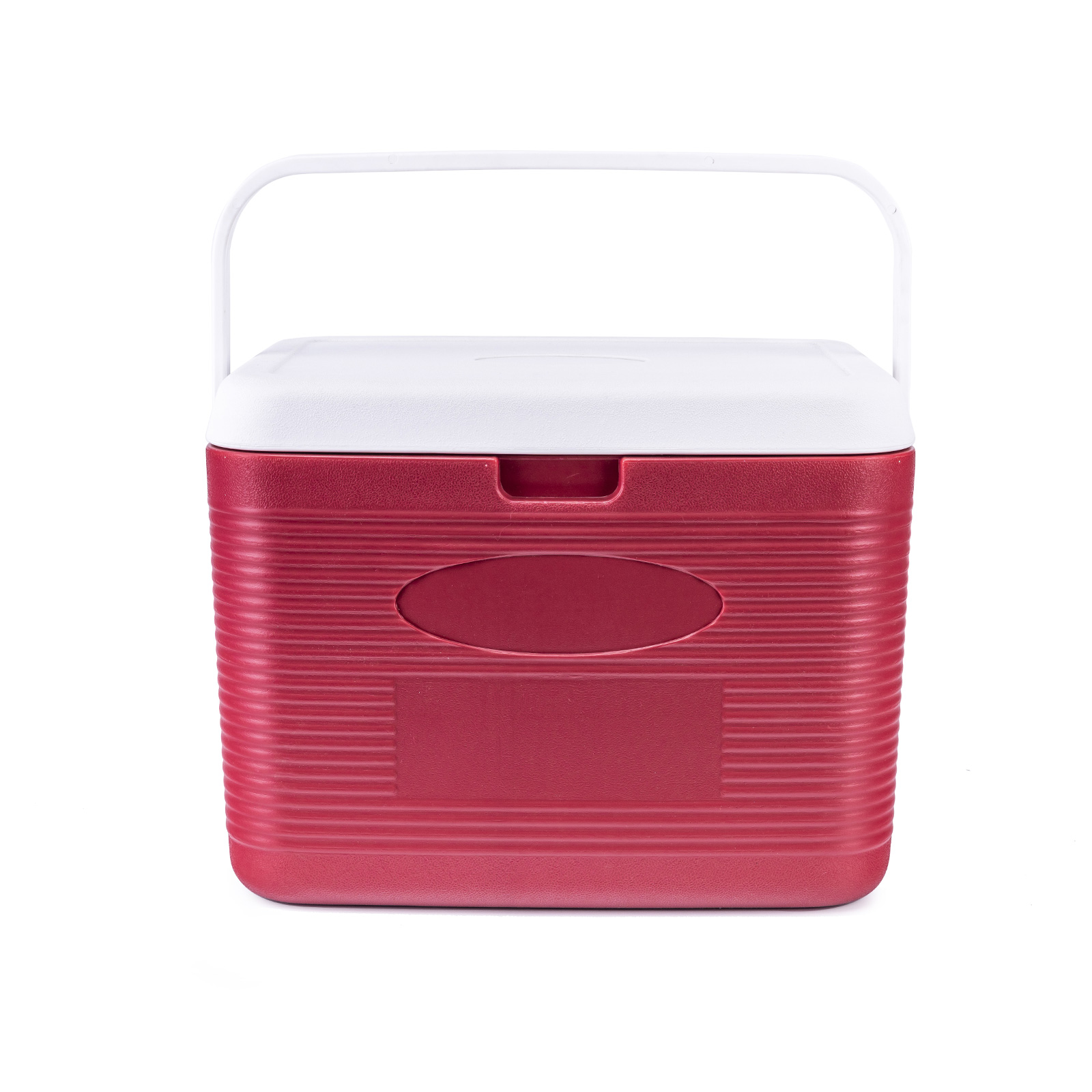
Collapsible Eco-friendly EPP Box: How to Choose the Right Option Without Overclaiming Performance
A collapsible eco-friendly EPP box is not selected by name alone. The right choice depends on the payload, usable space, route exposure, handling habits, coolant plan, and the evidence a supplier can provide. For sustainability managers, cold-chain buyers, food delivery brands, and logistics teams evaluating reusable insulated packaging, this final buyer-focused version brings the material, operational, and sourcing questions together so the box can be evaluated as part of a real packaging process rather than as a generic catalog item.
Collapsible structure must not weaken the thermal boundary
The first boundary is simple: an eco-friendly claim should be supported by material facts and a workable reuse process, not only by a green color or marketing label. This matters because many purchasing mistakes come from treating an insulated container as if it has already been qualified for every shipment. In food delivery, that can mean customer complaints or rejected goods. In healthcare or biotech work, it can mean a documentation gap that is discovered only after the shipment has moved.
The right temperature plan still depends on payload, coolant, route time, and ambient exposure; sustainability does not replace qualification. A supplier can help you choose a box and suggest a packout, but the product owner or quality team should define the acceptance criteria. That distinction protects both sides of the transaction.
It is also useful to distinguish an insulated EPP box from a temperature data logger. The box helps slow heat transfer. The logger records what happened. Neither one replaces the other. If the shipment is sensitive, the packaging should be designed to reduce risk and the monitoring plan should be chosen to document risk.
Fit map for real use
| Decision area | What it means | What to do next |
|---|---|---|
| Good fit | eco-conscious meal delivery, grocery e-commerce, pharmacy delivery support, field sample pickup, reusable fleet packaging | When payload, route, and handling are clearly defined |
| Needs extra review | Healthcare, biotech, pharmaceutical, or quality-sensitive goods | When temperature range, documentation, or monitoring is required |
| Poor fit | Undefined routes, unknown payloads, or unsupported thermal claims | When buyers expect the box to prove performance without packout evidence |
| Supplier discussion | reusable design, folding structure, recyclability statement, cleaning compatibility, repair or replacement planning, and how empty boxes move back through the network | When sample approval or bulk ordering is planned |
The fit map is a quick way to avoid overbuying or under-specifying. It shows that the same EPP container can be a smart choice in one workflow and an incomplete choice in another. The next step is to turn the intended use into measurable questions.
Specifications to lock before sample approval
Sizing is not just a question of external dimensions. Buyers often ask for a medium, compact, custom, or bulk-friendly box, but the operational answer is inside the container. The usable payload space is what remains after coolant, separators, void fill, product orientation, and worker handling are considered. A box can look generous in gross internal volume and still be cramped for the actual load.
For eco-conscious meal delivery, grocery e-commerce, pharmacy delivery support, field sample pickup, reusable fleet packaging, ask how the payload will be placed and removed. If cartons are loaded vertically, the lid depth and hand clearance matter. If gel packs or PCM packs are used, there must be enough spacing to avoid direct freezing risk for products that should not touch frozen coolant. If the route includes frequent opening, the box design should make correct closure easy rather than relying on perfect operator behavior.
External dimensions also affect route cost. A box that is slightly too large may reduce vehicle utilization or increase return-storage pressure. A box that is too small may force workers to overpack, bend cartons, or leave less space for coolant. The better specification begins with payload drawings or measured samples, then confirms how the container is handled before and after shipment.
Customization should begin with a drawing or a clear measurement sheet. Internal width, height, and depth are only the start. Buyers should define the shape of the payload, how many units fit per layer, whether coolant sits beside, above, or below the goods, and whether a separator is needed to prevent direct contact.
For ODM or custom-size projects, tooling and sample approval deserve extra attention. A prototype may look correct, but the buyer should confirm tolerances, production material, lid fit, labeling surfaces, and whether future design changes will be communicated before they affect a repeat order. This is especially important when the packaging is part of a validated or quality-reviewed workflow.
Evidence, claims, and handover control
Thermal performance is the result of heat transfer, time, mass, and handling. The EPP body slows heat movement. Coolant absorbs heat. The payload responds according to its own sensitivity. The lid, separators, and void space influence how air moves inside the box. Because these elements work together, a generic hold-time claim should not be treated as proof for a different route.
When a supplier mentions a thermal test, ask for the conditions: ambient profile, payload load, coolant type, coolant conditioning, box size, starting temperature, logger placement, and pass or fail criteria. A test can be useful even when it is not identical to your lane, but it should be read as evidence under defined conditions, not as a universal promise.
For parcel or healthcare shipping, ISTA thermal profiles or IATA healthcare cargo practices may become part of the discussion. Those references help buyers ask better questions, but the product owner still has to confirm the required temperature range and the acceptable evidence for the specific shipment.
Routes fail at handover points more often than buyers expect. The box may sit on a loading dock, wait in a vehicle, move through a cross-dock, or be opened for inspection. Each handover adds uncertainty. A good EPP container choice reduces some risk, but it also needs instructions that match the route.
Look at where the box will be opened and by whom. If the receiving team opens it immediately and records condition, the process is different from a route where boxes wait in a branch refrigerator or on a customer counter. The operating model should decide label placement, logger position, tamper evidence, and cleaning return steps.
Supplier questions that actually matter
A supplier should be evaluated by the questions they can answer. Can they explain the difference between gross internal volume and usable payload space? Can they provide material information without turning it into a universal performance promise? Can they discuss sample approval, production consistency, packaging for export, and after-sales handling?
For wholesale, distributor, exporter, and ODM projects, communication matters as much as catalog variety. The buyer may need drawings, carton dimensions, logo options, label zones, cleaning guidance, or test-support information. If the supplier cannot provide these basics before the order, it may be difficult to solve problems after the shipment arrives.
A careful supplier will also say what needs to be verified by the buyer. That is a good sign. It means the supplier understands the boundary between selling an EPP container and approving a complete cold-chain operation. In sensitive applications, that boundary is part of risk control.
A practical scenario for buyer review
A typical scenario for collapsible eco-friendly EPP box is a buyer replacing disposable foam cartons on a repeated delivery route. The current packaging is easy to buy but creates waste, inconsistent packing, and limited reuse. An EPP box looks attractive because it can be used repeatedly and handled like a durable tote, but the buyer still needs to check internal space, coolant placement, lid fit, and return handling.
If the sample is tested only on a desk, the decision is incomplete. Let operators load it, close it, carry it, clean it, and stack it as they would on a busy day. Small workflow problems show up quickly: a lid that is easy to misplace, a handle that feels awkward when full, or a shape that wastes van space. Those observations are often more useful than a polished catalog description.
FAQ
Is a collapsible eco-friendly EPP box automatically temperature-controlled?
No. An EPP box provides insulation and physical protection, but temperature control depends on the full packout. Coolant type, payload loading, separators, route duration, ambient exposure, lid discipline, and monitoring all affect the result. Treat the box as one part of the system, not as a complete temperature solution by itself.
What should I check before ordering samples?
Start with payload dimensions, usable internal space, required temperature range if any, expected route time, cleaning method, labeling needs, and how operators will carry or stack the box. For eco-conscious meal delivery, grocery e-commerce, pharmacy delivery support, field sample pickup, reusable fleet packaging, a sample review should include warehouse and receiving teams, not only the purchasing team.
Can EPP be used for food, medical, or biotech shipments?
EPP can be used in packaging for many food, healthcare, laboratory, and industrial scenarios, but suitability depends on the payload and the documentation required. Buyers should verify food-contact declarations, cleaning expectations, temperature requirements, and any quality or regulatory review before using the packaging for sensitive goods.
How should I compare two suppliers?
Compare more than price. Review sample consistency, lid fit, drawings, material details, cleaning guidance, carton packing, claim wording, and whether the supplier can explain the limits of thermal performance. A supplier that gives careful answers may be safer than one that promises one box will solve every lane.
Additional buyer notes before ordering
Before approving a collapsible eco-friendly EPP box, ask who will own the operating procedure. Packaging decisions often sit between procurement, warehouse, logistics, quality, and sales. If no one owns the procedure, workers may pack the box differently from shift to shift. That matters for temperature-sensitive goods and it also matters for ordinary reusable packaging because inconsistent use shortens service life.
The sample review should include negative observations as well as positive ones. If a worker says the box is difficult to clean, if the lid is easy to leave loose, or if labels curl on the surface, record that feedback. These comments may seem small, but they predict how the box will behave after hundreds of busy handling events.
For buyers comparing suppliers across markets, be careful with translated claims. Words such as medical, food-grade, eco-friendly, durable, or professional can mean different things in different catalogs. Ask for the underlying evidence or use neutral wording in your own sales materials until your team has confirmed what can safely be claimed.
A final check is disposal or end-of-life planning. If the box is intended for reuse, decide what happens when it is cracked, stained, missing a lid, or no longer acceptable for the route. A simple inspection rule can keep damaged packaging from re-entering service and protect the credibility of the whole packaging program.
Buyers should also review how the boxes themselves are shipped before they carry any payload. Export cartons, pallet stacking, compression during transit, and warehouse receiving inspection can affect the condition of lids and corners. A damaged empty box may look like a small inbound issue, but it can become a recurring problem when the container is expected to protect higher-value goods later.
If the order is part of an ODM or private-label program, claim language should be approved with care. The safest description usually explains the material, intended use, and buyer verification steps without promising universal compliance or fixed thermal duration. That wording is easier for sales, quality, and logistics teams to defend when customers ask detailed questions.
Finally, decide what must remain standard and what can vary. Color, logo, or label area may be flexible, while internal dimensions, lid fit, coolant spacing, and material grade should remain controlled once the sample is approved. Clear control points reduce the chance that a later reorder looks similar but behaves differently in the field.
Conclusion
The best collapsible eco-friendly EPP box choice is the one that fits the route, payload, handling routine, and evidence requirement. EPP can be a strong material for reusable insulated packaging, but the buyer should not turn material benefits into unsupported performance promises.
Before ordering, confirm usable space, coolant compatibility, lid behavior, cleaning method, documentation needs, and sample-to-production consistency. For regulated or quality-sensitive goods, involve the product owner or quality team early. That step saves time because it clarifies what the box is expected to do and what must be proven by the full packout.
About Tempk
Tempk works with cold-chain packaging buyers who need practical options such as gel ice packs, PCM ice bricks, EPP insulated boxes, cold shipping boxes, insulated liners, thermal bags, VPU medical cooler solutions, and pallet-level thermal covers. For this type of project, the useful conversation is not only about the box name. We help buyers discuss payload fit, route conditions, coolant layout, custom sizing, and documentation questions before they move from sample review to larger orders.
Share your payload, route, temperature range, and order stage with Tempk to discuss whether a collapsible eco-friendly EPP box is the right fit or whether another insulated packaging format should be reviewed first.
compact EPP foam box small: Procurement Guide

compact EPP foam box small: A Cleaner Procurement Framework
compact EPP foam box small should be treated as a procurement specification, not a product label. A good EPP solution protects the payload, fits the route, supports repeatable packing, and gives your quality or operations team enough evidence to approve the choice.
Start with the job the box must perform
Before comparing suppliers, write down the job of the EPP foam box. Is it mainly cushioning a precision payload, supporting a passive cold-chain packout, separating food items, reducing return-loop waste, or standardizing wholesale packaging? The answer changes almost every technical choice that follows.
A box that is excellent for one job can be wrong for another. A thick, large container may protect well but consume too much storage space. A compact box may be easy to carry but lose usable volume after dividers. A collapsible box may save return volume but create joints that need inspection. A food-grade claim may be irrelevant if the food is sealed, or critical if surfaces touch food directly.
The cleanest procurement framework is job first, specification second, supplier third, price fourth. This order keeps the discussion practical and prevents a low-price quote from hiding missing technical details.
Define the non-negotiables
Non-negotiables are the conditions that must be true for the EPP foam box to be acceptable. They may include payload fit, lid closure, route duration, cleaning method, sample match, documentation, export carton strength, divider layout, or compatibility with coolant and monitoring. Do not make every preference a non-negotiable. Too many strict requirements can push the project toward unnecessary cost.
For pharmaceutical use, non-negotiables may include labelled storage conditions, packout evidence, logger placement, and receiving inspection. For aerospace use, they may include drawing control, part identification, ESD coordination, and revision approval. For food use, they may include cleaning, odor control, direct-contact declarations, and route handling. For wholesale use, repeatability and defect handling may be more important than unusual customization.
Once non-negotiables are clear, supplier quotes become easier to compare. You are no longer asking who can sell an EPP foam box; you are asking who can support your operating conditions with an appropriate design and honest evidence.
| Procurement factor | What it affects | How to verify |
|---|---|---|
| Mold size | Can influence price, lead time, and operational fit. | Turn it into a written supplier confirmation. |
| Usable volume | Changes unit cost, freight, storage, and buyer commitment. | Pilot before scaling and confirm bulk packing plan. |
| Density | Changes strength, weight, cost, and sometimes thermal behavior. | Ask why this density or wall design fits the payload and route. |
| Handle design | Can influence price, lead time, and operational fit. | Turn it into a written supplier confirmation. |
| Divider or insert needs | Improves fit or organization but can add tooling, cleaning, or replacement complexity. | Confirm sample approval and replacement options. |
| Order quantity | Changes unit cost, freight, storage, and buyer commitment. | Pilot before scaling and confirm bulk packing plan. |
This table helps prevent price from becoming the only comparison. A higher unit price may be justified by better fit, less repacking, clearer documentation, or more consistent production. A lower price may be acceptable when the route is simple and the evidence requirement is modest.
Ask for evidence, not promises
Supplier promises are easy to write. Evidence is more useful. For compact EPP foam box small, evidence can be simple or formal depending on risk: drawings, sample photos, dimensions, material notes, inspection records, cleaning guidance, carton packing details, or test summaries. The level of evidence should match the value and sensitivity of the payload.
If a claim involves temperature, ask for the conditions behind it. If a claim involves impact resistance, ask what handling risk or test method it refers to. If a claim involves ISO, confirm whether it is a management-system certificate and whether the manufacturing site is covered. If a claim involves food grade, ask what surface, resin, declaration, or market requirement is being discussed.
A good supplier will not turn every answer into a guarantee. They will tell you what has been tested, what must be verified by the buyer, and what depends on route or product conditions. That boundary protects both sides.
Build the sample-to-production bridge
Many packaging programs fail between sample approval and bulk delivery. The sample is handled carefully, photographed well, and approved quickly. Later, the production batch arrives with slightly different lid fit, surface finish, divider behavior, or packing cartons. The solution is a bridge: define what makes the sample approved and what cannot change without review.
For an EPP foam box, sample approval should cover dimensions, usable payload space, material feel, lid closure, divider layout, labels, color, packing method, and any evidence connected to thermal or impact claims. If the box is intended for a documented route, keep the approved sample or a clear record of it for comparison.
For repeat orders, ask whether the supplier uses the same mold and production conditions. If substitutes are possible, they should be disclosed before production. Quiet substitutions may be invisible in a quote but visible in a route failure.
When the EPP box is not the whole answer
EPP gives the buyer a strong platform, but some problems need other controls. Temperature-sensitive products may require gel packs, PCM, dry ice handling, data loggers, preconditioning, and route qualification. Electronic components may require ESD packaging. Food programs may require liners, cleaning procedures, and food-contact documentation. Aerospace or pharmaceutical teams may require supplier quality records and change control.
This is not a weakness of EPP. It is a reminder to avoid confusing the container with the full system. The EPP foam box can make the system easier to use, more robust, and more repeatable, but only when the missing controls are named and assigned.
The most practical procurement documents include a short limitations section. State what the box does, what it does not do, and which conditions must be verified separately. That makes internal approval easier and reduces misunderstandings with suppliers.
Practical ordering workflow
First, define the payload and route. Second, choose a size range and decide whether dividers, liners, coolant, labels, or handles are necessary. Third, request samples with the same features planned for production. Fourth, pack real payloads and document observations. Fifth, agree on production specifications and change-control rules. Sixth, place a bulk order only after the sample bridge is clear.
For export projects, add carton packing and shipping protection to the workflow. EPP boxes are lightweight, but that does not mean they cannot be crushed or deformed in transit before they ever reach your warehouse. A bulk order should arrive ready for use, not ready for sorting and repair.
For quality-sensitive products, add receiving inspection. Check whether boxes match the approved sample, whether lids close correctly, whether dividers fit, whether labels are correct, and whether any damage occurred during shipping. Simple checks at receiving prevent larger problems downstream.
A buyer scenario
For example, a procurement team may need an EPP foam box for last-mile delivery. The sample should be packed with the intended payload, coolant or dividers if used, and the same closure method planned for routine shipments. That simple sample discipline often reveals whether the box is too small, too heavy, difficult to clean, or too dependent on careful handling.
FAQ
What is the first question to ask about compact EPP foam box small?
Ask what job the EPP foam box must perform in your route. Payload protection, temperature moderation, return efficiency, food hygiene, and documentation all lead to different specifications. Once the job is clear, dimensions and supplier comparisons become more useful.
How do I keep suppliers from overpromising?
Ask for conditions behind every performance claim. Request drawings, sample details, test summaries, certificate scope, and written limits. A credible supplier can explain what is proven, what is assumed, and what must be verified under your own route or product conditions.
Should price be compared before samples?
Initial price screening is normal, but final comparison should happen after sample review. A cheap sample that does not fit the payload or cleaning process is not a low-cost solution. Use samples to reveal real operating costs before scaling.
Can Tempk help with custom or bulk discussions?
Tempk can discuss practical EPP insulated box options, custom packaging requirements, and related cold-chain materials. The most useful discussion starts with route, payload, temperature expectation, handling conditions, and whether the box will be reused or exported in bulk.
Controls that keep the purchase practical
The final procurement check should connect the EPP foam box to the problem it was selected to solve. If that problem cannot be stated in one clear sentence, the quote may be moving faster than the specification.
Use non-negotiables sparingly. Payload fit, lid closure, cleaning access, documentation, and route evidence may be essential; cosmetic preferences or unnecessary customization should not be allowed to distort the cost or lead time.
A supplier should be able to explain what is proven, what is assumed, and what still needs buyer confirmation. That distinction is more useful than a confident promise that covers every route and product category.
Keep sample-to-production control visible. The approved sample should define the features that cannot change without review: dimensions, material approach, divider layout, closure fit, labels, color coding, and carton packing.
Prepare a simple receiving inspection for the first bulk shipment. Check that the production boxes match the approved sample before they enter daily circulation, when corrections are still easier to manage.
For staff training, use physical instructions rather than long documents. Show where payloads go, how the lid should close, where labels belong, how damage is identified, and when a box should be removed from service.
If several teams will use the box, assign ownership for updates. Without a named owner, cleaning changes, route changes, replacement parts, and supplier revisions can drift without anyone noticing until a shipment problem appears.
For general cold-chain projects, do not let the phrase insulated box hide the need for a packout plan. If the shipment has a temperature target, define coolant, preconditioning, loading sequence, route exposure, and receiving checks before deciding that the container is adequate.
For wholesale projects, standardization can be more valuable than unusual customization. A small family of repeatable, easy-to-identify box sizes often supports operations better than many special versions that are hard to store, replace, or reorder.
A practical trial should include the route condition that creates the most doubt, such as wet handling, repeated opening, tight payload space, or rough transfer. Testing only the easiest scenario can make the selected box look better than it will perform in daily work.
Turn this supplier question into a written approval point: Is the listed size external or internal? The answer should be specific enough that purchasing, quality, and operations can all interpret it the same way after the order is placed.
Turn this supplier question into a written approval point: How much usable space remains after coolant or dividers? The answer should be specific enough that purchasing, quality, and operations can all interpret it the same way after the order is placed.
Turn this supplier question into a written approval point: Can staff close the lid without compressing contents? The answer should be specific enough that purchasing, quality, and operations can all interpret it the same way after the order is placed.
Turn this supplier question into a written approval point: Is the box easy to carry with gloves or wet hands? The answer should be specific enough that purchasing, quality, and operations can all interpret it the same way after the order is placed.
Conclusion
The strongest compact EPP foam box small specification begins with use conditions, not with a generic product photo. Define what the box must protect, how it will be packed, how it will be handled, and what evidence your team needs before approval.
Once those conditions are clear, the supplier discussion becomes more productive: dimensions, density, dividers, lids, cleaning, carton protection, documentation, and price can be compared against the same operating reality.
About Tempk
Tempk provides cold-chain packaging solutions that include EPP insulated boxes, cold shipping boxes, gel packs, insulated liners, thermal bags, and related materials. For EPP foam box sourcing, Tempk can help turn a broad requirement into a practical shortlist based on payload, route, temperature expectation, customization, and bulk purchasing needs. The best next step is to share the conditions of use so the packaging discussion starts with evidence and fit.
Send Tempk your route, payload, temperature expectation, and customization needs to build a practical compact EPP foam box small shortlist.
collapsible EPP transport box wholesale: Procurement Guide
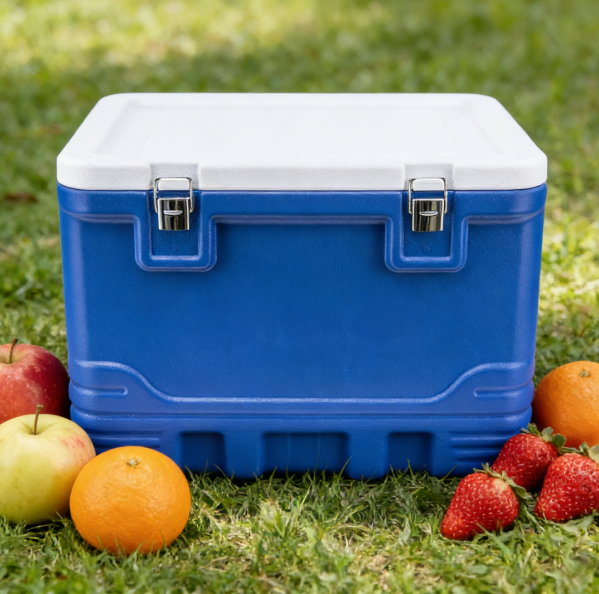
collapsible EPP transport box wholesale: A Cleaner Procurement Framework
collapsible EPP transport box wholesale should be treated as a procurement specification, not a product label. A good EPP solution protects the payload, fits the route, supports repeatable packing, and gives your quality or operations team enough evidence to approve the choice.
Start with the job the box must perform
Before comparing suppliers, write down the job of the EPP box. Is it mainly cushioning a precision payload, supporting a passive cold-chain packout, separating food items, reducing return-loop waste, or standardizing wholesale packaging? The answer changes almost every technical choice that follows.
A box that is excellent for one job can be wrong for another. A thick, large container may protect well but consume too much storage space. A compact box may be easy to carry but lose usable volume after dividers. A collapsible box may save return volume but create joints that need inspection. A food-grade claim may be irrelevant if the food is sealed, or critical if surfaces touch food directly.
The cleanest procurement framework is job first, specification second, supplier third, price fourth. This order keeps the discussion practical and prevents a low-price quote from hiding missing technical details.
Define the non-negotiables
Non-negotiables are the conditions that must be true for the EPP box to be acceptable. They may include payload fit, lid closure, route duration, cleaning method, sample match, documentation, export carton strength, divider layout, or compatibility with coolant and monitoring. Do not make every preference a non-negotiable. Too many strict requirements can push the project toward unnecessary cost.
For pharmaceutical use, non-negotiables may include labelled storage conditions, packout evidence, logger placement, and receiving inspection. For aerospace use, they may include drawing control, part identification, ESD coordination, and revision approval. For food use, they may include cleaning, odor control, direct-contact declarations, and route handling. For wholesale use, repeatability and defect handling may be more important than unusual customization.
Once non-negotiables are clear, supplier quotes become easier to compare. You are no longer asking who can sell an EPP box; you are asking who can support your operating conditions with an appropriate design and honest evidence.
| Procurement factor | What it affects | How to verify |
|---|---|---|
| Folding mechanism | Can influence price, lead time, and operational fit. | Turn it into a written supplier confirmation. |
| Panel geometry | Can influence price, lead time, and operational fit. | Turn it into a written supplier confirmation. |
| Replacement components | Can influence price, lead time, and operational fit. | Turn it into a written supplier confirmation. |
| Density | Changes strength, weight, cost, and sometimes thermal behavior. | Ask why this density or wall design fits the payload and route. |
| Carton packing | Can influence price, lead time, and operational fit. | Turn it into a written supplier confirmation. |
| Return-loop scale | Can influence price, lead time, and operational fit. | Turn it into a written supplier confirmation. |
This table helps prevent price from becoming the only comparison. A higher unit price may be justified by better fit, less repacking, clearer documentation, or more consistent production. A lower price may be acceptable when the route is simple and the evidence requirement is modest.
Ask for evidence, not promises
Supplier promises are easy to write. Evidence is more useful. For collapsible EPP transport box wholesale, evidence can be simple or formal depending on risk: drawings, sample photos, dimensions, material notes, inspection records, cleaning guidance, carton packing details, or test summaries. The level of evidence should match the value and sensitivity of the payload.
If a claim involves temperature, ask for the conditions behind it. If a claim involves impact resistance, ask what handling risk or test method it refers to. If a claim involves ISO, confirm whether it is a management-system certificate and whether the manufacturing site is covered. If a claim involves food grade, ask what surface, resin, declaration, or market requirement is being discussed.
A good supplier will not turn every answer into a guarantee. They will tell you what has been tested, what must be verified by the buyer, and what depends on route or product conditions. That boundary protects both sides.
Build the sample-to-production bridge
Many packaging programs fail between sample approval and bulk delivery. The sample is handled carefully, photographed well, and approved quickly. Later, the production batch arrives with slightly different lid fit, surface finish, divider behavior, or packing cartons. The solution is a bridge: define what makes the sample approved and what cannot change without review.
For an EPP box, sample approval should cover dimensions, usable payload space, material feel, lid closure, divider layout, labels, color, packing method, and any evidence connected to thermal or impact claims. If the box is intended for a documented route, keep the approved sample or a clear record of it for comparison.
For repeat orders, ask whether the supplier uses the same mold and production conditions. If substitutes are possible, they should be disclosed before production. Quiet substitutions may be invisible in a quote but visible in a route failure.
When the EPP box is not the whole answer
EPP gives the buyer a strong platform, but some problems need other controls. Temperature-sensitive products may require gel packs, PCM, dry ice handling, data loggers, preconditioning, and route qualification. Electronic components may require ESD packaging. Food programs may require liners, cleaning procedures, and food-contact documentation. Aerospace or pharmaceutical teams may require supplier quality records and change control.
This is not a weakness of EPP. It is a reminder to avoid confusing the container with the full system. The EPP box can make the system easier to use, more robust, and more repeatable, but only when the missing controls are named and assigned.
The most practical procurement documents include a short limitations section. State what the box does, what it does not do, and which conditions must be verified separately. That makes internal approval easier and reduces misunderstandings with suppliers.
Practical ordering workflow
First, define the payload and route. Second, choose a size range and decide whether dividers, liners, coolant, labels, or handles are necessary. Third, request samples with the same features planned for production. Fourth, pack real payloads and document observations. Fifth, agree on production specifications and change-control rules. Sixth, place a bulk order only after the sample bridge is clear.
For export projects, add carton packing and shipping protection to the workflow. EPP boxes are lightweight, but that does not mean they cannot be crushed or deformed in transit before they ever reach your warehouse. A bulk order should arrive ready for use, not ready for sorting and repair.
For quality-sensitive products, add receiving inspection. Check whether boxes match the approved sample, whether lids close correctly, whether dividers fit, whether labels are correct, and whether any damage occurred during shipping. Simple checks at receiving prevent larger problems downstream.
A buyer scenario
For example, a procurement team may need an EPP box for last-mile delivery. The sample should be packed with the intended payload, coolant or dividers if used, and the same closure method planned for routine shipments. That simple sample discipline often reveals whether the box is too small, too heavy, difficult to clean, or too dependent on careful handling.
FAQ
What is the first question to ask about collapsible EPP transport box wholesale?
Ask what job the EPP box must perform in your route. Payload protection, temperature moderation, return efficiency, food hygiene, and documentation all lead to different specifications. Once the job is clear, dimensions and supplier comparisons become more useful.
How do I keep suppliers from overpromising?
Ask for conditions behind every performance claim. Request drawings, sample details, test summaries, certificate scope, and written limits. A credible supplier can explain what is proven, what is assumed, and what must be verified under your own route or product conditions.
Should price be compared before samples?
Initial price screening is normal, but final comparison should happen after sample review. A cheap sample that does not fit the payload or cleaning process is not a low-cost solution. Use samples to reveal real operating costs before scaling.
Can Tempk help with custom or bulk discussions?
Tempk can discuss practical EPP insulated box options, custom packaging requirements, and related cold-chain materials. The most useful discussion starts with route, payload, temperature expectation, handling conditions, and whether the box will be reused or exported in bulk.
Controls that keep the purchase practical
The final procurement check should connect the EPP box to the problem it was selected to solve. If that problem cannot be stated in one clear sentence, the quote may be moving faster than the specification.
Use non-negotiables sparingly. Payload fit, lid closure, cleaning access, documentation, and route evidence may be essential; cosmetic preferences or unnecessary customization should not be allowed to distort the cost or lead time.
A supplier should be able to explain what is proven, what is assumed, and what still needs buyer confirmation. That distinction is more useful than a confident promise that covers every route and product category.
Keep sample-to-production control visible. The approved sample should define the features that cannot change without review: dimensions, material approach, divider layout, closure fit, labels, color coding, and carton packing.
Prepare a simple receiving inspection for the first bulk shipment. Check that the production boxes match the approved sample before they enter daily circulation, when corrections are still easier to manage.
For staff training, use physical instructions rather than long documents. Show where payloads go, how the lid should close, where labels belong, how damage is identified, and when a box should be removed from service.
If several teams will use the box, assign ownership for updates. Without a named owner, cleaning changes, route changes, replacement parts, and supplier revisions can drift without anyone noticing until a shipment problem appears.
For general cold-chain projects, do not let the phrase insulated box hide the need for a packout plan. If the shipment has a temperature target, define coolant, preconditioning, loading sequence, route exposure, and receiving checks before deciding that the container is adequate.
For wholesale projects, standardization can be more valuable than unusual customization. A small family of repeatable, easy-to-identify box sizes often supports operations better than many special versions that are hard to store, replace, or reorder.
For larger or collapsible formats, evaluate the empty box workflow. Storage, folding, palletizing, return transport, replacement panels, and staff assembly time can change the total cost more than a small difference in unit price.
Turn this supplier question into a written approval point: Does the collapsed structure protect corners and hinges? The answer should be specific enough that purchasing, quality, and operations can all interpret it the same way after the order is placed.
Turn this supplier question into a written approval point: Can staff assemble it consistently under time pressure? The answer should be specific enough that purchasing, quality, and operations can all interpret it the same way after the order is placed.
Turn this supplier question into a written approval point: Does folding create thermal weak points? The answer should be specific enough that purchasing, quality, and operations can all interpret it the same way after the order is placed.
Turn this supplier question into a written approval point: How are panels cleaned and dried? The answer should be specific enough that purchasing, quality, and operations can all interpret it the same way after the order is placed.
Turn this supplier question into a written approval point: Can damaged panels or lids be replaced? The answer should be specific enough that purchasing, quality, and operations can all interpret it the same way after the order is placed.
Conclusion
The strongest collapsible EPP transport box wholesale specification begins with use conditions, not with a generic product photo. Define what the box must protect, how it will be packed, how it will be handled, and what evidence your team needs before approval.
Once those conditions are clear, the supplier discussion becomes more productive: dimensions, density, dividers, lids, cleaning, carton protection, documentation, and price can be compared against the same operating reality.
About Tempk
Tempk provides cold-chain packaging solutions that include EPP insulated boxes, cold shipping boxes, gel packs, insulated liners, thermal bags, and related materials. For EPP box sourcing, Tempk can help turn a broad requirement into a practical shortlist based on payload, route, temperature expectation, customization, and bulk purchasing needs. The best next step is to share the conditions of use so the packaging discussion starts with evidence and fit.
Send Tempk your route, payload, temperature expectation, and customization needs to build a practical collapsible EPP transport box wholesale shortlist.
moisture-resistant insulated EPP box price: Procurement Guide
moisture-resistant insulated EPP box price: A Cleaner Procurement Framework
moisture-resistant insulated EPP box price should be treated as a procurement specification, not a product label. A good EPP solution protects the payload, fits the route, supports repeatable packing, and gives your quality or operations team enough evidence to approve the choice.
Start with the job the box must perform
Before comparing suppliers, write down the job of the EPP box. Is it mainly cushioning a precision payload, supporting a passive cold-chain packout, separating food items, reducing return-loop waste, or standardizing wholesale packaging? The answer changes almost every technical choice that follows.
A box that is excellent for one job can be wrong for another. A thick, large container may protect well but consume too much storage space. A compact box may be easy to carry but lose usable volume after dividers. A collapsible box may save return volume but create joints that need inspection. A food-grade claim may be irrelevant if the food is sealed, or critical if surfaces touch food directly.
The cleanest procurement framework is job first, specification second, supplier third, price fourth. This order keeps the discussion practical and prevents a low-price quote from hiding missing technical details.
Define the non-negotiables
Non-negotiables are the conditions that must be true for the EPP box to be acceptable. They may include payload fit, lid closure, route duration, cleaning method, sample match, documentation, export carton strength, divider layout, or compatibility with coolant and monitoring. Do not make every preference a non-negotiable. Too many strict requirements can push the project toward unnecessary cost.
For pharmaceutical use, non-negotiables may include labelled storage conditions, packout evidence, logger placement, and receiving inspection. For aerospace use, they may include drawing control, part identification, ESD coordination, and revision approval. For food use, they may include cleaning, odor control, direct-contact declarations, and route handling. For wholesale use, repeatability and defect handling may be more important than unusual customization.
Once non-negotiables are clear, supplier quotes become easier to compare. You are no longer asking who can sell an EPP box; you are asking who can support your operating conditions with an appropriate design and honest evidence.
| Procurement factor | What it affects | How to verify |
|---|---|---|
| Density | Changes strength, weight, cost, and sometimes thermal behavior. | Ask why this density or wall design fits the payload and route. |
| Wall design | Changes strength, weight, cost, and sometimes thermal behavior. | Ask why this density or wall design fits the payload and route. |
| Surface finish | Can influence price, lead time, and operational fit. | Turn it into a written supplier confirmation. |
| Divider or liner system | Improves fit or organization but can add tooling, cleaning, or replacement complexity. | Confirm sample approval and replacement options. |
| Documentation | Affects quality approval, supplier comparison, and repeat-order confidence. | Check scope, records, and whether evidence relates to this box. |
| Order quantity | Changes unit cost, freight, storage, and buyer commitment. | Pilot before scaling and confirm bulk packing plan. |
This table helps prevent price from becoming the only comparison. A higher unit price may be justified by better fit, less repacking, clearer documentation, or more consistent production. A lower price may be acceptable when the route is simple and the evidence requirement is modest.
Ask for evidence, not promises
Supplier promises are easy to write. Evidence is more useful. For moisture-resistant insulated EPP box price, evidence can be simple or formal depending on risk: drawings, sample photos, dimensions, material notes, inspection records, cleaning guidance, carton packing details, or test summaries. The level of evidence should match the value and sensitivity of the payload.
If a claim involves temperature, ask for the conditions behind it. If a claim involves impact resistance, ask what handling risk or test method it refers to. If a claim involves ISO, confirm whether it is a management-system certificate and whether the manufacturing site is covered. If a claim involves food grade, ask what surface, resin, declaration, or market requirement is being discussed.
A good supplier will not turn every answer into a guarantee. They will tell you what has been tested, what must be verified by the buyer, and what depends on route or product conditions. That boundary protects both sides.
Build the sample-to-production bridge
Many packaging programs fail between sample approval and bulk delivery. The sample is handled carefully, photographed well, and approved quickly. Later, the production batch arrives with slightly different lid fit, surface finish, divider behavior, or packing cartons. The solution is a bridge: define what makes the sample approved and what cannot change without review.
For an EPP box, sample approval should cover dimensions, usable payload space, material feel, lid closure, divider layout, labels, color, packing method, and any evidence connected to thermal or impact claims. If the box is intended for a documented route, keep the approved sample or a clear record of it for comparison.
For repeat orders, ask whether the supplier uses the same mold and production conditions. If substitutes are possible, they should be disclosed before production. Quiet substitutions may be invisible in a quote but visible in a route failure.
When the EPP box is not the whole answer
EPP gives the buyer a strong platform, but some problems need other controls. Temperature-sensitive products may require gel packs, PCM, dry ice handling, data loggers, preconditioning, and route qualification. Electronic components may require ESD packaging. Food programs may require liners, cleaning procedures, and food-contact documentation. Aerospace or pharmaceutical teams may require supplier quality records and change control.
This is not a weakness of EPP. It is a reminder to avoid confusing the container with the full system. The EPP box can make the system easier to use, more robust, and more repeatable, but only when the missing controls are named and assigned.
The most practical procurement documents include a short limitations section. State what the box does, what it does not do, and which conditions must be verified separately. That makes internal approval easier and reduces misunderstandings with suppliers.
Practical ordering workflow
First, define the payload and route. Second, choose a size range and decide whether dividers, liners, coolant, labels, or handles are necessary. Third, request samples with the same features planned for production. Fourth, pack real payloads and document observations. Fifth, agree on production specifications and change-control rules. Sixth, place a bulk order only after the sample bridge is clear.
For export projects, add carton packing and shipping protection to the workflow. EPP boxes are lightweight, but that does not mean they cannot be crushed or deformed in transit before they ever reach your warehouse. A bulk order should arrive ready for use, not ready for sorting and repair.
For quality-sensitive products, add receiving inspection. Check whether boxes match the approved sample, whether lids close correctly, whether dividers fit, whether labels are correct, and whether any damage occurred during shipping. Simple checks at receiving prevent larger problems downstream.
A buyer scenario
For example, a procurement team may need an EPP box for last-mile delivery. The sample should be packed with the intended payload, coolant or dividers if used, and the same closure method planned for routine shipments. That simple sample discipline often reveals whether the box is too small, too heavy, difficult to clean, or too dependent on careful handling.
FAQ
What is the first question to ask about moisture-resistant insulated EPP box price?
Ask what job the EPP box must perform in your route. Payload protection, temperature moderation, return efficiency, food hygiene, and documentation all lead to different specifications. Once the job is clear, dimensions and supplier comparisons become more useful.
How do I keep suppliers from overpromising?
Ask for conditions behind every performance claim. Request drawings, sample details, test summaries, certificate scope, and written limits. A credible supplier can explain what is proven, what is assumed, and what must be verified under your own route or product conditions.
Should price be compared before samples?
Initial price screening is normal, but final comparison should happen after sample review. A cheap sample that does not fit the payload or cleaning process is not a low-cost solution. Use samples to reveal real operating costs before scaling.
Can Tempk help with custom or bulk discussions?
Tempk can discuss practical EPP insulated box options, custom packaging requirements, and related cold-chain materials. The most useful discussion starts with route, payload, temperature expectation, handling conditions, and whether the box will be reused or exported in bulk.
Controls that keep the purchase practical
The final procurement check should connect the EPP box to the problem it was selected to solve. If that problem cannot be stated in one clear sentence, the quote may be moving faster than the specification.
Use non-negotiables sparingly. Payload fit, lid closure, cleaning access, documentation, and route evidence may be essential; cosmetic preferences or unnecessary customization should not be allowed to distort the cost or lead time.
A supplier should be able to explain what is proven, what is assumed, and what still needs buyer confirmation. That distinction is more useful than a confident promise that covers every route and product category.
Keep sample-to-production control visible. The approved sample should define the features that cannot change without review: dimensions, material approach, divider layout, closure fit, labels, color coding, and carton packing.
Prepare a simple receiving inspection for the first bulk shipment. Check that the production boxes match the approved sample before they enter daily circulation, when corrections are still easier to manage.
For staff training, use physical instructions rather than long documents. Show where payloads go, how the lid should close, where labels belong, how damage is identified, and when a box should be removed from service.
If several teams will use the box, assign ownership for updates. Without a named owner, cleaning changes, route changes, replacement parts, and supplier revisions can drift without anyone noticing until a shipment problem appears.
For general cold-chain projects, do not let the phrase insulated box hide the need for a packout plan. If the shipment has a temperature target, define coolant, preconditioning, loading sequence, route exposure, and receiving checks before deciding that the container is adequate.
For wholesale projects, standardization can be more valuable than unusual customization. A small family of repeatable, easy-to-identify box sizes often supports operations better than many special versions that are hard to store, replace, or reorder.
A practical trial should include the route condition that creates the most doubt, such as wet handling, repeated opening, tight payload space, or rough transfer. Testing only the easiest scenario can make the selected box look better than it will perform in daily work.
Turn this supplier question into a written approval point: What moisture exposure will the box face? The answer should be specific enough that purchasing, quality, and operations can all interpret it the same way after the order is placed.
Turn this supplier question into a written approval point: Can the surface be cleaned and dried without odor or residue? The answer should be specific enough that purchasing, quality, and operations can all interpret it the same way after the order is placed.
Turn this supplier question into a written approval point: Does the lid still close well when handled wet? The answer should be specific enough that purchasing, quality, and operations can all interpret it the same way after the order is placed.
Turn this supplier question into a written approval point: Are drains, liners, or removable inserts needed? The answer should be specific enough that purchasing, quality, and operations can all interpret it the same way after the order is placed.
Conclusion
The strongest moisture-resistant insulated EPP box price specification begins with use conditions, not with a generic product photo. Define what the box must protect, how it will be packed, how it will be handled, and what evidence your team needs before approval.
Once those conditions are clear, the supplier discussion becomes more productive: dimensions, density, dividers, lids, cleaning, carton protection, documentation, and price can be compared against the same operating reality.
About Tempk
Tempk provides cold-chain packaging solutions that include EPP insulated boxes, cold shipping boxes, gel packs, insulated liners, thermal bags, and related materials. For EPP box sourcing, Tempk can help turn a broad requirement into a practical shortlist based on payload, route, temperature expectation, customization, and bulk purchasing needs. The best next step is to share the conditions of use so the packaging discussion starts with evidence and fit.
Send Tempk your route, payload, temperature expectation, and customization needs to build a practical moisture-resistant insulated EPP box price shortlist.
impact resistant insulated EPP box: Procurement Guide
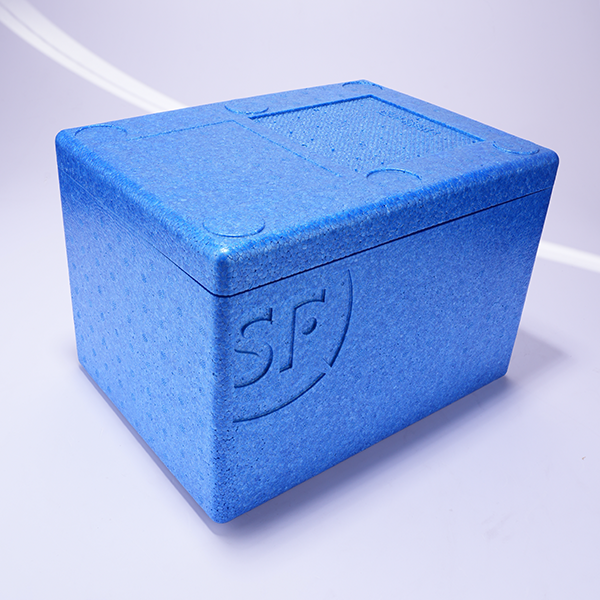
impact resistant insulated EPP box: A Cleaner Procurement Framework
impact resistant insulated EPP box should be treated as a procurement specification, not a product label. A good EPP solution protects the payload, fits the route, supports repeatable packing, and gives your quality or operations team enough evidence to approve the choice.
Start with the job the box must perform
Before comparing suppliers, write down the job of the EPP box. Is it mainly cushioning a precision payload, supporting a passive cold-chain packout, separating food items, reducing return-loop waste, or standardizing wholesale packaging? The answer changes almost every technical choice that follows.
A box that is excellent for one job can be wrong for another. A thick, large container may protect well but consume too much storage space. A compact box may be easy to carry but lose usable volume after dividers. A collapsible box may save return volume but create joints that need inspection. A food-grade claim may be irrelevant if the food is sealed, or critical if surfaces touch food directly.
The cleanest procurement framework is job first, specification second, supplier third, price fourth. This order keeps the discussion practical and prevents a low-price quote from hiding missing technical details.
Define the non-negotiables
Non-negotiables are the conditions that must be true for the EPP box to be acceptable. They may include payload fit, lid closure, route duration, cleaning method, sample match, documentation, export carton strength, divider layout, or compatibility with coolant and monitoring. Do not make every preference a non-negotiable. Too many strict requirements can push the project toward unnecessary cost.
For pharmaceutical use, non-negotiables may include labelled storage conditions, packout evidence, logger placement, and receiving inspection. For aerospace use, they may include drawing control, part identification, ESD coordination, and revision approval. For food use, they may include cleaning, odor control, direct-contact declarations, and route handling. For wholesale use, repeatability and defect handling may be more important than unusual customization.
Once non-negotiables are clear, supplier quotes become easier to compare. You are no longer asking who can sell an EPP box; you are asking who can support your operating conditions with an appropriate design and honest evidence.
| Procurement factor | What it affects | How to verify |
|---|---|---|
| Foam density | Changes strength, weight, cost, and sometimes thermal behavior. | Ask why this density or wall design fits the payload and route. |
| Corner reinforcement | Can influence price, lead time, and operational fit. | Turn it into a written supplier confirmation. |
| Lid design | Can influence price, lead time, and operational fit. | Turn it into a written supplier confirmation. |
| Divider layout | Improves fit or organization but can add tooling, cleaning, or replacement complexity. | Confirm sample approval and replacement options. |
| Test documentation | Affects quality approval, supplier comparison, and repeat-order confidence. | Check scope, records, and whether evidence relates to this box. |
| Carton protection | Can influence price, lead time, and operational fit. | Turn it into a written supplier confirmation. |
This table helps prevent price from becoming the only comparison. A higher unit price may be justified by better fit, less repacking, clearer documentation, or more consistent production. A lower price may be acceptable when the route is simple and the evidence requirement is modest.
Ask for evidence, not promises
Supplier promises are easy to write. Evidence is more useful. For impact resistant insulated EPP box, evidence can be simple or formal depending on risk: drawings, sample photos, dimensions, material notes, inspection records, cleaning guidance, carton packing details, or test summaries. The level of evidence should match the value and sensitivity of the payload.
If a claim involves temperature, ask for the conditions behind it. If a claim involves impact resistance, ask what handling risk or test method it refers to. If a claim involves ISO, confirm whether it is a management-system certificate and whether the manufacturing site is covered. If a claim involves food grade, ask what surface, resin, declaration, or market requirement is being discussed.
A good supplier will not turn every answer into a guarantee. They will tell you what has been tested, what must be verified by the buyer, and what depends on route or product conditions. That boundary protects both sides.
Build the sample-to-production bridge
Many packaging programs fail between sample approval and bulk delivery. The sample is handled carefully, photographed well, and approved quickly. Later, the production batch arrives with slightly different lid fit, surface finish, divider behavior, or packing cartons. The solution is a bridge: define what makes the sample approved and what cannot change without review.
For an EPP box, sample approval should cover dimensions, usable payload space, material feel, lid closure, divider layout, labels, color, packing method, and any evidence connected to thermal or impact claims. If the box is intended for a documented route, keep the approved sample or a clear record of it for comparison.
For repeat orders, ask whether the supplier uses the same mold and production conditions. If substitutes are possible, they should be disclosed before production. Quiet substitutions may be invisible in a quote but visible in a route failure.
When the EPP box is not the whole answer
EPP gives the buyer a strong platform, but some problems need other controls. Temperature-sensitive products may require gel packs, PCM, dry ice handling, data loggers, preconditioning, and route qualification. Electronic components may require ESD packaging. Food programs may require liners, cleaning procedures, and food-contact documentation. Aerospace or pharmaceutical teams may require supplier quality records and change control.
This is not a weakness of EPP. It is a reminder to avoid confusing the container with the full system. The EPP box can make the system easier to use, more robust, and more repeatable, but only when the missing controls are named and assigned.
The most practical procurement documents include a short limitations section. State what the box does, what it does not do, and which conditions must be verified separately. That makes internal approval easier and reduces misunderstandings with suppliers.
Practical ordering workflow
First, define the payload and route. Second, choose a size range and decide whether dividers, liners, coolant, labels, or handles are necessary. Third, request samples with the same features planned for production. Fourth, pack real payloads and document observations. Fifth, agree on production specifications and change-control rules. Sixth, place a bulk order only after the sample bridge is clear.
For export projects, add carton packing and shipping protection to the workflow. EPP boxes are lightweight, but that does not mean they cannot be crushed or deformed in transit before they ever reach your warehouse. A bulk order should arrive ready for use, not ready for sorting and repair.
For quality-sensitive products, add receiving inspection. Check whether boxes match the approved sample, whether lids close correctly, whether dividers fit, whether labels are correct, and whether any damage occurred during shipping. Simple checks at receiving prevent larger problems downstream.
A buyer scenario
For example, a procurement team may need an EPP box for last-mile delivery. The sample should be packed with the intended payload, coolant or dividers if used, and the same closure method planned for routine shipments. That simple sample discipline often reveals whether the box is too small, too heavy, difficult to clean, or too dependent on careful handling.
FAQ
What is the first question to ask about impact resistant insulated EPP box?
Ask what job the EPP box must perform in your route. Payload protection, temperature moderation, return efficiency, food hygiene, and documentation all lead to different specifications. Once the job is clear, dimensions and supplier comparisons become more useful.
How do I keep suppliers from overpromising?
Ask for conditions behind every performance claim. Request drawings, sample details, test summaries, certificate scope, and written limits. A credible supplier can explain what is proven, what is assumed, and what must be verified under your own route or product conditions.
Should price be compared before samples?
Initial price screening is normal, but final comparison should happen after sample review. A cheap sample that does not fit the payload or cleaning process is not a low-cost solution. Use samples to reveal real operating costs before scaling.
Can Tempk help with custom or bulk discussions?
Tempk can discuss practical EPP insulated box options, custom packaging requirements, and related cold-chain materials. The most useful discussion starts with route, payload, temperature expectation, handling conditions, and whether the box will be reused or exported in bulk.
Controls that keep the purchase practical
The final procurement check should connect the EPP box to the problem it was selected to solve. If that problem cannot be stated in one clear sentence, the quote may be moving faster than the specification.
Use non-negotiables sparingly. Payload fit, lid closure, cleaning access, documentation, and route evidence may be essential; cosmetic preferences or unnecessary customization should not be allowed to distort the cost or lead time.
A supplier should be able to explain what is proven, what is assumed, and what still needs buyer confirmation. That distinction is more useful than a confident promise that covers every route and product category.
Keep sample-to-production control visible. The approved sample should define the features that cannot change without review: dimensions, material approach, divider layout, closure fit, labels, color coding, and carton packing.
Prepare a simple receiving inspection for the first bulk shipment. Check that the production boxes match the approved sample before they enter daily circulation, when corrections are still easier to manage.
For staff training, use physical instructions rather than long documents. Show where payloads go, how the lid should close, where labels belong, how damage is identified, and when a box should be removed from service.
If several teams will use the box, assign ownership for updates. Without a named owner, cleaning changes, route changes, replacement parts, and supplier revisions can drift without anyone noticing until a shipment problem appears.
For general cold-chain projects, do not let the phrase insulated box hide the need for a packout plan. If the shipment has a temperature target, define coolant, preconditioning, loading sequence, route exposure, and receiving checks before deciding that the container is adequate.
For wholesale projects, standardization can be more valuable than unusual customization. A small family of repeatable, easy-to-identify box sizes often supports operations better than many special versions that are hard to store, replace, or reorder.
A practical trial should include the route condition that creates the most doubt, such as wet handling, repeated opening, tight payload space, or rough transfer. Testing only the easiest scenario can make the selected box look better than it will perform in daily work.
Turn this supplier question into a written approval point: Which impact risks are most likely on the route? The answer should be specific enough that purchasing, quality, and operations can all interpret it the same way after the order is placed.
Turn this supplier question into a written approval point: Are corners, hinges, and lid edges reinforced? The answer should be specific enough that purchasing, quality, and operations can all interpret it the same way after the order is placed.
Turn this supplier question into a written approval point: Does the supplier distinguish compression from impact? The answer should be specific enough that purchasing, quality, and operations can all interpret it the same way after the order is placed.
Turn this supplier question into a written approval point: Can the divider or insert stop payload movement? The answer should be specific enough that purchasing, quality, and operations can all interpret it the same way after the order is placed.
Conclusion
The strongest impact resistant insulated EPP box specification begins with use conditions, not with a generic product photo. Define what the box must protect, how it will be packed, how it will be handled, and what evidence your team needs before approval.
Once those conditions are clear, the supplier discussion becomes more productive: dimensions, density, dividers, lids, cleaning, carton protection, documentation, and price can be compared against the same operating reality.
About Tempk
Tempk provides cold-chain packaging solutions that include EPP insulated boxes, cold shipping boxes, gel packs, insulated liners, thermal bags, and related materials. For EPP box sourcing, Tempk can help turn a broad requirement into a practical shortlist based on payload, route, temperature expectation, customization, and bulk purchasing needs. The best next step is to share the conditions of use so the packaging discussion starts with evidence and fit.
Send Tempk your route, payload, temperature expectation, and customization needs to build a practical impact resistant insulated EPP box shortlist.
high-density EPP cooler box large: Procurement Guide

high-density EPP cooler box large: A Cleaner Procurement Framework
high-density EPP cooler box large should be treated as a procurement specification, not a product label. A good EPP solution protects the payload, fits the route, supports repeatable packing, and gives your quality or operations team enough evidence to approve the choice.
Start with the job the box must perform
Before comparing suppliers, write down the job of the EPP cooler box. Is it mainly cushioning a precision payload, supporting a passive cold-chain packout, separating food items, reducing return-loop waste, or standardizing wholesale packaging? The answer changes almost every technical choice that follows.
A box that is excellent for one job can be wrong for another. A thick, large container may protect well but consume too much storage space. A compact box may be easy to carry but lose usable volume after dividers. A collapsible box may save return volume but create joints that need inspection. A food-grade claim may be irrelevant if the food is sealed, or critical if surfaces touch food directly.
The cleanest procurement framework is job first, specification second, supplier third, price fourth. This order keeps the discussion practical and prevents a low-price quote from hiding missing technical details.
Define the non-negotiables
Non-negotiables are the conditions that must be true for the EPP cooler box to be acceptable. They may include payload fit, lid closure, route duration, cleaning method, sample match, documentation, export carton strength, divider layout, or compatibility with coolant and monitoring. Do not make every preference a non-negotiable. Too many strict requirements can push the project toward unnecessary cost.
For pharmaceutical use, non-negotiables may include labelled storage conditions, packout evidence, logger placement, and receiving inspection. For aerospace use, they may include drawing control, part identification, ESD coordination, and revision approval. For food use, they may include cleaning, odor control, direct-contact declarations, and route handling. For wholesale use, repeatability and defect handling may be more important than unusual customization.
Once non-negotiables are clear, supplier quotes become easier to compare. You are no longer asking who can sell an EPP cooler box; you are asking who can support your operating conditions with an appropriate design and honest evidence.
| Procurement factor | What it affects | How to verify |
|---|---|---|
| Box size | Can influence price, lead time, and operational fit. | Turn it into a written supplier confirmation. |
| Density | Changes strength, weight, cost, and sometimes thermal behavior. | Ask why this density or wall design fits the payload and route. |
| Handle or lid design | Can influence price, lead time, and operational fit. | Turn it into a written supplier confirmation. |
| Bulk packing volume | Changes unit cost, freight, storage, and buyer commitment. | Pilot before scaling and confirm bulk packing plan. |
| Custom inserts | Improves fit or organization but can add tooling, cleaning, or replacement complexity. | Confirm sample approval and replacement options. |
| Sample and freight cost | Can influence price, lead time, and operational fit. | Turn it into a written supplier confirmation. |
This table helps prevent price from becoming the only comparison. A higher unit price may be justified by better fit, less repacking, clearer documentation, or more consistent production. A lower price may be acceptable when the route is simple and the evidence requirement is modest.
Ask for evidence, not promises
Supplier promises are easy to write. Evidence is more useful. For high-density EPP cooler box large, evidence can be simple or formal depending on risk: drawings, sample photos, dimensions, material notes, inspection records, cleaning guidance, carton packing details, or test summaries. The level of evidence should match the value and sensitivity of the payload.
If a claim involves temperature, ask for the conditions behind it. If a claim involves impact resistance, ask what handling risk or test method it refers to. If a claim involves ISO, confirm whether it is a management-system certificate and whether the manufacturing site is covered. If a claim involves food grade, ask what surface, resin, declaration, or market requirement is being discussed.
A good supplier will not turn every answer into a guarantee. They will tell you what has been tested, what must be verified by the buyer, and what depends on route or product conditions. That boundary protects both sides.
Build the sample-to-production bridge
Many packaging programs fail between sample approval and bulk delivery. The sample is handled carefully, photographed well, and approved quickly. Later, the production batch arrives with slightly different lid fit, surface finish, divider behavior, or packing cartons. The solution is a bridge: define what makes the sample approved and what cannot change without review.
For an EPP cooler box, sample approval should cover dimensions, usable payload space, material feel, lid closure, divider layout, labels, color, packing method, and any evidence connected to thermal or impact claims. If the box is intended for a documented route, keep the approved sample or a clear record of it for comparison.
For repeat orders, ask whether the supplier uses the same mold and production conditions. If substitutes are possible, they should be disclosed before production. Quiet substitutions may be invisible in a quote but visible in a route failure.
When the EPP box is not the whole answer
EPP gives the buyer a strong platform, but some problems need other controls. Temperature-sensitive products may require gel packs, PCM, dry ice handling, data loggers, preconditioning, and route qualification. Electronic components may require ESD packaging. Food programs may require liners, cleaning procedures, and food-contact documentation. Aerospace or pharmaceutical teams may require supplier quality records and change control.
This is not a weakness of EPP. It is a reminder to avoid confusing the container with the full system. The EPP cooler box can make the system easier to use, more robust, and more repeatable, but only when the missing controls are named and assigned.
The most practical procurement documents include a short limitations section. State what the box does, what it does not do, and which conditions must be verified separately. That makes internal approval easier and reduces misunderstandings with suppliers.
Practical ordering workflow
First, define the payload and route. Second, choose a size range and decide whether dividers, liners, coolant, labels, or handles are necessary. Third, request samples with the same features planned for production. Fourth, pack real payloads and document observations. Fifth, agree on production specifications and change-control rules. Sixth, place a bulk order only after the sample bridge is clear.
For export projects, add carton packing and shipping protection to the workflow. EPP boxes are lightweight, but that does not mean they cannot be crushed or deformed in transit before they ever reach your warehouse. A bulk order should arrive ready for use, not ready for sorting and repair.
For quality-sensitive products, add receiving inspection. Check whether boxes match the approved sample, whether lids close correctly, whether dividers fit, whether labels are correct, and whether any damage occurred during shipping. Simple checks at receiving prevent larger problems downstream.
A buyer scenario
For example, a procurement team may need an EPP cooler box for last-mile delivery. The sample should be packed with the intended payload, coolant or dividers if used, and the same closure method planned for routine shipments. That simple sample discipline often reveals whether the box is too small, too heavy, difficult to clean, or too dependent on careful handling.
FAQ
What is the first question to ask about high-density EPP cooler box large?
Ask what job the EPP cooler box must perform in your route. Payload protection, temperature moderation, return efficiency, food hygiene, and documentation all lead to different specifications. Once the job is clear, dimensions and supplier comparisons become more useful.
How do I keep suppliers from overpromising?
Ask for conditions behind every performance claim. Request drawings, sample details, test summaries, certificate scope, and written limits. A credible supplier can explain what is proven, what is assumed, and what must be verified under your own route or product conditions.
Should price be compared before samples?
Initial price screening is normal, but final comparison should happen after sample review. A cheap sample that does not fit the payload or cleaning process is not a low-cost solution. Use samples to reveal real operating costs before scaling.
Can Tempk help with custom or bulk discussions?
Tempk can discuss practical EPP insulated box options, custom packaging requirements, and related cold-chain materials. The most useful discussion starts with route, payload, temperature expectation, handling conditions, and whether the box will be reused or exported in bulk.
Controls that keep the purchase practical
The final procurement check should connect the EPP cooler box to the problem it was selected to solve. If that problem cannot be stated in one clear sentence, the quote may be moving faster than the specification.
Use non-negotiables sparingly. Payload fit, lid closure, cleaning access, documentation, and route evidence may be essential; cosmetic preferences or unnecessary customization should not be allowed to distort the cost or lead time.
A supplier should be able to explain what is proven, what is assumed, and what still needs buyer confirmation. That distinction is more useful than a confident promise that covers every route and product category.
Keep sample-to-production control visible. The approved sample should define the features that cannot change without review: dimensions, material approach, divider layout, closure fit, labels, color coding, and carton packing.
Prepare a simple receiving inspection for the first bulk shipment. Check that the production boxes match the approved sample before they enter daily circulation, when corrections are still easier to manage.
For staff training, use physical instructions rather than long documents. Show where payloads go, how the lid should close, where labels belong, how damage is identified, and when a box should be removed from service.
If several teams will use the box, assign ownership for updates. Without a named owner, cleaning changes, route changes, replacement parts, and supplier revisions can drift without anyone noticing until a shipment problem appears.
For general cold-chain projects, do not let the phrase insulated box hide the need for a packout plan. If the shipment has a temperature target, define coolant, preconditioning, loading sequence, route exposure, and receiving checks before deciding that the container is adequate.
For wholesale projects, standardization can be more valuable than unusual customization. A small family of repeatable, easy-to-identify box sizes often supports operations better than many special versions that are hard to store, replace, or reorder.
For larger or collapsible formats, evaluate the empty box workflow. Storage, folding, palletizing, return transport, replacement panels, and staff assembly time can change the total cost more than a small difference in unit price.
Turn this supplier question into a written approval point: Why is high density required for this payload? The answer should be specific enough that purchasing, quality, and operations can all interpret it the same way after the order is placed.
Turn this supplier question into a written approval point: Will the larger box be lifted manually or moved on carts? The answer should be specific enough that purchasing, quality, and operations can all interpret it the same way after the order is placed.
Turn this supplier question into a written approval point: Does high density reduce or improve the practical thermal plan? The answer should be specific enough that purchasing, quality, and operations can all interpret it the same way after the order is placed.
Turn this supplier question into a written approval point: Can corners and lids withstand repeated handling? The answer should be specific enough that purchasing, quality, and operations can all interpret it the same way after the order is placed.
Conclusion
The strongest high-density EPP cooler box large specification begins with use conditions, not with a generic product photo. Define what the box must protect, how it will be packed, how it will be handled, and what evidence your team needs before approval.
Once those conditions are clear, the supplier discussion becomes more productive: dimensions, density, dividers, lids, cleaning, carton protection, documentation, and price can be compared against the same operating reality.
About Tempk
Tempk provides cold-chain packaging solutions that include EPP insulated boxes, cold shipping boxes, gel packs, insulated liners, thermal bags, and related materials. For EPP cooler box sourcing, Tempk can help turn a broad requirement into a practical shortlist based on payload, route, temperature expectation, customization, and bulk purchasing needs. The best next step is to share the conditions of use so the packaging discussion starts with evidence and fit.
Send Tempk your route, payload, temperature expectation, and customization needs to build a practical high-density EPP cooler box large shortlist.
heat-insulating EPP insulation box wholesale: Procurement Guide
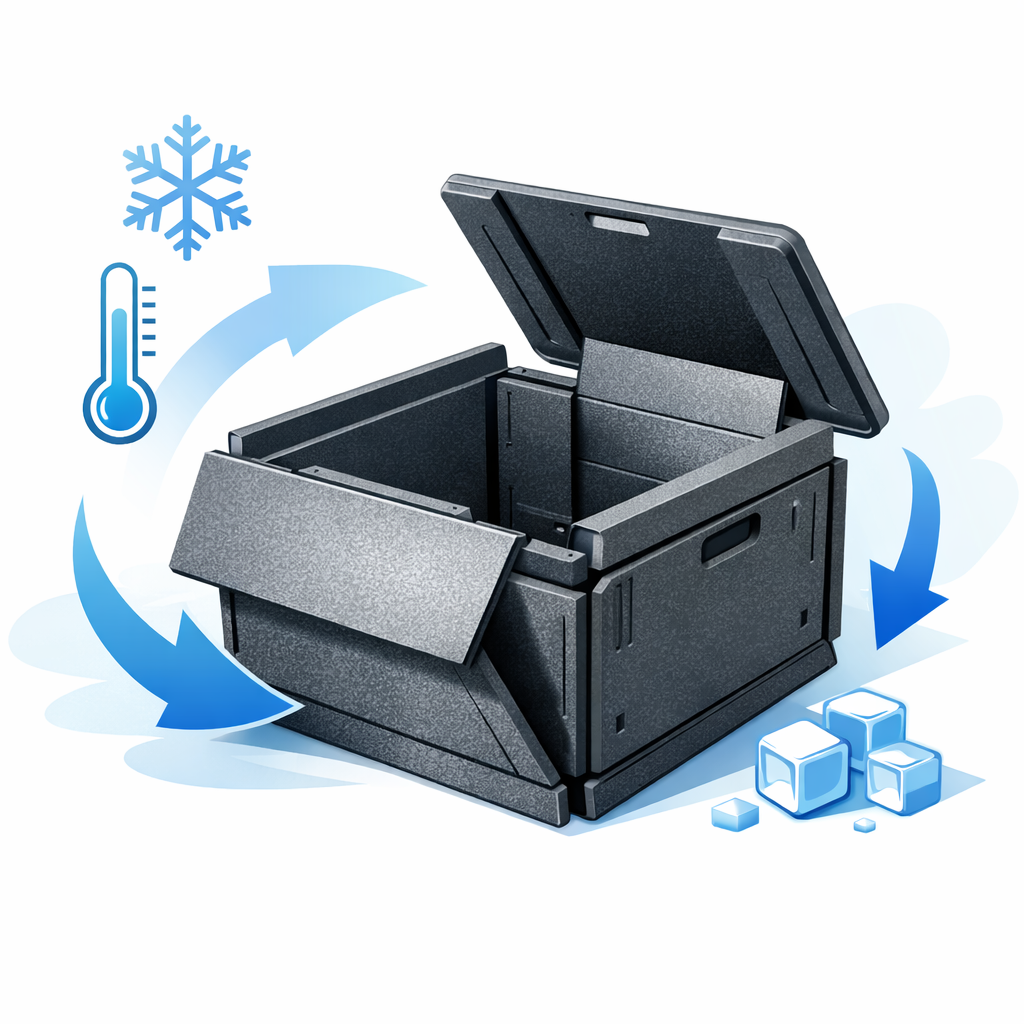
heat-insulating EPP insulation box wholesale: A Cleaner Procurement Framework
heat-insulating EPP insulation box wholesale should be treated as a procurement specification, not a product label. A good EPP solution protects the payload, fits the route, supports repeatable packing, and gives your quality or operations team enough evidence to approve the choice.
Start with the job the box must perform
Before comparing suppliers, write down the job of the EPP insulation box. Is it mainly cushioning a precision payload, supporting a passive cold-chain packout, separating food items, reducing return-loop waste, or standardizing wholesale packaging? The answer changes almost every technical choice that follows.
A box that is excellent for one job can be wrong for another. A thick, large container may protect well but consume too much storage space. A compact box may be easy to carry but lose usable volume after dividers. A collapsible box may save return volume but create joints that need inspection. A food-grade claim may be irrelevant if the food is sealed, or critical if surfaces touch food directly.
The cleanest procurement framework is job first, specification second, supplier third, price fourth. This order keeps the discussion practical and prevents a low-price quote from hiding missing technical details.
Define the non-negotiables
Non-negotiables are the conditions that must be true for the EPP insulation box to be acceptable. They may include payload fit, lid closure, route duration, cleaning method, sample match, documentation, export carton strength, divider layout, or compatibility with coolant and monitoring. Do not make every preference a non-negotiable. Too many strict requirements can push the project toward unnecessary cost.
For pharmaceutical use, non-negotiables may include labelled storage conditions, packout evidence, logger placement, and receiving inspection. For aerospace use, they may include drawing control, part identification, ESD coordination, and revision approval. For food use, they may include cleaning, odor control, direct-contact declarations, and route handling. For wholesale use, repeatability and defect handling may be more important than unusual customization.
Once non-negotiables are clear, supplier quotes become easier to compare. You are no longer asking who can sell an EPP insulation box; you are asking who can support your operating conditions with an appropriate design and honest evidence.
| Procurement factor | What it affects | How to verify |
|---|---|---|
| Order volume | Changes unit cost, freight, storage, and buyer commitment. | Pilot before scaling and confirm bulk packing plan. |
| Box size | Can influence price, lead time, and operational fit. | Turn it into a written supplier confirmation. |
| Density | Changes strength, weight, cost, and sometimes thermal behavior. | Ask why this density or wall design fits the payload and route. |
| Lid and seal design | Can influence price, lead time, and operational fit. | Turn it into a written supplier confirmation. |
| Cartonization | Can influence price, lead time, and operational fit. | Turn it into a written supplier confirmation. |
| Sample testing | Can influence price, lead time, and operational fit. | Turn it into a written supplier confirmation. |
This table helps prevent price from becoming the only comparison. A higher unit price may be justified by better fit, less repacking, clearer documentation, or more consistent production. A lower price may be acceptable when the route is simple and the evidence requirement is modest.
Ask for evidence, not promises
Supplier promises are easy to write. Evidence is more useful. For heat-insulating EPP insulation box wholesale, evidence can be simple or formal depending on risk: drawings, sample photos, dimensions, material notes, inspection records, cleaning guidance, carton packing details, or test summaries. The level of evidence should match the value and sensitivity of the payload.
If a claim involves temperature, ask for the conditions behind it. If a claim involves impact resistance, ask what handling risk or test method it refers to. If a claim involves ISO, confirm whether it is a management-system certificate and whether the manufacturing site is covered. If a claim involves food grade, ask what surface, resin, declaration, or market requirement is being discussed.
A good supplier will not turn every answer into a guarantee. They will tell you what has been tested, what must be verified by the buyer, and what depends on route or product conditions. That boundary protects both sides.
Build the sample-to-production bridge
Many packaging programs fail between sample approval and bulk delivery. The sample is handled carefully, photographed well, and approved quickly. Later, the production batch arrives with slightly different lid fit, surface finish, divider behavior, or packing cartons. The solution is a bridge: define what makes the sample approved and what cannot change without review.
For an EPP insulation box, sample approval should cover dimensions, usable payload space, material feel, lid closure, divider layout, labels, color, packing method, and any evidence connected to thermal or impact claims. If the box is intended for a documented route, keep the approved sample or a clear record of it for comparison.
For repeat orders, ask whether the supplier uses the same mold and production conditions. If substitutes are possible, they should be disclosed before production. Quiet substitutions may be invisible in a quote but visible in a route failure.
When the EPP box is not the whole answer
EPP gives the buyer a strong platform, but some problems need other controls. Temperature-sensitive products may require gel packs, PCM, dry ice handling, data loggers, preconditioning, and route qualification. Electronic components may require ESD packaging. Food programs may require liners, cleaning procedures, and food-contact documentation. Aerospace or pharmaceutical teams may require supplier quality records and change control.
This is not a weakness of EPP. It is a reminder to avoid confusing the container with the full system. The EPP insulation box can make the system easier to use, more robust, and more repeatable, but only when the missing controls are named and assigned.
The most practical procurement documents include a short limitations section. State what the box does, what it does not do, and which conditions must be verified separately. That makes internal approval easier and reduces misunderstandings with suppliers.
Practical ordering workflow
First, define the payload and route. Second, choose a size range and decide whether dividers, liners, coolant, labels, or handles are necessary. Third, request samples with the same features planned for production. Fourth, pack real payloads and document observations. Fifth, agree on production specifications and change-control rules. Sixth, place a bulk order only after the sample bridge is clear.
For export projects, add carton packing and shipping protection to the workflow. EPP boxes are lightweight, but that does not mean they cannot be crushed or deformed in transit before they ever reach your warehouse. A bulk order should arrive ready for use, not ready for sorting and repair.
For quality-sensitive products, add receiving inspection. Check whether boxes match the approved sample, whether lids close correctly, whether dividers fit, whether labels are correct, and whether any damage occurred during shipping. Simple checks at receiving prevent larger problems downstream.
A buyer scenario
For example, a procurement team may need an EPP insulation box for last-mile delivery. The sample should be packed with the intended payload, coolant or dividers if used, and the same closure method planned for routine shipments. That simple sample discipline often reveals whether the box is too small, too heavy, difficult to clean, or too dependent on careful handling.
FAQ
What is the first question to ask about heat-insulating EPP insulation box wholesale?
Ask what job the EPP insulation box must perform in your route. Payload protection, temperature moderation, return efficiency, food hygiene, and documentation all lead to different specifications. Once the job is clear, dimensions and supplier comparisons become more useful.
How do I keep suppliers from overpromising?
Ask for conditions behind every performance claim. Request drawings, sample details, test summaries, certificate scope, and written limits. A credible supplier can explain what is proven, what is assumed, and what must be verified under your own route or product conditions.
Should price be compared before samples?
Initial price screening is normal, but final comparison should happen after sample review. A cheap sample that does not fit the payload or cleaning process is not a low-cost solution. Use samples to reveal real operating costs before scaling.
Can Tempk help with custom or bulk discussions?
Tempk can discuss practical EPP insulated box options, custom packaging requirements, and related cold-chain materials. The most useful discussion starts with route, payload, temperature expectation, handling conditions, and whether the box will be reused or exported in bulk.
Controls that keep the purchase practical
The final procurement check should connect the EPP insulation box to the problem it was selected to solve. If that problem cannot be stated in one clear sentence, the quote may be moving faster than the specification.
Use non-negotiables sparingly. Payload fit, lid closure, cleaning access, documentation, and route evidence may be essential; cosmetic preferences or unnecessary customization should not be allowed to distort the cost or lead time.
A supplier should be able to explain what is proven, what is assumed, and what still needs buyer confirmation. That distinction is more useful than a confident promise that covers every route and product category.
Keep sample-to-production control visible. The approved sample should define the features that cannot change without review: dimensions, material approach, divider layout, closure fit, labels, color coding, and carton packing.
Prepare a simple receiving inspection for the first bulk shipment. Check that the production boxes match the approved sample before they enter daily circulation, when corrections are still easier to manage.
For staff training, use physical instructions rather than long documents. Show where payloads go, how the lid should close, where labels belong, how damage is identified, and when a box should be removed from service.
If several teams will use the box, assign ownership for updates. Without a named owner, cleaning changes, route changes, replacement parts, and supplier revisions can drift without anyone noticing until a shipment problem appears.
For general cold-chain projects, do not let the phrase insulated box hide the need for a packout plan. If the shipment has a temperature target, define coolant, preconditioning, loading sequence, route exposure, and receiving checks before deciding that the container is adequate.
For wholesale projects, standardization can be more valuable than unusual customization. A small family of repeatable, easy-to-identify box sizes often supports operations better than many special versions that are hard to store, replace, or reorder.
For larger or collapsible formats, evaluate the empty box workflow. Storage, folding, palletizing, return transport, replacement panels, and staff assembly time can change the total cost more than a small difference in unit price.
Turn this supplier question into a written approval point: What does “heat-insulating” mean in the supplier’s test conditions? The answer should be specific enough that purchasing, quality, and operations can all interpret it the same way after the order is placed.
Turn this supplier question into a written approval point: Does the box need coolant, PCM, or only passive moderation? The answer should be specific enough that purchasing, quality, and operations can all interpret it the same way after the order is placed.
Turn this supplier question into a written approval point: Will the same design be available for repeat orders? The answer should be specific enough that purchasing, quality, and operations can all interpret it the same way after the order is placed.
Turn this supplier question into a written approval point: Can wholesale cartons protect the boxes during shipping? The answer should be specific enough that purchasing, quality, and operations can all interpret it the same way after the order is placed.
Conclusion
The strongest heat-insulating EPP insulation box wholesale specification begins with use conditions, not with a generic product photo. Define what the box must protect, how it will be packed, how it will be handled, and what evidence your team needs before approval.
Once those conditions are clear, the supplier discussion becomes more productive: dimensions, density, dividers, lids, cleaning, carton protection, documentation, and price can be compared against the same operating reality.
About Tempk
Tempk provides cold-chain packaging solutions that include EPP insulated boxes, cold shipping boxes, gel packs, insulated liners, thermal bags, and related materials. For EPP insulation box sourcing, Tempk can help turn a broad requirement into a practical shortlist based on payload, route, temperature expectation, customization, and bulk purchasing needs. The best next step is to share the conditions of use so the packaging discussion starts with evidence and fit.
Send Tempk your route, payload, temperature expectation, and customization needs to build a practical heat-insulating EPP insulation box wholesale shortlist.
food-grade EPP cooler box supplier: Procurement Guide
food-grade EPP cooler box supplier: A Cleaner Procurement Framework
food-grade EPP cooler box supplier should be treated as a procurement specification, not a product label. A good EPP solution protects the payload, fits the route, supports repeatable packing, and gives your quality or operations team enough evidence to approve the choice.
Start with the job the box must perform
Before comparing suppliers, write down the job of the EPP cooler box. Is it mainly cushioning a precision payload, supporting a passive cold-chain packout, separating food items, reducing return-loop waste, or standardizing wholesale packaging? The answer changes almost every technical choice that follows.
A box that is excellent for one job can be wrong for another. A thick, large container may protect well but consume too much storage space. A compact box may be easy to carry but lose usable volume after dividers. A collapsible box may save return volume but create joints that need inspection. A food-grade claim may be irrelevant if the food is sealed, or critical if surfaces touch food directly.
The cleanest procurement framework is job first, specification second, supplier third, price fourth. This order keeps the discussion practical and prevents a low-price quote from hiding missing technical details.
Define the non-negotiables
Non-negotiables are the conditions that must be true for the EPP cooler box to be acceptable. They may include payload fit, lid closure, route duration, cleaning method, sample match, documentation, export carton strength, divider layout, or compatibility with coolant and monitoring. Do not make every preference a non-negotiable. Too many strict requirements can push the project toward unnecessary cost.
For pharmaceutical use, non-negotiables may include labelled storage conditions, packout evidence, logger placement, and receiving inspection. For aerospace use, they may include drawing control, part identification, ESD coordination, and revision approval. For food use, they may include cleaning, odor control, direct-contact declarations, and route handling. For wholesale use, repeatability and defect handling may be more important than unusual customization.
Once non-negotiables are clear, supplier quotes become easier to compare. You are no longer asking who can sell an EPP cooler box; you are asking who can support your operating conditions with an appropriate design and honest evidence.
| Procurement factor | What it affects | How to verify |
|---|---|---|
| Declarations and documentation | Affects quality approval, supplier comparison, and repeat-order confidence. | Check scope, records, and whether evidence relates to this box. |
| Cleanable design | Can influence price, lead time, and operational fit. | Turn it into a written supplier confirmation. |
| Divider needs | Improves fit or organization but can add tooling, cleaning, or replacement complexity. | Confirm sample approval and replacement options. |
| Custom color | Improves fit or organization but can add tooling, cleaning, or replacement complexity. | Confirm sample approval and replacement options. |
| Logo or label area | Can influence price, lead time, and operational fit. | Turn it into a written supplier confirmation. |
| Order volume | Changes unit cost, freight, storage, and buyer commitment. | Pilot before scaling and confirm bulk packing plan. |
This table helps prevent price from becoming the only comparison. A higher unit price may be justified by better fit, less repacking, clearer documentation, or more consistent production. A lower price may be acceptable when the route is simple and the evidence requirement is modest.
Ask for evidence, not promises
Supplier promises are easy to write. Evidence is more useful. For food-grade EPP cooler box supplier, evidence can be simple or formal depending on risk: drawings, sample photos, dimensions, material notes, inspection records, cleaning guidance, carton packing details, or test summaries. The level of evidence should match the value and sensitivity of the payload.
If a claim involves temperature, ask for the conditions behind it. If a claim involves impact resistance, ask what handling risk or test method it refers to. If a claim involves ISO, confirm whether it is a management-system certificate and whether the manufacturing site is covered. If a claim involves food grade, ask what surface, resin, declaration, or market requirement is being discussed.
A good supplier will not turn every answer into a guarantee. They will tell you what has been tested, what must be verified by the buyer, and what depends on route or product conditions. That boundary protects both sides.
Build the sample-to-production bridge
Many packaging programs fail between sample approval and bulk delivery. The sample is handled carefully, photographed well, and approved quickly. Later, the production batch arrives with slightly different lid fit, surface finish, divider behavior, or packing cartons. The solution is a bridge: define what makes the sample approved and what cannot change without review.
For an EPP cooler box, sample approval should cover dimensions, usable payload space, material feel, lid closure, divider layout, labels, color, packing method, and any evidence connected to thermal or impact claims. If the box is intended for a documented route, keep the approved sample or a clear record of it for comparison.
For repeat orders, ask whether the supplier uses the same mold and production conditions. If substitutes are possible, they should be disclosed before production. Quiet substitutions may be invisible in a quote but visible in a route failure.
When the EPP box is not the whole answer
EPP gives the buyer a strong platform, but some problems need other controls. Temperature-sensitive products may require gel packs, PCM, dry ice handling, data loggers, preconditioning, and route qualification. Electronic components may require ESD packaging. Food programs may require liners, cleaning procedures, and food-contact documentation. Aerospace or pharmaceutical teams may require supplier quality records and change control.
This is not a weakness of EPP. It is a reminder to avoid confusing the container with the full system. The EPP cooler box can make the system easier to use, more robust, and more repeatable, but only when the missing controls are named and assigned.
The most practical procurement documents include a short limitations section. State what the box does, what it does not do, and which conditions must be verified separately. That makes internal approval easier and reduces misunderstandings with suppliers.
Practical ordering workflow
First, define the payload and route. Second, choose a size range and decide whether dividers, liners, coolant, labels, or handles are necessary. Third, request samples with the same features planned for production. Fourth, pack real payloads and document observations. Fifth, agree on production specifications and change-control rules. Sixth, place a bulk order only after the sample bridge is clear.
For export projects, add carton packing and shipping protection to the workflow. EPP boxes are lightweight, but that does not mean they cannot be crushed or deformed in transit before they ever reach your warehouse. A bulk order should arrive ready for use, not ready for sorting and repair.
For quality-sensitive products, add receiving inspection. Check whether boxes match the approved sample, whether lids close correctly, whether dividers fit, whether labels are correct, and whether any damage occurred during shipping. Simple checks at receiving prevent larger problems downstream.
A buyer scenario
For example, a meal-kit team may need an EPP cooler box for chilled delivery routes with repeated returns. The useful questions are not only how cold the box can feel, but whether the compartments match the food packs, whether condensation can be cleaned, whether drivers can close the lid quickly, and whether the box can return without odor or trapped residue.
FAQ
What is the first question to ask about food-grade EPP cooler box supplier?
Ask what job the EPP cooler box must perform in your route. Payload protection, temperature moderation, return efficiency, food hygiene, and documentation all lead to different specifications. Once the job is clear, dimensions and supplier comparisons become more useful.
How do I keep suppliers from overpromising?
Ask for conditions behind every performance claim. Request drawings, sample details, test summaries, certificate scope, and written limits. A credible supplier can explain what is proven, what is assumed, and what must be verified under your own route or product conditions.
Should price be compared before samples?
Initial price screening is normal, but final comparison should happen after sample review. A cheap sample that does not fit the payload or cleaning process is not a low-cost solution. Use samples to reveal real operating costs before scaling.
Can Tempk help with custom or bulk discussions?
Tempk can discuss practical EPP insulated box options, custom packaging requirements, and related cold-chain materials. The most useful discussion starts with route, payload, temperature expectation, handling conditions, and whether the box will be reused or exported in bulk.
Controls that keep the purchase practical
The final procurement check should connect the EPP cooler box to the problem it was selected to solve. If that problem cannot be stated in one clear sentence, the quote may be moving faster than the specification.
Use non-negotiables sparingly. Payload fit, lid closure, cleaning access, documentation, and route evidence may be essential; cosmetic preferences or unnecessary customization should not be allowed to distort the cost or lead time.
A supplier should be able to explain what is proven, what is assumed, and what still needs buyer confirmation. That distinction is more useful than a confident promise that covers every route and product category.
Keep sample-to-production control visible. The approved sample should define the features that cannot change without review: dimensions, material approach, divider layout, closure fit, labels, color coding, and carton packing.
Prepare a simple receiving inspection for the first bulk shipment. Check that the production boxes match the approved sample before they enter daily circulation, when corrections are still easier to manage.
For staff training, use physical instructions rather than long documents. Show where payloads go, how the lid should close, where labels belong, how damage is identified, and when a box should be removed from service.
If several teams will use the box, assign ownership for updates. Without a named owner, cleaning changes, route changes, replacement parts, and supplier revisions can drift without anyone noticing until a shipment problem appears.
For food operations, clarify whether the box contacts food directly or only packaged food. That distinction affects material declarations, liner choice, cleaning chemicals, inspection steps, and how confidently the term food-grade can be used in a purchasing document.
Odor and moisture checks are especially practical for food routes. A sample should be loaded, transported, cleaned, dried, and stored as it would be in daily work. The decision should include what the box is like after use, not only how it looks when new.
Divider and compartment designs should be reviewed with cleaning in mind. Narrow slots, deep corners, and removable parts can organize products well, but they also create inspection points. A divider that cannot be cleaned or replaced may become the weak link in an otherwise good box.
Turn this supplier question into a written approval point: Is the EPP surface in direct contact with food or only with packaged food? The answer should be specific enough that purchasing, quality, and operations can all interpret it the same way after the order is placed.
Turn this supplier question into a written approval point: What food-contact or material declarations are available? The answer should be specific enough that purchasing, quality, and operations can all interpret it the same way after the order is placed.
Turn this supplier question into a written approval point: Can the box be cleaned without trapping water or odor? The answer should be specific enough that purchasing, quality, and operations can all interpret it the same way after the order is placed.
Conclusion
The strongest food-grade EPP cooler box supplier specification begins with use conditions, not with a generic product photo. Define what the box must protect, how it will be packed, how it will be handled, and what evidence your team needs before approval.
Once those conditions are clear, the supplier discussion becomes more productive: dimensions, density, dividers, lids, cleaning, carton protection, documentation, and price can be compared against the same operating reality.
About Tempk
Tempk provides cold-chain packaging solutions that include EPP insulated boxes, cold shipping boxes, gel packs, insulated liners, thermal bags, and related materials. For EPP cooler box sourcing, Tempk can help turn a broad requirement into a practical shortlist based on payload, route, temperature expectation, customization, and bulk purchasing needs. The best next step is to share the conditions of use so the packaging discussion starts with evidence and fit.
Send Tempk your route, payload, temperature expectation, and customization needs to build a practical food-grade EPP cooler box supplier shortlist.
expanded polypropylene box ISO certified: Procurement Guide

expanded polypropylene box ISO certified: A Cleaner Procurement Framework
expanded polypropylene box ISO certified should be treated as a procurement specification, not a product label. A good EPP solution protects the payload, fits the route, supports repeatable packing, and gives your quality or operations team enough evidence to approve the choice.
Start with the job the box must perform
Before comparing suppliers, write down the job of the EPP box. Is it mainly cushioning a precision payload, supporting a passive cold-chain packout, separating food items, reducing return-loop waste, or standardizing wholesale packaging? The answer changes almost every technical choice that follows.
A box that is excellent for one job can be wrong for another. A thick, large container may protect well but consume too much storage space. A compact box may be easy to carry but lose usable volume after dividers. A collapsible box may save return volume but create joints that need inspection. A food-grade claim may be irrelevant if the food is sealed, or critical if surfaces touch food directly.
The cleanest procurement framework is job first, specification second, supplier third, price fourth. This order keeps the discussion practical and prevents a low-price quote from hiding missing technical details.
Define the non-negotiables
Non-negotiables are the conditions that must be true for the EPP box to be acceptable. They may include payload fit, lid closure, route duration, cleaning method, sample match, documentation, export carton strength, divider layout, or compatibility with coolant and monitoring. Do not make every preference a non-negotiable. Too many strict requirements can push the project toward unnecessary cost.
For pharmaceutical use, non-negotiables may include labelled storage conditions, packout evidence, logger placement, and receiving inspection. For aerospace use, they may include drawing control, part identification, ESD coordination, and revision approval. For food use, they may include cleaning, odor control, direct-contact declarations, and route handling. For wholesale use, repeatability and defect handling may be more important than unusual customization.
Once non-negotiables are clear, supplier quotes become easier to compare. You are no longer asking who can sell an EPP box; you are asking who can support your operating conditions with an appropriate design and honest evidence.
| Procurement factor | What it affects | How to verify |
|---|---|---|
| Certificate maintenance | Affects quality approval, supplier comparison, and repeat-order confidence. | Check scope, records, and whether evidence relates to this box. |
| Inspection control | Affects quality approval, supplier comparison, and repeat-order confidence. | Check scope, records, and whether evidence relates to this box. |
| Documentation support | Affects quality approval, supplier comparison, and repeat-order confidence. | Check scope, records, and whether evidence relates to this box. |
| Test evidence | Can influence price, lead time, and operational fit. | Turn it into a written supplier confirmation. |
| Sample approval | Can influence price, lead time, and operational fit. | Turn it into a written supplier confirmation. |
| Production traceability | Can influence price, lead time, and operational fit. | Turn it into a written supplier confirmation. |
This table helps prevent price from becoming the only comparison. A higher unit price may be justified by better fit, less repacking, clearer documentation, or more consistent production. A lower price may be acceptable when the route is simple and the evidence requirement is modest.
Ask for evidence, not promises
Supplier promises are easy to write. Evidence is more useful. For expanded polypropylene box ISO certified, evidence can be simple or formal depending on risk: drawings, sample photos, dimensions, material notes, inspection records, cleaning guidance, carton packing details, or test summaries. The level of evidence should match the value and sensitivity of the payload.
If a claim involves temperature, ask for the conditions behind it. If a claim involves impact resistance, ask what handling risk or test method it refers to. If a claim involves ISO, confirm whether it is a management-system certificate and whether the manufacturing site is covered. If a claim involves food grade, ask what surface, resin, declaration, or market requirement is being discussed.
A good supplier will not turn every answer into a guarantee. They will tell you what has been tested, what must be verified by the buyer, and what depends on route or product conditions. That boundary protects both sides.
Build the sample-to-production bridge
Many packaging programs fail between sample approval and bulk delivery. The sample is handled carefully, photographed well, and approved quickly. Later, the production batch arrives with slightly different lid fit, surface finish, divider behavior, or packing cartons. The solution is a bridge: define what makes the sample approved and what cannot change without review.
For an EPP box, sample approval should cover dimensions, usable payload space, material feel, lid closure, divider layout, labels, color, packing method, and any evidence connected to thermal or impact claims. If the box is intended for a documented route, keep the approved sample or a clear record of it for comparison.
For repeat orders, ask whether the supplier uses the same mold and production conditions. If substitutes are possible, they should be disclosed before production. Quiet substitutions may be invisible in a quote but visible in a route failure.
When the EPP box is not the whole answer
EPP gives the buyer a strong platform, but some problems need other controls. Temperature-sensitive products may require gel packs, PCM, dry ice handling, data loggers, preconditioning, and route qualification. Electronic components may require ESD packaging. Food programs may require liners, cleaning procedures, and food-contact documentation. Aerospace or pharmaceutical teams may require supplier quality records and change control.
This is not a weakness of EPP. It is a reminder to avoid confusing the container with the full system. The EPP box can make the system easier to use, more robust, and more repeatable, but only when the missing controls are named and assigned.
The most practical procurement documents include a short limitations section. State what the box does, what it does not do, and which conditions must be verified separately. That makes internal approval easier and reduces misunderstandings with suppliers.
Practical ordering workflow
First, define the payload and route. Second, choose a size range and decide whether dividers, liners, coolant, labels, or handles are necessary. Third, request samples with the same features planned for production. Fourth, pack real payloads and document observations. Fifth, agree on production specifications and change-control rules. Sixth, place a bulk order only after the sample bridge is clear.
For export projects, add carton packing and shipping protection to the workflow. EPP boxes are lightweight, but that does not mean they cannot be crushed or deformed in transit before they ever reach your warehouse. A bulk order should arrive ready for use, not ready for sorting and repair.
For quality-sensitive products, add receiving inspection. Check whether boxes match the approved sample, whether lids close correctly, whether dividers fit, whether labels are correct, and whether any damage occurred during shipping. Simple checks at receiving prevent larger problems downstream.
A buyer scenario
For example, a procurement team may need an EPP box for pharmaceutical route projects. The sample should be packed with the intended payload, coolant or dividers if used, and the same closure method planned for routine shipments. That simple sample discipline often reveals whether the box is too small, too heavy, difficult to clean, or too dependent on careful handling.
FAQ
What is the first question to ask about expanded polypropylene box ISO certified?
Ask what job the EPP box must perform in your route. Payload protection, temperature moderation, return efficiency, food hygiene, and documentation all lead to different specifications. Once the job is clear, dimensions and supplier comparisons become more useful.
How do I keep suppliers from overpromising?
Ask for conditions behind every performance claim. Request drawings, sample details, test summaries, certificate scope, and written limits. A credible supplier can explain what is proven, what is assumed, and what must be verified under your own route or product conditions.
Should price be compared before samples?
Initial price screening is normal, but final comparison should happen after sample review. A cheap sample that does not fit the payload or cleaning process is not a low-cost solution. Use samples to reveal real operating costs before scaling.
Can Tempk help with custom or bulk discussions?
Tempk can discuss practical EPP insulated box options, custom packaging requirements, and related cold-chain materials. The most useful discussion starts with route, payload, temperature expectation, handling conditions, and whether the box will be reused or exported in bulk.
Controls that keep the purchase practical
The final procurement check should connect the EPP box to the problem it was selected to solve. If that problem cannot be stated in one clear sentence, the quote may be moving faster than the specification.
Use non-negotiables sparingly. Payload fit, lid closure, cleaning access, documentation, and route evidence may be essential; cosmetic preferences or unnecessary customization should not be allowed to distort the cost or lead time.
A supplier should be able to explain what is proven, what is assumed, and what still needs buyer confirmation. That distinction is more useful than a confident promise that covers every route and product category.
Keep sample-to-production control visible. The approved sample should define the features that cannot change without review: dimensions, material approach, divider layout, closure fit, labels, color coding, and carton packing.
Prepare a simple receiving inspection for the first bulk shipment. Check that the production boxes match the approved sample before they enter daily circulation, when corrections are still easier to manage.
For staff training, use physical instructions rather than long documents. Show where payloads go, how the lid should close, where labels belong, how damage is identified, and when a box should be removed from service.
If several teams will use the box, assign ownership for updates. Without a named owner, cleaning changes, route changes, replacement parts, and supplier revisions can drift without anyone noticing until a shipment problem appears.
For ISO-related purchasing, keep certificate review separate from product review. Certificate scope, issuing body, and site coverage can support supplier qualification, but the box still needs its own dimensional, material, thermal, impact, food-contact, or route evidence where those claims matter.
Ask the supplier to explain how their quality system affects this exact product. Useful answers include drawing control, inspection records, lot identification, complaint handling, nonconforming product control, and how approved samples are protected from silent production changes.
Turn this supplier question into a written approval point: Which ISO standard is claimed and what is the certificate scope? The answer should be specific enough that purchasing, quality, and operations can all interpret it the same way after the order is placed.
Turn this supplier question into a written approval point: Does the certificate cover the manufacturing site that will make the box? The answer should be specific enough that purchasing, quality, and operations can all interpret it the same way after the order is placed.
Turn this supplier question into a written approval point: Does product performance evidence exist separately from QMS certification? The answer should be specific enough that purchasing, quality, and operations can all interpret it the same way after the order is placed.
Turn this supplier question into a written approval point: How are samples, lots, and revisions controlled? The answer should be specific enough that purchasing, quality, and operations can all interpret it the same way after the order is placed.
Turn this supplier question into a written approval point: Can the supplier explain the difference between certification and qualification? The answer should be specific enough that purchasing, quality, and operations can all interpret it the same way after the order is placed.
Conclusion
The strongest expanded polypropylene box ISO certified specification begins with use conditions, not with a generic product photo. Define what the box must protect, how it will be packed, how it will be handled, and what evidence your team needs before approval.
Once those conditions are clear, the supplier discussion becomes more productive: dimensions, density, dividers, lids, cleaning, carton protection, documentation, and price can be compared against the same operating reality.
About Tempk
Tempk provides cold-chain packaging solutions that include EPP insulated boxes, cold shipping boxes, gel packs, insulated liners, thermal bags, and related materials. For EPP box sourcing, Tempk can help turn a broad requirement into a practical shortlist based on payload, route, temperature expectation, customization, and bulk purchasing needs. The best next step is to share the conditions of use so the packaging discussion starts with evidence and fit.
Send Tempk your route, payload, temperature expectation, and customization needs to build a practical expanded polypropylene box ISO certified shortlist.
EPP container supplier for aerospace: Procurement Guide
EPP container supplier for aerospace: A Cleaner Procurement Framework
EPP container supplier for aerospace should be treated as a procurement specification, not a product label. A good EPP solution protects the payload, fits the route, supports repeatable packing, and gives your quality or operations team enough evidence to approve the choice.
Start with the job the box must perform
Before comparing suppliers, write down the job of the EPP container. Is it mainly cushioning a precision payload, supporting a passive cold-chain packout, separating food items, reducing return-loop waste, or standardizing wholesale packaging? The answer changes almost every technical choice that follows.
A box that is excellent for one job can be wrong for another. A thick, large container may protect well but consume too much storage space. A compact box may be easy to carry but lose usable volume after dividers. A collapsible box may save return volume but create joints that need inspection. A food-grade claim may be irrelevant if the food is sealed, or critical if surfaces touch food directly.
The cleanest procurement framework is job first, specification second, supplier third, price fourth. This order keeps the discussion practical and prevents a low-price quote from hiding missing technical details.
Define the non-negotiables
Non-negotiables are the conditions that must be true for the EPP container to be acceptable. They may include payload fit, lid closure, route duration, cleaning method, sample match, documentation, export carton strength, divider layout, or compatibility with coolant and monitoring. Do not make every preference a non-negotiable. Too many strict requirements can push the project toward unnecessary cost.
For pharmaceutical use, non-negotiables may include labelled storage conditions, packout evidence, logger placement, and receiving inspection. For aerospace use, they may include drawing control, part identification, ESD coordination, and revision approval. For food use, they may include cleaning, odor control, direct-contact declarations, and route handling. For wholesale use, repeatability and defect handling may be more important than unusual customization.
Once non-negotiables are clear, supplier quotes become easier to compare. You are no longer asking who can sell an EPP container; you are asking who can support your operating conditions with an appropriate design and honest evidence.
| Procurement factor | What it affects | How to verify |
|---|---|---|
| Technical support | Can influence price, lead time, and operational fit. | Turn it into a written supplier confirmation. |
| Sample iterations | Can influence price, lead time, and operational fit. | Turn it into a written supplier confirmation. |
| Customization | Improves fit or organization but can add tooling, cleaning, or replacement complexity. | Confirm sample approval and replacement options. |
| Inspection level | Affects quality approval, supplier comparison, and repeat-order confidence. | Check scope, records, and whether evidence relates to this box. |
| Export packing | Can influence price, lead time, and operational fit. | Turn it into a written supplier confirmation. |
| Ongoing change control | Can influence price, lead time, and operational fit. | Turn it into a written supplier confirmation. |
This table helps prevent price from becoming the only comparison. A higher unit price may be justified by better fit, less repacking, clearer documentation, or more consistent production. A lower price may be acceptable when the route is simple and the evidence requirement is modest.
Ask for evidence, not promises
Supplier promises are easy to write. Evidence is more useful. For EPP container supplier for aerospace, evidence can be simple or formal depending on risk: drawings, sample photos, dimensions, material notes, inspection records, cleaning guidance, carton packing details, or test summaries. The level of evidence should match the value and sensitivity of the payload.
If a claim involves temperature, ask for the conditions behind it. If a claim involves impact resistance, ask what handling risk or test method it refers to. If a claim involves ISO, confirm whether it is a management-system certificate and whether the manufacturing site is covered. If a claim involves food grade, ask what surface, resin, declaration, or market requirement is being discussed.
A good supplier will not turn every answer into a guarantee. They will tell you what has been tested, what must be verified by the buyer, and what depends on route or product conditions. That boundary protects both sides.
Build the sample-to-production bridge
Many packaging programs fail between sample approval and bulk delivery. The sample is handled carefully, photographed well, and approved quickly. Later, the production batch arrives with slightly different lid fit, surface finish, divider behavior, or packing cartons. The solution is a bridge: define what makes the sample approved and what cannot change without review.
For an EPP container, sample approval should cover dimensions, usable payload space, material feel, lid closure, divider layout, labels, color, packing method, and any evidence connected to thermal or impact claims. If the box is intended for a documented route, keep the approved sample or a clear record of it for comparison.
For repeat orders, ask whether the supplier uses the same mold and production conditions. If substitutes are possible, they should be disclosed before production. Quiet substitutions may be invisible in a quote but visible in a route failure.
When the EPP box is not the whole answer
EPP gives the buyer a strong platform, but some problems need other controls. Temperature-sensitive products may require gel packs, PCM, dry ice handling, data loggers, preconditioning, and route qualification. Electronic components may require ESD packaging. Food programs may require liners, cleaning procedures, and food-contact documentation. Aerospace or pharmaceutical teams may require supplier quality records and change control.
This is not a weakness of EPP. It is a reminder to avoid confusing the container with the full system. The EPP container can make the system easier to use, more robust, and more repeatable, but only when the missing controls are named and assigned.
The most practical procurement documents include a short limitations section. State what the box does, what it does not do, and which conditions must be verified separately. That makes internal approval easier and reduces misunderstandings with suppliers.
Practical ordering workflow
First, define the payload and route. Second, choose a size range and decide whether dividers, liners, coolant, labels, or handles are necessary. Third, request samples with the same features planned for production. Fourth, pack real payloads and document observations. Fifth, agree on production specifications and change-control rules. Sixth, place a bulk order only after the sample bridge is clear.
For export projects, add carton packing and shipping protection to the workflow. EPP boxes are lightweight, but that does not mean they cannot be crushed or deformed in transit before they ever reach your warehouse. A bulk order should arrive ready for use, not ready for sorting and repair.
For quality-sensitive products, add receiving inspection. Check whether boxes match the approved sample, whether lids close correctly, whether dividers fit, whether labels are correct, and whether any damage occurred during shipping. Simple checks at receiving prevent larger problems downstream.
A buyer scenario
For example, an aerospace buyer may need an EPP container for avionics modules. The container can help cushion and organize parts, but it should be specified together with component wrapping, ESD controls when needed, part identification, carton protection, and a record of approved drawings. The useful sample is the one packed as it will be used, not the one photographed empty.
FAQ
What is the first question to ask about EPP container supplier for aerospace?
Ask what job the EPP container must perform in your route. Payload protection, temperature moderation, return efficiency, food hygiene, and documentation all lead to different specifications. Once the job is clear, dimensions and supplier comparisons become more useful.
How do I keep suppliers from overpromising?
Ask for conditions behind every performance claim. Request drawings, sample details, test summaries, certificate scope, and written limits. A credible supplier can explain what is proven, what is assumed, and what must be verified under your own route or product conditions.
Should price be compared before samples?
Initial price screening is normal, but final comparison should happen after sample review. A cheap sample that does not fit the payload or cleaning process is not a low-cost solution. Use samples to reveal real operating costs before scaling.
Can Tempk help with custom or bulk discussions?
Tempk can discuss practical EPP insulated box options, custom packaging requirements, and related cold-chain materials. The most useful discussion starts with route, payload, temperature expectation, handling conditions, and whether the box will be reused or exported in bulk.
Controls that keep the purchase practical
The final procurement check should connect the EPP container to the problem it was selected to solve. If that problem cannot be stated in one clear sentence, the quote may be moving faster than the specification.
Use non-negotiables sparingly. Payload fit, lid closure, cleaning access, documentation, and route evidence may be essential; cosmetic preferences or unnecessary customization should not be allowed to distort the cost or lead time.
A supplier should be able to explain what is proven, what is assumed, and what still needs buyer confirmation. That distinction is more useful than a confident promise that covers every route and product category.
Keep sample-to-production control visible. The approved sample should define the features that cannot change without review: dimensions, material approach, divider layout, closure fit, labels, color coding, and carton packing.
Prepare a simple receiving inspection for the first bulk shipment. Check that the production boxes match the approved sample before they enter daily circulation, when corrections are still easier to manage.
For staff training, use physical instructions rather than long documents. Show where payloads go, how the lid should close, where labels belong, how damage is identified, and when a box should be removed from service.
If several teams will use the box, assign ownership for updates. Without a named owner, cleaning changes, route changes, replacement parts, and supplier revisions can drift without anyone noticing until a shipment problem appears.
For aerospace-related use, coordinate the EPP box with part protection requirements rather than treating it as the only package. ESD controls, desiccant, barrier bags, part identification, nonconformance rules, or customer-specific packaging instructions may still be required outside the EPP container.
Aerospace buyers should also ask how supplier revisions are approved. If a rib, divider slot, closure detail, or material grade changes without review, the container may no longer match the engineering or quality assumptions used during sample approval.
When custom or supplier-led work is involved, ask who owns the technical answer. The sales contact, factory engineer, quality manager, and production team should all understand the approved requirement. Otherwise, project knowledge can disappear between sample, quote, and bulk production.
Turn this supplier question into a written approval point: Does the supplier ask about payload and route before quoting? The answer should be specific enough that purchasing, quality, and operations can all interpret it the same way after the order is placed.
Turn this supplier question into a written approval point: Can they explain where EPP is useful and where it is not enough? The answer should be specific enough that purchasing, quality, and operations can all interpret it the same way after the order is placed.
Turn this supplier question into a written approval point: How are custom inserts and dividers approved? The answer should be specific enough that purchasing, quality, and operations can all interpret it the same way after the order is placed.
Turn this supplier question into a written approval point: What quality checks are done before shipment? The answer should be specific enough that purchasing, quality, and operations can all interpret it the same way after the order is placed.
Conclusion
The strongest EPP container supplier for aerospace specification begins with use conditions, not with a generic product photo. Define what the box must protect, how it will be packed, how it will be handled, and what evidence your team needs before approval.
Once those conditions are clear, the supplier discussion becomes more productive: dimensions, density, dividers, lids, cleaning, carton protection, documentation, and price can be compared against the same operating reality.
About Tempk
Tempk provides cold-chain packaging solutions that include EPP insulated boxes, cold shipping boxes, gel packs, insulated liners, thermal bags, and related materials. For EPP container sourcing, Tempk can help turn a broad requirement into a practical shortlist based on payload, route, temperature expectation, customization, and bulk purchasing needs. The best next step is to share the conditions of use so the packaging discussion starts with evidence and fit.
Send Tempk your route, payload, temperature expectation, and customization needs to build a practical EPP container supplier for aerospace shortlist.