


lightweight EPP transport box: Practical Buyer Guide for 2026
lightweight EPP transport box: Practical Buyer Guide for 2026
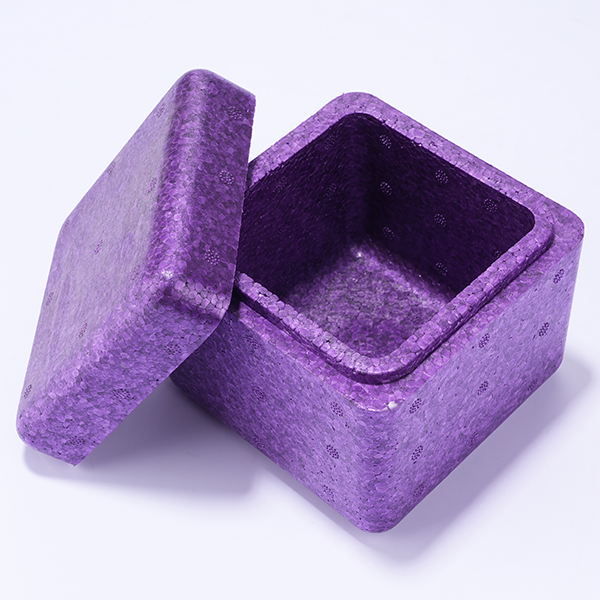
lightweight EPP transport box: How to Choose the Right Box Without Overclaiming Performance
A lightweight EPP transport box is worth considering when you need reusable insulation, impact protection, and practical handling in a temperature-sensitive workflow. It should not be treated as a magic answer to every cold-chain problem. The box, coolant, payload, closure, route exposure, and documentation process all work together. For a serious buyer, the goal is to define the operating conditions first, then ask whether the EPP box can support them with evidence, samples, and consistent production.
The practical answer: choose it when your shipment or delivery program benefits from reusable insulation, molded impact resistance, and easier manual handling. Do not choose it only because the product name sounds attractive. Confirm the payload, required temperature range, route duration, coolant plan, cleaning routine, and supplier support before placing a bulk order.
The decision frame: material, route, payload, and proof
A lightweight EPP transport box should be evaluated against the full working lane, not only against the moment of delivery. Before shipment, the box may be staged in a warehouse. During transport, it may sit in a van, truck, aircraft acceptance area, restaurant rack, or outdoor event space. After arrival, it may wait again before the payload is unpacked. Each waiting point matters.
If the shipment involves pharmaceuticals or other regulated products, the route review becomes even stricter. Product temperature limits must be confirmed, and quality teams may expect documented handling procedures, monitoring, and evidence that the chosen packaging system was reviewed for the intended use. For food and takeaway, the regulatory language may be different, but hygiene and product quality still depend on a disciplined process.
The safest buying habit is to write down the lane assumptions before asking for a quote. State the payload, desired use, handling frequency, approximate route profile, cleaning process, and whether the box is part of a temperature-controlled system. This gives the supplier a chance to recommend responsibly instead of guessing.
Where an EPP box helps and where it is not enough
EPP is attractive in transport packaging because it combines several traits that are difficult to balance in daily logistics. It is light enough for hand carry, tough enough for repeated handling, and insulating enough to support a passive packout. In a lightweight EPP transport box, those traits are most valuable when workers need to move goods often rather than treat the box as a single-use shipping shell.
The word insulated should be read carefully. Insulation slows heat movement; it does not automatically maintain a chosen temperature. If your goods are sensitive to heat or freezing, the lightweight EPP transport box should be paired with the correct refrigerant or PCM, a clear packing layout, and a receiving process that checks product condition. This is especially important for healthcare, seafood, dairy, prepared meals, or other high-risk loads.
Check handle design, lid fit, stack behavior, and sample consistency before deciding that a lightweight model is the best choice. This simple question separates a real packaging conversation from a surface-level sales pitch. A supplier that can discuss material limits and operating conditions is usually more useful than one that only repeats broad claims.
Verification points before ordering
| Buying decision | What to check | Why it affects the result |
|---|---|---|
| Route fit | Duration, waiting points, vehicle conditions, and handovers | Insulation performance is affected by how the box is handled in real movement. |
| Payload fit | Shape, weight, fragility, and space left after coolant | A box that is too large or too tight can create packing errors. |
| Closure and lid discipline | Lid seating, seal pressure, latch behavior, and user habit | Heat gain often happens through gaps, repeated opening, or poor closure. |
| Reuse program | Cleaning, inspection, return storage, and damage control | Reusable value depends on operational discipline, not only material recyclability. |
| Supplier evidence | Samples, datasheets, test basis, and production consistency | Evidence helps prevent unsupported performance or quality claims. |
A lightweight EPP transport box is a practical container, but the decision should be made as a system decision. The table helps separate visible features from the checks that actually affect field performance. It also gives procurement, operations, and quality teams a common language for reviewing samples.
Using the box inside a real packout
The packout is the real working arrangement inside the lightweight EPP transport box. It includes product placement, coolant or ice pack position, dividers, liners, documents, empty space, and the order in which workers close the lid. Two buyers can use the same box and get different results if one packout is disciplined and the other is improvised.
Coolant contact is a common example. Some goods should not sit directly against frozen packs; others need closer thermal buffering. Perishable foods, restaurant takeaway, outdoor drinks, medical materials, and laboratory samples all behave differently. That is why the supplier should know whether the goal is chilled holding, frozen support, simple heat protection, or general insulated handling.
The safest approach is to document a simple packing procedure during sample testing. Mark where the payload goes, how the coolant is conditioned, how much free space is acceptable, when the box is closed, and how it is checked at receiving. A lightweight EPP transport box becomes more reliable when the people using it do not have to guess.
Procurement notes for sample-to-production control
Procurement should not treat a lightweight EPP transport box as a simple commodity until the workflow is defined. The same box can be a good choice for one buyer and a poor fit for another because payload shape, route length, return process, cleaning, storage, and quality expectations vary.
A useful request for quotation includes more than a target price. It includes expected use, internal and external dimensions if known, payload type, carrying method, desired customization, order quantity range, sampling expectations, and whether the box will be paired with gel packs, ice bricks, PCM, dry ice, or another cold source. If those details are unknown, state the uncertainty and ask for options.
The best supplier response will usually be specific rather than dramatic. Look for explanations of trade-offs: lighter versus stronger, larger capacity versus temperature margin, handle comfort versus stackability, premium appearance versus cost, and reusable design versus cleaning workload. Trade-off language is a sign that the supplier understands operations.
Risk notes buyers should not skip
Several mistakes appear again and again when buyers evaluate a lightweight EPP transport box. Most are not technical failures at first; they are assumption failures. The box is expected to solve problems that should have been defined earlier by route planning, packout review, or supplier qualification.
- Do not assume that the phrase lightweight EPP transport box proves the box is qualified for your exact shipment. Qualification depends on application, route, packout, and evidence.
- Do not compare price without comparing usable volume. Coolant, documents, dividers, and payload protection can turn a large-looking box into a tight packout.
- Do not ignore closure behavior. Poor lid seating, repeated opening, or dirty sealing surfaces can reduce the practical value of insulation.
- Do not approve a custom design from drawings alone. Handles, lids, corners, and fold lines should be checked with loaded samples where possible.
- Do not let sustainability claims replace operational planning. Reuse, cleaning, return logistics, and end-of-life sorting determine whether the greener idea works in practice.
Typical scenario: correcting the specification before bulk purchase
Imagine a buyer preparing to use a lightweight EPP transport box for food delivery, grocery routes, lab moves, internal warehouse transfer, and controlled distribution lanes. The first sample looks strong, and the empty box is easy to carry. During a trial, the team discovers that once coolant and dividers are added, the actual payload space is smaller than expected. A second issue appears during cleaning: food residue or label adhesive collects around a handle recess. The box is not a bad product, but the first specification missed the working details. The buyer updates the packout, asks the supplier to confirm handle and surface options, and records a simple receiving checklist before placing a larger order. This kind of trial is more useful than relying on a headline claim because it shows how the box behaves inside the buyer’s real process.
The lesson is not that every buyer will face the same issue. The lesson is that a reusable insulated container should be approved through a working trial, not only by appearance, price, or a broad material claim. When the trial captures real handling, the specification becomes more useful for both the buyer and the supplier.
Operational details that usually decide long-term value
Long-term value depends on the rhythm of use. A lightweight EPP transport box may perform well during a controlled trial but struggle when workers are rushed, vehicles are crowded, or returned boxes are stacked without inspection. Define who owns the box after delivery, where it is stored, who cleans it, who checks damage, and how missing lids or broken handles are recorded. These ordinary controls often decide whether reusable packaging becomes an asset or a source of confusion.
Labeling deserves more attention than many buyers give it. Boxes used in food, medical, or delivery programs may need product identifiers, route codes, return instructions, cleaning status marks, or customer-facing branding. Labels should be readable without blocking closure surfaces or creating residue that makes cleaning harder. If the box is customized, plan the label area together with the handle and stacking design rather than adding it at the end.
Storage is another hidden cost. Rigid boxes need room; collapsible, foldable, or nestable systems need confirmation that the space-saving feature does not weaken the working structure. For a bulk order, warehouse teams should be part of the review. They can tell you whether the boxes are easy to count, stack, pick, return, and separate when damaged.
FAQ
Is a lightweight EPP transport box enough for temperature-controlled shipping?
Not by itself. A lightweight EPP transport box can provide insulation and impact protection, but temperature-controlled shipping also depends on the product requirement, coolant or PCM, packout layout, route exposure, handling time, and monitoring or documentation where required. Treat the box as one component in a system, especially for pharmaceuticals, seafood, dairy, or other sensitive goods.
What is the most important specification to compare?
There is no single specification that decides the purchase. Usable payload space, closure reliability, carrying comfort, stackability, cleaning fit, and packout compatibility often matter more than a single headline dimension. If the box will support cold-chain work, ask how it is used with coolant and how performance is verified for the intended lane.
How should I test a sample before approval?
Load it with the real payload or a close substitute, add the expected coolant if needed, close the lid as workers would, carry it, stack it, clean it, and inspect it after use. The goal is to see whether the box fits the workflow, not only whether it looks correct when empty.
Is EPP recyclable and reusable?
EPP is widely described as recyclable and is often used in reusable molded packaging. The practical sustainability result still depends on your return loop, cleaning process, damage rate, local recycling route, and retirement plan. Buyers should verify how used boxes will be collected, sorted, and handled at end of life.
When should I avoid this type of box?
Avoid it when your team cannot define the route, product requirement, cleaning routine, or payload fit. Also avoid treating a box as qualified cold-chain packaging without packout evidence. If the shipment is high-value, regulated, or highly temperature-sensitive, involve quality, logistics, and packaging teams before approval.
Conclusion
The right lightweight EPP transport box is chosen by matching material advantages to operating reality. EPP can support low weight, reusable handling, insulation, and impact protection, but those advantages only become useful when the box fits the route, payload, coolant plan, cleaning process, and supplier controls. Before buying, define the use case, test a sample, verify any performance claim, and make sure the approved design can be repeated in production.
foldable EPP box for bulk buying: Practical Buyer Guide for 2026

foldable EPP box for bulk buying: How to Choose the Right Box Without Overclaiming Performance
A foldable EPP box for bulk buying is worth considering when you need reusable insulation, impact protection, and practical handling in a temperature-sensitive workflow. It should not be treated as a magic answer to every cold-chain problem. The box, coolant, payload, closure, route exposure, and documentation process all work together. For a serious buyer, the goal is to define the operating conditions first, then ask whether the EPP box can support them with evidence, samples, and consistent production.
The practical answer: choose it when your shipment or delivery program benefits from reusable insulation, molded impact resistance, and easier manual handling. Do not choose it only because the product name sounds attractive. Confirm the payload, required temperature range, route duration, coolant plan, cleaning routine, and supplier support before placing a bulk order.
The decision frame: material, route, payload, and proof
A foldable EPP box for bulk buying should be evaluated against the full working lane, not only against the moment of delivery. Before shipment, the box may be staged in a warehouse. During transport, it may sit in a van, truck, aircraft acceptance area, restaurant rack, or outdoor event space. After arrival, it may wait again before the payload is unpacked. Each waiting point matters.
If the shipment involves pharmaceuticals or other regulated products, the route review becomes even stricter. Product temperature limits must be confirmed, and quality teams may expect documented handling procedures, monitoring, and evidence that the chosen packaging system was reviewed for the intended use. For food and takeaway, the regulatory language may be different, but hygiene and product quality still depend on a disciplined process.
The safest buying habit is to write down the lane assumptions before asking for a quote. State the payload, desired use, handling frequency, approximate route profile, cleaning process, and whether the box is part of a temperature-controlled system. This gives the supplier a chance to recommend responsibly instead of guessing.
Where an EPP box helps and where it is not enough
EPP is attractive in transport packaging because it combines several traits that are difficult to balance in daily logistics. It is light enough for hand carry, tough enough for repeated handling, and insulating enough to support a passive packout. In a foldable EPP box for bulk buying, those traits are most valuable when workers need to move goods often rather than treat the box as a single-use shipping shell.
The word insulated should be read carefully. Insulation slows heat movement; it does not automatically maintain a chosen temperature. If your goods are sensitive to heat or freezing, the foldable EPP box for bulk buying should be paired with the correct refrigerant or PCM, a clear packing layout, and a receiving process that checks product condition. This is especially important for healthcare, seafood, dairy, prepared meals, or other high-risk loads.
Ask whether the folded structure changes lid pressure, cleaning access, wall strength, and coolant placement. This simple question separates a real packaging conversation from a surface-level sales pitch. A supplier that can discuss material limits and operating conditions is usually more useful than one that only repeats broad claims.
Verification points before ordering
| Buying decision | What to check | Why it affects the result |
|---|---|---|
| Route fit | Duration, waiting points, vehicle conditions, and handovers | Insulation performance is affected by how the box is handled in real movement. |
| Payload fit | Shape, weight, fragility, and space left after coolant | A box that is too large or too tight can create packing errors. |
| Closure and lid discipline | Lid seating, seal pressure, latch behavior, and user habit | Heat gain often happens through gaps, repeated opening, or poor closure. |
| Reuse program | Cleaning, inspection, return storage, and damage control | Reusable value depends on operational discipline, not only material recyclability. |
| Supplier evidence | Samples, datasheets, test basis, and production consistency | Evidence helps prevent unsupported performance or quality claims. |
A foldable EPP box for bulk buying is a practical container, but the decision should be made as a system decision. The table helps separate visible features from the checks that actually affect field performance. It also gives procurement, operations, and quality teams a common language for reviewing samples.
Using the box inside a real packout
The packout is the real working arrangement inside the foldable EPP box for bulk buying. It includes product placement, coolant or ice pack position, dividers, liners, documents, empty space, and the order in which workers close the lid. Two buyers can use the same box and get different results if one packout is disciplined and the other is improvised.
Coolant contact is a common example. Some goods should not sit directly against frozen packs; others need closer thermal buffering. Perishable foods, restaurant takeaway, outdoor drinks, medical materials, and laboratory samples all behave differently. That is why the supplier should know whether the goal is chilled holding, frozen support, simple heat protection, or general insulated handling.
The safest approach is to document a simple packing procedure during sample testing. Mark where the payload goes, how the coolant is conditioned, how much free space is acceptable, when the box is closed, and how it is checked at receiving. A foldable EPP box for bulk buying becomes more reliable when the people using it do not have to guess.
Procurement notes for sample-to-production control
Wholesale and bulk sourcing changes the risk profile. With one sample, a buyer can tolerate a slow review. With a recurring order, every small mismatch becomes expensive: lids that do not seat smoothly, dimensions that vary, surfaces that are harder to clean than expected, handles that interfere with stacking, or cartons that allow damage before the boxes even enter service.
Before ordering in volume, ask the supplier how the sample is approved, how production changes are controlled, and how finished goods are inspected. If customization is involved, separate tooling decisions from branding decisions. A logo change is different from changing a handle, lid, wall shape, or folding joint. Structural changes can affect packing behavior and should be reviewed with more care.
Ask whether the folded structure changes lid pressure, cleaning access, wall strength, and coolant placement. A serious procurement file should include not only the quote and photo, but also the agreed dimensions, material description, packaging method, sample notes, expected use case, and the person responsible for approving changes.
Risk notes buyers should not skip
Several mistakes appear again and again when buyers evaluate a foldable EPP box for bulk buying. Most are not technical failures at first; they are assumption failures. The box is expected to solve problems that should have been defined earlier by route planning, packout review, or supplier qualification.
- Do not assume that the phrase foldable EPP box for bulk buying proves the box is qualified for your exact shipment. Qualification depends on application, route, packout, and evidence.
- Do not compare price without comparing usable volume. Coolant, documents, dividers, and payload protection can turn a large-looking box into a tight packout.
- Do not ignore closure behavior. Poor lid seating, repeated opening, or dirty sealing surfaces can reduce the practical value of insulation.
- Do not approve a custom design from drawings alone. Handles, lids, corners, and fold lines should be checked with loaded samples where possible.
- Do not let sustainability claims replace operational planning. Reuse, cleaning, return logistics, and end-of-life sorting determine whether the greener idea works in practice.
Typical scenario: correcting the specification before bulk purchase
Imagine a buyer preparing to use a foldable EPP box for bulk buying for meal delivery programs, grocery routes, food service distribution, and shared returnable box systems. The first sample looks strong, and the empty box is easy to carry. During a trial, the team discovers that once coolant and dividers are added, the actual payload space is smaller than expected. A second issue appears during cleaning: food residue or label adhesive collects around a handle recess. The box is not a bad product, but the first specification missed the working details. The buyer updates the packout, asks the supplier to confirm handle and surface options, and records a simple receiving checklist before placing a larger order. This kind of trial is more useful than relying on a headline claim because it shows how the box behaves inside the buyer’s real process.
The lesson is not that every buyer will face the same issue. The lesson is that a reusable insulated container should be approved through a working trial, not only by appearance, price, or a broad material claim. When the trial captures real handling, the specification becomes more useful for both the buyer and the supplier.
Operational details that usually decide long-term value
Long-term value depends on the rhythm of use. A foldable EPP box for bulk buying may perform well during a controlled trial but struggle when workers are rushed, vehicles are crowded, or returned boxes are stacked without inspection. Define who owns the box after delivery, where it is stored, who cleans it, who checks damage, and how missing lids or broken handles are recorded. These ordinary controls often decide whether reusable packaging becomes an asset or a source of confusion.
Labeling deserves more attention than many buyers give it. Boxes used in food, medical, or delivery programs may need product identifiers, route codes, return instructions, cleaning status marks, or customer-facing branding. Labels should be readable without blocking closure surfaces or creating residue that makes cleaning harder. If the box is customized, plan the label area together with the handle and stacking design rather than adding it at the end.
Storage is another hidden cost. Rigid boxes need room; collapsible, foldable, or nestable systems need confirmation that the space-saving feature does not weaken the working structure. For a bulk order, warehouse teams should be part of the review. They can tell you whether the boxes are easy to count, stack, pick, return, and separate when damaged.
FAQ
Is a foldable EPP box for bulk buying enough for temperature-controlled shipping?
Not by itself. A foldable EPP box for bulk buying can provide insulation and impact protection, but temperature-controlled shipping also depends on the product requirement, coolant or PCM, packout layout, route exposure, handling time, and monitoring or documentation where required. Treat the box as one component in a system, especially for pharmaceuticals, seafood, dairy, or other sensitive goods.
What should I ask before a wholesale or bulk order?
Ask for usable dimensions, material explanation, sample approval steps, production consistency controls, packaging method for bulk delivery, customization limits, and how design changes are communicated. Also ask whether any performance claim is linked to a specific test profile, payload, coolant layout, and ambient condition rather than a general marketing statement.
How should I test a sample before approval?
Load it with the real payload or a close substitute, add the expected coolant if needed, close the lid as workers would, carry it, stack it, clean it, and inspect it after use. The goal is to see whether the box fits the workflow, not only whether it looks correct when empty.
Is EPP recyclable and reusable?
EPP is widely described as recyclable and is often used in reusable molded packaging. The practical sustainability result still depends on your return loop, cleaning process, damage rate, local recycling route, and retirement plan. Buyers should verify how used boxes will be collected, sorted, and handled at end of life.
When should I avoid this type of box?
Avoid it when your team cannot define the route, product requirement, cleaning routine, or payload fit. Also avoid treating a box as qualified cold-chain packaging without packout evidence. If the shipment is high-value, regulated, or highly temperature-sensitive, involve quality, logistics, and packaging teams before approval.
Conclusion
The right foldable EPP box for bulk buying is chosen by matching material advantages to operating reality. EPP can support low weight, reusable handling, insulation, and impact protection, but those advantages only become useful when the box fits the route, payload, coolant plan, cleaning process, and supplier controls. Before buying, define the use case, test a sample, verify any performance claim, and make sure the approved design can be repeated in production.
wholesale EPP foam box: Practical Buyer Guide for 2026

wholesale EPP foam box: How to Choose the Right Box Without Overclaiming Performance
A wholesale EPP foam box is worth considering when you need reusable insulation, impact protection, and practical handling in a temperature-sensitive workflow. It should not be treated as a magic answer to every cold-chain problem. The box, coolant, payload, closure, route exposure, and documentation process all work together. For a serious buyer, the goal is to define the operating conditions first, then ask whether the EPP box can support them with evidence, samples, and consistent production.
The practical answer: choose it when your shipment or delivery program benefits from reusable insulation, molded impact resistance, and easier manual handling. Do not choose it only because the product name sounds attractive. Confirm the payload, required temperature range, route duration, coolant plan, cleaning routine, and supplier support before placing a bulk order.
The decision frame: material, route, payload, and proof
A wholesale EPP foam box should be evaluated against the full working lane, not only against the moment of delivery. Before shipment, the box may be staged in a warehouse. During transport, it may sit in a van, truck, aircraft acceptance area, restaurant rack, or outdoor event space. After arrival, it may wait again before the payload is unpacked. Each waiting point matters.
If the shipment involves pharmaceuticals or other regulated products, the route review becomes even stricter. Product temperature limits must be confirmed, and quality teams may expect documented handling procedures, monitoring, and evidence that the chosen packaging system was reviewed for the intended use. For food and takeaway, the regulatory language may be different, but hygiene and product quality still depend on a disciplined process.
The safest buying habit is to write down the lane assumptions before asking for a quote. State the payload, desired use, handling frequency, approximate route profile, cleaning process, and whether the box is part of a temperature-controlled system. This gives the supplier a chance to recommend responsibly instead of guessing.
Where an EPP box helps and where it is not enough
EPP is attractive in transport packaging because it combines several traits that are difficult to balance in daily logistics. It is light enough for hand carry, tough enough for repeated handling, and insulating enough to support a passive packout. In a wholesale EPP foam box, those traits are most valuable when workers need to move goods often rather than treat the box as a single-use shipping shell.
The word insulated should be read carefully. Insulation slows heat movement; it does not automatically maintain a chosen temperature. If your goods are sensitive to heat or freezing, the wholesale EPP foam box should be paired with the correct refrigerant or PCM, a clear packing layout, and a receiving process that checks product condition. This is especially important for healthcare, seafood, dairy, prepared meals, or other high-risk loads.
Confirm material grade, tooling status, sample approval, cartons for outbound shipping, labeling, and change-control communication. This simple question separates a real packaging conversation from a surface-level sales pitch. A supplier that can discuss material limits and operating conditions is usually more useful than one that only repeats broad claims.
Verification points before ordering
| Buying decision | What to check | Why it affects the result |
|---|---|---|
| Route fit | Duration, waiting points, vehicle conditions, and handovers | Insulation performance is affected by how the box is handled in real movement. |
| Payload fit | Shape, weight, fragility, and space left after coolant | A box that is too large or too tight can create packing errors. |
| Closure and lid discipline | Lid seating, seal pressure, latch behavior, and user habit | Heat gain often happens through gaps, repeated opening, or poor closure. |
| Reuse program | Cleaning, inspection, return storage, and damage control | Reusable value depends on operational discipline, not only material recyclability. |
| Supplier evidence | Samples, datasheets, test basis, and production consistency | Evidence helps prevent unsupported performance or quality claims. |
A wholesale EPP foam box is a practical container, but the decision should be made as a system decision. The table helps separate visible features from the checks that actually affect field performance. It also gives procurement, operations, and quality teams a common language for reviewing samples.
Using the box inside a real packout
For pharmaceutical shipping, treat the wholesale EPP foam box as one component of a passive temperature-controlled packaging system. Many refrigerated healthcare products are planned around defined temperature ranges such as 2°C to 8°C, but the exact requirement must come from the product owner, label, quality team, or approved shipping procedure. Some products require different conditions, and some are sensitive to freezing as well as warming.
Air cargo shipments booked as time and temperature sensitive healthcare cargo may require specific labeling and documentation practices. The important buying point is not to memorize every rule from a packaging article. It is to confirm which rules apply to your route, product category, carrier, and destination market, then choose packaging that can support those requirements.
A responsible supplier should avoid saying that an EPP box is compliant for every medicine. The better answer is to discuss packout, coolant, monitoring, qualification evidence, and how your team will retrieve and review temperature records after delivery. In pharma, the record of how the shipment was handled can be as important as the container itself.
Procurement notes for sample-to-production control
Wholesale and bulk sourcing changes the risk profile. With one sample, a buyer can tolerate a slow review. With a recurring order, every small mismatch becomes expensive: lids that do not seat smoothly, dimensions that vary, surfaces that are harder to clean than expected, handles that interfere with stacking, or cartons that allow damage before the boxes even enter service.
Before ordering in volume, ask the supplier how the sample is approved, how production changes are controlled, and how finished goods are inspected. If customization is involved, separate tooling decisions from branding decisions. A logo change is different from changing a handle, lid, wall shape, or folding joint. Structural changes can affect packing behavior and should be reviewed with more care.
Confirm material grade, tooling status, sample approval, cartons for outbound shipping, labeling, and change-control communication. A serious procurement file should include not only the quote and photo, but also the agreed dimensions, material description, packaging method, sample notes, expected use case, and the person responsible for approving changes.
Risk notes buyers should not skip
Several mistakes appear again and again when buyers evaluate a wholesale EPP foam box. Most are not technical failures at first; they are assumption failures. The box is expected to solve problems that should have been defined earlier by route planning, packout review, or supplier qualification.
- Do not assume that the phrase wholesale EPP foam box proves the box is qualified for your exact shipment. Qualification depends on application, route, packout, and evidence.
- Do not compare price without comparing usable volume. Coolant, documents, dividers, and payload protection can turn a large-looking box into a tight packout.
- Do not ignore closure behavior. Poor lid seating, repeated opening, or dirty sealing surfaces can reduce the practical value of insulation.
- Do not approve a custom design from drawings alone. Handles, lids, corners, and fold lines should be checked with loaded samples where possible.
- Do not let sustainability claims replace operational planning. Reuse, cleaning, return logistics, and end-of-life sorting determine whether the greener idea works in practice.
Typical scenario: correcting the specification before bulk purchase
Imagine a buyer preparing to use a wholesale EPP foam box for cold-chain delivery, food service, grocery, medical sample movement, and branded transport programs. The first sample looks strong, and the empty box is easy to carry. During a trial, the team discovers that once coolant and dividers are added, the actual payload space is smaller than expected. A second issue appears during cleaning: food residue or label adhesive collects around a handle recess. The box is not a bad product, but the first specification missed the working details. The buyer updates the packout, asks the supplier to confirm handle and surface options, and records a simple receiving checklist before placing a larger order. This kind of trial is more useful than relying on a headline claim because it shows how the box behaves inside the buyer’s real process.
The lesson is not that every buyer will face the same issue. The lesson is that a reusable insulated container should be approved through a working trial, not only by appearance, price, or a broad material claim. When the trial captures real handling, the specification becomes more useful for both the buyer and the supplier.
Operational details that usually decide long-term value
Long-term value depends on the rhythm of use. A wholesale EPP foam box may perform well during a controlled trial but struggle when workers are rushed, vehicles are crowded, or returned boxes are stacked without inspection. Define who owns the box after delivery, where it is stored, who cleans it, who checks damage, and how missing lids or broken handles are recorded. These ordinary controls often decide whether reusable packaging becomes an asset or a source of confusion.
Labeling deserves more attention than many buyers give it. Boxes used in food, medical, or delivery programs may need product identifiers, route codes, return instructions, cleaning status marks, or customer-facing branding. Labels should be readable without blocking closure surfaces or creating residue that makes cleaning harder. If the box is customized, plan the label area together with the handle and stacking design rather than adding it at the end.
Storage is another hidden cost. Rigid boxes need room; collapsible, foldable, or nestable systems need confirmation that the space-saving feature does not weaken the working structure. For a bulk order, warehouse teams should be part of the review. They can tell you whether the boxes are easy to count, stack, pick, return, and separate when damaged.
FAQ
Is a wholesale EPP foam box enough for temperature-controlled shipping?
Not by itself. A wholesale EPP foam box can provide insulation and impact protection, but temperature-controlled shipping also depends on the product requirement, coolant or PCM, packout layout, route exposure, handling time, and monitoring or documentation where required. Treat the box as one component in a system, especially for pharmaceuticals, seafood, dairy, or other sensitive goods.
What should I ask before a wholesale or bulk order?
Ask for usable dimensions, material explanation, sample approval steps, production consistency controls, packaging method for bulk delivery, customization limits, and how design changes are communicated. Also ask whether any performance claim is linked to a specific test profile, payload, coolant layout, and ambient condition rather than a general marketing statement.
How should I test a sample before approval?
Load it with the real payload or a close substitute, add the expected coolant if needed, close the lid as workers would, carry it, stack it, clean it, and inspect it after use. The goal is to see whether the box fits the workflow, not only whether it looks correct when empty.
Is EPP recyclable and reusable?
EPP is widely described as recyclable and is often used in reusable molded packaging. The practical sustainability result still depends on your return loop, cleaning process, damage rate, local recycling route, and retirement plan. Buyers should verify how used boxes will be collected, sorted, and handled at end of life.
When should I avoid this type of box?
Avoid it when your team cannot define the route, product requirement, cleaning routine, or payload fit. Also avoid treating a box as qualified cold-chain packaging without packout evidence. If the shipment is high-value, regulated, or highly temperature-sensitive, involve quality, logistics, and packaging teams before approval.
Conclusion
The right wholesale EPP foam box is chosen by matching material advantages to operating reality. EPP can support low weight, reusable handling, insulation, and impact protection, but those advantages only become useful when the box fits the route, payload, coolant plan, cleaning process, and supplier controls. Before buying, define the use case, test a sample, verify any performance claim, and make sure the approved design can be repeated in production.
small EPP foam box: Practical Buyer Guide for 2026

small EPP foam box: How to Choose the Right Box Without Overclaiming Performance
A small EPP foam box is worth considering when you need reusable insulation, impact protection, and practical handling in a temperature-sensitive workflow. It should not be treated as a magic answer to every cold-chain problem. The box, coolant, payload, closure, route exposure, and documentation process all work together. For a serious buyer, the goal is to define the operating conditions first, then ask whether the EPP box can support them with evidence, samples, and consistent production.
The practical answer: choose it when your shipment or delivery program benefits from reusable insulation, molded impact resistance, and easier manual handling. Do not choose it only because the product name sounds attractive. Confirm the payload, required temperature range, route duration, coolant plan, cleaning routine, and supplier support before placing a bulk order.
The decision frame: material, route, payload, and proof
A small EPP foam box should be evaluated against the full working lane, not only against the moment of delivery. Before shipment, the box may be staged in a warehouse. During transport, it may sit in a van, truck, aircraft acceptance area, restaurant rack, or outdoor event space. After arrival, it may wait again before the payload is unpacked. Each waiting point matters.
If the shipment involves pharmaceuticals or other regulated products, the route review becomes even stricter. Product temperature limits must be confirmed, and quality teams may expect documented handling procedures, monitoring, and evidence that the chosen packaging system was reviewed for the intended use. For food and takeaway, the regulatory language may be different, but hygiene and product quality still depend on a disciplined process.
The safest buying habit is to write down the lane assumptions before asking for a quote. State the payload, desired use, handling frequency, approximate route profile, cleaning process, and whether the box is part of a temperature-controlled system. This gives the supplier a chance to recommend responsibly instead of guessing.
Where an EPP box helps and where it is not enough
EPP is attractive in transport packaging because it combines several traits that are difficult to balance in daily logistics. It is light enough for hand carry, tough enough for repeated handling, and insulating enough to support a passive packout. In a small EPP foam box, those traits are most valuable when workers need to move goods often rather than treat the box as a single-use shipping shell.
The word insulated should be read carefully. Insulation slows heat movement; it does not automatically maintain a chosen temperature. If your goods are sensitive to heat or freezing, the small EPP foam box should be paired with the correct refrigerant or PCM, a clear packing layout, and a receiving process that checks product condition. This is especially important for healthcare, seafood, dairy, prepared meals, or other high-risk loads.
Verify payload shape, coolant placement, label area, closure security, and receiving inspection before ordering small formats. This simple question separates a real packaging conversation from a surface-level sales pitch. A supplier that can discuss material limits and operating conditions is usually more useful than one that only repeats broad claims.
Verification points before ordering
| Buying decision | What to check | Why it affects the result |
|---|---|---|
| Route fit | Duration, waiting points, vehicle conditions, and handovers | Insulation performance is affected by how the box is handled in real movement. |
| Payload fit | Shape, weight, fragility, and space left after coolant | A box that is too large or too tight can create packing errors. |
| Closure and lid discipline | Lid seating, seal pressure, latch behavior, and user habit | Heat gain often happens through gaps, repeated opening, or poor closure. |
| Reuse program | Cleaning, inspection, return storage, and damage control | Reusable value depends on operational discipline, not only material recyclability. |
| Supplier evidence | Samples, datasheets, test basis, and production consistency | Evidence helps prevent unsupported performance or quality claims. |
A small EPP foam box is a practical container, but the decision should be made as a system decision. The table helps separate visible features from the checks that actually affect field performance. It also gives procurement, operations, and quality teams a common language for reviewing samples.
Using the box inside a real packout
The packout is the real working arrangement inside the small EPP foam box. It includes product placement, coolant or ice pack position, dividers, liners, documents, empty space, and the order in which workers close the lid. Two buyers can use the same box and get different results if one packout is disciplined and the other is improvised.
Coolant contact is a common example. Some goods should not sit directly against frozen packs; others need closer thermal buffering. Perishable foods, restaurant takeaway, outdoor drinks, medical materials, and laboratory samples all behave differently. That is why the supplier should know whether the goal is chilled holding, frozen support, simple heat protection, or general insulated handling.
The safest approach is to document a simple packing procedure during sample testing. Mark where the payload goes, how the coolant is conditioned, how much free space is acceptable, when the box is closed, and how it is checked at receiving. A small EPP foam box becomes more reliable when the people using it do not have to guess.
Procurement notes for sample-to-production control
Procurement should not treat a small EPP foam box as a simple commodity until the workflow is defined. The same box can be a good choice for one buyer and a poor fit for another because payload shape, route length, return process, cleaning, storage, and quality expectations vary.
A useful request for quotation includes more than a target price. It includes expected use, internal and external dimensions if known, payload type, carrying method, desired customization, order quantity range, sampling expectations, and whether the box will be paired with gel packs, ice bricks, PCM, dry ice, or another cold source. If those details are unknown, state the uncertainty and ask for options.
The best supplier response will usually be specific rather than dramatic. Look for explanations of trade-offs: lighter versus stronger, larger capacity versus temperature margin, handle comfort versus stackability, premium appearance versus cost, and reusable design versus cleaning workload. Trade-off language is a sign that the supplier understands operations.
Risk notes buyers should not skip
Several mistakes appear again and again when buyers evaluate a small EPP foam box. Most are not technical failures at first; they are assumption failures. The box is expected to solve problems that should have been defined earlier by route planning, packout review, or supplier qualification.
- Do not assume that the phrase small EPP foam box proves the box is qualified for your exact shipment. Qualification depends on application, route, packout, and evidence.
- Do not compare price without comparing usable volume. Coolant, documents, dividers, and payload protection can turn a large-looking box into a tight packout.
- Do not ignore closure behavior. Poor lid seating, repeated opening, or dirty sealing surfaces can reduce the practical value of insulation.
- Do not approve a custom design from drawings alone. Handles, lids, corners, and fold lines should be checked with loaded samples where possible.
- Do not let sustainability claims replace operational planning. Reuse, cleaning, return logistics, and end-of-life sorting determine whether the greener idea works in practice.
Typical scenario: correcting the specification before bulk purchase
Imagine a buyer preparing to use a small EPP foam box for small food orders, lab samples, medicine hand-carried moves, diagnostic kits, and short-route chilled items. The first sample looks strong, and the empty box is easy to carry. During a trial, the team discovers that once coolant and dividers are added, the actual payload space is smaller than expected. A second issue appears during cleaning: food residue or label adhesive collects around a handle recess. The box is not a bad product, but the first specification missed the working details. The buyer updates the packout, asks the supplier to confirm handle and surface options, and records a simple receiving checklist before placing a larger order. This kind of trial is more useful than relying on a headline claim because it shows how the box behaves inside the buyer’s real process.
The lesson is not that every buyer will face the same issue. The lesson is that a reusable insulated container should be approved through a working trial, not only by appearance, price, or a broad material claim. When the trial captures real handling, the specification becomes more useful for both the buyer and the supplier.
Operational details that usually decide long-term value
Long-term value depends on the rhythm of use. A small EPP foam box may perform well during a controlled trial but struggle when workers are rushed, vehicles are crowded, or returned boxes are stacked without inspection. Define who owns the box after delivery, where it is stored, who cleans it, who checks damage, and how missing lids or broken handles are recorded. These ordinary controls often decide whether reusable packaging becomes an asset or a source of confusion.
Labeling deserves more attention than many buyers give it. Boxes used in food, medical, or delivery programs may need product identifiers, route codes, return instructions, cleaning status marks, or customer-facing branding. Labels should be readable without blocking closure surfaces or creating residue that makes cleaning harder. If the box is customized, plan the label area together with the handle and stacking design rather than adding it at the end.
Storage is another hidden cost. Rigid boxes need room; collapsible, foldable, or nestable systems need confirmation that the space-saving feature does not weaken the working structure. For a bulk order, warehouse teams should be part of the review. They can tell you whether the boxes are easy to count, stack, pick, return, and separate when damaged.
FAQ
Is a small EPP foam box enough for temperature-controlled shipping?
Not by itself. A small EPP foam box can provide insulation and impact protection, but temperature-controlled shipping also depends on the product requirement, coolant or PCM, packout layout, route exposure, handling time, and monitoring or documentation where required. Treat the box as one component in a system, especially for pharmaceuticals, seafood, dairy, or other sensitive goods.
What is the most important specification to compare?
There is no single specification that decides the purchase. Usable payload space, closure reliability, carrying comfort, stackability, cleaning fit, and packout compatibility often matter more than a single headline dimension. If the box will support cold-chain work, ask how it is used with coolant and how performance is verified for the intended lane.
How should I test a sample before approval?
Load it with the real payload or a close substitute, add the expected coolant if needed, close the lid as workers would, carry it, stack it, clean it, and inspect it after use. The goal is to see whether the box fits the workflow, not only whether it looks correct when empty.
Is EPP recyclable and reusable?
EPP is widely described as recyclable and is often used in reusable molded packaging. The practical sustainability result still depends on your return loop, cleaning process, damage rate, local recycling route, and retirement plan. Buyers should verify how used boxes will be collected, sorted, and handled at end of life.
When should I avoid this type of box?
Avoid it when your team cannot define the route, product requirement, cleaning routine, or payload fit. Also avoid treating a box as qualified cold-chain packaging without packout evidence. If the shipment is high-value, regulated, or highly temperature-sensitive, involve quality, logistics, and packaging teams before approval.
Conclusion
The right small EPP foam box is chosen by matching material advantages to operating reality. EPP can support low weight, reusable handling, insulation, and impact protection, but those advantages only become useful when the box fits the route, payload, coolant plan, cleaning process, and supplier controls. Before buying, define the use case, test a sample, verify any performance claim, and make sure the approved design can be repeated in production.
pharmaceutical EPP cooler box: Practical Buyer Guide for 2026
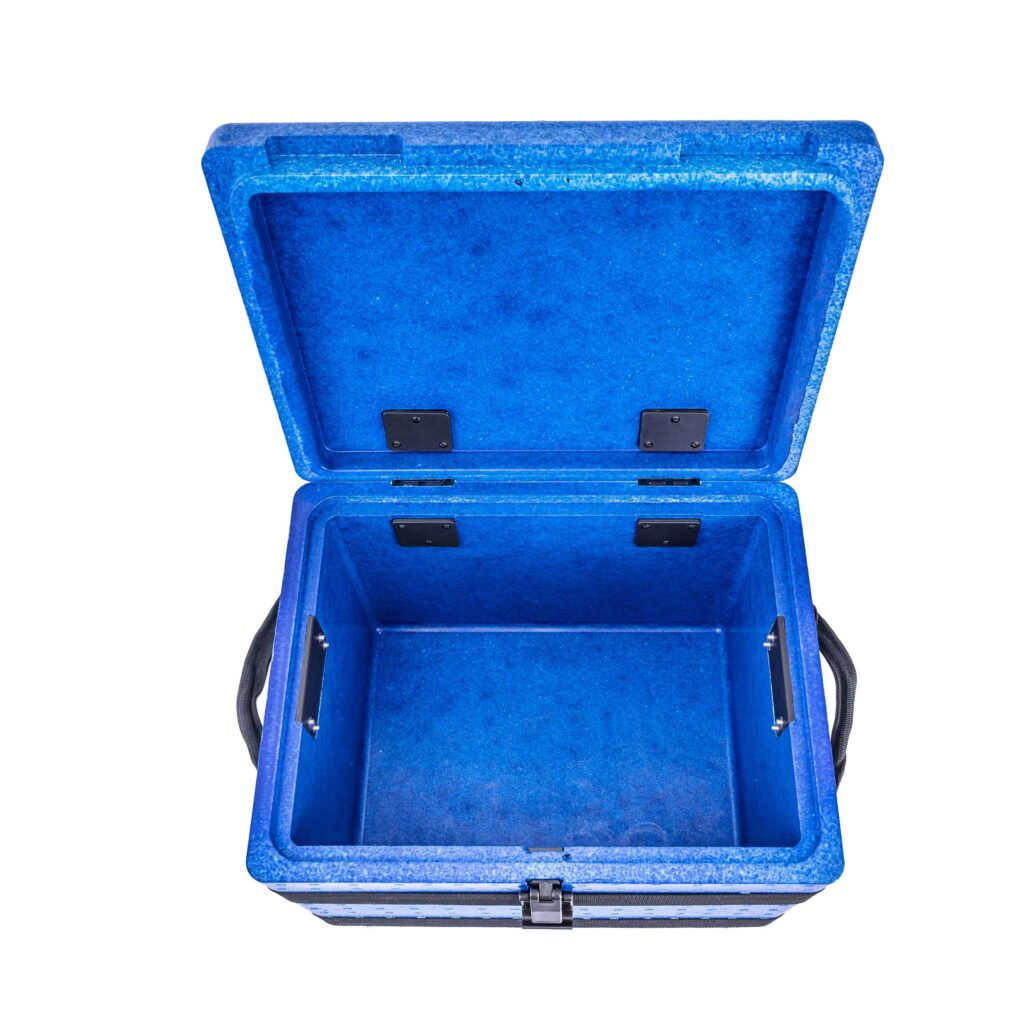
pharmaceutical EPP cooler box: How to Choose the Right Box Without Overclaiming Performance
A pharmaceutical EPP cooler box is worth considering when you need reusable insulation, impact protection, and practical handling in a temperature-sensitive workflow. It should not be treated as a magic answer to every cold-chain problem. The box, coolant, payload, closure, route exposure, and documentation process all work together. For a serious buyer, the goal is to define the operating conditions first, then ask whether the EPP box can support them with evidence, samples, and consistent production.
The practical answer: choose it when your shipment or delivery program benefits from reusable insulation, molded impact resistance, and easier manual handling. Do not choose it only because the product name sounds attractive. Confirm the payload, required temperature range, route duration, coolant plan, cleaning routine, and supplier support before placing a bulk order.
The decision frame: material, route, payload, and proof
A pharmaceutical EPP cooler box should be evaluated against the full working lane, not only against the moment of delivery. Before shipment, the box may be staged in a warehouse. During transport, it may sit in a van, truck, aircraft acceptance area, restaurant rack, or outdoor event space. After arrival, it may wait again before the payload is unpacked. Each waiting point matters.
If the shipment involves pharmaceuticals or other regulated products, the route review becomes even stricter. Product temperature limits must be confirmed, and quality teams may expect documented handling procedures, monitoring, and evidence that the chosen packaging system was reviewed for the intended use. For food and takeaway, the regulatory language may be different, but hygiene and product quality still depend on a disciplined process.
The safest buying habit is to write down the lane assumptions before asking for a quote. State the payload, desired use, handling frequency, approximate route profile, cleaning process, and whether the box is part of a temperature-controlled system. This gives the supplier a chance to recommend responsibly instead of guessing.
Where an EPP box helps and where it is not enough
EPP is attractive in transport packaging because it combines several traits that are difficult to balance in daily logistics. It is light enough for hand carry, tough enough for repeated handling, and insulating enough to support a passive packout. In a pharmaceutical EPP cooler box, those traits are most valuable when workers need to move goods often rather than treat the box as a single-use shipping shell.
The word insulated should be read carefully. Insulation slows heat movement; it does not automatically maintain a chosen temperature. If your goods are sensitive to heat or freezing, the pharmaceutical EPP cooler box should be paired with the correct refrigerant or PCM, a clear packing layout, and a receiving process that checks product condition. This is especially important for healthcare, seafood, dairy, prepared meals, or other high-risk loads.
Confirm product temperature limits, packout evidence, logger plan, label requirements, and quality-team approval before ordering. This simple question separates a real packaging conversation from a surface-level sales pitch. A supplier that can discuss material limits and operating conditions is usually more useful than one that only repeats broad claims.
Verification points before ordering
| Buying decision | What to check | Why it affects the result |
|---|---|---|
| Route fit | Duration, waiting points, vehicle conditions, and handovers | Insulation performance is affected by how the box is handled in real movement. |
| Payload fit | Shape, weight, fragility, and space left after coolant | A box that is too large or too tight can create packing errors. |
| Closure and lid discipline | Lid seating, seal pressure, latch behavior, and user habit | Heat gain often happens through gaps, repeated opening, or poor closure. |
| Reuse program | Cleaning, inspection, return storage, and damage control | Reusable value depends on operational discipline, not only material recyclability. |
| Supplier evidence | Samples, datasheets, test basis, and production consistency | Evidence helps prevent unsupported performance or quality claims. |
A pharmaceutical EPP cooler box is a practical container, but the decision should be made as a system decision. The table helps separate visible features from the checks that actually affect field performance. It also gives procurement, operations, and quality teams a common language for reviewing samples.
Using the box inside a real packout
For pharmaceutical shipping, treat the pharmaceutical EPP cooler box as one component of a passive temperature-controlled packaging system. Many refrigerated healthcare products are planned around defined temperature ranges such as 2°C to 8°C, but the exact requirement must come from the product owner, label, quality team, or approved shipping procedure. Some products require different conditions, and some are sensitive to freezing as well as warming.
Air cargo shipments booked as time and temperature sensitive healthcare cargo may require specific labeling and documentation practices. The important buying point is not to memorize every rule from a packaging article. It is to confirm which rules apply to your route, product category, carrier, and destination market, then choose packaging that can support those requirements.
A responsible supplier should avoid saying that an EPP box is compliant for every medicine. The better answer is to discuss packout, coolant, monitoring, qualification evidence, and how your team will retrieve and review temperature records after delivery. In pharma, the record of how the shipment was handled can be as important as the container itself.
Procurement notes for sample-to-production control
Procurement should not treat a pharmaceutical EPP cooler box as a simple commodity until the workflow is defined. The same box can be a good choice for one buyer and a poor fit for another because payload shape, route length, return process, cleaning, storage, and quality expectations vary.
A useful request for quotation includes more than a target price. It includes expected use, internal and external dimensions if known, payload type, carrying method, desired customization, order quantity range, sampling expectations, and whether the box will be paired with gel packs, ice bricks, PCM, dry ice, or another cold source. If those details are unknown, state the uncertainty and ask for options.
The best supplier response will usually be specific rather than dramatic. Look for explanations of trade-offs: lighter versus stronger, larger capacity versus temperature margin, handle comfort versus stackability, premium appearance versus cost, and reusable design versus cleaning workload. Trade-off language is a sign that the supplier understands operations.
Risk notes buyers should not skip
Several mistakes appear again and again when buyers evaluate a pharmaceutical EPP cooler box. Most are not technical failures at first; they are assumption failures. The box is expected to solve problems that should have been defined earlier by route planning, packout review, or supplier qualification.
- Do not assume that the phrase pharmaceutical EPP cooler box proves the box is qualified for your exact shipment. Qualification depends on application, route, packout, and evidence.
- Do not compare price without comparing usable volume. Coolant, documents, dividers, and payload protection can turn a large-looking box into a tight packout.
- Do not ignore closure behavior. Poor lid seating, repeated opening, or dirty sealing surfaces can reduce the practical value of insulation.
- Do not approve a custom design from drawings alone. Handles, lids, corners, and fold lines should be checked with loaded samples where possible.
- Do not let sustainability claims replace operational planning. Reuse, cleaning, return logistics, and end-of-life sorting determine whether the greener idea works in practice.
Typical scenario: correcting the specification before bulk purchase
Imagine a buyer preparing to use a pharmaceutical EPP cooler box for medicines, vaccines, diagnostics, lab samples, clinical materials, and healthcare distribution lanes. The first sample looks strong, and the empty box is easy to carry. During a trial, the team discovers that once coolant and dividers are added, the actual payload space is smaller than expected. A second issue appears during cleaning: food residue or label adhesive collects around a handle recess. The box is not a bad product, but the first specification missed the working details. The buyer updates the packout, asks the supplier to confirm handle and surface options, and records a simple receiving checklist before placing a larger order. This kind of trial is more useful than relying on a headline claim because it shows how the box behaves inside the buyer’s real process.
The lesson is not that every buyer will face the same issue. The lesson is that a reusable insulated container should be approved through a working trial, not only by appearance, price, or a broad material claim. When the trial captures real handling, the specification becomes more useful for both the buyer and the supplier.
Operational details that usually decide long-term value
Long-term value depends on the rhythm of use. A pharmaceutical EPP cooler box may perform well during a controlled trial but struggle when workers are rushed, vehicles are crowded, or returned boxes are stacked without inspection. Define who owns the box after delivery, where it is stored, who cleans it, who checks damage, and how missing lids or broken handles are recorded. These ordinary controls often decide whether reusable packaging becomes an asset or a source of confusion.
Labeling deserves more attention than many buyers give it. Boxes used in food, medical, or delivery programs may need product identifiers, route codes, return instructions, cleaning status marks, or customer-facing branding. Labels should be readable without blocking closure surfaces or creating residue that makes cleaning harder. If the box is customized, plan the label area together with the handle and stacking design rather than adding it at the end.
Storage is another hidden cost. Rigid boxes need room; collapsible, foldable, or nestable systems need confirmation that the space-saving feature does not weaken the working structure. For a bulk order, warehouse teams should be part of the review. They can tell you whether the boxes are easy to count, stack, pick, return, and separate when damaged.
FAQ
Is a pharmaceutical EPP cooler box enough for temperature-controlled shipping?
Not by itself. A pharmaceutical EPP cooler box can provide insulation and impact protection, but temperature-controlled shipping also depends on the product requirement, coolant or PCM, packout layout, route exposure, handling time, and monitoring or documentation where required. Treat the box as one component in a system, especially for pharmaceuticals, seafood, dairy, or other sensitive goods.
What is the most important specification to compare?
There is no single specification that decides the purchase. Usable payload space, closure reliability, carrying comfort, stackability, cleaning fit, and packout compatibility often matter more than a single headline dimension. If the box will support cold-chain work, ask how it is used with coolant and how performance is verified for the intended lane.
Can EPP cooler boxes be used for pharmaceutical products?
They may be used as part of a properly designed passive packaging system, but the pharmaceutical product’s required temperature range and documentation needs must be confirmed first. Buyers should review packout evidence, monitoring plans, label requirements, and quality procedures. No insulated box should be assumed suitable for every medicine or every route.
Is EPP recyclable and reusable?
EPP is widely described as recyclable and is often used in reusable molded packaging. The practical sustainability result still depends on your return loop, cleaning process, damage rate, local recycling route, and retirement plan. Buyers should verify how used boxes will be collected, sorted, and handled at end of life.
When should I avoid this type of box?
Avoid it when your team cannot define the route, product requirement, cleaning routine, or payload fit. Also avoid treating a box as qualified cold-chain packaging without packout evidence. If the shipment is high-value, regulated, or highly temperature-sensitive, involve quality, logistics, and packaging teams before approval.
Conclusion
The right pharmaceutical EPP cooler box is chosen by matching material advantages to operating reality. EPP can support low weight, reusable handling, insulation, and impact protection, but those advantages only become useful when the box fits the route, payload, coolant plan, cleaning process, and supplier controls. Before buying, define the use case, test a sample, verify any performance claim, and make sure the approved design can be repeated in production.
large EPP box for perishables shipping: Practical Buyer Guide for 2026
large EPP box for perishables shipping: How to Choose the Right Box Without Overclaiming Performance
A large EPP box for perishables shipping is worth considering when you need reusable insulation, impact protection, and practical handling in a temperature-sensitive workflow. It should not be treated as a magic answer to every cold-chain problem. The box, coolant, payload, closure, route exposure, and documentation process all work together. For a serious buyer, the goal is to define the operating conditions first, then ask whether the EPP box can support them with evidence, samples, and consistent production.
The practical answer: choose it when your shipment or delivery program benefits from reusable insulation, molded impact resistance, and easier manual handling. Do not choose it only because the product name sounds attractive. Confirm the payload, required temperature range, route duration, coolant plan, cleaning routine, and supplier support before placing a bulk order.
The decision frame: material, route, payload, and proof
A large EPP box for perishables shipping should be evaluated against the full working lane, not only against the moment of delivery. Before shipment, the box may be staged in a warehouse. During transport, it may sit in a van, truck, aircraft acceptance area, restaurant rack, or outdoor event space. After arrival, it may wait again before the payload is unpacked. Each waiting point matters.
If the shipment involves pharmaceuticals or other regulated products, the route review becomes even stricter. Product temperature limits must be confirmed, and quality teams may expect documented handling procedures, monitoring, and evidence that the chosen packaging system was reviewed for the intended use. For food and takeaway, the regulatory language may be different, but hygiene and product quality still depend on a disciplined process.
The safest buying habit is to write down the lane assumptions before asking for a quote. State the payload, desired use, handling frequency, approximate route profile, cleaning process, and whether the box is part of a temperature-controlled system. This gives the supplier a chance to recommend responsibly instead of guessing.
Where an EPP box helps and where it is not enough
EPP is attractive in transport packaging because it combines several traits that are difficult to balance in daily logistics. It is light enough for hand carry, tough enough for repeated handling, and insulating enough to support a passive packout. In a large EPP box for perishables shipping, those traits are most valuable when workers need to move goods often rather than treat the box as a single-use shipping shell.
The word insulated should be read carefully. Insulation slows heat movement; it does not automatically maintain a chosen temperature. If your goods are sensitive to heat or freezing, the large EPP box for perishables shipping should be paired with the correct refrigerant or PCM, a clear packing layout, and a receiving process that checks product condition. This is especially important for healthcare, seafood, dairy, prepared meals, or other high-risk loads.
Confirm whether the listed volume is gross internal space or usable payload space after coolant and dividers are included. This simple question separates a real packaging conversation from a surface-level sales pitch. A supplier that can discuss material limits and operating conditions is usually more useful than one that only repeats broad claims.
Verification points before ordering
| Buying decision | What to check | Why it affects the result |
|---|---|---|
| Route fit | Duration, waiting points, vehicle conditions, and handovers | Insulation performance is affected by how the box is handled in real movement. |
| Payload fit | Shape, weight, fragility, and space left after coolant | A box that is too large or too tight can create packing errors. |
| Closure and lid discipline | Lid seating, seal pressure, latch behavior, and user habit | Heat gain often happens through gaps, repeated opening, or poor closure. |
| Reuse program | Cleaning, inspection, return storage, and damage control | Reusable value depends on operational discipline, not only material recyclability. |
| Supplier evidence | Samples, datasheets, test basis, and production consistency | Evidence helps prevent unsupported performance or quality claims. |
A large EPP box for perishables shipping is a practical container, but the decision should be made as a system decision. The table helps separate visible features from the checks that actually affect field performance. It also gives procurement, operations, and quality teams a common language for reviewing samples.
Using the box inside a real packout
The packout is the real working arrangement inside the large EPP box for perishables shipping. It includes product placement, coolant or ice pack position, dividers, liners, documents, empty space, and the order in which workers close the lid. Two buyers can use the same box and get different results if one packout is disciplined and the other is improvised.
Coolant contact is a common example. Some goods should not sit directly against frozen packs; others need closer thermal buffering. Perishable foods, restaurant takeaway, outdoor drinks, medical materials, and laboratory samples all behave differently. That is why the supplier should know whether the goal is chilled holding, frozen support, simple heat protection, or general insulated handling.
The safest approach is to document a simple packing procedure during sample testing. Mark where the payload goes, how the coolant is conditioned, how much free space is acceptable, when the box is closed, and how it is checked at receiving. A large EPP box for perishables shipping becomes more reliable when the people using it do not have to guess.
Procurement notes for sample-to-production control
Procurement should not treat a large EPP box for perishables shipping as a simple commodity until the workflow is defined. The same box can be a good choice for one buyer and a poor fit for another because payload shape, route length, return process, cleaning, storage, and quality expectations vary.
A useful request for quotation includes more than a target price. It includes expected use, internal and external dimensions if known, payload type, carrying method, desired customization, order quantity range, sampling expectations, and whether the box will be paired with gel packs, ice bricks, PCM, dry ice, or another cold source. If those details are unknown, state the uncertainty and ask for options.
The best supplier response will usually be specific rather than dramatic. Look for explanations of trade-offs: lighter versus stronger, larger capacity versus temperature margin, handle comfort versus stackability, premium appearance versus cost, and reusable design versus cleaning workload. Trade-off language is a sign that the supplier understands operations.
Risk notes buyers should not skip
Several mistakes appear again and again when buyers evaluate a large EPP box for perishables shipping. Most are not technical failures at first; they are assumption failures. The box is expected to solve problems that should have been defined earlier by route planning, packout review, or supplier qualification.
- Do not assume that the phrase large EPP box for perishables shipping proves the box is qualified for your exact shipment. Qualification depends on application, route, packout, and evidence.
- Do not compare price without comparing usable volume. Coolant, documents, dividers, and payload protection can turn a large-looking box into a tight packout.
- Do not ignore closure behavior. Poor lid seating, repeated opening, or dirty sealing surfaces can reduce the practical value of insulation.
- Do not approve a custom design from drawings alone. Handles, lids, corners, and fold lines should be checked with loaded samples where possible.
- Do not let sustainability claims replace operational planning. Reuse, cleaning, return logistics, and end-of-life sorting determine whether the greener idea works in practice.
Typical scenario: correcting the specification before bulk purchase
Imagine a buyer preparing to use a large EPP box for perishables shipping for fresh produce, seafood, chilled ingredients, frozen packs, prepared meals, and larger perishable delivery batches. The first sample looks strong, and the empty box is easy to carry. During a trial, the team discovers that once coolant and dividers are added, the actual payload space is smaller than expected. A second issue appears during cleaning: food residue or label adhesive collects around a handle recess. The box is not a bad product, but the first specification missed the working details. The buyer updates the packout, asks the supplier to confirm handle and surface options, and records a simple receiving checklist before placing a larger order. This kind of trial is more useful than relying on a headline claim because it shows how the box behaves inside the buyer’s real process.
The lesson is not that every buyer will face the same issue. The lesson is that a reusable insulated container should be approved through a working trial, not only by appearance, price, or a broad material claim. When the trial captures real handling, the specification becomes more useful for both the buyer and the supplier.
Operational details that usually decide long-term value
Long-term value depends on the rhythm of use. A large EPP box for perishables shipping may perform well during a controlled trial but struggle when workers are rushed, vehicles are crowded, or returned boxes are stacked without inspection. Define who owns the box after delivery, where it is stored, who cleans it, who checks damage, and how missing lids or broken handles are recorded. These ordinary controls often decide whether reusable packaging becomes an asset or a source of confusion.
Labeling deserves more attention than many buyers give it. Boxes used in food, medical, or delivery programs may need product identifiers, route codes, return instructions, cleaning status marks, or customer-facing branding. Labels should be readable without blocking closure surfaces or creating residue that makes cleaning harder. If the box is customized, plan the label area together with the handle and stacking design rather than adding it at the end.
Storage is another hidden cost. Rigid boxes need room; collapsible, foldable, or nestable systems need confirmation that the space-saving feature does not weaken the working structure. For a bulk order, warehouse teams should be part of the review. They can tell you whether the boxes are easy to count, stack, pick, return, and separate when damaged.
FAQ
Is a large EPP box for perishables shipping enough for temperature-controlled shipping?
Not by itself. A large EPP box for perishables shipping can provide insulation and impact protection, but temperature-controlled shipping also depends on the product requirement, coolant or PCM, packout layout, route exposure, handling time, and monitoring or documentation where required. Treat the box as one component in a system, especially for pharmaceuticals, seafood, dairy, or other sensitive goods.
What is the most important specification to compare?
There is no single specification that decides the purchase. Usable payload space, closure reliability, carrying comfort, stackability, cleaning fit, and packout compatibility often matter more than a single headline dimension. If the box will support cold-chain work, ask how it is used with coolant and how performance is verified for the intended lane.
How should I test a sample before approval?
Load it with the real payload or a close substitute, add the expected coolant if needed, close the lid as workers would, carry it, stack it, clean it, and inspect it after use. The goal is to see whether the box fits the workflow, not only whether it looks correct when empty.
Is EPP recyclable and reusable?
EPP is widely described as recyclable and is often used in reusable molded packaging. The practical sustainability result still depends on your return loop, cleaning process, damage rate, local recycling route, and retirement plan. Buyers should verify how used boxes will be collected, sorted, and handled at end of life.
When should I avoid this type of box?
Avoid it when your team cannot define the route, product requirement, cleaning routine, or payload fit. Also avoid treating a box as qualified cold-chain packaging without packout evidence. If the shipment is high-value, regulated, or highly temperature-sensitive, involve quality, logistics, and packaging teams before approval.
Conclusion
The right large EPP box for perishables shipping is chosen by matching material advantages to operating reality. EPP can support low weight, reusable handling, insulation, and impact protection, but those advantages only become useful when the box fits the route, payload, coolant plan, cleaning process, and supplier controls. Before buying, define the use case, test a sample, verify any performance claim, and make sure the approved design can be repeated in production.
Environmentally Friendly EPP Storage Container Guide
Environmentally Friendly EPP Storage Container Guide
The best way to evaluate environmentally friendly EPP storage container is to start with the job the box must perform. The right EPP box decision starts with the payload, not the catalog image. Size, insulation, durability, price, and supplier support only make sense after you define how the box will be packed, moved, opened, returned, and inspected. For sustainability managers, procurement teams, and warehouse operators reviewing reusable storage containers, that means checking the container boundary, the payload, the thermal or protective requirement, and the supplier evidence before focusing on price, appearance, or catalog claims.
Practical answer: An EPP box is worth considering when its molded design, usable volume, lid, cleaning method, and operating evidence match the job. Do not buy it only because the material sounds durable or sustainable. Buy it because the sample proves it fits your payload, your route, your staff, and your documentation needs.
Start With the Payload and Route
A practical review of environmentally friendly EPP storage container begins with the payload. What is the product size, weight, fragility, temperature sensitivity, packaging format, and acceptable movement inside the box? A container that is technically strong can still be wrong if the product rattles, if the lid presses against delicate surfaces, or if the usable space disappears after inserts and coolant are added.
Next, define the route or use environment. Outdoor use, food delivery, laboratory transfer, electronics shipment, fresh produce transport, and pharmaceutical shipping all ask different questions. The same EPP wall may be useful in all of them, but the evidence changes. A consumer camping product may need comfort and cleaning tests. A pharma packout may need qualification evidence, monitoring, and quality approval. A produce route may need moisture and ventilation control.
The core buying lesson is simple: environmentally friendly claims should be checked through reuse design, recyclability, cleaning, and return logistics, not slogans. When the route is unclear, the safest first step is a sample review with real packing materials and a written list of assumptions.
Match the Box to the System, Not the Slogan
EPP boxes are often promoted with words such as insulated, durable, recyclable, thermal, or chemical-resistant. These words can be useful, but each one has a boundary. Insulated means the box slows heat transfer. It does not mean it maintains every temperature range. Durable means it may resist impact better than a weaker material. It does not mean every design survives every drop or stack. Recyclable means the material can have an end-of-life route where collection and local recycling exist. It does not mean the purchasing program is automatically sustainable.
If temperature control matters, define the packout. That includes coolant type, preconditioning process, payload starting temperature, location of gel packs or PCM packs, void fill, lid sealing, data logger position, ambient profile, and acceptance criteria. If impact protection matters, define the restraint system. That includes molded cavities, inserts, lid pressure, separators, and drop or vibration expectations. If hygiene matters, define cleaning and inspection.
Supplier Questions That Prevent Costly Rework
Ask the supplier what problem the standard box was originally designed to solve. Some models are built for food delivery, some for outdoor carrying, some for medical logistics, and some for protective packaging. A standard model can be adapted, but adaptation should be discussed openly. Otherwise the buyer may discover too late that a stock box lacks a label area, a secure lid, the right internal dimensions, or compatibility with the intended cold source.
The best questions are concrete. What are the internal and external dimensions? What is the practical usable volume after accessories? Can the supplier provide drawings? What changes between sample and bulk production? Which cleaning agents are suitable? Is there test evidence for thermal or impact claims? What is the expected packaging for export shipment? How will custom colors, logos, inserts, or handles affect cost and lead time? If the supplier cannot answer immediately, the response should be a plan to confirm, not a vague promise.
Decision Framework for Sample Approval
| Buyer question | Why it matters | How to verify it |
|---|---|---|
| What is the actual payload and usable volume? | Gross internal volume may not equal practical loading space after inserts, gel packs, samples, or produce trays are added. | Pack a sample with the real payload or a realistic dummy payload and review closure, movement, and loading speed. |
| Is the box protective, insulated, or part of a qualified thermal system? | These are different claims. A durable insulated container is not automatically a validated shipper for regulated goods. | Ask for the intended use, test method, packout assumptions, and quality documentation that supports the claim. |
| How will the lid behave during handling? | A loose lid can create heat leakage, product movement, or contamination risk even when the walls are strong. | Check lid fit after loading, stacking, vehicle movement, and repeated opening. |
| Can the supplier support sample-to-production consistency? | A good sample is not enough if the bulk order changes dimensions, wall structure, surface finish, or accessories. | Confirm drawings, tolerances, material description, mold ownership, and change-control communication. |
| What cleaning, return, or disposal route is realistic? | Reusable and recyclable claims only matter if the buyer has an operational path to use them. | Define the cleaning agent, inspection point, return owner, and end-of-life process before scale-up. |
The table is not a replacement for supplier communication. It is a way to keep the discussion concrete, especially when several suppliers use similar product names but different assumptions.
A disciplined review also protects the buyer from over-ordering accessories or underestimating the cost of customization. Once the real payload and handling pattern are visible, the specification becomes easier to defend internally.
Evidence Boundaries Buyers Should Keep in Mind
Industry references describe expanded polypropylene as a closed-cell bead foam used where low weight, energy absorption, thermal insulation, water resistance, and repeated handling are useful. This supports EPP as a material candidate, but it does not prove that a particular box design meets a specific route, payload, or quality requirement.
Specifications That Deserve a Written Answer
- Reuse suitability: ask how this factor is built into the box design or order process, and what evidence or sample review can confirm it.
- Cleanability: ask how this factor is built into the box design or order process, and what evidence or sample review can confirm it.
- Recyclability statement: ask how this factor is built into the box design or order process, and what evidence or sample review can confirm it.
- Nesting or return efficiency: ask how this factor is built into the box design or order process, and what evidence or sample review can confirm it.
- Material durability under handling: ask how this factor is built into the box design or order process, and what evidence or sample review can confirm it.
These written answers protect both sides. The buyer avoids assuming performance that was never promised, while the supplier can recommend a more suitable model, insert, coolant combination, or customization path. For reusable storage, returnable logistics, and lower-waste handling where insulation and protection are also useful, this step is especially useful because the same product name may hide very different practical requirements.
Practical Example: Test the Workflow, Not Only the Box
A typical procurement example: a buyer compares two EPP boxes with similar photos. One is cheaper, but it has less usable space after inserts, a lid that loosens during handling, and no clear answer about sample-to-production control. The other costs more per unit but loads faster, fits the return rack, and allows a clean label area. The better choice depends on the workflow, but the decision becomes clearer when the buyer tests the real payload and calculates total use cost instead of unit price only.
The value of this example is not the exact product type. It shows the review method. Put the real workflow into the sample stage: loading, closing, carrying, storing, opening, cleaning, returning, inspecting, and documenting. When the sample test includes these steps, the buyer finds problems early enough to adjust dimensions, accessories, or instructions before a larger order.
Mistakes That Make a Good Material Perform Poorly
Most failures around environmentally friendly EPP storage container come from mismatched assumptions rather than from one simple material flaw. The buyer sees the word EPP and expects insulation, impact resistance, reusability, and sustainability to appear automatically. In practice, each benefit needs a design detail and an operating process.
- Treating recyclable material as a complete sustainability plan: turn this into a test or supplier question before placing a bulk order.
- Forgetting reverse logistics: turn this into a test or supplier question before placing a bulk order.
- Choosing a container that cannot be cleaned well: turn this into a test or supplier question before placing a bulk order.
- Not tracking damage and replacement rate: turn this into a test or supplier question before placing a bulk order.
Another common mistake is ignoring people. A box that looks technically strong may be too awkward for drivers, warehouse staff, field users, or customers. If staff leave the lid open, overload the box, skip preconditioning, or forget to return it, the performance seen in a controlled review will not appear in routine use. Good packaging is not only material engineering; it is also workflow design.
Operational Notes for Different Buying Teams
Procurement teams should translate environmentally friendly EPP storage container into a specification that finance, operations, and quality can all understand. Finance will ask about unit price and replacement cost. Operations will ask whether the box slows loading or improves handling. Quality will ask whether the claim is documented, especially when temperature-sensitive, food, laboratory, or pharmaceutical goods are involved. These teams may use different language, but they are reviewing the same risk: whether the container will behave predictably after purchase.
Packaging engineers should pay close attention to the difference between drawing dimensions and practical loading dimensions. The real loading space may shrink after inserts, dividers, coolants, absorbent materials, primary packages, or retail cartons are added. Engineers should also check whether the molded walls create pressure points, whether the lid rubs against the payload, and whether labels or tamper indicators can be applied without blocking the closure.
Warehouse and delivery teams should review the human workflow. A box that is technically correct but difficult to open, close, stack, clean, or identify will create inconsistent use. If the team must follow a packout instruction, the instruction should be short enough to use during routine work and clear enough that a new operator can follow it without guessing.
FAQ
Is environmentally friendly EPP storage container suitable for all cold-chain shipments?
No. An EPP box can be a useful insulated or protective container, but suitability depends on the product temperature requirement, route duration, payload, coolant configuration, handling process, and documentation needs. For pharmaceutical, laboratory, or high-value shipments, buyers should verify packout evidence and quality requirements before treating the box as a shipment solution.
What should I ask a supplier before ordering samples?
Ask for internal and external dimensions, material description, intended use, compatible accessories, lid design, cleaning guidance, sample-to-production control, and any test evidence that supports thermal or impact claims. If the shipment is temperature-sensitive, also ask what coolant, payload, ambient profile, and monitoring assumptions were used in testing.
Does EPP automatically make a package environmentally friendly?
Not automatically. EPP can be reusable and recyclable where a suitable route exists, but sustainability depends on return rates, cleaning, damage control, replacement frequency, and end-of-life handling. A recyclable material without collection or a reusable box without return discipline may not deliver the expected environmental benefit.
Can one EPP box be used for food, pharma, lab samples, and outdoor products?
The same material family can appear in many applications, but the specification should change by use case. Food delivery may need sanitation and condensation control. Pharma may need packout documentation. Lab samples may need secondary containment and labeling. Outdoor products may need carry comfort and consumer cleaning. Use the application to define the box.
How do I know whether a sample is ready for bulk ordering?
A sample is ready only after the real payload has been packed, handled, closed, labeled, cleaned, and reviewed under conditions close to the intended workflow. If the buyer still lacks information about dimensions, accessories, testing, or production consistency, the sample stage should continue before a bulk order.
Conclusion
Choosing environmentally friendly EPP storage container should not be reduced to a simple catalog comparison. The better decision connects material, molded design, usable volume, lid behavior, route conditions, accessories, documentation, and total operating cost.
Use samples to test the workflow, not just appearance. Ask specific questions, avoid unsupported assumptions, and involve quality, logistics, or operations teams early when the shipment is temperature-sensitive or regulated.
Compact EPP Box Outdoor Camping: Practical Buying Guide
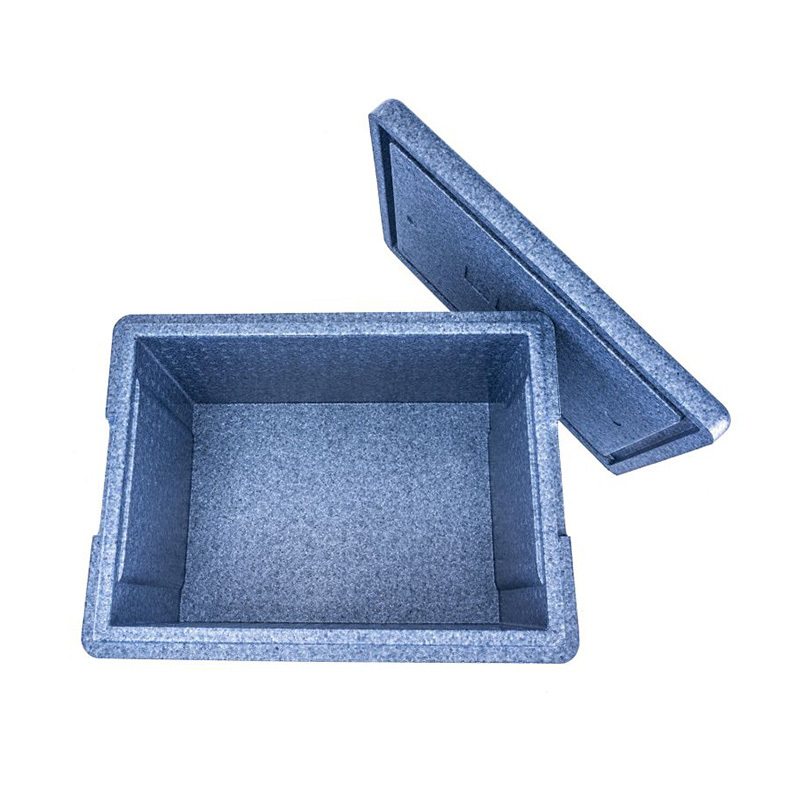
Compact EPP Box Outdoor Camping: Practical Buying Guide
The best way to evaluate compact EPP box outdoor camping is to start with the job the box must perform. The right EPP box decision starts with the payload, not the catalog image. Size, insulation, durability, price, and supplier support only make sense after you define how the box will be packed, moved, opened, returned, and inspected. For outdoor product buyers, private-label teams, and distributors developing compact camping cooler products, that means checking the container boundary, the payload, the thermal or protective requirement, and the supplier evidence before focusing on price, appearance, or catalog claims.
Practical answer: An EPP box is worth considering when its molded design, usable volume, lid, cleaning method, and operating evidence match the job. Do not buy it only because the material sounds durable or sustainable. Buy it because the sample proves it fits your payload, your route, your staff, and your documentation needs.
Start With the Payload and Route
A practical review of compact EPP box outdoor camping begins with the payload. What is the product size, weight, fragility, temperature sensitivity, packaging format, and acceptable movement inside the box? A container that is technically strong can still be wrong if the product rattles, if the lid presses against delicate surfaces, or if the usable space disappears after inserts and coolant are added.
Next, define the route or use environment. Outdoor use, food delivery, laboratory transfer, electronics shipment, fresh produce transport, and pharmaceutical shipping all ask different questions. The same EPP wall may be useful in all of them, but the evidence changes. A consumer camping product may need comfort and cleaning tests. A pharma packout may need qualification evidence, monitoring, and quality approval. A produce route may need moisture and ventilation control.
The core buying lesson is simple: compact design should save space without turning the box into a fragile accessory. When the route is unclear, the safest first step is a sample review with real packing materials and a written list of assumptions.
Match the Box to the System, Not the Slogan
EPP boxes are often promoted with words such as insulated, durable, recyclable, thermal, or chemical-resistant. These words can be useful, but each one has a boundary. Insulated means the box slows heat transfer. It does not mean it maintains every temperature range. Durable means it may resist impact better than a weaker material. It does not mean every design survives every drop or stack. Recyclable means the material can have an end-of-life route where collection and local recycling exist. It does not mean the purchasing program is automatically sustainable.
If temperature control matters, define the packout. That includes coolant type, preconditioning process, payload starting temperature, location of gel packs or PCM packs, void fill, lid sealing, data logger position, ambient profile, and acceptance criteria. If impact protection matters, define the restraint system. That includes molded cavities, inserts, lid pressure, separators, and drop or vibration expectations. If hygiene matters, define cleaning and inspection.
Supplier Questions That Prevent Costly Rework
Ask the supplier what problem the standard box was originally designed to solve. Some models are built for food delivery, some for outdoor carrying, some for medical logistics, and some for protective packaging. A standard model can be adapted, but adaptation should be discussed openly. Otherwise the buyer may discover too late that a stock box lacks a label area, a secure lid, the right internal dimensions, or compatibility with the intended cold source.
The best questions are concrete. What are the internal and external dimensions? What is the practical usable volume after accessories? Can the supplier provide drawings? What changes between sample and bulk production? Which cleaning agents are suitable? Is there test evidence for thermal or impact claims? What is the expected packaging for export shipment? How will custom colors, logos, inserts, or handles affect cost and lead time? If the supplier cannot answer immediately, the response should be a plan to confirm, not a vague promise.
Decision Framework for Sample Approval
| Buyer question | Why it matters | How to verify it |
|---|---|---|
| What is the actual payload and usable volume? | Gross internal volume may not equal practical loading space after inserts, gel packs, samples, or produce trays are added. | Pack a sample with the real payload or a realistic dummy payload and review closure, movement, and loading speed. |
| Is the box protective, insulated, or part of a qualified thermal system? | These are different claims. A durable insulated container is not automatically a validated shipper for regulated goods. | Ask for the intended use, test method, packout assumptions, and quality documentation that supports the claim. |
| How will the lid behave during handling? | A loose lid can create heat leakage, product movement, or contamination risk even when the walls are strong. | Check lid fit after loading, stacking, vehicle movement, and repeated opening. |
| Can the supplier support sample-to-production consistency? | A good sample is not enough if the bulk order changes dimensions, wall structure, surface finish, or accessories. | Confirm drawings, tolerances, material description, mold ownership, and change-control communication. |
| What cleaning, return, or disposal route is realistic? | Reusable and recyclable claims only matter if the buyer has an operational path to use them. | Define the cleaning agent, inspection point, return owner, and end-of-life process before scale-up. |
The table is not a replacement for supplier communication. It is a way to keep the discussion concrete, especially when several suppliers use similar product names but different assumptions.
A disciplined review also protects the buyer from over-ordering accessories or underestimating the cost of customization. Once the real payload and handling pattern are visible, the specification becomes easier to defend internally.
Evidence Boundaries Buyers Should Keep in Mind
Industry references describe expanded polypropylene as a closed-cell bead foam used where low weight, energy absorption, thermal insulation, water resistance, and repeated handling are useful. This supports EPP as a material candidate, but it does not prove that a particular box design meets a specific route, payload, or quality requirement.
Specifications That Deserve a Written Answer
- External carry size: ask how this factor is built into the box design or order process, and what evidence or sample review can confirm it.
- Usable internal space: ask how this factor is built into the box design or order process, and what evidence or sample review can confirm it.
- Lid closure feel: ask how this factor is built into the box design or order process, and what evidence or sample review can confirm it.
- Impact resistance during vehicle transport: ask how this factor is built into the box design or order process, and what evidence or sample review can confirm it.
- Compatibility with gel packs or ice substitutes: ask how this factor is built into the box design or order process, and what evidence or sample review can confirm it.
These written answers protect both sides. The buyer avoids assuming performance that was never promised, while the supplier can recommend a more suitable model, insert, coolant combination, or customization path. For keeping food, drinks, and small supplies protected during short outdoor trips while controlling bulk, this step is especially useful because the same product name may hide very different practical requirements.
Practical Example: Test the Workflow, Not Only the Box
Imagine a retail buyer evaluating a compact camping cooler. The sample looks attractive, but the buyer tests it with actual drink bottles, lunch containers, ice substitutes, and the accessories a camper would carry. The review asks whether one hand can open the lid, whether the box fits in a car footwell or trunk corner, and whether the surface cleans easily after spilled food. This kind of practical loading test is more useful than comparing catalog capacity alone.
The value of this example is not the exact product type. It shows the review method. Put the real workflow into the sample stage: loading, closing, carrying, storing, opening, cleaning, returning, inspecting, and documenting. When the sample test includes these steps, the buyer finds problems early enough to adjust dimensions, accessories, or instructions before a larger order.
Mistakes That Make a Good Material Perform Poorly
Most failures around compact EPP box outdoor camping come from mismatched assumptions rather than from one simple material flaw. The buyer sees the word EPP and expects insulation, impact resistance, reusability, and sustainability to appear automatically. In practice, each benefit needs a design detail and an operating process.
- Choosing a box too small for real payloads: turn this into a test or supplier question before placing a bulk order.
- Ignoring lid security during travel: turn this into a test or supplier question before placing a bulk order.
- Confusing lifestyle appearance with thermal performance: turn this into a test or supplier question before placing a bulk order.
- Missing cleaning and odor control: turn this into a test or supplier question before placing a bulk order.
Another common mistake is ignoring people. A box that looks technically strong may be too awkward for drivers, warehouse staff, field users, or customers. If staff leave the lid open, overload the box, skip preconditioning, or forget to return it, the performance seen in a controlled review will not appear in routine use. Good packaging is not only material engineering; it is also workflow design.
Operational Notes for Different Buying Teams
Procurement teams should translate compact EPP box outdoor camping into a specification that finance, operations, and quality can all understand. Finance will ask about unit price and replacement cost. Operations will ask whether the box slows loading or improves handling. Quality will ask whether the claim is documented, especially when temperature-sensitive, food, laboratory, or pharmaceutical goods are involved. These teams may use different language, but they are reviewing the same risk: whether the container will behave predictably after purchase.
Packaging engineers should pay close attention to the difference between drawing dimensions and practical loading dimensions. The real loading space may shrink after inserts, dividers, coolants, absorbent materials, primary packages, or retail cartons are added. Engineers should also check whether the molded walls create pressure points, whether the lid rubs against the payload, and whether labels or tamper indicators can be applied without blocking the closure.
Warehouse and delivery teams should review the human workflow. A box that is technically correct but difficult to open, close, stack, clean, or identify will create inconsistent use. If the team must follow a packout instruction, the instruction should be short enough to use during routine work and clear enough that a new operator can follow it without guessing.
FAQ
Is compact EPP box outdoor camping suitable for all cold-chain shipments?
No. An EPP box can be a useful insulated or protective container, but suitability depends on the product temperature requirement, route duration, payload, coolant configuration, handling process, and documentation needs. For pharmaceutical, laboratory, or high-value shipments, buyers should verify packout evidence and quality requirements before treating the box as a shipment solution.
What should I ask a supplier before ordering samples?
Ask for internal and external dimensions, material description, intended use, compatible accessories, lid design, cleaning guidance, sample-to-production control, and any test evidence that supports thermal or impact claims. If the shipment is temperature-sensitive, also ask what coolant, payload, ambient profile, and monitoring assumptions were used in testing.
Does EPP automatically make a package environmentally friendly?
Not automatically. EPP can be reusable and recyclable where a suitable route exists, but sustainability depends on return rates, cleaning, damage control, replacement frequency, and end-of-life handling. A recyclable material without collection or a reusable box without return discipline may not deliver the expected environmental benefit.
Can one EPP box be used for food, pharma, lab samples, and outdoor products?
The same material family can appear in many applications, but the specification should change by use case. Food delivery may need sanitation and condensation control. Pharma may need packout documentation. Lab samples may need secondary containment and labeling. Outdoor products may need carry comfort and consumer cleaning. Use the application to define the box.
How do I know whether a sample is ready for bulk ordering?
A sample is ready only after the real payload has been packed, handled, closed, labeled, cleaned, and reviewed under conditions close to the intended workflow. If the buyer still lacks information about dimensions, accessories, testing, or production consistency, the sample stage should continue before a bulk order.
Conclusion
Choosing compact EPP box outdoor camping should not be reduced to a simple catalog comparison. The better decision connects material, molded design, usable volume, lid behavior, route conditions, accessories, documentation, and total operating cost.
Use samples to test the workflow, not just appearance. Ask specific questions, avoid unsupported assumptions, and involve quality, logistics, or operations teams early when the shipment is temperature-sensitive or regulated.
Collapsible Durable EPP Insulation Box Selection Guide

Collapsible Durable EPP Insulation Box Selection Guide
The best way to evaluate collapsible durable EPP insulation box is to start with the job the box must perform. The right EPP box decision starts with the payload, not the catalog image. Size, insulation, durability, price, and supplier support only make sense after you define how the box will be packed, moved, opened, returned, and inspected. For returnable logistics planners, warehouse buyers, and delivery network operators, that means checking the container boundary, the payload, the thermal or protective requirement, and the supplier evidence before focusing on price, appearance, or catalog claims.
Practical answer: An EPP box is worth considering when its molded design, usable volume, lid, cleaning method, and operating evidence match the job. Do not buy it only because the material sounds durable or sustainable. Buy it because the sample proves it fits your payload, your route, your staff, and your documentation needs.
Start With the Payload and Route
A practical review of collapsible durable EPP insulation box begins with the payload. What is the product size, weight, fragility, temperature sensitivity, packaging format, and acceptable movement inside the box? A container that is technically strong can still be wrong if the product rattles, if the lid presses against delicate surfaces, or if the usable space disappears after inserts and coolant are added.
Next, define the route or use environment. Outdoor use, food delivery, laboratory transfer, electronics shipment, fresh produce transport, and pharmaceutical shipping all ask different questions. The same EPP wall may be useful in all of them, but the evidence changes. A consumer camping product may need comfort and cleaning tests. A pharma packout may need qualification evidence, monitoring, and quality approval. A produce route may need moisture and ventilation control.
The core buying lesson is simple: collapsible design is valuable only when hinges, walls, lid sealing, and repeated assembly are reliable. When the route is unclear, the safest first step is a sample review with real packing materials and a written list of assumptions.
Match the Box to the System, Not the Slogan
EPP boxes are often promoted with words such as insulated, durable, recyclable, thermal, or chemical-resistant. These words can be useful, but each one has a boundary. Insulated means the box slows heat transfer. It does not mean it maintains every temperature range. Durable means it may resist impact better than a weaker material. It does not mean every design survives every drop or stack. Recyclable means the material can have an end-of-life route where collection and local recycling exist. It does not mean the purchasing program is automatically sustainable.
If temperature control matters, define the packout. That includes coolant type, preconditioning process, payload starting temperature, location of gel packs or PCM packs, void fill, lid sealing, data logger position, ambient profile, and acceptance criteria. If impact protection matters, define the restraint system. That includes molded cavities, inserts, lid pressure, separators, and drop or vibration expectations. If hygiene matters, define cleaning and inspection.
Supplier Questions That Prevent Costly Rework
Ask the supplier what problem the standard box was originally designed to solve. Some models are built for food delivery, some for outdoor carrying, some for medical logistics, and some for protective packaging. A standard model can be adapted, but adaptation should be discussed openly. Otherwise the buyer may discover too late that a stock box lacks a label area, a secure lid, the right internal dimensions, or compatibility with the intended cold source.
The best questions are concrete. What are the internal and external dimensions? What is the practical usable volume after accessories? Can the supplier provide drawings? What changes between sample and bulk production? Which cleaning agents are suitable? Is there test evidence for thermal or impact claims? What is the expected packaging for export shipment? How will custom colors, logos, inserts, or handles affect cost and lead time? If the supplier cannot answer immediately, the response should be a plan to confirm, not a vague promise.
Decision Framework for Sample Approval
| Buyer question | Why it matters | How to verify it |
|---|---|---|
| What is the actual payload and usable volume? | Gross internal volume may not equal practical loading space after inserts, gel packs, samples, or produce trays are added. | Pack a sample with the real payload or a realistic dummy payload and review closure, movement, and loading speed. |
| Is the box protective, insulated, or part of a qualified thermal system? | These are different claims. A durable insulated container is not automatically a validated shipper for regulated goods. | Ask for the intended use, test method, packout assumptions, and quality documentation that supports the claim. |
| How will the lid behave during handling? | A loose lid can create heat leakage, product movement, or contamination risk even when the walls are strong. | Check lid fit after loading, stacking, vehicle movement, and repeated opening. |
| Can the supplier support sample-to-production consistency? | A good sample is not enough if the bulk order changes dimensions, wall structure, surface finish, or accessories. | Confirm drawings, tolerances, material description, mold ownership, and change-control communication. |
| What cleaning, return, or disposal route is realistic? | Reusable and recyclable claims only matter if the buyer has an operational path to use them. | Define the cleaning agent, inspection point, return owner, and end-of-life process before scale-up. |
The table is not a replacement for supplier communication. It is a way to keep the discussion concrete, especially when several suppliers use similar product names but different assumptions.
A disciplined review also protects the buyer from over-ordering accessories or underestimating the cost of customization. Once the real payload and handling pattern are visible, the specification becomes easier to defend internally.
Evidence Boundaries Buyers Should Keep in Mind
Industry references describe expanded polypropylene as a closed-cell bead foam used where low weight, energy absorption, thermal insulation, water resistance, and repeated handling are useful. This supports EPP as a material candidate, but it does not prove that a particular box design meets a specific route, payload, or quality requirement.
Specifications That Deserve a Written Answer
- Folding mechanism: ask how this factor is built into the box design or order process, and what evidence or sample review can confirm it.
- Assembled rigidity: ask how this factor is built into the box design or order process, and what evidence or sample review can confirm it.
- Lid and wall continuity: ask how this factor is built into the box design or order process, and what evidence or sample review can confirm it.
- Return volume saving: ask how this factor is built into the box design or order process, and what evidence or sample review can confirm it.
- Sample durability under repeated handling: ask how this factor is built into the box design or order process, and what evidence or sample review can confirm it.
These written answers protect both sides. The buyer avoids assuming performance that was never promised, while the supplier can recommend a more suitable model, insert, coolant combination, or customization path. For insulated handling where return transport, storage footprint, and durability affect the total cost of ownership, this step is especially useful because the same product name may hide very different practical requirements.
Practical Example: Test the Workflow, Not Only the Box
A typical procurement example: a buyer compares two EPP boxes with similar photos. One is cheaper, but it has less usable space after inserts, a lid that loosens during handling, and no clear answer about sample-to-production control. The other costs more per unit but loads faster, fits the return rack, and allows a clean label area. The better choice depends on the workflow, but the decision becomes clearer when the buyer tests the real payload and calculates total use cost instead of unit price only.
The value of this example is not the exact product type. It shows the review method. Put the real workflow into the sample stage: loading, closing, carrying, storing, opening, cleaning, returning, inspecting, and documenting. When the sample test includes these steps, the buyer finds problems early enough to adjust dimensions, accessories, or instructions before a larger order.
Mistakes That Make a Good Material Perform Poorly
Most failures around collapsible durable EPP insulation box come from mismatched assumptions rather than from one simple material flaw. The buyer sees the word EPP and expects insulation, impact resistance, reusability, and sustainability to appear automatically. In practice, each benefit needs a design detail and an operating process.
- Saving return space while weakening insulation: turn this into a test or supplier question before placing a bulk order.
- Ignoring hinge wear: turn this into a test or supplier question before placing a bulk order.
- Not checking cleaning after collapse: turn this into a test or supplier question before placing a bulk order.
- Using foldable packaging for overly sensitive payloads without testing: turn this into a test or supplier question before placing a bulk order.
Another common mistake is ignoring people. A box that looks technically strong may be too awkward for drivers, warehouse staff, field users, or customers. If staff leave the lid open, overload the box, skip preconditioning, or forget to return it, the performance seen in a controlled review will not appear in routine use. Good packaging is not only material engineering; it is also workflow design.
Operational Notes for Different Buying Teams
Procurement teams should translate collapsible durable EPP insulation box into a specification that finance, operations, and quality can all understand. Finance will ask about unit price and replacement cost. Operations will ask whether the box slows loading or improves handling. Quality will ask whether the claim is documented, especially when temperature-sensitive, food, laboratory, or pharmaceutical goods are involved. These teams may use different language, but they are reviewing the same risk: whether the container will behave predictably after purchase.
Packaging engineers should pay close attention to the difference between drawing dimensions and practical loading dimensions. The real loading space may shrink after inserts, dividers, coolants, absorbent materials, primary packages, or retail cartons are added. Engineers should also check whether the molded walls create pressure points, whether the lid rubs against the payload, and whether labels or tamper indicators can be applied without blocking the closure.
Warehouse and delivery teams should review the human workflow. A box that is technically correct but difficult to open, close, stack, clean, or identify will create inconsistent use. If the team must follow a packout instruction, the instruction should be short enough to use during routine work and clear enough that a new operator can follow it without guessing.
FAQ
Is collapsible durable EPP insulation box suitable for all cold-chain shipments?
No. An EPP box can be a useful insulated or protective container, but suitability depends on the product temperature requirement, route duration, payload, coolant configuration, handling process, and documentation needs. For pharmaceutical, laboratory, or high-value shipments, buyers should verify packout evidence and quality requirements before treating the box as a shipment solution.
What should I ask a supplier before ordering samples?
Ask for internal and external dimensions, material description, intended use, compatible accessories, lid design, cleaning guidance, sample-to-production control, and any test evidence that supports thermal or impact claims. If the shipment is temperature-sensitive, also ask what coolant, payload, ambient profile, and monitoring assumptions were used in testing.
Does EPP automatically make a package environmentally friendly?
Not automatically. EPP can be reusable and recyclable where a suitable route exists, but sustainability depends on return rates, cleaning, damage control, replacement frequency, and end-of-life handling. A recyclable material without collection or a reusable box without return discipline may not deliver the expected environmental benefit.
Can one EPP box be used for food, pharma, lab samples, and outdoor products?
The same material family can appear in many applications, but the specification should change by use case. Food delivery may need sanitation and condensation control. Pharma may need packout documentation. Lab samples may need secondary containment and labeling. Outdoor products may need carry comfort and consumer cleaning. Use the application to define the box.
How do I know whether a sample is ready for bulk ordering?
A sample is ready only after the real payload has been packed, handled, closed, labeled, cleaned, and reviewed under conditions close to the intended workflow. If the buyer still lacks information about dimensions, accessories, testing, or production consistency, the sample stage should continue before a bulk order.
Conclusion
Choosing collapsible durable EPP insulation box should not be reduced to a simple catalog comparison. The better decision connects material, molded design, usable volume, lid behavior, route conditions, accessories, documentation, and total operating cost.
Use samples to test the workflow, not just appearance. Ask specific questions, avoid unsupported assumptions, and involve quality, logistics, or operations teams early when the shipment is temperature-sensitive or regulated.
Chemical-Resistant EPP Foam Box: Buyer Guide

Chemical-Resistant EPP Foam Box: Buyer Guide
The best way to evaluate chemical-resistant EPP foam box is to start with the job the box must perform. The right EPP box decision starts with the payload, not the catalog image. Size, insulation, durability, price, and supplier support only make sense after you define how the box will be packed, moved, opened, returned, and inspected. For laboratory, industrial, maintenance, and specialty logistics buyers reviewing protective foam containers, that means checking the container boundary, the payload, the thermal or protective requirement, and the supplier evidence before focusing on price, appearance, or catalog claims.
Practical answer: An EPP box is worth considering when its molded design, usable volume, lid, cleaning method, and operating evidence match the job. Do not buy it only because the material sounds durable or sustainable. Buy it because the sample proves it fits your payload, your route, your staff, and your documentation needs.
Start With the Payload and Route
A practical review of chemical-resistant EPP foam box begins with the payload. What is the product size, weight, fragility, temperature sensitivity, packaging format, and acceptable movement inside the box? A container that is technically strong can still be wrong if the product rattles, if the lid presses against delicate surfaces, or if the usable space disappears after inserts and coolant are added.
Next, define the route or use environment. Outdoor use, food delivery, laboratory transfer, electronics shipment, fresh produce transport, and pharmaceutical shipping all ask different questions. The same EPP wall may be useful in all of them, but the evidence changes. A consumer camping product may need comfort and cleaning tests. A pharma packout may need qualification evidence, monitoring, and quality approval. A produce route may need moisture and ventilation control.
The core buying lesson is simple: chemical resistance must be checked against the actual substance and exposure conditions, not treated as a blanket guarantee. When the route is unclear, the safest first step is a sample review with real packing materials and a written list of assumptions.
Match the Box to the System, Not the Slogan
EPP boxes are often promoted with words such as insulated, durable, recyclable, thermal, or chemical-resistant. These words can be useful, but each one has a boundary. Insulated means the box slows heat transfer. It does not mean it maintains every temperature range. Durable means it may resist impact better than a weaker material. It does not mean every design survives every drop or stack. Recyclable means the material can have an end-of-life route where collection and local recycling exist. It does not mean the purchasing program is automatically sustainable.
If temperature control matters, define the packout. That includes coolant type, preconditioning process, payload starting temperature, location of gel packs or PCM packs, void fill, lid sealing, data logger position, ambient profile, and acceptance criteria. If impact protection matters, define the restraint system. That includes molded cavities, inserts, lid pressure, separators, and drop or vibration expectations. If hygiene matters, define cleaning and inspection.
Supplier Questions That Prevent Costly Rework
Ask the supplier what problem the standard box was originally designed to solve. Some models are built for food delivery, some for outdoor carrying, some for medical logistics, and some for protective packaging. A standard model can be adapted, but adaptation should be discussed openly. Otherwise the buyer may discover too late that a stock box lacks a label area, a secure lid, the right internal dimensions, or compatibility with the intended cold source.
The best questions are concrete. What are the internal and external dimensions? What is the practical usable volume after accessories? Can the supplier provide drawings? What changes between sample and bulk production? Which cleaning agents are suitable? Is there test evidence for thermal or impact claims? What is the expected packaging for export shipment? How will custom colors, logos, inserts, or handles affect cost and lead time? If the supplier cannot answer immediately, the response should be a plan to confirm, not a vague promise.
Decision Framework for Sample Approval
| Buyer question | Why it matters | How to verify it |
|---|---|---|
| What is the actual payload and usable volume? | Gross internal volume may not equal practical loading space after inserts, gel packs, samples, or produce trays are added. | Pack a sample with the real payload or a realistic dummy payload and review closure, movement, and loading speed. |
| Is the box protective, insulated, or part of a qualified thermal system? | These are different claims. A durable insulated container is not automatically a validated shipper for regulated goods. | Ask for the intended use, test method, packout assumptions, and quality documentation that supports the claim. |
| How will the lid behave during handling? | A loose lid can create heat leakage, product movement, or contamination risk even when the walls are strong. | Check lid fit after loading, stacking, vehicle movement, and repeated opening. |
| Can the supplier support sample-to-production consistency? | A good sample is not enough if the bulk order changes dimensions, wall structure, surface finish, or accessories. | Confirm drawings, tolerances, material description, mold ownership, and change-control communication. |
| What cleaning, return, or disposal route is realistic? | Reusable and recyclable claims only matter if the buyer has an operational path to use them. | Define the cleaning agent, inspection point, return owner, and end-of-life process before scale-up. |
The table is not a replacement for supplier communication. It is a way to keep the discussion concrete, especially when several suppliers use similar product names but different assumptions.
A disciplined review also protects the buyer from over-ordering accessories or underestimating the cost of customization. Once the real payload and handling pattern are visible, the specification becomes easier to defend internally.
Evidence Boundaries Buyers Should Keep in Mind
Industry references describe expanded polypropylene as a closed-cell bead foam used where low weight, energy absorption, thermal insulation, water resistance, and repeated handling are useful. This supports EPP as a material candidate, but it does not prove that a particular box design meets a specific route, payload, or quality requirement.
Specifications That Deserve a Written Answer
- Substance compatibility: ask how this factor is built into the box design or order process, and what evidence or sample review can confirm it.
- Duration and concentration of exposure: ask how this factor is built into the box design or order process, and what evidence or sample review can confirm it.
- Secondary containment: ask how this factor is built into the box design or order process, and what evidence or sample review can confirm it.
- Cleaning method: ask how this factor is built into the box design or order process, and what evidence or sample review can confirm it.
- Surface condition after repeated use: ask how this factor is built into the box design or order process, and what evidence or sample review can confirm it.
These written answers protect both sides. The buyer avoids assuming performance that was never promised, while the supplier can recommend a more suitable model, insert, coolant combination, or customization path. For handling tools, samples, kits, or materials where moderate chemical exposure, spills, and cleaning need consideration, this step is especially useful because the same product name may hide very different practical requirements.
Practical Example: Test the Workflow, Not Only the Box
A common industrial buyer situation involves a kit that may contact cleaning agents or minor spills during handling. Instead of assuming chemical resistance in general, the buyer lists the specific substance, concentration, contact time, and cleaning method. The EPP foam box may resist certain exposure well, but secondary containment and spill procedures are still necessary when the contents could leak. This approach keeps material suitability separate from safety management.
The value of this example is not the exact product type. It shows the review method. Put the real workflow into the sample stage: loading, closing, carrying, storing, opening, cleaning, returning, inspecting, and documenting. When the sample test includes these steps, the buyer finds problems early enough to adjust dimensions, accessories, or instructions before a larger order.
Mistakes That Make a Good Material Perform Poorly
Most failures around chemical-resistant EPP foam box come from mismatched assumptions rather than from one simple material flaw. The buyer sees the word EPP and expects insulation, impact resistance, reusability, and sustainability to appear automatically. In practice, each benefit needs a design detail and an operating process.
- Assuming resistance to every chemical: turn this into a test or supplier question before placing a bulk order.
- Ignoring cleaning agent compatibility: turn this into a test or supplier question before placing a bulk order.
- Not using secondary containment: turn this into a test or supplier question before placing a bulk order.
- Choosing insulation without spill management: turn this into a test or supplier question before placing a bulk order.
Another common mistake is ignoring people. A box that looks technically strong may be too awkward for drivers, warehouse staff, field users, or customers. If staff leave the lid open, overload the box, skip preconditioning, or forget to return it, the performance seen in a controlled review will not appear in routine use. Good packaging is not only material engineering; it is also workflow design.
Operational Notes for Different Buying Teams
Procurement teams should translate chemical-resistant EPP foam box into a specification that finance, operations, and quality can all understand. Finance will ask about unit price and replacement cost. Operations will ask whether the box slows loading or improves handling. Quality will ask whether the claim is documented, especially when temperature-sensitive, food, laboratory, or pharmaceutical goods are involved. These teams may use different language, but they are reviewing the same risk: whether the container will behave predictably after purchase.
Packaging engineers should pay close attention to the difference between drawing dimensions and practical loading dimensions. The real loading space may shrink after inserts, dividers, coolants, absorbent materials, primary packages, or retail cartons are added. Engineers should also check whether the molded walls create pressure points, whether the lid rubs against the payload, and whether labels or tamper indicators can be applied without blocking the closure.
Warehouse and delivery teams should review the human workflow. A box that is technically correct but difficult to open, close, stack, clean, or identify will create inconsistent use. If the team must follow a packout instruction, the instruction should be short enough to use during routine work and clear enough that a new operator can follow it without guessing.
FAQ
Is chemical-resistant EPP foam box suitable for all cold-chain shipments?
No. An EPP box can be a useful insulated or protective container, but suitability depends on the product temperature requirement, route duration, payload, coolant configuration, handling process, and documentation needs. For pharmaceutical, laboratory, or high-value shipments, buyers should verify packout evidence and quality requirements before treating the box as a shipment solution.
What should I ask a supplier before ordering samples?
Ask for internal and external dimensions, material description, intended use, compatible accessories, lid design, cleaning guidance, sample-to-production control, and any test evidence that supports thermal or impact claims. If the shipment is temperature-sensitive, also ask what coolant, payload, ambient profile, and monitoring assumptions were used in testing.
Does EPP automatically make a package environmentally friendly?
Not automatically. EPP can be reusable and recyclable where a suitable route exists, but sustainability depends on return rates, cleaning, damage control, replacement frequency, and end-of-life handling. A recyclable material without collection or a reusable box without return discipline may not deliver the expected environmental benefit.
Can one EPP box be used for food, pharma, lab samples, and outdoor products?
The same material family can appear in many applications, but the specification should change by use case. Food delivery may need sanitation and condensation control. Pharma may need packout documentation. Lab samples may need secondary containment and labeling. Outdoor products may need carry comfort and consumer cleaning. Use the application to define the box.
How do I know whether a sample is ready for bulk ordering?
A sample is ready only after the real payload has been packed, handled, closed, labeled, cleaned, and reviewed under conditions close to the intended workflow. If the buyer still lacks information about dimensions, accessories, testing, or production consistency, the sample stage should continue before a bulk order.
Conclusion
Choosing chemical-resistant EPP foam box should not be reduced to a simple catalog comparison. The better decision connects material, molded design, usable volume, lid behavior, route conditions, accessories, documentation, and total operating cost.
Use samples to test the workflow, not just appearance. Ask specific questions, avoid unsupported assumptions, and involve quality, logistics, or operations teams early when the shipment is temperature-sensitive or regulated.