


Summer Winter Packout Testing: Practical Framework
Summer Winter Packout Testing: Practical Framework

Summer Winter Packout Testing: A Practical Framework for Shipment Control
summer winter packout testing should give a clear answer to one practical question: can this exact packaging configuration protect this product under the route and handling conditions you intend to use? The answer depends on requirements, packout discipline, thermal testing, logger data, and QA review. This optimized framework focuses on the steps that reduce false confidence before a shipment leaves the facility and reduce uncertainty when data is reviewed after delivery.
The decision behind the document
Every serious cold-chain packaging discussion eventually becomes a decision about acceptable risk. The document, report, checklist, or SOP is only useful if it helps the team answer whether the selected configuration is fit for the shipment. For summer winter packout testing, that means the product requirement, route conditions, packout method, monitoring plan, and review process must be described together. If any one piece is missing, the decision may look formal while still being fragile.
The framework should be simple enough for operations to use and detailed enough for QA to defend. It should avoid broad claims, but it should not become so cautious that no one can act. The goal is a controlled release pathway: what can be shipped, under which conditions, using which materials, by which procedure, and with what evidence.
This is why the strongest version of hot ambient test, cold ambient test, seasonal profile connects technical and operational evidence. The package may have a laboratory result, but the warehouse needs a repeatable packout. The route may have a planned transit time, but QA needs to understand dwell risk. The logger may record a clean profile, but the release reviewer needs to know where it was placed and why.
Map requirements before asking for packaging
Start with requirements that do not depend on any supplier. Define the product temperature range, product sensitivity, payload range, expected order sizes, origin process, receiving process, and documentation needs. If the product is regulated, involve QA before supplier selection. If the lane is new, involve logistics before packout testing. If the product is freeze-sensitive, avoid designing only for warm protection.
The requirement map should also state what is unknown. Perhaps the customs dwell time is unpredictable. Perhaps the receiver cannot always inspect on the same day. Perhaps payload size varies widely. These uncertainties do not prevent progress; they tell the team where margin, monitoring, or additional evidence may be needed. A packaging system that fits a stable lane may need modification for an unstable one.
For packaging engineers, quality reviewers, and cold-chain operations teams, mapping requirements is also a way to manage internal alignment. Procurement can ask for relevant quotations, QA can define approval evidence, operations can prepare the work instruction, and logistics can flag route risks before the package is packed. The result is fewer late-stage surprises.
Build the test around handling reality
A test should challenge the same system that will be used in routine work: packout design, coolant conditioning, payload, insulation, test chamber profile, logger positions, acceptance criteria, and seasonal shipping controls. That sounds obvious, yet many weak programs fail because the test is tidier than real operations. The test may use ideal conditioning, immediate dispatch, or a payload that is easier to pack than actual orders. If those conditions will not be repeated, the report should not be the only basis for release.
Handling reality includes human steps. How long can packs be out of conditioning before use? Where is the product staged? What happens when the carrier arrives early or late? Which side of the package faces up? How is the lid sealed? How is the logger activated and protected from direct contact with a cold source? These details should be tested or controlled because routine shipments depend on them.
The best test plan usually includes a reason for the profile selected. A standard thermal profile, historical lane data, or a seasonal lane profile can all be useful when the rationale is clear. A profile should not be chosen only because it is convenient or familiar. If a lane includes exceptional exposure, the team should decide whether the test should represent expected conditions, severe conditions, or both.
Evidence table: what each record can and cannot prove
| Evidence type | What it can support | What it cannot prove alone |
|---|---|---|
| Supplier datasheet | Materials, intended use, available sizes, handling notes, and design options. | It cannot prove performance for your route unless linked to test evidence. |
| Thermal test report | Performance of a defined configuration under defined test conditions. | It cannot guarantee every payload, season, operator variation, or route delay. |
| Packout SOP | Routine repeatability when operators follow the approved steps. | It cannot fix an unqualified configuration or wrong cold source conditioning. |
| Logger report | Recorded exposure at the sensor location during a shipment or test. | It cannot protect product or represent unmonitored locations automatically. |
| Route risk review | Dwell points, handovers, service constraints, and contingency needs. | It cannot replace package testing when product risk requires physical evidence. |
The table keeps expectations realistic. It also helps teams avoid assigning one record too much authority. A defensible cold-chain program is built by combining records, not by stretching a single document beyond its scope.
Use logger data to improve the process
Logger data should feed learning, not just release decisions. If several shipments warm near the end of a route, the route may need faster receiving or a stronger seasonal profile. If cold alarms appear near coolant contact points, the packout may need separation or different conditioning. If data is clean but product questions remain, the logger placement may be too sheltered. Each pattern can improve the packaging program.
To make that learning possible, logger placement must be documented. The report should state whether the logger monitored the product center, edge risk, lid area, or another defined location. Calibration status and alarm settings should be reviewed against the shipment's risk level. For high-value or sensitive products, multiple loggers may be considered during qualification, while routine shipments may use a smaller monitoring plan approved by QA.
Data review should also be timely. A package can arrive within range and still sit at the receiver before inspection. A logger can be downloaded after a delay and create uncertainty about when exposure occurred. Receiving procedures should define who retrieves the logger, when data is reviewed, what constitutes an alarm, and how deviations are escalated.
Procurement checks that reduce rework
Procurement can speed up a project by asking fewer generic questions and more precise ones. Ask the supplier which exact configuration was tested. Ask whether the stated capacity is gross internal volume or usable payload space after coolant and dividers. Ask whether the sample uses the same materials as production units. Ask what changes would require retesting or QA review. Ask what documentation can be provided without external links or unsupported claims.
For this topic, the most important buyer checks are: summer and winter ambient assumptions; coolant type and conditioning; seasonal changeover rule; logger positions in hot and cold trials; and acceptance criteria for warm and freeze risks. Treat each as a decision point. If the answer is firm and documented, the project can move forward. If the answer is uncertain, write it into the risk review instead of burying it in the purchase file.
Procurement should also align with operations before scale-up. A sample packout that is difficult to reproduce may not survive daily warehouse pressure. A packaging option that depends on precise conditioning may need equipment capacity and staging controls. A reusable option may need cleaning, inspection, return logistics, and replacement parts. The lowest unit price is rarely the lowest risk if the configuration cannot be controlled.
When the current evidence is not enough
Additional review may be needed when the product range changes, the route changes, the season changes, the packaging material changes, the coolant quantity changes, or the operator process changes. None of these changes automatically means the package fails. They mean the previous evidence should be compared against the new condition. Change control is the bridge between useful evidence and routine operations.
A good change review starts with the risk described in this topic: a design tuned to prevent warming in summer can overcool product in winter, while a winter-safe packout may not survive peak heat without different conditioning or coolant mass. If the change affects that risk, the team may need a new trial, a documented rationale, an adjusted SOP, or more monitoring. If the change is minor and clearly outside the thermal function, it may be handled through normal document control. The key is to decide deliberately.
This is also the point where overclaiming does the most damage. A team that says a package is validated for everything may have no clear trigger for review. A team that defines the validated configuration and its limits can adapt without losing control.
Field controls that keep the decision usable
A controlled decision is easier to maintain when the field team knows which details are flexible and which are fixed. In summer winter packout testing, the fixed details usually include product temperature range, packout sequence, cold source state, logger placement, route assumption, and acceptance rule. Flexible details may include outer labels, secondary handling aids, or scheduling details that do not affect thermal performance. The difference should be documented rather than left to memory.
Training should be built around the points where mistakes are most likely. Operators need to know what a properly conditioned cold source looks like, where product can and cannot touch coolant, how long materials may wait before packing, and what to do when a component is unavailable. QA needs a record that shows the approved process was followed. Logistics needs to know when a route event becomes a deviation trigger.
The final field control is review. A program that never reads its logger trends, exception reports, or receiving notes will repeat the same weak point. A short periodic review can reveal whether one route, season, operator step, or packaging component is creating most of the risk. That review turns validation from a one-time file into a living control.
Receiving controls close the loop
The shipment is not finished when the carrier marks it delivered. For summer winter packout testing, the receiving team needs instructions that match the risk level of the product and lane. Those instructions may include checking package condition, locating and stopping the logger, downloading or preserving data, confirming whether the shipment arrived within the expected time window, and escalating any alarm or visible damage before the product is released.
A receiving step also protects the supplier and shipper conversation. If the package was opened late, stored in an unplanned area, or separated from the logger record, the investigation becomes harder. A simple receiving record can show whether the issue likely occurred during transport, after delivery, or during unpacking. That distinction matters for corrective action because each cause has a different owner.
The receiving process should be written in plain language. It should tell staff what to do when the data looks normal, what to do when an alarm appears, and what to do when data is missing. It should not leave the decision to the busiest person on the dock. When receiving controls are clear, the packaging evidence remains useful all the way through disposition.
Frequently Asked Questions
What makes summer winter packout testing defensible?
It becomes defensible when the evidence matches the actual shipment. The product requirement, payload, packout, ambient profile, route risk, logger plan, and acceptance criteria should be visible. A defensible decision also explains limitations and identifies what changes would require review.
What should be checked before scaling from sample to routine shipments?
Check that the sample uses the same materials as production, the packout is easy for operators to repeat, cold source conditioning equipment is available, the route assumptions still apply, and the SOP matches the tested configuration. Also confirm who reviews logger data and deviations after delivery.
When is additional testing needed?
Additional testing may be needed when the product range, payload, packaging material, coolant configuration, seasonal exposure, route, or handling process changes in a way that could affect thermal performance. The decision should be risk-based and documented by QA or the responsible product owner.
How can procurement avoid weak quotes?
Procurement can avoid weak quotes by providing product range, payload, route, duration expectations, packaging format, monitoring needs, and documentation requirements before asking for price. Quotes based on incomplete requirements may look fast but often lead to unsuitable samples, missing evidence, or rework.
Conclusion
The strongest summer winter packout testing framework connects requirement, route, packout, evidence, monitoring, and change control. It avoids universal claims and turns uncertain details into verification points. When each record is used for what it can actually prove, the team can approve shipments with more confidence and investigate deviations with less confusion.
About Tempk
About Tempk: Tempk supports buyers who need practical cold-chain packaging options and clearer packout decisions. Our packaging discussions can include insulated boxes, insulated bags, cold source planning, and pallet-level protection, but the starting point is always the shipment requirement. We help teams translate product range, route, payload, and documentation needs into a more useful packaging brief before samples or routine orders are considered.
Prevent Temperature Excursions: Practical Framework
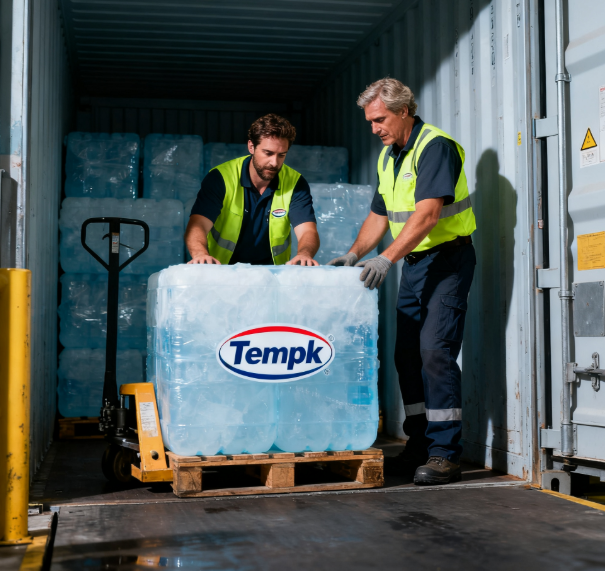
Prevent Temperature Excursions: A Practical Framework for Shipment Control
prevent temperature excursions should give a clear answer to one practical question: can this exact packaging configuration protect this product under the route and handling conditions you intend to use? The answer depends on requirements, packout discipline, thermal testing, logger data, and QA review. This optimized framework focuses on the steps that reduce false confidence before a shipment leaves the facility and reduce uncertainty when data is reviewed after delivery.
The decision behind the document
Every serious cold-chain packaging discussion eventually becomes a decision about acceptable risk. The document, report, checklist, or SOP is only useful if it helps the team answer whether the selected configuration is fit for the shipment. For prevent temperature excursions, that means the product requirement, route conditions, packout method, monitoring plan, and review process must be described together. If any one piece is missing, the decision may look formal while still being fragile.
The framework should be simple enough for operations to use and detailed enough for QA to defend. It should avoid broad claims, but it should not become so cautious that no one can act. The goal is a controlled release pathway: what can be shipped, under which conditions, using which materials, by which procedure, and with what evidence.
This is why the strongest version of temperature excursion prevention, cold chain deviation connects technical and operational evidence. The package may have a laboratory result, but the warehouse needs a repeatable packout. The route may have a planned transit time, but QA needs to understand dwell risk. The logger may record a clean profile, but the release reviewer needs to know where it was placed and why.
Map requirements before asking for packaging
Start with requirements that do not depend on any supplier. Define the product temperature range, product sensitivity, payload range, expected order sizes, origin process, receiving process, and documentation needs. If the product is regulated, involve QA before supplier selection. If the lane is new, involve logistics before packout testing. If the product is freeze-sensitive, avoid designing only for warm protection.
The requirement map should also state what is unknown. Perhaps the customs dwell time is unpredictable. Perhaps the receiver cannot always inspect on the same day. Perhaps payload size varies widely. These uncertainties do not prevent progress; they tell the team where margin, monitoring, or additional evidence may be needed. A packaging system that fits a stable lane may need modification for an unstable one.
For QA teams, logistics managers, warehouse staff, and cold-chain buyers, mapping requirements is also a way to manage internal alignment. Procurement can ask for relevant quotations, QA can define approval evidence, operations can prepare the work instruction, and logistics can flag route risks before the package is packed. The result is fewer late-stage surprises.
Build the test around handling reality
A test should challenge the same system that will be used in routine work: product requirements, packaging selection, cold source conditioning, staging control, route plan, logger placement, carrier handling, receiving inspection, and deviation response. That sounds obvious, yet many weak programs fail because the test is tidier than real operations. The test may use ideal conditioning, immediate dispatch, or a payload that is easier to pack than actual orders. If those conditions will not be repeated, the report should not be the only basis for release.
Handling reality includes human steps. How long can packs be out of conditioning before use? Where is the product staged? What happens when the carrier arrives early or late? Which side of the package faces up? How is the lid sealed? How is the logger activated and protected from direct contact with a cold source? These details should be tested or controlled because routine shipments depend on them.
The best test plan usually includes a reason for the profile selected. A standard thermal profile, historical lane data, or a seasonal lane profile can all be useful when the rationale is clear. A profile should not be chosen only because it is convenient or familiar. If a lane includes exceptional exposure, the team should decide whether the test should represent expected conditions, severe conditions, or both.
Evidence table: what each record can and cannot prove
| Evidence type | What it can support | What it cannot prove alone |
|---|---|---|
| Supplier datasheet | Materials, intended use, available sizes, handling notes, and design options. | It cannot prove performance for your route unless linked to test evidence. |
| Thermal test report | Performance of a defined configuration under defined test conditions. | It cannot guarantee every payload, season, operator variation, or route delay. |
| Packout SOP | Routine repeatability when operators follow the approved steps. | It cannot fix an unqualified configuration or wrong cold source conditioning. |
| Logger report | Recorded exposure at the sensor location during a shipment or test. | It cannot protect product or represent unmonitored locations automatically. |
| Route risk review | Dwell points, handovers, service constraints, and contingency needs. | It cannot replace package testing when product risk requires physical evidence. |
The table keeps expectations realistic. It also helps teams avoid assigning one record too much authority. A defensible cold-chain program is built by combining records, not by stretching a single document beyond its scope.
Use logger data to improve the process
Logger data should feed learning, not just release decisions. If several shipments warm near the end of a route, the route may need faster receiving or a stronger seasonal profile. If cold alarms appear near coolant contact points, the packout may need separation or different conditioning. If data is clean but product questions remain, the logger placement may be too sheltered. Each pattern can improve the packaging program.
To make that learning possible, logger placement must be documented. The report should state whether the logger monitored the product center, edge risk, lid area, or another defined location. Calibration status and alarm settings should be reviewed against the shipment's risk level. For high-value or sensitive products, multiple loggers may be considered during qualification, while routine shipments may use a smaller monitoring plan approved by QA.
Data review should also be timely. A package can arrive within range and still sit at the receiver before inspection. A logger can be downloaded after a delay and create uncertainty about when exposure occurred. Receiving procedures should define who retrieves the logger, when data is reviewed, what constitutes an alarm, and how deviations are escalated.
Procurement checks that reduce rework
Procurement can speed up a project by asking fewer generic questions and more precise ones. Ask the supplier which exact configuration was tested. Ask whether the stated capacity is gross internal volume or usable payload space after coolant and dividers. Ask whether the sample uses the same materials as production units. Ask what changes would require retesting or QA review. Ask what documentation can be provided without external links or unsupported claims.
For this topic, the most important buyer checks are: where excursions most often start; pre-pack staging and pickup timing; alarm thresholds and review process; carrier handling instructions; and corrective action ownership. Treat each as a decision point. If the answer is firm and documented, the project can move forward. If the answer is uncertain, write it into the risk review instead of burying it in the purchase file.
Procurement should also align with operations before scale-up. A sample packout that is difficult to reproduce may not survive daily warehouse pressure. A packaging option that depends on precise conditioning may need equipment capacity and staging controls. A reusable option may need cleaning, inspection, return logistics, and replacement parts. The lowest unit price is rarely the lowest risk if the configuration cannot be controlled.
When the current evidence is not enough
Additional review may be needed when the product range changes, the route changes, the season changes, the packaging material changes, the coolant quantity changes, or the operator process changes. None of these changes automatically means the package fails. They mean the previous evidence should be compared against the new condition. Change control is the bridge between useful evidence and routine operations.
A good change review starts with the risk described in this topic: teams focus on the shipment box but overlook the room where packout occurs, the time the package waits before pickup, or the receiver delay after delivery. If the change affects that risk, the team may need a new trial, a documented rationale, an adjusted SOP, or more monitoring. If the change is minor and clearly outside the thermal function, it may be handled through normal document control. The key is to decide deliberately.
This is also the point where overclaiming does the most damage. A team that says a package is validated for everything may have no clear trigger for review. A team that defines the validated configuration and its limits can adapt without losing control.
Field controls that keep the decision usable
A controlled decision is easier to maintain when the field team knows which details are flexible and which are fixed. In prevent temperature excursions, the fixed details usually include product temperature range, packout sequence, cold source state, logger placement, route assumption, and acceptance rule. Flexible details may include outer labels, secondary handling aids, or scheduling details that do not affect thermal performance. The difference should be documented rather than left to memory.
Training should be built around the points where mistakes are most likely. Operators need to know what a properly conditioned cold source looks like, where product can and cannot touch coolant, how long materials may wait before packing, and what to do when a component is unavailable. QA needs a record that shows the approved process was followed. Logistics needs to know when a route event becomes a deviation trigger.
The final field control is review. A program that never reads its logger trends, exception reports, or receiving notes will repeat the same weak point. A short periodic review can reveal whether one route, season, operator step, or packaging component is creating most of the risk. That review turns validation from a one-time file into a living control.
Receiving controls close the loop
The shipment is not finished when the carrier marks it delivered. For prevent temperature excursions, the receiving team needs instructions that match the risk level of the product and lane. Those instructions may include checking package condition, locating and stopping the logger, downloading or preserving data, confirming whether the shipment arrived within the expected time window, and escalating any alarm or visible damage before the product is released.
A receiving step also protects the supplier and shipper conversation. If the package was opened late, stored in an unplanned area, or separated from the logger record, the investigation becomes harder. A simple receiving record can show whether the issue likely occurred during transport, after delivery, or during unpacking. That distinction matters for corrective action because each cause has a different owner.
The receiving process should be written in plain language. It should tell staff what to do when the data looks normal, what to do when an alarm appears, and what to do when data is missing. It should not leave the decision to the busiest person on the dock. When receiving controls are clear, the packaging evidence remains useful all the way through disposition.
Frequently Asked Questions
What makes prevent temperature excursions defensible?
It becomes defensible when the evidence matches the actual shipment. The product requirement, payload, packout, ambient profile, route risk, logger plan, and acceptance criteria should be visible. A defensible decision also explains limitations and identifies what changes would require review.
What should be checked before scaling from sample to routine shipments?
Check that the sample uses the same materials as production, the packout is easy for operators to repeat, cold source conditioning equipment is available, the route assumptions still apply, and the SOP matches the tested configuration. Also confirm who reviews logger data and deviations after delivery.
When is additional testing needed?
Additional testing may be needed when the product range, payload, packaging material, coolant configuration, seasonal exposure, route, or handling process changes in a way that could affect thermal performance. The decision should be risk-based and documented by QA or the responsible product owner.
How can procurement avoid weak quotes?
Procurement can avoid weak quotes by providing product range, payload, route, duration expectations, packaging format, monitoring needs, and documentation requirements before asking for price. Quotes based on incomplete requirements may look fast but often lead to unsuitable samples, missing evidence, or rework.
Conclusion
The strongest prevent temperature excursions framework connects requirement, route, packout, evidence, monitoring, and change control. It avoids universal claims and turns uncertain details into verification points. When each record is used for what it can actually prove, the team can approve shipments with more confidence and investigate deviations with less confusion.
About Tempk
About Tempk: Tempk supports buyers who need practical cold-chain packaging options and clearer packout decisions. Our packaging discussions can include insulated boxes, insulated bags, cold source planning, and pallet-level protection, but the starting point is always the shipment requirement. We help teams translate product range, route, payload, and documentation needs into a more useful packaging brief before samples or routine orders are considered.
Preconditioning Gel Packs Pcm Packs: Practical Framework
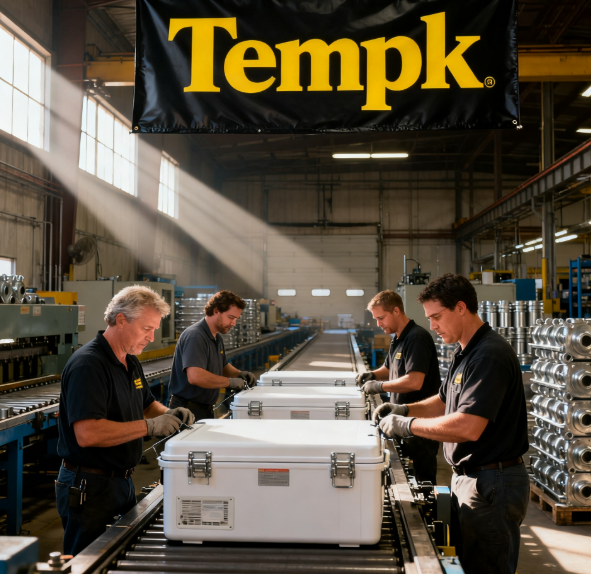
Preconditioning Gel Packs Pcm Packs: A Practical Framework for Shipment Control
preconditioning gel packs PCM packs should give a clear answer to one practical question: can this exact packaging configuration protect this product under the route and handling conditions you intend to use? The answer depends on requirements, packout discipline, thermal testing, logger data, and QA review. This optimized framework focuses on the steps that reduce false confidence before a shipment leaves the facility and reduce uncertainty when data is reviewed after delivery.
The decision behind the document
Every serious cold-chain packaging discussion eventually becomes a decision about acceptable risk. The document, report, checklist, or SOP is only useful if it helps the team answer whether the selected configuration is fit for the shipment. For preconditioning gel packs PCM packs, that means the product requirement, route conditions, packout method, monitoring plan, and review process must be described together. If any one piece is missing, the decision may look formal while still being fragile.
The framework should be simple enough for operations to use and detailed enough for QA to defend. It should avoid broad claims, but it should not become so cautious that no one can act. The goal is a controlled release pathway: what can be shipped, under which conditions, using which materials, by which procedure, and with what evidence.
This is why the strongest version of cold source preconditioning, PCM conditioning connects technical and operational evidence. The package may have a laboratory result, but the warehouse needs a repeatable packout. The route may have a planned transit time, but QA needs to understand dwell risk. The logger may record a clean profile, but the release reviewer needs to know where it was placed and why.
Map requirements before asking for packaging
Start with requirements that do not depend on any supplier. Define the product temperature range, product sensitivity, payload range, expected order sizes, origin process, receiving process, and documentation needs. If the product is regulated, involve QA before supplier selection. If the lane is new, involve logistics before packout testing. If the product is freeze-sensitive, avoid designing only for warm protection.
The requirement map should also state what is unknown. Perhaps the customs dwell time is unpredictable. Perhaps the receiver cannot always inspect on the same day. Perhaps payload size varies widely. These uncertainties do not prevent progress; they tell the team where margin, monitoring, or additional evidence may be needed. A packaging system that fits a stable lane may need modification for an unstable one.
For warehouse operators, packaging engineers, QA trainers, and cold-chain buyers, mapping requirements is also a way to manage internal alignment. Procurement can ask for relevant quotations, QA can define approval evidence, operations can prepare the work instruction, and logistics can flag route risks before the package is packed. The result is fewer late-stage surprises.
Build the test around handling reality
A test should challenge the same system that will be used in routine work: freezer or refrigerator conditioning, set point, dwell time, pack orientation, surface state, load verification, staging window, packout order, and operator signoff. That sounds obvious, yet many weak programs fail because the test is tidier than real operations. The test may use ideal conditioning, immediate dispatch, or a payload that is easier to pack than actual orders. If those conditions will not be repeated, the report should not be the only basis for release.
Handling reality includes human steps. How long can packs be out of conditioning before use? Where is the product staged? What happens when the carrier arrives early or late? Which side of the package faces up? How is the lid sealed? How is the logger activated and protected from direct contact with a cold source? These details should be tested or controlled because routine shipments depend on them.
The best test plan usually includes a reason for the profile selected. A standard thermal profile, historical lane data, or a seasonal lane profile can all be useful when the rationale is clear. A profile should not be chosen only because it is convenient or familiar. If a lane includes exceptional exposure, the team should decide whether the test should represent expected conditions, severe conditions, or both.
Evidence table: what each record can and cannot prove
| Evidence type | What it can support | What it cannot prove alone |
|---|---|---|
| Supplier datasheet | Materials, intended use, available sizes, handling notes, and design options. | It cannot prove performance for your route unless linked to test evidence. |
| Thermal test report | Performance of a defined configuration under defined test conditions. | It cannot guarantee every payload, season, operator variation, or route delay. |
| Packout SOP | Routine repeatability when operators follow the approved steps. | It cannot fix an unqualified configuration or wrong cold source conditioning. |
| Logger report | Recorded exposure at the sensor location during a shipment or test. | It cannot protect product or represent unmonitored locations automatically. |
| Route risk review | Dwell points, handovers, service constraints, and contingency needs. | It cannot replace package testing when product risk requires physical evidence. |
The table keeps expectations realistic. It also helps teams avoid assigning one record too much authority. A defensible cold-chain program is built by combining records, not by stretching a single document beyond its scope.
Use logger data to improve the process
Logger data should feed learning, not just release decisions. If several shipments warm near the end of a route, the route may need faster receiving or a stronger seasonal profile. If cold alarms appear near coolant contact points, the packout may need separation or different conditioning. If data is clean but product questions remain, the logger placement may be too sheltered. Each pattern can improve the packaging program.
To make that learning possible, logger placement must be documented. The report should state whether the logger monitored the product center, edge risk, lid area, or another defined location. Calibration status and alarm settings should be reviewed against the shipment's risk level. For high-value or sensitive products, multiple loggers may be considered during qualification, while routine shipments may use a smaller monitoring plan approved by QA.
Data review should also be timely. A package can arrive within range and still sit at the receiver before inspection. A logger can be downloaded after a delay and create uncertainty about when exposure occurred. Receiving procedures should define who retrieves the logger, when data is reviewed, what constitutes an alarm, and how deviations are escalated.
Procurement checks that reduce rework
Procurement can speed up a project by asking fewer generic questions and more precise ones. Ask the supplier which exact configuration was tested. Ask whether the stated capacity is gross internal volume or usable payload space after coolant and dividers. Ask whether the sample uses the same materials as production units. Ask what changes would require retesting or QA review. Ask what documentation can be provided without external links or unsupported claims.
For this topic, the most important buyer checks are: required cold source state; conditioning equipment capability; staging time limit; separation from product; and operator inspection and documentation. Treat each as a decision point. If the answer is firm and documented, the project can move forward. If the answer is uncertain, write it into the risk review instead of burying it in the purchase file.
Procurement should also align with operations before scale-up. A sample packout that is difficult to reproduce may not survive daily warehouse pressure. A packaging option that depends on precise conditioning may need equipment capacity and staging controls. A reusable option may need cleaning, inspection, return logistics, and replacement parts. The lowest unit price is rarely the lowest risk if the configuration cannot be controlled.
When the current evidence is not enough
Additional review may be needed when the product range changes, the route changes, the season changes, the packaging material changes, the coolant quantity changes, or the operator process changes. None of these changes automatically means the package fails. They mean the previous evidence should be compared against the new condition. Change control is the bridge between useful evidence and routine operations.
A good change review starts with the risk described in this topic: a pack that looks frozen or chilled is not necessarily in the same thermal state used during testing, and the wrong state can create warm exposure or freeze risk. If the change affects that risk, the team may need a new trial, a documented rationale, an adjusted SOP, or more monitoring. If the change is minor and clearly outside the thermal function, it may be handled through normal document control. The key is to decide deliberately.
This is also the point where overclaiming does the most damage. A team that says a package is validated for everything may have no clear trigger for review. A team that defines the validated configuration and its limits can adapt without losing control.
Field controls that keep the decision usable
A controlled decision is easier to maintain when the field team knows which details are flexible and which are fixed. In preconditioning gel packs PCM packs, the fixed details usually include product temperature range, packout sequence, cold source state, logger placement, route assumption, and acceptance rule. Flexible details may include outer labels, secondary handling aids, or scheduling details that do not affect thermal performance. The difference should be documented rather than left to memory.
Training should be built around the points where mistakes are most likely. Operators need to know what a properly conditioned cold source looks like, where product can and cannot touch coolant, how long materials may wait before packing, and what to do when a component is unavailable. QA needs a record that shows the approved process was followed. Logistics needs to know when a route event becomes a deviation trigger.
The final field control is review. A program that never reads its logger trends, exception reports, or receiving notes will repeat the same weak point. A short periodic review can reveal whether one route, season, operator step, or packaging component is creating most of the risk. That review turns validation from a one-time file into a living control.
Receiving controls close the loop
The shipment is not finished when the carrier marks it delivered. For preconditioning gel packs PCM packs, the receiving team needs instructions that match the risk level of the product and lane. Those instructions may include checking package condition, locating and stopping the logger, downloading or preserving data, confirming whether the shipment arrived within the expected time window, and escalating any alarm or visible damage before the product is released.
A receiving step also protects the supplier and shipper conversation. If the package was opened late, stored in an unplanned area, or separated from the logger record, the investigation becomes harder. A simple receiving record can show whether the issue likely occurred during transport, after delivery, or during unpacking. That distinction matters for corrective action because each cause has a different owner.
The receiving process should be written in plain language. It should tell staff what to do when the data looks normal, what to do when an alarm appears, and what to do when data is missing. It should not leave the decision to the busiest person on the dock. When receiving controls are clear, the packaging evidence remains useful all the way through disposition.
Frequently Asked Questions
What makes preconditioning gel packs PCM packs defensible?
It becomes defensible when the evidence matches the actual shipment. The product requirement, payload, packout, ambient profile, route risk, logger plan, and acceptance criteria should be visible. A defensible decision also explains limitations and identifies what changes would require review.
What should be checked before scaling from sample to routine shipments?
Check that the sample uses the same materials as production, the packout is easy for operators to repeat, cold source conditioning equipment is available, the route assumptions still apply, and the SOP matches the tested configuration. Also confirm who reviews logger data and deviations after delivery.
When is additional testing needed?
Additional testing may be needed when the product range, payload, packaging material, coolant configuration, seasonal exposure, route, or handling process changes in a way that could affect thermal performance. The decision should be risk-based and documented by QA or the responsible product owner.
How can procurement avoid weak quotes?
Procurement can avoid weak quotes by providing product range, payload, route, duration expectations, packaging format, monitoring needs, and documentation requirements before asking for price. Quotes based on incomplete requirements may look fast but often lead to unsuitable samples, missing evidence, or rework.
Conclusion
The strongest preconditioning gel packs PCM packs framework connects requirement, route, packout, evidence, monitoring, and change control. It avoids universal claims and turns uncertain details into verification points. When each record is used for what it can actually prove, the team can approve shipments with more confidence and investigate deviations with less confusion.
About Tempk
About Tempk: Tempk supports buyers who need practical cold-chain packaging options and clearer packout decisions. Our packaging discussions can include insulated boxes, insulated bags, cold source planning, and pallet-level protection, but the starting point is always the shipment requirement. We help teams translate product range, route, payload, and documentation needs into a more useful packaging brief before samples or routine orders are considered.
Packout Testing Cold Chain: Practical Framework
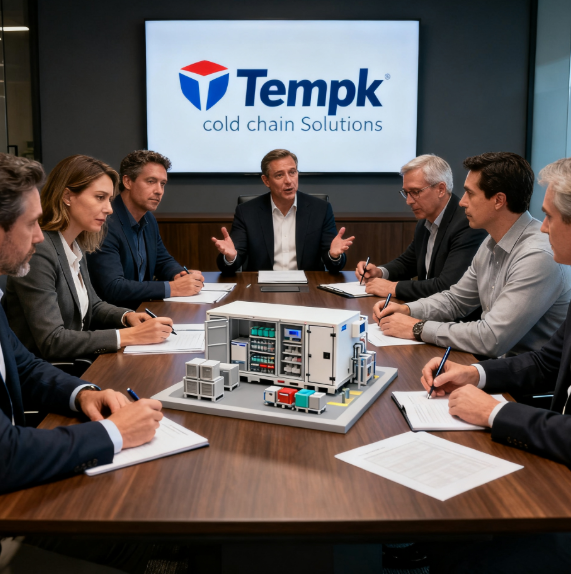
Packout Testing Cold Chain: A Practical Framework for Shipment Control
packout testing cold chain should give a clear answer to one practical question: can this exact packaging configuration protect this product under the route and handling conditions you intend to use? The answer depends on requirements, packout discipline, thermal testing, logger data, and QA review. This optimized framework focuses on the steps that reduce false confidence before a shipment leaves the facility and reduce uncertainty when data is reviewed after delivery.
The decision behind the document
Every serious cold-chain packaging discussion eventually becomes a decision about acceptable risk. The document, report, checklist, or SOP is only useful if it helps the team answer whether the selected configuration is fit for the shipment. For packout testing cold chain, that means the product requirement, route conditions, packout method, monitoring plan, and review process must be described together. If any one piece is missing, the decision may look formal while still being fragile.
The framework should be simple enough for operations to use and detailed enough for QA to defend. It should avoid broad claims, but it should not become so cautious that no one can act. The goal is a controlled release pathway: what can be shipped, under which conditions, using which materials, by which procedure, and with what evidence.
This is why the strongest version of cold chain packout test, packaging configuration test connects technical and operational evidence. The package may have a laboratory result, but the warehouse needs a repeatable packout. The route may have a planned transit time, but QA needs to understand dwell risk. The logger may record a clean profile, but the release reviewer needs to know where it was placed and why.
Map requirements before asking for packaging
Start with requirements that do not depend on any supplier. Define the product temperature range, product sensitivity, payload range, expected order sizes, origin process, receiving process, and documentation needs. If the product is regulated, involve QA before supplier selection. If the lane is new, involve logistics before packout testing. If the product is freeze-sensitive, avoid designing only for warm protection.
The requirement map should also state what is unknown. Perhaps the customs dwell time is unpredictable. Perhaps the receiver cannot always inspect on the same day. Perhaps payload size varies widely. These uncertainties do not prevent progress; they tell the team where margin, monitoring, or additional evidence may be needed. A packaging system that fits a stable lane may need modification for an unstable one.
For warehouse supervisors, packaging engineers, QA reviewers, and logistics buyers, mapping requirements is also a way to manage internal alignment. Procurement can ask for relevant quotations, QA can define approval evidence, operations can prepare the work instruction, and logistics can flag route risks before the package is packed. The result is fewer late-stage surprises.
Build the test around handling reality
A test should challenge the same system that will be used in routine work: box, liner, gel packs or PCM packs, product simulant or payload, separators, void fill, lid closure, labels, and logger locations. That sounds obvious, yet many weak programs fail because the test is tidier than real operations. The test may use ideal conditioning, immediate dispatch, or a payload that is easier to pack than actual orders. If those conditions will not be repeated, the report should not be the only basis for release.
Handling reality includes human steps. How long can packs be out of conditioning before use? Where is the product staged? What happens when the carrier arrives early or late? Which side of the package faces up? How is the lid sealed? How is the logger activated and protected from direct contact with a cold source? These details should be tested or controlled because routine shipments depend on them.
The best test plan usually includes a reason for the profile selected. A standard thermal profile, historical lane data, or a seasonal lane profile can all be useful when the rationale is clear. A profile should not be chosen only because it is convenient or familiar. If a lane includes exceptional exposure, the team should decide whether the test should represent expected conditions, severe conditions, or both.
Evidence table: what each record can and cannot prove
| Evidence type | What it can support | What it cannot prove alone |
|---|---|---|
| Supplier datasheet | Materials, intended use, available sizes, handling notes, and design options. | It cannot prove performance for your route unless linked to test evidence. |
| Thermal test report | Performance of a defined configuration under defined test conditions. | It cannot guarantee every payload, season, operator variation, or route delay. |
| Packout SOP | Routine repeatability when operators follow the approved steps. | It cannot fix an unqualified configuration or wrong cold source conditioning. |
| Logger report | Recorded exposure at the sensor location during a shipment or test. | It cannot protect product or represent unmonitored locations automatically. |
| Route risk review | Dwell points, handovers, service constraints, and contingency needs. | It cannot replace package testing when product risk requires physical evidence. |
The table keeps expectations realistic. It also helps teams avoid assigning one record too much authority. A defensible cold-chain program is built by combining records, not by stretching a single document beyond its scope.
Use logger data to improve the process
Logger data should feed learning, not just release decisions. If several shipments warm near the end of a route, the route may need faster receiving or a stronger seasonal profile. If cold alarms appear near coolant contact points, the packout may need separation or different conditioning. If data is clean but product questions remain, the logger placement may be too sheltered. Each pattern can improve the packaging program.
To make that learning possible, logger placement must be documented. The report should state whether the logger monitored the product center, edge risk, lid area, or another defined location. Calibration status and alarm settings should be reviewed against the shipment's risk level. For high-value or sensitive products, multiple loggers may be considered during qualification, while routine shipments may use a smaller monitoring plan approved by QA.
Data review should also be timely. A package can arrive within range and still sit at the receiver before inspection. A logger can be downloaded after a delay and create uncertainty about when exposure occurred. Receiving procedures should define who retrieves the logger, when data is reviewed, what constitutes an alarm, and how deviations are escalated.
Procurement checks that reduce rework
Procurement can speed up a project by asking fewer generic questions and more precise ones. Ask the supplier which exact configuration was tested. Ask whether the stated capacity is gross internal volume or usable payload space after coolant and dividers. Ask whether the sample uses the same materials as production units. Ask what changes would require retesting or QA review. Ask what documentation can be provided without external links or unsupported claims.
For this topic, the most important buyer checks are: packout sequence and diagrams; conditioned cold source state; payload mass and placement; test profile and acceptance criteria; and operator repeatability. Treat each as a decision point. If the answer is firm and documented, the project can move forward. If the answer is uncertain, write it into the risk review instead of burying it in the purchase file.
Procurement should also align with operations before scale-up. A sample packout that is difficult to reproduce may not survive daily warehouse pressure. A packaging option that depends on precise conditioning may need equipment capacity and staging controls. A reusable option may need cleaning, inspection, return logistics, and replacement parts. The lowest unit price is rarely the lowest risk if the configuration cannot be controlled.
When the current evidence is not enough
Additional review may be needed when the product range changes, the route changes, the season changes, the packaging material changes, the coolant quantity changes, or the operator process changes. None of these changes automatically means the package fails. They mean the previous evidence should be compared against the new condition. Change control is the bridge between useful evidence and routine operations.
A good change review starts with the risk described in this topic: a test that passes when one trained technician packs it, then fails during routine operations because the instruction is unclear or the packs are conditioned differently. If the change affects that risk, the team may need a new trial, a documented rationale, an adjusted SOP, or more monitoring. If the change is minor and clearly outside the thermal function, it may be handled through normal document control. The key is to decide deliberately.
This is also the point where overclaiming does the most damage. A team that says a package is validated for everything may have no clear trigger for review. A team that defines the validated configuration and its limits can adapt without losing control.
Field controls that keep the decision usable
A controlled decision is easier to maintain when the field team knows which details are flexible and which are fixed. In packout testing cold chain, the fixed details usually include product temperature range, packout sequence, cold source state, logger placement, route assumption, and acceptance rule. Flexible details may include outer labels, secondary handling aids, or scheduling details that do not affect thermal performance. The difference should be documented rather than left to memory.
Training should be built around the points where mistakes are most likely. Operators need to know what a properly conditioned cold source looks like, where product can and cannot touch coolant, how long materials may wait before packing, and what to do when a component is unavailable. QA needs a record that shows the approved process was followed. Logistics needs to know when a route event becomes a deviation trigger.
The final field control is review. A program that never reads its logger trends, exception reports, or receiving notes will repeat the same weak point. A short periodic review can reveal whether one route, season, operator step, or packaging component is creating most of the risk. That review turns validation from a one-time file into a living control.
Receiving controls close the loop
The shipment is not finished when the carrier marks it delivered. For packout testing cold chain, the receiving team needs instructions that match the risk level of the product and lane. Those instructions may include checking package condition, locating and stopping the logger, downloading or preserving data, confirming whether the shipment arrived within the expected time window, and escalating any alarm or visible damage before the product is released.
A receiving step also protects the supplier and shipper conversation. If the package was opened late, stored in an unplanned area, or separated from the logger record, the investigation becomes harder. A simple receiving record can show whether the issue likely occurred during transport, after delivery, or during unpacking. That distinction matters for corrective action because each cause has a different owner.
The receiving process should be written in plain language. It should tell staff what to do when the data looks normal, what to do when an alarm appears, and what to do when data is missing. It should not leave the decision to the busiest person on the dock. When receiving controls are clear, the packaging evidence remains useful all the way through disposition.
Frequently Asked Questions
What makes packout testing cold chain defensible?
It becomes defensible when the evidence matches the actual shipment. The product requirement, payload, packout, ambient profile, route risk, logger plan, and acceptance criteria should be visible. A defensible decision also explains limitations and identifies what changes would require review.
What should be checked before scaling from sample to routine shipments?
Check that the sample uses the same materials as production, the packout is easy for operators to repeat, cold source conditioning equipment is available, the route assumptions still apply, and the SOP matches the tested configuration. Also confirm who reviews logger data and deviations after delivery.
When is additional testing needed?
Additional testing may be needed when the product range, payload, packaging material, coolant configuration, seasonal exposure, route, or handling process changes in a way that could affect thermal performance. The decision should be risk-based and documented by QA or the responsible product owner.
How can procurement avoid weak quotes?
Procurement can avoid weak quotes by providing product range, payload, route, duration expectations, packaging format, monitoring needs, and documentation requirements before asking for price. Quotes based on incomplete requirements may look fast but often lead to unsuitable samples, missing evidence, or rework.
Conclusion
The strongest packout testing cold chain framework connects requirement, route, packout, evidence, monitoring, and change control. It avoids universal claims and turns uncertain details into verification points. When each record is used for what it can actually prove, the team can approve shipments with more confidence and investigate deviations with less confusion.
About Tempk
About Tempk: Tempk supports buyers who need practical cold-chain packaging options and clearer packout decisions. Our packaging discussions can include insulated boxes, insulated bags, cold source planning, and pallet-level protection, but the starting point is always the shipment requirement. We help teams translate product range, route, payload, and documentation needs into a more useful packaging brief before samples or routine orders are considered.
Lane Profile Cold Chain: Practical Framework
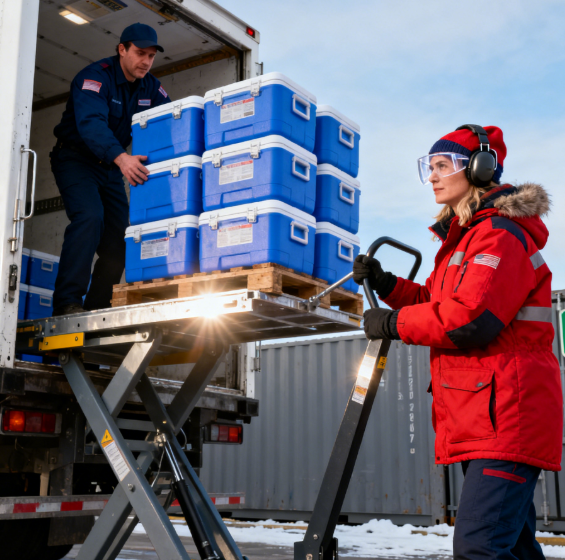
Lane Profile Cold Chain: A Practical Framework for Shipment Control
lane profile cold chain should give a clear answer to one practical question: can this exact packaging configuration protect this product under the route and handling conditions you intend to use? The answer depends on requirements, packout discipline, thermal testing, logger data, and QA review. This optimized framework focuses on the steps that reduce false confidence before a shipment leaves the facility and reduce uncertainty when data is reviewed after delivery.
The decision behind the document
Every serious cold-chain packaging discussion eventually becomes a decision about acceptable risk. The document, report, checklist, or SOP is only useful if it helps the team answer whether the selected configuration is fit for the shipment. For lane profile cold chain, that means the product requirement, route conditions, packout method, monitoring plan, and review process must be described together. If any one piece is missing, the decision may look formal while still being fragile.
The framework should be simple enough for operations to use and detailed enough for QA to defend. It should avoid broad claims, but it should not become so cautious that no one can act. The goal is a controlled release pathway: what can be shipped, under which conditions, using which materials, by which procedure, and with what evidence.
This is why the strongest version of route profile, ambient profile, shipping lane qualification connects technical and operational evidence. The package may have a laboratory result, but the warehouse needs a repeatable packout. The route may have a planned transit time, but QA needs to understand dwell risk. The logger may record a clean profile, but the release reviewer needs to know where it was placed and why.
Map requirements before asking for packaging
Start with requirements that do not depend on any supplier. Define the product temperature range, product sensitivity, payload range, expected order sizes, origin process, receiving process, and documentation needs. If the product is regulated, involve QA before supplier selection. If the lane is new, involve logistics before packout testing. If the product is freeze-sensitive, avoid designing only for warm protection.
The requirement map should also state what is unknown. Perhaps the customs dwell time is unpredictable. Perhaps the receiver cannot always inspect on the same day. Perhaps payload size varies widely. These uncertainties do not prevent progress; they tell the team where margin, monitoring, or additional evidence may be needed. A packaging system that fits a stable lane may need modification for an unstable one.
For cold-chain logistics planners, QA managers, and route owners, mapping requirements is also a way to manage internal alignment. Procurement can ask for relevant quotations, QA can define approval evidence, operations can prepare the work instruction, and logistics can flag route risks before the package is packed. The result is fewer late-stage surprises.
Build the test around handling reality
A test should challenge the same system that will be used in routine work: origin staging, pickup, first hub, linehaul, airport or port exposure, customs, delivery depot, receiving inspection, logger download, and deviation review. That sounds obvious, yet many weak programs fail because the test is tidier than real operations. The test may use ideal conditioning, immediate dispatch, or a payload that is easier to pack than actual orders. If those conditions will not be repeated, the report should not be the only basis for release.
Handling reality includes human steps. How long can packs be out of conditioning before use? Where is the product staged? What happens when the carrier arrives early or late? Which side of the package faces up? How is the lid sealed? How is the logger activated and protected from direct contact with a cold source? These details should be tested or controlled because routine shipments depend on them.
The best test plan usually includes a reason for the profile selected. A standard thermal profile, historical lane data, or a seasonal lane profile can all be useful when the rationale is clear. A profile should not be chosen only because it is convenient or familiar. If a lane includes exceptional exposure, the team should decide whether the test should represent expected conditions, severe conditions, or both.
Evidence table: what each record can and cannot prove
| Evidence type | What it can support | What it cannot prove alone |
|---|---|---|
| Supplier datasheet | Materials, intended use, available sizes, handling notes, and design options. | It cannot prove performance for your route unless linked to test evidence. |
| Thermal test report | Performance of a defined configuration under defined test conditions. | It cannot guarantee every payload, season, operator variation, or route delay. |
| Packout SOP | Routine repeatability when operators follow the approved steps. | It cannot fix an unqualified configuration or wrong cold source conditioning. |
| Logger report | Recorded exposure at the sensor location during a shipment or test. | It cannot protect product or represent unmonitored locations automatically. |
| Route risk review | Dwell points, handovers, service constraints, and contingency needs. | It cannot replace package testing when product risk requires physical evidence. |
The table keeps expectations realistic. It also helps teams avoid assigning one record too much authority. A defensible cold-chain program is built by combining records, not by stretching a single document beyond its scope.
Use logger data to improve the process
Logger data should feed learning, not just release decisions. If several shipments warm near the end of a route, the route may need faster receiving or a stronger seasonal profile. If cold alarms appear near coolant contact points, the packout may need separation or different conditioning. If data is clean but product questions remain, the logger placement may be too sheltered. Each pattern can improve the packaging program.
To make that learning possible, logger placement must be documented. The report should state whether the logger monitored the product center, edge risk, lid area, or another defined location. Calibration status and alarm settings should be reviewed against the shipment's risk level. For high-value or sensitive products, multiple loggers may be considered during qualification, while routine shipments may use a smaller monitoring plan approved by QA.
Data review should also be timely. A package can arrive within range and still sit at the receiver before inspection. A logger can be downloaded after a delay and create uncertainty about when exposure occurred. Receiving procedures should define who retrieves the logger, when data is reviewed, what constitutes an alarm, and how deviations are escalated.
Procurement checks that reduce rework
Procurement can speed up a project by asking fewer generic questions and more precise ones. Ask the supplier which exact configuration was tested. Ask whether the stated capacity is gross internal volume or usable payload space after coolant and dividers. Ask whether the sample uses the same materials as production units. Ask what changes would require retesting or QA review. Ask what documentation can be provided without external links or unsupported claims.
For this topic, the most important buyer checks are: critical handover points; seasonal ambient profile; dwell-time assumptions; carrier service level; and data logger recovery and review plan. Treat each as a decision point. If the answer is firm and documented, the project can move forward. If the answer is uncertain, write it into the risk review instead of burying it in the purchase file.
Procurement should also align with operations before scale-up. A sample packout that is difficult to reproduce may not survive daily warehouse pressure. A packaging option that depends on precise conditioning may need equipment capacity and staging controls. A reusable option may need cleaning, inspection, return logistics, and replacement parts. The lowest unit price is rarely the lowest risk if the configuration cannot be controlled.
When the current evidence is not enough
Additional review may be needed when the product range changes, the route changes, the season changes, the packaging material changes, the coolant quantity changes, or the operator process changes. None of these changes automatically means the package fails. They mean the previous evidence should be compared against the new condition. Change control is the bridge between useful evidence and routine operations.
A good change review starts with the risk described in this topic: treating two routes with the same transit time as equivalent when one includes tarmac exposure, customs delay, or a hot weekend dwell point. If the change affects that risk, the team may need a new trial, a documented rationale, an adjusted SOP, or more monitoring. If the change is minor and clearly outside the thermal function, it may be handled through normal document control. The key is to decide deliberately.
This is also the point where overclaiming does the most damage. A team that says a package is validated for everything may have no clear trigger for review. A team that defines the validated configuration and its limits can adapt without losing control.
Field controls that keep the decision usable
A controlled decision is easier to maintain when the field team knows which details are flexible and which are fixed. In lane profile cold chain, the fixed details usually include product temperature range, packout sequence, cold source state, logger placement, route assumption, and acceptance rule. Flexible details may include outer labels, secondary handling aids, or scheduling details that do not affect thermal performance. The difference should be documented rather than left to memory.
Training should be built around the points where mistakes are most likely. Operators need to know what a properly conditioned cold source looks like, where product can and cannot touch coolant, how long materials may wait before packing, and what to do when a component is unavailable. QA needs a record that shows the approved process was followed. Logistics needs to know when a route event becomes a deviation trigger.
The final field control is review. A program that never reads its logger trends, exception reports, or receiving notes will repeat the same weak point. A short periodic review can reveal whether one route, season, operator step, or packaging component is creating most of the risk. That review turns validation from a one-time file into a living control.
Receiving controls close the loop
The shipment is not finished when the carrier marks it delivered. For lane profile cold chain, the receiving team needs instructions that match the risk level of the product and lane. Those instructions may include checking package condition, locating and stopping the logger, downloading or preserving data, confirming whether the shipment arrived within the expected time window, and escalating any alarm or visible damage before the product is released.
A receiving step also protects the supplier and shipper conversation. If the package was opened late, stored in an unplanned area, or separated from the logger record, the investigation becomes harder. A simple receiving record can show whether the issue likely occurred during transport, after delivery, or during unpacking. That distinction matters for corrective action because each cause has a different owner.
The receiving process should be written in plain language. It should tell staff what to do when the data looks normal, what to do when an alarm appears, and what to do when data is missing. It should not leave the decision to the busiest person on the dock. When receiving controls are clear, the packaging evidence remains useful all the way through disposition.
Frequently Asked Questions
What makes lane profile cold chain defensible?
It becomes defensible when the evidence matches the actual shipment. The product requirement, payload, packout, ambient profile, route risk, logger plan, and acceptance criteria should be visible. A defensible decision also explains limitations and identifies what changes would require review.
What should be checked before scaling from sample to routine shipments?
Check that the sample uses the same materials as production, the packout is easy for operators to repeat, cold source conditioning equipment is available, the route assumptions still apply, and the SOP matches the tested configuration. Also confirm who reviews logger data and deviations after delivery.
When is additional testing needed?
Additional testing may be needed when the product range, payload, packaging material, coolant configuration, seasonal exposure, route, or handling process changes in a way that could affect thermal performance. The decision should be risk-based and documented by QA or the responsible product owner.
How can procurement avoid weak quotes?
Procurement can avoid weak quotes by providing product range, payload, route, duration expectations, packaging format, monitoring needs, and documentation requirements before asking for price. Quotes based on incomplete requirements may look fast but often lead to unsuitable samples, missing evidence, or rework.
Conclusion
The strongest lane profile cold chain framework connects requirement, route, packout, evidence, monitoring, and change control. It avoids universal claims and turns uncertain details into verification points. When each record is used for what it can actually prove, the team can approve shipments with more confidence and investigate deviations with less confusion.
About Tempk
About Tempk: Tempk supports buyers who need practical cold-chain packaging options and clearer packout decisions. Our packaging discussions can include insulated boxes, insulated bags, cold source planning, and pallet-level protection, but the starting point is always the shipment requirement. We help teams translate product range, route, payload, and documentation needs into a more useful packaging brief before samples or routine orders are considered.
Ista 7D Vs Ista 7E: Practical Framework
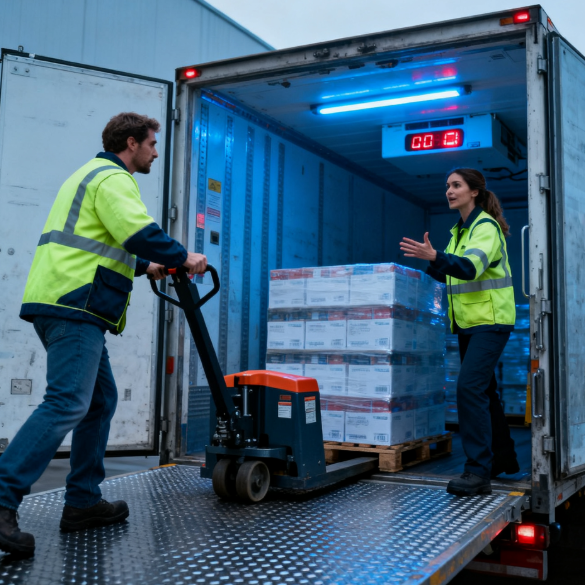
Ista 7D Vs Ista 7E: A Practical Framework for Shipment Control
ISTA 7D vs ISTA 7E should give a clear answer to one practical question: can this exact packaging configuration protect this product under the route and handling conditions you intend to use? The answer depends on requirements, packout discipline, thermal testing, logger data, and QA review. This optimized framework focuses on the steps that reduce false confidence before a shipment leaves the facility and reduce uncertainty when data is reviewed after delivery.
The decision behind the document
Every serious cold-chain packaging discussion eventually becomes a decision about acceptable risk. The document, report, checklist, or SOP is only useful if it helps the team answer whether the selected configuration is fit for the shipment. For ISTA 7D vs ISTA 7E, that means the product requirement, route conditions, packout method, monitoring plan, and review process must be described together. If any one piece is missing, the decision may look formal while still being fragile.
The framework should be simple enough for operations to use and detailed enough for QA to defend. It should avoid broad claims, but it should not become so cautious that no one can act. The goal is a controlled release pathway: what can be shipped, under which conditions, using which materials, by which procedure, and with what evidence.
This is why the strongest version of ISTA 7E cold chain packaging, ISTA thermal testing connects technical and operational evidence. The package may have a laboratory result, but the warehouse needs a repeatable packout. The route may have a planned transit time, but QA needs to understand dwell risk. The logger may record a clean profile, but the release reviewer needs to know where it was placed and why.
Map requirements before asking for packaging
Start with requirements that do not depend on any supplier. Define the product temperature range, product sensitivity, payload range, expected order sizes, origin process, receiving process, and documentation needs. If the product is regulated, involve QA before supplier selection. If the lane is new, involve logistics before packout testing. If the product is freeze-sensitive, avoid designing only for warm protection.
The requirement map should also state what is unknown. Perhaps the customs dwell time is unpredictable. Perhaps the receiver cannot always inspect on the same day. Perhaps payload size varies widely. These uncertainties do not prevent progress; they tell the team where margin, monitoring, or additional evidence may be needed. A packaging system that fits a stable lane may need modification for an unstable one.
For packaging engineers, QA teams, and buyers comparing thermal test approaches, mapping requirements is also a way to manage internal alignment. Procurement can ask for relevant quotations, QA can define approval evidence, operations can prepare the work instruction, and logistics can flag route risks before the package is packed. The result is fewer late-stage surprises.
Build the test around handling reality
A test should challenge the same system that will be used in routine work: standard reference, ambient profile, insulated shipper, payload, coolant configuration, logger plan, report, and change-control pathway. That sounds obvious, yet many weak programs fail because the test is tidier than real operations. The test may use ideal conditioning, immediate dispatch, or a payload that is easier to pack than actual orders. If those conditions will not be repeated, the report should not be the only basis for release.
Handling reality includes human steps. How long can packs be out of conditioning before use? Where is the product staged? What happens when the carrier arrives early or late? Which side of the package faces up? How is the lid sealed? How is the logger activated and protected from direct contact with a cold source? These details should be tested or controlled because routine shipments depend on them.
The best test plan usually includes a reason for the profile selected. A standard thermal profile, historical lane data, or a seasonal lane profile can all be useful when the rationale is clear. A profile should not be chosen only because it is convenient or familiar. If a lane includes exceptional exposure, the team should decide whether the test should represent expected conditions, severe conditions, or both.
Evidence table: what each record can and cannot prove
| Evidence type | What it can support | What it cannot prove alone |
|---|---|---|
| Supplier datasheet | Materials, intended use, available sizes, handling notes, and design options. | It cannot prove performance for your route unless linked to test evidence. |
| Thermal test report | Performance of a defined configuration under defined test conditions. | It cannot guarantee every payload, season, operator variation, or route delay. |
| Packout SOP | Routine repeatability when operators follow the approved steps. | It cannot fix an unqualified configuration or wrong cold source conditioning. |
| Logger report | Recorded exposure at the sensor location during a shipment or test. | It cannot protect product or represent unmonitored locations automatically. |
| Route risk review | Dwell points, handovers, service constraints, and contingency needs. | It cannot replace package testing when product risk requires physical evidence. |
The table keeps expectations realistic. It also helps teams avoid assigning one record too much authority. A defensible cold-chain program is built by combining records, not by stretching a single document beyond its scope.
Use logger data to improve the process
Logger data should feed learning, not just release decisions. If several shipments warm near the end of a route, the route may need faster receiving or a stronger seasonal profile. If cold alarms appear near coolant contact points, the packout may need separation or different conditioning. If data is clean but product questions remain, the logger placement may be too sheltered. Each pattern can improve the packaging program.
To make that learning possible, logger placement must be documented. The report should state whether the logger monitored the product center, edge risk, lid area, or another defined location. Calibration status and alarm settings should be reviewed against the shipment's risk level. For high-value or sensitive products, multiple loggers may be considered during qualification, while routine shipments may use a smaller monitoring plan approved by QA.
Data review should also be timely. A package can arrive within range and still sit at the receiver before inspection. A logger can be downloaded after a delay and create uncertainty about when exposure occurred. Receiving procedures should define who retrieves the logger, when data is reviewed, what constitutes an alarm, and how deviations are escalated.
Procurement checks that reduce rework
Procurement can speed up a project by asking fewer generic questions and more precise ones. Ask the supplier which exact configuration was tested. Ask whether the stated capacity is gross internal volume or usable payload space after coolant and dividers. Ask whether the sample uses the same materials as production units. Ask what changes would require retesting or QA review. Ask what documentation can be provided without external links or unsupported claims.
For this topic, the most important buyer checks are: which ISTA document was used; test laboratory capability; ambient profile selection; payload and refrigerant configuration; and how pass/fail criteria were defined. Treat each as a decision point. If the answer is firm and documented, the project can move forward. If the answer is uncertain, write it into the risk review instead of burying it in the purchase file.
Procurement should also align with operations before scale-up. A sample packout that is difficult to reproduce may not survive daily warehouse pressure. A packaging option that depends on precise conditioning may need equipment capacity and staging controls. A reusable option may need cleaning, inspection, return logistics, and replacement parts. The lowest unit price is rarely the lowest risk if the configuration cannot be controlled.
When the current evidence is not enough
Additional review may be needed when the product range changes, the route changes, the season changes, the packaging material changes, the coolant quantity changes, or the operator process changes. None of these changes automatically means the package fails. They mean the previous evidence should be compared against the new condition. Change control is the bridge between useful evidence and routine operations.
A good change review starts with the risk described in this topic: selecting a test name because it sounds current while ignoring whether the profile matches the shipping mode, product sensitivity, or route risk. If the change affects that risk, the team may need a new trial, a documented rationale, an adjusted SOP, or more monitoring. If the change is minor and clearly outside the thermal function, it may be handled through normal document control. The key is to decide deliberately.
This is also the point where overclaiming does the most damage. A team that says a package is validated for everything may have no clear trigger for review. A team that defines the validated configuration and its limits can adapt without losing control.
Field controls that keep the decision usable
A controlled decision is easier to maintain when the field team knows which details are flexible and which are fixed. In ISTA 7D vs ISTA 7E, the fixed details usually include product temperature range, packout sequence, cold source state, logger placement, route assumption, and acceptance rule. Flexible details may include outer labels, secondary handling aids, or scheduling details that do not affect thermal performance. The difference should be documented rather than left to memory.
Training should be built around the points where mistakes are most likely. Operators need to know what a properly conditioned cold source looks like, where product can and cannot touch coolant, how long materials may wait before packing, and what to do when a component is unavailable. QA needs a record that shows the approved process was followed. Logistics needs to know when a route event becomes a deviation trigger.
The final field control is review. A program that never reads its logger trends, exception reports, or receiving notes will repeat the same weak point. A short periodic review can reveal whether one route, season, operator step, or packaging component is creating most of the risk. That review turns validation from a one-time file into a living control.
Receiving controls close the loop
The shipment is not finished when the carrier marks it delivered. For ISTA 7D vs ISTA 7E, the receiving team needs instructions that match the risk level of the product and lane. Those instructions may include checking package condition, locating and stopping the logger, downloading or preserving data, confirming whether the shipment arrived within the expected time window, and escalating any alarm or visible damage before the product is released.
A receiving step also protects the supplier and shipper conversation. If the package was opened late, stored in an unplanned area, or separated from the logger record, the investigation becomes harder. A simple receiving record can show whether the issue likely occurred during transport, after delivery, or during unpacking. That distinction matters for corrective action because each cause has a different owner.
The receiving process should be written in plain language. It should tell staff what to do when the data looks normal, what to do when an alarm appears, and what to do when data is missing. It should not leave the decision to the busiest person on the dock. When receiving controls are clear, the packaging evidence remains useful all the way through disposition.
Frequently Asked Questions
What makes ISTA 7D vs ISTA 7E defensible?
It becomes defensible when the evidence matches the actual shipment. The product requirement, payload, packout, ambient profile, route risk, logger plan, and acceptance criteria should be visible. A defensible decision also explains limitations and identifies what changes would require review.
What should be checked before scaling from sample to routine shipments?
Check that the sample uses the same materials as production, the packout is easy for operators to repeat, cold source conditioning equipment is available, the route assumptions still apply, and the SOP matches the tested configuration. Also confirm who reviews logger data and deviations after delivery.
When is additional testing needed?
Additional testing may be needed when the product range, payload, packaging material, coolant configuration, seasonal exposure, route, or handling process changes in a way that could affect thermal performance. The decision should be risk-based and documented by QA or the responsible product owner.
How can procurement avoid weak quotes?
Procurement can avoid weak quotes by providing product range, payload, route, duration expectations, packaging format, monitoring needs, and documentation requirements before asking for price. Quotes based on incomplete requirements may look fast but often lead to unsuitable samples, missing evidence, or rework.
Conclusion
The strongest ISTA 7D vs ISTA 7E framework connects requirement, route, packout, evidence, monitoring, and change control. It avoids universal claims and turns uncertain details into verification points. When each record is used for what it can actually prove, the team can approve shipments with more confidence and investigate deviations with less confusion.
About Tempk
About Tempk: Tempk supports buyers who need practical cold-chain packaging options and clearer packout decisions. Our packaging discussions can include insulated boxes, insulated bags, cold source planning, and pallet-level protection, but the starting point is always the shipment requirement. We help teams translate product range, route, payload, and documentation needs into a more useful packaging brief before samples or routine orders are considered.
Cold Chain Route Risk Assessment: Practical Framework
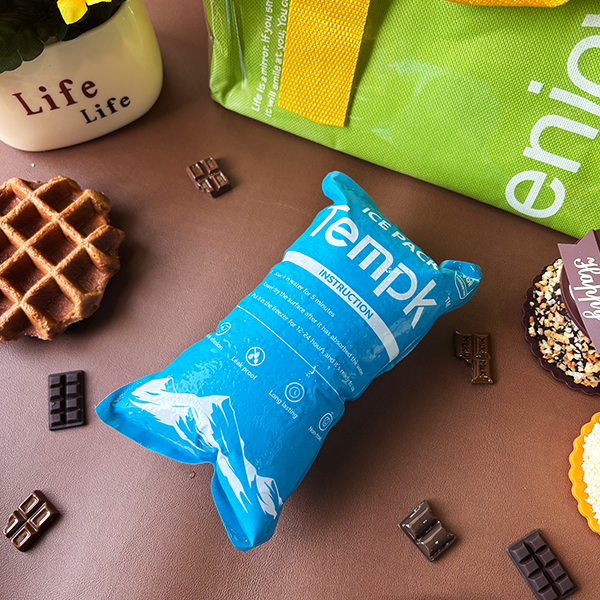
Cold Chain Route Risk Assessment: A Practical Framework for Shipment Control
cold chain route risk assessment should give a clear answer to one practical question: can this exact packaging configuration protect this product under the route and handling conditions you intend to use? The answer depends on requirements, packout discipline, thermal testing, logger data, and QA review. This optimized framework focuses on the steps that reduce false confidence before a shipment leaves the facility and reduce uncertainty when data is reviewed after delivery.
The decision behind the document
Every serious cold-chain packaging discussion eventually becomes a decision about acceptable risk. The document, report, checklist, or SOP is only useful if it helps the team answer whether the selected configuration is fit for the shipment. For cold chain route risk assessment, that means the product requirement, route conditions, packout method, monitoring plan, and review process must be described together. If any one piece is missing, the decision may look formal while still being fragile.
The framework should be simple enough for operations to use and detailed enough for QA to defend. It should avoid broad claims, but it should not become so cautious that no one can act. The goal is a controlled release pathway: what can be shipped, under which conditions, using which materials, by which procedure, and with what evidence.
This is why the strongest version of route risk checker, dwell time, customs delay, tarmac exposure connects technical and operational evidence. The package may have a laboratory result, but the warehouse needs a repeatable packout. The route may have a planned transit time, but QA needs to understand dwell risk. The logger may record a clean profile, but the release reviewer needs to know where it was placed and why.
Map requirements before asking for packaging
Start with requirements that do not depend on any supplier. Define the product temperature range, product sensitivity, payload range, expected order sizes, origin process, receiving process, and documentation needs. If the product is regulated, involve QA before supplier selection. If the lane is new, involve logistics before packout testing. If the product is freeze-sensitive, avoid designing only for warm protection.
The requirement map should also state what is unknown. Perhaps the customs dwell time is unpredictable. Perhaps the receiver cannot always inspect on the same day. Perhaps payload size varies widely. These uncertainties do not prevent progress; they tell the team where margin, monitoring, or additional evidence may be needed. A packaging system that fits a stable lane may need modification for an unstable one.
For logistics managers, QA teams, freight forwarders, and procurement teams, mapping requirements is also a way to manage internal alignment. Procurement can ask for relevant quotations, QA can define approval evidence, operations can prepare the work instruction, and logistics can flag route risks before the package is packed. The result is fewer late-stage surprises.
Build the test around handling reality
A test should challenge the same system that will be used in routine work: origin readiness, pickup window, service level, hub dwell, air or ground exposure, customs, delivery appointment, receiver availability, and contingency plan. That sounds obvious, yet many weak programs fail because the test is tidier than real operations. The test may use ideal conditioning, immediate dispatch, or a payload that is easier to pack than actual orders. If those conditions will not be repeated, the report should not be the only basis for release.
Handling reality includes human steps. How long can packs be out of conditioning before use? Where is the product staged? What happens when the carrier arrives early or late? Which side of the package faces up? How is the lid sealed? How is the logger activated and protected from direct contact with a cold source? These details should be tested or controlled because routine shipments depend on them.
The best test plan usually includes a reason for the profile selected. A standard thermal profile, historical lane data, or a seasonal lane profile can all be useful when the rationale is clear. A profile should not be chosen only because it is convenient or familiar. If a lane includes exceptional exposure, the team should decide whether the test should represent expected conditions, severe conditions, or both.
Evidence table: what each record can and cannot prove
| Evidence type | What it can support | What it cannot prove alone |
|---|---|---|
| Supplier datasheet | Materials, intended use, available sizes, handling notes, and design options. | It cannot prove performance for your route unless linked to test evidence. |
| Thermal test report | Performance of a defined configuration under defined test conditions. | It cannot guarantee every payload, season, operator variation, or route delay. |
| Packout SOP | Routine repeatability when operators follow the approved steps. | It cannot fix an unqualified configuration or wrong cold source conditioning. |
| Logger report | Recorded exposure at the sensor location during a shipment or test. | It cannot protect product or represent unmonitored locations automatically. |
| Route risk review | Dwell points, handovers, service constraints, and contingency needs. | It cannot replace package testing when product risk requires physical evidence. |
The table keeps expectations realistic. It also helps teams avoid assigning one record too much authority. A defensible cold-chain program is built by combining records, not by stretching a single document beyond its scope.
Use logger data to improve the process
Logger data should feed learning, not just release decisions. If several shipments warm near the end of a route, the route may need faster receiving or a stronger seasonal profile. If cold alarms appear near coolant contact points, the packout may need separation or different conditioning. If data is clean but product questions remain, the logger placement may be too sheltered. Each pattern can improve the packaging program.
To make that learning possible, logger placement must be documented. The report should state whether the logger monitored the product center, edge risk, lid area, or another defined location. Calibration status and alarm settings should be reviewed against the shipment's risk level. For high-value or sensitive products, multiple loggers may be considered during qualification, while routine shipments may use a smaller monitoring plan approved by QA.
Data review should also be timely. A package can arrive within range and still sit at the receiver before inspection. A logger can be downloaded after a delay and create uncertainty about when exposure occurred. Receiving procedures should define who retrieves the logger, when data is reviewed, what constitutes an alarm, and how deviations are escalated.
Procurement checks that reduce rework
Procurement can speed up a project by asking fewer generic questions and more precise ones. Ask the supplier which exact configuration was tested. Ask whether the stated capacity is gross internal volume or usable payload space after coolant and dividers. Ask whether the sample uses the same materials as production units. Ask what changes would require retesting or QA review. Ask what documentation can be provided without external links or unsupported claims.
For this topic, the most important buyer checks are: dwell points; customs and documentation readiness; tarmac or outdoor exposure potential; receiver hours and inspection process; and monitoring and escalation plan. Treat each as a decision point. If the answer is firm and documented, the project can move forward. If the answer is uncertain, write it into the risk review instead of burying it in the purchase file.
Procurement should also align with operations before scale-up. A sample packout that is difficult to reproduce may not survive daily warehouse pressure. A packaging option that depends on precise conditioning may need equipment capacity and staging controls. A reusable option may need cleaning, inspection, return logistics, and replacement parts. The lowest unit price is rarely the lowest risk if the configuration cannot be controlled.
When the current evidence is not enough
Additional review may be needed when the product range changes, the route changes, the season changes, the packaging material changes, the coolant quantity changes, or the operator process changes. None of these changes automatically means the package fails. They mean the previous evidence should be compared against the new condition. Change control is the bridge between useful evidence and routine operations.
A good change review starts with the risk described in this topic: the planned transit time looks acceptable, but the shipment misses a flight, waits on a dock, or reaches customs before the receiver can clear it. If the change affects that risk, the team may need a new trial, a documented rationale, an adjusted SOP, or more monitoring. If the change is minor and clearly outside the thermal function, it may be handled through normal document control. The key is to decide deliberately.
This is also the point where overclaiming does the most damage. A team that says a package is validated for everything may have no clear trigger for review. A team that defines the validated configuration and its limits can adapt without losing control.
Field controls that keep the decision usable
A controlled decision is easier to maintain when the field team knows which details are flexible and which are fixed. In cold chain route risk assessment, the fixed details usually include product temperature range, packout sequence, cold source state, logger placement, route assumption, and acceptance rule. Flexible details may include outer labels, secondary handling aids, or scheduling details that do not affect thermal performance. The difference should be documented rather than left to memory.
Training should be built around the points where mistakes are most likely. Operators need to know what a properly conditioned cold source looks like, where product can and cannot touch coolant, how long materials may wait before packing, and what to do when a component is unavailable. QA needs a record that shows the approved process was followed. Logistics needs to know when a route event becomes a deviation trigger.
The final field control is review. A program that never reads its logger trends, exception reports, or receiving notes will repeat the same weak point. A short periodic review can reveal whether one route, season, operator step, or packaging component is creating most of the risk. That review turns validation from a one-time file into a living control.
Receiving controls close the loop
The shipment is not finished when the carrier marks it delivered. For cold chain route risk assessment, the receiving team needs instructions that match the risk level of the product and lane. Those instructions may include checking package condition, locating and stopping the logger, downloading or preserving data, confirming whether the shipment arrived within the expected time window, and escalating any alarm or visible damage before the product is released.
A receiving step also protects the supplier and shipper conversation. If the package was opened late, stored in an unplanned area, or separated from the logger record, the investigation becomes harder. A simple receiving record can show whether the issue likely occurred during transport, after delivery, or during unpacking. That distinction matters for corrective action because each cause has a different owner.
The receiving process should be written in plain language. It should tell staff what to do when the data looks normal, what to do when an alarm appears, and what to do when data is missing. It should not leave the decision to the busiest person on the dock. When receiving controls are clear, the packaging evidence remains useful all the way through disposition.
Frequently Asked Questions
What makes cold chain route risk assessment defensible?
It becomes defensible when the evidence matches the actual shipment. The product requirement, payload, packout, ambient profile, route risk, logger plan, and acceptance criteria should be visible. A defensible decision also explains limitations and identifies what changes would require review.
What should be checked before scaling from sample to routine shipments?
Check that the sample uses the same materials as production, the packout is easy for operators to repeat, cold source conditioning equipment is available, the route assumptions still apply, and the SOP matches the tested configuration. Also confirm who reviews logger data and deviations after delivery.
When is additional testing needed?
Additional testing may be needed when the product range, payload, packaging material, coolant configuration, seasonal exposure, route, or handling process changes in a way that could affect thermal performance. The decision should be risk-based and documented by QA or the responsible product owner.
How can procurement avoid weak quotes?
Procurement can avoid weak quotes by providing product range, payload, route, duration expectations, packaging format, monitoring needs, and documentation requirements before asking for price. Quotes based on incomplete requirements may look fast but often lead to unsuitable samples, missing evidence, or rework.
Conclusion
The strongest cold chain route risk assessment framework connects requirement, route, packout, evidence, monitoring, and change control. It avoids universal claims and turns uncertain details into verification points. When each record is used for what it can actually prove, the team can approve shipments with more confidence and investigate deviations with less confusion.
About Tempk
About Tempk: Tempk supports buyers who need practical cold-chain packaging options and clearer packout decisions. Our packaging discussions can include insulated boxes, insulated bags, cold source planning, and pallet-level protection, but the starting point is always the shipment requirement. We help teams translate product range, route, payload, and documentation needs into a more useful packaging brief before samples or routine orders are considered.
Cold Chain Packaging Validation: Practical Framework

Cold Chain Packaging Validation: A Practical Framework for Shipment Control
cold chain packaging validation should give a clear answer to one practical question: can this exact packaging configuration protect this product under the route and handling conditions you intend to use? The answer depends on requirements, packout discipline, thermal testing, logger data, and QA review. This optimized framework focuses on the steps that reduce false confidence before a shipment leaves the facility and reduce uncertainty when data is reviewed after delivery.
The decision behind the document
Every serious cold-chain packaging discussion eventually becomes a decision about acceptable risk. The document, report, checklist, or SOP is only useful if it helps the team answer whether the selected configuration is fit for the shipment. For cold chain packaging validation, that means the product requirement, route conditions, packout method, monitoring plan, and review process must be described together. If any one piece is missing, the decision may look formal while still being fragile.
The framework should be simple enough for operations to use and detailed enough for QA to defend. It should avoid broad claims, but it should not become so cautious that no one can act. The goal is a controlled release pathway: what can be shipped, under which conditions, using which materials, by which procedure, and with what evidence.
This is why the strongest version of temperature controlled packaging validation, packaging qualification connects technical and operational evidence. The package may have a laboratory result, but the warehouse needs a repeatable packout. The route may have a planned transit time, but QA needs to understand dwell risk. The logger may record a clean profile, but the release reviewer needs to know where it was placed and why.
Map requirements before asking for packaging
Start with requirements that do not depend on any supplier. Define the product temperature range, product sensitivity, payload range, expected order sizes, origin process, receiving process, and documentation needs. If the product is regulated, involve QA before supplier selection. If the lane is new, involve logistics before packout testing. If the product is freeze-sensitive, avoid designing only for warm protection.
The requirement map should also state what is unknown. Perhaps the customs dwell time is unpredictable. Perhaps the receiver cannot always inspect on the same day. Perhaps payload size varies widely. These uncertainties do not prevent progress; they tell the team where margin, monitoring, or additional evidence may be needed. A packaging system that fits a stable lane may need modification for an unstable one.
For quality managers, cold-chain packaging engineers, pharmaceutical logistics buyers, and procurement teams, mapping requirements is also a way to manage internal alignment. Procurement can ask for relevant quotations, QA can define approval evidence, operations can prepare the work instruction, and logistics can flag route risks before the package is packed. The result is fewer late-stage surprises.
Build the test around handling reality
A test should challenge the same system that will be used in routine work: passive insulated shipper, coolant, payload, packout sequence, logger plan, acceptance criteria, and deviation review. That sounds obvious, yet many weak programs fail because the test is tidier than real operations. The test may use ideal conditioning, immediate dispatch, or a payload that is easier to pack than actual orders. If those conditions will not be repeated, the report should not be the only basis for release.
Handling reality includes human steps. How long can packs be out of conditioning before use? Where is the product staged? What happens when the carrier arrives early or late? Which side of the package faces up? How is the lid sealed? How is the logger activated and protected from direct contact with a cold source? These details should be tested or controlled because routine shipments depend on them.
The best test plan usually includes a reason for the profile selected. A standard thermal profile, historical lane data, or a seasonal lane profile can all be useful when the rationale is clear. A profile should not be chosen only because it is convenient or familiar. If a lane includes exceptional exposure, the team should decide whether the test should represent expected conditions, severe conditions, or both.
Evidence table: what each record can and cannot prove
| Evidence type | What it can support | What it cannot prove alone |
|---|---|---|
| Supplier datasheet | Materials, intended use, available sizes, handling notes, and design options. | It cannot prove performance for your route unless linked to test evidence. |
| Thermal test report | Performance of a defined configuration under defined test conditions. | It cannot guarantee every payload, season, operator variation, or route delay. |
| Packout SOP | Routine repeatability when operators follow the approved steps. | It cannot fix an unqualified configuration or wrong cold source conditioning. |
| Logger report | Recorded exposure at the sensor location during a shipment or test. | It cannot protect product or represent unmonitored locations automatically. |
| Route risk review | Dwell points, handovers, service constraints, and contingency needs. | It cannot replace package testing when product risk requires physical evidence. |
The table keeps expectations realistic. It also helps teams avoid assigning one record too much authority. A defensible cold-chain program is built by combining records, not by stretching a single document beyond its scope.
Use logger data to improve the process
Logger data should feed learning, not just release decisions. If several shipments warm near the end of a route, the route may need faster receiving or a stronger seasonal profile. If cold alarms appear near coolant contact points, the packout may need separation or different conditioning. If data is clean but product questions remain, the logger placement may be too sheltered. Each pattern can improve the packaging program.
To make that learning possible, logger placement must be documented. The report should state whether the logger monitored the product center, edge risk, lid area, or another defined location. Calibration status and alarm settings should be reviewed against the shipment's risk level. For high-value or sensitive products, multiple loggers may be considered during qualification, while routine shipments may use a smaller monitoring plan approved by QA.
Data review should also be timely. A package can arrive within range and still sit at the receiver before inspection. A logger can be downloaded after a delay and create uncertainty about when exposure occurred. Receiving procedures should define who retrieves the logger, when data is reviewed, what constitutes an alarm, and how deviations are escalated.
Procurement checks that reduce rework
Procurement can speed up a project by asking fewer generic questions and more precise ones. Ask the supplier which exact configuration was tested. Ask whether the stated capacity is gross internal volume or usable payload space after coolant and dividers. Ask whether the sample uses the same materials as production units. Ask what changes would require retesting or QA review. Ask what documentation can be provided without external links or unsupported claims.
For this topic, the most important buyer checks are: required product temperature range; tested payload and coolant configuration; ambient profile used in the test; logger calibration and placement; and acceptance criteria and deviation process. Treat each as a decision point. If the answer is firm and documented, the project can move forward. If the answer is uncertain, write it into the risk review instead of burying it in the purchase file.
Procurement should also align with operations before scale-up. A sample packout that is difficult to reproduce may not survive daily warehouse pressure. A packaging option that depends on precise conditioning may need equipment capacity and staging controls. A reusable option may need cleaning, inspection, return logistics, and replacement parts. The lowest unit price is rarely the lowest risk if the configuration cannot be controlled.
When the current evidence is not enough
Additional review may be needed when the product range changes, the route changes, the season changes, the packaging material changes, the coolant quantity changes, or the operator process changes. None of these changes automatically means the package fails. They mean the previous evidence should be compared against the new condition. Change control is the bridge between useful evidence and routine operations.
A good change review starts with the risk described in this topic: approval based on one neat laboratory run while the real shipment includes handovers, weekend dwell time, and different product mass. If the change affects that risk, the team may need a new trial, a documented rationale, an adjusted SOP, or more monitoring. If the change is minor and clearly outside the thermal function, it may be handled through normal document control. The key is to decide deliberately.
This is also the point where overclaiming does the most damage. A team that says a package is validated for everything may have no clear trigger for review. A team that defines the validated configuration and its limits can adapt without losing control.
Field controls that keep the decision usable
A controlled decision is easier to maintain when the field team knows which details are flexible and which are fixed. In cold chain packaging validation, the fixed details usually include product temperature range, packout sequence, cold source state, logger placement, route assumption, and acceptance rule. Flexible details may include outer labels, secondary handling aids, or scheduling details that do not affect thermal performance. The difference should be documented rather than left to memory.
Training should be built around the points where mistakes are most likely. Operators need to know what a properly conditioned cold source looks like, where product can and cannot touch coolant, how long materials may wait before packing, and what to do when a component is unavailable. QA needs a record that shows the approved process was followed. Logistics needs to know when a route event becomes a deviation trigger.
The final field control is review. A program that never reads its logger trends, exception reports, or receiving notes will repeat the same weak point. A short periodic review can reveal whether one route, season, operator step, or packaging component is creating most of the risk. That review turns validation from a one-time file into a living control.
Receiving controls close the loop
The shipment is not finished when the carrier marks it delivered. For cold chain packaging validation, the receiving team needs instructions that match the risk level of the product and lane. Those instructions may include checking package condition, locating and stopping the logger, downloading or preserving data, confirming whether the shipment arrived within the expected time window, and escalating any alarm or visible damage before the product is released.
A receiving step also protects the supplier and shipper conversation. If the package was opened late, stored in an unplanned area, or separated from the logger record, the investigation becomes harder. A simple receiving record can show whether the issue likely occurred during transport, after delivery, or during unpacking. That distinction matters for corrective action because each cause has a different owner.
The receiving process should be written in plain language. It should tell staff what to do when the data looks normal, what to do when an alarm appears, and what to do when data is missing. It should not leave the decision to the busiest person on the dock. When receiving controls are clear, the packaging evidence remains useful all the way through disposition.
Frequently Asked Questions
What makes cold chain packaging validation defensible?
It becomes defensible when the evidence matches the actual shipment. The product requirement, payload, packout, ambient profile, route risk, logger plan, and acceptance criteria should be visible. A defensible decision also explains limitations and identifies what changes would require review.
What should be checked before scaling from sample to routine shipments?
Check that the sample uses the same materials as production, the packout is easy for operators to repeat, cold source conditioning equipment is available, the route assumptions still apply, and the SOP matches the tested configuration. Also confirm who reviews logger data and deviations after delivery.
When is additional testing needed?
Additional testing may be needed when the product range, payload, packaging material, coolant configuration, seasonal exposure, route, or handling process changes in a way that could affect thermal performance. The decision should be risk-based and documented by QA or the responsible product owner.
How can procurement avoid weak quotes?
Procurement can avoid weak quotes by providing product range, payload, route, duration expectations, packaging format, monitoring needs, and documentation requirements before asking for price. Quotes based on incomplete requirements may look fast but often lead to unsuitable samples, missing evidence, or rework.
Conclusion
The strongest cold chain packaging validation framework connects requirement, route, packout, evidence, monitoring, and change control. It avoids universal claims and turns uncertain details into verification points. When each record is used for what it can actually prove, the team can approve shipments with more confidence and investigate deviations with less confusion.
About Tempk
About Tempk: Tempk supports buyers who need practical cold-chain packaging options and clearer packout decisions. Our packaging discussions can include insulated boxes, insulated bags, cold source planning, and pallet-level protection, but the starting point is always the shipment requirement. We help teams translate product range, route, payload, and documentation needs into a more useful packaging brief before samples or routine orders are considered.
Biodegradable Insulated Box for Chemicals: Practical Selection Guide

Biodegradable Insulated Box for Chemicals for Practical Cold-Chain Procurement
A reliable biodegradable insulated box for chemicals should help you control the practical risks that appear after the purchase order: packing errors, lane exposure, payload fit, and weak evidence when a shipment is questioned. The right choice is not the most expensive box or the lightest liner; it is the packaging system that fits temperature-sensitive chemicals, lab reagents, specialty adhesives, resin samples, calibration fluids, and analytical materials, the required range, the route, and the buyer’s documentation needs without making claims that the supplier cannot support.
A clear specification also protects the supplier relationship. If your request only says insulated box, different suppliers may quote different structures, usable volumes, liners, closures, and coolant assumptions. A better inquiry describes the temperature range and handling limits stated in the SDS, technical sheet, or customer specification, the route, the payload, and the handling points that must be controlled.
Chemical shipments require the supplier and shipper to confirm the safety data sheet, hazard classification, containment, compatibility, labeling, and applicable transport rules. An insulated box is not automatically a hazmat-approved package. ISTA 7E is used as a reference for thermal transport packaging in parcel delivery systems, but a standard profile is not the same as lane-specific qualification. Hold time claims should be checked against the payload, ambient profile, packout, and acceptance criteria. Environmental packaging claims should be specific and supportable. Broad words such as biodegradable, recyclable, compostable, or eco-friendly need end-of-life context, material evidence, and local recovery infrastructure.
Define the job before comparing biodegradable insulated box for chemicals suppliers
The strongest selection process begins before supplier quotes. Define what the package must protect, what must be proven, and what handling reality it will face. For temperature-sensitive chemicals, lab reagents, specialty adhesives, resin samples, calibration fluids, and analytical materials, the key failure modes include chemical incompatibility, leakage, unsafe mislabeling, temperature-triggered degradation, and unsuitable disposal claims. Those risks are practical, so the specification should be practical too: target range, transit time, handover exposure, payload size, coolant or liner needs, and receiving process.
A supplier can help refine those details, but the buyer should not outsource the entire requirement. If the supplier does not know the route, product sensitivity, and acceptance criteria, the recommendation will be based on assumptions. Good procurement language reduces those assumptions and makes later performance discussions fairer for both sides.
Separate the box, the packout, and the evidence
The box is only one part of the result. The packout includes the product layout, coolant or PCM, liner, void fill, closure, labels, and any monitoring device. Evidence includes test data, packout instructions, lane trials, receiving records, and quality review. When these three parts are separated, buyers can see exactly what has been proven and what still needs verification.
This distinction prevents overclaiming. An insulated box may be suitable for a lane after review, but it is not automatically qualified for every route. A data logger can document an excursion, but it cannot prevent one. A sustainable material can reduce waste, but it still has to protect the product. Clear boundaries make the final purchase more defensible.
Match configuration to shipment pattern
| Procurement checkpoint | How to use it | What not to assume |
|---|---|---|
| Product fit | Start with the product range, sensitivity, and acceptance criteria | Do not assume one insulated box suits every product on the lane |
| Route fit | Compare the packout with real loading, staging, and delivery behavior | Do not equate a favorable lab profile with all field routes |
| Material fit | Balance insulation, strength, cleanup, disposal, and return options | Do not replace performance data with a material claim |
| Documentation fit | Ask for packout instructions and available test or qualification records | Do not treat marketing language as proof of compliance |
| Scale-up fit | Check sample-to-production consistency and supplier change notification | Do not approve a sample without knowing what happens in bulk production |
Use this table as a screening tool, not as a substitute for a packaging trial. The purpose is to make assumptions visible so purchasing, warehouse, logistics, and quality teams can discuss the same facts before approving samples or bulk orders.
Questions that reveal supplier maturity
Supplier maturity shows up in the questions the supplier asks. A serious supplier will want to know the product range, payload dimensions, lane duration, ambient exposure, packing process, and whether monitoring is required. A weak supplier may only ask for box size and order quantity. That does not mean the product is poor, but it means the buyer must work harder to define the risk.
Ask how sample units compare with production units. Ask whether material substitutions require notification. Ask what happens if a liner, foam panel, or closure changes. Ask whether the supplier can provide packing instructions that warehouse staff can follow without engineering support. For bulk orders, these details often matter more than small differences in unit price.
Where compliance language should stay cautious
Cold-chain and regulated shipments may involve customer requirements, transport rules, quality procedures, or market-specific guidance. Packaging can support those requirements, but it should not be described as universally compliant without evidence. For healthcare cargo, IATA labeling and temperature documentation may apply depending on how the cargo is booked and handled. For food, sanitary transportation expectations may involve refrigeration, cleaning, and protection from contamination. For chemicals, SDS review and hazard classification are essential.
The safer wording is operational: verify the product range, verify the packout, verify the test profile, and verify documentation needs with the quality or logistics team. That language is less dramatic than a blanket compliance promise, but it is much more useful for real procurement.
A practical example: moving from sample approval to routine orders
Imagine a buyer approves a sample box for reagent samples. The sample looks good, the product arrives in acceptable condition, and the unit price is workable. The risk appears later, when the warehouse begins routine orders and packers interpret the layout differently. One person places coolant on top, another places it on the sides, and a third adds documents in a way that leaves a lid gap.
The solution is not necessarily a different box. It may be a clearer packout diagram, preconditioned coolant control, a receiving checklist, and a supplier agreement that production materials will match the approved sample. This is where mature packaging procurement becomes operational quality control rather than simple purchasing.
Details that decide whether the purchase scales cleanly
Sample approval is only useful when it resembles routine work. If the production order uses a different carton, liner cut, foam density, closure, coolant size, label area, or packing sequence, the approved sample may no longer represent the shipped product. Ask the supplier how changes are communicated and how you can identify the approved version on incoming inventory.
Warehouse training should be part of the purchase. The best instruction is simple enough for new staff to follow during a busy shift: precondition product, prepare coolant, place payload, place coolant, close the box, apply labels, record time, and move to dispatch. If the packout requires judgment that only one engineer understands, it is too fragile for scale.
Receiving teams also need clear criteria. They should know whether to inspect a logger, check packaging condition, record arrival time, photograph damage, or quarantine a shipment for quality review. Packaging is not finished when the courier picks it up; it is finished when the receiver can make a confident decision.
For chemical-related shipments, packaging review should sit beside safety review. The inner container, cap security, absorbent material, secondary containment, thermal insulation, and outer labeling all have roles. If the product is regulated as hazardous, the packaging selection must follow the applicable transport requirements rather than a generic cold-chain packaging preference.
FAQ
Is an biodegradable insulated box for chemicals enough to control temperature by itself?
No. The insulated box slows heat transfer, but it normally needs the right product preconditioning, coolant or PCM, packout layout, closure method, and handling process. For higher-risk shipments, buyers should also decide whether temperature monitoring is needed. Treat the box as part of a system rather than a stand-alone guarantee.
What should I ask a supplier before ordering samples?
Ask for internal and external dimensions, usable payload space, material structure, closure method, compatible coolant options, packing instructions, available test evidence, and sample-to-production controls. Also describe your route and product range. A supplier can give a better recommendation when the use case is clear.
Can I rely on published hold-time claims?
Published hold-time claims are useful only when the test conditions are clear. Check the payload, coolant quantity, ambient profile, product loading, acceptance limits, and whether the result came from a lab profile or an actual lane trial. If the conditions do not resemble your shipment, treat the claim as a starting point, not proof.
How do I compare a reusable box with a disposable shipper?
Compare more than unit cost. Consider return logistics, cleaning, loss rate, warehouse space, freight cube, product risk, and how many times the lane repeats. A reusable box can be attractive on closed-loop routes, while disposable or recyclable systems may fit one-way export or e-commerce shipments better.
Can this type of box be used for hazardous chemicals?
Only after safety review. The supplier and shipper should confirm the SDS, hazard classification, compatibility with inner packaging, leak containment, labels, and applicable transport rules. Insulation does not make a package suitable for hazardous materials by itself.
Conclusion
The best biodegradable insulated box for chemicals is the one that fits the product, route, packout, documentation needs, and operating team. It should protect the shipment without hiding uncertainty behind broad claims.
Another useful purchasing habit is to separate must-have conditions from preferences. Must-haves include the product range, payload fit, closure integrity, route exposure, and any required documentation. Preferences include storage efficiency, lower material weight, color, print area, or a specific disposal route. When the two are mixed together, teams may reject a thermally suitable package for a cosmetic reason or accept a weak package because it looks convenient.
Buyers should also keep a simple record of why a package was selected. The record does not need to be long. It can state the product type, lane assumption, packout version, supplier evidence reviewed, and any limits the team accepted. That record helps when a shipment is investigated months later or when a new procurement manager inherits the project.
Cost comparison should include indirect costs. A cheaper box may increase labor time, coolant use, damage, repacking, customer service calls, or disposal complaints. A more expensive package may be justified on a route where product value, rejection risk, or brand presentation is high. The right cost view depends on the whole shipment, not only the invoice line for packaging.
Use supplier discussions to verify the range, route, evidence, and scale-up process. Once those points are clear, the buying decision becomes easier to defend and easier to repeat.
About Tempk
Tempk helps buyers evaluate insulated packaging for temperature-sensitive industrial, laboratory, and B2B shipments. We focus on packaging fit, thermal support, handling, and the need to verify safety or compatibility details before use. For chemical-related applications, we encourage buyers to review SDS requirements, inner packaging, containment, and applicable transport rules alongside the insulated box design.
Eco-friendly Insulated Box: Practical Selection Guide
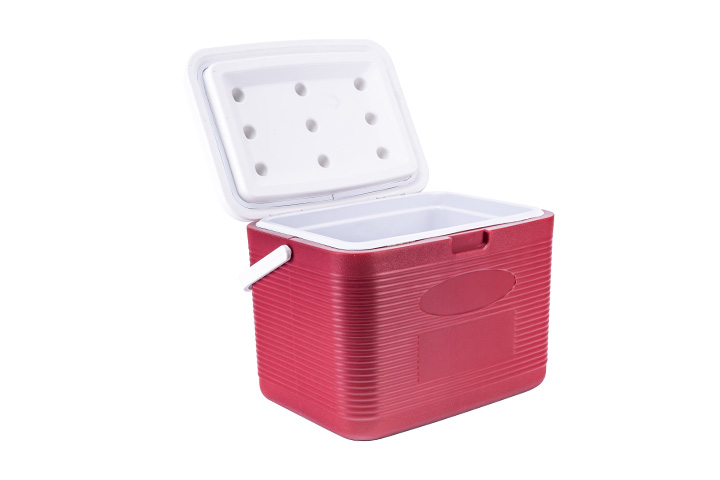
Insulated Box with Eco-friendly for Practical Cold-Chain Procurement
A reliable eco-friendly insulated box should help you control the practical risks that appear after the purchase order: packing errors, lane exposure, payload fit, and weak evidence when a shipment is questioned. The right choice is not the most expensive box or the lightest liner; it is the packaging system that fits temperature-sensitive food, healthcare, and e-commerce goods that need lower-waste packaging decisions, the required range, the route, and the buyer’s documentation needs without making claims that the supplier cannot support.
A clear specification also protects the supplier relationship. If your request only says insulated box, different suppliers may quote different structures, usable volumes, liners, closures, and coolant assumptions. A better inquiry describes the same product temperature range used before the sustainability change, verified through testing rather than assumed, the route, the payload, and the handling points that must be controlled.
Environmental packaging claims should be specific and supportable. Broad words such as biodegradable, recyclable, compostable, or eco-friendly need end-of-life context, material evidence, and local recovery infrastructure. ISTA 7E is used as a reference for thermal transport packaging in parcel delivery systems, but a standard profile is not the same as lane-specific qualification. Hold time claims should be checked against the payload, ambient profile, packout, and acceptance criteria. The FDA sanitary transportation rule focuses on preventing food safety risks during transportation, including poor refrigeration, inadequate vehicle cleaning, and insufficient protection of food. For food, packaging choices should be connected to pre-cooling, route exposure, hygiene, and receiving checks rather than treated as a stand-alone guarantee.
Define the job before comparing eco-friendly insulated box suppliers
The strongest selection process begins before supplier quotes. Define what the package must protect, what must be proven, and what handling reality it will face. For temperature-sensitive food, healthcare, and e-commerce goods that need lower-waste packaging decisions, the key failure modes include greenwashing, loss of thermal performance, end-of-life confusion, contamination, and higher damage rates after material substitution. Those risks are practical, so the specification should be practical too: target range, transit time, handover exposure, payload size, coolant or liner needs, and receiving process.
A supplier can help refine those details, but the buyer should not outsource the entire requirement. If the supplier does not know the route, product sensitivity, and acceptance criteria, the recommendation will be based on assumptions. Good procurement language reduces those assumptions and makes later performance discussions fairer for both sides.
Separate the box, the packout, and the evidence
The box is only one part of the result. The packout includes the product layout, coolant or PCM, liner, void fill, closure, labels, and any monitoring device. Evidence includes test data, packout instructions, lane trials, receiving records, and quality review. When these three parts are separated, buyers can see exactly what has been proven and what still needs verification.
This distinction prevents overclaiming. An insulated box may be suitable for a lane after review, but it is not automatically qualified for every route. A data logger can document an excursion, but it cannot prevent one. A sustainable material can reduce waste, but it still has to protect the product. Clear boundaries make the final purchase more defensible.
Match configuration to shipment pattern
| Procurement checkpoint | How to use it | What not to assume |
|---|---|---|
| Product fit | Start with the product range, sensitivity, and acceptance criteria | Do not assume one insulated box suits every product on the lane |
| Route fit | Compare the packout with real loading, staging, and delivery behavior | Do not equate a favorable lab profile with all field routes |
| Material fit | Balance insulation, strength, cleanup, disposal, and return options | Do not replace performance data with a material claim |
| Documentation fit | Ask for packout instructions and available test or qualification records | Do not treat marketing language as proof of compliance |
| Scale-up fit | Check sample-to-production consistency and supplier change notification | Do not approve a sample without knowing what happens in bulk production |
Use this table as a screening tool, not as a substitute for a packaging trial. The purpose is to make assumptions visible so purchasing, warehouse, logistics, and quality teams can discuss the same facts before approving samples or bulk orders.
Questions that reveal supplier maturity
Supplier maturity shows up in the questions the supplier asks. A serious supplier will want to know the product range, payload dimensions, lane duration, ambient exposure, packing process, and whether monitoring is required. A weak supplier may only ask for box size and order quantity. That does not mean the product is poor, but it means the buyer must work harder to define the risk.
Ask how sample units compare with production units. Ask whether material substitutions require notification. Ask what happens if a liner, foam panel, or closure changes. Ask whether the supplier can provide packing instructions that warehouse staff can follow without engineering support. For bulk orders, these details often matter more than small differences in unit price.
Where compliance language should stay cautious
Cold-chain and regulated shipments may involve customer requirements, transport rules, quality procedures, or market-specific guidance. Packaging can support those requirements, but it should not be described as universally compliant without evidence. For healthcare cargo, IATA labeling and temperature documentation may apply depending on how the cargo is booked and handled. For food, sanitary transportation expectations may involve refrigeration, cleaning, and protection from contamination. For chemicals, SDS review and hazard classification are essential.
The safer wording is operational: verify the product range, verify the packout, verify the test profile, and verify documentation needs with the quality or logistics team. That language is less dramatic than a blanket compliance promise, but it is much more useful for real procurement.
A practical example: moving from sample approval to routine orders
Imagine a buyer approves a sample box for returnable grocery routes. The sample looks good, the product arrives in acceptable condition, and the unit price is workable. The risk appears later, when the warehouse begins routine orders and packers interpret the layout differently. One person places coolant on top, another places it on the sides, and a third adds documents in a way that leaves a lid gap.
The solution is not necessarily a different box. It may be a clearer packout diagram, preconditioned coolant control, a receiving checklist, and a supplier agreement that production materials will match the approved sample. This is where mature packaging procurement becomes operational quality control rather than simple purchasing.
Details that decide whether the purchase scales cleanly
Sample approval is only useful when it resembles routine work. If the production order uses a different carton, liner cut, foam density, closure, coolant size, label area, or packing sequence, the approved sample may no longer represent the shipped product. Ask the supplier how changes are communicated and how you can identify the approved version on incoming inventory.
Warehouse training should be part of the purchase. The best instruction is simple enough for new staff to follow during a busy shift: precondition product, prepare coolant, place payload, place coolant, close the box, apply labels, record time, and move to dispatch. If the packout requires judgment that only one engineer understands, it is too fragile for scale.
Receiving teams also need clear criteria. They should know whether to inspect a logger, check packaging condition, record arrival time, photograph damage, or quarantine a shipment for quality review. Packaging is not finished when the courier picks it up; it is finished when the receiver can make a confident decision.
For environmental claims, keep the wording specific. Reusable, recyclable, compostable, biodegradable, and lower-material are different claims. Each needs evidence and a realistic end-of-life route. A buyer should avoid approving broad eco language until the material, collection method, contamination risk, and product protection evidence have been reviewed.
FAQ
Is an eco-friendly insulated box enough to control temperature by itself?
No. The insulated box slows heat transfer, but it normally needs the right product preconditioning, coolant or PCM, packout layout, closure method, and handling process. For higher-risk shipments, buyers should also decide whether temperature monitoring is needed. Treat the box as part of a system rather than a stand-alone guarantee.
What should I ask a supplier before ordering samples?
Ask for internal and external dimensions, usable payload space, material structure, closure method, compatible coolant options, packing instructions, available test evidence, and sample-to-production controls. Also describe your route and product range. A supplier can give a better recommendation when the use case is clear.
Can I rely on published hold-time claims?
Published hold-time claims are useful only when the test conditions are clear. Check the payload, coolant quantity, ambient profile, product loading, acceptance limits, and whether the result came from a lab profile or an actual lane trial. If the conditions do not resemble your shipment, treat the claim as a starting point, not proof.
How do I compare a reusable box with a disposable shipper?
Compare more than unit cost. Consider return logistics, cleaning, loss rate, warehouse space, freight cube, product risk, and how many times the lane repeats. A reusable box can be attractive on closed-loop routes, while disposable or recyclable systems may fit one-way export or e-commerce shipments better.
Does eco-friendly mean biodegradable or recyclable?
Not necessarily. Eco-friendly is broad language and should be clarified. A buyer should ask whether the claim refers to reuse, recycled content, recyclability, compostability, source reduction, or lower product waste. The claim should match the actual material and end-of-life system.
Conclusion
The best eco-friendly insulated box is the one that fits the product, route, packout, documentation needs, and operating team. It should protect the shipment without hiding uncertainty behind broad claims.
Another useful purchasing habit is to separate must-have conditions from preferences. Must-haves include the product range, payload fit, closure integrity, route exposure, and any required documentation. Preferences include storage efficiency, lower material weight, color, print area, or a specific disposal route. When the two are mixed together, teams may reject a thermally suitable package for a cosmetic reason or accept a weak package because it looks convenient.
Buyers should also keep a simple record of why a package was selected. The record does not need to be long. It can state the product type, lane assumption, packout version, supplier evidence reviewed, and any limits the team accepted. That record helps when a shipment is investigated months later or when a new procurement manager inherits the project.
Cost comparison should include indirect costs. A cheaper box may increase labor time, coolant use, damage, repacking, customer service calls, or disposal complaints. A more expensive package may be justified on a route where product value, rejection risk, or brand presentation is high. The right cost view depends on the whole shipment, not only the invoice line for packaging.
Use supplier discussions to verify the range, route, evidence, and scale-up process. Once those points are clear, the buying decision becomes easier to defend and easier to repeat.
About Tempk
Tempk supports cold-chain teams that want packaging choices with both thermal purpose and practical material thinking. We help buyers compare insulated boxes, liners, thermal bags, and coolant-compatible formats while keeping claims realistic. For sustainability-focused projects, we encourage teams to verify end-of-life options, reuse potential, and performance evidence before replacing a proven packout.