


Thermal pallet covers for shipping: Practical Buyer Guide
Thermal pallet covers for shipping: Practical Buyer Guide
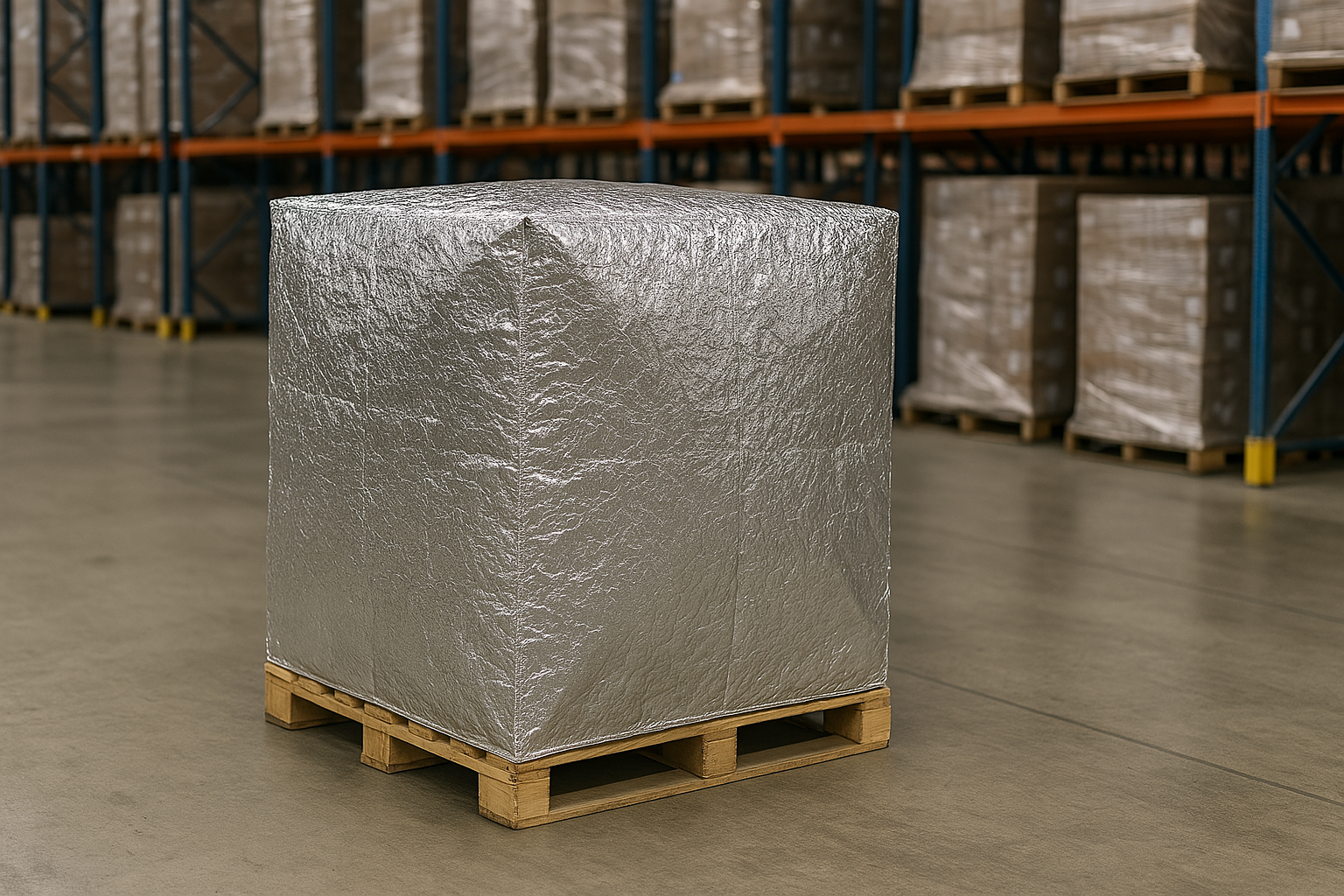
Thermal pallet covers for shipping: Practical Selection and Use Guide
Thermal pallet covers for shipping make sense when the buyer can define the exposure problem clearly. They are designed to slow heat transfer around palletized freight during shipping or staging, but they must be matched to the product, route, temperature target, pallet build, and handling process. The best purchasing decision starts with the lane, not the catalog. This optimized guide shows how to choose, test, and use covers without overclaiming what they can do.
This matters for logistics managers, cold-chain buyers, warehouse planners, and procurement teams because the same cover can be a strong fit in one lane and a poor fit in another. The decision depends on mixed B2B shipments moving through docks, truck transfers, consolidators, and short outdoor handovers, product sensitivity, evidence requirements, and the people who apply the cover. A good article or supplier page should help you make that distinction instead of promising protection in every situation.
Define the exposure window before choosing the cover
Start by writing down the exact point where the pallet becomes vulnerable: unplanned dwell time, direct sun, hot dock plates, winter wind, wet cartons, and inconsistent handover discipline. This step sounds basic, but it prevents most overbuying and underbuying. If the vulnerable window is short and predictable, a cover may be enough to reduce risk. If the vulnerable window is long, uncontrolled, or tied to a narrow product range, the route may require active equipment, qualified passive packaging, coolant, or a different logistics plan.
A good exposure map includes location, expected time, worst credible delay, season, sunlight, air movement, humidity, and who controls the pallet at that point. It should also show the first protected point after the exposure. The cover should be used to bridge that gap. If no one can identify the gap, the team is not ready to select a cover structure yet.
Match structure to product, route, and handling
The cover structure should match the way heat reaches the pallet. Reflective foil, woven reinforcement, bubble or foam insulation, seams, closure, and skirt design may all matter, but not equally. Direct sunlight and hot surfaces point toward radiant protection and top coverage. Wind or cold dock exposure points toward closure discipline and lower skirt fit. Rough reuse points toward reinforced seams and cleaning resistance. A buyer should ask which feature solves the main route problem.
Product requirements come first. The required range depends on the product. A cover slows heat flow; it does not create a verified temperature-controlled environment by itself. Do not choose a cover by a generic temperature label unless your quality or operations team has confirmed that the label matches the shipment. A cover used for a broad-tolerance product may not be acceptable for a high-risk pharmaceutical load or a frozen-food pallet facing long ambient dwell.
| Decision point | What to verify | Why it matters |
|---|---|---|
| Product and range | Confirm the product sensitivity and the required temperature target. The required range depends on the product. A cover slows heat flow; it does not create a verified temperature-controlled environment by itself. | Prevents using the cover for a range it was never meant to support. |
| Route exposure | Map unplanned dwell time, direct sun, hot dock plates, winter wind, wet cartons, and inconsistent handover discipline before choosing the structure. | Shows whether the cover protects the real weak point or only looks good in a sample review. |
| Pallet build | Measure loaded width, depth, height, corners, top profile, stretch wrap, and bottom skirt needs. | Avoids gaps, tight corners, and covers that cannot be applied quickly. |
| Handling method | Check forklift contact, staging time, label visibility, opening method, and who removes the cover at receiving. | Makes the cover usable in daily operations instead of only in a purchasing file. |
| Evidence | Ask what payload, ambient profile, probe map, and acceptance criteria support any performance statement. | Keeps marketing claims separate from usable risk-control evidence. |
Use the table as a purchasing filter rather than a formality. If you cannot answer one of the items, the missing answer is a risk. That risk may be small, but it should be understood before the cover is ordered in bulk or written into a standard work instruction.
Sizing and application are part of performance
Even a strong material structure can perform poorly when it does not fit the actual load. Measure the loaded pallet, including overhanging cartons, corner boards, stretch wrap, top irregularity, and seasonal SKU changes. Decide whether the cover should sit tight, allow room for fast placement, or drop lower to cover edge cartons. If the team uses several pallet patterns, review each one before standardizing on a single cover size.
Application timing also matters. A cover should usually be applied before exposure begins, not after the pallet has already waited on the dock or ramp. Staff should know where the covers are stored, how they are identified, which side faces out, how closures should be secured, and when covers should be removed. If the process is not written down, the result may change from shift to shift.
Qualification and monitoring keep claims honest
Qualification is not about proving that one cover is good in every possible setting. It is about showing whether a specific cover, on a specific load, under defined conditions, supports a defined requirement. The test should use realistic payloads, representative pallet builds, meaningful probe locations, and acceptance criteria that are agreed before the run. For healthcare, food, or customer-controlled freight, quality review may be needed before the result is used.
Monitoring should be treated separately from insulation. A data logger records what happened; it does not protect the pallet. A cover slows heat transfer; it does not record proof. Many reliable cold-chain procedures use both, but they solve different problems. If a shipment fails receiving review, the logger record helps investigation while the cover condition and route events help explain cause.
Supplier and operations questions before bulk use
A procurement review should go beyond price per cover. Buyers should confirm the pallet footprint, load height, top profile, cover closure, reuse plan, and whether the supplier can explain the test condition behind any performance claim. The reason is simple: pallet covers are operational items. They are handled by warehouse teams, carriers, and receivers, not just reviewed by purchasing staff. A cover that looks ideal in a photo may fail if it takes too long to install, hides labels, tears at corners, or cannot be returned cleanly for reuse.
| Supplier topic | Question to ask | Why it matters |
|---|---|---|
| Layer structure | What layers are used in the reflective foil, woven reinforcement, bubble or foam insulation, seams, closure, and skirt design? | The material name alone does not explain heat-transfer behavior or durability. |
| Size basis | Are dimensions based on pallet footprint, loaded pallet, or custom measurement? | Wrong size is one of the fastest ways to lose protection at edges and base. |
| Test basis | Which payload, ambient profile, exposure direction, and probe locations were used? | A test from a different lane may be useful background, not direct qualification. |
| Reuse control | How should covers be cleaned, dried, folded, inspected, and retired? | Reusable value depends on process discipline, not only material toughness. |
| Production consistency | Will production units match the approved sample in layer stack, seam design, and closure? | Sample-to-bulk consistency matters when covers are used across many pallets. |
This table is not meant to make the buying process slower. It helps you avoid the common mistake of approving a sample based on material appearance alone. The supplier should be able to explain what the cover is designed to do, what it is not designed to do, and what information a buyer must provide before a reliable recommendation can be made.
Practical example
For example, a distributor staging mixed cartons for a route transfer wants added protection during a known dock and yard dwell window before the load enters a temperature-controlled vehicle. A reasonable buyer would not ask whether a cover can solve every temperature problem on the route. The better question is whether the cover reduces the known exposure enough to support the operating procedure. That requires measuring the pallet, understanding how long the pallet waits, and confirming who applies and removes the cover.
The same situation can lead to different decisions. A low-risk product with a wide tolerance may need a simple reusable cover and a receiving check. A higher-risk product may need cover testing, data loggers, active transport, or quality approval. The cover choice should match the product and lane, not a general statement about cold-chain shipping.
When to choose a different solution
Choose a different or additional solution when when freight needs active refrigeration, validated hold time, coolant packout, or continuous product-level temperature control. This does not mean the cover has no value. It means the cover should not carry responsibility for a risk it cannot control. Refrigerated vehicles, reefer containers, active air cargo units, qualified passive shippers, coolant systems, and product-level monitoring all have roles. The right design may combine several tools rather than force one product to solve the whole lane.
A cautious decision protects the buyer as well as the cargo. Overstating cover performance can lead to rejected shipments, damaged customer trust, and difficult deviation investigations. Understating it can cause unnecessary spending on active solutions for short, manageable exposures. The goal is balanced judgment based on route evidence.
FAQ
What shipping moments create the most risk for palletized freight?
The most common weak points are loading, unloading, dock waiting, yard dwell, cross-dock transfer, and any handover where the pallet leaves a controlled space. A cover is most useful when those windows are predictable enough to manage. If the full route is uncontrolled, the solution should be redesigned rather than relying on a cover alone.
Can a thermal pallet cover replace refrigerated transport?
Not by itself. A cover is a passive layer that slows heat transfer; refrigerated trucks, reefers, and active containers control the surrounding environment. A cover may support a short loading or staging window, or add a buffer when active equipment doors are opened, but it should not be used as a direct substitute when product quality depends on active temperature management.
Where should a buyer place data loggers when testing a pallet cover?
Logger placement should reflect the risk you are trying to understand. Many teams look at edge positions, top exposure, center product temperature, and any side facing the strongest heat, cold, or sun. The correct map depends on the product, cover design, pallet build, and acceptance criteria. Do not rely only on the most protected location.
Do reusable covers need an inspection process?
Yes. Reuse only works when covers are checked for tears, worn closures, crushed insulation, contamination, and missing labels before each use. A damaged cover may look acceptable from a distance but leave gaps or create weak points during handling. For regulated or quality-managed products, the inspection and cleaning approach should match the site procedure.
What information should be requested from a supplier?
Ask for material structure, internal dimensions, closure design, recommended use conditions, cleaning guidance, sample availability, and the test condition behind any performance claim. If a supplier states a hold time or temperature result, ask what payload, ambient profile, probe locations, and acceptance criteria were used.
Conclusion
The best decision on thermal pallet covers for shipping comes from matching the cover to the route risk, not from assuming that any insulated cover will protect every pallet. Start with the product requirement, map the exposure window, measure the real pallet build, and check whether the cover can be applied correctly by the people who handle the freight. Then review evidence carefully and avoid treating a passive barrier as active temperature control.
If the route is short and the weak point is clear, a cover can be a practical and repeatable control. If the product is highly sensitive, the lane is long, or the acceptance range is narrow, the cover may still have a role but should be combined with qualified packaging, active equipment, monitoring, or quality review as needed. A careful buyer treats the cover as one part of a disciplined cold-chain process.
Additional field notes for buyers
For thermal pallet covers for shipping, field discipline is often the difference between a useful cover and a disappointing purchase. Write down who applies the cover, where unused covers are stored, when a cover should be removed, and how receiving teams report damage or wetness. These details sound small, but they determine whether the cover is used consistently when the route is busy, the dock is crowded, or a carrier arrives earlier than expected.
Buyers should also compare the approved sample with production units. Check the layer stack, seam width, closure placement, label area, corner reinforcement, and fit over the tallest expected load. If the route involves multiple warehouses or 3PL partners, share the same application photos and work instructions with every site. The goal is not to make the procedure complicated; it is to prevent each location from inventing a different way to use the same cover.
About Tempk
Tempk works with buyers who need practical cold-chain packaging and pallet-level insulation options for real shipping and staging conditions. For thermal pallet cover projects, the useful conversation is not only about material names. It is about pallet size, load height, route exposure, reuse expectations, and how the cover will be applied by warehouse or logistics teams. We can help you compare cover structures, discuss custom sizing, and prepare the right questions before you move from sample review to bulk use.
Thermal pallet covers for pharmaceuticals: Practical Buyer Guide

Thermal pallet covers for pharmaceuticals: Practical Selection and Use Guide
Thermal pallet covers for pharmaceuticals make sense when the buyer can define the exposure problem clearly. They are designed to slow heat transfer around palletized freight during shipping or staging, but they must be matched to the product, route, temperature target, pallet build, and handling process. The best purchasing decision starts with the lane, not the catalog. This optimized guide shows how to choose, test, and use covers without overclaiming what they can do.
This matters for pharmaceutical logistics buyers, quality teams, 3PL managers, and procurement specialists because the same cover can be a strong fit in one lane and a poor fit in another. The decision depends on pharma pallets moving between controlled warehouses, GDP-aware carriers, airports, cross-docks, and final receiving locations, product sensitivity, evidence requirements, and the people who apply the cover. A good article or supplier page should help you make that distinction instead of promising protection in every situation.
Define the exposure window before choosing the cover
Start by writing down the exact point where the pallet becomes vulnerable: temperature excursion, incomplete lane qualification, weak documentation, poor probe placement, route delays, and confusion between insulation and compliance. This step sounds basic, but it prevents most overbuying and underbuying. If the vulnerable window is short and predictable, a cover may be enough to reduce risk. If the vulnerable window is long, uncontrolled, or tied to a narrow product range, the route may require active equipment, qualified passive packaging, coolant, or a different logistics plan.
A good exposure map includes location, expected time, worst credible delay, season, sunlight, air movement, humidity, and who controls the pallet at that point. It should also show the first protected point after the exposure. The cover should be used to bridge that gap. If no one can identify the gap, the team is not ready to select a cover structure yet.
Match structure to product, route, and handling
The cover structure should match the way heat reaches the pallet. Thermal barrier structure, seam integrity, closure discipline, reusable handling condition, and compatibility with monitoring devices may all matter, but not equally. Direct sunlight and hot surfaces point toward radiant protection and top coverage. Wind or cold dock exposure points toward closure discipline and lower skirt fit. Rough reuse points toward reinforced seams and cleaning resistance. A buyer should ask which feature solves the main route problem.
Product requirements come first. Many refrigerated healthcare products are managed around 2-8C, while some room-temperature or controlled-room-temperature shipments use different ranges that must be confirmed by product instructions and quality teams. Do not choose a cover by a generic temperature label unless your quality or operations team has confirmed that the label matches the shipment. A cover used for a broad-tolerance product may not be acceptable for a high-risk pharmaceutical load or a frozen-food pallet facing long ambient dwell.
| Decision point | What to verify | Why it matters |
|---|---|---|
| Product and range | Confirm the product sensitivity and the required temperature target. Many refrigerated healthcare products are managed around 2-8C, while some room-temperature or controlled-room-temperature shipments use different ranges that must be confirmed by product instructions and quality teams. | Prevents using the cover for a range it was never meant to support. |
| Route exposure | Map temperature excursion, incomplete lane qualification, weak documentation, poor probe placement, route delays, and confusion between insulation and compliance before choosing the structure. | Shows whether the cover protects the real weak point or only looks good in a sample review. |
| Pallet build | Measure loaded width, depth, height, corners, top profile, stretch wrap, and bottom skirt needs. | Avoids gaps, tight corners, and covers that cannot be applied quickly. |
| Handling method | Check forklift contact, staging time, label visibility, opening method, and who removes the cover at receiving. | Makes the cover usable in daily operations instead of only in a purchasing file. |
| Evidence | Ask what payload, ambient profile, probe map, and acceptance criteria support any performance statement. | Keeps marketing claims separate from usable risk-control evidence. |
Use the table as a purchasing filter rather than a formality. If you cannot answer one of the items, the missing answer is a risk. That risk may be small, but it should be understood before the cover is ordered in bulk or written into a standard work instruction.
Sizing and application are part of performance
Even a strong material structure can perform poorly when it does not fit the actual load. Measure the loaded pallet, including overhanging cartons, corner boards, stretch wrap, top irregularity, and seasonal SKU changes. Decide whether the cover should sit tight, allow room for fast placement, or drop lower to cover edge cartons. If the team uses several pallet patterns, review each one before standardizing on a single cover size.
Application timing also matters. A cover should usually be applied before exposure begins, not after the pallet has already waited on the dock or ramp. Staff should know where the covers are stored, how they are identified, which side faces out, how closures should be secured, and when covers should be removed. If the process is not written down, the result may change from shift to shift.
Qualification and monitoring keep claims honest
Qualification is not about proving that one cover is good in every possible setting. It is about showing whether a specific cover, on a specific load, under defined conditions, supports a defined requirement. The test should use realistic payloads, representative pallet builds, meaningful probe locations, and acceptance criteria that are agreed before the run. For healthcare, food, or customer-controlled freight, quality review may be needed before the result is used.
Monitoring should be treated separately from insulation. A data logger records what happened; it does not protect the pallet. A cover slows heat transfer; it does not record proof. Many reliable cold-chain procedures use both, but they solve different problems. If a shipment fails receiving review, the logger record helps investigation while the cover condition and route events help explain cause.
Supplier and operations questions before bulk use
A procurement review should go beyond price per cover. Buyers should confirm product temperature range, lane duration, quality review needs, data logger placement, cover test documentation, and change-control expectations. The reason is simple: pallet covers are operational items. They are handled by warehouse teams, carriers, and receivers, not just reviewed by purchasing staff. A cover that looks ideal in a photo may fail if it takes too long to install, hides labels, tears at corners, or cannot be returned cleanly for reuse.
| Supplier topic | Question to ask | Why it matters |
|---|---|---|
| Layer structure | What layers are used in the thermal barrier structure, seam integrity, closure discipline, reusable handling condition, and compatibility with monitoring devices? | The material name alone does not explain heat-transfer behavior or durability. |
| Size basis | Are dimensions based on pallet footprint, loaded pallet, or custom measurement? | Wrong size is one of the fastest ways to lose protection at edges and base. |
| Test basis | Which payload, ambient profile, exposure direction, and probe locations were used? | A test from a different lane may be useful background, not direct qualification. |
| Reuse control | How should covers be cleaned, dried, folded, inspected, and retired? | Reusable value depends on process discipline, not only material toughness. |
| Production consistency | Will production units match the approved sample in layer stack, seam design, and closure? | Sample-to-bulk consistency matters when covers are used across many pallets. |
This table is not meant to make the buying process slower. It helps you avoid the common mistake of approving a sample based on material appearance alone. The supplier should be able to explain what the cover is designed to do, what it is not designed to do, and what information a buyer must provide before a reliable recommendation can be made.
Practical example
For example, a pharma distributor ships secondary-packaged cartons on pallets and wants to reduce excursion risk during dock transfer and air cargo handoff without claiming the cover is a validated container. A reasonable buyer would not ask whether a cover can solve every temperature problem on the route. The better question is whether the cover reduces the known exposure enough to support the operating procedure. That requires measuring the pallet, understanding how long the pallet waits, and confirming who applies and removes the cover.
The same situation can lead to different decisions. A low-risk product with a wide tolerance may need a simple reusable cover and a receiving check. A higher-risk product may need cover testing, data loggers, active transport, or quality approval. The cover choice should match the product and lane, not a general statement about cold-chain shipping.
When to choose a different solution
Choose a different or additional solution when when the product requires a qualified shipper, active container, validated coolant packout, or strict product-level monitoring that a cover alone cannot provide. This does not mean the cover has no value. It means the cover should not carry responsibility for a risk it cannot control. Refrigerated vehicles, reefer containers, active air cargo units, qualified passive shippers, coolant systems, and product-level monitoring all have roles. The right design may combine several tools rather than force one product to solve the whole lane.
A cautious decision protects the buyer as well as the cargo. Overstating cover performance can lead to rejected shipments, damaged customer trust, and difficult deviation investigations. Understating it can cause unnecessary spending on active solutions for short, manageable exposures. The goal is balanced judgment based on route evidence.
FAQ
Are thermal pallet covers suitable for 2-8C pharmaceutical shipments?
They may support a 2-8C lane as one layer of risk control, but they are not automatically a qualified refrigerated system. The product instructions, route duration, ambient exposure, packout, monitoring, and quality approval determine whether the cover is suitable. For higher-risk products, use qualified packaging or active equipment as required.
Can a thermal pallet cover replace refrigerated transport?
Not by itself. A cover is a passive layer that slows heat transfer; refrigerated trucks, reefers, and active containers control the surrounding environment. A cover may support a short loading or staging window, or add a buffer when active equipment doors are opened, but it should not be used as a direct substitute when product quality depends on active temperature management.
Where should a buyer place data loggers when testing a pallet cover?
Logger placement should reflect the risk you are trying to understand. Many teams look at edge positions, top exposure, center product temperature, and any side facing the strongest heat, cold, or sun. The correct map depends on the product, cover design, pallet build, and acceptance criteria. Do not rely only on the most protected location.
Do reusable covers need an inspection process?
Yes. Reuse only works when covers are checked for tears, worn closures, crushed insulation, contamination, and missing labels before each use. A damaged cover may look acceptable from a distance but leave gaps or create weak points during handling. For regulated or quality-managed products, the inspection and cleaning approach should match the site procedure.
What information should be requested from a supplier?
Ask for material structure, internal dimensions, closure design, recommended use conditions, cleaning guidance, sample availability, and the test condition behind any performance claim. If a supplier states a hold time or temperature result, ask what payload, ambient profile, probe locations, and acceptance criteria were used.
Conclusion
The best decision on thermal pallet covers for pharmaceuticals comes from matching the cover to the route risk, not from assuming that any insulated cover will protect every pallet. Start with the product requirement, map the exposure window, measure the real pallet build, and check whether the cover can be applied correctly by the people who handle the freight. Then review evidence carefully and avoid treating a passive barrier as active temperature control.
If the route is short and the weak point is clear, a cover can be a practical and repeatable control. If the product is highly sensitive, the lane is long, or the acceptance range is narrow, the cover may still have a role but should be combined with qualified packaging, active equipment, monitoring, or quality review as needed. A careful buyer treats the cover as one part of a disciplined cold-chain process.
Additional field notes for buyers
For thermal pallet covers for pharmaceuticals, field discipline is often the difference between a useful cover and a disappointing purchase. Write down who applies the cover, where unused covers are stored, when a cover should be removed, and how receiving teams report damage or wetness. These details sound small, but they determine whether the cover is used consistently when the route is busy, the dock is crowded, or a carrier arrives earlier than expected.
Buyers should also compare the approved sample with production units. Check the layer stack, seam width, closure placement, label area, corner reinforcement, and fit over the tallest expected load. If the route involves multiple warehouses or 3PL partners, share the same application photos and work instructions with every site. The goal is not to make the procedure complicated; it is to prevent each location from inventing a different way to use the same cover.
About Tempk
Tempk works with buyers who need practical cold-chain packaging and pallet-level insulation options for real shipping and staging conditions. For thermal pallet cover projects, the useful conversation is not only about material names. It is about pallet size, load height, route exposure, reuse expectations, and how the cover will be applied by warehouse or logistics teams. We can help you compare cover structures, discuss custom sizing, and prepare the right questions before you move from sample review to bulk use.
Thermal pallet covers for perishable goods: Practical Buyer Guide
Thermal pallet covers for perishable goods: Practical Selection and Use Guide
Thermal pallet covers for perishable goods make sense when the buyer can define the exposure problem clearly. They are designed to slow heat transfer around palletized freight during shipping or staging, but they must be matched to the product, route, temperature target, pallet build, and handling process. The best purchasing decision starts with the lane, not the catalog. This optimized guide shows how to choose, test, and use covers without overclaiming what they can do.
This matters for food exporters, produce distributors, seafood logistics teams, frozen-food shippers, and warehouse operators because the same cover can be a strong fit in one lane and a poor fit in another. The decision depends on produce, seafood, dairy, prepared food, or frozen cartons moving through warehouses, docks, reefer trailers, and cross-dock networks, product sensitivity, evidence requirements, and the people who apply the cover. A good article or supplier page should help you make that distinction instead of promising protection in every situation.
Define the exposure window before choosing the cover
Start by writing down the exact point where the pallet becomes vulnerable: heat spikes, thawing at exposed edges, condensation, carton weakening, odor migration, and inconsistent receiving inspection. This step sounds basic, but it prevents most overbuying and underbuying. If the vulnerable window is short and predictable, a cover may be enough to reduce risk. If the vulnerable window is long, uncontrolled, or tied to a narrow product range, the route may require active equipment, qualified passive packaging, coolant, or a different logistics plan.
A good exposure map includes location, expected time, worst credible delay, season, sunlight, air movement, humidity, and who controls the pallet at that point. It should also show the first protected point after the exposure. The cover should be used to bridge that gap. If no one can identify the gap, the team is not ready to select a cover structure yet.
Match structure to product, route, and handling
The cover structure should match the way heat reaches the pallet. Water-resistant outer film, reflective layer, insulation core, seam design, and lower skirt coverage around pallet edges may all matter, but not equally. Direct sunlight and hot surfaces point toward radiant protection and top coverage. Wind or cold dock exposure points toward closure discipline and lower skirt fit. Rough reuse points toward reinforced seams and cleaning resistance. A buyer should ask which feature solves the main route problem.
Product requirements come first. Food temperature requirements depend on the product, jurisdiction, customer specification, and whether the priority is safety, quality, shelf life, or frozen integrity. Do not choose a cover by a generic temperature label unless your quality or operations team has confirmed that the label matches the shipment. A cover used for a broad-tolerance product may not be acceptable for a high-risk pharmaceutical load or a frozen-food pallet facing long ambient dwell.
| Decision point | What to verify | Why it matters |
|---|---|---|
| Product and range | Confirm the product sensitivity and the required temperature target. Food temperature requirements depend on the product, jurisdiction, customer specification, and whether the priority is safety, quality, shelf life, or frozen integrity. | Prevents using the cover for a range it was never meant to support. |
| Route exposure | Map heat spikes, thawing at exposed edges, condensation, carton weakening, odor migration, and inconsistent receiving inspection before choosing the structure. | Shows whether the cover protects the real weak point or only looks good in a sample review. |
| Pallet build | Measure loaded width, depth, height, corners, top profile, stretch wrap, and bottom skirt needs. | Avoids gaps, tight corners, and covers that cannot be applied quickly. |
| Handling method | Check forklift contact, staging time, label visibility, opening method, and who removes the cover at receiving. | Makes the cover usable in daily operations instead of only in a purchasing file. |
| Evidence | Ask what payload, ambient profile, probe map, and acceptance criteria support any performance statement. | Keeps marketing claims separate from usable risk-control evidence. |
Use the table as a purchasing filter rather than a formality. If you cannot answer one of the items, the missing answer is a risk. That risk may be small, but it should be understood before the cover is ordered in bulk or written into a standard work instruction.
Sizing and application are part of performance
Even a strong material structure can perform poorly when it does not fit the actual load. Measure the loaded pallet, including overhanging cartons, corner boards, stretch wrap, top irregularity, and seasonal SKU changes. Decide whether the cover should sit tight, allow room for fast placement, or drop lower to cover edge cartons. If the team uses several pallet patterns, review each one before standardizing on a single cover size.
Application timing also matters. A cover should usually be applied before exposure begins, not after the pallet has already waited on the dock or ramp. Staff should know where the covers are stored, how they are identified, which side faces out, how closures should be secured, and when covers should be removed. If the process is not written down, the result may change from shift to shift.
Qualification and monitoring keep claims honest
Qualification is not about proving that one cover is good in every possible setting. It is about showing whether a specific cover, on a specific load, under defined conditions, supports a defined requirement. The test should use realistic payloads, representative pallet builds, meaningful probe locations, and acceptance criteria that are agreed before the run. For healthcare, food, or customer-controlled freight, quality review may be needed before the result is used.
Monitoring should be treated separately from insulation. A data logger records what happened; it does not protect the pallet. A cover slows heat transfer; it does not record proof. Many reliable cold-chain procedures use both, but they solve different problems. If a shipment fails receiving review, the logger record helps investigation while the cover condition and route events help explain cause.
Supplier and operations questions before bulk use
A procurement review should go beyond price per cover. Buyers should confirm moisture resistance, cleanability, odor control, carton compatibility, condensation risk, and the difference between chilled and frozen applications. The reason is simple: pallet covers are operational items. They are handled by warehouse teams, carriers, and receivers, not just reviewed by purchasing staff. A cover that looks ideal in a photo may fail if it takes too long to install, hides labels, tears at corners, or cannot be returned cleanly for reuse.
| Supplier topic | Question to ask | Why it matters |
|---|---|---|
| Layer structure | What layers are used in the water-resistant outer film, reflective layer, insulation core, seam design, and lower skirt coverage around pallet edges? | The material name alone does not explain heat-transfer behavior or durability. |
| Size basis | Are dimensions based on pallet footprint, loaded pallet, or custom measurement? | Wrong size is one of the fastest ways to lose protection at edges and base. |
| Test basis | Which payload, ambient profile, exposure direction, and probe locations were used? | A test from a different lane may be useful background, not direct qualification. |
| Reuse control | How should covers be cleaned, dried, folded, inspected, and retired? | Reusable value depends on process discipline, not only material toughness. |
| Production consistency | Will production units match the approved sample in layer stack, seam design, and closure? | Sample-to-bulk consistency matters when covers are used across many pallets. |
This table is not meant to make the buying process slower. It helps you avoid the common mistake of approving a sample based on material appearance alone. The supplier should be able to explain what the cover is designed to do, what it is not designed to do, and what information a buyer must provide before a reliable recommendation can be made.
Practical example
For example, a seafood exporter has chilled cartons leaving a cold room for pallet build-up and needs to reduce exposure while waiting for loading into a refrigerated vehicle. A reasonable buyer would not ask whether a cover can solve every temperature problem on the route. The better question is whether the cover reduces the known exposure enough to support the operating procedure. That requires measuring the pallet, understanding how long the pallet waits, and confirming who applies and removes the cover.
The same situation can lead to different decisions. A low-risk product with a wide tolerance may need a simple reusable cover and a receiving check. A higher-risk product may need cover testing, data loggers, active transport, or quality approval. The cover choice should match the product and lane, not a general statement about cold-chain shipping.
When to choose a different solution
Choose a different or additional solution when when product temperature must be actively pulled down, recovered after abuse, or held frozen through long uncontrolled transport. This does not mean the cover has no value. It means the cover should not carry responsibility for a risk it cannot control. Refrigerated vehicles, reefer containers, active air cargo units, qualified passive shippers, coolant systems, and product-level monitoring all have roles. The right design may combine several tools rather than force one product to solve the whole lane.
A cautious decision protects the buyer as well as the cargo. Overstating cover performance can lead to rejected shipments, damaged customer trust, and difficult deviation investigations. Understating it can cause unnecessary spending on active solutions for short, manageable exposures. The goal is balanced judgment based on route evidence.
FAQ
Can one cover design work for produce, seafood, and frozen goods?
One design may be used across several food categories, but the risk is not the same. Produce may be sensitive to heat and condensation, seafood often needs strict chilled handling, and frozen goods are affected by edge warming and thaw cycles. Fit should be confirmed by product, route, and receiving requirements.
Can a thermal pallet cover replace refrigerated transport?
Not by itself. A cover is a passive layer that slows heat transfer; refrigerated trucks, reefers, and active containers control the surrounding environment. A cover may support a short loading or staging window, or add a buffer when active equipment doors are opened, but it should not be used as a direct substitute when product quality depends on active temperature management.
Where should a buyer place data loggers when testing a pallet cover?
Logger placement should reflect the risk you are trying to understand. Many teams look at edge positions, top exposure, center product temperature, and any side facing the strongest heat, cold, or sun. The correct map depends on the product, cover design, pallet build, and acceptance criteria. Do not rely only on the most protected location.
Do reusable covers need an inspection process?
Yes. Reuse only works when covers are checked for tears, worn closures, crushed insulation, contamination, and missing labels before each use. A damaged cover may look acceptable from a distance but leave gaps or create weak points during handling. For regulated or quality-managed products, the inspection and cleaning approach should match the site procedure.
What information should be requested from a supplier?
Ask for material structure, internal dimensions, closure design, recommended use conditions, cleaning guidance, sample availability, and the test condition behind any performance claim. If a supplier states a hold time or temperature result, ask what payload, ambient profile, probe locations, and acceptance criteria were used.
Conclusion
The best decision on thermal pallet covers for perishable goods comes from matching the cover to the route risk, not from assuming that any insulated cover will protect every pallet. Start with the product requirement, map the exposure window, measure the real pallet build, and check whether the cover can be applied correctly by the people who handle the freight. Then review evidence carefully and avoid treating a passive barrier as active temperature control.
If the route is short and the weak point is clear, a cover can be a practical and repeatable control. If the product is highly sensitive, the lane is long, or the acceptance range is narrow, the cover may still have a role but should be combined with qualified packaging, active equipment, monitoring, or quality review as needed. A careful buyer treats the cover as one part of a disciplined cold-chain process.
Additional field notes for buyers
For thermal pallet covers for perishable goods, field discipline is often the difference between a useful cover and a disappointing purchase. Write down who applies the cover, where unused covers are stored, when a cover should be removed, and how receiving teams report damage or wetness. These details sound small, but they determine whether the cover is used consistently when the route is busy, the dock is crowded, or a carrier arrives earlier than expected.
Buyers should also compare the approved sample with production units. Check the layer stack, seam width, closure placement, label area, corner reinforcement, and fit over the tallest expected load. If the route involves multiple warehouses or 3PL partners, share the same application photos and work instructions with every site. The goal is not to make the procedure complicated; it is to prevent each location from inventing a different way to use the same cover.
About Tempk
Tempk works with buyers who need practical cold-chain packaging and pallet-level insulation options for real shipping and staging conditions. For thermal pallet cover projects, the useful conversation is not only about material names. It is about pallet size, load height, route exposure, reuse expectations, and how the cover will be applied by warehouse or logistics teams. We can help you compare cover structures, discuss custom sizing, and prepare the right questions before you move from sample review to bulk use.
Thermal pallet covers for frozen food: Practical Buyer Guide

Thermal pallet covers for frozen food: Practical Selection and Use Guide
Thermal pallet covers for frozen food make sense when the buyer can define the exposure problem clearly. They are designed to slow heat transfer around palletized freight during shipping or staging, but they must be matched to the product, route, temperature target, pallet build, and handling process. The best purchasing decision starts with the lane, not the catalog. This optimized guide shows how to choose, test, and use covers without overclaiming what they can do.
This matters for frozen food exporters, warehouse operators, reefer planners, food distributors, and procurement teams because the same cover can be a strong fit in one lane and a poor fit in another. The decision depends on frozen food pallets leaving freezer rooms, waiting at docks, moving into reefer trucks or containers, and facing edge warming during transfer, product sensitivity, evidence requirements, and the people who apply the cover. A good article or supplier page should help you make that distinction instead of promising protection in every situation.
Define the exposure window before choosing the cover
Start by writing down the exact point where the pallet becomes vulnerable: surface thawing, edge cartons warming first, condensation after temperature cycling, freezer-burn quality concerns, and relying on covers instead of active frozen storage. This step sounds basic, but it prevents most overbuying and underbuying. If the vulnerable window is short and predictable, a cover may be enough to reduce risk. If the vulnerable window is long, uncontrolled, or tied to a narrow product range, the route may require active equipment, qualified passive packaging, coolant, or a different logistics plan.
A good exposure map includes location, expected time, worst credible delay, season, sunlight, air movement, humidity, and who controls the pallet at that point. It should also show the first protected point after the exposure. The cover should be used to bridge that gap. If no one can identify the gap, the team is not ready to select a cover structure yet.
Match structure to product, route, and handling
The cover structure should match the way heat reaches the pallet. Insulation thickness or layer structure, moisture resistance, lower edge coverage, seam durability, and handling in freezer conditions may all matter, but not equally. Direct sunlight and hot surfaces point toward radiant protection and top coverage. Wind or cold dock exposure points toward closure discipline and lower skirt fit. Rough reuse points toward reinforced seams and cleaning resistance. A buyer should ask which feature solves the main route problem.
Product requirements come first. Frozen food requirements vary by product, market, and customer specification. A pallet cover can slow warming but cannot refreeze product or replace a freezer or reefer system. Do not choose a cover by a generic temperature label unless your quality or operations team has confirmed that the label matches the shipment. A cover used for a broad-tolerance product may not be acceptable for a high-risk pharmaceutical load or a frozen-food pallet facing long ambient dwell.
| Decision point | What to verify | Why it matters |
|---|---|---|
| Product and range | Confirm the product sensitivity and the required temperature target. Frozen food requirements vary by product, market, and customer specification. A pallet cover can slow warming but cannot refreeze product or replace a freezer or reefer system. | Prevents using the cover for a range it was never meant to support. |
| Route exposure | Map surface thawing, edge cartons warming first, condensation after temperature cycling, freezer-burn quality concerns, and relying on covers instead of active frozen storage before choosing the structure. | Shows whether the cover protects the real weak point or only looks good in a sample review. |
| Pallet build | Measure loaded width, depth, height, corners, top profile, stretch wrap, and bottom skirt needs. | Avoids gaps, tight corners, and covers that cannot be applied quickly. |
| Handling method | Check forklift contact, staging time, label visibility, opening method, and who removes the cover at receiving. | Makes the cover usable in daily operations instead of only in a purchasing file. |
| Evidence | Ask what payload, ambient profile, probe map, and acceptance criteria support any performance statement. | Keeps marketing claims separate from usable risk-control evidence. |
Use the table as a purchasing filter rather than a formality. If you cannot answer one of the items, the missing answer is a risk. That risk may be small, but it should be understood before the cover is ordered in bulk or written into a standard work instruction.
Sizing and application are part of performance
Even a strong material structure can perform poorly when it does not fit the actual load. Measure the loaded pallet, including overhanging cartons, corner boards, stretch wrap, top irregularity, and seasonal SKU changes. Decide whether the cover should sit tight, allow room for fast placement, or drop lower to cover edge cartons. If the team uses several pallet patterns, review each one before standardizing on a single cover size.
Application timing also matters. A cover should usually be applied before exposure begins, not after the pallet has already waited on the dock or ramp. Staff should know where the covers are stored, how they are identified, which side faces out, how closures should be secured, and when covers should be removed. If the process is not written down, the result may change from shift to shift.
Qualification and monitoring keep claims honest
Qualification is not about proving that one cover is good in every possible setting. It is about showing whether a specific cover, on a specific load, under defined conditions, supports a defined requirement. The test should use realistic payloads, representative pallet builds, meaningful probe locations, and acceptance criteria that are agreed before the run. For healthcare, food, or customer-controlled freight, quality review may be needed before the result is used.
Monitoring should be treated separately from insulation. A data logger records what happened; it does not protect the pallet. A cover slows heat transfer; it does not record proof. Many reliable cold-chain procedures use both, but they solve different problems. If a shipment fails receiving review, the logger record helps investigation while the cover condition and route events help explain cause.
Supplier and operations questions before bulk use
A procurement review should go beyond price per cover. Buyers should confirm carton strength, moisture control, skirt coverage, dry ice or refrigerant compatibility if used, monitoring strategy, and whether the cover is easy to remove at receiving. The reason is simple: pallet covers are operational items. They are handled by warehouse teams, carriers, and receivers, not just reviewed by purchasing staff. A cover that looks ideal in a photo may fail if it takes too long to install, hides labels, tears at corners, or cannot be returned cleanly for reuse.
| Supplier topic | Question to ask | Why it matters |
|---|---|---|
| Layer structure | What layers are used in the insulation thickness or layer structure, moisture resistance, lower edge coverage, seam durability, and handling in freezer conditions? | The material name alone does not explain heat-transfer behavior or durability. |
| Size basis | Are dimensions based on pallet footprint, loaded pallet, or custom measurement? | Wrong size is one of the fastest ways to lose protection at edges and base. |
| Test basis | Which payload, ambient profile, exposure direction, and probe locations were used? | A test from a different lane may be useful background, not direct qualification. |
| Reuse control | How should covers be cleaned, dried, folded, inspected, and retired? | Reusable value depends on process discipline, not only material toughness. |
| Production consistency | Will production units match the approved sample in layer stack, seam design, and closure? | Sample-to-bulk consistency matters when covers are used across many pallets. |
This table is not meant to make the buying process slower. It helps you avoid the common mistake of approving a sample based on material appearance alone. The supplier should be able to explain what the cover is designed to do, what it is not designed to do, and what information a buyer must provide before a reliable recommendation can be made.
Practical example
For example, a frozen-food warehouse stages pallets outside the freezer while waiting for a reefer trailer and wants to reduce edge warming during loading peaks. A reasonable buyer would not ask whether a cover can solve every temperature problem on the route. The better question is whether the cover reduces the known exposure enough to support the operating procedure. That requires measuring the pallet, understanding how long the pallet waits, and confirming who applies and removes the cover.
The same situation can lead to different decisions. A low-risk product with a wide tolerance may need a simple reusable cover and a receiving check. A higher-risk product may need cover testing, data loggers, active transport, or quality approval. The cover choice should match the product and lane, not a general statement about cold-chain shipping.
When to choose a different solution
Choose a different or additional solution when when frozen integrity must be maintained through a long ambient route without dry ice, PCM, reefer equipment, or validated passive packaging. This does not mean the cover has no value. It means the cover should not carry responsibility for a risk it cannot control. Refrigerated vehicles, reefer containers, active air cargo units, qualified passive shippers, coolant systems, and product-level monitoring all have roles. The right design may combine several tools rather than force one product to solve the whole lane.
A cautious decision protects the buyer as well as the cargo. Overstating cover performance can lead to rejected shipments, damaged customer trust, and difficult deviation investigations. Understating it can cause unnecessary spending on active solutions for short, manageable exposures. The goal is balanced judgment based on route evidence.
FAQ
Can a cover keep frozen food frozen through ambient transport?
A cover alone should not be expected to maintain frozen integrity through a long ambient route. It can slow warming during loading, staging, or short delays, but frozen freight usually relies on freezers, reefer equipment, dry ice, PCM, or validated passive systems when long-duration protection is required.
Can a thermal pallet cover replace refrigerated transport?
Not by itself. A cover is a passive layer that slows heat transfer; refrigerated trucks, reefers, and active containers control the surrounding environment. A cover may support a short loading or staging window, or add a buffer when active equipment doors are opened, but it should not be used as a direct substitute when product quality depends on active temperature management.
Where should a buyer place data loggers when testing a pallet cover?
Logger placement should reflect the risk you are trying to understand. Many teams look at edge positions, top exposure, center product temperature, and any side facing the strongest heat, cold, or sun. The correct map depends on the product, cover design, pallet build, and acceptance criteria. Do not rely only on the most protected location.
Do reusable covers need an inspection process?
Yes. Reuse only works when covers are checked for tears, worn closures, crushed insulation, contamination, and missing labels before each use. A damaged cover may look acceptable from a distance but leave gaps or create weak points during handling. For regulated or quality-managed products, the inspection and cleaning approach should match the site procedure.
What information should be requested from a supplier?
Ask for material structure, internal dimensions, closure design, recommended use conditions, cleaning guidance, sample availability, and the test condition behind any performance claim. If a supplier states a hold time or temperature result, ask what payload, ambient profile, probe locations, and acceptance criteria were used.
Conclusion
The best decision on thermal pallet covers for frozen food comes from matching the cover to the route risk, not from assuming that any insulated cover will protect every pallet. Start with the product requirement, map the exposure window, measure the real pallet build, and check whether the cover can be applied correctly by the people who handle the freight. Then review evidence carefully and avoid treating a passive barrier as active temperature control.
If the route is short and the weak point is clear, a cover can be a practical and repeatable control. If the product is highly sensitive, the lane is long, or the acceptance range is narrow, the cover may still have a role but should be combined with qualified packaging, active equipment, monitoring, or quality review as needed. A careful buyer treats the cover as one part of a disciplined cold-chain process.
About Tempk
Tempk works with buyers who need practical cold-chain packaging and pallet-level insulation options for real shipping and staging conditions. For thermal pallet cover projects, the useful conversation is not only about material names. It is about pallet size, load height, route exposure, reuse expectations, and how the cover will be applied by warehouse or logistics teams. We can help you compare cover structures, discuss custom sizing, and prepare the right questions before you move from sample review to bulk use.
Thermal pallet covers 15-25C: Practical Buyer Guide
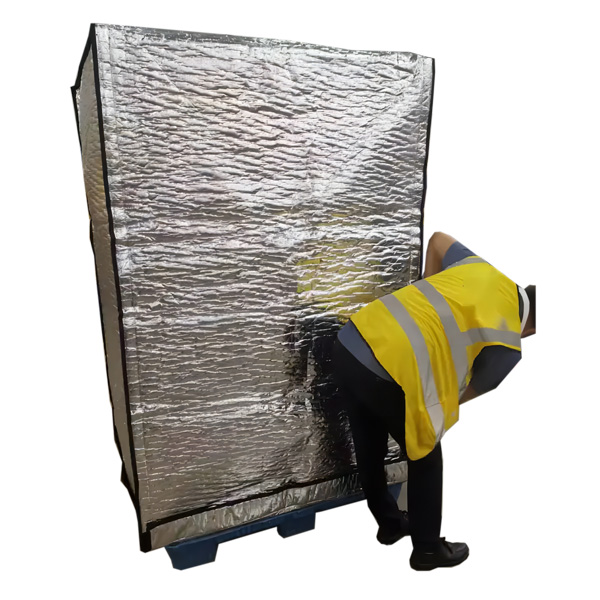
Thermal pallet covers 15-25C: Practical Selection and Use Guide
Thermal pallet covers 15-25C make sense when the buyer can define the exposure problem clearly. They are designed to slow heat transfer around palletized freight during shipping or staging, but they must be matched to the product, route, temperature target, pallet build, and handling process. The best purchasing decision starts with the lane, not the catalog. This optimized guide shows how to choose, test, and use covers without overclaiming what they can do.
This matters for pharmaceutical logistics teams, quality managers, CRT shippers, healthcare distributors, and procurement teams because the same cover can be a strong fit in one lane and a poor fit in another. The decision depends on room-temperature healthcare cartons moving through controlled warehouses, terminals, trucks, cross-docks, and receiving locations with seasonal risk, product sensitivity, evidence requirements, and the people who apply the cover. A good article or supplier page should help you make that distinction instead of promising protection in every situation.
Define the exposure window before choosing the cover
Start by writing down the exact point where the pallet becomes vulnerable: assuming 15-25C is automatically the same as every controlled-room-temperature definition, ignoring cold-season exposure, and relying on covers without route data. This step sounds basic, but it prevents most overbuying and underbuying. If the vulnerable window is short and predictable, a cover may be enough to reduce risk. If the vulnerable window is long, uncontrolled, or tied to a narrow product range, the route may require active equipment, qualified passive packaging, coolant, or a different logistics plan.
A good exposure map includes location, expected time, worst credible delay, season, sunlight, air movement, humidity, and who controls the pallet at that point. It should also show the first protected point after the exposure. The cover should be used to bridge that gap. If no one can identify the gap, the team is not ready to select a cover structure yet.
Match structure to product, route, and handling
The cover structure should match the way heat reaches the pallet. Dual-season insulation, reflective exterior, closure at the base, top coverage, and compatibility with data loggers may all matter, but not equally. Direct sunlight and hot surfaces point toward radiant protection and top coverage. Wind or cold dock exposure points toward closure discipline and lower skirt fit. Rough reuse points toward reinforced seams and cleaning resistance. A buyer should ask which feature solves the main route problem.
Product requirements come first. A 15-25C target should be treated as a shipment-specific requirement unless the quality system defines it differently. Product instructions and customer specifications come first. Do not choose a cover by a generic temperature label unless your quality or operations team has confirmed that the label matches the shipment. A cover used for a broad-tolerance product may not be acceptable for a high-risk pharmaceutical load or a frozen-food pallet facing long ambient dwell.
| Decision point | What to verify | Why it matters |
|---|---|---|
| Product and range | Confirm the product sensitivity and the required temperature target. A 15-25C target should be treated as a shipment-specific requirement unless the quality system defines it differently. Product instructions and customer specifications come first. | Prevents using the cover for a range it was never meant to support. |
| Route exposure | Map assuming 15-25C is automatically the same as every controlled-room-temperature definition, ignoring cold-season exposure, and relying on covers without route data before choosing the structure. | Shows whether the cover protects the real weak point or only looks good in a sample review. |
| Pallet build | Measure loaded width, depth, height, corners, top profile, stretch wrap, and bottom skirt needs. | Avoids gaps, tight corners, and covers that cannot be applied quickly. |
| Handling method | Check forklift contact, staging time, label visibility, opening method, and who removes the cover at receiving. | Makes the cover usable in daily operations instead of only in a purchasing file. |
| Evidence | Ask what payload, ambient profile, probe map, and acceptance criteria support any performance statement. | Keeps marketing claims separate from usable risk-control evidence. |
Use the table as a purchasing filter rather than a formality. If you cannot answer one of the items, the missing answer is a risk. That risk may be small, but it should be understood before the cover is ordered in bulk or written into a standard work instruction.
Sizing and application are part of performance
Even a strong material structure can perform poorly when it does not fit the actual load. Measure the loaded pallet, including overhanging cartons, corner boards, stretch wrap, top irregularity, and seasonal SKU changes. Decide whether the cover should sit tight, allow room for fast placement, or drop lower to cover edge cartons. If the team uses several pallet patterns, review each one before standardizing on a single cover size.
Application timing also matters. A cover should usually be applied before exposure begins, not after the pallet has already waited on the dock or ramp. Staff should know where the covers are stored, how they are identified, which side faces out, how closures should be secured, and when covers should be removed. If the process is not written down, the result may change from shift to shift.
Qualification and monitoring keep claims honest
Qualification is not about proving that one cover is good in every possible setting. It is about showing whether a specific cover, on a specific load, under defined conditions, supports a defined requirement. The test should use realistic payloads, representative pallet builds, meaningful probe locations, and acceptance criteria that are agreed before the run. For healthcare, food, or customer-controlled freight, quality review may be needed before the result is used.
Monitoring should be treated separately from insulation. A data logger records what happened; it does not protect the pallet. A cover slows heat transfer; it does not record proof. Many reliable cold-chain procedures use both, but they solve different problems. If a shipment fails receiving review, the logger record helps investigation while the cover condition and route events help explain cause.
Supplier and operations questions before bulk use
A procurement review should go beyond price per cover. Buyers should confirm exact temperature acceptance range, excursion rules, MKT policy if applicable, logger placement, route seasonality, and whether test data covers both hot and cold exposure. The reason is simple: pallet covers are operational items. They are handled by warehouse teams, carriers, and receivers, not just reviewed by purchasing staff. A cover that looks ideal in a photo may fail if it takes too long to install, hides labels, tears at corners, or cannot be returned cleanly for reuse.
| Supplier topic | Question to ask | Why it matters |
|---|---|---|
| Layer structure | What layers are used in the dual-season insulation, reflective exterior, closure at the base, top coverage, and compatibility with data loggers? | The material name alone does not explain heat-transfer behavior or durability. |
| Size basis | Are dimensions based on pallet footprint, loaded pallet, or custom measurement? | Wrong size is one of the fastest ways to lose protection at edges and base. |
| Test basis | Which payload, ambient profile, exposure direction, and probe locations were used? | A test from a different lane may be useful background, not direct qualification. |
| Reuse control | How should covers be cleaned, dried, folded, inspected, and retired? | Reusable value depends on process discipline, not only material toughness. |
| Production consistency | Will production units match the approved sample in layer stack, seam design, and closure? | Sample-to-bulk consistency matters when covers are used across many pallets. |
This table is not meant to make the buying process slower. It helps you avoid the common mistake of approving a sample based on material appearance alone. The supplier should be able to explain what the cover is designed to do, what it is not designed to do, and what information a buyer must provide before a reliable recommendation can be made.
Practical example
For example, a healthcare distributor ships CRT cartons through a winter cross-dock and wants a cover to reduce cold shock during the short handover before the pallet enters a controlled vehicle. A reasonable buyer would not ask whether a cover can solve every temperature problem on the route. The better question is whether the cover reduces the known exposure enough to support the operating procedure. That requires measuring the pallet, understanding how long the pallet waits, and confirming who applies and removes the cover.
The same situation can lead to different decisions. A low-risk product with a wide tolerance may need a simple reusable cover and a receiving check. A higher-risk product may need cover testing, data loggers, active transport, or quality approval. The cover choice should match the product and lane, not a general statement about cold-chain shipping.
When to choose a different solution
Choose a different or additional solution when when the pallet needs active heating, active cooling, or a qualified passive system to maintain 15-25C through a long uncontrolled route. This does not mean the cover has no value. It means the cover should not carry responsibility for a risk it cannot control. Refrigerated vehicles, reefer containers, active air cargo units, qualified passive shippers, coolant systems, and product-level monitoring all have roles. The right design may combine several tools rather than force one product to solve the whole lane.
A cautious decision protects the buyer as well as the cargo. Overstating cover performance can lead to rejected shipments, damaged customer trust, and difficult deviation investigations. Understating it can cause unnecessary spending on active solutions for short, manageable exposures. The goal is balanced judgment based on route evidence.
FAQ
Is 15-25C the same as controlled room temperature for every shipment?
Not necessarily. Some shippers use a 15-25C target for transport, while formal storage terminology and acceptable excursions may differ by product, market, and quality system. Always confirm the product label, customer specification, and internal quality policy before choosing packaging or writing acceptance criteria.
Can a thermal pallet cover replace refrigerated transport?
Not by itself. A cover is a passive layer that slows heat transfer; refrigerated trucks, reefers, and active containers control the surrounding environment. A cover may support a short loading or staging window, or add a buffer when active equipment doors are opened, but it should not be used as a direct substitute when product quality depends on active temperature management.
Where should a buyer place data loggers when testing a pallet cover?
Logger placement should reflect the risk you are trying to understand. Many teams look at edge positions, top exposure, center product temperature, and any side facing the strongest heat, cold, or sun. The correct map depends on the product, cover design, pallet build, and acceptance criteria. Do not rely only on the most protected location.
Do reusable covers need an inspection process?
Yes. Reuse only works when covers are checked for tears, worn closures, crushed insulation, contamination, and missing labels before each use. A damaged cover may look acceptable from a distance but leave gaps or create weak points during handling. For regulated or quality-managed products, the inspection and cleaning approach should match the site procedure.
What information should be requested from a supplier?
Ask for material structure, internal dimensions, closure design, recommended use conditions, cleaning guidance, sample availability, and the test condition behind any performance claim. If a supplier states a hold time or temperature result, ask what payload, ambient profile, probe locations, and acceptance criteria were used.
Conclusion
The best decision on thermal pallet covers 15-25C comes from matching the cover to the route risk, not from assuming that any insulated cover will protect every pallet. Start with the product requirement, map the exposure window, measure the real pallet build, and check whether the cover can be applied correctly by the people who handle the freight. Then review evidence carefully and avoid treating a passive barrier as active temperature control.
If the route is short and the weak point is clear, a cover can be a practical and repeatable control. If the product is highly sensitive, the lane is long, or the acceptance range is narrow, the cover may still have a role but should be combined with qualified packaging, active equipment, monitoring, or quality review as needed. A careful buyer treats the cover as one part of a disciplined cold-chain process.
Additional field notes for buyers
For thermal pallet covers 15-25C, field discipline is often the difference between a useful cover and a disappointing purchase. Write down who applies the cover, where unused covers are stored, when a cover should be removed, and how receiving teams report damage or wetness. These details sound small, but they determine whether the cover is used consistently when the route is busy, the dock is crowded, or a carrier arrives earlier than expected.
Buyers should also compare the approved sample with production units. Check the layer stack, seam width, closure placement, label area, corner reinforcement, and fit over the tallest expected load. If the route involves multiple warehouses or 3PL partners, share the same application photos and work instructions with every site. The goal is not to make the procedure complicated; it is to prevent each location from inventing a different way to use the same cover.
About Tempk
Tempk works with buyers who need practical cold-chain packaging and pallet-level insulation options for real shipping and staging conditions. For thermal pallet cover projects, the useful conversation is not only about material names. It is about pallet size, load height, route exposure, reuse expectations, and how the cover will be applied by warehouse or logistics teams. We can help you compare cover structures, discuss custom sizing, and prepare the right questions before you move from sample review to bulk use.
vaccine carrier box: Practical Cold Chain Selection Guide
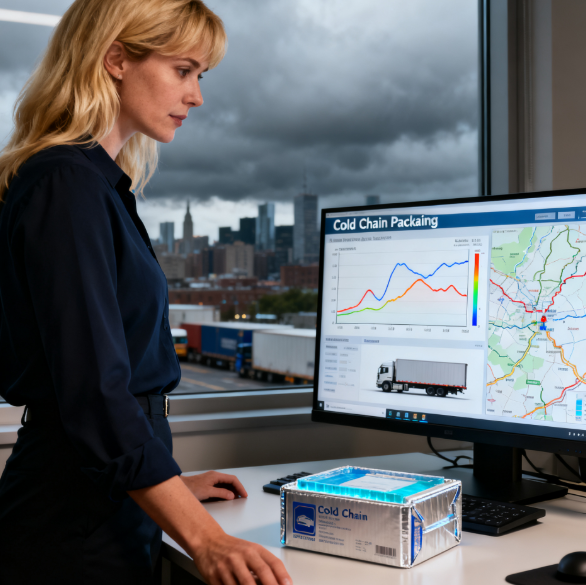
vaccine carrier box: Practical Cold Chain Selection Guide
A vaccine carrier box should be chosen as part of a cold-chain system, not as a standalone insulated container. The practical decision starts with the product temperature requirement, then moves to payload size, route exposure, coolant configuration, handling discipline, receiving checks, and supplier evidence. This optimized article brings those pieces together for B2B buyers who need a clear way to compare options without relying on broad brochure claims. It also explains when the box is a good fit, when additional qualification is needed, and what Tempk can help you clarify before ordering.
Practical answer: Treat a vaccine carrier box as one component of a qualified or controlled packaging setup. Confirm the required temperature range, expected exposure time, route profile, coolant plan, usable volume, and documentation needs before comparing price or appearance.
Start with the role of the vaccine carrier box
Before comparing materials, define what the vaccine carrier box is expected to do. Is it protecting chilled food quality for a few delivery stops, moving medicines between facilities, holding vaccines during outreach, or supporting a documented pharmaceutical lane? Each case changes the standard of evidence. For food delivery, cleaning, durability, load convenience, and customer handoff may dominate. For medical logistics, product label requirements, temperature evidence, and quality review become more important.
This distinction prevents a common buying error: treating every insulated container as a temperature-controlled shipping system. A box can be insulated and still not be qualified for your lane. A high-performance material can be present and still fail if the coolant is wrong. A reusable box can reduce packaging waste and still create risk if it returns damaged or dirty. The practical goal is to match the box role to the product risk, route exposure, and documentation burden.
From route map to packout decision
Route mapping is the bridge between a product requirement and a packaging choice. Write down where the packed box sits before dispatch, how it travels, whether it changes vehicles, how long it waits at each handover, whether the lid may be opened, and what the receiver does on arrival. This map shows whether the vaccine carrier box needs only practical insulation for a short controlled route or whether it needs a documented packout and qualification plan.
For medical and vaccine-related shipments, many buyers also need a temperature monitoring plan. A logger does not protect the product, but it creates evidence for review. The placement of the logger, calibration status, alarm limits, and data retrieval process should be defined before the route starts. For food and pharmacy delivery, monitoring may be less formal, but dispatch and receiving checks still help teams detect weak points before complaints or product holds appear.
Material trade-offs that affect daily operations
Materials influence more than thermal performance. They affect worker handling, cleaning, return efficiency, storage space, labeling, damage inspection, and the amount of training needed for repeatable packout. insulated container structures that may use EPP, PU, VIP, or other materials depending on design and program requirements. For buyers, that description is only useful when it is translated into operations: how heavy the packed unit feels, how easily staff can clean it, how visible damage is, whether the lid closes the same way every time, and how much payload space remains after coolant.
The strongest purchasing teams compare materials through use conditions. They ask whether the box will be opened during delivery, whether it will be stacked, whether it will be returned empty, whether it may be exposed to rain or direct sun, and whether a quality team will review temperature records. These details keep material selection tied to risk instead of turning it into a catalog exercise.
Buyer matrix before shortlisting suppliers
Use this buyer matrix before asking for price. It keeps the discussion focused on cold-chain risk instead of catalog descriptions.
| Checkpoint | What to verify | Why it matters |
|---|---|---|
| Temperature range | Confirm the product requirement before choosing coolant or box material | A box cannot be judged without acceptance criteria |
| Route exposure | Map dispatch, waiting, transport, handover, and receipt | The highest-risk minutes often happen outside vehicles |
| Usable payload | Measure internal space after coolant, dividers, and paperwork are included | Gross volume can overstate what can actually ship |
| Reuse plan | Define cleaning, return, damage inspection, and retirement rules | Reuse without control can turn into hidden risk |
| Supplier evidence | Ask for test conditions, sample consistency, and change-control process | Procurement needs proof that production matches the approved sample |
The table is not a substitute for a quality review, but it helps align procurement, operations, and technical teams before samples are ordered. It also makes supplier conversations more precise. Instead of asking for the longest hold time or the lowest price, you can ask whether the evidence behind the box matches your product, route, payload, and handling conditions.
What to confirm before scaling from sample to bulk order
Scaling is where many packaging decisions become operational. A hand sample may look correct, but bulk use reveals whether the lid closes repeatably, whether staff can pack quickly, whether labels stay readable, whether boxes stack safely, and whether accessories are easy to manage. Before placing a larger order, define exactly what has been approved.
Confirm the following points:
– Approved dimensions, closure design, insulation material, inserts, and accessories.
- Usable payload space after coolant, partitions, labels, and documentation are included.
- Test profile or performance evidence and the conditions under which it was generated.
- Cleaning, inspection, and retirement rules for reusable boxes.
- Production consistency, change-control communication, and packaging of finished units before delivery.
- Who owns packout instructions, staff training, and receiving checks after the boxes arrive.
This review protects both the buyer and the supplier. It gives the supplier a clearer target and gives the buyer a record for comparing delivered units against the approved configuration.
Warning signs during evaluation
- One number without conditions: A hold-time claim is incomplete unless you know the ambient profile, payload, coolant, and acceptance range.
- Material as the only evidence: EPP, VIP, PU, or EPS describes insulation, not route qualification by itself.
- Sample mismatch: Production units should match the approved sample in material, closure, inserts, and accessories.
- No receiving process: If no one checks the parcel on arrival, problems may be discovered after product disposition is delayed.
- No plan for reuse: Cleaning, drying, tracking, and damage inspection are part of the box system.
These mistakes are preventable because they are mostly process problems rather than mysteries of insulation science. A vaccine carrier box becomes more reliable when operations define how the box is prepared, who checks it, and when it should be removed from use. The more sensitive the product, the more formal that process should be.
Fit boundaries to agree on before approval
A vaccine carrier box is a strong fit for clinic transfers, outreach operations, immunization sessions, and last-mile vaccine movement when selected for capacity and coolant policy. It becomes more questionable for longer or higher-risk routes without a qualified packout, active monitoring, and program-specific SOPs. This boundary is important because cold-chain packaging decisions often fail at the edge cases. A box that is easy to justify on a short, controlled route may be the wrong choice on a long route with exposed staging, repeated handovers, or a receiver that cannot review temperature evidence quickly.
If the use case is low risk, the buyer may focus on durability, cleanability, user training, and whether the box can be packed the same way every day. If the use case is higher risk, the buyer should raise the level of evidence. That may include supplier test information, a written packout, temperature monitoring, route review, and quality approval. The decision is not about making every shipment complicated. It is about increasing control when the product value, regulatory expectation, or route exposure makes assumptions expensive.
A buyer situation that clarifies the decision
Consider a buyer selecting a vaccine carrier box for recurring clinic deliveries. The shipment is not a one-time parcel; it repeats weekly, with the same dispatch site, several handovers, and a receiver that must make fast product decisions. The buyer compares two boxes. One has a lower price and a simple specification. The other has clearer packout instructions, better closure consistency, and a supplier willing to discuss test conditions and sample-to-production controls.
The stronger choice may not be the box with the most impressive claim. It is the option that the buyer can operate consistently. If the route later changes, the buyer should review the packout again rather than assuming the original approval still applies.
Receiving checks complete the packaging decision
The shipment is not finished when the vaccine carrier box leaves the dispatch table. The receiver has to know what to do when the box arrives. For sensitive goods, that may mean checking the physical condition of the box, confirming labels, reviewing a temperature record, noting the time of receipt, and moving the payload back into controlled storage without delay. For reusable operations, the empty box then enters another process: return, cleaning, drying, accessory check, and inspection before it is used again.
This receiving step often reveals whether the box was chosen well. If the lid is difficult to close, if the internal layout confuses the receiver, if the logger is hard to find, or if the returned box is hard to inspect, the packaging is adding operational risk. A practical buyer should therefore ask how the box behaves at the end of the route, not only how it looks before dispatch. Good packaging protects the product and makes the next decision easier for the people handling it.
FAQ
How do I know whether a vaccine carrier box is suitable for my shipment?
Start with the required temperature range, route duration, handover points, payload size, and documentation needs. Then compare box material, coolant plan, packout instructions, and supplier evidence. Suitability is not a single specification; it is a match between the box system and your lane.
What should I ask before ordering samples?
Ask for internal and external dimensions, usable volume after coolant, material and closure details, recommended packout, test conditions, cleaning requirements, and any change-control process. For medical routes, involve quality reviewers before approving the sample.
Is a reusable box always better than a single-use shipper?
No. Reuse works best when you can recover, clean, inspect, and redeploy boxes consistently. A one-way export route or uncontrolled last-mile delivery may justify a different packaging model.
Can I rely on a supplier's hold-time claim?
Treat it as a starting point. Ask what ambient profile, payload, coolant, and acceptance range were used. If your route differs, additional testing or a revised packout may be needed.
Conclusion
The right vaccine carrier box is the one that fits the product requirement, route exposure, payload, coolant plan, handling pattern, and evidence level. Start by defining the temperature range and shipment process, then compare materials and suppliers against that reality. Use samples to test fit and workflow, not only appearance. For medical or vaccine-related routes, keep qualification language cautious and involve quality reviewers before scale-up. For reusable operations, treat cleaning, return, and damage inspection as part of the packaging system.
About Tempk
Tempk provides insulated packaging options and custom cold-chain packaging discussions for food, pharmacy, medicine, vaccine, and temperature-sensitive shipment scenarios. When buyers evaluate a vaccine carrier box, Tempk can help compare EPP, VIP, VPU, and other insulated formats against route, payload, coolant, and reuse needs. We keep the conversation practical: what the box must protect, how it will be packed, how it will be handled, and what evidence the buyer should verify before scaling.
Discuss your route, payload, target temperature range, and reuse plan with Tempk before ordering samples, so the first packaging recommendation is closer to the shipment you actually need to run.
reusable insulated shipping box: Cold Chain Guide
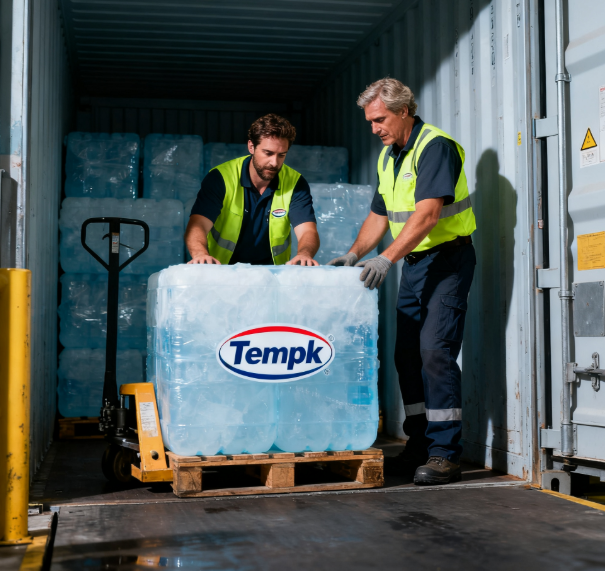
reusable insulated shipping box: Practical Cold Chain Selection Guide
A reusable insulated shipping box should be chosen as part of a cold-chain system, not as a standalone insulated container. The practical decision starts with the product temperature requirement, then moves to payload size, route exposure, coolant configuration, handling discipline, receiving checks, and supplier evidence. This optimized article brings those pieces together for B2B buyers who need a clear way to compare options without relying on broad brochure claims. It also explains when the box is a good fit, when additional qualification is needed, and what Tempk can help you clarify before ordering.
Practical answer: Treat a reusable insulated shipping box as one component of a qualified or controlled packaging setup. Confirm the required temperature range, expected exposure time, route profile, coolant plan, usable volume, and documentation needs before comparing price or appearance.
Start with the role of the reusable insulated shipping box
Before comparing materials, define what the reusable insulated shipping box is expected to do. Is it protecting chilled food quality for a few delivery stops, moving medicines between facilities, holding vaccines during outreach, or supporting a documented pharmaceutical lane? Each case changes the standard of evidence. For food delivery, cleaning, durability, load convenience, and customer handoff may dominate. For medical logistics, product label requirements, temperature evidence, and quality review become more important.
This distinction prevents a common buying error: treating every insulated container as a temperature-controlled shipping system. A box can be insulated and still not be qualified for your lane. A high-performance material can be present and still fail if the coolant is wrong. A reusable box can reduce packaging waste and still create risk if it returns damaged or dirty. The practical goal is to match the box role to the product risk, route exposure, and documentation burden.
From route map to packout decision
Route mapping is the bridge between a product requirement and a packaging choice. Write down where the packed box sits before dispatch, how it travels, whether it changes vehicles, how long it waits at each handover, whether the lid may be opened, and what the receiver does on arrival. This map shows whether the reusable insulated shipping box needs only practical insulation for a short controlled route or whether it needs a documented packout and qualification plan.
For medical and vaccine-related shipments, many buyers also need a temperature monitoring plan. A logger does not protect the product, but it creates evidence for review. The placement of the logger, calibration status, alarm limits, and data retrieval process should be defined before the route starts. For food and pharmacy delivery, monitoring may be less formal, but dispatch and receiving checks still help teams detect weak points before complaints or product holds appear.
Material trade-offs that affect daily operations
Materials influence more than thermal performance. They affect worker handling, cleaning, return efficiency, storage space, labeling, damage inspection, and the amount of training needed for repeatable packout. durable insulated structures such as EPP, PU, VIP hybrids, or rigid plastic assemblies selected for repeated handling. For buyers, that description is only useful when it is translated into operations: how heavy the packed unit feels, how easily staff can clean it, how visible damage is, whether the lid closes the same way every time, and how much payload space remains after coolant.
The strongest purchasing teams compare materials through use conditions. They ask whether the box will be opened during delivery, whether it will be stacked, whether it will be returned empty, whether it may be exposed to rain or direct sun, and whether a quality team will review temperature records. These details keep material selection tied to risk instead of turning it into a catalog exercise.
Buyer matrix before shortlisting suppliers
Use this buyer matrix before asking for price. It keeps the discussion focused on cold-chain risk instead of catalog descriptions.
| Checkpoint | What to verify | Why it matters |
|---|---|---|
| Temperature range | Confirm the product requirement before choosing coolant or box material | A box cannot be judged without acceptance criteria |
| Route exposure | Map dispatch, waiting, transport, handover, and receipt | The highest-risk minutes often happen outside vehicles |
| Usable payload | Measure internal space after coolant, dividers, and paperwork are included | Gross volume can overstate what can actually ship |
| Reuse plan | Define cleaning, return, damage inspection, and retirement rules | Reuse without control can turn into hidden risk |
| Supplier evidence | Ask for test conditions, sample consistency, and change-control process | Procurement needs proof that production matches the approved sample |
The table is not a substitute for a quality review, but it helps align procurement, operations, and technical teams before samples are ordered. It also makes supplier conversations more precise. Instead of asking for the longest hold time or the lowest price, you can ask whether the evidence behind the box matches your product, route, payload, and handling conditions.
What to confirm before scaling from sample to bulk order
Scaling is where many packaging decisions become operational. A hand sample may look correct, but bulk use reveals whether the lid closes repeatably, whether staff can pack quickly, whether labels stay readable, whether boxes stack safely, and whether accessories are easy to manage. Before placing a larger order, define exactly what has been approved.
Confirm the following points:
– Approved dimensions, closure design, insulation material, inserts, and accessories.
- Usable payload space after coolant, partitions, labels, and documentation are included.
- Test profile or performance evidence and the conditions under which it was generated.
- Cleaning, inspection, and retirement rules for reusable boxes.
- Production consistency, change-control communication, and packaging of finished units before delivery.
- Who owns packout instructions, staff training, and receiving checks after the boxes arrive.
This review protects both the buyer and the supplier. It gives the supplier a clearer target and gives the buyer a record for comparing delivered units against the approved configuration.
Warning signs during evaluation
- One number without conditions: A hold-time claim is incomplete unless you know the ambient profile, payload, coolant, and acceptance range.
- Material as the only evidence: EPP, VIP, PU, or EPS describes insulation, not route qualification by itself.
- Sample mismatch: Production units should match the approved sample in material, closure, inserts, and accessories.
- No receiving process: If no one checks the parcel on arrival, problems may be discovered after product disposition is delayed.
- No plan for reuse: Cleaning, drying, tracking, and damage inspection are part of the box system.
These mistakes are preventable because they are mostly process problems rather than mysteries of insulation science. A reusable insulated shipping box becomes more reliable when operations define how the box is prepared, who checks it, and when it should be removed from use. The more sensitive the product, the more formal that process should be.
Fit boundaries to agree on before approval
A reusable insulated shipping box is a strong fit for closed-loop distribution, scheduled courier routes, pharmacy replenishment, grocery programs, and B2B circulation loops. It becomes more questionable for one-way exports, uncontrolled returns, or lanes where damaged insulation cannot be inspected before reuse. This boundary is important because cold-chain packaging decisions often fail at the edge cases. A box that is easy to justify on a short, controlled route may be the wrong choice on a long route with exposed staging, repeated handovers, or a receiver that cannot review temperature evidence quickly.
If the use case is low risk, the buyer may focus on durability, cleanability, user training, and whether the box can be packed the same way every day. If the use case is higher risk, the buyer should raise the level of evidence. That may include supplier test information, a written packout, temperature monitoring, route review, and quality approval. The decision is not about making every shipment complicated. It is about increasing control when the product value, regulatory expectation, or route exposure makes assumptions expensive.
A buyer situation that clarifies the decision
Consider a buyer selecting a reusable insulated shipping box for recurring clinic deliveries. The shipment is not a one-time parcel; it repeats weekly, with the same dispatch site, several handovers, and a receiver that must make fast product decisions. The buyer compares two boxes. One has a lower price and a simple specification. The other has clearer packout instructions, better closure consistency, and a supplier willing to discuss test conditions and sample-to-production controls.
The stronger choice may not be the box with the most impressive claim. It is the option that the buyer can operate consistently. If the route later changes, the buyer should review the packout again rather than assuming the original approval still applies.
Receiving checks complete the packaging decision
The shipment is not finished when the reusable insulated shipping box leaves the dispatch table. The receiver has to know what to do when the box arrives. For sensitive goods, that may mean checking the physical condition of the box, confirming labels, reviewing a temperature record, noting the time of receipt, and moving the payload back into controlled storage without delay. For reusable operations, the empty box then enters another process: return, cleaning, drying, accessory check, and inspection before it is used again.
This receiving step often reveals whether the box was chosen well. If the lid is difficult to close, if the internal layout confuses the receiver, if the logger is hard to find, or if the returned box is hard to inspect, the packaging is adding operational risk. A practical buyer should therefore ask how the box behaves at the end of the route, not only how it looks before dispatch. Good packaging protects the product and makes the next decision easier for the people handling it.
FAQ
How do I know whether a reusable insulated shipping box is suitable for my shipment?
Start with the required temperature range, route duration, handover points, payload size, and documentation needs. Then compare box material, coolant plan, packout instructions, and supplier evidence. Suitability is not a single specification; it is a match between the box system and your lane.
What should I ask before ordering samples?
Ask for internal and external dimensions, usable volume after coolant, material and closure details, recommended packout, test conditions, cleaning requirements, and any change-control process. For medical routes, involve quality reviewers before approving the sample.
Is a reusable box always better than a single-use shipper?
No. Reuse works best when you can recover, clean, inspect, and redeploy boxes consistently. A one-way export route or uncontrolled last-mile delivery may justify a different packaging model.
Can I rely on a supplier's hold-time claim?
Treat it as a starting point. Ask what ambient profile, payload, coolant, and acceptance range were used. If your route differs, additional testing or a revised packout may be needed.
Conclusion
The right reusable insulated shipping box is the one that fits the product requirement, route exposure, payload, coolant plan, handling pattern, and evidence level. Start by defining the temperature range and shipment process, then compare materials and suppliers against that reality. Use samples to test fit and workflow, not only appearance. For medical or vaccine-related routes, keep qualification language cautious and involve quality reviewers before scale-up. For reusable operations, treat cleaning, return, and damage inspection as part of the packaging system.
About Tempk
Tempk provides insulated packaging options and custom cold-chain packaging discussions for food, pharmacy, medicine, vaccine, and temperature-sensitive shipment scenarios. When buyers evaluate a reusable insulated shipping box, Tempk can help compare EPP, VIP, VPU, and other insulated formats against route, payload, coolant, and reuse needs. We keep the conversation practical: what the box must protect, how it will be packed, how it will be handled, and what evidence the buyer should verify before scaling.
Discuss your route, payload, target temperature range, and reuse plan with Tempk before ordering samples, so the first packaging recommendation is closer to the shipment you actually need to run.
How to Qualify Cooler Box Cold Chain Packaging

cooler box qualification for cold chain: Practical Cold Chain Selection Guide
A cooler box qualification for cold chain should be chosen as part of a cold-chain system, not as a standalone insulated container. The practical decision starts with the product temperature requirement, then moves to payload size, route exposure, coolant configuration, handling discipline, receiving checks, and supplier evidence. This optimized article brings those pieces together for B2B buyers who need a clear way to compare options without relying on broad brochure claims. It also explains when the box is a good fit, when additional qualification is needed, and what Tempk can help you clarify before ordering.
Practical answer: Treat a cooler box qualification for cold chain as one component of a qualified or controlled packaging setup. Confirm the required temperature range, expected exposure time, route profile, coolant plan, usable volume, and documentation needs before comparing price or appearance.
Start with the role of the cooler box qualification for cold chain
Before comparing materials, define what the cooler box qualification for cold chain is expected to do. Is it protecting chilled food quality for a few delivery stops, moving medicines between facilities, holding vaccines during outreach, or supporting a documented pharmaceutical lane? Each case changes the standard of evidence. For food delivery, cleaning, durability, load convenience, and customer handoff may dominate. For medical logistics, product label requirements, temperature evidence, and quality review become more important.
This distinction prevents a common buying error: treating every insulated container as a temperature-controlled shipping system. A box can be insulated and still not be qualified for your lane. A high-performance material can be present and still fail if the coolant is wrong. A reusable box can reduce packaging waste and still create risk if it returns damaged or dirty. The practical goal is to match the box role to the product risk, route exposure, and documentation burden.
From route map to packout decision
Route mapping is the bridge between a product requirement and a packaging choice. Write down where the packed box sits before dispatch, how it travels, whether it changes vehicles, how long it waits at each handover, whether the lid may be opened, and what the receiver does on arrival. This map shows whether the cooler box qualification for cold chain needs only practical insulation for a short controlled route or whether it needs a documented packout and qualification plan.
For medical and vaccine-related shipments, many buyers also need a temperature monitoring plan. A logger does not protect the product, but it creates evidence for review. The placement of the logger, calibration status, alarm limits, and data retrieval process should be defined before the route starts. For food and pharmacy delivery, monitoring may be less formal, but dispatch and receiving checks still help teams detect weak points before complaints or product holds appear.
Material trade-offs that affect daily operations
Materials influence more than thermal performance. They affect worker handling, cleaning, return efficiency, storage space, labeling, damage inspection, and the amount of training needed for repeatable packout. the material may be EPP, VIP, PU, EPS, or another insulation; qualification focuses on the complete system, not only the shell. For buyers, that description is only useful when it is translated into operations: how heavy the packed unit feels, how easily staff can clean it, how visible damage is, whether the lid closes the same way every time, and how much payload space remains after coolant.
The strongest purchasing teams compare materials through use conditions. They ask whether the box will be opened during delivery, whether it will be stacked, whether it will be returned empty, whether it may be exposed to rain or direct sun, and whether a quality team will review temperature records. These details keep material selection tied to risk instead of turning it into a catalog exercise.
Buyer matrix before shortlisting suppliers
Use this buyer matrix before asking for price. It keeps the discussion focused on cold-chain risk instead of catalog descriptions.
| Checkpoint | What to verify | Why it matters |
|---|---|---|
| Temperature range | Confirm the product requirement before choosing coolant or box material | A box cannot be judged without acceptance criteria |
| Route exposure | Map dispatch, waiting, transport, handover, and receipt | The highest-risk minutes often happen outside vehicles |
| Usable payload | Measure internal space after coolant, dividers, and paperwork are included | Gross volume can overstate what can actually ship |
| Reuse plan | Define cleaning, return, damage inspection, and retirement rules | Reuse without control can turn into hidden risk |
| Supplier evidence | Ask for test conditions, sample consistency, and change-control process | Procurement needs proof that production matches the approved sample |
The table is not a substitute for a quality review, but it helps align procurement, operations, and technical teams before samples are ordered. It also makes supplier conversations more precise. Instead of asking for the longest hold time or the lowest price, you can ask whether the evidence behind the box matches your product, route, payload, and handling conditions.
What to confirm before scaling from sample to bulk order
Scaling is where many packaging decisions become operational. A hand sample may look correct, but bulk use reveals whether the lid closes repeatably, whether staff can pack quickly, whether labels stay readable, whether boxes stack safely, and whether accessories are easy to manage. Before placing a larger order, define exactly what has been approved.
Confirm the following points:
– Approved dimensions, closure design, insulation material, inserts, and accessories.
- Usable payload space after coolant, partitions, labels, and documentation are included.
- Test profile or performance evidence and the conditions under which it was generated.
- Cleaning, inspection, and retirement rules for reusable boxes.
- Production consistency, change-control communication, and packaging of finished units before delivery.
- Who owns packout instructions, staff training, and receiving checks after the boxes arrive.
This review protects both the buyer and the supplier. It gives the supplier a clearer target and gives the buyer a record for comparing delivered units against the approved configuration.
Warning signs during evaluation
- One number without conditions: A hold-time claim is incomplete unless you know the ambient profile, payload, coolant, and acceptance range.
- Material as the only evidence: EPP, VIP, PU, or EPS describes insulation, not route qualification by itself.
- Sample mismatch: Production units should match the approved sample in material, closure, inserts, and accessories.
- No receiving process: If no one checks the parcel on arrival, problems may be discovered after product disposition is delayed.
- No plan for reuse: Cleaning, drying, tracking, and damage inspection are part of the box system.
These mistakes are preventable because they are mostly process problems rather than mysteries of insulation science. A cooler box qualification for cold chain becomes more reliable when operations define how the box is prepared, who checks it, and when it should be removed from use. The more sensitive the product, the more formal that process should be.
Fit boundaries to agree on before approval
A cooler box qualification for cold chain is a strong fit for pharma, vaccine, lab sample, and food shipments where evidence of temperature control is needed before scale-up. It becomes more questionable for informal one-off use where no acceptance criteria, monitoring plan, or responsible quality review exists. This boundary is important because cold-chain packaging decisions often fail at the edge cases. A box that is easy to justify on a short, controlled route may be the wrong choice on a long route with exposed staging, repeated handovers, or a receiver that cannot review temperature evidence quickly.
If the use case is low risk, the buyer may focus on durability, cleanability, user training, and whether the box can be packed the same way every day. If the use case is higher risk, the buyer should raise the level of evidence. That may include supplier test information, a written packout, temperature monitoring, route review, and quality approval. The decision is not about making every shipment complicated. It is about increasing control when the product value, regulatory expectation, or route exposure makes assumptions expensive.
A buyer situation that clarifies the decision
Consider a buyer selecting a cooler box qualification for cold chain for recurring clinic deliveries. The shipment is not a one-time parcel; it repeats weekly, with the same dispatch site, several handovers, and a receiver that must make fast product decisions. The buyer compares two boxes. One has a lower price and a simple specification. The other has clearer packout instructions, better closure consistency, and a supplier willing to discuss test conditions and sample-to-production controls.
The stronger choice may not be the box with the most impressive claim. It is the option that the buyer can operate consistently. If the route later changes, the buyer should review the packout again rather than assuming the original approval still applies.
Receiving checks complete the packaging decision
The shipment is not finished when the cooler box qualification for cold chain leaves the dispatch table. The receiver has to know what to do when the box arrives. For sensitive goods, that may mean checking the physical condition of the box, confirming labels, reviewing a temperature record, noting the time of receipt, and moving the payload back into controlled storage without delay. For reusable operations, the empty box then enters another process: return, cleaning, drying, accessory check, and inspection before it is used again.
This receiving step often reveals whether the box was chosen well. If the lid is difficult to close, if the internal layout confuses the receiver, if the logger is hard to find, or if the returned box is hard to inspect, the packaging is adding operational risk. A practical buyer should therefore ask how the box behaves at the end of the route, not only how it looks before dispatch. Good packaging protects the product and makes the next decision easier for the people handling it.
FAQ
How do I know whether a cooler box qualification for cold chain is suitable for my shipment?
Start with the required temperature range, route duration, handover points, payload size, and documentation needs. Then compare box material, coolant plan, packout instructions, and supplier evidence. Suitability is not a single specification; it is a match between the box system and your lane.
What should I ask before ordering samples?
Ask for internal and external dimensions, usable volume after coolant, material and closure details, recommended packout, test conditions, cleaning requirements, and any change-control process. For medical routes, involve quality reviewers before approving the sample.
Is a reusable box always better than a single-use shipper?
No. Reuse works best when you can recover, clean, inspect, and redeploy boxes consistently. A one-way export route or uncontrolled last-mile delivery may justify a different packaging model.
Can I rely on a supplier's hold-time claim?
Treat it as a starting point. Ask what ambient profile, payload, coolant, and acceptance range were used. If your route differs, additional testing or a revised packout may be needed.
Conclusion
The right cooler box qualification for cold chain is the one that fits the product requirement, route exposure, payload, coolant plan, handling pattern, and evidence level. Start by defining the temperature range and shipment process, then compare materials and suppliers against that reality. Use samples to test fit and workflow, not only appearance. For medical or vaccine-related routes, keep qualification language cautious and involve quality reviewers before scale-up. For reusable operations, treat cleaning, return, and damage inspection as part of the packaging system.
About Tempk
Tempk provides insulated packaging options and custom cold-chain packaging discussions for food, pharmacy, medicine, vaccine, and temperature-sensitive shipment scenarios. When buyers evaluate a cooler box qualification for cold chain, Tempk can help compare EPP, VIP, VPU, and other insulated formats against route, payload, coolant, and reuse needs. We keep the conversation practical: what the box must protect, how it will be packed, how it will be handled, and what evidence the buyer should verify before scaling.
Discuss your route, payload, target temperature range, and reuse plan with Tempk before ordering samples, so the first packaging recommendation is closer to the shipment you actually need to run.
passive medical cold box: Practical Cold Chain Selection Guide
passive medical cold box: Practical Cold Chain Selection Guide
A passive medical cold box should be chosen as part of a cold-chain system, not as a standalone insulated container. The practical decision starts with the product temperature requirement, then moves to payload size, route exposure, coolant configuration, handling discipline, receiving checks, and supplier evidence. This optimized article brings those pieces together for B2B buyers who need a clear way to compare options without relying on broad brochure claims. It also explains when the box is a good fit, when additional qualification is needed, and what Tempk can help you clarify before ordering.
Practical answer: Treat a passive medical cold box as one component of a qualified or controlled packaging setup. Confirm the required temperature range, expected exposure time, route profile, coolant plan, usable volume, and documentation needs before comparing price or appearance.
Start with the role of the passive medical cold box
Before comparing materials, define what the passive medical cold box is expected to do. Is it protecting chilled food quality for a few delivery stops, moving medicines between facilities, holding vaccines during outreach, or supporting a documented pharmaceutical lane? Each case changes the standard of evidence. For food delivery, cleaning, durability, load convenience, and customer handoff may dominate. For medical logistics, product label requirements, temperature evidence, and quality review become more important.
This distinction prevents a common buying error: treating every insulated container as a temperature-controlled shipping system. A box can be insulated and still not be qualified for your lane. A high-performance material can be present and still fail if the coolant is wrong. A reusable box can reduce packaging waste and still create risk if it returns damaged or dirty. The practical goal is to match the box role to the product risk, route exposure, and documentation burden.
From route map to packout decision
Route mapping is the bridge between a product requirement and a packaging choice. Write down where the packed box sits before dispatch, how it travels, whether it changes vehicles, how long it waits at each handover, whether the lid may be opened, and what the receiver does on arrival. This map shows whether the passive medical cold box needs only practical insulation for a short controlled route or whether it needs a documented packout and qualification plan.
For medical and vaccine-related shipments, many buyers also need a temperature monitoring plan. A logger does not protect the product, but it creates evidence for review. The placement of the logger, calibration status, alarm limits, and data retrieval process should be defined before the route starts. For food and pharmacy delivery, monitoring may be less formal, but dispatch and receiving checks still help teams detect weak points before complaints or product holds appear.
Material trade-offs that affect daily operations
Materials influence more than thermal performance. They affect worker handling, cleaning, return efficiency, storage space, labeling, damage inspection, and the amount of training needed for repeatable packout. passive insulated construction that may include EPP, PU, VIP panels, gel packs, water packs, PCM, or other thermal storage materials. For buyers, that description is only useful when it is translated into operations: how heavy the packed unit feels, how easily staff can clean it, how visible damage is, whether the lid closes the same way every time, and how much payload space remains after coolant.
The strongest purchasing teams compare materials through use conditions. They ask whether the box will be opened during delivery, whether it will be stacked, whether it will be returned empty, whether it may be exposed to rain or direct sun, and whether a quality team will review temperature records. These details keep material selection tied to risk instead of turning it into a catalog exercise.
Buyer matrix before shortlisting suppliers
Use this buyer matrix before asking for price. It keeps the discussion focused on cold-chain risk instead of catalog descriptions.
| Checkpoint | What to verify | Why it matters |
|---|---|---|
| Temperature range | Confirm the product requirement before choosing coolant or box material | A box cannot be judged without acceptance criteria |
| Route exposure | Map dispatch, waiting, transport, handover, and receipt | The highest-risk minutes often happen outside vehicles |
| Usable payload | Measure internal space after coolant, dividers, and paperwork are included | Gross volume can overstate what can actually ship |
| Reuse plan | Define cleaning, return, damage inspection, and retirement rules | Reuse without control can turn into hidden risk |
| Supplier evidence | Ask for test conditions, sample consistency, and change-control process | Procurement needs proof that production matches the approved sample |
The table is not a substitute for a quality review, but it helps align procurement, operations, and technical teams before samples are ordered. It also makes supplier conversations more precise. Instead of asking for the longest hold time or the lowest price, you can ask whether the evidence behind the box matches your product, route, payload, and handling conditions.
What to confirm before scaling from sample to bulk order
Scaling is where many packaging decisions become operational. A hand sample may look correct, but bulk use reveals whether the lid closes repeatably, whether staff can pack quickly, whether labels stay readable, whether boxes stack safely, and whether accessories are easy to manage. Before placing a larger order, define exactly what has been approved.
Confirm the following points:
– Approved dimensions, closure design, insulation material, inserts, and accessories.
- Usable payload space after coolant, partitions, labels, and documentation are included.
- Test profile or performance evidence and the conditions under which it was generated.
- Cleaning, inspection, and retirement rules for reusable boxes.
- Production consistency, change-control communication, and packaging of finished units before delivery.
- Who owns packout instructions, staff training, and receiving checks after the boxes arrive.
This review protects both the buyer and the supplier. It gives the supplier a clearer target and gives the buyer a record for comparing delivered units against the approved configuration.
Warning signs during evaluation
- One number without conditions: A hold-time claim is incomplete unless you know the ambient profile, payload, coolant, and acceptance range.
- Material as the only evidence: EPP, VIP, PU, or EPS describes insulation, not route qualification by itself.
- Sample mismatch: Production units should match the approved sample in material, closure, inserts, and accessories.
- No receiving process: If no one checks the parcel on arrival, problems may be discovered after product disposition is delayed.
- No plan for reuse: Cleaning, drying, tracking, and damage inspection are part of the box system.
These mistakes are preventable because they are mostly process problems rather than mysteries of insulation science. A passive medical cold box becomes more reliable when operations define how the box is prepared, who checks it, and when it should be removed from use. The more sensitive the product, the more formal that process should be.
Fit boundaries to agree on before approval
A passive medical cold box is a strong fit for short or planned medical distribution, clinic transfers, lab samples, and medicine shipments where route qualification is achievable. It becomes more questionable for unpredictable routes, products requiring active control, or any shipment without documented acceptance criteria. This boundary is important because cold-chain packaging decisions often fail at the edge cases. A box that is easy to justify on a short, controlled route may be the wrong choice on a long route with exposed staging, repeated handovers, or a receiver that cannot review temperature evidence quickly.
If the use case is low risk, the buyer may focus on durability, cleanability, user training, and whether the box can be packed the same way every day. If the use case is higher risk, the buyer should raise the level of evidence. That may include supplier test information, a written packout, temperature monitoring, route review, and quality approval. The decision is not about making every shipment complicated. It is about increasing control when the product value, regulatory expectation, or route exposure makes assumptions expensive.
A buyer situation that clarifies the decision
Consider a buyer selecting a passive medical cold box for recurring clinic deliveries. The shipment is not a one-time parcel; it repeats weekly, with the same dispatch site, several handovers, and a receiver that must make fast product decisions. The buyer compares two boxes. One has a lower price and a simple specification. The other has clearer packout instructions, better closure consistency, and a supplier willing to discuss test conditions and sample-to-production controls.
The stronger choice may not be the box with the most impressive claim. It is the option that the buyer can operate consistently. If the route later changes, the buyer should review the packout again rather than assuming the original approval still applies.
Receiving checks complete the packaging decision
The shipment is not finished when the passive medical cold box leaves the dispatch table. The receiver has to know what to do when the box arrives. For sensitive goods, that may mean checking the physical condition of the box, confirming labels, reviewing a temperature record, noting the time of receipt, and moving the payload back into controlled storage without delay. For reusable operations, the empty box then enters another process: return, cleaning, drying, accessory check, and inspection before it is used again.
This receiving step often reveals whether the box was chosen well. If the lid is difficult to close, if the internal layout confuses the receiver, if the logger is hard to find, or if the returned box is hard to inspect, the packaging is adding operational risk. A practical buyer should therefore ask how the box behaves at the end of the route, not only how it looks before dispatch. Good packaging protects the product and makes the next decision easier for the people handling it.
FAQ
How do I know whether a passive medical cold box is suitable for my shipment?
Start with the required temperature range, route duration, handover points, payload size, and documentation needs. Then compare box material, coolant plan, packout instructions, and supplier evidence. Suitability is not a single specification; it is a match between the box system and your lane.
What should I ask before ordering samples?
Ask for internal and external dimensions, usable volume after coolant, material and closure details, recommended packout, test conditions, cleaning requirements, and any change-control process. For medical routes, involve quality reviewers before approving the sample.
Is a reusable box always better than a single-use shipper?
No. Reuse works best when you can recover, clean, inspect, and redeploy boxes consistently. A one-way export route or uncontrolled last-mile delivery may justify a different packaging model.
Can I rely on a supplier's hold-time claim?
Treat it as a starting point. Ask what ambient profile, payload, coolant, and acceptance range were used. If your route differs, additional testing or a revised packout may be needed.
Conclusion
The right passive medical cold box is the one that fits the product requirement, route exposure, payload, coolant plan, handling pattern, and evidence level. Start by defining the temperature range and shipment process, then compare materials and suppliers against that reality. Use samples to test fit and workflow, not only appearance. For medical or vaccine-related routes, keep qualification language cautious and involve quality reviewers before scale-up. For reusable operations, treat cleaning, return, and damage inspection as part of the packaging system.
About Tempk
Tempk provides insulated packaging options and custom cold-chain packaging discussions for food, pharmacy, medicine, vaccine, and temperature-sensitive shipment scenarios. When buyers evaluate a passive medical cold box, Tempk can help compare EPP, VIP, VPU, and other insulated formats against route, payload, coolant, and reuse needs. We keep the conversation practical: what the box must protect, how it will be packed, how it will be handled, and what evidence the buyer should verify before scaling.
Discuss your route, payload, target temperature range, and reuse plan with Tempk before ordering samples, so the first packaging recommendation is closer to the shipment you actually need to run.
medical cooler box 2-8C: Practical Cold Chain Selection Guide
medical cooler box 2-8C: Practical Cold Chain Selection Guide
A medical cooler box 2-8C should be chosen as part of a cold-chain system, not as a standalone insulated container. The practical decision starts with the product temperature requirement, then moves to payload size, route exposure, coolant configuration, handling discipline, receiving checks, and supplier evidence. This optimized article brings those pieces together for B2B buyers who need a clear way to compare options without relying on broad brochure claims. It also explains when the box is a good fit, when additional qualification is needed, and what Tempk can help you clarify before ordering.
Practical answer: Treat a medical cooler box 2-8C as one component of a qualified or controlled packaging setup. Confirm the required temperature range, expected exposure time, route profile, coolant plan, usable volume, and documentation needs before comparing price or appearance.
Start with the role of the medical cooler box 2-8C
Before comparing materials, define what the medical cooler box 2-8C is expected to do. Is it protecting chilled food quality for a few delivery stops, moving medicines between facilities, holding vaccines during outreach, or supporting a documented pharmaceutical lane? Each case changes the standard of evidence. For food delivery, cleaning, durability, load convenience, and customer handoff may dominate. For medical logistics, product label requirements, temperature evidence, and quality review become more important.
This distinction prevents a common buying error: treating every insulated container as a temperature-controlled shipping system. A box can be insulated and still not be qualified for your lane. A high-performance material can be present and still fail if the coolant is wrong. A reusable box can reduce packaging waste and still create risk if it returns damaged or dirty. The practical goal is to match the box role to the product risk, route exposure, and documentation burden.
From route map to packout decision
Route mapping is the bridge between a product requirement and a packaging choice. Write down where the packed box sits before dispatch, how it travels, whether it changes vehicles, how long it waits at each handover, whether the lid may be opened, and what the receiver does on arrival. This map shows whether the medical cooler box 2-8C needs only practical insulation for a short controlled route or whether it needs a documented packout and qualification plan.
For medical and vaccine-related shipments, many buyers also need a temperature monitoring plan. A logger does not protect the product, but it creates evidence for review. The placement of the logger, calibration status, alarm limits, and data retrieval process should be defined before the route starts. For food and pharmacy delivery, monitoring may be less formal, but dispatch and receiving checks still help teams detect weak points before complaints or product holds appear.
Material trade-offs that affect daily operations
Materials influence more than thermal performance. They affect worker handling, cleaning, return efficiency, storage space, labeling, damage inspection, and the amount of training needed for repeatable packout. insulated shells such as EPP, PU, VIP, or hybrid structures used with conditioned coolant and monitoring. For buyers, that description is only useful when it is translated into operations: how heavy the packed unit feels, how easily staff can clean it, how visible damage is, whether the lid closes the same way every time, and how much payload space remains after coolant.
The strongest purchasing teams compare materials through use conditions. They ask whether the box will be opened during delivery, whether it will be stacked, whether it will be returned empty, whether it may be exposed to rain or direct sun, and whether a quality team will review temperature records. These details keep material selection tied to risk instead of turning it into a catalog exercise.
Buyer matrix before shortlisting suppliers
Use this buyer matrix before asking for price. It keeps the discussion focused on cold-chain risk instead of catalog descriptions.
| Checkpoint | What to verify | Why it matters |
|---|---|---|
| Temperature range | Confirm the product requirement before choosing coolant or box material | A box cannot be judged without acceptance criteria |
| Route exposure | Map dispatch, waiting, transport, handover, and receipt | The highest-risk minutes often happen outside vehicles |
| Usable payload | Measure internal space after coolant, dividers, and paperwork are included | Gross volume can overstate what can actually ship |
| Reuse plan | Define cleaning, return, damage inspection, and retirement rules | Reuse without control can turn into hidden risk |
| Supplier evidence | Ask for test conditions, sample consistency, and change-control process | Procurement needs proof that production matches the approved sample |
The table is not a substitute for a quality review, but it helps align procurement, operations, and technical teams before samples are ordered. It also makes supplier conversations more precise. Instead of asking for the longest hold time or the lowest price, you can ask whether the evidence behind the box matches your product, route, payload, and handling conditions.
What to confirm before scaling from sample to bulk order
Scaling is where many packaging decisions become operational. A hand sample may look correct, but bulk use reveals whether the lid closes repeatably, whether staff can pack quickly, whether labels stay readable, whether boxes stack safely, and whether accessories are easy to manage. Before placing a larger order, define exactly what has been approved.
Confirm the following points:
– Approved dimensions, closure design, insulation material, inserts, and accessories.
- Usable payload space after coolant, partitions, labels, and documentation are included.
- Test profile or performance evidence and the conditions under which it was generated.
- Cleaning, inspection, and retirement rules for reusable boxes.
- Production consistency, change-control communication, and packaging of finished units before delivery.
- Who owns packout instructions, staff training, and receiving checks after the boxes arrive.
This review protects both the buyer and the supplier. It gives the supplier a clearer target and gives the buyer a record for comparing delivered units against the approved configuration.
Warning signs during evaluation
- One number without conditions: A hold-time claim is incomplete unless you know the ambient profile, payload, coolant, and acceptance range.
- Material as the only evidence: EPP, VIP, PU, or EPS describes insulation, not route qualification by itself.
- Sample mismatch: Production units should match the approved sample in material, closure, inserts, and accessories.
- No receiving process: If no one checks the parcel on arrival, problems may be discovered after product disposition is delayed.
- No plan for reuse: Cleaning, drying, tracking, and damage inspection are part of the box system.
These mistakes are preventable because they are mostly process problems rather than mysteries of insulation science. A medical cooler box 2-8C becomes more reliable when operations define how the box is prepared, who checks it, and when it should be removed from use. The more sensitive the product, the more formal that process should be.
Fit boundaries to agree on before approval
A medical cooler box 2-8C is a strong fit for refrigerated medicines, many vaccines, diagnostic materials, and clinic replenishment shipments when packout and monitoring are defined. It becomes more questionable for products requiring frozen, ultra-cold, controlled room temperature, or other ranges unless a separate qualified configuration exists. This boundary is important because cold-chain packaging decisions often fail at the edge cases. A box that is easy to justify on a short, controlled route may be the wrong choice on a long route with exposed staging, repeated handovers, or a receiver that cannot review temperature evidence quickly.
If the use case is low risk, the buyer may focus on durability, cleanability, user training, and whether the box can be packed the same way every day. If the use case is higher risk, the buyer should raise the level of evidence. That may include supplier test information, a written packout, temperature monitoring, route review, and quality approval. The decision is not about making every shipment complicated. It is about increasing control when the product value, regulatory expectation, or route exposure makes assumptions expensive.
A buyer situation that clarifies the decision
Consider a buyer selecting a medical cooler box 2-8C for recurring clinic deliveries. The shipment is not a one-time parcel; it repeats weekly, with the same dispatch site, several handovers, and a receiver that must make fast product decisions. The buyer compares two boxes. One has a lower price and a simple specification. The other has clearer packout instructions, better closure consistency, and a supplier willing to discuss test conditions and sample-to-production controls.
The stronger choice may not be the box with the most impressive claim. It is the option that the buyer can operate consistently. If the route later changes, the buyer should review the packout again rather than assuming the original approval still applies.
Receiving checks complete the packaging decision
The shipment is not finished when the medical cooler box 2-8C leaves the dispatch table. The receiver has to know what to do when the box arrives. For sensitive goods, that may mean checking the physical condition of the box, confirming labels, reviewing a temperature record, noting the time of receipt, and moving the payload back into controlled storage without delay. For reusable operations, the empty box then enters another process: return, cleaning, drying, accessory check, and inspection before it is used again.
This receiving step often reveals whether the box was chosen well. If the lid is difficult to close, if the internal layout confuses the receiver, if the logger is hard to find, or if the returned box is hard to inspect, the packaging is adding operational risk. A practical buyer should therefore ask how the box behaves at the end of the route, not only how it looks before dispatch. Good packaging protects the product and makes the next decision easier for the people handling it.
FAQ
How do I know whether a medical cooler box 2-8C is suitable for my shipment?
Start with the required temperature range, route duration, handover points, payload size, and documentation needs. Then compare box material, coolant plan, packout instructions, and supplier evidence. Suitability is not a single specification; it is a match between the box system and your lane.
What should I ask before ordering samples?
Ask for internal and external dimensions, usable volume after coolant, material and closure details, recommended packout, test conditions, cleaning requirements, and any change-control process. For medical routes, involve quality reviewers before approving the sample.
Is a reusable box always better than a single-use shipper?
No. Reuse works best when you can recover, clean, inspect, and redeploy boxes consistently. A one-way export route or uncontrolled last-mile delivery may justify a different packaging model.
Can I rely on a supplier's hold-time claim?
Treat it as a starting point. Ask what ambient profile, payload, coolant, and acceptance range were used. If your route differs, additional testing or a revised packout may be needed.
Conclusion
The right medical cooler box 2-8C is the one that fits the product requirement, route exposure, payload, coolant plan, handling pattern, and evidence level. Start by defining the temperature range and shipment process, then compare materials and suppliers against that reality. Use samples to test fit and workflow, not only appearance. For medical or vaccine-related routes, keep qualification language cautious and involve quality reviewers before scale-up. For reusable operations, treat cleaning, return, and damage inspection as part of the packaging system.
About Tempk
Tempk provides insulated packaging options and custom cold-chain packaging discussions for food, pharmacy, medicine, vaccine, and temperature-sensitive shipment scenarios. When buyers evaluate a medical cooler box 2-8C, Tempk can help compare EPP, VIP, VPU, and other insulated formats against route, payload, coolant, and reuse needs. We keep the conversation practical: what the box must protect, how it will be packed, how it will be handled, and what evidence the buyer should verify before scaling.
Discuss your route, payload, target temperature range, and reuse plan with Tempk before ordering samples, so the first packaging recommendation is closer to the shipment you actually need to run.