


custom medical cooler box: Practical Cold Chain Selection Guide
custom medical cooler box: Practical Cold Chain Selection Guide
custom medical cooler box: Practical Cold Chain Selection Guide
A custom medical cooler box should be chosen as part of a cold-chain system, not as a standalone insulated container. The practical decision starts with the product temperature requirement, then moves to payload size, route exposure, coolant configuration, handling discipline, receiving checks, and supplier evidence. This optimized article brings those pieces together for B2B buyers who need a clear way to compare options without relying on broad brochure claims. It also explains when the box is a good fit, when additional qualification is needed, and what Tempk can help you clarify before ordering.
Practical answer: Treat a custom medical cooler box as one component of a qualified or controlled packaging setup. Confirm the required temperature range, expected exposure time, route profile, coolant plan, usable volume, and documentation needs before comparing price or appearance.
Start with the role of the custom medical cooler box
Before comparing materials, define what the custom medical cooler box is expected to do. Is it protecting chilled food quality for a few delivery stops, moving medicines between facilities, holding vaccines during outreach, or supporting a documented pharmaceutical lane? Each case changes the standard of evidence. For food delivery, cleaning, durability, load convenience, and customer handoff may dominate. For medical logistics, product label requirements, temperature evidence, and quality review become more important.
This distinction prevents a common buying error: treating every insulated container as a temperature-controlled shipping system. A box can be insulated and still not be qualified for your lane. A high-performance material can be present and still fail if the coolant is wrong. A reusable box can reduce packaging waste and still create risk if it returns damaged or dirty. The practical goal is to match the box role to the product risk, route exposure, and documentation burden.
From route map to packout decision
Route mapping is the bridge between a product requirement and a packaging choice. Write down where the packed box sits before dispatch, how it travels, whether it changes vehicles, how long it waits at each handover, whether the lid may be opened, and what the receiver does on arrival. This map shows whether the custom medical cooler box needs only practical insulation for a short controlled route or whether it needs a documented packout and qualification plan.
For medical and vaccine-related shipments, many buyers also need a temperature monitoring plan. A logger does not protect the product, but it creates evidence for review. The placement of the logger, calibration status, alarm limits, and data retrieval process should be defined before the route starts. For food and pharmacy delivery, monitoring may be less formal, but dispatch and receiving checks still help teams detect weak points before complaints or product holds appear.
Material trade-offs that affect daily operations
Materials influence more than thermal performance. They affect worker handling, cleaning, return efficiency, storage space, labeling, damage inspection, and the amount of training needed for repeatable packout. customizable structures using EPP, VIP, PU, VPU, rigid plastic, or hybrid insulation depending on the shipment challenge. For buyers, that description is only useful when it is translated into operations: how heavy the packed unit feels, how easily staff can clean it, how visible damage is, whether the lid closes the same way every time, and how much payload space remains after coolant.
The strongest purchasing teams compare materials through use conditions. They ask whether the box will be opened during delivery, whether it will be stacked, whether it will be returned empty, whether it may be exposed to rain or direct sun, and whether a quality team will review temperature records. These details keep material selection tied to risk instead of turning it into a catalog exercise.
Buyer matrix before shortlisting suppliers
Use this buyer matrix before asking for price. It keeps the discussion focused on cold-chain risk instead of catalog descriptions.
| Checkpoint | What to verify | Why it matters |
|---|---|---|
| Temperature range | Confirm the product requirement before choosing coolant or box material | A box cannot be judged without acceptance criteria |
| Route exposure | Map dispatch, waiting, transport, handover, and receipt | The highest-risk minutes often happen outside vehicles |
| Usable payload | Measure internal space after coolant, dividers, and paperwork are included | Gross volume can overstate what can actually ship |
| Reuse plan | Define cleaning, return, damage inspection, and retirement rules | Reuse without control can turn into hidden risk |
| Supplier evidence | Ask for test conditions, sample consistency, and change-control process | Procurement needs proof that production matches the approved sample |
The table is not a substitute for a quality review, but it helps align procurement, operations, and technical teams before samples are ordered. It also makes supplier conversations more precise. Instead of asking for the longest hold time or the lowest price, you can ask whether the evidence behind the box matches your product, route, payload, and handling conditions.
What to confirm before scaling from sample to bulk order
Scaling is where many packaging decisions become operational. A hand sample may look correct, but bulk use reveals whether the lid closes repeatably, whether staff can pack quickly, whether labels stay readable, whether boxes stack safely, and whether accessories are easy to manage. Before placing a larger order, define exactly what has been approved.
Confirm the following points:
– Approved dimensions, closure design, insulation material, inserts, and accessories.
- Usable payload space after coolant, partitions, labels, and documentation are included.
- Test profile or performance evidence and the conditions under which it was generated.
- Cleaning, inspection, and retirement rules for reusable boxes.
- Production consistency, change-control communication, and packaging of finished units before delivery.
- Who owns packout instructions, staff training, and receiving checks after the boxes arrive.
This review protects both the buyer and the supplier. It gives the supplier a clearer target and gives the buyer a record for comparing delivered units against the approved configuration.
Warning signs during evaluation
- One number without conditions: A hold-time claim is incomplete unless you know the ambient profile, payload, coolant, and acceptance range.
- Material as the only evidence: EPP, VIP, PU, or EPS describes insulation, not route qualification by itself.
- Sample mismatch: Production units should match the approved sample in material, closure, inserts, and accessories.
- No receiving process: If no one checks the parcel on arrival, problems may be discovered after product disposition is delayed.
- No plan for reuse: Cleaning, drying, tracking, and damage inspection are part of the box system.
These mistakes are preventable because they are mostly process problems rather than mysteries of insulation science. A custom medical cooler box becomes more reliable when operations define how the box is prepared, who checks it, and when it should be removed from use. The more sensitive the product, the more formal that process should be.
Fit boundaries to agree on before approval
A custom medical cooler box is a strong fit for buyers needing size, branding, payload layout, coolant slots, labels, return loops, or supplier support tailored to their operation. It becomes more questionable for one-off shipments where existing qualified packaging is faster, or products where the buyer lacks clear acceptance criteria. This boundary is important because cold-chain packaging decisions often fail at the edge cases. A box that is easy to justify on a short, controlled route may be the wrong choice on a long route with exposed staging, repeated handovers, or a receiver that cannot review temperature evidence quickly.
If the use case is low risk, the buyer may focus on durability, cleanability, user training, and whether the box can be packed the same way every day. If the use case is higher risk, the buyer should raise the level of evidence. That may include supplier test information, a written packout, temperature monitoring, route review, and quality approval. The decision is not about making every shipment complicated. It is about increasing control when the product value, regulatory expectation, or route exposure makes assumptions expensive.
A buyer situation that clarifies the decision
Consider a buyer selecting a custom medical cooler box for recurring clinic deliveries. The shipment is not a one-time parcel; it repeats weekly, with the same dispatch site, several handovers, and a receiver that must make fast product decisions. The buyer compares two boxes. One has a lower price and a simple specification. The other has clearer packout instructions, better closure consistency, and a supplier willing to discuss test conditions and sample-to-production controls.
The stronger choice may not be the box with the most impressive claim. It is the option that the buyer can operate consistently. If the route later changes, the buyer should review the packout again rather than assuming the original approval still applies.
Receiving checks complete the packaging decision
The shipment is not finished when the custom medical cooler box leaves the dispatch table. The receiver has to know what to do when the box arrives. For sensitive goods, that may mean checking the physical condition of the box, confirming labels, reviewing a temperature record, noting the time of receipt, and moving the payload back into controlled storage without delay. For reusable operations, the empty box then enters another process: return, cleaning, drying, accessory check, and inspection before it is used again.
This receiving step often reveals whether the box was chosen well. If the lid is difficult to close, if the internal layout confuses the receiver, if the logger is hard to find, or if the returned box is hard to inspect, the packaging is adding operational risk. A practical buyer should therefore ask how the box behaves at the end of the route, not only how it looks before dispatch. Good packaging protects the product and makes the next decision easier for the people handling it.
FAQ
How do I know whether a custom medical cooler box is suitable for my shipment?
Start with the required temperature range, route duration, handover points, payload size, and documentation needs. Then compare box material, coolant plan, packout instructions, and supplier evidence. Suitability is not a single specification; it is a match between the box system and your lane.
What should I ask before ordering samples?
Ask for internal and external dimensions, usable volume after coolant, material and closure details, recommended packout, test conditions, cleaning requirements, and any change-control process. For medical routes, involve quality reviewers before approving the sample.
Is a reusable box always better than a single-use shipper?
No. Reuse works best when you can recover, clean, inspect, and redeploy boxes consistently. A one-way export route or uncontrolled last-mile delivery may justify a different packaging model.
Can I rely on a supplier's hold-time claim?
Treat it as a starting point. Ask what ambient profile, payload, coolant, and acceptance range were used. If your route differs, additional testing or a revised packout may be needed.
Conclusion
The right custom medical cooler box is the one that fits the product requirement, route exposure, payload, coolant plan, handling pattern, and evidence level. Start by defining the temperature range and shipment process, then compare materials and suppliers against that reality. Use samples to test fit and workflow, not only appearance. For medical or vaccine-related routes, keep qualification language cautious and involve quality reviewers before scale-up. For reusable operations, treat cleaning, return, and damage inspection as part of the packaging system.
About Tempk
Tempk provides insulated packaging options and custom cold-chain packaging discussions for food, pharmacy, medicine, vaccine, and temperature-sensitive shipment scenarios. When buyers evaluate a custom medical cooler box, Tempk can help compare EPP, VIP, VPU, and other insulated formats against route, payload, coolant, and reuse needs. We keep the conversation practical: what the box must protect, how it will be packed, how it will be handled, and what evidence the buyer should verify before scaling.
Discuss your route, payload, target temperature range, and reuse plan with Tempk before ordering samples, so the first packaging recommendation is closer to the shipment you actually need to run.
VPU cooler box: Practical Cold Chain Selection Guide

VPU cooler box: Practical Cold Chain Selection Guide
A VPU cooler box should be chosen as part of a cold-chain system, not as a standalone insulated container. The practical decision starts with the product temperature requirement, then moves to payload size, route exposure, coolant configuration, handling discipline, receiving checks, and supplier evidence. This optimized article brings those pieces together for B2B buyers who need a clear way to compare options without relying on broad brochure claims. It also explains when the box is a good fit, when additional qualification is needed, and what Tempk can help you clarify before ordering.
Practical answer: Treat a VPU cooler box as one component of a qualified or controlled packaging setup. Confirm the required temperature range, expected exposure time, route profile, coolant plan, usable volume, and documentation needs before comparing price or appearance.
Start with the role of the VPU cooler box
Before comparing materials, define what the VPU cooler box is expected to do. Is it protecting chilled food quality for a few delivery stops, moving medicines between facilities, holding vaccines during outreach, or supporting a documented pharmaceutical lane? Each case changes the standard of evidence. For food delivery, cleaning, durability, load convenience, and customer handoff may dominate. For medical logistics, product label requirements, temperature evidence, and quality review become more important.
This distinction prevents a common buying error: treating every insulated container as a temperature-controlled shipping system. A box can be insulated and still not be qualified for your lane. A high-performance material can be present and still fail if the coolant is wrong. A reusable box can reduce packaging waste and still create risk if it returns damaged or dirty. The practical goal is to match the box role to the product risk, route exposure, and documentation burden.
From route map to packout decision
Route mapping is the bridge between a product requirement and a packaging choice. Write down where the packed box sits before dispatch, how it travels, whether it changes vehicles, how long it waits at each handover, whether the lid may be opened, and what the receiver does on arrival. This map shows whether the VPU cooler box needs only practical insulation for a short controlled route or whether it needs a documented packout and qualification plan.
For medical and vaccine-related shipments, many buyers also need a temperature monitoring plan. A logger does not protect the product, but it creates evidence for review. The placement of the logger, calibration status, alarm limits, and data retrieval process should be defined before the route starts. For food and pharmacy delivery, monitoring may be less formal, but dispatch and receiving checks still help teams detect weak points before complaints or product holds appear.
Material trade-offs that affect daily operations
Materials influence more than thermal performance. They affect worker handling, cleaning, return efficiency, storage space, labeling, damage inspection, and the amount of training needed for repeatable packout. VPU insulation structures positioned for low thermal conductivity, collapsible handling, and repeated medicine transport. For buyers, that description is only useful when it is translated into operations: how heavy the packed unit feels, how easily staff can clean it, how visible damage is, whether the lid closes the same way every time, and how much payload space remains after coolant.
The strongest purchasing teams compare materials through use conditions. They ask whether the box will be opened during delivery, whether it will be stacked, whether it will be returned empty, whether it may be exposed to rain or direct sun, and whether a quality team will review temperature records. These details keep material selection tied to risk instead of turning it into a catalog exercise.
Buyer matrix before shortlisting suppliers
Use this buyer matrix before asking for price. It keeps the discussion focused on cold-chain risk instead of catalog descriptions.
| Checkpoint | What to verify | Why it matters |
|---|---|---|
| Temperature range | Confirm the product requirement before choosing coolant or box material | A box cannot be judged without acceptance criteria |
| Route exposure | Map dispatch, waiting, transport, handover, and receipt | The highest-risk minutes often happen outside vehicles |
| Usable payload | Measure internal space after coolant, dividers, and paperwork are included | Gross volume can overstate what can actually ship |
| Reuse plan | Define cleaning, return, damage inspection, and retirement rules | Reuse without control can turn into hidden risk |
| Supplier evidence | Ask for test conditions, sample consistency, and change-control process | Procurement needs proof that production matches the approved sample |
The table is not a substitute for a quality review, but it helps align procurement, operations, and technical teams before samples are ordered. It also makes supplier conversations more precise. Instead of asking for the longest hold time or the lowest price, you can ask whether the evidence behind the box matches your product, route, payload, and handling conditions.
What to confirm before scaling from sample to bulk order
Scaling is where many packaging decisions become operational. A hand sample may look correct, but bulk use reveals whether the lid closes repeatably, whether staff can pack quickly, whether labels stay readable, whether boxes stack safely, and whether accessories are easy to manage. Before placing a larger order, define exactly what has been approved.
Confirm the following points:
– Approved dimensions, closure design, insulation material, inserts, and accessories.
- Usable payload space after coolant, partitions, labels, and documentation are included.
- Test profile or performance evidence and the conditions under which it was generated.
- Cleaning, inspection, and retirement rules for reusable boxes.
- Production consistency, change-control communication, and packaging of finished units before delivery.
- Who owns packout instructions, staff training, and receiving checks after the boxes arrive.
This review protects both the buyer and the supplier. It gives the supplier a clearer target and gives the buyer a record for comparing delivered units against the approved configuration.
Warning signs during evaluation
- One number without conditions: A hold-time claim is incomplete unless you know the ambient profile, payload, coolant, and acceptance range.
- Material as the only evidence: EPP, VIP, PU, or EPS describes insulation, not route qualification by itself.
- Sample mismatch: Production units should match the approved sample in material, closure, inserts, and accessories.
- No receiving process: If no one checks the parcel on arrival, problems may be discovered after product disposition is delayed.
- No plan for reuse: Cleaning, drying, tracking, and damage inspection are part of the box system.
These mistakes are preventable because they are mostly process problems rather than mysteries of insulation science. A VPU cooler box becomes more reliable when operations define how the box is prepared, who checks it, and when it should be removed from use. The more sensitive the product, the more formal that process should be.
Fit boundaries to agree on before approval
A VPU cooler box is a strong fit for temperature-controlled medicine delivery, pharmacy routes, and reusable logistics where foldable storage improves operations. It becomes more questionable for unqualified high-risk pharma lanes, uncontrolled rough handling, or shipments needing rigid validated shipper data. This boundary is important because cold-chain packaging decisions often fail at the edge cases. A box that is easy to justify on a short, controlled route may be the wrong choice on a long route with exposed staging, repeated handovers, or a receiver that cannot review temperature evidence quickly.
If the use case is low risk, the buyer may focus on durability, cleanability, user training, and whether the box can be packed the same way every day. If the use case is higher risk, the buyer should raise the level of evidence. That may include supplier test information, a written packout, temperature monitoring, route review, and quality approval. The decision is not about making every shipment complicated. It is about increasing control when the product value, regulatory expectation, or route exposure makes assumptions expensive.
A buyer situation that clarifies the decision
Consider a buyer selecting a VPU cooler box for recurring clinic deliveries. The shipment is not a one-time parcel; it repeats weekly, with the same dispatch site, several handovers, and a receiver that must make fast product decisions. The buyer compares two boxes. One has a lower price and a simple specification. The other has clearer packout instructions, better closure consistency, and a supplier willing to discuss test conditions and sample-to-production controls.
The stronger choice may not be the box with the most impressive claim. It is the option that the buyer can operate consistently. If the route later changes, the buyer should review the packout again rather than assuming the original approval still applies.
Receiving checks complete the packaging decision
The shipment is not finished when the VPU cooler box leaves the dispatch table. The receiver has to know what to do when the box arrives. For sensitive goods, that may mean checking the physical condition of the box, confirming labels, reviewing a temperature record, noting the time of receipt, and moving the payload back into controlled storage without delay. For reusable operations, the empty box then enters another process: return, cleaning, drying, accessory check, and inspection before it is used again.
This receiving step often reveals whether the box was chosen well. If the lid is difficult to close, if the internal layout confuses the receiver, if the logger is hard to find, or if the returned box is hard to inspect, the packaging is adding operational risk. A practical buyer should therefore ask how the box behaves at the end of the route, not only how it looks before dispatch. Good packaging protects the product and makes the next decision easier for the people handling it.
FAQ
How do I know whether a VPU cooler box is suitable for my shipment?
Start with the required temperature range, route duration, handover points, payload size, and documentation needs. Then compare box material, coolant plan, packout instructions, and supplier evidence. Suitability is not a single specification; it is a match between the box system and your lane.
What should I ask before ordering samples?
Ask for internal and external dimensions, usable volume after coolant, material and closure details, recommended packout, test conditions, cleaning requirements, and any change-control process. For medical routes, involve quality reviewers before approving the sample.
Is a reusable box always better than a single-use shipper?
No. Reuse works best when you can recover, clean, inspect, and redeploy boxes consistently. A one-way export route or uncontrolled last-mile delivery may justify a different packaging model.
Can I rely on a supplier's hold-time claim?
Treat it as a starting point. Ask what ambient profile, payload, coolant, and acceptance range were used. If your route differs, additional testing or a revised packout may be needed.
Conclusion
The right VPU cooler box is the one that fits the product requirement, route exposure, payload, coolant plan, handling pattern, and evidence level. Start by defining the temperature range and shipment process, then compare materials and suppliers against that reality. Use samples to test fit and workflow, not only appearance. For medical or vaccine-related routes, keep qualification language cautious and involve quality reviewers before scale-up. For reusable operations, treat cleaning, return, and damage inspection as part of the packaging system.
About Tempk
Tempk provides insulated packaging options and custom cold-chain packaging discussions for food, pharmacy, medicine, vaccine, and temperature-sensitive shipment scenarios. When buyers evaluate a VPU cooler box, Tempk can help compare EPP, VIP, VPU, and other insulated formats against route, payload, coolant, and reuse needs. We keep the conversation practical: what the box must protect, how it will be packed, how it will be handled, and what evidence the buyer should verify before scaling.
Discuss your route, payload, target temperature range, and reuse plan with Tempk before ordering samples, so the first packaging recommendation is closer to the shipment you actually need to run.
VIP medical cool box: Practical Cold Chain Selection Guide
VIP medical cool box: Practical Cold Chain Selection Guide
A VIP medical cool box should be chosen as part of a cold-chain system, not as a standalone insulated container. The practical decision starts with the product temperature requirement, then moves to payload size, route exposure, coolant configuration, handling discipline, receiving checks, and supplier evidence. This optimized article brings those pieces together for B2B buyers who need a clear way to compare options without relying on broad brochure claims. It also explains when the box is a good fit, when additional qualification is needed, and what Tempk can help you clarify before ordering.
Practical answer: Treat a VIP medical cool box as one component of a qualified or controlled packaging setup. Confirm the required temperature range, expected exposure time, route profile, coolant plan, usable volume, and documentation needs before comparing price or appearance.
Start with the role of the VIP medical cool box
Before comparing materials, define what the VIP medical cool box is expected to do. Is it protecting chilled food quality for a few delivery stops, moving medicines between facilities, holding vaccines during outreach, or supporting a documented pharmaceutical lane? Each case changes the standard of evidence. For food delivery, cleaning, durability, load convenience, and customer handoff may dominate. For medical logistics, product label requirements, temperature evidence, and quality review become more important.
This distinction prevents a common buying error: treating every insulated container as a temperature-controlled shipping system. A box can be insulated and still not be qualified for your lane. A high-performance material can be present and still fail if the coolant is wrong. A reusable box can reduce packaging waste and still create risk if it returns damaged or dirty. The practical goal is to match the box role to the product risk, route exposure, and documentation burden.
From route map to packout decision
Route mapping is the bridge between a product requirement and a packaging choice. Write down where the packed box sits before dispatch, how it travels, whether it changes vehicles, how long it waits at each handover, whether the lid may be opened, and what the receiver does on arrival. This map shows whether the VIP medical cool box needs only practical insulation for a short controlled route or whether it needs a documented packout and qualification plan.
For medical and vaccine-related shipments, many buyers also need a temperature monitoring plan. A logger does not protect the product, but it creates evidence for review. The placement of the logger, calibration status, alarm limits, and data retrieval process should be defined before the route starts. For food and pharmacy delivery, monitoring may be less formal, but dispatch and receiving checks still help teams detect weak points before complaints or product holds appear.
Material trade-offs that affect daily operations
Materials influence more than thermal performance. They affect worker handling, cleaning, return efficiency, storage space, labeling, damage inspection, and the amount of training needed for repeatable packout. vacuum insulation panels that reduce heat transfer in a thinner wall profile than many conventional foams. For buyers, that description is only useful when it is translated into operations: how heavy the packed unit feels, how easily staff can clean it, how visible damage is, whether the lid closes the same way every time, and how much payload space remains after coolant.
The strongest purchasing teams compare materials through use conditions. They ask whether the box will be opened during delivery, whether it will be stacked, whether it will be returned empty, whether it may be exposed to rain or direct sun, and whether a quality team will review temperature records. These details keep material selection tied to risk instead of turning it into a catalog exercise.
Buyer matrix before shortlisting suppliers
Use this buyer matrix before asking for price. It keeps the discussion focused on cold-chain risk instead of catalog descriptions.
| Checkpoint | What to verify | Why it matters |
|---|---|---|
| Temperature range | Confirm the product requirement before choosing coolant or box material | A box cannot be judged without acceptance criteria |
| Route exposure | Map dispatch, waiting, transport, handover, and receipt | The highest-risk minutes often happen outside vehicles |
| Usable payload | Measure internal space after coolant, dividers, and paperwork are included | Gross volume can overstate what can actually ship |
| Reuse plan | Define cleaning, return, damage inspection, and retirement rules | Reuse without control can turn into hidden risk |
| Supplier evidence | Ask for test conditions, sample consistency, and change-control process | Procurement needs proof that production matches the approved sample |
The table is not a substitute for a quality review, but it helps align procurement, operations, and technical teams before samples are ordered. It also makes supplier conversations more precise. Instead of asking for the longest hold time or the lowest price, you can ask whether the evidence behind the box matches your product, route, payload, and handling conditions.
What to confirm before scaling from sample to bulk order
Scaling is where many packaging decisions become operational. A hand sample may look correct, but bulk use reveals whether the lid closes repeatably, whether staff can pack quickly, whether labels stay readable, whether boxes stack safely, and whether accessories are easy to manage. Before placing a larger order, define exactly what has been approved.
Confirm the following points:
– Approved dimensions, closure design, insulation material, inserts, and accessories.
- Usable payload space after coolant, partitions, labels, and documentation are included.
- Test profile or performance evidence and the conditions under which it was generated.
- Cleaning, inspection, and retirement rules for reusable boxes.
- Production consistency, change-control communication, and packaging of finished units before delivery.
- Who owns packout instructions, staff training, and receiving checks after the boxes arrive.
This review protects both the buyer and the supplier. It gives the supplier a clearer target and gives the buyer a record for comparing delivered units against the approved configuration.
Warning signs during evaluation
- One number without conditions: A hold-time claim is incomplete unless you know the ambient profile, payload, coolant, and acceptance range.
- Material as the only evidence: EPP, VIP, PU, or EPS describes insulation, not route qualification by itself.
- Sample mismatch: Production units should match the approved sample in material, closure, inserts, and accessories.
- No receiving process: If no one checks the parcel on arrival, problems may be discovered after product disposition is delayed.
- No plan for reuse: Cleaning, drying, tracking, and damage inspection are part of the box system.
These mistakes are preventable because they are mostly process problems rather than mysteries of insulation science. A VIP medical cool box becomes more reliable when operations define how the box is prepared, who checks it, and when it should be removed from use. The more sensitive the product, the more formal that process should be.
Fit boundaries to agree on before approval
A VIP medical cool box is a strong fit for high-value medicines, vaccines, biologics, lab samples, and routes where internal volume and thermal resistance are both important. It becomes more questionable for rough lanes where VIP panels may be punctured, shipments with no packout discipline, or any route lacking receiving inspection. This boundary is important because cold-chain packaging decisions often fail at the edge cases. A box that is easy to justify on a short, controlled route may be the wrong choice on a long route with exposed staging, repeated handovers, or a receiver that cannot review temperature evidence quickly.
If the use case is low risk, the buyer may focus on durability, cleanability, user training, and whether the box can be packed the same way every day. If the use case is higher risk, the buyer should raise the level of evidence. That may include supplier test information, a written packout, temperature monitoring, route review, and quality approval. The decision is not about making every shipment complicated. It is about increasing control when the product value, regulatory expectation, or route exposure makes assumptions expensive.
A buyer situation that clarifies the decision
Consider a buyer selecting a VIP medical cool box for recurring clinic deliveries. The shipment is not a one-time parcel; it repeats weekly, with the same dispatch site, several handovers, and a receiver that must make fast product decisions. The buyer compares two boxes. One has a lower price and a simple specification. The other has clearer packout instructions, better closure consistency, and a supplier willing to discuss test conditions and sample-to-production controls.
The stronger choice may not be the box with the most impressive claim. It is the option that the buyer can operate consistently. If the route later changes, the buyer should review the packout again rather than assuming the original approval still applies.
Receiving checks complete the packaging decision
The shipment is not finished when the VIP medical cool box leaves the dispatch table. The receiver has to know what to do when the box arrives. For sensitive goods, that may mean checking the physical condition of the box, confirming labels, reviewing a temperature record, noting the time of receipt, and moving the payload back into controlled storage without delay. For reusable operations, the empty box then enters another process: return, cleaning, drying, accessory check, and inspection before it is used again.
This receiving step often reveals whether the box was chosen well. If the lid is difficult to close, if the internal layout confuses the receiver, if the logger is hard to find, or if the returned box is hard to inspect, the packaging is adding operational risk. A practical buyer should therefore ask how the box behaves at the end of the route, not only how it looks before dispatch. Good packaging protects the product and makes the next decision easier for the people handling it.
FAQ
How do I know whether a VIP medical cool box is suitable for my shipment?
Start with the required temperature range, route duration, handover points, payload size, and documentation needs. Then compare box material, coolant plan, packout instructions, and supplier evidence. Suitability is not a single specification; it is a match between the box system and your lane.
What should I ask before ordering samples?
Ask for internal and external dimensions, usable volume after coolant, material and closure details, recommended packout, test conditions, cleaning requirements, and any change-control process. For medical routes, involve quality reviewers before approving the sample.
Is a reusable box always better than a single-use shipper?
No. Reuse works best when you can recover, clean, inspect, and redeploy boxes consistently. A one-way export route or uncontrolled last-mile delivery may justify a different packaging model.
Can I rely on a supplier's hold-time claim?
Treat it as a starting point. Ask what ambient profile, payload, coolant, and acceptance range were used. If your route differs, additional testing or a revised packout may be needed.
Conclusion
The right VIP medical cool box is the one that fits the product requirement, route exposure, payload, coolant plan, handling pattern, and evidence level. Start by defining the temperature range and shipment process, then compare materials and suppliers against that reality. Use samples to test fit and workflow, not only appearance. For medical or vaccine-related routes, keep qualification language cautious and involve quality reviewers before scale-up. For reusable operations, treat cleaning, return, and damage inspection as part of the packaging system.
About Tempk
Tempk provides insulated packaging options and custom cold-chain packaging discussions for food, pharmacy, medicine, vaccine, and temperature-sensitive shipment scenarios. When buyers evaluate a VIP medical cool box, Tempk can help compare EPP, VIP, VPU, and other insulated formats against route, payload, coolant, and reuse needs. We keep the conversation practical: what the box must protect, how it will be packed, how it will be handled, and what evidence the buyer should verify before scaling.
Discuss your route, payload, target temperature range, and reuse plan with Tempk before ordering samples, so the first packaging recommendation is closer to the shipment you actually need to run.
VIP insulated box vs EPS foam box: Cold Chain Guide
VIP insulated box vs EPS foam box: Practical Cold Chain Selection Guide
A VIP insulated box vs EPS foam box should be chosen as part of a cold-chain system, not as a standalone insulated container. The practical decision starts with the product temperature requirement, then moves to payload size, route exposure, coolant configuration, handling discipline, receiving checks, and supplier evidence. This optimized article brings those pieces together for B2B buyers who need a clear way to compare options without relying on broad brochure claims. It also explains when the box is a good fit, when additional qualification is needed, and what Tempk can help you clarify before ordering.
Practical answer: Treat a VIP insulated box vs EPS foam box as one component of a qualified or controlled packaging setup. Confirm the required temperature range, expected exposure time, route profile, coolant plan, usable volume, and documentation needs before comparing price or appearance.
Start with the role of the VIP insulated box vs EPS foam box
Before comparing materials, define what the VIP insulated box vs EPS foam box is expected to do. Is it protecting chilled food quality for a few delivery stops, moving medicines between facilities, holding vaccines during outreach, or supporting a documented pharmaceutical lane? Each case changes the standard of evidence. For food delivery, cleaning, durability, load convenience, and customer handoff may dominate. For medical logistics, product label requirements, temperature evidence, and quality review become more important.
This distinction prevents a common buying error: treating every insulated container as a temperature-controlled shipping system. A box can be insulated and still not be qualified for your lane. A high-performance material can be present and still fail if the coolant is wrong. A reusable box can reduce packaging waste and still create risk if it returns damaged or dirty. The practical goal is to match the box role to the product risk, route exposure, and documentation burden.
From route map to packout decision
Route mapping is the bridge between a product requirement and a packaging choice. Write down where the packed box sits before dispatch, how it travels, whether it changes vehicles, how long it waits at each handover, whether the lid may be opened, and what the receiver does on arrival. This map shows whether the VIP insulated box vs EPS foam box needs only practical insulation for a short controlled route or whether it needs a documented packout and qualification plan.
For medical and vaccine-related shipments, many buyers also need a temperature monitoring plan. A logger does not protect the product, but it creates evidence for review. The placement of the logger, calibration status, alarm limits, and data retrieval process should be defined before the route starts. For food and pharmacy delivery, monitoring may be less formal, but dispatch and receiving checks still help teams detect weak points before complaints or product holds appear.
Material trade-offs that affect daily operations
Materials influence more than thermal performance. They affect worker handling, cleaning, return efficiency, storage space, labeling, damage inspection, and the amount of training needed for repeatable packout. VIP uses evacuated panels for very low heat transfer; EPS uses expanded polystyrene foam as a lightweight, low-cost insulating material. For buyers, that description is only useful when it is translated into operations: how heavy the packed unit feels, how easily staff can clean it, how visible damage is, whether the lid closes the same way every time, and how much payload space remains after coolant.
The strongest purchasing teams compare materials through use conditions. They ask whether the box will be opened during delivery, whether it will be stacked, whether it will be returned empty, whether it may be exposed to rain or direct sun, and whether a quality team will review temperature records. These details keep material selection tied to risk instead of turning it into a catalog exercise.
Buyer matrix before shortlisting suppliers
Use this buyer matrix before asking for price. It keeps the discussion focused on cold-chain risk instead of catalog descriptions.
| Checkpoint | What to verify | Why it matters |
|---|---|---|
| Temperature range | Confirm the product requirement before choosing coolant or box material | A box cannot be judged without acceptance criteria |
| Route exposure | Map dispatch, waiting, transport, handover, and receipt | The highest-risk minutes often happen outside vehicles |
| Usable payload | Measure internal space after coolant, dividers, and paperwork are included | Gross volume can overstate what can actually ship |
| Reuse plan | Define cleaning, return, damage inspection, and retirement rules | Reuse without control can turn into hidden risk |
| Supplier evidence | Ask for test conditions, sample consistency, and change-control process | Procurement needs proof that production matches the approved sample |
The table is not a substitute for a quality review, but it helps align procurement, operations, and technical teams before samples are ordered. It also makes supplier conversations more precise. Instead of asking for the longest hold time or the lowest price, you can ask whether the evidence behind the box matches your product, route, payload, and handling conditions.
What to confirm before scaling from sample to bulk order
Scaling is where many packaging decisions become operational. A hand sample may look correct, but bulk use reveals whether the lid closes repeatably, whether staff can pack quickly, whether labels stay readable, whether boxes stack safely, and whether accessories are easy to manage. Before placing a larger order, define exactly what has been approved.
Confirm the following points:
– Approved dimensions, closure design, insulation material, inserts, and accessories.
- Usable payload space after coolant, partitions, labels, and documentation are included.
- Test profile or performance evidence and the conditions under which it was generated.
- Cleaning, inspection, and retirement rules for reusable boxes.
- Production consistency, change-control communication, and packaging of finished units before delivery.
- Who owns packout instructions, staff training, and receiving checks after the boxes arrive.
This review protects both the buyer and the supplier. It gives the supplier a clearer target and gives the buyer a record for comparing delivered units against the approved configuration.
Warning signs during evaluation
- One number without conditions: A hold-time claim is incomplete unless you know the ambient profile, payload, coolant, and acceptance range.
- Material as the only evidence: EPP, VIP, PU, or EPS describes insulation, not route qualification by itself.
- Sample mismatch: Production units should match the approved sample in material, closure, inserts, and accessories.
- No receiving process: If no one checks the parcel on arrival, problems may be discovered after product disposition is delayed.
- No plan for reuse: Cleaning, drying, tracking, and damage inspection are part of the box system.
These mistakes are preventable because they are mostly process problems rather than mysteries of insulation science. A VIP insulated box vs EPS foam box becomes more reliable when operations define how the box is prepared, who checks it, and when it should be removed from use. The more sensitive the product, the more formal that process should be.
Fit boundaries to agree on before approval
A VIP insulated box vs EPS foam box is a strong fit for VIP for space-sensitive, high-value, stricter lanes; EPS for lower-risk, cost-sensitive, often one-way shipments when acceptable. It becomes more questionable for decisions based on material price alone, without considering payload, coolant, destination handling, and disposal or return constraints. This boundary is important because cold-chain packaging decisions often fail at the edge cases. A box that is easy to justify on a short, controlled route may be the wrong choice on a long route with exposed staging, repeated handovers, or a receiver that cannot review temperature evidence quickly.
If the use case is low risk, the buyer may focus on durability, cleanability, user training, and whether the box can be packed the same way every day. If the use case is higher risk, the buyer should raise the level of evidence. That may include supplier test information, a written packout, temperature monitoring, route review, and quality approval. The decision is not about making every shipment complicated. It is about increasing control when the product value, regulatory expectation, or route exposure makes assumptions expensive.
A buyer situation that clarifies the decision
Consider a buyer selecting a VIP insulated box vs EPS foam box for recurring clinic deliveries. The shipment is not a one-time parcel; it repeats weekly, with the same dispatch site, several handovers, and a receiver that must make fast product decisions. The buyer compares two boxes. One has a lower price and a simple specification. The other has clearer packout instructions, better closure consistency, and a supplier willing to discuss test conditions and sample-to-production controls.
The stronger choice may not be the box with the most impressive claim. It is the option that the buyer can operate consistently. If the route later changes, the buyer should review the packout again rather than assuming the original approval still applies.
Receiving checks complete the packaging decision
The shipment is not finished when the VIP insulated box vs EPS foam box leaves the dispatch table. The receiver has to know what to do when the box arrives. For sensitive goods, that may mean checking the physical condition of the box, confirming labels, reviewing a temperature record, noting the time of receipt, and moving the payload back into controlled storage without delay. For reusable operations, the empty box then enters another process: return, cleaning, drying, accessory check, and inspection before it is used again.
This receiving step often reveals whether the box was chosen well. If the lid is difficult to close, if the internal layout confuses the receiver, if the logger is hard to find, or if the returned box is hard to inspect, the packaging is adding operational risk. A practical buyer should therefore ask how the box behaves at the end of the route, not only how it looks before dispatch. Good packaging protects the product and makes the next decision easier for the people handling it.
FAQ
How do I know whether a VIP insulated box vs EPS foam box is suitable for my shipment?
Start with the required temperature range, route duration, handover points, payload size, and documentation needs. Then compare box material, coolant plan, packout instructions, and supplier evidence. Suitability is not a single specification; it is a match between the box system and your lane.
What should I ask before ordering samples?
Ask for internal and external dimensions, usable volume after coolant, material and closure details, recommended packout, test conditions, cleaning requirements, and any change-control process. For medical routes, involve quality reviewers before approving the sample.
Is a reusable box always better than a single-use shipper?
No. Reuse works best when you can recover, clean, inspect, and redeploy boxes consistently. A one-way export route or uncontrolled last-mile delivery may justify a different packaging model.
Can I rely on a supplier's hold-time claim?
Treat it as a starting point. Ask what ambient profile, payload, coolant, and acceptance range were used. If your route differs, additional testing or a revised packout may be needed.
Conclusion
The right VIP insulated box vs EPS foam box is the one that fits the product requirement, route exposure, payload, coolant plan, handling pattern, and evidence level. Start by defining the temperature range and shipment process, then compare materials and suppliers against that reality. Use samples to test fit and workflow, not only appearance. For medical or vaccine-related routes, keep qualification language cautious and involve quality reviewers before scale-up. For reusable operations, treat cleaning, return, and damage inspection as part of the packaging system.
About Tempk
Tempk provides insulated packaging options and custom cold-chain packaging discussions for food, pharmacy, medicine, vaccine, and temperature-sensitive shipment scenarios. When buyers evaluate a VIP insulated box vs EPS foam box, Tempk can help compare EPP, VIP, VPU, and other insulated formats against route, payload, coolant, and reuse needs. We keep the conversation practical: what the box must protect, how it will be packed, how it will be handled, and what evidence the buyer should verify before scaling.
Discuss your route, payload, target temperature range, and reuse plan with Tempk before ordering samples, so the first packaging recommendation is closer to the shipment you actually need to run.
EPP vs VIP cooler box: Practical Cold Chain Selection Guide
EPP vs VIP cooler box: Practical Cold Chain Selection Guide
A EPP vs VIP cooler box should be chosen as part of a cold-chain system, not as a standalone insulated container. The practical decision starts with the product temperature requirement, then moves to payload size, route exposure, coolant configuration, handling discipline, receiving checks, and supplier evidence. This optimized article brings those pieces together for B2B buyers who need a clear way to compare options without relying on broad brochure claims. It also explains when the box is a good fit, when additional qualification is needed, and what Tempk can help you clarify before ordering.
Practical answer: Treat a EPP vs VIP cooler box as one component of a qualified or controlled packaging setup. Confirm the required temperature range, expected exposure time, route profile, coolant plan, usable volume, and documentation needs before comparing price or appearance.
Start with the role of the EPP vs VIP cooler box
Before comparing materials, define what the EPP vs VIP cooler box is expected to do. Is it protecting chilled food quality for a few delivery stops, moving medicines between facilities, holding vaccines during outreach, or supporting a documented pharmaceutical lane? Each case changes the standard of evidence. For food delivery, cleaning, durability, load convenience, and customer handoff may dominate. For medical logistics, product label requirements, temperature evidence, and quality review become more important.
This distinction prevents a common buying error: treating every insulated container as a temperature-controlled shipping system. A box can be insulated and still not be qualified for your lane. A high-performance material can be present and still fail if the coolant is wrong. A reusable box can reduce packaging waste and still create risk if it returns damaged or dirty. The practical goal is to match the box role to the product risk, route exposure, and documentation burden.
From route map to packout decision
Route mapping is the bridge between a product requirement and a packaging choice. Write down where the packed box sits before dispatch, how it travels, whether it changes vehicles, how long it waits at each handover, whether the lid may be opened, and what the receiver does on arrival. This map shows whether the EPP vs VIP cooler box needs only practical insulation for a short controlled route or whether it needs a documented packout and qualification plan.
For medical and vaccine-related shipments, many buyers also need a temperature monitoring plan. A logger does not protect the product, but it creates evidence for review. The placement of the logger, calibration status, alarm limits, and data retrieval process should be defined before the route starts. For food and pharmacy delivery, monitoring may be less formal, but dispatch and receiving checks still help teams detect weak points before complaints or product holds appear.
Material trade-offs that affect daily operations
Materials influence more than thermal performance. They affect worker handling, cleaning, return efficiency, storage space, labeling, damage inspection, and the amount of training needed for repeatable packout. EPP provides durable molded foam handling; VIP provides very low heat transfer when panels remain intact. For buyers, that description is only useful when it is translated into operations: how heavy the packed unit feels, how easily staff can clean it, how visible damage is, whether the lid closes the same way every time, and how much payload space remains after coolant.
The strongest purchasing teams compare materials through use conditions. They ask whether the box will be opened during delivery, whether it will be stacked, whether it will be returned empty, whether it may be exposed to rain or direct sun, and whether a quality team will review temperature records. These details keep material selection tied to risk instead of turning it into a catalog exercise.
Buyer matrix before shortlisting suppliers
Use this buyer matrix before asking for price. It keeps the discussion focused on cold-chain risk instead of catalog descriptions.
| Checkpoint | What to verify | Why it matters |
|---|---|---|
| Temperature range | Confirm the product requirement before choosing coolant or box material | A box cannot be judged without acceptance criteria |
| Route exposure | Map dispatch, waiting, transport, handover, and receipt | The highest-risk minutes often happen outside vehicles |
| Usable payload | Measure internal space after coolant, dividers, and paperwork are included | Gross volume can overstate what can actually ship |
| Reuse plan | Define cleaning, return, damage inspection, and retirement rules | Reuse without control can turn into hidden risk |
| Supplier evidence | Ask for test conditions, sample consistency, and change-control process | Procurement needs proof that production matches the approved sample |
The table is not a substitute for a quality review, but it helps align procurement, operations, and technical teams before samples are ordered. It also makes supplier conversations more precise. Instead of asking for the longest hold time or the lowest price, you can ask whether the evidence behind the box matches your product, route, payload, and handling conditions.
What to confirm before scaling from sample to bulk order
Scaling is where many packaging decisions become operational. A hand sample may look correct, but bulk use reveals whether the lid closes repeatably, whether staff can pack quickly, whether labels stay readable, whether boxes stack safely, and whether accessories are easy to manage. Before placing a larger order, define exactly what has been approved.
Confirm the following points:
– Approved dimensions, closure design, insulation material, inserts, and accessories.
- Usable payload space after coolant, partitions, labels, and documentation are included.
- Test profile or performance evidence and the conditions under which it was generated.
- Cleaning, inspection, and retirement rules for reusable boxes.
- Production consistency, change-control communication, and packaging of finished units before delivery.
- Who owns packout instructions, staff training, and receiving checks after the boxes arrive.
This review protects both the buyer and the supplier. It gives the supplier a clearer target and gives the buyer a record for comparing delivered units against the approved configuration.
Warning signs during evaluation
- One number without conditions: A hold-time claim is incomplete unless you know the ambient profile, payload, coolant, and acceptance range.
- Material as the only evidence: EPP, VIP, PU, or EPS describes insulation, not route qualification by itself.
- Sample mismatch: Production units should match the approved sample in material, closure, inserts, and accessories.
- No receiving process: If no one checks the parcel on arrival, problems may be discovered after product disposition is delayed.
- No plan for reuse: Cleaning, drying, tracking, and damage inspection are part of the box system.
These mistakes are preventable because they are mostly process problems rather than mysteries of insulation science. A EPP vs VIP cooler box becomes more reliable when operations define how the box is prepared, who checks it, and when it should be removed from use. The more sensitive the product, the more formal that process should be.
Fit boundaries to agree on before approval
A EPP vs VIP cooler box is a strong fit for EPP for repeated handling and local work; VIP for stricter thermal challenges where cost and handling controls are justified. It becomes more questionable for material-only decisions that ignore coolant, conditioning, lane exposure, and product acceptance criteria. This boundary is important because cold-chain packaging decisions often fail at the edge cases. A box that is easy to justify on a short, controlled route may be the wrong choice on a long route with exposed staging, repeated handovers, or a receiver that cannot review temperature evidence quickly.
If the use case is low risk, the buyer may focus on durability, cleanability, user training, and whether the box can be packed the same way every day. If the use case is higher risk, the buyer should raise the level of evidence. That may include supplier test information, a written packout, temperature monitoring, route review, and quality approval. The decision is not about making every shipment complicated. It is about increasing control when the product value, regulatory expectation, or route exposure makes assumptions expensive.
A buyer situation that clarifies the decision
Consider a buyer selecting a EPP vs VIP cooler box for recurring clinic deliveries. The shipment is not a one-time parcel; it repeats weekly, with the same dispatch site, several handovers, and a receiver that must make fast product decisions. The buyer compares two boxes. One has a lower price and a simple specification. The other has clearer packout instructions, better closure consistency, and a supplier willing to discuss test conditions and sample-to-production controls.
The stronger choice may not be the box with the most impressive claim. It is the option that the buyer can operate consistently. If the route later changes, the buyer should review the packout again rather than assuming the original approval still applies.
Receiving checks complete the packaging decision
The shipment is not finished when the EPP vs VIP cooler box leaves the dispatch table. The receiver has to know what to do when the box arrives. For sensitive goods, that may mean checking the physical condition of the box, confirming labels, reviewing a temperature record, noting the time of receipt, and moving the payload back into controlled storage without delay. For reusable operations, the empty box then enters another process: return, cleaning, drying, accessory check, and inspection before it is used again.
This receiving step often reveals whether the box was chosen well. If the lid is difficult to close, if the internal layout confuses the receiver, if the logger is hard to find, or if the returned box is hard to inspect, the packaging is adding operational risk. A practical buyer should therefore ask how the box behaves at the end of the route, not only how it looks before dispatch. Good packaging protects the product and makes the next decision easier for the people handling it.
FAQ
How do I know whether a EPP vs VIP cooler box is suitable for my shipment?
Start with the required temperature range, route duration, handover points, payload size, and documentation needs. Then compare box material, coolant plan, packout instructions, and supplier evidence. Suitability is not a single specification; it is a match between the box system and your lane.
What should I ask before ordering samples?
Ask for internal and external dimensions, usable volume after coolant, material and closure details, recommended packout, test conditions, cleaning requirements, and any change-control process. For medical routes, involve quality reviewers before approving the sample.
Is a reusable box always better than a single-use shipper?
No. Reuse works best when you can recover, clean, inspect, and redeploy boxes consistently. A one-way export route or uncontrolled last-mile delivery may justify a different packaging model.
Can I rely on a supplier's hold-time claim?
Treat it as a starting point. Ask what ambient profile, payload, coolant, and acceptance range were used. If your route differs, additional testing or a revised packout may be needed.
Conclusion
The right EPP vs VIP cooler box is the one that fits the product requirement, route exposure, payload, coolant plan, handling pattern, and evidence level. Start by defining the temperature range and shipment process, then compare materials and suppliers against that reality. Use samples to test fit and workflow, not only appearance. For medical or vaccine-related routes, keep qualification language cautious and involve quality reviewers before scale-up. For reusable operations, treat cleaning, return, and damage inspection as part of the packaging system.
About Tempk
Tempk provides insulated packaging options and custom cold-chain packaging discussions for food, pharmacy, medicine, vaccine, and temperature-sensitive shipment scenarios. When buyers evaluate a EPP vs VIP cooler box, Tempk can help compare EPP, VIP, VPU, and other insulated formats against route, payload, coolant, and reuse needs. We keep the conversation practical: what the box must protect, how it will be packed, how it will be handled, and what evidence the buyer should verify before scaling.
Discuss your route, payload, target temperature range, and reuse plan with Tempk before ordering samples, so the first packaging recommendation is closer to the shipment you actually need to run.
EPP foam cooler box: Practical Cold Chain Selection Guide
EPP foam cooler box: Practical Cold Chain Selection Guide
A EPP foam cooler box should be chosen as part of a cold-chain system, not as a standalone insulated container. The practical decision starts with the product temperature requirement, then moves to payload size, route exposure, coolant configuration, handling discipline, receiving checks, and supplier evidence. This optimized article brings those pieces together for B2B buyers who need a clear way to compare options without relying on broad brochure claims. It also explains when the box is a good fit, when additional qualification is needed, and what Tempk can help you clarify before ordering.
Practical answer: Treat a EPP foam cooler box as one component of a qualified or controlled packaging setup. Confirm the required temperature range, expected exposure time, route profile, coolant plan, usable volume, and documentation needs before comparing price or appearance.
Start with the role of the EPP foam cooler box
Before comparing materials, define what the EPP foam cooler box is expected to do. Is it protecting chilled food quality for a few delivery stops, moving medicines between facilities, holding vaccines during outreach, or supporting a documented pharmaceutical lane? Each case changes the standard of evidence. For food delivery, cleaning, durability, load convenience, and customer handoff may dominate. For medical logistics, product label requirements, temperature evidence, and quality review become more important.
This distinction prevents a common buying error: treating every insulated container as a temperature-controlled shipping system. A box can be insulated and still not be qualified for your lane. A high-performance material can be present and still fail if the coolant is wrong. A reusable box can reduce packaging waste and still create risk if it returns damaged or dirty. The practical goal is to match the box role to the product risk, route exposure, and documentation burden.
From route map to packout decision
Route mapping is the bridge between a product requirement and a packaging choice. Write down where the packed box sits before dispatch, how it travels, whether it changes vehicles, how long it waits at each handover, whether the lid may be opened, and what the receiver does on arrival. This map shows whether the EPP foam cooler box needs only practical insulation for a short controlled route or whether it needs a documented packout and qualification plan.
For medical and vaccine-related shipments, many buyers also need a temperature monitoring plan. A logger does not protect the product, but it creates evidence for review. The placement of the logger, calibration status, alarm limits, and data retrieval process should be defined before the route starts. For food and pharmacy delivery, monitoring may be less formal, but dispatch and receiving checks still help teams detect weak points before complaints or product holds appear.
Material trade-offs that affect daily operations
Materials influence more than thermal performance. They affect worker handling, cleaning, return efficiency, storage space, labeling, damage inspection, and the amount of training needed for repeatable packout. EPP foam, a molded polypropylene foam known for low weight, resilience, and practical cleaning in repeated handling. For buyers, that description is only useful when it is translated into operations: how heavy the packed unit feels, how easily staff can clean it, how visible damage is, whether the lid closes the same way every time, and how much payload space remains after coolant.
The strongest purchasing teams compare materials through use conditions. They ask whether the box will be opened during delivery, whether it will be stacked, whether it will be returned empty, whether it may be exposed to rain or direct sun, and whether a quality team will review temperature records. These details keep material selection tied to risk instead of turning it into a catalog exercise.
Buyer matrix before shortlisting suppliers
Use this buyer matrix before asking for price. It keeps the discussion focused on cold-chain risk instead of catalog descriptions.
| Checkpoint | What to verify | Why it matters |
|---|---|---|
| Temperature range | Confirm the product requirement before choosing coolant or box material | A box cannot be judged without acceptance criteria |
| Route exposure | Map dispatch, waiting, transport, handover, and receipt | The highest-risk minutes often happen outside vehicles |
| Usable payload | Measure internal space after coolant, dividers, and paperwork are included | Gross volume can overstate what can actually ship |
| Reuse plan | Define cleaning, return, damage inspection, and retirement rules | Reuse without control can turn into hidden risk |
| Supplier evidence | Ask for test conditions, sample consistency, and change-control process | Procurement needs proof that production matches the approved sample |
The table is not a substitute for a quality review, but it helps align procurement, operations, and technical teams before samples are ordered. It also makes supplier conversations more precise. Instead of asking for the longest hold time or the lowest price, you can ask whether the evidence behind the box matches your product, route, payload, and handling conditions.
What to confirm before scaling from sample to bulk order
Scaling is where many packaging decisions become operational. A hand sample may look correct, but bulk use reveals whether the lid closes repeatably, whether staff can pack quickly, whether labels stay readable, whether boxes stack safely, and whether accessories are easy to manage. Before placing a larger order, define exactly what has been approved.
Confirm the following points:
– Approved dimensions, closure design, insulation material, inserts, and accessories.
- Usable payload space after coolant, partitions, labels, and documentation are included.
- Test profile or performance evidence and the conditions under which it was generated.
- Cleaning, inspection, and retirement rules for reusable boxes.
- Production consistency, change-control communication, and packaging of finished units before delivery.
- Who owns packout instructions, staff training, and receiving checks after the boxes arrive.
This review protects both the buyer and the supplier. It gives the supplier a clearer target and gives the buyer a record for comparing delivered units against the approved configuration.
Warning signs during evaluation
- One number without conditions: A hold-time claim is incomplete unless you know the ambient profile, payload, coolant, and acceptance range.
- Material as the only evidence: EPP, VIP, PU, or EPS describes insulation, not route qualification by itself.
- Sample mismatch: Production units should match the approved sample in material, closure, inserts, and accessories.
- No receiving process: If no one checks the parcel on arrival, problems may be discovered after product disposition is delayed.
- No plan for reuse: Cleaning, drying, tracking, and damage inspection are part of the box system.
These mistakes are preventable because they are mostly process problems rather than mysteries of insulation science. A EPP foam cooler box becomes more reliable when operations define how the box is prepared, who checks it, and when it should be removed from use. The more sensitive the product, the more formal that process should be.
Fit boundaries to agree on before approval
A EPP foam cooler box is a strong fit for food delivery, grocery delivery, pharmacy last mile, and routine chilled routes where durability and easy handling matter. It becomes more questionable for strict pharma lanes without qualification, uncontrolled long-distance exports, or shipments where exact acceptance criteria are not defined. This boundary is important because cold-chain packaging decisions often fail at the edge cases. A box that is easy to justify on a short, controlled route may be the wrong choice on a long route with exposed staging, repeated handovers, or a receiver that cannot review temperature evidence quickly.
If the use case is low risk, the buyer may focus on durability, cleanability, user training, and whether the box can be packed the same way every day. If the use case is higher risk, the buyer should raise the level of evidence. That may include supplier test information, a written packout, temperature monitoring, route review, and quality approval. The decision is not about making every shipment complicated. It is about increasing control when the product value, regulatory expectation, or route exposure makes assumptions expensive.
A buyer situation that clarifies the decision
Consider a buyer selecting a EPP foam cooler box for recurring clinic deliveries. The shipment is not a one-time parcel; it repeats weekly, with the same dispatch site, several handovers, and a receiver that must make fast product decisions. The buyer compares two boxes. One has a lower price and a simple specification. The other has clearer packout instructions, better closure consistency, and a supplier willing to discuss test conditions and sample-to-production controls.
The stronger choice may not be the box with the most impressive claim. It is the option that the buyer can operate consistently. If the route later changes, the buyer should review the packout again rather than assuming the original approval still applies.
Receiving checks complete the packaging decision
The shipment is not finished when the EPP foam cooler box leaves the dispatch table. The receiver has to know what to do when the box arrives. For sensitive goods, that may mean checking the physical condition of the box, confirming labels, reviewing a temperature record, noting the time of receipt, and moving the payload back into controlled storage without delay. For reusable operations, the empty box then enters another process: return, cleaning, drying, accessory check, and inspection before it is used again.
This receiving step often reveals whether the box was chosen well. If the lid is difficult to close, if the internal layout confuses the receiver, if the logger is hard to find, or if the returned box is hard to inspect, the packaging is adding operational risk. A practical buyer should therefore ask how the box behaves at the end of the route, not only how it looks before dispatch. Good packaging protects the product and makes the next decision easier for the people handling it.
FAQ
How do I know whether a EPP foam cooler box is suitable for my shipment?
Start with the required temperature range, route duration, handover points, payload size, and documentation needs. Then compare box material, coolant plan, packout instructions, and supplier evidence. Suitability is not a single specification; it is a match between the box system and your lane.
What should I ask before ordering samples?
Ask for internal and external dimensions, usable volume after coolant, material and closure details, recommended packout, test conditions, cleaning requirements, and any change-control process. For medical routes, involve quality reviewers before approving the sample.
Is a reusable box always better than a single-use shipper?
No. Reuse works best when you can recover, clean, inspect, and redeploy boxes consistently. A one-way export route or uncontrolled last-mile delivery may justify a different packaging model.
Can I rely on a supplier's hold-time claim?
Treat it as a starting point. Ask what ambient profile, payload, coolant, and acceptance range were used. If your route differs, additional testing or a revised packout may be needed.
Conclusion
The right EPP foam cooler box is the one that fits the product requirement, route exposure, payload, coolant plan, handling pattern, and evidence level. Start by defining the temperature range and shipment process, then compare materials and suppliers against that reality. Use samples to test fit and workflow, not only appearance. For medical or vaccine-related routes, keep qualification language cautious and involve quality reviewers before scale-up. For reusable operations, treat cleaning, return, and damage inspection as part of the packaging system.
About Tempk
Tempk provides insulated packaging options and custom cold-chain packaging discussions for food, pharmacy, medicine, vaccine, and temperature-sensitive shipment scenarios. When buyers evaluate a EPP foam cooler box, Tempk can help compare EPP, VIP, VPU, and other insulated formats against route, payload, coolant, and reuse needs. We keep the conversation practical: what the box must protect, how it will be packed, how it will be handled, and what evidence the buyer should verify before scaling.
Discuss your route, payload, target temperature range, and reuse plan with Tempk before ordering samples, so the first packaging recommendation is closer to the shipment you actually need to run.
EPP cooler box: Practical Cold Chain Selection Guide
EPP cooler box: Practical Cold Chain Selection Guide
A EPP cooler box should be chosen as part of a cold-chain system, not as a standalone insulated container. The practical decision starts with the product temperature requirement, then moves to payload size, route exposure, coolant configuration, handling discipline, receiving checks, and supplier evidence. This optimized article brings those pieces together for B2B buyers who need a clear way to compare options without relying on broad brochure claims. It also explains when the box is a good fit, when additional qualification is needed, and what Tempk can help you clarify before ordering.
Practical answer: Treat a EPP cooler box as one component of a qualified or controlled packaging setup. Confirm the required temperature range, expected exposure time, route profile, coolant plan, usable volume, and documentation needs before comparing price or appearance.
Start with the role of the EPP cooler box
Before comparing materials, define what the EPP cooler box is expected to do. Is it protecting chilled food quality for a few delivery stops, moving medicines between facilities, holding vaccines during outreach, or supporting a documented pharmaceutical lane? Each case changes the standard of evidence. For food delivery, cleaning, durability, load convenience, and customer handoff may dominate. For medical logistics, product label requirements, temperature evidence, and quality review become more important.
This distinction prevents a common buying error: treating every insulated container as a temperature-controlled shipping system. A box can be insulated and still not be qualified for your lane. A high-performance material can be present and still fail if the coolant is wrong. A reusable box can reduce packaging waste and still create risk if it returns damaged or dirty. The practical goal is to match the box role to the product risk, route exposure, and documentation burden.
From route map to packout decision
Route mapping is the bridge between a product requirement and a packaging choice. Write down where the packed box sits before dispatch, how it travels, whether it changes vehicles, how long it waits at each handover, whether the lid may be opened, and what the receiver does on arrival. This map shows whether the EPP cooler box needs only practical insulation for a short controlled route or whether it needs a documented packout and qualification plan.
For medical and vaccine-related shipments, many buyers also need a temperature monitoring plan. A logger does not protect the product, but it creates evidence for review. The placement of the logger, calibration status, alarm limits, and data retrieval process should be defined before the route starts. For food and pharmacy delivery, monitoring may be less formal, but dispatch and receiving checks still help teams detect weak points before complaints or product holds appear.
Material trade-offs that affect daily operations
Materials influence more than thermal performance. They affect worker handling, cleaning, return efficiency, storage space, labeling, damage inspection, and the amount of training needed for repeatable packout. expanded polypropylene, a molded foam material valued for low weight, resilience, and repeated handling. For buyers, that description is only useful when it is translated into operations: how heavy the packed unit feels, how easily staff can clean it, how visible damage is, whether the lid closes the same way every time, and how much payload space remains after coolant.
The strongest purchasing teams compare materials through use conditions. They ask whether the box will be opened during delivery, whether it will be stacked, whether it will be returned empty, whether it may be exposed to rain or direct sun, and whether a quality team will review temperature records. These details keep material selection tied to risk instead of turning it into a catalog exercise.
Buyer matrix before shortlisting suppliers
Use this buyer matrix before asking for price. It keeps the discussion focused on cold-chain risk instead of catalog descriptions.
| Checkpoint | What to verify | Why it matters |
|---|---|---|
| Temperature range | Confirm the product requirement before choosing coolant or box material | A box cannot be judged without acceptance criteria |
| Route exposure | Map dispatch, waiting, transport, handover, and receipt | The highest-risk minutes often happen outside vehicles |
| Usable payload | Measure internal space after coolant, dividers, and paperwork are included | Gross volume can overstate what can actually ship |
| Reuse plan | Define cleaning, return, damage inspection, and retirement rules | Reuse without control can turn into hidden risk |
| Supplier evidence | Ask for test conditions, sample consistency, and change-control process | Procurement needs proof that production matches the approved sample |
The table is not a substitute for a quality review, but it helps align procurement, operations, and technical teams before samples are ordered. It also makes supplier conversations more precise. Instead of asking for the longest hold time or the lowest price, you can ask whether the evidence behind the box matches your product, route, payload, and handling conditions.
What to confirm before scaling from sample to bulk order
Scaling is where many packaging decisions become operational. A hand sample may look correct, but bulk use reveals whether the lid closes repeatably, whether staff can pack quickly, whether labels stay readable, whether boxes stack safely, and whether accessories are easy to manage. Before placing a larger order, define exactly what has been approved.
Confirm the following points:
– Approved dimensions, closure design, insulation material, inserts, and accessories.
- Usable payload space after coolant, partitions, labels, and documentation are included.
- Test profile or performance evidence and the conditions under which it was generated.
- Cleaning, inspection, and retirement rules for reusable boxes.
- Production consistency, change-control communication, and packaging of finished units before delivery.
- Who owns packout instructions, staff training, and receiving checks after the boxes arrive.
This review protects both the buyer and the supplier. It gives the supplier a clearer target and gives the buyer a record for comparing delivered units against the approved configuration.
Warning signs during evaluation
- One number without conditions: A hold-time claim is incomplete unless you know the ambient profile, payload, coolant, and acceptance range.
- Material as the only evidence: EPP, VIP, PU, or EPS describes insulation, not route qualification by itself.
- Sample mismatch: Production units should match the approved sample in material, closure, inserts, and accessories.
- No receiving process: If no one checks the parcel on arrival, problems may be discovered after product disposition is delayed.
- No plan for reuse: Cleaning, drying, tracking, and damage inspection are part of the box system.
These mistakes are preventable because they are mostly process problems rather than mysteries of insulation science. A EPP cooler box becomes more reliable when operations define how the box is prepared, who checks it, and when it should be removed from use. The more sensitive the product, the more formal that process should be.
Fit boundaries to agree on before approval
A EPP cooler box is a strong fit for reusable local distribution, food delivery, grocery handoff points, and pharmacy courier lanes. It becomes more questionable for unqualified pharmaceutical shipments, long export routes, or products that require documented thermal validation without supporting test data. This boundary is important because cold-chain packaging decisions often fail at the edge cases. A box that is easy to justify on a short, controlled route may be the wrong choice on a long route with exposed staging, repeated handovers, or a receiver that cannot review temperature evidence quickly.
If the use case is low risk, the buyer may focus on durability, cleanability, user training, and whether the box can be packed the same way every day. If the use case is higher risk, the buyer should raise the level of evidence. That may include supplier test information, a written packout, temperature monitoring, route review, and quality approval. The decision is not about making every shipment complicated. It is about increasing control when the product value, regulatory expectation, or route exposure makes assumptions expensive.
A buyer situation that clarifies the decision
Consider a buyer selecting a EPP cooler box for recurring clinic deliveries. The shipment is not a one-time parcel; it repeats weekly, with the same dispatch site, several handovers, and a receiver that must make fast product decisions. The buyer compares two boxes. One has a lower price and a simple specification. The other has clearer packout instructions, better closure consistency, and a supplier willing to discuss test conditions and sample-to-production controls.
The stronger choice may not be the box with the most impressive claim. It is the option that the buyer can operate consistently. If the route later changes, the buyer should review the packout again rather than assuming the original approval still applies.
Receiving checks complete the packaging decision
The shipment is not finished when the EPP cooler box leaves the dispatch table. The receiver has to know what to do when the box arrives. For sensitive goods, that may mean checking the physical condition of the box, confirming labels, reviewing a temperature record, noting the time of receipt, and moving the payload back into controlled storage without delay. For reusable operations, the empty box then enters another process: return, cleaning, drying, accessory check, and inspection before it is used again.
This receiving step often reveals whether the box was chosen well. If the lid is difficult to close, if the internal layout confuses the receiver, if the logger is hard to find, or if the returned box is hard to inspect, the packaging is adding operational risk. A practical buyer should therefore ask how the box behaves at the end of the route, not only how it looks before dispatch. Good packaging protects the product and makes the next decision easier for the people handling it.
FAQ
How do I know whether a EPP cooler box is suitable for my shipment?
Start with the required temperature range, route duration, handover points, payload size, and documentation needs. Then compare box material, coolant plan, packout instructions, and supplier evidence. Suitability is not a single specification; it is a match between the box system and your lane.
What should I ask before ordering samples?
Ask for internal and external dimensions, usable volume after coolant, material and closure details, recommended packout, test conditions, cleaning requirements, and any change-control process. For medical routes, involve quality reviewers before approving the sample.
Is a reusable box always better than a single-use shipper?
No. Reuse works best when you can recover, clean, inspect, and redeploy boxes consistently. A one-way export route or uncontrolled last-mile delivery may justify a different packaging model.
Can I rely on a supplier's hold-time claim?
Treat it as a starting point. Ask what ambient profile, payload, coolant, and acceptance range were used. If your route differs, additional testing or a revised packout may be needed.
Conclusion
The right EPP cooler box is the one that fits the product requirement, route exposure, payload, coolant plan, handling pattern, and evidence level. Start by defining the temperature range and shipment process, then compare materials and suppliers against that reality. Use samples to test fit and workflow, not only appearance. For medical or vaccine-related routes, keep qualification language cautious and involve quality reviewers before scale-up. For reusable operations, treat cleaning, return, and damage inspection as part of the packaging system.
About Tempk
Tempk provides insulated packaging options and custom cold-chain packaging discussions for food, pharmacy, medicine, vaccine, and temperature-sensitive shipment scenarios. When buyers evaluate a EPP cooler box, Tempk can help compare EPP, VIP, VPU, and other insulated formats against route, payload, coolant, and reuse needs. We keep the conversation practical: what the box must protect, how it will be packed, how it will be handled, and what evidence the buyer should verify before scaling.
Discuss your route, payload, target temperature range, and reuse plan with Tempk before ordering samples, so the first packaging recommendation is closer to the shipment you actually need to run.
Insulated Shipping Box Wholesale Temperature Sensitive Shipping
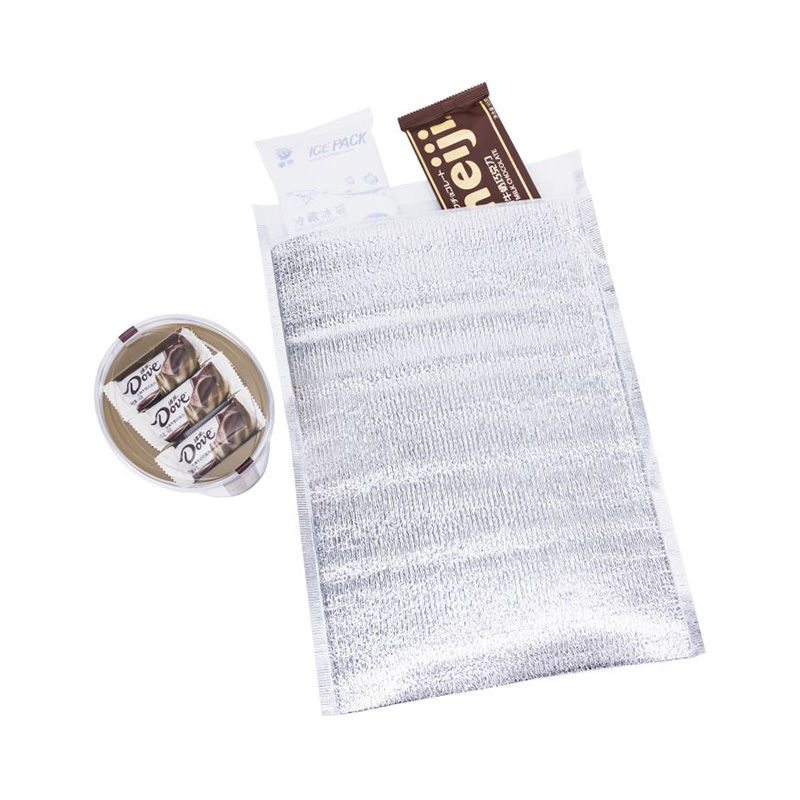
Insulated Shipping Box Wholesale for Temperature Sensitive Shipping: How to Choose a Fit-for-Route Packaging Partner
Choosing an insulated shipping box wholesale for temperature sensitive shipping is a route-design decision before it is a purchasing decision. The box must fit the product temperature range, usable payload, coolant arrangement, transport duration, handover pattern, and documentation needs. If those inputs are unclear, even a well-made insulated box can be used incorrectly. If they are defined early, procurement can compare suppliers with much less guesswork.
A practical selection process should answer three questions before price comparison begins: what temperature condition must be maintained, what route exposure must be survived, and what proof or inspection is needed at receipt? Temperature-sensitive shipping starts with the product requirement. A chilled product, a freeze-sensitive product, a frozen product, and a controlled-room-temperature product can require completely different packouts. Once those answers are documented, the supplier discussion becomes more specific and the risk of buying a mismatched box drops sharply.
Define the temperature mission before the box format
The phrase insulated shipping box can hide several different use cases. One buyer may need chilled protection for a short parcel route. Another may need a frozen packout. A third may need to prevent heat exposure while avoiding freezing. A fourth may need a returnable container for a closed distribution loop. The same outer shape can appear in each case, but the thermal mission is different.
For medicines, diagnostics, specialty foods, cosmetics, chemicals, lab materials, frozen samples, and high-value goods that can be damaged by heat, freezing, or uncontrolled exposure, the product requirement should be confirmed from the product owner, label, quality team, buyer specification, or applicable program rule. The supplier can help translate that requirement into a package concept, but it should not invent the requirement. This boundary is important because packaging cannot make an unclear temperature specification safe.
After the temperature mission is defined, decide whether the shipment needs chilled, frozen, ambient protection, controlled room temperature support, or ultra-cold handling. Then decide what level of evidence is needed. Low-risk shipments may only need good packing discipline and receipt inspection. High-value, regulated, or deviation-sensitive shipments may need data logging, documented packout, and quality review.
Treat the insulated box as part of a passive system
A passive insulated system does not actively cool the payload. It preserves a planned thermal condition by combining insulation, coolant, payload mass, preconditioning, and closure. The system works for a limited period under defined conditions. This is why the phrase hold time should always trigger a follow-up question: under what ambient profile, with what payload, and with what coolant configuration?
The packaging system also has to be practical. If workers cannot load the coolant consistently, if the lid is difficult to close, if the payload squeezes against gel packs, or if the receiver cannot inspect the condition without delay, the design may fail operationally even if the materials are sound. A box that is theoretically strong but difficult to repeat can become a source of variation.
Insulation buys time; it does not define the temperature mission. The selected box must be matched with coolant, payload, ambient exposure, handling method, and monitoring requirements. The buyer should therefore evaluate both thermal logic and workplace behavior. A supplier recommendation should include how the package is packed, where the coolant sits, how the product is separated from direct contact if needed, and what the receiver should expect to see on arrival.
Wholesale buying notes for repeat shipments
A procurement team should compare suppliers on more than price and minimum order quantity. For this topic, the useful points are bulk pricing discipline, SKU consistency, storage space, replenishment planning, carton-level handling, and avoiding low unit cost that creates higher spoilage or rejection risk. The supplier does not need to provide a formal qualification for every buyer, but it should be able to explain the intended use, material boundaries, and what must be verified before scaling.
| Selection factor | What good buyers define first | What not to assume |
|---|---|---|
| Temperature mission | Required storage or transport range, freeze sensitivity, and acceptable excursion rules. | Do not assume a chilled box can handle frozen or ultra-cold shipments. |
| Route and duration | Expected transit time, staging, carrier handoffs, and worst likely delays. | Do not accept a hold time claim without the test conditions behind it. |
| Payload fit | Actual product size, protective secondary packaging, and coolant displacement. | Do not use gross volume as usable payload volume. |
| Coolant system | Type, conditioning method, quantity, placement, and worker instructions. | Do not assume insulation alone controls temperature. |
| Documentation | Temperature records, packing records, labels, and receiving inspection. | Do not assume a data logger prevents an excursion. |
| Supplier support | Sample review, change notice, technical communication, and repeatability. | Do not scale a sample if production details are unclear. |
This table helps separate a real packaging review from a catalog comparison. It also makes internal approval easier, because procurement can show quality and operations what was checked and what still needs verification. When every supplier receives the same inputs, the final decision is less likely to be based on vague claims.
Look closely at handover points
Temperature-sensitive shipments often fail at the edges of control. Product may be safe inside a cold room, then sit on a dock. It may move through a carrier hub where no one understands the product risk. It may arrive at a receiver during a busy period and wait before inspection. These short periods matter because they can use up the thermal margin that the packout was designed to provide.
Map the route from product removal from storage to final acceptance. Include packing time, staging, pickup, line-haul, hub handling, delivery vehicle, receiving area, and the point at which the shipment is accepted, quarantined, or rejected. Ask where the package is most exposed and whether the supplier recommendation accounts for that exposure. This is more useful than asking only for a broad performance claim.
For international or air shipments, labeling and documentation may add more complexity. IATA practices for time- and temperature-sensitive healthcare cargo, dry ice rules where applicable, and local customs or health authority expectations should be reviewed by the shipper. The supplier can provide packaging information, but the shipper must confirm the route requirements.
When an insulated box is not enough
There are cases where an insulated box is the wrong primary answer. Very long routes, high-value pharmaceutical loads, unstable temperature ranges, repeated customs delays, or shipments requiring active control may need a different solution, such as an active container, a qualified thermal shipper, refrigerated transport, or a route redesign. A supplier should be willing to say when a simple passive box is not appropriate.
The box may also be insufficient when the operating process is weak. Warm product packed into a cold shipper, unconditioned coolant, an untrained packing team, missing receiver instructions, or a data logger that no one reads can all defeat a reasonable packaging design. Before blaming the material, review the process.
This is especially important for buyers moving from one shipment type to another. A package used for food samples may not suit biologics. A box used for chilled goods may not suit frozen goods. A reusable container for local delivery may not suit one-way export. New product, new route, or new receiver should trigger a packaging review.
A practical workflow for sample review
A buyer may need one packaging family for chilled subscription food, another for lab samples, and a separate approach for shipments that require dry ice or ultra-cold handling. In a sample review, the buyer should pack the box under real working conditions, not only in a meeting room. The team should note whether the product fits, whether coolant placement is clear, whether the closure is reliable, whether labels stay readable, and whether the receiver can follow the inspection steps. If a data logger is used, confirm where it sits and how data will be retrieved.
The sample should be compared with the planned production unit. Ask whether the same material, lid design, internal dimensions, liner, and accessories will be used. If the supplier expects substitutions or custom changes, document them before approval. A good sample review is not a formality; it is the point where hidden operational problems become visible while they are still inexpensive to correct.
After the sample is accepted, create a simple packing instruction. It should show the order of loading, the coolant position, any product separation layer, closure steps, labeling, and receiving notes. Even a short instruction can reduce variation when different workers pack the same box on different days.
Cost should include failure risk, not only unit price
A low unit price can be attractive, especially for wholesale or high-volume purchasing, but cold-chain packaging cost should be evaluated against the cost of product loss, rework, replacement shipping, delayed release, and customer dissatisfaction. This does not mean buyers should always select the highest-cost option. It means the selected option should have enough margin for the product value and route risk.
Freight cost also matters. Oversized boxes increase dimensional weight and storage space. Overly heavy coolant can raise transport cost. Reusable boxes can reduce material consumption but require return logistics. Single-use boxes may simplify exports but create more disposal burden. The best decision is often a balanced one: sufficient temperature protection, simple packout, acceptable freight profile, and clear supplier support.
Additional buyer notes for routine use
Before a packaging design becomes routine, the team should write down who prepares the coolant, who loads the product, who checks the closure, and who reviews the shipment at receipt. This does not need to become a complicated document for every low-risk shipment, but the responsibilities should be clear. In many operations, the package performs acceptably during a trial because one experienced person packs it carefully, then problems appear when the task moves to a busy team on a different shift.
The same point applies to storage before dispatch. An insulated box stored in the wrong area, coolant that is not fully conditioned, product that waits too long outside the controlled room, or a carton staged in direct sun can reduce the margin before the carrier even takes the shipment. For temperature-sensitive shipping, a buyer should treat the packing bench and loading dock as part of the cold-chain route, not as background details.
Packaging reviews are also easier when procurement, quality, and operations use the same language. Procurement may ask for price and lead time, quality may ask for documentation and deviation procedures, and operations may ask how quickly staff can pack the box. A good supplier conversation brings these concerns together, because the selected package has to satisfy all three groups at once.
A final review should include the first routine shipment after the sample stage. Check whether warehouse staff followed the packout without special coaching, whether the carrier accepted the package without relabeling, whether the receiver understood the inspection steps, and whether any temperature record or condition note was reviewed on time. This small feedback loop often reveals practical issues that technical specifications do not show.
For repeat orders, keep a simple version history for the selected box, coolant, liner, labels, and packing instruction. If any of those elements changes, the team can decide whether the change is minor or whether a new sample check is needed. This is especially useful when purchasing moves from one supplier contact to another or when the same packaging is used across several warehouses.
FAQ
What is the first thing to confirm before ordering?
Confirm the product temperature requirement and how long the package must protect it under realistic route conditions. Without those two inputs, box size, coolant choice, and supplier comparison become guesswork. For regulated or high-value goods, also define what evidence is required after delivery.
When should I ask for a custom insulated box?
Consider customization when standard dimensions waste too much space, the product is easily damaged, the packout is difficult for workers to repeat, or bulk shipping needs better stacking and storage efficiency. Customization should be reviewed with samples before it becomes a routine order.
How do I compare two suppliers fairly?
Give both suppliers the same product size, payload, temperature range, route duration, ambient concerns, and documentation needs. Then compare their recommended packout, evidence, production consistency, communication, and total operating fit. A lower unit price is not a saving if it increases rejected shipments.
What should receivers check on arrival?
Receivers should inspect package condition, closure integrity, coolant state where visible, labels, temperature records if used, and any signs of leakage or damage. The acceptance rule should be defined before shipping, especially for pharmaceutical, vaccine, food, or other temperature-sensitive goods.
Conclusion
The right insulated shipping box wholesale for temperature sensitive shipping helps you define the temperature mission, choose a workable passive system, verify payload and coolant fit, review route handoffs, and scale from sample to routine orders without hidden assumptions. Do not buy from a specification sheet alone. Share the route and product details, ask for the evidence behind performance claims, and involve the people who will pack and receive the shipment.
About Tempk
Tempk provides cold-chain packaging products such as gel ice packs, ice bricks, insulated bags, EPP insulated boxes, cold shipping boxes, insulated box liners, pallet covers, and related materials. For temperature-sensitive shipping, we help buyers think through route fit, payload space, coolant arrangement, sample review, and scaling from trial shipments to repeat orders. We avoid treating an insulated box as a universal answer because the right recommendation depends on the product, lane, handling, and evidence required after delivery.
Next step
Send Tempk your lane, payload, temperature range, and order plan to receive a packaging recommendation that can be reviewed before bulk purchasing.
Insulated Shipping Box Vaccine Supplier
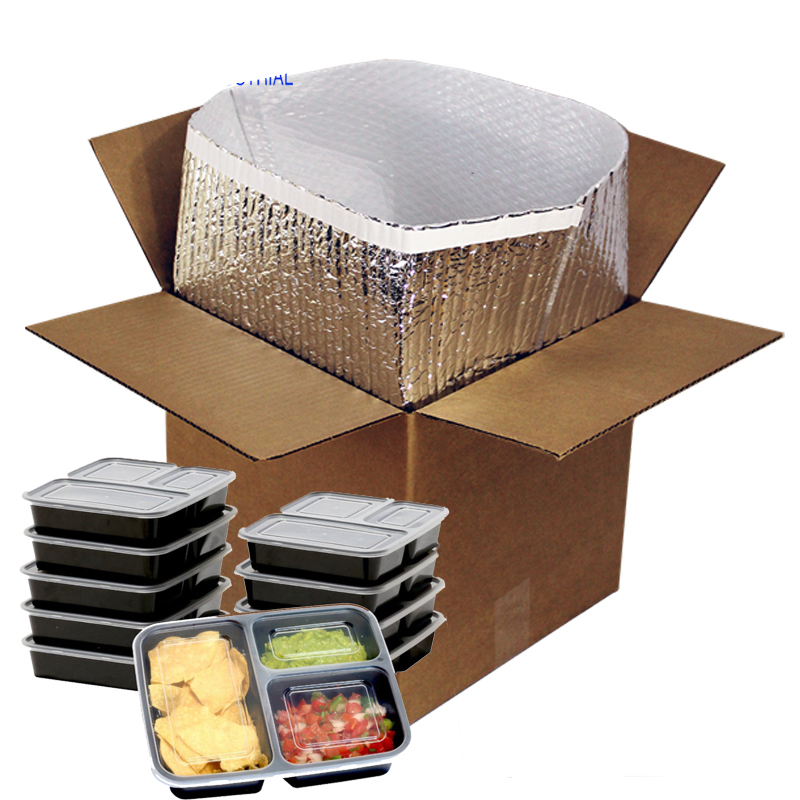
Insulated Shipping Box Vaccine Supplier for Vaccine Transport: How to Choose a Fit-for-Route Packaging Partner
Choosing an insulated shipping box vaccine supplier for vaccine transport is a route-design decision before it is a purchasing decision. The box must fit the product temperature range, usable payload, coolant arrangement, transport duration, handover pattern, and documentation needs. If those inputs are unclear, even a well-made insulated box can be used incorrectly. If they are defined early, procurement can compare suppliers with much less guesswork.
A practical selection process should answer three questions before price comparison begins: what temperature condition must be maintained, what route exposure must be survived, and what proof or inspection is needed at receipt? For many vaccine programs, refrigerator storage is commonly associated with 2 C to 8 C, while some products require frozen or ultra-cold handling; the vaccine manufacturer and applicable program guidance must decide the exact requirement. Once those answers are documented, the supplier discussion becomes more specific and the risk of buying a mismatched box drops sharply.
Define the temperature mission before the box format
The phrase insulated shipping box can hide several different use cases. One buyer may need chilled protection for a short parcel route. Another may need a frozen packout. A third may need to prevent heat exposure while avoiding freezing. A fourth may need a returnable container for a closed distribution loop. The same outer shape can appear in each case, but the thermal mission is different.
For vaccines, diluents where applicable, immunization supplies, and temperature-sensitive clinic inventory, the product requirement should be confirmed from the product owner, label, quality team, buyer specification, or applicable program rule. The supplier can help translate that requirement into a package concept, but it should not invent the requirement. This boundary is important because packaging cannot make an unclear temperature specification safe.
After the temperature mission is defined, decide whether the shipment needs chilled, frozen, ambient protection, controlled room temperature support, or ultra-cold handling. Then decide what level of evidence is needed. Low-risk shipments may only need good packing discipline and receipt inspection. High-value, regulated, or deviation-sensitive shipments may need data logging, documented packout, and quality review.
Treat the insulated box as part of a passive system
A passive insulated system does not actively cool the payload. It preserves a planned thermal condition by combining insulation, coolant, payload mass, preconditioning, and closure. The system works for a limited period under defined conditions. This is why the phrase hold time should always trigger a follow-up question: under what ambient profile, with what payload, and with what coolant configuration?
The packaging system also has to be practical. If workers cannot load the coolant consistently, if the lid is difficult to close, if the payload squeezes against gel packs, or if the receiver cannot inspect the condition without delay, the design may fail operationally even if the materials are sound. A box that is theoretically strong but difficult to repeat can become a source of variation.
A cooler-shaped container is not automatically a vaccine shipping solution. Coolant conditioning, payload arrangement, monitoring, labeling, and receipt procedures are just as important as the wall material. The buyer should therefore evaluate both thermal logic and workplace behavior. A supplier recommendation should include how the package is packed, where the coolant sits, how the product is separated from direct contact if needed, and what the receiver should expect to see on arrival.
Supplier questions that prevent a poor first order
A procurement team should compare suppliers on more than price and minimum order quantity. For this topic, the useful points are available formats, responsive technical support, documentation, practical packout advice, and the ability to match a box with gel packs, ice bricks, liners, or other components. The supplier does not need to provide a formal qualification for every buyer, but it should be able to explain the intended use, material boundaries, and what must be verified before scaling.
| Selection factor | What good buyers define first | What not to assume |
|---|---|---|
| Temperature mission | Required storage or transport range, freeze sensitivity, and acceptable excursion rules. | Do not assume a chilled box can handle frozen or ultra-cold shipments. |
| Route and duration | Expected transit time, staging, carrier handoffs, and worst likely delays. | Do not accept a hold time claim without the test conditions behind it. |
| Payload fit | Actual product size, protective secondary packaging, and coolant displacement. | Do not use gross volume as usable payload volume. |
| Coolant system | Type, conditioning method, quantity, placement, and worker instructions. | Do not assume insulation alone controls temperature. |
| Documentation | Temperature records, packing records, labels, and receiving inspection. | Do not assume a data logger prevents an excursion. |
| Supplier support | Sample review, change notice, technical communication, and repeatability. | Do not scale a sample if production details are unclear. |
This table helps separate a real packaging review from a catalog comparison. It also makes internal approval easier, because procurement can show quality and operations what was checked and what still needs verification. When every supplier receives the same inputs, the final decision is less likely to be based on vague claims.
Look closely at handover points
Temperature-sensitive shipments often fail at the edges of control. Product may be safe inside a cold room, then sit on a dock. It may move through a carrier hub where no one understands the product risk. It may arrive at a receiver during a busy period and wait before inspection. These short periods matter because they can use up the thermal margin that the packout was designed to provide.
Map the route from product removal from storage to final acceptance. Include packing time, staging, pickup, line-haul, hub handling, delivery vehicle, receiving area, and the point at which the shipment is accepted, quarantined, or rejected. Ask where the package is most exposed and whether the supplier recommendation accounts for that exposure. This is more useful than asking only for a broad performance claim.
For international or air shipments, labeling and documentation may add more complexity. IATA practices for time- and temperature-sensitive healthcare cargo, dry ice rules where applicable, and local customs or health authority expectations should be reviewed by the shipper. The supplier can provide packaging information, but the shipper must confirm the route requirements.
When an insulated box is not enough
There are cases where an insulated box is the wrong primary answer. Very long routes, high-value pharmaceutical loads, unstable temperature ranges, repeated customs delays, or shipments requiring active control may need a different solution, such as an active container, a qualified thermal shipper, refrigerated transport, or a route redesign. A supplier should be willing to say when a simple passive box is not appropriate.
The box may also be insufficient when the operating process is weak. Warm product packed into a cold shipper, unconditioned coolant, an untrained packing team, missing receiver instructions, or a data logger that no one reads can all defeat a reasonable packaging design. Before blaming the material, review the process.
This is especially important for buyers moving from one shipment type to another. A package used for food samples may not suit biologics. A box used for chilled goods may not suit frozen goods. A reusable container for local delivery may not suit one-way export. New product, new route, or new receiver should trigger a packaging review.
A practical workflow for sample review
A public health team may need to move vaccine inventory from a regional store to outreach points, avoid direct contact with frozen coolant when the product is freeze-sensitive, and confirm that receiving staff can read the temperature record. In a sample review, the buyer should pack the box under real working conditions, not only in a meeting room. The team should note whether the product fits, whether coolant placement is clear, whether the closure is reliable, whether labels stay readable, and whether the receiver can follow the inspection steps. If a data logger is used, confirm where it sits and how data will be retrieved.
The sample should be compared with the planned production unit. Ask whether the same material, lid design, internal dimensions, liner, and accessories will be used. If the supplier expects substitutions or custom changes, document them before approval. A good sample review is not a formality; it is the point where hidden operational problems become visible while they are still inexpensive to correct.
After the sample is accepted, create a simple packing instruction. It should show the order of loading, the coolant position, any product separation layer, closure steps, labeling, and receiving notes. Even a short instruction can reduce variation when different workers pack the same box on different days.
Cost should include failure risk, not only unit price
A low unit price can be attractive, especially for wholesale or high-volume purchasing, but cold-chain packaging cost should be evaluated against the cost of product loss, rework, replacement shipping, delayed release, and customer dissatisfaction. This does not mean buyers should always select the highest-cost option. It means the selected option should have enough margin for the product value and route risk.
Freight cost also matters. Oversized boxes increase dimensional weight and storage space. Overly heavy coolant can raise transport cost. Reusable boxes can reduce material consumption but require return logistics. Single-use boxes may simplify exports but create more disposal burden. The best decision is often a balanced one: sufficient temperature protection, simple packout, acceptable freight profile, and clear supplier support.
Additional buyer notes for routine use
Before a packaging design becomes routine, the team should write down who prepares the coolant, who loads the product, who checks the closure, and who reviews the shipment at receipt. This does not need to become a complicated document for every low-risk shipment, but the responsibilities should be clear. In many operations, the package performs acceptably during a trial because one experienced person packs it carefully, then problems appear when the task moves to a busy team on a different shift.
The same point applies to storage before dispatch. An insulated box stored in the wrong area, coolant that is not fully conditioned, product that waits too long outside the controlled room, or a carton staged in direct sun can reduce the margin before the carrier even takes the shipment. For vaccine transport, a buyer should treat the packing bench and loading dock as part of the cold-chain route, not as background details.
Packaging reviews are also easier when procurement, quality, and operations use the same language. Procurement may ask for price and lead time, quality may ask for documentation and deviation procedures, and operations may ask how quickly staff can pack the box. A good supplier conversation brings these concerns together, because the selected package has to satisfy all three groups at once.
A final review should include the first routine shipment after the sample stage. Check whether warehouse staff followed the packout without special coaching, whether the carrier accepted the package without relabeling, whether the receiver understood the inspection steps, and whether any temperature record or condition note was reviewed on time. This small feedback loop often reveals practical issues that technical specifications do not show.
For repeat orders, keep a simple version history for the selected box, coolant, liner, labels, and packing instruction. If any of those elements changes, the team can decide whether the change is minor or whether a new sample check is needed. This is especially useful when purchasing moves from one supplier contact to another or when the same packaging is used across several warehouses.
FAQ
What is the first thing to confirm before ordering?
Confirm the product temperature requirement and how long the package must protect it under realistic route conditions. Without those two inputs, box size, coolant choice, and supplier comparison become guesswork. For regulated or high-value goods, also define what evidence is required after delivery.
When should I ask for a custom insulated box?
Consider customization when standard dimensions waste too much space, the product is easily damaged, the packout is difficult for workers to repeat, or bulk shipping needs better stacking and storage efficiency. Customization should be reviewed with samples before it becomes a routine order.
How do I compare two suppliers fairly?
Give both suppliers the same product size, payload, temperature range, route duration, ambient concerns, and documentation needs. Then compare their recommended packout, evidence, production consistency, communication, and total operating fit. A lower unit price is not a saving if it increases rejected shipments.
What should receivers check on arrival?
Receivers should inspect package condition, closure integrity, coolant state where visible, labels, temperature records if used, and any signs of leakage or damage. The acceptance rule should be defined before shipping, especially for pharmaceutical, vaccine, food, or other temperature-sensitive goods.
Conclusion
The right insulated shipping box vaccine supplier for vaccine transport helps you define the temperature mission, choose a workable passive system, verify payload and coolant fit, review route handoffs, and scale from sample to routine orders without hidden assumptions. Do not buy from a specification sheet alone. Share the route and product details, ask for the evidence behind performance claims, and involve the people who will pack and receive the shipment.
About Tempk
Tempk provides cold-chain packaging products such as gel ice packs, ice bricks, insulated bags, EPP insulated boxes, cold shipping boxes, insulated box liners, pallet covers, and related materials. For vaccine transport, we help buyers think through route fit, payload space, coolant arrangement, sample review, and scaling from trial shipments to repeat orders. We avoid treating an insulated box as a universal answer because the right recommendation depends on the product, lane, handling, and evidence required after delivery.
Next step
Send Tempk your lane, payload, temperature range, and order plan to receive a packaging recommendation that can be reviewed before bulk purchasing.
Insulated Shipping Box Vaccine Manufacturer

Insulated Shipping Box Vaccine Manufacturer for Vaccine Transport: How to Choose a Fit-for-Route Packaging Partner
Choosing an insulated shipping box vaccine manufacturer for vaccine transport is a route-design decision before it is a purchasing decision. The box must fit the product temperature range, usable payload, coolant arrangement, transport duration, handover pattern, and documentation needs. If those inputs are unclear, even a well-made insulated box can be used incorrectly. If they are defined early, procurement can compare suppliers with much less guesswork.
A practical selection process should answer three questions before price comparison begins: what temperature condition must be maintained, what route exposure must be survived, and what proof or inspection is needed at receipt? For many vaccine programs, refrigerator storage is commonly associated with 2 C to 8 C, while some products require frozen or ultra-cold handling; the vaccine manufacturer and applicable program guidance must decide the exact requirement. Once those answers are documented, the supplier discussion becomes more specific and the risk of buying a mismatched box drops sharply.
Define the temperature mission before the box format
The phrase insulated shipping box can hide several different use cases. One buyer may need chilled protection for a short parcel route. Another may need a frozen packout. A third may need to prevent heat exposure while avoiding freezing. A fourth may need a returnable container for a closed distribution loop. The same outer shape can appear in each case, but the thermal mission is different.
For vaccines, diluents where applicable, immunization supplies, and temperature-sensitive clinic inventory, the product requirement should be confirmed from the product owner, label, quality team, buyer specification, or applicable program rule. The supplier can help translate that requirement into a package concept, but it should not invent the requirement. This boundary is important because packaging cannot make an unclear temperature specification safe.
After the temperature mission is defined, decide whether the shipment needs chilled, frozen, ambient protection, controlled room temperature support, or ultra-cold handling. Then decide what level of evidence is needed. Low-risk shipments may only need good packing discipline and receipt inspection. High-value, regulated, or deviation-sensitive shipments may need data logging, documented packout, and quality review.
Treat the insulated box as part of a passive system
A passive insulated system does not actively cool the payload. It preserves a planned thermal condition by combining insulation, coolant, payload mass, preconditioning, and closure. The system works for a limited period under defined conditions. This is why the phrase hold time should always trigger a follow-up question: under what ambient profile, with what payload, and with what coolant configuration?
The packaging system also has to be practical. If workers cannot load the coolant consistently, if the lid is difficult to close, if the payload squeezes against gel packs, or if the receiver cannot inspect the condition without delay, the design may fail operationally even if the materials are sound. A box that is theoretically strong but difficult to repeat can become a source of variation.
A cooler-shaped container is not automatically a vaccine shipping solution. Coolant conditioning, payload arrangement, monitoring, labeling, and receipt procedures are just as important as the wall material. The buyer should therefore evaluate both thermal logic and workplace behavior. A supplier recommendation should include how the package is packed, where the coolant sits, how the product is separated from direct contact if needed, and what the receiver should expect to see on arrival.
Manufacturer checks before moving from sample to production
A procurement team should compare suppliers on more than price and minimum order quantity. For this topic, the useful points are direct production control, repeatable dimensions, material consistency, sample-to-production matching, and the ability to discuss custom structures without turning every question into a catalog item. The supplier does not need to provide a formal qualification for every buyer, but it should be able to explain the intended use, material boundaries, and what must be verified before scaling.
| Selection factor | What good buyers define first | What not to assume |
|---|---|---|
| Temperature mission | Required storage or transport range, freeze sensitivity, and acceptable excursion rules. | Do not assume a chilled box can handle frozen or ultra-cold shipments. |
| Route and duration | Expected transit time, staging, carrier handoffs, and worst likely delays. | Do not accept a hold time claim without the test conditions behind it. |
| Payload fit | Actual product size, protective secondary packaging, and coolant displacement. | Do not use gross volume as usable payload volume. |
| Coolant system | Type, conditioning method, quantity, placement, and worker instructions. | Do not assume insulation alone controls temperature. |
| Documentation | Temperature records, packing records, labels, and receiving inspection. | Do not assume a data logger prevents an excursion. |
| Supplier support | Sample review, change notice, technical communication, and repeatability. | Do not scale a sample if production details are unclear. |
This table helps separate a real packaging review from a catalog comparison. It also makes internal approval easier, because procurement can show quality and operations what was checked and what still needs verification. When every supplier receives the same inputs, the final decision is less likely to be based on vague claims.
Look closely at handover points
Temperature-sensitive shipments often fail at the edges of control. Product may be safe inside a cold room, then sit on a dock. It may move through a carrier hub where no one understands the product risk. It may arrive at a receiver during a busy period and wait before inspection. These short periods matter because they can use up the thermal margin that the packout was designed to provide.
Map the route from product removal from storage to final acceptance. Include packing time, staging, pickup, line-haul, hub handling, delivery vehicle, receiving area, and the point at which the shipment is accepted, quarantined, or rejected. Ask where the package is most exposed and whether the supplier recommendation accounts for that exposure. This is more useful than asking only for a broad performance claim.
For international or air shipments, labeling and documentation may add more complexity. IATA practices for time- and temperature-sensitive healthcare cargo, dry ice rules where applicable, and local customs or health authority expectations should be reviewed by the shipper. The supplier can provide packaging information, but the shipper must confirm the route requirements.
When an insulated box is not enough
There are cases where an insulated box is the wrong primary answer. Very long routes, high-value pharmaceutical loads, unstable temperature ranges, repeated customs delays, or shipments requiring active control may need a different solution, such as an active container, a qualified thermal shipper, refrigerated transport, or a route redesign. A supplier should be willing to say when a simple passive box is not appropriate.
The box may also be insufficient when the operating process is weak. Warm product packed into a cold shipper, unconditioned coolant, an untrained packing team, missing receiver instructions, or a data logger that no one reads can all defeat a reasonable packaging design. Before blaming the material, review the process.
This is especially important for buyers moving from one shipment type to another. A package used for food samples may not suit biologics. A box used for chilled goods may not suit frozen goods. A reusable container for local delivery may not suit one-way export. New product, new route, or new receiver should trigger a packaging review.
A practical workflow for sample review
A public health team may need to move vaccine inventory from a regional store to outreach points, avoid direct contact with frozen coolant when the product is freeze-sensitive, and confirm that receiving staff can read the temperature record. In a sample review, the buyer should pack the box under real working conditions, not only in a meeting room. The team should note whether the product fits, whether coolant placement is clear, whether the closure is reliable, whether labels stay readable, and whether the receiver can follow the inspection steps. If a data logger is used, confirm where it sits and how data will be retrieved.
The sample should be compared with the planned production unit. Ask whether the same material, lid design, internal dimensions, liner, and accessories will be used. If the supplier expects substitutions or custom changes, document them before approval. A good sample review is not a formality; it is the point where hidden operational problems become visible while they are still inexpensive to correct.
After the sample is accepted, create a simple packing instruction. It should show the order of loading, the coolant position, any product separation layer, closure steps, labeling, and receiving notes. Even a short instruction can reduce variation when different workers pack the same box on different days.
Cost should include failure risk, not only unit price
A low unit price can be attractive, especially for wholesale or high-volume purchasing, but cold-chain packaging cost should be evaluated against the cost of product loss, rework, replacement shipping, delayed release, and customer dissatisfaction. This does not mean buyers should always select the highest-cost option. It means the selected option should have enough margin for the product value and route risk.
Freight cost also matters. Oversized boxes increase dimensional weight and storage space. Overly heavy coolant can raise transport cost. Reusable boxes can reduce material consumption but require return logistics. Single-use boxes may simplify exports but create more disposal burden. The best decision is often a balanced one: sufficient temperature protection, simple packout, acceptable freight profile, and clear supplier support.
Additional buyer notes for routine use
Before a packaging design becomes routine, the team should write down who prepares the coolant, who loads the product, who checks the closure, and who reviews the shipment at receipt. This does not need to become a complicated document for every low-risk shipment, but the responsibilities should be clear. In many operations, the package performs acceptably during a trial because one experienced person packs it carefully, then problems appear when the task moves to a busy team on a different shift.
The same point applies to storage before dispatch. An insulated box stored in the wrong area, coolant that is not fully conditioned, product that waits too long outside the controlled room, or a carton staged in direct sun can reduce the margin before the carrier even takes the shipment. For vaccine transport, a buyer should treat the packing bench and loading dock as part of the cold-chain route, not as background details.
Packaging reviews are also easier when procurement, quality, and operations use the same language. Procurement may ask for price and lead time, quality may ask for documentation and deviation procedures, and operations may ask how quickly staff can pack the box. A good supplier conversation brings these concerns together, because the selected package has to satisfy all three groups at once.
A final review should include the first routine shipment after the sample stage. Check whether warehouse staff followed the packout without special coaching, whether the carrier accepted the package without relabeling, whether the receiver understood the inspection steps, and whether any temperature record or condition note was reviewed on time. This small feedback loop often reveals practical issues that technical specifications do not show.
For repeat orders, keep a simple version history for the selected box, coolant, liner, labels, and packing instruction. If any of those elements changes, the team can decide whether the change is minor or whether a new sample check is needed. This is especially useful when purchasing moves from one supplier contact to another or when the same packaging is used across several warehouses.
FAQ
What is the first thing to confirm before ordering?
Confirm the product temperature requirement and how long the package must protect it under realistic route conditions. Without those two inputs, box size, coolant choice, and supplier comparison become guesswork. For regulated or high-value goods, also define what evidence is required after delivery.
When should I ask for a custom insulated box?
Consider customization when standard dimensions waste too much space, the product is easily damaged, the packout is difficult for workers to repeat, or bulk shipping needs better stacking and storage efficiency. Customization should be reviewed with samples before it becomes a routine order.
How do I compare two suppliers fairly?
Give both suppliers the same product size, payload, temperature range, route duration, ambient concerns, and documentation needs. Then compare their recommended packout, evidence, production consistency, communication, and total operating fit. A lower unit price is not a saving if it increases rejected shipments.
What should receivers check on arrival?
Receivers should inspect package condition, closure integrity, coolant state where visible, labels, temperature records if used, and any signs of leakage or damage. The acceptance rule should be defined before shipping, especially for pharmaceutical, vaccine, food, or other temperature-sensitive goods.
Conclusion
The right insulated shipping box vaccine manufacturer for vaccine transport helps you define the temperature mission, choose a workable passive system, verify payload and coolant fit, review route handoffs, and scale from sample to routine orders without hidden assumptions. Do not buy from a specification sheet alone. Share the route and product details, ask for the evidence behind performance claims, and involve the people who will pack and receive the shipment.
About Tempk
Tempk provides cold-chain packaging products such as gel ice packs, ice bricks, insulated bags, EPP insulated boxes, cold shipping boxes, insulated box liners, pallet covers, and related materials. For vaccine transport, we help buyers think through route fit, payload space, coolant arrangement, sample review, and scaling from trial shipments to repeat orders. We avoid treating an insulated box as a universal answer because the right recommendation depends on the product, lane, handling, and evidence required after delivery.
Next step
Send Tempk your lane, payload, temperature range, and order plan to receive a packaging recommendation that can be reviewed before bulk purchasing.