


Insulated Grocery Bag Industrial: Optimized Buyer Guide
Insulated Grocery Bag Industrial: Optimized Buyer Guide
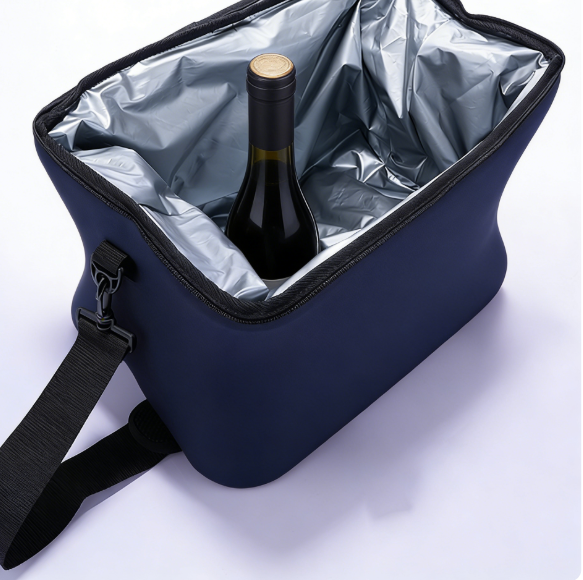
Insulated Grocery Bag Industrial: A Practical Buyer Guide for Real Operations
A purchase involving insulated grocery bag industrial should begin with one practical question: where will the bag be used, and what failure would create the biggest problem? For some buyers, the answer is heat exposure during handover. For others, it is poor logo durability, hard cleaning, weak handles, or inconsistent production. A industrial insulated grocery bag is most valuable when the specification connects thermal buffering, user handling, brand needs, and supplier control in one clear brief.
A Practical Buying Path for This Category
The most reliable buying path starts with the lane or workflow, not with the product name. Describe the origin point, storage before loading, vehicle or rider handling, handover delay, expected ambient exposure, payload shape, and receiving inspection. A short office lunch program, a grocery delivery fleet, a promotional retail campaign, and a parcel-shipping route all use insulated bags differently. The same term, insulated grocery bag industrial, can hide very different design requirements.
Once the workflow is visible, trade-offs become easier. A bag that folds flat may be ideal for storage but less structured for delicate contents. A strong backpack may help riders but take more depot space. A large tote may carry more groceries but become hard to close correctly. A thick insulated wall may improve buffering but reduce usable internal volume. There is no perfect bag for every task; there is a bag that fits a defined job.
For global procurement, the same bag may be used in different climates, delivery models, and brand contexts. That means a buyer should define the route, handover points, cleaning process, logo requirements, and acceptance checks before comparing unit prices. A well-written specification reduces arguments later because it turns a general product name into a controlled buying decision.
Choose Around Payload, Route, and Handling
The design should match the user. In warehouse picking, staging, van loading, curbside transfer, frozen-food holding, and reusable fleet bag systems, users may be shoppers, riders, warehouse pickers, office employees, retail staff, or field distributors. Each user interacts with the bag differently. Shoppers notice handle comfort and appearance. Riders notice balance, access, and cleaning speed. Warehouse teams notice labels, stacking, and compatibility with totes. Promotional teams notice print quality and presentation. A good specification names the user instead of treating the bag as a neutral container.
The thermal role should be described with the same honesty. A industrial insulated grocery bag slows heat transfer. It may be used with gel packs, ice bricks, insulated liners, cartons, or other packaging when the product requires more control. It should not be described as a guaranteed temperature-control system unless the entire packout and route have been tested for that purpose. Sensitive goods need a cautious review of temperature range, duration, payload, and documentation.
For example, a grocery retailer may want one bag for frozen desserts, chilled dairy, and mixed checkout orders. The procurement team should not ask only whether the bag is insulated. It should check whether a full grocery load closes without crushing soft products, whether drivers can separate frozen and chilled items, whether the liner can be wiped between routes, and whether the printed logo remains readable after repeated folding. If the bag is used for customer purchase rather than driver operation, the handle feel and folded size may matter more than route documentation. If it is used by a delivery fleet, cleaning, labeling, and replacement control become more important.
Bulk Procurement Details Hidden in the Sample
A strong brief should be specific but not overcomplicated. It should include the target use, external dimensions, usable internal dimensions, expected payload, material description, liner finish, insulation type or structure, closure, handle or strap design, logo method, color reference, carton packing, sample approval process, and inspection checklist. If the bag will be used with coolant, the supplier should know the coolant shape and placement. If the bag will be returned and reused, the cleaning and drying process should be included.
| Specification point | Why it deserves attention | Buyer action |
|---|---|---|
| Usable internal space | External dimensions do not show how products fit after insulation and seams | Load real products into the sample and photograph the result |
| Closure design | Open gaps allow air exchange and user shortcuts | Test closure under full load and repeated opening |
| Liner durability | Cleaning and moisture quickly expose weak bonding | Wipe, dry, fold, and inspect the liner during sample review |
| Print method | Brand value drops if the logo fades or cracks | Approve color, position, and abrasion expectations before production |
| Production control | Small material changes can affect use and appearance | Use a golden sample and written change-approval rule |
This table helps prevent a common procurement error: negotiating price before the product is defined. Price comparison becomes meaningful only when all suppliers quote the same functional requirement. Without that discipline, the lowest quote may simply remove the details that matter during use.
What to Verify Before Launch
A simple field test can reveal more than a catalogue page. Put the intended payload into the sample. Close it fully. Carry it for the expected distance. Open and close it repeatedly. Place it in the vehicle, cart, locker, or shelf where it will be stored. Clean it using the planned method. Then check for crushed insulation, zipper strain, handle discomfort, liner damage, odor retention, and logo wear. This does not replace formal thermal qualification, but it helps decide whether the bag is suitable for everyday work.
For insulated grocery bag industrial, testing should also include the people who will use the bag. Procurement may focus on unit price, while operations may notice loading speed, and marketing may notice print quality. A short review meeting with all three teams can prevent later complaints. If the bag is used for regulated, highly sensitive, or temperature-documented products, the quality or logistics team should decide whether additional testing, monitoring, or a different packaging system is required.
Before scaling, lock down sample status. Keep one approved sample with the buyer and one with the supplier. Record material, dimensions, color, logo placement, closure type, carton packing, and any accepted tolerances. Ask how mass production will be inspected and what happens if a batch fails inspection. This is not excessive for a bulk order; it is the basic protection against misunderstanding.
Use Sustainability Claims With Evidence
The most credible claim for a industrial insulated grocery bag is specific and limited. It can say the bag is designed for reusable insulated carrying, food delivery support, grocery handover, promotional programs, or short-route thermal buffering when used as specified. It should not claim universal refrigeration, guaranteed hold time, or full compliance for all temperature-sensitive products unless supported by the required test data and market review.
Sustainability claims deserve the same discipline. A reusable bag can support waste reduction when the operation truly uses it repeatedly and maintains it well. But reusable does not automatically mean responsible. The buyer should consider durability, cleaning, replacement, storage, end-of-life handling, and whether the material claim can be documented. Specific claims are more trustworthy than broad environmental promises.
When a soft bag is not enough, the solution is not to exaggerate the bag. The buyer may need gel ice packs, ice bricks, an insulated box, a validated shipper, a temperature data logger, or active refrigeration depending on the product and route. Separating these roles protects product quality and keeps the article, brochure, or sales page accurate.
A Supplier Brief That Reduces Back-and-Forth
The fastest way to improve a purchase involving insulated grocery bag industrial is to send a supplier brief that answers the questions a good supplier will ask. The brief should include the target product, use environment, expected payload, desired bag type, thermal role, branding requirements, packaging requirements, quantity range, and approval process. It should also say what is not required. If the bag is only a promotional thermal tote, do not ask the supplier to imply strict refrigerated transport. If the bag will support sensitive goods, say that supporting data or a wider packaging system must be discussed.
A clear brief also helps the supplier recommend alternatives. The first idea may be a simple industrial insulated grocery bag, but the workflow may point toward a backpack, tote, liner, insulated box, or bag plus gel packs. Buyers sometimes avoid giving details because they want a quick quote. In practice, limited information creates quote variation and makes supplier comparison harder. A better brief may take more time to write but reduces revisions, sample waste, and production disputes.
The brief should be reviewed by the team that will actually use the bag. Procurement can control cost and supplier terms, but operations understands loading and cleaning. Marketing understands logo priority. Quality understands claim risk. When those functions agree before sampling, the approved bag is more likely to survive real use without later redesign.
Describe the route, user, payload, cleaning method, and branding need in the first supplier request.
Ask for a sample that matches the proposed production material, not only a similar stock sample.
Include acceptance criteria for seams, closure, liner, logo, dimensions, and carton packing.
State whether the bag is a passive insulated carrier or part of a wider temperature-control system.
FAQ
What makes insulated grocery bag industrial a good B2B purchase?
A good purchase is defined by fit to the route, payload, user, cleaning process, branding requirement, and quality control plan. The lowest unit price is not useful if the bag fails quickly, is hard to clean, or does not match the real operating workflow.
What should not be assumed from a product photo?
Do not assume insulation thickness, liner durability, closure tightness, internal usable volume, print quality, or thermal performance from photos. Request a sample, written specification, and clear production approval process before ordering in bulk.
When is a soft insulated bag not enough?
It is not enough when the product requires strict temperature control, validated packout, active refrigeration, or formal temperature documentation that the bag cannot support alone. In those cases, consider coolant, insulated boxes, qualified shippers, or monitoring devices.
How should Tempk be involved before ordering?
Share the product type, route, payload, temperature requirement, branding plan, and target quantity. That information helps separate a simple promotional bag from a delivery bag, a cooler backpack, or a more controlled cold-chain packaging option.
Conclusion
A successful insulated grocery bag industrial order is built around use conditions: route, payload, user, cleaning, branding, and supplier control. The bag should be described as a passive insulated packaging item unless a wider system has been tested. Buyers who approve samples with real payloads, lock down production details, and use cautious claims are more likely to receive bags that work in the field.
About Tempk
Tempk supports cold-chain and insulated packaging decisions with products such as insulated bags, thermal delivery bags, gel ice packs, dry ice packs, EPP boxes, insulated box liners, and pallet covers. For this category, Tempk can help buyers clarify whether they need a branded soft bag, a delivery backpack, a grocery tote, or a broader temperature-control packaging setup.
CTA
Send Tempk your insulated grocery bag industrial brief with payload, route, user, logo needs, and target quantity to compare suitable options before mass production.
Cooler Bag Bulk Purchase: Procurement and Supplier Checks

Cooler Bag Bulk Purchase: Procurement Guide for Real-World Use
A cooler bag bulk purchase should be bought around the work it must perform, not around the most attractive catalogue photo. The bag may support food delivery, grocery pickup, retail promotion, or a temperature-sensitive handover, but each job requires a different balance of insulation, structure, cleaning, branding, and supplier evidence. This final guide brings the decision back to the buyer's practical question: what must be true before you place the order?
Define the Use Case Before You Define the Bag
The first specification should not be material or color. It should be use. Cooler bags can appear in bulk cooler bag programs for retail, corporate promotions, grocery, events, and delivery support, but a single name does not describe the route. A bag used by a shopper for frozen groceries has a different risk profile from a bag used by a rider in a dense urban delivery zone. A soft mailer used inside a carton has a different job from a backpack used all day.
Write down four facts before asking for a quotation. What is the payload? How is it packed before entering the bag? How long will it remain in the bag? Who opens, closes, cleans, and stores it? These questions reveal whether you need a lightweight promotional product, a stronger operational bag, or a more documented insulated packaging solution.
This step also protects your claim language. If the bag is only intended to slow temperature change during short local handling, say that. If the product requires a fixed temperature range, monitoring, and documented control, a soft insulated bag alone is unlikely to be enough. A cooler bag can slow temperature change, but it cannot make unsafe handling safe or replace a tested transport configuration for sensitive goods.
Translate Construction Into Buyer Language
A specification should translate construction into decisions a buyer can check. Fabric exterior, foam or epe layer, peva or foil liner, zipper, strap webbing, base support, and binding quality are not just technical details. They affect how the product looks after use, how it carries weight, how easy it is to clean, and whether it can be repeated across orders.
The outer layer handles abrasion, print, water exposure, and customer perception. The insulation layer slows heat transfer and can also give body to the bag. The liner affects moisture, cleaning, odor, and direct-contact assumptions. The closure controls air exchange. The base and handles control whether the bag stays stable under load. A weak point in any of these areas can make a bag unsuitable even when the insulation layer sounds acceptable.
Do not ask for the "best" material without defining the job. For a retail promotion, visual appearance and carton efficiency may matter most. For delivery operations, closure, cleaning, rider comfort, and durability may matter more. For grocery, wide loading, base stability, and chilled-frozen separation may be central. For regulated or healthcare-adjacent use, documented evidence matters more than the material name.
Supplier Questions That Actually Change the Outcome
A useful supplier conversation is specific. It should reveal how the factory or supplier thinks about real use, production repeatability, and claim boundaries.
| Buying Item | What to Check | Why It Matters |
|---|---|---|
| Bag format | soft cooler format with insulated body, handle or shoulder strap, zipper or flap closure, and optional front pocket or bottle divider | The correct format depends on payload, route, and who carries the bag. |
| Material build | fabric exterior, foam or EPE layer, PEVA or foil liner, zipper, strap webbing, base support, and binding quality | The wall system, seams, and liner work together; one weak detail can reduce usability. |
| Branding | large-format print, woven labels, custom hangtags, carton marks, retail sleeves, and seasonal color ranges | Decoration should fit cleaning, abrasion, retail presentation, and color tolerance. |
| Sample review | Compare the sample with the written specification and packed carton. | Many disputes begin when production quietly differs from the approved sample. |
| Thermal evidence | Ask what supports any temperature or hold-time claim. | A bag is not automatically qualified for every product or route. |
| Bulk control | Confirm inspection checkpoints, packaging, and acceptable variation. | Bulk orders need repeatability, not just one attractive sample. |
These checks help you compare quotations fairly. One supplier may quote a cheaper bag because the insulation is thinner, the base is unsupported, the zipper is lower grade, or the carton packing is simpler. Another may quote higher because the sample uses stronger reinforcement and better production control. Without a written comparison, procurement may compare unequal products.
Ask for the answers in plain language. If a supplier uses broad words such as premium, heavy-duty, leakproof, food-grade, recyclable, or temperature-controlled, ask what those words mean in the specific order. Some terms may be acceptable for marketing only after documentation is reviewed. Others may need to be removed or rewritten.
Sample Approval Should Simulate the Route
Approving a sample by looking at it on a desk is not enough. Load it with the real containers, grocery packs, meal boxes, or sample products it will carry. Close it fully. Carry it the way staff, riders, shoppers, or couriers will carry it. Put it down, pick it up, wipe the liner, and check whether the bag still looks and works as expected.
If the bag will be branded, inspect the logo after bending and loading. If it will be used in delivery, test whether the closure can be operated quickly without leaving gaps. If it will be used for grocery, check whether heavier chilled items distort the base. If it will be used with gel packs, confirm where the coolant sits and whether condensation or leakage can be managed.
Sample approval should include production controls. Keep a signed reference sample, a material description, artwork files, carton packing notes, and acceptable tolerances. Ask whether future production can change fabric, lining, insulation, zipper, handle, print method, or carton format without approval. The answer matters for repeat orders.
Practical Scenario: From Nice Sample to Usable Order
Imagine a food brand planning a promotional cooler bag program for chilled product sampling at summer events. The first sample has the right color and the logo looks clean, but the buyer still has to check whether the bag stands upright when loaded, whether a standard meal box or grocery pack fits without crushing, and whether the handle feels secure when the bag is carried repeatedly. The buyer also needs to see how the bag is packed in export cartons, because carton compression can crease side panels and make the product look lower quality when it reaches a store or warehouse.
A better approval path uses the sample as a working object rather than a showpiece. Load it with representative goods, close it with the same number of packages you expect in daily use, carry it for a short route, wipe the liner after use, and then inspect seams and zippers. This does not replace laboratory thermal testing, but it reveals problems that a photo cannot show. For many cooler bag bulk purchase projects, those practical checks prevent expensive disputes after production has already started.
Temperature and Compliance Claims Must Stay Within Evidence
Insulated bags are often described with temperature language. That is understandable, but claims must match evidence. A bag can slow heat transfer, protect presentation, and support short handling windows. It should not be presented as a guaranteed temperature-control system unless testing and process controls support that claim.
For food-service discussions, cold holding around 41°F or 5°C and hot holding around 135°F or 57°C are common U.S. reference points. Use those numbers carefully. They do not prove that a bag can keep any food safe for any route. They show why the buyer must control starting temperature, loading time, route duration, receiving process, and cleaning.
For medicines, vaccines, lab samples, or other regulated goods, define the required temperature range from the product and quality requirements. Many refrigerated vaccine discussions use 2°C to 8°C, but that range is not a universal rule for every product. If a shipment is booked as time and temperature sensitive healthcare cargo by air, labeling and transport expectations may be different from ordinary food delivery. In those situations, the bag is only one part of a larger process.
If a supplier presents thermal data, ask whether the data matches your bag size, material, payload, coolant, ambient profile, and opening behavior. If it does not, treat it as background information rather than proof.
Branding, Sustainability, and Reuse Need Operating Rules
Large-format print, woven labels, custom hangtags, carton marks, retail sleeves, and seasonal color ranges can create a strong product, but branding should not weaken function. Logo position should avoid high-wear fold lines if possible. Decoration should survive the expected cleaning method. Color tolerance should be agreed before production. If the bag is part of a fleet, identification labels or size markings may matter as much as the main logo.
Sustainability claims also need discipline. The EU Packaging and Packaging Waste Regulation is pushing many buyers to review packaging claims more carefully as it moves toward general application from August 2026. Even where EU rules do not directly apply, customers increasingly ask whether insulated packaging is reusable, recyclable, or lower waste. The safest answer is specific. Explain the material option, reuse model, or waste-reduction role only when it is supported by the actual product and process.
A reusable bag needs a reuse system. Who owns it? Who cleans it? How is it returned? How often is it lost? What happens when it is damaged? If those questions are not answered, the sustainability claim may be more fragile than it appears.
When to Choose a Different Packaging Format
A cooler bag is a good fit when the use is local, hand-carried, operationally controlled, or promotional, and when the temperature claim is modest. It can also be useful as a secondary support item in grocery pickup, meal dispatch, field sampling, or customer handover.
Choose a different packaging format when the product is highly sensitive, the route is long, the shipment moves through parcel networks, or a quality team requires documented thermal qualification. In those cases, a rigid insulated shipper, qualified packout, coolant plan, and temperature monitoring may be required. The correct answer may still include a bag, but not as the only protection.
Also consider a different format if the payload is too heavy, sharp, wet, or irregular for a soft bag. A bag that fails structurally can create more risk than a more expensive container that holds shape and cleans properly.
Bulk Order Control
Bulk ordering changes the risk profile. One sample can be excellent while production varies. Protect the order with a simple control file: final artwork, material description, dimensions, production reference sample, packing method, carton marks, inspection points, and claim wording. This file is especially useful for distributors, franchise groups, and buyers who reorder the same SKU seasonally.
Before shipment, ask for production photos or inspection summaries that show the bag open, closed, loaded if possible, packed in cartons, and labeled. For branded projects, check logo placement and color. For operational programs, check handles, seams, base, closure, and lining. For export programs, confirm carton strength and packing configuration so the goods arrive without avoidable deformation.
The goal is not to make the order slow. The goal is to make the order repeatable.
FAQ
What should I ask a cooler bag bulk purchase before requesting price?
Ask for material structure, available sizes, usable internal space, sample timing, logo options, carton packing, quality-control checkpoints, and whether any temperature or food-contact claim is supported. A clear quotation needs the use case, not just a photo and target price.
How do I compare two cooler bags with similar appearance?
Compare loaded shape, zipper or flap behavior, handle strength, liner cleanability, seam finish, bottom support, print durability, odor, and packaging method. Similar catalogue images can hide major differences in construction and daily usability.
Can I use the same bag for hot and cold products?
Sometimes, but separation and cleaning are important. A bag that carries hot meals may retain odor or moisture, while cold groceries may need gel packs and leak management. If the same bag is used for different goods, define loading rules and cleaning routines.
How large should the first order be?
Order size should follow sample approval, packaging checks, and actual demand planning. Before bulk production, confirm whether the sample matches the final material, logo method, insulation, accessories, carton packing, and any documentation required for your market.
Conclusion
A successful cooler bag bulk purchase order is built on route fit, construction clarity, sample discipline, cautious temperature claims, and supplier repeatability. Unit price matters, but it should be compared only after the use case and specification are clear. The bag has to work when loaded, cleaned, branded, packed, shipped, and reordered.
The best next move is to turn the buying idea into a short operating brief: payload, route, handling time, cleaning method, branding needs, and any claim you want to make. Once that is clear, supplier comparison becomes much more reliable.
About Tempk
Tempk works with buyers who need practical cold-chain packaging choices, including insulated bags, cooler bags, thermal liners, ice packs, and related packaging components. For a cooler bag project, the useful conversation starts with your payload, expected handling time, route, cleaning process, and branding requirements. We avoid treating a soft bag as a universal temperature-control answer. Instead, Tempk can help you compare construction options, review sample details, and decide what needs further packout testing before a larger order.
Next Step
Share your product type, expected payload, route length, branding plan, and target order stage with Tempk. We can help you compare cooler bags before you approve tooling, print artwork, or bulk production.
Cooler Backpack Bulk Purchase: Procurement and Supplier Checks
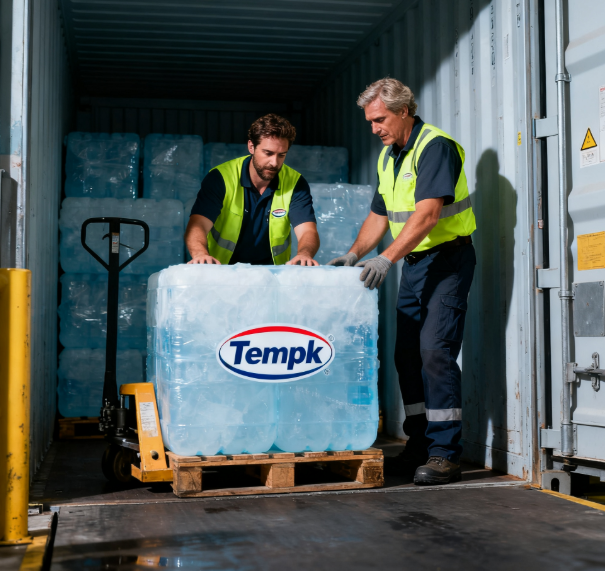
Cooler Backpack Bulk Purchase: Procurement Guide for Real-World Use
A cooler backpack bulk purchase should be bought around the work it must perform, not around the most attractive catalogue photo. The bag may support food delivery, grocery pickup, retail promotion, or a temperature-sensitive handover, but each job requires a different balance of insulation, structure, cleaning, branding, and supplier evidence. This final guide brings the decision back to the buyer's practical question: what must be true before you place the order?
Define the Use Case Before You Define the Bag
The first specification should not be material or color. It should be use. Cooler backpacks can appear in bulk cooler backpack programs for retail, leisure, corporate gifting, food delivery, and field teams, but a single name does not describe the route. A bag used by a shopper for frozen groceries has a different risk profile from a bag used by a rider in a dense urban delivery zone. A soft mailer used inside a carton has a different job from a backpack used all day.
Write down four facts before asking for a quotation. What is the payload? How is it packed before entering the bag? How long will it remain in the bag? Who opens, closes, cleans, and stores it? These questions reveal whether you need a lightweight promotional product, a stronger operational bag, or a more documented insulated packaging solution.
This step also protects your claim language. If the bag is only intended to slow temperature change during short local handling, say that. If the product requires a fixed temperature range, monitoring, and documented control, a soft insulated bag alone is unlikely to be enough. A consumer-style cooler backpack is not a qualified cold-chain shipper unless the packout and performance are documented for the exact use.
Translate Construction Into Buyer Language
A specification should translate construction into decisions a buyer can check. Polyester, nylon, peva or foil lining, foam insulation, zipper, welded or stitched seams, shoulder strap padding, and base reinforcement are not just technical details. They affect how the product looks after use, how it carries weight, how easy it is to clean, and whether it can be repeated across orders.
The outer layer handles abrasion, print, water exposure, and customer perception. The insulation layer slows heat transfer and can also give body to the bag. The liner affects moisture, cleaning, odor, and direct-contact assumptions. The closure controls air exchange. The base and handles control whether the bag stays stable under load. A weak point in any of these areas can make a bag unsuitable even when the insulation layer sounds acceptable.
Do not ask for the "best" material without defining the job. For a retail promotion, visual appearance and carton efficiency may matter most. For delivery operations, closure, cleaning, rider comfort, and durability may matter more. For grocery, wide loading, base stability, and chilled-frozen separation may be central. For regulated or healthcare-adjacent use, documented evidence matters more than the material name.
Supplier Questions That Actually Change the Outcome
A useful supplier conversation is specific. It should reveal how the factory or supplier thinks about real use, production repeatability, and claim boundaries.
| Buying Item | What to Check | Why It Matters |
|---|---|---|
| Bag format | hands-free cooler format with insulated main compartment, shoulder harness, zipper closure, and optional front pocket or divider | The correct format depends on payload, route, and who carries the bag. |
| Material build | polyester, nylon, PEVA or foil lining, foam insulation, zipper, welded or stitched seams, shoulder strap padding, and base reinforcement | The wall system, seams, and liner work together; one weak detail can reduce usability. |
| Branding | embroidered patches, printed panels, private-label hangtags, retail packaging, promotional personalization, and color-blocked fabrics | Decoration should fit cleaning, abrasion, retail presentation, and color tolerance. |
| Sample review | Compare the sample with the written specification and packed carton. | Many disputes begin when production quietly differs from the approved sample. |
| Thermal evidence | Ask what supports any temperature or hold-time claim. | A bag is not automatically qualified for every product or route. |
| Bulk control | Confirm inspection checkpoints, packaging, and acceptable variation. | Bulk orders need repeatability, not just one attractive sample. |
These checks help you compare quotations fairly. One supplier may quote a cheaper bag because the insulation is thinner, the base is unsupported, the zipper is lower grade, or the carton packing is simpler. Another may quote higher because the sample uses stronger reinforcement and better production control. Without a written comparison, procurement may compare unequal products.
Ask for the answers in plain language. If a supplier uses broad words such as premium, heavy-duty, leakproof, food-grade, recyclable, or temperature-controlled, ask what those words mean in the specific order. Some terms may be acceptable for marketing only after documentation is reviewed. Others may need to be removed or rewritten.
Sample Approval Should Simulate the Route
Approving a sample by looking at it on a desk is not enough. Load it with the real containers, grocery packs, meal boxes, or sample products it will carry. Close it fully. Carry it the way staff, riders, shoppers, or couriers will carry it. Put it down, pick it up, wipe the liner, and check whether the bag still looks and works as expected.
If the bag will be branded, inspect the logo after bending and loading. If it will be used in delivery, test whether the closure can be operated quickly without leaving gaps. If it will be used for grocery, check whether heavier chilled items distort the base. If it will be used with gel packs, confirm where the coolant sits and whether condensation or leakage can be managed.
Sample approval should include production controls. Keep a signed reference sample, a material description, artwork files, carton packing notes, and acceptable tolerances. Ask whether future production can change fabric, lining, insulation, zipper, handle, print method, or carton format without approval. The answer matters for repeat orders.
Practical Scenario: From Nice Sample to Usable Order
Imagine a retail buyer ordering seasonal cooler backpacks for summer stores and ecommerce fulfillment. The first sample has the right color and the logo looks clean, but the buyer still has to check whether the bag stands upright when loaded, whether a standard meal box or grocery pack fits without crushing, and whether the handle feels secure when the bag is carried repeatedly. The buyer also needs to see how the bag is packed in export cartons, because carton compression can crease side panels and make the product look lower quality when it reaches a store or warehouse.
A better approval path uses the sample as a working object rather than a showpiece. Load it with representative goods, close it with the same number of packages you expect in daily use, carry it for a short route, wipe the liner after use, and then inspect seams and zippers. This does not replace laboratory thermal testing, but it reveals problems that a photo cannot show. For many cooler backpack bulk purchase projects, those practical checks prevent expensive disputes after production has already started.
Temperature and Compliance Claims Must Stay Within Evidence
Insulated bags are often described with temperature language. That is understandable, but claims must match evidence. A bag can slow heat transfer, protect presentation, and support short handling windows. It should not be presented as a guaranteed temperature-control system unless testing and process controls support that claim.
For food-service discussions, cold holding around 41°F or 5°C and hot holding around 135°F or 57°C are common U.S. reference points. Use those numbers carefully. They do not prove that a bag can keep any food safe for any route. They show why the buyer must control starting temperature, loading time, route duration, receiving process, and cleaning.
For medicines, vaccines, lab samples, or other regulated goods, define the required temperature range from the product and quality requirements. Many refrigerated vaccine discussions use 2°C to 8°C, but that range is not a universal rule for every product. If a shipment is booked as time and temperature sensitive healthcare cargo by air, labeling and transport expectations may be different from ordinary food delivery. In those situations, the bag is only one part of a larger process.
If a supplier presents thermal data, ask whether the data matches your bag size, material, payload, coolant, ambient profile, and opening behavior. If it does not, treat it as background information rather than proof.
Branding, Sustainability, and Reuse Need Operating Rules
Embroidered patches, printed panels, private-label hangtags, retail packaging, promotional personalization, and color-blocked fabrics can create a strong product, but branding should not weaken function. Logo position should avoid high-wear fold lines if possible. Decoration should survive the expected cleaning method. Color tolerance should be agreed before production. If the bag is part of a fleet, identification labels or size markings may matter as much as the main logo.
Sustainability claims also need discipline. The EU Packaging and Packaging Waste Regulation is pushing many buyers to review packaging claims more carefully as it moves toward general application from August 2026. Even where EU rules do not directly apply, customers increasingly ask whether insulated packaging is reusable, recyclable, or lower waste. The safest answer is specific. Explain the material option, reuse model, or waste-reduction role only when it is supported by the actual product and process.
A reusable bag needs a reuse system. Who owns it? Who cleans it? How is it returned? How often is it lost? What happens when it is damaged? If those questions are not answered, the sustainability claim may be more fragile than it appears.
When to Choose a Different Packaging Format
A cooler backpack is a good fit when the use is local, hand-carried, operationally controlled, or promotional, and when the temperature claim is modest. It can also be useful as a secondary support item in grocery pickup, meal dispatch, field sampling, or customer handover.
Choose a different packaging format when the product is highly sensitive, the route is long, the shipment moves through parcel networks, or a quality team requires documented thermal qualification. In those cases, a rigid insulated shipper, qualified packout, coolant plan, and temperature monitoring may be required. The correct answer may still include a bag, but not as the only protection.
Also consider a different format if the payload is too heavy, sharp, wet, or irregular for a soft bag. A bag that fails structurally can create more risk than a more expensive container that holds shape and cleans properly.
Bulk Order Control
Bulk ordering changes the risk profile. One sample can be excellent while production varies. Protect the order with a simple control file: final artwork, material description, dimensions, production reference sample, packing method, carton marks, inspection points, and claim wording. This file is especially useful for distributors, franchise groups, and buyers who reorder the same SKU seasonally.
Before shipment, ask for production photos or inspection summaries that show the bag open, closed, loaded if possible, packed in cartons, and labeled. For branded projects, check logo placement and color. For operational programs, check handles, seams, base, closure, and lining. For export programs, confirm carton strength and packing configuration so the goods arrive without avoidable deformation.
The goal is not to make the order slow. The goal is to make the order repeatable.
FAQ
What should I ask a cooler backpack bulk purchase before requesting price?
Ask for material structure, available sizes, usable internal space, sample timing, logo options, carton packing, quality-control checkpoints, and whether any temperature or food-contact claim is supported. A clear quotation needs the use case, not just a photo and target price.
How do I compare two cooler backpacks with similar appearance?
Compare loaded shape, zipper or flap behavior, handle strength, liner cleanability, seam finish, bottom support, print durability, odor, and packaging method. Similar catalogue images can hide major differences in construction and daily usability.
Can I use the same bag for hot and cold products?
Sometimes, but separation and cleaning are important. A bag that carries hot meals may retain odor or moisture, while cold groceries may need gel packs and leak management. If the same bag is used for different goods, define loading rules and cleaning routines.
How large should the first order be?
Order size should follow sample approval, packaging checks, and actual demand planning. Before bulk production, confirm whether the sample matches the final material, logo method, insulation, accessories, carton packing, and any documentation required for your market.
Conclusion
A successful cooler backpack bulk purchase order is built on route fit, construction clarity, sample discipline, cautious temperature claims, and supplier repeatability. Unit price matters, but it should be compared only after the use case and specification are clear. The bag has to work when loaded, cleaned, branded, packed, shipped, and reordered.
The best next move is to turn the buying idea into a short operating brief: payload, route, handling time, cleaning method, branding needs, and any claim you want to make. Once that is clear, supplier comparison becomes much more reliable.
About Tempk
Tempk works with buyers who need practical cold-chain packaging choices, including insulated bags, cooler bags, thermal liners, ice packs, and related packaging components. For a cooler backpack project, the useful conversation starts with your payload, expected handling time, route, cleaning process, and branding requirements. We avoid treating a soft bag as a universal temperature-control answer. Instead, Tempk can help you compare construction options, review sample details, and decide what needs further packout testing before a larger order.
Next Step
Share your product type, expected payload, route length, branding plan, and target order stage with Tempk. We can help you compare cooler backpacks before you approve tooling, print artwork, or bulk production.
Thermal Lunch Bag Exporter: Procurement and Supplier Checks
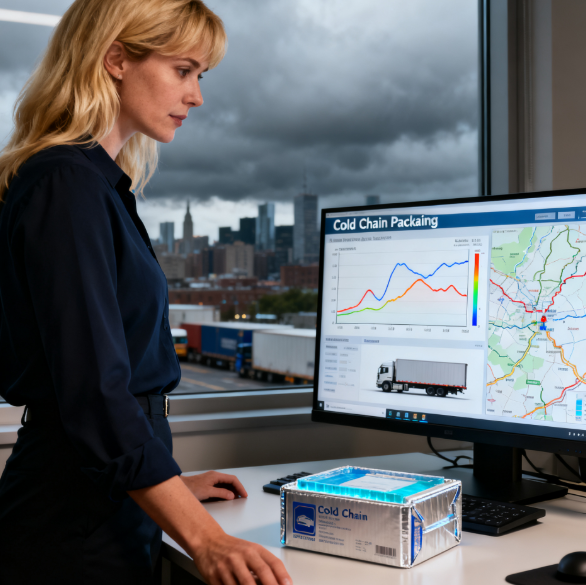
Thermal Lunch Bag Exporter: Procurement Guide for Real-World Use
A thermal lunch bag exporter should be bought around the work it must perform, not around the most attractive catalogue photo. The bag may support food delivery, grocery pickup, retail promotion, or a temperature-sensitive handover, but each job requires a different balance of insulation, structure, cleaning, branding, and supplier evidence. This final guide brings the decision back to the buyer's practical question: what must be true before you place the order?
Define the Use Case Before You Define the Bag
The first specification should not be material or color. It should be use. Thermal lunch bags can appear in export programs for private-label, promotional, food delivery, school meal, and retail channels, but a single name does not describe the route. A bag used by a shopper for frozen groceries has a different risk profile from a bag used by a rider in a dense urban delivery zone. A soft mailer used inside a carton has a different job from a backpack used all day.
Write down four facts before asking for a quotation. What is the payload? How is it packed before entering the bag? How long will it remain in the bag? Who opens, closes, cleans, and stores it? These questions reveal whether you need a lightweight promotional product, a stronger operational bag, or a more documented insulated packaging solution.
This step also protects your claim language. If the bag is only intended to slow temperature change during short local handling, say that. If the product requires a fixed temperature range, monitoring, and documented control, a soft insulated bag alone is unlikely to be enough. It is not a validated shipper for high-risk pharmaceuticals or long parcel routes unless a full packout and test file support that use.
Translate Construction Into Buyer Language
A specification should translate construction into decisions a buyer can check. Outer fabric, foam or pearl cotton insulation, reflective foil or film lining, zipper quality, binding tape, stitching density, and handle reinforcement are not just technical details. They affect how the product looks after use, how it carries weight, how easy it is to clean, and whether it can be repeated across orders.
The outer layer handles abrasion, print, water exposure, and customer perception. The insulation layer slows heat transfer and can also give body to the bag. The liner affects moisture, cleaning, odor, and direct-contact assumptions. The closure controls air exchange. The base and handles control whether the bag stays stable under load. A weak point in any of these areas can make a bag unsuitable even when the insulation layer sounds acceptable.
Do not ask for the "best" material without defining the job. For a retail promotion, visual appearance and carton efficiency may matter most. For delivery operations, closure, cleaning, rider comfort, and durability may matter more. For grocery, wide loading, base stability, and chilled-frozen separation may be central. For regulated or healthcare-adjacent use, documented evidence matters more than the material name.
Supplier Questions That Actually Change the Outcome
A useful supplier conversation is specific. It should reveal how the factory or supplier thinks about real use, production repeatability, and claim boundaries.
| Buying Item | What to Check | Why It Matters |
|---|---|---|
| Bag format | compact hand-carry format with zipper closure, wipeable lining, and room for lunch containers or small gel packs | The correct format depends on payload, route, and who carries the bag. |
| Material build | outer fabric, foam or pearl cotton insulation, reflective foil or film lining, zipper quality, binding tape, stitching density, and handle reinforcement | The wall system, seams, and liner work together; one weak detail can reduce usability. |
| Branding | embroidered logo, heat-transfer logo, woven label, custom color panels, retail sleeve, and carton marking | Decoration should fit cleaning, abrasion, retail presentation, and color tolerance. |
| Sample review | Compare the sample with the written specification and packed carton. | Many disputes begin when production quietly differs from the approved sample. |
| Thermal evidence | Ask what supports any temperature or hold-time claim. | A bag is not automatically qualified for every product or route. |
| Bulk control | Confirm inspection checkpoints, packaging, and acceptable variation. | Bulk orders need repeatability, not just one attractive sample. |
These checks help you compare quotations fairly. One supplier may quote a cheaper bag because the insulation is thinner, the base is unsupported, the zipper is lower grade, or the carton packing is simpler. Another may quote higher because the sample uses stronger reinforcement and better production control. Without a written comparison, procurement may compare unequal products.
Ask for the answers in plain language. If a supplier uses broad words such as premium, heavy-duty, leakproof, food-grade, recyclable, or temperature-controlled, ask what those words mean in the specific order. Some terms may be acceptable for marketing only after documentation is reviewed. Others may need to be removed or rewritten.
Sample Approval Should Simulate the Route
Approving a sample by looking at it on a desk is not enough. Load it with the real containers, grocery packs, meal boxes, or sample products it will carry. Close it fully. Carry it the way staff, riders, shoppers, or couriers will carry it. Put it down, pick it up, wipe the liner, and check whether the bag still looks and works as expected.
If the bag will be branded, inspect the logo after bending and loading. If it will be used in delivery, test whether the closure can be operated quickly without leaving gaps. If it will be used for grocery, check whether heavier chilled items distort the base. If it will be used with gel packs, confirm where the coolant sits and whether condensation or leakage can be managed.
Sample approval should include production controls. Keep a signed reference sample, a material description, artwork files, carton packing notes, and acceptable tolerances. Ask whether future production can change fabric, lining, insulation, zipper, handle, print method, or carton format without approval. The answer matters for repeat orders.
Practical Scenario: From Nice Sample to Usable Order
Imagine an importer preparing a private-label lunch bag program for supermarket seasonal displays. The first sample has the right color and the logo looks clean, but the buyer still has to check whether the bag stands upright when loaded, whether a standard meal box or grocery pack fits without crushing, and whether the handle feels secure when the bag is carried repeatedly. The buyer also needs to see how the bag is packed in export cartons, because carton compression can crease side panels and make the product look lower quality when it reaches a store or warehouse.
A better approval path uses the sample as a working object rather than a showpiece. Load it with representative goods, close it with the same number of packages you expect in daily use, carry it for a short route, wipe the liner after use, and then inspect seams and zippers. This does not replace laboratory thermal testing, but it reveals problems that a photo cannot show. For many thermal lunch bag exporter projects, those practical checks prevent expensive disputes after production has already started.
Temperature and Compliance Claims Must Stay Within Evidence
Insulated bags are often described with temperature language. That is understandable, but claims must match evidence. A bag can slow heat transfer, protect presentation, and support short handling windows. It should not be presented as a guaranteed temperature-control system unless testing and process controls support that claim.
For food-service discussions, cold holding around 41°F or 5°C and hot holding around 135°F or 57°C are common U.S. reference points. Use those numbers carefully. They do not prove that a bag can keep any food safe for any route. They show why the buyer must control starting temperature, loading time, route duration, receiving process, and cleaning.
For medicines, vaccines, lab samples, or other regulated goods, define the required temperature range from the product and quality requirements. Many refrigerated vaccine discussions use 2°C to 8°C, but that range is not a universal rule for every product. If a shipment is booked as time and temperature sensitive healthcare cargo by air, labeling and transport expectations may be different from ordinary food delivery. In those situations, the bag is only one part of a larger process.
If a supplier presents thermal data, ask whether the data matches your bag size, material, payload, coolant, ambient profile, and opening behavior. If it does not, treat it as background information rather than proof.
Branding, Sustainability, and Reuse Need Operating Rules
Embroidered logo, heat-transfer logo, woven label, custom color panels, retail sleeve, and carton marking can create a strong product, but branding should not weaken function. Logo position should avoid high-wear fold lines if possible. Decoration should survive the expected cleaning method. Color tolerance should be agreed before production. If the bag is part of a fleet, identification labels or size markings may matter as much as the main logo.
Sustainability claims also need discipline. The EU Packaging and Packaging Waste Regulation is pushing many buyers to review packaging claims more carefully as it moves toward general application from August 2026. Even where EU rules do not directly apply, customers increasingly ask whether insulated packaging is reusable, recyclable, or lower waste. The safest answer is specific. Explain the material option, reuse model, or waste-reduction role only when it is supported by the actual product and process.
A reusable bag needs a reuse system. Who owns it? Who cleans it? How is it returned? How often is it lost? What happens when it is damaged? If those questions are not answered, the sustainability claim may be more fragile than it appears.
When to Choose a Different Packaging Format
A thermal lunch bag is a good fit when the use is local, hand-carried, operationally controlled, or promotional, and when the temperature claim is modest. It can also be useful as a secondary support item in grocery pickup, meal dispatch, field sampling, or customer handover.
Choose a different packaging format when the product is highly sensitive, the route is long, the shipment moves through parcel networks, or a quality team requires documented thermal qualification. In those cases, a rigid insulated shipper, qualified packout, coolant plan, and temperature monitoring may be required. The correct answer may still include a bag, but not as the only protection.
Also consider a different format if the payload is too heavy, sharp, wet, or irregular for a soft bag. A bag that fails structurally can create more risk than a more expensive container that holds shape and cleans properly.
Bulk Order Control
Bulk ordering changes the risk profile. One sample can be excellent while production varies. Protect the order with a simple control file: final artwork, material description, dimensions, production reference sample, packing method, carton marks, inspection points, and claim wording. This file is especially useful for distributors, franchise groups, and buyers who reorder the same SKU seasonally.
Before shipment, ask for production photos or inspection summaries that show the bag open, closed, loaded if possible, packed in cartons, and labeled. For branded projects, check logo placement and color. For operational programs, check handles, seams, base, closure, and lining. For export programs, confirm carton strength and packing configuration so the goods arrive without avoidable deformation.
The goal is not to make the order slow. The goal is to make the order repeatable.
FAQ
What should I ask a thermal lunch bag exporter before requesting price?
Ask for material structure, available sizes, usable internal space, sample timing, logo options, carton packing, quality-control checkpoints, and whether any temperature or food-contact claim is supported. A clear quotation needs the use case, not just a photo and target price.
How do I compare two thermal lunch bags with similar appearance?
Compare loaded shape, zipper or flap behavior, handle strength, liner cleanability, seam finish, bottom support, print durability, odor, and packaging method. Similar catalogue images can hide major differences in construction and daily usability.
Can I use the same bag for hot and cold products?
Sometimes, but separation and cleaning are important. A bag that carries hot meals may retain odor or moisture, while cold groceries may need gel packs and leak management. If the same bag is used for different goods, define loading rules and cleaning routines.
How large should the first order be?
Order size should follow sample approval, packaging checks, and actual demand planning. Before bulk production, confirm whether the sample matches the final material, logo method, insulation, accessories, carton packing, and any documentation required for your market.
Conclusion
A successful thermal lunch bag exporter order is built on route fit, construction clarity, sample discipline, cautious temperature claims, and supplier repeatability. Unit price matters, but it should be compared only after the use case and specification are clear. The bag has to work when loaded, cleaned, branded, packed, shipped, and reordered.
The best next move is to turn the buying idea into a short operating brief: payload, route, handling time, cleaning method, branding needs, and any claim you want to make. Once that is clear, supplier comparison becomes much more reliable.
About Tempk
Tempk works with buyers who need practical cold-chain packaging choices, including insulated bags, cooler bags, thermal liners, ice packs, and related packaging components. For a thermal lunch bag project, the useful conversation starts with your payload, expected handling time, route, cleaning process, and branding requirements. We avoid treating a soft bag as a universal temperature-control answer. Instead, Tempk can help you compare construction options, review sample details, and decide what needs further packout testing before a larger order.
Next Step
Share your product type, expected payload, route length, branding plan, and target order stage with Tempk. We can help you compare thermal lunch bags before you approve tooling, print artwork, or bulk production.
Insulated Tote Bag Factory: Procurement and Supplier Checks
Insulated Tote Bag Factory: Procurement Guide for Real-World Use
A insulated tote bag factory should be bought around the work it must perform, not around the most attractive catalogue photo. The bag may support food delivery, grocery pickup, retail promotion, or a temperature-sensitive handover, but each job requires a different balance of insulation, structure, cleaning, branding, and supplier evidence. This final guide brings the decision back to the buyer's practical question: what must be true before you place the order?
Define the Use Case Before You Define the Bag
The first specification should not be material or color. It should be use. Insulated tote bags can appear in factory-direct tote bag programs for supermarkets, clubs, meal pickup counters, corporate gifts, and reusable shopping lines, but a single name does not describe the route. A bag used by a shopper for frozen groceries has a different risk profile from a bag used by a rider in a dense urban delivery zone. A soft mailer used inside a carton has a different job from a backpack used all day.
Write down four facts before asking for a quotation. What is the payload? How is it packed before entering the bag? How long will it remain in the bag? Who opens, closes, cleans, and stores it? These questions reveal whether you need a lightweight promotional product, a stronger operational bag, or a more documented insulated packaging solution.
This step also protects your claim language. If the bag is only intended to slow temperature change during short local handling, say that. If the product requires a fixed temperature range, monitoring, and documented control, a soft insulated bag alone is unlikely to be enough. It helps slow temperature change during local handling but does not replace a qualified thermal shipping system for regulated cold-chain shipments.
Translate Construction Into Buyer Language
A specification should translate construction into decisions a buyer can check. Nonwoven fabric, polyester, rpet options, aluminum film, foam thickness, binding, bottom support, handle webbing, and printable surface stability are not just technical details. They affect how the product looks after use, how it carries weight, how easy it is to clean, and whether it can be repeated across orders.
The outer layer handles abrasion, print, water exposure, and customer perception. The insulation layer slows heat transfer and can also give body to the bag. The liner affects moisture, cleaning, odor, and direct-contact assumptions. The closure controls air exchange. The base and handles control whether the bag stays stable under load. A weak point in any of these areas can make a bag unsuitable even when the insulation layer sounds acceptable.
Do not ask for the "best" material without defining the job. For a retail promotion, visual appearance and carton efficiency may matter most. For delivery operations, closure, cleaning, rider comfort, and durability may matter more. For grocery, wide loading, base stability, and chilled-frozen separation may be central. For regulated or healthcare-adjacent use, documented evidence matters more than the material name.
Supplier Questions That Actually Change the Outcome
A useful supplier conversation is specific. It should reveal how the factory or supplier thinks about real use, production repeatability, and claim boundaries.
| Buying Item | What to Check | Why It Matters |
|---|---|---|
| Bag format | open or zip-top tote format with broad side panels, long handles, and insulated walls that remain easy to fold or store | The correct format depends on payload, route, and who carries the bag. |
| Material build | nonwoven fabric, polyester, RPET options, aluminum film, foam thickness, binding, bottom support, handle webbing, and printable surface stability | The wall system, seams, and liner work together; one weak detail can reduce usability. |
| Branding | screen print, woven label, sublimated panel, side-gusset artwork, private-label packing, and retail barcode preparation | Decoration should fit cleaning, abrasion, retail presentation, and color tolerance. |
| Sample review | Compare the sample with the written specification and packed carton. | Many disputes begin when production quietly differs from the approved sample. |
| Thermal evidence | Ask what supports any temperature or hold-time claim. | A bag is not automatically qualified for every product or route. |
| Bulk control | Confirm inspection checkpoints, packaging, and acceptable variation. | Bulk orders need repeatability, not just one attractive sample. |
These checks help you compare quotations fairly. One supplier may quote a cheaper bag because the insulation is thinner, the base is unsupported, the zipper is lower grade, or the carton packing is simpler. Another may quote higher because the sample uses stronger reinforcement and better production control. Without a written comparison, procurement may compare unequal products.
Ask for the answers in plain language. If a supplier uses broad words such as premium, heavy-duty, leakproof, food-grade, recyclable, or temperature-controlled, ask what those words mean in the specific order. Some terms may be acceptable for marketing only after documentation is reviewed. Others may need to be removed or rewritten.
Sample Approval Should Simulate the Route
Approving a sample by looking at it on a desk is not enough. Load it with the real containers, grocery packs, meal boxes, or sample products it will carry. Close it fully. Carry it the way staff, riders, shoppers, or couriers will carry it. Put it down, pick it up, wipe the liner, and check whether the bag still looks and works as expected.
If the bag will be branded, inspect the logo after bending and loading. If it will be used in delivery, test whether the closure can be operated quickly without leaving gaps. If it will be used for grocery, check whether heavier chilled items distort the base. If it will be used with gel packs, confirm where the coolant sits and whether condensation or leakage can be managed.
Sample approval should include production controls. Keep a signed reference sample, a material description, artwork files, carton packing notes, and acceptable tolerances. Ask whether future production can change fabric, lining, insulation, zipper, handle, print method, or carton format without approval. The answer matters for repeat orders.
Practical Scenario: From Nice Sample to Usable Order
Imagine a supermarket sourcing team replacing disposable checkout bags with a reusable insulated tote range. The first sample has the right color and the logo looks clean, but the buyer still has to check whether the bag stands upright when loaded, whether a standard meal box or grocery pack fits without crushing, and whether the handle feels secure when the bag is carried repeatedly. The buyer also needs to see how the bag is packed in export cartons, because carton compression can crease side panels and make the product look lower quality when it reaches a store or warehouse.
A better approval path uses the sample as a working object rather than a showpiece. Load it with representative goods, close it with the same number of packages you expect in daily use, carry it for a short route, wipe the liner after use, and then inspect seams and zippers. This does not replace laboratory thermal testing, but it reveals problems that a photo cannot show. For many insulated tote bag factory projects, those practical checks prevent expensive disputes after production has already started.
Temperature and Compliance Claims Must Stay Within Evidence
Insulated bags are often described with temperature language. That is understandable, but claims must match evidence. A bag can slow heat transfer, protect presentation, and support short handling windows. It should not be presented as a guaranteed temperature-control system unless testing and process controls support that claim.
For food-service discussions, cold holding around 41°F or 5°C and hot holding around 135°F or 57°C are common U.S. reference points. Use those numbers carefully. They do not prove that a bag can keep any food safe for any route. They show why the buyer must control starting temperature, loading time, route duration, receiving process, and cleaning.
For medicines, vaccines, lab samples, or other regulated goods, define the required temperature range from the product and quality requirements. Many refrigerated vaccine discussions use 2°C to 8°C, but that range is not a universal rule for every product. If a shipment is booked as time and temperature sensitive healthcare cargo by air, labeling and transport expectations may be different from ordinary food delivery. In those situations, the bag is only one part of a larger process.
If a supplier presents thermal data, ask whether the data matches your bag size, material, payload, coolant, ambient profile, and opening behavior. If it does not, treat it as background information rather than proof.
Branding, Sustainability, and Reuse Need Operating Rules
Screen print, woven label, sublimated panel, side-gusset artwork, private-label packing, and retail barcode preparation can create a strong product, but branding should not weaken function. Logo position should avoid high-wear fold lines if possible. Decoration should survive the expected cleaning method. Color tolerance should be agreed before production. If the bag is part of a fleet, identification labels or size markings may matter as much as the main logo.
Sustainability claims also need discipline. The EU Packaging and Packaging Waste Regulation is pushing many buyers to review packaging claims more carefully as it moves toward general application from August 2026. Even where EU rules do not directly apply, customers increasingly ask whether insulated packaging is reusable, recyclable, or lower waste. The safest answer is specific. Explain the material option, reuse model, or waste-reduction role only when it is supported by the actual product and process.
A reusable bag needs a reuse system. Who owns it? Who cleans it? How is it returned? How often is it lost? What happens when it is damaged? If those questions are not answered, the sustainability claim may be more fragile than it appears.
When to Choose a Different Packaging Format
A insulated tote bag is a good fit when the use is local, hand-carried, operationally controlled, or promotional, and when the temperature claim is modest. It can also be useful as a secondary support item in grocery pickup, meal dispatch, field sampling, or customer handover.
Choose a different packaging format when the product is highly sensitive, the route is long, the shipment moves through parcel networks, or a quality team requires documented thermal qualification. In those cases, a rigid insulated shipper, qualified packout, coolant plan, and temperature monitoring may be required. The correct answer may still include a bag, but not as the only protection.
Also consider a different format if the payload is too heavy, sharp, wet, or irregular for a soft bag. A bag that fails structurally can create more risk than a more expensive container that holds shape and cleans properly.
Bulk Order Control
Bulk ordering changes the risk profile. One sample can be excellent while production varies. Protect the order with a simple control file: final artwork, material description, dimensions, production reference sample, packing method, carton marks, inspection points, and claim wording. This file is especially useful for distributors, franchise groups, and buyers who reorder the same SKU seasonally.
Before shipment, ask for production photos or inspection summaries that show the bag open, closed, loaded if possible, packed in cartons, and labeled. For branded projects, check logo placement and color. For operational programs, check handles, seams, base, closure, and lining. For export programs, confirm carton strength and packing configuration so the goods arrive without avoidable deformation.
The goal is not to make the order slow. The goal is to make the order repeatable.
FAQ
What should I ask a insulated tote bag factory before requesting price?
Ask for material structure, available sizes, usable internal space, sample timing, logo options, carton packing, quality-control checkpoints, and whether any temperature or food-contact claim is supported. A clear quotation needs the use case, not just a photo and target price.
How do I compare two insulated tote bags with similar appearance?
Compare loaded shape, zipper or flap behavior, handle strength, liner cleanability, seam finish, bottom support, print durability, odor, and packaging method. Similar catalogue images can hide major differences in construction and daily usability.
Can I use the same bag for hot and cold products?
Sometimes, but separation and cleaning are important. A bag that carries hot meals may retain odor or moisture, while cold groceries may need gel packs and leak management. If the same bag is used for different goods, define loading rules and cleaning routines.
How large should the first order be?
Order size should follow sample approval, packaging checks, and actual demand planning. Before bulk production, confirm whether the sample matches the final material, logo method, insulation, accessories, carton packing, and any documentation required for your market.
Conclusion
A successful insulated tote bag factory order is built on route fit, construction clarity, sample discipline, cautious temperature claims, and supplier repeatability. Unit price matters, but it should be compared only after the use case and specification are clear. The bag has to work when loaded, cleaned, branded, packed, shipped, and reordered.
The best next move is to turn the buying idea into a short operating brief: payload, route, handling time, cleaning method, branding needs, and any claim you want to make. Once that is clear, supplier comparison becomes much more reliable.
About Tempk
Tempk works with buyers who need practical cold-chain packaging choices, including insulated bags, cooler bags, thermal liners, ice packs, and related packaging components. For a insulated tote bag project, the useful conversation starts with your payload, expected handling time, route, cleaning process, and branding requirements. We avoid treating a soft bag as a universal temperature-control answer. Instead, Tempk can help you compare construction options, review sample details, and decide what needs further packout testing before a larger order.
Next Step
Share your product type, expected payload, route length, branding plan, and target order stage with Tempk. We can help you compare insulated tote bags before you approve tooling, print artwork, or bulk production.
Insulated Mailer Bag Distributor: Procurement and Supplier Checks
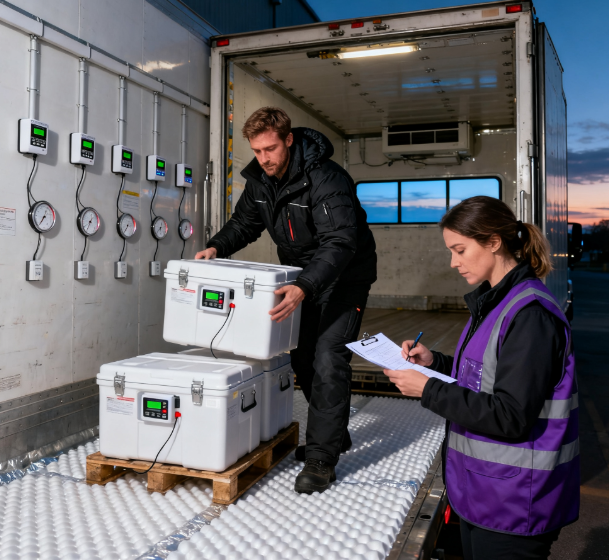
Insulated Mailer Bag Distributor: Procurement Guide for Real-World Use
A insulated mailer bag distributor should be bought around the work it must perform, not around the most attractive catalogue photo. The bag may support food delivery, grocery pickup, retail promotion, or a temperature-sensitive handover, but each job requires a different balance of insulation, structure, cleaning, branding, and supplier evidence. This final guide brings the decision back to the buyer's practical question: what must be true before you place the order?
Define the Use Case Before You Define the Bag
The first specification should not be material or color. It should be use. Insulated mailer bags can appear in parcel-ready, lightweight insulated pouch programs for temperature-sensitive items that need short-duration protection, but a single name does not describe the route. A bag used by a shopper for frozen groceries has a different risk profile from a bag used by a rider in a dense urban delivery zone. A soft mailer used inside a carton has a different job from a backpack used all day.
Write down four facts before asking for a quotation. What is the payload? How is it packed before entering the bag? How long will it remain in the bag? Who opens, closes, cleans, and stores it? These questions reveal whether you need a lightweight promotional product, a stronger operational bag, or a more documented insulated packaging solution.
This step also protects your claim language. If the bag is only intended to slow temperature change during short local handling, say that. If the product requires a fixed temperature range, monitoring, and documented control, a soft insulated bag alone is unlikely to be enough. A mailer is usually a passive component, not a complete qualified system unless the packout, coolant, payload, and route profile are tested together.
Translate Construction Into Buyer Language
A specification should translate construction into decisions a buyer can check. Metalized film, bubble or foam layer, paper or poly exterior, adhesive closure, tear strip, puncture resistance, and compatibility with gel packs or liners are not just technical details. They affect how the product looks after use, how it carries weight, how easy it is to clean, and whether it can be repeated across orders.
The outer layer handles abrasion, print, water exposure, and customer perception. The insulation layer slows heat transfer and can also give body to the bag. The liner affects moisture, cleaning, odor, and direct-contact assumptions. The closure controls air exchange. The base and handles control whether the bag stays stable under load. A weak point in any of these areas can make a bag unsuitable even when the insulation layer sounds acceptable.
Do not ask for the "best" material without defining the job. For a retail promotion, visual appearance and carton efficiency may matter most. For delivery operations, closure, cleaning, rider comfort, and durability may matter more. For grocery, wide loading, base stability, and chilled-frozen separation may be central. For regulated or healthcare-adjacent use, documented evidence matters more than the material name.
Supplier Questions That Actually Change the Outcome
A useful supplier conversation is specific. It should reveal how the factory or supplier thinks about real use, production repeatability, and claim boundaries.
| Buying Item | What to Check | Why It Matters |
|---|---|---|
| Bag format | flexible mailer or pouch format with thermal liner, closure flap, printed exterior, and size options for cartons or direct parcel insertion | The correct format depends on payload, route, and who carries the bag. |
| Material build | metalized film, bubble or foam layer, paper or poly exterior, adhesive closure, tear strip, puncture resistance, and compatibility with gel packs or liners | The wall system, seams, and liner work together; one weak detail can reduce usability. |
| Branding | printed pouch artwork, private-label cartons, distributor SKU labels, size-coded inventory, and low-profile graphic treatments | Decoration should fit cleaning, abrasion, retail presentation, and color tolerance. |
| Sample review | Compare the sample with the written specification and packed carton. | Many disputes begin when production quietly differs from the approved sample. |
| Thermal evidence | Ask what supports any temperature or hold-time claim. | A bag is not automatically qualified for every product or route. |
| Bulk control | Confirm inspection checkpoints, packaging, and acceptable variation. | Bulk orders need repeatability, not just one attractive sample. |
These checks help you compare quotations fairly. One supplier may quote a cheaper bag because the insulation is thinner, the base is unsupported, the zipper is lower grade, or the carton packing is simpler. Another may quote higher because the sample uses stronger reinforcement and better production control. Without a written comparison, procurement may compare unequal products.
Ask for the answers in plain language. If a supplier uses broad words such as premium, heavy-duty, leakproof, food-grade, recyclable, or temperature-controlled, ask what those words mean in the specific order. Some terms may be acceptable for marketing only after documentation is reviewed. Others may need to be removed or rewritten.
Sample Approval Should Simulate the Route
Approving a sample by looking at it on a desk is not enough. Load it with the real containers, grocery packs, meal boxes, or sample products it will carry. Close it fully. Carry it the way staff, riders, shoppers, or couriers will carry it. Put it down, pick it up, wipe the liner, and check whether the bag still looks and works as expected.
If the bag will be branded, inspect the logo after bending and loading. If it will be used in delivery, test whether the closure can be operated quickly without leaving gaps. If it will be used for grocery, check whether heavier chilled items distort the base. If it will be used with gel packs, confirm where the coolant sits and whether condensation or leakage can be managed.
Sample approval should include production controls. Keep a signed reference sample, a material description, artwork files, carton packing notes, and acceptable tolerances. Ask whether future production can change fabric, lining, insulation, zipper, handle, print method, or carton format without approval. The answer matters for repeat orders.
Practical Scenario: From Nice Sample to Usable Order
Imagine a distributor building a small-size insulated mailer range for local meal-kit and specialty food customers. The first sample has the right color and the logo looks clean, but the buyer still has to check whether the bag stands upright when loaded, whether a standard meal box or grocery pack fits without crushing, and whether the handle feels secure when the bag is carried repeatedly. The buyer also needs to see how the bag is packed in export cartons, because carton compression can crease side panels and make the product look lower quality when it reaches a store or warehouse.
A better approval path uses the sample as a working object rather than a showpiece. Load it with representative goods, close it with the same number of packages you expect in daily use, carry it for a short route, wipe the liner after use, and then inspect seams and zippers. This does not replace laboratory thermal testing, but it reveals problems that a photo cannot show. For many insulated mailer bag distributor projects, those practical checks prevent expensive disputes after production has already started.
Temperature and Compliance Claims Must Stay Within Evidence
Insulated bags are often described with temperature language. That is understandable, but claims must match evidence. A bag can slow heat transfer, protect presentation, and support short handling windows. It should not be presented as a guaranteed temperature-control system unless testing and process controls support that claim.
For food-service discussions, cold holding around 41°F or 5°C and hot holding around 135°F or 57°C are common U.S. reference points. Use those numbers carefully. They do not prove that a bag can keep any food safe for any route. They show why the buyer must control starting temperature, loading time, route duration, receiving process, and cleaning.
For medicines, vaccines, lab samples, or other regulated goods, define the required temperature range from the product and quality requirements. Many refrigerated vaccine discussions use 2°C to 8°C, but that range is not a universal rule for every product. If a shipment is booked as time and temperature sensitive healthcare cargo by air, labeling and transport expectations may be different from ordinary food delivery. In those situations, the bag is only one part of a larger process.
If a supplier presents thermal data, ask whether the data matches your bag size, material, payload, coolant, ambient profile, and opening behavior. If it does not, treat it as background information rather than proof.
Branding, Sustainability, and Reuse Need Operating Rules
Printed pouch artwork, private-label cartons, distributor sku labels, size-coded inventory, and low-profile graphic treatments can create a strong product, but branding should not weaken function. Logo position should avoid high-wear fold lines if possible. Decoration should survive the expected cleaning method. Color tolerance should be agreed before production. If the bag is part of a fleet, identification labels or size markings may matter as much as the main logo.
Sustainability claims also need discipline. The EU Packaging and Packaging Waste Regulation is pushing many buyers to review packaging claims more carefully as it moves toward general application from August 2026. Even where EU rules do not directly apply, customers increasingly ask whether insulated packaging is reusable, recyclable, or lower waste. The safest answer is specific. Explain the material option, reuse model, or waste-reduction role only when it is supported by the actual product and process.
A reusable bag needs a reuse system. Who owns it? Who cleans it? How is it returned? How often is it lost? What happens when it is damaged? If those questions are not answered, the sustainability claim may be more fragile than it appears.
When to Choose a Different Packaging Format
A insulated mailer bag is a good fit when the use is local, hand-carried, operationally controlled, or promotional, and when the temperature claim is modest. It can also be useful as a secondary support item in grocery pickup, meal dispatch, field sampling, or customer handover.
Choose a different packaging format when the product is highly sensitive, the route is long, the shipment moves through parcel networks, or a quality team requires documented thermal qualification. In those cases, a rigid insulated shipper, qualified packout, coolant plan, and temperature monitoring may be required. The correct answer may still include a bag, but not as the only protection.
Also consider a different format if the payload is too heavy, sharp, wet, or irregular for a soft bag. A bag that fails structurally can create more risk than a more expensive container that holds shape and cleans properly.
Bulk Order Control
Bulk ordering changes the risk profile. One sample can be excellent while production varies. Protect the order with a simple control file: final artwork, material description, dimensions, production reference sample, packing method, carton marks, inspection points, and claim wording. This file is especially useful for distributors, franchise groups, and buyers who reorder the same SKU seasonally.
Before shipment, ask for production photos or inspection summaries that show the bag open, closed, loaded if possible, packed in cartons, and labeled. For branded projects, check logo placement and color. For operational programs, check handles, seams, base, closure, and lining. For export programs, confirm carton strength and packing configuration so the goods arrive without avoidable deformation.
The goal is not to make the order slow. The goal is to make the order repeatable.
FAQ
What should I ask a insulated mailer bag distributor before requesting price?
Ask for material structure, available sizes, usable internal space, sample timing, logo options, carton packing, quality-control checkpoints, and whether any temperature or food-contact claim is supported. A clear quotation needs the use case, not just a photo and target price.
How do I compare two insulated mailer bags with similar appearance?
Compare loaded shape, zipper or flap behavior, handle strength, liner cleanability, seam finish, bottom support, print durability, odor, and packaging method. Similar catalogue images can hide major differences in construction and daily usability.
Can I use the same bag for hot and cold products?
Sometimes, but separation and cleaning are important. A bag that carries hot meals may retain odor or moisture, while cold groceries may need gel packs and leak management. If the same bag is used for different goods, define loading rules and cleaning routines.
How large should the first order be?
Order size should follow sample approval, packaging checks, and actual demand planning. Before bulk production, confirm whether the sample matches the final material, logo method, insulation, accessories, carton packing, and any documentation required for your market.
Conclusion
A successful insulated mailer bag distributor order is built on route fit, construction clarity, sample discipline, cautious temperature claims, and supplier repeatability. Unit price matters, but it should be compared only after the use case and specification are clear. The bag has to work when loaded, cleaned, branded, packed, shipped, and reordered.
The best next move is to turn the buying idea into a short operating brief: payload, route, handling time, cleaning method, branding needs, and any claim you want to make. Once that is clear, supplier comparison becomes much more reliable.
About Tempk
Tempk works with buyers who need practical cold-chain packaging choices, including insulated bags, cooler bags, thermal liners, ice packs, and related packaging components. For a insulated mailer bag project, the useful conversation starts with your payload, expected handling time, route, cleaning process, and branding requirements. We avoid treating a soft bag as a universal temperature-control answer. Instead, Tempk can help you compare construction options, review sample details, and decide what needs further packout testing before a larger order.
Next Step
Share your product type, expected payload, route length, branding plan, and target order stage with Tempk. We can help you compare insulated mailer bags before you approve tooling, print artwork, or bulk production.
Insulated Grocery Bag Manufacturer: Procurement and Supplier Checks
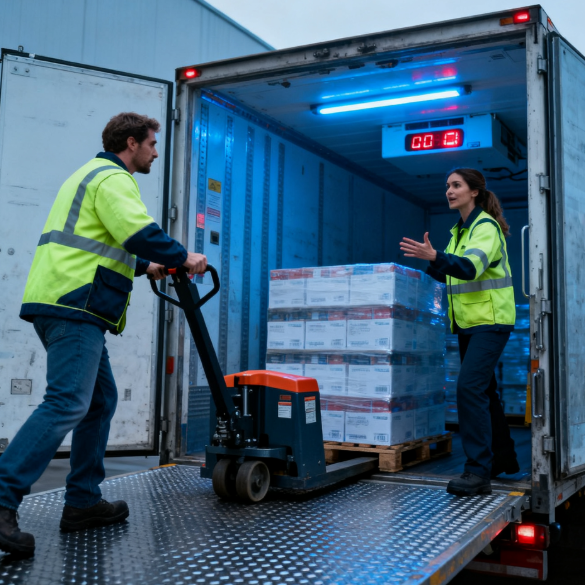
Insulated Grocery Bag Manufacturer: Procurement Guide for Real-World Use
A insulated grocery bag manufacturer should be bought around the work it must perform, not around the most attractive catalogue photo. The bag may support food delivery, grocery pickup, retail promotion, or a temperature-sensitive handover, but each job requires a different balance of insulation, structure, cleaning, branding, and supplier evidence. This final guide brings the decision back to the buyer's practical question: what must be true before you place the order?
Define the Use Case Before You Define the Bag
The first specification should not be material or color. It should be use. Insulated grocery bags can appear in reusable grocery bag programs for chilled, frozen, fresh, and mixed basket handling, but a single name does not describe the route. A bag used by a shopper for frozen groceries has a different risk profile from a bag used by a rider in a dense urban delivery zone. A soft mailer used inside a carton has a different job from a backpack used all day.
Write down four facts before asking for a quotation. What is the payload? How is it packed before entering the bag? How long will it remain in the bag? Who opens, closes, cleans, and stores it? These questions reveal whether you need a lightweight promotional product, a stronger operational bag, or a more documented insulated packaging solution.
This step also protects your claim language. If the bag is only intended to slow temperature change during short local handling, say that. If the product requires a fixed temperature range, monitoring, and documented control, a soft insulated bag alone is unlikely to be enough. A grocery bag helps shoppers or drivers keep products separated for local journeys; it should not be described as a controlled-temperature shipper without evidence.
Translate Construction Into Buyer Language
A specification should translate construction into decisions a buyer can check. Laminated nonwoven, polyester, rpet or woven outer, foam or pearl cotton insulation, foil lining, bottom insert, zipper, and handle reinforcement are not just technical details. They affect how the product looks after use, how it carries weight, how easy it is to clean, and whether it can be repeated across orders.
The outer layer handles abrasion, print, water exposure, and customer perception. The insulation layer slows heat transfer and can also give body to the bag. The liner affects moisture, cleaning, odor, and direct-contact assumptions. The closure controls air exchange. The base and handles control whether the bag stays stable under load. A weak point in any of these areas can make a bag unsuitable even when the insulation layer sounds acceptable.
Do not ask for the "best" material without defining the job. For a retail promotion, visual appearance and carton efficiency may matter most. For delivery operations, closure, cleaning, rider comfort, and durability may matter more. For grocery, wide loading, base stability, and chilled-frozen separation may be central. For regulated or healthcare-adjacent use, documented evidence matters more than the material name.
Supplier Questions That Actually Change the Outcome
A useful supplier conversation is specific. It should reveal how the factory or supplier thinks about real use, production repeatability, and claim boundaries.
| Buying Item | What to Check | Why It Matters |
|---|---|---|
| Bag format | wide-mouth shopping bag with reinforced handles, stable base, insulated panels, optional zipper, and room for mixed grocery baskets | The correct format depends on payload, route, and who carries the bag. |
| Material build | laminated nonwoven, polyester, RPET or woven outer, foam or pearl cotton insulation, foil lining, bottom insert, zipper, and handle reinforcement | The wall system, seams, and liner work together; one weak detail can reduce usability. |
| Branding | large side-panel graphics, checkout program branding, loyalty messages, barcode labels, care labels, and carton-level retail information | Decoration should fit cleaning, abrasion, retail presentation, and color tolerance. |
| Sample review | Compare the sample with the written specification and packed carton. | Many disputes begin when production quietly differs from the approved sample. |
| Thermal evidence | Ask what supports any temperature or hold-time claim. | A bag is not automatically qualified for every product or route. |
| Bulk control | Confirm inspection checkpoints, packaging, and acceptable variation. | Bulk orders need repeatability, not just one attractive sample. |
These checks help you compare quotations fairly. One supplier may quote a cheaper bag because the insulation is thinner, the base is unsupported, the zipper is lower grade, or the carton packing is simpler. Another may quote higher because the sample uses stronger reinforcement and better production control. Without a written comparison, procurement may compare unequal products.
Ask for the answers in plain language. If a supplier uses broad words such as premium, heavy-duty, leakproof, food-grade, recyclable, or temperature-controlled, ask what those words mean in the specific order. Some terms may be acceptable for marketing only after documentation is reviewed. Others may need to be removed or rewritten.
Sample Approval Should Simulate the Route
Approving a sample by looking at it on a desk is not enough. Load it with the real containers, grocery packs, meal boxes, or sample products it will carry. Close it fully. Carry it the way staff, riders, shoppers, or couriers will carry it. Put it down, pick it up, wipe the liner, and check whether the bag still looks and works as expected.
If the bag will be branded, inspect the logo after bending and loading. If it will be used in delivery, test whether the closure can be operated quickly without leaving gaps. If it will be used for grocery, check whether heavier chilled items distort the base. If it will be used with gel packs, confirm where the coolant sits and whether condensation or leakage can be managed.
Sample approval should include production controls. Keep a signed reference sample, a material description, artwork files, carton packing notes, and acceptable tolerances. Ask whether future production can change fabric, lining, insulation, zipper, handle, print method, or carton format without approval. The answer matters for repeat orders.
Practical Scenario: From Nice Sample to Usable Order
Imagine a grocery chain introducing a private-label insulated bag for frozen food aisles and online pickup orders. The first sample has the right color and the logo looks clean, but the buyer still has to check whether the bag stands upright when loaded, whether a standard meal box or grocery pack fits without crushing, and whether the handle feels secure when the bag is carried repeatedly. The buyer also needs to see how the bag is packed in export cartons, because carton compression can crease side panels and make the product look lower quality when it reaches a store or warehouse.
A better approval path uses the sample as a working object rather than a showpiece. Load it with representative goods, close it with the same number of packages you expect in daily use, carry it for a short route, wipe the liner after use, and then inspect seams and zippers. This does not replace laboratory thermal testing, but it reveals problems that a photo cannot show. For many insulated grocery bag manufacturer projects, those practical checks prevent expensive disputes after production has already started.
Temperature and Compliance Claims Must Stay Within Evidence
Insulated bags are often described with temperature language. That is understandable, but claims must match evidence. A bag can slow heat transfer, protect presentation, and support short handling windows. It should not be presented as a guaranteed temperature-control system unless testing and process controls support that claim.
For food-service discussions, cold holding around 41°F or 5°C and hot holding around 135°F or 57°C are common U.S. reference points. Use those numbers carefully. They do not prove that a bag can keep any food safe for any route. They show why the buyer must control starting temperature, loading time, route duration, receiving process, and cleaning.
For medicines, vaccines, lab samples, or other regulated goods, define the required temperature range from the product and quality requirements. Many refrigerated vaccine discussions use 2°C to 8°C, but that range is not a universal rule for every product. If a shipment is booked as time and temperature sensitive healthcare cargo by air, labeling and transport expectations may be different from ordinary food delivery. In those situations, the bag is only one part of a larger process.
If a supplier presents thermal data, ask whether the data matches your bag size, material, payload, coolant, ambient profile, and opening behavior. If it does not, treat it as background information rather than proof.
Branding, Sustainability, and Reuse Need Operating Rules
Large side-panel graphics, checkout program branding, loyalty messages, barcode labels, care labels, and carton-level retail information can create a strong product, but branding should not weaken function. Logo position should avoid high-wear fold lines if possible. Decoration should survive the expected cleaning method. Color tolerance should be agreed before production. If the bag is part of a fleet, identification labels or size markings may matter as much as the main logo.
Sustainability claims also need discipline. The EU Packaging and Packaging Waste Regulation is pushing many buyers to review packaging claims more carefully as it moves toward general application from August 2026. Even where EU rules do not directly apply, customers increasingly ask whether insulated packaging is reusable, recyclable, or lower waste. The safest answer is specific. Explain the material option, reuse model, or waste-reduction role only when it is supported by the actual product and process.
A reusable bag needs a reuse system. Who owns it? Who cleans it? How is it returned? How often is it lost? What happens when it is damaged? If those questions are not answered, the sustainability claim may be more fragile than it appears.
When to Choose a Different Packaging Format
A insulated grocery bag is a good fit when the use is local, hand-carried, operationally controlled, or promotional, and when the temperature claim is modest. It can also be useful as a secondary support item in grocery pickup, meal dispatch, field sampling, or customer handover.
Choose a different packaging format when the product is highly sensitive, the route is long, the shipment moves through parcel networks, or a quality team requires documented thermal qualification. In those cases, a rigid insulated shipper, qualified packout, coolant plan, and temperature monitoring may be required. The correct answer may still include a bag, but not as the only protection.
Also consider a different format if the payload is too heavy, sharp, wet, or irregular for a soft bag. A bag that fails structurally can create more risk than a more expensive container that holds shape and cleans properly.
Bulk Order Control
Bulk ordering changes the risk profile. One sample can be excellent while production varies. Protect the order with a simple control file: final artwork, material description, dimensions, production reference sample, packing method, carton marks, inspection points, and claim wording. This file is especially useful for distributors, franchise groups, and buyers who reorder the same SKU seasonally.
Before shipment, ask for production photos or inspection summaries that show the bag open, closed, loaded if possible, packed in cartons, and labeled. For branded projects, check logo placement and color. For operational programs, check handles, seams, base, closure, and lining. For export programs, confirm carton strength and packing configuration so the goods arrive without avoidable deformation.
The goal is not to make the order slow. The goal is to make the order repeatable.
FAQ
What should I ask a insulated grocery bag manufacturer before requesting price?
Ask for material structure, available sizes, usable internal space, sample timing, logo options, carton packing, quality-control checkpoints, and whether any temperature or food-contact claim is supported. A clear quotation needs the use case, not just a photo and target price.
How do I compare two insulated grocery bags with similar appearance?
Compare loaded shape, zipper or flap behavior, handle strength, liner cleanability, seam finish, bottom support, print durability, odor, and packaging method. Similar catalogue images can hide major differences in construction and daily usability.
Can I use the same bag for hot and cold products?
Sometimes, but separation and cleaning are important. A bag that carries hot meals may retain odor or moisture, while cold groceries may need gel packs and leak management. If the same bag is used for different goods, define loading rules and cleaning routines.
How large should the first order be?
Order size should follow sample approval, packaging checks, and actual demand planning. Before bulk production, confirm whether the sample matches the final material, logo method, insulation, accessories, carton packing, and any documentation required for your market.
Conclusion
A successful insulated grocery bag manufacturer order is built on route fit, construction clarity, sample discipline, cautious temperature claims, and supplier repeatability. Unit price matters, but it should be compared only after the use case and specification are clear. The bag has to work when loaded, cleaned, branded, packed, shipped, and reordered.
The best next move is to turn the buying idea into a short operating brief: payload, route, handling time, cleaning method, branding needs, and any claim you want to make. Once that is clear, supplier comparison becomes much more reliable.
About Tempk
Tempk works with buyers who need practical cold-chain packaging choices, including insulated bags, cooler bags, thermal liners, ice packs, and related packaging components. For a insulated grocery bag project, the useful conversation starts with your payload, expected handling time, route, cleaning process, and branding requirements. We avoid treating a soft bag as a universal temperature-control answer. Instead, Tempk can help you compare construction options, review sample details, and decide what needs further packout testing before a larger order.
Next Step
Share your product type, expected payload, route length, branding plan, and target order stage with Tempk. We can help you compare insulated grocery bags before you approve tooling, print artwork, or bulk production.
Insulated Delivery Bag Branded: Procurement and Supplier Checks

Insulated Delivery Bag Branded: Procurement Guide for Real-World Use
A insulated delivery bag branded should be bought around the work it must perform, not around the most attractive catalogue photo. The bag may support food delivery, grocery pickup, retail promotion, or a temperature-sensitive handover, but each job requires a different balance of insulation, structure, cleaning, branding, and supplier evidence. This final guide brings the decision back to the buyer's practical question: what must be true before you place the order?
Define the Use Case Before You Define the Bag
The first specification should not be material or color. It should be use. Branded insulated delivery bags can appear in custom-branded last-mile bags for hot meals, chilled items, groceries, and multi-stop dispatch operations, but a single name does not describe the route. A bag used by a shopper for frozen groceries has a different risk profile from a bag used by a rider in a dense urban delivery zone. A soft mailer used inside a carton has a different job from a backpack used all day.
Write down four facts before asking for a quotation. What is the payload? How is it packed before entering the bag? How long will it remain in the bag? Who opens, closes, cleans, and stores it? These questions reveal whether you need a lightweight promotional product, a stronger operational bag, or a more documented insulated packaging solution.
This step also protects your claim language. If the bag is only intended to slow temperature change during short local handling, say that. If the product requires a fixed temperature range, monitoring, and documented control, a soft insulated bag alone is unlikely to be enough. A delivery bag supports last-mile temperature discipline but still depends on dispatch timing, packaging inside the bag, and rider behavior.
Translate Construction Into Buyer Language
A specification should translate construction into decisions a buyer can check. Polyester or nylon outer, foam insulation, aluminum lining, pe board reinforcement, zipper or hook-and-loop closures, seams, straps, and reflective details are not just technical details. They affect how the product looks after use, how it carries weight, how easy it is to clean, and whether it can be repeated across orders.
The outer layer handles abrasion, print, water exposure, and customer perception. The insulation layer slows heat transfer and can also give body to the bag. The liner affects moisture, cleaning, odor, and direct-contact assumptions. The closure controls air exchange. The base and handles control whether the bag stays stable under load. A weak point in any of these areas can make a bag unsuitable even when the insulation layer sounds acceptable.
Do not ask for the "best" material without defining the job. For a retail promotion, visual appearance and carton efficiency may matter most. For delivery operations, closure, cleaning, rider comfort, and durability may matter more. For grocery, wide loading, base stability, and chilled-frozen separation may be central. For regulated or healthcare-adjacent use, documented evidence matters more than the material name.
Supplier Questions That Actually Change the Outcome
A useful supplier conversation is specific. It should reveal how the factory or supplier thinks about real use, production repeatability, and claim boundaries.
| Buying Item | What to Check | Why It Matters |
|---|---|---|
| Bag format | front-loading, top-loading, or backpack-style delivery bag with a cleanable liner, insulated walls, reinforced base, and visible brand panel | The correct format depends on payload, route, and who carries the bag. |
| Material build | polyester or nylon outer, foam insulation, aluminum lining, PE board reinforcement, zipper or hook-and-loop closures, seams, straps, and reflective details | The wall system, seams, and liner work together; one weak detail can reduce usability. |
| Branding | screen print, heat-transfer logo, reflective logo, changeable panel, franchise color matching, and rider ID labeling | Decoration should fit cleaning, abrasion, retail presentation, and color tolerance. |
| Sample review | Compare the sample with the written specification and packed carton. | Many disputes begin when production quietly differs from the approved sample. |
| Thermal evidence | Ask what supports any temperature or hold-time claim. | A bag is not automatically qualified for every product or route. |
| Bulk control | Confirm inspection checkpoints, packaging, and acceptable variation. | Bulk orders need repeatability, not just one attractive sample. |
These checks help you compare quotations fairly. One supplier may quote a cheaper bag because the insulation is thinner, the base is unsupported, the zipper is lower grade, or the carton packing is simpler. Another may quote higher because the sample uses stronger reinforcement and better production control. Without a written comparison, procurement may compare unequal products.
Ask for the answers in plain language. If a supplier uses broad words such as premium, heavy-duty, leakproof, food-grade, recyclable, or temperature-controlled, ask what those words mean in the specific order. Some terms may be acceptable for marketing only after documentation is reviewed. Others may need to be removed or rewritten.
Sample Approval Should Simulate the Route
Approving a sample by looking at it on a desk is not enough. Load it with the real containers, grocery packs, meal boxes, or sample products it will carry. Close it fully. Carry it the way staff, riders, shoppers, or couriers will carry it. Put it down, pick it up, wipe the liner, and check whether the bag still looks and works as expected.
If the bag will be branded, inspect the logo after bending and loading. If it will be used in delivery, test whether the closure can be operated quickly without leaving gaps. If it will be used for grocery, check whether heavier chilled items distort the base. If it will be used with gel packs, confirm where the coolant sits and whether condensation or leakage can be managed.
Sample approval should include production controls. Keep a signed reference sample, a material description, artwork files, carton packing notes, and acceptable tolerances. Ask whether future production can change fabric, lining, insulation, zipper, handle, print method, or carton format without approval. The answer matters for repeat orders.
Practical Scenario: From Nice Sample to Usable Order
Imagine a restaurant chain rolling out a branded bag program across franchise locations with mixed hot and chilled menus. The first sample has the right color and the logo looks clean, but the buyer still has to check whether the bag stands upright when loaded, whether a standard meal box or grocery pack fits without crushing, and whether the handle feels secure when the bag is carried repeatedly. The buyer also needs to see how the bag is packed in export cartons, because carton compression can crease side panels and make the product look lower quality when it reaches a store or warehouse.
A better approval path uses the sample as a working object rather than a showpiece. Load it with representative goods, close it with the same number of packages you expect in daily use, carry it for a short route, wipe the liner after use, and then inspect seams and zippers. This does not replace laboratory thermal testing, but it reveals problems that a photo cannot show. For many insulated delivery bag branded projects, those practical checks prevent expensive disputes after production has already started.
Temperature and Compliance Claims Must Stay Within Evidence
Insulated bags are often described with temperature language. That is understandable, but claims must match evidence. A bag can slow heat transfer, protect presentation, and support short handling windows. It should not be presented as a guaranteed temperature-control system unless testing and process controls support that claim.
For food-service discussions, cold holding around 41°F or 5°C and hot holding around 135°F or 57°C are common U.S. reference points. Use those numbers carefully. They do not prove that a bag can keep any food safe for any route. They show why the buyer must control starting temperature, loading time, route duration, receiving process, and cleaning.
For medicines, vaccines, lab samples, or other regulated goods, define the required temperature range from the product and quality requirements. Many refrigerated vaccine discussions use 2°C to 8°C, but that range is not a universal rule for every product. If a shipment is booked as time and temperature sensitive healthcare cargo by air, labeling and transport expectations may be different from ordinary food delivery. In those situations, the bag is only one part of a larger process.
If a supplier presents thermal data, ask whether the data matches your bag size, material, payload, coolant, ambient profile, and opening behavior. If it does not, treat it as background information rather than proof.
Branding, Sustainability, and Reuse Need Operating Rules
Screen print, heat-transfer logo, reflective logo, changeable panel, franchise color matching, and rider id labeling can create a strong product, but branding should not weaken function. Logo position should avoid high-wear fold lines if possible. Decoration should survive the expected cleaning method. Color tolerance should be agreed before production. If the bag is part of a fleet, identification labels or size markings may matter as much as the main logo.
Sustainability claims also need discipline. The EU Packaging and Packaging Waste Regulation is pushing many buyers to review packaging claims more carefully as it moves toward general application from August 2026. Even where EU rules do not directly apply, customers increasingly ask whether insulated packaging is reusable, recyclable, or lower waste. The safest answer is specific. Explain the material option, reuse model, or waste-reduction role only when it is supported by the actual product and process.
A reusable bag needs a reuse system. Who owns it? Who cleans it? How is it returned? How often is it lost? What happens when it is damaged? If those questions are not answered, the sustainability claim may be more fragile than it appears.
When to Choose a Different Packaging Format
A branded insulated delivery bag is a good fit when the use is local, hand-carried, operationally controlled, or promotional, and when the temperature claim is modest. It can also be useful as a secondary support item in grocery pickup, meal dispatch, field sampling, or customer handover.
Choose a different packaging format when the product is highly sensitive, the route is long, the shipment moves through parcel networks, or a quality team requires documented thermal qualification. In those cases, a rigid insulated shipper, qualified packout, coolant plan, and temperature monitoring may be required. The correct answer may still include a bag, but not as the only protection.
Also consider a different format if the payload is too heavy, sharp, wet, or irregular for a soft bag. A bag that fails structurally can create more risk than a more expensive container that holds shape and cleans properly.
Bulk Order Control
Bulk ordering changes the risk profile. One sample can be excellent while production varies. Protect the order with a simple control file: final artwork, material description, dimensions, production reference sample, packing method, carton marks, inspection points, and claim wording. This file is especially useful for distributors, franchise groups, and buyers who reorder the same SKU seasonally.
Before shipment, ask for production photos or inspection summaries that show the bag open, closed, loaded if possible, packed in cartons, and labeled. For branded projects, check logo placement and color. For operational programs, check handles, seams, base, closure, and lining. For export programs, confirm carton strength and packing configuration so the goods arrive without avoidable deformation.
The goal is not to make the order slow. The goal is to make the order repeatable.
FAQ
What should I ask a insulated delivery bag branded before requesting price?
Ask for material structure, available sizes, usable internal space, sample timing, logo options, carton packing, quality-control checkpoints, and whether any temperature or food-contact claim is supported. A clear quotation needs the use case, not just a photo and target price.
How do I compare two branded insulated delivery bags with similar appearance?
Compare loaded shape, zipper or flap behavior, handle strength, liner cleanability, seam finish, bottom support, print durability, odor, and packaging method. Similar catalogue images can hide major differences in construction and daily usability.
Can I use the same bag for hot and cold products?
Sometimes, but separation and cleaning are important. A bag that carries hot meals may retain odor or moisture, while cold groceries may need gel packs and leak management. If the same bag is used for different goods, define loading rules and cleaning routines.
How large should the first order be?
Order size should follow sample approval, packaging checks, and actual demand planning. Before bulk production, confirm whether the sample matches the final material, logo method, insulation, accessories, carton packing, and any documentation required for your market.
Conclusion
A successful insulated delivery bag branded order is built on route fit, construction clarity, sample discipline, cautious temperature claims, and supplier repeatability. Unit price matters, but it should be compared only after the use case and specification are clear. The bag has to work when loaded, cleaned, branded, packed, shipped, and reordered.
The best next move is to turn the buying idea into a short operating brief: payload, route, handling time, cleaning method, branding needs, and any claim you want to make. Once that is clear, supplier comparison becomes much more reliable.
About Tempk
Tempk works with buyers who need practical cold-chain packaging choices, including insulated bags, cooler bags, thermal liners, ice packs, and related packaging components. For a branded insulated delivery bag project, the useful conversation starts with your payload, expected handling time, route, cleaning process, and branding requirements. We avoid treating a soft bag as a universal temperature-control answer. Instead, Tempk can help you compare construction options, review sample details, and decide what needs further packout testing before a larger order.
Next Step
Share your product type, expected payload, route length, branding plan, and target order stage with Tempk. We can help you compare branded insulated delivery bags before you approve tooling, print artwork, or bulk production.
Insulated Bag Supplier Turkey: Procurement and Supplier Checks
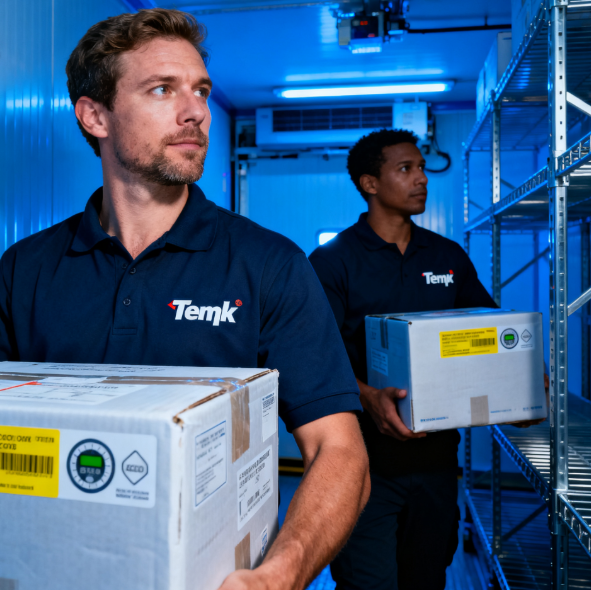
Insulated Bag Supplier Turkey: Procurement Guide for Real-World Use
A insulated bag supplier turkey should be bought around the work it must perform, not around the most attractive catalogue photo. The bag may support food delivery, grocery pickup, retail promotion, or a temperature-sensitive handover, but each job requires a different balance of insulation, structure, cleaning, branding, and supplier evidence. This final guide brings the decision back to the buyer's practical question: what must be true before you place the order?
Define the Use Case Before You Define the Bag
The first specification should not be material or color. It should be use. Insulated bags can appear in regional supplier evaluation for reusable insulated bags used in food delivery, grocery, promotional, and cold-chain support programs, but a single name does not describe the route. A bag used by a shopper for frozen groceries has a different risk profile from a bag used by a rider in a dense urban delivery zone. A soft mailer used inside a carton has a different job from a backpack used all day.
Write down four facts before asking for a quotation. What is the payload? How is it packed before entering the bag? How long will it remain in the bag? Who opens, closes, cleans, and stores it? These questions reveal whether you need a lightweight promotional product, a stronger operational bag, or a more documented insulated packaging solution.
This step also protects your claim language. If the bag is only intended to slow temperature change during short local handling, say that. If the product requires a fixed temperature range, monitoring, and documented control, a soft insulated bag alone is unlikely to be enough. Supplier location helps with lead-time planning, but it does not prove thermal performance, hygiene suitability, or sample-to-production control.
Translate Construction Into Buyer Language
A specification should translate construction into decisions a buyer can check. Outer fabric, foam or epe insulation, foil or peva lining, zipper, strap hardware, binding, seams, and packaging method for export cartons are not just technical details. They affect how the product looks after use, how it carries weight, how easy it is to clean, and whether it can be repeated across orders.
The outer layer handles abrasion, print, water exposure, and customer perception. The insulation layer slows heat transfer and can also give body to the bag. The liner affects moisture, cleaning, odor, and direct-contact assumptions. The closure controls air exchange. The base and handles control whether the bag stays stable under load. A weak point in any of these areas can make a bag unsuitable even when the insulation layer sounds acceptable.
Do not ask for the "best" material without defining the job. For a retail promotion, visual appearance and carton efficiency may matter most. For delivery operations, closure, cleaning, rider comfort, and durability may matter more. For grocery, wide loading, base stability, and chilled-frozen separation may be central. For regulated or healthcare-adjacent use, documented evidence matters more than the material name.
Supplier Questions That Actually Change the Outcome
A useful supplier conversation is specific. It should reveal how the factory or supplier thinks about real use, production repeatability, and claim boundaries.
| Buying Item | What to Check | Why It Matters |
|---|---|---|
| Bag format | soft insulated bag formats including totes, lunch bags, delivery bags, cooler bags, and backpacks selected by route and payload | The correct format depends on payload, route, and who carries the bag. |
| Material build | outer fabric, foam or EPE insulation, foil or PEVA lining, zipper, strap hardware, binding, seams, and packaging method for export cartons | The wall system, seams, and liner work together; one weak detail can reduce usability. |
| Branding | custom logo, private-label artwork, bilingual labels, distributor SKU management, and cartons suitable for regional warehousing | Decoration should fit cleaning, abrasion, retail presentation, and color tolerance. |
| Sample review | Compare the sample with the written specification and packed carton. | Many disputes begin when production quietly differs from the approved sample. |
| Thermal evidence | Ask what supports any temperature or hold-time claim. | A bag is not automatically qualified for every product or route. |
| Bulk control | Confirm inspection checkpoints, packaging, and acceptable variation. | Bulk orders need repeatability, not just one attractive sample. |
These checks help you compare quotations fairly. One supplier may quote a cheaper bag because the insulation is thinner, the base is unsupported, the zipper is lower grade, or the carton packing is simpler. Another may quote higher because the sample uses stronger reinforcement and better production control. Without a written comparison, procurement may compare unequal products.
Ask for the answers in plain language. If a supplier uses broad words such as premium, heavy-duty, leakproof, food-grade, recyclable, or temperature-controlled, ask what those words mean in the specific order. Some terms may be acceptable for marketing only after documentation is reviewed. Others may need to be removed or rewritten.
Sample Approval Should Simulate the Route
Approving a sample by looking at it on a desk is not enough. Load it with the real containers, grocery packs, meal boxes, or sample products it will carry. Close it fully. Carry it the way staff, riders, shoppers, or couriers will carry it. Put it down, pick it up, wipe the liner, and check whether the bag still looks and works as expected.
If the bag will be branded, inspect the logo after bending and loading. If it will be used in delivery, test whether the closure can be operated quickly without leaving gaps. If it will be used for grocery, check whether heavier chilled items distort the base. If it will be used with gel packs, confirm where the coolant sits and whether condensation or leakage can be managed.
Sample approval should include production controls. Keep a signed reference sample, a material description, artwork files, carton packing notes, and acceptable tolerances. Ask whether future production can change fabric, lining, insulation, zipper, handle, print method, or carton format without approval. The answer matters for repeat orders.
Practical Scenario: From Nice Sample to Usable Order
Imagine a distributor comparing local Turkish suppliers with overseas factories for a delivery bag and grocery bag range. The first sample has the right color and the logo looks clean, but the buyer still has to check whether the bag stands upright when loaded, whether a standard meal box or grocery pack fits without crushing, and whether the handle feels secure when the bag is carried repeatedly. The buyer also needs to see how the bag is packed in export cartons, because carton compression can crease side panels and make the product look lower quality when it reaches a store or warehouse.
A better approval path uses the sample as a working object rather than a showpiece. Load it with representative goods, close it with the same number of packages you expect in daily use, carry it for a short route, wipe the liner after use, and then inspect seams and zippers. This does not replace laboratory thermal testing, but it reveals problems that a photo cannot show. For many insulated bag supplier turkey projects, those practical checks prevent expensive disputes after production has already started.
Temperature and Compliance Claims Must Stay Within Evidence
Insulated bags are often described with temperature language. That is understandable, but claims must match evidence. A bag can slow heat transfer, protect presentation, and support short handling windows. It should not be presented as a guaranteed temperature-control system unless testing and process controls support that claim.
For food-service discussions, cold holding around 41°F or 5°C and hot holding around 135°F or 57°C are common U.S. reference points. Use those numbers carefully. They do not prove that a bag can keep any food safe for any route. They show why the buyer must control starting temperature, loading time, route duration, receiving process, and cleaning.
For medicines, vaccines, lab samples, or other regulated goods, define the required temperature range from the product and quality requirements. Many refrigerated vaccine discussions use 2°C to 8°C, but that range is not a universal rule for every product. If a shipment is booked as time and temperature sensitive healthcare cargo by air, labeling and transport expectations may be different from ordinary food delivery. In those situations, the bag is only one part of a larger process.
If a supplier presents thermal data, ask whether the data matches your bag size, material, payload, coolant, ambient profile, and opening behavior. If it does not, treat it as background information rather than proof.
Branding, Sustainability, and Reuse Need Operating Rules
Custom logo, private-label artwork, bilingual labels, distributor sku management, and cartons suitable for regional warehousing can create a strong product, but branding should not weaken function. Logo position should avoid high-wear fold lines if possible. Decoration should survive the expected cleaning method. Color tolerance should be agreed before production. If the bag is part of a fleet, identification labels or size markings may matter as much as the main logo.
Sustainability claims also need discipline. The EU Packaging and Packaging Waste Regulation is pushing many buyers to review packaging claims more carefully as it moves toward general application from August 2026. Even where EU rules do not directly apply, customers increasingly ask whether insulated packaging is reusable, recyclable, or lower waste. The safest answer is specific. Explain the material option, reuse model, or waste-reduction role only when it is supported by the actual product and process.
A reusable bag needs a reuse system. Who owns it? Who cleans it? How is it returned? How often is it lost? What happens when it is damaged? If those questions are not answered, the sustainability claim may be more fragile than it appears.
When to Choose a Different Packaging Format
A insulated bag is a good fit when the use is local, hand-carried, operationally controlled, or promotional, and when the temperature claim is modest. It can also be useful as a secondary support item in grocery pickup, meal dispatch, field sampling, or customer handover.
Choose a different packaging format when the product is highly sensitive, the route is long, the shipment moves through parcel networks, or a quality team requires documented thermal qualification. In those cases, a rigid insulated shipper, qualified packout, coolant plan, and temperature monitoring may be required. The correct answer may still include a bag, but not as the only protection.
Also consider a different format if the payload is too heavy, sharp, wet, or irregular for a soft bag. A bag that fails structurally can create more risk than a more expensive container that holds shape and cleans properly.
Bulk Order Control
Bulk ordering changes the risk profile. One sample can be excellent while production varies. Protect the order with a simple control file: final artwork, material description, dimensions, production reference sample, packing method, carton marks, inspection points, and claim wording. This file is especially useful for distributors, franchise groups, and buyers who reorder the same SKU seasonally.
Before shipment, ask for production photos or inspection summaries that show the bag open, closed, loaded if possible, packed in cartons, and labeled. For branded projects, check logo placement and color. For operational programs, check handles, seams, base, closure, and lining. For export programs, confirm carton strength and packing configuration so the goods arrive without avoidable deformation.
The goal is not to make the order slow. The goal is to make the order repeatable.
FAQ
What should I ask a insulated bag supplier turkey before requesting price?
Ask for material structure, available sizes, usable internal space, sample timing, logo options, carton packing, quality-control checkpoints, and whether any temperature or food-contact claim is supported. A clear quotation needs the use case, not just a photo and target price.
How do I compare two insulated bags with similar appearance?
Compare loaded shape, zipper or flap behavior, handle strength, liner cleanability, seam finish, bottom support, print durability, odor, and packaging method. Similar catalogue images can hide major differences in construction and daily usability.
Can I use the same bag for hot and cold products?
Sometimes, but separation and cleaning are important. A bag that carries hot meals may retain odor or moisture, while cold groceries may need gel packs and leak management. If the same bag is used for different goods, define loading rules and cleaning routines.
How large should the first order be?
Order size should follow sample approval, packaging checks, and actual demand planning. Before bulk production, confirm whether the sample matches the final material, logo method, insulation, accessories, carton packing, and any documentation required for your market.
Conclusion
A successful insulated bag supplier turkey order is built on route fit, construction clarity, sample discipline, cautious temperature claims, and supplier repeatability. Unit price matters, but it should be compared only after the use case and specification are clear. The bag has to work when loaded, cleaned, branded, packed, shipped, and reordered.
The best next move is to turn the buying idea into a short operating brief: payload, route, handling time, cleaning method, branding needs, and any claim you want to make. Once that is clear, supplier comparison becomes much more reliable.
About Tempk
Tempk works with buyers who need practical cold-chain packaging choices, including insulated bags, cooler bags, thermal liners, ice packs, and related packaging components. For a insulated bag project, the useful conversation starts with your payload, expected handling time, route, cleaning process, and branding requirements. We avoid treating a soft bag as a universal temperature-control answer. Instead, Tempk can help you compare construction options, review sample details, and decide what needs further packout testing before a larger order.
Next Step
Share your product type, expected payload, route length, branding plan, and target order stage with Tempk. We can help you compare insulated bags before you approve tooling, print artwork, or bulk production.
Insulated Backpack Procurement Eu: Procurement and Supplier Checks
Insulated Backpack Procurement Eu: Procurement Guide for Real-World Use
A insulated backpack procurement eu should be bought around the work it must perform, not around the most attractive catalogue photo. The bag may support food delivery, grocery pickup, retail promotion, or a temperature-sensitive handover, but each job requires a different balance of insulation, structure, cleaning, branding, and supplier evidence. This final guide brings the decision back to the buyer's practical question: what must be true before you place the order?
Define the Use Case Before You Define the Bag
The first specification should not be material or color. It should be use. Insulated delivery backpacks can appear in European last-mile food, grocery, pharmacy, and quick-commerce procurement programs, but a single name does not describe the route. A bag used by a shopper for frozen groceries has a different risk profile from a bag used by a rider in a dense urban delivery zone. A soft mailer used inside a carton has a different job from a backpack used all day.
Write down four facts before asking for a quotation. What is the payload? How is it packed before entering the bag? How long will it remain in the bag? Who opens, closes, cleans, and stores it? These questions reveal whether you need a lightweight promotional product, a stronger operational bag, or a more documented insulated packaging solution.
This step also protects your claim language. If the bag is only intended to slow temperature change during short local handling, say that. If the product requires a fixed temperature range, monitoring, and documented control, a soft insulated bag alone is unlikely to be enough. A backpack can support last-mile control, but it is not a substitute for validated pharmacy transport packaging when the product and route require qualification.
Translate Construction Into Buyer Language
A specification should translate construction into decisions a buyer can check. Outer waterproof fabric, pe or epe foam, reflective foil lining, stiffener panels, divider construction, zipper or hook-and-loop closures, and harness hardware are not just technical details. They affect how the product looks after use, how it carries weight, how easy it is to clean, and whether it can be repeated across orders.
The outer layer handles abrasion, print, water exposure, and customer perception. The insulation layer slows heat transfer and can also give body to the bag. The liner affects moisture, cleaning, odor, and direct-contact assumptions. The closure controls air exchange. The base and handles control whether the bag stays stable under load. A weak point in any of these areas can make a bag unsuitable even when the insulation layer sounds acceptable.
Do not ask for the "best" material without defining the job. For a retail promotion, visual appearance and carton efficiency may matter most. For delivery operations, closure, cleaning, rider comfort, and durability may matter more. For grocery, wide loading, base stability, and chilled-frozen separation may be central. For regulated or healthcare-adjacent use, documented evidence matters more than the material name.
Supplier Questions That Actually Change the Outcome
A useful supplier conversation is specific. It should reveal how the factory or supplier thinks about real use, production repeatability, and claim boundaries.
| Buying Item | What to Check | Why It Matters |
|---|---|---|
| Bag format | rider backpack format with cube or semi-rigid panels, insulated compartments, adjustable harness, stable base, and cleanable lining | The correct format depends on payload, route, and who carries the bag. |
| Material build | outer waterproof fabric, PE or EPE foam, reflective foil lining, stiffener panels, divider construction, zipper or hook-and-loop closures, and harness hardware | The wall system, seams, and liner work together; one weak detail can reduce usability. |
| Branding | platform colors, reflective printing, changeable logo panels, internal ID labels, rider number tagging, and return-pool markings | Decoration should fit cleaning, abrasion, retail presentation, and color tolerance. |
| Sample review | Compare the sample with the written specification and packed carton. | Many disputes begin when production quietly differs from the approved sample. |
| Thermal evidence | Ask what supports any temperature or hold-time claim. | A bag is not automatically qualified for every product or route. |
| Bulk control | Confirm inspection checkpoints, packaging, and acceptable variation. | Bulk orders need repeatability, not just one attractive sample. |
These checks help you compare quotations fairly. One supplier may quote a cheaper bag because the insulation is thinner, the base is unsupported, the zipper is lower grade, or the carton packing is simpler. Another may quote higher because the sample uses stronger reinforcement and better production control. Without a written comparison, procurement may compare unequal products.
Ask for the answers in plain language. If a supplier uses broad words such as premium, heavy-duty, leakproof, food-grade, recyclable, or temperature-controlled, ask what those words mean in the specific order. Some terms may be acceptable for marketing only after documentation is reviewed. Others may need to be removed or rewritten.
Sample Approval Should Simulate the Route
Approving a sample by looking at it on a desk is not enough. Load it with the real containers, grocery packs, meal boxes, or sample products it will carry. Close it fully. Carry it the way staff, riders, shoppers, or couriers will carry it. Put it down, pick it up, wipe the liner, and check whether the bag still looks and works as expected.
If the bag will be branded, inspect the logo after bending and loading. If it will be used in delivery, test whether the closure can be operated quickly without leaving gaps. If it will be used for grocery, check whether heavier chilled items distort the base. If it will be used with gel packs, confirm where the coolant sits and whether condensation or leakage can be managed.
Sample approval should include production controls. Keep a signed reference sample, a material description, artwork files, carton packing notes, and acceptable tolerances. Ask whether future production can change fabric, lining, insulation, zipper, handle, print method, or carton format without approval. The answer matters for repeat orders.
Practical Scenario: From Nice Sample to Usable Order
Imagine a European grocery operator standardizing rider backpacks across several urban delivery zones. The first sample has the right color and the logo looks clean, but the buyer still has to check whether the bag stands upright when loaded, whether a standard meal box or grocery pack fits without crushing, and whether the handle feels secure when the bag is carried repeatedly. The buyer also needs to see how the bag is packed in export cartons, because carton compression can crease side panels and make the product look lower quality when it reaches a store or warehouse.
A better approval path uses the sample as a working object rather than a showpiece. Load it with representative goods, close it with the same number of packages you expect in daily use, carry it for a short route, wipe the liner after use, and then inspect seams and zippers. This does not replace laboratory thermal testing, but it reveals problems that a photo cannot show. For many insulated backpack procurement eu projects, those practical checks prevent expensive disputes after production has already started.
Temperature and Compliance Claims Must Stay Within Evidence
Insulated bags are often described with temperature language. That is understandable, but claims must match evidence. A bag can slow heat transfer, protect presentation, and support short handling windows. It should not be presented as a guaranteed temperature-control system unless testing and process controls support that claim.
For food-service discussions, cold holding around 41°F or 5°C and hot holding around 135°F or 57°C are common U.S. reference points. Use those numbers carefully. They do not prove that a bag can keep any food safe for any route. They show why the buyer must control starting temperature, loading time, route duration, receiving process, and cleaning.
For medicines, vaccines, lab samples, or other regulated goods, define the required temperature range from the product and quality requirements. Many refrigerated vaccine discussions use 2°C to 8°C, but that range is not a universal rule for every product. If a shipment is booked as time and temperature sensitive healthcare cargo by air, labeling and transport expectations may be different from ordinary food delivery. In those situations, the bag is only one part of a larger process.
If a supplier presents thermal data, ask whether the data matches your bag size, material, payload, coolant, ambient profile, and opening behavior. If it does not, treat it as background information rather than proof.
Branding, Sustainability, and Reuse Need Operating Rules
Platform colors, reflective printing, changeable logo panels, internal id labels, rider number tagging, and return-pool markings can create a strong product, but branding should not weaken function. Logo position should avoid high-wear fold lines if possible. Decoration should survive the expected cleaning method. Color tolerance should be agreed before production. If the bag is part of a fleet, identification labels or size markings may matter as much as the main logo.
Sustainability claims also need discipline. The EU Packaging and Packaging Waste Regulation is pushing many buyers to review packaging claims more carefully as it moves toward general application from August 2026. Even where EU rules do not directly apply, customers increasingly ask whether insulated packaging is reusable, recyclable, or lower waste. The safest answer is specific. Explain the material option, reuse model, or waste-reduction role only when it is supported by the actual product and process.
A reusable bag needs a reuse system. Who owns it? Who cleans it? How is it returned? How often is it lost? What happens when it is damaged? If those questions are not answered, the sustainability claim may be more fragile than it appears.
When to Choose a Different Packaging Format
A insulated delivery backpack is a good fit when the use is local, hand-carried, operationally controlled, or promotional, and when the temperature claim is modest. It can also be useful as a secondary support item in grocery pickup, meal dispatch, field sampling, or customer handover.
Choose a different packaging format when the product is highly sensitive, the route is long, the shipment moves through parcel networks, or a quality team requires documented thermal qualification. In those cases, a rigid insulated shipper, qualified packout, coolant plan, and temperature monitoring may be required. The correct answer may still include a bag, but not as the only protection.
Also consider a different format if the payload is too heavy, sharp, wet, or irregular for a soft bag. A bag that fails structurally can create more risk than a more expensive container that holds shape and cleans properly.
Bulk Order Control
Bulk ordering changes the risk profile. One sample can be excellent while production varies. Protect the order with a simple control file: final artwork, material description, dimensions, production reference sample, packing method, carton marks, inspection points, and claim wording. This file is especially useful for distributors, franchise groups, and buyers who reorder the same SKU seasonally.
Before shipment, ask for production photos or inspection summaries that show the bag open, closed, loaded if possible, packed in cartons, and labeled. For branded projects, check logo placement and color. For operational programs, check handles, seams, base, closure, and lining. For export programs, confirm carton strength and packing configuration so the goods arrive without avoidable deformation.
The goal is not to make the order slow. The goal is to make the order repeatable.
FAQ
What should I ask a insulated backpack procurement eu before requesting price?
Ask for material structure, available sizes, usable internal space, sample timing, logo options, carton packing, quality-control checkpoints, and whether any temperature or food-contact claim is supported. A clear quotation needs the use case, not just a photo and target price.
How do I compare two insulated delivery backpacks with similar appearance?
Compare loaded shape, zipper or flap behavior, handle strength, liner cleanability, seam finish, bottom support, print durability, odor, and packaging method. Similar catalogue images can hide major differences in construction and daily usability.
Can I use the same bag for hot and cold products?
Sometimes, but separation and cleaning are important. A bag that carries hot meals may retain odor or moisture, while cold groceries may need gel packs and leak management. If the same bag is used for different goods, define loading rules and cleaning routines.
How large should the first order be?
Order size should follow sample approval, packaging checks, and actual demand planning. Before bulk production, confirm whether the sample matches the final material, logo method, insulation, accessories, carton packing, and any documentation required for your market.
Conclusion
A successful insulated backpack procurement eu order is built on route fit, construction clarity, sample discipline, cautious temperature claims, and supplier repeatability. Unit price matters, but it should be compared only after the use case and specification are clear. The bag has to work when loaded, cleaned, branded, packed, shipped, and reordered.
The best next move is to turn the buying idea into a short operating brief: payload, route, handling time, cleaning method, branding needs, and any claim you want to make. Once that is clear, supplier comparison becomes much more reliable.
About Tempk
Tempk works with buyers who need practical cold-chain packaging choices, including insulated bags, cooler bags, thermal liners, ice packs, and related packaging components. For a insulated delivery backpack project, the useful conversation starts with your payload, expected handling time, route, cleaning process, and branding requirements. We avoid treating a soft bag as a universal temperature-control answer. Instead, Tempk can help you compare construction options, review sample details, and decide what needs further packout testing before a larger order.
Next Step
Share your product type, expected payload, route length, branding plan, and target order stage with Tempk. We can help you compare insulated delivery backpacks before you approve tooling, print artwork, or bulk production.