


Custom Insulated Bags: Procurement and Supplier Checks
Custom Insulated Bags: Procurement and Supplier Checks

Custom Insulated Bags: Procurement Guide for Real-World Use
A custom insulated bags should be bought around the work it must perform, not around the most attractive catalogue photo. The bag may support food delivery, grocery pickup, retail promotion, or a temperature-sensitive handover, but each job requires a different balance of insulation, structure, cleaning, branding, and supplier evidence. This final guide brings the decision back to the buyer's practical question: what must be true before you place the order?
Define the Use Case Before You Define the Bag
The first specification should not be material or color. It should be use. Custom insulated bags can appear in custom insulated bag development for branded, operational, retail, and cold-chain support use, but a single name does not describe the route. A bag used by a shopper for frozen groceries has a different risk profile from a bag used by a rider in a dense urban delivery zone. A soft mailer used inside a carton has a different job from a backpack used all day.
Write down four facts before asking for a quotation. What is the payload? How is it packed before entering the bag? How long will it remain in the bag? Who opens, closes, cleans, and stores it? These questions reveal whether you need a lightweight promotional product, a stronger operational bag, or a more documented insulated packaging solution.
This step also protects your claim language. If the bag is only intended to slow temperature change during short local handling, say that. If the product requires a fixed temperature range, monitoring, and documented control, a soft insulated bag alone is unlikely to be enough. Customization improves fit and brand control, but it does not remove the need to verify materials, handling, coolant compatibility, and test evidence.
Translate Construction Into Buyer Language
A specification should translate construction into decisions a buyer can check. Outer textile, insulation layer, liner, binding, closure, reinforcement, shoulder or backpack hardware, and any compatible coolant or divider are not just technical details. They affect how the product looks after use, how it carries weight, how easy it is to clean, and whether it can be repeated across orders.
The outer layer handles abrasion, print, water exposure, and customer perception. The insulation layer slows heat transfer and can also give body to the bag. The liner affects moisture, cleaning, odor, and direct-contact assumptions. The closure controls air exchange. The base and handles control whether the bag stays stable under load. A weak point in any of these areas can make a bag unsuitable even when the insulation layer sounds acceptable.
Do not ask for the "best" material without defining the job. For a retail promotion, visual appearance and carton efficiency may matter most. For delivery operations, closure, cleaning, rider comfort, and durability may matter more. For grocery, wide loading, base stability, and chilled-frozen separation may be central. For regulated or healthcare-adjacent use, documented evidence matters more than the material name.
Supplier Questions That Actually Change the Outcome
A useful supplier conversation is specific. It should reveal how the factory or supplier thinks about real use, production repeatability, and claim boundaries.
| Buying Item | What to Check | Why It Matters |
|---|---|---|
| Bag format | made-to-spec bag format based on payload, temperature need, carrying method, brand area, closure, and cleaning process | The correct format depends on payload, route, and who carries the bag. |
| Material build | outer textile, insulation layer, liner, binding, closure, reinforcement, shoulder or backpack hardware, and any compatible coolant or divider | The wall system, seams, and liner work together; one weak detail can reduce usability. |
| Branding | full custom printing, embroidered label, color matching, franchise panels, retail pack, SKU label, and logo placement on high-wear areas | Decoration should fit cleaning, abrasion, retail presentation, and color tolerance. |
| Sample review | Compare the sample with the written specification and packed carton. | Many disputes begin when production quietly differs from the approved sample. |
| Thermal evidence | Ask what supports any temperature or hold-time claim. | A bag is not automatically qualified for every product or route. |
| Bulk control | Confirm inspection checkpoints, packaging, and acceptable variation. | Bulk orders need repeatability, not just one attractive sample. |
These checks help you compare quotations fairly. One supplier may quote a cheaper bag because the insulation is thinner, the base is unsupported, the zipper is lower grade, or the carton packing is simpler. Another may quote higher because the sample uses stronger reinforcement and better production control. Without a written comparison, procurement may compare unequal products.
Ask for the answers in plain language. If a supplier uses broad words such as premium, heavy-duty, leakproof, food-grade, recyclable, or temperature-controlled, ask what those words mean in the specific order. Some terms may be acceptable for marketing only after documentation is reviewed. Others may need to be removed or rewritten.
Sample Approval Should Simulate the Route
Approving a sample by looking at it on a desk is not enough. Load it with the real containers, grocery packs, meal boxes, or sample products it will carry. Close it fully. Carry it the way staff, riders, shoppers, or couriers will carry it. Put it down, pick it up, wipe the liner, and check whether the bag still looks and works as expected.
If the bag will be branded, inspect the logo after bending and loading. If it will be used in delivery, test whether the closure can be operated quickly without leaving gaps. If it will be used for grocery, check whether heavier chilled items distort the base. If it will be used with gel packs, confirm where the coolant sits and whether condensation or leakage can be managed.
Sample approval should include production controls. Keep a signed reference sample, a material description, artwork files, carton packing notes, and acceptable tolerances. Ask whether future production can change fabric, lining, insulation, zipper, handle, print method, or carton format without approval. The answer matters for repeat orders.
Practical Scenario: From Nice Sample to Usable Order
Imagine a brand developing a custom insulated bag for both store pickup and branded home delivery. The first sample has the right color and the logo looks clean, but the buyer still has to check whether the bag stands upright when loaded, whether a standard meal box or grocery pack fits without crushing, and whether the handle feels secure when the bag is carried repeatedly. The buyer also needs to see how the bag is packed in export cartons, because carton compression can crease side panels and make the product look lower quality when it reaches a store or warehouse.
A better approval path uses the sample as a working object rather than a showpiece. Load it with representative goods, close it with the same number of packages you expect in daily use, carry it for a short route, wipe the liner after use, and then inspect seams and zippers. This does not replace laboratory thermal testing, but it reveals problems that a photo cannot show. For many custom insulated bags projects, those practical checks prevent expensive disputes after production has already started.
Temperature and Compliance Claims Must Stay Within Evidence
Insulated bags are often described with temperature language. That is understandable, but claims must match evidence. A bag can slow heat transfer, protect presentation, and support short handling windows. It should not be presented as a guaranteed temperature-control system unless testing and process controls support that claim.
For food-service discussions, cold holding around 41°F or 5°C and hot holding around 135°F or 57°C are common U.S. reference points. Use those numbers carefully. They do not prove that a bag can keep any food safe for any route. They show why the buyer must control starting temperature, loading time, route duration, receiving process, and cleaning.
For medicines, vaccines, lab samples, or other regulated goods, define the required temperature range from the product and quality requirements. Many refrigerated vaccine discussions use 2°C to 8°C, but that range is not a universal rule for every product. If a shipment is booked as time and temperature sensitive healthcare cargo by air, labeling and transport expectations may be different from ordinary food delivery. In those situations, the bag is only one part of a larger process.
If a supplier presents thermal data, ask whether the data matches your bag size, material, payload, coolant, ambient profile, and opening behavior. If it does not, treat it as background information rather than proof.
Branding, Sustainability, and Reuse Need Operating Rules
Full custom printing, embroidered label, color matching, franchise panels, retail pack, sku label, and logo placement on high-wear areas can create a strong product, but branding should not weaken function. Logo position should avoid high-wear fold lines if possible. Decoration should survive the expected cleaning method. Color tolerance should be agreed before production. If the bag is part of a fleet, identification labels or size markings may matter as much as the main logo.
Sustainability claims also need discipline. The EU Packaging and Packaging Waste Regulation is pushing many buyers to review packaging claims more carefully as it moves toward general application from August 2026. Even where EU rules do not directly apply, customers increasingly ask whether insulated packaging is reusable, recyclable, or lower waste. The safest answer is specific. Explain the material option, reuse model, or waste-reduction role only when it is supported by the actual product and process.
A reusable bag needs a reuse system. Who owns it? Who cleans it? How is it returned? How often is it lost? What happens when it is damaged? If those questions are not answered, the sustainability claim may be more fragile than it appears.
When to Choose a Different Packaging Format
A custom insulated bag is a good fit when the use is local, hand-carried, operationally controlled, or promotional, and when the temperature claim is modest. It can also be useful as a secondary support item in grocery pickup, meal dispatch, field sampling, or customer handover.
Choose a different packaging format when the product is highly sensitive, the route is long, the shipment moves through parcel networks, or a quality team requires documented thermal qualification. In those cases, a rigid insulated shipper, qualified packout, coolant plan, and temperature monitoring may be required. The correct answer may still include a bag, but not as the only protection.
Also consider a different format if the payload is too heavy, sharp, wet, or irregular for a soft bag. A bag that fails structurally can create more risk than a more expensive container that holds shape and cleans properly.
Bulk Order Control
Bulk ordering changes the risk profile. One sample can be excellent while production varies. Protect the order with a simple control file: final artwork, material description, dimensions, production reference sample, packing method, carton marks, inspection points, and claim wording. This file is especially useful for distributors, franchise groups, and buyers who reorder the same SKU seasonally.
Before shipment, ask for production photos or inspection summaries that show the bag open, closed, loaded if possible, packed in cartons, and labeled. For branded projects, check logo placement and color. For operational programs, check handles, seams, base, closure, and lining. For export programs, confirm carton strength and packing configuration so the goods arrive without avoidable deformation.
The goal is not to make the order slow. The goal is to make the order repeatable.
FAQ
What should I ask a custom insulated bags before requesting price?
Ask for material structure, available sizes, usable internal space, sample timing, logo options, carton packing, quality-control checkpoints, and whether any temperature or food-contact claim is supported. A clear quotation needs the use case, not just a photo and target price.
How do I compare two custom insulated bags with similar appearance?
Compare loaded shape, zipper or flap behavior, handle strength, liner cleanability, seam finish, bottom support, print durability, odor, and packaging method. Similar catalogue images can hide major differences in construction and daily usability.
Can I use the same bag for hot and cold products?
Sometimes, but separation and cleaning are important. A bag that carries hot meals may retain odor or moisture, while cold groceries may need gel packs and leak management. If the same bag is used for different goods, define loading rules and cleaning routines.
How large should the first order be?
Order size should follow sample approval, packaging checks, and actual demand planning. Before bulk production, confirm whether the sample matches the final material, logo method, insulation, accessories, carton packing, and any documentation required for your market.
Conclusion
A successful custom insulated bags order is built on route fit, construction clarity, sample discipline, cautious temperature claims, and supplier repeatability. Unit price matters, but it should be compared only after the use case and specification are clear. The bag has to work when loaded, cleaned, branded, packed, shipped, and reordered.
The best next move is to turn the buying idea into a short operating brief: payload, route, handling time, cleaning method, branding needs, and any claim you want to make. Once that is clear, supplier comparison becomes much more reliable.
About Tempk
Tempk works with buyers who need practical cold-chain packaging choices, including insulated bags, cooler bags, thermal liners, ice packs, and related packaging components. For a custom insulated bag project, the useful conversation starts with your payload, expected handling time, route, cleaning process, and branding requirements. We avoid treating a soft bag as a universal temperature-control answer. Instead, Tempk can help you compare construction options, review sample details, and decide what needs further packout testing before a larger order.
Next Step
Share your product type, expected payload, route length, branding plan, and target order stage with Tempk. We can help you compare custom insulated bags before you approve tooling, print artwork, or bulk production.
Insulated Delivery Bag Enterprise: How to Choose, Test, and Order
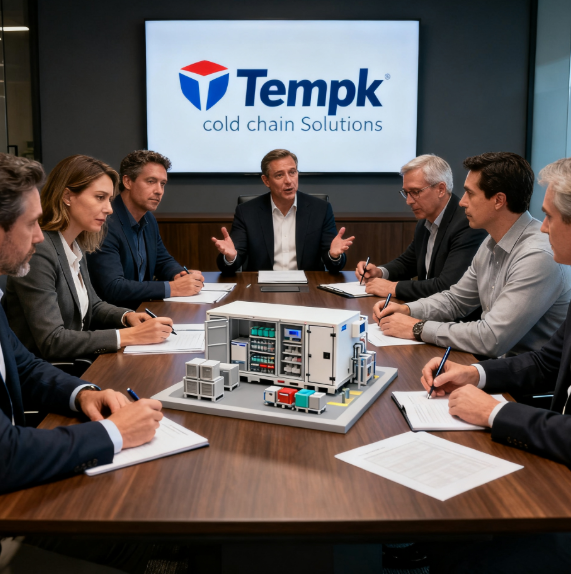
How to Choose Insulated Delivery Bag Enterprise for Real Routes, Payloads, and Brand Use
The best way to choose insulated delivery bag enterprise is to define the real route before you define the bag. The product must fit last-mile food delivery, grocery dispatch, pharmacy pickup, and field service routes, but it also has to match the payload, user behavior, cleaning method, climate, branding, and production scale. A passive insulated bag can reduce temperature change; it does not automatically refrigerate goods or prove compliance. This final guide brings the key buyer, material, operational, and sustainability questions into one practical workflow for platform operators, restaurant groups, grocery delivery teams, and corporate logistics buyers.
Define the promise before choosing the construction
For enterprise insulated delivery bags, the first question is what the bag is supposed to promise. Is it a branded customer carrier? A short-distance delivery tool? A promotional pouch? A parcel mailer? A distributor item? A support component in a cold-chain process? Each answer creates a different risk level. The bag may only need to protect perceived freshness and brand image, or it may need to support a documented temperature process. Mixing these promises creates confusion.
Use plain language in the specification. Write that the bag is passive, insulated, reusable or single-use as applicable, and designed for a defined handling condition. If coolants are required, specify them as part of the packout. If the product is food, pharmacy, laboratory, or healthcare related, ask quality and logistics teams to confirm requirements. Clear wording prevents the bag from being sold internally as more capable than the evidence supports.
Build the specification around the route
A route-first specification starts with the product and the journey. For insulated delivery bag enterprise, note the starting temperature of the goods, estimated handling time, number of openings, staging location, vehicle type, handover point, and receiver behavior. For global, include realistic exposure such as rider handling, repeated opening, multiple stops, cleaning shifts, branding visibility, and high order frequency. If the bag will be reused, include the cleaning and drying process. If it will be exported, include carton storage and inspection requirements.
This route description should be short enough to use in supplier communication. A good supplier can use it to suggest bag shape, liner type, closure, insulation layer, and carton packing. A vague request invites generic samples. A route-based request helps the buyer see why one sample costs more, why another packs smaller, and why a third may be inappropriate even if it looks attractive.
| Specification point | Good buyer wording | Avoid assuming |
|---|---|---|
| Function | Passive insulated bag for a defined route or carrying task | That the bag actively cools or qualifies every shipment. |
| Payload | Actual product dimensions, weight, and packing shape | That outside bag size equals usable internal space. |
| Temperature concern | Target handling condition and whether coolant is used | That insulation alone creates a required temperature range. |
| Branding | Artwork method, color tolerance, logo position, and sample approval | That any logo method works on any fabric or shape. |
| Production | Approved sample, material lock, inspection checklist, and substitution control | That mass production will match a prototype automatically. |
This table is designed for procurement meetings. It turns common assumptions into checkable language. When teams use this wording, the supplier quote becomes easier to compare and the final product is less likely to disappoint operations.
Match materials to daily handling, not catalog appeal
The right material set for insulated delivery bag enterprise depends on the users and the environment. A premium canvas outer shell may support a retail or outdoor brand, but it still needs a cleanable liner and a strong base. A foil liner can look technical, but if the seam is weak it may stain or leak. A thin mailer may be efficient for parcel shipping, but it may not suit heavy grocery loads. A backpack may solve rider ergonomics, but it adds strap, sweat, cleaning, and storage questions.
Look for balance. The outer shell should handle abrasion and branding. The insulation should be consistent and not overly compressed at corners. The liner should suit moisture, odor, and cleaning requirements. The closure should match opening frequency. The handle or strap system should carry the real load. A good sample review touches, loads, opens, cleans, folds, and packs the bag rather than judging it on a desk.
Supplier evidence that actually helps
Helpful evidence does not always need to be complicated, but it should match the claim. For a simple branded shopping or promotional bag, an approved sample, material description, artwork proof, and inspection checklist may be enough. For a delivery or grocery operation, cleaning guidance, liner checks, and packout instructions may be needed. For temperature-sensitive healthcare or pharmaceutical use, quality teams may expect documented testing, logger data, and route-specific review.
For scaling a delivery bag program before the route, rider process, and cleaning workflow are defined, ask for proof in the right form. If the supplier mentions a hold time, ask what payload, starting temperature, ambient profile, coolant, and acceptance criteria were used. If the supplier mentions compliance, ask which product, market, standard, and document support the statement. If the supplier mentions sustainability, ask whether the claim refers to material, reuse, recyclability, reduced waste, or a complete product life cycle. Precise questions protect both buyer and supplier.
From sample to bulk order
Bulk procurement for insulated delivery bag enterprise should not move directly from a promising sample to a purchase order. Approve a functional sample first. Then approve a decorated sample if branding matters. Confirm whether the sample was made using production materials and production methods. Ask what tolerances apply to size, color, stitching, liner appearance, and logo position. Confirm carton quantity and carton weight because packing affects freight, storage, and damage risk.
Before production, create a short inspection list. It can include dimensions, liner finish, odor, stains, zipper movement, handle reinforcement, seam quality, logo accuracy, carton count, and packaging condition. Keep this list practical. A buyer does not need an elaborate laboratory process for every order, but repeatable checks are essential when the product will be used by many stores, riders, distributors, or customers.
Practical example: choosing the better sample
A team sourcing insulated delivery bag enterprise receives three samples. The first is the lowest price and packs tightly, but the liner smells strong and the handle stitching looks uneven. The second has a premium outer material and a large logo, but the closure is slow for staff to use. The third is not the thickest, but it fits the payload, closes cleanly, wipes down easily, and its logo remains clear after filling. If the route is last-mile food delivery, grocery dispatch, pharmacy pickup, and field service routes, the third sample may be the best operational choice even if it is not the most dramatic product in the meeting.
Sustainability and cost should be reviewed together
A lower unit price is not always the lower operating cost. If handles fail, liners stain, cartons collapse, or the product is too large for the payload, the program pays in replacements, complaints, freight, and waste. Sustainability has the same logic. A reusable product only helps if it is easy to reuse. A recyclable claim only helps if the material system and local recovery path support it. A right-sized, durable, cleanable bag with realistic use instructions may create better value than a more impressive but poorly matched design.
For platform operators, restaurant groups, grocery delivery teams, and corporate logistics buyers, cost review should include sample rounds, artwork setup, carton efficiency, warehouse storage, inspection time, expected reuse, replacement policy, and whether a different packaging format would reduce risk. Sometimes a simple insulated bag is enough. Sometimes a rigid box, insulated liner, pallet cover, or qualified shipper is the better choice. The goal is not to buy the most advanced product. The goal is to buy the most appropriate system.
FAQ
What is the first step when sourcing insulated delivery bag enterprise?
Write a route and use-case brief before requesting prices. Include the product type, payload, handling time, number of openings, cleaning method, logo needs, carton requirements, and any temperature or documentation concern. This helps suppliers quote the right design and prevents the buying team from comparing samples that solve different problems.
How do I know whether a soft bag is enough?
A soft insulated bag may be enough for short, lower-risk carrying when the product starts at the right temperature and users follow the process. It may not be enough for long, regulated, high-value, or uncertain routes. When risk is higher, review coolant, packout, monitoring, and qualification needs with your quality or logistics team.
What makes a logo program fail?
Logo programs fail when artwork is approved without testing the product as used. Curved surfaces, textured fabric, folding lines, dark colors, heat, cleaning, and carton compression can affect appearance. Request a decorated sample and check the logo after filling, folding, wiping, and packing. Brand quality depends on the whole product, not only the artwork file.
Should a buyer ask for standards or certificates?
Ask for documents that match the claim. Material documents, inspection records, sample approvals, and test reports can all be useful. For food, healthcare, or pharmaceutical use, requirements vary by product, market, and route. Standards should not be used as decoration in a proposal. They should support a specific packaging function and be reviewed by the appropriate team.
Conclusion
Choosing insulated delivery bag enterprise is a practical route-design exercise. Define what the bag must promise, match materials to real handling, ask for evidence that supports the claim, approve samples carefully, and control the move from prototype to bulk production. If the contents are temperature-sensitive, do not treat insulation as a substitute for a complete cold-chain process. With clear specifications, platform operators, restaurant groups, grocery delivery teams, and corporate logistics buyers can order a product that supports the brand and the operation at the same time.
About Tempk
Tempk helps buyers evaluate insulated bags, thermal bags, gel packs, ice bricks, EPP boxes, box liners, and other cold-chain packaging components. For insulated delivery bag enterprise, we can help translate a route, payload, and branding plan into a clearer sample request and production discussion. We focus on fit, limits, and repeatability so buyers can avoid overpromising and reduce avoidable sample revisions.
CTA
Share your route, payload, order scale, and logo requirements with Tempk. We can help you compare insulated delivery bag enterprise options and decide what should be tested before production.
Operational note before approval
Before approving insulated delivery bag enterprise, write down how the bag will actually move through the operation. A design used by a supermarket shopper has different stress points from a bag used by a courier, a pharmacy counter, or a distributor rep. The route may include staging, loading, waiting, handover, and return storage. Each step changes what the bag must tolerate. This is why a useful specification should cover payload, closure behavior, cleaning method, branding method, carton packing, and the evidence you expect from the supplier. Without that written baseline, teams often compare samples by touch and appearance rather than by how they will perform in daily work.
Receiving and inspection details
A receiving inspection for insulated delivery bag enterprise should be simple enough for warehouse staff to repeat, but specific enough to catch costly variation. Check dimensions, odor, liner finish, zipper movement, handle stitching, logo alignment, carton quantity, stains, and obvious seam damage. For a thermal project, keep the approved sample and approved artwork together so buyers, quality staff, and suppliers are comparing against the same reference. If the product will be reused, ask how the liner should be cleaned and dried. If it will ship in bulk, check whether cartons protect the shape and logo during export storage.
Insulated Bag Manufacturer Supermarket: How to Choose, Test, and Order

How to Choose Insulated Bag Manufacturer Supermarket for Real Routes, Payloads, and Brand Use
The best way to choose insulated bag manufacturer supermarket is to define the real route before you define the bag. The product must fit store branded carry bags, frozen aisle purchases, click-and-collect, pickup counters, and loyalty programs, but it also has to match the payload, user behavior, cleaning method, climate, branding, and production scale. A passive insulated bag can reduce temperature change; it does not automatically refrigerate goods or prove compliance. This final guide brings the key buyer, material, operational, and sustainability questions into one practical workflow for supermarket buyers, private-label teams, procurement managers, and retail operations teams.
Define the promise before choosing the construction
For supermarket insulated bags from a manufacturer, the first question is what the bag is supposed to promise. Is it a branded customer carrier? A short-distance delivery tool? A promotional pouch? A parcel mailer? A distributor item? A support component in a cold-chain process? Each answer creates a different risk level. The bag may only need to protect perceived freshness and brand image, or it may need to support a documented temperature process. Mixing these promises creates confusion.
Use plain language in the specification. Write that the bag is passive, insulated, reusable or single-use as applicable, and designed for a defined handling condition. If coolants are required, specify them as part of the packout. If the product is food, pharmacy, laboratory, or healthcare related, ask quality and logistics teams to confirm requirements. Clear wording prevents the bag from being sold internally as more capable than the evidence supports.
Build the specification around the route
A route-first specification starts with the product and the journey. For insulated bag manufacturer supermarket, note the starting temperature of the goods, estimated handling time, number of openings, staging location, vehicle type, handover point, and receiver behavior. For global, include realistic exposure such as retail display, heavy product mix, repeated customer reuse, checkout speed, and mass production consistency. If the bag will be reused, include the cleaning and drying process. If it will be exported, include carton storage and inspection requirements.
This route description should be short enough to use in supplier communication. A good supplier can use it to suggest bag shape, liner type, closure, insulation layer, and carton packing. A vague request invites generic samples. A route-based request helps the buyer see why one sample costs more, why another packs smaller, and why a third may be inappropriate even if it looks attractive.
| Specification point | Good buyer wording | Avoid assuming |
|---|---|---|
| Function | Passive insulated bag for a defined route or carrying task | That the bag actively cools or qualifies every shipment. |
| Payload | Actual product dimensions, weight, and packing shape | That outside bag size equals usable internal space. |
| Temperature concern | Target handling condition and whether coolant is used | That insulation alone creates a required temperature range. |
| Branding | Artwork method, color tolerance, logo position, and sample approval | That any logo method works on any fabric or shape. |
| Production | Approved sample, material lock, inspection checklist, and substitution control | That mass production will match a prototype automatically. |
This table is designed for procurement meetings. It turns common assumptions into checkable language. When teams use this wording, the supplier quote becomes easier to compare and the final product is less likely to disappoint operations.
Match materials to daily handling, not catalog appeal
The right material set for insulated bag manufacturer supermarket depends on the users and the environment. A premium canvas outer shell may support a retail or outdoor brand, but it still needs a cleanable liner and a strong base. A foil liner can look technical, but if the seam is weak it may stain or leak. A thin mailer may be efficient for parcel shipping, but it may not suit heavy grocery loads. A backpack may solve rider ergonomics, but it adds strap, sweat, cleaning, and storage questions.
Look for balance. The outer shell should handle abrasion and branding. The insulation should be consistent and not overly compressed at corners. The liner should suit moisture, odor, and cleaning requirements. The closure should match opening frequency. The handle or strap system should carry the real load. A good sample review touches, loads, opens, cleans, folds, and packs the bag rather than judging it on a desk.
Supplier evidence that actually helps
Helpful evidence does not always need to be complicated, but it should match the claim. For a simple branded shopping or promotional bag, an approved sample, material description, artwork proof, and inspection checklist may be enough. For a delivery or grocery operation, cleaning guidance, liner checks, and packout instructions may be needed. For temperature-sensitive healthcare or pharmaceutical use, quality teams may expect documented testing, logger data, and route-specific review.
For choosing a manufacturer only by price while missing production consistency, logo durability, and grocery load performance, ask for proof in the right form. If the supplier mentions a hold time, ask what payload, starting temperature, ambient profile, coolant, and acceptance criteria were used. If the supplier mentions compliance, ask which product, market, standard, and document support the statement. If the supplier mentions sustainability, ask whether the claim refers to material, reuse, recyclability, reduced waste, or a complete product life cycle. Precise questions protect both buyer and supplier.
From sample to bulk order
Bulk procurement for insulated bag manufacturer supermarket should not move directly from a promising sample to a purchase order. Approve a functional sample first. Then approve a decorated sample if branding matters. Confirm whether the sample was made using production materials and production methods. Ask what tolerances apply to size, color, stitching, liner appearance, and logo position. Confirm carton quantity and carton weight because packing affects freight, storage, and damage risk.
Before production, create a short inspection list. It can include dimensions, liner finish, odor, stains, zipper movement, handle reinforcement, seam quality, logo accuracy, carton count, and packaging condition. Keep this list practical. A buyer does not need an elaborate laboratory process for every order, but repeatable checks are essential when the product will be used by many stores, riders, distributors, or customers.
Practical example: choosing the better sample
A team sourcing insulated bag manufacturer supermarket receives three samples. The first is the lowest price and packs tightly, but the liner smells strong and the handle stitching looks uneven. The second has a premium outer material and a large logo, but the closure is slow for staff to use. The third is not the thickest, but it fits the payload, closes cleanly, wipes down easily, and its logo remains clear after filling. If the route is store branded carry bags, frozen aisle purchases, click-and-collect, pickup counters, and loyalty programs, the third sample may be the best operational choice even if it is not the most dramatic product in the meeting.
Sustainability and cost should be reviewed together
A lower unit price is not always the lower operating cost. If handles fail, liners stain, cartons collapse, or the product is too large for the payload, the program pays in replacements, complaints, freight, and waste. Sustainability has the same logic. A reusable product only helps if it is easy to reuse. A recyclable claim only helps if the material system and local recovery path support it. A right-sized, durable, cleanable bag with realistic use instructions may create better value than a more impressive but poorly matched design.
For supermarket buyers, private-label teams, procurement managers, and retail operations teams, cost review should include sample rounds, artwork setup, carton efficiency, warehouse storage, inspection time, expected reuse, replacement policy, and whether a different packaging format would reduce risk. Sometimes a simple insulated bag is enough. Sometimes a rigid box, insulated liner, pallet cover, or qualified shipper is the better choice. The goal is not to buy the most advanced product. The goal is to buy the most appropriate system.
FAQ
What is the first step when sourcing insulated bag manufacturer supermarket?
Write a route and use-case brief before requesting prices. Include the product type, payload, handling time, number of openings, cleaning method, logo needs, carton requirements, and any temperature or documentation concern. This helps suppliers quote the right design and prevents the buying team from comparing samples that solve different problems.
How do I know whether a soft bag is enough?
A soft insulated bag may be enough for short, lower-risk carrying when the product starts at the right temperature and users follow the process. It may not be enough for long, regulated, high-value, or uncertain routes. When risk is higher, review coolant, packout, monitoring, and qualification needs with your quality or logistics team.
What makes a logo program fail?
Logo programs fail when artwork is approved without testing the product as used. Curved surfaces, textured fabric, folding lines, dark colors, heat, cleaning, and carton compression can affect appearance. Request a decorated sample and check the logo after filling, folding, wiping, and packing. Brand quality depends on the whole product, not only the artwork file.
Should a buyer ask for standards or certificates?
Ask for documents that match the claim. Material documents, inspection records, sample approvals, and test reports can all be useful. For food, healthcare, or pharmaceutical use, requirements vary by product, market, and route. Standards should not be used as decoration in a proposal. They should support a specific packaging function and be reviewed by the appropriate team.
Conclusion
Choosing insulated bag manufacturer supermarket is a practical route-design exercise. Define what the bag must promise, match materials to real handling, ask for evidence that supports the claim, approve samples carefully, and control the move from prototype to bulk production. If the contents are temperature-sensitive, do not treat insulation as a substitute for a complete cold-chain process. With clear specifications, supermarket buyers, private-label teams, procurement managers, and retail operations teams can order a product that supports the brand and the operation at the same time.
About Tempk
Tempk helps buyers evaluate insulated bags, thermal bags, gel packs, ice bricks, EPP boxes, box liners, and other cold-chain packaging components. For insulated bag manufacturer supermarket, we can help translate a route, payload, and branding plan into a clearer sample request and production discussion. We focus on fit, limits, and repeatability so buyers can avoid overpromising and reduce avoidable sample revisions.
CTA
Share your route, payload, order scale, and logo requirements with Tempk. We can help you compare insulated bag manufacturer supermarket options and decide what should be tested before production.
Operational note before approval
Before approving insulated bag manufacturer supermarket, write down how the bag will actually move through the operation. A design used by a supermarket shopper has different stress points from a bag used by a courier, a pharmacy counter, or a distributor rep. The route may include staging, loading, waiting, handover, and return storage. Each step changes what the bag must tolerate. This is why a useful specification should cover payload, closure behavior, cleaning method, branding method, carton packing, and the evidence you expect from the supplier. Without that written baseline, teams often compare samples by touch and appearance rather than by how they will perform in daily work.
Receiving and inspection details
A receiving inspection for insulated bag manufacturer supermarket should be simple enough for warehouse staff to repeat, but specific enough to catch costly variation. Check dimensions, odor, liner finish, zipper movement, handle stitching, logo alignment, carton quantity, stains, and obvious seam damage. For a thermal project, keep the approved sample and approved artwork together so buyers, quality staff, and suppliers are comparing against the same reference. If the product will be reused, ask how the liner should be cleaned and dried. If it will ship in bulk, check whether cartons protect the shape and logo during export storage.
Insulated Bag Enterprise Australia: How to Choose, Test, and Order
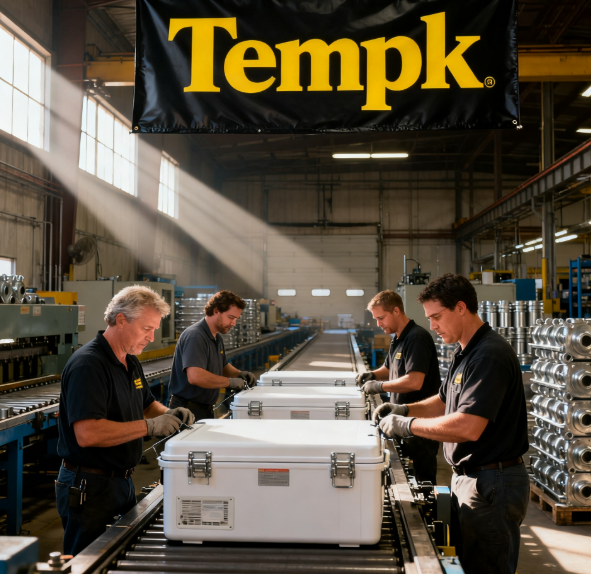
How to Choose Insulated Bag Enterprise Australia for Real Routes, Payloads, and Brand Use
The best way to choose insulated bag enterprise australia is to define the real route before you define the bag. The product must fit metro delivery, regional food transport, staff programs, and branded customer carry bags, but it also has to match the payload, user behavior, cleaning method, climate, branding, and production scale. A passive insulated bag can reduce temperature change; it does not automatically refrigerate goods or prove compliance. This final guide brings the key buyer, material, operational, and sustainability questions into one practical workflow for Australian grocery, meal delivery, healthcare logistics, and enterprise procurement teams.
Define the promise before choosing the construction
For enterprise insulated bags for Australia, the first question is what the bag is supposed to promise. Is it a branded customer carrier? A short-distance delivery tool? A promotional pouch? A parcel mailer? A distributor item? A support component in a cold-chain process? Each answer creates a different risk level. The bag may only need to protect perceived freshness and brand image, or it may need to support a documented temperature process. Mixing these promises creates confusion.
Use plain language in the specification. Write that the bag is passive, insulated, reusable or single-use as applicable, and designed for a defined handling condition. If coolants are required, specify them as part of the packout. If the product is food, pharmacy, laboratory, or healthcare related, ask quality and logistics teams to confirm requirements. Clear wording prevents the bag from being sold internally as more capable than the evidence supports.
Build the specification around the route
A route-first specification starts with the product and the journey. For insulated bag enterprise australia, note the starting temperature of the goods, estimated handling time, number of openings, staging location, vehicle type, handover point, and receiver behavior. For Australia, include realistic exposure such as summer heat, longer regional routes, mixed van and rider delivery, warehouse staging, and cleaning between uses. If the bag will be reused, include the cleaning and drying process. If it will be exported, include carton storage and inspection requirements.
This route description should be short enough to use in supplier communication. A good supplier can use it to suggest bag shape, liner type, closure, insulation layer, and carton packing. A vague request invites generic samples. A route-based request helps the buyer see why one sample costs more, why another packs smaller, and why a third may be inappropriate even if it looks attractive.
| Specification point | Good buyer wording | Avoid assuming |
|---|---|---|
| Function | Passive insulated bag for a defined route or carrying task | That the bag actively cools or qualifies every shipment. |
| Payload | Actual product dimensions, weight, and packing shape | That outside bag size equals usable internal space. |
| Temperature concern | Target handling condition and whether coolant is used | That insulation alone creates a required temperature range. |
| Branding | Artwork method, color tolerance, logo position, and sample approval | That any logo method works on any fabric or shape. |
| Production | Approved sample, material lock, inspection checklist, and substitution control | That mass production will match a prototype automatically. |
This table is designed for procurement meetings. It turns common assumptions into checkable language. When teams use this wording, the supplier quote becomes easier to compare and the final product is less likely to disappoint operations.
Match materials to daily handling, not catalog appeal
The right material set for insulated bag enterprise australia depends on the users and the environment. A premium canvas outer shell may support a retail or outdoor brand, but it still needs a cleanable liner and a strong base. A foil liner can look technical, but if the seam is weak it may stain or leak. A thin mailer may be efficient for parcel shipping, but it may not suit heavy grocery loads. A backpack may solve rider ergonomics, but it adds strap, sweat, cleaning, and storage questions.
Look for balance. The outer shell should handle abrasion and branding. The insulation should be consistent and not overly compressed at corners. The liner should suit moisture, odor, and cleaning requirements. The closure should match opening frequency. The handle or strap system should carry the real load. A good sample review touches, loads, opens, cleans, folds, and packs the bag rather than judging it on a desk.
Supplier evidence that actually helps
Helpful evidence does not always need to be complicated, but it should match the claim. For a simple branded shopping or promotional bag, an approved sample, material description, artwork proof, and inspection checklist may be enough. For a delivery or grocery operation, cleaning guidance, liner checks, and packout instructions may be needed. For temperature-sensitive healthcare or pharmaceutical use, quality teams may expect documented testing, logger data, and route-specific review.
For an enterprise roll-out that ignores route distance, seasonal heat, and the difference between a sample and mass production, ask for proof in the right form. If the supplier mentions a hold time, ask what payload, starting temperature, ambient profile, coolant, and acceptance criteria were used. If the supplier mentions compliance, ask which product, market, standard, and document support the statement. If the supplier mentions sustainability, ask whether the claim refers to material, reuse, recyclability, reduced waste, or a complete product life cycle. Precise questions protect both buyer and supplier.
From sample to bulk order
Bulk procurement for insulated bag enterprise australia should not move directly from a promising sample to a purchase order. Approve a functional sample first. Then approve a decorated sample if branding matters. Confirm whether the sample was made using production materials and production methods. Ask what tolerances apply to size, color, stitching, liner appearance, and logo position. Confirm carton quantity and carton weight because packing affects freight, storage, and damage risk.
Before production, create a short inspection list. It can include dimensions, liner finish, odor, stains, zipper movement, handle reinforcement, seam quality, logo accuracy, carton count, and packaging condition. Keep this list practical. A buyer does not need an elaborate laboratory process for every order, but repeatable checks are essential when the product will be used by many stores, riders, distributors, or customers.
Practical example: choosing the better sample
A team sourcing insulated bag enterprise australia receives three samples. The first is the lowest price and packs tightly, but the liner smells strong and the handle stitching looks uneven. The second has a premium outer material and a large logo, but the closure is slow for staff to use. The third is not the thickest, but it fits the payload, closes cleanly, wipes down easily, and its logo remains clear after filling. If the route is metro delivery, regional food transport, staff programs, and branded customer carry bags, the third sample may be the best operational choice even if it is not the most dramatic product in the meeting.
Sustainability and cost should be reviewed together
A lower unit price is not always the lower operating cost. If handles fail, liners stain, cartons collapse, or the product is too large for the payload, the program pays in replacements, complaints, freight, and waste. Sustainability has the same logic. A reusable product only helps if it is easy to reuse. A recyclable claim only helps if the material system and local recovery path support it. A right-sized, durable, cleanable bag with realistic use instructions may create better value than a more impressive but poorly matched design.
For Australian grocery, meal delivery, healthcare logistics, and enterprise procurement teams, cost review should include sample rounds, artwork setup, carton efficiency, warehouse storage, inspection time, expected reuse, replacement policy, and whether a different packaging format would reduce risk. Sometimes a simple insulated bag is enough. Sometimes a rigid box, insulated liner, pallet cover, or qualified shipper is the better choice. The goal is not to buy the most advanced product. The goal is to buy the most appropriate system.
FAQ
What is the first step when sourcing insulated bag enterprise australia?
Write a route and use-case brief before requesting prices. Include the product type, payload, handling time, number of openings, cleaning method, logo needs, carton requirements, and any temperature or documentation concern. This helps suppliers quote the right design and prevents the buying team from comparing samples that solve different problems.
How do I know whether a soft bag is enough?
A soft insulated bag may be enough for short, lower-risk carrying when the product starts at the right temperature and users follow the process. It may not be enough for long, regulated, high-value, or uncertain routes. When risk is higher, review coolant, packout, monitoring, and qualification needs with your quality or logistics team.
What makes a logo program fail?
Logo programs fail when artwork is approved without testing the product as used. Curved surfaces, textured fabric, folding lines, dark colors, heat, cleaning, and carton compression can affect appearance. Request a decorated sample and check the logo after filling, folding, wiping, and packing. Brand quality depends on the whole product, not only the artwork file.
Should a buyer ask for standards or certificates?
Ask for documents that match the claim. Material documents, inspection records, sample approvals, and test reports can all be useful. For food, healthcare, or pharmaceutical use, requirements vary by product, market, and route. Standards should not be used as decoration in a proposal. They should support a specific packaging function and be reviewed by the appropriate team.
Conclusion
Choosing insulated bag enterprise australia is a practical route-design exercise. Define what the bag must promise, match materials to real handling, ask for evidence that supports the claim, approve samples carefully, and control the move from prototype to bulk production. If the contents are temperature-sensitive, do not treat insulation as a substitute for a complete cold-chain process. With clear specifications, Australian grocery, meal delivery, healthcare logistics, and enterprise procurement teams can order a product that supports the brand and the operation at the same time.
About Tempk
Tempk helps buyers evaluate insulated bags, thermal bags, gel packs, ice bricks, EPP boxes, box liners, and other cold-chain packaging components. For insulated bag enterprise australia, we can help translate a route, payload, and branding plan into a clearer sample request and production discussion. We focus on fit, limits, and repeatability so buyers can avoid overpromising and reduce avoidable sample revisions.
CTA
Share your route, payload, order scale, and logo requirements with Tempk. We can help you compare insulated bag enterprise australia options and decide what should be tested before production.
Operational note before approval
Before approving insulated bag enterprise australia, write down how the bag will actually move through the operation. A design used by a supermarket shopper has different stress points from a bag used by a courier, a pharmacy counter, or a distributor rep. The route may include staging, loading, waiting, handover, and return storage. Each step changes what the bag must tolerate. This is why a useful specification should cover payload, closure behavior, cleaning method, branding method, carton packing, and the evidence you expect from the supplier. Without that written baseline, teams often compare samples by touch and appearance rather than by how they will perform in daily work.
Receiving and inspection details
A receiving inspection for insulated bag enterprise australia should be simple enough for warehouse staff to repeat, but specific enough to catch costly variation. Check dimensions, odor, liner finish, zipper movement, handle stitching, logo alignment, carton quantity, stains, and obvious seam damage. For a thermal project, keep the approved sample and approved artwork together so buyers, quality staff, and suppliers are comparing against the same reference. If the product will be reused, ask how the liner should be cleaned and dried. If it will ship in bulk, check whether cartons protect the shape and logo during export storage.
Insulated Bag Bulk Supermarket: How to Choose, Test, and Order
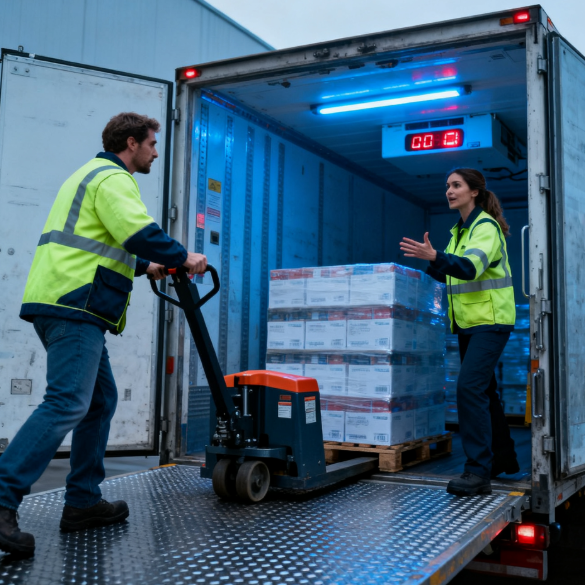
How to Choose Insulated Bag Bulk Supermarket for Real Routes, Payloads, and Brand Use
The best way to choose insulated bag bulk supermarket is to define the real route before you define the bag. The product must fit chilled grocery carryout, frozen aisle support, online pickup, and customer loyalty campaigns, but it also has to match the payload, user behavior, cleaning method, climate, branding, and production scale. A passive insulated bag can reduce temperature change; it does not automatically refrigerate goods or prove compliance. This final guide brings the key buyer, material, operational, and sustainability questions into one practical workflow for supermarket procurement teams, private-label buyers, and click-and-collect operators.
Define the promise before choosing the construction
For bulk insulated bags for supermarkets, the first question is what the bag is supposed to promise. Is it a branded customer carrier? A short-distance delivery tool? A promotional pouch? A parcel mailer? A distributor item? A support component in a cold-chain process? Each answer creates a different risk level. The bag may only need to protect perceived freshness and brand image, or it may need to support a documented temperature process. Mixing these promises creates confusion.
Use plain language in the specification. Write that the bag is passive, insulated, reusable or single-use as applicable, and designed for a defined handling condition. If coolants are required, specify them as part of the packout. If the product is food, pharmacy, laboratory, or healthcare related, ask quality and logistics teams to confirm requirements. Clear wording prevents the bag from being sold internally as more capable than the evidence supports.
Build the specification around the route
A route-first specification starts with the product and the journey. For insulated bag bulk supermarket, note the starting temperature of the goods, estimated handling time, number of openings, staging location, vehicle type, handover point, and receiver behavior. For global, include realistic exposure such as high SKU variety, cold-to-ambient transition, checkout handling, cart packing, and home transport. If the bag will be reused, include the cleaning and drying process. If it will be exported, include carton storage and inspection requirements.
This route description should be short enough to use in supplier communication. A good supplier can use it to suggest bag shape, liner type, closure, insulation layer, and carton packing. A vague request invites generic samples. A route-based request helps the buyer see why one sample costs more, why another packs smaller, and why a third may be inappropriate even if it looks attractive.
| Specification point | Good buyer wording | Avoid assuming |
|---|---|---|
| Function | Passive insulated bag for a defined route or carrying task | That the bag actively cools or qualifies every shipment. |
| Payload | Actual product dimensions, weight, and packing shape | That outside bag size equals usable internal space. |
| Temperature concern | Target handling condition and whether coolant is used | That insulation alone creates a required temperature range. |
| Branding | Artwork method, color tolerance, logo position, and sample approval | That any logo method works on any fabric or shape. |
| Production | Approved sample, material lock, inspection checklist, and substitution control | That mass production will match a prototype automatically. |
This table is designed for procurement meetings. It turns common assumptions into checkable language. When teams use this wording, the supplier quote becomes easier to compare and the final product is less likely to disappoint operations.
Match materials to daily handling, not catalog appeal
The right material set for insulated bag bulk supermarket depends on the users and the environment. A premium canvas outer shell may support a retail or outdoor brand, but it still needs a cleanable liner and a strong base. A foil liner can look technical, but if the seam is weak it may stain or leak. A thin mailer may be efficient for parcel shipping, but it may not suit heavy grocery loads. A backpack may solve rider ergonomics, but it adds strap, sweat, cleaning, and storage questions.
Look for balance. The outer shell should handle abrasion and branding. The insulation should be consistent and not overly compressed at corners. The liner should suit moisture, odor, and cleaning requirements. The closure should match opening frequency. The handle or strap system should carry the real load. A good sample review touches, loads, opens, cleans, folds, and packs the bag rather than judging it on a desk.
Supplier evidence that actually helps
Helpful evidence does not always need to be complicated, but it should match the claim. For a simple branded shopping or promotional bag, an approved sample, material description, artwork proof, and inspection checklist may be enough. For a delivery or grocery operation, cleaning guidance, liner checks, and packout instructions may be needed. For temperature-sensitive healthcare or pharmaceutical use, quality teams may expect documented testing, logger data, and route-specific review.
For a bulk order that meets a unit price target but creates returns, damaged handles, or customer complaints, ask for proof in the right form. If the supplier mentions a hold time, ask what payload, starting temperature, ambient profile, coolant, and acceptance criteria were used. If the supplier mentions compliance, ask which product, market, standard, and document support the statement. If the supplier mentions sustainability, ask whether the claim refers to material, reuse, recyclability, reduced waste, or a complete product life cycle. Precise questions protect both buyer and supplier.
From sample to bulk order
Bulk procurement for insulated bag bulk supermarket should not move directly from a promising sample to a purchase order. Approve a functional sample first. Then approve a decorated sample if branding matters. Confirm whether the sample was made using production materials and production methods. Ask what tolerances apply to size, color, stitching, liner appearance, and logo position. Confirm carton quantity and carton weight because packing affects freight, storage, and damage risk.
Before production, create a short inspection list. It can include dimensions, liner finish, odor, stains, zipper movement, handle reinforcement, seam quality, logo accuracy, carton count, and packaging condition. Keep this list practical. A buyer does not need an elaborate laboratory process for every order, but repeatable checks are essential when the product will be used by many stores, riders, distributors, or customers.
Practical example: choosing the better sample
A team sourcing insulated bag bulk supermarket receives three samples. The first is the lowest price and packs tightly, but the liner smells strong and the handle stitching looks uneven. The second has a premium outer material and a large logo, but the closure is slow for staff to use. The third is not the thickest, but it fits the payload, closes cleanly, wipes down easily, and its logo remains clear after filling. If the route is chilled grocery carryout, frozen aisle support, online pickup, and customer loyalty campaigns, the third sample may be the best operational choice even if it is not the most dramatic product in the meeting.
Sustainability and cost should be reviewed together
A lower unit price is not always the lower operating cost. If handles fail, liners stain, cartons collapse, or the product is too large for the payload, the program pays in replacements, complaints, freight, and waste. Sustainability has the same logic. A reusable product only helps if it is easy to reuse. A recyclable claim only helps if the material system and local recovery path support it. A right-sized, durable, cleanable bag with realistic use instructions may create better value than a more impressive but poorly matched design.
For supermarket procurement teams, private-label buyers, and click-and-collect operators, cost review should include sample rounds, artwork setup, carton efficiency, warehouse storage, inspection time, expected reuse, replacement policy, and whether a different packaging format would reduce risk. Sometimes a simple insulated bag is enough. Sometimes a rigid box, insulated liner, pallet cover, or qualified shipper is the better choice. The goal is not to buy the most advanced product. The goal is to buy the most appropriate system.
FAQ
What is the first step when sourcing insulated bag bulk supermarket?
Write a route and use-case brief before requesting prices. Include the product type, payload, handling time, number of openings, cleaning method, logo needs, carton requirements, and any temperature or documentation concern. This helps suppliers quote the right design and prevents the buying team from comparing samples that solve different problems.
How do I know whether a soft bag is enough?
A soft insulated bag may be enough for short, lower-risk carrying when the product starts at the right temperature and users follow the process. It may not be enough for long, regulated, high-value, or uncertain routes. When risk is higher, review coolant, packout, monitoring, and qualification needs with your quality or logistics team.
What makes a logo program fail?
Logo programs fail when artwork is approved without testing the product as used. Curved surfaces, textured fabric, folding lines, dark colors, heat, cleaning, and carton compression can affect appearance. Request a decorated sample and check the logo after filling, folding, wiping, and packing. Brand quality depends on the whole product, not only the artwork file.
Should a buyer ask for standards or certificates?
Ask for documents that match the claim. Material documents, inspection records, sample approvals, and test reports can all be useful. For food, healthcare, or pharmaceutical use, requirements vary by product, market, and route. Standards should not be used as decoration in a proposal. They should support a specific packaging function and be reviewed by the appropriate team.
Conclusion
Choosing insulated bag bulk supermarket is a practical route-design exercise. Define what the bag must promise, match materials to real handling, ask for evidence that supports the claim, approve samples carefully, and control the move from prototype to bulk production. If the contents are temperature-sensitive, do not treat insulation as a substitute for a complete cold-chain process. With clear specifications, supermarket procurement teams, private-label buyers, and click-and-collect operators can order a product that supports the brand and the operation at the same time.
About Tempk
Tempk helps buyers evaluate insulated bags, thermal bags, gel packs, ice bricks, EPP boxes, box liners, and other cold-chain packaging components. For insulated bag bulk supermarket, we can help translate a route, payload, and branding plan into a clearer sample request and production discussion. We focus on fit, limits, and repeatability so buyers can avoid overpromising and reduce avoidable sample revisions.
CTA
Share your route, payload, order scale, and logo requirements with Tempk. We can help you compare insulated bag bulk supermarket options and decide what should be tested before production.
Operational note before approval
Before approving insulated bag bulk supermarket, write down how the bag will actually move through the operation. A design used by a supermarket shopper has different stress points from a bag used by a courier, a pharmacy counter, or a distributor rep. The route may include staging, loading, waiting, handover, and return storage. Each step changes what the bag must tolerate. This is why a useful specification should cover payload, closure behavior, cleaning method, branding method, carton packing, and the evidence you expect from the supplier. Without that written baseline, teams often compare samples by touch and appearance rather than by how they will perform in daily work.
Receiving and inspection details
A receiving inspection for insulated bag bulk supermarket should be simple enough for warehouse staff to repeat, but specific enough to catch costly variation. Check dimensions, odor, liner finish, zipper movement, handle stitching, logo alignment, carton quantity, stains, and obvious seam damage. For a thermal project, keep the approved sample and approved artwork together so buyers, quality staff, and suppliers are comparing against the same reference. If the product will be reused, ask how the liner should be cleaned and dried. If it will ship in bulk, check whether cartons protect the shape and logo during export storage.
Insulated Backpack Personalized UAE: How to Choose, Test, and Order
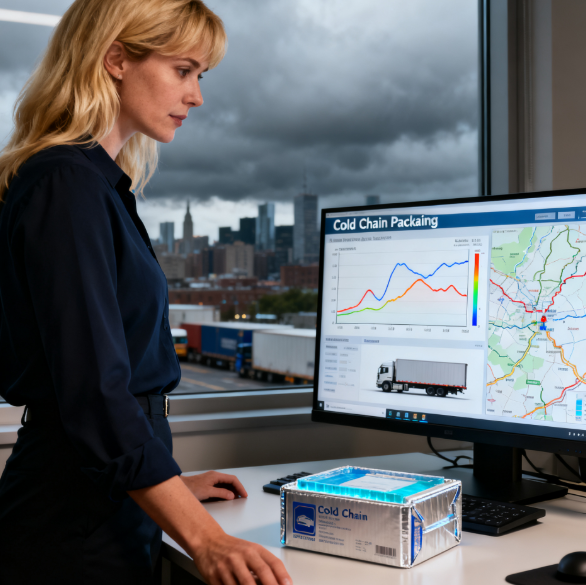
How to Choose Insulated Backpack Personalized UAE for Real Routes, Payloads, and Brand Use
The best way to choose insulated backpack personalized uae is to define the real route before you define the bag. The product must fit hot meal delivery, chilled grocery transfer, branded riders, and corporate campaigns, but it also has to match the payload, user behavior, cleaning method, climate, branding, and production scale. A passive insulated bag can reduce temperature change; it does not automatically refrigerate goods or prove compliance. This final guide brings the key buyer, material, operational, and sustainability questions into one practical workflow for UAE delivery platforms, grocery brands, restaurant chains, and promotional teams.
Define the promise before choosing the construction
For personalized insulated backpacks for the UAE, the first question is what the bag is supposed to promise. Is it a branded customer carrier? A short-distance delivery tool? A promotional pouch? A parcel mailer? A distributor item? A support component in a cold-chain process? Each answer creates a different risk level. The bag may only need to protect perceived freshness and brand image, or it may need to support a documented temperature process. Mixing these promises creates confusion.
Use plain language in the specification. Write that the bag is passive, insulated, reusable or single-use as applicable, and designed for a defined handling condition. If coolants are required, specify them as part of the packout. If the product is food, pharmacy, laboratory, or healthcare related, ask quality and logistics teams to confirm requirements. Clear wording prevents the bag from being sold internally as more capable than the evidence supports.
Build the specification around the route
A route-first specification starts with the product and the journey. For insulated backpack personalized uae, note the starting temperature of the goods, estimated handling time, number of openings, staging location, vehicle type, handover point, and receiver behavior. For United Arab Emirates, include realistic exposure such as desert heat, motorcycle delivery, elevator and lobby waiting, repeated opening, and urban traffic delays. If the bag will be reused, include the cleaning and drying process. If it will be exported, include carton storage and inspection requirements.
This route description should be short enough to use in supplier communication. A good supplier can use it to suggest bag shape, liner type, closure, insulation layer, and carton packing. A vague request invites generic samples. A route-based request helps the buyer see why one sample costs more, why another packs smaller, and why a third may be inappropriate even if it looks attractive.
| Specification point | Good buyer wording | Avoid assuming |
|---|---|---|
| Function | Passive insulated bag for a defined route or carrying task | That the bag actively cools or qualifies every shipment. |
| Payload | Actual product dimensions, weight, and packing shape | That outside bag size equals usable internal space. |
| Temperature concern | Target handling condition and whether coolant is used | That insulation alone creates a required temperature range. |
| Branding | Artwork method, color tolerance, logo position, and sample approval | That any logo method works on any fabric or shape. |
| Production | Approved sample, material lock, inspection checklist, and substitution control | That mass production will match a prototype automatically. |
This table is designed for procurement meetings. It turns common assumptions into checkable language. When teams use this wording, the supplier quote becomes easier to compare and the final product is less likely to disappoint operations.
Match materials to daily handling, not catalog appeal
The right material set for insulated backpack personalized uae depends on the users and the environment. A premium canvas outer shell may support a retail or outdoor brand, but it still needs a cleanable liner and a strong base. A foil liner can look technical, but if the seam is weak it may stain or leak. A thin mailer may be efficient for parcel shipping, but it may not suit heavy grocery loads. A backpack may solve rider ergonomics, but it adds strap, sweat, cleaning, and storage questions.
Look for balance. The outer shell should handle abrasion and branding. The insulation should be consistent and not overly compressed at corners. The liner should suit moisture, odor, and cleaning requirements. The closure should match opening frequency. The handle or strap system should carry the real load. A good sample review touches, loads, opens, cleans, folds, and packs the bag rather than judging it on a desk.
Supplier evidence that actually helps
Helpful evidence does not always need to be complicated, but it should match the claim. For a simple branded shopping or promotional bag, an approved sample, material description, artwork proof, and inspection checklist may be enough. For a delivery or grocery operation, cleaning guidance, liner checks, and packout instructions may be needed. For temperature-sensitive healthcare or pharmaceutical use, quality teams may expect documented testing, logger data, and route-specific review.
For a personalized backpack that promotes the brand but does not match UAE heat exposure or rider ergonomics, ask for proof in the right form. If the supplier mentions a hold time, ask what payload, starting temperature, ambient profile, coolant, and acceptance criteria were used. If the supplier mentions compliance, ask which product, market, standard, and document support the statement. If the supplier mentions sustainability, ask whether the claim refers to material, reuse, recyclability, reduced waste, or a complete product life cycle. Precise questions protect both buyer and supplier.
From sample to bulk order
Bulk procurement for insulated backpack personalized uae should not move directly from a promising sample to a purchase order. Approve a functional sample first. Then approve a decorated sample if branding matters. Confirm whether the sample was made using production materials and production methods. Ask what tolerances apply to size, color, stitching, liner appearance, and logo position. Confirm carton quantity and carton weight because packing affects freight, storage, and damage risk.
Before production, create a short inspection list. It can include dimensions, liner finish, odor, stains, zipper movement, handle reinforcement, seam quality, logo accuracy, carton count, and packaging condition. Keep this list practical. A buyer does not need an elaborate laboratory process for every order, but repeatable checks are essential when the product will be used by many stores, riders, distributors, or customers.
Practical example: choosing the better sample
A team sourcing insulated backpack personalized uae receives three samples. The first is the lowest price and packs tightly, but the liner smells strong and the handle stitching looks uneven. The second has a premium outer material and a large logo, but the closure is slow for staff to use. The third is not the thickest, but it fits the payload, closes cleanly, wipes down easily, and its logo remains clear after filling. If the route is hot meal delivery, chilled grocery transfer, branded riders, and corporate campaigns, the third sample may be the best operational choice even if it is not the most dramatic product in the meeting.
Sustainability and cost should be reviewed together
A lower unit price is not always the lower operating cost. If handles fail, liners stain, cartons collapse, or the product is too large for the payload, the program pays in replacements, complaints, freight, and waste. Sustainability has the same logic. A reusable product only helps if it is easy to reuse. A recyclable claim only helps if the material system and local recovery path support it. A right-sized, durable, cleanable bag with realistic use instructions may create better value than a more impressive but poorly matched design.
For UAE delivery platforms, grocery brands, restaurant chains, and promotional teams, cost review should include sample rounds, artwork setup, carton efficiency, warehouse storage, inspection time, expected reuse, replacement policy, and whether a different packaging format would reduce risk. Sometimes a simple insulated bag is enough. Sometimes a rigid box, insulated liner, pallet cover, or qualified shipper is the better choice. The goal is not to buy the most advanced product. The goal is to buy the most appropriate system.
FAQ
What is the first step when sourcing insulated backpack personalized uae?
Write a route and use-case brief before requesting prices. Include the product type, payload, handling time, number of openings, cleaning method, logo needs, carton requirements, and any temperature or documentation concern. This helps suppliers quote the right design and prevents the buying team from comparing samples that solve different problems.
How do I know whether a soft bag is enough?
A soft insulated bag may be enough for short, lower-risk carrying when the product starts at the right temperature and users follow the process. It may not be enough for long, regulated, high-value, or uncertain routes. When risk is higher, review coolant, packout, monitoring, and qualification needs with your quality or logistics team.
What makes a logo program fail?
Logo programs fail when artwork is approved without testing the product as used. Curved surfaces, textured fabric, folding lines, dark colors, heat, cleaning, and carton compression can affect appearance. Request a decorated sample and check the logo after filling, folding, wiping, and packing. Brand quality depends on the whole product, not only the artwork file.
Should a buyer ask for standards or certificates?
Ask for documents that match the claim. Material documents, inspection records, sample approvals, and test reports can all be useful. For food, healthcare, or pharmaceutical use, requirements vary by product, market, and route. Standards should not be used as decoration in a proposal. They should support a specific packaging function and be reviewed by the appropriate team.
Conclusion
Choosing insulated backpack personalized uae is a practical route-design exercise. Define what the bag must promise, match materials to real handling, ask for evidence that supports the claim, approve samples carefully, and control the move from prototype to bulk production. If the contents are temperature-sensitive, do not treat insulation as a substitute for a complete cold-chain process. With clear specifications, UAE delivery platforms, grocery brands, restaurant chains, and promotional teams can order a product that supports the brand and the operation at the same time.
About Tempk
Tempk helps buyers evaluate insulated bags, thermal bags, gel packs, ice bricks, EPP boxes, box liners, and other cold-chain packaging components. For insulated backpack personalized uae, we can help translate a route, payload, and branding plan into a clearer sample request and production discussion. We focus on fit, limits, and repeatability so buyers can avoid overpromising and reduce avoidable sample revisions.
CTA
Share your route, payload, order scale, and logo requirements with Tempk. We can help you compare insulated backpack personalized uae options and decide what should be tested before production.
Operational note before approval
Before approving insulated backpack personalized uae, write down how the bag will actually move through the operation. A design used by a supermarket shopper has different stress points from a bag used by a courier, a pharmacy counter, or a distributor rep. The route may include staging, loading, waiting, handover, and return storage. Each step changes what the bag must tolerate. This is why a useful specification should cover payload, closure behavior, cleaning method, branding method, carton packing, and the evidence you expect from the supplier. Without that written baseline, teams often compare samples by touch and appearance rather than by how they will perform in daily work.
Receiving and inspection details
A receiving inspection for insulated backpack personalized uae should be simple enough for warehouse staff to repeat, but specific enough to catch costly variation. Check dimensions, odor, liner finish, zipper movement, handle stitching, logo alignment, carton quantity, stains, and obvious seam damage. For a thermal project, keep the approved sample and approved artwork together so buyers, quality staff, and suppliers are comparing against the same reference. If the product will be reused, ask how the liner should be cleaned and dried. If it will ship in bulk, check whether cartons protect the shape and logo during export storage.
Cooler Backpack Canvas Manufacturer: How to Choose, Test, and Order
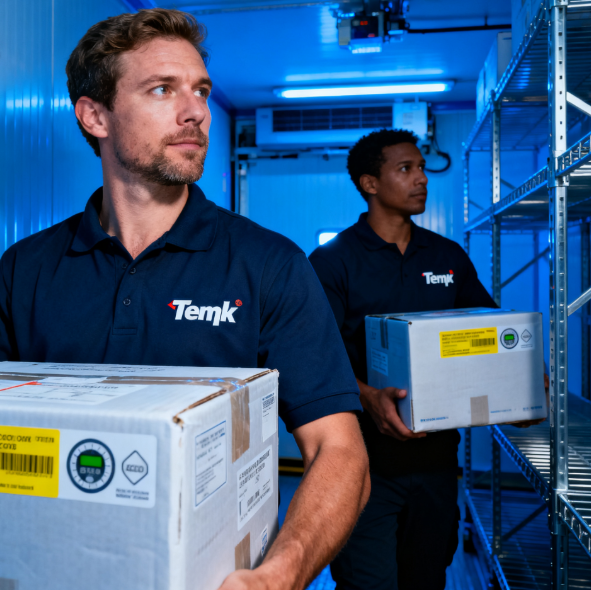
How to Choose Cooler Backpack Canvas Manufacturer for Real Routes, Payloads, and Brand Use
The best way to choose cooler backpack canvas manufacturer is to define the real route before you define the bag. The product must fit hands-free chilled carrying, samples, food delivery, and outdoor retail programs, but it also has to match the payload, user behavior, cleaning method, climate, branding, and production scale. A passive insulated bag can reduce temperature change; it does not automatically refrigerate goods or prove compliance. This final guide brings the key buyer, material, operational, and sustainability questions into one practical workflow for outdoor brands, food delivery operators, and promotional bag buyers.
Define the promise before choosing the construction
For canvas cooler backpacks, the first question is what the bag is supposed to promise. Is it a branded customer carrier? A short-distance delivery tool? A promotional pouch? A parcel mailer? A distributor item? A support component in a cold-chain process? Each answer creates a different risk level. The bag may only need to protect perceived freshness and brand image, or it may need to support a documented temperature process. Mixing these promises creates confusion.
Use plain language in the specification. Write that the bag is passive, insulated, reusable or single-use as applicable, and designed for a defined handling condition. If coolants are required, specify them as part of the packout. If the product is food, pharmacy, laboratory, or healthcare related, ask quality and logistics teams to confirm requirements. Clear wording prevents the bag from being sold internally as more capable than the evidence supports.
Build the specification around the route
A route-first specification starts with the product and the journey. For cooler backpack canvas manufacturer, note the starting temperature of the goods, estimated handling time, number of openings, staging location, vehicle type, handover point, and receiver behavior. For global, include realistic exposure such as shoulder load, zipper wear, rider movement, moisture, and repeated opening. If the bag will be reused, include the cleaning and drying process. If it will be exported, include carton storage and inspection requirements.
This route description should be short enough to use in supplier communication. A good supplier can use it to suggest bag shape, liner type, closure, insulation layer, and carton packing. A vague request invites generic samples. A route-based request helps the buyer see why one sample costs more, why another packs smaller, and why a third may be inappropriate even if it looks attractive.
| Specification point | Good buyer wording | Avoid assuming |
|---|---|---|
| Function | Passive insulated bag for a defined route or carrying task | That the bag actively cools or qualifies every shipment. |
| Payload | Actual product dimensions, weight, and packing shape | That outside bag size equals usable internal space. |
| Temperature concern | Target handling condition and whether coolant is used | That insulation alone creates a required temperature range. |
| Branding | Artwork method, color tolerance, logo position, and sample approval | That any logo method works on any fabric or shape. |
| Production | Approved sample, material lock, inspection checklist, and substitution control | That mass production will match a prototype automatically. |
This table is designed for procurement meetings. It turns common assumptions into checkable language. When teams use this wording, the supplier quote becomes easier to compare and the final product is less likely to disappoint operations.
Match materials to daily handling, not catalog appeal
The right material set for cooler backpack canvas manufacturer depends on the users and the environment. A premium canvas outer shell may support a retail or outdoor brand, but it still needs a cleanable liner and a strong base. A foil liner can look technical, but if the seam is weak it may stain or leak. A thin mailer may be efficient for parcel shipping, but it may not suit heavy grocery loads. A backpack may solve rider ergonomics, but it adds strap, sweat, cleaning, and storage questions.
Look for balance. The outer shell should handle abrasion and branding. The insulation should be consistent and not overly compressed at corners. The liner should suit moisture, odor, and cleaning requirements. The closure should match opening frequency. The handle or strap system should carry the real load. A good sample review touches, loads, opens, cleans, folds, and packs the bag rather than judging it on a desk.
Supplier evidence that actually helps
Helpful evidence does not always need to be complicated, but it should match the claim. For a simple branded shopping or promotional bag, an approved sample, material description, artwork proof, and inspection checklist may be enough. For a delivery or grocery operation, cleaning guidance, liner checks, and packout instructions may be needed. For temperature-sensitive healthcare or pharmaceutical use, quality teams may expect documented testing, logger data, and route-specific review.
For a backpack that looks premium but becomes uncomfortable, hard to clean, or weak at the seams, ask for proof in the right form. If the supplier mentions a hold time, ask what payload, starting temperature, ambient profile, coolant, and acceptance criteria were used. If the supplier mentions compliance, ask which product, market, standard, and document support the statement. If the supplier mentions sustainability, ask whether the claim refers to material, reuse, recyclability, reduced waste, or a complete product life cycle. Precise questions protect both buyer and supplier.
From sample to bulk order
Bulk procurement for cooler backpack canvas manufacturer should not move directly from a promising sample to a purchase order. Approve a functional sample first. Then approve a decorated sample if branding matters. Confirm whether the sample was made using production materials and production methods. Ask what tolerances apply to size, color, stitching, liner appearance, and logo position. Confirm carton quantity and carton weight because packing affects freight, storage, and damage risk.
Before production, create a short inspection list. It can include dimensions, liner finish, odor, stains, zipper movement, handle reinforcement, seam quality, logo accuracy, carton count, and packaging condition. Keep this list practical. A buyer does not need an elaborate laboratory process for every order, but repeatable checks are essential when the product will be used by many stores, riders, distributors, or customers.
Practical example: choosing the better sample
A team sourcing cooler backpack canvas manufacturer receives three samples. The first is the lowest price and packs tightly, but the liner smells strong and the handle stitching looks uneven. The second has a premium outer material and a large logo, but the closure is slow for staff to use. The third is not the thickest, but it fits the payload, closes cleanly, wipes down easily, and its logo remains clear after filling. If the route is hands-free chilled carrying, samples, food delivery, and outdoor retail programs, the third sample may be the best operational choice even if it is not the most dramatic product in the meeting.
Sustainability and cost should be reviewed together
A lower unit price is not always the lower operating cost. If handles fail, liners stain, cartons collapse, or the product is too large for the payload, the program pays in replacements, complaints, freight, and waste. Sustainability has the same logic. A reusable product only helps if it is easy to reuse. A recyclable claim only helps if the material system and local recovery path support it. A right-sized, durable, cleanable bag with realistic use instructions may create better value than a more impressive but poorly matched design.
For outdoor brands, food delivery operators, and promotional bag buyers, cost review should include sample rounds, artwork setup, carton efficiency, warehouse storage, inspection time, expected reuse, replacement policy, and whether a different packaging format would reduce risk. Sometimes a simple insulated bag is enough. Sometimes a rigid box, insulated liner, pallet cover, or qualified shipper is the better choice. The goal is not to buy the most advanced product. The goal is to buy the most appropriate system.
FAQ
What is the first step when sourcing cooler backpack canvas manufacturer?
Write a route and use-case brief before requesting prices. Include the product type, payload, handling time, number of openings, cleaning method, logo needs, carton requirements, and any temperature or documentation concern. This helps suppliers quote the right design and prevents the buying team from comparing samples that solve different problems.
How do I know whether a soft bag is enough?
A soft insulated bag may be enough for short, lower-risk carrying when the product starts at the right temperature and users follow the process. It may not be enough for long, regulated, high-value, or uncertain routes. When risk is higher, review coolant, packout, monitoring, and qualification needs with your quality or logistics team.
What makes a logo program fail?
Logo programs fail when artwork is approved without testing the product as used. Curved surfaces, textured fabric, folding lines, dark colors, heat, cleaning, and carton compression can affect appearance. Request a decorated sample and check the logo after filling, folding, wiping, and packing. Brand quality depends on the whole product, not only the artwork file.
Should a buyer ask for standards or certificates?
Ask for documents that match the claim. Material documents, inspection records, sample approvals, and test reports can all be useful. For food, healthcare, or pharmaceutical use, requirements vary by product, market, and route. Standards should not be used as decoration in a proposal. They should support a specific packaging function and be reviewed by the appropriate team.
Conclusion
Choosing cooler backpack canvas manufacturer is a practical route-design exercise. Define what the bag must promise, match materials to real handling, ask for evidence that supports the claim, approve samples carefully, and control the move from prototype to bulk production. If the contents are temperature-sensitive, do not treat insulation as a substitute for a complete cold-chain process. With clear specifications, outdoor brands, food delivery operators, and promotional bag buyers can order a product that supports the brand and the operation at the same time.
About Tempk
Tempk helps buyers evaluate insulated bags, thermal bags, gel packs, ice bricks, EPP boxes, box liners, and other cold-chain packaging components. For cooler backpack canvas manufacturer, we can help translate a route, payload, and branding plan into a clearer sample request and production discussion. We focus on fit, limits, and repeatability so buyers can avoid overpromising and reduce avoidable sample revisions.
CTA
Share your route, payload, order scale, and logo requirements with Tempk. We can help you compare cooler backpack canvas manufacturer options and decide what should be tested before production.
Operational note before approval
Before approving cooler backpack canvas manufacturer, write down how the bag will actually move through the operation. A design used by a supermarket shopper has different stress points from a bag used by a courier, a pharmacy counter, or a distributor rep. The route may include staging, loading, waiting, handover, and return storage. Each step changes what the bag must tolerate. This is why a useful specification should cover payload, closure behavior, cleaning method, branding method, carton packing, and the evidence you expect from the supplier. Without that written baseline, teams often compare samples by touch and appearance rather than by how they will perform in daily work.
Receiving and inspection details
A receiving inspection for cooler backpack canvas manufacturer should be simple enough for warehouse staff to repeat, but specific enough to catch costly variation. Check dimensions, odor, liner finish, zipper movement, handle stitching, logo alignment, carton quantity, stains, and obvious seam damage. For a thermal project, keep the approved sample and approved artwork together so buyers, quality staff, and suppliers are comparing against the same reference. If the product will be reused, ask how the liner should be cleaned and dried. If it will ship in bulk, check whether cartons protect the shape and logo during export storage.
Thermal Shipping Bag Bulk: How to Choose, Test, and Order

How to Choose Thermal Shipping Bag Bulk for Real Routes, Payloads, and Brand Use
The best way to choose thermal shipping bag bulk is to define the real route before you define the bag. The product must fit parcel shipping, subscription kits, pharmacy fulfillment, lab sample support, and lightweight thermal protection, but it also has to match the payload, user behavior, cleaning method, climate, branding, and production scale. A passive insulated bag can reduce temperature change; it does not automatically refrigerate goods or prove compliance. This final guide brings the key buyer, material, operational, and sustainability questions into one practical workflow for e-commerce brands, fulfillment centers, food shippers, and procurement teams.
Define the promise before choosing the construction
For bulk thermal shipping bags, the first question is what the bag is supposed to promise. Is it a branded customer carrier? A short-distance delivery tool? A promotional pouch? A parcel mailer? A distributor item? A support component in a cold-chain process? Each answer creates a different risk level. The bag may only need to protect perceived freshness and brand image, or it may need to support a documented temperature process. Mixing these promises creates confusion.
Use plain language in the specification. Write that the bag is passive, insulated, reusable or single-use as applicable, and designed for a defined handling condition. If coolants are required, specify them as part of the packout. If the product is food, pharmacy, laboratory, or healthcare related, ask quality and logistics teams to confirm requirements. Clear wording prevents the bag from being sold internally as more capable than the evidence supports.
Build the specification around the route
A route-first specification starts with the product and the journey. For thermal shipping bag bulk, note the starting temperature of the goods, estimated handling time, number of openings, staging location, vehicle type, handover point, and receiver behavior. For global, include realistic exposure such as parcel sortation, limited control after dispatch, packaging compression, ambient exposure, and receiver delay. If the bag will be reused, include the cleaning and drying process. If it will be exported, include carton storage and inspection requirements.
This route description should be short enough to use in supplier communication. A good supplier can use it to suggest bag shape, liner type, closure, insulation layer, and carton packing. A vague request invites generic samples. A route-based request helps the buyer see why one sample costs more, why another packs smaller, and why a third may be inappropriate even if it looks attractive.
| Specification point | Good buyer wording | Avoid assuming |
|---|---|---|
| Function | Passive insulated bag for a defined route or carrying task | That the bag actively cools or qualifies every shipment. |
| Payload | Actual product dimensions, weight, and packing shape | That outside bag size equals usable internal space. |
| Temperature concern | Target handling condition and whether coolant is used | That insulation alone creates a required temperature range. |
| Branding | Artwork method, color tolerance, logo position, and sample approval | That any logo method works on any fabric or shape. |
| Production | Approved sample, material lock, inspection checklist, and substitution control | That mass production will match a prototype automatically. |
This table is designed for procurement meetings. It turns common assumptions into checkable language. When teams use this wording, the supplier quote becomes easier to compare and the final product is less likely to disappoint operations.
Match materials to daily handling, not catalog appeal
The right material set for thermal shipping bag bulk depends on the users and the environment. A premium canvas outer shell may support a retail or outdoor brand, but it still needs a cleanable liner and a strong base. A foil liner can look technical, but if the seam is weak it may stain or leak. A thin mailer may be efficient for parcel shipping, but it may not suit heavy grocery loads. A backpack may solve rider ergonomics, but it adds strap, sweat, cleaning, and storage questions.
Look for balance. The outer shell should handle abrasion and branding. The insulation should be consistent and not overly compressed at corners. The liner should suit moisture, odor, and cleaning requirements. The closure should match opening frequency. The handle or strap system should carry the real load. A good sample review touches, loads, opens, cleans, folds, and packs the bag rather than judging it on a desk.
Supplier evidence that actually helps
Helpful evidence does not always need to be complicated, but it should match the claim. For a simple branded shopping or promotional bag, an approved sample, material description, artwork proof, and inspection checklist may be enough. For a delivery or grocery operation, cleaning guidance, liner checks, and packout instructions may be needed. For temperature-sensitive healthcare or pharmaceutical use, quality teams may expect documented testing, logger data, and route-specific review.
For buying thousands of thermal shipping bags before confirming whether the lane requires a mailer, liner, cooler, or qualified shipper, ask for proof in the right form. If the supplier mentions a hold time, ask what payload, starting temperature, ambient profile, coolant, and acceptance criteria were used. If the supplier mentions compliance, ask which product, market, standard, and document support the statement. If the supplier mentions sustainability, ask whether the claim refers to material, reuse, recyclability, reduced waste, or a complete product life cycle. Precise questions protect both buyer and supplier.
From sample to bulk order
Bulk procurement for thermal shipping bag bulk should not move directly from a promising sample to a purchase order. Approve a functional sample first. Then approve a decorated sample if branding matters. Confirm whether the sample was made using production materials and production methods. Ask what tolerances apply to size, color, stitching, liner appearance, and logo position. Confirm carton quantity and carton weight because packing affects freight, storage, and damage risk.
Before production, create a short inspection list. It can include dimensions, liner finish, odor, stains, zipper movement, handle reinforcement, seam quality, logo accuracy, carton count, and packaging condition. Keep this list practical. A buyer does not need an elaborate laboratory process for every order, but repeatable checks are essential when the product will be used by many stores, riders, distributors, or customers.
Practical example: choosing the better sample
A team sourcing thermal shipping bag bulk receives three samples. The first is the lowest price and packs tightly, but the liner smells strong and the handle stitching looks uneven. The second has a premium outer material and a large logo, but the closure is slow for staff to use. The third is not the thickest, but it fits the payload, closes cleanly, wipes down easily, and its logo remains clear after filling. If the route is parcel shipping, subscription kits, pharmacy fulfillment, lab sample support, and lightweight thermal protection, the third sample may be the best operational choice even if it is not the most dramatic product in the meeting.
Sustainability and cost should be reviewed together
A lower unit price is not always the lower operating cost. If handles fail, liners stain, cartons collapse, or the product is too large for the payload, the program pays in replacements, complaints, freight, and waste. Sustainability has the same logic. A reusable product only helps if it is easy to reuse. A recyclable claim only helps if the material system and local recovery path support it. A right-sized, durable, cleanable bag with realistic use instructions may create better value than a more impressive but poorly matched design.
For e-commerce brands, fulfillment centers, food shippers, and procurement teams, cost review should include sample rounds, artwork setup, carton efficiency, warehouse storage, inspection time, expected reuse, replacement policy, and whether a different packaging format would reduce risk. Sometimes a simple insulated bag is enough. Sometimes a rigid box, insulated liner, pallet cover, or qualified shipper is the better choice. The goal is not to buy the most advanced product. The goal is to buy the most appropriate system.
FAQ
What is the first step when sourcing thermal shipping bag bulk?
Write a route and use-case brief before requesting prices. Include the product type, payload, handling time, number of openings, cleaning method, logo needs, carton requirements, and any temperature or documentation concern. This helps suppliers quote the right design and prevents the buying team from comparing samples that solve different problems.
How do I know whether a soft bag is enough?
A soft insulated bag may be enough for short, lower-risk carrying when the product starts at the right temperature and users follow the process. It may not be enough for long, regulated, high-value, or uncertain routes. When risk is higher, review coolant, packout, monitoring, and qualification needs with your quality or logistics team.
What makes a logo program fail?
Logo programs fail when artwork is approved without testing the product as used. Curved surfaces, textured fabric, folding lines, dark colors, heat, cleaning, and carton compression can affect appearance. Request a decorated sample and check the logo after filling, folding, wiping, and packing. Brand quality depends on the whole product, not only the artwork file.
Should a buyer ask for standards or certificates?
Ask for documents that match the claim. Material documents, inspection records, sample approvals, and test reports can all be useful. For food, healthcare, or pharmaceutical use, requirements vary by product, market, and route. Standards should not be used as decoration in a proposal. They should support a specific packaging function and be reviewed by the appropriate team.
Conclusion
Choosing thermal shipping bag bulk is a practical route-design exercise. Define what the bag must promise, match materials to real handling, ask for evidence that supports the claim, approve samples carefully, and control the move from prototype to bulk production. If the contents are temperature-sensitive, do not treat insulation as a substitute for a complete cold-chain process. With clear specifications, e-commerce brands, fulfillment centers, food shippers, and procurement teams can order a product that supports the brand and the operation at the same time.
About Tempk
Tempk helps buyers evaluate insulated bags, thermal bags, gel packs, ice bricks, EPP boxes, box liners, and other cold-chain packaging components. For thermal shipping bag bulk, we can help translate a route, payload, and branding plan into a clearer sample request and production discussion. We focus on fit, limits, and repeatability so buyers can avoid overpromising and reduce avoidable sample revisions.
CTA
Share your route, payload, order scale, and logo requirements with Tempk. We can help you compare thermal shipping bag bulk options and decide what should be tested before production.
Operational note before approval
Before approving thermal shipping bag bulk, write down how the bag will actually move through the operation. A design used by a supermarket shopper has different stress points from a bag used by a courier, a pharmacy counter, or a distributor rep. The route may include staging, loading, waiting, handover, and return storage. Each step changes what the bag must tolerate. This is why a useful specification should cover payload, closure behavior, cleaning method, branding method, carton packing, and the evidence you expect from the supplier. Without that written baseline, teams often compare samples by touch and appearance rather than by how they will perform in daily work.
Receiving and inspection details
A receiving inspection for thermal shipping bag bulk should be simple enough for warehouse staff to repeat, but specific enough to catch costly variation. Check dimensions, odor, liner finish, zipper movement, handle stitching, logo alignment, carton quantity, stains, and obvious seam damage. For a thermal project, keep the approved sample and approved artwork together so buyers, quality staff, and suppliers are comparing against the same reference. If the product will be reused, ask how the liner should be cleaned and dried. If it will ship in bulk, check whether cartons protect the shape and logo during export storage.
Thermal Bag Logo Africa: How to Choose, Test, and Order
How to Choose Thermal Bag Logo Africa for Real Routes, Payloads, and Brand Use
The best way to choose thermal bag logo africa is to define the real route before you define the bag. The product must fit hot meal delivery, chilled retail carrying, medicine pickup, and field distribution, but it also has to match the payload, user behavior, cleaning method, climate, branding, and production scale. A passive insulated bag can reduce temperature change; it does not automatically refrigerate goods or prove compliance. This final guide brings the key buyer, material, operational, and sustainability questions into one practical workflow for restaurant groups, grocery platforms, medical sample teams, and promotional distributors.
Define the promise before choosing the construction
For thermal bags with logo for African markets, the first question is what the bag is supposed to promise. Is it a branded customer carrier? A short-distance delivery tool? A promotional pouch? A parcel mailer? A distributor item? A support component in a cold-chain process? Each answer creates a different risk level. The bag may only need to protect perceived freshness and brand image, or it may need to support a documented temperature process. Mixing these promises creates confusion.
Use plain language in the specification. Write that the bag is passive, insulated, reusable or single-use as applicable, and designed for a defined handling condition. If coolants are required, specify them as part of the packout. If the product is food, pharmacy, laboratory, or healthcare related, ask quality and logistics teams to confirm requirements. Clear wording prevents the bag from being sold internally as more capable than the evidence supports.
Build the specification around the route
A route-first specification starts with the product and the journey. For thermal bag logo africa, note the starting temperature of the goods, estimated handling time, number of openings, staging location, vehicle type, handover point, and receiver behavior. For Africa, include realistic exposure such as high ambient heat, long waiting periods, motorcycle delivery, dust, rain bursts, and frequent opening. If the bag will be reused, include the cleaning and drying process. If it will be exported, include carton storage and inspection requirements.
This route description should be short enough to use in supplier communication. A good supplier can use it to suggest bag shape, liner type, closure, insulation layer, and carton packing. A vague request invites generic samples. A route-based request helps the buyer see why one sample costs more, why another packs smaller, and why a third may be inappropriate even if it looks attractive.
| Specification point | Good buyer wording | Avoid assuming |
|---|---|---|
| Function | Passive insulated bag for a defined route or carrying task | That the bag actively cools or qualifies every shipment. |
| Payload | Actual product dimensions, weight, and packing shape | That outside bag size equals usable internal space. |
| Temperature concern | Target handling condition and whether coolant is used | That insulation alone creates a required temperature range. |
| Branding | Artwork method, color tolerance, logo position, and sample approval | That any logo method works on any fabric or shape. |
| Production | Approved sample, material lock, inspection checklist, and substitution control | That mass production will match a prototype automatically. |
This table is designed for procurement meetings. It turns common assumptions into checkable language. When teams use this wording, the supplier quote becomes easier to compare and the final product is less likely to disappoint operations.
Match materials to daily handling, not catalog appeal
The right material set for thermal bag logo africa depends on the users and the environment. A premium canvas outer shell may support a retail or outdoor brand, but it still needs a cleanable liner and a strong base. A foil liner can look technical, but if the seam is weak it may stain or leak. A thin mailer may be efficient for parcel shipping, but it may not suit heavy grocery loads. A backpack may solve rider ergonomics, but it adds strap, sweat, cleaning, and storage questions.
Look for balance. The outer shell should handle abrasion and branding. The insulation should be consistent and not overly compressed at corners. The liner should suit moisture, odor, and cleaning requirements. The closure should match opening frequency. The handle or strap system should carry the real load. A good sample review touches, loads, opens, cleans, folds, and packs the bag rather than judging it on a desk.
Supplier evidence that actually helps
Helpful evidence does not always need to be complicated, but it should match the claim. For a simple branded shopping or promotional bag, an approved sample, material description, artwork proof, and inspection checklist may be enough. For a delivery or grocery operation, cleaning guidance, liner checks, and packout instructions may be needed. For temperature-sensitive healthcare or pharmaceutical use, quality teams may expect documented testing, logger data, and route-specific review.
For a branded bag that looks professional but gives no repeatable operating guidance to riders or store staff, ask for proof in the right form. If the supplier mentions a hold time, ask what payload, starting temperature, ambient profile, coolant, and acceptance criteria were used. If the supplier mentions compliance, ask which product, market, standard, and document support the statement. If the supplier mentions sustainability, ask whether the claim refers to material, reuse, recyclability, reduced waste, or a complete product life cycle. Precise questions protect both buyer and supplier.
From sample to bulk order
Bulk procurement for thermal bag logo africa should not move directly from a promising sample to a purchase order. Approve a functional sample first. Then approve a decorated sample if branding matters. Confirm whether the sample was made using production materials and production methods. Ask what tolerances apply to size, color, stitching, liner appearance, and logo position. Confirm carton quantity and carton weight because packing affects freight, storage, and damage risk.
Before production, create a short inspection list. It can include dimensions, liner finish, odor, stains, zipper movement, handle reinforcement, seam quality, logo accuracy, carton count, and packaging condition. Keep this list practical. A buyer does not need an elaborate laboratory process for every order, but repeatable checks are essential when the product will be used by many stores, riders, distributors, or customers.
Practical example: choosing the better sample
A team sourcing thermal bag logo africa receives three samples. The first is the lowest price and packs tightly, but the liner smells strong and the handle stitching looks uneven. The second has a premium outer material and a large logo, but the closure is slow for staff to use. The third is not the thickest, but it fits the payload, closes cleanly, wipes down easily, and its logo remains clear after filling. If the route is hot meal delivery, chilled retail carrying, medicine pickup, and field distribution, the third sample may be the best operational choice even if it is not the most dramatic product in the meeting.
Sustainability and cost should be reviewed together
A lower unit price is not always the lower operating cost. If handles fail, liners stain, cartons collapse, or the product is too large for the payload, the program pays in replacements, complaints, freight, and waste. Sustainability has the same logic. A reusable product only helps if it is easy to reuse. A recyclable claim only helps if the material system and local recovery path support it. A right-sized, durable, cleanable bag with realistic use instructions may create better value than a more impressive but poorly matched design.
For restaurant groups, grocery platforms, medical sample teams, and promotional distributors, cost review should include sample rounds, artwork setup, carton efficiency, warehouse storage, inspection time, expected reuse, replacement policy, and whether a different packaging format would reduce risk. Sometimes a simple insulated bag is enough. Sometimes a rigid box, insulated liner, pallet cover, or qualified shipper is the better choice. The goal is not to buy the most advanced product. The goal is to buy the most appropriate system.
FAQ
What is the first step when sourcing thermal bag logo africa?
Write a route and use-case brief before requesting prices. Include the product type, payload, handling time, number of openings, cleaning method, logo needs, carton requirements, and any temperature or documentation concern. This helps suppliers quote the right design and prevents the buying team from comparing samples that solve different problems.
How do I know whether a soft bag is enough?
A soft insulated bag may be enough for short, lower-risk carrying when the product starts at the right temperature and users follow the process. It may not be enough for long, regulated, high-value, or uncertain routes. When risk is higher, review coolant, packout, monitoring, and qualification needs with your quality or logistics team.
What makes a logo program fail?
Logo programs fail when artwork is approved without testing the product as used. Curved surfaces, textured fabric, folding lines, dark colors, heat, cleaning, and carton compression can affect appearance. Request a decorated sample and check the logo after filling, folding, wiping, and packing. Brand quality depends on the whole product, not only the artwork file.
Should a buyer ask for standards or certificates?
Ask for documents that match the claim. Material documents, inspection records, sample approvals, and test reports can all be useful. For food, healthcare, or pharmaceutical use, requirements vary by product, market, and route. Standards should not be used as decoration in a proposal. They should support a specific packaging function and be reviewed by the appropriate team.
Conclusion
Choosing thermal bag logo africa is a practical route-design exercise. Define what the bag must promise, match materials to real handling, ask for evidence that supports the claim, approve samples carefully, and control the move from prototype to bulk production. If the contents are temperature-sensitive, do not treat insulation as a substitute for a complete cold-chain process. With clear specifications, restaurant groups, grocery platforms, medical sample teams, and promotional distributors can order a product that supports the brand and the operation at the same time.
About Tempk
Tempk helps buyers evaluate insulated bags, thermal bags, gel packs, ice bricks, EPP boxes, box liners, and other cold-chain packaging components. For thermal bag logo africa, we can help translate a route, payload, and branding plan into a clearer sample request and production discussion. We focus on fit, limits, and repeatability so buyers can avoid overpromising and reduce avoidable sample revisions.
CTA
Share your route, payload, order scale, and logo requirements with Tempk. We can help you compare thermal bag logo africa options and decide what should be tested before production.
Operational note before approval
Before approving thermal bag logo africa, write down how the bag will actually move through the operation. A design used by a supermarket shopper has different stress points from a bag used by a courier, a pharmacy counter, or a distributor rep. The route may include staging, loading, waiting, handover, and return storage. Each step changes what the bag must tolerate. This is why a useful specification should cover payload, closure behavior, cleaning method, branding method, carton packing, and the evidence you expect from the supplier. Without that written baseline, teams often compare samples by touch and appearance rather than by how they will perform in daily work.
Receiving and inspection details
A receiving inspection for thermal bag logo africa should be simple enough for warehouse staff to repeat, but specific enough to catch costly variation. Check dimensions, odor, liner finish, zipper movement, handle stitching, logo alignment, carton quantity, stains, and obvious seam damage. For a thermal project, keep the approved sample and approved artwork together so buyers, quality staff, and suppliers are comparing against the same reference. If the product will be reused, ask how the liner should be cleaned and dried. If it will ship in bulk, check whether cartons protect the shape and logo during export storage.
Refrigerated Bag Distributor Singapore: How to Choose, Test, and Order
How to Choose Refrigerated Bag Distributor Singapore for Real Routes, Payloads, and Brand Use
The best way to choose refrigerated bag distributor singapore is to define the real route before you define the bag. The product must fit urban delivery, pharmacy transfer, seafood or chilled food carrying, and controlled handover programs, but it also has to match the payload, user behavior, cleaning method, climate, branding, and production scale. A passive insulated bag can reduce temperature change; it does not automatically refrigerate goods or prove compliance. This final guide brings the key buyer, material, operational, and sustainability questions into one practical workflow for Singapore distributors, grocery platforms, healthcare logistics buyers, and food service operators.
Define the promise before choosing the construction
For refrigerated bags distributed in Singapore, the first question is what the bag is supposed to promise. Is it a branded customer carrier? A short-distance delivery tool? A promotional pouch? A parcel mailer? A distributor item? A support component in a cold-chain process? Each answer creates a different risk level. The bag may only need to protect perceived freshness and brand image, or it may need to support a documented temperature process. Mixing these promises creates confusion.
Use plain language in the specification. Write that the bag is passive, insulated, reusable or single-use as applicable, and designed for a defined handling condition. If coolants are required, specify them as part of the packout. If the product is food, pharmacy, laboratory, or healthcare related, ask quality and logistics teams to confirm requirements. Clear wording prevents the bag from being sold internally as more capable than the evidence supports.
Build the specification around the route
A route-first specification starts with the product and the journey. For refrigerated bag distributor singapore, note the starting temperature of the goods, estimated handling time, number of openings, staging location, vehicle type, handover point, and receiver behavior. For Singapore, include realistic exposure such as humidity, fast urban routing, building handovers, condensation, frequent opening, and storage in small facilities. If the bag will be reused, include the cleaning and drying process. If it will be exported, include carton storage and inspection requirements.
This route description should be short enough to use in supplier communication. A good supplier can use it to suggest bag shape, liner type, closure, insulation layer, and carton packing. A vague request invites generic samples. A route-based request helps the buyer see why one sample costs more, why another packs smaller, and why a third may be inappropriate even if it looks attractive.
| Specification point | Good buyer wording | Avoid assuming |
|---|---|---|
| Function | Passive insulated bag for a defined route or carrying task | That the bag actively cools or qualifies every shipment. |
| Payload | Actual product dimensions, weight, and packing shape | That outside bag size equals usable internal space. |
| Temperature concern | Target handling condition and whether coolant is used | That insulation alone creates a required temperature range. |
| Branding | Artwork method, color tolerance, logo position, and sample approval | That any logo method works on any fabric or shape. |
| Production | Approved sample, material lock, inspection checklist, and substitution control | That mass production will match a prototype automatically. |
This table is designed for procurement meetings. It turns common assumptions into checkable language. When teams use this wording, the supplier quote becomes easier to compare and the final product is less likely to disappoint operations.
Match materials to daily handling, not catalog appeal
The right material set for refrigerated bag distributor singapore depends on the users and the environment. A premium canvas outer shell may support a retail or outdoor brand, but it still needs a cleanable liner and a strong base. A foil liner can look technical, but if the seam is weak it may stain or leak. A thin mailer may be efficient for parcel shipping, but it may not suit heavy grocery loads. A backpack may solve rider ergonomics, but it adds strap, sweat, cleaning, and storage questions.
Look for balance. The outer shell should handle abrasion and branding. The insulation should be consistent and not overly compressed at corners. The liner should suit moisture, odor, and cleaning requirements. The closure should match opening frequency. The handle or strap system should carry the real load. A good sample review touches, loads, opens, cleans, folds, and packs the bag rather than judging it on a desk.
Supplier evidence that actually helps
Helpful evidence does not always need to be complicated, but it should match the claim. For a simple branded shopping or promotional bag, an approved sample, material description, artwork proof, and inspection checklist may be enough. For a delivery or grocery operation, cleaning guidance, liner checks, and packout instructions may be needed. For temperature-sensitive healthcare or pharmaceutical use, quality teams may expect documented testing, logger data, and route-specific review.
For using the word refrigerated too loosely when the product is actually a passive insulated bag used with pre-conditioned contents or coolants, ask for proof in the right form. If the supplier mentions a hold time, ask what payload, starting temperature, ambient profile, coolant, and acceptance criteria were used. If the supplier mentions compliance, ask which product, market, standard, and document support the statement. If the supplier mentions sustainability, ask whether the claim refers to material, reuse, recyclability, reduced waste, or a complete product life cycle. Precise questions protect both buyer and supplier.
From sample to bulk order
Bulk procurement for refrigerated bag distributor singapore should not move directly from a promising sample to a purchase order. Approve a functional sample first. Then approve a decorated sample if branding matters. Confirm whether the sample was made using production materials and production methods. Ask what tolerances apply to size, color, stitching, liner appearance, and logo position. Confirm carton quantity and carton weight because packing affects freight, storage, and damage risk.
Before production, create a short inspection list. It can include dimensions, liner finish, odor, stains, zipper movement, handle reinforcement, seam quality, logo accuracy, carton count, and packaging condition. Keep this list practical. A buyer does not need an elaborate laboratory process for every order, but repeatable checks are essential when the product will be used by many stores, riders, distributors, or customers.
Practical example: choosing the better sample
A team sourcing refrigerated bag distributor singapore receives three samples. The first is the lowest price and packs tightly, but the liner smells strong and the handle stitching looks uneven. The second has a premium outer material and a large logo, but the closure is slow for staff to use. The third is not the thickest, but it fits the payload, closes cleanly, wipes down easily, and its logo remains clear after filling. If the route is urban delivery, pharmacy transfer, seafood or chilled food carrying, and controlled handover programs, the third sample may be the best operational choice even if it is not the most dramatic product in the meeting.
Sustainability and cost should be reviewed together
A lower unit price is not always the lower operating cost. If handles fail, liners stain, cartons collapse, or the product is too large for the payload, the program pays in replacements, complaints, freight, and waste. Sustainability has the same logic. A reusable product only helps if it is easy to reuse. A recyclable claim only helps if the material system and local recovery path support it. A right-sized, durable, cleanable bag with realistic use instructions may create better value than a more impressive but poorly matched design.
For Singapore distributors, grocery platforms, healthcare logistics buyers, and food service operators, cost review should include sample rounds, artwork setup, carton efficiency, warehouse storage, inspection time, expected reuse, replacement policy, and whether a different packaging format would reduce risk. Sometimes a simple insulated bag is enough. Sometimes a rigid box, insulated liner, pallet cover, or qualified shipper is the better choice. The goal is not to buy the most advanced product. The goal is to buy the most appropriate system.
FAQ
What is the first step when sourcing refrigerated bag distributor singapore?
Write a route and use-case brief before requesting prices. Include the product type, payload, handling time, number of openings, cleaning method, logo needs, carton requirements, and any temperature or documentation concern. This helps suppliers quote the right design and prevents the buying team from comparing samples that solve different problems.
How do I know whether a soft bag is enough?
A soft insulated bag may be enough for short, lower-risk carrying when the product starts at the right temperature and users follow the process. It may not be enough for long, regulated, high-value, or uncertain routes. When risk is higher, review coolant, packout, monitoring, and qualification needs with your quality or logistics team.
What makes a logo program fail?
Logo programs fail when artwork is approved without testing the product as used. Curved surfaces, textured fabric, folding lines, dark colors, heat, cleaning, and carton compression can affect appearance. Request a decorated sample and check the logo after filling, folding, wiping, and packing. Brand quality depends on the whole product, not only the artwork file.
Should a buyer ask for standards or certificates?
Ask for documents that match the claim. Material documents, inspection records, sample approvals, and test reports can all be useful. For food, healthcare, or pharmaceutical use, requirements vary by product, market, and route. Standards should not be used as decoration in a proposal. They should support a specific packaging function and be reviewed by the appropriate team.
Conclusion
Choosing refrigerated bag distributor singapore is a practical route-design exercise. Define what the bag must promise, match materials to real handling, ask for evidence that supports the claim, approve samples carefully, and control the move from prototype to bulk production. If the contents are temperature-sensitive, do not treat insulation as a substitute for a complete cold-chain process. With clear specifications, Singapore distributors, grocery platforms, healthcare logistics buyers, and food service operators can order a product that supports the brand and the operation at the same time.
About Tempk
Tempk helps buyers evaluate insulated bags, thermal bags, gel packs, ice bricks, EPP boxes, box liners, and other cold-chain packaging components. For refrigerated bag distributor singapore, we can help translate a route, payload, and branding plan into a clearer sample request and production discussion. We focus on fit, limits, and repeatability so buyers can avoid overpromising and reduce avoidable sample revisions.
CTA
Share your route, payload, order scale, and logo requirements with Tempk. We can help you compare refrigerated bag distributor singapore options and decide what should be tested before production.
Operational note before approval
Before approving refrigerated bag distributor singapore, write down how the bag will actually move through the operation. A design used by a supermarket shopper has different stress points from a bag used by a courier, a pharmacy counter, or a distributor rep. The route may include staging, loading, waiting, handover, and return storage. Each step changes what the bag must tolerate. This is why a useful specification should cover payload, closure behavior, cleaning method, branding method, carton packing, and the evidence you expect from the supplier. Without that written baseline, teams often compare samples by touch and appearance rather than by how they will perform in daily work.
Receiving and inspection details
A receiving inspection for refrigerated bag distributor singapore should be simple enough for warehouse staff to repeat, but specific enough to catch costly variation. Check dimensions, odor, liner finish, zipper movement, handle stitching, logo alignment, carton quantity, stains, and obvious seam damage. For a thermal project, keep the approved sample and approved artwork together so buyers, quality staff, and suppliers are comparing against the same reference. If the product will be reused, ask how the liner should be cleaned and dried. If it will ship in bulk, check whether cartons protect the shape and logo during export storage.