


Manufacturer dry ice pack for food shipping: Route-Ready Sourcing Framework
Manufacturer dry ice pack for food shipping: Route-Ready Sourcing Framework
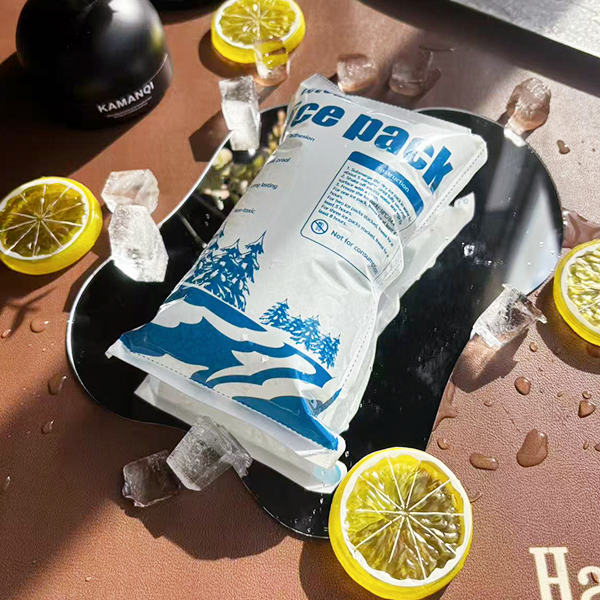
Manufacturer dry ice pack for food shipping: A Route-Ready Sourcing Framework
The right manufacturer dry ice pack for food shipping is not the sheet with the boldest duration claim. It is the component that fits a defined payload, insulated package, route, operating process, and acceptance decision, with evidence that remains valid at production scale. Buyers should separate hydration sheets from solid carbon dioxide, protect against both warming and overcooling, and approve the complete system rather than the coolant in isolation.
This framework is designed for a food brand, meal producer, e-commerce shipper, distributor, or packaging engineer that needs to move from search term to controlled purchase. It combines product fit, thermal design, material quality, supplier governance, qualification, operations, and total delivered cost. The outcome is a specification and packout that can be defended, taught, repeated, and improved.
Write the Product and Route Requirement First
A sound sourcing decision separates three questions that are often mixed together: what condition the payload requires, what cooling medium can support that condition, and what evidence proves the assembled packout on the intended route. Starting with a product name reverses that logic. Starting with the payload and decision criteria makes the supplier comparison useful.
A hydration dry ice pack is a water-activated cell sheet that is frozen before use. It can provide broad, flexible cooling around food, but it remains one component of the shipping system. It should not be treated as solid carbon dioxide, as a qualified shipper by itself, or as evidence of a universal duration. The goal is to hold the product within its required safety or quality conditions across a route that may include docks, sort centers, vehicles, and unattended delivery.
The final selection must connect composition, thermal behavior, material integrity, insulation, payload geometry, conditioning, route exposure, monitoring, and operating control. When actual solid carbon dioxide is proposed, its separate safety and transport requirements enter the plan. When a water-based sheet is proposed, classify and approve that product from its own documentation.
Food shipping is not one thermal problem. A frozen entree, a chilled ready-to-eat meal, a bakery item with a heat-sensitive filling, and a shelf-stable product can travel in identical outer cartons while requiring completely different controls. The manufacturer conversation must begin with product hazard, product specification, route, and payload geometry. Only then can a water-activated coolant sheet be sized and positioned as part of a defensible insulated packout.
Write a one-page shipment requirement before contacting suppliers. Include product identity and condition, primary package, payload dimensions and mass, dispatch temperature, upper and lower acceptance limits, route and handovers, seasonal exposure, insulation, receiving process, monitoring decision, planned volume, and applicable quality or market requirements. Mark unknowns for the pilot.
Separate product-safety limits from quality preferences and packaging-damage limits. They may lead to different sensor positions and actions. The receiver should know which observation or data set triggers acceptance, hold, investigation, or disposition. A thermal design cannot be optimized until the decision rule is clear.
Select a Cooling Strategy, Not a Product Name
Compare technologies against the requirement. Hydration sheets offer flat pre-activation storage, broad surface coverage, and flexible cell geometry. Gel packs can be easier to deploy in some chilled parcels. PCM can be selected around a narrower phase-change condition. Solid carbon dioxide supports appropriate deep-frozen uses but has distinct handling and transport controls. Active equipment may be justified on high-risk complex lanes.
Within food, product and route cases still need segmentation. The table shows why a single catalog SKU cannot be assumed to serve every case.
| Product or route case | Main exposure or failure | Useful design response | Assumption to avoid |
|---|---|---|---|
| Chilled prepared food | Microbial safety, seal integrity, and short handover delays | Use the product's defined transport range and a buffered coolant layout | Do not assume the coldest pack is the safest pack |
| Frozen food | Thawing at corners, long dwell, and insufficient insulation | Evaluate a frozen packout under the complete route profile | A water-based sheet is not equivalent to solid carbon dioxide |
| Bakery and confectionery food | Heat deformation, fat migration, and condensation | Target quality protection and moisture control | Deep cooling may create a new quality problem |
| Meal kits and mixed orders | Different ingredients share one parcel | Separate, buffer, or redesign the assortment around the most sensitive component | One average temperature can hide SKU-level risk |
Choose the simplest technology that creates an adequate, demonstrated margin without introducing a larger cold-side, moisture, handling, or compliance risk. If two options appear viable, compare them through the same payload, profile, acceptance rule, and total-cost boundary.
Build the Pack Around Geometry and Exposure
Build the architecture from outside to inside: outer carton or reusable container, insulation, liner or vapor control where needed, coolant location, buffer, payload holder, product packages, headspace management, sensor positions, closure, and labels. Every layer should have a job. Removing or moving a layer after qualification is a design change, not a harmless packing preference.
Route analysis should explicitly challenge selecting coolant from a generic food label instead of a product hazard analysis, testing an empty box rather than the real payload and headspace, placing every sensor in the center while ignoring warm corners and cold contact points, allowing hydration and freezer loading to vary by shift, and assuming the carrier will provide temperature control unless it is actually specified and agreed. Use alternatives such as insulation without coolant for stable products on mild routes, chilled gel packs for products that must not freeze, a phase change material chosen for a narrow target condition, and solid carbon dioxide for products that truly require deep-frozen transport and a compliant vented package where they solve the exposure more directly. For example, better vehicle control may be more effective on a dense route, while a parcel network may need stronger passive protection at walls and handovers.
Application-specific technical considerations include The heat load combines conduction through the insulation, air exchange at openings, radiation, warm packaging components, and the thermal mass of the food., Frozen water in a hydrate sheet absorbs energy as it warms and changes phase, but the useful duration depends on conditioning, mass, placement, insulation, and ambient exposure., Cell geometry helps a sheet wrap around a payload and intercept heat over a broad area, while seams and film must tolerate repeated bending and frozen handling., The coldest measured point can be as important as the warmest point when chilled food can be damaged by freezing., and Food-contact suitability, leak control, odor, cleanliness, and traceability are procurement issues even when the sheet only touches secondary packaging. Convert each material consideration into a drawing feature, supplier control, operating step, inspection, or protocol variable. Otherwise it remains an observation that cannot protect routine shipments.
Shortlist Manufacturers With Evidence
Use decision gates to compare manufacturers. This keeps procurement from awarding on unit price before composition, evidence, production control, and scale have been reviewed.
| Decision gate | Pass condition | Warning sign |
|---|---|---|
| Application fit | The supplier asks about food, payload, route, insulation, and acceptance limits | A pack count is offered from keyword or carton size alone |
| Specification | Dimensions, materials, activation, tolerances, and intended use are written | The sample is treated as the entire specification |
| Evidence | Test conditions and system boundaries are disclosed | Component claims are presented as universal packout performance |
| Quality control | Lot traceability, inspection, nonconformance, and change notification are defined | Substitution is allowed without buyer review |
| Scale | Capacity, carton packing, lead-time assumptions, and peak planning are discussed | Only nominal monthly output is discussed |
| Support | Production-representative samples and a route trial plan are available | The buyer is urged to skip the pilot |
After the initial screen, request production-representative samples and a written specification. Review the manufacturer's proposed tolerances, test methods, lot identification, nonconformance handling, retained samples, complaint response, and notice period for change. Define who owns tooling, artwork, and approval of custom cell patterns or packaging.
Commercial terms should make assumptions visible. Confirm quotation unit, dry or activated condition, carton quantity, palletization, minimum order, lead-time basis, sample status, freight term, documentation, and peak capacity without turning any unverified figure into a performance promise. Compare landed and operating cost under the same scope.
Qualify, Document, and Control the Packout
Qualification starts with an approved protocol and ends with a controlled report, drawing, specification, and work instruction. Test the intended payload or a justified surrogate, real insulation and coolant, defined conditioning, assembly variation, a representative or risk-based ambient profile, appropriate duration, and pre-agreed acceptance criteria. Include physical inspection and receiving behavior.
Place loggers at expected warm and cold risk locations. A center-only map can miss wall heat and frozen contact. Define accuracy, calibration status, interval, synchronization, start and stop logic, data ownership, and treatment of anomalies. Repeat the test sufficiently to understand system variation rather than selecting one favorable run.
Operationalize these controls: Define who hydrates, drains, freezes, counts, and releases the sheets., Confirm freezer capacity at peak dispatch volume, including recovery after doors are opened., Use visual or documented checks so partially frozen sheets do not enter a validated packout., Protect food and labels from free moisture, sharp frozen edges, and moving coolant., and Include receiver instructions when immediate refrigeration, freezing, or inspection is needed. Training should include wrong-component prevention, freeze-status checks, damaged-sheet rejection, route-variant selection, and deviation escalation. Observe actual operators during launch; ambiguity often appears only at production speed.
Apply the relevant claim boundaries as well. The FDA Sanitary Transportation rule in the United States addresses practices such as adequate refrigeration, cleanable equipment, and protection from contamination, but responsibilities depend on the operation and agreements among parties., A shipper and carrier may use an agreed mechanism to demonstrate temperature control for food that requires it; the practical method should match the product risk and records needed., and Carrier and destination rules should be checked separately if actual solid carbon dioxide is used. A water-activated sheet should be classified from its real composition rather than its marketing name. When product, payload, coolant, insulation, conditioning, route, carrier, season, site, logger, or supplier material changes, let the quality team determine whether document review, confirmation testing, or requalification is needed.
Use Total Delivered Cost to Guide Optimization
Calculate cost per successful shipment, not price per dry sheet. Include inbound freight and cube, storage, hydration water, labor, drainage, freezer energy and capacity, racks, buffers, insulation, assembly time, monitoring, rejects, leakage, product damage, customer service, disposal, returns, and the cost of a failed or delayed delivery. State which items are measured and which are assumptions.
Flat storage before hydration can reduce warehouse and inbound transport cube.
The calculation should also include water, freezer energy, damaged-product avoidance, carton and liner mass, disposal routes, and any return movement.
A route-specific seasonal packout can avoid automatic overpacking, provided the change is controlled and supported by evidence.
Optimize in controlled steps. Remove excess headspace, improve insulation fit, adjust coolant placement, create qualified seasonal variants, simplify operator motions, or improve receiving timing before reducing thermal margin without evidence. Track product acceptance, excursions, damage, complaints, pack loss, labor, and energy by route family.
A stable program does not mean a frozen design. It means changes are proposed with a reason, evaluated against the system boundary, tested when necessary, approved, documented, trained, and traced. That discipline allows cost and sustainability improvement without turning the live distribution network into an uncontrolled experiment.
Frequently Asked Questions
What is a hydration dry ice pack for food shipping?
It is a water-activated cell sheet that is soaked, frozen, and used as a coolant inside an insulated packout. It may be sold under a dry ice pack name, but it is not necessarily solid carbon dioxide. Confirm the composition and intended use before planning performance or transport classification.
Can one packout work for every food product?
Usually not. Food safety hazards, freezing sensitivity, package geometry, thermal mass, route duration, and receiving conditions vary widely. A system that works for a frozen meal may overcool a chilled sauce or provide unnecessary complexity for a stable bakery product.
How is hold time confirmed?
Hold time should be demonstrated with the proposed payload, insulation, coolant conditioning, pack arrangement, ambient profile, sensor map, and acceptance criteria. A duration printed on a component page is not a substitute for evidence on the assembled shipping system.
What should a manufacturer sample review include?
Review dimensions, water uptake, leak resistance, seam strength, odor, handling, freezing behavior, lot identification, and fit inside the intended carton or liner. Then test the assembled parcel under a representative or justified worst-case profile.
Does a dry ice product name trigger air-shipping rules?
The applicable rules depend on the actual material. Solid carbon dioxide used as refrigerant is treated as dry ice and has packaging, marking, labeling, and documentation requirements for air transport. A different coolant should be evaluated from its composition and carrier requirements.
Approve a Controlled System, Not an Isolated Claim
The best sourcing outcome links six decisions: the payload requirement, cooling technology, pack architecture, manufacturer controls, qualification evidence, and operating process. If any link is missing, the buyer is relying on an assumption that may fail at scale or on a different route.
For food, the practical next step is to document the product, route, payload, insulation, dispatch and receiving conditions, seasonal exposure, and evidence needs. Use that brief to compare production samples and design a trial. Only then freeze the commercial specification and rollout plan.
About Tempk
Tempk provides water-activated cell sheets and related cold-chain packaging support for food, seafood, medical samples, and other temperature-sensitive shipments. For food, Tempk can review payload and route inputs, propose sheet and cell formats, discuss material and print options, and prepare samples for packout trials. The final shipping configuration should be approved from the customer's product requirements and evidence on the complete insulated system, with production and change controls aligned before scale-up.
Send Tempk your food shipment brief and expected order scale to discuss coolant-sheet options, custom cell geometry, production samples, and a route-based packout review.
Manufacturer dry ice pack for candy transport: Route-Ready Sourcing Framework
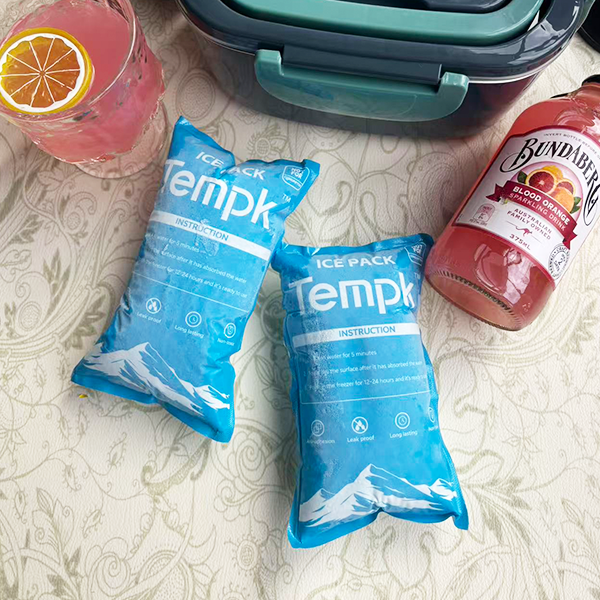
Manufacturer dry ice pack for candy transport: A Route-Ready Sourcing Framework
The right manufacturer dry ice pack for candy transport is not the sheet with the boldest duration claim. It is the component that fits a defined payload, insulated package, route, operating process, and acceptance decision, with evidence that remains valid at production scale. Buyers should separate hydration sheets from solid carbon dioxide, protect against both warming and overcooling, and approve the complete system rather than the coolant in isolation.
This framework is designed for a confectionery brand, contract packer, distributor, or procurement team that needs to move from search term to controlled purchase. It combines product fit, thermal design, material quality, supplier governance, qualification, operations, and total delivered cost. The outcome is a specification and packout that can be defended, taught, repeated, and improved.
Define the Product Limit Before Asking for a Sample
A sound sourcing decision separates three questions that are often mixed together: what condition the payload requires, what cooling medium can support that condition, and what evidence proves the assembled packout on the intended route. Starting with a product name reverses that logic. Starting with the payload and decision criteria makes the supplier comparison useful.
A hydration dry ice pack is a water-activated cell sheet that is frozen before use. It can provide broad, flexible cooling around candy, but it remains one component of the shipping system. It should not be treated as solid carbon dioxide, as a qualified shipper by itself, or as evidence of a universal duration. The goal is to protect texture, shape, coatings, and presentation without creating damaging cold spots or condensation.
The final selection must connect composition, thermal behavior, material integrity, insulation, payload geometry, conditioning, route exposure, monitoring, and operating control. When actual solid carbon dioxide is proposed, its separate safety and transport requirements enter the plan. When a water-based sheet is proposed, classify and approve that product from its own documentation.
A mixed confectionery order can contain hard candy, gummies, panned pieces, filled sweets, and chocolate-coated items in the same parcel. Their heat sensitivity is not identical. A packout that protects a coated piece on a hot loading dock may be unnecessary for a stable hard candy and may create condensation when the parcel enters an air-conditioned receiving room. The useful design question is therefore not whether the coolant feels cold. It is whether the entire parcel keeps each SKU inside its own quality limits through every handover.
Write a one-page shipment requirement before contacting suppliers. Include product identity and condition, primary package, payload dimensions and mass, dispatch temperature, upper and lower acceptance limits, route and handovers, seasonal exposure, insulation, receiving process, monitoring decision, planned volume, and applicable quality or market requirements. Mark unknowns for the pilot.
Separate product-safety limits from quality preferences and packaging-damage limits. They may lead to different sensor positions and actions. The receiver should know which observation or data set triggers acceptance, hold, investigation, or disposition. A thermal design cannot be optimized until the decision rule is clear.
Choose the Coolant Architecture by Failure Mode
Compare technologies against the requirement. Hydration sheets offer flat pre-activation storage, broad surface coverage, and flexible cell geometry. Gel packs can be easier to deploy in some chilled parcels. PCM can be selected around a narrower phase-change condition. Solid carbon dioxide supports appropriate deep-frozen uses but has distinct handling and transport controls. Active equipment may be justified on high-risk complex lanes.
Within candy, product and route cases still need segmentation. The table shows why a single catalog SKU cannot be assumed to serve every case.
| Product or route case | Main exposure or failure | Useful design response | Assumption to avoid |
|---|---|---|---|
| Hard candy and lozenges | Heat, humidity, sticking, and crushed retail packs | Use cooling only when the product specification or route exposure justifies it | Moisture control and carton strength may matter more than deep cooling |
| Gummies and soft chews | Softening, deformation, surface tack, and flavor migration | Use broad but buffered cooling with stable carton geometry | Avoid direct pack contact that can wet or locally harden the product |
| Chocolate-coated candy | Coating softening, bloom risk, scuffing, and presentation loss | Control heat gain and temperature swings, not simply the lowest possible temperature | Plan acclimation so cold packs do not create condensation at opening |
| Filled or layered sweets | Different fat, sugar, and moisture phases respond differently | Confirm the finished product limit with quality staff before selecting coolant | A generic candy setpoint may not protect every layer |
Choose the simplest technology that creates an adequate, demonstrated margin without introducing a larger cold-side, moisture, handling, or compliance risk. If two options appear viable, compare them through the same payload, profile, acceptance rule, and total-cost boundary.
Translate Route Exposure Into Pack Placement
Build the architecture from outside to inside: outer carton or reusable container, insulation, liner or vapor control where needed, coolant location, buffer, payload holder, product packages, headspace management, sensor positions, closure, and labels. Every layer should have a job. Removing or moving a layer after qualification is a design change, not a harmless packing preference.
Route analysis should explicitly challenge local overcooling where a frozen sheet touches a thin retail carton, warm air entering through headspace and defeating edge cooling, condensation forming on wrappers when a cold parcel is opened in humid air, mechanical scuffing when a wet or poorly drained sheet shifts in transit, and seasonal packouts remaining in use after lane conditions have changed. Use alternatives such as no coolant with improved insulation for mild lanes, conditioned gel packs for moderate heat exposure, phase change material selected around a product-specific range, and solid carbon dioxide only for a genuinely frozen requirement and an appropriate compliant packout where they solve the exposure more directly. For example, better vehicle control may be more effective on a dense route, while a parcel network may need stronger passive protection at walls and handovers.
Application-specific technical considerations include Sugar, fat, water activity, coating type, piece geometry, and primary wrap all influence how a confectionery item responds to heat and cooling., A cell sheet presents more surface area than a rigid block, which can improve heat interception but also increases the need for a buffer layer., The frozen water held in an absorbent structure stores cooling through sensible heat and phase change; it does not reproduce the temperature of solid carbon dioxide., Air gaps, reflective liners, corrugated board, insulation thickness, and payload thermal mass determine how quickly heat reaches the product., and The dew point at unpacking matters because a cold surface exposed to humid air can collect moisture even when the product never exceeded its upper limit. Convert each material consideration into a drawing feature, supplier control, operating step, inspection, or protocol variable. Otherwise it remains an observation that cannot protect routine shipments.
Score the Manufacturer on Evidence and Control
Use decision gates to compare manufacturers. This keeps procurement from awarding on unit price before composition, evidence, production control, and scale have been reviewed.
| Decision gate | Pass condition | Warning sign |
|---|---|---|
| Application fit | The supplier asks about candy, payload, route, insulation, and acceptance limits | A pack count is offered from keyword or carton size alone |
| Specification | Dimensions, materials, activation, tolerances, and intended use are written | The sample is treated as the entire specification |
| Evidence | Test conditions and system boundaries are disclosed | Component claims are presented as universal packout performance |
| Quality control | Lot traceability, inspection, nonconformance, and change notification are defined | Substitution is allowed without buyer review |
| Scale | Capacity, carton packing, lead-time assumptions, and peak planning are discussed | Only nominal monthly output is discussed |
| Support | Production-representative samples and a route trial plan are available | The buyer is urged to skip the pilot |
After the initial screen, request production-representative samples and a written specification. Review the manufacturer's proposed tolerances, test methods, lot identification, nonconformance handling, retained samples, complaint response, and notice period for change. Define who owns tooling, artwork, and approval of custom cell patterns or packaging.
Commercial terms should make assumptions visible. Confirm quotation unit, dry or activated condition, carton quantity, palletization, minimum order, lead-time basis, sample status, freight term, documentation, and peak capacity without turning any unverified figure into a performance promise. Compare landed and operating cost under the same scope.
Qualify the Whole Parcel, Then Freeze the Specification
Qualification starts with an approved protocol and ends with a controlled report, drawing, specification, and work instruction. Test the intended payload or a justified surrogate, real insulation and coolant, defined conditioning, assembly variation, a representative or risk-based ambient profile, appropriate duration, and pre-agreed acceptance criteria. Include physical inspection and receiving behavior.
Place loggers at expected warm and cold risk locations. A center-only map can miss wall heat and frozen contact. Define accuracy, calibration status, interval, synchronization, start and stop logic, data ownership, and treatment of anomalies. Repeat the test sufficiently to understand system variation rather than selecting one favorable run.
Operationalize these controls: Separate summer, shoulder-season, and mild-weather instructions rather than relying on one year-round packout., Hydrate with a controlled method, allow excess surface water to drain, and freeze sheets in a repeatable orientation., Use a spacer, sleeve, or product tray when direct frozen contact could mark wrappers or create cold spots., Record pack count, conditioning status, assembly time, and dispatch condition for pilot shipments., and Give receivers an opening and acclimation instruction when condensation could affect presentation. Training should include wrong-component prevention, freeze-status checks, damaged-sheet rejection, route-variant selection, and deviation escalation. Observe actual operators during launch; ambiguity often appears only at production speed.
Apply the relevant claim boundaries as well. Candy is food, so sanitation, suitable materials, and protection from contamination remain relevant even when cooling is mainly for quality., The required product condition should come from the confectionery specification and applicable market rules, not from a generic coolant claim., and If the chosen sheet contains no solid carbon dioxide, a marketing name that includes dry ice does not by itself establish UN1845 classification; buyers should confirm composition and carrier treatment. When product, payload, coolant, insulation, conditioning, route, carrier, season, site, logger, or supplier material changes, let the quality team determine whether document review, confirmation testing, or requalification is needed.
Manage Cost Without Trading Away Product Presentation
Calculate cost per successful shipment, not price per dry sheet. Include inbound freight and cube, storage, hydration water, labor, drainage, freezer energy and capacity, racks, buffers, insulation, assembly time, monitoring, rejects, leakage, product damage, customer service, disposal, returns, and the cost of a failed or delayed delivery. State which items are measured and which are assumptions.
Flat dry storage can reduce inbound cube before activation, but hydration labor, freezer energy, water use, film recovery, and product waste belong in the same assessment.
A lighter packout is not automatically the lower-impact option if it causes more damaged candy or emergency reshipments.
Reuse should be considered only when hygiene, inspection, drying, return transport, and performance after prior cycles are controlled.
Optimize in controlled steps. Remove excess headspace, improve insulation fit, adjust coolant placement, create qualified seasonal variants, simplify operator motions, or improve receiving timing before reducing thermal margin without evidence. Track product acceptance, excursions, damage, complaints, pack loss, labor, and energy by route family.
A stable program does not mean a frozen design. It means changes are proposed with a reason, evaluated against the system boundary, tested when necessary, approved, documented, trained, and traced. That discipline allows cost and sustainability improvement without turning the live distribution network into an uncontrolled experiment.
Frequently Asked Questions
Does every candy shipment need a frozen pack?
No. Some hard candies tolerate ordinary parcel conditions better than coated, filled, or gummy products. Start with the finished-product specification, expected route exposure, and presentation risk. Cooling that is unnecessary can add condensation, weight, labor, and cost without improving delivery quality.
Can a hydrate dry ice pack touch candy boxes directly?
Direct contact may create local cold spots, moisture transfer, or scuffing, especially around thin retail cartons. A spacer, sleeve, tray, or liner is often worth testing. The approved arrangement should be based on a packed-product trial rather than on the coolant sheet alone.
Is a water-activated dry ice pack regulated as solid dry ice?
Not automatically. Solid carbon dioxide is a specific material with transport requirements. A water-activated frozen sheet may use a different composition. Ask for the product description and safety documentation, then confirm classification with the carrier for the planned mode and lane.
How should a candy brand compare samples from manufacturers?
Condition every sample with the same hydration and freezing process, use the same candy load and carton, expose the parcels to the same profile, and place temperature sensors consistently. Also compare leakage, dimensions, handling time, odor, print, and production-lot consistency.
What information should be sent before requesting a quote?
Provide candy type, primary and secondary packaging, payload dimensions, parcel size, route duration, seasonal exposure, dispatch and receiving conditions, desired customization, estimated volume, and the evidence required by your quality team. That information produces a more meaningful proposal than pack size alone.
Approve a Controlled System, Not an Isolated Claim
The best sourcing outcome links six decisions: the payload requirement, cooling technology, pack architecture, manufacturer controls, qualification evidence, and operating process. If any link is missing, the buyer is relying on an assumption that may fail at scale or on a different route.
For candy, the practical next step is to document the product, route, payload, insulation, dispatch and receiving conditions, seasonal exposure, and evidence needs. Use that brief to compare production samples and design a trial. Only then freeze the commercial specification and rollout plan.
About Tempk
Tempk provides water-activated cell sheets and related cold-chain packaging support for food, seafood, medical samples, and other temperature-sensitive shipments. For candy, Tempk can review payload and route inputs, propose sheet and cell formats, discuss material and print options, and prepare samples for packout trials. The final shipping configuration should be approved from the customer's product requirements and evidence on the complete insulated system, with production and change controls aligned before scale-up.
Send Tempk your candy shipment brief and expected order scale to discuss coolant-sheet options, custom cell geometry, production samples, and a route-based packout review.
Bulk dry ice pack for seafood packaging: Route-Ready Sourcing Framework
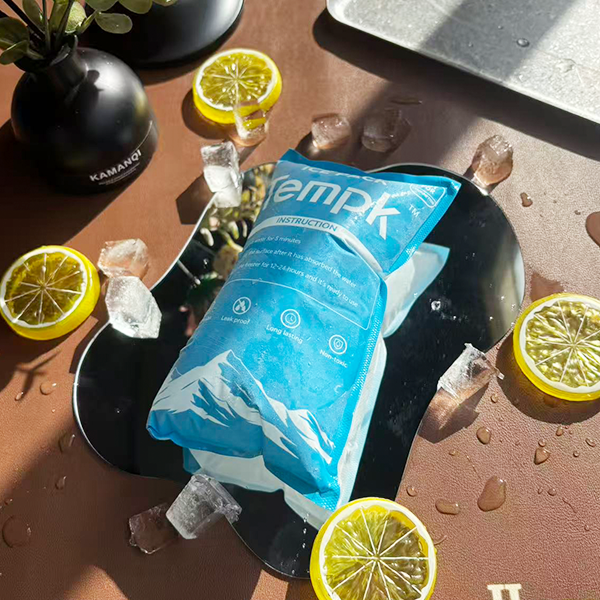
Bulk dry ice pack for seafood packaging: A Route-Ready Sourcing Framework
The right bulk dry ice pack for seafood packaging is not the sheet with the boldest duration claim. It is the component that fits a defined payload, insulated package, route, operating process, and acceptance decision, with evidence that remains valid at production scale. Buyers should separate hydration sheets from solid carbon dioxide, protect against both warming and overcooling, and approve the complete system rather than the coolant in isolation.
This framework is designed for a seafood processor, exporter, cold-store operator, distributor, or packaging procurement team that needs to move from search term to controlled purchase. It combines product fit, thermal design, material quality, supplier governance, qualification, operations, and total delivered cost. The outcome is a specification and packout that can be defended, taught, repeated, and improved.
Separate the Seafood Hazard From the Coolant Choice
A sound sourcing decision separates three questions that are often mixed together: what condition the payload requires, what cooling medium can support that condition, and what evidence proves the assembled packout on the intended route. Starting with a product name reverses that logic. Starting with the payload and decision criteria makes the supplier comparison useful.
A hydration dry ice pack is a water-activated cell sheet that is frozen before use. It can provide broad, flexible cooling around seafood, but it remains one component of the shipping system. It should not be treated as solid carbon dioxide, as a qualified shipper by itself, or as evidence of a universal duration. The goal is to control time and temperature while managing salt, water, puncture, odor, hygiene, and the difference between fresh, chilled, and frozen seafood.
The final selection must connect composition, thermal behavior, material integrity, insulation, payload geometry, conditioning, route exposure, monitoring, and operating control. When actual solid carbon dioxide is proposed, its separate safety and transport requirements enter the plan. When a water-based sheet is proposed, classify and approve that product from its own documentation.
Seafood cartons are exposed to more than ambient heat. Sharp shells, fish spines, wet surfaces, brine, drainage, stacked loads, and repeated handling all challenge the coolant and the outer pack. Histamine-forming species introduce an additional time-temperature concern for refrigerated product. The bulk buying decision must connect thermal design with sanitation, physical durability, product category, and the evidence needed at receiving.
Write a one-page shipment requirement before contacting suppliers. Include product identity and condition, primary package, payload dimensions and mass, dispatch temperature, upper and lower acceptance limits, route and handovers, seasonal exposure, insulation, receiving process, monitoring decision, planned volume, and applicable quality or market requirements. Mark unknowns for the pilot.
Separate product-safety limits from quality preferences and packaging-damage limits. They may lead to different sensor positions and actions. The receiver should know which observation or data set triggers acceptance, hold, investigation, or disposition. A thermal design cannot be optimized until the decision rule is clear.
Build the Pack Around Product State and Geometry
Compare technologies against the requirement. Hydration sheets offer flat pre-activation storage, broad surface coverage, and flexible cell geometry. Gel packs can be easier to deploy in some chilled parcels. PCM can be selected around a narrower phase-change condition. Solid carbon dioxide supports appropriate deep-frozen uses but has distinct handling and transport controls. Active equipment may be justified on high-risk complex lanes.
Within seafood, product and route cases still need segmentation. The table shows why a single catalog SKU cannot be assumed to serve every case.
| Product or route case | Main exposure or failure | Useful design response | Assumption to avoid |
|---|---|---|---|
| Fresh chilled fish | Temperature abuse, drip, odor transfer, and bruising | Use an approved chilled process and monitor handovers | A deeply frozen contact surface may damage product or packaging |
| Histamine-forming species | Time-temperature exposure can create a food-safety hazard | Align controls with the seafood HACCP plan and receiving evidence | Coolant selection cannot replace hazard controls |
| Frozen seafood | Corner thawing, long dwell, and carton weakening | Test the full frozen packout under export conditions | Hydrate sheets are not equivalent to solid carbon dioxide |
| Shellfish and irregular payloads | Puncture, voids, drainage, and uneven contact | Use protective layers and a sheet geometry that follows the load | Film and seams need physical as well as thermal review |
Choose the simplest technology that creates an adequate, demonstrated margin without introducing a larger cold-side, moisture, handling, or compliance risk. If two options appear viable, compare them through the same payload, profile, acceptance rule, and total-cost boundary.
Protect the Thermal Layer From Water and Puncture
Build the architecture from outside to inside: outer carton or reusable container, insulation, liner or vapor control where needed, coolant location, buffer, payload holder, product packages, headspace management, sensor positions, closure, and labels. Every layer should have a job. Removing or moving a layer after qualification is a design change, not a harmless packing preference.
Route analysis should explicitly challenge using a food-grade claim as a substitute for seafood-specific packout evidence, ignoring brine, meltwater, spines, shells, and rough frozen handling, placing sensors only in easy central positions, testing a clean laboratory carton that does not reproduce real drainage and stacking, and accepting bulk production with changed film or absorbent media without review. Use alternatives such as flaked or slurry ice for processes designed around drainage and direct product chilling, conditioned gel packs for selected chilled parcel formats, phase change systems for a defined narrow temperature requirement, and solid carbon dioxide for approved deep-frozen shipments with vented compliant packaging where they solve the exposure more directly. For example, better vehicle control may be more effective on a dense route, while a parcel network may need stronger passive protection at walls and handovers.
Application-specific technical considerations include A broad cell sheet can cover irregular seafood surfaces and reduce large warm gaps, but it must be protected from puncture and movement., Water uptake affects frozen mass and available cooling, so activation and drainage tolerances matter in bulk operations., Insulation loses practical value when lids gap, cartons collapse, drain paths bypass the thermal barrier, or wet board deforms., Seafood payload temperature at packing is part of the heat balance; a passive pack should not be expected to correct an uncontrolled chilling process., and The coldest point, warmest point, and elapsed time through dock and customs handovers should all inform the test map. Convert each material consideration into a drawing feature, supplier control, operating step, inspection, or protocol variable. Otherwise it remains an observation that cannot protect routine shipments.
Score Bulk Suppliers on Control, Not Claims
Use decision gates to compare manufacturers. This keeps procurement from awarding on unit price before composition, evidence, production control, and scale have been reviewed.
| Decision gate | Pass condition | Warning sign |
|---|---|---|
| Application fit | The supplier asks about seafood, payload, route, insulation, and acceptance limits | A pack count is offered from keyword or carton size alone |
| Specification | Dimensions, materials, activation, tolerances, and intended use are written | The sample is treated as the entire specification |
| Evidence | Test conditions and system boundaries are disclosed | Component claims are presented as universal packout performance |
| Quality control | Lot traceability, inspection, nonconformance, and change notification are defined | Substitution is allowed without buyer review |
| Scale | Capacity, carton packing, lead-time assumptions, and peak planning are discussed | Only nominal monthly output is discussed |
| Support | Production-representative samples and a route trial plan are available | The buyer is urged to skip the pilot |
After the initial screen, request production-representative samples and a written specification. Review the manufacturer's proposed tolerances, test methods, lot identification, nonconformance handling, retained samples, complaint response, and notice period for change. Define who owns tooling, artwork, and approval of custom cell patterns or packaging.
Commercial terms should make assumptions visible. Confirm quotation unit, dry or activated condition, carton quantity, palletization, minimum order, lead-time basis, sample status, freight term, documentation, and peak capacity without turning any unverified figure into a performance promise. Compare landed and operating cost under the same scope.
Qualify the Export Packout and Its Handoffs
Qualification starts with an approved protocol and ends with a controlled report, drawing, specification, and work instruction. Test the intended payload or a justified surrogate, real insulation and coolant, defined conditioning, assembly variation, a representative or risk-based ambient profile, appropriate duration, and pre-agreed acceptance criteria. Include physical inspection and receiving behavior.
Place loggers at expected warm and cold risk locations. A center-only map can miss wall heat and frozen contact. Define accuracy, calibration status, interval, synchronization, start and stop logic, data ownership, and treatment of anomalies. Repeat the test sufficiently to understand system variation rather than selecting one favorable run.
Operationalize these controls: Hydrate and drain sheets using controlled time, water condition, and handling steps., Freeze in racks or layers that allow complete conditioning and avoid fused blocks., Use puncture barriers, liners, and drainage arrangements matched to the seafood format., Pre-chill or freeze the product to the approved dispatch condition before final packing., and Record packout, lot, dispatch time, route, and receiving observations during trials and launch. Training should include wrong-component prevention, freeze-status checks, damaged-sheet rejection, route-variant selection, and deviation escalation. Observe actual operators during launch; ambiguity often appears only at production speed.
Apply the relevant claim boundaries as well. FDA seafood guidance emphasizes hazard analysis and controls, including time-temperature controls for relevant products such as histamine-forming fish., Food sanitary-transport responsibilities include appropriate temperature control, equipment condition, cleaning, and contamination protection where the rules apply., and Actual solid carbon dioxide has specific transport requirements. A water-activated sheet should be assessed from its composition and carrier rules, not from the words dry ice in a product name. When product, payload, coolant, insulation, conditioning, route, carrier, season, site, logger, or supplier material changes, let the quality team determine whether document review, confirmation testing, or requalification is needed.
Balance Landed Cost, Damage, and Evidence
Calculate cost per successful shipment, not price per dry sheet. Include inbound freight and cube, storage, hydration water, labor, drainage, freezer energy and capacity, racks, buffers, insulation, assembly time, monitoring, rejects, leakage, product damage, customer service, disposal, returns, and the cost of a failed or delayed delivery. State which items are measured and which are assumptions.
Dry flat storage can reduce inbound volume to a processing plant or export packhouse.
The analysis should include freezer energy, water, damaged seafood, leakage, liner and carton use, disposal options, and product loss because seafood carries a high embedded value.
Reusable formats need a credible cleaning, inspection, drying, return, and rejection process before reuse is counted as an advantage.
Optimize in controlled steps. Remove excess headspace, improve insulation fit, adjust coolant placement, create qualified seasonal variants, simplify operator motions, or improve receiving timing before reducing thermal margin without evidence. Track product acceptance, excursions, damage, complaints, pack loss, labor, and energy by route family.
A stable program does not mean a frozen design. It means changes are proposed with a reason, evaluated against the system boundary, tested when necessary, approved, documented, trained, and traced. That discipline allows cost and sustainability improvement without turning the live distribution network into an uncontrolled experiment.
Frequently Asked Questions
Are hydrate dry ice packs suitable for fresh and frozen seafood?
They may support selected chilled or frozen packouts, but the arrangement must match product state, approved temperature condition, route, insulation, and handling. Fresh fish, histamine-forming species, frozen fillets, and shellfish do not share one universal packout.
Can the sheet touch seafood directly?
Direct food contact should never be assumed. Confirm intended use, material documentation, sanitation controls, and the pack design. A liner or protective barrier may also be needed to control moisture, puncture, odor, and local cold contact.
What should be tested before a bulk order?
Test hydration consistency, leakage, puncture protection, frozen handling, fit, sensor locations, thermal performance, drainage, stacking, and receiving condition using the intended seafood, carton, insulation, and route profile. Compare multiple production-representative samples rather than one hand-selected piece.
Does a seafood HACCP plan make a coolant pack compliant?
No. A coolant is one component of the process. The seafood operation must identify hazards and apply appropriate controls, monitoring, corrective actions, verification, and records. Packaging evidence should support that system rather than replace it.
How should a buyer compare bulk pricing?
Compare total activated and delivered cost, not only unit price. Include inbound freight, dry storage, hydration labor, water, freezer capacity, protective liners, rejects, leakage, carton utilization, thermal trial costs, disposal, and the cost of seafood loss or delayed acceptance.
Approve a Controlled System, Not an Isolated Claim
The best sourcing outcome links six decisions: the payload requirement, cooling technology, pack architecture, manufacturer controls, qualification evidence, and operating process. If any link is missing, the buyer is relying on an assumption that may fail at scale or on a different route.
For seafood, the practical next step is to document the product, route, payload, insulation, dispatch and receiving conditions, seasonal exposure, and evidence needs. Use that brief to compare production samples and design a trial. Only then freeze the commercial specification and rollout plan.
About Tempk
Tempk provides water-activated cell sheets and related cold-chain packaging support for food, seafood, medical samples, and other temperature-sensitive shipments. For seafood, Tempk can review payload and route inputs, propose sheet and cell formats, discuss material and print options, and prepare samples for packout trials. The final shipping configuration should be approved from the customer's product requirements and evidence on the complete insulated system, with production and change controls aligned before scale-up.
Send Tempk your seafood shipment brief and expected order scale to discuss coolant-sheet options, custom cell geometry, production samples, and a route-based packout review.
Bulk dry ice pack for milk delivery: Route-Ready Sourcing Framework
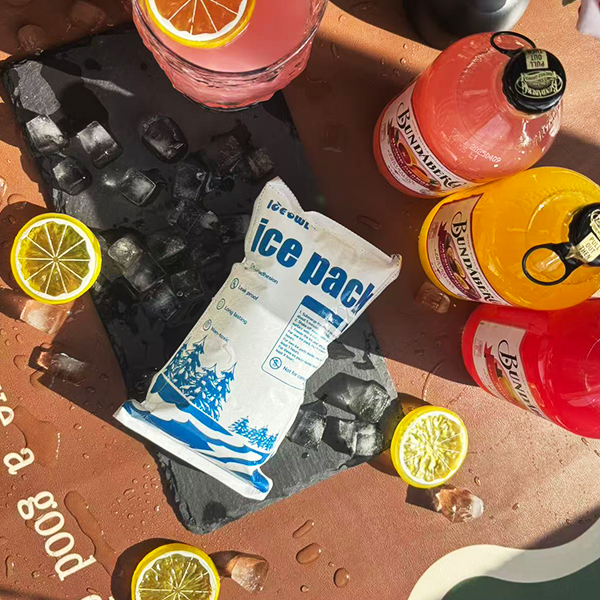
Bulk dry ice pack for milk delivery: A Route-Ready Sourcing Framework
The right bulk dry ice pack for milk delivery is not the sheet with the boldest duration claim. It is the component that fits a defined payload, insulated package, route, operating process, and acceptance decision, with evidence that remains valid at production scale. Buyers should separate hydration sheets from solid carbon dioxide, protect against both warming and overcooling, and approve the complete system rather than the coolant in isolation.
This framework is designed for a dairy, route operator, meal-delivery company, distributor, or bulk packaging buyer that needs to move from search term to controlled purchase. It combines product fit, thermal design, material quality, supplier governance, qualification, operations, and total delivered cost. The outcome is a specification and packout that can be defended, taught, repeated, and improved.
Define the Route Family and Milk Requirement
A sound sourcing decision separates three questions that are often mixed together: what condition the payload requires, what cooling medium can support that condition, and what evidence proves the assembled packout on the intended route. Starting with a product name reverses that logic. Starting with the payload and decision criteria makes the supplier comparison useful.
A hydration dry ice pack is a water-activated cell sheet that is frozen before use. It can provide broad, flexible cooling around milk delivery, but it remains one component of the shipping system. It should not be treated as solid carbon dioxide, as a qualified shipper by itself, or as evidence of a universal duration. The goal is to make daily or recurring milk deliveries repeatable while controlling hydration labor, freezer throughput, bottle contact, route dwell, and receiving evidence.
The final selection must connect composition, thermal behavior, material integrity, insulation, payload geometry, conditioning, route exposure, monitoring, and operating control. When actual solid carbon dioxide is proposed, its separate safety and transport requirements enter the plan. When a water-based sheet is proposed, classify and approve that product from its own documentation.
A daily milk route succeeds or fails at the process level. Hundreds of correctly made sheets are not useful if they enter the packing line half frozen, are placed differently by each shift, or sit directly against bottles during an unexpected delay. Bulk purchasing must therefore connect product specification with route density, dispatch waves, vehicle conditions, doorstep time, return logistics, and the capacity of the local hydration and freezing operation.
Write a one-page shipment requirement before contacting suppliers. Include product identity and condition, primary package, payload dimensions and mass, dispatch temperature, upper and lower acceptance limits, route and handovers, seasonal exposure, insulation, receiving process, monitoring decision, planned volume, and applicable quality or market requirements. Mark unknowns for the pilot.
Separate product-safety limits from quality preferences and packaging-damage limits. They may lead to different sensor positions and actions. The receiver should know which observation or data set triggers acceptance, hold, investigation, or disposition. A thermal design cannot be optimized until the decision rule is clear.
Choose Between Vehicle, Tote, and Parcel Controls
Compare technologies against the requirement. Hydration sheets offer flat pre-activation storage, broad surface coverage, and flexible cell geometry. Gel packs can be easier to deploy in some chilled parcels. PCM can be selected around a narrower phase-change condition. Solid carbon dioxide supports appropriate deep-frozen uses but has distinct handling and transport controls. Active equipment may be justified on high-risk complex lanes.
Within milk delivery, product and route cases still need segmentation. The table shows why a single catalog SKU cannot be assumed to serve every case.
| Product or route case | Main exposure or failure | Useful design response | Assumption to avoid |
|---|---|---|---|
| Dense scheduled route | Frequent door openings and short stops | Use route data and repeatable tote placement | Vehicle refrigeration may be more efficient than parcel-style overpacking |
| Doorstep delivery | Unattended dwell and variable shade | Design for the agreed delivery window and receiver instructions | Do not assume immediate collection |
| Small parcel milk order | High surface-to-volume ratio and sort-center exposure | Use mapped insulation and buffered coolant | Protect caps and bottles from movement |
| Institutional replenishment | Larger cases, receiving delays, and documentation | Define handover and acceptance checks | Dock dwell can dominate the final risk |
Choose the simplest technology that creates an adequate, demonstrated margin without introducing a larger cold-side, moisture, handling, or compliance risk. If two options appear viable, compare them through the same payload, profile, acceptance rule, and total-cost boundary.
Build a Repeatable Activation and Freeze Process
Build the architecture from outside to inside: outer carton or reusable container, insulation, liner or vapor control where needed, coolant location, buffer, payload holder, product packages, headspace management, sensor positions, closure, and labels. Every layer should have a job. Removing or moving a layer after qualification is a design change, not a harmless packing preference.
Route analysis should explicitly challenge buying bulk quantity before proving the hydration and freezing workflow, using one pack count for every route and season, placing frozen sheets differently among totes or cases, overlooking bottle-wall freeze risk during long direct contact, and failing to manage returned, wet, damaged, or partially thawed packs. Use alternatives such as refrigerated vehicles or compartments for dense fixed routes, conditioned gel packs for short tote deliveries, phase change plates for tightly controlled reusable systems, and no coolant for shelf-stable milk when approved where they solve the exposure more directly. For example, better vehicle control may be more effective on a dense route, while a parcel network may need stronger passive protection at walls and handovers.
Application-specific technical considerations include Route frequency changes the cost model because the same freezer, racks, labor, and staging area are used every dispatch day., Broad sheet coverage can intercept heat near tote walls, while a buffer and defined clearance protect bottles from local overcooling., Vehicle door openings and stop patterns create a pulsed ambient exposure that may not resemble a smooth laboratory profile., The warmest point may migrate as cases are removed, so partial-load conditions deserve attention., and A data logger proves exposure only at its location; the map should represent route geometry and product positions. Convert each material consideration into a drawing feature, supplier control, operating step, inspection, or protocol variable. Otherwise it remains an observation that cannot protect routine shipments.
Approve the Supplier and the Production Lot
Use decision gates to compare manufacturers. This keeps procurement from awarding on unit price before composition, evidence, production control, and scale have been reviewed.
| Decision gate | Pass condition | Warning sign |
|---|---|---|
| Application fit | The supplier asks about milk delivery, payload, route, insulation, and acceptance limits | A pack count is offered from keyword or carton size alone |
| Specification | Dimensions, materials, activation, tolerances, and intended use are written | The sample is treated as the entire specification |
| Evidence | Test conditions and system boundaries are disclosed | Component claims are presented as universal packout performance |
| Quality control | Lot traceability, inspection, nonconformance, and change notification are defined | Substitution is allowed without buyer review |
| Scale | Capacity, carton packing, lead-time assumptions, and peak planning are discussed | Only nominal monthly output is discussed |
| Support | Production-representative samples and a route trial plan are available | The buyer is urged to skip the pilot |
After the initial screen, request production-representative samples and a written specification. Review the manufacturer's proposed tolerances, test methods, lot identification, nonconformance handling, retained samples, complaint response, and notice period for change. Define who owns tooling, artwork, and approval of custom cell patterns or packaging.
Commercial terms should make assumptions visible. Confirm quotation unit, dry or activated condition, carton quantity, palletization, minimum order, lead-time basis, sample status, freight term, documentation, and peak capacity without turning any unverified figure into a performance promise. Compare landed and operating cost under the same scope.
Qualify the Hardest Credible Delivery Condition
Qualification starts with an approved protocol and ends with a controlled report, drawing, specification, and work instruction. Test the intended payload or a justified surrogate, real insulation and coolant, defined conditioning, assembly variation, a representative or risk-based ambient profile, appropriate duration, and pre-agreed acceptance criteria. Include physical inspection and receiving behavior.
Place loggers at expected warm and cold risk locations. A center-only map can miss wall heat and frozen contact. Define accuracy, calibration status, interval, synchronization, start and stop logic, data ownership, and treatment of anomalies. Repeat the test sufficiently to understand system variation rather than selecting one favorable run.
Operationalize these controls: Calculate sheets needed per dispatch wave, plus controlled safety stock and quarantine space., Use timed hydration, draining racks, freeze-status checks, and first-in-first-out handling., Create visual packout instructions for each tote or case format., Separate clean ready-to-use inventory from returned, damaged, or uninspected material., and Review route exceptions and temperature evidence before changing pack count or placement. Training should include wrong-component prevention, freeze-status checks, damaged-sheet rejection, route-variant selection, and deviation escalation. Observe actual operators during launch; ambiguity often appears only at production speed.
Apply the relevant claim boundaries as well. Milk should move under the approved product condition and applicable dairy and sanitary-transport requirements., For U.S. Grade A pasteurized milk, FDA references use 7 degrees Celsius or 45 degrees Fahrenheit or below, while other products and markets may differ., and A hydration coolant sheet is not necessarily carbon dioxide. Confirm composition and carrier requirements before applying dry-ice transport rules. When product, payload, coolant, insulation, conditioning, route, carrier, season, site, logger, or supplier material changes, let the quality team determine whether document review, confirmation testing, or requalification is needed.
Optimize Cost Per Successful Delivery
Calculate cost per successful shipment, not price per dry sheet. Include inbound freight and cube, storage, hydration water, labor, drainage, freezer energy and capacity, racks, buffers, insulation, assembly time, monitoring, rejects, leakage, product damage, customer service, disposal, returns, and the cost of a failed or delayed delivery. State which items are measured and which are assumptions.
Recurring routes make returnable systems possible, but they also make wash, inspection, drying, loss, and reverse transport visible.
Flat dry storage can reduce inbound cube, while daily freezing energy and operational labor may dominate at scale.
Preventing milk spoilage and leakage can outweigh small packaging-weight changes, so product outcomes belong in the calculation.
Optimize in controlled steps. Remove excess headspace, improve insulation fit, adjust coolant placement, create qualified seasonal variants, simplify operator motions, or improve receiving timing before reducing thermal margin without evidence. Track product acceptance, excursions, damage, complaints, pack loss, labor, and energy by route family.
A stable program does not mean a frozen design. It means changes are proposed with a reason, evaluated against the system boundary, tested when necessary, approved, documented, trained, and traced. That discipline allows cost and sustainability improvement without turning the live distribution network into an uncontrolled experiment.
Frequently Asked Questions
How many hydrate sheets are needed for milk delivery?
There is no responsible universal count. The answer depends on milk quantity and dispatch temperature, tote or carton geometry, insulation, route duration, door openings, ambient exposure, sheet conditioning, placement, and the required product limits. Determine the count through a documented packout trial.
Can the same packout be used in every season?
A single conservative packout may work, but it can waste freezer capacity and increase freeze-side risk during mild periods. Seasonal variants can be useful when they are qualified, clearly identified, controlled in work instructions, and selected from reliable route criteria.
What should be checked when bulk cartons arrive?
Verify purchase order, lot code, carton count, sheet dimensions, cell integrity, cleanliness, visible moisture, odor, damage, labeling, and any required documentation. Quarantine questionable lots until the supplier and quality team resolve them.
Are reusable sheets always better for milk routes?
Not always. Reuse can work on closed routes, but cleaning, drying, inspection, return distance, pack loss, freezer capacity, and performance after prior cycles determine the outcome. Compare the full loop with a controlled single-use or limited-use program.
What evidence should a supplier provide?
Ask for a clear product description, composition or safety information, activation instructions, dimensional and quality controls, change-control practice, traceability, and any relevant test data. The milk operator should still qualify the complete packout on its own route.
Approve a Controlled System, Not an Isolated Claim
The best sourcing outcome links six decisions: the payload requirement, cooling technology, pack architecture, manufacturer controls, qualification evidence, and operating process. If any link is missing, the buyer is relying on an assumption that may fail at scale or on a different route.
For milk delivery, the practical next step is to document the product, route, payload, insulation, dispatch and receiving conditions, seasonal exposure, and evidence needs. Use that brief to compare production samples and design a trial. Only then freeze the commercial specification and rollout plan.
About Tempk
Tempk provides water-activated cell sheets and related cold-chain packaging support for food, seafood, medical samples, and other temperature-sensitive shipments. For milk delivery, Tempk can review payload and route inputs, propose sheet and cell formats, discuss material and print options, and prepare samples for packout trials. The final shipping configuration should be approved from the customer's product requirements and evidence on the complete insulated system, with production and change controls aligned before scale-up.
Send Tempk your milk delivery shipment brief and expected order scale to discuss coolant-sheet options, custom cell geometry, production samples, and a route-based packout review.
Bulk dry ice pack for chocolate shipping: Route-Ready Sourcing Framework
Bulk dry ice pack for chocolate shipping: A Route-Ready Sourcing Framework
The right bulk dry ice pack for chocolate shipping is not the sheet with the boldest duration claim. It is the component that fits a defined payload, insulated package, route, operating process, and acceptance decision, with evidence that remains valid at production scale. Buyers should separate hydration sheets from solid carbon dioxide, protect against both warming and overcooling, and approve the complete system rather than the coolant in isolation.
This framework is designed for a chocolate brand, confectionery producer, fulfillment operator, distributor, or bulk packaging buyer that needs to move from search term to controlled purchase. It combines product fit, thermal design, material quality, supplier governance, qualification, operations, and total delivered cost. The outcome is a specification and packout that can be defended, taught, repeated, and improved.
Define the Finished Chocolate's Quality Window
A sound sourcing decision separates three questions that are often mixed together: what condition the payload requires, what cooling medium can support that condition, and what evidence proves the assembled packout on the intended route. Starting with a product name reverses that logic. Starting with the payload and decision criteria makes the supplier comparison useful.
A hydration dry ice pack is a water-activated cell sheet that is frozen before use. It can provide broad, flexible cooling around chocolate, but it remains one component of the shipping system. It should not be treated as solid carbon dioxide, as a qualified shipper by itself, or as evidence of a universal duration. The goal is to limit heat and temperature cycling while protecting crystal structure, surface finish, aroma, retail packaging, and the parcel from condensation.
The final selection must connect composition, thermal behavior, material integrity, insulation, payload geometry, conditioning, route exposure, monitoring, and operating control. When actual solid carbon dioxide is proposed, its separate safety and transport requirements enter the plan. When a water-based sheet is proposed, classify and approve that product from its own documentation.
Chocolate damage is often blamed on one hot afternoon, but the visible defect can begin with repeated warming and cooling, poor air space, direct frozen contact, or condensation at unpacking. Bars, truffles, pralines, coated pieces, and compound coatings do not behave identically. A bulk purchase should be built around the finished product's quality specification and the seasonal route, not around the assumption that maximum cooling creates maximum protection.
Write a one-page shipment requirement before contacting suppliers. Include product identity and condition, primary package, payload dimensions and mass, dispatch temperature, upper and lower acceptance limits, route and handovers, seasonal exposure, insulation, receiving process, monitoring decision, planned volume, and applicable quality or market requirements. Mark unknowns for the pilot.
Separate product-safety limits from quality preferences and packaging-damage limits. They may lead to different sensor positions and actions. The receiver should know which observation or data set triggers acceptance, hold, investigation, or disposition. A thermal design cannot be optimized until the decision rule is clear.
Choose Insulation, Coolant, and Buffer Together
Compare technologies against the requirement. Hydration sheets offer flat pre-activation storage, broad surface coverage, and flexible cell geometry. Gel packs can be easier to deploy in some chilled parcels. PCM can be selected around a narrower phase-change condition. Solid carbon dioxide supports appropriate deep-frozen uses but has distinct handling and transport controls. Active equipment may be justified on high-risk complex lanes.
Within chocolate, product and route cases still need segmentation. The table shows why a single catalog SKU cannot be assumed to serve every case.
| Product or route case | Main exposure or failure | Useful design response | Assumption to avoid |
|---|---|---|---|
| Solid bars and tablets | Softening, edge damage, bloom, and wrapper scuffing | Use even buffered cooling and strong carton support | Avoid a frozen sheet printing its pattern through thin packs |
| Truffles and pralines | Sensitive fillings, fat migration, crushing, and aroma loss | Use the finished-product specification and gentle immobilization | The shell and filling may set different limits |
| Chocolate-coated snacks | Coating rub, cracking, and mixed-product thermal behavior | Control movement and temperature together | A cold pack does not solve abrasion |
| Gift boxes and premium assortments | Presentation, condensation, odor, and complex geometry | Use spacers and an opening or acclimation instruction | The warmest and most visible pieces may be in different locations |
Choose the simplest technology that creates an adequate, demonstrated margin without introducing a larger cold-side, moisture, handling, or compliance risk. If two options appear viable, compare them through the same payload, profile, acceptance rule, and total-cost boundary.
Design for Heat, Movement, and Humidity
Build the architecture from outside to inside: outer carton or reusable container, insulation, liner or vapor control where needed, coolant location, buffer, payload holder, product packages, headspace management, sensor positions, closure, and labels. Every layer should have a job. Removing or moving a layer after qualification is a design change, not a harmless packing preference.
Route analysis should explicitly challenge treating bloom as a simple maximum-temperature problem, putting frozen cells directly against thin gift cartons, packing warm chocolate and expecting the coolant to pull it down, opening a very cold parcel immediately in humid air, and using one summer packout for every chocolate format and destination. Use alternatives such as insulation and reflective barriers without coolant on mild lanes, conditioned gel packs for moderate seasonal heat, phase change media selected around a validated chocolate condition, and active temperature-controlled transport for high-value or highly sensitive loads where they solve the exposure more directly. For example, better vehicle control may be more effective on a dense route, while a parcel network may need stronger passive protection at walls and handovers.
Application-specific technical considerations include Chocolate quality depends on its fat crystal system, recipe, temper, inclusions, and thermal history., A hydrate sheet absorbs heat as frozen water warms and changes phase, while a buffer controls the surface heat flux into the retail pack., Broad coverage can reduce warm wall zones, but a fully wrapped parcel may trap moisture or interfere with structural supports., Temperature cycling can matter even when a single reading never appears extreme, so the data review should include the profile shape., and Dew point and acclimation should be considered when cold chocolate meets humid receiving air. Convert each material consideration into a drawing feature, supplier control, operating step, inspection, or protocol variable. Otherwise it remains an observation that cannot protect routine shipments.
Score Bulk Suppliers on Repeatability
Use decision gates to compare manufacturers. This keeps procurement from awarding on unit price before composition, evidence, production control, and scale have been reviewed.
| Decision gate | Pass condition | Warning sign |
|---|---|---|
| Application fit | The supplier asks about chocolate, payload, route, insulation, and acceptance limits | A pack count is offered from keyword or carton size alone |
| Specification | Dimensions, materials, activation, tolerances, and intended use are written | The sample is treated as the entire specification |
| Evidence | Test conditions and system boundaries are disclosed | Component claims are presented as universal packout performance |
| Quality control | Lot traceability, inspection, nonconformance, and change notification are defined | Substitution is allowed without buyer review |
| Scale | Capacity, carton packing, lead-time assumptions, and peak planning are discussed | Only nominal monthly output is discussed |
| Support | Production-representative samples and a route trial plan are available | The buyer is urged to skip the pilot |
After the initial screen, request production-representative samples and a written specification. Review the manufacturer's proposed tolerances, test methods, lot identification, nonconformance handling, retained samples, complaint response, and notice period for change. Define who owns tooling, artwork, and approval of custom cell patterns or packaging.
Commercial terms should make assumptions visible. Confirm quotation unit, dry or activated condition, carton quantity, palletization, minimum order, lead-time basis, sample status, freight term, documentation, and peak capacity without turning any unverified figure into a performance promise. Compare landed and operating cost under the same scope.
Qualify the Full Customer Experience
Qualification starts with an approved protocol and ends with a controlled report, drawing, specification, and work instruction. Test the intended payload or a justified surrogate, real insulation and coolant, defined conditioning, assembly variation, a representative or risk-based ambient profile, appropriate duration, and pre-agreed acceptance criteria. Include physical inspection and receiving behavior.
Place loggers at expected warm and cold risk locations. A center-only map can miss wall heat and frozen contact. Define accuracy, calibration status, interval, synchronization, start and stop logic, data ownership, and treatment of anomalies. Repeat the test sufficiently to understand system variation rather than selecting one favorable run.
Operationalize these controls: Condition chocolate to the approved dispatch state before packing., Hydrate and freeze sheets with a documented method and sufficient rack spacing., Use sleeves, dividers, or air gaps to prevent direct frozen contact and movement., Select seasonal packout variants through clear route criteria, not operator judgment alone., and Give receivers a practical opening instruction when humidity and condensation are material risks. Training should include wrong-component prevention, freeze-status checks, damaged-sheet rejection, route-variant selection, and deviation escalation. Observe actual operators during launch; ambiguity often appears only at production speed.
Apply the relevant claim boundaries as well. Chocolate is food, so materials, sanitation, contamination prevention, and transport responsibilities remain relevant even where the main objective is appearance and texture., The product's internal quality specification should control thermal decisions because there is no single universal shipping range for every chocolate recipe and format., and If the coolant is water activated rather than solid carbon dioxide, verify its actual classification and carrier acceptance instead of applying rules based only on the name. When product, payload, coolant, insulation, conditioning, route, carrier, season, site, logger, or supplier material changes, let the quality team determine whether document review, confirmation testing, or requalification is needed.
Optimize Cost Per Saleable Arrival
Calculate cost per successful shipment, not price per dry sheet. Include inbound freight and cube, storage, hydration water, labor, drainage, freezer energy and capacity, racks, buffers, insulation, assembly time, monitoring, rejects, leakage, product damage, customer service, disposal, returns, and the cost of a failed or delayed delivery. State which items are measured and which are assumptions.
Preventing a premium assortment from becoming unsaleable can carry more value than a small reduction in packaging mass.
Flat sheets may improve inbound cube, while freezer energy, water, buffers, disposal, rework, and reshipment belong in the same calculation.
Seasonal right-sizing can reduce overpacking if the variants are qualified and operationally controlled.
Optimize in controlled steps. Remove excess headspace, improve insulation fit, adjust coolant placement, create qualified seasonal variants, simplify operator motions, or improve receiving timing before reducing thermal margin without evidence. Track product acceptance, excursions, damage, complaints, pack loss, labor, and energy by route family.
A stable program does not mean a frozen design. It means changes are proposed with a reason, evaluated against the system boundary, tested when necessary, approved, documented, trained, and traced. That discipline allows cost and sustainability improvement without turning the live distribution network into an uncontrolled experiment.
Frequently Asked Questions
Will colder packs always prevent chocolate bloom?
No. Bloom can relate to formulation, temper, moisture, and thermal cycling. Very cold contact or rapid transitions may introduce other problems. Use the finished-product specification and test the complete parcel through shipping and receiving conditions.
Can a frozen cell sheet touch a chocolate gift box?
Direct contact may create cold spots, condensation, scuffing, or visible cell impressions through thin packaging. Test a sleeve, spacer, corrugated pad, or controlled air gap while checking both thermal performance and presentation.
How should a summer packout be tested?
Use production-representative chocolate, the intended retail and shipping packaging, conditioned coolant, realistic headspace, and a justified ambient profile. Monitor likely warm walls and cold contact points, then inspect bloom, shape, wrappers, odor, moisture, and presentation after acclimation.
What bulk quality controls matter most?
Buyers commonly need dimensions, water uptake consistency, seam integrity, leakage controls, cleanliness, odor, print and lot traceability, carton counts, and change notification. The exact acceptance plan should be agreed before production.
Is a hydrate dry ice pack solid carbon dioxide?
A hydration sheet normally describes a water-activated frozen coolant, but names in the market are inconsistent. Confirm the composition and safety information. Solid carbon dioxide is a distinct material with separate handling and transport requirements.
Approve a Controlled System, Not an Isolated Claim
The best sourcing outcome links six decisions: the payload requirement, cooling technology, pack architecture, manufacturer controls, qualification evidence, and operating process. If any link is missing, the buyer is relying on an assumption that may fail at scale or on a different route.
For chocolate, the practical next step is to document the product, route, payload, insulation, dispatch and receiving conditions, seasonal exposure, and evidence needs. Use that brief to compare production samples and design a trial. Only then freeze the commercial specification and rollout plan.
About Tempk
Tempk provides water-activated cell sheets and related cold-chain packaging support for food, seafood, medical samples, and other temperature-sensitive shipments. For chocolate, Tempk can review payload and route inputs, propose sheet and cell formats, discuss material and print options, and prepare samples for packout trials. The final shipping configuration should be approved from the customer's product requirements and evidence on the complete insulated system, with production and change controls aligned before scale-up.
Send Tempk your chocolate shipment brief and expected order scale to discuss coolant-sheet options, custom cell geometry, production samples, and a route-based packout review.
Thermal Gel Pack USA Supplier: Supplier Selection Guide

Thermal Gel Pack USA Supplier: Procurement and Packout Strategy
The largest risk in a thermal gel pack USA supplier program is approving the component before defining the shipment. A sealed pack can be well made and still be wrong for U.S. food, healthcare, laboratory, e-commerce, and industrial temperature-sensitive shipments. The final decision should connect the required product condition, route exposure, payload, insulation, pack placement, conditioning, and evidence. That approach turns a vague bulk enquiry into a specification that purchasing, operations, and quality can all defend.
| The practical answer: Buy the packout result, not a stand-alone marketing promise. Define what must be protected, simulate how the shipment is handled, test representative extremes, and keep the approved bill of materials and instructions under change control. |
|---|
Use One Decision Chain From Product to Receipt
The decision chain is product condition, route exposure, packaging system, operating process, and evidence. Product condition states what must be protected and what extremes can cause harm. Route exposure covers time, ambient conditions, handovers, delays, and receipt. Packaging combines insulation, coolant, payload, void space, and closure. Operations cover conditioning and pack assembly. Evidence shows whether the complete design meets predefined acceptance criteria.
Apply that chain to thermal gel pack USA supplier. The component should be described as a passive refrigerant component whose suitability depends on product limits, insulation, conditioning, route, and evidence. If the enquiry does not yet define the acceptable product condition, representative payload, insulation, route, and dispatch process, the responsible supplier response is a set of questions rather than a universal recommendation.
Put ownership beside every link. Product or quality teams approve the acceptance range; logistics describes the lane; packaging engineering owns the design; operations owns conditioning and assembly; procurement manages the controlled specification and supplier; receiving teams inspect and escalate. A gap between owners is a failure mode.
| Approval principle: No single material property proves shipment performance. Approval should connect controlled component data, a repeatable packout, representative testing, and a managed operating process. |
|---|
From Nominal Values to Packout Consequences
| Specification or evidence | Operational question | What approval should record |
|---|---|---|
| Dimensions and filled-weight tolerance | Will the pack fit, contact, feed, and count consistently? | Nominal value, tolerance, inspection method, and sample |
| Formulation or phase behavior | Does conditioning and thermal response fit the product limit? | Product-specific data, method, lot or revision, and use boundary |
| Film and seal controls | Can the pouch survive the real mechanical hazards? | Construction, test approach, acceptance rule, and change notification |
| Packout test | Does the complete system work for representative payload and exposure? | Protocol, configuration, sensors, acceptance criteria, results, and deviations |
| Safety and compliance documents | Are materials, claims, contact, and market use supported? | Applicable documents, review owner, scope, and expiry or revision |
For this application, emphasize water-based gel or selected PCM, pouch laminate, seal design, thermal mass, contact geometry, and production tolerances. Each item matters because it changes fit, heat transfer, containment, safety, or process stability. Do not collect documents without a review purpose. A certificate stored in a folder is not a control unless its scope matches the exact product and intended use.
Nominal values need tolerances and methods. Two suppliers can list the same dimensions but measure them differently; a pack can meet average filled weight while producing unacceptable extremes. Define how many units are measured, at what condition, with what equipment, and how results are recorded. Use risk to decide the depth of control.
Specifications should also state what is not claimed. Avoid universal language about compliance, hold time, reusability, food contact, biodegradability, or freeze protection. A clear limitation increases credibility and gives sales, quality, and customers the same boundary.
Build a User Requirement Specification for Bulk Supply
The requirements brief should identify the application as U.S. food, healthcare, laboratory, e-commerce, and industrial temperature-sensitive shipments; the destination market as United States; and the users as U.S. procurement, packaging engineering, quality, fulfillment, and operations teams. Describe the product being protected, its approved dispatch and receipt conditions, freeze sensitivity or other limits, and whether temperature control is a safety, quality, stability, or comfort requirement.
Add the packout context: insulation and internal dimensions, payload range, usable space, coolant count and proposed position, expected route and delays, carrier mode, seasonal profiles, conditioning equipment, packing rate, storage, and receiving process. If information is unknown, mark it for a trial rather than filling the gap with an assumed number.
Define component needs around specification control, U.S. documentation needs, samples, production records, lot traceability, change notification, and thermal-test support. State the required documents, language, artwork, packaging, lot identification, shelf or storage controls if justified, and change-notification process. Ask suppliers to identify exceptions and suggest what additional information they need.
Separate mandatory requirements from preferences. A mandatory item protects safety, compliance, fit, or approved performance. A preference may improve labor, appearance, or cost but can be traded. This makes supplier comparison fair and avoids eliminating a technically sound option for a cosmetic feature.
Approval Should Survive Scale
Stage one is document and sample review. Confirm identity, construction, dimensions, fill, seals, safety information, intended market documentation, storage, and conditioning. Stage two is bench work: condition the pack in the planned equipment, check fit and handling, and screen mechanical failure modes. These steps remove obvious mismatches before a costly thermal program.
Stage three tests the full packout under a protocol that reflects payload extremes and credible route exposure. Record the exact bill of materials and assembly. Stage four is an operational pilot with trained staff, production-rate conditioning, normal staging, carrier handling where appropriate, and receiving review. A laboratory success can fail if the line cannot reproduce it.
Stage five approves the controlled specification, supplier, packout instruction, training, incoming checks, records, and escalation process. Release production only after open deviations are resolved or formally accepted by the responsible owner. Keep retained samples and test records linked to the approved revision.
Reassessment is triggered by meaningful change: payload, box, insulation, coolant, film, fill, supplier site, conditioning equipment, carrier, route, market, claim, or operating process. Not every change needs a full qualification, but every change needs a documented risk decision.
Prevent the Quiet Drift From Approved to Actual
The first failure mode is using the coolant to solve a problem outside its boundary. Examples include trying to remove field heat, compensate for warm staging, replace required dangerous-goods packaging, create therapeutic authorization, or make an uninsulated box temperature controlled. In this program, a known poor fit is buyers looking for a universal compliant pack, shipments without a defined acceptance range, or routes that require active control.
The second is configuration drift. Operators add or remove packs, change orientation, substitute a similar-looking unit, leave void space, or use a different payload. Prevent drift with controlled images, part identification, line clearance, count verification, and exception instructions. Audit the real packout, not only the written procedure.
The third is conditioning drift. Dense freezer loading, defrost cycles, short conditioning, or warm staging changes the starting state. Monitor process capability during peak volume. If readiness cannot be verified, improve the equipment or procedure rather than extending a guess.
The fourth is silent supplier change. Film, resin, additive, seal process, production site, dimensions, or case packing can shift while the commercial part name remains. A quality agreement and meaningful change notification allow the buyer to decide whether inspection or retesting is required.
Evidence and Responsibility in United States
The compliance frame includes FDA food rules where relevant, medical-device rules for therapeutic claims, dangerous-goods rules for biological shipments, and quality-system review. Use FDA sanitary transportation guidance, FDA device classification where therapeutic claims apply, WHO qualification concepts, and ISTA 7E when relevant, but confirm scope, current status, and local implementation. A supplier declaration can support a material claim; it cannot transfer the shipper's responsibility for route, product, labeling, or finished-pack approval.
Quality control preserves the approved design through lot traceability, manufacturing checks, incoming inspection, complaint handling, corrective action, document control, and change management. Regulatory review controls claims, intended use, contact, market access, warnings, and records. The two functions should approve the same product description.
Avoid the word "compliant" without naming what is covered. A pouch might meet an agreed material requirement but the shipment can still fail a temperature criterion. A packout might pass a chamber profile but still lack required marks for a biological shipment. Precise claims make gaps visible before dispatch.
Prepare a release file containing the approved specification, sample, test evidence, packout, conditioning method, safety and market documents, supplier approval, training, receiving plan, and change triggers. This file should be practical enough that a new team member can understand why the component was selected and what would invalidate the decision.
The Commercial Decision Continues After Unit Price
The total-value review includes price, inbound freight, storage, conditioning energy, labor, line speed, usable payload, outbound weight and volume, product loss, complaints, investigation, return, cleaning, and disposal. The sustainability priorities are total material use, shipping weight, reuse evidence, return logistics, freezer energy, and disposal communication. Do not assign benefits that the actual logistics model cannot deliver.
Compare alternatives after they meet the same acceptance criteria. A lower-cost pack that requires more units, more freezer space, or more labor may not be cheaper. A custom shape can create value if it reduces error or improves space utilization, but it can also add tooling, forecast risk, and single-source dependency.
For reuse, calculate the closed loop rather than citing an assumed cycle count. Define inspection and retirement, loss, cleaning, return distance, reverse-logistics capacity, and backup inventory. If those controls are absent, describe the pack as physically reusable only with caution; commercial reuse has not yet been established.
After launch, review exceptions and packaging consumption. Reduce material through controlled trials and repeat the risk assessment. The goal is not the lightest theoretical packout but the lowest responsible system burden for successful, reproducible deliveries.
How the Framework Works in Practice
A U.S. distributor approves a gel pack for a regional ground lane, then extends it to a hotter national parcel network without rechecking ambient exposure or transit time.
The team first confirms the product requirement and the route rather than changing coolant immediately. It then compares the current packout with Commodity gel pack, Custom gel or PCM format, and Qualified shipper supplied as a system only where those options fit. Each trial keeps the payload, insulation, conditioning record, sensor plan, and acceptance criteria controlled so the result can be interpreted.
Procurement records component cost and supply terms, operations records conditioning and packing burden, and quality reviews evidence and deviations. The chosen configuration is the one that meets the defined requirement with a reproducible process and acceptable total burden. No performance duration is carried forward unless the controlled test provides evidence for it.
Before scale, the team pilots production units from a traceable lot and checks the final case and pallet configuration. It also defines what happens after a missed pickup, damaged pouch, conditioning interruption, or supplier change. Those exception rules turn a successful trial into an operational system.
Frequently Asked Questions
What is the first specification to define?
Define the protected product's acceptable condition and the consequence of exposure. That decision drives coolant behavior, pack placement, monitoring, test criteria, and route choice. A component dimension is important, but it should not be the first design input.
Can one packout cover every season and payload?
Sometimes one robust configuration can cover a defined range, but that must be demonstrated. Minimum and maximum payload and credible hot and cold profiles can produce different risks. Do not extend an approved configuration beyond its evidence without review.
Who is responsible for the completed shipment?
Responsibilities vary by contract and regulation, but the buyer, shipper, brand owner, quality team, carrier, and supplier each control different elements. The organization releasing the shipment should ensure the finished system and process meet applicable product and route requirements.
What should happen after a leaking pouch is found?
Quarantine affected inventory, protect product and staff according to the safety information, record the lot and condition, and investigate whether the cause was manufacture, conditioning, packing, payload puncture, or transport. Do not return a damaged pack to service.
Should the buyer request a fixed MOQ or lead time in the article specification?
MOQ and lead time are commercial variables that depend on size, construction, artwork, volume, season, and capacity. Request written quotations for the approved version and planned forecast. Do not treat a generic supplier statement as a permanent production commitment.
Make the Purchase Defensible
A sound thermal gel pack USA supplier decision connects the protected product, route, payload, insulation, conditioning, pack placement, production specification, and evidence. The supplier should control the component and communicate changes; the buyer should approve the complete use and operating process. Neither side should turn a generic pack into a universal performance or compliance promise.
Before ordering at scale, confirm the boundary, test representative conditions, pilot the final construction, and define incoming inspection and exception handling. Use FDA sanitary transportation guidance, FDA device classification where therapeutic claims apply, WHO qualification concepts, and ISTA 7E where applicable, while verifying the current rules for the actual market and product. Optimize cost and waste only after the acceptance requirement remains protected.
About Tempk
Tempk is the cold-chain packaging brand of Shanghai Tempk Industrial Co., Ltd. We work with B2B buyers on gel packs, phase change materials, insulated packaging, and related temperature-controlled packaging components. For U.S. food, healthcare, laboratory, e-commerce, and industrial temperature-sensitive shipments, our useful role begins with the shipment details: product requirement, payload, route, insulation, conditioning, and handling. We do not treat one coolant format as universal. The aim is to help buyers compare a practical configuration, sampling plan, and supply specification before moving from evaluation to bulk production.
Discuss the Application
Share the product type, acceptable condition, route, payload, insulated container, packout process, and target order volume with Tempk. Ask for a practical recommendation for thermal gel packs and the documents or trials needed before scale.
SAP Gel Pack Seafood Bulk: Supplier Selection Guide
SAP Gel Pack Seafood Bulk: Procurement and Packout Strategy
The largest risk in a SAP gel pack seafood bulk program is approving the component before defining the shipment. A sealed pack can be well made and still be wrong for fresh and chilled seafood distribution, seafood e-commerce, processing, and wholesale transfer. The final decision should connect the required product condition, route exposure, payload, insulation, pack placement, conditioning, and evidence. That approach turns a vague bulk enquiry into a specification that purchasing, operations, and quality can all defend.
| Technical answer: Buy the packout result, not a stand-alone marketing promise. Define what must be protected, simulate how the shipment is handled, test representative extremes, and keep the approved bill of materials and instructions under change control. |
|---|
Frame the Decision in Five Connected Questions
The decision chain is product condition, route exposure, packaging system, operating process, and evidence. Product condition states what must be protected and what extremes can cause harm. Route exposure covers time, ambient conditions, handovers, delays, and receipt. Packaging combines insulation, coolant, payload, void space, and closure. Operations cover conditioning and pack assembly. Evidence shows whether the complete design meets predefined acceptance criteria.
Apply that chain to SAP gel pack seafood bulk. The component should be described as a sealed coolant pouch using a hydrogel to immobilize water, not a seafood HACCP control by itself. If the enquiry does not yet define the acceptable product condition, representative payload, insulation, route, and dispatch process, the responsible supplier response is a set of questions rather than a universal recommendation.
Put ownership beside every link. Product or quality teams approve the acceptance range; logistics describes the lane; packaging engineering owns the design; operations owns conditioning and assembly; procurement manages the controlled specification and supplier; receiving teams inspect and escalate. A gap between owners is a failure mode.
| Approval principle: No single material property proves shipment performance. Approval should connect controlled component data, a repeatable packout, representative testing, and a managed operating process. |
|---|
Translate Every Specification Into an Operational Risk
| Specification or evidence | Operational question | What approval should record |
|---|---|---|
| Dimensions and filled-weight tolerance | Will the pack fit, contact, feed, and count consistently? | Nominal value, tolerance, inspection method, and sample |
| Formulation or phase behavior | Does conditioning and thermal response fit the product limit? | Product-specific data, method, lot or revision, and use boundary |
| Film and seal controls | Can the pouch survive the real mechanical hazards? | Construction, test approach, acceptance rule, and change notification |
| Packout test | Does the complete system work for representative payload and exposure? | Protocol, configuration, sensors, acceptance criteria, results, and deviations |
| Safety and compliance documents | Are materials, claims, contact, and market use supported? | Applicable documents, review owner, scope, and expiry or revision |
For this application, emphasize crosslinked hydrophilic polymer swelling, water retention, salt sensitivity, gel uniformity, film toughness, and seal integrity. Each item matters because it changes fit, heat transfer, containment, safety, or process stability. Do not collect documents without a review purpose. A certificate stored in a folder is not a control unless its scope matches the exact product and intended use.
Nominal values need tolerances and methods. Two suppliers can list the same dimensions but measure them differently; a pack can meet average filled weight while producing unacceptable extremes. Define how many units are measured, at what condition, with what equipment, and how results are recorded. Use risk to decide the depth of control.
Specifications should also state what is not claimed. Avoid universal language about compliance, hold time, reusability, food contact, biodegradability, or freeze protection. A clear limitation increases credibility and gives sales, quality, and customers the same boundary.
Write a Usable Requirements Brief Before Requesting Quotes
The requirements brief should identify the application as fresh and chilled seafood distribution, seafood e-commerce, processing, and wholesale transfer; the destination market as global seafood supply chains with U.S. regulatory awareness; and the users as seafood processors, exporters, wholesalers, fulfillment operations, and quality teams. Describe the product being protected, its approved dispatch and receipt conditions, freeze sensitivity or other limits, and whether temperature control is a safety, quality, stability, or comfort requirement.
Add the packout context: insulation and internal dimensions, payload range, usable space, coolant count and proposed position, expected route and delays, carrier mode, seasonal profiles, conditioning equipment, packing rate, storage, and receiving process. If information is unknown, mark it for a trial rather than filling the gap with an assumed number.
Define component needs around SAP formulation disclosure at an appropriate level, safety documents, leak testing, puncture resistance, filled-weight control, traceability, and seafood-packout trials. State the required documents, language, artwork, packaging, lot identification, shelf or storage controls if justified, and change-notification process. Ask suppliers to identify exceptions and suggest what additional information they need.
Separate mandatory requirements from preferences. A mandatory item protects safety, compliance, fit, or approved performance. A preference may improve labor, appearance, or cost but can be traded. This makes supplier comparison fair and avoids eliminating a technically sound option for a cosmetic feature.
Use a Stage-Gate Path From Sample to Production
Stage one is document and sample review. Confirm identity, construction, dimensions, fill, seals, safety information, intended market documentation, storage, and conditioning. Stage two is bench work: condition the pack in the planned equipment, check fit and handling, and screen mechanical failure modes. These steps remove obvious mismatches before a costly thermal program.
Stage three tests the full packout under a protocol that reflects payload extremes and credible route exposure. Record the exact bill of materials and assembly. Stage four is an operational pilot with trained staff, production-rate conditioning, normal staging, carrier handling where appropriate, and receiving review. A laboratory success can fail if the line cannot reproduce it.
Stage five approves the controlled specification, supplier, packout instruction, training, incoming checks, records, and escalation process. Release production only after open deviations are resolved or formally accepted by the responsible owner. Keep retained samples and test records linked to the approved revision.
Reassessment is triggered by meaningful change: payload, box, insulation, coolant, film, fill, supplier site, conditioning equipment, carrier, route, market, claim, or operating process. Not every change needs a full qualification, but every change needs a documented risk decision.
Failure Modes to Design Out Before Launch
The first failure mode is using the coolant to solve a problem outside its boundary. Examples include trying to remove field heat, compensate for warm staging, replace required dangerous-goods packaging, create therapeutic authorization, or make an uninsulated box temperature controlled. In this program, a known poor fit is applications requiring loose ice contact, routes without adequate insulation, or operations that cannot keep the pouch separated from edible product as required.
The second is configuration drift. Operators add or remove packs, change orientation, substitute a similar-looking unit, leave void space, or use a different payload. Prevent drift with controlled images, part identification, line clearance, count verification, and exception instructions. Audit the real packout, not only the written procedure.
The third is conditioning drift. Dense freezer loading, defrost cycles, short conditioning, or warm staging changes the starting state. Monitor process capability during peak volume. If readiness cannot be verified, improve the equipment or procedure rather than extending a guess.
The fourth is silent supplier change. Film, resin, additive, seal process, production site, dimensions, or case packing can shift while the commercial part name remains. A quality agreement and meaningful change notification allow the buyer to decide whether inspection or retesting is required.
Join Quality Control and Compliance Review
The compliance frame includes seafood HACCP, FDA fish and fishery-product hazard controls, sanitation, and destination-market requirements. Use FDA Fish and Fishery Products Hazards and Controls Guidance and FAO/Codex fish-handling guidance when relevant, but confirm scope, current status, and local implementation. A supplier declaration can support a material claim; it cannot transfer the shipper's responsibility for route, product, labeling, or finished-pack approval.
Quality control preserves the approved design through lot traceability, manufacturing checks, incoming inspection, complaint handling, corrective action, document control, and change management. Regulatory review controls claims, intended use, contact, market access, warnings, and records. The two functions should approve the same product description.
Avoid the word "compliant" without naming what is covered. A pouch might meet an agreed material requirement but the shipment can still fail a temperature criterion. A packout might pass a chamber profile but still lack required marks for a biological shipment. Precise claims make gaps visible before dispatch.
Prepare a release file containing the approved specification, sample, test evidence, packout, conditioning method, safety and market documents, supplier approval, training, receiving plan, and change triggers. This file should be practical enough that a new team member can understand why the component was selected and what would invalidate the decision.
Optimize Total Value Without Weakening the Safety Margin
The total-value review includes price, inbound freight, storage, conditioning energy, labor, line speed, usable payload, outbound weight and volume, product loss, complaints, investigation, return, cleaning, and disposal. The sustainability priorities are preventing seafood loss, reducing uncontrolled meltwater, separating damaged pouches, and evaluating reuse against hygiene and return logistics. Do not assign benefits that the actual logistics model cannot deliver.
Compare alternatives after they meet the same acceptance criteria. A lower-cost pack that requires more units, more freezer space, or more labor may not be cheaper. A custom shape can create value if it reduces error or improves space utilization, but it can also add tooling, forecast risk, and single-source dependency.
For reuse, calculate the closed loop rather than citing an assumed cycle count. Define inspection and retirement, loss, cleaning, return distance, reverse-logistics capacity, and backup inventory. If those controls are absent, describe the pack as physically reusable only with caution; commercial reuse has not yet been established.
After launch, review exceptions and packaging consumption. Reduce material through controlled trials and repeat the risk assessment. The goal is not the lightest theoretical packout but the lowest responsible system burden for successful, reproducible deliveries.
Decision Example: From Enquiry to Approval
A seafood box performs well with smooth fillets but fails after the company adds shellfish. Sharp edges and different void space change both puncture risk and heat transfer.
The team first confirms the product requirement and the route rather than changing coolant immediately. It then compares the current packout with SAP hydrogel pouch, Conventional gel pack, and Flake ice or refrigerated transport only where those options fit. Each trial keeps the payload, insulation, conditioning record, sensor plan, and acceptance criteria controlled so the result can be interpreted.
Procurement records component cost and supply terms, operations records conditioning and packing burden, and quality reviews evidence and deviations. The chosen configuration is the one that meets the defined requirement with a reproducible process and acceptable total burden. No performance duration is carried forward unless the controlled test provides evidence for it.
Before scale, the team pilots production units from a traceable lot and checks the final case and pallet configuration. It also defines what happens after a missed pickup, damaged pouch, conditioning interruption, or supplier change. Those exception rules turn a successful trial into an operational system.
Questions Buyers Ask Before Approval
What is the first specification to define?
Define the protected product's acceptable condition and the consequence of exposure. That decision drives coolant behavior, pack placement, monitoring, test criteria, and route choice. A component dimension is important, but it should not be the first design input.
Can one packout cover every season and payload?
Sometimes one robust configuration can cover a defined range, but that must be demonstrated. Minimum and maximum payload and credible hot and cold profiles can produce different risks. Do not extend an approved configuration beyond its evidence without review.
Who is responsible for the completed shipment?
Responsibilities vary by contract and regulation, but the buyer, shipper, brand owner, quality team, carrier, and supplier each control different elements. The organization releasing the shipment should ensure the finished system and process meet applicable product and route requirements.
What should happen after a leaking pouch is found?
Quarantine affected inventory, protect product and staff according to the safety information, record the lot and condition, and investigate whether the cause was manufacture, conditioning, packing, payload puncture, or transport. Do not return a damaged pack to service.
Should the buyer request a fixed MOQ or lead time in the article specification?
MOQ and lead time are commercial variables that depend on size, construction, artwork, volume, season, and capacity. Request written quotations for the approved version and planned forecast. Do not treat a generic supplier statement as a permanent production commitment.
Choose Evidence Over Assumption
A sound SAP gel pack seafood bulk decision connects the protected product, route, payload, insulation, conditioning, pack placement, production specification, and evidence. The supplier should control the component and communicate changes; the buyer should approve the complete use and operating process. Neither side should turn a generic pack into a universal performance or compliance promise.
Before ordering at scale, confirm the boundary, test representative conditions, pilot the final construction, and define incoming inspection and exception handling. Use FDA Fish and Fishery Products Hazards and Controls Guidance and FAO/Codex fish-handling guidance where applicable, while verifying the current rules for the actual market and product. Optimize cost and waste only after the acceptance requirement remains protected.
About Tempk
Tempk is the cold-chain packaging brand of Shanghai Tempk Industrial Co., Ltd. We work with B2B buyers on gel packs, phase change materials, insulated packaging, and related temperature-controlled packaging components. For fresh and chilled seafood distribution, seafood e-commerce, processing, and wholesale transfer, our useful role begins with the shipment details: product requirement, payload, route, insulation, conditioning, and handling. We do not treat one coolant format as universal. The aim is to help buyers compare a practical configuration, sampling plan, and supply specification before moving from evaluation to bulk production.
Discuss the Application
Share the product type, acceptable condition, route, payload, insulated container, packout process, and target order volume with Tempk. Ask for a practical recommendation for superabsorbent-polymer gel packs and the documents or trials needed before scale.
Refrigerated Gel Pouch Wine Distributor: Buying Guide

Refrigerated Gel Pouch Wine Distributor: Procurement and Packout Strategy
The largest risk in a refrigerated gel pouch wine distributor program is approving the component before defining the shipment. A sealed pack can be well made and still be wrong for wine distribution, direct-to-consumer shipment, events, sampling, and warm-weather last mile. The final decision should connect the required product condition, route exposure, payload, insulation, pack placement, conditioning, and evidence. That approach turns a vague bulk enquiry into a specification that purchasing, operations, and quality can all defend.
| Decision in one minute: Buy the packout result, not a stand-alone marketing promise. Define what must be protected, simulate how the shipment is handled, test representative extremes, and keep the approved bill of materials and instructions under change control. |
|---|
Frame the Decision in Five Connected Questions
The decision chain is product condition, route exposure, packaging system, operating process, and evidence. Product condition states what must be protected and what extremes can cause harm. Route exposure covers time, ambient conditions, handovers, delays, and receipt. Packaging combines insulation, coolant, payload, void space, and closure. Operations cover conditioning and pack assembly. Evidence shows whether the complete design meets predefined acceptance criteria.
Apply that chain to refrigerated gel pouch wine distributor. The component should be described as a thermal buffer that can reduce heat exposure in an insulated pack but does not authorize alcohol shipment or define the wine's ideal transport condition. If the enquiry does not yet define the acceptable product condition, representative payload, insulation, route, and dispatch process, the responsible supplier response is a set of questions rather than a universal recommendation.
Put ownership beside every link. Product or quality teams approve the acceptance range; logistics describes the lane; packaging engineering owns the design; operations owns conditioning and assembly; procurement manages the controlled specification and supplier; receiving teams inspect and escalate. A gap between owners is a failure mode.
| Approval principle: No single material property proves shipment performance. Approval should connect controlled component data, a repeatable packout, representative testing, and a managed operating process. |
|---|
Translate Every Specification Into an Operational Risk
| Specification or evidence | Operational question | What approval should record |
|---|---|---|
| Dimensions and filled-weight tolerance | Will the pack fit, contact, feed, and count consistently? | Nominal value, tolerance, inspection method, and sample |
| Formulation or phase behavior | Does conditioning and thermal response fit the product limit? | Product-specific data, method, lot or revision, and use boundary |
| Film and seal controls | Can the pouch survive the real mechanical hazards? | Construction, test approach, acceptance rule, and change notification |
| Packout test | Does the complete system work for representative payload and exposure? | Protocol, configuration, sensors, acceptance criteria, results, and deviations |
| Safety and compliance documents | Are materials, claims, contact, and market use supported? | Applicable documents, review owner, scope, and expiry or revision |
For this application, emphasize flexibility around curved bottles, gel distribution, film abrasion resistance, seal reliability, condensation, and thermal contact. Each item matters because it changes fit, heat transfer, containment, safety, or process stability. Do not collect documents without a review purpose. A certificate stored in a folder is not a control unless its scope matches the exact product and intended use.
Nominal values need tolerances and methods. Two suppliers can list the same dimensions but measure them differently; a pack can meet average filled weight while producing unacceptable extremes. Define how many units are measured, at what condition, with what equipment, and how results are recorded. Use risk to decide the depth of control.
Specifications should also state what is not claimed. Avoid universal language about compliance, hold time, reusability, food contact, biodegradability, or freeze protection. A clear limitation increases credibility and gives sales, quality, and customers the same boundary.
Write a Usable Requirements Brief Before Requesting Quotes
The requirements brief should identify the application as wine distribution, direct-to-consumer shipment, events, sampling, and warm-weather last mile; the destination market as regulated beverage-alcohol markets with emphasis on U.S. distribution; and the users as wine distributors, wineries, fulfillment providers, importers, and hospitality operators. Describe the product being protected, its approved dispatch and receipt conditions, freeze sensitivity or other limits, and whether temperature control is a safety, quality, stability, or comfort requirement.
Add the packout context: insulation and internal dimensions, payload range, usable space, coolant count and proposed position, expected route and delays, carrier mode, seasonal profiles, conditioning equipment, packing rate, storage, and receiving process. If information is unknown, mark it for a trial rather than filling the gap with an assumed number.
Define component needs around pouch dimensions, bottle-packout samples, leakage and compression checks, print limitations, lot control, and compatible case packing. State the required documents, language, artwork, packaging, lot identification, shelf or storage controls if justified, and change-notification process. Ask suppliers to identify exceptions and suggest what additional information they need.
Separate mandatory requirements from preferences. A mandatory item protects safety, compliance, fit, or approved performance. A preference may improve labor, appearance, or cost but can be traded. This makes supplier comparison fair and avoids eliminating a technically sound option for a cosmetic feature.
Use a Stage-Gate Path From Sample to Production
Stage one is document and sample review. Confirm identity, construction, dimensions, fill, seals, safety information, intended market documentation, storage, and conditioning. Stage two is bench work: condition the pack in the planned equipment, check fit and handling, and screen mechanical failure modes. These steps remove obvious mismatches before a costly thermal program.
Stage three tests the full packout under a protocol that reflects payload extremes and credible route exposure. Record the exact bill of materials and assembly. Stage four is an operational pilot with trained staff, production-rate conditioning, normal staging, carrier handling where appropriate, and receiving review. A laboratory success can fail if the line cannot reproduce it.
Stage five approves the controlled specification, supplier, packout instruction, training, incoming checks, records, and escalation process. Release production only after open deviations are resolved or formally accepted by the responsible owner. Keep retained samples and test records linked to the approved revision.
Reassessment is triggered by meaningful change: payload, box, insulation, coolant, film, fill, supplier site, conditioning equipment, carrier, route, market, claim, or operating process. Not every change needs a full qualification, but every change needs a documented risk decision.
Failure Modes to Design Out Before Launch
The first failure mode is using the coolant to solve a problem outside its boundary. Examples include trying to remove field heat, compensate for warm staging, replace required dangerous-goods packaging, create therapeutic authorization, or make an uninsulated box temperature controlled. In this program, a known poor fit is lanes where alcohol shipment is not permitted, packages with inadequate breakage protection, or products whose producer has not defined acceptable transport conditions.
The second is configuration drift. Operators add or remove packs, change orientation, substitute a similar-looking unit, leave void space, or use a different payload. Prevent drift with controlled images, part identification, line clearance, count verification, and exception instructions. Audit the real packout, not only the written procedure.
The third is conditioning drift. Dense freezer loading, defrost cycles, short conditioning, or warm staging changes the starting state. Monitor process capability during peak volume. If readiness cannot be verified, improve the equipment or procedure rather than extending a guess.
The fourth is silent supplier change. Film, resin, additive, seal process, production site, dimensions, or case packing can shift while the commercial part name remains. A quality agreement and meaningful change notification allow the buyer to decide whether inspection or retesting is required.
Join Quality Control and Compliance Review
The compliance frame includes alcohol licensing and shipping rules, TTB labeling responsibilities, carrier policies, and state or local requirements. Use TTB guidance on beverage-alcohol responsibilities plus applicable state alcohol authorities and carrier rules when relevant, but confirm scope, current status, and local implementation. A supplier declaration can support a material claim; it cannot transfer the shipper's responsibility for route, product, labeling, or finished-pack approval.
Quality control preserves the approved design through lot traceability, manufacturing checks, incoming inspection, complaint handling, corrective action, document control, and change management. Regulatory review controls claims, intended use, contact, market access, warnings, and records. The two functions should approve the same product description.
Avoid the word "compliant" without naming what is covered. A pouch might meet an agreed material requirement but the shipment can still fail a temperature criterion. A packout might pass a chamber profile but still lack required marks for a biological shipment. Precise claims make gaps visible before dispatch.
Prepare a release file containing the approved specification, sample, test evidence, packout, conditioning method, safety and market documents, supplier approval, training, receiving plan, and change triggers. This file should be practical enough that a new team member can understand why the component was selected and what would invalidate the decision.
Optimize Total Value Without Weakening the Safety Margin
The total-value review includes price, inbound freight, storage, conditioning energy, labor, line speed, usable payload, outbound weight and volume, product loss, complaints, investigation, return, cleaning, and disposal. The sustainability priorities are damage prevention, lightweight thermal protection, return feasibility for local routes, material separation, and avoiding one-way reuse claims. Do not assign benefits that the actual logistics model cannot deliver.
Compare alternatives after they meet the same acceptance criteria. A lower-cost pack that requires more units, more freezer space, or more labor may not be cheaper. A custom shape can create value if it reduces error or improves space utilization, but it can also add tooling, forecast risk, and single-source dependency.
For reuse, calculate the closed loop rather than citing an assumed cycle count. Define inspection and retirement, loss, cleaning, return distance, reverse-logistics capacity, and backup inventory. If those controls are absent, describe the pack as physically reusable only with caution; commercial reuse has not yet been established.
After launch, review exceptions and packaging consumption. Reduce material through controlled trials and repeat the risk assessment. The goal is not the lightest theoretical packout but the lowest responsible system burden for successful, reproducible deliveries.
Decision Example: From Enquiry to Approval
A distributor adds cold pouches to a six-bottle shipper but positions them where condensation wets labels and reduces carton strength. Thermal protection cannot be judged separately from presentation and handling.
The team first confirms the product requirement and the route rather than changing coolant immediately. It then compares the current packout with Slim flexible gel pouch, Molded bottle-side coolant, and Temperature-controlled vehicle or service only where those options fit. Each trial keeps the payload, insulation, conditioning record, sensor plan, and acceptance criteria controlled so the result can be interpreted.
Procurement records component cost and supply terms, operations records conditioning and packing burden, and quality reviews evidence and deviations. The chosen configuration is the one that meets the defined requirement with a reproducible process and acceptable total burden. No performance duration is carried forward unless the controlled test provides evidence for it.
Before scale, the team pilots production units from a traceable lot and checks the final case and pallet configuration. It also defines what happens after a missed pickup, damaged pouch, conditioning interruption, or supplier change. Those exception rules turn a successful trial into an operational system.
Questions Buyers Ask Before Approval
What is the first specification to define?
Define the protected product's acceptable condition and the consequence of exposure. That decision drives coolant behavior, pack placement, monitoring, test criteria, and route choice. A component dimension is important, but it should not be the first design input.
Can one packout cover every season and payload?
Sometimes one robust configuration can cover a defined range, but that must be demonstrated. Minimum and maximum payload and credible hot and cold profiles can produce different risks. Do not extend an approved configuration beyond its evidence without review.
Who is responsible for the completed shipment?
Responsibilities vary by contract and regulation, but the buyer, shipper, brand owner, quality team, carrier, and supplier each control different elements. The organization releasing the shipment should ensure the finished system and process meet applicable product and route requirements.
What should happen after a leaking pouch is found?
Quarantine affected inventory, protect product and staff according to the safety information, record the lot and condition, and investigate whether the cause was manufacture, conditioning, packing, payload puncture, or transport. Do not return a damaged pack to service.
A Better Next Step
A sound refrigerated gel pouch wine distributor decision connects the protected product, route, payload, insulation, conditioning, pack placement, production specification, and evidence. The supplier should control the component and communicate changes; the buyer should approve the complete use and operating process. Neither side should turn a generic pack into a universal performance or compliance promise.
Before ordering at scale, confirm the boundary, test representative conditions, pilot the final construction, and define incoming inspection and exception handling. Use TTB guidance on beverage-alcohol responsibilities plus applicable state alcohol authorities and carrier rules where applicable, while verifying the current rules for the actual market and product. Optimize cost and waste only after the acceptance requirement remains protected.
About Tempk
Tempk is the cold-chain packaging brand of Shanghai Tempk Industrial Co., Ltd. We work with B2B buyers on gel packs, phase change materials, insulated packaging, and related temperature-controlled packaging components. For wine distribution, direct-to-consumer shipment, events, sampling, and warm-weather last mile, our useful role begins with the shipment details: product requirement, payload, route, insulation, conditioning, and handling. We do not treat one coolant format as universal. The aim is to help buyers compare a practical configuration, sampling plan, and supply specification before moving from evaluation to bulk production.
Discuss the Application
Share the product type, acceptable condition, route, payload, insulated container, packout process, and target order volume with Tempk. Ask for a practical recommendation for refrigerated gel pouches and the documents or trials needed before scale.
Refrigerant Gel Liquid Meat Wholesale: Packout Buying Guide

Refrigerant Gel Liquid Meat Wholesale: Procurement and Packout Strategy
The largest risk in a refrigerant gel liquid meat wholesale program is approving the component before defining the shipment. A sealed pack can be well made and still be wrong for wholesale meat, poultry, prepared-meat, and cold-storage transfer. The final decision should connect the required product condition, route exposure, payload, insulation, pack placement, conditioning, and evidence. That approach turns a vague bulk enquiry into a specification that purchasing, operations, and quality can all defend.
| The practical answer: Buy the packout result, not a stand-alone marketing promise. Define what must be protected, simulate how the shipment is handled, test representative extremes, and keep the approved bill of materials and instructions under change control. |
|---|
Frame the Decision in Five Connected Questions
The decision chain is product condition, route exposure, packaging system, operating process, and evidence. Product condition states what must be protected and what extremes can cause harm. Route exposure covers time, ambient conditions, handovers, delays, and receipt. Packaging combines insulation, coolant, payload, void space, and closure. Operations cover conditioning and pack assembly. Evidence shows whether the complete design meets predefined acceptance criteria.
Apply that chain to refrigerant gel liquid meat wholesale. The component should be described as a coolant component used outside primary food packaging unless specifically approved otherwise, not a replacement for refrigeration, sanitation, or HACCP controls. If the enquiry does not yet define the acceptable product condition, representative payload, insulation, route, and dispatch process, the responsible supplier response is a set of questions rather than a universal recommendation.
Put ownership beside every link. Product or quality teams approve the acceptance range; logistics describes the lane; packaging engineering owns the design; operations owns conditioning and assembly; procurement manages the controlled specification and supplier; receiving teams inspect and escalate. A gap between owners is a failure mode.
| Approval principle: No single material property proves shipment performance. Approval should connect controlled component data, a repeatable packout, representative testing, and a managed operating process. |
|---|
Translate Every Specification Into an Operational Risk
| Specification or evidence | Operational question | What approval should record |
|---|---|---|
| Dimensions and filled-weight tolerance | Will the pack fit, contact, feed, and count consistently? | Nominal value, tolerance, inspection method, and sample |
| Formulation or phase behavior | Does conditioning and thermal response fit the product limit? | Product-specific data, method, lot or revision, and use boundary |
| Film and seal controls | Can the pouch survive the real mechanical hazards? | Construction, test approach, acceptance rule, and change notification |
| Packout test | Does the complete system work for representative payload and exposure? | Protocol, configuration, sensors, acceptance criteria, results, and deviations |
| Safety and compliance documents | Are materials, claims, contact, and market use supported? | Applicable documents, review owner, scope, and expiry or revision |
For this application, emphasize liquid viscosity, gel immobilization, film puncture resistance, seal strength, filled-weight tolerance, and behavior under compression. Each item matters because it changes fit, heat transfer, containment, safety, or process stability. Do not collect documents without a review purpose. A certificate stored in a folder is not a control unless its scope matches the exact product and intended use.
Nominal values need tolerances and methods. Two suppliers can list the same dimensions but measure them differently; a pack can meet average filled weight while producing unacceptable extremes. Define how many units are measured, at what condition, with what equipment, and how results are recorded. Use risk to decide the depth of control.
Specifications should also state what is not claimed. Avoid universal language about compliance, hold time, reusability, food contact, biodegradability, or freeze protection. A clear limitation increases credibility and gives sales, quality, and customers the same boundary.
Write a Usable Requirements Brief Before Requesting Quotes
The requirements brief should identify the application as wholesale meat, poultry, prepared-meat, and cold-storage transfer; the destination market as food-service and retail meat supply chains; and the users as meat processors, wholesalers, distributors, food-service suppliers, and quality teams. Describe the product being protected, its approved dispatch and receipt conditions, freeze sensitivity or other limits, and whether temperature control is a safety, quality, stability, or comfort requirement.
Add the packout context: insulation and internal dimensions, payload range, usable space, coolant count and proposed position, expected route and delays, carrier mode, seasonal profiles, conditioning equipment, packing rate, storage, and receiving process. If information is unknown, mark it for a trial rather than filling the gap with an assumed number.
Define component needs around food-use documentation, leakage controls, production hygiene, traceability, case and pallet specifications, and validation with actual meat cartons. State the required documents, language, artwork, packaging, lot identification, shelf or storage controls if justified, and change-notification process. Ask suppliers to identify exceptions and suggest what additional information they need.
Separate mandatory requirements from preferences. A mandatory item protects safety, compliance, fit, or approved performance. A preference may improve labor, appearance, or cost but can be traded. This makes supplier comparison fair and avoids eliminating a technically sound option for a cosmetic feature.
Use a Stage-Gate Path From Sample to Production
Stage one is document and sample review. Confirm identity, construction, dimensions, fill, seals, safety information, intended market documentation, storage, and conditioning. Stage two is bench work: condition the pack in the planned equipment, check fit and handling, and screen mechanical failure modes. These steps remove obvious mismatches before a costly thermal program.
Stage three tests the full packout under a protocol that reflects payload extremes and credible route exposure. Record the exact bill of materials and assembly. Stage four is an operational pilot with trained staff, production-rate conditioning, normal staging, carrier handling where appropriate, and receiving review. A laboratory success can fail if the line cannot reproduce it.
Stage five approves the controlled specification, supplier, packout instruction, training, incoming checks, records, and escalation process. Release production only after open deviations are resolved or formally accepted by the responsible owner. Keep retained samples and test records linked to the approved revision.
Reassessment is triggered by meaningful change: payload, box, insulation, coolant, film, fill, supplier site, conditioning equipment, carrier, route, market, claim, or operating process. Not every change needs a full qualification, but every change needs a documented risk decision.
Failure Modes to Design Out Before Launch
The first failure mode is using the coolant to solve a problem outside its boundary. Examples include trying to remove field heat, compensate for warm staging, replace required dangerous-goods packaging, create therapeutic authorization, or make an uninsulated box temperature controlled. In this program, a known poor fit is uninsulated transport, warm product requiring pull-down cooling, or direct food contact without documented suitability.
The second is configuration drift. Operators add or remove packs, change orientation, substitute a similar-looking unit, leave void space, or use a different payload. Prevent drift with controlled images, part identification, line clearance, count verification, and exception instructions. Audit the real packout, not only the written procedure.
The third is conditioning drift. Dense freezer loading, defrost cycles, short conditioning, or warm staging changes the starting state. Monitor process capability during peak volume. If readiness cannot be verified, improve the equipment or procedure rather than extending a guess.
The fourth is silent supplier change. Film, resin, additive, seal process, production site, dimensions, or case packing can shift while the commercial part name remains. A quality agreement and meaningful change notification allow the buyer to decide whether inspection or retesting is required.
Join Quality Control and Compliance Review
The compliance frame includes HACCP, sanitary transportation rules, USDA or local meat requirements, and the buyer's preventive controls. Use FDA sanitary transportation principles, USDA meat-transport guidance, and the operation's HACCP plan when relevant, but confirm scope, current status, and local implementation. A supplier declaration can support a material claim; it cannot transfer the shipper's responsibility for route, product, labeling, or finished-pack approval.
Quality control preserves the approved design through lot traceability, manufacturing checks, incoming inspection, complaint handling, corrective action, document control, and change management. Regulatory review controls claims, intended use, contact, market access, warnings, and records. The two functions should approve the same product description.
Avoid the word "compliant" without naming what is covered. A pouch might meet an agreed material requirement but the shipment can still fail a temperature criterion. A packout might pass a chamber profile but still lack required marks for a biological shipment. Precise claims make gaps visible before dispatch.
Prepare a release file containing the approved specification, sample, test evidence, packout, conditioning method, safety and market documents, supplier approval, training, receiving plan, and change triggers. This file should be practical enough that a new team member can understand why the component was selected and what would invalidate the decision.
Optimize Total Value Without Weakening the Safety Margin
The total-value review includes price, inbound freight, storage, conditioning energy, labor, line speed, usable payload, outbound weight and volume, product loss, complaints, investigation, return, cleaning, and disposal. The sustainability priorities are loss prevention, optimized coolant mass, damaged-pouch handling, reusable totes on closed loops, and cleaning burden. Do not assign benefits that the actual logistics model cannot deliver.
Compare alternatives after they meet the same acceptance criteria. A lower-cost pack that requires more units, more freezer space, or more labor may not be cheaper. A custom shape can create value if it reduces error or improves space utilization, but it can also add tooling, forecast risk, and single-source dependency.
For reuse, calculate the closed loop rather than citing an assumed cycle count. Define inspection and retirement, loss, cleaning, return distance, reverse-logistics capacity, and backup inventory. If those controls are absent, describe the pack as physically reusable only with caution; commercial reuse has not yet been established.
After launch, review exceptions and packaging consumption. Reduce material through controlled trials and repeat the risk assessment. The goal is not the lightest theoretical packout but the lowest responsible system burden for successful, reproducible deliveries.
Decision Example: From Enquiry to Approval
A wholesaler adds bone-in cuts to a packout tested only with smooth vacuum packs. The product temperature may be unchanged at loading, but puncture and void-space risks are different.
The team first confirms the product requirement and the route rather than changing coolant immediately. It then compares the current packout with Sealed gel-liquid pouch, Rigid reusable coolant plate, and Mechanically refrigerated vehicle only where those options fit. Each trial keeps the payload, insulation, conditioning record, sensor plan, and acceptance criteria controlled so the result can be interpreted.
Procurement records component cost and supply terms, operations records conditioning and packing burden, and quality reviews evidence and deviations. The chosen configuration is the one that meets the defined requirement with a reproducible process and acceptable total burden. No performance duration is carried forward unless the controlled test provides evidence for it.
Before scale, the team pilots production units from a traceable lot and checks the final case and pallet configuration. It also defines what happens after a missed pickup, damaged pouch, conditioning interruption, or supplier change. Those exception rules turn a successful trial into an operational system.
Questions Buyers Ask Before Approval
What is the first specification to define?
Define the protected product's acceptable condition and the consequence of exposure. That decision drives coolant behavior, pack placement, monitoring, test criteria, and route choice. A component dimension is important, but it should not be the first design input.
Can one packout cover every season and payload?
Sometimes one robust configuration can cover a defined range, but that must be demonstrated. Minimum and maximum payload and credible hot and cold profiles can produce different risks. Do not extend an approved configuration beyond its evidence without review.
Who is responsible for the completed shipment?
Responsibilities vary by contract and regulation, but the buyer, shipper, brand owner, quality team, carrier, and supplier each control different elements. The organization releasing the shipment should ensure the finished system and process meet applicable product and route requirements.
What should happen after a leaking pouch is found?
Quarantine affected inventory, protect product and staff according to the safety information, record the lot and condition, and investigate whether the cause was manufacture, conditioning, packing, payload puncture, or transport. Do not return a damaged pack to service.
Should the buyer request a fixed MOQ or lead time in the article specification?
MOQ and lead time are commercial variables that depend on size, construction, artwork, volume, season, and capacity. Request written quotations for the approved version and planned forecast. Do not treat a generic supplier statement as a permanent production commitment.
Make the Purchase Defensible
A sound refrigerant gel liquid meat wholesale decision connects the protected product, route, payload, insulation, conditioning, pack placement, production specification, and evidence. The supplier should control the component and communicate changes; the buyer should approve the complete use and operating process. Neither side should turn a generic pack into a universal performance or compliance promise.
Before ordering at scale, confirm the boundary, test representative conditions, pilot the final construction, and define incoming inspection and exception handling. Use FDA sanitary transportation principles, USDA meat-transport guidance, and the operation's HACCP plan where applicable, while verifying the current rules for the actual market and product. Optimize cost and waste only after the acceptance requirement remains protected.
About Tempk
Tempk is the cold-chain packaging brand of Shanghai Tempk Industrial Co., Ltd. We work with B2B buyers on gel packs, phase change materials, insulated packaging, and related temperature-controlled packaging components. For wholesale meat, poultry, prepared-meat, and cold-storage transfer, our useful role begins with the shipment details: product requirement, payload, route, insulation, conditioning, and handling. We do not treat one coolant format as universal. The aim is to help buyers compare a practical configuration, sampling plan, and supply specification before moving from evaluation to bulk production.
Discuss the Application
Share the product type, acceptable condition, route, payload, insulated container, packout process, and target order volume with Tempk. Ask for a practical recommendation for sealed refrigerant gel-liquid pouches and the documents or trials needed before scale.
Phase Change Gel Pack Floral Supplier: Buying Guide

Phase Change Gel Pack Floral Supplier: Procurement and Packout Strategy
The largest risk in a phase change gel pack floral supplier program is approving the component before defining the shipment. A sealed pack can be well made and still be wrong for cut-flower, bouquet, bulb, and floral-product distribution. The final decision should connect the required product condition, route exposure, payload, insulation, pack placement, conditioning, and evidence. That approach turns a vague bulk enquiry into a specification that purchasing, operations, and quality can all defend.
| Decision in one minute: Buy the packout result, not a stand-alone marketing promise. Define what must be protected, simulate how the shipment is handled, test representative extremes, and keep the approved bill of materials and instructions under change control. |
|---|
Use One Decision Chain From Product to Receipt
The decision chain is product condition, route exposure, packaging system, operating process, and evidence. Product condition states what must be protected and what extremes can cause harm. Route exposure covers time, ambient conditions, handovers, delays, and receipt. Packaging combines insulation, coolant, payload, void space, and closure. Operations cover conditioning and pack assembly. Evidence shows whether the complete design meets predefined acceptance criteria.
Apply that chain to phase change gel pack floral supplier. The component should be described as a thermal buffer for an insulated floral shipment, not a universal remedy for poor hydration, ethylene exposure, bruising, or unsuitable storage. If the enquiry does not yet define the acceptable product condition, representative payload, insulation, route, and dispatch process, the responsible supplier response is a set of questions rather than a universal recommendation.
Put ownership beside every link. Product or quality teams approve the acceptance range; logistics describes the lane; packaging engineering owns the design; operations owns conditioning and assembly; procurement manages the controlled specification and supplier; receiving teams inspect and escalate. A gap between owners is a failure mode.
| Approval principle: No single material property proves shipment performance. Approval should connect controlled component data, a repeatable packout, representative testing, and a managed operating process. |
|---|
From Nominal Values to Packout Consequences
| Specification or evidence | Operational question | What approval should record |
|---|---|---|
| Dimensions and filled-weight tolerance | Will the pack fit, contact, feed, and count consistently? | Nominal value, tolerance, inspection method, and sample |
| Formulation or phase behavior | Does conditioning and thermal response fit the product limit? | Product-specific data, method, lot or revision, and use boundary |
| Film and seal controls | Can the pouch survive the real mechanical hazards? | Construction, test approach, acceptance rule, and change notification |
| Packout test | Does the complete system work for representative payload and exposure? | Protocol, configuration, sensors, acceptance criteria, results, and deviations |
| Safety and compliance documents | Are materials, claims, contact, and market use supported? | Applicable documents, review owner, scope, and expiry or revision |
For this application, emphasize selected phase-change behavior, pack flexibility, heat-transfer area, film smoothness, seal durability, and moisture containment. Each item matters because it changes fit, heat transfer, containment, safety, or process stability. Do not collect documents without a review purpose. A certificate stored in a folder is not a control unless its scope matches the exact product and intended use.
Nominal values need tolerances and methods. Two suppliers can list the same dimensions but measure them differently; a pack can meet average filled weight while producing unacceptable extremes. Define how many units are measured, at what condition, with what equipment, and how results are recorded. Use risk to decide the depth of control.
Specifications should also state what is not claimed. Avoid universal language about compliance, hold time, reusability, food contact, biodegradability, or freeze protection. A clear limitation increases credibility and gives sales, quality, and customers the same boundary.
Build a User Requirement Specification for Bulk Supply
The requirements brief should identify the application as cut-flower, bouquet, bulb, and floral-product distribution; the destination market as domestic and export floral supply chains; and the users as growers, bouquet assemblers, floral wholesalers, exporters, and event-supply distributors. Describe the product being protected, its approved dispatch and receipt conditions, freeze sensitivity or other limits, and whether temperature control is a safety, quality, stability, or comfort requirement.
Add the packout context: insulation and internal dimensions, payload range, usable space, coolant count and proposed position, expected route and delays, carrier mode, seasonal profiles, conditioning equipment, packing rate, storage, and receiving process. If information is unknown, mark it for a trial rather than filling the gap with an assumed number.
Define component needs around floral pack dimensions, clean surfaces, low-odor materials, conditioning instructions, sample trials by flower type, and production consistency. State the required documents, language, artwork, packaging, lot identification, shelf or storage controls if justified, and change-notification process. Ask suppliers to identify exceptions and suggest what additional information they need.
Separate mandatory requirements from preferences. A mandatory item protects safety, compliance, fit, or approved performance. A preference may improve labor, appearance, or cost but can be traded. This makes supplier comparison fair and avoids eliminating a technically sound option for a cosmetic feature.
Approval Should Survive Scale
Stage one is document and sample review. Confirm identity, construction, dimensions, fill, seals, safety information, intended market documentation, storage, and conditioning. Stage two is bench work: condition the pack in the planned equipment, check fit and handling, and screen mechanical failure modes. These steps remove obvious mismatches before a costly thermal program.
Stage three tests the full packout under a protocol that reflects payload extremes and credible route exposure. Record the exact bill of materials and assembly. Stage four is an operational pilot with trained staff, production-rate conditioning, normal staging, carrier handling where appropriate, and receiving review. A laboratory success can fail if the line cannot reproduce it.
Stage five approves the controlled specification, supplier, packout instruction, training, incoming checks, records, and escalation process. Release production only after open deviations are resolved or formally accepted by the responsible owner. Keep retained samples and test records linked to the approved revision.
Reassessment is triggered by meaningful change: payload, box, insulation, coolant, film, fill, supplier site, conditioning equipment, carrier, route, market, claim, or operating process. Not every change needs a full qualification, but every change needs a documented risk decision.
Prevent the Quiet Drift From Approved to Actual
The first failure mode is using the coolant to solve a problem outside its boundary. Examples include trying to remove field heat, compensate for warm staging, replace required dangerous-goods packaging, create therapeutic authorization, or make an uninsulated box temperature controlled. In this program, a known poor fit is mixed floral loads with incompatible temperature needs, fragile blooms exposed to direct hard-pack contact, or routes where humidity and ventilation are the dominant risks.
The second is configuration drift. Operators add or remove packs, change orientation, substitute a similar-looking unit, leave void space, or use a different payload. Prevent drift with controlled images, part identification, line clearance, count verification, and exception instructions. Audit the real packout, not only the written procedure.
The third is conditioning drift. Dense freezer loading, defrost cycles, short conditioning, or warm staging changes the starting state. Monitor process capability during peak volume. If readiness cannot be verified, improve the equipment or procedure rather than extending a guess.
The fourth is silent supplier change. Film, resin, additive, seal process, production site, dimensions, or case packing can shift while the commercial part name remains. A quality agreement and meaningful change notification allow the buyer to decide whether inspection or retesting is required.
Evidence and Responsibility in domestic and export floral supply chains
The compliance frame includes destination plant-health requirements, carrier rules, and the distinction between phytosanitary compliance and temperature management. Use UC Davis postharvest research on cut flowers and USDA transport guidance for live plants and floral products when relevant, but confirm scope, current status, and local implementation. A supplier declaration can support a material claim; it cannot transfer the shipper's responsibility for route, product, labeling, or finished-pack approval.
Quality control preserves the approved design through lot traceability, manufacturing checks, incoming inspection, complaint handling, corrective action, document control, and change management. Regulatory review controls claims, intended use, contact, market access, warnings, and records. The two functions should approve the same product description.
Avoid the word "compliant" without naming what is covered. A pouch might meet an agreed material requirement but the shipment can still fail a temperature criterion. A packout might pass a chamber profile but still lack required marks for a biological shipment. Precise claims make gaps visible before dispatch.
Prepare a release file containing the approved specification, sample, test evidence, packout, conditioning method, safety and market documents, supplier approval, training, receiving plan, and change triggers. This file should be practical enough that a new team member can understand why the component was selected and what would invalidate the decision.
The Commercial Decision Continues After Unit Price
The total-value review includes price, inbound freight, storage, conditioning energy, labor, line speed, usable payload, outbound weight and volume, product loss, complaints, investigation, return, cleaning, and disposal. The sustainability priorities are flower-loss prevention, lightweight packouts, reusable crate compatibility, recoverable coolant formats, and avoidance of unsupported green claims. Do not assign benefits that the actual logistics model cannot deliver.
Compare alternatives after they meet the same acceptance criteria. A lower-cost pack that requires more units, more freezer space, or more labor may not be cheaper. A custom shape can create value if it reduces error or improves space utilization, but it can also add tooling, forecast risk, and single-source dependency.
For reuse, calculate the closed loop rather than citing an assumed cycle count. Define inspection and retirement, loss, cleaning, return distance, reverse-logistics capacity, and backup inventory. If those controls are absent, describe the pack as physically reusable only with caution; commercial reuse has not yet been established.
After launch, review exceptions and packaging consumption. Reduce material through controlled trials and repeat the risk assessment. The goal is not the lightest theoretical packout but the lowest responsible system burden for successful, reproducible deliveries.
How the Framework Works in Practice
A wholesaler ships roses and tropical foliage in the same container. A coolant configuration that benefits one product may create chilling risk or condensation problems for the other.
The team first confirms the product requirement and the route rather than changing coolant immediately. It then compares the current packout with Water-based gel pack, PCM chosen for a specific floral range, and Refrigerated vehicle with controlled airflow only where those options fit. Each trial keeps the payload, insulation, conditioning record, sensor plan, and acceptance criteria controlled so the result can be interpreted.
Procurement records component cost and supply terms, operations records conditioning and packing burden, and quality reviews evidence and deviations. The chosen configuration is the one that meets the defined requirement with a reproducible process and acceptable total burden. No performance duration is carried forward unless the controlled test provides evidence for it.
Before scale, the team pilots production units from a traceable lot and checks the final case and pallet configuration. It also defines what happens after a missed pickup, damaged pouch, conditioning interruption, or supplier change. Those exception rules turn a successful trial into an operational system.
Frequently Asked Questions
What is the first specification to define?
Define the protected product's acceptable condition and the consequence of exposure. That decision drives coolant behavior, pack placement, monitoring, test criteria, and route choice. A component dimension is important, but it should not be the first design input.
Can one packout cover every season and payload?
Sometimes one robust configuration can cover a defined range, but that must be demonstrated. Minimum and maximum payload and credible hot and cold profiles can produce different risks. Do not extend an approved configuration beyond its evidence without review.
Who is responsible for the completed shipment?
Responsibilities vary by contract and regulation, but the buyer, shipper, brand owner, quality team, carrier, and supplier each control different elements. The organization releasing the shipment should ensure the finished system and process meet applicable product and route requirements.
What should happen after a leaking pouch is found?
Quarantine affected inventory, protect product and staff according to the safety information, record the lot and condition, and investigate whether the cause was manufacture, conditioning, packing, payload puncture, or transport. Do not return a damaged pack to service.
A Better Next Step
A sound phase change gel pack floral supplier decision connects the protected product, route, payload, insulation, conditioning, pack placement, production specification, and evidence. The supplier should control the component and communicate changes; the buyer should approve the complete use and operating process. Neither side should turn a generic pack into a universal performance or compliance promise.
Before ordering at scale, confirm the boundary, test representative conditions, pilot the final construction, and define incoming inspection and exception handling. Use UC Davis postharvest research on cut flowers and USDA transport guidance for live plants and floral products where applicable, while verifying the current rules for the actual market and product. Optimize cost and waste only after the acceptance requirement remains protected.
About Tempk
Tempk is the cold-chain packaging brand of Shanghai Tempk Industrial Co., Ltd. We work with B2B buyers on gel packs, phase change materials, insulated packaging, and related temperature-controlled packaging components. For cut-flower, bouquet, bulb, and floral-product distribution, our useful role begins with the shipment details: product requirement, payload, route, insulation, conditioning, and handling. We do not treat one coolant format as universal. The aim is to help buyers compare a practical configuration, sampling plan, and supply specification before moving from evaluation to bulk production.
Discuss the Application
Share the product type, acceptable condition, route, payload, insulated container, packout process, and target order volume with Tempk. Ask for a practical recommendation for phase change gel packs for floral logistics and the documents or trials needed before scale.