


insulated shipping bag waterproof Complete Guide 2026
insulated shipping bag waterproof Complete Guide 2026
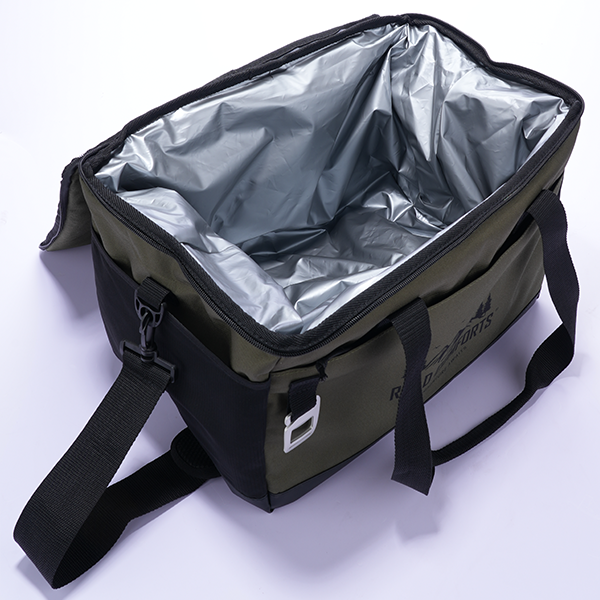
Best insulated shipping bag waterproof Strategy for 2026 Buyers?
The best insulated shipping bag waterproof decision in 2026 combines product education, material evidence, supplier control, and market awareness. You need a bag that protects the payload, fits the route, supports cleaning, looks professional, and can be repeated at scale. This optimized guide brings together buyer guidance, material science, compliance context, industry scenarios, and sustainability planning for seafood sellers, meal-kit brands, grocery platforms, pharma sample teams, and fulfillment centers. Use it to build a stronger sourcing brief, compare samples fairly, and choose a insulated shipping bag waterproof that works in real operations.
What should a insulated shipping bag waterproof solve for your business?
A insulated shipping bag waterproof should solve a specific operating problem. For gel-pack shipments, seafood boxes, rainy loading docks, chilled beverages, and returns with condensation, that problem may be temperature drift, moisture, slow packing, driver confusion, customer complaints, or short bag life. The right bag reduces those problems without creating new ones.
Start by writing a simple use profile. Include product type, payload weight, target temperature range, route duration, outside temperature, coolant plan, handoff steps, cleaning routine, and branding needs. This profile is more useful than a generic catalog request because it tells the supplier what performance means.
Then define pass and fail conditions. A insulated shipping bag waterproof passes if it protects temperature, keeps products presentable, survives handling, and fits the team workflow. It fails if it only looks good in a photo but leaks, collapses, overheats, freezes goods, or slows the route.
| Business goal | Bag requirement | How to check it | Success signal |
|---|---|---|---|
| Protect product quality | Right insulation and closure | Thermal pilot with real payload | Temperature remains in range |
| Improve delivery speed | Easy loading and clear sorting | Timed packing trial | Staff can repeat the process |
| Support brand trust | Clean print and professional handoff | Customer-facing sample review | Presentation looks consistent |
| Control cost | Durable design and right size | Cost per use estimate | Fewer replacements and complaints |
| Support sustainability | Reuse, right-sizing, or clearer materials | Lifecycle comparison | Lower waste without higher failure |
How do you choose insulated shipping bag waterproof materials wisely?
Material choice should follow risk. If the route is wet, focus on liner and seam management. If the route is hot, focus on insulation and closure. If the route involves repeat use, focus on reinforcement and cleaning. If the product is sensitive, focus on pack-out testing and temperature evidence.
Water-resistant outer fabric, sealed or bound seams, wipe-clean liners, and leak-managed closures can all be useful in a insulated shipping bag waterproof when they are chosen for a reason. Do not buy insulation by thickness alone. Do not buy waterproof claims without checking seams. Do not buy a printed bag without rubbing, cleaning, and folding the sample.
The best material stack balances thermal hold, payload space, durability, cleaning, cost, and brand appearance. A small improvement in closure design may outperform a large increase in insulation thickness. A cleaner liner may save more money than a cheaper outer fabric if it extends service life.
Material decision matrix for insulated shipping bag waterproof
| Route condition | Recommended focus | Sample question | Reason |
|---|---|---|---|
| Hot weather | Insulation plus tight closure | How was warm exposure tested? | Heat enters through walls and openings |
| Wet or frozen goods | Waterproof liner and seam design | Where can liquid escape or collect? | Moisture causes odor and damage |
| High reuse | Reinforced handles and cleanable liner | How many cycles are expected? | Durability controls cost per use |
| Brand program | Print durability and shape retention | Will the logo scuff or distort? | Presentation affects trust |
| Sensitive payloads | Qualified pack-out and data logging | Where were loggers placed? | Evidence reduces excursion risk |
What testing should a insulated shipping bag waterproof program include?
Testing should be simple enough to run and strong enough to guide a decision. Start with a bench test to compare designs. Then run a route pilot with real staff. For parcel or shipping stress, consider ISTA 3A or ASTM D4169 style thinking. For refrigerated services, ISO 23412 language can help structure responsibilities and communication.
Use standards as a practical language for risk, not as decoration. ISO 23412 defines requirements for indirect temperature-controlled refrigerated delivery services for food parcels in land transport, while IATA Temperature Control Regulations and CEIV Pharma guide pharmaceutical air cargo. ISTA 3A helps teams test parcel delivery stress, and ASTM D4169 is often used to evaluate shipping units against distribution hazards in a laboratory.
Thermal tests should include product mass, coolant type, loading temperature, ambient profile, logger location, route time, and opening frequency. Durability tests should include load carrying, closure cycling, stacking, cleaning, and abrasion. A insulated shipping bag waterproof that passes both thermal and usability checks is far safer to scale.
| Test type | What it reveals | Minimum practical method | When to repeat |
|---|---|---|---|
| Thermal hold | Temperature protection over time | Logger test with real payload and coolant | New product, route, or coolant |
| Closure cycling | Air leak and wear risk | Repeated opening under normal use | New zipper, flap, or liner |
| Load handling | Handle and seam strength | Carry at expected weight | New size or heavier payload |
| Cleaning test | Hygiene and service life | Use normal cleaning method | New liner or reusable program |
| Carton and shipping | Distribution damage risk | Stack, drop, and vibration review | New carton or export lane |
How does insulated shipping bag waterproof fit compliance and standards?
Compliance begins with intended use. A food delivery insulated shipping bag waterproof needs hygiene, temperature discipline, and cleaning control. A biotech or healthcare bag may need qualification records, temperature logs, and documented pack-out steps. An export program may need carton marks, material declarations, and destination-specific review.
IATA TCR and CEIV Pharma are important references when pharmaceuticals move by air. ISO 23412 is relevant for indirect refrigerated delivery services in land transport for refrigerated parcels, especially foods. ISTA and ASTM references help buyers discuss distribution hazards. These standards do not replace local law, but they give teams a shared vocabulary.
For global B2B distribution, build compliance into the sourcing brief. Ask where the bag will be used, who will clean it, what product it touches, how it is labeled, and whether it crosses borders. Your supplier should support evidence, but your team should define the final operating procedure.
Compliance-ready sourcing checklist
Define the exact product category and temperature range.
Confirm whether the bag touches food, medicine, samples, or only outer packaging.
Request material and production details that match your risk level.
Create pack-out instructions that normal staff can follow.
Record pilot data before approving repeated shipments.
Review market-specific labeling, import, and waste rules when products cross borders.
What does sustainability mean for insulated shipping bag waterproof in 2026?
In 2026, sustainability is no longer only a brand message. The EU Packaging and Packaging Waste Regulation generally applies from August 12, 2026 and pushes packaging toward recyclable design by 2030, so buyers increasingly ask for reusable formats, clear material choices, and less single-use waste.
A sustainable insulated shipping bag waterproof should reduce waste without increasing product loss. That means the bag must protect temperature first. Then evaluate reuse cycles, material clarity, carton size, coolant quantity, cleaning resources, repairability, and end-of-life options. Sustainability is strongest when performance data supports the claim.
Reusable designs are attractive when routes repeat and returns are practical. Single-use or limited-use designs may still be needed for some long-distance or one-way shipments. The right answer depends on service life, failure rate, labor, cleaning, and customer behavior.
| Sustainability path | Works best when | Risk to manage | Metric to track |
|---|---|---|---|
| Reuse | Routes repeat and bags return | Cleaning and loss rate | Cycles per bag |
| Right-sizing | Payload is predictable | Too little buffer space | Carton volume and coolant use |
| Material clarity | Customers or teams handle disposal | Confusing claims | Material specification and label clarity |
| Durability | High handling frequency | Higher first cost | Cost per use |
| Waste prevention | Product value is high | Under-tested packaging | Spoilage or complaint rate |
How should you compare insulated shipping bag waterproof suppliers?
Compare suppliers with the same brief. Give each supplier the same dimensions, payload, route time, temperature target, artwork, quantity, packaging requirements, and evidence expectations. If one supplier receives a vague request and another receives details, the quotes will not be comparable.
Look beyond the sample. Ask about retained approval samples, incoming material checks, print controls, seam inspection, final random inspection, carton packing, and reorder stability. A insulated shipping bag waterproof program succeeds when production repeats the approved design.
For custom production, wholesale supply, and repeat replenishment, communication is part of quality. A supplier who asks specific questions may seem slower at first, but those questions prevent mistakes. A supplier who immediately says yes to every request may be hiding risk.
| Supplier factor | Why it matters | Strong signal | Weak signal |
|---|---|---|---|
| Technical questions | Shows understanding | Asks about route, payload, and cleaning | Only asks quantity |
| Sample control | Protects repeat orders | Keeps golden sample and written spec | No clear approval record |
| Testing support | Reduces risk | Offers pilot or lab-style data | Only makes hour claims |
| Production QC | Protects scale | Defines inspection points | Vague final checks |
| After-sales support | Helps long programs | Handles feedback and revisions | Disappears after shipment |
Decision tool: build a insulated shipping bag waterproof sourcing brief
Use this brief before contacting a supplier. It reduces back-and-forth, improves sample relevance, and makes quotes easier to compare. It also helps internal teams agree on what the insulated shipping bag waterproof must accomplish.
Product and payload: list item types, dimensions, weights, and sensitivity.
Temperature goal: define chilled, frozen, hot, or controlled room temperature range.
Route profile: include time, ambient temperature, door openings, and transport mode.
Handling profile: describe packing, carrying, stacking, return, and storage.
Cleaning plan: define who cleans the bag and how often.
Branding: include logo size, print method, color, and customer-facing instructions.
Testing: define pilot duration, logger locations, pass-fail range, and review date.
Commercial terms: include quantity, delivery schedule, carton requirements, and reorder plan.
When a supplier responds, score each insulated shipping bag waterproof sample on thermal fit, usability, durability, cleaning, supplier control, and sustainability. A sample that scores well across all categories is more valuable than one feature that looks impressive but does not support the route.
2026 trends shaping insulated shipping bag waterproof programs
In 2026, buyers are moving toward evidence-based sourcing. They want bags that protect product quality, fit route operations, reduce waste, and support customer experience. This is especially clear in grocery, beverages, biotech, healthcare, and regional distribution, where small failures can create visible complaints or costly product loss.
More teams also evaluate total cost per use. A higher-priced insulated shipping bag waterproof may be cheaper if it lasts longer, reduces complaints, lowers coolant use, or prevents replacements. Procurement, operations, sustainability, and brand teams should review the same pilot data before final approval.
Latest developments at a glance
Cold chain packaging demand is rising across healthcare, food, beverage, and e-commerce.
Reusable systems are gaining attention where routes repeat and cleaning can be controlled.
Buyers increasingly ask for test data, not only catalog claims.
Packaging rules and brand standards are pushing clearer material and end-of-life decisions.
Temperature loggers and simple monitoring workflows are becoming more common in pilot programs.
Frequently asked questions
What is the first step in buying a insulated shipping bag waterproof?
Write the route profile before choosing a product. Include payload, temperature range, time, climate, coolant, cleaning, quantity, and branding. This makes the insulated shipping bag waterproof sourcing process more accurate.
How many insulated shipping bag waterproof samples should I test?
Test at least two designs when risk or volume is meaningful. Compare a baseline option and a higher-performance option under the same route conditions so the decision is based on evidence.
Can a insulated shipping bag waterproof replace refrigerated transport?
Usually no. It can add a passive temperature buffer, support last-mile delivery, or protect small payloads, but it should be tested for the specific route and product. Active refrigeration may still be needed for long or high-risk lanes.
How do I avoid overpaying for a insulated shipping bag waterproof?
Avoid buying features you do not need, but do not underbuy core performance. Calculate cost per use, failure cost, cleaning labor, replacement rate, and customer complaint risk.
What makes a insulated shipping bag waterproof suitable for custom branding?
A good branded bag has stable shape, durable print, clean seams, and a surface that stays presentable after use. Branding should not weaken insulation, closure, or cleaning.
How does Tempk help with insulated shipping bag waterproof projects?
Tempk helps define the use case, suggest material stacks, create samples, support pilot testing, and control production details so the final bag matches the approved plan.
Summary and recommendation
A insulated shipping bag waterproof should be selected through a practical process: define the route, choose materials for the real risk, test the pack-out, review compliance needs, plan sustainability honestly, and compare suppliers with the same brief. This gives you a bag that protects product quality and supports the team using it.
Do not approve bulk production until the sample performs in your pilot. The best insulated shipping bag waterproof is not the most expensive or the most heavily promoted. It is the one that keeps your product, team, customer, and budget aligned.
About Tempk
Tempk provides cold chain packaging solutions for food, beverage, healthcare, grocery, and industrial logistics. We support insulated shipping bag waterproof projects from route analysis and material selection to custom printing, sample review, testing support, and production control. Our focus is practical protection that can be repeated at scale.
Prepare your payload details, target temperature range, route time, climate exposure, quantity, and branding goals. With those details, Tempk can help create a sample plan that is easier to test and approve.
insulated pouch wool manufacturer Complete Guide 2026
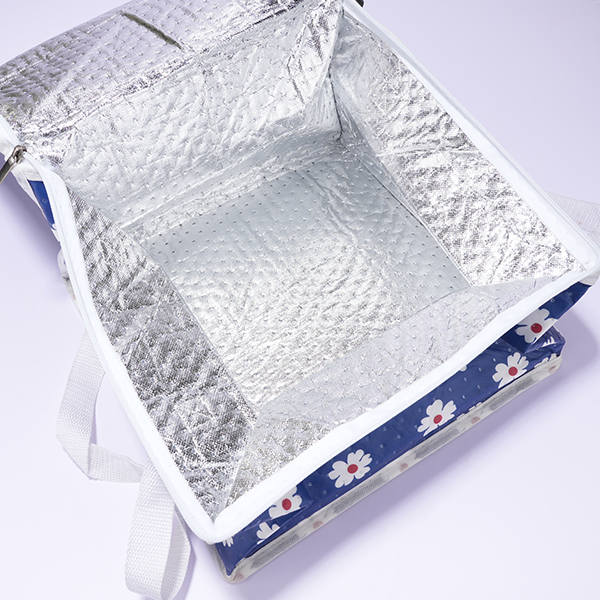
Best insulated pouch wool manufacturer Strategy for 2026 Buyers?
The best insulated pouch wool manufacturer decision in 2026 combines product education, material evidence, supplier control, and market awareness. You need a bag that protects the payload, fits the route, supports cleaning, looks professional, and can be repeated at scale. This optimized guide brings together buyer guidance, material science, compliance context, industry scenarios, and sustainability planning for eco-conscious food brands, meal-kit operators, specialty grocers, and packaging buyers. Use it to build a stronger sourcing brief, compare samples fairly, and choose a insulated pouch wool manufacturer that works in real operations.
What should a insulated pouch wool manufacturer solve for your business?
A insulated pouch wool manufacturer should solve a specific operating problem. For fresh food parcels, seafood, cheese, prepared meals, and short pharma pilot lanes, that problem may be temperature drift, moisture, slow packing, driver confusion, customer complaints, or short bag life. The right bag reduces those problems without creating new ones.
Start by writing a simple use profile. Include product type, payload weight, target temperature range, route duration, outside temperature, coolant plan, handoff steps, cleaning routine, and branding needs. This profile is more useful than a generic catalog request because it tells the supplier what performance means.
Then define pass and fail conditions. A insulated pouch wool manufacturer passes if it protects temperature, keeps products presentable, survives handling, and fits the team workflow. It fails if it only looks good in a photo but leaks, collapses, overheats, freezes goods, or slows the route.
| Business goal | Bag requirement | How to check it | Success signal |
|---|---|---|---|
| Protect product quality | Right insulation and closure | Thermal pilot with real payload | Temperature remains in range |
| Improve delivery speed | Easy loading and clear sorting | Timed packing trial | Staff can repeat the process |
| Support brand trust | Clean print and professional handoff | Customer-facing sample review | Presentation looks consistent |
| Control cost | Durable design and right size | Cost per use estimate | Fewer replacements and complaints |
| Support sustainability | Reuse, right-sizing, or clearer materials | Lifecycle comparison | Lower waste without higher failure |
How do you choose insulated pouch wool manufacturer materials wisely?
Material choice should follow risk. If the route is wet, focus on liner and seam management. If the route is hot, focus on insulation and closure. If the route involves repeat use, focus on reinforcement and cleaning. If the product is sensitive, focus on pack-out testing and temperature evidence.
Wool insulation, recyclable film liners, kraft or textile outers, and moisture-control barriers can all be useful in a insulated pouch wool manufacturer when they are chosen for a reason. Do not buy insulation by thickness alone. Do not buy waterproof claims without checking seams. Do not buy a printed bag without rubbing, cleaning, and folding the sample.
The best material stack balances thermal hold, payload space, durability, cleaning, cost, and brand appearance. A small improvement in closure design may outperform a large increase in insulation thickness. A cleaner liner may save more money than a cheaper outer fabric if it extends service life.
Material decision matrix for insulated pouch wool manufacturer
| Route condition | Recommended focus | Sample question | Reason |
|---|---|---|---|
| Hot weather | Insulation plus tight closure | How was warm exposure tested? | Heat enters through walls and openings |
| Wet or frozen goods | Waterproof liner and seam design | Where can liquid escape or collect? | Moisture causes odor and damage |
| High reuse | Reinforced handles and cleanable liner | How many cycles are expected? | Durability controls cost per use |
| Brand program | Print durability and shape retention | Will the logo scuff or distort? | Presentation affects trust |
| Sensitive payloads | Qualified pack-out and data logging | Where were loggers placed? | Evidence reduces excursion risk |
What testing should a insulated pouch wool manufacturer program include?
Testing should be simple enough to run and strong enough to guide a decision. Start with a bench test to compare designs. Then run a route pilot with real staff. For parcel or shipping stress, consider ISTA 3A or ASTM D4169 style thinking. For refrigerated services, ISO 23412 language can help structure responsibilities and communication.
Use standards as a practical language for risk, not as decoration. ISO 23412 defines requirements for indirect temperature-controlled refrigerated delivery services for food parcels in land transport, while IATA Temperature Control Regulations and CEIV Pharma guide pharmaceutical air cargo. ISTA 3A helps teams test parcel delivery stress, and ASTM D4169 is often used to evaluate shipping units against distribution hazards in a laboratory.
Thermal tests should include product mass, coolant type, loading temperature, ambient profile, logger location, route time, and opening frequency. Durability tests should include load carrying, closure cycling, stacking, cleaning, and abrasion. A insulated pouch wool manufacturer that passes both thermal and usability checks is far safer to scale.
| Test type | What it reveals | Minimum practical method | When to repeat |
|---|---|---|---|
| Thermal hold | Temperature protection over time | Logger test with real payload and coolant | New product, route, or coolant |
| Closure cycling | Air leak and wear risk | Repeated opening under normal use | New zipper, flap, or liner |
| Load handling | Handle and seam strength | Carry at expected weight | New size or heavier payload |
| Cleaning test | Hygiene and service life | Use normal cleaning method | New liner or reusable program |
| Carton and shipping | Distribution damage risk | Stack, drop, and vibration review | New carton or export lane |
How does insulated pouch wool manufacturer fit compliance and standards?
Compliance begins with intended use. A food delivery insulated pouch wool manufacturer needs hygiene, temperature discipline, and cleaning control. A biotech or healthcare bag may need qualification records, temperature logs, and documented pack-out steps. An export program may need carton marks, material declarations, and destination-specific review.
IATA TCR and CEIV Pharma are important references when pharmaceuticals move by air. ISO 23412 is relevant for indirect refrigerated delivery services in land transport for refrigerated parcels, especially foods. ISTA and ASTM references help buyers discuss distribution hazards. These standards do not replace local law, but they give teams a shared vocabulary.
For global B2B distribution, build compliance into the sourcing brief. Ask where the bag will be used, who will clean it, what product it touches, how it is labeled, and whether it crosses borders. Your supplier should support evidence, but your team should define the final operating procedure.
Compliance-ready sourcing checklist
Define the exact product category and temperature range.
Confirm whether the bag touches food, medicine, samples, or only outer packaging.
Request material and production details that match your risk level.
Create pack-out instructions that normal staff can follow.
Record pilot data before approving repeated shipments.
Review market-specific labeling, import, and waste rules when products cross borders.
What does sustainability mean for insulated pouch wool manufacturer in 2026?
In 2026, sustainability is no longer only a brand message. The EU Packaging and Packaging Waste Regulation generally applies from August 12, 2026 and pushes packaging toward recyclable design by 2030, so buyers increasingly ask for reusable formats, clear material choices, and less single-use waste.
A sustainable insulated pouch wool manufacturer should reduce waste without increasing product loss. That means the bag must protect temperature first. Then evaluate reuse cycles, material clarity, carton size, coolant quantity, cleaning resources, repairability, and end-of-life options. Sustainability is strongest when performance data supports the claim.
Reusable designs are attractive when routes repeat and returns are practical. Single-use or limited-use designs may still be needed for some long-distance or one-way shipments. The right answer depends on service life, failure rate, labor, cleaning, and customer behavior.
| Sustainability path | Works best when | Risk to manage | Metric to track |
|---|---|---|---|
| Reuse | Routes repeat and bags return | Cleaning and loss rate | Cycles per bag |
| Right-sizing | Payload is predictable | Too little buffer space | Carton volume and coolant use |
| Material clarity | Customers or teams handle disposal | Confusing claims | Material specification and label clarity |
| Durability | High handling frequency | Higher first cost | Cost per use |
| Waste prevention | Product value is high | Under-tested packaging | Spoilage or complaint rate |
How should you compare insulated pouch wool manufacturer suppliers?
Compare suppliers with the same brief. Give each supplier the same dimensions, payload, route time, temperature target, artwork, quantity, packaging requirements, and evidence expectations. If one supplier receives a vague request and another receives details, the quotes will not be comparable.
Look beyond the sample. Ask about retained approval samples, incoming material checks, print controls, seam inspection, final random inspection, carton packing, and reorder stability. A insulated pouch wool manufacturer program succeeds when production repeats the approved design.
For OEM or ODM manufacturing, sampling, test reporting, and repeat production control, communication is part of quality. A supplier who asks specific questions may seem slower at first, but those questions prevent mistakes. A supplier who immediately says yes to every request may be hiding risk.
| Supplier factor | Why it matters | Strong signal | Weak signal |
|---|---|---|---|
| Technical questions | Shows understanding | Asks about route, payload, and cleaning | Only asks quantity |
| Sample control | Protects repeat orders | Keeps golden sample and written spec | No clear approval record |
| Testing support | Reduces risk | Offers pilot or lab-style data | Only makes hour claims |
| Production QC | Protects scale | Defines inspection points | Vague final checks |
| After-sales support | Helps long programs | Handles feedback and revisions | Disappears after shipment |
Decision tool: build a insulated pouch wool manufacturer sourcing brief
Use this brief before contacting a supplier. It reduces back-and-forth, improves sample relevance, and makes quotes easier to compare. It also helps internal teams agree on what the insulated pouch wool manufacturer must accomplish.
Product and payload: list item types, dimensions, weights, and sensitivity.
Temperature goal: define chilled, frozen, hot, or controlled room temperature range.
Route profile: include time, ambient temperature, door openings, and transport mode.
Handling profile: describe packing, carrying, stacking, return, and storage.
Cleaning plan: define who cleans the bag and how often.
Branding: include logo size, print method, color, and customer-facing instructions.
Testing: define pilot duration, logger locations, pass-fail range, and review date.
Commercial terms: include quantity, delivery schedule, carton requirements, and reorder plan.
When a supplier responds, score each insulated pouch wool manufacturer sample on thermal fit, usability, durability, cleaning, supplier control, and sustainability. A sample that scores well across all categories is more valuable than one feature that looks impressive but does not support the route.
2026 trends shaping insulated pouch wool manufacturer programs
In 2026, buyers are moving toward evidence-based sourcing. They want bags that protect product quality, fit route operations, reduce waste, and support customer experience. This is especially clear in grocery, beverages, biotech, healthcare, and regional distribution, where small failures can create visible complaints or costly product loss.
More teams also evaluate total cost per use. A higher-priced insulated pouch wool manufacturer may be cheaper if it lasts longer, reduces complaints, lowers coolant use, or prevents replacements. Procurement, operations, sustainability, and brand teams should review the same pilot data before final approval.
Latest developments at a glance
Cold chain packaging demand is rising across healthcare, food, beverage, and e-commerce.
Reusable systems are gaining attention where routes repeat and cleaning can be controlled.
Buyers increasingly ask for test data, not only catalog claims.
Packaging rules and brand standards are pushing clearer material and end-of-life decisions.
Temperature loggers and simple monitoring workflows are becoming more common in pilot programs.
Frequently asked questions
What is the first step in buying a insulated pouch wool manufacturer?
Write the route profile before choosing a product. Include payload, temperature range, time, climate, coolant, cleaning, quantity, and branding. This makes the insulated pouch wool manufacturer sourcing process more accurate.
How many insulated pouch wool manufacturer samples should I test?
Test at least two designs when risk or volume is meaningful. Compare a baseline option and a higher-performance option under the same route conditions so the decision is based on evidence.
Can a insulated pouch wool manufacturer replace refrigerated transport?
Usually no. It can add a passive temperature buffer, support last-mile delivery, or protect small payloads, but it should be tested for the specific route and product. Active refrigeration may still be needed for long or high-risk lanes.
How do I avoid overpaying for a insulated pouch wool manufacturer?
Avoid buying features you do not need, but do not underbuy core performance. Calculate cost per use, failure cost, cleaning labor, replacement rate, and customer complaint risk.
What makes a insulated pouch wool manufacturer suitable for custom branding?
A good branded bag has stable shape, durable print, clean seams, and a surface that stays presentable after use. Branding should not weaken insulation, closure, or cleaning.
How does Tempk help with insulated pouch wool manufacturer projects?
Tempk helps define the use case, suggest material stacks, create samples, support pilot testing, and control production details so the final bag matches the approved plan.
Summary and recommendation
A insulated pouch wool manufacturer should be selected through a practical process: define the route, choose materials for the real risk, test the pack-out, review compliance needs, plan sustainability honestly, and compare suppliers with the same brief. This gives you a bag that protects product quality and supports the team using it.
Do not approve bulk production until the sample performs in your pilot. The best insulated pouch wool manufacturer is not the most expensive or the most heavily promoted. It is the one that keeps your product, team, customer, and budget aligned.
About Tempk
Tempk provides cold chain packaging solutions for food, beverage, healthcare, grocery, and industrial logistics. We support insulated pouch wool manufacturer projects from route analysis and material selection to custom printing, sample review, testing support, and production control. Our focus is practical protection that can be repeated at scale.
Prepare your payload details, target temperature range, route time, climate exposure, quantity, and branding goals. With those details, Tempk can help create a sample plan that is easier to test and approve.
insulated pouch neoprene manufacturer: Complete Guide
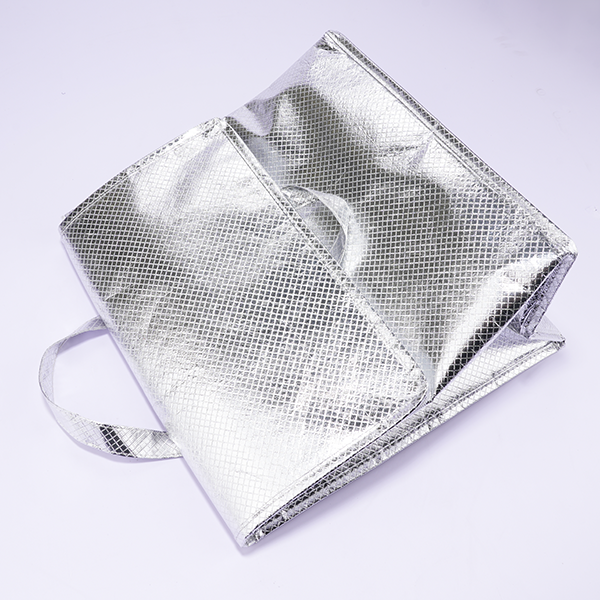
Best insulated pouch neoprene manufacturer Strategy for 2026 Buyers?
The best insulated pouch neoprene manufacturer decision in 2026 combines product education, material evidence, supplier control, and market awareness. You need a bag that protects the payload, fits the route, supports cleaning, looks professional, and can be repeated at scale. This optimized guide brings together buyer guidance, material science, compliance context, industry scenarios, and sustainability planning for beverage brands, event teams, private-label buyers, and logistics managers. Use it to build a stronger sourcing brief, compare samples fairly, and choose a insulated pouch neoprene manufacturer that works in real operations.
What should a insulated pouch neoprene manufacturer solve for your business?
A insulated pouch neoprene manufacturer should solve a specific operating problem. For cans, bottles, compact meal kits, laboratory hand-carry pouches, and retail gift packs, that problem may be temperature drift, moisture, slow packing, driver confusion, customer complaints, or short bag life. The right bag reduces those problems without creating new ones.
Start by writing a simple use profile. Include product type, payload weight, target temperature range, route duration, outside temperature, coolant plan, handoff steps, cleaning routine, and branding needs. This profile is more useful than a generic catalog request because it tells the supplier what performance means.
Then define pass and fail conditions. A insulated pouch neoprene manufacturer passes if it protects temperature, keeps products presentable, survives handling, and fits the team workflow. It fails if it only looks good in a photo but leaks, collapses, overheats, freezes goods, or slows the route.
| Business goal | Bag requirement | How to check it | Success signal |
|---|---|---|---|
| Protect product quality | Right insulation and closure | Thermal pilot with real payload | Temperature remains in range |
| Improve delivery speed | Easy loading and clear sorting | Timed packing trial | Staff can repeat the process |
| Support brand trust | Clean print and professional handoff | Customer-facing sample review | Presentation looks consistent |
| Control cost | Durable design and right size | Cost per use estimate | Fewer replacements and complaints |
| Support sustainability | Reuse, right-sizing, or clearer materials | Lifecycle comparison | Lower waste without higher failure |
How do you choose insulated pouch neoprene manufacturer materials wisely?
Material choice should follow risk. If the route is wet, focus on liner and seam management. If the route is hot, focus on insulation and closure. If the route involves repeat use, focus on reinforcement and cleaning. If the product is sensitive, focus on pack-out testing and temperature evidence.
Neoprene foam, laminated fabric, smooth inner liners, edge binding, and printed panels can all be useful in a insulated pouch neoprene manufacturer when they are chosen for a reason. Do not buy insulation by thickness alone. Do not buy waterproof claims without checking seams. Do not buy a printed bag without rubbing, cleaning, and folding the sample.
The best material stack balances thermal hold, payload space, durability, cleaning, cost, and brand appearance. A small improvement in closure design may outperform a large increase in insulation thickness. A cleaner liner may save more money than a cheaper outer fabric if it extends service life.
Material decision matrix for insulated pouch neoprene manufacturer
| Route condition | Recommended focus | Sample question | Reason |
|---|---|---|---|
| Hot weather | Insulation plus tight closure | How was warm exposure tested? | Heat enters through walls and openings |
| Wet or frozen goods | Waterproof liner and seam design | Where can liquid escape or collect? | Moisture causes odor and damage |
| High reuse | Reinforced handles and cleanable liner | How many cycles are expected? | Durability controls cost per use |
| Brand program | Print durability and shape retention | Will the logo scuff or distort? | Presentation affects trust |
| Sensitive payloads | Qualified pack-out and data logging | Where were loggers placed? | Evidence reduces excursion risk |
What testing should a insulated pouch neoprene manufacturer program include?
Testing should be simple enough to run and strong enough to guide a decision. Start with a bench test to compare designs. Then run a route pilot with real staff. For parcel or shipping stress, consider ISTA 3A or ASTM D4169 style thinking. For refrigerated services, ISO 23412 language can help structure responsibilities and communication.
Use standards as a practical language for risk, not as decoration. ISO 23412 defines requirements for indirect temperature-controlled refrigerated delivery services for food parcels in land transport, while IATA Temperature Control Regulations and CEIV Pharma guide pharmaceutical air cargo. ISTA 3A helps teams test parcel delivery stress, and ASTM D4169 is often used to evaluate shipping units against distribution hazards in a laboratory.
Thermal tests should include product mass, coolant type, loading temperature, ambient profile, logger location, route time, and opening frequency. Durability tests should include load carrying, closure cycling, stacking, cleaning, and abrasion. A insulated pouch neoprene manufacturer that passes both thermal and usability checks is far safer to scale.
| Test type | What it reveals | Minimum practical method | When to repeat |
|---|---|---|---|
| Thermal hold | Temperature protection over time | Logger test with real payload and coolant | New product, route, or coolant |
| Closure cycling | Air leak and wear risk | Repeated opening under normal use | New zipper, flap, or liner |
| Load handling | Handle and seam strength | Carry at expected weight | New size or heavier payload |
| Cleaning test | Hygiene and service life | Use normal cleaning method | New liner or reusable program |
| Carton and shipping | Distribution damage risk | Stack, drop, and vibration review | New carton or export lane |
How does insulated pouch neoprene manufacturer fit compliance and standards?
Compliance begins with intended use. A food delivery insulated pouch neoprene manufacturer needs hygiene, temperature discipline, and cleaning control. A biotech or healthcare bag may need qualification records, temperature logs, and documented pack-out steps. An export program may need carton marks, material declarations, and destination-specific review.
IATA TCR and CEIV Pharma are important references when pharmaceuticals move by air. ISO 23412 is relevant for indirect refrigerated delivery services in land transport for refrigerated parcels, especially foods. ISTA and ASTM references help buyers discuss distribution hazards. These standards do not replace local law, but they give teams a shared vocabulary.
For global B2B distribution, build compliance into the sourcing brief. Ask where the bag will be used, who will clean it, what product it touches, how it is labeled, and whether it crosses borders. Your supplier should support evidence, but your team should define the final operating procedure.
Compliance-ready sourcing checklist
Define the exact product category and temperature range.
Confirm whether the bag touches food, medicine, samples, or only outer packaging.
Request material and production details that match your risk level.
Create pack-out instructions that normal staff can follow.
Record pilot data before approving repeated shipments.
Review market-specific labeling, import, and waste rules when products cross borders.
What does sustainability mean for insulated pouch neoprene manufacturer in 2026?
In 2026, sustainability is no longer only a brand message. The EU Packaging and Packaging Waste Regulation generally applies from August 12, 2026 and pushes packaging toward recyclable design by 2030, so buyers increasingly ask for reusable formats, clear material choices, and less single-use waste.
A sustainable insulated pouch neoprene manufacturer should reduce waste without increasing product loss. That means the bag must protect temperature first. Then evaluate reuse cycles, material clarity, carton size, coolant quantity, cleaning resources, repairability, and end-of-life options. Sustainability is strongest when performance data supports the claim.
Reusable designs are attractive when routes repeat and returns are practical. Single-use or limited-use designs may still be needed for some long-distance or one-way shipments. The right answer depends on service life, failure rate, labor, cleaning, and customer behavior.
| Sustainability path | Works best when | Risk to manage | Metric to track |
|---|---|---|---|
| Reuse | Routes repeat and bags return | Cleaning and loss rate | Cycles per bag |
| Right-sizing | Payload is predictable | Too little buffer space | Carton volume and coolant use |
| Material clarity | Customers or teams handle disposal | Confusing claims | Material specification and label clarity |
| Durability | High handling frequency | Higher first cost | Cost per use |
| Waste prevention | Product value is high | Under-tested packaging | Spoilage or complaint rate |
How should you compare insulated pouch neoprene manufacturer suppliers?
Compare suppliers with the same brief. Give each supplier the same dimensions, payload, route time, temperature target, artwork, quantity, packaging requirements, and evidence expectations. If one supplier receives a vague request and another receives details, the quotes will not be comparable.
Look beyond the sample. Ask about retained approval samples, incoming material checks, print controls, seam inspection, final random inspection, carton packing, and reorder stability. A insulated pouch neoprene manufacturer program succeeds when production repeats the approved design.
For OEM or ODM manufacturing, sampling, test reporting, and repeat production control, communication is part of quality. A supplier who asks specific questions may seem slower at first, but those questions prevent mistakes. A supplier who immediately says yes to every request may be hiding risk.
| Supplier factor | Why it matters | Strong signal | Weak signal |
|---|---|---|---|
| Technical questions | Shows understanding | Asks about route, payload, and cleaning | Only asks quantity |
| Sample control | Protects repeat orders | Keeps golden sample and written spec | No clear approval record |
| Testing support | Reduces risk | Offers pilot or lab-style data | Only makes hour claims |
| Production QC | Protects scale | Defines inspection points | Vague final checks |
| After-sales support | Helps long programs | Handles feedback and revisions | Disappears after shipment |
Decision tool: build a insulated pouch neoprene manufacturer sourcing brief
Use this brief before contacting a supplier. It reduces back-and-forth, improves sample relevance, and makes quotes easier to compare. It also helps internal teams agree on what the insulated pouch neoprene manufacturer must accomplish.
Product and payload: list item types, dimensions, weights, and sensitivity.
Temperature goal: define chilled, frozen, hot, or controlled room temperature range.
Route profile: include time, ambient temperature, door openings, and transport mode.
Handling profile: describe packing, carrying, stacking, return, and storage.
Cleaning plan: define who cleans the bag and how often.
Branding: include logo size, print method, color, and customer-facing instructions.
Testing: define pilot duration, logger locations, pass-fail range, and review date.
Commercial terms: include quantity, delivery schedule, carton requirements, and reorder plan.
When a supplier responds, score each insulated pouch neoprene manufacturer sample on thermal fit, usability, durability, cleaning, supplier control, and sustainability. A sample that scores well across all categories is more valuable than one feature that looks impressive but does not support the route.
2026 trends shaping insulated pouch neoprene manufacturer programs
In 2026, buyers are moving toward evidence-based sourcing. They want bags that protect product quality, fit route operations, reduce waste, and support customer experience. This is especially clear in grocery, beverages, biotech, healthcare, and regional distribution, where small failures can create visible complaints or costly product loss.
More teams also evaluate total cost per use. A higher-priced insulated pouch neoprene manufacturer may be cheaper if it lasts longer, reduces complaints, lowers coolant use, or prevents replacements. Procurement, operations, sustainability, and brand teams should review the same pilot data before final approval.
Latest developments at a glance
Cold chain packaging demand is rising across healthcare, food, beverage, and e-commerce.
Reusable systems are gaining attention where routes repeat and cleaning can be controlled.
Buyers increasingly ask for test data, not only catalog claims.
Packaging rules and brand standards are pushing clearer material and end-of-life decisions.
Temperature loggers and simple monitoring workflows are becoming more common in pilot programs.
Frequently asked questions
What is the first step in buying a insulated pouch neoprene manufacturer?
Write the route profile before choosing a product. Include payload, temperature range, time, climate, coolant, cleaning, quantity, and branding. This makes the insulated pouch neoprene manufacturer sourcing process more accurate.
How many insulated pouch neoprene manufacturer samples should I test?
Test at least two designs when risk or volume is meaningful. Compare a baseline option and a higher-performance option under the same route conditions so the decision is based on evidence.
Can a insulated pouch neoprene manufacturer replace refrigerated transport?
Usually no. It can add a passive temperature buffer, support last-mile delivery, or protect small payloads, but it should be tested for the specific route and product. Active refrigeration may still be needed for long or high-risk lanes.
How do I avoid overpaying for a insulated pouch neoprene manufacturer?
Avoid buying features you do not need, but do not underbuy core performance. Calculate cost per use, failure cost, cleaning labor, replacement rate, and customer complaint risk.
What makes a insulated pouch neoprene manufacturer suitable for custom branding?
A good branded bag has stable shape, durable print, clean seams, and a surface that stays presentable after use. Branding should not weaken insulation, closure, or cleaning.
How does Tempk help with insulated pouch neoprene manufacturer projects?
Tempk helps define the use case, suggest material stacks, create samples, support pilot testing, and control production details so the final bag matches the approved plan.
Summary and recommendation
A insulated pouch neoprene manufacturer should be selected through a practical process: define the route, choose materials for the real risk, test the pack-out, review compliance needs, plan sustainability honestly, and compare suppliers with the same brief. This gives you a bag that protects product quality and supports the team using it.
Do not approve bulk production until the sample performs in your pilot. The best insulated pouch neoprene manufacturer is not the most expensive or the most heavily promoted. It is the one that keeps your product, team, customer, and budget aligned.
About Tempk
Tempk provides cold chain packaging solutions for food, beverage, healthcare, grocery, and industrial logistics. We support insulated pouch neoprene manufacturer projects from route analysis and material selection to custom printing, sample review, testing support, and production control. Our focus is practical protection that can be repeated at scale.
Prepare your payload details, target temperature range, route time, climate exposure, quantity, and branding goals. With those details, Tempk can help create a sample plan that is easier to test and approve.
insulated pouch custom beverage Complete Guide 2026
Best insulated pouch custom beverage Strategy for 2026 Buyers?
The best insulated pouch custom beverage decision in 2026 combines product education, material evidence, supplier control, and market awareness. You need a bag that protects the payload, fits the route, supports cleaning, looks professional, and can be repeated at scale. This optimized guide brings together buyer guidance, material science, compliance context, industry scenarios, and sustainability planning for juice brands, breweries, kombucha makers, bottled water distributors, cafe chains, and event merchandisers. Use it to build a stronger sourcing brief, compare samples fairly, and choose a insulated pouch custom beverage that works in real operations.
What should a insulated pouch custom beverage solve for your business?
A insulated pouch custom beverage should solve a specific operating problem. For chilled beverages, promotional packs, subscription boxes, sampling kits, and retail replenishment, that problem may be temperature drift, moisture, slow packing, driver confusion, customer complaints, or short bag life. The right bag reduces those problems without creating new ones.
Start by writing a simple use profile. Include product type, payload weight, target temperature range, route duration, outside temperature, coolant plan, handoff steps, cleaning routine, and branding needs. This profile is more useful than a generic catalog request because it tells the supplier what performance means.
Then define pass and fail conditions. A insulated pouch custom beverage passes if it protects temperature, keeps products presentable, survives handling, and fits the team workflow. It fails if it only looks good in a photo but leaks, collapses, overheats, freezes goods, or slows the route.
| Business goal | Bag requirement | How to check it | Success signal |
|---|---|---|---|
| Protect product quality | Right insulation and closure | Thermal pilot with real payload | Temperature remains in range |
| Improve delivery speed | Easy loading and clear sorting | Timed packing trial | Staff can repeat the process |
| Support brand trust | Clean print and professional handoff | Customer-facing sample review | Presentation looks consistent |
| Control cost | Durable design and right size | Cost per use estimate | Fewer replacements and complaints |
| Support sustainability | Reuse, right-sizing, or clearer materials | Lifecycle comparison | Lower waste without higher failure |
How do you choose insulated pouch custom beverage materials wisely?
Material choice should follow risk. If the route is wet, focus on liner and seam management. If the route is hot, focus on insulation and closure. If the route involves repeat use, focus on reinforcement and cleaning. If the product is sensitive, focus on pack-out testing and temperature evidence.
Closed-cell foam, reflective film, woven or nonwoven outer layers, leak-resistant liners, and reinforced stitching can all be useful in a insulated pouch custom beverage when they are chosen for a reason. Do not buy insulation by thickness alone. Do not buy waterproof claims without checking seams. Do not buy a printed bag without rubbing, cleaning, and folding the sample.
The best material stack balances thermal hold, payload space, durability, cleaning, cost, and brand appearance. A small improvement in closure design may outperform a large increase in insulation thickness. A cleaner liner may save more money than a cheaper outer fabric if it extends service life.
Material decision matrix for insulated pouch custom beverage
| Route condition | Recommended focus | Sample question | Reason |
|---|---|---|---|
| Hot weather | Insulation plus tight closure | How was warm exposure tested? | Heat enters through walls and openings |
| Wet or frozen goods | Waterproof liner and seam design | Where can liquid escape or collect? | Moisture causes odor and damage |
| High reuse | Reinforced handles and cleanable liner | How many cycles are expected? | Durability controls cost per use |
| Brand program | Print durability and shape retention | Will the logo scuff or distort? | Presentation affects trust |
| Sensitive payloads | Qualified pack-out and data logging | Where were loggers placed? | Evidence reduces excursion risk |
What testing should a insulated pouch custom beverage program include?
Testing should be simple enough to run and strong enough to guide a decision. Start with a bench test to compare designs. Then run a route pilot with real staff. For parcel or shipping stress, consider ISTA 3A or ASTM D4169 style thinking. For refrigerated services, ISO 23412 language can help structure responsibilities and communication.
Use standards as a practical language for risk, not as decoration. ISO 23412 defines requirements for indirect temperature-controlled refrigerated delivery services for food parcels in land transport, while IATA Temperature Control Regulations and CEIV Pharma guide pharmaceutical air cargo. ISTA 3A helps teams test parcel delivery stress, and ASTM D4169 is often used to evaluate shipping units against distribution hazards in a laboratory.
Thermal tests should include product mass, coolant type, loading temperature, ambient profile, logger location, route time, and opening frequency. Durability tests should include load carrying, closure cycling, stacking, cleaning, and abrasion. A insulated pouch custom beverage that passes both thermal and usability checks is far safer to scale.
| Test type | What it reveals | Minimum practical method | When to repeat |
|---|---|---|---|
| Thermal hold | Temperature protection over time | Logger test with real payload and coolant | New product, route, or coolant |
| Closure cycling | Air leak and wear risk | Repeated opening under normal use | New zipper, flap, or liner |
| Load handling | Handle and seam strength | Carry at expected weight | New size or heavier payload |
| Cleaning test | Hygiene and service life | Use normal cleaning method | New liner or reusable program |
| Carton and shipping | Distribution damage risk | Stack, drop, and vibration review | New carton or export lane |
How does insulated pouch custom beverage fit compliance and standards?
Compliance begins with intended use. A food delivery insulated pouch custom beverage needs hygiene, temperature discipline, and cleaning control. A biotech or healthcare bag may need qualification records, temperature logs, and documented pack-out steps. An export program may need carton marks, material declarations, and destination-specific review.
IATA TCR and CEIV Pharma are important references when pharmaceuticals move by air. ISO 23412 is relevant for indirect refrigerated delivery services in land transport for refrigerated parcels, especially foods. ISTA and ASTM references help buyers discuss distribution hazards. These standards do not replace local law, but they give teams a shared vocabulary.
For global B2B distribution, build compliance into the sourcing brief. Ask where the bag will be used, who will clean it, what product it touches, how it is labeled, and whether it crosses borders. Your supplier should support evidence, but your team should define the final operating procedure.
Compliance-ready sourcing checklist
Define the exact product category and temperature range.
Confirm whether the bag touches food, medicine, samples, or only outer packaging.
Request material and production details that match your risk level.
Create pack-out instructions that normal staff can follow.
Record pilot data before approving repeated shipments.
Review market-specific labeling, import, and waste rules when products cross borders.
What does sustainability mean for insulated pouch custom beverage in 2026?
In 2026, sustainability is no longer only a brand message. The EU Packaging and Packaging Waste Regulation generally applies from August 12, 2026 and pushes packaging toward recyclable design by 2030, so buyers increasingly ask for reusable formats, clear material choices, and less single-use waste.
A sustainable insulated pouch custom beverage should reduce waste without increasing product loss. That means the bag must protect temperature first. Then evaluate reuse cycles, material clarity, carton size, coolant quantity, cleaning resources, repairability, and end-of-life options. Sustainability is strongest when performance data supports the claim.
Reusable designs are attractive when routes repeat and returns are practical. Single-use or limited-use designs may still be needed for some long-distance or one-way shipments. The right answer depends on service life, failure rate, labor, cleaning, and customer behavior.
| Sustainability path | Works best when | Risk to manage | Metric to track |
|---|---|---|---|
| Reuse | Routes repeat and bags return | Cleaning and loss rate | Cycles per bag |
| Right-sizing | Payload is predictable | Too little buffer space | Carton volume and coolant use |
| Material clarity | Customers or teams handle disposal | Confusing claims | Material specification and label clarity |
| Durability | High handling frequency | Higher first cost | Cost per use |
| Waste prevention | Product value is high | Under-tested packaging | Spoilage or complaint rate |
How should you compare insulated pouch custom beverage suppliers?
Compare suppliers with the same brief. Give each supplier the same dimensions, payload, route time, temperature target, artwork, quantity, packaging requirements, and evidence expectations. If one supplier receives a vague request and another receives details, the quotes will not be comparable.
Look beyond the sample. Ask about retained approval samples, incoming material checks, print controls, seam inspection, final random inspection, carton packing, and reorder stability. A insulated pouch custom beverage program succeeds when production repeats the approved design.
For custom sizing, logo printing, color matching, pilot sampling, and production approval, communication is part of quality. A supplier who asks specific questions may seem slower at first, but those questions prevent mistakes. A supplier who immediately says yes to every request may be hiding risk.
| Supplier factor | Why it matters | Strong signal | Weak signal |
|---|---|---|---|
| Technical questions | Shows understanding | Asks about route, payload, and cleaning | Only asks quantity |
| Sample control | Protects repeat orders | Keeps golden sample and written spec | No clear approval record |
| Testing support | Reduces risk | Offers pilot or lab-style data | Only makes hour claims |
| Production QC | Protects scale | Defines inspection points | Vague final checks |
| After-sales support | Helps long programs | Handles feedback and revisions | Disappears after shipment |
Decision tool: build a insulated pouch custom beverage sourcing brief
Use this brief before contacting a supplier. It reduces back-and-forth, improves sample relevance, and makes quotes easier to compare. It also helps internal teams agree on what the insulated pouch custom beverage must accomplish.
Product and payload: list item types, dimensions, weights, and sensitivity.
Temperature goal: define chilled, frozen, hot, or controlled room temperature range.
Route profile: include time, ambient temperature, door openings, and transport mode.
Handling profile: describe packing, carrying, stacking, return, and storage.
Cleaning plan: define who cleans the bag and how often.
Branding: include logo size, print method, color, and customer-facing instructions.
Testing: define pilot duration, logger locations, pass-fail range, and review date.
Commercial terms: include quantity, delivery schedule, carton requirements, and reorder plan.
When a supplier responds, score each insulated pouch custom beverage sample on thermal fit, usability, durability, cleaning, supplier control, and sustainability. A sample that scores well across all categories is more valuable than one feature that looks impressive but does not support the route.
2026 trends shaping insulated pouch custom beverage programs
In 2026, buyers are moving toward evidence-based sourcing. They want bags that protect product quality, fit route operations, reduce waste, and support customer experience. This is especially clear in grocery, beverages, biotech, healthcare, and regional distribution, where small failures can create visible complaints or costly product loss.
More teams also evaluate total cost per use. A higher-priced insulated pouch custom beverage may be cheaper if it lasts longer, reduces complaints, lowers coolant use, or prevents replacements. Procurement, operations, sustainability, and brand teams should review the same pilot data before final approval.
Latest developments at a glance
Cold chain packaging demand is rising across healthcare, food, beverage, and e-commerce.
Reusable systems are gaining attention where routes repeat and cleaning can be controlled.
Buyers increasingly ask for test data, not only catalog claims.
Packaging rules and brand standards are pushing clearer material and end-of-life decisions.
Temperature loggers and simple monitoring workflows are becoming more common in pilot programs.
Frequently asked questions
What is the first step in buying a insulated pouch custom beverage?
Write the route profile before choosing a product. Include payload, temperature range, time, climate, coolant, cleaning, quantity, and branding. This makes the insulated pouch custom beverage sourcing process more accurate.
How many insulated pouch custom beverage samples should I test?
Test at least two designs when risk or volume is meaningful. Compare a baseline option and a higher-performance option under the same route conditions so the decision is based on evidence.
Can a insulated pouch custom beverage replace refrigerated transport?
Usually no. It can add a passive temperature buffer, support last-mile delivery, or protect small payloads, but it should be tested for the specific route and product. Active refrigeration may still be needed for long or high-risk lanes.
How do I avoid overpaying for a insulated pouch custom beverage?
Avoid buying features you do not need, but do not underbuy core performance. Calculate cost per use, failure cost, cleaning labor, replacement rate, and customer complaint risk.
What makes a insulated pouch custom beverage suitable for custom branding?
A good branded bag has stable shape, durable print, clean seams, and a surface that stays presentable after use. Branding should not weaken insulation, closure, or cleaning.
How does Tempk help with insulated pouch custom beverage projects?
Tempk helps define the use case, suggest material stacks, create samples, support pilot testing, and control production details so the final bag matches the approved plan.
Summary and recommendation
A insulated pouch custom beverage should be selected through a practical process: define the route, choose materials for the real risk, test the pack-out, review compliance needs, plan sustainability honestly, and compare suppliers with the same brief. This gives you a bag that protects product quality and supports the team using it.
Do not approve bulk production until the sample performs in your pilot. The best insulated pouch custom beverage is not the most expensive or the most heavily promoted. It is the one that keeps your product, team, customer, and budget aligned.
About Tempk
Tempk provides cold chain packaging solutions for food, beverage, healthcare, grocery, and industrial logistics. We support insulated pouch custom beverage projects from route analysis and material selection to custom printing, sample review, testing support, and production control. Our focus is practical protection that can be repeated at scale.
Prepare your payload details, target temperature range, route time, climate exposure, quantity, and branding goals. With those details, Tempk can help create a sample plan that is easier to test and approve.
insulated bag wholesaler beverage Complete Guide 2026
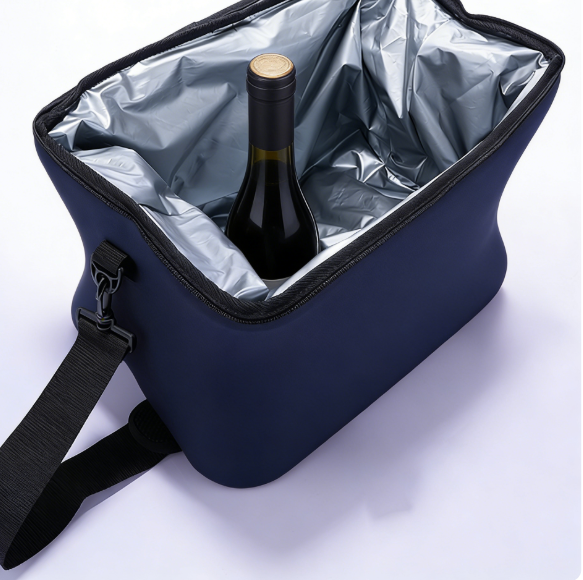
Best insulated bag wholesaler beverage Strategy for 2026 Buyers?
The best insulated bag wholesaler beverage decision in 2026 combines product education, material evidence, supplier control, and market awareness. You need a bag that protects the payload, fits the route, supports cleaning, looks professional, and can be repeated at scale. This optimized guide brings together buyer guidance, material science, compliance context, industry scenarios, and sustainability planning for juice brands, breweries, kombucha makers, bottled water distributors, cafe chains, and event merchandisers. Use it to build a stronger sourcing brief, compare samples fairly, and choose a insulated bag wholesaler beverage that works in real operations.
What should a insulated bag wholesaler beverage solve for your business?
A insulated bag wholesaler beverage should solve a specific operating problem. For chilled beverages, promotional packs, subscription boxes, sampling kits, and retail replenishment, that problem may be temperature drift, moisture, slow packing, driver confusion, customer complaints, or short bag life. The right bag reduces those problems without creating new ones.
Start by writing a simple use profile. Include product type, payload weight, target temperature range, route duration, outside temperature, coolant plan, handoff steps, cleaning routine, and branding needs. This profile is more useful than a generic catalog request because it tells the supplier what performance means.
Then define pass and fail conditions. A insulated bag wholesaler beverage passes if it protects temperature, keeps products presentable, survives handling, and fits the team workflow. It fails if it only looks good in a photo but leaks, collapses, overheats, freezes goods, or slows the route.
| Business goal | Bag requirement | How to check it | Success signal |
|---|---|---|---|
| Protect product quality | Right insulation and closure | Thermal pilot with real payload | Temperature remains in range |
| Improve delivery speed | Easy loading and clear sorting | Timed packing trial | Staff can repeat the process |
| Support brand trust | Clean print and professional handoff | Customer-facing sample review | Presentation looks consistent |
| Control cost | Durable design and right size | Cost per use estimate | Fewer replacements and complaints |
| Support sustainability | Reuse, right-sizing, or clearer materials | Lifecycle comparison | Lower waste without higher failure |
How do you choose insulated bag wholesaler beverage materials wisely?
Material choice should follow risk. If the route is wet, focus on liner and seam management. If the route is hot, focus on insulation and closure. If the route involves repeat use, focus on reinforcement and cleaning. If the product is sensitive, focus on pack-out testing and temperature evidence.
Closed-cell foam, reflective film, woven or nonwoven outer layers, leak-resistant liners, and reinforced stitching can all be useful in a insulated bag wholesaler beverage when they are chosen for a reason. Do not buy insulation by thickness alone. Do not buy waterproof claims without checking seams. Do not buy a printed bag without rubbing, cleaning, and folding the sample.
The best material stack balances thermal hold, payload space, durability, cleaning, cost, and brand appearance. A small improvement in closure design may outperform a large increase in insulation thickness. A cleaner liner may save more money than a cheaper outer fabric if it extends service life.
Material decision matrix for insulated bag wholesaler beverage
| Route condition | Recommended focus | Sample question | Reason |
|---|---|---|---|
| Hot weather | Insulation plus tight closure | How was warm exposure tested? | Heat enters through walls and openings |
| Wet or frozen goods | Waterproof liner and seam design | Where can liquid escape or collect? | Moisture causes odor and damage |
| High reuse | Reinforced handles and cleanable liner | How many cycles are expected? | Durability controls cost per use |
| Brand program | Print durability and shape retention | Will the logo scuff or distort? | Presentation affects trust |
| Sensitive payloads | Qualified pack-out and data logging | Where were loggers placed? | Evidence reduces excursion risk |
What testing should a insulated bag wholesaler beverage program include?
Testing should be simple enough to run and strong enough to guide a decision. Start with a bench test to compare designs. Then run a route pilot with real staff. For parcel or shipping stress, consider ISTA 3A or ASTM D4169 style thinking. For refrigerated services, ISO 23412 language can help structure responsibilities and communication.
Use standards as a practical language for risk, not as decoration. ISO 23412 defines requirements for indirect temperature-controlled refrigerated delivery services for food parcels in land transport, while IATA Temperature Control Regulations and CEIV Pharma guide pharmaceutical air cargo. ISTA 3A helps teams test parcel delivery stress, and ASTM D4169 is often used to evaluate shipping units against distribution hazards in a laboratory.
Thermal tests should include product mass, coolant type, loading temperature, ambient profile, logger location, route time, and opening frequency. Durability tests should include load carrying, closure cycling, stacking, cleaning, and abrasion. A insulated bag wholesaler beverage that passes both thermal and usability checks is far safer to scale.
| Test type | What it reveals | Minimum practical method | When to repeat |
|---|---|---|---|
| Thermal hold | Temperature protection over time | Logger test with real payload and coolant | New product, route, or coolant |
| Closure cycling | Air leak and wear risk | Repeated opening under normal use | New zipper, flap, or liner |
| Load handling | Handle and seam strength | Carry at expected weight | New size or heavier payload |
| Cleaning test | Hygiene and service life | Use normal cleaning method | New liner or reusable program |
| Carton and shipping | Distribution damage risk | Stack, drop, and vibration review | New carton or export lane |
How does insulated bag wholesaler beverage fit compliance and standards?
Compliance begins with intended use. A food delivery insulated bag wholesaler beverage needs hygiene, temperature discipline, and cleaning control. A biotech or healthcare bag may need qualification records, temperature logs, and documented pack-out steps. An export program may need carton marks, material declarations, and destination-specific review.
IATA TCR and CEIV Pharma are important references when pharmaceuticals move by air. ISO 23412 is relevant for indirect refrigerated delivery services in land transport for refrigerated parcels, especially foods. ISTA and ASTM references help buyers discuss distribution hazards. These standards do not replace local law, but they give teams a shared vocabulary.
For global B2B distribution, build compliance into the sourcing brief. Ask where the bag will be used, who will clean it, what product it touches, how it is labeled, and whether it crosses borders. Your supplier should support evidence, but your team should define the final operating procedure.
Compliance-ready sourcing checklist
Define the exact product category and temperature range.
Confirm whether the bag touches food, medicine, samples, or only outer packaging.
Request material and production details that match your risk level.
Create pack-out instructions that normal staff can follow.
Record pilot data before approving repeated shipments.
Review market-specific labeling, import, and waste rules when products cross borders.
What does sustainability mean for insulated bag wholesaler beverage in 2026?
In 2026, sustainability is no longer only a brand message. The EU Packaging and Packaging Waste Regulation generally applies from August 12, 2026 and pushes packaging toward recyclable design by 2030, so buyers increasingly ask for reusable formats, clear material choices, and less single-use waste.
A sustainable insulated bag wholesaler beverage should reduce waste without increasing product loss. That means the bag must protect temperature first. Then evaluate reuse cycles, material clarity, carton size, coolant quantity, cleaning resources, repairability, and end-of-life options. Sustainability is strongest when performance data supports the claim.
Reusable designs are attractive when routes repeat and returns are practical. Single-use or limited-use designs may still be needed for some long-distance or one-way shipments. The right answer depends on service life, failure rate, labor, cleaning, and customer behavior.
| Sustainability path | Works best when | Risk to manage | Metric to track |
|---|---|---|---|
| Reuse | Routes repeat and bags return | Cleaning and loss rate | Cycles per bag |
| Right-sizing | Payload is predictable | Too little buffer space | Carton volume and coolant use |
| Material clarity | Customers or teams handle disposal | Confusing claims | Material specification and label clarity |
| Durability | High handling frequency | Higher first cost | Cost per use |
| Waste prevention | Product value is high | Under-tested packaging | Spoilage or complaint rate |
How should you compare insulated bag wholesaler beverage suppliers?
Compare suppliers with the same brief. Give each supplier the same dimensions, payload, route time, temperature target, artwork, quantity, packaging requirements, and evidence expectations. If one supplier receives a vague request and another receives details, the quotes will not be comparable.
Look beyond the sample. Ask about retained approval samples, incoming material checks, print controls, seam inspection, final random inspection, carton packing, and reorder stability. A insulated bag wholesaler beverage program succeeds when production repeats the approved design.
For bulk purchase programs, carton-level pricing, SKU rationalization, and fast reorder planning, communication is part of quality. A supplier who asks specific questions may seem slower at first, but those questions prevent mistakes. A supplier who immediately says yes to every request may be hiding risk.
| Supplier factor | Why it matters | Strong signal | Weak signal |
|---|---|---|---|
| Technical questions | Shows understanding | Asks about route, payload, and cleaning | Only asks quantity |
| Sample control | Protects repeat orders | Keeps golden sample and written spec | No clear approval record |
| Testing support | Reduces risk | Offers pilot or lab-style data | Only makes hour claims |
| Production QC | Protects scale | Defines inspection points | Vague final checks |
| After-sales support | Helps long programs | Handles feedback and revisions | Disappears after shipment |
Decision tool: build a insulated bag wholesaler beverage sourcing brief
Use this brief before contacting a supplier. It reduces back-and-forth, improves sample relevance, and makes quotes easier to compare. It also helps internal teams agree on what the insulated bag wholesaler beverage must accomplish.
Product and payload: list item types, dimensions, weights, and sensitivity.
Temperature goal: define chilled, frozen, hot, or controlled room temperature range.
Route profile: include time, ambient temperature, door openings, and transport mode.
Handling profile: describe packing, carrying, stacking, return, and storage.
Cleaning plan: define who cleans the bag and how often.
Branding: include logo size, print method, color, and customer-facing instructions.
Testing: define pilot duration, logger locations, pass-fail range, and review date.
Commercial terms: include quantity, delivery schedule, carton requirements, and reorder plan.
When a supplier responds, score each insulated bag wholesaler beverage sample on thermal fit, usability, durability, cleaning, supplier control, and sustainability. A sample that scores well across all categories is more valuable than one feature that looks impressive but does not support the route.
2026 trends shaping insulated bag wholesaler beverage programs
In 2026, buyers are moving toward evidence-based sourcing. They want bags that protect product quality, fit route operations, reduce waste, and support customer experience. This is especially clear in grocery, beverages, biotech, healthcare, and regional distribution, where small failures can create visible complaints or costly product loss.
More teams also evaluate total cost per use. A higher-priced insulated bag wholesaler beverage may be cheaper if it lasts longer, reduces complaints, lowers coolant use, or prevents replacements. Procurement, operations, sustainability, and brand teams should review the same pilot data before final approval.
Latest developments at a glance
Cold chain packaging demand is rising across healthcare, food, beverage, and e-commerce.
Reusable systems are gaining attention where routes repeat and cleaning can be controlled.
Buyers increasingly ask for test data, not only catalog claims.
Packaging rules and brand standards are pushing clearer material and end-of-life decisions.
Temperature loggers and simple monitoring workflows are becoming more common in pilot programs.
Frequently asked questions
What is the first step in buying a insulated bag wholesaler beverage?
Write the route profile before choosing a product. Include payload, temperature range, time, climate, coolant, cleaning, quantity, and branding. This makes the insulated bag wholesaler beverage sourcing process more accurate.
How many insulated bag wholesaler beverage samples should I test?
Test at least two designs when risk or volume is meaningful. Compare a baseline option and a higher-performance option under the same route conditions so the decision is based on evidence.
Can a insulated bag wholesaler beverage replace refrigerated transport?
Usually no. It can add a passive temperature buffer, support last-mile delivery, or protect small payloads, but it should be tested for the specific route and product. Active refrigeration may still be needed for long or high-risk lanes.
How do I avoid overpaying for a insulated bag wholesaler beverage?
Avoid buying features you do not need, but do not underbuy core performance. Calculate cost per use, failure cost, cleaning labor, replacement rate, and customer complaint risk.
What makes a insulated bag wholesaler beverage suitable for custom branding?
A good branded bag has stable shape, durable print, clean seams, and a surface that stays presentable after use. Branding should not weaken insulation, closure, or cleaning.
How does Tempk help with insulated bag wholesaler beverage projects?
Tempk helps define the use case, suggest material stacks, create samples, support pilot testing, and control production details so the final bag matches the approved plan.
Summary and recommendation
A insulated bag wholesaler beverage should be selected through a practical process: define the route, choose materials for the real risk, test the pack-out, review compliance needs, plan sustainability honestly, and compare suppliers with the same brief. This gives you a bag that protects product quality and supports the team using it.
Do not approve bulk production until the sample performs in your pilot. The best insulated bag wholesaler beverage is not the most expensive or the most heavily promoted. It is the one that keeps your product, team, customer, and budget aligned.
About Tempk
Tempk provides cold chain packaging solutions for food, beverage, healthcare, grocery, and industrial logistics. We support insulated bag wholesaler beverage projects from route analysis and material selection to custom printing, sample review, testing support, and production control. Our focus is practical protection that can be repeated at scale.
Prepare your payload details, target temperature range, route time, climate exposure, quantity, and branding goals. With those details, Tempk can help create a sample plan that is easier to test and approve.
insulated bag custom brazil Complete Guide 2026
Best insulated bag custom brazil Strategy for 2026 Buyers?
The best insulated bag custom brazil decision in 2026 combines product education, material evidence, supplier control, and market awareness. You need a bag that protects the payload, fits the route, supports cleaning, looks professional, and can be repeated at scale. This optimized guide brings together buyer guidance, material science, compliance context, industry scenarios, and sustainability planning for Brazilian distributors, importers, exporters, grocery networks, and brand owners. Use it to build a stronger sourcing brief, compare samples fairly, and choose a insulated bag custom brazil that works in real operations.
What should a insulated bag custom brazil solve for your business?
A insulated bag custom brazil should solve a specific operating problem. For fresh food, beverages, pharma samples, promotional kits, and cross-border trade shipments, that problem may be temperature drift, moisture, slow packing, driver confusion, customer complaints, or short bag life. The right bag reduces those problems without creating new ones.
Start by writing a simple use profile. Include product type, payload weight, target temperature range, route duration, outside temperature, coolant plan, handoff steps, cleaning routine, and branding needs. This profile is more useful than a generic catalog request because it tells the supplier what performance means.
Then define pass and fail conditions. A insulated bag custom brazil passes if it protects temperature, keeps products presentable, survives handling, and fits the team workflow. It fails if it only looks good in a photo but leaks, collapses, overheats, freezes goods, or slows the route.
| Business goal | Bag requirement | How to check it | Success signal |
|---|---|---|---|
| Protect product quality | Right insulation and closure | Thermal pilot with real payload | Temperature remains in range |
| Improve delivery speed | Easy loading and clear sorting | Timed packing trial | Staff can repeat the process |
| Support brand trust | Clean print and professional handoff | Customer-facing sample review | Presentation looks consistent |
| Control cost | Durable design and right size | Cost per use estimate | Fewer replacements and complaints |
| Support sustainability | Reuse, right-sizing, or clearer materials | Lifecycle comparison | Lower waste without higher failure |
How do you choose insulated bag custom brazil materials wisely?
Material choice should follow risk. If the route is wet, focus on liner and seam management. If the route is hot, focus on insulation and closure. If the route involves repeat use, focus on reinforcement and cleaning. If the product is sensitive, focus on pack-out testing and temperature evidence.
Closed-cell foam, reflective film, woven or nonwoven outer layers, leak-resistant liners, and reinforced stitching can all be useful in a insulated bag custom brazil when they are chosen for a reason. Do not buy insulation by thickness alone. Do not buy waterproof claims without checking seams. Do not buy a printed bag without rubbing, cleaning, and folding the sample.
The best material stack balances thermal hold, payload space, durability, cleaning, cost, and brand appearance. A small improvement in closure design may outperform a large increase in insulation thickness. A cleaner liner may save more money than a cheaper outer fabric if it extends service life.
Material decision matrix for insulated bag custom brazil
| Route condition | Recommended focus | Sample question | Reason |
|---|---|---|---|
| Hot weather | Insulation plus tight closure | How was warm exposure tested? | Heat enters through walls and openings |
| Wet or frozen goods | Waterproof liner and seam design | Where can liquid escape or collect? | Moisture causes odor and damage |
| High reuse | Reinforced handles and cleanable liner | How many cycles are expected? | Durability controls cost per use |
| Brand program | Print durability and shape retention | Will the logo scuff or distort? | Presentation affects trust |
| Sensitive payloads | Qualified pack-out and data logging | Where were loggers placed? | Evidence reduces excursion risk |
What testing should a insulated bag custom brazil program include?
Testing should be simple enough to run and strong enough to guide a decision. Start with a bench test to compare designs. Then run a route pilot with real staff. For parcel or shipping stress, consider ISTA 3A or ASTM D4169 style thinking. For refrigerated services, ISO 23412 language can help structure responsibilities and communication.
Use standards as a practical language for risk, not as decoration. ISO 23412 defines requirements for indirect temperature-controlled refrigerated delivery services for food parcels in land transport, while IATA Temperature Control Regulations and CEIV Pharma guide pharmaceutical air cargo. ISTA 3A helps teams test parcel delivery stress, and ASTM D4169 is often used to evaluate shipping units against distribution hazards in a laboratory.
Thermal tests should include product mass, coolant type, loading temperature, ambient profile, logger location, route time, and opening frequency. Durability tests should include load carrying, closure cycling, stacking, cleaning, and abrasion. A insulated bag custom brazil that passes both thermal and usability checks is far safer to scale.
| Test type | What it reveals | Minimum practical method | When to repeat |
|---|---|---|---|
| Thermal hold | Temperature protection over time | Logger test with real payload and coolant | New product, route, or coolant |
| Closure cycling | Air leak and wear risk | Repeated opening under normal use | New zipper, flap, or liner |
| Load handling | Handle and seam strength | Carry at expected weight | New size or heavier payload |
| Cleaning test | Hygiene and service life | Use normal cleaning method | New liner or reusable program |
| Carton and shipping | Distribution damage risk | Stack, drop, and vibration review | New carton or export lane |
How does insulated bag custom brazil fit compliance and standards?
Compliance begins with intended use. A food delivery insulated bag custom brazil needs hygiene, temperature discipline, and cleaning control. A biotech or healthcare bag may need qualification records, temperature logs, and documented pack-out steps. An export program may need carton marks, material declarations, and destination-specific review.
IATA TCR and CEIV Pharma are important references when pharmaceuticals move by air. ISO 23412 is relevant for indirect refrigerated delivery services in land transport for refrigerated parcels, especially foods. ISTA and ASTM references help buyers discuss distribution hazards. These standards do not replace local law, but they give teams a shared vocabulary.
For Brazil, including humid coastal cities, inland routes, and export lanes, build compliance into the sourcing brief. Ask where the bag will be used, who will clean it, what product it touches, how it is labeled, and whether it crosses borders. Your supplier should support evidence, but your team should define the final operating procedure.
Compliance-ready sourcing checklist
Define the exact product category and temperature range.
Confirm whether the bag touches food, medicine, samples, or only outer packaging.
Request material and production details that match your risk level.
Create pack-out instructions that normal staff can follow.
Record pilot data before approving repeated shipments.
Review market-specific labeling, import, and waste rules when products cross borders.
What does sustainability mean for insulated bag custom brazil in 2026?
In 2026, sustainability is no longer only a brand message. The EU Packaging and Packaging Waste Regulation generally applies from August 12, 2026 and pushes packaging toward recyclable design by 2030, so buyers increasingly ask for reusable formats, clear material choices, and less single-use waste.
A sustainable insulated bag custom brazil should reduce waste without increasing product loss. That means the bag must protect temperature first. Then evaluate reuse cycles, material clarity, carton size, coolant quantity, cleaning resources, repairability, and end-of-life options. Sustainability is strongest when performance data supports the claim.
Reusable designs are attractive when routes repeat and returns are practical. Single-use or limited-use designs may still be needed for some long-distance or one-way shipments. The right answer depends on service life, failure rate, labor, cleaning, and customer behavior.
| Sustainability path | Works best when | Risk to manage | Metric to track |
|---|---|---|---|
| Reuse | Routes repeat and bags return | Cleaning and loss rate | Cycles per bag |
| Right-sizing | Payload is predictable | Too little buffer space | Carton volume and coolant use |
| Material clarity | Customers or teams handle disposal | Confusing claims | Material specification and label clarity |
| Durability | High handling frequency | Higher first cost | Cost per use |
| Waste prevention | Product value is high | Under-tested packaging | Spoilage or complaint rate |
How should you compare insulated bag custom brazil suppliers?
Compare suppliers with the same brief. Give each supplier the same dimensions, payload, route time, temperature target, artwork, quantity, packaging requirements, and evidence expectations. If one supplier receives a vague request and another receives details, the quotes will not be comparable.
Look beyond the sample. Ask about retained approval samples, incoming material checks, print controls, seam inspection, final random inspection, carton packing, and reorder stability. A insulated bag custom brazil program succeeds when production repeats the approved design.
For custom sizing, logo printing, color matching, pilot sampling, and production approval, communication is part of quality. A supplier who asks specific questions may seem slower at first, but those questions prevent mistakes. A supplier who immediately says yes to every request may be hiding risk.
| Supplier factor | Why it matters | Strong signal | Weak signal |
|---|---|---|---|
| Technical questions | Shows understanding | Asks about route, payload, and cleaning | Only asks quantity |
| Sample control | Protects repeat orders | Keeps golden sample and written spec | No clear approval record |
| Testing support | Reduces risk | Offers pilot or lab-style data | Only makes hour claims |
| Production QC | Protects scale | Defines inspection points | Vague final checks |
| After-sales support | Helps long programs | Handles feedback and revisions | Disappears after shipment |
Decision tool: build a insulated bag custom brazil sourcing brief
Use this brief before contacting a supplier. It reduces back-and-forth, improves sample relevance, and makes quotes easier to compare. It also helps internal teams agree on what the insulated bag custom brazil must accomplish.
Product and payload: list item types, dimensions, weights, and sensitivity.
Temperature goal: define chilled, frozen, hot, or controlled room temperature range.
Route profile: include time, ambient temperature, door openings, and transport mode.
Handling profile: describe packing, carrying, stacking, return, and storage.
Cleaning plan: define who cleans the bag and how often.
Branding: include logo size, print method, color, and customer-facing instructions.
Testing: define pilot duration, logger locations, pass-fail range, and review date.
Commercial terms: include quantity, delivery schedule, carton requirements, and reorder plan.
When a supplier responds, score each insulated bag custom brazil sample on thermal fit, usability, durability, cleaning, supplier control, and sustainability. A sample that scores well across all categories is more valuable than one feature that looks impressive but does not support the route.
2026 trends shaping insulated bag custom brazil programs
In 2026, buyers are moving toward evidence-based sourcing. They want bags that protect product quality, fit route operations, reduce waste, and support customer experience. This is especially clear in grocery, beverages, biotech, healthcare, and regional distribution, where small failures can create visible complaints or costly product loss.
More teams also evaluate total cost per use. A higher-priced insulated bag custom brazil may be cheaper if it lasts longer, reduces complaints, lowers coolant use, or prevents replacements. Procurement, operations, sustainability, and brand teams should review the same pilot data before final approval.
Latest developments at a glance
Cold chain packaging demand is rising across healthcare, food, beverage, and e-commerce.
Reusable systems are gaining attention where routes repeat and cleaning can be controlled.
Buyers increasingly ask for test data, not only catalog claims.
Packaging rules and brand standards are pushing clearer material and end-of-life decisions.
Temperature loggers and simple monitoring workflows are becoming more common in pilot programs.
Frequently asked questions
What is the first step in buying a insulated bag custom brazil?
Write the route profile before choosing a product. Include payload, temperature range, time, climate, coolant, cleaning, quantity, and branding. This makes the insulated bag custom brazil sourcing process more accurate.
How many insulated bag custom brazil samples should I test?
Test at least two designs when risk or volume is meaningful. Compare a baseline option and a higher-performance option under the same route conditions so the decision is based on evidence.
Can a insulated bag custom brazil replace refrigerated transport?
Usually no. It can add a passive temperature buffer, support last-mile delivery, or protect small payloads, but it should be tested for the specific route and product. Active refrigeration may still be needed for long or high-risk lanes.
How do I avoid overpaying for a insulated bag custom brazil?
Avoid buying features you do not need, but do not underbuy core performance. Calculate cost per use, failure cost, cleaning labor, replacement rate, and customer complaint risk.
What makes a insulated bag custom brazil suitable for custom branding?
A good branded bag has stable shape, durable print, clean seams, and a surface that stays presentable after use. Branding should not weaken insulation, closure, or cleaning.
How does Tempk help with insulated bag custom brazil projects?
Tempk helps define the use case, suggest material stacks, create samples, support pilot testing, and control production details so the final bag matches the approved plan.
Summary and recommendation
A insulated bag custom brazil should be selected through a practical process: define the route, choose materials for the real risk, test the pack-out, review compliance needs, plan sustainability honestly, and compare suppliers with the same brief. This gives you a bag that protects product quality and supports the team using it.
Do not approve bulk production until the sample performs in your pilot. The best insulated bag custom brazil is not the most expensive or the most heavily promoted. It is the one that keeps your product, team, customer, and budget aligned.
About Tempk
Tempk provides cold chain packaging solutions for food, beverage, healthcare, grocery, and industrial logistics. We support insulated bag custom brazil projects from route analysis and material selection to custom printing, sample review, testing support, and production control. Our focus is practical protection that can be repeated at scale.
Prepare your payload details, target temperature range, route time, climate exposure, quantity, and branding goals. With those details, Tempk can help create a sample plan that is easier to test and approve.
cooler bag trade biotech Complete Guide 2026

Best cooler bag trade biotech Strategy for 2026 Buyers?
The best cooler bag trade biotech decision in 2026 combines product education, material evidence, supplier control, and market awareness. You need a bag that protects the payload, fits the route, supports cleaning, looks professional, and can be repeated at scale. This optimized guide brings together buyer guidance, material science, compliance context, industry scenarios, and sustainability planning for biotech procurement teams, clinical trial coordinators, specialty pharmacies, and lab logistics managers. Use it to build a stronger sourcing brief, compare samples fairly, and choose a cooler bag trade biotech that works in real operations.
What should a cooler bag trade biotech solve for your business?
A cooler bag trade biotech should solve a specific operating problem. For reagent kits, diagnostic samples, biologics, lab-to-lab transfers, and clinical trial packs, that problem may be temperature drift, moisture, slow packing, driver confusion, customer complaints, or short bag life. The right bag reduces those problems without creating new ones.
Start by writing a simple use profile. Include product type, payload weight, target temperature range, route duration, outside temperature, coolant plan, handoff steps, cleaning routine, and branding needs. This profile is more useful than a generic catalog request because it tells the supplier what performance means.
Then define pass and fail conditions. A cooler bag trade biotech passes if it protects temperature, keeps products presentable, survives handling, and fits the team workflow. It fails if it only looks good in a photo but leaks, collapses, overheats, freezes goods, or slows the route.
| Business goal | Bag requirement | How to check it | Success signal |
|---|---|---|---|
| Protect product quality | Right insulation and closure | Thermal pilot with real payload | Temperature remains in range |
| Improve delivery speed | Easy loading and clear sorting | Timed packing trial | Staff can repeat the process |
| Support brand trust | Clean print and professional handoff | Customer-facing sample review | Presentation looks consistent |
| Control cost | Durable design and right size | Cost per use estimate | Fewer replacements and complaints |
| Support sustainability | Reuse, right-sizing, or clearer materials | Lifecycle comparison | Lower waste without higher failure |
How do you choose cooler bag trade biotech materials wisely?
Material choice should follow risk. If the route is wet, focus on liner and seam management. If the route is hot, focus on insulation and closure. If the route involves repeat use, focus on reinforcement and cleaning. If the product is sensitive, focus on pack-out testing and temperature evidence.
Closed-cell foam, reflective film, woven or nonwoven outer layers, leak-resistant liners, and reinforced stitching can all be useful in a cooler bag trade biotech when they are chosen for a reason. Do not buy insulation by thickness alone. Do not buy waterproof claims without checking seams. Do not buy a printed bag without rubbing, cleaning, and folding the sample.
The best material stack balances thermal hold, payload space, durability, cleaning, cost, and brand appearance. A small improvement in closure design may outperform a large increase in insulation thickness. A cleaner liner may save more money than a cheaper outer fabric if it extends service life.
Material decision matrix for cooler bag trade biotech
| Route condition | Recommended focus | Sample question | Reason |
|---|---|---|---|
| Hot weather | Insulation plus tight closure | How was warm exposure tested? | Heat enters through walls and openings |
| Wet or frozen goods | Waterproof liner and seam design | Where can liquid escape or collect? | Moisture causes odor and damage |
| High reuse | Reinforced handles and cleanable liner | How many cycles are expected? | Durability controls cost per use |
| Brand program | Print durability and shape retention | Will the logo scuff or distort? | Presentation affects trust |
| Sensitive payloads | Qualified pack-out and data logging | Where were loggers placed? | Evidence reduces excursion risk |
What testing should a cooler bag trade biotech program include?
Testing should be simple enough to run and strong enough to guide a decision. Start with a bench test to compare designs. Then run a route pilot with real staff. For parcel or shipping stress, consider ISTA 3A or ASTM D4169 style thinking. For refrigerated services, ISO 23412 language can help structure responsibilities and communication.
Use standards as a practical language for risk, not as decoration. ISO 23412 defines requirements for indirect temperature-controlled refrigerated delivery services for food parcels in land transport, while IATA Temperature Control Regulations and CEIV Pharma guide pharmaceutical air cargo. ISTA 3A helps teams test parcel delivery stress, and ASTM D4169 is often used to evaluate shipping units against distribution hazards in a laboratory.
Thermal tests should include product mass, coolant type, loading temperature, ambient profile, logger location, route time, and opening frequency. Durability tests should include load carrying, closure cycling, stacking, cleaning, and abrasion. A cooler bag trade biotech that passes both thermal and usability checks is far safer to scale.
| Test type | What it reveals | Minimum practical method | When to repeat |
|---|---|---|---|
| Thermal hold | Temperature protection over time | Logger test with real payload and coolant | New product, route, or coolant |
| Closure cycling | Air leak and wear risk | Repeated opening under normal use | New zipper, flap, or liner |
| Load handling | Handle and seam strength | Carry at expected weight | New size or heavier payload |
| Cleaning test | Hygiene and service life | Use normal cleaning method | New liner or reusable program |
| Carton and shipping | Distribution damage risk | Stack, drop, and vibration review | New carton or export lane |
How does cooler bag trade biotech fit compliance and standards?
Compliance begins with intended use. A food delivery cooler bag trade biotech needs hygiene, temperature discipline, and cleaning control. A biotech or healthcare bag may need qualification records, temperature logs, and documented pack-out steps. An export program may need carton marks, material declarations, and destination-specific review.
IATA TCR and CEIV Pharma are important references when pharmaceuticals move by air. ISO 23412 is relevant for indirect refrigerated delivery services in land transport for refrigerated parcels, especially foods. ISTA and ASTM references help buyers discuss distribution hazards. These standards do not replace local law, but they give teams a shared vocabulary.
For global B2B distribution, build compliance into the sourcing brief. Ask where the bag will be used, who will clean it, what product it touches, how it is labeled, and whether it crosses borders. Your supplier should support evidence, but your team should define the final operating procedure.
Compliance-ready sourcing checklist
Define the exact product category and temperature range.
Confirm whether the bag touches food, medicine, samples, or only outer packaging.
Request material and production details that match your risk level.
Create pack-out instructions that normal staff can follow.
Record pilot data before approving repeated shipments.
Review market-specific labeling, import, and waste rules when products cross borders.
What does sustainability mean for cooler bag trade biotech in 2026?
In 2026, sustainability is no longer only a brand message. The EU Packaging and Packaging Waste Regulation generally applies from August 12, 2026 and pushes packaging toward recyclable design by 2030, so buyers increasingly ask for reusable formats, clear material choices, and less single-use waste.
A sustainable cooler bag trade biotech should reduce waste without increasing product loss. That means the bag must protect temperature first. Then evaluate reuse cycles, material clarity, carton size, coolant quantity, cleaning resources, repairability, and end-of-life options. Sustainability is strongest when performance data supports the claim.
Reusable designs are attractive when routes repeat and returns are practical. Single-use or limited-use designs may still be needed for some long-distance or one-way shipments. The right answer depends on service life, failure rate, labor, cleaning, and customer behavior.
| Sustainability path | Works best when | Risk to manage | Metric to track |
|---|---|---|---|
| Reuse | Routes repeat and bags return | Cleaning and loss rate | Cycles per bag |
| Right-sizing | Payload is predictable | Too little buffer space | Carton volume and coolant use |
| Material clarity | Customers or teams handle disposal | Confusing claims | Material specification and label clarity |
| Durability | High handling frequency | Higher first cost | Cost per use |
| Waste prevention | Product value is high | Under-tested packaging | Spoilage or complaint rate |
How should you compare cooler bag trade biotech suppliers?
Compare suppliers with the same brief. Give each supplier the same dimensions, payload, route time, temperature target, artwork, quantity, packaging requirements, and evidence expectations. If one supplier receives a vague request and another receives details, the quotes will not be comparable.
Look beyond the sample. Ask about retained approval samples, incoming material checks, print controls, seam inspection, final random inspection, carton packing, and reorder stability. A cooler bag trade biotech program succeeds when production repeats the approved design.
For custom production, wholesale supply, and repeat replenishment, communication is part of quality. A supplier who asks specific questions may seem slower at first, but those questions prevent mistakes. A supplier who immediately says yes to every request may be hiding risk.
| Supplier factor | Why it matters | Strong signal | Weak signal |
|---|---|---|---|
| Technical questions | Shows understanding | Asks about route, payload, and cleaning | Only asks quantity |
| Sample control | Protects repeat orders | Keeps golden sample and written spec | No clear approval record |
| Testing support | Reduces risk | Offers pilot or lab-style data | Only makes hour claims |
| Production QC | Protects scale | Defines inspection points | Vague final checks |
| After-sales support | Helps long programs | Handles feedback and revisions | Disappears after shipment |
Decision tool: build a cooler bag trade biotech sourcing brief
Use this brief before contacting a supplier. It reduces back-and-forth, improves sample relevance, and makes quotes easier to compare. It also helps internal teams agree on what the cooler bag trade biotech must accomplish.
Product and payload: list item types, dimensions, weights, and sensitivity.
Temperature goal: define chilled, frozen, hot, or controlled room temperature range.
Route profile: include time, ambient temperature, door openings, and transport mode.
Handling profile: describe packing, carrying, stacking, return, and storage.
Cleaning plan: define who cleans the bag and how often.
Branding: include logo size, print method, color, and customer-facing instructions.
Testing: define pilot duration, logger locations, pass-fail range, and review date.
Commercial terms: include quantity, delivery schedule, carton requirements, and reorder plan.
When a supplier responds, score each cooler bag trade biotech sample on thermal fit, usability, durability, cleaning, supplier control, and sustainability. A sample that scores well across all categories is more valuable than one feature that looks impressive but does not support the route.
2026 trends shaping cooler bag trade biotech programs
In 2026, buyers are moving toward evidence-based sourcing. They want bags that protect product quality, fit route operations, reduce waste, and support customer experience. This is especially clear in grocery, beverages, biotech, healthcare, and regional distribution, where small failures can create visible complaints or costly product loss.
More teams also evaluate total cost per use. A higher-priced cooler bag trade biotech may be cheaper if it lasts longer, reduces complaints, lowers coolant use, or prevents replacements. Procurement, operations, sustainability, and brand teams should review the same pilot data before final approval.
Latest developments at a glance
Cold chain packaging demand is rising across healthcare, food, beverage, and e-commerce.
Reusable systems are gaining attention where routes repeat and cleaning can be controlled.
Buyers increasingly ask for test data, not only catalog claims.
Packaging rules and brand standards are pushing clearer material and end-of-life decisions.
Temperature loggers and simple monitoring workflows are becoming more common in pilot programs.
Frequently asked questions
What is the first step in buying a cooler bag trade biotech?
Write the route profile before choosing a product. Include payload, temperature range, time, climate, coolant, cleaning, quantity, and branding. This makes the cooler bag trade biotech sourcing process more accurate.
How many cooler bag trade biotech samples should I test?
Test at least two designs when risk or volume is meaningful. Compare a baseline option and a higher-performance option under the same route conditions so the decision is based on evidence.
Can a cooler bag trade biotech replace refrigerated transport?
Usually no. It can add a passive temperature buffer, support last-mile delivery, or protect small payloads, but it should be tested for the specific route and product. Active refrigeration may still be needed for long or high-risk lanes.
How do I avoid overpaying for a cooler bag trade biotech?
Avoid buying features you do not need, but do not underbuy core performance. Calculate cost per use, failure cost, cleaning labor, replacement rate, and customer complaint risk.
What makes a cooler bag trade biotech suitable for custom branding?
A good branded bag has stable shape, durable print, clean seams, and a surface that stays presentable after use. Branding should not weaken insulation, closure, or cleaning.
How does Tempk help with cooler bag trade biotech projects?
Tempk helps define the use case, suggest material stacks, create samples, support pilot testing, and control production details so the final bag matches the approved plan.
Summary and recommendation
A cooler bag trade biotech should be selected through a practical process: define the route, choose materials for the real risk, test the pack-out, review compliance needs, plan sustainability honestly, and compare suppliers with the same brief. This gives you a bag that protects product quality and supports the team using it.
Do not approve bulk production until the sample performs in your pilot. The best cooler bag trade biotech is not the most expensive or the most heavily promoted. It is the one that keeps your product, team, customer, and budget aligned.
About Tempk
Tempk provides cold chain packaging solutions for food, beverage, healthcare, grocery, and industrial logistics. We support cooler bag trade biotech projects from route analysis and material selection to custom printing, sample review, testing support, and production control. Our focus is practical protection that can be repeated at scale.
Prepare your payload details, target temperature range, route time, climate exposure, quantity, and branding goals. With those details, Tempk can help create a sample plan that is easier to test and approve.
Insulated Box Liner Pricing: How to Compare Quotes and Performance

Insulated Box Liner Pricing: How to Choose the Right Liner for Real Shipments
Insulated Box Liner Pricing should be compared through the lens of performance, fit, and total operating cost. A insulated box liner can be a practical way to upgrade a corrugated carton for chilled, frozen, or heat-sensitive shipments, but it only works when the liner, coolant, product, carton, route, and handling process are designed as one package.
A useful decision starts with a clear shipment brief: product type, required temperature range, shipment duration, carton size, payload volume, coolant plan, seasonal exposure, order quantity, and receiving expectations. Once those facts are defined, insulated box liner pricing can be reviewed fairly across suppliers instead of judged by a single number.
Quick Answer for Buyers
Choose a insulated box liner only after confirming three things: it fits the carton and payload, it supports the required temperature objective for the intended route, and the supplier can repeat the specification at the required quantity. If any of those points is unclear, the price is not yet comparable.
For lower-risk shipments, a flexible insulated liner may provide enough thermal buffering when paired with the right coolant and delivery window. For high-risk food, pharmaceutical, biological, or long-route shipments, additional testing, monitoring, or a qualified shipper may be required. The liner should be treated as one component in a larger packaging system.
How the Liner Creates Value
A insulated box liner creates value by slowing heat transfer, improving carton interior protection, and making the pack-out easier to repeat. It can also help buyers use standard corrugated cartons rather than switching every shipment to a rigid cooler. This flexibility is one reason insulated box liners are common in food e-commerce, seafood, dairy, cosmetics, lab kits, and selected healthcare shipments.
The value is not only thermal. A liner can reduce handling damage, keep gel packs in a predictable position, improve the unboxing experience, and reduce warehouse space when it ships flat. For bulk buyers, these operational benefits can matter as much as the material price.
Materials and Formats to Compare
Material choice sets the baseline for Insulated Box Liner performance and cost. Reflective bubble liners are light and compact. Double bubble designs can add stiffness and buffering. Foam liners can provide cushioning and stable thickness. Paper or fiber liners can support waste-reduction goals when the recycling route is realistic. Hybrid structures can combine benefits, but they can also make end-of-use separation harder.
Buyers should avoid choosing by material name alone. Ask how the liner is converted, how the edges close, whether the liner fits the intended carton, how much usable payload space remains, and how the material behaves when exposed to condensation, compression, or repeated handling.
Price Drivers That Should Be Visible in the Quote
Material type and thickness influence the price of insulated box liners, but they are not the only cost drivers. The number of layers, film weight, foam density, bubble structure, paper basis weight, surface finish, adhesives, and edge sealing all affect raw material and conversion cost.
Dimensions matter because a small change in carton size can increase material usage and shipping cube. Buyers should compare external dimensions, internal dimensions, liner thickness, and usable payload volume. A liner that fits the carton too loosely can waste space and allow air movement; one that fits too tightly can crush corners or complicate packing.
Order quantity affects setup efficiency, but the lowest unit price usually appears when the specification is stable. Custom size, printed foil, special labels, new tooling, sampling, and small production lots can raise cost. In return, customization may reduce labor, improve fit, and lower product damage when done correctly.
Freight and storage costs should be included in the comparison. Foldable liners can reduce warehouse cube and inbound transport cost compared with bulky rigid insulation. However, very thick liners, complex inserts, or large order quantities may still create storage pressure. For export orders, pallet packing and carton count often matter as much as unit price.
A practical quote should separate material cost from optional cost. Ask suppliers to identify custom printing, tooling, labelling, testing support, packaging format, and freight terms. Clear quote lines make it easier to compare vendors without accidentally comparing different products.
Performance Boundaries and Misuse Risks
A liner is not the same as a fully qualified temperature-controlled shipping system. It slows heat transfer inside a carton, but the final result still depends on product pre-conditioning, coolant type, pack-out, closure quality, ambient exposure, delivery duration, and how the parcel is handled after pickup.
A insulated box liner may be insufficient when the route is long, the ambient exposure is severe, the product has a narrow allowable range, or the payload has high value. In those cases, buyers may need a qualified insulated shipper, a different refrigerant, more robust monitoring, active temperature-controlled transport, or a validated packaging configuration.
Water resistance should not be confused with temperature control. A liner may resist condensation or light liquid exposure, but that does not prove it can maintain a required temperature. Recyclability should not be confused with sustainability either. A recyclable liner that fails and causes product waste may create a worse outcome than a less recyclable design that protects the product reliably.
Food, Pharma, and Route Requirements
Thermal packaging decisions should be grounded in a defined temperature requirement. Food shipments may focus on product freshness, spoilage reduction, and sanitary handling. Pharmaceutical and biological shipments may require documented storage conditions, qualified pack-outs, calibrated monitoring, deviation handling, and records. The same liner can appear in both worlds, but the evidence required is not the same.
Industry testing standards and qualification practices are useful because they force the buyer to define the expected route, time, seasonal exposure, payload, and pack-out. Parcel testing profiles, thermal chamber studies, and lane data can help compare designs, but the result applies to the tested configuration. Changing carton size, product mass, coolant amount, or closure method can change performance.
For medicines and other temperature-sensitive healthcare goods, packaging selection should consider product labeling, storage range, anticipated external temperatures, transport duration, and the space required for the shipment. Staff should also understand how to assemble insulated boxes so that coolants do not damage product directly and the intended seasonal configuration is followed.
For food transport, buyers should remember that packaging is only one control. Vehicles or equipment may need to be cleanable and capable of maintaining required temperatures. Loading, transit, receiving, and record practices may be part of the food safety system depending on jurisdiction and product category.
Practical Supplier Checklist for Quotes and Bulk Orders
Because commercial investigation and quote comparison is a purchasing decision, the supplier conversation should go beyond a unit price. A useful supplier can explain where the liner performs well, where it does not, and what information is needed before a pilot or bulk order. The following questions help turn a quote into a controlled specification.
Confirm internal and external dimensions separately. The outside size affects carton fit and palletization, while the inside size determines usable payload after liner thickness, folds, refrigerants, and void fill are included.
Ask how the supplier controls sample-to-production consistency. A pre-production sample may perform well, but production lots must match the agreed laminate, thickness, seal width, adhesive, fold pattern, and carton fit.
Define the pack-out before quoting. State the product temperature range, payload mass, coolant type, coolant weight, shipment duration, route, seasonal exposure, and receiving inspection process. A quote without these inputs is only a material quote, not a shipping solution.
Review closure and assembly details. Flaps, tape strips, fold lines, gussets, and seams affect packing speed and heat leakage. Small changes can matter when hundreds or thousands of parcels are packed each day.
Clarify MOQ, lead time, custom printing, labeling, pallet packing, and change-control rules. These commercial points affect cost, but they also affect how quickly a buyer can switch carton size or update a material specification.
Check hygiene, odor, moisture resistance, and traceability needs. Food and healthcare buyers may require lot coding, clean packaging conditions, material statements, and procedures for handling rejected or damaged liners.
How to Run a Pilot Before Scaling
A pilot order for insulated box liners should use the actual packaging configuration. Pack the product or a realistic payload, condition coolant as intended, close the carton the same way production workers will close it, and expose the parcel to the planned route or a relevant test profile. Record product temperature, ambient exposure, packing time, product condition, and receiver feedback.
The pilot should include enough samples to reveal assembly variation. One perfect pack-out by an engineer does not prove that a busy packing team can repeat the method. Include normal operators, peak packing conditions where possible, and clear instructions. If a liner is difficult to fold or close, correct it before bulk ordering.
Use pilot results to refine dimensions, fold pattern, coolant amount, carton strength, and receiving instructions. Then lock the specification with the supplier. A controlled specification protects price, quality, and performance across reorders.
Cost Control Without Losing the Cold Chain Objective
Cost control for insulated box liners starts with reducing uncertainty. Buyers should test the smallest liner that protects the payload under the intended route, rather than automatically choosing the thickest or cheapest material. Right-sizing can reduce material, carton cube, coolant weight, and storage cost at the same time.
Standardizing carton sizes can also reduce cost. If several products can use the same liner size without compromising payload space, the buyer may gain better production efficiency and simpler inventory control. However, over-standardization can backfire when the same liner is forced into products with very different thermal risk.
Packing labor is another hidden cost. A liner that pops open quickly, has clear folds, closes with a reliable flap, and keeps gel packs in a repeatable position can reduce errors. A liner that needs extra tape, extra training, or rework may be more expensive than the quote suggests.
The most useful comparison is often total cost per successful shipment. That view includes liner price, coolant use, carton cost, labor, freight cube, storage, claims, disposal, and product loss. It also encourages buyers to choose a specification that can be repeated safely across seasons.
FAQ
What is the most important factor in insulated box liner pricing?
The most important factor is whether the quote matches a defined shipment configuration. Material price alone is not enough.
Can one liner size cover every product?
Sometimes one size can cover a group of similar products, but forcing one liner across different payloads can waste cube or reduce protection.
How should buyers compare sustainability claims?
Ask what the material is, whether it is accepted in the intended recycling stream, whether separation is required, and whether the liner still meets the route performance target.
When should a buyer request additional qualification?
Request additional qualification when the product is high value, regulated, sensitive to narrow temperature ranges, shipped on long or harsh lanes, or changed from the tested pack-out.
About Tempk
Tempk supports cold chain and temperature-controlled packaging with products such as insulated box liners, gel ice packs, dry ice packs, insulated bags, cooler boxes, and thermal pallet covers. For insulated box liner projects, we focus on practical carton fit, lightweight handling, foldable storage, and customization that can match a buyer's shipment profile. Our role is to help buyers compare material choice, pack-out design, and order requirements without treating one liner as a universal answer for every product or route.
Get Packaging Guidance
Share your carton size, temperature range, route duration, payload, and target order quantity to discuss a suitable insulated box liner option. Ask for guidance before scaling a bulk or custom order.
Insulated Box Liner Price: How to Compare Quotes and Performance
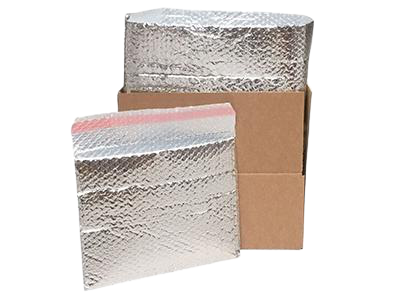
Insulated Box Liner Price: How to Choose the Right Liner for Real Shipments
Insulated Box Liner Price should be compared through the lens of performance, fit, and total operating cost. A insulated box liner can be a practical way to upgrade a corrugated carton for chilled, frozen, or heat-sensitive shipments, but it only works when the liner, coolant, product, carton, route, and handling process are designed as one package.
A useful decision starts with a clear shipment brief: product type, required temperature range, shipment duration, carton size, payload volume, coolant plan, seasonal exposure, order quantity, and receiving expectations. Once those facts are defined, insulated box liner price can be reviewed fairly across suppliers instead of judged by a single number.
Quick Answer for Buyers
Choose a insulated box liner only after confirming three things: it fits the carton and payload, it supports the required temperature objective for the intended route, and the supplier can repeat the specification at the required quantity. If any of those points is unclear, the price is not yet comparable.
For lower-risk shipments, a flexible insulated liner may provide enough thermal buffering when paired with the right coolant and delivery window. For high-risk food, pharmaceutical, biological, or long-route shipments, additional testing, monitoring, or a qualified shipper may be required. The liner should be treated as one component in a larger packaging system.
How the Liner Creates Value
A insulated box liner creates value by slowing heat transfer, improving carton interior protection, and making the pack-out easier to repeat. It can also help buyers use standard corrugated cartons rather than switching every shipment to a rigid cooler. This flexibility is one reason insulated box liners are common in food e-commerce, seafood, dairy, cosmetics, lab kits, and selected healthcare shipments.
The value is not only thermal. A liner can reduce handling damage, keep gel packs in a predictable position, improve the unboxing experience, and reduce warehouse space when it ships flat. For bulk buyers, these operational benefits can matter as much as the material price.
Materials and Formats to Compare
Material choice sets the baseline for Insulated Box Liner performance and cost. Reflective bubble liners are light and compact. Double bubble designs can add stiffness and buffering. Foam liners can provide cushioning and stable thickness. Paper or fiber liners can support waste-reduction goals when the recycling route is realistic. Hybrid structures can combine benefits, but they can also make end-of-use separation harder.
Buyers should avoid choosing by material name alone. Ask how the liner is converted, how the edges close, whether the liner fits the intended carton, how much usable payload space remains, and how the material behaves when exposed to condensation, compression, or repeated handling.
Price Drivers That Should Be Visible in the Quote
Material type and thickness influence the price of insulated box liners, but they are not the only cost drivers. The number of layers, film weight, foam density, bubble structure, paper basis weight, surface finish, adhesives, and edge sealing all affect raw material and conversion cost.
Dimensions matter because a small change in carton size can increase material usage and shipping cube. Buyers should compare external dimensions, internal dimensions, liner thickness, and usable payload volume. A liner that fits the carton too loosely can waste space and allow air movement; one that fits too tightly can crush corners or complicate packing.
Order quantity affects setup efficiency, but the lowest unit price usually appears when the specification is stable. Custom size, printed foil, special labels, new tooling, sampling, and small production lots can raise cost. In return, customization may reduce labor, improve fit, and lower product damage when done correctly.
Freight and storage costs should be included in the comparison. Foldable liners can reduce warehouse cube and inbound transport cost compared with bulky rigid insulation. However, very thick liners, complex inserts, or large order quantities may still create storage pressure. For export orders, pallet packing and carton count often matter as much as unit price.
A practical quote should separate material cost from optional cost. Ask suppliers to identify custom printing, tooling, labelling, testing support, packaging format, and freight terms. Clear quote lines make it easier to compare vendors without accidentally comparing different products.
Performance Boundaries and Misuse Risks
A liner is not the same as a fully qualified temperature-controlled shipping system. It slows heat transfer inside a carton, but the final result still depends on product pre-conditioning, coolant type, pack-out, closure quality, ambient exposure, delivery duration, and how the parcel is handled after pickup.
A insulated box liner may be insufficient when the route is long, the ambient exposure is severe, the product has a narrow allowable range, or the payload has high value. In those cases, buyers may need a qualified insulated shipper, a different refrigerant, more robust monitoring, active temperature-controlled transport, or a validated packaging configuration.
Water resistance should not be confused with temperature control. A liner may resist condensation or light liquid exposure, but that does not prove it can maintain a required temperature. Recyclability should not be confused with sustainability either. A recyclable liner that fails and causes product waste may create a worse outcome than a less recyclable design that protects the product reliably.
Food, Pharma, and Route Requirements
Thermal packaging decisions should be grounded in a defined temperature requirement. Food shipments may focus on product freshness, spoilage reduction, and sanitary handling. Pharmaceutical and biological shipments may require documented storage conditions, qualified pack-outs, calibrated monitoring, deviation handling, and records. The same liner can appear in both worlds, but the evidence required is not the same.
Industry testing standards and qualification practices are useful because they force the buyer to define the expected route, time, seasonal exposure, payload, and pack-out. Parcel testing profiles, thermal chamber studies, and lane data can help compare designs, but the result applies to the tested configuration. Changing carton size, product mass, coolant amount, or closure method can change performance.
For medicines and other temperature-sensitive healthcare goods, packaging selection should consider product labeling, storage range, anticipated external temperatures, transport duration, and the space required for the shipment. Staff should also understand how to assemble insulated boxes so that coolants do not damage product directly and the intended seasonal configuration is followed.
For food transport, buyers should remember that packaging is only one control. Vehicles or equipment may need to be cleanable and capable of maintaining required temperatures. Loading, transit, receiving, and record practices may be part of the food safety system depending on jurisdiction and product category.
Practical Supplier Checklist for Quotes and Bulk Orders
Because price discovery and purchasing decision support is a purchasing decision, the supplier conversation should go beyond a unit price. A useful supplier can explain where the liner performs well, where it does not, and what information is needed before a pilot or bulk order. The following questions help turn a quote into a controlled specification.
Confirm internal and external dimensions separately. The outside size affects carton fit and palletization, while the inside size determines usable payload after liner thickness, folds, refrigerants, and void fill are included.
Ask how the supplier controls sample-to-production consistency. A pre-production sample may perform well, but production lots must match the agreed laminate, thickness, seal width, adhesive, fold pattern, and carton fit.
Define the pack-out before quoting. State the product temperature range, payload mass, coolant type, coolant weight, shipment duration, route, seasonal exposure, and receiving inspection process. A quote without these inputs is only a material quote, not a shipping solution.
Review closure and assembly details. Flaps, tape strips, fold lines, gussets, and seams affect packing speed and heat leakage. Small changes can matter when hundreds or thousands of parcels are packed each day.
Clarify MOQ, lead time, custom printing, labeling, pallet packing, and change-control rules. These commercial points affect cost, but they also affect how quickly a buyer can switch carton size or update a material specification.
Check hygiene, odor, moisture resistance, and traceability needs. Food and healthcare buyers may require lot coding, clean packaging conditions, material statements, and procedures for handling rejected or damaged liners.
How to Run a Pilot Before Scaling
A pilot order for insulated box liners should use the actual packaging configuration. Pack the product or a realistic payload, condition coolant as intended, close the carton the same way production workers will close it, and expose the parcel to the planned route or a relevant test profile. Record product temperature, ambient exposure, packing time, product condition, and receiver feedback.
The pilot should include enough samples to reveal assembly variation. One perfect pack-out by an engineer does not prove that a busy packing team can repeat the method. Include normal operators, peak packing conditions where possible, and clear instructions. If a liner is difficult to fold or close, correct it before bulk ordering.
Use pilot results to refine dimensions, fold pattern, coolant amount, carton strength, and receiving instructions. Then lock the specification with the supplier. A controlled specification protects price, quality, and performance across reorders.
Cost Control Without Losing the Cold Chain Objective
Cost control for insulated box liners starts with reducing uncertainty. Buyers should test the smallest liner that protects the payload under the intended route, rather than automatically choosing the thickest or cheapest material. Right-sizing can reduce material, carton cube, coolant weight, and storage cost at the same time.
Standardizing carton sizes can also reduce cost. If several products can use the same liner size without compromising payload space, the buyer may gain better production efficiency and simpler inventory control. However, over-standardization can backfire when the same liner is forced into products with very different thermal risk.
Packing labor is another hidden cost. A liner that pops open quickly, has clear folds, closes with a reliable flap, and keeps gel packs in a repeatable position can reduce errors. A liner that needs extra tape, extra training, or rework may be more expensive than the quote suggests.
The most useful comparison is often total cost per successful shipment. That view includes liner price, coolant use, carton cost, labor, freight cube, storage, claims, disposal, and product loss. It also encourages buyers to choose a specification that can be repeated safely across seasons.
FAQ
What is the most important factor in insulated box liner price?
The most important factor is whether the quote matches a defined shipment configuration. Material price alone is not enough.
Can one liner size cover every product?
Sometimes one size can cover a group of similar products, but forcing one liner across different payloads can waste cube or reduce protection.
How should buyers compare sustainability claims?
Ask what the material is, whether it is accepted in the intended recycling stream, whether separation is required, and whether the liner still meets the route performance target.
When should a buyer request additional qualification?
Request additional qualification when the product is high value, regulated, sensitive to narrow temperature ranges, shipped on long or harsh lanes, or changed from the tested pack-out.
About Tempk
Tempk supports cold chain and temperature-controlled packaging with products such as insulated box liners, gel ice packs, dry ice packs, insulated bags, cooler boxes, and thermal pallet covers. For insulated box liner projects, we focus on practical carton fit, lightweight handling, foldable storage, and customization that can match a buyer's shipment profile. Our role is to help buyers compare material choice, pack-out design, and order requirements without treating one liner as a universal answer for every product or route.
Get Packaging Guidance
Share your carton size, temperature range, route duration, payload, and target order quantity to discuss a suitable insulated box liner option. Ask for guidance before scaling a bulk or custom order.
Insulated Box Insert Custom: How to Compare Quotes and Performance
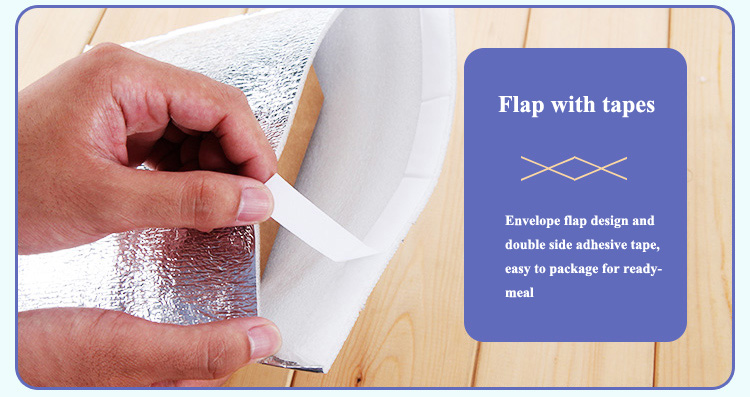
Insulated Box Insert Custom: How to Choose the Right Liner for Real Shipments
Insulated Box Insert Custom should be compared through the lens of performance, fit, and total operating cost. A custom insulated box insert can be a practical way to upgrade a corrugated carton for chilled, frozen, or heat-sensitive shipments, but it only works when the liner, coolant, product, carton, route, and handling process are designed as one package.
A useful decision starts with a clear shipment brief: product type, required temperature range, shipment duration, carton size, payload volume, coolant plan, seasonal exposure, order quantity, and receiving expectations. Once those facts are defined, insulated box insert custom can be reviewed fairly across suppliers instead of judged by a single number.
Quick Answer for Buyers
Choose a custom insulated box insert only after confirming three things: it fits the carton and payload, it supports the required temperature objective for the intended route, and the supplier can repeat the specification at the required quantity. If any of those points is unclear, the price is not yet comparable.
For lower-risk shipments, a flexible insulated liner may provide enough thermal buffering when paired with the right coolant and delivery window. For high-risk food, pharmaceutical, biological, or long-route shipments, additional testing, monitoring, or a qualified shipper may be required. The liner should be treated as one component in a larger packaging system.
How the Liner Creates Value
A custom insulated box insert creates value by slowing heat transfer, improving carton interior protection, and making the pack-out easier to repeat. It can also help buyers use standard corrugated cartons rather than switching every shipment to a rigid cooler. This flexibility is one reason custom insulated box inserts are common in food e-commerce, seafood, dairy, cosmetics, lab kits, and selected healthcare shipments.
The value is not only thermal. A liner can reduce handling damage, keep gel packs in a predictable position, improve the unboxing experience, and reduce warehouse space when it ships flat. For bulk buyers, these operational benefits can matter as much as the material price.
Materials and Formats to Compare
Material choice sets the baseline for Custom Insulated Box Insert performance and cost. Reflective bubble liners are light and compact. Double bubble designs can add stiffness and buffering. Foam liners can provide cushioning and stable thickness. Paper or fiber liners can support waste-reduction goals when the recycling route is realistic. Hybrid structures can combine benefits, but they can also make end-of-use separation harder.
Buyers should avoid choosing by material name alone. Ask how the liner is converted, how the edges close, whether the liner fits the intended carton, how much usable payload space remains, and how the material behaves when exposed to condensation, compression, or repeated handling.
Price Drivers That Should Be Visible in the Quote
Material type and thickness influence the price of custom insulated box inserts, but they are not the only cost drivers. The number of layers, film weight, foam density, bubble structure, paper basis weight, surface finish, adhesives, and edge sealing all affect raw material and conversion cost.
Dimensions matter because a small change in carton size can increase material usage and shipping cube. Buyers should compare external dimensions, internal dimensions, liner thickness, and usable payload volume. A liner that fits the carton too loosely can waste space and allow air movement; one that fits too tightly can crush corners or complicate packing.
Order quantity affects setup efficiency, but the lowest unit price usually appears when the specification is stable. Custom size, printed foil, special labels, new tooling, sampling, and small production lots can raise cost. In return, customization may reduce labor, improve fit, and lower product damage when done correctly.
Freight and storage costs should be included in the comparison. Foldable liners can reduce warehouse cube and inbound transport cost compared with bulky rigid insulation. However, very thick liners, complex inserts, or large order quantities may still create storage pressure. For export orders, pallet packing and carton count often matter as much as unit price.
A practical quote should separate material cost from optional cost. Ask suppliers to identify custom printing, tooling, labelling, testing support, packaging format, and freight terms. Clear quote lines make it easier to compare vendors without accidentally comparing different products.
Performance Boundaries and Misuse Risks
A liner is not the same as a fully qualified temperature-controlled shipping system. It slows heat transfer inside a carton, but the final result still depends on product pre-conditioning, coolant type, pack-out, closure quality, ambient exposure, delivery duration, and how the parcel is handled after pickup.
A custom insulated box insert may be insufficient when the route is long, the ambient exposure is severe, the product has a narrow allowable range, or the payload has high value. In those cases, buyers may need a qualified insulated shipper, a different refrigerant, more robust monitoring, active temperature-controlled transport, or a validated packaging configuration.
Water resistance should not be confused with temperature control. A liner may resist condensation or light liquid exposure, but that does not prove it can maintain a required temperature. Recyclability should not be confused with sustainability either. A recyclable liner that fails and causes product waste may create a worse outcome than a less recyclable design that protects the product reliably.
Custom inserts should be designed around the product and refrigerant together. A beautiful insert that squeezes gel packs into the wrong location or reduces payload space can weaken temperature control. CAD drawings, dielines, assembly trials, and pilot shipments help prevent this type of error.
Food, Pharma, and Route Requirements
Thermal packaging decisions should be grounded in a defined temperature requirement. Food shipments may focus on product freshness, spoilage reduction, and sanitary handling. Pharmaceutical and biological shipments may require documented storage conditions, qualified pack-outs, calibrated monitoring, deviation handling, and records. The same liner can appear in both worlds, but the evidence required is not the same.
Industry testing standards and qualification practices are useful because they force the buyer to define the expected route, time, seasonal exposure, payload, and pack-out. Parcel testing profiles, thermal chamber studies, and lane data can help compare designs, but the result applies to the tested configuration. Changing carton size, product mass, coolant amount, or closure method can change performance.
For medicines and other temperature-sensitive healthcare goods, packaging selection should consider product labeling, storage range, anticipated external temperatures, transport duration, and the space required for the shipment. Staff should also understand how to assemble insulated boxes so that coolants do not damage product directly and the intended seasonal configuration is followed.
For food transport, buyers should remember that packaging is only one control. Vehicles or equipment may need to be cleanable and capable of maintaining required temperatures. Loading, transit, receiving, and record practices may be part of the food safety system depending on jurisdiction and product category.
Practical Supplier Checklist for Quotes and Bulk Orders
Because custom packaging specification and supplier evaluation is a purchasing decision, the supplier conversation should go beyond a unit price. A useful supplier can explain where the liner performs well, where it does not, and what information is needed before a pilot or bulk order. The following questions help turn a quote into a controlled specification.
Confirm internal and external dimensions separately. The outside size affects carton fit and palletization, while the inside size determines usable payload after liner thickness, folds, refrigerants, and void fill are included.
Ask how the supplier controls sample-to-production consistency. A pre-production sample may perform well, but production lots must match the agreed laminate, thickness, seal width, adhesive, fold pattern, and carton fit.
Define the pack-out before quoting. State the product temperature range, payload mass, coolant type, coolant weight, shipment duration, route, seasonal exposure, and receiving inspection process. A quote without these inputs is only a material quote, not a shipping solution.
Review closure and assembly details. Flaps, tape strips, fold lines, gussets, and seams affect packing speed and heat leakage. Small changes can matter when hundreds or thousands of parcels are packed each day.
Clarify MOQ, lead time, custom printing, labeling, pallet packing, and change-control rules. These commercial points affect cost, but they also affect how quickly a buyer can switch carton size or update a material specification.
Check hygiene, odor, moisture resistance, and traceability needs. Food and healthcare buyers may require lot coding, clean packaging conditions, material statements, and procedures for handling rejected or damaged liners.
For custom inserts, request dielines, pre-production samples, assembly instructions, and a change-control process before approving a production run.
How to Run a Pilot Before Scaling
A pilot order for custom insulated box inserts should use the actual packaging configuration. Pack the product or a realistic payload, condition coolant as intended, close the carton the same way production workers will close it, and expose the parcel to the planned route or a relevant test profile. Record product temperature, ambient exposure, packing time, product condition, and receiver feedback.
The pilot should include enough samples to reveal assembly variation. One perfect pack-out by an engineer does not prove that a busy packing team can repeat the method. Include normal operators, peak packing conditions where possible, and clear instructions. If a liner is difficult to fold or close, correct it before bulk ordering.
Use pilot results to refine dimensions, fold pattern, coolant amount, carton strength, and receiving instructions. Then lock the specification with the supplier. A controlled specification protects price, quality, and performance across reorders.
Cost Control Without Losing the Cold Chain Objective
Cost control for custom insulated box inserts starts with reducing uncertainty. Buyers should test the smallest liner that protects the payload under the intended route, rather than automatically choosing the thickest or cheapest material. Right-sizing can reduce material, carton cube, coolant weight, and storage cost at the same time.
Standardizing carton sizes can also reduce cost. If several products can use the same liner size without compromising payload space, the buyer may gain better production efficiency and simpler inventory control. However, over-standardization can backfire when the same liner is forced into products with very different thermal risk.
Packing labor is another hidden cost. A liner that pops open quickly, has clear folds, closes with a reliable flap, and keeps gel packs in a repeatable position can reduce errors. A liner that needs extra tape, extra training, or rework may be more expensive than the quote suggests.
The most useful comparison is often total cost per successful shipment. That view includes liner price, coolant use, carton cost, labor, freight cube, storage, claims, disposal, and product loss. It also encourages buyers to choose a specification that can be repeated safely across seasons.
FAQ
What is the most important factor in insulated box insert custom?
The most important factor is whether the quote matches a defined shipment configuration. Material price alone is not enough.
Can one liner size cover every product?
Sometimes one size can cover a group of similar products, but forcing one liner across different payloads can waste cube or reduce protection.
How should buyers compare sustainability claims?
Ask what the material is, whether it is accepted in the intended recycling stream, whether separation is required, and whether the liner still meets the route performance target.
When should a buyer request additional qualification?
Request additional qualification when the product is high value, regulated, sensitive to narrow temperature ranges, shipped on long or harsh lanes, or changed from the tested pack-out.
About Tempk
Tempk supports cold chain and temperature-controlled packaging with products such as insulated box liners, gel ice packs, dry ice packs, insulated bags, cooler boxes, and thermal pallet covers. For custom insulated box insert projects, we focus on practical carton fit, lightweight handling, foldable storage, and customization that can match a buyer's shipment profile. Our role is to help buyers compare material choice, pack-out design, and order requirements without treating one liner as a universal answer for every product or route.
Get Packaging Guidance
Share your carton size, temperature range, route duration, payload, and target order quantity to discuss a suitable custom insulated box insert option. Ask for guidance before scaling a bulk or custom order.