


Manufacturer Dry Ice Pack for Insulin Shipping: Selection and Supplier Guide
Manufacturer Dry Ice Pack for Insulin Shipping: Selection and Supplier Guide

Manufacturer Dry Ice Pack for Insulin Shipping: How to Choose the Right Pack, Supplier, and Packout
The right manufacturer dry ice pack for insulin shipping is the one that protects insulin and diabetes medications through the intended route while staying practical for purchasing, packing, storage, and receiving. Buyers should not start with the coldest pack or the lowest unit price. They should start with the product's required temperature range, the route duration, the insulation system, the payload size, and the consequences of freezing or warming.
For insulin shipping and logistics, a dry ice pack may refer to true solid CO2, a hydrated dry ice style cold pack, a gel pack, or a PCM pack. Confirming that definition is the first sourcing step. The second step is verifying that the pack works inside the complete shipping system, not only as an isolated refrigerant.
Start With the Temperature Requirement
Many insulin products are stored refrigerated before use and must be protected from freezing. Exact limits depend on the approved product label and quality instructions.
This requirement should be written before suppliers are contacted. A good request for quotation should state whether the shipment is chilled, frozen, ultra-low, or simply heat-protected. It should state the maximum transport duration, expected ambient exposure, product quantity, carton dimensions, and whether the product can touch a frozen surface. For insulin and diabetes medications, this prevents suppliers from recommending a pack that is cold enough but operationally wrong.
Choose the Refrigerant Type by Function
True solid CO2 provides intense cold and can be valuable for frozen or ultra-low lanes, but it requires vented packaging, safe handling, and transport documentation when applicable. It is not reusable after it sublimates and it can damage products that should not freeze. It should be selected only when the product and route actually require that level of cooling.
Hydrated dry ice style packs and gel packs are often better for chilled or moderate cold chain lanes. They are easier to store before use, can be refrozen within their intended life, and can be placed around the payload in flexible patterns. PCM packs are useful when a more defined transition temperature is needed. None of these options removes the need for insulation or route testing.
For this specific application, True dry ice is usually unsuitable for insulin unless a specific product and validated system require it. Refrigerated gel or PCM systems are more typical for insulin cold chain shipping. That does not make one material universally better. It means the buyer must match the material to the product, route, and quality requirement.
Design the Packout, Not Just the Pack
A packout for secondary cartons, tamper-evident pouches, insulated mailers, small parcel shippers, and validated medicine containers should show exactly where each pack goes. It should define whether packs are placed on top, sides, bottom, or around the product. It should state whether separators, cardboard, bubble wrap, liners, absorbent materials, or product sleeves are required. If the product can be damaged by freezing, a physical barrier should be part of the approved design.
The packout should also account for real handling. Parcel shipments can be tilted. Pallets can sit near dock doors. Last-mile drivers may open totes repeatedly. Receivers may delay unpacking. A design that only works in a controlled room is not enough for commercial shipping. The more variable the route, the more important it is to qualify the complete configuration.
Supplier Checklist for Bulk or Commercial Orders
Because this purchase has clear commercial intent, the supplier conversation should be structured. Ask questions that reveal whether the supplier understands both thermal performance and operational control. Manufacturers evaluate formulation control, change management, engineering support, and whether the approved sample can be reproduced at scale.
- Confirm the refrigerant chemistry and intended temperature range.
- Request internal and external dimensions, prepared pack weight, cell pattern, and carton packing details.
- Check usable volume inside your shipper after packs, liners, insulation, and payload are loaded.
- Ask about film, absorbent, gel, PCM, or CO2 handling materials, and how changes are controlled.
- Confirm hydration, freezing, conditioning, storage, and reuse instructions.
- Ask whether the pack is compatible with food, medicine, floral, or other product-specific packaging requirements.
- Review sample-to-production consistency, lot coding, defect handling, and change notification.
- Discuss MOQ, lead time, custom size, custom printing, palletization, and seasonal capacity as operational questions, not as substitutes for testing.
Quality and Compliance Boundaries
Insulin shipping may require GDP-style controls, validated packouts, temperature records, documented handling, and quality review before release or use. For sensitive shipments, compliance is not created by the pack name. It comes from a documented system that includes product requirements, trained handling, qualified packaging, monitoring when needed, and records that support release or receiving decisions.
If true dry ice is used in air transport, buyers should verify current dangerous goods requirements with the carrier and logistics team. Packages commonly need identification as dry ice or carbon dioxide solid, net dry ice weight, appropriate labeling, and venting to prevent pressure buildup. These requirements are different from the handling of reusable gel or hydrated packs.
Insulin is especially sensitive to freezing risk. A packout that looks cold enough may be too cold if a vial, pen, or carton touches a frozen pack directly. Buyers should ask for evidence that the selected configuration protects the medicine under expected ambient exposure and does not rely on the receiver guessing whether the medicine has frozen.
How to Test Before Scaling
A practical test starts with the real product or a realistic thermal substitute. Load the shipper exactly as the warehouse will load it. Pre-condition the pack according to the proposed instruction. Place sensors at likely warm and cold points in the payload. Run the test under an ambient profile that represents the route. Record the result against clear pass or fail limits.
After a successful test, document the packout with photos or diagrams, pack counts, pack orientation, conditioning time, acceptable substitutions, and receiving checks. Train staff and audit the first production shipments. If the supplier changes material, the shipper changes, payload changes, or carrier route changes, review the packout again before assuming the old result still applies.
Special Limits for Insulin Shipping and Logistics
A cold pack does not make an insulin shipment compliant. The whole system must be qualified for the product, payload, duration, lane, and ambient exposure.
For healthcare shipments, the package should be treated as a system rather than a loose collection of parts. The shipper, refrigerant, payload, separator, monitor, outer carton, and lane profile all affect the result. Quality teams should confirm the required temperature range, product label limits, acceptable excursion policy, receiving inspection procedure, and documentation before approving routine use.
The final decision should balance performance, risk, labor, storage, and cost. A pack that saves a few cents but increases freezer labor, product claims, or receiving confusion may be expensive in practice. A more controlled packout can reduce waste even if the pack itself costs more, because it protects the product and makes the process repeatable.
FAQ
What information should I send to a supplier first?
Send the product type, target temperature range, shipment duration, carton dimensions, payload volume, route profile, and whether the product can freeze. This helps the supplier recommend the correct pack type.
Can an insulated box with a dry ice pack be considered qualified?
Not by default. Qualification depends on the complete system, test method, lane, payload, temperature limits, and documented packout. Additional review may be required for regulated goods.
What is the best way to reduce waste?
Reduce waste by matching refrigerant mass to the lane, using the smallest effective shipper, preventing product loss, and reusing packs only when inspection and return logistics are reliable.
About Tempk
Tempk is a brand of Shanghai Tempk Industrial Co., Ltd., focused on temperature-control products for business and personal use. We provide cold chain packaging options such as gel ice packs, dry ice style packs, insulated boxes, VIP cooler boxes, thermal bags, and insulin temperature carriers. For medicine-related shipments, we help buyers think through pack selection, insulation, payload fit, and temperature-control configuration without treating any single component as a universal qualified system.
Talk to Tempk
Share your product type, target temperature range, payload size, and expected shipping duration. We can help you discuss a suitable packout direction for bulk purchasing or custom cold chain packaging.
Additional Operating Notes for Buyers
For commercial teams, final approval should include purchasing, warehouse operations, quality, and customer service. Purchasing checks supplier reliability and price. Warehouse teams check whether packs can be frozen, stored, picked, and loaded without slowing the line. Quality checks whether the packout matches product requirements. Customer service checks whether arrival instructions are clear enough to reduce claims and confusion.
Freezer capacity is often overlooked. A pack that requires long freezing time or large freezer space may create bottlenecks during seasonal peaks. Buyers should calculate how many packs must be conditioned per day, how they will be rotated, how damaged packs will be removed, and how emergency orders will be handled if outbound volume increases.
Packaging engineers should review the entire stack of materials. Liners, pads, product cartons, separators, and outer boxes all influence heat flow and product protection. Changing any layer can alter performance. This is why a low-cost substitution in one component may create a temperature deviation or a physical damage issue later.
Receiving instructions should be written in plain language. The receiver should know whether to open immediately, where to read a temperature device, how to identify damaged packs, how to report warm or frozen arrivals, and whether the product can be used while a temperature excursion is under review.
Cost comparisons should include more than pack price. Labor time, freezer space, carton cube, shipping weight, rejected shipments, returns, and customer complaints can outweigh a small unit-price difference. A pack that simplifies the process may be less expensive over the full shipment cycle.
Seasonal planning should be part of supplier review. Warm-weather shipments may need more refrigerant or stronger insulation, while cold-weather routes may need protection from freezing. Procurement should confirm whether the supplier can support seasonal forecasts without substituting unapproved materials.
Custom printing can help warehouse teams identify the correct pack, but it should not be treated as a purely cosmetic change. Ink, film, cell layout, or pouch construction can influence handling and quality checks. Any custom format should be reviewed against the approved packout.
Return programs work best when the pack is easy to identify, inspect, and store. Reusable packs should have clear rejection rules for leakage, contamination, puncture, odor, or deformation. Reuse without inspection can move risk from the packaging budget to the product quality budget.
The best purchasing files keep the approved sample, supplier specification, loading instruction, inspection record, and change-control contact together. This makes it easier to train new staff and investigate claims without relying on memory.
For multi-site operations, one central specification is helpful, but each site should confirm local freezer capacity, packing labor, carrier pickup time, and receiving behavior. A packout that works in one warehouse may need adjustment in another.
Manufacturer Dry Ice Pack for Biologic Shipping: Selection and Supplier Guide
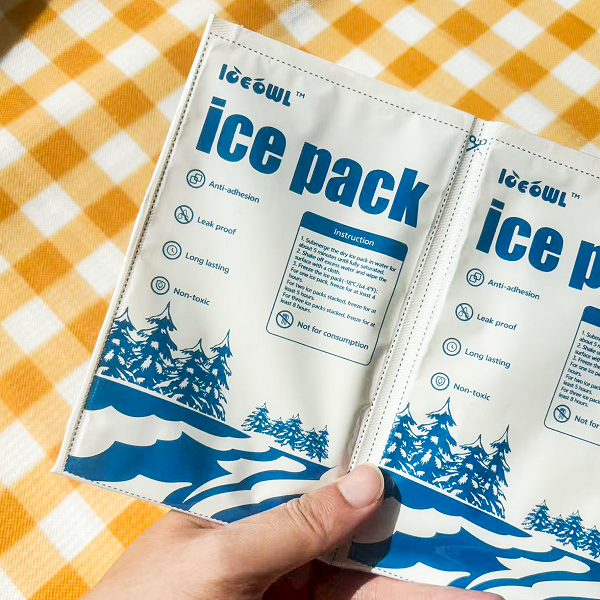
Manufacturer Dry Ice Pack for Biologic Shipping: How to Choose the Right Pack, Supplier, and Packout
The right manufacturer dry ice pack for biologic shipping is the one that protects biologics through the intended route while staying practical for purchasing, packing, storage, and receiving. Buyers should not start with the coldest pack or the lowest unit price. They should start with the product's required temperature range, the route duration, the insulation system, the payload size, and the consequences of freezing or warming.
For biologic shipping, a dry ice pack may refer to true solid CO2, a hydrated dry ice style cold pack, a gel pack, or a PCM pack. Confirming that definition is the first sourcing step. The second step is verifying that the pack works inside the complete shipping system, not only as an isolated refrigerant.
Start With the Temperature Requirement
Biologics can require refrigerated, frozen, or ultra-low temperature ranges. The correct range must come from the product specification, not from a generic cold chain assumption.
This requirement should be written before suppliers are contacted. A good request for quotation should state whether the shipment is chilled, frozen, ultra-low, or simply heat-protected. It should state the maximum transport duration, expected ambient exposure, product quantity, carton dimensions, and whether the product can touch a frozen surface. For biologics, this prevents suppliers from recommending a pack that is cold enough but operationally wrong.
Choose the Refrigerant Type by Function
True solid CO2 provides intense cold and can be valuable for frozen or ultra-low lanes, but it requires vented packaging, safe handling, and transport documentation when applicable. It is not reusable after it sublimates and it can damage products that should not freeze. It should be selected only when the product and route actually require that level of cooling.
Hydrated dry ice style packs and gel packs are often better for chilled or moderate cold chain lanes. They are easier to store before use, can be refrozen within their intended life, and can be placed around the payload in flexible patterns. PCM packs are useful when a more defined transition temperature is needed. None of these options removes the need for insulation or route testing.
For this specific application, True dry ice may be used for frozen or ultra-low biologic lanes, while refrigerated biologics often need gel or PCM systems that avoid freezing. That does not make one material universally better. It means the buyer must match the material to the product, route, and quality requirement.
Design the Packout, Not Just the Pack
A packout for validated payload cartons, vials, secondary packaging, insulated shippers, and palletized thermal systems should show exactly where each pack goes. It should define whether packs are placed on top, sides, bottom, or around the product. It should state whether separators, cardboard, bubble wrap, liners, absorbent materials, or product sleeves are required. If the product can be damaged by freezing, a physical barrier should be part of the approved design.
The packout should also account for real handling. Parcel shipments can be tilted. Pallets can sit near dock doors. Last-mile drivers may open totes repeatedly. Receivers may delay unpacking. A design that only works in a controlled room is not enough for commercial shipping. The more variable the route, the more important it is to qualify the complete configuration.
Supplier Checklist for Bulk or Commercial Orders
Because this purchase has clear commercial intent, the supplier conversation should be structured. Ask questions that reveal whether the supplier understands both thermal performance and operational control. Manufacturers evaluate formulation control, change management, engineering support, and whether the approved sample can be reproduced at scale.
- Confirm the refrigerant chemistry and intended temperature range.
- Request internal and external dimensions, prepared pack weight, cell pattern, and carton packing details.
- Check usable volume inside your shipper after packs, liners, insulation, and payload are loaded.
- Ask about film, absorbent, gel, PCM, or CO2 handling materials, and how changes are controlled.
- Confirm hydration, freezing, conditioning, storage, and reuse instructions.
- Ask whether the pack is compatible with food, medicine, floral, or other product-specific packaging requirements.
- Review sample-to-production consistency, lot coding, defect handling, and change notification.
- Discuss MOQ, lead time, custom size, custom printing, palletization, and seasonal capacity as operational questions, not as substitutes for testing.
Quality and Compliance Boundaries
Biologic shipping commonly requires validated packaging, documented temperature monitoring, lane qualification, change control, and review by quality or logistics teams. For sensitive shipments, compliance is not created by the pack name. It comes from a documented system that includes product requirements, trained handling, qualified packaging, monitoring when needed, and records that support release or receiving decisions.
If true dry ice is used in air transport, buyers should verify current dangerous goods requirements with the carrier and logistics team. Packages commonly need identification as dry ice or carbon dioxide solid, net dry ice weight, appropriate labeling, and venting to prevent pressure buildup. These requirements are different from the handling of reusable gel or hydrated packs.
Biologics vary widely, so the shipping requirement should be taken from the product file, stability data, or approved logistics procedure. A dry ice system may be necessary for frozen or ultra-low shipments, but it should not be reused for a refrigerated biologic without separate qualification.
How to Test Before Scaling
A practical test starts with the real product or a realistic thermal substitute. Load the shipper exactly as the warehouse will load it. Pre-condition the pack according to the proposed instruction. Place sensors at likely warm and cold points in the payload. Run the test under an ambient profile that represents the route. Record the result against clear pass or fail limits.
After a successful test, document the packout with photos or diagrams, pack counts, pack orientation, conditioning time, acceptable substitutions, and receiving checks. Train staff and audit the first production shipments. If the supplier changes material, the shipper changes, payload changes, or carrier route changes, review the packout again before assuming the old result still applies.
Special Limits for Biologic Shipping
A dry ice pack cannot be treated as a qualified system by itself. The insulation, payload, refrigerant mass, packout, monitoring, and route must work together.
For healthcare shipments, the package should be treated as a system rather than a loose collection of parts. The shipper, refrigerant, payload, separator, monitor, outer carton, and lane profile all affect the result. Quality teams should confirm the required temperature range, product label limits, acceptable excursion policy, receiving inspection procedure, and documentation before approving routine use.
The final decision should balance performance, risk, labor, storage, and cost. A pack that saves a few cents but increases freezer labor, product claims, or receiving confusion may be expensive in practice. A more controlled packout can reduce waste even if the pack itself costs more, because it protects the product and makes the process repeatable.
FAQ
What information should I send to a supplier first?
Send the product type, target temperature range, shipment duration, carton dimensions, payload volume, route profile, and whether the product can freeze. This helps the supplier recommend the correct pack type.
Can an insulated box with a dry ice pack be considered qualified?
Not by default. Qualification depends on the complete system, test method, lane, payload, temperature limits, and documented packout. Additional review may be required for regulated goods.
What is the best way to reduce waste?
Reduce waste by matching refrigerant mass to the lane, using the smallest effective shipper, preventing product loss, and reusing packs only when inspection and return logistics are reliable.
About Tempk
Tempk is a brand of Shanghai Tempk Industrial Co., Ltd., focused on temperature-control products for business and personal use. We provide cold chain packaging options such as gel ice packs, dry ice style packs, insulated boxes, VIP cooler boxes, thermal bags, and insulin temperature carriers. For medicine-related shipments, we help buyers think through pack selection, insulation, payload fit, and temperature-control configuration without treating any single component as a universal qualified system.
Talk to Tempk
Share your product type, target temperature range, payload size, and expected shipping duration. We can help you discuss a suitable packout direction for bulk purchasing or custom cold chain packaging.
Additional Operating Notes for Buyers
For commercial teams, final approval should include purchasing, warehouse operations, quality, and customer service. Purchasing checks supplier reliability and price. Warehouse teams check whether packs can be frozen, stored, picked, and loaded without slowing the line. Quality checks whether the packout matches product requirements. Customer service checks whether arrival instructions are clear enough to reduce claims and confusion.
Freezer capacity is often overlooked. A pack that requires long freezing time or large freezer space may create bottlenecks during seasonal peaks. Buyers should calculate how many packs must be conditioned per day, how they will be rotated, how damaged packs will be removed, and how emergency orders will be handled if outbound volume increases.
Packaging engineers should review the entire stack of materials. Liners, pads, product cartons, separators, and outer boxes all influence heat flow and product protection. Changing any layer can alter performance. This is why a low-cost substitution in one component may create a temperature deviation or a physical damage issue later.
Receiving instructions should be written in plain language. The receiver should know whether to open immediately, where to read a temperature device, how to identify damaged packs, how to report warm or frozen arrivals, and whether the product can be used while a temperature excursion is under review.
Cost comparisons should include more than pack price. Labor time, freezer space, carton cube, shipping weight, rejected shipments, returns, and customer complaints can outweigh a small unit-price difference. A pack that simplifies the process may be less expensive over the full shipment cycle.
Seasonal planning should be part of supplier review. Warm-weather shipments may need more refrigerant or stronger insulation, while cold-weather routes may need protection from freezing. Procurement should confirm whether the supplier can support seasonal forecasts without substituting unapproved materials.
Custom printing can help warehouse teams identify the correct pack, but it should not be treated as a purely cosmetic change. Ink, film, cell layout, or pouch construction can influence handling and quality checks. Any custom format should be reviewed against the approved packout.
Return programs work best when the pack is easy to identify, inspect, and store. Reusable packs should have clear rejection rules for leakage, contamination, puncture, odor, or deformation. Reuse without inspection can move risk from the packaging budget to the product quality budget.
The best purchasing files keep the approved sample, supplier specification, loading instruction, inspection record, and change-control contact together. This makes it easier to train new staff and investigate claims without relying on memory.
For multi-site operations, one central specification is helpful, but each site should confirm local freezer capacity, packing labor, carrier pickup time, and receiving behavior. A packout that works in one warehouse may need adjustment in another.
Carrier selection still matters. A strong packout can fail if the service level allows excessive dwell time or repeated uncontrolled transfers. Buyers should align package design with the actual service promise, not with an optimistic transit estimate.
Distributor Dry Ice Pack for Flowers Shipping: Selection and Supplier Guide

Distributor Dry Ice Pack for Flowers Shipping: How to Choose the Right Pack, Supplier, and Packout
The right distributor dry ice pack for flowers shipping is the one that protects cut flowers through the intended route while staying practical for purchasing, packing, storage, and receiving. Buyers should not start with the coldest pack or the lowest unit price. They should start with the product's required temperature range, the route duration, the insulation system, the payload size, and the consequences of freezing or warming.
For flowers shipping and transport, a dry ice pack may refer to true solid CO2, a hydrated dry ice style cold pack, a gel pack, or a PCM pack. Confirming that definition is the first sourcing step. The second step is verifying that the pack works inside the complete shipping system, not only as an isolated refrigerant.
Start With the Temperature Requirement
Most cut flowers benefit from a disciplined cold chain, but tropical flowers and some chilling-sensitive species require warmer handling. The correct range should be set by species and customer requirements.
This requirement should be written before suppliers are contacted. A good request for quotation should state whether the shipment is chilled, frozen, ultra-low, or simply heat-protected. It should state the maximum transport duration, expected ambient exposure, product quantity, carton dimensions, and whether the product can touch a frozen surface. For cut flowers, this prevents suppliers from recommending a pack that is cold enough but operationally wrong.
Choose the Refrigerant Type by Function
True solid CO2 provides intense cold and can be valuable for frozen or ultra-low lanes, but it requires vented packaging, safe handling, and transport documentation when applicable. It is not reusable after it sublimates and it can damage products that should not freeze. It should be selected only when the product and route actually require that level of cooling.
Hydrated dry ice style packs and gel packs are often better for chilled or moderate cold chain lanes. They are easier to store before use, can be refrozen within their intended life, and can be placed around the payload in flexible patterns. PCM packs are useful when a more defined transition temperature is needed. None of these options removes the need for insulation or route testing.
For this specific application, For flowers, a dry ice pack usually means a cold pack or hydrated pack used with insulation, separators, and ventilation planning; direct solid CO2 is rarely appropriate for standard chilled flowers. That does not make one material universally better. It means the buyer must match the material to the product, route, and quality requirement.
Design the Packout, Not Just the Pack
A packout for flower sleeves, long cartons, wet packs, bouquet boxes, and insulated floral shippers should show exactly where each pack goes. It should define whether packs are placed on top, sides, bottom, or around the product. It should state whether separators, cardboard, bubble wrap, liners, absorbent materials, or product sleeves are required. If the product can be damaged by freezing, a physical barrier should be part of the approved design.
The packout should also account for real handling. Parcel shipments can be tilted. Pallets can sit near dock doors. Last-mile drivers may open totes repeatedly. Receivers may delay unpacking. A design that only works in a controlled room is not enough for commercial shipping. The more variable the route, the more important it is to qualify the complete configuration.
Supplier Checklist for Bulk or Commercial Orders
Because this purchase has clear commercial intent, the supplier conversation should be structured. Ask questions that reveal whether the supplier understands both thermal performance and operational control. Distributors need resale-ready specifications, predictable cartons, safe storage instructions, and pack formats that can serve multiple customer routes.
- Confirm the refrigerant chemistry and intended temperature range.
- Request internal and external dimensions, prepared pack weight, cell pattern, and carton packing details.
- Check usable volume inside your shipper after packs, liners, insulation, and payload are loaded.
- Ask about film, absorbent, gel, PCM, or CO2 handling materials, and how changes are controlled.
- Confirm hydration, freezing, conditioning, storage, and reuse instructions.
- Ask whether the pack is compatible with food, medicine, floral, or other product-specific packaging requirements.
- Review sample-to-production consistency, lot coding, defect handling, and change notification.
- Discuss MOQ, lead time, custom size, custom printing, palletization, and seasonal capacity as operational questions, not as substitutes for testing.
Quality and Compliance Boundaries
Floral shipments focus less on drug-style qualification and more on temperature discipline, sanitation, humidity control, and careful handling from farm to florist. For sensitive shipments, compliance is not created by the pack name. It comes from a documented system that includes product requirements, trained handling, qualified packaging, monitoring when needed, and records that support release or receiving decisions.
If true dry ice is used in air transport, buyers should verify current dangerous goods requirements with the carrier and logistics team. Packages commonly need identification as dry ice or carbon dioxide solid, net dry ice weight, appropriate labeling, and venting to prevent pressure buildup. These requirements are different from the handling of reusable gel or hydrated packs.
Flower shipments need cold discipline without freezing or crushing stems. The pack should be isolated from petals and stems, and the carton should be designed to reduce condensation and avoid pressure points during handling.
How to Test Before Scaling
A practical test starts with the real product or a realistic thermal substitute. Load the shipper exactly as the warehouse will load it. Pre-condition the pack according to the proposed instruction. Place sensors at likely warm and cold points in the payload. Run the test under an ambient profile that represents the route. Record the result against clear pass or fail limits.
After a successful test, document the packout with photos or diagrams, pack counts, pack orientation, conditioning time, acceptable substitutions, and receiving checks. Train staff and audit the first production shipments. If the supplier changes material, the shipper changes, payload changes, or carrier route changes, review the packout again before assuming the old result still applies.
Special Limits for Flowers Shipping and Transport
A refrigerant pack cannot save flowers that were not pre-cooled, packed wet without control, or exposed to warm transfer points for long periods.
For food or floral shipments, the pack still needs a written operating method. The method should state how packs are frozen or conditioned, how many packs are used, where they are placed, how the product is separated from direct contact, and how receivers should inspect the load on arrival.
The final decision should balance performance, risk, labor, storage, and cost. A pack that saves a few cents but increases freezer labor, product claims, or receiving confusion may be expensive in practice. A more controlled packout can reduce waste even if the pack itself costs more, because it protects the product and makes the process repeatable.
FAQ
What information should I send to a supplier first?
Send the product type, target temperature range, shipment duration, carton dimensions, payload volume, route profile, and whether the product can freeze. This helps the supplier recommend the correct pack type.
Can an insulated box with a dry ice pack be considered qualified?
Not by default. Qualification depends on the complete system, test method, lane, payload, temperature limits, and documented packout. Additional review may be required for regulated goods.
What is the best way to reduce waste?
Reduce waste by matching refrigerant mass to the lane, using the smallest effective shipper, preventing product loss, and reusing packs only when inspection and return logistics are reliable.
About Tempk
Tempk is a brand of Shanghai Tempk Industrial Co., Ltd., focused on temperature-control products for business and personal use. We provide cold chain packaging options such as gel ice packs, dry ice style packs, insulated boxes, EPP cooler boxes, thermal bags, and pallet covers. For food and perishable shipments, we help buyers match refrigerants, insulation, and packout details to the product, route, and handling conditions.
Talk to Tempk
Share your product type, target temperature range, payload size, and expected shipping duration. We can help you discuss a suitable packout direction for bulk purchasing or custom cold chain packaging.
Additional Operating Notes for Buyers
For commercial teams, final approval should include purchasing, warehouse operations, quality, and customer service. Purchasing checks supplier reliability and price. Warehouse teams check whether packs can be frozen, stored, picked, and loaded without slowing the line. Quality checks whether the packout matches product requirements. Customer service checks whether arrival instructions are clear enough to reduce claims and confusion.
Freezer capacity is often overlooked. A pack that requires long freezing time or large freezer space may create bottlenecks during seasonal peaks. Buyers should calculate how many packs must be conditioned per day, how they will be rotated, how damaged packs will be removed, and how emergency orders will be handled if outbound volume increases.
Packaging engineers should review the entire stack of materials. Liners, pads, product cartons, separators, and outer boxes all influence heat flow and product protection. Changing any layer can alter performance. This is why a low-cost substitution in one component may create a temperature deviation or a physical damage issue later.
Receiving instructions should be written in plain language. The receiver should know whether to open immediately, where to read a temperature device, how to identify damaged packs, how to report warm or frozen arrivals, and whether the product can be used while a temperature excursion is under review.
Cost comparisons should include more than pack price. Labor time, freezer space, carton cube, shipping weight, rejected shipments, returns, and customer complaints can outweigh a small unit-price difference. A pack that simplifies the process may be less expensive over the full shipment cycle.
Seasonal planning should be part of supplier review. Warm-weather shipments may need more refrigerant or stronger insulation, while cold-weather routes may need protection from freezing. Procurement should confirm whether the supplier can support seasonal forecasts without substituting unapproved materials.
Custom printing can help warehouse teams identify the correct pack, but it should not be treated as a purely cosmetic change. Ink, film, cell layout, or pouch construction can influence handling and quality checks. Any custom format should be reviewed against the approved packout.
Return programs work best when the pack is easy to identify, inspect, and store. Reusable packs should have clear rejection rules for leakage, contamination, puncture, odor, or deformation. Reuse without inspection can move risk from the packaging budget to the product quality budget.
The best purchasing files keep the approved sample, supplier specification, loading instruction, inspection record, and change-control contact together. This makes it easier to train new staff and investigate claims without relying on memory.
For multi-site operations, one central specification is helpful, but each site should confirm local freezer capacity, packing labor, carrier pickup time, and receiving behavior. A packout that works in one warehouse may need adjustment in another.
Carrier selection still matters. A strong packout can fail if the service level allows excessive dwell time or repeated uncontrolled transfers. Buyers should align package design with the actual service promise, not with an optimistic transit estimate.
Distributor Dry Ice Pack for Flowers Logistics: Selection and Supplier Guide
Distributor Dry Ice Pack for Flowers Logistics: How to Choose the Right Pack, Supplier, and Packout
The right distributor dry ice pack for flowers logistics is the one that protects cut flowers through the intended route while staying practical for purchasing, packing, storage, and receiving. Buyers should not start with the coldest pack or the lowest unit price. They should start with the product's required temperature range, the route duration, the insulation system, the payload size, and the consequences of freezing or warming.
For flowers shipping and transport, a dry ice pack may refer to true solid CO2, a hydrated dry ice style cold pack, a gel pack, or a PCM pack. Confirming that definition is the first sourcing step. The second step is verifying that the pack works inside the complete shipping system, not only as an isolated refrigerant.
Start With the Temperature Requirement
Most cut flowers benefit from a disciplined cold chain, but tropical flowers and some chilling-sensitive species require warmer handling. The correct range should be set by species and customer requirements.
This requirement should be written before suppliers are contacted. A good request for quotation should state whether the shipment is chilled, frozen, ultra-low, or simply heat-protected. It should state the maximum transport duration, expected ambient exposure, product quantity, carton dimensions, and whether the product can touch a frozen surface. For cut flowers, this prevents suppliers from recommending a pack that is cold enough but operationally wrong.
Choose the Refrigerant Type by Function
True solid CO2 provides intense cold and can be valuable for frozen or ultra-low lanes, but it requires vented packaging, safe handling, and transport documentation when applicable. It is not reusable after it sublimates and it can damage products that should not freeze. It should be selected only when the product and route actually require that level of cooling.
Hydrated dry ice style packs and gel packs are often better for chilled or moderate cold chain lanes. They are easier to store before use, can be refrozen within their intended life, and can be placed around the payload in flexible patterns. PCM packs are useful when a more defined transition temperature is needed. None of these options removes the need for insulation or route testing.
For this specific application, For flowers, a dry ice pack usually means a cold pack or hydrated pack used with insulation, separators, and ventilation planning; direct solid CO2 is rarely appropriate for standard chilled flowers. That does not make one material universally better. It means the buyer must match the material to the product, route, and quality requirement.
Design the Packout, Not Just the Pack
A packout for flower sleeves, long cartons, wet packs, bouquet boxes, and insulated floral shippers should show exactly where each pack goes. It should define whether packs are placed on top, sides, bottom, or around the product. It should state whether separators, cardboard, bubble wrap, liners, absorbent materials, or product sleeves are required. If the product can be damaged by freezing, a physical barrier should be part of the approved design.
The packout should also account for real handling. Parcel shipments can be tilted. Pallets can sit near dock doors. Last-mile drivers may open totes repeatedly. Receivers may delay unpacking. A design that only works in a controlled room is not enough for commercial shipping. The more variable the route, the more important it is to qualify the complete configuration.
Supplier Checklist for Bulk or Commercial Orders
Because this purchase has clear commercial intent, the supplier conversation should be structured. Ask questions that reveal whether the supplier understands both thermal performance and operational control. Distributors need resale-ready specifications, predictable cartons, safe storage instructions, and pack formats that can serve multiple customer routes.
- Confirm the refrigerant chemistry and intended temperature range.
- Request internal and external dimensions, prepared pack weight, cell pattern, and carton packing details.
- Check usable volume inside your shipper after packs, liners, insulation, and payload are loaded.
- Ask about film, absorbent, gel, PCM, or CO2 handling materials, and how changes are controlled.
- Confirm hydration, freezing, conditioning, storage, and reuse instructions.
- Ask whether the pack is compatible with food, medicine, floral, or other product-specific packaging requirements.
- Review sample-to-production consistency, lot coding, defect handling, and change notification.
- Discuss MOQ, lead time, custom size, custom printing, palletization, and seasonal capacity as operational questions, not as substitutes for testing.
Quality and Compliance Boundaries
Floral shipments focus less on drug-style qualification and more on temperature discipline, sanitation, humidity control, and careful handling from farm to florist. For sensitive shipments, compliance is not created by the pack name. It comes from a documented system that includes product requirements, trained handling, qualified packaging, monitoring when needed, and records that support release or receiving decisions.
If true dry ice is used in air transport, buyers should verify current dangerous goods requirements with the carrier and logistics team. Packages commonly need identification as dry ice or carbon dioxide solid, net dry ice weight, appropriate labeling, and venting to prevent pressure buildup. These requirements are different from the handling of reusable gel or hydrated packs.
Flower shipments need cold discipline without freezing or crushing stems. The pack should be isolated from petals and stems, and the carton should be designed to reduce condensation and avoid pressure points during handling.
How to Test Before Scaling
A practical test starts with the real product or a realistic thermal substitute. Load the shipper exactly as the warehouse will load it. Pre-condition the pack according to the proposed instruction. Place sensors at likely warm and cold points in the payload. Run the test under an ambient profile that represents the route. Record the result against clear pass or fail limits.
After a successful test, document the packout with photos or diagrams, pack counts, pack orientation, conditioning time, acceptable substitutions, and receiving checks. Train staff and audit the first production shipments. If the supplier changes material, the shipper changes, payload changes, or carrier route changes, review the packout again before assuming the old result still applies.
Special Limits for Flowers Shipping and Transport
A refrigerant pack cannot save flowers that were not pre-cooled, packed wet without control, or exposed to warm transfer points for long periods.
For food or floral shipments, the pack still needs a written operating method. The method should state how packs are frozen or conditioned, how many packs are used, where they are placed, how the product is separated from direct contact, and how receivers should inspect the load on arrival.
The final decision should balance performance, risk, labor, storage, and cost. A pack that saves a few cents but increases freezer labor, product claims, or receiving confusion may be expensive in practice. A more controlled packout can reduce waste even if the pack itself costs more, because it protects the product and makes the process repeatable.
FAQ
What information should I send to a supplier first?
Send the product type, target temperature range, shipment duration, carton dimensions, payload volume, route profile, and whether the product can freeze. This helps the supplier recommend the correct pack type.
Can an insulated box with a dry ice pack be considered qualified?
Not by default. Qualification depends on the complete system, test method, lane, payload, temperature limits, and documented packout. Additional review may be required for regulated goods.
What is the best way to reduce waste?
Reduce waste by matching refrigerant mass to the lane, using the smallest effective shipper, preventing product loss, and reusing packs only when inspection and return logistics are reliable.
About Tempk
Tempk is a brand of Shanghai Tempk Industrial Co., Ltd., focused on temperature-control products for business and personal use. We provide cold chain packaging options such as gel ice packs, dry ice style packs, insulated boxes, EPP cooler boxes, thermal bags, and pallet covers. For food and perishable shipments, we help buyers match refrigerants, insulation, and packout details to the product, route, and handling conditions.
Talk to Tempk
Share your product type, target temperature range, payload size, and expected shipping duration. We can help you discuss a suitable packout direction for bulk purchasing or custom cold chain packaging.
Additional Operating Notes for Buyers
For commercial teams, final approval should include purchasing, warehouse operations, quality, and customer service. Purchasing checks supplier reliability and price. Warehouse teams check whether packs can be frozen, stored, picked, and loaded without slowing the line. Quality checks whether the packout matches product requirements. Customer service checks whether arrival instructions are clear enough to reduce claims and confusion.
Freezer capacity is often overlooked. A pack that requires long freezing time or large freezer space may create bottlenecks during seasonal peaks. Buyers should calculate how many packs must be conditioned per day, how they will be rotated, how damaged packs will be removed, and how emergency orders will be handled if outbound volume increases.
Packaging engineers should review the entire stack of materials. Liners, pads, product cartons, separators, and outer boxes all influence heat flow and product protection. Changing any layer can alter performance. This is why a low-cost substitution in one component may create a temperature deviation or a physical damage issue later.
Receiving instructions should be written in plain language. The receiver should know whether to open immediately, where to read a temperature device, how to identify damaged packs, how to report warm or frozen arrivals, and whether the product can be used while a temperature excursion is under review.
Cost comparisons should include more than pack price. Labor time, freezer space, carton cube, shipping weight, rejected shipments, returns, and customer complaints can outweigh a small unit-price difference. A pack that simplifies the process may be less expensive over the full shipment cycle.
Seasonal planning should be part of supplier review. Warm-weather shipments may need more refrigerant or stronger insulation, while cold-weather routes may need protection from freezing. Procurement should confirm whether the supplier can support seasonal forecasts without substituting unapproved materials.
Custom printing can help warehouse teams identify the correct pack, but it should not be treated as a purely cosmetic change. Ink, film, cell layout, or pouch construction can influence handling and quality checks. Any custom format should be reviewed against the approved packout.
Return programs work best when the pack is easy to identify, inspect, and store. Reusable packs should have clear rejection rules for leakage, contamination, puncture, odor, or deformation. Reuse without inspection can move risk from the packaging budget to the product quality budget.
The best purchasing files keep the approved sample, supplier specification, loading instruction, inspection record, and change-control contact together. This makes it easier to train new staff and investigate claims without relying on memory.
For multi-site operations, one central specification is helpful, but each site should confirm local freezer capacity, packing labor, carrier pickup time, and receiving behavior. A packout that works in one warehouse may need adjustment in another.
Carrier selection still matters. A strong packout can fail if the service level allows excessive dwell time or repeated uncontrolled transfers. Buyers should align package design with the actual service promise, not with an optimistic transit estimate.
Bulk Dry Ice Pack for Vegetable Transport: Selection and Supplier Guide
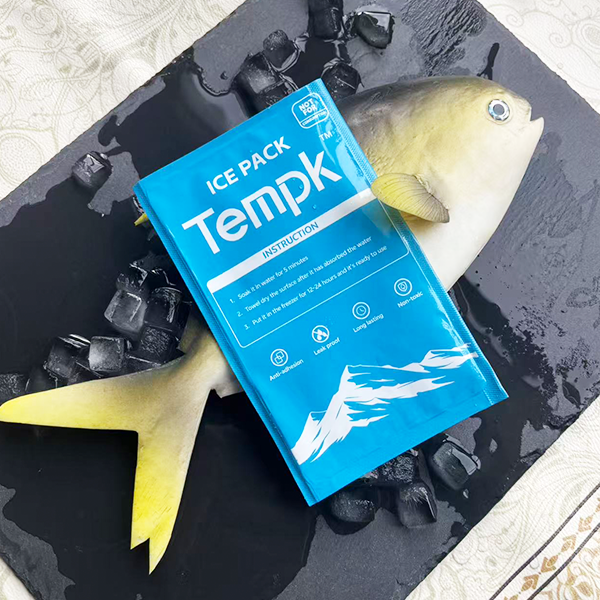
Bulk Dry Ice Pack for Vegetable Transport: How to Choose the Right Pack, Supplier, and Packout
The right bulk dry ice pack for vegetable transport is the one that protects fresh vegetables through the intended route while staying practical for purchasing, packing, storage, and receiving. Buyers should not start with the coldest pack or the lowest unit price. They should start with the product's required temperature range, the route duration, the insulation system, the payload size, and the consequences of freezing or warming.
For vegetable transport, a dry ice pack may refer to true solid CO2, a hydrated dry ice style cold pack, a gel pack, or a PCM pack. Confirming that definition is the first sourcing step. The second step is verifying that the pack works inside the complete shipping system, not only as an isolated refrigerant.
Start With the Temperature Requirement
Vegetables do not share one universal temperature range. Leafy greens and many brassicas often need strong refrigeration, while some warm-season vegetables can be injured by excessive cold.
This requirement should be written before suppliers are contacted. A good request for quotation should state whether the shipment is chilled, frozen, ultra-low, or simply heat-protected. It should state the maximum transport duration, expected ambient exposure, product quantity, carton dimensions, and whether the product can touch a frozen surface. For fresh vegetables, this prevents suppliers from recommending a pack that is cold enough but operationally wrong.
Choose the Refrigerant Type by Function
True solid CO2 provides intense cold and can be valuable for frozen or ultra-low lanes, but it requires vented packaging, safe handling, and transport documentation when applicable. It is not reusable after it sublimates and it can damage products that should not freeze. It should be selected only when the product and route actually require that level of cooling.
Hydrated dry ice style packs and gel packs are often better for chilled or moderate cold chain lanes. They are easier to store before use, can be refrozen within their intended life, and can be placed around the payload in flexible patterns. PCM packs are useful when a more defined transition temperature is needed. None of these options removes the need for insulation or route testing.
For this specific application, Hydrated dry ice style packs, gel coolants, or PCM packs are usually chosen to hold a cool environment; true solid CO2 should be used only when a frozen or sub-zero condition is intended. That does not make one material universally better. It means the buyer must match the material to the product, route, and quality requirement.
Design the Packout, Not Just the Pack
A packout for crates, cartons, liners, retail packs, and insulated produce boxes should show exactly where each pack goes. It should define whether packs are placed on top, sides, bottom, or around the product. It should state whether separators, cardboard, bubble wrap, liners, absorbent materials, or product sleeves are required. If the product can be damaged by freezing, a physical barrier should be part of the approved design.
The packout should also account for real handling. Parcel shipments can be tilted. Pallets can sit near dock doors. Last-mile drivers may open totes repeatedly. Receivers may delay unpacking. A design that only works in a controlled room is not enough for commercial shipping. The more variable the route, the more important it is to qualify the complete configuration.
Supplier Checklist for Bulk or Commercial Orders
Because this purchase has clear commercial intent, the supplier conversation should be structured. Ask questions that reveal whether the supplier understands both thermal performance and operational control. Bulk buyers focus on pallet efficiency, storage footprint, hydration or freezing workflow, carton count, and stability across high-volume replenishment.
- Confirm the refrigerant chemistry and intended temperature range.
- Request internal and external dimensions, prepared pack weight, cell pattern, and carton packing details.
- Check usable volume inside your shipper after packs, liners, insulation, and payload are loaded.
- Ask about film, absorbent, gel, PCM, or CO2 handling materials, and how changes are controlled.
- Confirm hydration, freezing, conditioning, storage, and reuse instructions.
- Ask whether the pack is compatible with food, medicine, floral, or other product-specific packaging requirements.
- Review sample-to-production consistency, lot coding, defect handling, and change notification.
- Discuss MOQ, lead time, custom size, custom printing, palletization, and seasonal capacity as operational questions, not as substitutes for testing.
Quality and Compliance Boundaries
Food transport programs should include cleanable equipment, sanitary handling, temperature instructions, and records when required by the market or customer. For sensitive shipments, compliance is not created by the pack name. It comes from a documented system that includes product requirements, trained handling, qualified packaging, monitoring when needed, and records that support release or receiving decisions.
If true dry ice is used in air transport, buyers should verify current dangerous goods requirements with the carrier and logistics team. Packages commonly need identification as dry ice or carbon dioxide solid, net dry ice weight, appropriate labeling, and venting to prevent pressure buildup. These requirements are different from the handling of reusable gel or hydrated packs.
Produce buyers should avoid a single universal packout for all commodities. Commodity sensitivity, respiration rate, field heat, packaging airflow, and mixed-load compatibility can change the correct amount and placement of refrigerant.
How to Test Before Scaling
A practical test starts with the real product or a realistic thermal substitute. Load the shipper exactly as the warehouse will load it. Pre-condition the pack according to the proposed instruction. Place sensors at likely warm and cold points in the payload. Run the test under an ambient profile that represents the route. Record the result against clear pass or fail limits.
After a successful test, document the packout with photos or diagrams, pack counts, pack orientation, conditioning time, acceptable substitutions, and receiving checks. Train staff and audit the first production shipments. If the supplier changes material, the shipper changes, payload changes, or carrier route changes, review the packout again before assuming the old result still applies.
Special Limits for Vegetable Transport
A cold pack does not replace field heat removal. Vegetables should be cooled before packing when the cold chain plan requires it.
For food or floral shipments, the pack still needs a written operating method. The method should state how packs are frozen or conditioned, how many packs are used, where they are placed, how the product is separated from direct contact, and how receivers should inspect the load on arrival.
The final decision should balance performance, risk, labor, storage, and cost. A pack that saves a few cents but increases freezer labor, product claims, or receiving confusion may be expensive in practice. A more controlled packout can reduce waste even if the pack itself costs more, because it protects the product and makes the process repeatable.
FAQ
What information should I send to a supplier first?
Send the product type, target temperature range, shipment duration, carton dimensions, payload volume, route profile, and whether the product can freeze. This helps the supplier recommend the correct pack type.
Can an insulated box with a dry ice pack be considered qualified?
Not by default. Qualification depends on the complete system, test method, lane, payload, temperature limits, and documented packout. Additional review may be required for regulated goods.
What is the best way to reduce waste?
Reduce waste by matching refrigerant mass to the lane, using the smallest effective shipper, preventing product loss, and reusing packs only when inspection and return logistics are reliable.
About Tempk
Tempk is a brand of Shanghai Tempk Industrial Co., Ltd., focused on temperature-control products for business and personal use. We provide cold chain packaging options such as gel ice packs, dry ice style packs, insulated boxes, EPP cooler boxes, thermal bags, and pallet covers. For food and perishable shipments, we help buyers match refrigerants, insulation, and packout details to the product, route, and handling conditions.
Talk to Tempk
Share your product type, target temperature range, payload size, and expected shipping duration. We can help you discuss a suitable packout direction for bulk purchasing or custom cold chain packaging.
Additional Operating Notes for Buyers
For commercial teams, final approval should include purchasing, warehouse operations, quality, and customer service. Purchasing checks supplier reliability and price. Warehouse teams check whether packs can be frozen, stored, picked, and loaded without slowing the line. Quality checks whether the packout matches product requirements. Customer service checks whether arrival instructions are clear enough to reduce claims and confusion.
Freezer capacity is often overlooked. A pack that requires long freezing time or large freezer space may create bottlenecks during seasonal peaks. Buyers should calculate how many packs must be conditioned per day, how they will be rotated, how damaged packs will be removed, and how emergency orders will be handled if outbound volume increases.
Packaging engineers should review the entire stack of materials. Liners, pads, product cartons, separators, and outer boxes all influence heat flow and product protection. Changing any layer can alter performance. This is why a low-cost substitution in one component may create a temperature deviation or a physical damage issue later.
Receiving instructions should be written in plain language. The receiver should know whether to open immediately, where to read a temperature device, how to identify damaged packs, how to report warm or frozen arrivals, and whether the product can be used while a temperature excursion is under review.
Cost comparisons should include more than pack price. Labor time, freezer space, carton cube, shipping weight, rejected shipments, returns, and customer complaints can outweigh a small unit-price difference. A pack that simplifies the process may be less expensive over the full shipment cycle.
Seasonal planning should be part of supplier review. Warm-weather shipments may need more refrigerant or stronger insulation, while cold-weather routes may need protection from freezing. Procurement should confirm whether the supplier can support seasonal forecasts without substituting unapproved materials.
Custom printing can help warehouse teams identify the correct pack, but it should not be treated as a purely cosmetic change. Ink, film, cell layout, or pouch construction can influence handling and quality checks. Any custom format should be reviewed against the approved packout.
Return programs work best when the pack is easy to identify, inspect, and store. Reusable packs should have clear rejection rules for leakage, contamination, puncture, odor, or deformation. Reuse without inspection can move risk from the packaging budget to the product quality budget.
The best purchasing files keep the approved sample, supplier specification, loading instruction, inspection record, and change-control contact together. This makes it easier to train new staff and investigate claims without relying on memory.
For multi-site operations, one central specification is helpful, but each site should confirm local freezer capacity, packing labor, carrier pickup time, and receiving behavior. A packout that works in one warehouse may need adjustment in another.
Carrier selection still matters. A strong packout can fail if the service level allows excessive dwell time or repeated uncontrolled transfers. Buyers should align package design with the actual service promise, not with an optimistic transit estimate.
Bulk Dry Ice Pack for Vaccine Shipping: Selection and Supplier Guide
Bulk Dry Ice Pack for Vaccine Shipping: How to Choose the Right Pack, Supplier, and Packout
The right bulk dry ice pack for vaccine shipping is the one that protects vaccines through the intended route while staying practical for purchasing, packing, storage, and receiving. Buyers should not start with the coldest pack or the lowest unit price. They should start with the product's required temperature range, the route duration, the insulation system, the payload size, and the consequences of freezing or warming.
For vaccine shipping, a dry ice pack may refer to true solid CO2, a hydrated dry ice style cold pack, a gel pack, or a PCM pack. Confirming that definition is the first sourcing step. The second step is verifying that the pack works inside the complete shipping system, not only as an isolated refrigerant.
Start With the Temperature Requirement
Vaccines have product-specific storage and transport limits. Many routine vaccines are refrigerated, while some products require frozen or ultra-low conditions.
This requirement should be written before suppliers are contacted. A good request for quotation should state whether the shipment is chilled, frozen, ultra-low, or simply heat-protected. It should state the maximum transport duration, expected ambient exposure, product quantity, carton dimensions, and whether the product can touch a frozen surface. For vaccines, this prevents suppliers from recommending a pack that is cold enough but operationally wrong.
Choose the Refrigerant Type by Function
True solid CO2 provides intense cold and can be valuable for frozen or ultra-low lanes, but it requires vented packaging, safe handling, and transport documentation when applicable. It is not reusable after it sublimates and it can damage products that should not freeze. It should be selected only when the product and route actually require that level of cooling.
Hydrated dry ice style packs and gel packs are often better for chilled or moderate cold chain lanes. They are easier to store before use, can be refrozen within their intended life, and can be placed around the payload in flexible patterns. PCM packs are useful when a more defined transition temperature is needed. None of these options removes the need for insulation or route testing.
For this specific application, Dry ice is appropriate only when the vaccine product and validated packout require a frozen or ultra-low profile. Refrigerated vaccines usually need conditioned packs or PCM systems that prevent freezing. That does not make one material universally better. It means the buyer must match the material to the product, route, and quality requirement.
Design the Packout, Not Just the Pack
A packout for cartons, qualified shipping boxes, clinic delivery totes, and monitored vaccine carriers should show exactly where each pack goes. It should define whether packs are placed on top, sides, bottom, or around the product. It should state whether separators, cardboard, bubble wrap, liners, absorbent materials, or product sleeves are required. If the product can be damaged by freezing, a physical barrier should be part of the approved design.
The packout should also account for real handling. Parcel shipments can be tilted. Pallets can sit near dock doors. Last-mile drivers may open totes repeatedly. Receivers may delay unpacking. A design that only works in a controlled room is not enough for commercial shipping. The more variable the route, the more important it is to qualify the complete configuration.
Supplier Checklist for Bulk or Commercial Orders
Because this purchase has clear commercial intent, the supplier conversation should be structured. Ask questions that reveal whether the supplier understands both thermal performance and operational control. Bulk buyers focus on pallet efficiency, storage footprint, hydration or freezing workflow, carton count, and stability across high-volume replenishment.
- Confirm the refrigerant chemistry and intended temperature range.
- Request internal and external dimensions, prepared pack weight, cell pattern, and carton packing details.
- Check usable volume inside your shipper after packs, liners, insulation, and payload are loaded.
- Ask about film, absorbent, gel, PCM, or CO2 handling materials, and how changes are controlled.
- Confirm hydration, freezing, conditioning, storage, and reuse instructions.
- Ask whether the pack is compatible with food, medicine, floral, or other product-specific packaging requirements.
- Review sample-to-production consistency, lot coding, defect handling, and change notification.
- Discuss MOQ, lead time, custom size, custom printing, palletization, and seasonal capacity as operational questions, not as substitutes for testing.
Quality and Compliance Boundaries
Vaccine shipping should include qualified packaging, temperature monitoring, receiving inspection, and documented procedures that match the product label and quality requirements. For sensitive shipments, compliance is not created by the pack name. It comes from a documented system that includes product requirements, trained handling, qualified packaging, monitoring when needed, and records that support release or receiving decisions.
If true dry ice is used in air transport, buyers should verify current dangerous goods requirements with the carrier and logistics team. Packages commonly need identification as dry ice or carbon dioxide solid, net dry ice weight, appropriate labeling, and venting to prevent pressure buildup. These requirements are different from the handling of reusable gel or hydrated packs.
Vaccine shipments should include appropriate temperature monitoring and receiving decisions. For international or programmatic shipments, many buyers expect electronic temperature devices or equivalent records, because the receiver must know whether the shipment stayed within the required limits before accepting it for use.
How to Test Before Scaling
A practical test starts with the real product or a realistic thermal substitute. Load the shipper exactly as the warehouse will load it. Pre-condition the pack according to the proposed instruction. Place sensors at likely warm and cold points in the payload. Run the test under an ambient profile that represents the route. Record the result against clear pass or fail limits.
After a successful test, document the packout with photos or diagrams, pack counts, pack orientation, conditioning time, acceptable substitutions, and receiving checks. Train staff and audit the first production shipments. If the supplier changes material, the shipper changes, payload changes, or carrier route changes, review the packout again before assuming the old result still applies.
Special Limits for Vaccine Shipping
An insulated box and a cold pack do not automatically create a vaccine shipping system. The configuration must be tested and followed exactly.
For healthcare shipments, the package should be treated as a system rather than a loose collection of parts. The shipper, refrigerant, payload, separator, monitor, outer carton, and lane profile all affect the result. Quality teams should confirm the required temperature range, product label limits, acceptable excursion policy, receiving inspection procedure, and documentation before approving routine use.
The final decision should balance performance, risk, labor, storage, and cost. A pack that saves a few cents but increases freezer labor, product claims, or receiving confusion may be expensive in practice. A more controlled packout can reduce waste even if the pack itself costs more, because it protects the product and makes the process repeatable.
FAQ
What information should I send to a supplier first?
Send the product type, target temperature range, shipment duration, carton dimensions, payload volume, route profile, and whether the product can freeze. This helps the supplier recommend the correct pack type.
Can an insulated box with a dry ice pack be considered qualified?
Not by default. Qualification depends on the complete system, test method, lane, payload, temperature limits, and documented packout. Additional review may be required for regulated goods.
What is the best way to reduce waste?
Reduce waste by matching refrigerant mass to the lane, using the smallest effective shipper, preventing product loss, and reusing packs only when inspection and return logistics are reliable.
About Tempk
Tempk is a brand of Shanghai Tempk Industrial Co., Ltd., focused on temperature-control products for business and personal use. We provide cold chain packaging options such as gel ice packs, dry ice style packs, insulated boxes, VIP cooler boxes, thermal bags, and insulin temperature carriers. For medicine-related shipments, we help buyers think through pack selection, insulation, payload fit, and temperature-control configuration without treating any single component as a universal qualified system.
Talk to Tempk
Share your product type, target temperature range, payload size, and expected shipping duration. We can help you discuss a suitable packout direction for bulk purchasing or custom cold chain packaging.
Additional Operating Notes for Buyers
For commercial teams, final approval should include purchasing, warehouse operations, quality, and customer service. Purchasing checks supplier reliability and price. Warehouse teams check whether packs can be frozen, stored, picked, and loaded without slowing the line. Quality checks whether the packout matches product requirements. Customer service checks whether arrival instructions are clear enough to reduce claims and confusion.
Freezer capacity is often overlooked. A pack that requires long freezing time or large freezer space may create bottlenecks during seasonal peaks. Buyers should calculate how many packs must be conditioned per day, how they will be rotated, how damaged packs will be removed, and how emergency orders will be handled if outbound volume increases.
Packaging engineers should review the entire stack of materials. Liners, pads, product cartons, separators, and outer boxes all influence heat flow and product protection. Changing any layer can alter performance. This is why a low-cost substitution in one component may create a temperature deviation or a physical damage issue later.
Receiving instructions should be written in plain language. The receiver should know whether to open immediately, where to read a temperature device, how to identify damaged packs, how to report warm or frozen arrivals, and whether the product can be used while a temperature excursion is under review.
Cost comparisons should include more than pack price. Labor time, freezer space, carton cube, shipping weight, rejected shipments, returns, and customer complaints can outweigh a small unit-price difference. A pack that simplifies the process may be less expensive over the full shipment cycle.
Seasonal planning should be part of supplier review. Warm-weather shipments may need more refrigerant or stronger insulation, while cold-weather routes may need protection from freezing. Procurement should confirm whether the supplier can support seasonal forecasts without substituting unapproved materials.
Custom printing can help warehouse teams identify the correct pack, but it should not be treated as a purely cosmetic change. Ink, film, cell layout, or pouch construction can influence handling and quality checks. Any custom format should be reviewed against the approved packout.
Return programs work best when the pack is easy to identify, inspect, and store. Reusable packs should have clear rejection rules for leakage, contamination, puncture, odor, or deformation. Reuse without inspection can move risk from the packaging budget to the product quality budget.
The best purchasing files keep the approved sample, supplier specification, loading instruction, inspection record, and change-control contact together. This makes it easier to train new staff and investigate claims without relying on memory.
For multi-site operations, one central specification is helpful, but each site should confirm local freezer capacity, packing labor, carrier pickup time, and receiving behavior. A packout that works in one warehouse may need adjustment in another.
Carrier selection still matters. A strong packout can fail if the service level allows excessive dwell time or repeated uncontrolled transfers. Buyers should align package design with the actual service promise, not with an optimistic transit estimate.
Bulk Dry Ice Pack for Seafood Transport: Selection and Supplier Guide

Bulk Dry Ice Pack for Seafood Transport: How to Choose the Right Pack, Supplier, and Packout
The right bulk dry ice pack for seafood transport is the one that protects seafood through the intended route while staying practical for purchasing, packing, storage, and receiving. Buyers should not start with the coldest pack or the lowest unit price. They should start with the product's required temperature range, the route duration, the insulation system, the payload size, and the consequences of freezing or warming.
For seafood transport, a dry ice pack may refer to true solid CO2, a hydrated dry ice style cold pack, a gel pack, or a PCM pack. Confirming that definition is the first sourcing step. The second step is verifying that the pack works inside the complete shipping system, not only as an isolated refrigerant.
Start With the Temperature Requirement
Fresh seafood should be kept close to freezing without uncontrolled thawing, while frozen seafood needs a validated frozen profile throughout storage and transport.
This requirement should be written before suppliers are contacted. A good request for quotation should state whether the shipment is chilled, frozen, ultra-low, or simply heat-protected. It should state the maximum transport duration, expected ambient exposure, product quantity, carton dimensions, and whether the product can touch a frozen surface. For seafood, this prevents suppliers from recommending a pack that is cold enough but operationally wrong.
Choose the Refrigerant Type by Function
True solid CO2 provides intense cold and can be valuable for frozen or ultra-low lanes, but it requires vented packaging, safe handling, and transport documentation when applicable. It is not reusable after it sublimates and it can damage products that should not freeze. It should be selected only when the product and route actually require that level of cooling.
Hydrated dry ice style packs and gel packs are often better for chilled or moderate cold chain lanes. They are easier to store before use, can be refrozen within their intended life, and can be placed around the payload in flexible patterns. PCM packs are useful when a more defined transition temperature is needed. None of these options removes the need for insulation or route testing.
For this specific application, True dry ice is often considered for frozen seafood lanes, while gel or PCM coolants may be safer for chilled seafood that must not freeze solid. That does not make one material universally better. It means the buyer must match the material to the product, route, and quality requirement.
Design the Packout, Not Just the Pack
A packout for foam boxes, insulated cartons, leak-resistant bags, absorbent pads, and frozen cartons should show exactly where each pack goes. It should define whether packs are placed on top, sides, bottom, or around the product. It should state whether separators, cardboard, bubble wrap, liners, absorbent materials, or product sleeves are required. If the product can be damaged by freezing, a physical barrier should be part of the approved design.
The packout should also account for real handling. Parcel shipments can be tilted. Pallets can sit near dock doors. Last-mile drivers may open totes repeatedly. Receivers may delay unpacking. A design that only works in a controlled room is not enough for commercial shipping. The more variable the route, the more important it is to qualify the complete configuration.
Supplier Checklist for Bulk or Commercial Orders
Because this purchase has clear commercial intent, the supplier conversation should be structured. Ask questions that reveal whether the supplier understands both thermal performance and operational control. Bulk buyers focus on pallet efficiency, storage footprint, hydration or freezing workflow, carton count, and stability across high-volume replenishment.
- Confirm the refrigerant chemistry and intended temperature range.
- Request internal and external dimensions, prepared pack weight, cell pattern, and carton packing details.
- Check usable volume inside your shipper after packs, liners, insulation, and payload are loaded.
- Ask about film, absorbent, gel, PCM, or CO2 handling materials, and how changes are controlled.
- Confirm hydration, freezing, conditioning, storage, and reuse instructions.
- Ask whether the pack is compatible with food, medicine, floral, or other product-specific packaging requirements.
- Review sample-to-production consistency, lot coding, defect handling, and change notification.
- Discuss MOQ, lead time, custom size, custom printing, palletization, and seasonal capacity as operational questions, not as substitutes for testing.
Quality and Compliance Boundaries
Seafood shipments require strong sanitation, leak control, temperature control, and attention to applicable food safety programs in the shipment market. For sensitive shipments, compliance is not created by the pack name. It comes from a documented system that includes product requirements, trained handling, qualified packaging, monitoring when needed, and records that support release or receiving decisions.
If true dry ice is used in air transport, buyers should verify current dangerous goods requirements with the carrier and logistics team. Packages commonly need identification as dry ice or carbon dioxide solid, net dry ice weight, appropriate labeling, and venting to prevent pressure buildup. These requirements are different from the handling of reusable gel or hydrated packs.
For seafood, temperature control works together with sanitation, leak prevention, and packaging integrity. Refrigerant selection should not distract from sealed product packaging, absorbent control, and separation from other goods in mixed logistics networks.
How to Test Before Scaling
A practical test starts with the real product or a realistic thermal substitute. Load the shipper exactly as the warehouse will load it. Pre-condition the pack according to the proposed instruction. Place sensors at likely warm and cold points in the payload. Run the test under an ambient profile that represents the route. Record the result against clear pass or fail limits.
After a successful test, document the packout with photos or diagrams, pack counts, pack orientation, conditioning time, acceptable substitutions, and receiving checks. Train staff and audit the first production shipments. If the supplier changes material, the shipper changes, payload changes, or carrier route changes, review the packout again before assuming the old result still applies.
Special Limits for Seafood Transport
Dry ice alone cannot compensate for seafood loaded warm, poor drain control, weak outer cartons, or a route that exceeds the tested hold time.
For food or floral shipments, the pack still needs a written operating method. The method should state how packs are frozen or conditioned, how many packs are used, where they are placed, how the product is separated from direct contact, and how receivers should inspect the load on arrival.
The final decision should balance performance, risk, labor, storage, and cost. A pack that saves a few cents but increases freezer labor, product claims, or receiving confusion may be expensive in practice. A more controlled packout can reduce waste even if the pack itself costs more, because it protects the product and makes the process repeatable.
FAQ
What information should I send to a supplier first?
Send the product type, target temperature range, shipment duration, carton dimensions, payload volume, route profile, and whether the product can freeze. This helps the supplier recommend the correct pack type.
Can an insulated box with a dry ice pack be considered qualified?
Not by default. Qualification depends on the complete system, test method, lane, payload, temperature limits, and documented packout. Additional review may be required for regulated goods.
What is the best way to reduce waste?
Reduce waste by matching refrigerant mass to the lane, using the smallest effective shipper, preventing product loss, and reusing packs only when inspection and return logistics are reliable.
About Tempk
Tempk is a brand of Shanghai Tempk Industrial Co., Ltd., focused on temperature-control products for business and personal use. We provide cold chain packaging options such as gel ice packs, dry ice style packs, insulated boxes, EPP cooler boxes, thermal bags, and pallet covers. For food and perishable shipments, we help buyers match refrigerants, insulation, and packout details to the product, route, and handling conditions.
Talk to Tempk
Share your product type, target temperature range, payload size, and expected shipping duration. We can help you discuss a suitable packout direction for bulk purchasing or custom cold chain packaging.
Additional Operating Notes for Buyers
For commercial teams, final approval should include purchasing, warehouse operations, quality, and customer service. Purchasing checks supplier reliability and price. Warehouse teams check whether packs can be frozen, stored, picked, and loaded without slowing the line. Quality checks whether the packout matches product requirements. Customer service checks whether arrival instructions are clear enough to reduce claims and confusion.
Freezer capacity is often overlooked. A pack that requires long freezing time or large freezer space may create bottlenecks during seasonal peaks. Buyers should calculate how many packs must be conditioned per day, how they will be rotated, how damaged packs will be removed, and how emergency orders will be handled if outbound volume increases.
Packaging engineers should review the entire stack of materials. Liners, pads, product cartons, separators, and outer boxes all influence heat flow and product protection. Changing any layer can alter performance. This is why a low-cost substitution in one component may create a temperature deviation or a physical damage issue later.
Receiving instructions should be written in plain language. The receiver should know whether to open immediately, where to read a temperature device, how to identify damaged packs, how to report warm or frozen arrivals, and whether the product can be used while a temperature excursion is under review.
Cost comparisons should include more than pack price. Labor time, freezer space, carton cube, shipping weight, rejected shipments, returns, and customer complaints can outweigh a small unit-price difference. A pack that simplifies the process may be less expensive over the full shipment cycle.
Seasonal planning should be part of supplier review. Warm-weather shipments may need more refrigerant or stronger insulation, while cold-weather routes may need protection from freezing. Procurement should confirm whether the supplier can support seasonal forecasts without substituting unapproved materials.
Custom printing can help warehouse teams identify the correct pack, but it should not be treated as a purely cosmetic change. Ink, film, cell layout, or pouch construction can influence handling and quality checks. Any custom format should be reviewed against the approved packout.
Return programs work best when the pack is easy to identify, inspect, and store. Reusable packs should have clear rejection rules for leakage, contamination, puncture, odor, or deformation. Reuse without inspection can move risk from the packaging budget to the product quality budget.
The best purchasing files keep the approved sample, supplier specification, loading instruction, inspection record, and change-control contact together. This makes it easier to train new staff and investigate claims without relying on memory.
For multi-site operations, one central specification is helpful, but each site should confirm local freezer capacity, packing labor, carrier pickup time, and receiving behavior. A packout that works in one warehouse may need adjustment in another.
Carrier selection still matters. A strong packout can fail if the service level allows excessive dwell time or repeated uncontrolled transfers. Buyers should align package design with the actual service promise, not with an optimistic transit estimate.
Distributor Dry Ice Pack for Chocolate Packaging: Selection and Bulk Buying Guide

Distributor Dry Ice Pack for Chocolate Packaging: Selection and Bulk Buying Guide
A distributor dry ice pack for chocolate packaging should be chosen only after the product temperature range, route duration, payload size, and handling limits are clear. The safest buying decision is to treat the pack as one part of a temperature-controlled packaging system, not as a universal solution.
Chocolate generally needs protection from heat and temperature swings rather than ultra-cold exposure. A controlled cool or room-temperature packout is often more appropriate than dry ice. Dry ice is usually not the preferred cold source for chocolate because it can create condensation, surface shock, and bloom risk after unpacking. It may be considered only for severe heat lanes with a tested buffer layer and clear handling instructions. If those boundaries are not written down, procurement may buy a pack that is cold but unsuitable.
This guide focuses on practical selection: what the product should do, when dry ice makes sense, when alternatives are safer, what specifications buyers should request, and how to judge suppliers before placing a repeat or bulk order.
The Core Decision: Frozen, Chilled, or Controlled Ambient?
Every cold-chain purchase should begin with the required temperature range. Frozen, refrigerated, ultra-cold, and controlled ambient are different packaging problems. A dry ice pack can support very cold shipment conditions, but it may be damaging for products that must remain in a mild refrigerated range.
For chocolate packaging, this distinction is especially important. Chocolate packaging must manage melting, fat bloom, sugar bloom, condensation, crushed gift boxes, odor transfer, and consumer presentation. A package can arrive cold yet still look unsellable if moisture control is poor. A packout that is too cold can create hidden quality problems even when the delivery is fast and the outer carton looks undamaged.
What a Dry Ice Pack Can and Cannot Do
The phrase dry ice pack can be used in two ways. In strict logistics language, dry ice refers to solid carbon dioxide used as a very cold refrigerant. In packaging catalogs, the same phrase may also be used for hydrated or reusable cold packs that are frozen before use and placed inside insulated packaging. Buyers should clarify the meaning before approving a specification.
Dry ice is solid carbon dioxide that sublimates at about -78.5°C, so it can create a much colder environment than ordinary frozen water-based packs. That can be valuable for frozen shipments, but it can be too cold for products that need a refrigerated or controlled room-temperature range. Dry ice also turns into gas, which means the package must not be airtight and must allow carbon dioxide to vent safely.
A dry ice pack can absorb heat and help maintain a frozen or ultra-cold environment when the rest of the system is designed for it. It cannot compensate for poor insulation, warm product at packing, excessive route duration, blocked venting, or staff who do not follow the packout diagram.
15°C to 25°C PCM packs, insulated liners, reflective mailers, seasonal shipping windows, and express lanes are often better than dry ice for chocolate. The best choice is usually the one that maintains the required range with the least avoidable risk, not the one with the coldest starting temperature.
Build the Packout as a System
A refrigerant pack alone is not a qualified temperature-controlled shipper; performance comes from the full combination of product, payload, insulation, refrigerant, void fill, packout method, ambient exposure, and transit time.
A typical passive cold-chain packout starts with a product that has already been cooled to the required starting condition. The product is placed into a tested insulated shipper, with refrigerant arranged according to a written diagram. Void space is managed so heat does not move quickly through air gaps, but airflow and venting requirements are still respected when dry ice is used.
The same pack may perform differently on a short night route, a weekend route, a summer parcel lane, or a lane with long dock exposure. For that reason, buyers should compare packaging by route assumptions and test conditions rather than by promotional cooling duration alone.
Buyer Checklist for Specifications
A strong quotation request should make it difficult for a supplier to answer vaguely. Include the information below so samples, bulk production, and operational packing are aligned.
Required temperature range: refrigerated, frozen, ultra-cold, or controlled room temperature. Do not treat these ranges as interchangeable.
Shipment duration: include packing time, carrier pickup, hub dwell, possible delay, delivery window, and receiving time.
Payload volume: confirm usable internal volume after insulation and refrigerant are installed, not only the outer carton size.
Payload weight: confirm the package can tolerate the filled product, refrigerant, absorbent materials, and handling loads.
Refrigerant compatibility: decide whether solid dry ice, gel packs, PCM packs, or a hybrid system is appropriate for the product.
Preconditioning instructions: specify freezing or conditioning temperature, time, staging process, and how staff verify readiness before packing.
Product separation: include dividers, pads, liners, or buffers when a very cold refrigerant could damage product surfaces.
Venting and marking: when solid dry ice is used, confirm venting, labels, net dry ice mass, and carrier documentation needs for the transport mode.
Receiving checks: define what the receiver should inspect, record, and escalate when the shipment arrives.
What to Confirm with a Distributor Before Stocking
Because the phrase distributor dry ice pack usually appears in a buying context, supplier evaluation should focus on repeatability, not only price. For chocolate packaging, the most useful supplier conversation covers stock continuity, carton-level consistency, clear SKU separation, regional delivery planning, and technical support for downstream customers.
Which pack sizes are stocked regularly, and which are made to order?
Can the distributor provide the same specification across repeat orders, not only a similar substitute?
How are cartons labeled so warehouse staff can separate chilled, frozen, and ultra-cold packouts?
What documentation is available for product dimensions, preconditioning instructions, and safe handling?
Can the distributor support seasonal demand spikes without changing materials without notice?
The supplier should also describe how it handles substitutions. A change from one film, pack size, fill amount, insulation material, or carton format to another can affect both thermal results and warehouse workflow. For regulated or high-value products, buyers should ask for written change-control expectations before the order is placed.
Compliance, Safety, and Receiving Boundaries
Food packaging programs should address product protection, clean handling, temperature control where required, and receiving checks for heat or moisture damage.
If solid dry ice is used for aircraft or vessel transport, the package must be designed to release carbon dioxide gas and prevent pressure buildup. Air shipments may also require dry ice marking, net mass information, operator arrangements, and transport documentation depending on the route and contents.
For pharmaceutical, vaccine, biologic, insulin, or medical shipments, packaging suitability should be reviewed by the quality or logistics team. A reusable pack, insulated carton, or waterproof container is not automatically compliant. The system must be appropriate for the product, route, monitoring plan, and documented procedure.
Receivers should inspect for damp cartons, condensation, bloom, melted corners, damaged gift packaging, and whether refrigerants contacted retail packs directly.
Operational Details That Reduce Failed Shipments
Preconditioning is one of the most common weak points. A pack that is not fully frozen or conditioned before use will not perform like the tested sample. Bulk buyers should confirm whether their own facility has enough freezer, refrigerator, or conditioning capacity to prepare all packs before daily dispatch.
Pack placement is another weak point. A dry ice pack placed directly against a freeze-sensitive product can cause localized damage, while a pack placed too far from the heat path may not protect the shipment. Written diagrams, photos, and simple training can reduce variation between shifts and sites.
The outer package should also match real handling. Parcel networks compress, rotate, stack, and delay packages. Wholesale and pallet shipments may face dock dwell and mixed-load conflicts. A packout that works on a clean laboratory bench may need adjustment for warehouse speed, glove use, scanning, labeling, and receiving workflows.
How to Avoid Overbuying or Underbuying
Overbuying happens when the buyer selects the largest or coldest pack for every shipment. It can waste money, reduce payload volume, increase shipping weight, add safety burden, and damage products that should not freeze. Underbuying happens when the buyer chooses the cheapest pack without considering route duration, insulation, preconditioning, or ambient exposure.
A better approach is to create a small number of approved packouts. One may cover short refrigerated routes, another may cover long frozen routes, and another may cover summer risk. This keeps procurement simple while still respecting the differences between products and lanes.
Frequently Asked Questions
Is a dry ice pack always better than a gel pack?
No. Dry ice is much colder and may be useful for frozen shipments, but 15°c to 25°c pcm packs, insulated liners, reflective mailers, seasonal shipping windows, and express lanes are often better than dry ice for chocolate. The correct choice depends on the product temperature range and route.
Can one packout work for every season?
Usually not. Summer heat, winter freezing risk, carrier dwell time, and delivery windows can change the amount and type of refrigerant required. Many buyers keep separate packout instructions by route and season.
What should be tested before launch?
Test the full package with representative product mass, refrigerant quantity, insulation, preconditioning process, route duration, and ambient exposure. Testing only an empty box or only the refrigerant pack is not enough.
Additional Procurement Notes
Buyers should request the same information from every potential supplier so quotes can be compared fairly. A low quoted unit price may hide a smaller pack, weaker insulation, thinner film, fewer pieces per carton, less useful documentation, or longer preparation time for warehouse teams.
Storage and staging costs should also be counted. Packs may require freezer space, refrigerator space, dry storage, or a return area for reusable components. If the buyer cannot prepare the packs correctly at scale, the packaging system may fail even when the supplier product is well made.
The approved packout should be written in a way that a new employee can follow. Include the product starting condition, number of packs, orientation, insulation pieces, void fill, closure method, label placement, pickup timing, and receiving checks. Photographs are often more useful than long instructions.
For repeat purchasing, ask the supplier to keep the same item code tied to the same material and dimensions. If the supplier treats similar packs as interchangeable, procurement savings can be lost through inconsistent thermal performance, warehouse confusion, and customer complaints.
Operational Handoff Points
The cold-chain handoff is where many failures occur. A purchasing team may approve the right pack, while a warehouse team may use it too early, leave it staged too long, place it in the wrong position, or close the carton before the product is at the required starting condition. A good buying program therefore includes workflow instructions, not only product specifications.
About Tempk
Tempk is a cold chain packaging supplier headquartered in Shanghai. Our public product range includes dry ice packs, gel ice packs, freezer ice bricks, insulated boxes, cold shipping boxes, insulated liners, pallet covers, and related temperature-control packaging materials. We support food, pharmaceutical, and other temperature-sensitive shipments with practical packaging options and route-specific discussion rather than one-size-fits-all claims.
Talk with Tempk
For a safer selection, share your required temperature range, shipment duration, payload size, and route conditions before placing a distributor order. Tempk can help you discuss a practical packout for chocolate packaging, including bulk or custom options where appropriate.
Bulk Dry Ice Pack for Pharmaceutical Delivery: Selection and Bulk Buying Guide
Bulk Dry Ice Pack for Pharmaceutical Delivery: Selection and Bulk Buying Guide
A bulk dry ice pack for pharmaceutical delivery should be chosen only after the product temperature range, route duration, payload size, and handling limits are clear. The safest buying decision is to treat the pack as one part of a temperature-controlled packaging system, not as a universal solution.
Pharmaceutical delivery may require controlled room temperature, 2°C to 8°C, frozen, or ultra-cold conditions. Product labeling, stability data, and quality procedures should define the range. Dry ice is suitable only for products that require frozen or ultra-low conditions and tolerate dry ice packouts. Many medicines require chilled or controlled room temperature shipping instead. If those boundaries are not written down, procurement may buy a pack that is cold but unsuitable.
This guide focuses on practical selection: what the product should do, when dry ice makes sense, when alternatives are safer, what specifications buyers should request, and how to judge suppliers before placing a repeat or bulk order.
The Core Decision: Frozen, Chilled, or Controlled Ambient?
Every cold-chain purchase should begin with the required temperature range. Frozen, refrigerated, ultra-cold, and controlled ambient are different packaging problems. A dry ice pack can support very cold shipment conditions, but it may be damaging for products that must remain in a mild refrigerated range.
For pharmaceutical delivery, this distinction is especially important. Risks include under-qualified packaging, unplanned dwell time, dry ice depletion, freezing of chilled medicines, missing temperature records, and unclear responsibility between shipper, carrier, and receiver. A packout that is too cold can create hidden quality problems even when the delivery is fast and the outer carton looks undamaged.
What a Dry Ice Pack Can and Cannot Do
The phrase dry ice pack can be used in two ways. In strict logistics language, dry ice refers to solid carbon dioxide used as a very cold refrigerant. In packaging catalogs, the same phrase may also be used for hydrated or reusable cold packs that are frozen before use and placed inside insulated packaging. Buyers should clarify the meaning before approving a specification.
Dry ice is solid carbon dioxide that sublimates at about -78.5°C, so it can create a much colder environment than ordinary frozen water-based packs. That can be valuable for frozen shipments, but it can be too cold for products that need a refrigerated or controlled room-temperature range. Dry ice also turns into gas, which means the package must not be airtight and must allow carbon dioxide to vent safely.
A dry ice pack can absorb heat and help maintain a frozen or ultra-cold environment when the rest of the system is designed for it. It cannot compensate for poor insulation, warm product at packing, excessive route duration, blocked venting, or staff who do not follow the packout diagram.
Qualified PCM shippers, gel pack systems, active containers, and controlled room temperature packaging may be better than dry ice when the medicine does not require ultra-cold transport. The best choice is usually the one that maintains the required range with the least avoidable risk, not the one with the coldest starting temperature.
Build the Packout as a System
A refrigerant pack alone is not a qualified temperature-controlled shipper; performance comes from the full combination of product, payload, insulation, refrigerant, void fill, packout method, ambient exposure, and transit time.
A typical passive cold-chain packout starts with a product that has already been cooled to the required starting condition. The product is placed into a tested insulated shipper, with refrigerant arranged according to a written diagram. Void space is managed so heat does not move quickly through air gaps, but airflow and venting requirements are still respected when dry ice is used.
The same pack may perform differently on a short night route, a weekend route, a summer parcel lane, or a lane with long dock exposure. For that reason, buyers should compare packaging by route assumptions and test conditions rather than by promotional cooling duration alone.
Buyer Checklist for Specifications
A strong quotation request should make it difficult for a supplier to answer vaguely. Include the information below so samples, bulk production, and operational packing are aligned.
Required temperature range: refrigerated, frozen, ultra-cold, or controlled room temperature. Do not treat these ranges as interchangeable.
Shipment duration: include packing time, carrier pickup, hub dwell, possible delay, delivery window, and receiving time.
Payload volume: confirm usable internal volume after insulation and refrigerant are installed, not only the outer carton size.
Payload weight: confirm the package can tolerate the filled product, refrigerant, absorbent materials, and handling loads.
Refrigerant compatibility: decide whether solid dry ice, gel packs, PCM packs, or a hybrid system is appropriate for the product.
Preconditioning instructions: specify freezing or conditioning temperature, time, staging process, and how staff verify readiness before packing.
Product separation: include dividers, pads, liners, or buffers when a very cold refrigerant could damage product surfaces.
Venting and marking: when solid dry ice is used, confirm venting, labels, net dry ice mass, and carrier documentation needs for the transport mode.
Receiving checks: define what the receiver should inspect, record, and escalate when the shipment arrives.
What Buyers Should Check Before a Bulk Order
Because the phrase bulk dry ice pack usually appears in a buying context, supplier evaluation should focus on repeatability, not only price. For pharmaceutical delivery, the most useful supplier conversation covers lot consistency, pallet planning, usable volume, storage footprint, preconditioning capacity, and operational repeatability.
Can the order be divided by lot, size, and temperature application so sites do not mix pack types?
What pallet configuration, carton count, and storage footprint should receiving teams expect?
Will every lot use the same material, fill amount, seal style, and outer carton specification?
Can the buyer freeze or precondition the packs at the required scale before shipping begins?
What acceptance checks should be used for weight, leakage, appearance, and carton damage?
The supplier should also describe how it handles substitutions. A change from one film, pack size, fill amount, insulation material, or carton format to another can affect both thermal results and warehouse workflow. For regulated or high-value products, buyers should ask for written change-control expectations before the order is placed.
Compliance, Safety, and Receiving Boundaries
Pharmaceutical delivery should be governed by documented packout instructions, temperature monitoring strategy, deviation procedures, and supplier change control. Dry ice shipments by air or water require venting, marking, and applicable documentation.
If solid dry ice is used for aircraft or vessel transport, the package must be designed to release carbon dioxide gas and prevent pressure buildup. Air shipments may also require dry ice marking, net mass information, operator arrangements, and transport documentation depending on the route and contents.
For pharmaceutical, vaccine, biologic, insulin, or medical shipments, packaging suitability should be reviewed by the quality or logistics team. A reusable pack, insulated carton, or waterproof container is not automatically compliant. The system must be appropriate for the product, route, monitoring plan, and documented procedure.
Receivers should inspect package condition, review temperature data, verify product identity and lot information, and escalate any evidence of temperature excursion before use or release.
Operational Details That Reduce Failed Shipments
Preconditioning is one of the most common weak points. A pack that is not fully frozen or conditioned before use will not perform like the tested sample. Bulk buyers should confirm whether their own facility has enough freezer, refrigerator, or conditioning capacity to prepare all packs before daily dispatch.
Pack placement is another weak point. A dry ice pack placed directly against a freeze-sensitive product can cause localized damage, while a pack placed too far from the heat path may not protect the shipment. Written diagrams, photos, and simple training can reduce variation between shifts and sites.
The outer package should also match real handling. Parcel networks compress, rotate, stack, and delay packages. Wholesale and pallet shipments may face dock dwell and mixed-load conflicts. A packout that works on a clean laboratory bench may need adjustment for warehouse speed, glove use, scanning, labeling, and receiving workflows.
How to Avoid Overbuying or Underbuying
Overbuying happens when the buyer selects the largest or coldest pack for every shipment. It can waste money, reduce payload volume, increase shipping weight, add safety burden, and damage products that should not freeze. Underbuying happens when the buyer chooses the cheapest pack without considering route duration, insulation, preconditioning, or ambient exposure.
A better approach is to create a small number of approved packouts. One may cover short refrigerated routes, another may cover long frozen routes, and another may cover summer risk. This keeps procurement simple while still respecting the differences between products and lanes.
Frequently Asked Questions
Is a dry ice pack always better than a gel pack?
No. Dry ice is much colder and may be useful for frozen shipments, but qualified pcm shippers, gel pack systems, active containers, and controlled room temperature packaging may be better than dry ice when the medicine does not require ultra-cold transport. The correct choice depends on the product temperature range and route.
Can one packout work for every season?
Usually not. Summer heat, winter freezing risk, carrier dwell time, and delivery windows can change the amount and type of refrigerant required. Many buyers keep separate packout instructions by route and season.
What should be tested before launch?
Test the full package with representative product mass, refrigerant quantity, insulation, preconditioning process, route duration, and ambient exposure. Testing only an empty box or only the refrigerant pack is not enough.
Additional Procurement Notes
Buyers should request the same information from every potential supplier so quotes can be compared fairly. A low quoted unit price may hide a smaller pack, weaker insulation, thinner film, fewer pieces per carton, less useful documentation, or longer preparation time for warehouse teams.
Storage and staging costs should also be counted. Packs may require freezer space, refrigerator space, dry storage, or a return area for reusable components. If the buyer cannot prepare the packs correctly at scale, the packaging system may fail even when the supplier product is well made.
The approved packout should be written in a way that a new employee can follow. Include the product starting condition, number of packs, orientation, insulation pieces, void fill, closure method, label placement, pickup timing, and receiving checks. Photographs are often more useful than long instructions.
For repeat purchasing, ask the supplier to keep the same item code tied to the same material and dimensions. If the supplier treats similar packs as interchangeable, procurement savings can be lost through inconsistent thermal performance, warehouse confusion, and customer complaints.
Operational Handoff Points
The cold-chain handoff is where many failures occur. A purchasing team may approve the right pack, while a warehouse team may use it too early, leave it staged too long, place it in the wrong position, or close the carton before the product is at the required starting condition. A good buying program therefore includes workflow instructions, not only product specifications.
About Tempk
Tempk is a cold chain packaging supplier headquartered in Shanghai. Our public product range includes dry ice packs, gel ice packs, freezer ice bricks, insulated boxes, cold shipping boxes, insulated liners, pallet covers, and related temperature-control packaging materials. We support food, pharmaceutical, and other temperature-sensitive shipments with practical packaging options and route-specific discussion rather than one-size-fits-all claims.
Talk with Tempk
For a safer selection, share your required temperature range, shipment duration, payload size, and route conditions before placing a bulk order. Tempk can help you discuss a practical packout for pharmaceutical delivery, including bulk or custom options where appropriate.
Bulk Dry Ice Pack for Medical Delivery: Selection and Bulk Buying Guide
Bulk Dry Ice Pack for Medical Delivery: Selection and Bulk Buying Guide
A bulk dry ice pack for medical delivery should be chosen only after the product temperature range, route duration, payload size, and handling limits are clear. The safest buying decision is to treat the pack as one part of a temperature-controlled packaging system, not as a universal solution.
Medical delivery can involve controlled room temperature, refrigerated, frozen, or ultra-cold requirements. The product classification and required range should be identified before any refrigerant is selected. Dry ice may be suitable for frozen specimens or products that require very low temperatures, but it can be unsafe or damaging for products that must remain chilled or controlled ambient. A dry ice pack is one part of a qualified system, not a universal medical shipper. If those boundaries are not written down, procurement may buy a pack that is cold but unsuitable.
This guide focuses on practical selection: what the product should do, when dry ice makes sense, when alternatives are safer, what specifications buyers should request, and how to judge suppliers before placing a repeat or bulk order.
The Core Decision: Frozen, Chilled, or Controlled Ambient?
Every cold-chain purchase should begin with the required temperature range. Frozen, refrigerated, ultra-cold, and controlled ambient are different packaging problems. A dry ice pack can support very cold shipment conditions, but it may be damaging for products that must remain in a mild refrigerated range.
For medical delivery, this distinction is especially important. Common risks include misclassified temperature needs, last-mile delays, incomplete chain-of-custody records, uncontrolled ambient exposure, and packages that cannot vent gas safely when dry ice is used. A packout that is too cold can create hidden quality problems even when the delivery is fast and the outer carton looks undamaged.
What a Dry Ice Pack Can and Cannot Do
The phrase dry ice pack can be used in two ways. In strict logistics language, dry ice refers to solid carbon dioxide used as a very cold refrigerant. In packaging catalogs, the same phrase may also be used for hydrated or reusable cold packs that are frozen before use and placed inside insulated packaging. Buyers should clarify the meaning before approving a specification.
Dry ice is solid carbon dioxide that sublimates at about -78.5°C, so it can create a much colder environment than ordinary frozen water-based packs. That can be valuable for frozen shipments, but it can be too cold for products that need a refrigerated or controlled room-temperature range. Dry ice also turns into gas, which means the package must not be airtight and must allow carbon dioxide to vent safely.
A dry ice pack can absorb heat and help maintain a frozen or ultra-cold environment when the rest of the system is designed for it. It cannot compensate for poor insulation, warm product at packing, excessive route duration, blocked venting, or staff who do not follow the packout diagram.
Gel packs, PCM packs, insulated pouches, qualified parcel shippers, and active courier containers may be better when the route does not require dry ice temperatures. The best choice is usually the one that maintains the required range with the least avoidable risk, not the one with the coldest starting temperature.
Build the Packout as a System
A refrigerant pack alone is not a qualified temperature-controlled shipper; performance comes from the full combination of product, payload, insulation, refrigerant, void fill, packout method, ambient exposure, and transit time.
A typical passive cold-chain packout starts with a product that has already been cooled to the required starting condition. The product is placed into a tested insulated shipper, with refrigerant arranged according to a written diagram. Void space is managed so heat does not move quickly through air gaps, but airflow and venting requirements are still respected when dry ice is used.
The same pack may perform differently on a short night route, a weekend route, a summer parcel lane, or a lane with long dock exposure. For that reason, buyers should compare packaging by route assumptions and test conditions rather than by promotional cooling duration alone.
Buyer Checklist for Specifications
A strong quotation request should make it difficult for a supplier to answer vaguely. Include the information below so samples, bulk production, and operational packing are aligned.
Required temperature range: refrigerated, frozen, ultra-cold, or controlled room temperature. Do not treat these ranges as interchangeable.
Shipment duration: include packing time, carrier pickup, hub dwell, possible delay, delivery window, and receiving time.
Payload volume: confirm usable internal volume after insulation and refrigerant are installed, not only the outer carton size.
Payload weight: confirm the package can tolerate the filled product, refrigerant, absorbent materials, and handling loads.
Refrigerant compatibility: decide whether solid dry ice, gel packs, PCM packs, or a hybrid system is appropriate for the product.
Preconditioning instructions: specify freezing or conditioning temperature, time, staging process, and how staff verify readiness before packing.
Product separation: include dividers, pads, liners, or buffers when a very cold refrigerant could damage product surfaces.
Venting and marking: when solid dry ice is used, confirm venting, labels, net dry ice mass, and carrier documentation needs for the transport mode.
Receiving checks: define what the receiver should inspect, record, and escalate when the shipment arrives.
What Buyers Should Check Before a Bulk Order
Because the phrase bulk dry ice pack usually appears in a buying context, supplier evaluation should focus on repeatability, not only price. For medical delivery, the most useful supplier conversation covers lot consistency, pallet planning, usable volume, storage footprint, preconditioning capacity, and operational repeatability.
Can the order be divided by lot, size, and temperature application so sites do not mix pack types?
What pallet configuration, carton count, and storage footprint should receiving teams expect?
Will every lot use the same material, fill amount, seal style, and outer carton specification?
Can the buyer freeze or precondition the packs at the required scale before shipping begins?
What acceptance checks should be used for weight, leakage, appearance, and carton damage?
The supplier should also describe how it handles substitutions. A change from one film, pack size, fill amount, insulation material, or carton format to another can affect both thermal results and warehouse workflow. For regulated or high-value products, buyers should ask for written change-control expectations before the order is placed.
Compliance, Safety, and Receiving Boundaries
Medical shipments may involve product labeling, diagnostic specimen rules, dangerous goods requirements, temperature monitoring, receiving inspection, and internal quality procedures. Requirements vary by product and lane.
If solid dry ice is used for aircraft or vessel transport, the package must be designed to release carbon dioxide gas and prevent pressure buildup. Air shipments may also require dry ice marking, net mass information, operator arrangements, and transport documentation depending on the route and contents.
For pharmaceutical, vaccine, biologic, insulin, or medical shipments, packaging suitability should be reviewed by the quality or logistics team. A reusable pack, insulated carton, or waterproof container is not automatically compliant. The system must be appropriate for the product, route, monitoring plan, and documented procedure.
Receiving teams should confirm the package arrived intact, review temperature indicators or logger data when required, check remaining refrigerant where relevant, and document exceptions.
Operational Details That Reduce Failed Shipments
Preconditioning is one of the most common weak points. A pack that is not fully frozen or conditioned before use will not perform like the tested sample. Bulk buyers should confirm whether their own facility has enough freezer, refrigerator, or conditioning capacity to prepare all packs before daily dispatch.
Pack placement is another weak point. A dry ice pack placed directly against a freeze-sensitive product can cause localized damage, while a pack placed too far from the heat path may not protect the shipment. Written diagrams, photos, and simple training can reduce variation between shifts and sites.
The outer package should also match real handling. Parcel networks compress, rotate, stack, and delay packages. Wholesale and pallet shipments may face dock dwell and mixed-load conflicts. A packout that works on a clean laboratory bench may need adjustment for warehouse speed, glove use, scanning, labeling, and receiving workflows.
How to Avoid Overbuying or Underbuying
Overbuying happens when the buyer selects the largest or coldest pack for every shipment. It can waste money, reduce payload volume, increase shipping weight, add safety burden, and damage products that should not freeze. Underbuying happens when the buyer chooses the cheapest pack without considering route duration, insulation, preconditioning, or ambient exposure.
A better approach is to create a small number of approved packouts. One may cover short refrigerated routes, another may cover long frozen routes, and another may cover summer risk. This keeps procurement simple while still respecting the differences between products and lanes.
Frequently Asked Questions
Is a dry ice pack always better than a gel pack?
No. Dry ice is much colder and may be useful for frozen shipments, but gel packs, pcm packs, insulated pouches, qualified parcel shippers, and active courier containers may be better when the route does not require dry ice temperatures. The correct choice depends on the product temperature range and route.
Can one packout work for every season?
Usually not. Summer heat, winter freezing risk, carrier dwell time, and delivery windows can change the amount and type of refrigerant required. Many buyers keep separate packout instructions by route and season.
What should be tested before launch?
Test the full package with representative product mass, refrigerant quantity, insulation, preconditioning process, route duration, and ambient exposure. Testing only an empty box or only the refrigerant pack is not enough.
Additional Procurement Notes
Buyers should request the same information from every potential supplier so quotes can be compared fairly. A low quoted unit price may hide a smaller pack, weaker insulation, thinner film, fewer pieces per carton, less useful documentation, or longer preparation time for warehouse teams.
Storage and staging costs should also be counted. Packs may require freezer space, refrigerator space, dry storage, or a return area for reusable components. If the buyer cannot prepare the packs correctly at scale, the packaging system may fail even when the supplier product is well made.
The approved packout should be written in a way that a new employee can follow. Include the product starting condition, number of packs, orientation, insulation pieces, void fill, closure method, label placement, pickup timing, and receiving checks. Photographs are often more useful than long instructions.
For repeat purchasing, ask the supplier to keep the same item code tied to the same material and dimensions. If the supplier treats similar packs as interchangeable, procurement savings can be lost through inconsistent thermal performance, warehouse confusion, and customer complaints.
Operational Handoff Points
The cold-chain handoff is where many failures occur. A purchasing team may approve the right pack, while a warehouse team may use it too early, leave it staged too long, place it in the wrong position, or close the carton before the product is at the required starting condition. A good buying program therefore includes workflow instructions, not only product specifications.
About Tempk
Tempk is a cold chain packaging supplier headquartered in Shanghai. Our public product range includes dry ice packs, gel ice packs, freezer ice bricks, insulated boxes, cold shipping boxes, insulated liners, pallet covers, and related temperature-control packaging materials. We support food, pharmaceutical, and other temperature-sensitive shipments with practical packaging options and route-specific discussion rather than one-size-fits-all claims.
Talk with Tempk
For a safer selection, share your required temperature range, shipment duration, payload size, and route conditions before placing a bulk order. Tempk can help you discuss a practical packout for medical delivery, including bulk or custom options where appropriate.