


Hydrate Dry Ice Pack: A Practical Guide to Selection and Use
Hydrate Dry Ice Pack: A Practical Guide to Selection and Use

Hydrate Dry Ice Pack: A Practical Guide to Selection and Use
A hydrate dry ice pack is worth considering when you want a cold pack that stores dry, freezes into a practical refrigerant, and fits better around products than many rigid alternatives. It can be cost-effective and operationally convenient, but only when you define the temperature target, lane exposure, and activation workflow clearly. That is why the best buying decision starts with system design, not with a catalog claim.
First, Define the Product Correctly
Before comparing vendors or prices, make sure everyone means the same product. In many industrial listings, a dry ice pack is a dry-form pack or sheet that is hydrated with water, frozen, and then used as a refrigerant inside an insulated shipper. It may arrive as a small cell sheet, a larger blanket, a brick-style pouch, or another gel-based format. That is not the same as carbon dioxide dry ice, which reaches much lower temperatures, vents gas as it sublimates, and is subject to specific transport and safety rules. Confusing the two terms can create specification mistakes, cost surprises, and even compliance issues in air shipments.
Most products in this category use a sealed film or film-plus-nonwoven structure that holds a water-absorbing medium. In many commercial designs that medium is a superabsorbent polymer, sometimes paired with a gel or phase-change formulation. After water enters the pack, the internal material swells and traps the liquid inside separate cells. Once frozen, those cells absorb heat from the payload and help slow temperature rise. Sheet formats can wrap around corners and spread cooling more evenly than rigid bricks, while brick or pouch formats are easier to stack in repeatable layers.
Compare the Main Refrigerant Options Before You Buy
A dry-state sheet is attractive when you want flexible coverage and low inbound storage volume. A pre-filled gel pack is attractive when you want simple preparation and repeatable handling. A rigid brick or PCM brick is useful when stacking discipline matters. Carbon dioxide dry ice sits in a different class: it is the choice for much colder applications, but it brings venting, handling, and transport obligations that do not belong to ordinary hydrated gel packs.
| Format | Best fit | Main watch-out |
|---|---|---|
| Hydrate dry ice pack | Low storage volume before use and flexible packout | Requires controlled hydration and full freezing |
| Pre-filled gel pack | Simpler deployment and less preparation labor | Bulkier to store and transport |
| Rigid ice brick or PCM brick | Structured layering and stronger stacking | Less conformable around irregular loads |
| Carbon dioxide dry ice | Much colder frozen transport requirements | Different hazard and compliance profile |
Where These Packs Fit Best in Practice
Dry-state packs and sheet refrigerants are commonly used when teams need a lightweight cold source for one-way or repeat shipments of seafood, meat, dairy, bakery fillings, meal kits, fresh produce, and laboratory or diagnostic items. They are also used in secondary pharmaceutical packaging when the full shipper has been matched to a known temperature band and route duration. Flexible sheet formats are especially useful when the payload is irregularly shaped or when coverage around the top and sides matters more than building a rigid wall of cold bricks.
They are less suitable when you need true ultra-low temperature transport, when you do not control the hydration and freezing workflow, or when the lane is so harsh that a higher-performance insulated shipper and a better-defined refrigerant strategy are required. In many cases, the right answer is not "more packs." It is a better combination of pre-conditioning, pack placement, insulation, and shipment timing.
Conditioning Workflow Matters More Than Many Buyers Expect
Dry-state packs introduce one extra operational step compared with pre-filled gel packs: activation. That step sounds simple, yet it can determine whether the program works smoothly. Teams need a repeatable method for soaking or hydrating the pack, removing excess surface water, and freezing the pack for long enough to reach the intended condition. If hydration is inconsistent, some cells may remain underfilled. If packs are stacked too densely in the freezer, freezing can be uneven. If excess surface water is left on the outside, the pack may freeze together with neighboring packs or create unnecessary frost.
For low-volume programs, those problems are manageable. For wholesale or bulk programs, they become process questions. Buyers should ask whether their own operation can support the supplier's recommended routine at scale. A very compact dry sheet can look ideal during procurement but become awkward if the warehouse has limited freezer capacity or if operators need fast turnaround. That does not make the product poor. It simply means the product and the process have to be designed together.
Thermal performance is always a system question, not a pack-only question. The same pack can behave very differently depending on the starting temperature of the goods, the insulation type, how tightly the payload is loaded, how much empty air remains in the box, and whether the shipment sits in a van, on a tarmac, or in a depot cage. That is why experienced buyers look past a headline hold-time claim and ask for a route-specific packout logic, not just a single marketing statement.
What Good Evidence Looks Like
Cold-chain evidence does not need to be complicated, but it does need to be relevant. Useful evidence explains the conditioning method, the shipper type, the amount of payload, the placement of the refrigerant, and the ambient exposure used during the test. Better evidence also distinguishes between easy and hard lanes rather than presenting one broad claim for every use case.
For buyers, the practical move is to ask for two levels of proof. The first is supplier-level proof: specification sheets, material information, and any test or handling guidance the supplier already has. The second is program-level proof: a pilot shipment or thermal check using your own packout and route logic. That second level is where purchasing decisions become reliable, because it shows whether the format survives real handling and supports the target band under realistic conditions.
What to Ask Suppliers Before Ordering in Bulk
Even when you are researching the product itself rather than a region, supplier quality still matters. Ask for dry and hydrated dimensions, total hydrated weight, cell count, recommended use temperature, seal construction, and how the pack should be placed inside an insulated box or liner. That is the information that lets you compare one format with another in a practical way.
You should also ask whether the claim is based on the pack alone or on a qualified shipping system. A good supplier will explain the difference between a refrigerant component and a complete insulated solution. If your use case is food, ask about food-contact or indirect-contact documentation where relevant. If it is pharmaceutical or laboratory use, ask for route-specific test logic, traceability, and clear handling instructions.
Before a bulk order, confirm these points:
- Dry size versus hydrated size.
- Single-use versus reusable expectation.
- Hydration time, water quality, and freeze time.
- Film strength, leak resistance, and cut-to-fit guidance.
- Carton counts, moisture protection, and lot coding.
A Practical Supplier Checklist
Before you move from sample stage to production or repeat purchase, make sure the review covers most of these points:
- Internal and external fit: dry size, hydrated size, and how the pack sits inside the actual shipper.
- Usable cold mass: hydrated weight, conditioned temperature, and how much of the box volume the refrigerant consumes.
- Material construction: film or laminate type, nonwoven reinforcement, and any stated resin or absorbent system.
- Closure and integrity: seal pattern, leak resistance, burst control, and tolerance for weak cells.
- Handling efficiency: stackability, cut-to-fit guidance, wraparound suitability, and whether the thawed pack stays clean to handle.
- Hygiene and traceability: SDS, lot coding, carton labels, and any material or food-contact declarations you need.
- Commercial terms: MOQ, stock versus custom lead time, print setup conditions, and carton or pallet quantities.
- Consistency: how approval samples are matched to production and how changes are communicated.
- Route suitability: whether the pack was selected for your actual temperature band, transit duration, and handling environment.
Compliance, Qualification, and Documentation
Cold packs are components, not compliance shortcuts. For pharmaceutical or healthcare use, the critical question is whether the full shipping configuration can maintain the intended temperature range over the intended route. Public guidance from Health Canada and GDP-oriented regulatory material emphasizes transport according to labelled storage conditions or transport conditions supported by data. That principle applies whether you are using a simple gel pack, a hydrated sheet, a PCM brick, or true carbon dioxide dry ice.
Documentation should therefore be matched to the application. For food-related distribution, buyers may need material declarations, SDS information, and relevant food-contact or indirect-contact statements. For laboratory and pharmaceutical programs, traceability, packout instructions, thermal evidence, and change-control discipline are more important than generic marketing certificates. If the shipment uses actual carbon dioxide dry ice, additional transport obligations apply because the package must vent gas and follow dry-ice-specific marking and handling requirements. Hydrated gel packs avoid that particular dry ice hazard profile, but they still need fit-for-purpose evidence.
A practical compliance review also distinguishes between a reusable handling container and a qualified temperature-control system. A clean reusable crate can improve handling and hygiene, yet still offer no meaningful thermal protection. A flexible dry sheet can provide useful cooling, yet still be inadequate without the right insulated box and route validation. Buyers in regulated sectors should treat those distinctions as basic, not optional.
FAQ
Are dry ice packs the same as carbon dioxide dry ice?
No. In many packaging catalogs, a dry ice pack is a dry-state gel or refrigerant pack that is hydrated and frozen before use. Carbon dioxide dry ice is a different refrigerant entirely. It sublimates, requires venting, and has transport and safety rules that do not apply in the same way to hydrated gel packs.
Can these packs be used for pharmaceutical shipments?
They may be suitable as part of a qualified insulated shipper, but suitability depends on the product, temperature range, route duration, and packout design. For drug products, buyers should work from labelled storage conditions or transport conditions supported by data rather than assuming any cold pack is automatically acceptable.
What should I test before approving a bulk order?
Test the actual packout on your intended insulated box or liner. Include starting product temperature, conditioning method, hot and cold seasonal exposure, parcel handling if relevant, and receiving checks. Also compare approval samples with production samples so size, hydrated mass, and seal quality do not drift later.
What is the most common buying mistake?
The most common mistake is comparing packs only by quoted hold time or price per piece. A buyer gets better results by comparing dry and hydrated dimensions, film construction, hydrate-and-freeze workflow, and evidence that the supplier can reproduce the same pack consistently.
Conclusion
A strong buying decision in this category is rarely about finding the coldest or cheapest pack. It is about matching the right refrigerant format to the right insulated system, then choosing a supplier that can reproduce that specification consistently. Once you define the lane, the target temperature band, and the packout workflow clearly, the comparison becomes much more objective.
About Tempk
At Tempk, we work on temperature-controlled packaging for food, pharmaceutical, and other sensitive shipments. Our public product range includes gel ice packs, hydration dry ice packs, insulated bags, cooler boxes, thermal pallet covers, and broader custom packaging solutions across multiple temperature zones. We focus on matching refrigerant format and shipper structure to real transport conditions so buyers can compare practical options before scaling a program.
Next Step
If you are comparing pack formats or suppliers, ask for a recommendation built around your target temperature, transit time, and handling conditions. That makes bulk purchasing and customization decisions far easier to get right.
Dry Ice Sheets: A Practical Guide to Selection, Use, and Supplier Review
Dry Ice Sheets: A Practical Guide to Selection, Use, and Supplier Review
Dry ice sheets can be an excellent cold-chain component when you need flexible coverage, low inbound storage volume, and simple activation before use. The mistake is assuming every sheet performs the same way or assuming a sheet alone guarantees temperature compliance. The right choice depends on cell layout, hydrated mass, insulation, route duration, and the discipline of the supplier or converter behind the product.
First, Define the Product Correctly
Before comparing vendors or prices, make sure everyone means the same product. In many industrial listings, a dry ice pack is a dry-form pack or sheet that is hydrated with water, frozen, and then used as a refrigerant inside an insulated shipper. It may arrive as a small cell sheet, a larger blanket, a brick-style pouch, or another gel-based format. That is not the same as carbon dioxide dry ice, which reaches much lower temperatures, vents gas as it sublimates, and is subject to specific transport and safety rules. Confusing the two terms can create specification mistakes, cost surprises, and even compliance issues in air shipments.
Most products in this category use a sealed film or film-plus-nonwoven structure that holds a water-absorbing medium. In many commercial designs that medium is a superabsorbent polymer, sometimes paired with a gel or phase-change formulation. After water enters the pack, the internal material swells and traps the liquid inside separate cells. Once frozen, those cells absorb heat from the payload and help slow temperature rise. Sheet formats can wrap around corners and spread cooling more evenly than rigid bricks, while brick or pouch formats are easier to stack in repeatable layers.
Compare the Main Refrigerant Options Before You Buy
A dry-state sheet is attractive when you want flexible coverage and low inbound storage volume. A pre-filled gel pack is attractive when you want simple preparation and repeatable handling. A rigid brick or PCM brick is useful when stacking discipline matters. Carbon dioxide dry ice sits in a different class: it is the choice for much colder applications, but it brings venting, handling, and transport obligations that do not belong to ordinary hydrated gel packs.
| Format | Best fit | Main watch-out |
|---|---|---|
| Small or medium dry ice sheet | Small insulated cartons, wraparound coverage, flexible placement | Needs hydration, freezer time, and careful fit after swelling |
| Large blanket or multi-cell sheet | Wider coverage, top-side protection, irregular payloads | Can take more space than expected after hydration |
| Pre-filled gel pack or pouch | Fast preparation and repeatable layer building | Higher inbound storage and freight burden |
| Carbon dioxide dry ice | True deep-frozen or ultra-low shipping | Gas venting, safety controls, and transport regulation |
Where These Packs Fit Best in Practice
Dry-state packs and sheet refrigerants are commonly used when teams need a lightweight cold source for one-way or repeat shipments of seafood, meat, dairy, bakery fillings, meal kits, fresh produce, and laboratory or diagnostic items. They are also used in secondary pharmaceutical packaging when the full shipper has been matched to a known temperature band and route duration. Flexible sheet formats are especially useful when the payload is irregularly shaped or when coverage around the top and sides matters more than building a rigid wall of cold bricks.
They are less suitable when you need true ultra-low temperature transport, when you do not control the hydration and freezing workflow, or when the lane is so harsh that a higher-performance insulated shipper and a better-defined refrigerant strategy are required. In many cases, the right answer is not "more packs." It is a better combination of pre-conditioning, pack placement, insulation, and shipment timing.
Conditioning Workflow Matters More Than Many Buyers Expect
Dry-state packs introduce one extra operational step compared with pre-filled gel packs: activation. That step sounds simple, yet it can determine whether the program works smoothly. Teams need a repeatable method for soaking or hydrating the pack, removing excess surface water, and freezing the pack for long enough to reach the intended condition. If hydration is inconsistent, some cells may remain underfilled. If packs are stacked too densely in the freezer, freezing can be uneven. If excess surface water is left on the outside, the pack may freeze together with neighboring packs or create unnecessary frost.
For low-volume programs, those problems are manageable. For wholesale or bulk programs, they become process questions. Buyers should ask whether their own operation can support the supplier's recommended routine at scale. A very compact dry sheet can look ideal during procurement but become awkward if the warehouse has limited freezer capacity or if operators need fast turnaround. That does not make the product poor. It simply means the product and the process have to be designed together.
Thermal performance is always a system question, not a pack-only question. The same pack can behave very differently depending on the starting temperature of the goods, the insulation type, how tightly the payload is loaded, how much empty air remains in the box, and whether the shipment sits in a van, on a tarmac, or in a depot cage. That is why experienced buyers look past a headline hold-time claim and ask for a route-specific packout logic, not just a single marketing statement.
What Good Evidence Looks Like
Cold-chain evidence does not need to be complicated, but it does need to be relevant. Useful evidence explains the conditioning method, the shipper type, the amount of payload, the placement of the refrigerant, and the ambient exposure used during the test. Better evidence also distinguishes between easy and hard lanes rather than presenting one broad claim for every use case.
For buyers, the practical move is to ask for two levels of proof. The first is supplier-level proof: specification sheets, material information, and any test or handling guidance the supplier already has. The second is program-level proof: a pilot shipment or thermal check using your own packout and route logic. That second level is where purchasing decisions become reliable, because it shows whether the format survives real handling and supports the target band under realistic conditions.
What to Ask Suppliers Before Ordering in Bulk
Even when you are researching the product itself rather than a region, supplier quality still matters. Ask for dry and hydrated dimensions, total hydrated weight, cell count, recommended use temperature, seal construction, and how the pack should be placed inside an insulated box or liner. That is the information that lets you compare one format with another in a practical way.
You should also ask whether the claim is based on the pack alone or on a qualified shipping system. A good supplier will explain the difference between a refrigerant component and a complete insulated solution. If your use case is food, ask about food-contact or indirect-contact documentation where relevant. If it is pharmaceutical or laboratory use, ask for route-specific test logic, traceability, and clear handling instructions.
Before a bulk order, confirm these points:
- Dry size versus hydrated size.
- Single-use versus reusable expectation.
- Hydration time, water quality, and freeze time.
- Film strength, leak resistance, and cut-to-fit guidance.
- Carton counts, moisture protection, and lot coding.
A Practical Supplier Checklist
Before you move from sample stage to production or repeat purchase, make sure the review covers most of these points:
- Internal and external fit: dry size, hydrated size, and how the pack sits inside the actual shipper.
- Usable cold mass: hydrated weight, conditioned temperature, and how much of the box volume the refrigerant consumes.
- Material construction: film or laminate type, nonwoven reinforcement, and any stated resin or absorbent system.
- Closure and integrity: seal pattern, leak resistance, burst control, and tolerance for weak cells.
- Handling efficiency: stackability, cut-to-fit guidance, wraparound suitability, and whether the thawed pack stays clean to handle.
- Hygiene and traceability: SDS, lot coding, carton labels, and any material or food-contact declarations you need.
- Commercial terms: MOQ, stock versus custom lead time, print setup conditions, and carton or pallet quantities.
- Consistency: how approval samples are matched to production and how changes are communicated.
- Route suitability: whether the pack was selected for your actual temperature band, transit duration, and handling environment.
Compliance, Qualification, and Documentation
Cold packs are components, not compliance shortcuts. For pharmaceutical or healthcare use, the critical question is whether the full shipping configuration can maintain the intended temperature range over the intended route. Public guidance from Health Canada and GDP-oriented regulatory material emphasizes transport according to labelled storage conditions or transport conditions supported by data. That principle applies whether you are using a simple gel pack, a hydrated sheet, a PCM brick, or true carbon dioxide dry ice.
Documentation should therefore be matched to the application. For food-related distribution, buyers may need material declarations, SDS information, and relevant food-contact or indirect-contact statements. For laboratory and pharmaceutical programs, traceability, packout instructions, thermal evidence, and change-control discipline are more important than generic marketing certificates. If the shipment uses actual carbon dioxide dry ice, additional transport obligations apply because the package must vent gas and follow dry-ice-specific marking and handling requirements. Hydrated gel packs avoid that particular dry ice hazard profile, but they still need fit-for-purpose evidence.
A practical compliance review also distinguishes between a reusable handling container and a qualified temperature-control system. A clean reusable crate can improve handling and hygiene, yet still offer no meaningful thermal protection. A flexible dry sheet can provide useful cooling, yet still be inadequate without the right insulated box and route validation. Buyers in regulated sectors should treat those distinctions as basic, not optional.
FAQ
Are dry ice packs the same as carbon dioxide dry ice?
No. In many packaging catalogs, a dry ice pack is a dry-state gel or refrigerant pack that is hydrated and frozen before use. Carbon dioxide dry ice is a different refrigerant entirely. It sublimates, requires venting, and has transport and safety rules that do not apply in the same way to hydrated gel packs.
Can these packs be used for pharmaceutical shipments?
They may be suitable as part of a qualified insulated shipper, but suitability depends on the product, temperature range, route duration, and packout design. For drug products, buyers should work from labelled storage conditions or transport conditions supported by data rather than assuming any cold pack is automatically acceptable.
What should I test before approving a bulk order?
Test the actual packout on your intended insulated box or liner. Include starting product temperature, conditioning method, hot and cold seasonal exposure, parcel handling if relevant, and receiving checks. Also compare approval samples with production samples so size, hydrated mass, and seal quality do not drift later.
What is the most common buying mistake?
The most common mistake is comparing packs only by quoted hold time or price per piece. A buyer gets better results by comparing dry and hydrated dimensions, film construction, hydrate-and-freeze workflow, and evidence that the supplier can reproduce the same pack consistently.
Conclusion
A strong buying decision in this category is rarely about finding the coldest or cheapest pack. It is about matching the right refrigerant format to the right insulated system, then choosing a supplier that can reproduce that specification consistently. Once you define the lane, the target temperature band, and the packout workflow clearly, the comparison becomes much more objective.
About Tempk
At Tempk, we work on temperature-controlled packaging for food, pharmaceutical, and other sensitive shipments. Our public product range includes gel ice packs, hydration dry ice packs, insulated bags, cooler boxes, thermal pallet covers, and broader custom packaging solutions across multiple temperature zones. We focus on matching refrigerant format and shipper structure to real transport conditions so buyers can compare practical options before scaling a program.
Next Step
If you are comparing pack formats or suppliers, ask for a recommendation built around your target temperature, transit time, and handling conditions. That makes bulk purchasing and customization decisions far easier to get right.
Dry Ice Pack Wholesale in the Middle East: Formats, Testing, and Supplier Selection
Dry Ice Pack Wholesale in the Middle East: Formats, Testing, and Supplier Selection
If you are evaluating dry ice pack wholesale in the Middle East, start with one principle: buy the shipping outcome, not just the pack. In this category, unit price means very little without clear dimensions, hydrated weight, material construction, route fit, and evidence that the supplier can reproduce the same pack again and again. In the Middle East, very high ambient temperatures, airport and customs dwell, and cross-border distribution lanes make route realism a core purchasing issue.
First, Define the Product Correctly
Before comparing vendors or prices, make sure everyone means the same product. In many industrial listings, a dry ice pack is a dry-form pack or sheet that is hydrated with water, frozen, and then used as a refrigerant inside an insulated shipper. It may arrive as a small cell sheet, a larger blanket, a brick-style pouch, or another gel-based format. That is not the same as carbon dioxide dry ice, which reaches much lower temperatures, vents gas as it sublimates, and is subject to specific transport and safety rules. Confusing the two terms can create specification mistakes, cost surprises, and even compliance issues in air shipments.
Most products in this category use a sealed film or film-plus-nonwoven structure that holds a water-absorbing medium. In many commercial designs that medium is a superabsorbent polymer, sometimes paired with a gel or phase-change formulation. After water enters the pack, the internal material swells and traps the liquid inside separate cells. Once frozen, those cells absorb heat from the payload and help slow temperature rise. Sheet formats can wrap around corners and spread cooling more evenly than rigid bricks, while brick or pouch formats are easier to stack in repeatable layers.
Compare the Main Refrigerant Options Before You Buy
A dry-state sheet is attractive when you want flexible coverage and low inbound storage volume. A pre-filled gel pack is attractive when you want simple preparation and repeatable handling. A rigid brick or PCM brick is useful when stacking discipline matters. Carbon dioxide dry ice sits in a different class: it is the choice for much colder applications, but it brings venting, handling, and transport obligations that do not belong to ordinary hydrated gel packs.
| Format | Best fit | Main watch-out |
|---|---|---|
| Hydrated sheet pack | Wraparound coverage and lower inbound storage volume | Needs hydration workflow and space to swell |
| Pre-filled gel pack | Quick deployment and consistent handling | Higher storage cube and freight weight |
| Rigid brick or PCM brick | Repeatable layer packing and strong support | Less flexible around corners and odd shapes |
| Carbon dioxide dry ice | Ultra-cold frozen applications | Vent, safety, and dry-ice transport rules |
Where These Packs Fit Best in Practice
Dry-state packs and sheet refrigerants are commonly used when teams need a lightweight cold source for one-way or repeat shipments of seafood, meat, dairy, bakery fillings, meal kits, fresh produce, and laboratory or diagnostic items. They are also used in secondary pharmaceutical packaging when the full shipper has been matched to a known temperature band and route duration. Flexible sheet formats are especially useful when the payload is irregularly shaped or when coverage around the top and sides matters more than building a rigid wall of cold bricks.
They are less suitable when you need true ultra-low temperature transport, when you do not control the hydration and freezing workflow, or when the lane is so harsh that a higher-performance insulated shipper and a better-defined refrigerant strategy are required. In many cases, the right answer is not "more packs." It is a better combination of pre-conditioning, pack placement, insulation, and shipment timing.
In hot-climate lanes, performance margins shrink quickly. Packs may spend time in staging, in vehicles, or in depots that are far hotter than a laboratory test room. That makes proper pre-chilling, route discipline, and sufficient insulation more important than the nominal capability of the pack alone.
Conditioning Workflow Matters More Than Many Buyers Expect
Dry-state packs introduce one extra operational step compared with pre-filled gel packs: activation. That step sounds simple, yet it can determine whether the program works smoothly. Teams need a repeatable method for soaking or hydrating the pack, removing excess surface water, and freezing the pack for long enough to reach the intended condition. If hydration is inconsistent, some cells may remain underfilled. If packs are stacked too densely in the freezer, freezing can be uneven. If excess surface water is left on the outside, the pack may freeze together with neighboring packs or create unnecessary frost.
For low-volume programs, those problems are manageable. For wholesale or bulk programs, they become process questions. Buyers should ask whether their own operation can support the supplier's recommended routine at scale. A very compact dry sheet can look ideal during procurement but become awkward if the warehouse has limited freezer capacity or if operators need fast turnaround. That does not make the product poor. It simply means the product and the process have to be designed together.
Thermal performance is always a system question, not a pack-only question. The same pack can behave very differently depending on the starting temperature of the goods, the insulation type, how tightly the payload is loaded, how much empty air remains in the box, and whether the shipment sits in a van, on a tarmac, or in a depot cage. That is why experienced buyers look past a headline hold-time claim and ask for a route-specific packout logic, not just a single marketing statement.
What Good Evidence Looks Like
Cold-chain evidence does not need to be complicated, but it does need to be relevant. Useful evidence explains the conditioning method, the shipper type, the amount of payload, the placement of the refrigerant, and the ambient exposure used during the test. Better evidence also distinguishes between easy and hard lanes rather than presenting one broad claim for every use case.
For buyers, the practical move is to ask for two levels of proof. The first is supplier-level proof: specification sheets, material information, and any test or handling guidance the supplier already has. The second is program-level proof: a pilot shipment or thermal check using your own packout and route logic. That second level is where purchasing decisions become reliable, because it shows whether the format survives real handling and supports the target band under realistic conditions.
Route Reality In The Middle East
In the Middle East, the decisive question is often heat management over unpredictable dwell times. A sheet or gel pack that looks acceptable in a short-room-temperature demonstration may not be enough after loading, ramp exposure, customs delay, and last-mile delivery. Strong buyers in this region push for realistic hot-lane evaluation and often prefer suppliers who can support the refrigerant together with the insulated shipper.
For this region, the ability to combine refrigerant packs with insulated boxes or liners often matters more than the pack alone.
What Buyers Should Check Before Wholesale Orders in the Middle East
Wholesale purchasing is usually where the economics of dry-state packs become attractive. Because the packs store flat before activation, you can move more units per carton and hold more stock in the same warehouse footprint than with pre-filled gel packs. That does not automatically make them cheaper in use, though. The true comparison has to include hydration labor, freezer space, pick-pack workflow, waste rate, and the risk of overbuying a format that does not fit your shipper.
When comparing wholesale offers in the Middle East, ask for a breakdown that goes beyond unit price. You want the dry size, hydrated size, units per inner and master carton, pallet count, private-label options, print setup conditions, and any change in MOQ when you move from stock designs to custom film or special cell layouts. For this region, the ability to combine refrigerant packs with insulated boxes or liners often matters more than the pack alone.
Regional demand is increasingly driven by temperature-sensitive food, healthcare, and ecommerce flows that need packaging which performs in heat, not just on paper. For large one-way programs, also ask how the supplier protects dry stock from moisture before use and how they package for ocean or cross-border transit. A pack that arrives already moisture-damaged has already lost its cost advantage.
Before placing a wholesale order, check five things carefully:
- Whether the pack is intended to be hydrated by you or supplied pre-filled.
- Whether the quoted thickness and weight refer to the dry state or the hydrated frozen state.
- Whether the cold-life claim refers to the pack alone or to a complete insulated box system.
- Whether there is a clear tolerance for size, weight, and printing.
- Whether your own site has enough freezer and staging capacity to activate the volume you plan to buy.
A Practical Supplier Checklist
Before you move from sample stage to production or repeat purchase, make sure the review covers most of these points:
- Internal and external fit: dry size, hydrated size, and how the pack sits inside the actual shipper.
- Usable cold mass: hydrated weight, conditioned temperature, and how much of the box volume the refrigerant consumes.
- Material construction: film or laminate type, nonwoven reinforcement, and any stated resin or absorbent system.
- Closure and integrity: seal pattern, leak resistance, burst control, and tolerance for weak cells.
- Handling efficiency: stackability, cut-to-fit guidance, wraparound suitability, and whether the thawed pack stays clean to handle.
- Hygiene and traceability: SDS, lot coding, carton labels, and any material or food-contact declarations you need.
- Commercial terms: MOQ, stock versus custom lead time, print setup conditions, and carton or pallet quantities.
- Consistency: how approval samples are matched to production and how changes are communicated.
- Route suitability: whether the pack was selected for your actual temperature band, transit duration, and handling environment.
Compliance, Qualification, and Documentation
Cold packs are components, not compliance shortcuts. For pharmaceutical or healthcare use, the critical question is whether the full shipping configuration can maintain the intended temperature range over the intended route. Public guidance from Health Canada and GDP-oriented regulatory material emphasizes transport according to labelled storage conditions or transport conditions supported by data. That principle applies whether you are using a simple gel pack, a hydrated sheet, a PCM brick, or true carbon dioxide dry ice.
Documentation should therefore be matched to the application. For food-related distribution, buyers may need material declarations, SDS information, and relevant food-contact or indirect-contact statements. For laboratory and pharmaceutical programs, traceability, packout instructions, thermal evidence, and change-control discipline are more important than generic marketing certificates. If the shipment uses actual carbon dioxide dry ice, additional transport obligations apply because the package must vent gas and follow dry-ice-specific marking and handling requirements. Hydrated gel packs avoid that particular dry ice hazard profile, but they still need fit-for-purpose evidence.
A practical compliance review also distinguishes between a reusable handling container and a qualified temperature-control system. A clean reusable crate can improve handling and hygiene, yet still offer no meaningful thermal protection. A flexible dry sheet can provide useful cooling, yet still be inadequate without the right insulated box and route validation. Buyers in regulated sectors should treat those distinctions as basic, not optional.
FAQ
Are dry ice packs the same as carbon dioxide dry ice?
No. In many packaging catalogs, a dry ice pack is a dry-state gel or refrigerant pack that is hydrated and frozen before use. Carbon dioxide dry ice is a different refrigerant entirely. It sublimates, requires venting, and has transport and safety rules that do not apply in the same way to hydrated gel packs.
Can these packs be used for pharmaceutical shipments?
They may be suitable as part of a qualified insulated shipper, but suitability depends on the product, temperature range, route duration, and packout design. For drug products, buyers should work from labelled storage conditions or transport conditions supported by data rather than assuming any cold pack is automatically acceptable.
What should I test before approving a bulk order?
Test the actual packout on your intended insulated box or liner. Include starting product temperature, conditioning method, hot and cold seasonal exposure, parcel handling if relevant, and receiving checks. Also compare approval samples with production samples so size, hydrated mass, and seal quality do not drift later.
What is the most common buying mistake?
The most common mistake is comparing packs only by quoted hold time or price per piece. A buyer gets better results by comparing dry and hydrated dimensions, film construction, hydrate-and-freeze workflow, and evidence that the supplier can reproduce the same pack consistently.
Conclusion
A strong buying decision in this category is rarely about finding the coldest or cheapest pack. It is about matching the right refrigerant format to the right insulated system, then choosing a supplier that can reproduce that specification consistently. Once you define the lane, the target temperature band, and the packout workflow clearly, the comparison becomes much more objective.
About Tempk
At Tempk, we work on temperature-controlled packaging for food, pharmaceutical, and other sensitive shipments. Our public product range includes gel ice packs, hydration dry ice packs, insulated bags, cooler boxes, thermal pallet covers, and broader custom packaging solutions across multiple temperature zones. We focus on matching refrigerant format and shipper structure to real transport conditions so buyers can compare practical options before scaling a program.
Next Step
If you are comparing pack formats or suppliers, ask for a recommendation built around your target temperature, transit time, and handling conditions. That makes bulk purchasing and customization decisions far easier to get right.
Dry Ice Pack Wholesale in India: Formats, Testing, and Supplier Selection

Dry Ice Pack Wholesale in India: Formats, Testing, and Supplier Selection
If you are evaluating dry ice pack wholesale in India, start with one principle: buy the shipping outcome, not just the pack. In this category, unit price means very little without clear dimensions, hydrated weight, material construction, route fit, and evidence that the supplier can reproduce the same pack again and again. In India, procurement decisions are shaped by long road lanes, high summer ambient temperatures, varied freezer conditions, and a growing need for economical cold-chain consumables.
First, Define the Product Correctly
Before comparing vendors or prices, make sure everyone means the same product. In many industrial listings, a dry ice pack is a dry-form pack or sheet that is hydrated with water, frozen, and then used as a refrigerant inside an insulated shipper. It may arrive as a small cell sheet, a larger blanket, a brick-style pouch, or another gel-based format. That is not the same as carbon dioxide dry ice, which reaches much lower temperatures, vents gas as it sublimates, and is subject to specific transport and safety rules. Confusing the two terms can create specification mistakes, cost surprises, and even compliance issues in air shipments.
Most products in this category use a sealed film or film-plus-nonwoven structure that holds a water-absorbing medium. In many commercial designs that medium is a superabsorbent polymer, sometimes paired with a gel or phase-change formulation. After water enters the pack, the internal material swells and traps the liquid inside separate cells. Once frozen, those cells absorb heat from the payload and help slow temperature rise. Sheet formats can wrap around corners and spread cooling more evenly than rigid bricks, while brick or pouch formats are easier to stack in repeatable layers.
Compare the Main Refrigerant Options Before You Buy
A dry-state sheet is attractive when you want flexible coverage and low inbound storage volume. A pre-filled gel pack is attractive when you want simple preparation and repeatable handling. A rigid brick or PCM brick is useful when stacking discipline matters. Carbon dioxide dry ice sits in a different class: it is the choice for much colder applications, but it brings venting, handling, and transport obligations that do not belong to ordinary hydrated gel packs.
| Format | Best fit | Main watch-out |
|---|---|---|
| Hydrated sheet pack | Wraparound coverage and lower inbound storage volume | Needs hydration workflow and space to swell |
| Pre-filled gel pack | Quick deployment and consistent handling | Higher storage cube and freight weight |
| Rigid brick or PCM brick | Repeatable layer packing and strong support | Less flexible around corners and odd shapes |
| Carbon dioxide dry ice | Ultra-cold frozen applications | Vent, safety, and dry-ice transport rules |
Where These Packs Fit Best in Practice
Dry-state packs and sheet refrigerants are commonly used when teams need a lightweight cold source for one-way or repeat shipments of seafood, meat, dairy, bakery fillings, meal kits, fresh produce, and laboratory or diagnostic items. They are also used in secondary pharmaceutical packaging when the full shipper has been matched to a known temperature band and route duration. Flexible sheet formats are especially useful when the payload is irregularly shaped or when coverage around the top and sides matters more than building a rigid wall of cold bricks.
They are less suitable when you need true ultra-low temperature transport, when you do not control the hydration and freezing workflow, or when the lane is so harsh that a higher-performance insulated shipper and a better-defined refrigerant strategy are required. In many cases, the right answer is not "more packs." It is a better combination of pre-conditioning, pack placement, insulation, and shipment timing.
In hot-climate lanes, performance margins shrink quickly. Packs may spend time in staging, in vehicles, or in depots that are far hotter than a laboratory test room. That makes proper pre-chilling, route discipline, and sufficient insulation more important than the nominal capability of the pack alone.
Conditioning Workflow Matters More Than Many Buyers Expect
Dry-state packs introduce one extra operational step compared with pre-filled gel packs: activation. That step sounds simple, yet it can determine whether the program works smoothly. Teams need a repeatable method for soaking or hydrating the pack, removing excess surface water, and freezing the pack for long enough to reach the intended condition. If hydration is inconsistent, some cells may remain underfilled. If packs are stacked too densely in the freezer, freezing can be uneven. If excess surface water is left on the outside, the pack may freeze together with neighboring packs or create unnecessary frost.
For low-volume programs, those problems are manageable. For wholesale or bulk programs, they become process questions. Buyers should ask whether their own operation can support the supplier's recommended routine at scale. A very compact dry sheet can look ideal during procurement but become awkward if the warehouse has limited freezer capacity or if operators need fast turnaround. That does not make the product poor. It simply means the product and the process have to be designed together.
Thermal performance is always a system question, not a pack-only question. The same pack can behave very differently depending on the starting temperature of the goods, the insulation type, how tightly the payload is loaded, how much empty air remains in the box, and whether the shipment sits in a van, on a tarmac, or in a depot cage. That is why experienced buyers look past a headline hold-time claim and ask for a route-specific packout logic, not just a single marketing statement.
What Good Evidence Looks Like
Cold-chain evidence does not need to be complicated, but it does need to be relevant. Useful evidence explains the conditioning method, the shipper type, the amount of payload, the placement of the refrigerant, and the ambient exposure used during the test. Better evidence also distinguishes between easy and hard lanes rather than presenting one broad claim for every use case.
For buyers, the practical move is to ask for two levels of proof. The first is supplier-level proof: specification sheets, material information, and any test or handling guidance the supplier already has. The second is program-level proof: a pilot shipment or thermal check using your own packout and route logic. That second level is where purchasing decisions become reliable, because it shows whether the format survives real handling and supports the target band under realistic conditions.
Route Reality In India
India creates a demanding real-world test for cold packs because ambient temperatures can be severe and distribution lanes can involve long road movement, transfer points, and inconsistent staging conditions. That means the pack should be reviewed not only for thermal mass but also for seal strength, thaw behavior, and how easily operators can prepare it under practical warehouse conditions.
A pack that looks fine in a room-temperature demo can fail on a real Indian route if staging times are long or cartons sit in non-air-conditioned transfer points.
What Buyers Should Check Before Wholesale Orders in India
Wholesale purchasing is usually where the economics of dry-state packs become attractive. Because the packs store flat before activation, you can move more units per carton and hold more stock in the same warehouse footprint than with pre-filled gel packs. That does not automatically make them cheaper in use, though. The true comparison has to include hydration labor, freezer space, pick-pack workflow, waste rate, and the risk of overbuying a format that does not fit your shipper.
When comparing wholesale offers in India, ask for a breakdown that goes beyond unit price. You want the dry size, hydrated size, units per inner and master carton, pallet count, private-label options, print setup conditions, and any change in MOQ when you move from stock designs to custom film or special cell layouts. A pack that looks fine in a room-temperature demo can fail on a real Indian route if staging times are long or cartons sit in non-air-conditioned transfer points.
Demand is growing across food delivery, seafood, dairy, diagnostics, and pharmaceutical logistics, which makes stable quality more important than a low opening quote. For large one-way programs, also ask how the supplier protects dry stock from moisture before use and how they package for ocean or cross-border transit. A pack that arrives already moisture-damaged has already lost its cost advantage.
Before placing a wholesale order, check five things carefully:
- Whether the pack is intended to be hydrated by you or supplied pre-filled.
- Whether the quoted thickness and weight refer to the dry state or the hydrated frozen state.
- Whether the cold-life claim refers to the pack alone or to a complete insulated box system.
- Whether there is a clear tolerance for size, weight, and printing.
- Whether your own site has enough freezer and staging capacity to activate the volume you plan to buy.
A Practical Supplier Checklist
Before you move from sample stage to production or repeat purchase, make sure the review covers most of these points:
- Internal and external fit: dry size, hydrated size, and how the pack sits inside the actual shipper.
- Usable cold mass: hydrated weight, conditioned temperature, and how much of the box volume the refrigerant consumes.
- Material construction: film or laminate type, nonwoven reinforcement, and any stated resin or absorbent system.
- Closure and integrity: seal pattern, leak resistance, burst control, and tolerance for weak cells.
- Handling efficiency: stackability, cut-to-fit guidance, wraparound suitability, and whether the thawed pack stays clean to handle.
- Hygiene and traceability: SDS, lot coding, carton labels, and any material or food-contact declarations you need.
- Commercial terms: MOQ, stock versus custom lead time, print setup conditions, and carton or pallet quantities.
- Consistency: how approval samples are matched to production and how changes are communicated.
- Route suitability: whether the pack was selected for your actual temperature band, transit duration, and handling environment.
Compliance, Qualification, and Documentation
Cold packs are components, not compliance shortcuts. For pharmaceutical or healthcare use, the critical question is whether the full shipping configuration can maintain the intended temperature range over the intended route. Public guidance from Health Canada and GDP-oriented regulatory material emphasizes transport according to labelled storage conditions or transport conditions supported by data. That principle applies whether you are using a simple gel pack, a hydrated sheet, a PCM brick, or true carbon dioxide dry ice.
Documentation should therefore be matched to the application. For food-related distribution, buyers may need material declarations, SDS information, and relevant food-contact or indirect-contact statements. For laboratory and pharmaceutical programs, traceability, packout instructions, thermal evidence, and change-control discipline are more important than generic marketing certificates. If the shipment uses actual carbon dioxide dry ice, additional transport obligations apply because the package must vent gas and follow dry-ice-specific marking and handling requirements. Hydrated gel packs avoid that particular dry ice hazard profile, but they still need fit-for-purpose evidence.
A practical compliance review also distinguishes between a reusable handling container and a qualified temperature-control system. A clean reusable crate can improve handling and hygiene, yet still offer no meaningful thermal protection. A flexible dry sheet can provide useful cooling, yet still be inadequate without the right insulated box and route validation. Buyers in regulated sectors should treat those distinctions as basic, not optional.
FAQ
Are dry ice packs the same as carbon dioxide dry ice?
No. In many packaging catalogs, a dry ice pack is a dry-state gel or refrigerant pack that is hydrated and frozen before use. Carbon dioxide dry ice is a different refrigerant entirely. It sublimates, requires venting, and has transport and safety rules that do not apply in the same way to hydrated gel packs.
Can these packs be used for pharmaceutical shipments?
They may be suitable as part of a qualified insulated shipper, but suitability depends on the product, temperature range, route duration, and packout design. For drug products, buyers should work from labelled storage conditions or transport conditions supported by data rather than assuming any cold pack is automatically acceptable.
What should I test before approving a bulk order?
Test the actual packout on your intended insulated box or liner. Include starting product temperature, conditioning method, hot and cold seasonal exposure, parcel handling if relevant, and receiving checks. Also compare approval samples with production samples so size, hydrated mass, and seal quality do not drift later.
What is the most common buying mistake?
The most common mistake is comparing packs only by quoted hold time or price per piece. A buyer gets better results by comparing dry and hydrated dimensions, film construction, hydrate-and-freeze workflow, and evidence that the supplier can reproduce the same pack consistently.
Conclusion
A strong buying decision in this category is rarely about finding the coldest or cheapest pack. It is about matching the right refrigerant format to the right insulated system, then choosing a supplier that can reproduce that specification consistently. Once you define the lane, the target temperature band, and the packout workflow clearly, the comparison becomes much more objective.
About Tempk
At Tempk, we work on temperature-controlled packaging for food, pharmaceutical, and other sensitive shipments. Our public product range includes gel ice packs, hydration dry ice packs, insulated bags, cooler boxes, thermal pallet covers, and broader custom packaging solutions across multiple temperature zones. We focus on matching refrigerant format and shipper structure to real transport conditions so buyers can compare practical options before scaling a program.
Next Step
If you are comparing pack formats or suppliers, ask for a recommendation built around your target temperature, transit time, and handling conditions. That makes bulk purchasing and customization decisions far easier to get right.
Dry Ice Pack Wholesale in China: Formats, Testing, and Supplier Selection
Dry Ice Pack Wholesale in China: Formats, Testing, and Supplier Selection
If you are evaluating dry ice pack wholesale in China, start with one principle: buy the shipping outcome, not just the pack. In this category, unit price means very little without clear dimensions, hydrated weight, material construction, route fit, and evidence that the supplier can reproduce the same pack again and again. China offers broad manufacturing depth, custom-format flexibility, and strong export experience, but buyers still need to verify who actually converts the pack, controls the seals, and manages lot-to-lot consistency.
First, Define the Product Correctly
Before comparing vendors or prices, make sure everyone means the same product. In many industrial listings, a dry ice pack is a dry-form pack or sheet that is hydrated with water, frozen, and then used as a refrigerant inside an insulated shipper. It may arrive as a small cell sheet, a larger blanket, a brick-style pouch, or another gel-based format. That is not the same as carbon dioxide dry ice, which reaches much lower temperatures, vents gas as it sublimates, and is subject to specific transport and safety rules. Confusing the two terms can create specification mistakes, cost surprises, and even compliance issues in air shipments.
Most products in this category use a sealed film or film-plus-nonwoven structure that holds a water-absorbing medium. In many commercial designs that medium is a superabsorbent polymer, sometimes paired with a gel or phase-change formulation. After water enters the pack, the internal material swells and traps the liquid inside separate cells. Once frozen, those cells absorb heat from the payload and help slow temperature rise. Sheet formats can wrap around corners and spread cooling more evenly than rigid bricks, while brick or pouch formats are easier to stack in repeatable layers.
Compare the Main Refrigerant Options Before You Buy
A dry-state sheet is attractive when you want flexible coverage and low inbound storage volume. A pre-filled gel pack is attractive when you want simple preparation and repeatable handling. A rigid brick or PCM brick is useful when stacking discipline matters. Carbon dioxide dry ice sits in a different class: it is the choice for much colder applications, but it brings venting, handling, and transport obligations that do not belong to ordinary hydrated gel packs.
| Format | Best fit | Main watch-out |
|---|---|---|
| Hydrated sheet pack | Wraparound coverage and lower inbound storage volume | Needs hydration workflow and space to swell |
| Pre-filled gel pack | Quick deployment and consistent handling | Higher storage cube and freight weight |
| Rigid brick or PCM brick | Repeatable layer packing and strong support | Less flexible around corners and odd shapes |
| Carbon dioxide dry ice | Ultra-cold frozen applications | Vent, safety, and dry-ice transport rules |
Where These Packs Fit Best in Practice
Dry-state packs and sheet refrigerants are commonly used when teams need a lightweight cold source for one-way or repeat shipments of seafood, meat, dairy, bakery fillings, meal kits, fresh produce, and laboratory or diagnostic items. They are also used in secondary pharmaceutical packaging when the full shipper has been matched to a known temperature band and route duration. Flexible sheet formats are especially useful when the payload is irregularly shaped or when coverage around the top and sides matters more than building a rigid wall of cold bricks.
They are less suitable when you need true ultra-low temperature transport, when you do not control the hydration and freezing workflow, or when the lane is so harsh that a higher-performance insulated shipper and a better-defined refrigerant strategy are required. In many cases, the right answer is not "more packs." It is a better combination of pre-conditioning, pack placement, insulation, and shipment timing.
For export-oriented programs from China, the pack may also need to survive long pre-export handling windows and varying warehouse conditions before it ever reaches the final courier or airline handoff. Buyers should design for the real operating chain rather than the last-mile leg alone.
Conditioning Workflow Matters More Than Many Buyers Expect
Dry-state packs introduce one extra operational step compared with pre-filled gel packs: activation. That step sounds simple, yet it can determine whether the program works smoothly. Teams need a repeatable method for soaking or hydrating the pack, removing excess surface water, and freezing the pack for long enough to reach the intended condition. If hydration is inconsistent, some cells may remain underfilled. If packs are stacked too densely in the freezer, freezing can be uneven. If excess surface water is left on the outside, the pack may freeze together with neighboring packs or create unnecessary frost.
For low-volume programs, those problems are manageable. For wholesale or bulk programs, they become process questions. Buyers should ask whether their own operation can support the supplier's recommended routine at scale. A very compact dry sheet can look ideal during procurement but become awkward if the warehouse has limited freezer capacity or if operators need fast turnaround. That does not make the product poor. It simply means the product and the process have to be designed together.
Thermal performance is always a system question, not a pack-only question. The same pack can behave very differently depending on the starting temperature of the goods, the insulation type, how tightly the payload is loaded, how much empty air remains in the box, and whether the shipment sits in a van, on a tarmac, or in a depot cage. That is why experienced buyers look past a headline hold-time claim and ask for a route-specific packout logic, not just a single marketing statement.
What Good Evidence Looks Like
Cold-chain evidence does not need to be complicated, but it does need to be relevant. Useful evidence explains the conditioning method, the shipper type, the amount of payload, the placement of the refrigerant, and the ambient exposure used during the test. Better evidence also distinguishes between easy and hard lanes rather than presenting one broad claim for every use case.
For buyers, the practical move is to ask for two levels of proof. The first is supplier-level proof: specification sheets, material information, and any test or handling guidance the supplier already has. The second is program-level proof: a pilot shipment or thermal check using your own packout and route logic. That second level is where purchasing decisions become reliable, because it shows whether the format survives real handling and supports the target band under realistic conditions.
Route Reality In China
China sourcing often makes sense when you want format flexibility, private-label printing, or factory-scale volume. The operational challenge is making sure the sample you approve is representative of repeat production and export packing, not just a hand-picked development batch. For buyers shipping globally, it is also worth checking moisture protection during sea or long-haul storage and planning around holiday or port-disruption risk.
For container or pallet orders, carton count, pallet pattern, moisture protection, and Incoterm clarity matter almost as much as unit price.
What Buyers Should Check Before Wholesale Orders in China
Wholesale purchasing is usually where the economics of dry-state packs become attractive. Because the packs store flat before activation, you can move more units per carton and hold more stock in the same warehouse footprint than with pre-filled gel packs. That does not automatically make them cheaper in use, though. The true comparison has to include hydration labor, freezer space, pick-pack workflow, waste rate, and the risk of overbuying a format that does not fit your shipper.
When comparing wholesale offers in China, ask for a breakdown that goes beyond unit price. You want the dry size, hydrated size, units per inner and master carton, pallet count, private-label options, print setup conditions, and any change in MOQ when you move from stock designs to custom film or special cell layouts. For container or pallet orders, carton count, pallet pattern, moisture protection, and Incoterm clarity matter almost as much as unit price.
Buyers often go to China when they want custom cell layouts, private-label printing, or lower landed cost on large volumes, but they are increasingly pairing that cost focus with stricter incoming quality checks. For large one-way programs, also ask how the supplier protects dry stock from moisture before use and how they package for ocean or cross-border transit. A pack that arrives already moisture-damaged has already lost its cost advantage.
Before placing a wholesale order, check five things carefully:
- Whether the pack is intended to be hydrated by you or supplied pre-filled.
- Whether the quoted thickness and weight refer to the dry state or the hydrated frozen state.
- Whether the cold-life claim refers to the pack alone or to a complete insulated box system.
- Whether there is a clear tolerance for size, weight, and printing.
- Whether your own site has enough freezer and staging capacity to activate the volume you plan to buy.
A Practical Supplier Checklist
Before you move from sample stage to production or repeat purchase, make sure the review covers most of these points:
- Internal and external fit: dry size, hydrated size, and how the pack sits inside the actual shipper.
- Usable cold mass: hydrated weight, conditioned temperature, and how much of the box volume the refrigerant consumes.
- Material construction: film or laminate type, nonwoven reinforcement, and any stated resin or absorbent system.
- Closure and integrity: seal pattern, leak resistance, burst control, and tolerance for weak cells.
- Handling efficiency: stackability, cut-to-fit guidance, wraparound suitability, and whether the thawed pack stays clean to handle.
- Hygiene and traceability: SDS, lot coding, carton labels, and any material or food-contact declarations you need.
- Commercial terms: MOQ, stock versus custom lead time, print setup conditions, and carton or pallet quantities.
- Consistency: how approval samples are matched to production and how changes are communicated.
- Route suitability: whether the pack was selected for your actual temperature band, transit duration, and handling environment.
Compliance, Qualification, and Documentation
Cold packs are components, not compliance shortcuts. For pharmaceutical or healthcare use, the critical question is whether the full shipping configuration can maintain the intended temperature range over the intended route. Public guidance from Health Canada and GDP-oriented regulatory material emphasizes transport according to labelled storage conditions or transport conditions supported by data. That principle applies whether you are using a simple gel pack, a hydrated sheet, a PCM brick, or true carbon dioxide dry ice.
Documentation should therefore be matched to the application. For food-related distribution, buyers may need material declarations, SDS information, and relevant food-contact or indirect-contact statements. For laboratory and pharmaceutical programs, traceability, packout instructions, thermal evidence, and change-control discipline are more important than generic marketing certificates. If the shipment uses actual carbon dioxide dry ice, additional transport obligations apply because the package must vent gas and follow dry-ice-specific marking and handling requirements. Hydrated gel packs avoid that particular dry ice hazard profile, but they still need fit-for-purpose evidence.
A practical compliance review also distinguishes between a reusable handling container and a qualified temperature-control system. A clean reusable crate can improve handling and hygiene, yet still offer no meaningful thermal protection. A flexible dry sheet can provide useful cooling, yet still be inadequate without the right insulated box and route validation. Buyers in regulated sectors should treat those distinctions as basic, not optional.
FAQ
Are dry ice packs the same as carbon dioxide dry ice?
No. In many packaging catalogs, a dry ice pack is a dry-state gel or refrigerant pack that is hydrated and frozen before use. Carbon dioxide dry ice is a different refrigerant entirely. It sublimates, requires venting, and has transport and safety rules that do not apply in the same way to hydrated gel packs.
Can these packs be used for pharmaceutical shipments?
They may be suitable as part of a qualified insulated shipper, but suitability depends on the product, temperature range, route duration, and packout design. For drug products, buyers should work from labelled storage conditions or transport conditions supported by data rather than assuming any cold pack is automatically acceptable.
What should I test before approving a bulk order?
Test the actual packout on your intended insulated box or liner. Include starting product temperature, conditioning method, hot and cold seasonal exposure, parcel handling if relevant, and receiving checks. Also compare approval samples with production samples so size, hydrated mass, and seal quality do not drift later.
What is the most common buying mistake?
The most common mistake is comparing packs only by quoted hold time or price per piece. A buyer gets better results by comparing dry and hydrated dimensions, film construction, hydrate-and-freeze workflow, and evidence that the supplier can reproduce the same pack consistently.
Conclusion
A strong buying decision in this category is rarely about finding the coldest or cheapest pack. It is about matching the right refrigerant format to the right insulated system, then choosing a supplier that can reproduce that specification consistently. Once you define the lane, the target temperature band, and the packout workflow clearly, the comparison becomes much more objective.
About Tempk
At Tempk, we work on temperature-controlled packaging for food, pharmaceutical, and other sensitive shipments. Our public product range includes gel ice packs, hydration dry ice packs, insulated bags, cooler boxes, thermal pallet covers, and broader custom packaging solutions across multiple temperature zones. We focus on matching refrigerant format and shipper structure to real transport conditions so buyers can compare practical options before scaling a program.
Next Step
If you are comparing pack formats or suppliers, ask for a recommendation built around your target temperature, transit time, and handling conditions. That makes bulk purchasing and customization decisions far easier to get right.
Dry Ice Pack Supplier in the UK: A Practical Buyer’s Guide
Dry Ice Pack Supplier in the UK: A Practical Buyer's Guide
If you are evaluating dry ice pack supplier in the UK, start with one principle: buy the shipping outcome, not just the pack. In this category, unit price means very little without clear dimensions, hydrated weight, material construction, route fit, and evidence that the supplier can reproduce the same pack again and again. UK buyers often value shorter replenishment cycles, easier communication, and locally stocked inventory, especially when packaging must support retail freshness or GDP-sensitive pharmaceutical flows.
First, Define the Product Correctly
Before comparing vendors or prices, make sure everyone means the same product. In many industrial listings, a dry ice pack is a dry-form pack or sheet that is hydrated with water, frozen, and then used as a refrigerant inside an insulated shipper. It may arrive as a small cell sheet, a larger blanket, a brick-style pouch, or another gel-based format. That is not the same as carbon dioxide dry ice, which reaches much lower temperatures, vents gas as it sublimates, and is subject to specific transport and safety rules. Confusing the two terms can create specification mistakes, cost surprises, and even compliance issues in air shipments.
Most products in this category use a sealed film or film-plus-nonwoven structure that holds a water-absorbing medium. In many commercial designs that medium is a superabsorbent polymer, sometimes paired with a gel or phase-change formulation. After water enters the pack, the internal material swells and traps the liquid inside separate cells. Once frozen, those cells absorb heat from the payload and help slow temperature rise. Sheet formats can wrap around corners and spread cooling more evenly than rigid bricks, while brick or pouch formats are easier to stack in repeatable layers.
Compare the Main Refrigerant Options Before You Buy
A dry-state sheet is attractive when you want flexible coverage and low inbound storage volume. A pre-filled gel pack is attractive when you want simple preparation and repeatable handling. A rigid brick or PCM brick is useful when stacking discipline matters. Carbon dioxide dry ice sits in a different class: it is the choice for much colder applications, but it brings venting, handling, and transport obligations that do not belong to ordinary hydrated gel packs.
| Format | Best fit | Main watch-out |
|---|---|---|
| Hydrated sheet pack | Wraparound coverage and lower inbound storage volume | Needs hydration workflow and space to swell |
| Pre-filled gel pack | Quick deployment and consistent handling | Higher storage cube and freight weight |
| Rigid brick or PCM brick | Repeatable layer packing and strong support | Less flexible around corners and odd shapes |
| Carbon dioxide dry ice | Ultra-cold frozen applications | Vent, safety, and dry-ice transport rules |
Where These Packs Fit Best in Practice
Dry-state packs and sheet refrigerants are commonly used when teams need a lightweight cold source for one-way or repeat shipments of seafood, meat, dairy, bakery fillings, meal kits, fresh produce, and laboratory or diagnostic items. They are also used in secondary pharmaceutical packaging when the full shipper has been matched to a known temperature band and route duration. Flexible sheet formats are especially useful when the payload is irregularly shaped or when coverage around the top and sides matters more than building a rigid wall of cold bricks.
They are less suitable when you need true ultra-low temperature transport, when you do not control the hydration and freezing workflow, or when the lane is so harsh that a higher-performance insulated shipper and a better-defined refrigerant strategy are required. In many cases, the right answer is not "more packs." It is a better combination of pre-conditioning, pack placement, insulation, and shipment timing.
In the UK, courier parcel networks and frequent next-day expectations mean a pack has to perform through depot dwell and handoffs, not just the driving time between origin and destination. That is why compact, repeatable packouts are often preferred over improvised refrigeration.
Conditioning Workflow Matters More Than Many Buyers Expect
Dry-state packs introduce one extra operational step compared with pre-filled gel packs: activation. That step sounds simple, yet it can determine whether the program works smoothly. Teams need a repeatable method for soaking or hydrating the pack, removing excess surface water, and freezing the pack for long enough to reach the intended condition. If hydration is inconsistent, some cells may remain underfilled. If packs are stacked too densely in the freezer, freezing can be uneven. If excess surface water is left on the outside, the pack may freeze together with neighboring packs or create unnecessary frost.
For low-volume programs, those problems are manageable. For wholesale or bulk programs, they become process questions. Buyers should ask whether their own operation can support the supplier's recommended routine at scale. A very compact dry sheet can look ideal during procurement but become awkward if the warehouse has limited freezer capacity or if operators need fast turnaround. That does not make the product poor. It simply means the product and the process have to be designed together.
Thermal performance is always a system question, not a pack-only question. The same pack can behave very differently depending on the starting temperature of the goods, the insulation type, how tightly the payload is loaded, how much empty air remains in the box, and whether the shipment sits in a van, on a tarmac, or in a depot cage. That is why experienced buyers look past a headline hold-time claim and ask for a route-specific packout logic, not just a single marketing statement.
What Good Evidence Looks Like
Cold-chain evidence does not need to be complicated, but it does need to be relevant. Useful evidence explains the conditioning method, the shipper type, the amount of payload, the placement of the refrigerant, and the ambient exposure used during the test. Better evidence also distinguishes between easy and hard lanes rather than presenting one broad claim for every use case.
For buyers, the practical move is to ask for two levels of proof. The first is supplier-level proof: specification sheets, material information, and any test or handling guidance the supplier already has. The second is program-level proof: a pilot shipment or thermal check using your own packout and route logic. That second level is where purchasing decisions become reliable, because it shows whether the format survives real handling and supports the target band under realistic conditions.
Route Reality In The Uk
In the UK, buyer priorities often shift from factory capability to supply responsiveness. Many users value local stock, technical support in the same time zone, and the ability to replenish quickly for retail, foodservice, or healthcare programs. The main watch-out is assuming every local seller is a true manufacturer. In many cases, the real differentiator is stock depth and service quality rather than in-house conversion.
When products move through courier networks, hospital supply channels, or cross-border lanes, a supplier's warehouse position and response speed can be more valuable than a small unit-price advantage.
How to Shortlist a Supplier in the UK
Price matters, but supplier fit is broader than price. When you shortlist a dry ice pack supplier in the UK, start by confirming whether the company is a manufacturer, a converter, a stocking distributor, or a trading intermediary. That one point affects everything else: lead time, technical depth, change control, and how quickly problems get corrected. UK buyers often value shorter replenishment cycles, easier communication, and locally stocked inventory, especially when packaging must support retail freshness or GDP-sensitive pharmaceutical flows.
A credible supplier should be ready to give you both dry and hydrated dimensions, hydrated weight, cell count, outer material construction, and a clear explanation of recommended use. You should also ask how they test seal integrity, leakage resistance, and freezing consistency. Many buyers make the mistake of requesting only a sample and a quote. A better approach is to request a sample, a specification sheet, a packing method, a lot identification method, and a simple explanation of what changes are controlled between one run and the next.
A practical first question is whether the company actually manufactures the pack in the UK or imports and stocks it. That affects lead time, engineering support, and emergency replenishment. Also ask what the supplier expects you to do on your side: hydration time, freezer set point, pre-chilling of product, recommended arrangement inside the insulated shipper, and maximum practical route duration. If that operational guidance is missing, you are still at a product-shopping stage, not a shipping-solution stage.
A useful shortlist usually includes these checks:
- Sample quality: clean seals, uniform cells, no weak corners, and no odd odor or tacky surface.
- Technical clarity: the vendor can explain material stack, recommended hydration method, and freezing workflow.
- Documentation: specification sheet, SDS, lot coding logic, and any food-contact or material declarations you need.
- Commercial readiness: realistic lead time, carton counts, pallet configuration, and clear terms for custom printing or special sizes.
- Corrective action: a practical answer for what happens if production and approval samples do not match.
A Practical Supplier Checklist
Before you move from sample stage to production or repeat purchase, make sure the review covers most of these points:
- Internal and external fit: dry size, hydrated size, and how the pack sits inside the actual shipper.
- Usable cold mass: hydrated weight, conditioned temperature, and how much of the box volume the refrigerant consumes.
- Material construction: film or laminate type, nonwoven reinforcement, and any stated resin or absorbent system.
- Closure and integrity: seal pattern, leak resistance, burst control, and tolerance for weak cells.
- Handling efficiency: stackability, cut-to-fit guidance, wraparound suitability, and whether the thawed pack stays clean to handle.
- Hygiene and traceability: SDS, lot coding, carton labels, and any material or food-contact declarations you need.
- Commercial terms: MOQ, stock versus custom lead time, print setup conditions, and carton or pallet quantities.
- Consistency: how approval samples are matched to production and how changes are communicated.
- Route suitability: whether the pack was selected for your actual temperature band, transit duration, and handling environment.
Compliance, Qualification, and Documentation
Cold packs are components, not compliance shortcuts. For pharmaceutical or healthcare use, the critical question is whether the full shipping configuration can maintain the intended temperature range over the intended route. Public guidance from Health Canada and GDP-oriented regulatory material emphasizes transport according to labelled storage conditions or transport conditions supported by data. That principle applies whether you are using a simple gel pack, a hydrated sheet, a PCM brick, or true carbon dioxide dry ice.
Documentation should therefore be matched to the application. For food-related distribution, buyers may need material declarations, SDS information, and relevant food-contact or indirect-contact statements. For laboratory and pharmaceutical programs, traceability, packout instructions, thermal evidence, and change-control discipline are more important than generic marketing certificates. If the shipment uses actual carbon dioxide dry ice, additional transport obligations apply because the package must vent gas and follow dry-ice-specific marking and handling requirements. Hydrated gel packs avoid that particular dry ice hazard profile, but they still need fit-for-purpose evidence.
A practical compliance review also distinguishes between a reusable handling container and a qualified temperature-control system. A clean reusable crate can improve handling and hygiene, yet still offer no meaningful thermal protection. A flexible dry sheet can provide useful cooling, yet still be inadequate without the right insulated box and route validation. Buyers in regulated sectors should treat those distinctions as basic, not optional.
FAQ
Are dry ice packs the same as carbon dioxide dry ice?
No. In many packaging catalogs, a dry ice pack is a dry-state gel or refrigerant pack that is hydrated and frozen before use. Carbon dioxide dry ice is a different refrigerant entirely. It sublimates, requires venting, and has transport and safety rules that do not apply in the same way to hydrated gel packs.
Can these packs be used for pharmaceutical shipments?
They may be suitable as part of a qualified insulated shipper, but suitability depends on the product, temperature range, route duration, and packout design. For drug products, buyers should work from labelled storage conditions or transport conditions supported by data rather than assuming any cold pack is automatically acceptable.
What should I test before approving a bulk order?
Test the actual packout on your intended insulated box or liner. Include starting product temperature, conditioning method, hot and cold seasonal exposure, parcel handling if relevant, and receiving checks. Also compare approval samples with production samples so size, hydrated mass, and seal quality do not drift later.
What is the most common buying mistake?
The most common mistake is comparing packs only by quoted hold time or price per piece. A buyer gets better results by comparing dry and hydrated dimensions, film construction, hydrate-and-freeze workflow, and evidence that the supplier can reproduce the same pack consistently.
Conclusion
A strong buying decision in this category is rarely about finding the coldest or cheapest pack. It is about matching the right refrigerant format to the right insulated system, then choosing a supplier that can reproduce that specification consistently. Once you define the lane, the target temperature band, and the packout workflow clearly, the comparison becomes much more objective.
About Tempk
At Tempk, we work on temperature-controlled packaging for food, pharmaceutical, and other sensitive shipments. Our public product range includes gel ice packs, hydration dry ice packs, insulated bags, cooler boxes, thermal pallet covers, and broader custom packaging solutions across multiple temperature zones. We focus on matching refrigerant format and shipper structure to real transport conditions so buyers can compare practical options before scaling a program.
Next Step
If you are comparing pack formats or suppliers, ask for a recommendation built around your target temperature, transit time, and handling conditions. That makes bulk purchasing and customization decisions far easier to get right.
Dry Ice Pack Supplier in the Middle East: A Practical Buyer’s Guide
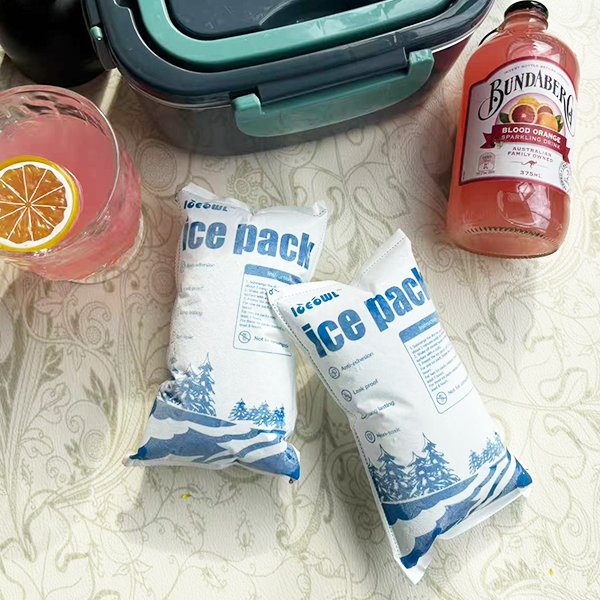
Dry Ice Pack Supplier in the Middle East: A Practical Buyer's Guide
If you are evaluating dry ice pack supplier in the Middle East, start with one principle: buy the shipping outcome, not just the pack. In this category, unit price means very little without clear dimensions, hydrated weight, material construction, route fit, and evidence that the supplier can reproduce the same pack again and again. In the Middle East, very high ambient temperatures, airport and customs dwell, and cross-border distribution lanes make route realism a core purchasing issue.
First, Define the Product Correctly
Before comparing vendors or prices, make sure everyone means the same product. In many industrial listings, a dry ice pack is a dry-form pack or sheet that is hydrated with water, frozen, and then used as a refrigerant inside an insulated shipper. It may arrive as a small cell sheet, a larger blanket, a brick-style pouch, or another gel-based format. That is not the same as carbon dioxide dry ice, which reaches much lower temperatures, vents gas as it sublimates, and is subject to specific transport and safety rules. Confusing the two terms can create specification mistakes, cost surprises, and even compliance issues in air shipments.
Most products in this category use a sealed film or film-plus-nonwoven structure that holds a water-absorbing medium. In many commercial designs that medium is a superabsorbent polymer, sometimes paired with a gel or phase-change formulation. After water enters the pack, the internal material swells and traps the liquid inside separate cells. Once frozen, those cells absorb heat from the payload and help slow temperature rise. Sheet formats can wrap around corners and spread cooling more evenly than rigid bricks, while brick or pouch formats are easier to stack in repeatable layers.
Compare the Main Refrigerant Options Before You Buy
A dry-state sheet is attractive when you want flexible coverage and low inbound storage volume. A pre-filled gel pack is attractive when you want simple preparation and repeatable handling. A rigid brick or PCM brick is useful when stacking discipline matters. Carbon dioxide dry ice sits in a different class: it is the choice for much colder applications, but it brings venting, handling, and transport obligations that do not belong to ordinary hydrated gel packs.
| Format | Best fit | Main watch-out |
|---|---|---|
| Hydrated sheet pack | Wraparound coverage and lower inbound storage volume | Needs hydration workflow and space to swell |
| Pre-filled gel pack | Quick deployment and consistent handling | Higher storage cube and freight weight |
| Rigid brick or PCM brick | Repeatable layer packing and strong support | Less flexible around corners and odd shapes |
| Carbon dioxide dry ice | Ultra-cold frozen applications | Vent, safety, and dry-ice transport rules |
Where These Packs Fit Best in Practice
Dry-state packs and sheet refrigerants are commonly used when teams need a lightweight cold source for one-way or repeat shipments of seafood, meat, dairy, bakery fillings, meal kits, fresh produce, and laboratory or diagnostic items. They are also used in secondary pharmaceutical packaging when the full shipper has been matched to a known temperature band and route duration. Flexible sheet formats are especially useful when the payload is irregularly shaped or when coverage around the top and sides matters more than building a rigid wall of cold bricks.
They are less suitable when you need true ultra-low temperature transport, when you do not control the hydration and freezing workflow, or when the lane is so harsh that a higher-performance insulated shipper and a better-defined refrigerant strategy are required. In many cases, the right answer is not "more packs." It is a better combination of pre-conditioning, pack placement, insulation, and shipment timing.
In hot-climate lanes, performance margins shrink quickly. Packs may spend time in staging, in vehicles, or in depots that are far hotter than a laboratory test room. That makes proper pre-chilling, route discipline, and sufficient insulation more important than the nominal capability of the pack alone.
Conditioning Workflow Matters More Than Many Buyers Expect
Dry-state packs introduce one extra operational step compared with pre-filled gel packs: activation. That step sounds simple, yet it can determine whether the program works smoothly. Teams need a repeatable method for soaking or hydrating the pack, removing excess surface water, and freezing the pack for long enough to reach the intended condition. If hydration is inconsistent, some cells may remain underfilled. If packs are stacked too densely in the freezer, freezing can be uneven. If excess surface water is left on the outside, the pack may freeze together with neighboring packs or create unnecessary frost.
For low-volume programs, those problems are manageable. For wholesale or bulk programs, they become process questions. Buyers should ask whether their own operation can support the supplier's recommended routine at scale. A very compact dry sheet can look ideal during procurement but become awkward if the warehouse has limited freezer capacity or if operators need fast turnaround. That does not make the product poor. It simply means the product and the process have to be designed together.
Thermal performance is always a system question, not a pack-only question. The same pack can behave very differently depending on the starting temperature of the goods, the insulation type, how tightly the payload is loaded, how much empty air remains in the box, and whether the shipment sits in a van, on a tarmac, or in a depot cage. That is why experienced buyers look past a headline hold-time claim and ask for a route-specific packout logic, not just a single marketing statement.
What Good Evidence Looks Like
Cold-chain evidence does not need to be complicated, but it does need to be relevant. Useful evidence explains the conditioning method, the shipper type, the amount of payload, the placement of the refrigerant, and the ambient exposure used during the test. Better evidence also distinguishes between easy and hard lanes rather than presenting one broad claim for every use case.
For buyers, the practical move is to ask for two levels of proof. The first is supplier-level proof: specification sheets, material information, and any test or handling guidance the supplier already has. The second is program-level proof: a pilot shipment or thermal check using your own packout and route logic. That second level is where purchasing decisions become reliable, because it shows whether the format survives real handling and supports the target band under realistic conditions.
Route Reality In The Middle East
In the Middle East, the decisive question is often heat management over unpredictable dwell times. A sheet or gel pack that looks acceptable in a short-room-temperature demonstration may not be enough after loading, ramp exposure, customs delay, and last-mile delivery. Strong buyers in this region push for realistic hot-lane evaluation and often prefer suppliers who can support the refrigerant together with the insulated shipper.
For this region, the ability to combine refrigerant packs with insulated boxes or liners often matters more than the pack alone.
How to Shortlist a Supplier in the Middle East
Price matters, but supplier fit is broader than price. When you shortlist a dry ice pack supplier in the Middle East, start by confirming whether the company is a manufacturer, a converter, a stocking distributor, or a trading intermediary. That one point affects everything else: lead time, technical depth, change control, and how quickly problems get corrected. In the Middle East, very high ambient temperatures, airport and customs dwell, and cross-border distribution lanes make route realism a core purchasing issue.
A credible supplier should be ready to give you both dry and hydrated dimensions, hydrated weight, cell count, outer material construction, and a clear explanation of recommended use. You should also ask how they test seal integrity, leakage resistance, and freezing consistency. Many buyers make the mistake of requesting only a sample and a quote. A better approach is to request a sample, a specification sheet, a packing method, a lot identification method, and a simple explanation of what changes are controlled between one run and the next.
Ask how the supplier, manufacturer, or distributor supports hot-lane testing, inventory buffering, and rapid replenishment when summer exposure or customs timing becomes unpredictable. Also ask what the supplier expects you to do on your side: hydration time, freezer set point, pre-chilling of product, recommended arrangement inside the insulated shipper, and maximum practical route duration. If that operational guidance is missing, you are still at a product-shopping stage, not a shipping-solution stage.
A useful shortlist usually includes these checks:
- Sample quality: clean seals, uniform cells, no weak corners, and no odd odor or tacky surface.
- Technical clarity: the vendor can explain material stack, recommended hydration method, and freezing workflow.
- Documentation: specification sheet, SDS, lot coding logic, and any food-contact or material declarations you need.
- Commercial readiness: realistic lead time, carton counts, pallet configuration, and clear terms for custom printing or special sizes.
- Corrective action: a practical answer for what happens if production and approval samples do not match.
A Practical Supplier Checklist
Before you move from sample stage to production or repeat purchase, make sure the review covers most of these points:
- Internal and external fit: dry size, hydrated size, and how the pack sits inside the actual shipper.
- Usable cold mass: hydrated weight, conditioned temperature, and how much of the box volume the refrigerant consumes.
- Material construction: film or laminate type, nonwoven reinforcement, and any stated resin or absorbent system.
- Closure and integrity: seal pattern, leak resistance, burst control, and tolerance for weak cells.
- Handling efficiency: stackability, cut-to-fit guidance, wraparound suitability, and whether the thawed pack stays clean to handle.
- Hygiene and traceability: SDS, lot coding, carton labels, and any material or food-contact declarations you need.
- Commercial terms: MOQ, stock versus custom lead time, print setup conditions, and carton or pallet quantities.
- Consistency: how approval samples are matched to production and how changes are communicated.
- Route suitability: whether the pack was selected for your actual temperature band, transit duration, and handling environment.
Compliance, Qualification, and Documentation
Cold packs are components, not compliance shortcuts. For pharmaceutical or healthcare use, the critical question is whether the full shipping configuration can maintain the intended temperature range over the intended route. Public guidance from Health Canada and GDP-oriented regulatory material emphasizes transport according to labelled storage conditions or transport conditions supported by data. That principle applies whether you are using a simple gel pack, a hydrated sheet, a PCM brick, or true carbon dioxide dry ice.
Documentation should therefore be matched to the application. For food-related distribution, buyers may need material declarations, SDS information, and relevant food-contact or indirect-contact statements. For laboratory and pharmaceutical programs, traceability, packout instructions, thermal evidence, and change-control discipline are more important than generic marketing certificates. If the shipment uses actual carbon dioxide dry ice, additional transport obligations apply because the package must vent gas and follow dry-ice-specific marking and handling requirements. Hydrated gel packs avoid that particular dry ice hazard profile, but they still need fit-for-purpose evidence.
A practical compliance review also distinguishes between a reusable handling container and a qualified temperature-control system. A clean reusable crate can improve handling and hygiene, yet still offer no meaningful thermal protection. A flexible dry sheet can provide useful cooling, yet still be inadequate without the right insulated box and route validation. Buyers in regulated sectors should treat those distinctions as basic, not optional.
FAQ
Are dry ice packs the same as carbon dioxide dry ice?
No. In many packaging catalogs, a dry ice pack is a dry-state gel or refrigerant pack that is hydrated and frozen before use. Carbon dioxide dry ice is a different refrigerant entirely. It sublimates, requires venting, and has transport and safety rules that do not apply in the same way to hydrated gel packs.
Can these packs be used for pharmaceutical shipments?
They may be suitable as part of a qualified insulated shipper, but suitability depends on the product, temperature range, route duration, and packout design. For drug products, buyers should work from labelled storage conditions or transport conditions supported by data rather than assuming any cold pack is automatically acceptable.
What should I test before approving a bulk order?
Test the actual packout on your intended insulated box or liner. Include starting product temperature, conditioning method, hot and cold seasonal exposure, parcel handling if relevant, and receiving checks. Also compare approval samples with production samples so size, hydrated mass, and seal quality do not drift later.
What is the most common buying mistake?
The most common mistake is comparing packs only by quoted hold time or price per piece. A buyer gets better results by comparing dry and hydrated dimensions, film construction, hydrate-and-freeze workflow, and evidence that the supplier can reproduce the same pack consistently.
Conclusion
A strong buying decision in this category is rarely about finding the coldest or cheapest pack. It is about matching the right refrigerant format to the right insulated system, then choosing a supplier that can reproduce that specification consistently. Once you define the lane, the target temperature band, and the packout workflow clearly, the comparison becomes much more objective.
About Tempk
At Tempk, we work on temperature-controlled packaging for food, pharmaceutical, and other sensitive shipments. Our public product range includes gel ice packs, hydration dry ice packs, insulated bags, cooler boxes, thermal pallet covers, and broader custom packaging solutions across multiple temperature zones. We focus on matching refrigerant format and shipper structure to real transport conditions so buyers can compare practical options before scaling a program.
Next Step
If you are comparing pack formats or suppliers, ask for a recommendation built around your target temperature, transit time, and handling conditions. That makes bulk purchasing and customization decisions far easier to get right.
Dry Ice Pack Supplier in China: A Practical Buyer’s Guide

Dry Ice Pack Supplier in China: A Practical Buyer's Guide
If you are evaluating dry ice pack supplier in China, start with one principle: buy the shipping outcome, not just the pack. In this category, unit price means very little without clear dimensions, hydrated weight, material construction, route fit, and evidence that the supplier can reproduce the same pack again and again. China offers broad manufacturing depth, custom-format flexibility, and strong export experience, but buyers still need to verify who actually converts the pack, controls the seals, and manages lot-to-lot consistency.
First, Define the Product Correctly
Before comparing vendors or prices, make sure everyone means the same product. In many industrial listings, a dry ice pack is a dry-form pack or sheet that is hydrated with water, frozen, and then used as a refrigerant inside an insulated shipper. It may arrive as a small cell sheet, a larger blanket, a brick-style pouch, or another gel-based format. That is not the same as carbon dioxide dry ice, which reaches much lower temperatures, vents gas as it sublimates, and is subject to specific transport and safety rules. Confusing the two terms can create specification mistakes, cost surprises, and even compliance issues in air shipments.
Most products in this category use a sealed film or film-plus-nonwoven structure that holds a water-absorbing medium. In many commercial designs that medium is a superabsorbent polymer, sometimes paired with a gel or phase-change formulation. After water enters the pack, the internal material swells and traps the liquid inside separate cells. Once frozen, those cells absorb heat from the payload and help slow temperature rise. Sheet formats can wrap around corners and spread cooling more evenly than rigid bricks, while brick or pouch formats are easier to stack in repeatable layers.
Compare the Main Refrigerant Options Before You Buy
A dry-state sheet is attractive when you want flexible coverage and low inbound storage volume. A pre-filled gel pack is attractive when you want simple preparation and repeatable handling. A rigid brick or PCM brick is useful when stacking discipline matters. Carbon dioxide dry ice sits in a different class: it is the choice for much colder applications, but it brings venting, handling, and transport obligations that do not belong to ordinary hydrated gel packs.
| Format | Best fit | Main watch-out |
|---|---|---|
| Hydrated sheet pack | Wraparound coverage and lower inbound storage volume | Needs hydration workflow and space to swell |
| Pre-filled gel pack | Quick deployment and consistent handling | Higher storage cube and freight weight |
| Rigid brick or PCM brick | Repeatable layer packing and strong support | Less flexible around corners and odd shapes |
| Carbon dioxide dry ice | Ultra-cold frozen applications | Vent, safety, and dry-ice transport rules |
Where These Packs Fit Best in Practice
Dry-state packs and sheet refrigerants are commonly used when teams need a lightweight cold source for one-way or repeat shipments of seafood, meat, dairy, bakery fillings, meal kits, fresh produce, and laboratory or diagnostic items. They are also used in secondary pharmaceutical packaging when the full shipper has been matched to a known temperature band and route duration. Flexible sheet formats are especially useful when the payload is irregularly shaped or when coverage around the top and sides matters more than building a rigid wall of cold bricks.
They are less suitable when you need true ultra-low temperature transport, when you do not control the hydration and freezing workflow, or when the lane is so harsh that a higher-performance insulated shipper and a better-defined refrigerant strategy are required. In many cases, the right answer is not "more packs." It is a better combination of pre-conditioning, pack placement, insulation, and shipment timing.
For export-oriented programs from China, the pack may also need to survive long pre-export handling windows and varying warehouse conditions before it ever reaches the final courier or airline handoff. Buyers should design for the real operating chain rather than the last-mile leg alone.
Conditioning Workflow Matters More Than Many Buyers Expect
Dry-state packs introduce one extra operational step compared with pre-filled gel packs: activation. That step sounds simple, yet it can determine whether the program works smoothly. Teams need a repeatable method for soaking or hydrating the pack, removing excess surface water, and freezing the pack for long enough to reach the intended condition. If hydration is inconsistent, some cells may remain underfilled. If packs are stacked too densely in the freezer, freezing can be uneven. If excess surface water is left on the outside, the pack may freeze together with neighboring packs or create unnecessary frost.
For low-volume programs, those problems are manageable. For wholesale or bulk programs, they become process questions. Buyers should ask whether their own operation can support the supplier's recommended routine at scale. A very compact dry sheet can look ideal during procurement but become awkward if the warehouse has limited freezer capacity or if operators need fast turnaround. That does not make the product poor. It simply means the product and the process have to be designed together.
Thermal performance is always a system question, not a pack-only question. The same pack can behave very differently depending on the starting temperature of the goods, the insulation type, how tightly the payload is loaded, how much empty air remains in the box, and whether the shipment sits in a van, on a tarmac, or in a depot cage. That is why experienced buyers look past a headline hold-time claim and ask for a route-specific packout logic, not just a single marketing statement.
What Good Evidence Looks Like
Cold-chain evidence does not need to be complicated, but it does need to be relevant. Useful evidence explains the conditioning method, the shipper type, the amount of payload, the placement of the refrigerant, and the ambient exposure used during the test. Better evidence also distinguishes between easy and hard lanes rather than presenting one broad claim for every use case.
For buyers, the practical move is to ask for two levels of proof. The first is supplier-level proof: specification sheets, material information, and any test or handling guidance the supplier already has. The second is program-level proof: a pilot shipment or thermal check using your own packout and route logic. That second level is where purchasing decisions become reliable, because it shows whether the format survives real handling and supports the target band under realistic conditions.
Route Reality In China
China sourcing often makes sense when you want format flexibility, private-label printing, or factory-scale volume. The operational challenge is making sure the sample you approve is representative of repeat production and export packing, not just a hand-picked development batch. For buyers shipping globally, it is also worth checking moisture protection during sea or long-haul storage and planning around holiday or port-disruption risk.
For container or pallet orders, carton count, pallet pattern, moisture protection, and Incoterm clarity matter almost as much as unit price.
How to Shortlist a Supplier in China
Price matters, but supplier fit is broader than price. When you shortlist a dry ice pack supplier in China, start by confirming whether the company is a manufacturer, a converter, a stocking distributor, or a trading intermediary. That one point affects everything else: lead time, technical depth, change control, and how quickly problems get corrected. China offers broad manufacturing depth, custom-format flexibility, and strong export experience, but buyers still need to verify who actually converts the pack, controls the seals, and manages lot-to-lot consistency.
A credible supplier should be ready to give you both dry and hydrated dimensions, hydrated weight, cell count, outer material construction, and a clear explanation of recommended use. You should also ask how they test seal integrity, leakage resistance, and freezing consistency. Many buyers make the mistake of requesting only a sample and a quote. A better approach is to request a sample, a specification sheet, a packing method, a lot identification method, and a simple explanation of what changes are controlled between one run and the next.
Ask whether you are dealing with the factory itself or a trading company, review sample-to-mass-production controls, and plan around export packaging, documentation, and holiday lead-time swings. Also ask what the supplier expects you to do on your side: hydration time, freezer set point, pre-chilling of product, recommended arrangement inside the insulated shipper, and maximum practical route duration. If that operational guidance is missing, you are still at a product-shopping stage, not a shipping-solution stage.
A useful shortlist usually includes these checks:
- Sample quality: clean seals, uniform cells, no weak corners, and no odd odor or tacky surface.
- Technical clarity: the vendor can explain material stack, recommended hydration method, and freezing workflow.
- Documentation: specification sheet, SDS, lot coding logic, and any food-contact or material declarations you need.
- Commercial readiness: realistic lead time, carton counts, pallet configuration, and clear terms for custom printing or special sizes.
- Corrective action: a practical answer for what happens if production and approval samples do not match.
A Practical Supplier Checklist
Before you move from sample stage to production or repeat purchase, make sure the review covers most of these points:
- Internal and external fit: dry size, hydrated size, and how the pack sits inside the actual shipper.
- Usable cold mass: hydrated weight, conditioned temperature, and how much of the box volume the refrigerant consumes.
- Material construction: film or laminate type, nonwoven reinforcement, and any stated resin or absorbent system.
- Closure and integrity: seal pattern, leak resistance, burst control, and tolerance for weak cells.
- Handling efficiency: stackability, cut-to-fit guidance, wraparound suitability, and whether the thawed pack stays clean to handle.
- Hygiene and traceability: SDS, lot coding, carton labels, and any material or food-contact declarations you need.
- Commercial terms: MOQ, stock versus custom lead time, print setup conditions, and carton or pallet quantities.
- Consistency: how approval samples are matched to production and how changes are communicated.
- Route suitability: whether the pack was selected for your actual temperature band, transit duration, and handling environment.
Compliance, Qualification, and Documentation
Cold packs are components, not compliance shortcuts. For pharmaceutical or healthcare use, the critical question is whether the full shipping configuration can maintain the intended temperature range over the intended route. Public guidance from Health Canada and GDP-oriented regulatory material emphasizes transport according to labelled storage conditions or transport conditions supported by data. That principle applies whether you are using a simple gel pack, a hydrated sheet, a PCM brick, or true carbon dioxide dry ice.
Documentation should therefore be matched to the application. For food-related distribution, buyers may need material declarations, SDS information, and relevant food-contact or indirect-contact statements. For laboratory and pharmaceutical programs, traceability, packout instructions, thermal evidence, and change-control discipline are more important than generic marketing certificates. If the shipment uses actual carbon dioxide dry ice, additional transport obligations apply because the package must vent gas and follow dry-ice-specific marking and handling requirements. Hydrated gel packs avoid that particular dry ice hazard profile, but they still need fit-for-purpose evidence.
A practical compliance review also distinguishes between a reusable handling container and a qualified temperature-control system. A clean reusable crate can improve handling and hygiene, yet still offer no meaningful thermal protection. A flexible dry sheet can provide useful cooling, yet still be inadequate without the right insulated box and route validation. Buyers in regulated sectors should treat those distinctions as basic, not optional.
FAQ
Are dry ice packs the same as carbon dioxide dry ice?
No. In many packaging catalogs, a dry ice pack is a dry-state gel or refrigerant pack that is hydrated and frozen before use. Carbon dioxide dry ice is a different refrigerant entirely. It sublimates, requires venting, and has transport and safety rules that do not apply in the same way to hydrated gel packs.
Can these packs be used for pharmaceutical shipments?
They may be suitable as part of a qualified insulated shipper, but suitability depends on the product, temperature range, route duration, and packout design. For drug products, buyers should work from labelled storage conditions or transport conditions supported by data rather than assuming any cold pack is automatically acceptable.
What should I test before approving a bulk order?
Test the actual packout on your intended insulated box or liner. Include starting product temperature, conditioning method, hot and cold seasonal exposure, parcel handling if relevant, and receiving checks. Also compare approval samples with production samples so size, hydrated mass, and seal quality do not drift later.
What is the most common buying mistake?
The most common mistake is comparing packs only by quoted hold time or price per piece. A buyer gets better results by comparing dry and hydrated dimensions, film construction, hydrate-and-freeze workflow, and evidence that the supplier can reproduce the same pack consistently.
Conclusion
A strong buying decision in this category is rarely about finding the coldest or cheapest pack. It is about matching the right refrigerant format to the right insulated system, then choosing a supplier that can reproduce that specification consistently. Once you define the lane, the target temperature band, and the packout workflow clearly, the comparison becomes much more objective.
About Tempk
At Tempk, we work on temperature-controlled packaging for food, pharmaceutical, and other sensitive shipments. Our public product range includes gel ice packs, hydration dry ice packs, insulated bags, cooler boxes, thermal pallet covers, and broader custom packaging solutions across multiple temperature zones. We focus on matching refrigerant format and shipper structure to real transport conditions so buyers can compare practical options before scaling a program.
Next Step
If you are comparing pack formats or suppliers, ask for a recommendation built around your target temperature, transit time, and handling conditions. That makes bulk purchasing and customization decisions far easier to get right.
Dry Ice Pack Supplier in Canada: A Practical Buyer’s Guide

Dry Ice Pack Supplier in Canada: A Practical Buyer's Guide
If you are evaluating dry ice pack supplier in Canada, start with one principle: buy the shipping outcome, not just the pack. In this category, unit price means very little without clear dimensions, hydrated weight, material construction, route fit, and evidence that the supplier can reproduce the same pack again and again. Canadian buyers typically care about long domestic distances, cross-border complexity, and seasonal extremes. A supplier has to be ready for both summer heat and winter cold.
First, Define the Product Correctly
Before comparing vendors or prices, make sure everyone means the same product. In many industrial listings, a dry ice pack is a dry-form pack or sheet that is hydrated with water, frozen, and then used as a refrigerant inside an insulated shipper. It may arrive as a small cell sheet, a larger blanket, a brick-style pouch, or another gel-based format. That is not the same as carbon dioxide dry ice, which reaches much lower temperatures, vents gas as it sublimates, and is subject to specific transport and safety rules. Confusing the two terms can create specification mistakes, cost surprises, and even compliance issues in air shipments.
Most products in this category use a sealed film or film-plus-nonwoven structure that holds a water-absorbing medium. In many commercial designs that medium is a superabsorbent polymer, sometimes paired with a gel or phase-change formulation. After water enters the pack, the internal material swells and traps the liquid inside separate cells. Once frozen, those cells absorb heat from the payload and help slow temperature rise. Sheet formats can wrap around corners and spread cooling more evenly than rigid bricks, while brick or pouch formats are easier to stack in repeatable layers.
Compare the Main Refrigerant Options Before You Buy
A dry-state sheet is attractive when you want flexible coverage and low inbound storage volume. A pre-filled gel pack is attractive when you want simple preparation and repeatable handling. A rigid brick or PCM brick is useful when stacking discipline matters. Carbon dioxide dry ice sits in a different class: it is the choice for much colder applications, but it brings venting, handling, and transport obligations that do not belong to ordinary hydrated gel packs.
| Format | Best fit | Main watch-out |
|---|---|---|
| Hydrated sheet pack | Wraparound coverage and lower inbound storage volume | Needs hydration workflow and space to swell |
| Pre-filled gel pack | Quick deployment and consistent handling | Higher storage cube and freight weight |
| Rigid brick or PCM brick | Repeatable layer packing and strong support | Less flexible around corners and odd shapes |
| Carbon dioxide dry ice | Ultra-cold frozen applications | Vent, safety, and dry-ice transport rules |
Where These Packs Fit Best in Practice
Dry-state packs and sheet refrigerants are commonly used when teams need a lightweight cold source for one-way or repeat shipments of seafood, meat, dairy, bakery fillings, meal kits, fresh produce, and laboratory or diagnostic items. They are also used in secondary pharmaceutical packaging when the full shipper has been matched to a known temperature band and route duration. Flexible sheet formats are especially useful when the payload is irregularly shaped or when coverage around the top and sides matters more than building a rigid wall of cold bricks.
They are less suitable when you need true ultra-low temperature transport, when you do not control the hydration and freezing workflow, or when the lane is so harsh that a higher-performance insulated shipper and a better-defined refrigerant strategy are required. In many cases, the right answer is not "more packs." It is a better combination of pre-conditioning, pack placement, insulation, and shipment timing.
In Canada, long distances and mixed modes can create the opposite problem as well. You may need to protect against both warm exposure and unintended overcooling when sensitive products travel through winter conditions. That is another reason to validate the full system, not just the pack.
Conditioning Workflow Matters More Than Many Buyers Expect
Dry-state packs introduce one extra operational step compared with pre-filled gel packs: activation. That step sounds simple, yet it can determine whether the program works smoothly. Teams need a repeatable method for soaking or hydrating the pack, removing excess surface water, and freezing the pack for long enough to reach the intended condition. If hydration is inconsistent, some cells may remain underfilled. If packs are stacked too densely in the freezer, freezing can be uneven. If excess surface water is left on the outside, the pack may freeze together with neighboring packs or create unnecessary frost.
For low-volume programs, those problems are manageable. For wholesale or bulk programs, they become process questions. Buyers should ask whether their own operation can support the supplier's recommended routine at scale. A very compact dry sheet can look ideal during procurement but become awkward if the warehouse has limited freezer capacity or if operators need fast turnaround. That does not make the product poor. It simply means the product and the process have to be designed together.
Thermal performance is always a system question, not a pack-only question. The same pack can behave very differently depending on the starting temperature of the goods, the insulation type, how tightly the payload is loaded, how much empty air remains in the box, and whether the shipment sits in a van, on a tarmac, or in a depot cage. That is why experienced buyers look past a headline hold-time claim and ask for a route-specific packout logic, not just a single marketing statement.
What Good Evidence Looks Like
Cold-chain evidence does not need to be complicated, but it does need to be relevant. Useful evidence explains the conditioning method, the shipper type, the amount of payload, the placement of the refrigerant, and the ambient exposure used during the test. Better evidence also distinguishes between easy and hard lanes rather than presenting one broad claim for every use case.
For buyers, the practical move is to ask for two levels of proof. The first is supplier-level proof: specification sheets, material information, and any test or handling guidance the supplier already has. The second is program-level proof: a pilot shipment or thermal check using your own packout and route logic. That second level is where purchasing decisions become reliable, because it shows whether the format survives real handling and supports the target band under realistic conditions.
Route Reality In Canada
Canada adds a different complexity: long domestic routes and strong seasonality. A pack that is designed only for summer heat may not be ideal for winter-sensitive products that can be harmed by overcooling. Buyers should therefore ask how the supplier thinks about both warm and cold seasonal exposures, not just the hottest day of the year.
For domestic distribution, cold-chain packaging may face air, road, depot dwell, and remote delivery conditions within the same program.
How to Shortlist a Supplier in Canada
Price matters, but supplier fit is broader than price. When you shortlist a dry ice pack supplier in Canada, start by confirming whether the company is a manufacturer, a converter, a stocking distributor, or a trading intermediary. That one point affects everything else: lead time, technical depth, change control, and how quickly problems get corrected. Canadian buyers typically care about long domestic distances, cross-border complexity, and seasonal extremes. A supplier has to be ready for both summer heat and winter cold.
A credible supplier should be ready to give you both dry and hydrated dimensions, hydrated weight, cell count, outer material construction, and a clear explanation of recommended use. You should also ask how they test seal integrity, leakage resistance, and freezing consistency. Many buyers make the mistake of requesting only a sample and a quote. A better approach is to request a sample, a specification sheet, a packing method, a lot identification method, and a simple explanation of what changes are controlled between one run and the next.
It helps to confirm local stockholding, seasonal test logic, lot traceability, and whether the supplier has experience with parcels, healthcare shipments, and long regional lanes. Also ask what the supplier expects you to do on your side: hydration time, freezer set point, pre-chilling of product, recommended arrangement inside the insulated shipper, and maximum practical route duration. If that operational guidance is missing, you are still at a product-shopping stage, not a shipping-solution stage.
A useful shortlist usually includes these checks:
- Sample quality: clean seals, uniform cells, no weak corners, and no odd odor or tacky surface.
- Technical clarity: the vendor can explain material stack, recommended hydration method, and freezing workflow.
- Documentation: specification sheet, SDS, lot coding logic, and any food-contact or material declarations you need.
- Commercial readiness: realistic lead time, carton counts, pallet configuration, and clear terms for custom printing or special sizes.
- Corrective action: a practical answer for what happens if production and approval samples do not match.
A Practical Supplier Checklist
Before you move from sample stage to production or repeat purchase, make sure the review covers most of these points:
- Internal and external fit: dry size, hydrated size, and how the pack sits inside the actual shipper.
- Usable cold mass: hydrated weight, conditioned temperature, and how much of the box volume the refrigerant consumes.
- Material construction: film or laminate type, nonwoven reinforcement, and any stated resin or absorbent system.
- Closure and integrity: seal pattern, leak resistance, burst control, and tolerance for weak cells.
- Handling efficiency: stackability, cut-to-fit guidance, wraparound suitability, and whether the thawed pack stays clean to handle.
- Hygiene and traceability: SDS, lot coding, carton labels, and any material or food-contact declarations you need.
- Commercial terms: MOQ, stock versus custom lead time, print setup conditions, and carton or pallet quantities.
- Consistency: how approval samples are matched to production and how changes are communicated.
- Route suitability: whether the pack was selected for your actual temperature band, transit duration, and handling environment.
Compliance, Qualification, and Documentation
Cold packs are components, not compliance shortcuts. For pharmaceutical or healthcare use, the critical question is whether the full shipping configuration can maintain the intended temperature range over the intended route. Public guidance from Health Canada and GDP-oriented regulatory material emphasizes transport according to labelled storage conditions or transport conditions supported by data. That principle applies whether you are using a simple gel pack, a hydrated sheet, a PCM brick, or true carbon dioxide dry ice.
Documentation should therefore be matched to the application. For food-related distribution, buyers may need material declarations, SDS information, and relevant food-contact or indirect-contact statements. For laboratory and pharmaceutical programs, traceability, packout instructions, thermal evidence, and change-control discipline are more important than generic marketing certificates. If the shipment uses actual carbon dioxide dry ice, additional transport obligations apply because the package must vent gas and follow dry-ice-specific marking and handling requirements. Hydrated gel packs avoid that particular dry ice hazard profile, but they still need fit-for-purpose evidence.
A practical compliance review also distinguishes between a reusable handling container and a qualified temperature-control system. A clean reusable crate can improve handling and hygiene, yet still offer no meaningful thermal protection. A flexible dry sheet can provide useful cooling, yet still be inadequate without the right insulated box and route validation. Buyers in regulated sectors should treat those distinctions as basic, not optional.
FAQ
Are dry ice packs the same as carbon dioxide dry ice?
No. In many packaging catalogs, a dry ice pack is a dry-state gel or refrigerant pack that is hydrated and frozen before use. Carbon dioxide dry ice is a different refrigerant entirely. It sublimates, requires venting, and has transport and safety rules that do not apply in the same way to hydrated gel packs.
Can these packs be used for pharmaceutical shipments?
They may be suitable as part of a qualified insulated shipper, but suitability depends on the product, temperature range, route duration, and packout design. For drug products, buyers should work from labelled storage conditions or transport conditions supported by data rather than assuming any cold pack is automatically acceptable.
What should I test before approving a bulk order?
Test the actual packout on your intended insulated box or liner. Include starting product temperature, conditioning method, hot and cold seasonal exposure, parcel handling if relevant, and receiving checks. Also compare approval samples with production samples so size, hydrated mass, and seal quality do not drift later.
What is the most common buying mistake?
The most common mistake is comparing packs only by quoted hold time or price per piece. A buyer gets better results by comparing dry and hydrated dimensions, film construction, hydrate-and-freeze workflow, and evidence that the supplier can reproduce the same pack consistently.
Conclusion
A strong buying decision in this category is rarely about finding the coldest or cheapest pack. It is about matching the right refrigerant format to the right insulated system, then choosing a supplier that can reproduce that specification consistently. Once you define the lane, the target temperature band, and the packout workflow clearly, the comparison becomes much more objective.
About Tempk
At Tempk, we work on temperature-controlled packaging for food, pharmaceutical, and other sensitive shipments. Our public product range includes gel ice packs, hydration dry ice packs, insulated bags, cooler boxes, thermal pallet covers, and broader custom packaging solutions across multiple temperature zones. We focus on matching refrigerant format and shipper structure to real transport conditions so buyers can compare practical options before scaling a program.
Next Step
If you are comparing pack formats or suppliers, ask for a recommendation built around your target temperature, transit time, and handling conditions. That makes bulk purchasing and customization decisions far easier to get right.
Dry Ice Pack Sheet: A Practical Guide to Selection, Use, and Supplier Fit
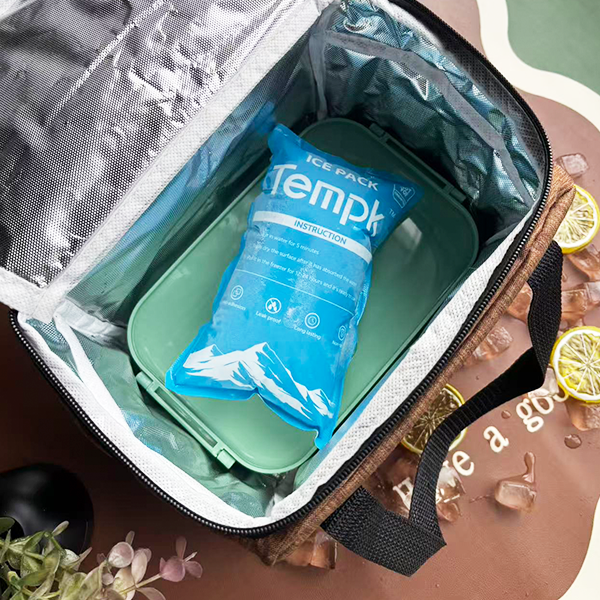
Dry Ice Pack Sheet: A Practical Guide to Selection, Use, and Supplier Fit
A dry ice pack sheet makes sense when you need a flat, flexible, water-activated refrigerant that can cover more surface area than a small brick or pouch. It is especially useful for one-way cold shipping where warehouse cube, packout speed, and fit inside an insulated box matter. But to buy well, you have to separate three questions: what the sheet actually is, what performance your route needs, and what kind of supplier support will keep the program stable.
First, Define the Product Correctly
Before comparing vendors or prices, make sure everyone means the same product. In many industrial listings, a dry ice pack is a dry-form pack or sheet that is hydrated with water, frozen, and then used as a refrigerant inside an insulated shipper. It may arrive as a small cell sheet, a larger blanket, a brick-style pouch, or another gel-based format. That is not the same as carbon dioxide dry ice, which reaches much lower temperatures, vents gas as it sublimates, and is subject to specific transport and safety rules. Confusing the two terms can create specification mistakes, cost surprises, and even compliance issues in air shipments.
Most products in this category use a sealed film or film-plus-nonwoven structure that holds a water-absorbing medium. In many commercial designs that medium is a superabsorbent polymer, sometimes paired with a gel or phase-change formulation. After water enters the pack, the internal material swells and traps the liquid inside separate cells. Once frozen, those cells absorb heat from the payload and help slow temperature rise. Sheet formats can wrap around corners and spread cooling more evenly than rigid bricks, while brick or pouch formats are easier to stack in repeatable layers.
Compare the Main Refrigerant Options Before You Buy
A dry-state sheet is attractive when you want flexible coverage and low inbound storage volume. A pre-filled gel pack is attractive when you want simple preparation and repeatable handling. A rigid brick or PCM brick is useful when stacking discipline matters. Carbon dioxide dry ice sits in a different class: it is the choice for much colder applications, but it brings venting, handling, and transport obligations that do not belong to ordinary hydrated gel packs.
| Format | Best fit | Main watch-out |
|---|---|---|
| Small or medium dry ice sheet | Small insulated cartons, wraparound coverage, flexible placement | Needs hydration, freezer time, and careful fit after swelling |
| Large blanket or multi-cell sheet | Wider coverage, top-side protection, irregular payloads | Can take more space than expected after hydration |
| Pre-filled gel pack or pouch | Fast preparation and repeatable layer building | Higher inbound storage and freight burden |
| Carbon dioxide dry ice | True deep-frozen or ultra-low shipping | Gas venting, safety controls, and transport regulation |
Where These Packs Fit Best in Practice
Dry-state packs and sheet refrigerants are commonly used when teams need a lightweight cold source for one-way or repeat shipments of seafood, meat, dairy, bakery fillings, meal kits, fresh produce, and laboratory or diagnostic items. They are also used in secondary pharmaceutical packaging when the full shipper has been matched to a known temperature band and route duration. Flexible sheet formats are especially useful when the payload is irregularly shaped or when coverage around the top and sides matters more than building a rigid wall of cold bricks.
They are less suitable when you need true ultra-low temperature transport, when you do not control the hydration and freezing workflow, or when the lane is so harsh that a higher-performance insulated shipper and a better-defined refrigerant strategy are required. In many cases, the right answer is not "more packs." It is a better combination of pre-conditioning, pack placement, insulation, and shipment timing.
Conditioning Workflow Matters More Than Many Buyers Expect
Dry-state packs introduce one extra operational step compared with pre-filled gel packs: activation. That step sounds simple, yet it can determine whether the program works smoothly. Teams need a repeatable method for soaking or hydrating the pack, removing excess surface water, and freezing the pack for long enough to reach the intended condition. If hydration is inconsistent, some cells may remain underfilled. If packs are stacked too densely in the freezer, freezing can be uneven. If excess surface water is left on the outside, the pack may freeze together with neighboring packs or create unnecessary frost.
For low-volume programs, those problems are manageable. For wholesale or bulk programs, they become process questions. Buyers should ask whether their own operation can support the supplier's recommended routine at scale. A very compact dry sheet can look ideal during procurement but become awkward if the warehouse has limited freezer capacity or if operators need fast turnaround. That does not make the product poor. It simply means the product and the process have to be designed together.
Thermal performance is always a system question, not a pack-only question. The same pack can behave very differently depending on the starting temperature of the goods, the insulation type, how tightly the payload is loaded, how much empty air remains in the box, and whether the shipment sits in a van, on a tarmac, or in a depot cage. That is why experienced buyers look past a headline hold-time claim and ask for a route-specific packout logic, not just a single marketing statement.
What Good Evidence Looks Like
Cold-chain evidence does not need to be complicated, but it does need to be relevant. Useful evidence explains the conditioning method, the shipper type, the amount of payload, the placement of the refrigerant, and the ambient exposure used during the test. Better evidence also distinguishes between easy and hard lanes rather than presenting one broad claim for every use case.
For buyers, the practical move is to ask for two levels of proof. The first is supplier-level proof: specification sheets, material information, and any test or handling guidance the supplier already has. The second is program-level proof: a pilot shipment or thermal check using your own packout and route logic. That second level is where purchasing decisions become reliable, because it shows whether the format survives real handling and supports the target band under realistic conditions.
What to Ask Suppliers Before Ordering in Bulk
Even when you are researching the product itself rather than a region, supplier quality still matters. Ask for dry and hydrated dimensions, total hydrated weight, cell count, recommended use temperature, seal construction, and how the pack should be placed inside an insulated box or liner. That is the information that lets you compare one format with another in a practical way.
You should also ask whether the claim is based on the pack alone or on a qualified shipping system. A good supplier will explain the difference between a refrigerant component and a complete insulated solution. If your use case is food, ask about food-contact or indirect-contact documentation where relevant. If it is pharmaceutical or laboratory use, ask for route-specific test logic, traceability, and clear handling instructions.
Before a bulk order, confirm these points:
- Dry size versus hydrated size.
- Single-use versus reusable expectation.
- Hydration time, water quality, and freeze time.
- Film strength, leak resistance, and cut-to-fit guidance.
- Carton counts, moisture protection, and lot coding.
A Practical Supplier Checklist
Before you move from sample stage to production or repeat purchase, make sure the review covers most of these points:
- Internal and external fit: dry size, hydrated size, and how the pack sits inside the actual shipper.
- Usable cold mass: hydrated weight, conditioned temperature, and how much of the box volume the refrigerant consumes.
- Material construction: film or laminate type, nonwoven reinforcement, and any stated resin or absorbent system.
- Closure and integrity: seal pattern, leak resistance, burst control, and tolerance for weak cells.
- Handling efficiency: stackability, cut-to-fit guidance, wraparound suitability, and whether the thawed pack stays clean to handle.
- Hygiene and traceability: SDS, lot coding, carton labels, and any material or food-contact declarations you need.
- Commercial terms: MOQ, stock versus custom lead time, print setup conditions, and carton or pallet quantities.
- Consistency: how approval samples are matched to production and how changes are communicated.
- Route suitability: whether the pack was selected for your actual temperature band, transit duration, and handling environment.
Compliance, Qualification, and Documentation
Cold packs are components, not compliance shortcuts. For pharmaceutical or healthcare use, the critical question is whether the full shipping configuration can maintain the intended temperature range over the intended route. Public guidance from Health Canada and GDP-oriented regulatory material emphasizes transport according to labelled storage conditions or transport conditions supported by data. That principle applies whether you are using a simple gel pack, a hydrated sheet, a PCM brick, or true carbon dioxide dry ice.
Documentation should therefore be matched to the application. For food-related distribution, buyers may need material declarations, SDS information, and relevant food-contact or indirect-contact statements. For laboratory and pharmaceutical programs, traceability, packout instructions, thermal evidence, and change-control discipline are more important than generic marketing certificates. If the shipment uses actual carbon dioxide dry ice, additional transport obligations apply because the package must vent gas and follow dry-ice-specific marking and handling requirements. Hydrated gel packs avoid that particular dry ice hazard profile, but they still need fit-for-purpose evidence.
A practical compliance review also distinguishes between a reusable handling container and a qualified temperature-control system. A clean reusable crate can improve handling and hygiene, yet still offer no meaningful thermal protection. A flexible dry sheet can provide useful cooling, yet still be inadequate without the right insulated box and route validation. Buyers in regulated sectors should treat those distinctions as basic, not optional.
FAQ
Are dry ice packs the same as carbon dioxide dry ice?
No. In many packaging catalogs, a dry ice pack is a dry-state gel or refrigerant pack that is hydrated and frozen before use. Carbon dioxide dry ice is a different refrigerant entirely. It sublimates, requires venting, and has transport and safety rules that do not apply in the same way to hydrated gel packs.
Can these packs be used for pharmaceutical shipments?
They may be suitable as part of a qualified insulated shipper, but suitability depends on the product, temperature range, route duration, and packout design. For drug products, buyers should work from labelled storage conditions or transport conditions supported by data rather than assuming any cold pack is automatically acceptable.
What should I test before approving a bulk order?
Test the actual packout on your intended insulated box or liner. Include starting product temperature, conditioning method, hot and cold seasonal exposure, parcel handling if relevant, and receiving checks. Also compare approval samples with production samples so size, hydrated mass, and seal quality do not drift later.
What is the most common buying mistake?
The most common mistake is comparing packs only by quoted hold time or price per piece. A buyer gets better results by comparing dry and hydrated dimensions, film construction, hydrate-and-freeze workflow, and evidence that the supplier can reproduce the same pack consistently.
Conclusion
A strong buying decision in this category is rarely about finding the coldest or cheapest pack. It is about matching the right refrigerant format to the right insulated system, then choosing a supplier that can reproduce that specification consistently. Once you define the lane, the target temperature band, and the packout workflow clearly, the comparison becomes much more objective.
About Tempk
At Tempk, we work on temperature-controlled packaging for food, pharmaceutical, and other sensitive shipments. Our public product range includes gel ice packs, hydration dry ice packs, insulated bags, cooler boxes, thermal pallet covers, and broader custom packaging solutions across multiple temperature zones. We focus on matching refrigerant format and shipper structure to real transport conditions so buyers can compare practical options before scaling a program.
Next Step
If you are comparing pack formats or suppliers, ask for a recommendation built around your target temperature, transit time, and handling conditions. That makes bulk purchasing and customization decisions far easier to get right.