


Refrigeration Gel Pack Mexico Distributor: A Practical Buying Guide for Reliable Cold-Chain Performance
Refrigeration Gel Pack Mexico Distributor: A Practical Buying Guide for Reliable Cold-Chain Performance
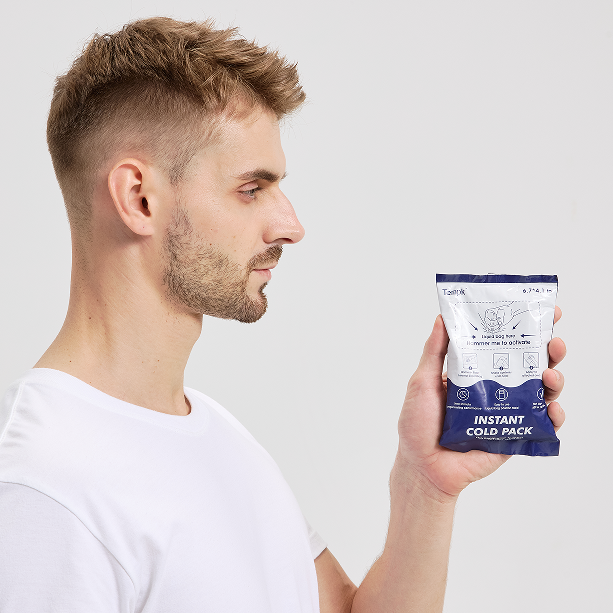
A Better Buying Guide to Refrigeration Gel Packs For Mexico Distribution
refrigeration gel pack Mexico distributor is best approached as a system decision, not a commodity purchase. When companies look for a refrigeration gel pack distributor in Mexico, they are usually trying to solve two issues at once: holding chilled temperature through hot, variable routes and getting reliable regional supply without constant import friction.
The most reliable buyers start with the route, product, and risk profile, then choose the refrigerant format that fits those conditions. A good distributor should help with the full operating picture—conditioning, packaging fit, reorder lead time, and bilingual documentation—not just unit price. That approach usually leads to better temperature control, cleaner handling, and fewer surprises when volume scales.
What the product is—and what it is not
Refrigeration gel packs for mexico distribution are best thought of as controlled cold sources inside a passive shipper. They are not active refrigeration, they are not universal compliance certificates, and they do not compensate for a poor carton layout. Their value lies in giving you a predictable thermal buffer that can be conditioned, counted, placed, and evaluated as part of a wider packaging system.
That distinction matters because buyers often over-focus on the refrigerant and under-focus on the route. Temperature control is created by the interaction between the cold source, the insulation, the payload, and the handling conditions. Once you view the product that way, supplier questions become clearer and format trade-offs become easier to judge.
How to match the cold source to the route
Start with the payload requirement and the real lane duration, including packing time, carrier dwell, last-mile exposure, and receiving delay. Then look at the insulated system, not just the refrigerant. A thinner pack in a well-fitted insulated carton can outperform a heavier pack in a poor layout. The objective is to hold the right band for long enough with the least unnecessary complexity.
Next, decide how much standardization the operation needs. If the same carton runs repeatedly with a stable product mix, rigid formats become easier to justify because they simplify count and placement. If box sizes or product loads change often, flexible inserts or linked packs may give better overall packaging efficiency. Finally, account for seasonality. Summer heat and winter cold can point to different conditioning states or even different approved pack-outs.
Materials, construction, and thermal behavior
Public product pages in the cold-chain market show that not all gel packs behave the same way. Refrigerated packs are commonly offered with formulations designed around a 0°C melt point, while frozen-distribution products may use suppressed-temperature formulas around -23°C or other lower set points. Some no-sweat formats add a woven or absorbent outer layer to control condensation. Rigid bricks may use a durable plastic shell around a gel or PCM core. Those differences affect freeze time, surface hardness, puncture resistance, moisture behavior, and the rate of heat transfer into the payload.
Geometry matters just as much as chemistry. Flat inserts maximize wall coverage, linked sheets wrap well around irregular contents, and rigid bricks deliver concentrated thermal mass with easier counting on the packing line. None of those formats is universally better. The right choice depends on available box space, the product layout, whether the route is chilled or frozen, and whether your operators need speed, flexibility, or strict pack-count discipline.
Conditioning is another major variable. A pack can be technically correct on paper and still fail in practice if it is under-frozen, over-frozen for the application, or staged too long at ambient before boxing. In many failed pack-outs, the problem is not the gel formula itself but inconsistent freezer conditions, unclear work instructions, or a mismatch between the pack state and the product requirement.
Quality and compliance boundaries
For food and dairy programs, the cold source has to support the actual safety objective of the shipment. Public guidance for direct-to-consumer food delivery emphasizes insulated packaging paired with frozen gel packs or other suitable coolants, and refrigerated foods generally need to stay in a safe chilled condition rather than drift into the temperature danger zone. That means buyers should evaluate the whole pack-out, not just the refrigerant case.
Material review matters as well. When a pack, liner, or adjacent surface may contact food or a food-contact layer, buyers should request the relevant food-contact information for the destination market. In the United States, food-contact substances are regulated by FDA, and in the EU, packaging that contacts food must meet safety rules intended to prevent harmful migration or changes to the food. Even when the cold pack is not in direct contact with food, those documentation habits usually signal a more disciplined supplier.
Why total cost of use is a better metric than piece price
A wholesaler quote usually makes the unit pack price visible and leaves the rest hidden. But operators still pay for freezer capacity, line labor, product-space displacement, extra corrugated volume, damaged labels, returns, and customer-service issues caused by poor presentation or temperature drift. That is why a slightly more expensive cold pack can still lower overall cost if it fits the carton better or reduces handling problems.
For the same reason, buyers should compare pack families with the insulated system they intend to use. The best-performing or most sustainable cold source on paper may not be the most economical once carton size, freight cost, and receiving conditions are added to the equation. Good distributors help teams see that broader picture.
Which format usually makes the most sense?
Buyers usually get farther by comparing formats in operational terms instead of asking which refrigerant is 'best' in the abstract. The right choice depends on how the box is packed, how sensitive the product is to direct cold contact, and how standardized the route and carton design really are.
| Format | Best when | Main strength | Main caution |
|---|---|---|---|
| Standard gel pack | General chilled distribution | Simple, widely understood, and cost-effective | May produce condensation and may not suit every route profile |
| No-sweat gel pack | Moisture-sensitive cartons or paperwork | Helps manage condensation around labels and paper components | Usually costs more than a basic pouch |
| Rigid block or brick | Stable layouts and repeatable routes | Easy counting and strong placement discipline | Less flexible in mixed-size cartons |
A useful rule is simple: if the pack-out is highly standardized and the product can tolerate a more rigid layout, bricks and blocks become more attractive. If the product mix changes often or the carton has many irregular gaps, flatter or more flexible formats usually give you better packaging efficiency.
What the local distribution question really means
In Mexico, buyers often care about local or regional stock, replenishment speed, and support for routes that may include hot ramps, long line-hauls, or border handoffs. Those operating details matter as much as gel chemistry.
In practice, the local-distributor issue is often about service reliability: warehouse availability, technical response time, replacement speed, documentation quality, and whether the supplier understands the lanes you actually run. Those factors rarely appear in a basic quotation, but they strongly influence temperature control once the program is live.
A practical supplier checklist
Because the query behind refrigeration gel pack Mexico distributor clearly carries bulk-buying intent, supplier selection should go beyond basic price and case quantity. A practical shortlist usually comes down to the questions below.
1. Regional stock position and average replenishment time, because on-time supply can be more valuable than a slightly lower unit cost.
2. Conditioning guidance for Mexico’s warmer routes, including freezer time, target pack state, and suggested seasonal adjustments.
3. Condensation behavior and outer-film design where packaging presentation matters.
4. Specification sheets in the languages your warehouse and QA teams actually use.
5. Ability to support both domestic and cross-border carton sizes if your network spans multiple markets.
6. Case quantity, pallet density, and freezer-space requirements in your facility.
7. Customer support responsiveness when you need a lane adjustment, emergency order, or pack-out review.
8. Consistency between samples and production lots so your summer and winter layouts remain stable over time.
Notice how many of those questions are really about consistency rather than headline performance. At wholesale scale, stable dimensions, repeatable fill, clear conditioning instructions, and responsive technical support often matter more than impressive but isolated cold-retention claims.
Failure points buyers should not ignore
The most common weak points are silent and procedural: inconsistent freezer temperature, under-conditioned packs, changed film or fill without notice, poor product-to-pack separation, and pack-outs that were never revised for seasonal extremes. Those issues are often misdiagnosed as a general cold-pack failure when the real problem is process control.
Another failure point is documentation mismatch. Procurement may approve a pack based on weight and rough dimensions, while operations really need detailed conditioning instructions, tolerance control, receiving checks, and clarity on where the pack should sit in the carton. A supplier that cannot support those details is harder to scale, even if the sample looked acceptable.
A practical way to review the pack-out before scaling
Imagine a normal shipment in Mexico cold-chain distribution: the product is packed at its intended starting temperature, the refrigerant is conditioned according to instructions, the insulated components are assembled on the line, and the box then sits through real carrier handoffs before final receipt. That simple scenario is more useful than an abstract cold-retention claim because it reveals whether the pack fits the carton cleanly, whether operators can place it consistently, and whether the payload is protected where it is most vulnerable.
Before full rollout, buyers should test more than one realistic condition. Look at a warm-day lane, a routine lane, and any route with an unusual handoff or receiving delay. A wholesaler that supports this kind of practical review usually adds far more value than one that only quotes the next lower case price.
FAQ
Why does a Mexico-based distributor matter?
Because local or regional stocking can reduce replenishment delays and make it easier to adjust quickly when routes or seasonality change.
Are no-sweat packs worth it in humid conditions?
They often are when cartons contain labels, paper inserts, or moisture-sensitive packaging components.
Can one gel pack spec cover both domestic and cross-border lanes?
Sometimes, but many programs end up approving more than one layout because transit time, handoffs, and ambient exposure differ.
Final takeaway
For most buyers, the winning choice is not the coldest pack or the thickest brick. It is the refrigerant format that gives the right temperature behavior, the cleanest handling, and the most dependable supply for the lanes you actually run. That is what turns a cold pack purchase into a stable operating standard.
About Tempk
At Tempk, we have focused on temperature-control products since 2011. Our range includes gel ice packs, insulated bags, insulation boxes, and other temperature-controlled packaging for food, pharmaceutical, and other sensitive shipments. We also support custom packaging solutions and publish quality-oriented information around insulation performance, phase-change behavior, and product testing. For teams evaluating gel packs and insulated packaging for food and pharmaceutical delivery, we can help connect the cold source choice with the shipper design, route profile, and handling model.
Next step
If you are reviewing a current lane or planning a new one, ask for guidance based on the required temperature band, transit time, and pack format. For bulk or custom projects, it helps to compare the refrigerant and the insulated shipper together.
Gel Refrigeration Block Meal Kit Distributor: A Practical Buying Guide for Reliable Cold-Chain Performance
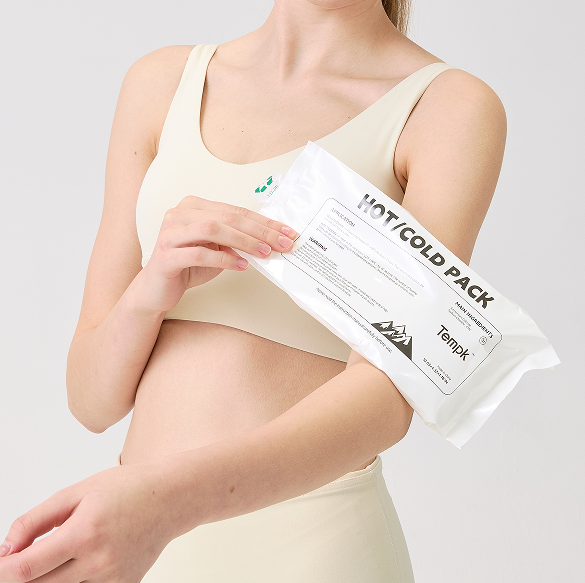
A Better Buying Guide to Gel Refrigeration Blocks For Meal Kit Distribution
gel refrigeration block meal kit distributor is best approached as a system decision, not a commodity purchase. A gel refrigeration block for meal kit distribution is a rigid or semi-rigid refrigerant element used when pack lines need fast counting, clean placement, and repeatable thermal mass. Compared with soft inserts, blocks usually take up more room but make standardization easier.
The most reliable buyers start with the route, product, and risk profile, then choose the refrigerant format that fits those conditions. Blocks are not automatically better than inserts. They work best when carton dimensions, recipe mix, insulation, and delivery promise are stable enough to benefit from a repeatable layout. That approach usually leads to better temperature control, cleaner handling, and fewer surprises when volume scales.
What the product is—and what it is not
Gel refrigeration blocks for meal kit distribution are best thought of as controlled cold sources inside a passive shipper. They are not active refrigeration, they are not universal compliance certificates, and they do not compensate for a poor carton layout. Their value lies in giving you a predictable thermal buffer that can be conditioned, counted, placed, and evaluated as part of a wider packaging system.
That distinction matters because buyers often over-focus on the refrigerant and under-focus on the route. Temperature control is created by the interaction between the cold source, the insulation, the payload, and the handling conditions. Once you view the product that way, supplier questions become clearer and format trade-offs become easier to judge.
How to match the cold source to the route
Start with the payload requirement and the real lane duration, including packing time, carrier dwell, last-mile exposure, and receiving delay. Then look at the insulated system, not just the refrigerant. A thinner pack in a well-fitted insulated carton can outperform a heavier pack in a poor layout. The objective is to hold the right band for long enough with the least unnecessary complexity.
Next, decide how much standardization the operation needs. If the same carton runs repeatedly with a stable product mix, rigid formats become easier to justify because they simplify count and placement. If box sizes or product loads change often, flexible inserts or linked packs may give better overall packaging efficiency. Finally, account for seasonality. Summer heat and winter cold can point to different conditioning states or even different approved pack-outs.
Materials, construction, and thermal behavior
Public product pages in the cold-chain market show that not all gel packs behave the same way. Refrigerated packs are commonly offered with formulations designed around a 0°C melt point, while frozen-distribution products may use suppressed-temperature formulas around -23°C or other lower set points. Some no-sweat formats add a woven or absorbent outer layer to control condensation. Rigid bricks may use a durable plastic shell around a gel or PCM core. Those differences affect freeze time, surface hardness, puncture resistance, moisture behavior, and the rate of heat transfer into the payload.
Geometry matters just as much as chemistry. Flat inserts maximize wall coverage, linked sheets wrap well around irregular contents, and rigid bricks deliver concentrated thermal mass with easier counting on the packing line. None of those formats is universally better. The right choice depends on available box space, the product layout, whether the route is chilled or frozen, and whether your operators need speed, flexibility, or strict pack-count discipline.
Conditioning is another major variable. A pack can be technically correct on paper and still fail in practice if it is under-frozen, over-frozen for the application, or staged too long at ambient before boxing. In many failed pack-outs, the problem is not the gel formula itself but inconsistent freezer conditions, unclear work instructions, or a mismatch between the pack state and the product requirement.
Quality and compliance boundaries
For food and dairy programs, the cold source has to support the actual safety objective of the shipment. Public guidance for direct-to-consumer food delivery emphasizes insulated packaging paired with frozen gel packs or other suitable coolants, and refrigerated foods generally need to stay in a safe chilled condition rather than drift into the temperature danger zone. That means buyers should evaluate the whole pack-out, not just the refrigerant case.
Material review matters as well. When a pack, liner, or adjacent surface may contact food or a food-contact layer, buyers should request the relevant food-contact information for the destination market. In the United States, food-contact substances are regulated by FDA, and in the EU, packaging that contacts food must meet safety rules intended to prevent harmful migration or changes to the food. Even when the cold pack is not in direct contact with food, those documentation habits usually signal a more disciplined supplier.
Why total cost of use is a better metric than piece price
A wholesaler quote usually makes the unit pack price visible and leaves the rest hidden. But operators still pay for freezer capacity, line labor, product-space displacement, extra corrugated volume, damaged labels, returns, and customer-service issues caused by poor presentation or temperature drift. That is why a slightly more expensive cold pack can still lower overall cost if it fits the carton better or reduces handling problems.
For the same reason, buyers should compare pack families with the insulated system they intend to use. The best-performing or most sustainable cold source on paper may not be the most economical once carton size, freight cost, and receiving conditions are added to the equation. Good distributors help teams see that broader picture.
Which format usually makes the most sense?
Buyers usually get farther by comparing formats in operational terms instead of asking which refrigerant is 'best' in the abstract. The right choice depends on how the box is packed, how sensitive the product is to direct cold contact, and how standardized the route and carton design really are.
| Format | Best when | Main strength | Main caution |
|---|---|---|---|
| Flat insert | Space-efficient mixed boxes | Good use of wall space and flexible placement | Harder to count and standardize in some lines |
| Gel block | Repeatable high-volume layouts | Fast counting, stable placement, and strong thermal mass | Takes more product space and may need separation from sensitive items |
| Linked blanket | Wrap-around cooling for irregular kits | Coverage across multiple SKU shapes | Less rigid and sometimes less convenient for fixed-count operations |
A useful rule is simple: if the pack-out is highly standardized and the product can tolerate a more rigid layout, bricks and blocks become more attractive. If the product mix changes often or the carton has many irregular gaps, flatter or more flexible formats usually give you better packaging efficiency.
A practical supplier checklist
Because the query behind gel refrigeration block meal kit distributor clearly carries bulk-buying intent, supplier selection should go beyond basic price and case quantity. A practical shortlist usually comes down to the questions below.
1. Block dimensions and corner geometry, because small shape differences can change how the block nests against trays and dividers.
2. Target conditioning time and freezer capacity needs, especially if you run multiple shifts.
3. Weight consistency from block to block, which affects both thermal behavior and line count accuracy.
4. Shell or outer-film durability during repeated handling on a busy pack line.
5. Whether the supplier supports standard and custom sizes for different box families.
6. Expected performance difference between summer and winter meal-kit lanes.
7. Return efficiency and reuse life if the block circulates in a closed-loop distribution model.
8. How quickly the supplier can scale from sample trials to production volumes without changing the part.
Notice how many of those questions are really about consistency rather than headline performance. At wholesale scale, stable dimensions, repeatable fill, clear conditioning instructions, and responsive technical support often matter more than impressive but isolated cold-retention claims.
Failure points buyers should not ignore
The most common weak points are silent and procedural: inconsistent freezer temperature, under-conditioned packs, changed film or fill without notice, poor product-to-pack separation, and pack-outs that were never revised for seasonal extremes. Those issues are often misdiagnosed as a general cold-pack failure when the real problem is process control.
Another failure point is documentation mismatch. Procurement may approve a pack based on weight and rough dimensions, while operations really need detailed conditioning instructions, tolerance control, receiving checks, and clarity on where the pack should sit in the carton. A supplier that cannot support those details is harder to scale, even if the sample looked acceptable.
A practical way to review the pack-out before scaling
Imagine a normal shipment in meal kit distribution: the product is packed at its intended starting temperature, the refrigerant is conditioned according to instructions, the insulated components are assembled on the line, and the box then sits through real carrier handoffs before final receipt. That simple scenario is more useful than an abstract cold-retention claim because it reveals whether the pack fits the carton cleanly, whether operators can place it consistently, and whether the payload is protected where it is most vulnerable.
Before full rollout, buyers should test more than one realistic condition. Look at a warm-day lane, a routine lane, and any route with an unusual handoff or receiving delay. A wholesaler that supports this kind of practical review usually adds far more value than one that only quotes the next lower case price.
FAQ
Why do meal-kit operators use blocks instead of inserts?
Mostly for repeatability. Blocks are easier to count and place, which can simplify high-volume packing.
Do blocks always hold longer than soft packs?
Not automatically. Shape, fill volume, formulation, and insulation pairing all matter.
Should a distributor help with pack-out design?
Ideally yes. A distributor that only ships blocks by the case adds less value than one that supports carton fit and route decisions.
Final takeaway
For most buyers, the winning choice is not the coldest pack or the thickest brick. It is the refrigerant format that gives the right temperature behavior, the cleanest handling, and the most dependable supply for the lanes you actually run. That is what turns a cold pack purchase into a stable operating standard.
About Tempk
At Tempk, we have focused on temperature-control products since 2011. Our range includes gel ice packs, insulated bags, insulation boxes, and other temperature-controlled packaging for food, pharmaceutical, and other sensitive shipments. We also support custom packaging solutions and publish quality-oriented information around insulation performance, phase-change behavior, and product testing. For teams evaluating ice bricks, gel packs, and insulated food-delivery packaging, we can help connect the cold source choice with the shipper design, route profile, and handling model.
Next step
If you are reviewing a current lane or planning a new one, ask for guidance based on the required temperature band, transit time, and pack format. For bulk or custom projects, it helps to compare the refrigerant and the insulated shipper together.
What a strong wholesaler or distributor should add
The best suppliers do more than deliver cases of cold packs. They help clarify which format fits which lane, provide documentation that operations can actually use, and keep sample-to-production consistency under control. That matters because temperature problems are often caused by ambiguous instructions and silent product variation rather than by the concept of the refrigerant itself.
At scale, procurement also depends on service basics: inventory reliability, replacement speed, technical response time, and the ability to support seasonal revisions. Those are not glamorous purchase criteria, but they often determine whether a packaging program stays stable over time.
Gel Pack Chemical Wholesaler: A Practical Buying Guide for Reliable Cold-Chain Performance
A Better Buying Guide to Gel Packs For Chemical Distribution
gel pack chemical wholesaler is best approached as a system decision, not a commodity purchase. A gel pack chemical wholesaler should help you choose the right pouch format, not just sell cold weight by the case. Flexible gel packs can wrap closely around bottles, pouches, and sample kits, but they must be paired with the right secondary packaging and matched to the product’s true temperature sensitivity.
The most reliable buyers start with the route, product, and risk profile, then choose the refrigerant format that fits those conditions. In chemical distribution, the safest choice is often the pack that gives adequate buffering with the least handling complexity, not the coldest pack on the pallet. That approach usually leads to better temperature control, cleaner handling, and fewer surprises when volume scales.
What the product is—and what it is not
Gel packs for chemical distribution are best thought of as controlled cold sources inside a passive shipper. They are not active refrigeration, they are not universal compliance certificates, and they do not compensate for a poor carton layout. Their value lies in giving you a predictable thermal buffer that can be conditioned, counted, placed, and evaluated as part of a wider packaging system.
That distinction matters because buyers often over-focus on the refrigerant and under-focus on the route. Temperature control is created by the interaction between the cold source, the insulation, the payload, and the handling conditions. Once you view the product that way, supplier questions become clearer and format trade-offs become easier to judge.
How to match the cold source to the route
Start with the payload requirement and the real lane duration, including packing time, carrier dwell, last-mile exposure, and receiving delay. Then look at the insulated system, not just the refrigerant. A thinner pack in a well-fitted insulated carton can outperform a heavier pack in a poor layout. The objective is to hold the right band for long enough with the least unnecessary complexity.
Next, decide how much standardization the operation needs. If the same carton runs repeatedly with a stable product mix, rigid formats become easier to justify because they simplify count and placement. If box sizes or product loads change often, flexible inserts or linked packs may give better overall packaging efficiency. Finally, account for seasonality. Summer heat and winter cold can point to different conditioning states or even different approved pack-outs.
Materials, construction, and thermal behavior
Public product pages in the cold-chain market show that not all gel packs behave the same way. Refrigerated packs are commonly offered with formulations designed around a 0°C melt point, while frozen-distribution products may use suppressed-temperature formulas around -23°C or other lower set points. Some no-sweat formats add a woven or absorbent outer layer to control condensation. Rigid bricks may use a durable plastic shell around a gel or PCM core. Those differences affect freeze time, surface hardness, puncture resistance, moisture behavior, and the rate of heat transfer into the payload.
Geometry matters just as much as chemistry. Flat inserts maximize wall coverage, linked sheets wrap well around irregular contents, and rigid bricks deliver concentrated thermal mass with easier counting on the packing line. None of those formats is universally better. The right choice depends on available box space, the product layout, whether the route is chilled or frozen, and whether your operators need speed, flexibility, or strict pack-count discipline.
Conditioning is another major variable. A pack can be technically correct on paper and still fail in practice if it is under-frozen, over-frozen for the application, or staged too long at ambient before boxing. In many failed pack-outs, the problem is not the gel formula itself but inconsistent freezer conditions, unclear work instructions, or a mismatch between the pack state and the product requirement.
Quality and compliance boundaries
For chemical shipments, the thermal question sits underneath a bigger packaging question: what rules apply to the chemical itself? If the material is hazardous, the offeror still has to follow the applicable transport regulations for packaging, marking, documentation, and handling. A gel insert or gel pack is only a thermal aid inside that broader compliant packaging design.
Warehouse and receiving rules matter too. Good laboratory and EHS guidance commonly requires secondary containment for liquid chemicals, appropriate labeling, and the use of refrigeration equipment suitable for the chemical class involved. It also warns against storing flammables in standard household-style refrigerators or freezers. In other words, the cold pack may help the shipment arrive in control, but it does not remove the need for sound storage and hazard management once the package is opened.
Why total cost of use is a better metric than piece price
A wholesaler quote usually makes the unit pack price visible and leaves the rest hidden. But operators still pay for freezer capacity, line labor, product-space displacement, extra corrugated volume, damaged labels, returns, and customer-service issues caused by poor presentation or temperature drift. That is why a slightly more expensive cold pack can still lower overall cost if it fits the carton better or reduces handling problems.
For the same reason, buyers should compare pack families with the insulated system they intend to use. The best-performing or most sustainable cold source on paper may not be the most economical once carton size, freight cost, and receiving conditions are added to the equation. Good distributors help teams see that broader picture.
Which format usually makes the most sense?
Buyers usually get farther by comparing formats in operational terms instead of asking which refrigerant is 'best' in the abstract. The right choice depends on how the box is packed, how sensitive the product is to direct cold contact, and how standardized the route and carton design really are.
| Format | Best when | Main strength | Main caution |
|---|---|---|---|
| Flexible gel pouch | Irregular bottles and small kits | Wraps closely and uses space efficiently | Can be vulnerable to puncture if packaging is poor |
| No-sweat gel pack | Paperwork-heavy or presentation-sensitive shipments | Helps manage condensation | Usually priced above a basic pouch |
| Rigid brick | Fixed layouts and reusable systems | Stable geometry and higher structural durability | Less adaptable around mixed SKU shapes |
A useful rule is simple: if the pack-out is highly standardized and the product can tolerate a more rigid layout, bricks and blocks become more attractive. If the product mix changes often or the carton has many irregular gaps, flatter or more flexible formats usually give you better packaging efficiency.
A practical supplier checklist
Because the query behind gel pack chemical wholesaler clearly carries bulk-buying intent, supplier selection should go beyond basic price and case quantity. A practical shortlist usually comes down to the questions below.
1. Film thickness and puncture resistance, especially if the pouch may contact glass bottles, sharp carton edges, or dense closures.
2. How the gel pack behaves when conditioned for chilled versus frozen service, and which state the product actually needs.
3. Whether the pouch size matches the secondary container and absorbent layout instead of crowding them out.
4. Labeling and lot traceability on the pack itself if your operation requires QA segregation.
5. Condensation control when SDS sheets, pick tickets, or paper labels travel with the shipment.
6. Supplier notice for any formula, film, or seal change that could affect validated pack-outs.
7. Case quantity and freezer-management implications, because soft packs can consume significant cold-room space at wholesale volume.
8. Support for testing or pilot runs before you commit to a high-volume purchasing program.
Notice how many of those questions are really about consistency rather than headline performance. At wholesale scale, stable dimensions, repeatable fill, clear conditioning instructions, and responsive technical support often matter more than impressive but isolated cold-retention claims.
Failure points buyers should not ignore
The most common weak points are silent and procedural: inconsistent freezer temperature, under-conditioned packs, changed film or fill without notice, poor product-to-pack separation, and pack-outs that were never revised for seasonal extremes. Those issues are often misdiagnosed as a general cold-pack failure when the real problem is process control.
Another failure point is documentation mismatch. Procurement may approve a pack based on weight and rough dimensions, while operations really need detailed conditioning instructions, tolerance control, receiving checks, and clarity on where the pack should sit in the carton. A supplier that cannot support those details is harder to scale, even if the sample looked acceptable.
A practical way to review the pack-out before scaling
Imagine a normal shipment in chemical distribution: the product is packed at its intended starting temperature, the refrigerant is conditioned according to instructions, the insulated components are assembled on the line, and the box then sits through real carrier handoffs before final receipt. That simple scenario is more useful than an abstract cold-retention claim because it reveals whether the pack fits the carton cleanly, whether operators can place it consistently, and whether the payload is protected where it is most vulnerable.
Before full rollout, buyers should test more than one realistic condition. Look at a warm-day lane, a routine lane, and any route with an unusual handoff or receiving delay. A wholesaler that supports this kind of practical review usually adds far more value than one that only quotes the next lower case price.
FAQ
Are flexible gel packs better than rigid bricks for chemicals?
They are often better for irregular containers, but rigid bricks may win when layout repeatability and durability matter more than conformity.
Can one wholesaler support both lab reagents and industrial chemicals?
Sometimes, but the supplier should understand the packaging differences rather than push one cold-pack style for every product.
Why should receiving teams care about packaging design?
Because unpacking, labeling, and proper transfer into storage are part of safe chemical handling, not just shipping.
Final takeaway
For most buyers, the winning choice is not the coldest pack or the thickest brick. It is the refrigerant format that gives the right temperature behavior, the cleanest handling, and the most dependable supply for the lanes you actually run. That is what turns a cold pack purchase into a stable operating standard.
About Tempk
At Tempk, we have focused on temperature-control products since 2011. Our range includes gel ice packs, insulated bags, insulation boxes, and other temperature-controlled packaging for food, pharmaceutical, and other sensitive shipments. We also support custom packaging solutions and publish quality-oriented information around insulation performance, phase-change behavior, and product testing. For teams evaluating cold-chain packaging components for sensitive goods, we can help connect the cold source choice with the shipper design, route profile, and handling model.
Next step
If you are reviewing a current lane or planning a new one, ask for guidance based on the required temperature band, transit time, and pack format. For bulk or custom projects, it helps to compare the refrigerant and the insulated shipper together.
What a strong wholesaler or distributor should add
The best suppliers do more than deliver cases of cold packs. They help clarify which format fits which lane, provide documentation that operations can actually use, and keep sample-to-production consistency under control. That matters because temperature problems are often caused by ambiguous instructions and silent product variation rather than by the concept of the refrigerant itself.
At scale, procurement also depends on service basics: inventory reliability, replacement speed, technical response time, and the ability to support seasonal revisions. Those are not glamorous purchase criteria, but they often determine whether a packaging program stays stable over time.
Gel Ice Pack Biotech Wholesaler: A Practical Buying Guide for Reliable Cold-Chain Performance

A Better Buying Guide to Gel Ice Packs For Biotech Logistics
gel ice pack biotech wholesaler is best approached as a system decision, not a commodity purchase. A gel ice pack for biotech wholesale is not chosen simply by weight; it is chosen by thermal behavior. In biotech logistics, the main question is whether the pack will hold the required band without freezing a reagent, assay, specimen, or biologic that is damaged by temperatures below target.
The most reliable buyers start with the route, product, and risk profile, then choose the refrigerant format that fits those conditions. A standard frozen gel pouch can work well for some products, but freeze-sensitive biotech payloads often need conditioned PCM or carefully separated pack-outs. That approach usually leads to better temperature control, cleaner handling, and fewer surprises when volume scales.
What the product is—and what it is not
Gel ice packs for biotech logistics are best thought of as controlled cold sources inside a passive shipper. They are not active refrigeration, they are not universal compliance certificates, and they do not compensate for a poor carton layout. Their value lies in giving you a predictable thermal buffer that can be conditioned, counted, placed, and evaluated as part of a wider packaging system.
That distinction matters because buyers often over-focus on the refrigerant and under-focus on the route. Temperature control is created by the interaction between the cold source, the insulation, the payload, and the handling conditions. Once you view the product that way, supplier questions become clearer and format trade-offs become easier to judge.
How to match the cold source to the route
Start with the payload requirement and the real lane duration, including packing time, carrier dwell, last-mile exposure, and receiving delay. Then look at the insulated system, not just the refrigerant. A thinner pack in a well-fitted insulated carton can outperform a heavier pack in a poor layout. The objective is to hold the right band for long enough with the least unnecessary complexity.
Next, decide how much standardization the operation needs. If the same carton runs repeatedly with a stable product mix, rigid formats become easier to justify because they simplify count and placement. If box sizes or product loads change often, flexible inserts or linked packs may give better overall packaging efficiency. Finally, account for seasonality. Summer heat and winter cold can point to different conditioning states or even different approved pack-outs.
Materials, construction, and thermal behavior
Public product pages in the cold-chain market show that not all gel packs behave the same way. Refrigerated packs are commonly offered with formulations designed around a 0°C melt point, while frozen-distribution products may use suppressed-temperature formulas around -23°C or other lower set points. Some no-sweat formats add a woven or absorbent outer layer to control condensation. Rigid bricks may use a durable plastic shell around a gel or PCM core. Those differences affect freeze time, surface hardness, puncture resistance, moisture behavior, and the rate of heat transfer into the payload.
Geometry matters just as much as chemistry. Flat inserts maximize wall coverage, linked sheets wrap well around irregular contents, and rigid bricks deliver concentrated thermal mass with easier counting on the packing line. None of those formats is universally better. The right choice depends on available box space, the product layout, whether the route is chilled or frozen, and whether your operators need speed, flexibility, or strict pack-count discipline.
Conditioning is another major variable. A pack can be technically correct on paper and still fail in practice if it is under-frozen, over-frozen for the application, or staged too long at ambient before boxing. In many failed pack-outs, the problem is not the gel formula itself but inconsistent freezer conditions, unclear work instructions, or a mismatch between the pack state and the product requirement.
Quality and compliance boundaries
Biotech logistics often sits between strict product quality management and commercial parcel reality. WHO guidance for time- and temperature-sensitive pharmaceutical products and similar GDP-style practices both point in the same direction: products should be transported within their accepted range using written procedures, environmental controls, and an evaluated shipping process. In practice, that means the cold source has to be selected as part of a managed pack-out rather than an afterthought.
Compliance also has a freeze-risk side. Public vaccine-handling guidance warns that some products can be damaged by freezing during transport if packed incorrectly with ice or other very cold refrigerants. The lesson for biotech buyers is broader than vaccines: know whether your payload is merely heat sensitive or also freeze sensitive, and choose the refrigerant formulation and separation method accordingly.
Why total cost of use is a better metric than piece price
A wholesaler quote usually makes the unit pack price visible and leaves the rest hidden. But operators still pay for freezer capacity, line labor, product-space displacement, extra corrugated volume, damaged labels, returns, and customer-service issues caused by poor presentation or temperature drift. That is why a slightly more expensive cold pack can still lower overall cost if it fits the carton better or reduces handling problems.
For the same reason, buyers should compare pack families with the insulated system they intend to use. The best-performing or most sustainable cold source on paper may not be the most economical once carton size, freight cost, and receiving conditions are added to the equation. Good distributors help teams see that broader picture.
Which format usually makes the most sense?
Buyers usually get farther by comparing formats in operational terms instead of asking which refrigerant is 'best' in the abstract. The right choice depends on how the box is packed, how sensitive the product is to direct cold contact, and how standardized the route and carton design really are.
| Format | Best when | Main strength | Main caution |
|---|---|---|---|
| Standard 0°C gel pack | General refrigerated biotech lanes | Widely available and cost-effective | Can be too cold for freeze-sensitive payloads if used incorrectly |
| Conditioned PCM near target band | Products with narrow tolerance | Better thermal control around the desired range | Higher cost and stricter conditioning discipline |
| Dry ice or deep-frozen solution | True frozen or ultra-cold requirements | Strong cold capacity for the right payload | Handling restrictions and freeze risk for products that are not meant to go frozen |
A useful rule is simple: if the pack-out is highly standardized and the product can tolerate a more rigid layout, bricks and blocks become more attractive. If the product mix changes often or the carton has many irregular gaps, flatter or more flexible formats usually give you better packaging efficiency.
A practical supplier checklist
Because the query behind gel ice pack biotech wholesaler clearly carries bulk-buying intent, supplier selection should go beyond basic price and case quantity. A practical shortlist usually comes down to the questions below.
1. Required temperature band and acceptable excursion profile for the actual payload, not a generic 'cold chain' label.
2. Eutectic or melting-point information for the refrigerant, especially if the product is freeze sensitive.
3. Pack geometry and placement options for narrow cartons, pouches, and sample kits where surface contact can be intense.
4. Moisture behavior. Sweat-resistant formats may protect kit inserts, IFUs, and carton graphics better than a standard film pouch.
5. Particle cleanliness, exterior finish, and packaging presentation if the product ships into clinical or laboratory environments.
6. Lot-to-lot consistency and change control, because small changes in fill or film can affect validated pack-outs.
7. Customization options for labels, dimensions, or pack combinations if you manage multiple kit sizes.
8. Technical support for preconditioning, lane review, and packaging-system integration rather than just cold-pack sales.
Notice how many of those questions are really about consistency rather than headline performance. At wholesale scale, stable dimensions, repeatable fill, clear conditioning instructions, and responsive technical support often matter more than impressive but isolated cold-retention claims.
Failure points buyers should not ignore
The most common weak points are silent and procedural: inconsistent freezer temperature, under-conditioned packs, changed film or fill without notice, poor product-to-pack separation, and pack-outs that were never revised for seasonal extremes. Those issues are often misdiagnosed as a general cold-pack failure when the real problem is process control.
Another failure point is documentation mismatch. Procurement may approve a pack based on weight and rough dimensions, while operations really need detailed conditioning instructions, tolerance control, receiving checks, and clarity on where the pack should sit in the carton. A supplier that cannot support those details is harder to scale, even if the sample looked acceptable.
A practical way to review the pack-out before scaling
Imagine a normal shipment in biotech logistics: the product is packed at its intended starting temperature, the refrigerant is conditioned according to instructions, the insulated components are assembled on the line, and the box then sits through real carrier handoffs before final receipt. That simple scenario is more useful than an abstract cold-retention claim because it reveals whether the pack fits the carton cleanly, whether operators can place it consistently, and whether the payload is protected where it is most vulnerable.
Before full rollout, buyers should test more than one realistic condition. Look at a warm-day lane, a routine lane, and any route with an unusual handoff or receiving delay. A wholesaler that supports this kind of practical review usually adds far more value than one that only quotes the next lower case price.
FAQ
When should biotech buyers move from a standard gel pack to PCM?
Usually when the product is sensitive to temperatures below the target band or when you need a narrower, more controlled thermal profile than a basic frozen pack can provide.
Are no-sweat packs worth paying for?
Often yes for kit-based biotech shipments. They can help protect paper inserts, labels, and moisture-sensitive components from condensation.
Does a gel pack alone make a biotech shipper validated?
No. Validation depends on the full packaging system, conditioning procedure, route profile, and the product’s actual acceptance criteria.
Final takeaway
For most buyers, the winning choice is not the coldest pack or the thickest brick. It is the refrigerant format that gives the right temperature behavior, the cleanest handling, and the most dependable supply for the lanes you actually run. That is what turns a cold pack purchase into a stable operating standard.
About Tempk
At Tempk, we have focused on temperature-control products since 2011. Our range includes gel ice packs, insulated bags, insulation boxes, and other temperature-controlled packaging for food, pharmaceutical, and other sensitive shipments. We also support custom packaging solutions and publish quality-oriented information around insulation performance, phase-change behavior, and product testing. For teams evaluating cold-chain packaging for pharmaceutical and temperature-sensitive shipments, we can help connect the cold source choice with the shipper design, route profile, and handling model.
Next step
If you are reviewing a current lane or planning a new one, ask for guidance based on the required temperature band, transit time, and pack format. For bulk or custom projects, it helps to compare the refrigerant and the insulated shipper together.
What a strong wholesaler or distributor should add
The best suppliers do more than deliver cases of cold packs. They help clarify which format fits which lane, provide documentation that operations can actually use, and keep sample-to-production consistency under control. That matters because temperature problems are often caused by ambiguous instructions and silent product variation rather than by the concept of the refrigerant itself.
At scale, procurement also depends on service basics: inventory reliability, replacement speed, technical response time, and the ability to support seasonal revisions. Those are not glamorous purchase criteria, but they often determine whether a packaging program stays stable over time.
Gel Ice Insert Meal Kit Wholesaler: A Practical Buying Guide for Reliable Cold-Chain Performance

A Better Buying Guide to Gel Ice Inserts For Meal Kit Shipping
gel ice insert meal kit wholesaler is best approached as a system decision, not a commodity purchase. A gel ice insert for meal kit wholesale programs is a passive refrigerant placed around proteins, dairy, and produce inside an insulated shipper. The right insert improves line speed and temperature stability, but only when it is matched to carton size, insulation, route length, and seasonal ambient conditions.
The most reliable buyers start with the route, product, and risk profile, then choose the refrigerant format that fits those conditions. A gel insert is a cooling component, not a complete shipping system. Meal kit performance depends on the full pack-out, including the liner, outer box, product arrangement, conditioning method, and delivery timing. That approach usually leads to better temperature control, cleaner handling, and fewer surprises when volume scales.
What the product is—and what it is not
Gel ice inserts for meal kit shipping are best thought of as controlled cold sources inside a passive shipper. They are not active refrigeration, they are not universal compliance certificates, and they do not compensate for a poor carton layout. Their value lies in giving you a predictable thermal buffer that can be conditioned, counted, placed, and evaluated as part of a wider packaging system.
That distinction matters because buyers often over-focus on the refrigerant and under-focus on the route. Temperature control is created by the interaction between the cold source, the insulation, the payload, and the handling conditions. Once you view the product that way, supplier questions become clearer and format trade-offs become easier to judge.
How to match the cold source to the route
Start with the payload requirement and the real lane duration, including packing time, carrier dwell, last-mile exposure, and receiving delay. Then look at the insulated system, not just the refrigerant. A thinner pack in a well-fitted insulated carton can outperform a heavier pack in a poor layout. The objective is to hold the right band for long enough with the least unnecessary complexity.
Next, decide how much standardization the operation needs. If the same carton runs repeatedly with a stable product mix, rigid formats become easier to justify because they simplify count and placement. If box sizes or product loads change often, flexible inserts or linked packs may give better overall packaging efficiency. Finally, account for seasonality. Summer heat and winter cold can point to different conditioning states or even different approved pack-outs.
Materials, construction, and thermal behavior
Public product pages in the cold-chain market show that not all gel packs behave the same way. Refrigerated packs are commonly offered with formulations designed around a 0°C melt point, while frozen-distribution products may use suppressed-temperature formulas around -23°C or other lower set points. Some no-sweat formats add a woven or absorbent outer layer to control condensation. Rigid bricks may use a durable plastic shell around a gel or PCM core. Those differences affect freeze time, surface hardness, puncture resistance, moisture behavior, and the rate of heat transfer into the payload.
Geometry matters just as much as chemistry. Flat inserts maximize wall coverage, linked sheets wrap well around irregular contents, and rigid bricks deliver concentrated thermal mass with easier counting on the packing line. None of those formats is universally better. The right choice depends on available box space, the product layout, whether the route is chilled or frozen, and whether your operators need speed, flexibility, or strict pack-count discipline.
Conditioning is another major variable. A pack can be technically correct on paper and still fail in practice if it is under-frozen, over-frozen for the application, or staged too long at ambient before boxing. In many failed pack-outs, the problem is not the gel formula itself but inconsistent freezer conditions, unclear work instructions, or a mismatch between the pack state and the product requirement.
Quality and compliance boundaries
For food and dairy programs, the cold source has to support the actual safety objective of the shipment. Public guidance for direct-to-consumer food delivery emphasizes insulated packaging paired with frozen gel packs or other suitable coolants, and refrigerated foods generally need to stay in a safe chilled condition rather than drift into the temperature danger zone. That means buyers should evaluate the whole pack-out, not just the refrigerant case.
Material review matters as well. When a pack, liner, or adjacent surface may contact food or a food-contact layer, buyers should request the relevant food-contact information for the destination market. In the United States, food-contact substances are regulated by FDA, and in the EU, packaging that contacts food must meet safety rules intended to prevent harmful migration or changes to the food. Even when the cold pack is not in direct contact with food, those documentation habits usually signal a more disciplined supplier.
Why total cost of use is a better metric than piece price
A wholesaler quote usually makes the unit pack price visible and leaves the rest hidden. But operators still pay for freezer capacity, line labor, product-space displacement, extra corrugated volume, damaged labels, returns, and customer-service issues caused by poor presentation or temperature drift. That is why a slightly more expensive cold pack can still lower overall cost if it fits the carton better or reduces handling problems.
For the same reason, buyers should compare pack families with the insulated system they intend to use. The best-performing or most sustainable cold source on paper may not be the most economical once carton size, freight cost, and receiving conditions are added to the equation. Good distributors help teams see that broader picture.
Which format usually makes the most sense?
Buyers usually get farther by comparing formats in operational terms instead of asking which refrigerant is 'best' in the abstract. The right choice depends on how the box is packed, how sensitive the product is to direct cold contact, and how standardized the route and carton design really are.
| Format | Best when | Main strength | Main caution |
|---|---|---|---|
| Flat insert | Tight cartons and layered pack-outs | Uses wall space efficiently and protects payload space | Can warm quickly if under-sized or poorly placed |
| Linked gel sheet | Irregular meal-kit layouts and wrap-around cooling | Fast placement and good coverage around mixed SKUs | Less rigid, so counting and stacking may be slower |
| Rigid gel brick | High-volume repeat pack-outs | Easy to count, place, and standardize on the line | Takes more space and may be too cold for some produce |
A useful rule is simple: if the pack-out is highly standardized and the product can tolerate a more rigid layout, bricks and blocks become more attractive. If the product mix changes often or the carton has many irregular gaps, flatter or more flexible formats usually give you better packaging efficiency.
A practical supplier checklist
Because the query behind gel ice insert meal kit wholesaler clearly carries bulk-buying intent, supplier selection should go beyond basic price and case quantity. A practical shortlist usually comes down to the questions below.
1. Internal and external dimensions, because a nominal weight tells you almost nothing about how the insert will really fit inside a meal-kit carton.
2. Conditioning method and target state at pack-out. Some lanes need a fully frozen insert, while others work better with a pre-chilled or partially conditioned cold source.
3. Film durability and seal integrity. Thin films can fail on fast lines where edges rub against corrugated walls or protein trays.
4. Condensation behavior. No-sweat or absorbent outer films can make a real difference when labels, recipe cards, or paper insulation are inside the same box.
5. Food-contact paperwork or application guidance if the pack may touch a primary food container or a liner surface that contacts food packaging.
6. Case quantity, pallet density, and freezer-space impact. A cheap insert can still be expensive if it consumes too much conditioning capacity.
7. Seasonal pack-out support. Serious suppliers should help you compare summer and winter layouts rather than pushing one pack size all year.
8. Sample-to-production consistency. Ask whether fill weight, dimensions, and seal design are controlled tightly enough to keep pack-outs repeatable at scale.
Notice how many of those questions are really about consistency rather than headline performance. At wholesale scale, stable dimensions, repeatable fill, clear conditioning instructions, and responsive technical support often matter more than impressive but isolated cold-retention claims.
Failure points buyers should not ignore
The most common weak points are silent and procedural: inconsistent freezer temperature, under-conditioned packs, changed film or fill without notice, poor product-to-pack separation, and pack-outs that were never revised for seasonal extremes. Those issues are often misdiagnosed as a general cold-pack failure when the real problem is process control.
Another failure point is documentation mismatch. Procurement may approve a pack based on weight and rough dimensions, while operations really need detailed conditioning instructions, tolerance control, receiving checks, and clarity on where the pack should sit in the carton. A supplier that cannot support those details is harder to scale, even if the sample looked acceptable.
A practical way to review the pack-out before scaling
Imagine a normal shipment in meal kit shipping: the product is packed at its intended starting temperature, the refrigerant is conditioned according to instructions, the insulated components are assembled on the line, and the box then sits through real carrier handoffs before final receipt. That simple scenario is more useful than an abstract cold-retention claim because it reveals whether the pack fits the carton cleanly, whether operators can place it consistently, and whether the payload is protected where it is most vulnerable.
Before full rollout, buyers should test more than one realistic condition. Look at a warm-day lane, a routine lane, and any route with an unusual handoff or receiving delay. A wholesaler that supports this kind of practical review usually adds far more value than one that only quotes the next lower case price.
FAQ
Are gel ice inserts better than dry ice for meal kits?
For chilled meal kits, often yes. Gel inserts are easier to handle and usually better suited to refrigerated rather than frozen food. Dry ice is generally reserved for products that must stay fully frozen.
Can one insert size cover every recipe box?
Usually not. Box geometry, protein load, insulation, and delivery promise all change the cold requirement, so most larger programs use more than one approved pack-out.
Do no-sweat packs matter for meal kits?
They can. When paper labels, cardboard dividers, or recipe leaflets are in the same box, condensation control can improve presentation and reduce soggy packaging.
Final takeaway
For most buyers, the winning choice is not the coldest pack or the thickest brick. It is the refrigerant format that gives the right temperature behavior, the cleanest handling, and the most dependable supply for the lanes you actually run. That is what turns a cold pack purchase into a stable operating standard.
About Tempk
At Tempk, we have focused on temperature-control products since 2011. Our range includes gel ice packs, insulated bags, insulation boxes, and other temperature-controlled packaging for food, pharmaceutical, and other sensitive shipments. We also support custom packaging solutions and publish quality-oriented information around insulation performance, phase-change behavior, and product testing. For teams evaluating food-delivery gel packs and insulated packaging, we can help connect the cold source choice with the shipper design, route profile, and handling model.
Next step
If you are reviewing a current lane or planning a new one, ask for guidance based on the required temperature band, transit time, and pack format. For bulk or custom projects, it helps to compare the refrigerant and the insulated shipper together.
Gel Ice Insert Chemical Wholesale: A Practical Buying Guide for Reliable Cold-Chain Performance
A Better Buying Guide to Gel Ice Inserts For Temperature-Sensitive Chemical Shipping
gel ice insert chemical wholesale is best approached as a system decision, not a commodity purchase. A gel ice insert for chemical wholesale is a passive cold source used around temperature-sensitive reagents or industrial formulations that must stay cool in transit. It helps buffer the package temperature, but it does not replace the packaging, labeling, or segregation rules that apply to the chemical itself.
The most reliable buyers start with the route, product, and risk profile, then choose the refrigerant format that fits those conditions. Not every chemical should be packed like food or medical goods. Compatibility, leak containment, and hazard classification come first. That approach usually leads to better temperature control, cleaner handling, and fewer surprises when volume scales.
What the product is—and what it is not
Gel ice inserts for temperature-sensitive chemical shipping are best thought of as controlled cold sources inside a passive shipper. They are not active refrigeration, they are not universal compliance certificates, and they do not compensate for a poor carton layout. Their value lies in giving you a predictable thermal buffer that can be conditioned, counted, placed, and evaluated as part of a wider packaging system.
That distinction matters because buyers often over-focus on the refrigerant and under-focus on the route. Temperature control is created by the interaction between the cold source, the insulation, the payload, and the handling conditions. Once you view the product that way, supplier questions become clearer and format trade-offs become easier to judge.
How to match the cold source to the route
Start with the payload requirement and the real lane duration, including packing time, carrier dwell, last-mile exposure, and receiving delay. Then look at the insulated system, not just the refrigerant. A thinner pack in a well-fitted insulated carton can outperform a heavier pack in a poor layout. The objective is to hold the right band for long enough with the least unnecessary complexity.
Next, decide how much standardization the operation needs. If the same carton runs repeatedly with a stable product mix, rigid formats become easier to justify because they simplify count and placement. If box sizes or product loads change often, flexible inserts or linked packs may give better overall packaging efficiency. Finally, account for seasonality. Summer heat and winter cold can point to different conditioning states or even different approved pack-outs.
Materials, construction, and thermal behavior
Public product pages in the cold-chain market show that not all gel packs behave the same way. Refrigerated packs are commonly offered with formulations designed around a 0°C melt point, while frozen-distribution products may use suppressed-temperature formulas around -23°C or other lower set points. Some no-sweat formats add a woven or absorbent outer layer to control condensation. Rigid bricks may use a durable plastic shell around a gel or PCM core. Those differences affect freeze time, surface hardness, puncture resistance, moisture behavior, and the rate of heat transfer into the payload.
Geometry matters just as much as chemistry. Flat inserts maximize wall coverage, linked sheets wrap well around irregular contents, and rigid bricks deliver concentrated thermal mass with easier counting on the packing line. None of those formats is universally better. The right choice depends on available box space, the product layout, whether the route is chilled or frozen, and whether your operators need speed, flexibility, or strict pack-count discipline.
Conditioning is another major variable. A pack can be technically correct on paper and still fail in practice if it is under-frozen, over-frozen for the application, or staged too long at ambient before boxing. In many failed pack-outs, the problem is not the gel formula itself but inconsistent freezer conditions, unclear work instructions, or a mismatch between the pack state and the product requirement.
Quality and compliance boundaries
For chemical shipments, the thermal question sits underneath a bigger packaging question: what rules apply to the chemical itself? If the material is hazardous, the offeror still has to follow the applicable transport regulations for packaging, marking, documentation, and handling. A gel insert or gel pack is only a thermal aid inside that broader compliant packaging design.
Warehouse and receiving rules matter too. Good laboratory and EHS guidance commonly requires secondary containment for liquid chemicals, appropriate labeling, and the use of refrigeration equipment suitable for the chemical class involved. It also warns against storing flammables in standard household-style refrigerators or freezers. In other words, the cold pack may help the shipment arrive in control, but it does not remove the need for sound storage and hazard management once the package is opened.
Why total cost of use is a better metric than piece price
A wholesaler quote usually makes the unit pack price visible and leaves the rest hidden. But operators still pay for freezer capacity, line labor, product-space displacement, extra corrugated volume, damaged labels, returns, and customer-service issues caused by poor presentation or temperature drift. That is why a slightly more expensive cold pack can still lower overall cost if it fits the carton better or reduces handling problems.
For the same reason, buyers should compare pack families with the insulated system they intend to use. The best-performing or most sustainable cold source on paper may not be the most economical once carton size, freight cost, and receiving conditions are added to the equation. Good distributors help teams see that broader picture.
Which format usually makes the most sense?
Buyers usually get farther by comparing formats in operational terms instead of asking which refrigerant is 'best' in the abstract. The right choice depends on how the box is packed, how sensitive the product is to direct cold contact, and how standardized the route and carton design really are.
| Format | Best when | Main strength | Main caution |
|---|---|---|---|
| Flat insert | Narrow cartons and side-wall buffering | Efficient use of space around bottles or kits | Limited thermal mass if the lane is longer than expected |
| Rigid brick | Stable layouts and stronger cold capacity | Predictable placement and durability | Less adaptable around irregular containers |
| Conditioned PCM pack | Products sensitive to overcooling | Can reduce the risk of aggressive cold contact | Higher complexity and sourcing cost |
A useful rule is simple: if the pack-out is highly standardized and the product can tolerate a more rigid layout, bricks and blocks become more attractive. If the product mix changes often or the carton has many irregular gaps, flatter or more flexible formats usually give you better packaging efficiency.
A practical supplier checklist
Because the query behind gel ice insert chemical wholesale clearly carries bulk-buying intent, supplier selection should go beyond basic price and case quantity. A practical shortlist usually comes down to the questions below.
1. Chemical compatibility with the outer film, shell, and any likely leak environment if the primary container fails.
2. How the insert fits with secondary containment, absorbents, and dividers already used in the package.
3. Whether the pack is intended for refrigerated conditioning, frozen conditioning, or both.
4. Puncture resistance and seal design under the handling conditions of your warehouse and carriers.
5. Condensation behavior, especially when labels, SDS packets, or paper documents ride with the shipment.
6. Lot traceability and change control, which matter more when a pack-out is part of a validated or regulated shipping process.
7. Supplier support for qualifying the insert in combination with your chosen outer packaging and containment layers.
8. Clear guidance on storage and conditioning so warehouse teams do not improvise the pack state.
Notice how many of those questions are really about consistency rather than headline performance. At wholesale scale, stable dimensions, repeatable fill, clear conditioning instructions, and responsive technical support often matter more than impressive but isolated cold-retention claims.
Failure points buyers should not ignore
The most common weak points are silent and procedural: inconsistent freezer temperature, under-conditioned packs, changed film or fill without notice, poor product-to-pack separation, and pack-outs that were never revised for seasonal extremes. Those issues are often misdiagnosed as a general cold-pack failure when the real problem is process control.
Another failure point is documentation mismatch. Procurement may approve a pack based on weight and rough dimensions, while operations really need detailed conditioning instructions, tolerance control, receiving checks, and clarity on where the pack should sit in the carton. A supplier that cannot support those details is harder to scale, even if the sample looked acceptable.
A practical way to review the pack-out before scaling
Imagine a normal shipment in temperature-sensitive chemical distribution: the product is packed at its intended starting temperature, the refrigerant is conditioned according to instructions, the insulated components are assembled on the line, and the box then sits through real carrier handoffs before final receipt. That simple scenario is more useful than an abstract cold-retention claim because it reveals whether the pack fits the carton cleanly, whether operators can place it consistently, and whether the payload is protected where it is most vulnerable.
Before full rollout, buyers should test more than one realistic condition. Look at a warm-day lane, a routine lane, and any route with an unusual handoff or receiving delay. A wholesaler that supports this kind of practical review usually adds far more value than one that only quotes the next lower case price.
FAQ
Does a gel insert make a hazardous shipment compliant?
No. It can help manage temperature, but hazardous-material compliance depends on the chemical classification and the applicable packaging, marking, and documentation rules.
Can I use the same gel insert for food and chemicals?
Only if the material fit, packaging design, and contamination risk are acceptable for both applications. Many operations keep those choices separate.
Why do chemical buyers ask about secondary containment?
Because a cold source has to work with leak protection, absorbents, and container restraint rather than interfere with them.
Final takeaway
For most buyers, the winning choice is not the coldest pack or the thickest brick. It is the refrigerant format that gives the right temperature behavior, the cleanest handling, and the most dependable supply for the lanes you actually run. That is what turns a cold pack purchase into a stable operating standard.
About Tempk
At Tempk, we have focused on temperature-control products since 2011. Our range includes gel ice packs, insulated bags, insulation boxes, and other temperature-controlled packaging for food, pharmaceutical, and other sensitive shipments. We also support custom packaging solutions and publish quality-oriented information around insulation performance, phase-change behavior, and product testing. For teams evaluating temperature-controlled packaging for sensitive shipments, we can help connect the cold source choice with the shipper design, route profile, and handling model.
Next step
If you are reviewing a current lane or planning a new one, ask for guidance based on the required temperature band, transit time, and pack format. For bulk or custom projects, it helps to compare the refrigerant and the insulated shipper together.
What a strong wholesaler or distributor should add
The best suppliers do more than deliver cases of cold packs. They help clarify which format fits which lane, provide documentation that operations can actually use, and keep sample-to-production consistency under control. That matters because temperature problems are often caused by ambiguous instructions and silent product variation rather than by the concept of the refrigerant itself.
At scale, procurement also depends on service basics: inventory reliability, replacement speed, technical response time, and the ability to support seasonal revisions. Those are not glamorous purchase criteria, but they often determine whether a packaging program stays stable over time.
Gel Ice Insert Blood Distributor: A Practical Buying Guide for Reliable Cold-Chain Performance

A Better Buying Guide to Gel Ice Inserts For Blood Transport
gel ice insert blood distributor is best approached as a system decision, not a commodity purchase. A gel ice insert for blood distribution is best understood as a refrigerant component inside a controlled transport system. It can help buffer temperature and limit warm-up, but it does not by itself make a blood shipment compliant or safe.
The most reliable buyers start with the route, product, and risk profile, then choose the refrigerant format that fits those conditions. Blood and blood components have component-specific storage and transport requirements; colder is not always better, and additional qualification may be needed. That approach usually leads to better temperature control, cleaner handling, and fewer surprises when volume scales.
What the product is—and what it is not
Gel ice inserts for blood transport are best thought of as controlled cold sources inside a passive shipper. They are not active refrigeration, they are not universal compliance certificates, and they do not compensate for a poor carton layout. Their value lies in giving you a predictable thermal buffer that can be conditioned, counted, placed, and evaluated as part of a wider packaging system.
That distinction matters because buyers often over-focus on the refrigerant and under-focus on the route. Temperature control is created by the interaction between the cold source, the insulation, the payload, and the handling conditions. Once you view the product that way, supplier questions become clearer and format trade-offs become easier to judge.
How to match the cold source to the route
Start with the payload requirement and the real lane duration, including packing time, carrier dwell, last-mile exposure, and receiving delay. Then look at the insulated system, not just the refrigerant. A thinner pack in a well-fitted insulated carton can outperform a heavier pack in a poor layout. The objective is to hold the right band for long enough with the least unnecessary complexity.
Next, decide how much standardization the operation needs. If the same carton runs repeatedly with a stable product mix, rigid formats become easier to justify because they simplify count and placement. If box sizes or product loads change often, flexible inserts or linked packs may give better overall packaging efficiency. Finally, account for seasonality. Summer heat and winter cold can point to different conditioning states or even different approved pack-outs.
Materials, construction, and thermal behavior
Public product pages in the cold-chain market show that not all gel packs behave the same way. Refrigerated packs are commonly offered with formulations designed around a 0°C melt point, while frozen-distribution products may use suppressed-temperature formulas around -23°C or other lower set points. Some no-sweat formats add a woven or absorbent outer layer to control condensation. Rigid bricks may use a durable plastic shell around a gel or PCM core. Those differences affect freeze time, surface hardness, puncture resistance, moisture behavior, and the rate of heat transfer into the payload.
Geometry matters just as much as chemistry. Flat inserts maximize wall coverage, linked sheets wrap well around irregular contents, and rigid bricks deliver concentrated thermal mass with easier counting on the packing line. None of those formats is universally better. The right choice depends on available box space, the product layout, whether the route is chilled or frozen, and whether your operators need speed, flexibility, or strict pack-count discipline.
Conditioning is another major variable. A pack can be technically correct on paper and still fail in practice if it is under-frozen, over-frozen for the application, or staged too long at ambient before boxing. In many failed pack-outs, the problem is not the gel formula itself but inconsistent freezer conditions, unclear work instructions, or a mismatch between the pack state and the product requirement.
Quality and compliance boundaries
Blood distribution is a cold-chain discipline, not a packaging shortcut. WHO describes the blood cold chain as the system that stores and transports blood and blood products within the correct temperature range and conditions from collection to transfusion. That means a gel insert must be considered alongside the transport box, conditioning method, route profile, receiving checks, and product-specific handling instructions.
If the shipment includes samples or other biological materials, packaging rules may add leakproof primary and secondary layers, absorbents, and the required outer markings. A refrigerant insert can support the thermal objective, but it does not replace the broader packaging requirements for biological transport. Buyers should therefore ask suppliers for technical fit and quality consistency rather than assuming any medical-looking cold pack is appropriate.
Why total cost of use is a better metric than piece price
A wholesaler quote usually makes the unit pack price visible and leaves the rest hidden. But operators still pay for freezer capacity, line labor, product-space displacement, extra corrugated volume, damaged labels, returns, and customer-service issues caused by poor presentation or temperature drift. That is why a slightly more expensive cold pack can still lower overall cost if it fits the carton better or reduces handling problems.
For the same reason, buyers should compare pack families with the insulated system they intend to use. The best-performing or most sustainable cold source on paper may not be the most economical once carton size, freight cost, and receiving conditions are added to the equation. Good distributors help teams see that broader picture.
Which format usually makes the most sense?
Buyers usually get farther by comparing formats in operational terms instead of asking which refrigerant is 'best' in the abstract. The right choice depends on how the box is packed, how sensitive the product is to direct cold contact, and how standardized the route and carton design really are.
| Format | Best when | Main strength | Main caution |
|---|---|---|---|
| Flat insert | Compact medical cartons and side-wall buffering | Efficient use of space and controlled separation from the payload | Can create uneven contact if the layout is not carefully designed |
| Rigid plate or brick | Reusable transport boxes and stable layouts | Predictable placement and strong handling durability | May be too aggressive unless insulated or separated from the product |
| Conditioned PCM element | Narrower temperature-band control | Better fit when freeze protection matters as much as cooling | Usually costs more and requires tighter conditioning discipline |
A useful rule is simple: if the pack-out is highly standardized and the product can tolerate a more rigid layout, bricks and blocks become more attractive. If the product mix changes often or the carton has many irregular gaps, flatter or more flexible formats usually give you better packaging efficiency.
A practical supplier checklist
Because the query behind gel ice insert blood distributor clearly carries bulk-buying intent, supplier selection should go beyond basic price and case quantity. A practical shortlist usually comes down to the questions below.
1. The exact target temperature band for the product type you move, along with conditioning instructions that support that band rather than just 'freeze and ship'.
2. How the insert should be separated from the blood unit, pouch, or sample to avoid direct cold shock.
3. Lot traceability and labeling, because medical logistics often require tighter documentation and inventory control than food lanes.
4. Leak resistance, seal quality, and puncture behavior under repeated transport handling.
5. Compatibility with the transport box, dividers, absorbents, and any monitoring devices you already use.
6. Whether the supplier can hold dimensions and fill weight tightly enough for validated pack-outs across many facilities.
7. Change-control practices. Medical routes are sensitive to silent substitutions in film, gel formula, or shell geometry.
8. Support for qualification work, including repeat samples, preconditioning guidance, and clear technical documentation.
Notice how many of those questions are really about consistency rather than headline performance. At wholesale scale, stable dimensions, repeatable fill, clear conditioning instructions, and responsive technical support often matter more than impressive but isolated cold-retention claims.
Failure points buyers should not ignore
The most common weak points are silent and procedural: inconsistent freezer temperature, under-conditioned packs, changed film or fill without notice, poor product-to-pack separation, and pack-outs that were never revised for seasonal extremes. Those issues are often misdiagnosed as a general cold-pack failure when the real problem is process control.
Another failure point is documentation mismatch. Procurement may approve a pack based on weight and rough dimensions, while operations really need detailed conditioning instructions, tolerance control, receiving checks, and clarity on where the pack should sit in the carton. A supplier that cannot support those details is harder to scale, even if the sample looked acceptable.
A practical way to review the pack-out before scaling
Imagine a normal shipment in blood transport: the product is packed at its intended starting temperature, the refrigerant is conditioned according to instructions, the insulated components are assembled on the line, and the box then sits through real carrier handoffs before final receipt. That simple scenario is more useful than an abstract cold-retention claim because it reveals whether the pack fits the carton cleanly, whether operators can place it consistently, and whether the payload is protected where it is most vulnerable.
Before full rollout, buyers should test more than one realistic condition. Look at a warm-day lane, a routine lane, and any route with an unusual handoff or receiving delay. A wholesaler that supports this kind of practical review usually adds far more value than one that only quotes the next lower case price.
FAQ
Can a gel insert be used without a qualified transport box?
It should not be treated that way. The insert only works as intended when paired with an appropriate container, conditioning method, and route-specific pack-out.
How do teams avoid freezing blood products?
By controlling pack temperature, using separation layers where needed, and validating the pack-out against the actual route rather than guessing from pack weight alone.
Do diagnostic blood samples need different packaging rules?
Often yes. Depending on classification, sample shipments may need leakproof primary and secondary packaging, absorbents, and the required outer markings.
Final takeaway
For most buyers, the winning choice is not the coldest pack or the thickest brick. It is the refrigerant format that gives the right temperature behavior, the cleanest handling, and the most dependable supply for the lanes you actually run. That is what turns a cold pack purchase into a stable operating standard.
About Tempk
At Tempk, we have focused on temperature-control products since 2011. Our range includes gel ice packs, insulated bags, insulation boxes, and other temperature-controlled packaging for food, pharmaceutical, and other sensitive shipments. We also support custom packaging solutions and publish quality-oriented information around insulation performance, phase-change behavior, and product testing. For teams evaluating temperature-controlled packaging for medical and pharmaceutical transport, we can help connect the cold source choice with the shipper design, route profile, and handling model.
Next step
If you are reviewing a current lane or planning a new one, ask for guidance based on the required temperature band, transit time, and pack format. For bulk or custom projects, it helps to compare the refrigerant and the insulated shipper together.
What a strong wholesaler or distributor should add
The best suppliers do more than deliver cases of cold packs. They help clarify which format fits which lane, provide documentation that operations can actually use, and keep sample-to-production consistency under control. That matters because temperature problems are often caused by ambiguous instructions and silent product variation rather than by the concept of the refrigerant itself.
At scale, procurement also depends on service basics: inventory reliability, replacement speed, technical response time, and the ability to support seasonal revisions. Those are not glamorous purchase criteria, but they often determine whether a packaging program stays stable over time.
Gel Coolant Pack Pharmaceutical Manufacturer
Gel Coolant Pack Pharmaceutical Manufacturer: Complete 2026 Guide
The search phrase "gel coolant pack pharmaceutical manufacturer" usually means you are trying to protect vaccines, biologics, and injectables without slowing down your operation or adding avoidable cost. That takes more than a cold pack. It takes the right gel coolant pack, the right conditioning rule, and a packout that still works when the route or weather stops being ideal.
A good gel coolant pack program should feel boring in the best possible way. It should behave the same on Monday as it does during a Friday rush, and the instructions should be simple enough for new staff to follow. That kind of repeatability is what protects you from excursions, freeze damage, and release delays. This article blends the buyer view, the technical view, and the market view so you can make one decision that is safer in the lab, on the dock, and in procurement.
What This Article Will Answer
- How a gel coolant pack should perform on real routes, not just in a freezer room.
- Which buying signals matter most for validated cold chain packaging.
- How to compare pack format, conditioning rules, and 2–8°C shipping packs.
- What documentation, validation, and lot control you should expect from a manufacturer.
- Which 2026 trends are changing sourcing for pharmaceutical cold chain.
What Makes a High-Performing Gel Coolant Pack in 2026?
A high-performing gel coolant pack in 2026 does three jobs at once: it protects the product, fits the workflow, and gives evidence you can trust. For vaccines, biologics, and injectables, the pack should control the temperature band without forcing your team into slow or fragile packout steps. That is why the best solutions are designed as systems, not as standalone cold items.
The system view combines the refrigerant format, insulation level, carton size, pack placement, and conditioning rule. When those elements line up, you get steadier arrivals and fewer exceptions. When they do not line up, even a good gel pack becomes expensive because it creates rework, complaints, or avoidable waste.
The Best Pack Is the One That Works Under Pressure
A useful buying standard is simple: would this pack still perform on a rushed shift, on a hot dock, and on the longest realistic route? If the answer depends on perfect timing or heroic handling, it is not a robust design. The practical winner is the packout your operation can repeat correctly every day.
| Performance pillar | What good looks like | Why it matters | Fast check |
|---|---|---|---|
| Thermal fit | Right band for the lane and payload | Protects product quality | Compare against worst-case route |
| Operational fit | Clear conditioning and placement rules | Cuts human error | Test with the actual packout team |
| Evidence fit | Traceable results and documents | Supports QA and procurement | Review trial records and lot control |
Practical Tips
- Define success before you trial: range, duration, and process limits.
- Use the same box family and dunnage you plan to use after launch.
- Judge performance at arrival, not only at dispatch.
Practical case example: a distributor improved both compliance and labor efficiency by simplifying the packout layout around a route-matched gel format instead of adding more packs to an old design.
How Do You Select and Condition It Correctly?
Selecting and conditioning gel coolant pack correctly starts with the product’s allowed range and the route’s worst realistic delay. From there, review pack geometry, product contact, void space, and whether the payload is freeze-sensitive. The right thermal mass is the minimum that safely covers the risk, not the maximum you can fit in the box.
Conditioning is just as important as product design. Even a strong pack can fail if soak time is too short, if the freezer setpoint drifts, or if the pack sits warm on the line for too long before box close. Clear staging limits turn a promising design into a dependable one.
Use One Conditioning Rule Per SKU and Box Family
Complex instructions increase error, especially during peak periods. A short, visual SOP that defines freezer temperature, soak time, staging time, and pack placement is easier to audit and easier to repeat. If one format must serve several routes, create route tiers and seasonal rules instead of letting each shift improvise.
| Selection factor | What to review | Typical failure | Best response |
|---|---|---|---|
| Target range | Product label and tolerance | Freeze or warm drift | Choose the correct control band first |
| Pack geometry | Contact area and box fit | Cold spots or short hold | Match shape to product and shipper |
| Conditioning SOP | Soak and staging discipline | Inconsistent outcomes | Standardize freezer and line rules |
Practical Tips
- Treat conditioning time as a controlled parameter, not a suggestion.
- Do a simple dry-run with operators before live validation.
- Separate fragile or freeze-sensitive products from direct pack contact when needed.
Practical case example: a cosmetic shipment stopped arriving overcooled after the team changed both the conditioning window and the pack position. The pack itself did not need to be replaced.
How Do You Compare Suppliers on Proof, Not Promises?
Supplier comparison works best when you rank proof, process control, and support above slogans. A capable manufacturer should explain the intended temperature band, show how the pack was qualified, and tell you how they control lot-to-lot variation. They should also make it easy for your receiving and QA teams to inspect what arrives.
In many buying decisions, the difference between two acceptable products comes from service quality. Can the supplier respond when a lane changes? Can they support local stock or a faster redesign? Can they explain the cause of an exception without guesswork? Those answers often matter more than a small unit-price gap.
Build a Scorecard That Procurement and QA Can Share
A simple shared scorecard keeps the decision honest. Score thermal fit, documentation, operational ease, lead time, and sustainability as separate lines. When procurement, operations, and QA all see the same criteria, you reduce the chance of choosing a pack that looks cheap but creates expensive exceptions later.
| Scorecard line | What to ask | Strong signal | Business value |
|---|---|---|---|
| Thermal fit | Which route and range is it built for? | Specific lane logic and evidence | Safer launches and fewer retries |
| Quality control | How is consistency maintained? | Defined checks and readable lot codes | Faster investigations and cleaner receiving |
| Support model | How are issues handled after launch? | Clear escalation and responsive changes | Less downtime and fewer emergency fixes |
Practical Tips
- Ask for trial support before the first large order.
- Review both normal supply and peak-season contingency support.
- Keep quality and commercial review in the same supplier file.
Practical case example: one buyer selected a slightly higher-priced supplier because the documentation, lot coding, and route support were stronger. The program saved money later by avoiding repeat failures.
How Do Compliance and Sustainability Shape the Program?
Compliance, sustainability, and operations now shape the same buying decision. For many programs that means aligning the pack with route-based testing, documented storage and distribution procedures, and packaging designs that do not waste material or freight. The direction of travel is clear: prove performance and remove unnecessary mass.
Standards such as WHO guidance, FDA warehousing and distribution rules, EU GDP, IATA handling rules, and route-based test methods all reinforce the same lesson. Control the route, document the process, and make the result traceable. At the same time, upcoming packaging waste pressure means buyers are looking harder at reuse, recyclability, and right-sized systems.
The Leanest System Is Usually the Best-Documented System
When your packout is mapped, validated, and easy to repeat, you stop solving problems by throwing in extra gel or extra corrugate. That lowers cost, reduces waste, and improves confidence across the supply chain. The best 2026 programs are not simply colder. They are better designed and easier to defend.
| Decision area | 2026 expectation | What to document | Benefit to you |
|---|---|---|---|
| Compliance | Clear storage and distribution control | SOPs, lot traceability, trial logic | Stronger audit readiness |
| Sustainability | Less waste and smarter material use | Reuse or right-size rationale | Lower freight and packaging burden |
| Operations | Repeatable packout at scale | Training steps and exception handling | Fewer errors during peak volume |
Practical Tips
- Review waste and excursion rate together, not as separate projects.
- Prefer changes that simplify packout as well as cut material.
- Update the documentation when the lane changes, not months later.
Practical case example: a pharmaceutical distributor cut both packaging waste and exception rate after replacing a bulky generic packout with a leaner, documented, route-tested design.
2026 Trends for Gel Coolant Pack Pharmaceutical Manufacturer
In 2026, the direction for gel coolant pack pharmaceutical manufacturer is clear: better evidence, better route fit, and less waste. Across pharmaceutical cold chain, buyers increasingly want refrigerant formats that are easier to qualify and easier to repeat on the floor. That is why documented conditioning, packout drawings, and simple exception workflows now matter almost as much as raw cooling power.
Many refrigerated healthcare products still center on a 2–8°C range, so freeze avoidance remains just as important as warm-side protection. DSCSA keeps U.S. trading partners focused on package-level traceability, which means packaging decisions increasingly sit alongside data and documentation workflows. ISTA’s 7E thermal profiles, built from real-world transport data, continue to encourage route-based comparisons instead of generic hold-time claims.
Latest Developments at a Glance
- WHO guidance still treats temperature-sensitive pharmaceutical distribution as a full system that includes storage, transport, monitoring, and procedures.
- FDA continues to tie safe warehousing and distribution to written procedures, temperature control, and traceability, while DSCSA workflows keep pushing supply chains toward stronger electronic product tracking.
- For U.S. small dispensers, FDA exemptions on some enhanced DSCSA requirements run through November 27, 2026, which keeps packaging, documentation, and partner-readiness planning in focus this year.
Frequently Asked Questions
How long can gel coolant pack pharmaceutical manufacturer hold temperature?
There is no honest single number because hold time depends on route duration, insulation, payload mass, ambient exposure, and conditioning quality. Ask for evidence tied to your box and lane, not a broad claim taken from a different setup.
How do you prevent freeze damage when using gel coolant pack pharmaceutical manufacturer?
Use the right control band, avoid direct contact when the product is freeze-sensitive, and validate with sensors placed near the cold-risk zone. A pack that is too cold can be just as harmful as a pack that is too warm.
What documents should a manufacturer provide for gel coolant pack pharmaceutical manufacturer?
At minimum, look for specifications, lot identification, conditioning instructions, packout guidance, and any route or profile-based performance evidence. For regulated sectors, you may also need documentation that supports QA review and investigations.
Is reusable gel coolant pack always the best option?
No. Reuse only wins when you have a realistic return loop, cleaning rules, inspection criteria, and enough cycles to beat one-way cost. If the reverse flow is weak, a lean single-use design can be the better business decision.
How should you test gel coolant pack pharmaceutical manufacturer before rollout?
Start with the worst realistic lane, the planned box and dunnage, and sensor placement near the product risk points. Then repeat the test with documented conditioning and packout steps so you know the outcome is repeatable, not lucky.
Summary and Recommendations
The best gel coolant pack pharmaceutical manufacturer is the one that matches your temperature target, route, box, and operating reality. It should protect the payload, stay repeatable under pressure, and come with enough evidence for receiving, QA, and procurement to trust it. That means judging format, conditioning, documentation, and supplier support together instead of treating them as separate decisions.
If you are reviewing options now, start with your highest-risk lane, define the allowed temperature band, and score suppliers on proof rather than promises. Then simplify the SOP until your team can repeat it consistently. That is the fastest path to safer deliveries and lower total cost.
About Tempk
Tempk describes itself as a cold-chain packaging specialist founded in 2011, with Shanghai-based operations, multiple factories, and a focus on temperature-controlled packaging for food, healthcare, and pharmaceutical use. Its published product range includes gel packs, ice bricks, insulated boxes, and related cold-chain materials.
Tempk also states that its R&D and manufacturing capabilities support route-fit packaging design, testing, and repeatable packout solutions. If you are comparing programs, the practical next step is to review your route, product temperature range, and packout workflow before selecting a final configuration.
Gel Cold Compress Tissue Sample Distributor

Gel Cold Compress Tissue Sample Distributor: Complete 2026 Guide
The search phrase "gel cold compress tissue sample distributor" usually means you are trying to protect biopsy samples, diagnostic tissue, and short-haul lab specimens without slowing down your operation or adding avoidable cost. That takes more than a cold pack. It takes the right gel cold compress, the right conditioning rule, and a packout that still works when the route or weather stops being ideal.
The strongest teams treat the refrigerant pack, insulation, box size, and sensor plan as one system. That system thinking matters whether you buy direct from a factory, through a distributor, or through a wholesale program. It is also the fastest route to lower waste and cleaner audits. This article blends the buyer view, the technical view, and the market view so you can make one decision that is safer in the lab, on the dock, and in procurement.
What This Article Will Answer
- How a gel cold compress should perform on real routes, not just in a freezer room.
- Which buying signals matter most for specimen-safe cooling packs.
- How to compare pack format, conditioning rules, and chain-of-custody cold transport.
- What documentation, validation, and lot control you should expect from a distributor.
- Which 2026 trends are changing sourcing for tissue sample distribution.
What Makes a High-Performing Gel Cold Compress in 2026?
A high-performing gel cold compress in 2026 does three jobs at once: it protects the product, fits the workflow, and gives evidence you can trust. For biopsy samples, diagnostic tissue, and short-haul lab specimens, the pack should control the temperature band without forcing your team into slow or fragile packout steps. That is why the best solutions are designed as systems, not as standalone cold items.
The system view combines the refrigerant format, insulation level, carton size, pack placement, and conditioning rule. When those elements line up, you get steadier arrivals and fewer exceptions. When they do not line up, even a good gel pack becomes expensive because it creates rework, complaints, or avoidable waste.
The Best Pack Is the One That Works Under Pressure
A useful buying standard is simple: would this pack still perform on a rushed shift, on a hot dock, and on the longest realistic route? If the answer depends on perfect timing or heroic handling, it is not a robust design. The practical winner is the packout your operation can repeat correctly every day.
| Performance pillar | What good looks like | Why it matters | Fast check |
|---|---|---|---|
| Thermal fit | Right band for the lane and payload | Protects product quality | Compare against worst-case route |
| Operational fit | Clear conditioning and placement rules | Cuts human error | Test with the actual packout team |
| Evidence fit | Traceable results and documents | Supports QA and procurement | Review trial records and lot control |
Practical Tips
- Define success before you trial: range, duration, and process limits.
- Use the same box family and dunnage you plan to use after launch.
- Judge performance at arrival, not only at dispatch.
Practical case example: a distributor improved both compliance and labor efficiency by simplifying the packout layout around a route-matched gel format instead of adding more packs to an old design.
How Do You Select and Condition It Correctly?
Selecting and conditioning gel cold compress correctly starts with the product’s allowed range and the route’s worst realistic delay. From there, review pack geometry, product contact, void space, and whether the payload is freeze-sensitive. The right thermal mass is the minimum that safely covers the risk, not the maximum you can fit in the box.
Conditioning is just as important as product design. Even a strong pack can fail if soak time is too short, if the freezer setpoint drifts, or if the pack sits warm on the line for too long before box close. Clear staging limits turn a promising design into a dependable one.
Use One Conditioning Rule Per SKU and Box Family
Complex instructions increase error, especially during peak periods. A short, visual SOP that defines freezer temperature, soak time, staging time, and pack placement is easier to audit and easier to repeat. If one format must serve several routes, create route tiers and seasonal rules instead of letting each shift improvise.
| Selection factor | What to review | Typical failure | Best response |
|---|---|---|---|
| Target range | Product label and tolerance | Freeze or warm drift | Choose the correct control band first |
| Pack geometry | Contact area and box fit | Cold spots or short hold | Match shape to product and shipper |
| Conditioning SOP | Soak and staging discipline | Inconsistent outcomes | Standardize freezer and line rules |
Practical Tips
- Treat conditioning time as a controlled parameter, not a suggestion.
- Do a simple dry-run with operators before live validation.
- Separate fragile or freeze-sensitive products from direct pack contact when needed.
Practical case example: a cosmetic shipment stopped arriving overcooled after the team changed both the conditioning window and the pack position. The pack itself did not need to be replaced.
How Do You Compare Suppliers on Proof, Not Promises?
Supplier comparison works best when you rank proof, process control, and support above slogans. A capable distributor should explain the intended temperature band, show how the pack was qualified, and tell you how they control lot-to-lot variation. They should also make it easy for your receiving and QA teams to inspect what arrives.
In many buying decisions, the difference between two acceptable products comes from service quality. Can the supplier respond when a lane changes? Can they support local stock or a faster redesign? Can they explain the cause of an exception without guesswork? Those answers often matter more than a small unit-price gap.
Build a Scorecard That Procurement and QA Can Share
A simple shared scorecard keeps the decision honest. Score thermal fit, documentation, operational ease, lead time, and sustainability as separate lines. When procurement, operations, and QA all see the same criteria, you reduce the chance of choosing a pack that looks cheap but creates expensive exceptions later.
| Scorecard line | What to ask | Strong signal | Business value |
|---|---|---|---|
| Thermal fit | Which route and range is it built for? | Specific lane logic and evidence | Safer launches and fewer retries |
| Quality control | How is consistency maintained? | Defined checks and readable lot codes | Faster investigations and cleaner receiving |
| Support model | How are issues handled after launch? | Clear escalation and responsive changes | Less downtime and fewer emergency fixes |
Practical Tips
- Ask for trial support before the first large order.
- Review both normal supply and peak-season contingency support.
- Keep quality and commercial review in the same supplier file.
Practical case example: one buyer selected a slightly higher-priced supplier because the documentation, lot coding, and route support were stronger. The program saved money later by avoiding repeat failures.
How Do Compliance and Sustainability Shape the Program?
Compliance, sustainability, and operations now shape the same buying decision. For many programs that means aligning the pack with route-based testing, documented storage and distribution procedures, and packaging designs that do not waste material or freight. The direction of travel is clear: prove performance and remove unnecessary mass.
Standards such as WHO guidance, FDA warehousing and distribution rules, EU GDP, IATA handling rules, and route-based test methods all reinforce the same lesson. Control the route, document the process, and make the result traceable. At the same time, upcoming packaging waste pressure means buyers are looking harder at reuse, recyclability, and right-sized systems.
The Leanest System Is Usually the Best-Documented System
When your packout is mapped, validated, and easy to repeat, you stop solving problems by throwing in extra gel or extra corrugate. That lowers cost, reduces waste, and improves confidence across the supply chain. The best 2026 programs are not simply colder. They are better designed and easier to defend.
| Decision area | 2026 expectation | What to document | Benefit to you |
|---|---|---|---|
| Compliance | Clear storage and distribution control | SOPs, lot traceability, trial logic | Stronger audit readiness |
| Sustainability | Less waste and smarter material use | Reuse or right-size rationale | Lower freight and packaging burden |
| Operations | Repeatable packout at scale | Training steps and exception handling | Fewer errors during peak volume |
Practical Tips
- Review waste and excursion rate together, not as separate projects.
- Prefer changes that simplify packout as well as cut material.
- Update the documentation when the lane changes, not months later.
Practical case example: a pharmaceutical distributor cut both packaging waste and exception rate after replacing a bulky generic packout with a leaner, documented, route-tested design.
2026 Trends for Gel Cold Compress Tissue Sample Distributor
In 2026, the direction for gel cold compress tissue sample distributor is clear: better evidence, better route fit, and less waste. Across tissue sample distribution, buyers increasingly want refrigerant formats that are easier to qualify and easier to repeat on the floor. That is why documented conditioning, packout drawings, and simple exception workflows now matter almost as much as raw cooling power.
ISTA’s 7E thermal profiles, built from real-world transport data, continue to encourage route-based comparisons instead of generic hold-time claims. For air lanes, the 2026 edition of IATA Temperature Control Regulations adds updated recommendations such as CBTA training while keeping packaging, documentation, and traceability central. In Europe, packaging-waste regulation begins applying from mid-2026, which adds more pressure to design leaner packouts and clearer reuse or recyclability logic.
Latest Developments at a Glance
- Specimen programs are digitizing chain-of-custody and tightening corrective action after temperature alarms.
- Short-haul diagnostic routes are adopting more compact close-contact refrigerants when cryogenic shipping is not required.
- Labs are asking for clearer sample-specific SOP alignment instead of generic cold-pack claims.
Frequently Asked Questions
How long can gel cold compress tissue sample distributor hold temperature?
There is no honest single number because hold time depends on route duration, insulation, payload mass, ambient exposure, and conditioning quality. Ask for evidence tied to your box and lane, not a broad claim taken from a different setup.
When is gel cold compress tissue sample distributor suitable for tissue sample shipping?
It is suitable when the laboratory SOP calls for chilled transport rather than cryogenic or deep-frozen conditions. Always match the pack choice to the sample protocol because specimen requirements vary widely.
What documents should a distributor provide for gel cold compress tissue sample distributor?
At minimum, look for specifications, lot identification, conditioning instructions, packout guidance, and any route or profile-based performance evidence. For regulated sectors, you may also need documentation that supports QA review and investigations.
Is reusable gel cold compress always the best option?
No. Reuse only wins when you have a realistic return loop, cleaning rules, inspection criteria, and enough cycles to beat one-way cost. If the reverse flow is weak, a lean single-use design can be the better business decision.
How should you test gel cold compress tissue sample distributor before rollout?
Start with the worst realistic lane, the planned box and dunnage, and sensor placement near the product risk points. Then repeat the test with documented conditioning and packout steps so you know the outcome is repeatable, not lucky.
Summary and Recommendations
The best gel cold compress tissue sample distributor is the one that matches your temperature target, route, box, and operating reality. It should protect the payload, stay repeatable under pressure, and come with enough evidence for receiving, QA, and procurement to trust it. That means judging format, conditioning, documentation, and supplier support together instead of treating them as separate decisions.
If you are reviewing options now, start with your highest-risk lane, define the allowed temperature band, and score suppliers on proof rather than promises. Then simplify the SOP until your team can repeat it consistently. That is the fastest path to safer deliveries and lower total cost.
About Tempk
Tempk describes itself as a cold-chain packaging specialist founded in 2011, with Shanghai-based operations, multiple factories, and a focus on temperature-controlled packaging for food, healthcare, and pharmaceutical use. Its published product range includes gel packs, ice bricks, insulated boxes, and related cold-chain materials.
Tempk also states that its R&D and manufacturing capabilities support route-fit packaging design, testing, and repeatable packout solutions. If you are comparing programs, the practical next step is to review your route, product temperature range, and packout workflow before selecting a final configuration.
Freezer Gel Brick Biotech Manufacturer Complete Guide

Freezer Gel Brick Biotech Manufacturer: Complete 2026 Guide
The search phrase "freezer gel brick biotech manufacturer" usually means you are trying to protect reagents, diagnostic kits, and cell media without slowing down your operation or adding avoidable cost. That takes more than a cold pack. It takes the right freezer gel brick, the right conditioning rule, and a packout that still works when the route or weather stops being ideal.
The strongest teams treat the refrigerant pack, insulation, box size, and sensor plan as one system. That system thinking matters whether you buy direct from a factory, through a distributor, or through a wholesale program. It is also the fastest route to lower waste and cleaner audits. This article blends the buyer view, the technical view, and the market view so you can make one decision that is safer in the lab, on the dock, and in procurement.
What This Article Will Answer
- How a freezer gel brick should perform on real routes, not just in a freezer room.
- Which buying signals matter most for biotech shipping refrigerants.
- How to compare pack format, conditioning rules, and validated freezer gel bricks.
- What documentation, validation, and lot control you should expect from a manufacturer.
- Which 2026 trends are changing sourcing for biotech logistics.
What Makes a High-Performing Freezer Gel Brick in 2026?
A high-performing freezer gel brick in 2026 does three jobs at once: it protects the product, fits the workflow, and gives evidence you can trust. For reagents, diagnostic kits, and cell media, the pack should control the temperature band without forcing your team into slow or fragile packout steps. That is why the best solutions are designed as systems, not as standalone cold items.
The system view combines the refrigerant format, insulation level, carton size, pack placement, and conditioning rule. When those elements line up, you get steadier arrivals and fewer exceptions. When they do not line up, even a good gel pack becomes expensive because it creates rework, complaints, or avoidable waste.
The Best Pack Is the One That Works Under Pressure
A useful buying standard is simple: would this pack still perform on a rushed shift, on a hot dock, and on the longest realistic route? If the answer depends on perfect timing or heroic handling, it is not a robust design. The practical winner is the packout your operation can repeat correctly every day.
| Performance pillar | What good looks like | Why it matters | Fast check |
|---|---|---|---|
| Thermal fit | Right band for the lane and payload | Protects product quality | Compare against worst-case route |
| Operational fit | Clear conditioning and placement rules | Cuts human error | Test with the actual packout team |
| Evidence fit | Traceable results and documents | Supports QA and procurement | Review trial records and lot control |
Practical Tips
- Define success before you trial: range, duration, and process limits.
- Use the same box family and dunnage you plan to use after launch.
- Judge performance at arrival, not only at dispatch.
Practical case example: a distributor improved both compliance and labor efficiency by simplifying the packout layout around a route-matched gel format instead of adding more packs to an old design.
How Do You Select and Condition It Correctly?
Selecting and conditioning freezer gel brick correctly starts with the product’s allowed range and the route’s worst realistic delay. From there, review pack geometry, product contact, void space, and whether the payload is freeze-sensitive. The right thermal mass is the minimum that safely covers the risk, not the maximum you can fit in the box.
Conditioning is just as important as product design. Even a strong pack can fail if soak time is too short, if the freezer setpoint drifts, or if the pack sits warm on the line for too long before box close. Clear staging limits turn a promising design into a dependable one.
Use One Conditioning Rule Per SKU and Box Family
Complex instructions increase error, especially during peak periods. A short, visual SOP that defines freezer temperature, soak time, staging time, and pack placement is easier to audit and easier to repeat. If one format must serve several routes, create route tiers and seasonal rules instead of letting each shift improvise.
| Selection factor | What to review | Typical failure | Best response |
|---|---|---|---|
| Target range | Product label and tolerance | Freeze or warm drift | Choose the correct control band first |
| Pack geometry | Contact area and box fit | Cold spots or short hold | Match shape to product and shipper |
| Conditioning SOP | Soak and staging discipline | Inconsistent outcomes | Standardize freezer and line rules |
Practical Tips
- Treat conditioning time as a controlled parameter, not a suggestion.
- Do a simple dry-run with operators before live validation.
- Separate fragile or freeze-sensitive products from direct pack contact when needed.
Practical case example: a cosmetic shipment stopped arriving overcooled after the team changed both the conditioning window and the pack position. The pack itself did not need to be replaced.
How Do You Compare Suppliers on Proof, Not Promises?
Supplier comparison works best when you rank proof, process control, and support above slogans. A capable manufacturer should explain the intended temperature band, show how the pack was qualified, and tell you how they control lot-to-lot variation. They should also make it easy for your receiving and QA teams to inspect what arrives.
In many buying decisions, the difference between two acceptable products comes from service quality. Can the supplier respond when a lane changes? Can they support local stock or a faster redesign? Can they explain the cause of an exception without guesswork? Those answers often matter more than a small unit-price gap.
Build a Scorecard That Procurement and QA Can Share
A simple shared scorecard keeps the decision honest. Score thermal fit, documentation, operational ease, lead time, and sustainability as separate lines. When procurement, operations, and QA all see the same criteria, you reduce the chance of choosing a pack that looks cheap but creates expensive exceptions later.
| Scorecard line | What to ask | Strong signal | Business value |
|---|---|---|---|
| Thermal fit | Which route and range is it built for? | Specific lane logic and evidence | Safer launches and fewer retries |
| Quality control | How is consistency maintained? | Defined checks and readable lot codes | Faster investigations and cleaner receiving |
| Support model | How are issues handled after launch? | Clear escalation and responsive changes | Less downtime and fewer emergency fixes |
Practical Tips
- Ask for trial support before the first large order.
- Review both normal supply and peak-season contingency support.
- Keep quality and commercial review in the same supplier file.
Practical case example: one buyer selected a slightly higher-priced supplier because the documentation, lot coding, and route support were stronger. The program saved money later by avoiding repeat failures.
How Do Compliance and Sustainability Shape the Program?
Compliance, sustainability, and operations now shape the same buying decision. For many programs that means aligning the pack with route-based testing, documented storage and distribution procedures, and packaging designs that do not waste material or freight. The direction of travel is clear: prove performance and remove unnecessary mass.
Standards such as WHO guidance, FDA warehousing and distribution rules, EU GDP, IATA handling rules, and route-based test methods all reinforce the same lesson. Control the route, document the process, and make the result traceable. At the same time, upcoming packaging waste pressure means buyers are looking harder at reuse, recyclability, and right-sized systems.
The Leanest System Is Usually the Best-Documented System
When your packout is mapped, validated, and easy to repeat, you stop solving problems by throwing in extra gel or extra corrugate. That lowers cost, reduces waste, and improves confidence across the supply chain. The best 2026 programs are not simply colder. They are better designed and easier to defend.
| Decision area | 2026 expectation | What to document | Benefit to you |
|---|---|---|---|
| Compliance | Clear storage and distribution control | SOPs, lot traceability, trial logic | Stronger audit readiness |
| Sustainability | Less waste and smarter material use | Reuse or right-size rationale | Lower freight and packaging burden |
| Operations | Repeatable packout at scale | Training steps and exception handling | Fewer errors during peak volume |
Practical Tips
- Review waste and excursion rate together, not as separate projects.
- Prefer changes that simplify packout as well as cut material.
- Update the documentation when the lane changes, not months later.
Practical case example: a pharmaceutical distributor cut both packaging waste and exception rate after replacing a bulky generic packout with a leaner, documented, route-tested design.
2026 Trends for Freezer Gel Brick Biotech Manufacturer
In 2026, the direction for freezer gel brick biotech manufacturer is clear: better evidence, better route fit, and less waste. Across biotech logistics, buyers increasingly want refrigerant formats that are easier to qualify and easier to repeat on the floor. That is why documented conditioning, packout drawings, and simple exception workflows now matter almost as much as raw cooling power.
ISTA’s 7E thermal profiles, built from real-world transport data, continue to encourage route-based comparisons instead of generic hold-time claims. For air lanes, the 2026 edition of IATA Temperature Control Regulations adds updated recommendations such as CBTA training while keeping packaging, documentation, and traceability central. In Europe, packaging-waste regulation begins applying from mid-2026, which adds more pressure to design leaner packouts and clearer reuse or recyclability logic.
Latest Developments at a Glance
- Route-specific qualification is replacing one-size-fits-all pack assumptions.
- Buyers want digital evidence and easier operator training, not just larger refrigerant mass.
- Packaging-waste pressure is making right-sized and reusable systems more attractive.
Frequently Asked Questions
How long can freezer gel brick biotech manufacturer hold temperature?
There is no honest single number because hold time depends on route duration, insulation, payload mass, ambient exposure, and conditioning quality. Ask for evidence tied to your box and lane, not a broad claim taken from a different setup.
Can freezer gel brick biotech manufacturer replace dry ice?
Sometimes, but only when your product range allows chilled or frozen support without ultra-cold requirements. If the payload truly needs cryogenic or very deep-frozen conditions, a gel-based format is usually the wrong tool.
What documents should a manufacturer provide for freezer gel brick biotech manufacturer?
At minimum, look for specifications, lot identification, conditioning instructions, packout guidance, and any route or profile-based performance evidence. For regulated sectors, you may also need documentation that supports QA review and investigations.
Is reusable freezer gel brick always the best option?
No. Reuse only wins when you have a realistic return loop, cleaning rules, inspection criteria, and enough cycles to beat one-way cost. If the reverse flow is weak, a lean single-use design can be the better business decision.
How should you test freezer gel brick biotech manufacturer before rollout?
Start with the worst realistic lane, the planned box and dunnage, and sensor placement near the product risk points. Then repeat the test with documented conditioning and packout steps so you know the outcome is repeatable, not lucky.
Summary and Recommendations
The best freezer gel brick biotech manufacturer is the one that matches your temperature target, route, box, and operating reality. It should protect the payload, stay repeatable under pressure, and come with enough evidence for receiving, QA, and procurement to trust it. That means judging format, conditioning, documentation, and supplier support together instead of treating them as separate decisions.
If you are reviewing options now, start with your highest-risk lane, define the allowed temperature band, and score suppliers on proof rather than promises. Then simplify the SOP until your team can repeat it consistently. That is the fastest path to safer deliveries and lower total cost.
About Tempk
Tempk describes itself as a cold-chain packaging specialist founded in 2011, with Shanghai-based operations, multiple factories, and a focus on temperature-controlled packaging for food, healthcare, and pharmaceutical use. Its published product range includes gel packs, ice bricks, insulated boxes, and related cold-chain materials.
Tempk also states that its R&D and manufacturing capabilities support route-fit packaging design, testing, and repeatable packout solutions. If you are comparing programs, the practical next step is to review your route, product temperature range, and packout workflow before selecting a final configuration.