


How to Evaluate Suppliers of Heavy-Duty Vaccine Ice Boxes with Cost, Performance, and Supplier Fit in Mind
How to Evaluate Suppliers of Heavy-Duty Vaccine Ice Boxes with Cost, Performance, and Supplier Fit in Mind
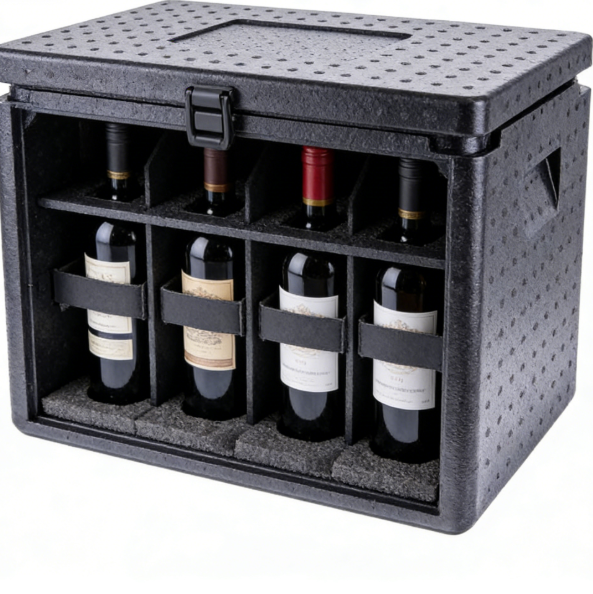
How to Evaluate Suppliers of Heavy-Duty Vaccine Ice Boxes with Cost, Performance, and Supplier Fit in Mind
Companies comparing suppliers of heavy-duty vaccine ice boxes are usually trying to answer a practical question: what type of insulated box will actually fit the route, the payload, and the budget without creating avoidable risk? In vaccine transport and outreach cold-chain work, that distinction matters because an ordinary hard cooler and a qualified passive shipping system are not the same thing. If the payload includes vaccines, diluents, and other temperature-sensitive immunization materials, the box must be judged as part of a full packout system rather than as a plastic shell alone.
The fastest way to compare options is to start with five basics: internal dimensions, true usable volume after coolant or accessories are added, insulation type, closure system, and the supplier’s ability to deliver consistent production. If you are also comparing supplier capability, stock consistency, and bulk-order fit, ask for a complete quotation structure rather than a headline unit number. For general supplier comparison, the real goal is to avoid buying a box that looks rugged in photos but performs poorly once it is loaded, moved, and reused at scale.
Start by Matching the Box to the Route, Not the Catalog Name
In procurement language, an ice box may describe anything from a rugged reusable chest to a passive temperature-controlled transport container. The words are similar, but the buying criteria are not. A general-purpose hard box is mainly a protective and insulating enclosure. A true cold-chain shipping system combines the enclosure with refrigerants, loading instructions, hold-time expectations, and often temperature monitoring. WHO classifies cold boxes and vaccine carriers as passive insulated devices that use ice packs or other thermal storage materials, which is a useful reminder that the shell alone does not create compliance or thermal reliability.
Public health guidance also shows why terminology should be read carefully. UNICEF procurement guidance separates cold boxes from vaccine carriers and classifies them by storage capacity and cold-life performance under defined ambient tests. CDC guidance for routine vaccine transport prefers portable vaccine refrigerators or qualified containers and packouts with a temperature monitoring device, and it does not recommend ordinary food or beverage coolers for routine vaccine movement. So if the intended payload is regulated or temperature-sensitive, the first procurement decision is whether you need a reusable handling container, a purpose-built passive transport box, or a qualified shipper for a defined route.
In practice, the right configuration depends on the lane. A clinic relocation, an outreach vaccination day, an inter-facility transfer, and an export movement can all use an “ice box” in conversation, but they should not use the same specification by default. Short local movement may prioritize fast handling and moderate hold time. A regional lane may need better insulation, stronger seals, and better monitoring. An export lane may also need documentation discipline, pallet efficiency, and a packout that tolerates airport dwell time.
What Actually Builds Thermal and Handling Performance
Most hard boxes in this market rely on a familiar engineering logic: a molded plastic shell, insulation in the walls and lid, and a closure system that limits air exchange during transport. Public product pages from established cooler and transport-box manufacturers commonly show polyethylene or polypropylene bodies combined with polyurethane foam insulation, sealing gaskets, rigid hinges, and heavy-duty latches. That architecture is popular because it balances toughness, manufacturability, and cost.
From a buyer’s point of view, shell material is only the start. You need to know whether the body is rotomolded, blow molded, or injection molded, because process choice affects wall consistency, impact resistance, weight, and dimensional accuracy. Rotomolded designs are often chosen when buyers want thick, one-piece construction and a more rugged feel. Lighter molded designs may reduce unit cost and transport weight, but they can behave differently under repeated stacking, dragging, or forklift contact.
Insulation choice changes both thermal performance and outside volume. Polyurethane foam is common in rugged transport boxes because it offers a good balance of insulation and structural rigidity. Expanded polypropylene, or EPP, can reduce weight and improve energy absorption. Vacuum insulated panel designs can dramatically reduce heat transfer, but they add cost and are more sensitive to edge damage during rough handling. Buyers comparing materials should therefore ask not only what the box is made from, but how the full wall system is built and how it will be used.
For regulated routes, the shell is only part of the answer. Many medical transport boxes also include features intended to support packout discipline and receipt checks, such as secure clasp systems, label areas, logger cavities, or surfaces that can be cleaned with common disinfectants. Those features matter because even strong insulation can be undermined by weak operating discipline.
Heavy-duty construction is valuable when impacts, outdoor waiting, and high cycle counts are part of the route. The tradeoff is that thicker walls, heavier hardware, and more resin usually increase tare weight, which can reduce the payload efficiency buyers expected from the larger shell.
Real hold time is created by a full system, not by the shell alone. The box geometry matters, but so do coolant mass, pack conditioning, payload starting temperature, empty space inside the cavity, opening frequency, ambient exposure, and where the shipper waits during handover. A passive box that performs well in a controlled test can lose useful margin quickly if it sits on a hot apron, rides in an unshaded vehicle, or is opened repeatedly during route drops.
That is why public guidance for vaccine and pharmaceutical transport puts so much emphasis on packout discipline. Freeze-sensitive products can be damaged by coolant that is too cold even when the average air temperature inside the box looks acceptable. Conversely, products that tolerate refrigeration but not long heat exposure may need better seals, more coolant, or a different route profile than a buyer expected from the catalog photo.
For longer or more variable routes, buyers should think in terms of duration margin rather than headline duration. If a route is expected to last twelve hours, a twelve-hour claim is not a safe margin. You need time for loading, transfer, receiving checks, traffic, failed first delivery, and arrival handling. Many organizations therefore treat duration claim as a starting point rather than a route design answer.
Where Compliance Starts and Where a Standard Box Stops
Public guidance offers several useful reference points for buyers. WHO’s immunization-device framework describes cold boxes and vaccine carriers as passive insulated devices that use ice packs or other thermal storage materials. UNICEF procurement guidance places vaccine carriers in roughly the 0.8 to 3.4 liter vaccine-storage range and cold boxes in the 5 to 25 liter range, with short-range and long-range cold-life classes tested under hot ambient conditions. Those public ranges help buyers understand what this product category is expected to do.
The compliance lesson is just as important as the capacity lesson. EMA’s GDP guidance states that medicines must be stored in the right conditions at all times, including during transportation, and that traceability is part of distribution control. IATA guidance for healthcare cargo likewise treats time- and temperature-sensitive shipments as a specialized process with dedicated labeling and handling rules. In other words, the package has to support the logistics system, not just survive the trip physically.
CDC guidance adds practical transport detail. For routine vaccine movement, a portable vaccine refrigerator or a qualified container and packout with a temperature monitoring device is preferred, while ordinary food and beverage coolers are not recommended for routine vaccine transport. CDC also warns against using frozen gel packs from original vaccine shipments for refrigerated vaccines and emphasizes appropriate coolant conditioning, monitoring, and direct receipt into proper storage.
WHO field guidance also highlights a failure mode that buyers often underestimate: freeze damage. Incorrectly conditioned ice packs are a well-known cause of freezing injury in freeze-sensitive vaccines. That means a procurement specification should not stop at the box body. It should cover refrigerant type, conditioning instructions, packout layout, route duration, exposure risk, and what the receiving team must check on arrival.
The Real Cost Picture: Unit Price, Route Fit, and Lifetime Use
Price moves for predictable reasons in this category. The biggest levers are shell material and molding process, insulation type and thickness, lid and latch hardware, accessories, and the level of thermal assurance the buyer expects. A simple molded chest for short-duration use will usually price very differently from a reusable passive shipper designed for a defined temperature range, longer duration, and monitored handling.
For medical, pharmaceutical, and vaccine work, the package cost is also influenced by what sits around the box: refrigerants, dividers, probes or logger accommodations, labels, packout instructions, and sometimes qualification or route-testing work. Buyers comparing quotes should separate the bare container price from the complete shipping-system price. Otherwise a low shell quote can hide expensive add-ons or risky assumptions about coolant and monitoring.
Supplier offerings in this category are moving in visible directions. First, buyers increasingly want route-specific solutions instead of generic box sizes. Second, more projects ask for reusable packaging that can survive repeated cleaning and return cycles. Third, monitoring and traceability features are becoming part of the discussion much earlier, even when the box itself is still passive rather than powered. Those trends can change how a supplier structures both price and service.
Supplier offerings in this category are moving in three visible directions. First, buyers increasingly want route-specific solutions instead of generic box sizes. Second, more projects ask for reusable packaging that can survive repeated cleaning and return cycles. Third, monitoring and traceability features are becoming part of the discussion much earlier, even when the box itself is still passive rather than powered.
When a Heavy-Duty Build Is Worth the Extra Weight
A heavy-duty build earns attention when the lane includes rough loading, repeated stacking, outdoor waiting, or high cycle counts. Reinforced corners, stronger latches, and tougher shells can reduce replacement frequency and shrink the hidden cost of breakage.
The tradeoff is that extra robustness often means extra empty weight. Before paying for the heaviest design, confirm whether the route truly needs it or whether a lighter model with better insulation, better handles, or stronger service support would create more value.
A Practical Supplier Checklist
Before you order in bulk, ask for a short technical-commercial pack instead of a sales brochure. That pack should let you verify whether the sample, the production build, and the final shipping specification will actually match.
- Internal dimensions, external dimensions, and the usable volume after coolant, dividers, or baskets are included
- Shell material or resin family, molding process, insulation type, and whether the lid seal is gasketed
- Closure design, handle type, stackability, nesting or return efficiency, and any load limits for filled boxes
- Cleanability, drainage, surface finish, and whether labels, barcodes, or traceability tags can be applied securely
- Sample-to-production consistency, change-control practice, and what happens if material substitutions are needed
- MOQ, lead time, packaging method, and who is responsible for after-sales issues or replacement parts
- Intended temperature range, route duration, ambient assumptions, and whether the quoted system includes logger placement or monitoring provisions
- Packout instructions, coolant type and conditioning method, and whether the supplier can explain how freeze-sensitive payloads are protected
- Evidence of route fit, qualification support, or at least a clear statement of what the box is and is not designed to do
- The goal of this checklist is not to make procurement bureaucratic. It is to stop the common failure pattern where a box looks acceptable in a quote, works once in a demo, and then drifts in performance when scaled to real routes, real staff, and real daily handling.
FAQ
Is an ordinary hard cooler enough for vaccine or pharmaceutical transport?
Not by default. In regulated lanes, the outer box has to be considered together with insulation, coolant, packout method, and monitoring. A rugged cooler may help with physical protection, but additional qualification or a dedicated passive shipper may be needed.
Why do two boxes with similar size and insulation claims perform differently in use?
Because field performance depends on more than wall insulation. Coolant mass, payload temperature, lid openings, ambient exposure, empty space inside the box, and receiving delays can change the result substantially.
What is the most useful question to ask before buying in bulk?
Ask the supplier to define the intended route profile and packout clearly. If they cannot explain duration assumptions, coolant conditioning, logger position, and product limitations, the quote is not detailed enough for a safe decision.
Final Takeaway
The strongest buying decision for heavy-duty vaccine ice boxes usually comes from narrowing the problem first. Define the payload, the route, the exposure conditions, the handling pattern, and the level of documentation you need. Once those are clear, comparing box classes, insulation builds, and supplier offers becomes much easier. For regulated healthcare shipments, the safest mindset is to buy a transport system rather than a box. That means matching the shipper, coolant, monitoring method, and operating procedure to the route and product instead of relying on a generic cooler claim. A technical review simply makes the same point more clearly: structure, thermal design, and process control have to line up. If one layer is weak, the purchase may still look good on paper while underperforming in the field.
About Tempk
Tempk, part of Shanghai Huizhou Industrial Co., Ltd., has focused on temperature-controlled packaging for pharmaceutical and healthcare distribution since 2011. We develop products such as ice packs, insulated boxes, box liners, pallet covers, and medical cold-chain packaging, and we also support temperature-control verification work. We aim to help customers match packaging structure and thermal performance to real transport conditions, with a practical emphasis on product fit and solution design rather than generic one-size-fits-all recommendations.
Next Step
If you are comparing bulk options, ask us for a route-based recommendation or a clearer specification list before you request final quotes.
How to Evaluate Manufacturers of HDPE Ice Chests with Cost, Performance, and Supplier Fit in Mind

How to Evaluate Manufacturers of HDPE Ice Chests with Cost, Performance, and Supplier Fit in Mind
Companies comparing manufacturers of HDPE ice chests are usually trying to answer a practical question: what type of insulated box will actually fit the route, the payload, and the budget without creating avoidable risk? In general insulated transport and rugged day-to-day handling, the right choice depends on how often the box is moved, how rough the handling is, how long it needs to hold temperature, and whether the buyer needs a standard product or a custom build. A low quote can look attractive until weight, lid hardware, stackability, and return efficiency are taken into account.
The fastest way to compare options is to start with five basics: internal dimensions, true usable volume after coolant or accessories are added, insulation type, closure system, and the supplier’s ability to deliver consistent production. If you are also comparing factory capability, build consistency, and quote structure, ask for a complete quotation structure rather than a headline unit number. For factory-direct buying, the quote should be read together with mold status, resin specification, insulation build, and batch-to-batch consistency.
Start by Matching the Box to the Route, Not the Catalog Name
In procurement language, an ice box may describe anything from a rugged reusable chest to a passive temperature-controlled transport container. The words are similar, but the buying criteria are not. A general-purpose hard box is mainly a protective and insulating enclosure. A true cold-chain shipping system combines the enclosure with refrigerants, loading instructions, hold-time expectations, and often temperature monitoring. That distinction still matters in commercial use, because a box marketed for leisure or catering may be perfectly fine for day trips but poorly suited to repetitive warehouse handling, stacked return loops, or long dwell times.
For commercial and industrial buyers, the same language issue affects quote quality. One supplier may be offering a light molded box for occasional transport, while another is quoting a thicker-walled multi-trip chest with stronger latches, gaskets, and structural features for daily use. Unless the quotation states material family, insulation build, internal dimensions, closure design, and handling limits, two products that look similar on paper can perform very differently once they reach a vehicle, a loading dock, or a prep area.
When HDPE appears in the search language, buyers are often using resin choice as a proxy for ruggedness. That is understandable, but the resin label alone does not tell you how the lid seals, how the insulation works, or how the box behaves after repeated impacts and washdown.
Commercial and industrial use cases vary just as much. One buyer may need a box for commissary distribution, another for fish or meat handling, another for field sampling, and another for construction-site catering. Each use changes the priority list. Foodservice routes may favor cleanability and fast lid access. Industrial sampling may prioritize shell toughness and secure sealing. Reusable retail or catering loops may care most about stackability, nesting, and return efficiency.
What Actually Builds Thermal and Handling Performance
Most hard boxes in this market rely on a familiar engineering logic: a molded plastic shell, insulation in the walls and lid, and a closure system that limits air exchange during transport. Public product pages from established cooler and transport-box manufacturers commonly show polyethylene or polypropylene bodies combined with polyurethane foam insulation, sealing gaskets, rigid hinges, and heavy-duty latches. That architecture is popular because it balances toughness, manufacturability, and cost.
From a buyer’s point of view, shell material is only the start. You need to know whether the body is rotomolded, blow molded, or injection molded, because process choice affects wall consistency, impact resistance, weight, and dimensional accuracy. Rotomolded designs are often chosen when buyers want thick, one-piece construction and a more rugged feel. Lighter molded designs may reduce unit cost and transport weight, but they can behave differently under repeated stacking, dragging, or forklift contact.
Insulation choice changes both thermal performance and outside volume. Polyurethane foam is common in rugged transport boxes because it offers a good balance of insulation and structural rigidity. Expanded polypropylene, or EPP, can reduce weight and improve energy absorption. Vacuum insulated panel designs can dramatically reduce heat transfer, but they add cost and are more sensitive to edge damage during rough handling. Buyers comparing materials should therefore ask not only what the box is made from, but how the full wall system is built and how it will be used.
Lid geometry, gasket compression, and foot design can be more important than buyers expect in daily operation. A box that looks durable in a product photo may still leak air if the lid distorts under load or if the latches lose tension after repeated cycles. That is why build consistency and replacement-part availability deserve attention during supplier review.
HDPE remains attractive in many harsh-use applications because buyers associate it with toughness, moisture resistance, and practical cleanability. In practice, those advantages matter most when the rest of the build—insulation, hardware, and seal quality—keeps pace with the shell.
Even when the payload is not regulated medicine, the most common performance mistake is treating nominal volume as usable thermal volume. Once loose ice, bricks, gel packs, food pans, or sample racks are loaded, the space left for product may be far smaller than the catalog number suggests. A second common mistake is ignoring air leakage around the lid. A rugged-looking box with a weak gasket or poor closure alignment can lose its advantage quickly in repeated daily use.
Loading pattern also changes performance. Dense loads hold temperature differently from partially filled boxes, and large voids encourage faster air movement each time the lid is opened. A buyer who needs predictable short-route performance should ask how the box was tested and whether the supplier’s claim assumes a full load, a pre-chilled load, a particular coolant pattern, or a specific ambient temperature.
A smart buyer therefore asks not only what the box is made from, but also how it is expected to be loaded, what duration assumptions sit behind the performance claim, and what changes when the same model is used across a hotter lane, a longer dwell, or a heavier payload.
What Really Drives Thermal and Handling Performance
Even when the payload is not regulated medicine, buyers still benefit from public-style thinking about performance. Product pages from rugged coolers and insulated transport boxes often describe wall construction, seals, and intended use, but they do not always explain how the hold-time claim was generated. A smart comparison therefore asks what ambient temperature, loading pattern, opening frequency, and transport mode sit behind the headline number.
For shorter or more variable routes, buyers should think in terms of duration margin rather than headline duration. If a route is expected to last six hours, a box with a six-hour claim is not a safe margin. You need time for loading, transfer, receiving checks, vehicle heat load, traffic, and delays that occur during the normal workday. Good specifications therefore define the route, the box-fill ratio, and whether the container will be opened during use.
A simple monitoring habit is also worth asking about. Even in non-regulated commercial work, origin and receipt temperature checks, or at least product-surface checks paired with route timing, make it easier to understand whether the box is doing what the quotation implied.
The Real Cost Picture: Unit Price, Route Fit, and Lifetime Use
Price moves for predictable reasons in this category. The biggest levers are shell material and molding process, insulation type and thickness, lid and latch hardware, accessories, and the level of thermal assurance the buyer expects. A simple molded chest for short-duration use will usually price very differently from a reusable passive shipper designed for a defined temperature range, longer duration, and monitored handling.
For commercial and industrial work, the same logic applies in a simpler form. The box price alone does not reveal empty weight, hinge life, seal quality, or how much it can be overfilled without distortion. A more expensive box may ultimately reduce replacement frequency, labor strain, or product loss enough to offset the first invoice.
Manufacturer pricing should be compared together with production capability. Ask whether the tool already exists, whether the quoted resin is a standard grade or a custom compound, and how the supplier controls wall thickness and latch consistency between batches. The cheapest ex-factory number can become expensive if production drift causes field failures or delayed replenishment.
HDPE can carry a modest price premium in some builds because buyers associate it with ruggedness and long washdown life. That premium only makes sense if the rest of the design supports the same service-life target.
Supplier offerings in this category are moving in three visible directions. First, buyers increasingly want route-specific solutions instead of generic box sizes. Second, more projects ask for reusable packaging that can survive repeated cleaning and return cycles. Third, monitoring and traceability features are becoming part of the discussion much earlier, even when the box itself is still passive rather than powered.
What HDPE Changes in Practice
HDPE is often selected because it balances toughness, moisture resistance, and practical cleanability. That can make sense for harsh-use boxes, but the resin itself does not tell you how well the lid seals, how the insulation performs, or how the box will age after repeated impact.
When HDPE appears in a quotation, ask exactly where it is used. Some builds use it mainly in the outer shell, while the liner, insulation, hardware, and overall wall design determine most of the differences buyers will feel in service.
A Practical Supplier Checklist
Before you order in bulk, ask for a short technical-commercial pack instead of a sales brochure. That pack should let you verify whether the sample, the production build, and the final shipping specification will actually match.
- Internal dimensions, external dimensions, and the usable volume after coolant, dividers, or baskets are included
- Shell material or resin family, molding process, insulation type, and whether the lid seal is gasketed
- Closure design, handle type, stackability, nesting or return efficiency, and any load limits for filled boxes
- Cleanability, drainage, surface finish, and whether labels, barcodes, or traceability tags can be applied securely
- Sample-to-production consistency, change-control practice, and what happens if material substitutions are needed
- MOQ, lead time, packaging method, and who is responsible for after-sales issues or replacement parts
- Expected hold-time conditions, how the performance claim was tested, and what loading pattern the supplier assumes
- How the box behaves in your actual handling environment, including wet floors, vehicle movement, or repetitive loading and unloading
- Whether HDPE is used in the outer shell, inner liner, or both, and how that affects toughness, washdown, and long-term durability
- The goal of this checklist is not to make procurement bureaucratic. It is to stop the common failure pattern where a box looks acceptable in a quote, works once in a demo, and then drifts in performance when scaled to real routes, real staff, and real daily handling.
FAQ
What usually matters more than the catalog liter rating?
Usable volume, loaded weight, seal quality, and the way the box behaves during repeated handling usually matter more than the headline size alone.
Is a more expensive shell always the better choice?
No. A heavier or thicker shell can improve durability, but it may also reduce payload efficiency and increase worker fatigue. The better choice is the one that fits your route, handling pattern, and cleaning routine.
How should buyers compare suppliers when price quotes look similar?
Ask for the full build specification, not only the unit price. Resin type, insulation, gasket quality, hardware, dimensions, sample consistency, and after-sales support often explain why similar-looking quotes behave differently in service.
Why do some buyers prefer HDPE for an ice chest shell?
HDPE is commonly chosen for toughness, moisture resistance, and washdown practicality. That said, overall performance still depends on the full container design.
Final Takeaway
The strongest buying decision for HDPE ice chests usually comes from narrowing the problem first. Define the payload, the route, the exposure conditions, the handling pattern, and the level of documentation you need. Once those are clear, comparing box classes, insulation builds, and supplier offers becomes much easier. For general commercial and industrial use, the most cost-effective option is usually the one that keeps performing after repeated loading, washdown, stacking, and transport—not the one with the lowest opening quote. A technical review simply makes the same point more clearly: structure, thermal design, and process control have to line up. If one layer is weak, the purchase may still look good on paper while underperforming in the field.
About Tempk
Tempk, part of Shanghai Huizhou Industrial Co., Ltd., has focused on cold-chain packaging and reusable insulated transport solutions since 2011. We work across insulated packaging categories including ice packs, insulated boxes, box liners, pallet covers, and related cold-chain materials. We aim to help customers match packaging structure and thermal performance to real transport conditions, with a practical emphasis on product fit and solution design rather than generic one-size-fits-all recommendations.
Next Step
If you are comparing bulk options, ask us for a route-based recommendation or a clearer specification list before you request final quotes.
How to Evaluate OEM Supply for Commercial Ice Boxes with Cost, Performance, and Supplier Fit in Mind
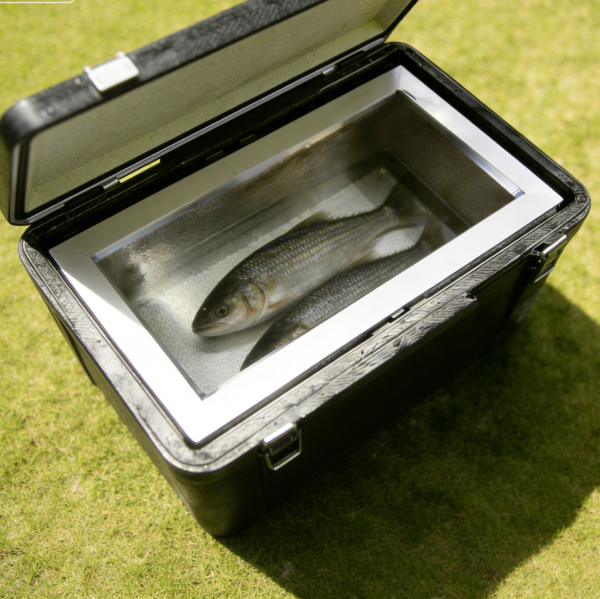
How to Evaluate OEM Supply for Commercial Ice Boxes with Cost, Performance, and Supplier Fit in Mind
A purchase decision in this category is rarely about one variable. In practice, buyers are comparing build quality, usable volume, insulation design, handling details, and commercial terms all at once. In commercial and industrial cold-holding or distribution work, the right choice depends on how often the box is moved, how rough the handling is, how long it needs to hold temperature, and whether the buyer needs a standard product or a custom build. A low quote can look attractive until weight, lid hardware, stackability, and return efficiency are taken into account.
The fastest way to compare options is to start with five basics: internal dimensions, true usable volume after coolant or accessories are added, insulation type, closure system, and the supplier’s ability to deliver consistent production. If you are also comparing OEM development control, tooling discipline, and repeatability, ask for a complete quotation structure rather than a headline unit number. For OEM projects, design freeze, tooling ownership, private-label details, and approval samples matter just as much as the initial unit price.
Start by Matching the Box to the Route, Not the Catalog Name
In procurement language, an ice box may describe anything from a rugged reusable chest to a passive temperature-controlled transport container. The words are similar, but the buying criteria are not. A general-purpose hard box is mainly a protective and insulating enclosure. A true cold-chain shipping system combines the enclosure with refrigerants, loading instructions, hold-time expectations, and often temperature monitoring. That distinction still matters in commercial use, because a box marketed for leisure or catering may be perfectly fine for day trips but poorly suited to repetitive warehouse handling, stacked return loops, or long dwell times.
For commercial and industrial buyers, the same language issue affects quote quality. One supplier may be offering a light molded box for occasional transport, while another is quoting a thicker-walled multi-trip chest with stronger latches, gaskets, and structural features for daily use. Unless the quotation states material family, insulation build, internal dimensions, closure design, and handling limits, two products that look similar on paper can perform very differently once they reach a vehicle, a loading dock, or a prep area.
Commercial and industrial use cases vary just as much. One buyer may need a box for commissary distribution, another for fish or meat handling, another for field sampling, and another for construction-site catering. Each use changes the priority list. Foodservice routes may favor cleanability and fast lid access. Industrial sampling may prioritize shell toughness and secure sealing. Reusable retail or catering loops may care most about stackability, nesting, and return efficiency.
What Actually Builds Thermal and Handling Performance
Most hard boxes in this market rely on a familiar engineering logic: a molded plastic shell, insulation in the walls and lid, and a closure system that limits air exchange during transport. Public product pages from established cooler and transport-box manufacturers commonly show polyethylene or polypropylene bodies combined with polyurethane foam insulation, sealing gaskets, rigid hinges, and heavy-duty latches. That architecture is popular because it balances toughness, manufacturability, and cost.
From a buyer’s point of view, shell material is only the start. You need to know whether the body is rotomolded, blow molded, or injection molded, because process choice affects wall consistency, impact resistance, weight, and dimensional accuracy. Rotomolded designs are often chosen when buyers want thick, one-piece construction and a more rugged feel. Lighter molded designs may reduce unit cost and transport weight, but they can behave differently under repeated stacking, dragging, or forklift contact.
Insulation choice changes both thermal performance and outside volume. Polyurethane foam is common in rugged transport boxes because it offers a good balance of insulation and structural rigidity. Expanded polypropylene, or EPP, can reduce weight and improve energy absorption. Vacuum insulated panel designs can dramatically reduce heat transfer, but they add cost and are more sensitive to edge damage during rough handling. Buyers comparing materials should therefore ask not only what the box is made from, but how the full wall system is built and how it will be used.
Lid geometry, gasket compression, and foot design can be more important than buyers expect in daily operation. A box that looks durable in a product photo may still leak air if the lid distorts under load or if the latches lose tension after repeated cycles. That is why build consistency and replacement-part availability deserve attention during supplier review.
Even when the payload is not regulated medicine, the most common performance mistake is treating nominal volume as usable thermal volume. Once loose ice, bricks, gel packs, food pans, or sample racks are loaded, the space left for product may be far smaller than the catalog number suggests. A second common mistake is ignoring air leakage around the lid. A rugged-looking box with a weak gasket or poor closure alignment can lose its advantage quickly in repeated daily use.
Loading pattern also changes performance. Dense loads hold temperature differently from partially filled boxes, and large voids encourage faster air movement each time the lid is opened. A buyer who needs predictable short-route performance should ask how the box was tested and whether the supplier’s claim assumes a full load, a pre-chilled load, a particular coolant pattern, or a specific ambient temperature.
A smart buyer therefore asks not only what the box is made from, but also how it is expected to be loaded, what duration assumptions sit behind the performance claim, and what changes when the same model is used across a hotter lane, a longer dwell, or a heavier payload.
What Really Drives Thermal and Handling Performance
Even when the payload is not regulated medicine, buyers still benefit from public-style thinking about performance. Product pages from rugged coolers and insulated transport boxes often describe wall construction, seals, and intended use, but they do not always explain how the hold-time claim was generated. A smart comparison therefore asks what ambient temperature, loading pattern, opening frequency, and transport mode sit behind the headline number.
For shorter or more variable routes, buyers should think in terms of duration margin rather than headline duration. If a route is expected to last six hours, a box with a six-hour claim is not a safe margin. You need time for loading, transfer, receiving checks, vehicle heat load, traffic, and delays that occur during the normal workday. Good specifications therefore define the route, the box-fill ratio, and whether the container will be opened during use.
A simple monitoring habit is also worth asking about. Even in non-regulated commercial work, origin and receipt temperature checks, or at least product-surface checks paired with route timing, make it easier to understand whether the box is doing what the quotation implied.
The Real Cost Picture: Unit Price, Route Fit, and Lifetime Use
Price moves for predictable reasons in this category. The biggest levers are shell material and molding process, insulation type and thickness, lid and latch hardware, accessories, and the level of thermal assurance the buyer expects. A simple molded chest for short-duration use will usually price very differently from a reusable passive shipper designed for a defined temperature range, longer duration, and monitored handling.
For commercial and industrial work, the same logic applies in a simpler form. The box price alone does not reveal empty weight, hinge life, seal quality, or how much it can be overfilled without distortion. A more expensive box may ultimately reduce replacement frequency, labor strain, or product loss enough to offset the first invoice.
OEM price includes more than plastic and foam. Tooling, drawing approval, design freeze, color control, logo placement, pilot samples, packaging method, and revision discipline all add cost and all influence project risk. A sound OEM decision therefore values predictable execution just as much as a competitive unit number.
Supplier offerings in this category are moving in three visible directions. First, buyers increasingly want route-specific solutions instead of generic box sizes. Second, more projects ask for reusable packaging that can survive repeated cleaning and return cycles. Third, monitoring and traceability features are becoming part of the discussion much earlier, even when the box itself is still passive rather than powered.
How Current Sourcing Trends Affect the Decision
Supplier offerings in this category are moving in three visible directions. First, buyers increasingly want route-specific solutions instead of generic box sizes. Second, more projects ask for reusable packaging that can survive repeated cleaning and return cycles. Third, monitoring and traceability features are becoming part of the discussion much earlier, even when the box itself is still passive rather than powered.
In foodservice and industrial distribution, buyers are paying closer attention to return efficiency and washdown life. A reusable box can look economical on paper yet become expensive if it traps moisture, loses hardware, or comes back damaged after only a few cycles. That is why sourcing teams ask more often about replacement parts, molded tracking areas, spare lids, and whether the container nests or stacks efficiently on the return leg.
Material selection is part of the same trend. Buyers are weighing rugged plastics, lighter foams, and blended constructions against the real cost of transport, labor, and cleaning. In practice, the best trend is rarely a fashionable material. It is usually a package that matches the lane, uses space efficiently, survives handling, and is easy to use correctly.
OEM demand is also becoming more disciplined. Private-label projects increasingly require firmer control over color matching, logo placement, design freeze, and revision history. That raises the bar for documentation and makes sample-to-production consistency more important than the first prototype impression.
A Practical Supplier Checklist
Before you order in bulk, ask for a short technical-commercial pack instead of a sales brochure. That pack should let you verify whether the sample, the production build, and the final shipping specification will actually match.
- Internal dimensions, external dimensions, and the usable volume after coolant, dividers, or baskets are included
- Shell material or resin family, molding process, insulation type, and whether the lid seal is gasketed
- Closure design, handle type, stackability, nesting or return efficiency, and any load limits for filled boxes
- Cleanability, drainage, surface finish, and whether labels, barcodes, or traceability tags can be applied securely
- Sample-to-production consistency, change-control practice, and what happens if material substitutions are needed
- MOQ, lead time, packaging method, and who is responsible for after-sales issues or replacement parts
- Tooling ownership, artwork approval flow, logo or color tolerances, and whether pilot samples are signed off before mass production
- Expected hold-time conditions, how the performance claim was tested, and what loading pattern the supplier assumes
- How the box behaves in your actual handling environment, including wet floors, vehicle movement, or repetitive loading and unloading
- The goal of this checklist is not to make procurement bureaucratic. It is to stop the common failure pattern where a box looks acceptable in a quote, works once in a demo, and then drifts in performance when scaled to real routes, real staff, and real daily handling.
FAQ
What usually matters more than the catalog liter rating?
Usable volume, loaded weight, seal quality, and the way the box behaves during repeated handling usually matter more than the headline size alone.
Is a more expensive shell always the better choice?
No. A heavier or thicker shell can improve durability, but it may also reduce payload efficiency and increase worker fatigue. The better choice is the one that fits your route, handling pattern, and cleaning routine.
How should buyers compare suppliers when price quotes look similar?
Ask for the full build specification, not only the unit price. Resin type, insulation, gasket quality, hardware, dimensions, sample consistency, and after-sales support often explain why similar-looking quotes behave differently in service.
Final Takeaway
The strongest buying decision for commercial ice boxes usually comes from narrowing the problem first. Define the payload, the route, the exposure conditions, the handling pattern, and the level of documentation you need. Once those are clear, comparing box classes, insulation builds, and supplier offers becomes much easier. For general commercial and industrial use, the most cost-effective option is usually the one that keeps performing after repeated loading, washdown, stacking, and transport—not the one with the lowest opening quote. A technical review simply makes the same point more clearly: structure, thermal design, and process control have to line up. If one layer is weak, the purchase may still look good on paper while underperforming in the field.
About Tempk
Tempk, part of Shanghai Huizhou Industrial Co., Ltd., has focused on cold-chain packaging and reusable insulated transport solutions since 2011. We work across insulated packaging categories including ice packs, insulated boxes, box liners, pallet covers, and related cold-chain materials. We aim to help customers match packaging structure and thermal performance to real transport conditions, with a practical emphasis on product fit and solution design rather than generic one-size-fits-all recommendations.
Next Step
If you are comparing bulk options, ask us for a route-based recommendation or a clearer specification list before you request final quotes.
How to Compare Pricing for Cold Chain Ice Boxes with Cost, Performance, and Supplier Fit in Mind

How to Compare Pricing for Cold Chain Ice Boxes with Cost, Performance, and Supplier Fit in Mind
Companies comparing pricing for cold chain ice boxes are usually trying to answer a practical question: what type of insulated box will actually fit the route, the payload, and the budget without creating avoidable risk? In medical and pharmaceutical cold-chain distribution, that distinction matters because an ordinary hard cooler and a qualified passive shipping system are not the same thing. If the payload includes medicines, clinical samples, diagnostics, and other temperature-sensitive healthcare products, the box must be judged as part of a full packout system rather than as a plastic shell alone.
The fastest way to compare options is to start with five basics: internal dimensions, true usable volume after coolant or accessories are added, insulation type, closure system, and the supplier’s ability to deliver consistent production. If you are also comparing performance fit, cost control, and route suitability, ask for a complete quotation structure rather than a headline unit number. For general supplier comparison, the real goal is to avoid buying a box that looks rugged in photos but performs poorly once it is loaded, moved, and reused at scale.
Start by Matching the Box to the Route, Not the Catalog Name
In procurement language, an ice box may describe anything from a rugged reusable chest to a passive temperature-controlled transport container. The words are similar, but the buying criteria are not. A general-purpose hard box is mainly a protective and insulating enclosure. A true cold-chain shipping system combines the enclosure with refrigerants, loading instructions, hold-time expectations, and often temperature monitoring. WHO classifies cold boxes and vaccine carriers as passive insulated devices that use ice packs or other thermal storage materials, which is a useful reminder that the shell alone does not create compliance or thermal reliability.
Public health guidance also shows why terminology should be read carefully. UNICEF procurement guidance separates cold boxes from vaccine carriers and classifies them by storage capacity and cold-life performance under defined ambient tests. CDC guidance for routine vaccine transport prefers portable vaccine refrigerators or qualified containers and packouts with a temperature monitoring device, and it does not recommend ordinary food or beverage coolers for routine vaccine movement. So if the intended payload is regulated or temperature-sensitive, the first procurement decision is whether you need a reusable handling container, a purpose-built passive transport box, or a qualified shipper for a defined route.
In practice, the right configuration depends on the lane. A clinic relocation, an outreach vaccination day, an inter-facility transfer, and an export movement can all use an “ice box” in conversation, but they should not use the same specification by default. Short local movement may prioritize fast handling and moderate hold time. A regional lane may need better insulation, stronger seals, and better monitoring. An export lane may also need documentation discipline, pallet efficiency, and a packout that tolerates airport dwell time.
What Actually Builds Thermal and Handling Performance
Most hard boxes in this market rely on a familiar engineering logic: a molded plastic shell, insulation in the walls and lid, and a closure system that limits air exchange during transport. Public product pages from established cooler and transport-box manufacturers commonly show polyethylene or polypropylene bodies combined with polyurethane foam insulation, sealing gaskets, rigid hinges, and heavy-duty latches. That architecture is popular because it balances toughness, manufacturability, and cost.
From a buyer’s point of view, shell material is only the start. You need to know whether the body is rotomolded, blow molded, or injection molded, because process choice affects wall consistency, impact resistance, weight, and dimensional accuracy. Rotomolded designs are often chosen when buyers want thick, one-piece construction and a more rugged feel. Lighter molded designs may reduce unit cost and transport weight, but they can behave differently under repeated stacking, dragging, or forklift contact.
Insulation choice changes both thermal performance and outside volume. Polyurethane foam is common in rugged transport boxes because it offers a good balance of insulation and structural rigidity. Expanded polypropylene, or EPP, can reduce weight and improve energy absorption. Vacuum insulated panel designs can dramatically reduce heat transfer, but they add cost and are more sensitive to edge damage during rough handling. Buyers comparing materials should therefore ask not only what the box is made from, but how the full wall system is built and how it will be used.
For regulated routes, the shell is only part of the answer. Many medical transport boxes also include features intended to support packout discipline and receipt checks, such as secure clasp systems, label areas, logger cavities, or surfaces that can be cleaned with common disinfectants. Those features matter because even strong insulation can be undermined by weak operating discipline.
Real hold time is created by a full system, not by the shell alone. The box geometry matters, but so do coolant mass, pack conditioning, payload starting temperature, empty space inside the cavity, opening frequency, ambient exposure, and where the shipper waits during handover. A passive box that performs well in a controlled test can lose useful margin quickly if it sits on a hot apron, rides in an unshaded vehicle, or is opened repeatedly during route drops.
That is why public guidance for vaccine and pharmaceutical transport puts so much emphasis on packout discipline. Freeze-sensitive products can be damaged by coolant that is too cold even when the average air temperature inside the box looks acceptable. Conversely, products that tolerate refrigeration but not long heat exposure may need better seals, more coolant, or a different route profile than a buyer expected from the catalog photo.
For longer or more variable routes, buyers should think in terms of duration margin rather than headline duration. If a route is expected to last twelve hours, a twelve-hour claim is not a safe margin. You need time for loading, transfer, receiving checks, traffic, failed first delivery, and arrival handling. Many organizations therefore treat duration claim as a starting point rather than a route design answer.
Where Compliance Starts and Where a Standard Box Stops
Public guidance offers several useful reference points for buyers. WHO’s immunization-device framework describes cold boxes and vaccine carriers as passive insulated devices that use ice packs or other thermal storage materials. UNICEF procurement guidance places vaccine carriers in roughly the 0.8 to 3.4 liter vaccine-storage range and cold boxes in the 5 to 25 liter range, with short-range and long-range cold-life classes tested under hot ambient conditions. Those public ranges help buyers understand what this product category is expected to do.
The compliance lesson is just as important as the capacity lesson. EMA’s GDP guidance states that medicines must be stored in the right conditions at all times, including during transportation, and that traceability is part of distribution control. IATA guidance for healthcare cargo likewise treats time- and temperature-sensitive shipments as a specialized process with dedicated labeling and handling rules. In other words, the package has to support the logistics system, not just survive the trip physically.
CDC guidance adds practical transport detail. For routine vaccine movement, a portable vaccine refrigerator or a qualified container and packout with a temperature monitoring device is preferred, while ordinary food and beverage coolers are not recommended for routine vaccine transport. CDC also warns against using frozen gel packs from original vaccine shipments for refrigerated vaccines and emphasizes appropriate coolant conditioning, monitoring, and direct receipt into proper storage.
WHO field guidance also highlights a failure mode that buyers often underestimate: freeze damage. Incorrectly conditioned ice packs are a well-known cause of freezing injury in freeze-sensitive vaccines. That means a procurement specification should not stop at the box body. It should cover refrigerant type, conditioning instructions, packout layout, route duration, exposure risk, and what the receiving team must check on arrival.
The Real Cost Picture: Unit Price, Route Fit, and Lifetime Use
Price moves for predictable reasons in this category. The biggest levers are shell material and molding process, insulation type and thickness, lid and latch hardware, accessories, and the level of thermal assurance the buyer expects. A simple molded chest for short-duration use will usually price very differently from a reusable passive shipper designed for a defined temperature range, longer duration, and monitored handling.
For medical, pharmaceutical, and vaccine work, the package cost is also influenced by what sits around the box: refrigerants, dividers, probes or logger accommodations, labels, packout instructions, and sometimes qualification or route-testing work. Buyers comparing quotes should separate the bare container price from the complete shipping-system price. Otherwise a low shell quote can hide expensive add-ons or risky assumptions about coolant and monitoring.
Supplier offerings in this category are moving in three visible directions. First, buyers increasingly want route-specific solutions instead of generic box sizes. Second, more projects ask for reusable packaging that can survive repeated cleaning and return cycles. Third, monitoring and traceability features are becoming part of the discussion much earlier, even when the box itself is still passive rather than powered.
Why Cold-Chain Language Needs Careful Definition
In regulated cold-chain work, the strongest trend is toward clearer system definition. Buyers increasingly want a box, coolant strategy, logger position, and operating procedure that fit the route together, because that approach reduces avoidable variation during packing and receipt.
The sustainability discussion is also maturing. Many organizations want to reduce packaging waste, but the greener option is not automatically the lighter or cheaper one. In many pharma and vaccine lanes, the most sustainable decision is the one that protects product reliably and avoids excursion-related waste in the first place.
A Practical Supplier Checklist
Before you order in bulk, ask for a short technical-commercial pack instead of a sales brochure. That pack should let you verify whether the sample, the production build, and the final shipping specification will actually match.
- Internal dimensions, external dimensions, and the usable volume after coolant, dividers, or baskets are included
- Shell material or resin family, molding process, insulation type, and whether the lid seal is gasketed
- Closure design, handle type, stackability, nesting or return efficiency, and any load limits for filled boxes
- Cleanability, drainage, surface finish, and whether labels, barcodes, or traceability tags can be applied securely
- Sample-to-production consistency, change-control practice, and what happens if material substitutions are needed
- Intended temperature range, route duration, ambient assumptions, and whether the quoted system includes logger placement or monitoring provisions
- Packout instructions, coolant type and conditioning method, and whether the supplier can explain how freeze-sensitive payloads are protected
- Evidence of route fit, qualification support, or at least a clear statement of what the box is and is not designed to do
- The goal of this checklist is not to make procurement bureaucratic. It is to stop the common failure pattern where a box looks acceptable in a quote, works once in a demo, and then drifts in performance when scaled to real routes, real staff, and real daily handling.
FAQ
Is an ordinary hard cooler enough for vaccine or pharmaceutical transport?
Not by default. In regulated lanes, the outer box has to be considered together with insulation, coolant, packout method, and monitoring. A rugged cooler may help with physical protection, but additional qualification or a dedicated passive shipper may be needed.
Why do two boxes with similar size and insulation claims perform differently in use?
Because field performance depends on more than wall insulation. Coolant mass, payload temperature, lid openings, ambient exposure, empty space inside the box, and receiving delays can change the result substantially.
What is the most useful question to ask before buying in bulk?
Ask the supplier to define the intended route profile and packout clearly. If they cannot explain duration assumptions, coolant conditioning, logger position, and product limitations, the quote is not detailed enough for a safe decision.
Final Takeaway
The strongest buying decision for cold chain ice boxes usually comes from narrowing the problem first. Define the payload, the route, the exposure conditions, the handling pattern, and the level of documentation you need. Once those are clear, comparing box classes, insulation builds, and supplier offers becomes much easier. For regulated healthcare shipments, the safest mindset is to buy a transport system rather than a box. That means matching the shipper, coolant, monitoring method, and operating procedure to the route and product instead of relying on a generic cooler claim. A technical review simply makes the same point more clearly: structure, thermal design, and process control have to line up. If one layer is weak, the purchase may still look good on paper while underperforming in the field.
About Tempk
Tempk, part of Shanghai Huizhou Industrial Co., Ltd., has focused on temperature-controlled packaging for pharmaceutical and healthcare distribution since 2011. We develop products such as ice packs, insulated boxes, box liners, pallet covers, and medical cold-chain packaging, and we also support temperature-control verification work. We aim to help customers match packaging structure and thermal performance to real transport conditions, with a practical emphasis on product fit and solution design rather than generic one-size-fits-all recommendations.
Next Step
If you are comparing bulk options, ask us for a route-based recommendation or a clearer specification list before you request final quotes.
How to Evaluate Manufacturers of 40 Liter Ice Boxes with Cost, Performance, and Supplier Fit in Mind
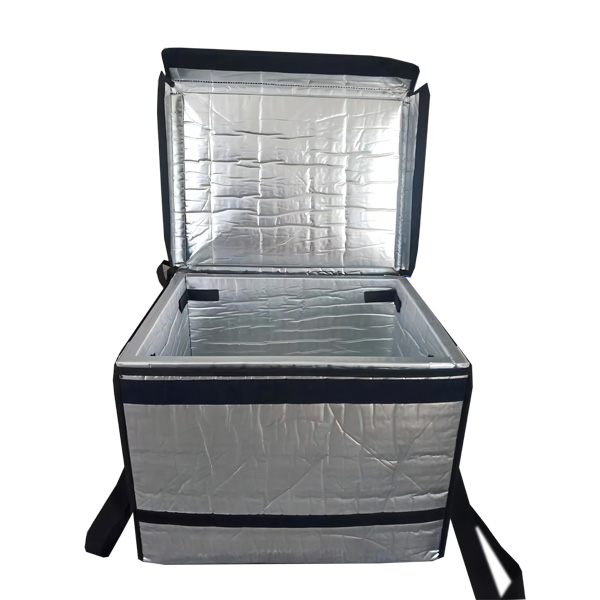
How to Evaluate Manufacturers of 40 Liter Ice Boxes with Cost, Performance, and Supplier Fit in Mind
This market includes several product classes that look similar at first glance but behave very differently once they are loaded, moved, and reused. In practical cold-holding and reusable transport, the right choice depends on how often the box is moved, how rough the handling is, how long it needs to hold temperature, and whether the buyer needs a standard product or a custom build. A low quote can look attractive until weight, lid hardware, stackability, and return efficiency are taken into account.
The fastest way to compare options is to start with five basics: internal dimensions, true usable volume after coolant or accessories are added, insulation type, closure system, and the supplier’s ability to deliver consistent production. If you are also comparing factory capability, build consistency, and quote structure, ask for a complete quotation structure rather than a headline unit number. For factory-direct buying, the quote should be read together with mold status, resin specification, insulation build, and batch-to-batch consistency.
Start by Matching the Box to the Route, Not the Catalog Name
In procurement language, an ice box may describe anything from a rugged reusable chest to a passive temperature-controlled transport container. The words are similar, but the buying criteria are not. A general-purpose hard box is mainly a protective and insulating enclosure. A true cold-chain shipping system combines the enclosure with refrigerants, loading instructions, hold-time expectations, and often temperature monitoring. That distinction still matters in commercial use, because a box marketed for leisure or catering may be perfectly fine for day trips but poorly suited to repetitive warehouse handling, stacked return loops, or long dwell times.
For commercial and industrial buyers, the same language issue affects quote quality. One supplier may be offering a light molded box for occasional transport, while another is quoting a thicker-walled multi-trip chest with stronger latches, gaskets, and structural features for daily use. Unless the quotation states material family, insulation build, internal dimensions, closure design, and handling limits, two products that look similar on paper can perform very differently once they reach a vehicle, a loading dock, or a prep area.
A 40 liter format looks straightforward, but usable space depends on wall thickness, liner shape, and the amount of ice or accessories needed for the route. For some buyers it is a flexible mid-size platform. For others it becomes an awkward compromise between carrying capacity and handling weight.
Commercial and industrial use cases vary just as much. One buyer may need a box for commissary distribution, another for fish or meat handling, another for field sampling, and another for construction-site catering. Each use changes the priority list. Foodservice routes may favor cleanability and fast lid access. Industrial sampling may prioritize shell toughness and secure sealing. Reusable retail or catering loops may care most about stackability, nesting, and return efficiency.
What Actually Builds Thermal and Handling Performance
Most hard boxes in this market rely on a familiar engineering logic: a molded plastic shell, insulation in the walls and lid, and a closure system that limits air exchange during transport. Public product pages from established cooler and transport-box manufacturers commonly show polyethylene or polypropylene bodies combined with polyurethane foam insulation, sealing gaskets, rigid hinges, and heavy-duty latches. That architecture is popular because it balances toughness, manufacturability, and cost.
From a buyer’s point of view, shell material is only the start. You need to know whether the body is rotomolded, blow molded, or injection molded, because process choice affects wall consistency, impact resistance, weight, and dimensional accuracy. Rotomolded designs are often chosen when buyers want thick, one-piece construction and a more rugged feel. Lighter molded designs may reduce unit cost and transport weight, but they can behave differently under repeated stacking, dragging, or forklift contact.
Insulation choice changes both thermal performance and outside volume. Polyurethane foam is common in rugged transport boxes because it offers a good balance of insulation and structural rigidity. Expanded polypropylene, or EPP, can reduce weight and improve energy absorption. Vacuum insulated panel designs can dramatically reduce heat transfer, but they add cost and are more sensitive to edge damage during rough handling. Buyers comparing materials should therefore ask not only what the box is made from, but how the full wall system is built and how it will be used.
Lid geometry, gasket compression, and foot design can be more important than buyers expect in daily operation. A box that looks durable in a product photo may still leak air if the lid distorts under load or if the latches lose tension after repeated cycles. That is why build consistency and replacement-part availability deserve attention during supplier review.
A 40 liter box sits in a useful middle zone. It is large enough for route work and replenishment, but small enough that handle geometry and empty-box weight still matter. A weak handle design can turn a theoretically convenient format into an awkward product in daily use.
Even when the payload is not regulated medicine, the most common performance mistake is treating nominal volume as usable thermal volume. Once loose ice, bricks, gel packs, food pans, or sample racks are loaded, the space left for product may be far smaller than the catalog number suggests. A second common mistake is ignoring air leakage around the lid. A rugged-looking box with a weak gasket or poor closure alignment can lose its advantage quickly in repeated daily use.
Loading pattern also changes performance. Dense loads hold temperature differently from partially filled boxes, and large voids encourage faster air movement each time the lid is opened. A buyer who needs predictable short-route performance should ask how the box was tested and whether the supplier’s claim assumes a full load, a pre-chilled load, a particular coolant pattern, or a specific ambient temperature.
A 40 liter box often sits at the line between portable capacity and awkward handling. If the internal layout is efficient and the handles are well placed, it can cover many routes comfortably. If not, it may become the size that looks ideal in the catalog but feels oversized in actual loading.
What Really Drives Thermal and Handling Performance
Even when the payload is not regulated medicine, buyers still benefit from public-style thinking about performance. Product pages from rugged coolers and insulated transport boxes often describe wall construction, seals, and intended use, but they do not always explain how the hold-time claim was generated. A smart comparison therefore asks what ambient temperature, loading pattern, opening frequency, and transport mode sit behind the headline number.
For shorter or more variable routes, buyers should think in terms of duration margin rather than headline duration. If a route is expected to last six hours, a box with a six-hour claim is not a safe margin. You need time for loading, transfer, receiving checks, vehicle heat load, traffic, and delays that occur during the normal workday. Good specifications therefore define the route, the box-fill ratio, and whether the container will be opened during use.
A simple monitoring habit is also worth asking about. Even in non-regulated commercial work, origin and receipt temperature checks, or at least product-surface checks paired with route timing, make it easier to understand whether the box is doing what the quotation implied.
A smart buyer therefore asks not only what the box is made from, but also how it is expected to be loaded, what duration assumptions sit behind the performance claim, and what changes when the same model is used across a hotter lane, a longer dwell, or a heavier payload.
The Real Cost Picture: Unit Price, Route Fit, and Lifetime Use
Price moves for predictable reasons in this category. The biggest levers are shell material and molding process, insulation type and thickness, lid and latch hardware, accessories, and the level of thermal assurance the buyer expects. A simple molded chest for short-duration use will usually price very differently from a reusable passive shipper designed for a defined temperature range, longer duration, and monitored handling.
For commercial and industrial work, the same logic applies in a simpler form. The box price alone does not reveal empty weight, hinge life, seal quality, or how much it can be overfilled without distortion. A more expensive box may ultimately reduce replacement frequency, labor strain, or product loss enough to offset the first invoice.
Manufacturer pricing should be compared together with production capability. Ask whether the tool already exists, whether the quoted resin is a standard grade or a custom compound, and how the supplier controls wall thickness and latch consistency between batches. The cheapest ex-factory number can become expensive if production drift causes field failures or delayed replenishment.
For 40 liter boxes, buyers should ask for a duration margin, a clear ambient assumption, loaded carrying weight, and a realistic packout. Without those controls, even a strong mid-sized box can turn into a transport or ergonomic problem.
Supplier offerings in this category are moving in three visible directions. First, buyers increasingly want route-specific solutions instead of generic box sizes. Second, more projects ask for reusable packaging that can survive repeated cleaning and return cycles. Third, monitoring and traceability features are becoming part of the discussion much earlier, even when the box itself is still passive rather than powered.
What a 40 Liter Format Changes in Practice
A 40 liter platform is attractive because it can cover route work, point-to-point replenishment, and site service without becoming pallet-scale packaging. But the format only works well when the loaded weight stays manageable and the internal layout still leaves room for coolant, dividers, or monitoring accessories if they are needed.
In practice, 40 liter boxes are easiest to source when the supplier can show both empty-box specifications and realistic loaded-use assumptions. Ask for packed weight, handle geometry, stacking guidance, and how much usable volume remains after the recommended packout is installed.
A Practical Supplier Checklist
Before you order in bulk, ask for a short technical-commercial pack instead of a sales brochure. That pack should let you verify whether the sample, the production build, and the final shipping specification will actually match.
- Internal dimensions, external dimensions, and the usable volume after coolant, dividers, or baskets are included
- Shell material or resin family, molding process, insulation type, and whether the lid seal is gasketed
- Closure design, handle type, stackability, nesting or return efficiency, and any load limits for filled boxes
- Cleanability, drainage, surface finish, and whether labels, barcodes, or traceability tags can be applied securely
- Sample-to-production consistency, change-control practice, and what happens if material substitutions are needed
- MOQ, lead time, packaging method, and who is responsible for after-sales issues or replacement parts
- Expected hold-time conditions, how the performance claim was tested, and what loading pattern the supplier assumes
- How the box behaves in your actual handling environment, including wet floors, vehicle movement, or repetitive loading and unloading
- Loaded handling weight at the actual 40 liter packout you plan to use, not just the empty-box weight
- The goal of this checklist is not to make procurement bureaucratic. It is to stop the common failure pattern where a box looks acceptable in a quote, works once in a demo, and then drifts in performance when scaled to real routes, real staff, and real daily handling.
FAQ
What usually matters more than the catalog liter rating?
Usable volume, loaded weight, seal quality, and the way the box behaves during repeated handling usually matter more than the headline size alone.
Is a more expensive shell always the better choice?
No. A heavier or thicker shell can improve durability, but it may also reduce payload efficiency and increase worker fatigue. The better choice is the one that fits your route, handling pattern, and cleaning routine.
How should buyers compare suppliers when price quotes look similar?
Ask for the full build specification, not only the unit price. Resin type, insulation, gasket quality, hardware, dimensions, sample consistency, and after-sales support often explain why similar-looking quotes behave differently in service.
Is 40 liters a good all-purpose size?
It is a useful mid-size class, but only if the packed weight remains manageable and the internal layout matches your payload. For some routes, two smaller boxes are easier to control than one fully loaded 40 liter unit.
Final Takeaway
The strongest buying decision for 40 liter ice boxes usually comes from narrowing the problem first. Define the payload, the route, the exposure conditions, the handling pattern, and the level of documentation you need. Once those are clear, comparing box classes, insulation builds, and supplier offers becomes much easier. For general commercial and industrial use, the most cost-effective option is usually the one that keeps performing after repeated loading, washdown, stacking, and transport—not the one with the lowest opening quote. A technical review simply makes the same point more clearly: structure, thermal design, and process control have to line up. If one layer is weak, the purchase may still look good on paper while underperforming in the field.
About Tempk
Tempk, part of Shanghai Huizhou Industrial Co., Ltd., has focused on cold-chain packaging and reusable insulated transport solutions since 2011. We work across insulated packaging categories including ice packs, insulated boxes, box liners, pallet covers, and related cold-chain materials. We aim to help customers match packaging structure and thermal performance to real transport conditions, with a practical emphasis on product fit and solution design rather than generic one-size-fits-all recommendations.
Next Step
If you are comparing bulk options, ask us for a route-based recommendation or a clearer specification list before you request final quotes.
Tie-Down Slot Medical Ice Box Supplier: A Practical Evaluation Guide for B2B Buyers
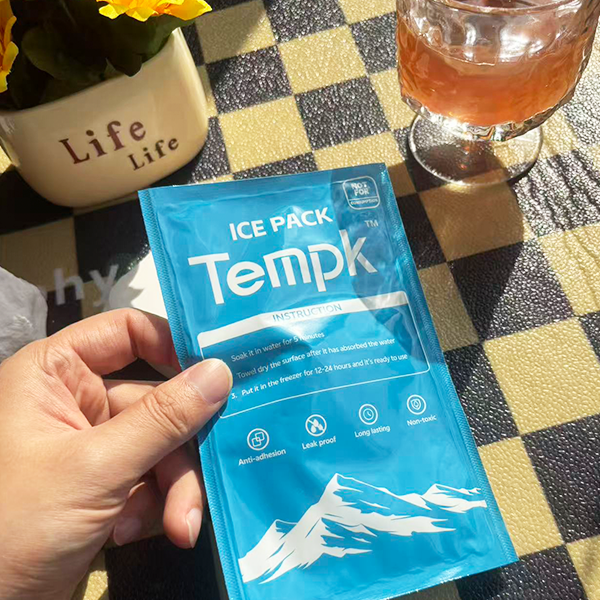
Tie-Down Slot Medical Ice Box Supplier: A Practical Evaluation Guide for B2B Buyers
The search for “tie-down slot medical ice box supplier” usually points to a practical B2B decision: how to get a temperature-sensitive or cold-packed load from one point to another with less risk, less guesswork, and better repeatability. The right answer is rarely the box with the loudest retention claim. It is the box-and-packout combination that matches your route, product, cleaning routine, and supplier control.
That is why smart buyers separate three questions from the start. First, what thermal job must the package do? Second, what mechanical and hygiene demands will the route impose? Third, how consistently can the supplier reproduce the same specification after the first sample? Once those three questions are answered, cost comparisons and supplier shortlists become much more useful.
Define the Transport Job Before You Compare Boxes
For medical transport, the container should be treated as part of a working transport process, not as an isolated product. You need enough usable space after coolant is loaded, a packout that protects the payload from both warming and overcooling, and a structure that can tolerate the way the box is carried, stacked, opened, cleaned, and returned. It is also important not to confuse a reusable insulated outer with a fully qualified shipping system. Depending on the route, additional qualification, monitoring, or route-specific evidence may still be needed.
A good medical ice box needs to do four jobs at the same time. It must slow heat gain, protect the payload from shocks and crushing, support clean handling, and fit the way the route is actually executed. If one of those jobs is ignored, the box can look impressive in isolation and still perform poorly in the field. That is why buyers should compare usable volume, packout method, opening frequency, and cleaning turnaround instead of relying on a simple ‘ice retention’ statement. For medical movement, that usually means safe handling for medicines or temperature-sensitive supplies, stable carrying and vehicle placement, clear identification, and a packout that reduces the chance of accidental freezing or contamination.
Even a strong box underperforms when the packing method is informal. Buyers should ask for a written packout concept that shows where the coolant sits, how the payload is buffered, how voids are controlled, and where a logger or temperature indicator is positioned. That matters because two shipments using the same box can behave very differently when one is tightly organized and the other is packed opportunistically. For temperature-sensitive healthcare goods, that discipline is also the difference between a package that protects product quality and one that creates avoidable freeze or warm-excursion risk during the route.
Route fit matters more than generic marketing language. A box packed once for a short urban trip may fail on a longer route with repeated opening, sun exposure, vehicle vibration, or delayed receipt. Cold life claims from public vaccine specifications illustrate the point well: the result depends on a defined ambient condition, a defined coolant state, and a defined measurement endpoint. In practical buying terms, that means the box should be chosen around destination temperature, transit duration, opening frequency, and how much packout discipline the operation can realistically sustain. If the payload is freeze-sensitive, the buyer should also ask whether water packs, gel packs, or PCM are recommended, and whether the receiving team has clear unpack instructions.
The Technical Details That Matter Most
Passive cold boxes work by slowing heat transfer and using a coolant reservoir to absorb incoming heat. In practice, three mechanisms matter: conduction through the walls, lid, hardware, and openings; convection when warm air enters during opening or through leakage; and thermal mass, which is the ability of the coolant and payload arrangement to buffer temperature change over time. That is why a thicker wall alone does not guarantee better performance. The seal, latch pressure, air circulation around the payload, and the amount and condition of the coolant can change the result substantially. Public vaccine cold-box specifications make the measurement boundary explicit: cold life is defined under a stated ambient condition and a stated coolant preparation, not as a free-floating marketing claim.
Most boxes in this class use a plastic shell and a foam insulation core. In commercial hard coolers, rotomolded polyethylene and pressure-injected polyurethane are common because they combine mechanical toughness with decent passive insulation. In medical and laboratory formats, rigid plastic shells and polyurethane foam are also common, sometimes with inserts, partitions, or soft-sided outer components for lighter routes. The shell gives structure and cleanability; the foam slows heat transfer. But the lid seal, latch geometry, hinge protection, and the way the lid meets the body often decide whether the theoretical insulation works in daily use.
Shell material selection is usually a compromise among impact resistance, moldability, cleanability, UV resistance, and cost. Hard commercial coolers often use rotomolded polyethylene or other durable plastics because they tolerate rough handling and allow thick insulated wall sections. Medical and laboratory transport boxes often use rigid polypropylene or polyethylene shells, sometimes combined with soft-sided outers, depending on the route and carrying requirement. In both cases, the shell is primarily structural. It protects the cavity and supports the insulation.
The insulation layer is commonly polyurethane foam in rigid boxes because it provides good thermal performance relative to thickness and can be integrated into molded constructions. Advanced passive systems may add phase change materials or vacuum insulated panels when the route demands tighter control or longer duration, but those options also change cost, packout complexity, and repairability. Public WHO cold-box specifications also highlight material behavior that procurement teams often overlook: UV resistance, water- and vapour-proof joints, resistance to common disinfectants, and surfaces that are easy to clean.
Usable volume is one of the most misunderstood numbers in this category. External volume or headline size is not the same as protected payload space. Thicker walls improve insulation but reduce the cavity. Ice packs, PCM packs, trays, dividers, and data loggers reduce it again. That is why you should always request three measurements: external dimensions, internal cavity dimensions, and usable volume with the intended coolant arrangement in place. For healthcare routes, also ask whether product cartons need to remain upright, whether freeze-sensitive product must be buffered away from the coolant, and how many openings are expected before receipt.
Monitoring and receiving practice should be discussed early, not after the purchase order is placed. If the program uses a logger, indicator, or manual temperature record, the box should have a clear place for it without interfering with the payload or forcing staff to improvise. Receiving teams should also know how to inspect the package quickly without leaving the lid open longer than necessary.
Where Compliance Claims and Real Requirements Diverge
Compliance language is frequently overused in this category. A box may be rugged, insulated, and well built, yet still fall short of the documented packaging system required for a regulated route. That is why buyers should ask what exactly is being claimed: material suitability, passive insulation performance, a qualified packout, or full shipment compliance under a specific transport standard.
For healthcare movement, public vaccine and medicine guidance offers a practical boundary. CDC routine vaccine transport guidance accepts qualified containers and packouts for certain routine movement, warns against ordinary food or beverage coolers, and specifically cautions against using frozen gel packs from original vaccine shipments to pack refrigerated vaccines because they can still freeze product. EU GDP guidance and USP good storage and distribution practice both reinforce a risk-based approach: the product, the route, and any excursions must be managed and documented, not assumed away.
In healthcare routes, the technical boundary between a reusable outer container and a fully qualified temperature-controlled shipper must stay clear. A rugged ice box may be entirely suitable for some controlled internal transfers, but longer or more exposed routes may still require route qualification, written packouts, monitoring, and evidence that the product remains within its allowed range. In other words, the box is part of the answer, not the whole answer.
A Practical Supplier Checklist
A good shortlist usually shrinks fast once real questions are asked. After the first screen, the most useful suppliers are the ones that can provide a sample, a clear drawing or specification sheet, and direct answers on materials, dimensions, cleaning, packout assumptions, and what happens if a component changes later. Vague answers at this stage usually become operational problems later.
- Internal, external, and usable dimensions. Ask for all three, and ask for usable volume with the intended coolant layout or insert set already in place.
- Shell material, foam type, and seal construction. A good quote should identify the resin family, the insulation approach, and the key closure materials instead of hiding behind generic words like durable or food grade.
- Handling conditions. Confirm the box is intended for your real environment, including stacking, vibration, vehicle use, washdown, sunlight, or repeated opening during the route.
- Cleanability and hygiene. Ask how corners, seams, lid gaskets, plugs, or hardware are cleaned and whether the materials tolerate common disinfectants or wash chemicals.
- Labeling and traceability support. Check where you can place barcodes, route labels, tamper seals, or data loggers without blocking the lid or compromising handling.
- Sample-to-production consistency. Ask how the supplier controls tooling, resin changes, foaming consistency, dimensions, and hardware substitutions after sample approval.
- Tie-down detail. Confirm the load path, slot size, compatible strap width, and whether the tie-down feature was designed for the kind of vehicle or rack you use.
- Route suitability and temperature-control evidence. Even when the box itself is passive, ask whether the supplier has packout guidance, route-based test data, or clear limits for the intended temperature band and hold time.
- Logger placement and receiving practice. Confirm how the shipment will be monitored and how the receiving team should inspect the box without disturbing the payload unnecessarily.
One of the biggest hidden costs in this category is inconsistency. A box that changes slightly from order to order can force new packout adjustments, relabeling, retraining, or receiving exceptions even when the nominal part number stays the same. That is why disciplined buyers ask how materials, dimensions, insulation fill, hardware, and accessory options are controlled once a sample has been approved.
How to Compare Cost Without Losing Performance
Cost becomes easier to judge when the specification is defined. A low unit price can hide thinner insulation, lighter hardware, lower usable volume, missing accessories, or weaker process control. A higher quote may include better sealing, stronger closures, replaceable parts, custom inserts, clearer labeling support, or more consistent production. The only fair comparison is against the same route assumptions and the same packout objective.
The best supplier is rarely the one with the longest feature list. It is the one that can define the box clearly, answer questions about material and packout, support sampling, and keep the same specification alive across future orders. If the seller cannot explain usable volume, seal design, or loading assumptions, the risk usually shows up later as complaints, delays, or hidden rework. For any cost or price discussion, it is better to ask for a layered quotation than a single headline number. Request the unit price, the MOQ, accessories, sample cost, packaging cost, tooling or mold fees if any, replacement-part policy, and the commercial term behind the shipment. That turns the conversation from vague bargaining into a real procurement comparison.
The most useful comparison is not box against box in the abstract. It is one defined working configuration against another. Compare the usable cavity after coolant is added, the loaded weight, the opening and closure pattern, the cleaning method, and the expected reuse cycle. That tells you far more than comparing shell thickness or a single marketing retention number in isolation.
Service life should be part of the buying decision from the start. A medical ice box may look economical on a unit basis, but the return changes quickly if hinges fail early, handles loosen, gaskets cannot be replaced, or the shell becomes difficult to sanitize after repeated use. Ask how the box is maintained, whether spare parts exist for wear items, and what typically causes end-of-life in field use. If the design includes tie-down points, confirm whether repeated strap load affects cracking risk over time.
Common Failure Points and How to Prevent Them
Field failures rarely come from a single dramatic defect. More often they come from accumulation: inconsistent foam fill, a lid that does not compress evenly, coolant loaded in direct contact with a freeze-sensitive payload, overfilling that blocks air circulation, or repeated opening that was never considered in the original test. On mobile routes, vibration and poor securing can also shift the packout and create hot or cold spots inside the cavity.
That is why a technical supplier review should include more than a sample box. Ask what is controlled from lot to lot, whether dimensional checks are recorded, how hinge and latch substitutions are approved, whether spare seals or plugs exist, and how design changes are communicated. A supplier that cannot describe failure modes usually cannot control them well.
Before scaling up, it is worth running a small pilot under realistic conditions. That means loading the intended payload, using the actual coolant preparation, following the intended opening pattern, and checking what the receiving team sees at the far end. A pilot does not need to be overcomplicated. Its purpose is to confirm that the box, the packout, and the human process work together in the real route rather than only on paper. It also gives you a practical way to judge whether the supplier can respond to feedback without losing control of the specification.
Healthcare routes also benefit from a simple unpacking routine. If the receiving team has to guess which coolant pack to remove first, where the logger sits, or how the product is buffered from cold surfaces, the process is too dependent on tribal knowledge. The better solution is usually the one that reduces decision points at handoff.
Final Take
The most dependable buying decision is the one that treats the medical ice box as a controlled system. Define the payload, the temperature band, the route duration, the opening pattern, the handling conditions, and the maintenance expectations before you compare suppliers. That approach produces better performance, clearer supplier conversations, and more meaningful cost comparisons.
The right medical ice box is the one that matches your route, payload, and handling discipline with the least amount of operational guesswork. If you define the box by usable volume, packout method, cleanability, handling strength, and supplier consistency, you will make a far better decision than if you buy on appearance or a generic cold-retention claim.
About Tempk
At Tempk, we focus on temperature-controlled packaging for businesses that need to move sensitive goods more safely and predictably. We focus on temperature-controlled packaging that supports medical, pharmaceutical, and other temperature-sensitive shipments, including ice packs, insulated boxes, and custom packout formats. Our site also shows custom temperature-control packaging options, which is useful when a standard off-the-shelf box does not match the route, payload, or handling pattern. That combination of standard products and custom packaging support helps teams move from a vague box request to a clearer packaging specification.
Next Step
If you are shortlisting partners, request a sample and a clear specification sheet that covers usable volume, materials, and packout guidance before moving forward.
Pharmaceutical Ice Box OEM Supplier: A Practical Evaluation Guide for B2B Buyers
Pharmaceutical Ice Box OEM Supplier: A Practical Evaluation Guide for B2B Buyers
The search for “pharmaceutical ice box OEM supplier” usually points to a practical B2B decision: how to get a temperature-sensitive or cold-packed load from one point to another with less risk, less guesswork, and better repeatability. The right answer is rarely the box with the loudest retention claim. It is the box-and-packout combination that matches your route, product, cleaning routine, and supplier control.
That is why smart buyers separate three questions from the start. First, what thermal job must the package do? Second, what mechanical and hygiene demands will the route impose? Third, how consistently can the supplier reproduce the same specification after the first sample? Once those three questions are answered, cost comparisons and supplier shortlists become much more useful.
Define the Transport Job Before You Compare Boxes
For pharmaceutical transport, the container should be treated as part of a working transport process, not as an isolated product. You need enough usable space after coolant is loaded, a packout that protects the payload from both warming and overcooling, and a structure that can tolerate the way the box is carried, stacked, opened, cleaned, and returned. It is also important not to confuse a reusable insulated outer with a fully qualified shipping system. Depending on the route, additional qualification, monitoring, or route-specific evidence may still be needed.
A good pharmaceutical ice box needs to do four jobs at the same time. It must slow heat gain, protect the payload from shocks and crushing, support clean handling, and fit the way the route is actually executed. If one of those jobs is ignored, the box can look impressive in isolation and still perform poorly in the field. That is why buyers should compare usable volume, packout method, opening frequency, and cleaning turnaround instead of relying on a simple ‘ice retention’ statement. For pharmaceutical movement, that usually means a protected cavity for cartons or vials, a packout that keeps the load away from direct contact with overly cold coolant, clear label space, and a way to add a data logger or transport record without improvising at the last minute.
Even a strong box underperforms when the packing method is informal. Buyers should ask for a written packout concept that shows where the coolant sits, how the payload is buffered, how voids are controlled, and where a logger or temperature indicator is positioned. That matters because two shipments using the same box can behave very differently when one is tightly organized and the other is packed opportunistically. For temperature-sensitive healthcare goods, that discipline is also the difference between a package that protects product quality and one that creates avoidable freeze or warm-excursion risk during the route.
Route fit matters more than generic marketing language. A box packed once for a short urban trip may fail on a longer route with repeated opening, sun exposure, vehicle vibration, or delayed receipt. Cold life claims from public vaccine specifications illustrate the point well: the result depends on a defined ambient condition, a defined coolant state, and a defined measurement endpoint. In practical buying terms, that means the box should be chosen around destination temperature, transit duration, opening frequency, and how much packout discipline the operation can realistically sustain. If the payload is freeze-sensitive, the buyer should also ask whether water packs, gel packs, or PCM are recommended, and whether the receiving team has clear unpack instructions.
The Technical Details That Matter Most
Passive cold boxes work by slowing heat transfer and using a coolant reservoir to absorb incoming heat. In practice, three mechanisms matter: conduction through the walls, lid, hardware, and openings; convection when warm air enters during opening or through leakage; and thermal mass, which is the ability of the coolant and payload arrangement to buffer temperature change over time. That is why a thicker wall alone does not guarantee better performance. The seal, latch pressure, air circulation around the payload, and the amount and condition of the coolant can change the result substantially. Public vaccine cold-box specifications make the measurement boundary explicit: cold life is defined under a stated ambient condition and a stated coolant preparation, not as a free-floating marketing claim.
Most boxes in this class use a plastic shell and a foam insulation core. In commercial hard coolers, rotomolded polyethylene and pressure-injected polyurethane are common because they combine mechanical toughness with decent passive insulation. In medical and laboratory formats, rigid plastic shells and polyurethane foam are also common, sometimes with inserts, partitions, or soft-sided outer components for lighter routes. The shell gives structure and cleanability; the foam slows heat transfer. But the lid seal, latch geometry, hinge protection, and the way the lid meets the body often decide whether the theoretical insulation works in daily use.
Shell material selection is usually a compromise among impact resistance, moldability, cleanability, UV resistance, and cost. Hard commercial coolers often use rotomolded polyethylene or other durable plastics because they tolerate rough handling and allow thick insulated wall sections. Medical and laboratory transport boxes often use rigid polypropylene or polyethylene shells, sometimes combined with soft-sided outers, depending on the route and carrying requirement. In both cases, the shell is primarily structural. It protects the cavity and supports the insulation.
The insulation layer is commonly polyurethane foam in rigid boxes because it provides good thermal performance relative to thickness and can be integrated into molded constructions. Advanced passive systems may add phase change materials or vacuum insulated panels when the route demands tighter control or longer duration, but those options also change cost, packout complexity, and repairability. Public WHO cold-box specifications also highlight material behavior that procurement teams often overlook: UV resistance, water- and vapour-proof joints, resistance to common disinfectants, and surfaces that are easy to clean.
Usable volume is one of the most misunderstood numbers in this category. External volume or headline size is not the same as protected payload space. Thicker walls improve insulation but reduce the cavity. Ice packs, PCM packs, trays, dividers, and data loggers reduce it again. That is why you should always request three measurements: external dimensions, internal cavity dimensions, and usable volume with the intended coolant arrangement in place. For healthcare routes, also ask whether product cartons need to remain upright, whether freeze-sensitive product must be buffered away from the coolant, and how many openings are expected before receipt.
Monitoring and receiving practice should be discussed early, not after the purchase order is placed. If the program uses a logger, indicator, or manual temperature record, the box should have a clear place for it without interfering with the payload or forcing staff to improvise. Receiving teams should also know how to inspect the package quickly without leaving the lid open longer than necessary.
Where Compliance Claims and Real Requirements Diverge
Compliance language is frequently overused in this category. A box may be rugged, insulated, and well built, yet still fall short of the documented packaging system required for a regulated route. That is why buyers should ask what exactly is being claimed: material suitability, passive insulation performance, a qualified packout, or full shipment compliance under a specific transport standard.
For healthcare movement, public vaccine and medicine guidance offers a practical boundary. CDC routine vaccine transport guidance accepts qualified containers and packouts for certain routine movement, warns against ordinary food or beverage coolers, and specifically cautions against using frozen gel packs from original vaccine shipments to pack refrigerated vaccines because they can still freeze product. EU GDP guidance and USP good storage and distribution practice both reinforce a risk-based approach: the product, the route, and any excursions must be managed and documented, not assumed away.
In healthcare routes, the technical boundary between a reusable outer container and a fully qualified temperature-controlled shipper must stay clear. A rugged ice box may be entirely suitable for some controlled internal transfers, but longer or more exposed routes may still require route qualification, written packouts, monitoring, and evidence that the product remains within its allowed range. In other words, the box is part of the answer, not the whole answer.
A Practical Supplier Checklist
A good shortlist usually shrinks fast once real questions are asked. After the first screen, the most useful suppliers are the ones that can provide a sample, a clear drawing or specification sheet, and direct answers on materials, dimensions, cleaning, packout assumptions, and what happens if a component changes later. Vague answers at this stage usually become operational problems later.
- Internal, external, and usable dimensions. Ask for all three, and ask for usable volume with the intended coolant layout or insert set already in place.
- Shell material, foam type, and seal construction. A good quote should identify the resin family, the insulation approach, and the key closure materials instead of hiding behind generic words like durable or food grade.
- Handling conditions. Confirm the box is intended for your real environment, including stacking, vibration, vehicle use, washdown, sunlight, or repeated opening during the route.
- Cleanability and hygiene. Ask how corners, seams, lid gaskets, plugs, or hardware are cleaned and whether the materials tolerate common disinfectants or wash chemicals.
- Labeling and traceability support. Check where you can place barcodes, route labels, tamper seals, or data loggers without blocking the lid or compromising handling.
- Sample-to-production consistency. Ask how the supplier controls tooling, resin changes, foaming consistency, dimensions, and hardware substitutions after sample approval.
- Change control for custom features. Define which elements are fixed after approval, who owns the mold or design files, and when a revised structure would require new thermal or handling verification.
- Branding and customization scope. Confirm whether color, logo, partitions, accessories, and packaging artwork are all included in the quoted configuration or priced separately.
- Route suitability and temperature-control evidence. Even when the box itself is passive, ask whether the supplier has packout guidance, route-based test data, or clear limits for the intended temperature band and hold time.
- Logger placement and receiving practice. Confirm how the shipment will be monitored and how the receiving team should inspect the box without disturbing the payload unnecessarily.
One of the biggest hidden costs in this category is inconsistency. A box that changes slightly from order to order can force new packout adjustments, relabeling, retraining, or receiving exceptions even when the nominal part number stays the same. That is why disciplined buyers ask how materials, dimensions, insulation fill, hardware, and accessory options are controlled once a sample has been approved.
How to Compare Cost Without Losing Performance
Cost becomes easier to judge when the specification is defined. A low unit price can hide thinner insulation, lighter hardware, lower usable volume, missing accessories, or weaker process control. A higher quote may include better sealing, stronger closures, replaceable parts, custom inserts, clearer labeling support, or more consistent production. The only fair comparison is against the same route assumptions and the same packout objective.
OEM pricing has extra layers that are easy to miss: design work, tooling, artwork, sample rounds, test repetitions, spare components, and the cost of holding a controlled specification over time. Buyers should also ask what happens when a custom feature changes after approval, because the cost of unmanaged revisions can easily exceed the visible tooling charge. For any cost or price discussion, it is better to ask for a layered quotation than a single headline number. Request the unit price, the MOQ, accessories, sample cost, packaging cost, tooling or mold fees if any, replacement-part policy, and the commercial term behind the shipment. That turns the conversation from vague bargaining into a real procurement comparison.
The most useful comparison is not box against box in the abstract. It is one defined working configuration against another. Compare the usable cavity after coolant is added, the loaded weight, the opening and closure pattern, the cleaning method, and the expected reuse cycle. That tells you far more than comparing shell thickness or a single marketing retention number in isolation.
Service life should be part of the buying decision from the start. A pharmaceutical ice box may look economical on a unit basis, but the return changes quickly if hinges fail early, handles loosen, gaskets cannot be replaced, or the shell becomes difficult to sanitize after repeated use. Ask how the box is maintained, whether spare parts exist for wear items, and what typically causes end-of-life in field use.
Common Failure Points and How to Prevent Them
Field failures rarely come from a single dramatic defect. More often they come from accumulation: inconsistent foam fill, a lid that does not compress evenly, coolant loaded in direct contact with a freeze-sensitive payload, overfilling that blocks air circulation, or repeated opening that was never considered in the original test. On mobile routes, vibration and poor securing can also shift the packout and create hot or cold spots inside the cavity.
That is why a technical supplier review should include more than a sample box. Ask what is controlled from lot to lot, whether dimensional checks are recorded, how hinge and latch substitutions are approved, whether spare seals or plugs exist, and how design changes are communicated. A supplier that cannot describe failure modes usually cannot control them well.
Before scaling up, it is worth running a small pilot under realistic conditions. That means loading the intended payload, using the actual coolant preparation, following the intended opening pattern, and checking what the receiving team sees at the far end. A pilot does not need to be overcomplicated. Its purpose is to confirm that the box, the packout, and the human process work together in the real route rather than only on paper. It also gives you a practical way to judge whether the supplier can respond to feedback without losing control of the specification.
Healthcare routes also benefit from a simple unpacking routine. If the receiving team has to guess which coolant pack to remove first, where the logger sits, or how the product is buffered from cold surfaces, the process is too dependent on tribal knowledge. The better solution is usually the one that reduces decision points at handoff.
Final Take
The most dependable buying decision is the one that treats the pharmaceutical ice box as a controlled system. Define the payload, the temperature band, the route duration, the opening pattern, the handling conditions, and the maintenance expectations before you compare suppliers. That approach produces better performance, clearer supplier conversations, and more meaningful cost comparisons.
The right pharmaceutical ice box is the one that matches your route, payload, and handling discipline with the least amount of operational guesswork. If you define the box by usable volume, packout method, cleanability, handling strength, and supplier consistency, you will make a far better decision than if you buy on appearance or a generic cold-retention claim.
About Tempk
At Tempk, we focus on temperature-controlled packaging for businesses that need to move sensitive goods more safely and predictably. Our published range includes temperature-controlled packaging for pharmaceutical and other temperature-sensitive shipments, with ice packs, insulated boxes, thermal bags, and pallet covers. Our site also shows custom temperature-control packaging options, which is useful when a standard off-the-shelf box does not match the route, payload, or handling pattern. That combination of standard products and custom packaging support helps teams move from a vague box request to a clearer packaging specification.
Next Step
If you are shortlisting partners, request a sample and a clear specification sheet that covers usable volume, materials, and packout guidance before moving forward.
Medical Ice Box Bulk Purchase: A Practical Evaluation Guide for B2B Buyers

Medical Ice Box Bulk Purchase: A Practical Evaluation Guide for B2B Buyers
The search for “medical ice box bulk purchase” usually points to a practical B2B decision: how to get a temperature-sensitive or cold-packed load from one point to another with less risk, less guesswork, and better repeatability. The right answer is rarely the box with the loudest retention claim. It is the box-and-packout combination that matches your route, product, cleaning routine, and supplier control.
That is why smart buyers separate three questions from the start. First, what thermal job must the package do? Second, what mechanical and hygiene demands will the route impose? Third, how consistently can the supplier reproduce the same specification after the first sample? Once those three questions are answered, cost comparisons and supplier shortlists become much more useful.
Define the Transport Job Before You Compare Boxes
For medical transport, the container should be treated as part of a working transport process, not as an isolated product. You need enough usable space after coolant is loaded, a packout that protects the payload from both warming and overcooling, and a structure that can tolerate the way the box is carried, stacked, opened, cleaned, and returned. It is also important not to confuse a reusable insulated outer with a fully qualified shipping system. Depending on the route, additional qualification, monitoring, or route-specific evidence may still be needed.
A good medical ice box needs to do four jobs at the same time. It must slow heat gain, protect the payload from shocks and crushing, support clean handling, and fit the way the route is actually executed. If one of those jobs is ignored, the box can look impressive in isolation and still perform poorly in the field. That is why buyers should compare usable volume, packout method, opening frequency, and cleaning turnaround instead of relying on a simple ‘ice retention’ statement. For medical movement, that usually means safe handling for medicines or temperature-sensitive supplies, stable carrying and vehicle placement, clear identification, and a packout that reduces the chance of accidental freezing or contamination.
Even a strong box underperforms when the packing method is informal. Buyers should ask for a written packout concept that shows where the coolant sits, how the payload is buffered, how voids are controlled, and where a logger or temperature indicator is positioned. That matters because two shipments using the same box can behave very differently when one is tightly organized and the other is packed opportunistically. For temperature-sensitive healthcare goods, that discipline is also the difference between a package that protects product quality and one that creates avoidable freeze or warm-excursion risk during the route.
Route fit matters more than generic marketing language. A box packed once for a short urban trip may fail on a longer route with repeated opening, sun exposure, vehicle vibration, or delayed receipt. Cold life claims from public vaccine specifications illustrate the point well: the result depends on a defined ambient condition, a defined coolant state, and a defined measurement endpoint. In practical buying terms, that means the box should be chosen around destination temperature, transit duration, opening frequency, and how much packout discipline the operation can realistically sustain. If the payload is freeze-sensitive, the buyer should also ask whether water packs, gel packs, or PCM are recommended, and whether the receiving team has clear unpack instructions.
The Technical Details That Matter Most
Passive cold boxes work by slowing heat transfer and using a coolant reservoir to absorb incoming heat. In practice, three mechanisms matter: conduction through the walls, lid, hardware, and openings; convection when warm air enters during opening or through leakage; and thermal mass, which is the ability of the coolant and payload arrangement to buffer temperature change over time. That is why a thicker wall alone does not guarantee better performance. The seal, latch pressure, air circulation around the payload, and the amount and condition of the coolant can change the result substantially. Public vaccine cold-box specifications make the measurement boundary explicit: cold life is defined under a stated ambient condition and a stated coolant preparation, not as a free-floating marketing claim.
Most boxes in this class use a plastic shell and a foam insulation core. In commercial hard coolers, rotomolded polyethylene and pressure-injected polyurethane are common because they combine mechanical toughness with decent passive insulation. In medical and laboratory formats, rigid plastic shells and polyurethane foam are also common, sometimes with inserts, partitions, or soft-sided outer components for lighter routes. The shell gives structure and cleanability; the foam slows heat transfer. But the lid seal, latch geometry, hinge protection, and the way the lid meets the body often decide whether the theoretical insulation works in daily use.
Shell material selection is usually a compromise among impact resistance, moldability, cleanability, UV resistance, and cost. Hard commercial coolers often use rotomolded polyethylene or other durable plastics because they tolerate rough handling and allow thick insulated wall sections. Medical and laboratory transport boxes often use rigid polypropylene or polyethylene shells, sometimes combined with soft-sided outers, depending on the route and carrying requirement. In both cases, the shell is primarily structural. It protects the cavity and supports the insulation.
The insulation layer is commonly polyurethane foam in rigid boxes because it provides good thermal performance relative to thickness and can be integrated into molded constructions. Advanced passive systems may add phase change materials or vacuum insulated panels when the route demands tighter control or longer duration, but those options also change cost, packout complexity, and repairability. Public WHO cold-box specifications also highlight material behavior that procurement teams often overlook: UV resistance, water- and vapour-proof joints, resistance to common disinfectants, and surfaces that are easy to clean.
Usable volume is one of the most misunderstood numbers in this category. External volume or headline size is not the same as protected payload space. Thicker walls improve insulation but reduce the cavity. Ice packs, PCM packs, trays, dividers, and data loggers reduce it again. That is why you should always request three measurements: external dimensions, internal cavity dimensions, and usable volume with the intended coolant arrangement in place. For healthcare routes, also ask whether product cartons need to remain upright, whether freeze-sensitive product must be buffered away from the coolant, and how many openings are expected before receipt.
Monitoring and receiving practice should be discussed early, not after the purchase order is placed. If the program uses a logger, indicator, or manual temperature record, the box should have a clear place for it without interfering with the payload or forcing staff to improvise. Receiving teams should also know how to inspect the package quickly without leaving the lid open longer than necessary.
Where Compliance Claims and Real Requirements Diverge
Compliance language is frequently overused in this category. A box may be rugged, insulated, and well built, yet still fall short of the documented packaging system required for a regulated route. That is why buyers should ask what exactly is being claimed: material suitability, passive insulation performance, a qualified packout, or full shipment compliance under a specific transport standard.
For healthcare movement, public vaccine and medicine guidance offers a practical boundary. CDC routine vaccine transport guidance accepts qualified containers and packouts for certain routine movement, warns against ordinary food or beverage coolers, and specifically cautions against using frozen gel packs from original vaccine shipments to pack refrigerated vaccines because they can still freeze product. EU GDP guidance and USP good storage and distribution practice both reinforce a risk-based approach: the product, the route, and any excursions must be managed and documented, not assumed away.
In healthcare routes, the technical boundary between a reusable outer container and a fully qualified temperature-controlled shipper must stay clear. A rugged ice box may be entirely suitable for some controlled internal transfers, but longer or more exposed routes may still require route qualification, written packouts, monitoring, and evidence that the product remains within its allowed range. In other words, the box is part of the answer, not the whole answer.
A Practical Supplier Checklist
A good shortlist usually shrinks fast once real questions are asked. After the first screen, the most useful suppliers are the ones that can provide a sample, a clear drawing or specification sheet, and direct answers on materials, dimensions, cleaning, packout assumptions, and what happens if a component changes later. Vague answers at this stage usually become operational problems later.
- Internal, external, and usable dimensions. Ask for all three, and ask for usable volume with the intended coolant layout or insert set already in place.
- Shell material, foam type, and seal construction. A good quote should identify the resin family, the insulation approach, and the key closure materials instead of hiding behind generic words like durable or food grade.
- Handling conditions. Confirm the box is intended for your real environment, including stacking, vibration, vehicle use, washdown, sunlight, or repeated opening during the route.
- Cleanability and hygiene. Ask how corners, seams, lid gaskets, plugs, or hardware are cleaned and whether the materials tolerate common disinfectants or wash chemicals.
- Labeling and traceability support. Check where you can place barcodes, route labels, tamper seals, or data loggers without blocking the lid or compromising handling.
- Sample-to-production consistency. Ask how the supplier controls tooling, resin changes, foaming consistency, dimensions, and hardware substitutions after sample approval.
- Route suitability and temperature-control evidence. Even when the box itself is passive, ask whether the supplier has packout guidance, route-based test data, or clear limits for the intended temperature band and hold time.
- Logger placement and receiving practice. Confirm how the shipment will be monitored and how the receiving team should inspect the box without disturbing the payload unnecessarily.
One of the biggest hidden costs in this category is inconsistency. A box that changes slightly from order to order can force new packout adjustments, relabeling, retraining, or receiving exceptions even when the nominal part number stays the same. That is why disciplined buyers ask how materials, dimensions, insulation fill, hardware, and accessory options are controlled once a sample has been approved. In cost discussions, that consistency question matters as much as the quoted unit figure because the real expense often shows up later as rework, damages, customer complaints, or operational delays.
How to Compare Cost Without Losing Performance
Cost becomes easier to judge when the specification is defined. A low unit price can hide thinner insulation, lighter hardware, lower usable volume, missing accessories, or weaker process control. A higher quote may include better sealing, stronger closures, replaceable parts, custom inserts, clearer labeling support, or more consistent production. The only fair comparison is against the same route assumptions and the same packout objective. In other words, price should be the output of a defined design brief, not the starting point for one.
Bulk purchase economics depend on more than the first invoice. Nesting or stacking efficiency, damage rate, cleaning time, replacement-part availability, and the number of trips the box can realistically complete all change total program cost. A cheaper unit that wastes pallet space or fails after a short service life can easily become the more expensive option. For any cost or price discussion, it is better to ask for a layered quotation than a single headline number. Request the unit price, the MOQ, accessories, sample cost, packaging cost, tooling or mold fees if any, replacement-part policy, and the commercial term behind the shipment. That turns the conversation from vague bargaining into a real procurement comparison.
The most useful comparison is not box against box in the abstract. It is one defined working configuration against another. Compare the usable cavity after coolant is added, the loaded weight, the opening and closure pattern, the cleaning method, and the expected reuse cycle. That tells you far more than comparing shell thickness or a single marketing retention number in isolation.
Service life should be part of the buying decision from the start. A medical ice box may look economical on a unit basis, but the return changes quickly if hinges fail early, handles loosen, gaskets cannot be replaced, or the shell becomes difficult to sanitize after repeated use. Ask how the box is maintained, whether spare parts exist for wear items, and what typically causes end-of-life in field use.
Common Failure Points and How to Prevent Them
Field failures rarely come from a single dramatic defect. More often they come from accumulation: inconsistent foam fill, a lid that does not compress evenly, coolant loaded in direct contact with a freeze-sensitive payload, overfilling that blocks air circulation, or repeated opening that was never considered in the original test. On mobile routes, vibration and poor securing can also shift the packout and create hot or cold spots inside the cavity.
That is why a technical supplier review should include more than a sample box. Ask what is controlled from lot to lot, whether dimensional checks are recorded, how hinge and latch substitutions are approved, whether spare seals or plugs exist, and how design changes are communicated. A supplier that cannot describe failure modes usually cannot control them well.
Before scaling up, it is worth running a small pilot under realistic conditions. That means loading the intended payload, using the actual coolant preparation, following the intended opening pattern, and checking what the receiving team sees at the far end. A pilot does not need to be overcomplicated. Its purpose is to confirm that the box, the packout, and the human process work together in the real route rather than only on paper.
Healthcare routes also benefit from a simple unpacking routine. If the receiving team has to guess which coolant pack to remove first, where the logger sits, or how the product is buffered from cold surfaces, the process is too dependent on tribal knowledge. The better solution is usually the one that reduces decision points at handoff.
Final Take
The most dependable buying decision is the one that treats the medical ice box as a controlled system. Define the payload, the temperature band, the route duration, the opening pattern, the handling conditions, and the maintenance expectations before you compare suppliers. That approach produces better performance, clearer supplier conversations, and more meaningful cost comparisons.
The right medical ice box is the one that matches your route, payload, and handling discipline with the least amount of operational guesswork. If you define the box by usable volume, packout method, cleanability, handling strength, and supplier consistency, you will make a far better decision than if you buy on appearance or a generic cold-retention claim. That approach also gives you a much more reliable way to judge cost, because you are comparing a defined working specification rather than a vague product description.
About Tempk
At Tempk, we focus on temperature-controlled packaging for businesses that need to move sensitive goods more safely and predictably. We focus on temperature-controlled packaging that supports medical, pharmaceutical, and other temperature-sensitive shipments, including ice packs, insulated boxes, and custom packout formats. Our site also shows custom temperature-control packaging options, which is useful when a standard off-the-shelf box does not match the route, payload, or handling pattern. That combination of standard products and custom packaging support helps teams move from a vague box request to a clearer packaging specification.
Next Step
If you are planning a larger order, ask for a sample, a defined packout, and confirmation that the production version will match the approved specification.
Insulated Ice Box Seafood Export Supplier: A Practical Evaluation Guide for B2B Buyers
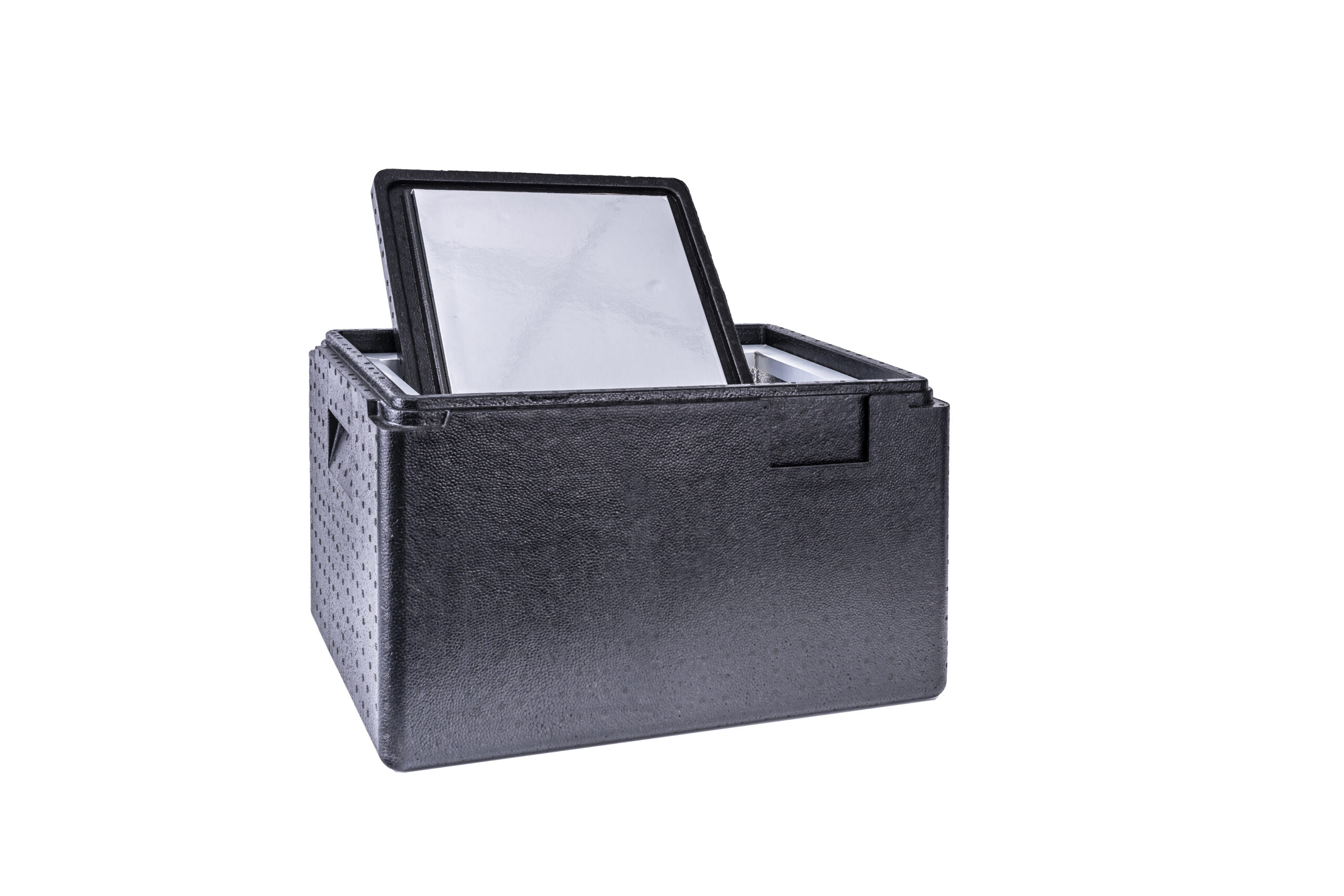
Insulated Ice Box Seafood Export Supplier: A Practical Evaluation Guide for B2B Buyers
The search for “insulated ice box seafood export supplier” usually points to a practical B2B decision: how to get a temperature-sensitive or cold-packed load from one point to another with less risk, less guesswork, and better repeatability. The right answer is rarely the box with the loudest retention claim. It is the box-and-packout combination that matches your route, product, cleaning routine, and supplier control.
That is why smart buyers separate three questions from the start. First, what thermal job must the package do? Second, what mechanical and hygiene demands will the route impose? Third, how consistently can the supplier reproduce the same specification after the first sample? Once those three questions are answered, cost comparisons and supplier shortlists become much more useful.
Define the Transport Job Before You Compare Boxes
For seafood cold-chain work, the container should be treated as part of a working transport process, not as an isolated product. You need enough usable space after coolant is loaded, a packout that protects the payload from both warming and overcooling, and a structure that can tolerate the way the box is carried, stacked, opened, cleaned, and returned.
A good insulated seafood export box needs to do four jobs at the same time. It must slow heat gain, protect the payload from shocks and crushing, support clean handling, and fit the way the route is actually executed. If one of those jobs is ignored, the box can look impressive in isolation and still perform poorly in the field. That is why buyers should compare usable volume, packout method, opening frequency, and cleaning turnaround instead of relying on a simple ‘ice retention’ statement. For seafood export, that means controlling heat gain while also managing drainage, stackability, and hygiene. If meltwater, cross-contamination, or weak box geometry become the real failure point, better insulation alone will not save the shipment.
Even a strong box underperforms when the packing method is informal. Buyers should ask for a written packout concept that shows where the coolant sits, how the payload is buffered, how voids are controlled, and where a logger or temperature indicator is positioned. That matters because two shipments using the same box can behave very differently when one is tightly organized and the other is packed opportunistically. For seafood, a disciplined packout helps keep product in close contact with cold media while still allowing drainage and re-icing when needed.
Route fit matters more than generic marketing language. A box packed once for a short urban trip may fail on a longer route with repeated opening, sun exposure, vehicle vibration, or delayed receipt. Cold life claims from public vaccine specifications illustrate the point well: the result depends on a defined ambient condition, a defined coolant state, and a defined measurement endpoint. In practical buying terms, that means the box should be chosen around destination temperature, transit duration, opening frequency, and how much packout discipline the operation can realistically sustain. For seafood export, route fit must include how often re-icing is possible, whether the cargo is chilled or frozen, and how the box performs under pallet stacking and wet handling.
The Technical Details That Matter Most
Passive cold boxes work by slowing heat transfer and using a coolant reservoir to absorb incoming heat. In practice, three mechanisms matter: conduction through the walls, lid, hardware, and openings; convection when warm air enters during opening or through leakage; and thermal mass, which is the ability of the coolant and payload arrangement to buffer temperature change over time. That is why a thicker wall alone does not guarantee better performance. The seal, latch pressure, air circulation around the payload, and the amount and condition of the coolant can change the result substantially. For seafood, thermal control is inseparable from icing practice, drainage, and how much product surface remains in contact with cold media during the route.
Most boxes in this class use a plastic shell and a foam insulation core. In commercial hard coolers, rotomolded polyethylene and pressure-injected polyurethane are common because they combine mechanical toughness with decent passive insulation. In medical and laboratory formats, rigid plastic shells and polyurethane foam are also common, sometimes with inserts, partitions, or soft-sided outer components for lighter routes. The shell gives structure and cleanability; the foam slows heat transfer. But the lid seal, latch geometry, hinge protection, and the way the lid meets the body often decide whether the theoretical insulation works in daily use. In seafood boxes, HDPE and other durable food-contact plastics are widely used because they are easier to clean and sanitize than wood, and because modern box designs can improve stackability and keep wastes or meltwater from dripping into boxes below.
Shell material selection is usually a compromise among impact resistance, moldability, cleanability, UV resistance, and cost. Hard commercial coolers often use rotomolded polyethylene or other durable plastics because they tolerate rough handling and allow thick insulated wall sections. Medical and laboratory transport boxes often use rigid polypropylene or polyethylene shells, sometimes combined with soft-sided outers, depending on the route and carrying requirement. In both cases, the shell is primarily structural. It protects the cavity and supports the insulation.
The insulation layer is commonly polyurethane foam in rigid boxes because it provides good thermal performance relative to thickness and can be integrated into molded constructions. Advanced passive systems may add phase change materials or vacuum insulated panels when the route demands tighter control or longer duration, but those options also change cost, packout complexity, and repairability. Public WHO cold-box specifications also highlight material behavior that procurement teams often overlook: UV resistance, water- and vapour-proof joints, resistance to common disinfectants, and surfaces that are easy to clean.
Usable volume is one of the most misunderstood numbers in this category. External volume or headline size is not the same as protected payload space. Thicker walls improve insulation but reduce the cavity. Ice packs, PCM packs, trays, dividers, and data loggers reduce it again. That is why you should always request three measurements: external dimensions, internal cavity dimensions, and usable volume with the intended coolant arrangement in place. For seafood, usable volume also has to be considered alongside ice ratio, drainage path, and the compression load from stacking during export handling.
Monitoring and receiving practice should be discussed early, not after the purchase order is placed. If the program uses a logger, indicator, or manual temperature record, the box should have a clear place for it without interfering with the payload or forcing staff to improvise. Receiving teams should also know how to inspect the package quickly without leaving the lid open longer than necessary.
Where Compliance Claims and Real Requirements Diverge
Compliance language is frequently overused in this category. A box may be rugged, insulated, and well built, yet still fall short of the documented packaging system required for a regulated route. That is why buyers should ask what exactly is being claimed: material suitability, passive insulation performance, a qualified packout, or full shipment compliance under a specific transport standard.
For seafood export, the compliance boundary looks different but is equally real. Food safety systems care about time and temperature control, hygienic handling, and whether chilled and frozen products remain within appropriate limits during transit and storage. Clean boxes, adequate ice or frozen media, meltwater control, and temperature records during longer transit are often more decisive than any premium brand language on the shell.
In seafood handling, thermal engineering cannot be separated from hygiene and drainage. A technically insulated box still fails the operation if meltwater accumulates, odors linger after cleaning, or stacked loads allow contamination between boxes. For export work, the engineering review has to include sanitation turnaround, pallet behavior, and the ability to keep chilled product close to the ice point or frozen product solidly deep-frozen through transfer steps.
A Practical Supplier Checklist
A good shortlist usually shrinks fast once real questions are asked. After the first screen, the most useful suppliers are the ones that can provide a sample, a clear drawing or specification sheet, and direct answers on materials, dimensions, cleaning, packout assumptions, and what happens if a component changes later. Vague answers at this stage usually become operational problems later.
- Internal, external, and usable dimensions. Ask for all three, and ask for usable volume with the intended coolant layout or insert set already in place.
- Shell material, foam type, and seal construction. A good quote should identify the resin family, the insulation approach, and the key closure materials instead of hiding behind generic words like durable or food grade.
- Handling conditions. Confirm the box is intended for your real environment, including stacking, vibration, vehicle use, washdown, sunlight, or repeated opening during the route.
- Cleanability and hygiene. Ask how corners, seams, lid gaskets, plugs, or hardware are cleaned and whether the materials tolerate common disinfectants or wash chemicals.
- Labeling and traceability support. Check where you can place barcodes, route labels, tamper seals, or data loggers without blocking the lid or compromising handling.
- Sample-to-production consistency. Ask how the supplier controls tooling, resin changes, foaming consistency, dimensions, and hardware substitutions after sample approval.
- Drainage and meltwater control. The buyer should understand how water exits the box and whether stacked boxes protect lower cargo from contamination.
- Food-contact and sanitation requirements. Confirm what materials are in contact with the product or liners, how the box is cleaned, and how lids or interiors resist odor retention.
One of the biggest hidden costs in this category is inconsistency. A box that changes slightly from order to order can force new packout adjustments, relabeling, retraining, or receiving exceptions even when the nominal part number stays the same. That is why disciplined buyers ask how materials, dimensions, insulation fill, hardware, and accessory options are controlled once a sample has been approved.
How to Compare Cost Without Losing Performance
Cost becomes easier to judge when the specification is defined. A low unit price can hide thinner insulation, lighter hardware, lower usable volume, missing accessories, or weaker process control. A higher quote may include better sealing, stronger closures, replaceable parts, custom inserts, clearer labeling support, or more consistent production. The only fair comparison is against the same route assumptions and the same packout objective.
The best supplier is rarely the one with the longest feature list. It is the one that can define the box clearly, answer questions about material and packout, support sampling, and keep the same specification alive across future orders. If the seller cannot explain usable volume, seal design, or loading assumptions, the risk usually shows up later as complaints, delays, or hidden rework. For any cost or price discussion, it is better to ask for a layered quotation than a single headline number. Request the unit price, the MOQ, accessories, sample cost, packaging cost, tooling or mold fees if any, replacement-part policy, and the commercial term behind the shipment. That turns the conversation from vague bargaining into a real procurement comparison.
The most useful comparison is not box against box in the abstract. It is one defined working configuration against another. Compare the usable cavity after coolant is added, the loaded weight, the opening and closure pattern, the cleaning method, and the expected reuse cycle. That tells you far more than comparing shell thickness or a single marketing retention number in isolation.
Service life should be part of the buying decision from the start. A insulated seafood export box may look economical on a unit basis, but the return changes quickly if hinges fail early, handles loosen, gaskets cannot be replaced, or the shell becomes difficult to sanitize after repeated use. Ask how the box is maintained, whether spare parts exist for wear items, and what typically causes end-of-life in field use.
Common Failure Points and How to Prevent Them
Field failures rarely come from a single dramatic defect. More often they come from accumulation: inconsistent foam fill, a lid that does not compress evenly, coolant loaded in direct contact with a freeze-sensitive payload, overfilling that blocks air circulation, or repeated opening that was never considered in the original test. On mobile routes, vibration and poor securing can also shift the packout and create hot or cold spots inside the cavity.
That is why a technical supplier review should include more than a sample box. Ask what is controlled from lot to lot, whether dimensional checks are recorded, how hinge and latch substitutions are approved, whether spare seals or plugs exist, and how design changes are communicated. A supplier that cannot describe failure modes usually cannot control them well.
Before scaling up, it is worth running a small pilot under realistic conditions. That means loading the intended payload, using the actual coolant preparation, following the intended opening pattern, and checking what the receiving team sees at the far end. A pilot does not need to be overcomplicated. Its purpose is to confirm that the box, the packout, and the human process work together in the real route rather than only on paper. It also gives you a practical way to judge whether the supplier can respond to feedback without losing control of the specification.
For seafood, workflow clarity shows up in icing, drainage, and turnaround. Crews need to know how the box is filled, when meltwater is removed, how product is protected from contamination, and how the box is washed before the next use. A design that fights those routines usually loses value quickly.
Final Take
The most dependable buying decision is the one that treats the insulated seafood export box as a controlled system. Define the payload, the temperature band, the route duration, the opening pattern, the handling conditions, and the maintenance expectations before you compare suppliers. That approach produces better performance, clearer supplier conversations, and more meaningful cost comparisons.
The right insulated seafood export box is the one that matches your route, payload, and handling discipline with the least amount of operational guesswork. If you define the box by usable volume, packout method, cleanability, handling strength, and supplier consistency, you will make a far better decision than if you buy on appearance or a generic cold-retention claim.
About Tempk
At Tempk, we focus on temperature-controlled packaging for businesses that need to move sensitive goods more safely and predictably. We build temperature-controlled packaging for food and other temperature-sensitive logistics, including ice packs, insulated boxes, thermal bags, and custom cold-chain formats. Our site also shows custom temperature-control packaging options, which is useful when a standard off-the-shelf box does not match the route, payload, or handling pattern. That combination of standard products and custom packaging support helps teams move from a vague box request to a clearer packaging specification.
Next Step
If you are shortlisting partners, request a sample and a clear specification sheet that covers usable volume, materials, and packout guidance before moving forward.
Insulated Ice Box Factory Cost: A Practical Evaluation Guide for B2B Buyers

Insulated Ice Box Factory Cost: A Practical Evaluation Guide for B2B Buyers
The search for “insulated ice box factory cost” usually points to a practical B2B decision: how to get a temperature-sensitive or cold-packed load from one point to another with less risk, less guesswork, and better repeatability. The right answer is rarely the box with the loudest retention claim. It is the box-and-packout combination that matches your route, product, cleaning routine, and supplier control.
That is why smart buyers separate three questions from the start. First, what thermal job must the package do? Second, what mechanical and hygiene demands will the route impose? Third, how consistently can the supplier reproduce the same specification after the first sample? Once those three questions are answered, cost comparisons and supplier shortlists become much more useful.
Define the Transport Job Before You Compare Boxes
For reusable transport work, the container should be treated as part of a working transport process, not as an isolated product. You need enough usable space after coolant is loaded, a packout that protects the payload from both warming and overcooling, and a structure that can tolerate the way the box is carried, stacked, opened, cleaned, and returned.
A good insulated ice box needs to do four jobs at the same time. It must slow heat gain, protect the payload from shocks and crushing, support clean handling, and fit the way the route is actually executed. If one of those jobs is ignored, the box can look impressive in isolation and still perform poorly in the field. That is why buyers should compare usable volume, packout method, opening frequency, and cleaning turnaround instead of relying on a simple ‘ice retention’ statement. For general transport use, that means balancing insulation, durability, usable space, and cleaning practicality so the box works in repeated service, not just during a single trial run.
Even a strong box underperforms when the packing method is informal. Buyers should ask for a written packout concept that shows where the coolant sits, how the payload is buffered, how voids are controlled, and where a logger or temperature indicator is positioned. That matters because two shipments using the same box can behave very differently when one is tightly organized and the other is packed opportunistically.
Route fit matters more than generic marketing language. A box packed once for a short urban trip may fail on a longer route with repeated opening, sun exposure, vehicle vibration, or delayed receipt. Cold life claims from public vaccine specifications illustrate the point well: the result depends on a defined ambient condition, a defined coolant state, and a defined measurement endpoint. In practical buying terms, that means the box should be chosen around destination temperature, transit duration, opening frequency, and how much packout discipline the operation can realistically sustain.
The Technical Details That Matter Most
Passive cold boxes work by slowing heat transfer and using a coolant reservoir to absorb incoming heat. In practice, three mechanisms matter: conduction through the walls, lid, hardware, and openings; convection when warm air enters during opening or through leakage; and thermal mass, which is the ability of the coolant and payload arrangement to buffer temperature change over time. That is why a thicker wall alone does not guarantee better performance. The seal, latch pressure, air circulation around the payload, and the amount and condition of the coolant can change the result substantially.
Most boxes in this class use a plastic shell and a foam insulation core. In commercial hard coolers, rotomolded polyethylene and pressure-injected polyurethane are common because they combine mechanical toughness with decent passive insulation. In medical and laboratory formats, rigid plastic shells and polyurethane foam are also common, sometimes with inserts, partitions, or soft-sided outer components for lighter routes. The shell gives structure and cleanability; the foam slows heat transfer. But the lid seal, latch geometry, hinge protection, and the way the lid meets the body often decide whether the theoretical insulation works in daily use.
Shell material selection is usually a compromise among impact resistance, moldability, cleanability, UV resistance, and cost. Hard commercial coolers often use rotomolded polyethylene or other durable plastics because they tolerate rough handling and allow thick insulated wall sections. Medical and laboratory transport boxes often use rigid polypropylene or polyethylene shells, sometimes combined with soft-sided outers, depending on the route and carrying requirement. In both cases, the shell is primarily structural. It protects the cavity and supports the insulation.
The insulation layer is commonly polyurethane foam in rigid boxes because it provides good thermal performance relative to thickness and can be integrated into molded constructions. Advanced passive systems may add phase change materials or vacuum insulated panels when the route demands tighter control or longer duration, but those options also change cost, packout complexity, and repairability. Public WHO cold-box specifications also highlight material behavior that procurement teams often overlook: UV resistance, water- and vapour-proof joints, resistance to common disinfectants, and surfaces that are easy to clean.
Usable volume is one of the most misunderstood numbers in this category. External volume or headline size is not the same as protected payload space. Thicker walls improve insulation but reduce the cavity. Ice packs, PCM packs, trays, dividers, and data loggers reduce it again. That is why you should always request three measurements: external dimensions, internal cavity dimensions, and usable volume with the intended coolant arrangement in place.
Monitoring and receiving practice should be discussed early, not after the purchase order is placed. If the program uses a logger, indicator, or manual temperature record, the box should have a clear place for it without interfering with the payload or forcing staff to improvise. Receiving teams should also know how to inspect the package quickly without leaving the lid open longer than necessary.
Where Compliance Claims and Real Requirements Diverge
Compliance language is frequently overused in this category. A box may be rugged, insulated, and well built, yet still fall short of the documented packaging system required for a regulated route. That is why buyers should ask what exactly is being claimed: material suitability, passive insulation performance, a qualified packout, or full shipment compliance under a specific transport standard.
Even in less regulated commercial or industrial routes, internal quality systems may still require documented packouts, receiving inspection, and traceable IDs. A supplier that can support those practices will usually be more valuable than one that only talks about rugged construction.
For general commercial and industrial routes, technical fit still depends on the real work cycle. A box used for bench storage, mobile service, and vehicle transport may need very different geometry, hardware strength, and coolant loading even if the nominal temperature band looks similar.
A Practical Supplier Checklist
A good shortlist usually shrinks fast once real questions are asked. After the first screen, the most useful suppliers are the ones that can provide a sample, a clear drawing or specification sheet, and direct answers on materials, dimensions, cleaning, packout assumptions, and what happens if a component changes later. Vague answers at this stage usually become operational problems later.
- Internal, external, and usable dimensions. Ask for all three, and ask for usable volume with the intended coolant layout or insert set already in place.
- Shell material, foam type, and seal construction. A good quote should identify the resin family, the insulation approach, and the key closure materials instead of hiding behind generic words like durable or food grade.
- Handling conditions. Confirm the box is intended for your real environment, including stacking, vibration, vehicle use, washdown, sunlight, or repeated opening during the route.
- Cleanability and hygiene. Ask how corners, seams, lid gaskets, plugs, or hardware are cleaned and whether the materials tolerate common disinfectants or wash chemicals.
- Labeling and traceability support. Check where you can place barcodes, route labels, tamper seals, or data loggers without blocking the lid or compromising handling.
- Sample-to-production consistency. Ask how the supplier controls tooling, resin changes, foaming consistency, dimensions, and hardware substitutions after sample approval.
One of the biggest hidden costs in this category is inconsistency. A box that changes slightly from order to order can force new packout adjustments, relabeling, retraining, or receiving exceptions even when the nominal part number stays the same. That is why disciplined buyers ask how materials, dimensions, insulation fill, hardware, and accessory options are controlled once a sample has been approved. In cost discussions, that consistency question matters as much as the quoted unit figure because the real expense often shows up later as rework, damages, customer complaints, or operational delays.
How to Compare Cost Without Losing Performance
Cost becomes easier to judge when the specification is defined. A low unit price can hide thinner insulation, lighter hardware, lower usable volume, missing accessories, or weaker process control. A higher quote may include better sealing, stronger closures, replaceable parts, custom inserts, clearer labeling support, or more consistent production. The only fair comparison is against the same route assumptions and the same packout objective. In other words, price should be the output of a defined design brief, not the starting point for one.
Factory cost moves fastest when you change resin choice, molding method, insulation thickness, hardware count, customization scope, packaging density, and order quantity. Tooling or mold costs may matter for custom work, but so can simpler items such as printed cartons, foam inserts, spare parts, or whether the quote assumes assembled accessories. The most useful should-cost review breaks these items apart instead of burying them in one unit figure. For any cost or price discussion, it is better to ask for a layered quotation than a single headline number. Request the unit price, the MOQ, accessories, sample cost, packaging cost, tooling or mold fees if any, replacement-part policy, and the commercial term behind the shipment. That turns the conversation from vague bargaining into a real procurement comparison.
The most useful comparison is not box against box in the abstract. It is one defined working configuration against another. Compare the usable cavity after coolant is added, the loaded weight, the opening and closure pattern, the cleaning method, and the expected reuse cycle. That tells you far more than comparing shell thickness or a single marketing retention number in isolation.
Service life should be part of the buying decision from the start. A insulated ice box may look economical on a unit basis, but the return changes quickly if hinges fail early, handles loosen, gaskets cannot be replaced, or the shell becomes difficult to sanitize after repeated use. Ask how the box is maintained, whether spare parts exist for wear items, and what typically causes end-of-life in field use.
Common Failure Points and How to Prevent Them
Field failures rarely come from a single dramatic defect. More often they come from accumulation: inconsistent foam fill, a lid that does not compress evenly, coolant loaded in direct contact with a freeze-sensitive payload, overfilling that blocks air circulation, or repeated opening that was never considered in the original test. On mobile routes, vibration and poor securing can also shift the packout and create hot or cold spots inside the cavity.
That is why a technical supplier review should include more than a sample box. Ask what is controlled from lot to lot, whether dimensional checks are recorded, how hinge and latch substitutions are approved, whether spare seals or plugs exist, and how design changes are communicated. A supplier that cannot describe failure modes usually cannot control them well.
Before scaling up, it is worth running a small pilot under realistic conditions. That means loading the intended payload, using the actual coolant preparation, following the intended opening pattern, and checking what the receiving team sees at the far end. A pilot does not need to be overcomplicated. Its purpose is to confirm that the box, the packout, and the human process work together in the real route rather than only on paper.
Workflow fit matters because the box will be handled by ordinary staff under time pressure. A design that only works when a specialist packs it perfectly is less robust than one that remains predictable in daily use.
Final Take
The most dependable buying decision is the one that treats the insulated ice box as a controlled system. Define the payload, the temperature band, the route duration, the opening pattern, the handling conditions, and the maintenance expectations before you compare suppliers. That approach produces better performance, clearer supplier conversations, and more meaningful cost comparisons.
The right insulated ice box is the one that matches your route, payload, and handling discipline with the least amount of operational guesswork. If you define the box by usable volume, packout method, cleanability, handling strength, and supplier consistency, you will make a far better decision than if you buy on appearance or a generic cold-retention claim. That approach also gives you a much more reliable way to judge cost, because you are comparing a defined working specification rather than a vague product description.
About Tempk
At Tempk, we focus on temperature-controlled packaging for businesses that need to move sensitive goods more safely and predictably. We provide temperature-controlled packaging products that include ice packs, insulated boxes, thermal bags, and custom cold-chain packaging for different transport conditions. Our site also shows custom temperature-control packaging options, which is useful when a standard off-the-shelf box does not match the route, payload, or handling pattern. That combination of standard products and custom packaging support helps teams move from a vague box request to a clearer packaging specification.
Next Step
If you are comparing quotes, ask for a route-based configuration and a layered cost breakdown before you judge the price.