


Insulated Ice Box Company Cost: The Optimized Decision Framework
Insulated Ice Box Company Cost: The Optimized Decision Framework
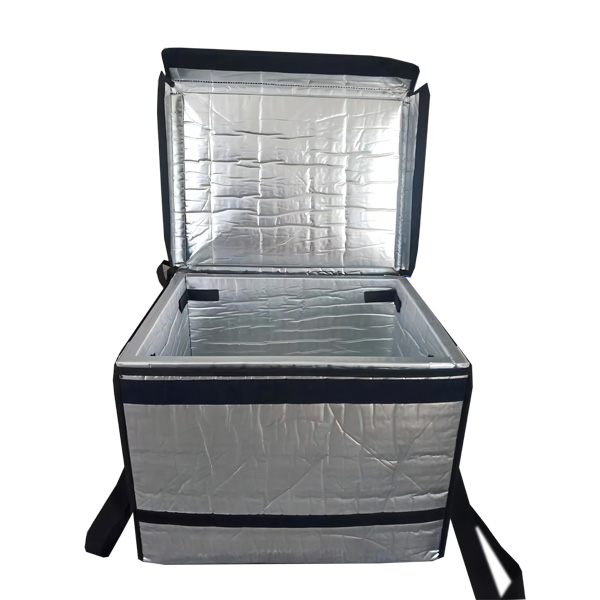
Title: Insulated Ice Box Company Cost: How to Choose the Right Box, Supplier, and Cost Structure
Description: Combine technical fit, operating logic, and supplier screening to choose a cold-chain ice box program with more confidence.
Article:
Insulated Ice Box Company Cost: The Optimized Decision Framework
When companies compare insulated ice box company cost, they are usually trying to solve a bigger problem than packaging alone. They need a container program that protects product quality, behaves predictably in real handling, and stays commercially workable from sample approval through repeat orders. The right answer is rarely the cheapest box on paper or the most premium box in a catalog.
A strong decision comes from understanding what the ice box is actually expected to do. Is it mainly a reusable handling container? Is it a passive insulated shipper built around conditioned refrigerants? Does it need branding, custom inserts, export packaging, data logging, or route-specific work instructions? Each of those choices changes cost, risk, and supplier fit.
This optimized guide pulls those threads together. It explains the role of the container, the design variables that drive performance, the cost logic behind quotations, and the supplier checks that reduce rework later. The goal is simple: help you buy with fewer assumptions and better operational clarity.
What the box is really expected to do
In most industrial and B2B contexts, an ice box is a rigid or semi-rigid container used to slow heat gain and protect temperature-sensitive products during storage, transfer, or transport. The cooling effect usually comes from refrigerants such as gel packs, water-based ice packs, phase change materials, ice bricks, or dry ice. The box provides structure and insulation; the packout provides the thermal action.
For food, distribution, and general cold-chain work, the same distinction still matters even when regulation is lighter. A box can look impressive but underperform if the refrigerant is wrong, the payload is loaded warm, or the opening pattern is too aggressive. Buyers get better results when they evaluate the complete packout rather than the shell alone.
That is why the most useful buying conversation begins with application details, not with decoration or shell color. Before you compare suppliers, define your product temperature range, typical shipment duration, ambient exposure, handling method, hygiene expectations, and reuse target. Those basics determine whether you need a simple insulated tote, a molded HDPE shell with reusable bricks, an EPP box, a VIP-assisted design, or a different format entirely.
Materials, structure, and design variables
Container performance comes from material choice as much as from overall size. Common formats include molded plastic shells with foam insulation, EPP structures that balance weight and durability, EPS-based disposable formats, and higher-performance systems that use VIP panels to reduce heat transfer in a smaller footprint. Each option has trade-offs in durability, cost, cleanability, wall thickness, and available internal volume.
Even when HDPE is not explicitly required, shell material still changes the user experience. Rigid plastic can support repeated use and easier cleaning. EPP often reduces weight while keeping better structural resilience than disposable foam. VIP-assisted systems improve thermal margin but raise system cost and call for tighter handling control. There is no universal winner; the better choice depends on route severity, expected reuse, and the cost of failure.
Pay close attention to geometry as well. Internal dimensions, usable height beneath the lid, allowance for refrigerants, divider layout, and the ratio of product mass to coolant mass all affect real performance. A quotation that lists only outer dimensions tells you very little. Buyers should ask for internal dimensions, usable payload volume, recommended packout configuration, and any design assumptions behind the stated performance claim.
How thermal performance is created in practice
Thermal performance is created by the full packout, not by insulation alone. Actual hold time depends on starting payload temperature, refrigerant quantity and conditioning, ambient profile, transit duration, opening behavior, fill ratio, and the amount of empty air inside the box. Two buyers can use the same container and report completely different results because their operating conditions are different.
In food and commercial distribution, the same principle shows up through spoilage, condensation, or shorter-than-expected cold life. If drivers open the lid repeatedly, if the payload enters the box above target temperature, or if the vehicle sits in sun during unloading, apparent ‘box performance’ drops fast. A realistic trial should imitate the actual handling rhythm instead of using an idealized bench setup.
That is also why good suppliers discuss refrigerant strategy early. Gel packs are common and easy to deploy. Ice bricks or molded PCM packs can be more durable and consistent in reusable loops. Dry ice creates a very different thermal environment and may introduce air-shipping labeling and venting requirements. The right choice depends on temperature target, shipment duration, safety considerations, and how disciplined the operating team can be in conditioning and packing.
Why lifecycle cost matters more than the headline quotation
Lifecycle economics are often more useful than first-cost comparisons. A box that is ten percent cheaper but requires extra coolant, breaks latches early, wastes pallet space, or is awkward to clean may cost more over six or twelve months than a better-balanced design. Buyers should compare not just purchase price, but also replacement rate, labor impact, refrigerant consumption, return loss, and the operational cost of temperature mistakes.
Workflow fit matters just as much. A technically solid container can still frustrate the team if it is heavy when loaded, difficult to stack, slow to open and close, or too large for shelving, vehicle racks, or packing benches. That is why smart sourcing teams ask for loading photos, stacked dimensions, tare weight, and real-use comments from the sampling phase. The more repetitive the operation, the more those small frictions show up as cost.
Seen this way, packaging selection becomes a business process decision rather than a simple unit-price negotiation. The better supplier is usually the one who can explain how the box fits your route, your labor pattern, and your reuse expectations – not merely the one who sends the fastest quotation.
What usually drives cost and quoted price
The quoted number for an ice box is shaped by more than size. Material selection, insulation thickness, mold complexity, lid and latch hardware, gasket design, accessories, refrigerants, inserts, branding, test samples, packaging method, and order volume all affect price. When buyers compare quotations, they should first check whether the suppliers are quoting the same scope. A cheap number can hide thinner walls, lower-spec components, or missing items such as coolant packs, cartons, or spare parts.
Tooling and development decisions also matter. Custom molds, custom liners, engraved logos, special colors, and unique internal fittings can make strong business sense when the program will run at stable volume, but they change the economics of the first order. For that reason, total project cost should include sample rounds, pilot runs, change requests, and any qualification or transport testing you require before full release.
Operating cost can easily outweigh the initial quotation. A lower-cost box that cracks early, leaks cold through a poor lid fit, or forces excessive refrigerant use may be more expensive over time than a better-built alternative. In reusable loops, it is useful to compare service life, cleaning effort, return efficiency, and replacement rate alongside the first price.
Where different box formats make sense
In practice, the right box format changes with the route. Short urban delivery loops may prioritize quick turnaround, light weight, and easy cleaning. Regional distribution may favor stronger shells and better stacking. Longer passive shipments may justify thicker insulation, better refrigerants, or VIP-assisted structures. If the box is being opened often, lid design and discipline may matter more than published hold time under closed conditions.
For general cold-chain distribution, route mapping is still a high-value exercise. A box should be chosen for the worst reasonable handling case, not for the ideal day. That principle alone eliminates many purchasing mistakes.
A good supplier will usually discuss these scenarios in terms of real use conditions instead of generic claims. That does not mean every supplier will run a complex study. It means they should at least be able to explain how the container is meant to be loaded, where the thermal margin comes from, and which operating assumptions sit behind the recommendation.
What buyers should check before placing a bulk order
Shortlisting suppliers is easier when you compare them against the same practical questions. The most useful checklist is one that links design detail to operational reality instead of treating all boxes as interchangeable commodities. Ask for answers in writing when the project matters.
• Internal dimensions, usable payload volume, and the amount of space lost to refrigerants or inserts
• Shell material, insulation type, lid construction, gasket design, and closure hardware
• Recommended refrigerant format and the conditioning method assumed behind any performance claim
• Expected stacking behavior, nesting or return efficiency, and durability under repeated handling
• Cleanability, drain design, and whether the box fits your hygiene routine or wash-down process
• Labeling and traceability options such as barcodes, molded marks, lot control, or user instructions
• Sample-to-production consistency, change control policy, and how material substitutions are approved
• MOQ, standard lead time, and whether the supplier can support mixed sizes or mixed packouts
A supplier who can explain these points clearly is usually more valuable than one who offers only a low headline quotation. In real projects, clarity reduces redesign, delayed approvals, and field problems after launch.
FAQ
Why do quotations for similar-looking boxes vary so much?
Suppliers may be quoting different wall structures, insulation types, refrigerants, hardware, cartons, MOQs, or testing scope. Always compare the technical specification and included accessories before comparing the price.
What should I request before approving a sample?
Ask for internal dimensions, recommended packout, material details, lid and closure specification, and a clear statement of the conditions behind any performance claim. Those basics prevent many misunderstandings later.
Should I buy by ex-works price or by total delivered cost?
Use total delivered cost whenever the project matters. Refrigerants, cartons, pallet efficiency, testing, replacement rate, and returns can easily change the economics of a box program.
What is the fastest way to shortlist suppliers?
Give every supplier the same use case, payload, route duration, and handling assumptions. Then compare how clearly each one responds on design, packout, durability, lead time, and change control.
Final takeaways
The smartest buying decision is usually the one that matches packaging format to operating reality. Whether you are sourcing a simple insulated box, a reusable HDPE shell, a commercial distribution container, or a more controlled pharmaceutical packout, the same rule applies: define the route, the temperature target, the handling rhythm, and the real cost model before you compare suppliers.
When that work is done early, quotations become easier to read, samples become more useful, and the final program is less likely to drift after launch. That is the difference between buying a container and building a packaging solution that people can actually run.
About Tempk
Tempk is the brand of Shanghai Huizhou Industrial Co., Ltd. Based on its public website, we focus on temperature-controlled packaging and offer product lines such as gel ice packs, ice bricks, insulated bags, insulated box liners, and medical ice box formats including plastic, EPP, and VIP options. Our site also highlights custom packaging support for food and pharmaceutical applications. When a project needs a practical cold-chain packout direction, we aim to help match container format, refrigerant choice, and route needs.
Next Step
If you are comparing options for this project, ask for a packout recommendation based on your target temperature, shipment duration, and handling pattern before you approve the first bulk order.
Ice Chest Manufacturer Price: The Optimized Decision Framework
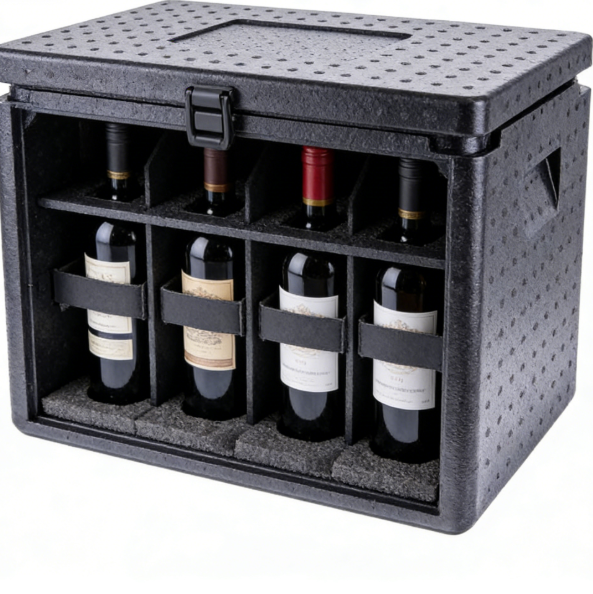
Title: Ice Chest Manufacturer Price: How to Choose the Right Box, Supplier, and Cost Structure
Description: Combine technical fit, operating logic, and supplier screening to choose a cold-chain ice chest program with more confidence.
Article:
Ice Chest Manufacturer Price: The Optimized Decision Framework
When companies compare ice chest manufacturer price, they are usually trying to solve a bigger problem than packaging alone. They need a container program that protects product quality, behaves predictably in real handling, and stays commercially workable from sample approval through repeat orders. The right answer is rarely the cheapest box on paper or the most premium box in a catalog.
A strong decision comes from understanding what the ice chest is actually expected to do. Is it mainly a reusable handling container? Is it a passive insulated shipper built around conditioned refrigerants? Does it need branding, custom inserts, export packaging, data logging, or route-specific work instructions? Each of those choices changes cost, risk, and supplier fit.
This optimized guide pulls those threads together. It explains the role of the container, the design variables that drive performance, the cost logic behind quotations, and the supplier checks that reduce rework later. The goal is simple: help you buy with fewer assumptions and better operational clarity.
What the box is really expected to do
In most industrial and B2B contexts, an ice chest is a rigid or semi-rigid container used to slow heat gain and protect temperature-sensitive products during storage, transfer, or transport. The cooling effect usually comes from refrigerants such as gel packs, water-based ice packs, phase change materials, ice bricks, or dry ice. The box provides structure and insulation; the packout provides the thermal action.
For food, distribution, and general cold-chain work, the same distinction still matters even when regulation is lighter. A box can look impressive but underperform if the refrigerant is wrong, the payload is loaded warm, or the opening pattern is too aggressive. Buyers get better results when they evaluate the complete packout rather than the shell alone.
That is why the most useful buying conversation begins with application details, not with decoration or shell color. Before you compare suppliers, define your product temperature range, typical shipment duration, ambient exposure, handling method, hygiene expectations, and reuse target. Those basics determine whether you need a simple insulated tote, a molded HDPE shell with reusable bricks, an EPP box, a VIP-assisted design, or a different format entirely.
Materials, structure, and design variables
Container performance comes from material choice as much as from overall size. Common formats include molded plastic shells with foam insulation, EPP structures that balance weight and durability, EPS-based disposable formats, and higher-performance systems that use VIP panels to reduce heat transfer in a smaller footprint. Each option has trade-offs in durability, cost, cleanability, wall thickness, and available internal volume.
Even when HDPE is not explicitly required, shell material still changes the user experience. Rigid plastic can support repeated use and easier cleaning. EPP often reduces weight while keeping better structural resilience than disposable foam. VIP-assisted systems improve thermal margin but raise system cost and call for tighter handling control. There is no universal winner; the better choice depends on route severity, expected reuse, and the cost of failure.
Pay close attention to geometry as well. Internal dimensions, usable height beneath the lid, allowance for refrigerants, divider layout, and the ratio of product mass to coolant mass all affect real performance. A quotation that lists only outer dimensions tells you very little. Buyers should ask for internal dimensions, usable payload volume, recommended packout configuration, and any design assumptions behind the stated performance claim.
How thermal performance is created in practice
Thermal performance is created by the full packout, not by insulation alone. Actual hold time depends on starting payload temperature, refrigerant quantity and conditioning, ambient profile, transit duration, opening behavior, fill ratio, and the amount of empty air inside the box. Two buyers can use the same container and report completely different results because their operating conditions are different.
In food and commercial distribution, the same principle shows up through spoilage, condensation, or shorter-than-expected cold life. If drivers open the lid repeatedly, if the payload enters the box above target temperature, or if the vehicle sits in sun during unloading, apparent ‘box performance’ drops fast. A realistic trial should imitate the actual handling rhythm instead of using an idealized bench setup.
That is also why good suppliers discuss refrigerant strategy early. Gel packs are common and easy to deploy. Ice bricks or molded PCM packs can be more durable and consistent in reusable loops. Dry ice creates a very different thermal environment and may introduce air-shipping labeling and venting requirements. The right choice depends on temperature target, shipment duration, safety considerations, and how disciplined the operating team can be in conditioning and packing.
Why lifecycle cost matters more than the headline quotation
Lifecycle economics are often more useful than first-cost comparisons. A box that is ten percent cheaper but requires extra coolant, breaks latches early, wastes pallet space, or is awkward to clean may cost more over six or twelve months than a better-balanced design. Buyers should compare not just purchase price, but also replacement rate, labor impact, refrigerant consumption, return loss, and the operational cost of temperature mistakes.
Workflow fit matters just as much. A technically solid container can still frustrate the team if it is heavy when loaded, difficult to stack, slow to open and close, or too large for shelving, vehicle racks, or packing benches. That is why smart sourcing teams ask for loading photos, stacked dimensions, tare weight, and real-use comments from the sampling phase. The more repetitive the operation, the more those small frictions show up as cost.
Seen this way, packaging selection becomes a business process decision rather than a simple unit-price negotiation. The better supplier is usually the one who can explain how the box fits your route, your labor pattern, and your reuse expectations – not merely the one who sends the fastest quotation.
What usually drives cost and quoted price
The quoted number for an ice chest is shaped by more than size. Material selection, insulation thickness, mold complexity, lid and latch hardware, gasket design, accessories, refrigerants, inserts, branding, test samples, packaging method, and order volume all affect price. When buyers compare quotations, they should first check whether the suppliers are quoting the same scope. A cheap number can hide thinner walls, lower-spec components, or missing items such as coolant packs, cartons, or spare parts.
Tooling and development decisions also matter. Custom molds, custom liners, engraved logos, special colors, and unique internal fittings can make strong business sense when the program will run at stable volume, but they change the economics of the first order. For that reason, total project cost should include sample rounds, pilot runs, change requests, and any qualification or transport testing you require before full release.
Operating cost can easily outweigh the initial quotation. A lower-cost box that cracks early, leaks cold through a poor lid fit, or forces excessive refrigerant use may be more expensive over time than a better-built alternative. In reusable loops, it is useful to compare service life, cleaning effort, return efficiency, and replacement rate alongside the first price.
Where different box formats make sense
In practice, the right box format changes with the route. Short urban delivery loops may prioritize quick turnaround, light weight, and easy cleaning. Regional distribution may favor stronger shells and better stacking. Longer passive shipments may justify thicker insulation, better refrigerants, or VIP-assisted structures. If the box is being opened often, lid design and discipline may matter more than published hold time under closed conditions.
For general cold-chain distribution, route mapping is still a high-value exercise. A box should be chosen for the worst reasonable handling case, not for the ideal day. That principle alone eliminates many purchasing mistakes.
A good supplier will usually discuss these scenarios in terms of real use conditions instead of generic claims. That does not mean every supplier will run a complex study. It means they should at least be able to explain how the container is meant to be loaded, where the thermal margin comes from, and which operating assumptions sit behind the recommendation.
What buyers should check before placing a bulk order
Shortlisting suppliers is easier when you compare them against the same practical questions. The most useful checklist is one that links design detail to operational reality instead of treating all boxes as interchangeable commodities. Ask for answers in writing when the project matters.
• Internal dimensions, usable payload volume, and the amount of space lost to refrigerants or inserts
• Shell material, insulation type, lid construction, gasket design, and closure hardware
• Recommended refrigerant format and the conditioning method assumed behind any performance claim
• Expected stacking behavior, nesting or return efficiency, and durability under repeated handling
• Cleanability, drain design, and whether the box fits your hygiene routine or wash-down process
• Labeling and traceability options such as barcodes, molded marks, lot control, or user instructions
• Sample-to-production consistency, change control policy, and how material substitutions are approved
• MOQ, standard lead time, and whether the supplier can support mixed sizes or mixed packouts
A supplier who can explain these points clearly is usually more valuable than one who offers only a low headline quotation. In real projects, clarity reduces redesign, delayed approvals, and field problems after launch.
FAQ
Why do quotations for similar-looking boxes vary so much?
Suppliers may be quoting different wall structures, insulation types, refrigerants, hardware, cartons, MOQs, or testing scope. Always compare the technical specification and included accessories before comparing the price.
What should I request before approving a sample?
Ask for internal dimensions, recommended packout, material details, lid and closure specification, and a clear statement of the conditions behind any performance claim. Those basics prevent many misunderstandings later.
Should I buy by ex-works price or by total delivered cost?
Use total delivered cost whenever the project matters. Refrigerants, cartons, pallet efficiency, testing, replacement rate, and returns can easily change the economics of a box program.
What is the fastest way to shortlist suppliers?
Give every supplier the same use case, payload, route duration, and handling assumptions. Then compare how clearly each one responds on design, packout, durability, lead time, and change control.
Final takeaways
The smartest buying decision is usually the one that matches packaging format to operating reality. Whether you are sourcing a simple insulated box, a reusable HDPE shell, a commercial distribution container, or a more controlled pharmaceutical packout, the same rule applies: define the route, the temperature target, the handling rhythm, and the real cost model before you compare suppliers.
When that work is done early, quotations become easier to read, samples become more useful, and the final program is less likely to drift after launch. That is the difference between buying a container and building a packaging solution that people can actually run.
About Tempk
Tempk is the brand of Shanghai Huizhou Industrial Co., Ltd. Based on its public website, we focus on temperature-controlled packaging and offer product lines such as gel ice packs, ice bricks, insulated bags, insulated box liners, and medical ice box formats including plastic, EPP, and VIP options. Our site also highlights custom packaging support for food and pharmaceutical applications. When a project needs a practical cold-chain packout direction, we aim to help match container format, refrigerant choice, and route needs.
Next Step
If you are comparing options for this project, ask for a packout recommendation based on your target temperature, shipment duration, and handling pattern before you approve the first bulk order.
HDPE Vaccine Ice Box Supplier: The Optimized Decision Framework

Title: HDPE Vaccine Ice Box Supplier: How to Choose the Right Box, Supplier, and Cost Structure
Description: Combine technical fit, operating logic, and supplier screening to choose a cold-chain ice box program with more confidence.
Article:
HDPE Vaccine Ice Box Supplier: The Optimized Decision Framework
When companies compare HDPE vaccine ice box supplier, they are usually trying to solve a bigger problem than packaging alone. They need a container program that protects product quality, behaves predictably in real handling, and stays commercially workable from sample approval through repeat orders. The right answer is rarely the cheapest box on paper or the most premium box in a catalog.
A strong decision comes from understanding what the ice box is actually expected to do. Is it mainly a reusable handling container? Is it a passive insulated shipper built around conditioned refrigerants? Does it need branding, custom inserts, export packaging, data logging, or route-specific work instructions? Each of those choices changes cost, risk, and supplier fit.
This optimized guide pulls those threads together. It explains the role of the container, the design variables that drive performance, the cost logic behind quotations, and the supplier checks that reduce rework later. The goal is simple: help you buy with fewer assumptions and better operational clarity.
What the box is really expected to do
In most industrial and B2B contexts, an ice box is a rigid or semi-rigid container used to slow heat gain and protect temperature-sensitive products during storage, transfer, or transport. The cooling effect usually comes from refrigerants such as gel packs, water-based ice packs, phase change materials, ice bricks, or dry ice. The box provides structure and insulation; the packout provides the thermal action.
For pharmaceutical and vaccine work, that distinction matters. A durable plastic or insulated box can be useful as a handling container, but it should not automatically be treated as a qualified shipping system. Public cold-chain guidance emphasizes packaging method, conditioning instructions, temperature monitoring, and route-based control. In other words, a sturdy container may be part of the solution, but it is not the whole compliance story on its own.
That is why the most useful buying conversation begins with application details, not with decoration or shell color. Before you compare suppliers, define your product temperature range, typical shipment duration, ambient exposure, handling method, hygiene expectations, and reuse target. Those basics determine whether you need a simple insulated tote, a molded HDPE shell with reusable bricks, an EPP box, a VIP-assisted design, or a different format entirely.
Materials, structure, and design variables
Container performance comes from material choice as much as from overall size. Common formats include molded plastic shells with foam insulation, EPP structures that balance weight and durability, EPS-based disposable formats, and higher-performance systems that use VIP panels to reduce heat transfer in a smaller footprint. Each option has trade-offs in durability, cost, cleanability, wall thickness, and available internal volume.
When HDPE is part of the specification, buyers are usually looking for a rigid shell that handles repeated impact, wash-down routines, and rougher logistics. HDPE can make sense when the box will be stacked, moved through depots, or reused many times. The shell, however, is only one layer of the design. You still need to examine insulation method, lid fit, gasket behavior, latch strength, and how the refrigerant sits around the payload.
Pay close attention to geometry as well. Internal dimensions, usable height beneath the lid, allowance for refrigerants, divider layout, and the ratio of product mass to coolant mass all affect real performance. A quotation that lists only outer dimensions tells you very little. Buyers should ask for internal dimensions, usable payload volume, recommended packout configuration, and any design assumptions behind the stated performance claim.
How thermal performance is created in practice
Thermal performance is created by the full packout, not by insulation alone. Actual hold time depends on starting payload temperature, refrigerant quantity and conditioning, ambient profile, transit duration, opening behavior, fill ratio, and the amount of empty air inside the box. Two buyers can use the same container and report completely different results because their operating conditions are different.
In pharmaceutical or vaccine lanes, this is why teams often work from route profiles or seasonal assumptions instead of relying on a broad marketing statement. Guidance used in regulated distribution puts strong emphasis on risk assessment, route understanding, and temperature monitoring. A passive system may be suitable, but suitability depends on the defined lane and the way the shipment is built and controlled.
That is also why good suppliers discuss refrigerant strategy early. Gel packs are common and easy to deploy. Ice bricks or molded PCM packs can be more durable and consistent in reusable loops. Dry ice creates a very different thermal environment and may introduce air-shipping labeling and venting requirements. The right choice depends on temperature target, shipment duration, safety considerations, and how disciplined the operating team can be in conditioning and packing.
Why lifecycle cost matters more than the headline quotation
Lifecycle economics are often more useful than first-cost comparisons. A box that is ten percent cheaper but requires extra coolant, breaks latches early, wastes pallet space, or is awkward to clean may cost more over six or twelve months than a better-balanced design. Buyers should compare not just purchase price, but also replacement rate, labor impact, refrigerant consumption, return loss, and the operational cost of temperature mistakes.
Workflow fit matters just as much. A technically solid container can still frustrate the team if it is heavy when loaded, difficult to stack, slow to open and close, or too large for shelving, vehicle racks, or packing benches. That is why smart sourcing teams ask for loading photos, stacked dimensions, tare weight, and real-use comments from the sampling phase. The more repetitive the operation, the more those small frictions show up as cost.
Seen this way, packaging selection becomes a business process decision rather than a simple unit-price negotiation. The better supplier is usually the one who can explain how the box fits your route, your labor pattern, and your reuse expectations – not merely the one who sends the fastest quotation.
What usually drives cost and quoted price
The quoted number for an ice box is shaped by more than size. Material selection, insulation thickness, mold complexity, lid and latch hardware, gasket design, accessories, refrigerants, inserts, branding, test samples, packaging method, and order volume all affect price. When buyers compare quotations, they should first check whether the suppliers are quoting the same scope. A cheap number can hide thinner walls, lower-spec components, or missing items such as coolant packs, cartons, or spare parts.
Tooling and development decisions also matter. Custom molds, custom liners, engraved logos, special colors, and unique internal fittings can make strong business sense when the program will run at stable volume, but they change the economics of the first order. For that reason, total project cost should include sample rounds, pilot runs, change requests, and any qualification or transport testing you require before full release.
Operating cost can easily outweigh the initial quotation. A lower-cost box that cracks early, leaks cold through a poor lid fit, or forces excessive refrigerant use may be more expensive over time than a better-built alternative. In reusable loops, it is useful to compare service life, cleaning effort, return efficiency, and replacement rate alongside the first price.
Where different box formats make sense
In practice, the right box format changes with the route. Short urban delivery loops may prioritize quick turnaround, light weight, and easy cleaning. Regional distribution may favor stronger shells and better stacking. Longer passive shipments may justify thicker insulation, better refrigerants, or VIP-assisted structures. If the box is being opened often, lid design and discipline may matter more than published hold time under closed conditions.
For vaccine programs, field reality deserves extra attention. Public-sector guidance on carriers and cold boxes shows that product protection depends not only on insulation but also on conditioned coolant packs, transport duration, and the ability to keep handling simple for staff in the field. A box that performs well in a depot but is awkward at outreach level can still be the wrong choice.
A good supplier will usually discuss these scenarios in terms of real use conditions instead of generic claims. That does not mean every supplier will run a complex study. It means they should at least be able to explain how the container is meant to be loaded, where the thermal margin comes from, and which operating assumptions sit behind the recommendation.
Control, qualification, and handling discipline
Regulated transport does not begin and end with the container. In the pharmaceutical cold chain, public guidance consistently points buyers toward risk assessment, route understanding, documented procedures, and monitoring. That means the box should be evaluated as one component in a controlled workflow that also includes refrigerant preparation, packing instructions, shipment release criteria, and excursion response.
The same caution applies to product claims. Waterproof does not mean temperature controlled. Reusable does not mean qualified. Thick walls do not guarantee performance under your lane. When suppliers use broad language such as ‘medical grade’ or ‘cold chain ready,’ buyers should translate that into specific questions: for what temperature range, for what duration, under what ambient assumptions, with what packout, and with what monitoring approach?
Even outside pharma, written handling standards help. They reduce variation between shifts, sites, and logistics partners. If the box program is important enough to source carefully, it is usually important enough to document how packs are conditioned, where they are placed, when lids must stay closed, and how receiving staff should inspect the shipment.
What buyers should check before placing a bulk order
Shortlisting suppliers is easier when you compare them against the same practical questions. The most useful checklist is one that links design detail to operational reality instead of treating all boxes as interchangeable commodities. Ask for answers in writing when the project matters.
• Internal dimensions, usable payload volume, and the amount of space lost to refrigerants or inserts
• Shell material, insulation type, lid construction, gasket design, and closure hardware
• Recommended refrigerant format and the conditioning method assumed behind any performance claim
• Expected stacking behavior, nesting or return efficiency, and durability under repeated handling
• Cleanability, drain design, and whether the box fits your hygiene routine or wash-down process
• Labeling and traceability options such as barcodes, molded marks, lot control, or user instructions
• Sample-to-production consistency, change control policy, and how material substitutions are approved
• MOQ, standard lead time, and whether the supplier can support mixed sizes or mixed packouts
• Availability of temperature-monitoring support, packing instructions, and route-specific packout advice
• Clear statement on whether the box is a reusable outer container, an insulated shipper, or part of a qualified passive system
A supplier who can explain these points clearly is usually more valuable than one who offers only a low headline quotation. In real projects, clarity reduces redesign, delayed approvals, and field problems after launch.
FAQ
Is a rigid plastic medical box the same as a qualified pharmaceutical shipper?
Not necessarily. A rigid box may be part of a suitable system, but qualification depends on the complete packout, route assumptions, monitoring approach, and documented handling method. Treat the container and the shipping system as related but separate questions.
When is HDPE worth specifying?
HDPE is often worth considering when the box must handle repeated impact, cleaning, and stacking. It is less about fashion and more about durability, hygiene, and lifecycle expectations in a reusable operation.
What should I request before approving a sample?
Ask for internal dimensions, recommended packout, material details, lid and closure specification, and a clear statement of the conditions behind any performance claim. Those basics prevent many misunderstandings later.
Should I buy by ex-works price or by total delivered cost?
Use total delivered cost whenever the project matters. Refrigerants, cartons, pallet efficiency, testing, replacement rate, and returns can easily change the economics of a box program.
Final takeaways
The smartest buying decision is usually the one that matches packaging format to operating reality. Whether you are sourcing a simple insulated box, a reusable HDPE shell, a commercial distribution container, or a more controlled pharmaceutical packout, the same rule applies: define the route, the temperature target, the handling rhythm, and the real cost model before you compare suppliers.
When that work is done early, quotations become easier to read, samples become more useful, and the final program is less likely to drift after launch. That is the difference between buying a container and building a packaging solution that people can actually run.
About Tempk
Tempk is the brand of Shanghai Huizhou Industrial Co., Ltd. Based on its public website, we focus on temperature-controlled packaging and offer product lines such as gel ice packs, ice bricks, insulated bags, insulated box liners, and medical ice box formats including plastic, EPP, and VIP options. Our site also highlights custom packaging support for food and pharmaceutical applications. When a project needs a practical cold-chain packout direction, we aim to help match container format, refrigerant choice, and route needs.
Next Step
If you are comparing options for this project, ask for a packout recommendation based on your target temperature, shipment duration, and handling pattern before you approve the first bulk order.
Customizable Commercial Ice Box Manufacturer: The Optimized Decision Framework
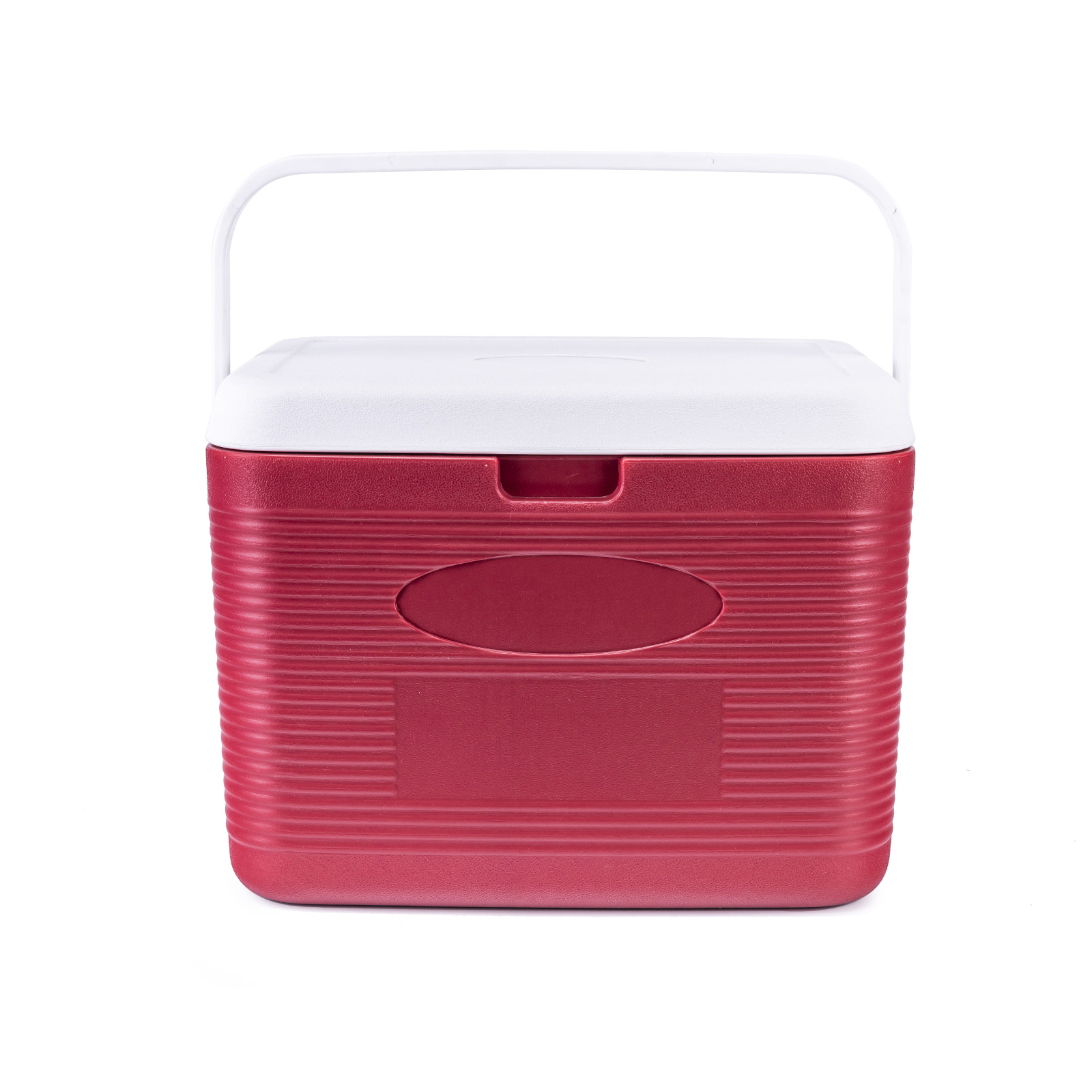
Title: Customizable Commercial Ice Box Manufacturer: How to Choose the Right Box, Supplier, and Cost Structure
Description: Combine technical fit, operating logic, and supplier screening to choose a cold-chain ice box program with more confidence.
Article:
Customizable Commercial Ice Box Manufacturer: The Optimized Decision Framework
When companies compare customizable commercial ice box manufacturer, they are usually trying to solve a bigger problem than packaging alone. They need a container program that protects product quality, behaves predictably in real handling, and stays commercially workable from sample approval through repeat orders. The right answer is rarely the cheapest box on paper or the most premium box in a catalog.
A strong decision comes from understanding what the ice box is actually expected to do. Is it mainly a reusable handling container? Is it a passive insulated shipper built around conditioned refrigerants? Does it need branding, custom inserts, export packaging, data logging, or route-specific work instructions? Each of those choices changes cost, risk, and supplier fit.
This optimized guide pulls those threads together. It explains the role of the container, the design variables that drive performance, the cost logic behind quotations, and the supplier checks that reduce rework later. The goal is simple: help you buy with fewer assumptions and better operational clarity.
What the box is really expected to do
In most industrial and B2B contexts, an ice box is a rigid or semi-rigid container used to slow heat gain and protect temperature-sensitive products during storage, transfer, or transport. The cooling effect usually comes from refrigerants such as gel packs, water-based ice packs, phase change materials, ice bricks, or dry ice. The box provides structure and insulation; the packout provides the thermal action.
For food, distribution, and general cold-chain work, the same distinction still matters even when regulation is lighter. A box can look impressive but underperform if the refrigerant is wrong, the payload is loaded warm, or the opening pattern is too aggressive. Buyers get better results when they evaluate the complete packout rather than the shell alone.
That is why the most useful buying conversation begins with application details, not with decoration or shell color. Before you compare suppliers, define your product temperature range, typical shipment duration, ambient exposure, handling method, hygiene expectations, and reuse target. Those basics determine whether you need a simple insulated tote, a molded HDPE shell with reusable bricks, an EPP box, a VIP-assisted design, or a different format entirely.
Materials, structure, and design variables
Container performance comes from material choice as much as from overall size. Common formats include molded plastic shells with foam insulation, EPP structures that balance weight and durability, EPS-based disposable formats, and higher-performance systems that use VIP panels to reduce heat transfer in a smaller footprint. Each option has trade-offs in durability, cost, cleanability, wall thickness, and available internal volume.
Even when HDPE is not explicitly required, shell material still changes the user experience. Rigid plastic can support repeated use and easier cleaning. EPP often reduces weight while keeping better structural resilience than disposable foam. VIP-assisted systems improve thermal margin but raise system cost and call for tighter handling control. There is no universal winner; the better choice depends on route severity, expected reuse, and the cost of failure.
Pay close attention to geometry as well. Internal dimensions, usable height beneath the lid, allowance for refrigerants, divider layout, and the ratio of product mass to coolant mass all affect real performance. A quotation that lists only outer dimensions tells you very little. Buyers should ask for internal dimensions, usable payload volume, recommended packout configuration, and any design assumptions behind the stated performance claim.
How thermal performance is created in practice
Thermal performance is created by the full packout, not by insulation alone. Actual hold time depends on starting payload temperature, refrigerant quantity and conditioning, ambient profile, transit duration, opening behavior, fill ratio, and the amount of empty air inside the box. Two buyers can use the same container and report completely different results because their operating conditions are different.
In food and commercial distribution, the same principle shows up through spoilage, condensation, or shorter-than-expected cold life. If drivers open the lid repeatedly, if the payload enters the box above target temperature, or if the vehicle sits in sun during unloading, apparent ‘box performance’ drops fast. A realistic trial should imitate the actual handling rhythm instead of using an idealized bench setup.
That is also why good suppliers discuss refrigerant strategy early. Gel packs are common and easy to deploy. Ice bricks or molded PCM packs can be more durable and consistent in reusable loops. Dry ice creates a very different thermal environment and may introduce air-shipping labeling and venting requirements. The right choice depends on temperature target, shipment duration, safety considerations, and how disciplined the operating team can be in conditioning and packing.
Why lifecycle cost matters more than the headline quotation
Lifecycle economics are often more useful than first-cost comparisons. A box that is ten percent cheaper but requires extra coolant, breaks latches early, wastes pallet space, or is awkward to clean may cost more over six or twelve months than a better-balanced design. Buyers should compare not just purchase price, but also replacement rate, labor impact, refrigerant consumption, return loss, and the operational cost of temperature mistakes.
Workflow fit matters just as much. A technically solid container can still frustrate the team if it is heavy when loaded, difficult to stack, slow to open and close, or too large for shelving, vehicle racks, or packing benches. That is why smart sourcing teams ask for loading photos, stacked dimensions, tare weight, and real-use comments from the sampling phase. The more repetitive the operation, the more those small frictions show up as cost.
Seen this way, packaging selection becomes a business process decision rather than a simple unit-price negotiation. The better supplier is usually the one who can explain how the box fits your route, your labor pattern, and your reuse expectations – not merely the one who sends the fastest quotation.
What usually drives cost and quoted price
The quoted number for an ice box is shaped by more than size. Material selection, insulation thickness, mold complexity, lid and latch hardware, gasket design, accessories, refrigerants, inserts, branding, test samples, packaging method, and order volume all affect price. When buyers compare quotations, they should first check whether the suppliers are quoting the same scope. A cheap number can hide thinner walls, lower-spec components, or missing items such as coolant packs, cartons, or spare parts.
Tooling and development decisions also matter. Custom molds, custom liners, engraved logos, special colors, and unique internal fittings can make strong business sense when the program will run at stable volume, but they change the economics of the first order. For that reason, total project cost should include sample rounds, pilot runs, change requests, and any qualification or transport testing you require before full release.
Operating cost can easily outweigh the initial quotation. A lower-cost box that cracks early, leaks cold through a poor lid fit, or forces excessive refrigerant use may be more expensive over time than a better-built alternative. In reusable loops, it is useful to compare service life, cleaning effort, return efficiency, and replacement rate alongside the first price.
How OEM and customization projects stay on track
OEM and custom projects succeed when the buyer defines performance before decoration. Brand printing, shell color, and packaging appearance are important, but they should come after route, temperature, and handling requirements are clear. The more disciplined process is to lock down use case, internal dimensions, refrigerant method, loading direction, and expected cleaning or reuse pattern first, then finalize cosmetics around that structure.
Sample-to-production consistency deserves special attention. Buyers should ask how materials are controlled, whether equivalent substitutions are allowed, how dimensional tolerances are managed, and what happens if a latch, gasket, insert, or refrigerant supplier changes. A packaging project that looks good at sample stage can drift later if those controls are loose. That matters even more when the box is part of a temperature-sensitive workflow.
Custom work should also address practical details that are easy to miss in the early stage: barcode position, cleaning labels, user instructions, coolant identification, pallet count per carton size, nesting or stacking behavior, and repair or replacement parts for reusable components. These are not cosmetic extras. They shape how easy the program will be to run at scale.
Where different box formats make sense
In practice, the right box format changes with the route. Short urban delivery loops may prioritize quick turnaround, light weight, and easy cleaning. Regional distribution may favor stronger shells and better stacking. Longer passive shipments may justify thicker insulation, better refrigerants, or VIP-assisted structures. If the box is being opened often, lid design and discipline may matter more than published hold time under closed conditions.
For commercial food operations, the priorities often expand beyond hold time. Teams also care about loading speed, ergonomic handling, back-of-house storage, wash cycle labor, and how the box behaves after dozens or hundreds of turns. That makes durability and workflow compatibility just as important as initial unit price.
A good supplier will usually discuss these scenarios in terms of real use conditions instead of generic claims. That does not mean every supplier will run a complex study. It means they should at least be able to explain how the container is meant to be loaded, where the thermal margin comes from, and which operating assumptions sit behind the recommendation.
What buyers should check before placing a bulk order
Shortlisting suppliers is easier when you compare them against the same practical questions. The most useful checklist is one that links design detail to operational reality instead of treating all boxes as interchangeable commodities. Ask for answers in writing when the project matters.
• Internal dimensions, usable payload volume, and the amount of space lost to refrigerants or inserts
• Shell material, insulation type, lid construction, gasket design, and closure hardware
• Recommended refrigerant format and the conditioning method assumed behind any performance claim
• Expected stacking behavior, nesting or return efficiency, and durability under repeated handling
• Cleanability, drain design, and whether the box fits your hygiene routine or wash-down process
• Labeling and traceability options such as barcodes, molded marks, lot control, or user instructions
• Sample-to-production consistency, change control policy, and how material substitutions are approved
• Tooling responsibility, ownership of molds, artwork approval flow, and timeline for revisions
• MOQ, pilot order policy, lead time by season, and what triggers a price change
A supplier who can explain these points clearly is usually more valuable than one who offers only a low headline quotation. In real projects, clarity reduces redesign, delayed approvals, and field problems after launch.
FAQ
How long does an OEM ice box project usually take?
That depends on whether you are adapting an existing design or building a new one. Existing molds can move relatively quickly, while new molds, inserts, artwork reviews, and sample rounds add time. Ask suppliers to break the project into sample, approval, pilot, and production stages instead of giving one broad promise.
Should the best commercial box always have the longest hold time?
No. In commercial use, ergonomics, stacking, cleaning effort, and turn speed can matter as much as closed-lid hold time. The best box is the one that fits the real workflow without driving up labor or replacement cost.
What should I request before approving a sample?
Ask for internal dimensions, recommended packout, material details, lid and closure specification, and a clear statement of the conditions behind any performance claim. Those basics prevent many misunderstandings later.
Should I buy by ex-works price or by total delivered cost?
Use total delivered cost whenever the project matters. Refrigerants, cartons, pallet efficiency, testing, replacement rate, and returns can easily change the economics of a box program.
Final takeaways
The smartest buying decision is usually the one that matches packaging format to operating reality. Whether you are sourcing a simple insulated box, a reusable HDPE shell, a commercial distribution container, or a more controlled pharmaceutical packout, the same rule applies: define the route, the temperature target, the handling rhythm, and the real cost model before you compare suppliers.
When that work is done early, quotations become easier to read, samples become more useful, and the final program is less likely to drift after launch. That is the difference between buying a container and building a packaging solution that people can actually run.
About Tempk
Tempk is the brand of Shanghai Huizhou Industrial Co., Ltd. Based on its public website, we focus on temperature-controlled packaging and offer product lines such as gel ice packs, ice bricks, insulated bags, insulated box liners, and medical ice box formats including plastic, EPP, and VIP options. Our site also highlights custom packaging support for food and pharmaceutical applications. When a project needs a practical cold-chain packout direction, we aim to help match container format, refrigerant choice, and route needs.
Next Step
If you are comparing options for this project, ask for a packout recommendation based on your target temperature, shipment duration, and handling pattern before you approve the first bulk order.
Commercial Ice Box OEM Price: The Optimized Decision Framework

Title: Commercial Ice Box OEM Price: How to Choose the Right Box, Supplier, and Cost Structure
Description: Combine technical fit, operating logic, and supplier screening to choose a cold-chain ice box program with more confidence.
Article:
Commercial Ice Box OEM Price: The Optimized Decision Framework
When companies compare commercial ice box OEM price, they are usually trying to solve a bigger problem than packaging alone. They need a container program that protects product quality, behaves predictably in real handling, and stays commercially workable from sample approval through repeat orders. The right answer is rarely the cheapest box on paper or the most premium box in a catalog.
A strong decision comes from understanding what the ice box is actually expected to do. Is it mainly a reusable handling container? Is it a passive insulated shipper built around conditioned refrigerants? Does it need branding, custom inserts, export packaging, data logging, or route-specific work instructions? Each of those choices changes cost, risk, and supplier fit.
This optimized guide pulls those threads together. It explains the role of the container, the design variables that drive performance, the cost logic behind quotations, and the supplier checks that reduce rework later. The goal is simple: help you buy with fewer assumptions and better operational clarity.
What the box is really expected to do
In most industrial and B2B contexts, an ice box is a rigid or semi-rigid container used to slow heat gain and protect temperature-sensitive products during storage, transfer, or transport. The cooling effect usually comes from refrigerants such as gel packs, water-based ice packs, phase change materials, ice bricks, or dry ice. The box provides structure and insulation; the packout provides the thermal action.
For food, distribution, and general cold-chain work, the same distinction still matters even when regulation is lighter. A box can look impressive but underperform if the refrigerant is wrong, the payload is loaded warm, or the opening pattern is too aggressive. Buyers get better results when they evaluate the complete packout rather than the shell alone.
That is why the most useful buying conversation begins with application details, not with decoration or shell color. Before you compare suppliers, define your product temperature range, typical shipment duration, ambient exposure, handling method, hygiene expectations, and reuse target. Those basics determine whether you need a simple insulated tote, a molded HDPE shell with reusable bricks, an EPP box, a VIP-assisted design, or a different format entirely.
Materials, structure, and design variables
Container performance comes from material choice as much as from overall size. Common formats include molded plastic shells with foam insulation, EPP structures that balance weight and durability, EPS-based disposable formats, and higher-performance systems that use VIP panels to reduce heat transfer in a smaller footprint. Each option has trade-offs in durability, cost, cleanability, wall thickness, and available internal volume.
Even when HDPE is not explicitly required, shell material still changes the user experience. Rigid plastic can support repeated use and easier cleaning. EPP often reduces weight while keeping better structural resilience than disposable foam. VIP-assisted systems improve thermal margin but raise system cost and call for tighter handling control. There is no universal winner; the better choice depends on route severity, expected reuse, and the cost of failure.
Pay close attention to geometry as well. Internal dimensions, usable height beneath the lid, allowance for refrigerants, divider layout, and the ratio of product mass to coolant mass all affect real performance. A quotation that lists only outer dimensions tells you very little. Buyers should ask for internal dimensions, usable payload volume, recommended packout configuration, and any design assumptions behind the stated performance claim.
How thermal performance is created in practice
Thermal performance is created by the full packout, not by insulation alone. Actual hold time depends on starting payload temperature, refrigerant quantity and conditioning, ambient profile, transit duration, opening behavior, fill ratio, and the amount of empty air inside the box. Two buyers can use the same container and report completely different results because their operating conditions are different.
In food and commercial distribution, the same principle shows up through spoilage, condensation, or shorter-than-expected cold life. If drivers open the lid repeatedly, if the payload enters the box above target temperature, or if the vehicle sits in sun during unloading, apparent ‘box performance’ drops fast. A realistic trial should imitate the actual handling rhythm instead of using an idealized bench setup.
That is also why good suppliers discuss refrigerant strategy early. Gel packs are common and easy to deploy. Ice bricks or molded PCM packs can be more durable and consistent in reusable loops. Dry ice creates a very different thermal environment and may introduce air-shipping labeling and venting requirements. The right choice depends on temperature target, shipment duration, safety considerations, and how disciplined the operating team can be in conditioning and packing.
Why lifecycle cost matters more than the headline quotation
Lifecycle economics are often more useful than first-cost comparisons. A box that is ten percent cheaper but requires extra coolant, breaks latches early, wastes pallet space, or is awkward to clean may cost more over six or twelve months than a better-balanced design. Buyers should compare not just purchase price, but also replacement rate, labor impact, refrigerant consumption, return loss, and the operational cost of temperature mistakes.
Workflow fit matters just as much. A technically solid container can still frustrate the team if it is heavy when loaded, difficult to stack, slow to open and close, or too large for shelving, vehicle racks, or packing benches. That is why smart sourcing teams ask for loading photos, stacked dimensions, tare weight, and real-use comments from the sampling phase. The more repetitive the operation, the more those small frictions show up as cost.
Seen this way, packaging selection becomes a business process decision rather than a simple unit-price negotiation. The better supplier is usually the one who can explain how the box fits your route, your labor pattern, and your reuse expectations – not merely the one who sends the fastest quotation.
What usually drives cost and quoted price
The quoted number for an ice box is shaped by more than size. Material selection, insulation thickness, mold complexity, lid and latch hardware, gasket design, accessories, refrigerants, inserts, branding, test samples, packaging method, and order volume all affect price. When buyers compare quotations, they should first check whether the suppliers are quoting the same scope. A cheap number can hide thinner walls, lower-spec components, or missing items such as coolant packs, cartons, or spare parts.
Tooling and development decisions also matter. Custom molds, custom liners, engraved logos, special colors, and unique internal fittings can make strong business sense when the program will run at stable volume, but they change the economics of the first order. For that reason, total project cost should include sample rounds, pilot runs, change requests, and any qualification or transport testing you require before full release.
Operating cost can easily outweigh the initial quotation. A lower-cost box that cracks early, leaks cold through a poor lid fit, or forces excessive refrigerant use may be more expensive over time than a better-built alternative. In reusable loops, it is useful to compare service life, cleaning effort, return efficiency, and replacement rate alongside the first price.
How OEM and customization projects stay on track
OEM and custom projects succeed when the buyer defines performance before decoration. Brand printing, shell color, and packaging appearance are important, but they should come after route, temperature, and handling requirements are clear. The more disciplined process is to lock down use case, internal dimensions, refrigerant method, loading direction, and expected cleaning or reuse pattern first, then finalize cosmetics around that structure.
Sample-to-production consistency deserves special attention. Buyers should ask how materials are controlled, whether equivalent substitutions are allowed, how dimensional tolerances are managed, and what happens if a latch, gasket, insert, or refrigerant supplier changes. A packaging project that looks good at sample stage can drift later if those controls are loose. That matters even more when the box is part of a temperature-sensitive workflow.
Custom work should also address practical details that are easy to miss in the early stage: barcode position, cleaning labels, user instructions, coolant identification, pallet count per carton size, nesting or stacking behavior, and repair or replacement parts for reusable components. These are not cosmetic extras. They shape how easy the program will be to run at scale.
Where different box formats make sense
In practice, the right box format changes with the route. Short urban delivery loops may prioritize quick turnaround, light weight, and easy cleaning. Regional distribution may favor stronger shells and better stacking. Longer passive shipments may justify thicker insulation, better refrigerants, or VIP-assisted structures. If the box is being opened often, lid design and discipline may matter more than published hold time under closed conditions.
For commercial food operations, the priorities often expand beyond hold time. Teams also care about loading speed, ergonomic handling, back-of-house storage, wash cycle labor, and how the box behaves after dozens or hundreds of turns. That makes durability and workflow compatibility just as important as initial unit price.
A good supplier will usually discuss these scenarios in terms of real use conditions instead of generic claims. That does not mean every supplier will run a complex study. It means they should at least be able to explain how the container is meant to be loaded, where the thermal margin comes from, and which operating assumptions sit behind the recommendation.
What buyers should check before placing a bulk order
Shortlisting suppliers is easier when you compare them against the same practical questions. The most useful checklist is one that links design detail to operational reality instead of treating all boxes as interchangeable commodities. Ask for answers in writing when the project matters.
• Internal dimensions, usable payload volume, and the amount of space lost to refrigerants or inserts
• Shell material, insulation type, lid construction, gasket design, and closure hardware
• Recommended refrigerant format and the conditioning method assumed behind any performance claim
• Expected stacking behavior, nesting or return efficiency, and durability under repeated handling
• Cleanability, drain design, and whether the box fits your hygiene routine or wash-down process
• Labeling and traceability options such as barcodes, molded marks, lot control, or user instructions
• Sample-to-production consistency, change control policy, and how material substitutions are approved
• Tooling responsibility, ownership of molds, artwork approval flow, and timeline for revisions
• MOQ, pilot order policy, lead time by season, and what triggers a price change
A supplier who can explain these points clearly is usually more valuable than one who offers only a low headline quotation. In real projects, clarity reduces redesign, delayed approvals, and field problems after launch.
FAQ
How long does an OEM ice box project usually take?
That depends on whether you are adapting an existing design or building a new one. Existing molds can move relatively quickly, while new molds, inserts, artwork reviews, and sample rounds add time. Ask suppliers to break the project into sample, approval, pilot, and production stages instead of giving one broad promise.
Why do quotations for similar-looking boxes vary so much?
Suppliers may be quoting different wall structures, insulation types, refrigerants, hardware, cartons, MOQs, or testing scope. Always compare the technical specification and included accessories before comparing the price.
Should the best commercial box always have the longest hold time?
No. In commercial use, ergonomics, stacking, cleaning effort, and turn speed can matter as much as closed-lid hold time. The best box is the one that fits the real workflow without driving up labor or replacement cost.
What should I request before approving a sample?
Ask for internal dimensions, recommended packout, material details, lid and closure specification, and a clear statement of the conditions behind any performance claim. Those basics prevent many misunderstandings later.
Final takeaways
The smartest buying decision is usually the one that matches packaging format to operating reality. Whether you are sourcing a simple insulated box, a reusable HDPE shell, a commercial distribution container, or a more controlled pharmaceutical packout, the same rule applies: define the route, the temperature target, the handling rhythm, and the real cost model before you compare suppliers.
When that work is done early, quotations become easier to read, samples become more useful, and the final program is less likely to drift after launch. That is the difference between buying a container and building a packaging solution that people can actually run.
About Tempk
Tempk is the brand of Shanghai Huizhou Industrial Co., Ltd. Based on its public website, we focus on temperature-controlled packaging and offer product lines such as gel ice packs, ice bricks, insulated bags, insulated box liners, and medical ice box formats including plastic, EPP, and VIP options. Our site also highlights custom packaging support for food and pharmaceutical applications. When a project needs a practical cold-chain packout direction, we aim to help match container format, refrigerant choice, and route needs.
Next Step
If you are comparing options for this project, ask for a packout recommendation based on your target temperature, shipment duration, and handling pattern before you approve the first bulk order.
Commercial Ice Box Bulk Purchase: The Optimized Decision Framework
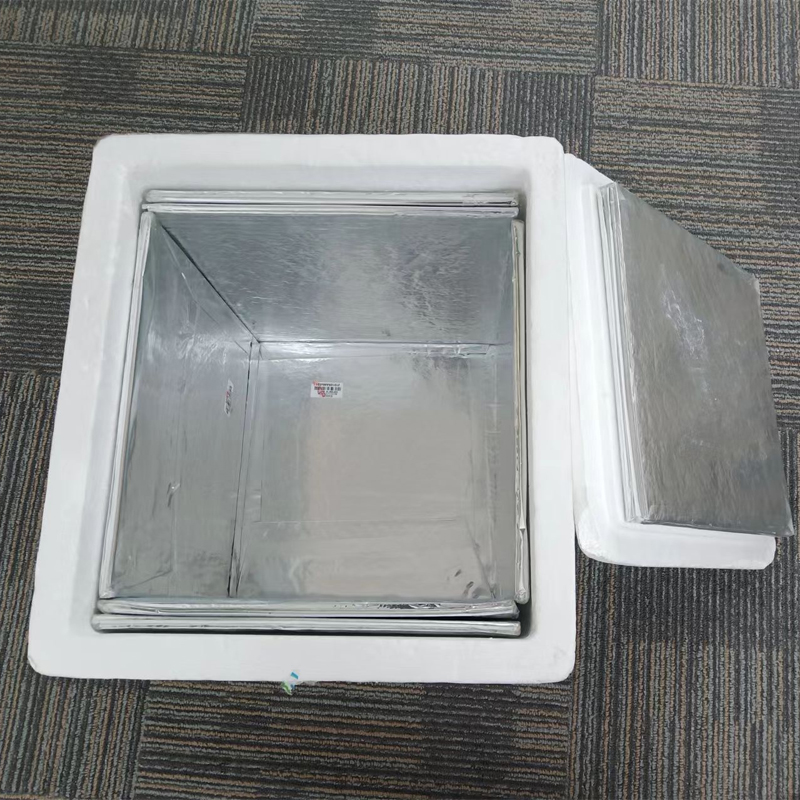
Title: Commercial Ice Box Bulk Purchase: How to Choose the Right Box, Supplier, and Cost Structure
Description: Combine technical fit, operating logic, and supplier screening to choose a cold-chain ice box program with more confidence.
Article:
Commercial Ice Box Bulk Purchase: The Optimized Decision Framework
When companies compare commercial ice box bulk purchase, they are usually trying to solve a bigger problem than packaging alone. They need a container program that protects product quality, behaves predictably in real handling, and stays commercially workable from sample approval through repeat orders. The right answer is rarely the cheapest box on paper or the most premium box in a catalog.
A strong decision comes from understanding what the ice box is actually expected to do. Is it mainly a reusable handling container? Is it a passive insulated shipper built around conditioned refrigerants? Does it need branding, custom inserts, export packaging, data logging, or route-specific work instructions? Each of those choices changes cost, risk, and supplier fit.
This optimized guide pulls those threads together. It explains the role of the container, the design variables that drive performance, the cost logic behind quotations, and the supplier checks that reduce rework later. The goal is simple: help you buy with fewer assumptions and better operational clarity.
What the box is really expected to do
In most industrial and B2B contexts, an ice box is a rigid or semi-rigid container used to slow heat gain and protect temperature-sensitive products during storage, transfer, or transport. The cooling effect usually comes from refrigerants such as gel packs, water-based ice packs, phase change materials, ice bricks, or dry ice. The box provides structure and insulation; the packout provides the thermal action.
For food, distribution, and general cold-chain work, the same distinction still matters even when regulation is lighter. A box can look impressive but underperform if the refrigerant is wrong, the payload is loaded warm, or the opening pattern is too aggressive. Buyers get better results when they evaluate the complete packout rather than the shell alone.
That is why the most useful buying conversation begins with application details, not with decoration or shell color. Before you compare suppliers, define your product temperature range, typical shipment duration, ambient exposure, handling method, hygiene expectations, and reuse target. Those basics determine whether you need a simple insulated tote, a molded HDPE shell with reusable bricks, an EPP box, a VIP-assisted design, or a different format entirely.
Materials, structure, and design variables
Container performance comes from material choice as much as from overall size. Common formats include molded plastic shells with foam insulation, EPP structures that balance weight and durability, EPS-based disposable formats, and higher-performance systems that use VIP panels to reduce heat transfer in a smaller footprint. Each option has trade-offs in durability, cost, cleanability, wall thickness, and available internal volume.
Even when HDPE is not explicitly required, shell material still changes the user experience. Rigid plastic can support repeated use and easier cleaning. EPP often reduces weight while keeping better structural resilience than disposable foam. VIP-assisted systems improve thermal margin but raise system cost and call for tighter handling control. There is no universal winner; the better choice depends on route severity, expected reuse, and the cost of failure.
Pay close attention to geometry as well. Internal dimensions, usable height beneath the lid, allowance for refrigerants, divider layout, and the ratio of product mass to coolant mass all affect real performance. A quotation that lists only outer dimensions tells you very little. Buyers should ask for internal dimensions, usable payload volume, recommended packout configuration, and any design assumptions behind the stated performance claim.
How thermal performance is created in practice
Thermal performance is created by the full packout, not by insulation alone. Actual hold time depends on starting payload temperature, refrigerant quantity and conditioning, ambient profile, transit duration, opening behavior, fill ratio, and the amount of empty air inside the box. Two buyers can use the same container and report completely different results because their operating conditions are different.
In food and commercial distribution, the same principle shows up through spoilage, condensation, or shorter-than-expected cold life. If drivers open the lid repeatedly, if the payload enters the box above target temperature, or if the vehicle sits in sun during unloading, apparent ‘box performance’ drops fast. A realistic trial should imitate the actual handling rhythm instead of using an idealized bench setup.
That is also why good suppliers discuss refrigerant strategy early. Gel packs are common and easy to deploy. Ice bricks or molded PCM packs can be more durable and consistent in reusable loops. Dry ice creates a very different thermal environment and may introduce air-shipping labeling and venting requirements. The right choice depends on temperature target, shipment duration, safety considerations, and how disciplined the operating team can be in conditioning and packing.
Why lifecycle cost matters more than the headline quotation
Lifecycle economics are often more useful than first-cost comparisons. A box that is ten percent cheaper but requires extra coolant, breaks latches early, wastes pallet space, or is awkward to clean may cost more over six or twelve months than a better-balanced design. Buyers should compare not just purchase price, but also replacement rate, labor impact, refrigerant consumption, return loss, and the operational cost of temperature mistakes.
Workflow fit matters just as much. A technically solid container can still frustrate the team if it is heavy when loaded, difficult to stack, slow to open and close, or too large for shelving, vehicle racks, or packing benches. That is why smart sourcing teams ask for loading photos, stacked dimensions, tare weight, and real-use comments from the sampling phase. The more repetitive the operation, the more those small frictions show up as cost.
Seen this way, packaging selection becomes a business process decision rather than a simple unit-price negotiation. The better supplier is usually the one who can explain how the box fits your route, your labor pattern, and your reuse expectations – not merely the one who sends the fastest quotation.
What usually drives cost and quoted price
The quoted number for an ice box is shaped by more than size. Material selection, insulation thickness, mold complexity, lid and latch hardware, gasket design, accessories, refrigerants, inserts, branding, test samples, packaging method, and order volume all affect price. When buyers compare quotations, they should first check whether the suppliers are quoting the same scope. A cheap number can hide thinner walls, lower-spec components, or missing items such as coolant packs, cartons, or spare parts.
Tooling and development decisions also matter. Custom molds, custom liners, engraved logos, special colors, and unique internal fittings can make strong business sense when the program will run at stable volume, but they change the economics of the first order. For that reason, total project cost should include sample rounds, pilot runs, change requests, and any qualification or transport testing you require before full release.
Operating cost can easily outweigh the initial quotation. A lower-cost box that cracks early, leaks cold through a poor lid fit, or forces excessive refrigerant use may be more expensive over time than a better-built alternative. In reusable loops, it is useful to compare service life, cleaning effort, return efficiency, and replacement rate alongside the first price.
Where different box formats make sense
In practice, the right box format changes with the route. Short urban delivery loops may prioritize quick turnaround, light weight, and easy cleaning. Regional distribution may favor stronger shells and better stacking. Longer passive shipments may justify thicker insulation, better refrigerants, or VIP-assisted structures. If the box is being opened often, lid design and discipline may matter more than published hold time under closed conditions.
For commercial food operations, the priorities often expand beyond hold time. Teams also care about loading speed, ergonomic handling, back-of-house storage, wash cycle labor, and how the box behaves after dozens or hundreds of turns. That makes durability and workflow compatibility just as important as initial unit price.
A good supplier will usually discuss these scenarios in terms of real use conditions instead of generic claims. That does not mean every supplier will run a complex study. It means they should at least be able to explain how the container is meant to be loaded, where the thermal margin comes from, and which operating assumptions sit behind the recommendation.
What buyers should check before placing a bulk order
Shortlisting suppliers is easier when you compare them against the same practical questions. The most useful checklist is one that links design detail to operational reality instead of treating all boxes as interchangeable commodities. Ask for answers in writing when the project matters.
• Internal dimensions, usable payload volume, and the amount of space lost to refrigerants or inserts
• Shell material, insulation type, lid construction, gasket design, and closure hardware
• Recommended refrigerant format and the conditioning method assumed behind any performance claim
• Expected stacking behavior, nesting or return efficiency, and durability under repeated handling
• Cleanability, drain design, and whether the box fits your hygiene routine or wash-down process
• Labeling and traceability options such as barcodes, molded marks, lot control, or user instructions
• Sample-to-production consistency, change control policy, and how material substitutions are approved
• MOQ, standard lead time, and whether the supplier can support mixed sizes or mixed packouts
A supplier who can explain these points clearly is usually more valuable than one who offers only a low headline quotation. In real projects, clarity reduces redesign, delayed approvals, and field problems after launch.
FAQ
Should the best commercial box always have the longest hold time?
No. In commercial use, ergonomics, stacking, cleaning effort, and turn speed can matter as much as closed-lid hold time. The best box is the one that fits the real workflow without driving up labor or replacement cost.
What should I request before approving a sample?
Ask for internal dimensions, recommended packout, material details, lid and closure specification, and a clear statement of the conditions behind any performance claim. Those basics prevent many misunderstandings later.
Should I buy by ex-works price or by total delivered cost?
Use total delivered cost whenever the project matters. Refrigerants, cartons, pallet efficiency, testing, replacement rate, and returns can easily change the economics of a box program.
What is the fastest way to shortlist suppliers?
Give every supplier the same use case, payload, route duration, and handling assumptions. Then compare how clearly each one responds on design, packout, durability, lead time, and change control.
Final takeaways
The smartest buying decision is usually the one that matches packaging format to operating reality. Whether you are sourcing a simple insulated box, a reusable HDPE shell, a commercial distribution container, or a more controlled pharmaceutical packout, the same rule applies: define the route, the temperature target, the handling rhythm, and the real cost model before you compare suppliers.
When that work is done early, quotations become easier to read, samples become more useful, and the final program is less likely to drift after launch. That is the difference between buying a container and building a packaging solution that people can actually run.
About Tempk
Tempk is the brand of Shanghai Huizhou Industrial Co., Ltd. Based on its public website, we focus on temperature-controlled packaging and offer product lines such as gel ice packs, ice bricks, insulated bags, insulated box liners, and medical ice box formats including plastic, EPP, and VIP options. Our site also highlights custom packaging support for food and pharmaceutical applications. When a project needs a practical cold-chain packout direction, we aim to help match container format, refrigerant choice, and route needs.
Next Step
If you are comparing options for this project, ask for a packout recommendation based on your target temperature, shipment duration, and handling pattern before you approve the first bulk order.
Cold Chain Ice Box OEM: The Optimized Decision Framework
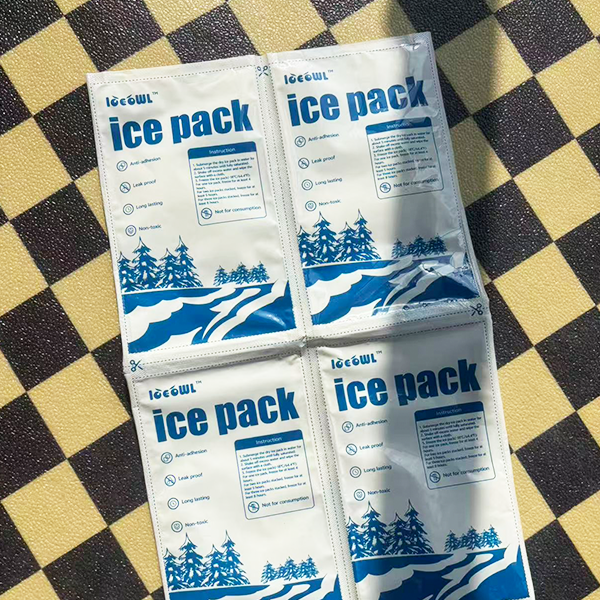
Title: Cold Chain Ice Box OEM: How to Choose the Right Box, Supplier, and Cost Structure
Description: Combine technical fit, operating logic, and supplier screening to choose a cold-chain ice box program with more confidence.
Article:
Cold Chain Ice Box OEM: The Optimized Decision Framework
When companies compare cold chain ice box OEM, they are usually trying to solve a bigger problem than packaging alone. They need a container program that protects product quality, behaves predictably in real handling, and stays commercially workable from sample approval through repeat orders. The right answer is rarely the cheapest box on paper or the most premium box in a catalog.
A strong decision comes from understanding what the ice box is actually expected to do. Is it mainly a reusable handling container? Is it a passive insulated shipper built around conditioned refrigerants? Does it need branding, custom inserts, export packaging, data logging, or route-specific work instructions? Each of those choices changes cost, risk, and supplier fit.
This optimized guide pulls those threads together. It explains the role of the container, the design variables that drive performance, the cost logic behind quotations, and the supplier checks that reduce rework later. The goal is simple: help you buy with fewer assumptions and better operational clarity.
What the box is really expected to do
In most industrial and B2B contexts, an ice box is a rigid or semi-rigid container used to slow heat gain and protect temperature-sensitive products during storage, transfer, or transport. The cooling effect usually comes from refrigerants such as gel packs, water-based ice packs, phase change materials, ice bricks, or dry ice. The box provides structure and insulation; the packout provides the thermal action.
For food, distribution, and general cold-chain work, the same distinction still matters even when regulation is lighter. A box can look impressive but underperform if the refrigerant is wrong, the payload is loaded warm, or the opening pattern is too aggressive. Buyers get better results when they evaluate the complete packout rather than the shell alone.
That is why the most useful buying conversation begins with application details, not with decoration or shell color. Before you compare suppliers, define your product temperature range, typical shipment duration, ambient exposure, handling method, hygiene expectations, and reuse target. Those basics determine whether you need a simple insulated tote, a molded HDPE shell with reusable bricks, an EPP box, a VIP-assisted design, or a different format entirely.
Materials, structure, and design variables
Container performance comes from material choice as much as from overall size. Common formats include molded plastic shells with foam insulation, EPP structures that balance weight and durability, EPS-based disposable formats, and higher-performance systems that use VIP panels to reduce heat transfer in a smaller footprint. Each option has trade-offs in durability, cost, cleanability, wall thickness, and available internal volume.
Even when HDPE is not explicitly required, shell material still changes the user experience. Rigid plastic can support repeated use and easier cleaning. EPP often reduces weight while keeping better structural resilience than disposable foam. VIP-assisted systems improve thermal margin but raise system cost and call for tighter handling control. There is no universal winner; the better choice depends on route severity, expected reuse, and the cost of failure.
Pay close attention to geometry as well. Internal dimensions, usable height beneath the lid, allowance for refrigerants, divider layout, and the ratio of product mass to coolant mass all affect real performance. A quotation that lists only outer dimensions tells you very little. Buyers should ask for internal dimensions, usable payload volume, recommended packout configuration, and any design assumptions behind the stated performance claim.
How thermal performance is created in practice
Thermal performance is created by the full packout, not by insulation alone. Actual hold time depends on starting payload temperature, refrigerant quantity and conditioning, ambient profile, transit duration, opening behavior, fill ratio, and the amount of empty air inside the box. Two buyers can use the same container and report completely different results because their operating conditions are different.
In food and commercial distribution, the same principle shows up through spoilage, condensation, or shorter-than-expected cold life. If drivers open the lid repeatedly, if the payload enters the box above target temperature, or if the vehicle sits in sun during unloading, apparent ‘box performance’ drops fast. A realistic trial should imitate the actual handling rhythm instead of using an idealized bench setup.
That is also why good suppliers discuss refrigerant strategy early. Gel packs are common and easy to deploy. Ice bricks or molded PCM packs can be more durable and consistent in reusable loops. Dry ice creates a very different thermal environment and may introduce air-shipping labeling and venting requirements. The right choice depends on temperature target, shipment duration, safety considerations, and how disciplined the operating team can be in conditioning and packing.
Why lifecycle cost matters more than the headline quotation
Lifecycle economics are often more useful than first-cost comparisons. A box that is ten percent cheaper but requires extra coolant, breaks latches early, wastes pallet space, or is awkward to clean may cost more over six or twelve months than a better-balanced design. Buyers should compare not just purchase price, but also replacement rate, labor impact, refrigerant consumption, return loss, and the operational cost of temperature mistakes.
Workflow fit matters just as much. A technically solid container can still frustrate the team if it is heavy when loaded, difficult to stack, slow to open and close, or too large for shelving, vehicle racks, or packing benches. That is why smart sourcing teams ask for loading photos, stacked dimensions, tare weight, and real-use comments from the sampling phase. The more repetitive the operation, the more those small frictions show up as cost.
Seen this way, packaging selection becomes a business process decision rather than a simple unit-price negotiation. The better supplier is usually the one who can explain how the box fits your route, your labor pattern, and your reuse expectations – not merely the one who sends the fastest quotation.
What usually drives cost and quoted price
The quoted number for an ice box is shaped by more than size. Material selection, insulation thickness, mold complexity, lid and latch hardware, gasket design, accessories, refrigerants, inserts, branding, test samples, packaging method, and order volume all affect price. When buyers compare quotations, they should first check whether the suppliers are quoting the same scope. A cheap number can hide thinner walls, lower-spec components, or missing items such as coolant packs, cartons, or spare parts.
Tooling and development decisions also matter. Custom molds, custom liners, engraved logos, special colors, and unique internal fittings can make strong business sense when the program will run at stable volume, but they change the economics of the first order. For that reason, total project cost should include sample rounds, pilot runs, change requests, and any qualification or transport testing you require before full release.
Operating cost can easily outweigh the initial quotation. A lower-cost box that cracks early, leaks cold through a poor lid fit, or forces excessive refrigerant use may be more expensive over time than a better-built alternative. In reusable loops, it is useful to compare service life, cleaning effort, return efficiency, and replacement rate alongside the first price.
How OEM and customization projects stay on track
OEM and custom projects succeed when the buyer defines performance before decoration. Brand printing, shell color, and packaging appearance are important, but they should come after route, temperature, and handling requirements are clear. The more disciplined process is to lock down use case, internal dimensions, refrigerant method, loading direction, and expected cleaning or reuse pattern first, then finalize cosmetics around that structure.
Sample-to-production consistency deserves special attention. Buyers should ask how materials are controlled, whether equivalent substitutions are allowed, how dimensional tolerances are managed, and what happens if a latch, gasket, insert, or refrigerant supplier changes. A packaging project that looks good at sample stage can drift later if those controls are loose. That matters even more when the box is part of a temperature-sensitive workflow.
Custom work should also address practical details that are easy to miss in the early stage: barcode position, cleaning labels, user instructions, coolant identification, pallet count per carton size, nesting or stacking behavior, and repair or replacement parts for reusable components. These are not cosmetic extras. They shape how easy the program will be to run at scale.
Where different box formats make sense
In practice, the right box format changes with the route. Short urban delivery loops may prioritize quick turnaround, light weight, and easy cleaning. Regional distribution may favor stronger shells and better stacking. Longer passive shipments may justify thicker insulation, better refrigerants, or VIP-assisted structures. If the box is being opened often, lid design and discipline may matter more than published hold time under closed conditions.
For general cold-chain distribution, route mapping is still a high-value exercise. A box should be chosen for the worst reasonable handling case, not for the ideal day. That principle alone eliminates many purchasing mistakes.
A good supplier will usually discuss these scenarios in terms of real use conditions instead of generic claims. That does not mean every supplier will run a complex study. It means they should at least be able to explain how the container is meant to be loaded, where the thermal margin comes from, and which operating assumptions sit behind the recommendation.
What buyers should check before placing a bulk order
Shortlisting suppliers is easier when you compare them against the same practical questions. The most useful checklist is one that links design detail to operational reality instead of treating all boxes as interchangeable commodities. Ask for answers in writing when the project matters.
• Internal dimensions, usable payload volume, and the amount of space lost to refrigerants or inserts
• Shell material, insulation type, lid construction, gasket design, and closure hardware
• Recommended refrigerant format and the conditioning method assumed behind any performance claim
• Expected stacking behavior, nesting or return efficiency, and durability under repeated handling
• Cleanability, drain design, and whether the box fits your hygiene routine or wash-down process
• Labeling and traceability options such as barcodes, molded marks, lot control, or user instructions
• Sample-to-production consistency, change control policy, and how material substitutions are approved
• Tooling responsibility, ownership of molds, artwork approval flow, and timeline for revisions
• MOQ, pilot order policy, lead time by season, and what triggers a price change
A supplier who can explain these points clearly is usually more valuable than one who offers only a low headline quotation. In real projects, clarity reduces redesign, delayed approvals, and field problems after launch.
FAQ
How long does an OEM ice box project usually take?
That depends on whether you are adapting an existing design or building a new one. Existing molds can move relatively quickly, while new molds, inserts, artwork reviews, and sample rounds add time. Ask suppliers to break the project into sample, approval, pilot, and production stages instead of giving one broad promise.
What should I request before approving a sample?
Ask for internal dimensions, recommended packout, material details, lid and closure specification, and a clear statement of the conditions behind any performance claim. Those basics prevent many misunderstandings later.
Should I buy by ex-works price or by total delivered cost?
Use total delivered cost whenever the project matters. Refrigerants, cartons, pallet efficiency, testing, replacement rate, and returns can easily change the economics of a box program.
What is the fastest way to shortlist suppliers?
Give every supplier the same use case, payload, route duration, and handling assumptions. Then compare how clearly each one responds on design, packout, durability, lead time, and change control.
Final takeaways
The smartest buying decision is usually the one that matches packaging format to operating reality. Whether you are sourcing a simple insulated box, a reusable HDPE shell, a commercial distribution container, or a more controlled pharmaceutical packout, the same rule applies: define the route, the temperature target, the handling rhythm, and the real cost model before you compare suppliers.
When that work is done early, quotations become easier to read, samples become more useful, and the final program is less likely to drift after launch. That is the difference between buying a container and building a packaging solution that people can actually run.
About Tempk
Tempk is the brand of Shanghai Huizhou Industrial Co., Ltd. Based on its public website, we focus on temperature-controlled packaging and offer product lines such as gel ice packs, ice bricks, insulated bags, insulated box liners, and medical ice box formats including plastic, EPP, and VIP options. Our site also highlights custom packaging support for food and pharmaceutical applications. When a project needs a practical cold-chain packout direction, we aim to help match container format, refrigerant choice, and route needs.
Next Step
If you are comparing options for this project, ask for a packout recommendation based on your target temperature, shipment duration, and handling pattern before you approve the first bulk order.
Cold Chain Ice Box Export: The Optimized Decision Framework

Title: Cold Chain Ice Box Export: How to Choose the Right Box, Supplier, and Cost Structure
Description: Combine technical fit, operating logic, and supplier screening to choose a cold-chain ice box program with more confidence.
Article:
Cold Chain Ice Box Export: The Optimized Decision Framework
When companies compare cold chain ice box export, they are usually trying to solve a bigger problem than packaging alone. They need a container program that protects product quality, behaves predictably in real handling, and stays commercially workable from sample approval through repeat orders. The right answer is rarely the cheapest box on paper or the most premium box in a catalog.
A strong decision comes from understanding what the ice box is actually expected to do. Is it mainly a reusable handling container? Is it a passive insulated shipper built around conditioned refrigerants? Does it need branding, custom inserts, export packaging, data logging, or route-specific work instructions? Each of those choices changes cost, risk, and supplier fit.
This optimized guide pulls those threads together. It explains the role of the container, the design variables that drive performance, the cost logic behind quotations, and the supplier checks that reduce rework later. The goal is simple: help you buy with fewer assumptions and better operational clarity.
What the box is really expected to do
In most industrial and B2B contexts, an ice box is a rigid or semi-rigid container used to slow heat gain and protect temperature-sensitive products during storage, transfer, or transport. The cooling effect usually comes from refrigerants such as gel packs, water-based ice packs, phase change materials, ice bricks, or dry ice. The box provides structure and insulation; the packout provides the thermal action.
For food, distribution, and general cold-chain work, the same distinction still matters even when regulation is lighter. A box can look impressive but underperform if the refrigerant is wrong, the payload is loaded warm, or the opening pattern is too aggressive. Buyers get better results when they evaluate the complete packout rather than the shell alone.
That is why the most useful buying conversation begins with application details, not with decoration or shell color. Before you compare suppliers, define your product temperature range, typical shipment duration, ambient exposure, handling method, hygiene expectations, and reuse target. Those basics determine whether you need a simple insulated tote, a molded HDPE shell with reusable bricks, an EPP box, a VIP-assisted design, or a different format entirely.
Materials, structure, and design variables
Container performance comes from material choice as much as from overall size. Common formats include molded plastic shells with foam insulation, EPP structures that balance weight and durability, EPS-based disposable formats, and higher-performance systems that use VIP panels to reduce heat transfer in a smaller footprint. Each option has trade-offs in durability, cost, cleanability, wall thickness, and available internal volume.
Even when HDPE is not explicitly required, shell material still changes the user experience. Rigid plastic can support repeated use and easier cleaning. EPP often reduces weight while keeping better structural resilience than disposable foam. VIP-assisted systems improve thermal margin but raise system cost and call for tighter handling control. There is no universal winner; the better choice depends on route severity, expected reuse, and the cost of failure.
Pay close attention to geometry as well. Internal dimensions, usable height beneath the lid, allowance for refrigerants, divider layout, and the ratio of product mass to coolant mass all affect real performance. A quotation that lists only outer dimensions tells you very little. Buyers should ask for internal dimensions, usable payload volume, recommended packout configuration, and any design assumptions behind the stated performance claim.
How thermal performance is created in practice
Thermal performance is created by the full packout, not by insulation alone. Actual hold time depends on starting payload temperature, refrigerant quantity and conditioning, ambient profile, transit duration, opening behavior, fill ratio, and the amount of empty air inside the box. Two buyers can use the same container and report completely different results because their operating conditions are different.
In food and commercial distribution, the same principle shows up through spoilage, condensation, or shorter-than-expected cold life. If drivers open the lid repeatedly, if the payload enters the box above target temperature, or if the vehicle sits in sun during unloading, apparent ‘box performance’ drops fast. A realistic trial should imitate the actual handling rhythm instead of using an idealized bench setup.
That is also why good suppliers discuss refrigerant strategy early. Gel packs are common and easy to deploy. Ice bricks or molded PCM packs can be more durable and consistent in reusable loops. Dry ice creates a very different thermal environment and may introduce air-shipping labeling and venting requirements. The right choice depends on temperature target, shipment duration, safety considerations, and how disciplined the operating team can be in conditioning and packing.
Why lifecycle cost matters more than the headline quotation
Lifecycle economics are often more useful than first-cost comparisons. A box that is ten percent cheaper but requires extra coolant, breaks latches early, wastes pallet space, or is awkward to clean may cost more over six or twelve months than a better-balanced design. Buyers should compare not just purchase price, but also replacement rate, labor impact, refrigerant consumption, return loss, and the operational cost of temperature mistakes.
Workflow fit matters just as much. A technically solid container can still frustrate the team if it is heavy when loaded, difficult to stack, slow to open and close, or too large for shelving, vehicle racks, or packing benches. That is why smart sourcing teams ask for loading photos, stacked dimensions, tare weight, and real-use comments from the sampling phase. The more repetitive the operation, the more those small frictions show up as cost.
Seen this way, packaging selection becomes a business process decision rather than a simple unit-price negotiation. The better supplier is usually the one who can explain how the box fits your route, your labor pattern, and your reuse expectations – not merely the one who sends the fastest quotation.
What export buyers should confirm before release
Export-oriented sourcing needs a broader checklist than domestic buying. You are not only purchasing the box; you are purchasing packaging consistency, document accuracy, shipping readiness, and communication quality across time zones and freight stages. Carton design, pallet pattern, loading photographs, barcode conventions, and spare component policy all become more important when the goods will move farther and touch more handlers.
If your shipment includes refrigerants or monitoring devices, confirm the transport implications early. Dry ice, for example, may create air-transport marking and venting requirements. Electronic loggers or active accessories can also create additional documentation questions. None of these issues are impossible, but they should be designed into the project before the first bulk order instead of being discovered during dispatch.
Export buyers should also ask how the supplier supports inspection and replenishment after arrival. Can cartons be traced by lot? Are spare lids, hinges, or coolant packs available? Is there a stable specification sheet for customs brokers, warehouse teams, and receiving staff? Clear answers reduce confusion at the destination and protect the program after the first shipment lands.
Where different box formats make sense
In practice, the right box format changes with the route. Short urban delivery loops may prioritize quick turnaround, light weight, and easy cleaning. Regional distribution may favor stronger shells and better stacking. Longer passive shipments may justify thicker insulation, better refrigerants, or VIP-assisted structures. If the box is being opened often, lid design and discipline may matter more than published hold time under closed conditions.
For general cold-chain distribution, route mapping is still a high-value exercise. A box should be chosen for the worst reasonable handling case, not for the ideal day. That principle alone eliminates many purchasing mistakes.
A good supplier will usually discuss these scenarios in terms of real use conditions instead of generic claims. That does not mean every supplier will run a complex study. It means they should at least be able to explain how the container is meant to be loaded, where the thermal margin comes from, and which operating assumptions sit behind the recommendation.
What buyers should check before placing a bulk order
Shortlisting suppliers is easier when you compare them against the same practical questions. The most useful checklist is one that links design detail to operational reality instead of treating all boxes as interchangeable commodities. Ask for answers in writing when the project matters.
• Internal dimensions, usable payload volume, and the amount of space lost to refrigerants or inserts
• Shell material, insulation type, lid construction, gasket design, and closure hardware
• Recommended refrigerant format and the conditioning method assumed behind any performance claim
• Expected stacking behavior, nesting or return efficiency, and durability under repeated handling
• Cleanability, drain design, and whether the box fits your hygiene routine or wash-down process
• Labeling and traceability options such as barcodes, molded marks, lot control, or user instructions
• Sample-to-production consistency, change control policy, and how material substitutions are approved
• MOQ, standard lead time, and whether the supplier can support mixed sizes or mixed packouts
• Export carton design, pallet data, documentation support, and shipping mark accuracy
A supplier who can explain these points clearly is usually more valuable than one who offers only a low headline quotation. In real projects, clarity reduces redesign, delayed approvals, and field problems after launch.
FAQ
What causes the most problems in export orders?
Specification drift, weak outer packaging, inaccurate shipping marks, and unclear responsibilities are common causes. Export buyers should confirm carton details, pallet data, documentation, and change control before the first bulk dispatch.
What should I request before approving a sample?
Ask for internal dimensions, recommended packout, material details, lid and closure specification, and a clear statement of the conditions behind any performance claim. Those basics prevent many misunderstandings later.
Should I buy by ex-works price or by total delivered cost?
Use total delivered cost whenever the project matters. Refrigerants, cartons, pallet efficiency, testing, replacement rate, and returns can easily change the economics of a box program.
What is the fastest way to shortlist suppliers?
Give every supplier the same use case, payload, route duration, and handling assumptions. Then compare how clearly each one responds on design, packout, durability, lead time, and change control.
Final takeaways
The smartest buying decision is usually the one that matches packaging format to operating reality. Whether you are sourcing a simple insulated box, a reusable HDPE shell, a commercial distribution container, or a more controlled pharmaceutical packout, the same rule applies: define the route, the temperature target, the handling rhythm, and the real cost model before you compare suppliers.
When that work is done early, quotations become easier to read, samples become more useful, and the final program is less likely to drift after launch. That is the difference between buying a container and building a packaging solution that people can actually run.
About Tempk
Tempk is the brand of Shanghai Huizhou Industrial Co., Ltd. Based on its public website, we focus on temperature-controlled packaging and offer product lines such as gel ice packs, ice bricks, insulated bags, insulated box liners, and medical ice box formats including plastic, EPP, and VIP options. Our site also highlights custom packaging support for food and pharmaceutical applications. When a project needs a practical cold-chain packout direction, we aim to help match container format, refrigerant choice, and route needs.
Next Step
If you are comparing options for this project, ask for a packout recommendation based on your target temperature, shipment duration, and handling pattern before you approve the first bulk order.
The Complete Guide to Waterproof Plastic Crate Distributor for Laboratory Import

Choosing a waterproof plastic crate distributor for laboratory import means balancing product protection, compliance, handling speed, and total cost in one decision. The best option is rarely the lightest, cheapest, or most heavily advertised unit. It is the design that fits laboratory import conditions, survives the real route, and comes with evidence your team can actually approve. That is the standard serious buyers should use in 2026.
This optimized guide will help you decide:
- What the right specification looks like for laboratory import.
- How to balance material, hygiene, temperature, and load without overbuying.
- Which documents and tests separate trustworthy suppliers from risky ones.
- How cost, sustainability, and return logistics change the final decision.
- What 2026 market and regulatory signals should shape your next RFQ.
What makes the right specification for laboratory import?
The right specification begins with a brutally clear use definition. You need to know whether the crate directly contacts product, supports sealed packs, or works as part of a temperature-control system. You also need the actual payload, loaded weight, stack height, cleaning method, and the hardest touchpoint in laboratory import. Without those answers, every supplier comparison will stay fuzzy.
Many laboratory materials travel chilled rather than frozen, but routes can include ambient docks, airport handling, and customs dwell that create sudden temperature stress. In many regulated healthcare lanes, the crate works best as a reusable outer handling unit around a validated shipper, sealed pack, or conditioned thermal payload rather than as the only temperature barrier. A strong specification converts those route facts into practical approval points: dimensions, material family, handling limits, labeling zones, and the exact documents required for the intended use.
A five-point selection tool
Fast decision framework
| <strong>Selection point</strong> | <strong>What to define</strong> | <strong>Why it matters</strong> | <strong>Good buying habit</strong> |
| Use boundary | Direct contact, outer handling, or thermal system role | This drives compliance and design depth | Write the use case before you ask for documents |
| Route stress | Cold exposure, delays, vibration, washdown, and stack dwell | This drives material and geometry choices | Test the hardest realistic route |
| Workflow fit | Pallet pattern, lift method, label zone, and return logic | This drives labor efficiency and receiving speed | Map one full cycle from load to clean return |
| Evidence pack | Test data, drawings, declarations, and cleaning guidance | This drives approval speed and future control | Keep one clean approval file |
| Commercial model | Stock speed, tooling control, support after launch | This drives project risk and lead time | Choose the path that matches complexity |
Practical tips for writing a stronger RFQ
- Describe the route and the failure point you want to eliminate, not just the part dimensions.
- Include loaded weight, stack height, and cleaning method in the first request.
- State whether the container must nest, fold, vent, insulate, or hold seals after repeated reuse.
- Ask for the evidence pack at the same time you ask for pricing.
Case example: The most effective RFQs are short but specific. They tell suppliers what the package must survive, not just what it should look like.
How should you balance material, hygiene, temperature, and load?
You should balance these factors as one system, not as separate checkboxes. Most buyers start with HDPE for toughness and moisture resistance, then compare impact-modified PP if they need a stiffer wall or cleaner molding detail. For true splash control, pay attention to lid geometry, seal materials, hinge fit, and whether water can pool in corners after washing. A waterproof claim should cover more than rainfall. It should include splash exposure, condensation, repeated washdown, and the way labels behave after a cold-to-warm transition. A strong material is useless if the shape traps soil, the lid shifts in transit, or the stack relaxes after long dwell.
For laboratory import, hygiene and temperature logic often decide the final choice as much as mechanical strength does. Traceability, label durability, and route qualification often lead the review in regulated healthcare lanes. That is why buyers should compare structure, cleanability, and thermal or airflow behavior in the same conversation. If one factor is ignored, the packaging will usually fail in service before it fails on paper.
What usually matters most by design priority?
Balanced engineering review
| <strong>Priority</strong> | <strong>What to review</strong> | <strong>Typical mistake</strong> | <strong>Better approach</strong> |
| Material fit | Resin behavior at the real temperature and cleaning chemistry | Choosing by brochure language only | Ask for route-relevant data and revision control |
| Hygiene fit | smooth internal corners, wipeable surfaces, segregated inserts, and easy quarantine labeling | Ignoring corners, joints, or drying behavior | Review how the unit is actually cleaned and reused |
| Temperature or airflow | Insulation, vent pattern, lid fit, and payload layout | Treating the shell as the whole system | Validate the full pack-out or airflow logic |
| Load fit | Static, moving, and stacked conditions | Using one generic load number | Match the rating to the real lane and dwell time |
Practical technical tips
- Review the lowest temperature, the wettest environment, and the longest dwell in one meeting.
- Check how the design drains and dries if cleaning is part of the reuse loop.
- Confirm whether stack ratings apply in motion, in storage, or both.
- For thermal systems, validate the full configuration with payload and logger, not just the shell.
Case example: Teams often discover that the best package is not the strongest or most insulated one, but the one that stays usable after repeated handling, cleaning, and receiving.
Which compliance documents and tests separate good suppliers from risky ones?
A trustworthy supplier makes the approval process easier, not harder. You should be able to see the intended use, current revision, material family, and relevant performance data without chasing vague claims. For laboratory import, that usually means combining commercial information with quality information from the start. When those files are separated or inconsistent, approval slows down and field risk rises.
The exact compliance pack depends on the route and contents, but current WHO, FDA, EU, and IATA guidance all reward the same discipline: define the boundary, document the process, and keep evidence tied to the exact product revision. That is how you avoid the common trap of having the right document for the wrong SKU or the right SKU without the route data needed to approve it. Good suppliers understand that audits and daily operations both depend on the same clarity.
Documents and tests that matter
Approval checklist
| <strong>Requirement</strong> | <strong>What to request</strong> | <strong>Why it matters to you</strong> |
| Laboratory specimens | WHO specimen transport guidance and applicable transport rules by material classification | Temperature and packaging requirements depend on the contents |
| Air or multimodal movement | Use route-specific transport rules where samples or diagnostics are regulated | The outer unit must support compliant labeling and segregation |
| Performance testing | Load, drop, wash, or thermal results tied to real use | Shows whether claims are meaningful |
| Drawing and revision control | Dimensions, marks, and change history | Protects future consistency and requalification |
| Cleaning and reuse guidance | Method, chemistry limits, drying notes | Keeps service life and hygiene under control |
Practical approval tips
- Review documents against intended use before approving price.
- Keep one technical and commercial approval file instead of separate informal records.
- Treat any meaningful resin, wall, insert, or thermal change as a review trigger.
- Pilot the approved revision, not a look-alike sample from a different build.
Case example: Supplier risk often appears first as document confusion. Clear drawings, clear declarations, and clear test scope are early signs of a partner you can actually scale with.
How do cost, sustainability, and return logistics change the final decision?
The best business case combines lower failure cost with better reuse discipline. Reusable packaging only becomes more sustainable when it actually survives enough cycles, returns cleanly, and reduces product loss in the real lane. That means you should look beyond the purchase price toward empty-return ratio, receiving time, product-loss reduction, cleaning effort, and service life. A stronger package is worth more when it removes an expensive recurring problem, not when it simply sounds premium.
Sustainability decisions are becoming more practical for the same reason. FAO’s work on food cold chains continues to connect packaging, airflow, temperature management, and reduced waste, while buyers in regulated sectors are focusing on repeatable reusable systems that reduce one-way material and emergency re-shipments. The useful question is not ‘Is reusable greener in theory?’ but ‘Does this specific loop reduce waste and protect product in practice?’
A practical cost and sustainability map
Total-value view
| <strong>Decision factor</strong> | <strong>What improves</strong> | <strong>What to watch</strong> | <strong>How it helps you</strong> |
| Return efficiency | Less storage cube and lower empty transport | Weak reverse-logistics discipline | Makes reuse more realistic and more economical |
| Product protection | Fewer losses, claims, or excursions | Over-specifying features you do not need | Protects margin and service level |
| Handling speed | Cleaner receiving and less repacking | Ignoring operator workflow | Improves labor efficiency without adding headcount |
| Service life | More turns before replacement | Poor cleaning or repair process | Strengthens both ROI and sustainability |
Practical business tips
- Measure current losses before trying to prove future ROI.
- Include empty returns and cleaning effort in the model from day one.
- Use the toughest lane and the most expensive failure mode in the pilot.
- Do not claim sustainability success until the return loop and cleaning loop both work.
Case example: Many packaging upgrades pay back first through fewer emergency fixes – less reboxing, less relabeling, fewer broken stacks, fewer rushed replacement shipments – before the accounting model even catches up.
What 2026 trends should influence your next RFQ?
2026 buyers are raising the bar on proof, traceability, and workflow fit. Independent market reports published for 2026 estimate the overall cold-chain packaging market at more than USD 46 billion, the pharmaceutical cold-chain packaging market at more than USD 10 billion, and the reusable cold-chain packaging segment at more than USD 5 billion. That growth reflects demand for biologics, vaccines, diagnostics, and tighter control over temperature-sensitive healthcare distribution. At the same time, standards and guidance keep nudging the market toward clearer control, better documentation, and route-relevant evidence. That means your next RFQ should ask for more than dimensions and price. It should ask how the system performs, how changes are controlled, and how reuse will be managed.
The strongest RFQs also reflect where the market is going next: more digital traceability, more reusable assets with clearer service-life logic, more route-specific validation, and more sustainability scrutiny linked to real operations. Buyers who adapt now usually reduce both operational friction and supplier confusion later. In that sense, a better RFQ is not paperwork; it is an operating advantage.
The clearest 2026 trends
- More buyers want packaging linked to a real lane map and a measurable failure point.
- Traceability features and clearer revision control are moving into standard requirements.
- Reusable packaging is being compared on empty-return efficiency and cleanability, not only on strength.
- Pilot data from real routes is becoming more persuasive than broad category claims.
- Quality, operations, and procurement are being pulled earlier into one approval process.
Frequently asked questions
What is the first step in choosing a waterproof plastic crate?
Define the intended use and the hardest operating condition. Once you know what the package touches, carries, and must survive, the rest of the specification becomes much clearer.
How do you avoid overbuying?
Do not specify features because they sound advanced. Specify the failure you need to prevent. That keeps the project focused on practical value instead of expensive complexity.
What should you pilot?
Pilot the full system: load, route, handling, receiving, cleaning, and return. That gives you a better decision than isolated bench tests or short showroom demos.
When is a supplier truly qualified?
A supplier is truly qualified when the product, documents, revision control, and support model all match your intended use. One strong sample without the right evidence is not enough.
How do sustainability and ROI connect?
They connect through real operations. If the system reduces waste, protects product, returns efficiently, and survives many turns, it usually improves both environmental and financial performance.
Summary and recommendations
The best waterproof plastic crate distributor for laboratory import is the one that aligns route reality, technical performance, compliance clarity, and total business value. Define the use boundary first, validate the material and design against the real lane, and insist on an evidence pack that your team can approve without guesswork. That is how a reusable asset becomes dependable instead of merely promising.
Your next move should be practical and cross-functional. Build a short RFQ with route facts, pilot one approved revision, and measure the exact failure mode you want to remove. That process will usually deliver a better answer than any broad comparison of catalog claims.
About Tempk
At Tempk, we work on reusable cold-chain packaging as a real operating system, not as a one-line item in a catalog. We focus on route fit, material behavior, insulation and insert options, cleanability, and the evidence buyers need to make sound decisions across food, healthcare, laboratory, and industrial applications. That helps teams move faster without cutting corners.
If you are planning a new project, start with the toughest lane and the clearest performance goal. From there, compare samples, documents, and support models as one decision. That is the fastest route to a packaging choice that still looks right after launch.
The Complete Guide to Waterproof Plastic Box Supplier for Beverage Export
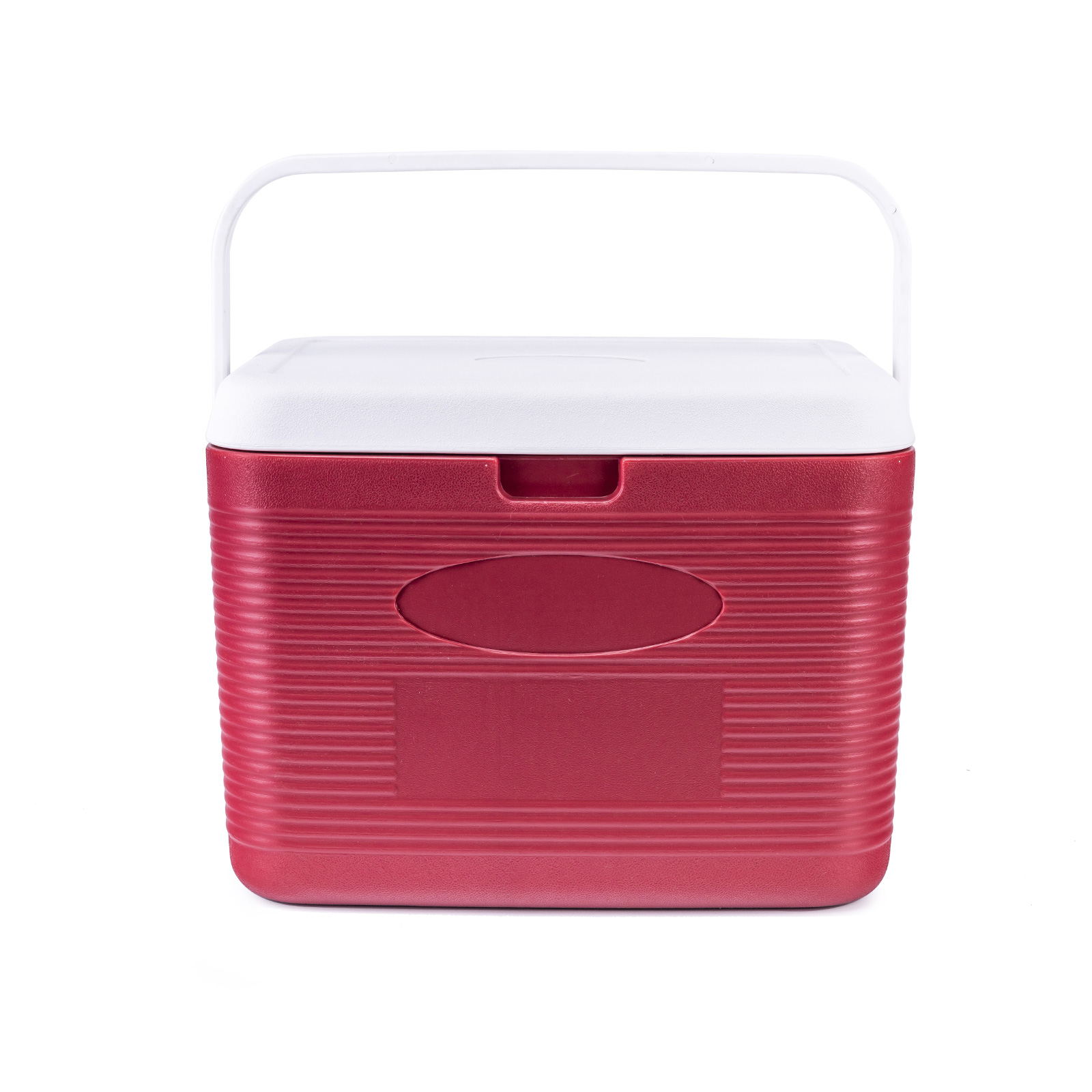
Choosing a waterproof plastic box supplier for beverage export means balancing product protection, compliance, handling speed, and total cost in one decision. The best option is rarely the lightest, cheapest, or most heavily advertised unit. It is the design that fits beverage export conditions, survives the real route, and comes with evidence your team can actually approve. That is the standard serious buyers should use in 2026.
This optimized guide will help you decide:
- What the right specification looks like for beverage export.
- How to balance material, hygiene, temperature, and load without overbuying.
- Which documents and tests separate trustworthy suppliers from risky ones.
- How cost, sustainability, and return logistics change the final decision.
- What 2026 market and regulatory signals should shape your next RFQ.
What makes the right specification for beverage export?
The right specification begins with a brutally clear use definition. You need to know whether the box directly contacts product, supports sealed packs, or works as part of a temperature-control system. You also need the actual payload, loaded weight, stack height, cleaning method, and the hardest touchpoint in beverage export. Without those answers, every supplier comparison will stay fuzzy.
Beverage handling is less about delicate temperature curves and more about condensation, abrasion, stacking force, and keeping packs presentable after long transit. In food operations, the box may touch product directly or carry sealed packs; that one decision changes the level of sanitation, food-contact documentation, and cleaning discipline you need. A strong specification converts those route facts into practical approval points: dimensions, material family, handling limits, labeling zones, and the exact documents required for the intended use.
A five-point selection tool
Fast decision framework
| <strong>Selection point</strong> | <strong>What to define</strong> | <strong>Why it matters</strong> | <strong>Good buying habit</strong> |
| Use boundary | Direct contact, outer handling, or thermal system role | This drives compliance and design depth | Write the use case before you ask for documents |
| Route stress | Cold exposure, delays, vibration, washdown, and stack dwell | This drives material and geometry choices | Test the hardest realistic route |
| Workflow fit | Pallet pattern, lift method, label zone, and return logic | This drives labor efficiency and receiving speed | Map one full cycle from load to clean return |
| Evidence pack | Test data, drawings, declarations, and cleaning guidance | This drives approval speed and future control | Keep one clean approval file |
| Commercial model | Stock speed, tooling control, support after launch | This drives project risk and lead time | Choose the path that matches complexity |
Practical tips for writing a stronger RFQ
- Describe the route and the failure point you want to eliminate, not just the part dimensions.
- Include loaded weight, stack height, and cleaning method in the first request.
- State whether the container must nest, fold, vent, insulate, or hold seals after repeated reuse.
- Ask for the evidence pack at the same time you ask for pricing.
Case example: The most effective RFQs are short but specific. They tell suppliers what the package must survive, not just what it should look like.
How should you balance material, hygiene, temperature, and load?
You should balance these factors as one system, not as separate checkboxes. Most buyers start with HDPE for toughness and moisture resistance, then compare impact-modified PP if they need a stiffer wall or cleaner molding detail. For true splash control, pay attention to lid geometry, seal materials, hinge fit, and whether water can pool in corners after washing. A waterproof claim should cover more than rainfall. It should include splash exposure, condensation, repeated washdown, and the way labels behave after a cold-to-warm transition. A strong material is useless if the shape traps soil, the lid shifts in transit, or the stack relaxes after long dwell.
For beverage export, hygiene and temperature logic often decide the final choice as much as mechanical strength does. Food-contact and sanitation rules come first when product touches the container directly. That is why buyers should compare structure, cleanability, and thermal or airflow behavior in the same conversation. If one factor is ignored, the packaging will usually fail in service before it fails on paper.
What usually matters most by design priority?
Balanced engineering review
| <strong>Priority</strong> | <strong>What to review</strong> | <strong>Typical mistake</strong> | <strong>Better approach</strong> |
| Material fit | Resin behavior at the real temperature and cleaning chemistry | Choosing by brochure language only | Ask for route-relevant data and revision control |
| Hygiene fit | closed surfaces, easy washing, partition compatibility, and durable label windows | Ignoring corners, joints, or drying behavior | Review how the unit is actually cleaned and reused |
| Temperature or airflow | Insulation, vent pattern, lid fit, and payload layout | Treating the shell as the whole system | Validate the full pack-out or airflow logic |
| Load fit | Static, moving, and stacked conditions | Using one generic load number | Match the rating to the real lane and dwell time |
Practical technical tips
- Review the lowest temperature, the wettest environment, and the longest dwell in one meeting.
- Check how the design drains and dries if cleaning is part of the reuse loop.
- Confirm whether stack ratings apply in motion, in storage, or both.
- For thermal systems, validate the full configuration with payload and logger, not just the shell.
Case example: Teams often discover that the best package is not the strongest or most insulated one, but the one that stays usable after repeated handling, cleaning, and receiving.
Which compliance documents and tests separate good suppliers from risky ones?
A trustworthy supplier makes the approval process easier, not harder. You should be able to see the intended use, current revision, material family, and relevant performance data without chasing vague claims. For beverage export, that usually means combining commercial information with quality information from the start. When those files are separated or inconsistent, approval slows down and field risk rises.
The exact compliance pack depends on the route and contents, but current WHO, FDA, EU, and IATA guidance all reward the same discipline: define the boundary, document the process, and keep evidence tied to the exact product revision. That is how you avoid the common trap of having the right document for the wrong SKU or the right SKU without the route data needed to approve it. Good suppliers understand that audits and daily operations both depend on the same clarity.
Documents and tests that matter
Approval checklist
| <strong>Requirement</strong> | <strong>What to request</strong> | <strong>Why it matters to you</strong> |
| Food-contact framework | FDA food-contact rules and/or EU 1935/2004 plus GMP 2023/2006 where relevant | Applies when the unit directly contacts food or food-contact surfaces |
| Performance testing | Load, drop, wash, or thermal results tied to real use | Shows whether claims are meaningful |
| Drawing and revision control | Dimensions, marks, and change history | Protects future consistency and requalification |
| Cleaning and reuse guidance | Method, chemistry limits, drying notes | Keeps service life and hygiene under control |
Practical approval tips
- Review documents against intended use before approving price.
- Keep one technical and commercial approval file instead of separate informal records.
- Treat any meaningful resin, wall, insert, or thermal change as a review trigger.
- Pilot the approved revision, not a look-alike sample from a different build.
Case example: Supplier risk often appears first as document confusion. Clear drawings, clear declarations, and clear test scope are early signs of a partner you can actually scale with.
How do cost, sustainability, and return logistics change the final decision?
The best business case combines lower failure cost with better reuse discipline. Reusable packaging only becomes more sustainable when it actually survives enough cycles, returns cleanly, and reduces product loss in the real lane. That means you should look beyond the purchase price toward empty-return ratio, receiving time, product-loss reduction, cleaning effort, and service life. A stronger package is worth more when it removes an expensive recurring problem, not when it simply sounds premium.
Sustainability decisions are becoming more practical for the same reason. FAO’s work on food cold chains continues to connect packaging, airflow, temperature management, and reduced waste, while buyers in regulated sectors are focusing on repeatable reusable systems that reduce one-way material and emergency re-shipments. The useful question is not ‘Is reusable greener in theory?’ but ‘Does this specific loop reduce waste and protect product in practice?’
A practical cost and sustainability map
Total-value view
| <strong>Decision factor</strong> | <strong>What improves</strong> | <strong>What to watch</strong> | <strong>How it helps you</strong> |
| Return efficiency | Less storage cube and lower empty transport | Weak reverse-logistics discipline | Makes reuse more realistic and more economical |
| Product protection | Fewer losses, claims, or excursions | Over-specifying features you do not need | Protects margin and service level |
| Handling speed | Cleaner receiving and less repacking | Ignoring operator workflow | Improves labor efficiency without adding headcount |
| Service life | More turns before replacement | Poor cleaning or repair process | Strengthens both ROI and sustainability |
Practical business tips
- Measure current losses before trying to prove future ROI.
- Include empty returns and cleaning effort in the model from day one.
- Use the toughest lane and the most expensive failure mode in the pilot.
- Do not claim sustainability success until the return loop and cleaning loop both work.
Case example: Many packaging upgrades pay back first through fewer emergency fixes – less reboxing, less relabeling, fewer broken stacks, fewer rushed replacement shipments – before the accounting model even catches up.
What 2026 trends should influence your next RFQ?
2026 buyers are raising the bar on proof, traceability, and workflow fit. Independent market reports published for 2026 estimate the overall cold-chain packaging market at more than USD 46 billion, the pharmaceutical cold-chain packaging market at more than USD 10 billion, and the reusable cold-chain packaging segment at more than USD 5 billion. In food systems, the growth story is tied to shelf-life protection, cleaner reusable assets, and the push to reduce waste from handling and transport. At the same time, standards and guidance keep nudging the market toward clearer control, better documentation, and route-relevant evidence. That means your next RFQ should ask for more than dimensions and price. It should ask how the system performs, how changes are controlled, and how reuse will be managed.
The strongest RFQs also reflect where the market is going next: more digital traceability, more reusable assets with clearer service-life logic, more route-specific validation, and more sustainability scrutiny linked to real operations. Buyers who adapt now usually reduce both operational friction and supplier confusion later. In that sense, a better RFQ is not paperwork; it is an operating advantage.
The clearest 2026 trends
- More buyers want packaging linked to a real lane map and a measurable failure point.
- Traceability features and clearer revision control are moving into standard requirements.
- Reusable packaging is being compared on empty-return efficiency and cleanability, not only on strength.
- Pilot data from real routes is becoming more persuasive than broad category claims.
- Quality, operations, and procurement are being pulled earlier into one approval process.
Frequently asked questions
What is the first step in choosing a waterproof plastic box?
Define the intended use and the hardest operating condition. Once you know what the package touches, carries, and must survive, the rest of the specification becomes much clearer.
How do you avoid overbuying?
Do not specify features because they sound advanced. Specify the failure you need to prevent. That keeps the project focused on practical value instead of expensive complexity.
What should you pilot?
Pilot the full system: load, route, handling, receiving, cleaning, and return. That gives you a better decision than isolated bench tests or short showroom demos.
When is a supplier truly qualified?
A supplier is truly qualified when the product, documents, revision control, and support model all match your intended use. One strong sample without the right evidence is not enough.
How do sustainability and ROI connect?
They connect through real operations. If the system reduces waste, protects product, returns efficiently, and survives many turns, it usually improves both environmental and financial performance.
Summary and recommendations
The best waterproof plastic box supplier for beverage export is the one that aligns route reality, technical performance, compliance clarity, and total business value. Define the use boundary first, validate the material and design against the real lane, and insist on an evidence pack that your team can approve without guesswork. That is how a reusable asset becomes dependable instead of merely promising.
Your next move should be practical and cross-functional. Build a short RFQ with route facts, pilot one approved revision, and measure the exact failure mode you want to remove. That process will usually deliver a better answer than any broad comparison of catalog claims.
About Tempk
At Tempk, we work on reusable cold-chain packaging as a real operating system, not as a one-line item in a catalog. We focus on route fit, material behavior, insulation and insert options, cleanability, and the evidence buyers need to make sound decisions across food, healthcare, laboratory, and industrial applications. That helps teams move faster without cutting corners.
If you are planning a new project, start with the toughest lane and the clearest performance goal. From there, compare samples, documents, and support models as one decision. That is the fastest route to a packaging choice that still looks right after launch.