


Vented Plastic Crates for Beverage Storage and Distribution: What Buyers Should Really Compare
Vented Plastic Crates for Beverage Storage and Distribution: What Buyers Should Really Compare
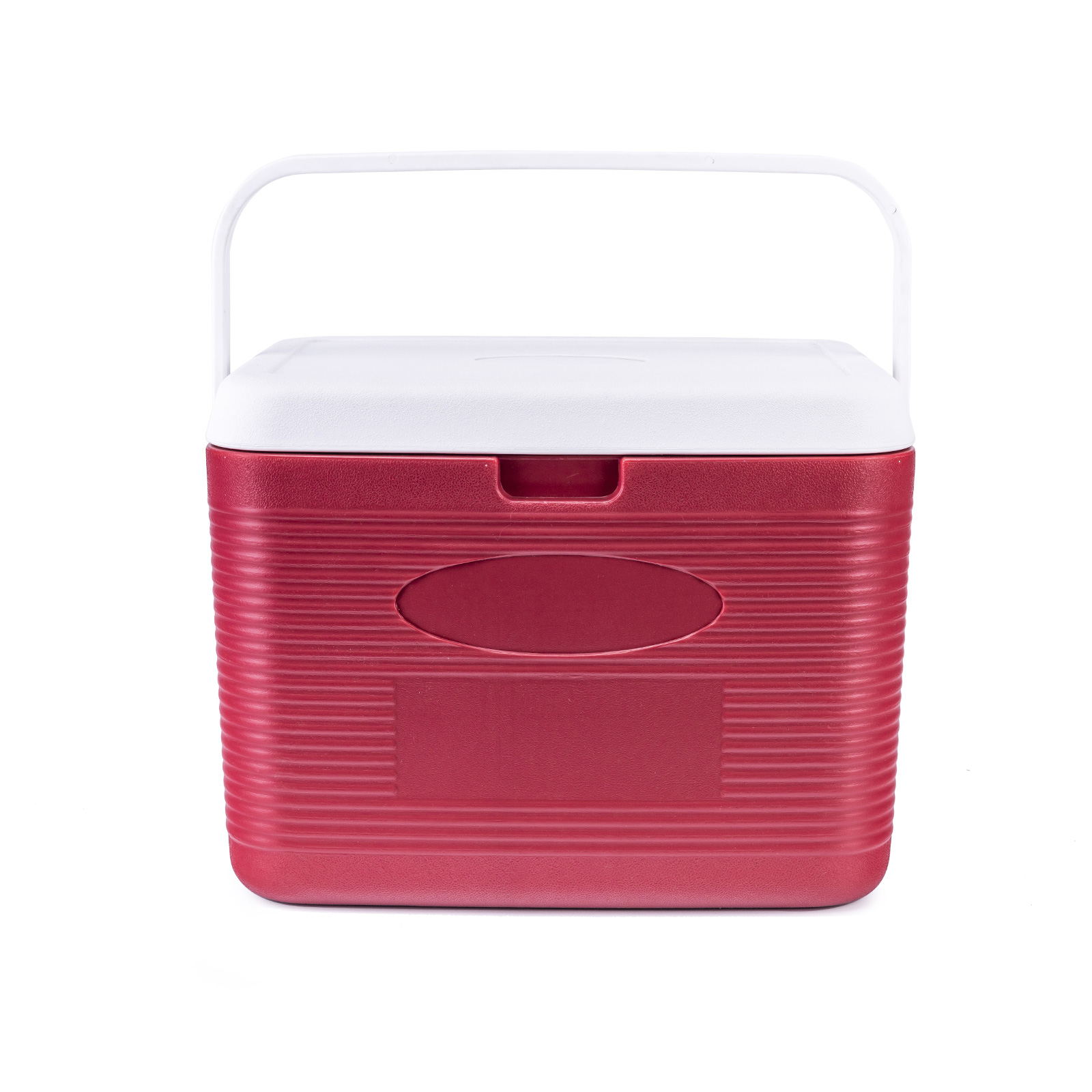
If you are comparing suppliers for vented plastic crates for beverage storage and distribution, the first job is to define what problem the container must solve in beverage storage and distribution. Most buyers are trying to protect the product, reduce handling friction, and create a packaging format that is easier to reuse and control at scale. Those goals are realistic, but only when the container is matched to the route, the payload, and the day-to-day workflow.
The most useful buying distinction is simple: vented beverage crates improve airflow and handling, but they are not temperature-controlled systems and should not be treated as a substitute for cold storage or insulated delivery packaging. A reusable plastic container may be the right outer handling format, a useful short-term temperature buffer, or part of a more complete packaging system. It becomes a poor choice only when buyers expect it to do more than the design can actually support. The rest of the decision should flow from that boundary.
What the Container Should Do in Real Operations
A good vented plastic crate should make daily handling easier before it makes a presentation slide look impressive. It should fit the actual route, support a stable load, and give operators a repeatable way to prepare, move, receive, and reuse the package. In many programs, the biggest gains come from fewer damaged loads, cleaner workflows, and better space use rather than from one dramatic specification.
That is also why buyers should compare full operating fit. Cleaning, drying, labeling, return handling, and sample-to-production consistency matter just as much as the headline material. When the package works in the whole loop, it starts to reduce cost and risk. When it works only in the catalog, it becomes a source of exceptions.
Set the Performance Boundary Before You Compare Quotes
A lot of wasted procurement time comes from asking one container to do three different jobs. Start by defining whether the package is primarily a reusable handling format, a short-term temperature buffer, or part of a fuller insulated shipping system. That single clarification removes much of the confusion from supplier comparison.
Once the boundary is clear, the rest of the evaluation becomes more practical. You can compare structure, cleanability, closure behavior, thermal support, route fit, and return logistics without mixing unlike products into the same shortlist.
How to Read the Design Instead of the Sales Sheet
Good container selection starts by reading the design honestly. Beverage crates are often injection molded in HDPE or similar durable plastics because they need repeatable dimensional control, impact resistance, and long service life in distribution loops. Buyers should then look at the whole system interface: lid behavior, load transfer, cleaning reality, label control, and how the package is expected to be used every day.
Many beverage crates are open because speed matters, but the geometry still has to hold bottles or cans securely during stacking and transport. Ventilation helps crates dry after washing or cold-room use, reducing trapped moisture and making repeated reuse easier to manage. Large beverage loops often rely on molded branding, color coding, and standardized footprints to simplify pooling, sorting, and route control. In other words, the right container is rarely the one with the boldest headline claim. It is the one whose details match the actual work.
The Criteria That Usually Decide the Outcome
Most buying decisions become easier once the evaluation moves away from vague quality language and into a few practical variables.
- Fit to container format: The crate should match bottle diameter, height, neck support, or can pack geometry rather than forcing one compromise design onto every SKU.
- Airflow and drying: Vented sides and base help drainage and drying, especially after washing or refrigeration, but the openings should not weaken the crate unnecessarily.
- Stack performance: A beverage crate may be handled thousands of times, so stack geometry and base-rim interaction matter more than cosmetic details.
- Pallet compatibility: Standardized pallet fit reduces handling friction across bottling, warehousing, route delivery, and retail backrooms.
- Ergonomic carrying: Handholds, empty weight, and comfort matter because beverage crates are frequently moved by hand.
- Durability in repetitive loops: A crate should survive washing, impacts, and outdoor exposure without warping into an unstable stack.
Keep the Factual Boundary Clear
One of the best ways to avoid bad packaging decisions is to keep the factual boundary honest. A supplier may offer useful data on structure, cleaning, or thermal behavior, but the final decision still has to reflect your route, product, receiving process, and control requirements. That is why buyers should ask what the data proves, what it does not prove, and what additional trial or qualification work may still be needed.
Think in Terms of Program Cost, Not Unit Cost
An inexpensive container can still be costly if it breaks stacks, complicates cleaning, wastes cube, or creates relabeling work. A more expensive container can still be the better choice if it survives longer, supports a cleaner process, and reduces daily friction across multiple sites.
The practical comparison is therefore program cost: purchase price, service life, return efficiency, cleaning effort, replacement parts, and any effect on product loss or handling speed. That wider lens usually leads to a better supplier conversation.
A Practical Supplier Checklist
If you only keep one section from this guide, keep this one. It helps turn a vague sourcing project into a decision with visible criteria.
- Define the beverage package clearly: Bottle type, can format, divider needs, and whether the crate supports primary packs or secondary packs should all be stated up front.
- Review stack and transport loads: Ask how the crate performs in static storage and during dynamic transport with real product weight.
- Check line and pallet compatibility: Crates that do not fit depalletizers, washers, racks, or existing pallets create hidden cost quickly.
- Compare vent area with structural strength: More openings are not always better if they compromise durability.
- Discuss branding and color control: Crates often serve as both transport packaging and visual assets in the field.
- Ask about empty return efficiency: If the program is not fully pooled, reverse-logistics handling still matters.
- Verify dimensional consistency: Bottle retention and stable stacking both depend on tight dimensional control over long production runs.
- Pilot with real handling abuse: Drop points, route trucks, wet floors, and retail backrooms reveal weaknesses fast.
Where the Right Design Creates Real Value
The best way to test whether a container choice makes sense is to place it inside a real scenario rather than discuss it as a generic packaging type.
- Bottling plant to retail distribution: Vented crates help keep returnable bottle systems organized and easier to dry after washing or chilled storage.
- Dairy and beverage route delivery: Handheld vented crates are useful where repeated manual handling and fast turnover are part of the daily loop.
- Backroom and cold-room storage: Crates with good airflow and stable stacks can simplify organization in crowded store or warehouse environments.
Test the Whole Workflow, Not Just the Container
The strongest way to validate a supplier is to test the whole workflow. Include loading, stacking, receiving, cleaning, return handling, and any temperature or traceability steps that belong to the package. This reveals whether the product works in your operation instead of only in a catalog environment.
It also helps buyers separate a strong sample from a strong long-term supply program. A good supplier should be able to discuss pilot scope, production repeatability, change control, and how the packaging will be supported after the first order ships.
What Usually Goes Wrong
Most buying mistakes sound small at the start and become expensive only after the first rollout.
- Choosing a crate based only on outside dimensions and not the real bottle or can geometry.
- Assuming that more ventilation automatically means better performance in every case.
- Ignoring compatibility with pallets, washers, and existing route equipment.
- Using a vented crate as if it provides actual thermal protection.
Sustainability Only Counts When the Program Works
Reusable packaging is attractive for good reason, but the real test is operational. Beverage programs continue to value reusable crates that support high trip counts, standardized handling, and efficient return logistics. There is growing interest in lighter yet durable crates and in materials that support more circular packaging programs. Automation compatibility and dimensional consistency are becoming as important as simple crate strength in modern beverage supply chains. A container that comes back reliably, stays in specification, and prevents product loss can create meaningful value. A package that is reusable in theory but awkward to wash, return, or redeploy usually does not.
A Final Integration Check
Before placing a large order, compare the candidate container against the real workflow one more time: loading, transport, receipt, inspection, cleaning, return, and any temperature or traceability requirements. That quick integration check often catches issues that would otherwise appear only after rollout.
It also forces suppliers to show whether they understand the application beyond the sales stage. The better they can translate the design into day-to-day use, the more dependable the program is likely to be.
A Final Integration Check
Before placing a large order, compare the candidate container against the real workflow one more time: loading, transport, receipt, inspection, cleaning, return, and any temperature or traceability requirements. That quick integration check often catches issues that would otherwise appear only after rollout.
It also forces suppliers to show whether they understand the application beyond the sales stage. The better they can translate the design into day-to-day use, the more dependable the program is likely to be.
FAQ
Does a vented crate help keep beverages cold? Only indirectly by allowing airflow and drainage. It is not an insulated temperature-control solution.
Can one crate fit every bottle size? Usually no. The best results come from crate geometry matched to the beverage format and handling system.
What is the first thing buyers should test? Check real product fit and stack behavior across pallets, route delivery, and wash cycles.
A Practical Bottom Line
The most useful way to buy in this category is to define the operating role, compare the few variables that really change performance, and shortlist suppliers who can answer practical questions clearly. That approach helps you choose a container that supports the whole workflow rather than creating new exceptions.
About Tempk
We focus on temperature-controlled packaging for pharmaceutical and food cold chains. Public information on Tempk highlights products such as insulated boxes, pallet covers, and coolant packs, together with packaging support that helps buyers match solutions to route duration and product sensitivity. The main Tempk lesson for beverage buyers is not about bottle crates themselves but about understanding when handling packaging is enough and when a route actually needs added thermal protection through insulated cold-chain solutions. When the job requires more than a standard reusable container, that system view matters.
Next Step
If you are comparing options now, start with your real route, product, and handling method. Then ask suppliers to propose a container around those conditions rather than around a generic size or marketing claim.
How to Choose a Vented Plastic Box Distributor for Biotech Imports
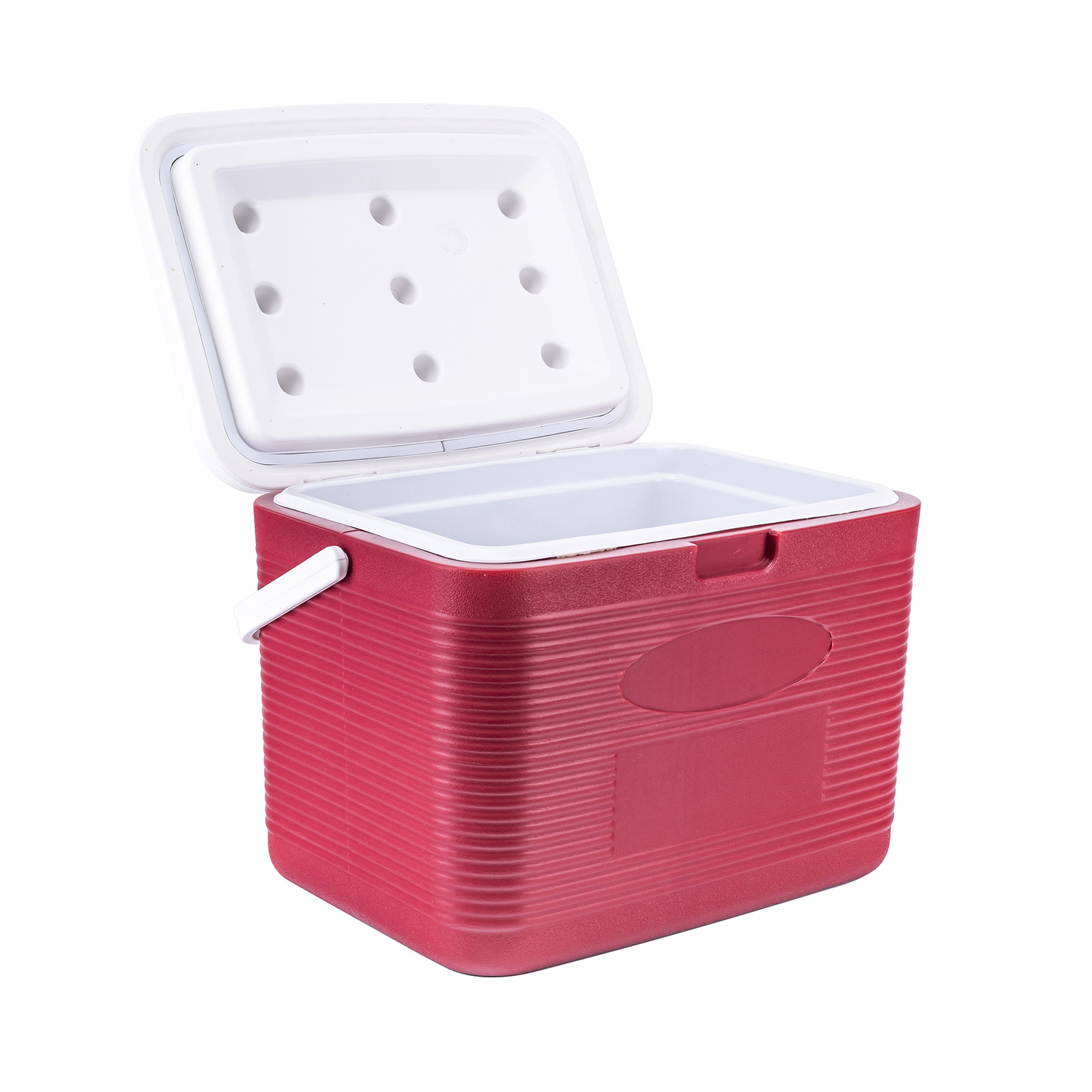
If you are comparing options for vented plastic boxes for biotech imports, start with the job the container has to do every day. A strong buying decision comes from matching the format to the product, the route, the people packing it, and the way receiving teams will inspect and reuse it.
In practice, the container should be treated as a reusable handling and transport asset used in receiving, quarantine staging, secondary handling, washdown-friendly storage, and short internal transfers where airflow and drainage matter. That distinction matters because the vented plastic box is part of the handling system, not the entire product protection strategy. It should support cleanliness, traceability, and efficient movement without being mistaken for a sterile barrier or a qualified temperature-controlled shipper. If the load includes dry ice, sensitive biologics, or sterile primary packs, the vented box is only one part of the packaging decision.
In regulated healthcare environments, reusable outer packaging has to support contamination control and lot visibility. It should not create confusion about the primary package, the sterile barrier, or the temperature-control method that actually protects the product.
What Buyers Are Usually Trying to Solve
The fastest way to judge fit is to look at the real operating scenario rather than the catalog category. A biotech importer may use vented boxes after customs release to separate incoming lots during receiving inspection, especially when outer cartons are damp or when rapid washdown is part of the SOP. They are also useful for moving packaged materials between a cold room anteroom, a QC hold area, and a packing station, where drainage and quick visual inspection matter more than sealed containment.
For dry-ice-backed consignments, the real thermal protection still comes from the qualified shipper and refrigerant configuration. The reusable vented outer box mainly improves handling, staging, and reusability. This is why the same vented plastic box can be an excellent choice in one workflow and the wrong answer in another.
Most reusable totes, crates, and boxes in these applications are based on polypropylene or high-density polyethylene families because they balance moldability, chemical resistance, and durability. In practice, wall geometry, rib design, and resin consistency matter as much as the material name on the data sheet.
How to Compare Design Without Overbuying
Once the use case is clear, the next question is how the container behaves under repeated handling. For this category, the most important variables usually include vent pattern and airflow balance, drainage and cleanability, stack stability on pallets and shelving, and label panels for lot and quarantine status. These are not abstract technicalities. They determine whether operators can pack quickly, whether the load stays protected, and whether the container still performs after months of reuse.
Commercial product literature for vented reusable containers consistently treats open sidewalls as an airflow, drainage, and drying feature. That is useful when product heat, washdown, or retained moisture matter, but it also means the load is less shielded from splash, debris, and direct handling.
Check how the vent pattern handles airflow, drainage, and cleaning. Large openings can improve cooling and drying, but they also expose the load to more debris and splash.
Ask for the true internal dimensions and usable volume. External size alone does not tell you whether the container fits your trays, packs, or protective inserts.
Review how the container is labeled and identified. Flat label panels, molded IDs, or barcode-ready surfaces become important once the program scales beyond a single room or lane.
If you can, compare these points with a physical sample rather than a specification sheet alone. A container that looks acceptable on paper may feel awkward on a line, unstable on a pallet, or difficult to wash and relabel once it enters real operations.
Where This Format Usually Works Best
The best applications are the ones where the container solves a repeat problem. For biotech operations, that often means improving one or more of these points: handling protection, staging discipline, cleaner presentation, more stable stacking, or easier return logistics.
A biotech importer may use vented boxes after customs release to separate incoming lots during receiving inspection, especially when outer cartons are damp or when rapid washdown is part of the SOP. They are also useful for moving packaged materials between a cold room anteroom, a QC hold area, and a packing station, where drainage and quick visual inspection matter more than sealed containment. For dry-ice-backed consignments, the real thermal protection still comes from the qualified shipper and refrigerant configuration. The reusable vented outer box mainly improves handling, staging, and reusability.
If your workflow is irregular, one-way, or highly unpredictable, a reusable program may still work, but the bar for justification is higher. That is especially true when losses, cleaning complexity, or cross-border recovery of empties will drive the total cost more than the container purchase itself.
A Quick Comparison Before You Shortlist Suppliers
Most buying mistakes happen when teams compare formats that solve different problems. The table below is not a brand ranking. It is a way to separate the main option types so you can match them to the workflow instead of paying for the wrong strength.
| <strong>Option</strong> | <strong>Best for</strong> | <strong>Main strength</strong> | <strong>Main caution</strong> |
| Vented plastic box | washdown-friendly biotech receiving and secondary handling | airflow, drainage, faster drying | not sealed against dust or moisture |
| Solid plastic box | clean indoor movement of packaged items | better splash and particulate protection | less airflow and slower drying |
| Qualified thermal shipper | temperature-sensitive biologics and critical reagents | controlled thermal performance | higher cost and more pack-out discipline |
Use a table like this as a starting point, not a final approval. Once you narrow the category, you still need to confirm dimensions, pack-out, handling fit, and supplier consistency in the exact version you plan to buy.
What Buyers Should Ask Before Ordering in Bulk
The supplier decision is not only about price. In a real B2B program, you are buying distribution support, repeat availability, and sample access as much as the container itself. A supplier who cannot hold dimensions, material specification, or repeat part identity can turn a sensible packaging choice into a recurring operational problem.
For this topic, the review should pay close attention to food or industrial grade resin selection, open versus closed handles, sample-to-production consistency, and carton and pallet counts for import lanes. If your program will involve multiple sites, multiple SKUs, or a long service life, those questions matter early because they are expensive to fix later.
Confirm internal and external dimensions, true usable volume, and any tolerance range that could affect fit on shelves, pallets, carts, or conveyors.
Ask which resin is used and whether the supplier can hold that material specification over time. In sensitive operations, an unannounced material change can create new cleaning or performance issues.
Review the closure, venting, drainage, and handle design in the exact version you plan to buy. Small hardware or mold differences can change how the container behaves in the field.
Check stackability, nesting, and return efficiency under your real handling pattern, including pallet height, backhaul distance, and whether operators load by hand or with equipment.
Understand hygiene and cleaning expectations. A reusable container is only valuable when it can be washed, dried, inspected, and returned without introducing operational risk.
Specify labeling and traceability needs upfront, including barcode panels, molded IDs, color coding, quarantine tags, or other status markers.
Ask for load guidance under realistic conditions: full stack weight, temperature exposure, wet handling, drop risk, and repeated opening or washing cycles.
Clarify MOQ, lead time, tooling or customization options, replacement availability, and whether approved samples match volume production.
Document sample-to-production consistency and change control. This matters especially when the container has to fit a qualified pack-out, a clean workflow, or an automated handling step.
Make the supplier explain why the container fits your route, product, and handling conditions instead of accepting a generic promise.
Do not approve a supplier on sample quality alone. Ask how the approved sample will be protected from silent changes in resin, mold condition, hardware, insulation layout, or accessory parts once production volumes increase.
Where Buyers Commonly Overestimate the Container
In regulated healthcare environments, reusable outer packaging has to support contamination control and lot visibility. It should not create confusion about the primary package, the sterile barrier, or the temperature-control method that actually protects the product.
In regulated medical and pharmaceutical environments, the container is part of the handling system rather than the product claim. Clear lot visibility, status labeling, and cleanability usually matter more than decorative features. The box or tote should support the workflow with clean surfaces, predictable labeling, and clear separation of material status without being mistaken for the primary package or sterile claim.
Once you frame the decision that way, it becomes easier to write practical specifications: what has to be cleanable, what has to be identifiable, what has to fit existing racks or carts, and what must never be implied by the outer container.
Common Buying Mistakes
A lot of container programs fail for ordinary reasons. The format itself may be sound, but a few overlooked details create friction every day until the buyer concludes that reusables were a bad idea.
Ordering by external size alone without checking true internal dimensions and usable volume.
Assuming any reusable tote or box will automatically improve cleanliness, even if the design is hard to wash or label.
Overlooking how stacking, nesting, or closure details affect operator behavior and pallet stability.
Approving a sample without a plan for change control, repeat material supply, and replacement part consistency.
The cure is not a more complicated specification. It is a clearer one: define the route or workflow, define the control points, and make the supplier prove fit against those realities before volume approval.
How to Validate Fit Before Full Rollout
A short pilot often reveals more than a long specification review. Run the container through your real packing routine, transport touches, receipt checks, and return or cleaning steps. That process quickly shows whether the handles are awkward, the labels peel, the stack becomes unstable, or the thermal pack-out is too easy to improvise incorrectly.
If several teams will touch the asset, include them all in the pilot: operations, logistics, quality, and the receiving site. The best packaging programs are not the ones that look excellent in one department. They are the ones that make sense across the full loop.
During the pilot, write down what must stay fixed in production. That may include resin type, wall format, insert layout, vent pattern, coolant arrangement, lid hardware, or labeling location. Those points become the backbone of change control once you move to volume.
Sustainability Without Oversimplifying the Decision
Industry discussion around reusable packaging has shifted from simple waste reduction to a broader view of service life, return efficiency, repairability, and traceability. A reusable asset only performs well when the loop around it is realistic. That means you should be cautious with simplistic claims. A reusable format is not automatically the better environmental or economic choice if return distances are long, recovery rates are poor, or wash steps are inefficient.
For some lanes, the sustainability win comes from longer service life and fewer damaged shipments. For others, it comes from standardized footprints, better fleet visibility, or the ability to repair or replace only a few components instead of the entire package.
The practical test is straightforward: can your organization recover the container, clean it, identify it, and put it back to work without creating hidden labor or quality risk? If the answer is yes, the reusable case becomes much stronger. If not, the sustainability story stays theoretical.
FAQ
Are vented plastic boxes suitable for sterile biotech products?
They can be suitable as outer handling or staging containers, but they do not replace the sterile barrier or the validated primary and secondary packaging around the product.
Does a vented box help with dry ice shipments?
It may help outer handling, and dry ice packaging must allow gas release, but the critical thermal design still depends on the insulated shipper, refrigerant load, and route qualification.
What should import buyers ask a distributor first?
Ask for resin type, internal dimensions, vent layout, stack load guidance, cleanability details, labeling support, and proof that production batches match the approved sample.
Bottom Line
A good decision in this category is not about finding the most impressive catalog line. It is about matching the container to imported biotech reagents, diagnostic kits, lab consumables, secondary packs, and support equipment, the route or workflow, and the controls needed around it. When the fit is right, the container becomes a quiet operational asset rather than a constant exception.
If you remember only one rule, let it be this: test the exact design against your real handling conditions before scaling the order. That is the safest way to confirm whether the supplier’s promise will survive daily use, repeated cleaning, and the operational variation that comes with growth.
About Tempk
We focus on temperature-controlled packaging for business and consumer applications. Tempk, a brand of Shanghai Huizhou Industrial Co., Ltd., presents product lines such as ice packs, insulated bags, cooler boxes, pallet covers, and custom temperature-control packaging. The company also highlights a CNAS-certified lab and custom solution support for food, pharmaceutical, healthcare, and logistics use cases. For this topic, the most relevant fit is custom temperature-controlled packaging, insulated boxes, ice packs, and cold-chain support for biotech and pharmaceutical shipments.
Next Step
If you are comparing bulk options, ask for a sample and line it up against your real handling, cleaning, and route conditions before placing volume.
Thermal Plastic Containers for Seafood Delivery: What Buyers Should Really Compare

If you are comparing suppliers for thermal plastic containers for seafood delivery, the first job is to define what problem the container must solve in seafood delivery. Most buyers are trying to protect the product, reduce handling friction, and create a packaging format that is easier to reuse and control at scale. Those goals are realistic, but only when the container is matched to the route, the payload, and the day-to-day workflow.
The most useful buying distinction is simple: not every fish tote or seafood box is thermal; true thermal performance depends on insulation, closure, payload arrangement, coolant or ice strategy, and route time. A reusable plastic container may be the right outer handling format, a useful short-term temperature buffer, or part of a more complete packaging system. It becomes a poor choice only when buyers expect it to do more than the design can actually support. The rest of the decision should flow from that boundary.
What the Container Should Do in Real Operations
A good thermal plastic container should make daily handling easier before it makes a presentation slide look impressive. It should fit the actual route, support a stable load, and give operators a repeatable way to prepare, move, receive, and reuse the package. In many programs, the biggest gains come from fewer damaged loads, cleaner workflows, and better space use rather than from one dramatic specification.
That is also why buyers should compare full operating fit. Cleaning, drying, labeling, return handling, and sample-to-production consistency matter just as much as the headline material. When the package works in the whole loop, it starts to reduce cost and risk. When it works only in the catalog, it becomes a source of exceptions.
Set the Performance Boundary Before You Compare Quotes
A lot of wasted procurement time comes from asking one container to do three different jobs. Start by defining whether the package is primarily a reusable handling format, a short-term temperature buffer, or part of a fuller insulated shipping system. That single clarification removes much of the confusion from supplier comparison.
Once the boundary is clear, the rest of the evaluation becomes more practical. You can compare structure, cleanability, closure behavior, thermal support, route fit, and return logistics without mixing unlike products into the same shortlist.
How to Read the Design Instead of the Sales Sheet
Good container selection starts by reading the design honestly. Thermal seafood containers often use a durable plastic outer shell such as HDPE, while insulation may come from foam-filled walls, double-wall structures, or fitted insulated inserts depending on the design. Buyers should then look at the whole system interface: lid behavior, load transfer, cleaning reality, label control, and how the package is expected to be used every day.
Lid fit matters because even a well-insulated body loses value when warm air enters repeatedly or meltwater leaks during handling. Seafood packaging has to be easy to rinse, wash, and inspect. Insulation is not an excuse for poor sanitation design. Delivery programs often benefit from route labels, customer identification, and clear date or batch coding because reusable seafood containers circulate quickly. In other words, the right container is rarely the one with the boldest headline claim. It is the one whose details match the actual work.
The Criteria That Usually Decide the Outcome
Most buying decisions become easier once the evaluation moves away from vague quality language and into a few practical variables.
- Insulation matched to delivery time: A same-day city route and an overnight pallet lane do not need the same thermal design or wall construction.
- Ice, PCM, or no coolant: Some seafood flows rely mostly on crushed ice, while others use gel or phase-change packs to stabilize temperature or keep packaging cleaner.
- Leak control: Drain plugs, lip geometry, and lid design should control meltwater without turning sanitation into a bigger problem.
- Stacking with cold payloads: Loaded fish bins can be heavy, wet, and uneven, so stack performance matters as much as nominal insulation thickness.
- Wash-down durability: A thermal container should withstand repeated cleaning without hidden water retention or damaged insulation zones.
- Handling ergonomics: If delivery staff need to move the box repeatedly, weight, grip points, and empty return behavior matter.
Keep the Factual Boundary Clear
One of the best ways to avoid bad packaging decisions is to keep the factual boundary honest. A supplier may offer useful data on structure, cleaning, or thermal behavior, but the final decision still has to reflect your route, product, receiving process, and control requirements. That is why buyers should ask what the data proves, what it does not prove, and what additional trial or qualification work may still be needed.
Think in Terms of Program Cost, Not Unit Cost
An inexpensive container can still be costly if it breaks stacks, complicates cleaning, wastes cube, or creates relabeling work. A more expensive container can still be the better choice if it survives longer, supports a cleaner process, and reduces daily friction across multiple sites.
The practical comparison is therefore program cost: purchase price, service life, return efficiency, cleaning effort, replacement parts, and any effect on product loss or handling speed. That wider lens usually leads to a better supplier conversation.
A Practical Supplier Checklist
If you only keep one section from this guide, keep this one. It helps turn a vague sourcing project into a decision with visible criteria.
- Define the actual seafood and route: Fresh whole fish, portion packs, shellfish, and prepared seafood all create different temperature and sanitation requirements.
- Ask what drives the thermal claim: Insulation type, lid seal, coolant use, and the stated test condition should be clear before comparing suppliers.
- Review leak and drain behavior: A design that keeps water inside too well can create hygiene problems, while one that drains too freely can create delivery mess and temperature loss.
- Check tare weight versus usable payload: Heavy insulated boxes reduce handling efficiency if they do not create enough real temperature benefit.
- Request cleaning guidance: Seafood operations need realistic advice on washing, drying, and checking the box after heavy use.
- Confirm stack limits under cold wet load: Full boxes with ice and seafood behave differently from dry warehouse tests.
- Ask about route-specific trials: A short pilot on your real lane is often the fastest way to identify overdesign or underdesign.
- Discuss replacement and repair reality: Lids, plugs, and closures are often the first wear points in repetitive delivery programs.
Where the Right Design Creates Real Value
The best way to test whether a container choice makes sense is to place it inside a real scenario rather than discuss it as a generic packaging type.
- Processor to wholesale market: Thermal bins can help when route times are long enough that simple open crates plus ice no longer provide enough temperature buffer.
- Retail and restaurant delivery: Smaller insulated containers are useful when stops are frequent, product is premium, and customer presentation matters.
- Staging and cross-dock transfer: Thermal boxes can also reduce exposure during transfers, especially when vehicles, docks, and receipt times are not fully synchronized.
Test the Whole Workflow, Not Just the Container
The strongest way to validate a supplier is to test the whole workflow. Include loading, stacking, receiving, cleaning, return handling, and any temperature or traceability steps that belong to the package. This reveals whether the product works in your operation instead of only in a catalog environment.
It also helps buyers separate a strong sample from a strong long-term supply program. A good supplier should be able to discuss pilot scope, production repeatability, change control, and how the packaging will be supported after the first order ships.
What Usually Goes Wrong
Most buying mistakes sound small at the start and become expensive only after the first rollout.
- Buying the thickest insulated box without confirming whether the route really needs it.
- Ignoring lid fit and leak control while focusing only on wall insulation.
- Using a thermal container as a substitute for good icing, dispatch timing, and receiving discipline.
- Skipping cleaning and drying considerations in a wet product category.
Sustainability Only Counts When the Program Works
Reusable packaging is attractive for good reason, but the real test is operational. Reusable insulated fish boxes are gaining attention where operators want less fragile packaging and lower dependence on disposable foam. Buyers are comparing total route performance, hygiene, and reusability instead of looking only at container purchase price. Traceability and standardized reusable formats are becoming more valuable as seafood delivery networks professionalize. A container that comes back reliably, stays in specification, and prevents product loss can create meaningful value. A package that is reusable in theory but awkward to wash, return, or redeploy usually does not.
A Final Integration Check
Before placing a large order, compare the candidate container against the real workflow one more time: loading, transport, receipt, inspection, cleaning, return, and any temperature or traceability requirements. That quick integration check often catches issues that would otherwise appear only after rollout.
It also forces suppliers to show whether they understand the application beyond the sales stage. The better they can translate the design into day-to-day use, the more dependable the program is likely to be.
FAQ
Can a thermal plastic container replace ice in seafood delivery? Usually not completely. In many programs, insulation works with ice or another coolant rather than replacing it entirely.
Are all insulated fish boxes suitable for export or long-haul routes? No. Route time, dwell conditions, and receiving controls vary too much for that assumption.
What should buyers test first? Start with route duration, payload size, leakage behavior, and temperature retention under your real dispatch and delivery pattern.
A Practical Bottom Line
The most useful way to buy in this category is to define the operating role, compare the few variables that really change performance, and shortlist suppliers who can answer practical questions clearly. That approach helps you choose a container that supports the whole workflow rather than creating new exceptions.
About Tempk
We focus on temperature-controlled packaging for pharmaceutical and food cold chains. Public information on Tempk highlights products such as insulated boxes, pallet covers, and coolant packs, together with packaging support that helps buyers match solutions to route duration and product sensitivity. Seafood delivery buyers looking for real temperature buffering should focus on suppliers that understand insulated packaging systems, which is where Tempk’s public range of coolant packs, insulated boxes, and cold-chain packaging support is most relevant. When the job requires more than a standard reusable container, that system view matters.
Next Step
If you are comparing options now, start with your real route, product, and handling method. Then ask suppliers to propose a container around those conditions rather than around a generic size or marketing claim.
Thermal Plastic Containers for Logistics Supply Chains: What Buyers Should Really Compare
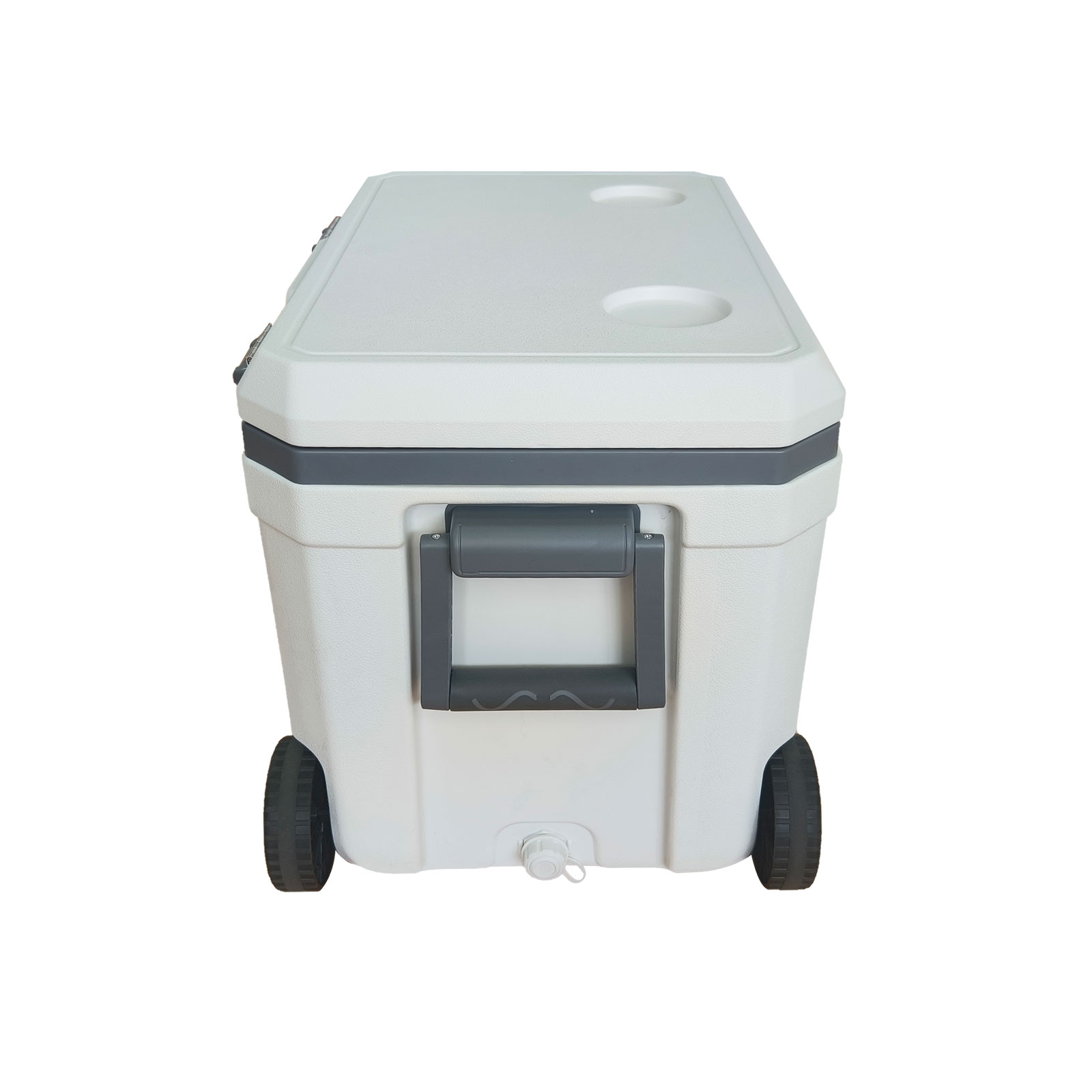
If you are comparing suppliers for thermal plastic containers for logistics supply chains, the first job is to define what problem the container must solve in logistics supply chains. Most buyers are trying to protect the product, reduce handling friction, and create a packaging format that is easier to reuse and control at scale. Those goals are realistic, but only when the container is matched to the route, the payload, and the day-to-day workflow.
The most useful buying distinction is simple: a thermal-looking container only delivers value when the insulation level, coolant strategy, pack-out method, and route duration align with the real supply-chain risk. A reusable plastic container may be the right outer handling format, a useful short-term temperature buffer, or part of a more complete packaging system. It becomes a poor choice only when buyers expect it to do more than the design can actually support. The rest of the decision should flow from that boundary.
What the Container Should Do in Real Operations
A good thermal plastic container should make daily handling easier before it makes a presentation slide look impressive. It should fit the actual route, support a stable load, and give operators a repeatable way to prepare, move, receive, and reuse the package. In many programs, the biggest gains come from fewer damaged loads, cleaner workflows, and better space use rather than from one dramatic specification.
That is also why buyers should compare full operating fit. Cleaning, drying, labeling, return handling, and sample-to-production consistency matter just as much as the headline material. When the package works in the whole loop, it starts to reduce cost and risk. When it works only in the catalog, it becomes a source of exceptions.
Set the Performance Boundary Before You Compare Quotes
A lot of wasted procurement time comes from asking one container to do three different jobs. Start by defining whether the package is primarily a reusable handling format, a short-term temperature buffer, or part of a fuller insulated shipping system. That single clarification removes much of the confusion from supplier comparison.
Once the boundary is clear, the rest of the evaluation becomes more practical. You can compare structure, cleanability, closure behavior, thermal support, route fit, and return logistics without mixing unlike products into the same shortlist.
How to Read the Design Instead of the Sales Sheet
Good container selection starts by reading the design honestly. Thermal logistics containers commonly use durable plastic outer shells for reuse and handling strength, while thermal performance depends on the insulation package, lid fit, and coolant design. Buyers should then look at the whole system interface: lid behavior, load transfer, cleaning reality, label control, and how the package is expected to be used every day.
Openings, hinges, seals, and lid compression points often determine whether a thermal container performs consistently across repeat trips. If the container will serve food, healthcare, or mixed cold-chain operations, easy cleaning and fast turnaround are essential. Route labels, scan zones, data logger pockets, and serial identifiers help turn a thermal box into a managed asset rather than a generic insulated bin. In other words, the right container is rarely the one with the boldest headline claim. It is the one whose details match the actual work.
The Criteria That Usually Decide the Outcome
Most buying decisions become easier once the evaluation moves away from vague quality language and into a few practical variables.
- Start with lane reality: The first buying question should be route duration, dwell risk, and ambient exposure, not just box volume.
- Define the temperature objective: Refrigerated, frozen, controlled-room, and heat-sensitive non-pharma goods all call for different thermal designs.
- Balance weight against hold time: More insulation can improve performance, but it can also reduce payload and increase handling effort.
- Design for packing consistency: A complex box that only expert operators can pack correctly is often a poor large-scale logistics solution.
- Plan the return loop: Reusable thermal packaging needs cleaning, component replacement, and return logistics that do not erase the benefit of reuse.
- Integrate with the wider system: Pallet covers, parcel containers, last-mile totes, and stationary cold storage may all play different roles in one network.
Keep the Factual Boundary Clear
One of the best ways to avoid bad packaging decisions is to keep the factual boundary honest. A supplier may offer useful data on structure, cleaning, or thermal behavior, but the final decision still has to reflect your route, product, receiving process, and control requirements. That is why buyers should ask what the data proves, what it does not prove, and what additional trial or qualification work may still be needed.
Think in Terms of Program Cost, Not Unit Cost
An inexpensive container can still be costly if it breaks stacks, complicates cleaning, wastes cube, or creates relabeling work. A more expensive container can still be the better choice if it survives longer, supports a cleaner process, and reduces daily friction across multiple sites.
The practical comparison is therefore program cost: purchase price, service life, return efficiency, cleaning effort, replacement parts, and any effect on product loss or handling speed. That wider lens usually leads to a better supplier conversation.
A Practical Supplier Checklist
If you only keep one section from this guide, keep this one. It helps turn a vague sourcing project into a decision with visible criteria.
- Map the goods and routes clearly: Different products and lanes may need different thermal solutions even inside one company.
- Ask how performance is achieved: Insulation type, coolant, pack-out, and test profile should be explicit before comparing suppliers.
- Review usable volume and payload weight: Thermal packaging often loses internal space faster than buyers expect.
- Check turnaround demands: If the system must be reused quickly, ask how it is cleaned, dried, and reconditioned between trips.
- Confirm where qualification is needed: Some lanes need documented performance and work instructions, while others only need short-term buffering.
- Pilot in the real distribution flow: Cross-docks, couriers, late deliveries, and receiving delays reveal issues laboratory profiles may not show.
- Understand service model and spare parts: Lids, coolants, and inserts are part of the system, not accessories to think about later.
- Align sustainability claims with operations: Reuse only works when the package returns, turns quickly, and delivers a real reduction in waste or loss.
Where the Right Design Creates Real Value
The best way to test whether a container choice makes sense is to place it inside a real scenario rather than discuss it as a generic packaging type.
- Healthcare and pharmacy distribution: Thermal containers are often used when dispatch and receiving times create moderate temperature risk but a parcel-friendly reusable format is still practical.
- Meal kits and fresh food distribution: In food logistics, they may help bridge first-mile and last-mile exposure when active refrigeration is not continuous.
- Industrial and specialty goods: Some adhesives, reagents, or temperature-sensitive components also benefit from short-term thermal buffering in logistics networks.
Test the Whole Workflow, Not Just the Container
The strongest way to validate a supplier is to test the whole workflow. Include loading, stacking, receiving, cleaning, return handling, and any temperature or traceability steps that belong to the package. This reveals whether the product works in your operation instead of only in a catalog environment.
It also helps buyers separate a strong sample from a strong long-term supply program. A good supplier should be able to discuss pilot scope, production repeatability, change control, and how the packaging will be supported after the first order ships.
What Usually Goes Wrong
Most buying mistakes sound small at the start and become expensive only after the first rollout.
- Selecting a container by advertised hold time without checking the exact test conditions.
- Buying one thermal format for every route even when the risk profile is very different.
- Ignoring internal space loss and repacking complexity.
- Treating reuse as sustainable by default without a workable return program.
Sustainability Only Counts When the Program Works
Reusable packaging is attractive for good reason, but the real test is operational. Supply chains are looking for more route-specific reusable thermal packaging rather than one generic insulated box for all jobs. Visibility, data logging, and standardized operating instructions are becoming more important as reusable thermal assets scale. Sustainability conversations increasingly focus on total system efficiency, lower spoilage, and repeatable reuse rather than packaging slogans. A container that comes back reliably, stays in specification, and prevents product loss can create meaningful value. A package that is reusable in theory but awkward to wash, return, or redeploy usually does not.
A Final Integration Check
Before placing a large order, compare the candidate container against the real workflow one more time: loading, transport, receipt, inspection, cleaning, return, and any temperature or traceability requirements. That quick integration check often catches issues that would otherwise appear only after rollout.
It also forces suppliers to show whether they understand the application beyond the sales stage. The better they can translate the design into day-to-day use, the more dependable the program is likely to be.
A Final Integration Check
Before placing a large order, compare the candidate container against the real workflow one more time: loading, transport, receipt, inspection, cleaning, return, and any temperature or traceability requirements. That quick integration check often catches issues that would otherwise appear only after rollout.
It also forces suppliers to show whether they understand the application beyond the sales stage. The better they can translate the design into day-to-day use, the more dependable the program is likely to be.
FAQ
What is the most important buying input for a thermal logistics container? Usually the real route profile: duration, ambient exposure, handling pattern, and receiving timing.
Does more insulation always mean a better container? No. Extra insulation can add cost and weight without solving the actual route risk.
Can one supplier handle multiple logistics scenarios? Yes, but the best suppliers usually segment the solution by lane instead of forcing one box into every use case.
A Practical Bottom Line
The most useful way to buy in this category is to define the operating role, compare the few variables that really change performance, and shortlist suppliers who can answer practical questions clearly. That approach helps you choose a container that supports the whole workflow rather than creating new exceptions.
About Tempk
We focus on temperature-controlled packaging for pharmaceutical and food cold chains. Public information on Tempk highlights products such as insulated boxes, pallet covers, and coolant packs, together with packaging support that helps buyers match solutions to route duration and product sensitivity. This is where Tempk’s public offering is most directly relevant: the company presents insulated boxes, pallet covers, coolant packs, and other temperature-controlled packaging intended to be matched to route, hold time, and product sensitivity. When the job requires more than a standard reusable container, that system view matters.
Next Step
If you are comparing options now, start with your real route, product, and handling method. Then ask suppliers to propose a container around those conditions rather than around a generic size or marketing claim.
Choosing the Right Temperature-Controlled Plastic Tote for Logistics Export
Buying well in this category means separating core needs from assumptions. Once you define the real handling conditions, it becomes much easier to see whether a premium feature is useful, whether a simpler format will do the job, or whether you are about to buy the wrong container for the right reason.
In practice, the container should be treated as a reusable thermal packaging component used in reusable passive shipping, insulated hand-carry or parcel moves, and structured export pack-outs where a rigid outer tote supports thermal components. You should treat the container description as only the starting point. For temperature-sensitive loads, performance depends on the full pack-out, the route profile, and the way the shipper is conditioned, closed, and monitored. Real temperature control comes from the complete system: insulation, refrigerant, pack-out pattern, route duration, ambient exposure, and monitoring. The plastic tote is only the outer shell unless the producer has engineered and qualified the full design.
In pharmaceutical and medical cold chains, good distribution practice is less about marketing language and more about documented control. Passive packaging should be matched to the route, packed in the exact approved configuration, and monitored in a way that lets the receiving team judge whether the shipment stayed in range.
What Buyers Are Usually Trying to Solve
The fastest way to judge fit is to look at the real operating scenario rather than the catalog category. In export logistics, the best temperature-controlled tote is rarely the lightest or the cheapest. It is the one that can protect the payload through airport dwell, customs delay, last-mile transfer, and receipt inspection without relying on wishful thinking. A rigid reusable tote can be very useful as part of a passive system because it improves handling, protects the insulation pack-out, and supports repeated deployment.
But buyers should never assume that a tote described as temperature-controlled is automatically suitable for a pharmaceutical lane. Route profile, product stability, pack configuration, and monitoring still decide whether the system is fit for use. This is why the same temperature-controlled plastic tote can be an excellent choice in one workflow and the wrong answer in another.
Cold-chain guidance distinguishes between passive systems, which rely on insulation plus conditioned refrigerants, and active systems, which use powered heating or cooling. A rigid plastic shell may improve durability and handling, but the thermal outcome depends on the full system and the exact pack-out.
How to Compare Design Without Overbuying
Once the use case is clear, the next question is how the container behaves under repeated handling. For this category, the most important variables usually include insulation system and refrigerant design, payload-to-coolant balance, lid sealing and closure integrity, and monitoring, logging, and pack-out repeatability. These are not abstract technicalities. They determine whether operators can pack quickly, whether the load stays protected, and whether the container still performs after months of reuse.
In reusable temperature-controlled formats, the outer shell is only one layer of the design. Foam insulation, phase-change or gel refrigerants, closure design, and empty-space management usually decide whether the payload stays in range. In other words, a temperature-controlled tote, crate, or bin should be reviewed as a thermal package design, not merely as a plastic shell with coolant nearby.
Look at real stacking behavior, not just a catalog photo. Stable column stacking, corner support, and pallet fit matter more than a vague claim of being stackable.
Treat the thermal system as the main design question. Insulation type, refrigerant choice, pack-out pattern, and conditioning instructions will matter more than the outer shell name.
Ask for the true internal dimensions and usable volume. External size alone does not tell you whether the container fits your trays, packs, or protective inserts.
Review how the container is labeled and identified. Flat label panels, molded IDs, or barcode-ready surfaces become important once the program scales beyond a single room or lane.
If you can, compare these points with a physical sample rather than a specification sheet alone. A container that looks acceptable on paper may feel awkward on a line, unstable on a pallet, or difficult to wash and relabel once it enters real operations.
Where This Format Usually Works Best
The best applications are the ones where the container solves a repeat problem. For export logistics, that often means improving one or more of these points: handling protection, staging discipline, cleaner presentation, more stable stacking, or easier return logistics.
In export logistics, the best temperature-controlled tote is rarely the lightest or the cheapest. It is the one that can protect the payload through airport dwell, customs delay, last-mile transfer, and receipt inspection without relying on wishful thinking. A rigid reusable tote can be very useful as part of a passive system because it improves handling, protects the insulation pack-out, and supports repeated deployment. But buyers should never assume that a tote described as temperature-controlled is automatically suitable for a pharmaceutical lane. Route profile, product stability, pack configuration, and monitoring still decide whether the system is fit for use.
If your workflow is irregular, one-way, or highly unpredictable, a reusable program may still work, but the bar for justification is higher. That is especially true when losses, cleaning complexity, or cross-border recovery of empties will drive the total cost more than the container purchase itself.
A Quick Comparison Before You Shortlist Suppliers
Most buying mistakes happen when teams compare formats that solve different problems. The table below is not a brand ranking. It is a way to separate the main option types so you can match them to the workflow instead of paying for the wrong strength.
| <strong>Option</strong> | <strong>Best for</strong> | <strong>Main strength</strong> | <strong>Main caution</strong> |
| Passive insulated tote | parcel and hand-carried export lanes | reusable, simpler deployment, lower infrastructure needs | finite autonomy and pack-out sensitivity |
| Active portable container | high-value or long-duration export lanes | powered heating and cooling control | higher cost and operational complexity |
| Standard plastic tote | ambient or non-thermal handling only | durable reusable shell | no meaningful temperature control by itself |
Use a table like this as a starting point, not a final approval. Once you narrow the category, you still need to confirm dimensions, pack-out, handling fit, and supplier consistency in the exact version you plan to buy.
What Buyers Should Ask Before Ordering in Bulk
The supplier decision is not only about price. In a real B2B program, you are buying packaging system design, validation support, and repeat production as much as the container itself. A supplier who cannot hold dimensions, material specification, or repeat part identity can turn a sensible packaging choice into a recurring operational problem.
For this topic, the review should pay close attention to temperature range and hold-time target, passive versus active configuration, conditioning requirements for PCM or coolant, and repair, replacement, and return-loop support. If your program will involve multiple sites, multiple SKUs, or a long service life, those questions matter early because they are expensive to fix later.
Confirm internal and external dimensions, true usable volume, and any tolerance range that could affect fit on shelves, pallets, carts, or conveyors.
Ask which resin is used and whether the supplier can hold that material specification over time. In sensitive operations, an unannounced material change can create new cleaning or performance issues.
Review the closure, venting, drainage, and handle design in the exact version you plan to buy. Small hardware or mold differences can change how the container behaves in the field.
For thermal programs, ask for the tested temperature range, expected duration, pack-out diagram, coolant conditioning instructions, and the assumptions behind those claims.
Check stackability, nesting, and return efficiency under your real handling pattern, including pallet height, backhaul distance, and whether operators load by hand or with equipment.
Understand hygiene and cleaning expectations. A reusable container is only valuable when it can be washed, dried, inspected, and returned without introducing operational risk.
Specify labeling and traceability needs upfront, including barcode panels, molded IDs, color coding, quarantine tags, or other status markers.
Ask for load guidance under realistic conditions: full stack weight, temperature exposure, wet handling, drop risk, and repeated opening or washing cycles.
Clarify MOQ, lead time, tooling or customization options, replacement availability, and whether approved samples match volume production.
Document sample-to-production consistency and change control. This matters especially when the container has to fit a qualified pack-out, a clean workflow, or an automated handling step.
Do not approve a supplier on sample quality alone. Ask how the approved sample will be protected from silent changes in resin, mold condition, hardware, insulation layout, or accessory parts once production volumes increase.
Where Buyers Commonly Overestimate the Container
In pharmaceutical and medical cold chains, good distribution practice is less about marketing language and more about documented control. Passive packaging should be matched to the route, packed in the exact approved configuration, and monitored in a way that lets the receiving team judge whether the shipment stayed in range.
Good-distribution practice for temperature-sensitive products puts the emphasis on route suitability, documented pack-out, monitoring, receipt checks, and cleaning of reusable shipping assets. That is why a hold-time headline is never enough on its own. For many medical or pharmaceutical lanes, that means written conditioning instructions, an exact packing diagram, logger placement rules, and a receipt check that tells the consignee what to do if data or temperature looks wrong.
If dry ice or other refrigerants are involved, the review should also cover safe venting, replenishment rules if applicable, and who owns the decision when a shipment is delayed. A reusable thermal container can be a strong operational tool, but only when the surrounding instructions are just as repeatable as the hardware.
Common Buying Mistakes
A lot of container programs fail for ordinary reasons. The format itself may be sound, but a few overlooked details create friction every day until the buyer concludes that reusables were a bad idea.
Treating the thermal hold-time claim as universal instead of asking which ambient profile, payload, and pack-out were used.
Approving the hardware before the conditioning instructions, logger placement, and receipt inspection plan are defined.
Ignoring how the tote or crate will be cleaned, dried, repaired, and returned once the fleet is active.
Assuming one temperature-controlled format will work equally well for every route, season, and product stability profile.
The cure is not a more complicated specification. It is a clearer one: define the route or workflow, define the control points, and make the supplier prove fit against those realities before volume approval.
How to Validate Fit Before Full Rollout
A short pilot often reveals more than a long specification review. Run the container through your real packing routine, transport touches, receipt checks, and return or cleaning steps. That process quickly shows whether the handles are awkward, the labels peel, the stack becomes unstable, or the thermal pack-out is too easy to improvise incorrectly.
If several teams will touch the asset, include them all in the pilot: operations, logistics, quality, and the receiving site. The best packaging programs are not the ones that look excellent in one department. They are the ones that make sense across the full loop.
During the pilot, write down what must stay fixed in production. That may include resin type, wall format, insert layout, vent pattern, coolant arrangement, lid hardware, or labeling location. Those points become the backbone of change control once you move to volume.
Sustainability Without Oversimplifying the Decision
Industry discussion around reusable packaging has shifted from simple waste reduction to a broader view of service life, return efficiency, repairability, and traceability. A reusable asset only performs well when the loop around it is realistic. That means you should be cautious with simplistic claims. A reusable format is not automatically the better environmental or economic choice if return distances are long, recovery rates are poor, or wash steps are inefficient.
For some lanes, the sustainability win comes from longer service life and fewer damaged shipments. For others, it comes from standardized footprints, better fleet visibility, or the ability to repair or replace only a few components instead of the entire package.
The practical test is straightforward: can your organization recover the container, clean it, identify it, and put it back to work without creating hidden labor or quality risk? If the answer is yes, the reusable case becomes much stronger. If not, the sustainability story stays theoretical.
FAQ
Is a temperature-controlled tote the same as a qualified pharma shipper?
Not always. Some are engineered systems with validated performance, while others are only insulated containers that still require application-specific qualification.
Should buyers choose passive or active systems for export?
Passive systems work well for many parcel and hand-carried lanes, while active systems are often chosen for longer, higher-value, or more variable routes.
What should a producer provide before bulk purchase?
A clear temperature range, expected duration, pack-out diagram, conditioning instructions, and evidence that the production version matches the tested sample.
Bottom Line
A good decision in this category is not about finding the most impressive catalog line. It is about matching the container to temperature-sensitive pharmaceuticals, diagnostics, biologics, specialty foods, and other products that require a defined transport temperature range, the route or workflow, and the controls needed around it. When the fit is right, the container becomes a quiet operational asset rather than a constant exception.
If you remember only one rule, let it be this: test the exact design against your real handling conditions before scaling the order. That is the safest way to confirm whether the supplier’s promise will survive daily use, repeated cleaning, and the operational variation that comes with growth.
About Tempk
We focus on temperature-controlled packaging for business and consumer applications. Tempk, a brand of Shanghai Huizhou Industrial Co., Ltd., presents product lines such as ice packs, insulated bags, cooler boxes, pallet covers, and custom temperature-control packaging. The company also highlights a CNAS-certified lab and custom solution support for food, pharmaceutical, healthcare, and logistics use cases. For this topic, the most relevant fit is custom temperature-controlled packaging, insulated boxes, ice packs, thermal covers, and cold-chain design support for export shipments.
Next Step
If your lane involves a defined temperature range, share the product band, route duration, and handling conditions before you choose a bulk solution.
Choosing the Right Custom Temperature-Controlled Plastic Crate for Logistics Production
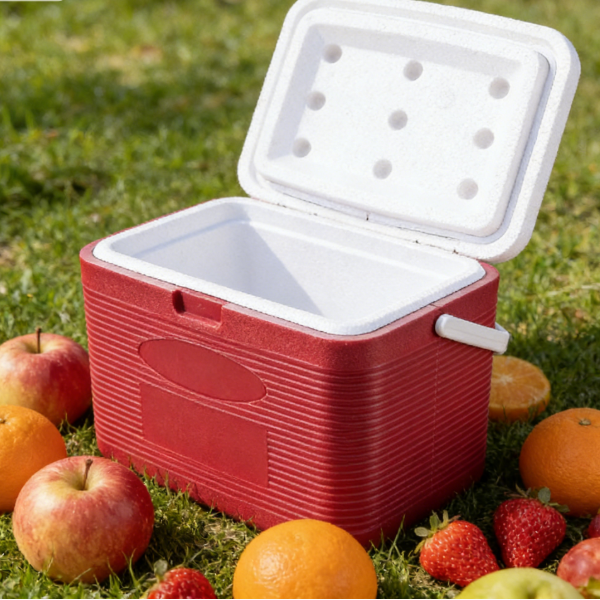
Buying well in this category means separating core needs from assumptions. Once you define the real handling conditions, it becomes much easier to see whether a premium feature is useful, whether a simpler format will do the job, or whether you are about to buy the wrong container for the right reason.
In practice, the container should be treated as a reusable thermal packaging component used in custom reusable thermal transport where standard parcel shippers do not match payload geometry, handling method, or return-loop needs. You should treat the container description as only the starting point. For temperature-sensitive loads, performance depends on the full pack-out, the route profile, and the way the shipper is conditioned, closed, and monitored. A custom crate only becomes a true temperature-controlled solution when the insulation, refrigerant, sensors, and pack-out are engineered for the route and qualified in the final production form.
In pharmaceutical and medical cold chains, good distribution practice is less about marketing language and more about documented control. Passive packaging should be matched to the route, packed in the exact approved configuration, and monitored in a way that lets the receiving team judge whether the shipment stayed in range.
What Buyers Are Usually Trying to Solve
The fastest way to judge fit is to look at the real operating scenario rather than the catalog category. Custom thermal crates are often justified when product geometry is awkward, when the load is too valuable for improvised pack-outs, or when repeated moves make disposable packaging uneconomic. They can work for inter-facility transport, production-to-DC transfers, and specialty logistics programs where the container needs to survive repeated forklift, trolley, or manual handling.
The best custom design is usually not the most complex one. It is the design that keeps the payload in range, fits the real workflow, and can actually be packed correctly every time. This is why the same custom temperature-controlled plastic crate can be an excellent choice in one workflow and the wrong answer in another.
Cold-chain guidance distinguishes between passive systems, which rely on insulation plus conditioned refrigerants, and active systems, which use powered heating or cooling. A rigid plastic shell may improve durability and handling, but the thermal outcome depends on the full system and the exact pack-out.
How to Compare Design Without Overbuying
Once the use case is clear, the next question is how the container behaves under repeated handling. For this category, the most important variables usually include custom internal geometry and payload fit, insulation material and refrigerant selection, repairable outer shell and reusable components, and stackability, fork access, and plant handling fit. These are not abstract technicalities. They determine whether operators can pack quickly, whether the load stays protected, and whether the container still performs after months of reuse.
In reusable temperature-controlled formats, the outer shell is only one layer of the design. Foam insulation, phase-change or gel refrigerants, closure design, and empty-space management usually decide whether the payload stays in range. In other words, a temperature-controlled tote, crate, or bin should be reviewed as a thermal package design, not merely as a plastic shell with coolant nearby.
Look at real stacking behavior, not just a catalog photo. Stable column stacking, corner support, and pallet fit matter more than a vague claim of being stackable.
Treat the thermal system as the main design question. Insulation type, refrigerant choice, pack-out pattern, and conditioning instructions will matter more than the outer shell name.
Ask for the true internal dimensions and usable volume. External size alone does not tell you whether the container fits your trays, packs, or protective inserts.
Review how the container is labeled and identified. Flat label panels, molded IDs, or barcode-ready surfaces become important once the program scales beyond a single room or lane.
If you can, compare these points with a physical sample rather than a specification sheet alone. A container that looks acceptable on paper may feel awkward on a line, unstable on a pallet, or difficult to wash and relabel once it enters real operations.
Where This Format Usually Works Best
The best applications are the ones where the container solves a repeat problem. For production logistics, that often means improving one or more of these points: handling protection, staging discipline, cleaner presentation, more stable stacking, or easier return logistics.
Custom thermal crates are often justified when product geometry is awkward, when the load is too valuable for improvised pack-outs, or when repeated moves make disposable packaging uneconomic. They can work for inter-facility transport, production-to-DC transfers, and specialty logistics programs where the container needs to survive repeated forklift, trolley, or manual handling. The best custom design is usually not the most complex one. It is the design that keeps the payload in range, fits the real workflow, and can actually be packed correctly every time.
If your workflow is irregular, one-way, or highly unpredictable, a reusable program may still work, but the bar for justification is higher. That is especially true when losses, cleaning complexity, or cross-border recovery of empties will drive the total cost more than the container purchase itself.
A Quick Comparison Before You Shortlist Suppliers
Most buying mistakes happen when teams compare formats that solve different problems. The table below is not a brand ranking. It is a way to separate the main option types so you can match them to the workflow instead of paying for the wrong strength.
| <strong>Option</strong> | <strong>Best for</strong> | <strong>Main strength</strong> | <strong>Main caution</strong> |
| Custom passive thermal crate | repeatable production and logistics lanes | tailored geometry and reusable design | needs disciplined pack-out and qualification |
| Standard parcel shipper | smaller and simpler shipments | faster deployment | may waste space or coolant on awkward payloads |
| Active pallet or portable system | longer or highly variable routes | stronger thermal assurance | higher cost and operational requirements |
Use a table like this as a starting point, not a final approval. Once you narrow the category, you still need to confirm dimensions, pack-out, handling fit, and supplier consistency in the exact version you plan to buy.
What Buyers Should Ask Before Ordering in Bulk
The supplier decision is not only about price. In a real B2B program, you are buying engineering input, prototyping discipline, and controlled rollout as much as the container itself. A supplier who cannot hold dimensions, material specification, or repeat part identity can turn a sensible packaging choice into a recurring operational problem.
For this topic, the review should pay close attention to design input and route data review, prototype testing and production change control, spares, refurbishment, and part replacement, and conditioning and pack-out instructions. If your program will involve multiple sites, multiple SKUs, or a long service life, those questions matter early because they are expensive to fix later.
Confirm internal and external dimensions, true usable volume, and any tolerance range that could affect fit on shelves, pallets, carts, or conveyors.
Ask which resin is used and whether the supplier can hold that material specification over time. In sensitive operations, an unannounced material change can create new cleaning or performance issues.
Review the closure, venting, drainage, and handle design in the exact version you plan to buy. Small hardware or mold differences can change how the container behaves in the field.
For thermal programs, ask for the tested temperature range, expected duration, pack-out diagram, coolant conditioning instructions, and the assumptions behind those claims.
Check stackability, nesting, and return efficiency under your real handling pattern, including pallet height, backhaul distance, and whether operators load by hand or with equipment.
Understand hygiene and cleaning expectations. A reusable container is only valuable when it can be washed, dried, inspected, and returned without introducing operational risk.
Specify labeling and traceability needs upfront, including barcode panels, molded IDs, color coding, quarantine tags, or other status markers.
Ask for load guidance under realistic conditions: full stack weight, temperature exposure, wet handling, drop risk, and repeated opening or washing cycles.
Clarify MOQ, lead time, tooling or customization options, replacement availability, and whether approved samples match volume production.
Document sample-to-production consistency and change control. This matters especially when the container has to fit a qualified pack-out, a clean workflow, or an automated handling step.
Do not approve a supplier on sample quality alone. Ask how the approved sample will be protected from silent changes in resin, mold condition, hardware, insulation layout, or accessory parts once production volumes increase.
Where Buyers Commonly Overestimate the Container
In pharmaceutical and medical cold chains, good distribution practice is less about marketing language and more about documented control. Passive packaging should be matched to the route, packed in the exact approved configuration, and monitored in a way that lets the receiving team judge whether the shipment stayed in range.
Good-distribution practice for temperature-sensitive products puts the emphasis on route suitability, documented pack-out, monitoring, receipt checks, and cleaning of reusable shipping assets. That is why a hold-time headline is never enough on its own. For many medical or pharmaceutical lanes, that means written conditioning instructions, an exact packing diagram, logger placement rules, and a receipt check that tells the consignee what to do if data or temperature looks wrong.
If dry ice or other refrigerants are involved, the review should also cover safe venting, replenishment rules if applicable, and who owns the decision when a shipment is delayed. A reusable thermal container can be a strong operational tool, but only when the surrounding instructions are just as repeatable as the hardware.
Common Buying Mistakes
A lot of container programs fail for ordinary reasons. The format itself may be sound, but a few overlooked details create friction every day until the buyer concludes that reusables were a bad idea.
Treating the thermal hold-time claim as universal instead of asking which ambient profile, payload, and pack-out were used.
Approving the hardware before the conditioning instructions, logger placement, and receipt inspection plan are defined.
Ignoring how the tote or crate will be cleaned, dried, repaired, and returned once the fleet is active.
Assuming one temperature-controlled format will work equally well for every route, season, and product stability profile.
The cure is not a more complicated specification. It is a clearer one: define the route or workflow, define the control points, and make the supplier prove fit against those realities before volume approval.
How to Validate Fit Before Full Rollout
A short pilot often reveals more than a long specification review. Run the container through your real packing routine, transport touches, receipt checks, and return or cleaning steps. That process quickly shows whether the handles are awkward, the labels peel, the stack becomes unstable, or the thermal pack-out is too easy to improvise incorrectly.
If several teams will touch the asset, include them all in the pilot: operations, logistics, quality, and the receiving site. The best packaging programs are not the ones that look excellent in one department. They are the ones that make sense across the full loop.
During the pilot, write down what must stay fixed in production. That may include resin type, wall format, insert layout, vent pattern, coolant arrangement, lid hardware, or labeling location. Those points become the backbone of change control once you move to volume.
Sustainability Without Oversimplifying the Decision
Industry discussion around reusable packaging has shifted from simple waste reduction to a broader view of service life, return efficiency, repairability, and traceability. A reusable asset only performs well when the loop around it is realistic. That means you should be cautious with simplistic claims. A reusable format is not automatically the better environmental or economic choice if return distances are long, recovery rates are poor, or wash steps are inefficient.
For some lanes, the sustainability win comes from longer service life and fewer damaged shipments. For others, it comes from standardized footprints, better fleet visibility, or the ability to repair or replace only a few components instead of the entire package.
The practical test is straightforward: can your organization recover the container, clean it, identify it, and put it back to work without creating hidden labor or quality risk? If the answer is yes, the reusable case becomes much stronger. If not, the sustainability story stays theoretical.
FAQ
When is a custom thermal crate worth it?
Usually when payload geometry, handling conditions, or shipment frequency make standard shippers inefficient or risky.
Should custom crates use passive or active thermal control?
Passive systems are common for reusable crates, but active systems can be justified for longer or more variable routes.
What should buyers ask before approving a design?
Ask how the crate will be packed, conditioned, monitored, repaired, cleaned, and returned, not just how long it can hold temperature in a lab profile.
Bottom Line
A good decision in this category is not about finding the most impressive catalog line. It is about matching the container to temperature-sensitive intermediates, finished kits, specialty parts, diagnostics, and materials moving between production, warehouse, and distribution steps, the route or workflow, and the controls needed around it. When the fit is right, the container becomes a quiet operational asset rather than a constant exception.
If you remember only one rule, let it be this: test the exact design against your real handling conditions before scaling the order. That is the safest way to confirm whether the supplier’s promise will survive daily use, repeated cleaning, and the operational variation that comes with growth.
About Tempk
We focus on temperature-controlled packaging for business and consumer applications. Tempk, a brand of Shanghai Huizhou Industrial Co., Ltd., presents product lines such as ice packs, insulated bags, cooler boxes, pallet covers, and custom temperature-control packaging. The company also highlights a CNAS-certified lab and custom solution support for food, pharmaceutical, healthcare, and logistics use cases. For this topic, the most relevant fit is custom temperature-controlled packaging, insulated boxes, refrigerants, and engineering support for cold-chain programs that need tailored thermal protection.
Next Step
If your lane involves a defined temperature range, share the product band, route duration, and handling conditions before you choose a bulk solution.
Temperature-Controlled Plastic Containers for Pharmaceutical Packaging: What Buyers Should Really Compare

If you are comparing suppliers for temperature-controlled plastic containers for pharmaceutical packaging, the first job is to define what problem the container must solve in pharmaceutical packaging and transport. Most buyers are trying to protect the product, reduce handling friction, and create a packaging format that is easier to reuse and control at scale. Those goals are realistic, but only when the container is matched to the route, the payload, and the day-to-day workflow.
The most useful buying distinction is simple: an insulated-looking plastic box is not automatically a qualified shipping system; the full pack-out, coolant choice, loading method, route profile, and supporting data all matter. A reusable plastic container may be the right outer handling format, a useful short-term temperature buffer, or part of a more complete packaging system. It becomes a poor choice only when buyers expect it to do more than the design can actually support. The rest of the decision should flow from that boundary.
What the Container Should Do in Real Operations
A good temperature-controlled plastic container should make daily handling easier before it makes a presentation slide look impressive. It should fit the actual route, support a stable load, and give operators a repeatable way to prepare, move, receive, and reuse the package. In many programs, the biggest gains come from fewer damaged loads, cleaner workflows, and better space use rather than from one dramatic specification.
That is also why buyers should compare full operating fit. Cleaning, drying, labeling, return handling, and sample-to-production consistency matter just as much as the headline material. When the package works in the whole loop, it starts to reduce cost and risk. When it works only in the catalog, it becomes a source of exceptions.
Set the Performance Boundary Before You Compare Quotes
A lot of wasted procurement time comes from asking one container to do three different jobs. Start by defining whether the package is primarily a reusable handling format, a short-term temperature buffer, or part of a fuller insulated shipping system. That single clarification removes much of the confusion from supplier comparison.
Once the boundary is clear, the rest of the evaluation becomes more practical. You can compare structure, cleanability, closure behavior, thermal support, route fit, and return logistics without mixing unlike products into the same shortlist.
How to Read the Design Instead of the Sales Sheet
Good container selection starts by reading the design honestly. Pharma teams often see HDPE or PP outer shells because they are durable and easy to handle, but the real thermal performance comes from the insulation layer and coolant strategy inside the system. Buyers should then look at the whole system interface: lid behavior, load transfer, cleaning reality, label control, and how the package is expected to be used every day.
Closures should protect the payload from accidental opening, support tamper evidence where needed, and keep the qualified pack-out intact from dispatch to receipt. Clean exterior surfaces, wipeability, and controlled pack-out instructions matter because cross-dock speed is useless if the system is difficult to prepare consistently. Clear label zones, data logger placement, and lot-level identification are essential so packers and receivers can confirm what was shipped, how it was packed, and which temperature profile applies. In other words, the right container is rarely the one with the boldest headline claim. It is the one whose details match the actual work.
The Criteria That Usually Decide the Outcome
Most buying decisions become easier once the evaluation moves away from vague quality language and into a few practical variables.
- Thermal range: The first question is not box size. It is the temperature band the medicine must stay within, such as refrigerated, controlled room temperature, or frozen.
- Duration and lane profile: A system that performs well for a short domestic lane may not be suitable for airport dwell, cross-border customs delays, or repeated handoffs.
- Insulation and coolant match: Passive systems commonly rely on insulation plus gel packs or phase-change materials. The choice has to suit both the product requirement and the external profile.
- Pack-out discipline: A qualified system only works when the loading sequence, coolant conditioning, and payload arrangement are repeatable in the warehouse.
- Receiving reality: The receiver needs an inspection method, unpacking sequence, and enough time to move the product into the correct temperature zone.
- Reuse and refurbishment: Reusable pharma shippers can work very well, but buyers should understand cleaning, component replacement, reverse logistics, and requalification expectations.
Keep the Factual Boundary Clear
One of the best ways to avoid bad packaging decisions is to keep the factual boundary honest. A supplier may offer useful data on structure, cleaning, or thermal behavior, but the final decision still has to reflect your route, product, receiving process, and control requirements. That is why buyers should ask what the data proves, what it does not prove, and what additional trial or qualification work may still be needed.
Think in Terms of Program Cost, Not Unit Cost
An inexpensive container can still be costly if it breaks stacks, complicates cleaning, wastes cube, or creates relabeling work. A more expensive container can still be the better choice if it survives longer, supports a cleaner process, and reduces daily friction across multiple sites.
The practical comparison is therefore program cost: purchase price, service life, return efficiency, cleaning effort, replacement parts, and any effect on product loss or handling speed. That wider lens usually leads to a better supplier conversation.
A Practical Supplier Checklist
If you only keep one section from this guide, keep this one. It helps turn a vague sourcing project into a decision with visible criteria.
- Define the exact temperature requirement: Do not start with a generic request for cold chain packaging. State the actual acceptable temperature band and any excursion tolerance approved for the product.
- Ask for the qualification scope: Buyers should know whether the presented data covers summer and winter profiles, payload ranges, and the route duration they actually need.
- Check the pack-out instructions: A system is only as good as the work instruction. Review coolant conditioning, box preparation, loading pattern, and data logger position.
- Review lane fit, not just lab fit: Qualification data is useful, but the shipping lane may still require extra margin for customs, apron dwell, or late delivery.
- Confirm change control: If a supplier changes foam, PCM formulation, wall thickness, or mold geometry, the performance implications should be assessed before rollout.
- Look at operational ergonomics: Warehouse teams need a system they can assemble accurately under pressure without improvising.
- Understand reverse logistics: Reusable systems need a realistic return, inspection, and refurbishment program if they are expected to scale.
- Verify outer-container role: If the request is for a reusable plastic outer box, confirm how it interfaces with the qualified insulation set rather than assuming the outer shell carries the whole performance claim.
Where the Right Design Creates Real Value
The best way to test whether a container choice makes sense is to place it inside a real scenario rather than discuss it as a generic packaging type.
- Hospital and pharmacy distribution: Short and medium-distance lanes may benefit from reusable shippers when routes are predictable and receiving teams can follow clear unpacking steps.
- Clinical trial logistics: Smaller batch sizes and tighter chain-of-custody requirements often make clear labeling, tamper evidence, and repeatable pack-out more important than simple box durability.
- Biologics and specialty medicines: For higher-value, temperature-sensitive products, buyers usually place more weight on lane-specific qualification and receiving discipline than on the outer container material alone.
Test the Whole Workflow, Not Just the Container
The strongest way to validate a supplier is to test the whole workflow. Include loading, stacking, receiving, cleaning, return handling, and any temperature or traceability steps that belong to the package. This reveals whether the product works in your operation instead of only in a catalog environment.
It also helps buyers separate a strong sample from a strong long-term supply program. A good supplier should be able to discuss pilot scope, production repeatability, change control, and how the packaging will be supported after the first order ships.
What Usually Goes Wrong
Most buying mistakes sound small at the start and become expensive only after the first rollout.
- Using the words insulated, thermal, and qualified as if they mean the same thing.
- Comparing containers by wall thickness without reviewing the full system data and the intended payload arrangement.
- Ignoring route variability and assuming a generic test profile will cover every lane.
- Treating a reusable outer shell as the compliance answer instead of one component within a validated shipping process.
Sustainability Only Counts When the Program Works
Reusable packaging is attractive for good reason, but the real test is operational. Pharma shippers are placing more emphasis on route-specific qualification, traceability, and packaging systems that are easier to pack consistently under operational pressure. Reusable options are receiving more attention where reverse logistics can be controlled and the cost of excursion risk is high. Sustainability discussions are shifting toward measurable reuse, lower damage, and better lane design rather than broad marketing claims. A container that comes back reliably, stays in specification, and prevents product loss can create meaningful value. A package that is reusable in theory but awkward to wash, return, or redeploy usually does not.
A Final Integration Check
Before placing a large order, compare the candidate container against the real workflow one more time: loading, transport, receipt, inspection, cleaning, return, and any temperature or traceability requirements. That quick integration check often catches issues that would otherwise appear only after rollout.
It also forces suppliers to show whether they understand the application beyond the sales stage. The better they can translate the design into day-to-day use, the more dependable the program is likely to be.
FAQ
Is a plastic container enough for pharmaceutical cold chain shipping? Not by itself. For temperature-sensitive medicine, the full insulated and qualified system matters, including coolant, payload pattern, and route fit.
What data should buyers ask a maker to provide? At minimum, review the supported temperature band, duration, payload range, conditioning instructions, and any summer or winter qualification scope relevant to the lane.
Can reusable pharma shippers work for international routes? They can, but only when return logistics, refurbishment, and lane variability are understood well enough to support consistent performance.
A Practical Bottom Line
The most useful way to buy in this category is to define the operating role, compare the few variables that really change performance, and shortlist suppliers who can answer practical questions clearly. That approach helps you choose a container that supports the whole workflow rather than creating new exceptions.
About Tempk
We focus on temperature-controlled packaging for pharmaceutical and food cold chains. Public information on Tempk highlights products such as insulated boxes, pallet covers, and coolant packs, together with packaging support that helps buyers match solutions to route duration and product sensitivity. This topic is closely aligned with Tempk’s public focus on temperature-controlled packaging for pharmaceutical and food cold chains, including insulated boxes, pallet covers, coolant packs, and route-oriented packaging support. When the job requires more than a standard reusable container, that system view matters.
Next Step
If you are comparing options now, start with your real route, product, and handling method. Then ask suppliers to propose a container around those conditions rather than around a generic size or marketing claim.
Choosing the Right Temperature-Controlled Plastic Bin for Medical Logistics

The best choice in this category is rarely the one with the loudest claim. It is the one that protects diagnostic reagents, hospital pharmacy replenishment, specimen kits, vaccines, and other temperature-sensitive medical products in a repeatable way and still makes sense when you account for cleaning, labeling, returns, and supplier consistency.
In practice, the container should be treated as a reusable thermal packaging component used in short- and medium-duration medical distribution where a reusable insulated bin can support hub-and-spoke, last-mile, or internal network transport. You should treat the container description as only the starting point. For temperature-sensitive loads, performance depends on the full pack-out, the route profile, and the way the shipper is conditioned, closed, and monitored. For medical logistics, the container has to match the product temperature band, transport duration, ambient exposure, pack-out method, and receipt process. The bin name alone does not prove fitness for use.
In pharmaceutical and medical cold chains, good distribution practice is less about marketing language and more about documented control. Passive packaging should be matched to the route, packed in the exact approved configuration, and monitored in a way that lets the receiving team judge whether the shipment stayed in range.
What Buyers Are Usually Trying to Solve
The fastest way to judge fit is to look at the real operating scenario rather than the catalog category. A reusable medical logistics bin may be ideal for routine pharmacy replenishment, clinic deliveries, or regional diagnostics distribution where the same route runs repeatedly and return logistics are manageable. It can also make sense for internal hospital networks moving products between a central pharmacy, labs, outpatient sites, and satellite facilities.
But the provider should be talking about lane design, receipt checks, and conditioning discipline as much as the physical bin itself. That is where medical logistics programs usually succeed or fail. This is why the same temperature-controlled plastic bin can be an excellent choice in one workflow and the wrong answer in another.
In regulated medical and pharmaceutical environments, the container is part of the handling system rather than the product claim. Clear lot visibility, status labeling, and cleanability usually matter more than decorative features.
How to Compare Design Without Overbuying
Once the use case is clear, the next question is how the container behaves under repeated handling. For this category, the most important variables usually include thermal range and duration, lid seal and coolant layout, sanitization and drying, and monitoring and receipt inspection. These are not abstract technicalities. They determine whether operators can pack quickly, whether the load stays protected, and whether the container still performs after months of reuse.
In reusable temperature-controlled formats, the outer shell is only one layer of the design. Foam insulation, phase-change or gel refrigerants, closure design, and empty-space management usually decide whether the payload stays in range. In other words, a temperature-controlled tote, crate, or bin should be reviewed as a thermal package design, not merely as a plastic shell with coolant nearby.
Look at real stacking behavior, not just a catalog photo. Stable column stacking, corner support, and pallet fit matter more than a vague claim of being stackable.
Treat the thermal system as the main design question. Insulation type, refrigerant choice, pack-out pattern, and conditioning instructions will matter more than the outer shell name.
Ask for the true internal dimensions and usable volume. External size alone does not tell you whether the container fits your trays, packs, or protective inserts.
Review how the container is labeled and identified. Flat label panels, molded IDs, or barcode-ready surfaces become important once the program scales beyond a single room or lane.
If you can, compare these points with a physical sample rather than a specification sheet alone. A container that looks acceptable on paper may feel awkward on a line, unstable on a pallet, or difficult to wash and relabel once it enters real operations.
Where This Format Usually Works Best
The best applications are the ones where the container solves a repeat problem. For medical logistics, that often means improving one or more of these points: handling protection, staging discipline, cleaner presentation, more stable stacking, or easier return logistics.
A reusable medical logistics bin may be ideal for routine pharmacy replenishment, clinic deliveries, or regional diagnostics distribution where the same route runs repeatedly and return logistics are manageable. It can also make sense for internal hospital networks moving products between a central pharmacy, labs, outpatient sites, and satellite facilities. But the provider should be talking about lane design, receipt checks, and conditioning discipline as much as the physical bin itself. That is where medical logistics programs usually succeed or fail.
If your workflow is irregular, one-way, or highly unpredictable, a reusable program may still work, but the bar for justification is higher. That is especially true when losses, cleaning complexity, or cross-border recovery of empties will drive the total cost more than the container purchase itself.
A Quick Comparison Before You Shortlist Suppliers
Most buying mistakes happen when teams compare formats that solve different problems. The table below is not a brand ranking. It is a way to separate the main option types so you can match them to the workflow instead of paying for the wrong strength.
| <strong>Option</strong> | <strong>Best for</strong> | <strong>Main strength</strong> | <strong>Main caution</strong> |
| Reusable insulated bin | repeat medical logistics lanes | good balance of durability and thermal control | needs return, cleaning, and monitoring discipline |
| Single-use insulated shipper | irregular or one-way lanes | simple deployment | more waste and less reuse value |
| Active mobile refrigeration | high-volume or long-duration routes | continuous powered control | higher infrastructure and operating cost |
Use a table like this as a starting point, not a final approval. Once you narrow the category, you still need to confirm dimensions, pack-out, handling fit, and supplier consistency in the exact version you plan to buy.
What Buyers Should Ask Before Ordering in Bulk
The supplier decision is not only about price. In a real B2B program, you are buying program fit, onboarding support, and service continuity as much as the container itself. A supplier who cannot hold dimensions, material specification, or repeat part identity can turn a sensible packaging choice into a recurring operational problem.
For this topic, the review should pay close attention to route mapping and duration assumptions, conditioning instructions, stacking in vehicles and depots, and repairability and asset tracking. If your program will involve multiple sites, multiple SKUs, or a long service life, those questions matter early because they are expensive to fix later.
Confirm internal and external dimensions, true usable volume, and any tolerance range that could affect fit on shelves, pallets, carts, or conveyors.
Ask which resin is used and whether the supplier can hold that material specification over time. In sensitive operations, an unannounced material change can create new cleaning or performance issues.
Review the closure, venting, drainage, and handle design in the exact version you plan to buy. Small hardware or mold differences can change how the container behaves in the field.
For thermal programs, ask for the tested temperature range, expected duration, pack-out diagram, coolant conditioning instructions, and the assumptions behind those claims.
Check stackability, nesting, and return efficiency under your real handling pattern, including pallet height, backhaul distance, and whether operators load by hand or with equipment.
Understand hygiene and cleaning expectations. A reusable container is only valuable when it can be washed, dried, inspected, and returned without introducing operational risk.
Specify labeling and traceability needs upfront, including barcode panels, molded IDs, color coding, quarantine tags, or other status markers.
Ask for load guidance under realistic conditions: full stack weight, temperature exposure, wet handling, drop risk, and repeated opening or washing cycles.
Clarify MOQ, lead time, tooling or customization options, replacement availability, and whether approved samples match volume production.
Document sample-to-production consistency and change control. This matters especially when the container has to fit a qualified pack-out, a clean workflow, or an automated handling step.
Do not approve a supplier on sample quality alone. Ask how the approved sample will be protected from silent changes in resin, mold condition, hardware, insulation layout, or accessory parts once production volumes increase.
Where Buyers Commonly Overestimate the Container
In pharmaceutical and medical cold chains, good distribution practice is less about marketing language and more about documented control. Passive packaging should be matched to the route, packed in the exact approved configuration, and monitored in a way that lets the receiving team judge whether the shipment stayed in range.
Good-distribution practice for temperature-sensitive products puts the emphasis on route suitability, documented pack-out, monitoring, receipt checks, and cleaning of reusable shipping assets. That is why a hold-time headline is never enough on its own. For many medical or pharmaceutical lanes, that means written conditioning instructions, an exact packing diagram, logger placement rules, and a receipt check that tells the consignee what to do if data or temperature looks wrong.
If dry ice or other refrigerants are involved, the review should also cover safe venting, replenishment rules if applicable, and who owns the decision when a shipment is delayed. A reusable thermal container can be a strong operational tool, but only when the surrounding instructions are just as repeatable as the hardware.
Common Buying Mistakes
A lot of container programs fail for ordinary reasons. The format itself may be sound, but a few overlooked details create friction every day until the buyer concludes that reusables were a bad idea.
Treating the thermal hold-time claim as universal instead of asking which ambient profile, payload, and pack-out were used.
Approving the hardware before the conditioning instructions, logger placement, and receipt inspection plan are defined.
Ignoring how the tote or crate will be cleaned, dried, repaired, and returned once the fleet is active.
Assuming one temperature-controlled format will work equally well for every route, season, and product stability profile.
The cure is not a more complicated specification. It is a clearer one: define the route or workflow, define the control points, and make the supplier prove fit against those realities before volume approval.
How to Validate Fit Before Full Rollout
A short pilot often reveals more than a long specification review. Run the container through your real packing routine, transport touches, receipt checks, and return or cleaning steps. That process quickly shows whether the handles are awkward, the labels peel, the stack becomes unstable, or the thermal pack-out is too easy to improvise incorrectly.
If several teams will touch the asset, include them all in the pilot: operations, logistics, quality, and the receiving site. The best packaging programs are not the ones that look excellent in one department. They are the ones that make sense across the full loop.
During the pilot, write down what must stay fixed in production. That may include resin type, wall format, insert layout, vent pattern, coolant arrangement, lid hardware, or labeling location. Those points become the backbone of change control once you move to volume.
Sustainability Without Oversimplifying the Decision
Industry discussion around reusable packaging has shifted from simple waste reduction to a broader view of service life, return efficiency, repairability, and traceability. A reusable asset only performs well when the loop around it is realistic. That means you should be cautious with simplistic claims. A reusable format is not automatically the better environmental or economic choice if return distances are long, recovery rates are poor, or wash steps are inefficient.
For some lanes, the sustainability win comes from longer service life and fewer damaged shipments. For others, it comes from standardized footprints, better fleet visibility, or the ability to repair or replace only a few components instead of the entire package.
The practical test is straightforward: can your organization recover the container, clean it, identify it, and put it back to work without creating hidden labor or quality risk? If the answer is yes, the reusable case becomes much stronger. If not, the sustainability story stays theoretical.
FAQ
Can one medical logistics bin handle every product type?
Usually not. Different products, routes, and durations often require different temperature ranges, coolant packs, or pack-out rules.
Are reusable bins always better than single-use shippers?
They can be better on repeat lanes, but only if the return, cleaning, and monitoring process is strong enough.
What should a provider help with during onboarding?
Route assumptions, pack-out instructions, training, data logging, cleaning guidance, and a plan for damaged or lost assets.
Bottom Line
A good decision in this category is not about finding the most impressive catalog line. It is about matching the container to diagnostic reagents, hospital pharmacy replenishment, specimen kits, vaccines, and other temperature-sensitive medical products, the route or workflow, and the controls needed around it. When the fit is right, the container becomes a quiet operational asset rather than a constant exception.
If you remember only one rule, let it be this: test the exact design against your real handling conditions before scaling the order. That is the safest way to confirm whether the supplier’s promise will survive daily use, repeated cleaning, and the operational variation that comes with growth.
About Tempk
We focus on temperature-controlled packaging for business and consumer applications. Tempk, a brand of Shanghai Huizhou Industrial Co., Ltd., presents product lines such as ice packs, insulated bags, cooler boxes, pallet covers, and custom temperature-control packaging. The company also highlights a CNAS-certified lab and custom solution support for food, pharmaceutical, healthcare, and logistics use cases. For this topic, the most relevant fit is temperature-controlled packaging, ice packs, insulated boxes, and custom cold-chain design support for medical logistics programs.
Next Step
If your lane involves a defined temperature range, share the product band, route duration, and handling conditions before you choose a bulk solution.
How to Choose a Stackable Plastic Tote Wholesaler for Medical Export
If you are comparing options for stackable plastic totes for medical exports, start with the job the container has to do every day. A strong buying decision comes from matching the format to the product, the route, the people packing it, and the way receiving teams will inspect and reuse it.
In practice, the container should be treated as a reusable handling and transport asset used in secondary transport packaging, line-side replenishment, export palletization, and reusable handling between plant, warehouse, and freight forwarder. That distinction matters because the stackable plastic tote is part of the handling system, not the entire product protection strategy. It should support cleanliness, traceability, and efficient movement without being mistaken for a sterile barrier or a temperature-controlled shipping system. For sterile or temperature-sensitive products, the tote supports the move but does not replace validated packaging, thermal control, or device-specific labeling requirements.
In regulated healthcare environments, reusable outer packaging has to support contamination control and lot visibility. It should not create confusion about the primary package, the sterile barrier, or the temperature-control method that actually protects the product.
What Buyers Are Usually Trying to Solve
The fastest way to judge fit is to look at the real operating scenario rather than the catalog category. A medical exporter may load sealed unit cartons or bagged device components into stackable totes to reduce crushed corners, improve counting accuracy, and speed pallet building before container loading. When the lane is closed loop, stackable totes can replace corrugated one-way shippers for regional exports to distribution partners, service depots, or contract packers.
If the load contains delicate assemblies, the tote often works best with foam, corrugated dividers, or custom dunnage so the container protects the product instead of simply holding it. This is why the same stackable plastic tote can be an excellent choice in one workflow and the wrong answer in another.
In regulated medical and pharmaceutical environments, the container is part of the handling system rather than the product claim. Clear lot visibility, status labeling, and cleanability usually matter more than decorative features.
How to Compare Design Without Overbuying
Once the use case is clear, the next question is how the container behaves under repeated handling. For this category, the most important variables usually include column stack strength, usable internal cube, compatibility with dunnage and separators, and lid and closure choice. These are not abstract technicalities. They determine whether operators can pack quickly, whether the load stays protected, and whether the container still performs after months of reuse.
Major reusable packaging lines use stack-only, stack-and-nest, and attached-lid formats for different reasons. Stack-only designs usually maximize interior cube, while tapered stack-and-nest formats reduce empty return volume at the cost of some usable space and dunnage precision.
Look at real stacking behavior, not just a catalog photo. Stable column stacking, corner support, and pallet fit matter more than a vague claim of being stackable.
Ask for the true internal dimensions and usable volume. External size alone does not tell you whether the container fits your trays, packs, or protective inserts.
Review how the container is labeled and identified. Flat label panels, molded IDs, or barcode-ready surfaces become important once the program scales beyond a single room or lane.
If you can, compare these points with a physical sample rather than a specification sheet alone. A container that looks acceptable on paper may feel awkward on a line, unstable on a pallet, or difficult to wash and relabel once it enters real operations.
Where This Format Usually Works Best
The best applications are the ones where the container solves a repeat problem. For medical export programs, that often means improving one or more of these points: handling protection, staging discipline, cleaner presentation, more stable stacking, or easier return logistics.
A medical exporter may load sealed unit cartons or bagged device components into stackable totes to reduce crushed corners, improve counting accuracy, and speed pallet building before container loading. When the lane is closed loop, stackable totes can replace corrugated one-way shippers for regional exports to distribution partners, service depots, or contract packers. If the load contains delicate assemblies, the tote often works best with foam, corrugated dividers, or custom dunnage so the container protects the product instead of simply holding it.
If your workflow is irregular, one-way, or highly unpredictable, a reusable program may still work, but the bar for justification is higher. That is especially true when losses, cleaning complexity, or cross-border recovery of empties will drive the total cost more than the container purchase itself.
A Quick Comparison Before You Shortlist Suppliers
Most buying mistakes happen when teams compare formats that solve different problems. The table below is not a brand ranking. It is a way to separate the main option types so you can match them to the workflow instead of paying for the wrong strength.
| <strong>Option</strong> | <strong>Best for</strong> | <strong>Main strength</strong> | <strong>Main caution</strong> |
| Straight-wall stackable tote | high-density export palletization | maximum usable volume and stable stacking | higher empty return volume |
| Stack-and-nest tote | mixed export and return lanes | lower empty backhaul cost | less internal cube and dunnage precision |
| Attached-lid tote | sealed reusable movement of packed goods | better containment during handling | lid hardware adds weight and complexity |
Use a table like this as a starting point, not a final approval. Once you narrow the category, you still need to confirm dimensions, pack-out, handling fit, and supplier consistency in the exact version you plan to buy.
What Buyers Should Ask Before Ordering in Bulk
The supplier decision is not only about price. In a real B2B program, you are buying volume availability, configuration consistency, and pallet-ready supply as much as the container itself. A supplier who cannot hold dimensions, material specification, or repeat part identity can turn a sensible packaging choice into a recurring operational problem.
For this topic, the review should pay close attention to stack load limits under real pallet heights, consistent molding and dimension control, container weight versus payload ratio, and export pack counts and trailer utilization. If your program will involve multiple sites, multiple SKUs, or a long service life, those questions matter early because they are expensive to fix later.
Confirm internal and external dimensions, true usable volume, and any tolerance range that could affect fit on shelves, pallets, carts, or conveyors.
Ask which resin is used and whether the supplier can hold that material specification over time. In sensitive operations, an unannounced material change can create new cleaning or performance issues.
Review the closure, venting, drainage, and handle design in the exact version you plan to buy. Small hardware or mold differences can change how the container behaves in the field.
Check stackability, nesting, and return efficiency under your real handling pattern, including pallet height, backhaul distance, and whether operators load by hand or with equipment.
Understand hygiene and cleaning expectations. A reusable container is only valuable when it can be washed, dried, inspected, and returned without introducing operational risk.
Specify labeling and traceability needs upfront, including barcode panels, molded IDs, color coding, quarantine tags, or other status markers.
Ask for load guidance under realistic conditions: full stack weight, temperature exposure, wet handling, drop risk, and repeated opening or washing cycles.
Clarify MOQ, lead time, tooling or customization options, replacement availability, and whether approved samples match volume production.
Document sample-to-production consistency and change control. This matters especially when the container has to fit a qualified pack-out, a clean workflow, or an automated handling step.
Make the supplier explain why the container fits your route, product, and handling conditions instead of accepting a generic promise.
Do not approve a supplier on sample quality alone. Ask how the approved sample will be protected from silent changes in resin, mold condition, hardware, insulation layout, or accessory parts once production volumes increase.
Where Buyers Commonly Overestimate the Container
In regulated healthcare environments, reusable outer packaging has to support contamination control and lot visibility. It should not create confusion about the primary package, the sterile barrier, or the temperature-control method that actually protects the product.
In regulated medical and pharmaceutical environments, the container is part of the handling system rather than the product claim. Clear lot visibility, status labeling, and cleanability usually matter more than decorative features. The box or tote should support the workflow with clean surfaces, predictable labeling, and clear separation of material status without being mistaken for the primary package or sterile claim.
Once you frame the decision that way, it becomes easier to write practical specifications: what has to be cleanable, what has to be identifiable, what has to fit existing racks or carts, and what must never be implied by the outer container.
Common Buying Mistakes
A lot of container programs fail for ordinary reasons. The format itself may be sound, but a few overlooked details create friction every day until the buyer concludes that reusables were a bad idea.
Ordering by external size alone without checking true internal dimensions and usable volume.
Assuming any reusable tote or box will automatically improve cleanliness, even if the design is hard to wash or label.
Overlooking how stacking, nesting, or closure details affect operator behavior and pallet stability.
Approving a sample without a plan for change control, repeat material supply, and replacement part consistency.
The cure is not a more complicated specification. It is a clearer one: define the route or workflow, define the control points, and make the supplier prove fit against those realities before volume approval.
How to Validate Fit Before Full Rollout
A short pilot often reveals more than a long specification review. Run the container through your real packing routine, transport touches, receipt checks, and return or cleaning steps. That process quickly shows whether the handles are awkward, the labels peel, the stack becomes unstable, or the thermal pack-out is too easy to improvise incorrectly.
If several teams will touch the asset, include them all in the pilot: operations, logistics, quality, and the receiving site. The best packaging programs are not the ones that look excellent in one department. They are the ones that make sense across the full loop.
During the pilot, write down what must stay fixed in production. That may include resin type, wall format, insert layout, vent pattern, coolant arrangement, lid hardware, or labeling location. Those points become the backbone of change control once you move to volume.
Sustainability Without Oversimplifying the Decision
Industry discussion around reusable packaging has shifted from simple waste reduction to a broader view of service life, return efficiency, repairability, and traceability. A reusable asset only performs well when the loop around it is realistic. That means you should be cautious with simplistic claims. A reusable format is not automatically the better environmental or economic choice if return distances are long, recovery rates are poor, or wash steps are inefficient.
For some lanes, the sustainability win comes from longer service life and fewer damaged shipments. For others, it comes from standardized footprints, better fleet visibility, or the ability to repair or replace only a few components instead of the entire package.
The practical test is straightforward: can your organization recover the container, clean it, identify it, and put it back to work without creating hidden labor or quality risk? If the answer is yes, the reusable case becomes much stronger. If not, the sustainability story stays theoretical.
FAQ
Can stackable totes be used for sterile medical products?
Yes, but only as outer transport or handling packaging around the validated sterile barrier system.
Should buyers choose straight-wall or tapered totes for export?
Straight-wall stackable totes usually offer better cube use and dunnage fit, while tapered designs help more with empty return efficiency.
What matters most when buying from a wholesaler?
Reliable dimensions, repeatable resin quality, stack performance, label compatibility, and a clear replenishment plan matter more than a low unit price alone.
Bottom Line
A good decision in this category is not about finding the most impressive catalog line. It is about matching the container to packaged medical devices, diagnostics, PPE, procedure kits, and hospital supply cartons, the route or workflow, and the controls needed around it. When the fit is right, the container becomes a quiet operational asset rather than a constant exception.
If you remember only one rule, let it be this: test the exact design against your real handling conditions before scaling the order. That is the safest way to confirm whether the supplier’s promise will survive daily use, repeated cleaning, and the operational variation that comes with growth.
About Tempk
We focus on temperature-controlled packaging for business and consumer applications. Tempk, a brand of Shanghai Huizhou Industrial Co., Ltd., presents product lines such as ice packs, insulated bags, cooler boxes, pallet covers, and custom temperature-control packaging. The company also highlights a CNAS-certified lab and custom solution support for food, pharmaceutical, healthcare, and logistics use cases. For this topic, the most relevant fit is temperature-controlled packaging, insulated shippers, and custom cold-chain solutions when medical export programs also require thermal protection.
Next Step
If you are comparing bulk options, ask for a sample and line it up against your real handling, cleaning, and route conditions before placing volume.
Stackable Plastic Containers for Pharmaceutical Transport: What Buyers Should Really Compare

If you are comparing suppliers for stackable plastic containers for pharmaceutical transport, the first job is to define what problem the container must solve in pharmaceutical transport. Most buyers are trying to protect the product, reduce handling friction, and create a packaging format that is easier to reuse and control at scale. Those goals are realistic, but only when the container is matched to the route, the payload, and the day-to-day workflow.
The most useful buying distinction is simple: a stackable plastic tote can be an excellent outer handling container, but it is not automatically sufficient for temperature-sensitive pharma shipments without the right insulated insert or qualified shipper inside the process. A reusable plastic container may be the right outer handling format, a useful short-term temperature buffer, or part of a more complete packaging system. It becomes a poor choice only when buyers expect it to do more than the design can actually support. The rest of the decision should flow from that boundary.
What the Container Should Do in Real Operations
A good stackable plastic container should make daily handling easier before it makes a presentation slide look impressive. It should fit the actual route, support a stable load, and give operators a repeatable way to prepare, move, receive, and reuse the package. In many programs, the biggest gains come from fewer damaged loads, cleaner workflows, and better space use rather than from one dramatic specification.
That is also why buyers should compare full operating fit. Cleaning, drying, labeling, return handling, and sample-to-production consistency matter just as much as the headline material. When the package works in the whole loop, it starts to reduce cost and risk. When it works only in the catalog, it becomes a source of exceptions.
Set the Performance Boundary Before You Compare Quotes
A lot of wasted procurement time comes from asking one container to do three different jobs. Start by defining whether the package is primarily a reusable handling format, a short-term temperature buffer, or part of a fuller insulated shipping system. That single clarification removes much of the confusion from supplier comparison.
Once the boundary is clear, the rest of the evaluation becomes more practical. You can compare structure, cleanability, closure behavior, thermal support, route fit, and return logistics without mixing unlike products into the same shortlist.
How to Read the Design Instead of the Sales Sheet
Good container selection starts by reading the design honestly. Pharma transport totes are commonly evaluated in HDPE or PP depending on the expected load, wash-down frequency, and whether the container needs rigid stack performance or lighter handling weight. Buyers should then look at the whole system interface: lid behavior, load transfer, cleaning reality, label control, and how the package is expected to be used every day.
Lid style, tamper-evident seal options, latch repeatability, and hinge consistency matter because receiving teams often rely on quick visual checks before product release into the next process step. Smooth surfaces, limited dirt traps, and easy wiping or washing are more important than decorative features in regulated logistics environments. Barcode plates, RFID windows, serialized labels, and dedicated areas for route or product identification can determine whether the tote becomes a real logistics tool or just another box. In other words, the right container is rarely the one with the boldest headline claim. It is the one whose details match the actual work.
The Criteria That Usually Decide the Outcome
Most buying decisions become easier once the evaluation moves away from vague quality language and into a few practical variables.
- Load path through the rim and base: True stackability is about where the load travels when multiple totes are stacked, not about whether the walls look thick.
- Footprint discipline: The best tote size is the one that fits pallets, shelves, conveyors, and pick faces already used in the network.
- Lid security: A loose lid undermines chain-of-custody and handling discipline even if the tote body itself is strong.
- Insert compatibility: For chilled or controlled-room lanes, the outer stackable tote may need to fit insulated liners, PCM sets, or data logger pockets.
- Wash and turnaround reality: Reusable transport only works when the tote can be cleaned, dried, re-labeled, and turned quickly enough for the shipping cadence.
- Ergonomic handling: Pharma operations still involve manual lifting, decanting, and verification steps, so handle comfort and tote weight matter.
Keep the Factual Boundary Clear
One of the best ways to avoid bad packaging decisions is to keep the factual boundary honest. A supplier may offer useful data on structure, cleaning, or thermal behavior, but the final decision still has to reflect your route, product, receiving process, and control requirements. That is why buyers should ask what the data proves, what it does not prove, and what additional trial or qualification work may still be needed.
Think in Terms of Program Cost, Not Unit Cost
An inexpensive container can still be costly if it breaks stacks, complicates cleaning, wastes cube, or creates relabeling work. A more expensive container can still be the better choice if it survives longer, supports a cleaner process, and reduces daily friction across multiple sites.
The practical comparison is therefore program cost: purchase price, service life, return efficiency, cleaning effort, replacement parts, and any effect on product loss or handling speed. That wider lens usually leads to a better supplier conversation.
A Practical Supplier Checklist
If you only keep one section from this guide, keep this one. It helps turn a vague sourcing project into a decision with visible criteria.
- Map the actual transport flow: Warehouse to hospital, manufacturing to distribution center, and clinic returns all create different design priorities.
- Request full usable dimensions: The product pack, dunnage, insert, or tray often determines success more than published gross volume.
- Review stack test conditions: Ask how stack performance was measured and whether the conditions resemble your payload, duration, and pallet pattern.
- Check label and seal integration: The tote should support the site’s scanning, tamper evidence, and receiving control without awkward workarounds.
- Confirm temperature-sensitive workflows: If the lane includes chilled product, define whether the tote is only an outer shell or part of a qualified insulated system.
- Ask about change control and repeatability: Small tooling or resin changes can create fit problems across lids, inserts, and automated equipment.
- Pilot across more than one site: A tote that works in a clean central warehouse may fail in clinic receiving or returns processing.
- Discuss service expectations: Large networks may need kitting support, replacement parts, or staged deliveries rather than one bulk shipment.
Where the Right Design Creates Real Value
The best way to test whether a container choice makes sense is to place it inside a real scenario rather than discuss it as a generic packaging type.
- Distribution center to hospital pharmacy: Stackable totes can create cleaner pallet builds and clearer route segregation for routine replenishment.
- Clinical site supply and return: They can also improve handling consistency for study materials, ancillary items, and controlled site returns when traceability matters.
- Internal plant and campus transport: Within larger pharma or biotech sites, stackable containers often help standardize movement between production, QA, quarantine, and finished-goods areas.
Test the Whole Workflow, Not Just the Container
The strongest way to validate a supplier is to test the whole workflow. Include loading, stacking, receiving, cleaning, return handling, and any temperature or traceability steps that belong to the package. This reveals whether the product works in your operation instead of only in a catalog environment.
It also helps buyers separate a strong sample from a strong long-term supply program. A good supplier should be able to discuss pilot scope, production repeatability, change control, and how the packaging will be supported after the first order ships.
What Usually Goes Wrong
Most buying mistakes sound small at the start and become expensive only after the first rollout.
- Choosing a tote by outside appearance without understanding where the stack load travels.
- Overlooking how label zones, tamper evidence, and receiving checks affect daily usability.
- Using a single tote geometry across lanes that have very different route and temperature risks.
- Assuming a stackable outer container is enough for any chilled shipment.
Sustainability Only Counts When the Program Works
Reusable packaging is attractive for good reason, but the real test is operational. Pharma transport programs are moving toward more standardized reusable handling formats that support visibility and easier pallet control. Tote selection is becoming more connected to route design, site processes, and scan-based tracking instead of being treated as a simple packaging commodity. Reusable systems gain traction when buyers can control turnaround, cleaning, and change management rather than just the initial purchase. A container that comes back reliably, stays in specification, and prevents product loss can create meaningful value. A package that is reusable in theory but awkward to wash, return, or redeploy usually does not.
A Final Integration Check
Before placing a large order, compare the candidate container against the real workflow one more time: loading, transport, receipt, inspection, cleaning, return, and any temperature or traceability requirements. That quick integration check often catches issues that would otherwise appear only after rollout.
It also forces suppliers to show whether they understand the application beyond the sales stage. The better they can translate the design into day-to-day use, the more dependable the program is likely to be.
FAQ
Do stackable pharma totes need to be insulated? Only when the product and lane require temperature protection. Many pharma shipments use reusable totes only as protective outer handling containers.
What matters more, wall thickness or stack design? Stack design and load path usually matter more than simple wall thickness as a buying shortcut.
Should buyers test at multiple sites? Yes. Receiving and return conditions often reveal problems that are not visible in a warehouse-only trial.
A Practical Bottom Line
The most useful way to buy in this category is to define the operating role, compare the few variables that really change performance, and shortlist suppliers who can answer practical questions clearly. That approach helps you choose a container that supports the whole workflow rather than creating new exceptions.
About Tempk
We focus on temperature-controlled packaging for pharmaceutical and food cold chains. Public information on Tempk highlights products such as insulated boxes, pallet covers, and coolant packs, together with packaging support that helps buyers match solutions to route duration and product sensitivity. This subject overlaps with Tempk’s work in pharmaceutical temperature-controlled packaging because many pharma buyers need stackable outer handling plus an insulated inner solution that suits route duration and payload sensitivity. When the job requires more than a standard reusable container, that system view matters.
Next Step
If you are comparing options now, start with your real route, product, and handling method. Then ask suppliers to propose a container around those conditions rather than around a generic size or marketing claim.