


VIP transport box for biologics transport Best Guide
VIP transport box for biologics transport Best Guide
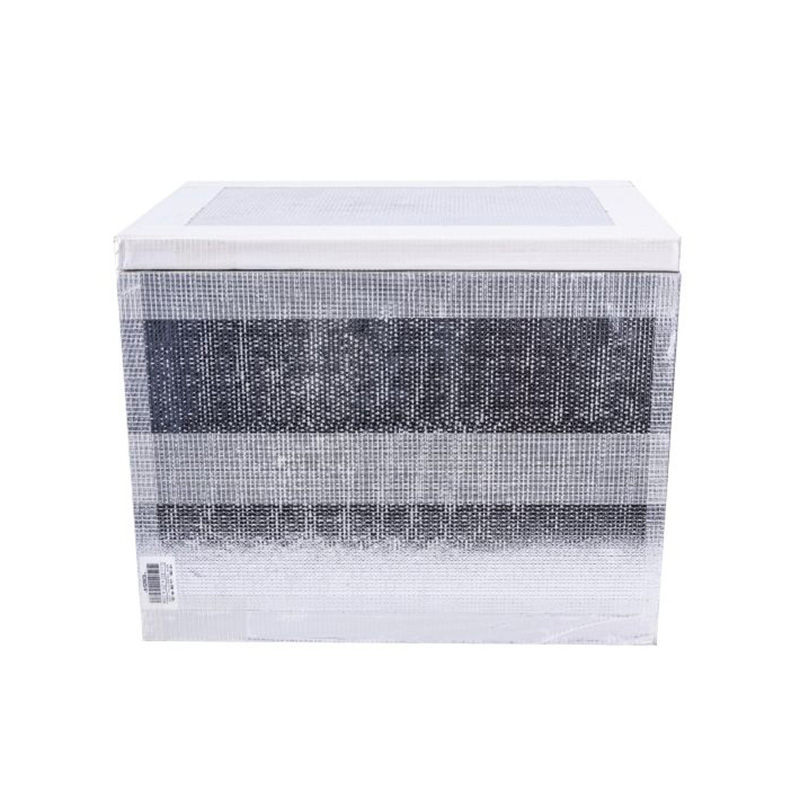
VIP transport box for biologics transport is most powerful when you treat it as a complete cold chain solution instead of a premium box. The strongest programs combine VIP insulation, correctly tuned refrigerant, route-specific validation, practical monitoring, and a clear response plan for delays or excursions. That is the approach that protects both product quality and operating margin in 2026.
This optimized guide combines the buyer-view, the engineering view, and the market view into one article. If you need to decide quickly and still make a high-quality packaging choice, it will help you focus on what really determines success: temperature stability, handling simplicity, documented evidence, and total program fit.
This article will answer
- how to decide whether VIP transport box for biologics transport is the right fit for your lane and payload
- which engineering details drive hold time, payload protection, and repeatability
- how compliance, visibility, and sustainability should influence your packaging program
- what 2026 market trends suggest for future-proofing biopharma cold chain integrity operations
Why is VIP transport box for biologics transport the right solution for some lanes but not all?
The best packaging choice is always contextual. VIP transport box for biologics transport is strongest when you need a mix of high insulation, reasonable operational simplicity, and enough evidence to trust the shipment at arrival. It is not automatically the right answer for every lane, but it becomes compelling when the product is valuable, the route is variable, or dimensional efficiency matters.
The key is to judge the shipper as a system. That means looking at thermal design, refrigerant tuning, payload arrangement, route qualification, monitoring, and total cost together. When those pieces are aligned, a VIP program can protect quality, simplify release, and improve economics at the same time.
Quick decision tool
1. If your lane carries monoclonal antibodies, recombinant proteins, cell-based materials, vaccines, biosimilars, and clinical biologic batches and a single failure would be costly, lean toward higher insulation quality and stronger monitoring.
2. If your route repeats often and you can recover packaging, evaluate a reusable program with asset inspection and reverse logistics.
3. If your route is irregular or remote, prioritize simple packout execution and larger delay margin over overly complex smart features.
4. If dimensional weight or payload space is a major cost driver, compare usable volume and freight footprint, not only carton price.
5. If QA release speed matters, choose a solution that produces clean, reviewable data at delivery.
| <strong>Decision point</strong> | <strong>Better choice when…</strong> | <strong>Watch out for</strong> | <strong>Outcome</strong> |
| Single-use or reusable | Use reusable when lanes repeat and reverse logistics are realistic | Do not force reuse where returns fail | You protect margin and sustainability at the same time. |
| Basic logger or live tracking | Use live visibility for high-value or claim-prone lanes | Data without response rules adds little value | You catch problems earlier and release faster. |
| Thicker box or better insulation | Use VIP when payload space, duration, or dimensional weight matters | Damaged panels erase the advantage | You buy performance, not just bulk. |
How should you design the thermal system around VIP transport box for biologics transport?
Start from the payload and the route. Define the true ship condition, the allowed temperature window, the worst-case season, and the most likely delay pattern. Only then choose panel design, refrigerant type, refrigerant mass, and packout geometry. This sequence prevents the common mistake of buying a premium box and then forcing the product to fit the box instead of the other way around.
Next, protect repeatability. The engineered result should survive routine operations, not only ideal pilot conditions. That means visual work instructions, controlled refrigerant conditioning, simple loading order, and monitoring devices positioned where they represent product risk. A strong system is one that ordinary teams can execute well on ordinary days.
The engineering details that matter most
- Fresh, undamaged VIP panels can reach thermal conductivity around 0.004 W/m·K, roughly one-fifth that of common foam insulation in engineering references.
- Refrigerant must be tuned to most often 2-8°C, frozen, or ultra-cold depending on formulation and stability data and to the product’s tolerance for both warming and overcooling.
- Internal geometry matters because empty space and poor symmetry can shift temperature patterns inside the box.
- Reusable assets need inspection criteria so aging, damage, or seal wear do not quietly degrade performance.
How should compliance, visibility, and quality review fit together?
For regulated temperature-sensitive goods, the packaging decision should sit inside a documented quality process. WHO Annex 9 frames time- and temperature-sensitive pharmaceutical products around predefined environmental conditions and makes documentation central to safe distribution. EU GDP guidance expects validated temperature-control systems and temperature data that can demonstrate compliance during transit. That means your VIP transport box for biologics transport should be qualified for the lane, loaded through a controlled SOP, and backed by data you can review after delivery.
The most important compliance question is whether the shipper, the refrigerant set, and the packout method have been qualified for the real route. That includes worst-case seasonality, realistic dwell times, monitored handoffs, and clear disposition rules when temperature data shows an excursion.
Visibility should support the quality decision, not distract from it. A basic logger may be enough for stable low-risk lanes. Higher-risk lanes may justify real-time sensors or GPS-linked alerts. The important point is that the monitoring choice should reflect the product, the route, and the response capability of your team.
What a strong release-ready data set includes
- a route-qualified packout with clear pre-conditioning rules
- shipment data that shows both in-range performance and remaining thermal reserve
- documented exception handling tied to product stability and quality ownership
- traceable records for reusable asset inspection or one-way shipment identification
What does total cost really look like for VIP transport box for biologics transport?
Carton price is only one piece of total cost. The full picture includes freight footprint, labor time, qualification effort, return logistics, damage rate, reship frequency, product write-offs, and the time quality teams spend investigating exceptions. When product value is high, preventing a few failures can outweigh a large difference in packaging unit cost.
Sustainability should be viewed through the same operational lens. A reusable VIP system can be excellent when the lane supports enough turns and the shipper is easy to inspect and recover. A one-way solution can still be the better choice when returns are unreliable or the network is too fragmented. The honest answer comes from the lane economics, not from marketing language.
Three questions finance and operations both understand
- How many failures must this system prevent to pay back the premium over standard foam?
- How much freight or payload efficiency does the smaller wall thickness create over a year?
- Can the lane support reuse often enough to convert a sustainability goal into a measurable operating result?
How should you implement VIP transport box for biologics transport without creating new operational risk?
Implementation should move in steps. Start with the highest-risk or highest-value lanes, qualify them properly, and train the teams who actually do the packout and receiving work. Then review the early data, tighten the SOP, and only after that extend the program to more regions or more SKUs. This staged rollout prevents a good design from being undermined by rushed adoption.
It also helps you define ownership. Procurement can handle commercial terms, operations can own execution, and quality can own release logic and deviation review. When those roles are explicit, the packaging program becomes much easier to sustain. When they are vague, even a well-qualified shipper can get stuck in internal debate after the first exception.
A practical rollout path
1. Choose one or two representative lanes and qualify them with realistic worst-case assumptions.
2. Train packout and receiving teams with visual instructions and a short verification checklist.
3. Review early shipment data jointly across operations and quality, then adjust the SOP if needed.
4. Expand only after the program shows repeatable execution, clean data, and acceptable cost.
How should receiving sites and downstream partners use the shipper data?
A packaging program is only as strong as the handoff at the receiving end. Sites should know what to look for when the carton arrives, how to check the logger or tracker, and when to escalate a suspected excursion instead of improvising. That simple training prevents routine uncertainty from turning into unnecessary quarantine or unsafe release.
Downstream partners also need clear rules for reusable assets, returns, and damage reporting. If a shipper is returned late, stacked incorrectly, or sent back with hidden damage, the next cycle begins with more risk than anyone realizes. Strong programs close that loop with defined receipt checks, damage photos, and fast communication between sender and receiver.
Receiving-site priorities
- know the expected arrival condition and the first acceptance checks
- retrieve and review the data in the same way every time
- escalate clear exceptions quickly instead of storing questionable product and deciding later
2026 outlook: what should you build for next, not just for now?
The programs that will age best are the ones designed for change. Routes change, products launch, regulations tighten, and customer expectations rise. The packaging choice you make now should therefore be easy to requalify, easy to explain to quality teams, and flexible enough to support better data or greener operations later.
Industry forecasts point to more cold-chain launches, especially in complex specialty therapies that demand stricter handling and clearer evidence. More specialty launches and biologics volume are making validated passive packaging central to commercial distribution. The EU Packaging and Packaging Waste Regulation starts applying from mid-2026 and pushes packaging programs toward better recyclability and practical reuse. The message for 2026 is not that every shipper must become more complicated. It is that every shipper must be easier to defend with evidence, easier to execute consistently, and easier to align with broader business goals.
Latest developments at a glance
- more new therapies are entering cold-chain distribution, raising the bar for packaging quality
- route qualification is moving closer to commercial launch planning instead of being left until late
- packaging teams are under pressure to protect product while reducing waste and dimensional weight
Frequently asked questions
Why are biologics harder to ship than many other medicines?
Because large biological molecules are sensitive to heat, cold, and repeated temperature cycling. Damage is not always visible, but it can still affect quality.
Do all biologics ship at 2-8°C?
No. Some are refrigerated, some frozen, and some ultra-cold. The product label and stability data always come first.
What happens after an excursion?
Quality teams usually review the temperature data against stability limits and time out of range. That review can delay release even if the product still looks normal.
Why use reusable VIP boxes for biologics?
They can provide strong thermal performance, consistent packout, and good economics on repeated lanes where reverse logistics works.
What data should QA ask for?
Ask for route qualification, packout instructions, sensor placement logic, logger data, and a clear deviation process tied to product stability.
Summary and recommendations
The strongest VIP transport box for biologics transport program does four things well: it protects the payload inside the right temperature window, fits the actual route, produces evidence the quality team can trust, and makes operational sense at scale. When any one of those pieces is weak, the shipper may still look good in a brochure but disappoint in field use. The winning decision is rarely the cheapest carton or the highest headline hold-time claim by itself. It is the design that keeps working when real transit conditions are less tidy than the sales sheet suggests.
Your next step should be practical. Define the lane, the payload, the allowed temperature range, the likely delay margin, and the monitoring level you really need. Then compare candidate systems against that brief and run a route-based qualification before full rollout. That disciplined approach will protect both product quality and budget far better than buying on insulation claims alone. If you already have a shipper in service, use post-delivery data, complaint history, and excursion review to refine the program instead of waiting for a major failure to force change.
About Tempk
At Tempk, we focus on temperature-controlled packaging for cold chain logistics, including VIP-based shippers, PCM integration, and route-aware packaging design. Our work is centered on practical performance: protecting sensitive products, simplifying packout, and making qualification easier to understand.
If you are comparing packaging options, the best next move is to align the shipper with your real lane and product profile, then review the data with operations and quality together. That creates a packaging decision that is easier to defend internally and more reliable in day-to-day use.
VIP insulated packaging for high performance insulation

VIP insulated packaging for high performance insulation is most powerful when you treat it as a complete cold chain solution instead of a premium box. The strongest programs combine VIP insulation, correctly tuned refrigerant, route-specific validation, practical monitoring, and a clear response plan for delays or excursions. That is the approach that protects both product quality and operating margin in 2026.
This optimized guide combines the buyer-view, the engineering view, and the market view into one article. If you need to decide quickly and still make a high-quality packaging choice, it will help you focus on what really determines success: temperature stability, handling simplicity, documented evidence, and total program fit.
This article will answer
- how to decide whether VIP insulated packaging for high performance insulation is the right fit for your lane and payload
- which engineering details drive hold time, payload protection, and repeatability
- how compliance, visibility, and sustainability should influence your packaging program
- what 2026 market trends suggest for future-proofing advanced thermal packaging design operations
Why is VIP insulated packaging for high performance insulation the right solution for some lanes but not all?
The best packaging choice is always contextual. VIP insulated packaging for high performance insulation is strongest when you need a mix of high insulation, reasonable operational simplicity, and enough evidence to trust the shipment at arrival. It is not automatically the right answer for every lane, but it becomes compelling when the product is valuable, the route is variable, or dimensional efficiency matters.
The key is to judge the shipper as a system. That means looking at thermal design, refrigerant tuning, payload arrangement, route qualification, monitoring, and total cost together. When those pieces are aligned, a VIP program can protect quality, simplify release, and improve economics at the same time.
Quick decision tool
1. If your lane carries pharmaceuticals, specialty chemicals, high-value foods, laboratory materials, and other space-sensitive shipments and a single failure would be costly, lean toward higher insulation quality and stronger monitoring.
2. If your route repeats often and you can recover packaging, evaluate a reusable program with asset inspection and reverse logistics.
3. If your route is irregular or remote, prioritize simple packout execution and larger delay margin over overly complex smart features.
4. If dimensional weight or payload space is a major cost driver, compare usable volume and freight footprint, not only carton price.
5. If QA release speed matters, choose a solution that produces clean, reviewable data at delivery.
| <strong>Decision point</strong> | <strong>Better choice when…</strong> | <strong>Watch out for</strong> | <strong>Outcome</strong> |
| Single-use or reusable | Use reusable when lanes repeat and reverse logistics are realistic | Do not force reuse where returns fail | You protect margin and sustainability at the same time. |
| Basic logger or live tracking | Use live visibility for high-value or claim-prone lanes | Data without response rules adds little value | You catch problems earlier and release faster. |
| Thicker box or better insulation | Use VIP when payload space, duration, or dimensional weight matters | Damaged panels erase the advantage | You buy performance, not just bulk. |
How should you design the thermal system around VIP insulated packaging for high performance insulation?
Start from the payload and the route. Define the true ship condition, the allowed temperature window, the worst-case season, and the most likely delay pattern. Only then choose panel design, refrigerant type, refrigerant mass, and packout geometry. This sequence prevents the common mistake of buying a premium box and then forcing the product to fit the box instead of the other way around.
Next, protect repeatability. The engineered result should survive routine operations, not only ideal pilot conditions. That means visual work instructions, controlled refrigerant conditioning, simple loading order, and monitoring devices positioned where they represent product risk. A strong system is one that ordinary teams can execute well on ordinary days.
The engineering details that matter most
- Fresh, undamaged VIP panels can reach thermal conductivity around 0.004 W/m·K, roughly one-fifth that of common foam insulation in engineering references.
- Refrigerant must be tuned to the exact target range chosen for the payload, achieved with minimal wall thickness and low heat leak and to the product’s tolerance for both warming and overcooling.
- Internal geometry matters because empty space and poor symmetry can shift temperature patterns inside the box.
- Reusable assets need inspection criteria so aging, damage, or seal wear do not quietly degrade performance.
How should compliance, visibility, and quality review fit together?
For regulated temperature-sensitive goods, the packaging decision should sit inside a documented quality process. WHO Annex 9 frames time- and temperature-sensitive pharmaceutical products around predefined environmental conditions and makes documentation central to safe distribution. EU GDP guidance expects validated temperature-control systems and temperature data that can demonstrate compliance during transit. That means your VIP insulated packaging for high performance insulation should be qualified for the lane, loaded through a controlled SOP, and backed by data you can review after delivery.
The most important compliance question is whether the shipper, the refrigerant set, and the packout method have been qualified for the real route. That includes worst-case seasonality, realistic dwell times, monitored handoffs, and clear disposition rules when temperature data shows an excursion.
Visibility should support the quality decision, not distract from it. A basic logger may be enough for stable low-risk lanes. Higher-risk lanes may justify real-time sensors or GPS-linked alerts. The important point is that the monitoring choice should reflect the product, the route, and the response capability of your team.
What a strong release-ready data set includes
- a route-qualified packout with clear pre-conditioning rules
- shipment data that shows both in-range performance and remaining thermal reserve
- documented exception handling tied to product stability and quality ownership
- traceable records for reusable asset inspection or one-way shipment identification
What does total cost really look like for VIP insulated packaging for high performance insulation?
Carton price is only one piece of total cost. The full picture includes freight footprint, labor time, qualification effort, return logistics, damage rate, reship frequency, product write-offs, and the time quality teams spend investigating exceptions. When product value is high, preventing a few failures can outweigh a large difference in packaging unit cost.
Sustainability should be viewed through the same operational lens. A reusable VIP system can be excellent when the lane supports enough turns and the shipper is easy to inspect and recover. A one-way solution can still be the better choice when returns are unreliable or the network is too fragmented. The honest answer comes from the lane economics, not from marketing language.
Three questions finance and operations both understand
- How many failures must this system prevent to pay back the premium over standard foam?
- How much freight or payload efficiency does the smaller wall thickness create over a year?
- Can the lane support reuse often enough to convert a sustainability goal into a measurable operating result?
How should you implement VIP insulated packaging for high performance insulation without creating new operational risk?
Implementation should move in steps. Start with the highest-risk or highest-value lanes, qualify them properly, and train the teams who actually do the packout and receiving work. Then review the early data, tighten the SOP, and only after that extend the program to more regions or more SKUs. This staged rollout prevents a good design from being undermined by rushed adoption.
It also helps you define ownership. Procurement can handle commercial terms, operations can own execution, and quality can own release logic and deviation review. When those roles are explicit, the packaging program becomes much easier to sustain. When they are vague, even a well-qualified shipper can get stuck in internal debate after the first exception.
A practical rollout path
1. Choose one or two representative lanes and qualify them with realistic worst-case assumptions.
2. Train packout and receiving teams with visual instructions and a short verification checklist.
3. Review early shipment data jointly across operations and quality, then adjust the SOP if needed.
4. Expand only after the program shows repeatable execution, clean data, and acceptable cost.
How should receiving sites and downstream partners use the shipper data?
A packaging program is only as strong as the handoff at the receiving end. Sites should know what to look for when the carton arrives, how to check the logger or tracker, and when to escalate a suspected excursion instead of improvising. That simple training prevents routine uncertainty from turning into unnecessary quarantine or unsafe release.
Downstream partners also need clear rules for reusable assets, returns, and damage reporting. If a shipper is returned late, stacked incorrectly, or sent back with hidden damage, the next cycle begins with more risk than anyone realizes. Strong programs close that loop with defined receipt checks, damage photos, and fast communication between sender and receiver.
Receiving-site priorities
- know the expected arrival condition and the first acceptance checks
- retrieve and review the data in the same way every time
- escalate clear exceptions quickly instead of storing questionable product and deciding later
2026 outlook: what should you build for next, not just for now?
The programs that will age best are the ones designed for change. Routes change, products launch, regulations tighten, and customer expectations rise. The packaging choice you make now should therefore be easy to requalify, easy to explain to quality teams, and flexible enough to support better data or greener operations later.
Buyers increasingly compare total cost, dimensional weight, payload ratio, and reusability instead of headline insulation claims alone. Sustainability pressure is pushing buyers to ask not only whether a shipper works, but whether it works with less material and less waste. The EU Packaging and Packaging Waste Regulation starts applying from mid-2026 and pushes packaging programs toward better recyclability and practical reuse. The message for 2026 is not that every shipper must become more complicated. It is that every shipper must be easier to defend with evidence, easier to execute consistently, and easier to align with broader business goals.
Latest developments at a glance
- buyers are comparing payload ratio and dimensional weight alongside hold time
- reusability and material circularity are being discussed earlier in packaging design
- qualification packages are expected to be clearer, more visual, and more route-specific
Frequently asked questions
Why is VIP called high-performance insulation?
Because it blocks heat far better per thickness than standard foam. That lets you build smaller walls for the same thermal goal or extend hold time in the same carton.
Can VIP panels be cut after manufacturing?
No. Cutting a standard VIP destroys the vacuum and the performance. That is why sizing and structural protection must be planned upfront.
What is the hidden downside of VIP?
Cost and damage sensitivity. If the design does not protect the panel edges and surfaces, the performance advantage can be wasted.
When is premium insulation worth paying for?
When product value is high, the lane is harsh, dimensional weight matters, or payload space is limited. In those cases, better insulation changes the economics.
Does better insulation always mean lower total cost?
Not automatically. You still need to compare recovery rates, damage rates, freight cost, and packout labor to see the real business result.
Summary and recommendations
The strongest VIP insulated packaging for high performance insulation program does four things well: it protects the payload inside the right temperature window, fits the actual route, produces evidence the quality team can trust, and makes operational sense at scale. When any one of those pieces is weak, the shipper may still look good in a brochure but disappoint in field use. The winning decision is rarely the cheapest carton or the highest headline hold-time claim by itself. It is the design that keeps working when real transit conditions are less tidy than the sales sheet suggests.
Your next step should be practical. Define the lane, the payload, the allowed temperature range, the likely delay margin, and the monitoring level you really need. Then compare candidate systems against that brief and run a route-based qualification before full rollout. That disciplined approach will protect both product quality and budget far better than buying on insulation claims alone. If you already have a shipper in service, use post-delivery data, complaint history, and excursion review to refine the program instead of waiting for a major failure to force change.
About Tempk
At Tempk, we focus on temperature-controlled packaging for cold chain logistics, including VIP-based shippers, PCM integration, and route-aware packaging design. Our work is centered on practical performance: protecting sensitive products, simplifying packout, and making qualification easier to understand.
If you are comparing packaging options, the best next move is to align the shipper with your real lane and product profile, then review the data with operations and quality together. That creates a packaging decision that is easier to defend internally and more reliable in day-to-day use.
VIP insulated container for dry ice shipping Best Guide
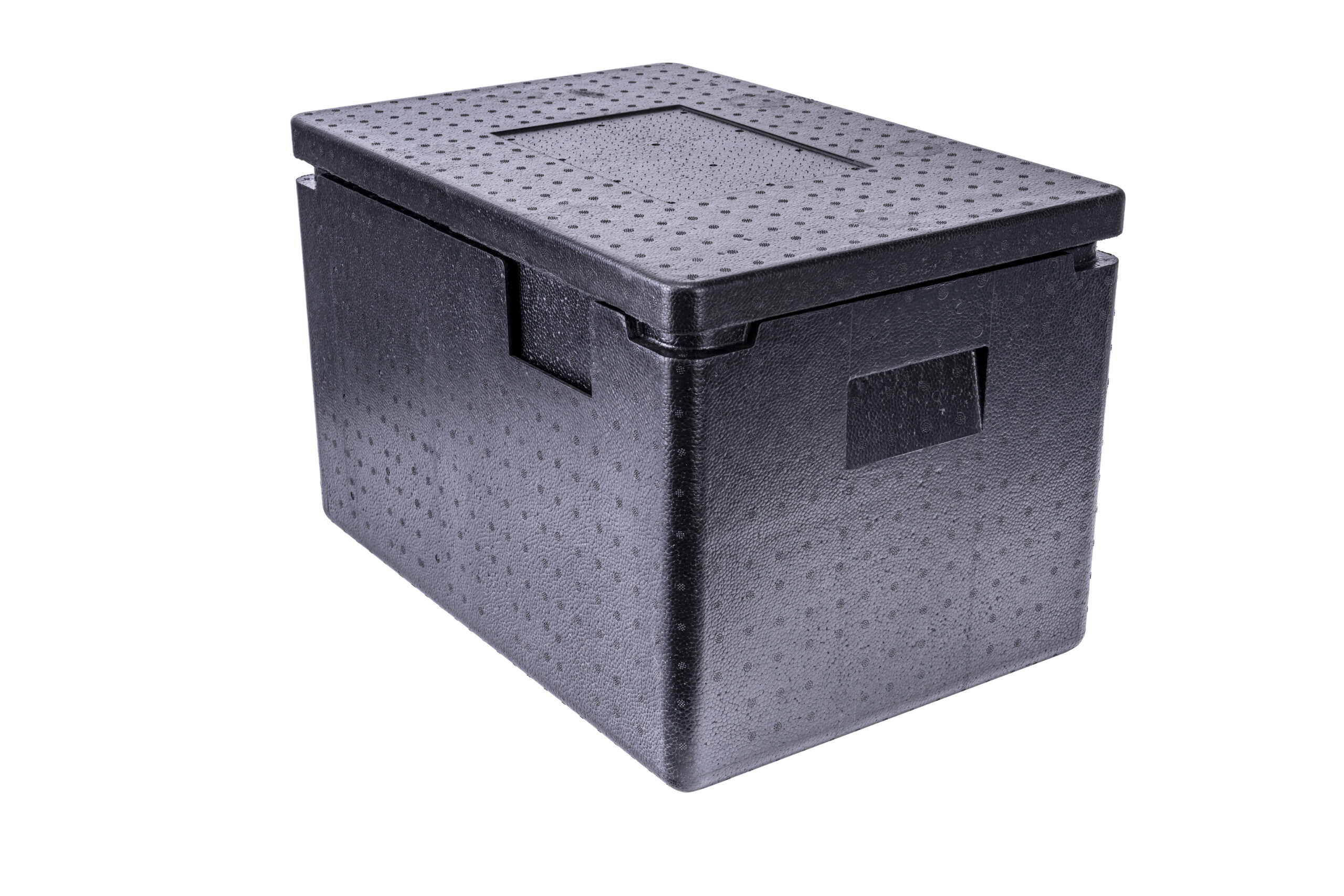
VIP insulated container for dry ice shipping is most powerful when you treat it as a complete cold chain solution instead of a premium box. The strongest programs combine VIP insulation, correctly tuned refrigerant, route-specific validation, practical monitoring, and a clear response plan for delays or excursions. That is the approach that protects both product quality and operating margin in 2026.
This optimized guide combines the buyer-view, the engineering view, and the market view into one article. If you need to decide quickly and still make a high-quality packaging choice, it will help you focus on what really determines success: temperature stability, handling simplicity, documented evidence, and total program fit.
This article will answer
- how to decide whether VIP insulated container for dry ice shipping is the right fit for your lane and payload
- which engineering details drive hold time, payload protection, and repeatability
- how compliance, visibility, and sustainability should influence your packaging program
- what 2026 market trends suggest for future-proofing frozen air logistics operations
Why is VIP insulated container for dry ice shipping the right solution for some lanes but not all?
The best packaging choice is always contextual. VIP insulated container for dry ice shipping is strongest when you need a mix of high insulation, reasonable operational simplicity, and enough evidence to trust the shipment at arrival. It is not automatically the right answer for every lane, but it becomes compelling when the product is valuable, the route is variable, or dimensional efficiency matters.
The key is to judge the shipper as a system. That means looking at thermal design, refrigerant tuning, payload arrangement, route qualification, monitoring, and total cost together. When those pieces are aligned, a VIP program can protect quality, simplify release, and improve economics at the same time.
Quick decision tool
1. If your lane carries frozen biologics, genomic materials, ultra-cold specimens, cell and gene therapy support materials, and specialty laboratory reagents and a single failure would be costly, lean toward higher insulation quality and stronger monitoring.
2. If your route repeats often and you can recover packaging, evaluate a reusable program with asset inspection and reverse logistics.
3. If your route is irregular or remote, prioritize simple packout execution and larger delay margin over overly complex smart features.
4. If dimensional weight or payload space is a major cost driver, compare usable volume and freight footprint, not only carton price.
5. If QA release speed matters, choose a solution that produces clean, reviewable data at delivery.
| <strong>Decision point</strong> | <strong>Better choice when…</strong> | <strong>Watch out for</strong> | <strong>Outcome</strong> |
| Single-use or reusable | Use reusable when lanes repeat and reverse logistics are realistic | Do not force reuse where returns fail | You protect margin and sustainability at the same time. |
| Basic logger or live tracking | Use live visibility for high-value or claim-prone lanes | Data without response rules adds little value | You catch problems earlier and release faster. |
| Thicker box or better insulation | Use VIP when payload space, duration, or dimensional weight matters | Damaged panels erase the advantage | You buy performance, not just bulk. |
How should you design the thermal system around VIP insulated container for dry ice shipping?
Start from the payload and the route. Define the true ship condition, the allowed temperature window, the worst-case season, and the most likely delay pattern. Only then choose panel design, refrigerant type, refrigerant mass, and packout geometry. This sequence prevents the common mistake of buying a premium box and then forcing the product to fit the box instead of the other way around.
Next, protect repeatability. The engineered result should survive routine operations, not only ideal pilot conditions. That means visual work instructions, controlled refrigerant conditioning, simple loading order, and monitoring devices positioned where they represent product risk. A strong system is one that ordinary teams can execute well on ordinary days.
The engineering details that matter most
- Fresh, undamaged VIP panels can reach thermal conductivity around 0.004 W/m·K, roughly one-fifth that of common foam insulation in engineering references.
- Refrigerant must be tuned to deep-frozen transport below about -60°C using dry ice or other frozen media and to the product’s tolerance for both warming and overcooling.
- Internal geometry matters because empty space and poor symmetry can shift temperature patterns inside the box.
- Reusable assets need inspection criteria so aging, damage, or seal wear do not quietly degrade performance.
How should compliance, visibility, and quality review fit together?
For regulated temperature-sensitive goods, the packaging decision should sit inside a documented quality process. WHO Annex 9 frames time- and temperature-sensitive pharmaceutical products around predefined environmental conditions and makes documentation central to safe distribution. EU GDP guidance expects validated temperature-control systems and temperature data that can demonstrate compliance during transit. That means your VIP insulated container for dry ice shipping should be qualified for the lane, loaded through a controlled SOP, and backed by data you can review after delivery.
Dry ice brings dangerous-goods obligations even when the payload itself is not otherwise regulated. The pack must vent carbon dioxide, the documentation should identify UN1845 and the net dry ice weight, and airline acceptance can depend on accurate booking detail. If specimens are also involved, specimen rules and dry ice rules have to work together rather than being handled as separate checklists.
Visibility should support the quality decision, not distract from it. A basic logger may be enough for stable low-risk lanes. Higher-risk lanes may justify real-time sensors or GPS-linked alerts. The important point is that the monitoring choice should reflect the product, the route, and the response capability of your team.
What a strong release-ready data set includes
- a route-qualified packout with clear pre-conditioning rules
- shipment data that shows both in-range performance and remaining thermal reserve
- documented exception handling tied to product stability and quality ownership
- traceable records for reusable asset inspection or one-way shipment identification
What does total cost really look like for VIP insulated container for dry ice shipping?
Carton price is only one piece of total cost. The full picture includes freight footprint, labor time, qualification effort, return logistics, damage rate, reship frequency, product write-offs, and the time quality teams spend investigating exceptions. When product value is high, preventing a few failures can outweigh a large difference in packaging unit cost.
Sustainability should be viewed through the same operational lens. A reusable VIP system can be excellent when the lane supports enough turns and the shipper is easy to inspect and recover. A one-way solution can still be the better choice when returns are unreliable or the network is too fragmented. The honest answer comes from the lane economics, not from marketing language.
Three questions finance and operations both understand
- How many failures must this system prevent to pay back the premium over standard foam?
- How much freight or payload efficiency does the smaller wall thickness create over a year?
- Can the lane support reuse often enough to convert a sustainability goal into a measurable operating result?
How should you implement VIP insulated container for dry ice shipping without creating new operational risk?
Implementation should move in steps. Start with the highest-risk or highest-value lanes, qualify them properly, and train the teams who actually do the packout and receiving work. Then review the early data, tighten the SOP, and only after that extend the program to more regions or more SKUs. This staged rollout prevents a good design from being undermined by rushed adoption.
It also helps you define ownership. Procurement can handle commercial terms, operations can own execution, and quality can own release logic and deviation review. When those roles are explicit, the packaging program becomes much easier to sustain. When they are vague, even a well-qualified shipper can get stuck in internal debate after the first exception.
A practical rollout path
1. Choose one or two representative lanes and qualify them with realistic worst-case assumptions.
2. Train packout and receiving teams with visual instructions and a short verification checklist.
3. Review early shipment data jointly across operations and quality, then adjust the SOP if needed.
4. Expand only after the program shows repeatable execution, clean data, and acceptable cost.
How should receiving sites and downstream partners use the shipper data?
A packaging program is only as strong as the handoff at the receiving end. Sites should know what to look for when the carton arrives, how to check the logger or tracker, and when to escalate a suspected excursion instead of improvising. That simple training prevents routine uncertainty from turning into unnecessary quarantine or unsafe release.
Downstream partners also need clear rules for reusable assets, returns, and damage reporting. If a shipper is returned late, stacked incorrectly, or sent back with hidden damage, the next cycle begins with more risk than anyone realizes. Strong programs close that loop with defined receipt checks, damage photos, and fast communication between sender and receiver.
Receiving-site priorities
- know the expected arrival condition and the first acceptance checks
- retrieve and review the data in the same way every time
- escalate clear exceptions quickly instead of storing questionable product and deciding later
2026 outlook: what should you build for next, not just for now?
The programs that will age best are the ones designed for change. Routes change, products launch, regulations tighten, and customer expectations rise. The packaging choice you make now should therefore be easy to requalify, easy to explain to quality teams, and flexible enough to support better data or greener operations later.
Air carriers and shippers are paying closer attention to dry ice documentation, booking detail, and route-specific sublimation loss. Frozen biologics, advanced therapies, and long-haul lab logistics are making dry ice planning more exact and more visible. The EU Packaging and Packaging Waste Regulation starts applying from mid-2026 and pushes packaging programs toward better recyclability and practical reuse. The message for 2026 is not that every shipper must become more complicated. It is that every shipper must be easier to defend with evidence, easier to execute consistently, and easier to align with broader business goals.
Latest developments at a glance
- courier-style medical logistics are growing, which increases the value of compact validated passive packaging
- documentation accuracy is under more scrutiny for air and cross-border lanes
- operators are using route data more actively to size refrigerant and delay margin
Frequently asked questions
Can I seal a dry ice shipper airtight?
No. Dry ice turns into carbon dioxide gas, so the package must vent safely. A tight seal can create dangerous pressure build-up.
How much dry ice should I load?
Enough to cover the expected transit plus realistic delay. The right amount depends on route length, season, insulation quality, payload mass, and airline handling.
Does dry ice change the packaging rules?
Yes. Dry ice can trigger dangerous-goods documentation and marking, even if the payload itself is not otherwise regulated.
Can VIP reduce dry ice consumption?
Often yes. Better insulation slows heat gain, so you can preserve temperature longer or use the same dry ice load with more safety margin.
What is the biggest dry ice mistake?
Planning for nominal transit only. The better method is to size for the route you hope for and the delay you know can happen.
Summary and recommendations
The strongest VIP insulated container for dry ice shipping program does four things well: it protects the payload inside the right temperature window, fits the actual route, produces evidence the quality team can trust, and makes operational sense at scale. When any one of those pieces is weak, the shipper may still look good in a brochure but disappoint in field use. The winning decision is rarely the cheapest carton or the highest headline hold-time claim by itself. It is the design that keeps working when real transit conditions are less tidy than the sales sheet suggests.
Your next step should be practical. Define the lane, the payload, the allowed temperature range, the likely delay margin, and the monitoring level you really need. Then compare candidate systems against that brief and run a route-based qualification before full rollout. That disciplined approach will protect both product quality and budget far better than buying on insulation claims alone. If you already have a shipper in service, use post-delivery data, complaint history, and excursion review to refine the program instead of waiting for a major failure to force change.
About Tempk
At Tempk, we focus on temperature-controlled packaging for cold chain logistics, including VIP-based shippers, PCM integration, and route-aware packaging design. Our work is centered on practical performance: protecting sensitive products, simplifying packout, and making qualification easier to understand.
If you are comparing packaging options, the best next move is to align the shipper with your real lane and product profile, then review the data with operations and quality together. That creates a packaging decision that is easier to defend internally and more reliable in day-to-day use.
VIP insulated box for 2-8 degree shipping Best Guide
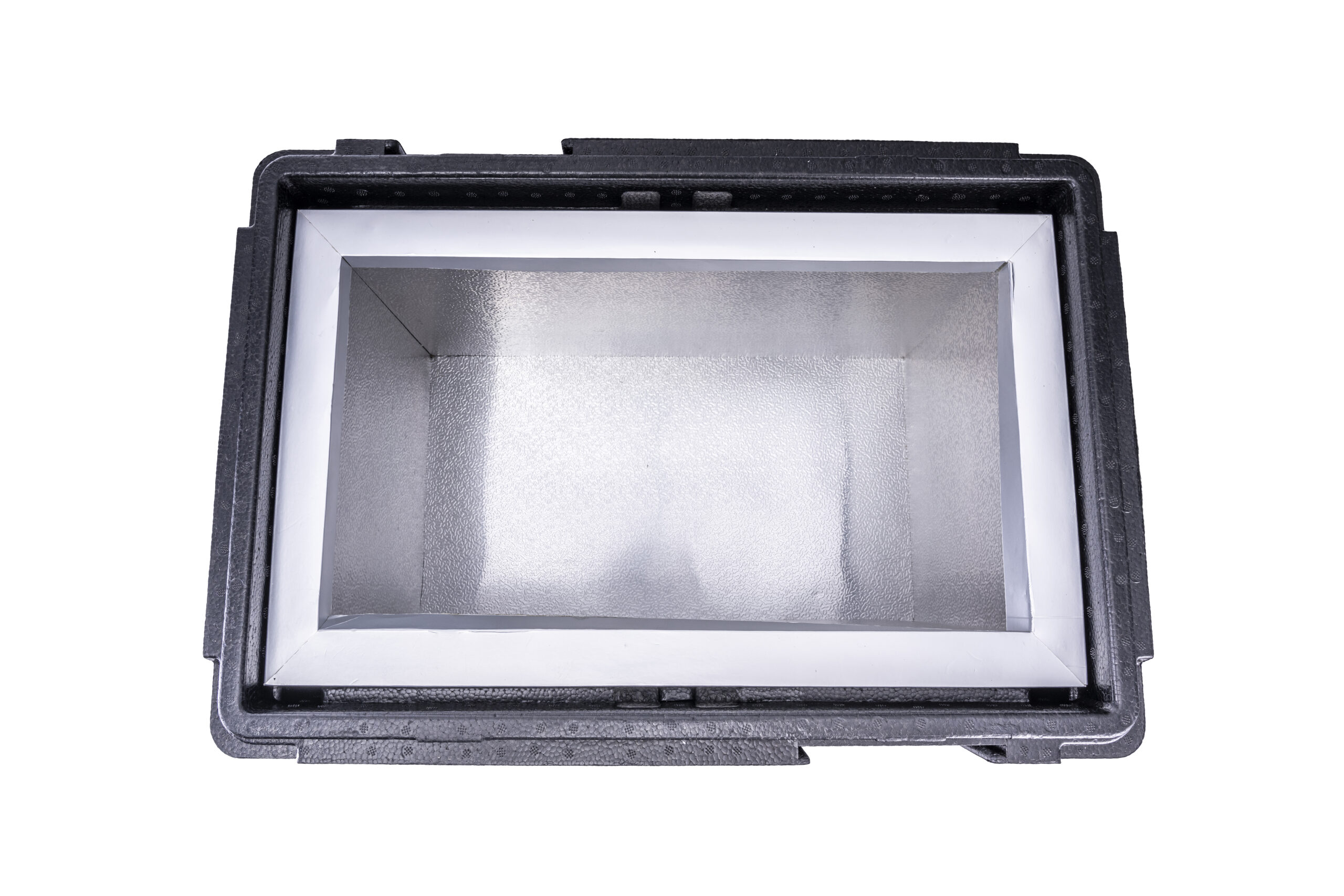
VIP insulated box for 2-8 degree shipping is most powerful when you treat it as a complete cold chain solution instead of a premium box. The strongest programs combine VIP insulation, correctly tuned refrigerant, route-specific validation, practical monitoring, and a clear response plan for delays or excursions. That is the approach that protects both product quality and operating margin in 2026.
This optimized guide combines the buyer-view, the engineering view, and the market view into one article. If you need to decide quickly and still make a high-quality packaging choice, it will help you focus on what really determines success: temperature stability, handling simplicity, documented evidence, and total program fit.
This article will answer
- how to decide whether VIP insulated box for 2-8 degree shipping is the right fit for your lane and payload
- which engineering details drive hold time, payload protection, and repeatability
- how compliance, visibility, and sustainability should influence your packaging program
- what 2026 market trends suggest for future-proofing refrigerated pharmaceutical shipping operations
Why is VIP insulated box for 2-8 degree shipping the right solution for some lanes but not all?
The best packaging choice is always contextual. VIP insulated box for 2-8 degree shipping is strongest when you need a mix of high insulation, reasonable operational simplicity, and enough evidence to trust the shipment at arrival. It is not automatically the right answer for every lane, but it becomes compelling when the product is valuable, the route is variable, or dimensional efficiency matters.
The key is to judge the shipper as a system. That means looking at thermal design, refrigerant tuning, payload arrangement, route qualification, monitoring, and total cost together. When those pieces are aligned, a VIP program can protect quality, simplify release, and improve economics at the same time.
Quick decision tool
1. If your lane carries vaccines, biologics, injectables, blood-derived products, reagents, and temperature-sensitive clinical materials and a single failure would be costly, lean toward higher insulation quality and stronger monitoring.
2. If your route repeats often and you can recover packaging, evaluate a reusable program with asset inspection and reverse logistics.
3. If your route is irregular or remote, prioritize simple packout execution and larger delay margin over overly complex smart features.
4. If dimensional weight or payload space is a major cost driver, compare usable volume and freight footprint, not only carton price.
5. If QA release speed matters, choose a solution that produces clean, reviewable data at delivery.
| <strong>Decision point</strong> | <strong>Better choice when…</strong> | <strong>Watch out for</strong> | <strong>Outcome</strong> |
| Single-use or reusable | Use reusable when lanes repeat and reverse logistics are realistic | Do not force reuse where returns fail | You protect margin and sustainability at the same time. |
| Basic logger or live tracking | Use live visibility for high-value or claim-prone lanes | Data without response rules adds little value | You catch problems earlier and release faster. |
| Thicker box or better insulation | Use VIP when payload space, duration, or dimensional weight matters | Damaged panels erase the advantage | You buy performance, not just bulk. |
How should you design the thermal system around VIP insulated box for 2-8 degree shipping?
Start from the payload and the route. Define the true ship condition, the allowed temperature window, the worst-case season, and the most likely delay pattern. Only then choose panel design, refrigerant type, refrigerant mass, and packout geometry. This sequence prevents the common mistake of buying a premium box and then forcing the product to fit the box instead of the other way around.
Next, protect repeatability. The engineered result should survive routine operations, not only ideal pilot conditions. That means visual work instructions, controlled refrigerant conditioning, simple loading order, and monitoring devices positioned where they represent product risk. A strong system is one that ordinary teams can execute well on ordinary days.
The engineering details that matter most
- Fresh, undamaged VIP panels can reach thermal conductivity around 0.004 W/m·K, roughly one-fifth that of common foam insulation in engineering references.
- Refrigerant must be tuned to a stable refrigerated window between 2°C and 8°C and to the product’s tolerance for both warming and overcooling.
- Internal geometry matters because empty space and poor symmetry can shift temperature patterns inside the box.
- Reusable assets need inspection criteria so aging, damage, or seal wear do not quietly degrade performance.
How should compliance, visibility, and quality review fit together?
For regulated temperature-sensitive goods, the packaging decision should sit inside a documented quality process. WHO Annex 9 frames time- and temperature-sensitive pharmaceutical products around predefined environmental conditions and makes documentation central to safe distribution. EU GDP guidance expects validated temperature-control systems and temperature data that can demonstrate compliance during transit. That means your VIP insulated box for 2-8 degree shipping should be qualified for the lane, loaded through a controlled SOP, and backed by data you can review after delivery.
The most important compliance question is whether the shipper, the refrigerant set, and the packout method have been qualified for the real route. That includes worst-case seasonality, realistic dwell times, monitored handoffs, and clear disposition rules when temperature data shows an excursion.
Visibility should support the quality decision, not distract from it. A basic logger may be enough for stable low-risk lanes. Higher-risk lanes may justify real-time sensors or GPS-linked alerts. The important point is that the monitoring choice should reflect the product, the route, and the response capability of your team.
What a strong release-ready data set includes
- a route-qualified packout with clear pre-conditioning rules
- shipment data that shows both in-range performance and remaining thermal reserve
- documented exception handling tied to product stability and quality ownership
- traceable records for reusable asset inspection or one-way shipment identification
What does total cost really look like for VIP insulated box for 2-8 degree shipping?
Carton price is only one piece of total cost. The full picture includes freight footprint, labor time, qualification effort, return logistics, damage rate, reship frequency, product write-offs, and the time quality teams spend investigating exceptions. When product value is high, preventing a few failures can outweigh a large difference in packaging unit cost.
Sustainability should be viewed through the same operational lens. A reusable VIP system can be excellent when the lane supports enough turns and the shipper is easy to inspect and recover. A one-way solution can still be the better choice when returns are unreliable or the network is too fragmented. The honest answer comes from the lane economics, not from marketing language.
Three questions finance and operations both understand
- How many failures must this system prevent to pay back the premium over standard foam?
- How much freight or payload efficiency does the smaller wall thickness create over a year?
- Can the lane support reuse often enough to convert a sustainability goal into a measurable operating result?
How should you implement VIP insulated box for 2-8 degree shipping without creating new operational risk?
Implementation should move in steps. Start with the highest-risk or highest-value lanes, qualify them properly, and train the teams who actually do the packout and receiving work. Then review the early data, tighten the SOP, and only after that extend the program to more regions or more SKUs. This staged rollout prevents a good design from being undermined by rushed adoption.
It also helps you define ownership. Procurement can handle commercial terms, operations can own execution, and quality can own release logic and deviation review. When those roles are explicit, the packaging program becomes much easier to sustain. When they are vague, even a well-qualified shipper can get stuck in internal debate after the first exception.
A practical rollout path
1. Choose one or two representative lanes and qualify them with realistic worst-case assumptions.
2. Train packout and receiving teams with visual instructions and a short verification checklist.
3. Review early shipment data jointly across operations and quality, then adjust the SOP if needed.
4. Expand only after the program shows repeatable execution, clean data, and acceptable cost.
How should receiving sites and downstream partners use the shipper data?
A packaging program is only as strong as the handoff at the receiving end. Sites should know what to look for when the carton arrives, how to check the logger or tracker, and when to escalate a suspected excursion instead of improvising. That simple training prevents routine uncertainty from turning into unnecessary quarantine or unsafe release.
Downstream partners also need clear rules for reusable assets, returns, and damage reporting. If a shipper is returned late, stacked incorrectly, or sent back with hidden damage, the next cycle begins with more risk than anyone realizes. Strong programs close that loop with defined receipt checks, damage photos, and fast communication between sender and receiver.
Receiving-site priorities
- know the expected arrival condition and the first acceptance checks
- retrieve and review the data in the same way every time
- escalate clear exceptions quickly instead of storing questionable product and deciding later
2026 outlook: what should you build for next, not just for now?
The programs that will age best are the ones designed for change. Routes change, products launch, regulations tighten, and customer expectations rise. The packaging choice you make now should therefore be easy to requalify, easy to explain to quality teams, and flexible enough to support better data or greener operations later.
Rising biologics volume and direct-to-care-site distribution are increasing demand for compact 2-8°C parcel solutions. As more launches require cold storage, simple refrigerated parcel shipping is getting more demanding rather than easier. The EU Packaging and Packaging Waste Regulation starts applying from mid-2026 and pushes packaging programs toward better recyclability and practical reuse. The message for 2026 is not that every shipper must become more complicated. It is that every shipper must be easier to defend with evidence, easier to execute consistently, and easier to align with broader business goals.
Latest developments at a glance
- more new therapies are entering cold-chain distribution, raising the bar for packaging quality
- route qualification is moving closer to commercial launch planning instead of being left until late
- packaging teams are under pressure to protect product while reducing waste and dimensional weight
Frequently asked questions
What is the ideal range for 2-8°C shipping?
The target is simple: stay between 2°C and 8°C for the full shipment. The harder part is preventing both overheating and freezing when the lane or dwell time changes.
Can gel packs freeze the product?
Yes. If they are too cold, too close, or poorly separated from the payload, they can drive local freezing even when the box average looks acceptable.
How long can a passive VIP box hold 2-8°C?
Hold time depends on payload mass, ambient profile, refrigerant load, and opening behavior. Use route-qualified data instead of catalog claims when product value is high.
Why is payload placement important?
The warmest and coldest points in a box are rarely identical. Good spacing and bracing reduce local hotspots and cold spots around the payload.
Should I choose reusable or single-use?
Choose reusable when lanes repeat and returns are practical. Choose single-use when geography, hygiene, or recovery costs make returns unrealistic.
Summary and recommendations
The strongest VIP insulated box for 2-8 degree shipping program does four things well: it protects the payload inside the right temperature window, fits the actual route, produces evidence the quality team can trust, and makes operational sense at scale. When any one of those pieces is weak, the shipper may still look good in a brochure but disappoint in field use. The winning decision is rarely the cheapest carton or the highest headline hold-time claim by itself. It is the design that keeps working when real transit conditions are less tidy than the sales sheet suggests.
Your next step should be practical. Define the lane, the payload, the allowed temperature range, the likely delay margin, and the monitoring level you really need. Then compare candidate systems against that brief and run a route-based qualification before full rollout. That disciplined approach will protect both product quality and budget far better than buying on insulation claims alone. If you already have a shipper in service, use post-delivery data, complaint history, and excursion review to refine the program instead of waiting for a major failure to force change.
About Tempk
At Tempk, we focus on temperature-controlled packaging for cold chain logistics, including VIP-based shippers, PCM integration, and route-aware packaging design. Our work is centered on practical performance: protecting sensitive products, simplifying packout, and making qualification easier to understand.
If you are comparing packaging options, the best next move is to align the shipper with your real lane and product profile, then review the data with operations and quality together. That creates a packaging decision that is easier to defend internally and more reliable in day-to-day use.
VIP container for IoT enabled cold chain Best Guide
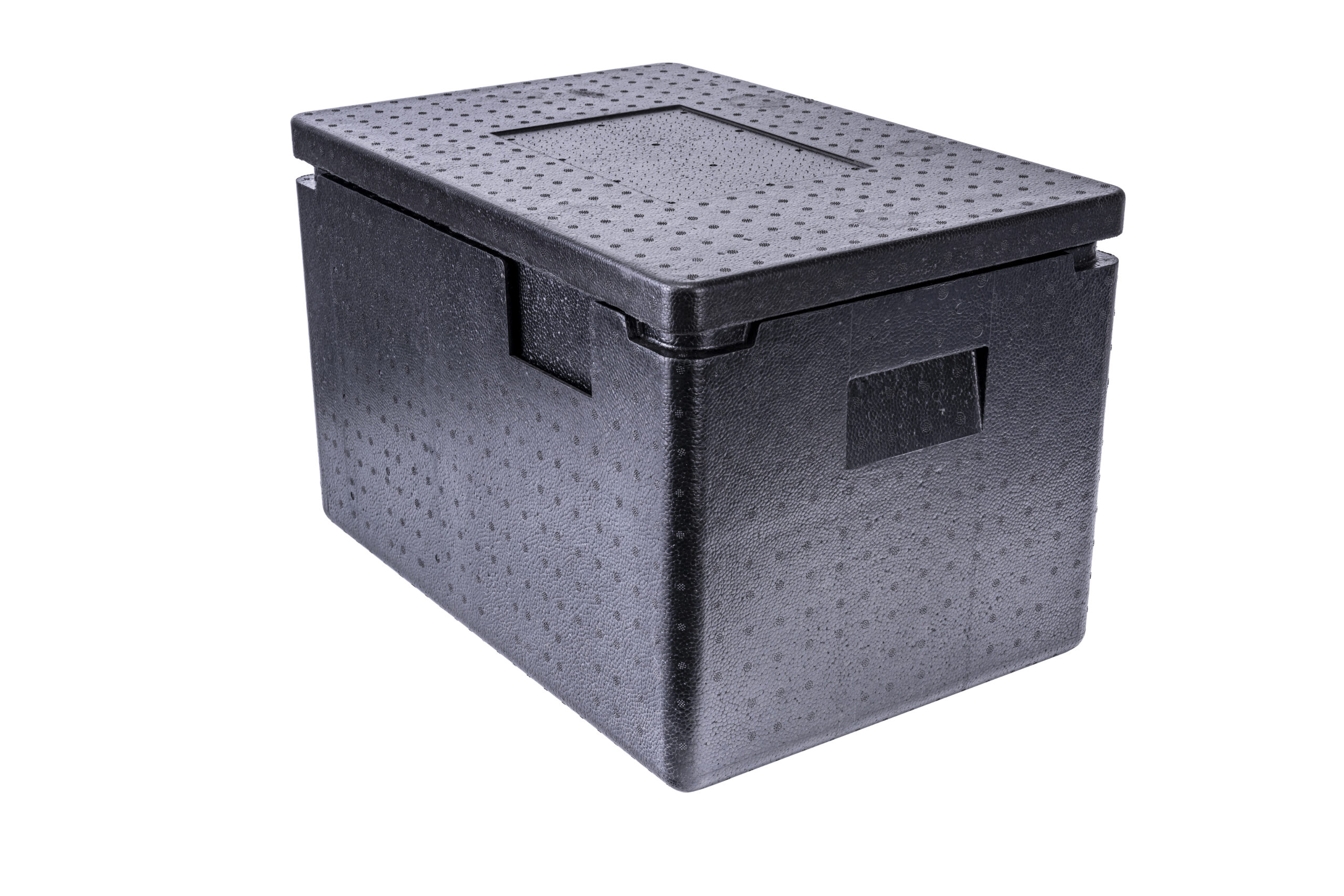
VIP container for IoT enabled cold chain is most powerful when you treat it as a complete cold chain solution instead of a premium box. The strongest programs combine VIP insulation, correctly tuned refrigerant, route-specific validation, practical monitoring, and a clear response plan for delays or excursions. That is the approach that protects both product quality and operating margin in 2026.
This optimized guide combines the buyer-view, the engineering view, and the market view into one article. If you need to decide quickly and still make a high-quality packaging choice, it will help you focus on what really determines success: temperature stability, handling simplicity, documented evidence, and total program fit.
This article will answer
- how to decide whether VIP container for IoT enabled cold chain is the right fit for your lane and payload
- which engineering details drive hold time, payload protection, and repeatability
- how compliance, visibility, and sustainability should influence your packaging program
- what 2026 market trends suggest for future-proofing smart cold chain visibility operations
Why is VIP container for IoT enabled cold chain the right solution for some lanes but not all?
The best packaging choice is always contextual. VIP container for IoT enabled cold chain is strongest when you need a mix of high insulation, reasonable operational simplicity, and enough evidence to trust the shipment at arrival. It is not automatically the right answer for every lane, but it becomes compelling when the product is valuable, the route is variable, or dimensional efficiency matters.
The key is to judge the shipper as a system. That means looking at thermal design, refrigerant tuning, payload arrangement, route qualification, monitoring, and total cost together. When those pieces are aligned, a VIP program can protect quality, simplify release, and improve economics at the same time.
Quick decision tool
1. If your lane carries biologics, specialty medicines, diagnostic reagents, clinical trial kits, and premium perishables and a single failure would be costly, lean toward higher insulation quality and stronger monitoring.
2. If your route repeats often and you can recover packaging, evaluate a reusable program with asset inspection and reverse logistics.
3. If your route is irregular or remote, prioritize simple packout execution and larger delay margin over overly complex smart features.
4. If dimensional weight or payload space is a major cost driver, compare usable volume and freight footprint, not only carton price.
5. If QA release speed matters, choose a solution that produces clean, reviewable data at delivery.
| <strong>Decision point</strong> | <strong>Better choice when…</strong> | <strong>Watch out for</strong> | <strong>Outcome</strong> |
| Single-use or reusable | Use reusable when lanes repeat and reverse logistics are realistic | Do not force reuse where returns fail | You protect margin and sustainability at the same time. |
| Basic logger or live tracking | Use live visibility for high-value or claim-prone lanes | Data without response rules adds little value | You catch problems earlier and release faster. |
| Thicker box or better insulation | Use VIP when payload space, duration, or dimensional weight matters | Damaged panels erase the advantage | You buy performance, not just bulk. |
How should you design the thermal system around VIP container for IoT enabled cold chain?
Start from the payload and the route. Define the true ship condition, the allowed temperature window, the worst-case season, and the most likely delay pattern. Only then choose panel design, refrigerant type, refrigerant mass, and packout geometry. This sequence prevents the common mistake of buying a premium box and then forcing the product to fit the box instead of the other way around.
Next, protect repeatability. The engineered result should survive routine operations, not only ideal pilot conditions. That means visual work instructions, controlled refrigerant conditioning, simple loading order, and monitoring devices positioned where they represent product risk. A strong system is one that ordinary teams can execute well on ordinary days.
The engineering details that matter most
- Fresh, undamaged VIP panels can reach thermal conductivity around 0.004 W/m·K, roughly one-fifth that of common foam insulation in engineering references.
- Refrigerant must be tuned to 2-8°C, 15-25°C, or frozen lanes depending on the payload and to the product’s tolerance for both warming and overcooling.
- Internal geometry matters because empty space and poor symmetry can shift temperature patterns inside the box.
- Reusable assets need inspection criteria so aging, damage, or seal wear do not quietly degrade performance.
How should compliance, visibility, and quality review fit together?
For regulated temperature-sensitive goods, the packaging decision should sit inside a documented quality process. WHO Annex 9 frames time- and temperature-sensitive pharmaceutical products around predefined environmental conditions and makes documentation central to safe distribution. EU GDP guidance expects validated temperature-control systems and temperature data that can demonstrate compliance during transit. That means your VIP container for IoT enabled cold chain should be qualified for the lane, loaded through a controlled SOP, and backed by data you can review after delivery.
The most important compliance question is whether the shipper, the refrigerant set, and the packout method have been qualified for the real route. That includes worst-case seasonality, realistic dwell times, monitored handoffs, and clear disposition rules when temperature data shows an excursion.
Visibility should support the quality decision, not distract from it. A basic logger may be enough for stable low-risk lanes. Higher-risk lanes may justify real-time sensors or GPS-linked alerts. The important point is that the monitoring choice should reflect the product, the route, and the response capability of your team.
What a strong release-ready data set includes
- a route-qualified packout with clear pre-conditioning rules
- shipment data that shows both in-range performance and remaining thermal reserve
- documented exception handling tied to product stability and quality ownership
- traceable records for reusable asset inspection or one-way shipment identification
What does total cost really look like for VIP container for IoT enabled cold chain?
Carton price is only one piece of total cost. The full picture includes freight footprint, labor time, qualification effort, return logistics, damage rate, reship frequency, product write-offs, and the time quality teams spend investigating exceptions. When product value is high, preventing a few failures can outweigh a large difference in packaging unit cost.
Sustainability should be viewed through the same operational lens. A reusable VIP system can be excellent when the lane supports enough turns and the shipper is easy to inspect and recover. A one-way solution can still be the better choice when returns are unreliable or the network is too fragmented. The honest answer comes from the lane economics, not from marketing language.
Three questions finance and operations both understand
- How many failures must this system prevent to pay back the premium over standard foam?
- How much freight or payload efficiency does the smaller wall thickness create over a year?
- Can the lane support reuse often enough to convert a sustainability goal into a measurable operating result?
How should you implement VIP container for IoT enabled cold chain without creating new operational risk?
Implementation should move in steps. Start with the highest-risk or highest-value lanes, qualify them properly, and train the teams who actually do the packout and receiving work. Then review the early data, tighten the SOP, and only after that extend the program to more regions or more SKUs. This staged rollout prevents a good design from being undermined by rushed adoption.
It also helps you define ownership. Procurement can handle commercial terms, operations can own execution, and quality can own release logic and deviation review. When those roles are explicit, the packaging program becomes much easier to sustain. When they are vague, even a well-qualified shipper can get stuck in internal debate after the first exception.
A practical rollout path
1. Choose one or two representative lanes and qualify them with realistic worst-case assumptions.
2. Train packout and receiving teams with visual instructions and a short verification checklist.
3. Review early shipment data jointly across operations and quality, then adjust the SOP if needed.
4. Expand only after the program shows repeatable execution, clean data, and acceptable cost.
How should receiving sites and downstream partners use the shipper data?
A packaging program is only as strong as the handoff at the receiving end. Sites should know what to look for when the carton arrives, how to check the logger or tracker, and when to escalate a suspected excursion instead of improvising. That simple training prevents routine uncertainty from turning into unnecessary quarantine or unsafe release.
Downstream partners also need clear rules for reusable assets, returns, and damage reporting. If a shipper is returned late, stacked incorrectly, or sent back with hidden damage, the next cycle begins with more risk than anyone realizes. Strong programs close that loop with defined receipt checks, damage photos, and fast communication between sender and receiver.
Receiving-site priorities
- know the expected arrival condition and the first acceptance checks
- retrieve and review the data in the same way every time
- escalate clear exceptions quickly instead of storing questionable product and deciding later
2026 outlook: what should you build for next, not just for now?
The programs that will age best are the ones designed for change. Routes change, products launch, regulations tighten, and customer expectations rise. The packaging choice you make now should therefore be easy to requalify, easy to explain to quality teams, and flexible enough to support better data or greener operations later.
Cold chain tracking and monitoring platforms are expanding quickly as shippers adopt cloud dashboards, predictive alerts, and GPS-linked exception handling. The shift from post-trip proof to live intervention is reshaping high-value cold chain programs. The EU Packaging and Packaging Waste Regulation starts applying from mid-2026 and pushes packaging programs toward better recyclability and practical reuse. The message for 2026 is not that every shipper must become more complicated. It is that every shipper must be easier to defend with evidence, easier to execute consistently, and easier to align with broader business goals.
Latest developments at a glance
- live visibility is replacing arrival-only logging on high-value lanes
- cloud dashboards and automated alerts are becoming easier to integrate with quality workflows
- battery-efficient sensors are making one-way smart shipments more practical
Frequently asked questions
What should a smart cold chain shipper monitor?
At minimum, monitor temperature and location. For more critical lanes, add shock, light, or door-open events so you can distinguish a simple delay from a true handling problem.
Can live sensors replace route qualification?
No. A live sensor helps you react during transit, but it does not replace validation. You still need evidence that the packout can survive the expected lane and season.
How often should data be uploaded?
That depends on battery life, risk, and response speed. High-value lanes often benefit from frequent updates, while low-risk lanes may only need event-based or periodic reporting.
When is GPS worth the extra cost?
GPS earns its keep when the shipment is valuable, claim-prone, or routed through multiple handoffs. The cost is easier to justify when a single lost parcel would be expensive.
What is the biggest mistake in IoT packaging?
Treating the tracker like a magic solution. Without escalation rules, contact names, and weekend response coverage, a great signal still turns into a late reaction.
Summary and recommendations
The strongest VIP container for IoT enabled cold chain program does four things well: it protects the payload inside the right temperature window, fits the actual route, produces evidence the quality team can trust, and makes operational sense at scale. When any one of those pieces is weak, the shipper may still look good in a brochure but disappoint in field use. The winning decision is rarely the cheapest carton or the highest headline hold-time claim by itself. It is the design that keeps working when real transit conditions are less tidy than the sales sheet suggests.
Your next step should be practical. Define the lane, the payload, the allowed temperature range, the likely delay margin, and the monitoring level you really need. Then compare candidate systems against that brief and run a route-based qualification before full rollout. That disciplined approach will protect both product quality and budget far better than buying on insulation claims alone. If you already have a shipper in service, use post-delivery data, complaint history, and excursion review to refine the program instead of waiting for a major failure to force change.
About Tempk
At Tempk, we focus on temperature-controlled packaging for cold chain logistics, including VIP-based shippers, PCM integration, and route-aware packaging design. Our work is centered on practical performance: protecting sensitive products, simplifying packout, and making qualification easier to understand.
If you are comparing packaging options, the best next move is to align the shipper with your real lane and product profile, then review the data with operations and quality together. That creates a packaging decision that is easier to defend internally and more reliable in day-to-day use.
VIP cold chain box for cosmetic cold chain Best Guide
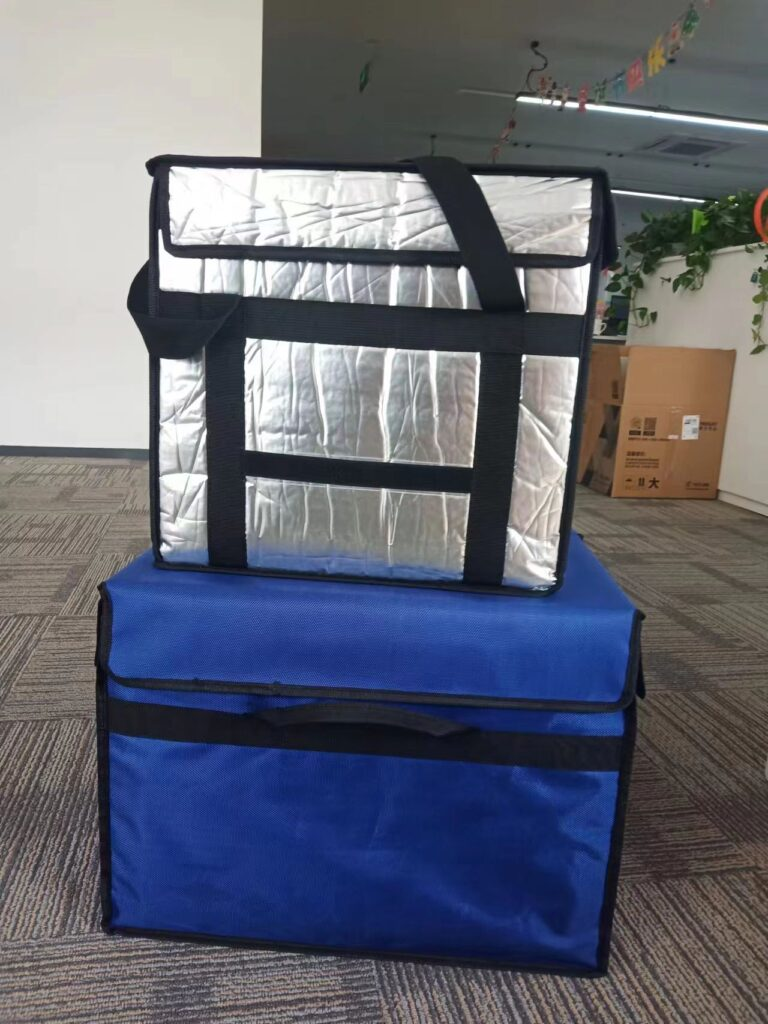
VIP cold chain box for cosmetic cold chain is most powerful when you treat it as a complete cold chain solution instead of a premium box. The strongest programs combine VIP insulation, correctly tuned refrigerant, route-specific validation, practical monitoring, and a clear response plan for delays or excursions. That is the approach that protects both product quality and operating margin in 2026.
This optimized guide combines the buyer-view, the engineering view, and the market view into one article. If you need to decide quickly and still make a high-quality packaging choice, it will help you focus on what really determines success: temperature stability, handling simplicity, documented evidence, and total program fit.
This article will answer
- how to decide whether VIP cold chain box for cosmetic cold chain is the right fit for your lane and payload
- which engineering details drive hold time, payload protection, and repeatability
- how compliance, visibility, and sustainability should influence your packaging program
- what 2026 market trends suggest for future-proofing premium beauty temperature control operations
Why is VIP cold chain box for cosmetic cold chain the right solution for some lanes but not all?
The best packaging choice is always contextual. VIP cold chain box for cosmetic cold chain is strongest when you need a mix of high insulation, reasonable operational simplicity, and enough evidence to trust the shipment at arrival. It is not automatically the right answer for every lane, but it becomes compelling when the product is valuable, the route is variable, or dimensional efficiency matters.
The key is to judge the shipper as a system. That means looking at thermal design, refrigerant tuning, payload arrangement, route qualification, monitoring, and total cost together. When those pieces are aligned, a VIP program can protect quality, simplify release, and improve economics at the same time.
Quick decision tool
1. If your lane carries vitamin C serums, peptide ampoules, probiotic skincare, sheet masks, spa products, and other heat-sensitive beauty formats and a single failure would be costly, lean toward higher insulation quality and stronger monitoring.
2. If your route repeats often and you can recover packaging, evaluate a reusable program with asset inspection and reverse logistics.
3. If your route is irregular or remote, prioritize simple packout execution and larger delay margin over overly complex smart features.
4. If dimensional weight or payload space is a major cost driver, compare usable volume and freight footprint, not only carton price.
5. If QA release speed matters, choose a solution that produces clean, reviewable data at delivery.
| <strong>Decision point</strong> | <strong>Better choice when…</strong> | <strong>Watch out for</strong> | <strong>Outcome</strong> |
| Single-use or reusable | Use reusable when lanes repeat and reverse logistics are realistic | Do not force reuse where returns fail | You protect margin and sustainability at the same time. |
| Basic logger or live tracking | Use live visibility for high-value or claim-prone lanes | Data without response rules adds little value | You catch problems earlier and release faster. |
| Thicker box or better insulation | Use VIP when payload space, duration, or dimensional weight matters | Damaged panels erase the advantage | You buy performance, not just bulk. |
How should you design the thermal system around VIP cold chain box for cosmetic cold chain?
Start from the payload and the route. Define the true ship condition, the allowed temperature window, the worst-case season, and the most likely delay pattern. Only then choose panel design, refrigerant type, refrigerant mass, and packout geometry. This sequence prevents the common mistake of buying a premium box and then forcing the product to fit the box instead of the other way around.
Next, protect repeatability. The engineered result should survive routine operations, not only ideal pilot conditions. That means visual work instructions, controlled refrigerant conditioning, simple loading order, and monitoring devices positioned where they represent product risk. A strong system is one that ordinary teams can execute well on ordinary days.
The engineering details that matter most
- Fresh, undamaged VIP panels can reach thermal conductivity around 0.004 W/m·K, roughly one-fifth that of common foam insulation in engineering references.
- Refrigerant must be tuned to often controlled ambient or chilled conditions, with some actives needing refrigeration and to the product’s tolerance for both warming and overcooling.
- Internal geometry matters because empty space and poor symmetry can shift temperature patterns inside the box.
- Reusable assets need inspection criteria so aging, damage, or seal wear do not quietly degrade performance.
How should compliance, visibility, and quality review fit together?
For regulated temperature-sensitive goods, the packaging decision should sit inside a documented quality process. WHO Annex 9 frames time- and temperature-sensitive pharmaceutical products around predefined environmental conditions and makes documentation central to safe distribution. EU GDP guidance expects validated temperature-control systems and temperature data that can demonstrate compliance during transit. That means your VIP cold chain box for cosmetic cold chain should be qualified for the lane, loaded through a controlled SOP, and backed by data you can review after delivery.
Cosmetics usually live under quality and GMP expectations rather than pharmaceutical GDP, but that does not make the shipping window optional. ISO 22716 covers the production, control, storage, and shipment of cosmetic products. In practice, that means your thermal shipper should reflect stability studies, warehouse controls, batch traceability, and clear release criteria for products that can separate, leak, or lose sensory quality in heat.
Visibility should support the quality decision, not distract from it. A basic logger may be enough for stable low-risk lanes. Higher-risk lanes may justify real-time sensors or GPS-linked alerts. The important point is that the monitoring choice should reflect the product, the route, and the response capability of your team.
What a strong release-ready data set includes
- a route-qualified packout with clear pre-conditioning rules
- shipment data that shows both in-range performance and remaining thermal reserve
- documented exception handling tied to product stability and quality ownership
- traceable records for reusable asset inspection or one-way shipment identification
What does total cost really look like for VIP cold chain box for cosmetic cold chain?
Carton price is only one piece of total cost. The full picture includes freight footprint, labor time, qualification effort, return logistics, damage rate, reship frequency, product write-offs, and the time quality teams spend investigating exceptions. When product value is high, preventing a few failures can outweigh a large difference in packaging unit cost.
Sustainability should be viewed through the same operational lens. A reusable VIP system can be excellent when the lane supports enough turns and the shipper is easy to inspect and recover. A one-way solution can still be the better choice when returns are unreliable or the network is too fragmented. The honest answer comes from the lane economics, not from marketing language.
Three questions finance and operations both understand
- How many failures must this system prevent to pay back the premium over standard foam?
- How much freight or payload efficiency does the smaller wall thickness create over a year?
- Can the lane support reuse often enough to convert a sustainability goal into a measurable operating result?
How should you implement VIP cold chain box for cosmetic cold chain without creating new operational risk?
Implementation should move in steps. Start with the highest-risk or highest-value lanes, qualify them properly, and train the teams who actually do the packout and receiving work. Then review the early data, tighten the SOP, and only after that extend the program to more regions or more SKUs. This staged rollout prevents a good design from being undermined by rushed adoption.
It also helps you define ownership. Procurement can handle commercial terms, operations can own execution, and quality can own release logic and deviation review. When those roles are explicit, the packaging program becomes much easier to sustain. When they are vague, even a well-qualified shipper can get stuck in internal debate after the first exception.
A practical rollout path
1. Choose one or two representative lanes and qualify them with realistic worst-case assumptions.
2. Train packout and receiving teams with visual instructions and a short verification checklist.
3. Review early shipment data jointly across operations and quality, then adjust the SOP if needed.
4. Expand only after the program shows repeatable execution, clean data, and acceptable cost.
How should receiving sites and downstream partners use the shipper data?
A packaging program is only as strong as the handoff at the receiving end. Sites should know what to look for when the carton arrives, how to check the logger or tracker, and when to escalate a suspected excursion instead of improvising. That simple training prevents routine uncertainty from turning into unnecessary quarantine or unsafe release.
Downstream partners also need clear rules for reusable assets, returns, and damage reporting. If a shipper is returned late, stacked incorrectly, or sent back with hidden damage, the next cycle begins with more risk than anyone realizes. Strong programs close that loop with defined receipt checks, damage photos, and fast communication between sender and receiver.
Receiving-site priorities
- know the expected arrival condition and the first acceptance checks
- retrieve and review the data in the same way every time
- escalate clear exceptions quickly instead of storing questionable product and deciding later
2026 outlook: what should you build for next, not just for now?
The programs that will age best are the ones designed for change. Routes change, products launch, regulations tighten, and customer expectations rise. The packaging choice you make now should therefore be easy to requalify, easy to explain to quality teams, and flexible enough to support better data or greener operations later.
Beauty brands are shipping more active-rich and experience-led products, which makes thermal protection part of brand trust. High-activity skincare and premium DTC beauty brands are treating temperature control as part of product quality, not just logistics. The EU Packaging and Packaging Waste Regulation starts applying from mid-2026 and pushes packaging programs toward better recyclability and practical reuse. The message for 2026 is not that every shipper must become more complicated. It is that every shipper must be easier to defend with evidence, easier to execute consistently, and easier to align with broader business goals.
Latest developments at a glance
- premium skincare brands are segmenting packaging by product sensitivity and destination climate
- summer e-commerce peaks are pushing brands to tighten ship windows and exception rules
- sustainability messaging now has to match real product-protection performance
Frequently asked questions
Do cosmetics really need cold chain shipping?
Some do, especially premium formulas with sensitive actives, unstable textures, or a luxury presentation standard. Others are fine at controlled ambient.
What usually goes wrong first in heat?
Texture, fragrance balance, leakage risk, and the stability of sensitive actives are common early failures. The product may still look sellable but feel wrong to the customer.
Why use VIP for beauty products?
VIP can protect the product with slimmer walls and a more premium package size. That matters when brand presentation and parcel efficiency both count.
Should every e-commerce order use a premium shipper?
Not always. Segment by product sensitivity, destination climate, and order value. Your highest-risk SKUs deserve the strongest thermal spend.
What quality data should beauty brands keep?
Keep stability assumptions, seasonal shipping rules, exception records, and customer complaint data. Those records show whether your packaging strategy actually works.
Summary and recommendations
The strongest VIP cold chain box for cosmetic cold chain program does four things well: it protects the payload inside the right temperature window, fits the actual route, produces evidence the quality team can trust, and makes operational sense at scale. When any one of those pieces is weak, the shipper may still look good in a brochure but disappoint in field use. The winning decision is rarely the cheapest carton or the highest headline hold-time claim by itself. It is the design that keeps working when real transit conditions are less tidy than the sales sheet suggests.
Your next step should be practical. Define the lane, the payload, the allowed temperature range, the likely delay margin, and the monitoring level you really need. Then compare candidate systems against that brief and run a route-based qualification before full rollout. That disciplined approach will protect both product quality and budget far better than buying on insulation claims alone. If you already have a shipper in service, use post-delivery data, complaint history, and excursion review to refine the program instead of waiting for a major failure to force change.
About Tempk
At Tempk, we focus on temperature-controlled packaging for cold chain logistics, including VIP-based shippers, PCM integration, and route-aware packaging design. Our work is centered on practical performance: protecting sensitive products, simplifying packout, and making qualification easier to understand.
If you are comparing packaging options, the best next move is to align the shipper with your real lane and product profile, then review the data with operations and quality together. That creates a packaging decision that is easier to defend internally and more reliable in day-to-day use.
VIP box for GPS tracking Best Guide
VIP box for GPS tracking is most powerful when you treat it as a complete cold chain solution instead of a premium box. The strongest programs combine VIP insulation, correctly tuned refrigerant, route-specific validation, practical monitoring, and a clear response plan for delays or excursions. That is the approach that protects both product quality and operating margin in 2026.
This optimized guide combines the buyer-view, the engineering view, and the market view into one article. If you need to decide quickly and still make a high-quality packaging choice, it will help you focus on what really determines success: temperature stability, handling simplicity, documented evidence, and total program fit.
This article will answer
- how to decide whether VIP box for GPS tracking is the right fit for your lane and payload
- which engineering details drive hold time, payload protection, and repeatability
- how compliance, visibility, and sustainability should influence your packaging program
- what 2026 market trends suggest for future-proofing location visibility and shipment control operations
Why is VIP box for GPS tracking the right solution for some lanes but not all?
The best packaging choice is always contextual. VIP box for GPS tracking is strongest when you need a mix of high insulation, reasonable operational simplicity, and enough evidence to trust the shipment at arrival. It is not automatically the right answer for every lane, but it becomes compelling when the product is valuable, the route is variable, or dimensional efficiency matters.
The key is to judge the shipper as a system. That means looking at thermal design, refrigerant tuning, payload arrangement, route qualification, monitoring, and total cost together. When those pieces are aligned, a VIP program can protect quality, simplify release, and improve economics at the same time.
Quick decision tool
1. If your lane carries high-value pharmaceuticals, clinical samples, specialty devices, premium foods, and security-sensitive shipments and a single failure would be costly, lean toward higher insulation quality and stronger monitoring.
2. If your route repeats often and you can recover packaging, evaluate a reusable program with asset inspection and reverse logistics.
3. If your route is irregular or remote, prioritize simple packout execution and larger delay margin over overly complex smart features.
4. If dimensional weight or payload space is a major cost driver, compare usable volume and freight footprint, not only carton price.
5. If QA release speed matters, choose a solution that produces clean, reviewable data at delivery.
| <strong>Decision point</strong> | <strong>Better choice when…</strong> | <strong>Watch out for</strong> | <strong>Outcome</strong> |
| Single-use or reusable | Use reusable when lanes repeat and reverse logistics are realistic | Do not force reuse where returns fail | You protect margin and sustainability at the same time. |
| Basic logger or live tracking | Use live visibility for high-value or claim-prone lanes | Data without response rules adds little value | You catch problems earlier and release faster. |
| Thicker box or better insulation | Use VIP when payload space, duration, or dimensional weight matters | Damaged panels erase the advantage | You buy performance, not just bulk. |
How should you design the thermal system around VIP box for GPS tracking?
Start from the payload and the route. Define the true ship condition, the allowed temperature window, the worst-case season, and the most likely delay pattern. Only then choose panel design, refrigerant type, refrigerant mass, and packout geometry. This sequence prevents the common mistake of buying a premium box and then forcing the product to fit the box instead of the other way around.
Next, protect repeatability. The engineered result should survive routine operations, not only ideal pilot conditions. That means visual work instructions, controlled refrigerant conditioning, simple loading order, and monitoring devices positioned where they represent product risk. A strong system is one that ordinary teams can execute well on ordinary days.
The engineering details that matter most
- Fresh, undamaged VIP panels can reach thermal conductivity around 0.004 W/m·K, roughly one-fifth that of common foam insulation in engineering references.
- Refrigerant must be tuned to whatever target range the payload needs, supported by insulation plus location visibility and to the product’s tolerance for both warming and overcooling.
- Internal geometry matters because empty space and poor symmetry can shift temperature patterns inside the box.
- Reusable assets need inspection criteria so aging, damage, or seal wear do not quietly degrade performance.
How should compliance, visibility, and quality review fit together?
For regulated temperature-sensitive goods, the packaging decision should sit inside a documented quality process. WHO Annex 9 frames time- and temperature-sensitive pharmaceutical products around predefined environmental conditions and makes documentation central to safe distribution. EU GDP guidance expects validated temperature-control systems and temperature data that can demonstrate compliance during transit. That means your VIP box for GPS tracking should be qualified for the lane, loaded through a controlled SOP, and backed by data you can review after delivery.
The most important compliance question is whether the shipper, the refrigerant set, and the packout method have been qualified for the real route. That includes worst-case seasonality, realistic dwell times, monitored handoffs, and clear disposition rules when temperature data shows an excursion.
Visibility should support the quality decision, not distract from it. A basic logger may be enough for stable low-risk lanes. Higher-risk lanes may justify real-time sensors or GPS-linked alerts. The important point is that the monitoring choice should reflect the product, the route, and the response capability of your team.
What a strong release-ready data set includes
- a route-qualified packout with clear pre-conditioning rules
- shipment data that shows both in-range performance and remaining thermal reserve
- documented exception handling tied to product stability and quality ownership
- traceable records for reusable asset inspection or one-way shipment identification
What does total cost really look like for VIP box for GPS tracking?
Carton price is only one piece of total cost. The full picture includes freight footprint, labor time, qualification effort, return logistics, damage rate, reship frequency, product write-offs, and the time quality teams spend investigating exceptions. When product value is high, preventing a few failures can outweigh a large difference in packaging unit cost.
Sustainability should be viewed through the same operational lens. A reusable VIP system can be excellent when the lane supports enough turns and the shipper is easy to inspect and recover. A one-way solution can still be the better choice when returns are unreliable or the network is too fragmented. The honest answer comes from the lane economics, not from marketing language.
Three questions finance and operations both understand
- How many failures must this system prevent to pay back the premium over standard foam?
- How much freight or payload efficiency does the smaller wall thickness create over a year?
- Can the lane support reuse often enough to convert a sustainability goal into a measurable operating result?
How should you implement VIP box for GPS tracking without creating new operational risk?
Implementation should move in steps. Start with the highest-risk or highest-value lanes, qualify them properly, and train the teams who actually do the packout and receiving work. Then review the early data, tighten the SOP, and only after that extend the program to more regions or more SKUs. This staged rollout prevents a good design from being undermined by rushed adoption.
It also helps you define ownership. Procurement can handle commercial terms, operations can own execution, and quality can own release logic and deviation review. When those roles are explicit, the packaging program becomes much easier to sustain. When they are vague, even a well-qualified shipper can get stuck in internal debate after the first exception.
A practical rollout path
1. Choose one or two representative lanes and qualify them with realistic worst-case assumptions.
2. Train packout and receiving teams with visual instructions and a short verification checklist.
3. Review early shipment data jointly across operations and quality, then adjust the SOP if needed.
4. Expand only after the program shows repeatable execution, clean data, and acceptable cost.
How should receiving sites and downstream partners use the shipper data?
A packaging program is only as strong as the handoff at the receiving end. Sites should know what to look for when the carton arrives, how to check the logger or tracker, and when to escalate a suspected excursion instead of improvising. That simple training prevents routine uncertainty from turning into unnecessary quarantine or unsafe release.
Downstream partners also need clear rules for reusable assets, returns, and damage reporting. If a shipper is returned late, stacked incorrectly, or sent back with hidden damage, the next cycle begins with more risk than anyone realizes. Strong programs close that loop with defined receipt checks, damage photos, and fast communication between sender and receiver.
Receiving-site priorities
- know the expected arrival condition and the first acceptance checks
- retrieve and review the data in the same way every time
- escalate clear exceptions quickly instead of storing questionable product and deciding later
2026 outlook: what should you build for next, not just for now?
The programs that will age best are the ones designed for change. Routes change, products launch, regulations tighten, and customer expectations rise. The packaging choice you make now should therefore be easy to requalify, easy to explain to quality teams, and flexible enough to support better data or greener operations later.
The tracking market is growing because location, temperature, and event data together reduce investigation time, support claims, and improve route design. Shippers want location data that can trigger action, not just produce a map after the shipment is already compromised. The EU Packaging and Packaging Waste Regulation starts applying from mid-2026 and pushes packaging programs toward better recyclability and practical reuse. The message for 2026 is not that every shipper must become more complicated. It is that every shipper must be easier to defend with evidence, easier to execute consistently, and easier to align with broader business goals.
Latest developments at a glance
- live visibility is replacing arrival-only logging on high-value lanes
- cloud dashboards and automated alerts are becoming easier to integrate with quality workflows
- battery-efficient sensors are making one-way smart shipments more practical
Frequently asked questions
What does GPS add beyond a temperature logger?
GPS shows where the shipment is, not just what happened inside it. That helps you spot misroutes, stolen parcels, and missed handoffs earlier.
Should every shipment use GPS?
No. Match GPS to risk. It is most valuable when the product is expensive, time-sensitive, or likely to move through complex handoffs.
What is a geofence in cold chain shipping?
A geofence is a virtual location boundary. When the shipment enters or leaves a site unexpectedly, the system can trigger an alert for review or intervention.
Can GPS improve claim handling?
Yes. Location history can show whether a loss or delay happened in a specific handoff or facility, which makes investigations faster and clearer.
What is the common mistake with tracked boxes?
Buying the tracker without building the workflow. If nobody owns the alert, location data becomes interesting history instead of active control.
Summary and recommendations
The strongest VIP box for GPS tracking program does four things well: it protects the payload inside the right temperature window, fits the actual route, produces evidence the quality team can trust, and makes operational sense at scale. When any one of those pieces is weak, the shipper may still look good in a brochure but disappoint in field use. The winning decision is rarely the cheapest carton or the highest headline hold-time claim by itself. It is the design that keeps working when real transit conditions are less tidy than the sales sheet suggests.
Your next step should be practical. Define the lane, the payload, the allowed temperature range, the likely delay margin, and the monitoring level you really need. Then compare candidate systems against that brief and run a route-based qualification before full rollout. That disciplined approach will protect both product quality and budget far better than buying on insulation claims alone. If you already have a shipper in service, use post-delivery data, complaint history, and excursion review to refine the program instead of waiting for a major failure to force change.
About Tempk
At Tempk, we focus on temperature-controlled packaging for cold chain logistics, including VIP-based shippers, PCM integration, and route-aware packaging design. Our work is centered on practical performance: protecting sensitive products, simplifying packout, and making qualification easier to understand.
If you are comparing packaging options, the best next move is to align the shipper with your real lane and product profile, then review the data with operations and quality together. That creates a packaging decision that is easier to defend internally and more reliable in day-to-day use.
vacuum panel container for wine shipping Best Guide
vacuum panel container for wine shipping is most powerful when you treat it as a complete cold chain solution instead of a premium box. The strongest programs combine VIP insulation, correctly tuned refrigerant, route-specific validation, practical monitoring, and a clear response plan for delays or excursions. That is the approach that protects both product quality and operating margin in 2026.
This optimized guide combines the buyer-view, the engineering view, and the market view into one article. If you need to decide quickly and still make a high-quality packaging choice, it will help you focus on what really determines success: temperature stability, handling simplicity, documented evidence, and total program fit.
This article will answer
- how to decide whether vacuum panel container for wine shipping is the right fit for your lane and payload
- which engineering details drive hold time, payload protection, and repeatability
- how compliance, visibility, and sustainability should influence your packaging program
- what 2026 market trends suggest for future-proofing beverage quality protection operations
Why is vacuum panel container for wine shipping the right solution for some lanes but not all?
The best packaging choice is always contextual. vacuum panel container for wine shipping is strongest when you need a mix of high insulation, reasonable operational simplicity, and enough evidence to trust the shipment at arrival. It is not automatically the right answer for every lane, but it becomes compelling when the product is valuable, the route is variable, or dimensional efficiency matters.
The key is to judge the shipper as a system. That means looking at thermal design, refrigerant tuning, payload arrangement, route qualification, monitoring, and total cost together. When those pieces are aligned, a VIP program can protect quality, simplify release, and improve economics at the same time.
Quick decision tool
1. If your lane carries premium still wines, sparkling wines, limited releases, collector shipments, and subscription-club allocations and a single failure would be costly, lean toward higher insulation quality and stronger monitoring.
2. If your route repeats often and you can recover packaging, evaluate a reusable program with asset inspection and reverse logistics.
3. If your route is irregular or remote, prioritize simple packout execution and larger delay margin over overly complex smart features.
4. If dimensional weight or payload space is a major cost driver, compare usable volume and freight footprint, not only carton price.
5. If QA release speed matters, choose a solution that produces clean, reviewable data at delivery.
| <strong>Decision point</strong> | <strong>Better choice when…</strong> | <strong>Watch out for</strong> | <strong>Outcome</strong> |
| Single-use or reusable | Use reusable when lanes repeat and reverse logistics are realistic | Do not force reuse where returns fail | You protect margin and sustainability at the same time. |
| Basic logger or live tracking | Use live visibility for high-value or claim-prone lanes | Data without response rules adds little value | You catch problems earlier and release faster. |
| Thicker box or better insulation | Use VIP when payload space, duration, or dimensional weight matters | Damaged panels erase the advantage | You buy performance, not just bulk. |
How should you design the thermal system around vacuum panel container for wine shipping?
Start from the payload and the route. Define the true ship condition, the allowed temperature window, the worst-case season, and the most likely delay pattern. Only then choose panel design, refrigerant type, refrigerant mass, and packout geometry. This sequence prevents the common mistake of buying a premium box and then forcing the product to fit the box instead of the other way around.
Next, protect repeatability. The engineered result should survive routine operations, not only ideal pilot conditions. That means visual work instructions, controlled refrigerant conditioning, simple loading order, and monitoring devices positioned where they represent product risk. A strong system is one that ordinary teams can execute well on ordinary days.
The engineering details that matter most
- Fresh, undamaged VIP panels can reach thermal conductivity around 0.004 W/m·K, roughly one-fifth that of common foam insulation in engineering references.
- Refrigerant must be tuned to a stable transport range, with wine commonly benefiting from roughly 10°C to 20°C during long-distance movement and to the product’s tolerance for both warming and overcooling.
- Internal geometry matters because empty space and poor symmetry can shift temperature patterns inside the box.
- Reusable assets need inspection criteria so aging, damage, or seal wear do not quietly degrade performance.
How should compliance, visibility, and quality review fit together?
For regulated temperature-sensitive goods, the packaging decision should sit inside a documented quality process. WHO Annex 9 frames time- and temperature-sensitive pharmaceutical products around predefined environmental conditions and makes documentation central to safe distribution. EU GDP guidance expects validated temperature-control systems and temperature data that can demonstrate compliance during transit. That means your vacuum panel container for wine shipping should be qualified for the lane, loaded through a controlled SOP, and backed by data you can review after delivery.
Wine shipping is driven more by quality assurance, customer satisfaction, and route management than by pharma-style GDP rules. The smart approach is to define seasonal ship windows, set internal acceptance criteria for arrival temperature and presentation, and keep enough shipment evidence to investigate claims related to heat, delay, or rough handling.
Visibility should support the quality decision, not distract from it. A basic logger may be enough for stable low-risk lanes. Higher-risk lanes may justify real-time sensors or GPS-linked alerts. The important point is that the monitoring choice should reflect the product, the route, and the response capability of your team.
What a strong release-ready data set includes
- a route-qualified packout with clear pre-conditioning rules
- shipment data that shows both in-range performance and remaining thermal reserve
- documented exception handling tied to product stability and quality ownership
- traceable records for reusable asset inspection or one-way shipment identification
What does total cost really look like for vacuum panel container for wine shipping?
Carton price is only one piece of total cost. The full picture includes freight footprint, labor time, qualification effort, return logistics, damage rate, reship frequency, product write-offs, and the time quality teams spend investigating exceptions. When product value is high, preventing a few failures can outweigh a large difference in packaging unit cost.
Sustainability should be viewed through the same operational lens. A reusable VIP system can be excellent when the lane supports enough turns and the shipper is easy to inspect and recover. A one-way solution can still be the better choice when returns are unreliable or the network is too fragmented. The honest answer comes from the lane economics, not from marketing language.
Three questions finance and operations both understand
- How many failures must this system prevent to pay back the premium over standard foam?
- How much freight or payload efficiency does the smaller wall thickness create over a year?
- Can the lane support reuse often enough to convert a sustainability goal into a measurable operating result?
How should you implement vacuum panel container for wine shipping without creating new operational risk?
Implementation should move in steps. Start with the highest-risk or highest-value lanes, qualify them properly, and train the teams who actually do the packout and receiving work. Then review the early data, tighten the SOP, and only after that extend the program to more regions or more SKUs. This staged rollout prevents a good design from being undermined by rushed adoption.
It also helps you define ownership. Procurement can handle commercial terms, operations can own execution, and quality can own release logic and deviation review. When those roles are explicit, the packaging program becomes much easier to sustain. When they are vague, even a well-qualified shipper can get stuck in internal debate after the first exception.
A practical rollout path
1. Choose one or two representative lanes and qualify them with realistic worst-case assumptions.
2. Train packout and receiving teams with visual instructions and a short verification checklist.
3. Review early shipment data jointly across operations and quality, then adjust the SOP if needed.
4. Expand only after the program shows repeatable execution, clean data, and acceptable cost.
How should receiving sites and downstream partners use the shipper data?
A packaging program is only as strong as the handoff at the receiving end. Sites should know what to look for when the carton arrives, how to check the logger or tracker, and when to escalate a suspected excursion instead of improvising. That simple training prevents routine uncertainty from turning into unnecessary quarantine or unsafe release.
Downstream partners also need clear rules for reusable assets, returns, and damage reporting. If a shipper is returned late, stacked incorrectly, or sent back with hidden damage, the next cycle begins with more risk than anyone realizes. Strong programs close that loop with defined receipt checks, damage photos, and fast communication between sender and receiver.
Receiving-site priorities
- know the expected arrival condition and the first acceptance checks
- retrieve and review the data in the same way every time
- escalate clear exceptions quickly instead of storing questionable product and deciding later
2026 outlook: what should you build for next, not just for now?
The programs that will age best are the ones designed for change. Routes change, products launch, regulations tighten, and customer expectations rise. The packaging choice you make now should therefore be easy to requalify, easy to explain to quality teams, and flexible enough to support better data or greener operations later.
Wine shippers are relying more on seasonal lane planning, protective insulation, and delayed-ship strategies during heat spikes. Climate volatility and premium DTC wine growth are making temperature protection a commercial necessity instead of a luxury add-on. The EU Packaging and Packaging Waste Regulation starts applying from mid-2026 and pushes packaging programs toward better recyclability and practical reuse. The message for 2026 is not that every shipper must become more complicated. It is that every shipper must be easier to defend with evidence, easier to execute consistently, and easier to align with broader business goals.
Latest developments at a glance
- wineries are using seasonal release windows more strategically during hot periods
- premium DTC programs are investing more in presentation-safe, temperature-stable packaging
- route-risk planning is becoming part of customer service, not just logistics
Frequently asked questions
What temperature is best for shipping wine?
Wine generally travels best when temperatures stay stable and roughly within the 10°C to 20°C comfort zone. Big spikes are more dangerous than small controlled variation.
Can summer shipping ruin wine?
Yes. Extended heat can flatten aroma, shift flavor, and in severe cases raise pressure under the closure. Presentation damage also becomes more likely.
Why use vacuum panel insulation for wine?
It gives stronger thermal protection without a bulky carton. That helps premium bottles arrive in better condition while keeping package size manageable.
Does wine only need protection from heat?
Heat is the main concern, but vibration, leakage, label damage, and long dwell times matter too. Good packaging supports the whole shipping experience.
Should wineries delay shipments during heat waves?
Often yes. The best packaging in the world cannot make reckless timing look smart. Seasonal ship holds are part of a good quality program.
Summary and recommendations
The strongest vacuum panel container for wine shipping program does four things well: it protects the payload inside the right temperature window, fits the actual route, produces evidence the quality team can trust, and makes operational sense at scale. When any one of those pieces is weak, the shipper may still look good in a brochure but disappoint in field use. The winning decision is rarely the cheapest carton or the highest headline hold-time claim by itself. It is the design that keeps working when real transit conditions are less tidy than the sales sheet suggests.
Your next step should be practical. Define the lane, the payload, the allowed temperature range, the likely delay margin, and the monitoring level you really need. Then compare candidate systems against that brief and run a route-based qualification before full rollout. That disciplined approach will protect both product quality and budget far better than buying on insulation claims alone. If you already have a shipper in service, use post-delivery data, complaint history, and excursion review to refine the program instead of waiting for a major failure to force change.
About Tempk
At Tempk, we focus on temperature-controlled packaging for cold chain logistics, including VIP-based shippers, PCM integration, and route-aware packaging design. Our work is centered on practical performance: protecting sensitive products, simplifying packout, and making qualification easier to understand.
If you are comparing packaging options, the best next move is to align the shipper with your real lane and product profile, then review the data with operations and quality together. That creates a packaging decision that is easier to defend internally and more reliable in day-to-day use.
vacuum insulated box for lab specimen shipping Guide

vacuum insulated box for lab specimen shipping is most powerful when you treat it as a complete cold chain solution instead of a premium box. The strongest programs combine VIP insulation, correctly tuned refrigerant, route-specific validation, practical monitoring, and a clear response plan for delays or excursions. That is the approach that protects both product quality and operating margin in 2026.
This optimized guide combines the buyer-view, the engineering view, and the market view into one article. If you need to decide quickly and still make a high-quality packaging choice, it will help you focus on what really determines success: temperature stability, handling simplicity, documented evidence, and total program fit.
This article will answer
- how to decide whether vacuum insulated box for lab specimen shipping is the right fit for your lane and payload
- which engineering details drive hold time, payload protection, and repeatability
- how compliance, visibility, and sustainability should influence your packaging program
- what 2026 market trends suggest for future-proofing specimen integrity and compliance operations
Why is vacuum insulated box for lab specimen shipping the right solution for some lanes but not all?
The best packaging choice is always contextual. vacuum insulated box for lab specimen shipping is strongest when you need a mix of high insulation, reasonable operational simplicity, and enough evidence to trust the shipment at arrival. It is not automatically the right answer for every lane, but it becomes compelling when the product is valuable, the route is variable, or dimensional efficiency matters.
The key is to judge the shipper as a system. That means looking at thermal design, refrigerant tuning, payload arrangement, route qualification, monitoring, and total cost together. When those pieces are aligned, a VIP program can protect quality, simplify release, and improve economics at the same time.
Quick decision tool
1. If your lane carries whole blood, serum, plasma, swabs, microbiology samples, and reference specimens and a single failure would be costly, lean toward higher insulation quality and stronger monitoring.
2. If your route repeats often and you can recover packaging, evaluate a reusable program with asset inspection and reverse logistics.
3. If your route is irregular or remote, prioritize simple packout execution and larger delay margin over overly complex smart features.
4. If dimensional weight or payload space is a major cost driver, compare usable volume and freight footprint, not only carton price.
5. If QA release speed matters, choose a solution that produces clean, reviewable data at delivery.
| <strong>Decision point</strong> | <strong>Better choice when…</strong> | <strong>Watch out for</strong> | <strong>Outcome</strong> |
| Single-use or reusable | Use reusable when lanes repeat and reverse logistics are realistic | Do not force reuse where returns fail | You protect margin and sustainability at the same time. |
| Basic logger or live tracking | Use live visibility for high-value or claim-prone lanes | Data without response rules adds little value | You catch problems earlier and release faster. |
| Thicker box or better insulation | Use VIP when payload space, duration, or dimensional weight matters | Damaged panels erase the advantage | You buy performance, not just bulk. |
How should you design the thermal system around vacuum insulated box for lab specimen shipping?
Start from the payload and the route. Define the true ship condition, the allowed temperature window, the worst-case season, and the most likely delay pattern. Only then choose panel design, refrigerant type, refrigerant mass, and packout geometry. This sequence prevents the common mistake of buying a premium box and then forcing the product to fit the box instead of the other way around.
Next, protect repeatability. The engineered result should survive routine operations, not only ideal pilot conditions. That means visual work instructions, controlled refrigerant conditioning, simple loading order, and monitoring devices positioned where they represent product risk. A strong system is one that ordinary teams can execute well on ordinary days.
The engineering details that matter most
- Fresh, undamaged VIP panels can reach thermal conductivity around 0.004 W/m·K, roughly one-fifth that of common foam insulation in engineering references.
- Refrigerant must be tuned to commonly 2-8°C, frozen, or ambient depending on specimen type and test method and to the product’s tolerance for both warming and overcooling.
- Internal geometry matters because empty space and poor symmetry can shift temperature patterns inside the box.
- Reusable assets need inspection criteria so aging, damage, or seal wear do not quietly degrade performance.
How should compliance, visibility, and quality review fit together?
For regulated temperature-sensitive goods, the packaging decision should sit inside a documented quality process. WHO Annex 9 frames time- and temperature-sensitive pharmaceutical products around predefined environmental conditions and makes documentation central to safe distribution. EU GDP guidance expects validated temperature-control systems and temperature data that can demonstrate compliance during transit. That means your vacuum insulated box for lab specimen shipping should be qualified for the lane, loaded through a controlled SOP, and backed by data you can review after delivery.
For Category B specimen lanes, PI650 matters. The package needs a primary receptacle, a leakproof or siftproof secondary, and a rigid outer pack. One packaging layer must withstand a 95 kPa pressure differential for air transport, the UN3373 mark and proper shipping name must be shown, and dry ice, if used, must stay outside the secondary while the pack vents carbon dioxide safely.
Visibility should support the quality decision, not distract from it. A basic logger may be enough for stable low-risk lanes. Higher-risk lanes may justify real-time sensors or GPS-linked alerts. The important point is that the monitoring choice should reflect the product, the route, and the response capability of your team.
What a strong release-ready data set includes
- a route-qualified packout with clear pre-conditioning rules
- shipment data that shows both in-range performance and remaining thermal reserve
- documented exception handling tied to product stability and quality ownership
- traceable records for reusable asset inspection or one-way shipment identification
What does total cost really look like for vacuum insulated box for lab specimen shipping?
Carton price is only one piece of total cost. The full picture includes freight footprint, labor time, qualification effort, return logistics, damage rate, reship frequency, product write-offs, and the time quality teams spend investigating exceptions. When product value is high, preventing a few failures can outweigh a large difference in packaging unit cost.
Sustainability should be viewed through the same operational lens. A reusable VIP system can be excellent when the lane supports enough turns and the shipper is easy to inspect and recover. A one-way solution can still be the better choice when returns are unreliable or the network is too fragmented. The honest answer comes from the lane economics, not from marketing language.
Three questions finance and operations both understand
- How many failures must this system prevent to pay back the premium over standard foam?
- How much freight or payload efficiency does the smaller wall thickness create over a year?
- Can the lane support reuse often enough to convert a sustainability goal into a measurable operating result?
How should you implement vacuum insulated box for lab specimen shipping without creating new operational risk?
Implementation should move in steps. Start with the highest-risk or highest-value lanes, qualify them properly, and train the teams who actually do the packout and receiving work. Then review the early data, tighten the SOP, and only after that extend the program to more regions or more SKUs. This staged rollout prevents a good design from being undermined by rushed adoption.
It also helps you define ownership. Procurement can handle commercial terms, operations can own execution, and quality can own release logic and deviation review. When those roles are explicit, the packaging program becomes much easier to sustain. When they are vague, even a well-qualified shipper can get stuck in internal debate after the first exception.
A practical rollout path
1. Choose one or two representative lanes and qualify them with realistic worst-case assumptions.
2. Train packout and receiving teams with visual instructions and a short verification checklist.
3. Review early shipment data jointly across operations and quality, then adjust the SOP if needed.
4. Expand only after the program shows repeatable execution, clean data, and acceptable cost.
How should receiving sites and downstream partners use the shipper data?
A packaging program is only as strong as the handoff at the receiving end. Sites should know what to look for when the carton arrives, how to check the logger or tracker, and when to escalate a suspected excursion instead of improvising. That simple training prevents routine uncertainty from turning into unnecessary quarantine or unsafe release.
Downstream partners also need clear rules for reusable assets, returns, and damage reporting. If a shipper is returned late, stacked incorrectly, or sent back with hidden damage, the next cycle begins with more risk than anyone realizes. Strong programs close that loop with defined receipt checks, damage photos, and fast communication between sender and receiver.
Receiving-site priorities
- know the expected arrival condition and the first acceptance checks
- retrieve and review the data in the same way every time
- escalate clear exceptions quickly instead of storing questionable product and deciding later
2026 outlook: what should you build for next, not just for now?
The programs that will age best are the ones designed for change. Routes change, products launch, regulations tighten, and customer expectations rise. The packaging choice you make now should therefore be easy to requalify, easy to explain to quality teams, and flexible enough to support better data or greener operations later.
As decentralized testing grows, more specimens travel through parcel and courier networks instead of only through dedicated medical routes. Lab networks are pushing more sample movement through courier systems, so specimen packaging must balance compliance, stability, and operational speed. The EU Packaging and Packaging Waste Regulation starts applying from mid-2026 and pushes packaging programs toward better recyclability and practical reuse. The message for 2026 is not that every shipper must become more complicated. It is that every shipper must be easier to defend with evidence, easier to execute consistently, and easier to align with broader business goals.
Latest developments at a glance
- courier-style medical logistics are growing, which increases the value of compact validated passive packaging
- documentation accuracy is under more scrutiny for air and cross-border lanes
- operators are using route data more actively to size refrigerant and delay margin
Frequently asked questions
Can all lab specimens be frozen?
No. Some specimens are freeze-sensitive, especially certain whole-blood formats. Always follow the assay or laboratory handling instructions.
What does triple packaging mean?
It means a primary receptacle, a sealed secondary, and a rigid outer pack. The system is designed to contain leaks and protect the sample during transport.
Why does 95 kPa matter?
For many air specimen shipments, one packaging layer must withstand a 95 kPa pressure differential without leaking. It is a safety and compliance requirement.
Can a VIP box help specimen quality?
Yes. Better insulation can preserve the target temperature longer and protect specimen integrity when courier timelines slip.
What is the biggest specimen shipping risk?
Using a generic shipper for a test-specific sample. The wrong temperature can change the analyte before the laboratory ever receives it.
Summary and recommendations
The strongest vacuum insulated box for lab specimen shipping program does four things well: it protects the payload inside the right temperature window, fits the actual route, produces evidence the quality team can trust, and makes operational sense at scale. When any one of those pieces is weak, the shipper may still look good in a brochure but disappoint in field use. The winning decision is rarely the cheapest carton or the highest headline hold-time claim by itself. It is the design that keeps working when real transit conditions are less tidy than the sales sheet suggests.
Your next step should be practical. Define the lane, the payload, the allowed temperature range, the likely delay margin, and the monitoring level you really need. Then compare candidate systems against that brief and run a route-based qualification before full rollout. That disciplined approach will protect both product quality and budget far better than buying on insulation claims alone. If you already have a shipper in service, use post-delivery data, complaint history, and excursion review to refine the program instead of waiting for a major failure to force change.
About Tempk
At Tempk, we focus on temperature-controlled packaging for cold chain logistics, including VIP-based shippers, PCM integration, and route-aware packaging design. Our work is centered on practical performance: protecting sensitive products, simplifying packout, and making qualification easier to understand.
If you are comparing packaging options, the best next move is to align the shipper with your real lane and product profile, then review the data with operations and quality together. That creates a packaging decision that is easier to defend internally and more reliable in day-to-day use.
VIP thermal shipper for reusable container: the complete 2026 guide

VIP thermal shipping container for reusable thermal container is most useful when you treat it as a complete control system rather than a premium carton. In April 2026, the best-performing cold-chain teams use VIP insulation because it can create meaningful thermal margin in a compact format, but they only approve a design after it proves itself against product stability, route variability, operator behavior, and receiving reality. That is the standard you should use as well.
This guide fuses buyer logic, engineering detail, and current market direction so you can decide when this packaging approach is worth it, how to qualify it, what evidence to request, and where reuse, returnability, recyclability, and digital visibility change the economics. The goal is simple: help you reduce product risk without paying for complexity that your lane does not need.
What this guide will help you answer
- How to decide whether VIP thermal shipping container for reusable thermal container is the right packaging strategy for your lane
- How to engineer a qualified packout using real stability limits and route data
- Which records, standards, and logger evidence you should require before approval
- How to lower total landed cost while preserving product protection
- What current trends in traceability, reuse, and recyclability mean for your next packaging decision
What makes VIP thermal shipper for reusable container the right fit for your lane?
The right reason to choose VIP thermal shipping container for reusable thermal container is not that it sounds advanced. The right reason is that your shipment needs more controllable thermal margin than ordinary insulation can provide, and you want that margin in a format your operators can actually pack, ship, receive, and review consistently. When those conditions are true, a VIP-based design can protect pharma products, diagnostic kits, meal kits, and recurring lane shipments with predictable returns with better resilience and less wasted space than many generic alternatives.
The wrong reason is simple branding logic. Premium insulation does not rescue a weak route map, vague work instructions, or poor receiving discipline. The shipper has to fit the product, the lane, the packaging form factor, and the quality process at the same time. This format is a passive thermal shipper engineered to buffer external heat or cold for longer, more variable lanes. It usually wins when you need useful autonomy, broad route flexibility, and room for reusable or modular components. The main trade-off is that benefits disappear if lane data, coolant design, and reset procedures are weak. In practice, it fits best for premium lanes where passive performance must survive real-world variability. Your first task is therefore to judge fit, not to assume superiority.
Product category changes the decision logic. Fresh produce cares about appearance and shelf life. Regulated healthcare cares about labeled temperature control and documented review. Reagents and biotech materials care about activity retention, chain of custody, and rapid receiving decisions. Reusable and returnable programs care about inspection, recovery, and total trips per asset. The best packaging choice reflects those priorities clearly.
Quick fit scorecard
Use the scorecard below to decide whether you truly need premium passive protection, what level of evidence you should require, and whether lifecycle features such as reuse or recyclability are likely to help your operation.
Scorecard for deciding whether the packaging strategy fits
| <strong>Decision lens</strong> | <strong>What strong fit looks like</strong> | <strong>What good teams do next</strong> | <strong>Why it matters to you</strong> |
| Product risk | The shipment contains high-value or quality-sensitive product | Use premium passive protection only where failure consequences justify it | You spend more where it matters and less where it does not |
| Lane severity | The route includes hand-offs, delay risk, or seasonal extremes | Qualify by real route family, not by average transit time | You buy performance that matches reality |
| Operational fit | Operators can assemble and receivers can interpret the shipment consistently | Simplify packout, labels, and logger review rules | You reduce avoidable human error |
| Evidence quality | The supplier can show thermal, process, and change-control records | Approve the system, not just the materials | You protect audits, deviations, and scaling |
| Lifecycle logic | Reuse, return, or recycling can be executed in normal operations | Model cost per trip and end-of-use before launch | You improve economics and sustainability together |
Practical actions before you request a quote
- Measure cost per completed trip, not cost per shipped unit. Recovery and refurbishment decide the real economics.
- Write inspection rules for shell damage, latch condition, panel edge protection, and coolant reset before you scale.
- Make return or disposal instructions obvious. Sustainability fails quickly when the receiver does not know the next step.
A hospital distribution loop adopted a VIP thermal shipping container with replaceable coolants and a reusable shell. Freight stayed predictable, the packout team had fewer assembly errors, and the network could measure real cost per completed rotation instead of cost per carton.
How do you engineer temperature protection that survives the real lane?
Engineering a shipment that survives the lane starts with a disciplined thermal model. Define the allowed product range, the realistic delay profile, the payload mass, the weak points inside the pack, and the exact condition of the coolant at assembly. Then design the cavity so the product sits in a controlled thermal zone rather than in direct contact with the hottest or coldest surfaces. That is where real performance comes from.
The insulation layer is only one part of the answer. Recent literature still places healthy VIP conductivity in the super-insulation range, roughly around 0.003 to 0.006 W/m·K, but panel performance can drift if barrier films are damaged or if edges are not protected. In field conditions, your result is governed by the combination of panel health, coolant layout, void space, operator consistency, and receiving speed.
For most non-food cold chains, the design objective is repeatable control. That means the packout should work in ordinary hands under ordinary time pressure. A slightly less aggressive design that is easier to execute can outperform a laboratory-optimized design that operators assemble inconsistently.
How should coolant, payload spacing, and hold time be sized?
Size them against the true worst-case route, not a convenient average. Keep the payload in the most stable internal zone, control direct contact with cold sources, and use seasonal logic when the route changes materially across the year. If your lane is highly variable, add margin through design rather than through last-minute improvisation.
What compliance evidence should you require before approving VIP thermal shipper for reusable container?
Before approving VIP thermal shipping container for reusable thermal container, require evidence in three layers. First, require thermal evidence: test results or qualification summaries that resemble your lane and payload. Second, require process evidence: packout drawings, work instructions, coolant conditioning rules, and logger placement logic. Third, require governance evidence: change control, component traceability, and a clear rule for how live results are reviewed and dispositioned.
For broader cold-chain categories, the same principle holds. Evidence must link product needs, route assumptions, and operator steps into one defensible file. If the supplier cannot explain how the design was challenged, assembled, monitored, and revised when components change, the package is not ready for serious deployment.
Standards help give that evidence structure. ISTA now points buyers toward Standard 7E as the newer thermal transport framework for insulated shippers. WHO continues to emphasize temperature monitoring devices for international health-product shipping. GS1 sensor-event standards now make it easier to connect package condition with shipment history. None of these references replaces your product-specific logic, but together they raise the quality of the conversation.
Which records separate qualified suppliers from hopeful ones?
Qualified suppliers can show what was tested, how it was packed, which components were used, what happens when those components change, and how receiving teams should review results. Hopeful suppliers usually return to generic hold-time language and vague marketing claims once you ask about change control or live-lane assumptions.
How do you reduce total cost without increasing deviation risk?
The fastest way to lower cost without raising risk is to remove wasteful mismatch. Oversized packs waste freight cube. Excess coolant adds weight and can increase freezing risk. Too many custom variants create training burden. Too few variants can push weak packouts onto difficult lanes. The commercial sweet spot is a small family of qualified solutions sized to real route families.
Use total landed cost rather than purchase price. Count product loss, deviation labor, customer complaints, reverse logistics, and operator time. When you do that, a better shipper often pays for itself not by being cheaper to buy, but by being cheaper to operate and easier to defend. That logic matters especially when shipment failures trigger regulatory review or service breakdown.
For reusable, returnable, or recyclable programs, choose the lifecycle model your network can actually run. Reuse wins when inspection and recovery are disciplined. Returnable assets win when cycle count and return speed are visible. Recyclable designs win when recipients are diverse and unlikely to send assets back. Sustainability becomes credible only when the operating model is credible.
When do reusable, returnable, or recyclable models win?
They win when the operating model supports them. Reuse needs predictable turns and inspections. Returnable assets need visibility and strong recovery. Recyclable designs need easy separation and clear instructions. Pick the lifecycle strategy that reduces waste without creating new quality or logistics problems.
What 2026 trends should shape your next VIP thermal shipper for reusable container decision?
Several 2026 trends should shape your next decision. Digital traceability is expanding, which means packaging needs to work with event data and not just with temperature chambers. Sensor support in GS1 EPCIS makes it easier to align location, delay, and temperature information. FDA’s recent DSCSA guidance reinforces the value of package-level electronic information in eligible drug distribution. At the same time, WHO and IATA continue to keep temperature monitoring and disciplined air-cargo handling in focus.
Standards and policy are also pulling cold-chain packaging toward more transparent lifecycle choices. The EU Packaging and Packaging Waste Regulation entered into force in 2025 and generally applies from August 2026, which raises the pressure for transport packaging that is more recyclable, more reusable, or at least easier to explain. Buyers increasingly ask not only whether the shipper works, but also how it will be returned, repaired, or separated at end of use.
The main market insight is that packaging is becoming more accountable. Buyers want fewer claims and more evidence, fewer variants and better training, stronger protection and less waste. The cold-chain solutions that will stand out are the ones that make those trade-offs easier, not harder.
Latest developments at a glance
- Route-specific qualification is replacing generic performance claims.
- Digital visibility is moving from simple logging toward connected event interpretation.
- Policy pressure is raising the value of recyclable, reusable, and easier-to-explain packaging systems.
- Training simplicity is becoming a major competitive advantage in cold-chain execution.
Frequently asked questions
How do I know whether VIP thermal shipping container for reusable thermal container is the right fit for my shipment?
Check product consequence, route severity, operator capability, and the evidence your quality team will require. If failure is expensive and the route is variable, premium passive protection often makes sense. If the route is easy, simpler packaging may be sufficient.
What should I ask a supplier before approving a packout?
Ask for the qualification summary, packout drawing, coolant conditioning instructions, logger plan, component specification, and change-control policy. If the design is reusable, also ask for inspection and retirement criteria.
How many packaging variants should a network usually keep?
As few as practical, but enough to match clearly different lane families. Too many variants create training problems. Too few force poor route fit. A small controlled family of approved packouts is usually the strongest model.
Is the newest standard or sensor technology enough to guarantee performance?
No. Standards and sensors improve structure and visibility, but they do not replace route-specific design, disciplined assembly, or clear receiving rules. Strong execution still decides field success.
What is the biggest hidden reason cold-chain packages fail?
In many programs, the hidden reason is operator variation rather than raw insulation weakness. The packout may look strong in the lab but fail in the field because assembly, staging, or receipt behavior changes the thermal reality.
How should I think about reuse or recyclability for this packaging approach?
Treat lifecycle choice as an operating-model decision. Reuse needs recovery and inspection discipline. Recyclability needs simple material separation and clear instructions. Choose the model your network can actually support.
Summary and recommendations
The best way to evaluate VIP thermal shipping container for reusable thermal container is to ask one question: does it make your real shipment easier to protect, easier to operate, and easier to defend? When the answer is yes, VIP packaging can deliver strong value by adding thermal margin, improving evidence, and supporting smarter lifecycle choices. When the answer is no, premium insulation may only add cost.
Start with a lane-specific qualification plan, request evidence that matches your product and route, and build a small family of controlled packouts that your operators can execute consistently. Then choose reuse, returnability, or recyclability based on what your network can genuinely support. That is how you get the strongest result from cold-chain packaging in 2026.
About Tempk
At Tempk, we build cold-chain packaging around real operating conditions rather than generic catalog claims. Our focus is to combine strong thermal engineering with clear packout discipline, practical qualification support, and packaging options that are easier to deploy in daily operations. We work with teams that need dependable control for regulated, fragile, or high-value shipments without unnecessary complexity.
Talk with our team if you want help comparing routes, packout concepts, or reusable versus single-use options for your next cold-chain program.