


Insulated Box Factory Ice Cream Complete Guide
Insulated Box Factory Ice Cream Complete Guide

Insulated Box Factory Ice Cream Complete Guide
Insulated Box Factory Ice Cream is worth treating as a complete shipping system, not a commodity box. The strongest programs align four things at once: the payload requirement, the lane reality, the supplier control model, and the daily packout behavior of the people doing the work.
This optimized article blends the best parts of the strategy view, the buyer guide, and the technical standards approach. It is written to help you make one confident decision instead of switching between commercial, QA, and engineering viewpoints. If you are planning a new program or replacing an underperforming shipper, this is the practical framework to follow.
For frozen dessert manufacturing and distribution, good results come from clarity more than complexity. When the target range, packout method, and supplier controls are clear, the packaging becomes easier to qualify, easier to train, and easier to improve over time.
This article will answer
- Why insulated box factory ice cream should be chosen as a full packaging system instead of a box-only purchase.
- How to balance materials, thermal evidence, and day-to-day usability without overengineering.
- What supplier framework helps you avoid weak validation, silent substitutions, and scale-up surprises.
- Which 2026 trends really matter for performance, waste reduction, and customer confidence.
- How to turn your next packaging brief into a faster, cleaner, more defensible sourcing decision.
Why is insulated box factory for ice cream the right packaging system for this type of payload?
The right shipper protects the product and simplifies the operation at the same time. That is why the best Insulated Box Factory Ice Cream programs start with the payload and route, not with a preconceived material. If the design can hold the target range, fit the product well, and be packed the same way by different staff, it is already solving most of the real problem.
This category often serves ice cream pints, novelty bars, gelato, and sorbet, with common profiles such as Frozen quality target at 0 F / -18 C or below for foodsafety.gov uses 0 f or below as freezer guidance; Doorstep exposure control at short but critical for final-mile dwell can damage texture even when product does not fully melt. But temperature is only one layer of the choice. The package also needs to survive staging, scanning, handling, and the ordinary delays that happen in live distribution. That is what separates a technically acceptable sample from a robust operating solution.
Viewed this way, packaging becomes a risk-management tool. It reduces the chance of texture damage from partial thaw, dry ice depletion, and carton collapse from condensation, and it does so in a way that can be trained, audited, and improved. When the program is framed like that, cross-functional agreement becomes much easier.
What does the system need to get right from day one?
It needs the correct thermal class, a stable payload layout, a realistic operating SOP, and enough documentation that future teams can reproduce the same result. If one of those is missing, the design may still look good in a pilot while carrying hidden fragility into scale.
| System Need | Question to Answer | Good Sign | Why It Matters |
| Thermal class | What temperature range must be protected? | Clearly defined product requirement | Prevents wrong coolant logic |
| Payload fit | How should the product sit in the cavity? | Stable mapped layout | Reduces local hot or cold spots |
| Packout behavior | Can staff build it the same way every time? | Simple repeatable SOP | Lowers human-error risk |
| Evidence trail | Can the result be explained later? | Controlled documentation | Supports audits and changes |
Practical tips and recommendations
- Define the common shipment first: design for the lane you run most often, then manage true exceptions separately.
- Treat packout as part of design: the process is not separate from the package; it is one system.
- Write down what failure means: different payloads justify different safety margins and costs.
Integrated lesson: The package that wins long term is not only thermally capable. It is easy to execute, easy to explain, and hard to misuse.
How should you balance temperature control, qualification, and usability?
Balance beats overdesign. A very powerful shipper that is expensive, slow, or difficult to pack may not be the best answer. Likewise, a very simple box with weak evidence may look efficient but create hidden risk. The goal is to reach the point where thermal performance, validation quality, and operational ease support one another.
That balance usually comes from a disciplined comparison of thick molded foam, dry ice system, and pcm and frozen pack hybrid, plus the associated conditioning steps and payload fit. From the technical side, standards such as ASTM D3103 and ISTA 7E are useful because they encourage real-package testing and realistic transport stress. From the operating side, the design should still tolerate normal human variation.
A practical way to buy is to ask: Can this design be conditioned correctly, packed quickly, validated clearly, and monitored sensibly? If the answer is yes, you are much closer to a package that will survive scale and scrutiny.
Which trade-offs deserve the most attention?
Pay attention to the trade-off between tighter thermal control and added operational complexity. Also watch the trade-off between smaller cube and higher component cost, and between reusable ambitions and the reality of return logistics. Strong decisions happen when these trade-offs are explicit, not hidden.
| Trade-Off | Question | Balanced Choice | Result for You |
| Performance vs complexity | Can staff execute the design reliably? | Enough margin without unnecessary steps | Better consistency |
| Evidence vs speed | Is validation still clear at launch pace? | Fast development with documented assumptions | Fewer surprises later |
| Cube vs margin | Are you overpaying for empty space? | Right-sized design with realistic buffer | Lower landed cost |
| Reuse vs practicality | Will assets truly come back? | Closed-loop reuse where route density supports it | More honest sustainability |
Practical tips and recommendations
- Request the packout instructions with the sample: usability should be evaluated immediately, not after technical approval.
- Ask where the logger belongs and why: this reveals how the supplier thinks about local product risk.
- Do not accept evidence without conditions: a test result only matters when the assumptions are visible.
Balanced-buying insight: The best design is often the one that is just strong enough, clearly proven, and easy to repeat.
What buying framework helps you choose a supplier with fewer surprises?
Use a supplier framework that combines proof, control, and support. Too many purchasing decisions rely on unit price and sample appearance alone. A better framework asks what evidence exists, how the package is controlled over time, and how the supplier behaves when your route or volume changes.
For this topic, the framework should include standards awareness, validation method, change control, packout documentation, seasonal readiness, and response speed. That covers both the technical side and the operational side. It also gives procurement, QA, and operations one shared language for comparing options.
Use a weighted scorecard if needed, but keep it simple. If the supplier can explain the design clearly, show the evidence, and manage revisions cleanly, that usually signals a healthier long-term partner. If the supplier cannot answer basic questions about assumptions and changes, the future exception burden is likely to land on your team.
What questions reveal whether the supplier really understands your program?
Ask what was tested, what assumptions matter most, what components are controlled, what changes have happened recently, and how the packout would be adapted for a longer or hotter route. Suppliers who understand your program answer these questions specifically, not generically.
| Framework Area | Strong Supplier Signal | Weak Signal | Why It Predicts Success |
| Validation | Specific protocol, assumptions, and result logic | Broad hold-time claim only | Evidence quality shapes trust |
| Change control | Documented revision path | Informal substitutions | Protects long-term stability |
| Packout guidance | Visual controlled SOP | Ad hoc verbal instruction | Improves repeatability |
| Seasonal planning | Defined summer/winter approach | One profile for everything | Reduces route mismatch |
| Support model | Clear contact and issue process | Unclear ownership | Faster correction and scaling |
Practical tips and recommendations
- Choose the partner, not just the package: revision control and responsiveness are part of product performance.
- Keep the scorecard visible: it helps the team resist late-stage subjective switching.
- Review after pilot: the best supplier should improve the design with you, not disappear after the first shipment.
Framework reminder: Surprises usually come from hidden assumptions, weak change control, or poor support — not from lack of foam alone.
How do 2026 trends improve performance without inflating cost or waste?
The best 2026 programs are getting smarter, not just bigger. Buyers are using more route-specific thinking, more temperature evidence, and more disciplined packout control instead of simply adding thickness or coolant to every shipment. That shift creates better performance with less unnecessary material and less freight penalty.
In this category, the most relevant signals are ice cream brands are testing DTC more aggressively but learning that packaging has to be lane-specific, premium frozen products need strong unboxing presentation without sacrificing hold time, and operations teams are comparing dry ice, PCM, and hybrid builds by delivered quality rather than theory. These trends reward suppliers who can connect design logic, documentation, and field feedback. They also help buyers avoid the old habit of treating sustainability, cost, and performance as separate conversations.
The practical wins usually come from right-size dry ice instead of overcharging every carton, improve first-pass delivery to avoid wasted food and wasted coolant, and design for cube efficiency so each pallet and parcel carries more saleable product. Those actions reduce waste because they prevent spoilage, excess coolant, excess cube, or uncontrolled redesign. In other words, a smarter packaging brief often becomes the most sustainable packaging decision.
What should your next packaging refresh look like?
It should be evidence-backed, right-sized, route-aware, and easy to train. That does not require a complicated program. It requires a clear brief, a disciplined comparison, and a supplier who treats performance and operating reality as one problem.
| 2026 Priority | Smarter Practice | What It Replaces | Benefit |
| Route awareness | Design around route families | One generic box for all jobs | Better fit and lower waste |
| Evidence loop | Use logger and validation data thoughtfully | Assumption-driven redesigns | Faster improvement |
| Usability focus | Simplify packout where possible | Hidden labor burden | More repeatable operations |
| Honest sustainability | Measure avoided loss and excess material | Cosmetic green claims | More defensible results |
Practical tips and recommendations
- Refresh with data: use live-lane learning to refine, not to panic.
- Keep the brief cross-functional: procurement, QA, and operations should sign off on the same target.
- Choose improvements that survive reality: the right change still works during peak season and staff turnover.
Optimized conclusion: In 2026, the best packaging programs reduce temperature risk, operating friction, and waste together — because they were designed as systems from the start.
2026 Developments and Trends for Insulated Box Factory Ice Cream
In 2026, the conversation around insulated box factory ice cream is getting more evidence-driven. Buyers want lane-specific qualification, simpler packout control, clearer documentation, and a packaging strategy that fits how products are actually shipped. That shift mirrors the latest guidance environment: WHO updated vaccine air-shipping guidance in 2025, IATA released the 2026 Temperature Control Regulations edition, and sectors such as food, research, and pharmaceuticals are placing more emphasis on temperature records and process discipline than before.
Latest developments at a glance
- Ice cream brands: Ice cream brands are testing DTC more aggressively but learning that packaging has to be lane-specific.
- Premium frozen products need strong unboxing presentation without sacrificing hold time: Premium frozen products need strong unboxing presentation without sacrificing hold time.
- Operations teams: Operations teams are comparing dry ice, PCM, and hybrid builds by delivered quality rather than theory.
Market demand is also becoming more segmented. Some buyers want premium documentation and qualification support, while others want a simpler cost-efficient design for stable regional lanes. Either way, suppliers that can connect design, testing, and operating SOPs are gaining ground over vendors who only sell foam volume or generic hold-time charts. For you, that means the best sourcing conversations now sound more like technical-commercial workshops than commodity price calls.
Frequently Asked Questions
What is the most important factor when choosing insulated box factory ice cream?
The biggest factor is fit between the package and your real lane. Start with the target temperature, payload mass, and transit duration, then check whether the design is easy to pack correctly every day. A box that looks stronger on paper but is hard to execute can fail more often than a simpler, well-controlled design.
Should insulated box factory ice cream be validated before scale-up?
Yes. Use a qualification approach that reflects the real shipment, including component conditioning, payload arrangement, and seasonal ambient stress. For higher-risk programs, documented testing and a clear packout SOP are worth far more than an unverified hold-time promise.
Which temperature range is common for this type of program?
A common starting point is 0 F / -18 C or below for foodsafety.gov uses 0 f or below as freezer guidance. Still, your correct range depends on the payload, not the package category alone. Separate refrigerated, ambient, frozen, and deep-frozen flows early so you do not force one design into jobs it cannot reliably do.
Are reusable options always better than single-use insulated box factory ice cream?
Not always. Reuse only pays off when return logistics, inspection, and cleaning are dependable. On dense closed loops, reusable assets can work very well. On fragmented or consumer-facing routes, a right-sized single-use system may be more practical and less wasteful overall.
How can you lower cost without weakening insulated box factory ice cream performance?
Focus on right-sizing, packout simplification, and lane-specific design. Many teams overspend by shipping extra empty space and extra coolant. If you reduce void space, standardize approved components, and validate the common lane, you can often lower cost while improving consistency.
What should you ask a supplier of insulated box factory for ice cream?
Ask what was tested, what standards or operating rules informed the design, how change control works, and how the packout is documented. Also ask what happens under delay, substitution, or seasonal stress. Clear answers show maturity; vague answers usually predict future exceptions.
Summary and Recommendations
Insulated Box Factory Ice Cream works best when you treat it as a full cold-chain system rather than a simple carton. The most reliable programs define the temperature target, right-size the cavity, validate the packout, and keep supplier change control visible. They also measure success by delivered product integrity, not by box cost alone.
Your next step is simple: map the real lane, rank the failure modes, choose the design family that fits the common shipment, and validate before you scale. Turn your requirements into a lane-based packaging brief, then validate the final design before scale-up. That approach gives you a better result than chasing the thickest wall or the cheapest quote.
About Tempk
At Tempk, we help frozen dessert brands pair box geometry, dry ice or hybrid coolant, and last-mile risk control for better arrival quality. We focus on practical insulated packaging for temperature-sensitive products, with attention to dimensional control, packout usability, and qualification-ready design logic. That means helping you bridge the gap between an engineering sample and a repeatable daily operation.
If you are planning a new packaging program, prepare a short brief with your temperature target, transit window, payload details, and key failure concerns. That gives any serious supplier the information needed to recommend a more accurate starting design.
Custom Gel Pack Insulated Box Complete Guide

Custom Gel Pack Insulated Box Complete Guide
Custom Gel Pack Insulated Box is worth treating as a complete shipping system, not a commodity box. The strongest programs align four things at once: the payload requirement, the lane reality, the supplier control model, and the daily packout behavior of the people doing the work.
This optimized article blends the best parts of the strategy view, the buyer guide, and the technical standards approach. It is written to help you make one confident decision instead of switching between commercial, QA, and engineering viewpoints. If you are planning a new program or replacing an underperforming shipper, this is the practical framework to follow.
For multi-sector small parcel cold chain, good results come from clarity more than complexity. When the target range, packout method, and supplier controls are clear, the packaging becomes easier to qualify, easier to train, and easier to improve over time.
This article will answer
- Why custom gel pack insulated box should be chosen as a full packaging system instead of a box-only purchase.
- How to balance materials, thermal evidence, and day-to-day usability without overengineering.
- What supplier framework helps you avoid weak validation, silent substitutions, and scale-up surprises.
- Which 2026 trends really matter for performance, waste reduction, and customer confidence.
- How to turn your next packaging brief into a faster, cleaner, more defensible sourcing decision.
Why is custom gel pack insulated box the right packaging system for this type of payload?
The right shipper protects the product and simplifies the operation at the same time. That is why the best Custom Gel Pack Insulated Box programs start with the payload and route, not with a preconceived material. If the design can hold the target range, fit the product well, and be packed the same way by different staff, it is already solving most of the real problem.
This category often serves meal kits, diagnostic kits, specialty foods, and biologic samples, with common profiles such as Refrigerated at 2 to 8 C for vaccines, biologics, diagnostics, many fresh foods; Cool fresh at 0 to 5 C for seafood, dairy, produce and chef-prepared foods. But temperature is only one layer of the choice. The package also needs to survive staging, scanning, handling, and the ordinary delays that happen in live distribution. That is what separates a technically acceptable sample from a robust operating solution.
Viewed this way, packaging becomes a risk-management tool. It reduces the chance of under-conditioned gel packs, oversized void space, and lane variation between summer and winter, and it does so in a way that can be trained, audited, and improved. When the program is framed like that, cross-functional agreement becomes much easier.
What does the system need to get right from day one?
It needs the correct thermal class, a stable payload layout, a realistic operating SOP, and enough documentation that future teams can reproduce the same result. If one of those is missing, the design may still look good in a pilot while carrying hidden fragility into scale.
| System Need | Question to Answer | Good Sign | Why It Matters |
| Thermal class | What temperature range must be protected? | Clearly defined product requirement | Prevents wrong coolant logic |
| Payload fit | How should the product sit in the cavity? | Stable mapped layout | Reduces local hot or cold spots |
| Packout behavior | Can staff build it the same way every time? | Simple repeatable SOP | Lowers human-error risk |
| Evidence trail | Can the result be explained later? | Controlled documentation | Supports audits and changes |
Practical tips and recommendations
- Define the common shipment first: design for the lane you run most often, then manage true exceptions separately.
- Treat packout as part of design: the process is not separate from the package; it is one system.
- Write down what failure means: different payloads justify different safety margins and costs.
Integrated lesson: The package that wins long term is not only thermally capable. It is easy to execute, easy to explain, and hard to misuse.
How should you balance temperature control, qualification, and usability?
Balance beats overdesign. A very powerful shipper that is expensive, slow, or difficult to pack may not be the best answer. Likewise, a very simple box with weak evidence may look efficient but create hidden risk. The goal is to reach the point where thermal performance, validation quality, and operational ease support one another.
That balance usually comes from a disciplined comparison of water-based gel packs, pcm bricks, and eps or pur insulation, plus the associated conditioning steps and payload fit. From the technical side, standards such as ASTM D3103 and ISTA 7E are useful because they encourage real-package testing and realistic transport stress. From the operating side, the design should still tolerate normal human variation.
A practical way to buy is to ask: Can this design be conditioned correctly, packed quickly, validated clearly, and monitored sensibly? If the answer is yes, you are much closer to a package that will survive scale and scrutiny.
Which trade-offs deserve the most attention?
Pay attention to the trade-off between tighter thermal control and added operational complexity. Also watch the trade-off between smaller cube and higher component cost, and between reusable ambitions and the reality of return logistics. Strong decisions happen when these trade-offs are explicit, not hidden.
| Trade-Off | Question | Balanced Choice | Result for You |
| Performance vs complexity | Can staff execute the design reliably? | Enough margin without unnecessary steps | Better consistency |
| Evidence vs speed | Is validation still clear at launch pace? | Fast development with documented assumptions | Fewer surprises later |
| Cube vs margin | Are you overpaying for empty space? | Right-sized design with realistic buffer | Lower landed cost |
| Reuse vs practicality | Will assets truly come back? | Closed-loop reuse where route density supports it | More honest sustainability |
Practical tips and recommendations
- Request the packout instructions with the sample: usability should be evaluated immediately, not after technical approval.
- Ask where the logger belongs and why: this reveals how the supplier thinks about local product risk.
- Do not accept evidence without conditions: a test result only matters when the assumptions are visible.
Balanced-buying insight: The best design is often the one that is just strong enough, clearly proven, and easy to repeat.
What buying framework helps you choose a supplier with fewer surprises?
Use a supplier framework that combines proof, control, and support. Too many purchasing decisions rely on unit price and sample appearance alone. A better framework asks what evidence exists, how the package is controlled over time, and how the supplier behaves when your route or volume changes.
For this topic, the framework should include standards awareness, validation method, change control, packout documentation, seasonal readiness, and response speed. That covers both the technical side and the operational side. It also gives procurement, QA, and operations one shared language for comparing options.
Use a weighted scorecard if needed, but keep it simple. If the supplier can explain the design clearly, show the evidence, and manage revisions cleanly, that usually signals a healthier long-term partner. If the supplier cannot answer basic questions about assumptions and changes, the future exception burden is likely to land on your team.
What questions reveal whether the supplier really understands your program?
Ask what was tested, what assumptions matter most, what components are controlled, what changes have happened recently, and how the packout would be adapted for a longer or hotter route. Suppliers who understand your program answer these questions specifically, not generically.
| Framework Area | Strong Supplier Signal | Weak Signal | Why It Predicts Success |
| Validation | Specific protocol, assumptions, and result logic | Broad hold-time claim only | Evidence quality shapes trust |
| Change control | Documented revision path | Informal substitutions | Protects long-term stability |
| Packout guidance | Visual controlled SOP | Ad hoc verbal instruction | Improves repeatability |
| Seasonal planning | Defined summer/winter approach | One profile for everything | Reduces route mismatch |
| Support model | Clear contact and issue process | Unclear ownership | Faster correction and scaling |
Practical tips and recommendations
- Choose the partner, not just the package: revision control and responsiveness are part of product performance.
- Keep the scorecard visible: it helps the team resist late-stage subjective switching.
- Review after pilot: the best supplier should improve the design with you, not disappear after the first shipment.
Framework reminder: Surprises usually come from hidden assumptions, weak change control, or poor support — not from lack of foam alone.
How do 2026 trends improve performance without inflating cost or waste?
The best 2026 programs are getting smarter, not just bigger. Buyers are using more route-specific thinking, more temperature evidence, and more disciplined packout control instead of simply adding thickness or coolant to every shipment. That shift creates better performance with less unnecessary material and less freight penalty.
In this category, the most relevant signals are more buyers ask for lane-specific validation instead of generic hold-time claims, temperature loggers are moving from exception tools to routine qualification tools, and hybrid packouts that combine gel packs with reflective barriers are replacing one-size-fits-all builds. These trends reward suppliers who can connect design logic, documentation, and field feedback. They also help buyers avoid the old habit of treating sustainability, cost, and performance as separate conversations.
The practical wins usually come from right-size the box to reduce coolant mass, switch some lanes from single-use coolant to reusable PCM or reusable shells, and standardize carton sizes so reverse logistics and packout training get easier. Those actions reduce waste because they prevent spoilage, excess coolant, excess cube, or uncontrolled redesign. In other words, a smarter packaging brief often becomes the most sustainable packaging decision.
What should your next packaging refresh look like?
It should be evidence-backed, right-sized, route-aware, and easy to train. That does not require a complicated program. It requires a clear brief, a disciplined comparison, and a supplier who treats performance and operating reality as one problem.
| 2026 Priority | Smarter Practice | What It Replaces | Benefit |
| Route awareness | Design around route families | One generic box for all jobs | Better fit and lower waste |
| Evidence loop | Use logger and validation data thoughtfully | Assumption-driven redesigns | Faster improvement |
| Usability focus | Simplify packout where possible | Hidden labor burden | More repeatable operations |
| Honest sustainability | Measure avoided loss and excess material | Cosmetic green claims | More defensible results |
Practical tips and recommendations
- Refresh with data: use live-lane learning to refine, not to panic.
- Keep the brief cross-functional: procurement, QA, and operations should sign off on the same target.
- Choose improvements that survive reality: the right change still works during peak season and staff turnover.
Optimized conclusion: In 2026, the best packaging programs reduce temperature risk, operating friction, and waste together — because they were designed as systems from the start.
2026 Developments and Trends for Custom Gel Pack Insulated Box
In 2026, the conversation around custom gel pack insulated box is getting more evidence-driven. Buyers want lane-specific qualification, simpler packout control, clearer documentation, and a packaging strategy that fits how products are actually shipped. That shift mirrors the latest guidance environment: WHO updated vaccine air-shipping guidance in 2025, IATA released the 2026 Temperature Control Regulations edition, and sectors such as food, research, and pharmaceuticals are placing more emphasis on temperature records and process discipline than before.
Latest developments at a glance
- More buyers ask for lane-specific validation instead of generic hold-time claims: More buyers ask for lane-specific validation instead of generic hold-time claims.
- Temperature loggers: Temperature loggers are moving from exception tools to routine qualification tools.
- Hybrid packouts that combine gel packs with reflective barriers: Hybrid packouts that combine gel packs with reflective barriers are replacing one-size-fits-all builds.
Market demand is also becoming more segmented. Some buyers want premium documentation and qualification support, while others want a simpler cost-efficient design for stable regional lanes. Either way, suppliers that can connect design, testing, and operating SOPs are gaining ground over vendors who only sell foam volume or generic hold-time charts. For you, that means the best sourcing conversations now sound more like technical-commercial workshops than commodity price calls.
Frequently Asked Questions
What is the most important factor when choosing custom gel pack insulated box?
The biggest factor is fit between the package and your real lane. Start with the target temperature, payload mass, and transit duration, then check whether the design is easy to pack correctly every day. A box that looks stronger on paper but is hard to execute can fail more often than a simpler, well-controlled design.
Should custom gel pack insulated box be validated before scale-up?
Yes. Use a qualification approach that reflects the real shipment, including component conditioning, payload arrangement, and seasonal ambient stress. For higher-risk programs, documented testing and a clear packout SOP are worth far more than an unverified hold-time promise.
Which temperature range is common for this type of program?
A common starting point is 2 to 8 C for vaccines, biologics, diagnostics, many fresh foods. Still, your correct range depends on the payload, not the package category alone. Separate refrigerated, ambient, frozen, and deep-frozen flows early so you do not force one design into jobs it cannot reliably do.
Are reusable options always better than single-use custom gel pack insulated box?
Not always. Reuse only pays off when return logistics, inspection, and cleaning are dependable. On dense closed loops, reusable assets can work very well. On fragmented or consumer-facing routes, a right-sized single-use system may be more practical and less wasteful overall.
How can you lower cost without weakening custom gel pack insulated box performance?
Focus on right-sizing, packout simplification, and lane-specific design. Many teams overspend by shipping extra empty space and extra coolant. If you reduce void space, standardize approved components, and validate the common lane, you can often lower cost while improving consistency.
What should you ask a supplier of custom gel pack insulated box?
Ask what was tested, what standards or operating rules informed the design, how change control works, and how the packout is documented. Also ask what happens under delay, substitution, or seasonal stress. Clear answers show maturity; vague answers usually predict future exceptions.
Summary and Recommendations
Custom Gel Pack Insulated Box works best when you treat it as a full cold-chain system rather than a simple carton. The most reliable programs define the temperature target, right-size the cavity, validate the packout, and keep supplier change control visible. They also measure success by delivered product integrity, not by box cost alone.
Your next step is simple: map the real lane, rank the failure modes, choose the design family that fits the common shipment, and validate before you scale. Turn your requirements into a lane-based packaging brief, then validate the final design before scale-up. That approach gives you a better result than chasing the thickest wall or the cheapest quote.
About Tempk
At Tempk, we build insulated box systems that pair gel packs, liners, and carton geometry around the lane you actually ship. We focus on practical insulated packaging for temperature-sensitive products, with attention to dimensional control, packout usability, and qualification-ready design logic. That means helping you bridge the gap between an engineering sample and a repeatable daily operation.
If you are planning a new packaging program, prepare a short brief with your temperature target, transit window, payload details, and key failure concerns. That gives any serious supplier the information needed to recommend a more accurate starting design.
Insulated Box OEM Perishable Foods Complete Guide
Insulated Box OEM Perishable Foods Complete Guide
Insulated Box OEM Perishable Foods is worth treating as a complete shipping system, not a commodity box. The strongest programs align four things at once: the payload requirement, the lane reality, the supplier control model, and the daily packout behavior of the people doing the work.
This optimized article blends the best parts of the strategy view, the buyer guide, and the technical standards approach. It is written to help you make one confident decision instead of switching between commercial, QA, and engineering viewpoints. If you are planning a new program or replacing an underperforming shipper, this is the practical framework to follow.
For private-label and OEM food packaging, good results come from clarity more than complexity. When the target range, packout method, and supplier controls are clear, the packaging becomes easier to qualify, easier to train, and easier to improve over time.
This article will answer
- Why insulated box OEM perishable foods should be chosen as a full packaging system instead of a box-only purchase.
- How to balance materials, thermal evidence, and day-to-day usability without overengineering.
- What supplier framework helps you avoid weak validation, silent substitutions, and scale-up surprises.
- Which 2026 trends really matter for performance, waste reduction, and customer confidence.
- How to turn your next packaging brief into a faster, cleaner, more defensible sourcing decision.
Why is insulated box OEM for perishable foods the right packaging system for this type of payload?
The right shipper protects the product and simplifies the operation at the same time. That is why the best Insulated Box OEM Perishable Foods programs start with the payload and route, not with a preconceived material. If the design can hold the target range, fit the product well, and be packed the same way by different staff, it is already solving most of the real problem.
This category often serves meal kits, fresh snacks, bakery fillings, and protein packs, with common profiles such as Chilled food at 0 to 5 C for used for proteins, dairy, fresh-prepared foods; Food safety holding at 41 F or below for cold-holding benchmark used in retail and food service. But temperature is only one layer of the choice. The package also needs to survive staging, scanning, handling, and the ordinary delays that happen in live distribution. That is what separates a technically acceptable sample from a robust operating solution.
Viewed this way, packaging becomes a risk-management tool. It reduces the chance of beautiful packaging with weak thermal performance, line packing speed mismatch, and SKU sprawl, and it does so in a way that can be trained, audited, and improved. When the program is framed like that, cross-functional agreement becomes much easier.
What does the system need to get right from day one?
It needs the correct thermal class, a stable payload layout, a realistic operating SOP, and enough documentation that future teams can reproduce the same result. If one of those is missing, the design may still look good in a pilot while carrying hidden fragility into scale.
| System Need | Question to Answer | Good Sign | Why It Matters |
| Thermal class | What temperature range must be protected? | Clearly defined product requirement | Prevents wrong coolant logic |
| Payload fit | How should the product sit in the cavity? | Stable mapped layout | Reduces local hot or cold spots |
| Packout behavior | Can staff build it the same way every time? | Simple repeatable SOP | Lowers human-error risk |
| Evidence trail | Can the result be explained later? | Controlled documentation | Supports audits and changes |
Practical tips and recommendations
- Define the common shipment first: design for the lane you run most often, then manage true exceptions separately.
- Treat packout as part of design: the process is not separate from the package; it is one system.
- Write down what failure means: different payloads justify different safety margins and costs.
Integrated lesson: The package that wins long term is not only thermally capable. It is easy to execute, easy to explain, and hard to misuse.
How should you balance temperature control, qualification, and usability?
Balance beats overdesign. A very powerful shipper that is expensive, slow, or difficult to pack may not be the best answer. Likewise, a very simple box with weak evidence may look efficient but create hidden risk. The goal is to reach the point where thermal performance, validation quality, and operational ease support one another.
That balance usually comes from a disciplined comparison of custom-cut liners, gel packs or pcm inserts, and absorbent and leak-barrier components, plus the associated conditioning steps and payload fit. From the technical side, standards such as ASTM D3103 and ISTA 7E are useful because they encourage real-package testing and realistic transport stress. From the operating side, the design should still tolerate normal human variation.
A practical way to buy is to ask: Can this design be conditioned correctly, packed quickly, validated clearly, and monitored sensibly? If the answer is yes, you are much closer to a package that will survive scale and scrutiny.
Which trade-offs deserve the most attention?
Pay attention to the trade-off between tighter thermal control and added operational complexity. Also watch the trade-off between smaller cube and higher component cost, and between reusable ambitions and the reality of return logistics. Strong decisions happen when these trade-offs are explicit, not hidden.
| Trade-Off | Question | Balanced Choice | Result for You |
| Performance vs complexity | Can staff execute the design reliably? | Enough margin without unnecessary steps | Better consistency |
| Evidence vs speed | Is validation still clear at launch pace? | Fast development with documented assumptions | Fewer surprises later |
| Cube vs margin | Are you overpaying for empty space? | Right-sized design with realistic buffer | Lower landed cost |
| Reuse vs practicality | Will assets truly come back? | Closed-loop reuse where route density supports it | More honest sustainability |
Practical tips and recommendations
- Request the packout instructions with the sample: usability should be evaluated immediately, not after technical approval.
- Ask where the logger belongs and why: this reveals how the supplier thinks about local product risk.
- Do not accept evidence without conditions: a test result only matters when the assumptions are visible.
Balanced-buying insight: The best design is often the one that is just strong enough, clearly proven, and easy to repeat.
What buying framework helps you choose a supplier with fewer surprises?
Use a supplier framework that combines proof, control, and support. Too many purchasing decisions rely on unit price and sample appearance alone. A better framework asks what evidence exists, how the package is controlled over time, and how the supplier behaves when your route or volume changes.
For this topic, the framework should include standards awareness, validation method, change control, packout documentation, seasonal readiness, and response speed. That covers both the technical side and the operational side. It also gives procurement, QA, and operations one shared language for comparing options.
Use a weighted scorecard if needed, but keep it simple. If the supplier can explain the design clearly, show the evidence, and manage revisions cleanly, that usually signals a healthier long-term partner. If the supplier cannot answer basic questions about assumptions and changes, the future exception burden is likely to land on your team.
What questions reveal whether the supplier really understands your program?
Ask what was tested, what assumptions matter most, what components are controlled, what changes have happened recently, and how the packout would be adapted for a longer or hotter route. Suppliers who understand your program answer these questions specifically, not generically.
| Framework Area | Strong Supplier Signal | Weak Signal | Why It Predicts Success |
| Validation | Specific protocol, assumptions, and result logic | Broad hold-time claim only | Evidence quality shapes trust |
| Change control | Documented revision path | Informal substitutions | Protects long-term stability |
| Packout guidance | Visual controlled SOP | Ad hoc verbal instruction | Improves repeatability |
| Seasonal planning | Defined summer/winter approach | One profile for everything | Reduces route mismatch |
| Support model | Clear contact and issue process | Unclear ownership | Faster correction and scaling |
Practical tips and recommendations
- Choose the partner, not just the package: revision control and responsiveness are part of product performance.
- Keep the scorecard visible: it helps the team resist late-stage subjective switching.
- Review after pilot: the best supplier should improve the design with you, not disappear after the first shipment.
Framework reminder: Surprises usually come from hidden assumptions, weak change control, or poor support — not from lack of foam alone.
How do 2026 trends improve performance without inflating cost or waste?
The best 2026 programs are getting smarter, not just bigger. Buyers are using more route-specific thinking, more temperature evidence, and more disciplined packout control instead of simply adding thickness or coolant to every shipment. That shift creates better performance with less unnecessary material and less freight penalty.
In this category, the most relevant signals are brands want retail-grade presentation from shipper to doorstep, OEM projects are moving earlier into product-launch planning, and buyers are asking suppliers to support both packaging development and validation logic. These trends reward suppliers who can connect design logic, documentation, and field feedback. They also help buyers avoid the old habit of treating sustainability, cost, and performance as separate conversations.
The practical wins usually come from separate brand decoration decisions from thermal decisions so both stay efficient, reduce empty headspace and void fill, and design for repeatable packout training across multiple co-pack lines. Those actions reduce waste because they prevent spoilage, excess coolant, excess cube, or uncontrolled redesign. In other words, a smarter packaging brief often becomes the most sustainable packaging decision.
What should your next packaging refresh look like?
It should be evidence-backed, right-sized, route-aware, and easy to train. That does not require a complicated program. It requires a clear brief, a disciplined comparison, and a supplier who treats performance and operating reality as one problem.
| 2026 Priority | Smarter Practice | What It Replaces | Benefit |
| Route awareness | Design around route families | One generic box for all jobs | Better fit and lower waste |
| Evidence loop | Use logger and validation data thoughtfully | Assumption-driven redesigns | Faster improvement |
| Usability focus | Simplify packout where possible | Hidden labor burden | More repeatable operations |
| Honest sustainability | Measure avoided loss and excess material | Cosmetic green claims | More defensible results |
Practical tips and recommendations
- Refresh with data: use live-lane learning to refine, not to panic.
- Keep the brief cross-functional: procurement, QA, and operations should sign off on the same target.
- Choose improvements that survive reality: the right change still works during peak season and staff turnover.
Optimized conclusion: In 2026, the best packaging programs reduce temperature risk, operating friction, and waste together — because they were designed as systems from the start.
2026 Developments and Trends for Insulated Box OEM Perishable Foods
In 2026, the conversation around insulated box OEM perishable foods is getting more evidence-driven. Buyers want lane-specific qualification, simpler packout control, clearer documentation, and a packaging strategy that fits how products are actually shipped. That shift mirrors the latest guidance environment: WHO updated vaccine air-shipping guidance in 2025, IATA released the 2026 Temperature Control Regulations edition, and sectors such as food, research, and pharmaceuticals are placing more emphasis on temperature records and process discipline than before.
Latest developments at a glance
- Brands want retail-grade presentation from shipper to doorstep: Brands want retail-grade presentation from shipper to doorstep.
- Oem projects: OEM projects are moving earlier into product-launch planning.
- Buyers: Buyers are asking suppliers to support both packaging development and validation logic.
Market demand is also becoming more segmented. Some buyers want premium documentation and qualification support, while others want a simpler cost-efficient design for stable regional lanes. Either way, suppliers that can connect design, testing, and operating SOPs are gaining ground over vendors who only sell foam volume or generic hold-time charts. For you, that means the best sourcing conversations now sound more like technical-commercial workshops than commodity price calls.
Frequently Asked Questions
What is the most important factor when choosing insulated box OEM perishable foods?
The biggest factor is fit between the package and your real lane. Start with the target temperature, payload mass, and transit duration, then check whether the design is easy to pack correctly every day. A box that looks stronger on paper but is hard to execute can fail more often than a simpler, well-controlled design.
Should insulated box OEM perishable foods be validated before scale-up?
Yes. Use a qualification approach that reflects the real shipment, including component conditioning, payload arrangement, and seasonal ambient stress. For higher-risk programs, documented testing and a clear packout SOP are worth far more than an unverified hold-time promise.
Which temperature range is common for this type of program?
A common starting point is 0 to 5 C for used for proteins, dairy, fresh-prepared foods. Still, your correct range depends on the payload, not the package category alone. Separate refrigerated, ambient, frozen, and deep-frozen flows early so you do not force one design into jobs it cannot reliably do.
Are reusable options always better than single-use insulated box OEM perishable foods?
Not always. Reuse only pays off when return logistics, inspection, and cleaning are dependable. On dense closed loops, reusable assets can work very well. On fragmented or consumer-facing routes, a right-sized single-use system may be more practical and less wasteful overall.
How can you lower cost without weakening insulated box OEM perishable foods performance?
Focus on right-sizing, packout simplification, and lane-specific design. Many teams overspend by shipping extra empty space and extra coolant. If you reduce void space, standardize approved components, and validate the common lane, you can often lower cost while improving consistency.
What should you ask a supplier of insulated box OEM for perishable foods?
Ask what was tested, what standards or operating rules informed the design, how change control works, and how the packout is documented. Also ask what happens under delay, substitution, or seasonal stress. Clear answers show maturity; vague answers usually predict future exceptions.
Summary and Recommendations
Insulated Box OEM Perishable Foods works best when you treat it as a full cold-chain system rather than a simple carton. The most reliable programs define the temperature target, right-size the cavity, validate the packout, and keep supplier change control visible. They also measure success by delivered product integrity, not by box cost alone.
Your next step is simple: map the real lane, rank the failure modes, choose the design family that fits the common shipment, and validate before you scale. Turn your requirements into a lane-based packaging brief, then validate the final design before scale-up. That approach gives you a better result than chasing the thickest wall or the cheapest quote.
About Tempk
At Tempk, we combine OEM development, thermal packout design, and manufacturability review so branded food packaging works on the line and in the lane. We focus on practical insulated packaging for temperature-sensitive products, with attention to dimensional control, packout usability, and qualification-ready design logic. That means helping you bridge the gap between an engineering sample and a repeatable daily operation.
If you are planning a new packaging program, prepare a short brief with your temperature target, transit window, payload details, and key failure concerns. That gives any serious supplier the information needed to recommend a more accurate starting design.
Custom Foam Lined Insulated Box Complete Guide

Custom Foam Lined Insulated Box Complete Guide
Custom Foam Lined Insulated Box is worth treating as a complete shipping system, not a commodity box. The strongest programs align four things at once: the payload requirement, the lane reality, the supplier control model, and the daily packout behavior of the people doing the work.
This optimized article blends the best parts of the strategy view, the buyer guide, and the technical standards approach. It is written to help you make one confident decision instead of switching between commercial, QA, and engineering viewpoints. If you are planning a new program or replacing an underperforming shipper, this is the practical framework to follow.
For fragile temperature-sensitive products and lab-grade transport, good results come from clarity more than complexity. When the target range, packout method, and supplier controls are clear, the packaging becomes easier to qualify, easier to train, and easier to improve over time.
This article will answer
- Why custom foam lined insulated box should be chosen as a full packaging system instead of a box-only purchase.
- How to balance materials, thermal evidence, and day-to-day usability without overengineering.
- What supplier framework helps you avoid weak validation, silent substitutions, and scale-up surprises.
- Which 2026 trends really matter for performance, waste reduction, and customer confidence.
- How to turn your next packaging brief into a faster, cleaner, more defensible sourcing decision.
Why is custom foam lined insulated box the right packaging system for this type of payload?
The right shipper protects the product and simplifies the operation at the same time. That is why the best Custom Foam Lined Insulated Box programs start with the payload and route, not with a preconceived material. If the design can hold the target range, fit the product well, and be packed the same way by different staff, it is already solving most of the real problem.
This category often serves glass vials, diagnostic instruments, lab reagents, and high-value specialty food, with common profiles such as Refrigerated at 2 to 8 C for reagents, biologics, some diagnostics; Controlled room temperature at 15 to 25 C for instruments and selected medical products. But temperature is only one layer of the choice. The package also needs to survive staging, scanning, handling, and the ordinary delays that happen in live distribution. That is what separates a technically acceptable sample from a robust operating solution.
Viewed this way, packaging becomes a risk-management tool. It reduces the chance of poor cavity tolerance, thermal dead zones from bad pack placement, and extra material cost without performance benefit, and it does so in a way that can be trained, audited, and improved. When the program is framed like that, cross-functional agreement becomes much easier.
What does the system need to get right from day one?
It needs the correct thermal class, a stable payload layout, a realistic operating SOP, and enough documentation that future teams can reproduce the same result. If one of those is missing, the design may still look good in a pilot while carrying hidden fragility into scale.
| System Need | Question to Answer | Good Sign | Why It Matters |
| Thermal class | What temperature range must be protected? | Clearly defined product requirement | Prevents wrong coolant logic |
| Payload fit | How should the product sit in the cavity? | Stable mapped layout | Reduces local hot or cold spots |
| Packout behavior | Can staff build it the same way every time? | Simple repeatable SOP | Lowers human-error risk |
| Evidence trail | Can the result be explained later? | Controlled documentation | Supports audits and changes |
Practical tips and recommendations
- Define the common shipment first: design for the lane you run most often, then manage true exceptions separately.
- Treat packout as part of design: the process is not separate from the package; it is one system.
- Write down what failure means: different payloads justify different safety margins and costs.
Integrated lesson: The package that wins long term is not only thermally capable. It is easy to execute, easy to explain, and hard to misuse.
How should you balance temperature control, qualification, and usability?
Balance beats overdesign. A very powerful shipper that is expensive, slow, or difficult to pack may not be the best answer. Likewise, a very simple box with weak evidence may look efficient but create hidden risk. The goal is to reach the point where thermal performance, validation quality, and operational ease support one another.
That balance usually comes from a disciplined comparison of cross-linked or polyethylene foam, pur/eps liner, and foam cavity for logger and samples, plus the associated conditioning steps and payload fit. From the technical side, standards such as ASTM D3103 and ISTA 7E are useful because they encourage real-package testing and realistic transport stress. From the operating side, the design should still tolerate normal human variation.
A practical way to buy is to ask: Can this design be conditioned correctly, packed quickly, validated clearly, and monitored sensibly? If the answer is yes, you are much closer to a package that will survive scale and scrutiny.
Which trade-offs deserve the most attention?
Pay attention to the trade-off between tighter thermal control and added operational complexity. Also watch the trade-off between smaller cube and higher component cost, and between reusable ambitions and the reality of return logistics. Strong decisions happen when these trade-offs are explicit, not hidden.
| Trade-Off | Question | Balanced Choice | Result for You |
| Performance vs complexity | Can staff execute the design reliably? | Enough margin without unnecessary steps | Better consistency |
| Evidence vs speed | Is validation still clear at launch pace? | Fast development with documented assumptions | Fewer surprises later |
| Cube vs margin | Are you overpaying for empty space? | Right-sized design with realistic buffer | Lower landed cost |
| Reuse vs practicality | Will assets truly come back? | Closed-loop reuse where route density supports it | More honest sustainability |
Practical tips and recommendations
- Request the packout instructions with the sample: usability should be evaluated immediately, not after technical approval.
- Ask where the logger belongs and why: this reveals how the supplier thinks about local product risk.
- Do not accept evidence without conditions: a test result only matters when the assumptions are visible.
Balanced-buying insight: The best design is often the one that is just strong enough, clearly proven, and easy to repeat.
What buying framework helps you choose a supplier with fewer surprises?
Use a supplier framework that combines proof, control, and support. Too many purchasing decisions rely on unit price and sample appearance alone. A better framework asks what evidence exists, how the package is controlled over time, and how the supplier behaves when your route or volume changes.
For this topic, the framework should include standards awareness, validation method, change control, packout documentation, seasonal readiness, and response speed. That covers both the technical side and the operational side. It also gives procurement, QA, and operations one shared language for comparing options.
Use a weighted scorecard if needed, but keep it simple. If the supplier can explain the design clearly, show the evidence, and manage revisions cleanly, that usually signals a healthier long-term partner. If the supplier cannot answer basic questions about assumptions and changes, the future exception burden is likely to land on your team.
What questions reveal whether the supplier really understands your program?
Ask what was tested, what assumptions matter most, what components are controlled, what changes have happened recently, and how the packout would be adapted for a longer or hotter route. Suppliers who understand your program answer these questions specifically, not generically.
| Framework Area | Strong Supplier Signal | Weak Signal | Why It Predicts Success |
| Validation | Specific protocol, assumptions, and result logic | Broad hold-time claim only | Evidence quality shapes trust |
| Change control | Documented revision path | Informal substitutions | Protects long-term stability |
| Packout guidance | Visual controlled SOP | Ad hoc verbal instruction | Improves repeatability |
| Seasonal planning | Defined summer/winter approach | One profile for everything | Reduces route mismatch |
| Support model | Clear contact and issue process | Unclear ownership | Faster correction and scaling |
Practical tips and recommendations
- Choose the partner, not just the package: revision control and responsiveness are part of product performance.
- Keep the scorecard visible: it helps the team resist late-stage subjective switching.
- Review after pilot: the best supplier should improve the design with you, not disappear after the first shipment.
Framework reminder: Surprises usually come from hidden assumptions, weak change control, or poor support — not from lack of foam alone.
How do 2026 trends improve performance without inflating cost or waste?
The best 2026 programs are getting smarter, not just bigger. Buyers are using more route-specific thinking, more temperature evidence, and more disciplined packout control instead of simply adding thickness or coolant to every shipment. That shift creates better performance with less unnecessary material and less freight penalty.
In this category, the most relevant signals are buyers increasingly want one qualified system that handles both drop risk and temperature risk, 3D cavity design is becoming a standard part of premium shipper development, and more teams now validate logger position as carefully as insulation thickness. These trends reward suppliers who can connect design logic, documentation, and field feedback. They also help buyers avoid the old habit of treating sustainability, cost, and performance as separate conversations.
The practical wins usually come from use custom foam only where it changes risk, not across the entire box by habit, modular inserts can extend outer-box reuse, and protecting a fragile high-value payload often saves more waste than cutting a few grams of material. Those actions reduce waste because they prevent spoilage, excess coolant, excess cube, or uncontrolled redesign. In other words, a smarter packaging brief often becomes the most sustainable packaging decision.
What should your next packaging refresh look like?
It should be evidence-backed, right-sized, route-aware, and easy to train. That does not require a complicated program. It requires a clear brief, a disciplined comparison, and a supplier who treats performance and operating reality as one problem.
| 2026 Priority | Smarter Practice | What It Replaces | Benefit |
| Route awareness | Design around route families | One generic box for all jobs | Better fit and lower waste |
| Evidence loop | Use logger and validation data thoughtfully | Assumption-driven redesigns | Faster improvement |
| Usability focus | Simplify packout where possible | Hidden labor burden | More repeatable operations |
| Honest sustainability | Measure avoided loss and excess material | Cosmetic green claims | More defensible results |
Practical tips and recommendations
- Refresh with data: use live-lane learning to refine, not to panic.
- Keep the brief cross-functional: procurement, QA, and operations should sign off on the same target.
- Choose improvements that survive reality: the right change still works during peak season and staff turnover.
Optimized conclusion: In 2026, the best packaging programs reduce temperature risk, operating friction, and waste together — because they were designed as systems from the start.
2026 Developments and Trends for Custom Foam Lined Insulated Box
In 2026, the conversation around custom foam lined insulated box is getting more evidence-driven. Buyers want lane-specific qualification, simpler packout control, clearer documentation, and a packaging strategy that fits how products are actually shipped. That shift mirrors the latest guidance environment: WHO updated vaccine air-shipping guidance in 2025, IATA released the 2026 Temperature Control Regulations edition, and sectors such as food, research, and pharmaceuticals are placing more emphasis on temperature records and process discipline than before.
Latest developments at a glance
- Buyers increasingly want one qualified system that handles both drop risk and temperature risk: Buyers increasingly want one qualified system that handles both drop risk and temperature risk.
- 3d cavity design: 3D cavity design is becoming a standard part of premium shipper development.
- More teams now validate logger position as carefully as insulation thickness: More teams now validate logger position as carefully as insulation thickness.
Market demand is also becoming more segmented. Some buyers want premium documentation and qualification support, while others want a simpler cost-efficient design for stable regional lanes. Either way, suppliers that can connect design, testing, and operating SOPs are gaining ground over vendors who only sell foam volume or generic hold-time charts. For you, that means the best sourcing conversations now sound more like technical-commercial workshops than commodity price calls.
Frequently Asked Questions
What is the most important factor when choosing custom foam lined insulated box?
The biggest factor is fit between the package and your real lane. Start with the target temperature, payload mass, and transit duration, then check whether the design is easy to pack correctly every day. A box that looks stronger on paper but is hard to execute can fail more often than a simpler, well-controlled design.
Should custom foam lined insulated box be validated before scale-up?
Yes. Use a qualification approach that reflects the real shipment, including component conditioning, payload arrangement, and seasonal ambient stress. For higher-risk programs, documented testing and a clear packout SOP are worth far more than an unverified hold-time promise.
Which temperature range is common for this type of program?
A common starting point is 2 to 8 C for reagents, biologics, some diagnostics. Still, your correct range depends on the payload, not the package category alone. Separate refrigerated, ambient, frozen, and deep-frozen flows early so you do not force one design into jobs it cannot reliably do.
Are reusable options always better than single-use custom foam lined insulated box?
Not always. Reuse only pays off when return logistics, inspection, and cleaning are dependable. On dense closed loops, reusable assets can work very well. On fragmented or consumer-facing routes, a right-sized single-use system may be more practical and less wasteful overall.
How can you lower cost without weakening custom foam lined insulated box performance?
Focus on right-sizing, packout simplification, and lane-specific design. Many teams overspend by shipping extra empty space and extra coolant. If you reduce void space, standardize approved components, and validate the common lane, you can often lower cost while improving consistency.
What should you ask a supplier of custom foam lined insulated box?
Ask what was tested, what standards or operating rules informed the design, how change control works, and how the packout is documented. Also ask what happens under delay, substitution, or seasonal stress. Clear answers show maturity; vague answers usually predict future exceptions.
Summary and Recommendations
Custom Foam Lined Insulated Box works best when you treat it as a full cold-chain system rather than a simple carton. The most reliable programs define the temperature target, right-size the cavity, validate the packout, and keep supplier change control visible. They also measure success by delivered product integrity, not by box cost alone.
Your next step is simple: map the real lane, rank the failure modes, choose the design family that fits the common shipment, and validate before you scale. Turn your requirements into a lane-based packaging brief, then validate the final design before scale-up. That approach gives you a better result than chasing the thickest wall or the cheapest quote.
About Tempk
At Tempk, we design foam-lined insulated boxes around the product geometry, not just the outer dimensions, so cushioning and thermal control work together. We focus on practical insulated packaging for temperature-sensitive products, with attention to dimensional control, packout usability, and qualification-ready design logic. That means helping you bridge the gap between an engineering sample and a repeatable daily operation.
If you are planning a new packaging program, prepare a short brief with your temperature target, transit window, payload details, and key failure concerns. That gives any serious supplier the information needed to recommend a more accurate starting design.
Thermal Shipping Covers For Electronics Best Practices

thermal shipping covers for electronics help you bridge the gap between controlled storage and unpredictable real-world transport. For electronics logistics, the main goal is to protect electronics during longer shipping legs and climate transitions that raise condensation and moisture risks in global lanes. The cover does not replace refrigeration or process discipline, but it can reduce damage during dew point changes, container-to-warehouse temperature swings, and condensation on packaging.
If you are buying or specifying a shipping cover, start with the lane, not the brochure. Look at exposure time, target temperature, pallet shape, handling speed, and the real cost of failure. In practice, buyers care about global shipping durability, compatibility with export packaging, and low-lint construction, not just insulation claims on paper.
What this article will answer
- How thermal shipping covers for electronics reduce risk on exposed transfer points and protect electronics logistics
- Which thermal shipping cover for electronics export features actually improve day-to-day handling
- How to compare condensation control shipping cover for devices options by risk, cost, and operational fit
- What quality, compliance, and documentation steps support reliable pallet protection
- Which 2026 trends are shaping reuse, monitoring, and supplier selection
Why thermal shipping covers for electronics are worth serious attention
The first job of thermal shipping covers for electronics is simple: slow down the rate at which the outer layer of the pallet absorbs or loses heat. That matters because most failures begin at the surface before the core shows a problem. For electronics logistics, a few uncontrolled minutes can be the difference between a routine move and a preventable quality event.
Used correctly, the cover helps the pallet stay closer to target during staging, loading, unloading, and short waiting periods. It also protects packaging appearance and reduces the number of shipments that need manual review on arrival. That combination is why thermal shipping covers for electronics often pay back faster than buyers expect.
What risk should thermal shipping covers for electronics control first?
A common mistake is to judge thermal shipping covers for electronics only by insulation thickness. In reality, performance also depends on pallet shape, closure leakage, route length, solar exposure, and how quickly the team applies the cover. For electronics, the cost often appears as condensation risk, moisture uptake, carton damage, or inconsistent receiving checks.
| Risk point | What happens | Cover response | Why it matters to you |
| Dock dwell time | Outer cartons or cases heat up or cool down first | Creates a short-term thermal buffer | Gives your team more safe handling time |
| Door openings and staging | Air exchange speeds up surface drift | Reduces direct exposure to ambient swings | Improves consistency across busy shifts |
| Handoffs between zones | Condensation, sweating, or excursion risk rises | Moderates the transition rate | Cuts avoidable quality reviews and loss |
Practical tips
- Map where thermal shipping covers for electronics add the most value before you buy in bulk. Most gains come from the exposed parts of the lane, not the cold room itself.
- Match the cover size to the real pallet footprint. A loose fit weakens performance and makes application slower.
- Use a simple handling SOP with named responsibility, especially during shift changes and high-volume dispatch windows.
Illustrative scenario: An exporter of network hardware used thermal shipping covers on pallets moving between humid ports and climate-controlled DCs. The covers helped reduce carton condensation and supported more consistent receiving inspections.
How to choose the right thermal shipping covers for electronics for your lane
When you compare thermal shipping covers for electronics, start with route reality. Ask how long the pallet will be exposed, how often the door opens, whether the load is full height, and whether the cover must survive repeated reuse. A buyer who skips those questions usually pays for features that do not solve the real problem.
The strongest shortlist balances five things at once: performance, ease of use, cleanliness, durability, and total cost over repeated cycles. That is how you move from buying a product to building a reliable pallet-protection process. Once those five fit together, the ROI becomes much easier to justify.
Which material layers matter most?
The best covers usually combine a clean outer barrier, a low-shed insulation, and dry staging compatibility and durable edge reinforcement. Each layer has a job: reflect, slow transfer, protect structure, and keep the cover practical for repeated handling. When a supplier cannot explain that job clearly, the design is probably too generic.
| Selection factor | What to check | Warning sign | Operational value |
| Fit and closure | How well it seals around the real pallet shape | Large gaps or loose drape | Better control and faster use |
| Material durability | Seams, corners, and repeat-use condition | Rapid wear after folding | Lower replacement cost |
| Handling speed | How quickly teams can apply and remove it | Complex closures that slow loading | Higher SOP compliance |
What to ask a supplier before you buy
- Ask for route-relevant test evidence, not a generic performance claim made on a different pallet size.
- Request a small pilot on a real lane before full rollout. It is the fastest way to see fit, labor impact, and logger results together.
- Review how the cover will be stored, cleaned, and returned after use. Reuse programs fail when reverse handling is ignored.
How to build a repeatable process around thermal shipping covers for electronics
Operational success with thermal shipping covers for electronics depends on timing. The cover should be applied as close as practical to the exposure point, not hours earlier while the pallet is still in a stable zone. That keeps the protection focused on the risky window where it matters most.
Your process should also define who applies the cover, when loggers are placed, how long the pallet may wait, and what happens if the route changes. Simple role clarity prevents small delays from turning into uncontrolled exposure. In busy facilities, process discipline creates as much value as the cover itself.
A simple rollout checklist
- Qualify the lane and identify the exact exposure points before rollout.
- Pre-stage the correct cover size and confirm the pallet pattern fits the chosen design.
- Apply the cover immediately before the exposure window and place temperature loggers in defined positions if required.
- Record departure, transfer, or dwell exceptions and escalate any route change that increases time at ambient conditions.
- Inspect, clean, fold, and store the cover in a consistent way so reuse does not destroy performance.
Which quality controls keep the program credible?
Compliance does not mean you need endless paperwork, but it does mean thermal shipping covers for electronics should sit inside a documented process. You should know which products need the cover, which lanes justify it, how the team handles exceptions, and how performance is reviewed. That baseline turns the cover from a nice idea into an auditable control.
For electronics logistics, the most useful records are often simple: route, dwell time, logger result, cover ID or batch, and any deviation noted by the team. Those basics are enough to improve future decisions and support customer conversations. Without them, you cannot tell whether a cover problem was a material issue or an execution issue.
What should your team document?
- Target SKU or product family
- Approved pallet size and stacking pattern
- Route or lane where the cover is required
- Maximum allowable exposed time
- Moisture or humidity-control check before and after the move
- Cleaning, inspection, and storage rule after use
2026 trends that should influence your decision
The 2026 conversation around thermal shipping covers for electronics is broader than insulation alone. In electronics, the biggest problem is often not classic cold-chain failure but condensation, humidity swings, and moisture uptake during climate transitions. In 2026, global electronics lanes are focusing more on dew-point transitions, climate buffering, and reusable shipping protection that does not shed fibers or slow inspection.
Sustainability is also becoming part of the decision. Many buyers now prefer reusable systems that lower disposable packaging use, survive multiple cycles, and still fit site SOPs. That does not mean every route should use the same cover, but it does mean lifecycle value matters more than before.
Latest developments to watch
- Electronics shippers are paying more attention to condensation control during climate transitions in global lanes.
- Dry-pack logic, humidity awareness, and low-lint reusable protection are becoming stronger selection criteria.
- Packaging teams are asking for covers that protect sensitive goods without interfering with inspection or ESD-aware procedures.
For buyers, the market is moving toward fewer, better packaging decisions. Instead of asking for the thickest cover, teams are asking which system best fits electronics logistics, reuse cycles, labor reality, and total failure cost. That is a healthier buying standard because it links performance to operations, not marketing language.
Quick self-audit
- Do you know the exact exposure window where thermal shipping covers for electronics are supposed to help?
- Has the chosen cover been checked on the real pallet size and stacking pattern?
- Can your team apply and remove it quickly enough during peak loading?
- Is there a clear rule for cleaning, storage, and reuse after each trip?
- Do you review logger data or quality events after seasonal route changes?
Frequently asked questions
When do thermal shipping covers for electronics make the biggest difference?
They matter most during staging, loading, unloading, and other short exposure windows. That is where pallet surfaces drift fastest. If your route is already tightly controlled with almost no handoff risk, the benefit will be smaller but still useful for consistency.
Can thermal shipping covers for electronics replace a reefer truck or a cold room?
No. A cover is a passive buffer, not active refrigeration. It buys you time and reduces short swings, but it must be used with the right vehicle, storage condition, and operating SOP.
How should you test a new pallet cover before rollout?
Run a pilot on a real lane, use the actual pallet pattern, and compare logger results with and without the cover. Also review labor impact, fit quality, and how the cover behaves after repeated handling.
What is the most common buying mistake?
The most common mistake is choosing by thickness or price alone. Fit, closure quality, handling speed, and route match usually have a bigger effect on daily performance than a generic insulation claim.
Are reusable covers better than disposable options?
Often yes, if the lane repeats often enough and the team can clean, inspect, and store the covers properly. Reusables usually deliver better long-term value when reverse handling is planned from the start.
How often should cover performance be reviewed?
Review it after pilot trials, seasonal route changes, customer complaints, or any significant process change. A simple review of logger data, damage events, and cover condition is usually enough to keep the program healthy.
Summary and recommendations
The best thermal shipping covers for electronics program is not built around a product claim alone. It is built around route risk, product sensitivity, pallet fit, and consistent handling. When those four elements line up, you reduce avoidable drift, protect product quality, and make receiving outcomes more predictable.
Your next step is simple: identify the lanes with the highest exposure cost, run a controlled pilot, and define a short SOP your team can follow every time. That approach gives you real evidence, not guesswork. It also makes supplier comparison much easier because you are testing against your own operation.
About Tempk
At Tempk, we focus on practical temperature-control packaging for real shipping environments. We work on pallet covers, insulated boxes, thermal bags, and other protective systems that help reduce excursion risk without making operations harder. Our approach is built around route fit, repeatable handling, and durable performance.
If you are evaluating a new lane, a seasonal risk period, or a reusable packaging project, start with the operating conditions and the failure cost. That gives you a clearer path to the right cover design, the right test plan, and the right long-term value.
Thermal Pallet Covers For Transport Best Practices
thermal pallet covers for transport help you bridge the gap between controlled storage and unpredictable real-world transport. For temperature-controlled transport operations, the main goal is to add a passive buffer layer that protects pallets during route variability, loading delays, and handoffs between temperature zones. The cover does not replace refrigeration or process discipline, but it can reduce damage during multi-stop routing, cross-dock dwell time, and mixed-temperature environments.
If you are buying or specifying a pallet cover, start with the lane, not the brochure. Look at exposure time, target temperature, pallet shape, handling speed, and the real cost of failure. In practice, buyers care about versatility across SKUs, ease of training, and fast deployment, not just insulation claims on paper.
What this article will answer
- How thermal pallet covers for transport reduce risk on exposed transfer points and protect temperature-controlled transport operations
- Which thermal pallet cover for transport operations features actually improve day-to-day handling
- How to compare passive pallet thermal cover for logistics options by risk, cost, and operational fit
- What quality, compliance, and documentation steps support reliable pallet protection
- Which 2026 trends are shaping reuse, monitoring, and supplier selection
Why thermal pallet covers for transport are worth serious attention
The first job of thermal pallet covers for transport is simple: slow down the rate at which the outer layer of the pallet absorbs or loses heat. That matters because most failures begin at the surface before the core shows a problem. For temperature-controlled transport operations, a few uncontrolled minutes can be the difference between a routine move and a preventable quality event.
Used correctly, the cover helps the pallet stay closer to target during staging, loading, unloading, and short waiting periods. It also protects packaging appearance and reduces the number of shipments that need manual review on arrival. That combination is why thermal pallet covers for transport often pay back faster than buyers expect.
What risk should thermal pallet covers for transport control first?
A common mistake is to judge thermal pallet covers for transport only by insulation thickness. In reality, performance also depends on pallet shape, closure leakage, route length, solar exposure, and how quickly the team applies the cover. For industrial freight, the cost can show up as viscosity drift, package stress, wet labels, or extra receiving delays.
| Risk point | What happens | Cover response | Why it matters to you |
| Dock dwell time | Outer cartons or cases heat up or cool down first | Creates a short-term thermal buffer | Gives your team more safe handling time |
| Door openings and staging | Air exchange speeds up surface drift | Reduces direct exposure to ambient swings | Improves consistency across busy shifts |
| Handoffs between zones | Condensation, sweating, or excursion risk rises | Moderates the transition rate | Cuts avoidable quality reviews and loss |
Practical tips
- Map where thermal pallet covers for transport add the most value before you buy in bulk. Most gains come from the exposed parts of the lane, not the cold room itself.
- Match the cover size to the real pallet footprint. A loose fit weakens performance and makes application slower.
- Use a simple handling SOP with named responsibility, especially during shift changes and high-volume dispatch windows.
Illustrative scenario: A third-party logistics operator standardized thermal pallet covers on mixed routes where refrigerated freight often paused in ambient staging. The covers reduced short spikes during loading windows and made dock teams more consistent.
How to choose the right thermal pallet covers for transport for your lane
When you compare thermal pallet covers for transport, start with route reality. Ask how long the pallet will be exposed, how often the door opens, whether the load is full height, and whether the cover must survive repeated reuse. A buyer who skips those questions usually pays for features that do not solve the real problem.
The strongest shortlist balances five things at once: performance, ease of use, cleanliness, durability, and total cost over repeated cycles. That is how you move from buying a product to building a reliable pallet-protection process. Once those five fit together, the ROI becomes much easier to justify.
Which material layers matter most?
The best covers usually combine a balanced insulation-to-weight ratio, a reflective exterior, and foldable construction and multi-size availability. Each layer has a job: reflect, slow transfer, protect structure, and keep the cover practical for repeated handling. When a supplier cannot explain that job clearly, the design is probably too generic.
| Selection factor | What to check | Warning sign | Operational value |
| Fit and closure | How well it seals around the real pallet shape | Large gaps or loose drape | Better control and faster use |
| Material durability | Seams, corners, and repeat-use condition | Rapid wear after folding | Lower replacement cost |
| Handling speed | How quickly teams can apply and remove it | Complex closures that slow loading | Higher SOP compliance |
What to ask a supplier before you buy
- Ask for route-relevant test evidence, not a generic performance claim made on a different pallet size.
- Request a small pilot on a real lane before full rollout. It is the fastest way to see fit, labor impact, and logger results together.
- Review how the cover will be stored, cleaned, and returned after use. Reuse programs fail when reverse handling is ignored.
How to build a repeatable process around thermal pallet covers for transport
Operational success with thermal pallet covers for transport depends on timing. The cover should be applied as close as practical to the exposure point, not hours earlier while the pallet is still in a stable zone. That keeps the protection focused on the risky window where it matters most.
Your process should also define who applies the cover, when loggers are placed, how long the pallet may wait, and what happens if the route changes. Simple role clarity prevents small delays from turning into uncontrolled exposure. In busy facilities, process discipline creates as much value as the cover itself.
A simple rollout checklist
- Qualify the lane and identify the exact exposure points before rollout.
- Pre-stage the correct cover size and confirm the pallet pattern fits the chosen design.
- Apply the cover immediately before the exposure window and place temperature loggers in defined positions if required.
- Record departure, transfer, or dwell exceptions and escalate any route change that increases time at ambient conditions.
- Inspect, clean, fold, and store the cover in a consistent way so reuse does not destroy performance.
Which quality controls keep the program credible?
Compliance does not mean you need endless paperwork, but it does mean thermal pallet covers for transport should sit inside a documented process. You should know which products need the cover, which lanes justify it, how the team handles exceptions, and how performance is reviewed. That baseline turns the cover from a nice idea into an auditable control.
For temperature-controlled transport operations, the most useful records are often simple: route, dwell time, logger result, cover ID or batch, and any deviation noted by the team. Those basics are enough to improve future decisions and support customer conversations. Without them, you cannot tell whether a cover problem was a material issue or an execution issue.
What should your team document?
- Target SKU or product family
- Approved pallet size and stacking pattern
- Route or lane where the cover is required
- Maximum allowable exposed time
- Logger placement or monitoring expectation
- Cleaning, inspection, and storage rule after use
2026 trends that should influence your decision
The 2026 conversation around thermal pallet covers for transport is broader than insulation alone. Passive pallet covers are increasingly used to protect the exposed sections of the trip: loading, waiting, cross-docking, and mixed-temperature transfers. The 2026 direction is clear: operators want repeatable, reusable, easy-to-train tools that reduce avoidable drift at every handoff point.
Sustainability is also becoming part of the decision. Many buyers now prefer reusable systems that lower disposable packaging use, survive multiple cycles, and still fit site SOPs. That does not mean every route should use the same cover, but it does mean lifecycle value matters more than before.
Latest developments to watch
- Transport networks are measuring handoff time more closely and treating it as a controllable risk window.
- Cross-dock and mixed-lane operators are combining passive covers with simpler dock SOPs and clearer accountability.
- Buyers prefer covers that work across routes without heavy retraining or complicated closure systems.
For buyers, the market is moving toward fewer, better packaging decisions. Instead of asking for the thickest cover, teams are asking which system best fits temperature-controlled transport operations, reuse cycles, labor reality, and total failure cost. That is a healthier buying standard because it links performance to operations, not marketing language.
Quick self-audit
- Do you know the exact exposure window where thermal pallet covers for transport are supposed to help?
- Has the chosen cover been checked on the real pallet size and stacking pattern?
- Can your team apply and remove it quickly enough during peak loading?
- Is there a clear rule for cleaning, storage, and reuse after each trip?
- Do you review logger data or quality events after seasonal route changes?
Frequently asked questions
When do thermal pallet covers for transport make the biggest difference?
They matter most during staging, loading, unloading, and other short exposure windows. That is where pallet surfaces drift fastest. If your route is already tightly controlled with almost no handoff risk, the benefit will be smaller but still useful for consistency.
Can thermal pallet covers for transport replace a reefer truck or a cold room?
No. A cover is a passive buffer, not active refrigeration. It buys you time and reduces short swings, but it must be used with the right vehicle, storage condition, and operating SOP.
How should you test a new pallet cover before rollout?
Run a pilot on a real lane, use the actual pallet pattern, and compare logger results with and without the cover. Also review labor impact, fit quality, and how the cover behaves after repeated handling.
What is the most common buying mistake?
The most common mistake is choosing by thickness or price alone. Fit, closure quality, handling speed, and route match usually have a bigger effect on daily performance than a generic insulation claim.
Are reusable covers better than disposable options?
Often yes, if the lane repeats often enough and the team can clean, inspect, and store the covers properly. Reusables usually deliver better long-term value when reverse handling is planned from the start.
How often should cover performance be reviewed?
Review it after pilot trials, seasonal route changes, customer complaints, or any significant process change. A simple review of logger data, damage events, and cover condition is usually enough to keep the program healthy.
Summary and recommendations
The best thermal pallet covers for transport program is not built around a product claim alone. It is built around route risk, product sensitivity, pallet fit, and consistent handling. When those four elements line up, you reduce avoidable drift, protect product quality, and make receiving outcomes more predictable.
Your next step is simple: identify the lanes with the highest exposure cost, run a controlled pilot, and define a short SOP your team can follow every time. That approach gives you real evidence, not guesswork. It also makes supplier comparison much easier because you are testing against your own operation.
About Tempk
At Tempk, we focus on practical temperature-control packaging for real shipping environments. We work on pallet covers, insulated boxes, thermal bags, and other protective systems that help reduce excursion risk without making operations harder. Our approach is built around route fit, repeatable handling, and durable performance.
If you are evaluating a new lane, a seasonal risk period, or a reusable packaging project, start with the operating conditions and the failure cost. That gives you a clearer path to the right cover design, the right test plan, and the right long-term value.
Thermal Pallet Covers For Cross Docking Best Practices

thermal pallet covers for cross docking are one of the simplest ways to protect cross-docking operations from short but expensive temperature swings. For cross-docking operations, the main goal is to control the most unstable handoff point in the chain, where product leaves one temperature environment before entering another. The cover does not replace refrigeration or process discipline, but it can reduce damage during staged freight queues, dock door cycling, and misrouted pallets.
If you are buying or specifying a pallet cover, start with the lane, not the brochure. Look at exposure time, target temperature, pallet shape, handling speed, and the real cost of failure. In practice, buyers care about very fast on/off handling, clear SKU visibility, and durability under repeated touches, not just insulation claims on paper.
What this article will answer
- How thermal pallet covers for cross docking reduce risk on exposed transfer points and protect cross-docking operations
- Which thermal pallet cover for cross docking features actually improve day-to-day handling
- How to compare reusable thermal cover for hub transfers options by risk, cost, and operational fit
- What quality, compliance, and documentation steps support reliable pallet protection
- Which 2026 trends are shaping reuse, monitoring, and supplier selection
Why thermal pallet covers for cross docking are worth serious attention
The first job of thermal pallet covers for cross docking is simple: slow down the rate at which the outer layer of the pallet absorbs or loses heat. That matters because most failures begin at the surface before the core shows a problem. For cross-docking operations, a few uncontrolled minutes can be the difference between a routine move and a preventable quality event.
Used correctly, the cover helps the pallet stay closer to target during staging, loading, unloading, and short waiting periods. It also protects packaging appearance and reduces the number of shipments that need manual review on arrival. That combination is why thermal pallet covers for cross docking often pay back faster than buyers expect.
What risk should thermal pallet covers for cross docking control first?
A common mistake is to judge thermal pallet covers for cross docking only by insulation thickness. In reality, performance also depends on pallet shape, closure leakage, route length, solar exposure, and how quickly the team applies the cover. For industrial freight, the cost can show up as viscosity drift, package stress, wet labels, or extra receiving delays.
| Risk point | What happens | Cover response | Why it matters to you |
| Dock dwell time | Outer cartons or cases heat up or cool down first | Creates a short-term thermal buffer | Gives your team more safe handling time |
| Door openings and staging | Air exchange speeds up surface drift | Reduces direct exposure to ambient swings | Improves consistency across busy shifts |
| Handoffs between zones | Condensation, sweating, or excursion risk rises | Moderates the transition rate | Cuts avoidable quality reviews and loss |
Practical tips
- Map where thermal pallet covers for cross docking add the most value before you buy in bulk. Most gains come from the exposed parts of the lane, not the cold room itself.
- Match the cover size to the real pallet footprint. A loose fit weakens performance and makes application slower.
- Use a simple handling SOP with named responsibility, especially during shift changes and high-volume dispatch windows.
Illustrative scenario: A multi-client hub used thermal pallet covers on freight that waited between inbound and outbound vehicles. The simple change supported faster transfer discipline and reduced avoidable temperature drift during high-volume periods.
How to choose the right thermal pallet covers for cross docking for your lane
When you compare thermal pallet covers for cross docking, start with route reality. Ask how long the pallet will be exposed, how often the door opens, whether the load is full height, and whether the cover must survive repeated reuse. A buyer who skips those questions usually pays for features that do not solve the real problem.
The strongest shortlist balances five things at once: performance, ease of use, cleanliness, durability, and total cost over repeated cycles. That is how you move from buying a product to building a reliable pallet-protection process. Once those five fit together, the ROI becomes much easier to justify.
Which material layers matter most?
The best covers usually combine a quick-release closures, a tough exterior, and flexible sizing and high-visibility handles. Each layer has a job: reflect, slow transfer, protect structure, and keep the cover practical for repeated handling. When a supplier cannot explain that job clearly, the design is probably too generic.
| Selection factor | What to check | Warning sign | Operational value |
| Fit and closure | How well it seals around the real pallet shape | Large gaps or loose drape | Better control and faster use |
| Material durability | Seams, corners, and repeat-use condition | Rapid wear after folding | Lower replacement cost |
| Handling speed | How quickly teams can apply and remove it | Complex closures that slow loading | Higher SOP compliance |
What to ask a supplier before you buy
- Ask for route-relevant test evidence, not a generic performance claim made on a different pallet size.
- Request a small pilot on a real lane before full rollout. It is the fastest way to see fit, labor impact, and logger results together.
- Review how the cover will be stored, cleaned, and returned after use. Reuse programs fail when reverse handling is ignored.
How to build a repeatable process around thermal pallet covers for cross docking
Operational success with thermal pallet covers for cross docking depends on timing. The cover should be applied as close as practical to the exposure point, not hours earlier while the pallet is still in a stable zone. That keeps the protection focused on the risky window where it matters most.
Your process should also define who applies the cover, when loggers are placed, how long the pallet may wait, and what happens if the route changes. Simple role clarity prevents small delays from turning into uncontrolled exposure. In busy facilities, process discipline creates as much value as the cover itself.
A simple rollout checklist
- Qualify the lane and identify the exact exposure points before rollout.
- Pre-stage the correct cover size and confirm the pallet pattern fits the chosen design.
- Apply the cover immediately before the exposure window and place temperature loggers in defined positions if required.
- Record departure, transfer, or dwell exceptions and escalate any route change that increases time at ambient conditions.
- Inspect, clean, fold, and store the cover in a consistent way so reuse does not destroy performance.
Which quality controls keep the program credible?
Compliance does not mean you need endless paperwork, but it does mean thermal pallet covers for cross docking should sit inside a documented process. You should know which products need the cover, which lanes justify it, how the team handles exceptions, and how performance is reviewed. That baseline turns the cover from a nice idea into an auditable control.
For cross-docking operations, the most useful records are often simple: route, dwell time, logger result, cover ID or batch, and any deviation noted by the team. Those basics are enough to improve future decisions and support customer conversations. Without them, you cannot tell whether a cover problem was a material issue or an execution issue.
What should your team document?
- Target SKU or product family
- Approved pallet size and stacking pattern
- Route or lane where the cover is required
- Maximum allowable exposed time
- Logger placement or monitoring expectation
- Cleaning, inspection, and storage rule after use
2026 trends that should influence your decision
The 2026 conversation around thermal pallet covers for cross docking is broader than insulation alone. The best operators combine covers with route planning, sensor data, and simple dock SOPs. The 2026 direction is clear: operators want repeatable, reusable, easy-to-train tools that reduce avoidable drift at every handoff point.
Sustainability is also becoming part of the decision. Many buyers now prefer reusable systems that lower disposable packaging use, survive multiple cycles, and still fit site SOPs. That does not mean every route should use the same cover, but it does mean lifecycle value matters more than before.
Latest developments to watch
- Transport networks are measuring handoff time more closely and treating it as a controllable risk window.
- Cross-dock and mixed-lane operators are combining passive covers with simpler dock SOPs and clearer accountability.
- Buyers prefer covers that work across routes without heavy retraining or complicated closure systems.
For buyers, the market is moving toward fewer, better packaging decisions. Instead of asking for the thickest cover, teams are asking which system best fits cross-docking operations, reuse cycles, labor reality, and total failure cost. That is a healthier buying standard because it links performance to operations, not marketing language.
Quick self-audit
- Do you know the exact exposure window where thermal pallet covers for cross docking are supposed to help?
- Has the chosen cover been checked on the real pallet size and stacking pattern?
- Can your team apply and remove it quickly enough during peak loading?
- Is there a clear rule for cleaning, storage, and reuse after each trip?
- Do you review logger data or quality events after seasonal route changes?
Frequently asked questions
When do thermal pallet covers for cross docking make the biggest difference?
They matter most during staging, loading, unloading, and other short exposure windows. That is where pallet surfaces drift fastest. If your route is already tightly controlled with almost no handoff risk, the benefit will be smaller but still useful for consistency.
Can thermal pallet covers for cross docking replace a reefer truck or a cold room?
No. A cover is a passive buffer, not active refrigeration. It buys you time and reduces short swings, but it must be used with the right vehicle, storage condition, and operating SOP.
How should you test a new pallet cover before rollout?
Run a pilot on a real lane, use the actual pallet pattern, and compare logger results with and without the cover. Also review labor impact, fit quality, and how the cover behaves after repeated handling.
What is the most common buying mistake?
The most common mistake is choosing by thickness or price alone. Fit, closure quality, handling speed, and route match usually have a bigger effect on daily performance than a generic insulation claim.
Are reusable covers better than disposable options?
Often yes, if the lane repeats often enough and the team can clean, inspect, and store the covers properly. Reusables usually deliver better long-term value when reverse handling is planned from the start.
How often should cover performance be reviewed?
Review it after pilot trials, seasonal route changes, customer complaints, or any significant process change. A simple review of logger data, damage events, and cover condition is usually enough to keep the program healthy.
Summary and recommendations
The best thermal pallet covers for cross docking program is not built around a product claim alone. It is built around route risk, product sensitivity, pallet fit, and consistent handling. When those four elements line up, you reduce avoidable drift, protect product quality, and make receiving outcomes more predictable.
Your next step is simple: identify the lanes with the highest exposure cost, run a controlled pilot, and define a short SOP your team can follow every time. That approach gives you real evidence, not guesswork. It also makes supplier comparison much easier because you are testing against your own operation.
About Tempk
At Tempk, we focus on practical temperature-control packaging for real shipping environments. We work on pallet covers, insulated boxes, thermal bags, and other protective systems that help reduce excursion risk without making operations harder. Our approach is built around route fit, repeatable handling, and durable performance.
If you are evaluating a new lane, a seasonal risk period, or a reusable packaging project, start with the operating conditions and the failure cost. That gives you a clearer path to the right cover design, the right test plan, and the right long-term value.
Thermal Pallet Blankets For Fresh Fruit Best Practices
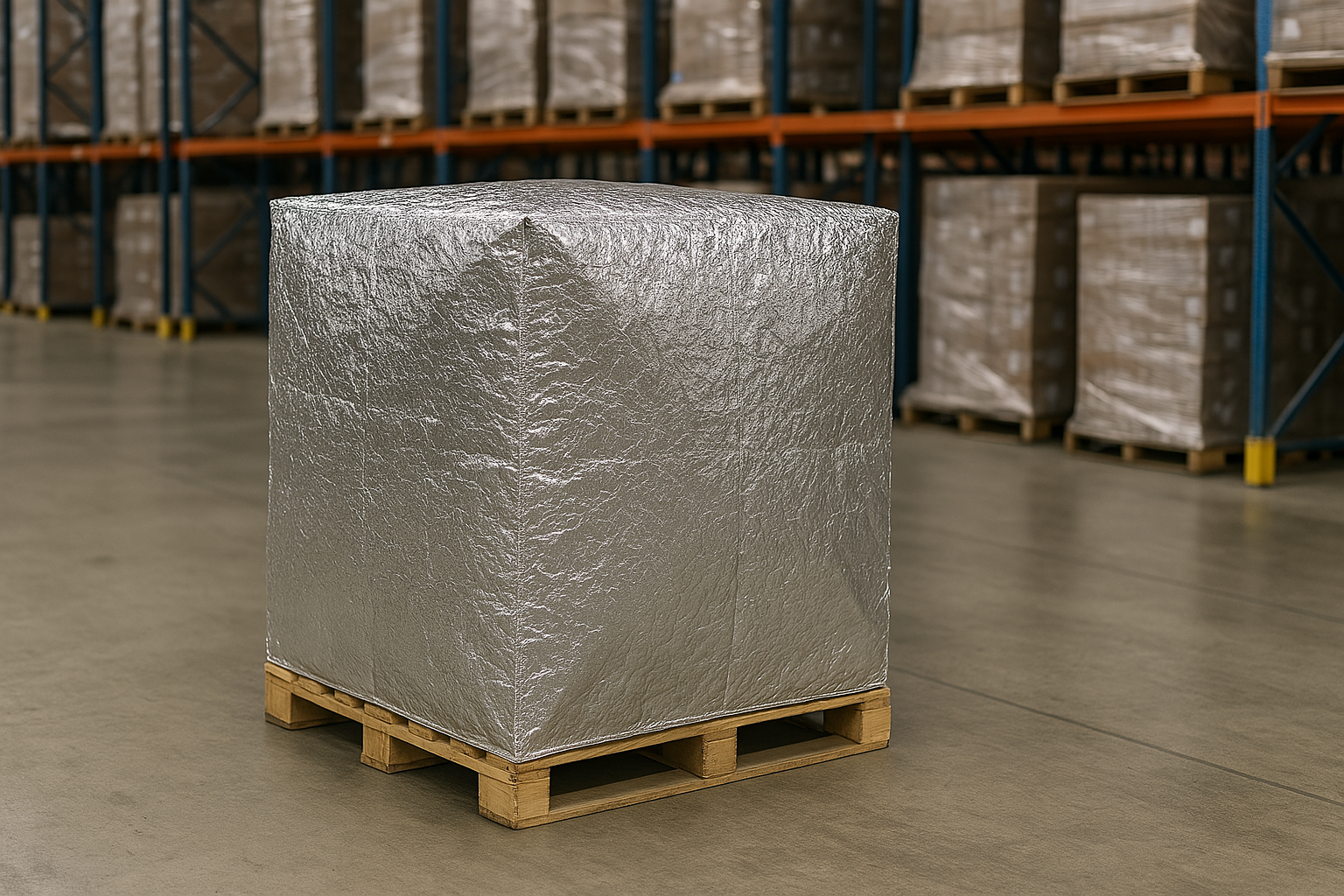
thermal pallet blankets for fresh fruit can lower excursion risk, improve product appearance, and make your pallet-level process more repeatable. For fresh fruit distribution, the main goal is to slow temperature rise and moisture stress so fruit arrives with better firmness, appearance, and shelf life. The cover does not replace refrigeration or process discipline, but it can reduce damage during dock heat, sun exposure, and condensation.
If you are buying or specifying a thermal blanket, start with the lane, not the brochure. Look at exposure time, target temperature, pallet shape, handling speed, and the real cost of failure. In practice, buyers care about breathable handling process, quick application, and light weight, not just insulation claims on paper.
What this article will answer
- How thermal pallet blankets for fresh fruit reduce risk on exposed transfer points and protect fresh fruit distribution
- Which insulated pallet blanket for fresh fruit export features actually improve day-to-day handling
- How to compare fruit pallet cover for dock protection options by risk, cost, and operational fit
- What quality, compliance, and documentation steps support reliable pallet protection
- Which 2026 trends are shaping reuse, monitoring, and supplier selection
Why thermal pallet blankets for fresh fruit are worth serious attention
The first job of thermal pallet blankets for fresh fruit is simple: slow down the rate at which the outer layer of the pallet absorbs or loses heat. That matters because most failures begin at the surface before the core shows a problem. For fresh fruit distribution, a few uncontrolled minutes can be the difference between a routine move and a preventable quality event.
Used correctly, the cover helps the pallet stay closer to target during staging, loading, unloading, and short waiting periods. It also protects packaging appearance and reduces the number of shipments that need manual review on arrival. That combination is why thermal pallet blankets for fresh fruit often pay back faster than buyers expect.
What risk should thermal pallet blankets for fresh fruit control first?
A common mistake is to judge thermal pallet blankets for fresh fruit only by insulation thickness. In reality, performance also depends on pallet shape, closure leakage, route length, solar exposure, and how quickly the team applies the cover. For food and beverage loads, the damage may show up as shelf-life loss, texture change, condensation, or poorer appearance at receiving.
| Risk point | What happens | Cover response | Why it matters to you |
| Dock dwell time | Outer cartons or cases heat up or cool down first | Creates a short-term thermal buffer | Gives your team more safe handling time |
| Door openings and staging | Air exchange speeds up surface drift | Reduces direct exposure to ambient swings | Improves consistency across busy shifts |
| Handoffs between zones | Condensation, sweating, or excursion risk rises | Moderates the transition rate | Cuts avoidable quality reviews and loss |
Practical tips
- Map where thermal pallet blankets for fresh fruit add the most value before you buy in bulk. Most gains come from the exposed parts of the lane, not the cold room itself.
- Match the cover size to the real pallet footprint. A loose fit weakens performance and makes application slower.
- Use a simple handling SOP with named responsibility, especially during shift changes and high-volume dispatch windows.
Illustrative scenario: A produce shipper used thermal pallet blankets during staging before reefer loading. The cover did not replace refrigeration, but it helped the outer cartons stay more stable and reduced visible condensation on arrival.
How to choose the right thermal pallet blankets for fresh fruit for your lane
When you compare thermal pallet blankets for fresh fruit, start with route reality. Ask how long the pallet will be exposed, how often the door opens, whether the load is full height, and whether the cover must survive repeated reuse. A buyer who skips those questions usually pays for features that do not solve the real problem.
The strongest shortlist balances five things at once: performance, ease of use, cleanliness, durability, and total cost over repeated cycles. That is how you move from buying a product to building a reliable pallet-protection process. Once those five fit together, the ROI becomes much easier to justify.
Which material layers matter most?
The best covers usually combine a lightweight reflective shell, a insulated quilt layer, and tear-resistant corners and easy-fold design. Each layer has a job: reflect, slow transfer, protect structure, and keep the cover practical for repeated handling. When a supplier cannot explain that job clearly, the design is probably too generic.
| Selection factor | What to check | Warning sign | Operational value |
| Fit and closure | How well it seals around the real pallet shape | Large gaps or loose drape | Better control and faster use |
| Material durability | Seams, corners, and repeat-use condition | Rapid wear after folding | Lower replacement cost |
| Handling speed | How quickly teams can apply and remove it | Complex closures that slow loading | Higher SOP compliance |
What to ask a supplier before you buy
- Ask for route-relevant test evidence, not a generic performance claim made on a different pallet size.
- Request a small pilot on a real lane before full rollout. It is the fastest way to see fit, labor impact, and logger results together.
- Review how the cover will be stored, cleaned, and returned after use. Reuse programs fail when reverse handling is ignored.
How to build a repeatable process around thermal pallet blankets for fresh fruit
Operational success with thermal pallet blankets for fresh fruit depends on timing. The cover should be applied as close as practical to the exposure point, not hours earlier while the pallet is still in a stable zone. That keeps the protection focused on the risky window where it matters most.
Your process should also define who applies the cover, when loggers are placed, how long the pallet may wait, and what happens if the route changes. Simple role clarity prevents small delays from turning into uncontrolled exposure. In busy facilities, process discipline creates as much value as the cover itself.
A simple rollout checklist
- Qualify the lane and identify the exact exposure points before rollout.
- Pre-stage the correct cover size and confirm the pallet pattern fits the chosen design.
- Apply the cover immediately before the exposure window and place temperature loggers in defined positions if required.
- Record departure, transfer, or dwell exceptions and escalate any route change that increases time at ambient conditions.
- Inspect, clean, fold, and store the cover in a consistent way so reuse does not destroy performance.
Which quality controls keep the program credible?
Compliance does not mean you need endless paperwork, but it does mean thermal pallet blankets for fresh fruit should sit inside a documented process. You should know which products need the cover, which lanes justify it, how the team handles exceptions, and how performance is reviewed. That baseline turns the cover from a nice idea into an auditable control.
For fresh fruit distribution, the most useful records are often simple: route, dwell time, logger result, cover ID or batch, and any deviation noted by the team. Those basics are enough to improve future decisions and support customer conversations. Without them, you cannot tell whether a cover problem was a material issue or an execution issue.
What should your team document?
- Target SKU or product family
- Approved pallet size and stacking pattern
- Route or lane where the cover is required
- Maximum allowable exposed time
- Logger placement or monitoring expectation
- Cleaning, inspection, and storage rule after use
2026 trends that should influence your decision
The 2026 conversation around thermal pallet blankets for fresh fruit is broader than insulation alone. Produce and chilled-protein shippers are focusing on the exposed parts of the journey: staging, door openings, waiting queues, and short transfer legs. The 2026 trend is not just colder transport. It is smarter transfer control, faster exception response, and better route design for fragile perishables.
Sustainability is also becoming part of the decision. Many buyers now prefer reusable systems that lower disposable packaging use, survive multiple cycles, and still fit site SOPs. That does not mean every route should use the same cover, but it does mean lifecycle value matters more than before.
Latest developments to watch
- Food and beverage networks are giving more attention to dock exposure, sanitation, and traceability-ready handling.
- Operators are combining active cooling with passive pallet protection for the most exposed parts of the route.
- Reusable solutions are gaining ground where they lower waste without slowing loading and receiving.
For buyers, the market is moving toward fewer, better packaging decisions. Instead of asking for the thickest cover, teams are asking which system best fits fresh fruit distribution, reuse cycles, labor reality, and total failure cost. That is a healthier buying standard because it links performance to operations, not marketing language.
Quick self-audit
- Do you know the exact exposure window where thermal pallet blankets for fresh fruit are supposed to help?
- Has the chosen cover been checked on the real pallet size and stacking pattern?
- Can your team apply and remove it quickly enough during peak loading?
- Is there a clear rule for cleaning, storage, and reuse after each trip?
- Do you review logger data or quality events after seasonal route changes?
Frequently asked questions
When do thermal pallet blankets for fresh fruit make the biggest difference?
They matter most during staging, loading, unloading, and other short exposure windows. That is where pallet surfaces drift fastest. If your route is already tightly controlled with almost no handoff risk, the benefit will be smaller but still useful for consistency.
Can thermal pallet blankets for fresh fruit replace a reefer truck or a cold room?
No. A cover is a passive buffer, not active refrigeration. It buys you time and reduces short swings, but it must be used with the right vehicle, storage condition, and operating SOP.
How should you test a new pallet cover before rollout?
Run a pilot on a real lane, use the actual pallet pattern, and compare logger results with and without the cover. Also review labor impact, fit quality, and how the cover behaves after repeated handling.
What is the most common buying mistake?
The most common mistake is choosing by thickness or price alone. Fit, closure quality, handling speed, and route match usually have a bigger effect on daily performance than a generic insulation claim.
Are reusable covers better than disposable options?
Often yes, if the lane repeats often enough and the team can clean, inspect, and store the covers properly. Reusables usually deliver better long-term value when reverse handling is planned from the start.
How often should cover performance be reviewed?
Review it after pilot trials, seasonal route changes, customer complaints, or any significant process change. A simple review of logger data, damage events, and cover condition is usually enough to keep the program healthy.
Summary and recommendations
The best thermal pallet blankets for fresh fruit program is not built around a product claim alone. It is built around route risk, product sensitivity, pallet fit, and consistent handling. When those four elements line up, you reduce avoidable drift, protect product quality, and make receiving outcomes more predictable.
Your next step is simple: identify the lanes with the highest exposure cost, run a controlled pilot, and define a short SOP your team can follow every time. That approach gives you real evidence, not guesswork. It also makes supplier comparison much easier because you are testing against your own operation.
About Tempk
At Tempk, we focus on practical temperature-control packaging for real shipping environments. We work on pallet covers, insulated boxes, thermal bags, and other protective systems that help reduce excursion risk without making operations harder. Our approach is built around route fit, repeatable handling, and durable performance.
If you are evaluating a new lane, a seasonal risk period, or a reusable packaging project, start with the operating conditions and the failure cost. That gives you a clearer path to the right cover design, the right test plan, and the right long-term value.
Thermal Pallet Blankets For Biologics Best Practices
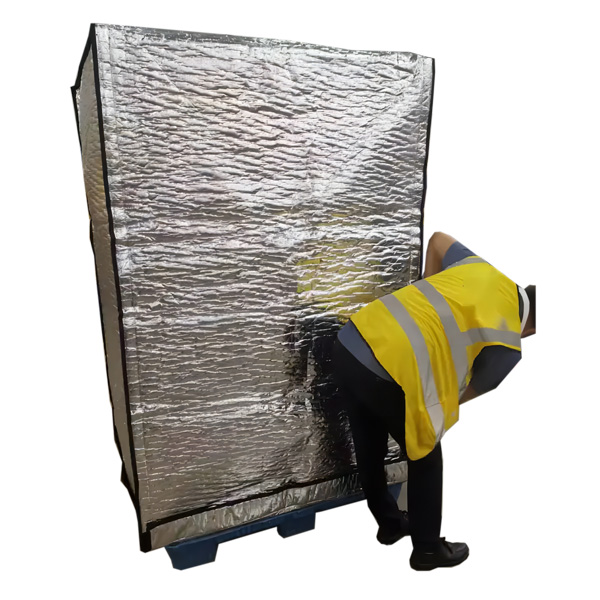
thermal pallet blankets for biologics help you bridge the gap between controlled storage and unpredictable real-world transport. For biologics cold chain, the main goal is to reduce excursion risk for high-value temperature-sensitive therapies during the most fragile handoff points. The cover does not replace refrigeration or process discipline, but it can reduce damage during dock exposure, airport tarmac time, and handoff delays.
If you are buying or specifying a thermal blanket, start with the lane, not the brochure. Look at exposure time, target temperature, pallet shape, handling speed, and the real cost of failure. In practice, buyers care about validated performance data, lane mapping support, and cleanability, not just insulation claims on paper.
What this article will answer
- How thermal pallet blankets for biologics reduce risk on exposed transfer points and protect biologics cold chain
- Which validated thermal pallet blanket for biologics features actually improve day-to-day handling
- How to compare reusable insulated pallet blanket for biotech shipments options by risk, cost, and operational fit
- What quality, compliance, and documentation steps support reliable pallet protection
- Which 2026 trends are shaping reuse, monitoring, and supplier selection
Why thermal pallet blankets for biologics are worth serious attention
The first job of thermal pallet blankets for biologics is simple: slow down the rate at which the outer layer of the pallet absorbs or loses heat. That matters because most failures begin at the surface before the core shows a problem. For biologics cold chain, a few uncontrolled minutes can be the difference between a routine move and a preventable quality event.
Used correctly, the cover helps the pallet stay closer to target during staging, loading, unloading, and short waiting periods. It also protects packaging appearance and reduces the number of shipments that need manual review on arrival. That combination is why thermal pallet blankets for biologics often pay back faster than buyers expect.
What risk should thermal pallet blankets for biologics control first?
A common mistake is to judge thermal pallet blankets for biologics only by insulation thickness. In reality, performance also depends on pallet shape, closure leakage, route length, solar exposure, and how quickly the team applies the cover. Because many healthcare products are high value, even a short deviation can trigger investigation, quarantine, or waste.
| Risk point | What happens | Cover response | Why it matters to you |
| Dock dwell time | Outer cartons or cases heat up or cool down first | Creates a short-term thermal buffer | Gives your team more safe handling time |
| Door openings and staging | Air exchange speeds up surface drift | Reduces direct exposure to ambient swings | Improves consistency across busy shifts |
| Handoffs between zones | Condensation, sweating, or excursion risk rises | Moderates the transition rate | Cuts avoidable quality reviews and loss |
Practical tips
- Map where thermal pallet blankets for biologics add the most value before you buy in bulk. Most gains come from the exposed parts of the lane, not the cold room itself.
- Match the cover size to the real pallet footprint. A loose fit weakens performance and makes application slower.
- Use a simple handling SOP with named responsibility, especially during shift changes and high-volume dispatch windows.
Illustrative scenario: An illustrative biotech lane used thermal blankets to protect biologics during apron-to-truck handoff. Combined with data loggers and a short-transfer SOP, the team reduced borderline excursions and improved release confidence.
How to choose the right thermal pallet blankets for biologics for your lane
When you compare thermal pallet blankets for biologics, start with route reality. Ask how long the pallet will be exposed, how often the door opens, whether the load is full height, and whether the cover must survive repeated reuse. A buyer who skips those questions usually pays for features that do not solve the real problem.
The strongest shortlist balances five things at once: performance, ease of use, cleanliness, durability, and total cost over repeated cycles. That is how you move from buying a product to building a reliable pallet-protection process. Once those five fit together, the ROI becomes much easier to justify.
Which material layers matter most?
The best covers usually combine a reflective exterior, a multilayer insulation, and tight closure points and validated pallet geometry options. Each layer has a job: reflect, slow transfer, protect structure, and keep the cover practical for repeated handling. When a supplier cannot explain that job clearly, the design is probably too generic.
| Selection factor | What to check | Warning sign | Operational value |
| Fit and closure | How well it seals around the real pallet shape | Large gaps or loose drape | Better control and faster use |
| Material durability | Seams, corners, and repeat-use condition | Rapid wear after folding | Lower replacement cost |
| Handling speed | How quickly teams can apply and remove it | Complex closures that slow loading | Higher SOP compliance |
What to ask a supplier before you buy
- Ask for route-relevant test evidence, not a generic performance claim made on a different pallet size.
- Request a small pilot on a real lane before full rollout. It is the fastest way to see fit, labor impact, and logger results together.
- Review how the cover will be stored, cleaned, and returned after use. Reuse programs fail when reverse handling is ignored.
How to build a repeatable process around thermal pallet blankets for biologics
Operational success with thermal pallet blankets for biologics depends on timing. The cover should be applied as close as practical to the exposure point, not hours earlier while the pallet is still in a stable zone. That keeps the protection focused on the risky window where it matters most.
Your process should also define who applies the cover, when loggers are placed, how long the pallet may wait, and what happens if the route changes. Simple role clarity prevents small delays from turning into uncontrolled exposure. In busy facilities, process discipline creates as much value as the cover itself.
A simple rollout checklist
- Qualify the lane and identify the exact exposure points before rollout.
- Pre-stage the correct cover size and confirm the pallet pattern fits the chosen design.
- Apply the cover immediately before the exposure window and place temperature loggers in defined positions if required.
- Record departure, transfer, or dwell exceptions and escalate any route change that increases time at ambient conditions.
- Inspect, clean, fold, and store the cover in a consistent way so reuse does not destroy performance.
Which quality controls keep the program credible?
Compliance does not mean you need endless paperwork, but it does mean thermal pallet blankets for biologics should sit inside a documented process. You should know which products need the cover, which lanes justify it, how the team handles exceptions, and how performance is reviewed. That baseline turns the cover from a nice idea into an auditable control.
For biologics cold chain, the most useful records are often simple: route, dwell time, logger result, cover ID or batch, and any deviation noted by the team. Those basics are enough to improve future decisions and support customer conversations. Without them, you cannot tell whether a cover problem was a material issue or an execution issue.
What should your team document?
- Target SKU or product family
- Approved pallet size and stacking pattern
- Route or lane where the cover is required
- Maximum allowable exposed time
- Logger placement or monitoring expectation
- Cleaning, inspection, and storage rule after use
2026 trends that should influence your decision
The 2026 conversation around thermal pallet blankets for biologics is broader than insulation alone. In 2026, healthcare shippers still lean on a risk-based model: validate the lane, monitor the shipment, and document every meaningful exception. The big 2026 shift is practical: more attention is going to transfer points, airport handoff zones, and cross-dock rooms, because that is where many preventable deviations start.
Sustainability is also becoming part of the decision. Many buyers now prefer reusable systems that lower disposable packaging use, survive multiple cycles, and still fit site SOPs. That does not mean every route should use the same cover, but it does mean lifecycle value matters more than before.
Latest developments to watch
- Healthcare shippers continue to emphasize risk-based lane qualification, logger discipline, and stronger transfer-point control.
- Air cargo rules for time- and temperature-sensitive healthcare products keep attention on packaging, labeling, and documented handling.
- Reusable pallet-level protection is gaining interest when it can fit existing quality systems without creating validation headaches.
For buyers, the market is moving toward fewer, better packaging decisions. Instead of asking for the thickest cover, teams are asking which system best fits biologics cold chain, reuse cycles, labor reality, and total failure cost. That is a healthier buying standard because it links performance to operations, not marketing language.
Quick self-audit
- Do you know the exact exposure window where thermal pallet blankets for biologics are supposed to help?
- Has the chosen cover been checked on the real pallet size and stacking pattern?
- Can your team apply and remove it quickly enough during peak loading?
- Is there a clear rule for cleaning, storage, and reuse after each trip?
- Do you review logger data or quality events after seasonal route changes?
Frequently asked questions
When do thermal pallet blankets for biologics make the biggest difference?
They matter most during staging, loading, unloading, and other short exposure windows. That is where pallet surfaces drift fastest. If your route is already tightly controlled with almost no handoff risk, the benefit will be smaller but still useful for consistency.
Can thermal pallet blankets for biologics replace a reefer truck or a cold room?
No. A cover is a passive buffer, not active refrigeration. It buys you time and reduces short swings, but it must be used with the right vehicle, storage condition, and operating SOP.
How should you test a new pallet cover before rollout?
Run a pilot on a real lane, use the actual pallet pattern, and compare logger results with and without the cover. Also review labor impact, fit quality, and how the cover behaves after repeated handling.
What is the most common buying mistake?
The most common mistake is choosing by thickness or price alone. Fit, closure quality, handling speed, and route match usually have a bigger effect on daily performance than a generic insulation claim.
Are reusable covers better than disposable options?
Often yes, if the lane repeats often enough and the team can clean, inspect, and store the covers properly. Reusables usually deliver better long-term value when reverse handling is planned from the start.
How often should cover performance be reviewed?
Review it after pilot trials, seasonal route changes, customer complaints, or any significant process change. A simple review of logger data, damage events, and cover condition is usually enough to keep the program healthy.
Summary and recommendations
The best thermal pallet blankets for biologics program is not built around a product claim alone. It is built around route risk, product sensitivity, pallet fit, and consistent handling. When those four elements line up, you reduce avoidable drift, protect product quality, and make receiving outcomes more predictable.
Your next step is simple: identify the lanes with the highest exposure cost, run a controlled pilot, and define a short SOP your team can follow every time. That approach gives you real evidence, not guesswork. It also makes supplier comparison much easier because you are testing against your own operation.
About Tempk
At Tempk, we focus on practical temperature-control packaging for real shipping environments. We work on pallet covers, insulated boxes, thermal bags, and other protective systems that help reduce excursion risk without making operations harder. Our approach is built around route fit, repeatable handling, and durable performance.
If you are evaluating a new lane, a seasonal risk period, or a reusable packaging project, start with the operating conditions and the failure cost. That gives you a clearer path to the right cover design, the right test plan, and the right long-term value.
Thermal Cargo Covers For Lab Reagents Best Practices
thermal cargo covers for lab reagents are one of the simplest ways to protect laboratory reagent logistics from short but expensive temperature swings. For laboratory reagent logistics, the main goal is to protect reagent pallets from excursion risk that can affect analytical accuracy, shelf life, or downstream lab performance. The cover does not replace refrigeration or process discipline, but it can reduce damage during courier handoffs, campus deliveries, and small-lot replenishment.
If you are buying or specifying a cargo cover, start with the lane, not the brochure. Look at exposure time, target temperature, pallet shape, handling speed, and the real cost of failure. In practice, buyers care about clean handling, easy ID labeling, and small and medium pallet flexibility, not just insulation claims on paper.
What this article will answer
- How thermal cargo covers for lab reagents reduce risk on exposed transfer points and protect laboratory reagent logistics
- Which thermal cargo cover for lab reagents features actually improve day-to-day handling
- How to compare insulated pallet protection for laboratory supplies options by risk, cost, and operational fit
- What quality, compliance, and documentation steps support reliable pallet protection
- Which 2026 trends are shaping reuse, monitoring, and supplier selection
Why thermal cargo covers for lab reagents are worth serious attention
The first job of thermal cargo covers for lab reagents is simple: slow down the rate at which the outer layer of the pallet absorbs or loses heat. That matters because most failures begin at the surface before the core shows a problem. For laboratory reagent logistics, a few uncontrolled minutes can be the difference between a routine move and a preventable quality event.
Used correctly, the cover helps the pallet stay closer to target during staging, loading, unloading, and short waiting periods. It also protects packaging appearance and reduces the number of shipments that need manual review on arrival. That combination is why thermal cargo covers for lab reagents often pay back faster than buyers expect.
What risk should thermal cargo covers for lab reagents control first?
A common mistake is to judge thermal cargo covers for lab reagents only by insulation thickness. In reality, performance also depends on pallet shape, closure leakage, route length, solar exposure, and how quickly the team applies the cover. Because many healthcare products are high value, even a short deviation can trigger investigation, quarantine, or waste.
| Risk point | What happens | Cover response | Why it matters to you |
| Dock dwell time | Outer cartons or cases heat up or cool down first | Creates a short-term thermal buffer | Gives your team more safe handling time |
| Door openings and staging | Air exchange speeds up surface drift | Reduces direct exposure to ambient swings | Improves consistency across busy shifts |
| Handoffs between zones | Condensation, sweating, or excursion risk rises | Moderates the transition rate | Cuts avoidable quality reviews and loss |
Practical tips
- Map where thermal cargo covers for lab reagents add the most value before you buy in bulk. Most gains come from the exposed parts of the lane, not the cold room itself.
- Match the cover size to the real pallet footprint. A loose fit weakens performance and makes application slower.
- Use a simple handling SOP with named responsibility, especially during shift changes and high-volume dispatch windows.
Illustrative scenario: A regional lab supplier used cargo covers for reagent pallets that spent time in courier staging. The team saw fewer avoidable excursion flags and smoother receiving because the labels stayed dry and readable.
How to choose the right thermal cargo covers for lab reagents for your lane
When you compare thermal cargo covers for lab reagents, start with route reality. Ask how long the pallet will be exposed, how often the door opens, whether the load is full height, and whether the cover must survive repeated reuse. A buyer who skips those questions usually pays for features that do not solve the real problem.
The strongest shortlist balances five things at once: performance, ease of use, cleanliness, durability, and total cost over repeated cycles. That is how you move from buying a product to building a reliable pallet-protection process. Once those five fit together, the ROI becomes much easier to justify.
Which material layers matter most?
The best covers usually combine a cleanable outer surface, a high-visibility labeling areas, and thermal quilt body and flexible fit points. Each layer has a job: reflect, slow transfer, protect structure, and keep the cover practical for repeated handling. When a supplier cannot explain that job clearly, the design is probably too generic.
| Selection factor | What to check | Warning sign | Operational value |
| Fit and closure | How well it seals around the real pallet shape | Large gaps or loose drape | Better control and faster use |
| Material durability | Seams, corners, and repeat-use condition | Rapid wear after folding | Lower replacement cost |
| Handling speed | How quickly teams can apply and remove it | Complex closures that slow loading | Higher SOP compliance |
What to ask a supplier before you buy
- Ask for route-relevant test evidence, not a generic performance claim made on a different pallet size.
- Request a small pilot on a real lane before full rollout. It is the fastest way to see fit, labor impact, and logger results together.
- Review how the cover will be stored, cleaned, and returned after use. Reuse programs fail when reverse handling is ignored.
How to build a repeatable process around thermal cargo covers for lab reagents
Operational success with thermal cargo covers for lab reagents depends on timing. The cover should be applied as close as practical to the exposure point, not hours earlier while the pallet is still in a stable zone. That keeps the protection focused on the risky window where it matters most.
Your process should also define who applies the cover, when loggers are placed, how long the pallet may wait, and what happens if the route changes. Simple role clarity prevents small delays from turning into uncontrolled exposure. In busy facilities, process discipline creates as much value as the cover itself.
A simple rollout checklist
- Qualify the lane and identify the exact exposure points before rollout.
- Pre-stage the correct cover size and confirm the pallet pattern fits the chosen design.
- Apply the cover immediately before the exposure window and place temperature loggers in defined positions if required.
- Record departure, transfer, or dwell exceptions and escalate any route change that increases time at ambient conditions.
- Inspect, clean, fold, and store the cover in a consistent way so reuse does not destroy performance.
Which quality controls keep the program credible?
Compliance does not mean you need endless paperwork, but it does mean thermal cargo covers for lab reagents should sit inside a documented process. You should know which products need the cover, which lanes justify it, how the team handles exceptions, and how performance is reviewed. That baseline turns the cover from a nice idea into an auditable control.
For laboratory reagent logistics, the most useful records are often simple: route, dwell time, logger result, cover ID or batch, and any deviation noted by the team. Those basics are enough to improve future decisions and support customer conversations. Without them, you cannot tell whether a cover problem was a material issue or an execution issue.
What should your team document?
- Target SKU or product family
- Approved pallet size and stacking pattern
- Route or lane where the cover is required
- Maximum allowable exposed time
- Logger placement or monitoring expectation
- Cleaning, inspection, and storage rule after use
2026 trends that should influence your decision
The 2026 conversation around thermal cargo covers for lab reagents is broader than insulation alone. Air healthcare shipments remain tightly linked to IATA Temperature Control Regulations, while WHO and USP guidance continue to shape pallet-level handling decisions. The big 2026 shift is practical: more attention is going to transfer points, airport handoff zones, and cross-dock rooms, because that is where many preventable deviations start.
Sustainability is also becoming part of the decision. Many buyers now prefer reusable systems that lower disposable packaging use, survive multiple cycles, and still fit site SOPs. That does not mean every route should use the same cover, but it does mean lifecycle value matters more than before.
Latest developments to watch
- Healthcare shippers continue to emphasize risk-based lane qualification, logger discipline, and stronger transfer-point control.
- Air cargo rules for time- and temperature-sensitive healthcare products keep attention on packaging, labeling, and documented handling.
- Reusable pallet-level protection is gaining interest when it can fit existing quality systems without creating validation headaches.
For buyers, the market is moving toward fewer, better packaging decisions. Instead of asking for the thickest cover, teams are asking which system best fits laboratory reagent logistics, reuse cycles, labor reality, and total failure cost. That is a healthier buying standard because it links performance to operations, not marketing language.
Quick self-audit
- Do you know the exact exposure window where thermal cargo covers for lab reagents are supposed to help?
- Has the chosen cover been checked on the real pallet size and stacking pattern?
- Can your team apply and remove it quickly enough during peak loading?
- Is there a clear rule for cleaning, storage, and reuse after each trip?
- Do you review logger data or quality events after seasonal route changes?
Frequently asked questions
When do thermal cargo covers for lab reagents make the biggest difference?
They matter most during staging, loading, unloading, and other short exposure windows. That is where pallet surfaces drift fastest. If your route is already tightly controlled with almost no handoff risk, the benefit will be smaller but still useful for consistency.
Can thermal cargo covers for lab reagents replace a reefer truck or a cold room?
No. A cover is a passive buffer, not active refrigeration. It buys you time and reduces short swings, but it must be used with the right vehicle, storage condition, and operating SOP.
How should you test a new pallet cover before rollout?
Run a pilot on a real lane, use the actual pallet pattern, and compare logger results with and without the cover. Also review labor impact, fit quality, and how the cover behaves after repeated handling.
What is the most common buying mistake?
The most common mistake is choosing by thickness or price alone. Fit, closure quality, handling speed, and route match usually have a bigger effect on daily performance than a generic insulation claim.
Are reusable covers better than disposable options?
Often yes, if the lane repeats often enough and the team can clean, inspect, and store the covers properly. Reusables usually deliver better long-term value when reverse handling is planned from the start.
How often should cover performance be reviewed?
Review it after pilot trials, seasonal route changes, customer complaints, or any significant process change. A simple review of logger data, damage events, and cover condition is usually enough to keep the program healthy.
Summary and recommendations
The best thermal cargo covers for lab reagents program is not built around a product claim alone. It is built around route risk, product sensitivity, pallet fit, and consistent handling. When those four elements line up, you reduce avoidable drift, protect product quality, and make receiving outcomes more predictable.
Your next step is simple: identify the lanes with the highest exposure cost, run a controlled pilot, and define a short SOP your team can follow every time. That approach gives you real evidence, not guesswork. It also makes supplier comparison much easier because you are testing against your own operation.
About Tempk
At Tempk, we focus on practical temperature-control packaging for real shipping environments. We work on pallet covers, insulated boxes, thermal bags, and other protective systems that help reduce excursion risk without making operations harder. Our approach is built around route fit, repeatable handling, and durable performance.
If you are evaluating a new lane, a seasonal risk period, or a reusable packaging project, start with the operating conditions and the failure cost. That gives you a clearer path to the right cover design, the right test plan, and the right long-term value.