


Cooler box factory: From Audit Evidence to Stable Production
Cooler box factory: From Audit Evidence to Stable Production
Cooler box factory: From Audit Evidence to Stable Production
A defensible purchasing program for cooler box factory follows a sequence: define the product and lane, convert nominal size into a loading map, select the complete packout, review configuration-specific evidence, run a pilot and lock production controls. That sequence is designed to audit process control, component consistency and change management rather than showroom samples while keeping procurement, quality, operations and finance on the same facts.
The integrated framework below treats every important claim as conditional on the exact cooler box, coolant, payload, ambient profile and operating procedure. It also establishes change gates so a lower-cost substitution or production revision cannot silently move the delivered product away from the evidence used for approval.
Build a one-page shipment requirement before supplier review
The target temperature must be defined for the actual product. A box described as cold-chain packaging is not automatically suitable for every chilled, frozen or controlled-room-temperature shipment. Define the acceptable temperature range, excursion rules, freeze sensitivity, payload orientation and receiving decision before asking suppliers to recommend a configuration. Without those limits, a quote can only describe hardware, not suitability. For commercial production of insulated boxes and cooler systems, the requirement brief should state product limits, route exposure, payload and the receiving decision before the cooler box is compared.
Assign an owner to approve the requirement before design work begins. Map the route as a sequence of exposures rather than a single transit time. Include conditioning and staging before dispatch, loading delays, vehicle or air-cargo handover, warehouse dwell, customs, last-mile delivery and the time before the receiver opens the package. The estimated maximum duration should include realistic disruption, not only the carrier's planned travel time.
For commercial production of insulated boxes and cooler systems, also record payload dimensions, thermal mass, primary-packaging fragility, required orientation and the number of times the lid may be opened. The stated internal size is not the usable payload. Coolant, dividers, protective pads, air space and a data logger consume volume, and the remaining geometry may matter more than the headline liters. Record the result in the shipment brief used for commercial production of insulated boxes and cooler systems.
Approve the process that will make the box repeatedly
Follow the product from incoming material through molding, foaming or panel assembly, trimming, component installation, cleaning, inspection, packing and storage. Incoming resin, foam, vacuum panels, gaskets, adhesives, hardware and accessories need identity and release controls, while molding and assembly require defined process windows and critical dimensions. At each step ask what can go wrong, how the parameter is controlled, what record is kept and what happens to nonconforming output. This reveals more than a list of certificates because it shows how the factory manages real variation.
Critical dimensions may include lid flatness, wall thickness, panel position, hinge alignment, gasket groove size and latch geometry. The factory should identify which measurements are checked on every unit, by sampling or at setup. Gauges need suitable resolution and calibration. Cosmetic limits should be separated from functional limits so inspectors focus on defects that affect sealing, durability and use. Make the topic-specific criterion part of the design and change-control record.
Convert the topic-specific risk into a measurable acceptance criterion for the cooler box. Change control should cover resin grade, foam density, insulation supplier, pigment, gasket compound, adhesive, hardware, tooling repair and process changes. Buyers should define notification and approval rules before production. A sample made with one material lot or hand-fitted component is not evidence that routine production will remain identical.
Separate one-time investment from recurring cost
The commercial cost includes more than the empty box. Recurring elements may include coolant, separators, liners, labels, data loggers, outer cartons, palletization, cleaning, inspection, return transport, storage and replacement. One-time or project costs may include design work, tooling, samples, drawings, molds, test fixtures, thermal studies, quality documentation and qualification runs. Ask the supplier to separate these categories. The cost model for the cooler box should separate one-time project work from recurring packout and operating expense.
Use cost gates so late commercial changes do not invalidate technical work. OEM cost is sensitive to geometry and change timing. Deep draws, complex undercuts, multiple materials, tight cosmetic requirements, custom colors, inserted hardware and demanding tolerances can increase tooling and inspection effort. Changes after the mold or qualification is approved are more expensive because they can trigger rework, new samples and repeat testing. Freeze the critical requirements early and keep optional features separate.
For reusable programs, calculate cost per completed, acceptable shipment rather than cost per box. Include return rate, loss, cleaning labor, inspection, repair, storage, repositioning and retirement. Sustainability claims should use the same system boundary. A durable container that is rarely returned or transported inefficiently may not deliver the expected financial or environmental benefit. Normalize quotations before comparing the total value of the cooler box.
| Approval gate | Decision to make | Release evidence |
|---|---|---|
| Gate 1: requirements | Approved product, route and payload brief for commercial production of insulated boxes and cooler systems | Named owner and signed input |
| Gate 2: design choice | Production-intent cooler box and complete packout | Drawing, component list and risk review |
| Gate 3: evidence | Test configuration matches the commercial specification | Protocol, data and report |
| Gate 4: pilot | Operators and receivers can execute the process | Trial record, deviations and actions |
| Gate 5: scale-up | Production controls and change rules remain connected | Release specification and ongoing review |
This approval path integrates commercial and technical decisions for the cooler box factory; the gate depth should remain proportional to shipment risk.
Create an approval gate before samples
A factory review should cover more than molding machines and a clean sample room. Ask how incoming resin, foam, insulation panels, gaskets, adhesives, hardware and coolant accessories are identified and released. Then examine how process settings, dimensional checks, leak or closure checks, visual criteria and nonconforming material are controlled. A stable product is the result of repeatable processes, not only skilled final inspection. The factory review should clarify what is supplied, what is only recommended and what remains the buyer's qualification responsibility.
Approve the supplier on both product evidence and ongoing change communication. Ask the supplier to distinguish verified facts from recommendations. A dimension drawing can be checked directly. A thermal claim needs the payload, coolant configuration, conditioning method, sensor locations, ambient profile, acceptance limits and test report. A statement such as 'pharmaceutical grade' is not enough unless it is tied to a defined material, application and supporting document.
The most revealing question is often what would cause the supplier to reject its own recommendation. Credible answers may include an undefined route, excessive payload, inadequate preconditioning, direct contact with frozen coolant, a required duration beyond available evidence, or a cleaning chemical that is incompatible with the material. Boundaries show technical judgment; universal suitability claims hide it. Write the agreed support boundary into the RFQ and supplier approval record.
Approve the system through staged verification
A useful thermal report identifies the exact box revision, coolant and conditioning method, payload or simulant, sensor locations, ambient profile, test duration, acceptance range and result. Without those details, a stated hold time cannot be compared fairly. Ask whether the report represents a design test, a qualification test, a field verification or a marketing demonstration; each supports a different level of confidence. Evidence for the cooler box is meaningful only when the tested revision and the commercial configuration are the same.
Connect the test report to drawings, component identities and purchase controls. Standard thermal profiles can support laboratory comparison, but they do not automatically reproduce the worst conditions on a specific lane. Route dwell, customs delays, seasonal exposure and handover practices still need review, and high-risk programs may require lane-specific qualification. ISTA 7E can support testing and comparison of insulated shipping containers, while use with Standard 20 adds a defined qualification and documentation framework. It is still necessary to decide whether a standard parcel profile fits the actual mode and risk.
Regulatory and customer requirements vary by product, route and market. Buyers should translate those requirements into measurable acceptance criteria rather than relying on a generic compliance statement. Temperature-monitoring equipment should be appropriate for the decision being made, maintained and calibrated under the organization's quality system. The data file, time base, sensor identity, alarm limits and review record should be retained when the shipment value or regulatory context requires evidence. Link the report, raw data and sensor map to the exact cooler box revision.
Close the loop with receiving data
Start with a representative sample, not a showroom unit. Check dimensions, lid alignment, latch force, gasket contact, surface defects, odor, cleaning access, drainage if present, label adhesion and the fit of every packout component. Load the actual payload or a justified equivalent, then run the planned conditioning, packing and monitoring process with the operators who will use it. Routine use of the cooler box depends on conditioning, assembly, handover, receiving and inspection steps that operators can repeat.
The work instruction should define coolant conditioning, box conditioning when required, loading order, separator position, sensor location, closure checks, label placement, handover, receiving inspection and deviation escalation. Close the approval loop with operator training and receiving feedback. Use photographs or diagrams where they reduce ambiguity. Training should include common wrong assemblies so staff can recognize them, not only the correct sequence.
At receiving, inspect physical condition before opening, capture logger status, verify the seal or tamper indicator if used and record unusual dwell or damage. A temperature excursion is a quality decision, not a reason for the warehouse operator to guess. Quarantine and escalation rules should identify who reviews the data, product information and shipment history. Make the procedure practical for the people who pack, carry, clean and receive the box.
Use failure thinking before final approval
Mistake one is comparing advertised duration without matching the ambient profile, payload and acceptance range. Replace it with: What exact configuration was tested, under which profile, and does it represent our route? Mistake two is comparing external size or nominal liters without a loading map. Replace it with: What usable payload remains after every controlled component is installed? The most expensive mistakes in cooler box factory projects usually begin as undefined assumptions in the RFQ or work instruction.
Assign corrective action and verification before the program advances. Mistake three is treating a material or feature as proof of compliance. UV additives, VIP panels, a thick wall, a food-contact declaration, a drain or a gasket can be useful, but each addresses a limited question. Replace the broad claim with a measurable requirement and supporting document. Mistake four is approving a hand-built sample without production controls. Ask how the factory will maintain the same materials, dimensions and assembly.
Mistake five is ignoring people and handovers. A technically strong packout can fail when coolant is conditioned inconsistently, the lid is left open, the sensor is misplaced or the receiver has no excursion procedure. Include operators in sample trials and use their feedback to simplify the work instruction without changing the validated configuration. Replace the assumption with a defined owner, evidence item or verification step.
Frequently Asked Questions
What are the main approval gates for cooler box factory sourcing?
Use separate gates for product and route requirements, design selection, evidence review, pilot execution and production release. Each gate should identify the owner, exact cooler box configuration, required record and unresolved risk. This prevents commercial progress from moving faster than technical approval.
How can the tested packout remain connected to the purchased cooler box for commercial production of insulated boxes and cooler systems?
Link the test report to revision-controlled drawings, bill of materials, cold-source specification, loading map and production controls for the cooler box. Purchase orders and inspection plans for commercial production of insulated boxes and cooler systems should reference the same configuration. Any substitution or process change should be assessed before acceptance.
What should a pilot demonstrate before scale-up?
The pilot should show that operators can condition components, assemble the packout, load the payload, place the logger, close the box, manage handovers and complete receiving review for commercial production of insulated boxes and cooler systems. Record deviations and convert lessons into controlled instructions before routine production.
What factory changes need buyer approval after launch?
Define notification rules for material suppliers, formulations, tooling, cavity, process window, gasket, hardware, assembly method and subcontracted operations. The buyer should assess whether the change affects dimensions, sealing, durability, cleaning or thermal evidence before release.
What is the final commercial decision for the cooler box after technical approval?
Normalize the configuration, service scope, evidence, packing and delivery basis, then compare total program value. Select the factory that can supply the approved cooler box consistently, communicate changes and support the operating model without extending claims beyond the available evidence.
Conclusion
The integrated approval path for cooler box factory is sequential: define product and route limits, build the loading map, choose the complete packout, review evidence, run a pilot, lock production controls and monitor routine use. Each gate should preserve the link between commercial specification and technical performance.
Treat every important claim as configuration-specific and every material, process, payload or route change as a reason to review risk. That discipline makes the cooler box easier to train, audit, scale and improve without relying on unsupported universal claims.
About Tempk
Tempk helps buyers move from a route and payload brief toward a more precise cooler box sample and commercial specification. Its product scope includes medical ice boxes, EPP and VIP cooler formats, gel and phase-change cold sources, insulated bags and liners, and pallet-level thermal protection. The useful discussion starts with the target condition, payload geometry, route, packout method, cleaning or return model and the evidence required before scale-up. For this cooler box factory project, any final recommendation should still be confirmed against the customer's product limits, test conditions and quality process.
Send Tempk the cooler box loading map, route assumptions and required documents to build a more precise sample-to-production review.
Cooler box exporter: From Factory Selection to Landed Delivery
Cooler box exporter: From Factory Selection to Landed Delivery
A defensible purchasing program for cooler box exporter follows a sequence: define the product and lane, convert nominal size into a loading map, select the complete packout, review configuration-specific evidence, run a pilot and lock production controls. That sequence is designed to evaluate export readiness, documentation and landed execution alongside product quality while keeping procurement, quality, operations and finance on the same facts.
The integrated framework below treats every important claim as conditional on the exact cooler box, coolant, payload, ambient profile and operating procedure. It also establishes change gates so a lower-cost substitution or production revision cannot silently move the delivered product away from the evidence used for approval.
Build one chain of responsibility from factory to destination
Confirm who owns each step from final inspection to destination delivery. The agreed trade term should be matched by a written responsibility matrix covering export clearance, booking, pickup, container loading, insurance, documents, destination charges and damage reporting. A misunderstanding at this stage can create storage delays that are especially harmful when the shipment includes conditioned coolants or time-sensitive components. Long storage before loading, container heat, pallet pressure and unsuitable carton compression can deform a cooler even when the approved sample performed well in a controlled room.
Export packing should protect the cooler boxes from deformation, abrasion, dirt and moisture while using space efficiently. Make the topic-specific criterion part of the design and change-control record. Stack height, carton compression, pallet overhang, container loading and long storage periods can affect lids, seals and molded parts. Review the packing method with production samples and define acceptable carton and pallet condition at receipt.
Request a document set that matches the product and destination. Material declarations, product specifications, test reports, inspection records and origin documents may be relevant, but requirements vary. Do not accept a generic certificate folder as proof that the exact model, color, material and revision ordered are covered. Convert the topic-specific risk into a measurable acceptance criterion for the cooler box.
Build a one-page shipment requirement before supplier review
The target temperature must be defined for the actual product. For international sourcing and destination-market delivery, the requirement brief should state product limits, route exposure, payload and the receiving decision before the cooler box is compared. A box described as cold-chain packaging is not automatically suitable for every chilled, frozen or controlled-room-temperature shipment. Define the acceptable temperature range, excursion rules, freeze sensitivity, payload orientation and receiving decision before asking suppliers to recommend a configuration. Without those limits, a quote can only describe hardware, not suitability.
Map the route as a sequence of exposures rather than a single transit time. Include conditioning and staging before dispatch, loading delays, vehicle or air-cargo handover, warehouse dwell, customs, last-mile delivery and the time before the receiver opens the package. The estimated maximum duration should include realistic disruption, not only the carrier's planned travel time. Assign an owner to approve the requirement before design work begins.
Record the result in the shipment brief used for international sourcing and destination-market delivery. For international sourcing and destination-market delivery, also record payload dimensions, thermal mass, primary-packaging fragility, required orientation and the number of times the lid may be opened. The stated internal size is not the usable payload. Coolant, dividers, protective pads, air space and a data logger consume volume, and the remaining geometry may matter more than the headline liters.
Use trade-offs instead of material labels
Expanded foams, rigid shells, vacuum insulation panels and composite structures offer different balances of thermal resistance, wall thickness, impact behavior, weight, cleanability and cost. EPP is often considered for reusable, lightweight handling; EPS can suit cost-sensitive one-way use; rigid plastic and polyurethane structures can support tougher cleaning and handling; VIP structures can improve insulation efficiency when protected from puncture and edge leakage. None of these material names alone defines a qualified shipper. Construction of the cooler box should be reviewed as a heat-flow and handling system rather than as a single material label.
Lock critical materials and interfaces before approving production. Thermal bridges deserve specific attention. Heat can bypass the main insulation through lid joints, handles, drains, hinges, fasteners, panel edges and poorly fitted inserts. A thicker wall may not solve a weak closure. Ask for internal and external dimensions, wall construction, lid interface and component details, then confirm performance with the exact production assembly.
Physical damage can change thermal performance before it becomes visually dramatic. A crushed corner, warped lid, punctured panel, loose hinge or permanently deformed gasket may increase heat leakage or create an unstable packout. Reusable programs need inspection limits that operators can apply consistently, including clear rules for repair, quarantine and retirement. Confirm the conclusion on the production-intent cooler box, not only on a material datasheet.
Link test conditions to the commercial specification
A useful thermal report identifies the exact box revision, coolant and conditioning method, payload or simulant, sensor locations, ambient profile, test duration, acceptance range and result. Evidence for the cooler box is meaningful only when the tested revision and the commercial configuration are the same. Without those details, a stated hold time cannot be compared fairly. Ask whether the report represents a design test, a qualification test, a field verification or a marketing demonstration; each supports a different level of confidence.
Standard thermal profiles can support laboratory comparison, but they do not automatically reproduce the worst conditions on a specific lane. Route dwell, customs delays, seasonal exposure and handover practices still need review, and high-risk programs may require lane-specific qualification. ISTA 7E can support testing and comparison of insulated shipping containers, while use with Standard 20 adds a defined qualification and documentation framework. It is still necessary to decide whether a standard parcel profile fits the actual mode and risk. Connect the test report to drawings, component identities and purchase controls.
Link the report, raw data and sensor map to the exact cooler box revision. Regulatory and customer requirements vary by product, route and market. Buyers should translate those requirements into measurable acceptance criteria rather than relying on a generic compliance statement. Temperature-monitoring equipment should be appropriate for the decision being made, maintained and calibrated under the organization's quality system. The data file, time base, sensor identity, alarm limits and review record should be retained when the shipment value or regulatory context requires evidence.
A practical supplier evidence ladder
An exporter must connect product control with documentation and handover. The exporter review should clarify what is supplied, what is only recommended and what remains the buyer's qualification responsibility. The commercial invoice, packing list, product description, carton marks, pallet plan and destination requirements should be consistent. Buyers also need clarity on the agreed delivery term, responsibility for export clearance, freight booking, insurance, destination charges and damage claims. Export competence does not replace product qualification, but weak export execution can undermine a technically good box.
Ask the supplier to distinguish verified facts from recommendations. A dimension drawing can be checked directly. A thermal claim needs the payload, coolant configuration, conditioning method, sensor locations, ambient profile, acceptance limits and test report. A statement such as 'pharmaceutical grade' is not enough unless it is tied to a defined material, application and supporting document. Approve the supplier on both product evidence and ongoing change communication.
Write the agreed support boundary into the RFQ and supplier approval record. The most revealing question is often what would cause the supplier to reject its own recommendation. Credible answers may include an undefined route, excessive payload, inadequate preconditioning, direct contact with frozen coolant, a required duration beyond available evidence, or a cleaning chemical that is incompatible with the material. Boundaries show technical judgment; universal suitability claims hide it.
Connect supplier controls with operator controls
Routine use of the cooler box depends on conditioning, assembly, handover, receiving and inspection steps that operators can repeat. Start with a representative sample, not a showroom unit. Check dimensions, lid alignment, latch force, gasket contact, surface defects, odor, cleaning access, drainage if present, label adhesion and the fit of every packout component. Load the actual payload or a justified equivalent, then run the planned conditioning, packing and monitoring process with the operators who will use it.
The work instruction should define coolant conditioning, box conditioning when required, loading order, separator position, sensor location, closure checks, label placement, handover, receiving inspection and deviation escalation. Use photographs or diagrams where they reduce ambiguity. Training should include common wrong assemblies so staff can recognize them, not only the correct sequence. Close the approval loop with operator training and receiving feedback.
At receiving, inspect physical condition before opening, capture logger status, verify the seal or tamper indicator if used and record unusual dwell or damage. Make the procedure practical for the people who pack, carry, clean and receive the box. A temperature excursion is a quality decision, not a reason for the warehouse operator to guess. Quarantine and escalation rules should identify who reviews the data, product information and shipment history.
| Approval gate | Decision to make | Release evidence |
|---|---|---|
| Gate 1: requirements | Approved product, route and payload brief for international sourcing and destination-market delivery | Named owner and signed input |
| Gate 2: design choice | Production-intent cooler box and complete packout | Drawing, component list and risk review |
| Gate 3: evidence | Test configuration matches the commercial specification | Protocol, data and report |
| Gate 4: pilot | Operators and receivers can execute the process | Trial record, deviations and actions |
| Gate 5: scale-up | Production controls and change rules remain connected | Release specification and ongoing review |
This approval path integrates commercial and technical decisions for the cooler box exporter; the gate depth should remain proportional to shipment risk.
Use failure thinking before final approval
Mistake one is comparing advertised duration without matching the ambient profile, payload and acceptance range. The most expensive mistakes in cooler box exporter projects usually begin as undefined assumptions in the RFQ or work instruction. Replace it with: What exact configuration was tested, under which profile, and does it represent our route? Mistake two is comparing external size or nominal liters without a loading map. Replace it with: What usable payload remains after every controlled component is installed?
Mistake three is treating a material or feature as proof of compliance. UV additives, VIP panels, a thick wall, a food-contact declaration, a drain or a gasket can be useful, but each addresses a limited question. Replace the broad claim with a measurable requirement and supporting document. Mistake four is approving a hand-built sample without production controls. Ask how the factory will maintain the same materials, dimensions and assembly. Assign corrective action and verification before the program advances.
Replace the assumption with a defined owner, evidence item or verification step. Mistake five is ignoring people and handovers. A technically strong packout can fail when coolant is conditioned inconsistently, the lid is left open, the sensor is misplaced or the receiver has no excursion procedure. Include operators in sample trials and use their feedback to simplify the work instruction without changing the validated configuration.
Frequently Asked Questions
What are the main approval gates for cooler box exporter sourcing?
Use separate gates for product and route requirements, design selection, evidence review, pilot execution and production release. Each gate should identify the owner, exact cooler box configuration, required record and unresolved risk. This prevents commercial progress from moving faster than technical approval.
How can the tested packout remain connected to the purchased cooler box for international sourcing and destination-market delivery?
Link the test report to revision-controlled drawings, bill of materials, cold-source specification, loading map and production controls for the cooler box. Purchase orders and inspection plans for international sourcing and destination-market delivery should reference the same configuration. Any substitution or process change should be assessed before acceptance.
What should a pilot demonstrate before scale-up?
The pilot should show that operators can condition components, assemble the packout, load the payload, place the logger, close the box, manage handovers and complete receiving review for international sourcing and destination-market delivery. Record deviations and convert lessons into controlled instructions before routine production.
What should pre-shipment inspection verify for an export order?
Verify model and revision, dimensions, closure, accessories, carton marks, packing quantity, pallet condition and any agreed sampling tests. Use photos and records tied to the purchase order. This reduces disputes when the destination receives a different configuration or handling condition from the approved sample.
What is the final commercial decision for the cooler box after technical approval?
Normalize the configuration, service scope, evidence, packing and delivery basis, then compare total program value. Select the exporter that can supply the approved cooler box consistently, communicate changes and support the operating model without extending claims beyond the available evidence.
Conclusion
The integrated approval path for cooler box exporter is sequential: define product and route limits, build the loading map, choose the complete packout, review evidence, run a pilot, lock production controls and monitor routine use. Each gate should preserve the link between commercial specification and technical performance.
Treat every important claim as configuration-specific and every material, process, payload or route change as a reason to review risk. That discipline makes the cooler box easier to train, audit, scale and improve without relying on unsupported universal claims.
About Tempk
Tempk helps buyers move from a route and payload brief toward a more precise cooler box sample and commercial specification. Its product scope includes medical ice boxes, EPP and VIP cooler formats, gel and phase-change cold sources, insulated bags and liners, and pallet-level thermal protection. The useful discussion starts with the target condition, payload geometry, route, packout method, cleaning or return model and the evidence required before scale-up. For this cooler box exporter project, any final recommendation should still be confirmed against the customer's product limits, test conditions and quality process.
Send Tempk the cooler box loading map, route assumptions and required documents to build a more precise sample-to-production review.
Cool box provider: A Complete Provider Evaluation Framework

Cool box provider: A Complete Provider Evaluation Framework
A defensible purchasing program for cool box provider follows a sequence: define the product and lane, convert nominal size into a loading map, select the complete packout, review configuration-specific evidence, run a pilot and lock production controls. That sequence is designed to define what support the provider delivers before comparing box models while keeping procurement, quality, operations and finance on the same facts.
The integrated framework below treats every important claim as conditional on the exact cool box, coolant, payload, ambient profile and operating procedure. It also establishes change gates so a lower-cost substitution or production revision cannot silently move the delivered product away from the evidence used for approval.
Build a one-page shipment requirement before supplier review
The target temperature must be defined for the actual product. A box described as cold-chain packaging is not automatically suitable for every chilled, frozen or controlled-room-temperature shipment. Define the acceptable temperature range, excursion rules, freeze sensitivity, payload orientation and receiving decision before asking suppliers to recommend a configuration. Without those limits, a quote can only describe hardware, not suitability. For food, healthcare, laboratory and general temperature-sensitive distribution, the requirement brief should state product limits, route exposure, payload and the receiving decision before the cool box is compared.
Assign an owner to approve the requirement before design work begins. Map the route as a sequence of exposures rather than a single transit time. Include conditioning and staging before dispatch, loading delays, vehicle or air-cargo handover, warehouse dwell, customs, last-mile delivery and the time before the receiver opens the package. The estimated maximum duration should include realistic disruption, not only the carrier's planned travel time.
For food, healthcare, laboratory and general temperature-sensitive distribution, also record payload dimensions, thermal mass, primary-packaging fragility, required orientation and the number of times the lid may be opened. The stated internal size is not the usable payload. Coolant, dividers, protective pads, air space and a data logger consume volume, and the remaining geometry may matter more than the headline liters. Record the result in the shipment brief used for food, healthcare, laboratory and general temperature-sensitive distribution.
Make the loading map a controlled specification
The stated internal size normally describes a gross internal envelope or marketing class, not the space available for product after a working packout is built. Ask for internal length, width and height at the narrowest usable points, including lid intrusions, tapered walls, wheel wells, handles or dividers. Then create a scale loading map with the actual primary packages and coolant. Capacity for the cool box should be approved from a physical loading map, not from catalog volume alone.
Release the loading map as a controlled part of the commercial specification. Usable capacity has a thermal dimension. Replacing product with empty air changes heat capacity and air movement; overpacking can block intended coolant exposure or crush primary packaging. The representative test payload should match the production shipment in geometry, mass and starting condition as closely as practical. A water bottle or metal block may be convenient, but it should not be treated as equivalent without justification.
For commercial distribution, confirm whether the payload is one large assembly, multiple cartons or a mixed order. Dividers, orientation features and label visibility can improve handling but reduce capacity. The approved drawing should show what may change and what is fixed, because a small shift in coolant or payload position can affect sensor results and repeatability. Keep the approved loading drawing with the cool box specification.
Use scenario fit as the final selection test
A short local route with a controlled vehicle and quick return can prioritize cleanability, handling and reuse. The provider must distinguish a general protective cooler from an insulated shipper, a passive temperature-controlled packout and a route-qualified system; the labels are not interchangeable. A one-way export lane may prioritize payload efficiency, qualified duration and disposal at destination. A food-service route may value drainage and rapid cleaning, while laboratory distribution may prioritize sample organization and chain-of-custody labels. The same provider may offer suitable options, but the decision logic should remain scenario-specific.
Avoid carrying requirements from one scenario into another without evidence. A box that performs well when fully loaded may behave differently with a small payload. A model that is durable in dry warehouse use may not tolerate outdoor stacking or strong disinfectants. A reusable system may be uneconomic where return rates are low. Make the topic-specific criterion part of the design and change-control record.
Convert the topic-specific risk into a measurable acceptance criterion for the cool box. Write a short fit statement for the selected option: the payload, route, season, packout, monitoring plan, reuse model and known limitations. This statement becomes a useful boundary for training, change review and future expansion.
Create an approval gate before samples
A capable provider should ask for route and payload details before promising performance. Useful support may include drawings, material descriptions, component lists, sample packout suggestions, test-condition explanations, production specifications and change-control communication. The exact scope varies, so the buyer should define which deliverables are required rather than assuming every provider provides the same engineering service. The provider review should clarify what is supplied, what is only recommended and what remains the buyer's qualification responsibility.
Approve the supplier on both product evidence and ongoing change communication. Ask the supplier to distinguish verified facts from recommendations. A dimension drawing can be checked directly. A thermal claim needs the payload, coolant configuration, conditioning method, sensor locations, ambient profile, acceptance limits and test report. A statement such as 'pharmaceutical grade' is not enough unless it is tied to a defined material, application and supporting document.
The most revealing question is often what would cause the supplier to reject its own recommendation. Credible answers may include an undefined route, excessive payload, inadequate preconditioning, direct contact with frozen coolant, a required duration beyond available evidence, or a cleaning chemical that is incompatible with the material. Boundaries show technical judgment; universal suitability claims hide it. Write the agreed support boundary into the RFQ and supplier approval record.
Approve the system through staged verification
A useful thermal report identifies the exact box revision, coolant and conditioning method, payload or simulant, sensor locations, ambient profile, test duration, acceptance range and result. Without those details, a stated hold time cannot be compared fairly. Ask whether the report represents a design test, a qualification test, a field verification or a marketing demonstration; each supports a different level of confidence. Evidence for the cool box is meaningful only when the tested revision and the commercial configuration are the same.
Connect the test report to drawings, component identities and purchase controls. Standard thermal profiles can support laboratory comparison, but they do not automatically reproduce the worst conditions on a specific lane. Route dwell, customs delays, seasonal exposure and handover practices still need review, and high-risk programs may require lane-specific qualification. ISTA 7E can support testing and comparison of insulated shipping containers, while use with Standard 20 adds a defined qualification and documentation framework. It is still necessary to decide whether a standard parcel profile fits the actual mode and risk.
Regulatory and customer requirements vary by product, route and market. Buyers should translate those requirements into measurable acceptance criteria rather than relying on a generic compliance statement. Temperature-monitoring equipment should be appropriate for the decision being made, maintained and calibrated under the organization's quality system. The data file, time base, sensor identity, alarm limits and review record should be retained when the shipment value or regulatory context requires evidence. Link the report, raw data and sensor map to the exact cool box revision.
| Approval gate | Decision to make | Release evidence |
|---|---|---|
| Gate 1: requirements | Approved product, route and payload brief for food, healthcare, laboratory and general temperature-sensitive distribution | Named owner and signed input |
| Gate 2: design choice | Production-intent cool box and complete packout | Drawing, component list and risk review |
| Gate 3: evidence | Test configuration matches the commercial specification | Protocol, data and report |
| Gate 4: pilot | Operators and receivers can execute the process | Trial record, deviations and actions |
| Gate 5: scale-up | Production controls and change rules remain connected | Release specification and ongoing review |
This approval path integrates commercial and technical decisions for the cool box provider; the gate depth should remain proportional to shipment risk.
Close the loop with receiving data
Start with a representative sample, not a showroom unit. Check dimensions, lid alignment, latch force, gasket contact, surface defects, odor, cleaning access, drainage if present, label adhesion and the fit of every packout component. Load the actual payload or a justified equivalent, then run the planned conditioning, packing and monitoring process with the operators who will use it. Routine use of the cool box depends on conditioning, assembly, handover, receiving and inspection steps that operators can repeat.
The work instruction should define coolant conditioning, box conditioning when required, loading order, separator position, sensor location, closure checks, label placement, handover, receiving inspection and deviation escalation. Close the approval loop with operator training and receiving feedback. Use photographs or diagrams where they reduce ambiguity. Training should include common wrong assemblies so staff can recognize them, not only the correct sequence.
At receiving, inspect physical condition before opening, capture logger status, verify the seal or tamper indicator if used and record unusual dwell or damage. A temperature excursion is a quality decision, not a reason for the warehouse operator to guess. Quarantine and escalation rules should identify who reviews the data, product information and shipment history. Make the procedure practical for the people who pack, carry, clean and receive the box.
Separate one-time investment from recurring cost
The commercial cost includes more than the empty box. Recurring elements may include coolant, separators, liners, labels, data loggers, outer cartons, palletization, cleaning, inspection, return transport, storage and replacement. One-time or project costs may include design work, tooling, samples, drawings, molds, test fixtures, thermal studies, quality documentation and qualification runs. Ask the supplier to separate these categories. The cost model for the cool box should separate one-time project work from recurring packout and operating expense.
Use cost gates so late commercial changes do not invalidate technical work. A lower-price box can create higher program cost when it uses more coolant, reduces payload, arrives inconsistently, breaks during handling or requires more operator time. Conversely, a higher-cost construction is not automatically better if the route is short, one-way and low risk. Compare options against the same payload, ambient profile, handling cycle and acceptance criteria.
For reusable programs, calculate cost per completed, acceptable shipment rather than cost per box. Include return rate, loss, cleaning labor, inspection, repair, storage, repositioning and retirement. Sustainability claims should use the same system boundary. A durable container that is rarely returned or transported inefficiently may not deliver the expected financial or environmental benefit. Normalize quotations before comparing the total value of the cool box.
Frequently Asked Questions
What are the main approval gates for cool box provider sourcing?
Use separate gates for product and route requirements, design selection, evidence review, pilot execution and production release. Each gate should identify the owner, exact cool box configuration, required record and unresolved risk. This prevents commercial progress from moving faster than technical approval.
How can the tested packout remain connected to the purchased cool box for food, healthcare, laboratory and general temperature-sensitive distribution?
Link the test report to revision-controlled drawings, bill of materials, cold-source specification, loading map and production controls for the cool box. Purchase orders and inspection plans for food, healthcare, laboratory and general temperature-sensitive distribution should reference the same configuration. Any substitution or process change should be assessed before acceptance.
What should a pilot demonstrate before scale-up?
The pilot should show that operators can condition components, assemble the packout, load the payload, place the logger, close the box, manage handovers and complete receiving review for food, healthcare, laboratory and general temperature-sensitive distribution. Record deviations and convert lessons into controlled instructions before routine production.
What should be locked before the cool box moves into routine purchasing?
Lock the production revision, critical dimensions, included components, quality checks, packing method, evidence scope and change-notification rules. The receiving team should also know how to inspect the product and escalate a mismatch before it enters the cold-chain operation.
What is the final commercial decision for the cool box after technical approval?
Normalize the configuration, service scope, evidence, packing and delivery basis, then compare total program value. Select the provider that can supply the approved cool box consistently, communicate changes and support the operating model without extending claims beyond the available evidence.
Conclusion
The integrated approval path for cool box provider is sequential: define product and route limits, build the loading map, choose the complete packout, review evidence, run a pilot, lock production controls and monitor routine use. Each gate should preserve the link between commercial specification and technical performance.
Treat every important claim as configuration-specific and every material, process, payload or route change as a reason to review risk. That discipline makes the cool box easier to train, audit, scale and improve without relying on unsupported universal claims.
About Tempk
Tempk helps buyers move from a route and payload brief toward a more precise cool box sample and commercial specification. Its product scope includes medical ice boxes, EPP and VIP cooler formats, gel and phase-change cold sources, insulated bags and liners, and pallet-level thermal protection. The useful discussion starts with the target condition, payload geometry, route, packout method, cleaning or return model and the evidence required before scale-up. For this cool box provider project, any final recommendation should still be confirmed against the customer's product limits, test conditions and quality process.
Send Tempk the cool box loading map, route assumptions and required documents to build a more precise sample-to-production review.
Cold chain ice box provider price: From Unit Quote to Total Program Value
Cold chain ice box provider price: From Unit Quote to Total Program Value
A defensible purchasing program for cold chain ice box provider price follows a sequence: define the product and lane, convert nominal size into a loading map, select the complete packout, review configuration-specific evidence, run a pilot and lock production controls. That sequence is designed to turn a quoted price into a comparable packout and lifecycle cost while keeping procurement, quality, operations and finance on the same facts.
The integrated framework below treats every important claim as conditional on the exact cold chain ice box, coolant, payload, ambient profile and operating procedure. It also establishes change gates so a lower-cost substitution or production revision cannot silently move the delivered product away from the evidence used for approval.
Build a one-page shipment requirement before supplier review
The target temperature must be defined for the actual product. A box described as cold-chain packaging is not automatically suitable for every chilled, frozen or controlled-room-temperature shipment. Define the acceptable temperature range, excursion rules, freeze sensitivity, payload orientation and receiving decision before asking suppliers to recommend a configuration. Without those limits, a quote can only describe hardware, not suitability. For repeated or one-way temperature-controlled distribution, the requirement brief should state product limits, route exposure, payload and the receiving decision before the cold chain ice box is compared.
Map the route as a sequence of exposures rather than a single transit time. Assign an owner to approve the requirement before design work begins. Include conditioning and staging before dispatch, loading delays, vehicle or air-cargo handover, warehouse dwell, customs, last-mile delivery and the time before the receiver opens the package. The estimated maximum duration should include realistic disruption, not only the carrier's planned travel time.
For repeated or one-way temperature-controlled distribution, also record payload dimensions, thermal mass, primary-packaging fragility, required orientation and the number of times the lid may be opened. The stated internal size is not the usable payload. Coolant, dividers, protective pads, air space and a data logger consume volume, and the remaining geometry may matter more than the headline liters. Record the result in the shipment brief used for repeated or one-way temperature-controlled distribution.
Use scenario fit as the final selection test
Wall thickness, coolant quantity, usable payload and test conditions interact, so a lower box price may require more refrigerant, more freight weight or an additional shipment to move the same product. A short local route with a controlled vehicle and quick return can prioritize cleanability, handling and reuse. A one-way export lane may prioritize payload efficiency, qualified duration and disposal at destination. A food-service route may value drainage and rapid cleaning, while laboratory distribution may prioritize sample organization and chain-of-custody labels. The same provider may offer suitable options, but the decision logic should remain scenario-specific.
Avoid carrying requirements from one scenario into another without evidence. A box that performs well when fully loaded may behave differently with a small payload. A model that is durable in dry warehouse use may not tolerate outdoor stacking or strong disinfectants. A reusable system may be uneconomic where return rates are low. Make the topic-specific criterion part of the design and change-control record.
Write a short fit statement for the selected option: the payload, route, season, packout, monitoring plan, reuse model and known limitations. Convert the topic-specific risk into a measurable acceptance criterion for the cold chain ice box. This statement becomes a useful boundary for training, change review and future expansion.
| Approval gate | Decision to make | Release evidence |
|---|---|---|
| Gate 1: requirements | Approved product, route and payload brief for repeated or one-way temperature-controlled distribution | Named owner and signed input |
| Gate 2: design choice | Production-intent cold chain ice box and complete packout | Drawing, component list and risk review |
| Gate 3: evidence | Test configuration matches the commercial specification | Protocol, data and report |
| Gate 4: pilot | Operators and receivers can execute the process | Trial record, deviations and actions |
| Gate 5: scale-up | Production controls and change rules remain connected | Release specification and ongoing review |
This approval path integrates commercial and technical decisions for the cold chain ice box provider price; the gate depth should remain proportional to shipment risk.
Make the loading map a controlled specification
The stated internal size normally describes a gross internal envelope or marketing class, not the space available for product after a working packout is built. Ask for internal length, width and height at the narrowest usable points, including lid intrusions, tapered walls, wheel wells, handles or dividers. Then create a scale loading map with the actual primary packages and coolant. Capacity for the cold chain ice box should be approved from a physical loading map, not from catalog volume alone.
Usable capacity has a thermal dimension. Release the loading map as a controlled part of the commercial specification. Replacing product with empty air changes heat capacity and air movement; overpacking can block intended coolant exposure or crush primary packaging. The representative test payload should match the production shipment in geometry, mass and starting condition as closely as practical. A water bottle or metal block may be convenient, but it should not be treated as equivalent without justification.
For commercial distribution, confirm whether the payload is one large assembly, multiple cartons or a mixed order. Dividers, orientation features and label visibility can improve handling but reduce capacity. The approved drawing should show what may change and what is fixed, because a small shift in coolant or payload position can affect sensor results and repeatability. Keep the approved loading drawing with the cold chain ice box specification.
Create a defensible release package
A useful thermal report identifies the exact box revision, coolant and conditioning method, payload or simulant, sensor locations, ambient profile, test duration, acceptance range and result. Without those details, a stated hold time cannot be compared fairly. Ask whether the report represents a design test, a qualification test, a field verification or a marketing demonstration; each supports a different level of confidence. Evidence for the cold chain ice box is meaningful only when the tested revision and the commercial configuration are the same.
Standard thermal profiles can support laboratory comparison, but they do not automatically reproduce the worst conditions on a specific lane. Connect the test report to drawings, component identities and purchase controls. Route dwell, customs delays, seasonal exposure and handover practices still need review, and high-risk programs may require lane-specific qualification. ISTA 7E can support testing and comparison of insulated shipping containers, while use with Standard 20 adds a defined qualification and documentation framework. It is still necessary to decide whether a standard parcel profile fits the actual mode and risk.
Regulatory and customer requirements vary by product, route and market. Buyers should translate those requirements into measurable acceptance criteria rather than relying on a generic compliance statement. Temperature-monitoring equipment should be appropriate for the decision being made, maintained and calibrated under the organization's quality system. The data file, time base, sensor identity, alarm limits and review record should be retained when the shipment value or regulatory context requires evidence. Link the report, raw data and sensor map to the exact cold chain ice box revision.
Make the supplier review auditable
A capable provider should ask for route and payload details before promising performance. Useful support may include drawings, material descriptions, component lists, sample packout suggestions, test-condition explanations, production specifications and change-control communication. The exact scope varies, so the buyer should define which deliverables are required rather than assuming every provider provides the same engineering service. The provider review should clarify what is supplied, what is only recommended and what remains the buyer's qualification responsibility.
Ask the supplier to distinguish verified facts from recommendations. Approve the supplier on both product evidence and ongoing change communication. A dimension drawing can be checked directly. A thermal claim needs the payload, coolant configuration, conditioning method, sensor locations, ambient profile, acceptance limits and test report. A statement such as 'pharmaceutical grade' is not enough unless it is tied to a defined material, application and supporting document.
The most revealing question is often what would cause the supplier to reject its own recommendation. Credible answers may include an undefined route, excessive payload, inadequate preconditioning, direct contact with frozen coolant, a required duration beyond available evidence, or a cleaning chemical that is incompatible with the material. Boundaries show technical judgment; universal suitability claims hide it. Write the agreed support boundary into the RFQ and supplier approval record.
Create approval gates for scale-up
Start with a representative sample, not a showroom unit. Check dimensions, lid alignment, latch force, gasket contact, surface defects, odor, cleaning access, drainage if present, label adhesion and the fit of every packout component. Load the actual payload or a justified equivalent, then run the planned conditioning, packing and monitoring process with the operators who will use it. Routine use of the cold chain ice box depends on conditioning, assembly, handover, receiving and inspection steps that operators can repeat.
Close the approval loop with operator training and receiving feedback. The work instruction should define coolant conditioning, box conditioning when required, loading order, separator position, sensor location, closure checks, label placement, handover, receiving inspection and deviation escalation. Use photographs or diagrams where they reduce ambiguity. Training should include common wrong assemblies so staff can recognize them, not only the correct sequence.
At receiving, inspect physical condition before opening, capture logger status, verify the seal or tamper indicator if used and record unusual dwell or damage. A temperature excursion is a quality decision, not a reason for the warehouse operator to guess. Quarantine and escalation rules should identify who reviews the data, product information and shipment history. Make the procedure practical for the people who pack, carry, clean and receive the box.
Use cost gates from concept to production
The commercial cost includes more than the empty box. Recurring elements may include coolant, separators, liners, labels, data loggers, outer cartons, palletization, cleaning, inspection, return transport, storage and replacement. One-time or project costs may include design work, tooling, samples, drawings, molds, test fixtures, thermal studies, quality documentation and qualification runs. Ask the supplier to separate these categories. The cost model for the cold chain ice box should separate one-time project work from recurring packout and operating expense.
OEM cost is sensitive to geometry and change timing. Use cost gates so late commercial changes do not invalidate technical work. Deep draws, complex undercuts, multiple materials, tight cosmetic requirements, custom colors, inserted hardware and demanding tolerances can increase tooling and inspection effort. Changes after the mold or qualification is approved are more expensive because they can trigger rework, new samples and repeat testing. Freeze the critical requirements early and keep optional features separate.
For reusable programs, calculate cost per completed, acceptable shipment rather than cost per box. Include return rate, loss, cleaning labor, inspection, repair, storage, repositioning and retirement. Sustainability claims should use the same system boundary. A durable container that is rarely returned or transported inefficiently may not deliver the expected financial or environmental benefit. Normalize quotations before comparing the total value of the cold chain ice box.
Frequently Asked Questions
What are the main approval gates for cold chain ice box provider price sourcing?
Use separate gates for product and route requirements, design selection, evidence review, pilot execution and production release. Each gate should identify the owner, exact cold chain ice box configuration, required record and unresolved risk. This prevents commercial progress from moving faster than technical approval.
How can the tested packout remain connected to the purchased cold chain ice box for repeated or one-way temperature-controlled distribution?
Link the test report to revision-controlled drawings, bill of materials, cold-source specification, loading map and production controls for the cold chain ice box. Purchase orders and inspection plans for repeated or one-way temperature-controlled distribution should reference the same configuration. Any substitution or process change should be assessed before acceptance.
What should a pilot demonstrate before scale-up?
The pilot should show that operators can condition components, assemble the packout, load the payload, place the logger, close the box, manage handovers and complete receiving review for repeated or one-way temperature-controlled distribution. Record deviations and convert lessons into controlled instructions before routine production.
How can an approval-gate process control OEM cost?
Release requirements, design, tooling, evidence and pilot stages separately. At each gate, confirm the configuration, owner, deliverable and effect of a change. This prevents optional cosmetic or commercial revisions from being mixed with critical thermal and mechanical decisions after expensive work has begun.
What is the final commercial decision for the cold chain ice box after technical approval?
Normalize the configuration, service scope, evidence, packing and delivery basis, then compare total program value. Select the provider that can supply the approved cold chain ice box consistently, communicate changes and support the operating model without extending claims beyond the available evidence.
Conclusion
The integrated approval path for cold chain ice box provider price is sequential: define product and route limits, build the loading map, choose the complete packout, review evidence, run a pilot, lock production controls and monitor routine use. Each gate should preserve the link between commercial specification and technical performance.
Treat every important claim as configuration-specific and every material, process, payload or route change as a reason to review risk. That discipline makes the cold chain ice box easier to train, audit, scale and improve without relying on unsupported universal claims.
About Tempk
Tempk helps buyers move from a route and payload brief toward a more precise cold chain ice box sample and commercial specification. Its product scope includes medical ice boxes, EPP and VIP cooler formats, gel and phase-change cold sources, insulated bags and liners, and pallet-level thermal protection. The useful discussion starts with the target condition, payload geometry, route, packout method, cleaning or return model and the evidence required before scale-up. For this cold chain ice box provider price project, any final recommendation should still be confirmed against the customer's product limits, test conditions and quality process.
Send Tempk the cold chain ice box loading map, route assumptions and required documents to build a more precise sample-to-production review.
Cold chain ice box OEM cost: From Concept Budget to Controlled Production
Cold chain ice box OEM cost: From Concept Budget to Controlled Production
A defensible purchasing program for cold chain ice box OEM cost follows a sequence: define the product and lane, convert nominal size into a loading map, select the complete packout, review configuration-specific evidence, run a pilot and lock production controls. That sequence is designed to build an OEM budget around design decisions, qualification work and landed cost instead of unit price alone while keeping procurement, quality, operations and finance on the same facts.
The integrated framework below treats every important claim as conditional on the exact cold chain ice box, coolant, payload, ambient profile and operating procedure. It also establishes change gates so a lower-cost substitution or production revision cannot silently move the delivered product away from the evidence used for approval.
Build a one-page shipment requirement before supplier review
The target temperature must be defined for the actual product. A box described as cold-chain packaging is not automatically suitable for every chilled, frozen or controlled-room-temperature shipment. Define the acceptable temperature range, excursion rules, freeze sensitivity, payload orientation and receiving decision before asking suppliers to recommend a configuration. Without those limits, a quote can only describe hardware, not suitability. For custom insulated box programs, the requirement brief should state product limits, route exposure, payload and the receiving decision before the cold chain ice box is compared.
Map the route as a sequence of exposures rather than a single transit time. Assign an owner to approve the requirement before design work begins. Include conditioning and staging before dispatch, loading delays, vehicle or air-cargo handover, warehouse dwell, customs, last-mile delivery and the time before the receiver opens the package. The estimated maximum duration should include realistic disruption, not only the carrier's planned travel time.
For custom insulated box programs, also record payload dimensions, thermal mass, primary-packaging fragility, required orientation and the number of times the lid may be opened. The stated internal size is not the usable payload. Coolant, dividers, protective pads, air space and a data logger consume volume, and the remaining geometry may matter more than the headline liters. Record the result in the shipment brief used for custom insulated box programs.
Approve the process that will make the box repeatedly
Tooling and qualification are linked because a late change to wall thickness, lid fit, gasket compression or internal layout can require new samples, mold work and repeat performance testing. Follow the product from incoming material through molding, foaming or panel assembly, trimming, component installation, cleaning, inspection, packing and storage. At each step ask what can go wrong, how the parameter is controlled, what record is kept and what happens to nonconforming output. This reveals more than a list of certificates because it shows how the factory manages real variation.
Critical dimensions may include lid flatness, wall thickness, panel position, hinge alignment, gasket groove size and latch geometry. The factory should identify which measurements are checked on every unit, by sampling or at setup. Gauges need suitable resolution and calibration. Cosmetic limits should be separated from functional limits so inspectors focus on defects that affect sealing, durability and use. Make the topic-specific criterion part of the design and change-control record.
Change control should cover resin grade, foam density, insulation supplier, pigment, gasket compound, adhesive, hardware, tooling repair and process changes. Convert the topic-specific risk into a measurable acceptance criterion for the cold chain ice box. Buyers should define notification and approval rules before production. A sample made with one material lot or hand-fitted component is not evidence that routine production will remain identical.
Use cost gates from concept to production
The commercial cost includes more than the empty box. Recurring elements may include coolant, separators, liners, labels, data loggers, outer cartons, palletization, cleaning, inspection, return transport, storage and replacement. One-time or project costs may include design work, tooling, samples, drawings, molds, test fixtures, thermal studies, quality documentation and qualification runs. Ask the supplier to separate these categories. The cost model for the cold chain ice box should separate one-time project work from recurring packout and operating expense.
OEM cost is sensitive to geometry and change timing. Use cost gates so late commercial changes do not invalidate technical work. Deep draws, complex undercuts, multiple materials, tight cosmetic requirements, custom colors, inserted hardware and demanding tolerances can increase tooling and inspection effort. Changes after the mold or qualification is approved are more expensive because they can trigger rework, new samples and repeat testing. Freeze the critical requirements early and keep optional features separate.
For reusable programs, calculate cost per completed, acceptable shipment rather than cost per box. Include return rate, loss, cleaning labor, inspection, repair, storage, repositioning and retirement. Sustainability claims should use the same system boundary. A durable container that is rarely returned or transported inefficiently may not deliver the expected financial or environmental benefit. Normalize quotations before comparing the total value of the cold chain ice box.
| Approval gate | Decision to make | Release evidence |
|---|---|---|
| Gate 1: requirements | Approved product, route and payload brief for custom insulated box programs | Named owner and signed input |
| Gate 2: design choice | Production-intent cold chain ice box and complete packout | Drawing, component list and risk review |
| Gate 3: evidence | Test configuration matches the commercial specification | Protocol, data and report |
| Gate 4: pilot | Operators and receivers can execute the process | Trial record, deviations and actions |
| Gate 5: scale-up | Production controls and change rules remain connected | Release specification and ongoing review |
This approval path integrates commercial and technical decisions for the cold chain ice box OEM cost; the gate depth should remain proportional to shipment risk.
Make the supplier review auditable
A factory review should cover more than molding machines and a clean sample room. Ask how incoming resin, foam, insulation panels, gaskets, adhesives, hardware and coolant accessories are identified and released. Then examine how process settings, dimensional checks, leak or closure checks, visual criteria and nonconforming material are controlled. A stable product is the result of repeatable processes, not only skilled final inspection. The OEM partner review should clarify what is supplied, what is only recommended and what remains the buyer's qualification responsibility.
Ask the supplier to distinguish verified facts from recommendations. Approve the supplier on both product evidence and ongoing change communication. A dimension drawing can be checked directly. A thermal claim needs the payload, coolant configuration, conditioning method, sensor locations, ambient profile, acceptance limits and test report. A statement such as 'pharmaceutical grade' is not enough unless it is tied to a defined material, application and supporting document.
The most revealing question is often what would cause the supplier to reject its own recommendation. Credible answers may include an undefined route, excessive payload, inadequate preconditioning, direct contact with frozen coolant, a required duration beyond available evidence, or a cleaning chemical that is incompatible with the material. Boundaries show technical judgment; universal suitability claims hide it. Write the agreed support boundary into the RFQ and supplier approval record.
Create a defensible release package
A useful thermal report identifies the exact box revision, coolant and conditioning method, payload or simulant, sensor locations, ambient profile, test duration, acceptance range and result. Without those details, a stated hold time cannot be compared fairly. Ask whether the report represents a design test, a qualification test, a field verification or a marketing demonstration; each supports a different level of confidence. Evidence for the cold chain ice box is meaningful only when the tested revision and the commercial configuration are the same.
Standard thermal profiles can support laboratory comparison, but they do not automatically reproduce the worst conditions on a specific lane. Connect the test report to drawings, component identities and purchase controls. Route dwell, customs delays, seasonal exposure and handover practices still need review, and high-risk programs may require lane-specific qualification. ISTA 7E can support testing and comparison of insulated shipping containers, while use with Standard 20 adds a defined qualification and documentation framework. It is still necessary to decide whether a standard parcel profile fits the actual mode and risk.
Regulatory and customer requirements vary by product, route and market. Buyers should translate those requirements into measurable acceptance criteria rather than relying on a generic compliance statement. Temperature-monitoring equipment should be appropriate for the decision being made, maintained and calibrated under the organization's quality system. The data file, time base, sensor identity, alarm limits and review record should be retained when the shipment value or regulatory context requires evidence. Link the report, raw data and sensor map to the exact cold chain ice box revision.
Create approval gates for scale-up
Start with a representative sample, not a showroom unit. Check dimensions, lid alignment, latch force, gasket contact, surface defects, odor, cleaning access, drainage if present, label adhesion and the fit of every packout component. Load the actual payload or a justified equivalent, then run the planned conditioning, packing and monitoring process with the operators who will use it. Routine use of the cold chain ice box depends on conditioning, assembly, handover, receiving and inspection steps that operators can repeat.
Close the approval loop with operator training and receiving feedback. The work instruction should define coolant conditioning, box conditioning when required, loading order, separator position, sensor location, closure checks, label placement, handover, receiving inspection and deviation escalation. Use photographs or diagrams where they reduce ambiguity. Training should include common wrong assemblies so staff can recognize them, not only the correct sequence.
At receiving, inspect physical condition before opening, capture logger status, verify the seal or tamper indicator if used and record unusual dwell or damage. A temperature excursion is a quality decision, not a reason for the warehouse operator to guess. Quarantine and escalation rules should identify who reviews the data, product information and shipment history. Make the procedure practical for the people who pack, carry, clean and receive the box.
Use failure thinking before final approval
Mistake one is comparing advertised duration without matching the ambient profile, payload and acceptance range. Replace it with: What exact configuration was tested, under which profile, and does it represent our route? Mistake two is comparing external size or nominal liters without a loading map. Replace it with: What usable payload remains after every controlled component is installed? The most expensive mistakes in cold chain ice box OEM cost projects usually begin as undefined assumptions in the RFQ or work instruction.
Mistake three is treating a material or feature as proof of compliance. Assign corrective action and verification before the program advances. UV additives, VIP panels, a thick wall, a food-contact declaration, a drain or a gasket can be useful, but each addresses a limited question. Replace the broad claim with a measurable requirement and supporting document. Mistake four is approving a hand-built sample without production controls. Ask how the factory will maintain the same materials, dimensions and assembly.
Mistake five is ignoring people and handovers. A technically strong packout can fail when coolant is conditioned inconsistently, the lid is left open, the sensor is misplaced or the receiver has no excursion procedure. Include operators in sample trials and use their feedback to simplify the work instruction without changing the validated configuration. Replace the assumption with a defined owner, evidence item or verification step.
Frequently Asked Questions
What are the main approval gates for cold chain ice box OEM cost sourcing?
Use separate gates for product and route requirements, design selection, evidence review, pilot execution and production release. Each gate should identify the owner, exact cold chain ice box configuration, required record and unresolved risk. This prevents commercial progress from moving faster than technical approval.
How can the tested packout remain connected to the purchased cold chain ice box for custom insulated box programs?
Link the test report to revision-controlled drawings, bill of materials, cold-source specification, loading map and production controls for the cold chain ice box. Purchase orders and inspection plans for custom insulated box programs should reference the same configuration. Any substitution or process change should be assessed before acceptance.
What should a pilot demonstrate before scale-up?
The pilot should show that operators can condition components, assemble the packout, load the payload, place the logger, close the box, manage handovers and complete receiving review for custom insulated box programs. Record deviations and convert lessons into controlled instructions before routine production.
What factory changes need buyer approval after launch?
Define notification rules for material suppliers, formulations, tooling, cavity, process window, gasket, hardware, assembly method and subcontracted operations. The buyer should assess whether the change affects dimensions, sealing, durability, cleaning or thermal evidence before release.
What is the final commercial decision for the cold chain ice box after technical approval?
Normalize the configuration, service scope, evidence, packing and delivery basis, then compare total program value. Select the OEM partner that can supply the approved cold chain ice box consistently, communicate changes and support the operating model without extending claims beyond the available evidence.
Conclusion
The integrated approval path for cold chain ice box OEM cost is sequential: define product and route limits, build the loading map, choose the complete packout, review evidence, run a pilot, lock production controls and monitor routine use. Each gate should preserve the link between commercial specification and technical performance.
Treat every important claim as configuration-specific and every material, process, payload or route change as a reason to review risk. That discipline makes the cold chain ice box easier to train, audit, scale and improve without relying on unsupported universal claims.
About Tempk
Tempk helps buyers move from a route and payload brief toward a more precise cold chain ice box sample and commercial specification. Its product scope includes medical ice boxes, EPP and VIP cooler formats, gel and phase-change cold sources, insulated bags and liners, and pallet-level thermal protection. The useful discussion starts with the target condition, payload geometry, route, packout method, cleaning or return model and the evidence required before scale-up. For this cold chain ice box OEM cost project, any final recommendation should still be confirmed against the customer's product limits, test conditions and quality process.
Send Tempk the cold chain ice box loading map, route assumptions and required documents to build a more precise sample-to-production review.
Cold chain ice box company cost: A Risk-Based Total Cost Framework
Cold chain ice box company cost: A Risk-Based Total Cost Framework
A defensible purchasing program for cold chain ice box company cost follows a sequence: define the product and lane, convert nominal size into a loading map, select the complete packout, review configuration-specific evidence, run a pilot and lock production controls. That sequence is designed to compare company cost through quality risk, service scope and total program effort while keeping procurement, quality, operations and finance on the same facts.
The integrated framework below treats every important claim as conditional on the exact cold chain ice box company, coolant, payload, ambient profile and operating procedure. It also establishes change gates so a lower-cost substitution or production revision cannot silently move the delivered product away from the evidence used for approval.
Build a one-page shipment requirement before supplier review
For cold-chain packaging programs that must scale without hidden operational cost, the requirement brief should state product limits, route exposure, payload and the receiving decision before the cold chain ice box company is compared. The target temperature must be defined for the actual product. A box described as cold-chain packaging is not automatically suitable for every chilled, frozen or controlled-room-temperature shipment. Define the acceptable temperature range, excursion rules, freeze sensitivity, payload orientation and receiving decision before asking suppliers to recommend a configuration. Without those limits, a quote can only describe hardware, not suitability.
Map the route as a sequence of exposures rather than a single transit time. Include conditioning and staging before dispatch, loading delays, vehicle or air-cargo handover, warehouse dwell, customs, last-mile delivery and the time before the receiver opens the package. The estimated maximum duration should include realistic disruption, not only the carrier's planned travel time. Assign an owner to approve the requirement before design work begins.
For cold-chain packaging programs that must scale without hidden operational cost, also record payload dimensions, thermal mass, primary-packaging fragility, required orientation and the number of times the lid may be opened. Record the result in the shipment brief used for cold-chain packaging programs that must scale without hidden operational cost. The stated internal size is not the usable payload. Coolant, dividers, protective pads, air space and a data logger consume volume, and the remaining geometry may matter more than the headline liters.
Use scenario fit as the final selection test
A short local route with a controlled vehicle and quick return can prioritize cleanability, handling and reuse. A one-way export lane may prioritize payload efficiency, qualified duration and disposal at destination. A food-service route may value drainage and rapid cleaning, while laboratory distribution may prioritize sample organization and chain-of-custody labels. The same provider may offer suitable options, but the decision logic should remain scenario-specific. A company that cannot maintain component identity, critical dimensions and production records may create variability that is invisible in a showroom sample but important in thermal performance.
Make the topic-specific criterion part of the design and change-control record. Avoid carrying requirements from one scenario into another without evidence. A box that performs well when fully loaded may behave differently with a small payload. A model that is durable in dry warehouse use may not tolerate outdoor stacking or strong disinfectants. A reusable system may be uneconomic where return rates are low.
Write a short fit statement for the selected option: the payload, route, season, packout, monitoring plan, reuse model and known limitations. This statement becomes a useful boundary for training, change review and future expansion. Convert the topic-specific risk into a measurable acceptance criterion for the cold chain ice box company.
Build a cost model that quality and finance can share
The cost model for the cold chain ice box company should separate one-time project work from recurring packout and operating expense. The commercial cost includes more than the empty box. Recurring elements may include coolant, separators, liners, labels, data loggers, outer cartons, palletization, cleaning, inspection, return transport, storage and replacement. One-time or project costs may include design work, tooling, samples, drawings, molds, test fixtures, thermal studies, quality documentation and qualification runs. Ask the supplier to separate these categories.
OEM cost is sensitive to geometry and change timing. Deep draws, complex undercuts, multiple materials, tight cosmetic requirements, custom colors, inserted hardware and demanding tolerances can increase tooling and inspection effort. Changes after the mold or qualification is approved are more expensive because they can trigger rework, new samples and repeat testing. Freeze the critical requirements early and keep optional features separate. Use cost gates so late commercial changes do not invalidate technical work.
For reusable programs, calculate cost per completed, acceptable shipment rather than cost per box. Normalize quotations before comparing the total value of the cold chain ice box company. Include return rate, loss, cleaning labor, inspection, repair, storage, repositioning and retirement. Sustainability claims should use the same system boundary. A durable container that is rarely returned or transported inefficiently may not deliver the expected financial or environmental benefit.
| Approval gate | Decision to make | Release evidence |
|---|---|---|
| Gate 1: requirements | Approved product, route and payload brief for cold-chain packaging programs that must scale without hidden operational cost | Named owner and signed input |
| Gate 2: design choice | Production-intent cold chain ice box company and complete packout | Drawing, component list and risk review |
| Gate 3: evidence | Test configuration matches the commercial specification | Protocol, data and report |
| Gate 4: pilot | Operators and receivers can execute the process | Trial record, deviations and actions |
| Gate 5: scale-up | Production controls and change rules remain connected | Release specification and ongoing review |
This approval path integrates commercial and technical decisions for the cold chain ice box company cost; the gate depth should remain proportional to shipment risk.
Shortlist suppliers with a scored evidence review
The supplier partner review should clarify what is supplied, what is only recommended and what remains the buyer's qualification responsibility. A capable supplier partner should ask for route and payload details before promising performance. Useful support may include drawings, material descriptions, component lists, sample packout suggestions, test-condition explanations, production specifications and change-control communication. The exact scope varies, so the buyer should define which deliverables are required rather than assuming every supplier partner provides the same engineering service.
Ask the supplier to distinguish verified facts from recommendations. A dimension drawing can be checked directly. A thermal claim needs the payload, coolant configuration, conditioning method, sensor locations, ambient profile, acceptance limits and test report. A statement such as 'pharmaceutical grade' is not enough unless it is tied to a defined material, application and supporting document. Approve the supplier on both product evidence and ongoing change communication.
The most revealing question is often what would cause the supplier to reject its own recommendation. Write the agreed support boundary into the RFQ and supplier approval record. Credible answers may include an undefined route, excessive payload, inadequate preconditioning, direct contact with frozen coolant, a required duration beyond available evidence, or a cleaning chemical that is incompatible with the material. Boundaries show technical judgment; universal suitability claims hide it.
Build an evidence chain from design to routine shipment
Evidence for the cold chain ice box company is meaningful only when the tested revision and the commercial configuration are the same. A useful thermal report identifies the exact box revision, coolant and conditioning method, payload or simulant, sensor locations, ambient profile, test duration, acceptance range and result. Without those details, a stated hold time cannot be compared fairly. Ask whether the report represents a design test, a qualification test, a field verification or a marketing demonstration; each supports a different level of confidence.
Standard thermal profiles can support laboratory comparison, but they do not automatically reproduce the worst conditions on a specific lane. Route dwell, customs delays, seasonal exposure and handover practices still need review, and high-risk programs may require lane-specific qualification. ISTA 7E can support testing and comparison of insulated shipping containers, while use with Standard 20 adds a defined qualification and documentation framework. It is still necessary to decide whether a standard parcel profile fits the actual mode and risk. Connect the test report to drawings, component identities and purchase controls.
Regulatory and customer requirements vary by product, route and market. Link the report, raw data and sensor map to the exact cold chain ice box company revision. Buyers should translate those requirements into measurable acceptance criteria rather than relying on a generic compliance statement. Temperature-monitoring equipment should be appropriate for the decision being made, maintained and calibrated under the organization's quality system. The data file, time base, sensor identity, alarm limits and review record should be retained when the shipment value or regulatory context requires evidence.
Move from sample to controlled routine production
Start with a representative sample, not a showroom unit. Routine use of the cold chain ice box company depends on conditioning, assembly, handover, receiving and inspection steps that operators can repeat. Check dimensions, lid alignment, latch force, gasket contact, surface defects, odor, cleaning access, drainage if present, label adhesion and the fit of every packout component. Load the actual payload or a justified equivalent, then run the planned conditioning, packing and monitoring process with the operators who will use it.
The work instruction should define coolant conditioning, box conditioning when required, loading order, separator position, sensor location, closure checks, label placement, handover, receiving inspection and deviation escalation. Use photographs or diagrams where they reduce ambiguity. Training should include common wrong assemblies so staff can recognize them, not only the correct sequence. Close the approval loop with operator training and receiving feedback.
Make the procedure practical for the people who pack, carry, clean and receive the box. At receiving, inspect physical condition before opening, capture logger status, verify the seal or tamper indicator if used and record unusual dwell or damage. A temperature excursion is a quality decision, not a reason for the warehouse operator to guess. Quarantine and escalation rules should identify who reviews the data, product information and shipment history.
Use failure thinking before final approval
The most expensive mistakes in cold chain ice box company cost projects usually begin as undefined assumptions in the RFQ or work instruction. Mistake one is comparing advertised duration without matching the ambient profile, payload and acceptance range. Replace it with: What exact configuration was tested, under which profile, and does it represent our route? Mistake two is comparing external size or nominal liters without a loading map. Replace it with: What usable payload remains after every controlled component is installed?
Mistake three is treating a material or feature as proof of compliance. UV additives, VIP panels, a thick wall, a food-contact declaration, a drain or a gasket can be useful, but each addresses a limited question. Replace the broad claim with a measurable requirement and supporting document. Mistake four is approving a hand-built sample without production controls. Ask how the factory will maintain the same materials, dimensions and assembly. Assign corrective action and verification before the program advances.
Mistake five is ignoring people and handovers. Replace the assumption with a defined owner, evidence item or verification step. A technically strong packout can fail when coolant is conditioned inconsistently, the lid is left open, the sensor is misplaced or the receiver has no excursion procedure. Include operators in sample trials and use their feedback to simplify the work instruction without changing the validated configuration.
Frequently Asked Questions
What are the main approval gates for cold chain ice box company cost sourcing?
Use separate gates for product and route requirements, design selection, evidence review, pilot execution and production release. Each gate should identify the owner, exact cold chain ice box company configuration, required record and unresolved risk. This prevents commercial progress from moving faster than technical approval.
How can the tested packout remain connected to the purchased cold chain ice box company for cold-chain packaging programs that must scale without hidden operational cost?
Link the test report to revision-controlled drawings, bill of materials, cold-source specification, loading map and production controls for the cold chain ice box company. Purchase orders and inspection plans for cold-chain packaging programs that must scale without hidden operational cost should reference the same configuration. Any substitution or process change should be assessed before acceptance.
What should a pilot demonstrate before scale-up?
The pilot should show that operators can condition components, assemble the packout, load the payload, place the logger, close the box, manage handovers and complete receiving review for cold-chain packaging programs that must scale without hidden operational cost. Record deviations and convert lessons into controlled instructions before routine production.
How can an approval-gate process control OEM cost?
Release requirements, design, tooling, evidence and pilot stages separately. At each gate, confirm the configuration, owner, deliverable and effect of a change. This prevents optional cosmetic or commercial revisions from being mixed with critical thermal and mechanical decisions after expensive work has begun.
What is the final commercial decision for the cold chain ice box company after technical approval?
Normalize the configuration, service scope, evidence, packing and delivery basis, then compare total program value. Select the supplier partner that can supply the approved cold chain ice box company consistently, communicate changes and support the operating model without extending claims beyond the available evidence.
Conclusion
The integrated approval path for cold chain ice box company cost is sequential: define product and route limits, build the loading map, choose the complete packout, review evidence, run a pilot, lock production controls and monitor routine use. Each gate should preserve the link between commercial specification and technical performance.
Treat every important claim as configuration-specific and every material, process, payload or route change as a reason to review risk. That discipline makes the cold chain ice box company easier to train, audit, scale and improve without relying on unsupported universal claims.
About Tempk
Tempk helps buyers move from a route and payload brief toward a more precise cold chain ice box company sample and commercial specification. Its product scope includes medical ice boxes, EPP and VIP cooler formats, gel and phase-change cold sources, insulated bags and liners, and pallet-level thermal protection. The useful discussion starts with the target condition, payload geometry, route, packout method, cleaning or return model and the evidence required before scale-up. For this cold chain ice box company cost project, any final recommendation should still be confirmed against the customer's product limits, test conditions and quality process.
Send Tempk the cold chain ice box company loading map, route assumptions and required documents to build a more precise sample-to-production review.
25 liter vaccine ice box supplier: From Added Volume to Controlled Field Use
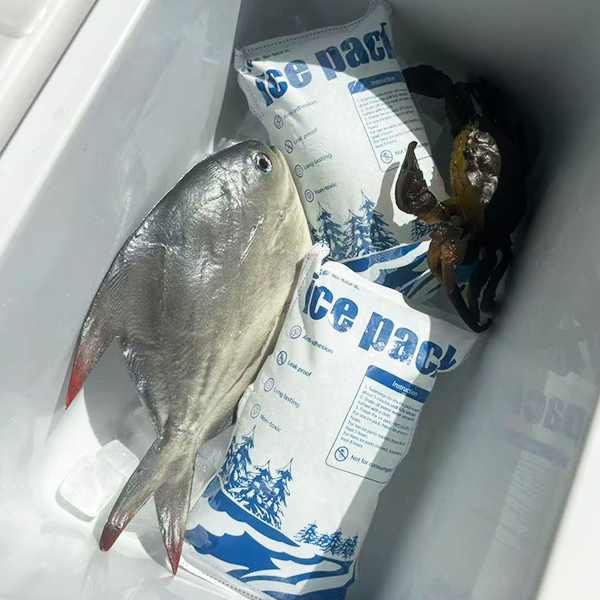
25 liter vaccine ice box supplier: From Added Volume to Controlled Field Use
A defensible purchasing program for 25 liter vaccine ice box supplier follows a sequence: define the product and lane, convert nominal size into a loading map, select the complete packout, review configuration-specific evidence, run a pilot and lock production controls. That sequence is designed to use added volume carefully so thermal mass, ergonomics and access remain controlled while keeping procurement, quality, operations and finance on the same facts.
The integrated framework below treats every important claim as conditional on the exact 25 liter vaccine ice box, coolant, payload, ambient profile and operating procedure. It also establishes change gates so a lower-cost substitution or production revision cannot silently move the delivered product away from the evidence used for approval.
Build a one-page shipment requirement before supplier review
For larger portable vaccine loads in a nominal twenty-five-liter format, the requirement brief should state product limits, route exposure, payload and the receiving decision before the 25 liter vaccine ice box is compared. Many refrigerated vaccine programs work around a 2°C to 8°C storage range, but the approved conditions for the specific vaccine and market must control the packout. Some products are especially sensitive to freezing, so adding more frozen coolant is not automatically safer. Define the acceptable temperature range, excursion rules, freeze sensitivity, payload orientation and receiving decision before asking suppliers to recommend a configuration. Without those limits, a quote can only describe hardware, not suitability.
Map the route as a sequence of exposures rather than a single transit time. Include conditioning and staging before dispatch, loading delays, vehicle or air-cargo handover, warehouse dwell, customs, last-mile delivery and the time before the receiver opens the package. The estimated maximum duration should include realistic disruption, not only the carrier's planned travel time. Assign an owner to approve the requirement before design work begins.
For larger portable vaccine loads in a nominal twenty-five-liter format, also record payload dimensions, thermal mass, primary-packaging fragility, required orientation and the number of times the lid may be opened. Record the result in the shipment brief used for larger portable vaccine loads in a nominal twenty-five-liter format. The nominal 25-liter size is not the usable payload. Coolant, dividers, protective pads, air space and a data logger consume volume, and the remaining geometry may matter more than the headline liters.
Use a 25-liter format only after route-fit review
A nominal 25-liter format can be convenient for hand carrying, vehicle routing and standardized shelves, but the label does not define loaded weight or payload count. Compare the external cube, handle position, center of gravity and stacking behavior with the real packout. A compact box with thick insulation may hold less product; a thin-wall box may offer more space but require a different thermal strategy. A larger cavity can create more freedom for organization, but it can also increase empty space or thermal gradients when the route carries a partial load.
Make the topic-specific criterion part of the design and change-control record. Build at least two loading maps when the program has mixed order sizes. A partial-load configuration may need controlled void fill or a different coolant arrangement so the product does not move and the thermal response remains representative. Do not let operators improvise by adding random packs, paper or empty cartons.
Confirm how the lid opens in the actual work area and whether the user can retrieve the required item without unloading the entire box. For field or multi-drop routes, a simple internal organizer can reduce open time and handling errors, but it becomes part of the qualified configuration and should be controlled like any other component. Convert the topic-specific risk into a measurable acceptance criterion for the 25 liter vaccine ice box.
| Approval gate | Decision to make | Release evidence |
|---|---|---|
| Gate 1: requirements | Approved product, route and payload brief for larger portable vaccine loads in a nominal twenty-five-liter format | Named owner and signed input |
| Gate 2: design choice | Production-intent 25 liter vaccine ice box and complete packout | Drawing, component list and risk review |
| Gate 3: evidence | Test configuration matches the commercial specification | Protocol, data and report |
| Gate 4: pilot | Operators and receivers can execute the process | Trial record, deviations and actions |
| Gate 5: scale-up | Production controls and change rules remain connected | Release specification and ongoing review |
This approval path integrates commercial and technical decisions for the 25 liter vaccine ice box supplier; the gate depth should remain proportional to shipment risk.
Approve usable payload, not the 25-liter label
Capacity for the 25 liter vaccine ice box should be approved from a physical loading map, not from catalog volume alone. The nominal 25-liter size normally describes a gross internal envelope or marketing class, not the space available for product after a working packout is built. Ask for internal length, width and height at the narrowest usable points, including lid intrusions, tapered walls, wheel wells, handles or dividers. Then create a scale loading map with the actual primary packages and coolant.
Usable capacity has a thermal dimension. Replacing product with empty air changes heat capacity and air movement; overpacking can block intended coolant exposure or crush primary packaging. The representative test payload should match the production shipment in geometry, mass and starting condition as closely as practical. A water bottle or metal block may be convenient, but it should not be treated as equivalent without justification. Release the loading map as a controlled part of the commercial specification.
For vaccine field use, loaded weight and access are as important as volume. Keep the approved loading drawing with the 25 liter vaccine ice box specification. Staff may carry the box, open it repeatedly, remove small quantities and return the lid under time pressure. A larger nominal box can increase coolant mass and handling burden. Evaluate the fully loaded unit, opening sequence, vial or carton organization, freeze-prevention barrier and the ability to read labels without leaving the lid open longer than necessary.
Build an evidence chain from design to routine shipment
Evidence for the 25 liter vaccine ice box is meaningful only when the tested revision and the commercial configuration are the same. A useful thermal report identifies the exact box revision, coolant and conditioning method, payload or simulant, sensor locations, ambient profile, test duration, acceptance range and result. Without those details, a stated hold time cannot be compared fairly. Ask whether the report represents a design test, a qualification test, a field verification or a marketing demonstration; each supports a different level of confidence.
Standard thermal profiles can support laboratory comparison, but they do not automatically reproduce the worst conditions on a specific lane. Route dwell, customs delays, seasonal exposure and handover practices still need review, and high-risk programs may require lane-specific qualification. ISTA 7E can support testing and comparison of insulated shipping containers, while use with Standard 20 adds a defined qualification and documentation framework. It is still necessary to decide whether a standard parcel profile fits the actual mode and risk. Connect the test report to drawings, component identities and purchase controls.
Vaccine programs should align transport instructions with the current product guidance, local health authority requirements and the responsible immunization program. Link the report, raw data and sensor map to the exact 25 liter vaccine ice box revision. Temperature monitoring, excursion handling and documented packing procedures are part of the operating system, not optional decorations. Temperature-monitoring equipment should be appropriate for the decision being made, maintained and calibrated under the organization's quality system. The data file, time base, sensor identity, alarm limits and review record should be retained when the shipment value or regulatory context requires evidence.
Shortlist suppliers with a scored evidence review
The supplier review should clarify what is supplied, what is only recommended and what remains the buyer's qualification responsibility. A capable supplier should ask for route and payload details before promising performance. Useful support may include drawings, material descriptions, component lists, sample packout suggestions, test-condition explanations, production specifications and change-control communication. The exact scope varies, so the buyer should define which deliverables are required rather than assuming every supplier provides the same engineering service.
Ask the supplier to distinguish verified facts from recommendations. A dimension drawing can be checked directly. A thermal claim needs the payload, coolant configuration, conditioning method, sensor locations, ambient profile, acceptance limits and test report. A statement such as 'pharmaceutical grade' is not enough unless it is tied to a defined material, application and supporting document. Approve the supplier on both product evidence and ongoing change communication.
The most revealing question is often what would cause the supplier to reject its own recommendation. Write the agreed support boundary into the RFQ and supplier approval record. Credible answers may include an undefined route, excessive payload, inadequate preconditioning, direct contact with frozen coolant, a required duration beyond available evidence, or a cleaning chemical that is incompatible with the material. Boundaries show technical judgment; universal suitability claims hide it.
Move from sample to controlled routine production
Start with a representative sample, not a showroom unit. Routine use of the 25 liter vaccine ice box depends on conditioning, assembly, handover, receiving and inspection steps that operators can repeat. Check dimensions, lid alignment, latch force, gasket contact, surface defects, odor, cleaning access, drainage if present, label adhesion and the fit of every packout component. Load the actual payload or a justified equivalent, then run the planned conditioning, packing and monitoring process with the operators who will use it.
The work instruction should define coolant conditioning, box conditioning when required, loading order, separator position, sensor location, closure checks, label placement, handover, receiving inspection and deviation escalation. Use photographs or diagrams where they reduce ambiguity. Training should include common wrong assemblies so staff can recognize them, not only the correct sequence. Close the approval loop with operator training and receiving feedback.
Make the procedure practical for the people who pack, carry, clean and receive the box. At receiving, inspect physical condition before opening, capture logger status, verify the seal or tamper indicator if used and record unusual dwell or damage. A temperature excursion is a quality decision, not a reason for the warehouse operator to guess. Quarantine and escalation rules should identify who reviews the data, product information and shipment history.
Build a cost model that quality and finance can share
The cost model for the 25 liter vaccine ice box should separate one-time project work from recurring packout and operating expense. The commercial cost includes more than the empty box. Recurring elements may include coolant, separators, liners, labels, data loggers, outer cartons, palletization, cleaning, inspection, return transport, storage and replacement. One-time or project costs may include design work, tooling, samples, drawings, molds, test fixtures, thermal studies, quality documentation and qualification runs. Ask the supplier to separate these categories.
A lower-price box can create higher program cost when it uses more coolant, reduces payload, arrives inconsistently, breaks during handling or requires more operator time. Conversely, a higher-cost construction is not automatically better if the route is short, one-way and low risk. Compare options against the same payload, ambient profile, handling cycle and acceptance criteria. Use cost gates so late commercial changes do not invalidate technical work.
For reusable programs, calculate cost per completed, acceptable shipment rather than cost per box. Normalize quotations before comparing the total value of the 25 liter vaccine ice box. Include return rate, loss, cleaning labor, inspection, repair, storage, repositioning and retirement. Sustainability claims should use the same system boundary. A durable container that is rarely returned or transported inefficiently may not deliver the expected financial or environmental benefit.
Frequently Asked Questions
What are the main approval gates for 25 liter vaccine ice box supplier sourcing?
Use separate gates for product and route requirements, design selection, evidence review, pilot execution and production release. Each gate should identify the owner, exact 25 liter vaccine ice box configuration, required record and unresolved risk. This prevents commercial progress from moving faster than technical approval.
How can the tested packout remain connected to the purchased 25 liter vaccine ice box for larger portable vaccine loads in a nominal twenty-five-liter format?
Link the test report to revision-controlled drawings, bill of materials, cold-source specification, loading map and production controls for the 25 liter vaccine ice box. Purchase orders and inspection plans for larger portable vaccine loads in a nominal twenty-five-liter format should reference the same configuration. Any substitution or process change should be assessed before acceptance.
What should a pilot demonstrate before scale-up?
The pilot should show that operators can condition components, assemble the packout, load the payload, place the logger, close the box, manage handovers and complete receiving review for larger portable vaccine loads in a nominal twenty-five-liter format. Record deviations and convert lessons into controlled instructions before routine production.
How should the loading map for a 25-liter box be approved?
Show the exact product orientation, cold sources, separators, void-control parts and sensor position, using the production-intent 25 liter vaccine ice box. Link the drawing to the bill of materials and test report. Changes that alter payload mass, spacing or cold-source contact should pass through risk review before routine use.
What is the final commercial decision for the 25 liter vaccine ice box after technical approval?
Normalize the configuration, service scope, evidence, packing and delivery basis, then compare total program value. Select the supplier that can supply the approved 25 liter vaccine ice box consistently, communicate changes and support the operating model without extending claims beyond the available evidence.
Conclusion
The integrated approval path for 25 liter vaccine ice box supplier is sequential: define product and route limits, build the loading map, choose the complete packout, review evidence, run a pilot, lock production controls and monitor routine use. Each gate should preserve the link between commercial specification and technical performance.
Treat every important claim as configuration-specific and every material, process, payload or route change as a reason to review risk. That discipline makes the 25 liter vaccine ice box easier to train, audit, scale and improve without relying on unsupported universal claims.
About Tempk
Tempk helps buyers move from a route and payload brief toward a more precise 25 liter vaccine ice box sample and commercial specification. Its product scope includes medical ice boxes, EPP and VIP cooler formats, gel and phase-change cold sources, insulated bags and liners, and pallet-level thermal protection. The useful discussion starts with the target condition, payload geometry, route, packout method, cleaning or return model and the evidence required before scale-up. For this 25 liter vaccine ice box supplier project, any final recommendation should still be confirmed against the customer's product limits, test conditions and quality process.
Send Tempk the 25 liter vaccine ice box loading map, route assumptions and required documents to build a more precise sample-to-production review.
20 liter vaccine ice box manufacturer: From Capacity Label to Field-Ready System
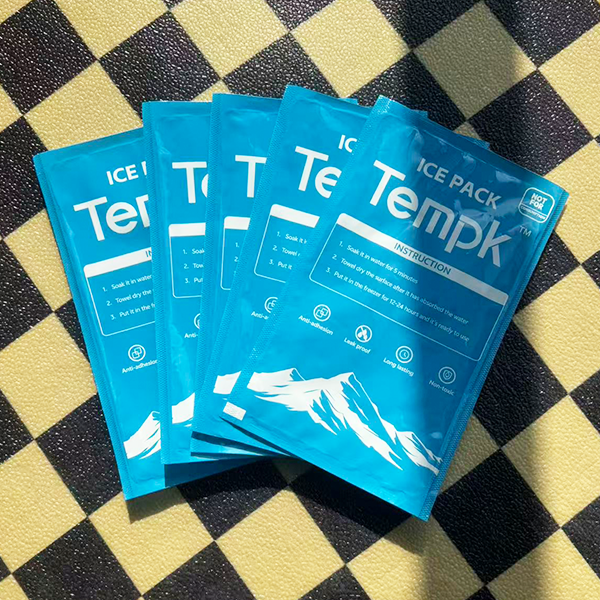
20 liter vaccine ice box manufacturer: From Capacity Label to Field-Ready System
A defensible purchasing program for 20 liter vaccine ice box manufacturer follows a sequence: define the product and lane, convert nominal size into a loading map, select the complete packout, review configuration-specific evidence, run a pilot and lock production controls. That sequence is designed to balance usable payload, loaded weight, opening frequency and freeze prevention while keeping procurement, quality, operations and finance on the same facts.
The integrated framework below treats every important claim as conditional on the exact 20 liter vaccine ice box, coolant, payload, ambient profile and operating procedure. It also establishes change gates so a lower-cost substitution or production revision cannot silently move the delivered product away from the evidence used for approval.
Build a one-page shipment requirement before supplier review
Many refrigerated vaccine programs work around a 2°C to 8°C storage range, but the approved conditions for the specific vaccine and market must control the packout. For portable vaccine distribution in a nominal twenty-liter format, the requirement brief should state product limits, route exposure, payload and the receiving decision before the 20 liter vaccine ice box is compared. Some products are especially sensitive to freezing, so adding more frozen coolant is not automatically safer. Define the acceptable temperature range, excursion rules, freeze sensitivity, payload orientation and receiving decision before asking suppliers to recommend a configuration. Without those limits, a quote can only describe hardware, not suitability.
Map the route as a sequence of exposures rather than a single transit time. Include conditioning and staging before dispatch, loading delays, vehicle or air-cargo handover, warehouse dwell, customs, last-mile delivery and the time before the receiver opens the package. The estimated maximum duration should include realistic disruption, not only the carrier's planned travel time. Assign an owner to approve the requirement before design work begins.
Record the result in the shipment brief used for portable vaccine distribution in a nominal twenty-liter format. For portable vaccine distribution in a nominal twenty-liter format, also record payload dimensions, thermal mass, primary-packaging fragility, required orientation and the number of times the lid may be opened. The nominal 20-liter size is not the usable payload. Coolant, dividers, protective pads, air space and a data logger consume volume, and the remaining geometry may matter more than the headline liters.
Approve usable payload, not the 20-liter label
The nominal 20-liter size normally describes a gross internal envelope or marketing class, not the space available for product after a working packout is built. Capacity for the 20 liter vaccine ice box should be approved from a physical loading map, not from catalog volume alone. Ask for internal length, width and height at the narrowest usable points, including lid intrusions, tapered walls, wheel wells, handles or dividers. Then create a scale loading map with the actual primary packages and coolant.
Usable capacity has a thermal dimension. Replacing product with empty air changes heat capacity and air movement; overpacking can block intended coolant exposure or crush primary packaging. The representative test payload should match the production shipment in geometry, mass and starting condition as closely as practical. A water bottle or metal block may be convenient, but it should not be treated as equivalent without justification. Release the loading map as a controlled part of the commercial specification.
Keep the approved loading drawing with the 20 liter vaccine ice box specification. For vaccine field use, loaded weight and access are as important as volume. Staff may carry the box, open it repeatedly, remove small quantities and return the lid under time pressure. A larger nominal box can increase coolant mass and handling burden. Evaluate the fully loaded unit, opening sequence, vial or carton organization, freeze-prevention barrier and the ability to read labels without leaving the lid open longer than necessary.
Use a 20-liter format only after route-fit review
A nominal 20-liter format can be convenient for hand carrying, vehicle routing and standardized shelves, but the label does not define loaded weight or payload count. Compare the external cube, handle position, center of gravity and stacking behavior with the real packout. A compact box with thick insulation may hold less product; a thin-wall box may offer more space but require a different thermal strategy. Compact vaccine packouts are sensitive to direct cold contact and partial loading; barriers, conditioned coolant and payload organization need to remain consistent with the evaluated configuration.
Build at least two loading maps when the program has mixed order sizes. Make the topic-specific criterion part of the design and change-control record. A partial-load configuration may need controlled void fill or a different coolant arrangement so the product does not move and the thermal response remains representative. Do not let operators improvise by adding random packs, paper or empty cartons.
Confirm how the lid opens in the actual work area and whether the user can retrieve the required item without unloading the entire box. For field or multi-drop routes, a simple internal organizer can reduce open time and handling errors, but it becomes part of the qualified configuration and should be controlled like any other component. Convert the topic-specific risk into a measurable acceptance criterion for the 20 liter vaccine ice box.
A practical supplier evidence ladder
A capable manufacturer should ask for route and payload details before promising performance. The manufacturer review should clarify what is supplied, what is only recommended and what remains the buyer's qualification responsibility. Useful support may include drawings, material descriptions, component lists, sample packout suggestions, test-condition explanations, production specifications and change-control communication. The exact scope varies, so the buyer should define which deliverables are required rather than assuming every manufacturer provides the same engineering service.
Ask the supplier to distinguish verified facts from recommendations. A dimension drawing can be checked directly. A thermal claim needs the payload, coolant configuration, conditioning method, sensor locations, ambient profile, acceptance limits and test report. A statement such as 'pharmaceutical grade' is not enough unless it is tied to a defined material, application and supporting document. Approve the supplier on both product evidence and ongoing change communication.
Write the agreed support boundary into the RFQ and supplier approval record. The most revealing question is often what would cause the supplier to reject its own recommendation. Credible answers may include an undefined route, excessive payload, inadequate preconditioning, direct contact with frozen coolant, a required duration beyond available evidence, or a cleaning chemical that is incompatible with the material. Boundaries show technical judgment; universal suitability claims hide it.
Link test conditions to the commercial specification
A useful thermal report identifies the exact box revision, coolant and conditioning method, payload or simulant, sensor locations, ambient profile, test duration, acceptance range and result. Evidence for the 20 liter vaccine ice box is meaningful only when the tested revision and the commercial configuration are the same. Without those details, a stated hold time cannot be compared fairly. Ask whether the report represents a design test, a qualification test, a field verification or a marketing demonstration; each supports a different level of confidence.
Standard thermal profiles can support laboratory comparison, but they do not automatically reproduce the worst conditions on a specific lane. Route dwell, customs delays, seasonal exposure and handover practices still need review, and high-risk programs may require lane-specific qualification. ISTA 7E can support testing and comparison of insulated shipping containers, while use with Standard 20 adds a defined qualification and documentation framework. It is still necessary to decide whether a standard parcel profile fits the actual mode and risk. Connect the test report to drawings, component identities and purchase controls.
Link the report, raw data and sensor map to the exact 20 liter vaccine ice box revision. Vaccine programs should align transport instructions with the current product guidance, local health authority requirements and the responsible immunization program. Temperature monitoring, excursion handling and documented packing procedures are part of the operating system, not optional decorations. Temperature-monitoring equipment should be appropriate for the decision being made, maintained and calibrated under the organization's quality system. The data file, time base, sensor identity, alarm limits and review record should be retained when the shipment value or regulatory context requires evidence.
| Approval gate | Decision to make | Release evidence |
|---|---|---|
| Gate 1: requirements | Approved product, route and payload brief for portable vaccine distribution in a nominal twenty-liter format | Named owner and signed input |
| Gate 2: design choice | Production-intent 20 liter vaccine ice box and complete packout | Drawing, component list and risk review |
| Gate 3: evidence | Test configuration matches the commercial specification | Protocol, data and report |
| Gate 4: pilot | Operators and receivers can execute the process | Trial record, deviations and actions |
| Gate 5: scale-up | Production controls and change rules remain connected | Release specification and ongoing review |
This approval path integrates commercial and technical decisions for the 20 liter vaccine ice box manufacturer; the gate depth should remain proportional to shipment risk.
Connect supplier controls with operator controls
Routine use of the 20 liter vaccine ice box depends on conditioning, assembly, handover, receiving and inspection steps that operators can repeat. Start with a representative sample, not a showroom unit. Check dimensions, lid alignment, latch force, gasket contact, surface defects, odor, cleaning access, drainage if present, label adhesion and the fit of every packout component. Load the actual payload or a justified equivalent, then run the planned conditioning, packing and monitoring process with the operators who will use it.
The work instruction should define coolant conditioning, box conditioning when required, loading order, separator position, sensor location, closure checks, label placement, handover, receiving inspection and deviation escalation. Use photographs or diagrams where they reduce ambiguity. Training should include common wrong assemblies so staff can recognize them, not only the correct sequence. Close the approval loop with operator training and receiving feedback.
At receiving, inspect physical condition before opening, capture logger status, verify the seal or tamper indicator if used and record unusual dwell or damage. Make the procedure practical for the people who pack, carry, clean and receive the box. A temperature excursion is a quality decision, not a reason for the warehouse operator to guess. Quarantine and escalation rules should identify who reviews the data, product information and shipment history.
Approve value through a total-program view
The commercial cost includes more than the empty box. The cost model for the 20 liter vaccine ice box should separate one-time project work from recurring packout and operating expense. Recurring elements may include coolant, separators, liners, labels, data loggers, outer cartons, palletization, cleaning, inspection, return transport, storage and replacement. One-time or project costs may include design work, tooling, samples, drawings, molds, test fixtures, thermal studies, quality documentation and qualification runs. Ask the supplier to separate these categories.
A lower-price box can create higher program cost when it uses more coolant, reduces payload, arrives inconsistently, breaks during handling or requires more operator time. Conversely, a higher-cost construction is not automatically better if the route is short, one-way and low risk. Compare options against the same payload, ambient profile, handling cycle and acceptance criteria. Use cost gates so late commercial changes do not invalidate technical work.
Normalize quotations before comparing the total value of the 20 liter vaccine ice box. For reusable programs, calculate cost per completed, acceptable shipment rather than cost per box. Include return rate, loss, cleaning labor, inspection, repair, storage, repositioning and retirement. Sustainability claims should use the same system boundary. A durable container that is rarely returned or transported inefficiently may not deliver the expected financial or environmental benefit.
Frequently Asked Questions
What are the main approval gates for 20 liter vaccine ice box manufacturer sourcing?
Use separate gates for product and route requirements, design selection, evidence review, pilot execution and production release. Each gate should identify the owner, exact 20 liter vaccine ice box configuration, required record and unresolved risk. This prevents commercial progress from moving faster than technical approval.
How can the tested packout remain connected to the purchased 20 liter vaccine ice box for portable vaccine distribution in a nominal twenty-liter format?
Link the test report to revision-controlled drawings, bill of materials, cold-source specification, loading map and production controls for the 20 liter vaccine ice box. Purchase orders and inspection plans for portable vaccine distribution in a nominal twenty-liter format should reference the same configuration. Any substitution or process change should be assessed before acceptance.
What should a pilot demonstrate before scale-up?
The pilot should show that operators can condition components, assemble the packout, load the payload, place the logger, close the box, manage handovers and complete receiving review for portable vaccine distribution in a nominal twenty-liter format. Record deviations and convert lessons into controlled instructions before routine production.
How should the loading map for a 20-liter box be approved?
Show the exact product orientation, cold sources, separators, void-control parts and sensor position, using the production-intent 20 liter vaccine ice box. Link the drawing to the bill of materials and test report. Changes that alter payload mass, spacing or cold-source contact should pass through risk review before routine use.
What is the final commercial decision for the 20 liter vaccine ice box after technical approval?
Normalize the configuration, service scope, evidence, packing and delivery basis, then compare total program value. Select the manufacturer that can supply the approved 20 liter vaccine ice box consistently, communicate changes and support the operating model without extending claims beyond the available evidence.
Conclusion
The integrated approval path for 20 liter vaccine ice box manufacturer is sequential: define product and route limits, build the loading map, choose the complete packout, review evidence, run a pilot, lock production controls and monitor routine use. Each gate should preserve the link between commercial specification and technical performance.
Treat every important claim as configuration-specific and every material, process, payload or route change as a reason to review risk. That discipline makes the 20 liter vaccine ice box easier to train, audit, scale and improve without relying on unsupported universal claims.
About Tempk
Tempk helps buyers move from a route and payload brief toward a more precise 20 liter vaccine ice box sample and commercial specification. Its product scope includes medical ice boxes, EPP and VIP cooler formats, gel and phase-change cold sources, insulated bags and liners, and pallet-level thermal protection. The useful discussion starts with the target condition, payload geometry, route, packout method, cleaning or return model and the evidence required before scale-up. For this 20 liter vaccine ice box manufacturer project, any final recommendation should still be confirmed against the customer's product limits, test conditions and quality process.
Send Tempk the 20 liter vaccine ice box loading map, route assumptions and required documents to build a more precise sample-to-production review.
20 liter pharmaceutical ice box manufacturer: From Box Size to Qualified Shipping System
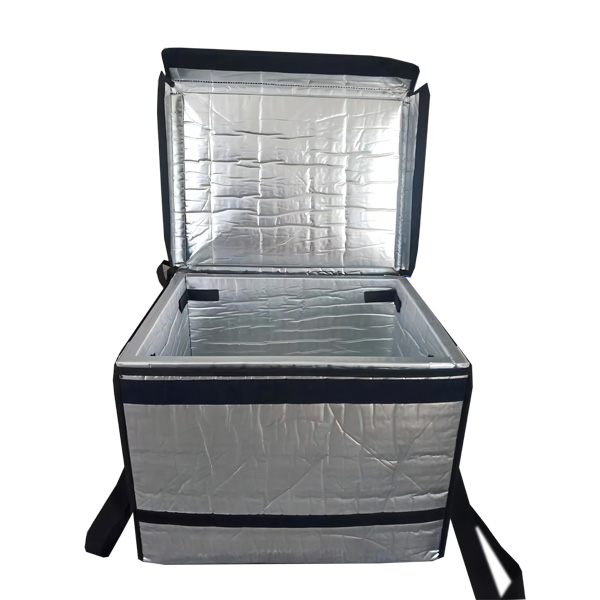
20 liter pharmaceutical ice box manufacturer: From Box Size to Qualified Shipping System
A defensible purchasing program for 20 liter pharmaceutical ice box manufacturer follows a sequence: define the product and lane, convert nominal size into a loading map, select the complete packout, review configuration-specific evidence, run a pilot and lock production controls. That sequence is designed to translate a twenty-liter label into a qualified loading map and repeatable SOP while keeping procurement, quality, operations and finance on the same facts.
The integrated framework below treats every important claim as conditional on the exact 20 liter pharmaceutical ice box, coolant, payload, ambient profile and operating procedure. It also establishes change gates so a lower-cost substitution or production revision cannot silently move the delivered product away from the evidence used for approval.
Use a 20-liter format only after route-fit review
The usable cavity, payload thermal mass, coolant state, separators and sensor location should be mapped as one configuration because compact systems react strongly to small packing changes. A nominal 20-liter format can be convenient for hand carrying, vehicle routing and standardized shelves, but the label does not define loaded weight or payload count. Compare the external cube, handle position, center of gravity and stacking behavior with the real packout. A compact box with thick insulation may hold less product; a thin-wall box may offer more space but require a different thermal strategy.
Build at least two loading maps when the program has mixed order sizes. A partial-load configuration may need controlled void fill or a different coolant arrangement so the product does not move and the thermal response remains representative. Do not let operators improvise by adding random packs, paper or empty cartons. Make the topic-specific criterion part of the design and change-control record.
Confirm how the lid opens in the actual work area and whether the user can retrieve the required item without unloading the entire box. Convert the topic-specific risk into a measurable acceptance criterion for the 20 liter pharmaceutical ice box. For field or multi-drop routes, a simple internal organizer can reduce open time and handling errors, but it becomes part of the qualified configuration and should be controlled like any other component.
Build a one-page shipment requirement before supplier review
Pharmaceutical products do not share one universal shipping temperature. A refrigerated 2°C to 8°C range is common for some products, while others may require controlled room temperature, frozen, deep-frozen or product-specific conditions. The label, approved product information and quality team should define the target before packaging is selected. Define the acceptable temperature range, excursion rules, freeze sensitivity, payload orientation and receiving decision before asking suppliers to recommend a configuration. Without those limits, a quote can only describe hardware, not suitability. For compact medicine, biologic, diagnostic and sample shipments, the requirement brief should state product limits, route exposure, payload and the receiving decision before the 20 liter pharmaceutical ice box is compared.
Map the route as a sequence of exposures rather than a single transit time. Assign an owner to approve the requirement before design work begins. Include conditioning and staging before dispatch, loading delays, vehicle or air-cargo handover, warehouse dwell, customs, last-mile delivery and the time before the receiver opens the package. The estimated maximum duration should include realistic disruption, not only the carrier's planned travel time.
For compact medicine, biologic, diagnostic and sample shipments, also record payload dimensions, thermal mass, primary-packaging fragility, required orientation and the number of times the lid may be opened. The nominal 20-liter size is not the usable payload. Coolant, dividers, protective pads, air space and a data logger consume volume, and the remaining geometry may matter more than the headline liters. Record the result in the shipment brief used for compact medicine, biologic, diagnostic and sample shipments.
Approve usable payload, not the 20-liter label
The nominal 20-liter size normally describes a gross internal envelope or marketing class, not the space available for product after a working packout is built. Ask for internal length, width and height at the narrowest usable points, including lid intrusions, tapered walls, wheel wells, handles or dividers. Then create a scale loading map with the actual primary packages and coolant. Capacity for the 20 liter pharmaceutical ice box should be approved from a physical loading map, not from catalog volume alone.
Usable capacity has a thermal dimension. Release the loading map as a controlled part of the commercial specification. Replacing product with empty air changes heat capacity and air movement; overpacking can block intended coolant exposure or crush primary packaging. The representative test payload should match the production shipment in geometry, mass and starting condition as closely as practical. A water bottle or metal block may be convenient, but it should not be treated as equivalent without justification.
For commercial distribution, confirm whether the payload is one large assembly, multiple cartons or a mixed order. Dividers, orientation features and label visibility can improve handling but reduce capacity. The approved drawing should show what may change and what is fixed, because a small shift in coolant or payload position can affect sensor results and repeatability. Keep the approved loading drawing with the 20 liter pharmaceutical ice box specification.
Create a defensible release package
A useful thermal report identifies the exact box revision, coolant and conditioning method, payload or simulant, sensor locations, ambient profile, test duration, acceptance range and result. Without those details, a stated hold time cannot be compared fairly. Ask whether the report represents a design test, a qualification test, a field verification or a marketing demonstration; each supports a different level of confidence. Evidence for the 20 liter pharmaceutical ice box is meaningful only when the tested revision and the commercial configuration are the same.
Standard thermal profiles can support laboratory comparison, but they do not automatically reproduce the worst conditions on a specific lane. Connect the test report to drawings, component identities and purchase controls. Route dwell, customs delays, seasonal exposure and handover practices still need review, and high-risk programs may require lane-specific qualification. ISTA 7E can support testing and comparison of insulated shipping containers, while use with Standard 20 adds a defined qualification and documentation framework. It is still necessary to decide whether a standard parcel profile fits the actual mode and risk.
Good distribution practice expects transport conditions to remain within the limits defined for the medicinal product and uses a risk-based approach to routes, equipment and monitoring. The packaging decision therefore needs evidence, procedures and deviation handling rather than a broad claim of global compliance. Temperature-monitoring equipment should be appropriate for the decision being made, maintained and calibrated under the organization's quality system. The data file, time base, sensor identity, alarm limits and review record should be retained when the shipment value or regulatory context requires evidence. Link the report, raw data and sensor map to the exact 20 liter pharmaceutical ice box revision.
Make the supplier review auditable
A capable manufacturer should ask for route and payload details before promising performance. Useful support may include drawings, material descriptions, component lists, sample packout suggestions, test-condition explanations, production specifications and change-control communication. The exact scope varies, so the buyer should define which deliverables are required rather than assuming every manufacturer provides the same engineering service. The manufacturer review should clarify what is supplied, what is only recommended and what remains the buyer's qualification responsibility.
Ask the supplier to distinguish verified facts from recommendations. Approve the supplier on both product evidence and ongoing change communication. A dimension drawing can be checked directly. A thermal claim needs the payload, coolant configuration, conditioning method, sensor locations, ambient profile, acceptance limits and test report. A statement such as 'pharmaceutical grade' is not enough unless it is tied to a defined material, application and supporting document.
The most revealing question is often what would cause the supplier to reject its own recommendation. Credible answers may include an undefined route, excessive payload, inadequate preconditioning, direct contact with frozen coolant, a required duration beyond available evidence, or a cleaning chemical that is incompatible with the material. Boundaries show technical judgment; universal suitability claims hide it. Write the agreed support boundary into the RFQ and supplier approval record.
Create approval gates for scale-up
Start with a representative sample, not a showroom unit. Check dimensions, lid alignment, latch force, gasket contact, surface defects, odor, cleaning access, drainage if present, label adhesion and the fit of every packout component. Load the actual payload or a justified equivalent, then run the planned conditioning, packing and monitoring process with the operators who will use it. Routine use of the 20 liter pharmaceutical ice box depends on conditioning, assembly, handover, receiving and inspection steps that operators can repeat.
Close the approval loop with operator training and receiving feedback. The work instruction should define coolant conditioning, box conditioning when required, loading order, separator position, sensor location, closure checks, label placement, handover, receiving inspection and deviation escalation. Use photographs or diagrams where they reduce ambiguity. Training should include common wrong assemblies so staff can recognize them, not only the correct sequence.
At receiving, inspect physical condition before opening, capture logger status, verify the seal or tamper indicator if used and record unusual dwell or damage. A temperature excursion is a quality decision, not a reason for the warehouse operator to guess. Quarantine and escalation rules should identify who reviews the data, product information and shipment history. Make the procedure practical for the people who pack, carry, clean and receive the box.
| Approval gate | Decision to make | Release evidence |
|---|---|---|
| Gate 1: requirements | Approved product, route and payload brief for compact medicine, biologic, diagnostic and sample shipments | Named owner and signed input |
| Gate 2: design choice | Production-intent 20 liter pharmaceutical ice box and complete packout | Drawing, component list and risk review |
| Gate 3: evidence | Test configuration matches the commercial specification | Protocol, data and report |
| Gate 4: pilot | Operators and receivers can execute the process | Trial record, deviations and actions |
| Gate 5: scale-up | Production controls and change rules remain connected | Release specification and ongoing review |
This approval path integrates commercial and technical decisions for the 20 liter pharmaceutical ice box manufacturer; the gate depth should remain proportional to shipment risk.
Use failure thinking before final approval
Mistake one is comparing advertised duration without matching the ambient profile, payload and acceptance range. Replace it with: What exact configuration was tested, under which profile, and does it represent our route? Mistake two is comparing external size or nominal liters without a loading map. Replace it with: What usable payload remains after every controlled component is installed? The most expensive mistakes in 20 liter pharmaceutical ice box manufacturer projects usually begin as undefined assumptions in the RFQ or work instruction.
Mistake three is treating a material or feature as proof of compliance. Assign corrective action and verification before the program advances. UV additives, VIP panels, a thick wall, a food-contact declaration, a drain or a gasket can be useful, but each addresses a limited question. Replace the broad claim with a measurable requirement and supporting document. Mistake four is approving a hand-built sample without production controls. Ask how the factory will maintain the same materials, dimensions and assembly.
Mistake five is ignoring people and handovers. A technically strong packout can fail when coolant is conditioned inconsistently, the lid is left open, the sensor is misplaced or the receiver has no excursion procedure. Include operators in sample trials and use their feedback to simplify the work instruction without changing the validated configuration. Replace the assumption with a defined owner, evidence item or verification step.
Frequently Asked Questions
What are the main approval gates for 20 liter pharmaceutical ice box manufacturer sourcing?
Use separate gates for product and route requirements, design selection, evidence review, pilot execution and production release. Each gate should identify the owner, exact 20 liter pharmaceutical ice box configuration, required record and unresolved risk. This prevents commercial progress from moving faster than technical approval.
How can the tested packout remain connected to the purchased 20 liter pharmaceutical ice box for compact medicine, biologic, diagnostic and sample shipments?
Link the test report to revision-controlled drawings, bill of materials, cold-source specification, loading map and production controls for the 20 liter pharmaceutical ice box. Purchase orders and inspection plans for compact medicine, biologic, diagnostic and sample shipments should reference the same configuration. Any substitution or process change should be assessed before acceptance.
What should a pilot demonstrate before scale-up?
The pilot should show that operators can condition components, assemble the packout, load the payload, place the logger, close the box, manage handovers and complete receiving review for compact medicine, biologic, diagnostic and sample shipments. Record deviations and convert lessons into controlled instructions before routine production.
How should the loading map for a 20-liter box be approved?
Show the exact product orientation, cold sources, separators, void-control parts and sensor position, using the production-intent 20 liter pharmaceutical ice box. Link the drawing to the bill of materials and test report. Changes that alter payload mass, spacing or cold-source contact should pass through risk review before routine use.
What is the final commercial decision for the 20 liter pharmaceutical ice box after technical approval?
Normalize the configuration, service scope, evidence, packing and delivery basis, then compare total program value. Select the manufacturer that can supply the approved 20 liter pharmaceutical ice box consistently, communicate changes and support the operating model without extending claims beyond the available evidence.
Conclusion
The integrated approval path for 20 liter pharmaceutical ice box manufacturer is sequential: define product and route limits, build the loading map, choose the complete packout, review evidence, run a pilot, lock production controls and monitor routine use. Each gate should preserve the link between commercial specification and technical performance.
Treat every important claim as configuration-specific and every material, process, payload or route change as a reason to review risk. That discipline makes the 20 liter pharmaceutical ice box easier to train, audit, scale and improve without relying on unsupported universal claims.
About Tempk
Tempk helps buyers move from a route and payload brief toward a more precise 20 liter pharmaceutical ice box sample and commercial specification. Its product scope includes medical ice boxes, EPP and VIP cooler formats, gel and phase-change cold sources, insulated bags and liners, and pallet-level thermal protection. The useful discussion starts with the target condition, payload geometry, route, packout method, cleaning or return model and the evidence required before scale-up. For this 20 liter pharmaceutical ice box manufacturer project, any final recommendation should still be confirmed against the customer's product limits, test conditions and quality process.
Send Tempk the 20 liter pharmaceutical ice box loading map, route assumptions and required documents to build a more precise sample-to-production review.
20 liter cold chain ice box manufacturer: From Nominal Volume to Repeatable Shipment

20 liter cold chain ice box manufacturer: From Nominal Volume to Repeatable Shipment
A defensible purchasing program for 20 liter cold chain ice box manufacturer follows a sequence: define the product and lane, convert nominal size into a loading map, select the complete packout, review configuration-specific evidence, run a pilot and lock production controls. That sequence is designed to treat twenty liters as a starting envelope and calculate usable payload after coolant and separators while keeping procurement, quality, operations and finance on the same facts.
The integrated framework below treats every important claim as conditional on the exact 20 liter cold chain ice box, coolant, payload, ambient profile and operating procedure. It also establishes change gates so a lower-cost substitution or production revision cannot silently move the delivered product away from the evidence used for approval.
Build a one-page shipment requirement before supplier review
The target temperature must be defined for the actual product. For refrigerated goods that need a nominal twenty-liter format, the requirement brief should state product limits, route exposure, payload and the receiving decision before the 20 liter cold chain ice box is compared. A box described as cold-chain packaging is not automatically suitable for every chilled, frozen or controlled-room-temperature shipment. Define the acceptable temperature range, excursion rules, freeze sensitivity, payload orientation and receiving decision before asking suppliers to recommend a configuration. Without those limits, a quote can only describe hardware, not suitability.
Map the route as a sequence of exposures rather than a single transit time. Include conditioning and staging before dispatch, loading delays, vehicle or air-cargo handover, warehouse dwell, customs, last-mile delivery and the time before the receiver opens the package. The estimated maximum duration should include realistic disruption, not only the carrier's planned travel time. Assign an owner to approve the requirement before design work begins.
Record the result in the shipment brief used for refrigerated goods that need a nominal twenty-liter format. For refrigerated goods that need a nominal twenty-liter format, also record payload dimensions, thermal mass, primary-packaging fragility, required orientation and the number of times the lid may be opened. The nominal 20-liter size is not the usable payload. Coolant, dividers, protective pads, air space and a data logger consume volume, and the remaining geometry may matter more than the headline liters.
Freeze the approved configuration before scale-up
A passive temperature-controlled system stores thermal energy in coolant and slows heat transfer with insulation. Gel packs, PCM packs, ice bricks or other cold sources must be selected and conditioned for the target range. Their placement, quantity and starting condition matter. More coolant can extend thermal capacity, but it can also reduce payload space, increase freight weight or create a cold-contact hazard. For refrigerated goods that need a nominal twenty-liter format, the cold source, separator, payload and logger position create the working packout; the empty enclosure does not.
Separate the product from cold sources when direct contact could damage it, and keep the loading pattern stable with dividers or void control. Release one controlled packout and define which change would require review. The right separator is not simply extra insulation; it should prevent local cold spots without blocking the intended heat-flow path. Verify the effect through testing rather than judging by touch.
Monitoring should represent payload risk. A sensor against the wall, on top of a coolant pack or inside an empty air pocket may report an extreme that does not represent the product, or it may miss the slowest-warming location. Use mapping studies to select positions, document the placement, protect the device from movement and define how the receiver downloads, reviews and escalates the data. Keep the cold-source state and loading order consistent with the evaluated refrigerated goods that need a nominal twenty-liter format configuration.
| Approval gate | Decision to make | Release evidence |
|---|---|---|
| Gate 1: requirements | Approved product, route and payload brief for refrigerated goods that need a nominal twenty-liter format | Named owner and signed input |
| Gate 2: design choice | Production-intent 20 liter cold chain ice box and complete packout | Drawing, component list and risk review |
| Gate 3: evidence | Test configuration matches the commercial specification | Protocol, data and report |
| Gate 4: pilot | Operators and receivers can execute the process | Trial record, deviations and actions |
| Gate 5: scale-up | Production controls and change rules remain connected | Release specification and ongoing review |
This approval path integrates commercial and technical decisions for the 20 liter cold chain ice box manufacturer; the gate depth should remain proportional to shipment risk.
Approve usable payload, not the 20-liter label
The nominal 20-liter size normally describes a gross internal envelope or marketing class, not the space available for product after a working packout is built. Capacity for the 20 liter cold chain ice box should be approved from a physical loading map, not from catalog volume alone. Ask for internal length, width and height at the narrowest usable points, including lid intrusions, tapered walls, wheel wells, handles or dividers. Then create a scale loading map with the actual primary packages and coolant.
Usable capacity has a thermal dimension. Replacing product with empty air changes heat capacity and air movement; overpacking can block intended coolant exposure or crush primary packaging. The representative test payload should match the production shipment in geometry, mass and starting condition as closely as practical. A water bottle or metal block may be convenient, but it should not be treated as equivalent without justification. Release the loading map as a controlled part of the commercial specification.
Keep the approved loading drawing with the 20 liter cold chain ice box specification. For commercial distribution, confirm whether the payload is one large assembly, multiple cartons or a mixed order. Dividers, orientation features and label visibility can improve handling but reduce capacity. The approved drawing should show what may change and what is fixed, because a small shift in coolant or payload position can affect sensor results and repeatability.
Link test conditions to the commercial specification
A useful thermal report identifies the exact box revision, coolant and conditioning method, payload or simulant, sensor locations, ambient profile, test duration, acceptance range and result. Evidence for the 20 liter cold chain ice box is meaningful only when the tested revision and the commercial configuration are the same. Without those details, a stated hold time cannot be compared fairly. Ask whether the report represents a design test, a qualification test, a field verification or a marketing demonstration; each supports a different level of confidence.
Standard thermal profiles can support laboratory comparison, but they do not automatically reproduce the worst conditions on a specific lane. Route dwell, customs delays, seasonal exposure and handover practices still need review, and high-risk programs may require lane-specific qualification. ISTA 7E can support testing and comparison of insulated shipping containers, while use with Standard 20 adds a defined qualification and documentation framework. It is still necessary to decide whether a standard parcel profile fits the actual mode and risk. Connect the test report to drawings, component identities and purchase controls.
Link the report, raw data and sensor map to the exact 20 liter cold chain ice box revision. Regulatory and customer requirements vary by product, route and market. Buyers should translate those requirements into measurable acceptance criteria rather than relying on a generic compliance statement. Temperature-monitoring equipment should be appropriate for the decision being made, maintained and calibrated under the organization's quality system. The data file, time base, sensor identity, alarm limits and review record should be retained when the shipment value or regulatory context requires evidence.
A practical supplier evidence ladder
A capable manufacturer should ask for route and payload details before promising performance. The manufacturer review should clarify what is supplied, what is only recommended and what remains the buyer's qualification responsibility. Useful support may include drawings, material descriptions, component lists, sample packout suggestions, test-condition explanations, production specifications and change-control communication. The exact scope varies, so the buyer should define which deliverables are required rather than assuming every manufacturer provides the same engineering service.
Ask the supplier to distinguish verified facts from recommendations. A dimension drawing can be checked directly. A thermal claim needs the payload, coolant configuration, conditioning method, sensor locations, ambient profile, acceptance limits and test report. A statement such as 'pharmaceutical grade' is not enough unless it is tied to a defined material, application and supporting document. Approve the supplier on both product evidence and ongoing change communication.
Write the agreed support boundary into the RFQ and supplier approval record. The most revealing question is often what would cause the supplier to reject its own recommendation. Credible answers may include an undefined route, excessive payload, inadequate preconditioning, direct contact with frozen coolant, a required duration beyond available evidence, or a cleaning chemical that is incompatible with the material. Boundaries show technical judgment; universal suitability claims hide it.
Connect supplier controls with operator controls
Routine use of the 20 liter cold chain ice box depends on conditioning, assembly, handover, receiving and inspection steps that operators can repeat. Start with a representative sample, not a showroom unit. Check dimensions, lid alignment, latch force, gasket contact, surface defects, odor, cleaning access, drainage if present, label adhesion and the fit of every packout component. Load the actual payload or a justified equivalent, then run the planned conditioning, packing and monitoring process with the operators who will use it.
The work instruction should define coolant conditioning, box conditioning when required, loading order, separator position, sensor location, closure checks, label placement, handover, receiving inspection and deviation escalation. Use photographs or diagrams where they reduce ambiguity. Training should include common wrong assemblies so staff can recognize them, not only the correct sequence. Close the approval loop with operator training and receiving feedback.
At receiving, inspect physical condition before opening, capture logger status, verify the seal or tamper indicator if used and record unusual dwell or damage. Make the procedure practical for the people who pack, carry, clean and receive the box. A temperature excursion is a quality decision, not a reason for the warehouse operator to guess. Quarantine and escalation rules should identify who reviews the data, product information and shipment history.
Approve value through a total-program view
The commercial cost includes more than the empty box. The cost model for the 20 liter cold chain ice box should separate one-time project work from recurring packout and operating expense. Recurring elements may include coolant, separators, liners, labels, data loggers, outer cartons, palletization, cleaning, inspection, return transport, storage and replacement. One-time or project costs may include design work, tooling, samples, drawings, molds, test fixtures, thermal studies, quality documentation and qualification runs. Ask the supplier to separate these categories.
A lower-price box can create higher program cost when it uses more coolant, reduces payload, arrives inconsistently, breaks during handling or requires more operator time. Conversely, a higher-cost construction is not automatically better if the route is short, one-way and low risk. Compare options against the same payload, ambient profile, handling cycle and acceptance criteria. Use cost gates so late commercial changes do not invalidate technical work.
Normalize quotations before comparing the total value of the 20 liter cold chain ice box. For reusable programs, calculate cost per completed, acceptable shipment rather than cost per box. Include return rate, loss, cleaning labor, inspection, repair, storage, repositioning and retirement. Sustainability claims should use the same system boundary. A durable container that is rarely returned or transported inefficiently may not deliver the expected financial or environmental benefit.
Frequently Asked Questions
What are the main approval gates for 20 liter cold chain ice box manufacturer sourcing?
Use separate gates for product and route requirements, design selection, evidence review, pilot execution and production release. Each gate should identify the owner, exact 20 liter cold chain ice box configuration, required record and unresolved risk. This prevents commercial progress from moving faster than technical approval.
How can the tested packout remain connected to the purchased 20 liter cold chain ice box for refrigerated goods that need a nominal twenty-liter format?
Link the test report to revision-controlled drawings, bill of materials, cold-source specification, loading map and production controls for the 20 liter cold chain ice box. Purchase orders and inspection plans for refrigerated goods that need a nominal twenty-liter format should reference the same configuration. Any substitution or process change should be assessed before acceptance.
What should a pilot demonstrate before scale-up?
The pilot should show that operators can condition components, assemble the packout, load the payload, place the logger, close the box, manage handovers and complete receiving review for refrigerated goods that need a nominal twenty-liter format. Record deviations and convert lessons into controlled instructions before routine production.
How should the loading map for a 20-liter box be approved?
Show the exact product orientation, cold sources, separators, void-control parts and sensor position, using the production-intent 20 liter cold chain ice box. Link the drawing to the bill of materials and test report. Changes that alter payload mass, spacing or cold-source contact should pass through risk review before routine use.
What is the final commercial decision for the 20 liter cold chain ice box after technical approval?
Normalize the configuration, service scope, evidence, packing and delivery basis, then compare total program value. Select the manufacturer that can supply the approved 20 liter cold chain ice box consistently, communicate changes and support the operating model without extending claims beyond the available evidence.
Conclusion
The integrated approval path for 20 liter cold chain ice box manufacturer is sequential: define product and route limits, build the loading map, choose the complete packout, review evidence, run a pilot, lock production controls and monitor routine use. Each gate should preserve the link between commercial specification and technical performance.
Treat every important claim as configuration-specific and every material, process, payload or route change as a reason to review risk. That discipline makes the 20 liter cold chain ice box easier to train, audit, scale and improve without relying on unsupported universal claims.
About Tempk
Tempk helps buyers move from a route and payload brief toward a more precise 20 liter cold chain ice box sample and commercial specification. Its product scope includes medical ice boxes, EPP and VIP cooler formats, gel and phase-change cold sources, insulated bags and liners, and pallet-level thermal protection. The useful discussion starts with the target condition, payload geometry, route, packout method, cleaning or return model and the evidence required before scale-up. For this 20 liter cold chain ice box manufacturer project, any final recommendation should still be confirmed against the customer's product limits, test conditions and quality process.
Send Tempk the 20 liter cold chain ice box loading map, route assumptions and required documents to build a more precise sample-to-production review.