


Insulated Box Liner Bulk Order: Best 2026 Guide
Insulated Box Liner Bulk Order: Best 2026 Guide
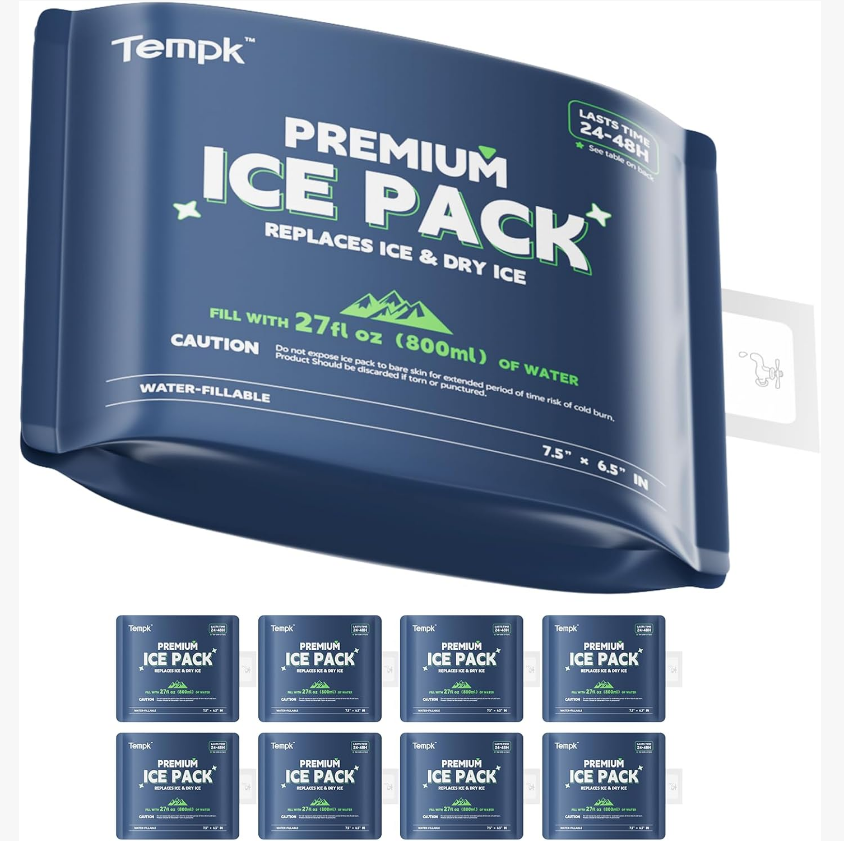
The best insulated box liner bulk order decision in 2026 is not about finding the cheapest liner. It is about finding a system that protects the product, fits the operation, meets compliance needs, and still makes financial sense after freight, storage, labor, and waste are counted. ISTA says 7E profiles are the new standard for thermal transport testing, and ASTM D3103 says thermal packages should be tested with the actual package whenever possible. When you source with that full picture, you buy less risk and more repeatability.
What This Article Will Help You Solve
- How to evaluate insulated box liner bulk order by performance, operations, compliance, and cost together
- Which material family best fits your lane, payload, and sustainability target
- What a high-confidence supplier should prove before you place volume orders
- How to compare quotations using total landed cost instead of unit price alone
- What a practical 2026 sourcing roadmap looks like for cold chain packaging
What Should the Best Insulated Box Liner Bulk Order Deliver?
The best insulated box liner bulk order should solve a business problem in four directions at once: product safety, operating fit, compliance confidence, and total cost. If even one of those is weak, the program becomes fragile. A liner that protects well but packs slowly can still lose. A cheap liner with poor documentation can become expensive during approval or after a field failure.
That is why strong sourcing begins with a complete shipping brief. Define temperature target, route hours, payload mass, carton dimensions, coolant plan, and receiving conditions. Then judge whether the supplier can turn that brief into a repeatable pack system. The right partner does more than quote a material. It explains why the proposed system fits your actual lane and what its limits are.
Key Questions for Insulated Box Liner Supplier
The winning mindset is simple: buy a controlled result, not a hopeful component. Ask for the logic behind the recommendation, not only the part number. That approach immediately filters out weak options because serious suppliers can explain fit, packout, and validation in one conversation while weak ones usually stay at the level of thickness and unit price.
| What top-tier means | Strong evidence | Weak evidence | Why it matters for you |
| Business fit | Route, payload, and operations are all discussed | Only material is discussed | Reduces mismatch risk |
| Repeatability | Supplier explains how scale is controlled | Pilot sample is the whole story | Better launch confidence |
| Decision logic | Trade-offs are made visible | Claims stay generic | Faster internal approval |
Practical Tips
- Start every sourcing conversation with one page of route, payload, and packout facts.
- Reject any recommendation that is not tied to a defined use case and pass rule.
- Score each option for safety, speed, documentation, and landed cost before you discuss unit price.
Case study: A premium frozen foods team cut supplier debate in half by requiring every bidder to respond to the same shipping brief. The best option was the one that balanced validation quality with the fastest line execution.
Which Material System Fits Your Lane and Receiver Experience?
The right material system depends on your lane, your product sensitivity, and the receiver experience you want to create. Reflective light builds, fiber-forward recyclable formats, compressed panels, and higher-mass hybrids each have a place. Different material stacks solve different risks, so the best design depends on route duration, temperature target, and receiving conditions.
Instead of asking which liner material is best in general, ask which system fits the real exposure profile. Severe summer parcel lanes may need more thermal margin. Short regional lanes may reward lighter, simpler structures. Receiver-facing programs may value disposal clarity and a cleaner presentation. Technical performance and customer experience should be selected together, not in separate meetings.
How Custom Insulated Box Liner Behaves in Real Transit
A good sourcing process therefore compares systems, not slogans. Review the liner with its carton, coolant, payload pattern, and closure method. Review the receiver experience with its disposal instruction and visual cleanliness. When those two views align, the material decision becomes easier and more durable under future change.
| Material family | Best fit | Watch-out | What it means for you |
| Reflective lightweight liner | Moderate routes and cost discipline | Do not overestimate severe-lane margin | Useful where speed matters |
| Fiber-forward recyclable liner | Programs with strong disposal scrutiny | Validate moisture and hold time carefully | Supports clearer sustainability positioning |
| Compressed or higher-mass system | Space pressure or demanding routes | Check rebound or cube trade-offs | Good where scale or severity is high |
Practical Tips
- Tie material choice to route groups such as normal, hot-stress, and cold-stress conditions.
- Review the receiver journey as carefully as the packout journey.
- Keep at least one backup material path in mind if rules or disposal expectations tighten.
Case study: A chilled wellness brand selected a recyclable liner for its core metro lanes but kept a more protective alternative for severe summer geographies. The mixed strategy delivered both operational sense and a credible sustainability story.
How Do Testing and Compliance Reduce Sourcing Risk?
Testing and compliance reduce risk by turning assumptions into evidence. Without that evidence, the sourcing decision stays fragile. ISTA says 7E profiles are the new standard for thermal transport testing, and ASTM D3103 says thermal packages should be tested with the actual package whenever possible. FDA sanitary transportation guidance highlights four practical controls: appropriate temperature control, appropriate packaging and packing, clear communication between shipper, carrier, and receiver, and records that can be reviewed later.
The most useful package data is data that matches the actual shipment: the same carton, the same liner, the same coolant mass, and a realistic payload arrangement. That is what helps quality teams trust the recommendation. It also helps operations teams understand the limits of the approved design, such as seasonal use, route duration, or changes that require requalification.
Validation Checks for Insulated Box Liner for Cold Chain Shipping
For many buyers, documentation quality is the deciding factor between two similar-looking products. A supplier that can show test method, logger placement, pass criteria, dimensional control, and change management discipline is easier to approve and easier to scale. In regulated or high-value programs, that discipline can matter as much as the thermal result itself.
| Risk-reduction proof | What to review | Why it matters | Meaning for your program |
| Thermal test package | Does it match production? | Evidence is only useful when comparable | Higher confidence in launch |
| Records and traceability | Can the recommendation be audited later? | Protects quality systems | Fewer approval delays |
| Change control | What triggers re-testing? | Prevents silent drift | More stable performance over time |
Practical Tips
- Ask for a concise test summary before requesting the full technical file.
- Check whether the approved configuration includes every pack component and loading instruction.
- Define re-test triggers early so later changes do not turn into hidden risk.
Case study: A nutrition products company chose the supplier with the clearer validation trail, even though the sample performance looked similar. That decision paid off when the project moved through internal quality review quickly.
How Should You Compare Suppliers, Quotes, and Operations?
Suppliers and quotes should be compared on operational truth, not spreadsheet appearance. A low quote can hide slower packing, bigger storage burden, uncertain replenishment, or higher spoilage exposure. Cost usually shifts with dimensions, material stack, packout complexity, validation scope, and order scale.
The right comparison method combines quote review with a small live packing trial. Measure how fast operators can build the shipper, how neatly the liner fits, how much extra tape or fill is needed, and how much inventory space the program consumes. This is where many apparently similar offers start to separate in a meaningful way.
Cost Logic Behind Insulated Box Liner Bulk Order
Channel choice also matters. Some businesses need factory-level customization. Others benefit from distributor stock and faster local replenishment. The winning choice depends on your volume rhythm, technical demands, and how often the design will change. Sourcing is strongest when the commercial model and the physical packaging model support each other.
| Comparison point | Better question | Weak comparison habit | What it means for you |
| Quote review | What is the landed cost per protected shipment? | What is the cheapest unit? | More realistic budgeting |
| Operational fit | How fast and clean is packout? | Assume operators will adapt | Better throughput protection |
| Supply model | How will replenishment work in peak season? | Lead time is ignored | Lower continuity risk |
Practical Tips
- Normalize every quote to the same carton size, payload, and coolant assumption.
- Include warehouse and line supervisors in the comparison because they see hidden friction first.
- Ask how inventory will be staged and replenished during high-volume weeks.
Case study: A fast-growing meal delivery company selected a partner whose liner packed faster and stored flatter than a slightly cheaper alternative. The line-speed advantage outweighed the small difference in unit price.
What Does a Winning 2026 Sourcing Plan Look Like?
A winning 2026 sourcing plan is phased, evidence-based, and adaptable. It starts with a defined pilot, moves through scored comparison, and then builds a scale plan with backup options, documentation, and requalification triggers. That structure protects both growth and control.
The strongest teams now treat thermal packaging as an operating platform. They map route groups, define which liner serves each group, and keep records of why the design was chosen. They also watch sustainability pressure and changing packaging rules so the program can evolve without a rushed redesign. Buyers want suppliers that can connect thermal performance, documentation, and operational fit in one conversation.
Planning Ahead with Insulated Box Liner Supplier
Your plan should therefore include three layers: the approved current design, the backup option, and the review triggers that tell you when change is needed. That gives procurement, quality, and operations a shared playbook. It also makes supplier discussions more productive because everyone can see whether the conversation is about today’s stability or tomorrow’s transition.
| Plan element | What strong teams do | Common miss | What it means for you |
| Pilot design | One clear lane and pass rule | Scope is too broad | Faster learning |
| Scale governance | Approved method and backup are documented | Knowledge stays informal | More resilient program |
| Review trigger | Season, route, or size changes prompt review | Change happens silently | Lower surprise risk |
Practical Tips
- Document your current approved pack and your next-best backup before the first peak season arrives.
- Review route and disposal assumptions at least once per year, even when complaints stay low.
- Choose suppliers that can discuss both today’s execution and tomorrow’s regulatory pressure.
Case study: A specialty pharma shipper kept one validated backup format alive alongside its primary design. When a route profile changed, the team moved quickly without interrupting service or restarting the project from zero.
2026 Insulated Box Liner Trends and Developments
The 2026 direction is clear: buyers want liner programs that are technically defensible, operationally smooth, and easier to govern over time. The EU Packaging and Packaging Waste Regulation entered into force in February 2025 and pushes packaging toward recyclability, clearer labeling, and less empty space, with broad application starting in August 2026. ISTA says 7E profiles are the new standard for thermal transport testing, and ASTM D3103 says thermal packages should be tested with the actual package whenever possible.
Latest Developments at a Glance
- People are moving from one-dimensional price comparisons to scorecards that include risk and workflow.
- Route-based packaging families are replacing one-size-fits-all liner decisions in many programs.
- Suppliers with stronger documentation and change-control logic are becoming preferred long-term partners.
The biggest opportunity is not a miracle material. It is better packaging governance: clearer route grouping, clearer validation, clearer disposal logic, and clearer supplier accountability. Teams that build that structure now will adapt faster as regulations and market expectations keep evolving.
Frequently Asked Questions
How do you compare insulated box liner bulk order offers without guesswork?
Use one shipping brief, one pass rule, and one scorecard that includes performance, operations, compliance, and landed cost.
Which insulated box liner style is best?
The best style is the one that protects your product under the real lane while fitting your labor, storage, and disposal needs. There is no universal winner.
What documents should you ask for before a volume order?
Ask for test summaries, logger details, material information, dimensional control notes, and any operating limits tied to the recommendation.
When should you re-test a packaging design?
Re-test or review when carton size, payload, route duration, climate stress, or packout method changes in a meaningful way.
Summary and Recommendations
The strongest insulated box liner bulk order strategy blends buyer discipline, technical validation, and market awareness. You want a liner program that protects the product, fits the operation, supports approval, and stays adaptable under future packaging pressure. That mix is what turns a quote into a resilient sourcing decision.
Start with a defined pilot, compare options with a weighted scorecard, and keep one backup path available. That practical framework helps you move faster now without losing control later.
Suggested Internal Link Topics
- Insulated Box Liner materials explained
- How to choose coolant packs for 2 to 8°C shipping
- Summer and winter packout validation checklist
- Cold chain packaging bulk order planning guide
Structured Data Recommendation
Recommended schema: Article for the main page, FAQPage for the questions section, and HowTo if you publish the packout checklist as a standalone guidance page.
About Tempk
About Tempk: We focus on temperature-control packaging for food, pharma, and other sensitive shipments. Tempk states that it has been active since 2011 and supports projects with manufacturing, R&D, and testing capability. For buyers, that means one partner can help with packaging ideas, sample refinement, and route-based validation instead of offering only a commodity quote.
Next step: prepare your route profile, carton size, payload weight, and target temperature range, then request a packaging recommendation and test-backed quotation.
Insulated Box Insert Wholesale Price: Best 2026 Guide
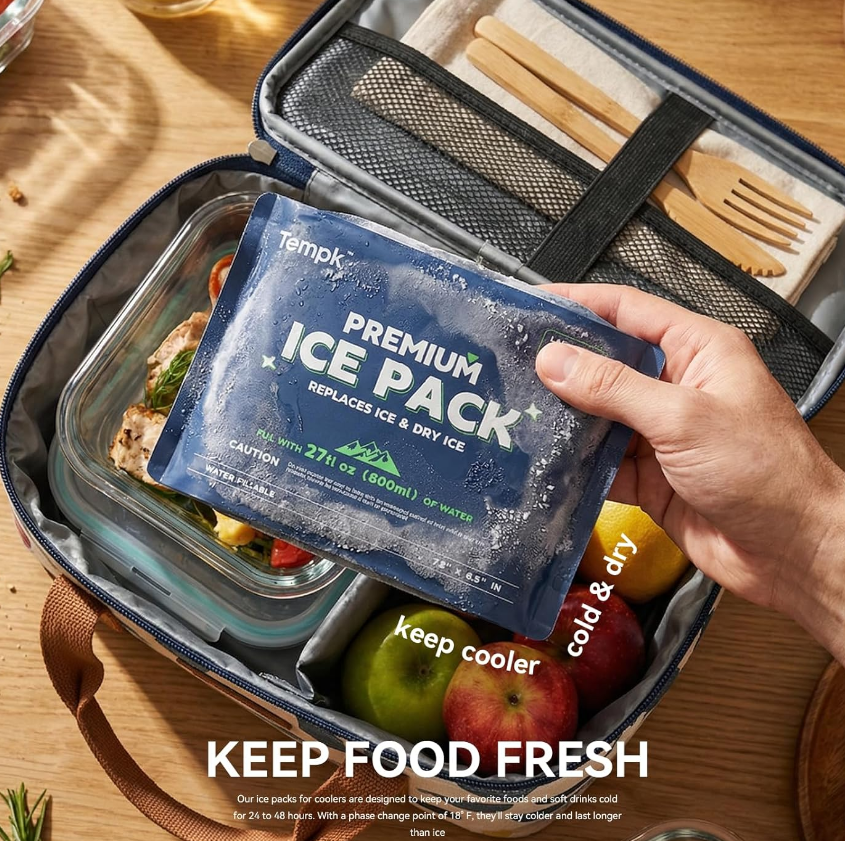
The best insulated box insert wholesale price decision in 2026 is not about finding the cheapest liner. It is about finding a system that protects the product, fits the operation, meets compliance needs, and still makes financial sense after freight, storage, labor, and waste are counted. ISTA says 7E profiles are the new standard for thermal transport testing, and ASTM D3103 says thermal packages should be tested with the actual package whenever possible. When you source with that full picture, you buy less risk and more repeatability.
What This Article Will Help You Solve
- How to evaluate insulated box insert wholesale price by performance, operations, compliance, and cost together
- Which material family best fits your lane, payload, and sustainability target
- What a high-confidence supplier should prove before you place volume orders
- How to compare quotations using total landed cost instead of unit price alone
- What a practical 2026 sourcing roadmap looks like for cold chain packaging
What Should the Best Insulated Box Insert Wholesale Price Deliver?
The best insulated box insert wholesale price should solve a business problem in four directions at once: product safety, operating fit, compliance confidence, and total cost. If even one of those is weak, the program becomes fragile. A liner that protects well but packs slowly can still lose. A cheap liner with poor documentation can become expensive during approval or after a field failure.
That is why strong sourcing begins with a complete shipping brief. Define temperature target, route hours, payload mass, carton dimensions, coolant plan, and receiving conditions. Then judge whether the supplier can turn that brief into a repeatable pack system. The right partner does more than quote a material. It explains why the proposed system fits your actual lane and what its limits are.
Key Questions for Insulated Insert Cost
The winning mindset is simple: buy a controlled result, not a hopeful component. Ask for the logic behind the recommendation, not only the part number. That approach immediately filters out weak options because serious suppliers can explain fit, packout, and validation in one conversation while weak ones usually stay at the level of thickness and unit price.
| What top-tier means | Strong evidence | Weak evidence | Why it matters for you |
| Business fit | Route, payload, and operations are all discussed | Only material is discussed | Reduces mismatch risk |
| Repeatability | Supplier explains how scale is controlled | Pilot sample is the whole story | Better launch confidence |
| Decision logic | Trade-offs are made visible | Claims stay generic | Faster internal approval |
Practical Tips
- Start every sourcing conversation with one page of route, payload, and packout facts.
- Reject any recommendation that is not tied to a defined use case and pass rule.
- Score each option for safety, speed, documentation, and landed cost before you discuss unit price.
Case study: A premium frozen foods team cut supplier debate in half by requiring every bidder to respond to the same shipping brief. The best option was the one that balanced validation quality with the fastest line execution.
Which Material System Fits Your Lane and Receiver Experience?
The right material system depends on your lane, your product sensitivity, and the receiver experience you want to create. Reflective light builds, fiber-forward recyclable formats, compressed panels, and higher-mass hybrids each have a place. The right insert is the lowest-cost design that still protects the product under the actual lane, not the thickest material in the catalog.
Instead of asking which liner material is best in general, ask which system fits the real exposure profile. Severe summer parcel lanes may need more thermal margin. Short regional lanes may reward lighter, simpler structures. Receiver-facing programs may value disposal clarity and a cleaner presentation. Technical performance and customer experience should be selected together, not in separate meetings.
How Box Insert Wholesale Quote Behaves in Real Transit
A good sourcing process therefore compares systems, not slogans. Review the liner with its carton, coolant, payload pattern, and closure method. Review the receiver experience with its disposal instruction and visual cleanliness. When those two views align, the material decision becomes easier and more durable under future change.
| Material family | Best fit | Watch-out | What it means for you |
| Reflective lightweight liner | Moderate routes and cost discipline | Do not overestimate severe-lane margin | Useful where speed matters |
| Fiber-forward recyclable liner | Programs with strong disposal scrutiny | Validate moisture and hold time carefully | Supports clearer sustainability positioning |
| Compressed or higher-mass system | Space pressure or demanding routes | Check rebound or cube trade-offs | Good where scale or severity is high |
Practical Tips
- Tie material choice to route groups such as normal, hot-stress, and cold-stress conditions.
- Review the receiver journey as carefully as the packout journey.
- Keep at least one backup material path in mind if rules or disposal expectations tighten.
Case study: A chilled wellness brand selected a recyclable liner for its core metro lanes but kept a more protective alternative for severe summer geographies. The mixed strategy delivered both operational sense and a credible sustainability story.
How Do Testing and Compliance Reduce Sourcing Risk?
Testing and compliance reduce risk by turning assumptions into evidence. Without that evidence, the sourcing decision stays fragile. ISTA says 7E profiles are the new standard for thermal transport testing, and ASTM D3103 says thermal packages should be tested with the actual package whenever possible. FDA sanitary transportation guidance highlights four practical controls: appropriate temperature control, appropriate packaging and packing, clear communication between shipper, carrier, and receiver, and records that can be reviewed later.
The most useful package data is data that matches the actual shipment: the same carton, the same liner, the same coolant mass, and a realistic payload arrangement. That is what helps quality teams trust the recommendation. It also helps operations teams understand the limits of the approved design, such as seasonal use, route duration, or changes that require requalification.
Validation Checks for Thermal Insert Moq
For many buyers, documentation quality is the deciding factor between two similar-looking products. A supplier that can show test method, logger placement, pass criteria, dimensional control, and change management discipline is easier to approve and easier to scale. In regulated or high-value programs, that discipline can matter as much as the thermal result itself.
| Risk-reduction proof | What to review | Why it matters | Meaning for your program |
| Thermal test package | Does it match production? | Evidence is only useful when comparable | Higher confidence in launch |
| Records and traceability | Can the recommendation be audited later? | Protects quality systems | Fewer approval delays |
| Change control | What triggers re-testing? | Prevents silent drift | More stable performance over time |
Practical Tips
- Ask for a concise test summary before requesting the full technical file.
- Check whether the approved configuration includes every pack component and loading instruction.
- Define re-test triggers early so later changes do not turn into hidden risk.
Case study: A nutrition products company chose the supplier with the clearer validation trail, even though the sample performance looked similar. That decision paid off when the project moved through internal quality review quickly.
How Should You Compare Suppliers, Quotes, and Operations?
Suppliers and quotes should be compared on operational truth, not spreadsheet appearance. A low quote can hide slower packing, bigger storage burden, uncertain replenishment, or higher spoilage exposure. Cost usually shifts with dimensions, thickness, converting complexity, tooling, order volume, lead time, and validation support.
The right comparison method combines quote review with a small live packing trial. Measure how fast operators can build the shipper, how neatly the liner fits, how much extra tape or fill is needed, and how much inventory space the program consumes. This is where many apparently similar offers start to separate in a meaningful way.
Cost Logic Behind Cold Chain Packaging Price Factors
Channel choice also matters. Some businesses need factory-level customization. Others benefit from distributor stock and faster local replenishment. The winning choice depends on your volume rhythm, technical demands, and how often the design will change. Sourcing is strongest when the commercial model and the physical packaging model support each other.
| Comparison point | Better question | Weak comparison habit | What it means for you |
| Quote review | What is the landed cost per protected shipment? | What is the cheapest unit? | More realistic budgeting |
| Operational fit | How fast and clean is packout? | Assume operators will adapt | Better throughput protection |
| Supply model | How will replenishment work in peak season? | Lead time is ignored | Lower continuity risk |
Practical Tips
- Normalize every quote to the same carton size, payload, and coolant assumption.
- Include warehouse and line supervisors in the comparison because they see hidden friction first.
- Ask how inventory will be staged and replenished during high-volume weeks.
Case study: A fast-growing meal delivery company selected a partner whose liner packed faster and stored flatter than a slightly cheaper alternative. The line-speed advantage outweighed the small difference in unit price.
What Does a Winning 2026 Sourcing Plan Look Like?
A winning 2026 sourcing plan is phased, evidence-based, and adaptable. It starts with a defined pilot, moves through scored comparison, and then builds a scale plan with backup options, documentation, and requalification triggers. That structure protects both growth and control.
The strongest teams now treat thermal packaging as an operating platform. They map route groups, define which liner serves each group, and keep records of why the design was chosen. They also watch sustainability pressure and changing packaging rules so the program can evolve without a rushed redesign. Procurement is shifting toward total landed cost models, especially where spoiled product is worth far more than the packaging.
Planning Ahead with Insulated Insert Cost
Your plan should therefore include three layers: the approved current design, the backup option, and the review triggers that tell you when change is needed. That gives procurement, quality, and operations a shared playbook. It also makes supplier discussions more productive because everyone can see whether the conversation is about today’s stability or tomorrow’s transition.
| Plan element | What strong teams do | Common miss | What it means for you |
| Pilot design | One clear lane and pass rule | Scope is too broad | Faster learning |
| Scale governance | Approved method and backup are documented | Knowledge stays informal | More resilient program |
| Review trigger | Season, route, or size changes prompt review | Change happens silently | Lower surprise risk |
Practical Tips
- Document your current approved pack and your next-best backup before the first peak season arrives.
- Review route and disposal assumptions at least once per year, even when complaints stay low.
- Choose suppliers that can discuss both today’s execution and tomorrow’s regulatory pressure.
Case study: A specialty pharma shipper kept one validated backup format alive alongside its primary design. When a route profile changed, the team moved quickly without interrupting service or restarting the project from zero.
2026 Insulated Box Insert Trends and Developments
The 2026 direction is clear: buyers want liner programs that are technically defensible, operationally smooth, and easier to govern over time. The EU Packaging and Packaging Waste Regulation entered into force in February 2025 and pushes packaging toward recyclability, clearer labeling, and less empty space, with broad application starting in August 2026. ISTA says 7E profiles are the new standard for thermal transport testing, and ASTM D3103 says thermal packages should be tested with the actual package whenever possible.
Latest Developments at a Glance
- People are moving from one-dimensional price comparisons to scorecards that include risk and workflow.
- Route-based packaging families are replacing one-size-fits-all liner decisions in many programs.
- Suppliers with stronger documentation and change-control logic are becoming preferred long-term partners.
The biggest opportunity is not a miracle material. It is better packaging governance: clearer route grouping, clearer validation, clearer disposal logic, and clearer supplier accountability. Teams that build that structure now will adapt faster as regulations and market expectations keep evolving.
Frequently Asked Questions
What changes insulated box insert wholesale price the most?
The biggest shifts usually come from size, material stack, converting complexity, MOQ, and validation scope. Always compare total landed cost, not the insert unit price alone.
Should you buy the cheapest insulated box insert quote?
Only if it still fits the route, packout speed, and quality requirements. A lower quote can lose quickly if it needs more coolant, more labor, or causes more failures.
When should you ask for testing data before approving insulated box insert?
Ask before volume purchase, especially when the route, payload, or carton is new. Data is most useful when it matches your real pack configuration.
Is a thicker insert always better?
No. More material can add cost and cube without solving the actual heat path. Right-sized design usually beats automatic overbuild.
Summary and Recommendations
The strongest insulated box insert wholesale price strategy blends buyer discipline, technical validation, and market awareness. You want a liner program that protects the product, fits the operation, supports approval, and stays adaptable under future packaging pressure. That mix is what turns a quote into a resilient sourcing decision.
Start with a defined pilot, compare options with a weighted scorecard, and keep one backup path available. That practical framework helps you move faster now without losing control later.
Suggested Internal Link Topics
- Insulated Box Insert materials explained
- How to choose coolant packs for 2 to 8°C shipping
- Summer and winter packout validation checklist
- Cold chain packaging bulk order planning guide
Structured Data Recommendation
Recommended schema: Article for the main page, FAQPage for the questions section, and HowTo if you publish the packout checklist as a standalone guidance page.
About Tempk
About Tempk: We focus on temperature-control packaging for food, pharma, and other sensitive shipments. Tempk states that it has been active since 2011 and supports projects with manufacturing, R&D, and testing capability. For buyers, that means one partner can help with packaging ideas, sample refinement, and route-based validation instead of offering only a commodity quote.
Next step: prepare your route profile, carton size, payload weight, and target temperature range, then request a packaging recommendation and test-backed quotation.
Foil Bubble Liner Factories: Best 2026 Guide
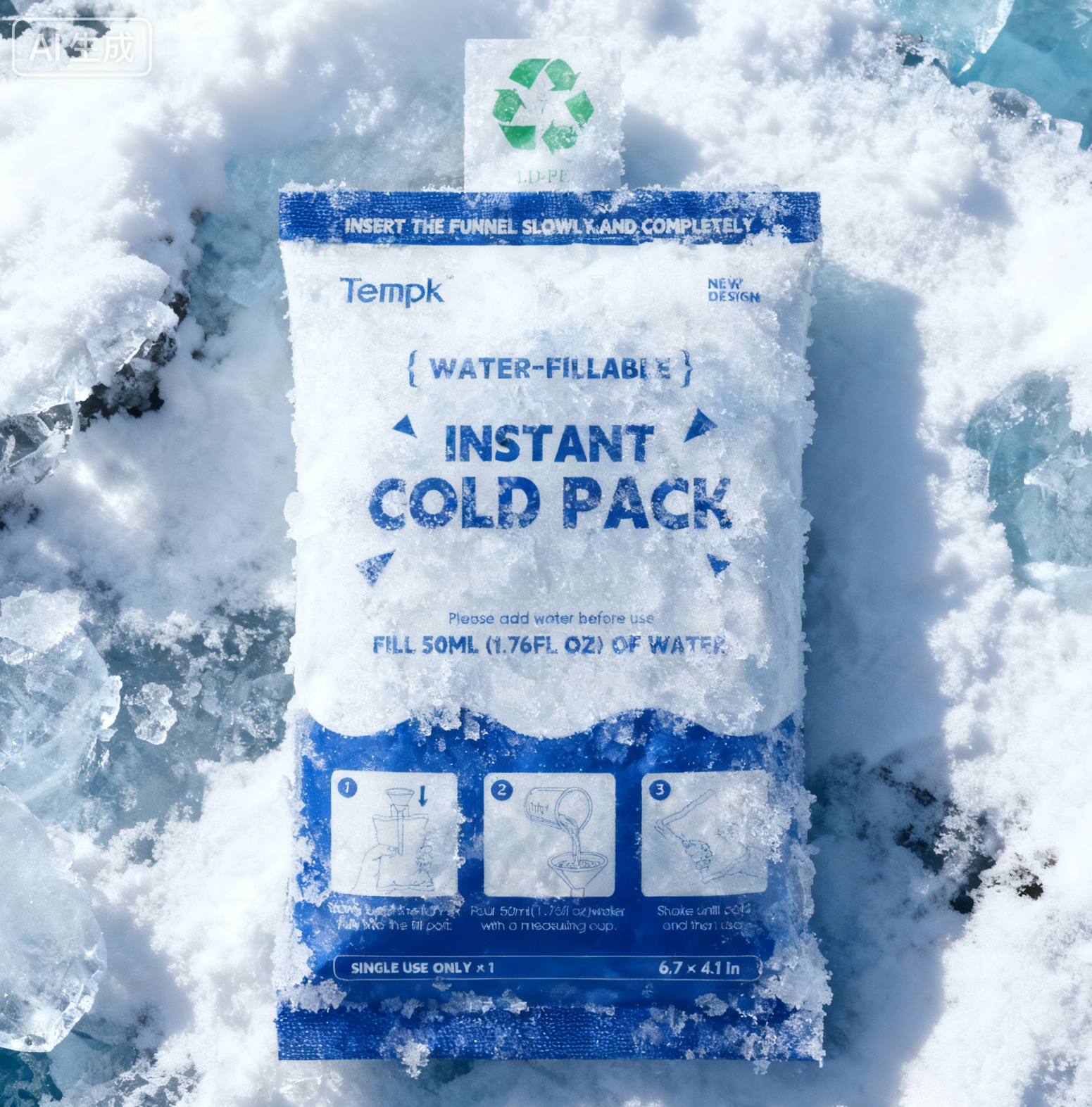
The best foil bubble liner factories decision in 2026 is not about finding the cheapest liner. It is about finding a system that protects the product, fits the operation, meets compliance needs, and still makes financial sense after freight, storage, labor, and waste are counted. ISTA says 7E profiles are the new standard for thermal transport testing, and ASTM D3103 says thermal packages should be tested with the actual package whenever possible. When you source with that full picture, you buy less risk and more repeatability.
What This Article Will Help You Solve
- How to evaluate foil bubble liner factories by performance, operations, compliance, and cost together
- Which material family best fits your lane, payload, and sustainability target
- What a high-confidence supplier should prove before you place volume orders
- How to compare quotations using total landed cost instead of unit price alone
- What a practical 2026 sourcing roadmap looks like for cold chain packaging
What Should the Best Foil Bubble Liner Factories Deliver?
The best foil bubble liner factories should solve a business problem in four directions at once: product safety, operating fit, compliance confidence, and total cost. If even one of those is weak, the program becomes fragile. A liner that protects well but packs slowly can still lose. A cheap liner with poor documentation can become expensive during approval or after a field failure.
That is why strong sourcing begins with a complete shipping brief. Define temperature target, route hours, payload mass, carton dimensions, coolant plan, and receiving conditions. Then judge whether the supplier can turn that brief into a repeatable pack system. The right partner does more than quote a material. It explains why the proposed system fits your actual lane and what its limits are.
Key Questions for Foil Insulated Box Liner
The winning mindset is simple: buy a controlled result, not a hopeful component. Ask for the logic behind the recommendation, not only the part number. That approach immediately filters out weak options because serious suppliers can explain fit, packout, and validation in one conversation while weak ones usually stay at the level of thickness and unit price.
| What top-tier means | Strong evidence | Weak evidence | Why it matters for you |
| Business fit | Route, payload, and operations are all discussed | Only material is discussed | Reduces mismatch risk |
| Repeatability | Supplier explains how scale is controlled | Pilot sample is the whole story | Better launch confidence |
| Decision logic | Trade-offs are made visible | Claims stay generic | Faster internal approval |
Practical Tips
- Start every sourcing conversation with one page of route, payload, and packout facts.
- Reject any recommendation that is not tied to a defined use case and pass rule.
- Score each option for safety, speed, documentation, and landed cost before you discuss unit price.
Case study: A premium frozen foods team cut supplier debate in half by requiring every bidder to respond to the same shipping brief. The best option was the one that balanced validation quality with the fastest line execution.
Which Material System Fits Your Lane and Receiver Experience?
The right material system depends on your lane, your product sensitivity, and the receiver experience you want to create. Reflective light builds, fiber-forward recyclable formats, compressed panels, and higher-mass hybrids each have a place. Foil skins help manage radiant exposure, while the bubble layer adds lightweight thermal buffering and cushioning.
Instead of asking which liner material is best in general, ask which system fits the real exposure profile. Severe summer parcel lanes may need more thermal margin. Short regional lanes may reward lighter, simpler structures. Receiver-facing programs may value disposal clarity and a cleaner presentation. Technical performance and customer experience should be selected together, not in separate meetings.
How Reflective Bubble Liner Supplier Behaves in Real Transit
A good sourcing process therefore compares systems, not slogans. Review the liner with its carton, coolant, payload pattern, and closure method. Review the receiver experience with its disposal instruction and visual cleanliness. When those two views align, the material decision becomes easier and more durable under future change.
| Material family | Best fit | Watch-out | What it means for you |
| Reflective lightweight liner | Moderate routes and cost discipline | Do not overestimate severe-lane margin | Useful where speed matters |
| Fiber-forward recyclable liner | Programs with strong disposal scrutiny | Validate moisture and hold time carefully | Supports clearer sustainability positioning |
| Compressed or higher-mass system | Space pressure or demanding routes | Check rebound or cube trade-offs | Good where scale or severity is high |
Practical Tips
- Tie material choice to route groups such as normal, hot-stress, and cold-stress conditions.
- Review the receiver journey as carefully as the packout journey.
- Keep at least one backup material path in mind if rules or disposal expectations tighten.
Case study: A chilled wellness brand selected a recyclable liner for its core metro lanes but kept a more protective alternative for severe summer geographies. The mixed strategy delivered both operational sense and a credible sustainability story.
How Do Testing and Compliance Reduce Sourcing Risk?
Testing and compliance reduce risk by turning assumptions into evidence. Without that evidence, the sourcing decision stays fragile. ISTA says 7E profiles are the new standard for thermal transport testing, and ASTM D3103 says thermal packages should be tested with the actual package whenever possible. FDA sanitary transportation guidance highlights four practical controls: appropriate temperature control, appropriate packaging and packing, clear communication between shipper, carrier, and receiver, and records that can be reviewed later.
The most useful package data is data that matches the actual shipment: the same carton, the same liner, the same coolant mass, and a realistic payload arrangement. That is what helps quality teams trust the recommendation. It also helps operations teams understand the limits of the approved design, such as seasonal use, route duration, or changes that require requalification.
Validation Checks for Aluminum Foil Thermal Liner
For many buyers, documentation quality is the deciding factor between two similar-looking products. A supplier that can show test method, logger placement, pass criteria, dimensional control, and change management discipline is easier to approve and easier to scale. In regulated or high-value programs, that discipline can matter as much as the thermal result itself.
| Risk-reduction proof | What to review | Why it matters | Meaning for your program |
| Thermal test package | Does it match production? | Evidence is only useful when comparable | Higher confidence in launch |
| Records and traceability | Can the recommendation be audited later? | Protects quality systems | Fewer approval delays |
| Change control | What triggers re-testing? | Prevents silent drift | More stable performance over time |
Practical Tips
- Ask for a concise test summary before requesting the full technical file.
- Check whether the approved configuration includes every pack component and loading instruction.
- Define re-test triggers early so later changes do not turn into hidden risk.
Case study: A nutrition products company chose the supplier with the clearer validation trail, even though the sample performance looked similar. That decision paid off when the project moved through internal quality review quickly.
How Should You Compare Suppliers, Quotes, and Operations?
Suppliers and quotes should be compared on operational truth, not spreadsheet appearance. A low quote can hide slower packing, bigger storage burden, uncertain replenishment, or higher spoilage exposure. Cost usually shifts with foil laminate quality, bubble uniformity, panel conversion, carton sizing, and the amount of validation required.
The right comparison method combines quote review with a small live packing trial. Measure how fast operators can build the shipper, how neatly the liner fits, how much extra tape or fill is needed, and how much inventory space the program consumes. This is where many apparently similar offers start to separate in a meaningful way.
Cost Logic Behind Bubble Foil Packaging Factory
Channel choice also matters. Some businesses need factory-level customization. Others benefit from distributor stock and faster local replenishment. The winning choice depends on your volume rhythm, technical demands, and how often the design will change. Sourcing is strongest when the commercial model and the physical packaging model support each other.
| Comparison point | Better question | Weak comparison habit | What it means for you |
| Quote review | What is the landed cost per protected shipment? | What is the cheapest unit? | More realistic budgeting |
| Operational fit | How fast and clean is packout? | Assume operators will adapt | Better throughput protection |
| Supply model | How will replenishment work in peak season? | Lead time is ignored | Lower continuity risk |
Practical Tips
- Normalize every quote to the same carton size, payload, and coolant assumption.
- Include warehouse and line supervisors in the comparison because they see hidden friction first.
- Ask how inventory will be staged and replenished during high-volume weeks.
Case study: A fast-growing meal delivery company selected a partner whose liner packed faster and stored flatter than a slightly cheaper alternative. The line-speed advantage outweighed the small difference in unit price.
What Does a Winning 2026 Sourcing Plan Look Like?
A winning 2026 sourcing plan is phased, evidence-based, and adaptable. It starts with a defined pilot, moves through scored comparison, and then builds a scale plan with backup options, documentation, and requalification triggers. That structure protects both growth and control.
The strongest teams now treat thermal packaging as an operating platform. They map route groups, define which liner serves each group, and keep records of why the design was chosen. They also watch sustainability pressure and changing packaging rules so the program can evolve without a rushed redesign. Specifications are getting sharper, with more buyers asking exactly where foil bubble fits and where it should not be used.
Planning Ahead with Foil Insulated Box Liner
Your plan should therefore include three layers: the approved current design, the backup option, and the review triggers that tell you when change is needed. That gives procurement, quality, and operations a shared playbook. It also makes supplier discussions more productive because everyone can see whether the conversation is about today’s stability or tomorrow’s transition.
| Plan element | What strong teams do | Common miss | What it means for you |
| Pilot design | One clear lane and pass rule | Scope is too broad | Faster learning |
| Scale governance | Approved method and backup are documented | Knowledge stays informal | More resilient program |
| Review trigger | Season, route, or size changes prompt review | Change happens silently | Lower surprise risk |
Practical Tips
- Document your current approved pack and your next-best backup before the first peak season arrives.
- Review route and disposal assumptions at least once per year, even when complaints stay low.
- Choose suppliers that can discuss both today’s execution and tomorrow’s regulatory pressure.
Case study: A specialty pharma shipper kept one validated backup format alive alongside its primary design. When a route profile changed, the team moved quickly without interrupting service or restarting the project from zero.
2026 Foil Bubble Liner Trends and Developments
The 2026 direction is clear: buyers want liner programs that are technically defensible, operationally smooth, and easier to govern over time. The EU Packaging and Packaging Waste Regulation entered into force in February 2025 and pushes packaging toward recyclability, clearer labeling, and less empty space, with broad application starting in August 2026. ISTA says 7E profiles are the new standard for thermal transport testing, and ASTM D3103 says thermal packages should be tested with the actual package whenever possible.
Latest Developments at a Glance
- People are moving from one-dimensional price comparisons to scorecards that include risk and workflow.
- Route-based packaging families are replacing one-size-fits-all liner decisions in many programs.
- Suppliers with stronger documentation and change-control logic are becoming preferred long-term partners.
The biggest opportunity is not a miracle material. It is better packaging governance: clearer route grouping, clearer validation, clearer disposal logic, and clearer supplier accountability. Teams that build that structure now will adapt faster as regulations and market expectations keep evolving.
Frequently Asked Questions
How do you compare foil bubble liner factories offers without guesswork?
Use one shipping brief, one pass rule, and one scorecard that includes performance, operations, compliance, and landed cost.
Which foil bubble liner style is best?
The best style is the one that protects your product under the real lane while fitting your labor, storage, and disposal needs. There is no universal winner.
What documents should you ask for before a volume order?
Ask for test summaries, logger details, material information, dimensional control notes, and any operating limits tied to the recommendation.
When should you re-test a packaging design?
Re-test or review when carton size, payload, route duration, climate stress, or packout method changes in a meaningful way.
Summary and Recommendations
The strongest foil bubble liner factories strategy blends buyer discipline, technical validation, and market awareness. You want a liner program that protects the product, fits the operation, supports approval, and stays adaptable under future packaging pressure. That mix is what turns a quote into a resilient sourcing decision.
Start with a defined pilot, compare options with a weighted scorecard, and keep one backup path available. That practical framework helps you move faster now without losing control later.
Suggested Internal Link Topics
- Foil Bubble Liner materials explained
- How to choose coolant packs for 2 to 8°C shipping
- Summer and winter packout validation checklist
- Cold chain packaging bulk order planning guide
Structured Data Recommendation
Recommended schema: Article for the main page, FAQPage for the questions section, and HowTo if you publish the packout checklist as a standalone guidance page.
About Tempk
About Tempk: We focus on temperature-control packaging for food, pharma, and other sensitive shipments. Tempk states that it has been active since 2011 and supports projects with manufacturing, R&D, and testing capability. For buyers, that means one partner can help with packaging ideas, sample refinement, and route-based validation instead of offering only a commodity quote.
Next step: prepare your route profile, carton size, payload weight, and target temperature range, then request a packaging recommendation and test-backed quotation.
Foil Bubble Liner Distributors: Best 2026 Guide
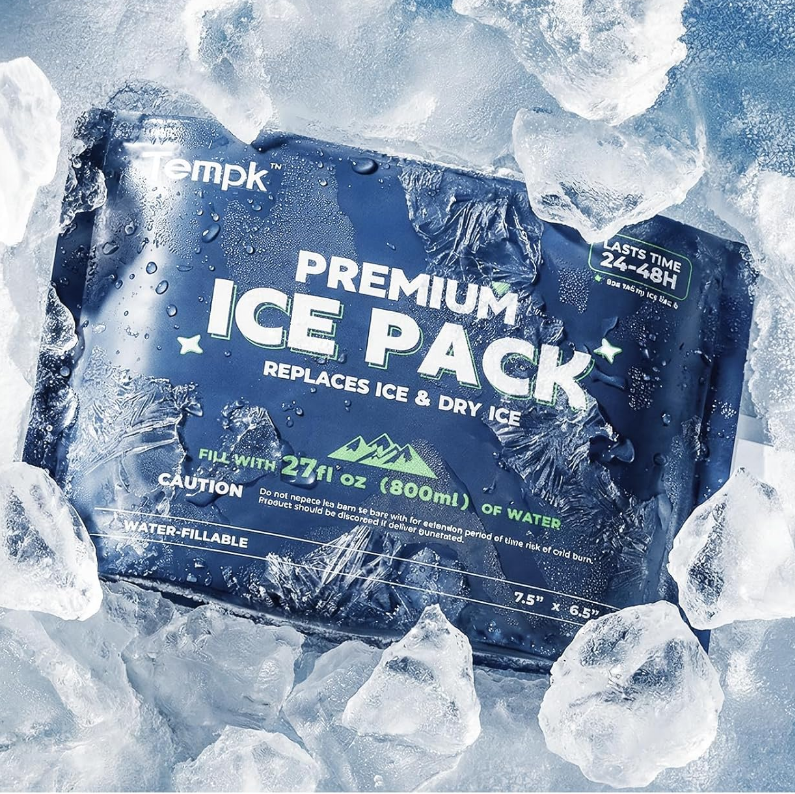
The best foil bubble liner distributors decision in 2026 is not about finding the cheapest liner. It is about finding a system that protects the product, fits the operation, meets compliance needs, and still makes financial sense after freight, storage, labor, and waste are counted. ISTA says 7E profiles are the new standard for thermal transport testing, and ASTM D3103 says thermal packages should be tested with the actual package whenever possible. When you source with that full picture, you buy less risk and more repeatability.
What This Article Will Help You Solve
- How to evaluate foil bubble liner distributors by performance, operations, compliance, and cost together
- Which material family best fits your lane, payload, and sustainability target
- What a high-confidence supplier should prove before you place volume orders
- How to compare quotations using total landed cost instead of unit price alone
- What a practical 2026 sourcing roadmap looks like for cold chain packaging
What Should the Best Foil Bubble Liner Distributors Deliver?
The best foil bubble liner distributors should solve a business problem in four directions at once: product safety, operating fit, compliance confidence, and total cost. If even one of those is weak, the program becomes fragile. A liner that protects well but packs slowly can still lose. A cheap liner with poor documentation can become expensive during approval or after a field failure.
That is why strong sourcing begins with a complete shipping brief. Define temperature target, route hours, payload mass, carton dimensions, coolant plan, and receiving conditions. Then judge whether the supplier can turn that brief into a repeatable pack system. The right partner does more than quote a material. It explains why the proposed system fits your actual lane and what its limits are.
Key Questions for Foil Insulated Box Liner
The winning mindset is simple: buy a controlled result, not a hopeful component. Ask for the logic behind the recommendation, not only the part number. That approach immediately filters out weak options because serious suppliers can explain fit, packout, and validation in one conversation while weak ones usually stay at the level of thickness and unit price.
| What top-tier means | Strong evidence | Weak evidence | Why it matters for you |
| Business fit | Route, payload, and operations are all discussed | Only material is discussed | Reduces mismatch risk |
| Repeatability | Supplier explains how scale is controlled | Pilot sample is the whole story | Better launch confidence |
| Decision logic | Trade-offs are made visible | Claims stay generic | Faster internal approval |
Practical Tips
- Start every sourcing conversation with one page of route, payload, and packout facts.
- Reject any recommendation that is not tied to a defined use case and pass rule.
- Score each option for safety, speed, documentation, and landed cost before you discuss unit price.
Case study: A premium frozen foods team cut supplier debate in half by requiring every bidder to respond to the same shipping brief. The best option was the one that balanced validation quality with the fastest line execution.
Which Material System Fits Your Lane and Receiver Experience?
The right material system depends on your lane, your product sensitivity, and the receiver experience you want to create. Reflective light builds, fiber-forward recyclable formats, compressed panels, and higher-mass hybrids each have a place. Foil skins help manage radiant exposure, while the bubble layer adds lightweight thermal buffering and cushioning.
Instead of asking which liner material is best in general, ask which system fits the real exposure profile. Severe summer parcel lanes may need more thermal margin. Short regional lanes may reward lighter, simpler structures. Receiver-facing programs may value disposal clarity and a cleaner presentation. Technical performance and customer experience should be selected together, not in separate meetings.
How Reflective Bubble Liner Supplier Behaves in Real Transit
A good sourcing process therefore compares systems, not slogans. Review the liner with its carton, coolant, payload pattern, and closure method. Review the receiver experience with its disposal instruction and visual cleanliness. When those two views align, the material decision becomes easier and more durable under future change.
| Material family | Best fit | Watch-out | What it means for you |
| Reflective lightweight liner | Moderate routes and cost discipline | Do not overestimate severe-lane margin | Useful where speed matters |
| Fiber-forward recyclable liner | Programs with strong disposal scrutiny | Validate moisture and hold time carefully | Supports clearer sustainability positioning |
| Compressed or higher-mass system | Space pressure or demanding routes | Check rebound or cube trade-offs | Good where scale or severity is high |
Practical Tips
- Tie material choice to route groups such as normal, hot-stress, and cold-stress conditions.
- Review the receiver journey as carefully as the packout journey.
- Keep at least one backup material path in mind if rules or disposal expectations tighten.
Case study: A chilled wellness brand selected a recyclable liner for its core metro lanes but kept a more protective alternative for severe summer geographies. The mixed strategy delivered both operational sense and a credible sustainability story.
How Do Testing and Compliance Reduce Sourcing Risk?
Testing and compliance reduce risk by turning assumptions into evidence. Without that evidence, the sourcing decision stays fragile. ISTA says 7E profiles are the new standard for thermal transport testing, and ASTM D3103 says thermal packages should be tested with the actual package whenever possible. FDA sanitary transportation guidance highlights four practical controls: appropriate temperature control, appropriate packaging and packing, clear communication between shipper, carrier, and receiver, and records that can be reviewed later.
The most useful package data is data that matches the actual shipment: the same carton, the same liner, the same coolant mass, and a realistic payload arrangement. That is what helps quality teams trust the recommendation. It also helps operations teams understand the limits of the approved design, such as seasonal use, route duration, or changes that require requalification.
Validation Checks for Aluminum Foil Thermal Liner
For many buyers, documentation quality is the deciding factor between two similar-looking products. A supplier that can show test method, logger placement, pass criteria, dimensional control, and change management discipline is easier to approve and easier to scale. In regulated or high-value programs, that discipline can matter as much as the thermal result itself.
| Risk-reduction proof | What to review | Why it matters | Meaning for your program |
| Thermal test package | Does it match production? | Evidence is only useful when comparable | Higher confidence in launch |
| Records and traceability | Can the recommendation be audited later? | Protects quality systems | Fewer approval delays |
| Change control | What triggers re-testing? | Prevents silent drift | More stable performance over time |
Practical Tips
- Ask for a concise test summary before requesting the full technical file.
- Check whether the approved configuration includes every pack component and loading instruction.
- Define re-test triggers early so later changes do not turn into hidden risk.
Case study: A nutrition products company chose the supplier with the clearer validation trail, even though the sample performance looked similar. That decision paid off when the project moved through internal quality review quickly.
How Should You Compare Suppliers, Quotes, and Operations?
Suppliers and quotes should be compared on operational truth, not spreadsheet appearance. A low quote can hide slower packing, bigger storage burden, uncertain replenishment, or higher spoilage exposure. Cost usually shifts with foil laminate quality, bubble uniformity, panel conversion, carton sizing, and the amount of validation required.
The right comparison method combines quote review with a small live packing trial. Measure how fast operators can build the shipper, how neatly the liner fits, how much extra tape or fill is needed, and how much inventory space the program consumes. This is where many apparently similar offers start to separate in a meaningful way.
Cost Logic Behind Bubble Foil Packaging Factory
Channel choice also matters. Some businesses need factory-level customization. Others benefit from distributor stock and faster local replenishment. The winning choice depends on your volume rhythm, technical demands, and how often the design will change. Sourcing is strongest when the commercial model and the physical packaging model support each other.
| Comparison point | Better question | Weak comparison habit | What it means for you |
| Quote review | What is the landed cost per protected shipment? | What is the cheapest unit? | More realistic budgeting |
| Operational fit | How fast and clean is packout? | Assume operators will adapt | Better throughput protection |
| Supply model | How will replenishment work in peak season? | Lead time is ignored | Lower continuity risk |
Practical Tips
- Normalize every quote to the same carton size, payload, and coolant assumption.
- Include warehouse and line supervisors in the comparison because they see hidden friction first.
- Ask how inventory will be staged and replenished during high-volume weeks.
Case study: A fast-growing meal delivery company selected a partner whose liner packed faster and stored flatter than a slightly cheaper alternative. The line-speed advantage outweighed the small difference in unit price.
What Does a Winning 2026 Sourcing Plan Look Like?
A winning 2026 sourcing plan is phased, evidence-based, and adaptable. It starts with a defined pilot, moves through scored comparison, and then builds a scale plan with backup options, documentation, and requalification triggers. That structure protects both growth and control.
The strongest teams now treat thermal packaging as an operating platform. They map route groups, define which liner serves each group, and keep records of why the design was chosen. They also watch sustainability pressure and changing packaging rules so the program can evolve without a rushed redesign. Specifications are getting sharper, with more buyers asking exactly where foil bubble fits and where it should not be used.
Planning Ahead with Foil Insulated Box Liner
Your plan should therefore include three layers: the approved current design, the backup option, and the review triggers that tell you when change is needed. That gives procurement, quality, and operations a shared playbook. It also makes supplier discussions more productive because everyone can see whether the conversation is about today’s stability or tomorrow’s transition.
| Plan element | What strong teams do | Common miss | What it means for you |
| Pilot design | One clear lane and pass rule | Scope is too broad | Faster learning |
| Scale governance | Approved method and backup are documented | Knowledge stays informal | More resilient program |
| Review trigger | Season, route, or size changes prompt review | Change happens silently | Lower surprise risk |
Practical Tips
- Document your current approved pack and your next-best backup before the first peak season arrives.
- Review route and disposal assumptions at least once per year, even when complaints stay low.
- Choose suppliers that can discuss both today’s execution and tomorrow’s regulatory pressure.
Case study: A specialty pharma shipper kept one validated backup format alive alongside its primary design. When a route profile changed, the team moved quickly without interrupting service or restarting the project from zero.
2026 Foil Bubble Liner Trends and Developments
The 2026 direction is clear: buyers want liner programs that are technically defensible, operationally smooth, and easier to govern over time. The EU Packaging and Packaging Waste Regulation entered into force in February 2025 and pushes packaging toward recyclability, clearer labeling, and less empty space, with broad application starting in August 2026. ISTA says 7E profiles are the new standard for thermal transport testing, and ASTM D3103 says thermal packages should be tested with the actual package whenever possible.
Latest Developments at a Glance
- People are moving from one-dimensional price comparisons to scorecards that include risk and workflow.
- Route-based packaging families are replacing one-size-fits-all liner decisions in many programs.
- Suppliers with stronger documentation and change-control logic are becoming preferred long-term partners.
The biggest opportunity is not a miracle material. It is better packaging governance: clearer route grouping, clearer validation, clearer disposal logic, and clearer supplier accountability. Teams that build that structure now will adapt faster as regulations and market expectations keep evolving.
Frequently Asked Questions
How do you compare foil bubble liner distributors offers without guesswork?
Use one shipping brief, one pass rule, and one scorecard that includes performance, operations, compliance, and landed cost.
Which foil bubble liner style is best?
The best style is the one that protects your product under the real lane while fitting your labor, storage, and disposal needs. There is no universal winner.
What documents should you ask for before a volume order?
Ask for test summaries, logger details, material information, dimensional control notes, and any operating limits tied to the recommendation.
When should you re-test a packaging design?
Re-test or review when carton size, payload, route duration, climate stress, or packout method changes in a meaningful way.
Summary and Recommendations
The strongest foil bubble liner distributors strategy blends buyer discipline, technical validation, and market awareness. You want a liner program that protects the product, fits the operation, supports approval, and stays adaptable under future packaging pressure. That mix is what turns a quote into a resilient sourcing decision.
Start with a defined pilot, compare options with a weighted scorecard, and keep one backup path available. That practical framework helps you move faster now without losing control later.
Suggested Internal Link Topics
- Foil Bubble Liner materials explained
- How to choose coolant packs for 2 to 8°C shipping
- Summer and winter packout validation checklist
- Cold chain packaging bulk order planning guide
Structured Data Recommendation
Recommended schema: Article for the main page, FAQPage for the questions section, and HowTo if you publish the packout checklist as a standalone guidance page.
About Tempk
About Tempk: We focus on temperature-control packaging for food, pharma, and other sensitive shipments. Tempk states that it has been active since 2011 and supports projects with manufacturing, R&D, and testing capability. For buyers, that means one partner can help with packaging ideas, sample refinement, and route-based validation instead of offering only a commodity quote.
Next step: prepare your route profile, carton size, payload weight, and target temperature range, then request a packaging recommendation and test-backed quotation.
Cold Chain Liner Distributors: Best 2026 Guide
The best cold chain liner distributors decision in 2026 is not about finding the cheapest liner. It is about finding a system that protects the product, fits the operation, meets compliance needs, and still makes financial sense after freight, storage, labor, and waste are counted. ISTA says 7E profiles are the new standard for thermal transport testing, and ASTM D3103 says thermal packages should be tested with the actual package whenever possible. When you source with that full picture, you buy less risk and more repeatability.
What This Article Will Help You Solve
- How to evaluate cold chain liner distributors by performance, operations, compliance, and cost together
- Which material family best fits your lane, payload, and sustainability target
- What a high-confidence supplier should prove before you place volume orders
- How to compare quotations using total landed cost instead of unit price alone
- What a practical 2026 sourcing roadmap looks like for cold chain packaging
What Should the Best Cold Chain Liner Distributors Deliver?
The best cold chain liner distributors should solve a business problem in four directions at once: product safety, operating fit, compliance confidence, and total cost. If even one of those is weak, the program becomes fragile. A liner that protects well but packs slowly can still lose. A cheap liner with poor documentation can become expensive during approval or after a field failure.
That is why strong sourcing begins with a complete shipping brief. Define temperature target, route hours, payload mass, carton dimensions, coolant plan, and receiving conditions. Then judge whether the supplier can turn that brief into a repeatable pack system. The right partner does more than quote a material. It explains why the proposed system fits your actual lane and what its limits are.
Key Questions for Cold Chain Liner Supplier
The winning mindset is simple: buy a controlled result, not a hopeful component. Ask for the logic behind the recommendation, not only the part number. That approach immediately filters out weak options because serious suppliers can explain fit, packout, and validation in one conversation while weak ones usually stay at the level of thickness and unit price.
| What top-tier means | Strong evidence | Weak evidence | Why it matters for you |
| Business fit | Route, payload, and operations are all discussed | Only material is discussed | Reduces mismatch risk |
| Repeatability | Supplier explains how scale is controlled | Pilot sample is the whole story | Better launch confidence |
| Decision logic | Trade-offs are made visible | Claims stay generic | Faster internal approval |
Practical Tips
- Start every sourcing conversation with one page of route, payload, and packout facts.
- Reject any recommendation that is not tied to a defined use case and pass rule.
- Score each option for safety, speed, documentation, and landed cost before you discuss unit price.
Case study: A premium frozen foods team cut supplier debate in half by requiring every bidder to respond to the same shipping brief. The best option was the one that balanced validation quality with the fastest line execution.
Which Material System Fits Your Lane and Receiver Experience?
The right material system depends on your lane, your product sensitivity, and the receiver experience you want to create. Reflective light builds, fiber-forward recyclable formats, compressed panels, and higher-mass hybrids each have a place. Different material stacks solve different risks, so the best design depends on route duration, temperature target, and receiving conditions.
Instead of asking which liner material is best in general, ask which system fits the real exposure profile. Severe summer parcel lanes may need more thermal margin. Short regional lanes may reward lighter, simpler structures. Receiver-facing programs may value disposal clarity and a cleaner presentation. Technical performance and customer experience should be selected together, not in separate meetings.
How Custom Cold Chain Liner Behaves in Real Transit
A good sourcing process therefore compares systems, not slogans. Review the liner with its carton, coolant, payload pattern, and closure method. Review the receiver experience with its disposal instruction and visual cleanliness. When those two views align, the material decision becomes easier and more durable under future change.
| Material family | Best fit | Watch-out | What it means for you |
| Reflective lightweight liner | Moderate routes and cost discipline | Do not overestimate severe-lane margin | Useful where speed matters |
| Fiber-forward recyclable liner | Programs with strong disposal scrutiny | Validate moisture and hold time carefully | Supports clearer sustainability positioning |
| Compressed or higher-mass system | Space pressure or demanding routes | Check rebound or cube trade-offs | Good where scale or severity is high |
Practical Tips
- Tie material choice to route groups such as normal, hot-stress, and cold-stress conditions.
- Review the receiver journey as carefully as the packout journey.
- Keep at least one backup material path in mind if rules or disposal expectations tighten.
Case study: A chilled wellness brand selected a recyclable liner for its core metro lanes but kept a more protective alternative for severe summer geographies. The mixed strategy delivered both operational sense and a credible sustainability story.
How Do Testing and Compliance Reduce Sourcing Risk?
Testing and compliance reduce risk by turning assumptions into evidence. Without that evidence, the sourcing decision stays fragile. ISTA says 7E profiles are the new standard for thermal transport testing, and ASTM D3103 says thermal packages should be tested with the actual package whenever possible. FDA sanitary transportation guidance highlights four practical controls: appropriate temperature control, appropriate packaging and packing, clear communication between shipper, carrier, and receiver, and records that can be reviewed later.
The most useful package data is data that matches the actual shipment: the same carton, the same liner, the same coolant mass, and a realistic payload arrangement. That is what helps quality teams trust the recommendation. It also helps operations teams understand the limits of the approved design, such as seasonal use, route duration, or changes that require requalification.
Validation Checks for Cold Chain Liner for Cold Chain Shipping
For many buyers, documentation quality is the deciding factor between two similar-looking products. A supplier that can show test method, logger placement, pass criteria, dimensional control, and change management discipline is easier to approve and easier to scale. In regulated or high-value programs, that discipline can matter as much as the thermal result itself.
| Risk-reduction proof | What to review | Why it matters | Meaning for your program |
| Thermal test package | Does it match production? | Evidence is only useful when comparable | Higher confidence in launch |
| Records and traceability | Can the recommendation be audited later? | Protects quality systems | Fewer approval delays |
| Change control | What triggers re-testing? | Prevents silent drift | More stable performance over time |
Practical Tips
- Ask for a concise test summary before requesting the full technical file.
- Check whether the approved configuration includes every pack component and loading instruction.
- Define re-test triggers early so later changes do not turn into hidden risk.
Case study: A nutrition products company chose the supplier with the clearer validation trail, even though the sample performance looked similar. That decision paid off when the project moved through internal quality review quickly.
How Should You Compare Suppliers, Quotes, and Operations?
Suppliers and quotes should be compared on operational truth, not spreadsheet appearance. A low quote can hide slower packing, bigger storage burden, uncertain replenishment, or higher spoilage exposure. Cost usually shifts with dimensions, material stack, packout complexity, validation scope, and order scale.
The right comparison method combines quote review with a small live packing trial. Measure how fast operators can build the shipper, how neatly the liner fits, how much extra tape or fill is needed, and how much inventory space the program consumes. This is where many apparently similar offers start to separate in a meaningful way.
Cost Logic Behind Cold Chain Liner Bulk Order
Channel choice also matters. Some businesses need factory-level customization. Others benefit from distributor stock and faster local replenishment. The winning choice depends on your volume rhythm, technical demands, and how often the design will change. Sourcing is strongest when the commercial model and the physical packaging model support each other.
| Comparison point | Better question | Weak comparison habit | What it means for you |
| Quote review | What is the landed cost per protected shipment? | What is the cheapest unit? | More realistic budgeting |
| Operational fit | How fast and clean is packout? | Assume operators will adapt | Better throughput protection |
| Supply model | How will replenishment work in peak season? | Lead time is ignored | Lower continuity risk |
Practical Tips
- Normalize every quote to the same carton size, payload, and coolant assumption.
- Include warehouse and line supervisors in the comparison because they see hidden friction first.
- Ask how inventory will be staged and replenished during high-volume weeks.
Case study: A fast-growing meal delivery company selected a partner whose liner packed faster and stored flatter than a slightly cheaper alternative. The line-speed advantage outweighed the small difference in unit price.
What Does a Winning 2026 Sourcing Plan Look Like?
A winning 2026 sourcing plan is phased, evidence-based, and adaptable. It starts with a defined pilot, moves through scored comparison, and then builds a scale plan with backup options, documentation, and requalification triggers. That structure protects both growth and control.
The strongest teams now treat thermal packaging as an operating platform. They map route groups, define which liner serves each group, and keep records of why the design was chosen. They also watch sustainability pressure and changing packaging rules so the program can evolve without a rushed redesign. Buyers want suppliers that can connect thermal performance, documentation, and operational fit in one conversation.
Planning Ahead with Cold Chain Liner Supplier
Your plan should therefore include three layers: the approved current design, the backup option, and the review triggers that tell you when change is needed. That gives procurement, quality, and operations a shared playbook. It also makes supplier discussions more productive because everyone can see whether the conversation is about today’s stability or tomorrow’s transition.
| Plan element | What strong teams do | Common miss | What it means for you |
| Pilot design | One clear lane and pass rule | Scope is too broad | Faster learning |
| Scale governance | Approved method and backup are documented | Knowledge stays informal | More resilient program |
| Review trigger | Season, route, or size changes prompt review | Change happens silently | Lower surprise risk |
Practical Tips
- Document your current approved pack and your next-best backup before the first peak season arrives.
- Review route and disposal assumptions at least once per year, even when complaints stay low.
- Choose suppliers that can discuss both today’s execution and tomorrow’s regulatory pressure.
Case study: A specialty pharma shipper kept one validated backup format alive alongside its primary design. When a route profile changed, the team moved quickly without interrupting service or restarting the project from zero.
2026 Cold Chain Liner Trends and Developments
The 2026 direction is clear: buyers want liner programs that are technically defensible, operationally smooth, and easier to govern over time. The EU Packaging and Packaging Waste Regulation entered into force in February 2025 and pushes packaging toward recyclability, clearer labeling, and less empty space, with broad application starting in August 2026. ISTA says 7E profiles are the new standard for thermal transport testing, and ASTM D3103 says thermal packages should be tested with the actual package whenever possible.
Latest Developments at a Glance
- People are moving from one-dimensional price comparisons to scorecards that include risk and workflow.
- Route-based packaging families are replacing one-size-fits-all liner decisions in many programs.
- Suppliers with stronger documentation and change-control logic are becoming preferred long-term partners.
The biggest opportunity is not a miracle material. It is better packaging governance: clearer route grouping, clearer validation, clearer disposal logic, and clearer supplier accountability. Teams that build that structure now will adapt faster as regulations and market expectations keep evolving.
Frequently Asked Questions
How do you compare cold chain liner distributors offers without guesswork?
Use one shipping brief, one pass rule, and one scorecard that includes performance, operations, compliance, and landed cost.
Which cold chain liner style is best?
The best style is the one that protects your product under the real lane while fitting your labor, storage, and disposal needs. There is no universal winner.
What documents should you ask for before a volume order?
Ask for test summaries, logger details, material information, dimensional control notes, and any operating limits tied to the recommendation.
When should you re-test a packaging design?
Re-test or review when carton size, payload, route duration, climate stress, or packout method changes in a meaningful way.
Summary and Recommendations
The strongest cold chain liner distributors strategy blends buyer discipline, technical validation, and market awareness. You want a liner program that protects the product, fits the operation, supports approval, and stays adaptable under future packaging pressure. That mix is what turns a quote into a resilient sourcing decision.
Start with a defined pilot, compare options with a weighted scorecard, and keep one backup path available. That practical framework helps you move faster now without losing control later.
Suggested Internal Link Topics
- Cold Chain Liner materials explained
- How to choose coolant packs for 2 to 8°C shipping
- Summer and winter packout validation checklist
- Cold chain packaging bulk order planning guide
Structured Data Recommendation
Recommended schema: Article for the main page, FAQPage for the questions section, and HowTo if you publish the packout checklist as a standalone guidance page.
About Tempk
About Tempk: We focus on temperature-control packaging for food, pharma, and other sensitive shipments. Tempk states that it has been active since 2011 and supports projects with manufacturing, R&D, and testing capability. For buyers, that means one partner can help with packaging ideas, sample refinement, and route-based validation instead of offering only a commodity quote.
Next step: prepare your route profile, carton size, payload weight, and target temperature range, then request a packaging recommendation and test-backed quotation.
Best Insulated Container Liner Distributor Buyer Guide

Insulated Container Liner Distributor is easiest to choose well when you stop treating it like a commodity and start treating it like a cold-chain operating decision. The best option is not automatically the thickest, the cheapest, or the fastest to source. It is the option that matches your lane risk, pack-out method, product sensitivity, and replenishment pattern with fewer surprises. That is why serious buyers in 2026 compare insulated container liner distributor through a combined lens of materials, proof, service, and total delivered cost.
This optimized guide brings together the product-education view, the technical validation view, and the market-trend view into one decision framework. You will see what to ask first, which data actually matters, how to normalize price, how current guidance should influence your specification, and how to choose a partner that can support scale without creating more complexity on the packing floor.
What this optimized guide will help you decide
- What to look for first when qualifying insulated container liner distributor
- How to compare material fit, service quality, and total delivered cost on one scorecard
- What proof serious suppliers should show before you scale volume
- How sustainability, compliance, and operational ease fit together in 2026
- Which next steps will help you move from quote collection to confident approval
What should you look for first when qualifying insulated container liner distributor?
Start with the shipment, not with the sales sheet. The first review should define the box family, payload, target temperature window, transit duration, and coolant approach. Those inputs keep the rest of the conversation honest. Without them, two options can look comparable even though they solve completely different problems. In 2026, the smartest buyers use insulated container liner distributor as a packaging-system decision from the first conversation onward.
This first-step discipline matters because it immediately filters out weak recommendations. A serious partner will ask about lane severity, handling risk, and pack-out method before recommending a structure. A weaker one will lead with generic premium language or a price ladder. That difference matters. The first approach reduces confusion and rework. The second usually pushes complexity back onto the buyer after the order is placed.
What information should be on your first-page brief?
List the payload type, shipping duration, start condition, box size, coolant format, and any seasonal lanes that behave differently. Also note whether the program is food-facing, healthcare-supporting, or general consumer logistics, because that changes the documentation you may need. This short brief becomes the anchor for every quote, sample, and validation conversation.
- Write one shared shipment brief before you request the first formal quote.
- Separate your common lanes from your hardest lanes so the comparison stays realistic.
- Agree internally on the pass criteria before vendors start recommending different formats.
Best-practice reminder: a simple, shared shipment brief eliminates much of the confusion that buyers mistake for market complexity.
Which material and fit decisions control the outcome for insulated container liner distributor?
Material selection matters most when it is tied to geometry and handling. Reflective layers, trapped-air structures, paper-forward builds, and compressed formats all create different balances of weight, stiffness, cube, and recovery. But material choice only becomes useful when the liner actually fits the box and stays in the validated position. Fit controls edge closure, coolant proximity, and how much the result depends on operator improvisation.
The best way to simplify this section is to ask one practical question: what is the lightest structure that still protects the shipment under the worst realistic conditions? That framing keeps you from overspecifying a mild route and underspecifying a hard route. It also turns the material discussion into a total-system discussion, which is exactly how insulated container liner distributor should be evaluated if the goal is fewer failures and a cleaner warehouse process.
What details often separate a strong material choice from a weak one?
Finished dimensions, fold pattern, corner closure, seal quality, and behavior after storage often separate the winning option from the merely acceptable one. If a liner opens awkwardly or leaves air gaps, the theoretical insulation story loses power quickly. In operations, fit and repeatability often matter as much as the nominal layer stack.
| Material build | Typical strength | Best fit | What it means for you |
| Full-Panel Liners | Lightweight reflective control | Short to medium lanes | Useful when you want low freight weight and quick packing |
| Gusseted Container Liners | Balanced insulation and handling | Broader operating windows | Often easier to position as a practical middle-ground option |
| Reflective Insert Sets | Higher structural control | Programs needing better cube use or tighter fit | Can help warehouse efficiency if recovery and fit stay consistent |
- Review the liner in the real carton, not only as a flat sample.
- Ask whether the chosen construction changes freight cube or coolant count in a meaningful way.
- Check recovery after storage if the commercial plan involves compression or high pallet stacking.
Optimized buying principle: the right liner is the lightest design that still survives your real lane, not the thickest one that looks reassuring on paper.
How do you compare commercial options for insulated container liner distributor fairly?
Use one scorecard and one set of assumptions for every serious option. Commercial comparisons drift when one vendor quotes a different size, different delivery terms, or a different test setup than the others. Lock the assumptions first. Then score the options on fit, proof, service reliability, and total delivered value. This keeps the decision grounded in the shipment rather than in presentation quality.
A fair comparison also respects the business model behind the offer. Some buyers benefit from distributor speed or wholesaler assortment. Others need factory-level repeatability or direct supplier support. There is no single best channel model for every case. The right choice depends on demand rhythm, technical difficulty, and how much flexibility the program needs after launch. That is why insulated container liner distributor should be compared through both the packaging lens and the supply-model lens.
Which scorecard categories usually make the decision clearer?
Fit and handling should receive the greatest weight because those factors affect both thermal behavior and line speed. Proof and documentation come next because they protect the decision from vague claims. Commercial reliability matters because temperature-sensitive programs do not tolerate stock surprises well. Total value and credible sustainability then complete the picture.
| Score area | What to rate | Weight |
| Fit and handling | Does the liner seat cleanly and pack consistently? | 30 |
| Proof and documentation | Are the test logic, specifications, and change rules clear? | 25 |
| Commercial reliability | Can the partner support samples, replenishment, and continuity? | 20 |
| Total value | Does it improve delivered cost, not just unit price? | 15 |
| Sustainability and compliance | Is the claim credible for the use case and market? | 10 |
- Score each candidate against the same box, payload, coolant, and route assumptions.
- Review one live packing exercise before making the final call.
- Separate nice-to-have catalog features from capabilities that change the daily operation.
- Document why the winning option beat the runner-up so the team can defend the choice later.
Decision rule: if the scorecard discussion sounds clearer than the vendor presentation, your buying process is working.
What proof should a serious distributor partner provide before you scale insulated container liner distributor?
Serious proof combines specification clarity, relevant testing, and change-control discipline. You want to see what the material is, how the finished dimensions are controlled, what conditions were used in testing, and what rules govern substitutions or revisions. Without those items, an apparently strong result can erode quickly after the first material adjustment or seasonal spike.
This is where the product-education, technical, and commercial views all meet. The buyer wants a liner that protects the shipment. The technical reviewer wants assumptions that can be defended. The operations team wants a format that packs consistently. Proof is the bridge between those needs. It turns marketing language into something that can survive onboarding, replenishment, and audit-style questioning.
Which proof points are most valuable in practice?
Finished dimensions, material description, pack-out definition, test profile, and documented change rules usually provide the most useful first-pass proof. These items tell you whether the option is clear enough to approve and stable enough to scale. If any one of them is vague, the decision risk rises fast.
| Proof point | What to request | Why it matters |
| Pack-out definition | Box size, payload, coolant type, and target hold time | Makes sure the test reflects your real shipment rather than a generic carton |
| Material specification | Layer description, nominal thickness or weight, and dimensions | Helps you compare like with like across competing quotes |
| Validation summary | Temperature profile, start conditions, and pass/fail logic | Shows whether the claim survives a realistic lane assumption |
- Ask whether the production version is controlled to the same key details as the tested version.
- Ask how substitutions are handled during raw-material shortages or sudden demand spikes.
- Ask who owns follow-up if field performance differs from the original sample-stage expectation.
Scale-up lesson: the most expensive surprises usually come from changes that were never treated as important at quotation stage.
How should you score sustainability and compliance around insulated container liner distributor?
Treat sustainability and compliance as filters on the full shipment, not as isolated labels. A better liner choice should be safe for the intended use, documentable for the target market, and credible when it makes an environmental claim. That credibility usually comes from a practical benefit: lighter weight, better cube use, less coolant, fewer failures, or simpler handling at end of use.
This approach helps buyers avoid two common mistakes. The first is accepting a green claim that disappears once the hardest lane is tested. The second is treating compliance as an afterthought until launch. In reality, both topics should be discussed early because they influence material choice, documentation needs, and the way the pack-out is explained to internal teams or customers. The best packaging decisions in 2026 are the ones that make these conversations simpler, not harder.
What does a credible claim usually look like now?
A credible claim links a design change to a measurable or observable system effect. It might mean a smaller box, a lower pallet count, a simpler material path, or fewer temperature-related failures. Vague labels without a practical operating benefit are losing persuasive power because buyers have become better at asking what actually changed.
| Claim area | Useful only if | What to ask |
| Lightweight design | It still protects the shipment under your real lane conditions | Can the supplier show what system cost or waste was reduced? |
| Recyclable or simpler disposal | The construction and local disposal path are clear enough to follow | How should operators and end users separate or handle the materials? |
| Lower carbon or lower waste | The claim reflects the whole shipment rather than one material swap | Did the change reduce box size, coolant, transport volume, or reshipment? |
- Confirm the intended use and market before making any broad safety or compliance statement.
- Ask whether the sustainability improvement still holds under your hardest realistic shipping conditions.
- Prefer claims that make the operating method simpler as well as lighter or cleaner.
Credibility test: if the claim cannot be explained clearly to procurement, quality, and warehouse teams at the same time, it probably needs more proof.
2026 best practices for choosing insulated container liner distributor
In 2026, the strongest cold-chain teams are blending thermal proof, compliance logic, lighter-weight design, and clearer commercial discipline into one packaging decision. Public guidance still points in that direction. Google Search Central keeps emphasizing helpful, people-first content and the use of important terms in prominent locations. FDA sanitary transportation rules continue to focus on equipment, operations, records, and training. FoodSafety.gov still advises shippers of perishable foods to use insulated packaging with dry ice or frozen gel packs and to check arrival temperature against the 40°F threshold. ISTA 7E remains the parcel-thermal reference built from real-world heat and cold profiles, EPA continues to favor lighter and more efficient packaging within a life-cycle view, and the EU packaging regulation that entered into force in 2025 applies broadly from August 12, 2026. For buyers, that means better documentation, better right-sizing, and fewer vague claims.
The best current practice blends the buyer-guide view, the technical-validation view, and the market view into one method. Define the shipment. Compare material and fit. Normalize the commercial assumptions. Review proof and change control. Then score sustainability and compliance in the context of the whole shipment. That sequence works because it follows the real order in which risk enters the system. It also keeps the decision grounded in outcomes instead of marketing language.
Best-practice checklist
- Create one brief that defines the box, payload, coolant, route severity, and pass criteria.
- Shortlist only options that can explain both their strengths and their limits clearly.
- Run a live packing check before final approval, not only a desktop review.
- Preserve the approved specification, test summary, and change rules in one controlled record.
- Review the winning option again before the warmest season or the next major demand spike.
Practical market insight: buyers who use this method usually move faster after the first shortlisting round because the conversation becomes more concrete. Instead of arguing about premium language, the team talks about fit, data, service, and value. That makes insulated container liner distributor easier to defend internally and easier to manage after rollout.
Frequently Asked Questions
What should you check first before approving insulated container liner distributor?
Start with lane difficulty, box size, coolant plan, and product sensitivity. Those four inputs keep the rest of the comparison honest.
How do you normalize quotes from different vendors?
Lock the specification, pack-out assumptions, delivery terms, and test conditions before discussing price.
Can sustainability and cost improve together?
Yes. Right-sizing, better cube use, and fewer failures often reduce waste and cost at the same time.
Should you prefer a local stock program or factory-direct supply?
It depends on your demand pattern. A stock program helps speed and flexibility; factory-direct buying can help when volumes are stable and specifications are fixed.
What turns a good trial into a weak rollout?
Poor change control, unclear packing instructions, and no agreement on what data or conditions defined the original approval.
Summary and recommendation
The smartest way to choose insulated container liner distributor in 2026 is to connect the shipment, the material, the commercial model, and the proof into one clear decision. When those pieces are reviewed together, the buyer sees the real trade-offs earlier and avoids approval by assumption. That usually leads to better temperature control, cleaner pack-outs, stronger documentation, and fewer surprises when volume rises.
Your next step should be to build a shortlist of two or three serious options, score them against one shared brief, and make the final decision only after a live packing review. That process is simple enough to use quickly and strong enough to support a high-confidence approval.
About Tempk
Tempk focuses on cold-chain packaging programs that balance thermal logic, usable design, and operational repeatability. We work on liners, inserts, and supporting packaging decisions with attention to fit, validation thinking, and the day-to-day realities of the packing line.
If you are reviewing a new liner program, a practical next move is to compare your current pack-out against the hardest real route you ship and see whether the approved specification still matches the job you need it to do.
Best Insulated Box Insert Distributors Buyer Guide
Insulated Box Insert Distributors is easiest to choose well when you stop treating it like a commodity and start treating it like a cold-chain operating decision. The best option is not automatically the thickest, the cheapest, or the fastest to source. It is the option that matches your lane risk, pack-out method, product sensitivity, and replenishment pattern with fewer surprises. That is why serious buyers in 2026 compare insulated box insert distributors through a combined lens of materials, proof, service, and total delivered cost.
This optimized guide brings together the product-education view, the technical validation view, and the market-trend view into one decision framework. You will see what to ask first, which data actually matters, how to normalize price, how current guidance should influence your specification, and how to choose a partner that can support scale without creating more complexity on the packing floor.
What this optimized guide will help you decide
- What to look for first when qualifying insulated box insert distributors
- How to compare material fit, service quality, and total delivered cost on one scorecard
- What proof serious suppliers should show before you scale volume
- How sustainability, compliance, and operational ease fit together in 2026
- Which next steps will help you move from quote collection to confident approval
What should you look for first when qualifying insulated box insert distributors?
Start with the shipment, not with the sales sheet. The first review should define the box family, payload, target temperature window, transit duration, and coolant approach. Those inputs keep the rest of the conversation honest. Without them, two options can look comparable even though they solve completely different problems. In 2026, the smartest buyers use insulated box insert distributors as a packaging-system decision from the first conversation onward.
This first-step discipline matters because it immediately filters out weak recommendations. A serious partner will ask about lane severity, handling risk, and pack-out method before recommending a structure. A weaker one will lead with generic premium language or a price ladder. That difference matters. The first approach reduces confusion and rework. The second usually pushes complexity back onto the buyer after the order is placed.
What information should be on your first-page brief?
List the payload type, shipping duration, start condition, box size, coolant format, and any seasonal lanes that behave differently. Also note whether the program is food-facing, healthcare-supporting, or general consumer logistics, because that changes the documentation you may need. This short brief becomes the anchor for every quote, sample, and validation conversation.
- Write one shared shipment brief before you request the first formal quote.
- Separate your common lanes from your hardest lanes so the comparison stays realistic.
- Agree internally on the pass criteria before vendors start recommending different formats.
Best-practice reminder: a simple, shared shipment brief eliminates much of the confusion that buyers mistake for market complexity.
Which material and fit decisions control the outcome for insulated box insert distributors?
Material selection matters most when it is tied to geometry and handling. Reflective layers, trapped-air structures, paper-forward builds, and compressed formats all create different balances of weight, stiffness, cube, and recovery. But material choice only becomes useful when the liner actually fits the box and stays in the validated position. Fit controls edge closure, coolant proximity, and how much the result depends on operator improvisation.
The best way to simplify this section is to ask one practical question: what is the lightest structure that still protects the shipment under the worst realistic conditions? That framing keeps you from overspecifying a mild route and underspecifying a hard route. It also turns the material discussion into a total-system discussion, which is exactly how insulated box insert distributors should be evaluated if the goal is fewer failures and a cleaner warehouse process.
What details often separate a strong material choice from a weak one?
Finished dimensions, fold pattern, corner closure, seal quality, and behavior after storage often separate the winning option from the merely acceptable one. If a liner opens awkwardly or leaves air gaps, the theoretical insulation story loses power quickly. In operations, fit and repeatability often matter as much as the nominal layer stack.
| Material build | Typical strength | Best fit | What it means for you |
| Folded Insulated Inserts | Lightweight reflective control | Short to medium lanes | Useful when you want low freight weight and quick packing |
| Die-Cut Thermal Inserts | Balanced insulation and handling | Broader operating windows | Often easier to position as a practical middle-ground option |
| Paper-Composite Inserts | Higher structural control | Programs needing better cube use or tighter fit | Can help warehouse efficiency if recovery and fit stay consistent |
- Review the liner in the real carton, not only as a flat sample.
- Ask whether the chosen construction changes freight cube or coolant count in a meaningful way.
- Check recovery after storage if the commercial plan involves compression or high pallet stacking.
Optimized buying principle: the right liner is the lightest design that still survives your real lane, not the thickest one that looks reassuring on paper.
How do you compare commercial options for insulated box insert distributors fairly?
Use one scorecard and one set of assumptions for every serious option. Commercial comparisons drift when one vendor quotes a different size, different delivery terms, or a different test setup than the others. Lock the assumptions first. Then score the options on fit, proof, service reliability, and total delivered value. This keeps the decision grounded in the shipment rather than in presentation quality.
A fair comparison also respects the business model behind the offer. Some buyers benefit from distributor speed or wholesaler assortment. Others need factory-level repeatability or direct supplier support. There is no single best channel model for every case. The right choice depends on demand rhythm, technical difficulty, and how much flexibility the program needs after launch. That is why insulated box insert distributors should be compared through both the packaging lens and the supply-model lens.
Which scorecard categories usually make the decision clearer?
Fit and handling should receive the greatest weight because those factors affect both thermal behavior and line speed. Proof and documentation come next because they protect the decision from vague claims. Commercial reliability matters because temperature-sensitive programs do not tolerate stock surprises well. Total value and credible sustainability then complete the picture.
| Score area | What to rate | Weight |
| Fit and handling | Does the liner seat cleanly and pack consistently? | 30 |
| Proof and documentation | Are the test logic, specifications, and change rules clear? | 25 |
| Commercial reliability | Can the partner support samples, replenishment, and continuity? | 20 |
| Total value | Does it improve delivered cost, not just unit price? | 15 |
| Sustainability and compliance | Is the claim credible for the use case and market? | 10 |
- Score each candidate against the same box, payload, coolant, and route assumptions.
- Review one live packing exercise before making the final call.
- Separate nice-to-have catalog features from capabilities that change the daily operation.
- Document why the winning option beat the runner-up so the team can defend the choice later.
Decision rule: if the scorecard discussion sounds clearer than the vendor presentation, your buying process is working.
What proof should a serious distributors partner provide before you scale insulated box insert distributors?
Serious proof combines specification clarity, relevant testing, and change-control discipline. You want to see what the material is, how the finished dimensions are controlled, what conditions were used in testing, and what rules govern substitutions or revisions. Without those items, an apparently strong result can erode quickly after the first material adjustment or seasonal spike.
This is where the product-education, technical, and commercial views all meet. The buyer wants a liner that protects the shipment. The technical reviewer wants assumptions that can be defended. The operations team wants a format that packs consistently. Proof is the bridge between those needs. It turns marketing language into something that can survive onboarding, replenishment, and audit-style questioning.
Which proof points are most valuable in practice?
Finished dimensions, material description, pack-out definition, test profile, and documented change rules usually provide the most useful first-pass proof. These items tell you whether the option is clear enough to approve and stable enough to scale. If any one of them is vague, the decision risk rises fast.
| Proof point | What to request | Why it matters |
| Pack-out definition | Box size, payload, coolant type, and target hold time | Makes sure the test reflects your real shipment rather than a generic carton |
| Material specification | Layer description, nominal thickness or weight, and dimensions | Helps you compare like with like across competing quotes |
| Validation summary | Temperature profile, start conditions, and pass/fail logic | Shows whether the claim survives a realistic lane assumption |
- Ask whether the production version is controlled to the same key details as the tested version.
- Ask how substitutions are handled during raw-material shortages or sudden demand spikes.
- Ask who owns follow-up if field performance differs from the original sample-stage expectation.
Scale-up lesson: the most expensive surprises usually come from changes that were never treated as important at quotation stage.
How should you score sustainability and compliance around insulated box insert distributors?
Treat sustainability and compliance as filters on the full shipment, not as isolated labels. A better liner choice should be safe for the intended use, documentable for the target market, and credible when it makes an environmental claim. That credibility usually comes from a practical benefit: lighter weight, better cube use, less coolant, fewer failures, or simpler handling at end of use.
This approach helps buyers avoid two common mistakes. The first is accepting a green claim that disappears once the hardest lane is tested. The second is treating compliance as an afterthought until launch. In reality, both topics should be discussed early because they influence material choice, documentation needs, and the way the pack-out is explained to internal teams or customers. The best packaging decisions in 2026 are the ones that make these conversations simpler, not harder.
What does a credible claim usually look like now?
A credible claim links a design change to a measurable or observable system effect. It might mean a smaller box, a lower pallet count, a simpler material path, or fewer temperature-related failures. Vague labels without a practical operating benefit are losing persuasive power because buyers have become better at asking what actually changed.
| Claim area | Useful only if | What to ask |
| Lightweight design | It still protects the shipment under your real lane conditions | Can the supplier show what system cost or waste was reduced? |
| Recyclable or simpler disposal | The construction and local disposal path are clear enough to follow | How should operators and end users separate or handle the materials? |
| Lower carbon or lower waste | The claim reflects the whole shipment rather than one material swap | Did the change reduce box size, coolant, transport volume, or reshipment? |
- Confirm the intended use and market before making any broad safety or compliance statement.
- Ask whether the sustainability improvement still holds under your hardest realistic shipping conditions.
- Prefer claims that make the operating method simpler as well as lighter or cleaner.
Credibility test: if the claim cannot be explained clearly to procurement, quality, and warehouse teams at the same time, it probably needs more proof.
2026 best practices for choosing insulated box insert distributors
In 2026, the strongest cold-chain teams are blending thermal proof, compliance logic, lighter-weight design, and clearer commercial discipline into one packaging decision. Public guidance still points in that direction. Google Search Central keeps emphasizing helpful, people-first content and the use of important terms in prominent locations. FDA sanitary transportation rules continue to focus on equipment, operations, records, and training. FoodSafety.gov still advises shippers of perishable foods to use insulated packaging with dry ice or frozen gel packs and to check arrival temperature against the 40°F threshold. ISTA 7E remains the parcel-thermal reference built from real-world heat and cold profiles, EPA continues to favor lighter and more efficient packaging within a life-cycle view, and the EU packaging regulation that entered into force in 2025 applies broadly from August 12, 2026. For buyers, that means better documentation, better right-sizing, and fewer vague claims.
The best current practice blends the buyer-guide view, the technical-validation view, and the market view into one method. Define the shipment. Compare material and fit. Normalize the commercial assumptions. Review proof and change control. Then score sustainability and compliance in the context of the whole shipment. That sequence works because it follows the real order in which risk enters the system. It also keeps the decision grounded in outcomes instead of marketing language.
Best-practice checklist
- Create one brief that defines the box, payload, coolant, route severity, and pass criteria.
- Shortlist only options that can explain both their strengths and their limits clearly.
- Run a live packing check before final approval, not only a desktop review.
- Preserve the approved specification, test summary, and change rules in one controlled record.
- Review the winning option again before the warmest season or the next major demand spike.
Practical market insight: buyers who use this method usually move faster after the first shortlisting round because the conversation becomes more concrete. Instead of arguing about premium language, the team talks about fit, data, service, and value. That makes insulated box insert distributors easier to defend internally and easier to manage after rollout.
Frequently Asked Questions
What should you check first before approving insulated box insert distributors?
Start with lane difficulty, box size, coolant plan, and product sensitivity. Those four inputs keep the rest of the comparison honest.
How do you normalize quotes from different vendors?
Lock the specification, pack-out assumptions, delivery terms, and test conditions before discussing price.
Can sustainability and cost improve together?
Yes. Right-sizing, better cube use, and fewer failures often reduce waste and cost at the same time.
Should you prefer a local stock program or factory-direct supply?
It depends on your demand pattern. A stock program helps speed and flexibility; factory-direct buying can help when volumes are stable and specifications are fixed.
What turns a good trial into a weak rollout?
Poor change control, unclear packing instructions, and no agreement on what data or conditions defined the original approval.
Summary and recommendation
The smartest way to choose insulated box insert distributors in 2026 is to connect the shipment, the material, the commercial model, and the proof into one clear decision. When those pieces are reviewed together, the buyer sees the real trade-offs earlier and avoids approval by assumption. That usually leads to better temperature control, cleaner pack-outs, stronger documentation, and fewer surprises when volume rises.
Your next step should be to build a shortlist of two or three serious options, score them against one shared brief, and make the final decision only after a live packing review. That process is simple enough to use quickly and strong enough to support a high-confidence approval.
About Tempk
Tempk focuses on cold-chain packaging programs that balance thermal logic, usable design, and operational repeatability. We work on liners, inserts, and supporting packaging decisions with attention to fit, validation thinking, and the day-to-day realities of the packing line.
If you are reviewing a new liner program, a practical next move is to compare your current pack-out against the hardest real route you ship and see whether the approved specification still matches the job you need it to do.
Best Cold Chain Liner Wholesale Price Buyer Guide
Cold Chain Liner Wholesale Price is easiest to choose well when you stop treating it like a commodity and start treating it like a cold-chain operating decision. The best option is not automatically the thickest, the cheapest, or the fastest to source. It is the option that matches your lane risk, pack-out method, product sensitivity, and replenishment pattern with fewer surprises. That is why serious buyers in 2026 compare cold chain liner wholesale price through a combined lens of materials, proof, service, and total delivered cost.
This optimized guide brings together the product-education view, the technical validation view, and the market-trend view into one decision framework. You will see what to ask first, which data actually matters, how to normalize price, how current guidance should influence your specification, and how to choose a partner that can support scale without creating more complexity on the packing floor.
What this optimized guide will help you decide
- What to look for first when qualifying cold chain liner wholesale price
- How to compare material fit, service quality, and total delivered cost on one scorecard
- What proof serious suppliers should show before you scale volume
- How sustainability, compliance, and operational ease fit together in 2026
- Which next steps will help you move from quote collection to confident approval
What should you look for first when qualifying cold chain liner wholesale price?
Start with the shipment, not with the sales sheet. The first review should define the box family, payload, target temperature window, transit duration, and coolant approach. Those inputs keep the rest of the conversation honest. Without them, two options can look comparable even though they solve completely different problems. In 2026, the smartest buyers use cold chain liner wholesale price as a packaging-system decision from the first conversation onward.
This first-step discipline matters because it immediately filters out weak recommendations. A serious partner will ask about lane severity, handling risk, and pack-out method before recommending a structure. A weaker one will lead with generic premium language or a price ladder. That difference matters. The first approach reduces confusion and rework. The second usually pushes complexity back onto the buyer after the order is placed.
What information should be on your first-page brief?
List the payload type, shipping duration, start condition, box size, coolant format, and any seasonal lanes that behave differently. Also note whether the program is food-facing, healthcare-supporting, or general consumer logistics, because that changes the documentation you may need. This short brief becomes the anchor for every quote, sample, and validation conversation.
- Write one shared shipment brief before you request the first formal quote.
- Separate your common lanes from your hardest lanes so the comparison stays realistic.
- Agree internally on the pass criteria before vendors start recommending different formats.
Best-practice reminder: a simple, shared shipment brief eliminates much of the confusion that buyers mistake for market complexity.
Which material and fit decisions control the outcome for cold chain liner wholesale price?
Material selection matters most when it is tied to geometry and handling. Reflective layers, trapped-air structures, paper-forward builds, and compressed formats all create different balances of weight, stiffness, cube, and recovery. But material choice only becomes useful when the liner actually fits the box and stays in the validated position. Fit controls edge closure, coolant proximity, and how much the result depends on operator improvisation.
The best way to simplify this section is to ask one practical question: what is the lightest structure that still protects the shipment under the worst realistic conditions? That framing keeps you from overspecifying a mild route and underspecifying a hard route. It also turns the material discussion into a total-system discussion, which is exactly how cold chain liner wholesale price should be evaluated if the goal is fewer failures and a cleaner warehouse process.
What details often separate a strong material choice from a weak one?
Finished dimensions, fold pattern, corner closure, seal quality, and behavior after storage often separate the winning option from the merely acceptable one. If a liner opens awkwardly or leaves air gaps, the theoretical insulation story loses power quickly. In operations, fit and repeatability often matter as much as the nominal layer stack.
| Material build | Typical strength | Best fit | What it means for you |
| Reflective Liners | Lightweight reflective control | Short to medium lanes | Useful when you want low freight weight and quick packing |
| Foam-Backed Liners | Balanced insulation and handling | Broader operating windows | Often easier to position as a practical middle-ground option |
| Paper-Plus-Bubble Hybrids | Higher structural control | Programs needing better cube use or tighter fit | Can help warehouse efficiency if recovery and fit stay consistent |
- Review the liner in the real carton, not only as a flat sample.
- Ask whether the chosen construction changes freight cube or coolant count in a meaningful way.
- Check recovery after storage if the commercial plan involves compression or high pallet stacking.
Optimized buying principle: the right liner is the lightest design that still survives your real lane, not the thickest one that looks reassuring on paper.
How do you compare commercial options for cold chain liner wholesale price fairly?
Use one scorecard and one set of assumptions for every serious option. Commercial comparisons drift when one vendor quotes a different size, different delivery terms, or a different test setup than the others. Lock the assumptions first. Then score the options on fit, proof, service reliability, and total delivered value. This keeps the decision grounded in the shipment rather than in presentation quality.
A fair comparison also respects the business model behind the offer. Some buyers benefit from distributor speed or wholesaler assortment. Others need factory-level repeatability or direct supplier support. There is no single best channel model for every case. The right choice depends on demand rhythm, technical difficulty, and how much flexibility the program needs after launch. That is why cold chain liner wholesale price should be compared through both the packaging lens and the supply-model lens.
Which scorecard categories usually make the decision clearer?
Fit and handling should receive the greatest weight because those factors affect both thermal behavior and line speed. Proof and documentation come next because they protect the decision from vague claims. Commercial reliability matters because temperature-sensitive programs do not tolerate stock surprises well. Total value and credible sustainability then complete the picture.
| Score area | What to rate | Weight |
| Fit and handling | Does the liner seat cleanly and pack consistently? | 30 |
| Proof and documentation | Are the test logic, specifications, and change rules clear? | 25 |
| Commercial reliability | Can the partner support samples, replenishment, and continuity? | 20 |
| Total value | Does it improve delivered cost, not just unit price? | 15 |
| Sustainability and compliance | Is the claim credible for the use case and market? | 10 |
- Score each candidate against the same box, payload, coolant, and route assumptions.
- Review one live packing exercise before making the final call.
- Separate nice-to-have catalog features from capabilities that change the daily operation.
- Document why the winning option beat the runner-up so the team can defend the choice later.
Decision rule: if the scorecard discussion sounds clearer than the vendor presentation, your buying process is working.
What proof should a serious wholesale price partner provide before you scale cold chain liner wholesale price?
Serious proof combines specification clarity, relevant testing, and change-control discipline. You want to see what the material is, how the finished dimensions are controlled, what conditions were used in testing, and what rules govern substitutions or revisions. Without those items, an apparently strong result can erode quickly after the first material adjustment or seasonal spike.
This is where the product-education, technical, and commercial views all meet. The buyer wants a liner that protects the shipment. The technical reviewer wants assumptions that can be defended. The operations team wants a format that packs consistently. Proof is the bridge between those needs. It turns marketing language into something that can survive onboarding, replenishment, and audit-style questioning.
Which proof points are most valuable in practice?
Finished dimensions, material description, pack-out definition, test profile, and documented change rules usually provide the most useful first-pass proof. These items tell you whether the option is clear enough to approve and stable enough to scale. If any one of them is vague, the decision risk rises fast.
| Proof point | What to request | Why it matters |
| Pack-out definition | Box size, payload, coolant type, and target hold time | Makes sure the test reflects your real shipment rather than a generic carton |
| Material specification | Layer description, nominal thickness or weight, and dimensions | Helps you compare like with like across competing quotes |
| Validation summary | Temperature profile, start conditions, and pass/fail logic | Shows whether the claim survives a realistic lane assumption |
- Ask whether the production version is controlled to the same key details as the tested version.
- Ask how substitutions are handled during raw-material shortages or sudden demand spikes.
- Ask who owns follow-up if field performance differs from the original sample-stage expectation.
Scale-up lesson: the most expensive surprises usually come from changes that were never treated as important at quotation stage.
How should you score sustainability and compliance around cold chain liner wholesale price?
Treat sustainability and compliance as filters on the full shipment, not as isolated labels. A better liner choice should be safe for the intended use, documentable for the target market, and credible when it makes an environmental claim. That credibility usually comes from a practical benefit: lighter weight, better cube use, less coolant, fewer failures, or simpler handling at end of use.
This approach helps buyers avoid two common mistakes. The first is accepting a green claim that disappears once the hardest lane is tested. The second is treating compliance as an afterthought until launch. In reality, both topics should be discussed early because they influence material choice, documentation needs, and the way the pack-out is explained to internal teams or customers. The best packaging decisions in 2026 are the ones that make these conversations simpler, not harder.
What does a credible claim usually look like now?
A credible claim links a design change to a measurable or observable system effect. It might mean a smaller box, a lower pallet count, a simpler material path, or fewer temperature-related failures. Vague labels without a practical operating benefit are losing persuasive power because buyers have become better at asking what actually changed.
| Claim area | Useful only if | What to ask |
| Lightweight design | It still protects the shipment under your real lane conditions | Can the supplier show what system cost or waste was reduced? |
| Recyclable or simpler disposal | The construction and local disposal path are clear enough to follow | How should operators and end users separate or handle the materials? |
| Lower carbon or lower waste | The claim reflects the whole shipment rather than one material swap | Did the change reduce box size, coolant, transport volume, or reshipment? |
- Confirm the intended use and market before making any broad safety or compliance statement.
- Ask whether the sustainability improvement still holds under your hardest realistic shipping conditions.
- Prefer claims that make the operating method simpler as well as lighter or cleaner.
Credibility test: if the claim cannot be explained clearly to procurement, quality, and warehouse teams at the same time, it probably needs more proof.
2026 best practices for choosing cold chain liner wholesale price
In 2026, the strongest cold-chain teams are blending thermal proof, compliance logic, lighter-weight design, and clearer commercial discipline into one packaging decision. Public guidance still points in that direction. Google Search Central keeps emphasizing helpful, people-first content and the use of important terms in prominent locations. FDA sanitary transportation rules continue to focus on equipment, operations, records, and training. FoodSafety.gov still advises shippers of perishable foods to use insulated packaging with dry ice or frozen gel packs and to check arrival temperature against the 40°F threshold. ISTA 7E remains the parcel-thermal reference built from real-world heat and cold profiles, EPA continues to favor lighter and more efficient packaging within a life-cycle view, and the EU packaging regulation that entered into force in 2025 applies broadly from August 12, 2026. For buyers, that means better documentation, better right-sizing, and fewer vague claims.
The best current practice blends the buyer-guide view, the technical-validation view, and the market view into one method. Define the shipment. Compare material and fit. Normalize the commercial assumptions. Review proof and change control. Then score sustainability and compliance in the context of the whole shipment. That sequence works because it follows the real order in which risk enters the system. It also keeps the decision grounded in outcomes instead of marketing language.
Best-practice checklist
- Create one brief that defines the box, payload, coolant, route severity, and pass criteria.
- Shortlist only options that can explain both their strengths and their limits clearly.
- Run a live packing check before final approval, not only a desktop review.
- Preserve the approved specification, test summary, and change rules in one controlled record.
- Review the winning option again before the warmest season or the next major demand spike.
Practical market insight: buyers who use this method usually move faster after the first shortlisting round because the conversation becomes more concrete. Instead of arguing about premium language, the team talks about fit, data, service, and value. That makes cold chain liner wholesale price easier to defend internally and easier to manage after rollout.
Frequently Asked Questions
What should you check first before approving cold chain liner wholesale price?
Start with lane difficulty, box size, coolant plan, and product sensitivity. Those four inputs keep the rest of the comparison honest.
How do you normalize quotes from different vendors?
Lock the specification, pack-out assumptions, delivery terms, and test conditions before discussing price.
Can sustainability and cost improve together?
Yes. Right-sizing, better cube use, and fewer failures often reduce waste and cost at the same time.
Should you prefer a local stock program or factory-direct supply?
It depends on your demand pattern. A stock program helps speed and flexibility; factory-direct buying can help when volumes are stable and specifications are fixed.
What turns a good trial into a weak rollout?
Poor change control, unclear packing instructions, and no agreement on what data or conditions defined the original approval.
Summary and recommendation
The smartest way to choose cold chain liner wholesale price in 2026 is to connect the shipment, the material, the commercial model, and the proof into one clear decision. When those pieces are reviewed together, the buyer sees the real trade-offs earlier and avoids approval by assumption. That usually leads to better temperature control, cleaner pack-outs, stronger documentation, and fewer surprises when volume rises.
Your next step should be to build a shortlist of two or three serious options, score them against one shared brief, and make the final decision only after a live packing review. That process is simple enough to use quickly and strong enough to support a high-confidence approval.
About Tempk
Tempk focuses on cold-chain packaging programs that balance thermal logic, usable design, and operational repeatability. We work on liners, inserts, and supporting packaging decisions with attention to fit, validation thinking, and the day-to-day realities of the packing line.
If you are reviewing a new liner program, a practical next move is to compare your current pack-out against the hardest real route you ship and see whether the approved specification still matches the job you need it to do.
The Complete 2026 Guide to Water Injection Ice Pack Reusable Supplier
What this article answers
- How to evaluate water injection ice pack reusable supplier as a full operating system, not only a product item
- Which material, geometry, and packout variables most affect thermal reliability
- What current compliance, sustainability, and market guidance mean for your buying checklist
- How to build a people-first SEO page that also helps real buyers make faster decisions
- What final scorecard you can use to reduce cost, waste, and approval risk
Optimized decision framework
| Review area | What to review | What good looks like | Why it matters |
|---|---|---|---|
| Cost lever | Storage, labor, and avoidable rework | Measured beyond unit price | Shows the real commercial impact |
| Risk lever | Qualification and exception handling | Reviewed before rollout | Avoids expensive reactive fixes |
| Growth lever | Branding, service level, and scalable supply | Planned from the start | Supports repeatable expansion |
Why Is Water Injection Ice Pack Reusable Supplier a Strategic 2026 Buying Decision?
water injection ice pack reusable supplier is a strategic decision because it affects product safety, freight efficiency, labor rhythm, complaint risk, and brand trust at the same time. Many buyers first notice the pack as a line item. Mature teams quickly realize it is also an operating control. If the pack is easy to store, easy to condition, easy to explain, and easy to qualify, the business gains go far beyond the pouch itself.
In 2026, the strongest choices are not built around vague superlatives. They are built around evidence. In 2026, a qualified pack beats a generic claim every time. You want a format that matches the lane, the carton, the product sensitivity, and the team that will use it every day. That is the standard this optimized guide uses for water injection ice pack reusable supplier.
What is the right lens for evaluation?
The right lens combines buyer guidance, technical control, and current market reality. From the buyer side, you need to know which specification and supplier signals matter. From the technical side, you need enough data to compare like with like. From the market side, you need to understand how regulations, sustainability pressure, and search behavior are changing what good content and good packaging both look like. This blended lens helps buyers evaluating suppliers make decisions that stand up after launch, not only during the quote stage.
Practical tips and recommendations
- Define success in business terms first: fewer excursions, faster packout, lower waste, or easier sourcing.
- Ask what the pack must do on the hardest credible lane rather than on the easiest sample case.
- Treat packaging, handling, and documentation as one approval package.
Practical case: A buyer compared two similar packs and found the better option was the one with steadier conditioned weight, clearer guidance, and stronger documentation. The result was fewer reactive changes during peak season and fewer avoidable complaints.
How Should You Compare Formats, Thermal Logic, and System Fit for Water Injection Ice Pack Reusable Supplier?
The best comparison begins with system fit. water injection ice pack reusable supplier only succeeds when pack chemistry, pack shape, conditioning routine, box design, and payload all work together. That means you should compare more than pack type. Compare what thermal job the pack is meant to do, how quickly it can be conditioned, how consistently it fits the box, and how much variation your team can tolerate in daily use.
Standard water-injection formats are often selected because they ship and store efficiently before filling, and because teams can control conditioning close to the point where cooling is actually needed. A leaner buyer checklist therefore asks a simple but powerful question: does this format solve the real lane problem with the least added complexity? Sometimes the answer is a standard water-injection approach. Sometimes it is PCM control, gel handling stability, a reusable loop, or a lightweight design that cuts freight burden. The pack is optimal only if the surrounding workflow still stays stable.
How do you avoid false comparisons?
Avoid comparing unlike packs under unclear conditions. Put every candidate against the same shipper build, product load, ambient profile, acceptance target, and release timing. Then review how much margin, operating effort, and documentation support each option delivers. This method turns supplier claims into a fair comparison instead of a series of unrelated cold-sounding promises.
Practical tips and recommendations
- Keep the test setup identical whenever you compare two pack formats.
- Review geometry and placement against the exact box interior, not a generic size class.
- Do not add emergency extra packs in trials without recording that change in the result summary.
Practical case: A buyer compared two similar packs and found the better option was the one with steadier conditioned weight, clearer guidance, and stronger documentation. The result was fewer reactive changes during peak season and fewer avoidable complaints.
What Documentation, Data, and Compliance Checks Matter Most for Water Injection Ice Pack Reusable Supplier?
The most useful water injection ice pack reusable supplier package is not only well made. It is well documented. Buyers need a current specification, handling instructions, test summary, change-control path, and a technical contact who can explain the logic behind the recommendation. Without those pieces, even a promising thermal result can become hard to defend internally or hard to repeat across sites.
Qualification, change control, and receiving rules lower risk long after the first sample test is over. A pack that performs in one informal trial is not yet a controlled program; it becomes controlled when the test method, handling routine, and change notices are written down. A disciplined document set lowers risk in several ways. It keeps operations from improvising. It gives quality teams a stable reference. It helps procurement compare suppliers more fairly. It also supports stronger people-first content, because the website and sales material can answer real buyer questions with specifics instead of general claims.
Which documents create the most value during rollout?
The highest-value documents are the ones people will actually use: the approved spec, the conditioning and packout sheet, the qualification summary, and the change-notice workflow. Higher-risk programs may add monitored pilot results, receiving guidance, emergency SOPs, or supplier quality agreements. The point is not to collect paperwork. The point is to create a practical operating memory that survives staff turnover and peak-season pressure.
Practical tips and recommendations
- Keep one approved revision file for each SKU and retire outdated attachments.
- Request lane-based test language that operations teams can understand without translation.
- If your application is regulated, write excursion ownership and escalation rules before go-live.
Practical case: A buyer compared two similar packs and found the better option was the one with steadier conditioned weight, clearer guidance, and stronger documentation. The result was fewer reactive changes during peak season and fewer avoidable complaints.
How Can You Cut Cost, Waste, and Exceptions with Water Injection Ice Pack Reusable Supplier?
The fastest way to improve the economics of water injection ice pack reusable supplier is to stop measuring cost too narrowly. Unit price matters, but so do freezer space, labor time, damage claims, reconditioning waste, artwork errors, slow supplier replies, and every emergency correction the team makes during packout. A slightly more expensive pack can be the cheaper program when it removes avoidable variation.
Sustainability only counts when it survives contact with operations. Buyers increasingly ask for repeat use where reverse flow and hygiene are practical, but they also want proof that those choices do not weaken thermal consistency, seal reliability, or daily usability. In operational terms, your best gains often come from standardization: one written fill rule, one conditioning window, one placement map, one scorecard, and one review cycle. This is how buyers reduce exception volume without needing a dramatic product change on every lane.
Where should improvement work start?
Start where uncertainty is highest. Look for the moments when staff add extra packs, wait too long after freezer release, guess replacement quantities, or struggle to interpret disposal or reuse instructions. Those moments create silent cost. Tightening them gives you a cleaner baseline for later sustainability upgrades, custom branding, or supplier expansion decisions.
Practical tips and recommendations
- Model total landed cost with labor, claims, and extra-pack behavior included.
- If you want a greener option, verify that it still meets the hardest shipping profile you expect.
- Use scorecards and packout sheets to cut variation before you change chemistry or artwork.
Practical case: A buyer compared two similar packs and found the better option was the one with steadier conditioned weight, clearer guidance, and stronger documentation. The result was fewer reactive changes during peak season and fewer avoidable complaints.
What Should the Final Decision Framework Look Like for Water Injection Ice Pack Reusable Supplier?
The final decision framework for water injection ice pack reusable supplier should be simple enough to use and strong enough to survive audit, scaling, and seasonal stress. Start by defining the lane and the product risk. Then evaluate the pack format, geometry, conditioning routine, and supporting documents against one shared target. Finish with supplier capability, change control, and commercial support. This framework keeps the project grounded in what the shipment actually needs.
The optimized choice is rarely the one with the loudest claim. It is the one that lets you support reliable cold chain shipments without wasting storage space or operating time, supports prove manufacturing control, change management, and dependable commercial support, and stays understandable for operations after launch. In search terms, this is also the content structure that performs best: clear headings, real buyer questions, practical tables, transparent dates, and a strong FAQ section that mirrors how people search in 2026.
How do you turn the framework into action?
Build one approval sheet that purchasing, operations, and quality can all sign. Include lane definition, box build, candidate format, qualification result, document status, and supplier owner. This creates a repeatable commercial process and a cleaner SEO story at the same time, because your final page will reflect the actual questions that shaped the real buying decision.
Practical tips and recommendations
- Use one cross-functional approval sheet instead of separate informal notes.
- Keep the evaluation focused on field fit, not on isolated catalog claims.
- Refresh the page and the spec when seasonality, box design, or guidance changes.
Practical case: A buyer compared two similar packs and found the better option was the one with steadier conditioned weight, clearer guidance, and stronger documentation. The result was fewer reactive changes during peak season and fewer avoidable complaints.
2026 developments and trends
In 2026, the market around this category is becoming more disciplined. Across cold chain programs, sustainability claims are being tested against real recovery routes, lighter logistics, and reduced waste. That does not mean every buyer needs the most complex pack. It means more buyers want the right level of proof for the lane they actually run.
Latest developments at a glance
- Qualification data is carrying more weight in supplier selection conversations.
- Procurement teams are linking sustainability claims to storage efficiency, damage reduction, and disposal reality.
- Standardized SOPs and multi-site scorecards are replacing ad hoc pack-count decisions.
- People-first SEO and decision-support content are outperforming thin category pages in specialized B2B search journeys.
The commercial direction is clear: buyers want packs that are easier to specify, easier to explain to nontechnical teams, and easier to defend after launch. Programs that combine credible thermal fit with cleaner documents and predictable supply are gaining ground over generic one-size-fits-all offers.
What leading buyers are doing in 2026
| Trend area | What is changing | What it means | Practical value |
|---|---|---|---|
| Testing trend | More parcel-style heat and cold profiles | Buyers ask for clearer thermal evidence | Qualification is becoming routine sourcing work |
| Sustainability trend | Lightweighting, material disclosure, and recovery planning | Claims must survive real operations | Eco decisions are moving into procurement |
| Governance trend | Multi-site specs, scorecards, and documented exceptions | Fewer ad hoc packout choices | Programs scale more safely across sites |
Frequently asked questions
Is water injection ice pack reusable supplier better than dry ice for every lane?
No. Dry ice may still be stronger for deep-frozen or very long lanes, while a water-injection program can be easier for chilled control, handling, and routine replenishment. Compare the full lane, the target range, and the safety or labeling burden before you choose.
How many packs should you use for water injection ice pack reusable supplier?
There is no honest one-number answer. Pack count depends on product mass, box size, liner quality, ambient profile, and placement. Start with lane-specific testing and a written packout method instead of copying a count from another carton.
What documents should you request before buying water injection ice pack reusable supplier?
Ask for a current specification, handling guidance, test summary, and change-control contact. If the program is higher risk, also request a qualification plan, lot traceability approach, and who owns technical questions after launch.
Do eco-friendly or recyclable claims change how you should buy water injection ice pack reusable supplier?
They should change what you ask. Confirm what part is recyclable, where that route really exists, and whether the greener choice still meets lane, freezer, and complaint-risk requirements. A useful sustainability claim is operationally realistic, not just attractive.
What is the biggest mistake buyers make with water injection ice pack reusable supplier?
Treating the pack like a standalone product. The biggest mistakes usually come from ignoring the whole system: box size, liner, placement, freeze routine, and receiving conditions. That is why good buyers qualify the packout, not just the pack.
Does PCM automatically outperform every other format in water injection ice pack reusable supplier?
No. PCM can be excellent when you need a narrower control band, but it only works when the phase point, carton design, and operating method match the product. A poor system with PCM can lose to a well-qualified standard pack.
How often should you refresh a page about water injection ice pack reusable supplier?
Refresh it whenever lane assumptions, regulations, seasonal data, or supplier capabilities change. A living page performs better in search and helps internal teams avoid relying on stale packaging assumptions.
What makes water injection ice pack reusable supplier content rank better in 2026?
Content ranks better when it is helpful, scenario-based, and easy to skim. Clear headings, practical tables, FAQ coverage, and specific buyer guidance usually outperform thin keyword-stuffed pages.
Conclusion and recommendations
The optimized approach to water injection ice pack reusable supplier combines the strongest parts of buyer education, technical discipline, and current market guidance. When you compare formats fairly, document the packout clearly, and write content around real buyer questions, you reduce risk and improve both operational results and search performance.
Use a cross-functional scorecard, validate one real lane, and keep the published page aligned with your approved operating method. That is the clearest route to a colder shipment, a stronger SEO page, and a more defensible purchase decision.
The Complete 2026 Guide to Water Injection Ice Pack PCM Custom Logo
What this article answers
- How to evaluate water injection ice pack PCM custom logo as a full operating system, not only a product item
- Which material, geometry, and packout variables most affect thermal reliability
- What current compliance, sustainability, and market guidance mean for your buying checklist
- How to build a people-first SEO page that also helps real buyers make faster decisions
- What final scorecard you can use to reduce cost, waste, and approval risk
Optimized decision framework
| Review area | What to review | What good looks like | Why it matters |
|---|---|---|---|
| Cost lever | Storage, labor, and avoidable rework | Measured beyond unit price | Shows the real commercial impact |
| Risk lever | Qualification and exception handling | Reviewed before rollout | Avoids expensive reactive fixes |
| Growth lever | Branding, service level, and scalable supply | Planned from the start | Supports repeatable expansion |
Why Is Water Injection Ice Pack PCM Custom Logo a Strategic 2026 Buying Decision?
water injection ice pack PCM custom logo is a strategic decision because it affects product safety, freight efficiency, labor rhythm, complaint risk, and brand trust at the same time. Many buyers first notice the pack as a line item. Mature teams quickly realize it is also an operating control. If the pack is easy to store, easy to condition, easy to explain, and easy to qualify, the business gains go far beyond the pouch itself.
In 2026, the strongest choices are not built around vague superlatives. They are built around evidence. In 2026, procurement teams want evidence, not brochure language. You want a format that matches the lane, the carton, the product sensitivity, and the team that will use it every day. That is the standard this optimized guide uses for water injection ice pack PCM custom logo.
What is the right lens for evaluation?
The right lens combines buyer guidance, technical control, and current market reality. From the buyer side, you need to know which specification and supplier signals matter. From the technical side, you need enough data to compare like with like. From the market side, you need to understand how regulations, sustainability pressure, and search behavior are changing what good content and good packaging both look like. This blended lens helps brand and packaging managers make decisions that stand up after launch, not only during the quote stage.
Practical tips and recommendations
- Define success in business terms first: fewer excursions, faster packout, lower waste, or easier sourcing.
- Ask what the pack must do on the hardest credible lane rather than on the easiest sample case.
- Treat packaging, handling, and documentation as one approval package.
Practical case: A buyer compared two similar packs and found the better option was the one with steadier conditioned weight, clearer guidance, and stronger documentation. The result was fewer reactive changes during peak season and fewer avoidable complaints.
How Should You Compare Formats, Thermal Logic, and System Fit for Water Injection Ice Pack PCM Custom Logo?
The best comparison begins with system fit. water injection ice pack PCM custom logo only succeeds when pack chemistry, pack shape, conditioning routine, box design, and payload all work together. That means you should compare more than pack type. Compare what thermal job the pack is meant to do, how quickly it can be conditioned, how consistently it fits the box, and how much variation your team can tolerate in daily use.
PCM designs are usually chosen when you want the pack to stay closer to a planned temperature band instead of only delivering a hard early chill. That can make the shipper easier to tune for products that dislike both warming and overfreezing. A leaner buyer checklist therefore asks a simple but powerful question: does this format solve the real lane problem with the least added complexity? Sometimes the answer is a standard water-injection approach. Sometimes it is PCM control, gel handling stability, a reusable loop, or a lightweight design that cuts freight burden. The pack is optimal only if the surrounding workflow still stays stable.
How do you avoid false comparisons?
Avoid comparing unlike packs under unclear conditions. Put every candidate against the same shipper build, product load, ambient profile, acceptance target, and release timing. Then review how much margin, operating effort, and documentation support each option delivers. This method turns supplier claims into a fair comparison instead of a series of unrelated cold-sounding promises.
Practical tips and recommendations
- Keep the test setup identical whenever you compare two pack formats.
- Review geometry and placement against the exact box interior, not a generic size class.
- Do not add emergency extra packs in trials without recording that change in the result summary.
Practical case: A buyer compared two similar packs and found the better option was the one with steadier conditioned weight, clearer guidance, and stronger documentation. The result was fewer reactive changes during peak season and fewer avoidable complaints.
What Documentation, Data, and Compliance Checks Matter Most for Water Injection Ice Pack PCM Custom Logo?
The most useful water injection ice pack PCM custom logo package is not only well made. It is well documented. Buyers need a current specification, handling instructions, test summary, change-control path, and a technical contact who can explain the logic behind the recommendation. Without those pieces, even a promising thermal result can become hard to defend internally or hard to repeat across sites.
Qualification, change control, and receiving rules lower risk long after the first sample test is over. A pack that performs in one informal trial is not yet a controlled program; it becomes controlled when the test method, handling routine, and change notices are written down. A disciplined document set lowers risk in several ways. It keeps operations from improvising. It gives quality teams a stable reference. It helps procurement compare suppliers more fairly. It also supports stronger people-first content, because the website and sales material can answer real buyer questions with specifics instead of general claims.
Which documents create the most value during rollout?
The highest-value documents are the ones people will actually use: the approved spec, the conditioning and packout sheet, the qualification summary, and the change-notice workflow. Higher-risk programs may add monitored pilot results, receiving guidance, emergency SOPs, or supplier quality agreements. The point is not to collect paperwork. The point is to create a practical operating memory that survives staff turnover and peak-season pressure.
Practical tips and recommendations
- Keep one approved revision file for each SKU and retire outdated attachments.
- Request lane-based test language that operations teams can understand without translation.
- If your application is regulated, write excursion ownership and escalation rules before go-live.
Practical case: A buyer compared two similar packs and found the better option was the one with steadier conditioned weight, clearer guidance, and stronger documentation. The result was fewer reactive changes during peak season and fewer avoidable complaints.
How Can You Cut Cost, Waste, and Exceptions with Water Injection Ice Pack PCM Custom Logo?
The fastest way to improve the economics of water injection ice pack PCM custom logo is to stop measuring cost too narrowly. Unit price matters, but so do freezer space, labor time, damage claims, reconditioning waste, artwork errors, slow supplier replies, and every emergency correction the team makes during packout. A slightly more expensive pack can be the cheaper program when it removes avoidable variation.
Even when sustainability is not the headline feature, buyers still benefit from lighter logistics, better pack-count discipline, and fewer spoiled shipments. In practice, avoiding waste often starts with qualification and clear instructions, not with a slogan. In operational terms, your best gains often come from standardization: one written fill rule, one conditioning window, one placement map, one scorecard, and one review cycle. This is how buyers reduce exception volume without needing a dramatic product change on every lane.
Where should improvement work start?
Start where uncertainty is highest. Look for the moments when staff add extra packs, wait too long after freezer release, guess replacement quantities, or struggle to interpret disposal or reuse instructions. Those moments create silent cost. Tightening them gives you a cleaner baseline for later sustainability upgrades, custom branding, or supplier expansion decisions.
Practical tips and recommendations
- Model total landed cost with labor, claims, and extra-pack behavior included.
- If you want a greener option, verify that it still meets the hardest shipping profile you expect.
- Use scorecards and packout sheets to cut variation before you change chemistry or artwork.
Practical case: A private-label buyer approved artwork only after the thermal SKU, overpouch dimensions, and change-notice workflow were fixed. That kept branding from creating hidden packout variation during launch.
What Should the Final Decision Framework Look Like for Water Injection Ice Pack PCM Custom Logo?
The final decision framework for water injection ice pack PCM custom logo should be simple enough to use and strong enough to survive audit, scaling, and seasonal stress. Start by defining the lane and the product risk. Then evaluate the pack format, geometry, conditioning routine, and supporting documents against one shared target. Finish with supplier capability, change control, and commercial support. This framework keeps the project grounded in what the shipment actually needs.
The optimized choice is rarely the one with the loudest claim. It is the one that lets you support reliable cold chain shipments without wasting storage space or operating time, supports combine thermal function with brand presentation and disciplined artwork control, and stays understandable for operations after launch. In search terms, this is also the content structure that performs best: clear headings, real buyer questions, practical tables, transparent dates, and a strong FAQ section that mirrors how people search in 2026.
How do you turn the framework into action?
Build one approval sheet that purchasing, operations, and quality can all sign. Include lane definition, box build, candidate format, qualification result, document status, and supplier owner. This creates a repeatable commercial process and a cleaner SEO story at the same time, because your final page will reflect the actual questions that shaped the real buying decision.
Practical tips and recommendations
- Use one cross-functional approval sheet instead of separate informal notes.
- Keep the evaluation focused on field fit, not on isolated catalog claims.
- Refresh the page and the spec when seasonality, box design, or guidance changes.
Practical case: A buyer compared two similar packs and found the better option was the one with steadier conditioned weight, clearer guidance, and stronger documentation. The result was fewer reactive changes during peak season and fewer avoidable complaints.
2026 developments and trends
In 2026, the market around this category is becoming more disciplined. Across cold chain programs, qualification conversations are moving from simple chill claims toward lane-specific thermal evidence. That does not mean every buyer needs the most complex pack. It means more buyers want the right level of proof for the lane they actually run.
Latest developments at a glance
- Qualification data is carrying more weight in supplier selection conversations.
- Procurement teams are linking sustainability claims to storage efficiency, damage reduction, and disposal reality.
- Standardized SOPs and multi-site scorecards are replacing ad hoc pack-count decisions.
- People-first SEO and decision-support content are outperforming thin category pages in specialized B2B search journeys.
The commercial direction is clear: buyers want packs that are easier to specify, easier to explain to nontechnical teams, and easier to defend after launch. Programs that combine credible thermal fit with cleaner documents and predictable supply are gaining ground over generic one-size-fits-all offers.
What leading buyers are doing in 2026
| Trend area | What is changing | What it means | Practical value |
|---|---|---|---|
| Testing trend | More parcel-style heat and cold profiles | Buyers ask for clearer thermal evidence | Qualification is becoming routine sourcing work |
| Sustainability trend | Lightweighting, material disclosure, and recovery planning | Claims must survive real operations | Eco decisions are moving into procurement |
| Governance trend | Multi-site specs, scorecards, and documented exceptions | Fewer ad hoc packout choices | Programs scale more safely across sites |
Frequently asked questions
Is water injection ice pack PCM custom logo better than dry ice for every lane?
No. Dry ice may still be stronger for deep-frozen or very long lanes, while a water-injection program can be easier for chilled control, handling, and routine replenishment. Compare the full lane, the target range, and the safety or labeling burden before you choose.
How many packs should you use for water injection ice pack PCM custom logo?
There is no honest one-number answer. Pack count depends on product mass, box size, liner quality, ambient profile, and placement. Start with lane-specific testing and a written packout method instead of copying a count from another carton.
What documents should you request before buying water injection ice pack PCM custom logo?
Ask for a current specification, handling guidance, test summary, and change-control contact. If the program is higher risk, also request a qualification plan, lot traceability approach, and who owns technical questions after launch.
Do eco-friendly or recyclable claims change how you should buy water injection ice pack PCM custom logo?
They should change what you ask. Confirm what part is recyclable, where that route really exists, and whether the greener choice still meets lane, freezer, and complaint-risk requirements. A useful sustainability claim is operationally realistic, not just attractive.
What is the biggest mistake buyers make with water injection ice pack PCM custom logo?
Treating the pack like a standalone product. The biggest mistakes usually come from ignoring the whole system: box size, liner, placement, freeze routine, and receiving conditions. That is why good buyers qualify the packout, not just the pack.
Does PCM automatically outperform every other format in water injection ice pack PCM custom logo?
No. PCM can be excellent when you need a narrower control band, but it only works when the phase point, carton design, and operating method match the product. A poor system with PCM can lose to a well-qualified standard pack.
How often should you refresh a page about water injection ice pack PCM custom logo?
Refresh it whenever lane assumptions, regulations, seasonal data, or supplier capabilities change. A living page performs better in search and helps internal teams avoid relying on stale packaging assumptions.
What makes water injection ice pack PCM custom logo content rank better in 2026?
Content ranks better when it is helpful, scenario-based, and easy to skim. Clear headings, practical tables, FAQ coverage, and specific buyer guidance usually outperform thin keyword-stuffed pages.
Conclusion and recommendations
The optimized approach to water injection ice pack PCM custom logo combines the strongest parts of buyer education, technical discipline, and current market guidance. When you compare formats fairly, document the packout clearly, and write content around real buyer questions, you reduce risk and improve both operational results and search performance.
Use a cross-functional scorecard, validate one real lane, and keep the published page aligned with your approved operating method. That is the clearest route to a colder shipment, a stronger SEO page, and a more defensible purchase decision.