


The Complete 2026 Guide to Water Injection Ice Pack Lightweight Thermal Packaging
The Complete 2026 Guide to Water Injection Ice Pack Lightweight Thermal Packaging
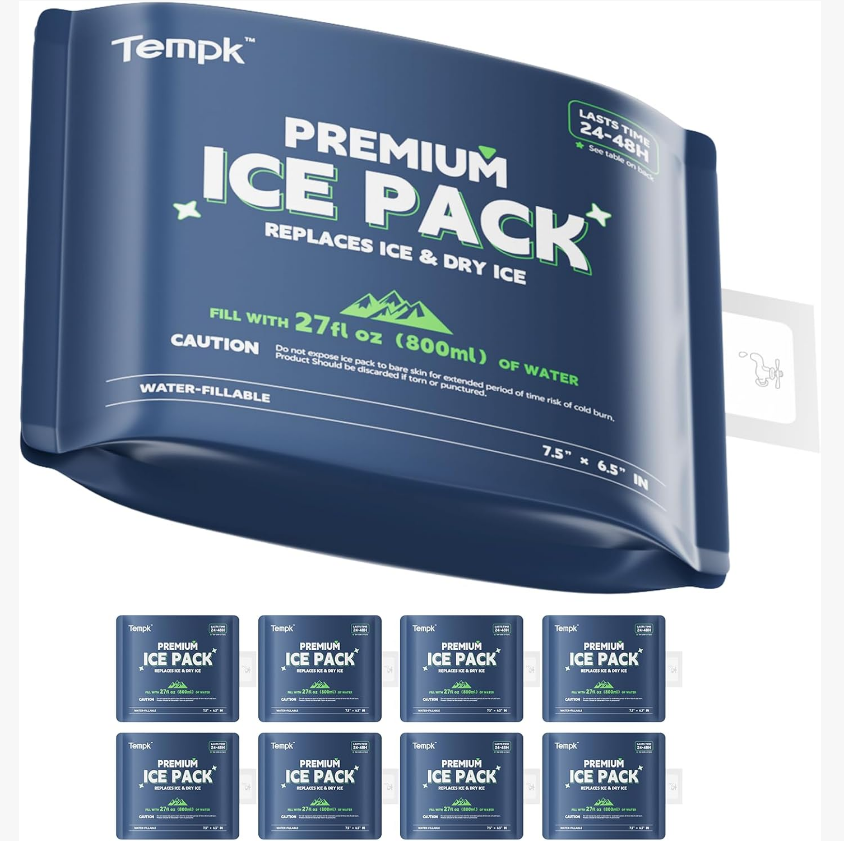
What this article answers
- How to evaluate water injection ice pack lightweight thermal packaging as a full operating system, not only a product item
- Which material, geometry, and packout variables most affect thermal reliability
- What current compliance, sustainability, and market guidance mean for your buying checklist
- How to build a people-first SEO page that also helps real buyers make faster decisions
- What final scorecard you can use to reduce cost, waste, and approval risk
Optimized decision framework
| Review area | What to review | What good looks like | Why it matters |
|---|---|---|---|
| Cost lever | Storage, labor, and avoidable rework | Measured beyond unit price | Shows the real commercial impact |
| Risk lever | Qualification and exception handling | Reviewed before rollout | Avoids expensive reactive fixes |
| Growth lever | Branding, service level, and scalable supply | Planned from the start | Supports repeatable expansion |
Why Is Water Injection Ice Pack Lightweight Thermal Packaging a Strategic 2026 Buying Decision?
water injection ice pack lightweight thermal packaging is a strategic decision because it affects product safety, freight efficiency, labor rhythm, complaint risk, and brand trust at the same time. Many buyers first notice the pack as a line item. Mature teams quickly realize it is also an operating control. If the pack is easy to store, easy to condition, easy to explain, and easy to qualify, the business gains go far beyond the pouch itself.
In 2026, the strongest choices are not built around vague superlatives. They are built around evidence. In 2026, procurement teams want evidence, not brochure language. You want a format that matches the lane, the carton, the product sensitivity, and the team that will use it every day. That is the standard this optimized guide uses for water injection ice pack lightweight thermal packaging.
What is the right lens for evaluation?
The right lens combines buyer guidance, technical control, and current market reality. From the buyer side, you need to know which specification and supplier signals matter. From the technical side, you need enough data to compare like with like. From the market side, you need to understand how regulations, sustainability pressure, and search behavior are changing what good content and good packaging both look like. This blended lens helps cold chain buyers make decisions that stand up after launch, not only during the quote stage.
Practical tips and recommendations
- Define success in business terms first: fewer excursions, faster packout, lower waste, or easier sourcing.
- Ask what the pack must do on the hardest credible lane rather than on the easiest sample case.
- Treat packaging, handling, and documentation as one approval package.
Practical case: A buyer compared two similar packs and found the better option was the one with steadier conditioned weight, clearer guidance, and stronger documentation. The result was fewer reactive changes during peak season and fewer avoidable complaints.
How Should You Compare Formats, Thermal Logic, and System Fit for Water Injection Ice Pack Lightweight Thermal Packaging?
The best comparison begins with system fit. water injection ice pack lightweight thermal packaging only succeeds when pack chemistry, pack shape, conditioning routine, box design, and payload all work together. That means you should compare more than pack type. Compare what thermal job the pack is meant to do, how quickly it can be conditioned, how consistently it fits the box, and how much variation your team can tolerate in daily use.
Lightweight formats are useful when you want to reduce shipping burden and handling fatigue without giving up basic cooling discipline. The real test is whether the lighter pack still fits the hardest credible lane. A leaner buyer checklist therefore asks a simple but powerful question: does this format solve the real lane problem with the least added complexity? Sometimes the answer is a standard water-injection approach. Sometimes it is PCM control, gel handling stability, a reusable loop, or a lightweight design that cuts freight burden. The pack is optimal only if the surrounding workflow still stays stable.
How do you avoid false comparisons?
Avoid comparing unlike packs under unclear conditions. Put every candidate against the same shipper build, product load, ambient profile, acceptance target, and release timing. Then review how much margin, operating effort, and documentation support each option delivers. This method turns supplier claims into a fair comparison instead of a series of unrelated cold-sounding promises.
Practical tips and recommendations
- Keep the test setup identical whenever you compare two pack formats.
- Review geometry and placement against the exact box interior, not a generic size class.
- Do not add emergency extra packs in trials without recording that change in the result summary.
Practical case: A buyer compared two similar packs and found the better option was the one with steadier conditioned weight, clearer guidance, and stronger documentation. The result was fewer reactive changes during peak season and fewer avoidable complaints.
What Documentation, Data, and Compliance Checks Matter Most for Water Injection Ice Pack Lightweight Thermal Packaging?
The most useful water injection ice pack lightweight thermal packaging package is not only well made. It is well documented. Buyers need a current specification, handling instructions, test summary, change-control path, and a technical contact who can explain the logic behind the recommendation. Without those pieces, even a promising thermal result can become hard to defend internally or hard to repeat across sites.
Qualification, change control, and receiving rules lower risk long after the first sample test is over. A pack that performs in one informal trial is not yet a controlled program; it becomes controlled when the test method, handling routine, and change notices are written down. A disciplined document set lowers risk in several ways. It keeps operations from improvising. It gives quality teams a stable reference. It helps procurement compare suppliers more fairly. It also supports stronger people-first content, because the website and sales material can answer real buyer questions with specifics instead of general claims.
Which documents create the most value during rollout?
The highest-value documents are the ones people will actually use: the approved spec, the conditioning and packout sheet, the qualification summary, and the change-notice workflow. Higher-risk programs may add monitored pilot results, receiving guidance, emergency SOPs, or supplier quality agreements. The point is not to collect paperwork. The point is to create a practical operating memory that survives staff turnover and peak-season pressure.
Practical tips and recommendations
- Keep one approved revision file for each SKU and retire outdated attachments.
- Request lane-based test language that operations teams can understand without translation.
- If your application is regulated, write excursion ownership and escalation rules before go-live.
Practical case: A buyer compared two similar packs and found the better option was the one with steadier conditioned weight, clearer guidance, and stronger documentation. The result was fewer reactive changes during peak season and fewer avoidable complaints.
How Can You Cut Cost, Waste, and Exceptions with Water Injection Ice Pack Lightweight Thermal Packaging?
The fastest way to improve the economics of water injection ice pack lightweight thermal packaging is to stop measuring cost too narrowly. Unit price matters, but so do freezer space, labor time, damage claims, reconditioning waste, artwork errors, slow supplier replies, and every emergency correction the team makes during packout. A slightly more expensive pack can be the cheaper program when it removes avoidable variation.
Sustainability only counts when it survives contact with operations. Buyers increasingly ask for reduced shipping weight and better cube efficiency, but they also want proof that those choices do not weaken thermal consistency, seal reliability, or daily usability. In operational terms, your best gains often come from standardization: one written fill rule, one conditioning window, one placement map, one scorecard, and one review cycle. This is how buyers reduce exception volume without needing a dramatic product change on every lane.
Where should improvement work start?
Start where uncertainty is highest. Look for the moments when staff add extra packs, wait too long after freezer release, guess replacement quantities, or struggle to interpret disposal or reuse instructions. Those moments create silent cost. Tightening them gives you a cleaner baseline for later sustainability upgrades, custom branding, or supplier expansion decisions.
Practical tips and recommendations
- Model total landed cost with labor, claims, and extra-pack behavior included.
- If you want a greener option, verify that it still meets the hardest shipping profile you expect.
- Use scorecards and packout sheets to cut variation before you change chemistry or artwork.
Practical case: A buyer compared two similar packs and found the better option was the one with steadier conditioned weight, clearer guidance, and stronger documentation. The result was fewer reactive changes during peak season and fewer avoidable complaints.
What Should the Final Decision Framework Look Like for Water Injection Ice Pack Lightweight Thermal Packaging?
The final decision framework for water injection ice pack lightweight thermal packaging should be simple enough to use and strong enough to survive audit, scaling, and seasonal stress. Start by defining the lane and the product risk. Then evaluate the pack format, geometry, conditioning routine, and supporting documents against one shared target. Finish with supplier capability, change control, and commercial support. This framework keeps the project grounded in what the shipment actually needs.
The optimized choice is rarely the one with the loudest claim. It is the one that lets you work as one tuned element inside a full thermal packaging system, supports turn a simple coolant pack into a repeatable part of the shipping process, and stays understandable for operations after launch. In search terms, this is also the content structure that performs best: clear headings, real buyer questions, practical tables, transparent dates, and a strong FAQ section that mirrors how people search in 2026.
How do you turn the framework into action?
Build one approval sheet that purchasing, operations, and quality can all sign. Include lane definition, box build, candidate format, qualification result, document status, and supplier owner. This creates a repeatable commercial process and a cleaner SEO story at the same time, because your final page will reflect the actual questions that shaped the real buying decision.
Practical tips and recommendations
- Use one cross-functional approval sheet instead of separate informal notes.
- Keep the evaluation focused on field fit, not on isolated catalog claims.
- Refresh the page and the spec when seasonality, box design, or guidance changes.
Practical case: A buyer compared two similar packs and found the better option was the one with steadier conditioned weight, clearer guidance, and stronger documentation. The result was fewer reactive changes during peak season and fewer avoidable complaints.
2026 developments and trends
In 2026, the market around this category is becoming more disciplined. Across cold chain programs, shipping weight and cube efficiency are becoming bigger parts of the sourcing conversation. That does not mean every buyer needs the most complex pack. It means more buyers want the right level of proof for the lane they actually run.
Latest developments at a glance
- Qualification data is carrying more weight in supplier selection conversations.
- Procurement teams are linking sustainability claims to storage efficiency, damage reduction, and disposal reality.
- Standardized SOPs and multi-site scorecards are replacing ad hoc pack-count decisions.
- People-first SEO and decision-support content are outperforming thin category pages in specialized B2B search journeys.
The commercial direction is clear: buyers want packs that are easier to specify, easier to explain to nontechnical teams, and easier to defend after launch. Programs that combine credible thermal fit with cleaner documents and predictable supply are gaining ground over generic one-size-fits-all offers.
What leading buyers are doing in 2026
| Trend area | What is changing | What it means | Practical value |
|---|---|---|---|
| Testing trend | More parcel-style heat and cold profiles | Buyers ask for clearer thermal evidence | Qualification is becoming routine sourcing work |
| Sustainability trend | Lightweighting, material disclosure, and recovery planning | Claims must survive real operations | Eco decisions are moving into procurement |
| Governance trend | Multi-site specs, scorecards, and documented exceptions | Fewer ad hoc packout choices | Programs scale more safely across sites |
Frequently asked questions
Is water injection ice pack lightweight thermal packaging better than dry ice for every lane?
No. Dry ice may still be stronger for deep-frozen or very long lanes, while a water-injection program can be easier for chilled control, handling, and routine replenishment. Compare the full lane, the target range, and the safety or labeling burden before you choose.
How many packs should you use for water injection ice pack lightweight thermal packaging?
There is no honest one-number answer. Pack count depends on product mass, box size, liner quality, ambient profile, and placement. Start with lane-specific testing and a written packout method instead of copying a count from another carton.
What documents should you request before buying water injection ice pack lightweight thermal packaging?
Ask for a current specification, handling guidance, test summary, and change-control contact. If the program is higher risk, also request a qualification plan, lot traceability approach, and who owns technical questions after launch.
Do eco-friendly or recyclable claims change how you should buy water injection ice pack lightweight thermal packaging?
They should change what you ask. Confirm what part is recyclable, where that route really exists, and whether the greener choice still meets lane, freezer, and complaint-risk requirements. A useful sustainability claim is operationally realistic, not just attractive.
What is the biggest mistake buyers make with water injection ice pack lightweight thermal packaging?
Treating the pack like a standalone product. The biggest mistakes usually come from ignoring the whole system: box size, liner, placement, freeze routine, and receiving conditions. That is why good buyers qualify the packout, not just the pack.
Does PCM automatically outperform every other format in water injection ice pack lightweight thermal packaging?
No. PCM can be excellent when you need a narrower control band, but it only works when the phase point, carton design, and operating method match the product. A poor system with PCM can lose to a well-qualified standard pack.
How often should you refresh a page about water injection ice pack lightweight thermal packaging?
Refresh it whenever lane assumptions, regulations, seasonal data, or supplier capabilities change. A living page performs better in search and helps internal teams avoid relying on stale packaging assumptions.
What makes water injection ice pack lightweight thermal packaging content rank better in 2026?
Content ranks better when it is helpful, scenario-based, and easy to skim. Clear headings, practical tables, FAQ coverage, and specific buyer guidance usually outperform thin keyword-stuffed pages.
Conclusion and recommendations
The optimized approach to water injection ice pack lightweight thermal packaging combines the strongest parts of buyer education, technical discipline, and current market guidance. When you compare formats fairly, document the packout clearly, and write content around real buyer questions, you reduce risk and improve both operational results and search performance.
Use a cross-functional scorecard, validate one real lane, and keep the published page aligned with your approved operating method. That is the clearest route to a colder shipment, a stronger SEO page, and a more defensible purchase decision.
The Complete 2026 Guide to Water Injection Ice Pack Gel Based Commercial
What this article answers
- How to evaluate water injection ice pack gel based commercial as a full operating system, not only a product item
- Which material, geometry, and packout variables most affect thermal reliability
- What current compliance, sustainability, and market guidance mean for your buying checklist
- How to build a people-first SEO page that also helps real buyers make faster decisions
- What final scorecard you can use to reduce cost, waste, and approval risk
Optimized decision framework
| Review area | What to review | What good looks like | Why it matters |
|---|---|---|---|
| Cost lever | Storage, labor, and avoidable rework | Measured beyond unit price | Shows the real commercial impact |
| Risk lever | Qualification and exception handling | Reviewed before rollout | Avoids expensive reactive fixes |
| Growth lever | Branding, service level, and scalable supply | Planned from the start | Supports repeatable expansion |
Why Is Water Injection Ice Pack Gel Based Commercial a Strategic 2026 Buying Decision?
water injection ice pack gel based commercial is a strategic decision because it affects product safety, freight efficiency, labor rhythm, complaint risk, and brand trust at the same time. Many buyers first notice the pack as a line item. Mature teams quickly realize it is also an operating control. If the pack is easy to store, easy to condition, easy to explain, and easy to qualify, the business gains go far beyond the pouch itself.
In 2026, the strongest choices are not built around vague superlatives. They are built around evidence. In 2026, a qualified pack beats a generic claim every time. You want a format that matches the lane, the carton, the product sensitivity, and the team that will use it every day. That is the standard this optimized guide uses for water injection ice pack gel based commercial.
What is the right lens for evaluation?
The right lens combines buyer guidance, technical control, and current market reality. From the buyer side, you need to know which specification and supplier signals matter. From the technical side, you need enough data to compare like with like. From the market side, you need to understand how regulations, sustainability pressure, and search behavior are changing what good content and good packaging both look like. This blended lens helps commercial packaging buyers make decisions that stand up after launch, not only during the quote stage.
Practical tips and recommendations
- Define success in business terms first: fewer excursions, faster packout, lower waste, or easier sourcing.
- Ask what the pack must do on the hardest credible lane rather than on the easiest sample case.
- Treat packaging, handling, and documentation as one approval package.
Practical case: A buyer compared two similar packs and found the better option was the one with steadier conditioned weight, clearer guidance, and stronger documentation. The result was fewer reactive changes during peak season and fewer avoidable complaints.
How Should You Compare Formats, Thermal Logic, and System Fit for Water Injection Ice Pack Gel Based Commercial?
The best comparison begins with system fit. water injection ice pack gel based commercial only succeeds when pack chemistry, pack shape, conditioning routine, box design, and payload all work together. That means you should compare more than pack type. Compare what thermal job the pack is meant to do, how quickly it can be conditioned, how consistently it fits the box, and how much variation your team can tolerate in daily use.
Gel-based fills are often selected for steadier contact, easier handling, and a smoother performance curve once frozen. They can feel more controlled in day-to-day packout than a loose free-water format. A leaner buyer checklist therefore asks a simple but powerful question: does this format solve the real lane problem with the least added complexity? Sometimes the answer is a standard water-injection approach. Sometimes it is PCM control, gel handling stability, a reusable loop, or a lightweight design that cuts freight burden. The pack is optimal only if the surrounding workflow still stays stable.
How do you avoid false comparisons?
Avoid comparing unlike packs under unclear conditions. Put every candidate against the same shipper build, product load, ambient profile, acceptance target, and release timing. Then review how much margin, operating effort, and documentation support each option delivers. This method turns supplier claims into a fair comparison instead of a series of unrelated cold-sounding promises.
Practical tips and recommendations
- Keep the test setup identical whenever you compare two pack formats.
- Review geometry and placement against the exact box interior, not a generic size class.
- Do not add emergency extra packs in trials without recording that change in the result summary.
Practical case: A buyer compared two similar packs and found the better option was the one with steadier conditioned weight, clearer guidance, and stronger documentation. The result was fewer reactive changes during peak season and fewer avoidable complaints.
What Documentation, Data, and Compliance Checks Matter Most for Water Injection Ice Pack Gel Based Commercial?
The most useful water injection ice pack gel based commercial package is not only well made. It is well documented. Buyers need a current specification, handling instructions, test summary, change-control path, and a technical contact who can explain the logic behind the recommendation. Without those pieces, even a promising thermal result can become hard to defend internally or hard to repeat across sites.
Qualification, change control, and receiving rules lower risk long after the first sample test is over. A pack that performs in one informal trial is not yet a controlled program; it becomes controlled when the test method, handling routine, and change notices are written down. A disciplined document set lowers risk in several ways. It keeps operations from improvising. It gives quality teams a stable reference. It helps procurement compare suppliers more fairly. It also supports stronger people-first content, because the website and sales material can answer real buyer questions with specifics instead of general claims.
Which documents create the most value during rollout?
The highest-value documents are the ones people will actually use: the approved spec, the conditioning and packout sheet, the qualification summary, and the change-notice workflow. Higher-risk programs may add monitored pilot results, receiving guidance, emergency SOPs, or supplier quality agreements. The point is not to collect paperwork. The point is to create a practical operating memory that survives staff turnover and peak-season pressure.
Practical tips and recommendations
- Keep one approved revision file for each SKU and retire outdated attachments.
- Request lane-based test language that operations teams can understand without translation.
- If your application is regulated, write excursion ownership and escalation rules before go-live.
Practical case: A buyer compared two similar packs and found the better option was the one with steadier conditioned weight, clearer guidance, and stronger documentation. The result was fewer reactive changes during peak season and fewer avoidable complaints.
How Can You Cut Cost, Waste, and Exceptions with Water Injection Ice Pack Gel Based Commercial?
The fastest way to improve the economics of water injection ice pack gel based commercial is to stop measuring cost too narrowly. Unit price matters, but so do freezer space, labor time, damage claims, reconditioning waste, artwork errors, slow supplier replies, and every emergency correction the team makes during packout. A slightly more expensive pack can be the cheaper program when it removes avoidable variation.
Even when sustainability is not the headline feature, buyers still benefit from lighter logistics, better pack-count discipline, and fewer spoiled shipments. In practice, avoiding waste often starts with qualification and clear instructions, not with a slogan. In operational terms, your best gains often come from standardization: one written fill rule, one conditioning window, one placement map, one scorecard, and one review cycle. This is how buyers reduce exception volume without needing a dramatic product change on every lane.
Where should improvement work start?
Start where uncertainty is highest. Look for the moments when staff add extra packs, wait too long after freezer release, guess replacement quantities, or struggle to interpret disposal or reuse instructions. Those moments create silent cost. Tightening them gives you a cleaner baseline for later sustainability upgrades, custom branding, or supplier expansion decisions.
Practical tips and recommendations
- Model total landed cost with labor, claims, and extra-pack behavior included.
- If you want a greener option, verify that it still meets the hardest shipping profile you expect.
- Use scorecards and packout sheets to cut variation before you change chemistry or artwork.
Practical case: A buyer compared two similar packs and found the better option was the one with steadier conditioned weight, clearer guidance, and stronger documentation. The result was fewer reactive changes during peak season and fewer avoidable complaints.
What Should the Final Decision Framework Look Like for Water Injection Ice Pack Gel Based Commercial?
The final decision framework for water injection ice pack gel based commercial should be simple enough to use and strong enough to survive audit, scaling, and seasonal stress. Start by defining the lane and the product risk. Then evaluate the pack format, geometry, conditioning routine, and supporting documents against one shared target. Finish with supplier capability, change control, and commercial support. This framework keeps the project grounded in what the shipment actually needs.
The optimized choice is rarely the one with the loudest claim. It is the one that lets you support reliable cold chain shipments without wasting storage space or operating time, supports turn a simple coolant pack into a repeatable part of the shipping process, and stays understandable for operations after launch. In search terms, this is also the content structure that performs best: clear headings, real buyer questions, practical tables, transparent dates, and a strong FAQ section that mirrors how people search in 2026.
How do you turn the framework into action?
Build one approval sheet that purchasing, operations, and quality can all sign. Include lane definition, box build, candidate format, qualification result, document status, and supplier owner. This creates a repeatable commercial process and a cleaner SEO story at the same time, because your final page will reflect the actual questions that shaped the real buying decision.
Practical tips and recommendations
- Use one cross-functional approval sheet instead of separate informal notes.
- Keep the evaluation focused on field fit, not on isolated catalog claims.
- Refresh the page and the spec when seasonality, box design, or guidance changes.
Practical case: A buyer compared two similar packs and found the better option was the one with steadier conditioned weight, clearer guidance, and stronger documentation. The result was fewer reactive changes during peak season and fewer avoidable complaints.
2026 developments and trends
In 2026, the market around this category is becoming more disciplined. Across cold chain programs, procurement teams are demanding more proof of performance, clearer documentation, and easier multi-site control. That does not mean every buyer needs the most complex pack. It means more buyers want the right level of proof for the lane they actually run.
Latest developments at a glance
- Qualification data is carrying more weight in supplier selection conversations.
- Procurement teams are linking sustainability claims to storage efficiency, damage reduction, and disposal reality.
- Standardized SOPs and multi-site scorecards are replacing ad hoc pack-count decisions.
- People-first SEO and decision-support content are outperforming thin category pages in specialized B2B search journeys.
The commercial direction is clear: buyers want packs that are easier to specify, easier to explain to nontechnical teams, and easier to defend after launch. Programs that combine credible thermal fit with cleaner documents and predictable supply are gaining ground over generic one-size-fits-all offers.
What leading buyers are doing in 2026
| Trend area | What is changing | What it means | Practical value |
|---|---|---|---|
| Testing trend | More parcel-style heat and cold profiles | Buyers ask for clearer thermal evidence | Qualification is becoming routine sourcing work |
| Sustainability trend | Lightweighting, material disclosure, and recovery planning | Claims must survive real operations | Eco decisions are moving into procurement |
| Governance trend | Multi-site specs, scorecards, and documented exceptions | Fewer ad hoc packout choices | Programs scale more safely across sites |
Frequently asked questions
Is water injection ice pack gel based commercial better than dry ice for every lane?
No. Dry ice may still be stronger for deep-frozen or very long lanes, while a water-injection program can be easier for chilled control, handling, and routine replenishment. Compare the full lane, the target range, and the safety or labeling burden before you choose.
How many packs should you use for water injection ice pack gel based commercial?
There is no honest one-number answer. Pack count depends on product mass, box size, liner quality, ambient profile, and placement. Start with lane-specific testing and a written packout method instead of copying a count from another carton.
What documents should you request before buying water injection ice pack gel based commercial?
Ask for a current specification, handling guidance, test summary, and change-control contact. If the program is higher risk, also request a qualification plan, lot traceability approach, and who owns technical questions after launch.
Do eco-friendly or recyclable claims change how you should buy water injection ice pack gel based commercial?
They should change what you ask. Confirm what part is recyclable, where that route really exists, and whether the greener choice still meets lane, freezer, and complaint-risk requirements. A useful sustainability claim is operationally realistic, not just attractive.
What is the biggest mistake buyers make with water injection ice pack gel based commercial?
Treating the pack like a standalone product. The biggest mistakes usually come from ignoring the whole system: box size, liner, placement, freeze routine, and receiving conditions. That is why good buyers qualify the packout, not just the pack.
Does PCM automatically outperform every other format in water injection ice pack gel based commercial?
No. PCM can be excellent when you need a narrower control band, but it only works when the phase point, carton design, and operating method match the product. A poor system with PCM can lose to a well-qualified standard pack.
How often should you refresh a page about water injection ice pack gel based commercial?
Refresh it whenever lane assumptions, regulations, seasonal data, or supplier capabilities change. A living page performs better in search and helps internal teams avoid relying on stale packaging assumptions.
What makes water injection ice pack gel based commercial content rank better in 2026?
Content ranks better when it is helpful, scenario-based, and easy to skim. Clear headings, practical tables, FAQ coverage, and specific buyer guidance usually outperform thin keyword-stuffed pages.
Conclusion and recommendations
The optimized approach to water injection ice pack gel based commercial combines the strongest parts of buyer education, technical discipline, and current market guidance. When you compare formats fairly, document the packout clearly, and write content around real buyer questions, you reduce risk and improve both operational results and search performance.
Use a cross-functional scorecard, validate one real lane, and keep the published page aligned with your approved operating method. That is the clearest route to a colder shipment, a stronger SEO page, and a more defensible purchase decision.
The Complete 2026 Guide to Water Injection Ice Pack Eco-Friendly Medical Logistics
What this article answers
- How to evaluate water injection ice pack eco-friendly medical logistics as a full operating system, not only a product item
- Which material, geometry, and packout variables most affect thermal reliability
- What current compliance, sustainability, and market guidance mean for your buying checklist
- How to build a people-first SEO page that also helps real buyers make faster decisions
- What final scorecard you can use to reduce cost, waste, and approval risk
Optimized decision framework
| Review area | What to review | What good looks like | Why it matters |
|---|---|---|---|
| Cost lever | Storage, labor, and avoidable rework | Measured beyond unit price | Shows the real commercial impact |
| Risk lever | Qualification and exception handling | Reviewed before rollout | Avoids expensive reactive fixes |
| Growth lever | Branding, service level, and scalable supply | Planned from the start | Supports repeatable expansion |
Why Is Water Injection Ice Pack Eco-Friendly Medical Logistics a Strategic 2026 Buying Decision?
water injection ice pack eco-friendly medical logistics is a strategic decision because it affects product safety, freight efficiency, labor rhythm, complaint risk, and brand trust at the same time. Many buyers first notice the pack as a line item. Mature teams quickly realize it is also an operating control. If the pack is easy to store, easy to condition, easy to explain, and easy to qualify, the business gains go far beyond the pouch itself.
In 2026, the strongest choices are not built around vague superlatives. They are built around evidence. In 2026, procurement teams want evidence, not brochure language. You want a format that matches the lane, the carton, the product sensitivity, and the team that will use it every day. That is the standard this optimized guide uses for water injection ice pack eco-friendly medical logistics.
What is the right lens for evaluation?
The right lens combines buyer guidance, technical control, and current market reality. From the buyer side, you need to know which specification and supplier signals matter. From the technical side, you need enough data to compare like with like. From the market side, you need to understand how regulations, sustainability pressure, and search behavior are changing what good content and good packaging both look like. This blended lens helps cold chain buyers make decisions that stand up after launch, not only during the quote stage.
Practical tips and recommendations
- Define success in business terms first: fewer excursions, faster packout, lower waste, or easier sourcing.
- Ask what the pack must do on the hardest credible lane rather than on the easiest sample case.
- Treat packaging, handling, and documentation as one approval package.
Practical case: A medical logistics team ran a monitored pilot on its most delay-prone route before scaling. The early win was not only temperature stability. It was a clearer exception workflow, better staff training, and fewer arguments about whether packaging or process caused an excursion.
How Should You Compare Formats, Thermal Logic, and System Fit for Water Injection Ice Pack Eco-Friendly Medical Logistics?
The best comparison begins with system fit. water injection ice pack eco-friendly medical logistics only succeeds when pack chemistry, pack shape, conditioning routine, box design, and payload all work together. That means you should compare more than pack type. Compare what thermal job the pack is meant to do, how quickly it can be conditioned, how consistently it fits the box, and how much variation your team can tolerate in daily use.
Standard water-injection formats are often selected because they ship and store efficiently before filling, and because teams can control conditioning close to the point where cooling is actually needed. A leaner buyer checklist therefore asks a simple but powerful question: does this format solve the real lane problem with the least added complexity? Sometimes the answer is a standard water-injection approach. Sometimes it is PCM control, gel handling stability, a reusable loop, or a lightweight design that cuts freight burden. The pack is optimal only if the surrounding workflow still stays stable.
How do you avoid false comparisons?
Avoid comparing unlike packs under unclear conditions. Put every candidate against the same shipper build, product load, ambient profile, acceptance target, and release timing. Then review how much margin, operating effort, and documentation support each option delivers. This method turns supplier claims into a fair comparison instead of a series of unrelated cold-sounding promises.
Practical tips and recommendations
- Keep the test setup identical whenever you compare two pack formats.
- Review geometry and placement against the exact box interior, not a generic size class.
- Do not add emergency extra packs in trials without recording that change in the result summary.
Practical case: A buyer compared two similar packs and found the better option was the one with steadier conditioned weight, clearer guidance, and stronger documentation. The result was fewer reactive changes during peak season and fewer avoidable complaints.
What Documentation, Data, and Compliance Checks Matter Most for Water Injection Ice Pack Eco-Friendly Medical Logistics?
The most useful water injection ice pack eco-friendly medical logistics package is not only well made. It is well documented. Buyers need a current specification, handling instructions, test summary, change-control path, and a technical contact who can explain the logic behind the recommendation. Without those pieces, even a promising thermal result can become hard to defend internally or hard to repeat across sites.
For vaccine and healthcare use, the pack itself is only one control. The program also needs written SOPs, temperature monitoring, excursion response rules, trained staff, and a lane qualification file that matches the product risk. A disciplined document set lowers risk in several ways. It keeps operations from improvising. It gives quality teams a stable reference. It helps procurement compare suppliers more fairly. It also supports stronger people-first content, because the website and sales material can answer real buyer questions with specifics instead of general claims.
Which documents create the most value during rollout?
The highest-value documents are the ones people will actually use: the approved spec, the conditioning and packout sheet, the qualification summary, and the change-notice workflow. Higher-risk programs may add monitored pilot results, receiving guidance, emergency SOPs, or supplier quality agreements. The point is not to collect paperwork. The point is to create a practical operating memory that survives staff turnover and peak-season pressure.
Practical tips and recommendations
- Keep one approved revision file for each SKU and retire outdated attachments.
- Request lane-based test language that operations teams can understand without translation.
- If your application is regulated, write excursion ownership and escalation rules before go-live.
Practical case: A medical logistics team ran a monitored pilot on its most delay-prone route before scaling. The early win was not only temperature stability. It was a clearer exception workflow, better staff training, and fewer arguments about whether packaging or process caused an excursion.
How Can You Cut Cost, Waste, and Exceptions with Water Injection Ice Pack Eco-Friendly Medical Logistics?
The fastest way to improve the economics of water injection ice pack eco-friendly medical logistics is to stop measuring cost too narrowly. Unit price matters, but so do freezer space, labor time, damage claims, reconditioning waste, artwork errors, slow supplier replies, and every emergency correction the team makes during packout. A slightly more expensive pack can be the cheaper program when it removes avoidable variation.
Sustainability only counts when it survives contact with operations. Buyers increasingly ask for lighter inbound logistics and lower avoidable waste, but they also want proof that those choices do not weaken thermal consistency, seal reliability, or daily usability. In operational terms, your best gains often come from standardization: one written fill rule, one conditioning window, one placement map, one scorecard, and one review cycle. This is how buyers reduce exception volume without needing a dramatic product change on every lane.
Where should improvement work start?
Start where uncertainty is highest. Look for the moments when staff add extra packs, wait too long after freezer release, guess replacement quantities, or struggle to interpret disposal or reuse instructions. Those moments create silent cost. Tightening them gives you a cleaner baseline for later sustainability upgrades, custom branding, or supplier expansion decisions.
Practical tips and recommendations
- Model total landed cost with labor, claims, and extra-pack behavior included.
- If you want a greener option, verify that it still meets the hardest shipping profile you expect.
- Use scorecards and packout sheets to cut variation before you change chemistry or artwork.
Practical case: A buyer compared two similar packs and found the better option was the one with steadier conditioned weight, clearer guidance, and stronger documentation. The result was fewer reactive changes during peak season and fewer avoidable complaints.
What Should the Final Decision Framework Look Like for Water Injection Ice Pack Eco-Friendly Medical Logistics?
The final decision framework for water injection ice pack eco-friendly medical logistics should be simple enough to use and strong enough to survive audit, scaling, and seasonal stress. Start by defining the lane and the product risk. Then evaluate the pack format, geometry, conditioning routine, and supporting documents against one shared target. Finish with supplier capability, change control, and commercial support. This framework keeps the project grounded in what the shipment actually needs.
The optimized choice is rarely the one with the loudest claim. It is the one that lets you support temperature-sensitive medical logistics with better handling control and easier qualification, supports turn a simple coolant pack into a repeatable part of the shipping process, and stays understandable for operations after launch. In search terms, this is also the content structure that performs best: clear headings, real buyer questions, practical tables, transparent dates, and a strong FAQ section that mirrors how people search in 2026.
How do you turn the framework into action?
Build one approval sheet that purchasing, operations, and quality can all sign. Include lane definition, box build, candidate format, qualification result, document status, and supplier owner. This creates a repeatable commercial process and a cleaner SEO story at the same time, because your final page will reflect the actual questions that shaped the real buying decision.
Practical tips and recommendations
- Use one cross-functional approval sheet instead of separate informal notes.
- Keep the evaluation focused on field fit, not on isolated catalog claims.
- Refresh the page and the spec when seasonality, box design, or guidance changes.
Practical case: A buyer compared two similar packs and found the better option was the one with steadier conditioned weight, clearer guidance, and stronger documentation. The result was fewer reactive changes during peak season and fewer avoidable complaints.
2026 developments and trends
In 2026, the market around this category is becoming more disciplined. Across cold chain programs, medical programs are leaning harder on monitoring, documented exception handling, and GDP-style discipline and sustainability claims are being tested against real recovery routes, lighter logistics, and reduced waste. That does not mean every buyer needs the most complex pack. It means more buyers want the right level of proof for the lane they actually run.
Latest developments at a glance
- Qualification data is carrying more weight in supplier selection conversations.
- Procurement teams are linking sustainability claims to storage efficiency, damage reduction, and disposal reality.
- Standardized SOPs and multi-site scorecards are replacing ad hoc pack-count decisions.
- People-first SEO and decision-support content are outperforming thin category pages in specialized B2B search journeys.
The commercial direction is clear: buyers want packs that are easier to specify, easier to explain to nontechnical teams, and easier to defend after launch. Programs that combine credible thermal fit with cleaner documents and predictable supply are gaining ground over generic one-size-fits-all offers.
What leading buyers are doing in 2026
| Trend area | What is changing | What it means | Practical value |
|---|---|---|---|
| Testing trend | More parcel-style heat and cold profiles | Buyers ask for clearer thermal evidence | Qualification is becoming routine sourcing work |
| Sustainability trend | Lightweighting, material disclosure, and recovery planning | Claims must survive real operations | Eco decisions are moving into procurement |
| Governance trend | Multi-site specs, scorecards, and documented exceptions | Fewer ad hoc packout choices | Programs scale more safely across sites |
Frequently asked questions
Is water injection ice pack eco-friendly medical logistics better than dry ice for every lane?
No. Dry ice may still be stronger for deep-frozen or very long lanes, while a water-injection program can be easier for chilled control, handling, and routine replenishment. Compare the full lane, the target range, and the safety or labeling burden before you choose.
How many packs should you use for water injection ice pack eco-friendly medical logistics?
There is no honest one-number answer. Pack count depends on product mass, box size, liner quality, ambient profile, and placement. Start with lane-specific testing and a written packout method instead of copying a count from another carton.
Can water injection ice pack eco-friendly medical logistics be used for vaccine or medical transport?
It can be part of a monitored shipper, but only inside a qualified system that matches the product label or risk profile. The pack alone is not the compliance program. You still need SOPs, calibrated monitoring, and exception handling.
Do eco-friendly or recyclable claims change how you should buy water injection ice pack eco-friendly medical logistics?
They should change what you ask. Confirm what part is recyclable, where that route really exists, and whether the greener choice still meets lane, freezer, and complaint-risk requirements. A useful sustainability claim is operationally realistic, not just attractive.
What is the biggest mistake buyers make with water injection ice pack eco-friendly medical logistics?
Treating the pack like a standalone product. The biggest mistakes usually come from ignoring the whole system: box size, liner, placement, freeze routine, and receiving conditions. That is why good buyers qualify the packout, not just the pack.
Does PCM automatically outperform every other format in water injection ice pack eco-friendly medical logistics?
No. PCM can be excellent when you need a narrower control band, but it only works when the phase point, carton design, and operating method match the product. A poor system with PCM can lose to a well-qualified standard pack.
How often should you refresh a page about water injection ice pack eco-friendly medical logistics?
Refresh it whenever lane assumptions, regulations, seasonal data, or supplier capabilities change. A living page performs better in search and helps internal teams avoid relying on stale packaging assumptions.
What makes water injection ice pack eco-friendly medical logistics content rank better in 2026?
Content ranks better when it is helpful, scenario-based, and easy to skim. Clear headings, practical tables, FAQ coverage, and specific buyer guidance usually outperform thin keyword-stuffed pages.
Conclusion and recommendations
The optimized approach to water injection ice pack eco-friendly medical logistics combines the strongest parts of buyer education, technical discipline, and current market guidance. When you compare formats fairly, document the packout clearly, and write content around real buyer questions, you reduce risk and improve both operational results and search performance.
Use a cross-functional scorecard, validate one real lane, and keep the published page aligned with your approved operating method. That is the clearest route to a colder shipment, a stronger SEO page, and a more defensible purchase decision.
The Complete 2026 Guide to Water Injection Ice Pack Cold Chain Packaging
What this article answers
- How to evaluate water injection ice pack cold chain packaging as a full operating system, not only a product item
- Which material, geometry, and packout variables most affect thermal reliability
- What current compliance, sustainability, and market guidance mean for your buying checklist
- How to build a people-first SEO page that also helps real buyers make faster decisions
- What final scorecard you can use to reduce cost, waste, and approval risk
Optimized decision framework
| Review area | What to review | What good looks like | Why it matters |
|---|---|---|---|
| Cost lever | Storage, labor, and avoidable rework | Measured beyond unit price | Shows the real commercial impact |
| Risk lever | Qualification and exception handling | Reviewed before rollout | Avoids expensive reactive fixes |
| Growth lever | Branding, service level, and scalable supply | Planned from the start | Supports repeatable expansion |
Why Is Water Injection Ice Pack Cold Chain Packaging a Strategic 2026 Buying Decision?
water injection ice pack cold chain packaging is a strategic decision because it affects product safety, freight efficiency, labor rhythm, complaint risk, and brand trust at the same time. Many buyers first notice the pack as a line item. Mature teams quickly realize it is also an operating control. If the pack is easy to store, easy to condition, easy to explain, and easy to qualify, the business gains go far beyond the pouch itself.
In 2026, the strongest choices are not built around vague superlatives. They are built around evidence. In 2026, a qualified pack beats a generic claim every time. You want a format that matches the lane, the carton, the product sensitivity, and the team that will use it every day. That is the standard this optimized guide uses for water injection ice pack cold chain packaging.
What is the right lens for evaluation?
The right lens combines buyer guidance, technical control, and current market reality. From the buyer side, you need to know which specification and supplier signals matter. From the technical side, you need enough data to compare like with like. From the market side, you need to understand how regulations, sustainability pressure, and search behavior are changing what good content and good packaging both look like. This blended lens helps cold chain buyers make decisions that stand up after launch, not only during the quote stage.
Practical tips and recommendations
- Define success in business terms first: fewer excursions, faster packout, lower waste, or easier sourcing.
- Ask what the pack must do on the hardest credible lane rather than on the easiest sample case.
- Treat packaging, handling, and documentation as one approval package.
Practical case: A buyer compared two similar packs and found the better option was the one with steadier conditioned weight, clearer guidance, and stronger documentation. The result was fewer reactive changes during peak season and fewer avoidable complaints.
How Should You Compare Formats, Thermal Logic, and System Fit for Water Injection Ice Pack Cold Chain Packaging?
The best comparison begins with system fit. water injection ice pack cold chain packaging only succeeds when pack chemistry, pack shape, conditioning routine, box design, and payload all work together. That means you should compare more than pack type. Compare what thermal job the pack is meant to do, how quickly it can be conditioned, how consistently it fits the box, and how much variation your team can tolerate in daily use.
Standard water-injection formats are often selected because they ship and store efficiently before filling, and because teams can control conditioning close to the point where cooling is actually needed. A leaner buyer checklist therefore asks a simple but powerful question: does this format solve the real lane problem with the least added complexity? Sometimes the answer is a standard water-injection approach. Sometimes it is PCM control, gel handling stability, a reusable loop, or a lightweight design that cuts freight burden. The pack is optimal only if the surrounding workflow still stays stable.
How do you avoid false comparisons?
Avoid comparing unlike packs under unclear conditions. Put every candidate against the same shipper build, product load, ambient profile, acceptance target, and release timing. Then review how much margin, operating effort, and documentation support each option delivers. This method turns supplier claims into a fair comparison instead of a series of unrelated cold-sounding promises.
Practical tips and recommendations
- Keep the test setup identical whenever you compare two pack formats.
- Review geometry and placement against the exact box interior, not a generic size class.
- Do not add emergency extra packs in trials without recording that change in the result summary.
Practical case: A buyer compared two similar packs and found the better option was the one with steadier conditioned weight, clearer guidance, and stronger documentation. The result was fewer reactive changes during peak season and fewer avoidable complaints.
What Documentation, Data, and Compliance Checks Matter Most for Water Injection Ice Pack Cold Chain Packaging?
The most useful water injection ice pack cold chain packaging package is not only well made. It is well documented. Buyers need a current specification, handling instructions, test summary, change-control path, and a technical contact who can explain the logic behind the recommendation. Without those pieces, even a promising thermal result can become hard to defend internally or hard to repeat across sites.
Qualification, change control, and receiving rules lower risk long after the first sample test is over. A pack that performs in one informal trial is not yet a controlled program; it becomes controlled when the test method, handling routine, and change notices are written down. A disciplined document set lowers risk in several ways. It keeps operations from improvising. It gives quality teams a stable reference. It helps procurement compare suppliers more fairly. It also supports stronger people-first content, because the website and sales material can answer real buyer questions with specifics instead of general claims.
Which documents create the most value during rollout?
The highest-value documents are the ones people will actually use: the approved spec, the conditioning and packout sheet, the qualification summary, and the change-notice workflow. Higher-risk programs may add monitored pilot results, receiving guidance, emergency SOPs, or supplier quality agreements. The point is not to collect paperwork. The point is to create a practical operating memory that survives staff turnover and peak-season pressure.
Practical tips and recommendations
- Keep one approved revision file for each SKU and retire outdated attachments.
- Request lane-based test language that operations teams can understand without translation.
- If your application is regulated, write excursion ownership and escalation rules before go-live.
Practical case: A buyer compared two similar packs and found the better option was the one with steadier conditioned weight, clearer guidance, and stronger documentation. The result was fewer reactive changes during peak season and fewer avoidable complaints.
How Can You Cut Cost, Waste, and Exceptions with Water Injection Ice Pack Cold Chain Packaging?
The fastest way to improve the economics of water injection ice pack cold chain packaging is to stop measuring cost too narrowly. Unit price matters, but so do freezer space, labor time, damage claims, reconditioning waste, artwork errors, slow supplier replies, and every emergency correction the team makes during packout. A slightly more expensive pack can be the cheaper program when it removes avoidable variation.
Even when sustainability is not the headline feature, buyers still benefit from lighter logistics, better pack-count discipline, and fewer spoiled shipments. In practice, avoiding waste often starts with qualification and clear instructions, not with a slogan. In operational terms, your best gains often come from standardization: one written fill rule, one conditioning window, one placement map, one scorecard, and one review cycle. This is how buyers reduce exception volume without needing a dramatic product change on every lane.
Where should improvement work start?
Start where uncertainty is highest. Look for the moments when staff add extra packs, wait too long after freezer release, guess replacement quantities, or struggle to interpret disposal or reuse instructions. Those moments create silent cost. Tightening them gives you a cleaner baseline for later sustainability upgrades, custom branding, or supplier expansion decisions.
Practical tips and recommendations
- Model total landed cost with labor, claims, and extra-pack behavior included.
- If you want a greener option, verify that it still meets the hardest shipping profile you expect.
- Use scorecards and packout sheets to cut variation before you change chemistry or artwork.
Practical case: A buyer compared two similar packs and found the better option was the one with steadier conditioned weight, clearer guidance, and stronger documentation. The result was fewer reactive changes during peak season and fewer avoidable complaints.
What Should the Final Decision Framework Look Like for Water Injection Ice Pack Cold Chain Packaging?
The final decision framework for water injection ice pack cold chain packaging should be simple enough to use and strong enough to survive audit, scaling, and seasonal stress. Start by defining the lane and the product risk. Then evaluate the pack format, geometry, conditioning routine, and supporting documents against one shared target. Finish with supplier capability, change control, and commercial support. This framework keeps the project grounded in what the shipment actually needs.
The optimized choice is rarely the one with the loudest claim. It is the one that lets you support temperature control across common cold chain packaging scenarios, supports turn a simple coolant pack into a repeatable part of the shipping process, and stays understandable for operations after launch. In search terms, this is also the content structure that performs best: clear headings, real buyer questions, practical tables, transparent dates, and a strong FAQ section that mirrors how people search in 2026.
How do you turn the framework into action?
Build one approval sheet that purchasing, operations, and quality can all sign. Include lane definition, box build, candidate format, qualification result, document status, and supplier owner. This creates a repeatable commercial process and a cleaner SEO story at the same time, because your final page will reflect the actual questions that shaped the real buying decision.
Practical tips and recommendations
- Use one cross-functional approval sheet instead of separate informal notes.
- Keep the evaluation focused on field fit, not on isolated catalog claims.
- Refresh the page and the spec when seasonality, box design, or guidance changes.
Practical case: A buyer compared two similar packs and found the better option was the one with steadier conditioned weight, clearer guidance, and stronger documentation. The result was fewer reactive changes during peak season and fewer avoidable complaints.
2026 developments and trends
In 2026, the market around this category is becoming more disciplined. Across cold chain programs, procurement teams are demanding more proof of performance, clearer documentation, and easier multi-site control. That does not mean every buyer needs the most complex pack. It means more buyers want the right level of proof for the lane they actually run.
Latest developments at a glance
- Qualification data is carrying more weight in supplier selection conversations.
- Procurement teams are linking sustainability claims to storage efficiency, damage reduction, and disposal reality.
- Standardized SOPs and multi-site scorecards are replacing ad hoc pack-count decisions.
- People-first SEO and decision-support content are outperforming thin category pages in specialized B2B search journeys.
The commercial direction is clear: buyers want packs that are easier to specify, easier to explain to nontechnical teams, and easier to defend after launch. Programs that combine credible thermal fit with cleaner documents and predictable supply are gaining ground over generic one-size-fits-all offers.
What leading buyers are doing in 2026
| Trend area | What is changing | What it means | Practical value |
|---|---|---|---|
| Testing trend | More parcel-style heat and cold profiles | Buyers ask for clearer thermal evidence | Qualification is becoming routine sourcing work |
| Sustainability trend | Lightweighting, material disclosure, and recovery planning | Claims must survive real operations | Eco decisions are moving into procurement |
| Governance trend | Multi-site specs, scorecards, and documented exceptions | Fewer ad hoc packout choices | Programs scale more safely across sites |
Frequently asked questions
Is water injection ice pack cold chain packaging better than dry ice for every lane?
No. Dry ice may still be stronger for deep-frozen or very long lanes, while a water-injection program can be easier for chilled control, handling, and routine replenishment. Compare the full lane, the target range, and the safety or labeling burden before you choose.
How many packs should you use for water injection ice pack cold chain packaging?
There is no honest one-number answer. Pack count depends on product mass, box size, liner quality, ambient profile, and placement. Start with lane-specific testing and a written packout method instead of copying a count from another carton.
What documents should you request before buying water injection ice pack cold chain packaging?
Ask for a current specification, handling guidance, test summary, and change-control contact. If the program is higher risk, also request a qualification plan, lot traceability approach, and who owns technical questions after launch.
Do eco-friendly or recyclable claims change how you should buy water injection ice pack cold chain packaging?
They should change what you ask. Confirm what part is recyclable, where that route really exists, and whether the greener choice still meets lane, freezer, and complaint-risk requirements. A useful sustainability claim is operationally realistic, not just attractive.
What is the biggest mistake buyers make with water injection ice pack cold chain packaging?
Treating the pack like a standalone product. The biggest mistakes usually come from ignoring the whole system: box size, liner, placement, freeze routine, and receiving conditions. That is why good buyers qualify the packout, not just the pack.
Does PCM automatically outperform every other format in water injection ice pack cold chain packaging?
No. PCM can be excellent when you need a narrower control band, but it only works when the phase point, carton design, and operating method match the product. A poor system with PCM can lose to a well-qualified standard pack.
How often should you refresh a page about water injection ice pack cold chain packaging?
Refresh it whenever lane assumptions, regulations, seasonal data, or supplier capabilities change. A living page performs better in search and helps internal teams avoid relying on stale packaging assumptions.
What makes water injection ice pack cold chain packaging content rank better in 2026?
Content ranks better when it is helpful, scenario-based, and easy to skim. Clear headings, practical tables, FAQ coverage, and specific buyer guidance usually outperform thin keyword-stuffed pages.
Conclusion and recommendations
The optimized approach to water injection ice pack cold chain packaging combines the strongest parts of buyer education, technical discipline, and current market guidance. When you compare formats fairly, document the packout clearly, and write content around real buyer questions, you reduce risk and improve both operational results and search performance.
Use a cross-functional scorecard, validate one real lane, and keep the published page aligned with your approved operating method. That is the clearest route to a colder shipment, a stronger SEO page, and a more defensible purchase decision.
The Complete Water Injection Ice Pack Reusable Export Strategy
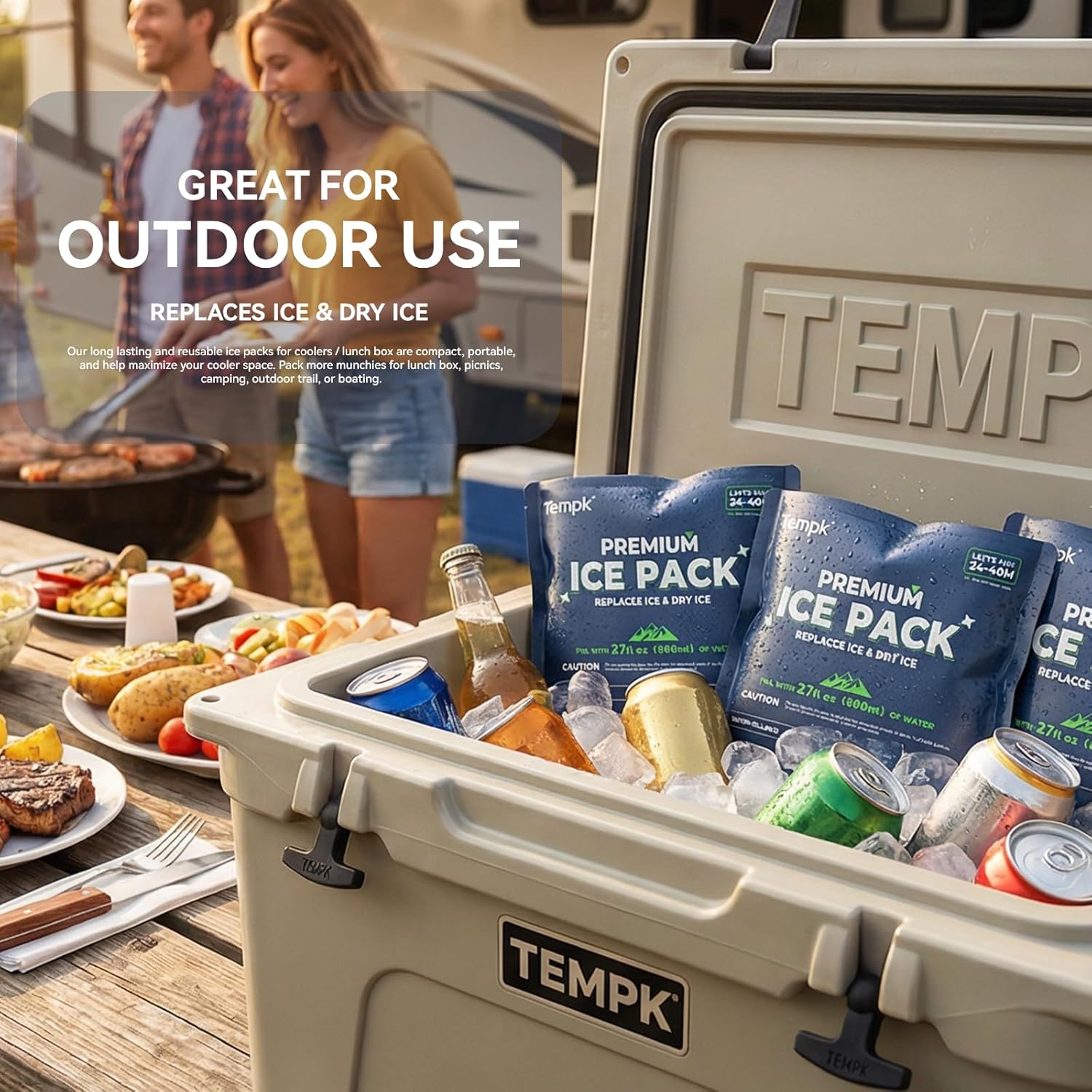
Water Injection Ice Pack Reusable Export matters because it affects product safety, landed cost, customer experience, and even the credibility of your sustainability claims, all in one small packaging component. A water injection ice pack gives you flexible cooling, low storage footprint before filling, and a format that fits many carton shapes better than rigid bricks. Thermal performance is never about the coolant alone. Insulation thickness, product load, airflow gaps, pre-freezing discipline, and the order of assembly can change the result dramatically. FDA says the sanitary transportation rule is meant to prevent food safety risks such as failure to refrigerate, inadequate cleaning between loads, and poor protection during transit. If you manage cost, quality, or operations, the right pack should reduce exception handling rather than creating a new hidden workload.
Updated for March 24, 2026, this article follows a people-first structure with clear headings, specific use cases, and practical guidance so you can evaluate Water Injection Ice Pack Reusable Export with less guesswork and more confidence.
What this article will help you answer
- How to match Water Injection Ice Pack Reusable Export to the right cold chain packaging workflow.
- What performance signals separate a dependable pack from a risky low-cost offer.
- Which multi-use cold pack and quality checks matter before you approve volume.
- How to prepare documentation, labeling, and thermal validation for cross-border movement.
- What 2026 changes in delivery patterns, packaging rules, and claim language mean for you.
Why does Water Injection Ice Pack Reusable Export matter more than many buyers expect?
Water Injection Ice Pack Reusable Export works best when you buy it as a defined operating component instead of a commodity line item. When designed well, the format balances three things at once: thermal protection, handling speed, and acceptable landed cost. The pack has to work as part of a system. Even a strong coolant pouch can disappoint if the outer box, liner, pre-conditioning routine, or delivery window is poorly matched. The value is not only thermal. A better pack also improves line speed, labeling clarity, and confidence when you scale from pilot to national rollout.
Water Injection Ice Pack Reusable Export works best when you buy it as a defined operating component instead of a commodity line item. For buyers, the main attraction is control: you can match pack size, fill weight, print, and case count to the exact lane and product risk you manage. FDA flags online delivery and meal-kit fulfilment as a priority area because more food now moves through direct-to-consumer and last-mile channels. The pack has to work as part of a system. Even a strong coolant pouch can disappoint if the outer box, liner, pre-conditioning routine, or delivery window is poorly matched. The value is not only thermal. A better pack also improves line speed, labeling clarity, and confidence when you scale from pilot to national rollout.
Selection detail: cold chain packaging
A good first test for Water Injection Ice Pack Reusable Export is whether everyone on your team can describe its job in one sentence. That sentence should define the product being protected, the temperature risk being controlled, the transit window, and the acceptable failure level. When teams cannot state that clearly, they often compare samples on feel rather than on outcomes, which leads to expensive rework later. The value is not only thermal. A better pack also improves line speed, labeling clarity, and confidence when you scale from pilot to national rollout.
| Decision area | Basic option | Stronger option | What it means for you |
|---|---|---|---|
| Product definition | Generic pack name | Named lane-and-use spec | Easier approvals and fewer ordering mistakes |
| Cooling role | Added by habit | Linked to target temperature risk | Less over-packing and better consistency |
| Supplier choice | Price-first | Quality-and-document balance | Fewer failures after rollout |
Practical tips and recommendations
- Write one line describing the exact job the pack must do before requesting any quote.
- Use the same sample approval sheet for procurement, QA, and operations so decisions stay aligned.
- Reject vague performance language and ask for the condition behind every claim.
Representative example: A buyer sourcing Water Injection Ice Pack Reusable Export for specialty confectionery stopped comparing packs by unit price alone and created a one-page lane brief first. The next sample round exposed one low-cost option with unstable fill weight and weak corner seals, which would likely have created leakage complaints after rollout.
How do you design Water Injection Ice Pack Reusable Export for dependable thermal performance?
For Water Injection Ice Pack Reusable Export, sizing is not only about how heavy the pack is. It is about where the cold sits around the product during the full distribution cycle. Use peak-season scenarios when you validate. Summer spikes, line delays, and porch dwell are what expose under-designed pack-outs. Film choice matters because the pack sees stress when frozen, handled, dropped, compressed, and squeezed into insulated shippers. A tougher multilayer film often costs more but usually saves money by reducing failures. This is especially important for cross-border seafood, closed-loop catering, and repeat hospital meal runs, where a short delay can change the temperature profile more than buyers expect.
For Water Injection Ice Pack Reusable Export, sizing is not only about how heavy the pack is. It is about where the cold sits around the product during the full distribution cycle. Pack sizing should be tied to payload sensitivity and transit uncertainty. A light pastry shipment and a protein-rich meal kit do not need the same thermal reserve. Thermal performance is never about the coolant alone. Insulation thickness, product load, airflow gaps, pre-freezing discipline, and the order of assembly can change the result dramatically. This is especially important for returnable cooler systems, repeat hospital meal runs, and specialty confectionery, where a short delay can change the temperature profile more than buyers expect.
Performance detail: insulated shipping solution
For Water Injection Ice Pack Reusable Export, try a three-part sizing method: define the worst lane, choose a target pack-out, then test a lighter and heavier option around that baseline. This shows whether you are paying for useful safety margin or for habit. It also exposes when the real weakness is not coolant mass but poor product placement, weak insulation, or late handoff in the final mile. If you manage cost, quality, or operations, the right pack should reduce exception handling rather than creating a new hidden workload.
| Sizing lever | Lean setting | Higher-buffer setting | What it means for you |
|---|---|---|---|
| Pack mass | Lower coolant weight | Higher reserve cooling | Trade cost against temperature buffer |
| Pack layout | One large pouch | Two-point contact layout | Better product contact in many cartons |
| Freeze condition | Shorter pull-down | Full conditioning window | More repeatable shipment performance |
Practical tips and recommendations
- Use two pack-out options to test both lean and high-buffer layouts on your hottest likely lane.
- Freeze samples in the same orientation and time window you expect in production.
- Track both product temperature and package condition; a cold but leaking shipment is still a failure.
Representative example: In a validation run for internal plant transfers, the team compared one large pouch against two smaller pouches placed on opposite sides of the product. The two-pack layout gave better surface contact and more stable temperatures without increasing total coolant weight.
Which material choices improve Water Injection Ice Pack Reusable Export reliability?
Material selection shapes whether Water Injection Ice Pack Reusable Export survives freezing, compression, abrasion, and thaw without leaking or looking damaged. Seal design deserves as much attention as film gauge. A thick film with a poor seal can fail sooner than a balanced structure with stable sealing parameters. The cooling effect comes from mass, temperature change, and the energy absorbed when the frozen phase melts. Water is powerful here because melting ice absorbs a large amount of heat before the temperature rises much. For you, that means fewer surprises at receiving, fewer customer complaints, and a colder product with less trial-and-error.
Material selection shapes whether Water Injection Ice Pack Reusable Export survives freezing, compression, abrasion, and thaw without leaking or looking damaged. The core material conversation usually starts with the coolant and ends with the film. In practice, the film often decides whether a shipment succeeds cleanly or fails messily. Film choice matters because the pack sees stress when frozen, handled, dropped, compressed, and squeezed into insulated shippers. A tougher multilayer film often costs more but usually saves money by reducing failures. The value is not only thermal. A better pack also improves line speed, labeling clarity, and confidence when you scale from pilot to national rollout.
Material detail: reusable gel ice pack
In Water Injection Ice Pack Reusable Export, film and seal choices should be discussed together because they fail together in real operations. Ask how the pouch behaves after repeated freeze-thaw cycles, after drop handling, and after compression in a full shipper. If the answer is only a general marketing statement, request a more concrete explanation of test method, conditions, and pass criteria. In everyday terms, you want a pack that behaves predictably: it freezes when expected, fits the carton, stays intact, and does not create cleanup work.
| Material lever | Lower-spec choice | Higher-spec choice | Operational meaning |
|---|---|---|---|
| Film toughness | Basic flexible film | Puncture-resistant multilayer | Lower leak risk under compression |
| Seal margin | Narrow process window | Wider validated seal window | More stable output during production |
| Coolant texture | Free-flowing liquid | Controlled water-based gel | Cleaner handling after partial thaw |
Practical tips and recommendations
- Ask for film structure guidance in plain language, not only a gauge number.
- Test print, seal, and corner strength after full freezing and after partial thaw.
- Store retains from each pilot batch so you can recheck performance if complaints appear later.
Representative example: During pilot checks for closed-loop catering, a basic film looked acceptable when unfrozen but showed edge damage after compression in a full carton. Switching to a tougher pouch structure reduced handling damage and cut cleanup incidents on the packing line.
Which materials, claims, and compliance checks protect your brand?
Compliance around Water Injection Ice Pack Reusable Export is usually practical rather than dramatic: the right declarations, the right claim language, and records that stay easy to retrieve. Compliance should be matched to the use case. If the pack is food-adjacent, ask what materials may contact secondary packaging, what declarations are available, and how traceability is maintained by batch. The European Commission says Regulation (EC) No 1935/2004 sets the general EU safety and inertness framework for food contact materials, while GMP Regulation (EC) No 2023/2006 controls manufacturing practice. The EU packaging regulation 2025/40 covers all packaging, requires recyclability by design, sets recyclability performance grades from 2030, and says reusable packaging must be designed for multiple rotations. The value is not only thermal. A better pack also improves line speed, labeling clarity, and confidence when you scale from pilot to national rollout.
Compliance around Water Injection Ice Pack Reusable Export is usually practical rather than dramatic: the right declarations, the right claim language, and records that stay easy to retrieve. Quality paperwork should be easy to retrieve, not hidden behind repeated email requests. Good suppliers usually provide a standard document set with revision control. The European Commission says Regulation (EC) No 1935/2004 sets the general EU safety and inertness framework for food contact materials, while GMP Regulation (EC) No 2023/2006 controls manufacturing practice. The FTC says recyclable claims should be qualified when suitable recycling facilities are not available to at least 60 percent of consumers or communities. For you, that means fewer surprises at receiving, fewer customer complaints, and a colder product with less trial-and-error.
Risk-control detail: return and refreeze workflow
Claim discipline matters with Water Injection Ice Pack Reusable Export because vague wording can create more risk than it removes. If you say reusable, define the loop. If you say recyclable, define the local reality. If you say non-toxic, make sure the evidence supports the exact wording you plan to use. That level of specificity makes your product information stronger for auditors, resellers, and end users alike. The value is not only thermal. A better pack also improves line speed, labeling clarity, and confidence when you scale from pilot to national rollout.
| Compliance area | What to confirm | Better control | What it means for you |
|---|---|---|---|
| Food-adjacent use | Material declaration | Declaration plus intended-use clarity | Safer customer communication |
| Claims | Broad wording | Qualified evidence-based wording | Lower legal and reseller risk |
| Traceability | Lot number | Lot plus revision-controlled documents | Faster issue response |
Practical tips and recommendations
- Match every claim to evidence and keep the latest revision in a shared folder.
- Separate internal technical notes from external marketing wording so no one overstates the pack.
- For cross-border business, confirm which declaration format is accepted by each customer or market.
Representative example: A reseller preparing Water Injection Ice Pack Reusable Export for specialty confectionery rewrote its claim language from broad eco wording to precise, evidence-based statements tied to the actual material and disposal route. The result was cleaner approval with less back-and-forth from customers.
How can you lower waste and total cost with Water Injection Ice Pack Reusable Export?
Sustainability is relevant to Water Injection Ice Pack Reusable Export, but only when it is attached to real operational choices. A reuse-first design often works best when the customer already has a return, wash, or refreeze loop. Without that loop, a reusable claim may sound good but deliver little real benefit. In 2026, buyers are looking at coolant packs through a wider lens. They still care about temperature control, but now they also ask how the pack fits reuse, recycling, claims compliance, and ecommerce fulfilment reality. The EU packaging regulation 2025/40 covers all packaging, requires recyclability by design, sets recyclability performance grades from 2030, and says reusable packaging must be designed for multiple rotations.
Sustainability is relevant to Water Injection Ice Pack Reusable Export, but only when it is attached to real operational choices. Sustainability claims should be specific. Reusable, recyclable, recycled-content, refillable, and non-toxic each mean different things operationally and legally. Regulators are also changing the conversation. Food safety, packaging waste, traceability, and environmental marketing claims all shape what a sensible buying decision looks like. The FTC says recyclable claims should be qualified when suitable recycling facilities are not available to at least 60 percent of consumers or communities.
Efficiency detail: multi-use cold pack
The most credible sustainability story for Water Injection Ice Pack Reusable Export usually starts with less waste and fewer failures, not with the biggest headline claim. A pack that prevents spoilage, fits the carton efficiently, and avoids leaks can improve both environmental and economic performance at the same time. Once that baseline is stable, you can evaluate reuse cycles, easier-to-sort materials, or improved disposal communication without guessing. The value is not only thermal. A better pack also improves line speed, labeling clarity, and confidence when you scale from pilot to national rollout.
| Sustainability lever | Common shortcut | Better practice | What it means for you |
|---|---|---|---|
| Reuse | Claim without loop | Claim with refreeze/return workflow | More credible savings story |
| Recyclability | Chemistry-only claim | Claim matched to collection reality | Fewer misleading messages |
| Material use | Overbuilt pack-out | Right-sized system design | Less waste and lower freight |
Practical tips and recommendations
- Treat reuse as an operational workflow, not as a slogan.
- Qualify recyclable wording when real collection access is limited.
- Measure total material, failure rate, and spoilage together before calling a design more sustainable.
Representative example: A packaging review for internal plant transfers showed that a slightly smaller pack-out, combined with better product placement, maintained performance while reducing total material and freight burden. The improvement came from system design, not from a louder green claim.
What trends will shape Water Injection Ice Pack Reusable Export decisions through 2026?
In 2026, the strongest trend around Water Injection Ice Pack Reusable Export is convergence: food safety, thermal validation, packaging claims, and cost control are being discussed together. That means a good supplier conversation today includes thermal validation, materials disclosure, claim language, and disposal instructions, not only size and price. A reuse-first design often works best when the customer already has a return, wash, or refreeze loop. Without that loop, a reusable claim may sound good but deliver little real benefit. The EU packaging regulation 2025/40 covers all packaging, requires recyclability by design, sets recyclability performance grades from 2030, and says reusable packaging must be designed for multiple rotations. Google Search Central continues to emphasize helpful, reliable, people-first content, clear page titles, and visible main headings.
In 2026, the strongest trend around Water Injection Ice Pack Reusable Export is convergence: food safety, thermal validation, packaging claims, and cost control are being discussed together. In 2026, buyers are looking at coolant packs through a wider lens. They still care about temperature control, but now they also ask how the pack fits reuse, recycling, claims compliance, and ecommerce fulfilment reality. Recyclability depends on local collection and sorting reality, not only on the chemistry of the pouch. That is why claim wording matters as much as material selection. The FTC says recyclable claims should be qualified when suitable recycling facilities are not available to at least 60 percent of consumers or communities. Google Search Central continues to emphasize helpful, reliable, people-first content, clear page titles, and visible main headings.
2026 planning detail: reuse cycle planning
The next phase for Water Injection Ice Pack Reusable Export is better evidence, not louder claims. Buyers are becoming more comfortable asking for lane logic, quality records, and precise wording around sustainability and safety. Suppliers that can explain performance in plain language will have an advantage over suppliers who rely on broad promises without context. In everyday terms, you want a pack that behaves predictably: it freezes when expected, fits the carton, stays intact, and does not create cleanup work.
| 2026 signal | What is changing | Operational effect | What you should do |
|---|---|---|---|
| Food safety focus | More attention on transport and last mile | Temperature control is scrutinized earlier | Validate pack-outs before scaling |
| Packaging policy | More detail on recyclability and reuse | Claim language needs precision | Review wording and materials |
| Buying behavior | Teams compare total cost, not only unit price | Weak documentation stands out faster | Build one approval scorecard |
Practical tips and recommendations
- Review your titles, headings, FAQs, and structured content together so the page stays easy to scan.
- Keep trend language specific and date-stamped instead of using empty future-facing claims.
- Update buyer-facing packaging guidance when policy or routing assumptions change.
Representative example: A buyer updating Water Injection Ice Pack Reusable Export for cross-border seafood combined clearer documentation, more specific titles and FAQs, and a date-stamped trend section. The page became easier to scan internally and stronger as a customer-facing resource.
2026 developments and trends for Water Injection Ice Pack Reusable Export
In 2026, the strongest trend around Water Injection Ice Pack Reusable Export is convergence: food safety, thermal validation, packaging claims, and cost control are being discussed together. Regulators are also changing the conversation. Food safety, packaging waste, traceability, and environmental marketing claims all shape what a sensible buying decision looks like. A reuse-first design often works best when the customer already has a return, wash, or refreeze loop. Without that loop, a reusable claim may sound good but deliver little real benefit. EPA’s sustainable materials management framework looks at the full life cycle of a material and ranks reuse above recycling in the preferred hierarchy. Google Search Central continues to emphasize helpful, reliable, people-first content, clear page titles, and visible main headings.
Recent developments at a glance
- Food safety and last-mile temperature control are being discussed together much earlier in procurement.
- Cross-border buyers are putting more weight on documentation quality, traceability, and claim language consistency across markets.
- Content that explains the product in plain language with real use cases is outperforming generic catalog copy for both buyers and search visibility.
Sustainability is relevant to Water Injection Ice Pack Reusable Export, but only when it is attached to real operational choices. A reuse-first design often works best when the customer already has a return, wash, or refreeze loop. Without that loop, a reusable claim may sound good but deliver little real benefit. In 2026, buyers are looking at coolant packs through a wider lens. They still care about temperature control, but now they also ask how the pack fits reuse, recycling, claims compliance, and ecommerce fulfilment reality. The FTC says recyclable claims should be qualified when suitable recycling facilities are not available to at least 60 percent of consumers or communities.
Web-grounded reference set used in this article
- FDA sanitary transportation rule and online delivery guidance
- FoodSafety.gov meal kit and shipped food temperature guidance
- ISTA 7E parcel thermal transport standard overview
- FDA food contact substance framework
- EU food contact materials framework and GMP rules
- EU Packaging and Packaging Waste Regulation (PPWR)
- EPA sustainable materials management hierarchy
- FTC environmental marketing guidance on recyclable and non-toxic claims
Frequently asked questions
How long should Water Injection Ice Pack Reusable Export stay cold?
There is no single universal number because hold time depends on pack mass, freeze condition, insulation, payload temperature, ambient exposure, and delivery pattern. Treat supplier claims as starting points, then validate on your own lanes. For most buyers, a documented pack-out test is more useful than a marketing hold-time promise.
Is Water Injection Ice Pack Reusable Export better than dry ice?
It depends on your temperature target and handling rules. Water-based or gel-based packs are easier to handle for many food and general cold-chain applications, while dry ice runs much colder and brings different labelling, handling, and transport considerations. Choose the coolant around the product requirement, not habit.
Can Water Injection Ice Pack Reusable Export be reused?
Many formats can be reused if the film remains intact, the pack is cleaned when needed, and the workflow supports collection and refreezing. Reuse only creates real value when you have a practical loop, clear inspection rules, and a reason the pack should rotate more than once.
What documents should I ask for before buying Water Injection Ice Pack Reusable Export in volume?
Ask for specifications, material descriptions, leakage or seal-test information, quality controls, batch traceability details, storage guidance, and any relevant food-contact or claim-supporting declarations. If you sell across borders, also ask which documents are standard for export and which are market-specific.
How do I compare suppliers for Water Injection Ice Pack Reusable Export without wasting time?
Use one scorecard. Compare sample quality, fill consistency, sealing quality, print durability, lead time, carton efficiency, response speed, and documentation quality against the same criteria. A structured scorecard reveals weak suppliers much faster than comparing quotes line by line.
Can I market Water Injection Ice Pack Reusable Export as recyclable or non-toxic?
Only if the evidence and local conditions support the claim. Recyclable wording should match actual collection availability, and non-toxic wording should be backed by reliable scientific evidence for the intended claim context. Precise language protects both trust and compliance.
Summary and recommendation
Water Injection Ice Pack Reusable Export delivers the most value when you define the lane, select the right pack-out, confirm the right film and fill controls, and align the wording of any safety or sustainability claims with real evidence. The strongest programs treat the pack as part of a cold-chain system, not as a generic commodity.
Your next move should be simple: write a one-page specification, test at least two validated pack-outs, compare suppliers with one scorecard, and keep the approval file ready for customers and auditors. The best buying decision is rarely the cheapest pouch. It is the pack that keeps product safe, arrives intact, and scales without daily exceptions.
The Complete Water Injection Ice Pack Reusable B2B Trade Strategy
Water Injection Ice Pack Reusable B2B Trade matters because it affects product safety, landed cost, customer experience, and even the credibility of your sustainability claims, all in one small packaging component. Because the pack starts as a lightweight empty pouch, it can reduce inbound storage pressure and simplify custom sizing compared with pre-filled coolant formats. The cooling effect comes from mass, temperature change, and the energy absorbed when the frozen phase melts. Water is powerful here because melting ice absorbs a large amount of heat before the temperature rises much. FDA says the sanitary transportation rule is meant to prevent food safety risks such as failure to refrigerate, inadequate cleaning between loads, and poor protection during transit. The value is not only thermal. A better pack also improves line speed, labeling clarity, and confidence when you scale from pilot to national rollout.
Updated for March 24, 2026, this article follows a people-first structure with clear headings, specific use cases, and practical guidance so you can evaluate Water Injection Ice Pack Reusable B2B Trade with less guesswork and more confidence.
What this article will help you answer
- How to match Water Injection Ice Pack Reusable B2B Trade to the right cold chain packaging workflow.
- What performance signals separate a dependable pack from a risky low-cost offer.
- Which B2B cold pack trade and quality checks matter before you approve volume.
- How to connect thermal design, documentation, and day-to-day operations.
- What 2026 changes in delivery patterns, packaging rules, and claim language mean for you.
Why does Water Injection Ice Pack Reusable B2B Trade matter more than many buyers expect?
Water Injection Ice Pack Reusable B2B Trade works best when you buy it as a defined operating component instead of a commodity line item. Because the pack starts as a lightweight empty pouch, it can reduce inbound storage pressure and simplify custom sizing compared with pre-filled coolant formats. The pack has to work as part of a system. Even a strong coolant pouch can disappoint if the outer box, liner, pre-conditioning routine, or delivery window is poorly matched. If you manage cost, quality, or operations, the right pack should reduce exception handling rather than creating a new hidden workload.
Water Injection Ice Pack Reusable B2B Trade works best when you buy it as a defined operating component instead of a commodity line item. For buyers, the main attraction is control: you can match pack size, fill weight, print, and case count to the exact lane and product risk you manage. FDA says the sanitary transportation rule is meant to prevent food safety risks such as failure to refrigerate, inadequate cleaning between loads, and poor protection during transit. Most failures do not come from the idea of the pack itself. They come from uncontrolled filling, brittle film choice, weak corner design, or a pack-out built without real lane data. If you manage cost, quality, or operations, the right pack should reduce exception handling rather than creating a new hidden workload.
Selection detail: cold chain packaging
A good first test for Water Injection Ice Pack Reusable B2B Trade is whether everyone on your team can describe its job in one sentence. That sentence should define the product being protected, the temperature risk being controlled, the transit window, and the acceptable failure level. When teams cannot state that clearly, they often compare samples on feel rather than on outcomes, which leads to expensive rework later. If you manage cost, quality, or operations, the right pack should reduce exception handling rather than creating a new hidden workload.
| Decision area | Basic option | Stronger option | What it means for you |
|---|---|---|---|
| Product definition | Generic pack name | Named lane-and-use spec | Easier approvals and fewer ordering mistakes |
| Cooling role | Added by habit | Linked to target temperature risk | Less over-packing and better consistency |
| Supplier choice | Price-first | Quality-and-document balance | Fewer failures after rollout |
Practical tips and recommendations
- Write one line describing the exact job the pack must do before requesting any quote.
- Use the same sample approval sheet for procurement, QA, and operations so decisions stay aligned.
- Reject vague performance language and ask for the condition behind every claim.
Representative example: A buyer sourcing Water Injection Ice Pack Reusable B2B Trade for contract manufacturers stopped comparing packs by unit price alone and created a one-page lane brief first. The next sample round exposed one low-cost option with unstable fill weight and weak corner seals, which would likely have created leakage complaints after rollout.
How do you design Water Injection Ice Pack Reusable B2B Trade for dependable thermal performance?
For Water Injection Ice Pack Reusable B2B Trade, sizing is not only about how heavy the pack is. It is about where the cold sits around the product during the full distribution cycle. When teams size only by pack weight, they miss layout efficiency. Two smaller packs can outperform one larger pack if they improve contact and reduce warm pockets. Thermal performance is never about the coolant alone. Insulation thickness, product load, airflow gaps, pre-freezing discipline, and the order of assembly can change the result dramatically. This is especially important for regional trade programs, regional distributors, and foodservice importers, where a short delay can change the temperature profile more than buyers expect.
For Water Injection Ice Pack Reusable B2B Trade, sizing is not only about how heavy the pack is. It is about where the cold sits around the product during the full distribution cycle. When teams size only by pack weight, they miss layout efficiency. Two smaller packs can outperform one larger pack if they improve contact and reduce warm pockets. Film choice matters because the pack sees stress when frozen, handled, dropped, compressed, and squeezed into insulated shippers. A tougher multilayer film often costs more but usually saves money by reducing failures. This is especially important for co-packers, regional trade programs, and foodservice importers, where a short delay can change the temperature profile more than buyers expect.
Performance detail: insulated shipping solution
For Water Injection Ice Pack Reusable B2B Trade, try a three-part sizing method: define the worst lane, choose a target pack-out, then test a lighter and heavier option around that baseline. This shows whether you are paying for useful safety margin or for habit. It also exposes when the real weakness is not coolant mass but poor product placement, weak insulation, or late handoff in the final mile. In everyday terms, you want a pack that behaves predictably: it freezes when expected, fits the carton, stays intact, and does not create cleanup work.
| Sizing lever | Lean setting | Higher-buffer setting | What it means for you |
|---|---|---|---|
| Pack mass | Lower coolant weight | Higher reserve cooling | Trade cost against temperature buffer |
| Pack layout | One large pouch | Two-point contact layout | Better product contact in many cartons |
| Freeze condition | Shorter pull-down | Full conditioning window | More repeatable shipment performance |
Practical tips and recommendations
- Use two pack-out options to test both lean and high-buffer layouts on your hottest likely lane.
- Freeze samples in the same orientation and time window you expect in production.
- Track both product temperature and package condition; a cold but leaking shipment is still a failure.
Representative example: In a validation run for co-packers, the team compared one large pouch against two smaller pouches placed on opposite sides of the product. The two-pack layout gave better surface contact and more stable temperatures without increasing total coolant weight.
Which material choices improve Water Injection Ice Pack Reusable B2B Trade reliability?
Material selection shapes whether Water Injection Ice Pack Reusable B2B Trade survives freezing, compression, abrasion, and thaw without leaking or looking damaged. If branding matters, test print durability under condensation and abrasion. A logo that smears after thaw looks cheap even when the cooling performance is acceptable. Thermal performance is never about the coolant alone. Insulation thickness, product load, airflow gaps, pre-freezing discipline, and the order of assembly can change the result dramatically. The value is not only thermal. A better pack also improves line speed, labeling clarity, and confidence when you scale from pilot to national rollout.
Material selection shapes whether Water Injection Ice Pack Reusable B2B Trade survives freezing, compression, abrasion, and thaw without leaking or looking damaged. Seal design deserves as much attention as film gauge. A thick film with a poor seal can fail sooner than a balanced structure with stable sealing parameters. The cooling effect comes from mass, temperature change, and the energy absorbed when the frozen phase melts. Water is powerful here because melting ice absorbs a large amount of heat before the temperature rises much. For you, that means fewer surprises at receiving, fewer customer complaints, and a colder product with less trial-and-error.
Material detail: reusable gel ice pack
In Water Injection Ice Pack Reusable B2B Trade, film and seal choices should be discussed together because they fail together in real operations. Ask how the pouch behaves after repeated freeze-thaw cycles, after drop handling, and after compression in a full shipper. If the answer is only a general marketing statement, request a more concrete explanation of test method, conditions, and pass criteria. The value is not only thermal. A better pack also improves line speed, labeling clarity, and confidence when you scale from pilot to national rollout.
| Material lever | Lower-spec choice | Higher-spec choice | Operational meaning |
|---|---|---|---|
| Film toughness | Basic flexible film | Puncture-resistant multilayer | Lower leak risk under compression |
| Seal margin | Narrow process window | Wider validated seal window | More stable output during production |
| Coolant texture | Free-flowing liquid | Controlled water-based gel | Cleaner handling after partial thaw |
Practical tips and recommendations
- Ask for film structure guidance in plain language, not only a gauge number.
- Test print, seal, and corner strength after full freezing and after partial thaw.
- Store retains from each pilot batch so you can recheck performance if complaints appear later.
Representative example: During pilot checks for private-label distributors, a basic film looked acceptable when unfrozen but showed edge damage after compression in a full carton. Switching to a tougher pouch structure reduced handling damage and cut cleanup incidents on the packing line.
Which materials, claims, and compliance checks protect your brand?
Compliance around Water Injection Ice Pack Reusable B2B Trade is usually practical rather than dramatic: the right declarations, the right claim language, and records that stay easy to retrieve. For export or multinational use, align terminology carefully. A claim that sounds acceptable in one market may need qualification, extra documentation, or different disposal language in another. FDA says a food contact substance that is a food additive must be authorized before it is marketed for that intended use in the United States. The FTC says recyclable claims should be qualified when suitable recycling facilities are not available to at least 60 percent of consumers or communities. The value is not only thermal. A better pack also improves line speed, labeling clarity, and confidence when you scale from pilot to national rollout.
Compliance around Water Injection Ice Pack Reusable B2B Trade is usually practical rather than dramatic: the right declarations, the right claim language, and records that stay easy to retrieve. Quality paperwork should be easy to retrieve, not hidden behind repeated email requests. Good suppliers usually provide a standard document set with revision control. The European Commission says Regulation (EC) No 1935/2004 sets the general EU safety and inertness framework for food contact materials, while GMP Regulation (EC) No 2023/2006 controls manufacturing practice. The FTC says non-toxic claims need competent and reliable scientific evidence showing the product is safe for people and the environment. The value is not only thermal. A better pack also improves line speed, labeling clarity, and confidence when you scale from pilot to national rollout.
Risk-control detail: channel margin planning
Claim discipline matters with Water Injection Ice Pack Reusable B2B Trade because vague wording can create more risk than it removes. If you say reusable, define the loop. If you say recyclable, define the local reality. If you say non-toxic, make sure the evidence supports the exact wording you plan to use. That level of specificity makes your product information stronger for auditors, resellers, and end users alike. The value is not only thermal. A better pack also improves line speed, labeling clarity, and confidence when you scale from pilot to national rollout.
| Compliance area | What to confirm | Better control | What it means for you |
|---|---|---|---|
| Food-adjacent use | Material declaration | Declaration plus intended-use clarity | Safer customer communication |
| Claims | Broad wording | Qualified evidence-based wording | Lower legal and reseller risk |
| Traceability | Lot number | Lot plus revision-controlled documents | Faster issue response |
Practical tips and recommendations
- Match every claim to evidence and keep the latest revision in a shared folder.
- Separate internal technical notes from external marketing wording so no one overstates the pack.
- For cross-border business, confirm which declaration format is accepted by each customer or market.
Representative example: A reseller preparing Water Injection Ice Pack Reusable B2B Trade for regional distributors rewrote its claim language from broad eco wording to precise, evidence-based statements tied to the actual material and disposal route. The result was cleaner approval with less back-and-forth from customers.
How can you lower waste and total cost with Water Injection Ice Pack Reusable B2B Trade?
Sustainability is relevant to Water Injection Ice Pack Reusable B2B Trade, but only when it is attached to real operational choices. A reuse-first design often works best when the customer already has a return, wash, or refreeze loop. Without that loop, a reusable claim may sound good but deliver little real benefit. In 2026, buyers are looking at coolant packs through a wider lens. They still care about temperature control, but now they also ask how the pack fits reuse, recycling, claims compliance, and ecommerce fulfilment reality. EPA’s sustainable materials management framework looks at the full life cycle of a material and ranks reuse above recycling in the preferred hierarchy.
Sustainability is relevant to Water Injection Ice Pack Reusable B2B Trade, but only when it is attached to real operational choices. Sustainability claims should be specific. Reusable, recyclable, recycled-content, refillable, and non-toxic each mean different things operationally and legally. That means a good supplier conversation today includes thermal validation, materials disclosure, claim language, and disposal instructions, not only size and price. The FTC says recyclable claims should be qualified when suitable recycling facilities are not available to at least 60 percent of consumers or communities.
Efficiency detail: B2B cold pack trade
The most credible sustainability story for Water Injection Ice Pack Reusable B2B Trade usually starts with less waste and fewer failures, not with the biggest headline claim. A pack that prevents spoilage, fits the carton efficiently, and avoids leaks can improve both environmental and economic performance at the same time. Once that baseline is stable, you can evaluate reuse cycles, easier-to-sort materials, or improved disposal communication without guessing. The value is not only thermal. A better pack also improves line speed, labeling clarity, and confidence when you scale from pilot to national rollout.
| Sustainability lever | Common shortcut | Better practice | What it means for you |
|---|---|---|---|
| Reuse | Claim without loop | Claim with refreeze/return workflow | More credible savings story |
| Recyclability | Chemistry-only claim | Claim matched to collection reality | Fewer misleading messages |
| Material use | Overbuilt pack-out | Right-sized system design | Less waste and lower freight |
Practical tips and recommendations
- Treat reuse as an operational workflow, not as a slogan.
- Qualify recyclable wording when real collection access is limited.
- Measure total material, failure rate, and spoilage together before calling a design more sustainable.
Representative example: A packaging review for contract manufacturers showed that a slightly smaller pack-out, combined with better product placement, maintained performance while reducing total material and freight burden. The improvement came from system design, not from a louder green claim.
What trends will shape Water Injection Ice Pack Reusable B2B Trade decisions through 2026?
In 2026, the strongest trend around Water Injection Ice Pack Reusable B2B Trade is convergence: food safety, thermal validation, packaging claims, and cost control are being discussed together. The last mile is now one of the hardest parts of the cold chain. Parcels wait on porches, in parcel lockers, in vans, and on sorting belts, so a pack that looked fine in a lab may fail in daily operations if it lacks buffer. A reuse-first design often works best when the customer already has a return, wash, or refreeze loop. Without that loop, a reusable claim may sound good but deliver little real benefit. EPA’s sustainable materials management framework looks at the full life cycle of a material and ranks reuse above recycling in the preferred hierarchy. Google Search Central continues to emphasize helpful, reliable, people-first content, clear page titles, and visible main headings.
In 2026, the strongest trend around Water Injection Ice Pack Reusable B2B Trade is convergence: food safety, thermal validation, packaging claims, and cost control are being discussed together. Regulators are also changing the conversation. Food safety, packaging waste, traceability, and environmental marketing claims all shape what a sensible buying decision looks like. The smartest eco decision is often to reduce total material and failure first. A leaky, overbuilt, or over-packed shipment is rarely a sustainability win. EPA’s sustainable materials management framework looks at the full life cycle of a material and ranks reuse above recycling in the preferred hierarchy. Google Search Central continues to emphasize helpful, reliable, people-first content, clear page titles, and visible main headings.
2026 planning detail: distributor-ready pack format
The next phase for Water Injection Ice Pack Reusable B2B Trade is better evidence, not louder claims. Buyers are becoming more comfortable asking for lane logic, quality records, and precise wording around sustainability and safety. Suppliers that can explain performance in plain language will have an advantage over suppliers who rely on broad promises without context. In everyday terms, you want a pack that behaves predictably: it freezes when expected, fits the carton, stays intact, and does not create cleanup work.
| 2026 signal | What is changing | Operational effect | What you should do |
|---|---|---|---|
| Food safety focus | More attention on transport and last mile | Temperature control is scrutinized earlier | Validate pack-outs before scaling |
| Packaging policy | More detail on recyclability and reuse | Claim language needs precision | Review wording and materials |
| Buying behavior | Teams compare total cost, not only unit price | Weak documentation stands out faster | Build one approval scorecard |
Practical tips and recommendations
- Review your titles, headings, FAQs, and structured content together so the page stays easy to scan.
- Keep trend language specific and date-stamped instead of using empty future-facing claims.
- Update buyer-facing packaging guidance when policy or routing assumptions change.
Representative example: A buyer updating Water Injection Ice Pack Reusable B2B Trade for contract manufacturers combined clearer documentation, more specific titles and FAQs, and a date-stamped trend section. The page became easier to scan internally and stronger as a customer-facing resource.
2026 developments and trends for Water Injection Ice Pack Reusable B2B Trade
In 2026, the strongest trend around Water Injection Ice Pack Reusable B2B Trade is convergence: food safety, thermal validation, packaging claims, and cost control are being discussed together. In 2026, buyers are looking at coolant packs through a wider lens. They still care about temperature control, but now they also ask how the pack fits reuse, recycling, claims compliance, and ecommerce fulfilment reality. A reuse-first design often works best when the customer already has a return, wash, or refreeze loop. Without that loop, a reusable claim may sound good but deliver little real benefit. EPA’s sustainable materials management framework looks at the full life cycle of a material and ranks reuse above recycling in the preferred hierarchy. Google Search Central continues to emphasize helpful, reliable, people-first content, clear page titles, and visible main headings.
Recent developments at a glance
- Food safety and last-mile temperature control are being discussed together much earlier in procurement.
- Packaging policy is pushing buyers to ask sharper questions about recyclability, reusable design, and material efficiency.
- Content that explains the product in plain language with real use cases is outperforming generic catalog copy for both buyers and search visibility.
Sustainability is relevant to Water Injection Ice Pack Reusable B2B Trade, but only when it is attached to real operational choices. The smartest eco decision is often to reduce total material and failure first. A leaky, overbuilt, or over-packed shipment is rarely a sustainability win. In 2026, buyers are looking at coolant packs through a wider lens. They still care about temperature control, but now they also ask how the pack fits reuse, recycling, claims compliance, and ecommerce fulfilment reality. EPA’s sustainable materials management framework looks at the full life cycle of a material and ranks reuse above recycling in the preferred hierarchy.
Web-grounded reference set used in this article
- FDA sanitary transportation rule and online delivery guidance
- FoodSafety.gov meal kit and shipped food temperature guidance
- ISTA 7E parcel thermal transport standard overview
- FDA food contact substance framework
- EU food contact materials framework and GMP rules
- EU Packaging and Packaging Waste Regulation (PPWR)
- EPA sustainable materials management hierarchy
- FTC environmental marketing guidance on recyclable and non-toxic claims
Frequently asked questions
How long should Water Injection Ice Pack Reusable B2B Trade stay cold?
There is no single universal number because hold time depends on pack mass, freeze condition, insulation, payload temperature, ambient exposure, and delivery pattern. Treat supplier claims as starting points, then validate on your own lanes. For most buyers, a documented pack-out test is more useful than a marketing hold-time promise.
Is Water Injection Ice Pack Reusable B2B Trade better than dry ice?
It depends on your temperature target and handling rules. Water-based or gel-based packs are easier to handle for many food and general cold-chain applications, while dry ice runs much colder and brings different labelling, handling, and transport considerations. Choose the coolant around the product requirement, not habit.
Can Water Injection Ice Pack Reusable B2B Trade be reused?
Many formats can be reused if the film remains intact, the pack is cleaned when needed, and the workflow supports collection and refreezing. Reuse only creates real value when you have a practical loop, clear inspection rules, and a reason the pack should rotate more than once.
What documents should I ask for before buying Water Injection Ice Pack Reusable B2B Trade in volume?
Ask for specifications, material descriptions, leakage or seal-test information, quality controls, batch traceability details, storage guidance, and any relevant food-contact or claim-supporting declarations. If you sell across borders, also ask which documents are standard for export and which are market-specific.
How do I compare suppliers for Water Injection Ice Pack Reusable B2B Trade without wasting time?
Use one scorecard. Compare sample quality, fill consistency, sealing quality, print durability, lead time, carton efficiency, response speed, and documentation quality against the same criteria. A structured scorecard reveals weak suppliers much faster than comparing quotes line by line.
Can I market Water Injection Ice Pack Reusable B2B Trade as recyclable or non-toxic?
Only if the evidence and local conditions support the claim. Recyclable wording should match actual collection availability, and non-toxic wording should be backed by reliable scientific evidence for the intended claim context. Precise language protects both trust and compliance.
Summary and recommendation
Water Injection Ice Pack Reusable B2B Trade delivers the most value when you define the lane, select the right pack-out, confirm the right film and fill controls, and align the wording of any safety or sustainability claims with real evidence. The strongest programs treat the pack as part of a cold-chain system, not as a generic commodity.
Your next move should be simple: write a one-page specification, test at least two validated pack-outs, compare suppliers with one scorecard, and keep the approval file ready for customers and auditors. If your team is still buying by habit, shift to a lane-based approach. It quickly shows where you are over-packing, under-packing, or using the wrong film grade.
The Complete Water Injection Ice Pack Recyclable Bulk Distributor Strategy
Water Injection Ice Pack Recyclable Bulk Distributor matters because it affects product safety, landed cost, customer experience, and even the credibility of your sustainability claims, all in one small packaging component. A water injection ice pack gives you flexible cooling, low storage footprint before filling, and a format that fits many carton shapes better than rigid bricks. Film choice matters because the pack sees stress when frozen, handled, dropped, compressed, and squeezed into insulated shippers. A tougher multilayer film often costs more but usually saves money by reducing failures. The European Commission says Regulation (EC) No 1935/2004 sets the general EU safety and inertness framework for food contact materials, while GMP Regulation (EC) No 2023/2006 controls manufacturing practice. The value is not only thermal. A better pack also improves line speed, labeling clarity, and confidence when you scale from pilot to national rollout.
Updated for March 24, 2026, this article follows a people-first structure with clear headings, specific use cases, and practical guidance so you can evaluate Water Injection Ice Pack Recyclable Bulk Distributor with less guesswork and more confidence.
What this article will help you answer
- How to match Water Injection Ice Pack Recyclable Bulk Distributor to the right cold chain packaging workflow.
- What performance signals separate a dependable pack from a risky low-cost offer.
- Which recyclable cold pack packaging and quality checks matter before you approve volume.
- How to connect thermal design, documentation, and day-to-day operations.
- What 2026 changes in delivery patterns, packaging rules, and claim language mean for you.
Why does Water Injection Ice Pack Recyclable Bulk Distributor matter more than many buyers expect?
Water Injection Ice Pack Recyclable Bulk Distributor works best when you buy it as a defined operating component instead of a commodity line item. When designed well, the format balances three things at once: thermal protection, handling speed, and acceptable landed cost. A cheap unit price can hide expensive downstream losses if the film splits after freezing, the label wipes off with condensation, or the carton layout leaves dead air around the product. For you, that means fewer surprises at receiving, fewer customer complaints, and a colder product with less trial-and-error.
Water Injection Ice Pack Recyclable Bulk Distributor works best when you buy it as a defined operating component instead of a commodity line item. For buyers, the main attraction is control: you can match pack size, fill weight, print, and case count to the exact lane and product risk you manage. FoodSafety.gov says shipped food should stay at a safe temperature, and perishable items should be checked on arrival and kept at 40°F or below. The weak points are also clear. Poor seal quality causes leaks, uneven fill ratios create inconsistent hold time, and vague green claims can create compliance headaches. If you manage cost, quality, or operations, the right pack should reduce exception handling rather than creating a new hidden workload.
Selection detail: cold chain packaging
A good first test for Water Injection Ice Pack Recyclable Bulk Distributor is whether everyone on your team can describe its job in one sentence. That sentence should define the product being protected, the temperature risk being controlled, the transit window, and the acceptable failure level. When teams cannot state that clearly, they often compare samples on feel rather than on outcomes, which leads to expensive rework later. If you manage cost, quality, or operations, the right pack should reduce exception handling rather than creating a new hidden workload.
| Decision area | Basic option | Stronger option | What it means for you |
|---|---|---|---|
| Product definition | Generic pack name | Named lane-and-use spec | Easier approvals and fewer ordering mistakes |
| Cooling role | Added by habit | Linked to target temperature risk | Less over-packing and better consistency |
| Supplier choice | Price-first | Quality-and-document balance | Fewer failures after rollout |
Practical tips and recommendations
- Write one line describing the exact job the pack must do before requesting any quote.
- Use the same sample approval sheet for procurement, QA, and operations so decisions stay aligned.
- Reject vague performance language and ask for the condition behind every claim.
Representative example: A buyer sourcing Water Injection Ice Pack Recyclable Bulk Distributor for facility-specific disposal programs stopped comparing packs by unit price alone and created a one-page lane brief first. The next sample round exposed one low-cost option with unstable fill weight and weak corner seals, which would likely have created leakage complaints after rollout.
How do you design Water Injection Ice Pack Recyclable Bulk Distributor for dependable thermal performance?
For Water Injection Ice Pack Recyclable Bulk Distributor, sizing is not only about how heavy the pack is. It is about where the cold sits around the product during the full distribution cycle. Freezer capacity matters too. A large pack may hold cold longer, but it also takes more freezer space, more pull-down time, and more ergonomic effort on the line. A gelled system does not magically create more cold, but it can change how that cold is delivered. It reduces slosh, improves surface contact after partial thaw, and often makes the pack easier to handle on fast packing lines. This is especially important for claim-qualified regional launches, facility-specific disposal programs, and national programs, where a short delay can change the temperature profile more than buyers expect.
For Water Injection Ice Pack Recyclable Bulk Distributor, sizing is not only about how heavy the pack is. It is about where the cold sits around the product during the full distribution cycle. Use peak-season scenarios when you validate. Summer spikes, line delays, and porch dwell are what expose under-designed pack-outs. A gelled system does not magically create more cold, but it can change how that cold is delivered. It reduces slosh, improves surface contact after partial thaw, and often makes the pack easier to handle on fast packing lines. This is especially important for mono-material pouch trials, recycling-ready secondary packaging, and facility-specific disposal programs, where a short delay can change the temperature profile more than buyers expect.
Performance detail: insulated shipping solution
For Water Injection Ice Pack Recyclable Bulk Distributor, try a three-part sizing method: define the worst lane, choose a target pack-out, then test a lighter and heavier option around that baseline. This shows whether you are paying for useful safety margin or for habit. It also exposes when the real weakness is not coolant mass but poor product placement, weak insulation, or late handoff in the final mile. The value is not only thermal. A better pack also improves line speed, labeling clarity, and confidence when you scale from pilot to national rollout.
| Sizing lever | Lean setting | Higher-buffer setting | What it means for you |
|---|---|---|---|
| Pack mass | Lower coolant weight | Higher reserve cooling | Trade cost against temperature buffer |
| Pack layout | One large pouch | Two-point contact layout | Better product contact in many cartons |
| Freeze condition | Shorter pull-down | Full conditioning window | More repeatable shipment performance |
Practical tips and recommendations
- Use two pack-out options to test both lean and high-buffer layouts on your hottest likely lane.
- Freeze samples in the same orientation and time window you expect in production.
- Track both product temperature and package condition; a cold but leaking shipment is still a failure.
Representative example: In a validation run for national programs, the team compared one large pouch against two smaller pouches placed on opposite sides of the product. The two-pack layout gave better surface contact and more stable temperatures without increasing total coolant weight.
Which material choices improve Water Injection Ice Pack Recyclable Bulk Distributor reliability?
Material selection shapes whether Water Injection Ice Pack Recyclable Bulk Distributor survives freezing, compression, abrasion, and thaw without leaking or looking damaged. Seal design deserves as much attention as film gauge. A thick film with a poor seal can fail sooner than a balanced structure with stable sealing parameters. A gelled system does not magically create more cold, but it can change how that cold is delivered. It reduces slosh, improves surface contact after partial thaw, and often makes the pack easier to handle on fast packing lines. The value is not only thermal. A better pack also improves line speed, labeling clarity, and confidence when you scale from pilot to national rollout.
Material selection shapes whether Water Injection Ice Pack Recyclable Bulk Distributor survives freezing, compression, abrasion, and thaw without leaking or looking damaged. A well-chosen pouch structure helps resist puncture from sharp carton edges, food trays, and frozen corners pressing under compression. Film choice matters because the pack sees stress when frozen, handled, dropped, compressed, and squeezed into insulated shippers. A tougher multilayer film often costs more but usually saves money by reducing failures. For you, that means fewer surprises at receiving, fewer customer complaints, and a colder product with less trial-and-error.
Material detail: reusable gel ice pack
In Water Injection Ice Pack Recyclable Bulk Distributor, film and seal choices should be discussed together because they fail together in real operations. Ask how the pouch behaves after repeated freeze-thaw cycles, after drop handling, and after compression in a full shipper. If the answer is only a general marketing statement, request a more concrete explanation of test method, conditions, and pass criteria. If you manage cost, quality, or operations, the right pack should reduce exception handling rather than creating a new hidden workload.
| Material lever | Lower-spec choice | Higher-spec choice | Operational meaning |
|---|---|---|---|
| Film toughness | Basic flexible film | Puncture-resistant multilayer | Lower leak risk under compression |
| Seal margin | Narrow process window | Wider validated seal window | More stable output during production |
| Coolant texture | Free-flowing liquid | Controlled water-based gel | Cleaner handling after partial thaw |
Practical tips and recommendations
- Ask for film structure guidance in plain language, not only a gauge number.
- Test print, seal, and corner strength after full freezing and after partial thaw.
- Store retains from each pilot batch so you can recheck performance if complaints appear later.
Representative example: During pilot checks for recycling-ready secondary packaging, a basic film looked acceptable when unfrozen but showed edge damage after compression in a full carton. Switching to a tougher pouch structure reduced handling damage and cut cleanup incidents on the packing line.
Which materials, claims, and compliance checks protect your brand?
Compliance around Water Injection Ice Pack Recyclable Bulk Distributor is usually practical rather than dramatic: the right declarations, the right claim language, and records that stay easy to retrieve. Compliance should be matched to the use case. If the pack is food-adjacent, ask what materials may contact secondary packaging, what declarations are available, and how traceability is maintained by batch. FDA says a food contact substance that is a food additive must be authorized before it is marketed for that intended use in the United States. The FTC says recyclable claims should be qualified when suitable recycling facilities are not available to at least 60 percent of consumers or communities. For you, that means fewer surprises at receiving, fewer customer complaints, and a colder product with less trial-and-error.
Compliance around Water Injection Ice Pack Recyclable Bulk Distributor is usually practical rather than dramatic: the right declarations, the right claim language, and records that stay easy to retrieve. Compliance should be matched to the use case. If the pack is food-adjacent, ask what materials may contact secondary packaging, what declarations are available, and how traceability is maintained by batch. FDA says a food contact substance that is a food additive must be authorized before it is marketed for that intended use in the United States. The FTC says non-toxic claims need competent and reliable scientific evidence showing the product is safe for people and the environment. The value is not only thermal. A better pack also improves line speed, labeling clarity, and confidence when you scale from pilot to national rollout.
Risk-control detail: qualified recyclable claims
Claim discipline matters with Water Injection Ice Pack Recyclable Bulk Distributor because vague wording can create more risk than it removes. If you say reusable, define the loop. If you say recyclable, define the local reality. If you say non-toxic, make sure the evidence supports the exact wording you plan to use. That level of specificity makes your product information stronger for auditors, resellers, and end users alike. The value is not only thermal. A better pack also improves line speed, labeling clarity, and confidence when you scale from pilot to national rollout.
| Compliance area | What to confirm | Better control | What it means for you |
|---|---|---|---|
| Food-adjacent use | Material declaration | Declaration plus intended-use clarity | Safer customer communication |
| Claims | Broad wording | Qualified evidence-based wording | Lower legal and reseller risk |
| Traceability | Lot number | Lot plus revision-controlled documents | Faster issue response |
Practical tips and recommendations
- Match every claim to evidence and keep the latest revision in a shared folder.
- Separate internal technical notes from external marketing wording so no one overstates the pack.
- For cross-border business, confirm which declaration format is accepted by each customer or market.
Representative example: A reseller preparing Water Injection Ice Pack Recyclable Bulk Distributor for claim-qualified regional launches rewrote its claim language from broad eco wording to precise, evidence-based statements tied to the actual material and disposal route. The result was cleaner approval with less back-and-forth from customers.
How can you lower waste and total cost with Water Injection Ice Pack Recyclable Bulk Distributor?
Sustainability is relevant to Water Injection Ice Pack Recyclable Bulk Distributor, but only when it is attached to real operational choices. Recyclability depends on local collection and sorting reality, not only on the chemistry of the pouch. That is why claim wording matters as much as material selection. The last mile is now one of the hardest parts of the cold chain. Parcels wait on porches, in parcel lockers, in vans, and on sorting belts, so a pack that looked fine in a lab may fail in daily operations if it lacks buffer. The EU packaging regulation 2025/40 covers all packaging, requires recyclability by design, sets recyclability performance grades from 2030, and says reusable packaging must be designed for multiple rotations.
Sustainability is relevant to Water Injection Ice Pack Recyclable Bulk Distributor, but only when it is attached to real operational choices. Recyclability depends on local collection and sorting reality, not only on the chemistry of the pouch. That is why claim wording matters as much as material selection. In 2026, buyers are looking at coolant packs through a wider lens. They still care about temperature control, but now they also ask how the pack fits reuse, recycling, claims compliance, and ecommerce fulfilment reality. EPA’s sustainable materials management framework looks at the full life cycle of a material and ranks reuse above recycling in the preferred hierarchy.
Efficiency detail: recyclable cold pack packaging
The most credible sustainability story for Water Injection Ice Pack Recyclable Bulk Distributor usually starts with less waste and fewer failures, not with the biggest headline claim. A pack that prevents spoilage, fits the carton efficiently, and avoids leaks can improve both environmental and economic performance at the same time. Once that baseline is stable, you can evaluate reuse cycles, easier-to-sort materials, or improved disposal communication without guessing. In everyday terms, you want a pack that behaves predictably: it freezes when expected, fits the carton, stays intact, and does not create cleanup work.
| Sustainability lever | Common shortcut | Better practice | What it means for you |
|---|---|---|---|
| Reuse | Claim without loop | Claim with refreeze/return workflow | More credible savings story |
| Recyclability | Chemistry-only claim | Claim matched to collection reality | Fewer misleading messages |
| Material use | Overbuilt pack-out | Right-sized system design | Less waste and lower freight |
Practical tips and recommendations
- Treat reuse as an operational workflow, not as a slogan.
- Qualify recyclable wording when real collection access is limited.
- Measure total material, failure rate, and spoilage together before calling a design more sustainable.
Representative example: A packaging review for facility-specific disposal programs showed that a slightly smaller pack-out, combined with better product placement, maintained performance while reducing total material and freight burden. The improvement came from system design, not from a louder green claim.
What trends will shape Water Injection Ice Pack Recyclable Bulk Distributor decisions through 2026?
In 2026, the strongest trend around Water Injection Ice Pack Recyclable Bulk Distributor is convergence: food safety, thermal validation, packaging claims, and cost control are being discussed together. That means a good supplier conversation today includes thermal validation, materials disclosure, claim language, and disposal instructions, not only size and price. A reuse-first design often works best when the customer already has a return, wash, or refreeze loop. Without that loop, a reusable claim may sound good but deliver little real benefit. EPA’s sustainable materials management framework looks at the full life cycle of a material and ranks reuse above recycling in the preferred hierarchy. Google Search Central continues to emphasize helpful, reliable, people-first content, clear page titles, and visible main headings.
In 2026, the strongest trend around Water Injection Ice Pack Recyclable Bulk Distributor is convergence: food safety, thermal validation, packaging claims, and cost control are being discussed together. Regulators are also changing the conversation. Food safety, packaging waste, traceability, and environmental marketing claims all shape what a sensible buying decision looks like. Sustainability claims should be specific. Reusable, recyclable, recycled-content, refillable, and non-toxic each mean different things operationally and legally. EPA’s sustainable materials management framework looks at the full life cycle of a material and ranks reuse above recycling in the preferred hierarchy. Google Search Central continues to emphasize helpful, reliable, people-first content, clear page titles, and visible main headings.
2026 planning detail: mono-material pouch options
The next phase for Water Injection Ice Pack Recyclable Bulk Distributor is better evidence, not louder claims. Buyers are becoming more comfortable asking for lane logic, quality records, and precise wording around sustainability and safety. Suppliers that can explain performance in plain language will have an advantage over suppliers who rely on broad promises without context. If you manage cost, quality, or operations, the right pack should reduce exception handling rather than creating a new hidden workload.
| 2026 signal | What is changing | Operational effect | What you should do |
|---|---|---|---|
| Food safety focus | More attention on transport and last mile | Temperature control is scrutinized earlier | Validate pack-outs before scaling |
| Packaging policy | More detail on recyclability and reuse | Claim language needs precision | Review wording and materials |
| Buying behavior | Teams compare total cost, not only unit price | Weak documentation stands out faster | Build one approval scorecard |
Practical tips and recommendations
- Review your titles, headings, FAQs, and structured content together so the page stays easy to scan.
- Keep trend language specific and date-stamped instead of using empty future-facing claims.
- Update buyer-facing packaging guidance when policy or routing assumptions change.
Representative example: A buyer updating Water Injection Ice Pack Recyclable Bulk Distributor for recycling-ready secondary packaging combined clearer documentation, more specific titles and FAQs, and a date-stamped trend section. The page became easier to scan internally and stronger as a customer-facing resource.
2026 developments and trends for Water Injection Ice Pack Recyclable Bulk Distributor
In 2026, the strongest trend around Water Injection Ice Pack Recyclable Bulk Distributor is convergence: food safety, thermal validation, packaging claims, and cost control are being discussed together. In 2026, buyers are looking at coolant packs through a wider lens. They still care about temperature control, but now they also ask how the pack fits reuse, recycling, claims compliance, and ecommerce fulfilment reality. The smartest eco decision is often to reduce total material and failure first. A leaky, overbuilt, or over-packed shipment is rarely a sustainability win. EPA’s sustainable materials management framework looks at the full life cycle of a material and ranks reuse above recycling in the preferred hierarchy. Google Search Central continues to emphasize helpful, reliable, people-first content, clear page titles, and visible main headings.
Recent developments at a glance
- Food safety and last-mile temperature control are being discussed together much earlier in procurement.
- Packaging policy is pushing buyers to ask sharper questions about recyclability, reusable design, and material efficiency.
- Content that explains the product in plain language with real use cases is outperforming generic catalog copy for both buyers and search visibility.
Sustainability is relevant to Water Injection Ice Pack Recyclable Bulk Distributor, but only when it is attached to real operational choices. Sustainability claims should be specific. Reusable, recyclable, recycled-content, refillable, and non-toxic each mean different things operationally and legally. Regulators are also changing the conversation. Food safety, packaging waste, traceability, and environmental marketing claims all shape what a sensible buying decision looks like. The EU packaging regulation 2025/40 covers all packaging, requires recyclability by design, sets recyclability performance grades from 2030, and says reusable packaging must be designed for multiple rotations.
Web-grounded reference set used in this article
- FDA sanitary transportation rule and online delivery guidance
- FoodSafety.gov meal kit and shipped food temperature guidance
- ISTA 7E parcel thermal transport standard overview
- FDA food contact substance framework
- EU food contact materials framework and GMP rules
- EU Packaging and Packaging Waste Regulation (PPWR)
- EPA sustainable materials management hierarchy
- FTC environmental marketing guidance on recyclable and non-toxic claims
Frequently asked questions
How long should Water Injection Ice Pack Recyclable Bulk Distributor stay cold?
There is no single universal number because hold time depends on pack mass, freeze condition, insulation, payload temperature, ambient exposure, and delivery pattern. Treat supplier claims as starting points, then validate on your own lanes. For most buyers, a documented pack-out test is more useful than a marketing hold-time promise.
Is Water Injection Ice Pack Recyclable Bulk Distributor better than dry ice?
It depends on your temperature target and handling rules. Water-based or gel-based packs are easier to handle for many food and general cold-chain applications, while dry ice runs much colder and brings different labelling, handling, and transport considerations. Choose the coolant around the product requirement, not habit.
Can Water Injection Ice Pack Recyclable Bulk Distributor be reused?
Many formats can be reused if the film remains intact, the pack is cleaned when needed, and the workflow supports collection and refreezing. Reuse only creates real value when you have a practical loop, clear inspection rules, and a reason the pack should rotate more than once.
What documents should I ask for before buying Water Injection Ice Pack Recyclable Bulk Distributor in volume?
Ask for specifications, material descriptions, leakage or seal-test information, quality controls, batch traceability details, storage guidance, and any relevant food-contact or claim-supporting declarations. If you sell across borders, also ask which documents are standard for export and which are market-specific.
How do I compare suppliers for Water Injection Ice Pack Recyclable Bulk Distributor without wasting time?
Use one scorecard. Compare sample quality, fill consistency, sealing quality, print durability, lead time, carton efficiency, response speed, and documentation quality against the same criteria. A structured scorecard reveals weak suppliers much faster than comparing quotes line by line.
Can I market Water Injection Ice Pack Recyclable Bulk Distributor as recyclable or non-toxic?
Only if the evidence and local conditions support the claim. Recyclable wording should match actual collection availability, and non-toxic wording should be backed by reliable scientific evidence for the intended claim context. Precise language protects both trust and compliance.
Summary and recommendation
Water Injection Ice Pack Recyclable Bulk Distributor delivers the most value when you define the lane, select the right pack-out, confirm the right film and fill controls, and align the wording of any safety or sustainability claims with real evidence. The strongest programs treat the pack as part of a cold-chain system, not as a generic commodity.
Your next move should be simple: write a one-page specification, test at least two validated pack-outs, compare suppliers with one scorecard, and keep the approval file ready for customers and auditors. A well-run approval process saves more than money. It reduces customer complaints, warehouse confusion, and avoidable spoilage risk.
The Complete Water Injection Ice Pack Non-toxic Bulk Strategy
Water Injection Ice Pack Non-toxic Bulk matters because it affects product safety, landed cost, customer experience, and even the credibility of your sustainability claims, all in one small packaging component. Because the pack starts as a lightweight empty pouch, it can reduce inbound storage pressure and simplify custom sizing compared with pre-filled coolant formats. The cooling effect comes from mass, temperature change, and the energy absorbed when the frozen phase melts. Water is powerful here because melting ice absorbs a large amount of heat before the temperature rises much. The European Commission says Regulation (EC) No 1935/2004 sets the general EU safety and inertness framework for food contact materials, while GMP Regulation (EC) No 2023/2006 controls manufacturing practice. The value is not only thermal. A better pack also improves line speed, labeling clarity, and confidence when you scale from pilot to national rollout.
Updated for March 24, 2026, this article follows a people-first structure with clear headings, specific use cases, and practical guidance so you can evaluate Water Injection Ice Pack Non-toxic Bulk with less guesswork and more confidence.
What this article will help you answer
- How to match Water Injection Ice Pack Non-toxic Bulk to the right cold chain packaging workflow.
- What performance signals separate a dependable pack from a risky low-cost offer.
- Which non-toxic gel pack and quality checks matter before you approve volume.
- How to connect thermal design, documentation, and day-to-day operations.
- What evidence and wording should support non-toxic messaging in 2026.
Why does Water Injection Ice Pack Non-toxic Bulk matter more than many buyers expect?
Water Injection Ice Pack Non-toxic Bulk works best when you buy it as a defined operating component instead of a commodity line item. When designed well, the format balances three things at once: thermal protection, handling speed, and acceptable landed cost. A cheap unit price can hide expensive downstream losses if the film splits after freezing, the label wipes off with condensation, or the carton layout leaves dead air around the product. In everyday terms, you want a pack that behaves predictably: it freezes when expected, fits the carton, stays intact, and does not create cleanup work.
Water Injection Ice Pack Non-toxic Bulk works best when you buy it as a defined operating component instead of a commodity line item. A water injection ice pack gives you flexible cooling, low storage footprint before filling, and a format that fits many carton shapes better than rigid bricks. FoodSafety.gov says shipped food should stay at a safe temperature, and perishable items should be checked on arrival and kept at 40°F or below. The weak points are also clear. Poor seal quality causes leaks, uneven fill ratios create inconsistent hold time, and vague green claims can create compliance headaches. For you, that means fewer surprises at receiving, fewer customer complaints, and a colder product with less trial-and-error.
Selection detail: cold chain packaging
A good first test for Water Injection Ice Pack Non-toxic Bulk is whether everyone on your team can describe its job in one sentence. That sentence should define the product being protected, the temperature risk being controlled, the transit window, and the acceptable failure level. When teams cannot state that clearly, they often compare samples on feel rather than on outcomes, which leads to expensive rework later. The value is not only thermal. A better pack also improves line speed, labeling clarity, and confidence when you scale from pilot to national rollout.
| Decision area | Basic option | Stronger option | What it means for you |
|---|---|---|---|
| Product definition | Generic pack name | Named lane-and-use spec | Easier approvals and fewer ordering mistakes |
| Cooling role | Added by habit | Linked to target temperature risk | Less over-packing and better consistency |
| Supplier choice | Price-first | Quality-and-document balance | Fewer failures after rollout |
Practical tips and recommendations
- Write one line describing the exact job the pack must do before requesting any quote.
- Use the same sample approval sheet for procurement, QA, and operations so decisions stay aligned.
- Reject vague performance language and ask for the condition behind every claim.
Representative example: A buyer sourcing Water Injection Ice Pack Non-toxic Bulk for national programs stopped comparing packs by unit price alone and created a one-page lane brief first. The next sample round exposed one low-cost option with unstable fill weight and weak corner seals, which would likely have created leakage complaints after rollout.
How do you design Water Injection Ice Pack Non-toxic Bulk for dependable thermal performance?
For Water Injection Ice Pack Non-toxic Bulk, sizing is not only about how heavy the pack is. It is about where the cold sits around the product during the full distribution cycle. When teams size only by pack weight, they miss layout efficiency. Two smaller packs can outperform one larger pack if they improve contact and reduce warm pockets. The cooling effect comes from mass, temperature change, and the energy absorbed when the frozen phase melts. Water is powerful here because melting ice absorbs a large amount of heat before the temperature rises much. This is especially important for school food service, national programs, and health-conscious retail, where a short delay can change the temperature profile more than buyers expect.
For Water Injection Ice Pack Non-toxic Bulk, sizing is not only about how heavy the pack is. It is about where the cold sits around the product during the full distribution cycle. Freezer capacity matters too. A large pack may hold cold longer, but it also takes more freezer space, more pull-down time, and more ergonomic effort on the line. The cooling effect comes from mass, temperature change, and the energy absorbed when the frozen phase melts. Water is powerful here because melting ice absorbs a large amount of heat before the temperature rises much. This is especially important for health-conscious retail, brand-trust-sensitive launches, and family meal programs, where a short delay can change the temperature profile more than buyers expect.
Performance detail: insulated shipping solution
For Water Injection Ice Pack Non-toxic Bulk, try a three-part sizing method: define the worst lane, choose a target pack-out, then test a lighter and heavier option around that baseline. This shows whether you are paying for useful safety margin or for habit. It also exposes when the real weakness is not coolant mass but poor product placement, weak insulation, or late handoff in the final mile. The value is not only thermal. A better pack also improves line speed, labeling clarity, and confidence when you scale from pilot to national rollout.
| Sizing lever | Lean setting | Higher-buffer setting | What it means for you |
|---|---|---|---|
| Pack mass | Lower coolant weight | Higher reserve cooling | Trade cost against temperature buffer |
| Pack layout | One large pouch | Two-point contact layout | Better product contact in many cartons |
| Freeze condition | Shorter pull-down | Full conditioning window | More repeatable shipment performance |
Practical tips and recommendations
- Use two pack-out options to test both lean and high-buffer layouts on your hottest likely lane.
- Freeze samples in the same orientation and time window you expect in production.
- Track both product temperature and package condition; a cold but leaking shipment is still a failure.
Representative example: In a validation run for high-volume replenishment, the team compared one large pouch against two smaller pouches placed on opposite sides of the product. The two-pack layout gave better surface contact and more stable temperatures without increasing total coolant weight.
Which material choices improve Water Injection Ice Pack Non-toxic Bulk reliability?
Material selection shapes whether Water Injection Ice Pack Non-toxic Bulk survives freezing, compression, abrasion, and thaw without leaking or looking damaged. Seal design deserves as much attention as film gauge. A thick film with a poor seal can fail sooner than a balanced structure with stable sealing parameters. The cooling effect comes from mass, temperature change, and the energy absorbed when the frozen phase melts. Water is powerful here because melting ice absorbs a large amount of heat before the temperature rises much. If you manage cost, quality, or operations, the right pack should reduce exception handling rather than creating a new hidden workload.
Material selection shapes whether Water Injection Ice Pack Non-toxic Bulk survives freezing, compression, abrasion, and thaw without leaking or looking damaged. If branding matters, test print durability under condensation and abrasion. A logo that smears after thaw looks cheap even when the cooling performance is acceptable. Thermal performance is never about the coolant alone. Insulation thickness, product load, airflow gaps, pre-freezing discipline, and the order of assembly can change the result dramatically. The value is not only thermal. A better pack also improves line speed, labeling clarity, and confidence when you scale from pilot to national rollout.
Material detail: reusable gel ice pack
In Water Injection Ice Pack Non-toxic Bulk, film and seal choices should be discussed together because they fail together in real operations. Ask how the pouch behaves after repeated freeze-thaw cycles, after drop handling, and after compression in a full shipper. If the answer is only a general marketing statement, request a more concrete explanation of test method, conditions, and pass criteria. For you, that means fewer surprises at receiving, fewer customer complaints, and a colder product with less trial-and-error.
| Material lever | Lower-spec choice | Higher-spec choice | Operational meaning |
|---|---|---|---|
| Film toughness | Basic flexible film | Puncture-resistant multilayer | Lower leak risk under compression |
| Seal margin | Narrow process window | Wider validated seal window | More stable output during production |
| Coolant texture | Free-flowing liquid | Controlled water-based gel | Cleaner handling after partial thaw |
Practical tips and recommendations
- Ask for film structure guidance in plain language, not only a gauge number.
- Test print, seal, and corner strength after full freezing and after partial thaw.
- Store retains from each pilot batch so you can recheck performance if complaints appear later.
Representative example: During pilot checks for school food service, a basic film looked acceptable when unfrozen but showed edge damage after compression in a full carton. Switching to a tougher pouch structure reduced handling damage and cut cleanup incidents on the packing line.
Which materials, claims, and compliance checks protect your brand?
Compliance around Water Injection Ice Pack Non-toxic Bulk is usually practical rather than dramatic: the right declarations, the right claim language, and records that stay easy to retrieve. Compliance should be matched to the use case. If the pack is food-adjacent, ask what materials may contact secondary packaging, what declarations are available, and how traceability is maintained by batch. The European Commission says Regulation (EC) No 1935/2004 sets the general EU safety and inertness framework for food contact materials, while GMP Regulation (EC) No 2023/2006 controls manufacturing practice. The FTC says non-toxic claims need competent and reliable scientific evidence showing the product is safe for people and the environment. In everyday terms, you want a pack that behaves predictably: it freezes when expected, fits the carton, stays intact, and does not create cleanup work.
Compliance around Water Injection Ice Pack Non-toxic Bulk is usually practical rather than dramatic: the right declarations, the right claim language, and records that stay easy to retrieve. Quality paperwork should be easy to retrieve, not hidden behind repeated email requests. Good suppliers usually provide a standard document set with revision control. The European Commission says Regulation (EC) No 1935/2004 sets the general EU safety and inertness framework for food contact materials, while GMP Regulation (EC) No 2023/2006 controls manufacturing practice. The FTC says recyclable claims should be qualified when suitable recycling facilities are not available to at least 60 percent of consumers or communities. For you, that means fewer surprises at receiving, fewer customer complaints, and a colder product with less trial-and-error.
Risk-control detail: food-adjacent coolant safety
Claim discipline matters with Water Injection Ice Pack Non-toxic Bulk because vague wording can create more risk than it removes. If you say reusable, define the loop. If you say recyclable, define the local reality. If you say non-toxic, make sure the evidence supports the exact wording you plan to use. That level of specificity makes your product information stronger for auditors, resellers, and end users alike. In everyday terms, you want a pack that behaves predictably: it freezes when expected, fits the carton, stays intact, and does not create cleanup work.
| Compliance area | What to confirm | Better control | What it means for you |
|---|---|---|---|
| Food-adjacent use | Material declaration | Declaration plus intended-use clarity | Safer customer communication |
| Claims | Broad wording | Qualified evidence-based wording | Lower legal and reseller risk |
| Traceability | Lot number | Lot plus revision-controlled documents | Faster issue response |
Practical tips and recommendations
- Do not use non-toxic wording unless the exact claim is backed by reliable scientific evidence.
- Separate internal technical notes from external marketing wording so no one overstates the pack.
- For cross-border business, confirm which declaration format is accepted by each customer or market.
Representative example: A reseller preparing Water Injection Ice Pack Non-toxic Bulk for health-conscious retail rewrote its claim language from broad eco wording to precise, evidence-based statements tied to the actual material and disposal route. The result was cleaner approval with less back-and-forth from customers.
How can you lower waste and total cost with Water Injection Ice Pack Non-toxic Bulk?
Sustainability is relevant to Water Injection Ice Pack Non-toxic Bulk, but only when it is attached to real operational choices. A reuse-first design often works best when the customer already has a return, wash, or refreeze loop. Without that loop, a reusable claim may sound good but deliver little real benefit. Regulators are also changing the conversation. Food safety, packaging waste, traceability, and environmental marketing claims all shape what a sensible buying decision looks like. The FTC says recyclable claims should be qualified when suitable recycling facilities are not available to at least 60 percent of consumers or communities.
Sustainability is relevant to Water Injection Ice Pack Non-toxic Bulk, but only when it is attached to real operational choices. The smartest eco decision is often to reduce total material and failure first. A leaky, overbuilt, or over-packed shipment is rarely a sustainability win. In 2026, buyers are looking at coolant packs through a wider lens. They still care about temperature control, but now they also ask how the pack fits reuse, recycling, claims compliance, and ecommerce fulfilment reality. EPA’s sustainable materials management framework looks at the full life cycle of a material and ranks reuse above recycling in the preferred hierarchy.
Efficiency detail: non-toxic gel pack
The most credible sustainability story for Water Injection Ice Pack Non-toxic Bulk usually starts with less waste and fewer failures, not with the biggest headline claim. A pack that prevents spoilage, fits the carton efficiently, and avoids leaks can improve both environmental and economic performance at the same time. Once that baseline is stable, you can evaluate reuse cycles, easier-to-sort materials, or improved disposal communication without guessing. The value is not only thermal. A better pack also improves line speed, labeling clarity, and confidence when you scale from pilot to national rollout.
| Sustainability lever | Common shortcut | Better practice | What it means for you |
|---|---|---|---|
| Reuse | Claim without loop | Claim with refreeze/return workflow | More credible savings story |
| Recyclability | Chemistry-only claim | Claim matched to collection reality | Fewer misleading messages |
| Material use | Overbuilt pack-out | Right-sized system design | Less waste and lower freight |
Practical tips and recommendations
- Treat reuse as an operational workflow, not as a slogan.
- Qualify recyclable wording when real collection access is limited.
- Measure total material, failure rate, and spoilage together before calling a design more sustainable.
Representative example: A packaging review for national programs showed that a slightly smaller pack-out, combined with better product placement, maintained performance while reducing total material and freight burden. The improvement came from system design, not from a louder green claim.
What trends will shape Water Injection Ice Pack Non-toxic Bulk decisions through 2026?
In 2026, the strongest trend around Water Injection Ice Pack Non-toxic Bulk is convergence: food safety, thermal validation, packaging claims, and cost control are being discussed together. The last mile is now one of the hardest parts of the cold chain. Parcels wait on porches, in parcel lockers, in vans, and on sorting belts, so a pack that looked fine in a lab may fail in daily operations if it lacks buffer. Sustainability claims should be specific. Reusable, recyclable, recycled-content, refillable, and non-toxic each mean different things operationally and legally. The EU packaging regulation 2025/40 covers all packaging, requires recyclability by design, sets recyclability performance grades from 2030, and says reusable packaging must be designed for multiple rotations. Google Search Central continues to emphasize helpful, reliable, people-first content, clear page titles, and visible main headings.
In 2026, the strongest trend around Water Injection Ice Pack Non-toxic Bulk is convergence: food safety, thermal validation, packaging claims, and cost control are being discussed together. Regulators are also changing the conversation. Food safety, packaging waste, traceability, and environmental marketing claims all shape what a sensible buying decision looks like. Recyclability depends on local collection and sorting reality, not only on the chemistry of the pouch. That is why claim wording matters as much as material selection. EPA’s sustainable materials management framework looks at the full life cycle of a material and ranks reuse above recycling in the preferred hierarchy. Google Search Central continues to emphasize helpful, reliable, people-first content, clear page titles, and visible main headings.
2026 planning detail: low-odor cold pack
The next phase for Water Injection Ice Pack Non-toxic Bulk is better evidence, not louder claims. Buyers are becoming more comfortable asking for lane logic, quality records, and precise wording around sustainability and safety. Suppliers that can explain performance in plain language will have an advantage over suppliers who rely on broad promises without context. If you manage cost, quality, or operations, the right pack should reduce exception handling rather than creating a new hidden workload.
| 2026 signal | What is changing | Operational effect | What you should do |
|---|---|---|---|
| Food safety focus | More attention on transport and last mile | Temperature control is scrutinized earlier | Validate pack-outs before scaling |
| Packaging policy | More detail on recyclability and reuse | Claim language needs precision | Review wording and materials |
| Buying behavior | Teams compare total cost, not only unit price | Weak documentation stands out faster | Build one approval scorecard |
Practical tips and recommendations
- Review your titles, headings, FAQs, and structured content together so the page stays easy to scan.
- Keep trend language specific and date-stamped instead of using empty future-facing claims.
- Update buyer-facing packaging guidance when policy or routing assumptions change.
Representative example: A buyer updating Water Injection Ice Pack Non-toxic Bulk for school food service combined clearer documentation, more specific titles and FAQs, and a date-stamped trend section. The page became easier to scan internally and stronger as a customer-facing resource.
2026 developments and trends for Water Injection Ice Pack Non-toxic Bulk
In 2026, the strongest trend around Water Injection Ice Pack Non-toxic Bulk is convergence: food safety, thermal validation, packaging claims, and cost control are being discussed together. The last mile is now one of the hardest parts of the cold chain. Parcels wait on porches, in parcel lockers, in vans, and on sorting belts, so a pack that looked fine in a lab may fail in daily operations if it lacks buffer. Recyclability depends on local collection and sorting reality, not only on the chemistry of the pouch. That is why claim wording matters as much as material selection. The FTC says non-toxic claims need competent and reliable scientific evidence showing the product is safe for people and the environment. Google Search Central continues to emphasize helpful, reliable, people-first content, clear page titles, and visible main headings.
Recent developments at a glance
- Food safety and last-mile temperature control are being discussed together much earlier in procurement.
- Packaging policy is pushing buyers to ask sharper questions about recyclability, reusable design, and material efficiency.
- Content that explains the product in plain language with real use cases is outperforming generic catalog copy for both buyers and search visibility.
Sustainability is relevant to Water Injection Ice Pack Non-toxic Bulk, but only when it is attached to real operational choices. Recyclability depends on local collection and sorting reality, not only on the chemistry of the pouch. That is why claim wording matters as much as material selection. In 2026, buyers are looking at coolant packs through a wider lens. They still care about temperature control, but now they also ask how the pack fits reuse, recycling, claims compliance, and ecommerce fulfilment reality. EPA’s sustainable materials management framework looks at the full life cycle of a material and ranks reuse above recycling in the preferred hierarchy.
Web-grounded reference set used in this article
- FDA sanitary transportation rule and online delivery guidance
- FoodSafety.gov meal kit and shipped food temperature guidance
- ISTA 7E parcel thermal transport standard overview
- FDA food contact substance framework
- EU food contact materials framework and GMP rules
- EU Packaging and Packaging Waste Regulation (PPWR)
- EPA sustainable materials management hierarchy
- FTC environmental marketing guidance on recyclable and non-toxic claims
Frequently asked questions
How long should Water Injection Ice Pack Non-toxic Bulk stay cold?
There is no single universal number because hold time depends on pack mass, freeze condition, insulation, payload temperature, ambient exposure, and delivery pattern. Treat supplier claims as starting points, then validate on your own lanes. For most buyers, a documented pack-out test is more useful than a marketing hold-time promise.
Is Water Injection Ice Pack Non-toxic Bulk better than dry ice?
It depends on your temperature target and handling rules. Water-based or gel-based packs are easier to handle for many food and general cold-chain applications, while dry ice runs much colder and brings different labelling, handling, and transport considerations. Choose the coolant around the product requirement, not habit.
Can Water Injection Ice Pack Non-toxic Bulk be reused?
Many formats can be reused if the film remains intact, the pack is cleaned when needed, and the workflow supports collection and refreezing. Reuse only creates real value when you have a practical loop, clear inspection rules, and a reason the pack should rotate more than once.
What documents should I ask for before buying Water Injection Ice Pack Non-toxic Bulk in volume?
Ask for specifications, material descriptions, leakage or seal-test information, quality controls, batch traceability details, storage guidance, and any relevant food-contact or claim-supporting declarations. If you sell across borders, also ask which documents are standard for export and which are market-specific.
How do I compare suppliers for Water Injection Ice Pack Non-toxic Bulk without wasting time?
Use one scorecard. Compare sample quality, fill consistency, sealing quality, print durability, lead time, carton efficiency, response speed, and documentation quality against the same criteria. A structured scorecard reveals weak suppliers much faster than comparing quotes line by line.
Can I market Water Injection Ice Pack Non-toxic Bulk as recyclable or non-toxic?
Only if the evidence and local conditions support the claim. Recyclable wording should match actual collection availability, and non-toxic wording should be backed by reliable scientific evidence for the intended claim context. Precise language protects both trust and compliance.
Summary and recommendation
Water Injection Ice Pack Non-toxic Bulk delivers the most value when you define the lane, select the right pack-out, confirm the right film and fill controls, and align the wording of any safety or sustainability claims with real evidence. The strongest programs treat the pack as part of a cold-chain system, not as a generic commodity.
Your next move should be simple: write a one-page specification, test at least two validated pack-outs, compare suppliers with one scorecard, and keep the approval file ready for customers and auditors. A well-run approval process saves more than money. It reduces customer complaints, warehouse confusion, and avoidable spoilage risk.
The Complete Water Injection Ice Pack Non-toxic Branded Strategy
Water Injection Ice Pack Non-toxic Branded matters because it affects product safety, landed cost, customer experience, and even the credibility of your sustainability claims, all in one small packaging component. When designed well, the format balances three things at once: thermal protection, handling speed, and acceptable landed cost. Thermal performance is never about the coolant alone. Insulation thickness, product load, airflow gaps, pre-freezing discipline, and the order of assembly can change the result dramatically. The European Commission says Regulation (EC) No 1935/2004 sets the general EU safety and inertness framework for food contact materials, while GMP Regulation (EC) No 2023/2006 controls manufacturing practice. In everyday terms, you want a pack that behaves predictably: it freezes when expected, fits the carton, stays intact, and does not create cleanup work.
Updated for March 24, 2026, this article follows a people-first structure with clear headings, specific use cases, and practical guidance so you can evaluate Water Injection Ice Pack Non-toxic Branded with less guesswork and more confidence.
What this article will help you answer
- How to match Water Injection Ice Pack Non-toxic Branded to the right cold chain packaging workflow.
- What performance signals separate a dependable pack from a risky low-cost offer.
- How to protect print quality, instructions, and brand appearance through freezing and thaw.
- How to connect thermal design, documentation, and day-to-day operations.
- What evidence and wording should support non-toxic messaging in 2026.
Why does Water Injection Ice Pack Non-toxic Branded matter more than many buyers expect?
Water Injection Ice Pack Non-toxic Branded works best when you buy it as a defined operating component instead of a commodity line item. Because the pack starts as a lightweight empty pouch, it can reduce inbound storage pressure and simplify custom sizing compared with pre-filled coolant formats. The pack has to work as part of a system. Even a strong coolant pouch can disappoint if the outer box, liner, pre-conditioning routine, or delivery window is poorly matched. In everyday terms, you want a pack that behaves predictably: it freezes when expected, fits the carton, stays intact, and does not create cleanup work.
Water Injection Ice Pack Non-toxic Branded works best when you buy it as a defined operating component instead of a commodity line item. A water injection ice pack gives you flexible cooling, low storage footprint before filling, and a format that fits many carton shapes better than rigid bricks. FDA says the sanitary transportation rule is meant to prevent food safety risks such as failure to refrigerate, inadequate cleaning between loads, and poor protection during transit. The pack has to work as part of a system. Even a strong coolant pouch can disappoint if the outer box, liner, pre-conditioning routine, or delivery window is poorly matched. For you, that means fewer surprises at receiving, fewer customer complaints, and a colder product with less trial-and-error.
Selection detail: cold chain packaging
A good first test for Water Injection Ice Pack Non-toxic Branded is whether everyone on your team can describe its job in one sentence. That sentence should define the product being protected, the temperature risk being controlled, the transit window, and the acceptable failure level. When teams cannot state that clearly, they often compare samples on feel rather than on outcomes, which leads to expensive rework later. For you, that means fewer surprises at receiving, fewer customer complaints, and a colder product with less trial-and-error.
| Decision area | Basic option | Stronger option | What it means for you |
|---|---|---|---|
| Product definition | Generic pack name | Named lane-and-use spec | Easier approvals and fewer ordering mistakes |
| Cooling role | Added by habit | Linked to target temperature risk | Less over-packing and better consistency |
| Supplier choice | Price-first | Quality-and-document balance | Fewer failures after rollout |
Practical tips and recommendations
- Write one line describing the exact job the pack must do before requesting any quote.
- Use the same sample approval sheet for procurement, QA, and operations so decisions stay aligned.
- Reject vague performance language and ask for the condition behind every claim.
Representative example: A buyer sourcing Water Injection Ice Pack Non-toxic Branded for school food service stopped comparing packs by unit price alone and created a one-page lane brief first. The next sample round exposed one low-cost option with unstable fill weight and weak corner seals, which would likely have created leakage complaints after rollout.
How do you design Water Injection Ice Pack Non-toxic Branded for dependable thermal performance?
For Water Injection Ice Pack Non-toxic Branded, sizing is not only about how heavy the pack is. It is about where the cold sits around the product during the full distribution cycle. Freezer capacity matters too. A large pack may hold cold longer, but it also takes more freezer space, more pull-down time, and more ergonomic effort on the line. The cooling effect comes from mass, temperature change, and the energy absorbed when the frozen phase melts. Water is powerful here because melting ice absorbs a large amount of heat before the temperature rises much. This is especially important for school food service, white-label distribution, and family meal programs, where a short delay can change the temperature profile more than buyers expect.
For Water Injection Ice Pack Non-toxic Branded, sizing is not only about how heavy the pack is. It is about where the cold sits around the product during the full distribution cycle. Freezer capacity matters too. A large pack may hold cold longer, but it also takes more freezer space, more pull-down time, and more ergonomic effort on the line. Thermal performance is never about the coolant alone. Insulation thickness, product load, airflow gaps, pre-freezing discipline, and the order of assembly can change the result dramatically. This is especially important for promotional gift packs, family meal programs, and premium direct-to-consumer launches, where a short delay can change the temperature profile more than buyers expect.
Performance detail: insulated shipping solution
For Water Injection Ice Pack Non-toxic Branded, try a three-part sizing method: define the worst lane, choose a target pack-out, then test a lighter and heavier option around that baseline. This shows whether you are paying for useful safety margin or for habit. It also exposes when the real weakness is not coolant mass but poor product placement, weak insulation, or late handoff in the final mile. In everyday terms, you want a pack that behaves predictably: it freezes when expected, fits the carton, stays intact, and does not create cleanup work.
| Sizing lever | Lean setting | Higher-buffer setting | What it means for you |
|---|---|---|---|
| Pack mass | Lower coolant weight | Higher reserve cooling | Trade cost against temperature buffer |
| Pack layout | One large pouch | Two-point contact layout | Better product contact in many cartons |
| Freeze condition | Shorter pull-down | Full conditioning window | More repeatable shipment performance |
Practical tips and recommendations
- Use two pack-out options to test both lean and high-buffer layouts on your hottest likely lane.
- Freeze samples in the same orientation and time window you expect in production.
- Track both product temperature and package condition; a cold but leaking shipment is still a failure.
Representative example: In a validation run for premium direct-to-consumer launches, the team compared one large pouch against two smaller pouches placed on opposite sides of the product. The two-pack layout gave better surface contact and more stable temperatures without increasing total coolant weight.
Which material choices improve Water Injection Ice Pack Non-toxic Branded reliability?
Material selection shapes whether Water Injection Ice Pack Non-toxic Branded survives freezing, compression, abrasion, and thaw without leaking or looking damaged. The core material conversation usually starts with the coolant and ends with the film. In practice, the film often decides whether a shipment succeeds cleanly or fails messily. Thermal performance is never about the coolant alone. Insulation thickness, product load, airflow gaps, pre-freezing discipline, and the order of assembly can change the result dramatically. If you manage cost, quality, or operations, the right pack should reduce exception handling rather than creating a new hidden workload. Branding turns the pack from a hidden utility item into a trust signal. Clean print, handling instructions, and disposal guidance can reduce confusion for distributors and end users.
Material selection shapes whether Water Injection Ice Pack Non-toxic Branded survives freezing, compression, abrasion, and thaw without leaking or looking damaged. If branding matters, test print durability under condensation and abrasion. A logo that smears after thaw looks cheap even when the cooling performance is acceptable. Film choice matters because the pack sees stress when frozen, handled, dropped, compressed, and squeezed into insulated shippers. A tougher multilayer film often costs more but usually saves money by reducing failures. If you manage cost, quality, or operations, the right pack should reduce exception handling rather than creating a new hidden workload. Private-label buyers should ask whether print registration stays stable after freezing and thawing, and whether dark inks affect readability when condensation appears.
Material detail: reusable gel ice pack
In Water Injection Ice Pack Non-toxic Branded, film and seal choices should be discussed together because they fail together in real operations. Ask how the pouch behaves after repeated freeze-thaw cycles, after drop handling, and after compression in a full shipper. If the answer is only a general marketing statement, request a more concrete explanation of test method, conditions, and pass criteria. If you manage cost, quality, or operations, the right pack should reduce exception handling rather than creating a new hidden workload.
| Material lever | Lower-spec choice | Higher-spec choice | Operational meaning |
|---|---|---|---|
| Film toughness | Basic flexible film | Puncture-resistant multilayer | Lower leak risk under compression |
| Seal margin | Narrow process window | Wider validated seal window | More stable output during production |
| Coolant texture | Free-flowing liquid | Controlled water-based gel | Cleaner handling after partial thaw |
Practical tips and recommendations
- Ask for film structure guidance in plain language, not only a gauge number.
- Check whether condensation affects logo sharpness and instruction readability after thaw.
- Store retains from each pilot batch so you can recheck performance if complaints appear later.
Representative example: During pilot checks for school food service, a basic film looked acceptable when unfrozen but showed edge damage after compression in a full carton. Switching to a tougher pouch structure reduced handling damage and cut cleanup incidents on the packing line.
Which materials, claims, and compliance checks protect your brand?
Compliance around Water Injection Ice Pack Non-toxic Branded is usually practical rather than dramatic: the right declarations, the right claim language, and records that stay easy to retrieve. You do not need the most complicated compliance file in the market. You need the one that matches your application and stands up when a customer or auditor asks a hard question. FDA says a food contact substance that is a food additive must be authorized before it is marketed for that intended use in the United States. The FTC says recyclable claims should be qualified when suitable recycling facilities are not available to at least 60 percent of consumers or communities. In everyday terms, you want a pack that behaves predictably: it freezes when expected, fits the carton, stays intact, and does not create cleanup work.
Compliance around Water Injection Ice Pack Non-toxic Branded is usually practical rather than dramatic: the right declarations, the right claim language, and records that stay easy to retrieve. For export or multinational use, align terminology carefully. A claim that sounds acceptable in one market may need qualification, extra documentation, or different disposal language in another. The European Commission says Regulation (EC) No 1935/2004 sets the general EU safety and inertness framework for food contact materials, while GMP Regulation (EC) No 2023/2006 controls manufacturing practice. The FTC says recyclable claims should be qualified when suitable recycling facilities are not available to at least 60 percent of consumers or communities. If you manage cost, quality, or operations, the right pack should reduce exception handling rather than creating a new hidden workload.
Risk-control detail: private label coolant pack
Claim discipline matters with Water Injection Ice Pack Non-toxic Branded because vague wording can create more risk than it removes. If you say reusable, define the loop. If you say recyclable, define the local reality. If you say non-toxic, make sure the evidence supports the exact wording you plan to use. That level of specificity makes your product information stronger for auditors, resellers, and end users alike. In everyday terms, you want a pack that behaves predictably: it freezes when expected, fits the carton, stays intact, and does not create cleanup work.
| Compliance area | What to confirm | Better control | What it means for you |
|---|---|---|---|
| Food-adjacent use | Material declaration | Declaration plus intended-use clarity | Safer customer communication |
| Claims | Broad wording | Qualified evidence-based wording | Lower legal and reseller risk |
| Traceability | Lot number | Lot plus revision-controlled documents | Faster issue response |
Practical tips and recommendations
- Do not use non-toxic wording unless the exact claim is backed by reliable scientific evidence.
- Separate internal technical notes from external marketing wording so no one overstates the pack.
- For cross-border business, confirm which declaration format is accepted by each customer or market.
Representative example: A reseller preparing Water Injection Ice Pack Non-toxic Branded for family meal programs rewrote its claim language from broad eco wording to precise, evidence-based statements tied to the actual material and disposal route. The result was cleaner approval with less back-and-forth from customers.
How can you lower waste and total cost with Water Injection Ice Pack Non-toxic Branded?
Sustainability is relevant to Water Injection Ice Pack Non-toxic Branded, but only when it is attached to real operational choices. The smartest eco decision is often to reduce total material and failure first. A leaky, overbuilt, or over-packed shipment is rarely a sustainability win. Regulators are also changing the conversation. Food safety, packaging waste, traceability, and environmental marketing claims all shape what a sensible buying decision looks like. The FTC says recyclable claims should be qualified when suitable recycling facilities are not available to at least 60 percent of consumers or communities.
Sustainability is relevant to Water Injection Ice Pack Non-toxic Branded, but only when it is attached to real operational choices. Sustainability claims should be specific. Reusable, recyclable, recycled-content, refillable, and non-toxic each mean different things operationally and legally. In 2026, buyers are looking at coolant packs through a wider lens. They still care about temperature control, but now they also ask how the pack fits reuse, recycling, claims compliance, and ecommerce fulfilment reality. The FTC says recyclable claims should be qualified when suitable recycling facilities are not available to at least 60 percent of consumers or communities.
Efficiency detail: custom printed ice pack
The most credible sustainability story for Water Injection Ice Pack Non-toxic Branded usually starts with less waste and fewer failures, not with the biggest headline claim. A pack that prevents spoilage, fits the carton efficiently, and avoids leaks can improve both environmental and economic performance at the same time. Once that baseline is stable, you can evaluate reuse cycles, easier-to-sort materials, or improved disposal communication without guessing. For you, that means fewer surprises at receiving, fewer customer complaints, and a colder product with less trial-and-error.
| Sustainability lever | Common shortcut | Better practice | What it means for you |
|---|---|---|---|
| Reuse | Claim without loop | Claim with refreeze/return workflow | More credible savings story |
| Recyclability | Chemistry-only claim | Claim matched to collection reality | Fewer misleading messages |
| Material use | Overbuilt pack-out | Right-sized system design | Less waste and lower freight |
Practical tips and recommendations
- Treat reuse as an operational workflow, not as a slogan.
- Qualify recyclable wording when real collection access is limited.
- Measure total material, failure rate, and spoilage together before calling a design more sustainable.
Representative example: A packaging review for promotional gift packs showed that a slightly smaller pack-out, combined with better product placement, maintained performance while reducing total material and freight burden. The improvement came from system design, not from a louder green claim.
What trends will shape Water Injection Ice Pack Non-toxic Branded decisions through 2026?
In 2026, the strongest trend around Water Injection Ice Pack Non-toxic Branded is convergence: food safety, thermal validation, packaging claims, and cost control are being discussed together. The last mile is now one of the hardest parts of the cold chain. Parcels wait on porches, in parcel lockers, in vans, and on sorting belts, so a pack that looked fine in a lab may fail in daily operations if it lacks buffer. Sustainability claims should be specific. Reusable, recyclable, recycled-content, refillable, and non-toxic each mean different things operationally and legally. The EU packaging regulation 2025/40 covers all packaging, requires recyclability by design, sets recyclability performance grades from 2030, and says reusable packaging must be designed for multiple rotations. Google Search Central continues to emphasize helpful, reliable, people-first content, clear page titles, and visible main headings.
In 2026, the strongest trend around Water Injection Ice Pack Non-toxic Branded is convergence: food safety, thermal validation, packaging claims, and cost control are being discussed together. Regulators are also changing the conversation. Food safety, packaging waste, traceability, and environmental marketing claims all shape what a sensible buying decision looks like. A reuse-first design often works best when the customer already has a return, wash, or refreeze loop. Without that loop, a reusable claim may sound good but deliver little real benefit. The EU packaging regulation 2025/40 covers all packaging, requires recyclability by design, sets recyclability performance grades from 2030, and says reusable packaging must be designed for multiple rotations. Google Search Central continues to emphasize helpful, reliable, people-first content, clear page titles, and visible main headings.
2026 planning detail: brand-ready cold packaging
The next phase for Water Injection Ice Pack Non-toxic Branded is better evidence, not louder claims. Buyers are becoming more comfortable asking for lane logic, quality records, and precise wording around sustainability and safety. Suppliers that can explain performance in plain language will have an advantage over suppliers who rely on broad promises without context. The value is not only thermal. A better pack also improves line speed, labeling clarity, and confidence when you scale from pilot to national rollout.
| 2026 signal | What is changing | Operational effect | What you should do |
|---|---|---|---|
| Food safety focus | More attention on transport and last mile | Temperature control is scrutinized earlier | Validate pack-outs before scaling |
| Packaging policy | More detail on recyclability and reuse | Claim language needs precision | Review wording and materials |
| Buying behavior | Teams compare total cost, not only unit price | Weak documentation stands out faster | Build one approval scorecard |
Practical tips and recommendations
- Review your titles, headings, FAQs, and structured content together so the page stays easy to scan.
- Keep trend language specific and date-stamped instead of using empty future-facing claims.
- Update buyer-facing packaging guidance when policy or routing assumptions change.
Representative example: A buyer updating Water Injection Ice Pack Non-toxic Branded for school food service combined clearer documentation, more specific titles and FAQs, and a date-stamped trend section. The page became easier to scan internally and stronger as a customer-facing resource.
2026 developments and trends for Water Injection Ice Pack Non-toxic Branded
In 2026, the strongest trend around Water Injection Ice Pack Non-toxic Branded is convergence: food safety, thermal validation, packaging claims, and cost control are being discussed together. In 2026, buyers are looking at coolant packs through a wider lens. They still care about temperature control, but now they also ask how the pack fits reuse, recycling, claims compliance, and ecommerce fulfilment reality. The smartest eco decision is often to reduce total material and failure first. A leaky, overbuilt, or over-packed shipment is rarely a sustainability win. The EU packaging regulation 2025/40 covers all packaging, requires recyclability by design, sets recyclability performance grades from 2030, and says reusable packaging must be designed for multiple rotations. Google Search Central continues to emphasize helpful, reliable, people-first content, clear page titles, and visible main headings.
Recent developments at a glance
- Food safety and last-mile temperature control are being discussed together much earlier in procurement.
- Packaging policy is pushing buyers to ask sharper questions about recyclability, reusable design, and material efficiency.
- Content that explains the product in plain language with real use cases is outperforming generic catalog copy for both buyers and search visibility.
Sustainability is relevant to Water Injection Ice Pack Non-toxic Branded, but only when it is attached to real operational choices. Recyclability depends on local collection and sorting reality, not only on the chemistry of the pouch. That is why claim wording matters as much as material selection. That means a good supplier conversation today includes thermal validation, materials disclosure, claim language, and disposal instructions, not only size and price. The EU packaging regulation 2025/40 covers all packaging, requires recyclability by design, sets recyclability performance grades from 2030, and says reusable packaging must be designed for multiple rotations.
Web-grounded reference set used in this article
- FDA sanitary transportation rule and online delivery guidance
- FoodSafety.gov meal kit and shipped food temperature guidance
- ISTA 7E parcel thermal transport standard overview
- FDA food contact substance framework
- EU food contact materials framework and GMP rules
- EU Packaging and Packaging Waste Regulation (PPWR)
- EPA sustainable materials management hierarchy
- FTC environmental marketing guidance on recyclable and non-toxic claims
Frequently asked questions
How long should Water Injection Ice Pack Non-toxic Branded stay cold?
There is no single universal number because hold time depends on pack mass, freeze condition, insulation, payload temperature, ambient exposure, and delivery pattern. Treat supplier claims as starting points, then validate on your own lanes. For most buyers, a documented pack-out test is more useful than a marketing hold-time promise.
Is Water Injection Ice Pack Non-toxic Branded better than dry ice?
It depends on your temperature target and handling rules. Water-based or gel-based packs are easier to handle for many food and general cold-chain applications, while dry ice runs much colder and brings different labelling, handling, and transport considerations. Choose the coolant around the product requirement, not habit.
Can Water Injection Ice Pack Non-toxic Branded be reused?
Many formats can be reused if the film remains intact, the pack is cleaned when needed, and the workflow supports collection and refreezing. Reuse only creates real value when you have a practical loop, clear inspection rules, and a reason the pack should rotate more than once.
What documents should I ask for before buying Water Injection Ice Pack Non-toxic Branded in volume?
Ask for specifications, material descriptions, leakage or seal-test information, quality controls, batch traceability details, storage guidance, and any relevant food-contact or claim-supporting declarations. If you sell across borders, also ask which documents are standard for export and which are market-specific.
How do I compare suppliers for Water Injection Ice Pack Non-toxic Branded without wasting time?
Use one scorecard. Compare sample quality, fill consistency, sealing quality, print durability, lead time, carton efficiency, response speed, and documentation quality against the same criteria. A structured scorecard reveals weak suppliers much faster than comparing quotes line by line.
Can I market Water Injection Ice Pack Non-toxic Branded as recyclable or non-toxic?
Only if the evidence and local conditions support the claim. Recyclable wording should match actual collection availability, and non-toxic wording should be backed by reliable scientific evidence for the intended claim context. Precise language protects both trust and compliance.
Summary and recommendation
Water Injection Ice Pack Non-toxic Branded delivers the most value when you define the lane, select the right pack-out, confirm the right film and fill controls, and align the wording of any safety or sustainability claims with real evidence. The strongest programs treat the pack as part of a cold-chain system, not as a generic commodity.
Your next move should be simple: write a one-page specification, test at least two validated pack-outs, compare suppliers with one scorecard, and keep the approval file ready for customers and auditors. The practical next step is to convert your current assumptions into a written validation brief and compare samples against that brief.
The Complete Water Injection Ice Pack Meal Kit Packaging Strategy
Water Injection Ice Pack Meal Kit Packaging matters because it affects product safety, landed cost, customer experience, and even the credibility of your sustainability claims, all in one small packaging component. Because the pack starts as a lightweight empty pouch, it can reduce inbound storage pressure and simplify custom sizing compared with pre-filled coolant formats. Thermal performance is never about the coolant alone. Insulation thickness, product load, airflow gaps, pre-freezing discipline, and the order of assembly can change the result dramatically. FDA says a food contact substance that is a food additive must be authorized before it is marketed for that intended use in the United States. If you manage cost, quality, or operations, the right pack should reduce exception handling rather than creating a new hidden workload.
Updated for March 24, 2026, this article follows a people-first structure with clear headings, specific use cases, and practical guidance so you can evaluate Water Injection Ice Pack Meal Kit Packaging with less guesswork and more confidence.
What this article will help you answer
- How to match Water Injection Ice Pack Meal Kit Packaging to the right cold chain packaging workflow.
- What doorstep dwell, pickup timing, and protein safety mean for pack selection.
- Which meal kit ice pack and quality checks matter before you approve volume.
- How to connect thermal design, documentation, and day-to-day operations.
- What 2026 changes in delivery patterns, packaging rules, and claim language mean for you.
Why does Water Injection Ice Pack Meal Kit Packaging matter more than many buyers expect?
Water Injection Ice Pack Meal Kit Packaging works best when you buy it as a defined operating component instead of a commodity line item. For buyers, the main attraction is control: you can match pack size, fill weight, print, and case count to the exact lane and product risk you manage. Most failures do not come from the idea of the pack itself. They come from uncontrolled filling, brittle film choice, weak corner design, or a pack-out built without real lane data. For you, that means fewer surprises at receiving, fewer customer complaints, and a colder product with less trial-and-error.
Water Injection Ice Pack Meal Kit Packaging works best when you buy it as a defined operating component instead of a commodity line item. When designed well, the format balances three things at once: thermal protection, handling speed, and acceptable landed cost. FoodSafety.gov says shipped food should stay at a safe temperature, and perishable items should be checked on arrival and kept at 40°F or below. Most failures do not come from the idea of the pack itself. They come from uncontrolled filling, brittle film choice, weak corner design, or a pack-out built without real lane data. In everyday terms, you want a pack that behaves predictably: it freezes when expected, fits the carton, stays intact, and does not create cleanup work.
Selection detail: cold chain packaging
A good first test for Water Injection Ice Pack Meal Kit Packaging is whether everyone on your team can describe its job in one sentence. That sentence should define the product being protected, the temperature risk being controlled, the transit window, and the acceptable failure level. When teams cannot state that clearly, they often compare samples on feel rather than on outcomes, which leads to expensive rework later. If you manage cost, quality, or operations, the right pack should reduce exception handling rather than creating a new hidden workload.
| Decision area | Basic option | Stronger option | What it means for you |
|---|---|---|---|
| Product definition | Generic pack name | Named lane-and-use spec | Easier approvals and fewer ordering mistakes |
| Cooling role | Added by habit | Linked to target temperature risk | Less over-packing and better consistency |
| Supplier choice | Price-first | Quality-and-document balance | Fewer failures after rollout |
Practical tips and recommendations
- Write one line describing the exact job the pack must do before requesting any quote.
- Use the same sample approval sheet for procurement, QA, and operations so decisions stay aligned.
- Reject vague performance language and ask for the condition behind every claim.
Representative example: A buyer sourcing Water Injection Ice Pack Meal Kit Packaging for late-evening residential delivery stopped comparing packs by unit price alone and created a one-page lane brief first. The next sample round exposed one low-cost option with unstable fill weight and weak corner seals, which would likely have created leakage complaints after rollout.
How do you design Water Injection Ice Pack Meal Kit Packaging for dependable thermal performance?
For Water Injection Ice Pack Meal Kit Packaging, sizing is not only about how heavy the pack is. It is about where the cold sits around the product during the full distribution cycle. Freezer capacity matters too. A large pack may hold cold longer, but it also takes more freezer space, more pull-down time, and more ergonomic effort on the line. Thermal performance is never about the coolant alone. Insulation thickness, product load, airflow gaps, pre-freezing discipline, and the order of assembly can change the result dramatically. This is especially important for protein-and-produce assortments, doorstep meal kits, and late-evening residential delivery, where a short delay can change the temperature profile more than buyers expect. ISTA describes 7E as the new thermal transport testing standard for parcel delivery and notes that its heat and cold profiles were built from real-world lane data.
For Water Injection Ice Pack Meal Kit Packaging, sizing is not only about how heavy the pack is. It is about where the cold sits around the product during the full distribution cycle. Use peak-season scenarios when you validate. Summer spikes, line delays, and porch dwell are what expose under-designed pack-outs. Film choice matters because the pack sees stress when frozen, handled, dropped, compressed, and squeezed into insulated shippers. A tougher multilayer film often costs more but usually saves money by reducing failures. This is especially important for protein-and-produce assortments, subscription food boxes, and late-evening residential delivery, where a short delay can change the temperature profile more than buyers expect. ISTA describes 7E as the new thermal transport testing standard for parcel delivery and notes that its heat and cold profiles were built from real-world lane data.
Performance detail: insulated shipping solution
For Water Injection Ice Pack Meal Kit Packaging, try a three-part sizing method: define the worst lane, choose a target pack-out, then test a lighter and heavier option around that baseline. This shows whether you are paying for useful safety margin or for habit. It also exposes when the real weakness is not coolant mass but poor product placement, weak insulation, or late handoff in the final mile. In everyday terms, you want a pack that behaves predictably: it freezes when expected, fits the carton, stays intact, and does not create cleanup work.
| Sizing lever | Lean setting | Higher-buffer setting | What it means for you |
|---|---|---|---|
| Pack mass | Lower coolant weight | Higher reserve cooling | Trade cost against temperature buffer |
| Pack layout | One large pouch | Two-point contact layout | Better product contact in many cartons |
| Freeze condition | Shorter pull-down | Full conditioning window | More repeatable shipment performance |
Practical tips and recommendations
- Schedule meal-kit deliveries for times when someone can refrigerate product quickly, or define a shaded drop location.
- Freeze samples in the same orientation and time window you expect in production.
- Track both product temperature and package condition; a cold but leaking shipment is still a failure.
Representative example: In a validation run for subscription food boxes, the team compared one large pouch against two smaller pouches placed on opposite sides of the product. The two-pack layout gave better surface contact and more stable temperatures without increasing total coolant weight.
Which material choices improve Water Injection Ice Pack Meal Kit Packaging reliability?
Material selection shapes whether Water Injection Ice Pack Meal Kit Packaging survives freezing, compression, abrasion, and thaw without leaking or looking damaged. Seal design deserves as much attention as film gauge. A thick film with a poor seal can fail sooner than a balanced structure with stable sealing parameters. Film choice matters because the pack sees stress when frozen, handled, dropped, compressed, and squeezed into insulated shippers. A tougher multilayer film often costs more but usually saves money by reducing failures. For you, that means fewer surprises at receiving, fewer customer complaints, and a colder product with less trial-and-error.
Material selection shapes whether Water Injection Ice Pack Meal Kit Packaging survives freezing, compression, abrasion, and thaw without leaking or looking damaged. If branding matters, test print durability under condensation and abrasion. A logo that smears after thaw looks cheap even when the cooling performance is acceptable. Thermal performance is never about the coolant alone. Insulation thickness, product load, airflow gaps, pre-freezing discipline, and the order of assembly can change the result dramatically. The value is not only thermal. A better pack also improves line speed, labeling clarity, and confidence when you scale from pilot to national rollout.
Material detail: reusable gel ice pack
In Water Injection Ice Pack Meal Kit Packaging, film and seal choices should be discussed together because they fail together in real operations. Ask how the pouch behaves after repeated freeze-thaw cycles, after drop handling, and after compression in a full shipper. If the answer is only a general marketing statement, request a more concrete explanation of test method, conditions, and pass criteria. The value is not only thermal. A better pack also improves line speed, labeling clarity, and confidence when you scale from pilot to national rollout.
| Material lever | Lower-spec choice | Higher-spec choice | Operational meaning |
|---|---|---|---|
| Film toughness | Basic flexible film | Puncture-resistant multilayer | Lower leak risk under compression |
| Seal margin | Narrow process window | Wider validated seal window | More stable output during production |
| Coolant texture | Free-flowing liquid | Controlled water-based gel | Cleaner handling after partial thaw |
Practical tips and recommendations
- Ask for film structure guidance in plain language, not only a gauge number.
- Test print, seal, and corner strength after full freezing and after partial thaw.
- Store retains from each pilot batch so you can recheck performance if complaints appear later.
Representative example: During pilot checks for protein-and-produce assortments, a basic film looked acceptable when unfrozen but showed edge damage after compression in a full carton. Switching to a tougher pouch structure reduced handling damage and cut cleanup incidents on the packing line.
Which materials, claims, and compliance checks protect your brand?
Compliance around Water Injection Ice Pack Meal Kit Packaging is usually practical rather than dramatic: the right declarations, the right claim language, and records that stay easy to retrieve. Quality paperwork should be easy to retrieve, not hidden behind repeated email requests. Good suppliers usually provide a standard document set with revision control. FDA says a food contact substance that is a food additive must be authorized before it is marketed for that intended use in the United States. The FTC says recyclable claims should be qualified when suitable recycling facilities are not available to at least 60 percent of consumers or communities. The value is not only thermal. A better pack also improves line speed, labeling clarity, and confidence when you scale from pilot to national rollout.
Compliance around Water Injection Ice Pack Meal Kit Packaging is usually practical rather than dramatic: the right declarations, the right claim language, and records that stay easy to retrieve. Compliance should be matched to the use case. If the pack is food-adjacent, ask what materials may contact secondary packaging, what declarations are available, and how traceability is maintained by batch. The European Commission says Regulation (EC) No 1935/2004 sets the general EU safety and inertness framework for food contact materials, while GMP Regulation (EC) No 2023/2006 controls manufacturing practice. The FTC says recyclable claims should be qualified when suitable recycling facilities are not available to at least 60 percent of consumers or communities. If you manage cost, quality, or operations, the right pack should reduce exception handling rather than creating a new hidden workload.
Risk-control detail: doorstep delivery temperature control
Claim discipline matters with Water Injection Ice Pack Meal Kit Packaging because vague wording can create more risk than it removes. If you say reusable, define the loop. If you say recyclable, define the local reality. If you say non-toxic, make sure the evidence supports the exact wording you plan to use. That level of specificity makes your product information stronger for auditors, resellers, and end users alike. For you, that means fewer surprises at receiving, fewer customer complaints, and a colder product with less trial-and-error.
| Compliance area | What to confirm | Better control | What it means for you |
|---|---|---|---|
| Food-adjacent use | Material declaration | Declaration plus intended-use clarity | Safer customer communication |
| Claims | Broad wording | Qualified evidence-based wording | Lower legal and reseller risk |
| Traceability | Lot number | Lot plus revision-controlled documents | Faster issue response |
Practical tips and recommendations
- Match every claim to evidence and keep the latest revision in a shared folder.
- Separate internal technical notes from external marketing wording so no one overstates the pack.
- For cross-border business, confirm which declaration format is accepted by each customer or market.
Representative example: A reseller preparing Water Injection Ice Pack Meal Kit Packaging for subscription food boxes rewrote its claim language from broad eco wording to precise, evidence-based statements tied to the actual material and disposal route. The result was cleaner approval with less back-and-forth from customers.
How can you lower waste and total cost with Water Injection Ice Pack Meal Kit Packaging?
Sustainability is relevant to Water Injection Ice Pack Meal Kit Packaging, but only when it is attached to real operational choices. The smartest eco decision is often to reduce total material and failure first. A leaky, overbuilt, or over-packed shipment is rarely a sustainability win. That means a good supplier conversation today includes thermal validation, materials disclosure, claim language, and disposal instructions, not only size and price. The FTC says recyclable claims should be qualified when suitable recycling facilities are not available to at least 60 percent of consumers or communities.
Sustainability is relevant to Water Injection Ice Pack Meal Kit Packaging, but only when it is attached to real operational choices. Recyclability depends on local collection and sorting reality, not only on the chemistry of the pouch. That is why claim wording matters as much as material selection. In 2026, buyers are looking at coolant packs through a wider lens. They still care about temperature control, but now they also ask how the pack fits reuse, recycling, claims compliance, and ecommerce fulfilment reality. The FTC says recyclable claims should be qualified when suitable recycling facilities are not available to at least 60 percent of consumers or communities.
Efficiency detail: meal kit ice pack
The most credible sustainability story for Water Injection Ice Pack Meal Kit Packaging usually starts with less waste and fewer failures, not with the biggest headline claim. A pack that prevents spoilage, fits the carton efficiently, and avoids leaks can improve both environmental and economic performance at the same time. Once that baseline is stable, you can evaluate reuse cycles, easier-to-sort materials, or improved disposal communication without guessing. The value is not only thermal. A better pack also improves line speed, labeling clarity, and confidence when you scale from pilot to national rollout.
| Sustainability lever | Common shortcut | Better practice | What it means for you |
|---|---|---|---|
| Reuse | Claim without loop | Claim with refreeze/return workflow | More credible savings story |
| Recyclability | Chemistry-only claim | Claim matched to collection reality | Fewer misleading messages |
| Material use | Overbuilt pack-out | Right-sized system design | Less waste and lower freight |
Practical tips and recommendations
- Treat reuse as an operational workflow, not as a slogan.
- Qualify recyclable wording when real collection access is limited.
- Measure total material, failure rate, and spoilage together before calling a design more sustainable.
Representative example: A packaging review for late-evening residential delivery showed that a slightly smaller pack-out, combined with better product placement, maintained performance while reducing total material and freight burden. The improvement came from system design, not from a louder green claim.
What trends will shape Water Injection Ice Pack Meal Kit Packaging decisions through 2026?
In 2026, the strongest trend around Water Injection Ice Pack Meal Kit Packaging is convergence: food safety, thermal validation, packaging claims, and cost control are being discussed together. That means a good supplier conversation today includes thermal validation, materials disclosure, claim language, and disposal instructions, not only size and price. Recyclability depends on local collection and sorting reality, not only on the chemistry of the pouch. That is why claim wording matters as much as material selection. The FTC says non-toxic claims need competent and reliable scientific evidence showing the product is safe for people and the environment. Google Search Central continues to emphasize helpful, reliable, people-first content, clear page titles, and visible main headings.
In 2026, the strongest trend around Water Injection Ice Pack Meal Kit Packaging is convergence: food safety, thermal validation, packaging claims, and cost control are being discussed together. Regulators are also changing the conversation. Food safety, packaging waste, traceability, and environmental marketing claims all shape what a sensible buying decision looks like. A reuse-first design often works best when the customer already has a return, wash, or refreeze loop. Without that loop, a reusable claim may sound good but deliver little real benefit. The FTC says recyclable claims should be qualified when suitable recycling facilities are not available to at least 60 percent of consumers or communities. Google Search Central continues to emphasize helpful, reliable, people-first content, clear page titles, and visible main headings.
2026 planning detail: direct-to-consumer cold chain
The next phase for Water Injection Ice Pack Meal Kit Packaging is better evidence, not louder claims. Buyers are becoming more comfortable asking for lane logic, quality records, and precise wording around sustainability and safety. Suppliers that can explain performance in plain language will have an advantage over suppliers who rely on broad promises without context. For you, that means fewer surprises at receiving, fewer customer complaints, and a colder product with less trial-and-error.
| 2026 signal | What is changing | Operational effect | What you should do |
|---|---|---|---|
| Food safety focus | More attention on transport and last mile | Temperature control is scrutinized earlier | Validate pack-outs before scaling |
| Packaging policy | More detail on recyclability and reuse | Claim language needs precision | Review wording and materials |
| Buying behavior | Teams compare total cost, not only unit price | Weak documentation stands out faster | Build one approval scorecard |
Practical tips and recommendations
- Review your titles, headings, FAQs, and structured content together so the page stays easy to scan.
- Keep trend language specific and date-stamped instead of using empty future-facing claims.
- Update buyer-facing packaging guidance when policy or routing assumptions change.
Representative example: A buyer updating Water Injection Ice Pack Meal Kit Packaging for protein-and-produce assortments combined clearer documentation, more specific titles and FAQs, and a date-stamped trend section. The page became easier to scan internally and stronger as a customer-facing resource.
2026 developments and trends for Water Injection Ice Pack Meal Kit Packaging
In 2026, the strongest trend around Water Injection Ice Pack Meal Kit Packaging is convergence: food safety, thermal validation, packaging claims, and cost control are being discussed together. Regulators are also changing the conversation. Food safety, packaging waste, traceability, and environmental marketing claims all shape what a sensible buying decision looks like. The smartest eco decision is often to reduce total material and failure first. A leaky, overbuilt, or over-packed shipment is rarely a sustainability win. The FTC says recyclable claims should be qualified when suitable recycling facilities are not available to at least 60 percent of consumers or communities. Google Search Central continues to emphasize helpful, reliable, people-first content, clear page titles, and visible main headings.
Recent developments at a glance
- Meal-kit and home-delivery buyers are putting more weight on doorstep dwell, receipt timing, and protein safety.
- Packaging policy is pushing buyers to ask sharper questions about recyclability, reusable design, and material efficiency.
- Content that explains the product in plain language with real use cases is outperforming generic catalog copy for both buyers and search visibility.
Sustainability is relevant to Water Injection Ice Pack Meal Kit Packaging, but only when it is attached to real operational choices. Recyclability depends on local collection and sorting reality, not only on the chemistry of the pouch. That is why claim wording matters as much as material selection. That means a good supplier conversation today includes thermal validation, materials disclosure, claim language, and disposal instructions, not only size and price. The EU packaging regulation 2025/40 covers all packaging, requires recyclability by design, sets recyclability performance grades from 2030, and says reusable packaging must be designed for multiple rotations.
Web-grounded reference set used in this article
- FDA sanitary transportation rule and online delivery guidance
- FoodSafety.gov meal kit and shipped food temperature guidance
- ISTA 7E parcel thermal transport standard overview
- FDA food contact substance framework
- EU food contact materials framework and GMP rules
- EU Packaging and Packaging Waste Regulation (PPWR)
- EPA sustainable materials management hierarchy
- FTC environmental marketing guidance on recyclable and non-toxic claims
Frequently asked questions
How long should Water Injection Ice Pack Meal Kit Packaging stay cold?
There is no single universal number because hold time depends on pack mass, freeze condition, insulation, payload temperature, ambient exposure, and delivery pattern. Treat supplier claims as starting points, then validate on your own lanes. For most buyers, a documented pack-out test is more useful than a marketing hold-time promise.
Is Water Injection Ice Pack Meal Kit Packaging better than dry ice?
It depends on your temperature target and handling rules. Water-based or gel-based packs are easier to handle for many food and general cold-chain applications, while dry ice runs much colder and brings different labelling, handling, and transport considerations. Choose the coolant around the product requirement, not habit.
Can Water Injection Ice Pack Meal Kit Packaging be reused?
Many formats can be reused if the film remains intact, the pack is cleaned when needed, and the workflow supports collection and refreezing. Reuse only creates real value when you have a practical loop, clear inspection rules, and a reason the pack should rotate more than once.
What documents should I ask for before buying Water Injection Ice Pack Meal Kit Packaging in volume?
Ask for specifications, material descriptions, leakage or seal-test information, quality controls, batch traceability details, storage guidance, and any relevant food-contact or claim-supporting declarations. If you sell across borders, also ask which documents are standard for export and which are market-specific.
How do I compare suppliers for Water Injection Ice Pack Meal Kit Packaging without wasting time?
Use one scorecard. Compare sample quality, fill consistency, sealing quality, print durability, lead time, carton efficiency, response speed, and documentation quality against the same criteria. A structured scorecard reveals weak suppliers much faster than comparing quotes line by line.
Can I market Water Injection Ice Pack Meal Kit Packaging as recyclable or non-toxic?
Only if the evidence and local conditions support the claim. Recyclable wording should match actual collection availability, and non-toxic wording should be backed by reliable scientific evidence for the intended claim context. Precise language protects both trust and compliance.
Summary and recommendation
Water Injection Ice Pack Meal Kit Packaging delivers the most value when you define the lane, select the right pack-out, confirm the right film and fill controls, and align the wording of any safety or sustainability claims with real evidence. The strongest programs treat the pack as part of a cold-chain system, not as a generic commodity.
Your next move should be simple: write a one-page specification, test at least two validated pack-outs, compare suppliers with one scorecard, and keep the approval file ready for customers and auditors. If your team is still buying by habit, shift to a lane-based approach. It quickly shows where you are over-packing, under-packing, or using the wrong film grade.