


Ice Bricks Exporter: Complete 2026 Buyer and Performance Guide
Ice Bricks Exporter: Complete 2026 Buyer and Performance Guide

Ice Bricks Exporter works best when you combine four lenses at once: buyer intent, thermal design, operating discipline, and 2026 market reality. Most weak programs focus on only one of those lenses. Strong programs use all four.
If you are evaluating ice bricks exporter, you need a solution that protects the product, fits the box, supports the actual route, and stays practical for the team who freezes, stages, packs, receives, and sometimes returns it. That is why simple catalog comparisons rarely tell the full story.
This optimized guide brings together the strongest ideas from broad buyer education, deeper technical thinking, and current market signals so you can make a more confident decision.
In this guide, you will learn:
- How to balance sourcing, thermal design, and operations when planning ice bricks exporter
- Which technical specifications matter most before validation starts
- How to align ice bricks exporter with route risk, handling reality, and sustainability pressure
- How to build a cleaner, smarter, and more defensible purchasing brief in 2026
What should ice bricks exporter solve for you first?
Core answer: ice bricks exporter should first solve the route problem you actually have, not the generic cooling problem shown in a catalog. That means the first design question is whether you need cleaner handling, a tighter temperature band, better repeatability, easier scaling, or a more reusable asset model.
When teams skip that clarity, they often buy too cold, too large, or too many pack variants. The result is a more complicated operation with no real increase in shipment confidence. A better path is to rank your priorities: temperature protection, freeze avoidance, pack speed, presentation, reusability, and supplier control.
For export managers, cross-border suppliers, and international cold chain buyers, the right answer usually begins with export packaging, shipment stability, and documentation clarity. Once that is clear, the specification gets easier and the supplier conversation becomes much more productive.
How do you frame a practical brief for ice bricks exporter?
A practical brief includes the target temperature band, expected route duration, payload mass, shipper format, conditioning method, and any regulatory or customer-facing concerns. That is enough information to compare concepts intelligently without turning the process into a massive project.
The best briefs also include one sentence on operational reality, such as how fast the line packs, whether the pack will be returned, and whether receiving teams care about dryness and presentation.
Practical tips and recommendations
- Write your top three success criteria before you review any samples.
- Define one worst-case route and one normal route so you do not overdesign everything.
- Use the brief to compare suppliers on the same assumptions.
Practical example: The strongest packaging decisions begin with a clear route problem, not with a random product sample.
Which performance specifications matter most in ice bricks exporter?
Core answer: The most important specifications in ice bricks exporter are thermal fit, geometry, durability, and conditioning control. Thermal fit means the pack matches the target temperature and route stress. Geometry means it fits the box or insert without wasted space. Durability means it survives real handling. Conditioning control means the team can release it consistently.
Material choices matter here. Water-based and gel-centered packs can be effective for many chilled lanes. PCM-centered designs are more valuable when you need tighter targeting or less aggressive direct cold contact. Shell quality matters just as much, because even the best fill loses value if the pack leaks or deforms.
Operational design also matters. A slightly smaller brick that fits perfectly and is packed correctly every time may outperform a theoretically stronger pack that staff place inconsistently. Performance is therefore a combination of product and process.
Why do box fit and pack position change ice bricks exporter outcomes so much?
Because cold energy has to move through the shipper in a controlled way. If the brick creates uneven contact, blocks payload space, or sits in a different position on every shift, the route result becomes hard to predict and harder to troubleshoot.
Standard geometry reduces that noise. It lets you design one clear loading pattern, take cleaner validation photos, and scale training without constant interpretation from operators.
Buyer scorecard
| Selection factor | What to ask | Ideal answer | Why it matters to you |
|---|---|---|---|
| Thermal target | What temperature band must the payload actually stay in? | A defined band with seasonal risk notes | You choose the right fill type and conditioning method. |
| Operational fit | Can your team freeze, stage, and place it the same way every time? | Yes, with a simple visual SOP | You get repeatable results outside the lab. |
| Supplier control | Can the supplier prove consistency from sample to production? | Yes, with testing and traceable batches | You lower quality disputes and requalification work. |
Practical tips and recommendations
- Treat geometry and handling as real performance criteria, not secondary nice-to-haves.
- Use durability review for corners, seams, and repeated freeze-thaw use.
- Check whether the pack supports a visual SOP that new staff can follow quickly.
Practical example: A good cold pack is not only thermally strong. It is operationally easy to repeat.
How do materials, validation, and compliance influence ice bricks exporter?
Core answer: Materials, validation, and compliance influence ice bricks exporter because they determine whether the chosen solution remains trustworthy after scale-up. The more sensitive the product or the more complex the route, the more important it becomes to move beyond sample-level confidence and into controlled use.
Most commercial buyers should still ask for batch traceability, material declarations, leak-test routines, and clear carton labeling. Even when the end use is not heavily regulated, disciplined documentation reduces dispute risk and speeds up qualification. For regulated healthcare, this often means qualification logic, change control, and route-specific approval. For food and broader commercial lanes, it may mean clearer SOPs, sanitation awareness, and better exception review. The level of formality changes, but the value of discipline does not.
Grand View Research estimates the global cold chain packaging market at USD 33.73 billion in 2025 and projects it to reach USD 93.15 billion by 2033. Grand View Research estimates the returnable packaging market at USD 128.91 billion in 2025 and projects it to reach USD 206.18 billion by 2033. Current guidance keeps pointing buyers in the same direction: understand the route, monitor the process, and treat the packaging method as a system.
When should a change in ice bricks exporter trigger a new review?
A new review makes sense when a change could alter heat flow or operating consistency. Examples include a different fill type, changed fill mass, new shell geometry, new shipper size, new payload pattern, or a significant network change such as longer dwell or a hotter destination region.
Not every small change needs full requalification, but every meaningful change deserves risk review. That protects you from the false confidence that comes from assuming all cold packs of similar size behave the same way.
Practical tips and recommendations
- Document the exact conditions that made the original design acceptable.
- Review seasonal and regional differences before broad deployment.
- Use corrective action records to learn whether the problem came from product, process, or both.
Practical example: Validation is not bureaucracy when it prevents the team from repeating the same avoidable mistake.
How should you compare suppliers and pack concepts for ice bricks exporter?
Core answer: Compare suppliers and pack concepts for ice bricks exporter using a balanced scorecard: thermal fit, sample quality, production consistency, usability, documentation, and lifetime value. That keeps you from overrewarding either a low quote or an overly technical concept that your team cannot use cleanly.
Start with two or three candidate concepts, not ten. Test them in the real shipper with the real payload or a realistic simulation. Record pack position, conditioning window, logger location, and route assumptions. Then compare results against labor time, pack accuracy, reuse practicality, and receiving cleanliness.
In many cases, the winning option is not the coldest pack. It is the pack that creates the fewest operational surprises while still protecting the product with a comfortable margin.
What purchasing questions reveal the real quality of a ice bricks exporter supplier?
Ask how the supplier controls dimensions, fill weight, leak testing, batch traceability, and change notifications. Then ask how quickly they can provide useful prototypes and whether they can support a documented transition from sample to mass production.
A reliable answer is specific. Vague promises about quality or hold time are much less useful than concrete explanations of process control, sampling logic, and what happens when a batch fails inspection.
Practical tips and recommendations
- Use the same test plan for every sample set so results stay comparable.
- Factor in return handling and replacement rate when reviewing price.
- Prefer suppliers that can explain their process clearly, not only sell the outcome.
Practical example: A defensible buying decision links route evidence to supplier control. Without both, confidence stays fragile.
What 2026 trends should shape your ice bricks exporter decision now?
Trend overview: In 2026, the best ice bricks exporter decisions are shaped by three converging trends: stronger route evidence, wider interest in reusable or returnable packaging, and growing demand from healthcare, biotech, food, and high-service cold chain sectors. These trends reward systems that are both technically sound and operationally simple.
MarketsandMarkets says cold chain and packaging is the fastest-growing phase change material application segment, with a forecast CAGR above 20%. WHO says the first temperature mapping exercise should happen when storage equipment is installed and again after major changes that could affect performance. Grand View Research estimates the returnable packaging market at USD 128.91 billion in 2025 and projects it to reach USD 206.18 billion by 2033. Those shifts help explain why buyers are putting more weight on PCM selection, repeatable geometry, digital monitoring, and life-cycle thinking than they did even a few years ago.
The practical message is clear. Treat ice bricks exporter as part of a modern cold chain design review, not as an interchangeable frozen accessory. That mindset gives you better cost control, better route fit, and a cleaner path to future scale.
Latest developments at a glance
More programs are using route and logger data to refine pack quantity and position.
Reusable assets are being evaluated on labor, cleanliness, and return practicality, not only on environmental claims.
Healthcare and food operators alike are favoring simpler, more standardized pack families that support training and faster exception review.
Practical tips and recommendations
- Use your next annual review to remove one weak assumption from your current pack-out design.
- Standardize where possible, but keep separate logic for clearly different risk classes.
- Tie sustainability claims to measurable operational outcomes such as fewer leaks or fewer one-way materials.
Practical example: The most future-ready pack is the one that stays useful as your lanes, volumes, and scrutiny increase.
Frequently Asked Questions
What is the main advantage of ice bricks exporter compared with soft gel packs or wet ice?
The biggest advantage of ice bricks exporter is repeatability. Rigid bricks are easier to count, place, and reuse, so your pack-out stays cleaner and more consistent. That usually lowers handling errors and improves shipment appearance at receiving.
How do you compare suppliers when buying ice bricks exporter?
Start with sample quality, leak resistance, fit, and consistency from batch to batch. Then review tooling control, lead time, and whether the supplier can support your real order rhythm instead of a one-time pilot.
Should you choose water-based or PCM-based ice bricks exporter?
Water-based options are often fine for straightforward chilled routes. PCM-based ice bricks exporter makes more sense when you need tighter control, lower freeze risk, or a better match to a specific target temperature band.
What 2026 trend matters most when planning ice bricks exporter?
The biggest shift is the move from generic cold packs to lane-specific systems. Buyers are using route data, cleaner reusable formats, and smarter monitoring to match the pack to the real shipment instead of guessing.
How often can ice bricks exporter be reused?
The answer depends on shell quality, fill system, handling discipline, and cleaning practice. Well-made rigid bricks can support many cycles, but buyers should inspect for cracks, leaks, and dimensional drift as part of normal reuse control.
When should you move from a standard product to a custom ice bricks exporter design?
Move to custom when standard bricks leave dead space, create uneven cooling, or slow your pack-out line. A custom format is most valuable when it improves both thermal performance and labor efficiency at the same time.
Summary and Recommendations
The best ice bricks exporter program combines clear route goals, sensible materials, repeatable pack-outs, and supplier discipline. When those pieces align, you get cleaner shipments, more stable temperatures, and an easier path to scale.
Your next move should be practical: define the route brief, compare a small set of options, test the full system, and choose the concept that balances protection, usability, and lifetime value. That is the strongest 2026 decision framework.
About Tempk
At Tempk, we focus on helping cold chain teams make practical choices about reusable ice bricks, pack geometry, and application fit. We believe the best packaging decisions come from combining route reality with clean technical logic.
If you are reviewing options now, bring the shipment profile, thermal target, and operational constraints into one conversation. That makes it easier to decide whether a standard design is enough or whether a more tailored solution will pay back in performance and labor.
Ice Bricks Distributor: Complete 2026 Buyer and Performance Guide
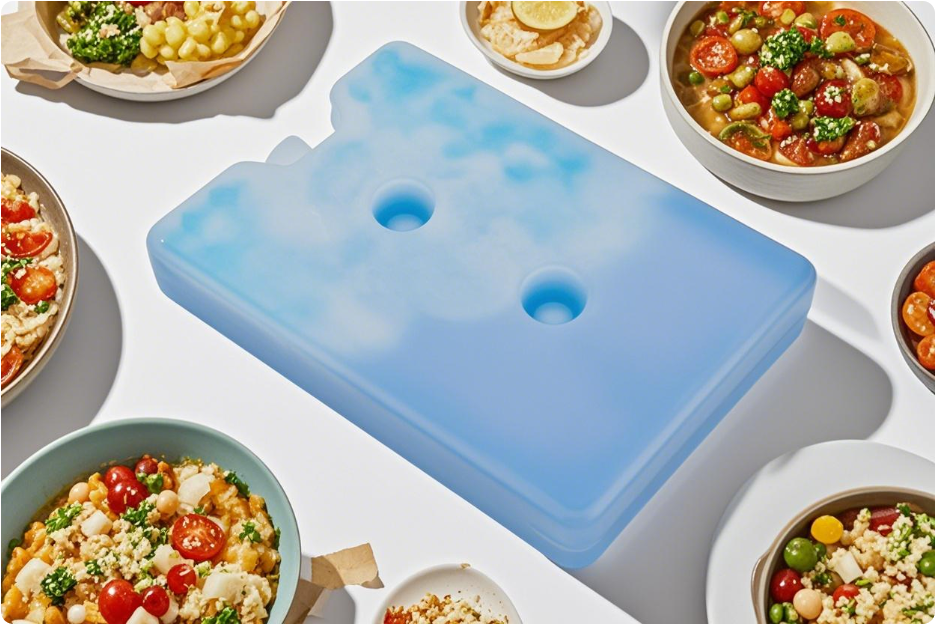
Ice Bricks Distributor works best when you combine four lenses at once: buyer intent, thermal design, operating discipline, and 2026 market reality. Most weak programs focus on only one of those lenses. Strong programs use all four.
If you are evaluating ice bricks distributor, you need a solution that protects the product, fits the box, supports the actual route, and stays practical for the team who freezes, stages, packs, receives, and sometimes returns it. That is why simple catalog comparisons rarely tell the full story.
This optimized guide brings together the strongest ideas from broad buyer education, deeper technical thinking, and current market signals so you can make a more confident decision.
In this guide, you will learn:
- How to balance sourcing, thermal design, and operations when planning ice bricks distributor
- Which technical specifications matter most before validation starts
- How to align ice bricks distributor with route risk, handling reality, and sustainability pressure
- How to build a cleaner, smarter, and more defensible purchasing brief in 2026
What should ice bricks distributor solve for you first?
Core answer: ice bricks distributor should first solve the route problem you actually have, not the generic cooling problem shown in a catalog. That means the first design question is whether you need cleaner handling, a tighter temperature band, better repeatability, easier scaling, or a more reusable asset model.
When teams skip that clarity, they often buy too cold, too large, or too many pack variants. The result is a more complicated operation with no real increase in shipment confidence. A better path is to rank your priorities: temperature protection, freeze avoidance, pack speed, presentation, reusability, and supplier control.
For distributors, channel partners, and regional cold chain sellers, the right answer usually begins with resale readiness, stable supply, and service support. Once that is clear, the specification gets easier and the supplier conversation becomes much more productive.
How do you frame a practical brief for ice bricks distributor?
A practical brief includes the target temperature band, expected route duration, payload mass, shipper format, conditioning method, and any regulatory or customer-facing concerns. That is enough information to compare concepts intelligently without turning the process into a massive project.
The best briefs also include one sentence on operational reality, such as how fast the line packs, whether the pack will be returned, and whether receiving teams care about dryness and presentation.
Practical tips and recommendations
- Write your top three success criteria before you review any samples.
- Define one worst-case route and one normal route so you do not overdesign everything.
- Use the brief to compare suppliers on the same assumptions.
Practical example: The strongest packaging decisions begin with a clear route problem, not with a random product sample.
Which performance specifications matter most in ice bricks distributor?
Core answer: The most important specifications in ice bricks distributor are thermal fit, geometry, durability, and conditioning control. Thermal fit means the pack matches the target temperature and route stress. Geometry means it fits the box or insert without wasted space. Durability means it survives real handling. Conditioning control means the team can release it consistently.
Material choices matter here. Water-based and gel-centered packs can be effective for many chilled lanes. PCM-centered designs are more valuable when you need tighter targeting or less aggressive direct cold contact. Shell quality matters just as much, because even the best fill loses value if the pack leaks or deforms.
Operational design also matters. A slightly smaller brick that fits perfectly and is packed correctly every time may outperform a theoretically stronger pack that staff place inconsistently. Performance is therefore a combination of product and process.
Why do box fit and pack position change ice bricks distributor outcomes so much?
Because cold energy has to move through the shipper in a controlled way. If the brick creates uneven contact, blocks payload space, or sits in a different position on every shift, the route result becomes hard to predict and harder to troubleshoot.
Standard geometry reduces that noise. It lets you design one clear loading pattern, take cleaner validation photos, and scale training without constant interpretation from operators.
Buyer scorecard
| Selection factor | What to ask | Ideal answer | Why it matters to you |
|---|---|---|---|
| Thermal target | What temperature band must the payload actually stay in? | A defined band with seasonal risk notes | You choose the right fill type and conditioning method. |
| Operational fit | Can your team freeze, stage, and place it the same way every time? | Yes, with a simple visual SOP | You get repeatable results outside the lab. |
| Supplier control | Can the supplier prove consistency from sample to production? | Yes, with testing and traceable batches | You lower quality disputes and requalification work. |
Practical tips and recommendations
- Treat geometry and handling as real performance criteria, not secondary nice-to-haves.
- Use durability review for corners, seams, and repeated freeze-thaw use.
- Check whether the pack supports a visual SOP that new staff can follow quickly.
Practical example: A good cold pack is not only thermally strong. It is operationally easy to repeat.
How do materials, validation, and compliance influence ice bricks distributor?
Core answer: Materials, validation, and compliance influence ice bricks distributor because they determine whether the chosen solution remains trustworthy after scale-up. The more sensitive the product or the more complex the route, the more important it becomes to move beyond sample-level confidence and into controlled use.
Most commercial buyers should still ask for batch traceability, material declarations, leak-test routines, and clear carton labeling. Even when the end use is not heavily regulated, disciplined documentation reduces dispute risk and speeds up qualification. For regulated healthcare, this often means qualification logic, change control, and route-specific approval. For food and broader commercial lanes, it may mean clearer SOPs, sanitation awareness, and better exception review. The level of formality changes, but the value of discipline does not.
Grand View Research estimates the global cold chain packaging market at USD 33.73 billion in 2025 and projects it to reach USD 93.15 billion by 2033. Grand View Research estimates the returnable packaging market at USD 128.91 billion in 2025 and projects it to reach USD 206.18 billion by 2033. Current guidance keeps pointing buyers in the same direction: understand the route, monitor the process, and treat the packaging method as a system.
When should a change in ice bricks distributor trigger a new review?
A new review makes sense when a change could alter heat flow or operating consistency. Examples include a different fill type, changed fill mass, new shell geometry, new shipper size, new payload pattern, or a significant network change such as longer dwell or a hotter destination region.
Not every small change needs full requalification, but every meaningful change deserves risk review. That protects you from the false confidence that comes from assuming all cold packs of similar size behave the same way.
Practical tips and recommendations
- Document the exact conditions that made the original design acceptable.
- Review seasonal and regional differences before broad deployment.
- Use corrective action records to learn whether the problem came from product, process, or both.
Practical example: Validation is not bureaucracy when it prevents the team from repeating the same avoidable mistake.
How should you compare suppliers and pack concepts for ice bricks distributor?
Core answer: Compare suppliers and pack concepts for ice bricks distributor using a balanced scorecard: thermal fit, sample quality, production consistency, usability, documentation, and lifetime value. That keeps you from overrewarding either a low quote or an overly technical concept that your team cannot use cleanly.
Start with two or three candidate concepts, not ten. Test them in the real shipper with the real payload or a realistic simulation. Record pack position, conditioning window, logger location, and route assumptions. Then compare results against labor time, pack accuracy, reuse practicality, and receiving cleanliness.
In many cases, the winning option is not the coldest pack. It is the pack that creates the fewest operational surprises while still protecting the product with a comfortable margin.
What purchasing questions reveal the real quality of a ice bricks distributor supplier?
Ask how the supplier controls dimensions, fill weight, leak testing, batch traceability, and change notifications. Then ask how quickly they can provide useful prototypes and whether they can support a documented transition from sample to mass production.
A reliable answer is specific. Vague promises about quality or hold time are much less useful than concrete explanations of process control, sampling logic, and what happens when a batch fails inspection.
Practical tips and recommendations
- Use the same test plan for every sample set so results stay comparable.
- Factor in return handling and replacement rate when reviewing price.
- Prefer suppliers that can explain their process clearly, not only sell the outcome.
Practical example: A defensible buying decision links route evidence to supplier control. Without both, confidence stays fragile.
What 2026 trends should shape your ice bricks distributor decision now?
Trend overview: In 2026, the best ice bricks distributor decisions are shaped by three converging trends: stronger route evidence, wider interest in reusable or returnable packaging, and growing demand from healthcare, biotech, food, and high-service cold chain sectors. These trends reward systems that are both technically sound and operationally simple.
MarketsandMarkets says cold chain and packaging is the fastest-growing phase change material application segment, with a forecast CAGR above 20%. WHO says the first temperature mapping exercise should happen when storage equipment is installed and again after major changes that could affect performance. Grand View Research estimates the returnable packaging market at USD 128.91 billion in 2025 and projects it to reach USD 206.18 billion by 2033. Those shifts help explain why buyers are putting more weight on PCM selection, repeatable geometry, digital monitoring, and life-cycle thinking than they did even a few years ago.
The practical message is clear. Treat ice bricks distributor as part of a modern cold chain design review, not as an interchangeable frozen accessory. That mindset gives you better cost control, better route fit, and a cleaner path to future scale.
Latest developments at a glance
More programs are using route and logger data to refine pack quantity and position.
Reusable assets are being evaluated on labor, cleanliness, and return practicality, not only on environmental claims.
Healthcare and food operators alike are favoring simpler, more standardized pack families that support training and faster exception review.
Practical tips and recommendations
- Use your next annual review to remove one weak assumption from your current pack-out design.
- Standardize where possible, but keep separate logic for clearly different risk classes.
- Tie sustainability claims to measurable operational outcomes such as fewer leaks or fewer one-way materials.
Practical example: The most future-ready pack is the one that stays useful as your lanes, volumes, and scrutiny increase.
Frequently Asked Questions
What is the main advantage of ice bricks distributor compared with soft gel packs or wet ice?
The biggest advantage of ice bricks distributor is repeatability. Rigid bricks are easier to count, place, and reuse, so your pack-out stays cleaner and more consistent. That usually lowers handling errors and improves shipment appearance at receiving.
How do you compare suppliers when buying ice bricks distributor?
Start with sample quality, leak resistance, fit, and consistency from batch to batch. Then review tooling control, lead time, and whether the supplier can support your real order rhythm instead of a one-time pilot.
Should you choose water-based or PCM-based ice bricks distributor?
Water-based options are often fine for straightforward chilled routes. PCM-based ice bricks distributor makes more sense when you need tighter control, lower freeze risk, or a better match to a specific target temperature band.
What 2026 trend matters most when planning ice bricks distributor?
The biggest shift is the move from generic cold packs to lane-specific systems. Buyers are using route data, cleaner reusable formats, and smarter monitoring to match the pack to the real shipment instead of guessing.
How often can ice bricks distributor be reused?
The answer depends on shell quality, fill system, handling discipline, and cleaning practice. Well-made rigid bricks can support many cycles, but buyers should inspect for cracks, leaks, and dimensional drift as part of normal reuse control.
When should you move from a standard product to a custom ice bricks distributor design?
Move to custom when standard bricks leave dead space, create uneven cooling, or slow your pack-out line. A custom format is most valuable when it improves both thermal performance and labor efficiency at the same time.
Summary and Recommendations
The best ice bricks distributor program combines clear route goals, sensible materials, repeatable pack-outs, and supplier discipline. When those pieces align, you get cleaner shipments, more stable temperatures, and an easier path to scale.
Your next move should be practical: define the route brief, compare a small set of options, test the full system, and choose the concept that balances protection, usability, and lifetime value. That is the strongest 2026 decision framework.
About Tempk
At Tempk, we focus on helping cold chain teams make practical choices about reusable ice bricks, pack geometry, and application fit. We believe the best packaging decisions come from combining route reality with clean technical logic.
If you are reviewing options now, bring the shipment profile, thermal target, and operational constraints into one conversation. That makes it easier to decide whether a standard design is enough or whether a more tailored solution will pay back in performance and labor.
Ice Bricks Custom: Complete 2026 Buyer and Performance Guide

Ice Bricks Custom works best when you combine four lenses at once: buyer intent, thermal design, operating discipline, and 2026 market reality. Most weak programs focus on only one of those lenses. Strong programs use all four.
If you are evaluating ice bricks custom, you need a solution that protects the product, fits the box, supports the actual route, and stays practical for the team who freezes, stages, packs, receives, and sometimes returns it. That is why simple catalog comparisons rarely tell the full story.
This optimized guide brings together the strongest ideas from broad buyer education, deeper technical thinking, and current market signals so you can make a more confident decision.
In this guide, you will learn:
- How to balance sourcing, thermal design, and operations when planning ice bricks custom
- Which technical specifications matter most before validation starts
- How to align ice bricks custom with route risk, handling reality, and sustainability pressure
- How to build a cleaner, smarter, and more defensible purchasing brief in 2026
What should ice bricks custom solve for you first?
Core answer: ice bricks custom should first solve the route problem you actually have, not the generic cooling problem shown in a catalog. That means the first design question is whether you need cleaner handling, a tighter temperature band, better repeatability, easier scaling, or a more reusable asset model.
When teams skip that clarity, they often buy too cold, too large, or too many pack variants. The result is a more complicated operation with no real increase in shipment confidence. A better path is to rank your priorities: temperature protection, freeze avoidance, pack speed, presentation, reusability, and supplier control.
For buyers with route-specific or box-specific thermal requirements, the right answer usually begins with custom dimensions, custom fill weights, and custom branding. Once that is clear, the specification gets easier and the supplier conversation becomes much more productive.
How do you frame a practical brief for ice bricks custom?
A practical brief includes the target temperature band, expected route duration, payload mass, shipper format, conditioning method, and any regulatory or customer-facing concerns. That is enough information to compare concepts intelligently without turning the process into a massive project.
The best briefs also include one sentence on operational reality, such as how fast the line packs, whether the pack will be returned, and whether receiving teams care about dryness and presentation.
Practical tips and recommendations
- Write your top three success criteria before you review any samples.
- Define one worst-case route and one normal route so you do not overdesign everything.
- Use the brief to compare suppliers on the same assumptions.
Practical example: The strongest packaging decisions begin with a clear route problem, not with a random product sample.
Which performance specifications matter most in ice bricks custom?
Core answer: The most important specifications in ice bricks custom are thermal fit, geometry, durability, and conditioning control. Thermal fit means the pack matches the target temperature and route stress. Geometry means it fits the box or insert without wasted space. Durability means it survives real handling. Conditioning control means the team can release it consistently.
Material choices matter here. Water-based and gel-centered packs can be effective for many chilled lanes. PCM-centered designs are more valuable when you need tighter targeting or less aggressive direct cold contact. Shell quality matters just as much, because even the best fill loses value if the pack leaks or deforms.
Operational design also matters. A slightly smaller brick that fits perfectly and is packed correctly every time may outperform a theoretically stronger pack that staff place inconsistently. Performance is therefore a combination of product and process.
Why do box fit and pack position change ice bricks custom outcomes so much?
Because cold energy has to move through the shipper in a controlled way. If the brick creates uneven contact, blocks payload space, or sits in a different position on every shift, the route result becomes hard to predict and harder to troubleshoot.
Standard geometry reduces that noise. It lets you design one clear loading pattern, take cleaner validation photos, and scale training without constant interpretation from operators.
Buyer scorecard
| Selection factor | What to ask | Ideal answer | Why it matters to you |
|---|---|---|---|
| Thermal target | What temperature band must the payload actually stay in? | A defined band with seasonal risk notes | You choose the right fill type and conditioning method. |
| Operational fit | Can your team freeze, stage, and place it the same way every time? | Yes, with a simple visual SOP | You get repeatable results outside the lab. |
| Supplier control | Can the supplier prove consistency from sample to production? | Yes, with testing and traceable batches | You lower quality disputes and requalification work. |
Practical tips and recommendations
- Treat geometry and handling as real performance criteria, not secondary nice-to-haves.
- Use durability review for corners, seams, and repeated freeze-thaw use.
- Check whether the pack supports a visual SOP that new staff can follow quickly.
Practical example: A good cold pack is not only thermally strong. It is operationally easy to repeat.
How do materials, validation, and compliance influence ice bricks custom?
Core answer: Materials, validation, and compliance influence ice bricks custom because they determine whether the chosen solution remains trustworthy after scale-up. The more sensitive the product or the more complex the route, the more important it becomes to move beyond sample-level confidence and into controlled use.
Manufacturing-focused buyers should ask for drawing control, material approval status, incoming inspection, leak testing, dimensional checks, and documented corrective action when a batch drifts out of tolerance. For regulated healthcare, this often means qualification logic, change control, and route-specific approval. For food and broader commercial lanes, it may mean clearer SOPs, sanitation awareness, and better exception review. The level of formality changes, but the value of discipline does not.
Grand View Research estimates the global cold chain packaging market at USD 33.73 billion in 2025 and projects it to reach USD 93.15 billion by 2033. Grand View Research estimates the returnable packaging market at USD 128.91 billion in 2025 and projects it to reach USD 206.18 billion by 2033. Current guidance keeps pointing buyers in the same direction: understand the route, monitor the process, and treat the packaging method as a system.
When should a change in ice bricks custom trigger a new review?
A new review makes sense when a change could alter heat flow or operating consistency. Examples include a different fill type, changed fill mass, new shell geometry, new shipper size, new payload pattern, or a significant network change such as longer dwell or a hotter destination region.
Not every small change needs full requalification, but every meaningful change deserves risk review. That protects you from the false confidence that comes from assuming all cold packs of similar size behave the same way.
Practical tips and recommendations
- Document the exact conditions that made the original design acceptable.
- Review seasonal and regional differences before broad deployment.
- Use corrective action records to learn whether the problem came from product, process, or both.
Practical example: Validation is not bureaucracy when it prevents the team from repeating the same avoidable mistake.
How should you compare suppliers and pack concepts for ice bricks custom?
Core answer: Compare suppliers and pack concepts for ice bricks custom using a balanced scorecard: thermal fit, sample quality, production consistency, usability, documentation, and lifetime value. That keeps you from overrewarding either a low quote or an overly technical concept that your team cannot use cleanly.
Start with two or three candidate concepts, not ten. Test them in the real shipper with the real payload or a realistic simulation. Record pack position, conditioning window, logger location, and route assumptions. Then compare results against labor time, pack accuracy, reuse practicality, and receiving cleanliness.
In many cases, the winning option is not the coldest pack. It is the pack that creates the fewest operational surprises while still protecting the product with a comfortable margin.
What purchasing questions reveal the real quality of a ice bricks custom supplier?
Ask how the supplier controls dimensions, fill weight, leak testing, batch traceability, and change notifications. Then ask how quickly they can provide useful prototypes and whether they can support a documented transition from sample to mass production.
A reliable answer is specific. Vague promises about quality or hold time are much less useful than concrete explanations of process control, sampling logic, and what happens when a batch fails inspection.
Practical tips and recommendations
- Use the same test plan for every sample set so results stay comparable.
- Factor in return handling and replacement rate when reviewing price.
- Prefer suppliers that can explain their process clearly, not only sell the outcome.
Practical example: A defensible buying decision links route evidence to supplier control. Without both, confidence stays fragile.
What 2026 trends should shape your ice bricks custom decision now?
Trend overview: In 2026, the best ice bricks custom decisions are shaped by three converging trends: stronger route evidence, wider interest in reusable or returnable packaging, and growing demand from healthcare, biotech, food, and high-service cold chain sectors. These trends reward systems that are both technically sound and operationally simple.
MarketsandMarkets says cold chain and packaging is the fastest-growing phase change material application segment, with a forecast CAGR above 20%. WHO says the first temperature mapping exercise should happen when storage equipment is installed and again after major changes that could affect performance. Grand View Research estimates the returnable packaging market at USD 128.91 billion in 2025 and projects it to reach USD 206.18 billion by 2033. Those shifts help explain why buyers are putting more weight on PCM selection, repeatable geometry, digital monitoring, and life-cycle thinking than they did even a few years ago.
The practical message is clear. Treat ice bricks custom as part of a modern cold chain design review, not as an interchangeable frozen accessory. That mindset gives you better cost control, better route fit, and a cleaner path to future scale.
Latest developments at a glance
More programs are using route and logger data to refine pack quantity and position.
Reusable assets are being evaluated on labor, cleanliness, and return practicality, not only on environmental claims.
Healthcare and food operators alike are favoring simpler, more standardized pack families that support training and faster exception review.
Practical tips and recommendations
- Use your next annual review to remove one weak assumption from your current pack-out design.
- Standardize where possible, but keep separate logic for clearly different risk classes.
- Tie sustainability claims to measurable operational outcomes such as fewer leaks or fewer one-way materials.
Practical example: The most future-ready pack is the one that stays useful as your lanes, volumes, and scrutiny increase.
Frequently Asked Questions
What is the main advantage of ice bricks custom compared with soft gel packs or wet ice?
The biggest advantage of ice bricks custom is repeatability. Rigid bricks are easier to count, place, and reuse, so your pack-out stays cleaner and more consistent. That usually lowers handling errors and improves shipment appearance at receiving.
How do you compare suppliers when buying ice bricks custom?
Start with sample quality, leak resistance, fit, and consistency from batch to batch. Then review tooling control, lead time, and whether the supplier can support your real order rhythm instead of a one-time pilot.
Should you choose water-based or PCM-based ice bricks custom?
Water-based options are often fine for straightforward chilled routes. PCM-based ice bricks custom makes more sense when you need tighter control, lower freeze risk, or a better match to a specific target temperature band.
What 2026 trend matters most when planning ice bricks custom?
The biggest shift is the move from generic cold packs to lane-specific systems. Buyers are using route data, cleaner reusable formats, and smarter monitoring to match the pack to the real shipment instead of guessing.
How often can ice bricks custom be reused?
The answer depends on shell quality, fill system, handling discipline, and cleaning practice. Well-made rigid bricks can support many cycles, but buyers should inspect for cracks, leaks, and dimensional drift as part of normal reuse control.
When should you move from a standard product to a custom ice bricks custom design?
Move to custom when standard bricks leave dead space, create uneven cooling, or slow your pack-out line. A custom format is most valuable when it improves both thermal performance and labor efficiency at the same time.
Summary and Recommendations
The best ice bricks custom program combines clear route goals, sensible materials, repeatable pack-outs, and supplier discipline. When those pieces align, you get cleaner shipments, more stable temperatures, and an easier path to scale.
Your next move should be practical: define the route brief, compare a small set of options, test the full system, and choose the concept that balances protection, usability, and lifetime value. That is the strongest 2026 decision framework.
About Tempk
At Tempk, we focus on helping cold chain teams make practical choices about reusable ice bricks, pack geometry, and application fit. We believe the best packaging decisions come from combining route reality with clean technical logic.
If you are reviewing options now, bring the shipment profile, thermal target, and operational constraints into one conversation. That makes it easier to decide whether a standard design is enough or whether a more tailored solution will pay back in performance and labor.
Ice Bricks Cold Chain: Complete 2026 Buyer and Performance Guide
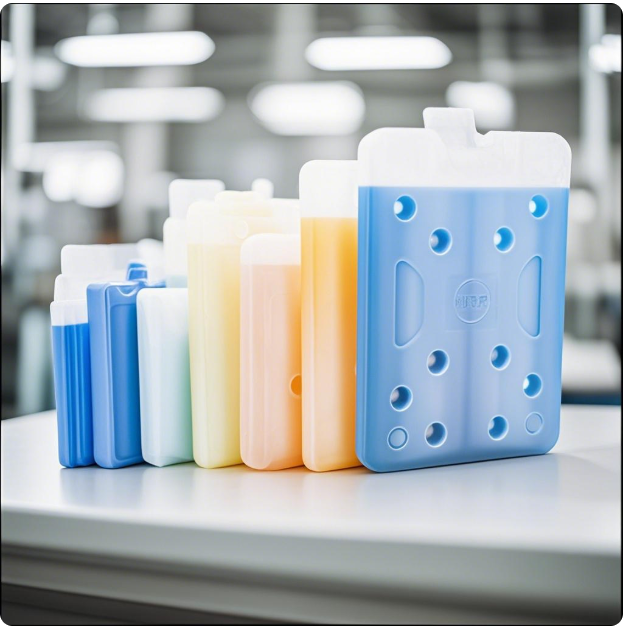
Ice Bricks Cold Chain works best when you combine four lenses at once: buyer intent, thermal design, operating discipline, and 2026 market reality. Most weak programs focus on only one of those lenses. Strong programs use all four.
If you are evaluating ice bricks cold chain, you need a solution that protects the product, fits the box, supports the actual route, and stays practical for the team who freezes, stages, packs, receives, and sometimes returns it. That is why simple catalog comparisons rarely tell the full story.
This optimized guide brings together the strongest ideas from broad buyer education, deeper technical thinking, and current market signals so you can make a more confident decision.
In this guide, you will learn:
- How to balance sourcing, thermal design, and operations when planning ice bricks cold chain
- Which technical specifications matter most before validation starts
- How to align ice bricks cold chain with route risk, handling reality, and sustainability pressure
- How to build a cleaner, smarter, and more defensible purchasing brief in 2026
What should ice bricks cold chain solve for you first?
Core answer: ice bricks cold chain should first solve the route problem you actually have, not the generic cooling problem shown in a catalog. That means the first design question is whether you need cleaner handling, a tighter temperature band, better repeatability, easier scaling, or a more reusable asset model.
When teams skip that clarity, they often buy too cold, too large, or too many pack variants. The result is a more complicated operation with no real increase in shipment confidence. A better path is to rank your priorities: temperature protection, freeze avoidance, pack speed, presentation, reusability, and supplier control.
For cold chain planners, packaging engineers, and operations managers, the right answer usually begins with passive thermal control inside repeatable shipping systems. Once that is clear, the specification gets easier and the supplier conversation becomes much more productive.
How do you frame a practical brief for ice bricks cold chain?
A practical brief includes the target temperature band, expected route duration, payload mass, shipper format, conditioning method, and any regulatory or customer-facing concerns. That is enough information to compare concepts intelligently without turning the process into a massive project.
The best briefs also include one sentence on operational reality, such as how fast the line packs, whether the pack will be returned, and whether receiving teams care about dryness and presentation.
Practical tips and recommendations
- Write your top three success criteria before you review any samples.
- Define one worst-case route and one normal route so you do not overdesign everything.
- Use the brief to compare suppliers on the same assumptions.
Practical example: The strongest packaging decisions begin with a clear route problem, not with a random product sample.
Which performance specifications matter most in ice bricks cold chain?
Core answer: The most important specifications in ice bricks cold chain are thermal fit, geometry, durability, and conditioning control. Thermal fit means the pack matches the target temperature and route stress. Geometry means it fits the box or insert without wasted space. Durability means it survives real handling. Conditioning control means the team can release it consistently.
Material choices matter here. Water-based and gel-centered packs can be effective for many chilled lanes. PCM-centered designs are more valuable when you need tighter targeting or less aggressive direct cold contact. Shell quality matters just as much, because even the best fill loses value if the pack leaks or deforms.
Operational design also matters. A slightly smaller brick that fits perfectly and is packed correctly every time may outperform a theoretically stronger pack that staff place inconsistently. Performance is therefore a combination of product and process.
Why do box fit and pack position change ice bricks cold chain outcomes so much?
Because cold energy has to move through the shipper in a controlled way. If the brick creates uneven contact, blocks payload space, or sits in a different position on every shift, the route result becomes hard to predict and harder to troubleshoot.
Standard geometry reduces that noise. It lets you design one clear loading pattern, take cleaner validation photos, and scale training without constant interpretation from operators.
Buyer scorecard
| Selection factor | What to ask | Ideal answer | Why it matters to you |
|---|---|---|---|
| Thermal target | What temperature band must the payload actually stay in? | A defined band with seasonal risk notes | You choose the right fill type and conditioning method. |
| Operational fit | Can your team freeze, stage, and place it the same way every time? | Yes, with a simple visual SOP | You get repeatable results outside the lab. |
| Supplier control | Can the supplier prove consistency from sample to production? | Yes, with testing and traceable batches | You lower quality disputes and requalification work. |
Practical tips and recommendations
- Treat geometry and handling as real performance criteria, not secondary nice-to-haves.
- Use durability review for corners, seams, and repeated freeze-thaw use.
- Check whether the pack supports a visual SOP that new staff can follow quickly.
Practical example: A good cold pack is not only thermally strong. It is operationally easy to repeat.
How do materials, validation, and compliance influence ice bricks cold chain?
Core answer: Materials, validation, and compliance influence ice bricks cold chain because they determine whether the chosen solution remains trustworthy after scale-up. The more sensitive the product or the more complex the route, the more important it becomes to move beyond sample-level confidence and into controlled use.
Operational programs should keep route-specific work instructions, conditioning times, pack positions, and temperature review rules. Simple visual standards usually outperform complicated SOPs that no one follows under pressure. For regulated healthcare, this often means qualification logic, change control, and route-specific approval. For food and broader commercial lanes, it may mean clearer SOPs, sanitation awareness, and better exception review. The level of formality changes, but the value of discipline does not.
Grand View Research estimates the global cold chain packaging market at USD 33.73 billion in 2025 and projects it to reach USD 93.15 billion by 2033. Grand View Research estimates the returnable packaging market at USD 128.91 billion in 2025 and projects it to reach USD 206.18 billion by 2033. Current guidance keeps pointing buyers in the same direction: understand the route, monitor the process, and treat the packaging method as a system.
When should a change in ice bricks cold chain trigger a new review?
A new review makes sense when a change could alter heat flow or operating consistency. Examples include a different fill type, changed fill mass, new shell geometry, new shipper size, new payload pattern, or a significant network change such as longer dwell or a hotter destination region.
Not every small change needs full requalification, but every meaningful change deserves risk review. That protects you from the false confidence that comes from assuming all cold packs of similar size behave the same way.
Practical tips and recommendations
- Document the exact conditions that made the original design acceptable.
- Review seasonal and regional differences before broad deployment.
- Use corrective action records to learn whether the problem came from product, process, or both.
Practical example: Validation is not bureaucracy when it prevents the team from repeating the same avoidable mistake.
How should you compare suppliers and pack concepts for ice bricks cold chain?
Core answer: Compare suppliers and pack concepts for ice bricks cold chain using a balanced scorecard: thermal fit, sample quality, production consistency, usability, documentation, and lifetime value. That keeps you from overrewarding either a low quote or an overly technical concept that your team cannot use cleanly.
Start with two or three candidate concepts, not ten. Test them in the real shipper with the real payload or a realistic simulation. Record pack position, conditioning window, logger location, and route assumptions. Then compare results against labor time, pack accuracy, reuse practicality, and receiving cleanliness.
In many cases, the winning option is not the coldest pack. It is the pack that creates the fewest operational surprises while still protecting the product with a comfortable margin.
What purchasing questions reveal the real quality of a ice bricks cold chain supplier?
Ask how the supplier controls dimensions, fill weight, leak testing, batch traceability, and change notifications. Then ask how quickly they can provide useful prototypes and whether they can support a documented transition from sample to mass production.
A reliable answer is specific. Vague promises about quality or hold time are much less useful than concrete explanations of process control, sampling logic, and what happens when a batch fails inspection.
Practical tips and recommendations
- Use the same test plan for every sample set so results stay comparable.
- Factor in return handling and replacement rate when reviewing price.
- Prefer suppliers that can explain their process clearly, not only sell the outcome.
Practical example: A defensible buying decision links route evidence to supplier control. Without both, confidence stays fragile.
What 2026 trends should shape your ice bricks cold chain decision now?
Trend overview: In 2026, the best ice bricks cold chain decisions are shaped by three converging trends: stronger route evidence, wider interest in reusable or returnable packaging, and growing demand from healthcare, biotech, food, and high-service cold chain sectors. These trends reward systems that are both technically sound and operationally simple.
MarketsandMarkets says cold chain and packaging is the fastest-growing phase change material application segment, with a forecast CAGR above 20%. FDA’s sanitary transportation rule is meant to prevent food safety risks such as failure to refrigerate properly, poor cleaning between loads, and inadequate protection during transport. Grand View Research estimates the returnable packaging market at USD 128.91 billion in 2025 and projects it to reach USD 206.18 billion by 2033. Those shifts help explain why buyers are putting more weight on PCM selection, repeatable geometry, digital monitoring, and life-cycle thinking than they did even a few years ago.
The practical message is clear. Treat ice bricks cold chain as part of a modern cold chain design review, not as an interchangeable frozen accessory. That mindset gives you better cost control, better route fit, and a cleaner path to future scale.
Latest developments at a glance
More programs are using route and logger data to refine pack quantity and position.
Reusable assets are being evaluated on labor, cleanliness, and return practicality, not only on environmental claims.
Healthcare and food operators alike are favoring simpler, more standardized pack families that support training and faster exception review.
Practical tips and recommendations
- Use your next annual review to remove one weak assumption from your current pack-out design.
- Standardize where possible, but keep separate logic for clearly different risk classes.
- Tie sustainability claims to measurable operational outcomes such as fewer leaks or fewer one-way materials.
Practical example: The most future-ready pack is the one that stays useful as your lanes, volumes, and scrutiny increase.
Frequently Asked Questions
What is the main advantage of ice bricks cold chain compared with soft gel packs or wet ice?
The biggest advantage of ice bricks cold chain is repeatability. Rigid bricks are easier to count, place, and reuse, so your pack-out stays cleaner and more consistent. That usually lowers handling errors and improves shipment appearance at receiving.
How many ice bricks cold chain packs should go into one shipper?
There is no universal number. The correct quantity depends on payload mass, insulation, transit duration, ambient risk, and the target temperature window. Always test the full system instead of copying another lane.
Should you choose water-based or PCM-based ice bricks cold chain?
Water-based options are often fine for straightforward chilled routes. PCM-based ice bricks cold chain makes more sense when you need tighter control, lower freeze risk, or a better match to a specific target temperature band.
What 2026 trend matters most when planning ice bricks cold chain?
The biggest shift is the move from generic cold packs to lane-specific systems. Buyers are using route data, cleaner reusable formats, and smarter monitoring to match the pack to the real shipment instead of guessing.
How often can ice bricks cold chain be reused?
The answer depends on shell quality, fill system, handling discipline, and cleaning practice. Well-made rigid bricks can support many cycles, but buyers should inspect for cracks, leaks, and dimensional drift as part of normal reuse control.
When should you move from a standard product to a custom ice bricks cold chain design?
Move to custom when standard bricks leave dead space, create uneven cooling, or slow your pack-out line. A custom format is most valuable when it improves both thermal performance and labor efficiency at the same time.
Summary and Recommendations
The best ice bricks cold chain program combines clear route goals, sensible materials, repeatable pack-outs, and supplier discipline. When those pieces align, you get cleaner shipments, more stable temperatures, and an easier path to scale.
Your next move should be practical: define the route brief, compare a small set of options, test the full system, and choose the concept that balances protection, usability, and lifetime value. That is the strongest 2026 decision framework.
About Tempk
At Tempk, we focus on helping cold chain teams make practical choices about reusable ice bricks, pack geometry, and application fit. We believe the best packaging decisions come from combining route reality with clean technical logic.
If you are reviewing options now, bring the shipment profile, thermal target, and operational constraints into one conversation. That makes it easier to decide whether a standard design is enough or whether a more tailored solution will pay back in performance and labor.
Ice Bricks Bulk: Complete 2026 Buyer and Performance Guide
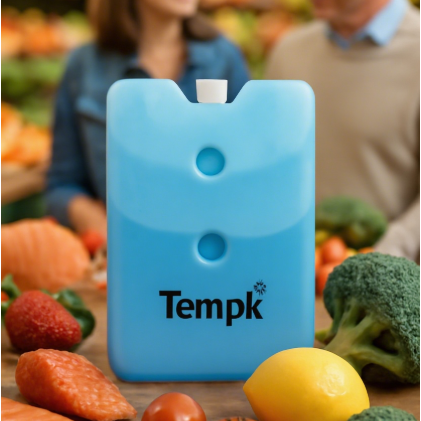
Ice Bricks Bulk works best when you combine four lenses at once: buyer intent, thermal design, operating discipline, and 2026 market reality. Most weak programs focus on only one of those lenses. Strong programs use all four.
If you are evaluating ice bricks bulk, you need a solution that protects the product, fits the box, supports the actual route, and stays practical for the team who freezes, stages, packs, receives, and sometimes returns it. That is why simple catalog comparisons rarely tell the full story.
This optimized guide brings together the strongest ideas from broad buyer education, deeper technical thinking, and current market signals so you can make a more confident decision.
In this guide, you will learn:
- How to balance sourcing, thermal design, and operations when planning ice bricks bulk
- Which technical specifications matter most before validation starts
- How to align ice bricks bulk with route risk, handling reality, and sustainability pressure
- How to build a cleaner, smarter, and more defensible purchasing brief in 2026
What should ice bricks bulk solve for you first?
Core answer: ice bricks bulk should first solve the route problem you actually have, not the generic cooling problem shown in a catalog. That means the first design question is whether you need cleaner handling, a tighter temperature band, better repeatability, easier scaling, or a more reusable asset model.
When teams skip that clarity, they often buy too cold, too large, or too many pack variants. The result is a more complicated operation with no real increase in shipment confidence. A better path is to rank your priorities: temperature protection, freeze avoidance, pack speed, presentation, reusability, and supplier control.
For procurement teams, wholesalers, and packaging buyers, the right answer usually begins with multi-route distribution and volume purchasing. Once that is clear, the specification gets easier and the supplier conversation becomes much more productive.
How do you frame a practical brief for ice bricks bulk?
A practical brief includes the target temperature band, expected route duration, payload mass, shipper format, conditioning method, and any regulatory or customer-facing concerns. That is enough information to compare concepts intelligently without turning the process into a massive project.
The best briefs also include one sentence on operational reality, such as how fast the line packs, whether the pack will be returned, and whether receiving teams care about dryness and presentation.
Practical tips and recommendations
- Write your top three success criteria before you review any samples.
- Define one worst-case route and one normal route so you do not overdesign everything.
- Use the brief to compare suppliers on the same assumptions.
Practical example: The strongest packaging decisions begin with a clear route problem, not with a random product sample.
Which performance specifications matter most in ice bricks bulk?
Core answer: The most important specifications in ice bricks bulk are thermal fit, geometry, durability, and conditioning control. Thermal fit means the pack matches the target temperature and route stress. Geometry means it fits the box or insert without wasted space. Durability means it survives real handling. Conditioning control means the team can release it consistently.
Material choices matter here. Water-based and gel-centered packs can be effective for many chilled lanes. PCM-centered designs are more valuable when you need tighter targeting or less aggressive direct cold contact. Shell quality matters just as much, because even the best fill loses value if the pack leaks or deforms.
Operational design also matters. A slightly smaller brick that fits perfectly and is packed correctly every time may outperform a theoretically stronger pack that staff place inconsistently. Performance is therefore a combination of product and process.
Why do box fit and pack position change ice bricks bulk outcomes so much?
Because cold energy has to move through the shipper in a controlled way. If the brick creates uneven contact, blocks payload space, or sits in a different position on every shift, the route result becomes hard to predict and harder to troubleshoot.
Standard geometry reduces that noise. It lets you design one clear loading pattern, take cleaner validation photos, and scale training without constant interpretation from operators.
Buyer scorecard
| Selection factor | What to ask | Ideal answer | Why it matters to you |
|---|---|---|---|
| Thermal target | What temperature band must the payload actually stay in? | A defined band with seasonal risk notes | You choose the right fill type and conditioning method. |
| Operational fit | Can your team freeze, stage, and place it the same way every time? | Yes, with a simple visual SOP | You get repeatable results outside the lab. |
| Supplier control | Can the supplier prove consistency from sample to production? | Yes, with testing and traceable batches | You lower quality disputes and requalification work. |
Practical tips and recommendations
- Treat geometry and handling as real performance criteria, not secondary nice-to-haves.
- Use durability review for corners, seams, and repeated freeze-thaw use.
- Check whether the pack supports a visual SOP that new staff can follow quickly.
Practical example: A good cold pack is not only thermally strong. It is operationally easy to repeat.
How do materials, validation, and compliance influence ice bricks bulk?
Core answer: Materials, validation, and compliance influence ice bricks bulk because they determine whether the chosen solution remains trustworthy after scale-up. The more sensitive the product or the more complex the route, the more important it becomes to move beyond sample-level confidence and into controlled use.
Most commercial buyers should still ask for batch traceability, material declarations, leak-test routines, and clear carton labeling. Even when the end use is not heavily regulated, disciplined documentation reduces dispute risk and speeds up qualification. For regulated healthcare, this often means qualification logic, change control, and route-specific approval. For food and broader commercial lanes, it may mean clearer SOPs, sanitation awareness, and better exception review. The level of formality changes, but the value of discipline does not.
Grand View Research estimates the global cold chain packaging market at USD 33.73 billion in 2025 and projects it to reach USD 93.15 billion by 2033. Grand View Research estimates the returnable packaging market at USD 128.91 billion in 2025 and projects it to reach USD 206.18 billion by 2033. Current guidance keeps pointing buyers in the same direction: understand the route, monitor the process, and treat the packaging method as a system.
When should a change in ice bricks bulk trigger a new review?
A new review makes sense when a change could alter heat flow or operating consistency. Examples include a different fill type, changed fill mass, new shell geometry, new shipper size, new payload pattern, or a significant network change such as longer dwell or a hotter destination region.
Not every small change needs full requalification, but every meaningful change deserves risk review. That protects you from the false confidence that comes from assuming all cold packs of similar size behave the same way.
Practical tips and recommendations
- Document the exact conditions that made the original design acceptable.
- Review seasonal and regional differences before broad deployment.
- Use corrective action records to learn whether the problem came from product, process, or both.
Practical example: Validation is not bureaucracy when it prevents the team from repeating the same avoidable mistake.
How should you compare suppliers and pack concepts for ice bricks bulk?
Core answer: Compare suppliers and pack concepts for ice bricks bulk using a balanced scorecard: thermal fit, sample quality, production consistency, usability, documentation, and lifetime value. That keeps you from overrewarding either a low quote or an overly technical concept that your team cannot use cleanly.
Start with two or three candidate concepts, not ten. Test them in the real shipper with the real payload or a realistic simulation. Record pack position, conditioning window, logger location, and route assumptions. Then compare results against labor time, pack accuracy, reuse practicality, and receiving cleanliness.
In many cases, the winning option is not the coldest pack. It is the pack that creates the fewest operational surprises while still protecting the product with a comfortable margin.
What purchasing questions reveal the real quality of a ice bricks bulk supplier?
Ask how the supplier controls dimensions, fill weight, leak testing, batch traceability, and change notifications. Then ask how quickly they can provide useful prototypes and whether they can support a documented transition from sample to mass production.
A reliable answer is specific. Vague promises about quality or hold time are much less useful than concrete explanations of process control, sampling logic, and what happens when a batch fails inspection.
Practical tips and recommendations
- Use the same test plan for every sample set so results stay comparable.
- Factor in return handling and replacement rate when reviewing price.
- Prefer suppliers that can explain their process clearly, not only sell the outcome.
Practical example: A defensible buying decision links route evidence to supplier control. Without both, confidence stays fragile.
What 2026 trends should shape your ice bricks bulk decision now?
Trend overview: In 2026, the best ice bricks bulk decisions are shaped by three converging trends: stronger route evidence, wider interest in reusable or returnable packaging, and growing demand from healthcare, biotech, food, and high-service cold chain sectors. These trends reward systems that are both technically sound and operationally simple.
MarketsandMarkets says cold chain and packaging is the fastest-growing phase change material application segment, with a forecast CAGR above 20%. WHO says the first temperature mapping exercise should happen when storage equipment is installed and again after major changes that could affect performance. Grand View Research estimates the returnable packaging market at USD 128.91 billion in 2025 and projects it to reach USD 206.18 billion by 2033. Those shifts help explain why buyers are putting more weight on PCM selection, repeatable geometry, digital monitoring, and life-cycle thinking than they did even a few years ago.
The practical message is clear. Treat ice bricks bulk as part of a modern cold chain design review, not as an interchangeable frozen accessory. That mindset gives you better cost control, better route fit, and a cleaner path to future scale.
Latest developments at a glance
More programs are using route and logger data to refine pack quantity and position.
Reusable assets are being evaluated on labor, cleanliness, and return practicality, not only on environmental claims.
Healthcare and food operators alike are favoring simpler, more standardized pack families that support training and faster exception review.
Practical tips and recommendations
- Use your next annual review to remove one weak assumption from your current pack-out design.
- Standardize where possible, but keep separate logic for clearly different risk classes.
- Tie sustainability claims to measurable operational outcomes such as fewer leaks or fewer one-way materials.
Practical example: The most future-ready pack is the one that stays useful as your lanes, volumes, and scrutiny increase.
Frequently Asked Questions
What is the main advantage of ice bricks bulk compared with soft gel packs or wet ice?
The biggest advantage of ice bricks bulk is repeatability. Rigid bricks are easier to count, place, and reuse, so your pack-out stays cleaner and more consistent. That usually lowers handling errors and improves shipment appearance at receiving.
How do you compare suppliers when buying ice bricks bulk?
Start with sample quality, leak resistance, fit, and consistency from batch to batch. Then review tooling control, lead time, and whether the supplier can support your real order rhythm instead of a one-time pilot.
Should you choose water-based or PCM-based ice bricks bulk?
Water-based options are often fine for straightforward chilled routes. PCM-based ice bricks bulk makes more sense when you need tighter control, lower freeze risk, or a better match to a specific target temperature band.
What 2026 trend matters most when planning ice bricks bulk?
The biggest shift is the move from generic cold packs to lane-specific systems. Buyers are using route data, cleaner reusable formats, and smarter monitoring to match the pack to the real shipment instead of guessing.
How often can ice bricks bulk be reused?
The answer depends on shell quality, fill system, handling discipline, and cleaning practice. Well-made rigid bricks can support many cycles, but buyers should inspect for cracks, leaks, and dimensional drift as part of normal reuse control.
When should you move from a standard product to a custom ice bricks bulk design?
Move to custom when standard bricks leave dead space, create uneven cooling, or slow your pack-out line. A custom format is most valuable when it improves both thermal performance and labor efficiency at the same time.
Summary and Recommendations
The best ice bricks bulk program combines clear route goals, sensible materials, repeatable pack-outs, and supplier discipline. When those pieces align, you get cleaner shipments, more stable temperatures, and an easier path to scale.
Your next move should be practical: define the route brief, compare a small set of options, test the full system, and choose the concept that balances protection, usability, and lifetime value. That is the strongest 2026 decision framework.
About Tempk
At Tempk, we focus on helping cold chain teams make practical choices about reusable ice bricks, pack geometry, and application fit. We believe the best packaging decisions come from combining route reality with clean technical logic.
If you are reviewing options now, bring the shipment profile, thermal target, and operational constraints into one conversation. That makes it easier to decide whether a standard design is enough or whether a more tailored solution will pay back in performance and labor.
Ice Bricks Blood: Complete 2026 Buyer and Performance Guide

Ice Bricks Blood works best when you combine four lenses at once: buyer intent, thermal design, operating discipline, and 2026 market reality. Most weak programs focus on only one of those lenses. Strong programs use all four.
If you are evaluating ice bricks blood, you need a solution that protects the product, fits the box, supports the actual route, and stays practical for the team who freezes, stages, packs, receives, and sometimes returns it. That is why simple catalog comparisons rarely tell the full story.
This optimized guide brings together the strongest ideas from broad buyer education, deeper technical thinking, and current market signals so you can make a more confident decision.
In this guide, you will learn:
- How to balance sourcing, thermal design, and operations when planning ice bricks blood
- Which technical specifications matter most before validation starts
- How to align ice bricks blood with route risk, handling reality, and sustainability pressure
- How to build a cleaner, smarter, and more defensible purchasing brief in 2026
What should ice bricks blood solve for you first?
Core answer: ice bricks blood should first solve the route problem you actually have, not the generic cooling problem shown in a catalog. That means the first design question is whether you need cleaner handling, a tighter temperature band, better repeatability, easier scaling, or a more reusable asset model.
When teams skip that clarity, they often buy too cold, too large, or too many pack variants. The result is a more complicated operation with no real increase in shipment confidence. A better path is to rank your priorities: temperature protection, freeze avoidance, pack speed, presentation, reusability, and supplier control.
For blood banks, transfusion services, and hospital transport teams, the right answer usually begins with disciplined cold handling for blood and blood component movement. Once that is clear, the specification gets easier and the supplier conversation becomes much more productive.
How do you frame a practical brief for ice bricks blood?
A practical brief includes the target temperature band, expected route duration, payload mass, shipper format, conditioning method, and any regulatory or customer-facing concerns. That is enough information to compare concepts intelligently without turning the process into a massive project.
The best briefs also include one sentence on operational reality, such as how fast the line packs, whether the pack will be returned, and whether receiving teams care about dryness and presentation.
Practical tips and recommendations
- Write your top three success criteria before you review any samples.
- Define one worst-case route and one normal route so you do not overdesign everything.
- Use the brief to compare suppliers on the same assumptions.
Practical example: The strongest packaging decisions begin with a clear route problem, not with a random product sample.
Which performance specifications matter most in ice bricks blood?
Core answer: The most important specifications in ice bricks blood are thermal fit, geometry, durability, and conditioning control. Thermal fit means the pack matches the target temperature and route stress. Geometry means it fits the box or insert without wasted space. Durability means it survives real handling. Conditioning control means the team can release it consistently.
Material choices matter here. Water-based and gel-centered packs can be effective for many chilled lanes. PCM-centered designs are more valuable when you need tighter targeting or less aggressive direct cold contact. Shell quality matters just as much, because even the best fill loses value if the pack leaks or deforms.
Operational design also matters. A slightly smaller brick that fits perfectly and is packed correctly every time may outperform a theoretically stronger pack that staff place inconsistently. Performance is therefore a combination of product and process.
Why do box fit and pack position change ice bricks blood outcomes so much?
Because cold energy has to move through the shipper in a controlled way. If the brick creates uneven contact, blocks payload space, or sits in a different position on every shift, the route result becomes hard to predict and harder to troubleshoot.
Standard geometry reduces that noise. It lets you design one clear loading pattern, take cleaner validation photos, and scale training without constant interpretation from operators.
Buyer scorecard
| Selection factor | What to ask | Ideal answer | Why it matters to you |
|---|---|---|---|
| Thermal target | What temperature band must the payload actually stay in? | A defined band with seasonal risk notes | You choose the right fill type and conditioning method. |
| Operational fit | Can your team freeze, stage, and place it the same way every time? | Yes, with a simple visual SOP | You get repeatable results outside the lab. |
| Supplier control | Can the supplier prove consistency from sample to production? | Yes, with testing and traceable batches | You lower quality disputes and requalification work. |
Practical tips and recommendations
- Treat geometry and handling as real performance criteria, not secondary nice-to-haves.
- Use durability review for corners, seams, and repeated freeze-thaw use.
- Check whether the pack supports a visual SOP that new staff can follow quickly.
Practical example: A good cold pack is not only thermally strong. It is operationally easy to repeat.
How do materials, validation, and compliance influence ice bricks blood?
Core answer: Materials, validation, and compliance influence ice bricks blood because they determine whether the chosen solution remains trustworthy after scale-up. The more sensitive the product or the more complex the route, the more important it becomes to move beyond sample-level confidence and into controlled use.
Critical-use programs should emphasize clean handling, documented loading sequences, and review of every exception event. In these applications, operational discipline is part of product performance. For regulated healthcare, this often means qualification logic, change control, and route-specific approval. For food and broader commercial lanes, it may mean clearer SOPs, sanitation awareness, and better exception review. The level of formality changes, but the value of discipline does not.
WHO defines the blood cold chain as the system that stores and transports blood and blood products under the correct conditions from donation through transfusion. WHO defines the blood cold chain as the system that stores and transports blood and blood products under the correct conditions from donation through transfusion. Current guidance keeps pointing buyers in the same direction: understand the route, monitor the process, and treat the packaging method as a system.
When should a change in ice bricks blood trigger a new review?
A new review makes sense when a change could alter heat flow or operating consistency. Examples include a different fill type, changed fill mass, new shell geometry, new shipper size, new payload pattern, or a significant network change such as longer dwell or a hotter destination region.
Not every small change needs full requalification, but every meaningful change deserves risk review. That protects you from the false confidence that comes from assuming all cold packs of similar size behave the same way.
Practical tips and recommendations
- Document the exact conditions that made the original design acceptable.
- Review seasonal and regional differences before broad deployment.
- Use corrective action records to learn whether the problem came from product, process, or both.
Practical example: Validation is not bureaucracy when it prevents the team from repeating the same avoidable mistake.
How should you compare suppliers and pack concepts for ice bricks blood?
Core answer: Compare suppliers and pack concepts for ice bricks blood using a balanced scorecard: thermal fit, sample quality, production consistency, usability, documentation, and lifetime value. That keeps you from overrewarding either a low quote or an overly technical concept that your team cannot use cleanly.
Start with two or three candidate concepts, not ten. Test them in the real shipper with the real payload or a realistic simulation. Record pack position, conditioning window, logger location, and route assumptions. Then compare results against labor time, pack accuracy, reuse practicality, and receiving cleanliness.
In many cases, the winning option is not the coldest pack. It is the pack that creates the fewest operational surprises while still protecting the product with a comfortable margin.
What purchasing questions reveal the real quality of a ice bricks blood supplier?
Ask how the supplier controls dimensions, fill weight, leak testing, batch traceability, and change notifications. Then ask how quickly they can provide useful prototypes and whether they can support a documented transition from sample to mass production.
A reliable answer is specific. Vague promises about quality or hold time are much less useful than concrete explanations of process control, sampling logic, and what happens when a batch fails inspection.
Practical tips and recommendations
- Use the same test plan for every sample set so results stay comparable.
- Factor in return handling and replacement rate when reviewing price.
- Prefer suppliers that can explain their process clearly, not only sell the outcome.
Practical example: A defensible buying decision links route evidence to supplier control. Without both, confidence stays fragile.
What 2026 trends should shape your ice bricks blood decision now?
Trend overview: In 2026, the best ice bricks blood decisions are shaped by three converging trends: stronger route evidence, wider interest in reusable or returnable packaging, and growing demand from healthcare, biotech, food, and high-service cold chain sectors. These trends reward systems that are both technically sound and operationally simple.
MarketsandMarkets reports the phase change materials market at about USD 729.76 million in 2025, with projections to reach roughly USD 1.64 billion by 2030. Grand View Research estimates the returnable packaging market at USD 128.91 billion in 2025 and projects it to reach USD 206.18 billion by 2033. Grand View Research estimates the returnable packaging market at USD 128.91 billion in 2025 and projects it to reach USD 206.18 billion by 2033. Those shifts help explain why buyers are putting more weight on PCM selection, repeatable geometry, digital monitoring, and life-cycle thinking than they did even a few years ago.
The practical message is clear. Treat ice bricks blood as part of a modern cold chain design review, not as an interchangeable frozen accessory. That mindset gives you better cost control, better route fit, and a cleaner path to future scale.
Latest developments at a glance
More programs are using route and logger data to refine pack quantity and position.
Reusable assets are being evaluated on labor, cleanliness, and return practicality, not only on environmental claims.
Healthcare and food operators alike are favoring simpler, more standardized pack families that support training and faster exception review.
Practical tips and recommendations
- Use your next annual review to remove one weak assumption from your current pack-out design.
- Standardize where possible, but keep separate logic for clearly different risk classes.
- Tie sustainability claims to measurable operational outcomes such as fewer leaks or fewer one-way materials.
Practical example: The most future-ready pack is the one that stays useful as your lanes, volumes, and scrutiny increase.
Frequently Asked Questions
What is the main advantage of ice bricks blood compared with soft gel packs or wet ice?
The biggest advantage of ice bricks blood is repeatability. Rigid bricks are easier to count, place, and reuse, so your pack-out stays cleaner and more consistent. That usually lowers handling errors and improves shipment appearance at receiving.
Why is process discipline so important for ice bricks blood in critical healthcare movement?
Because clean loading, clear conditioning status, and fixed pack positions reduce confusion during urgent dispatch. In blood and organ movement, a simple, disciplined pack-out helps teams work faster and with fewer avoidable errors.
Should you choose water-based or PCM-based ice bricks blood?
Water-based options are often fine for straightforward chilled routes. PCM-based ice bricks blood makes more sense when you need tighter control, lower freeze risk, or a better match to a specific target temperature band.
What 2026 trend matters most when planning ice bricks blood?
The biggest shift is the move from generic cold packs to lane-specific systems. Buyers are using route data, cleaner reusable formats, and smarter monitoring to match the pack to the real shipment instead of guessing.
How often can ice bricks blood be reused?
The answer depends on shell quality, fill system, handling discipline, and cleaning practice. Well-made rigid bricks can support many cycles, but buyers should inspect for cracks, leaks, and dimensional drift as part of normal reuse control.
When should you move from a standard product to a custom ice bricks blood design?
Move to custom when standard bricks leave dead space, create uneven cooling, or slow your pack-out line. A custom format is most valuable when it improves both thermal performance and labor efficiency at the same time.
Summary and Recommendations
The best ice bricks blood program combines clear route goals, sensible materials, repeatable pack-outs, and supplier discipline. When those pieces align, you get cleaner shipments, more stable temperatures, and an easier path to scale.
Your next move should be practical: define the route brief, compare a small set of options, test the full system, and choose the concept that balances protection, usability, and lifetime value. That is the strongest 2026 decision framework.
About Tempk
At Tempk, we focus on helping cold chain teams make practical choices about reusable ice bricks, pack geometry, and application fit. We believe the best packaging decisions come from combining route reality with clean technical logic.
If you are reviewing options now, bring the shipment profile, thermal target, and operational constraints into one conversation. That makes it easier to decide whether a standard design is enough or whether a more tailored solution will pay back in performance and labor.
Ice Bricks Biotech: Complete 2026 Buyer and Performance Guide
Ice Bricks Biotech works best when you combine four lenses at once: buyer intent, thermal design, operating discipline, and 2026 market reality. Most weak programs focus on only one of those lenses. Strong programs use all four.
If you are evaluating ice bricks biotech, you need a solution that protects the product, fits the box, supports the actual route, and stays practical for the team who freezes, stages, packs, receives, and sometimes returns it. That is why simple catalog comparisons rarely tell the full story.
This optimized guide brings together the strongest ideas from broad buyer education, deeper technical thinking, and current market signals so you can make a more confident decision.
In this guide, you will learn:
- How to balance sourcing, thermal design, and operations when planning ice bricks biotech
- Which technical specifications matter most before validation starts
- How to align ice bricks biotech with route risk, handling reality, and sustainability pressure
- How to build a cleaner, smarter, and more defensible purchasing brief in 2026
What should ice bricks biotech solve for you first?
Core answer: ice bricks biotech should first solve the route problem you actually have, not the generic cooling problem shown in a catalog. That means the first design question is whether you need cleaner handling, a tighter temperature band, better repeatability, easier scaling, or a more reusable asset model.
When teams skip that clarity, they often buy too cold, too large, or too many pack variants. The result is a more complicated operation with no real increase in shipment confidence. A better path is to rank your priorities: temperature protection, freeze avoidance, pack speed, presentation, reusability, and supplier control.
For biotech operations teams, lab supply managers, and clinical trial distributors, the right answer usually begins with temperature stability for reagents, kits, and sensitive research materials. Once that is clear, the specification gets easier and the supplier conversation becomes much more productive.
How do you frame a practical brief for ice bricks biotech?
A practical brief includes the target temperature band, expected route duration, payload mass, shipper format, conditioning method, and any regulatory or customer-facing concerns. That is enough information to compare concepts intelligently without turning the process into a massive project.
The best briefs also include one sentence on operational reality, such as how fast the line packs, whether the pack will be returned, and whether receiving teams care about dryness and presentation.
Practical tips and recommendations
- Write your top three success criteria before you review any samples.
- Define one worst-case route and one normal route so you do not overdesign everything.
- Use the brief to compare suppliers on the same assumptions.
Practical example: The strongest packaging decisions begin with a clear route problem, not with a random product sample.
Which performance specifications matter most in ice bricks biotech?
Core answer: The most important specifications in ice bricks biotech are thermal fit, geometry, durability, and conditioning control. Thermal fit means the pack matches the target temperature and route stress. Geometry means it fits the box or insert without wasted space. Durability means it survives real handling. Conditioning control means the team can release it consistently.
Material choices matter here. Water-based and gel-centered packs can be effective for many chilled lanes. PCM-centered designs are more valuable when you need tighter targeting or less aggressive direct cold contact. Shell quality matters just as much, because even the best fill loses value if the pack leaks or deforms.
Operational design also matters. A slightly smaller brick that fits perfectly and is packed correctly every time may outperform a theoretically stronger pack that staff place inconsistently. Performance is therefore a combination of product and process.
Why do box fit and pack position change ice bricks biotech outcomes so much?
Because cold energy has to move through the shipper in a controlled way. If the brick creates uneven contact, blocks payload space, or sits in a different position on every shift, the route result becomes hard to predict and harder to troubleshoot.
Standard geometry reduces that noise. It lets you design one clear loading pattern, take cleaner validation photos, and scale training without constant interpretation from operators.
Buyer scorecard
| Selection factor | What to ask | Ideal answer | Why it matters to you |
|---|---|---|---|
| Thermal target | What temperature band must the payload actually stay in? | A defined band with seasonal risk notes | You choose the right fill type and conditioning method. |
| Operational fit | Can your team freeze, stage, and place it the same way every time? | Yes, with a simple visual SOP | You get repeatable results outside the lab. |
| Supplier control | Can the supplier prove consistency from sample to production? | Yes, with testing and traceable batches | You lower quality disputes and requalification work. |
Practical tips and recommendations
- Treat geometry and handling as real performance criteria, not secondary nice-to-haves.
- Use durability review for corners, seams, and repeated freeze-thaw use.
- Check whether the pack supports a visual SOP that new staff can follow quickly.
Practical example: A good cold pack is not only thermally strong. It is operationally easy to repeat.
How do materials, validation, and compliance influence ice bricks biotech?
Core answer: Materials, validation, and compliance influence ice bricks biotech because they determine whether the chosen solution remains trustworthy after scale-up. The more sensitive the product or the more complex the route, the more important it becomes to move beyond sample-level confidence and into controlled use.
Regulated programs usually need clear qualification, change control, route review, training evidence, and acceptance criteria for pack conditioning and release. A technically strong brick is not enough if the operating system around it is weak. For regulated healthcare, this often means qualification logic, change control, and route-specific approval. For food and broader commercial lanes, it may mean clearer SOPs, sanitation awareness, and better exception review. The level of formality changes, but the value of discipline does not.
WHO guidance for immunization supply chains continues to emphasize temperature monitoring, mapping, stock control, and the correct use of cold chain equipment. WHO says the first temperature mapping exercise should happen when storage equipment is installed and again after major changes that could affect performance. Current guidance keeps pointing buyers in the same direction: understand the route, monitor the process, and treat the packaging method as a system.
When should a change in ice bricks biotech trigger a new review?
A new review makes sense when a change could alter heat flow or operating consistency. Examples include a different fill type, changed fill mass, new shell geometry, new shipper size, new payload pattern, or a significant network change such as longer dwell or a hotter destination region.
Not every small change needs full requalification, but every meaningful change deserves risk review. That protects you from the false confidence that comes from assuming all cold packs of similar size behave the same way.
Practical tips and recommendations
- Document the exact conditions that made the original design acceptable.
- Review seasonal and regional differences before broad deployment.
- Use corrective action records to learn whether the problem came from product, process, or both.
Practical example: Validation is not bureaucracy when it prevents the team from repeating the same avoidable mistake.
How should you compare suppliers and pack concepts for ice bricks biotech?
Core answer: Compare suppliers and pack concepts for ice bricks biotech using a balanced scorecard: thermal fit, sample quality, production consistency, usability, documentation, and lifetime value. That keeps you from overrewarding either a low quote or an overly technical concept that your team cannot use cleanly.
Start with two or three candidate concepts, not ten. Test them in the real shipper with the real payload or a realistic simulation. Record pack position, conditioning window, logger location, and route assumptions. Then compare results against labor time, pack accuracy, reuse practicality, and receiving cleanliness.
In many cases, the winning option is not the coldest pack. It is the pack that creates the fewest operational surprises while still protecting the product with a comfortable margin.
What purchasing questions reveal the real quality of a ice bricks biotech supplier?
Ask how the supplier controls dimensions, fill weight, leak testing, batch traceability, and change notifications. Then ask how quickly they can provide useful prototypes and whether they can support a documented transition from sample to mass production.
A reliable answer is specific. Vague promises about quality or hold time are much less useful than concrete explanations of process control, sampling logic, and what happens when a batch fails inspection.
Practical tips and recommendations
- Use the same test plan for every sample set so results stay comparable.
- Factor in return handling and replacement rate when reviewing price.
- Prefer suppliers that can explain their process clearly, not only sell the outcome.
Practical example: A defensible buying decision links route evidence to supplier control. Without both, confidence stays fragile.
What 2026 trends should shape your ice bricks biotech decision now?
Trend overview: In 2026, the best ice bricks biotech decisions are shaped by three converging trends: stronger route evidence, wider interest in reusable or returnable packaging, and growing demand from healthcare, biotech, food, and high-service cold chain sectors. These trends reward systems that are both technically sound and operationally simple.
MarketsandMarkets reports the phase change materials market at about USD 729.76 million in 2025, with projections to reach roughly USD 1.64 billion by 2030. MarketsandMarkets says cold chain and packaging is the fastest-growing phase change material application segment, with a forecast CAGR above 20%. Grand View Research estimates the returnable packaging market at USD 128.91 billion in 2025 and projects it to reach USD 206.18 billion by 2033. Those shifts help explain why buyers are putting more weight on PCM selection, repeatable geometry, digital monitoring, and life-cycle thinking than they did even a few years ago.
The practical message is clear. Treat ice bricks biotech as part of a modern cold chain design review, not as an interchangeable frozen accessory. That mindset gives you better cost control, better route fit, and a cleaner path to future scale.
Latest developments at a glance
More programs are using route and logger data to refine pack quantity and position.
Reusable assets are being evaluated on labor, cleanliness, and return practicality, not only on environmental claims.
Healthcare and food operators alike are favoring simpler, more standardized pack families that support training and faster exception review.
Practical tips and recommendations
- Use your next annual review to remove one weak assumption from your current pack-out design.
- Standardize where possible, but keep separate logic for clearly different risk classes.
- Tie sustainability claims to measurable operational outcomes such as fewer leaks or fewer one-way materials.
Practical example: The most future-ready pack is the one that stays useful as your lanes, volumes, and scrutiny increase.
Frequently Asked Questions
What is the main advantage of ice bricks biotech compared with soft gel packs or wet ice?
The biggest advantage of ice bricks biotech is repeatability. Rigid bricks are easier to count, place, and reuse, so your pack-out stays cleaner and more consistent. That usually lowers handling errors and improves shipment appearance at receiving.
Can ice bricks biotech be used for freeze-sensitive healthcare products?
Yes, but only when the full pack-out is designed for that purpose. Placement, conditioning, spacers, and validation matter. A brick that works for food shipping may be too aggressive for a sensitive healthcare payload.
Should you choose water-based or PCM-based ice bricks biotech?
Water-based options are often fine for straightforward chilled routes. PCM-based ice bricks biotech makes more sense when you need tighter control, lower freeze risk, or a better match to a specific target temperature band.
What 2026 trend matters most when planning ice bricks biotech?
The biggest shift is the move from generic cold packs to lane-specific systems. Buyers are using route data, cleaner reusable formats, and smarter monitoring to match the pack to the real shipment instead of guessing.
How often can ice bricks biotech be reused?
The answer depends on shell quality, fill system, handling discipline, and cleaning practice. Well-made rigid bricks can support many cycles, but buyers should inspect for cracks, leaks, and dimensional drift as part of normal reuse control.
When should you move from a standard product to a custom ice bricks biotech design?
Move to custom when standard bricks leave dead space, create uneven cooling, or slow your pack-out line. A custom format is most valuable when it improves both thermal performance and labor efficiency at the same time.
Summary and Recommendations
The best ice bricks biotech program combines clear route goals, sensible materials, repeatable pack-outs, and supplier discipline. When those pieces align, you get cleaner shipments, more stable temperatures, and an easier path to scale.
Your next move should be practical: define the route brief, compare a small set of options, test the full system, and choose the concept that balances protection, usability, and lifetime value. That is the strongest 2026 decision framework.
About Tempk
At Tempk, we focus on helping cold chain teams make practical choices about reusable ice bricks, pack geometry, and application fit. We believe the best packaging decisions come from combining route reality with clean technical logic.
If you are reviewing options now, bring the shipment profile, thermal target, and operational constraints into one conversation. That makes it easier to decide whether a standard design is enough or whether a more tailored solution will pay back in performance and labor.
Ice Bricks Vaccine: Complete 2026 Buyer and Performance Guide
Ice Bricks Vaccine works best when you combine four lenses at once: buyer intent, thermal design, operating discipline, and 2026 market reality. Most weak programs focus on only one of those lenses. Strong programs use all four.
If you are evaluating ice bricks vaccine, you need a solution that protects the product, fits the box, supports the actual route, and stays practical for the team who freezes, stages, packs, receives, and sometimes returns it. That is why simple catalog comparisons rarely tell the full story.
This optimized guide brings together the strongest ideas from broad buyer education, deeper technical thinking, and current market signals so you can make a more confident decision.
In this guide, you will learn:
- How to balance sourcing, thermal design, and operations when planning ice bricks vaccine
- Which technical specifications matter most before validation starts
- How to align ice bricks vaccine with route risk, handling reality, and sustainability pressure
- How to build a cleaner, smarter, and more defensible purchasing brief in 2026
What should ice bricks vaccine solve for you first?
Core answer: ice bricks vaccine should first solve the route problem you actually have, not the generic cooling problem shown in a catalog. That means the first design question is whether you need cleaner handling, a tighter temperature band, better repeatability, easier scaling, or a more reusable asset model.
When teams skip that clarity, they often buy too cold, too large, or too many pack variants. The result is a more complicated operation with no real increase in shipment confidence. A better path is to rank your priorities: temperature protection, freeze avoidance, pack speed, presentation, reusability, and supplier control.
For immunization programs, vaccine logistics teams, and healthcare distributors, the right answer usually begins with vaccine transport support, last-mile delivery, and freeze-risk control. Once that is clear, the specification gets easier and the supplier conversation becomes much more productive.
How do you frame a practical brief for ice bricks vaccine?
A practical brief includes the target temperature band, expected route duration, payload mass, shipper format, conditioning method, and any regulatory or customer-facing concerns. That is enough information to compare concepts intelligently without turning the process into a massive project.
The best briefs also include one sentence on operational reality, such as how fast the line packs, whether the pack will be returned, and whether receiving teams care about dryness and presentation.
Practical tips and recommendations
- Write your top three success criteria before you review any samples.
- Define one worst-case route and one normal route so you do not overdesign everything.
- Use the brief to compare suppliers on the same assumptions.
Practical example: The strongest packaging decisions begin with a clear route problem, not with a random product sample.
Which performance specifications matter most in ice bricks vaccine?
Core answer: The most important specifications in ice bricks vaccine are thermal fit, geometry, durability, and conditioning control. Thermal fit means the pack matches the target temperature and route stress. Geometry means it fits the box or insert without wasted space. Durability means it survives real handling. Conditioning control means the team can release it consistently.
Material choices matter here. Water-based and gel-centered packs can be effective for many chilled lanes. PCM-centered designs are more valuable when you need tighter targeting or less aggressive direct cold contact. Shell quality matters just as much, because even the best fill loses value if the pack leaks or deforms.
Operational design also matters. A slightly smaller brick that fits perfectly and is packed correctly every time may outperform a theoretically stronger pack that staff place inconsistently. Performance is therefore a combination of product and process.
Why do box fit and pack position change ice bricks vaccine outcomes so much?
Because cold energy has to move through the shipper in a controlled way. If the brick creates uneven contact, blocks payload space, or sits in a different position on every shift, the route result becomes hard to predict and harder to troubleshoot.
Standard geometry reduces that noise. It lets you design one clear loading pattern, take cleaner validation photos, and scale training without constant interpretation from operators.
Buyer scorecard
| Selection factor | What to ask | Ideal answer | Why it matters to you |
|---|---|---|---|
| Thermal target | What temperature band must the payload actually stay in? | A defined band with seasonal risk notes | You choose the right fill type and conditioning method. |
| Operational fit | Can your team freeze, stage, and place it the same way every time? | Yes, with a simple visual SOP | You get repeatable results outside the lab. |
| Supplier control | Can the supplier prove consistency from sample to production? | Yes, with testing and traceable batches | You lower quality disputes and requalification work. |
Practical tips and recommendations
- Treat geometry and handling as real performance criteria, not secondary nice-to-haves.
- Use durability review for corners, seams, and repeated freeze-thaw use.
- Check whether the pack supports a visual SOP that new staff can follow quickly.
Practical example: A good cold pack is not only thermally strong. It is operationally easy to repeat.
How do materials, validation, and compliance influence ice bricks vaccine?
Core answer: Materials, validation, and compliance influence ice bricks vaccine because they determine whether the chosen solution remains trustworthy after scale-up. The more sensitive the product or the more complex the route, the more important it becomes to move beyond sample-level confidence and into controlled use.
Regulated programs usually need clear qualification, change control, route review, training evidence, and acceptance criteria for pack conditioning and release. A technically strong brick is not enough if the operating system around it is weak. For regulated healthcare, this often means qualification logic, change control, and route-specific approval. For food and broader commercial lanes, it may mean clearer SOPs, sanitation awareness, and better exception review. The level of formality changes, but the value of discipline does not.
WHO guidance for immunization supply chains continues to emphasize temperature monitoring, mapping, stock control, and the correct use of cold chain equipment. WHO says the first temperature mapping exercise should happen when storage equipment is installed and again after major changes that could affect performance. Current guidance keeps pointing buyers in the same direction: understand the route, monitor the process, and treat the packaging method as a system.
When should a change in ice bricks vaccine trigger a new review?
A new review makes sense when a change could alter heat flow or operating consistency. Examples include a different fill type, changed fill mass, new shell geometry, new shipper size, new payload pattern, or a significant network change such as longer dwell or a hotter destination region.
Not every small change needs full requalification, but every meaningful change deserves risk review. That protects you from the false confidence that comes from assuming all cold packs of similar size behave the same way.
Practical tips and recommendations
- Document the exact conditions that made the original design acceptable.
- Review seasonal and regional differences before broad deployment.
- Use corrective action records to learn whether the problem came from product, process, or both.
Practical example: Validation is not bureaucracy when it prevents the team from repeating the same avoidable mistake.
How should you compare suppliers and pack concepts for ice bricks vaccine?
Core answer: Compare suppliers and pack concepts for ice bricks vaccine using a balanced scorecard: thermal fit, sample quality, production consistency, usability, documentation, and lifetime value. That keeps you from overrewarding either a low quote or an overly technical concept that your team cannot use cleanly.
Start with two or three candidate concepts, not ten. Test them in the real shipper with the real payload or a realistic simulation. Record pack position, conditioning window, logger location, and route assumptions. Then compare results against labor time, pack accuracy, reuse practicality, and receiving cleanliness.
In many cases, the winning option is not the coldest pack. It is the pack that creates the fewest operational surprises while still protecting the product with a comfortable margin.
What purchasing questions reveal the real quality of a ice bricks vaccine supplier?
Ask how the supplier controls dimensions, fill weight, leak testing, batch traceability, and change notifications. Then ask how quickly they can provide useful prototypes and whether they can support a documented transition from sample to mass production.
A reliable answer is specific. Vague promises about quality or hold time are much less useful than concrete explanations of process control, sampling logic, and what happens when a batch fails inspection.
Practical tips and recommendations
- Use the same test plan for every sample set so results stay comparable.
- Factor in return handling and replacement rate when reviewing price.
- Prefer suppliers that can explain their process clearly, not only sell the outcome.
Practical example: A defensible buying decision links route evidence to supplier control. Without both, confidence stays fragile.
What 2026 trends should shape your ice bricks vaccine decision now?
Trend overview: In 2026, the best ice bricks vaccine decisions are shaped by three converging trends: stronger route evidence, wider interest in reusable or returnable packaging, and growing demand from healthcare, biotech, food, and high-service cold chain sectors. These trends reward systems that are both technically sound and operationally simple.
MarketsandMarkets reports the phase change materials market at about USD 729.76 million in 2025, with projections to reach roughly USD 1.64 billion by 2030. MarketsandMarkets says cold chain and packaging is the fastest-growing phase change material application segment, with a forecast CAGR above 20%. Grand View Research estimates the returnable packaging market at USD 128.91 billion in 2025 and projects it to reach USD 206.18 billion by 2033. Those shifts help explain why buyers are putting more weight on PCM selection, repeatable geometry, digital monitoring, and life-cycle thinking than they did even a few years ago.
The practical message is clear. Treat ice bricks vaccine as part of a modern cold chain design review, not as an interchangeable frozen accessory. That mindset gives you better cost control, better route fit, and a cleaner path to future scale.
Latest developments at a glance
More programs are using route and logger data to refine pack quantity and position.
Reusable assets are being evaluated on labor, cleanliness, and return practicality, not only on environmental claims.
Healthcare and food operators alike are favoring simpler, more standardized pack families that support training and faster exception review.
Practical tips and recommendations
- Use your next annual review to remove one weak assumption from your current pack-out design.
- Standardize where possible, but keep separate logic for clearly different risk classes.
- Tie sustainability claims to measurable operational outcomes such as fewer leaks or fewer one-way materials.
Practical example: The most future-ready pack is the one that stays useful as your lanes, volumes, and scrutiny increase.
Frequently Asked Questions
What is the main advantage of ice bricks vaccine compared with soft gel packs or wet ice?
The biggest advantage of ice bricks vaccine is repeatability. Rigid bricks are easier to count, place, and reuse, so your pack-out stays cleaner and more consistent. That usually lowers handling errors and improves shipment appearance at receiving.
Can ice bricks vaccine be used for freeze-sensitive healthcare products?
Yes, but only when the full pack-out is designed for that purpose. Placement, conditioning, spacers, and validation matter. A brick that works for food shipping may be too aggressive for a sensitive healthcare payload.
Should you choose water-based or PCM-based ice bricks vaccine?
Water-based options are often fine for straightforward chilled routes. PCM-based ice bricks vaccine makes more sense when you need tighter control, lower freeze risk, or a better match to a specific target temperature band.
What 2026 trend matters most when planning ice bricks vaccine?
The biggest shift is the move from generic cold packs to lane-specific systems. Buyers are using route data, cleaner reusable formats, and smarter monitoring to match the pack to the real shipment instead of guessing.
How often can ice bricks vaccine be reused?
The answer depends on shell quality, fill system, handling discipline, and cleaning practice. Well-made rigid bricks can support many cycles, but buyers should inspect for cracks, leaks, and dimensional drift as part of normal reuse control.
When should you move from a standard product to a custom ice bricks vaccine design?
Move to custom when standard bricks leave dead space, create uneven cooling, or slow your pack-out line. A custom format is most valuable when it improves both thermal performance and labor efficiency at the same time.
Summary and Recommendations
The best ice bricks vaccine program combines clear route goals, sensible materials, repeatable pack-outs, and supplier discipline. When those pieces align, you get cleaner shipments, more stable temperatures, and an easier path to scale.
Your next move should be practical: define the route brief, compare a small set of options, test the full system, and choose the concept that balances protection, usability, and lifetime value. That is the strongest 2026 decision framework.
About Tempk
At Tempk, we focus on helping cold chain teams make practical choices about reusable ice bricks, pack geometry, and application fit. We believe the best packaging decisions come from combining route reality with clean technical logic.
If you are reviewing options now, bring the shipment profile, thermal target, and operational constraints into one conversation. That makes it easier to decide whether a standard design is enough or whether a more tailored solution will pay back in performance and labor.
Ice Bricks Transport: Complete 2026 Buyer and Performance Guide
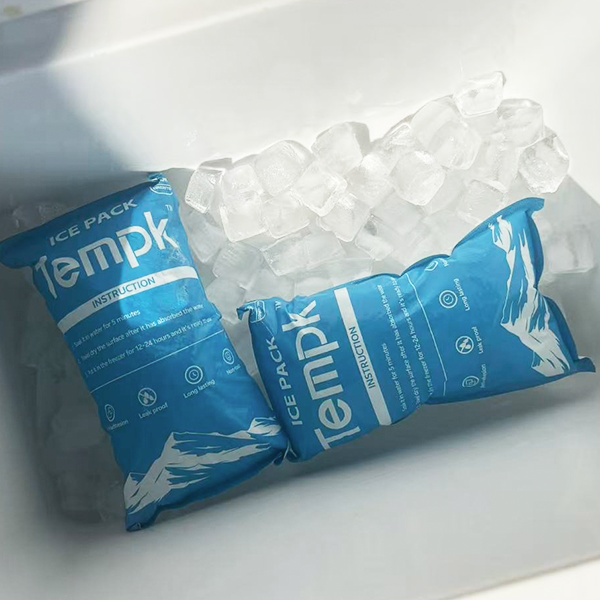
Ice Bricks Transport works best when you combine four lenses at once: buyer intent, thermal design, operating discipline, and 2026 market reality. Most weak programs focus on only one of those lenses. Strong programs use all four.
If you are evaluating ice bricks transport, you need a solution that protects the product, fits the box, supports the actual route, and stays practical for the team who freezes, stages, packs, receives, and sometimes returns it. That is why simple catalog comparisons rarely tell the full story.
This optimized guide brings together the strongest ideas from broad buyer education, deeper technical thinking, and current market signals so you can make a more confident decision.
In this guide, you will learn:
- How to balance sourcing, thermal design, and operations when planning ice bricks transport
- Which technical specifications matter most before validation starts
- How to align ice bricks transport with route risk, handling reality, and sustainability pressure
- How to build a cleaner, smarter, and more defensible purchasing brief in 2026
What should ice bricks transport solve for you first?
Core answer: ice bricks transport should first solve the route problem you actually have, not the generic cooling problem shown in a catalog. That means the first design question is whether you need cleaner handling, a tighter temperature band, better repeatability, easier scaling, or a more reusable asset model.
When teams skip that clarity, they often buy too cold, too large, or too many pack variants. The result is a more complicated operation with no real increase in shipment confidence. A better path is to rank your priorities: temperature protection, freeze avoidance, pack speed, presentation, reusability, and supplier control.
For transport teams, route managers, and temperature-sensitive freight operators, the right answer usually begins with vehicle handoff stability and route resilience. Once that is clear, the specification gets easier and the supplier conversation becomes much more productive.
How do you frame a practical brief for ice bricks transport?
A practical brief includes the target temperature band, expected route duration, payload mass, shipper format, conditioning method, and any regulatory or customer-facing concerns. That is enough information to compare concepts intelligently without turning the process into a massive project.
The best briefs also include one sentence on operational reality, such as how fast the line packs, whether the pack will be returned, and whether receiving teams care about dryness and presentation.
Practical tips and recommendations
- Write your top three success criteria before you review any samples.
- Define one worst-case route and one normal route so you do not overdesign everything.
- Use the brief to compare suppliers on the same assumptions.
Practical example: The strongest packaging decisions begin with a clear route problem, not with a random product sample.
Which performance specifications matter most in ice bricks transport?
Core answer: The most important specifications in ice bricks transport are thermal fit, geometry, durability, and conditioning control. Thermal fit means the pack matches the target temperature and route stress. Geometry means it fits the box or insert without wasted space. Durability means it survives real handling. Conditioning control means the team can release it consistently.
Material choices matter here. Water-based and gel-centered packs can be effective for many chilled lanes. PCM-centered designs are more valuable when you need tighter targeting or less aggressive direct cold contact. Shell quality matters just as much, because even the best fill loses value if the pack leaks or deforms.
Operational design also matters. A slightly smaller brick that fits perfectly and is packed correctly every time may outperform a theoretically stronger pack that staff place inconsistently. Performance is therefore a combination of product and process.
Why do box fit and pack position change ice bricks transport outcomes so much?
Because cold energy has to move through the shipper in a controlled way. If the brick creates uneven contact, blocks payload space, or sits in a different position on every shift, the route result becomes hard to predict and harder to troubleshoot.
Standard geometry reduces that noise. It lets you design one clear loading pattern, take cleaner validation photos, and scale training without constant interpretation from operators.
Buyer scorecard
| Selection factor | What to ask | Ideal answer | Why it matters to you |
|---|---|---|---|
| Thermal target | What temperature band must the payload actually stay in? | A defined band with seasonal risk notes | You choose the right fill type and conditioning method. |
| Operational fit | Can your team freeze, stage, and place it the same way every time? | Yes, with a simple visual SOP | You get repeatable results outside the lab. |
| Supplier control | Can the supplier prove consistency from sample to production? | Yes, with testing and traceable batches | You lower quality disputes and requalification work. |
Practical tips and recommendations
- Treat geometry and handling as real performance criteria, not secondary nice-to-haves.
- Use durability review for corners, seams, and repeated freeze-thaw use.
- Check whether the pack supports a visual SOP that new staff can follow quickly.
Practical example: A good cold pack is not only thermally strong. It is operationally easy to repeat.
How do materials, validation, and compliance influence ice bricks transport?
Core answer: Materials, validation, and compliance influence ice bricks transport because they determine whether the chosen solution remains trustworthy after scale-up. The more sensitive the product or the more complex the route, the more important it becomes to move beyond sample-level confidence and into controlled use.
Operational programs should keep route-specific work instructions, conditioning times, pack positions, and temperature review rules. Simple visual standards usually outperform complicated SOPs that no one follows under pressure. For regulated healthcare, this often means qualification logic, change control, and route-specific approval. For food and broader commercial lanes, it may mean clearer SOPs, sanitation awareness, and better exception review. The level of formality changes, but the value of discipline does not.
Grand View Research estimates the global cold chain packaging market at USD 33.73 billion in 2025 and projects it to reach USD 93.15 billion by 2033. Grand View Research estimates the returnable packaging market at USD 128.91 billion in 2025 and projects it to reach USD 206.18 billion by 2033. Current guidance keeps pointing buyers in the same direction: understand the route, monitor the process, and treat the packaging method as a system.
When should a change in ice bricks transport trigger a new review?
A new review makes sense when a change could alter heat flow or operating consistency. Examples include a different fill type, changed fill mass, new shell geometry, new shipper size, new payload pattern, or a significant network change such as longer dwell or a hotter destination region.
Not every small change needs full requalification, but every meaningful change deserves risk review. That protects you from the false confidence that comes from assuming all cold packs of similar size behave the same way.
Practical tips and recommendations
- Document the exact conditions that made the original design acceptable.
- Review seasonal and regional differences before broad deployment.
- Use corrective action records to learn whether the problem came from product, process, or both.
Practical example: Validation is not bureaucracy when it prevents the team from repeating the same avoidable mistake.
How should you compare suppliers and pack concepts for ice bricks transport?
Core answer: Compare suppliers and pack concepts for ice bricks transport using a balanced scorecard: thermal fit, sample quality, production consistency, usability, documentation, and lifetime value. That keeps you from overrewarding either a low quote or an overly technical concept that your team cannot use cleanly.
Start with two or three candidate concepts, not ten. Test them in the real shipper with the real payload or a realistic simulation. Record pack position, conditioning window, logger location, and route assumptions. Then compare results against labor time, pack accuracy, reuse practicality, and receiving cleanliness.
In many cases, the winning option is not the coldest pack. It is the pack that creates the fewest operational surprises while still protecting the product with a comfortable margin.
What purchasing questions reveal the real quality of a ice bricks transport supplier?
Ask how the supplier controls dimensions, fill weight, leak testing, batch traceability, and change notifications. Then ask how quickly they can provide useful prototypes and whether they can support a documented transition from sample to mass production.
A reliable answer is specific. Vague promises about quality or hold time are much less useful than concrete explanations of process control, sampling logic, and what happens when a batch fails inspection.
Practical tips and recommendations
- Use the same test plan for every sample set so results stay comparable.
- Factor in return handling and replacement rate when reviewing price.
- Prefer suppliers that can explain their process clearly, not only sell the outcome.
Practical example: A defensible buying decision links route evidence to supplier control. Without both, confidence stays fragile.
What 2026 trends should shape your ice bricks transport decision now?
Trend overview: In 2026, the best ice bricks transport decisions are shaped by three converging trends: stronger route evidence, wider interest in reusable or returnable packaging, and growing demand from healthcare, biotech, food, and high-service cold chain sectors. These trends reward systems that are both technically sound and operationally simple.
MarketsandMarkets says cold chain and packaging is the fastest-growing phase change material application segment, with a forecast CAGR above 20%. FDA’s sanitary transportation rule is meant to prevent food safety risks such as failure to refrigerate properly, poor cleaning between loads, and inadequate protection during transport. Grand View Research estimates the returnable packaging market at USD 128.91 billion in 2025 and projects it to reach USD 206.18 billion by 2033. Those shifts help explain why buyers are putting more weight on PCM selection, repeatable geometry, digital monitoring, and life-cycle thinking than they did even a few years ago.
The practical message is clear. Treat ice bricks transport as part of a modern cold chain design review, not as an interchangeable frozen accessory. That mindset gives you better cost control, better route fit, and a cleaner path to future scale.
Latest developments at a glance
More programs are using route and logger data to refine pack quantity and position.
Reusable assets are being evaluated on labor, cleanliness, and return practicality, not only on environmental claims.
Healthcare and food operators alike are favoring simpler, more standardized pack families that support training and faster exception review.
Practical tips and recommendations
- Use your next annual review to remove one weak assumption from your current pack-out design.
- Standardize where possible, but keep separate logic for clearly different risk classes.
- Tie sustainability claims to measurable operational outcomes such as fewer leaks or fewer one-way materials.
Practical example: The most future-ready pack is the one that stays useful as your lanes, volumes, and scrutiny increase.
Frequently Asked Questions
What is the main advantage of ice bricks transport compared with soft gel packs or wet ice?
The biggest advantage of ice bricks transport is repeatability. Rigid bricks are easier to count, place, and reuse, so your pack-out stays cleaner and more consistent. That usually lowers handling errors and improves shipment appearance at receiving.
How many ice bricks transport packs should go into one shipper?
There is no universal number. The correct quantity depends on payload mass, insulation, transit duration, ambient risk, and the target temperature window. Always test the full system instead of copying another lane.
Should you choose water-based or PCM-based ice bricks transport?
Water-based options are often fine for straightforward chilled routes. PCM-based ice bricks transport makes more sense when you need tighter control, lower freeze risk, or a better match to a specific target temperature band.
What 2026 trend matters most when planning ice bricks transport?
The biggest shift is the move from generic cold packs to lane-specific systems. Buyers are using route data, cleaner reusable formats, and smarter monitoring to match the pack to the real shipment instead of guessing.
How often can ice bricks transport be reused?
The answer depends on shell quality, fill system, handling discipline, and cleaning practice. Well-made rigid bricks can support many cycles, but buyers should inspect for cracks, leaks, and dimensional drift as part of normal reuse control.
When should you move from a standard product to a custom ice bricks transport design?
Move to custom when standard bricks leave dead space, create uneven cooling, or slow your pack-out line. A custom format is most valuable when it improves both thermal performance and labor efficiency at the same time.
Summary and Recommendations
The best ice bricks transport program combines clear route goals, sensible materials, repeatable pack-outs, and supplier discipline. When those pieces align, you get cleaner shipments, more stable temperatures, and an easier path to scale.
Your next move should be practical: define the route brief, compare a small set of options, test the full system, and choose the concept that balances protection, usability, and lifetime value. That is the strongest 2026 decision framework.
About Tempk
At Tempk, we focus on helping cold chain teams make practical choices about reusable ice bricks, pack geometry, and application fit. We believe the best packaging decisions come from combining route reality with clean technical logic.
If you are reviewing options now, bring the shipment profile, thermal target, and operational constraints into one conversation. That makes it easier to decide whether a standard design is enough or whether a more tailored solution will pay back in performance and labor.
Ice Bricks Shipping: Complete 2026 Buyer and Performance Guide
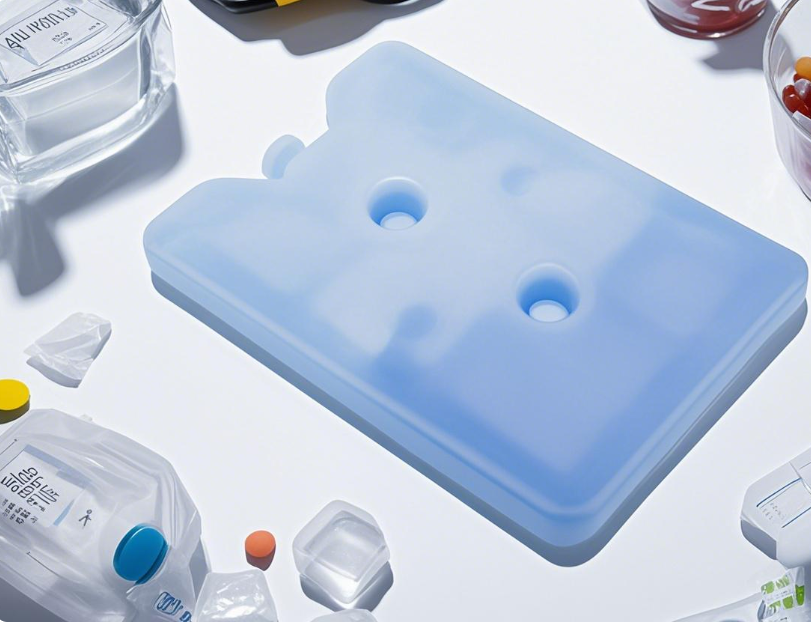
Ice Bricks Shipping works best when you combine four lenses at once: buyer intent, thermal design, operating discipline, and 2026 market reality. Most weak programs focus on only one of those lenses. Strong programs use all four.
If you are evaluating ice bricks shipping, you need a solution that protects the product, fits the box, supports the actual route, and stays practical for the team who freezes, stages, packs, receives, and sometimes returns it. That is why simple catalog comparisons rarely tell the full story.
This optimized guide brings together the strongest ideas from broad buyer education, deeper technical thinking, and current market signals so you can make a more confident decision.
In this guide, you will learn:
- How to balance sourcing, thermal design, and operations when planning ice bricks shipping
- Which technical specifications matter most before validation starts
- How to align ice bricks shipping with route risk, handling reality, and sustainability pressure
- How to build a cleaner, smarter, and more defensible purchasing brief in 2026
What should ice bricks shipping solve for you first?
Core answer: ice bricks shipping should first solve the route problem you actually have, not the generic cooling problem shown in a catalog. That means the first design question is whether you need cleaner handling, a tighter temperature band, better repeatability, easier scaling, or a more reusable asset model.
When teams skip that clarity, they often buy too cold, too large, or too many pack variants. The result is a more complicated operation with no real increase in shipment confidence. A better path is to rank your priorities: temperature protection, freeze avoidance, pack speed, presentation, reusability, and supplier control.
For shipping managers, fulfillment teams, and parcel cold chain operators, the right answer usually begins with parcel performance, hold time, and pack-out simplicity. Once that is clear, the specification gets easier and the supplier conversation becomes much more productive.
How do you frame a practical brief for ice bricks shipping?
A practical brief includes the target temperature band, expected route duration, payload mass, shipper format, conditioning method, and any regulatory or customer-facing concerns. That is enough information to compare concepts intelligently without turning the process into a massive project.
The best briefs also include one sentence on operational reality, such as how fast the line packs, whether the pack will be returned, and whether receiving teams care about dryness and presentation.
Practical tips and recommendations
- Write your top three success criteria before you review any samples.
- Define one worst-case route and one normal route so you do not overdesign everything.
- Use the brief to compare suppliers on the same assumptions.
Practical example: The strongest packaging decisions begin with a clear route problem, not with a random product sample.
Which performance specifications matter most in ice bricks shipping?
Core answer: The most important specifications in ice bricks shipping are thermal fit, geometry, durability, and conditioning control. Thermal fit means the pack matches the target temperature and route stress. Geometry means it fits the box or insert without wasted space. Durability means it survives real handling. Conditioning control means the team can release it consistently.
Material choices matter here. Water-based and gel-centered packs can be effective for many chilled lanes. PCM-centered designs are more valuable when you need tighter targeting or less aggressive direct cold contact. Shell quality matters just as much, because even the best fill loses value if the pack leaks or deforms.
Operational design also matters. A slightly smaller brick that fits perfectly and is packed correctly every time may outperform a theoretically stronger pack that staff place inconsistently. Performance is therefore a combination of product and process.
Why do box fit and pack position change ice bricks shipping outcomes so much?
Because cold energy has to move through the shipper in a controlled way. If the brick creates uneven contact, blocks payload space, or sits in a different position on every shift, the route result becomes hard to predict and harder to troubleshoot.
Standard geometry reduces that noise. It lets you design one clear loading pattern, take cleaner validation photos, and scale training without constant interpretation from operators.
Buyer scorecard
| Selection factor | What to ask | Ideal answer | Why it matters to you |
|---|---|---|---|
| Thermal target | What temperature band must the payload actually stay in? | A defined band with seasonal risk notes | You choose the right fill type and conditioning method. |
| Operational fit | Can your team freeze, stage, and place it the same way every time? | Yes, with a simple visual SOP | You get repeatable results outside the lab. |
| Supplier control | Can the supplier prove consistency from sample to production? | Yes, with testing and traceable batches | You lower quality disputes and requalification work. |
Practical tips and recommendations
- Treat geometry and handling as real performance criteria, not secondary nice-to-haves.
- Use durability review for corners, seams, and repeated freeze-thaw use.
- Check whether the pack supports a visual SOP that new staff can follow quickly.
Practical example: A good cold pack is not only thermally strong. It is operationally easy to repeat.
How do materials, validation, and compliance influence ice bricks shipping?
Core answer: Materials, validation, and compliance influence ice bricks shipping because they determine whether the chosen solution remains trustworthy after scale-up. The more sensitive the product or the more complex the route, the more important it becomes to move beyond sample-level confidence and into controlled use.
Operational programs should keep route-specific work instructions, conditioning times, pack positions, and temperature review rules. Simple visual standards usually outperform complicated SOPs that no one follows under pressure. For regulated healthcare, this often means qualification logic, change control, and route-specific approval. For food and broader commercial lanes, it may mean clearer SOPs, sanitation awareness, and better exception review. The level of formality changes, but the value of discipline does not.
Grand View Research estimates the global cold chain packaging market at USD 33.73 billion in 2025 and projects it to reach USD 93.15 billion by 2033. Grand View Research estimates the returnable packaging market at USD 128.91 billion in 2025 and projects it to reach USD 206.18 billion by 2033. Current guidance keeps pointing buyers in the same direction: understand the route, monitor the process, and treat the packaging method as a system.
When should a change in ice bricks shipping trigger a new review?
A new review makes sense when a change could alter heat flow or operating consistency. Examples include a different fill type, changed fill mass, new shell geometry, new shipper size, new payload pattern, or a significant network change such as longer dwell or a hotter destination region.
Not every small change needs full requalification, but every meaningful change deserves risk review. That protects you from the false confidence that comes from assuming all cold packs of similar size behave the same way.
Practical tips and recommendations
- Document the exact conditions that made the original design acceptable.
- Review seasonal and regional differences before broad deployment.
- Use corrective action records to learn whether the problem came from product, process, or both.
Practical example: Validation is not bureaucracy when it prevents the team from repeating the same avoidable mistake.
How should you compare suppliers and pack concepts for ice bricks shipping?
Core answer: Compare suppliers and pack concepts for ice bricks shipping using a balanced scorecard: thermal fit, sample quality, production consistency, usability, documentation, and lifetime value. That keeps you from overrewarding either a low quote or an overly technical concept that your team cannot use cleanly.
Start with two or three candidate concepts, not ten. Test them in the real shipper with the real payload or a realistic simulation. Record pack position, conditioning window, logger location, and route assumptions. Then compare results against labor time, pack accuracy, reuse practicality, and receiving cleanliness.
In many cases, the winning option is not the coldest pack. It is the pack that creates the fewest operational surprises while still protecting the product with a comfortable margin.
What purchasing questions reveal the real quality of a ice bricks shipping supplier?
Ask how the supplier controls dimensions, fill weight, leak testing, batch traceability, and change notifications. Then ask how quickly they can provide useful prototypes and whether they can support a documented transition from sample to mass production.
A reliable answer is specific. Vague promises about quality or hold time are much less useful than concrete explanations of process control, sampling logic, and what happens when a batch fails inspection.
Practical tips and recommendations
- Use the same test plan for every sample set so results stay comparable.
- Factor in return handling and replacement rate when reviewing price.
- Prefer suppliers that can explain their process clearly, not only sell the outcome.
Practical example: A defensible buying decision links route evidence to supplier control. Without both, confidence stays fragile.
What 2026 trends should shape your ice bricks shipping decision now?
Trend overview: In 2026, the best ice bricks shipping decisions are shaped by three converging trends: stronger route evidence, wider interest in reusable or returnable packaging, and growing demand from healthcare, biotech, food, and high-service cold chain sectors. These trends reward systems that are both technically sound and operationally simple.
MarketsandMarkets says cold chain and packaging is the fastest-growing phase change material application segment, with a forecast CAGR above 20%. FDA’s sanitary transportation rule is meant to prevent food safety risks such as failure to refrigerate properly, poor cleaning between loads, and inadequate protection during transport. Grand View Research estimates the returnable packaging market at USD 128.91 billion in 2025 and projects it to reach USD 206.18 billion by 2033. Those shifts help explain why buyers are putting more weight on PCM selection, repeatable geometry, digital monitoring, and life-cycle thinking than they did even a few years ago.
The practical message is clear. Treat ice bricks shipping as part of a modern cold chain design review, not as an interchangeable frozen accessory. That mindset gives you better cost control, better route fit, and a cleaner path to future scale.
Latest developments at a glance
More programs are using route and logger data to refine pack quantity and position.
Reusable assets are being evaluated on labor, cleanliness, and return practicality, not only on environmental claims.
Healthcare and food operators alike are favoring simpler, more standardized pack families that support training and faster exception review.
Practical tips and recommendations
- Use your next annual review to remove one weak assumption from your current pack-out design.
- Standardize where possible, but keep separate logic for clearly different risk classes.
- Tie sustainability claims to measurable operational outcomes such as fewer leaks or fewer one-way materials.
Practical example: The most future-ready pack is the one that stays useful as your lanes, volumes, and scrutiny increase.
Frequently Asked Questions
What is the main advantage of ice bricks shipping compared with soft gel packs or wet ice?
The biggest advantage of ice bricks shipping is repeatability. Rigid bricks are easier to count, place, and reuse, so your pack-out stays cleaner and more consistent. That usually lowers handling errors and improves shipment appearance at receiving.
How many ice bricks shipping packs should go into one shipper?
There is no universal number. The correct quantity depends on payload mass, insulation, transit duration, ambient risk, and the target temperature window. Always test the full system instead of copying another lane.
Should you choose water-based or PCM-based ice bricks shipping?
Water-based options are often fine for straightforward chilled routes. PCM-based ice bricks shipping makes more sense when you need tighter control, lower freeze risk, or a better match to a specific target temperature band.
What 2026 trend matters most when planning ice bricks shipping?
The biggest shift is the move from generic cold packs to lane-specific systems. Buyers are using route data, cleaner reusable formats, and smarter monitoring to match the pack to the real shipment instead of guessing.
How often can ice bricks shipping be reused?
The answer depends on shell quality, fill system, handling discipline, and cleaning practice. Well-made rigid bricks can support many cycles, but buyers should inspect for cracks, leaks, and dimensional drift as part of normal reuse control.
When should you move from a standard product to a custom ice bricks shipping design?
Move to custom when standard bricks leave dead space, create uneven cooling, or slow your pack-out line. A custom format is most valuable when it improves both thermal performance and labor efficiency at the same time.
Summary and Recommendations
The best ice bricks shipping program combines clear route goals, sensible materials, repeatable pack-outs, and supplier discipline. When those pieces align, you get cleaner shipments, more stable temperatures, and an easier path to scale.
Your next move should be practical: define the route brief, compare a small set of options, test the full system, and choose the concept that balances protection, usability, and lifetime value. That is the strongest 2026 decision framework.
About Tempk
At Tempk, we focus on helping cold chain teams make practical choices about reusable ice bricks, pack geometry, and application fit. We believe the best packaging decisions come from combining route reality with clean technical logic.
If you are reviewing options now, bring the shipment profile, thermal target, and operational constraints into one conversation. That makes it easier to decide whether a standard design is enough or whether a more tailored solution will pay back in performance and labor.