


Best Ice Brick Non-Toxic Guide for Reliable Cold Chain
Best Ice Brick Non-Toxic Guide for Reliable Cold Chain
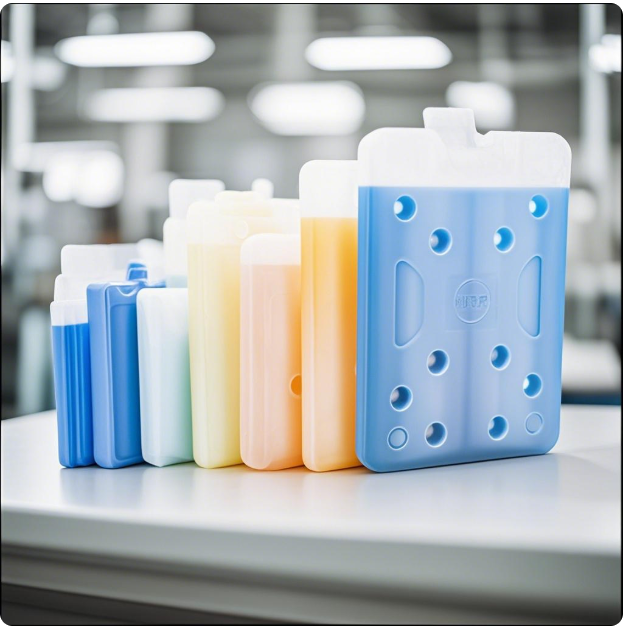
ice brick non-toxic is one of the most useful passive cooling formats when you want cleaner handling, repeatable placement, and better control over real shipping lanes. The best ice brick non-toxic decision is not about choosing the coldest pack. It is about choosing the right thermal range, packout design, supplier support, and operating routine so your shipment arrives stable, safe, and easier to manage in 2026.
What this article will help you answer
- How to choose the right ice brick non-toxic size, shell, and refrigerant type for your lane.
- How non-toxic ice brick compares with safe refrigerant brick and other passive cooling options in daily operations.
- How to validate hold time, conditioning, and pack placement before you scale volume.
- How to reduce unclear material declarations, poor labeling, and supplier claims that are not backed by SDS or specification sheets while keeping packaging simpler for your team and your customer.
- How to connect performance, compliance, sustainability, and buyer ROI in one decision framework.
What makes ice brick non-toxic the right choice for your shipment?
The right choice happens when the brick matches the lane, the product target, and the way your team actually works. That sounds obvious, but many shipments fail because the coolant decision is made in isolation. A brick that looks strong in a freezer test can still be the wrong fit if it overcools the product, slows the pack line, or needs a conditioning routine your warehouse will not follow consistently.
Start with three questions. What temperature range must the product really hold? How long is the real lane once you include handoffs and delays? And what level of operating discipline can the team repeat every day? When you answer those questions, ice brick non-toxic becomes much easier to judge. You can see whether a general gel brick is enough, whether a PCM approach makes more sense, or whether the lane truly requires a different refrigerant altogether.
How do you decide whether food-safe coolant brick fits better than the alternatives?
Use a buyer scorecard instead of instinct. Compare the required temperature range, hold time, shell durability, documentation, conditioning needs, and ease of training. In many chilled lanes, a rigid brick wins because it gives predictable placement and cleaner handling. In narrow-window lanes, PCM can be stronger. In deep-frozen lanes, dry ice may still matter. The winning answer is the best fit, not the most dramatic coolant.
| Decision Question | Strong Answer | Warning Sign | Why It Matters |
|---|---|---|---|
| What temperature range must the product actually hold? | A defined range tied to product science or food safety | Keep cool with no numeric target | You cannot validate a vague promise |
| How long is the real lane, including delays? | A mapped duration with peak-season allowance | Only the courier SLA is considered | Transit risk includes dwell, handoffs, and porch time |
| Which coolant type best matches the lane? | A documented reason for gel, PCM, reusable brick, or dry ice | Defaulting to whatever was used last year | Matching coolant to the lane improves both performance and cost |
| Can the supplier support quality review? | Specs, SDS, handling guidance, and durability evidence | Only marketing claims | Good documentation speeds launch and reduces surprises |
Practical tips for you
- Define the target first: Your ice brick non-toxic design should protect a temperature range, not a vague idea of cold.
- Use a scorecard: Compare refrigerant types with the same criteria so the sourcing choice stays honest.
- Separate chilled from frozen needs: One brick strategy rarely serves both goals equally well.
Case example: A buyer reviewing ice brick non-toxic side by side with other refrigerants chose the option that matched the lane and line process, not the one with the most aggressive freezer feel.
How do you build a high-performance ice brick non-toxic packout?
A high-performance packout is built, not guessed. It begins with a pre-cooled payload, a right-sized shipper, deliberate brick placement, and a simple loading sequence that workers can repeat without hesitation. If any of those pieces are missing, you can end up adding more refrigerant while still getting poor results.
Think of the shipper as one thermal machine. The brick stores cold energy, the insulation slows heat gain, and the payload adds or removes stability depending on its starting condition. When these parts work together, ice brick non-toxic delivers strong and predictable results. When they do not, even extra brick mass can be wasted. That is why smart teams focus on fit, staging, and sequence before they add weight or complexity.
What design details improve non-toxic ice brick performance most?
Four details matter most in daily use: payload starting temperature, brick count and placement, the insulation system, and the handling SOP. These are the levers that usually decide whether the packout survives a messy real-world lane. They also happen to be the easiest levers to document, audit, and improve over time.
| Design Factor | Best Practice | Data to Review | Operational Benefit |
|---|---|---|---|
| Payload starting temperature | Pre-cool every unit and stage near the pack line | Inbound product temp records | Protects brick capacity for the lane instead of the bench |
| Brick count and placement | Match mass to box size and heat entry points | Summer vs winter logger comparisons | Delivers control without blind overpacking |
| Insulation system | Validate the brick with the actual shipper, not alone | Whole-system test result | The best brick can still fail in a weak box |
| Handling SOP | Use a simple repeatable loading sequence | Training sheet and audit observations | Consistency turns a good design into a reliable operation |
Practical tips for you
- Cut empty air first: A smaller, better-filled box often boosts ice brick non-toxic performance more than a random extra pack.
- Protect contact-sensitive goods: Use separators or dividers when the payload should not sit directly against the brick.
- Print the layout: A visual loading map keeps top, side, and corner placement consistent across shifts.
Case example: A team improved ice brick non-toxic results by tightening its box fill, pre-cooling the payload, and standardizing top coverage before adding any extra brick mass.
How do you validate safety, compliance, and supplier quality for ice brick non-toxic?
Validation makes a packout trustworthy. Without it, you are relying on hope, habit, or vendor language. A validated ice brick non-toxic program ties the product target to the packout design, the conditioning routine, and the evidence from logger tests. Supplier quality matters too, because even a good design can drift if shells crack, fills vary, or instructions stay vague.
Keep the process practical. Build a small documentation set that includes the product range, the assembly SOP, the conditioning method, the qualification summary, and the supplier specification file. For many chilled shipments, that is already enough to improve confidence and decision speed. For narrow-window or audit-sensitive loads, add mapped logger placement, acceptance criteria, and a clear excursion rule so the team knows what to do when reality deviates from the plan.
What should your ice brick non-toxic validation checklist include?
It should include the target range, the lane length, summer and winter test conditions, the exact packout map, the logger setup, and the pass rule. It should also include supplier documents such as the SDS or material declaration, durability information, and inspection criteria. This checklist turns cold chain quality into something operational, not abstract.
| Validation Area | What Good Looks Like | What to Review | Why It Protects You |
|---|---|---|---|
| Desk design review | Define product target, lane length, ambient profile, and box geometry | A written packout rationale | Prevents trial-and-error spending |
| Thermal qualification | Run summer and winter profiles with loggers | Payload stays in range for the target duration | Creates confidence before launch |
| Operational pilot | Test on the real packing line with real handlers | No loading drift or avoidable mistakes | Confirms the SOP works outside the lab |
| Ongoing verification | Review claim data, logger trends, and brick damage rates | Evidence-based updates by season or route | Keeps the system improving instead of drifting |
Practical tips for you
- Use realistic tests: A ice brick non-toxic pilot should mirror real loading habits, not only ideal bench conditions.
- Save supplier files in one place: Specifications, declarations, and instructions are easier to use when they are not scattered.
- Review by season: Keep a warm-weather version of the validation set if your route profile changes sharply.
Case example: A company moved from informal ice brick non-toxic packing to a documented checklist and quickly found two loading habits that had been causing most of its variation.
How can ice brick non-toxic improve sustainability without hurting performance?
The most sustainable cold chain shipment is the one that arrives in range with the least avoidable waste. That means you should not chase eco claims in isolation. If a greener packout increases spoilage, the result is not actually greener. The smarter path is to reduce product loss, cut unnecessary air volume, use reusable components where the loop is real, and simplify material decisions where possible.
That balanced view is why ice brick non-toxic is attractive in many 2026 programs. A rigid reusable brick can support cleaner packing, lower claim rates, and lower waste when recovery is realistic. Even when the system stays one-way, a better-matched brick can reduce overpacking and lower freight weight. The core idea is simple: protect the product first, then improve the packaging system around that stable baseline.
Which value drivers make non-toxic cold chain pack stronger over time?
Look at product protection, operational ease, sustainability, and procurement clarity together. This wider view reveals why a good brick decision can reduce waste in several ways at once. It can prevent spoiled goods, simplify labor, support reuse where it works, and make supplier comparisons more evidence-based. Those improvements add up over months, not only on one shipment day.
| Value Driver | Optimized Practice | Operational Result | Long-Term Meaning |
|---|---|---|---|
| Product protection | Validated range control | Fewer excursions and claims | Protects the highest-value asset in the shipment |
| Operational ease | Stackable bricks and simpler SOPs | Faster line speed and fewer loading mistakes | Labor becomes more predictable |
| Sustainability | Right-sized packouts and reuse where practical | Lower waste and fewer reships | Environmental value improves when waste falls |
| Procurement clarity | Data-backed supplier comparison | Better sourcing decisions over time | You buy performance, not just plastic and fill |
Practical tips for you
- Count product loss as waste: The real sustainability score of ice brick non-toxic improves when warm-arrival claims fall.
- Choose reuse honestly: Only treat a brick as reusable value if the return, inspection, and redeployment loop is real.
- Right-size before rebranding: A smaller, better-designed shipper often beats a louder sustainability claim.
Case example: A packaging review found that a more disciplined ice brick non-toxic system reduced both spoilage and freight waste, which mattered more than marketing language about materials.
What is the smartest 2026 buying framework for ice brick non-toxic?
The smartest framework compares complete shipment value, not isolated component price. In 2026, good buyers score refrigerant systems on temperature fit, packout simplicity, supplier support, durability, documentation, and waste profile. They also compare them against the real alternatives, not against an idealized internal assumption about how the lane should behave.
That broader framework is useful because markets are changing. More customer-facing shipments mean presentation matters more. More quality review means documentation matters more. More focus on sustainability means product loss and packaging waste both matter more. In that environment, ice brick non-toxic wins when it can deliver predictable control without piling friction onto operations. The best buying decision is the one your warehouse, quality team, procurement team, and end customer can all live with.
How should you compare ice brick non-toxic against nearby product options?
Compare them on the job they do, not on the headline they market. Loose pouches may look cheap. Rigid bricks may handle better. PCM may justify its higher price in a narrow-range lane. Dry ice may still be correct for deep-frozen needs. A side-by-side comparison keeps your choice grounded in the shipment objective rather than in habit or sales language.
| Option | Main Advantage | Main Trade-Off | Best Use Case |
|---|---|---|---|
| Loose gel pouches | Low purchase cost | Lower handling consistency and weaker stacking | Useful for basic lanes but harder to standardize |
| Rigid ice bricks | Better stacking, placement, and repeatability | Need conditioning discipline and more storage planning | A strong default choice for many chilled shipments |
| PCM bricks | Best for narrow validated windows | Higher cost and stricter process control | Worth it when the payload is excursion-sensitive |
| Dry ice | Best for deep-frozen needs | Adds venting, marking, and over-freeze risk | Use only when the temperature target truly requires it |
Practical tips for you
- Build one sourcing sheet: Compare all ice brick non-toxic alternatives with the same fields so teams stop arguing from preference.
- Review one hard lane first: High-risk routes reveal the real value difference between coolant options.
- Include labor and claims: A more expensive brick can still be cheaper when total shipment value improves.
Case example: A procurement team simplified its ice brick non-toxic decision by scoring every option against one high-risk lane and one common operating checklist.
2026 latest Ice Brick Non-Toxic developments and buying signals
The latest 2026 direction for ice brick non-toxic is a shift toward practical excellence. Buyers want better data, simpler line execution, clearer compliance logic, and stronger sustainability outcomes that do not compromise shipment safety. That is why the conversation keeps moving away from the coldest pack and toward the most reliable cold chain system for this lane.
- More evidence-based buying: Teams increasingly ask for logger-backed packout logic, not just generic performance claims.
- More right-sized design: Box fill, payload temperature, and modular refrigerant choices are getting more attention than before.
- More total-cost thinking: The market is comparing claims, labor, waste, and customer experience alongside material price.
The most important insight is that ice brick non-toxic performs best when it is treated as part of a complete cold chain design. Buyers who connect refrigerant choice, handling discipline, qualification data, and sustainability priorities are the ones most likely to reduce cost and improve delivery quality at the same time.
Frequently asked questions
How many ice brick non-toxic packs do you need for one shipping box?
There is no single number. Start with the real box size, payload mass, lane duration, and insulation level. For many parcel lanes, two to four bricks work as a starting point, but you should confirm that with a summer logger test before launch.
What is the best way to compare ice brick non-toxic options?
Use a scorecard. Compare temperature range, hold time, shell durability, documentation, conditioning needs, line speed impact, and waste profile. A supplier that is slightly more expensive can still be cheaper after you factor in claims and labor.
Can ice brick non-toxic replace dry ice?
It can replace dry ice in many chilled lanes, but not in every deep-frozen lane. If your product only needs to stay chilled, a passive brick often gives you simpler handling and less over-freeze risk. If the product must stay deeply frozen, dry ice may still be necessary.
How long does ice brick non-toxic stay cold?
Hold time depends on the whole system, not the brick alone. Box size, insulation, payload starting temperature, and ambient heat all matter. A well-designed parcel packout can cover 24 to 48 hours, and some larger validated systems can go longer.
Is ice brick non-toxic safe around food or sensitive goods?
Safety depends on the specific fill, shell, and documentation. Ask for an SDS, a material declaration, and handling guidance. A well-specified brick should be durable and low concern in normal use, but you still need a product-appropriate packout and inspection routine.
What should you ask a supplier before buying ice brick non-toxic?
Ask about thermal performance, conditioning instructions, shell durability, lot consistency, and documentation. Do not stop at a freezer photo or a sales claim. You want packout guidance that helps your team repeat the result on the line.
Do reusable ice brick non-toxic systems always cost less?
Not always. They win when you have a realistic return loop, good inspection habits, and enough shipment density. If return rates are low, a reusable system can look good on paper but perform badly in practice.
Why do two similar ice brick non-toxic packouts perform differently?
Small changes in void space, payload temperature, lid fit, and courier dwell can change the outcome fast. That is why validation matters. Two boxes that look similar on the bench can behave very differently after hub delays and last-mile exposure.
Summary and recommendation
The best ice brick non-toxic strategy in 2026 combines fit, validation, supplier clarity, and practical execution. Choose a refrigerant type that matches the true temperature target, build a repeatable packout, document the process, and improve it with seasonal data. That approach protects product quality, supports cleaner operations, and creates better long-term value.
Use this guide as a decision tool. List your target range, your hardest lane, your current claim pattern, and your supplier options. Then test one improved ice brick non-toxic design with logger proof and a simple SOP. That gives you a concrete path from research to rollout.
About Tempk
Tempk helps cold chain teams build packaging systems that are easier to validate, easier to operate, and easier to improve over time. We focus on practical refrigerant selection, packout design, and working documentation so your shipments perform in the real world, not only in theory.
Speak with Tempk if you want to refine your ice brick non-toxic strategy, compare alternative refrigerants, or create a packaging system that balances control, usability, and lower waste.
Best Ice Brick Meat Guide for Reliable Cold Chain Shipping
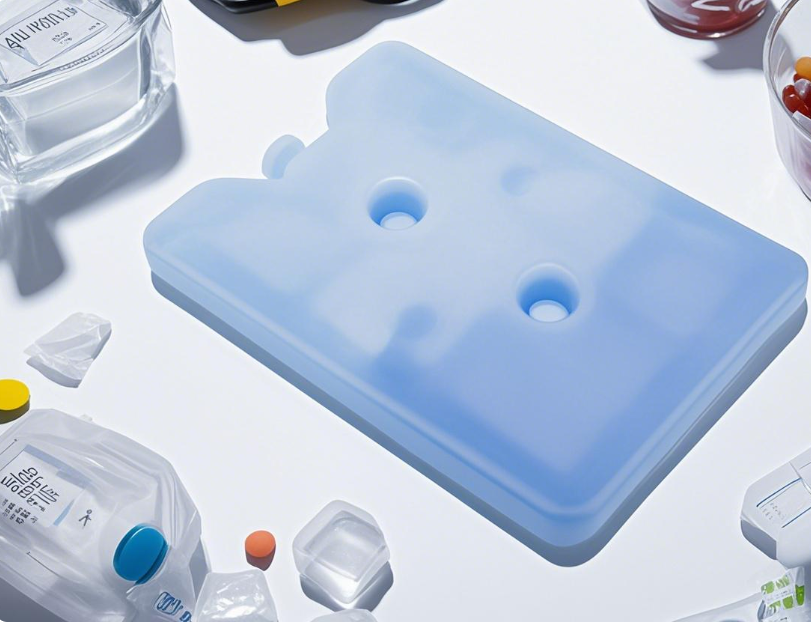
ice brick meat is one of the most useful passive cooling formats when you want cleaner handling, repeatable placement, and better control over real shipping lanes. The best ice brick meat decision is not about choosing the coldest pack. It is about choosing the right thermal range, packout design, supplier support, and operating routine so your shipment arrives stable, safe, and easier to manage in 2026.
What this article will help you answer
- How to choose the right ice brick meat size, shell, and refrigerant type for your lane.
- How ice brick meat shipping compares with meat delivery cold brick and other passive cooling options in daily operations.
- How to validate hold time, conditioning, and pack placement before you scale volume.
- How to reduce temperature abuse, purge leakage, seal damage, and expensive claim rates on premium proteins while keeping packaging simpler for your team and your customer.
- How to connect performance, compliance, sustainability, and buyer ROI in one decision framework.
What makes ice brick meat the right choice for your shipment?
The right choice happens when the brick matches the lane, the product target, and the way your team actually works. That sounds obvious, but many shipments fail because the coolant decision is made in isolation. A brick that looks strong in a freezer test can still be the wrong fit if it overcools the product, slows the pack line, or needs a conditioning routine your warehouse will not follow consistently.
Start with three questions. What temperature range must the product really hold? How long is the real lane once you include handoffs and delays? And what level of operating discipline can the team repeat every day? When you answer those questions, ice brick meat becomes much easier to judge. You can see whether a general gel brick is enough, whether a PCM approach makes more sense, or whether the lane truly requires a different refrigerant altogether.
How do you decide whether butcher box ice brick fits better than the alternatives?
Use a buyer scorecard instead of instinct. Compare the required temperature range, hold time, shell durability, documentation, conditioning needs, and ease of training. In many chilled lanes, a rigid brick wins because it gives predictable placement and cleaner handling. In narrow-window lanes, PCM can be stronger. In deep-frozen lanes, dry ice may still matter. The winning answer is the best fit, not the most dramatic coolant.
| Decision Question | Strong Answer | Warning Sign | Why It Matters |
|---|---|---|---|
| What temperature range must the product actually hold? | A defined range tied to product science or food safety | Keep cool with no numeric target | You cannot validate a vague promise |
| How long is the real lane, including delays? | A mapped duration with peak-season allowance | Only the courier SLA is considered | Transit risk includes dwell, handoffs, and porch time |
| Which coolant type best matches the lane? | A documented reason for gel, PCM, reusable brick, or dry ice | Defaulting to whatever was used last year | Matching coolant to the lane improves both performance and cost |
| Can the supplier support quality review? | Specs, SDS, handling guidance, and durability evidence | Only marketing claims | Good documentation speeds launch and reduces surprises |
Practical tips for you
- Define the target first: Your ice brick meat design should protect a temperature range, not a vague idea of cold.
- Use a scorecard: Compare refrigerant types with the same criteria so the sourcing choice stays honest.
- Separate chilled from frozen needs: One brick strategy rarely serves both goals equally well.
Case example: A buyer reviewing ice brick meat side by side with other refrigerants chose the option that matched the lane and line process, not the one with the most aggressive freezer feel.
How do you build a high-performance ice brick meat packout?
A high-performance packout is built, not guessed. It begins with a pre-cooled payload, a right-sized shipper, deliberate brick placement, and a simple loading sequence that workers can repeat without hesitation. If any of those pieces are missing, you can end up adding more refrigerant while still getting poor results.
Think of the shipper as one thermal machine. The brick stores cold energy, the insulation slows heat gain, and the payload adds or removes stability depending on its starting condition. When these parts work together, ice brick meat delivers strong and predictable results. When they do not, even extra brick mass can be wasted. That is why smart teams focus on fit, staging, and sequence before they add weight or complexity.
What design details improve ice brick meat shipping performance most?
Four details matter most in daily use: payload starting temperature, brick count and placement, the insulation system, and the handling SOP. These are the levers that usually decide whether the packout survives a messy real-world lane. They also happen to be the easiest levers to document, audit, and improve over time.
| Design Factor | Best Practice | Data to Review | Operational Benefit |
|---|---|---|---|
| Payload starting temperature | Pre-cool every unit and stage near the pack line | Inbound product temp records | Protects brick capacity for the lane instead of the bench |
| Brick count and placement | Match mass to box size and heat entry points | Summer vs winter logger comparisons | Delivers control without blind overpacking |
| Insulation system | Validate the brick with the actual shipper, not alone | Whole-system test result | The best brick can still fail in a weak box |
| Handling SOP | Use a simple repeatable loading sequence | Training sheet and audit observations | Consistency turns a good design into a reliable operation |
Practical tips for you
- Cut empty air first: A smaller, better-filled box often boosts ice brick meat performance more than a random extra pack.
- Protect contact-sensitive goods: Use separators or dividers when the payload should not sit directly against the brick.
- Print the layout: A visual loading map keeps top, side, and corner placement consistent across shifts.
Case example: A team improved ice brick meat results by tightening its box fill, pre-cooling the payload, and standardizing top coverage before adding any extra brick mass.
How do you validate safety, compliance, and supplier quality for ice brick meat?
Validation makes a packout trustworthy. Without it, you are relying on hope, habit, or vendor language. A validated ice brick meat program ties the product target to the packout design, the conditioning routine, and the evidence from logger tests. Supplier quality matters too, because even a good design can drift if shells crack, fills vary, or instructions stay vague.
Keep the process practical. Build a small documentation set that includes the product range, the assembly SOP, the conditioning method, the qualification summary, and the supplier specification file. For many chilled shipments, that is already enough to improve confidence and decision speed. For narrow-window or audit-sensitive loads, add mapped logger placement, acceptance criteria, and a clear excursion rule so the team knows what to do when reality deviates from the plan.
What should your ice brick meat validation checklist include?
It should include the target range, the lane length, summer and winter test conditions, the exact packout map, the logger setup, and the pass rule. It should also include supplier documents such as the SDS or material declaration, durability information, and inspection criteria. This checklist turns cold chain quality into something operational, not abstract.
| Validation Area | What Good Looks Like | What to Review | Why It Protects You |
|---|---|---|---|
| Desk design review | Define product target, lane length, ambient profile, and box geometry | A written packout rationale | Prevents trial-and-error spending |
| Thermal qualification | Run summer and winter profiles with loggers | Payload stays in range for the target duration | Creates confidence before launch |
| Operational pilot | Test on the real packing line with real handlers | No loading drift or avoidable mistakes | Confirms the SOP works outside the lab |
| Ongoing verification | Review claim data, logger trends, and brick damage rates | Evidence-based updates by season or route | Keeps the system improving instead of drifting |
Practical tips for you
- Use realistic tests: A ice brick meat pilot should mirror real loading habits, not only ideal bench conditions.
- Save supplier files in one place: Specifications, declarations, and instructions are easier to use when they are not scattered.
- Review by season: Keep a warm-weather version of the validation set if your route profile changes sharply.
Case example: A company moved from informal ice brick meat packing to a documented checklist and quickly found two loading habits that had been causing most of its variation.
How can ice brick meat improve sustainability without hurting performance?
The most sustainable cold chain shipment is the one that arrives in range with the least avoidable waste. That means you should not chase eco claims in isolation. If a greener packout increases spoilage, the result is not actually greener. The smarter path is to reduce product loss, cut unnecessary air volume, use reusable components where the loop is real, and simplify material decisions where possible.
That balanced view is why ice brick meat is attractive in many 2026 programs. A rigid reusable brick can support cleaner packing, lower claim rates, and lower waste when recovery is realistic. Even when the system stays one-way, a better-matched brick can reduce overpacking and lower freight weight. The core idea is simple: protect the product first, then improve the packaging system around that stable baseline.
Which value drivers make protein cold chain ice brick stronger over time?
Look at product protection, operational ease, sustainability, and procurement clarity together. This wider view reveals why a good brick decision can reduce waste in several ways at once. It can prevent spoiled goods, simplify labor, support reuse where it works, and make supplier comparisons more evidence-based. Those improvements add up over months, not only on one shipment day.
| Value Driver | Optimized Practice | Operational Result | Long-Term Meaning |
|---|---|---|---|
| Product protection | Validated range control | Fewer excursions and claims | Protects the highest-value asset in the shipment |
| Operational ease | Stackable bricks and simpler SOPs | Faster line speed and fewer loading mistakes | Labor becomes more predictable |
| Sustainability | Right-sized packouts and reuse where practical | Lower waste and fewer reships | Environmental value improves when waste falls |
| Procurement clarity | Data-backed supplier comparison | Better sourcing decisions over time | You buy performance, not just plastic and fill |
Practical tips for you
- Count product loss as waste: The real sustainability score of ice brick meat improves when warm-arrival claims fall.
- Choose reuse honestly: Only treat a brick as reusable value if the return, inspection, and redeployment loop is real.
- Right-size before rebranding: A smaller, better-designed shipper often beats a louder sustainability claim.
Case example: A packaging review found that a more disciplined ice brick meat system reduced both spoilage and freight waste, which mattered more than marketing language about materials.
What is the smartest 2026 buying framework for ice brick meat?
The smartest framework compares complete shipment value, not isolated component price. In 2026, good buyers score refrigerant systems on temperature fit, packout simplicity, supplier support, durability, documentation, and waste profile. They also compare them against the real alternatives, not against an idealized internal assumption about how the lane should behave.
That broader framework is useful because markets are changing. More customer-facing shipments mean presentation matters more. More quality review means documentation matters more. More focus on sustainability means product loss and packaging waste both matter more. In that environment, ice brick meat wins when it can deliver predictable control without piling friction onto operations. The best buying decision is the one your warehouse, quality team, procurement team, and end customer can all live with.
How should you compare ice brick meat against nearby product options?
Compare them on the job they do, not on the headline they market. Loose pouches may look cheap. Rigid bricks may handle better. PCM may justify its higher price in a narrow-range lane. Dry ice may still be correct for deep-frozen needs. A side-by-side comparison keeps your choice grounded in the shipment objective rather than in habit or sales language.
| Option | Main Advantage | Main Trade-Off | Best Use Case |
|---|---|---|---|
| Loose gel pouches | Low purchase cost | Lower handling consistency and weaker stacking | Useful for basic lanes but harder to standardize |
| Rigid ice bricks | Better stacking, placement, and repeatability | Need conditioning discipline and more storage planning | A strong default choice for many chilled shipments |
| PCM bricks | Best for narrow validated windows | Higher cost and stricter process control | Worth it when the payload is excursion-sensitive |
| Dry ice | Best for deep-frozen needs | Adds venting, marking, and over-freeze risk | Use only when the temperature target truly requires it |
Practical tips for you
- Build one sourcing sheet: Compare all ice brick meat alternatives with the same fields so teams stop arguing from preference.
- Review one hard lane first: High-risk routes reveal the real value difference between coolant options.
- Include labor and claims: A more expensive brick can still be cheaper when total shipment value improves.
Case example: A procurement team simplified its ice brick meat decision by scoring every option against one high-risk lane and one common operating checklist.
2026 latest Ice Brick Meat developments and buying signals
The latest 2026 direction for ice brick meat is a shift toward practical excellence. Buyers want better data, simpler line execution, clearer compliance logic, and stronger sustainability outcomes that do not compromise shipment safety. That is why the conversation keeps moving away from the coldest pack and toward the most reliable cold chain system for this lane.
- More evidence-based buying: Teams increasingly ask for logger-backed packout logic, not just generic performance claims.
- More right-sized design: Box fill, payload temperature, and modular refrigerant choices are getting more attention than before.
- More total-cost thinking: The market is comparing claims, labor, waste, and customer experience alongside material price.
The most important insight is that ice brick meat performs best when it is treated as part of a complete cold chain design. Buyers who connect refrigerant choice, handling discipline, qualification data, and sustainability priorities are the ones most likely to reduce cost and improve delivery quality at the same time.
Frequently asked questions
How many ice brick meat packs do you need for one shipping box?
There is no single number. Start with the real box size, payload mass, lane duration, and insulation level. For many parcel lanes, two to four bricks work as a starting point, but you should confirm that with a summer logger test before launch.
What is the best way to compare ice brick meat options?
Use a scorecard. Compare temperature range, hold time, shell durability, documentation, conditioning needs, line speed impact, and waste profile. A supplier that is slightly more expensive can still be cheaper after you factor in claims and labor.
Can ice brick meat replace dry ice?
It can replace dry ice in many chilled lanes, but not in every deep-frozen lane. If your product only needs to stay chilled, a passive brick often gives you simpler handling and less over-freeze risk. If the product must stay deeply frozen, dry ice may still be necessary.
How long does ice brick meat stay cold?
Hold time depends on the whole system, not the brick alone. Box size, insulation, payload starting temperature, and ambient heat all matter. A well-designed parcel packout can cover 24 to 48 hours, and some larger validated systems can go longer.
Is ice brick meat safe around food or sensitive goods?
Safety depends on the specific fill, shell, and documentation. Ask for an SDS, a material declaration, and handling guidance. A well-specified brick should be durable and low concern in normal use, but you still need a product-appropriate packout and inspection routine.
What should you ask a supplier before buying ice brick meat?
Ask about thermal performance, conditioning instructions, shell durability, lot consistency, and documentation. Do not stop at a freezer photo or a sales claim. You want packout guidance that helps your team repeat the result on the line.
Do reusable ice brick meat systems always cost less?
Not always. They win when you have a realistic return loop, good inspection habits, and enough shipment density. If return rates are low, a reusable system can look good on paper but perform badly in practice.
Why do two similar ice brick meat packouts perform differently?
Small changes in void space, payload temperature, lid fit, and courier dwell can change the outcome fast. That is why validation matters. Two boxes that look similar on the bench can behave very differently after hub delays and last-mile exposure.
Summary and recommendation
The best ice brick meat strategy in 2026 combines fit, validation, supplier clarity, and practical execution. Choose a refrigerant type that matches the true temperature target, build a repeatable packout, document the process, and improve it with seasonal data. That approach protects product quality, supports cleaner operations, and creates better long-term value.
Use this guide as a decision tool. List your target range, your hardest lane, your current claim pattern, and your supplier options. Then test one improved ice brick meat design with logger proof and a simple SOP. That gives you a concrete path from research to rollout.
About Tempk
Tempk helps cold chain teams build packaging systems that are easier to validate, easier to operate, and easier to improve over time. We focus on practical refrigerant selection, packout design, and working documentation so your shipments perform in the real world, not only in theory.
Speak with Tempk if you want to refine your ice brick meat strategy, compare alternative refrigerants, or create a packaging system that balances control, usability, and lower waste.
Best Ice Brick Gel Guide for Reliable Cold Chain Shipping

ice brick gel is one of the most useful passive cooling formats when you want cleaner handling, repeatable placement, and better control over real shipping lanes. The best ice brick gel decision is not about choosing the coldest pack. It is about choosing the right thermal range, packout design, supplier support, and operating routine so your shipment arrives stable, safe, and easier to manage in 2026.
What this article will help you answer
- How to choose the right ice brick gel size, shell, and refrigerant type for your lane.
- How ice brick gel pack compares with reusable gel brick and other passive cooling options in daily operations.
- How to validate hold time, conditioning, and pack placement before you scale volume.
- How to reduce choosing a gel formula that leaks, freezes too hard, or lacks repeatability across batches while keeping packaging simpler for your team and your customer.
- How to connect performance, compliance, sustainability, and buyer ROI in one decision framework.
What makes ice brick gel the right choice for your shipment?
The right choice happens when the brick matches the lane, the product target, and the way your team actually works. That sounds obvious, but many shipments fail because the coolant decision is made in isolation. A brick that looks strong in a freezer test can still be the wrong fit if it overcools the product, slows the pack line, or needs a conditioning routine your warehouse will not follow consistently.
Start with three questions. What temperature range must the product really hold? How long is the real lane once you include handoffs and delays? And what level of operating discipline can the team repeat every day? When you answer those questions, ice brick gel becomes much easier to judge. You can see whether a general gel brick is enough, whether a PCM approach makes more sense, or whether the lane truly requires a different refrigerant altogether.
How do you decide whether gel ice brick for shipping fits better than the alternatives?
Use a buyer scorecard instead of instinct. Compare the required temperature range, hold time, shell durability, documentation, conditioning needs, and ease of training. In many chilled lanes, a rigid brick wins because it gives predictable placement and cleaner handling. In narrow-window lanes, PCM can be stronger. In deep-frozen lanes, dry ice may still matter. The winning answer is the best fit, not the most dramatic coolant.
| Decision Question | Strong Answer | Warning Sign | Why It Matters |
|---|---|---|---|
| What temperature range must the product actually hold? | A defined range tied to product science or food safety | Keep cool with no numeric target | You cannot validate a vague promise |
| How long is the real lane, including delays? | A mapped duration with peak-season allowance | Only the courier SLA is considered | Transit risk includes dwell, handoffs, and porch time |
| Which coolant type best matches the lane? | A documented reason for gel, PCM, reusable brick, or dry ice | Defaulting to whatever was used last year | Matching coolant to the lane improves both performance and cost |
| Can the supplier support quality review? | Specs, SDS, handling guidance, and durability evidence | Only marketing claims | Good documentation speeds launch and reduces surprises |
Practical tips for you
- Define the target first: Your ice brick gel design should protect a temperature range, not a vague idea of cold.
- Use a scorecard: Compare refrigerant types with the same criteria so the sourcing choice stays honest.
- Separate chilled from frozen needs: One brick strategy rarely serves both goals equally well.
Case example: A buyer reviewing ice brick gel side by side with other refrigerants chose the option that matched the lane and line process, not the one with the most aggressive freezer feel.
How do you build a high-performance ice brick gel packout?
A high-performance packout is built, not guessed. It begins with a pre-cooled payload, a right-sized shipper, deliberate brick placement, and a simple loading sequence that workers can repeat without hesitation. If any of those pieces are missing, you can end up adding more refrigerant while still getting poor results.
Think of the shipper as one thermal machine. The brick stores cold energy, the insulation slows heat gain, and the payload adds or removes stability depending on its starting condition. When these parts work together, ice brick gel delivers strong and predictable results. When they do not, even extra brick mass can be wasted. That is why smart teams focus on fit, staging, and sequence before they add weight or complexity.
What design details improve ice brick gel pack performance most?
Four details matter most in daily use: payload starting temperature, brick count and placement, the insulation system, and the handling SOP. These are the levers that usually decide whether the packout survives a messy real-world lane. They also happen to be the easiest levers to document, audit, and improve over time.
| Design Factor | Best Practice | Data to Review | Operational Benefit |
|---|---|---|---|
| Payload starting temperature | Pre-cool every unit and stage near the pack line | Inbound product temp records | Protects brick capacity for the lane instead of the bench |
| Brick count and placement | Match mass to box size and heat entry points | Summer vs winter logger comparisons | Delivers control without blind overpacking |
| Insulation system | Validate the brick with the actual shipper, not alone | Whole-system test result | The best brick can still fail in a weak box |
| Handling SOP | Use a simple repeatable loading sequence | Training sheet and audit observations | Consistency turns a good design into a reliable operation |
Practical tips for you
- Cut empty air first: A smaller, better-filled box often boosts ice brick gel performance more than a random extra pack.
- Protect contact-sensitive goods: Use separators or dividers when the payload should not sit directly against the brick.
- Print the layout: A visual loading map keeps top, side, and corner placement consistent across shifts.
Case example: A team improved ice brick gel results by tightening its box fill, pre-cooling the payload, and standardizing top coverage before adding any extra brick mass.
How do you validate safety, compliance, and supplier quality for ice brick gel?
Validation makes a packout trustworthy. Without it, you are relying on hope, habit, or vendor language. A validated ice brick gel program ties the product target to the packout design, the conditioning routine, and the evidence from logger tests. Supplier quality matters too, because even a good design can drift if shells crack, fills vary, or instructions stay vague.
Keep the process practical. Build a small documentation set that includes the product range, the assembly SOP, the conditioning method, the qualification summary, and the supplier specification file. For many chilled shipments, that is already enough to improve confidence and decision speed. For narrow-window or audit-sensitive loads, add mapped logger placement, acceptance criteria, and a clear excursion rule so the team knows what to do when reality deviates from the plan.
What should your ice brick gel validation checklist include?
It should include the target range, the lane length, summer and winter test conditions, the exact packout map, the logger setup, and the pass rule. It should also include supplier documents such as the SDS or material declaration, durability information, and inspection criteria. This checklist turns cold chain quality into something operational, not abstract.
| Validation Area | What Good Looks Like | What to Review | Why It Protects You |
|---|---|---|---|
| Desk design review | Define product target, lane length, ambient profile, and box geometry | A written packout rationale | Prevents trial-and-error spending |
| Thermal qualification | Run summer and winter profiles with loggers | Payload stays in range for the target duration | Creates confidence before launch |
| Operational pilot | Test on the real packing line with real handlers | No loading drift or avoidable mistakes | Confirms the SOP works outside the lab |
| Ongoing verification | Review claim data, logger trends, and brick damage rates | Evidence-based updates by season or route | Keeps the system improving instead of drifting |
Practical tips for you
- Use realistic tests: A ice brick gel pilot should mirror real loading habits, not only ideal bench conditions.
- Save supplier files in one place: Specifications, declarations, and instructions are easier to use when they are not scattered.
- Review by season: Keep a warm-weather version of the validation set if your route profile changes sharply.
Case example: A company moved from informal ice brick gel packing to a documented checklist and quickly found two loading habits that had been causing most of its variation.
How can ice brick gel improve sustainability without hurting performance?
The most sustainable cold chain shipment is the one that arrives in range with the least avoidable waste. That means you should not chase eco claims in isolation. If a greener packout increases spoilage, the result is not actually greener. The smarter path is to reduce product loss, cut unnecessary air volume, use reusable components where the loop is real, and simplify material decisions where possible.
That balanced view is why ice brick gel is attractive in many 2026 programs. A rigid reusable brick can support cleaner packing, lower claim rates, and lower waste when recovery is realistic. Even when the system stays one-way, a better-matched brick can reduce overpacking and lower freight weight. The core idea is simple: protect the product first, then improve the packaging system around that stable baseline.
Which value drivers make gel refrigerant brick stronger over time?
Look at product protection, operational ease, sustainability, and procurement clarity together. This wider view reveals why a good brick decision can reduce waste in several ways at once. It can prevent spoiled goods, simplify labor, support reuse where it works, and make supplier comparisons more evidence-based. Those improvements add up over months, not only on one shipment day.
| Value Driver | Optimized Practice | Operational Result | Long-Term Meaning |
|---|---|---|---|
| Product protection | Validated range control | Fewer excursions and claims | Protects the highest-value asset in the shipment |
| Operational ease | Stackable bricks and simpler SOPs | Faster line speed and fewer loading mistakes | Labor becomes more predictable |
| Sustainability | Right-sized packouts and reuse where practical | Lower waste and fewer reships | Environmental value improves when waste falls |
| Procurement clarity | Data-backed supplier comparison | Better sourcing decisions over time | You buy performance, not just plastic and fill |
Practical tips for you
- Count product loss as waste: The real sustainability score of ice brick gel improves when warm-arrival claims fall.
- Choose reuse honestly: Only treat a brick as reusable value if the return, inspection, and redeployment loop is real.
- Right-size before rebranding: A smaller, better-designed shipper often beats a louder sustainability claim.
Case example: A packaging review found that a more disciplined ice brick gel system reduced both spoilage and freight waste, which mattered more than marketing language about materials.
What is the smartest 2026 buying framework for ice brick gel?
The smartest framework compares complete shipment value, not isolated component price. In 2026, good buyers score refrigerant systems on temperature fit, packout simplicity, supplier support, durability, documentation, and waste profile. They also compare them against the real alternatives, not against an idealized internal assumption about how the lane should behave.
That broader framework is useful because markets are changing. More customer-facing shipments mean presentation matters more. More quality review means documentation matters more. More focus on sustainability means product loss and packaging waste both matter more. In that environment, ice brick gel wins when it can deliver predictable control without piling friction onto operations. The best buying decision is the one your warehouse, quality team, procurement team, and end customer can all live with.
How should you compare ice brick gel against nearby product options?
Compare them on the job they do, not on the headline they market. Loose pouches may look cheap. Rigid bricks may handle better. PCM may justify its higher price in a narrow-range lane. Dry ice may still be correct for deep-frozen needs. A side-by-side comparison keeps your choice grounded in the shipment objective rather than in habit or sales language.
| Option | Main Advantage | Main Trade-Off | Best Use Case |
|---|---|---|---|
| Loose gel pouches | Low purchase cost | Lower handling consistency and weaker stacking | Useful for basic lanes but harder to standardize |
| Rigid ice bricks | Better stacking, placement, and repeatability | Need conditioning discipline and more storage planning | A strong default choice for many chilled shipments |
| PCM bricks | Best for narrow validated windows | Higher cost and stricter process control | Worth it when the payload is excursion-sensitive |
| Dry ice | Best for deep-frozen needs | Adds venting, marking, and over-freeze risk | Use only when the temperature target truly requires it |
Practical tips for you
- Build one sourcing sheet: Compare all ice brick gel alternatives with the same fields so teams stop arguing from preference.
- Review one hard lane first: High-risk routes reveal the real value difference between coolant options.
- Include labor and claims: A more expensive brick can still be cheaper when total shipment value improves.
Case example: A procurement team simplified its ice brick gel decision by scoring every option against one high-risk lane and one common operating checklist.
2026 latest Ice Brick Gel developments and buying signals
The latest 2026 direction for ice brick gel is a shift toward practical excellence. Buyers want better data, simpler line execution, clearer compliance logic, and stronger sustainability outcomes that do not compromise shipment safety. That is why the conversation keeps moving away from the coldest pack and toward the most reliable cold chain system for this lane.
- More evidence-based buying: Teams increasingly ask for logger-backed packout logic, not just generic performance claims.
- More right-sized design: Box fill, payload temperature, and modular refrigerant choices are getting more attention than before.
- More total-cost thinking: The market is comparing claims, labor, waste, and customer experience alongside material price.
The most important insight is that ice brick gel performs best when it is treated as part of a complete cold chain design. Buyers who connect refrigerant choice, handling discipline, qualification data, and sustainability priorities are the ones most likely to reduce cost and improve delivery quality at the same time.
Frequently asked questions
How many ice brick gel packs do you need for one shipping box?
There is no single number. Start with the real box size, payload mass, lane duration, and insulation level. For many parcel lanes, two to four bricks work as a starting point, but you should confirm that with a summer logger test before launch.
What is the best way to compare ice brick gel options?
Use a scorecard. Compare temperature range, hold time, shell durability, documentation, conditioning needs, line speed impact, and waste profile. A supplier that is slightly more expensive can still be cheaper after you factor in claims and labor.
Can ice brick gel replace dry ice?
It can replace dry ice in many chilled lanes, but not in every deep-frozen lane. If your product only needs to stay chilled, a passive brick often gives you simpler handling and less over-freeze risk. If the product must stay deeply frozen, dry ice may still be necessary.
How long does ice brick gel stay cold?
Hold time depends on the whole system, not the brick alone. Box size, insulation, payload starting temperature, and ambient heat all matter. A well-designed parcel packout can cover 24 to 48 hours, and some larger validated systems can go longer.
Is ice brick gel safe around food or sensitive goods?
Safety depends on the specific fill, shell, and documentation. Ask for an SDS, a material declaration, and handling guidance. A well-specified brick should be durable and low concern in normal use, but you still need a product-appropriate packout and inspection routine.
What should you ask a supplier before buying ice brick gel?
Ask about thermal performance, conditioning instructions, shell durability, lot consistency, and documentation. Do not stop at a freezer photo or a sales claim. You want packout guidance that helps your team repeat the result on the line.
Do reusable ice brick gel systems always cost less?
Not always. They win when you have a realistic return loop, good inspection habits, and enough shipment density. If return rates are low, a reusable system can look good on paper but perform badly in practice.
Why do two similar ice brick gel packouts perform differently?
Small changes in void space, payload temperature, lid fit, and courier dwell can change the outcome fast. That is why validation matters. Two boxes that look similar on the bench can behave very differently after hub delays and last-mile exposure.
Summary and recommendation
The best ice brick gel strategy in 2026 combines fit, validation, supplier clarity, and practical execution. Choose a refrigerant type that matches the true temperature target, build a repeatable packout, document the process, and improve it with seasonal data. That approach protects product quality, supports cleaner operations, and creates better long-term value.
Use this guide as a decision tool. List your target range, your hardest lane, your current claim pattern, and your supplier options. Then test one improved ice brick gel design with logger proof and a simple SOP. That gives you a concrete path from research to rollout.
About Tempk
Tempk helps cold chain teams build packaging systems that are easier to validate, easier to operate, and easier to improve over time. We focus on practical refrigerant selection, packout design, and working documentation so your shipments perform in the real world, not only in theory.
Speak with Tempk if you want to refine your ice brick gel strategy, compare alternative refrigerants, or create a packaging system that balances control, usability, and lower waste.
Best Ice Brick Food Guide for Reliable Cold Chain Shipping
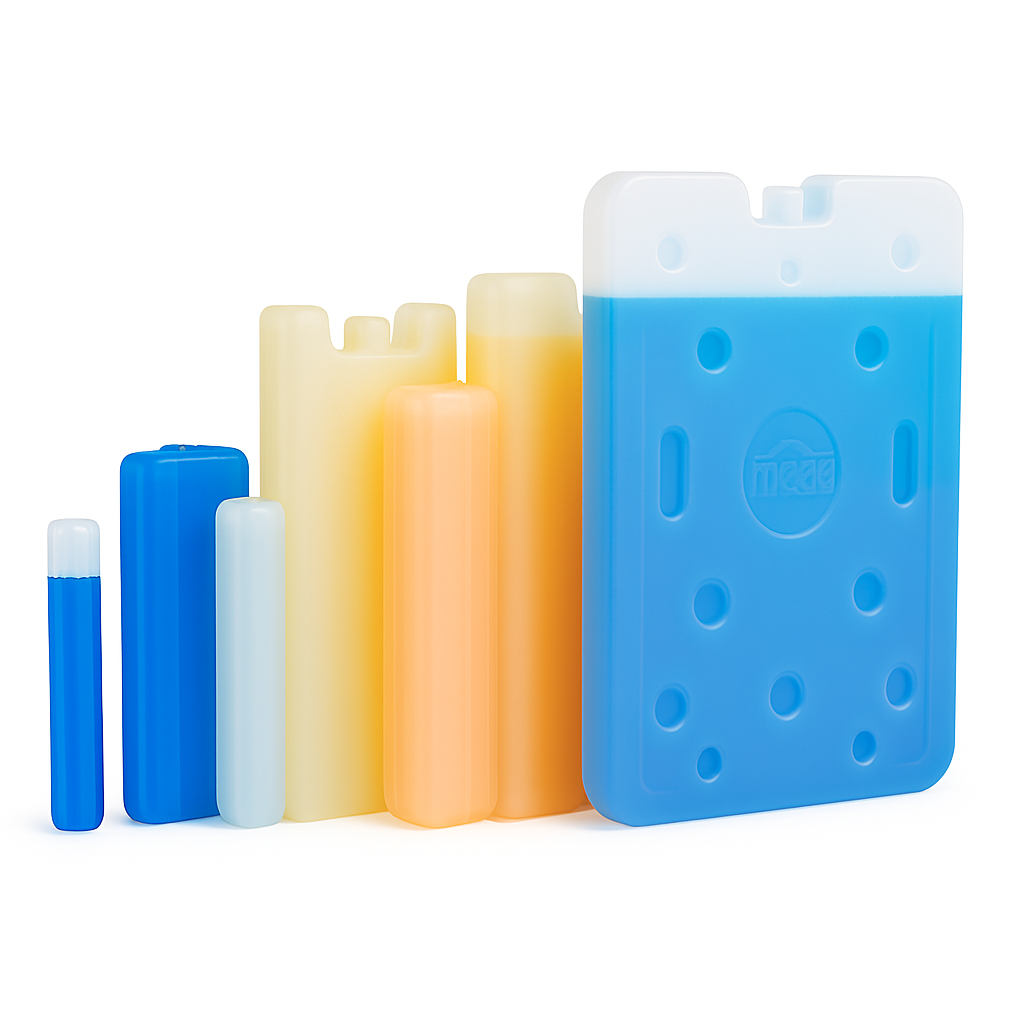
ice brick food is one of the most useful passive cooling formats when you want cleaner handling, repeatable placement, and better control over real shipping lanes. The best ice brick food decision is not about choosing the coldest pack. It is about choosing the right thermal range, packout design, supplier support, and operating routine so your shipment arrives stable, safe, and easier to manage in 2026.
What this article will help you answer
- How to choose the right ice brick food size, shell, and refrigerant type for your lane.
- How ice brick for food delivery compares with reusable cold brick for meal kits and other passive cooling options in daily operations.
- How to validate hold time, conditioning, and pack placement before you scale volume.
- How to reduce food safety failures, soggy cartons, melted garnishes, and inconsistent customer experience while keeping packaging simpler for your team and your customer.
- How to connect performance, compliance, sustainability, and buyer ROI in one decision framework.
What makes ice brick food the right choice for your shipment?
The right choice happens when the brick matches the lane, the product target, and the way your team actually works. That sounds obvious, but many shipments fail because the coolant decision is made in isolation. A brick that looks strong in a freezer test can still be the wrong fit if it overcools the product, slows the pack line, or needs a conditioning routine your warehouse will not follow consistently.
Start with three questions. What temperature range must the product really hold? How long is the real lane once you include handoffs and delays? And what level of operating discipline can the team repeat every day? When you answer those questions, ice brick food becomes much easier to judge. You can see whether a general gel brick is enough, whether a PCM approach makes more sense, or whether the lane truly requires a different refrigerant altogether.
How do you decide whether food shipping ice brick fits better than the alternatives?
Use a buyer scorecard instead of instinct. Compare the required temperature range, hold time, shell durability, documentation, conditioning needs, and ease of training. In many chilled lanes, a rigid brick wins because it gives predictable placement and cleaner handling. In narrow-window lanes, PCM can be stronger. In deep-frozen lanes, dry ice may still matter. The winning answer is the best fit, not the most dramatic coolant.
| Decision Question | Strong Answer | Warning Sign | Why It Matters |
|---|---|---|---|
| What temperature range must the product actually hold? | A defined range tied to product science or food safety | Keep cool with no numeric target | You cannot validate a vague promise |
| How long is the real lane, including delays? | A mapped duration with peak-season allowance | Only the courier SLA is considered | Transit risk includes dwell, handoffs, and porch time |
| Which coolant type best matches the lane? | A documented reason for gel, PCM, reusable brick, or dry ice | Defaulting to whatever was used last year | Matching coolant to the lane improves both performance and cost |
| Can the supplier support quality review? | Specs, SDS, handling guidance, and durability evidence | Only marketing claims | Good documentation speeds launch and reduces surprises |
Practical tips for you
- Define the target first: Your ice brick food design should protect a temperature range, not a vague idea of cold.
- Use a scorecard: Compare refrigerant types with the same criteria so the sourcing choice stays honest.
- Separate chilled from frozen needs: One brick strategy rarely serves both goals equally well.
Case example: A buyer reviewing ice brick food side by side with other refrigerants chose the option that matched the lane and line process, not the one with the most aggressive freezer feel.
How do you build a high-performance ice brick food packout?
A high-performance packout is built, not guessed. It begins with a pre-cooled payload, a right-sized shipper, deliberate brick placement, and a simple loading sequence that workers can repeat without hesitation. If any of those pieces are missing, you can end up adding more refrigerant while still getting poor results.
Think of the shipper as one thermal machine. The brick stores cold energy, the insulation slows heat gain, and the payload adds or removes stability depending on its starting condition. When these parts work together, ice brick food delivers strong and predictable results. When they do not, even extra brick mass can be wasted. That is why smart teams focus on fit, staging, and sequence before they add weight or complexity.
What design details improve ice brick for food delivery performance most?
Four details matter most in daily use: payload starting temperature, brick count and placement, the insulation system, and the handling SOP. These are the levers that usually decide whether the packout survives a messy real-world lane. They also happen to be the easiest levers to document, audit, and improve over time.
| Design Factor | Best Practice | Data to Review | Operational Benefit |
|---|---|---|---|
| Payload starting temperature | Pre-cool every unit and stage near the pack line | Inbound product temp records | Protects brick capacity for the lane instead of the bench |
| Brick count and placement | Match mass to box size and heat entry points | Summer vs winter logger comparisons | Delivers control without blind overpacking |
| Insulation system | Validate the brick with the actual shipper, not alone | Whole-system test result | The best brick can still fail in a weak box |
| Handling SOP | Use a simple repeatable loading sequence | Training sheet and audit observations | Consistency turns a good design into a reliable operation |
Practical tips for you
- Cut empty air first: A smaller, better-filled box often boosts ice brick food performance more than a random extra pack.
- Protect contact-sensitive goods: Use separators or dividers when the payload should not sit directly against the brick.
- Print the layout: A visual loading map keeps top, side, and corner placement consistent across shifts.
Case example: A team improved ice brick food results by tightening its box fill, pre-cooling the payload, and standardizing top coverage before adding any extra brick mass.
How do you validate safety, compliance, and supplier quality for ice brick food?
Validation makes a packout trustworthy. Without it, you are relying on hope, habit, or vendor language. A validated ice brick food program ties the product target to the packout design, the conditioning routine, and the evidence from logger tests. Supplier quality matters too, because even a good design can drift if shells crack, fills vary, or instructions stay vague.
Keep the process practical. Build a small documentation set that includes the product range, the assembly SOP, the conditioning method, the qualification summary, and the supplier specification file. For many chilled shipments, that is already enough to improve confidence and decision speed. For narrow-window or audit-sensitive loads, add mapped logger placement, acceptance criteria, and a clear excursion rule so the team knows what to do when reality deviates from the plan.
What should your ice brick food validation checklist include?
It should include the target range, the lane length, summer and winter test conditions, the exact packout map, the logger setup, and the pass rule. It should also include supplier documents such as the SDS or material declaration, durability information, and inspection criteria. This checklist turns cold chain quality into something operational, not abstract.
| Validation Area | What Good Looks Like | What to Review | Why It Protects You |
|---|---|---|---|
| Desk design review | Define product target, lane length, ambient profile, and box geometry | A written packout rationale | Prevents trial-and-error spending |
| Thermal qualification | Run summer and winter profiles with loggers | Payload stays in range for the target duration | Creates confidence before launch |
| Operational pilot | Test on the real packing line with real handlers | No loading drift or avoidable mistakes | Confirms the SOP works outside the lab |
| Ongoing verification | Review claim data, logger trends, and brick damage rates | Evidence-based updates by season or route | Keeps the system improving instead of drifting |
Practical tips for you
- Use realistic tests: A ice brick food pilot should mirror real loading habits, not only ideal bench conditions.
- Save supplier files in one place: Specifications, declarations, and instructions are easier to use when they are not scattered.
- Review by season: Keep a warm-weather version of the validation set if your route profile changes sharply.
Case example: A company moved from informal ice brick food packing to a documented checklist and quickly found two loading habits that had been causing most of its variation.
How can ice brick food improve sustainability without hurting performance?
The most sustainable cold chain shipment is the one that arrives in range with the least avoidable waste. That means you should not chase eco claims in isolation. If a greener packout increases spoilage, the result is not actually greener. The smarter path is to reduce product loss, cut unnecessary air volume, use reusable components where the loop is real, and simplify material decisions where possible.
That balanced view is why ice brick food is attractive in many 2026 programs. A rigid reusable brick can support cleaner packing, lower claim rates, and lower waste when recovery is realistic. Even when the system stays one-way, a better-matched brick can reduce overpacking and lower freight weight. The core idea is simple: protect the product first, then improve the packaging system around that stable baseline.
Which value drivers make food-safe ice brick pack stronger over time?
Look at product protection, operational ease, sustainability, and procurement clarity together. This wider view reveals why a good brick decision can reduce waste in several ways at once. It can prevent spoiled goods, simplify labor, support reuse where it works, and make supplier comparisons more evidence-based. Those improvements add up over months, not only on one shipment day.
| Value Driver | Optimized Practice | Operational Result | Long-Term Meaning |
|---|---|---|---|
| Product protection | Validated range control | Fewer excursions and claims | Protects the highest-value asset in the shipment |
| Operational ease | Stackable bricks and simpler SOPs | Faster line speed and fewer loading mistakes | Labor becomes more predictable |
| Sustainability | Right-sized packouts and reuse where practical | Lower waste and fewer reships | Environmental value improves when waste falls |
| Procurement clarity | Data-backed supplier comparison | Better sourcing decisions over time | You buy performance, not just plastic and fill |
Practical tips for you
- Count product loss as waste: The real sustainability score of ice brick food improves when warm-arrival claims fall.
- Choose reuse honestly: Only treat a brick as reusable value if the return, inspection, and redeployment loop is real.
- Right-size before rebranding: A smaller, better-designed shipper often beats a louder sustainability claim.
Case example: A packaging review found that a more disciplined ice brick food system reduced both spoilage and freight waste, which mattered more than marketing language about materials.
What is the smartest 2026 buying framework for ice brick food?
The smartest framework compares complete shipment value, not isolated component price. In 2026, good buyers score refrigerant systems on temperature fit, packout simplicity, supplier support, durability, documentation, and waste profile. They also compare them against the real alternatives, not against an idealized internal assumption about how the lane should behave.
That broader framework is useful because markets are changing. More customer-facing shipments mean presentation matters more. More quality review means documentation matters more. More focus on sustainability means product loss and packaging waste both matter more. In that environment, ice brick food wins when it can deliver predictable control without piling friction onto operations. The best buying decision is the one your warehouse, quality team, procurement team, and end customer can all live with.
How should you compare ice brick food against nearby product options?
Compare them on the job they do, not on the headline they market. Loose pouches may look cheap. Rigid bricks may handle better. PCM may justify its higher price in a narrow-range lane. Dry ice may still be correct for deep-frozen needs. A side-by-side comparison keeps your choice grounded in the shipment objective rather than in habit or sales language.
| Option | Main Advantage | Main Trade-Off | Best Use Case |
|---|---|---|---|
| Loose gel pouches | Low purchase cost | Lower handling consistency and weaker stacking | Useful for basic lanes but harder to standardize |
| Rigid ice bricks | Better stacking, placement, and repeatability | Need conditioning discipline and more storage planning | A strong default choice for many chilled shipments |
| PCM bricks | Best for narrow validated windows | Higher cost and stricter process control | Worth it when the payload is excursion-sensitive |
| Dry ice | Best for deep-frozen needs | Adds venting, marking, and over-freeze risk | Use only when the temperature target truly requires it |
Practical tips for you
- Build one sourcing sheet: Compare all ice brick food alternatives with the same fields so teams stop arguing from preference.
- Review one hard lane first: High-risk routes reveal the real value difference between coolant options.
- Include labor and claims: A more expensive brick can still be cheaper when total shipment value improves.
Case example: A procurement team simplified its ice brick food decision by scoring every option against one high-risk lane and one common operating checklist.
2026 latest Ice Brick Food developments and buying signals
The latest 2026 direction for ice brick food is a shift toward practical excellence. Buyers want better data, simpler line execution, clearer compliance logic, and stronger sustainability outcomes that do not compromise shipment safety. That is why the conversation keeps moving away from the coldest pack and toward the most reliable cold chain system for this lane.
- More evidence-based buying: Teams increasingly ask for logger-backed packout logic, not just generic performance claims.
- More right-sized design: Box fill, payload temperature, and modular refrigerant choices are getting more attention than before.
- More total-cost thinking: The market is comparing claims, labor, waste, and customer experience alongside material price.
The most important insight is that ice brick food performs best when it is treated as part of a complete cold chain design. Buyers who connect refrigerant choice, handling discipline, qualification data, and sustainability priorities are the ones most likely to reduce cost and improve delivery quality at the same time.
Frequently asked questions
How many ice brick food packs do you need for one shipping box?
There is no single number. Start with the real box size, payload mass, lane duration, and insulation level. For many parcel lanes, two to four bricks work as a starting point, but you should confirm that with a summer logger test before launch.
What is the best way to compare ice brick food options?
Use a scorecard. Compare temperature range, hold time, shell durability, documentation, conditioning needs, line speed impact, and waste profile. A supplier that is slightly more expensive can still be cheaper after you factor in claims and labor.
Can ice brick food replace dry ice?
It can replace dry ice in many chilled lanes, but not in every deep-frozen lane. If your product only needs to stay chilled, a passive brick often gives you simpler handling and less over-freeze risk. If the product must stay deeply frozen, dry ice may still be necessary.
How long does ice brick food stay cold?
Hold time depends on the whole system, not the brick alone. Box size, insulation, payload starting temperature, and ambient heat all matter. A well-designed parcel packout can cover 24 to 48 hours, and some larger validated systems can go longer.
Is ice brick food safe around food or sensitive goods?
Safety depends on the specific fill, shell, and documentation. Ask for an SDS, a material declaration, and handling guidance. A well-specified brick should be durable and low concern in normal use, but you still need a product-appropriate packout and inspection routine.
What should you ask a supplier before buying ice brick food?
Ask about thermal performance, conditioning instructions, shell durability, lot consistency, and documentation. Do not stop at a freezer photo or a sales claim. You want packout guidance that helps your team repeat the result on the line.
Do reusable ice brick food systems always cost less?
Not always. They win when you have a realistic return loop, good inspection habits, and enough shipment density. If return rates are low, a reusable system can look good on paper but perform badly in practice.
Why do two similar ice brick food packouts perform differently?
Small changes in void space, payload temperature, lid fit, and courier dwell can change the outcome fast. That is why validation matters. Two boxes that look similar on the bench can behave very differently after hub delays and last-mile exposure.
Summary and recommendation
The best ice brick food strategy in 2026 combines fit, validation, supplier clarity, and practical execution. Choose a refrigerant type that matches the true temperature target, build a repeatable packout, document the process, and improve it with seasonal data. That approach protects product quality, supports cleaner operations, and creates better long-term value.
Use this guide as a decision tool. List your target range, your hardest lane, your current claim pattern, and your supplier options. Then test one improved ice brick food design with logger proof and a simple SOP. That gives you a concrete path from research to rollout.
About Tempk
Tempk helps cold chain teams build packaging systems that are easier to validate, easier to operate, and easier to improve over time. We focus on practical refrigerant selection, packout design, and working documentation so your shipments perform in the real world, not only in theory.
Speak with Tempk if you want to refine your ice brick food strategy, compare alternative refrigerants, or create a packaging system that balances control, usability, and lower waste.
Best Ice Brick Foam Guide for Reliable Cold Chain Shipping

ice brick foam is one of the most useful passive cooling formats when you want cleaner handling, repeatable placement, and better control over real shipping lanes. The best ice brick foam decision is not about choosing the coldest pack. It is about choosing the right thermal range, packout design, supplier support, and operating routine so your shipment arrives stable, safe, and easier to manage in 2026.
What this article will help you answer
- How to choose the right ice brick foam size, shell, and refrigerant type for your lane.
- How ice brick foam cooler compares with EPS cooler ice brick and other passive cooling options in daily operations.
- How to validate hold time, conditioning, and pack placement before you scale volume.
- How to reduce treating the brick and the foam as separate choices and missing how they work as one thermal system while keeping packaging simpler for your team and your customer.
- How to connect performance, compliance, sustainability, and buyer ROI in one decision framework.
What makes ice brick foam the right choice for your shipment?
The right choice happens when the brick matches the lane, the product target, and the way your team actually works. That sounds obvious, but many shipments fail because the coolant decision is made in isolation. A brick that looks strong in a freezer test can still be the wrong fit if it overcools the product, slows the pack line, or needs a conditioning routine your warehouse will not follow consistently.
Start with three questions. What temperature range must the product really hold? How long is the real lane once you include handoffs and delays? And what level of operating discipline can the team repeat every day? When you answer those questions, ice brick foam becomes much easier to judge. You can see whether a general gel brick is enough, whether a PCM approach makes more sense, or whether the lane truly requires a different refrigerant altogether.
How do you decide whether foam insulated ice brick shipping fits better than the alternatives?
Use a buyer scorecard instead of instinct. Compare the required temperature range, hold time, shell durability, documentation, conditioning needs, and ease of training. In many chilled lanes, a rigid brick wins because it gives predictable placement and cleaner handling. In narrow-window lanes, PCM can be stronger. In deep-frozen lanes, dry ice may still matter. The winning answer is the best fit, not the most dramatic coolant.
| Decision Question | Strong Answer | Warning Sign | Why It Matters |
|---|---|---|---|
| What temperature range must the product actually hold? | A defined range tied to product science or food safety | Keep cool with no numeric target | You cannot validate a vague promise |
| How long is the real lane, including delays? | A mapped duration with peak-season allowance | Only the courier SLA is considered | Transit risk includes dwell, handoffs, and porch time |
| Which coolant type best matches the lane? | A documented reason for gel, PCM, reusable brick, or dry ice | Defaulting to whatever was used last year | Matching coolant to the lane improves both performance and cost |
| Can the supplier support quality review? | Specs, SDS, handling guidance, and durability evidence | Only marketing claims | Good documentation speeds launch and reduces surprises |
Practical tips for you
- Define the target first: Your ice brick foam design should protect a temperature range, not a vague idea of cold.
- Use a scorecard: Compare refrigerant types with the same criteria so the sourcing choice stays honest.
- Separate chilled from frozen needs: One brick strategy rarely serves both goals equally well.
Case example: A buyer reviewing ice brick foam side by side with other refrigerants chose the option that matched the lane and line process, not the one with the most aggressive freezer feel.
How do you build a high-performance ice brick foam packout?
A high-performance packout is built, not guessed. It begins with a pre-cooled payload, a right-sized shipper, deliberate brick placement, and a simple loading sequence that workers can repeat without hesitation. If any of those pieces are missing, you can end up adding more refrigerant while still getting poor results.
Think of the shipper as one thermal machine. The brick stores cold energy, the insulation slows heat gain, and the payload adds or removes stability depending on its starting condition. When these parts work together, ice brick foam delivers strong and predictable results. When they do not, even extra brick mass can be wasted. That is why smart teams focus on fit, staging, and sequence before they add weight or complexity.
What design details improve ice brick foam cooler performance most?
Four details matter most in daily use: payload starting temperature, brick count and placement, the insulation system, and the handling SOP. These are the levers that usually decide whether the packout survives a messy real-world lane. They also happen to be the easiest levers to document, audit, and improve over time.
| Design Factor | Best Practice | Data to Review | Operational Benefit |
|---|---|---|---|
| Payload starting temperature | Pre-cool every unit and stage near the pack line | Inbound product temp records | Protects brick capacity for the lane instead of the bench |
| Brick count and placement | Match mass to box size and heat entry points | Summer vs winter logger comparisons | Delivers control without blind overpacking |
| Insulation system | Validate the brick with the actual shipper, not alone | Whole-system test result | The best brick can still fail in a weak box |
| Handling SOP | Use a simple repeatable loading sequence | Training sheet and audit observations | Consistency turns a good design into a reliable operation |
Practical tips for you
- Cut empty air first: A smaller, better-filled box often boosts ice brick foam performance more than a random extra pack.
- Protect contact-sensitive goods: Use separators or dividers when the payload should not sit directly against the brick.
- Print the layout: A visual loading map keeps top, side, and corner placement consistent across shifts.
Case example: A team improved ice brick foam results by tightening its box fill, pre-cooling the payload, and standardizing top coverage before adding any extra brick mass.
How do you validate safety, compliance, and supplier quality for ice brick foam?
Validation makes a packout trustworthy. Without it, you are relying on hope, habit, or vendor language. A validated ice brick foam program ties the product target to the packout design, the conditioning routine, and the evidence from logger tests. Supplier quality matters too, because even a good design can drift if shells crack, fills vary, or instructions stay vague.
Keep the process practical. Build a small documentation set that includes the product range, the assembly SOP, the conditioning method, the qualification summary, and the supplier specification file. For many chilled shipments, that is already enough to improve confidence and decision speed. For narrow-window or audit-sensitive loads, add mapped logger placement, acceptance criteria, and a clear excursion rule so the team knows what to do when reality deviates from the plan.
What should your ice brick foam validation checklist include?
It should include the target range, the lane length, summer and winter test conditions, the exact packout map, the logger setup, and the pass rule. It should also include supplier documents such as the SDS or material declaration, durability information, and inspection criteria. This checklist turns cold chain quality into something operational, not abstract.
| Validation Area | What Good Looks Like | What to Review | Why It Protects You |
|---|---|---|---|
| Desk design review | Define product target, lane length, ambient profile, and box geometry | A written packout rationale | Prevents trial-and-error spending |
| Thermal qualification | Run summer and winter profiles with loggers | Payload stays in range for the target duration | Creates confidence before launch |
| Operational pilot | Test on the real packing line with real handlers | No loading drift or avoidable mistakes | Confirms the SOP works outside the lab |
| Ongoing verification | Review claim data, logger trends, and brick damage rates | Evidence-based updates by season or route | Keeps the system improving instead of drifting |
Practical tips for you
- Use realistic tests: A ice brick foam pilot should mirror real loading habits, not only ideal bench conditions.
- Save supplier files in one place: Specifications, declarations, and instructions are easier to use when they are not scattered.
- Review by season: Keep a warm-weather version of the validation set if your route profile changes sharply.
Case example: A company moved from informal ice brick foam packing to a documented checklist and quickly found two loading habits that had been causing most of its variation.
How can ice brick foam improve sustainability without hurting performance?
The most sustainable cold chain shipment is the one that arrives in range with the least avoidable waste. That means you should not chase eco claims in isolation. If a greener packout increases spoilage, the result is not actually greener. The smarter path is to reduce product loss, cut unnecessary air volume, use reusable components where the loop is real, and simplify material decisions where possible.
That balanced view is why ice brick foam is attractive in many 2026 programs. A rigid reusable brick can support cleaner packing, lower claim rates, and lower waste when recovery is realistic. Even when the system stays one-way, a better-matched brick can reduce overpacking and lower freight weight. The core idea is simple: protect the product first, then improve the packaging system around that stable baseline.
Which value drivers make EPP shipper ice brick stronger over time?
Look at product protection, operational ease, sustainability, and procurement clarity together. This wider view reveals why a good brick decision can reduce waste in several ways at once. It can prevent spoiled goods, simplify labor, support reuse where it works, and make supplier comparisons more evidence-based. Those improvements add up over months, not only on one shipment day.
| Value Driver | Optimized Practice | Operational Result | Long-Term Meaning |
|---|---|---|---|
| Product protection | Validated range control | Fewer excursions and claims | Protects the highest-value asset in the shipment |
| Operational ease | Stackable bricks and simpler SOPs | Faster line speed and fewer loading mistakes | Labor becomes more predictable |
| Sustainability | Right-sized packouts and reuse where practical | Lower waste and fewer reships | Environmental value improves when waste falls |
| Procurement clarity | Data-backed supplier comparison | Better sourcing decisions over time | You buy performance, not just plastic and fill |
Practical tips for you
- Count product loss as waste: The real sustainability score of ice brick foam improves when warm-arrival claims fall.
- Choose reuse honestly: Only treat a brick as reusable value if the return, inspection, and redeployment loop is real.
- Right-size before rebranding: A smaller, better-designed shipper often beats a louder sustainability claim.
Case example: A packaging review found that a more disciplined ice brick foam system reduced both spoilage and freight waste, which mattered more than marketing language about materials.
What is the smartest 2026 buying framework for ice brick foam?
The smartest framework compares complete shipment value, not isolated component price. In 2026, good buyers score refrigerant systems on temperature fit, packout simplicity, supplier support, durability, documentation, and waste profile. They also compare them against the real alternatives, not against an idealized internal assumption about how the lane should behave.
That broader framework is useful because markets are changing. More customer-facing shipments mean presentation matters more. More quality review means documentation matters more. More focus on sustainability means product loss and packaging waste both matter more. In that environment, ice brick foam wins when it can deliver predictable control without piling friction onto operations. The best buying decision is the one your warehouse, quality team, procurement team, and end customer can all live with.
How should you compare ice brick foam against nearby product options?
Compare them on the job they do, not on the headline they market. Loose pouches may look cheap. Rigid bricks may handle better. PCM may justify its higher price in a narrow-range lane. Dry ice may still be correct for deep-frozen needs. A side-by-side comparison keeps your choice grounded in the shipment objective rather than in habit or sales language.
| Option | Main Advantage | Main Trade-Off | Best Use Case |
|---|---|---|---|
| Loose gel pouches | Low purchase cost | Lower handling consistency and weaker stacking | Useful for basic lanes but harder to standardize |
| Rigid ice bricks | Better stacking, placement, and repeatability | Need conditioning discipline and more storage planning | A strong default choice for many chilled shipments |
| PCM bricks | Best for narrow validated windows | Higher cost and stricter process control | Worth it when the payload is excursion-sensitive |
| Dry ice | Best for deep-frozen needs | Adds venting, marking, and over-freeze risk | Use only when the temperature target truly requires it |
Practical tips for you
- Build one sourcing sheet: Compare all ice brick foam alternatives with the same fields so teams stop arguing from preference.
- Review one hard lane first: High-risk routes reveal the real value difference between coolant options.
- Include labor and claims: A more expensive brick can still be cheaper when total shipment value improves.
Case example: A procurement team simplified its ice brick foam decision by scoring every option against one high-risk lane and one common operating checklist.
2026 latest Ice Brick Foam developments and buying signals
The latest 2026 direction for ice brick foam is a shift toward practical excellence. Buyers want better data, simpler line execution, clearer compliance logic, and stronger sustainability outcomes that do not compromise shipment safety. That is why the conversation keeps moving away from the coldest pack and toward the most reliable cold chain system for this lane.
- More evidence-based buying: Teams increasingly ask for logger-backed packout logic, not just generic performance claims.
- More right-sized design: Box fill, payload temperature, and modular refrigerant choices are getting more attention than before.
- More total-cost thinking: The market is comparing claims, labor, waste, and customer experience alongside material price.
The most important insight is that ice brick foam performs best when it is treated as part of a complete cold chain design. Buyers who connect refrigerant choice, handling discipline, qualification data, and sustainability priorities are the ones most likely to reduce cost and improve delivery quality at the same time.
Frequently asked questions
How many ice brick foam packs do you need for one shipping box?
There is no single number. Start with the real box size, payload mass, lane duration, and insulation level. For many parcel lanes, two to four bricks work as a starting point, but you should confirm that with a summer logger test before launch.
What is the best way to compare ice brick foam options?
Use a scorecard. Compare temperature range, hold time, shell durability, documentation, conditioning needs, line speed impact, and waste profile. A supplier that is slightly more expensive can still be cheaper after you factor in claims and labor.
Can ice brick foam replace dry ice?
It can replace dry ice in many chilled lanes, but not in every deep-frozen lane. If your product only needs to stay chilled, a passive brick often gives you simpler handling and less over-freeze risk. If the product must stay deeply frozen, dry ice may still be necessary.
How long does ice brick foam stay cold?
Hold time depends on the whole system, not the brick alone. Box size, insulation, payload starting temperature, and ambient heat all matter. A well-designed parcel packout can cover 24 to 48 hours, and some larger validated systems can go longer.
Is ice brick foam safe around food or sensitive goods?
Safety depends on the specific fill, shell, and documentation. Ask for an SDS, a material declaration, and handling guidance. A well-specified brick should be durable and low concern in normal use, but you still need a product-appropriate packout and inspection routine.
What should you ask a supplier before buying ice brick foam?
Ask about thermal performance, conditioning instructions, shell durability, lot consistency, and documentation. Do not stop at a freezer photo or a sales claim. You want packout guidance that helps your team repeat the result on the line.
Do reusable ice brick foam systems always cost less?
Not always. They win when you have a realistic return loop, good inspection habits, and enough shipment density. If return rates are low, a reusable system can look good on paper but perform badly in practice.
Why do two similar ice brick foam packouts perform differently?
Small changes in void space, payload temperature, lid fit, and courier dwell can change the outcome fast. That is why validation matters. Two boxes that look similar on the bench can behave very differently after hub delays and last-mile exposure.
Summary and recommendation
The best ice brick foam strategy in 2026 combines fit, validation, supplier clarity, and practical execution. Choose a refrigerant type that matches the true temperature target, build a repeatable packout, document the process, and improve it with seasonal data. That approach protects product quality, supports cleaner operations, and creates better long-term value.
Use this guide as a decision tool. List your target range, your hardest lane, your current claim pattern, and your supplier options. Then test one improved ice brick foam design with logger proof and a simple SOP. That gives you a concrete path from research to rollout.
About Tempk
Tempk helps cold chain teams build packaging systems that are easier to validate, easier to operate, and easier to improve over time. We focus on practical refrigerant selection, packout design, and working documentation so your shipments perform in the real world, not only in theory.
Speak with Tempk if you want to refine your ice brick foam strategy, compare alternative refrigerants, or create a packaging system that balances control, usability, and lower waste.
Best Ice Brick Eco-Friendly Guide for Reliable Cold Chain
ice brick eco-friendly is one of the most useful passive cooling formats when you want cleaner handling, repeatable placement, and better control over real shipping lanes. The best ice brick eco-friendly decision is not about choosing the coldest pack. It is about choosing the right thermal range, packout design, supplier support, and operating routine so your shipment arrives stable, safe, and easier to manage in 2026.
What this article will help you answer
- How to choose the right ice brick eco-friendly size, shell, and refrigerant type for your lane.
- How eco-friendly ice brick compares with reusable eco ice brick and other passive cooling options in daily operations.
- How to validate hold time, conditioning, and pack placement before you scale volume.
- How to reduce marketing a system as eco-friendly without measuring reuse rates, spoilage, or real operational trade-offs while keeping packaging simpler for your team and your customer.
- How to connect performance, compliance, sustainability, and buyer ROI in one decision framework.
What makes ice brick eco-friendly the right choice for your shipment?
The right choice happens when the brick matches the lane, the product target, and the way your team actually works. That sounds obvious, but many shipments fail because the coolant decision is made in isolation. A brick that looks strong in a freezer test can still be the wrong fit if it overcools the product, slows the pack line, or needs a conditioning routine your warehouse will not follow consistently.
Start with three questions. What temperature range must the product really hold? How long is the real lane once you include handoffs and delays? And what level of operating discipline can the team repeat every day? When you answer those questions, ice brick eco-friendly becomes much easier to judge. You can see whether a general gel brick is enough, whether a PCM approach makes more sense, or whether the lane truly requires a different refrigerant altogether.
How do you decide whether green cold chain brick fits better than the alternatives?
Use a buyer scorecard instead of instinct. Compare the required temperature range, hold time, shell durability, documentation, conditioning needs, and ease of training. In many chilled lanes, a rigid brick wins because it gives predictable placement and cleaner handling. In narrow-window lanes, PCM can be stronger. In deep-frozen lanes, dry ice may still matter. The winning answer is the best fit, not the most dramatic coolant.
| Decision Question | Strong Answer | Warning Sign | Why It Matters |
|---|---|---|---|
| What temperature range must the product actually hold? | A defined range tied to product science or food safety | Keep cool with no numeric target | You cannot validate a vague promise |
| How long is the real lane, including delays? | A mapped duration with peak-season allowance | Only the courier SLA is considered | Transit risk includes dwell, handoffs, and porch time |
| Which coolant type best matches the lane? | A documented reason for gel, PCM, reusable brick, or dry ice | Defaulting to whatever was used last year | Matching coolant to the lane improves both performance and cost |
| Can the supplier support quality review? | Specs, SDS, handling guidance, and durability evidence | Only marketing claims | Good documentation speeds launch and reduces surprises |
Practical tips for you
- Define the target first: Your ice brick eco-friendly design should protect a temperature range, not a vague idea of cold.
- Use a scorecard: Compare refrigerant types with the same criteria so the sourcing choice stays honest.
- Separate chilled from frozen needs: One brick strategy rarely serves both goals equally well.
Case example: A buyer reviewing ice brick eco-friendly side by side with other refrigerants chose the option that matched the lane and line process, not the one with the most aggressive freezer feel.
How do you build a high-performance ice brick eco-friendly packout?
A high-performance packout is built, not guessed. It begins with a pre-cooled payload, a right-sized shipper, deliberate brick placement, and a simple loading sequence that workers can repeat without hesitation. If any of those pieces are missing, you can end up adding more refrigerant while still getting poor results.
Think of the shipper as one thermal machine. The brick stores cold energy, the insulation slows heat gain, and the payload adds or removes stability depending on its starting condition. When these parts work together, ice brick eco-friendly delivers strong and predictable results. When they do not, even extra brick mass can be wasted. That is why smart teams focus on fit, staging, and sequence before they add weight or complexity.
What design details improve eco-friendly ice brick performance most?
Four details matter most in daily use: payload starting temperature, brick count and placement, the insulation system, and the handling SOP. These are the levers that usually decide whether the packout survives a messy real-world lane. They also happen to be the easiest levers to document, audit, and improve over time.
| Design Factor | Best Practice | Data to Review | Operational Benefit |
|---|---|---|---|
| Payload starting temperature | Pre-cool every unit and stage near the pack line | Inbound product temp records | Protects brick capacity for the lane instead of the bench |
| Brick count and placement | Match mass to box size and heat entry points | Summer vs winter logger comparisons | Delivers control without blind overpacking |
| Insulation system | Validate the brick with the actual shipper, not alone | Whole-system test result | The best brick can still fail in a weak box |
| Handling SOP | Use a simple repeatable loading sequence | Training sheet and audit observations | Consistency turns a good design into a reliable operation |
Practical tips for you
- Cut empty air first: A smaller, better-filled box often boosts ice brick eco-friendly performance more than a random extra pack.
- Protect contact-sensitive goods: Use separators or dividers when the payload should not sit directly against the brick.
- Print the layout: A visual loading map keeps top, side, and corner placement consistent across shifts.
Case example: A team improved ice brick eco-friendly results by tightening its box fill, pre-cooling the payload, and standardizing top coverage before adding any extra brick mass.
How do you validate safety, compliance, and supplier quality for ice brick eco-friendly?
Validation makes a packout trustworthy. Without it, you are relying on hope, habit, or vendor language. A validated ice brick eco-friendly program ties the product target to the packout design, the conditioning routine, and the evidence from logger tests. Supplier quality matters too, because even a good design can drift if shells crack, fills vary, or instructions stay vague.
Keep the process practical. Build a small documentation set that includes the product range, the assembly SOP, the conditioning method, the qualification summary, and the supplier specification file. For many chilled shipments, that is already enough to improve confidence and decision speed. For narrow-window or audit-sensitive loads, add mapped logger placement, acceptance criteria, and a clear excursion rule so the team knows what to do when reality deviates from the plan.
What should your ice brick eco-friendly validation checklist include?
It should include the target range, the lane length, summer and winter test conditions, the exact packout map, the logger setup, and the pass rule. It should also include supplier documents such as the SDS or material declaration, durability information, and inspection criteria. This checklist turns cold chain quality into something operational, not abstract.
| Validation Area | What Good Looks Like | What to Review | Why It Protects You |
|---|---|---|---|
| Desk design review | Define product target, lane length, ambient profile, and box geometry | A written packout rationale | Prevents trial-and-error spending |
| Thermal qualification | Run summer and winter profiles with loggers | Payload stays in range for the target duration | Creates confidence before launch |
| Operational pilot | Test on the real packing line with real handlers | No loading drift or avoidable mistakes | Confirms the SOP works outside the lab |
| Ongoing verification | Review claim data, logger trends, and brick damage rates | Evidence-based updates by season or route | Keeps the system improving instead of drifting |
Practical tips for you
- Use realistic tests: A ice brick eco-friendly pilot should mirror real loading habits, not only ideal bench conditions.
- Save supplier files in one place: Specifications, declarations, and instructions are easier to use when they are not scattered.
- Review by season: Keep a warm-weather version of the validation set if your route profile changes sharply.
Case example: A company moved from informal ice brick eco-friendly packing to a documented checklist and quickly found two loading habits that had been causing most of its variation.
How can ice brick eco-friendly improve sustainability without hurting performance?
The most sustainable cold chain shipment is the one that arrives in range with the least avoidable waste. That means you should not chase eco claims in isolation. If a greener packout increases spoilage, the result is not actually greener. The smarter path is to reduce product loss, cut unnecessary air volume, use reusable components where the loop is real, and simplify material decisions where possible.
That balanced view is why ice brick eco-friendly is attractive in many 2026 programs. A rigid reusable brick can support cleaner packing, lower claim rates, and lower waste when recovery is realistic. Even when the system stays one-way, a better-matched brick can reduce overpacking and lower freight weight. The core idea is simple: protect the product first, then improve the packaging system around that stable baseline.
Which value drivers make low waste ice brick packaging stronger over time?
Look at product protection, operational ease, sustainability, and procurement clarity together. This wider view reveals why a good brick decision can reduce waste in several ways at once. It can prevent spoiled goods, simplify labor, support reuse where it works, and make supplier comparisons more evidence-based. Those improvements add up over months, not only on one shipment day.
| Value Driver | Optimized Practice | Operational Result | Long-Term Meaning |
|---|---|---|---|
| Product protection | Validated range control | Fewer excursions and claims | Protects the highest-value asset in the shipment |
| Operational ease | Stackable bricks and simpler SOPs | Faster line speed and fewer loading mistakes | Labor becomes more predictable |
| Sustainability | Right-sized packouts and reuse where practical | Lower waste and fewer reships | Environmental value improves when waste falls |
| Procurement clarity | Data-backed supplier comparison | Better sourcing decisions over time | You buy performance, not just plastic and fill |
Practical tips for you
- Count product loss as waste: The real sustainability score of ice brick eco-friendly improves when warm-arrival claims fall.
- Choose reuse honestly: Only treat a brick as reusable value if the return, inspection, and redeployment loop is real.
- Right-size before rebranding: A smaller, better-designed shipper often beats a louder sustainability claim.
Case example: A packaging review found that a more disciplined ice brick eco-friendly system reduced both spoilage and freight waste, which mattered more than marketing language about materials.
What is the smartest 2026 buying framework for ice brick eco-friendly?
The smartest framework compares complete shipment value, not isolated component price. In 2026, good buyers score refrigerant systems on temperature fit, packout simplicity, supplier support, durability, documentation, and waste profile. They also compare them against the real alternatives, not against an idealized internal assumption about how the lane should behave.
That broader framework is useful because markets are changing. More customer-facing shipments mean presentation matters more. More quality review means documentation matters more. More focus on sustainability means product loss and packaging waste both matter more. In that environment, ice brick eco-friendly wins when it can deliver predictable control without piling friction onto operations. The best buying decision is the one your warehouse, quality team, procurement team, and end customer can all live with.
How should you compare ice brick eco-friendly against nearby product options?
Compare them on the job they do, not on the headline they market. Loose pouches may look cheap. Rigid bricks may handle better. PCM may justify its higher price in a narrow-range lane. Dry ice may still be correct for deep-frozen needs. A side-by-side comparison keeps your choice grounded in the shipment objective rather than in habit or sales language.
| Option | Main Advantage | Main Trade-Off | Best Use Case |
|---|---|---|---|
| Loose gel pouches | Low purchase cost | Lower handling consistency and weaker stacking | Useful for basic lanes but harder to standardize |
| Rigid ice bricks | Better stacking, placement, and repeatability | Need conditioning discipline and more storage planning | A strong default choice for many chilled shipments |
| PCM bricks | Best for narrow validated windows | Higher cost and stricter process control | Worth it when the payload is excursion-sensitive |
| Dry ice | Best for deep-frozen needs | Adds venting, marking, and over-freeze risk | Use only when the temperature target truly requires it |
Practical tips for you
- Build one sourcing sheet: Compare all ice brick eco-friendly alternatives with the same fields so teams stop arguing from preference.
- Review one hard lane first: High-risk routes reveal the real value difference between coolant options.
- Include labor and claims: A more expensive brick can still be cheaper when total shipment value improves.
Case example: A procurement team simplified its ice brick eco-friendly decision by scoring every option against one high-risk lane and one common operating checklist.
2026 latest Ice Brick Eco-Friendly developments and buying signals
The latest 2026 direction for ice brick eco-friendly is a shift toward practical excellence. Buyers want better data, simpler line execution, clearer compliance logic, and stronger sustainability outcomes that do not compromise shipment safety. That is why the conversation keeps moving away from the coldest pack and toward the most reliable cold chain system for this lane.
- More evidence-based buying: Teams increasingly ask for logger-backed packout logic, not just generic performance claims.
- More right-sized design: Box fill, payload temperature, and modular refrigerant choices are getting more attention than before.
- More total-cost thinking: The market is comparing claims, labor, waste, and customer experience alongside material price.
The most important insight is that ice brick eco-friendly performs best when it is treated as part of a complete cold chain design. Buyers who connect refrigerant choice, handling discipline, qualification data, and sustainability priorities are the ones most likely to reduce cost and improve delivery quality at the same time.
Frequently asked questions
How many ice brick eco-friendly packs do you need for one shipping box?
There is no single number. Start with the real box size, payload mass, lane duration, and insulation level. For many parcel lanes, two to four bricks work as a starting point, but you should confirm that with a summer logger test before launch.
What is the best way to compare ice brick eco-friendly options?
Use a scorecard. Compare temperature range, hold time, shell durability, documentation, conditioning needs, line speed impact, and waste profile. A supplier that is slightly more expensive can still be cheaper after you factor in claims and labor.
Can ice brick eco-friendly replace dry ice?
It can replace dry ice in many chilled lanes, but not in every deep-frozen lane. If your product only needs to stay chilled, a passive brick often gives you simpler handling and less over-freeze risk. If the product must stay deeply frozen, dry ice may still be necessary.
How long does ice brick eco-friendly stay cold?
Hold time depends on the whole system, not the brick alone. Box size, insulation, payload starting temperature, and ambient heat all matter. A well-designed parcel packout can cover 24 to 48 hours, and some larger validated systems can go longer.
Is ice brick eco-friendly safe around food or sensitive goods?
Safety depends on the specific fill, shell, and documentation. Ask for an SDS, a material declaration, and handling guidance. A well-specified brick should be durable and low concern in normal use, but you still need a product-appropriate packout and inspection routine.
What should you ask a supplier before buying ice brick eco-friendly?
Ask about thermal performance, conditioning instructions, shell durability, lot consistency, and documentation. Do not stop at a freezer photo or a sales claim. You want packout guidance that helps your team repeat the result on the line.
Do reusable ice brick eco-friendly systems always cost less?
Not always. They win when you have a realistic return loop, good inspection habits, and enough shipment density. If return rates are low, a reusable system can look good on paper but perform badly in practice.
Why do two similar ice brick eco-friendly packouts perform differently?
Small changes in void space, payload temperature, lid fit, and courier dwell can change the outcome fast. That is why validation matters. Two boxes that look similar on the bench can behave very differently after hub delays and last-mile exposure.
Summary and recommendation
The best ice brick eco-friendly strategy in 2026 combines fit, validation, supplier clarity, and practical execution. Choose a refrigerant type that matches the true temperature target, build a repeatable packout, document the process, and improve it with seasonal data. That approach protects product quality, supports cleaner operations, and creates better long-term value.
Use this guide as a decision tool. List your target range, your hardest lane, your current claim pattern, and your supplier options. Then test one improved ice brick eco-friendly design with logger proof and a simple SOP. That gives you a concrete path from research to rollout.
About Tempk
Tempk helps cold chain teams build packaging systems that are easier to validate, easier to operate, and easier to improve over time. We focus on practical refrigerant selection, packout design, and working documentation so your shipments perform in the real world, not only in theory.
Speak with Tempk if you want to refine your ice brick eco-friendly strategy, compare alternative refrigerants, or create a packaging system that balances control, usability, and lower waste.
Best Ice Brick Dry Ice Alternative Guide for Reliable Cold
ice brick dry ice alternative is one of the most useful passive cooling formats when you want cleaner handling, repeatable placement, and better control over real shipping lanes. The best ice brick dry ice alternative decision is not about choosing the coldest pack. It is about choosing the right thermal range, packout design, supplier support, and operating routine so your shipment arrives stable, safe, and easier to manage in 2026.
What this article will help you answer
- How to choose the right ice brick dry ice alternative size, shell, and refrigerant type for your lane.
- How ice brick dry ice alternative compares with safer alternative to dry ice shipping and other passive cooling options in daily operations.
- How to validate hold time, conditioning, and pack placement before you scale volume.
- How to reduce overfreezing, carrier restrictions, venting issues, and training burden when teams rely on dry ice unnecessarily while keeping packaging simpler for your team and your customer.
- How to connect performance, compliance, sustainability, and buyer ROI in one decision framework.
What makes ice brick dry ice alternative the right choice for your shipment?
The right choice happens when the brick matches the lane, the product target, and the way your team actually works. That sounds obvious, but many shipments fail because the coolant decision is made in isolation. A brick that looks strong in a freezer test can still be the wrong fit if it overcools the product, slows the pack line, or needs a conditioning routine your warehouse will not follow consistently.
Start with three questions. What temperature range must the product really hold? How long is the real lane once you include handoffs and delays? And what level of operating discipline can the team repeat every day? When you answer those questions, ice brick dry ice alternative becomes much easier to judge. You can see whether a general gel brick is enough, whether a PCM approach makes more sense, or whether the lane truly requires a different refrigerant altogether.
How do you decide whether dry ice replacement brick fits better than the alternatives?
Use a buyer scorecard instead of instinct. Compare the required temperature range, hold time, shell durability, documentation, conditioning needs, and ease of training. In many chilled lanes, a rigid brick wins because it gives predictable placement and cleaner handling. In narrow-window lanes, PCM can be stronger. In deep-frozen lanes, dry ice may still matter. The winning answer is the best fit, not the most dramatic coolant.
| Decision Question | Strong Answer | Warning Sign | Why It Matters |
|---|---|---|---|
| What temperature range must the product actually hold? | A defined range tied to product science or food safety | Keep cool with no numeric target | You cannot validate a vague promise |
| How long is the real lane, including delays? | A mapped duration with peak-season allowance | Only the courier SLA is considered | Transit risk includes dwell, handoffs, and porch time |
| Which coolant type best matches the lane? | A documented reason for gel, PCM, reusable brick, or dry ice | Defaulting to whatever was used last year | Matching coolant to the lane improves both performance and cost |
| Can the supplier support quality review? | Specs, SDS, handling guidance, and durability evidence | Only marketing claims | Good documentation speeds launch and reduces surprises |
Practical tips for you
- Define the target first: Your ice brick dry ice alternative design should protect a temperature range, not a vague idea of cold.
- Use a scorecard: Compare refrigerant types with the same criteria so the sourcing choice stays honest.
- Separate chilled from frozen needs: One brick strategy rarely serves both goals equally well.
Case example: A buyer reviewing ice brick dry ice alternative side by side with other refrigerants chose the option that matched the lane and line process, not the one with the most aggressive freezer feel.
How do you build a high-performance ice brick dry ice alternative packout?
A high-performance packout is built, not guessed. It begins with a pre-cooled payload, a right-sized shipper, deliberate brick placement, and a simple loading sequence that workers can repeat without hesitation. If any of those pieces are missing, you can end up adding more refrigerant while still getting poor results.
Think of the shipper as one thermal machine. The brick stores cold energy, the insulation slows heat gain, and the payload adds or removes stability depending on its starting condition. When these parts work together, ice brick dry ice alternative delivers strong and predictable results. When they do not, even extra brick mass can be wasted. That is why smart teams focus on fit, staging, and sequence before they add weight or complexity.
What design details improve ice brick dry ice alternative performance most?
Four details matter most in daily use: payload starting temperature, brick count and placement, the insulation system, and the handling SOP. These are the levers that usually decide whether the packout survives a messy real-world lane. They also happen to be the easiest levers to document, audit, and improve over time.
| Design Factor | Best Practice | Data to Review | Operational Benefit |
|---|---|---|---|
| Payload starting temperature | Pre-cool every unit and stage near the pack line | Inbound product temp records | Protects brick capacity for the lane instead of the bench |
| Brick count and placement | Match mass to box size and heat entry points | Summer vs winter logger comparisons | Delivers control without blind overpacking |
| Insulation system | Validate the brick with the actual shipper, not alone | Whole-system test result | The best brick can still fail in a weak box |
| Handling SOP | Use a simple repeatable loading sequence | Training sheet and audit observations | Consistency turns a good design into a reliable operation |
Practical tips for you
- Cut empty air first: A smaller, better-filled box often boosts ice brick dry ice alternative performance more than a random extra pack.
- Protect contact-sensitive goods: Use separators or dividers when the payload should not sit directly against the brick.
- Print the layout: A visual loading map keeps top, side, and corner placement consistent across shifts.
Case example: A team improved ice brick dry ice alternative results by tightening its box fill, pre-cooling the payload, and standardizing top coverage before adding any extra brick mass.
How do you validate safety, compliance, and supplier quality for ice brick dry ice alternative?
Validation makes a packout trustworthy. Without it, you are relying on hope, habit, or vendor language. A validated ice brick dry ice alternative program ties the product target to the packout design, the conditioning routine, and the evidence from logger tests. Supplier quality matters too, because even a good design can drift if shells crack, fills vary, or instructions stay vague.
Keep the process practical. Build a small documentation set that includes the product range, the assembly SOP, the conditioning method, the qualification summary, and the supplier specification file. For many chilled shipments, that is already enough to improve confidence and decision speed. For narrow-window or audit-sensitive loads, add mapped logger placement, acceptance criteria, and a clear excursion rule so the team knows what to do when reality deviates from the plan.
What should your ice brick dry ice alternative validation checklist include?
It should include the target range, the lane length, summer and winter test conditions, the exact packout map, the logger setup, and the pass rule. It should also include supplier documents such as the SDS or material declaration, durability information, and inspection criteria. This checklist turns cold chain quality into something operational, not abstract.
| Validation Area | What Good Looks Like | What to Review | Why It Protects You |
|---|---|---|---|
| Desk design review | Define product target, lane length, ambient profile, and box geometry | A written packout rationale | Prevents trial-and-error spending |
| Thermal qualification | Run summer and winter profiles with loggers | Payload stays in range for the target duration | Creates confidence before launch |
| Operational pilot | Test on the real packing line with real handlers | No loading drift or avoidable mistakes | Confirms the SOP works outside the lab |
| Ongoing verification | Review claim data, logger trends, and brick damage rates | Evidence-based updates by season or route | Keeps the system improving instead of drifting |
Practical tips for you
- Use realistic tests: A ice brick dry ice alternative pilot should mirror real loading habits, not only ideal bench conditions.
- Save supplier files in one place: Specifications, declarations, and instructions are easier to use when they are not scattered.
- Review by season: Keep a warm-weather version of the validation set if your route profile changes sharply.
Case example: A company moved from informal ice brick dry ice alternative packing to a documented checklist and quickly found two loading habits that had been causing most of its variation.
How can ice brick dry ice alternative improve sustainability without hurting performance?
The most sustainable cold chain shipment is the one that arrives in range with the least avoidable waste. That means you should not chase eco claims in isolation. If a greener packout increases spoilage, the result is not actually greener. The smarter path is to reduce product loss, cut unnecessary air volume, use reusable components where the loop is real, and simplify material decisions where possible.
That balanced view is why ice brick dry ice alternative is attractive in many 2026 programs. A rigid reusable brick can support cleaner packing, lower claim rates, and lower waste when recovery is realistic. Even when the system stays one-way, a better-matched brick can reduce overpacking and lower freight weight. The core idea is simple: protect the product first, then improve the packaging system around that stable baseline.
Which value drivers make reusable cold brick instead of dry ice stronger over time?
Look at product protection, operational ease, sustainability, and procurement clarity together. This wider view reveals why a good brick decision can reduce waste in several ways at once. It can prevent spoiled goods, simplify labor, support reuse where it works, and make supplier comparisons more evidence-based. Those improvements add up over months, not only on one shipment day.
| Value Driver | Optimized Practice | Operational Result | Long-Term Meaning |
|---|---|---|---|
| Product protection | Validated range control | Fewer excursions and claims | Protects the highest-value asset in the shipment |
| Operational ease | Stackable bricks and simpler SOPs | Faster line speed and fewer loading mistakes | Labor becomes more predictable |
| Sustainability | Right-sized packouts and reuse where practical | Lower waste and fewer reships | Environmental value improves when waste falls |
| Procurement clarity | Data-backed supplier comparison | Better sourcing decisions over time | You buy performance, not just plastic and fill |
Practical tips for you
- Count product loss as waste: The real sustainability score of ice brick dry ice alternative improves when warm-arrival claims fall.
- Choose reuse honestly: Only treat a brick as reusable value if the return, inspection, and redeployment loop is real.
- Right-size before rebranding: A smaller, better-designed shipper often beats a louder sustainability claim.
Case example: A packaging review found that a more disciplined ice brick dry ice alternative system reduced both spoilage and freight waste, which mattered more than marketing language about materials.
What is the smartest 2026 buying framework for ice brick dry ice alternative?
The smartest framework compares complete shipment value, not isolated component price. In 2026, good buyers score refrigerant systems on temperature fit, packout simplicity, supplier support, durability, documentation, and waste profile. They also compare them against the real alternatives, not against an idealized internal assumption about how the lane should behave.
That broader framework is useful because markets are changing. More customer-facing shipments mean presentation matters more. More quality review means documentation matters more. More focus on sustainability means product loss and packaging waste both matter more. In that environment, ice brick dry ice alternative wins when it can deliver predictable control without piling friction onto operations. The best buying decision is the one your warehouse, quality team, procurement team, and end customer can all live with.
How should you compare ice brick dry ice alternative against nearby product options?
Compare them on the job they do, not on the headline they market. Loose pouches may look cheap. Rigid bricks may handle better. PCM may justify its higher price in a narrow-range lane. Dry ice may still be correct for deep-frozen needs. A side-by-side comparison keeps your choice grounded in the shipment objective rather than in habit or sales language.
| Option | Main Advantage | Main Trade-Off | Best Use Case |
|---|---|---|---|
| Loose gel pouches | Low purchase cost | Lower handling consistency and weaker stacking | Useful for basic lanes but harder to standardize |
| Rigid ice bricks | Better stacking, placement, and repeatability | Need conditioning discipline and more storage planning | A strong default choice for many chilled shipments |
| PCM bricks | Best for narrow validated windows | Higher cost and stricter process control | Worth it when the payload is excursion-sensitive |
| Dry ice | Best for deep-frozen needs | Adds venting, marking, and over-freeze risk | Use only when the temperature target truly requires it |
Practical tips for you
- Build one sourcing sheet: Compare all ice brick dry ice alternative alternatives with the same fields so teams stop arguing from preference.
- Review one hard lane first: High-risk routes reveal the real value difference between coolant options.
- Include labor and claims: A more expensive brick can still be cheaper when total shipment value improves.
Case example: A procurement team simplified its ice brick dry ice alternative decision by scoring every option against one high-risk lane and one common operating checklist.
2026 latest Ice Brick Dry Ice Alternative developments and buying signals
The latest 2026 direction for ice brick dry ice alternative is a shift toward practical excellence. Buyers want better data, simpler line execution, clearer compliance logic, and stronger sustainability outcomes that do not compromise shipment safety. That is why the conversation keeps moving away from the coldest pack and toward the most reliable cold chain system for this lane.
- More evidence-based buying: Teams increasingly ask for logger-backed packout logic, not just generic performance claims.
- More right-sized design: Box fill, payload temperature, and modular refrigerant choices are getting more attention than before.
- More total-cost thinking: The market is comparing claims, labor, waste, and customer experience alongside material price.
The most important insight is that ice brick dry ice alternative performs best when it is treated as part of a complete cold chain design. Buyers who connect refrigerant choice, handling discipline, qualification data, and sustainability priorities are the ones most likely to reduce cost and improve delivery quality at the same time.
Frequently asked questions
How many ice brick dry ice alternative packs do you need for one shipping box?
There is no single number. Start with the real box size, payload mass, lane duration, and insulation level. For many parcel lanes, two to four bricks work as a starting point, but you should confirm that with a summer logger test before launch.
What is the best way to compare ice brick dry ice alternative options?
Use a scorecard. Compare temperature range, hold time, shell durability, documentation, conditioning needs, line speed impact, and waste profile. A supplier that is slightly more expensive can still be cheaper after you factor in claims and labor.
Can ice brick dry ice alternative replace dry ice?
It can replace dry ice in many chilled lanes, but not in every deep-frozen lane. If your product only needs to stay chilled, a passive brick often gives you simpler handling and less over-freeze risk. If the product must stay deeply frozen, dry ice may still be necessary.
How long does ice brick dry ice alternative stay cold?
Hold time depends on the whole system, not the brick alone. Box size, insulation, payload starting temperature, and ambient heat all matter. A well-designed parcel packout can cover 24 to 48 hours, and some larger validated systems can go longer.
Is ice brick dry ice alternative safe around food or sensitive goods?
Safety depends on the specific fill, shell, and documentation. Ask for an SDS, a material declaration, and handling guidance. A well-specified brick should be durable and low concern in normal use, but you still need a product-appropriate packout and inspection routine.
What should you ask a supplier before buying ice brick dry ice alternative?
Ask about thermal performance, conditioning instructions, shell durability, lot consistency, and documentation. Do not stop at a freezer photo or a sales claim. You want packout guidance that helps your team repeat the result on the line.
Do reusable ice brick dry ice alternative systems always cost less?
Not always. They win when you have a realistic return loop, good inspection habits, and enough shipment density. If return rates are low, a reusable system can look good on paper but perform badly in practice.
Why do two similar ice brick dry ice alternative packouts perform differently?
Small changes in void space, payload temperature, lid fit, and courier dwell can change the outcome fast. That is why validation matters. Two boxes that look similar on the bench can behave very differently after hub delays and last-mile exposure.
Summary and recommendation
The best ice brick dry ice alternative strategy in 2026 combines fit, validation, supplier clarity, and practical execution. Choose a refrigerant type that matches the true temperature target, build a repeatable packout, document the process, and improve it with seasonal data. That approach protects product quality, supports cleaner operations, and creates better long-term value.
Use this guide as a decision tool. List your target range, your hardest lane, your current claim pattern, and your supplier options. Then test one improved ice brick dry ice alternative design with logger proof and a simple SOP. That gives you a concrete path from research to rollout.
About Tempk
Tempk helps cold chain teams build packaging systems that are easier to validate, easier to operate, and easier to improve over time. We focus on practical refrigerant selection, packout design, and working documentation so your shipments perform in the real world, not only in theory.
Speak with Tempk if you want to refine your ice brick dry ice alternative strategy, compare alternative refrigerants, or create a packaging system that balances control, usability, and lower waste.
Best Ice Brick Dairy Guide for Reliable Cold Chain Shipping
ice brick dairy is one of the most useful passive cooling formats when you want cleaner handling, repeatable placement, and better control over real shipping lanes. The best ice brick dairy decision is not about choosing the coldest pack. It is about choosing the right thermal range, packout design, supplier support, and operating routine so your shipment arrives stable, safe, and easier to manage in 2026.
What this article will help you answer
- How to choose the right ice brick dairy size, shell, and refrigerant type for your lane.
- How ice brick dairy shipping compares with dairy cold chain brick and other passive cooling options in daily operations.
- How to validate hold time, conditioning, and pack placement before you scale volume.
- How to reduce texture shift, separation, flavor damage, package sweating, and reduced shelf life on arrival while keeping packaging simpler for your team and your customer.
- How to connect performance, compliance, sustainability, and buyer ROI in one decision framework.
What makes ice brick dairy the right choice for your shipment?
The right choice happens when the brick matches the lane, the product target, and the way your team actually works. That sounds obvious, but many shipments fail because the coolant decision is made in isolation. A brick that looks strong in a freezer test can still be the wrong fit if it overcools the product, slows the pack line, or needs a conditioning routine your warehouse will not follow consistently.
Start with three questions. What temperature range must the product really hold? How long is the real lane once you include handoffs and delays? And what level of operating discipline can the team repeat every day? When you answer those questions, ice brick dairy becomes much easier to judge. You can see whether a general gel brick is enough, whether a PCM approach makes more sense, or whether the lane truly requires a different refrigerant altogether.
How do you decide whether cheese delivery ice brick fits better than the alternatives?
Use a buyer scorecard instead of instinct. Compare the required temperature range, hold time, shell durability, documentation, conditioning needs, and ease of training. In many chilled lanes, a rigid brick wins because it gives predictable placement and cleaner handling. In narrow-window lanes, PCM can be stronger. In deep-frozen lanes, dry ice may still matter. The winning answer is the best fit, not the most dramatic coolant.
| Decision Question | Strong Answer | Warning Sign | Why It Matters |
|---|---|---|---|
| What temperature range must the product actually hold? | A defined range tied to product science or food safety | Keep cool with no numeric target | You cannot validate a vague promise |
| How long is the real lane, including delays? | A mapped duration with peak-season allowance | Only the courier SLA is considered | Transit risk includes dwell, handoffs, and porch time |
| Which coolant type best matches the lane? | A documented reason for gel, PCM, reusable brick, or dry ice | Defaulting to whatever was used last year | Matching coolant to the lane improves both performance and cost |
| Can the supplier support quality review? | Specs, SDS, handling guidance, and durability evidence | Only marketing claims | Good documentation speeds launch and reduces surprises |
Practical tips for you
- Define the target first: Your ice brick dairy design should protect a temperature range, not a vague idea of cold.
- Use a scorecard: Compare refrigerant types with the same criteria so the sourcing choice stays honest.
- Separate chilled from frozen needs: One brick strategy rarely serves both goals equally well.
Case example: A buyer reviewing ice brick dairy side by side with other refrigerants chose the option that matched the lane and line process, not the one with the most aggressive freezer feel.
How do you build a high-performance ice brick dairy packout?
A high-performance packout is built, not guessed. It begins with a pre-cooled payload, a right-sized shipper, deliberate brick placement, and a simple loading sequence that workers can repeat without hesitation. If any of those pieces are missing, you can end up adding more refrigerant while still getting poor results.
Think of the shipper as one thermal machine. The brick stores cold energy, the insulation slows heat gain, and the payload adds or removes stability depending on its starting condition. When these parts work together, ice brick dairy delivers strong and predictable results. When they do not, even extra brick mass can be wasted. That is why smart teams focus on fit, staging, and sequence before they add weight or complexity.
What design details improve ice brick dairy shipping performance most?
Four details matter most in daily use: payload starting temperature, brick count and placement, the insulation system, and the handling SOP. These are the levers that usually decide whether the packout survives a messy real-world lane. They also happen to be the easiest levers to document, audit, and improve over time.
| Design Factor | Best Practice | Data to Review | Operational Benefit |
|---|---|---|---|
| Payload starting temperature | Pre-cool every unit and stage near the pack line | Inbound product temp records | Protects brick capacity for the lane instead of the bench |
| Brick count and placement | Match mass to box size and heat entry points | Summer vs winter logger comparisons | Delivers control without blind overpacking |
| Insulation system | Validate the brick with the actual shipper, not alone | Whole-system test result | The best brick can still fail in a weak box |
| Handling SOP | Use a simple repeatable loading sequence | Training sheet and audit observations | Consistency turns a good design into a reliable operation |
Practical tips for you
- Cut empty air first: A smaller, better-filled box often boosts ice brick dairy performance more than a random extra pack.
- Protect contact-sensitive goods: Use separators or dividers when the payload should not sit directly against the brick.
- Print the layout: A visual loading map keeps top, side, and corner placement consistent across shifts.
Case example: A team improved ice brick dairy results by tightening its box fill, pre-cooling the payload, and standardizing top coverage before adding any extra brick mass.
How do you validate safety, compliance, and supplier quality for ice brick dairy?
Validation makes a packout trustworthy. Without it, you are relying on hope, habit, or vendor language. A validated ice brick dairy program ties the product target to the packout design, the conditioning routine, and the evidence from logger tests. Supplier quality matters too, because even a good design can drift if shells crack, fills vary, or instructions stay vague.
Keep the process practical. Build a small documentation set that includes the product range, the assembly SOP, the conditioning method, the qualification summary, and the supplier specification file. For many chilled shipments, that is already enough to improve confidence and decision speed. For narrow-window or audit-sensitive loads, add mapped logger placement, acceptance criteria, and a clear excursion rule so the team knows what to do when reality deviates from the plan.
What should your ice brick dairy validation checklist include?
It should include the target range, the lane length, summer and winter test conditions, the exact packout map, the logger setup, and the pass rule. It should also include supplier documents such as the SDS or material declaration, durability information, and inspection criteria. This checklist turns cold chain quality into something operational, not abstract.
| Validation Area | What Good Looks Like | What to Review | Why It Protects You |
|---|---|---|---|
| Desk design review | Define product target, lane length, ambient profile, and box geometry | A written packout rationale | Prevents trial-and-error spending |
| Thermal qualification | Run summer and winter profiles with loggers | Payload stays in range for the target duration | Creates confidence before launch |
| Operational pilot | Test on the real packing line with real handlers | No loading drift or avoidable mistakes | Confirms the SOP works outside the lab |
| Ongoing verification | Review claim data, logger trends, and brick damage rates | Evidence-based updates by season or route | Keeps the system improving instead of drifting |
Practical tips for you
- Use realistic tests: A ice brick dairy pilot should mirror real loading habits, not only ideal bench conditions.
- Save supplier files in one place: Specifications, declarations, and instructions are easier to use when they are not scattered.
- Review by season: Keep a warm-weather version of the validation set if your route profile changes sharply.
Case example: A company moved from informal ice brick dairy packing to a documented checklist and quickly found two loading habits that had been causing most of its variation.
How can ice brick dairy improve sustainability without hurting performance?
The most sustainable cold chain shipment is the one that arrives in range with the least avoidable waste. That means you should not chase eco claims in isolation. If a greener packout increases spoilage, the result is not actually greener. The smarter path is to reduce product loss, cut unnecessary air volume, use reusable components where the loop is real, and simplify material decisions where possible.
That balanced view is why ice brick dairy is attractive in many 2026 programs. A rigid reusable brick can support cleaner packing, lower claim rates, and lower waste when recovery is realistic. Even when the system stays one-way, a better-matched brick can reduce overpacking and lower freight weight. The core idea is simple: protect the product first, then improve the packaging system around that stable baseline.
Which value drivers make ice brick for yogurt shipping stronger over time?
Look at product protection, operational ease, sustainability, and procurement clarity together. This wider view reveals why a good brick decision can reduce waste in several ways at once. It can prevent spoiled goods, simplify labor, support reuse where it works, and make supplier comparisons more evidence-based. Those improvements add up over months, not only on one shipment day.
| Value Driver | Optimized Practice | Operational Result | Long-Term Meaning |
|---|---|---|---|
| Product protection | Validated range control | Fewer excursions and claims | Protects the highest-value asset in the shipment |
| Operational ease | Stackable bricks and simpler SOPs | Faster line speed and fewer loading mistakes | Labor becomes more predictable |
| Sustainability | Right-sized packouts and reuse where practical | Lower waste and fewer reships | Environmental value improves when waste falls |
| Procurement clarity | Data-backed supplier comparison | Better sourcing decisions over time | You buy performance, not just plastic and fill |
Practical tips for you
- Count product loss as waste: The real sustainability score of ice brick dairy improves when warm-arrival claims fall.
- Choose reuse honestly: Only treat a brick as reusable value if the return, inspection, and redeployment loop is real.
- Right-size before rebranding: A smaller, better-designed shipper often beats a louder sustainability claim.
Case example: A packaging review found that a more disciplined ice brick dairy system reduced both spoilage and freight waste, which mattered more than marketing language about materials.
What is the smartest 2026 buying framework for ice brick dairy?
The smartest framework compares complete shipment value, not isolated component price. In 2026, good buyers score refrigerant systems on temperature fit, packout simplicity, supplier support, durability, documentation, and waste profile. They also compare them against the real alternatives, not against an idealized internal assumption about how the lane should behave.
That broader framework is useful because markets are changing. More customer-facing shipments mean presentation matters more. More quality review means documentation matters more. More focus on sustainability means product loss and packaging waste both matter more. In that environment, ice brick dairy wins when it can deliver predictable control without piling friction onto operations. The best buying decision is the one your warehouse, quality team, procurement team, and end customer can all live with.
How should you compare ice brick dairy against nearby product options?
Compare them on the job they do, not on the headline they market. Loose pouches may look cheap. Rigid bricks may handle better. PCM may justify its higher price in a narrow-range lane. Dry ice may still be correct for deep-frozen needs. A side-by-side comparison keeps your choice grounded in the shipment objective rather than in habit or sales language.
| Option | Main Advantage | Main Trade-Off | Best Use Case |
|---|---|---|---|
| Loose gel pouches | Low purchase cost | Lower handling consistency and weaker stacking | Useful for basic lanes but harder to standardize |
| Rigid ice bricks | Better stacking, placement, and repeatability | Need conditioning discipline and more storage planning | A strong default choice for many chilled shipments |
| PCM bricks | Best for narrow validated windows | Higher cost and stricter process control | Worth it when the payload is excursion-sensitive |
| Dry ice | Best for deep-frozen needs | Adds venting, marking, and over-freeze risk | Use only when the temperature target truly requires it |
Practical tips for you
- Build one sourcing sheet: Compare all ice brick dairy alternatives with the same fields so teams stop arguing from preference.
- Review one hard lane first: High-risk routes reveal the real value difference between coolant options.
- Include labor and claims: A more expensive brick can still be cheaper when total shipment value improves.
Case example: A procurement team simplified its ice brick dairy decision by scoring every option against one high-risk lane and one common operating checklist.
2026 latest Ice Brick Dairy developments and buying signals
The latest 2026 direction for ice brick dairy is a shift toward practical excellence. Buyers want better data, simpler line execution, clearer compliance logic, and stronger sustainability outcomes that do not compromise shipment safety. That is why the conversation keeps moving away from the coldest pack and toward the most reliable cold chain system for this lane.
- More evidence-based buying: Teams increasingly ask for logger-backed packout logic, not just generic performance claims.
- More right-sized design: Box fill, payload temperature, and modular refrigerant choices are getting more attention than before.
- More total-cost thinking: The market is comparing claims, labor, waste, and customer experience alongside material price.
The most important insight is that ice brick dairy performs best when it is treated as part of a complete cold chain design. Buyers who connect refrigerant choice, handling discipline, qualification data, and sustainability priorities are the ones most likely to reduce cost and improve delivery quality at the same time.
Frequently asked questions
How many ice brick dairy packs do you need for one shipping box?
There is no single number. Start with the real box size, payload mass, lane duration, and insulation level. For many parcel lanes, two to four bricks work as a starting point, but you should confirm that with a summer logger test before launch.
What is the best way to compare ice brick dairy options?
Use a scorecard. Compare temperature range, hold time, shell durability, documentation, conditioning needs, line speed impact, and waste profile. A supplier that is slightly more expensive can still be cheaper after you factor in claims and labor.
Can ice brick dairy replace dry ice?
It can replace dry ice in many chilled lanes, but not in every deep-frozen lane. If your product only needs to stay chilled, a passive brick often gives you simpler handling and less over-freeze risk. If the product must stay deeply frozen, dry ice may still be necessary.
How long does ice brick dairy stay cold?
Hold time depends on the whole system, not the brick alone. Box size, insulation, payload starting temperature, and ambient heat all matter. A well-designed parcel packout can cover 24 to 48 hours, and some larger validated systems can go longer.
Is ice brick dairy safe around food or sensitive goods?
Safety depends on the specific fill, shell, and documentation. Ask for an SDS, a material declaration, and handling guidance. A well-specified brick should be durable and low concern in normal use, but you still need a product-appropriate packout and inspection routine.
What should you ask a supplier before buying ice brick dairy?
Ask about thermal performance, conditioning instructions, shell durability, lot consistency, and documentation. Do not stop at a freezer photo or a sales claim. You want packout guidance that helps your team repeat the result on the line.
Do reusable ice brick dairy systems always cost less?
Not always. They win when you have a realistic return loop, good inspection habits, and enough shipment density. If return rates are low, a reusable system can look good on paper but perform badly in practice.
Why do two similar ice brick dairy packouts perform differently?
Small changes in void space, payload temperature, lid fit, and courier dwell can change the outcome fast. That is why validation matters. Two boxes that look similar on the bench can behave very differently after hub delays and last-mile exposure.
Summary and recommendation
The best ice brick dairy strategy in 2026 combines fit, validation, supplier clarity, and practical execution. Choose a refrigerant type that matches the true temperature target, build a repeatable packout, document the process, and improve it with seasonal data. That approach protects product quality, supports cleaner operations, and creates better long-term value.
Use this guide as a decision tool. List your target range, your hardest lane, your current claim pattern, and your supplier options. Then test one improved ice brick dairy design with logger proof and a simple SOP. That gives you a concrete path from research to rollout.
About Tempk
Tempk helps cold chain teams build packaging systems that are easier to validate, easier to operate, and easier to improve over time. We focus on practical refrigerant selection, packout design, and working documentation so your shipments perform in the real world, not only in theory.
Speak with Tempk if you want to refine your ice brick dairy strategy, compare alternative refrigerants, or create a packaging system that balances control, usability, and lower waste.
Best Ice Brick PCM Guide for Reliable Cold Chain Shipping
ice brick PCM is one of the most useful passive cooling formats when you want cleaner handling, repeatable placement, and better control over real shipping lanes. The best ice brick PCM decision is not about choosing the coldest pack. It is about choosing the right thermal range, packout design, supplier support, and operating routine so your shipment arrives stable, safe, and easier to manage in 2026.
What this article will help you answer
- How to choose the right ice brick PCM size, shell, and refrigerant type for your lane.
- How ice brick PCM compares with phase change ice brick and other passive cooling options in daily operations.
- How to validate hold time, conditioning, and pack placement before you scale volume.
- How to reduce using broad gel packs where the product really needs a tighter temperature buffer and lower overshoot risk while keeping packaging simpler for your team and your customer.
- How to connect performance, compliance, sustainability, and buyer ROI in one decision framework.
What makes ice brick PCM the right choice for your shipment?
The right choice happens when the brick matches the lane, the product target, and the way your team actually works. That sounds obvious, but many shipments fail because the coolant decision is made in isolation. A brick that looks strong in a freezer test can still be the wrong fit if it overcools the product, slows the pack line, or needs a conditioning routine your warehouse will not follow consistently.
Start with three questions. What temperature range must the product really hold? How long is the real lane once you include handoffs and delays? And what level of operating discipline can the team repeat every day? When you answer those questions, ice brick PCM becomes much easier to judge. You can see whether a general gel brick is enough, whether a PCM approach makes more sense, or whether the lane truly requires a different refrigerant altogether.
How do you decide whether PCM coolant brick fits better than the alternatives?
Use a buyer scorecard instead of instinct. Compare the required temperature range, hold time, shell durability, documentation, conditioning needs, and ease of training. In many chilled lanes, a rigid brick wins because it gives predictable placement and cleaner handling. In narrow-window lanes, PCM can be stronger. In deep-frozen lanes, dry ice may still matter. The winning answer is the best fit, not the most dramatic coolant.
| Decision Question | Strong Answer | Warning Sign | Why It Matters |
|---|---|---|---|
| What temperature range must the product actually hold? | A defined range tied to product science or food safety | Keep cool with no numeric target | You cannot validate a vague promise |
| How long is the real lane, including delays? | A mapped duration with peak-season allowance | Only the courier SLA is considered | Transit risk includes dwell, handoffs, and porch time |
| Which coolant type best matches the lane? | A documented reason for gel, PCM, reusable brick, or dry ice | Defaulting to whatever was used last year | Matching coolant to the lane improves both performance and cost |
| Can the supplier support quality review? | Specs, SDS, handling guidance, and durability evidence | Only marketing claims | Good documentation speeds launch and reduces surprises |
Practical tips for you
- Define the target first: Your ice brick PCM design should protect a temperature range, not a vague idea of cold.
- Use a scorecard: Compare refrigerant types with the same criteria so the sourcing choice stays honest.
- Separate chilled from frozen needs: One brick strategy rarely serves both goals equally well.
Case example: A buyer reviewing ice brick PCM side by side with other refrigerants chose the option that matched the lane and line process, not the one with the most aggressive freezer feel.
How do you build a high-performance ice brick PCM packout?
A high-performance packout is built, not guessed. It begins with a pre-cooled payload, a right-sized shipper, deliberate brick placement, and a simple loading sequence that workers can repeat without hesitation. If any of those pieces are missing, you can end up adding more refrigerant while still getting poor results.
Think of the shipper as one thermal machine. The brick stores cold energy, the insulation slows heat gain, and the payload adds or removes stability depending on its starting condition. When these parts work together, ice brick PCM delivers strong and predictable results. When they do not, even extra brick mass can be wasted. That is why smart teams focus on fit, staging, and sequence before they add weight or complexity.
What design details improve ice brick PCM performance most?
Four details matter most in daily use: payload starting temperature, brick count and placement, the insulation system, and the handling SOP. These are the levers that usually decide whether the packout survives a messy real-world lane. They also happen to be the easiest levers to document, audit, and improve over time.
| Design Factor | Best Practice | Data to Review | Operational Benefit |
|---|---|---|---|
| Payload starting temperature | Pre-cool every unit and stage near the pack line | Inbound product temp records | Protects brick capacity for the lane instead of the bench |
| Brick count and placement | Match mass to box size and heat entry points | Summer vs winter logger comparisons | Delivers control without blind overpacking |
| Insulation system | Validate the brick with the actual shipper, not alone | Whole-system test result | The best brick can still fail in a weak box |
| Handling SOP | Use a simple repeatable loading sequence | Training sheet and audit observations | Consistency turns a good design into a reliable operation |
Practical tips for you
- Cut empty air first: A smaller, better-filled box often boosts ice brick PCM performance more than a random extra pack.
- Protect contact-sensitive goods: Use separators or dividers when the payload should not sit directly against the brick.
- Print the layout: A visual loading map keeps top, side, and corner placement consistent across shifts.
Case example: A team improved ice brick PCM results by tightening its box fill, pre-cooling the payload, and standardizing top coverage before adding any extra brick mass.
How do you validate safety, compliance, and supplier quality for ice brick PCM?
Validation makes a packout trustworthy. Without it, you are relying on hope, habit, or vendor language. A validated ice brick PCM program ties the product target to the packout design, the conditioning routine, and the evidence from logger tests. Supplier quality matters too, because even a good design can drift if shells crack, fills vary, or instructions stay vague.
Keep the process practical. Build a small documentation set that includes the product range, the assembly SOP, the conditioning method, the qualification summary, and the supplier specification file. For many chilled shipments, that is already enough to improve confidence and decision speed. For narrow-window or audit-sensitive loads, add mapped logger placement, acceptance criteria, and a clear excursion rule so the team knows what to do when reality deviates from the plan.
What should your ice brick PCM validation checklist include?
It should include the target range, the lane length, summer and winter test conditions, the exact packout map, the logger setup, and the pass rule. It should also include supplier documents such as the SDS or material declaration, durability information, and inspection criteria. This checklist turns cold chain quality into something operational, not abstract.
| Validation Area | What Good Looks Like | What to Review | Why It Protects You |
|---|---|---|---|
| Desk design review | Define product target, lane length, ambient profile, and box geometry | A written packout rationale | Prevents trial-and-error spending |
| Thermal qualification | Run summer and winter profiles with loggers | Payload stays in range for the target duration | Creates confidence before launch |
| Operational pilot | Test on the real packing line with real handlers | No loading drift or avoidable mistakes | Confirms the SOP works outside the lab |
| Ongoing verification | Review claim data, logger trends, and brick damage rates | Evidence-based updates by season or route | Keeps the system improving instead of drifting |
Practical tips for you
- Use realistic tests: A ice brick PCM pilot should mirror real loading habits, not only ideal bench conditions.
- Save supplier files in one place: Specifications, declarations, and instructions are easier to use when they are not scattered.
- Review by season: Keep a warm-weather version of the validation set if your route profile changes sharply.
Case example: A company moved from informal ice brick PCM packing to a documented checklist and quickly found two loading habits that had been causing most of its variation.
How can ice brick PCM improve sustainability without hurting performance?
The most sustainable cold chain shipment is the one that arrives in range with the least avoidable waste. That means you should not chase eco claims in isolation. If a greener packout increases spoilage, the result is not actually greener. The smarter path is to reduce product loss, cut unnecessary air volume, use reusable components where the loop is real, and simplify material decisions where possible.
That balanced view is why ice brick PCM is attractive in many 2026 programs. A rigid reusable brick can support cleaner packing, lower claim rates, and lower waste when recovery is realistic. Even when the system stays one-way, a better-matched brick can reduce overpacking and lower freight weight. The core idea is simple: protect the product first, then improve the packaging system around that stable baseline.
Which value drivers make 2 to 8 C PCM brick stronger over time?
Look at product protection, operational ease, sustainability, and procurement clarity together. This wider view reveals why a good brick decision can reduce waste in several ways at once. It can prevent spoiled goods, simplify labor, support reuse where it works, and make supplier comparisons more evidence-based. Those improvements add up over months, not only on one shipment day.
| Value Driver | Optimized Practice | Operational Result | Long-Term Meaning |
|---|---|---|---|
| Product protection | Validated range control | Fewer excursions and claims | Protects the highest-value asset in the shipment |
| Operational ease | Stackable bricks and simpler SOPs | Faster line speed and fewer loading mistakes | Labor becomes more predictable |
| Sustainability | Right-sized packouts and reuse where practical | Lower waste and fewer reships | Environmental value improves when waste falls |
| Procurement clarity | Data-backed supplier comparison | Better sourcing decisions over time | You buy performance, not just plastic and fill |
Practical tips for you
- Count product loss as waste: The real sustainability score of ice brick PCM improves when warm-arrival claims fall.
- Choose reuse honestly: Only treat a brick as reusable value if the return, inspection, and redeployment loop is real.
- Right-size before rebranding: A smaller, better-designed shipper often beats a louder sustainability claim.
Case example: A packaging review found that a more disciplined ice brick PCM system reduced both spoilage and freight waste, which mattered more than marketing language about materials.
What is the smartest 2026 buying framework for ice brick PCM?
The smartest framework compares complete shipment value, not isolated component price. In 2026, good buyers score refrigerant systems on temperature fit, packout simplicity, supplier support, durability, documentation, and waste profile. They also compare them against the real alternatives, not against an idealized internal assumption about how the lane should behave.
That broader framework is useful because markets are changing. More customer-facing shipments mean presentation matters more. More quality review means documentation matters more. More focus on sustainability means product loss and packaging waste both matter more. In that environment, ice brick PCM wins when it can deliver predictable control without piling friction onto operations. The best buying decision is the one your warehouse, quality team, procurement team, and end customer can all live with.
How should you compare ice brick PCM against nearby product options?
Compare them on the job they do, not on the headline they market. Loose pouches may look cheap. Rigid bricks may handle better. PCM may justify its higher price in a narrow-range lane. Dry ice may still be correct for deep-frozen needs. A side-by-side comparison keeps your choice grounded in the shipment objective rather than in habit or sales language.
| Option | Main Advantage | Main Trade-Off | Best Use Case |
|---|---|---|---|
| Loose gel pouches | Low purchase cost | Lower handling consistency and weaker stacking | Useful for basic lanes but harder to standardize |
| Rigid ice bricks | Better stacking, placement, and repeatability | Need conditioning discipline and more storage planning | A strong default choice for many chilled shipments |
| PCM bricks | Best for narrow validated windows | Higher cost and stricter process control | Worth it when the payload is excursion-sensitive |
| Dry ice | Best for deep-frozen needs | Adds venting, marking, and over-freeze risk | Use only when the temperature target truly requires it |
Practical tips for you
- Build one sourcing sheet: Compare all ice brick PCM alternatives with the same fields so teams stop arguing from preference.
- Review one hard lane first: High-risk routes reveal the real value difference between coolant options.
- Include labor and claims: A more expensive brick can still be cheaper when total shipment value improves.
Case example: A procurement team simplified its ice brick PCM decision by scoring every option against one high-risk lane and one common operating checklist.
2026 latest Ice Brick PCM developments and buying signals
The latest 2026 direction for ice brick PCM is a shift toward practical excellence. Buyers want better data, simpler line execution, clearer compliance logic, and stronger sustainability outcomes that do not compromise shipment safety. That is why the conversation keeps moving away from the coldest pack and toward the most reliable cold chain system for this lane.
- More evidence-based buying: Teams increasingly ask for logger-backed packout logic, not just generic performance claims.
- More right-sized design: Box fill, payload temperature, and modular refrigerant choices are getting more attention than before.
- More total-cost thinking: The market is comparing claims, labor, waste, and customer experience alongside material price.
The most important insight is that ice brick PCM performs best when it is treated as part of a complete cold chain design. Buyers who connect refrigerant choice, handling discipline, qualification data, and sustainability priorities are the ones most likely to reduce cost and improve delivery quality at the same time.
Frequently asked questions
How many ice brick PCM packs do you need for one shipping box?
There is no single number. Start with the real box size, payload mass, lane duration, and insulation level. For many parcel lanes, two to four bricks work as a starting point, but you should confirm that with a summer logger test before launch.
What is the best way to compare ice brick PCM options?
Use a scorecard. Compare temperature range, hold time, shell durability, documentation, conditioning needs, line speed impact, and waste profile. A supplier that is slightly more expensive can still be cheaper after you factor in claims and labor.
Can ice brick PCM replace dry ice?
It can replace dry ice in many chilled lanes, but not in every deep-frozen lane. If your product only needs to stay chilled, a passive brick often gives you simpler handling and less over-freeze risk. If the product must stay deeply frozen, dry ice may still be necessary.
How long does ice brick PCM stay cold?
Hold time depends on the whole system, not the brick alone. Box size, insulation, payload starting temperature, and ambient heat all matter. A well-designed parcel packout can cover 24 to 48 hours, and some larger validated systems can go longer.
Is ice brick PCM safe around food or sensitive goods?
Safety depends on the specific fill, shell, and documentation. Ask for an SDS, a material declaration, and handling guidance. A well-specified brick should be durable and low concern in normal use, but you still need a product-appropriate packout and inspection routine.
What should you ask a supplier before buying ice brick PCM?
Ask about thermal performance, conditioning instructions, shell durability, lot consistency, and documentation. Do not stop at a freezer photo or a sales claim. You want packout guidance that helps your team repeat the result on the line.
Do reusable ice brick PCM systems always cost less?
Not always. They win when you have a realistic return loop, good inspection habits, and enough shipment density. If return rates are low, a reusable system can look good on paper but perform badly in practice.
Why do two similar ice brick PCM packouts perform differently?
Small changes in void space, payload temperature, lid fit, and courier dwell can change the outcome fast. That is why validation matters. Two boxes that look similar on the bench can behave very differently after hub delays and last-mile exposure.
Summary and recommendation
The best ice brick PCM strategy in 2026 combines fit, validation, supplier clarity, and practical execution. Choose a refrigerant type that matches the true temperature target, build a repeatable packout, document the process, and improve it with seasonal data. That approach protects product quality, supports cleaner operations, and creates better long-term value.
Use this guide as a decision tool. List your target range, your hardest lane, your current claim pattern, and your supplier options. Then test one improved ice brick PCM design with logger proof and a simple SOP. That gives you a concrete path from research to rollout.
About Tempk
Tempk helps cold chain teams build packaging systems that are easier to validate, easier to operate, and easier to improve over time. We focus on practical refrigerant selection, packout design, and working documentation so your shipments perform in the real world, not only in theory.
Speak with Tempk if you want to refine your ice brick PCM strategy, compare alternative refrigerants, or create a packaging system that balances control, usability, and lower waste.
How to Choose Thermal Lunch Bag Supplier

Thermal Lunch Bag Supplier is easiest to buy well when you combine buyer-guide thinking, material-level validation, and current market signals in one decision process. This optimized 2026 article helps you define the job, compare insulation systems, request the right proof, and avoid hidden cost traps before you place an order.
This article will answer:
- How to compare thermal lunch bag manufacturer offers without overpaying for features you do not need
- What thermal lunch bag factory buyers should ask about materials, route fit, and cleaning
- How thermal lunch bag price programs handle MOQ, testing, and repeat orders
- How to turn thermal lunch bag supplier into a better ROI decision with stronger specifications and supplier controls
How should you define the job before buying Thermal Lunch Bag Supplier?
The best thermal lunch bag supplier decision starts with job clarity, not quote collection.Before you compare factories or traders, define the packed product temperature, acceptable delivery window, number of openings, and the real carry weight. A bag that works for a 30-minute handoff can fail on a humid multi-stop route. When you write the job down first, weak quotes become obvious.
Think about a thermal lunch bag supplier the way you would think about buying shoes for a specific sport. You would not buy trail shoes for a basketball court, and you should not buy a generic insulated bag for daily routes with repeated handling and variable ambient exposure. Map where the bag starts, how long it stays open, who carries it, and what happens when it gets delayed. If your team moves meal packs, lunch boxes, and chilled snacks, those route details are more valuable than a polished catalog page.
Thermal Lunch Bag route and load definition
A practical route map should show load size, handoff points, ambient exposure, and whether the bag is lifted, dragged, or stacked. For backpack formats, shoulder comfort and base stability matter almost as much as insulation. For tote or grocery styles, handle geometry and upright loading usually decide whether the bag feels efficient after the first week. This is why the strongest buyers ask suppliers to review a real workday, not a guessed requirement.
One useful exercise is to score each route on four simple points: heat exposure, opening frequency, delay risk, and carrying comfort. If one score is high, you probably need stronger closure control or a more stable structure. If all four are low, a leaner build may be enough. This kind of scoring helps you avoid overspec buying on easy routes and under-spec buying on critical ones.
| Profile | Route or Load | Typical Build | What it Means for You |
|---|---|---|---|
| Light duty | single meal set | Lean insulation and simpler structure | Good for short routes, faster loading, and tighter budgets when opening frequency is low. |
| Balanced daily use | multi-meal carry | Mid-level insulation with reinforced handles or straps | Fits most recurring routes because it balances weight, durability, and easy cleaning. |
| High demand | team delivery format | Thicker insulation, stronger base, and better closure control | Best when ambient exposure is high, the route is longer, or service failure would be costly. |
Practical tips and recommendations
- Route mapping: Write down pack-out temperature, route length, and the number of openings before you request a quote.
- Load realism: Ask the supplier to validate the bag with the same product density and pack weight your team will actually carry.
- Daily usability: Use a pilot run to test grip, zipper speed, and cleaning time, not only thermal hold.
Real example: One buyer moved from a generic sample to a route-defined specification after noticing that a fast urban loop opened the bag more than twenty times per shift. By adjusting opening style and base support, the team reduced temperature complaints and improved loading speed without moving to the most expensive insulation package.
Which temperature-retention factors and build details matter most in 2026?
Materials decide whether thermal lunch bag supplier stays consistent after the tenth run, not just the first sample review.The outer shell protects against abrasion and weather, the foam slows heat gain, and the liner controls cleaning, odor, and moisture. If one layer is weak, the whole thermal system weakens. That is why material balance matters more than any single spec headline.
A common build combines polyester or oxford shell, 6 to 10 mm foam, food-friendly wipe-clean liner, and zipper and leak-control details. Those components must work together under compression, repeated folding, and real carry loads. A thicker foam can look impressive, but if it crushes easily or steals too much packing space, the bag may perform worse in live use. Likewise, a low-cost liner can save money on paper while raising cleaning time and odor risk in daily operations.
Thermal Lunch Bag material system comparison
Ask to see a cut-open sample and not just a finished bag. You want to confirm foam continuity, liner adhesion, panel reinforcement, and whether high-stress points are stitched, bartacked, welded, or taped. If your product faces rain, condensation, or strong cleaning chemistry, ask how the shell and liner behave after repeated wet-dry cycles. Material choice should follow exposure, not fashion.
Material selection also influences sound, feel, and user behavior. A slippery liner can slow packing. A shell that scuffs too quickly can make a premium program look tired within weeks. In custom or promotional projects, this matters because the bag is both a thermal tool and a visible brand asset. The best material system protects performance and appearance at the same time.
| Material System | Typical Choice | Trade-Off | What it Means for You |
|---|---|---|---|
| Outer shell | polyester or oxford shell | More durable shells often cost more and weigh more | Choose based on abrasion, rain exposure, brand finish, and how rough the route feels in practice. |
| Insulation layer | 6 to 10 mm foam | Thicker is not always better if packing space is limited | The right insulation thickness should match route time, not just look impressive in a sample. |
| Liner and contact surface | food-friendly wipe-clean liner | Easy-clean liners can raise cost but cut maintenance risk | A better liner often pays back through faster cleaning, lower odor risk, and easier turnover. |
Practical tips and recommendations
- Cross-section check: Request a cut-open panel to confirm real foam thickness and liner build.
- Compression test: Ask how the insulation behaves after stacking, folding, or long-term storage pressure.
- Cleaning fit: Match liner chemistry to the way your team actually cleans, wipes, or disinfects the bag.
Real example: A buyer comparing two similar-looking samples found that the lower-priced version used a weaker liner bond. After repeated wipe cleaning, the liner began to peel at corners. The higher-grade material package cost more upfront but avoided replacement cycles and inconsistent field performance.
What proof, validation, and compliance documents protect thermal lunch bag supplier decisions?
Without validation, thermal lunch bag supplier is only a promise.You should ask for thermal data, loaded-use testing, material checks, and a clear inspection process before you approve mass production. The point is not to collect paperwork for its own sake. The point is to make sure the bag was proven under conditions close to your own.
Good validation is simple to read. It shows the starting condition, ambient condition, load condition, logger placement, route duration, and pass or fail rule. It also explains whether the result came from a fresh prototype or a build that matches production. For buyers working around FDA sanitary transportation expectations for cleaning, equipment, records, and training, this clarity matters because internal teams usually want evidence that is practical, not overloaded with jargon.
Thermal Lunch Bag validation scorecard
If a supplier sends thermal charts, ask whether the test included product load, coolant, and opening events that resemble your process. A static closed-box curve can be useful, but it is only part of the story. You should also ask how defects are counted, how lots are traced, and who signs off when materials change. That is what turns a nice result into a stable repeat program.
Validation also helps you negotiate better. When you know the minimum build that passes your route, you stop paying for decorative overdesign. When you know which weak point failed in testing, you can ask for a precise fix instead of a vague upgrade. This makes supplier conversations faster and usually more honest.
| Document or Test | What It Shows | How to Check It | What it Means for You |
|---|---|---|---|
| Thermal retention report | Time, ambient condition, and logger trend | Check load condition, opening pattern, and pass criteria | This tells you whether performance was proven under conditions close to your route. |
| Construction and load test | Handle, strap, zipper, and base strength | Ask for loaded-use or repeated-cycle evidence | This reduces failure risk once the product leaves the sample room and enters daily use. |
| Quality record pack | Material checks, defect control, and final inspection | Confirm lot traceability and acceptance limits | Strong records make repeat orders steadier and complaint handling faster. |
Practical tips and recommendations
- Worst-case testing: Ask for one validation run that reflects the warmest route or roughest operating pattern you expect.
- Production match: Confirm that the tested sample uses the same materials and construction planned for bulk production.
- Change control: Require notice if foam, liner, zipper, or print process changes after approval.
Real example: A sourcing team avoided a costly launch delay by asking for one more test with a real packed load rather than a lighter lab setup. The second test exposed slower temperature recovery after repeated opening, which led to a liner and closure adjustment before mass production started.
How do customization, MOQ, and supply planning affect ROI?
The lowest unit price rarely creates the best landed value.MOQ, sample rounds, packaging efficiency, defect risk, replenishment speed, and service response all shape the real cost of thermal lunch bag supplier. If the bag sits at the center of an operating route or brand promise, a slightly higher piece price can still produce a better outcome.
Commercial planning should cover order size, approved sample rules, lead time, spare stock, and how fast the supplier can respond when demand shifts. Many buyers also overlook sample rounds, carton efficiency, and replenishment planning, which can quietly stretch both timeline and budget. If the supplier cannot explain which part of the quote is driven by insulation, printing, labor, or packaging, it becomes much harder to control future changes. Good sourcing is transparent sourcing.
Thermal Lunch Bag commercial planning
There are usually three practical order paths: stock-supported, semi-custom, and full custom. Stock-supported styles move fastest and suit pilots. Semi-custom programs usually offer the best balance of speed and differentiation. Full custom makes sense when the bag has to reflect a process, a brand system, or a recurring enterprise rollout with tighter spec control.
Supply planning matters just as much after the first order. Ask how the supplier handles seasonal demand spikes, what raw materials are kept warm, and how repeat orders are prioritized. If the answer is vague, your unit price may look good today but become painful during the next stockout or rush shipment. Reliable replenishment is part of total value.
| Order Model | Typical MOQ or Lead Time | Best Use | What it Means for You |
|---|---|---|---|
| Stock-supported style | 200 to 500 pieces for pilot runs; 2 to 4 weeks for stock-supported styles | Fast trials, urgent replenishment, smaller budgets | Useful when speed matters more than perfect customization. |
| Semi-custom program | 500 to 1,500 for balanced semi-custom orders; 4 to 7 weeks for semi-custom builds | Balanced branding, accessory changes, moderate demand | Often the best middle ground for buyers who need differentiation without long delays. |
| Full custom build | 1,500 plus for standardized repeat programs; 7 to 10 weeks for full custom production | Scalable programs with tighter spec control | Best when the bag becomes part of your operating system or brand promise. |
Practical tips and recommendations
- MOQ discipline: Match the first order to realistic monthly consumption, not just to a supplier’s ideal production volume.
- Sample lock: Freeze one approved sample and one approved carton spec before authorizing bulk production.
- Supply safety: Ask what buffer stock or raw material planning the supplier can support for repeat orders.
Real example: A buyer accepted a slightly higher quote from a supplier that offered clearer carton planning and faster repeat delivery. Over the next two quarters, the program spent less overall because stockouts, emergency air shipments, and replacement claims all dropped.
What 2026 trends should guide your next thermal lunch bag order?
The next wave of value in thermal lunch bag supplier will come from better fit, cleaner documentation, and smarter waste control, not from a race to the bottom on price.Suppliers that connect performance proof with easier buying decisions are gaining ground. At the same time, buyers are rewarding designs that reduce overspec, avoid avoidable replacements, and travel more efficiently through the route.
Three trends matter most right now. First, buyers want specification discipline because freight, labor, and replacement cost all punish guesswork. Second, sustainability conversations are moving from slogans toward measurable design choices and lower waste. Third, service is becoming more consultative, with stronger guidance on testing, pack-out, and reorder strategy. These trends favor suppliers that can act like problem-solvers rather than simple traders.
Thermal Lunch Bag trend signals and next steps
If you are planning a new order, watch for signals such as clearer material traceability, repairable or better-protected weak points, more route-based validation, and simplified document packs. Those details save time during approval and reduce friction after launch. The most future-proof order is not necessarily the most advanced one. It is the one whose design, proof, and service model stay aligned with how your team actually works.
This matters for SEO-style buying content too, because modern buyers research in stages. They want one article that helps them compare, qualify, and justify a choice internally. A supplier or brand that supports that journey with plain-language data and realistic recommendations is more likely to win the order and keep the account.
| Order Model | Typical MOQ or Lead Time | Best Use | What it Means for You |
|---|---|---|---|
| Stock-supported style | 200 to 500 pieces for pilot runs; 2 to 4 weeks for stock-supported styles | Fast trials, urgent replenishment, smaller budgets | Useful when speed matters more than perfect customization. |
| Semi-custom program | 500 to 1,500 for balanced semi-custom orders; 4 to 7 weeks for semi-custom builds | Balanced branding, accessory changes, moderate demand | Often the best middle ground for buyers who need differentiation without long delays. |
| Full custom build | 1,500 plus for standardized repeat programs; 7 to 10 weeks for full custom production | Scalable programs with tighter spec control | Best when the bag becomes part of your operating system or brand promise. |
Practical tips and recommendations
- Trend filter: Follow trends that improve route fit, cleaning, and document clarity, not trends that only look new.
- ROI logic: Compare landed value over trips, replacements, and operating stability rather than over unit price alone.
- Next order: Use your last season’s complaints and returns as design inputs for the next specification.
Real example: A repeat buyer improved ROI by simplifying the bag format, tightening validation criteria, and standardizing reorder timing rather than adding more features. The result was smoother supply, fewer complaints, and a more defensible cost story for the next purchasing cycle.
Quick Buyer Scorecard
- Do you know the real pack-out temperature and the warmest route condition?
- Have you defined how many times the bag will be opened during one trip?
- Have you tested the bag with real load weight and real cleaning chemistry?
- Have you locked one approved sample, one carton spec, and one defect threshold?
- Can the supplier explain how the tested sample matches bulk production?
2026 Latest Developments and Trends
In 2026, buyers researching thermal lunch bag supplier are paying closer attention to proven route fit, simpler documentation, and waste-aware design. That shift reflects a wider move away from generic specifications and toward proof-based sourcing. For many teams, the most useful advances are not flashy. They are better temperature validation, easier cleaning, clearer material stories, and layouts that match real daily handling.
Latest Progress Snapshot
- Food and beverage programs are putting more weight on cleaning discipline, route-based validation, and fast replacement stock.
- Suppliers that can turn test data into simple buying guidance are winning more repeat business than vendors selling generic specifications.
- Modular accessories, data-logger pockets, repairable parts, and cleaner material stories are helping suppliers move out of commodity pricing.
Market behavior is also changing. Buyers want suppliers that can explain trade-offs in plain language and connect the bag to operating outcomes such as fewer complaints, faster loading, lower replacement rate, or better pack-out efficiency. Where FDA sanitary transportation expectations for cleaning, equipment, records, and training matter, the suppliers with readable document packs and practical guidance are becoming easier to shortlist. That makes content quality, not just manufacturing capacity, part of the competitive picture.
Frequently Asked Questions
How long should thermal lunch bag supplier hold temperature?
There is no single right number. You should ask for hold time that matches your actual route, opening frequency, and pack-out condition. A shorter validated hold that fits reality is better than a big headline number from an unrealistic test.
What is the best material system for thermal lunch bag supplier?
The best system depends on route heat, cleaning routine, and durability needs. Many buyers compare shell strength, foam stability, and liner cleanability together because the whole build matters more than one layer alone.
How much MOQ is normal when buying thermal lunch bag?
Many programs start with a pilot or semi-custom batch, then scale after the approved sample is locked. The exact MOQ changes with customization, print method, and packaging, so always compare MOQ with lead time and replenishment support.
Can I add branding or private-label details without hurting performance?
Yes, if branding is planned early. Keep print, embroidery, labels, or accessories away from stress points, closure paths, and cleanable surfaces that matter to thermal performance and daily usability.
What documents should I ask a supplier to share?
Ask for a thermal test summary, construction or load test evidence, material or inspection records, and a clear explanation of how the production sample matches the tested sample. Short, readable proof packs are often the most useful.
How do I compare suppliers beyond unit price?
Look at route fit, validation quality, material consistency, lead time reliability, defect handling, and repeat-order support. A slightly higher quote often creates lower total cost if it prevents failures, rush freight, or rework.
Summary and Recommendations
thermal lunch bag supplier works best when you define the route clearly, choose materials as a system, ask for readable proof, and compare suppliers on long-term value instead of headline price. If you remember only a few points, remember these: route fit beats generic specs, closure and liner details matter, validation should match real use, and supply planning affects total ROI just as much as insulation.
Use your next buying cycle to collect four inputs before you request quotes: target temperature range, route time, loaded weight, and cleaning method. Then compare samples against one fixed checklist so your team can approve faster and negotiate from evidence rather than guesswork.
About Tempk
Tempk focuses on insulated transport and cold-chain packaging solutions for food, healthcare, retail, and industrial workflows. We combine material selection, thermal design thinking, and production control so you can match insulation level, cleaning routine, branding, and supply planning to the route you actually run. Our strength is practical specification support, stable manufacturing follow-through, and responsive OEM or bulk-order collaboration.
Share your target temperature, route time, pack-out method, and customization needs, and we will help you narrow a practical thermal lunch bag specification.