


Insulated Shopping Bag Wholesale: Complete 2026 Buyer Guide
Insulated Shopping Bag Wholesale: Complete 2026 Buyer Guide
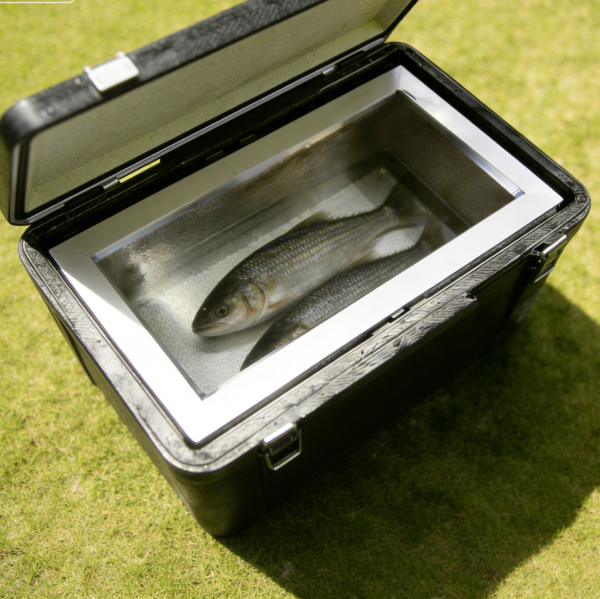
insulated shopping bag wholesale should be evaluated as a complete operating tool, not as a simple bag. You need the right thermal build, the right size-to-payload ratio, the right level of documentation, and a supplier who can repeat the approved sample at scale. When those pieces align, you reduce complaints, protect margin, and make the product easier to explain to buyers or internal teams.
This optimized guide combines the strongest buyer advice, material science, compliance logic, and 2026 market direction in one place. It is written to help you make a faster, safer sourcing decision while still supporting people-first SEO structure and clear user value.
This article will help you answer
- How to match the right build level to your actual route, payload, and budget
- Which materials, branding choices, and compliance steps matter most in 2026
- How to create a cleaner supplier brief and a stronger final buying decision
- How MOQ, carton logic, and lot-to-lot consistency shape the real landed cost
What should you prioritize first when choosing Insulated Shopping Bag Wholesale?
Start with route reality, not with catalog language. The right choice becomes much easier once you define payload, duration, ambient range, opening frequency, and user behavior.
Buyers often waste time comparing many bags that should never have been compared together. The better method is to lock the use case first. Are you carrying chilled food for two hours, shipping a parcel for twenty-four hours, or handing out a branded bag meant for daily reuse? Each scenario points to a different balance of insulation, structure, cost, and documentation.
For insulated shopping bag wholesale, the goal is not maximum material at any price. The goal is enough performance, enough durability, and enough clarity in the specification to make daily use predictable. Wholesale buyers win when the product family is easy to reorder, easy to explain, and easy to merchandise. Across most markets, bag buyers are now expected to think about performance, documentation, and reuse together instead of treating them as separate topics.
A five-question filter that works fast
Ask five questions in order: what temperature range matters, how long the bag must perform, how often it will be opened, who carries it, and what approval documents are required. Those answers usually eliminate more bad options than hours of browsing product photos.
| Question | What you define | Why it changes the spec | Best next action |
|---|---|---|---|
| Temperature | grocery carry for chilled and frozen items | Sets the insulation and pack-out baseline | Define your pass-fail target first |
| Duration | Short, medium, or extended window | Changes wall build and PCM need | Match to route reality |
| Handling | Carry, parcel, multi-drop, event use | Changes closure and structure | Test with the real user |
| Cleaning | Low, medium, or high wipe frequency | Changes liner and seam priorities | Check odor and dry-down risk |
| Approval | Brand, QA, or procurement review | Changes document pack | Request only the documents that matter |
Practical tips and recommendations
- Write the use case at the top of the brief before you discuss colors or trim.
- Keep a reference payload ready for all sample comparisons.
- Reject any claim that cannot explain test conditions or material logic.
Which material and build combination fits your route best?
The winning build is usually the simplest structure that can meet the target reliably under your actual lane conditions.
Most bag decisions come down to a trade-off among thermal hold, bag weight, user comfort, cleanability, and cost. That trade-off should be visible in the sample. A light bag may be fine for short routes. A denser structured bag may be worth it when the route is longer, the ambient temperature is high, or the payload value is harder to risk.
The usual building blocks include laminated nonwoven or RPET shell, foil lining, foam core, reinforced handles. What matters most is not the marketing name of the material, but whether the layer is doing a real job in the final build. Every layer should either protect temperature, improve durability, support hygiene, or improve user handling. If it does none of those, it may only add cost and complexity.
Fit remains one of the most underrated variables. A bag that hugs the payload, closes smoothly, and stays stable during carrying often beats a roomier design with a thicker-looking wall.
A quick route-to-build decision tool
Use this matrix as a starting point, then validate with your own payload. It is meant to simplify shortlisting, not replace testing.
| Use scenario | Recommended build | Thermal support level | Buyer note |
|---|---|---|---|
| Short daily carry | Entry or mid build with clean liner | Light to medium | Best when price and portability matter most |
| Routine multi-drop route | Mid build with reinforced closure | Medium | Usually the best balance for everyday operations |
| Hotter or longer window | Premium structured build with disciplined pack-out | Medium to high | Worth it when complaints are expensive |
| Brand-led repeat use | Mid or premium build with stable logo zone | Use-case dependent | Function keeps the branding alive longer |
Practical tips and recommendations
- Do not upgrade wall thickness blindly if the bag is already oversized.
- Compare compression recovery after handling, not only new-condition thickness.
- Treat closure quality as part of the insulation system.
How do branding, compliance, and validation work together?
A bag becomes easier to scale when the visible design, hidden material choices, and proof of performance all tell the same story.
If the project is branded, the logo should sit on a stable area that survives folding, wiping, and normal use. If the project is operational, the bag should include useful identification such as a label zone or size code. In either case, the external design should not fight the thermal structure underneath.
Compliance is the same kind of discipline. If the bag is meant for food-related or cold-chain work, the supplier should be able to explain what the liner is, how the materials are handled, and which declarations are appropriate for the project. Testing then closes the loop by showing whether the built bag can meet the intended route or handling condition.
These three pieces reinforce each other. Good branding without thermal logic creates disappointment. Technical claims without supporting documents create approval delays. Documents without a usable product create operational frustration.
What should a clean validation package include?
A clean package includes the sample revision, a simple layer description, the route or test condition, the pass-fail target, and any project-specific declarations that are actually relevant. That level of clarity is often enough to win internal confidence and speed up supplier alignment.
| Element | What good looks like | Common mistake | Why it matters |
|---|---|---|---|
| Branding | Stable logo zone and matched print method | Artwork across stress lines | Protects appearance through reuse |
| Compliance | Use-case specific declarations | Requesting everything or nothing | Reduces approval risk |
| Validation | Real payload and clear pass-fail rule | Vague ‘hours cold’ claims | Makes performance claims credible |
| Revision control | Sample linked to final spec | Sample approved without locked spec | Protects repeat orders |
Practical tips and recommendations
- Approve logo placement on the assembled bag, not only on artwork.
- Ask for a plain-language explanation of each layer and its purpose.
- Keep the validation rule simple enough that your team will actually use it.
What sourcing model gives you the best total cost instead of the lowest quoted price?
Total cost includes rework, complaints, receiving effort, storage friction, and the time your team spends clarifying vague samples or vague claims.
The cheapest quote often assumes hidden trade-offs: lighter materials, looser tolerances, weaker documentation, or slower issue resolution. Those choices may not appear on the first order, but they show up later in receiving, in field feedback, and during the next reorder.
The better sourcing model depends on your role. For this keyword, the main lens is case-pack efficiency, reorder discipline, and price-to-performance balance. That means you should score suppliers on sample clarity, responsiveness, spec control, QC transparency, and how easily they support the next order, not just the first PO.
One practical rule helps a lot: simplify before you negotiate. Reduce unnecessary options, define the use case, freeze the dimensions, and confirm the print method. Then ask for pricing. Suppliers can quote more accurately, and you can compare offers more fairly.
What should go into a final sourcing decision?
Use a balanced score: product fit, test result, document quality, supplier response speed, and commercial terms. A supplier who is slightly higher on price but much better on clarity and repeatability often becomes the cheaper partner across the project lifecycle.
| Decision factor | Low-maturity sign | High-maturity sign | Your benefit |
|---|---|---|---|
| Sample control | Unlabeled revisions | Clear revision tracking | Fewer approval mistakes |
| Specification | General descriptions | Locked dimensions and materials | Cleaner repeat orders |
| QC approach | Generic promises | Defined defect standards | More predictable receiving quality |
| Commercial support | Price only | Price plus packing and lead-time clarity | Better landed-cost planning |
| After-sales support | Slow answers after PO | Structured response process | Faster issue resolution |
Practical tips and recommendations
- Simplify option sets before asking for bulk pricing.
- Keep one sealed reference sample for future reorder comparison.
- Do not separate commercial review from technical review; they influence each other.
Example: A retail program upgraded to a reinforced insulated shopping format with stronger handles and a flatter base. Customers found it easier to carry chilled groceries upright, and the bag looked premium enough for repeat weekly use.
How do you future-proof the bag for 2026 and beyond?
Future-proofing does not mean guessing every regulation or trend. It means choosing a bag system that is easier to explain, easier to validate, and easier to improve later.
The direction of travel is clear. Buyers want helpful, specific information, cleaner material choices, better labeling, and proof that a product really fits the use case. In packaging, that often means less tolerance for vague claims and more interest in realistic performance plus reuse value.
For EU-linked work, recyclability direction and labeling clarity are already shaping sourcing conversations. For food-related work, hygiene and food-contact logic remain essential. For fast-moving retail and delivery programs, operational ease and route-fit continue to decide whether the bag earns repeat business.
The simplest future-proof move is to build a cleaner specification now: define the layer structure, remove unnecessary complexity, validate under real conditions, and document the final approved version well. That gives you room to evolve the bag later without losing control.
A future-proofing checklist
Keep the structure as simple as the job allows. Match the sustainability claim to actual service life. Reserve a clear zone for labels or revision control. Re-test when a major material or pattern change is made. These small habits create a surprisingly strong long-term foundation.
Practical tips and recommendations
- Prefer clarity over buzzwords in every product claim.
- Review whether each layer still earns its place in the build.
- Revalidate after significant supplier or material changes.
2026 Developments and Trends
The best 2026 play for insulated shopping bag wholesale is to combine people-first content, clear specification logic, and a bag design that actually fits the job. That combination supports both SEO performance and buyer confidence because it replaces generic wording with practical answers.
Latest developments at a glance
- Buyers are asking for cleaner material disclosure and more realistic thermal claims instead of vague insulation marketing.
- Reusable formats keep gaining ground where delivery teams, retailers, and corporate programs want brand visibility and lower waste per use.
- Procurement teams are increasingly pairing packaging choice with validation, cleaning rules, and route data rather than buying on sample feel alone.
As search and procurement both reward clarity, the strongest articles and the strongest products increasingly look alike: specific, useful, honest, and complete. That is the standard worth building toward.
Frequently Asked Questions
What is the best way to compare insulated shopping bag wholesale samples?
Use the same payload, the same starting temperature, and the same pack-out for every sample. Then compare closure quality, fit, and handling speed as well as temperature performance. A fair side-by-side test beats any catalog claim.
How long can insulated shopping bag wholesale keep products cold?
There is no single honest answer without conditions. In practice, performance depends on ambient temperature, payload mass, opening frequency, and whether you use gel packs or PCM. Use your real route to validate the working window instead of relying on a generic promise.
Can insulated shopping bag wholesale be custom branded or labeled?
Yes, most projects can support branding, but the print method and placement should match the outer material and the stress zones of the bag. Approve the logo on an assembled sample so you can see wrinkles, fold lines, and readability before mass production.
What documents should I ask for before buying insulated shopping bag wholesale?
Start with a clear specification sheet, a material description, and the inspection or quality rules for the final product. Add food-contact or hygiene-related documents only when the real use case requires them. The goal is practical clarity, not paperwork for its own sake.
What common mistake should buyers avoid with insulated shopping bag wholesale?
Avoid buying oversized bags just to feel safe. Extra air reduces thermal efficiency, slows loading, and often makes the bag harder to handle. In many projects, a better fit creates better performance than a bigger bag.
Should insulated shopping bag wholesale be tested against a standard profile?
If the project has real temperature risk, yes. A disciplined profile, whether simple in-house or aligned to a recognized thermal testing framework, gives you a much more useful decision basis than broad marketing language.
Summary and Recommendations
The most effective insulated shopping bag wholesale strategy combines buyer-fit, technical proof, clean documents, and a future-ready design story. That mix helps you source better now and publish content that remains useful as the market becomes more demanding.
Build your next step around a short buyer brief: define the use case, shortlist the right build level, test with the real payload, and request the minimum effective document pack. Then compare suppliers on clarity, repeatability, and total cost, not just the first quote. Build a simple wholesale matrix before you buy: size, material, MOQ, lead time, and carton fit.
About Tempk
Tempk focuses on practical cold chain and insulated bag solutions for food, retail, delivery, and customized business projects. We work on the details that matter in the field: realistic insulation structures, cleaner specifications, reliable customization, and product builds that are easier to scale across repeat orders.
Share your target temperature, duration, payload size, and customization needs so the specification can be built around real use instead of guesswork.
Insulated Shipping Bag Logo: Complete 2026 Buyer Guide

insulated shipping bag logo should be evaluated as a complete operating tool, not as a simple bag. You need the right thermal build, the right size-to-payload ratio, the right level of documentation, and a supplier who can repeat the approved sample at scale. When those pieces align, you reduce complaints, protect margin, and make the product easier to explain to buyers or internal teams.
This optimized guide combines the strongest buyer advice, material science, compliance logic, and 2026 market direction in one place. It is written to help you make a faster, safer sourcing decision while still supporting people-first SEO structure and clear user value.
This article will help you answer
- How to match the right build level to your actual route, payload, and budget
- Which materials, branding choices, and compliance steps matter most in 2026
- How to create a cleaner supplier brief and a stronger final buying decision
- How logo placement, print method, and repeat use affect long-term brand value
What should you prioritize first when choosing Insulated Shipping Bag Logo?
Start with route reality, not with catalog language. The right choice becomes much easier once you define payload, duration, ambient range, opening frequency, and user behavior.
Buyers often waste time comparing many bags that should never have been compared together. The better method is to lock the use case first. Are you carrying chilled food for two hours, shipping a parcel for twenty-four hours, or handing out a branded bag meant for daily reuse? Each scenario points to a different balance of insulation, structure, cost, and documentation.
For insulated shipping bag logo, the goal is not maximum material at any price. The goal is enough performance, enough durability, and enough clarity in the specification to make daily use predictable. Logo-driven projects fail when the print area was designed first and the thermal chamber second. Across most markets, bag buyers are now expected to think about performance, documentation, and reuse together instead of treating them as separate topics.
A five-question filter that works fast
Ask five questions in order: what temperature range matters, how long the bag must perform, how often it will be opened, who carries it, and what approval documents are required. Those answers usually eliminate more bad options than hours of browsing product photos.
| Question | What you define | Why it changes the spec | Best next action |
|---|---|---|---|
| Temperature | temperature-controlled transport inside cartons or totes | Sets the insulation and pack-out baseline | Define your pass-fail target first |
| Duration | Short, medium, or extended window | Changes wall build and PCM need | Match to route reality |
| Handling | Carry, parcel, multi-drop, event use | Changes closure and structure | Test with the real user |
| Cleaning | Low, medium, or high wipe frequency | Changes liner and seam priorities | Check odor and dry-down risk |
| Approval | Brand, QA, or procurement review | Changes document pack | Request only the documents that matter |
Practical tips and recommendations
- Write the use case at the top of the brief before you discuss colors or trim.
- Keep a reference payload ready for all sample comparisons.
- Reject any claim that cannot explain test conditions or material logic.
Which material and build combination fits your route best?
The winning build is usually the simplest structure that can meet the target reliably under your actual lane conditions.
Most bag decisions come down to a trade-off among thermal hold, bag weight, user comfort, cleanability, and cost. That trade-off should be visible in the sample. A light bag may be fine for short routes. A denser structured bag may be worth it when the route is longer, the ambient temperature is high, or the payload value is harder to risk.
The usual building blocks include laminated reflective film, foam core, sealed seams, label-friendly outer surface. What matters most is not the marketing name of the material, but whether the layer is doing a real job in the final build. Every layer should either protect temperature, improve durability, support hygiene, or improve user handling. If it does none of those, it may only add cost and complexity.
Fit remains one of the most underrated variables. A bag that hugs the payload, closes smoothly, and stays stable during carrying often beats a roomier design with a thicker-looking wall.
A quick route-to-build decision tool
Use this matrix as a starting point, then validate with your own payload. It is meant to simplify shortlisting, not replace testing.
| Use scenario | Recommended build | Thermal support level | Buyer note |
|---|---|---|---|
| Short daily carry | Entry or mid build with clean liner | Light to medium | Best when price and portability matter most |
| Routine multi-drop route | Mid build with reinforced closure | Medium | Usually the best balance for everyday operations |
| Hotter or longer window | Premium structured build with disciplined pack-out | Medium to high | Worth it when complaints are expensive |
| Brand-led repeat use | Mid or premium build with stable logo zone | Use-case dependent | Function keeps the branding alive longer |
Practical tips and recommendations
- Do not upgrade wall thickness blindly if the bag is already oversized.
- Compare compression recovery after handling, not only new-condition thickness.
- Treat closure quality as part of the insulation system.
How do branding, compliance, and validation work together?
A bag becomes easier to scale when the visible design, hidden material choices, and proof of performance all tell the same story.
If the project is branded, the logo should sit on a stable area that survives folding, wiping, and normal use. If the project is operational, the bag should include useful identification such as a label zone or size code. In either case, the external design should not fight the thermal structure underneath.
Compliance is the same kind of discipline. If the bag is meant for food-related or cold-chain work, the supplier should be able to explain what the liner is, how the materials are handled, and which declarations are appropriate for the project. Testing then closes the loop by showing whether the built bag can meet the intended route or handling condition.
These three pieces reinforce each other. Good branding without thermal logic creates disappointment. Technical claims without supporting documents create approval delays. Documents without a usable product create operational frustration.
What should a clean validation package include?
A clean package includes the sample revision, a simple layer description, the route or test condition, the pass-fail target, and any project-specific declarations that are actually relevant. That level of clarity is often enough to win internal confidence and speed up supplier alignment.
| Element | What good looks like | Common mistake | Why it matters |
|---|---|---|---|
| Branding | Stable logo zone and matched print method | Artwork across stress lines | Protects appearance through reuse |
| Compliance | Use-case specific declarations | Requesting everything or nothing | Reduces approval risk |
| Validation | Real payload and clear pass-fail rule | Vague ‘hours cold’ claims | Makes performance claims credible |
| Revision control | Sample linked to final spec | Sample approved without locked spec | Protects repeat orders |
Practical tips and recommendations
- Approve logo placement on the assembled bag, not only on artwork.
- Ask for a plain-language explanation of each layer and its purpose.
- Keep the validation rule simple enough that your team will actually use it.
What sourcing model gives you the best total cost instead of the lowest quoted price?
Total cost includes rework, complaints, receiving effort, storage friction, and the time your team spends clarifying vague samples or vague claims.
The cheapest quote often assumes hidden trade-offs: lighter materials, looser tolerances, weaker documentation, or slower issue resolution. Those choices may not appear on the first order, but they show up later in receiving, in field feedback, and during the next reorder.
The better sourcing model depends on your role. For this keyword, the main lens is print placement, visual consistency, and functional durability. That means you should score suppliers on sample clarity, responsiveness, spec control, QC transparency, and how easily they support the next order, not just the first PO.
One practical rule helps a lot: simplify before you negotiate. Reduce unnecessary options, define the use case, freeze the dimensions, and confirm the print method. Then ask for pricing. Suppliers can quote more accurately, and you can compare offers more fairly.
What should go into a final sourcing decision?
Use a balanced score: product fit, test result, document quality, supplier response speed, and commercial terms. A supplier who is slightly higher on price but much better on clarity and repeatability often becomes the cheaper partner across the project lifecycle.
| Decision factor | Low-maturity sign | High-maturity sign | Your benefit |
|---|---|---|---|
| Sample control | Unlabeled revisions | Clear revision tracking | Fewer approval mistakes |
| Specification | General descriptions | Locked dimensions and materials | Cleaner repeat orders |
| QC approach | Generic promises | Defined defect standards | More predictable receiving quality |
| Commercial support | Price only | Price plus packing and lead-time clarity | Better landed-cost planning |
| After-sales support | Slow answers after PO | Structured response process | Faster issue resolution |
Practical tips and recommendations
- Simplify option sets before asking for bulk pricing.
- Keep one sealed reference sample for future reorder comparison.
- Do not separate commercial review from technical review; they influence each other.
Example: A direct-to-consumer chilled food operator switched from an oversized generic liner to a right-sized insulated mailer with clearer pack-out rules. The team reduced empty space, used fewer gel packs on short lanes, and saw fewer temperature complaints during summer dispatch.
How do you future-proof the bag for 2026 and beyond?
Future-proofing does not mean guessing every regulation or trend. It means choosing a bag system that is easier to explain, easier to validate, and easier to improve later.
The direction of travel is clear. Buyers want helpful, specific information, cleaner material choices, better labeling, and proof that a product really fits the use case. In packaging, that often means less tolerance for vague claims and more interest in realistic performance plus reuse value.
For EU-linked work, recyclability direction and labeling clarity are already shaping sourcing conversations. For food-related work, hygiene and food-contact logic remain essential. For fast-moving retail and delivery programs, operational ease and route-fit continue to decide whether the bag earns repeat business.
The simplest future-proof move is to build a cleaner specification now: define the layer structure, remove unnecessary complexity, validate under real conditions, and document the final approved version well. That gives you room to evolve the bag later without losing control.
A future-proofing checklist
Keep the structure as simple as the job allows. Match the sustainability claim to actual service life. Reserve a clear zone for labels or revision control. Re-test when a major material or pattern change is made. These small habits create a surprisingly strong long-term foundation.
Practical tips and recommendations
- Prefer clarity over buzzwords in every product claim.
- Review whether each layer still earns its place in the build.
- Revalidate after significant supplier or material changes.
2026 Developments and Trends
The best 2026 play for insulated shipping bag logo is to combine people-first content, clear specification logic, and a bag design that actually fits the job. That combination supports both SEO performance and buyer confidence because it replaces generic wording with practical answers.
Latest developments at a glance
- Buyers are asking for cleaner material disclosure and more realistic thermal claims instead of vague insulation marketing.
- Reusable formats keep gaining ground where delivery teams, retailers, and corporate programs want brand visibility and lower waste per use.
- Procurement teams are increasingly pairing packaging choice with validation, cleaning rules, and route data rather than buying on sample feel alone.
As search and procurement both reward clarity, the strongest articles and the strongest products increasingly look alike: specific, useful, honest, and complete. That is the standard worth building toward.
Frequently Asked Questions
What is the best way to compare insulated shipping bag logo samples?
Use the same payload, the same starting temperature, and the same pack-out for every sample. Then compare closure quality, fit, and handling speed as well as temperature performance. A fair side-by-side test beats any catalog claim.
How long can insulated shipping bag logo keep products cold?
There is no single honest answer without conditions. In practice, performance depends on ambient temperature, payload mass, opening frequency, and whether you use gel packs or PCM. Use your real route to validate the working window instead of relying on a generic promise.
Can insulated shipping bag logo be custom branded or labeled?
Yes, most projects can support branding, but the print method and placement should match the outer material and the stress zones of the bag. Approve the logo on an assembled sample so you can see wrinkles, fold lines, and readability before mass production.
What documents should I ask for before buying insulated shipping bag logo?
Start with a clear specification sheet, a material description, and the inspection or quality rules for the final product. Add food-contact or hygiene-related documents only when the real use case requires them. The goal is practical clarity, not paperwork for its own sake.
What common mistake should buyers avoid with insulated shipping bag logo?
Avoid buying oversized bags just to feel safe. Extra air reduces thermal efficiency, slows loading, and often makes the bag harder to handle. In many projects, a better fit creates better performance than a bigger bag.
Should insulated shipping bag logo be tested against a standard profile?
If the project has real temperature risk, yes. A disciplined profile, whether simple in-house or aligned to a recognized thermal testing framework, gives you a much more useful decision basis than broad marketing language.
Summary and Recommendations
The most effective insulated shipping bag logo strategy combines buyer-fit, technical proof, clean documents, and a future-ready design story. That mix helps you source better now and publish content that remains useful as the market becomes more demanding.
Build your next step around a short buyer brief: define the use case, shortlist the right build level, test with the real payload, and request the minimum effective document pack. Then compare suppliers on clarity, repeatability, and total cost, not just the first quote. Lock artwork placement on the production pattern, not only on a flat mockup.
About Tempk
Tempk focuses on practical cold chain and insulated bag solutions for food, retail, delivery, and customized business projects. We work on the details that matter in the field: realistic insulation structures, cleaner specifications, reliable customization, and product builds that are easier to scale across repeat orders.
Share your target temperature, duration, payload size, and customization needs so the specification can be built around real use instead of guesswork.
Insulated Mailer Bag Enterprise: Complete 2026 Buyer Guide
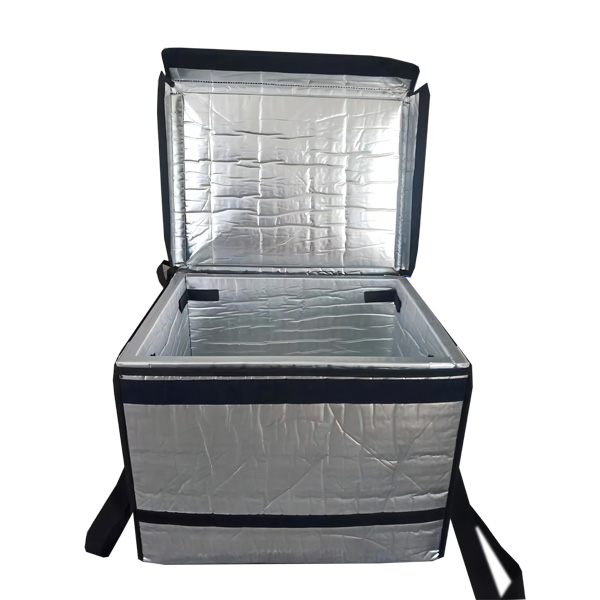
insulated mailer bag enterprise should be evaluated as a complete operating tool, not as a simple bag. You need the right thermal build, the right size-to-payload ratio, the right level of documentation, and a supplier who can repeat the approved sample at scale. When those pieces align, you reduce complaints, protect margin, and make the product easier to explain to buyers or internal teams.
This optimized guide combines the strongest buyer advice, material science, compliance logic, and 2026 market direction in one place. It is written to help you make a faster, safer sourcing decision while still supporting people-first SEO structure and clear user value.
This article will help you answer
- How to match the right build level to your actual route, payload, and budget
- Which materials, branding choices, and compliance steps matter most in 2026
- How to create a cleaner supplier brief and a stronger final buying decision
- How MOQ, carton logic, and lot-to-lot consistency shape the real landed cost
What should you prioritize first when choosing Insulated Mailer Bag Enterprise?
Start with route reality, not with catalog language. The right choice becomes much easier once you define payload, duration, ambient range, opening frequency, and user behavior.
Buyers often waste time comparing many bags that should never have been compared together. The better method is to lock the use case first. Are you carrying chilled food for two hours, shipping a parcel for twenty-four hours, or handing out a branded bag meant for daily reuse? Each scenario points to a different balance of insulation, structure, cost, and documentation.
For insulated mailer bag enterprise, the goal is not maximum material at any price. The goal is enough performance, enough durability, and enough clarity in the specification to make daily use predictable. Enterprise procurement adds layers of approval, so the winning bag is usually the one with the cleanest documentation and lowest process risk. Across most markets, bag buyers are now expected to think about performance, documentation, and reuse together instead of treating them as separate topics.
A five-question filter that works fast
Ask five questions in order: what temperature range matters, how long the bag must perform, how often it will be opened, who carries it, and what approval documents are required. Those answers usually eliminate more bad options than hours of browsing product photos.
| Question | What you define | Why it changes the spec | Best next action |
|---|---|---|---|
| Temperature | parcel-style 12-48 hour protection | Sets the insulation and pack-out baseline | Define your pass-fail target first |
| Duration | Short, medium, or extended window | Changes wall build and PCM need | Match to route reality |
| Handling | Carry, parcel, multi-drop, event use | Changes closure and structure | Test with the real user |
| Cleaning | Low, medium, or high wipe frequency | Changes liner and seam priorities | Check odor and dry-down risk |
| Approval | Brand, QA, or procurement review | Changes document pack | Request only the documents that matter |
Practical tips and recommendations
- Write the use case at the top of the brief before you discuss colors or trim.
- Keep a reference payload ready for all sample comparisons.
- Reject any claim that cannot explain test conditions or material logic.
Which material and build combination fits your route best?
The winning build is usually the simplest structure that can meet the target reliably under your actual lane conditions.
Most bag decisions come down to a trade-off among thermal hold, bag weight, user comfort, cleanability, and cost. That trade-off should be visible in the sample. A light bag may be fine for short routes. A denser structured bag may be worth it when the route is longer, the ambient temperature is high, or the payload value is harder to risk.
The usual building blocks include foil laminate, bubble or foam insulation, mailer-grade outer film, heat-sealed seams. What matters most is not the marketing name of the material, but whether the layer is doing a real job in the final build. Every layer should either protect temperature, improve durability, support hygiene, or improve user handling. If it does none of those, it may only add cost and complexity.
Fit remains one of the most underrated variables. A bag that hugs the payload, closes smoothly, and stays stable during carrying often beats a roomier design with a thicker-looking wall.
A quick route-to-build decision tool
Use this matrix as a starting point, then validate with your own payload. It is meant to simplify shortlisting, not replace testing.
| Use scenario | Recommended build | Thermal support level | Buyer note |
|---|---|---|---|
| Short daily carry | Entry or mid build with clean liner | Light to medium | Best when price and portability matter most |
| Routine multi-drop route | Mid build with reinforced closure | Medium | Usually the best balance for everyday operations |
| Hotter or longer window | Premium structured build with disciplined pack-out | Medium to high | Worth it when complaints are expensive |
| Brand-led repeat use | Mid or premium build with stable logo zone | Use-case dependent | Function keeps the branding alive longer |
Practical tips and recommendations
- Do not upgrade wall thickness blindly if the bag is already oversized.
- Compare compression recovery after handling, not only new-condition thickness.
- Treat closure quality as part of the insulation system.
How do branding, compliance, and validation work together?
A bag becomes easier to scale when the visible design, hidden material choices, and proof of performance all tell the same story.
If the project is branded, the logo should sit on a stable area that survives folding, wiping, and normal use. If the project is operational, the bag should include useful identification such as a label zone or size code. In either case, the external design should not fight the thermal structure underneath.
Compliance is the same kind of discipline. If the bag is meant for food-related or cold-chain work, the supplier should be able to explain what the liner is, how the materials are handled, and which declarations are appropriate for the project. Testing then closes the loop by showing whether the built bag can meet the intended route or handling condition.
These three pieces reinforce each other. Good branding without thermal logic creates disappointment. Technical claims without supporting documents create approval delays. Documents without a usable product create operational frustration.
What should a clean validation package include?
A clean package includes the sample revision, a simple layer description, the route or test condition, the pass-fail target, and any project-specific declarations that are actually relevant. That level of clarity is often enough to win internal confidence and speed up supplier alignment.
| Element | What good looks like | Common mistake | Why it matters |
|---|---|---|---|
| Branding | Stable logo zone and matched print method | Artwork across stress lines | Protects appearance through reuse |
| Compliance | Use-case specific declarations | Requesting everything or nothing | Reduces approval risk |
| Validation | Real payload and clear pass-fail rule | Vague ‘hours cold’ claims | Makes performance claims credible |
| Revision control | Sample linked to final spec | Sample approved without locked spec | Protects repeat orders |
Practical tips and recommendations
- Approve logo placement on the assembled bag, not only on artwork.
- Ask for a plain-language explanation of each layer and its purpose.
- Keep the validation rule simple enough that your team will actually use it.
What sourcing model gives you the best total cost instead of the lowest quoted price?
Total cost includes rework, complaints, receiving effort, storage friction, and the time your team spends clarifying vague samples or vague claims.
The cheapest quote often assumes hidden trade-offs: lighter materials, looser tolerances, weaker documentation, or slower issue resolution. Those choices may not appear on the first order, but they show up later in receiving, in field feedback, and during the next reorder.
The better sourcing model depends on your role. For this keyword, the main lens is standardization, documentation, and procurement governance. That means you should score suppliers on sample clarity, responsiveness, spec control, QC transparency, and how easily they support the next order, not just the first PO.
One practical rule helps a lot: simplify before you negotiate. Reduce unnecessary options, define the use case, freeze the dimensions, and confirm the print method. Then ask for pricing. Suppliers can quote more accurately, and you can compare offers more fairly.
What should go into a final sourcing decision?
Use a balanced score: product fit, test result, document quality, supplier response speed, and commercial terms. A supplier who is slightly higher on price but much better on clarity and repeatability often becomes the cheaper partner across the project lifecycle.
| Decision factor | Low-maturity sign | High-maturity sign | Your benefit |
|---|---|---|---|
| Sample control | Unlabeled revisions | Clear revision tracking | Fewer approval mistakes |
| Specification | General descriptions | Locked dimensions and materials | Cleaner repeat orders |
| QC approach | Generic promises | Defined defect standards | More predictable receiving quality |
| Commercial support | Price only | Price plus packing and lead-time clarity | Better landed-cost planning |
| After-sales support | Slow answers after PO | Structured response process | Faster issue resolution |
Practical tips and recommendations
- Simplify option sets before asking for bulk pricing.
- Keep one sealed reference sample for future reorder comparison.
- Do not separate commercial review from technical review; they influence each other.
Example: A direct-to-consumer chilled food operator switched from an oversized generic liner to a right-sized insulated mailer with clearer pack-out rules. The team reduced empty space, used fewer gel packs on short lanes, and saw fewer temperature complaints during summer dispatch.
How do you future-proof the bag for 2026 and beyond?
Future-proofing does not mean guessing every regulation or trend. It means choosing a bag system that is easier to explain, easier to validate, and easier to improve later.
The direction of travel is clear. Buyers want helpful, specific information, cleaner material choices, better labeling, and proof that a product really fits the use case. In packaging, that often means less tolerance for vague claims and more interest in realistic performance plus reuse value.
For EU-linked work, recyclability direction and labeling clarity are already shaping sourcing conversations. For food-related work, hygiene and food-contact logic remain essential. For fast-moving retail and delivery programs, operational ease and route-fit continue to decide whether the bag earns repeat business.
The simplest future-proof move is to build a cleaner specification now: define the layer structure, remove unnecessary complexity, validate under real conditions, and document the final approved version well. That gives you room to evolve the bag later without losing control.
A future-proofing checklist
Keep the structure as simple as the job allows. Match the sustainability claim to actual service life. Reserve a clear zone for labels or revision control. Re-test when a major material or pattern change is made. These small habits create a surprisingly strong long-term foundation.
Practical tips and recommendations
- Prefer clarity over buzzwords in every product claim.
- Review whether each layer still earns its place in the build.
- Revalidate after significant supplier or material changes.
2026 Developments and Trends
The best 2026 play for insulated mailer bag enterprise is to combine people-first content, clear specification logic, and a bag design that actually fits the job. That combination supports both SEO performance and buyer confidence because it replaces generic wording with practical answers.
Latest developments at a glance
- Buyers are asking for cleaner material disclosure and more realistic thermal claims instead of vague insulation marketing.
- Reusable formats keep gaining ground where delivery teams, retailers, and corporate programs want brand visibility and lower waste per use.
- Procurement teams are increasingly pairing packaging choice with validation, cleaning rules, and route data rather than buying on sample feel alone.
As search and procurement both reward clarity, the strongest articles and the strongest products increasingly look alike: specific, useful, honest, and complete. That is the standard worth building toward.
Frequently Asked Questions
What is the best way to compare insulated mailer bag enterprise samples?
Use the same payload, the same starting temperature, and the same pack-out for every sample. Then compare closure quality, fit, and handling speed as well as temperature performance. A fair side-by-side test beats any catalog claim.
How long can insulated mailer bag enterprise keep products cold?
There is no single honest answer without conditions. In practice, performance depends on ambient temperature, payload mass, opening frequency, and whether you use gel packs or PCM. Use your real route to validate the working window instead of relying on a generic promise.
Can insulated mailer bag enterprise be custom branded or labeled?
Yes, most projects can support branding, but the print method and placement should match the outer material and the stress zones of the bag. Approve the logo on an assembled sample so you can see wrinkles, fold lines, and readability before mass production.
What documents should I ask for before buying insulated mailer bag enterprise?
Start with a clear specification sheet, a material description, and the inspection or quality rules for the final product. Add food-contact or hygiene-related documents only when the real use case requires them. The goal is practical clarity, not paperwork for its own sake.
What common mistake should buyers avoid with insulated mailer bag enterprise?
Avoid buying oversized bags just to feel safe. Extra air reduces thermal efficiency, slows loading, and often makes the bag harder to handle. In many projects, a better fit creates better performance than a bigger bag.
Should insulated mailer bag enterprise be tested against a standard profile?
If the project has real temperature risk, yes. A disciplined profile, whether simple in-house or aligned to a recognized thermal testing framework, gives you a much more useful decision basis than broad marketing language.
Summary and Recommendations
The most effective insulated mailer bag enterprise strategy combines buyer-fit, technical proof, clean documents, and a future-ready design story. That mix helps you source better now and publish content that remains useful as the market becomes more demanding.
Build your next step around a short buyer brief: define the use case, shortlist the right build level, test with the real payload, and request the minimum effective document pack. Then compare suppliers on clarity, repeatability, and total cost, not just the first quote. Create an enterprise bag standard with approved materials, print rules, and validation steps.
About Tempk
Tempk focuses on practical cold chain and insulated bag solutions for food, retail, delivery, and customized business projects. We work on the details that matter in the field: realistic insulation structures, cleaner specifications, reliable customization, and product builds that are easier to scale across repeat orders.
Share your target temperature, duration, payload size, and customization needs so the specification can be built around real use instead of guesswork.
Insulated Mailer Bag Commercial: Complete 2026 Buyer Guide
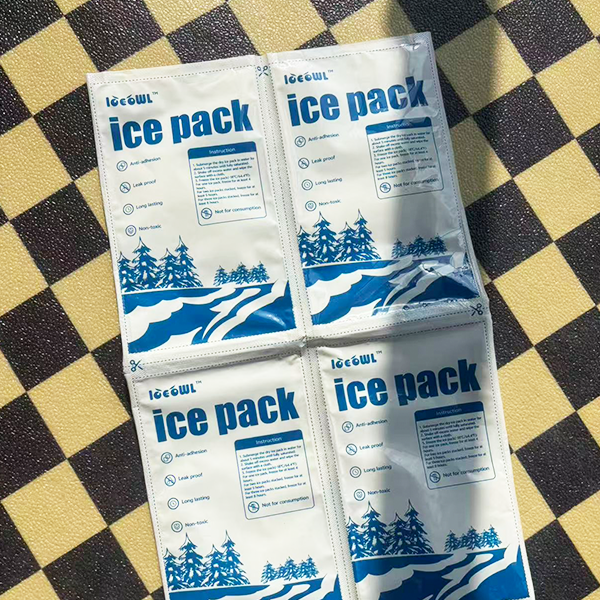
insulated mailer bag commercial should be evaluated as a complete operating tool, not as a simple bag. You need the right thermal build, the right size-to-payload ratio, the right level of documentation, and a supplier who can repeat the approved sample at scale. When those pieces align, you reduce complaints, protect margin, and make the product easier to explain to buyers or internal teams.
This optimized guide combines the strongest buyer advice, material science, compliance logic, and 2026 market direction in one place. It is written to help you make a faster, safer sourcing decision while still supporting people-first SEO structure and clear user value.
This article will help you answer
- How to match the right build level to your actual route, payload, and budget
- Which materials, branding choices, and compliance steps matter most in 2026
- How to create a cleaner supplier brief and a stronger final buying decision
- How to make insulated mailer bag easier to use, clean, and scale in daily operations
What should you prioritize first when choosing Insulated Mailer Bag Commercial?
Start with route reality, not with catalog language. The right choice becomes much easier once you define payload, duration, ambient range, opening frequency, and user behavior.
Buyers often waste time comparing many bags that should never have been compared together. The better method is to lock the use case first. Are you carrying chilled food for two hours, shipping a parcel for twenty-four hours, or handing out a branded bag meant for daily reuse? Each scenario points to a different balance of insulation, structure, cost, and documentation.
For insulated mailer bag commercial, the goal is not maximum material at any price. The goal is enough performance, enough durability, and enough clarity in the specification to make daily use predictable. Commercial buyers usually care less about decorative extras and more about pack-out discipline, handling speed, and consistent performance. Across most markets, bag buyers are now expected to think about performance, documentation, and reuse together instead of treating them as separate topics.
A five-question filter that works fast
Ask five questions in order: what temperature range matters, how long the bag must perform, how often it will be opened, who carries it, and what approval documents are required. Those answers usually eliminate more bad options than hours of browsing product photos.
| Question | What you define | Why it changes the spec | Best next action |
|---|---|---|---|
| Temperature | parcel-style 12-48 hour protection | Sets the insulation and pack-out baseline | Define your pass-fail target first |
| Duration | Short, medium, or extended window | Changes wall build and PCM need | Match to route reality |
| Handling | Carry, parcel, multi-drop, event use | Changes closure and structure | Test with the real user |
| Cleaning | Low, medium, or high wipe frequency | Changes liner and seam priorities | Check odor and dry-down risk |
| Approval | Brand, QA, or procurement review | Changes document pack | Request only the documents that matter |
Practical tips and recommendations
- Write the use case at the top of the brief before you discuss colors or trim.
- Keep a reference payload ready for all sample comparisons.
- Reject any claim that cannot explain test conditions or material logic.
Which material and build combination fits your route best?
The winning build is usually the simplest structure that can meet the target reliably under your actual lane conditions.
Most bag decisions come down to a trade-off among thermal hold, bag weight, user comfort, cleanability, and cost. That trade-off should be visible in the sample. A light bag may be fine for short routes. A denser structured bag may be worth it when the route is longer, the ambient temperature is high, or the payload value is harder to risk.
The usual building blocks include foil laminate, bubble or foam insulation, mailer-grade outer film, heat-sealed seams. What matters most is not the marketing name of the material, but whether the layer is doing a real job in the final build. Every layer should either protect temperature, improve durability, support hygiene, or improve user handling. If it does none of those, it may only add cost and complexity.
Fit remains one of the most underrated variables. A bag that hugs the payload, closes smoothly, and stays stable during carrying often beats a roomier design with a thicker-looking wall.
A quick route-to-build decision tool
Use this matrix as a starting point, then validate with your own payload. It is meant to simplify shortlisting, not replace testing.
| Use scenario | Recommended build | Thermal support level | Buyer note |
|---|---|---|---|
| Short daily carry | Entry or mid build with clean liner | Light to medium | Best when price and portability matter most |
| Routine multi-drop route | Mid build with reinforced closure | Medium | Usually the best balance for everyday operations |
| Hotter or longer window | Premium structured build with disciplined pack-out | Medium to high | Worth it when complaints are expensive |
| Brand-led repeat use | Mid or premium build with stable logo zone | Use-case dependent | Function keeps the branding alive longer |
Practical tips and recommendations
- Do not upgrade wall thickness blindly if the bag is already oversized.
- Compare compression recovery after handling, not only new-condition thickness.
- Treat closure quality as part of the insulation system.
How do branding, compliance, and validation work together?
A bag becomes easier to scale when the visible design, hidden material choices, and proof of performance all tell the same story.
If the project is branded, the logo should sit on a stable area that survives folding, wiping, and normal use. If the project is operational, the bag should include useful identification such as a label zone or size code. In either case, the external design should not fight the thermal structure underneath.
Compliance is the same kind of discipline. If the bag is meant for food-related or cold-chain work, the supplier should be able to explain what the liner is, how the materials are handled, and which declarations are appropriate for the project. Testing then closes the loop by showing whether the built bag can meet the intended route or handling condition.
These three pieces reinforce each other. Good branding without thermal logic creates disappointment. Technical claims without supporting documents create approval delays. Documents without a usable product create operational frustration.
What should a clean validation package include?
A clean package includes the sample revision, a simple layer description, the route or test condition, the pass-fail target, and any project-specific declarations that are actually relevant. That level of clarity is often enough to win internal confidence and speed up supplier alignment.
| Element | What good looks like | Common mistake | Why it matters |
|---|---|---|---|
| Branding | Stable logo zone and matched print method | Artwork across stress lines | Protects appearance through reuse |
| Compliance | Use-case specific declarations | Requesting everything or nothing | Reduces approval risk |
| Validation | Real payload and clear pass-fail rule | Vague ‘hours cold’ claims | Makes performance claims credible |
| Revision control | Sample linked to final spec | Sample approved without locked spec | Protects repeat orders |
Practical tips and recommendations
- Approve logo placement on the assembled bag, not only on artwork.
- Ask for a plain-language explanation of each layer and its purpose.
- Keep the validation rule simple enough that your team will actually use it.
What sourcing model gives you the best total cost instead of the lowest quoted price?
Total cost includes rework, complaints, receiving effort, storage friction, and the time your team spends clarifying vague samples or vague claims.
The cheapest quote often assumes hidden trade-offs: lighter materials, looser tolerances, weaker documentation, or slower issue resolution. Those choices may not appear on the first order, but they show up later in receiving, in field feedback, and during the next reorder.
The better sourcing model depends on your role. For this keyword, the main lens is operational efficiency, service-level performance, and lifecycle cost. That means you should score suppliers on sample clarity, responsiveness, spec control, QC transparency, and how easily they support the next order, not just the first PO.
One practical rule helps a lot: simplify before you negotiate. Reduce unnecessary options, define the use case, freeze the dimensions, and confirm the print method. Then ask for pricing. Suppliers can quote more accurately, and you can compare offers more fairly.
What should go into a final sourcing decision?
Use a balanced score: product fit, test result, document quality, supplier response speed, and commercial terms. A supplier who is slightly higher on price but much better on clarity and repeatability often becomes the cheaper partner across the project lifecycle.
| Decision factor | Low-maturity sign | High-maturity sign | Your benefit |
|---|---|---|---|
| Sample control | Unlabeled revisions | Clear revision tracking | Fewer approval mistakes |
| Specification | General descriptions | Locked dimensions and materials | Cleaner repeat orders |
| QC approach | Generic promises | Defined defect standards | More predictable receiving quality |
| Commercial support | Price only | Price plus packing and lead-time clarity | Better landed-cost planning |
| After-sales support | Slow answers after PO | Structured response process | Faster issue resolution |
Practical tips and recommendations
- Simplify option sets before asking for bulk pricing.
- Keep one sealed reference sample for future reorder comparison.
- Do not separate commercial review from technical review; they influence each other.
Example: A direct-to-consumer chilled food operator switched from an oversized generic liner to a right-sized insulated mailer with clearer pack-out rules. The team reduced empty space, used fewer gel packs on short lanes, and saw fewer temperature complaints during summer dispatch.
How do you future-proof the bag for 2026 and beyond?
Future-proofing does not mean guessing every regulation or trend. It means choosing a bag system that is easier to explain, easier to validate, and easier to improve later.
The direction of travel is clear. Buyers want helpful, specific information, cleaner material choices, better labeling, and proof that a product really fits the use case. In packaging, that often means less tolerance for vague claims and more interest in realistic performance plus reuse value.
For EU-linked work, recyclability direction and labeling clarity are already shaping sourcing conversations. For food-related work, hygiene and food-contact logic remain essential. For fast-moving retail and delivery programs, operational ease and route-fit continue to decide whether the bag earns repeat business.
The simplest future-proof move is to build a cleaner specification now: define the layer structure, remove unnecessary complexity, validate under real conditions, and document the final approved version well. That gives you room to evolve the bag later without losing control.
A future-proofing checklist
Keep the structure as simple as the job allows. Match the sustainability claim to actual service life. Reserve a clear zone for labels or revision control. Re-test when a major material or pattern change is made. These small habits create a surprisingly strong long-term foundation.
Practical tips and recommendations
- Prefer clarity over buzzwords in every product claim.
- Review whether each layer still earns its place in the build.
- Revalidate after significant supplier or material changes.
2026 Developments and Trends
The best 2026 play for insulated mailer bag commercial is to combine people-first content, clear specification logic, and a bag design that actually fits the job. That combination supports both SEO performance and buyer confidence because it replaces generic wording with practical answers.
Latest developments at a glance
- Buyers are asking for cleaner material disclosure and more realistic thermal claims instead of vague insulation marketing.
- Reusable formats keep gaining ground where delivery teams, retailers, and corporate programs want brand visibility and lower waste per use.
- Procurement teams are increasingly pairing packaging choice with validation, cleaning rules, and route data rather than buying on sample feel alone.
As search and procurement both reward clarity, the strongest articles and the strongest products increasingly look alike: specific, useful, honest, and complete. That is the standard worth building toward.
Frequently Asked Questions
What is the best way to compare insulated mailer bag commercial samples?
Use the same payload, the same starting temperature, and the same pack-out for every sample. Then compare closure quality, fit, and handling speed as well as temperature performance. A fair side-by-side test beats any catalog claim.
How long can insulated mailer bag commercial keep products cold?
There is no single honest answer without conditions. In practice, performance depends on ambient temperature, payload mass, opening frequency, and whether you use gel packs or PCM. Use your real route to validate the working window instead of relying on a generic promise.
Can insulated mailer bag commercial be custom branded or labeled?
Yes, most projects can support branding, but the print method and placement should match the outer material and the stress zones of the bag. Approve the logo on an assembled sample so you can see wrinkles, fold lines, and readability before mass production.
What documents should I ask for before buying insulated mailer bag commercial?
Start with a clear specification sheet, a material description, and the inspection or quality rules for the final product. Add food-contact or hygiene-related documents only when the real use case requires them. The goal is practical clarity, not paperwork for its own sake.
What common mistake should buyers avoid with insulated mailer bag commercial?
Avoid buying oversized bags just to feel safe. Extra air reduces thermal efficiency, slows loading, and often makes the bag harder to handle. In many projects, a better fit creates better performance than a bigger bag.
Should insulated mailer bag commercial be tested against a standard profile?
If the project has real temperature risk, yes. A disciplined profile, whether simple in-house or aligned to a recognized thermal testing framework, gives you a much more useful decision basis than broad marketing language.
Summary and Recommendations
The most effective insulated mailer bag commercial strategy combines buyer-fit, technical proof, clean documents, and a future-ready design story. That mix helps you source better now and publish content that remains useful as the market becomes more demanding.
Build your next step around a short buyer brief: define the use case, shortlist the right build level, test with the real payload, and request the minimum effective document pack. Then compare suppliers on clarity, repeatability, and total cost, not just the first quote. Treat the bag as operating equipment and score it on total cost, not piece price.
About Tempk
Tempk focuses on practical cold chain and insulated bag solutions for food, retail, delivery, and customized business projects. We work on the details that matter in the field: realistic insulation structures, cleaner specifications, reliable customization, and product builds that are easier to scale across repeat orders.
Share your target temperature, duration, payload size, and customization needs so the specification can be built around real use instead of guesswork.
Insulated Lunch Bag Wholesaler: Complete 2026 Buyer Guide
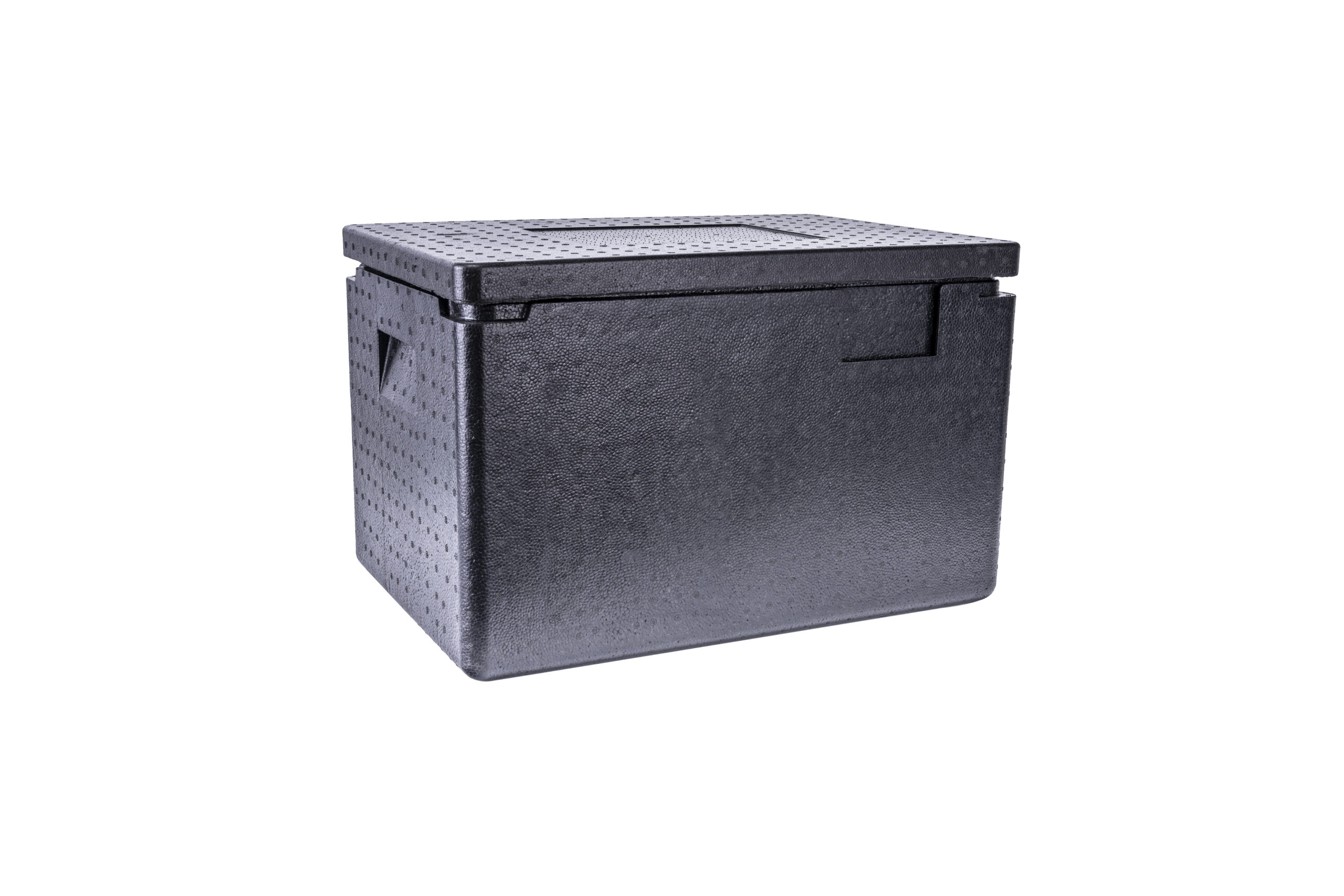
insulated lunch bag wholesaler should be evaluated as a complete operating tool, not as a simple bag. You need the right thermal build, the right size-to-payload ratio, the right level of documentation, and a supplier who can repeat the approved sample at scale. When those pieces align, you reduce complaints, protect margin, and make the product easier to explain to buyers or internal teams.
This optimized guide combines the strongest buyer advice, material science, compliance logic, and 2026 market direction in one place. It is written to help you make a faster, safer sourcing decision while still supporting people-first SEO structure and clear user value.
This article will help you answer
- How to match the right build level to your actual route, payload, and budget
- Which materials, branding choices, and compliance steps matter most in 2026
- How to create a cleaner supplier brief and a stronger final buying decision
- How MOQ, carton logic, and lot-to-lot consistency shape the real landed cost
What should you prioritize first when choosing Insulated Lunch Bag Wholesaler?
Start with route reality, not with catalog language. The right choice becomes much easier once you define payload, duration, ambient range, opening frequency, and user behavior.
Buyers often waste time comparing many bags that should never have been compared together. The better method is to lock the use case first. Are you carrying chilled food for two hours, shipping a parcel for twenty-four hours, or handing out a branded bag meant for daily reuse? Each scenario points to a different balance of insulation, structure, cost, and documentation.
For insulated lunch bag wholesaler, the goal is not maximum material at any price. The goal is enough performance, enough durability, and enough clarity in the specification to make daily use predictable. Because you are reselling or supplying repeat buyers, consistency across production lots matters as much as the first sample. Across most markets, bag buyers are now expected to think about performance, documentation, and reuse together instead of treating them as separate topics.
A five-question filter that works fast
Ask five questions in order: what temperature range matters, how long the bag must perform, how often it will be opened, who carries it, and what approval documents are required. Those answers usually eliminate more bad options than hours of browsing product photos.
| Question | What you define | Why it changes the spec | Best next action |
|---|---|---|---|
| Temperature | portable chilled or warm meal protection | Sets the insulation and pack-out baseline | Define your pass-fail target first |
| Duration | Short, medium, or extended window | Changes wall build and PCM need | Match to route reality |
| Handling | Carry, parcel, multi-drop, event use | Changes closure and structure | Test with the real user |
| Cleaning | Low, medium, or high wipe frequency | Changes liner and seam priorities | Check odor and dry-down risk |
| Approval | Brand, QA, or procurement review | Changes document pack | Request only the documents that matter |
Practical tips and recommendations
- Write the use case at the top of the brief before you discuss colors or trim.
- Keep a reference payload ready for all sample comparisons.
- Reject any claim that cannot explain test conditions or material logic.
Which material and build combination fits your route best?
The winning build is usually the simplest structure that can meet the target reliably under your actual lane conditions.
Most bag decisions come down to a trade-off among thermal hold, bag weight, user comfort, cleanability, and cost. That trade-off should be visible in the sample. A light bag may be fine for short routes. A denser structured bag may be worth it when the route is longer, the ambient temperature is high, or the payload value is harder to risk.
The usual building blocks include woven fabric, foil laminate, 3-8 mm foam, PEVA liner. What matters most is not the marketing name of the material, but whether the layer is doing a real job in the final build. Every layer should either protect temperature, improve durability, support hygiene, or improve user handling. If it does none of those, it may only add cost and complexity.
Fit remains one of the most underrated variables. A bag that hugs the payload, closes smoothly, and stays stable during carrying often beats a roomier design with a thicker-looking wall.
A quick route-to-build decision tool
Use this matrix as a starting point, then validate with your own payload. It is meant to simplify shortlisting, not replace testing.
| Use scenario | Recommended build | Thermal support level | Buyer note |
|---|---|---|---|
| Short daily carry | Entry or mid build with clean liner | Light to medium | Best when price and portability matter most |
| Routine multi-drop route | Mid build with reinforced closure | Medium | Usually the best balance for everyday operations |
| Hotter or longer window | Premium structured build with disciplined pack-out | Medium to high | Worth it when complaints are expensive |
| Brand-led repeat use | Mid or premium build with stable logo zone | Use-case dependent | Function keeps the branding alive longer |
Practical tips and recommendations
- Do not upgrade wall thickness blindly if the bag is already oversized.
- Compare compression recovery after handling, not only new-condition thickness.
- Treat closure quality as part of the insulation system.
How do branding, compliance, and validation work together?
A bag becomes easier to scale when the visible design, hidden material choices, and proof of performance all tell the same story.
If the project is branded, the logo should sit on a stable area that survives folding, wiping, and normal use. If the project is operational, the bag should include useful identification such as a label zone or size code. In either case, the external design should not fight the thermal structure underneath.
Compliance is the same kind of discipline. If the bag is meant for food-related or cold-chain work, the supplier should be able to explain what the liner is, how the materials are handled, and which declarations are appropriate for the project. Testing then closes the loop by showing whether the built bag can meet the intended route or handling condition.
These three pieces reinforce each other. Good branding without thermal logic creates disappointment. Technical claims without supporting documents create approval delays. Documents without a usable product create operational frustration.
What should a clean validation package include?
A clean package includes the sample revision, a simple layer description, the route or test condition, the pass-fail target, and any project-specific declarations that are actually relevant. That level of clarity is often enough to win internal confidence and speed up supplier alignment.
| Element | What good looks like | Common mistake | Why it matters |
|---|---|---|---|
| Branding | Stable logo zone and matched print method | Artwork across stress lines | Protects appearance through reuse |
| Compliance | Use-case specific declarations | Requesting everything or nothing | Reduces approval risk |
| Validation | Real payload and clear pass-fail rule | Vague ‘hours cold’ claims | Makes performance claims credible |
| Revision control | Sample linked to final spec | Sample approved without locked spec | Protects repeat orders |
Practical tips and recommendations
- Approve logo placement on the assembled bag, not only on artwork.
- Ask for a plain-language explanation of each layer and its purpose.
- Keep the validation rule simple enough that your team will actually use it.
What sourcing model gives you the best total cost instead of the lowest quoted price?
Total cost includes rework, complaints, receiving effort, storage friction, and the time your team spends clarifying vague samples or vague claims.
The cheapest quote often assumes hidden trade-offs: lighter materials, looser tolerances, weaker documentation, or slower issue resolution. Those choices may not appear on the first order, but they show up later in receiving, in field feedback, and during the next reorder.
The better sourcing model depends on your role. For this keyword, the main lens is carton efficiency, repeatability, margin protection, and reorder consistency. That means you should score suppliers on sample clarity, responsiveness, spec control, QC transparency, and how easily they support the next order, not just the first PO.
One practical rule helps a lot: simplify before you negotiate. Reduce unnecessary options, define the use case, freeze the dimensions, and confirm the print method. Then ask for pricing. Suppliers can quote more accurately, and you can compare offers more fairly.
What should go into a final sourcing decision?
Use a balanced score: product fit, test result, document quality, supplier response speed, and commercial terms. A supplier who is slightly higher on price but much better on clarity and repeatability often becomes the cheaper partner across the project lifecycle.
| Decision factor | Low-maturity sign | High-maturity sign | Your benefit |
|---|---|---|---|
| Sample control | Unlabeled revisions | Clear revision tracking | Fewer approval mistakes |
| Specification | General descriptions | Locked dimensions and materials | Cleaner repeat orders |
| QC approach | Generic promises | Defined defect standards | More predictable receiving quality |
| Commercial support | Price only | Price plus packing and lead-time clarity | Better landed-cost planning |
| After-sales support | Slow answers after PO | Structured response process | Faster issue resolution |
Practical tips and recommendations
- Simplify option sets before asking for bulk pricing.
- Keep one sealed reference sample for future reorder comparison.
- Do not separate commercial review from technical review; they influence each other.
Example: A company lunch program replaced a thin giveaway bag with a sturdier insulated design that matched meal container size. Employees kept using the bag after the campaign, which extended brand exposure and cut replacement complaints.
How do you future-proof the bag for 2026 and beyond?
Future-proofing does not mean guessing every regulation or trend. It means choosing a bag system that is easier to explain, easier to validate, and easier to improve later.
The direction of travel is clear. Buyers want helpful, specific information, cleaner material choices, better labeling, and proof that a product really fits the use case. In packaging, that often means less tolerance for vague claims and more interest in realistic performance plus reuse value.
For EU-linked work, recyclability direction and labeling clarity are already shaping sourcing conversations. For food-related work, hygiene and food-contact logic remain essential. For fast-moving retail and delivery programs, operational ease and route-fit continue to decide whether the bag earns repeat business.
The simplest future-proof move is to build a cleaner specification now: define the layer structure, remove unnecessary complexity, validate under real conditions, and document the final approved version well. That gives you room to evolve the bag later without losing control.
A future-proofing checklist
Keep the structure as simple as the job allows. Match the sustainability claim to actual service life. Reserve a clear zone for labels or revision control. Re-test when a major material or pattern change is made. These small habits create a surprisingly strong long-term foundation.
Practical tips and recommendations
- Prefer clarity over buzzwords in every product claim.
- Review whether each layer still earns its place in the build.
- Revalidate after significant supplier or material changes.
2026 Developments and Trends
The best 2026 play for insulated lunch bag wholesaler is to combine people-first content, clear specification logic, and a bag design that actually fits the job. That combination supports both SEO performance and buyer confidence because it replaces generic wording with practical answers.
Latest developments at a glance
- Buyers are asking for cleaner material disclosure and more realistic thermal claims instead of vague insulation marketing.
- Reusable formats keep gaining ground where delivery teams, retailers, and corporate programs want brand visibility and lower waste per use.
- Procurement teams are increasingly pairing packaging choice with validation, cleaning rules, and route data rather than buying on sample feel alone.
As search and procurement both reward clarity, the strongest articles and the strongest products increasingly look alike: specific, useful, honest, and complete. That is the standard worth building toward.
Frequently Asked Questions
What is the best way to compare insulated lunch bag wholesaler samples?
Use the same payload, the same starting temperature, and the same pack-out for every sample. Then compare closure quality, fit, and handling speed as well as temperature performance. A fair side-by-side test beats any catalog claim.
How long can insulated lunch bag wholesaler keep products cold?
There is no single honest answer without conditions. In practice, performance depends on ambient temperature, payload mass, opening frequency, and whether you use gel packs or PCM. Use your real route to validate the working window instead of relying on a generic promise.
Can insulated lunch bag wholesaler be custom branded or labeled?
Yes, most projects can support branding, but the print method and placement should match the outer material and the stress zones of the bag. Approve the logo on an assembled sample so you can see wrinkles, fold lines, and readability before mass production.
What documents should I ask for before buying insulated lunch bag wholesaler?
Start with a clear specification sheet, a material description, and the inspection or quality rules for the final product. Add food-contact or hygiene-related documents only when the real use case requires them. The goal is practical clarity, not paperwork for its own sake.
What common mistake should buyers avoid with insulated lunch bag wholesaler?
Avoid buying oversized bags just to feel safe. Extra air reduces thermal efficiency, slows loading, and often makes the bag harder to handle. In many projects, a better fit creates better performance than a bigger bag.
Should insulated lunch bag wholesaler be tested against a standard profile?
If the project has real temperature risk, yes. A disciplined profile, whether simple in-house or aligned to a recognized thermal testing framework, gives you a much more useful decision basis than broad marketing language.
Summary and Recommendations
The most effective insulated lunch bag wholesaler strategy combines buyer-fit, technical proof, clean documents, and a future-ready design story. That mix helps you source better now and publish content that remains useful as the market becomes more demanding.
Build your next step around a short buyer brief: define the use case, shortlist the right build level, test with the real payload, and request the minimum effective document pack. Then compare suppliers on clarity, repeatability, and total cost, not just the first quote. Ask for a wholesale assortment plan with size ladder, MOQ by color, and repeat-order controls.
About Tempk
Tempk focuses on practical cold chain and insulated bag solutions for food, retail, delivery, and customized business projects. We work on the details that matter in the field: realistic insulation structures, cleaner specifications, reliable customization, and product builds that are easier to scale across repeat orders.
Share your target temperature, duration, payload size, and customization needs so the specification can be built around real use instead of guesswork.
Insulated Backpack Business Indonesia: Complete 2026 Buyer Guide

insulated backpack business indonesia should be evaluated as a complete operating tool, not as a simple bag. You need the right thermal build, the right size-to-payload ratio, the right level of documentation, and a supplier who can repeat the approved sample at scale. When those pieces align, you reduce complaints, protect margin, and make the product easier to explain to buyers or internal teams.
This optimized guide combines the strongest buyer advice, material science, compliance logic, and 2026 market direction in one place. It is written to help you make a faster, safer sourcing decision while still supporting people-first SEO structure and clear user value.
This article will help you answer
- How to match the right build level to your actual route, payload, and budget
- Which materials, branding choices, and compliance steps matter most in 2026
- How to create a cleaner supplier brief and a stronger final buying decision
- How logo placement, print method, and repeat use affect long-term brand value
- What buyers should watch when sourcing for Indonesia conditions and approvals
What should you prioritize first when choosing Insulated Backpack Business Indonesia?
Start with route reality, not with catalog language. The right choice becomes much easier once you define payload, duration, ambient range, opening frequency, and user behavior.
Buyers often waste time comparing many bags that should never have been compared together. The better method is to lock the use case first. Are you carrying chilled food for two hours, shipping a parcel for twenty-four hours, or handing out a branded bag meant for daily reuse? Each scenario points to a different balance of insulation, structure, cost, and documentation.
For insulated backpack business indonesia, the goal is not maximum material at any price. The goal is enough performance, enough durability, and enough clarity in the specification to make daily use predictable. Business buyers want products that look organized, work daily, and stay within a realistic rollout budget. In Indonesia, tropical temperatures, humidity, island distribution, and dense urban delivery windows make route discipline and moisture management especially important.
A five-question filter that works fast
Ask five questions in order: what temperature range matters, how long the bag must perform, how often it will be opened, who carries it, and what approval documents are required. Those answers usually eliminate more bad options than hours of browsing product photos.
| Question | What you define | Why it changes the spec | Best next action |
|---|---|---|---|
| Temperature | portable temperature control with business-friendly carry | Sets the insulation and pack-out baseline | Define your pass-fail target first |
| Duration | Short, medium, or extended window | Changes wall build and PCM need | Match to route reality |
| Handling | Carry, parcel, multi-drop, event use | Changes closure and structure | Test with the real user |
| Cleaning | Low, medium, or high wipe frequency | Changes liner and seam priorities | Check odor and dry-down risk |
| Approval | Brand, QA, or procurement review | Changes document pack | Request only the documents that matter |
Practical tips and recommendations
- Write the use case at the top of the brief before you discuss colors or trim.
- Keep a reference payload ready for all sample comparisons.
- Reject any claim that cannot explain test conditions or material logic.
Which material and build combination fits your route best?
The winning build is usually the simplest structure that can meet the target reliably under your actual lane conditions.
Most bag decisions come down to a trade-off among thermal hold, bag weight, user comfort, cleanability, and cost. That trade-off should be visible in the sample. A light bag may be fine for short routes. A denser structured bag may be worth it when the route is longer, the ambient temperature is high, or the payload value is harder to risk.
The usual building blocks include structured woven shell, foam insulation, foil layer, comfort shoulder system. What matters most is not the marketing name of the material, but whether the layer is doing a real job in the final build. Every layer should either protect temperature, improve durability, support hygiene, or improve user handling. If it does none of those, it may only add cost and complexity.
Fit remains one of the most underrated variables. A bag that hugs the payload, closes smoothly, and stays stable during carrying often beats a roomier design with a thicker-looking wall.
A quick route-to-build decision tool
Use this matrix as a starting point, then validate with your own payload. It is meant to simplify shortlisting, not replace testing.
| Use scenario | Recommended build | Thermal support level | Buyer note |
|---|---|---|---|
| Short daily carry | Entry or mid build with clean liner | Light to medium | Best when price and portability matter most |
| Routine multi-drop route | Mid build with reinforced closure | Medium | Usually the best balance for everyday operations |
| Hotter or longer window | Premium structured build with disciplined pack-out | Medium to high | Worth it when complaints are expensive |
| Brand-led repeat use | Mid or premium build with stable logo zone | Use-case dependent | Function keeps the branding alive longer |
Practical tips and recommendations
- Do not upgrade wall thickness blindly if the bag is already oversized.
- Compare compression recovery after handling, not only new-condition thickness.
- Treat closure quality as part of the insulation system.
How do branding, compliance, and validation work together?
A bag becomes easier to scale when the visible design, hidden material choices, and proof of performance all tell the same story.
If the project is branded, the logo should sit on a stable area that survives folding, wiping, and normal use. If the project is operational, the bag should include useful identification such as a label zone or size code. In either case, the external design should not fight the thermal structure underneath.
Compliance is the same kind of discipline. If the bag is meant for food-related or cold-chain work, the supplier should be able to explain what the liner is, how the materials are handled, and which declarations are appropriate for the project. Testing then closes the loop by showing whether the built bag can meet the intended route or handling condition.
These three pieces reinforce each other. Good branding without thermal logic creates disappointment. Technical claims without supporting documents create approval delays. Documents without a usable product create operational frustration.
What should a clean validation package include?
A clean package includes the sample revision, a simple layer description, the route or test condition, the pass-fail target, and any project-specific declarations that are actually relevant. That level of clarity is often enough to win internal confidence and speed up supplier alignment.
| Element | What good looks like | Common mistake | Why it matters |
|---|---|---|---|
| Branding | Stable logo zone and matched print method | Artwork across stress lines | Protects appearance through reuse |
| Compliance | Use-case specific declarations | Requesting everything or nothing | Reduces approval risk |
| Validation | Real payload and clear pass-fail rule | Vague ‘hours cold’ claims | Makes performance claims credible |
| Revision control | Sample linked to final spec | Sample approved without locked spec | Protects repeat orders |
Practical tips and recommendations
- Approve logo placement on the assembled bag, not only on artwork.
- Ask for a plain-language explanation of each layer and its purpose.
- Keep the validation rule simple enough that your team will actually use it.
What sourcing model gives you the best total cost instead of the lowest quoted price?
Total cost includes rework, complaints, receiving effort, storage friction, and the time your team spends clarifying vague samples or vague claims.
The cheapest quote often assumes hidden trade-offs: lighter materials, looser tolerances, weaker documentation, or slower issue resolution. Those choices may not appear on the first order, but they show up later in receiving, in field feedback, and during the next reorder.
The better sourcing model depends on your role. For this keyword, the main lens is professional appearance, daily practicality, and scalable deployment. That means you should score suppliers on sample clarity, responsiveness, spec control, QC transparency, and how easily they support the next order, not just the first PO.
One practical rule helps a lot: simplify before you negotiate. Reduce unnecessary options, define the use case, freeze the dimensions, and confirm the print method. Then ask for pricing. Suppliers can quote more accurately, and you can compare offers more fairly.
What should go into a final sourcing decision?
Use a balanced score: product fit, test result, document quality, supplier response speed, and commercial terms. A supplier who is slightly higher on price but much better on clarity and repeatability often becomes the cheaper partner across the project lifecycle.
| Decision factor | Low-maturity sign | High-maturity sign | Your benefit |
|---|---|---|---|
| Sample control | Unlabeled revisions | Clear revision tracking | Fewer approval mistakes |
| Specification | General descriptions | Locked dimensions and materials | Cleaner repeat orders |
| QC approach | Generic promises | Defined defect standards | More predictable receiving quality |
| Commercial support | Price only | Price plus packing and lead-time clarity | Better landed-cost planning |
| After-sales support | Slow answers after PO | Structured response process | Faster issue resolution |
Practical tips and recommendations
- Simplify option sets before asking for bulk pricing.
- Keep one sealed reference sample for future reorder comparison.
- Do not separate commercial review from technical review; they influence each other.
Example: A city delivery team in Indonesia tested a structured backpack design with better shoulder balance and a tighter insulated chamber. Riders moved faster on short routes, and the bag stayed easier to load and wipe clean between drops.
How do you future-proof the bag for 2026 and beyond?
Future-proofing does not mean guessing every regulation or trend. It means choosing a bag system that is easier to explain, easier to validate, and easier to improve later.
The direction of travel is clear. Buyers want helpful, specific information, cleaner material choices, better labeling, and proof that a product really fits the use case. In packaging, that often means less tolerance for vague claims and more interest in realistic performance plus reuse value.
For EU-linked work, recyclability direction and labeling clarity are already shaping sourcing conversations. For food-related work, hygiene and food-contact logic remain essential. For fast-moving retail and delivery programs, operational ease and route-fit continue to decide whether the bag earns repeat business.
The simplest future-proof move is to build a cleaner specification now: define the layer structure, remove unnecessary complexity, validate under real conditions, and document the final approved version well. That gives you room to evolve the bag later without losing control.
A future-proofing checklist
Keep the structure as simple as the job allows. Match the sustainability claim to actual service life. Reserve a clear zone for labels or revision control. Re-test when a major material or pattern change is made. These small habits create a surprisingly strong long-term foundation.
Practical tips and recommendations
- Prefer clarity over buzzwords in every product claim.
- Review whether each layer still earns its place in the build.
- Revalidate after significant supplier or material changes.
2026 Developments and Trends
The best 2026 play for insulated backpack business indonesia is to combine people-first content, clear specification logic, and a bag design that actually fits the job. That combination supports both SEO performance and buyer confidence because it replaces generic wording with practical answers.
Latest developments at a glance
- Indonesia-facing projects continue to favor durable, easy-clean bags that handle heat, humidity, and fast last-mile turnover.
- Buyers are asking for cleaner material disclosure and more realistic thermal claims instead of vague insulation marketing.
- Reusable formats keep gaining ground where delivery teams, retailers, and corporate programs want brand visibility and lower waste per use.
- Procurement teams are increasingly pairing packaging choice with validation, cleaning rules, and route data rather than buying on sample feel alone.
As search and procurement both reward clarity, the strongest articles and the strongest products increasingly look alike: specific, useful, honest, and complete. That is the standard worth building toward.
Frequently Asked Questions
What is the best way to compare insulated backpack business indonesia samples?
Use the same payload, the same starting temperature, and the same pack-out for every sample. Then compare closure quality, fit, and handling speed as well as temperature performance. A fair side-by-side test beats any catalog claim.
How long can insulated backpack business indonesia keep products cold?
There is no single honest answer without conditions. In practice, performance depends on ambient temperature, payload mass, opening frequency, and whether you use gel packs or PCM. Use your real route to validate the working window instead of relying on a generic promise.
Can insulated backpack business indonesia be custom branded or labeled?
Yes, most projects can support branding, but the print method and placement should match the outer material and the stress zones of the bag. Approve the logo on an assembled sample so you can see wrinkles, fold lines, and readability before mass production.
What documents should I ask for before buying insulated backpack business indonesia?
Start with a clear specification sheet, a material description, and the inspection or quality rules for the final product. Add food-contact or hygiene-related documents only when the real use case requires them. The goal is practical clarity, not paperwork for its own sake.
What common mistake should buyers avoid with insulated backpack business indonesia?
Avoid buying oversized bags just to feel safe. Extra air reduces thermal efficiency, slows loading, and often makes the bag harder to handle. In many projects, a better fit creates better performance than a bigger bag.
Should insulated backpack business indonesia be tested against a standard profile?
If the project has real temperature risk, yes. A disciplined profile, whether simple in-house or aligned to a recognized thermal testing framework, gives you a much more useful decision basis than broad marketing language.
Summary and Recommendations
The most effective insulated backpack business indonesia strategy combines buyer-fit, technical proof, clean documents, and a future-ready design story. That mix helps you source better now and publish content that remains useful as the market becomes more demanding.
Build your next step around a short buyer brief: define the use case, shortlist the right build level, test with the real payload, and request the minimum effective document pack. Then compare suppliers on clarity, repeatability, and total cost, not just the first quote. Start with your user journey, then choose the bag form.
About Tempk
Tempk focuses on practical cold chain and insulated bag solutions for food, retail, delivery, and customized business projects. We work on the details that matter in the field: realistic insulation structures, cleaner specifications, reliable customization, and product builds that are easier to scale across repeat orders.
Share your target temperature, duration, payload size, and customization needs so the specification can be built around real use instead of guesswork.
Cooler Bag Wool Manufacturer: Complete 2026 Buyer Guide
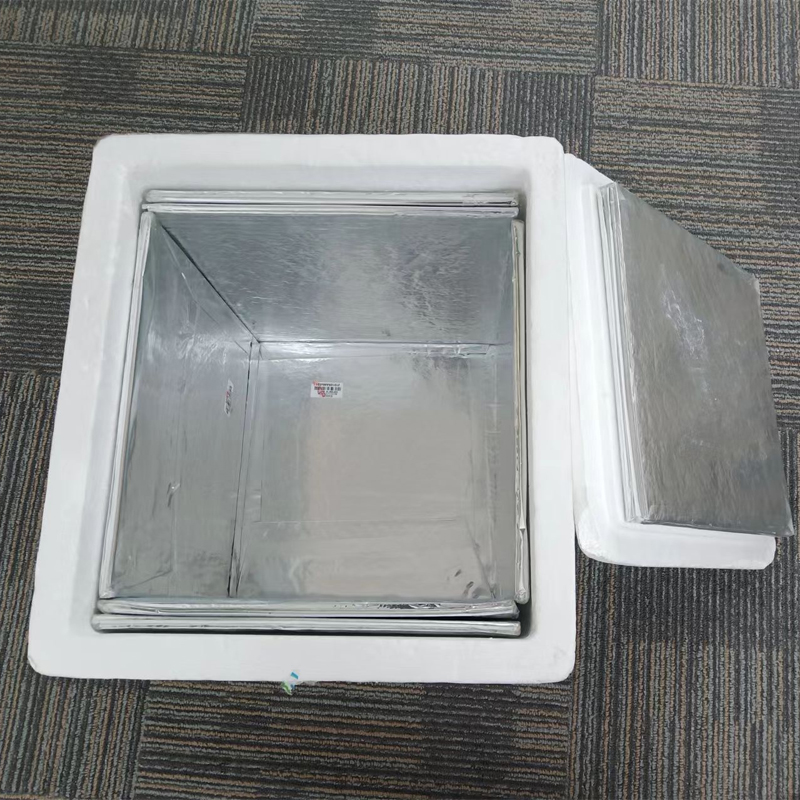
cooler bag wool manufacturer should be evaluated as a complete operating tool, not as a simple bag. You need the right thermal build, the right size-to-payload ratio, the right level of documentation, and a supplier who can repeat the approved sample at scale. When those pieces align, you reduce complaints, protect margin, and make the product easier to explain to buyers or internal teams.
This optimized guide combines the strongest buyer advice, material science, compliance logic, and 2026 market direction in one place. It is written to help you make a faster, safer sourcing decision while still supporting people-first SEO structure and clear user value.
This article will help you answer
- How to match the right build level to your actual route, payload, and budget
- Which materials, branding choices, and compliance steps matter most in 2026
- How to create a cleaner supplier brief and a stronger final buying decision
- How to make cooler bag easier to use, clean, and scale in daily operations
What should you prioritize first when choosing Cooler Bag Wool Manufacturer?
Start with route reality, not with catalog language. The right choice becomes much easier once you define payload, duration, ambient range, opening frequency, and user behavior.
Buyers often waste time comparing many bags that should never have been compared together. The better method is to lock the use case first. Are you carrying chilled food for two hours, shipping a parcel for twenty-four hours, or handing out a branded bag meant for daily reuse? Each scenario points to a different balance of insulation, structure, cost, and documentation.
For cooler bag wool manufacturer, the goal is not maximum material at any price. The goal is enough performance, enough durability, and enough clarity in the specification to make daily use predictable. When manufacturing is part of the keyword intent, buyers care about process control, not just an attractive sample. Across most markets, bag buyers are now expected to think about performance, documentation, and reuse together instead of treating them as separate topics.
Because wool is part of the specification, insulation is not only about foam thickness. You also need to check fiber density, moisture behavior, loft recovery, and how the wool layer is protected from contamination and odor.
A five-question filter that works fast
Ask five questions in order: what temperature range matters, how long the bag must perform, how often it will be opened, who carries it, and what approval documents are required. Those answers usually eliminate more bad options than hours of browsing product photos.
| Question | What you define | Why it changes the spec | Best next action |
|---|---|---|---|
| Temperature | general cold carry for food and daily routes | Sets the insulation and pack-out baseline | Define your pass-fail target first |
| Duration | Short, medium, or extended window | Changes wall build and PCM need | Match to route reality |
| Handling | Carry, parcel, multi-drop, event use | Changes closure and structure | Test with the real user |
| Cleaning | Low, medium, or high wipe frequency | Changes liner and seam priorities | Check odor and dry-down risk |
| Approval | Brand, QA, or procurement review | Changes document pack | Request only the documents that matter |
Practical tips and recommendations
- Write the use case at the top of the brief before you discuss colors or trim.
- Keep a reference payload ready for all sample comparisons.
- Reject any claim that cannot explain test conditions or material logic.
Which material and build combination fits your route best?
The winning build is usually the simplest structure that can meet the target reliably under your actual lane conditions.
Most bag decisions come down to a trade-off among thermal hold, bag weight, user comfort, cleanability, and cost. That trade-off should be visible in the sample. A light bag may be fine for short routes. A denser structured bag may be worth it when the route is longer, the ambient temperature is high, or the payload value is harder to risk.
The usual building blocks include fabric shell, foil or film barrier, foam core, wipe-clean liner. What matters most is not the marketing name of the material, but whether the layer is doing a real job in the final build. Every layer should either protect temperature, improve durability, support hygiene, or improve user handling. If it does none of those, it may only add cost and complexity.
Fit remains one of the most underrated variables. A bag that hugs the payload, closes smoothly, and stays stable during carrying often beats a roomier design with a thicker-looking wall.
A quick route-to-build decision tool
Use this matrix as a starting point, then validate with your own payload. It is meant to simplify shortlisting, not replace testing.
| Use scenario | Recommended build | Thermal support level | Buyer note |
|---|---|---|---|
| Short daily carry | Entry or mid build with clean liner | Light to medium | Best when price and portability matter most |
| Routine multi-drop route | Mid build with reinforced closure | Medium | Usually the best balance for everyday operations |
| Hotter or longer window | Premium structured build with disciplined pack-out | Medium to high | Worth it when complaints are expensive |
| Brand-led repeat use | Mid or premium build with stable logo zone | Use-case dependent | Function keeps the branding alive longer |
Practical tips and recommendations
- Do not upgrade wall thickness blindly if the bag is already oversized.
- Compare compression recovery after handling, not only new-condition thickness.
- Treat closure quality as part of the insulation system.
How do branding, compliance, and validation work together?
A bag becomes easier to scale when the visible design, hidden material choices, and proof of performance all tell the same story.
If the project is branded, the logo should sit on a stable area that survives folding, wiping, and normal use. If the project is operational, the bag should include useful identification such as a label zone or size code. In either case, the external design should not fight the thermal structure underneath.
Compliance is the same kind of discipline. If the bag is meant for food-related or cold-chain work, the supplier should be able to explain what the liner is, how the materials are handled, and which declarations are appropriate for the project. Testing then closes the loop by showing whether the built bag can meet the intended route or handling condition.
These three pieces reinforce each other. Good branding without thermal logic creates disappointment. Technical claims without supporting documents create approval delays. Documents without a usable product create operational frustration.
What should a clean validation package include?
A clean package includes the sample revision, a simple layer description, the route or test condition, the pass-fail target, and any project-specific declarations that are actually relevant. That level of clarity is often enough to win internal confidence and speed up supplier alignment.
| Element | What good looks like | Common mistake | Why it matters |
|---|---|---|---|
| Branding | Stable logo zone and matched print method | Artwork across stress lines | Protects appearance through reuse |
| Compliance | Use-case specific declarations | Requesting everything or nothing | Reduces approval risk |
| Validation | Real payload and clear pass-fail rule | Vague ‘hours cold’ claims | Makes performance claims credible |
| Revision control | Sample linked to final spec | Sample approved without locked spec | Protects repeat orders |
Practical tips and recommendations
- Approve logo placement on the assembled bag, not only on artwork.
- Ask for a plain-language explanation of each layer and its purpose.
- Keep the validation rule simple enough that your team will actually use it.
What sourcing model gives you the best total cost instead of the lowest quoted price?
Total cost includes rework, complaints, receiving effort, storage friction, and the time your team spends clarifying vague samples or vague claims.
The cheapest quote often assumes hidden trade-offs: lighter materials, looser tolerances, weaker documentation, or slower issue resolution. Those choices may not appear on the first order, but they show up later in receiving, in field feedback, and during the next reorder.
The better sourcing model depends on your role. For this keyword, the main lens is material control, process capability, and documented quality assurance. That means you should score suppliers on sample clarity, responsiveness, spec control, QC transparency, and how easily they support the next order, not just the first PO.
One practical rule helps a lot: simplify before you negotiate. Reduce unnecessary options, define the use case, freeze the dimensions, and confirm the print method. Then ask for pricing. Suppliers can quote more accurately, and you can compare offers more fairly.
What should go into a final sourcing decision?
Use a balanced score: product fit, test result, document quality, supplier response speed, and commercial terms. A supplier who is slightly higher on price but much better on clarity and repeatability often becomes the cheaper partner across the project lifecycle.
| Decision factor | Low-maturity sign | High-maturity sign | Your benefit |
|---|---|---|---|
| Sample control | Unlabeled revisions | Clear revision tracking | Fewer approval mistakes |
| Specification | General descriptions | Locked dimensions and materials | Cleaner repeat orders |
| QC approach | Generic promises | Defined defect standards | More predictable receiving quality |
| Commercial support | Price only | Price plus packing and lead-time clarity | Better landed-cost planning |
| After-sales support | Slow answers after PO | Structured response process | Faster issue resolution |
Practical tips and recommendations
- Simplify option sets before asking for bulk pricing.
- Keep one sealed reference sample for future reorder comparison.
- Do not separate commercial review from technical review; they influence each other.
Example: A premium gift brand moved to a wool-insulated cooler concept to support a warmer, more natural sustainability story. The project worked because the team protected the wool layer well, controlled odor checks, and avoided overclaiming thermal duration.
How do you future-proof the bag for 2026 and beyond?
Future-proofing does not mean guessing every regulation or trend. It means choosing a bag system that is easier to explain, easier to validate, and easier to improve later.
The direction of travel is clear. Buyers want helpful, specific information, cleaner material choices, better labeling, and proof that a product really fits the use case. In packaging, that often means less tolerance for vague claims and more interest in realistic performance plus reuse value.
For EU-linked work, recyclability direction and labeling clarity are already shaping sourcing conversations. For food-related work, hygiene and food-contact logic remain essential. For fast-moving retail and delivery programs, operational ease and route-fit continue to decide whether the bag earns repeat business.
The simplest future-proof move is to build a cleaner specification now: define the layer structure, remove unnecessary complexity, validate under real conditions, and document the final approved version well. That gives you room to evolve the bag later without losing control.
A future-proofing checklist
Keep the structure as simple as the job allows. Match the sustainability claim to actual service life. Reserve a clear zone for labels or revision control. Re-test when a major material or pattern change is made. These small habits create a surprisingly strong long-term foundation.
Practical tips and recommendations
- Prefer clarity over buzzwords in every product claim.
- Review whether each layer still earns its place in the build.
- Revalidate after significant supplier or material changes.
2026 Developments and Trends
The best 2026 play for cooler bag wool manufacturer is to combine people-first content, clear specification logic, and a bag design that actually fits the job. That combination supports both SEO performance and buyer confidence because it replaces generic wording with practical answers.
Latest developments at a glance
- Buyers are asking for cleaner material disclosure and more realistic thermal claims instead of vague insulation marketing.
- Reusable formats keep gaining ground where delivery teams, retailers, and corporate programs want brand visibility and lower waste per use.
- Procurement teams are increasingly pairing packaging choice with validation, cleaning rules, and route data rather than buying on sample feel alone.
As search and procurement both reward clarity, the strongest articles and the strongest products increasingly look alike: specific, useful, honest, and complete. That is the standard worth building toward.
Frequently Asked Questions
What is the best way to compare cooler bag wool manufacturer samples?
Use the same payload, the same starting temperature, and the same pack-out for every sample. Then compare closure quality, fit, and handling speed as well as temperature performance. A fair side-by-side test beats any catalog claim.
How long can cooler bag wool manufacturer keep products cold?
There is no single honest answer without conditions. In practice, performance depends on ambient temperature, payload mass, opening frequency, and whether you use gel packs or PCM. Use your real route to validate the working window instead of relying on a generic promise.
Can cooler bag wool manufacturer be custom branded or labeled?
Yes, most projects can support branding, but the print method and placement should match the outer material and the stress zones of the bag. Approve the logo on an assembled sample so you can see wrinkles, fold lines, and readability before mass production.
What documents should I ask for before buying cooler bag wool manufacturer?
Start with a clear specification sheet, a material description, and the inspection or quality rules for the final product. Add food-contact or hygiene-related documents only when the real use case requires them. The goal is practical clarity, not paperwork for its own sake.
What common mistake should buyers avoid with cooler bag wool manufacturer?
Avoid buying oversized bags just to feel safe. Extra air reduces thermal efficiency, slows loading, and often makes the bag harder to handle. In many projects, a better fit creates better performance than a bigger bag.
Should cooler bag wool manufacturer be tested against a standard profile?
If the project has real temperature risk, yes. A disciplined profile, whether simple in-house or aligned to a recognized thermal testing framework, gives you a much more useful decision basis than broad marketing language.
Summary and Recommendations
The most effective cooler bag wool manufacturer strategy combines buyer-fit, technical proof, clean documents, and a future-ready design story. That mix helps you source better now and publish content that remains useful as the market becomes more demanding.
Build your next step around a short buyer brief: define the use case, shortlist the right build level, test with the real payload, and request the minimum effective document pack. Then compare suppliers on clarity, repeatability, and total cost, not just the first quote. Request a manufacturing control sheet that shows incoming inspection, in-line checkpoints, and final AQL rules.
About Tempk
Tempk focuses on practical cold chain and insulated bag solutions for food, retail, delivery, and customized business projects. We work on the details that matter in the field: realistic insulation structures, cleaner specifications, reliable customization, and product builds that are easier to scale across repeat orders.
Share your target temperature, duration, payload size, and customization needs so the specification can be built around real use instead of guesswork.
Cooler Bag Foam Padded: Complete 2026 Buyer Guide
cooler bag foam padded should be evaluated as a complete operating tool, not as a simple bag. You need the right thermal build, the right size-to-payload ratio, the right level of documentation, and a supplier who can repeat the approved sample at scale. When those pieces align, you reduce complaints, protect margin, and make the product easier to explain to buyers or internal teams.
This optimized guide combines the strongest buyer advice, material science, compliance logic, and 2026 market direction in one place. It is written to help you make a faster, safer sourcing decision while still supporting people-first SEO structure and clear user value.
This article will help you answer
- How to match the right build level to your actual route, payload, and budget
- Which materials, branding choices, and compliance steps matter most in 2026
- How to create a cleaner supplier brief and a stronger final buying decision
- How to make cooler bag easier to use, clean, and scale in daily operations
What should you prioritize first when choosing Cooler Bag Foam Padded?
Start with route reality, not with catalog language. The right choice becomes much easier once you define payload, duration, ambient range, opening frequency, and user behavior.
Buyers often waste time comparing many bags that should never have been compared together. The better method is to lock the use case first. Are you carrying chilled food for two hours, shipping a parcel for twenty-four hours, or handing out a branded bag meant for daily reuse? Each scenario points to a different balance of insulation, structure, cost, and documentation.
For cooler bag foam padded, the goal is not maximum material at any price. The goal is enough performance, enough durability, and enough clarity in the specification to make daily use predictable. The best buying decision starts with route reality, not catalog language. Across most markets, bag buyers are now expected to think about performance, documentation, and reuse together instead of treating them as separate topics.
Because foam padding is part of the design, compression set and wall integrity deserve extra attention. A bag can look thick on day one but lose useful insulation if the foam collapses after stacking, folding, or repeated shoulder carry.
A five-question filter that works fast
Ask five questions in order: what temperature range matters, how long the bag must perform, how often it will be opened, who carries it, and what approval documents are required. Those answers usually eliminate more bad options than hours of browsing product photos.
| Question | What you define | Why it changes the spec | Best next action |
|---|---|---|---|
| Temperature | general cold carry for food and daily routes | Sets the insulation and pack-out baseline | Define your pass-fail target first |
| Duration | Short, medium, or extended window | Changes wall build and PCM need | Match to route reality |
| Handling | Carry, parcel, multi-drop, event use | Changes closure and structure | Test with the real user |
| Cleaning | Low, medium, or high wipe frequency | Changes liner and seam priorities | Check odor and dry-down risk |
| Approval | Brand, QA, or procurement review | Changes document pack | Request only the documents that matter |
Practical tips and recommendations
- Write the use case at the top of the brief before you discuss colors or trim.
- Keep a reference payload ready for all sample comparisons.
- Reject any claim that cannot explain test conditions or material logic.
Which material and build combination fits your route best?
The winning build is usually the simplest structure that can meet the target reliably under your actual lane conditions.
Most bag decisions come down to a trade-off among thermal hold, bag weight, user comfort, cleanability, and cost. That trade-off should be visible in the sample. A light bag may be fine for short routes. A denser structured bag may be worth it when the route is longer, the ambient temperature is high, or the payload value is harder to risk.
The usual building blocks include fabric shell, foil or film barrier, foam core, wipe-clean liner. What matters most is not the marketing name of the material, but whether the layer is doing a real job in the final build. Every layer should either protect temperature, improve durability, support hygiene, or improve user handling. If it does none of those, it may only add cost and complexity.
Fit remains one of the most underrated variables. A bag that hugs the payload, closes smoothly, and stays stable during carrying often beats a roomier design with a thicker-looking wall.
A quick route-to-build decision tool
Use this matrix as a starting point, then validate with your own payload. It is meant to simplify shortlisting, not replace testing.
| Use scenario | Recommended build | Thermal support level | Buyer note |
|---|---|---|---|
| Short daily carry | Entry or mid build with clean liner | Light to medium | Best when price and portability matter most |
| Routine multi-drop route | Mid build with reinforced closure | Medium | Usually the best balance for everyday operations |
| Hotter or longer window | Premium structured build with disciplined pack-out | Medium to high | Worth it when complaints are expensive |
| Brand-led repeat use | Mid or premium build with stable logo zone | Use-case dependent | Function keeps the branding alive longer |
Practical tips and recommendations
- Do not upgrade wall thickness blindly if the bag is already oversized.
- Compare compression recovery after handling, not only new-condition thickness.
- Treat closure quality as part of the insulation system.
How do branding, compliance, and validation work together?
A bag becomes easier to scale when the visible design, hidden material choices, and proof of performance all tell the same story.
If the project is branded, the logo should sit on a stable area that survives folding, wiping, and normal use. If the project is operational, the bag should include useful identification such as a label zone or size code. In either case, the external design should not fight the thermal structure underneath.
Compliance is the same kind of discipline. If the bag is meant for food-related or cold-chain work, the supplier should be able to explain what the liner is, how the materials are handled, and which declarations are appropriate for the project. Testing then closes the loop by showing whether the built bag can meet the intended route or handling condition.
These three pieces reinforce each other. Good branding without thermal logic creates disappointment. Technical claims without supporting documents create approval delays. Documents without a usable product create operational frustration.
What should a clean validation package include?
A clean package includes the sample revision, a simple layer description, the route or test condition, the pass-fail target, and any project-specific declarations that are actually relevant. That level of clarity is often enough to win internal confidence and speed up supplier alignment.
| Element | What good looks like | Common mistake | Why it matters |
|---|---|---|---|
| Branding | Stable logo zone and matched print method | Artwork across stress lines | Protects appearance through reuse |
| Compliance | Use-case specific declarations | Requesting everything or nothing | Reduces approval risk |
| Validation | Real payload and clear pass-fail rule | Vague ‘hours cold’ claims | Makes performance claims credible |
| Revision control | Sample linked to final spec | Sample approved without locked spec | Protects repeat orders |
Practical tips and recommendations
- Approve logo placement on the assembled bag, not only on artwork.
- Ask for a plain-language explanation of each layer and its purpose.
- Keep the validation rule simple enough that your team will actually use it.
What sourcing model gives you the best total cost instead of the lowest quoted price?
Total cost includes rework, complaints, receiving effort, storage friction, and the time your team spends clarifying vague samples or vague claims.
The cheapest quote often assumes hidden trade-offs: lighter materials, looser tolerances, weaker documentation, or slower issue resolution. Those choices may not appear on the first order, but they show up later in receiving, in field feedback, and during the next reorder.
The better sourcing model depends on your role. For this keyword, the main lens is fit, durability, and real-world temperature performance. That means you should score suppliers on sample clarity, responsiveness, spec control, QC transparency, and how easily they support the next order, not just the first PO.
One practical rule helps a lot: simplify before you negotiate. Reduce unnecessary options, define the use case, freeze the dimensions, and confirm the print method. Then ask for pricing. Suppliers can quote more accurately, and you can compare offers more fairly.
What should go into a final sourcing decision?
Use a balanced score: product fit, test result, document quality, supplier response speed, and commercial terms. A supplier who is slightly higher on price but much better on clarity and repeatability often becomes the cheaper partner across the project lifecycle.
| Decision factor | Low-maturity sign | High-maturity sign | Your benefit |
|---|---|---|---|
| Sample control | Unlabeled revisions | Clear revision tracking | Fewer approval mistakes |
| Specification | General descriptions | Locked dimensions and materials | Cleaner repeat orders |
| QC approach | Generic promises | Defined defect standards | More predictable receiving quality |
| Commercial support | Price only | Price plus packing and lead-time clarity | Better landed-cost planning |
| After-sales support | Slow answers after PO | Structured response process | Faster issue resolution |
Practical tips and recommendations
- Simplify option sets before asking for bulk pricing.
- Keep one sealed reference sample for future reorder comparison.
- Do not separate commercial review from technical review; they influence each other.
Example: A regional food distributor tightened the bag specification around fit, zipper quality, and liner wipeability. That change did not create a flashy new design, but it reduced daily friction for packers and made performance more predictable on the route.
How do you future-proof the bag for 2026 and beyond?
Future-proofing does not mean guessing every regulation or trend. It means choosing a bag system that is easier to explain, easier to validate, and easier to improve later.
The direction of travel is clear. Buyers want helpful, specific information, cleaner material choices, better labeling, and proof that a product really fits the use case. In packaging, that often means less tolerance for vague claims and more interest in realistic performance plus reuse value.
For EU-linked work, recyclability direction and labeling clarity are already shaping sourcing conversations. For food-related work, hygiene and food-contact logic remain essential. For fast-moving retail and delivery programs, operational ease and route-fit continue to decide whether the bag earns repeat business.
The simplest future-proof move is to build a cleaner specification now: define the layer structure, remove unnecessary complexity, validate under real conditions, and document the final approved version well. That gives you room to evolve the bag later without losing control.
A future-proofing checklist
Keep the structure as simple as the job allows. Match the sustainability claim to actual service life. Reserve a clear zone for labels or revision control. Re-test when a major material or pattern change is made. These small habits create a surprisingly strong long-term foundation.
Practical tips and recommendations
- Prefer clarity over buzzwords in every product claim.
- Review whether each layer still earns its place in the build.
- Revalidate after significant supplier or material changes.
2026 Developments and Trends
The best 2026 play for cooler bag foam padded is to combine people-first content, clear specification logic, and a bag design that actually fits the job. That combination supports both SEO performance and buyer confidence because it replaces generic wording with practical answers.
Latest developments at a glance
- Buyers are asking for cleaner material disclosure and more realistic thermal claims instead of vague insulation marketing.
- Reusable formats keep gaining ground where delivery teams, retailers, and corporate programs want brand visibility and lower waste per use.
- Procurement teams are increasingly pairing packaging choice with validation, cleaning rules, and route data rather than buying on sample feel alone.
As search and procurement both reward clarity, the strongest articles and the strongest products increasingly look alike: specific, useful, honest, and complete. That is the standard worth building toward.
Frequently Asked Questions
What is the best way to compare cooler bag foam padded samples?
Use the same payload, the same starting temperature, and the same pack-out for every sample. Then compare closure quality, fit, and handling speed as well as temperature performance. A fair side-by-side test beats any catalog claim.
How long can cooler bag foam padded keep products cold?
There is no single honest answer without conditions. In practice, performance depends on ambient temperature, payload mass, opening frequency, and whether you use gel packs or PCM. Use your real route to validate the working window instead of relying on a generic promise.
Can cooler bag foam padded be custom branded or labeled?
Yes, most projects can support branding, but the print method and placement should match the outer material and the stress zones of the bag. Approve the logo on an assembled sample so you can see wrinkles, fold lines, and readability before mass production.
What documents should I ask for before buying cooler bag foam padded?
Start with a clear specification sheet, a material description, and the inspection or quality rules for the final product. Add food-contact or hygiene-related documents only when the real use case requires them. The goal is practical clarity, not paperwork for its own sake.
What common mistake should buyers avoid with cooler bag foam padded?
Avoid buying oversized bags just to feel safe. Extra air reduces thermal efficiency, slows loading, and often makes the bag harder to handle. In many projects, a better fit creates better performance than a bigger bag.
Should cooler bag foam padded be tested against a standard profile?
If the project has real temperature risk, yes. A disciplined profile, whether simple in-house or aligned to a recognized thermal testing framework, gives you a much more useful decision basis than broad marketing language.
Summary and Recommendations
The most effective cooler bag foam padded strategy combines buyer-fit, technical proof, clean documents, and a future-ready design story. That mix helps you source better now and publish content that remains useful as the market becomes more demanding.
Build your next step around a short buyer brief: define the use case, shortlist the right build level, test with the real payload, and request the minimum effective document pack. Then compare suppliers on clarity, repeatability, and total cost, not just the first quote. Sample the bag with your real payload before scaling up.
About Tempk
Tempk focuses on practical cold chain and insulated bag solutions for food, retail, delivery, and customized business projects. We work on the details that matter in the field: realistic insulation structures, cleaner specifications, reliable customization, and product builds that are easier to scale across repeat orders.
Share your target temperature, duration, payload size, and customization needs so the specification can be built around real use instead of guesswork.
Cooler Backpack Supplier Mexico: Complete 2026 Buyer Guide
cooler backpack supplier mexico should be evaluated as a complete operating tool, not as a simple bag. You need the right thermal build, the right size-to-payload ratio, the right level of documentation, and a supplier who can repeat the approved sample at scale. When those pieces align, you reduce complaints, protect margin, and make the product easier to explain to buyers or internal teams.
This optimized guide combines the strongest buyer advice, material science, compliance logic, and 2026 market direction in one place. It is written to help you make a faster, safer sourcing decision while still supporting people-first SEO structure and clear user value.
This article will help you answer
- How to match the right build level to your actual route, payload, and budget
- Which materials, branding choices, and compliance steps matter most in 2026
- How to create a cleaner supplier brief and a stronger final buying decision
- How to make cooler backpack easier to use, clean, and scale in daily operations
- What buyers should watch when sourcing for Mexico conditions and approvals
What should you prioritize first when choosing Cooler Backpack Supplier Mexico?
Start with route reality, not with catalog language. The right choice becomes much easier once you define payload, duration, ambient range, opening frequency, and user behavior.
Buyers often waste time comparing many bags that should never have been compared together. The better method is to lock the use case first. Are you carrying chilled food for two hours, shipping a parcel for twenty-four hours, or handing out a branded bag meant for daily reuse? Each scenario points to a different balance of insulation, structure, cost, and documentation.
For cooler backpack supplier mexico, the goal is not maximum material at any price. The goal is enough performance, enough durability, and enough clarity in the specification to make daily use predictable. Supplier selection is about response quality as much as bag quality, especially when you need samples, revisions, and fast document support. In Mexico, nearshoring, cross-border flows, and busy city routes reward designs that stay stable through repeated loading, scanning, and fast hand-offs.
A five-question filter that works fast
Ask five questions in order: what temperature range matters, how long the bag must perform, how often it will be opened, who carries it, and what approval documents are required. Those answers usually eliminate more bad options than hours of browsing product photos.
| Question | What you define | Why it changes the spec | Best next action |
|---|---|---|---|
| Temperature | hands-free cold carry for mobile routes | Sets the insulation and pack-out baseline | Define your pass-fail target first |
| Duration | Short, medium, or extended window | Changes wall build and PCM need | Match to route reality |
| Handling | Carry, parcel, multi-drop, event use | Changes closure and structure | Test with the real user |
| Cleaning | Low, medium, or high wipe frequency | Changes liner and seam priorities | Check odor and dry-down risk |
| Approval | Brand, QA, or procurement review | Changes document pack | Request only the documents that matter |
Practical tips and recommendations
- Write the use case at the top of the brief before you discuss colors or trim.
- Keep a reference payload ready for all sample comparisons.
- Reject any claim that cannot explain test conditions or material logic.
Which material and build combination fits your route best?
The winning build is usually the simplest structure that can meet the target reliably under your actual lane conditions.
Most bag decisions come down to a trade-off among thermal hold, bag weight, user comfort, cleanability, and cost. That trade-off should be visible in the sample. A light bag may be fine for short routes. A denser structured bag may be worth it when the route is longer, the ambient temperature is high, or the payload value is harder to risk.
The usual building blocks include abrasion-resistant shell, foam insulation, foil barrier, padded harness. What matters most is not the marketing name of the material, but whether the layer is doing a real job in the final build. Every layer should either protect temperature, improve durability, support hygiene, or improve user handling. If it does none of those, it may only add cost and complexity.
Fit remains one of the most underrated variables. A bag that hugs the payload, closes smoothly, and stays stable during carrying often beats a roomier design with a thicker-looking wall.
A quick route-to-build decision tool
Use this matrix as a starting point, then validate with your own payload. It is meant to simplify shortlisting, not replace testing.
| Use scenario | Recommended build | Thermal support level | Buyer note |
|---|---|---|---|
| Short daily carry | Entry or mid build with clean liner | Light to medium | Best when price and portability matter most |
| Routine multi-drop route | Mid build with reinforced closure | Medium | Usually the best balance for everyday operations |
| Hotter or longer window | Premium structured build with disciplined pack-out | Medium to high | Worth it when complaints are expensive |
| Brand-led repeat use | Mid or premium build with stable logo zone | Use-case dependent | Function keeps the branding alive longer |
Practical tips and recommendations
- Do not upgrade wall thickness blindly if the bag is already oversized.
- Compare compression recovery after handling, not only new-condition thickness.
- Treat closure quality as part of the insulation system.
How do branding, compliance, and validation work together?
A bag becomes easier to scale when the visible design, hidden material choices, and proof of performance all tell the same story.
If the project is branded, the logo should sit on a stable area that survives folding, wiping, and normal use. If the project is operational, the bag should include useful identification such as a label zone or size code. In either case, the external design should not fight the thermal structure underneath.
Compliance is the same kind of discipline. If the bag is meant for food-related or cold-chain work, the supplier should be able to explain what the liner is, how the materials are handled, and which declarations are appropriate for the project. Testing then closes the loop by showing whether the built bag can meet the intended route or handling condition.
These three pieces reinforce each other. Good branding without thermal logic creates disappointment. Technical claims without supporting documents create approval delays. Documents without a usable product create operational frustration.
What should a clean validation package include?
A clean package includes the sample revision, a simple layer description, the route or test condition, the pass-fail target, and any project-specific declarations that are actually relevant. That level of clarity is often enough to win internal confidence and speed up supplier alignment.
| Element | What good looks like | Common mistake | Why it matters |
|---|---|---|---|
| Branding | Stable logo zone and matched print method | Artwork across stress lines | Protects appearance through reuse |
| Compliance | Use-case specific declarations | Requesting everything or nothing | Reduces approval risk |
| Validation | Real payload and clear pass-fail rule | Vague ‘hours cold’ claims | Makes performance claims credible |
| Revision control | Sample linked to final spec | Sample approved without locked spec | Protects repeat orders |
Practical tips and recommendations
- Approve logo placement on the assembled bag, not only on artwork.
- Ask for a plain-language explanation of each layer and its purpose.
- Keep the validation rule simple enough that your team will actually use it.
What sourcing model gives you the best total cost instead of the lowest quoted price?
Total cost includes rework, complaints, receiving effort, storage friction, and the time your team spends clarifying vague samples or vague claims.
The cheapest quote often assumes hidden trade-offs: lighter materials, looser tolerances, weaker documentation, or slower issue resolution. Those choices may not appear on the first order, but they show up later in receiving, in field feedback, and during the next reorder.
The better sourcing model depends on your role. For this keyword, the main lens is service speed, stock discipline, and dependable communication. That means you should score suppliers on sample clarity, responsiveness, spec control, QC transparency, and how easily they support the next order, not just the first PO.
One practical rule helps a lot: simplify before you negotiate. Reduce unnecessary options, define the use case, freeze the dimensions, and confirm the print method. Then ask for pricing. Suppliers can quote more accurately, and you can compare offers more fairly.
What should go into a final sourcing decision?
Use a balanced score: product fit, test result, document quality, supplier response speed, and commercial terms. A supplier who is slightly higher on price but much better on clarity and repeatability often becomes the cheaper partner across the project lifecycle.
| Decision factor | Low-maturity sign | High-maturity sign | Your benefit |
|---|---|---|---|
| Sample control | Unlabeled revisions | Clear revision tracking | Fewer approval mistakes |
| Specification | General descriptions | Locked dimensions and materials | Cleaner repeat orders |
| QC approach | Generic promises | Defined defect standards | More predictable receiving quality |
| Commercial support | Price only | Price plus packing and lead-time clarity | Better landed-cost planning |
| After-sales support | Slow answers after PO | Structured response process | Faster issue resolution |
Practical tips and recommendations
- Simplify option sets before asking for bulk pricing.
- Keep one sealed reference sample for future reorder comparison.
- Do not separate commercial review from technical review; they influence each other.
Example: A city delivery team in Mexico tested a structured backpack design with better shoulder balance and a tighter insulated chamber. Riders moved faster on short routes, and the bag stayed easier to load and wipe clean between drops.
How do you future-proof the bag for 2026 and beyond?
Future-proofing does not mean guessing every regulation or trend. It means choosing a bag system that is easier to explain, easier to validate, and easier to improve later.
The direction of travel is clear. Buyers want helpful, specific information, cleaner material choices, better labeling, and proof that a product really fits the use case. In packaging, that often means less tolerance for vague claims and more interest in realistic performance plus reuse value.
For EU-linked work, recyclability direction and labeling clarity are already shaping sourcing conversations. For food-related work, hygiene and food-contact logic remain essential. For fast-moving retail and delivery programs, operational ease and route-fit continue to decide whether the bag earns repeat business.
The simplest future-proof move is to build a cleaner specification now: define the layer structure, remove unnecessary complexity, validate under real conditions, and document the final approved version well. That gives you room to evolve the bag later without losing control.
A future-proofing checklist
Keep the structure as simple as the job allows. Match the sustainability claim to actual service life. Reserve a clear zone for labels or revision control. Re-test when a major material or pattern change is made. These small habits create a surprisingly strong long-term foundation.
Practical tips and recommendations
- Prefer clarity over buzzwords in every product claim.
- Review whether each layer still earns its place in the build.
- Revalidate after significant supplier or material changes.
2026 Developments and Trends
The best 2026 play for cooler backpack supplier mexico is to combine people-first content, clear specification logic, and a bag design that actually fits the job. That combination supports both SEO performance and buyer confidence because it replaces generic wording with practical answers.
Latest developments at a glance
- Mexico-focused buyers are paying more attention to route ergonomics, traceability, and supplier responsiveness as logistics networks deepen.
- Buyers are asking for cleaner material disclosure and more realistic thermal claims instead of vague insulation marketing.
- Reusable formats keep gaining ground where delivery teams, retailers, and corporate programs want brand visibility and lower waste per use.
- Procurement teams are increasingly pairing packaging choice with validation, cleaning rules, and route data rather than buying on sample feel alone.
As search and procurement both reward clarity, the strongest articles and the strongest products increasingly look alike: specific, useful, honest, and complete. That is the standard worth building toward.
Frequently Asked Questions
What is the best way to compare cooler backpack supplier mexico samples?
Use the same payload, the same starting temperature, and the same pack-out for every sample. Then compare closure quality, fit, and handling speed as well as temperature performance. A fair side-by-side test beats any catalog claim.
How long can cooler backpack supplier mexico keep products cold?
There is no single honest answer without conditions. In practice, performance depends on ambient temperature, payload mass, opening frequency, and whether you use gel packs or PCM. Use your real route to validate the working window instead of relying on a generic promise.
Can cooler backpack supplier mexico be custom branded or labeled?
Yes, most projects can support branding, but the print method and placement should match the outer material and the stress zones of the bag. Approve the logo on an assembled sample so you can see wrinkles, fold lines, and readability before mass production.
What documents should I ask for before buying cooler backpack supplier mexico?
Start with a clear specification sheet, a material description, and the inspection or quality rules for the final product. Add food-contact or hygiene-related documents only when the real use case requires them. The goal is practical clarity, not paperwork for its own sake.
What common mistake should buyers avoid with cooler backpack supplier mexico?
Avoid buying oversized bags just to feel safe. Extra air reduces thermal efficiency, slows loading, and often makes the bag harder to handle. In many projects, a better fit creates better performance than a bigger bag.
Should cooler backpack supplier mexico be tested against a standard profile?
If the project has real temperature risk, yes. A disciplined profile, whether simple in-house or aligned to a recognized thermal testing framework, gives you a much more useful decision basis than broad marketing language.
Summary and Recommendations
The most effective cooler backpack supplier mexico strategy combines buyer-fit, technical proof, clean documents, and a future-ready design story. That mix helps you source better now and publish content that remains useful as the market becomes more demanding.
Build your next step around a short buyer brief: define the use case, shortlist the right build level, test with the real payload, and request the minimum effective document pack. Then compare suppliers on clarity, repeatability, and total cost, not just the first quote. Score suppliers on response speed, sample discipline, document quality, and production transparency.
About Tempk
Tempk focuses on practical cold chain and insulated bag solutions for food, retail, delivery, and customized business projects. We work on the details that matter in the field: realistic insulation structures, cleaner specifications, reliable customization, and product builds that are easier to scale across repeat orders.
Share your target temperature, duration, payload size, and customization needs so the specification can be built around real use instead of guesswork.
Thermal Shipping Bag Manufacturer Guide 2026
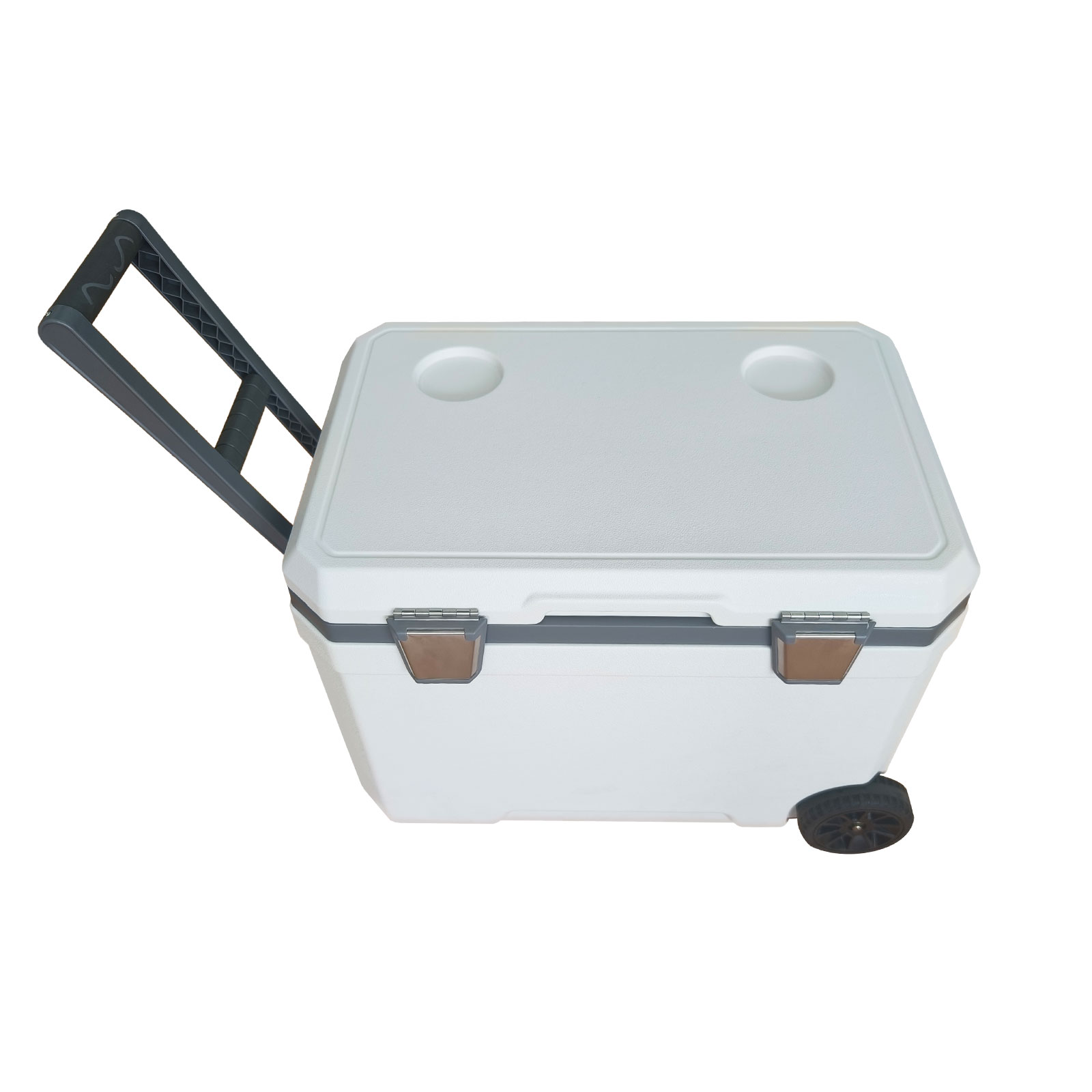
If you searched ‘thermal shipping bag manufacturer’, the best answer is not one more generic product description. You need a decision framework that helps you buy or develop the right thermal shipping bag manufacturer solution with lower thermal risk, cleaner documentation, and better total cost. In 2026, winning programs combine four things: a clear operating brief, a sensible material stack, reliable qualification data, and a supplier that can repeat the same result at scale.
- How to write a high-conversion buying brief for thermal shipping bag manufacturer products
- Which materials, tests, and compliance signals deserve the most attention
- How to compare distributor, OEM, and manufacturer-direct sourcing models
- What sustainability and 2026 policy trends should change in your next specification
- How to turn all of that into a practical approval checklist
How do you build the right buying brief for thermal shipping bag manufacturer?
The best thermal shipping bag manufacturer projects start with a disciplined brief, not with a random sample request. That brief should define the service window, the starting product condition, the route or handling pattern, the payload shape, the expected number of reuse cycles if any, and the documentation standard you expect from the supplier. When those items are written clearly, your quotation process gets faster because suppliers stop guessing. More importantly, the sample you approve is far more likely to survive day-to-day reality.
This matters because buyers often lose weeks by discussing color, decoration, or thickness before they define the job to be done. A stronger brief immediately reveals whether you need a fast-launch stock item, a branded OEM build, or a tighter manufacturer-direct development route. It also exposes hidden assumptions, such as whether the bag will face outdoor waiting time, repeated door opens, cleaning chemicals, or direct food-contact risk. In short, the brief is where a successful thermal shipping bag manufacturer program is really won.
What should be written into the first version of the brief?
Write only what changes field performance and approval speed. That means route length, temperature target, opening frequency, loaded dimensions, payload mass, closure type, intended use, and any compliance or branding requirement that would affect the build. Do not bury those points inside a long wish list. If the supplier can see the critical operating facts in one minute, your first sample round becomes far more useful.
| Brief item | Weak input | Best input | What it means for you |
|---|---|---|---|
| Transit promise | Need thermal shipping bag | Define duration, ambient, and consequence of failure | The design should match business risk |
| Production goal | Need volume | Define pilot volume, ramp path, and QC checkpoints | Scaling is a process, not a purchase order |
| Document needs | Need compliance | List exact records, declarations, and testing up front | Clarity shortens the sales cycle |
- Use one written brief for every supplier so response quality can be compared fairly.
- State whether reuse is optional, preferred, or mandatory, because that changes material and handle choices.
- Include the worst realistic delay, not only the planned route time, because that is where failures usually appear.
Composite decision example: A buyer reduced three rounds of unnecessary sampling simply by rewriting the brief around actual route delay, loaded size, and closure preference. Suppliers responded with more relevant structures, and the final approval happened with much less debate.
Which material, test, and compliance choices protect performance best?
The strongest thermal shipping bag manufacturer solution is usually not the thickest one. It is the one whose materials, closure, fit, and qualification method match the real application. Reflective layers help when radiant heat matters, trapped air or foam slows direct heat flow, and the outer layer decides much of the feel and durability. But even a promising material stack can fail if the bag is badly sized, loosely closed, or tested in a way that does not resemble real use.
For transport packaging, ISTA thermal methods remain a useful reference because they push teams to think in terms of actual shipping profiles instead of abstract insulation thickness. For medicine-adjacent or pharmaceutical programs, good distribution practice expects transport conditions to stay within defined limits and expects equipment suitability to be part of quality protection. UNEP and WHO have noted that as much as 50% of vaccines may be wasted globally, largely because temperature control and logistics break somewhere along the cold chain. That number is a reminder that packaging discipline matters. The European Commission’s Packaging and Packaging Waste Regulation entered into force on February 11, 2025 and begins general application on August 12, 2026. Its direction is clear: less unnecessary packaging, more recyclability, and stronger evidence behind packaging claims. In the United States, food-contact materials still need to fit their intended use under FDA frameworks, which is why retail and foodservice buyers increasingly ask for clear liner descriptions instead of generic ‘food safe’ wording. That context matters because compliance is now part of the design conversation. If your format may touch food directly, liner suitability and documentation cannot be vague. If the program is shipping-sensitive, a realistic thermal profile matters more than a flashy headline claim. In practical sourcing, performance proof, intended use, and material clarity all have to move together.
How do you separate useful data from decorative data?
Useful data answers four questions clearly: what payload was tested, what ambient profile was used, how the bag was packed, and how much margin remained before failure. Decorative data skips those details and offers only a broad promise. For thermal shipping bag manufacturer approval, ask for evidence that resembles the real lane or service pattern, not just a single easy test condition. That one habit will improve your buying decisions more than memorizing any technical buzzword.
| Performance checkpoint | Baseline view | Better view | What it means for you |
|---|---|---|---|
| Bubble laminate system | Efficient and cost-sensitive | Lower long-duration margin | Good when lane control is strong |
| Foam-backed laminate system | Better buffer for longer transit | Higher cost and pack bulk | Useful when you need more tolerance for delays |
| Mechanical stress | Thermal only | Thermal plus handling simulation | Shipping damage and thermal loss often appear together |
- Review the opening and fit with the same seriousness as the wall material, because air exchange ruins many good designs.
- Prefer test summaries that show the actual profile, payload, and acceptance window in plain language.
- Request intended-use and material records early so approvals are not delayed by avoidable paperwork gaps.
Composite decision example: Two sample bags looked similar at first glance, but one supplier explained the fit tolerance, closure path, and packout assumptions clearly while the other relied on thickness claims. The first supplier turned out to be the lower-risk choice even before formal testing finished.
Which sourcing model and supplier controls reduce risk fastest?
The right sourcing channel depends on speed, customization level, and tolerance for development work. A distributor can be ideal when you need fast availability and local service support. An OEM supplier is stronger when the bag shape, decoration, or feature set is part of your market offer. A manufacturer-direct route becomes attractive when volume is high enough to justify deeper process visibility and stricter repeatability control.
Whatever model you choose, the supplier still needs to prove basic maturity. That means clear specifications, lot traceability, change-control discipline, and the ability to explain what happens if a raw material source changes or a batch drifts. For a buyer, repeatability is the real product. A great prototype with weak controls is less valuable than a slightly less dramatic sample backed by a reliable production system.
How should you compare sourcing options side by side?
Compare them against your business goal, not against a fantasy of one perfect model. If you need launch speed, local service and low-setup structures may matter most. If your thermal shipping bag manufacturer format is part of the brand experience, OEM control deserves more weight. If quality repeatability across large volumes matters most, direct manufacturing visibility becomes more valuable.
| Sourcing path | Main strength | Main limitation | What it means for you |
|---|---|---|---|
| Distributor | Speed and convenience | Less control over process | Good for low-risk or urgent launches |
| OEM partner | Custom fit and better design input | Needs stronger coordination | Good when your bag is strategic |
| Manufacturer-direct | Best production visibility | Requires careful qualification | Best when repeatability matters most |
- Use a scorecard that includes response quality, documentation clarity, and change-control discipline, not just price.
- Ask the supplier how future material substitutions are managed; this question reveals maturity very quickly.
- Keep an approved reference sample and a written specification so reorders are judged against a standard, not memory.
Composite decision example: A team chose a supplier that was not the lowest-cost option because the quotation package showed clearer controls, faster corrective-action thinking, and a better understanding of the real application. That early discipline later saved time during reorders and specification updates.
How do you make thermal shipping bag manufacturer programs 2026-ready and lower waste?
A 2026-ready thermal shipping bag manufacturer program does not chase every trend. It removes avoidable waste while keeping the service promise intact. That can mean fewer SKUs, better fit, lighter structures, a realistic reuse model, or stronger documentation that prevents rejected tenders and delayed approvals. The key is to connect sustainability to operating reality instead of treating it as a separate marketing layer.
Buyer expectations have shifted from ‘Can you make it?’ to ‘Can you prove it will behave the same after the twentieth reorder?’ Manufacturers that win in 2026 show stronger qualification discipline, shorter feedback loops, and more realistic sustainability roadmaps. In practical terms, your next design review should ask whether the product is easier to understand, easier to use correctly, and easier to justify to procurement than the current version. If the answer is yes, you are probably moving in the right direction.
What quick self-assessment should a buyer run before approval?
Run a short internal check before you sign off. Can the team explain the use case in one sentence? Does the chosen structure match that use case? Are the material and intended-use records ready? And does the supplier have a believable plan for repeat production? If one of those answers is weak, the project is not ready no matter how attractive the sample looks.
| 2026 action | Practical move | Guiding principle | What it means for you |
|---|---|---|---|
| Need lower risk | Run a structured pilot before scaling | Do not confuse a good sample with a good process | Pilots reveal operational truth |
| Need better evidence | Request lane-fit testing and batch repeatability | One pass is not enough | Consistency is the commercial proof |
| Need future-ready design | Ask about simplified and reusable options | Make sustainability practical | A roadmap beats a slogan |
- Define the real scenario, including worst-delay exposure and handling pattern.
- Select the simplest structure that can protect that scenario with enough margin.
- Confirm material clarity, intended use, and any documentation requirements before launch.
- Choose the sourcing model that fits your speed, branding, and volume needs.
- Review reusability and waste claims only through the lens of how your operation actually works.
Composite decision example: A buyer improved both cost control and sustainability messaging by reducing the bag range, clarifying when reuse was realistic, and standardizing one documentation pack across suppliers. The result was a cleaner product story and a smoother approval cycle.
2026 latest thermal shipping bag manufacturer developments and trends
The latest pattern is consistent across many sectors. Buyers want simpler structures, clearer compliance language, stronger proof of fit, and suppliers who can keep performance stable as volume changes. That is why measured claims, scenario-based testing, and better change control are gaining value. The market is rewarding disciplined execution more than dramatic product storytelling.
- Thermal performance conversations are becoming more lane-specific and less generic
- Documentation quality increasingly influences both procurement speed and perceived supplier maturity
- Waste reduction is being pursued through smarter design and operational fit, not only through one material claim
A useful final insight is this: the best thermal shipping bag manufacturer solution often looks calm rather than flashy. It is easy to specify, easy to pack, easy to explain, and easy to reorder with confidence. That simplicity is not a lack of innovation. It is the result of good engineering, good sourcing, and good operational thinking working together.
Frequently asked questions
What is the fastest way to improve a thermal shipping bag manufacturer sourcing decision?
Rewrite the buyer brief around the real use case, the worst realistic delay, and the exact documentation you need. That one step improves every later decision.
Should you always choose the thickest or most premium-looking material?
No. The right choice is the structure that matches the actual route, handling pattern, and intended use with enough margin and manageable cost.
What documents should be ready before approval?
At minimum, a written specification, material description, intended-use statement, and any relevant compliance or test records for the application.
Is reuse the default answer for sustainability in 2026?
Only when cleaning, return flow, damage review, and storage are realistic. Otherwise, lighter and simpler formats may produce a better real-world result.
How do you judge whether a supplier can scale reliably?
Ask about change control, lot traceability, incoming material checks, and what happens when a raw material source changes. Mature suppliers answer clearly.
What makes the final optimized article’s approach better than a normal buying guide?
It combines scenario mapping, material logic, qualification thinking, supplier control, and 2026 policy direction into one thermal shipping bag manufacturer decision framework instead of treating them as separate topics.
Summary and recommendation
The best thermal shipping bag manufacturer decision in 2026 comes from combining product education, technical validation, market awareness, and operational realism. You need a clear brief, a material stack that matches the job, data that actually reflects the job, and a supplier that can repeat the result without surprises. When those pieces work together, you gain stronger performance, fewer approval delays, and better long-run cost control.
Your next step should be practical. Build a one-page approval brief, compare suppliers against that same brief, and remove claims or features that your operation cannot truly support. That will give you a more resilient and more convincing thermal shipping bag manufacturer program than chasing broad promises or isolated sample impressions.
About Tempk
We help buyers evaluate thermal shipping bag manufacturers through the lens that matters most: repeatable protection, sample-to-scale consistency, and documentation that keeps teams aligned when volume grows.
If you are planning the next stage of a thermal shipping bag manufacturer project, begin with the operating brief and the qualification plan. That is the clearest path to a product that performs well, scales cleanly, and still makes sense under 2026 procurement pressure.