


How to Buy the Best Insulated Delivery Bag Exporter in 2026?
How to Buy the Best Insulated Delivery Bag Exporter in 2026?
If you want the best insulated delivery bag exporter in 2026, you need three things working together: a buyer-friendly specification, technical proof that the design performs, and a market-aware view of cost, sustainability, and user behavior. Strong SEO content follows the same rule. It wins by being clear, useful, specific, and easy to act on.
This optimized article combines the strongest parts of a buyer guide, a technical review, and a market trend analysis. You will learn how to compare insulated delivery bag designs, how to read the most important quality signals, and how to choose a supplier that can support your workflow instead of forcing you to adapt to the bag.
This article will answer:
- How to build a short, SEO-friendly, buyer-useful checklist for insulated delivery bag exporter.
- Which delivery bag exporter features matter most for export sales teams and global buyers.
- How to combine material science, cost control, and market trends in one decision.
- Which compliance, cleaning, or validation checks reduce sourcing risk.
- How to move from vague inquiry to a supplier-ready brief that gets better quotes.
What Does a High-Performing Insulated Delivery Bag Exporter Look Like?
A high-performing insulated delivery bag exporter does three things at once: it protects the payload, it supports the user, and it fits the business model. If one of those fails, the product underperforms. A bag with great insulation but poor access can slow service. A bag that is easy to carry but hard to clean will be avoided. A bag that is cheap but inconsistent will create costly friction later.
The best buying decision starts with a simple question: what problem is this bag solving for you every day? If the answer is clearer loading, safer transport, cleaner handling, faster outreach, or fewer complaints, you can build a specification around that. If the answer is only that the bag should look similar to another product, you are likely to overspend on the wrong details.
Which Use Cases Create the Highest Value First?
That is why the optimized view of insulated delivery bag always combines use case, route condition, and user behavior. This approach keeps the content genuinely helpful for search and genuinely useful for buyers, which is the strongest combination you can build in 2026.
| Use case | Typical payload | Transport window | What it means for you |
|---|---|---|---|
| Meal Delivery Fleets | High-frequency delivery operations | Repeated daily use after overseas shipment | You reduce early wear and protect brand rollout quality. |
| Grocery Dispatch | High-frequency delivery operations | 30 to 120 minutes depending on route and coolant | You reduce early wear and protect brand rollout quality. |
| Cross-Border Franchise Rollouts | High-frequency delivery operations | Use-case dependent with higher open-and-close risk | You reduce early wear and protect brand rollout quality. |
Practical tips and recommendations
- Match the insulated delivery bag size to the real payload, not the largest possible order, so you keep fill ratio high and dead air low.
- Use a pilot route with one or two representative payloads before rolling out insulated delivery bag exporter across every branch or market.
- Ask users to rank comfort, access speed, and cleaning time after one week of use. Those answers often reveal more than the first sample impression.
Practical case: An exporter serving several franchise markets standardized zipper strength, bottom-board stiffness, and carton count, which made replenishment orders easier to compare and approve.
How Should You Compare Materials in Insulated Delivery Bag Exporter?
The best way to compare insulated delivery bag materials is to connect each layer to one buyer outcome. Outer fabric affects durability and brand appearance. Insulation affects hold time and wall stability. Closures and seams affect air leakage. Liners affect cleaning speed and leak control. When you score the bag this way, you stop being distracted by thickness alone.
In the optimized buying process, materials must be judged against your route, not against a generic idea of quality. A slightly lighter bag may be better if it improves ergonomics and carton density without sacrificing the hold window you actually need. A thicker wall may be better if the route is long and the payload is high value. The best material stack is the one that protects the payload while still being easy to handle, clean, pack, and store.
Which Construction Details Separate Premium Value From Empty Claims?
The supplier worth trusting is the one that can explain why each part of the material stack is there, what problem it solves, and how it was chosen for your application. That kind of clarity supports both better procurement and better search performance because it gives the reader practical, decision-ready information.
| Bag component | Common option | Why it matters | Practical meaning |
|---|---|---|---|
| Outer layer | abrasion-resistant outer fabrics | Improves abrasion resistance, print stability, and day-to-day durability. | Matters most when the bag is dragged, stacked, or exposed to rain, dust, or UV. |
| Insulation system | thicker foam or multilayer insulation | Sets the real thermal ceiling by limiting heat flow and reducing wall collapse. | Matters most when ambient heat is high or the route includes multiple openings. |
| Inner system | leak-resistant inner liners | Shapes cleanability, leak control, and user confidence in daily handling. | Matters most when staff must clean fast, avoid contamination, or protect the payload. |
Practical tips and recommendations
- Use thicker foam only when the route needs it. Extra bulk can hurt handling speed and carton efficiency.
- Check how the lining behaves after repeated wiping, folding, and contact with moisture. Durability problems often start on the inside.
- Compare seam finish, zipper travel, and base stiffness in the hand. Small construction details change real use more than color or print.
Practical case: In sample review, buyers often discover that the most expensive-looking bag is not the most durable. The winner is usually the sample whose materials still make sense after folding, wiping, loading, and repeated daily use.
Which Data and Compliance Signals Matter Most for Insulated Delivery Bag Exporter?
The strongest decision signal for insulated delivery bag exporter is not one perfect test result. It is a small set of aligned facts: a clear specification, a realistic validation method, a sensible inspection plan, and a supplier who can explain the whole system in plain language. When those pieces line up, sourcing risk drops sharply.
Build your decision tool around the things that most often go wrong: wrong dimensions, poor seam quality, inconsistent insulation, weak closures, missing monitoring discipline, and vague compliance claims. Then score each supplier against those factors. This is easier, faster, and usually more accurate than relying on a single impressive sample. For food-related use, the practical focus is cleanability, route discipline, and evidence that the bag can support the temperature and hygiene process your team already follows.
How Can You Build a Decision Tool That Reduces Sourcing Risk?
Optimized content and optimized procurement work in a similar way. Both focus on clarity, evidence, and usefulness. If a section of content or a line in a specification does not help the reader make a better decision, it probably does not deserve the space.
| Checkpoint | What to define | Why it matters for you |
|---|---|---|
| Wall build | State fabric gsm, foam density, thickness, and liner stack | Avoid buying a bag that looks good but performs inconsistently. |
| Closure design | Define zipper path, flap overlap, leak points, and seam finish | Small leakage points can cut hold time faster than buyers expect. |
| Load and dimensions | Set payload, compression load, and pass-fail test conditions | You prevent overloaded bags, broken handles, and poor user comfort. |
| Cleanability | Confirm wipe-clean liner and odor resistance | You keep reuse practical and reduce downtime after each trip. |
Practical tips and recommendations
- Turn every promise into a measurable line item: dimension tolerance, weight tolerance, seam strength, and pass-fail criteria.
- Approve a golden sample with notes on fabric, print, insulation, and accessories before mass production starts.
- Use incoming inspection on the first orders even if the factory looks strong on paper. Early process drift is common.
Practical case: One of the simplest sourcing improvements is to convert a verbal requirement into a signed specification and golden sample. That single step often prevents the majority of avoidable disagreement later.
How Do You Build the Best 2026 Buying Strategy for Insulated Delivery Bag Exporter?
The best 2026 buying strategy for insulated delivery bag exporter is to score suppliers on five things: application fit, material clarity, validation support, repeatability, and total lifecycle value. Price still matters, but it should sit inside that scorecard rather than replace it.
This approach protects you from two common mistakes. The first is overbuying features that do not improve your route. The second is underbuying structure and quality control, then paying later through replacement, complaints, or transport risk. Once the scorecard is set, supplier discussions become faster and far more objective. Export projects need stronger attention to batch traceability, inspection photos, and how the supplier supports different destination-market requirements.
What Should Your Final Supplier Scorecard Include?
The optimized choice is the one that can be explained simply: this is the bag, this is the use case, this is the tested or expected result, this is why the cost is justified, and this is what the next order will look like. Clear buying logic is a competitive advantage.
| Cost driver | What it changes | Best buying action | Why it matters |
|---|---|---|---|
| Material Grade | Raises or lowers the unit price, but often also changes durability and user satisfaction. | Ask for a side-by-side quote with a clear spec sheet. | Useful when the bag will be reused or audited closely. |
| Carton Density | Can reduce damage claims, improve hold time, or lower freight cost when chosen well. | Review the effect on carton efficiency, route fit, and expected service life. | Useful when the bag will be reused or audited closely. |
| Custom Branding | Shapes the true cost per trip or cost per successful delivery, not just the PO price. | Approve the option that improves total value instead of chasing the lowest unit cost. | Useful when the bag will be reused or audited closely. |
Practical tips and recommendations
- Ask suppliers to quote at two or three spec levels so you can see where extra money truly buys better value.
- Review service life, freight efficiency, and complaint reduction together. That is the real buying picture.
- Choose the partner who can keep the same build across repeat orders, not just the factory with the best first sample.
Practical case: When buyers compare only on first price, they often miss later costs hidden in damage, slow cleaning, weak handles, oversize cartons, or early replacement. A scorecard makes those hidden costs visible.
2026 Developments and Trends for Insulated Delivery Bag Exporter
The 2026 outlook for insulated delivery bag exporter combines three winning ideas: people-first product design, measurable thermal performance, and smarter lifecycle value. Google’s current people-first content guidance rewards clarity and usefulness; product buyers behave the same way. They want a design that solves a real problem, with evidence, simple language, and a clear next step.
Latest developments at a glance
- Faster growth in reusable delivery equipment programs.
- More exporter demand for country-specific labeling.
- Greater use of modular insert systems.
- More requests for sustainable fabric stories without sacrificing lifespan.
Market insight matters because a cold-chain bag is now part of a broader operations story. Buyers in delivery export increasingly compare service life, replacement rate, freight density, cleaning time, and sustainability reporting alongside unit cost. In other words, the market is moving away from ‘How cheap is this bag?’ and toward ‘How reliably does this bag perform over time?’
Frequently Asked Questions
What is the biggest mistake buyers make with insulated delivery bag exporter?
The most common mistake is buying by appearance or sample feel alone. A bag can look thick and still lose performance through weak seams, poor closures, or the wrong size. Start with route conditions, payload, and cleaning or monitoring needs, then choose the build.
How long can this insulated delivery bag hold temperature?
There is no honest single answer. Hold time depends on payload temperature, ambient conditions, opening frequency, fill ratio, coolant use, and wall design. Ask suppliers for a test setup that matches your route, then run a small pilot to confirm the real result.
Should you choose reusable or lower-cost disposable options for insulated delivery bag?
Reusable designs usually win when the bag cycles many times and your team can clean and manage returns. Lower-cost options may fit one-way or promotional use. Compare cost per successful trip, waste, and complaint risk instead of only unit price.
Which compliance checks matter most before approval?
Use-case fit comes first. After that, review chemical and labeling requirements for your market, then verify seam quality, load strength, dimensions, and any temperature-control documentation you need. If the payload is medical or high value, add packout and monitoring rules.
How many samples should you review before production?
At minimum, review an appearance sample and a production-quality sample made with the real material stack. For larger programs, approve a golden sample, a carton sample, and a pre-shipment inspection plan. That small effort can prevent expensive repeat problems.
How should you compare suppliers in 2026?
Compare them on specification control, response speed, repeatability, and willingness to test. The best supplier is usually the one that asks smart questions about your route and payload, not the one that replies with the fastest low quote.
Summary and Recommendations
The main lesson from this insulated delivery bag exporter guide is simple: buy for the route, not for the photo. Start with payload, temperature window, opening pattern, cleaning demand, and user comfort. Then compare materials, closure quality, dimensions, and supplier control against that real use case. When you do that, the best option usually becomes obvious.
The optimized decision combines buyer clarity, technical evidence, and market reality. It gives you a content structure that is strong for SEO and a procurement structure that is strong for real-world execution. That combination is what turns a search phrase into a useful business asset.
About Tempk
About Tempk: We focus on temperature-control packaging solutions for real operating environments, including reusable insulated bags, cold boxes, and custom soft-sided transport systems. Our work is built around practical specification control, application fit, and product designs that are easy for teams to use, clean, and repeat at scale.
If you are evaluating insulated delivery bag exporter, the most useful next step is to define your route, payload, and performance target, then review a sample against that exact brief. That keeps the discussion clear and helps us recommend a build that fits your operation instead of pushing a one-size-fits-all answer.
Insulated Cooler Bag Trade Guide 2026
If you searched ‘insulated cooler bag trade’, the best answer is not one more generic product description. You need a decision framework that helps you buy or develop the right cooler bag trade solution with lower thermal risk, cleaner documentation, and better total cost. In 2026, winning programs combine four things: a clear operating brief, a sensible material stack, reliable qualification data, and a supplier that can repeat the same result at scale.
- How to write a high-conversion buying brief for cooler bag trade products
- Which materials, tests, and compliance signals deserve the most attention
- How to compare distributor, OEM, and manufacturer-direct sourcing models
- What sustainability and 2026 policy trends should change in your next specification
- How to turn all of that into a practical approval checklist
How do you build the right buying brief for cooler bag trade?
The best cooler bag trade projects start with a disciplined brief, not with a random sample request. That brief should define the service window, the starting product condition, the route or handling pattern, the payload shape, the expected number of reuse cycles if any, and the documentation standard you expect from the supplier. When those items are written clearly, your quotation process gets faster because suppliers stop guessing. More importantly, the sample you approve is far more likely to survive day-to-day reality.
This matters because buyers often lose weeks by discussing color, decoration, or thickness before they define the job to be done. A stronger brief immediately reveals whether you need a fast-launch stock item, a branded OEM build, or a tighter manufacturer-direct development route. It also exposes hidden assumptions, such as whether the bag will face outdoor waiting time, repeated door opens, cleaning chemicals, or direct food-contact risk. In short, the brief is where a successful cooler bag trade program is really won.
What should be written into the first version of the brief?
Write only what changes field performance and approval speed. That means route length, temperature target, opening frequency, loaded dimensions, payload mass, closure type, intended use, and any compliance or branding requirement that would affect the build. Do not bury those points inside a long wish list. If the supplier can see the critical operating facts in one minute, your first sample round becomes far more useful.
| Brief item | Weak input | Best input | What it means for you |
|---|---|---|---|
| Channel | Need cooler bag | Retail, wholesale, promo, or foodservice named | Channel economics change the right build |
| Spec level | General sample approval | Written tolerance and inspection plan | Trade scale needs written control |
| Landed-cost target | Low price | Unit plus freight and risk target | Margin lives in total cost |
- Use one written brief for every supplier so response quality can be compared fairly.
- State whether reuse is optional, preferred, or mandatory, because that changes material and handle choices.
- Include the worst realistic delay, not only the planned route time, because that is where failures usually appear.
Composite decision example: A buyer reduced three rounds of unnecessary sampling simply by rewriting the brief around actual route delay, loaded size, and closure preference. Suppliers responded with more relevant structures, and the final approval happened with much less debate.
Which material, test, and compliance choices protect performance best?
The strongest cooler bag trade solution is usually not the thickest one. It is the one whose materials, closure, fit, and qualification method match the real application. Reflective layers help when radiant heat matters, trapped air or foam slows direct heat flow, and the outer layer decides much of the feel and durability. But even a promising material stack can fail if the bag is badly sized, loosely closed, or tested in a way that does not resemble real use.
The European Commission’s Packaging and Packaging Waste Regulation entered into force on February 11, 2025 and begins general application on August 12, 2026. Its direction is clear: less unnecessary packaging, more recyclability, and stronger evidence behind packaging claims. The U.S. EPA’s current national plastics strategy continues to push source reduction, reuse, and extended producer responsibility thinking, so lightweight and reusable designs now matter in procurement conversations, not just in marketing decks. Japan’s resource-circulation direction is tightening as well. Government policy points toward more reusable or recyclable design, a 25% reduction in single-use plastics by 2030, and stronger use of recycled or biomass materials where practical. European food-contact rules also stay strict: materials must not release harmful substances or change taste, odor, or food composition under intended use. Good manufacturing practice and clear declarations are not optional. In the United States, food-contact materials still need to fit their intended use under FDA frameworks, which is why retail and foodservice buyers increasingly ask for clear liner descriptions instead of generic ‘food safe’ wording. That context matters because compliance is now part of the design conversation. If your format may touch food directly, liner suitability and documentation cannot be vague. If the program is shipping-sensitive, a realistic thermal profile matters more than a flashy headline claim. In practical sourcing, performance proof, intended use, and material clarity all have to move together.
How do you separate useful data from decorative data?
Useful data answers four questions clearly: what payload was tested, what ambient profile was used, how the bag was packed, and how much margin remained before failure. Decorative data skips those details and offers only a broad promise. For cooler bag trade approval, ask for evidence that resembles the real lane or service pattern, not just a single easy test condition. That one habit will improve your buying decisions more than memorizing any technical buzzword.
| Performance checkpoint | Baseline view | Better view | What it means for you |
|---|---|---|---|
| Value soft cooler build | Good for short use cycles | Highest cost efficiency | A strong trade option when claims stay realistic |
| Mid-tier structured cooler | Better durability and shelf appeal | More cube and cost | Useful when the channel values repeat use |
| Inspection plan | End-of-line glance | Defined AQL and checkpoint list | Quality is a process, not a final photo |
- Review the opening and fit with the same seriousness as the wall material, because air exchange ruins many good designs.
- Prefer test summaries that show the actual profile, payload, and acceptance window in plain language.
- Request intended-use and material records early so approvals are not delayed by avoidable paperwork gaps.
Composite decision example: Two sample bags looked similar at first glance, but one supplier explained the fit tolerance, closure path, and packout assumptions clearly while the other relied on thickness claims. The first supplier turned out to be the lower-risk choice even before formal testing finished.
Which sourcing model and supplier controls reduce risk fastest?
The right sourcing channel depends on speed, customization level, and tolerance for development work. A distributor can be ideal when you need fast availability and local service support. An OEM supplier is stronger when the bag shape, decoration, or feature set is part of your market offer. A manufacturer-direct route becomes attractive when volume is high enough to justify deeper process visibility and stricter repeatability control.
Whatever model you choose, the supplier still needs to prove basic maturity. That means clear specifications, lot traceability, change-control discipline, and the ability to explain what happens if a raw material source changes or a batch drifts. For a buyer, repeatability is the real product. A great prototype with weak controls is less valuable than a slightly less dramatic sample backed by a reliable production system.
How should you compare sourcing options side by side?
Compare them against your business goal, not against a fantasy of one perfect model. If you need launch speed, local service and low-setup structures may matter most. If your cooler bag trade format is part of the brand experience, OEM control deserves more weight. If quality repeatability across large volumes matters most, direct manufacturing visibility becomes more valuable.
| Sourcing path | Main strength | Main limitation | What it means for you |
|---|---|---|---|
| Trading company | Easy consolidation and communication | Less factory transparency | Good when you need multi-source flexibility |
| Direct factory | Lower ex-works cost and better process view | Needs more buyer discipline | Best when your team can manage detail |
| Hybrid managed supply | Balance of control and flexibility | Requires role clarity | Often the safest option for growth |
- Use a scorecard that includes response quality, documentation clarity, and change-control discipline, not just price.
- Ask the supplier how future material substitutions are managed; this question reveals maturity very quickly.
- Keep an approved reference sample and a written specification so reorders are judged against a standard, not memory.
Composite decision example: A team chose a supplier that was not the lowest-cost option because the quotation package showed clearer controls, faster corrective-action thinking, and a better understanding of the real application. That early discipline later saved time during reorders and specification updates.
How do you make cooler bag trade programs 2026-ready and lower waste?
A 2026-ready cooler bag trade program does not chase every trend. It removes avoidable waste while keeping the service promise intact. That can mean fewer SKUs, better fit, lighter structures, a realistic reuse model, or stronger documentation that prevents rejected tenders and delayed approvals. The key is to connect sustainability to operating reality instead of treating it as a separate marketing layer.
Trade buyers increasingly win by making the specification simpler, clearer, and easier to inspect rather than by chasing endless optional layers. Global cooler bag trade in 2026 rewards suppliers who can pair logistics discipline with credible circularity plans and fewer claim surprises. In practical terms, your next design review should ask whether the product is easier to understand, easier to use correctly, and easier to justify to procurement than the current version. If the answer is yes, you are probably moving in the right direction.
What quick self-assessment should a buyer run before approval?
Run a short internal check before you sign off. Can the team explain the use case in one sentence? Does the chosen structure match that use case? Are the material and intended-use records ready? And does the supplier have a believable plan for repeat production? If one of those answers is weak, the project is not ready no matter how attractive the sample looks.
| 2026 action | Practical move | Guiding principle | What it means for you |
|---|---|---|---|
| Need fewer disputes | Tighten claim language and specs | Precision sells better long term | Trust compounds in trade |
| Need better margin | Optimize case pack and fold | Freight is part of design | Small packing gains can beat tiny unit-price cuts |
| Need stronger resilience | Pre-approve backup sources | Protect the season before it starts | Preparedness is cheaper than emergency buying |
- Define the real scenario, including worst-delay exposure and handling pattern.
- Select the simplest structure that can protect that scenario with enough margin.
- Confirm material clarity, intended use, and any documentation requirements before launch.
- Choose the sourcing model that fits your speed, branding, and volume needs.
- Review reusability and waste claims only through the lens of how your operation actually works.
Composite decision example: A buyer improved both cost control and sustainability messaging by reducing the bag range, clarifying when reuse was realistic, and standardizing one documentation pack across suppliers. The result was a cleaner product story and a smoother approval cycle.
2026 latest cooler bag trade developments and trends
The latest pattern is consistent across many sectors. Buyers want simpler structures, clearer compliance language, stronger proof of fit, and suppliers who can keep performance stable as volume changes. That is why measured claims, scenario-based testing, and better change control are gaining value. The market is rewarding disciplined execution more than dramatic product storytelling.
- Thermal performance conversations are becoming more lane-specific and less generic
- Documentation quality increasingly influences both procurement speed and perceived supplier maturity
- Waste reduction is being pursued through smarter design and operational fit, not only through one material claim
A useful final insight is this: the best cooler bag trade solution often looks calm rather than flashy. It is easy to specify, easy to pack, easy to explain, and easy to reorder with confidence. That simplicity is not a lack of innovation. It is the result of good engineering, good sourcing, and good operational thinking working together.
Frequently asked questions
What is the fastest way to improve a cooler bag trade sourcing decision?
Rewrite the buyer brief around the real use case, the worst realistic delay, and the exact documentation you need. That one step improves every later decision.
Should you always choose the thickest or most premium-looking material?
No. The right choice is the structure that matches the actual route, handling pattern, and intended use with enough margin and manageable cost.
What documents should be ready before approval?
At minimum, a written specification, material description, intended-use statement, and any relevant compliance or test records for the application.
Is reuse the default answer for sustainability in 2026?
Only when cleaning, return flow, damage review, and storage are realistic. Otherwise, lighter and simpler formats may produce a better real-world result.
How do you judge whether a supplier can scale reliably?
Ask about change control, lot traceability, incoming material checks, and what happens when a raw material source changes. Mature suppliers answer clearly.
What makes the final optimized article’s approach better than a normal buying guide?
It combines scenario mapping, material logic, qualification thinking, supplier control, and 2026 policy direction into one cooler bag trade decision framework instead of treating them as separate topics.
Summary and recommendation
The best cooler bag trade decision in 2026 comes from combining product education, technical validation, market awareness, and operational realism. You need a clear brief, a material stack that matches the job, data that actually reflects the job, and a supplier that can repeat the result without surprises. When those pieces work together, you gain stronger performance, fewer approval delays, and better long-run cost control.
Your next step should be practical. Build a one-page approval brief, compare suppliers against that same brief, and remove claims or features that your operation cannot truly support. That will give you a more resilient and more convincing cooler bag trade program than chasing broad promises or isolated sample impressions.
About Tempk
We support cooler bag trade projects by tightening the connection between product spec, inspection reality, and landed-cost thinking. That helps importers and wholesalers buy with less friction and better repeatability.
If you are planning the next stage of a cooler bag trade project, begin with the operating brief and the qualification plan. That is the clearest path to a product that performs well, scales cleanly, and still makes sense under 2026 procurement pressure.
How to Buy the Best Insulated Cooler Bag Industrial in 2026?
If you want the best insulated cooler bag industrial in 2026, you need three things working together: a buyer-friendly specification, technical proof that the design performs, and a market-aware view of cost, sustainability, and user behavior. Strong SEO content follows the same rule. It wins by being clear, useful, specific, and easy to act on.
This optimized article combines the strongest parts of a buyer guide, a technical review, and a market trend analysis. You will learn how to compare insulated cooler bag designs, how to read the most important quality signals, and how to choose a supplier that can support your workflow instead of forcing you to adapt to the bag.
This article will answer:
- How to build a short, SEO-friendly, buyer-useful checklist for insulated cooler bag industrial.
- Which industrial insulated cooler bag features matter most for industrial buyers and operations managers.
- How to combine material science, cost control, and market trends in one decision.
- Which compliance, cleaning, or validation checks reduce sourcing risk.
- How to move from vague inquiry to a supplier-ready brief that gets better quotes.
What Does a High-Performing Insulated Cooler Bag Industrial Look Like?
A high-performing insulated cooler bag industrial does three things at once: it protects the payload, it supports the user, and it fits the business model. If one of those fails, the product underperforms. A bag with great insulation but poor access can slow service. A bag that is easy to carry but hard to clean will be avoided. A bag that is cheap but inconsistent will create costly friction later.
The best buying decision starts with a simple question: what problem is this bag solving for you every day? If the answer is clearer loading, safer transport, cleaner handling, faster outreach, or fewer complaints, you can build a specification around that. If the answer is only that the bag should look similar to another product, you are likely to overspend on the wrong details.
Which Use Cases Create the Highest Value First?
That is why the optimized view of insulated cooler bag always combines use case, route condition, and user behavior. This approach keeps the content genuinely helpful for search and genuinely useful for buyers, which is the strongest combination you can build in 2026.
| Use case | Typical payload | Transport window | What it means for you |
|---|---|---|---|
| Sample Transport | Samples, reagents, or field kits | Vehicle storage and field movement | You get a bag that survives rough handling and keeps working. |
| Field Reagent Protection | Samples, reagents, or field kits | 30 to 120 minutes depending on route and coolant | You get a bag that survives rough handling and keeps working. |
| Temperature-Sensitive Maintenance Kits | Samples, reagents, or field kits | Use-case dependent with higher open-and-close risk | You get a bag that survives rough handling and keeps working. |
Practical tips and recommendations
- Match the insulated cooler bag size to the real payload, not the largest possible order, so you keep fill ratio high and dead air low.
- Use a pilot route with one or two representative payloads before rolling out insulated cooler bag industrial across every branch or market.
- Ask users to rank comfort, access speed, and cleaning time after one week of use. Those answers often reveal more than the first sample impression.
Practical case: A field service team replaced rigid boxes with an insulated cooler bag that fit service vehicles better and protected temperature-sensitive kits without adding excess weight.
How Should You Compare Materials in Insulated Cooler Bag Industrial?
The best way to compare insulated cooler bag materials is to connect each layer to one buyer outcome. Outer fabric affects durability and brand appearance. Insulation affects hold time and wall stability. Closures and seams affect air leakage. Liners affect cleaning speed and leak control. When you score the bag this way, you stop being distracted by thickness alone.
In the optimized buying process, materials must be judged against your route, not against a generic idea of quality. A slightly lighter bag may be better if it improves ergonomics and carton density without sacrificing the hold window you actually need. A thicker wall may be better if the route is long and the payload is high value. Industrial buyers should also pay attention to puncture resistance, skid resistance, and how the liner behaves after contact with dirt, vibration, or tools.
Which Construction Details Separate Premium Value From Empty Claims?
The supplier worth trusting is the one that can explain why each part of the material stack is there, what problem it solves, and how it was chosen for your application. That kind of clarity supports both better procurement and better search performance because it gives the reader practical, decision-ready information.
| Bag component | Common option | Why it matters | Practical meaning |
|---|---|---|---|
| Outer layer | heavy-duty tarpaulin or coated polyester | Improves abrasion resistance, print stability, and day-to-day durability. | Matters most when the bag is dragged, stacked, or exposed to rain, dust, or UV. |
| Insulation system | closed-cell impact-resistant insulation | Sets the real thermal ceiling by limiting heat flow and reducing wall collapse. | Matters most when ambient heat is high or the route includes multiple openings. |
| Inner system | chemical-resistant or easy-clean liners | Shapes cleanability, leak control, and user confidence in daily handling. | Matters most when staff must clean fast, avoid contamination, or protect the payload. |
Practical tips and recommendations
- Use thicker foam only when the route needs it. Extra bulk can hurt handling speed and carton efficiency.
- Check how the lining behaves after repeated wiping, folding, and contact with moisture. Durability problems often start on the inside.
- Compare seam finish, zipper travel, and base stiffness in the hand. Small construction details change real use more than color or print.
Practical case: In sample review, buyers often discover that the most expensive-looking bag is not the most durable. The winner is usually the sample whose materials still make sense after folding, wiping, loading, and repeated daily use.
Which Data and Compliance Signals Matter Most for Insulated Cooler Bag Industrial?
The strongest decision signal for insulated cooler bag industrial is not one perfect test result. It is a small set of aligned facts: a clear specification, a realistic validation method, a sensible inspection plan, and a supplier who can explain the whole system in plain language. When those pieces line up, sourcing risk drops sharply.
Build your decision tool around the things that most often go wrong: wrong dimensions, poor seam quality, inconsistent insulation, weak closures, missing monitoring discipline, and vague compliance claims. Then score each supplier against those factors. This is easier, faster, and usually more accurate than relying on a single impressive sample. Industrial buyers usually need route-specific validation, clear labeling, and a documented SOP for how temperature-sensitive items are packed, checked, and received.
How Can You Build a Decision Tool That Reduces Sourcing Risk?
Optimized content and optimized procurement work in a similar way. Both focus on clarity, evidence, and usefulness. If a section of content or a line in a specification does not help the reader make a better decision, it probably does not deserve the space.
| Checkpoint | What to define | Why it matters for you |
|---|---|---|
| Wall build | State fabric gsm, foam density, thickness, and liner stack | Avoid buying a bag that looks good but performs inconsistently. |
| Closure design | Define zipper path, flap overlap, leak points, and seam finish | Small leakage points can cut hold time faster than buyers expect. |
| Load and dimensions | Set payload, compression load, and pass-fail test conditions | You prevent overloaded bags, broken handles, and poor user comfort. |
| Cleanability | Confirm wipe-clean liner and odor resistance | You keep reuse practical and reduce downtime after each trip. |
Practical tips and recommendations
- Turn every promise into a measurable line item: dimension tolerance, weight tolerance, seam strength, and pass-fail criteria.
- Approve a golden sample with notes on fabric, print, insulation, and accessories before mass production starts.
- Use incoming inspection on the first orders even if the factory looks strong on paper. Early process drift is common.
Practical case: One of the simplest sourcing improvements is to convert a verbal requirement into a signed specification and golden sample. That single step often prevents the majority of avoidable disagreement later.
How Do You Build the Best 2026 Buying Strategy for Insulated Cooler Bag Industrial?
The best 2026 buying strategy for insulated cooler bag industrial is to score suppliers on five things: application fit, material clarity, validation support, repeatability, and total lifecycle value. Price still matters, but it should sit inside that scorecard rather than replace it.
This approach protects you from two common mistakes. The first is overbuying features that do not improve your route. The second is underbuying structure and quality control, then paying later through replacement, complaints, or transport risk. Once the scorecard is set, supplier discussions become faster and far more objective. The right supplier should be able to explain how the design supports your daily operation, not only how the bag is made.
What Should Your Final Supplier Scorecard Include?
The optimized choice is the one that can be explained simply: this is the bag, this is the use case, this is the tested or expected result, this is why the cost is justified, and this is what the next order will look like. Clear buying logic is a competitive advantage.
| Cost driver | What it changes | Best buying action | Why it matters |
|---|---|---|---|
| Rugged Fabric Grade | Raises or lowers the unit price, but often also changes durability and user satisfaction. | Ask for a side-by-side quote with a clear spec sheet. | Useful when the bag will be reused or audited closely. |
| Base Reinforcement | Can reduce damage claims, improve hold time, or lower freight cost when chosen well. | Review the effect on carton efficiency, route fit, and expected service life. | Useful when the bag will be reused or audited closely. |
| Custom Inserts | Shapes the true cost per trip or cost per successful delivery, not just the PO price. | Approve the option that improves total value instead of chasing the lowest unit cost. | Useful when the bag will be reused or audited closely. |
Practical tips and recommendations
- Ask suppliers to quote at two or three spec levels so you can see where extra money truly buys better value.
- Review service life, freight efficiency, and complaint reduction together. That is the real buying picture.
- Choose the partner who can keep the same build across repeat orders, not just the factory with the best first sample.
Practical case: When buyers compare only on first price, they often miss later costs hidden in damage, slow cleaning, weak handles, oversize cartons, or early replacement. A scorecard makes those hidden costs visible.
2026 Developments and Trends for Insulated Cooler Bag Industrial
The 2026 outlook for insulated cooler bag industrial combines three winning ideas: people-first product design, measurable thermal performance, and smarter lifecycle value. Google’s current people-first content guidance rewards clarity and usefulness; product buyers behave the same way. They want a design that solves a real problem, with evidence, simple language, and a clear next step.
Latest developments at a glance
- More industrial buyers want rugged soft-sided options instead of bulky hard coolers.
- Greater use of modular inserts for tools and samples.
- Higher attention to reusable packaging economics.
- More demand for route-specific validation rather than generic catalog claims.
Market insight matters because a cold-chain bag is now part of a broader operations story. Buyers in industrial operations increasingly compare service life, replacement rate, freight density, cleaning time, and sustainability reporting alongside unit cost. In other words, the market is moving away from ‘How cheap is this bag?’ and toward ‘How reliably does this bag perform over time?’
Frequently Asked Questions
What is the biggest mistake buyers make with insulated cooler bag industrial?
The most common mistake is buying by appearance or sample feel alone. A bag can look thick and still lose performance through weak seams, poor closures, or the wrong size. Start with route conditions, payload, and cleaning or monitoring needs, then choose the build.
How long can this insulated cooler bag hold temperature?
There is no honest single answer. Hold time depends on payload temperature, ambient conditions, opening frequency, fill ratio, coolant use, and wall design. Ask suppliers for a test setup that matches your route, then run a small pilot to confirm the real result.
Should you choose reusable or lower-cost disposable options for insulated cooler bag?
Reusable designs usually win when the bag cycles many times and your team can clean and manage returns. Lower-cost options may fit one-way or promotional use. Compare cost per successful trip, waste, and complaint risk instead of only unit price.
Which compliance checks matter most before approval?
Use-case fit comes first. After that, review chemical and labeling requirements for your market, then verify seam quality, load strength, dimensions, and any temperature-control documentation you need. If the payload is medical or high value, add packout and monitoring rules.
How many samples should you review before production?
At minimum, review an appearance sample and a production-quality sample made with the real material stack. For larger programs, approve a golden sample, a carton sample, and a pre-shipment inspection plan. That small effort can prevent expensive repeat problems.
How should you compare suppliers in 2026?
Compare them on specification control, response speed, repeatability, and willingness to test. The best supplier is usually the one that asks smart questions about your route and payload, not the one that replies with the fastest low quote.
Summary and Recommendations
The main lesson from this insulated cooler bag industrial guide is simple: buy for the route, not for the photo. Start with payload, temperature window, opening pattern, cleaning demand, and user comfort. Then compare materials, closure quality, dimensions, and supplier control against that real use case. When you do that, the best option usually becomes obvious.
The optimized decision combines buyer clarity, technical evidence, and market reality. It gives you a content structure that is strong for SEO and a procurement structure that is strong for real-world execution. That combination is what turns a search phrase into a useful business asset.
About Tempk
About Tempk: We focus on temperature-control packaging solutions for real operating environments, including reusable insulated bags, cold boxes, and custom soft-sided transport systems. Our work is built around practical specification control, application fit, and product designs that are easy for teams to use, clean, and repeat at scale.
If you are evaluating insulated cooler bag industrial, the most useful next step is to define your route, payload, and performance target, then review a sample against that exact brief. That keeps the discussion clear and helps us recommend a build that fits your operation instead of pushing a one-size-fits-all answer.
Japan Insulated Bag Manufacturer Guide 2026
If you searched ‘insulated bag manufacturer japan’, the best answer is not one more generic product description. You need a decision framework that helps you buy or develop the right Japan insulated bag manufacturer solution with lower thermal risk, cleaner documentation, and better total cost. In 2026, winning programs combine four things: a clear operating brief, a sensible material stack, reliable qualification data, and a supplier that can repeat the same result at scale.
- How to write a high-conversion buying brief for Japan insulated bag manufacturer products
- Which materials, tests, and compliance signals deserve the most attention
- How to compare distributor, OEM, and manufacturer-direct sourcing models
- What sustainability and 2026 policy trends should change in your next specification
- How to turn all of that into a practical approval checklist
How do you build the right buying brief for Japan insulated bag manufacturer?
The best Japan insulated bag manufacturer projects start with a disciplined brief, not with a random sample request. That brief should define the service window, the starting product condition, the route or handling pattern, the payload shape, the expected number of reuse cycles if any, and the documentation standard you expect from the supplier. When those items are written clearly, your quotation process gets faster because suppliers stop guessing. More importantly, the sample you approve is far more likely to survive day-to-day reality.
This matters because buyers often lose weeks by discussing color, decoration, or thickness before they define the job to be done. A stronger brief immediately reveals whether you need a fast-launch stock item, a branded OEM build, or a tighter manufacturer-direct development route. It also exposes hidden assumptions, such as whether the bag will face outdoor waiting time, repeated door opens, cleaning chemicals, or direct food-contact risk. In short, the brief is where a successful Japan insulated bag manufacturer program is really won.
What should be written into the first version of the brief?
Write only what changes field performance and approval speed. That means route length, temperature target, opening frequency, loaded dimensions, payload mass, closure type, intended use, and any compliance or branding requirement that would affect the build. Do not bury those points inside a long wish list. If the supplier can see the critical operating facts in one minute, your first sample round becomes far more useful.
| Brief item | Weak input | Best input | What it means for you |
|---|---|---|---|
| Market destination | General export intent | Specific market and channel named | Compliance work becomes faster and more accurate |
| Quality target | Premium feel | Defined criteria for odor, stitching, zipper, and shape | Premium needs a measurable meaning |
| Sustainability target | Use recycled material | Define where recycled content can sit without harming function | Smart placement is better than forced percentage targets |
- Use one written brief for every supplier so response quality can be compared fairly.
- State whether reuse is optional, preferred, or mandatory, because that changes material and handle choices.
- Include the worst realistic delay, not only the planned route time, because that is where failures usually appear.
Composite decision example: A buyer reduced three rounds of unnecessary sampling simply by rewriting the brief around actual route delay, loaded size, and closure preference. Suppliers responded with more relevant structures, and the final approval happened with much less debate.
Which material, test, and compliance choices protect performance best?
The strongest Japan insulated bag manufacturer solution is usually not the thickest one. It is the one whose materials, closure, fit, and qualification method match the real application. Reflective layers help when radiant heat matters, trapped air or foam slows direct heat flow, and the outer layer decides much of the feel and durability. But even a promising material stack can fail if the bag is badly sized, loosely closed, or tested in a way that does not resemble real use.
Japan’s resource-circulation direction is tightening as well. Government policy points toward more reusable or recyclable design, a 25% reduction in single-use plastics by 2030, and stronger use of recycled or biomass materials where practical. Official summaries show that Japan generated about 7.69 million tonnes of plastic waste in 2023, while only about 6% was domestically recycled or reused. That gap is exactly why buyers now ask harder questions about material choices. Japan is also aiming to lift recycled-plastics use to 1 million tonnes by 2030 and push container and packaging recycling or reuse toward 60% by 2030. For manufacturers, that means circularity claims need to become more concrete. European food-contact rules also stay strict: materials must not release harmful substances or change taste, odor, or food composition under intended use. Good manufacturing practice and clear declarations are not optional. In the United States, food-contact materials still need to fit their intended use under FDA frameworks, which is why retail and foodservice buyers increasingly ask for clear liner descriptions instead of generic ‘food safe’ wording. That context matters because compliance is now part of the design conversation. If your format may touch food directly, liner suitability and documentation cannot be vague. If the program is shipping-sensitive, a realistic thermal profile matters more than a flashy headline claim. In practical sourcing, performance proof, intended use, and material clarity all have to move together.
How do you separate useful data from decorative data?
Useful data answers four questions clearly: what payload was tested, what ambient profile was used, how the bag was packed, and how much margin remained before failure. Decorative data skips those details and offers only a broad promise. For Japan insulated bag manufacturer approval, ask for evidence that resembles the real lane or service pattern, not just a single easy test condition. That one habit will improve your buying decisions more than memorizing any technical buzzword.
| Performance checkpoint | Baseline view | Better view | What it means for you |
|---|---|---|---|
| Foam-lined soft bag | Balanced insulation and feel | Moderate weight | Good for premium retail and school lunch formats |
| Reflective laminate build | Lighter thermal response | Lower visual softness | Useful when you need thermal efficiency without too much bulk |
| Odor and appearance review | Visual acceptance only | Visual plus odor and touch evaluation | Premium retail buyers judge the bag before they judge the lab sheet |
- Review the opening and fit with the same seriousness as the wall material, because air exchange ruins many good designs.
- Prefer test summaries that show the actual profile, payload, and acceptance window in plain language.
- Request intended-use and material records early so approvals are not delayed by avoidable paperwork gaps.
Composite decision example: Two sample bags looked similar at first glance, but one supplier explained the fit tolerance, closure path, and packout assumptions clearly while the other relied on thickness claims. The first supplier turned out to be the lower-risk choice even before formal testing finished.
Which sourcing model and supplier controls reduce risk fastest?
The right sourcing channel depends on speed, customization level, and tolerance for development work. A distributor can be ideal when you need fast availability and local service support. An OEM supplier is stronger when the bag shape, decoration, or feature set is part of your market offer. A manufacturer-direct route becomes attractive when volume is high enough to justify deeper process visibility and stricter repeatability control.
Whatever model you choose, the supplier still needs to prove basic maturity. That means clear specifications, lot traceability, change-control discipline, and the ability to explain what happens if a raw material source changes or a batch drifts. For a buyer, repeatability is the real product. A great prototype with weak controls is less valuable than a slightly less dramatic sample backed by a reliable production system.
How should you compare sourcing options side by side?
Compare them against your business goal, not against a fantasy of one perfect model. If you need launch speed, local service and low-setup structures may matter most. If your Japan insulated bag manufacturer format is part of the brand experience, OEM control deserves more weight. If quality repeatability across large volumes matters most, direct manufacturing visibility becomes more valuable.
| Sourcing path | Main strength | Main limitation | What it means for you |
|---|---|---|---|
| Trading company in Japan | Easy communication and local coordination | Less factory visibility | Useful when you need market access and translation support |
| OEM factory in Japan | Better engineering and process control | May require more upfront development time | Best when quality positioning matters |
| Hybrid model | Local coordination plus factory discipline | Needs strong role clarity | Often the best balance for private-label growth |
- Use a scorecard that includes response quality, documentation clarity, and change-control discipline, not just price.
- Ask the supplier how future material substitutions are managed; this question reveals maturity very quickly.
- Keep an approved reference sample and a written specification so reorders are judged against a standard, not memory.
Composite decision example: A team chose a supplier that was not the lowest-cost option because the quotation package showed clearer controls, faster corrective-action thinking, and a better understanding of the real application. That early discipline later saved time during reorders and specification updates.
How do you make Japan insulated bag manufacturer programs 2026-ready and lower waste?
A 2026-ready Japan insulated bag manufacturer program does not chase every trend. It removes avoidable waste while keeping the service promise intact. That can mean fewer SKUs, better fit, lighter structures, a realistic reuse model, or stronger documentation that prevents rejected tenders and delayed approvals. The key is to connect sustainability to operating reality instead of treating it as a separate marketing layer.
Japanese buyers and manufacturers are operating in a stronger circularity environment, with clearer attention on recycled content and packaging design discipline. The strongest Japan sourcing stories in 2026 combine precision, low defect rates, and credible progress on resource circulation rather than loud sustainability slogans. In practical terms, your next design review should ask whether the product is easier to understand, easier to use correctly, and easier to justify to procurement than the current version. If the answer is yes, you are probably moving in the right direction.
What quick self-assessment should a buyer run before approval?
Run a short internal check before you sign off. Can the team explain the use case in one sentence? Does the chosen structure match that use case? Are the material and intended-use records ready? And does the supplier have a believable plan for repeat production? If one of those answers is weak, the project is not ready no matter how attractive the sample looks.
| 2026 action | Practical move | Guiding principle | What it means for you |
|---|---|---|---|
| Need premium differentiation | Prioritize finish, odor, zipper, and touch | Do not let thermal claims hide consumer-experience flaws | Premium buyers notice details immediately |
| Need export confidence | Request market-specific document packs | Build compliance into sampling | This prevents late-stage surprises |
| Need circularity story | Ask for a roadmap, not a slogan | Track actual recycled-content use and material simplification | Serious suppliers can show direction and evidence |
- Define the real scenario, including worst-delay exposure and handling pattern.
- Select the simplest structure that can protect that scenario with enough margin.
- Confirm material clarity, intended use, and any documentation requirements before launch.
- Choose the sourcing model that fits your speed, branding, and volume needs.
- Review reusability and waste claims only through the lens of how your operation actually works.
Composite decision example: A buyer improved both cost control and sustainability messaging by reducing the bag range, clarifying when reuse was realistic, and standardizing one documentation pack across suppliers. The result was a cleaner product story and a smoother approval cycle.
2026 latest Japan insulated bag manufacturer developments and trends
The latest pattern is consistent across many sectors. Buyers want simpler structures, clearer compliance language, stronger proof of fit, and suppliers who can keep performance stable as volume changes. That is why measured claims, scenario-based testing, and better change control are gaining value. The market is rewarding disciplined execution more than dramatic product storytelling.
- Thermal performance conversations are becoming more lane-specific and less generic
- Documentation quality increasingly influences both procurement speed and perceived supplier maturity
- Waste reduction is being pursued through smarter design and operational fit, not only through one material claim
A useful final insight is this: the best Japan insulated bag manufacturer solution often looks calm rather than flashy. It is easy to specify, easy to pack, easy to explain, and easy to reorder with confidence. That simplicity is not a lack of innovation. It is the result of good engineering, good sourcing, and good operational thinking working together.
Frequently asked questions
What is the fastest way to improve a Japan insulated bag manufacturer sourcing decision?
Rewrite the buyer brief around the real use case, the worst realistic delay, and the exact documentation you need. That one step improves every later decision.
Should you always choose the thickest or most premium-looking material?
No. The right choice is the structure that matches the actual route, handling pattern, and intended use with enough margin and manageable cost.
What documents should be ready before approval?
At minimum, a written specification, material description, intended-use statement, and any relevant compliance or test records for the application.
Is reuse the default answer for sustainability in 2026?
Only when cleaning, return flow, damage review, and storage are realistic. Otherwise, lighter and simpler formats may produce a better real-world result.
How do you judge whether a supplier can scale reliably?
Ask about change control, lot traceability, incoming material checks, and what happens when a raw material source changes. Mature suppliers answer clearly.
What makes the final optimized article’s approach better than a normal buying guide?
It combines scenario mapping, material logic, qualification thinking, supplier control, and 2026 policy direction into one Japan insulated bag manufacturer decision framework instead of treating them as separate topics.
Summary and recommendation
The best Japan insulated bag manufacturer decision in 2026 comes from combining product education, technical validation, market awareness, and operational realism. You need a clear brief, a material stack that matches the job, data that actually reflects the job, and a supplier that can repeat the result without surprises. When those pieces work together, you gain stronger performance, fewer approval delays, and better long-run cost control.
Your next step should be practical. Build a one-page approval brief, compare suppliers against that same brief, and remove claims or features that your operation cannot truly support. That will give you a more resilient and more convincing Japan insulated bag manufacturer program than chasing broad promises or isolated sample impressions.
About Tempk
We approach insulated bag development with a balance of product feel, thermal function, and market-ready documentation. For Japan-linked sourcing projects, we help buyers translate quality expectations into measurable specifications, practical samples, and scalable production decisions.
If you are planning the next stage of a Japan insulated bag manufacturer project, begin with the operating brief and the qualification plan. That is the clearest path to a product that performs well, scales cleanly, and still makes sense under 2026 procurement pressure.
How to Buy the Best Insulated Bag Company Catering in 2026?
If you want the best insulated bag company catering in 2026, you need three things working together: a buyer-friendly specification, technical proof that the design performs, and a market-aware view of cost, sustainability, and user behavior. Strong SEO content follows the same rule. It wins by being clear, useful, specific, and easy to act on.
This optimized article combines the strongest parts of a buyer guide, a technical review, and a market trend analysis. You will learn how to compare insulated bag designs, how to read the most important quality signals, and how to choose a supplier that can support your workflow instead of forcing you to adapt to the bag.
This article will answer:
- How to build a short, SEO-friendly, buyer-useful checklist for insulated bag company catering.
- Which catering insulated bag company features matter most for food-service buyers and operations managers.
- How to combine material science, cost control, and market trends in one decision.
- Which compliance, cleaning, or validation checks reduce sourcing risk.
- How to move from vague inquiry to a supplier-ready brief that gets better quotes.
What Does a High-Performing Insulated Bag Company Catering Look Like?
A high-performing insulated bag company catering does three things at once: it protects the payload, it supports the user, and it fits the business model. If one of those fails, the product underperforms. A bag with great insulation but poor access can slow service. A bag that is easy to carry but hard to clean will be avoided. A bag that is cheap but inconsistent will create costly friction later.
The best buying decision starts with a simple question: what problem is this bag solving for you every day? If the answer is clearer loading, safer transport, cleaner handling, faster outreach, or fewer complaints, you can build a specification around that. If the answer is only that the bag should look similar to another product, you are likely to overspend on the wrong details.
Which Use Cases Create the Highest Value First?
That is why the optimized view of insulated bag always combines use case, route condition, and user behavior. This approach keeps the content genuinely helpful for search and genuinely useful for buyers, which is the strongest combination you can build in 2026.
| Use case | Typical payload | Transport window | What it means for you |
|---|---|---|---|
| Banquet Meal Staging | Banquet and catering deliveries | Short route plus staging time | You protect both food quality and service rhythm. |
| Hot And Cold Tray Delivery | Banquet and catering deliveries | 30 to 120 minutes depending on route and coolant | You protect both food quality and service rhythm. |
| Off-Site Event Transport | Banquet and catering deliveries | Use-case dependent with higher open-and-close risk | You protect both food quality and service rhythm. |
Practical tips and recommendations
- Match the insulated bag size to the real payload, not the largest possible order, so you keep fill ratio high and dead air low.
- Use a pilot route with one or two representative payloads before rolling out insulated bag company catering across every branch or market.
- Ask users to rank comfort, access speed, and cleaning time after one week of use. Those answers often reveal more than the first sample impression.
Practical case: A hotel catering team adopted a mixed fleet of tray bags and beverage carriers, reducing setup delays and keeping plated meals in better condition during ballroom transfers.
How Should You Compare Materials in Insulated Bag Company Catering?
The best way to compare insulated bag materials is to connect each layer to one buyer outcome. Outer fabric affects durability and brand appearance. Insulation affects hold time and wall stability. Closures and seams affect air leakage. Liners affect cleaning speed and leak control. When you score the bag this way, you stop being distracted by thickness alone.
In the optimized buying process, materials must be judged against your route, not against a generic idea of quality. A slightly lighter bag may be better if it improves ergonomics and carton density without sacrificing the hold window you actually need. A thicker wall may be better if the route is long and the payload is high value. The best material stack is the one that protects the payload while still being easy to handle, clean, pack, and store.
Which Construction Details Separate Premium Value From Empty Claims?
The supplier worth trusting is the one that can explain why each part of the material stack is there, what problem it solves, and how it was chosen for your application. That kind of clarity supports both better procurement and better search performance because it gives the reader practical, decision-ready information.
| Bag component | Common option | Why it matters | Practical meaning |
|---|---|---|---|
| Outer layer | durable food-service fabrics | Improves abrasion resistance, print stability, and day-to-day durability. | Matters most when the bag is dragged, stacked, or exposed to rain, dust, or UV. |
| Insulation system | thick foam walls | Sets the real thermal ceiling by limiting heat flow and reducing wall collapse. | Matters most when ambient heat is high or the route includes multiple openings. |
| Inner system | grease-resistant and wipe-clean linings | Shapes cleanability, leak control, and user confidence in daily handling. | Matters most when staff must clean fast, avoid contamination, or protect the payload. |
Practical tips and recommendations
- Use thicker foam only when the route needs it. Extra bulk can hurt handling speed and carton efficiency.
- Check how the lining behaves after repeated wiping, folding, and contact with moisture. Durability problems often start on the inside.
- Compare seam finish, zipper travel, and base stiffness in the hand. Small construction details change real use more than color or print.
Practical case: In sample review, buyers often discover that the most expensive-looking bag is not the most durable. The winner is usually the sample whose materials still make sense after folding, wiping, loading, and repeated daily use.
Which Data and Compliance Signals Matter Most for Insulated Bag Company Catering?
The strongest decision signal for insulated bag company catering is not one perfect test result. It is a small set of aligned facts: a clear specification, a realistic validation method, a sensible inspection plan, and a supplier who can explain the whole system in plain language. When those pieces line up, sourcing risk drops sharply.
Build your decision tool around the things that most often go wrong: wrong dimensions, poor seam quality, inconsistent insulation, weak closures, missing monitoring discipline, and vague compliance claims. Then score each supplier against those factors. This is easier, faster, and usually more accurate than relying on a single impressive sample. For food-related use, the practical focus is cleanability, route discipline, and evidence that the bag can support the temperature and hygiene process your team already follows.
How Can You Build a Decision Tool That Reduces Sourcing Risk?
Optimized content and optimized procurement work in a similar way. Both focus on clarity, evidence, and usefulness. If a section of content or a line in a specification does not help the reader make a better decision, it probably does not deserve the space.
| Checkpoint | What to define | Why it matters for you |
|---|---|---|
| Wall build | State fabric gsm, foam density, thickness, and liner stack | Avoid buying a bag that looks good but performs inconsistently. |
| Closure design | Define zipper path, flap overlap, leak points, and seam finish | Small leakage points can cut hold time faster than buyers expect. |
| Load and dimensions | Set payload, compression load, and pass-fail test conditions | You prevent overloaded bags, broken handles, and poor user comfort. |
| Cleanability | Confirm wipe-clean liner and odor resistance | You keep reuse practical and reduce downtime after each trip. |
Practical tips and recommendations
- Turn every promise into a measurable line item: dimension tolerance, weight tolerance, seam strength, and pass-fail criteria.
- Approve a golden sample with notes on fabric, print, insulation, and accessories before mass production starts.
- Use incoming inspection on the first orders even if the factory looks strong on paper. Early process drift is common.
Practical case: One of the simplest sourcing improvements is to convert a verbal requirement into a signed specification and golden sample. That single step often prevents the majority of avoidable disagreement later.
How Do You Build the Best 2026 Buying Strategy for Insulated Bag Company Catering?
The best 2026 buying strategy for insulated bag company catering is to score suppliers on five things: application fit, material clarity, validation support, repeatability, and total lifecycle value. Price still matters, but it should sit inside that scorecard rather than replace it.
This approach protects you from two common mistakes. The first is overbuying features that do not improve your route. The second is underbuying structure and quality control, then paying later through replacement, complaints, or transport risk. Once the scorecard is set, supplier discussions become faster and far more objective. The right supplier should be able to explain how the design supports your daily operation, not only how the bag is made.
What Should Your Final Supplier Scorecard Include?
The optimized choice is the one that can be explained simply: this is the bag, this is the use case, this is the tested or expected result, this is why the cost is justified, and this is what the next order will look like. Clear buying logic is a competitive advantage.
| Cost driver | What it changes | Best buying action | Why it matters |
|---|---|---|---|
| Size And Tray Capacity | Raises or lowers the unit price, but often also changes durability and user satisfaction. | Ask for a side-by-side quote with a clear spec sheet. | Useful when the bag will be reused or audited closely. |
| Rigid Support Panels | Can reduce damage claims, improve hold time, or lower freight cost when chosen well. | Review the effect on carton efficiency, route fit, and expected service life. | Useful when the bag will be reused or audited closely. |
| Cleaning Resistance | Shapes the true cost per trip or cost per successful delivery, not just the PO price. | Approve the option that improves total value instead of chasing the lowest unit cost. | Useful when the bag will be reused or audited closely. |
Practical tips and recommendations
- Ask suppliers to quote at two or three spec levels so you can see where extra money truly buys better value.
- Review service life, freight efficiency, and complaint reduction together. That is the real buying picture.
- Choose the partner who can keep the same build across repeat orders, not just the factory with the best first sample.
Practical case: When buyers compare only on first price, they often miss later costs hidden in damage, slow cleaning, weak handles, oversize cartons, or early replacement. A scorecard makes those hidden costs visible.
2026 Developments and Trends for Insulated Bag Company Catering
The 2026 outlook for insulated bag company catering combines three winning ideas: people-first product design, measurable thermal performance, and smarter lifecycle value. Google’s current people-first content guidance rewards clarity and usefulness; product buyers behave the same way. They want a design that solves a real problem, with evidence, simple language, and a clear next step.
Latest developments at a glance
- More caterers want lighter bags that still protect plated meals.
- Higher focus on premium finish for visible guest-facing service.
- More washable liners and replaceable inserts.
- Greater use of reusable delivery gear for recurring venue contracts.
Market insight matters because a cold-chain bag is now part of a broader operations story. Buyers in catering and hospitality increasingly compare service life, replacement rate, freight density, cleaning time, and sustainability reporting alongside unit cost. In other words, the market is moving away from ‘How cheap is this bag?’ and toward ‘How reliably does this bag perform over time?’
Frequently Asked Questions
What is the biggest mistake buyers make with insulated bag company catering?
The most common mistake is buying by appearance or sample feel alone. A bag can look thick and still lose performance through weak seams, poor closures, or the wrong size. Start with route conditions, payload, and cleaning or monitoring needs, then choose the build.
How long can this insulated bag hold temperature?
There is no honest single answer. Hold time depends on payload temperature, ambient conditions, opening frequency, fill ratio, coolant use, and wall design. Ask suppliers for a test setup that matches your route, then run a small pilot to confirm the real result.
Should you choose reusable or lower-cost disposable options for insulated bag?
Reusable designs usually win when the bag cycles many times and your team can clean and manage returns. Lower-cost options may fit one-way or promotional use. Compare cost per successful trip, waste, and complaint risk instead of only unit price.
Which compliance checks matter most before approval?
Use-case fit comes first. After that, review chemical and labeling requirements for your market, then verify seam quality, load strength, dimensions, and any temperature-control documentation you need. If the payload is medical or high value, add packout and monitoring rules.
How many samples should you review before production?
At minimum, review an appearance sample and a production-quality sample made with the real material stack. For larger programs, approve a golden sample, a carton sample, and a pre-shipment inspection plan. That small effort can prevent expensive repeat problems.
How should you compare suppliers in 2026?
Compare them on specification control, response speed, repeatability, and willingness to test. The best supplier is usually the one that asks smart questions about your route and payload, not the one that replies with the fastest low quote.
Summary and Recommendations
The main lesson from this insulated bag company catering guide is simple: buy for the route, not for the photo. Start with payload, temperature window, opening pattern, cleaning demand, and user comfort. Then compare materials, closure quality, dimensions, and supplier control against that real use case. When you do that, the best option usually becomes obvious.
The optimized decision combines buyer clarity, technical evidence, and market reality. It gives you a content structure that is strong for SEO and a procurement structure that is strong for real-world execution. That combination is what turns a search phrase into a useful business asset.
About Tempk
About Tempk: We focus on temperature-control packaging solutions for real operating environments, including reusable insulated bags, cold boxes, and custom soft-sided transport systems. Our work is built around practical specification control, application fit, and product designs that are easy for teams to use, clean, and repeat at scale.
If you are evaluating insulated bag company catering, the most useful next step is to define your route, payload, and performance target, then review a sample against that exact brief. That keeps the discussion clear and helps us recommend a build that fits your operation instead of pushing a one-size-fits-all answer.
Cooler Bag Trade France Guide 2026
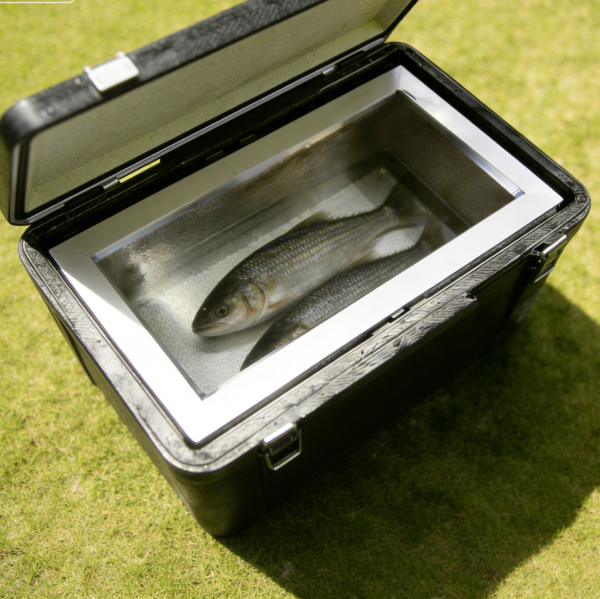
If you searched ‘cooler bag trade france’, the best answer is not one more generic product description. You need a decision framework that helps you buy or develop the right France cooler bag trade solution with lower thermal risk, cleaner documentation, and better total cost. In 2026, winning programs combine four things: a clear operating brief, a sensible material stack, reliable qualification data, and a supplier that can repeat the same result at scale.
- How to write a high-conversion buying brief for France cooler bag trade products
- Which materials, tests, and compliance signals deserve the most attention
- How to compare distributor, OEM, and manufacturer-direct sourcing models
- What sustainability and 2026 policy trends should change in your next specification
- How to turn all of that into a practical approval checklist
How do you build the right buying brief for France cooler bag trade?
The best France cooler bag trade projects start with a disciplined brief, not with a random sample request. That brief should define the service window, the starting product condition, the route or handling pattern, the payload shape, the expected number of reuse cycles if any, and the documentation standard you expect from the supplier. When those items are written clearly, your quotation process gets faster because suppliers stop guessing. More importantly, the sample you approve is far more likely to survive day-to-day reality.
This matters because buyers often lose weeks by discussing color, decoration, or thickness before they define the job to be done. A stronger brief immediately reveals whether you need a fast-launch stock item, a branded OEM build, or a tighter manufacturer-direct development route. It also exposes hidden assumptions, such as whether the bag will face outdoor waiting time, repeated door opens, cleaning chemicals, or direct food-contact risk. In short, the brief is where a successful France cooler bag trade program is really won.
What should be written into the first version of the brief?
Write only what changes field performance and approval speed. That means route length, temperature target, opening frequency, loaded dimensions, payload mass, closure type, intended use, and any compliance or branding requirement that would affect the build. Do not bury those points inside a long wish list. If the supplier can see the critical operating facts in one minute, your first sample round becomes far more useful.
| Brief item | Weak input | Best input | What it means for you |
|---|---|---|---|
| Market use | Need cooler bag for France | Name retail, foodservice, or event channel | Channel context shapes compliance and durability |
| Reuse position | Reusable | Expected cycles, care method, and failure threshold | Reuse should be operational, not symbolic |
| Packaging scope | Need product | Include secondary and transport packaging in the brief | France compliance often reaches wider than expected |
- Use one written brief for every supplier so response quality can be compared fairly.
- State whether reuse is optional, preferred, or mandatory, because that changes material and handle choices.
- Include the worst realistic delay, not only the planned route time, because that is where failures usually appear.
Composite decision example: A buyer reduced three rounds of unnecessary sampling simply by rewriting the brief around actual route delay, loaded size, and closure preference. Suppliers responded with more relevant structures, and the final approval happened with much less debate.
Which material, test, and compliance choices protect performance best?
The strongest France cooler bag trade solution is usually not the thickest one. It is the one whose materials, closure, fit, and qualification method match the real application. Reflective layers help when radiant heat matters, trapped air or foam slows direct heat flow, and the outer layer decides much of the feel and durability. But even a promising material stack can fail if the bag is badly sized, loosely closed, or tested in a way that does not resemble real use.
France remains one of the clearest signals for packaging buyers. The AGEC trajectory aims to phase out single-use plastic packaging by 2040, targeted a 20% reduction by 2025 with half expected from reuse, and keeps building reuse expectations in food service. French policy also set a reusable packaging trajectory of 5% in 2023 and 10% in 2027, while fast-food dine-in service has already shifted to reusable tableware. That changes buyer expectations for adjacent carrying and insulated formats. France’s professional packaging responsibility framework expanded again, with other professional packaging affected from January 1, 2025, and the framework was updated in January 2026. That raises the value of cleaner material documentation. European food-contact rules also stay strict: materials must not release harmful substances or change taste, odor, or food composition under intended use. Good manufacturing practice and clear declarations are not optional. The European Commission’s Packaging and Packaging Waste Regulation entered into force on February 11, 2025 and begins general application on August 12, 2026. Its direction is clear: less unnecessary packaging, more recyclability, and stronger evidence behind packaging claims. That context matters because compliance is now part of the design conversation. If your format may touch food directly, liner suitability and documentation cannot be vague. If the program is shipping-sensitive, a realistic thermal profile matters more than a flashy headline claim. In practical sourcing, performance proof, intended use, and material clarity all have to move together.
How do you separate useful data from decorative data?
Useful data answers four questions clearly: what payload was tested, what ambient profile was used, how the bag was packed, and how much margin remained before failure. Decorative data skips those details and offers only a broad promise. For France cooler bag trade approval, ask for evidence that resembles the real lane or service pattern, not just a single easy test condition. That one habit will improve your buying decisions more than memorizing any technical buzzword.
| Performance checkpoint | Baseline view | Better view | What it means for you |
|---|---|---|---|
| Entry reusable cooler bag | Good for seasonal promotions | Lower durability margin | Suitable when use is light and claims stay honest |
| Mid-tier foodservice cooler | Better life and handling | More cost and cube | Good for repeat-use channels |
| Reuse fitness | No cycle view | Basic cycle and wear review | Durability supports both satisfaction and sustainability |
- Review the opening and fit with the same seriousness as the wall material, because air exchange ruins many good designs.
- Prefer test summaries that show the actual profile, payload, and acceptance window in plain language.
- Request intended-use and material records early so approvals are not delayed by avoidable paperwork gaps.
Composite decision example: Two sample bags looked similar at first glance, but one supplier explained the fit tolerance, closure path, and packout assumptions clearly while the other relied on thickness claims. The first supplier turned out to be the lower-risk choice even before formal testing finished.
Which sourcing model and supplier controls reduce risk fastest?
The right sourcing channel depends on speed, customization level, and tolerance for development work. A distributor can be ideal when you need fast availability and local service support. An OEM supplier is stronger when the bag shape, decoration, or feature set is part of your market offer. A manufacturer-direct route becomes attractive when volume is high enough to justify deeper process visibility and stricter repeatability control.
Whatever model you choose, the supplier still needs to prove basic maturity. That means clear specifications, lot traceability, change-control discipline, and the ability to explain what happens if a raw material source changes or a batch drifts. For a buyer, repeatability is the real product. A great prototype with weak controls is less valuable than a slightly less dramatic sample backed by a reliable production system.
How should you compare sourcing options side by side?
Compare them against your business goal, not against a fantasy of one perfect model. If you need launch speed, local service and low-setup structures may matter most. If your France cooler bag trade format is part of the brand experience, OEM control deserves more weight. If quality repeatability across large volumes matters most, direct manufacturing visibility becomes more valuable.
| Sourcing path | Main strength | Main limitation | What it means for you |
|---|---|---|---|
| EU-savvy trader | Good for market paperwork and coordination | Less manufacturing control | Useful when speed into France matters |
| Direct manufacturer | Better cost and process view | Needs stronger documentation support | Best when you can manage detail |
| Managed import partner | Balances documentation and production control | Can cost more upfront | Often the most stable path for France entry |
- Use a scorecard that includes response quality, documentation clarity, and change-control discipline, not just price.
- Ask the supplier how future material substitutions are managed; this question reveals maturity very quickly.
- Keep an approved reference sample and a written specification so reorders are judged against a standard, not memory.
Composite decision example: A team chose a supplier that was not the lowest-cost option because the quotation package showed clearer controls, faster corrective-action thinking, and a better understanding of the real application. That early discipline later saved time during reorders and specification updates.
How do you make France cooler bag trade programs 2026-ready and lower waste?
A 2026-ready France cooler bag trade program does not chase every trend. It removes avoidable waste while keeping the service promise intact. That can mean fewer SKUs, better fit, lighter structures, a realistic reuse model, or stronger documentation that prevents rejected tenders and delayed approvals. The key is to connect sustainability to operating reality instead of treating it as a separate marketing layer.
France is one of the clearest European markets for buyers who want packaging and product decisions to align with reuse, waste reduction, and better consumer information. Cooler bag trade in France now rewards suppliers who can connect product utility with documentation, reuse logic, and waste-aware design. In practical terms, your next design review should ask whether the product is easier to understand, easier to use correctly, and easier to justify to procurement than the current version. If the answer is yes, you are probably moving in the right direction.
What quick self-assessment should a buyer run before approval?
Run a short internal check before you sign off. Can the team explain the use case in one sentence? Does the chosen structure match that use case? Are the material and intended-use records ready? And does the supplier have a believable plan for repeat production? If one of those answers is weak, the project is not ready no matter how attractive the sample looks.
| 2026 action | Practical move | Guiding principle | What it means for you |
|---|---|---|---|
| Need smoother approval | Prepare declarations before the buyer asks | Documentation is part of the product | Speed builds confidence |
| Need better fit for France | Position cooler bags as useful reusable goods | Avoid disposable promo logic | That message aligns better with the market |
| Need lower future risk | Simplify material stack and outer packaging | Design for tomorrow’s scrutiny too | Regulatory pressure rarely moves backward |
- Define the real scenario, including worst-delay exposure and handling pattern.
- Select the simplest structure that can protect that scenario with enough margin.
- Confirm material clarity, intended use, and any documentation requirements before launch.
- Choose the sourcing model that fits your speed, branding, and volume needs.
- Review reusability and waste claims only through the lens of how your operation actually works.
Composite decision example: A buyer improved both cost control and sustainability messaging by reducing the bag range, clarifying when reuse was realistic, and standardizing one documentation pack across suppliers. The result was a cleaner product story and a smoother approval cycle.
2026 latest France cooler bag trade developments and trends
The latest pattern is consistent across many sectors. Buyers want simpler structures, clearer compliance language, stronger proof of fit, and suppliers who can keep performance stable as volume changes. That is why measured claims, scenario-based testing, and better change control are gaining value. The market is rewarding disciplined execution more than dramatic product storytelling.
- Thermal performance conversations are becoming more lane-specific and less generic
- Documentation quality increasingly influences both procurement speed and perceived supplier maturity
- Waste reduction is being pursued through smarter design and operational fit, not only through one material claim
A useful final insight is this: the best France cooler bag trade solution often looks calm rather than flashy. It is easy to specify, easy to pack, easy to explain, and easy to reorder with confidence. That simplicity is not a lack of innovation. It is the result of good engineering, good sourcing, and good operational thinking working together.
Frequently asked questions
What is the fastest way to improve a France cooler bag trade sourcing decision?
Rewrite the buyer brief around the real use case, the worst realistic delay, and the exact documentation you need. That one step improves every later decision.
Should you always choose the thickest or most premium-looking material?
No. The right choice is the structure that matches the actual route, handling pattern, and intended use with enough margin and manageable cost.
What documents should be ready before approval?
At minimum, a written specification, material description, intended-use statement, and any relevant compliance or test records for the application.
Is reuse the default answer for sustainability in 2026?
Only when cleaning, return flow, damage review, and storage are realistic. Otherwise, lighter and simpler formats may produce a better real-world result.
How do you judge whether a supplier can scale reliably?
Ask about change control, lot traceability, incoming material checks, and what happens when a raw material source changes. Mature suppliers answer clearly.
What makes the final optimized article’s approach better than a normal buying guide?
It combines scenario mapping, material logic, qualification thinking, supplier control, and 2026 policy direction into one France cooler bag trade decision framework instead of treating them as separate topics.
Summary and recommendation
The best France cooler bag trade decision in 2026 comes from combining product education, technical validation, market awareness, and operational realism. You need a clear brief, a material stack that matches the job, data that actually reflects the job, and a supplier that can repeat the result without surprises. When those pieces work together, you gain stronger performance, fewer approval delays, and better long-run cost control.
Your next step should be practical. Build a one-page approval brief, compare suppliers against that same brief, and remove claims or features that your operation cannot truly support. That will give you a more resilient and more convincing France cooler bag trade program than chasing broad promises or isolated sample impressions.
About Tempk
We help France-focused cooler bag projects connect product utility, EU-ready documentation, and lower-waste thinking. That gives distributors and importers a more practical route into a market where compliance and reuse logic increasingly shape buying decisions.
If you are planning the next stage of a France cooler bag trade project, begin with the operating brief and the qualification plan. That is the clearest path to a product that performs well, scales cleanly, and still makes sense under 2026 procurement pressure.
How to Buy the Best Cooler Bag Commercial Thailand in 2026?
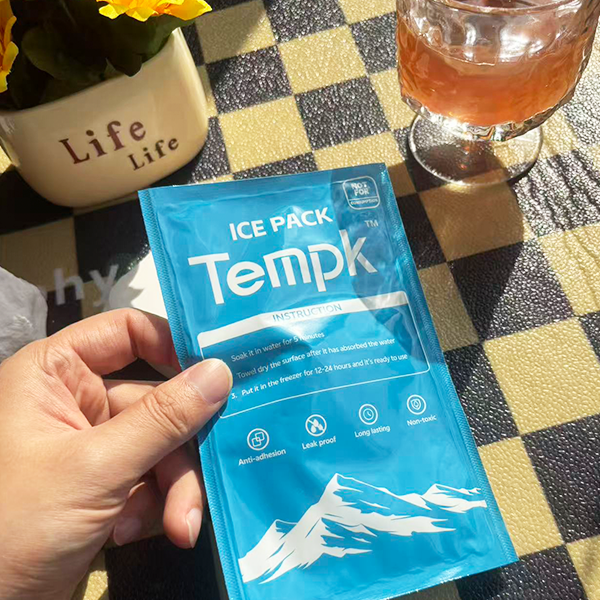
If you want the best cooler bag commercial thailand in 2026, you need three things working together: a buyer-friendly specification, technical proof that the design performs, and a market-aware view of cost, sustainability, and user behavior. Strong SEO content follows the same rule. It wins by being clear, useful, specific, and easy to act on.
This optimized article combines the strongest parts of a buyer guide, a technical review, and a market trend analysis. You will learn how to compare cooler bag designs, how to read the most important quality signals, and how to choose a supplier that can support your workflow instead of forcing you to adapt to the bag.
This article will answer:
- How to build a short, SEO-friendly, buyer-useful checklist for cooler bag commercial thailand.
- Which commercial cooler bag Thailand supplier features matter most for commercial procurement teams in Thailand.
- How to combine material science, cost control, and market trends in one decision.
- Which compliance, cleaning, or validation checks reduce sourcing risk.
- How to move from vague inquiry to a supplier-ready brief that gets better quotes.
What Does a High-Performing Cooler Bag Commercial Thailand Look Like?
A high-performing cooler bag commercial thailand does three things at once: it protects the payload, it supports the user, and it fits the business model. If one of those fails, the product underperforms. A bag with great insulation but poor access can slow service. A bag that is easy to carry but hard to clean will be avoided. A bag that is cheap but inconsistent will create costly friction later.
The best buying decision starts with a simple question: what problem is this bag solving for you every day? If the answer is clearer loading, safer transport, cleaner handling, faster outreach, or fewer complaints, you can build a specification around that. If the answer is only that the bag should look similar to another product, you are likely to overspend on the wrong details.
Which Use Cases Create the Highest Value First?
That is why the optimized view of cooler bag always combines use case, route condition, and user behavior. This approach keeps the content genuinely helpful for search and genuinely useful for buyers, which is the strongest combination you can build in 2026.
| Use case | Typical payload | Transport window | What it means for you |
|---|---|---|---|
| Restaurant Delivery In Dense Urban Zones | Restaurant or retail delivery in tropical weather | 20 to 60 minutes with repeated opening | You protect usability in heat, humidity, and rain. |
| Hotel And Resort Food Transport | Restaurant or retail delivery in tropical weather | 30 to 120 minutes depending on route and coolant | You protect usability in heat, humidity, and rain. |
| Seafood And Fresh Beverage Handling | Restaurant or retail delivery in tropical weather | Use-case dependent with higher open-and-close risk | You protect usability in heat, humidity, and rain. |
Practical tips and recommendations
- Match the cooler bag size to the real payload, not the largest possible order, so you keep fill ratio high and dead air low.
- Use a pilot route with one or two representative payloads before rolling out cooler bag commercial thailand across every branch or market.
- Ask users to rank comfort, access speed, and cleaning time after one week of use. Those answers often reveal more than the first sample impression.
Practical case: A Bangkok central kitchen switched to a commercial cooler bag with water-resistant fabric and smoother wipe-clean lining, improving cleaning speed between delivery rounds.
How Should You Compare Materials in Cooler Bag Commercial Thailand?
The best way to compare cooler bag materials is to connect each layer to one buyer outcome. Outer fabric affects durability and brand appearance. Insulation affects hold time and wall stability. Closures and seams affect air leakage. Liners affect cleaning speed and leak control. When you score the bag this way, you stop being distracted by thickness alone.
In the optimized buying process, materials must be judged against your route, not against a generic idea of quality. A slightly lighter bag may be better if it improves ergonomics and carton density without sacrificing the hold window you actually need. A thicker wall may be better if the route is long and the payload is high value. In tropical routes, moisture, rain, and repeated opening put extra stress on the full material stack. Water resistance and foam recovery matter as much as nominal thickness.
Which Construction Details Separate Premium Value From Empty Claims?
The supplier worth trusting is the one that can explain why each part of the material stack is there, what problem it solves, and how it was chosen for your application. That kind of clarity supports both better procurement and better search performance because it gives the reader practical, decision-ready information.
| Bag component | Common option | Why it matters | Practical meaning |
|---|---|---|---|
| Outer layer | water-resistant polyester or tarpaulin outer fabric | Improves abrasion resistance, print stability, and day-to-day durability. | Matters most when the bag is dragged, stacked, or exposed to rain, dust, or UV. |
| Insulation system | closed-cell foam insulation | Sets the real thermal ceiling by limiting heat flow and reducing wall collapse. | Matters most when ambient heat is high or the route includes multiple openings. |
| Inner system | wipe-clean food-safe lining | Shapes cleanability, leak control, and user confidence in daily handling. | Matters most when staff must clean fast, avoid contamination, or protect the payload. |
Practical tips and recommendations
- Use thicker foam only when the route needs it. Extra bulk can hurt handling speed and carton efficiency.
- Check how the lining behaves after repeated wiping, folding, and contact with moisture. Durability problems often start on the inside.
- Compare seam finish, zipper travel, and base stiffness in the hand. Small construction details change real use more than color or print.
Practical case: In sample review, buyers often discover that the most expensive-looking bag is not the most durable. The winner is usually the sample whose materials still make sense after folding, wiping, loading, and repeated daily use.
Which Data and Compliance Signals Matter Most for Cooler Bag Commercial Thailand?
The strongest decision signal for cooler bag commercial thailand is not one perfect test result. It is a small set of aligned facts: a clear specification, a realistic validation method, a sensible inspection plan, and a supplier who can explain the whole system in plain language. When those pieces line up, sourcing risk drops sharply.
Build your decision tool around the things that most often go wrong: wrong dimensions, poor seam quality, inconsistent insulation, weak closures, missing monitoring discipline, and vague compliance claims. Then score each supplier against those factors. This is easier, faster, and usually more accurate than relying on a single impressive sample. For food-related use, the practical focus is cleanability, route discipline, and evidence that the bag can support the temperature and hygiene process your team already follows.
How Can You Build a Decision Tool That Reduces Sourcing Risk?
Optimized content and optimized procurement work in a similar way. Both focus on clarity, evidence, and usefulness. If a section of content or a line in a specification does not help the reader make a better decision, it probably does not deserve the space.
| Checkpoint | What to define | Why it matters for you |
|---|---|---|
| Wall build | State fabric gsm, foam density, thickness, and liner stack | Avoid buying a bag that looks good but performs inconsistently. |
| Closure design | Define zipper path, flap overlap, leak points, and seam finish | Small leakage points can cut hold time faster than buyers expect. |
| Load and dimensions | Set payload, compression load, and pass-fail test conditions | You prevent overloaded bags, broken handles, and poor user comfort. |
| Cleanability | Confirm wipe-clean liner and odor resistance | You keep reuse practical and reduce downtime after each trip. |
Practical tips and recommendations
- Turn every promise into a measurable line item: dimension tolerance, weight tolerance, seam strength, and pass-fail criteria.
- Approve a golden sample with notes on fabric, print, insulation, and accessories before mass production starts.
- Use incoming inspection on the first orders even if the factory looks strong on paper. Early process drift is common.
Practical case: One of the simplest sourcing improvements is to convert a verbal requirement into a signed specification and golden sample. That single step often prevents the majority of avoidable disagreement later.
How Do You Build the Best 2026 Buying Strategy for Cooler Bag Commercial Thailand?
The best 2026 buying strategy for cooler bag commercial thailand is to score suppliers on five things: application fit, material clarity, validation support, repeatability, and total lifecycle value. Price still matters, but it should sit inside that scorecard rather than replace it.
This approach protects you from two common mistakes. The first is overbuying features that do not improve your route. The second is underbuying structure and quality control, then paying later through replacement, complaints, or transport risk. Once the scorecard is set, supplier discussions become faster and far more objective. In Thailand, ask whether the design has been considered for tropical heat, humidity, and quick-turn commercial handling rather than only showroom presentation.
What Should Your Final Supplier Scorecard Include?
The optimized choice is the one that can be explained simply: this is the bag, this is the use case, this is the tested or expected result, this is why the cost is justified, and this is what the next order will look like. Clear buying logic is a competitive advantage.
| Cost driver | What it changes | Best buying action | Why it matters |
|---|---|---|---|
| Fabric Coating | Raises or lowers the unit price, but often also changes durability and user satisfaction. | Ask for a side-by-side quote with a clear spec sheet. | Useful when the bag will be reused or audited closely. |
| Humidity Resistance | Can reduce damage claims, improve hold time, or lower freight cost when chosen well. | Review the effect on carton efficiency, route fit, and expected service life. | Useful when the bag will be reused or audited closely. |
| Custom Size | Shapes the true cost per trip or cost per successful delivery, not just the PO price. | Approve the option that improves total value instead of chasing the lowest unit cost. | Useful when the bag will be reused or audited closely. |
Practical tips and recommendations
- Ask suppliers to quote at two or three spec levels so you can see where extra money truly buys better value.
- Review service life, freight efficiency, and complaint reduction together. That is the real buying picture.
- Choose the partner who can keep the same build across repeat orders, not just the factory with the best first sample.
Practical case: When buyers compare only on first price, they often miss later costs hidden in damage, slow cleaning, weak handles, oversize cartons, or early replacement. A scorecard makes those hidden costs visible.
2026 Developments and Trends for Cooler Bag Commercial Thailand
The 2026 outlook for cooler bag commercial thailand combines three winning ideas: people-first product design, measurable thermal performance, and smarter lifecycle value. Google’s current people-first content guidance rewards clarity and usefulness; product buyers behave the same way. They want a design that solves a real problem, with evidence, simple language, and a clear next step.
Latest developments at a glance
- Ongoing logistics and supply-chain investment in Thailand.
- Rising demand for durable reusable delivery gear.
- More commercial buyers asking for washable interiors.
- Growth in premium presentation for tourism and hospitality brands.
Market insight matters because a cold-chain bag is now part of a broader operations story. Buyers in Thailand commercial cold chain increasingly compare service life, replacement rate, freight density, cleaning time, and sustainability reporting alongside unit cost. In other words, the market is moving away from ‘How cheap is this bag?’ and toward ‘How reliably does this bag perform over time?’ Thailand’s ongoing logistics and supply-chain development strengthens the case for better commercial transport gear, especially where heat, humidity, and fast urban delivery overlap.
Frequently Asked Questions
What is the biggest mistake buyers make with cooler bag commercial thailand?
The most common mistake is buying by appearance or sample feel alone. A bag can look thick and still lose performance through weak seams, poor closures, or the wrong size. Start with route conditions, payload, and cleaning or monitoring needs, then choose the build.
How long can this cooler bag hold temperature?
There is no honest single answer. Hold time depends on payload temperature, ambient conditions, opening frequency, fill ratio, coolant use, and wall design. Ask suppliers for a test setup that matches your route, then run a small pilot to confirm the real result.
Should you choose reusable or lower-cost disposable options for cooler bag?
Reusable designs usually win when the bag cycles many times and your team can clean and manage returns. Lower-cost options may fit one-way or promotional use. Compare cost per successful trip, waste, and complaint risk instead of only unit price.
Which compliance checks matter most before approval?
Use-case fit comes first. After that, review chemical and labeling requirements for your market, then verify seam quality, load strength, dimensions, and any temperature-control documentation you need. If the payload is medical or high value, add packout and monitoring rules.
How many samples should you review before production?
At minimum, review an appearance sample and a production-quality sample made with the real material stack. For larger programs, approve a golden sample, a carton sample, and a pre-shipment inspection plan. That small effort can prevent expensive repeat problems.
How should you compare suppliers in 2026?
Compare them on specification control, response speed, repeatability, and willingness to test. The best supplier is usually the one that asks smart questions about your route and payload, not the one that replies with the fastest low quote.
Why does tropical climate change the buying decision?
In hot and humid environments, a bag is exposed to a higher heat load and more moisture stress. That means water resistance, foam recovery, zipper durability, and cleaning speed all matter more. A design that works in mild weather may disappoint on a Thai delivery route.
Summary and Recommendations
The main lesson from this cooler bag commercial thailand guide is simple: buy for the route, not for the photo. Start with payload, temperature window, opening pattern, cleaning demand, and user comfort. Then compare materials, closure quality, dimensions, and supplier control against that real use case. When you do that, the best option usually becomes obvious.
The optimized decision combines buyer clarity, technical evidence, and market reality. It gives you a content structure that is strong for SEO and a procurement structure that is strong for real-world execution. That combination is what turns a search phrase into a useful business asset.
About Tempk
About Tempk: We focus on temperature-control packaging solutions for real operating environments, including reusable insulated bags, cold boxes, and custom soft-sided transport systems. Our work is built around practical specification control, application fit, and product designs that are easy for teams to use, clean, and repeat at scale.
If you are evaluating cooler bag commercial thailand, the most useful next step is to define your route, payload, and performance target, then review a sample against that exact brief. That keeps the discussion clear and helps us recommend a build that fits your operation instead of pushing a one-size-fits-all answer.
How to Buy the Best Cooler Backpack Personalized Vaccine in 2026?

If you want the best cooler backpack personalized vaccine in 2026, you need three things working together: a buyer-friendly specification, technical proof that the design performs, and a market-aware view of cost, sustainability, and user behavior. Strong SEO content follows the same rule. It wins by being clear, useful, specific, and easy to act on.
This optimized article combines the strongest parts of a buyer guide, a technical review, and a market trend analysis. You will learn how to compare cooler backpack designs, how to read the most important quality signals, and how to choose a supplier that can support your workflow instead of forcing you to adapt to the bag.
This article will answer:
- How to build a short, SEO-friendly, buyer-useful checklist for cooler backpack personalized vaccine.
- Which personalized vaccine cooler backpack features matter most for vaccine program managers and outreach coordinators.
- How to combine material science, cost control, and market trends in one decision.
- Which compliance, cleaning, or validation checks reduce sourcing risk.
- How to move from vague inquiry to a supplier-ready brief that gets better quotes.
What Does a High-Performing Cooler Backpack Personalized Vaccine Look Like?
A high-performing cooler backpack personalized vaccine does three things at once: it protects the payload, it supports the user, and it fits the business model. If one of those fails, the product underperforms. A bag with great insulation but poor access can slow service. A bag that is easy to carry but hard to clean will be avoided. A bag that is cheap but inconsistent will create costly friction later.
The best buying decision starts with a simple question: what problem is this bag solving for you every day? If the answer is clearer loading, safer transport, cleaner handling, faster outreach, or fewer complaints, you can build a specification around that. If the answer is only that the bag should look similar to another product, you are likely to overspend on the wrong details.
Which Use Cases Create the Highest Value First?
That is why the optimized view of cooler backpack always combines use case, route condition, and user behavior. This approach keeps the content genuinely helpful for search and genuinely useful for buyers, which is the strongest combination you can build in 2026.
| Use case | Typical payload | Transport window | What it means for you |
|---|---|---|---|
| Mobile Immunization Outreach | Outreach vaccination programs | Field session windows with monitored transport | You improve mobility without losing temperature discipline. |
| School Vaccination Campaigns | Outreach vaccination programs | 30 to 120 minutes depending on route and coolant | You improve mobility without losing temperature discipline. |
| Rural Last-Mile Transport | Outreach vaccination programs | Use-case dependent with higher open-and-close risk | You improve mobility without losing temperature discipline. |
Practical tips and recommendations
- Match the cooler backpack size to the real payload, not the largest possible order, so you keep fill ratio high and dead air low.
- Use a pilot route with one or two representative payloads before rolling out cooler backpack personalized vaccine across every branch or market.
- Ask users to rank comfort, access speed, and cleaning time after one week of use. Those answers often reveal more than the first sample impression.
Practical case: A community immunization team moved from hard hand-carried boxes to a cooler backpack with labeled vaccine and diluent zones, improving mobility on foot routes and speeding setup at outreach sites.
How Should You Compare Materials in Cooler Backpack Personalized Vaccine?
The best way to compare cooler backpack materials is to connect each layer to one buyer outcome. Outer fabric affects durability and brand appearance. Insulation affects hold time and wall stability. Closures and seams affect air leakage. Liners affect cleaning speed and leak control. When you score the bag this way, you stop being distracted by thickness alone.
In the optimized buying process, materials must be judged against your route, not against a generic idea of quality. A slightly lighter bag may be better if it improves ergonomics and carton density without sacrificing the hold window you actually need. A thicker wall may be better if the route is long and the payload is high value. For vaccine outreach, insulation alone is never enough. The bag must also support conditioned coolant placement, protected vial organization, and logger visibility without confusing the field team.
Which Construction Details Separate Premium Value From Empty Claims?
The supplier worth trusting is the one that can explain why each part of the material stack is there, what problem it solves, and how it was chosen for your application. That kind of clarity supports both better procurement and better search performance because it gives the reader practical, decision-ready information.
| Bag component | Common option | Why it matters | Practical meaning |
|---|---|---|---|
| Outer layer | lightweight but robust outer shell | Improves abrasion resistance, print stability, and day-to-day durability. | Matters most when the bag is dragged, stacked, or exposed to rain, dust, or UV. |
| Insulation system | high-efficiency insulation panels | Sets the real thermal ceiling by limiting heat flow and reducing wall collapse. | Matters most when ambient heat is high or the route includes multiple openings. |
| Inner system | vaccine carrier inserts and conditioned coolant pack zones | Shapes cleanability, leak control, and user confidence in daily handling. | Matters most when staff must clean fast, avoid contamination, or protect the payload. |
Practical tips and recommendations
- Use thicker foam only when the route needs it. Extra bulk can hurt handling speed and carton efficiency.
- Check how the lining behaves after repeated wiping, folding, and contact with moisture. Durability problems often start on the inside.
- Compare seam finish, zipper travel, and base stiffness in the hand. Small construction details change real use more than color or print.
Practical case: In sample review, buyers often discover that the most expensive-looking bag is not the most durable. The winner is usually the sample whose materials still make sense after folding, wiping, loading, and repeated daily use.
Which Data and Compliance Signals Matter Most for Cooler Backpack Personalized Vaccine?
The strongest decision signal for cooler backpack personalized vaccine is not one perfect test result. It is a small set of aligned facts: a clear specification, a realistic validation method, a sensible inspection plan, and a supplier who can explain the whole system in plain language. When those pieces line up, sourcing risk drops sharply.
Build your decision tool around the things that most often go wrong: wrong dimensions, poor seam quality, inconsistent insulation, weak closures, missing monitoring discipline, and vague compliance claims. Then score each supplier against those factors. This is easier, faster, and usually more accurate than relying on a single impressive sample. WHO guidance continues to note that most vaccines in immunization programs are stored and distributed within 2°C to 8°C, and CDC transport guidance favors qualified containers with continuous temperature monitoring.
How Can You Build a Decision Tool That Reduces Sourcing Risk?
Optimized content and optimized procurement work in a similar way. Both focus on clarity, evidence, and usefulness. If a section of content or a line in a specification does not help the reader make a better decision, it probably does not deserve the space.
| Checkpoint | What to define | Why it matters for you |
|---|---|---|
| Wall build | State fabric gsm, foam density, thickness, and liner stack | Avoid buying a bag that looks good but performs inconsistently. |
| Closure design | Define zipper path, flap overlap, leak points, and seam finish | Small leakage points can cut hold time faster than buyers expect. |
| Load and dimensions | Set payload, compression load, and pass-fail test conditions | You prevent overloaded bags, broken handles, and poor user comfort. |
| Temperature monitoring | Specify logger placement and excursion review | You make transport decisions from data instead of guesswork. |
Practical tips and recommendations
- Turn every promise into a measurable line item: dimension tolerance, weight tolerance, seam strength, and pass-fail criteria.
- Define where the data logger sits in the packout and who reviews the record after delivery.
- Use incoming inspection on the first orders even if the factory looks strong on paper. Early process drift is common.
Practical case: One of the simplest sourcing improvements is to convert a verbal requirement into a signed specification and golden sample. That single step often prevents the majority of avoidable disagreement later.
How Do You Build the Best 2026 Buying Strategy for Cooler Backpack Personalized Vaccine?
The best 2026 buying strategy for cooler backpack personalized vaccine is to score suppliers on five things: application fit, material clarity, validation support, repeatability, and total lifecycle value. Price still matters, but it should sit inside that scorecard rather than replace it.
This approach protects you from two common mistakes. The first is overbuying features that do not improve your route. The second is underbuying structure and quality control, then paying later through replacement, complaints, or transport risk. Once the scorecard is set, supplier discussions become faster and far more objective. For vaccine use, supplier selection should include training support, logger integration, field usability, and any procurement qualification required by the program.
What Should Your Final Supplier Scorecard Include?
The optimized choice is the one that can be explained simply: this is the bag, this is the use case, this is the tested or expected result, this is why the cost is justified, and this is what the next order will look like. Clear buying logic is a competitive advantage.
| Cost driver | What it changes | Best buying action | Why it matters |
|---|---|---|---|
| Backpack Ergonomics | Raises or lowers the unit price, but often also changes durability and user satisfaction. | Ask for a side-by-side quote with a clear spec sheet. | Useful when the bag will be reused or audited closely. |
| Insulation Efficiency | Can reduce damage claims, improve hold time, or lower freight cost when chosen well. | Review the effect on carton efficiency, route fit, and expected service life. | Useful when the bag will be reused or audited closely. |
| Internal Layout | Shapes the true cost per trip or cost per successful delivery, not just the PO price. | Approve the option that improves total value instead of chasing the lowest unit cost. | Useful when the bag will be reused or audited closely. |
Practical tips and recommendations
- Ask suppliers to quote at two or three spec levels so you can see where extra money truly buys better value.
- Review service life, freight efficiency, and complaint reduction together. That is the real buying picture.
- Choose the partner who can keep the same build across repeat orders, not just the factory with the best first sample.
Practical case: When buyers compare only on first price, they often miss later costs hidden in damage, slow cleaning, weak handles, oversize cartons, or early replacement. A scorecard makes those hidden costs visible.
2026 Developments and Trends for Cooler Backpack Personalized Vaccine
The 2026 outlook for cooler backpack personalized vaccine combines three winning ideas: people-first product design, measurable thermal performance, and smarter lifecycle value. Google’s current people-first content guidance rewards clarity and usefulness; product buyers behave the same way. They want a design that solves a real problem, with evidence, simple language, and a clear next step.
Latest developments at a glance
- More outreach teams want hands-free transport.
- Stronger demand for branded assets that improve program visibility.
- Higher interest in digital monitoring and better packout discipline.
- More attention to light weight for remote and walking routes.
Market insight matters because a cold-chain bag is now part of a broader operations story. Buyers in vaccine outreach increasingly compare service life, replacement rate, freight density, cleaning time, and sustainability reporting alongside unit cost. In other words, the market is moving away from ‘How cheap is this bag?’ and toward ‘How reliably does this bag perform over time?’ For vaccine programs, portable solutions also have to support training, monitoring, and field ergonomics, not just temperature retention on paper.
Frequently Asked Questions
What is the biggest mistake buyers make with cooler backpack personalized vaccine?
The most common mistake is buying by appearance or sample feel alone. A bag can look thick and still lose performance through weak seams, poor closures, or the wrong size. Start with route conditions, payload, and cleaning or monitoring needs, then choose the build.
How long can this cooler backpack protect vaccines in the field?
Use the approved vaccine transport setup, conditioned coolant, and temperature monitoring procedure for your program. WHO notes that most routine vaccines are managed within 2°C to 8°C, so the right question is whether your backpack can hold that range on your route with the approved packout.
Should you choose reusable or lower-cost disposable options for cooler backpack?
Reusable designs usually win when the bag cycles many times and your team can clean and manage returns. Lower-cost options may fit one-way or promotional use. Compare cost per successful trip, waste, and complaint risk instead of only unit price.
What standards should vaccine program buyers check?
Start with the program requirement. Verify whether procurement needs WHO PQS-listed equipment or another formal qualification, then confirm logger use, packout discipline, cleaning instructions, and training materials. Branding or personalization should come only after temperature control is secured.
How many samples should you review before production?
At minimum, review an appearance sample and a production-quality sample made with the real material stack. For larger programs, approve a golden sample, a carton sample, and a pre-shipment inspection plan. That small effort can prevent expensive repeat problems.
How should you compare suppliers in 2026?
Compare them on specification control, response speed, repeatability, and willingness to test. The best supplier is usually the one that asks smart questions about your route and payload, not the one that replies with the fastest low quote.
Summary and Recommendations
The main lesson from this cooler backpack personalized vaccine guide is simple: buy for the route, not for the photo. Start with payload, temperature window, opening pattern, cleaning demand, and user comfort. Then compare materials, closure quality, dimensions, and supplier control against that real use case. When you do that, the best option usually becomes obvious.
The optimized decision combines buyer clarity, technical evidence, and market reality. It gives you a content structure that is strong for SEO and a procurement structure that is strong for real-world execution. That combination is what turns a search phrase into a useful business asset.
About Tempk
About Tempk: We focus on temperature-control packaging solutions for real operating environments, including reusable insulated bags, cold boxes, and custom soft-sided transport systems. Our work is built around practical specification control, application fit, and product designs that are easy for teams to use, clean, and repeat at scale.
If you are evaluating cooler backpack personalized vaccine, the most useful next step is to define your route, payload, and performance target, then review a sample against that exact brief. That keeps the discussion clear and helps us recommend a build that fits your operation instead of pushing a one-size-fits-all answer.
USA Cooler Backpack OEM Guide 2026
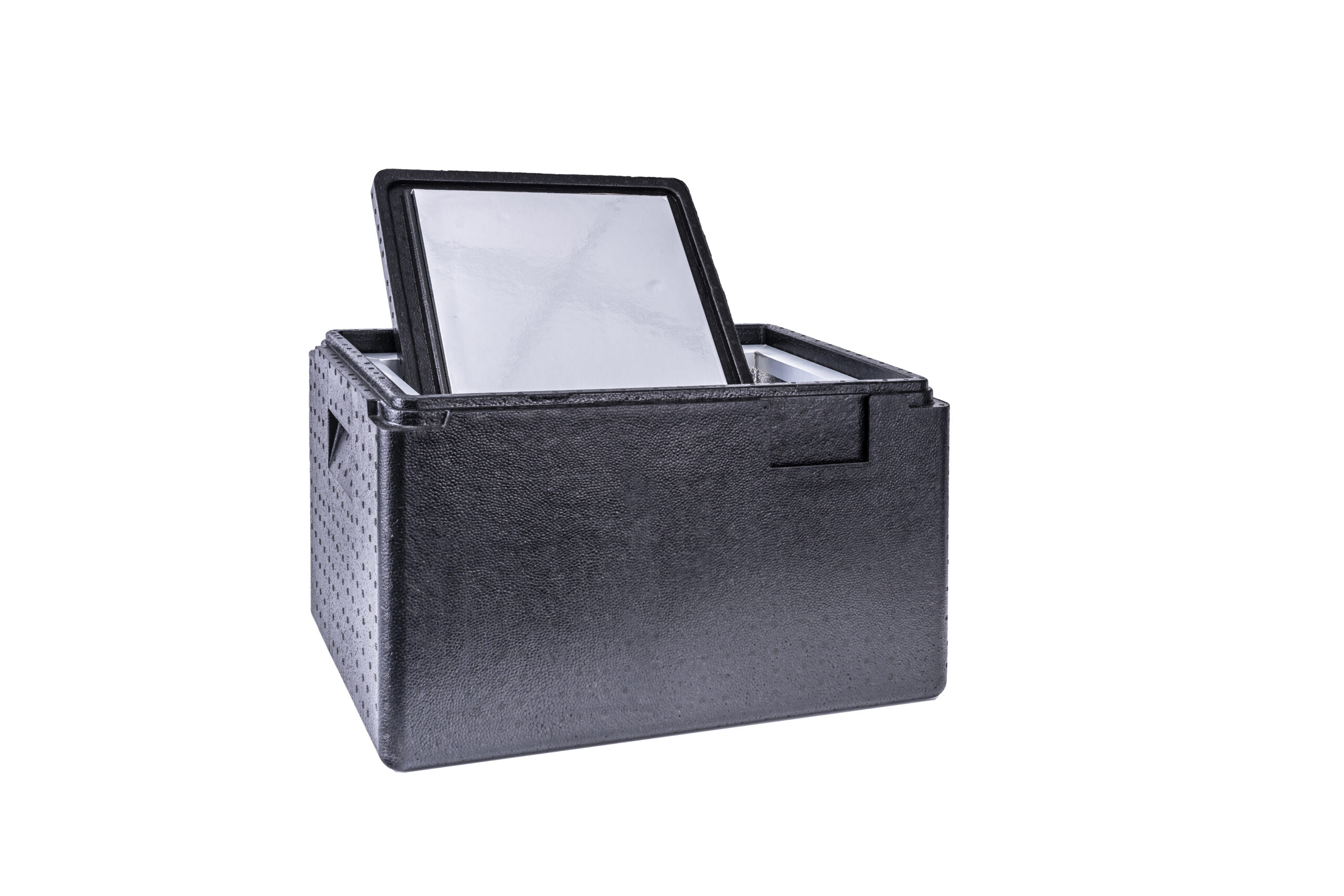
If you searched ‘cooler backpack oem usa’, the best answer is not one more generic product description. You need a decision framework that helps you buy or develop the right USA cooler backpack OEM solution with lower thermal risk, cleaner documentation, and better total cost. In 2026, winning programs combine four things: a clear operating brief, a sensible material stack, reliable qualification data, and a supplier that can repeat the same result at scale.
- How to write a high-conversion buying brief for USA cooler backpack OEM products
- Which materials, tests, and compliance signals deserve the most attention
- How to compare distributor, OEM, and manufacturer-direct sourcing models
- What sustainability and 2026 policy trends should change in your next specification
- How to turn all of that into a practical approval checklist
How do you build the right buying brief for USA cooler backpack OEM?
The best USA cooler backpack OEM projects start with a disciplined brief, not with a random sample request. That brief should define the service window, the starting product condition, the route or handling pattern, the payload shape, the expected number of reuse cycles if any, and the documentation standard you expect from the supplier. When those items are written clearly, your quotation process gets faster because suppliers stop guessing. More importantly, the sample you approve is far more likely to survive day-to-day reality.
This matters because buyers often lose weeks by discussing color, decoration, or thickness before they define the job to be done. A stronger brief immediately reveals whether you need a fast-launch stock item, a branded OEM build, or a tighter manufacturer-direct development route. It also exposes hidden assumptions, such as whether the bag will face outdoor waiting time, repeated door opens, cleaning chemicals, or direct food-contact risk. In short, the brief is where a successful USA cooler backpack OEM program is really won.
What should be written into the first version of the brief?
Write only what changes field performance and approval speed. That means route length, temperature target, opening frequency, loaded dimensions, payload mass, closure type, intended use, and any compliance or branding requirement that would affect the build. Do not bury those points inside a long wish list. If the supplier can see the critical operating facts in one minute, your first sample round becomes far more useful.
| Brief item | Weak input | Best input | What it means for you |
|---|---|---|---|
| User type | Need cooler backpack | Define hiker, commuter, rider, or gift recipient | The carry experience changes the build |
| Leak requirement | Leakproof | Define orientation, payload, and carry motion | Backpacks move more than boxy coolers |
| Brand story | Premium and sustainable | Specify what buyers must see and what you can prove | Clear priorities improve faster |
- Use one written brief for every supplier so response quality can be compared fairly.
- State whether reuse is optional, preferred, or mandatory, because that changes material and handle choices.
- Include the worst realistic delay, not only the planned route time, because that is where failures usually appear.
Composite decision example: A buyer reduced three rounds of unnecessary sampling simply by rewriting the brief around actual route delay, loaded size, and closure preference. Suppliers responded with more relevant structures, and the final approval happened with much less debate.
Which material, test, and compliance choices protect performance best?
The strongest USA cooler backpack OEM solution is usually not the thickest one. It is the one whose materials, closure, fit, and qualification method match the real application. Reflective layers help when radiant heat matters, trapped air or foam slows direct heat flow, and the outer layer decides much of the feel and durability. But even a promising material stack can fail if the bag is badly sized, loosely closed, or tested in a way that does not resemble real use.
The U.S. EPA’s current national plastics strategy continues to push source reduction, reuse, and extended producer responsibility thinking, so lightweight and reusable designs now matter in procurement conversations, not just in marketing decks. In the U.S. policy landscape, California’s SB 54 direction keeps pressure on packaging formats to become recyclable or compostable by 2032, which influences retail packaging choices well beyond California. In the United States, food-contact materials still need to fit their intended use under FDA frameworks, which is why retail and foodservice buyers increasingly ask for clear liner descriptions instead of generic ‘food safe’ wording. That context matters because compliance is now part of the design conversation. If your format may touch food directly, liner suitability and documentation cannot be vague. If the program is shipping-sensitive, a realistic thermal profile matters more than a flashy headline claim. In practical sourcing, performance proof, intended use, and material clarity all have to move together.
How do you separate useful data from decorative data?
Useful data answers four questions clearly: what payload was tested, what ambient profile was used, how the bag was packed, and how much margin remained before failure. Decorative data skips those details and offers only a broad promise. For USA cooler backpack OEM approval, ask for evidence that resembles the real lane or service pattern, not just a single easy test condition. That one habit will improve your buying decisions more than memorizing any technical buzzword.
| Performance checkpoint | Baseline view | Better view | What it means for you |
|---|---|---|---|
| Soft outdoor fabric plus foam | Balanced retail feel | Moderate cost | A strong mainstream choice for outdoor brands |
| Tarpaulin-style outer | High cleanability and weather resistance | Heavier hand feel | Useful for rider fleets and tougher urban use |
| Wear test | Short pull test | Loaded carry cycle and abrasion review | User comfort depends on real movement, not static checks |
- Review the opening and fit with the same seriousness as the wall material, because air exchange ruins many good designs.
- Prefer test summaries that show the actual profile, payload, and acceptance window in plain language.
- Request intended-use and material records early so approvals are not delayed by avoidable paperwork gaps.
Composite decision example: Two sample bags looked similar at first glance, but one supplier explained the fit tolerance, closure path, and packout assumptions clearly while the other relied on thickness claims. The first supplier turned out to be the lower-risk choice even before formal testing finished.
Which sourcing model and supplier controls reduce risk fastest?
The right sourcing channel depends on speed, customization level, and tolerance for development work. A distributor can be ideal when you need fast availability and local service support. An OEM supplier is stronger when the bag shape, decoration, or feature set is part of your market offer. A manufacturer-direct route becomes attractive when volume is high enough to justify deeper process visibility and stricter repeatability control.
Whatever model you choose, the supplier still needs to prove basic maturity. That means clear specifications, lot traceability, change-control discipline, and the ability to explain what happens if a raw material source changes or a batch drifts. For a buyer, repeatability is the real product. A great prototype with weak controls is less valuable than a slightly less dramatic sample backed by a reliable production system.
How should you compare sourcing options side by side?
Compare them against your business goal, not against a fantasy of one perfect model. If you need launch speed, local service and low-setup structures may matter most. If your USA cooler backpack OEM format is part of the brand experience, OEM control deserves more weight. If quality repeatability across large volumes matters most, direct manufacturing visibility becomes more valuable.
| Sourcing path | Main strength | Main limitation | What it means for you |
|---|---|---|---|
| Promotional OEM | Fast for campaigns | May under-engineer comfort | Good when use is light and timing is critical |
| Outdoor bag OEM | Better on ergonomics and wear | Can cost more | Best for retail-quality launches |
| Hybrid sourcing model | Design with one partner, scale with another | Needs disciplined specification | Useful when speed and quality both matter |
- Use a scorecard that includes response quality, documentation clarity, and change-control discipline, not just price.
- Ask the supplier how future material substitutions are managed; this question reveals maturity very quickly.
- Keep an approved reference sample and a written specification so reorders are judged against a standard, not memory.
Composite decision example: A team chose a supplier that was not the lowest-cost option because the quotation package showed clearer controls, faster corrective-action thinking, and a better understanding of the real application. That early discipline later saved time during reorders and specification updates.
How do you make USA cooler backpack OEM programs 2026-ready and lower waste?
A 2026-ready USA cooler backpack OEM program does not chase every trend. It removes avoidable waste while keeping the service promise intact. That can mean fewer SKUs, better fit, lighter structures, a realistic reuse model, or stronger documentation that prevents rejected tenders and delayed approvals. The key is to connect sustainability to operating reality instead of treating it as a separate marketing layer.
U.S. buyers increasingly balance speed-to-market with nearshoring, dual sourcing, and tighter evidence behind sustainability language. The best cooler backpack OEM stories in the USA now combine comfort engineering, reliable replenishment, and practical circularity rather than gimmicks. In practical terms, your next design review should ask whether the product is easier to understand, easier to use correctly, and easier to justify to procurement than the current version. If the answer is yes, you are probably moving in the right direction.
What quick self-assessment should a buyer run before approval?
Run a short internal check before you sign off. Can the team explain the use case in one sentence? Does the chosen structure match that use case? Are the material and intended-use records ready? And does the supplier have a believable plan for repeat production? If one of those answers is weak, the project is not ready no matter how attractive the sample looks.
| 2026 action | Practical move | Guiding principle | What it means for you |
|---|---|---|---|
| Need stronger reviews | Prioritize comfort, leak control, and zipper feel | Users judge those first | Good daily use drives repeat exposure |
| Need cleaner claims | Prove recycled-content and durability together | Do not trade one for the other blindly | Credibility builds retail trust |
| Need launch resilience | Pre-approve alternative sourcing paths | Protect your season | Backups are cheaper before you need them |
- Define the real scenario, including worst-delay exposure and handling pattern.
- Select the simplest structure that can protect that scenario with enough margin.
- Confirm material clarity, intended use, and any documentation requirements before launch.
- Choose the sourcing model that fits your speed, branding, and volume needs.
- Review reusability and waste claims only through the lens of how your operation actually works.
Composite decision example: A buyer improved both cost control and sustainability messaging by reducing the bag range, clarifying when reuse was realistic, and standardizing one documentation pack across suppliers. The result was a cleaner product story and a smoother approval cycle.
2026 latest USA cooler backpack OEM developments and trends
The latest pattern is consistent across many sectors. Buyers want simpler structures, clearer compliance language, stronger proof of fit, and suppliers who can keep performance stable as volume changes. That is why measured claims, scenario-based testing, and better change control are gaining value. The market is rewarding disciplined execution more than dramatic product storytelling.
- Thermal performance conversations are becoming more lane-specific and less generic
- Documentation quality increasingly influences both procurement speed and perceived supplier maturity
- Waste reduction is being pursued through smarter design and operational fit, not only through one material claim
A useful final insight is this: the best USA cooler backpack OEM solution often looks calm rather than flashy. It is easy to specify, easy to pack, easy to explain, and easy to reorder with confidence. That simplicity is not a lack of innovation. It is the result of good engineering, good sourcing, and good operational thinking working together.
Frequently asked questions
What is the fastest way to improve a USA cooler backpack OEM sourcing decision?
Rewrite the buyer brief around the real use case, the worst realistic delay, and the exact documentation you need. That one step improves every later decision.
Should you always choose the thickest or most premium-looking material?
No. The right choice is the structure that matches the actual route, handling pattern, and intended use with enough margin and manageable cost.
What documents should be ready before approval?
At minimum, a written specification, material description, intended-use statement, and any relevant compliance or test records for the application.
Is reuse the default answer for sustainability in 2026?
Only when cleaning, return flow, damage review, and storage are realistic. Otherwise, lighter and simpler formats may produce a better real-world result.
How do you judge whether a supplier can scale reliably?
Ask about change control, lot traceability, incoming material checks, and what happens when a raw material source changes. Mature suppliers answer clearly.
What makes the final optimized article’s approach better than a normal buying guide?
It combines scenario mapping, material logic, qualification thinking, supplier control, and 2026 policy direction into one USA cooler backpack OEM decision framework instead of treating them as separate topics.
Summary and recommendation
The best USA cooler backpack OEM decision in 2026 comes from combining product education, technical validation, market awareness, and operational realism. You need a clear brief, a material stack that matches the job, data that actually reflects the job, and a supplier that can repeat the result without surprises. When those pieces work together, you gain stronger performance, fewer approval delays, and better long-run cost control.
Your next step should be practical. Build a one-page approval brief, compare suppliers against that same brief, and remove claims or features that your operation cannot truly support. That will give you a more resilient and more convincing USA cooler backpack OEM program than chasing broad promises or isolated sample impressions.
About Tempk
We support cooler backpack projects with a focus on wearability, leak confidence, and market-ready documentation. That helps U.S.-focused programs avoid the common trap of building a bag that looks exciting in a mockup but disappoints after real use.
If you are planning the next stage of a USA cooler backpack OEM project, begin with the operating brief and the qualification plan. That is the clearest path to a product that performs well, scales cleanly, and still makes sense under 2026 procurement pressure.
How Should You Source a Thermal Bag Branded Vietnam Program in 2026?

A strong thermal bag branded Vietnam strategy in 2026 should combine three priorities: factory capability, branding quality, and market-ready documentation. Vietnam remains attractive because buyers see it as a serious soft-goods manufacturing base, but success depends on how well you manage technical detail, approvals, and supplier selection.
This article will answer:
- Why Vietnam remains relevant for branded thermal bag sourcing
- What to check before confirming a factory
- How regulation and sustainability trends affect buying decisions
Why do buyers choose Vietnam?
VietnamPlus reported in early 2026 that major orders continued to favor Vietnam and that the footwear and handbag sector was moving toward greener, more circular production models. VnEconomy also reported that Vietnam’s footwear exports reached nearly $29 billion in 2025, with the U.S. and EU as its largest markets. Those signals matter because thermal bag branded Vietnam sourcing often relies on related sewn-goods ecosystems, export discipline, and branding capability. (Vietnam+ (VietnamPlus))
The benefit is not only cost. Buyers also value the chance to scale one approved design into repeat production with cleaner coordination.
What should you confirm before ordering?
Start with a full brief covering size, shell, insulation, liner, logo method, packaging, and target market. Then ask what the factory controls directly and what it outsources. Review sample flow, branding method, and how repeat orders are managed.
Practical tips and recommendations
- For first orders: Keep branding simple and reduce option count.
- For EU-facing business: Start compliance and chemistry questions early.
- For long-term sourcing: Save the approved BOM and trim details in one master file.
Practical case: A buyer improved factory selection by asking each supplier to explain how it controlled shell materials, branding placement, and export cartons. The clearer factories quickly stood out.
Why do market expectations matter more in 2026?
Asemconnect noted that the EU remains a major market for Vietnamese exports and continues to demand stronger environmental and social-responsibility standards. That means thermal bag branded Vietnam sourcing should include documentation and compliance capability as part of the evaluation, not as an afterthought. (asemconnectvietnam.gov.vn)
The EU’s PPWR, in force since 2025 and applying from August 12, 2026, adds further pressure around recyclability, waste reduction, and PFAS restrictions in packaging. These rules influence how branded thermal bag projects are specified, packaged, and discussed with buyers in Europe-facing channels. (EUR-Lex)
How should material stories be handled?
Keep them clear and supportable. Do not overclaim. If recycled content or cleaner chemistry is part of the offer, make sure documentation matches the exact product.
2026 thermal bag branded Vietnam trends
The best sourcing programs are becoming more controlled, more transparent, and more aligned with export-market expectations.
What is changing now
- Vietnam remains favored for branded sewn-goods programs
- Buyers want stronger repeat-order discipline
- Material and compliance questions are entering RFQs earlier
- FAQ
Why source branded thermal bags from Vietnam?
Because the market combines export capability, customization potential, and scalable soft-goods manufacturing.
- What should I check before price?
Factory control, sample flow, material consistency, and documentation support.
- How do I improve repeatability?
- Freeze the BOM, branding method, and packaging details after sample approval.
Summary and recommendation
A better thermal bag branded Vietnam program is built on structured supplier screening, strong sample control, and realistic export-market planning. In 2026, sourcing strength comes from process clarity as much as from price.
The smartest next move is to compare factories on technical response quality, documentation support, and repeat-order control. That gives you a sourcing base that can scale.
About Tempk
Tempk supports branded thermal bag sourcing with practical attention to factory screening, product definition, and repeat-order consistency. We help buyers align brand goals with production discipline and export readiness.