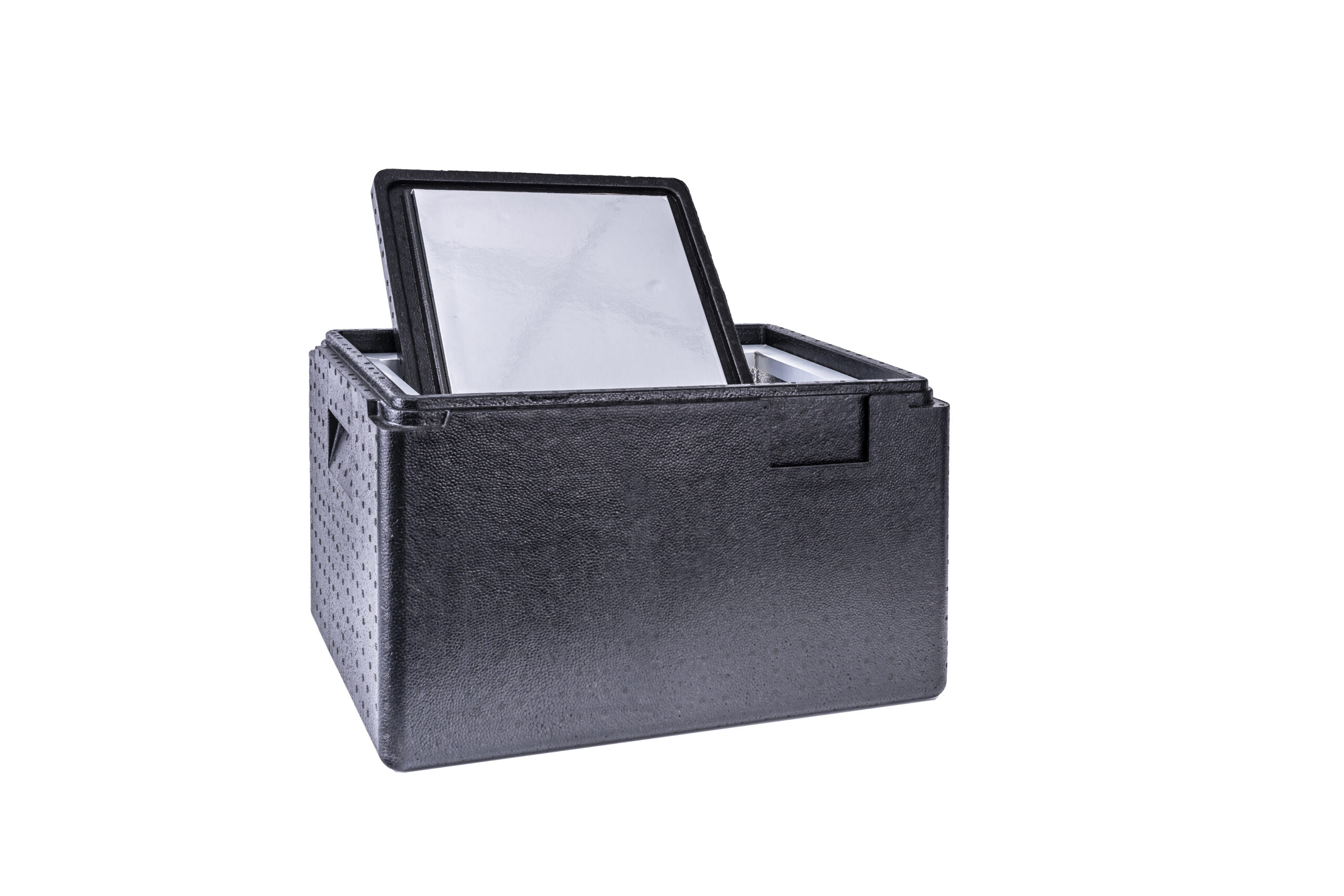
Pharmaceutical Ice Box OEM | Expert Manufacturer Guide & Supplier Selection

Pharmaceutical Ice Box OEM | Expert Manufacturer Guide & Supplier Selection

Pharmaceutical Ice Box OEM | Expert Manufacturer Guide & Supplier Selection

Pharmaceutical Ice Box OEM: Complete Guide to Manufacturing, Quality Standards & Supplier Selection

Introduction

In the pharmaceutical and biotechnology industries, temperature‑controlled logistics are critical for preserving the integrity of sensitive medicines, vaccines, biologics, and diagnostics. A key component of cold chain packaging is the pharmaceutical ice box, specially engineered containers designed to maintain precise temperature ranges during storage and transit. When companies need tailor‑made cold chain solutions, they turn to OEM (Original Equipment Manufacturer) partners that can design, produce, and deliver these specialized ice boxes.

This comprehensive article covers the essentials of pharmaceutical ice box OEM:

  • What it means
  • How the manufacturing process works
  • Industry quality standards
  • How to select the best supplier
  • Cost considerations
  • FAQs
  • Introduction to Tempk — a leading OEM provider

Whether you’re a logistics manager, procurement professional, or product developer, this article provides clear, actionable guidance.

What Is Pharmaceutical Ice Box OEM?

Pharmaceutical Ice Box OEM refers to contract manufacturing services where a specialized company designs and produces custom temperature‑controlled ice boxes for clients in the pharmaceutical, biotech, and medical sectors.

Unlike generic cold boxes, OEM pharmaceutical ice boxes are engineered to meet specific requirements such as:

  • Target temperature range (e.g., ‑20°C to +25°C)
  • Insulation performance for long‑haul shipping
  • Compliance with cold chain regulations
  • Custom fit for products (vials, syringes, biologics)
  • Specific cycling conditions (repeated opening/closing)

By working with an OEM partner, pharmaceutical companies avoid the risks of off‑the‑shelf solutions that may not deliver required performance.

Importance of Pharmaceutical Ice Boxes in Cold Chain Logistics

Maintaining consistent temperature is vital for pharmaceutical products. Many biologicals and advanced therapies begin to degrade when exposed to temperatures outside their safe range. The consequences of temperature excursions include:

  • Loss of potency
  • Safety risks
  • Regulatory compliance issues
  • Increased financial loss

Pharmaceutical ice boxes play an essential role in the cold chain ecosystem by ensuring temperature stability during:

  • Last‑mile delivery
  • Intermodal transport
  • Clinical trial logistics
  • Emergency medical shipments

They use a combination of high‑performance insulation materials, phase change materials (PCMs), and precise engineering to deliver reliable protection.

OEM Manufacturing Process Explained

A robust OEM manufacturing process ensures consistency, performance, and compliance. Below are the key steps typically involved in producing a pharmaceutical ice box:

1. Requirement Analysis & Specification

The process starts with the OEM partner working closely with the client to define:

  • Target temperature profile (e.g., 2–8°C, ‑20°C)
  • Duration required (hours/days)
  • Expected environmental conditions
  • Product dimensions and payload
  • Regulatory expectations (FDA, EMA, WHO, IATA)

This analysis determines core design parameters and performance benchmarks.

2. Engineering Design & Prototyping

Once specifications are finalized, engineers develop:

  • Thermal simulations
  • Structural designs
  • Material selection
  • Prototype mockups

Design software and thermal modeling tools are used to validate performance before physical prototypes are created.

3. Material Procurement

High‑quality materials are essential for performance and compliance. Typical materials include:

  • Polyurethane foam insulation
  • High‑density polyethylene (HDPE)
  • Vacuum‑insulated panels (VIPs)
  • FDA‑grade liners
  • Phase change materials tailored to target temperature

Suppliers are audited to ensure traceability and consistency.

4. Prototype Testing

Prototypes undergo rigorous testing to ensure they meet design goals, including:

  • Thermal performance trials
  • Drop and vibration tests
  • Humidity and environmental chamber cycling
  • Payload fit verification

Adjustments are made based on test results.

5. Production & Assembly

When the design is validated, the product moves into production. This stage includes:

  • Precision molding and machining
  • Assembly of insulation panels and outer shells
  • Integration of features like gasket seals and locking mechanisms
  • Application of branding and labeling

Quality is monitored throughout.

6. Quality Assurance & Compliance

Every batch undergoes final verification to ensure it meets performance and regulatory standards before shipping to the client.

Quality Standards for Pharmaceutical Ice Boxes

Pharmaceutical cold chain products must comply with multiple international standards to ensure safety and reliability.

Regulatory and Industry Standards

Some of the most relevant frameworks and guidelines include:

1. Good Distribution Practice (GDP)

GDP guidelines cover cold chain integrity during storage and transport to ensure product quality from manufacturer to end‑user.

2. International Air Transport Association (IATA) Regulations

For air cargo shipments, packaging must comply with IATA temperature‑controlled packaging standards, including testing protocols and labeling requirements.

3. ISO 9001 Quality Management Systems

Many OEM manufacturers operate under ISO 9001 systems to demonstrate consistent, high‑quality production processes.

4. ASTM D4169 Testing

This standard defines performance tests for distribution packaging to simulate real‑world conditions.

5. WHO‑PQS (Prequalification of Priority Medicines)

For certain health products, WHO‑PQS offers performance evaluation criteria for passive containers.

Key Performance Metrics

Effective pharmaceutical ice boxes should meet performance benchmarks such as:

  • Thermal retention performance (hours of temperature stability)
  • Temperature uniformity
  • Robustness to handling stress
  • Moisture resistance
  • Ease of reuse/recharge

OEM partners often publish certified test reports to demonstrate performance.

Supplier Selection Guide: Choosing the Right OEM Partner

Choosing the right OEM partner is one of the most crucial decisions for pharmaceutical companies. Not all manufacturers are equal — capabilities, compliance, transparency, and support vary widely.

Here’s a guide to help you make an informed choice:

1. Technical Expertise & Experience

Choose a partner with deep experience in cold chain logistics and pharmaceutical packaging. Look for:

  • Years in cold chain design
  • Case studies with similar payloads
  • Ability to meet complex specifications

2. Quality Certifications & Regulatory Compliance

Ensure the manufacturer holds relevant certifications:

  • ISO 9001
  • GDP compliance
  • FDA registration (if applicable)
  • WHO-PQS certification

3. Testing Capabilities

A reliable OEM should have in-house or third-party testing facilities for:

  • Thermal performance validation
  • Environmental stress testing
  • Drop and vibration testing

4. Customization Flexibility

Your OEM partner should be able to:

  • Adapt designs to your specific requirements
  • Offer various sizes and configurations
  • Provide branding and labeling options

5. Transparent Communication

Look for partners who:

  • Provide clear timelines and milestones
  • Offer regular progress updates
  • Are responsive to queries and concerns

6. Cost Transparency

Ensure pricing is clear and includes:

  • Design and prototyping costs
  • Tooling and setup fees
  • Per-unit production costs
  • Testing and certification fees

Cost Analysis for Pharmaceutical Ice Box OEM

Understanding the cost structure helps in budgeting and supplier negotiations.

Cost Components

Component Description Typical Range
Design & Engineering Custom design, thermal modeling $5,000 – $25,000
Prototyping Sample production and testing $3,000 – $15,000
Tooling Molds and production equipment $10,000 – $50,000
Per-Unit Production Materials, labor, assembly $50 – $500+ per unit
Testing & Certification Performance validation $5,000 – $20,000

Factors Affecting Cost

  • Complexity: More complex designs cost more
  • Volume: Higher volumes reduce per-unit costs
  • Materials: Premium materials increase costs
  • Certifications: Additional certifications add cost
  • Customization: Custom features increase price

ROI Considerations

While OEM solutions may have higher upfront costs, they offer:

  • Better performance and reliability
  • Reduced product loss from temperature excursions
  • Regulatory compliance assurance
  • Long-term cost savings

Frequently Asked Questions (FAQ)

Q1: What is pharmaceutical ice box OEM?

OEM (Original Equipment Manufacturer) refers to companies that design and manufacture custom pharmaceutical ice boxes according to client specifications.

Q2: How long does the OEM process take?

Typically 3-6 months from initial consultation to production, depending on complexity and volume.

Q3: What certifications should an OEM partner have?

Look for ISO 9001, GDP compliance, and relevant industry certifications like WHO-PQS.

Q4: Can I get samples before bulk orders?

Yes, most OEM partners provide prototypes for testing and approval before mass production.

Q5: What is the minimum order quantity (MOQ)?

MOQ varies by manufacturer, typically ranging from 100 to 1,000 units.

Q6: Does Tempk offer OEM services?

Yes, Tempk provides comprehensive OEM services for pharmaceutical ice boxes.

About Tempk Company

Tempk is a leading provider of cold chain packaging solutions, specializing in pharmaceutical and medical transport containers. With extensive experience in OEM manufacturing, Tempk delivers:

Our Capabilities

  • Custom Design: Tailored solutions for specific temperature and duration requirements
  • Quality Manufacturing: ISO-certified production facilities
  • Comprehensive Testing: In-house thermal and environmental testing
  • Regulatory Compliance: GDP, FDA, WHO-PQS compliant products

Why Choose Tempk?

  • Experience: Years of expertise in pharmaceutical cold chain
  • Innovation: Advanced insulation and PCM technologies
  • Global Reach: Serving clients worldwide
  • Support: Dedicated technical and customer service teams

Our Products

  • Passive cold chain containers
  • Temperature-controlled shipping boxes
  • Vaccine transport solutions
  • Custom OEM pharmaceutical ice boxes

Conclusion

Pharmaceutical Ice Box OEM services are essential for companies that need high-performance, compliant temperature-controlled packaging tailored to unique product requirements. A thoughtful OEM process — from detailed specifications to strict quality standards — ensures product integrity, reduces risk, and supports regulatory compliance.

When selecting a supplier, prioritize experience, testing capabilities, clear communication, and transparent costs. While upfront costs may be higher than off-the-shelf alternatives, the long-term benefits in performance and risk mitigation make OEM solutions a smart investment.

Tempk stands as a trusted partner in this space, delivering tailored, high-quality pharmaceutical ice boxes that meet the demands of modern cold chain logistics.

Medical Ice Box Cost Guide 2026: Pricing, Types, Buying Tips & FAQs

Medical Ice Box Cost Guide 2026: Pricing, Types, Buying Tips & FAQs

The Ultimate Guide to Medical Ice Box Cost in 2026

Pricing, Factors, Buying Guide, FAQs, and Tempk Company Introduction

In the global healthcare logistics and pharmaceutical sector, medical ice boxes are critical devices for transporting temperature‑sensitive products such as vaccines, biologics, medications, and clinical samples. As the demand for safe and reliable cold chain solutions rises, understanding medical ice box cost — from small pharmaceutical coolers to advanced insulated units — becomes essential for stakeholders making procurement, budgeting, and supply chain decisions.

This guide covers everything you need to know about medical ice box costs in 2026: how pricing varies by size and type, the main factors affecting cost, expert buying advice, frequently asked questions (FAQs), and an introduction to Tempk — a leading provider of cold chain packaging solutions. Let’s dive in.

What Is a Medical Ice Box?

A medical ice box (also known as a medical cooler, insulated medical box, or temperature‑controlled cooler) is a container designed to maintain a stable, low temperature for medical and pharmaceutical products during storage and transportation. These ice boxes are engineered with premium insulation materials, advanced refrigerants or phase‑change materials, and sometimes electronic temperature monitoring systems to protect sensitive items from heat and spoilage.

They play a pivotal role in:

  • Vaccine distribution
  • Clinical trial logistics
  • Transporting blood products and diagnostics
  • Emergency medical missions
  • Last‑mile delivery of pharmacy products

Without reliable medical ice boxes, the effectiveness of temperature‑sensitive medical products can quickly deteriorate.

Medical Ice Box Cost Overview

Medical ice box pricing depends on multiple variables — size, insulation type, temperature range, materials, technology, and certifications. Below is a general cost breakdown you can expect in 2026.

Cost by Size & Capacity

Size / Capacity Typical Use Estimated Price Range (USD)
Small Portable (5–10 L) Clinical samples, vaccine vials $150 – $350
Medium (10–30 L) Small batches of medicines $300 – $700
Large (30–80 L) Larger shipments, field clinics $700 – $1,500
Extra Large (>80 L) Hospital logistics, commercial transport $1,500 – $3,500+
Ultra‑insulated Premium Units Extended duration (96–120 hrs+) $2,000 – $6,000+

These price brackets reflect passive medical coolers that use advanced insulation and PCM (Phase Change Materials) to hold temperatures over extended durations.

Cost by Type of Medical Ice Box

Choosing the right type depends on your application — short trips, long cold chain logistics, or regulated pharmaceutical distribution.

1. Basic Insulated Medical Ice Boxes

These are simple, passive coolers with foam or composite walls.

  • Best for: Short‑distance transport and lab use
  • Pros: Cost‑effective, simple
  • Cons: Limited temperature retention time (~12–24 hours)
  • Price Range: $100–$500

2. PCM‑Enhanced Medical Ice Boxes

Phase change materials are engineered substances that maintain precise temperature bands (e.g., 2‑8°C).

  • Best for: Refrigerated pharmaceuticals, controlled temp logistics
  • Pros: Extended hold times, better stability
  • Cons: Slightly higher cost than basic units
  • Price Range: $350–$2,000

3. Advanced Insulated Cold Chain Boxes

These units combine vacuum insulation panels (VIP), reinforced shells, and often digital monitoring systems.

  • Best for: Global pharma distribution, extended cold chain
  • Pros: 96–120+ hour hold times, smart tracking options
  • Cons: Premium price
  • Price Range: $1,500–$6,000+

What Determines Medical Ice Box Cost?

Understanding what influences pricing helps you make cost‑effective choices. Here are the major cost drivers:

1. Materials & Insulation Quality

Premium insulation like vacuum insulation panels (VIPs), high‑density polyurethane foam, and multi‑layer reflective barriers significantly increase cost, but also performance and durability.

  • VIP systems and aerogel insulation cost more but provide superior thermal resistance.
  • Traditional expanded polystyrene (EPS) insulation is cheaper but less effective for long durations.
  • Better materials = higher cost but longer temperature hold time and reliability.

2. Temperature Range & Hold Time

Ice boxes designed to maintain a more demanding temperature range (e.g., -30°C to -80°C for frozen biologics) cost more than those maintaining standard refrigerated ranges (e.g., 2–8°C). Extended hold times (72–120+ hours) also require better design and more PCM or dry ice compatibility.

3. Technology and Sensors

Some medical ice boxes include real‑time temperature monitoring, GPS tracking, alarm systems, and data logging.

  • IoT‑enabled systems with mobile alerts = premium pricing
  • Simple analog thermometers = lower cost
  • Smart features can boost traceability, compliance, and audit readiness — but increase cost.

4. Certifications & Regulations

Medical ice boxes used for regulated pharmaceuticals often require certifications (CE, FDA, WHO, GDP compliance) or validation studies.

  • Boxes certified for direct contact with medical products command higher prices.
  • Documentation for audit and regulatory compliance adds cost.

5. Customization and Volume Discounts

Tailored solutions (custom sizing, branding, special inserts, bulk purchasing) will affect cost:

  • Bulk orders often yield significant discounts per unit.
  • Custom designs raise price but ensure exact fit and performance.

Cost Breakdown Examples

Here are practical examples to illustrate cost variation:

Example 1: Small Clinic Shipment

  • Box Size: 8L with PCM inserts
  • Features: Digital thermometer
  • Expected Price: ~$250–$400
  • Use Case: Transport lab samples or vaccines within a city

Example 2: Regional Hospital Logistics

  • Box Size: 35L premium insulated box
  • Features: VIP insulation, IoT monitoring
  • Expected Price: ~$1,800–$2,800
  • Use Case: Multi‑day transport between cities

Example 3: Global Pharma Distribution

  • Box Size: 80+ L ultra‑insulated unit
  • Features: IoT, blockchain‑ready tracking, extended 96+ hour hold
  • Expected Price: $3,500–$6,000+
  • Use Case: International cold chain shipment for vaccines

Medical Ice Box Buying Guide (2026)

Choosing the right medical ice box requires careful consideration of your specific needs:

Step 1: Define Your Requirements

  • What temperature range do you need?
  • How long must the box maintain temperature?
  • What volume/capacity is required?

Step 2: Evaluate Suppliers

  • Check certifications and compliance
  • Review customer testimonials
  • Request validation documentation

Step 3: Compare Total Cost of Ownership

Consider not just purchase price but also:

  • Maintenance costs
  • Replacement frequency
  • PCM/refrigerant costs
  • Monitoring system subscriptions

Step 4: Request Samples and Testing

  • Before bulk purchase, test performance in real conditions
  • Verify temperature hold times match specifications

Frequently Asked Questions (FAQ)

Q1: What is the average cost of a medical ice box?

Prices range from $150 for basic small units to $6,000+ for advanced ultra-insulated systems with IoT monitoring.

Q2: How long can a medical ice box maintain temperature?

Depending on the type, from 12-24 hours (basic) to 96-120+ hours (premium VIP units).

Q3: Are medical ice boxes reusable?

Yes, most are designed for multiple uses with proper maintenance and PCM recharging.

Q4: What certifications should I look for?

CE, FDA, WHO PQS, and GDP compliance are important for pharmaceutical applications.

Q5: Does Tempk offer custom solutions?

Yes, Tempk provides OEM and custom cold chain packaging solutions.

About Tempk Company

Tempk is a leading provider of cold chain packaging solutions, specializing in medical and pharmaceutical transport containers. With years of experience and a commitment to innovation, Tempk delivers:

  • Premium Quality: ISO-certified manufacturing
  • Innovation: Advanced insulation and IoT integration
  • Global Reach: Serving healthcare and pharmaceutical clients worldwide
  • Custom Solutions: OEM and tailored products for specific needs
  • Expert Support: Technical assistance and validation services

Why Choose Tempk?

  • Proven track record in pharmaceutical cold chain
  • Competitive pricing with volume discounts
  • Comprehensive product range from basic to premium
  • Excellent customer service and support

Final Thoughts

Navigating medical ice box cost in 2026 requires an understanding of your temperature needs, shipment profiles, regulatory obligations, and long-term logistics goals. The right investment balances performance with price — ensuring product integrity, reduced waste, and reliable cold chain operations.

Whether you’re equipping a hospital, managing pharmaceutical logistics, or optimizing last-mile delivery, this guide offers the foundation to make informed procurement decisions in today’s dynamic cold chain landscape.

Pharmaceutical Ice Box Cost in 2026: A Comprehensive Guide for Buyers

Pharmaceutical Ice Box Cost in 2026: A Comprehensive Guide for Buyers

Understanding the cost of pharmaceutical ice boxes is vital for professionals in pharmaceutical logistics, healthcare, and cold chain industries. These temperature-controlled containers play a crucial role in maintaining the integrity of sensitive medical products, vaccines, and biologics during transportation. With the pharmaceutical ice box market expanding, it’s essential to know the different options available and how their costs vary based on factors like size, insulation technology, and added features.

Introduction: The Importance of Pharmaceutical Ice Boxes in 2026

Pharmaceutical ice boxes are essential tools in the cold chain logistics sector, ensuring the safe transportation of temperature-sensitive products. With the global market for pharmaceutical ice boxes projected to grow at a rate of 12.6% annually, it’s important for logistics professionals to have a clear understanding of what to expect when purchasing these containers. Whether you’re handling small batch shipments of pharmaceuticals or transporting large quantities of biologics, selecting the right ice box is critical.

In this guide, we’ll break down the costs of pharmaceutical ice boxes in 2026, exploring the different types available, their price ranges, and the factors that influence pricing. From basic, passive models to high-end, active temperature control units, we’ll cover everything you need to know to make an informed purchasing decision.

Pharmaceutical Ice Box Cost Breakdown for 2026

The cost of pharmaceutical ice boxes varies significantly depending on factors such as size, insulation technology, and cooling mechanisms. Below is a comprehensive breakdown of the typical price ranges and features associated with various types of pharmaceutical ice boxes.

1. Small Pharmaceutical Ice Boxes (1-10 Liters)

Price Range: $50 – $150

Best For: Single shipments or small-scale operations

These entry-level models are designed to maintain low temperatures for small quantities of pharmaceuticals, typically used for single shipments. The insulation is generally passive, using materials such as foam or basic phase-change material (PCM) to keep the contents cool for a few hours or days.

2. Medium-Sized Pharmaceutical Ice Boxes (10-50 Liters)

Price Range: $150 – $500

Best For: Small batch shipments and regional transport

Medium-sized ice boxes are commonly used for transporting larger quantities of pharmaceuticals. These models often feature enhanced insulation and can maintain temperature for longer periods, making them suitable for more demanding logistics operations.

3. Large Pharmaceutical Ice Boxes (50+ Liters)

Price Range: $500 – $2,000

Best For: Large-scale pharmaceutical shipments

Large pharmaceutical ice boxes are designed for bulk transportation, offering increased capacity and superior insulation. These models are often used for high-volume shipments of temperature-sensitive products like bulk vaccines or biopharmaceuticals, requiring extended periods of temperature control.

4. Active Temperature Control Units

Price Range: $5,000 – $15,000+

Best For: High-precision temperature control for sensitive biopharmaceuticals

Active temperature control units use battery-powered or electric cooling mechanisms to maintain a consistent temperature over extended periods. These units are best suited for products that require strict temperature management and are often used for biopharma shipments or when the cargo will be in transit for several days.

Factors That Affect Pharmaceutical Ice Box Costs

The cost of a pharmaceutical ice box isn’t just determined by size. Several other factors play a role in the price variation:

1. Insulation Technology

The quality of insulation is one of the most significant factors affecting cost. Basic models use standard foam or inexpensive PCM, while premium models incorporate vacuum-insulated panels (VIP) or advanced PCM, which offer superior temperature retention and performance.

2. Cooling Mechanism

Passive ice boxes rely on insulation alone to maintain low temperatures, while active models use battery-powered cooling systems. Active units are more expensive but provide precise temperature control for longer periods, making them essential for high-value or highly sensitive shipments.

3. Size and Capacity

Larger ice boxes require more material for insulation and often come with enhanced features such as multiple compartments, advanced monitoring systems, and reinforced structural designs. These additional features and the sheer size increase the overall cost.

4. Regulatory Compliance

Pharmaceutical ice boxes that meet specific regulatory standards (such as FDA, WHO PQS, or GDP compliance) often come at a premium. These certifications ensure that the ice box meets stringent quality and safety requirements, which is essential for transporting pharmaceuticals across borders.

5. Brand and Manufacturer

Well-known brands with a reputation for quality and reliability often charge higher prices. However, these brands typically offer better customer support, warranties, and after-sales services, which can be valuable for long-term use.

Price Comparison Table

Product Tier Description Estimated Cost (USD) Best For
Small Passive Ice Box Basic insulation, foam or PCM $50 – $150 Single shipments
Medium Passive Ice Box Enhanced insulation, data logger $150 – $500 Small batch shipments
Large Passive Ice Box High-performance insulation $500 – $2,000 Large-scale shipments
Mid-Range with Monitoring PCM, integrated data logger $500 – $2,000 Regional transport
Premium High-Performance VIP insulation, advanced PCM $2,000 – $5,000 Long-haul transport
Active Temperature Control Battery/electric cooling $5,000 – $15,000+ Sensitive biopharmaceuticals

How to Choose the Right Pharmaceutical Ice Box

When selecting a pharmaceutical ice box, consider the following factors:

1. Temperature Requirements: Determine the specific temperature range needed for your products.

2. Shipment Duration: Consider how long the products will be in transit.

3. Volume and Capacity: Choose a size that matches your shipment volume.

4. Budget Constraints: Balance cost with the features you need.

5. Regulatory Compliance: Ensure the ice box meets relevant industry standards.

Frequently Asked Questions (FAQ)

Q: What is the average cost of a pharmaceutical ice box in 2026?

A: Prices range from $50 for basic small units to over $15,000 for advanced active temperature control systems. Mid-range units typically cost between $150 and $2,000.

Q: Are reusable ice boxes more cost-effective than disposable ones?

A: Yes, reusable ice boxes often provide better long-term value, especially for high-volume operations. While they have higher upfront costs, they reduce per-shipment expenses over time.

Q: What certifications should I look for in a pharmaceutical ice box?

A: Look for FDA compliance, WHO PQS certification, GDP compliance, and ISO quality standards to ensure the ice box meets industry requirements.

Q: How long can pharmaceutical ice boxes maintain temperature?

A: Depending on the model, passive ice boxes can maintain temperature for 24-72 hours, while advanced units with VIP insulation can last 120+ hours.

Q: What is the difference between passive and active ice boxes?

A: Passive ice boxes rely on insulation and cooling materials (like PCM or gel packs) to maintain temperature, while active units use battery-powered or electric cooling systems for precise temperature control.

Conclusion: Finding the Right Pharmaceutical Ice Box for 2026

Understanding the cost and features of pharmaceutical ice boxes is essential for anyone involved in cold chain logistics. Whether you need a small passive unit for short shipments or a high-performance active model for long-distance transport, there is a wide range of options to suit your needs. By considering factors like insulation technology, cooling mechanisms, and capacity, you can make an informed decision that ensures your pharmaceutical shipments remain safe and compliant throughout their journey.

For more information on our range of pharmaceutical ice boxes and cold chain solutions, contact Tempk today and ensure the success of your pharmaceutical logistics operations.

About Tempk

Tempk is a leading manufacturer of cold chain packaging solutions, specializing in pharmaceutical ice boxes and temperature-controlled containers. With years of industry experience and commitment to quality, Tempk provides reliable, cost-effective solutions for global cold chain logistics needs. Our products are designed to meet international regulatory standards, ensuring that your temperature-sensitive products arrive at their destination in optimal condition.

Contact us today for more information on our range of pharmaceutical ice boxes and cold chain solutions.

Refrigerated Gel Pouch Spain Manufacturer Checklist

Refrigerated Gel Pouch Spain Manufacturer Checklist

Choosing a refrigerated gel pouch Spain manufacturer is a cold chain decision, not a catalog purchase. A dependable refrigerated gel pouch Spain manufacturer protects your product when the lane gets messy. Your lanes can run 24–72 hours, and some healthcare programs target 2°C–8°C with no freezing events. One weak seal or an unstable temperature curve can trigger claims, re-ships, and lost customers. This merged 2026 checklist shows you how to define specs, validate performance, and pick a supplier with fewer surprises.

This checklist will help you:

Write a refrigerated gel pouch specification sheet that gets accurate quotes

Judge a refrigerated gel pouch Spain manufacturer by temperature curves and leak risk

Run gel pouch seal integrity testing that matches drops, stacking, and hub dwell

Compare MOQ, lead time, and total landed cost across manufacturers

Prepare for PPWR 2026 packaging requirements and EU documentation questions

Use a 5-minute scorecard to rank any refrigerated gel pouch Spain manufacturer

Build a short, repeatable RFQ that every refrigerated gel pouch Spain manufacturer can answer

What makes a refrigerated gel pouch Spain manufacturer worth shortlisting?

Direct answer:
A refrigerated gel pouch Spain manufacturer is worth shortlisting when it can deliver repeatable quality at scale, not just a low unit price. You want predictable lead times, stable batch quality, and fast iteration when lanes change.

Expanded explanation:
Think of your cold chain like a relay race. Every extra handoff adds risk, even before shipping begins. Spain can be a practical base for European distribution, which can simplify replenishment and reduce last-minute failures. Your real win is not “Spain,” but what Spain enables: tighter control and faster corrections.

A quick comparison you can use

Decision point Refrigerated gel pouch Spain manufacturer Far-shore sourcing Your practical result
Replenishment cycle Shorter Longer Less safety stock stress
Communication Faster Slower Fewer spec mistakes
Surge response Better Harder Fewer emergency shipments
Iteration Faster Slower Quicker optimization

Practical tips for your shortlist

Ask each refrigerated gel pouch Spain manufacturer for weekly output capacity, not marketing capacity.

Request a change notification policy before you approve a pilot order.

Require weight tolerance targets because cooling power follows pouch mass.

Real-world scenario: Programs often fail during summer peaks, not during calm seasons.

What should you send your refrigerated gel pouch Spain manufacturer before pricing?

Direct answer:
Send a one-page lane profile to every refrigerated gel pouch Spain manufacturer before you ask for price. If you skip this, you will compare quotes that are not comparable.

Expanded explanation:
A gel pouch is part of a system: insulation, payload heat, air gaps, and handling. If you only ask for “a gel pouch,” you force guesswork and slow prototypes. Better suppliers expect a simple use scenario so they can recommend gel type and pouch geometry.

The one-page lane profile (copy this)

Target temperature range (example: chilled food, or 2–8°C)

Door-to-door duration, including hub dwell and last-mile waiting

Seasonal exposure assumptions (summer peak and winter low)

Payload weight + sensitivity (freeze-sensitive, fragile, moisture-sensitive)

Shipper inner dimensions + insulation thickness

Handling realities (drops, stacking, compression)

Spec item Minimum Better Why it helps you
Duration Hours Hours + buffer Less late-stage warming
Payload Weight Weight + shape Better airflow planning
Packaging Box size Inner size + insulation Less overcooling risk
Handling General Drop/stack notes Fewer leaks at scale

Mini RFQ Template (copy/paste)

Supplier type: refrigerated gel pouch Spain manufacturer

Lane: __________ (origin → destination)

Target range: __________ (e.g., 2–8°C)

Duration: __________ hours (include buffer)

Ambient assumption: __________ (summer / winter)

Shipper inner size: __________ (L×W×H)

Insulation type/thickness: __________

Payload: __________ (weight + sensitivity)

Handling: drop / stacking / hub dwell assumptions

Request: 2 gel options + film/seal options + QC plan + lead time + MOQ

Which gel options should your refrigerated gel pouch Spain manufacturer offer in 2026?

Direct answer:
A strong refrigerated gel pouch Spain manufacturer should offer at least two gel options: standard refrigerated gel and a steadier “controlled” option for tighter ranges. You do not need chemistry terms. You need predictable behavior.

Expanded explanation:
Some gel pouches cool like an ice block and hit hard early. Others cool like a slow-release battery and hold steady longer. Your best choice depends on whether your product hates freezing, hates warming, or hates both.

Controlled-temperature gel pouch for 2–8°C shipping

For vaccine and many refrigerator-stored products, 2°C–8°C is a common target range, and freezing can damage certain formulations. A controlled-temperature option helps reduce sharp swings when your box is tightly packed.

Gel option Best for Typical risk Your practical meaning
Standard refrigerated gel Meal kits, chilled food Early overcooling Placement matters
Controlled-temperature gel Pharma, biotech, premium dairy Higher unit cost Lower excursion risk
High-durability gel + film Reuse programs Higher upfront cost Lower replacement spend

Practical selection rules

If you ship freeze-sensitive goods, require a “no direct contact” packing recommendation.

If routes change often, ask your refrigerated gel pouch Spain manufacturer for curve stability across seasons.

If you reuse pouches, ask for a freeze–thaw cycle limit and what failure looks like.

How do you judge temperature curves from a refrigerated gel pouch Spain manufacturer?

Direct answer:
Ask for temperature curves inside your actual shipper configuration, not curves from a bench test. Two pouches can “last 48 hours” and still behave differently.

Expanded explanation:
The “how many hours” claim hides curve shape. Curve shape decides early freeze risk and end-of-lane warming risk. A steadier curve can protect sensitive goods with fewer surprises.

Curve pattern What it feels like Best use Your benefit
Fast drop Cold shock Short lanes Quick chill
Steady hold Calm cooling Tight-range lanes Lower excursions
Long tail Slow release Long lanes Better late protection

Tip: Ask your refrigerated gel pouch Spain manufacturer for curve repeatability across three batches.

How do you verify leak-proof design from a refrigerated gel pouch Spain manufacturer?

Direct answer:
Leak-proof performance depends on film structure and seal integrity, not just “thicker plastic.” A refrigerated gel pouch Spain manufacturer should show how seals are inspected and how films resist puncture.

Expanded explanation:
Pouches fail in the real world because of drops, stacking pressure, and sharp payload corners. Weak seals and puncture-prone films cause wet boxes and rework. Ask for evidence, not promises, because small leak rates become big problems at scale.

Gel pouch seal integrity testing questions

What seal method is used, and how is it checked per batch?

What seal failure rate target is used internally?

What film layers prevent puncture and abrasion?

What happens after repeated freeze–thaw cycles?

Design element Basic Higher protection What it means for you
Film Single layer Multi-layer barrier Fewer punctures
Seal Standard edge Reinforced zones Less leakage stacked
Corners Sharp Rounded Lower burst risk
Traceability None Batch coded Faster investigations

Practical tips to reduce leaks quickly

Add a liner or sleeve when payload edges are sharp.

Avoid overfilling pouches beyond rated capacity.

Inspect seals visually before packing, especially after storage.

How do you run durability testing for a refrigerated gel pouch Spain manufacturer?

Direct answer:
Run drop tests, compression tests, and freeze–thaw cycles that match your actual lane conditions. A refrigerated gel pouch Spain manufacturer should share pass/fail criteria and sample test reports.

Expanded explanation:
Durability testing should simulate what happens in your supply chain, not what happens in a lab. Drops, stacking, and temperature swings all stress pouches. A good refrigerated gel pouch Spain manufacturer will help you define the right test sequence.

Test type What it simulates Pass criteria Your benefit
Drop test Handling shocks No leaks after drops Fewer wet boxes
Compression test Stacking pressure No burst under load Safer pallets
Freeze–thaw cycle Reuse stress No seal failure Longer pouch life
Puncture resistance Sharp payloads No film breach Less rework

Practical tips for durability testing

Test at both frozen and refrigerated states.

Include a “worst-case” drop sequence, not just one drop.

Ask your refrigerated gel pouch Spain manufacturer for batch-to-batch consistency data.

How do you compare MOQ, lead time, and total landed cost?

Direct answer:
Compare total landed cost, not unit price. Include freight, duties, storage, and rework risk. A refrigerated gel pouch Spain manufacturer with higher unit cost can still be cheaper overall.

Expanded explanation:
Low unit price often hides high total cost. Long lead times force safety stock. High MOQs lock up cash. Rework from leaks or temperature failures adds hidden cost. A good refrigerated gel pouch Spain manufacturer will help you model total cost.

Cost element Low-cost supplier Refrigerated gel pouch Spain manufacturer Your practical result
Unit price Lower Higher Depends on volume
Freight Higher Lower Faster replenishment
Safety stock Higher Lower Less cash tied up
Rework risk Higher Lower Fewer surprises

Practical tips for cost comparison

Ask for landed cost, not FOB price.

Include rework and claim rates in your model.

Factor in lead time variability, not just average lead time.

How do you validate a refrigerated gel pouch Spain manufacturer before scaling?

Direct answer:
Run a staged validation: first a bench test, then a pilot shipment, then a controlled ramp. A refrigerated gel pouch Spain manufacturer should support this sequence without pressure to skip steps.

Expanded explanation:
Validation is not just “does it work?” It is “does it work repeatedly, at scale, in my lanes?” A good refrigerated gel pouch Spain manufacturer will help you define pass/fail criteria and provide data at each stage.

Stage What you test Pass criteria Your benefit
Bench test Curve + seal Meets spec Early confidence
Pilot shipment Real lane No excursions Lane-specific data
Controlled ramp Volume stress Consistent quality Scale readiness

Practical tips for validation

Define pass/fail criteria before you start.

Include worst-case lanes in your pilot.

Ask your refrigerated gel pouch Spain manufacturer for batch traceability during ramp.

What documentation should a refrigerated gel pouch Spain manufacturer provide?

Direct answer:
A refrigerated gel pouch Spain manufacturer should provide material declarations, safety summaries, batch traceability, and change-control policies. If you ship food-adjacent or pharma-adjacent, align with relevant EU frameworks.

Expanded explanation:
Documentation is not just compliance. It is risk management. A good refrigerated gel pouch Spain manufacturer will have documentation ready before you ask, because they expect professional buyers to ask.

EU regulatory context for gel pouch materials

If your gel pouch contacts food or food packaging, EU Regulation 1935/2004 sets general requirements for food contact materials. For plastic materials, EU Regulation 10/2011 adds specific rules. A refrigerated gel pouch Spain manufacturer should be able to confirm compliance or explain why it does not apply.

PPWR 2026 packaging requirements in one sentence

The European Commission lists a general application date of 12 August 2026 for PPWR provisions, following entry into force in February 2025.

Document pack to request from a refrigerated gel pouch Spain manufacturer

Document Why it matters Your benefit
Material declaration Confirms materials used Faster approvals
Safety summary Handling guidance Safer warehousing
Batch traceability Links lots to QC Faster investigations
Change-control policy Prevents surprises Fewer disruptions

A clear change-control policy is one of the strongest “trust” signals you can request.

Interactive Scorecard: Rank any refrigerated gel pouch Spain manufacturer

Score each item 1 to 5. A total above 40 is usually a strong fit.

The refrigerated gel pouch Spain manufacturer quotes accurately from your lane profile.

The refrigerated gel pouch Spain manufacturer provides system curves in your shipper.

The refrigerated gel pouch Spain manufacturer offers two gel options by sensitivity.

The refrigerated gel pouch Spain manufacturer provides batch traceability and change control.

The refrigerated gel pouch Spain manufacturer passes drop and compression tests consistently.

The refrigerated gel pouch Spain manufacturer holds tight weight tolerances across batches.

The refrigerated gel pouch Spain manufacturer helps reduce pouch count through placement guidance.

The refrigerated gel pouch Spain manufacturer can scale output during summer peaks.

The refrigerated gel pouch Spain manufacturer has documentation ready for your industry.

The refrigerated gel pouch Spain manufacturer offers a sustainability-ready film option.

Score guide: 45–50 excellent, 38–44 workable, 30–37 pilot-only, below 30 avoid.

2026 trend snapshot for refrigerated gel pouch sourcing

In 2026, buyers want fewer incidents and less waste at the same time. That drives four trends: thinner but stronger films, tighter filling control, better seals, and more lane-based sizing.

If your refrigerated gel pouch Spain manufacturer supports system design, you can often reduce pouch count per box. A forward-looking refrigerated gel pouch Spain manufacturer will also document material changes before they reach your lane. That is where most savings live.

Frequently Asked Questions

Q1: How many pouches should I use per shipment?
Start with your refrigerated gel pouch Spain manufacturer’s packing pattern, then tune by lane and season.

Q2: How do I prevent freezing?
Avoid direct contact, add a spacer layer, and choose a steadier curve option for sensitive goods.

Q3: What is the fastest way to spot low quality?
Check weight variation, seal failures, and leaks after compression or drop checks.

Q4: Do I need special documentation for food-adjacent use?
If food-contact rules apply, align with EU frameworks like 1935/2004 and plastic rules under 10/2011.

Q5: When do PPWR provisions broadly apply?
The European Commission lists 12 August 2026 as the general application date.

Q6: Why is 2–8°C mentioned so often in cold chain programs?
CDC notes that refrigerator-stored vaccines should be kept at 2°C–8°C, and freezing can damage some products.

Summary and recommendations

A refrigerated gel pouch Spain manufacturer is the right choice when you can prove three things: stable temperature curves, leak-proof durability, and repeatable batch quality. If you are comparing a refrigerated gel pouch Spain manufacturer against another refrigerated gel pouch Spain manufacturer, those three signals beat marketing every time. Start with a one-page lane profile, validate with a staged test plan, and compare suppliers using total landed cost. In 2026, build a documentation and sustainability plan early, because customers will ask before you scale. Done well, your refrigerated gel pouch Spain manufacturer becomes a risk-reduction tool, not a recurring problem.

Cold Gel Compress UK Manufacturer: How to Choose?

Cold Gel Compress UK Manufacturer: How to Choose?

If you’re choosing a cold gel compress UK manufacturer, you’re buying fewer complaints and smoother compliance. The NHS advises icing sprains and strains for up to 20 minutes every 2 to 3 hours, with a tea towel barrier, which quickly exposes stiff packs and weak seals. In 2026, you also need clarity on Great Britain’s CE timelines, which include dates like 30 June 2028 and 30 June 2030 depending on device type. This guide turns those realities into a practical supplier checklist, based on your uploaded drafts.

This guide will help you:

Shortlist a cold gel compress UK manufacturer using a low-risk checklist

Choose between medical-grade cold gel compress UK and consumer-grade builds

Set acceptance tests for a reusable cold gel compress bulk order

Plan GB/NI compliance without re-labelling surprises

Use 2026 sustainability expectations to win procurement confidence

What makes a cold gel compress UK manufacturer reliable in 2026?

A reliable cold gel compress UK manufacturer controls materials, gel formulation, sealing, and documentation—then proves it with repeatable checks. Your drafts highlight that buyers increasingly prioritise traceable raw materials and consistent QC in 2026.

That reliability shows up as fewer leaks, stable cooling, and fewer returns.

From your perspective, “reliable” means you can reorder in six months and the product behaves the same. It also means the supplier can explain decisions in plain English, not factory jargon. If they can’t explain it, they likely can’t control it.

How is UK manufacturing different for a cold gel compress UK manufacturer?

UK-focused manufacturing is often chosen for documentation discipline and consistency. Your draft compares UK manufacturing to low-cost imports using practical factors like in-house gel control, audits, and batch traceability.

Manufacturing factor UK-focused approach Low-cost import risk What it means for you
Gel formulation control Often in-house Often outsourced More consistent cooling
Compliance records Usually documented Sometimes missing Lower market risk
Quality audits Routine cadence Inconsistent cadence Predictable batches
Batch traceability Standardised Rare Faster issue resolution

Practical tips you can act on today

Request a sample lot code and ask how long records are retained.

Ask for a one-page QC summary: what’s checked, how often, and who signs off.

Confirm whether the supplier can provide a UKCA or CE declaration for your intended market.

Medical-grade cold gel compress UK vs consumer-grade: what’s the real difference?

Your draft explains that “medical-grade” often means registered as a medical device, with QMS controls, documented risk management, and IFU requirements. Consumer-grade products may skip these steps.

Attribute Medical-grade cold gel compress UK Consumer-grade
Regulatory status Registered as medical device General product safety only
QMS expectation ISO 13485 common ISO 9001 or none
Risk management Documented per ISO 14971 Often informal
Instructions for use Required, regulated Optional, variable
Post-market surveillance Required Rarely formalised

When to choose medical-grade

You’re selling to NHS trusts or clinical buyers.

Your product claims therapeutic benefit (e.g., “reduces swelling”).

You need audit-ready documentation for procurement compliance.

When consumer-grade may be enough

You’re selling comfort-only products (e.g., “cooling relief”).

Your channel is retail or e-commerce with no clinical claims.

You accept higher risk of returns and complaints.

How to set acceptance tests for a reusable cold gel compress bulk order

Your draft recommends defining acceptance tests before any bulk PO. This section turns that into a repeatable checklist.

Test What it checks Pass criteria (example)
Leak test Seal integrity 0 leaks in 50-unit sample
Weight tolerance Gel fill consistency ±5% of declared weight
Flexibility after freezing Usability on joints Bends 90° without cracking
Packaging integrity Transit damage risk No punctures after drop test

How to run these tests

Agree on sample size (e.g., 50 units per batch).

Define pass/fail thresholds in writing.

Document results and retain for 12 months.

Your draft notes that “if you can’t test it, you can’t control it.”

GB/NI compliance: what a cold gel compress UK manufacturer should explain

Your draft highlights that GB and NI have different regulatory routes. A reliable cold gel compress UK manufacturer should be able to explain which route applies to your product.

Market Marking Regulatory body Key deadline (example)
Great Britain UKCA (or CE to defined timelines) MHRA 30 June 2028 / 30 June 2030
Northern Ireland CE (under EU MDR) EU Notified Body Ongoing EU MDR compliance

Questions to ask your supplier

Which marking applies to my product?

Can you provide a declaration of conformity?

What happens if I want to sell in both GB and NI?

Your draft notes that “compliance is not a one-time event—it’s a supply chain discipline.”

2026 sustainability expectations: what buyers now ask

Your draft notes that NHS Supply Chain says 62% of NHS England’s carbon footprint comes from procured goods and services. This is driving new questions in tenders.

Sustainability factor What buyers ask What suppliers should show
Carbon Reduction Plan Do you have one? Published plan with targets
Net Zero Commitment What’s your timeline? Stated commitment and milestones
Packaging recyclability Is it recyclable? Material breakdown and recycling codes
Product durability How many cycles? Tested freeze-thaw cycle count

How to use this in supplier selection

Ask for a one-page sustainability summary.

Check if the supplier is registered on NHS Supply Chain’s sustainability portal.

Your draft notes that “sustainability is now a procurement filter, not just a nice-to-have.”

Private label cold gel compress UK: what to expect from a manufacturer

Your draft outlines a typical private label workflow. Here’s a summary.

Stage What happens Typical timeline
Spec agreement Size, gel type, packaging 1–2 weeks
Artwork approval Label/carton design 1–2 weeks
Sample production Pre-production samples 2–4 weeks
Bulk production Full order 4–8 weeks

What to confirm before starting

MOQ (minimum order quantity) and lead time.

Who owns the artwork and tooling?

What’s the reorder process?

Your draft notes that “private label is a partnership, not a transaction.”

Supplier audit checklist: what to verify before placing a bulk order

Your draft recommends a pre-order audit. Here’s a checklist.

Audit area What to check Red flag
QMS certification ISO 13485 or ISO 9001 No certificate or expired
Batch records Traceability and retention No lot coding
Complaint handling Documented process No written procedure
Regulatory knowledge UKCA/CE understanding Can’t explain market route

How to run a remote audit

Request a video call walkthrough of the production line.

Ask for sample batch records (redacted if needed).

Confirm who handles complaints and how they’re tracked.

Your draft notes that “an audit is cheaper than a recall.”

What’s changing in 2026 for cold gel compress UK manufacturers?

Your draft identifies several regulatory and market shifts. Here’s a summary.

Regulatory: GB is moving toward UKCA-only marking, with defined CE timelines. MHRA guidance on PMS is becoming clearer.

Procurement: NHS buyers are asking more sustainability questions. Carbon Reduction Plans are becoming table stakes.

Quality: Buyers are setting tighter acceptance tests. Leak rates and flexibility are under more scrutiny.

Your draft summarises this as “the bar is rising, but the rules are clearer.”

How to compare cold gel compress UK manufacturers: a scoring framework

Your draft suggests a weighted scoring model. Here’s an example.

Criterion Weight Supplier A Supplier B
QMS certification 20% ISO 13485 ISO 9001
Batch traceability 15% Full lot coding Partial
Regulatory knowledge 15% Strong Basic
Sustainability 10% Published CRP None
Lead time 10% 4 weeks 8 weeks
Price 30% Higher Lower

How to use this

Score each supplier on each criterion (e.g., 1–5).

Multiply by weight and sum.

Use the result to guide (not replace) your decision.

Your draft notes that “the cheapest supplier is rarely the cheapest in the long run.”

What to expect from a cold gel compress UK manufacturer in 2026

Your draft outlines a set of baseline expectations. Here’s a summary.

Documentation: Batch records, declarations of conformity, and IFUs should be available on request.

Communication: The supplier should be able to explain their QMS, regulatory status, and sustainability position in plain English.

Flexibility: The supplier should offer stock, make-to-order, or hybrid supply models.

Support: The supplier should help you navigate GB/NI compliance and private label workflows.

Your draft summarises this as “a good supplier makes your job easier, not harder.”

Regulatory snapshot: what’s live and what’s coming

Your draft tracks regulatory changes. Here’s a snapshot.

GB: UKCA marking is the long-term route. CE marking is accepted to defined timelines (e.g., 30 June 2028, 30 June 2030). MHRA guidance on PMS is being updated.

NI: CE marking under EU MDR continues. No UKCA requirement for NI-only sales.

Sustainability: NHS England’s guidance on Carbon Reduction Plans and Net Zero Commitments is shaping procurement.

Your draft notes that “regulatory change is a constant—build flexibility into your supply chain.”

What buyers are asking in 2026

Your draft identifies common buyer questions. Here’s a summary.

Compliance: Can you provide a declaration of conformity? What marking applies?

Quality: What’s your leak rate? How do you test flexibility?

Sustainability: Do you have a Carbon Reduction Plan? What’s your Net Zero timeline?

Supply: What’s your lead time? Do you offer stock programs?

Your draft notes that “buyers are more informed than ever—be ready to answer.”

How MHRA guidance is shaping cold gel compress UK sourcing

Your draft references MHRA guidance on medical devices. Here’s what matters.

PMS requirements: The 2024 PMS regulations are now in force. Suppliers should have documented post-market surveillance processes.

CE timelines: MHRA has published specific timelines for CE acceptance on the GB market.

Vigilance: Suppliers should have a process for reporting serious incidents.

Your draft notes that “MHRA guidance is your compliance baseline—read it.”

How NHS procurement is evolving

Your draft tracks NHS procurement trends. Here’s a summary.

Sustainability: NHS Supply Chain says 62% of NHS England’s carbon footprint comes from procured goods and services. Carbon Reduction Plans are now expected.

Quality: Tenders are asking for documented QMS, batch traceability, and acceptance test results.

Value: Price is still important, but total cost of ownership (including returns and complaints) is gaining weight.

Your draft notes that “NHS procurement is moving from lowest price to best value.”

What’s next for cold gel compress UK manufacturers?

Your draft identifies several trends. Here’s a summary.

Regulatory: Expect continued movement toward UKCA-only marking, with clearer PMS expectations.

Sustainability: Expect more questions on carbon, packaging, and product durability.

Quality: Expect tighter acceptance tests and more scrutiny on leak rates and flexibility.

Supply chain: Expect more demand for hybrid supply models (stock + make-to-order).

Your draft summarises this as “the market is professionalising—suppliers who adapt will win.”

How to use this guide

Your draft suggests a practical workflow. Here’s a summary.

Step 1: Define your use case (sports, clinic, retail, workplace).

Step 2: Choose your regulatory route (GB, NI, or both).

Step 3: Set your acceptance tests (leak, weight, flexibility, packaging).

Step 4: Score potential suppliers using a weighted framework.

Step 5: Run a pre-order audit (remote or on-site).

Step 6: Place a staged order (samples → pilot → bulk).

Your draft notes that “a structured process reduces risk and speeds up decisions.”

Summary: what to look for in a cold gel compress UK manufacturer

Your draft identifies the key attributes. Here’s a checklist.

QMS: ISO 13485 or ISO 9001, depending on your market.

Traceability: Lot coding on every unit or inner pack.

Regulatory: Clear understanding of UKCA/CE routes and timelines.

Sustainability: Published Carbon Reduction Plan and Net Zero Commitment.

Communication: Able to explain decisions in plain English.

Flexibility: Stock, make-to-order, or hybrid supply models.

Your draft summarises this as “a good supplier is a partner, not just a vendor.”

Appendix: regulatory and sourcing references

Your draft includes several references. Here’s a summary.

NHS advice on sprains and strains: The NHS advises using an ice pack for up to 20 minutes every 2 to 3 hours, with a tea towel barrier.

GOV.UK guidance on medical devices: GOV.UK lists specific CE timelines for the GB market, including 30 June 2028 and 30 June 2030 for different device categories.

MHRA guidance on PMS: MHRA guidance links to the 2024 PMS regulations and reflects coming into force updates in June 2025.

NHS England sustainability guidance: NHS England’s guidance details Carbon Reduction Plan and Net Zero Commitment requirements in procurement.

NHS Supply Chain carbon footprint: NHS Supply Chain says 62% of NHS England’s carbon footprint comes from procured goods and services.

ISO 13485: ISO 13485 is a recognised medical device QMS standard.

Your draft notes that “references are your compliance evidence—keep them current.”

Appendix: glossary of key terms

Term Definition
UKCA UK Conformity Assessed marking for the GB market
CE Conformité Européenne marking for the EU/NI market
ISO 13485 QMS standard for medical device manufacturers
PMS Post-market surveillance
IFU Instructions for use
MOQ Minimum order quantity
CRP Carbon Reduction Plan

Your draft notes that “clear definitions reduce misunderstandings.”

Appendix: what’s changed since your last sourcing review

Your draft tracks changes. Here’s a summary.

Regulatory: CE timelines are now defined. PMS expectations are clearer. UKCA is the long-term route.

Procurement: Sustainability questions are now standard. Carbon Reduction Plans are expected.

Quality: Acceptance tests are tighter. Leak rates and flexibility are under more scrutiny.

Your draft summarises this as “if you haven’t reviewed your sourcing in 12 months, you’re behind.”

Appendix: what to do if your current supplier can’t meet 2026 expectations

Your draft offers guidance. Here’s a summary.

Step 1: Document the gap (regulatory, quality, sustainability).

Step 2: Give the supplier a chance to close it (with a timeline).

Step 3: If they can’t, start a parallel sourcing process.

Step 4: Run a staged transition (pilot → bulk) to reduce risk.

Your draft notes that “switching suppliers is a project, not a panic.”

Final thought

Your draft ends with a practical reminder: “A cold gel compress UK manufacturer is the right partner when they can build your spec, prove it with repeatable tests, and support your market route with clear documentation.”

In 2026, that means defined CE timelines, stronger post-market thinking, and sustainability-driven procurement. Your draft summarises this as “fewer surprises,” with more traceability and clearer complaint handling.

Latest progress snapshot (what to watch)

CE timelines remain defined: GOV.UK lists specific timelines such as 30 June 2028 and 30 June 2030 for different device categories.

PMS expectations are clearer: MHRA guidance links to the 2024 PMS regulations and reflects coming into force updates in June 2025.

Supplier carbon expectations are rising: NHS England’s guidance details Carbon Reduction Plan and Net Zero Commitment requirements in procurement.

Durability expectations are increasing: your draft notes 150+ freeze cycles becoming a stronger benchmark in some programs.

Decision tool: pick the right cold gel compress UK manufacturer in 3 minutes

This is your fast shortcut when you need to brief a team. Your draft’s 8-question self-test is a strong base.

Step 1: choose your primary use case

Sports first aid

Clinic / physio

Retail / home

Workplace kits

Step 2: answer these 8 questions (score 1 for each “yes”)

I need flexibility straight from a freezer.

It must wrap curved joints (knee, ankle, elbow).

I need a documented cooling curve, not a claim.

I need lot coding on every unit or inner pack.

I need a private label launch within 90 days.

I need a supplier-managed stock program.

I will sell in Great Britain and Northern Ireland.

I need stable repeat orders for 12 months.

Score meaning

0–2: start with a standard SKU and basic QC gates.

3–5: use a hybrid plan: standard pack + custom packaging + acceptance tests.

6–8: run a controlled project: sampling plan, audit call, and release rules.

Step 3: copy/paste RFQ template (internal use)

Product: reusable cold gel compress

Target market: GB / NI / both

Claims: comfort-only / therapeutic wording / to be confirmed

Size/weight: [insert]

Flexibility after freezing: yes/no

Branding: none / label / carton / printed film

Acceptance tests: leak + weight tolerance + flex + packaging

Supply model: stock / make-to-order / hybrid

Internal link suggestions (no outbound links)

medical-grade cold gel compress UK guide

reusable cold gel compress bulk order checklist

private label cold gel compress UK workflow

how to use a cold gel compress safely

UKCA and CE sourcing guide

Frequently Asked Questions

Q1: How long should a cold pack be applied for sprains and strains?
The NHS advises using an ice pack for up to 20 minutes every 2 to 3 hours, with a tea towel barrier.

Q2: What’s the fastest way to vet a cold gel compress UK manufacturer?
Request lot-coded samples, define two acceptance tests, and run them in your own workflow.

Q3: Can CE-marked medical devices still be placed on the GB market in 2026?
Yes, to defined timelines. GOV.UK lists timelines including 30 June 2028 and 30 June 2030 for different categories.

Q4: What is the biggest quality risk in bulk orders?
Seal integrity. Small leak rates scale into high returns and brand damage.

Q5: Do I always need ISO 13485 for a cold gel compress UK manufacturer?
Not always. But ISO 13485 is a recognised medical device QMS standard and can help in clinical procurement.

Q6: Why is sustainability showing up in more tenders?
Because NHS Supply Chain says 62% of NHS England’s carbon footprint comes from procured goods and services.

Summary and recommendations

A cold gel compress UK manufacturer is the right partner when they can build your spec, prove it with repeatable tests, and support your market route with clear documentation. Your drafts emphasise the same winners: in-house control, measurable acceptance criteria, and clear safe-use communication.

In 2026, add two more filters: defined CE timelines and rising carbon-readiness expectations.

Next step (CTA): Write a one-page RFQ, request staged samples, and lock acceptance tests before any bulk PO.

About Tempk

At Tempk, we support temperature-control buyers with practical specifications, measurable acceptance criteria, and scalable quality planning. Your drafts position Tempk as a partner focused on consistent performance, verified materials, and production controls that scale from samples to bulk.

How to Choose a Refrigerant Gel Package Beverage Manufacturer?

How to Choose a Refrigerant Gel Package Beverage Manufacturer?

If you’re searching for a refrigerant gel package beverage manufacturer, you’re trying to stop two costly failures: warm arrivals and accidental freezing. Some beverage shippers estimate temperature deviations can drive major spoilage and refunds, with figures cited as high as 30% in transit discussions.

A reliable refrigerant gel package beverage manufacturer is not “more gel.” It is a repeatable system: the right gel profile, the right pack-out, and verified performance.

This article will help you answer:

  • How a refrigerant gel package beverage manufacturer protects flavor, carbonation, and labels in real routes
  • Which gel temperature profile fits your drink type and hold time, without over-cooling
  • How to size gel packs using a simple scoring tool you can apply today
  • What quality tests prevent leaks, weak seals, and performance drift
  • How to run a remote supplier audit and RFQ that avoids hidden costs
  • Which 2026 sustainability moves reduce waste without raising failures

How does a refrigerant gel package beverage manufacturer support beverage shipping?

Direct answer: A refrigerant gel package beverage manufacturer designs gel-based cooling packs that maintain stable temperatures during beverage transport. In typical configurations, gel systems can support 12 to 72 hours of temperature protection, depending on load size and pack-out design.

The goal is controlled cooling that protects product quality without water damage from melting ice.

A strong refrigerant gel package beverage manufacturer builds a system, not a single SKU. That system combines gel formulation, film selection, sealing, and batch controls for repeatable results.

When those parts align, you see fewer hot spots, fewer wet cartons, and fewer customer complaints. When they don’t, you get uneven cooling and messy leaks that destroy unboxing reviews.

What beverage-specific gel design really means

Beverage shipping is geometry-driven. Packs must fit between bottles and cans, maintain contact, and avoid crushing labels. Beverage-focused solutions are engineered around bottle and can layouts, improving surface contact and airflow balance.

That is why a beverage-experienced refrigerant gel package beverage manufacturer often outperforms a generic ice-pack supplier.

Beverage type Typical target range Gel strategy What it means for you
Craft beer 2–6°C Medium-freeze gel Protects flavor balance
Cold brew / RTD coffee 2–4°C Long-duration gel Reduces warm-taste issues
Functional drinks 4–8°C Mild-freeze gel Protects sensitive ingredients

Practical tips you can use immediately

  • Short distance: Use thinner packs with faster activation.
  • E-commerce: Choose extended-duration gel profiles for longer holds.
  • Mixed cartons: Combine top and side placement to reduce hot corners.

Real-world example: A regional cold brew brand reported 42% fewer complaints after switching to beverage-specific packs for narrow bottle spacing.

What makes a refrigerant gel package beverage manufacturer different from ice or dry ice?

Direct answer: A refrigerant gel package beverage manufacturer provides controlled, reusable cooling without melt-water damage or aggressive freezing risk. Gel systems sit between melting ice and dry ice in both behavior and handling.

You get a smoother cooling curve that protects labels, cartons, and customer experience.

Ice can melt quickly and create water damage in cartons. Dry ice can freeze aggressively and demands special handling, especially in mixed DTC networks. Gel releases cooling energy gradually, like a slow-burning candle instead of a flare.

For beverages, that “steady cold” matters more than the coldest possible temperature.

Cooling method Temperature control Operational risk Best fit for beverages
Ice Low Medium (water damage) Local delivery only
Dry ice Very high Low safety margin Frozen goods, not chilled drinks
Gel refrigerant Controlled High predictability Chilled beverage shipping

Actionable guidance for beverage teams

  • Avoid dry ice for carbonated drinks to reduce pressure and handling risk.
  • Use gel packs for both alcohol and non-alcohol beverage programs.
  • Ask your refrigerant gel package beverage manufacturer for food-grade material evidence and clear documentation.

Practical case: If your labels arrive “sweaty,” the fix is often pack placement and moisture control, not colder packs.

How do you choose the right gel temperature profile for drinks in 2026?

Direct answer: Choose a gel temperature profile that matches your beverage’s quality window and your worst-case route exposure. You are not selecting “ice.” You are selecting temperature behavior over time.

A beverage-ready refrigerant gel package beverage manufacturer can tune freezing points and release rates to avoid “too warm” and “too cold.”

Think of gel profiles like tires. A winter tire is powerful in snow, but wasteful in summer. A deep-freeze gel can be powerful, but risky for sensitive beverages. You want the profile that fits your route, not the strongest option.

This mindset prevents accidental freezing for juices, probiotic drinks, and other delicate products.

Hold time is not just gel weight

Hold time depends on five drivers you can control. If any of these change, performance changes fast.

  • Pre-conditioning time (how long packs are fully conditioned)
  • Insulation performance (shipper design and thickness)
  • Pack placement (top, side, wrap, layered)
  • Payload temperature (pre-chilled vs warm product)
  • Ambient exposure (doorstep heat and depot delays)

Matching table you can share with your team

Beverage type Temperature goal Best gel approach Why it protects you
Cold brew / RTD coffee Cold and steady Medium, long-release gel Reduces warm spikes
Craft beer Cool, not frozen Moderate profile gel Protects flavor balance
Fresh juice Cooler, stable Higher safety-window gel Reduces separation risk

Simple manufacturer selection rules

  • Ask for thermal test data, not only product specs.
  • Request beverage-specific validation, not generic claims.
  • Confirm batch consistency to avoid performance variation.

Case insight: A kombucha distributor improved stability by choosing a higher freezing point gel profile.

How many gel packs do you need? A decision tool for refrigerant gel package beverage manufacturer buyers

Direct answer: Start with a structured estimate, then validate with a short pilot. Most cost overruns happen when you guess gel quantity instead of sizing it.

Your refrigerant gel package beverage manufacturer should support a sizing method that your team can repeat.

Below is a decision tool that gives you a starting configuration. You can refine it after a one-week pilot.

Use it to standardize decisions across SKUs, seasons, and fulfillment shifts.

Quick decision tool: Gel pack sizing for beverage shipping

Answer five questions and score A=1, B=2, C=3.

  1. Transit time you must survive: A) ≤24h B) 24–48h C) 48–72h
  2. Ambient risk on the route: A) Low B) Medium C) High
  3. Product starting temperature: A) Fully pre-chilled B) Partly chilled C) Room temperature
  4. Shipper insulation: A) High-performance B) Standard EPS C) Thin or budget
  5. Payload weight: A) Light B) Medium C) Heavy

Scoring guide

Total score Starting configuration What it means
5–7 Light gel load Short hold, controlled environment
8–11 Medium gel load Balanced protection
12–15 Heavy gel load Long hold, high ambient risk

What quality tests should you run before choosing a refrigerant gel package beverage manufacturer?

Direct answer: Run simple, repeatable tests that catch leaks, weak seals, and performance drift before you commit to volume orders.

You do not need a lab. You need discipline and a short checklist.

Pre-pilot quality checklist

Test What you do What you learn
Visual inspection Check seals, edges, fill uniformity Manufacturing consistency
Weight check Weigh 5 packs, compare to spec Fill accuracy
Freeze-thaw cycle Freeze, thaw, repeat 3× Seal durability
Drop test Drop from 1m onto hard surface Impact resistance
Squeeze test Apply firm pressure to seams Seal strength
Hold duration Monitor temp over time in shipper Lane fit
Leak check Place on paper, check for wet spots Seal integrity

How do you run a remote supplier audit for a refrigerant gel package beverage manufacturer?

Direct answer: Use a structured checklist and video calls to verify production controls, batch records, and change management without traveling.

Remote audits are now standard practice. The key is asking the right questions and requesting the right evidence.

Remote audit checklist

  • Request a video walkthrough of the production line
  • Ask for batch records from the last 3 months
  • Confirm QC test methods and pass/fail criteria
  • Ask about change notification policy (materials, suppliers, processes)
  • Request references from beverage customers

What RFQ fields prevent hidden costs when sourcing from a refrigerant gel package beverage manufacturer?

Direct answer: A clear RFQ prevents mismatched samples, confusing pricing, and painful re-qualification.

RFQ template for beverage gel packs

RFQ field Your value What the supplier must confirm
Target temperature range e.g., 2–8°C Gel profile and conditioning guidance
Hold time required e.g., 48 hours Pack-out recommendation
Pack size and weight e.g., 200g, 400g Available SKUs and MOQs
Food-grade certification Required Certificate and test reports
Leak rate acceptance Zero tolerance Test method and batch records
Traceability Batch codes required Code format and retention policy

What 2026 sustainability moves reduce waste without raising failures?

Direct answer: Focus on reusable packs, recyclable films, and right-sizing to reduce waste without compromising performance.

Sustainability options to discuss with your manufacturer

  • Reusable gel packs with return programs
  • Recyclable film materials (check local recycling compatibility)
  • Right-sizing to reduce gel weight and shipping costs
  • Bio-based gel formulations (verify performance equivalence)

Conclusion

Choosing a refrigerant gel package beverage manufacturer is not about finding the cheapest supplier. It is about finding a partner who can deliver repeatable performance, support your specific beverage types, and help you avoid costly failures. Use this guide to build a structured selection process that protects your products and your brand.

How to Choose a Refrigerant Gel Pack Pharmaceutical Manufacturer?

How to Choose a Refrigerant Gel Pack Pharmaceutical Manufacturer?

If you are searching for a refrigerant gel pack pharmaceutical manufacturer, you are not buying “cold packs.” You are buying temperature reliability for medicines, clinical samples, and high-value biologics. In 2026, teams must reduce excursions, prove repeatability across lots, and keep documentation audit-ready. This guide turns supplier selection into a simple, trainable process.

This guide will help you:

Choose a GDP-ready refrigerant gel pack pharmaceutical manufacturer using evidence, not claims

Build a one-page RFQ that any refrigerant gel pack pharmaceutical manufacturer can quote consistently

Match gel pack formats with your refrigerant gel pack pharmaceutical manufacturer for 2-8°C, CRT (15-25°C), and frozen lanes

Run a pre-pilot QC test plan that catches leaks and variability early

Lock traceability and change control so reorders behave like your qualified pack-out

Refrigerant gel pack pharmaceutical manufacturer: what does “pharma-ready” mean?

A pharma-ready refrigerant gel pack pharmaceutical manufacturer proves control, not just capacity. You should be able to trace each batch to materials, QC checks, and change management. That matters because gel packs are part of your temperature-control system. If gel packs drift, your lane performance drifts.

Think in outcomes first. You want predictable cooling, reliable sealing, and repeatable conditioning behavior. “Pharmaceutical” is not a label you buy. It is a discipline you verify.

Quick clarity: gel packs vs PCM packs

Gel packs are usually water-based mixtures with additives for flexibility and cooling. PCM packs (phase change materials) are engineered to hold a tighter temperature range longer. Both can work in pharmaceutical shipping, but they solve different problems.

Pack type Best use Typical strength Typical risk What it means for you
Refrigerant gel pack Short to medium 2-8°C lanes Simple, flexible Overcooling if misused Needs pack-out discipline
PCM pack (2-8°C) Longer controlled lanes Stable range hold Higher unit cost Better lane stability
Frozen pack -20°C or lower lanes Strong cooling Freeze damage risk Needs spacing and insulation

Practical tips you can use today

If your payload is freeze-sensitive: prioritize controlled cooling over maximum cold output.

If lanes vary by season: qualify a warm profile and a cold profile, not one “average” pack-out.

If you outsource packing: require a simple conditioning SOP and short training visuals.

Real-world note: Many excursions happen because packs are “too cold,” not because they are “not cold enough.”

Refrigerant gel pack pharmaceutical manufacturer RFQ: what should you send?

A one-page RFQ makes every refrigerant gel pack pharmaceutical manufacturer aim at the same target. When your RFQ is vague, suppliers fill gaps with assumptions. Assumptions create mismatched samples, confusing pricing, and painful re-qualification.

Start with your lane reality. Define transit time, ambient exposure, and payload sensitivity. Then define pack geometry, conditioning, and acceptance rules in plain language.

One-page RFQ template (copy and fill)

  • Temperature band: 2-8°C / 15-25°C (CRT) / frozen
  • Payload type: vaccine / biologic / tablets / API / clinical samples
  • Lane profile: origin → destination, typical hours, worst-case hours
  • Ambient exposure: summer / winter / mixed; expected peaks
  • Shipper type: EPS / EPP / VIP or other; internal volume ___ L
  • Pack format: brick / sheet / slim / custom
  • Size + fill weight: ___ mm × ___ mm; ___ g
  • Conditioning method: setpoint + time + release check (define clearly)
  • Leak requirement: zero leakage in sampled inspection units
  • Labeling: SKU + batch code on carton and inner pack
  • Documentation: MSDS, QC record summary, batch traceability, change notice rules
  • Pilot plan: sample qty, pilot order qty, 3-6 month forecast

RFQ fields that prevent disputes

RFQ field Your value What the supplier must confirm Why it matters to you
Target band 2-8°C Pack type + conditioning guidance Controls excursion risk
Lane duration ___ hours Recommended pack-out layout Predictable holds
Acceptance “Zero leak” Test method + record format Faster release decisions
Traceability Batch codes visible Code logic + retention Faster investigations

Refrigerant gel pack pharmaceutical manufacturer formats: which one fits your lane?

The right format from a refrigerant gel pack pharmaceutical manufacturer depends on geometry, not marketing. Thickness changes cooling speed. Surface area changes heat transfer. Placement changes cold spots.

If your payload is sensitive, you want controlled cooling, not aggressive freezing. That means spacing and barriers matter as much as the gel pack itself.

Format selection table

Format Best for Why it works What to watch
Flat sheet Small parcels Even coverage Avoid direct contact cold spots
Brick Longer holds More thermal mass Heavier, slower conditioning
Slim packs Tight shipper space Flexible placement May warm too quickly
Custom form Designed shippers Fits layout Needs stronger validation

Pack format decision tool

Answer these and pick a format:

  • Need even surface coverage? Choose sheets.
  • Need long holds and stable mass? Choose bricks.
  • Space is limited? Choose slim packs.
  • Shipper is custom-engineered? Consider custom forms.

Safety rule: If the payload is freeze-sensitive, avoid direct pack-to-payload contact. Use a barrier layer and spacing.

Refrigerant gel pack pharmaceutical manufacturer conditioning: how do you avoid “too-cold” risk?

Conditioning is where many refrigerant gel pack pharmaceutical manufacturer programs fail. Freeze too hard and you create overcooling risk. Condition too little and you lose duration.

You need a conditioning recipe that is simple, repeatable, and trainable, and your refrigerant gel pack pharmaceutical manufacturer should support it. Add a “release check” so operators confirm packs are in the right state.

Conditioning checklist you can train quickly

  1. Set freezer or conditioning chamber to the defined setpoint.
  2. Condition packs for the defined time window.
  3. Confirm pack state with a simple release check (timing discipline or surface temp check).
  4. Pack out immediately using a standardized layout.
  5. Record batch codes for packs used on the shipment.

Conditioning approaches (choose one per lane)

Conditioning approach Simple description Strength Risk
Fully frozen Maximum cold output Long hold potential Higher freeze risk
Pre-conditioned Controlled cold output Lower cold-spot risk Needs process discipline
Mixed Different zones More control options Training complexity

Practical tips to reduce operator error

  • Use one approved conditioning recipe per lane.
  • Label conditioning racks with lane name and time window.
  • Ask the refrigerant gel pack pharmaceutical manufacturer for “feel” guidance and warnings.

Practical example: Conditioning discipline can reduce deviations more than changing materials.

Refrigerant gel pack pharmaceutical manufacturer QC tests: the pre-pilot 9-test plan

You can screen a refrigerant gel pack pharmaceutical manufacturer with repeatable stress tests. You do not need advanced lab equipment to catch most failures. You need consistent methods and clear pass/fail targets.

Your goal is to catch leak risks, durability issues, and variability before you scale. Use two samples per option so you learn about repeatability.

Pre-pilot 9-test plan (practical and fast)

Test What you do What you learn
Visual inspection Check seals, edges, fill uniformity Manufacturing consistency
Weight check Weigh 5 packs, compare to spec Fill accuracy
Freeze-thaw cycle Freeze, thaw, repeat 3× Seal durability
Drop test Drop from 1m onto hard surface Impact resistance
Squeeze test Apply firm pressure to seams Seal strength
Conditioning time Time to reach target temp Process fit
Hold duration Monitor temp over time in shipper Lane fit
Leak check Place on paper, check for wet spots Seal integrity
Label check Verify batch code, SKU, date Traceability readiness

Refrigerant gel pack pharmaceutical manufacturer traceability and change control

Traceability is not paperwork. It is your ability to investigate, recall, and reorder with confidence. A good refrigerant gel pack pharmaceutical manufacturer gives you batch codes, material records, and change notices without extra effort.

Traceability checklist

  • Batch code on every carton and inner pack
  • Material lot linkage available on request
  • QC summary per batch (leak rate, weight variance)
  • Change notice policy (advance warning before spec changes)

Change control questions to ask

  • How much notice do you give before changing gel formula?
  • How much notice do you give before changing film supplier?
  • Can you hold a “golden sample” for comparison?

Practical tip: Lock your spec in writing. If the refrigerant gel pack pharmaceutical manufacturer changes materials without notice, your lane validation may no longer apply.

Refrigerant gel pack pharmaceutical manufacturer selection: final checklist

Use this checklist before placing your first pilot order:

Checkpoint Pass? Notes
RFQ sent with lane details
Samples received and tested
QC records reviewed
Conditioning SOP confirmed
Traceability format agreed
Change notice policy documented
Pilot order placed

Conclusion

Choosing a refrigerant gel pack pharmaceutical manufacturer is not about finding the cheapest supplier. It is about finding a partner who can prove control, support your lanes, and keep your shipments audit-ready. Use this guide to build a simple, repeatable selection process that protects your products and your reputation.

How to Choose a Gel Ice Insert Grocery Manufacturer?

How to Choose a Gel Ice Insert Grocery Manufacturer?

Last updated: January 21, 2026

Introduction

Choosing a gel ice insert grocery manufacturer is one of the fastest ways to stabilize grocery delivery quality. You are not buying “cold.” You are buying time, consistency, and fewer customer complaints across real-world handoffs. Most grocery lanes live between 24–72 hours of risk exposure, depending on insulation and route conditions.

This guide shows you how to select the right partner, test performance, and scale with confidence.

What this article answers for you:

How to define lane requirements for a gel ice insert grocery manufacturer using simple, measurable inputs

Which “proof documents” prevent expensive supplier mistakes before you commit

How to choose formats like panels, lid inserts, and modular bricks without creating SKU chaos

What leak-proof QC and batch controls matter most in grocery operations

How to run a pilot test that measures outcomes you actually care about

How to plan total cost, reuse, and 2026 trends without overcomplicating decisions

How do you define lane requirements for a gel ice insert grocery manufacturer?

Start with your lane time, heat exposure, and product sensitivity, then translate them into one “typical” build and one “stress” build. A strong gel ice insert grocery manufacturer can only design well when your lane reality is clear.

Think of your lane like a road trip with traffic and detours. A solution that works on a calm day can fail on a late pickup day. Grocery risk usually spikes during pack-out staging, last-mile transfer, and doorstep waiting. When you document those moments, your gel ice insert grocery manufacturer can recommend insert thickness, placement, and quantity with fewer surprises.

Lane mapping for last-mile grocery cooling

Use three time blocks. Keep them simple and consistent across every supplier quote.

Lane time block Typical value Stress value What it means for you
Pack-out staging Short Long Cooling starts earlier than you think
Transit time Next-day Two-day Insert mass must match duration risk
Doorstep wait Quick handoff Longer wait Lid and sidewall cooling matter more

Practical tips and recommendations

Mixed baskets: Use modular inserts so you can tune cooling without changing the box.

Hot climate routes: Ask for thicker sidewall panels, not only bottom cooling.

Fragile produce: Add a barrier layer so inserts do not press directly on food.

Practical case: One grocery operator improved “arrives chilled” consistency by shifting cooling to sidewalls on late-day deliveries, without increasing insert count.

What should you request from a gel ice insert grocery manufacturer before quoting?

Request a one-page “proof pack” covering safety, seal design, thermal behavior, and batch consistency. If a gel ice insert grocery manufacturer cannot explain these clearly, scaling becomes risky.

Many buyers compare size and price only. That is like buying a truck based on paint color. You need proof that predicts performance across thousands of shipments, not a sample that “feels cold.” Your proof pack should also include how the supplier controls variation when volume ramps.

The four proof documents that reduce risk

Ask for these four items in a consistent template. Use the same template for every supplier.

  • Material safety and handling statement for grocery environments
  • Film and seal structure summary (layers, thickness range, sealing method)
  • Thermal performance snapshot under your lane scenario
  • Quality control outline showing checks per batch
Spec area What to request What to avoid Your real benefit
Gel formulation Clear handling guidance Vague “safe gel” claims Fewer safety and claim risks
Film & seal Multi-seal edges, robust film Single weak seal lines Lower leak rate in transit
Batch consistency Records + sampling plan “We check sometimes” Predictable scaling outcomes

Practical tips and recommendations

Ask for change-control rules: You want notice before materials or process settings change.

Request a retention sample plan: It helps with root-cause analysis if issues occur.

Demand plain-language summaries: If your pack team cannot understand it, it won’t stick.

Field note: Teams that standardize one proof template shorten supplier evaluation cycles because comparisons become fair and fast.

Which formats should your gel ice insert grocery manufacturer offer?

Flat panels, lid panels, and modular bricks are usually the most pack-line friendly formats for grocery shipping. They reduce placement mistakes and stabilize results across shifts.

Your warehouse is not a lab. Speed, training differences, and shift turnover create “human variation.” Formats that force consistent placement reduce temperature swings and complaint spikes. Many grocery programs combine panels (coverage) with bricks (reserve) for better control.

Choosing between panels and bricks for grocery delivery

Panels behave like a cooling blanket. Bricks behave like a cooling battery. Most operations use both, but in different ratios.

Format Best for Trade-off What it means for you
Sidewall panels Mixed groceries Needs correct placement Better temperature stability
Lid panels Doorstep waits Adds one step Protects top-layer items
Modular bricks Longer lanes Adds weight Stronger delay buffer
Corner wraps Rough handling Slightly higher cost Fewer punctures and leaks

Practical tips and recommendations

High-speed packing: Choose inserts that stay flat after freezing and do not curl.

Delicate foods: Use a thin separator layer to prevent pressure marks and frost damage.

Space constraints: Standardize a small set of stackable dimensions to reduce SKUs.

Operational example: One meal-kit line improved packing speed after standardizing two insert sizes instead of five.

How do you verify food-safe gel ice insert packaging?

Focus on three practical proofs: safe handling guidance, leak response, and clean production controls. A reliable gel ice insert grocery manufacturer turns compliance into simple, usable evidence.

Food safety is not only about regulations. It is also customer trust and brand protection. You do not need a thousand pages to start. You need clear storage instructions, a spill response plan, and proof the factory controls contamination risk during filling and sealing.

The “grocery-safe” reality check (pass/fail)

Use this as a quick screening tool before deep evaluations.

  • Does the manufacturer provide freezing and storage guidance in clear steps?
  • Do they explain what to do if an insert breaks or leaks?
  • Do they describe how they prevent contamination during filling and sealing?
Checklist item Pass looks like Fail looks like Your practical benefit
Handling guidance Simple steps + labels “No issue” claims Fewer operator mistakes
Leak response Defined actions and disposal No procedure Lower customer-facing risk
Clean controls Defined process controls Vague descriptions More consistent quality

Practical tips and recommendations

Train packers visually: Show “normal vs damaged” inserts with photos on the line.

Define containment: Keep spare bags or bins ready for damaged insert isolation.

Label clearly: Freeze time and “do not puncture” reduce avoidable damage.

Practical case: A grocery brand reduced replacement requests by improving “freeze-ready” labeling and handling guidance.

What leak-proof quality control should a gel ice insert grocery manufacturer prove?

Leak-proof performance depends on seal integrity, edge durability, fill consistency, and freeze–thaw resilience. A serious gel ice insert grocery manufacturer can describe how each is tested per batch.

The three failure points you can fix early

Failure point Root cause Practical fix Your real benefit
Edge punctures Sharp edges and friction Add a buffer layer or corner protection Fewer leaks and claims
Seal fatigue Weak sealing method Upgrade seal design and sampling checks Longer life and reuse
Overstack pressure Heavy staging stacks Set stacking limits and carton protection Fewer damaged inserts

QC scorecard you can use in supplier meetings

Ask the supplier to explain each control in plain language. Then ask how often it is checked.

QC control What you ask to see What it prevents Why you care
Seal checks Sampling rule + method Seal splits Prevents leak spikes
Fill consistency Weight tolerance approach Under-cooling Stabilizes delivery quality
Durability checks Drop/pressure logic Edge failures Protects real handling lanes
Freeze–thaw cycles Cycle testing plan Early breakdown Supports reuse economics

Practical tips and recommendations

Freeze flat: Warped inserts crack more easily under pressure.

Use stack rules: A simple “max stack height” prevents many failures.

Ask for “stop-ship” rules: Good factories know when to quarantine a batch.

Operations example: A warehouse reduced leak incidents after switching to reinforced edges and adopting freeze-flat racks.

How do you pilot-test a gel ice insert grocery manufacturer before scaling?

Run a pilot with real routes, real packers, and real ambient conditions, using a typical lane and a stress lane. A strong gel ice insert grocery manufacturer will support your pilot plan, not avoid it.

A sample that feels cold is not proof. Your pilot should measure outcomes your business feels: acceptable arrival rate, packing speed impact, and leak events. Keep variables stable, change one factor at a time, and document results in a simple scorecard.

A practical pilot plan you can execute

  • Choose two lane types: typical and stress
  • Pack three product mixes: produce, protein, and mixed basket
  • Track arrival condition with pass/fail rules
  • Record packer feedback about handling and speed
Pilot element What to measure How to record What it means for you
Cooling stability Acceptable-on-arrival rate Pass/fail tally Predicts complaint volume
Handling impact Pack time change Seconds per box Predicts labor cost
Damage rate Leaks or punctures Count per batch Predicts returns risk

Practical tips and recommendations

Use the same box and liner: Keep variables stable for fair comparisons.

Change one thing at a time: Format, then thickness, then placement.

Include porch time: If customers face it, your pilot must include it.

Pilot result example: A retailer improved “arrives chilled” results by adding lid panels on routes with longer doorstep waits.

How do you price and plan total cost with a gel ice insert grocery manufacturer?

Total cost includes unit price, labor minutes, freezer capacity, damage rates, and reuse cycles. The cheapest insert often becomes the most expensive when failures rise.

Grocery operations rarely fail because the insert cost is too high. They fail because complaints, re-ships, and slow pack lines eat margin. Use a “cost per successful delivery” lens to make the decision clear. Then align procurement terms to prevent stockouts and surprise spec changes.

Cost per successful delivery (simple estimator)

Cost per successful delivery = (Insert cost + added labor + storage cost + failure cost) ÷ successful deliveries

Cost driver What to measure Why it matters Your practical meaning
Packing minutes Seconds per box Labor repeats daily Protects margin
Freezer planning Conditioning window Bottleneck risk Prevents stockouts
Failure rate Complaints per 1,000 Re-ship cost Protects brand trust
Reuse cycles Real return rate Only matters if returned Improves long-term ROI

Procurement terms that prevent costly surprises

Term Good practice Risky practice Why you should care
Lead time Defined and repeatable “Depends” each order Avoids peak failures
MOQ and scaling Transparent volume tiers Hidden pricing swings Improves forecasting
Quality responsibility Clear defect process No defined path Speeds resolution
Spec stability Written change notice Silent changes Prevents sudden failures

Practical tips and recommendations

Ask for a seasonal plan: Peak capacity commitments reduce panic buying.

Reserve capacity early: Late supply often costs more than premium pricing.

Use dual-source logic for critical lanes: A backup reduces program risk.

Business example: Some subscription grocery programs reduced packaging spend after shifting to reusable inserts with longer life cycles.

Can you run reusable gel ice inserts for grocery shipping?

Yes—if your return path is predictable and your freezing practices are disciplined. The best gel ice insert grocery manufacturer supports reuse with durability guidance and simple re-freeze instructions.

Reuse is like returning shopping carts. It works when the system is easy and consistent. If returns are chaotic, inserts disappear or get damaged, and savings vanish. Start with one route, prove outcomes, then expand only after your process is stable.

Reuse readiness self-test (60 seconds)

Answer Yes or No:

  • Do you have a predictable return path for totes or shippers?
  • Can you store returned inserts cleanly without cross-contamination?
  • Can your team freeze inserts flat and track conditioning times?
  • Can you separate damaged inserts quickly and consistently?
  • Can you train drivers or partners on basic handling?

Interpretation:

  • 4–5 Yes: Reuse is likely feasible.
  • 2–3 Yes: Start with limited routes and refine the process.
  • 0–1 Yes: Focus on durability first, reuse later.

Practical tips and recommendations

Start with one route: Prove reuse before expanding to your whole network.

Use simple labeling: “Cycle count” stickers reduce guesswork.

Define retirement rules: Remove inserts after visible wear or recurring damage.

Reuse example: Closed-loop programs often improve ROI when returns are structured and freezing is consistent.

Decision tool: Choose the right gel ice insert grocery manufacturer in 10 minutes

Score each category from 1 (weak) to 5 (strong). Add your totals.

  • Lane understanding: Do they ask about your real route conditions?
  • Proof quality: Do they provide simple, repeatable evidence?
  • Batch consistency: Do they explain how variation is controlled?
  • Pack-line fit: Do their formats reduce labor steps?
  • Commercial clarity: Are lead times, MOQs, and quality paths clear?

Score interpretation:

  • 22–25: Strong fit for scaling
  • 17–21: Good, but pilot carefully
  • 12–16: Likely operational risk
  • 5–11: Avoid for grocery-critical lanes

2026 developments and trends for gel ice insert grocery manufacturer selection

In 2026, grocery cold chain packaging is moving toward lane-specific design, durability for reuse, and lower operational friction. A modern gel ice insert grocery manufacturer is expected to provide clearer proof, easier standardization, and better support for fast-moving grocery programs.

Latest advances you should watch

  • More pack-line-friendly formats: Faster placement with less training time
  • Improved edge durability: Better resistance to puncture and stacking pressure
  • Better standardization: Fewer SKUs that still cover multiple lanes
  • Smarter labeling: Easier tracking for reuse and handling consistency

Market insight

Grocery brands increasingly compare suppliers by total operational impact, not unit price. That includes labor minutes, complaint rates, and re-ship costs. Manufacturers who can explain value in these terms are winning longer contracts.

Frequently Asked Questions

Q1: How long can gel ice inserts protect grocery shipments?
Many grocery programs target a 24–72 hour performance window depending on lane, insulation, and ambient heat.

Q2: What should I ask first when comparing two manufacturers?
Ask for the one-page proof pack: safety statement, seal structure, thermal snapshot, and batch QC outline.

Q3: What is the most common failure in grocery delivery inserts?
Leaks and punctures are common when sharp edges, heavy stacking, or weak seals exist. Reinforced edges help.

Q4: Are custom gel ice insert panels better than loose packs?
Often yes, because panels encourage consistent placement. Consistency reduces temperature swings and packing mistakes.

Q5: How do I start a pilot without complex equipment?
Use a typical lane and a stress lane. Keep the box build stable, then track pass/fail arrival outcomes and handling time.

Q6: Are reusable inserts always cheaper?
Only if you have a return path and disciplined freezing practices. Start small, prove results, then expand.

Summary and recommendations

A gel ice insert grocery manufacturer should do more than sell cold packs. They should help you build a repeatable cooling system that matches your lane, your box, and your pack line. Define a typical lane and a stress lane, then request a proof pack before comparing price. Validate with a real pilot that measures arrival outcomes, packing speed, and leak events. In 2026, the best results come from evidence-based design, batch consistency, and operational simplicity.

Next step (CTA): Shortlist two to three suppliers, run a two-lane pilot, and use the 10-minute decision scorecard to choose your scaling partner.

About Tempk

At Tempk, we focus on practical cold chain packaging for grocery operations. We design gel inserts for consistent placement, strong sealing, and predictable batch control. We also support lane-based pilot planning so you can scale with fewer surprises and clearer expectations.

Cold Gel Compress China Manufacturer: How Do You Choose?

Cold Gel Compress China Manufacturer: How Do You Choose?

If you are sourcing from a cold gel compress China manufacturer, you are really buying repeatable quality, not just a low unit price. One weak seam can create leaks, refunds, and negative reviews at scale. A smart approach in 2026 is simple: define your performance targets, test samples like your customers will, then lock production controls before you expand. This guide gives you a practical system you can apply in one afternoon.

This guide will help you:

Choose the right cold gel compress China manufacturer for your market and claims

Build a one-page RFQ that improves quote accuracy and sample consistency

Run simple QC tests that predict returns before mass production

Compare OEM and private label options without creating new failure risks

Control price with transparent cost drivers and “no silent substitution” rules

Use 2026 trends to future-proof your supplier choice

What should you tell a cold gel compress China manufacturer first?

The fastest way to get a reliable product is to start with use-case clarity, not material names. A cold gel compress for knee recovery behaves differently than a cold gel compress for lunch bags. If your cold gel compress China manufacturer understands the scenario, they can select a gel and film that match real handling. That reduces random sampling and late changes.

Think about what your customer will do on day one. Will they freeze it overnight, then apply it to skin for 15 minutes. Will they reuse it daily for two months. Will it ship in hot weather and sit in a delivery van. These details matter more than “blue gel pack” descriptions.

Use-case decision tool (interactive)

Answer these five questions and keep the results for your RFQ:

Where will it be used most: sports, rehab clinic, first-aid kit, home care, or cold-chain accessory

How will it be cooled: freezer (-18°C), fridge, ice water, or mixed

How will it touch the body: direct skin contact, cloth barrier recommended, or inside a sleeve

How many reuses you expect: under 50, around 100, or 200+ cycles

Your main risk to avoid: leakage, stiffness, odor, or label/printing wear

Practical example: If your top risk is leakage, your RFQ should prioritize seal strength and drop testing.

Which product specs matter most to a cold gel compress China manufacturer?

A one-page spec sheet makes every cold gel compress China manufacturer quote and sample the same target. Without specs, two factories may assume different film thickness, gel fill volume, or packaging. That makes price comparisons misleading and slows your launch. Your goal is to remove guessing.

Start with measurable outcomes. You want flexibility after freezing, stable cooling behavior, and consistent seam integrity. Then define size, weight, and packaging level. Finally, list your compliance and documentation needs so the supplier prepares correctly.

One-page RFQ template (copy and fill)

Application: sports recovery / post-op rehab / first aid / cold-chain accessory

Size and net gel weight: ___ mm × ___ mm; ___ g

Cooling method: freezer / fridge / ice water

Flexibility after freezing: soft / medium / firm

Leak requirement: no visible seepage after squeeze + drop testing

Packaging: bulk / retail-ready / kit-ready

Branding: logo printing, insert card, barcode, language set

Documentation needs: safety file set, batch coding, traceability expectations

Pilot plan: initial quantity + reorder forecast for 3–6 months

RFQ item Option A Option B What it means for you
Flexibility target Medium Soft Comfort vs cooling intensity feel
Edge style Straight Rounded Comfort and seam stress balance
Packaging level Bulk carton Retail-ready Speed to market vs packaging cost

Practical tips that reduce sampling rounds

Ask the cold gel compress China manufacturer to label samples with gel code and film code.

Request two samples per option to check repeatability, not a lucky unit.

Define pass/fail rules before you discuss volume discounts.

How does a cold gel compress China manufacturer control gel performance?

Gel performance is the “engine” of a cold gel compress, and it must stay stable across batches. If the gel freezes too hard, customers complain about discomfort and poor fit. If it warms too quickly, customers say it “does nothing.” A strong cold gel compress China manufacturer uses standardized formulas and fill-weight control to keep performance consistent.

You do not need advanced chemistry to evaluate gel behavior. You need simple tests that match real use. Freeze it, bend it, apply it safely through a barrier, and check how evenly it cools. Then repeat after several cycles to see if it changes.

Gel behavior at freezer temperatures (what you should check)

Performance factor What “good” looks like Simple test you can do What it means for you
Flexibility Still pliable at -18°C Bend test after 12h freeze Better comfort and fit
Cooling stability Even cooling, not “ice spikes” 10-minute comfort check Fewer complaints
Odor Low to none after storage Seal in bag for 24h Better reviews
Reuse durability Minimal change after cycles Freeze–thaw ×5 then retest Lower replacement cost

Practical tips for different markets

Rehab and clinic use: prioritize pliability and stable performance across many cycles.

Retail and e-commerce: prioritize odor control and leak resistance to reduce returns.

Kids or sensitive users: require softer feel after freezing and clearer instructions.

Real-world scenario: If your pack is stiff and awkward, users stop reordering even if it “works.”

Which materials should a cold gel compress China manufacturer use for skin contact?

Outer film choice affects comfort, durability, and chemical compliance expectations. Many buyers request clearer material control when the product touches skin for repeated use. A reliable cold gel compress China manufacturer can explain what film is used, how it behaves in cold conditions, and how changes are controlled.

You do not need to demand one film type for every market. You need a film that stays flexible in cold, resists punctures, and matches your channel expectations. If you plan multiple regions, treat film as a controlled component with change notices.

Film options comparison (buyer-friendly)

Film option Typical feel Typical strength Typical risk Best for you when…
Standard flexible film Smooth Moderate Variation across suppliers You need strong value pricing
Premium flexible film Softer Higher Higher unit cost You need better comfort and durability
Sleeve + inner pouch Comfortable Depends on pouch More assembly steps You want “consumer-friendly” handling

Practical tips to prevent “looks same, performs different”

Require a written film code and keep it consistent between sample and production.

Re-test whenever film supplier changes, even if color and thickness look similar.

Avoid ultra-thin film unless you can prove drop and squeeze resistance repeatedly.

What compliance files should you request from a cold gel compress China manufacturer?

Documents reduce your risk during customs, retailer onboarding, and platform checks. A professional cold gel compress China manufacturer can provide a consistent documentation bundle, then keep it aligned with the actual SKU you ship. Your goal is not a pile of PDFs. Your goal is correct, SKU-matched, version-controlled files.

For many programs, you will request: quality system certificates where relevant, material safety documentation, and product-level test records. If you sell into stricter channels, you may require stronger quality system controls and traceability.

Documentation bundle checklist (easy to audit)

Document type What you should ask for What you should verify What it means for you
Quality certificates ISO 9001, ISO 13485 if needed Factory name and validity Higher process discipline
Material safety file MSDS for gel Matches gel formula and SKU Smoother logistics approval
Test records Seal strength, leak checks Clear pass criteria Lower returns and disputes
Label + carton rules Batch code logic Code appears on cartons Faster issue tracking
Change notice process Written change control Notification before substitution No surprise performance shifts

Practical compliance guidance (simple and safe)

Keep your product claims consistent across inserts, cartons, and product pages.

If you position for medical channels, request stronger traceability and training records.

If you export widely, standardize invoice wording and carton markings early.

How do you test samples from a cold gel compress China manufacturer in 2026?

You can predict most bulk-order problems with a small, repeatable test plan. Your cold gel compress China manufacturer should welcome these tests because they reduce arguments later. Use the same freezer, the same time window, and the same drop height. Document results with photos and a short log.

Your tests should focus on three risks: leakage, performance stability, and user experience. These are the top drivers of refunds and negative reviews. A pass today is not enough, so repeat after freeze–thaw cycles.

The 7-test sample plan (simple and reliable)

Test How to run it Pass target What it means for you
Seam squeeze Press seams 30 seconds No seepage Lower leak risk
Corner drop 1 meter, corners first No burst Better transit survival
Freeze–thaw cycle Freeze 12h, thaw 6h × 5 No cracks Reuse confidence
Flex check Bend after freezing Still pliable Better comfort
Odor check Sealed bag 24h Low to none Better reviews
Print rub Damp wipe 20 strokes Minimal smearing Cleaner retail look
Pack-out shake Shake in carton 60 seconds No abrasion damage Fewer shipping failures

Bulk-order readiness self-score (interactive)

Give yourself 1 point for each “yes”:

You have a one-page RFQ with clear pass/fail rules.

Your sample labels include gel and film codes.

Two samples of the same spec behave the same after freezing.

Your seams pass squeeze and drop tests with no seepage.

Freeze–thaw cycles do not create cracks or leaks.

Packaging prevents friction damage inside cartons.

You documented results with photos and a simple log.

Score guide:

6–7: ready for a pilot bulk order with acceptance checks

4–5: run one improvement round before scaling

0–3: high risk, do not deposit yet

How do you verify a cold gel compress China manufacturer without visiting?

Remote verification works when you request evidence that is hard to fake and easy to compare. Many sourcing failures happen because buyers assume the seller is the factory. Your job is to confirm identity, capability, and traceability. A good cold gel compress China manufacturer can show production steps, QC records, and batch logic clearly.

Start with factory identity and address consistency. Then request real-time process proof, like a short live video walk-through. Finally, confirm they can trace a batch to material lots and production lines.

Remote factory verification checklist

Factory name matches invoice and packing list formats.

Live video shows gel filling, sealing, and packing steps.

A real QC record is shown (sensitive values may be masked).

Batch code logic is simple and consistent across cartons.

Change control exists for film, gel, printing, and packaging.

Verification item What you ask for What you should see What it means for you
Live line view 5–10 minute call Filling + sealing + packing Confirms real capability
Batch code demo Explain in one minute Clear code structure Faster issue resolution
Incoming checks One example record Material lot tracking Stable materials

Practical tips that protect you

Ask for today’s date written on paper during the live video.

Request carton photos that show SKU and batch code clearly.

Keep a scorecard so you choose based on evidence, not sales pressure.

What OEM options can a cold gel compress China manufacturer customize safely?

OEM is valuable when it improves comfort, clarity, and brand differentiation without adding failure points. A capable cold gel compress China manufacturer can adjust size, shape, printing, and packaging. The safest strategy is to keep the pouch structure stable, then customize what customers see and feel.

High-risk customization usually involves ultra-thin film, complex seams, or aggressive contours. Low-risk customization usually involves packaging, label design, and ergonomic sizing. Start with low-risk moves, then expand once performance is stable.

OEM choices that usually increase sales (and reduce complaints)

OEM element Low-risk choice Higher-risk choice What it means for you
Shape Standard rectangle Complex contour Comfort vs leak risk
Film feel Medium thickness Ultra-thin Durability vs cost
Printing Simple logo Full wrap print Setup time and rub risk
Packaging Bag + insert card Multi-piece retail box Complexity and damage risk
Instructions Icons + short steps Dense text Misuse and returns

Practical packaging and instruction tips

Put “how to use safely” on the front panel in four steps.

Use icons so users understand quickly, even if they skim text.

Maintain artwork version control so production never prints an old insert.

Practical example: Clear instructions can reduce misuse-driven refunds without changing the product itself.

How do you control pricing with a cold gel compress China manufacturer?

Price is only meaningful when the same materials and process stay locked from sample to production. The classic failure is “great sample, different mass production.” Your cold gel compress China manufacturer should agree to “no silent substitution” for film, gel, and sealing process. This is your biggest protection.

To compare quotes fairly, normalize specs and trade terms. Ask what is included: packaging, printing setup, QC level, and lead time. Then convert everything into a single “landed readiness” view, not a single unit price.

Cost driver map (helps you negotiate intelligently)

Cost element What drives it What you can control What it means for you
Gel materials formula, fill weight standardize weights stable performance
Film and sealing thickness, seam style avoid ultra-thin film fewer leaks
Labor and QC inspection depth define acceptance rules fewer disputes
Packaging retail complexity start simple, scale later faster launch

Contract clauses that prevent surprises

Golden sample rule: approved sample is the production reference.

Material code lock: film and gel codes must match the sample codes.

Change notice: written approval required before critical substitutions.

Acceptance standard: define leak tolerance and inspection method clearly.

Nonconforming handling: define rework, scrap, and replacement rules.

Simple alternative to jargon: If you do not want sampling terminology, write “zero leakage allowed in inspection samples.”

2026 trends: how should a cold gel compress China manufacturer evolve?

In 2026, buyers expect more than low cost. They expect faster pilot cycles, clearer traceability, and more stable material controls. Many factories are upgrading automation for fill-weight consistency and seal monitoring. That reduces variability, which is the hidden cost behind returns and reshipments.

Sustainability pressure is also increasing across packaging and adjacent cooling products. Buyers ask for simpler packaging, fewer mixed materials, and clearer material declarations. A future-ready cold gel compress China manufacturer treats this as a process improvement program, not a marketing slogan.

2026 trend snapshot you can act on

Automation upgrades: tighter fill and seal consistency for stable performance

Traceability upgrades: clearer batch coding and basic digital production records

OEM speed: faster sampling and packaging mockups for shorter launch cycles

Material discipline: stronger controls and change notice expectations

Frequently Asked Questions

Q1: How do you know a cold gel compress China manufacturer is reliable? Look for consistent sample performance, clear documentation, and repeatable QC evidence. A reliable factory can explain batch coding and change control clearly.

Q2: What is a reasonable pilot order size in 2026? Many buyers start with a small pilot that matches a realistic first-month sales forecast. Your goal is learning and stability, not maximum volume.

Q3: How do you reduce leakage in a reusable cold gel compress bulk order? Use a golden sample, lock film and gel codes, and run seam squeeze plus corner drop tests. Scale only after repeatable results.

Q4: Should you prioritize “soft after freezing” or “stays cold longer”? Choose based on use-case. Rehab users often prefer comfort and fit, while some cold-chain accessory uses prioritize cooling duration.

Q5: What should you do if the factory changes materials after sampling? Treat it as a reset. Re-test the updated material set using the same seven-test plan before approving mass production.

Summary and recommendations

A cold gel compress China manufacturer should give you consistent gel behavior, strong sealing, and documentation that matches the shipped SKU. Start with a one-page RFQ that defines performance and packaging clearly. Test samples with a repeatable seven-test plan, then verify the factory with evidence-based checks. Finally, lock your golden sample and material codes so production stays consistent.

Next step (clear CTA)

Shortlist two candidates for cold gel compress China manufacturer.

Send the same RFQ and pass/fail rules to both suppliers.

Run the seven-test plan and score results with photos and notes.

Place a pilot order only after repeatable passes across two samples.

About Tempk

At Tempk, we support temperature-control programs across cold-chain use cases and reusable cooling products. We focus on practical specification design, repeatable QC planning, and OEM support that helps you scale with fewer returns. We work with you to define a clear test plan, lock a golden sample, and keep production stable over time.

What should a refrigerant gel package beverage manufacturer guarantee?

What should a refrigerant gel package beverage manufacturer guarantee?

Core answer: A strong refrigerant gel package beverage manufacturer should guarantee repeatability—consistent fill weight, consistent seals, and consistent performance at scale. You are not paying for “cold today.” You are paying for the same cooling behavior on every pallet, all year. Your biggest wins usually come from fewer leaks and fewer exceptions, not extra minutes of cold.

Expanded explanation: Think of your gel pack like a “cold battery.” If the battery changes every time you reorder, your operations become chaotic. A manufacturer should control three failure drivers: fill variation, seal weakness, and pack-out fit. Your draft emphasis on stable fill behavior, reinforced corners, and traceability is exactly what reduces surprises at volume.

What repeatability looks like in the real world

Manufacturer Promise What they control What you see in delivery Practical value to you
Cooling stability gel mass + consistency beverages arrive cold fewer refunds and reships
Leak resistance film + seal design fewer soggy cartons fewer complaints and disputes
Pack-out fit size + shape tolerance faster packing lower labor and fewer mispacks
Traceability lot records + change control faster root-cause fixes less downtime during issues

Practical tips and recommendations

If you ship glass bottles: ask for puncture resistance and corner reinforcement on the pack film.

If you ship mixed kits: standardize pack sizes to reduce packing mistakes.

If you scale fast: require a written change-control rule before your second order.

Practical case (typical outcome): Beverage programs often cut “mystery leaks” when the supplier records seal checks per production lot and stops silent material changes.

How do you score a refrigerant gel package beverage manufacturer in 15 minutes?

Core answer: You can screen any refrigerant gel package beverage manufacturer by scoring evidence in three buckets: durability, pack-out realism, and quality discipline. This prevents you from choosing based on nice samples or sales claims. A scorecard also makes your decision easier to defend internally.

Expanded explanation: When beverage delivery fails, it usually fails in predictable ways: leaks, wet-box collapse, or warm arrival. A fast scorecard forces a supplier to show proof of control points and testing habits. Your draft already uses a simple “Yes/Partial/No” structure—keep it, but tighten the questions so each one protects money.

Decision tool: Supplier fit scorecard (interactive)

Score each item: Yes = 2, Partial = 1, No = 0.

The refrigerant gel package beverage manufacturer provides a spec sheet with tolerances.

The refrigerant gel package beverage manufacturer shows leak screening evidence by lot.

The refrigerant gel package beverage manufacturer records seal checks during production.

The refrigerant gel package beverage manufacturer supports a pilot batch before scaling.

The refrigerant gel package beverage manufacturer reviews your box size and pack-out layout.

The refrigerant gel package beverage manufacturer offers corner reinforcement options.

The refrigerant gel package beverage manufacturer has written change-control rules.

The refrigerant gel package beverage manufacturer can retrieve records quickly.

Score Range Risk Level What you do next What it protects
13–16 Low sample → pilot → scale stable refund rate
9–12 Medium pilot + tighter acceptance brand reputation
0–8 High avoid scaling cash flow and time

Practical tips and recommendations

Ask for proof first, price second: it saves weeks later.

Request one failure story: “What failed last month, and what changed?”

Treat vague answers as risk signals: silence often equals weak controls.

Practical case (common): Teams reduce exceptions after switching to suppliers that enforce change control and document seal checks.

Which food-safe materials should your refrigerant gel package beverage manufacturer use?

Core answer: Your refrigerant gel package beverage manufacturer should use materials that stay clean, resist odor, and remain strong in wet conditions. Beverage buyers judge shipments by smell and appearance in seconds. If a carton feels wet or smells “chemical,” trust drops immediately.

Expanded explanation: You do not need a chemistry lecture to buy safely. You need clear answers about film type, odor control, and manufacturing hygiene. For food-contact materials in the EU, the framework rule is Regulation (EC) No 1935/2004, with specific measures for plastics under Regulation (EU) No 10/2011. Good manufacturing practice is addressed under Regulation (EC) No 2023/2006. Even when gel packs are “indirect,” leaks can create contact concerns, so documentation matters.

Material choices that change outcomes

Component Basic option Better option Practical meaning for you
Gel behavior simple gel stable, repeatable gel more predictable cold hold
Outer film single-layer multi-layer barrier film fewer punctures and pinholes
Seal design standard edge reinforced corners/edges fewer leaks in rough handling
Odor control not checked lot-based odor checks fewer “smell” complaints

Compliance evidence to request (plain-English version)

EU programs: statement aligned to 1935/2004 + plastics approach under 10/2011 (if relevant) + GMP controls aligned to 2023/2006.

Multi-market programs: ask for a short summary page that explains what materials are used and how changes are controlled.

Practical tips and recommendations

Premium beverages: require odor checks before scaling.

Wet environments: prioritize film durability over “extra cold” at minute one.

Reuse programs: request freeze–thaw durability checks as a baseline.

Practical case (typical): Programs often see fewer complaints after adding odor checks and upgrading to tougher barrier film.

How do you design leak-resistant pack-outs with a refrigerant gel package beverage manufacturer?

Core answer: The best refrigerant gel package beverage manufacturer helps you design a system: gel packs + insulation + placement + moisture control. Leaks and condensation are different problems, but customers feel both as “a wet mess.” Your goal is to protect cardboard strength, prevent rubbing punctures, and keep cooling coverage even.

Expanded explanation: Condensation is not a surprise. Cold packs meet humid air, and corrugate absorbs moisture. That is why your pack-out needs structure, not hope. Your draft’s “three-layer” idea—barrier, spacing, structure—is a simple model you can train in one shift.

Wet-box prevention model (easy to remember)

Barrier layer: keeps moisture away from cardboard.

Spacing layer: prevents rubbing punctures and bottle contact.

Structure layer: keeps the box strong under compression.

Risk Why it happens Fast fix What to ask the manufacturer
Wet cardboard condensation soak add barrier liner “Which liner works for my route?”
Puncture leaks rubbing on edges add dividers/spacers “What divider layout fits my box?”
Crushed corners stacking pressure reinforce seals/corners “Do you offer corner reinforcement?”
Uneven cooling poor placement standardize layout “Can you review my pack-out photo?”

Practical tips and recommendations

Use a pack-out photo standard: one photo per box size reduces mispacks fast.

Avoid one-sided coolant placement: it creates hot spots and uneven chilling.

Keep gel packs off labels: condensation ruins barcodes and presentation.

Practical case (typical): Beverage programs often reduce damage reports after standardizing placement and adding simple dividers.

Which tests should a refrigerant gel package beverage manufacturer support for parcel beverage shipping?

Core answer: Your refrigerant gel package beverage manufacturer should support “as-packed carton” testing, not just single-pack bench checks. The most useful tests catch leaks, weak seals, and pack-out collapse under distribution hazards. ASTM D4169 describes a structured approach to evaluate shipping units using test methods at levels representing real distribution. For parcel delivery, ISTA describes Procedure 3A as a test for individual packaged products shipped through a parcel system.

Expanded explanation: If you only test gel packs alone, you miss real failure modes. Most beverage failures happen after the carton is packed, stacked, dropped, and vibrated. Your acceptance rules should be simple pass/fail statements, tied to your refund risks. Your draft already emphasizes carton-level drop and compression checks—keep that as a standard gate.

Practical test set (carton-level)

Test What it catches Simple “pass” rule Why it matters
Leak screening pinholes, weak seals no visible leaks prevents wet-carton refunds
Seal strength corner/edge failure stable seal integrity reduces in-transit failures
Fill-weight checks gel mass drift within tolerance stabilizes cold duration
Drop + vibration handling shocks no rupture in packed carton matches parcel reality
Compression stacking pressure no seal failure under load protects van and pallet loads

Acceptance criteria you can put in a PO (copy-ready)

Leak: No leaks after carton-level drop/compression sequence.

Weight: Net gel pack weight within your tolerance window.

Seal: No corner splitting, edge opening, or seepage under compression.

Pack-out: Layout matches the approved photo standard.

Practical tips and recommendations

Test the finished shipment: packed cartons reveal the truth fastest.

Retest after any change: film, seal settings, or size changes require revalidation.

Keep tests simple: pass/fail rules beat complicated lab language.

Practical case (typical): Brands cut leak claims after adding compression checks that reflect stacked courier van loads.

How do you write OEM specs to prevent spec drift with a refrigerant gel package beverage manufacturer?

Core answer: OEM works when you replace vague goals with measurable specs. A refrigerant gel package beverage manufacturer can customize size, shape, and gel mass, but customization increases variability. Your job is to lock a one-page spec, approve a golden sample, and require written approval for any changes.

Expanded explanation: “Spec drift” is the quiet killer of beverage programs. Small material changes can show up as new leaks, new odors, or shorter cold duration. Your draft’s “golden sample → pilot batch → lock spec” sequence is the simplest way to keep performance stable.

One-page OEM spec template (copy-ready)

Spec element Your target How you verify Why it matters
Dimensions ___ measure samples pack-out fit
Net weight ___ ± ___ lot weight checks cooling repeatability
Film type ___ material confirmation puncture resistance
Seal design standard / reinforced seal check leak prevention
Odor control pass criteria lot checks customer trust
Lot code format + placement label audit traceability
Packaging photo + count pack audit fewer mispacks

Safe OEM process (repeatable steps)

Approve a golden sample with photos and measurements.

Run a pilot batch using your real box and payload weight.

Test packed cartons for leaks, drops, and compression.

Lock the spec and require written approval for changes.

Scale with lot-based checks and monthly trend reviews.

Practical tips and recommendations

Start simple: one pack size across multiple SKUs reduces MOQ pressure.

Define revalidation triggers: box size, seal design, film change, or layout change.

Ask for a monthly defect trend summary: it keeps quality visible.

Practical case (typical): Beverage programs avoid seasonal surprises by freezing the spec and revalidating only after box changes.

How do you compare total cost and reduce refunds with a refrigerant gel package beverage manufacturer?

Core answer: Compare total loss prevention, not unit price. A cheaper gel pack that triggers refunds is not cheaper. If you ship 10,000 boxes per month, a 1% avoidable failure becomes 100 incidents. That is a lot of support time and reships.

Expanded explanation: Refund reduction is mostly about repeatability, not extreme coldness. Your draft’s playbook—standardize layout, run a pilot, track complaints by category, and change one thing at a time—is the fastest way to lower refund rates without chaos.

Refund ROI calculator (interactive)

Fill in the blanks:

Monthly shipments: ___

Incident rate tied to warm/wet/damage: ___%

Cost per incident (refund + reship + labor): ___

Added cost per shipment for better packaging: ___

Rule of thumb: If (shipments × incident rate × incident cost) is bigger than (shipments × added cost), the safer option usually wins.

Complaint-to-fix map (use this weekly)

Complaint type Likely root cause Fastest fix What to ask the manufacturer
Warm arrival too little thermal mass adjust mass or placement “Sizing guidance for my lane?”
Wet carton micro-leaks + condensation reinforced corners + barrier “Leak control + liner option?”
Bottle damage friction + impact dividers + stronger film “Puncture proof plan?”

Practical tips and recommendations

Separate complaint types: warm vs wet vs damaged needs different fixes.

Change one variable at a time: otherwise you will not learn what worked.

Standardize first, optimize second: stability reduces costs faster than fine-tuning.

Practical case (typical): Programs reduce refunds after splitting “warm” complaints from “damage” complaints, then fixing each directly.

2026 trends reshaping refrigerant gel packaging for beverages

Trend overview: In 2026, beverage shipping faces tighter sustainability pressure and higher delivery expectations. The EU’s Packaging and Packaging Waste Regulation (PPWR) entered into force on 11 February 2025 and has a general application date 18 months later, which points to 12 August 2026 for broad applicability. In the U.S., packaging EPR laws expanded quickly, with legal summaries noting seven states having comprehensive packaging EPR laws as of October 1, 2025.

Latest developments you should track in 2026

Right-sized coolant designs: less waste, lower freight, fewer wet boxes.

More durability upgrades: reinforced corners become standard in rough routes.

More traceability: faster lot tracking shortens corrective action cycles.

More reuse readiness: freeze–thaw durability becomes a baseline request.

Market insight: The winners in 2026 treat gel packs as part of a controlled system. They standardize pack-outs, validate changes, and prevent spec drift.

Frequently Asked Questions

Q1: What is the biggest mistake when choosing a refrigerant gel package beverage manufacturer?
Choosing on unit price alone. Wet boxes and warm arrivals cost more than small savings.

Q2: Do I need different gel packs for summer and winter?
Not always. Many programs keep one pack and tune conditioning or layout instead.

Q3: What is the fastest way to reduce leaks?
Start with reinforced corners, seal checks, and dividers that prevent rubbing punctures.

Q4: Should I test gel packs alone or the full packed carton?
Test the packed carton. Most failures happen after packing, stacking, and handling.

Q5: What documents should I request before a first bulk order?
A tolerance spec sheet, leak test evidence, pilot plan, and written change-control rule.

Q6: Why do boxes arrive wet even without obvious leaks?
Condensation can soak cardboard. Use barrier liners and moisture-aware pack-outs.

Summary and recommendations

A refrigerant gel package beverage manufacturer should protect your program with repeatable cooling, strong seals, and disciplined change control. Build a pack-out system that prevents wet boxes with barrier, spacing, and structure layers. Validate performance using carton-level testing that reflects real distribution hazards, then lock OEM specs to stop drift.

Next step (CTA): Shortlist two suppliers, run a pilot using your real box and payload, and scale only after results stay repeatable.

Get a Quote