


How to Build an Insulated Bag OEM Project That Scales?
How to Build an Insulated Bag OEM Project That Scales?

A strong insulated bag OEM project is not just a custom design exercise. It is a system-building exercise. You need a product that fits the real use case, a bill of materials that supports that use, a sample process that teaches you something, and a production plan that can repeat the result. In 2026, buyers also expect clearer sustainability choices, stronger documentation, and fewer gaps between what the sample shows and what bulk production delivers.
This article will answer:
- What should go into a strong insulated bag OEM brief
- Which material and structure decisions matter most
- How to validate a custom bag before mass production
- What 2026 trends are reshaping OEM expectations
What should your OEM brief include?
Your brief should explain what the bag must do in real life. Include the route or carry scenario, target temperature range, load size, opening pattern, cleaning routine, branding direction, budget level, and preferred packaging format. A weak brief produces guesswork. A strong brief produces better first samples.
You should also define what success looks like. For some projects, it is longer thermal hold. For others, it is cleaner branding, faster loading, easier cleaning, lower weight, or stronger reusability. A clear insulated bag OEM brief helps the supplier design in the right direction from day one.
OEM launch scorecard
- Rate each point from 1 to 5:
- Use-case clarity
- Material fit
- Structural stability
- Branding suitability
- Thermal credibility
- Cleanability
- Sustainability evidence
- Production repeatability
- Any low score before sampling is a signal to refine the brief first.
Which technical choices matter most?
The main decisions are shell, insulation, liner, reinforcement, zipper path, and carry system. These parts affect durability, feel, usability, and thermal behavior together. That is why smart OEM development treats the bag as a system, not as a shell with a logo.
CDC guidance frames the cold chain as a temperature-controlled process from manufacturing through delivery, and WHO guidance on passive containers emphasizes correct coolant strategy to reduce temperature risk. These principles are useful in OEM design because they remind buyers that bag performance depends on use discipline as well as material build.
ISTA also states that its 7E thermal profiles are built from real-world transport data. So when a supplier makes a temperature claim, ask how the bag was loaded, what ambient profile was used, and whether the result matches your likely route. Useful validation always beats a bigger number.
OEM technical comparison
How do you manage validation and production control?
Use clear stages. The first sample should test direction. The second should refine function and finish. The final pre-production sample should confirm the exact build that will be manufactured. After that, lock the BOM, artwork, packaging, and inspection standard.
On the management side, ISO says ISO 9001 provides a widely recognized quality management framework and ISO 14001 provides the framework for environmental management. FDA’s sanitary transportation framework also reinforces the importance of transport discipline and protection against temperature-control failures. Together, these signals matter because good OEM work depends on both technical design and process control.
Smart OEM control points
- Written BOM linked to approved sample
- Defined rule for substitutions
- Test method tied to real use
- Packaging approval before bulk run
- In-line and final QC checkpoints
- First-order review after shipment
What is changing in 2026?
OEM buying is getting broader. The EU Packaging and Packaging Waste Regulation entered into force on 11 February 2025, generally applies 18 months later, and is pushing brands toward lower waste and recyclable packaging by 2030. That means OEM buyers increasingly ask about cartons, inserts, labeling, and material claims alongside the bag itself.
Sustainability pressure is also moving into material strategy. IATA’s 2025 air cargo facility vision highlights growing interest in insulated bio-based packaging while noting the real obstacles of cost, durability, and scale. amfori also describes its BSCI Code of Conduct as a foundational responsible-sourcing commitment aligned with internationally recognized principles, which reflects the rising importance of labor and ESG review in private-label and OEM programs. In 2026, the strongest OEM projects are not the ones that promise everything. They are the ones that balance performance, proof, and responsible sourcing honestly.
2026 OEM priorities
- Clearer specifications
- Faster but more disciplined sampling
- Better sustainability documentation
- More realistic validation
- Stronger change control
- More attention to packaging waste and ESG review
- FAQ
What is the most important part of an insulated bag OEM project?
A clear brief. If the use case is vague, design and production decisions become much harder.
How many samples should I plan for?
Usually two to three. Each stage should answer a different question, not repeat the same review.
Should I ask about ESG and packaging, or only about the bag itself?
Ask about both. Buyers increasingly review the product and its supply-chain context together.
What makes an OEM project easier to scale?
A locked BOM, clear approvals, route-aware testing, and a supplier that manages change carefully.
Summary and recommendation
A scalable insulated bag OEM program combines design clarity, useful validation, disciplined production control, and realistic sustainability planning. In 2026, the best custom projects are the ones that protect performance, reduce avoidable revisions, and give procurement a clearer story to approve.
About Tempk
Tempk develops insulated bag OEM solutions for brands and businesses that need custom products with practical thermal performance, reliable execution, and repeatable quality. We support the full path from concept and material choice to validation and bulk production so your custom bag can launch with more confidence.
CTA: Request an OEM project brief, validation checklist, and production control template for your next insulated bag program.
Best Insulated Cooler Bag Commercial Guide
The best insulated cooler bag commercial choice is the one that fits your route, not the one that looks most impressive in a sample room. Commercial buyers need a bag that supports food quality, opens quickly, cleans easily, and lasts long enough to make the program economical. In 2026, those four factors matter more than simple wall thickness.
This article will help you answer
- How to choose the right commercial insulated cooler bag for delivery, catering, and transfer
- Which design details matter most for real operations
- Why route-based testing leads to better buying decisions
- What procurement and sustainability teams expect in 2026
What defines the best commercial cooler bag?
The best bag is the one your team can use correctly under pressure. That means size, closure, liner, and carrying method all need to match the job. A food delivery route with frequent stops needs different priorities from a catering transfer with stacked trays. One bag is optimized for speed. The other is optimized for stability.
USDA guidance keeps the operational goal simple. Cold food should remain cold, and time outside cooling should be limited. USDA points buyers to 40°F or below for chilled foods and shorter outside windows in very hot weather. That is why commercial bag design should always start with route conditions and loading behavior, not just visual design. (美国农业部)
Commercial bag decision tool
- How long is the real route?
- How often will the bag be opened?
- How hard is the bag to wipe clean?
Does the payload shift inside the bag?
- What failure point costs you the most: heat gain, slow cleaning, or replacement?
| Buying goal | Best focus | Common mistake | What it means for you |
|---|---|---|---|
| Delivery speed | Easy opening and clean liner | Oversized one-size bag | Faster stop times |
| Product protection | Stable base and balanced insulation | Ignoring payload shape | Better presentation |
| Long-term value | Repeat-use durability | Chasing lowest unit cost | Lower annual replacement spend |
- Practical tips and recommendations
- For restaurant delivery: Test average orders, not oversized photo samples.
- For catering: Use a stronger base and a shape that supports trays instead of free movement.
- For group procurement: Standardize bag sizes by use case so training stays simple.
Example scenario: A commercial operator replaced one oversized all-purpose bag with two right-sized versions. Staff packed faster, products moved less in transit, and the bags stayed cleaner because each had a clearer job.
Why do testing and route logic matter?
A capable supplier should explain performance in route terms. That means ambient condition, opening pattern, payload, and pass criteria should be defined clearly. ASTM D3103 is a recognized method for evaluating insulation performance in distribution packaging, and even if your commercial bag project uses a lighter qualification path, that logic still improves supplier conversations and sample evaluation. (ASTM International | ASTM)
2026 developments and trends
The strongest 2026 trend is clearer procurement. Buyers want repeat-use programs with more realistic claims, easier cleaning, and better operational fit. Sustainability discussions have also become more specific. The EU’s packaging framework from 2026 raises the visibility of reuse, recycling, and labeling expectations, which affects how brands and distributors write commercial bag specifications. (EUR-Lex)
The winning suppliers are the ones that explain not only what the bag is made of, but how it should be used, cleaned, and expected to age in the field.
Frequently asked questions
Should I choose one commercial bag for every route?
Usually no. Different routes often need different sizes or structures for better efficiency.
What matters more, insulation or liner quality?
Both matter, but liner quality often drives daily cleaning speed and user compliance.
Can a better bag lower costs even if unit price is higher?
Yes. If replacement, cleaning, and route efficiency improve, total annual cost can fall.
Summary and recommendation
The best insulated cooler bag commercial supplier helps you translate route reality into product design. Start with stops, openings, payload, and cleaning. Then compare structure, closure, liner finish, and test logic. That approach produces better service and a more dependable bag program.
About Tempk
Tempk develops insulated packaging systems for commercial and cold-chain applications with a focus on route fit, consistent production, and repeat-use practicality. We believe better operations start with better design assumptions.
Internal link suggestions
- How to size a food delivery cooler bag
- Commercial liner cleaning and maintenance guide
- Route-based thermal packaging evaluation
Insulated Cooler Bag Wholesale: What Buyers Need to Know in 2026
If you are buying insulated cooler bag wholesale, the smartest strategy is to treat the bag as a performance product, not just a low-cost accessory. A wholesale cooler bag affects shipping cost, customer experience, temperature protection, branding, and replacement frequency all at once. That is why this category is gaining attention as both cold-chain packaging and reusable packaging continue to grow globally. The cold-chain packaging market was estimated at US$ 33.73 billion in 2025 and is projected to reach US$ 93.15 billion by 2033, while the reusable packaging market is expected to reach US$ 190.1 billion by 2030. (大视野研究)
This guide will help you answer:
- How to assess insulated cooler bag wholesale products by use case
- Which materials and closures actually improve performance
- What MOQ, carton, and sampling decisions reduce cost risk
- How 2026 trends in delivery and sustainability affect wholesale buying
Why is insulated cooler bag wholesale changing?
Because wholesale buyers now want more value from every unit. Ten years ago, many cooler bags were bought as simple promotional products. In 2026, they are used for food delivery, meal transport, grocery fulfillment, short-haul cold movement, employee meal programs, and branded retail resale.
The market numbers reflect that change. Insulated food delivery bags alone are projected to grow from US$ 16,519 million in 2025 to US$ 31,840 million by 2035. This means more customers are using cooler bags as operational tools, not occasional accessories. (Future Market Insights)
- How should you segment your wholesale product line?
A better wholesale strategy starts with three product levels.
Entry level: promotional and retail giveaway use
Focus on appearance, clean branding, and acceptable basic insulation. The bag should still feel useful and presentable, even if it is not designed for heavy daily duty.
Mid level: retail resale and office meal transport
Here you need stronger materials, a better zipper, and a liner that cleans well. The goal is repeat use with a better customer experience.
Commercial level: food delivery and short-haul thermal transport
This level needs the strongest construction. You should prioritize loading speed, seam reliability, and real-use thermal testing.
- What should you demand from a supplier?
For insulated cooler bag wholesale, ask every supplier these questions:
- What are the MOQ tiers for stock and custom?
- What exact shell, insulation, and liner materials are used?
- Can you provide a real-use sample first?
- What is the carton quantity and carton size?
- What checks are done before shipment?
How stable is the repeat-order lead time?
These questions matter because small details drive big outcomes in wholesale. A weak zipper affects returns. A poor liner affects reviews. An oversized carton affects freight. A vague spec affects reorder consistency.
Which technical factors matter most?
Many buyers focus only on thickness, but the better question is how the entire bag performs. The shell controls wear resistance. The insulation slows temperature transfer. The liner affects hygiene and leak control. The closure affects air exchange. A poorly designed opening can cancel out otherwise good insulation.
Food-safety logic also matters. FDA Food Code guidance holds hot food at 135°F or above, while cold control expectations center on 41°F or less in practice. USDA also emphasizes that insulated bags help keep perishable foods safe and recommends cold sources for maintained temperature. If your wholesale customer is in food service, these numbers are not abstract. They shape what the bag must realistically support. (U.S. Food and Drug Administration)
Why does sustainability now matter in wholesale?
Because your customers are thinking in cost-per-use, waste reduction, and procurement standards. The EU’s official packaging direction includes making packaging recyclable in an economically viable way by 2030 and lowering virgin material use. Even outside Europe, this mindset is affecting product approvals and retailer expectations. (Environment)
For wholesale buyers, the practical takeaway is clear: reusable, durable, easy-clean bags often have stronger long-term value than ultra-cheap bags that fail quickly.
- What are the biggest mistakes to avoid?
Buying from photos without live samples
- Ignoring carton efficiency and freight cost
- Using one bag design for every use case
- Approving a logo before checking print placement on the real bag
- Comparing only unit price instead of cost per use
Frequently asked questions
What is the best MOQ for insulated cooler bag wholesale?
The best MOQ is the one that matches your sales velocity and customization needs. Do not buy volume you cannot move.
Should I offer foldable and structured versions?
Yes, if your customers vary. Foldable works well for retail storage. Structured bags often suit food-service use better.
How do I reduce return risk?
Use real samples, clear specifications, and simple QC checkpoints before bulk production.
Is a reusable bag always the better choice?
Not always, but it is often better when the bag is used repeatedly and brand image matters.
Summary and recommendation
The best insulated cooler bag wholesale strategy in 2026 is to build your offer around real customer use. Segment by duty level, review the full bag system, control sampling carefully, and compare landed cost instead of only unit price. That is how you create a wholesale program that sells well and performs well.
About Tempk
Tempk develops insulated packaging and cooler bag solutions for B2B customers who care about real performance. We focus on practical thermal design, scalable manufacturing, and repeat-order consistency so you can buy smarter and grow with fewer product issues.
How to Find the Best Insulated Backpack Wholesaler in 2026
Choosing an insulated backpack wholesaler in 2026 is about far more than bulk pricing. The winning backpack is the one that holds temperature long enough, feels right on the rider, survives daily cleaning, and can be reordered with consistent quality. The winning wholesaler is the one that can support all of that at scale. With e-commerce still growing, food spending still high, and procurement teams asking harder questions about durability, chemistry, and circularity, wholesale backpack buying has become a more strategic decision. (Census.gov)
This article will help you answer:
- What makes a true wholesale insulated delivery backpack worth stocking
- Which structural, thermal, and waterproof details affect fleet performance
- How market trends are changing insulated backpack wholesaler demand
- What tests, material answers, and supplier behaviors reduce risk
- How to choose a wholesaler that supports repeat business, not just a first order
What should you expect from a strong insulated backpack wholesaler?
A strong insulated backpack wholesaler should help you win the second order, not only the first one. That means consistent quality, predictable replenishment, realistic sample development, and product guidance tied to actual delivery conditions.
Wholesale buyers often make the mistake of comparing only price tiers and minimum order quantities. Those things matter, but they do not tell you whether the backpack fits a rider fleet, holds its shape, or cleans well between trips. In commercial delivery, those details are what customers remember.
What good wholesalers usually provide
- Clear size and capacity logic
- Stock and custom options
- Reasonable sample revision process
- Basic quality-document support
- Honest answers about where the product fits best
How do you choose the right backpack design for your market?
Start with the job. A city meal-delivery backpack needs speed, balance, and fast access. A grocery or dairy model may need more structure and internal separation. A pharmacy last-mile model may need cleaner branding, smaller volume, and better handoff control.
A mid-size backpack often performs better than an oversized one because riders use it more correctly. Big bags look impressive in catalogs, but they create more empty air, more shifting payload, and more fatigue if the typical order does not justify the volume.
Design decision tool
Which technical features should wholesalers examine closely?
Thermal performance still matters, but it should be judged together with structure, shell resistance, liner cleanability, and seam quality. A weak zipper line or collapsing wall can ruin real field performance even if the lab hold-time number looks fine.
Water resistance is a good example. AATCC TM22 is useful for checking surface wetting resistance, while AATCC TM127 checks resistance to water penetration under hydrostatic pressure. For wholesale buyers, those references are more useful than vague “100% waterproof” claims, especially when riders work in rain or bags face repeated sanitation and condensation. (AATCC)
Technical shortlist checklist
- Semi-rigid walls or reinforced panels
- Stable flat base
- Wide adjustable shoulder straps
- Smooth inner liner for fast wipe-down
- Protected zipper or flap zone
- Identifiable test language for water resistance and thermal claims
Why do ergonomics matter so much in wholesale success?
Because rider behavior changes product performance. If the bag is uncomfortable, riders overload it, drag it, or leave it partly open. If it is unstable, they pack poorly. If it cleans slowly, operators skip full cleaning between shifts. In other words, comfort and usability are not “nice extras.” They are performance drivers.
That is why the best wholesale backpacks usually balance thermal layers with simple ergonomics: better strap geometry, firm base shape, accessible opening, and manageable empty weight.
Real-world lesson: A backpack that is 10% easier to carry and 20% faster to clean often creates more value than a model with slightly better theoretical hold time but poor fleet adoption.
How are market trends changing wholesaler expectations?
The market is getting more professional. U.S. e-commerce remained strong in 2025, and food spending levels show why delivery infrastructure still matters. Buyers are less interested in novelty and more interested in repeatable operating fit. (Census.gov)
Traceability is another shift. GS1 says its standards improve efficiency, safety, and visibility. In a backpack fleet, that turns into practical needs: easier SKU control, bag standardization, cleaner asset tracking, and simpler onboarding. A wholesaler that can support those needs becomes more valuable than one simply moving boxes. (gs1.org)
What do sustainability and material scrutiny mean for backpack sourcing?
Sustainability now affects wholesale sales conversations in a direct way. The EU PPWR is pushing procurement culture toward waste reduction, reuse, and better material choices. EPA’s sustainable food management framing adds another layer by reminding buyers that packaging decisions also influence spoiled-product waste. A backpack that preserves orders better and lasts longer fits this direction more naturally than a short-life model. (Environment)
At the same time, chemistry questions are becoming more common. EPA notes PFAS use in textile manufacturing and related wastewater concerns, so wholesalers should understand how water or stain resistance is created in the bags they stock. That does not mean every coated textile is unacceptable. It means material answers should be specific, current, and documented where possible. (US EPA)
Sustainability checklist for 2026
- Ask about realistic reuse cycles
- Request clear shell and liner material descriptions
- Prefer designs that are easier to clean and repair
- Standardize sizes to reduce overbuying and dead stock
- Consider whether the backpack supports a longer service life in your fleet
How should you evaluate suppliers before committing?
A strong pre-order process saves most of the trouble later. Ask for a sample, test it with real riders, and check five things: loading speed, comfort, balance, cleaning time, and visible wear after repeated use. Then compare supplier communication. The supplier response pattern often predicts the post-order experience.
A good wholesaler or manufacturer should also be able to explain where the bag is appropriate and where it is not. That honesty is more valuable than an unrealistic “works for everything” claim.
Supplier evaluation scorecard
Frequently asked questions
What is the best-selling backpack size for wholesalers?
Usually the one that matches the most common order type. Mid-size commercial backpacks often outperform oversized models in real fleets.
Should wholesalers prioritize structure or light weight?
Structure first, then optimize weight. A bag that collapses in use creates more complaints than a slightly heavier but stable design.
Is waterproofing mandatory?
For outdoor rider fleets, some level of rain and condensation protection is highly recommended.
Can one backpack design serve all delivery customers?
Rarely. Two or three standardized options usually deliver better sales and lower return risk.
- What is the most overlooked wholesale issue?
Cleaning time. Slow-clean backpacks reduce reuse and hurt fleet efficiency.
Summary and recommendation
The best insulated backpack wholesaler choice in 2026 is the one that combines product logic, realistic testing, rider-friendly design, and supply consistency. Look for stable structure, credible waterproof language, easy-clean liners, and a supplier who can discuss operating fit rather than just catalog options.
The smartest next step is to test two or three backpacks with real users, compare service-life signals, and select a wholesaler that can support repeat replenishment with consistent quality.
About Tempk
Tempk’s site says the company offers insulated takeaway backpacks as part of a larger cold-chain range that also includes insulated bags, cold packs, liners, and pharmaceutical or food-focused packaging solutions. For wholesalers, that kind of category breadth can simplify sourcing and create bundle opportunities across more than one thermal product type. (tempk)
How to Choose the Best Insulated Bag Factory in 2026
Selecting an insulated bag factory used to be a straightforward sourcing task. In 2026, it is a supply-chain decision. The right factory must do more than cut fabric and add insulation. It must help you control quality, scale custom designs, support colder or cleaner use cases, and answer growing questions about traceability, sustainability, and chemistry. If you choose well, you get a bag program that is easier to launch and easier to defend internally. If you choose badly, you get rework, inconsistency, and operational friction.
This article will help you answer:
- What separates a serious OEM insulated bag factory from a weak one
- Which production and QA steps actually affect real bag performance
- How to evaluate thermal, waterproof, and durability claims properly
- Why traceability, sustainability, and chemical transparency now matter more
- How to shortlist a factory for long-term cold-chain cooperation
What should an insulated bag factory be able to do beyond sewing?
A strong insulated bag factory should be able to translate a shipping problem into a production system. That means understanding the end use, recommending the right wall structure, controlling sample-to-bulk consistency, and discussing validation without hiding behind vague marketing phrases.
For example, a food-delivery tote, a pharmacy handoff pouch, and a reusable corporate cooler bag may all look similar from a distance. But the best factory knows that route length, opening frequency, coolant placement, cleaning method, and material disclosure can all change the right design choice.
Minimum capabilities buyers should expect
- Defined material-selection logic
- Sample development with revision feedback
- In-process and final inspection controls
- Ability to explain test methods clearly
- Capacity planning that matches seasonal demand
- Willingness to discuss both strengths and limits
How does insulated bag production really affect performance?
Performance is built step by step. The wall structure must be assembled correctly. Cutting must stay within tolerance. Corners and zipper lines must hold shape. Liners must not wrinkle, peel, or trap contamination. Handles must survive the real payload weight, not only a showroom sample.
That is why a good factory should be able to walk you through incoming inspection, cutting accuracy, assembly sequencing, seam control, final inspection, and lot identification. The technical story does not need to sound complicated, but it should sound specific.
Process checkpoints that matter most
Which test methods should buyers ask about?
For shell performance, waterproof language needs support. AATCC TM22 is relevant for water repellency or surface wetting resistance. AATCC TM127 is more relevant when you want to understand resistance to water penetration under hydrostatic pressure. If your bag is promoted for outdoor delivery, rider use, or condensation-heavy conditions, those references can help separate real testing from generic claims. (AATCC)
For thermal comparison, standardized environmental thinking is equally important. ISTA says Standard 7E uses heat and cold profiles developed from real-world transport data, which makes it a useful benchmark mindset when comparing thermal packaging solutions. Even if your bag is not an insulated parcel shipper, the principle is the same: ask what profile, payload, and opening behavior were assumed. (国际安全运输协会)
The five best testing questions
- What ambient profile did you use?
- Was the product tested empty, partly loaded, or fully loaded?
- What coolant type and conditioning method were used?
- How were openings simulated?
- Did you test after repeated use or only on new samples?
Why does cold-chain application knowledge matter at the factory level?
Because insulated bags do not work alone. WHO defines passive systems as insulated enclosures using pre-conditioned coolant such as gel packs, PCMs, or dry ice. In healthcare and pharma distribution, WHO, EMA, and IATA guidance all reinforce the importance of controlled handling and documented transport practices. A factory that understands only bag construction but not route logic may produce a neat sample that fails in real distribution. (世界卫生组织)
The same idea applies in food. FDA’s traceability framework, built around key data elements and critical tracking events for covered foods, encourages more standardized packaging and labeling systems, even though FDA has stated it intends not to enforce the rule before July 20, 2028. Buyers who align bag design with cleaner packout and clearer identification now will have an easier path later. GS1’s traceability standards reinforce the value of better efficiency, safety, and visibility across supply chains. (U.S. Food and Drug Administration)
How are sustainability and chemistry changing factory selection?
This is one of the biggest 2026 changes. The EU Packaging and Packaging Waste Regulation entered into force in February 2025 and aims to reduce packaging waste and lower use of primary raw materials. Buyers now ask more often whether a bag can be reused credibly, not just whether it contains “eco” language. (Environment)
EPA’s framing of sustainable food management adds a useful operational lens: better product protection can reduce wasted food and its life-cycle impacts. That means a better bag can support sustainability not only through its materials, but also through better temperature control and fewer damaged shipments. (US EPA)
Chemical transparency matters too. EPA notes PFAS use in textile manufacturing and observed PFAS in some textile-mill wastewater discharges, while EPA’s 2024 CERCLA rule designated PFOA and PFOS as hazardous substances. So the factory should be ready to explain how water or stain resistance is achieved and what disclosure it can provide for your market. (US EPA)
Sustainability and compliance checklist
- Ask whether the bag is realistically reusable in your route model
- Request material descriptions for shell, liner, and insulation layers
- Clarify which environmental or chemical claims are self-declared and which are documented
- Prefer designs that clean quickly and reduce replacement frequency
- Consider pouch or bag standardization to support lower waste and better traceability
How should you compare factories side by side?
Do not compare factories on price alone. Compare them on explanation quality, sample revision quality, process transparency, and how well they understand your application. The right factory feels easier to work with even before production starts.
A practical approach is to score each candidate on six points: product understanding, test clarity, sample speed, quality-system confidence, material transparency, and communication speed. The factory with the best total cost outcome is often not the one with the lowest quote.
Factory comparison matrix
Frequently asked questions
What is the biggest mistake when choosing an insulated bag factory?
Approving a good-looking sample without verifying how the factory will keep that sample consistent in bulk production.
Do I need a factory that understands cold-chain applications?
Yes, especially for enterprise food, pharmacy, or medical-adjacent use. Manufacturing skill alone is not enough.
Should I ask for waterproof test references?
Yes. It is one of the fastest ways to assess how seriously the factory treats technical claims.
Can a small factory still be a good partner?
Yes, if process control and communication are strong. Size matters less than consistency and fit.
Why is material transparency becoming a sourcing issue?
Because sustainability rules and PFAS scrutiny have pushed chemistry and recyclability into normal procurement discussions.
Summary and recommendation
The best insulated bag factory in 2026 is one that combines production discipline, application understanding, test clarity, and material transparency. You want a factory that can explain how the bag is made, how it is validated, where it is likely to fail, and how it will be improved before scale-up.
Build a short factory scorecard, run a sample pilot, and choose the partner that makes your team feel more certain, not merely more optimistic.
About Tempk
Tempk says it was established in 2011, operates from Shanghai with multiple factories in China, and provides insulated bags, takeaway backpacks, box liners, PCM-related cold-storage materials, and broader cold-chain packaging support. Tempk also publishes certificate, quality, and environmental pages that may help buyers who want a factory partner able to discuss both product manufacturing and cold-chain application context. (tempk)
How to Choose the Best Cooler Backpack B2B Solution in 2026
If you are sourcing a cooler backpack B2B solution in 2026, the right product is the one that works in the field, not just on a spec sheet. It should hold temperature long enough for your route, feel balanced on the user, survive repeated cleaning, and fit your organization’s approach to traceability, sustainability, and replacement planning. Commercial buyers are asking sharper questions now because the market is asking more from the backpack itself.
This article will help you answer:
- What a professional B2B cooler backpack should do differently from a casual bag
- Which structure, liner, and waterproof details matter most
- How e-commerce, traceability, and circular packaging influence buying
- What test references and supplier answers reduce sourcing risk
- How to select a backpack that supports real commercial adoption
What makes a cooler backpack truly B2B-ready?
A B2B-ready cooler backpack is designed for repeatable workflow, not occasional convenience. That means stable structure, predictable packout, easy cleaning, strong straps, and a format that can be standardized across many users. B2B buyers often underestimate the value of standardization, but it reduces training time, simplifies replacement, and improves asset visibility.
The best backpack is usually the one that matches your most common route type, not the one with the largest capacity. In dense urban delivery, moderate size and good balance usually outperform oversized capacity because the bag is easier to load correctly and easier to carry all day.
What B2B buyers should define first
- Typical route length
- Average payload size and weight
- Number of openings during transit
- Exposure to rain or wet surfaces
- Cleaning method and turnaround time
- Whether the backpack is shared or assigned
Which product features matter most in real commercial use?
Structure matters because it protects the payload and helps users pack consistently. Strap design matters because discomfort leads to misuse. Liner design matters because a bag that takes too long to clean rarely gets cleaned well. Base design matters because backpacks get dropped, leaned, and set on wet surfaces constantly.
Feature decision table
How should you judge waterproof claims?
Waterproof language should be translated into buyer language. AATCC TM22 helps assess resistance to surface wetting, while AATCC TM127 helps assess resistance to water penetration under hydrostatic pressure. These references help you decide whether the backpack is suitable for light rain, heavier exposure, or mainly just easy-clean service. (AATCC)
The full-bag construction still matters more than the textile alone. Seams, closures, and base panels often decide whether the backpack feels dependable in the field. That is why B2B buyers should ask whether the claim applies to the material or to the assembled product.
Why are route fit and user fit more important than headline specs?
Because commercial success depends on adoption. A backpack can have impressive insulation on paper and still fail because riders hate it, loaders pack it poorly, or cleaning crews struggle with the liner. In practice, route fit and user fit are the bridge between technical performance and business value.
Practical case: Many fleets improve performance more by selecting a better-shaped, easier-clean backpack than by chasing small differences in lab hold time alone.
How are market trends changing B2B backpack buying?
The broader market still supports demand. U.S. e-commerce remained strong in 2025, and food spending stayed high, which continues to support delivery, pickup, and hybrid fulfillment systems. That keeps portable cold-chain equipment relevant. (Census.gov)
At the same time, traceability expectations are changing how buyers think. GS1 says its standards improve supply-chain visibility, efficiency, and safety. For backpack programs, that encourages fewer SKUs, clearer labeling, and more consistent equipment fleets. (gs1.org)
What do sustainability and chemistry mean in this category now?
The EU PPWR and wider circular-economy policy direction are pushing buyers toward products that last longer, waste less, and use materials more thoughtfully. EPA’s sustainable food framing adds another reason: better thermal protection can help reduce spoiled-product waste, not just packaging waste. (Environment)
Buyers are also asking more about waterproof chemistry. EPA notes PFAS use in textile mills and related wastewater concerns, which is why procurement teams increasingly want clearer answers on how water resistance is achieved. (US EPA)
2026 B2B sourcing checklist
- Match backpack size to actual order patterns
- Verify shell and liner performance with named test references where possible
- Evaluate rain resistance and cleaning speed together
- Standardize SKUs to support traceability and asset control
- Ask suppliers direct questions about coatings, reuse, and repairability
How should you evaluate suppliers?
A strong supplier will do more than quote volume pricing. It should help with sample selection, advise on route fit, discuss material tradeoffs honestly, and maintain consistency across repeat orders. If you are sourcing for a large program, check how quickly the supplier answers technical questions and whether it can support related cold-chain components.
This matters because a cooler backpack rarely works alone. Coolants, dividers, labels, and replenishment planning often matter just as much as the bag.
Supplier scorecard
Frequently asked questions
What size cooler backpack is best for B2B programs?
The best size is the one that matches your highest-volume order profile. Oversized bags usually create more misuse.
Should I prioritize rider comfort or thermal performance?
Both matter, but comfort drives correct use, and correct use supports real thermal performance.
Is waterproofing essential?
For outdoor commercial use, some level of weather resistance is strongly recommended.
Why are buyers reducing SKU counts?
Because standardization helps training, replenishment, asset visibility, and traceability.
- Do I need a supplier with cold-chain expertise or just bag capacity?
For serious B2B programs, cold-chain context is a big advantage.
Summary and recommendation
The best cooler backpack B2B solution in 2026 is the one that aligns technical performance with commercial behavior. Choose a backpack with stable structure, practical rain protection, easy cleaning, and a size that fits your route reality. Choose a supplier that can explain those tradeoffs clearly and support repeatable replenishment.
About Tempk
Tempk states that it provides insulated takeaway backpacks, insulated bags, cold packs, liners, and other food-and-medicine cold-chain products. For B2B buyers, that wider product scope can be useful when a backpack program needs to connect with other thermal packaging items rather than being sourced in isolation. (tempk)
Cooler Bag B2B India: How to Source the Right Bag in 2026?
If you are evaluating cooler bag b2b india, the best choice is not the cheapest insulated bag. The best choice is the bag that matches your route time, payload, cleaning routine, branding needs, and reorder plan. That matters more in 2026 because India’s quick-commerce, food-processing, and cold-chain sectors are expanding at the same time, pushing buyers toward more specialized and reliable bag designs. India’s cold chain packaging market reached about US$ 1,283.7 million in 2025 and is projected to climb to US$ 3,727.4 million by 2033, while quick commerce already represents a dominant share of online grocery demand. (大视野研究)
This guide will answer:
- How to evaluate cooler bag b2b india products for food, grocery, and pharma use
- Which materials and build details actually improve bag performance
- What compliance and testing questions reduce sourcing risk
- How 2026 market trends are changing B2B buying decisions
Why does cooler bag b2b india matter more now?
Because the bag has become an operating tool, not a side accessory. India’s e-commerce market is projected to hit about US$ 211.6 billion in 2025, while food processing and cold chain infrastructure continue to scale. Faster retail means shorter dispatch windows. More packaged food means more temperature-sensitive movement. Stronger pharma growth means more demand for validated temperature control. (India Brand Equity Foundation)
For you, that means a bad bag shows up as real business pain: soggy food, leaked orders, rejected deliveries, damaged samples, rider frustration, or high replacement cost. A good bag improves delivery quality, team speed, and brand consistency at the same time.
The core buying rule
- Buy the bag for the use case, not the catalog photo.
- What should a good cooler bag b2b india specification include?
- A strong specification should describe the full bag system:
- Outer shell material and durability level
- Insulation type and thickness
- Inner liner type and cleanability
- Zipper, flap, or closure construction
- Handle and strap reinforcement
- Shape stability under real load
- Printing or branding method
- Carton packing for shipment and storage
India’s packaging rules reinforce the point. Packaging materials should withstand mechanical, chemical, and thermal stresses during normal transportation, and food products should be packed in clean, hygienic, tamper-proof packaging. That mindset should also guide how you assess insulated bags for B2B transport. (食品安全与标准局)
- Which cooler bag format is right for your business?
1. Food delivery and cloud kitchens
You usually need strong heat retention, fast loading, spill control, and easy wiping. The best bags often have a wide opening, a stable base, and a liner that can be cleaned quickly between runs.
2. Grocery and quick commerce
You need more organization. Mixed orders mean you should think about compartmentalized layouts, cold-source placement, and faster scan-and-pack movement. Since quick commerce now drives a major share of online grocery demand, bag geometry matters almost as much as insulation. (India Brand Equity Foundation)
3. Pharma and field temperature control
This is the highest-risk scenario. CDC guidance says many refrigerated vaccines should stay at 2°C to 8°C, and freezing can permanently damage some products. If your project touches pharma samples or medical movement, ask for real validation data, not generic wording. (疾病控制与预防中心)
- What testing questions should you ask a supplier?
A smart cooler bag b2b india buyer should always ask:
- What is the exact material stack?
- What payload was used in the thermal test?
- At what ambient temperature was the test run?
- How many opening cycles were included?
- Was the bag tested empty or with real product?
- How many reuse cycles can the liner and zipper handle?
Can the supplier repeat the same build for reorders?
This matters because thermal claims are easy to exaggerate. ISTA says thermal transport testing under Standard 7E uses heat and cold profiles based on real-world transport data. That is the right thinking model for a serious buyer: test against the journey, not only the product brochure. (国际安全运输协会)
How should you evaluate total value, not only price?
The cheapest bag often looks fine in week one. The problem appears in month two, when the zipper weakens, the liner smells, the base sags, or the print starts to crack. Then your replacement cycle rises and the “cheap” bag becomes expensive.
A better purchasing model uses total value:
- service life
- thermal consistency
- cleaning time
- rider usability
- reorder stability
- brand appearance over time
- If a bag lasts longer and reduces rework, it protects your margin even at a higher unit price.
What are the biggest 2026 trends?
India’s cold chain infrastructure is expanding with new projects, more refrigerated movement, and stronger links across food and pharma. At the same time, the packaging sector is becoming more sustainability-focused. IBEF highlights India’s growing packaging market and the National Mission on Sustainable Packaging Solutions, while the EU’s PPWR is pushing global buyers toward recyclable, lower-waste packaging design. Even domestic suppliers increasingly feel that pressure through multinational procurement standards. (India Brand Equity Foundation)
What leading buyers now prefer
- Reusable rather than disposable bag formats
- Stronger materials with better cleanability
- Application-based sizes instead of one-size-fits-all stock
- Documentation-ready suppliers with stable repeat quality
- Brandable bags that still prioritize function
Frequently asked questions
How many samples should I request before placing a big order?
Request at least one plain sample and one branded pre-production sample. That helps you judge both function and finish.
Can one cooler bag b2b india design serve every application?
Usually no. Food delivery, grocery, and pharma routes have different thermal, handling, and compliance needs.
Should I prioritize insulation or durability?
You need both. A bag that insulates well but fails physically is not a good B2B bag.
Does sustainability really affect bag sourcing today?
Yes. It affects buyer approvals, long-term operating cost, and export-readiness.
Summary and recommendation
The best cooler bag b2b india decision in 2026 comes from matching the bag to the route. Start with your payload, route duration, dispatch process, and cleaning cycle. Then compare suppliers on material clarity, test logic, repeatability, and after-sales reliability. That approach gives you a bag that improves operations, not just a bag that looks good in a quotation sheet.
About Tempk
At Tempk, we build cold-chain packaging around real commercial use. We combine thermal know-how, practical customization, and repeatable manufacturing so B2B buyers can source bags that support food quality, temperature control, and long-term operating value.
What Does Cooler Bag Waterproof Really Mean in 2026?
If you are buying a cooler bag waterproof product in 2026, you need more than a strong product title. You need to know what kind of water the bag is designed to resist, how the claim was tested, how the seams and zipper zone are built, and whether the materials still make sense under today’s sustainability and chemical-scrutiny expectations. The good news is that once you ask the right questions, waterproof cooler bags become much easier to compare.
This article will help you answer:
- What “waterproof cooler bag” means in practical buyer language
- Which materials, seams, and closures affect real water protection
- How to interpret AATCC test references correctly
- Why 2026 buyers ask more about coating chemistry and reuse
- How to choose a bag that balances waterproofing, insulation, and daily usability
What should a cooler bag waterproof design actually protect against?
A good cooler bag waterproof design should protect against the water exposure your use case will actually face. That may mean light rain, repeated splashes, wet surfaces, condensation from cold packs, or minor internal leaks. It does not always mean underwater performance, and buyers should be careful not to assume that the word “waterproof” automatically promises that level of protection.
The best buying approach is to define your exposure scenario first. A delivery rider in frequent rain needs something different from a picnic buyer. A restaurant bag that gets wiped down ten times a day needs something different from a weekend grocery bag. Once you define the exposure, the specification becomes much clearer.
Exposure-based decision table
Which construction details matter most?
Water performance is built from the outside in. The shell resists external water. The seam design protects construction weak points. The zipper or lid area controls a common entry path. The liner handles inside moisture and cleaning. If any one of those areas is weak, the bag can still feel poor in daily use even if the fabric itself performs well.
That is why you should always ask whether the waterproof claim applies to the fabric only, the liner only, or the entire bag construction. Many buying mistakes come from confusing textile performance with full-product performance.
Construction checklist
- Outer coated or laminated shell
- Protected zipper line or covered closure
- Reinforced or sealed seam zones
- Smooth wipe-clean inner liner
- Base structure that resists wet surfaces and deformation
What do the key waterproof tests actually tell you?
AATCC TM22 measures resistance to surface wetting by water. In other words, it helps tell you how well the fabric sheds water on the outside. AATCC TM127 measures resistance to water penetration under hydrostatic pressure, which is more demanding and more relevant when you need stronger penetration resistance. AATCC’s 2026 manual reflects current standard references, which is useful when checking whether supplier documents are up to date. (AATCC)
For buyers, the lesson is practical. If the bag will only face short outdoor exposure, a strong surface-wetting result may be enough. If you are promising more aggressive waterproof performance, you should ask about hydrostatic resistance and full-bag weak points such as seams and closures.
How to question supplier claims
How do you balance waterproofing with insulation and usability?
The strongest waterproof shell is not always the best commercial choice if it adds too much stiffness or weight. Buyers should aim for the right level of protection, not the maximum possible level without context. A delivery bag that is lighter, faster to clean, and good enough for real rain may outperform a more extreme shell that riders dislike using.
The same applies inside the bag. A leak-prone liner ruins trust quickly. But a great liner that is hard to clean around seams or folds can still create odor and hygiene problems. The best bag is the one that stays usable over many cycles.
Practical example: In many real delivery programs, improved liner cleanability creates more operator value than a small increase in theoretical shell waterproofing, because the bag turns faster and stays in service longer.
Why are buyers now asking more about coating chemistry?
This is one of the biggest 2026 shifts. EPA says PFAS have been used in textile mills and found in some wastewater discharges, and EPA’s 2024 CERCLA rule designated PFOA and PFOS as hazardous substances. For buyers, that means water and stain resistance can no longer be treated as a black-box feature. It is increasingly normal to ask how the performance is achieved and what chemistry pathway is involved. (US EPA)
That does not mean waterproof bags are a bad idea. It means smart buyers now ask for more specific answers, especially when a product is sold into markets or organizations that care about environmental screening.
How does sustainability fit into waterproof cooler bag buying?
Sustainability affects two things at once: the packaging itself and the product being protected. The EU PPWR entered into force in February 2025 and supports less waste, more circularity, and lower reliance on primary raw materials. EPA’s sustainable food management work reminds us that wasted food has life-cycle impacts too. So a durable, reusable cooler bag that reduces spoilage and lasts longer can be easier to justify than a cheap short-life alternative. (Environment)
For commercial buyers, that means durability, cleanability, and realistic reuse matter more than vague “eco” language. If the bag can survive real service and stay hygienic, it is already closer to a defensible sustainability story.
2026 sustainability checklist
- Is the bag realistically reusable in your route pattern?
- Can the supplier describe shell and liner materials clearly?
- Does the design reduce replacement frequency?
- Is the bag easy to clean, dry, and reissue quickly?
- Can you choose a size that avoids wasted space and excess materials?
How should you evaluate a waterproof cooler bag before buying?
Do not rely on product photos. Request a sample and test five things: rain exposure, zipper protection, liner leak handling, cleaning speed, and drying speed. Then test the bag with the payload you actually expect to carry. Some bags look good empty but behave poorly once loaded.
This kind of simple field test often tells you more than the catalog ever will. It also helps you compare bags that use different constructions and claims.
Frequently asked questions
Is every waterproof cooler bag also leakproof?
No. Exterior rain resistance and interior leak handling are different performance questions.
Do I always need welded seams?
Not always. Welded seams can help, but the best choice depends on use, flexibility, and cost targets.
Is TM22 enough for waterproof claims?
It is useful for water repellency, but not enough when deeper penetration resistance is the issue.
Why is chemistry now part of bag buying?
Because PFAS and related textile-finishing concerns have made waterproofing chemistry a procurement question.
What matters more for food delivery: shell or liner?
Usually both, but the liner often matters more than buyers expect because it affects hygiene and repeated use.
Summary and recommendation
A strong cooler bag waterproof product is a full-system design. It uses the right shell, the right seam logic, the right zipper protection, and the right liner for your workflow. In 2026, the smartest buyers also ask about test methods, realistic reuse, and how water resistance is achieved at the material level.
Choose the bag that matches your actual exposure, not the boldest product label.
About Tempk
Tempk’s site presents insulated bags and broader cold-chain packaging products for food and medicine, plus published quality and environmental material that may help buyers evaluating reusable or wipe-clean cooler-bag formats. That can be useful when you want to compare waterproof-style bag sourcing with wider cold-chain system options. (tempk)
Thermal Bag Promotional Ideas That Win in 2026
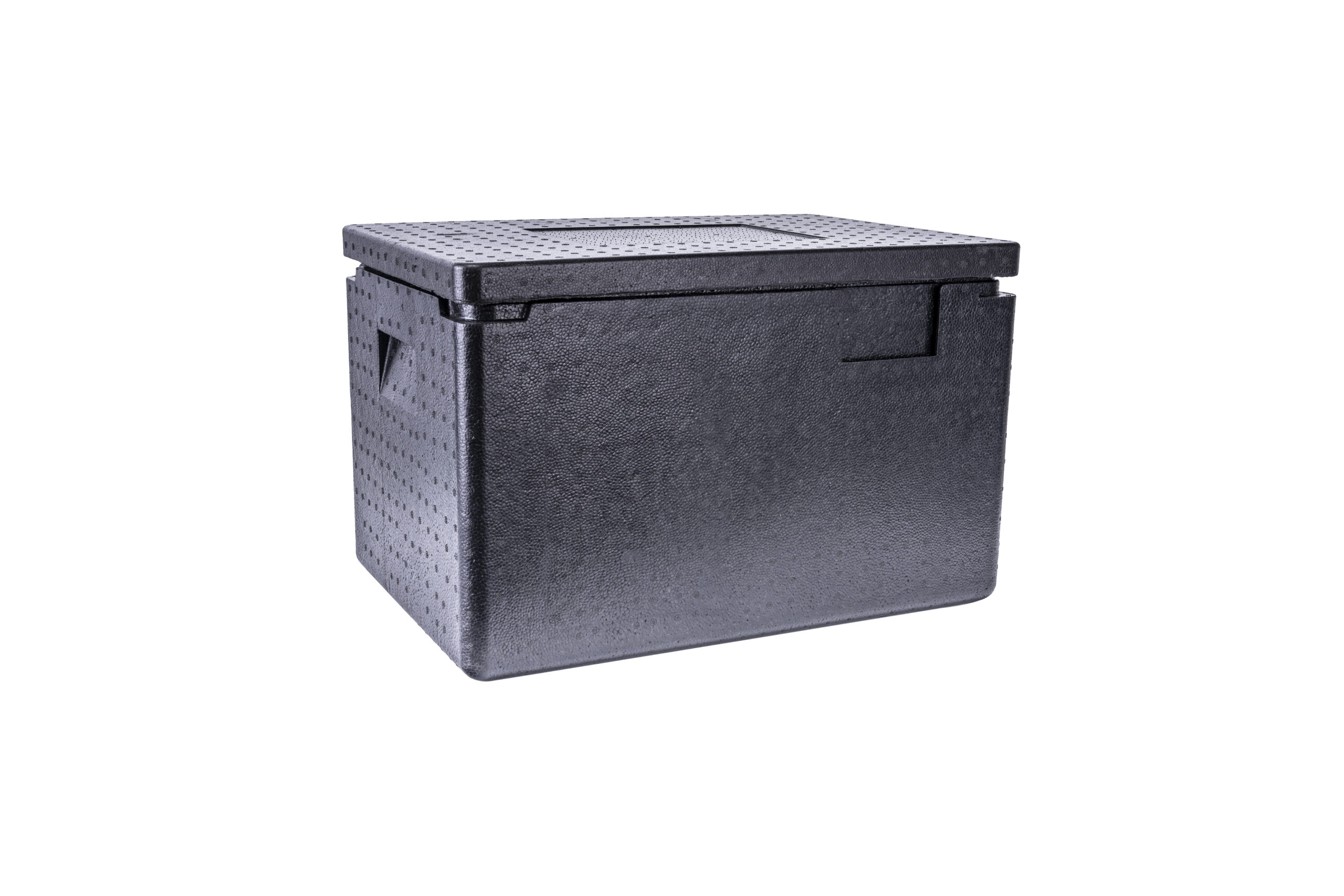
A successful thermal bag promotional product in 2026 must do three things at once: look good, feel useful, and support a brand story people actually remember. The strongest programs are not built around the biggest logo or the lowest unit cost. They are built around real-life use, better design choices, and a product that people keep reaching for after the campaign ends.
This article will answer:
- Why thermal bag promotional items are performing so well
- Which styles and materials fit different branded campaigns
- How to design and decorate the bag for stronger retention
- What compliance and claim issues matter in 2026
- How market data and sustainability trends should shape your program
Why does thermal bag promotional merchandise work so well?
Because branded utility creates repeat exposure. A thermal bag fits into lunch routines, grocery stops, commutes, picnics, road trips, and wellness habits. That means your logo can be seen again and again without feeling forced. Instead of being a throwaway object, the product becomes part of someone’s day.
This also fits how the promotional market is moving. ASI reported that North American promo sales reached $27.7 billion in 2025, up 4.2% from the previous year. PPAI also reported that 83% of consumers feel appreciated when they receive a promotional product, 90% say it improves brand perception, and 72% connect branded merch with positive emotions. A thermal bag promotional item aligns with those findings because it combines usefulness with emotional value. (ASI)
Why thermal bags outperform weaker giveaways
- Practical tips for marketers
- For appreciation campaigns: Pick a bag that solves a small daily inconvenience.
- For food and beverage brands: Use the bag as an extension of freshness, convenience, and care.
- For internal branding: Tone down the logo so employees use it outside the office.
- For loyalty rewards: Choose a style that feels like a real upgrade, not a spare extra.
Real example: A company wellness campaign gave away compact insulated lunch bags instead of generic totes. Employees used them at work and on the way home, so the brand stayed visible naturally for months.
Which thermal bag promotional styles and materials work best?
The best product is the one your audience can imagine using immediately. That is why the safest winners are often compact lunch coolers, reusable tote-style thermal bags, and refined soft coolers. They fit common routines and do not require special effort to adopt.
Material choice changes the feel of the whole campaign. Nonwoven entry styles can work for large-scale distribution, but polyester, Oxford, or recycled-textile exteriors usually create a better long-term impression. If you want a stronger sustainability story, documented recycled inputs help far more than vague eco language.
Textile Exchange says GRS and RCS set third-party criteria for recycled materials and chain of custody, and GRS includes a 50% minimum recycled-content threshold plus broader environmental and chemical requirements. That makes documented recycled material stories easier to support in B2B buying conversations. (Textile Exchange)
Product selection matrix
- Practical tips for sourcing
- For large runs: Keep the style simple, but do not sacrifice zipper and handle quality.
- For premium positioning: Upgrade material feel before adding too many extra features.
- For sustainability-minded buyers: Ask for specific recycled documentation.
- For long-term use: Choose a liner that wipes clean quickly and stays presentable.
Real example: A customer changed from a thin event cooler tote to a cleaner polyester lunch bag with a better zipper and more stable base. Even with a higher unit price, the brand result improved because people actually kept using the item.
How should you decorate a thermal bag promotional product?
Decoration should support use, not overpower it. The most successful branded thermal bags often use medium-size logos, one clear hero panel, and a design system that feels close to retail rather than obvious advertising. When the branding is too loud, the bag becomes harder to use in public and the real exposure actually falls.
Print method matters too. Screen print is efficient for simple high-volume work. Heat transfer supports more detail and often looks cleaner on premium surfaces. Embroidery or a woven patch can add a stronger gift feel when used selectively. The key is matching the method to the fabric and the audience.
Decoration decisions that usually improve results
- Practical tips for brand teams
- For premium looks: Use negative space generously.
- For stronger user adoption: Keep the bag attractive enough to use outside branded events.
- For better photography: Choose matte or textured fabrics that feel richer on camera.
- For clean approvals: Test the final decoration on the real bag panel before mass production.
Real example: A client reduced the amount of printed messaging on the bag and moved secondary information to packaging. The thermal bag promotional item felt more stylish and employees used it more often in public.
What compliance and claim rules matter in 2026?
The more useful and premium the product becomes, the more important claim discipline becomes. That applies to recycled claims, eco language, and origin messaging. If the bag contains textile elements covered by U.S. textile rules, fiber content, responsible company identity, and country-of-origin information may matter. FTC guidance also makes clear that green claims must be truthful, and Made in USA claims require careful substantiation. (Federal Trade Commission)
This matters because promotional products often cross from one marketing context into another. A thermal bag may appear at trade shows, in employee kits, in e-commerce gift-with-purchase campaigns, and even in retail-adjacent packaging. Clear claims keep the product easier to sell and easier to defend.
A simple claim-checking framework
- Practical tips for buyers and marketers
- For recycled bags: Keep documentation tied to the actual product line.
- For packaging copy: Review claims with the same care as logo art.
- For catalogs: Replace vague environmental language with clear benefit statements.
- For premium promos: Let durability and reuse be part of the value story.
Real example: A distributor changed a broad “green insulated bag” claim to a narrower recycled-material statement supported by supplier records. The revised message was easier for clients to trust and easier for sales teams to explain.
How are 2026 trends changing thermal bag promotional strategy?
The category is moving toward better utility, better aesthetics, and better credibility. Buyers want promotional products that feel more like chosen merchandise and less like giveaway leftovers. That is why thermal bags are gaining interest: they support routine behavior and can carry a stronger reuse story than many small items.
Sustainability is a major part of that shift. EPA continues to emphasize reduction and reuse above recycling in the materials hierarchy, which supports durable branded products with longer life. At the same time, more buyers want proof behind material claims. Those two forces together favor well-built reusable thermal bags with documented input stories. (US EPA)
Latest developments at a glance
- Utility-first branded goods are winning more attention
- Quiet branding is helping products get more real-world use
- Documented recycled materials are becoming a stronger sales advantage
- Thermal bags fit multiple channels, from employee gifting to retail promotions and food campaigns
Frequently asked questions
- Why is a thermal bag a strong promotional product?
Because it is practical, reusable, and visible in daily life.
What is the best audience for thermal bag promotional campaigns?
Office workers, wellness audiences, food and beverage customers, retail loyalty members, and employee gift recipients all respond well.
Is nonwoven good enough?
It can work for large simple campaigns, but better fabrics usually create stronger retention and value perception.
Should I lead with sustainability?
Lead with usefulness first, then support sustainability with real facts and documentation.
What makes the biggest difference in brand perception?
Usually the balance of size, fabric quality, zipper feel, and restrained logo placement.
Summary and recommendations
The best thermal bag promotional strategy in 2026 combines product usefulness, brand restraint, and honest storytelling. It should solve a real daily problem, feel good enough to keep using, and support any material or sustainability claim with real evidence. That is what turns a branded bag into a stronger marketing asset.
If you are planning a launch now, start with the user’s routine. Once you know when and where the bag will be used, style, decoration, materials, and budget become much easier to choose well.
About Tempk
Tempk designs insulated bags and cold-chain packaging products for programs that need both practical function and strong market presentation. We help clients shape materials, structure, branding, and production details so the final product works in real campaigns, not just in a quote sheet.
If you want a more effective thermal bag promotional program, begin with audience behavior and expected reuse. Those two factors will shape your best product decision.
Thermal Bag Supplier: How Can You Choose the Best One in 2026?
A thermal bag supplier in 2026 should be evaluated as a process partner, not just as a factory or trader. The right supplier understands your route, recommends the right structure, controls production drift, and supports a reusable packaging strategy. The wrong supplier may still offer a good sample, but it will be harder to trust once volume, regulation, and customer expectations rise.
This article will help you answer:
- What a high-quality thermal bag supplier should really provide
- How material knowledge and route-fit thinking affect supplier quality
- Which standards and current guidance should shape supplier review
- Why reusability, lifecycle value, and monitoring matter more in 2026
- How to build a supplier scorecard that protects long-term performance
What should a strong thermal bag supplier actually do?
A strong thermal bag supplier should translate your temperature-control need into a repeatable product system. That includes the bag itself, the material logic behind it, the way it is tested, and the way it is controlled in mass production. If a supplier cannot explain how it manages BOMs, substitutions, pilot runs, and inspection steps, you may be taking on more risk than the quote suggests.
The best suppliers also ask better questions. They want to know your temperature band, transit time, payload mass, cleaning needs, route exposure, and whether the bag is single-trip or reusable. That is a sign they understand application fit.
How do materials and technical knowledge reveal supplier quality?
Material knowledge is one of the clearest signals of a capable supplier. A serious thermal bag supplier should understand when standard foam is enough, when PCM is useful, and when higher-end insulation logic is justified. They should also understand liner selection, seam design, closure loss, coolant interaction, and packout behavior.
Research on phase change materials shows why PCM should be discussed carefully: it offers strong latent heat potential, but performance depends on stabilization and proper system design. DOE materials work shows why premium insulation remains attractive: VIP-style approaches can deliver much stronger insulation than conventional structures, though at higher cost and with greater handling sensitivity. (PMC)
Technical maturity checklist
- Can the supplier explain why a material is recommended?
- Can it discuss coolant placement and empty space?
- Can it identify likely failure points?
- Can it recommend a validation method rather than only a sample?
Which standards and guidance should shape supplier selection?
In U.S. food transport, FDA’s sanitary transportation rule reminds buyers that temperature-sensitive transport depends on equipment, operations, records, training, and waivers. That is important because it frames thermal bags as part of a wider transport process. (U.S. Food and Drug Administration)
For healthcare and pharma logistics, IATA’s Temperature Control Regulations describe packaging, compliance, and documentation, while CEIV Pharma extends quality expectations into mapping, monitoring, calibration, infrastructure, and supplier management. European GDP principles also frame appropriate medicinal distribution quality, and ISTA 7E is the current thermal transport test reference rather than the old 7D procedure. (国际航空运输协会)
WHO’s guidance adds an important operational lesson. Its 2026 mapping tool says temperature mapping and monitoring are integral to proper pharmaceutical storage conditions, and its 2025 device guidance limits old monitor-card use for in-country workflows. That supports a wider market move toward better evidence and better data logging. (世界卫生组织)
How important are quality systems and sustainability maturity?
ISO describes ISO 9001 as a globally recognized quality-management standard, which is why it remains a practical signal of process discipline. ISO also says ISO 14001:2026 is in final production steps and expected before the end of April 2026, making environmental-management maturity increasingly relevant in packaging procurement conversations. (国际标准化组织)
At the same time, Europe’s PPWR pressure is reshaping what buyers want from suppliers. The regulation entered into force on 11 February 2025 and applies from 12 August 2026, which increases pressure to justify packaging materials, reuse logic, and waste reduction more clearly. (EUR-Lex)
Research on cold chain lifecycle performance also supports reusable thinking. A 2023 LCA found reusable VIP systems outperforming disposable EPS systems across all evaluated environmental categories. The lesson for thermal bag sourcing is that buyers increasingly think in lifecycle terms, not only in first cost. (科学直达)
How should you build a better supplier scorecard?
A 2026 scorecard should measure more than price, MOQ, and lead time. It should include technical understanding, process quality, reuse logic, documentation, and pilot support.
Supplier scorecard template
- Practical tips
- Ask each supplier to solve the same route problem
- Compare the quality of the questions they ask you
- Review how they handle substitutions and re-approvals
- Look at shipping-pack method, not just the bag
- Favor clear, documented answers over vague promises
Practical example: A buyer chose a thermal bag supplier with a slightly higher quote because the supplier offered a clearer validation plan, stronger QC language, and a better reusable-material strategy. The decision reduced later risk and improved confidence with downstream customers.
2026 latest thermal bag supplier developments and trends
The 2026 direction is clear: buyers want suppliers who can support evidence, reuse, and process discipline. EU packaging pressure, WHO monitoring guidance, IATA’s SME-accessible pharma-quality framework, and lifecycle comparison thinking all reinforce the same message: the best thermal bag supplier is one that can explain and support the entire packaging system, not just ship a product. (EUR-Lex)
Latest developments at a glance
- Reuse and material defensibility are more commercially important ahead of August 2026. (EUR-Lex)
- Monitoring and evidence are becoming stronger buying criteria. (世界卫生组织)
- Smaller buyers now encounter higher-quality cold-chain expectations. (国际航空运输协会)
- Lifecycle value is influencing sourcing decisions more directly. (科学直达)
Frequently asked questions
What is the best first filter for a thermal bag supplier?
Ask how the supplier would design for your actual route and how it would validate that design. The answer reveals technical depth quickly.
Should I care about sustainability when sourcing thermal bags?
Yes, especially if your customers or markets are becoming more sensitive to packaging waste, reuse, and lifecycle cost.
How do I avoid silent quality drift?
Use signed BOMs, retained samples, pilot runs, and written approval rules for substitutions.
Summary and recommendations
The best thermal bag supplier in 2026 combines technical knowledge, quality discipline, and practical sustainability thinking. Good suppliers can explain why a design works, how it will be controlled, and how it fits a larger cold chain process.
Your next step should be to compare candidate suppliers using one route brief and one scorecard that includes technical, quality, and reuse criteria. That single exercise will improve supplier selection dramatically.
About Tempk
At Tempk, we support thermal bag projects with attention to route fit, repeatability, and practical manufacturing control. We believe reliable supply comes from better questions, better validation, and clearer system thinking.
A useful next move is to turn your current supplier review into a scored checklist so decisions are based on evidence, not memory.