


Insulated Box Export: How to Choose in 2026?
Insulated Box Export: How to Choose in 2026?

If you’re planning insulated box export, you’re really planning for delays, handoffs, and heat spikes. Your shipment might sit on a hot airport ramp or wait in customs. That’s why insulated box export packaging must perform, not just “look insulated.” Most lanes target 2–8°C for chilled and below -18°C for frozen, so your solution must match your temperature band and duration.
This article will help you:
- Build an insulated box export packout recipe that survives real delays
- Choose insulated box export materials without paying for unnecessary performance
- Prepare insulated box export documentation that clears customs with fewer questions
- Prove results using insulated box export testing buyers recognize
- Quote confidently with insulated box export pricing that protects your margin
What makes insulated box export different from local shipping?
Insulated box export is harder because “unknown time” is normal. You lose control during handoffs between truck, airline, and broker. Your packaging must hold temperature even when nobody is watching.
Export adds more ambient zones than most teams expect. Think of it like ice cream on a spring day. It melts fastest during the “unplanned moments,” not the planned ones. Designing insulated box export for the worst handoff reduces claims fast.
Where do temperature excursions happen in insulated box export lanes?
Most excursions happen at the edges: pickup windows, ramps, and customs holds. Design insulated box export for those weak points, not the best-case truck.
| Lane step | What can go wrong | What you can do | What it means for you |
|---|---|---|---|
| Pickup & consolidation | Waiting time grows | Add buffer hours | Fewer surprise “warm starts” |
| Airport handoff | Sun + tarmac heat | Use a reflective cover | Less heat spike during loading |
| Customs clearance | Unplanned storage | Use longer-duration packout | More time to fix paperwork |
Practical tips and advice
- Multi-handoff lanes: plan insulated box export duration as shipping time + 24 hours.
- Weekly export lanes: track delay patterns and update your packout each quarter.
- No control at storage points: use a data logger to learn where heat enters.
Real example: A seafood exporter added a reflective cover and improved gel-pack conditioning. Claims dropped after a long customs delay.
Which temperature range should your insulated box export protect?
Your insulated box export design starts with one decision: your allowed temperature range. Most exports fall into three practical bands—chilled (2–8°C), controlled room temperature (15–25°C), and frozen (below -18°C)—and the right band comes from your product label and customer agreement.
Imagine your product is a person with a comfort zone. Some “feel sick” if it gets warm. Others get damaged if it gets too cold. Your insulated box export job is to keep that comfort zone stable during waiting time.
A quick temperature map for insulated box export
| Product type | Common target band | Hidden risk | What it means for you |
|---|---|---|---|
| Chilled pharma | 2–8°C | Warm starts | Pre-condition everything |
| Fresh food | 0–4°C | Partial freezing | Avoid “too cold” coolants |
| Frozen goods | < -18°C | Thaw–refreeze cycles | Add duration buffer |
Practical tips and advice
- Chilled shipments: don’t place frozen gel packs directly against product.
- 15–25°C shipments: protect against heat spikes, not just the average.
- Frozen shipments: treat door-to-door delays as normal, not rare.
Real example: A diagnostics exporter switched to a ~5°C phase change material and reduced “too cold” complaints.
How do you choose materials for insulated box export packaging?
Insulated box export insulation is a system, not a single material. You balance heat flow, weight, space, cost, and sustainability goals. Common choices include EPS, EPP, PU, and VIP.
Think of insulation like a winter coat. Thick can work, but it may be bulky. High-tech can be thin and warm, but costs more. In insulated box export, the “best” choice is the coat that fits your route.
EPS vs EPP vs PU vs VIP for insulated box export
| Material | Typical hold time | Strength feel | What it means for you |
|---|---|---|---|
| EPS foam | 24–48 hours | Light, can crack | Low cost, short routes |
| EPP foam | 48–72 hours | Springy, tough | Reusable and durable |
| PU foam | Lane-dependent | Rigid, strong | Longer duration, heavier build |
| VIP panels | 72–120 hours | Thin, needs care | Smaller box, fewer coolants |
Practical tips and advice
- Air freight pricing by size: test a VIP-based insulated box export design to cut volume.
- Crush risk: choose tougher EPP or add corner protection.
- Simpler disposal: consider fiber liners when performance needs are moderate.
Real example: A nutraceutical brand lowered total export cost by reducing dimensional weight with a thinner liner system.
How do you build an insulated box export packout that survives delays?
A good insulated box export packout buys you time. Coolant does the “work,” and insulation slows outside heat. Most failures come from small process gaps: warm product loads, unconditioned coolant, or poor placement.
Think of it like packing a lunchbox for a long day. If the ice pack only touches one side, you get hot spots. Even coverage makes insulated box export more stable.
Packout recipe for insulated box export: placement that keeps you in range
Start with three inputs: product start temperature, outside temperature profile, and required duration. Then choose coolant: gel packs, PCM, or dry ice. Place coolant around the payload, and avoid direct contact if freezing risk exists.
| Packout element | Best practice | Common mistake | What it means for you |
|---|---|---|---|
| Product | Load at target temp | Loading warm | Shorter hold time |
| Coolant | Condition to spec | “Any freezer is fine” | Big performance drift |
| Placement | Even coverage | One-side stacking | Hot spots & cold spots |
2026 insulated box export developments and trends
In 2026, insulated box export buyers expect reliability and responsibility at the same time. Reliability means lane-based qualification and shareable temperature data. Responsibility means less waste and clearer materials handling.
Latest developments you should watch
- EU packaging compliance pressure: The EU Packaging and Packaging Waste Regulation (PPWR) entered into force on 11 Feb 2025, with a general application date 18 months later (mid-Aug 2026).
- Proof culture is stronger: buyers increasingly ask “show me the test,” making thermal validation more valuable.
- Right-sized cartons win: smaller cartons reduce dimensional weight and emissions.
- Reuse-ready systems grow: return loops are expanding where reverse logistics is stable.
Common questions about insulated box export
Q1: How long can insulated box export packaging hold temperature?
Many designs hold temperature from about 24 to 120 hours, depending on insulation and packout.
Q2: What is the best insulated box export option for 2–8°C?
Start with a qualified shipper using conditioned gel packs or a ~5°C PCM. Choose based on lane duration and heat risk.
Q3: Do I need a data logger for insulated box export?
If your product is sensitive or high value, yes. A basic logger helps prove conditions and reduce disputes.
Q4: What is the most overlooked step in insulated box export?
Conditioning and staging. A warm product load can cut hold time fast.
Q5: What’s the fastest way to reduce delays in insulated box export documentation?
Use a one-page PCS and keep SKU/HS code/quantities consistent across every file.
Summary and practical recommendations
Insulated box export works when you design for real life, not ideal schedules. Pick the right temperature band, match insulation and coolant to your lane, and standardize packout steps. Most failures come from process variation, not materials. Use simple documentation and temperature data to cut customs friction and claims. Review results quarterly to stay aligned with lane and season changes.
Your next steps (simple 4-step plan)
- Score your lane risk (use the tool above).
- Choose a target duration (transit time + buffer).
- Run one controlled test with a realistic payload.
- Ship with a logger on your next 10 exports, then update packouts from what you learn.
About Tempk
We focus on temperature-controlled packaging that your team can run consistently. We support insulated box export with configurable sizes, clear packout instructions, and testing support built for real export lanes. We also help you prepare the labeling and documentation inputs that customers and carriers commonly expect—so you ship with fewer surprises and less waste.
CTA: If you’re planning a new insulated box export lane, gather your temperature band, lane duration, and summer/winter destinations. Then contact our team for a packout recommendation and a simple qualification roadmap.
Insulated Box Bulk Supplier Biodegradable: How to Choose?

You also get faster replenishment, clearer performance specs, and simpler reorders—without the guesswork.
This article will answer for you:
How an insulated box factory e-commerce company reduces markups and lowers risk
Which insulated shipping box materials (EPP, EPS, VIP, hybrid) fit your lane
What customization changes for 24h, 48h, and 72h shipping windows
How to validate cold time and reorder safely inside a factory portal
Which 2026 trends (digital twins, AI modeling, carbon tracking) matter for you
What is an insulated box factory e-commerce company?
Direct answer: An insulated box factory e-commerce company sells insulated shipping boxes from its own production line through an online ordering system. You avoid distributor layers and gain direct access to material options, performance data, and factory-level customization.
Think of it like buying bread from the bakery instead of a reseller. The product is similar, but control is better.
Insulated box factory e-commerce company vs distributor: what changes for you?
| Comparison area | Insulated box factory e-commerce company | Traditional distributor | What it means for you |
|---|---|---|---|
| Pricing | Factory-direct | Multiple markups | Lower unit cost |
| Custom sizes | Yes | Limited | Better product fit |
| Lead time | Shorter | Longer | Faster replenishment |
| Material choice | Full control | Fixed SKUs | Higher temperature accuracy |
Practical tips you can use today
If you ship every week: Save configurations and reorder in two clicks.
If your seasons swing: Request two insulation thickness options for summer and winter.
If volume grows fast: Confirm the factory can scale production without changing specs.
Why an insulated box factory e-commerce company beats distributors in 2026
Direct answer: E-commerce brands choose an insulated box factory e-commerce company because you work with engineers, not resellers. That gives faster iteration, clearer documentation, and fewer “surprise failures” in transit.
When you ship frozen food, medicines, or biotech samples, packaging is part of your product experience.
What a good factory model gives you
A strong insulated box factory e-commerce company often supports you with:
Rapid prototyping
Batch testing
Performance documentation
You stop guessing whether packaging will work. You validate it.
Use-case performance: factory-made vs generic
| Use case | Factory-made box approach | Generic box approach | Your outcome |
|---|---|---|---|
| Frozen food | Tuned insulation | Over- or under-packed | Less spoilage |
| Pharma | Validated materials | Unknown specs | Higher compliance confidence |
| Meal kits | Size-matched | Wasted space | Lower shipping cost |
Decision tool: is an insulated box factory e-commerce company right for you?
Use this quick self-test. Add your score and see what to do next.
Factory-direct fit score (0–12)
Give yourself 0, 1, or 2 points for each statement:
You ship temperature-sensitive goods at least once per week.
You have more than one shipping lane or climate zone.
Packaging cost is a top three expense line.
You have had spoilage, thawing, or temperature excursions.
You need custom sizes or packouts for multiple SKUs.
You want documented performance specs and traceability.
Score meaning
0–4: Start with a pilot order and simple specs.
5–8: You are ready for a full insulated box factory e-commerce company program.
9–12: Treat packaging like a system. Ask for testing and version control.
2026 developments and trends in insulated box factory e-commerce
In 2026, insulated box factory e-commerce companies are evolving beyond “box sellers” into cold-chain solution partners. The focus is smarter insulation, automation, and sustainability.
Latest progress you should track
Digital twins: Virtual testing before production
AI insulation modeling: Better thermal accuracy
Reusable packaging systems: Lower waste
Carbon tracking: Packaging footprint reporting
Market insight (what buyers demand now)
More brands now demand:
Predictable cold time
Reduced packaging volume
Transparent material sourcing
If your packaging partner can prove these points, you earn buyer trust faster.
Frequently asked questions
What is the biggest advantage of an insulated box factory e-commerce company?
You get factory-level pricing, customization, and consistent performance without distributor delays.
Are factory-direct insulated boxes realistic for small businesses?
Yes. Many factories support low minimum orders and scalable designs for growing volumes.
How long can insulated shipping boxes hold temperature?
Most designs target 24 to 96 hours, depending on material, packout, and ambient heat.
Is customization expensive?
Not always. Factory-direct customization can reduce total cost by cutting wasted space and material.
What should I ask before ordering from an insulated box factory e-commerce company?
Ask for target cold time, test method, material traceability, and how reorders stay identical.
How do I avoid “overpacking” with gel packs or dry ice?
Start with the factory’s packout template, then reduce refrigerant step-by-step until you hit the target.
Summary and practical recommendations
An insulated box factory e-commerce company gives you more control over cost, performance, and scale. In 2026, it often outperforms traditional sourcing because digital ordering keeps specs repeatable.
What you should do next (simple plan)
Audit your current packaging performance and claim rate.
Identify where temperature loss happens in your packout.
Pilot one factory-direct design on one lane.
Lock specifications for repeat orders and track results.
About Tempk
We design and manufacture insulated box solutions for modern cold-chain logistics. Our factory-direct e-commerce model helps you reduce cost, improve temperature stability, and scale packaging with confidence.
Next step: Share your product type, transit time, and target temperature range. We can recommend a right-fit insulated box strategy for your lanes.
Folding Insulated Box: How to Choose in 2026?
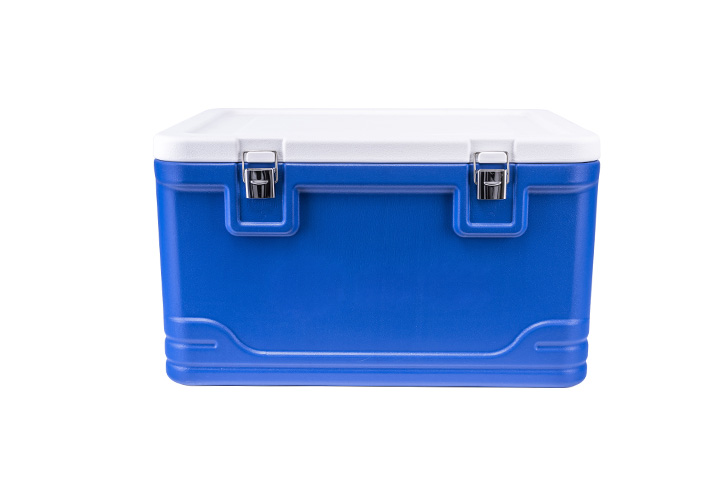
A folding insulated box protects temperature-sensitive shipments while collapsing flat when empty, so you spend less money moving “air” back to your warehouse. In many return loops, operators report major cube reduction after folding (often 60–85% depending on design and wall thickness), which directly eases reverse logistics pressure.
If you ship chilled foods, medical samples, or pharma products, this guide helps you choose a folding insulated box that your team can pack, close, clean, and reuse reliably.
This guide will help you:
Choose a folding insulated box for last-mile delivery without overbuying
Size a folding insulated box using a simple payload-first method
Compare insulation options (EPP, panels, and hybrids) in plain language
Estimate real hold time using a quick scoring tool
Build a repeatable cleaning and drying SOP for reuse
Validate a folding insulated box with practical tests and an audit checklist
Calculate ROI using cost per cycle, not unit price
What is a folding insulated box, and why does it matter?
A folding insulated box is a reusable thermal container that behaves like a “jacket” for your shipment. It doesn’t create cold or heat. It slows temperature change by blocking heat transfer and limiting air leaks.
For you, the biggest value is operational. A rigid shipper stays bulky even when empty. A folding insulated box collapses, so storage and return shipping become simpler and cheaper.
| Key Feature | Rigid Insulated Box | Folding Insulated Box | What it means for you |
|---|---|---|---|
| Empty storage | Fixed, bulky | Foldable, compact | Less warehouse space pressure |
| Return shipping | Expensive | Lower cube after folding | Cheaper reverse logistics |
| Reuse | Medium | High | Better ROI over time |
| Handling speed | Moderate | Fast | Less labor time per cycle |
Folding insulated box vs rigid shipper: the real difference
A folding insulated box adds seams, joints, and moving parts. That’s why sealing and durability matter as much as insulation thickness. If warm air leaks through corners or the lid line, even great insulation loses.
Practical tips you can apply today
If returns hurt you: measure folded cube vs loaded cube and model it weekly.
If labor is tight: choose a folding insulated box that closes correctly “by feel.”
If damage is common: demand corner protection and a clear repair path.
When should you choose a folding insulated box over a rigid one?
Choose a folding insulated box when you run repeat routes, manage returns, or operate a reusable packaging loop. It shines when you care about storage efficiency, turnaround speed, and cost per trip.
Rigid containers can still win for one-way export, extreme abuse lanes, or situations where returns are impossible. Your best choice depends on your network reality, not a catalog claim.
| Shipping scenario | Recommended solution | Why it works for you |
|---|---|---|
| Last-mile food delivery | Folding insulated box | Easier returns and staging |
| Clinic ↔ lab transport | Folding insulated box | Reusable and cleanable |
| One-way export | Rigid shipper | No return loop needed |
Quick “yes/no” decision tool
If you answer yes to 3+ items, a folding insulated box pilot is usually worth it:
You pay meaningful money to bring empties back.
Your warehouse is crowded with bulky empty shippers.
You ship the same routes multiple times per week.
Temperature failures cause refunds or safety risk.
You already have a backhaul or pickup network.
How do you size a folding insulated box for your payload?
Sizing a folding insulated box starts with your typical payload, not your biggest peak order. Oversized boxes create extra air space, and air space warms quickly—like leaving a fridge door cracked open.
Use this simple approach: internal volume = products + coolant + small buffer. You want room to pack fast, but not so much room that temperature drifts.
The 3-step payload sizing method
List your typical order (not the holiday outlier).
Add coolant volume (gel packs or PCM blocks).
Add 10–15% buffer for packing speed and odd shapes.
| Order type | Typical need | Common packing mistake | What it means for you |
|---|---|---|---|
| Chilled groceries | Space for gel packs | Too much empty space | Faster warming on hot days |
| Pharmaceuticals | Space for logger + docs | No room for monitoring | Lost traceability |
| Frozen foods | More coolant mass | Underestimating melt time | Soft product on arrival |
Common folding insulated box buying mistakes (and how you fix them)
Buying by insulation claims only
Fix: ask for lane data and seam-seal design details.
Ignoring cleaning and moisture
Fix: require smooth interiors, drainage features, and a realistic dry-time.
No plan for loss
Fix: use IDs, return scans, deposits, or pooling rules.
One size for every lane
Fix: use two sizes or two insulation grades with the same footprint.
Complex folding steps
Fix: choose “one-direction folding” and train with a one-page visual.
2026 folding insulated box developments and trends you should watch
In 2026, the biggest shift is “system thinking.” Teams aren’t just buying a folding insulated box. They’re building a kit: container + coolant + inserts + monitoring + SOPs. This reduces training time and improves consistency across sites.
Latest progress snapshot
More modular inserts: inner organizers reduce exposure during multi-stop routes.
Better seal design at fold lines: improved gaskets and reinforced corners.
Repair-friendly builds: swap a latch/panel instead of scrapping the unit.
More tracking-ready designs: easier placement for data loggers and ID tags.
Frequently Asked Questions
Q1: How long can a folding insulated box hold temperature?
Most real-world results depend on route time, ambient heat, coolant mass, and seal quality. If risk is high, validate your worst-day lane with a logger.
Q2: Is a folding insulated box safe for pharmaceuticals?
It can be, if you use a documented pack-out, consistent cleaning, and monitoring for high-risk routes. Treat it as a validated process, not a standalone purchase.
Q3: What coolant works best inside a folding insulated box?
Gel packs are simple for chilled lanes. PCM can hold tighter targets near a set temperature. Dry ice is for frozen, but requires venting and compliance in air scenarios.
Q4: What’s the biggest buying mistake with a folding insulated box?
Buying the largest size “for flexibility.” Extra air space warms faster. Two right-sized SKUs usually perform better and train faster.
Q5: How do I stop odors in a folding insulated box?
Dry it fully before folding and store it ventilated. Odors usually come from trapped moisture. If odors persist, replace the liner or retire that unit from food use.
Summary and Practical Recommendations
A folding insulated box gives you temperature protection plus space savings, especially when returns and storage are real pain points. Start by sizing to your typical payload, then prioritize sealing, cleanability, and folding speed. Validate your worst-day route with a repeatable pack-out and (when needed) monitoring, then document the process as standard work.
Your next step (CTA)
Pick one product and one lane this week. Run a pilot on your toughest route, track dispatch and delivery temperatures, then adjust one variable at a time until results stabilize. When it’s stable, lock it into a one-page SOP your team can repeat.
About Tempk
At Tempk, we build reusable cold chain packaging that works in real operations, not just in lab claims. We design folding insulated box systems that balance insulation performance, durability, and space efficiency—so your team can pack faster, return easier, and reuse with confidence. Our focus is simple: help you protect temperature-sensitive products while keeping workflows clean, repeatable, and scalable.
Next step: Share your lane time, temperature target, stop count, and worst-day conditions, and we’ll help you map a practical pack-out and pilot plan.
Fiberboard Insulated Box: How to Choose in 2026?
Last updated: January 8, 2026
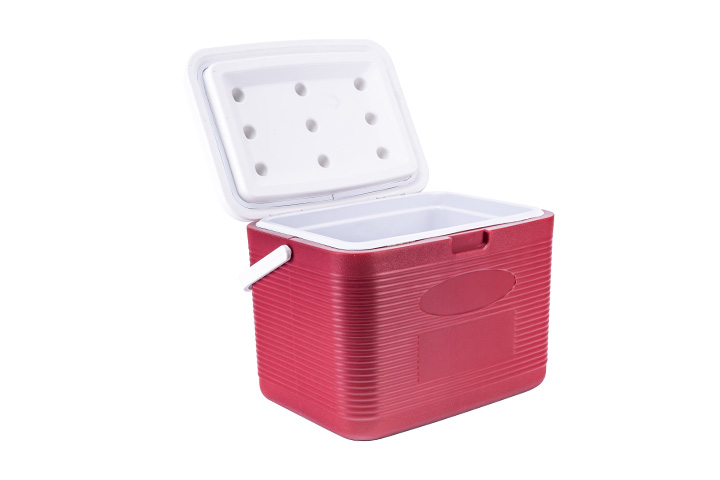
A fiberboard insulated box is one of the easiest ways to protect temperature-sensitive shipments in 2026. If you ship food, pharma, or biotech, it helps you balance hold time, cost, and disposal simplicity. Most parcel lanes target 24–72 hours, and your job is to “buy time” with the right box, liner, and coolant. In this guide, you’ll learn how to pick a fiberboard insulated box that works in real routes—not just on paper.
In this guide, you’ll learn:
How a fiberboard insulated box temperature hold time changes with fit, liner, and coolant
When a recyclable fiberboard insulated box makes sense for your customers and compliance needs
How to pack a fiberboard insulated box with gel packs without hot spots or freeze contact
How to right-size a fiberboard insulated box to reduce dim weight and returns
How to validate performance with repeatable testing and documentation
When is a fiberboard insulated box the right shipper?
A fiberboard insulated box is the right choice when you need “good thermal control” with simple handling and reasonable cost. It works especially well for 24–72 hour parcel lanes where you want a box that looks and behaves like standard corrugate.
Think of it as a “paper thermos” for shipping. The outside looks normal, but inside you build a thermal layer that slows heat gain.
Best-fit use cases (sweet spots):
Meal kits, seafood, dairy, chocolate (common 24–72h lanes)
2–8°C healthcare shipments under 48h when packout is controlled
E-commerce cold chain where warehouse space and speed matter
Seasonal peaks when you need fast supply and easy assembly
When to upgrade beyond a fiberboard insulated box:
Multi-day international lanes with long airport holds
Ultra-low temperature needs (or tight regulatory margins)
High humidity routes where corrugate strength drops fast
Reuse programs that require repeated cycles and washdown
How does a fiberboard insulated box work in real transit?
A fiberboard insulated box works by slowing heat transfer and using coolant as a buffer. You are not “making cold.” You are buying time by reducing heat flow into your payload.
In real delivery, temperature swings are not steady. A box may sit in a hot truck, then a cool hub, then a warm doorstep. Your fiberboard insulated box needs to stay stable through those cycles.
What parts make up a fiberboard insulated box?
A reliable fiberboard insulated box is a system, not one material. Each part has a job, and weak links show up as temperature excursions.
| System part | Common options | What it controls | What it means for you |
|---|---|---|---|
| Outer shipper | Corrugated fiberboard | Strength + stacking | Prevents crush and corner gaps |
| Insulation liner | Paper-fiber, molded fiber, foam, hybrid | Heat flow rate | Sets your baseline hold time |
| Coolant | Gel packs, PCM, dry ice (when needed) | “Cold reserve” | Stabilizes temperature during peaks |
| Moisture control | Absorbent pads, inner bag, seals | Wet strength | Keeps corrugate from softening |
| Monitoring | Indicator or logger | Proof + troubleshooting | Helps you defend and improve packouts |
The “3 heat paths” your fiberboard insulated box must fight
Conduction: heat moving through walls (insulation reduces this)
Convection: air movement inside gaps (tight fit reduces this)
Radiation: heat from sun and hot surfaces (reflective layers can help)
Practical takeaway: before you add more coolant, fix fit and gaps. A loose packout spends your cold budget fast.
Fiberboard insulated box vs foam shipper: what’s the difference?
A foam shipper usually delivers higher insulation per thickness, while a fiberboard insulated box often wins on disposal messaging and flexibility. The best choice depends on lane duration, risk, and customer expectations.
| Feature | Fiberboard insulated box | Foam shipper | What it means for you |
|---|---|---|---|
| Hold time per thickness | Moderate | High | Foam can win on long, harsh lanes |
| Dimensional weight | Often lower | Can grow fast | Cube costs matter in parcel shipping |
| Custom sizing | Easy | Limited | Better payload fit reduces hot spots |
| Disposal story | Often simpler | Often mixed materials | Fewer complaints and support tickets |
| Warehouse efficiency | Can ship flat liners | Bulky | Saves storage space and inbound freight |
Quick rule:
Choose a fiberboard insulated box for cost-sensitive 24–72h lanes with controlled packout.
Choose foam/VIP solutions when temperature risk is mission-critical or duration is long.
Which insulation liner should you use in a fiberboard insulated box?
The best liner for a fiberboard insulated box depends on duration, season, and disposal needs. Many 2026 programs shift toward paper-forward liners for easier end-of-life handling, but you still need a tight, repeatable packout.
Common liner choices (plain-English comparison)
| Liner type inside the fiberboard insulated box | Typical strengths | Typical trade-offs | What it means for you |
|---|---|---|---|
| Paper-fiber panels | Paper-forward, simple messaging | May need thicker walls | Great for D2C and recyclability goals |
| Molded fiber inserts | Repeatable packing at scale | Tooling/MOQs | Faster pack line, fewer mistakes |
| Foam insert + fiberboard outer | Strong thermal performance | Harder disposal story | Good for harsh summers and longer holds |
| Reflective layer add-on | Helps with radiant heat | Not enough alone | Useful in hot, sunny last-mile risk |
| Hybrid (paper + targeted high-performance) | Balanced performance | More components | Good when lanes vary by region |
| VIP panels (premium) | High insulation in thin walls | Higher cost, careful handling | Best for high value, long duration shipments |
Fast pick rules (use these if you’re stuck)
≤48h, mild-to-moderate weather: paper-fiber liner + gel packs can work if the packout is tight.
48–72h, hot or unpredictable lanes: add insulation continuity or move to a higher-performance hybrid.
Frozen shipping: start with refrigerant strategy first, then match liner and barriers.
How long can a fiberboard insulated box hold temperature?
Most fiberboard insulated box packouts can hold a chilled range for about 24–72 hours, depending on lane conditions. The same box can behave very differently on a doorstep versus an air-conditioned hub.
Instead of guessing, focus on the variables that drive outcomes.
The 5 factors that drive fiberboard insulated box temperature hold time
Ambient profile: how hot/cold it gets, and for how long
Starting temperatures: product, coolant, and shipper temperature at pack time
Fit and gaps: void space and crushed corners leak heat quickly
Coolant type and mass: gel packs vs PCM, and how much you use
Geometry: where coolant sits relative to the payload
How do you manage moisture and leaks in a fiberboard insulated box?
Moisture is the quiet failure mode for every fiberboard insulated box. Condensation softens corrugate, lowers stacking strength, and can deform corners.
Use these tactics in this order:
If the product can leak → fix containment first (inner bag, sealed tray).
If gel packs sweat → add absorbent pads and keep outer box dry.
If humidity is extreme → improve board performance and closure coverage.
Seal consistently → humid air “pumps” through poor seams during transit.
2026 trends: what’s changing for fiberboard insulated boxes?
In 2026, performance is only half the conversation. The other half is material accountability and operational simplicity. Buyers want shippers that are easier to explain, easier to dispose of, and easier to run at scale.
Latest progress snapshot
Paper-forward insulation options are improving, with more formats and better consistency.
Hybrid systems are rising: paper insulation plus targeted high-performance panels.
Smart indicators and low-cost logging are becoming common for visibility.
Modular inserts are growing: one outer shipper, multiple payload sizes.
Frequently Asked Questions about fiberboard insulated boxes
Q1: How long can a fiberboard insulated box maintain temperature?
Many fiberboard insulated box packouts hold chilled ranges for 24–72 hours, depending on fit, coolant, and ambient peaks.
Q2: Is a fiberboard insulated box recyclable?
Often yes, but it depends on the liner. Paper-fiber designs are simpler to explain and sort.
Q3: Can I ship 2–8°C products in a fiberboard insulated box?
Yes, many shippers do. Use a buffer layer to prevent freeze contact and validate your lane.
Q4: What’s the biggest mistake with a fiberboard insulated box?
Wrong sizing. Too much empty space forces extra coolant and creates uneven temperatures.
Q5: Why does my fiberboard insulated box get crushed in transit?
Usually stacking plus moisture. Upgrade strength targets and add moisture control.
Q6: Do I need testing for a fiberboard insulated box program?
If shipments are regulated or high value, validation is strongly recommended. At minimum, test summer and winter profiles.
Summary and recommendations
A fiberboard insulated box is a smart choice in 2026 when you need reliable temperature protection without overcomplicating operations. Focus first on right-sizing, gap control, and repeatable conditioning. Then tune liner performance and coolant placement to match your worst-case season. When you document the packout and validate core lanes, you reduce spoilage, cut returns, and lower total cost.
What to do next (clear CTA)
List your top 3 lanes (duration, region, summer peak, winter low).
Test two liner/thickness options with the same payload and coolant rules.
Lock the best packout with photos, a checklist, and periodic audits.
Standardize 2–3 shipper sizes to stop improvising on the pack line.
About Tempk
At Tempk, we build practical cold chain packaging systems for real operations. Our fiberboard insulated box programs balance thermal protection, warehouse efficiency, and disposal clarity. We help you match liner type, box sizing, and coolant strategy to your lane risks, then lock in a repeatable packout your team can run every day.
Next step: Share your target temperature range, lane duration, and payload size, and we’ll help you shortlist a fiberboard insulated box configuration and validation plan.
Eco-Friendly Insulated Box: How Do You Choose?
Last updated: January 9, 2026
An eco-friendly insulated box is only “green” if it protects your product and avoids re-ships. In the EU alone, packaging waste reached 186.5 kg per person in 2022, and plastic packaging waste was 35.3 kg per person in 2023—pressure is rising from regulators and customers. This guide helps you choose the right eco-friendly insulated box for your lane, so you reduce waste and keep temperature stable.
This article will answer for you:
How to judge an eco-friendly insulated box beyond labels (recycled, recyclable, reusable)
Which materials work best for your lane using a practical recyclable insulated shipping box checklist
How to plan insulation for 24–72 hours, including insulated box for frozen shipping without foam
How to pack an eco-friendly insulated box with fewer temperature failures (a repeatable “recipe”)
When a reusable eco-friendly insulated box beats single-use on total cost
What makes an eco-friendly insulated box truly eco-friendly?
A truly eco-friendly insulated box reduces total impact only when it keeps temperature stable, matches real disposal, and avoids “extra” materials that add weight or waste.
If it fails temperature and forces reshipments, your footprint can increase fast.
So you should judge the full system, not a single label.
A simple way to decide is the “3-test” filter:
Protects product reliably, 2) Fits real-world end-of-life, 3) Uses less total material and energy.
Recycled vs recyclable vs reusable: which label helps you most?
| Label | Typical example | What can go wrong | What it means for you |
|---|---|---|---|
| Recycled content | Recycled PET felt liner | Not recyclable again in many areas | Good story, but confirm disposal |
| Recyclable | Corrugated + paper insulation | Trashed if wet/contaminated | Needs moisture control + clear instructions |
| Reusable | EPP/returnable tote | Reverse logistics not planned | Best long-term when returns are reliable |
Practical tips you can use today
If you ship DTC: pick an eco-friendly insulated box that stays dry and easy to separate.
If you ship regulated goods: performance and repeatability come first, then sustainability.
If you ship cross-border: assume “recyclable everywhere” is not real. Map disposal by market.
Real-world example: A tighter, right-sized packout reduced damage claims and lowered gel pack use because there was less void space.
Which eco-friendly insulated box materials fit your product and lane?
The best eco-friendly insulated box material is the one that matches your temperature target, duration, and disposal reality—there is no universal winner.
Start with product risk: seafood needs moisture control, chocolate needs heat-spike protection, and pharma needs repeatable validation.
Then choose a stack: outer carton + insulation + refrigerant + (optional) barrier layers.
Material options (quick practical view)
| Material type | Typical strengths | Typical tradeoffs | What it means for you |
|---|---|---|---|
| Molded pulp / paper fiber | Often curbside-friendly | Moisture sensitivity | Great for short chilled lanes |
| Recycled PET felt | Good insulation-to-weight | Recycling varies by region | Good when “premium unboxing” matters |
| Reusable EPP shell | Durable, many cycles | Needs return plan | Best for B2B repeat routes |
| Bio-based foams | Lower fossil inputs | End-of-life can be confusing | Verify certification + local acceptance |
| VIP hybrid | Very high insulation, thin walls | Cost, puncture risk | Best for long duration, high value |
Practical tips you can use today
Seafood: choose tight lid fit and strong moisture resistance.
Produce/salads: manage condensation and protect fragile items with airflow space.
High-value pharma: select materials that support consistent validation.
Real-world example: A fitted paper-based liner reduced heat-damage complaints during shoulder seasons by removing oversized void space.
How much insulation does your eco-friendly insulated box need?
Your eco-friendly insulated box needs enough insulation to “buy time” against heat, and enough refrigerant to absorb what gets through.
Three inputs drive the answer: time, ambient exposure, and payload sensitivity.
If you are unsure, plan for your worst realistic day, not your average.
A simple lane-to-packout planning table
| Lane profile | Typical risk | What to change first | What it means for you |
|---|---|---|---|
| 0–24h, mild weather | Low | Right-size the box | Less refrigerant cost |
| 24–48h, mixed weather | Medium | Upgrade liner + add PCM | More stable temps |
| 48–72h, hot season | High | Add margin + validate | Fewer failures when delayed |
Insulated box for frozen shipping without foam: what’s realistic?
Frozen lanes are harsher, so you must redesign the system.
Focus on right-sizing, stronger refrigerant strategy (dry ice or frozen PCM), and thicker liners if needed.
If you keep the same packout while swapping materials, you may see melt or soggy cartons.
Practical tips you can use today
Cut headspace first: a smaller box often beats “more gel packs.”
Build seasonal packouts: one summer + one winter setup reduces surprises.
Treat frozen as a pilot: validate before you scale.
Real-world example: Teams that standardized a tighter packout often improved consistency without increasing gel pack weight.
How do you pack an eco-friendly insulated box for 24–72 hours?
Packing an eco-friendly insulated box is a repeatable process, not a guessing game—standard steps cut failures and waste.
Most failures come from too much empty space, unconditioned refrigerant, or walls not matched to the lane.
You can often improve results without adding more refrigerant by tightening the packout and sealing better.
2026 eco-friendly insulated box trends and rules to watch
In 2026, the direction is clear: less waste, clearer recyclability, and more producer responsibility—your eco-friendly insulated box strategy should assume more reporting and stricter design rules.
What’s changing in 2026 (practical view)
EU PPWR timeline: The EU Packaging and Packaging Waste Regulation applies from 12 August 2026 (entered into force in February 2025).
US EPR patchwork: As of October 2025, seven states had enacted packaging EPR laws (Maine, Oregon, Colorado, California, Minnesota, Maryland, Washington).
Fees are becoming real: Oregon fee obligations began July 1, 2025; Colorado fees begin January 2026; California begins January 2027.
2026 design trends you can act on now
Mono-material insulation to make recycling simpler
Moisture-resistant paper liners to keep cartons cleaner
Smarter PCM to hold temps with less refrigerant mass
Sensor-ready designs for real-time monitoring
Right-sizing as a default to cut freight and waste together
Practical tips you can use today
Print disposal steps inside the lid in plain language.
Reduce mixed materials unless performance requires them.
Document weights and materials now, before reporting pressure increases.
Frequently Asked Questions
Q1: Does an eco-friendly insulated box really keep products cold?
Yes—modern designs can match foam performance when the box and packout match your lane and season.
Q2: What is the best eco-friendly insulated box for food delivery?
For many 24–48 hour chilled lanes, paper-based liners with conditioned gel packs work well. Test your hottest lane first.
Q3: Is a recyclable insulated shipping box always better than compostable?
Not always. Recyclable wins when customers can actually recycle it cleanly and easily. Compostable can fail without a real disposal path.
Q4: Can I ship frozen products in an insulated box for frozen shipping without foam?
Yes, but expect a redesign. Use stronger refrigerant strategy and validate, especially in hot seasons.
Q5: How many gel packs do I need in an eco-friendly insulated box?
There is no universal number. Start with a standard recipe, then test by season and tighten headspace before adding more packs.
Q6: Are reusable eco-friendly insulated box programs worth it?
They can be, especially for repeat customers and B2B routes. With reliable returns, lifecycle cost often drops over time.
Summary and recommendations
An eco-friendly insulated box works best when you treat it as a system: right-sized box, matched insulation, conditioned refrigerant, and a repeatable packout.
Use the lane risk score to pick between paper-based, hybrid, or reusable solutions.
Then validate on your worst lanes, lock the bill of materials, and scale with training and change control.
What to do next (a simple plan)
Define your target temperature and worst-case lane time.
Use the decision tool to shortlist 1–2 box styles.
Pilot with temperature loggers in your highest-risk season.
Standardize packout sheets and train staff before scaling.
About Tempk
At Tempk, we build practical cold chain packaging that balances temperature stability, sustainability, and repeatability. We design eco-friendly insulated box systems for food, pharmaceutical, and biotech shipping, and we support lane-based testing and standardized packout SOPs for consistent results.
Next step: Share your lane details (duration, season, target temperature, return feasibility). We’ll help you shortlist an eco-friendly insulated box configuration and a simple packout recipe you can validate fast.
Eco-Friendly Insulated Box Pallet Shipping in 2026
Eco-friendly insulated box pallet shipping helps you move chilled and frozen goods at pallet scale without drowning in waste or claims. Most networks still revolve around a 48×40-inch pallet, and a single pallet can exceed 1,000 lb—so crush risk and heat leaks are real.
The practical win is simple: you treat the pallet like a mini cold room, then standardize one “recipe” that your team can repeat.
This article will help you:
Build a lane-tested eco-friendly insulated box pallet shipping SOP you can repeat
Choose recyclable insulation for pallet shipping without sacrificing performance
Fix “warm corners” with a stronger palletizing pattern for insulated boxes
Set a simple gel pack strategy for pallet shipping (and when to switch to PCM)
Decide if a reusable insulated pallet shipper ROI model fits your routes
What is eco-friendly insulated box pallet shipping, really?
Eco-friendly insulated box pallet shipping is palletizing insulated cases (or pallet shippers) to protect temperature while cutting single-use waste and re-shipments. It works best when materials, handling, and timing improve together—not when you only swap one material for another. In plain terms: you reduce empty space, keep the “lid” closed (wrap + speed), and stop guessing.
Think of it like a high-performance cooler. A thicker wall helps, but the biggest wins often come from how you close, wrap, and stage the load.
Eco-friendly vs “green-looking”: what actually matters?
Eco-friendly is not a label. It’s a lifecycle result.
| What you choose | What can go wrong | What to do instead | What it means for you |
|---|---|---|---|
| “Recyclable” insulation | Receiver can’t recycle it | Choose curbside-friendly designs | Fewer disposal complaints |
| “Compostable” claims | No compost access | Use simple, separable parts | Higher real-world compliance |
| Reusable packaging | You can’t get it back | Start with repeat lanes + tracking | Lower cost per trip over time |
Practical tips you can apply this week
Start with your worst lane: Fix one failure lane before scaling changes everywhere.
Track warm staging time: Dock time can matter more than outside temperature.
Standardize one build: One repeatable recipe beats “hero packing.”
How does eco-friendly insulated box pallet shipping improve temperature control?
Eco-friendly insulated box pallet shipping improves temperature control by slowing heat transfer and stabilizing airflow inside a tightly built pallet load. When cases stack tightly and seals stay intact, the pallet behaves like a “micro-environment.” That gives gel packs, PCM, or dry ice more time to work—especially during handoffs.
Summary and Practical Recommendations
Eco-friendly insulated box pallet shipping works when you treat the pallet like a mini cold room: tight build, stable wrap, right-sized insulation, and a lane-based coolant recipe. Start by fixing your worst lane, then standardize one packout SOP your team can repeat. Use quick pilots with temperature logging, and scale only after your data is stable. In 2026, the winners will be the teams who measure performance and remove “insurance packing” without raising risk.
About Tempk
At Tempk, we build practical cold-chain packaging systems designed for real freight handling—where pallets get squeezed, shifted, and staged. Our insulated pallet solutions focus on durability, temperature stability, and repeatable packouts that your team can build fast. We help you choose between recyclable and reusable options, right-size designs for your lanes, and turn pilot results into clear SOPs you can scale.
Custom Insulated Box: How to Choose One in 2026?

A custom insulated box is the easiest way to stop “random warm arrivals” before they damage your product and your reputation. In field examples, teams cut spoilage by up to 28% and coolant use by about 35% after right-sizing and standardizing pack-out. When you design packaging around your real route, you reduce excursions and total shipping cost. This guide shows you how to pick materials, size the pack-out, and validate performance for 2026 lanes.
This guide will help you:
Choose a custom insulated box for cold chain shipping that matches your temperature band and hold time
Build a repeatable pack-out for your insulated shipper, even on busy shifts
Compare gel packs vs PCM for 2–8°C shipping without freezing sensitive products
Plan validation with practical testing (including ISTA-style profiles and logger placement)
Improve sustainability with sustainable insulated packaging 2026 choices
Why is a custom insulated box better than standard packaging?
A custom insulated box is built for your product, not for average conditions. It matches your temperature range, transit duration, and handling risks. That fit reduces air gaps, limits thermal bridges, and improves seal consistency. The result is fewer temperature spikes and fewer refunds.
Standard shippers assume short routes and mild weather. Real lanes include hot docks, cold tarmacs, and last-mile delays. A custom design lets you tune thickness, inserts, and closure method to your worst realistic day. That is how you turn packaging from a gamble into a system.
How does custom insulation improve temperature stability?
A custom insulated box reduces heat transfer by shrinking empty volume and improving contact control. Less “free air” means less mixing and fewer hot spots. A better lid and tighter cavity also reduce warm air leaks. You get longer hold time with the same coolant.
| Insulation factor | Standard shipper | Custom insulated box | What it means for you |
|---|---|---|---|
| Wall thickness | Fixed | Tuned | Longer temperature hold |
| Internal fit | Generic | Product-specific | Less cold loss |
| Seal quality | Basic | Engineered | Fewer temperature spikes |
| Payload protection | Limited | Optimized | Lower damage risk |
Practical tips you can apply now
Short routes: Use tighter fit and simpler inserts before paying for thicker walls.
Long routes: Add insulation thickness and reduce air gaps to stretch each gel pack.
Rough handling: Reinforce corners and edges to prevent compression and cracked foam.
Real scenario: One fresh-food shipper reduced spoilage by 28% after switching to a route-matched custom insulated box and a standardized pack-out.
How does a custom insulated box reduce total shipping cost?
A custom insulated box reduces cost by preventing failure, not by using cheaper materials. When temperature holds longer, you spend less on emergency coolant and reships. When pack-out becomes repeatable, you reduce claims and customer support load. Those hidden costs usually exceed the box price.
| Cost area | Standard packaging | Custom insulated box | Savings impact |
|---|---|---|---|
| Product loss | Higher risk | Lower risk | Direct margin protection |
| Coolant weight | Often excessive | Tuned to lane | Lower freight spend |
| Returns & reships | More frequent | Less frequent | Fewer refunds and delays |
| Compliance effort | Hard to prove | Easier to document | Faster approvals |
| Reuse cycles | Limited | Designed for cycles | Lower cost per trip |
Actionable cost strategy
Use temperature logger data to tune insulation thickness and coolant mass.
Standardize sizes across product families to reduce SKU chaos.
Upgrade inserts and SOP before adding “more gel” or “more foam.”
What should you measure before designing a custom insulated box?
A custom insulated box works best when you design around three numbers. You need your temperature band, your door-to-door duration, and your worst realistic ambient exposure. If you skip these inputs, you will overbuild or underbuild. Either way, you pay for it.
Start with carrier scan history and real transit times. Then add seasonality and a delay buffer for weekends and holidays. Design for “expected delays,” not the perfect day. That mindset makes the custom insulated box more reliable and easier to validate.
The 60-second Lane Risk Score
Give yourself 1 point for each “Yes.” This is a quick self-check, not a lab report.
Do shipments sit outside for 30+ minutes at pickup or delivery?
Do you ship across more than one climate zone?
Do you see delays of 12+ hours at least once per month?
Is your product sensitive to small temperature excursions?
Do you ship on Fridays or before public holidays?
Score guide
0–1: A basic insulated shipper may be enough with a simple SOP.
2–3: You likely need a custom insulated box with seasonal pack-outs.
4–5: Plan higher insulation, stronger coolant strategy, and validation testing.
About Tempk
At Tempk, we design custom insulated box systems and temperature-controlled shippers for real cold chain operations. We focus on material efficiency, repeatable pack-outs, and validation-ready documentation. Our team helps you right-size designs, reduce coolant weight, and improve consistency across busy packing lines. If you share your temperature band, hold time, and lane type, we can help outline a practical custom insulated box specification.
Call to action: Send your lane profile and payload details to request a design review and a pilot test plan.
Custom Insulated Box for Biotech: How to Choose?
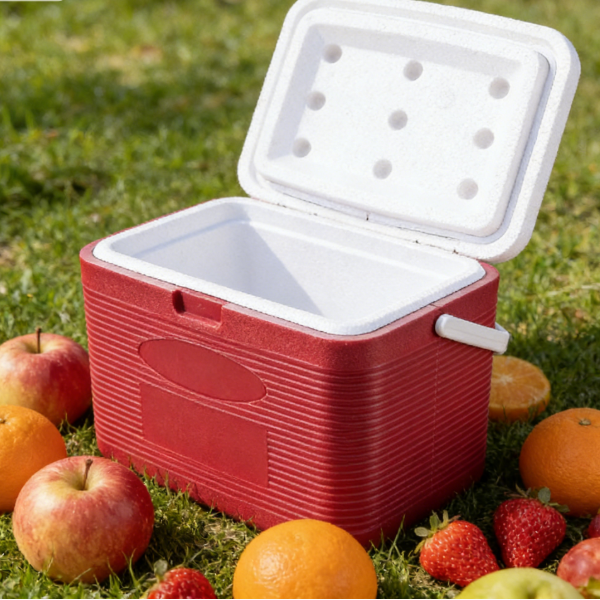
A custom insulated box for biotech keeps your payload inside a safe temperature band by controlling heat flow, airflow, and coolant placement. That stability protects potency, data integrity, and compliance readiness.
This article will answer for you:
How a custom insulated box for biotech protects real shipments (not lab fantasies)
How to spec a 2–8°C custom insulated box for biotech without overpaying
How to validate a custom insulated box for biotech for GDP-style audits
How to reduce total cost with a reusable custom insulated box for biotech
A 5-minute decision tool to match insulation, coolant, and duration
Why is a custom insulated box for biotech critical for shipping?
In biotech, you are not shipping “items.” You are shipping research time, patient outcomes, and trial timelines. A generic shipper often creates empty air space, uneven cooling, and unpredictable results. A custom insulated box for biotech is engineered around your payload size, lane risk, and hold time, so performance is repeatable instead of lucky.
What does “repeatable performance” mean in plain English?
It means two different packers can pack the same custom insulated box for biotech and get the same temperature outcome. That is what quality teams trust, and what customers remember.
| What you need | What goes wrong without it | What a custom design changes | What it means for you |
|---|---|---|---|
| Stable temperature band | Hot/cold spots | Fixed thermal zones | Fewer excursions |
| Delay protection | Weekend holds fail | Built-in buffer time | Less panic shipping |
| Consistent packing | “Depends who packed it” | Visual pack-out + trays | Fewer mistakes |
Practical tips you can use right now
If you ship high-value samples: Design for the worst delay, not the average day.
If you ship 2–8°C: Build in freeze protection, not just “more cold.”
If you ship globally: Assume at least one missed connection or customs hold.
Real scenario: Teams commonly reduce excursions by switching from one-size EPS shippers to a right-sized custom insulated box for biotech with better insulation control and a clearer pack-out flow.
What should you define before ordering a custom insulated box for biotech?
Write down four numbers: temperature band, max transit time, worst-case ambient, and payload mass. If these inputs are wrong, your custom insulated box for biotech will be wrong.
Your “lane” is your shipping route, including hubs and handoffs. Lane risk changes by season, pickup time, and weekend behavior. If you skip lane definition, you will either overpay for insulation you don’t need, or under-protect the payload and lose shipments.
How do stability limits and buffers protect your custom insulated box for biotech outcome?
Your product may allow short excursions, but you should still design a buffer. A simple approach is a do-not-cross limit plus a safer “working zone.” For example, many 2–8°C shipments aim to keep the payload closer to 3–7°C to avoid flirting with the edge.
| What you ship | Typical band | Common risk | Your practical takeaway |
|---|---|---|---|
| Vaccines / biologics | 2–8°C | Freezing or overheating | Use buffering and tight pack-out |
| Enzymes / reagents | 2–8°C or -20°C | Activity loss | Match coolant type to lane |
| Cell therapies | -60°C or colder | Rapid warming | Build delay protection + monitoring |
Practical tips and advice
If the lane is uncertain: Spec for the longest realistic duration, then tighten after real data.
If you ship small vials: Avoid accidental freezing from cold spots.
If Fridays fail: Fix pickup timing and conditioning steps before buying a thicker box.
Which insulation materials work best in a custom insulated box for biotech in 2026?
In 2026, the best custom insulated box for biotech usually uses EPP, PU, VIP, or hybrid insulation, because they reduce waste and stabilize performance across lanes.
Insulation is your “slow-down” tool. Better insulation means less coolant, fewer cold spikes, and less sensitivity to rough handling. In daily operations, “best” also means the shipper survives reality—drops, compression, and repeat use.
EPS vs EPP vs VIP: what you feel in daily operations
| Insulation option | Typical strength | Size efficiency | Best fit for you | What it means for you |
|---|---|---|---|---|
| EPS | Medium | Low | Short duration, cost-sensitive | Low cost, bulky boxes |
| EPP | High | Medium | Reuse + rough handling | Durable, lower damage rate |
| PU | High | Medium-high | Longer holds, simpler pack-out | Strong performance without huge size |
| VIP | Medium-high | Very high | Long holds, high dim-weight cost | Smaller boxes, high stability |
| Hybrid | Varies | High | Mixed lanes, tight targets | Balanced cost vs performance |
Practical tips you can use immediately
If dimensional weight hurts: Consider VIP or hybrid early.
If boxes break often: EPP-based designs usually survive better.
If you ship worldwide: Pick materials that stay stable across climate swings.
How do you pick the right coolant for a custom insulated box for biotech?
Match coolant type to your temperature band, lane duration, and freeze risk. The wrong coolant is the #1 cause of edge freezing or early warm-up.
Coolant comparison for a custom insulated box for biotech
| Coolant type | Typical use | Common mistake | How to avoid it |
|---|---|---|---|
| Water-based gel | Short 2–8°C | Freezing at start | Condition packs, add buffers |
| 5°C PCM | Pharma 2–8°C | Under-cooling in heat | Add mass, validate lanes |
| 22°C PCM | CRT 15–25°C | Overheating in hot lanes | Use more PCM, add insulation |
| Dry ice | Deep frozen | CO₂ handling rules | Train staff, ensure venting |
How do you validate a custom insulated box for biotech for audits?
Use a DQ/OQ/PQ approach: document the design, test under worst-case conditions, and confirm performance in real shipments. This is what auditors expect, and what protects you when things go wrong.
| Validation step | What you do | What you collect | What it means for you |
|---|---|---|---|
| DQ (Design) | Document specs, materials, target band | Spec sheet, drawings | Proves you planned it |
| OQ (Operational) | Lab test under worst-case conditions | Temperature logs, pass/fail | Proves it works in stress |
| PQ (Performance) | Field shipments with data loggers | Real-lane data, deviation reports | Proves it works in real life |
How do you reduce total cost with a reusable custom insulated box for biotech?
Reusable shippers cost more upfront but often cut total cost per shipment by 30–50% over time. The key is designing for return logistics and cleaning from the start.
Frequently Asked Questions
Q1: How long can a custom insulated box for biotech maintain temperature? Many designs hold 48–120 hours depending on insulation and coolant.
Q2: Are custom insulated boxes for biotech reusable? Yes—many support dozens of cycles with proper cleaning and inspection.
Q3: Do custom insulated boxes for biotech meet pharma standards? Many are designed for GDP compliance. You still need to verify documentation and material safety.
Q4: Can a custom insulated box for biotech freeze my product? Yes, if coolant touches the payload or starts too cold. Use separators and conditioning.
Summary and recommendations
A custom insulated box for biotech works best when you treat it as a repeatable system. Start with lane stress, not materials. Size for the worst credible day, then choose insulation and coolants that match your temperature band.
About Tempk
At Tempk, we focus on practical cold chain packaging designed for real logistics conditions. We develop custom insulated boxes for biotech that balance insulation performance, durability, and ease of use—and we design with repeatable pack-out and long-distance transport in mind.
Next step: Share your temperature band, max delay, and payload size. We’ll help you shortlist a custom insulated box setup and outline a simple validation plan.
Bulk Insulated Box: How to Choose in 2026?
A bulk insulated box is one of the fastest ways to lower temperature risk when your cold chain gets messy. It acts like a thermal “buffer” during dock waits, flight delays, and handoffs. In 2026, many chilled lanes still target 2–8°C, and many frozen lanes target -20°C—so a smarter bulk insulated box choice can keep you in range longer with fewer surprises.
In this guide, you’ll learn:
How a bulk insulated box reduces lane risk when delays happen
How to use a bulk insulated box sizing calculator in 5 steps
How to compare bulk insulated box materials (EPS, EPP, PU, VIP) using real-world tradeoffs
How to run bulk insulated box thermal validation that holds up to audits
How to buy bulk insulated box wholesale and keep quality consistent at scale
Why Does a Bulk Insulated Box Matter More in 2026?
A bulk insulated box matters because consistency now beats “best case” performance. Real lanes include late pickups, missed connections, weekend holds, and seasonal swings from below freezing to above 40°C.
Think of a bulk insulated box as a time battery. Insulation slows heat movement, and refrigerants absorb heat to keep the payload stable. If you size only for volume, you often fail on duration.
Proof you can feel in operations: in one real case, a frozen seafood exporter switched to palletized bulk insulated boxes and spoilage dropped from 6% to under 2% in three months.
When Should You Use a Bulk Insulated Box Instead of Small Shippers?
You need a bulk insulated box when consolidation, lane risk, or handling complexity makes small parcel packaging unreliable. It reduces pack-out steps and “surface exposure,” meaning fewer sides take direct heat hits.
It’s also not just “a bigger cooler.” Workflow changes as much as physics: fewer seams, fewer labels, and fewer ways to pack wrong.
| Packaging choice | Typical workflow | What it means for you |
|---|---|---|
| Many small shippers | Many packing steps | Higher labor + higher pack-out error risk |
| One bulk insulated box | Fewer packing steps | Faster training + simpler QA checks |
| Pallet thermal cover | Forklift-based | Great for short holds, weaker for long stops |
Practical tips you can apply today
If you ship more than 3–5 parcel boxes per order: price a bulk insulated box—labor savings often covers the change.
If you ship through airports: build extra margin because tarmac time is hard to predict.
If product value is high: don’t pack for a perfect day—pack for the worst credible day.
Real example: A clinic consolidated five chilled parcels into one bulk insulated box, cutting packing time by about half after retraining.
How Do You Size a Bulk Insulated Box for Payload and Hold Time?
Sizing a bulk insulated box is a balance of payload volume, insulation thickness, and the time you need to resist heat flow. Start with payload dimensions and weight, then define the temperature band and hold time.
The biggest sizing mistakes are predictable: underestimating delays and overstuffing the cavity until airflow disappears.
A bulk insulated box sizing calculator you can do in 5 steps
Define your target band: 2–8°C, 15–25°C, or -20°C.
Define lane stress: worst-case ambient and worst-case delay.
Measure the payload block: dimensions + total mass.
Reserve refrigerant space: location, count, clearance.
Plan airflow + stability: small gaps + void fill to prevent shifting.
Self-check: are you under-sizing your bulk insulated box?
Give yourself 1 point for each “Yes”:
Delays over 6 hours happen sometimes.
Summer ambient can exceed 30–35°C.
You pack “tight” with no air gaps.
Lanes change without re-testing.
You rarely use data loggers in real shipments.
If you score 3+, your bulk insulated box likely needs a bigger cavity, thicker insulation, or a smarter refrigerant plan.
Which Bulk Insulated Box Materials Fit Your Lane?
You don’t need to memorize material science. You just need to match lane duration, handling intensity, and dimensional-weight pressure.
A practical “rule of thumb”: if dimensional weight drives cost, thinner high-performance insulation can reduce outer size. If handling is rough, durability becomes the deciding factor.
Bulk insulated box insulation cheat sheet
| Material | Strengths | Watch-outs | Best fit for you |
|---|---|---|---|
| EPS | Low cost, common | Cracks, less reusable | One-way lanes, tight budgets |
| EPP | Durable, reusable, shock resistant | Higher upfront cost | Reuse loops + rough handling |
| PU foam | Strong insulation + rigid structure | End-of-life can be harder | Mid-to-long lanes needing stiffness |
| VIP panels | Very high insulation in thin walls | Puncture risk, higher cost | Long holds with size constraints |
Reality check: in controlled trials, reusable bulk insulated boxes maintained target temperature up to 60% longer than single-use corrugated solutions under identical conditions.
How Do You Choose Refrigerants for a Bulk Insulated Box?
Refrigerants are the “fuel.” Insulation slows heat flow, but refrigerants absorb heat so the inside stays stable.
The #1 practical risk is being too cold at the start (edge freezing) or placing packs against the payload. Separators, conditioning, and clear placement rules prevent most issues.
Gel packs vs PCM vs dry ice (what to choose, fast)
| Refrigerant option | Common use | Main risk | How to reduce risk | Best fit for you |
|---|---|---|---|---|
| Water-based gel packs | Chilled short lanes | Freezing at start | Condition packs, add buffers | Cost-sensitive chilled shipping |
| 5°C PCM | 2–8°C pharma | Under-cooling in extreme heat | Add mass, validate lanes | Tight 2–8°C control |
| 22°C PCM | 15–25°C CRT | Overheating in hot lanes | Use more PCM, add insulation | Room-temp biologics |
| Dry ice | Deep frozen | CO₂ handling rules | Train staff, ensure venting | Very low temperature shipping |
Practical tips you can apply today
Use separators: stop direct contact between refrigerant and product.
Standardize conditioning: one clear “conditioning time” reduces variation.
Label pack positions: photos on the lid cut training time and mistakes.
Real example: A pharmacy used frozen gel packs for 2–8°C kits and saw edge freezing. Switching to conditioned PCM plus a buffer sheet stabilized deliveries.
How Do You Validate a Bulk Insulated Box for Audits and Real Lanes?
A bulk insulated box is only “proven” when it passes testing that matches real lane risks. Quality teams often expect documented qualification and repeatable pack-outs.
In plain English: define the design, test it under stress, then confirm it works in the field.
Bulk insulated box thermal validation (DQ, OQ, PQ)
| Step | What you do | What you collect | What it means for you |
|---|---|---|---|
| DQ (Design) | Document specs, materials, target band | Spec sheet, drawings | Proves you planned it |
| OQ (Operational) | Lab test under worst-case conditions | Temperature logs, pass/fail | Proves it works in stress |
| PQ (Performance) | Field shipments with data loggers | Real-lane data, deviation reports | Proves it works in real life |
How Do You Buy Bulk Insulated Boxes Wholesale?
Buying bulk insulated boxes wholesale is about balancing price, quality, and lead time. Most suppliers offer tiered pricing, so volume helps—but only if your specs are locked and quality is consistent.
Self-check: are you ready to buy bulk insulated boxes wholesale?
Give yourself 1 point for each “Yes”:
We have a locked spec (dimensions, insulation, closure).
We have a validated pack-out (or we don’t need one).
We can run a simple receiving inspection for each batch.
We know our top 3 failure modes.
Score guide:
0–2: pilot one lane first.
3–4: ready for bulk orders with tighter QA.
5: ready to scale and negotiate stronger price tiers.
How Do You Validate Bulk Insulated Box Quality at Scale?
Validating a bulk insulated box at scale is about proving repeatability. The key question is: “If we buy 5,000 units, will they behave like the sample?”
A simple 3-step validation plan (easy to run)
Pre-production sample: confirm dimensions, fit, packing workflow.
Performance check: verify payload stays in range for your lane target.
Production batch check: inspect a small number from each shipment.
Two habits that prevent big failures:
Keep a “golden sample” as the reference.
Re-check before peak season so your bulk insulated box survives your worst month.
What Are the 2026 Trends for Bulk Insulated Box Systems?
In 2026, bulk insulated box design is shifting toward smarter insulation and better data integration. Lighter materials reduce transport cost, and data-ready interiors make sensors easier to use.
What to watch this year:
Smarter materials: same insulation, less weight.
Modular designs: adjustable volume for mixed loads.
Data-ready interiors: easier sensor placement.
Market pull is rising in food export and biotech logistics, driven by stricter compliance and fuel costs.
Frequently Asked Questions About a Bulk Insulated Box
Q1: How long can a bulk insulated box maintain temperature? Many bulk insulated boxes hold target temperature for 48–120 hours, depending on insulation thickness and coolant use.
Q2: Are bulk insulated boxes reusable? Yes—many designs support dozens of reuse cycles, with routine inspection and cleaning.
Q3: Do bulk insulated boxes meet food and pharma standards? Many models are designed for regulated use. You still need to verify material safety, cleanability, and documentation.
Q4: Can a bulk insulated box freeze my product? Yes, if refrigerants touch the payload or start too cold. Use separators, conditioning, and placement labels.
Q5: What’s the biggest packing mistake with a bulk insulated box? Overstuffing until airflow disappears. That creates hot spots and inconsistent results.
Summary and recommendations
A bulk insulated box works best when you treat it as a repeatable system. Start with lane stress, not materials. Size for the worst credible day, then choose insulation and refrigerants that match your temperature band.
Next, lock the pack-out with a visual SOP and validate using DQ/OQ/PQ thinking so audits and real lanes match.
Your next steps
Pick your lane target (band + duration + worst season).
Shortlist 2 bulk insulated box options (baseline vs higher performance).
Run a simple lab check, then a short field pilot with data loggers.
Freeze the pack-out into a one-page photo SOP.
Scale using receiving checks and seasonal re-validation.
About Tempk
At Tempk, we focus on practical cold chain packaging designed for real logistics conditions. We develop bulk insulated boxes that balance insulation performance, durability, and ease of use—and we design with repeatable pack-out and long-distance transport in mind.
Next step: Share your temperature band, max delay, and payload size. We’ll help you shortlist a bulk insulated box setup and outline a simple validation plan.
Biodegradable Insulated Box: How to Choose in 2026?

Last updated: January 8, 2026
If you ship food, pharma, or biotech, a biodegradable insulated box can protect temperature while reducing foam waste. But results depend on what you do next: pick the right “lane” (your real route + time), validate performance, and write disposal claims you can defend. One hard reality: U.S. EPA data shows polystyrene (PS) container recycling was negligible in 2018—<5,000 tons recycled out of 80,000 generated—so switching away from foam is often more than a branding move. US EPA
This article will answer:
How to choose a biodegradable insulated box based on your shipping lane and temperature band
What “biodegradable,” “compostable,” and “recyclable” really mean on labels
How to run a simple thermal packaging testing plan without over-spending
Which materials work best for an EPS-free insulated shipper (and what to watch for)
How to reduce cost using right-sizing insulated shippers and consistent pack-outs
What changes in 2026 packaging compliance should influence your packaging decisions
Why choose a biodegradable insulated box in 2026?
A biodegradable insulated box matters in 2026 because regulations, customer pressure, and cost control are converging. If your packaging is still “foam-first,” you may face redesign churn as restrictions expand. For example, New York’s cold storage foam container ban starts January 1, 2026 and covers items like coolers and ice chests. Department of Environmental Conservation
You also need to plan for rule changes beyond the U.S. The EU’s Packaging and Packaging Waste Regulation (PPWR) entered into force February 11, 2025 and has a general application date of August 12, 2026, pushing stronger expectations around packaging waste prevention, design, and labeling. Environment+1
2-minute decision tool: Is a biodegradable insulated box right for you?
Give yourself 1 point for each “Yes”:
You ship products that must stay cold (2–8°C, frozen, or deep-frozen).
You’ve had warm arrivals in summer or on long last-mile routes.
You ship into regions with EPS restrictions now or scheduled in 2026. Department of Environmental Conservation+1
Customers ask “How do I dispose of this shipper?” often.
Dimensional weight charges are a visible cost line.
Your brand has a public waste or carbon goal for 2026–2027.
Score guide
0–2: Optional. Start with right-sizing and a better pack-out process.
3–4: Likely a win, but only with lane-based validation.
5–6: Prioritize a program and document claims to avoid risk.
What does “biodegradable” mean on insulated packaging labels?
A biodegradable insulated box is not one material—it’s a system (carton + insulation + liner + tape + refrigerant + label). The biggest mistake is assuming “biodegradable” means “breaks down anywhere.” In real disposal routes (landfills, incineration, recycling streams), many products will not break down quickly enough to justify broad claims.
The FTC’s Green Guides warn that unqualified biodegradable/degradable claims can be deceptive if items won’t break down within a reasonably short time after customary disposal (often framed as within one year). Federal Trade Commission+1
Plain-English rule you can use today
If you can’t answer “Where does it break down, and what standard proves it?” don’t treat it as a reliable “biodegradable” claim.
Biodegradable vs compostable vs recyclable (buyer table)
| Term on packaging | What it usually means | What can go wrong | What it means for you |
|---|---|---|---|
| Biodegradable | Breaks down via microbes over time | Timeframe is vague | Ask for test method + realistic timeline |
| Industrially compostable | Works in controlled compost facilities | Customers may not have access | Add qualified disposal instructions |
| Home compostable | Breaks down in backyard conditions | Hard to validate for thick insulation | Verify carefully before claiming |
| Recyclable | Accepted in a recycling stream | Acceptance varies by city | Favor paper-first designs + simple separation |
Standards that anchor compostability claims (in plain terms)
ASTM D6400: Compostable plastics in municipal/industrial composting facilities. ASTM International | ASTM
ASTM D6868: Compostable plastics attached to paper substrates (coated/laminated structures). BPIWorld
EN 13432: Common EU reference for compostable packaging performance. Polyflex+1
ISO 17088: Compostable plastics requirements for industrial composting; not a litter biodegradability standard. 国际标准化组织+1
Which materials work best for an EPS-free insulated shipper?
The “best” biodegradable insulated box material depends on your lane, moisture risk, and disposal reality. No option is cheapest, driest, strongest, and most insulating at once—so you choose tradeoffs you can manage.
Material options you’ll actually see in market
| Material path | Typical strengths | Typical limits | What it means for you |
|---|---|---|---|
| Molded fiber / pulp | “Paper-like,” protective, customer-friendly | Can absorb moisture | Great for DTC if you add a thin moisture barrier |
| Starch-based bio-foam | Lightweight, strong insulation | Brittle if mishandled | Works when you need EPS-like insulation feel |
| Mycelium forms | Strong sustainability story, molded protection | Scale/lead time can vary | Best for premium lanes or controlled launches |
| Cellulose / paper fill | Easy sourcing, recyclable story | Messy unless contained | Use inside a liner for clean unboxing |
| Natural fiber mats | Good insulation feel, reuse potential | Higher cost, moisture planning | Good for predictable, premium programs |
Practical tips you can apply immediately
Hot climates: Increase insulation and add moisture control (liner + absorbent pad).
Crush-risk lanes: Reinforce corners and structure before adding more coolant.
Customer disposal matters: Choose materials customers recognize and can sort easily.
Example scenario: A meal-kit brand improved summer pass rates by tightening seals and reducing empty air, not by doubling gel packs.
How do you validate temperature performance with a thermal packaging testing plan?
You validate a biodegradable insulated box the same way you validate any thermal shipper: test your worst-case lane with a realistic pack-out. A quick “touch test” is not proof.
The simple model (easy to remember)
Insulation buys time
Refrigerant buys stability
Pack-out buys consistency
If one is weak, the system fails.
7-day lane-based thermal packaging testing plan
Define your target (example: 2–8°C for 36 hours + buffer).
Pick your worst lane (hottest city, longest transit, messy last mile).
Lock pack-out variables (payload mass, coolant mass, placement).
Run a hot test (simulate summer dwell + handling).
Run a cold test (winter overcooling can damage sensitive goods).
Add a “doorstep hold” (1–2 hours unopened at the end).
Adjust one variable at a time (coolant mass, seal method, liner).
Budget-friendly testing tips
Use rented data loggers and controlled “garage tests” before bigger pilots.
Treat repeatability as the goal: same pack-out, same process, same scoring.
Pilot 20–50 shipments on the worst lane before scaling.
How do you build a reliable pack-out inside a biodegradable insulated box?
A biodegradable insulated box can fail even with “good insulation” if the pack-out is inconsistent. Most early failures come from air gaps, sloppy sealing, and moisture surprises.
Pack-out rules that reduce failures fast
Stage product cold first. Pack-out cannot fix warm inventory.
Kill dead air. Empty space speeds heat gain and movement damage.
Place coolant where heat enters. Often top + sides in summer routes.
Plan for water. Condensation can weaken fiber and reduce performance.
Standardize one method. Consistency beats “creative packing.”
Quick selector: Coolant choice by temperature band
Chilled (2–8°C) / 24–48h: gel packs + moderate insulation
Frozen (-20°C) / 24–48h: more coolant + freeze-protection if needed
Deep-frozen (dry ice systems): treat the shipper as a system; validate barrier layers carefully
How can a biodegradable insulated box reduce 2026 packaging compliance risk?
A biodegradable insulated box can lower compliance risk by moving you away from materials being restricted and by making end-of-life claims easier to qualify.
Three compliance signals you should track
EPS restrictions expanding: Virginia’s EPS food container ban phases in and applies broadly by July 1, 2026. deq.virginia.gov
New York cold storage foam ban: starts January 1, 2026 for certain cold storage containers. Department of Environmental Conservation
EU PPWR timeline: general application date August 12, 2026, raising the bar on design and labeling expectations. Environment+1
PFAS reality (don’t skip this)
Many fiber packages use coatings for water/grease resistance. PFAS rules are expanding and vary by jurisdiction, so you should request declarations for coatings, liners, inks, and food-contact components. A state-by-state overview shows multiple enacted restrictions and upcoming effective dates across the U.S. bclplaw.com
2026 compliance checklist for your shipper
List every component: carton, insulation, liner, tape, label, gel pack film.
Map foam exposure: where does EPS still create risk?
Ask about PFAS in coatings/liners and get written statements. bclplaw.com
For EU: prepare PPWR-driven documentation and labeling processes. Intertek
Write short disposal instructions that match reality (not wishful thinking).
How do you cut cost with right-sizing insulated shippers?
Cost control is usually not about the unit price of a biodegradable insulated box. Your hidden costs are:
Dimensional weight (paying to ship air)
Over-packed refrigerant
Refunds and reships from temperature failures
Right-sizing mini-calculator (fast and practical)
Measure product footprint (L × W × H).
Add space for coolant on each side.
Add insulation thickness.
Compare to current internal volume.
If you have >25% “empty air,” you likely have a cost opportunity.
| What you notice | Likely cause | What it means for you |
|---|---|---|
| Lots of filler or void space | Box too big | Right-size the box or add SKU tiers |
| Coolant melts too fast | Insulation too thin or air gaps | Upgrade insulation or seal better |
| Warm arrivals in summer | Lane mismatch or pack-out drift | Validate worst lane and retrain packers |
Frequently Asked Questions
Q1: Is every biodegradable insulated box also compostable?
No. “Biodegradable” is often vague. Compostable claims should be supported by recognized standards and qualified by facility availability. Federal Trade Commission+1
Q2: What standards should I look for on a biodegradable insulated box?
Common references include ASTM D6400 (compostable plastics), ASTM D6868 (coated paper structures), EN 13432 (EU compostable packaging), and ISO 17088 (compostable plastics framework). 国际标准化组织+3ASTM International | ASTM+3BPIWorld+3
Q3: Can a biodegradable insulated box handle 48–72 hour shipping?
Often yes, but it depends on your lane, ambient extremes, and pack-out consistency. Pilot tests beat assumptions every time. ScienceDirect
Q4: What’s the biggest mistake when switching to a biodegradable insulated box?
Assuming material choice alone solves performance. Seal quality, coolant placement, and moisture planning usually matter just as much.
Q5: How should I describe sustainability without risking greenwashing?
Use qualified claims and avoid broad statements that don’t match real disposal conditions. The FTC highlights the need for evidence and specificity. Federal Trade Commission
Summary and Recommendations
A biodegradable insulated box can protect temperature, reduce waste, and lower compliance risk—if you choose the right material for your lane, validate performance with real tests, and write claims you can defend. In 2026, regulations are tightening (EPS bans, PPWR, PFAS rules), so the cost of waiting is rising.
Your next steps
Score your need: Use the 2-minute decision tool above.
Pick your worst lane: Test there first.
Validate before scaling: 20–50 shipments, real conditions.
Write disposal claims carefully: Match what customers can actually do.
Track compliance: EPS bans, PPWR, PFAS rules—don’t be surprised.
About Tempk
Tempk focuses on practical cold chain packaging solutions designed for real logistics challenges. We develop biodegradable insulated box systems that balance insulation performance, durability, and responsible material choices. Our approach emphasizes tested results and clear guidance, helping you ship with confidence.
Next step: Talk with our packaging specialists to evaluate the right biodegradable insulated box configuration for your cold chain needs.