


Cold Chain Liner Bulk Order: The 2026 Guide to Sizing, Qualification, and Smarter Buying
Cold Chain Liner Bulk Order: The 2026 Guide to Sizing, Qualification, and Smarter Buying
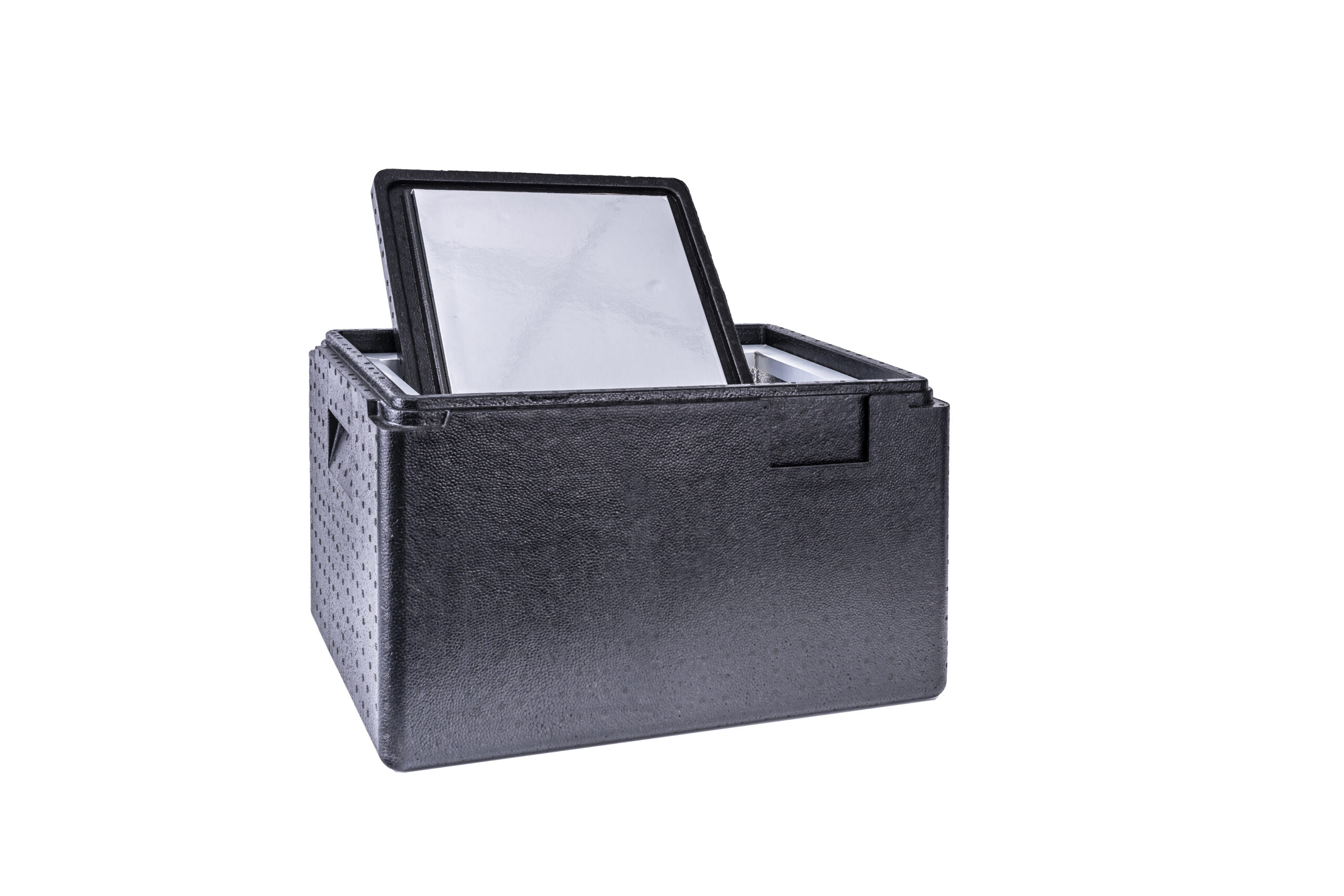
A successful cold chain liner bulk order is not a packaging shortcut. It is a system decision that links product sensitivity, route severity, liner material, coolant strategy, pack-out discipline, and supplier capability. In 2026, that system view matters more than ever because the cold-chain packaging market is growing fast, healthcare demand is rising with biologics and advanced therapies, and route variability is pushing buyers to stop treating all liners as interchangeable. (Grand View Research)
What should you define before requesting quotes?
Before you request pricing for a cold chain liner bulk order, lock these variables:
temperature range
- maximum dwell time
- lightest and heaviest payload
- coolant type and location
- outer carton size
- likely summer and winter ambient conditions
- packing-line assembly method
Without that information, quote comparisons are weak. A liner that looks inexpensive may need more coolant or leave too much empty headspace. A liner that costs more may still be the better business decision if it reduces spoilage, packing mistakes, or seasonal failures.
How should you choose liner type?
There is no universal answer. Paper-based systems can be attractive for chilled routes that value flat storage and a fiber-forward material story. Reflective bubble systems remain useful where lightweight radiant control matters, but they depend on air-space geometry to perform. VIP-supported systems offer higher insulation, while PCM can buffer temperature swings in more demanding routes. DOE guidance, WHO qualification principles, and a 2026 PCM review all point to the same conclusion: thermal performance depends on the full system, not one material choice in isolation. (The Department of Energy’s Energy.gov)
Material selection table
How should you qualify a cold chain liner bulk order?
Qualification should be deliberate. WHO shipping-container guidance explicitly uses DQ, OQ, and PQ. That framework is useful even outside pharma because it forces you to test the idea, then the controlled result, then the operational reality. For parcel shipping, ISTA 7E provides a useful thermal-transport test reference. If the shipment is food-related, FDA sanitary transportation guidance also matters because it frames the need to prevent food safety problems during transport. (世界卫生组织)
A practical qualification path looks like this:
- DQ: choose the right liner concept for the route
- OQ: test it under controlled temperature profiles
- PQ: confirm it works with real product, real assembly, and real handling
This is the fastest way to turn a cold chain liner bulk order from a guess into a defendable buying decision.
How do you choose suppliers and reduce sourcing risk?
Supplier choice matters as much as material choice. You want a supplier that can provide:
stable specifications
- realistic samples
- dimensional drawings
- repeat-order lead-time clarity
- change-control discipline
- validation support
That matters more in 2026 because the wider cold-chain environment is under pressure. GCCA describes 2026 as a pivotal year shaped by technology, sustainability, and climate preparedness. In practical sourcing terms, that means capacity, communication, and route realism all matter more than before. (Global Cold Chain Alliance)
What does sustainability mean for a cold chain liner bulk order?
It means optimizing the full system, not only changing the top material. The EU PPWR entered into force in February 2025 and applies from 12 August 2026, which is pushing companies to review packaging design and material use more carefully. In the U.S., paper and paperboard packaging retains a strong recovery profile in EPA and AF&PA data, but mixed systems may still be the right answer in certain high-risk lanes if they prevent spoilage and support the required temperature control. (EUR-Lex)
The better question is not “Which material sounds greener?” It is “Which system protects product, controls waste, and fits my market reality best?”
2026 developments to watch
- More paper-forward growth in chilled food
- More hybrid or PCM-supported systems for harder lanes (ScienceDirect)
- More route-specific packaging programs
- More documentation expectations in healthcare packaging (U.S. Food and Drug Administration)
- FAQ
What is the first technical mistake in a cold chain liner bulk order?
Requesting quotes before defining route time, payload mass, and coolant strategy.
Should I run both summer and winter validation?
Yes. Seasonal testing is one of the simplest ways to reduce unpleasant surprises.
Can one liner system serve both food and pharma?
Sometimes, but pharmaceutical use generally demands stronger documentation and qualification discipline.
Is bulk ordering always cheaper?
Only if the liner is correct. Buying the wrong format in bulk is one of the most expensive mistakes in cold-chain packaging.
Summary and recommendation
A smart cold chain liner bulk order is route-specific, qualification-backed, and supplier-aware. Define the shipment first, choose the liner family second, and validate the full packed system before scaling. That is the most reliable buying method in 2026.
Your next step should be to test two liner systems on one live SKU using the same carton, same coolant, and two seasonal profiles. That gives you a real commercial answer quickly.
About Tempk
We design passive temperature-control packaging around how products actually move through food, healthcare, and life-science supply chains. Our solutions include liners, inserts, reflective formats, paper-based systems, and integrated shipper development.
If you are preparing a cold chain liner bulk order, start with route severity, payload mass, and temperature target. Those inputs produce a better packaging answer than material preference alone.
Cooler Box Liner Wholesaler: A 2026 Guide to Smarter Wholesale Buying
A cooler box liner wholesaler can either make your cold chain packaging simpler or make it harder than it needs to be. The difference comes down to whether the wholesaler understands your application. If the wholesaler can match liner style, size, supply model, and commercial terms to your real shipment profile, the program becomes easier to scale. If not, you end up solving avoidable problems in packing, replenishment, storage, and customer delivery.
This guide is built to help you choose a cooler box liner wholesaler with more confidence. It combines buyer-side practicality with deeper sourcing logic so you can compare wholesalers on what really matters: fit, repeat supply, packaging efficiency, technical credibility, and long-term value.
This article will help you answer:
- What a strong cooler box liner wholesaler should provide
- How to compare stock, semi-custom, and custom programs
- Which commercial factors most affect wholesale success
- Why testing awareness and compliance language matter more now
- How sustainability and market trends are changing wholesaler expectations
What does a great cooler box liner wholesaler actually do?
A great wholesaler does more than sell liners. It helps you build a workable packaging supply program. That means the wholesaler should understand your box sizes, product sensitivity, route length, and how your team packs orders. Good wholesalers also make it easier to compare formats, order repeat stock, and forecast demand.
In many businesses, the wholesaler becomes the most visible packaging contact point. Procurement talks to them about pricing and volume. Operations talks to them about fit and handling. Marketing may even care about how the liner looks in the box. That is why the right wholesaler adds value across departments, not just on a price list.
What to expect from a strong wholesaler
- Clear portfolio structure
- Fast and specific quotation support
- Standard-size and custom-size guidance
- Sample availability
- MOQ and lead-time transparency
- Carton and pallet density data
- Repeat-order planning support
- Practical advice
- For launch-stage brands: Choose a wholesaler that can move fast with samples and stock options.
- For mature programs: Ask for repeat-order rules, seasonal lead times, and volume tiers.
- For operations-heavy teams: Prioritize fit guidance and ease of packing, not only liner variety.
Practical case: A subscription food brand changed wholesalers after repeated delays on restock communication. The new wholesaler offered clearer stock status and better standard-size matching, which reduced internal stress immediately.
Should you buy stock liners or custom liners from a wholesaler?
It depends on how stable your carton sizes and shipping profile are. Stock liners are usually the best choice when speed, flexibility, and lower setup effort matter most. They are especially useful for pilot programs, regional shipping, or businesses still learning their packaging pattern.
Custom liners become more attractive when your carton sizes are fixed, your annual volume is stronger, and you want cleaner fit, less void space, or a more polished unboxing experience. Semi-custom options can also be a strong middle ground.
Choosing the right wholesale model
The mistake many buyers make is assuming custom is always better. In reality, the best choice is the one that solves the operational problem you actually have. If your current pain point is speed, stock may win. If your pain point is wasted space or inconsistent temperature control, custom may deserve the extra effort.
Practical advice
- For uncertain demand: Launch with stock and gather packing data first.
- For stable carton systems: Evaluate custom if void space is hurting thermal or freight performance.
- For premium customer experience: Use cleaner-fit designs only when they create measurable value.
Practical case: A dairy e-commerce brand began with stock liners to launch quickly. After collecting three months of order data, the team moved into a semi-custom size that improved fit without creating a complex sourcing program.
How should you compare wholesalers commercially?
Commercial comparison should focus on reliability, not only on quoted unit price. A low quote has little value if the wholesaler cannot restock on time, provide useful packaging-density data, or respond quickly when your order profile changes. Strong wholesale sourcing requires visibility.
You should ask the same commercial questions to every shortlisted wholesaler. That makes the comparison fair and helps you spot supply risk before it becomes a problem.
The key commercial questions
- Which SKUs are stocked and which are produced to order?
- What is the MOQ for each liner type?
- What is the standard repeat lead time?
- What changes during peak season?
- How are liners packed by carton and pallet?
- Can the wholesaler support blanket orders or call-off releases?
- Practical advice
- For food seasonality: Ask wholesalers how holiday demand affects lead time.
- For growing brands: Review forecast-sharing options early.
- For purchasing teams: Calculate storage and freight before choosing the “cheapest” quote.
Practical case: A frozen snack company accepted a slightly higher wholesale quote because the wholesaler supported staggered deliveries and better pallet density. The real program cost improved once storage pressure was included.
Why are technical credibility and compliance awareness more important in 2026?
Because wholesalers now operate inside a more demanding packaging environment. FDA’s FSMA sanitary transportation rule establishes covered food transport requirements around equipment, operations, records, and training. EMA says GDP is the minimum standard for wholesale medicine distribution, and WHO notes that most vaccines in immunization programs still rely on the traditional 2°C to 8°C cold chain. Even if your business is not shipping vaccines or prescription drugs, those expectations influence how buyers think about temperature-control packaging. (U.S. Food and Drug Administration)
Testing awareness also matters more than before. ISTA says 7E is the new standard for thermal transport testing in parcel systems and that it uses real-world transport profiles. ASTM D3103 is intended to evaluate the thermal performance of insulated packaging for high-value, high-risk materials. A wholesaler does not have to be a lab, but it should understand how liner suitability should be discussed and what kind of validation language helps buyers compare options rationally. (国际安全运输协会)
A wholesaler with technical awareness helps you avoid generic decision-making. Instead of pushing one “best seller,” they can guide you toward a liner family that fits your route type, packing rhythm, and product sensitivity.
Questions that reveal technical maturity
- What shipment profile is this liner best for?
- Does this recommendation change by season?
- How much coolant does the liner typically need?
- Is this size better for local delivery or parcel exposure?
- What fit or handling issue should my team watch for?
- Practical advice
- For parcel routes: Ask for liner recommendations by route severity.
- For quality-sensitive goods: Keep a written summary of why the liner was selected.
- For warehouse teams: Test fold speed and placement before final approval.
Practical case: A gourmet dessert company avoided a poor liner choice after asking wholesalers to explain the intended use case of each quoted format. The answers quickly showed which suppliers understood real shipping conditions.
How are sustainability and market shifts changing wholesaler expectations?
The wholesale conversation is becoming more strategic because the packaging landscape is changing quickly. One 2025 report estimated the global cold chain packaging market at USD 33.73 billion in 2025 and USD 38.30 billion in 2026, driven by strong pharmaceutical and temperature-sensitive logistics demand. Growth is bringing more product options to market, but it is also making buyer comparison harder. (Grand View Research)
At the same time, the EU Packaging and Packaging Waste Regulation entered into force in February 2025, begins applying from mid-2026, and says all packaging must be recyclable by 2030. The European Commission also notes that PFAS will be banned from packaging from August 2026. This pushes wholesalers to think more carefully about simpler material structures, lower packaging waste, right-sizing, and the sustainability direction of their product portfolio. (Environment)
For buyers, that means a good wholesaler should be able to discuss more than temperature. The wholesaler should help you think about storage density, waste reduction, future packaging expectations, and whether a standard or custom format gives you a cleaner total solution.
2026 wholesale trend snapshot
- More demand for semi-custom sizes
- More flat-packed and warehouse-efficient offerings
- More sustainability-led liner portfolios
- More forecast-based supply discussions
- More supplier scoring beyond unit price
- Practical advice
- For current sourcing: Ask wholesalers which products they see growing fastest and why.
- For brand-led packaging: Balance thermal needs with waste perception.
- For long-term supply: Favor wholesalers that can explain future-ready choices clearly.
Practical case: A meal-delivery brand updated its wholesale brief to include packaging density and sustainability direction. That changed the shortlist more than price did.
Frequently asked questions
What should I prioritize first when choosing a cooler box liner wholesaler?
Start with fit for your route and box system, then compare supply reliability and total cost.
Is the biggest wholesaler always the best?
No. A specialist wholesaler may provide better advice, faster response, and clearer stock logic.
Do I need custom liners from a wholesaler?
Only if stock sizes do not fit well enough or your brand and route justify the extra setup.
- How important is packaging density in wholesale buying?
Very important. It affects storage, inbound freight, and scaling efficiency.
Why is sustainability part of wholesaler evaluation now?
Because packaging strategy is shifting toward lower waste, simpler material choices, and future compliance readiness.
Summary and recommendation
A cooler box liner wholesaler in 2026 should help you solve more than supply. The strongest partners support fit, replenishment, packaging efficiency, and better decision-making. That is why the best buying choice often comes from comparing wholesalers on clarity, reliability, and practical packaging value, not just on price.
Your next step is to build a wholesaler scorecard that includes stock logic, lead time, packaging density, fit guidance, and sustainability direction. That will help you choose a partner that supports growth, not just short-term buying.
About Tempk
At Tempk, we believe wholesale cold chain packaging should be practical, responsive, and easy to scale. We focus on matching liner options to real operational needs so buyers can improve both packing outcomes and sourcing confidence. Good wholesale service should make your packaging program lighter to manage, not heavier.
If you are selecting a wholesaler now, begin with your carton sizes, shipping patterns, and restock expectations. That is the clearest route to a better decision.
==============================
Double Bubble Insulated Liner Bulk Order: How Do You Choose the Right One?
A double bubble insulated liner bulk order can be one of the most practical ways to build a cost-efficient thermal packaging program. The format is light, easy to store, and often fast to pack. But the best result comes only when you choose the right design for your box, lane, product, and workflow. In 2026, smart buyers are moving beyond appearance and buying by fit, evidence, and total system value.
What this guide will help you answer
- What makes a double bubble liner different from other insulated formats
- How reflective behavior really works in shipping use
- Which tests and supplier signals matter before ordering in bulk
- How parcel growth and sustainability trends affect your choice
- How to reduce cost without weakening shipment protection
- Why buyers like double bubble liners
Double bubble liners are attractive because they offer strong practical efficiency. They usually ship flat, save warehouse space, and are easier to handle than bulkier thermal structures. For many parcel routes and box programs, they create a good balance between cost and usable protection.
They also fit well into operations that need faster pack-out. A pre-formed or well-designed double bubble liner can reduce handling time and make assembly more repeatable. In large-volume packing lines, that repeatability matters almost as much as thermal hold.
How the material works in real terms
A double bubble liner uses trapped air layers and usually a reflective surface. The trapped air helps slow heat movement. The reflective layer can help reduce radiant heat gain. But the format works best when the carton fit, fold pattern, and coolant setup are correct.
The Department of Energy notes that radiant barriers are reflective and reduce heat gain by reflection, not by inherent R-value. That means the reflective face is a useful tool, not a complete explanation of performance. Buyers should therefore judge the total liner system, not the shiny surface alone. (The Department of Energy’s Energy.gov)
What to compare in a real quote
Why fit is often more important than thickness
Many buyers focus first on thickness. That is understandable, but fit is usually the better first question. A liner that fits the box correctly creates a more stable internal environment and makes the coolant work more effectively. A thicker liner with poor fit may perform worse in daily use.
Fit also affects labor. If the liner opens cleanly and seats correctly without constant adjustment, your packing line moves faster. In a bulk order, that repeated labor effect can be more important than a small piece-price difference.
Use testing and qualification to control risk
ASTM D3103 is intended for evaluating the thermal insulation performance of distribution packages, and ASTM D4169 provides a uniform way to expose shipping units to expected distribution hazards. ISTA 7D and 7E offer thermal development tools, while ISTA Standard 20 supports design and qualification of insulated shipping containers using structured methodology and real-world style thermal profiles. (ASTM International | ASTM)
For double bubble liners, this matters because reflective packaging is often marketed too generally. You should ask how the exact design was evaluated, in what box, with what coolant, for what duration. That turns bulk buying into a controlled decision instead of a visual guess.
Screen suppliers for quality and process control
A bulk-order program depends on repeatability. ISO says ISO 9001 is a globally recognized quality management system standard, while ISO 14001 remains the main environmental management framework. ISO also shows that ISO 14001:2026 is under publication for April 2026, which keeps structured environmental performance visible in supplier evaluation. (国际标准化组织)
If your products are more sensitive, supplier discipline matters even more. CDC’s guidance for vaccine transport emphasizes qualified container systems, and WHO and IATA reinforce the need for controlled packaging and documentation in temperature-sensitive shipping. FDA’s CGMP framework is another reminder that process controls matter wherever product integrity matters. (疾病控制与预防中心)
Understand the 2026 market before you place volume orders
The current market favors practical formats like double bubble, but it also expects more from them. U.S. e-commerce sales reached an estimated $1.2337 trillion in 2025 and 16.4% of retail sales, which keeps flat-packed parcel-ready thermal packaging in demand. At the same time, the PPWR entered into force on 11 February 2025 and begins general application in mid-2026, pushing the packaging conversation toward lower waste and lower use of primary raw materials. (Census.gov)
EPA adds the business principle behind that direction: source reduction is the environmentally preferred strategy, and lightweighting and redesign are increasingly common business trends. This keeps double bubble relevant when it provides enough protection with efficient use of space and material. (US EPA)
How to lower cost without hurting performance
The best way to lower cost is not to strip the liner blindly. It is to simplify the packaging system intelligently. Standardize box sizes where possible. Improve liner fit. Reduce unnecessary printing or handling extras. Ask whether one well-designed liner can cover two similar routes instead of keeping separate SKUs.
You should also compare total cost, not piece price. A better-fit double bubble liner may reduce coolant demand, storage burden, and assembly time enough to outperform a cheaper alternative.
Double bubble decision checklist
- Does it fit your highest-volume carton well?
- Does it match your real transit profile?
- Is it fast for packers to use correctly?
- Can the supplier repeat the spec reliably?
- Does it support your material-efficiency goals?
Frequently Asked Questions
What is the biggest reason to choose a double bubble liner?
It often offers the best balance of flat-pack efficiency, usable thermal help, and practical pack-out for parcel shipments.
Should you buy by thickness?
No. Start with fit, lane, and total package design. Thickness alone is not enough.
Is reflective surface the main performance factor?
It is one factor, but not the whole answer. Structure, fit, coolant, and test basis matter too.
Why ask about ASTM or ISTA for a bubble liner?
Because testing context helps you judge whether the design is right for your actual shipment.
What is the smartest 2026 buying move?
Choose the double bubble liner that best combines fit, repeatability, and material-efficiency logic.
Summary and recommendation
A good double bubble insulated liner bulk order is built on fit, reflective logic, supplier discipline, and real shipment matching. In 2026, the most effective buyers are choosing bubble-based packaging not because it looks modern, but because it performs efficiently in the right application.
Your next step should be to validate your main box sizes and compare at least two double bubble constructions with a full cost view that includes storage, labor, and coolant.
About Tempk
At Tempk, we focus on double bubble and other insulated liner systems with a practical view of thermal performance, pack-out speed, and repeatable supply. We aim to help you choose packaging that works on the shipping line, in the warehouse, and in long-term procurement planning.
A helpful next step is to review whether your current reflective bubble liner is strong because of real fit and design, or only because it looks premium.
How to Choose the Best Thermal Box Liner Distributors in 2026

If you are evaluating thermal box liner distributors, the right partner should do more than quote a product. The best distributor helps you get the right liner faster, maintain consistent supply, support growing order volume, and reduce cold chain risk without forcing you into a factory-scale commitment too early.
What this guide will help you decide
- Whether you need a distributor or direct manufacturer
- Which service and technical factors matter most
- How to compare local stock, replenishment, and issue handling
- What 2026 cold chain trends mean for distributors
- How to build a scalable sourcing plan without losing flexibility
- Why buyers still choose distributors
Distributors remain valuable because not every buyer is ready for a custom factory program. Many operations need mixed sizes, smaller starting volumes, urgent replenishment, or easier regional logistics. A distributor can solve those problems if it has the right stock depth and packaging knowledge.
This is especially true for:
- New direct-to-consumer food brands
- 3PLs with changing customer needs
- Regional importers and exporters
- Multi-site warehouses
- Buyers validating demand before custom conversion
- Distributor vs manufacturer: the real decision
This choice is not about which channel is universally better. It is about which channel fits your current stage.
Comparison table
The best path is often phased. Start with a strong distributor. Move your highest-volume SKU to direct manufacturing later if the economics justify it.
- What separates strong thermal box liner distributors from weak ones?
A strong distributor shows strength in five areas:
- Useful inventory, not just a long catalog
- Fast and clear communication
- Consistent sourcing from qualified products
- Enough packaging knowledge to guide selection
- A practical plan for repeat supply and growth
The weak version of a distributor simply sends a price list. The strong version helps you avoid the wrong liner, the wrong timing, and the wrong stock assumptions.
- What questions should you ask before buying?
Use this shortlist:
- Which sizes do you stock regularly?
- How many weeks of coverage can you normally support?
- What happens if demand spikes unexpectedly?
- Are the liners sourced from one factory or multiple factories?
- What change-control process exists if materials shift?
- Can you help align the liner with the carton and coolant setup?
- Do you support pilot orders before larger commitments?
Can you help transition stock supply into custom supply later?
These questions reveal whether the distributor is only transactional or truly useful.
Technical knowledge matters more than before
Even when you buy through a distributor, you still need packaging discipline.
A good distributor should understand fit, material type, seam style, moisture exposure, and the limits of thermal claims. It should know how a reflective bubble liner differs from a foam liner or a paper-forward concept in actual use.
And because recognized testing language is becoming more common, it helps if the distributor understands the role of ISTA thermal packaging frameworks in buyer discussions. ISTA’s current process standards reference insulated shipping containers and thermal controlled parcel packaging, making that language increasingly relevant when cold chain buyers compare options.
Why 2026 is changing the distributor role
Several market shifts are raising expectations for thermal box liner distributors.
First, e-commerce remains a major packaging driver. The U.S. Census Bureau reported 2025 e-commerce sales of about $1.2337 trillion, representing 16.4% of total retail sales. That volume keeps pressure on parcel fulfillment and packaging availability. Distributors with local stock and fast response become more valuable in that environment.
Second, compliance is pushing packaging conversations closer to process management. FDA sanitary transportation rules focus on equipment, operations, records, and training. For medicinal distribution in Europe, GDP remains an important discipline point. For healthcare air cargo, IATA temperature-control guidance keeps labeling and handling requirements visible. That means buyers want channel partners who can understand process questions, not only sell materials.
Third, sustainability is becoming a sourcing issue, especially for Europe-facing businesses. From 2026, Regulation (EU) 2025/40 raises the visibility of packaging sustainability and labeling requirements across the life cycle. Buyers increasingly ask distributors about recyclability, packaging reduction, and disposal communication before they place orders.
Practical advice by buyer type
If you are a startup food brand
Use a distributor to avoid overcommitting inventory. Choose one that can support test volume and quick replenishment.
If you are a 3PL or co-packer
Prioritize mixed-SKU availability, fast order handling, and clear communication across multiple customer accounts.
If you are a procurement manager
Ask for factory origin, SKU control, and whether replenishment lots are identical to approved samples.
If you serve Europe
Bring sustainability questions into the quote stage. Do not wait until packaging copy or disposal messaging is due.
Internal content suggestions
- Cold chain packaging supplier checklist
- Thermal liner sizing guide
- How to compare cold chain packaging quotes
- Recyclable liner options for parcel shipping
- FAQ
Should I buy from a distributor if my volume is growing fast?
Yes, if you still need flexibility. A distributor can bridge growth until your demand is stable enough for custom factory planning.
Can distributors support custom projects?
Some can coordinate them very effectively, especially if they have strong factory partnerships.
What is the most important distributor metric?
The ability to supply the right product consistently and respond quickly when demand changes.
Summary and recommendation
The best thermal box liner distributors offer more than availability. They reduce supply friction, support early growth, and help you make better packaging decisions under real operational pressure. In 2026, that matters more because e-commerce keeps parcel demand high, compliance keeps buyer questions more disciplined, and sustainability keeps material choices under closer review. If you choose a distributor with stock depth, technical understanding, and a credible growth path, you give your cold chain program more flexibility and fewer surprises.
About Tempk
Tempk helps cold chain buyers find practical liner supply strategies that match their stage of growth. We support both standard and custom packaging programs, with a focus on responsive service, fit-for-use products, and scalable cold chain packaging decisions.
Best Vacuum Compressed Liner Manufacturers Buying Guide for 2026
Vacuum Compressed Liner Manufacturers are now evaluated on a wider scorecard than ever before. Buyers still care about temperature hold time, but they also care about cube efficiency, validation quality, stock reliability, sustainability pressure, labor speed, and total landed cost. The best supplier is rarely the one with the loudest material claim. It is the one that matches your route, your product sensitivity, your carton system, and your scaling plan with clear evidence and repeatable service. If you need to ship chilled products between climate zones without adding too much dead space or increasing labor time, compressed liner design should be treated as a system decision from the start.
This article will answer
How vacuum compressed liner manufacturers fit real cold-chain operations and where they create the most value.
Which long-tail buying signals matter, from thermal validation to lead time control.
How you can compare suppliers without getting trapped by price-only decisions.
What 2026 compliance, testing, and sustainability changes mean for your next purchase.
What should you expect from vacuum compressed liner manufacturers?
The best vacuum compressed liner manufacturer decision starts with use-case clarity. Before comparing suppliers, define the protected range, product sensitivity, lane profile, expected dwell points, and practical pack-out method. This reduces the chance of buying a liner that looks strong in theory but creates rework, overpacking, or unexpected cost in production.
For B2B cold-chain teams, a strong liner system usually combines three things: enough thermal protection for the real route, enough operational simplicity for busy packers, and enough supply discipline to support scale. Buyers who treat liners as simple consumables often discover later that claims, replenishment delays, or validation gaps cost far more than the unit-price savings.
Key selection criteria
- Practical buyer tips
- Map the journey first.
- Request a packing SOP.
- Test for scale, not only for sample success.
Practical example: A chilled-protein program improved both warehouse density and pack-out consistency after selecting a compressed liner system that fit its actual carton family and route profile more closely.
How do material choice and pack-out design affect vacuum compressed liner manufacturers?
The winning material stack is the one that performs inside your operating system. Material choice should be reviewed against duration, product sensitivity, storage density, packing speed, and cost-to-serve. In practice, compressed barriers, reflective films, foam layers, and folded thermal structures each solve different problems. Some reduce cube. Some extend hold time. Some simplify insertion on fast lines.
The optimized review combines design analysis with operational analysis. Check seam integrity, closure method, dimensional tolerance, folding memory, and how the liner behaves after handling. Then connect those findings to outcomes you care about: fewer cartons, less coolant, less labor, fewer emergency reships, or steadier shipping execution.
Material review table
- Practical material tips
- Ask for the exact tested build.
- Check dimensional tolerance.
- Review coolant pairing early.
Practical example: A prepared-food shipper found that the best compressed liner choice was not the most technical-looking sample, but the one that fit the carton and assembly process most consistently.
What testing, monitoring, and compliance questions matter most for vacuum compressed liner manufacturers?
The strongest buying decision is one you can defend to operations, quality, and procurement on the same page. Validation makes that possible. A liner should be qualified against the route you run, the product you ship, and the exception patterns you actually face. If the result works only in one idealized test, it is not ready for scale.
Today’s compliance environment gives buyers clear reasons to ask for documented control. FDA’s sanitary transportation rule focuses on failures such as improper refrigeration. EU GDP guidance requires mapping, monitoring, calibration, suitable packaging, and controlled transport. IATA organizes compliant handling for temperature-sensitive cargo, and WHO’s recent vaccine guidance covers the responsibilities of manufacturers, logistics providers, and carriers in international air shipment. (U.S. Food and Drug Administration)
The optimized supplier review therefore asks for structured evidence: logger placement logic, acceptance criteria, route assumptions, assembly SOPs, retest triggers, and corrective actions. That approach fits well with ISTA 7E and with WHO and CDC emphasis on mapping, monitoring, and response to excursions. (国际安全运输协会)
Validation checklist
- Practical validation tips
- Treat samples as prototypes until data are confirmed.
- Use one approval checklist across teams.
- Plan for exceptions before rollout.
Practical example: A healthcare shipper improved decision speed after requiring all suppliers to respond to the same validation brief. Review became simpler because evidence was easier to compare.
How do cost, lead time, and operational fit change the real ROI for vacuum compressed liner manufacturers?
Optimized ROI comes from matching the liner to your commercial reality. Evaluate each supplier on temperature performance, cube efficiency, labor impact, service reliability, documentation quality, and cost-to-serve. This turns the buying process from a unit-price negotiation into a business-performance decision.
Many cold-chain teams save money not by buying the cheapest liner, but by eliminating overpacking, reducing SKU sprawl, and choosing a design that works cleanly in daily packing. Buy a liner that operators can pack consistently, quality can validate confidently, and supply can replenish without drama.
ROI scorecard
- Practical cost-control tips
- Calculate landed cost, not liner cost.
- Review SKU count quarterly.
- Run one operational pilot before full rollout.
Practical example: A regional food shipper selected a compressed liner design that improved warehouse density and reduced pack-out friction. The total program became easier to scale even though the material price was not the lowest.
2026 developments and trends for vacuum compressed liner manufacturers
The best 2026 strategy for vacuum compressed liner manufacturers is to combine compliance readiness, operating realism, and packaging efficiency. WHO’s 2026 mapping tool, CDC’s temperature-handling guidance, IATA’s temperature-control framework, and EU policy on packaging waste all point in the same direction: cold-chain packaging should be validated, explainable, and operationally efficient. (Environment)
Recent developments
- Compliance and packaging efficiency are converging.
- Buyers value evidence and supply discipline more than broad claims.
- The strongest offers combine thermal performance with practical deployment support.
That environment rewards suppliers that can discuss thermal performance, inventory strategy, dimensional fit, and packaging waste in one conversation. It is a better model for both SEO content and real B2B buying. (extranet.who.int)
Frequently asked questions
How should you compare vacuum compressed liner manufacturers?
Start with range, duration, payload, and lane profile. Then compare validation depth, fit quality, service reliability, and landed cost.
Do vacuum compressed liner manufacturers need formal thermal testing?
Yes. If the shipment is temperature-sensitive, structured testing is one of the clearest ways to reduce risk.
Are vacuum compressed liners enough on their own without coolant?
Usually not. They slow heat transfer, but coolant and payload mass still shape the actual hold time.
What is the biggest buying mistake with vacuum compressed liner manufacturers?
Treating them like generic consumables instead of route-specific cold-chain systems.
Summary and advice
Vacuum Compressed Liner Manufacturers are easiest to buy well when you treat them as part of a cold-chain system, not as a stand-alone material. The strongest programs define the lane, validate the design, simplify pack-out execution, and choose suppliers that can scale without losing consistency.
Your next step should be simple: define one priority lane, one target duration, one carton family, and one approval checklist. Then ask suppliers to respond to the same real-world brief.
About Tempk
We design liner systems around real distribution lanes, not only around lab theory. Our team supports pack-out design, material selection, and validation planning so you can move from sampling to scale with fewer surprises.
If you are planning a new liner program, start with your real route, your real box, and your real packing constraints.
Best Paper Insulated Box Liner Factories Buying Guide
If you want the strongest answer for paper insulated box liner factories, start with one rule: judge the supplier by the performance of the full shipping system, not by a single material claim. The best choice protects your product, fits your carton, supports your operations team, and still makes commercial sense after freight, coolant, labor, and claims are counted together.
This article will help you with:
- the fastest way to evaluate paper insulated box liner factories without missing critical details
- the performance factors that matter most in real shipments
- the supplier traits that separate strong partners from risky options
- the 2026 market and compliance signals shaping better packaging decisions
- a practical decision framework you can use right away
What makes the best supplier stand out?
The best supplier makes your shipping decision easier, not more complicated. That means clear recommendations, realistic limitations, stable product quality, and documentation that purchasing, QA, and operations can all use. Great suppliers do not hide behind jargon. They explain why the liner fits your lane, where it will work well, and when another structure would be safer.
The best paper insulated box liner factories combine fiber-led design with realistic thermal validation and clean documentation.
The reason this matters is simple. Thermal packaging is a system. If your liner fits badly, if your coolant is wrong, or if your team struggles to assemble the pack consistently, the shipment can fail even when the liner itself sounds excellent. Buyers who focus only on material descriptions often pay for that mistake later.
A practical decision tool for paper insulated box liner factories
Use this quick screen before you request final quotations:
This kind of simple screening tool keeps your sourcing discussion grounded in reality. It also helps internal teams agree faster because it connects packaging structure to business need.
The three questions that should come first
- What is the real ship window, including possible delay time?
How much payload space can you give the liner without hurting margin?
- Does the supplier have evidence for your lane, not just for packaging in general?
These three questions eliminate a surprising number of weak options early.
How should you evaluate performance?
Start with fit, handling, and repeatability before chasing extreme claims. A liner should sit cleanly inside the box, cover critical surfaces, and be easy for packers to place the same way every time. Good thermal performance becomes far less useful if assembly is slow or inconsistent.
The next step is validation. ISTA says Standard 7E is designed for parcel-delivery thermal transport packaging and uses profiles based on real transport environments, including annual heat and cold seasonal maxima and minima. (ista.org)
That does not mean every test must be complex. It means your test should resemble the business case. A next-day local shipment, a two-day parcel lane, and a warm-weather weekend exposure are not the same packaging problem.
What useful validation looks like
- correct carton dimensions
- actual liner build and fold pattern
- realistic payload weight and starting temperature
- actual or equivalent coolant plan
- at least one stressful lane scenario
- final review of arrival temperature, product condition, and pack integrity
A supplier that can guide you through this process in plain English is usually worth more than one that only sends a specification sheet.
How should you evaluate documentation and compliance?
If food-contact relevance exists, do not treat documentation as a late-stage task. The FDA explains that food-contact substances include packaging and packaging components and that authorization usually depends on the intended use and supporting scientific review. (fda.gov)
For paper and paperboard applications, the current PFAS picture has also changed. The FDA says PFAS grease-proofing substances used on paper and paperboard for food-contact use are no longer being sold into the U.S. market, and that 35 related food-contact notifications are no longer effective because those uses were abandoned. (fda.gov)
For buyers, the message is clear: ask early about coatings, adhesives, functional layers, and traceability. Waiting until after sample approval can waste weeks.
Why 2026 is pushing buyers to rethink liner programs
A better supplier decision in 2026 must reflect what is changing around the packaging, not only inside it.
U.S. e-commerce sales grew to $1.2337 trillion in 2025 and represented 16.4% of retail sales, keeping pressure on parcel-ready thermal packaging that is lighter, easier to pack, and scalable across more orders. (census.gov)
In Europe, the PPWR entered into force on February 11, 2025 and generally applies 18 months later, which is pushing brands to pay more attention to packaging waste, primary raw material use, and substances of concern. (environment.ec.europa.eu)
EPA also continues to show why fiber-based packaging stays central to the discussion. Its latest material-specific page reports a 68.2% recycling rate for paper and paperboard and a 96.5% rate for corrugated boxes in the same dataset. (epa.gov)
These signals do not point to one universal liner answer. They point to better sourcing discipline. Buyers increasingly want liners that work, ship efficiently, and fit a broader packaging story.
What supplier signals should you trust most?
Trust suppliers that answer trade-off questions directly. If you ask about payload loss, seasonal limits, or the need for extra coolant, a strong supplier will answer clearly. That clarity is more valuable than a perfect sales pitch.
Strong signals include:
- sample kits that reflect your carton sizes
- willingness to compare multiple structures honestly
- clean documentation for material stack and process control
- realistic guidance on lane length and seasonal change
- evidence of repeatability, not just a one-time best result
- fast, understandable communication across sales and technical teams
Weak signals include blanket claims, unclear construction details, vague test references, and pressure to skip pilot runs.
Real-world example: A brand may switch suppliers for a lower unit price and then discover that the new liner packs slower and needs extra coolant. The liner quote looks better, but the delivered program becomes worse. The best sourcing decision is always the one that survives contact with the warehouse.
A five-step buying framework you can use now
- Define your route, payload, and temperature goal.
- Screen suppliers by fit, speed, and documentation quality.
- Run a simple side-by-side pilot with real pack-out conditions.
- Compare total delivered cost, not liner cost alone.
- Lock in the supplier that gives you the best repeatable result.
This framework works because it connects commercial goals to packaging reality. It stops your team from overbuying complexity or underbuying performance.
Frequently asked questions
What is the biggest mistake buyers make with paper insulated box liner factories?
The biggest mistake is comparing price before comparing fit, validation logic, and service quality. That often leads to more coolant, slower packing, or higher claim rates later.
Do I need a custom liner program right away?
Not always. Stocked formats can be a smart first step when volumes are small or uncertain. Move to custom when the data shows a clear return.
How important is sustainability in the final decision?
It is increasingly important, but it should be evaluated with performance and documentation, not instead of them. The strongest program balances all three.
Can one supplier support both speed and customization?
Sometimes. Hybrid partners can support stocked trial orders now and custom programs later, which is useful when your demand is still developing.
How do I keep internal teams aligned?
Use one shared decision sheet with route, box size, liner type, coolant plan, compliance notes, and pilot results. That keeps purchasing, QA, and operations on the same page.
Final takeaways and recommendation
The best path for paper insulated box liner factories is a balanced one: start with the business case, test under realistic conditions, and choose the supplier that gives you the most dependable full-pack result. In 2026, that decision also needs to reflect shipping growth, packaging scrutiny, and stronger documentation expectations.
Your next step should be to gather carton dimensions, payload temperature targets, and one representative lane. With those three inputs, you can screen suppliers quickly, run a credible pilot, and move toward a liner program that supports both product protection and commercial discipline.
About Tempk
We focus on cold-chain packaging that works in real operations, not only in presentations. Our approach combines thermal application thinking, practical supplier logic, and packaging formats built around the way teams actually pack and ship products.
If you need a clearer starting point, begin with the box, the route, and the risk level. Those details reveal the right liner strategy faster than a long list of generic packaging claims.
Common mistakes to avoid before you place the order
Mistake one is buying on unit price alone. That usually ignores freight, coolant, labor time, and failure cost. Mistake two is testing only one pack-out method. A second coolant layout or a stress case often reveals the stronger option. Mistake three is treating documentation as paperwork instead of risk control. In 2026, documentation quality is part of product quality.
Another common error is approving a liner after a clean bench result but before the warehouse team tries it. Packers often reveal folding issues, placement errors, or payload-space problems that are invisible on the spec sheet. A strong pilot always includes the people who will actually build the box.
- What should go into your first RFQ package?
Include these items in the first request so suppliers can answer accurately:
- internal carton dimensions
- product type and approximate payload weight
- target shipping duration and likely delay risk
- acceptable arrival temperature range
- current coolant strategy
- whether food-contact review may be relevant
- whether sustainability goals or regional regulations affect material choice
The better your first RFQ package, the better the supplier recommendations will be. Good packaging decisions usually start with good inputs.
What if two suppliers perform similarly?
Choose the one with clearer communication, cleaner documentation, and better repeatability confidence. When performance is close, service quality and process stability usually decide the long-term winner.
A final decision rule
If a supplier cannot connect the liner to your route, your carton, and your internal approval process, it is not the right supplier yet. The best paper insulated box liner factories decision is the one that still looks smart after your warehouse team, QA team, and finance team all review the same pilot result.
How to Plan a Recyclable Insulated Box Liner Bulk Purchase in 2026
If you are planning a recyclable insulated box liner bulk purchase, the best decision is not the liner with the loudest green claim. It is the liner that protects temperature-sensitive product, fits your actual shipping lane, and gives you a clearer, more credible disposal story. In 2026, that balance matters more because packaging is now judged on both performance and post-use logic.
What this guide will help you decide
- What recyclable should mean in practical sourcing
- Which liner structures deserve real consideration
- How to protect product while improving sustainability
- What 2026 packaging trends and rules mean for buyers
- How to choose suppliers with stronger claim discipline
- Why this keyword matters now
A recyclable insulated liner is no longer a niche request. It is becoming a normal procurement discussion because buyers face pressure from several directions at once:
Customers want simpler disposal
- Procurement teams want defensible sustainability claims
- Brands want lower packaging friction
- Europe-facing businesses must pay closer attention to packaging rules
- Operations teams still need reliable thermal protection
That means a recyclable insulated box liner bulk purchase is now both a packaging decision and a brand-risk decision.
- What should “recyclable” mean before you buy?
Start with a practical definition, not a slogan.
- Ask these questions first:
- What material family is the liner built from?
- Is the structure simple enough to explain clearly?
- Does the end user or facility have a realistic recovery path?
- Are the claims suitable for the markets you sell into?
Does the sustainable option still protect product under real conditions?
If you cannot answer those questions, the packaging may be harder to defend after launch than it was to approve in the meeting.
- Which recyclable liner directions are most common?
You will usually see a few main directions in the market:
- Mono-material polymer concepts
- Paper-forward insulated formats
- Hybrid structures with stronger sustainability positioning
- Reduced-material optimized liners
Each has tradeoffs. The right answer depends on route conditions, moisture exposure, handling intensity, and how simple the disposal message needs to be.
Comparison table
Why thermal performance still comes first
A recyclable liner that performs poorly is not a better packaging system. If it causes spoilage, warm arrivals, or reshipments, the total impact can get worse, not better.
That is why every recyclable insulated box liner bulk purchase should be judged on:
Lane-specific performance
- Carton fit
- Coolant requirement
- Moisture handling
- Packing speed
- End-user disposal clarity
The strongest sustainable packaging programs are usually the ones that reduce total waste, not just the ones that change material language.
How to evaluate recyclability claims more carefully
- Use this buyer checklist:
- Ask for a plain-language structure description
- Ask how the liner should be disposed of
- Ask whether the claim applies to your target market
- Ask whether the liner is mixed-material or simpler by design
- Ask whether food residue or moisture changes disposal reality
- Ask whether a reduced-material design could meet the same lane need
These questions push the conversation away from vague sustainability talk and toward something operationally useful.
Why 2026 makes this decision more important
The policy environment is changing. From 2026, Regulation (EU) 2025/40 increases attention on packaging sustainability, labeling, reduction of unnecessary packaging, and stronger recycling direction across the packaging life cycle. That means Europe-facing buyers should look harder at claim discipline, packaging proportionality, and how clearly material choices can be explained.
At the same time, e-commerce keeps making packaging more visible to end users. The U.S. Census Bureau reported about $1.2337 trillion in 2025 retail e-commerce sales, with e-commerce accounting for 16.4% of total retail sales. More parcel deliveries mean more recipients handling insulated materials directly, which makes confusing disposal instructions a real customer-experience issue.
And the sustainability conversation is not fading. ISTA is currently highlighting a 2025 sustainability survey whitepaper in its public resources, which shows how actively the industry is discussing these issues. Buyers are not imagining the shift. It is already visible in packaging priorities.
Why product integrity still sets the floor
Cold chain rules have not relaxed just because sustainability expectations are rising. FDA sanitary transportation rules still focus on transport discipline across equipment, operations, records, and training. In practical terms, that means your recyclable liner still has to function inside a controlled shipping process. Sustainability may shape the shortlist, but product protection should still decide the winner.
A smarter buying framework for procurement teams
- Score candidate liners using a balanced model:
- Thermal suitability: 30%
- Material clarity and claim confidence: 20%
- Carton fit and labor efficiency: 15%
- Disposal simplicity: 15%
- Commercial stability and lead time: 10%
- Brand and market alignment: 10%
This helps teams avoid getting stuck in one-dimensional debates about either cost or sustainability language.
Practical advice by use case
For DTC food brands
Choose a liner that is easy to explain after delivery. Disposal confusion quickly becomes support friction.
For export and cross-border business
Review target-market expectations early. A claim that sounds safe in one market may need tighter wording in another.
For meal kits and subscription brands
Test recyclable formats in summer lanes first. High repeat volume amplifies both the benefits and the mistakes.
For procurement and compliance teams
Document exactly what the approved claim means. “Recyclable” without context is often too loose to manage well.
Real-world pattern: The recyclable programs that work best are usually the ones that were treated as operating-system changes, not as packaging copy updates.
Internal content suggestions
- Recyclable cold chain packaging guide
- Insulated liner vs foam liner comparison
- How to qualify sustainable cold chain packaging
- Parcel packout cost reduction guide
- Cold chain packaging compliance checklist
- FAQ
Does recyclable always mean easy for the end user to recycle?
No. The disposal pathway still depends on material design and the system available to the user or facility.
Can a recyclable insulated box liner bulk purchase reduce total packaging impact?
Yes, especially when it also improves right-sizing, reduces coolant load, or simplifies disposal communication.
Should I switch all lanes at once?
Usually no. Start with validated lanes and expand after real shipment results confirm the choice.
What is the biggest mistake in recyclable liner sourcing?
Treating the sustainability claim as the final answer instead of the starting question.
Summary and recommendation
A strong recyclable insulated box liner bulk purchase in 2026 depends on balance. You need real thermal performance, credible material claims, clear disposal logic, and supplier support that can stand up after launch. Europe’s packaging framework is raising the standard for sustainability and labeling. E-commerce growth is making disposal experience more visible. Industry attention on sustainable packaging is clearly increasing. If you buy with performance first and claim discipline second, you will make a better long-term decision.
About Tempk
Tempk helps cold chain buyers compare recyclable and performance-driven liner options with a practical mindset. We focus on material clarity, route-fit packaging, and scalable supply so you can improve sustainability without losing control of shipping performance.
Best Temperature Controlled Box Liner Manufacturer Buying Guide for 2026
Temperature Controlled Box Liner Manufacturer programs are now evaluated on a wider scorecard than before. Buyers still care about thermal duration, but they also care about box efficiency, validation quality, operational speed, sustainability pressure, and total landed cost. The best supplier is rarely the one with the loudest insulation claim. It is the one that matches your route, your product sensitivity, your box system, and your scale plan with clear evidence and repeatable production.
This article will answer
How a temperature controlled box liner manufacturer fits real cold-chain operations and where it creates the most value.
Which design, validation, and supplier-control questions should guide selection.
How to compare box liner makers without getting trapped by price-only decisions.
What 2026 compliance and sustainability changes mean for carton liner programs.
What should you expect from temperature controlled box liner manufacturer partners?
The best temperature controlled box liner manufacturer decision starts with use-case clarity. Before comparing suppliers, define the protected range, payload sensitivity, carton family, route profile, coolant layout, and expected dwell points. This reduces the chance of buying a liner that looks strong in theory but creates friction or cost in real packing.
For B2B cold-chain teams, a strong liner system combines thermal protection, packing simplicity, and manufacturing consistency. Buyers who treat carton liners like generic inserts often discover later that box-fit errors, validation gaps, or unstable production create bigger costs than the initial savings.
Key selection criteria
- Practical buyer tips
- Define one priority carton family first.
- Provide exact payload assumptions.
- Ask for a pack-out SOP, not just a sample.
Practical example: A chilled-food shipper improved liner performance and assembly speed after redesigning the insert around one core box family and one validated route cluster.
How do material choice and pack-out design affect a temperature controlled box liner manufacturer?
The winning liner design is the one that performs inside your full carton system. Material choice should be reviewed against duration, product sensitivity, packing speed, payload-space needs, and cost-to-serve. In practice, foil facings, foam layers, engineered insulation stacks, and sealed seam geometries solve different problems. Some reduce heat gain more effectively. Some preserve more internal volume. Some support cleaner assembly.
The optimized review combines material analysis with operational analysis. Check seam integrity, closure behavior, dimensional tolerance, and how the liner behaves after handling. Then connect that to outcomes you care about: fewer boxes, less coolant, better payload utilization, cleaner assembly, and fewer temperature exceptions.
Material review table
- Practical material tips
- Ask for the exact tested build.
- Review payload-space loss before approval.
- Do not separate material review from pack-out review.
Practical example: A frozen-products shipper improved both box efficiency and pack-out consistency after selecting a liner design that balanced insulation with geometry instead of simply increasing thickness.
What testing, monitoring, and compliance questions matter most for temperature controlled box liner manufacturer programs?
The strongest box liner decision is one you can defend across operations, quality, and procurement. Validation makes that possible. A liner should be qualified against the real box, the real payload, the real coolant plan, and the real route. If it works only in a clean laboratory profile, it is not ready for scale.
Today’s compliance environment gives buyers clear reasons to ask for documented control. FDA focuses on unsafe transport practices such as improper refrigeration. EU GDP guidance requires mapping, monitoring, calibration, suitable packaging, and controlled transport conditions. IATA organizes compliant handling for temperature-sensitive cargo, and WHO’s recent guidance covers responsibilities across international movement. (U.S. Food and Drug Administration)
The optimized supplier review therefore asks for structured evidence: test build, logger map, acceptance criteria, route assumptions, assembly SOPs, retest triggers, and corrective actions. That approach fits with ISTA 7E and with WHO and CDC emphasis on mapping, monitoring, and response discipline. (国际安全运输协会)
Validation checklist
- Practical validation tips
- Ask for logic, not only charts.
- Match sample build to production build.
- Retest when box or coolant patterns change.
Practical example: A healthcare shipper improved approval speed after asking all suppliers to respond to the same validation brief for carton-liner systems.
How do cost, lead time, and operational fit change the real ROI for a temperature controlled box liner manufacturer?
Optimized ROI comes from matching the liner to your box and business reality. Evaluate each supplier on thermal performance, box efficiency, labor impact, supply reliability, documentation quality, and total cost-to-serve. This turns the decision from a unit-price negotiation into a packaging performance decision.
Many teams save money not by buying the cheapest liner, but by reducing overpacking, simplifying carton families, and choosing a design that works cleanly on the packing floor. Buy the liner that operators can build consistently, quality can validate confidently, and supply can support without disruption.
ROI scorecard
- Practical cost-control tips
- Measure total shipper cost.
- Review payload-space tradeoffs carefully.
- Pilot the liner on the real line before rollout.
Practical example: A food shipper found that a better-fitted liner improved payload utilization and pack-out repeatability enough to create better overall economics.
2026 developments and trends for temperature controlled box liner manufacturer programs
The best 2026 strategy for a temperature controlled box liner manufacturer program is to combine compliance readiness, operating realism, and packaging efficiency. WHO’s 2026 mapping tool, CDC’s temperature guidance, IATA’s framework, and EU packaging policy all point in the same direction: temperature-controlled packaging should be validated, explainable, and operationally efficient. (Environment)
Recent developments
- Compliance and packaging efficiency are converging.
- Buyers value evidence more than generic insulation claims.
- The strongest offers combine thermal performance with deployable box design.
This environment rewards liner manufacturers that can discuss fit, validation, payload tradeoffs, and packaging waste in one conversation. That is a better match for real B2B buying in 2026. (Environment)
Frequently asked questions
How should you compare a temperature controlled box liner manufacturer?
Start with range, duration, carton size, payload, and coolant logic. Then compare validation depth, fit quality, and production consistency.
Does a temperature controlled box liner manufacturer need formal thermal testing?
Yes. If the liner protects temperature-sensitive goods, structured testing is one of the clearest ways to reduce risk.
Can a box liner work without coolant?
Usually not. It slows heat transfer, but coolant and payload mass still drive actual hold time.
What is the biggest buying mistake with a temperature controlled box liner manufacturer?
Treating the liner like a generic insert instead of a validated part of the full shipper system.
Summary and advice
Temperature Controlled Box Liner Manufacturer programs are easiest to buy well when you treat them as part of a cold-chain system, not as stand-alone materials. The strongest programs define the box family, validate the design, simplify pack-out execution, and choose suppliers that can scale without losing consistency.
Your next step should be simple: define one priority box family, one target duration, and one approval checklist. Then ask suppliers to respond to the same real-world brief.
About Tempk
We build temperature-control solutions around duration, route, payload, and packing reality. That helps customers reduce overpacking while keeping a clearer validation story for food and pharma shipments.
If you are planning a new liner program, start with your real route, your real box, and your real packing constraints.
Best Insulated Container Liner Wholesale Buying Guide for 2026
Insulated Container Liner Wholesale programs are now evaluated on a wider scorecard than before. Buyers still care about price and MOQ, but they also care about version control, route fit, validation quality, packaging standardization, sustainability pressure, and total landed cost. The best wholesale supplier is rarely the one with the broadest catalog or the lowest quote. It is the one that matches your real liner program with clear evidence and repeatable supply.
This article will answer
How insulated container liner wholesale programs fit real cold-chain operations and where they create the most value.
Which MOQ, carton-fit, and supply-discipline questions should guide wholesale sourcing.
How to compare wholesale programs without getting trapped by price-only decisions.
What 2026 compliance and sustainability trends mean for large-volume liner buying.
What should you expect from insulated container liner wholesale partners?
The best insulated container liner wholesale decision starts with program clarity. Define the active carton families, the validated routes, the real demand profile, and the acceptable MOQ before comparing suppliers. This reduces the chance of buying large volumes of liners that create waste or technical instability.
For B2B cold-chain teams, a strong wholesale program combines scale, technical control, and packaging simplicity. Buyers who treat wholesale liners as pure commodities often discover later that dormant inventory, spec drift, and SKU sprawl create larger costs than the initial savings.
Key selection criteria
- Practical buyer tips
- Review actual demand before negotiating MOQ.
- Map liner formats to active cartons only.
- Ask how the supplier manages scale increases and revisions.
Practical example: A chilled export program improved working inventory and packaging consistency after narrowing wholesale purchases to a smaller, better-controlled liner family.
How do material choice and pack-out design affect insulated container liner wholesale programs?
The winning wholesale liner program is the one that performs inside your real packaging ecosystem. Material choice should be reviewed against route fit, pack-out method, storage impact, and cost-to-serve. In practice, pallet liners, bulk rolls, pre-cut panels, and container-fit systems each solve different problems.
The optimized review combines material analysis with program analysis. Check how many formats are truly needed, how they map to validated routes, how much storage they consume, and whether they support cleaner pack-out execution. Then connect those answers to outcomes you care about: lower dormant inventory, fewer emergency purchases, and better packaging consistency.
Material review table
- Practical material tips
- Do not let discounts drive unnecessary SKU growth.
- Review route coverage per format.
- Treat standardization as a technical and commercial tool.
Practical example: A seafood wholesaler improved service and liner utilization after reducing bulk purchases to fewer, better-validated formats.
What testing, monitoring, and compliance questions matter most for insulated container liner wholesale programs?
The strongest wholesale decision is one you can defend to procurement, operations, and quality together. Validation and version control make that possible. A wholesale contract should not weaken the technical integrity of your packaging program. It should help preserve it at scale.
FDA remains focused on unsafe refrigerated transport. EU GDP guidance requires mapping, monitoring, calibration, suitable packaging, and controlled transport conditions. IATA organizes compliant handling for temperature-sensitive cargo, and WHO’s guidance covers responsibilities across international movement. (U.S. Food and Drug Administration)
The optimized wholesale review therefore asks for structured evidence: approved build, version history, route assumptions, test linkage, retest triggers, and change-notification rules. That approach fits with WHO and CDC emphasis on mapping and monitoring and with ISTA’s stronger thermal transport framework. (国际安全运输协会)
Validation checklist
- Practical validation tips
- Tie contracts to approved builds where possible.
- Treat build changes as controlled events.
- Retest when lane or design assumptions change.
Practical example: A large chilled-food buyer improved confidence in wholesale liner supply after requiring version control and change notification in major contracts.
How do cost, lead time, and operational fit change the real ROI for insulated container liner wholesale programs?
Optimized ROI comes from matching wholesale supply to your operating reality. Evaluate each supplier on MOQ fit, version stability, route alignment, inventory burden, documentation quality, and cost-to-serve. This turns the decision from a volume-price comparison into a packaging performance decision.
Many teams save money not by buying more liner types, but by simplifying the packaging ecosystem and choosing a supplier that can support scale without technical drift. Buy the wholesale model that planners can manage, operators can use consistently, and quality can defend.
ROI scorecard
- Practical cost-control tips
- Model total system cost, not contract price alone.
- Track dormant SKU percentage.
- Standardize around validated packaging families.
Practical example: A multi-site distributor improved liner economics and service continuity after reducing bulk purchasing to a smaller, better-controlled format mix.
2026 developments and trends for insulated container liner wholesale programs
The best 2026 strategy for insulated container liner wholesale is to combine technical control, packaging efficiency, and resilient supply. WHO, CDC, IATA, and EU packaging policy all push buyers toward systems that are more explainable, more efficient, and more tightly controlled. (Environment)
Recent developments
- Wholesale buyers value evidence more than broad volume claims.
- SKU simplification is becoming both a cost and sustainability priority.
- The strongest offers combine scale with disciplined packaging control.
This environment rewards suppliers that can discuss MOQ, route fit, version control, and packaging efficiency in one conversation. That is the better fit for B2B cold-chain buying in 2026. (Environment)
Frequently asked questions
How should you compare insulated container liner wholesale suppliers?
Start with MOQ fit, version control, active carton range, and replenishment logic. Then compare technical discipline and total system value.
- Does insulated container liner wholesale require formal thermal testing?
Yes. High-volume buying makes technical control even more important.
Can wholesale liner buying save money without standardization?
Sometimes, but the biggest savings usually come when wholesale programs also reduce SKU sprawl and improve packaging consistency.
What is the biggest buying mistake with insulated container liner wholesale?
Letting price and volume discount drive a liner range that the operation cannot use efficiently or control technically.
Summary and advice
Insulated Container Liner Wholesale programs are easiest to buy well when you treat them as part of a controlled cold-chain system, not as a simple bulk purchase. The strongest programs define active routes, preserve validation continuity, simplify the liner range, and choose suppliers that can scale without losing control.
Your next step should be simple: define one priority route family, one active carton group, and one approval checklist. Then ask suppliers to respond to the same real-world brief.
About Tempk
We support wholesale programs that need repeatability, documentation, and supply discipline. Our approach combines spec control, pack-out practicality, and scalable production planning for growing cold-chain volumes.
If you are planning a wholesale liner program, start with your real route, your real cartons, and your actual ordering pattern.
Best Insulated Carton Liner Manufacturer Buying Guide

If you want the strongest answer for insulated carton liner manufacturer, start with one rule: judge the supplier by the performance of the full shipping system, not by a single material claim. The best choice protects your product, fits your carton, supports your operations team, and still makes commercial sense after freight, coolant, labor, and claims are counted together.
This article will help you with:
- the fastest way to evaluate insulated carton liner manufacturer without missing critical details
- the performance factors that matter most in real shipments
- the supplier traits that separate strong partners from risky options
- the 2026 market and compliance signals shaping better packaging decisions
- a practical decision framework you can use right away
What makes the best supplier stand out?
The best supplier makes your shipping decision easier, not more complicated. That means clear recommendations, realistic limitations, stable product quality, and documentation that purchasing, QA, and operations can all use. Great suppliers do not hide behind jargon. They explain why the liner fits your lane, where it will work well, and when another structure would be safer.
The best insulated carton liner manufacturer is the one that improves the total pack system, not just one material layer.
The reason this matters is simple. Thermal packaging is a system. If your liner fits badly, if your coolant is wrong, or if your team struggles to assemble the pack consistently, the shipment can fail even when the liner itself sounds excellent. Buyers who focus only on material descriptions often pay for that mistake later.
A practical decision tool for insulated carton liner manufacturer
Use this quick screen before you request final quotations:
This kind of simple screening tool keeps your sourcing discussion grounded in reality. It also helps internal teams agree faster because it connects packaging structure to business need.
The three questions that should come first
- What is the real ship window, including possible delay time?
How much payload space can you give the liner without hurting margin?
- Does the supplier have evidence for your lane, not just for packaging in general?
These three questions eliminate a surprising number of weak options early.
How should you evaluate performance?
Start with fit, handling, and repeatability before chasing extreme claims. A liner should sit cleanly inside the box, cover critical surfaces, and be easy for packers to place the same way every time. Good thermal performance becomes far less useful if assembly is slow or inconsistent.
The next step is validation. ISTA says Standard 7E is designed for parcel-delivery thermal transport packaging and uses profiles based on real transport environments, including annual heat and cold seasonal maxima and minima. (ista.org)
That does not mean every test must be complex. It means your test should resemble the business case. A next-day local shipment, a two-day parcel lane, and a warm-weather weekend exposure are not the same packaging problem.
What useful validation looks like
- correct carton dimensions
- actual liner build and fold pattern
- realistic payload weight and starting temperature
- actual or equivalent coolant plan
- at least one stressful lane scenario
- final review of arrival temperature, product condition, and pack integrity
A supplier that can guide you through this process in plain English is usually worth more than one that only sends a specification sheet.
How should you evaluate documentation and compliance?
If food-contact relevance exists, do not treat documentation as a late-stage task. The FDA explains that food-contact substances include packaging and packaging components and that authorization usually depends on the intended use and supporting scientific review. (fda.gov)
For paper and paperboard applications, the current PFAS picture has also changed. The FDA says PFAS grease-proofing substances used on paper and paperboard for food-contact use are no longer being sold into the U.S. market, and that 35 related food-contact notifications are no longer effective because those uses were abandoned. (fda.gov)
For buyers, the message is clear: ask early about coatings, adhesives, functional layers, and traceability. Waiting until after sample approval can waste weeks.
Why 2026 is pushing buyers to rethink liner programs
A better supplier decision in 2026 must reflect what is changing around the packaging, not only inside it.
U.S. e-commerce sales grew to $1.2337 trillion in 2025 and represented 16.4% of retail sales, keeping pressure on parcel-ready thermal packaging that is lighter, easier to pack, and scalable across more orders. (census.gov)
In Europe, the PPWR entered into force on February 11, 2025 and generally applies 18 months later, which is pushing brands to pay more attention to packaging waste, primary raw material use, and substances of concern. (environment.ec.europa.eu)
EPA also continues to show why fiber-based packaging stays central to the discussion. Its latest material-specific page reports a 68.2% recycling rate for paper and paperboard and a 96.5% rate for corrugated boxes in the same dataset. (epa.gov)
These signals do not point to one universal liner answer. They point to better sourcing discipline. Buyers increasingly want liners that work, ship efficiently, and fit a broader packaging story.
What supplier signals should you trust most?
Trust suppliers that answer trade-off questions directly. If you ask about payload loss, seasonal limits, or the need for extra coolant, a strong supplier will answer clearly. That clarity is more valuable than a perfect sales pitch.
Strong signals include:
- sample kits that reflect your carton sizes
- willingness to compare multiple structures honestly
- clean documentation for material stack and process control
- realistic guidance on lane length and seasonal change
- evidence of repeatability, not just a one-time best result
- fast, understandable communication across sales and technical teams
Weak signals include blanket claims, unclear construction details, vague test references, and pressure to skip pilot runs.
Real-world example: A brand may switch suppliers for a lower unit price and then discover that the new liner packs slower and needs extra coolant. The liner quote looks better, but the delivered program becomes worse. The best sourcing decision is always the one that survives contact with the warehouse.
A five-step buying framework you can use now
- Define your route, payload, and temperature goal.
- Screen suppliers by fit, speed, and documentation quality.
- Run a simple side-by-side pilot with real pack-out conditions.
- Compare total delivered cost, not liner cost alone.
- Lock in the supplier that gives you the best repeatable result.
This framework works because it connects commercial goals to packaging reality. It stops your team from overbuying complexity or underbuying performance.
Frequently asked questions
What is the biggest mistake buyers make with insulated carton liner manufacturer?
The biggest mistake is comparing price before comparing fit, validation logic, and service quality. That often leads to more coolant, slower packing, or higher claim rates later.
Do I need a custom liner program right away?
Not always. Stocked formats can be a smart first step when volumes are small or uncertain. Move to custom when the data shows a clear return.
How important is sustainability in the final decision?
It is increasingly important, but it should be evaluated with performance and documentation, not instead of them. The strongest program balances all three.
Can one supplier support both speed and customization?
Sometimes. Hybrid partners can support stocked trial orders now and custom programs later, which is useful when your demand is still developing.
How do I keep internal teams aligned?
Use one shared decision sheet with route, box size, liner type, coolant plan, compliance notes, and pilot results. That keeps purchasing, QA, and operations on the same page.
Final takeaways and recommendation
The best path for insulated carton liner manufacturer is a balanced one: start with the business case, test under realistic conditions, and choose the supplier that gives you the most dependable full-pack result. In 2026, that decision also needs to reflect shipping growth, packaging scrutiny, and stronger documentation expectations.
Your next step should be to gather carton dimensions, payload temperature targets, and one representative lane. With those three inputs, you can screen suppliers quickly, run a credible pilot, and move toward a liner program that supports both product protection and commercial discipline.
About Tempk
We focus on cold-chain packaging that works in real operations, not only in presentations. Our approach combines thermal application thinking, practical supplier logic, and packaging formats built around the way teams actually pack and ship products.
If you need a clearer starting point, begin with the box, the route, and the risk level. Those details reveal the right liner strategy faster than a long list of generic packaging claims.
Common mistakes to avoid before you place the order
Mistake one is buying on unit price alone. That usually ignores freight, coolant, labor time, and failure cost. Mistake two is testing only one pack-out method. A second coolant layout or a stress case often reveals the stronger option. Mistake three is treating documentation as paperwork instead of risk control. In 2026, documentation quality is part of product quality.
Another common error is approving a liner after a clean bench result but before the warehouse team tries it. Packers often reveal folding issues, placement errors, or payload-space problems that are invisible on the spec sheet. A strong pilot always includes the people who will actually build the box.
- What should go into your first RFQ package?
Include these items in the first request so suppliers can answer accurately:
- internal carton dimensions
- product type and approximate payload weight
- target shipping duration and likely delay risk
- acceptable arrival temperature range
- current coolant strategy
- whether food-contact review may be relevant
- whether sustainability goals or regional regulations affect material choice
The better your first RFQ package, the better the supplier recommendations will be. Good packaging decisions usually start with good inputs.
What if two suppliers perform similarly?
Choose the one with clearer communication, cleaner documentation, and better repeatability confidence. When performance is close, service quality and process stability usually decide the long-term winner.
A final decision rule
If a supplier cannot connect the liner to your route, your carton, and your internal approval process, it is not the right supplier yet. The best insulated carton liner manufacturer decision is the one that still looks smart after your warehouse team, QA team, and finance team all review the same pilot result.