


Best Vacuum Compressed Liner Factories Guide
Best Vacuum Compressed Liner Factories Guide
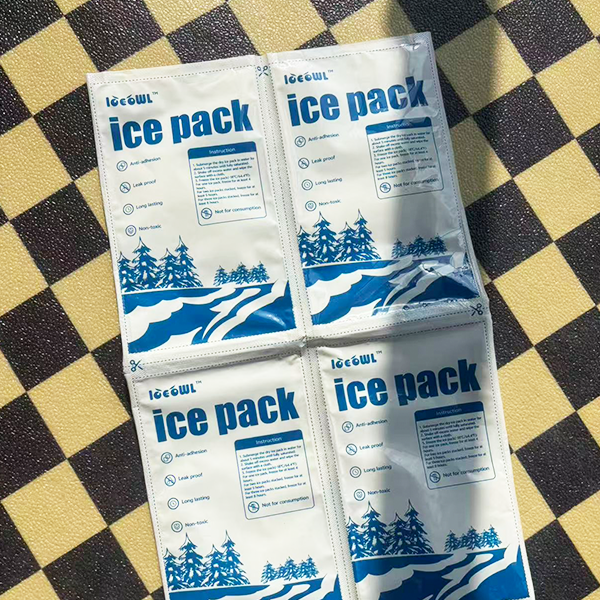
The best vacuum compressed liner factories help you cut storage waste without sacrificing packout stability or shipment protection. In 2026, buyers are paying more attention to compact liner formats because warehousing, freight, and handling all affect total packaging cost. But the best factory is still the one that can turn compression into repeatable real-world performance.
This article will help you understand:
- How to compare vacuum compressed liner factories intelligently
- Which recovery, fit, and process controls matter most
- Why testing matters more than compressed-bundle marketing
- How to build a practical approval path for factory selection
Why are buyers so interested in compressed liner formats?
Because compact packaging can create savings before the shipment even leaves the building. Flat or compressed liner bundles can reduce storage burden, improve pallet density, and make inbound handling easier. That is useful for 3PLs, regional food shippers, subscription brands, and operations with tight warehouse space.
Commercial market examples support that direction. Suppliers are actively promoting flat-shipping and vacuum-compressed liner systems as space-saving options for temperature-sensitive shipping. Some also highlight quick deployment and 48-plus-hour style applications, which shows that buyer demand is now tied to both logistics efficiency and usable thermal protection. (Insulated Products Corporation)
What separates strong factories from weak ones?
Strong factories control recovery, dimensions, and repeatability. That means the liner opens consistently, reaches the intended size, fits the carton correctly, and behaves well on the packing line. Weak factories may still produce a compact bundle, but the liner can open unevenly, feel unstable, or create fit gaps that hurt temperature control.
The most important factory checkpoints
- Compressed-to-expanded dimensional consistency
- Recovery time after opening
- Bundle protection during transit and storage
- Clean and repeatable cut geometry
- Stable production quality across lots
- Honest technical guidance on application limits
Why does testing matter more than claims?
Because route conditions, not brochures, decide success. ISTA says Standard 7E reflects real transport temperature conditions, and Standard 20 provides a qualification path for insulated shipping containers through certified labs. That makes factory support for validation a major buying advantage in 2026. Buyers want compactness, but they also want proof. (国际安全运输协会)
The smartest teams therefore test compressed liner factories in three ways at once: rebound behavior, packout usability, and route performance. That gives a much clearer answer than a sample photo ever could.
How should you approve a factory?
Use a staged approval process. Start by reviewing compressed bundle condition and recovery behavior. Then test expanded fit in actual cartons. Next, run pilot shipments under realistic summer or shoulder-season conditions. Finally, compare line speed, product protection, and storage efficiency.
Recommended approval steps
- Request compressed production samples
- Measure recovery time and final dimensions
- Insert into actual cartons and time the process
- Run route-based pilot tests
- Review lot consistency and complaint response
- Approve only after repeat performance is confirmed
What is the 2026 outlook?
The best vacuum compressed liner factories are winning because they support a clear business case: less storage pressure, cleaner logistics, and more flexible deployment. But their success still depends on proving that compressed packaging can behave like a dependable shipping component after opening. In 2026, factories that combine compact design with better validation support will stand out more than those that sell compactness alone. (Insulated Products Corporation)
Frequently Asked Questions
What is the main benefit of vacuum compressed liners?
The main benefit is space efficiency before use, which can help with warehousing and inbound logistics.
- What is the biggest approval risk?
Uneven rebound and poor post-recovery fit are the biggest early risks.
Should I compare compressed and rigid formats side by side?
Yes. That helps you judge whether storage savings offset any differences in labor or route performance.
Can these liners work for premium direct-to-consumer brands?
Yes, if they recover cleanly, present well, and meet the required route conditions.
Summary and recommendation
The best vacuum compressed liner factories turn compact storage into dependable shipping performance. You should judge them by recovery control, fit consistency, and willingness to support route-based testing.
Use a staged factory trial to compare compactness, labor, and thermal outcome together. That will lead to a much stronger sourcing decision.
About Tempk
At Tempk, we focus on packaging systems that create value across storage, packout, and transit. Compressed liner formats can be excellent solutions when factory control is strong and the route is well understood.
If you are reviewing vacuum compressed liner factories, we can help you build a sharper factory comparison process.
Who Is the Best Vacuum Compressed Liner Supplier for Your Operation?
The best vacuum compressed liner supplier is the one that helps you save space, move faster, and still protect temperature-sensitive shipments with confidence. In 2026, this category is gaining attention because many businesses need more packaging throughput without taking on more warehouse space or more inbound logistics burden.
This article will help you answer:
- What a vacuum compressed liner supplier should really provide
- Which technical and operational factors decide success
- How to compare compressed liners with standard liners fairly
- Why packaging density is strategically important in 2026
- How to calculate value across storage, labor, freight, and performance
Why are buyers searching for a vacuum compressed liner supplier now?
Buyers are searching because they need more packaging efficiency before they need more warehouse. That is the core reason. Compressed liners allow more units to be stored per pallet or per shelf area, which can be a major benefit for high-turn parcel programs. In businesses with peak seasonal spikes, that alone can justify serious interest.
The broader market context supports this. U.S. Census data shows e-commerce sales reached $1.2337 trillion in 2025, up 5.4% year over year. That keeps pressure on fulfillment operations to use space intelligently and keep consumables moving efficiently. (Census.gov)
Still, storage density is only the start. The real question is whether the compressed liner becomes an efficient working component after opening. That is what separates good sourcing decisions from attractive but disappointing trials.
What should a strong vacuum compressed liner supplier be able to do?
A strong supplier should explain compression, recovery, thermal performance, and pack-line behavior in one clear conversation. If they only talk about how many liners fit into a carton, they are not giving you the full picture.
A good supplier should help you understand how long the liner can stay compressed, what rebound time to expect, whether seams or folds are affected by storage, and how the liner fits into your target cartons after opening. They should also support realistic testing. This means conditioning the liner in storage, opening it under line conditions, and evaluating it in a real thermal package.
In other words, the right supplier sells a usable system, not just a compressed bundle.
What to expect from a better supplier
- Clear storage and shelf guidance
- Consistent recovery behavior
- Finished dimension control after opening
- Package-level thermal proof
- Support for line trials and comparison studies
How do you compare compressed and standard liners fairly?
Use one carton, one coolant plan, one product load, and one operating method for both designs. This gives you a fair comparison. Many buyers compare a compressed liner and a conventional liner under different handling conditions, then make the wrong conclusion.
Start with storage. Record how much space each liner program needs for the same number of units. Then move to line use. Time how long it takes to open and insert the liner. Check if packers need extra shaping. After that, run a temperature test and compare the result against your pass criteria.
If you need stronger structure in the validation process, ISTA’s thermal framework is helpful. ISTA says Standard 7E is the new standard for thermal transport testing and identifies Standard 20 as a design and qualification process for insulated shipping containers. That gives buyers a disciplined way to think about package performance. (国际安全运输协会)
Side-by-side comparison table
Why does dimensional efficiency matter in 2026?
Because packaging space now affects cost all across the operation. On the outbound side, carriers still care about cube. FedEx says dimensional weight pricing applies when package space drives the billable weight, and UPS states that billable weight is the greater of dimensional and actual weight. (FedEx)
On the inbound side, compressed liners can reduce the cube required to receive and store packaging. That means one sourcing decision can influence two cost structures: the storage cost of your packaging inventory and the shipping economics of your finished orders.
That is why the best vacuum compressed liner supplier in 2026 is often part of a broader efficiency project. The supplier helps you think about storage, outbound fit, and labor together.
What technical and compliance points should you still watch?
Compression does not remove the need for sound validation and transport control. You still need to prove temperature performance. You still need to check fit, seams, and usability. And if you are shipping food or temperature-sensitive goods, your packaging still sits inside a broader transport control environment.
FDA’s sanitary transportation rule is designed to prevent transport-related food safety risks, including inadequate refrigeration and insufficient protection during transport. This is a reminder that packaging reliability matters beyond convenience. (U.S. Food and Drug Administration)
You should therefore request documentation that matches your application, including composition statements, traceability where relevant, and test summaries tied to real package setups.
How do you calculate total value from a compressed liner program?
Calculate value across four categories: storage, inbound logistics, labor, and shipment success. Start with storage. How many more liners can you hold in the same area? Then assess inbound shipments. Does compression reduce deliveries or pallet count? Third, assess labor. Is opening fast and consistent? Finally, assess shipment success. Does the liner meet the same or better temperature target as your current option?
A compressed liner program is strong only when gains in one category do not create losses in another. That is why the best decision comes from a simple scorecard, not from a single metric.
Better value levers
- Higher stock capacity in existing space
- Lower inbound cube per liner
- Better readiness for seasonal volume spikes
- Stable pack speed after rebound
- Reliable thermal protection in real routes
Frequently Asked Questions
What is the biggest reason to choose a compressed liner supplier?
Usually warehouse efficiency. Many buyers can store significantly more liners in the same footprint.
What is the main technical risk?
Poor rebound or distorted shape after storage, which can hurt fit and line speed.
Do compressed liners always lower total cost?
No. They lower total cost only when storage and handling benefits outweigh any operational or performance issues.
Should I involve operations in testing?
Yes. Operations should be involved early because line usability is a major part of the decision.
What is the best first trial?
Compare one compressed liner and one standard liner on the same high-volume SKU with real storage conditioning and a real pack-out.
Summary and next step
The best vacuum compressed liner supplier in 2026 is the one that delivers dense storage, clean recovery, and reliable package performance. Buyers are no longer satisfied with compression benefits alone. They want full-system efficiency and predictable results.
Your next step should be to run one structured comparison trial that includes storage footprint, opening time, pack speed, and thermal performance. That is the fastest way to find out whether a compressed liner program fits your business.
About Tempk
At Tempk, we understand that packaging decisions often need to satisfy operations, procurement, and quality at the same time. We therefore look at compressed liners not only as thermal materials, but as working components in a space-constrained distribution system. That approach helps buyers make decisions that hold up on the warehouse floor as well as in transit.
If you are reviewing suppliers now, begin with the liner SKU that puts the most pressure on your warehouse. That is usually where the decision becomes clearest.
Thermal Box Liner Wholesale Guide for 2026
A smart thermal box liner wholesale strategy helps you control temperature, shipping cost, labor, and packaging complexity at the same time. That matters more than ever in 2026 because bulk buyers are under pressure to reduce spoilage, simplify pack-out, justify sustainability claims, and make better decisions in parcel-driven cold chain networks. The best wholesale choice is not simply the lowest quote. It is the liner program that gives you repeatable protection with the least unnecessary cost and complexity.
This article will answer:
- How to choose the right thermal box liner wholesale program for your business
- Which formats and materials make the most sense for different shipping conditions
- How to compare quotes through total delivered cost
- What parcel testing, food-contact, and healthcare-related standards mean in 2026
- How to simplify your liner family without sacrificing performance
What should a good wholesale liner program look like?
A good wholesale liner program is simple, repeatable, and built around your real carton family. Many companies carry too many liner sizes. That creates inventory pressure, picking mistakes, and slower packing. A better approach is to align a small family of liners with a small family of cartons, then adjust coolant or service rules by season or lane difficulty.
A wholesale liner program should also support your warehouse realities. If space is tight, flat-packed formats matter. If labor is expensive, quick-open formats matter. If parcel cost is a problem, right-sized boxes matter. This is why the best bulk decisions are operational decisions as much as packaging decisions.
Signs of a strong program
- Two or three core liner sizes cover most orders
- Box fit is tight enough to avoid waste
- Coolant rules are written clearly
- Seasonal planning is built in
- Replenishment is tied to forecast, not panic buying
Which thermal box liner format is right for you?
Different liner formats solve different problems. Bubble foil liners are efficient to store and often a good fit for medium-difficulty lanes. Foam-backed liners usually provide more thermal margin but take more warehouse space. Fiber-based designs may support a better paper-forward story, though they must still be validated under your real route conditions. Pouch formats can improve packing speed in repetitive line operations.
Format selection table
- Practical tips
- If you ship high volume: Time the packing process before choosing a format.
- If parcel cost is high: See whether a better-fit liner lets you shrink the carton.
If customers care about presentation: Review the visual quality of the liner as well as performance.
How should you compare wholesale pricing?
Compare wholesale pricing by total delivered cost, not by liner price alone. Your real packaging cost includes the liner, outer box, coolant, labor, storage, and failure risk. That means a cheaper liner can be the wrong choice if it creates a larger box, slower packing, or more claims.
Total cost questions
- Does this liner change our box size?
- Does it reduce or increase coolant need?
- Does it speed up or slow down pack-out?
- How much space does it take in the warehouse?
- How does it affect refund or spoilage risk?
What do 2026 standards and regulations mean?
The 2026 buying environment is more demanding. For parcel shipping, ISTA identifies 7D as a development temperature test and presents 7E as the newer parcel thermal transport standard built from real-world heat and cold profiles. In Europe, the previous packaging directive structure is being replaced by Regulation (EU) 2025/40 from August 12, 2026. For food-contact packaging, the FDA states that food contact substances that are food additives need authorization before marketing, while the European Commission states that food-contact materials must meet strict safety rules. These references matter because they push buyers toward clearer use-case documentation and more realistic validation language. (EUR-Lex)
If your shipments touch healthcare, the standard goes higher. EMA says GDP defines the minimum standards wholesalers must meet to preserve medicine quality and integrity. IATA’s Temperature Control Regulations gather current requirements for compliant shipment of temperature-sensitive products, and WHO’s 2025 vaccine shipping guidance plus CDC’s storage toolkit reinforce controlled transport, monitoring, and handling discipline. (iata.org)
How should sustainability shape wholesale buying?
Sustainability should be measured through total packaging impact. A better-fit system that cuts spoilage, reduces carton size, and lowers storage cube may create more value than a simple material claim. EPA data shows corrugated has a stronger recycling pathway than many plastic packaging formats, and U.S. policy direction continues to push toward lower food loss and waste and stronger recycling performance by 2030. FDA’s recycled-plastics guidance also keeps attention on process suitability when food-contact uses are involved. That is why buyers are looking harder at right-sizing, hybrid material choices, and more honest disposal guidance. (US EPA)
A simple sustainability self-check
- Does the liner reduce spoilage?
- Can it help us use a smaller box?
- Does it store efficiently?
- Is the claim documented?
- Can we explain disposal clearly to customers?
How do you build a better wholesale liner family?
A strong thermal box liner wholesale program usually has one core family for mild and medium routes and one stronger family for harder lanes. That keeps training and inventory manageable while still giving you enough flexibility. Instead of carrying many almost-identical liners, you build a system around route difficulty and seasonality.
Best-practice structure
- Core carton family
- Core liner family
- Written coolant rules
- Seasonal review before summer and holiday peaks
- Vendor forecast sharing
Practical case: A specialty seafood seller simplified its packaging range to two liner strengths and one shared carton family. The move reduced storage burden and made staff training easier without sacrificing arrival quality.
2026 latest developments and trends
The direction of the market is clear: fewer SKUs, stronger parcel realism, clearer compliance support, and more system-based sustainability decisions. Buyers want suppliers that can explain exactly where a liner works, how it should be used, and how it affects freight, labor, and waste. Wholesalers that can do that are becoming more valuable than those with the longest product list. (ista.org)
Latest developments at a glance
- Right-sized wholesale programs are gaining ground
- Parcel-based thermal validation is becoming more important
- Food-contact and healthcare documentation questions are increasing
- Storage efficiency and waste reduction are being reviewed together
Frequently Asked Questions
What is thermal box liner wholesale?
It is the bulk sourcing of insulated liners used inside cartons to protect temperature-sensitive products in transit.
How many liner sizes should I keep?
Usually fewer than expected. A focused family of sizes is easier to manage and often cheaper overall.
Are stock liners enough for serious cold chain work?
Often yes, especially at the start. Custom should be used only when it solves a proven problem.
How do I judge a supplier quickly?
Ask how the liner fits your cartons, what test context supports it, and how it affects total delivered cost.
Can sustainability and performance work together?
Yes, when you focus on total system efficiency, not just a single material claim.
Summary and recommendations
A good thermal box liner wholesale decision should improve temperature control, simplify operations, and lower avoidable cost. In 2026, the strongest buying strategy is built around right-sized formats, clear documentation, realistic parcel performance, and a liner family that your warehouse can actually manage. When you compare suppliers this way, you make better long-term decisions and avoid packaging sprawl.
Your next step should be to review your highest-volume cartons, map your routes by difficulty, and test a short list of wholesale liner families against those real conditions.
About Tempk
Tempk develops wholesale thermal packaging programs for practical cold chain use. We focus on liner systems that balance protection, operational simplicity, and scalable performance, with attention to fit, pack-out efficiency, and real shipping conditions. Our goal is to help customers build packaging programs that work in daily operations, not just on paper.
Thermal Shipping Liner Wholesale Price: The Best 2026 Wholesale Guide
If you are comparing thermal shipping liner wholesale price, the most important truth is this: there is no single universal price. Your real cost depends on material build, box fit, order volume, route duration, and how well it works with gel packs or dry ice. In 2026, smart buyers are no longer asking only, “What is the cheapest quote?” They are asking, “What is the lowest total delivered cost for my shipment profile?” This guide is built for broad cold chain buyers, biopharma support teams, food distributors, and direct-to-consumer brands. This optimized version combines the strongest parts of the buyer guide, the deeper technical review, and the market-trend view. The goal is simple: help you buy thermal shipping liner wholesale price with fewer surprises, better cost control, and stronger cold chain performance.
In this article, you will learn
How to evaluate thermal shipping liner wholesale price without being trapped by a low headline quote
Which thermal liner bulk cost factors affect performance, freight, and storage
- How to compare suppliers, sample quality, and packaging test evidence
- What 2026 market shifts mean for your next RFQ and purchasing cycle
How should you judge thermal shipping liner wholesale price the right way?
Start with total shipment performance, not the headline quote. Thermal shipping liner is only valuable when it fits your route, your carton, your coolant, and your customer promise. In 2026, the best buyers connect structure, freight, labor, and failure risk into one decision. That approach produces better margins than chasing a low initial number.
To judge thermal shipping liner wholesale price well, you need commercial clarity and technical clarity together. A liner can be inexpensive but wasteful in cube. It can be strong but oversized. It can test well but convert slowly on the packing line. The smartest evaluation balances material design, factory consistency, and real operating conditions.
A simple cost map for thermal liner bulk cost
A quote becomes easier to understand when you split it into five layers: material cost, converting cost, customization cost, logistics cost, and failure cost. Material cost comes from the structure itself. Converting cost covers cutting, sealing, folding, and packing. Customization cost includes print, shape, or private-label work. Logistics cost depends on carton density and freight mode. Failure cost is the money you lose when product arrives warm, damaged, or late. This last part is often the biggest hidden cost in cold chain packaging, and it is why experienced buyers never compare wholesale prices in isolation.
Practical tips you can use now
Insulation Family: This changes both line-item price and total packing efficiency.
Target Duration And Temperature Band: This changes both line-item price and total packing efficiency.
Box Size Compatibility: This changes both line-item price and total packing efficiency.
Coolant Pairing: This changes both line-item price and total packing efficiency.
Real-world example: A dairy ecommerce team used one liner across every region and kept paying for failures on hotter routes. By separating one-day, two-day, and peak-summer lanes, the buyer matched liner grade to route reality. The result was a more controlled budget, even before line-item price negotiations.
What should a strong RFQ for thermal shipping liner wholesale price include?
A strong RFQ removes ambiguity before price negotiation begins. Include box dimensions, target temperature range, shipment duration, product load, coolant type, destination climate, and any compliance needs. If you skip these details, suppliers fill the gaps with assumptions, and the quotes stop being comparable.
The best RFQs also ask for structure description, sample lead time, production lead time, master-carton count, pallet efficiency, and documentation list. This turns thermal shipping liner wholesale price from a vague sourcing question into a measurable packaging project. Once your RFQ is clear, good suppliers can engineer value instead of guessing what you need.
A checklist for comparing cold shipping liner quote
When you review supplier replies, build a scoring sheet instead of relying on memory. Score each sample for dimensional accuracy, fold ease, seal quality, storage footprint, and packing-line usability. Then score each supplier for response speed, documentation clarity, and willingness to support pilot testing. This approach works because the wholesale price of insulation is only one part of supplier value. A factory that answers slowly, ships inconsistent sizes, or packs poorly can erase any savings you thought you won.
Practical tips for buyers and sourcing teams
Asking for a price before defining duration and route profile: This usually increases hidden cost later.
Choosing the cheapest liner without looking at coolant cost: This usually increases hidden cost later.
Treating all summer lanes the same: This usually increases hidden cost later.
Skipping pilot tests: This usually increases hidden cost later.
Practical note: Even a good liner can fail if the coolant placement is wrong. Always evaluate the complete packout, not the liner alone.
What 2026 buying strategy works best for thermal shipping liner wholesale price?
Use a three-step strategy: define the route, validate the packout, then negotiate the volume. This order sounds simple, but it prevents costly mistakes. First define the real shipping lanes and service levels. Then test the liner with the actual product and coolant. Only after that should you negotiate on long-run pricing.
This method works because it protects you from false savings. A cheap quote on the wrong build is not savings. A higher quote that cuts spoilage, cube, or complaint rates may be the better buy. For most teams, the winning strategy is disciplined validation followed by scale-based negotiation.
What a reliable insulated shipping liner supplier partner should offer
A reliable supplier should be able to explain structure, offer standard sizes, support custom work when justified, and communicate lead times clearly. It should also pack the liners efficiently for export or domestic freight, because poor carton design adds silent cost. If your business is growing, ask how the factory handles forecast changes, repeat orders, and corrective action after pilot feedback. The supplier response to these questions often tells you more about future performance than the sample alone.
Useful actions before you place a bulk order
- Request a written specification before mass production.
- Test at least one standard size and one right-sized option.
- Compare usable yield, not just quoted piece count.
- Ask for the documentation package at the sample stage.
Why this matters: Most packaging problems are cheaper to fix during sampling than after the first full container or large monthly run.
2026 trends shaping thermal shipping liner wholesale price
The 2026 conversation around thermal shipping liner wholesale price is being shaped by three forces at once: tighter margin pressure, more route-specific packaging decisions, and stronger interest in sustainable or lower-waste formats. Buyers want packaging that is easier to store, easier to pack, and easier to explain to end users. At the same time, they want fewer failures in hot weather, fewer oversize packouts, and better quote transparency. This is why more sourcing teams now ask for application-focused recommendations instead of generic catalog prices.
Key developments to watch
Route-Specific Packaging Design: This trend changes how buyers compare line-item price to business value.
Sustainability Scorecards In Procurement: This trend changes how buyers compare line-item price to business value.
Data-Backed Packout Optimization: This trend changes how buyers compare line-item price to business value.
Market direction is also favoring suppliers that can do more than manufacture. In 2026, buyers increasingly value packout advice, documentation support, and faster sample iteration. The factory that helps you reduce cube, improve fit, and clarify disposal or compliance messaging often wins more repeat business than the factory offering the lowest opening quote. In other words, service quality is becoming part of wholesale value.
Frequently asked questions
What is the best way to compare thermal shipping liner wholesale price?
Compare the same dimensions, same order quantity, same route target, and the same coolant setup. That keeps the quote fair and prevents structure differences from hiding inside the numbers.
Does a thicker thermal shipping liner always mean better value?
No. More material can improve protection, but poor fit or weak sealing can still waste money. The best value comes from the right structure for your route, not the thickest build.
Should I ask for samples before ordering thermal liner bulk cost in bulk?
Yes. Samples let you check fit, packing speed, seal quality, and carton density before a large commitment. This is the safest way to prevent expensive surprises.
Can thermal shipping liner lower total shipping cost?
Yes, when it improves fit, reduces coolant waste, or ships more efficiently in master cartons. Total cost matters more than unit cost in most cold chain projects.
What documents should a supplier provide for thermal shipping liner wholesale price?
Ask for specifications, compliance paperwork relevant to your category, and any available test or transit records. Clear documents reduce sourcing risk and speed approval.
Summary and next steps
If you are sourcing thermal shipping liner wholesale price, focus on total value, not the cheapest headline number. Review structure, fit, order volume, freight density, documentation, and supplier responsiveness together. Use sample testing to confirm performance, then negotiate on volume once the packout is proven. This approach usually delivers better results than price-first buying.
A smart next step is to prepare one clean RFQ with your box size, route profile, coolant plan, documentation needs, and target order quantity. That gives suppliers a fair basis to quote and gives you a much stronger basis to compare them.
About Tempk
Tempk works with temperature-sensitive packaging projects across food and cold chain applications. We focus on practical insulation design, stable manufacturing coordination, and packaging solutions that are easier to store, easier to pack, and easier to scale. Our goal is to help you match the right insulation format to the real shipment need, not just to a catalog photo.
If you are reviewing thermal shipping liner wholesale price, the most useful next step is a sample-based discussion built around your carton size, shipping route, and product temperature target.
How to Compare the Best Temperature Controlled Box Liner Suppliers in 2026
The right temperature controlled box liner suppliers help you control more than temperature. They help you control cost, consistency, documentation, and scale. In 2026, that matters more than ever because buyers expect suppliers to support recognized test logic, stronger shipment visibility, clearer environmental communication, and better day-to-day operational fit. (国际安全运输协会)
What this guide will help you compare
- Which supplier capabilities matter most before sampling
- What standards and data signals separate strong suppliers from weak ones
- How food, pharma, and general cold chain needs change the evaluation
- What 2026 sustainability and visibility trends should shape your shortlist
- How to build a scorecard that leads to a safer buying decision
- What should top suppliers actually deliver?
- Top suppliers deliver four categories of value.
- Packaging fit: the liner must match your carton range and lane profile.
- Service fit: your team needs fast quoting, clear communication, and dependable replenishment.
- Technical fit: the supplier should explain performance logic, not just construction language.
- Business fit: the system should control damage, labor, and freight, not only material cost.
- A practical 10-point supplier scorecard
- Rate each item from 1 to 5.
- box-fit accuracy
- technical support quality
- thermal comparison evidence
- lead-time reliability
- stock program strength
- MOQ flexibility
- sustainability clarity
- complaint handling speed
- change-control discipline
- scaling support
- Suppliers that score high across all ten usually create fewer hidden costs later.
What data should you request early?
Ask for the liner spec, box-fit matrix, lead times, MOQ, and any available thermal comparison logic. ASTM D3103 remains a key thermal insulation comparison reference for distribution packages, and ISTA 7E is used to evaluate thermal transport packaging under parcel-delivery temperature exposure. These references help you compare designs more objectively. (国际安全运输协会)
How do compliance needs affect supplier choice?
If you ship food, transportation controls must protect against inadequate temperature control and related sanitary risks. If you ship medical or healthcare products, transport becomes even more documentation-heavy because WHO GDP and IATA temperature-control guidance treat distribution conditions, monitoring, and handling rules as essential to product integrity. (U.S. Food and Drug Administration)
That does not mean every liner supplier must be a pharma specialist. It does mean they should understand the difference between a casual e-commerce pack-out and a more controlled validated shipment environment.
Quality management matters more than many buyers expect
ISO says ISO 9001 is the globally recognized quality management standard and helps organizations improve consistency and customer confidence. For box liner suppliers, that matters because repeatability is everything. A liner that is slightly off-size, inconsistently sealed, or changed without notice can disrupt a whole thermal program. (国际标准化组织)
- What 2026 market trends should influence your shortlist?
Three trends stand out.
More proof. Buyers want documented trial structure, not generic insulation claims.
More visibility. IATA highlights the increasing use of IoT cargo devices such as data loggers and trackers, especially where real-time shipment data reduces loss in perishable and pharma logistics. (国际航空运输协会)
More sustainability discipline. EPA’s hierarchy still favors source reduction and reuse, and EU packaging reform is keeping pressure on lower waste and clearer recyclability pathways. (US EPA)
- How should you run a supplier selection process?
Use a four-step process.
- Screen suppliers on service, MOQ, stock, and fit range
- Sample with your real box family and shipment profile
- Pilot with monitored shipments where needed
- Scale only after performance, claims, and replenishment are all approved
- This process is simple, but it prevents a large share of expensive sourcing mistakes.
- FAQ
How many temperature controlled box liner suppliers should I shortlist?
Usually three. That gives you enough contrast without slowing the process too much.
- What is the biggest hidden cost?
Poor fit. It creates labor drag, waste, and inconsistent performance.
Should sustainability claims affect supplier choice?
Yes, but only when the claims are specific, accurate, and matched to real disposal routes.
Do I need monitoring in every trial?
Not always, but monitored pilots are very useful for critical or high-value lanes.
What makes a supplier scalable?
Repeatable dimensions, forecast support, faster response, and clear change control.
Summary and next step
The best temperature controlled box liner suppliers are the ones that help you make better shipment decisions with less friction. If a supplier can combine technical clarity, service reliability, and honest sustainability support, you are likely looking at a stronger long-term partner.
About Tempk
At Tempk, we help teams compare temperature-controlled packaging suppliers through performance logic, operational usability, and sourcing discipline. Our goal is to help you choose solutions that hold up in transit and in daily operations.
What Makes the Best Thermal Box Liner Supplier in 2026?
The best thermal box liner supplier helps you protect product temperature, lower shipping waste, improve packing speed, and keep your supply chain stable. You are not buying insulation alone. You are buying performance across materials, fit, testing, compliance, capacity, and cost.
This article will help you answer:
- What the best thermal box liner supplier should offer
- How liner materials affect cold-chain performance
- Which test and compliance checks matter before scale-up
- How to compare suppliers on total value, not just unit price
- What 2026 trends mean for your packaging strategy
Why does supplier choice matter so much?
A weak liner supplier creates hidden problems. You get oversized cartons, inconsistent folds, slow packing, excess refrigerant, missed specifications, or avoidable spoilage. A strong thermal box liner supplier does the opposite. They help you build a shipping system that is stable, repeatable, and easier to improve over time.
The supplier should understand your real use case:
- chilled or frozen
- parcel or LTL
- 24 hours or 72 hours
- food or healthcare
- stock size or custom size
If they skip those questions, they are probably selling a material, not solving a cold-chain problem.
Which liner material is right for your shipment?
There is no universal “best” material. The right answer depends on route time, ambient exposure, payload density, and packing workflow. Foil bubble liners are usually lighter and easier to store. Foam structures usually provide stronger conductive insulation but take more space. Fiber-based or paper-based designs may support sustainability goals, but they still need full validation.
Material comparison table
- What buyers often forget
- Reflective layers work best as part of a full structure, not as magic on their own.
- Extra empty space inside the box weakens the whole system.
- A custom-fit liner can reduce both spoilage and freight cost at the same time.
Practical case: A frozen-food seller thought it needed a thicker liner. Testing showed the real fix was a tighter fit and a better refrigerant layout. The new design used less material and performed better.
- How do you compare one thermal box liner supplier to another?
Use a scorecard. This keeps sales style from overpowering engineering reality.
- Quick supplier scorecard
- Ask these questions before you buy
- What sizes are standard, and what can be custom?
- Which materials are available now, not just “possible later”?
- What is your normal tolerance on dimensions and seals?
- Can you support a pilot order and then scale to production?
- What test data do you already have for similar lanes?
- How do you manage raw material changes?
What testing should the supplier support?
A good thermal box liner supplier should help you validate the full pack-out, not just ship you a sample. Ask for testing based on your real shipment logic:
product load
- initial product temperature
- refrigerant type and weight
- carton dimensions
- target duration
- pass/fail range
- The most useful test checks
Which compliance and standards matter in 2026?
For food-contact packaging in Europe, packaging materials must comply with strict safety rules, and the EU’s plastic food-contact framework under Regulation 10/2011 sets substance controls, migration rules, and standardized testing logic. The Commission also notes the overall migration limit of 60 mg/kg food or 10 mg/dm². FDA’s food-contact framework makes clear that regulatory status depends on each component, and company-specific intended use still matters. For transport validation, ISTA Standard 20 aligns insulated-container qualification with ISTA 7E thermal profiles, while WHO and IATA continue to emphasize validated packaging and transport discipline for temperature-sensitive supply chains. (Food Safety)
Practical meaning for buyers
- Ask for the exact intended-use statement, not a vague safety claim.
- Make sure performance data matches your carton and payload range.
- Treat pack-out instructions as part of compliance discipline, not as optional notes.
How do you reduce cost without reducing protection?
The smartest way is to optimize total shipment cost, not liner price alone. A better thermal box liner supplier can help you:
reduce carton size
- cut void fill
- lower refrigerant quantity
- improve packing speed
- reduce claims and replacements
- Cost-reduction opportunities
- 2026 trends you should plan for now
The market is moving toward more accountable packaging. FDA’s planned 30-month extension to the Food Traceability Rule keeps recordkeeping and traceability at the front of food-chain planning. WHO’s updated vaccine shipping guidance and IATA’s temperature-control framework reinforce the value of validated packaging and clean documentation. At the same time, the EU’s PPWR 2025/40 pushes recyclable, more resource-efficient packaging, while EPA’s plastics strategy emphasizes redesign, waste reduction, and circular materials management. (U.S. Food and Drug Administration)
What smart buyers are doing
- Running seasonal validation instead of relying on one annual test
- Requesting lower-material designs without skipping performance checks
- Auditing suppliers on traceability and change control
- Comparing cost per successful delivery, not cost per piece
Frequently Asked Questions
What is the best thermal box liner supplier for food shipping?
It is the supplier that can prove fit, food-contact suitability where needed, lane performance, and repeatability at your volume.
Should I choose stock or custom liners?
Stock liners are good for trials or low volume. Custom liners are usually better for efficiency and thermal control once volume grows.
Can a thermal box liner supplier help reduce refrigerant use?
Yes. Better fit and better thermal balance can sometimes reduce the amount of gel packs or PCM you need.
Do I need different liners for summer and winter?
Often, yes. Seasonal validation is one of the easiest ways to improve both cost and performance.
How do I know a supplier can scale?
Ask about batch traceability, production capacity, raw material planning, and how they handle process changes.
Final recommendation
If you want the best thermal box liner supplier, choose the one that combines practical design support, strong testing discipline, clear documentation, and honest communication. A good supplier saves you more through performance, stability, and packaging efficiency than a low-price supplier ever can through unit cost alone.
Your next step is to build one comparison sheet for every supplier. Include route time, product temperature, carton size, refrigerant type, target price, required documents, and pilot-test criteria. The best partner will stand out quickly.
About Tempk
At Tempk, we focus on cold-chain packaging solutions built around real operating conditions. We work on liner fit, packing efficiency, and temperature-control consistency so you can reduce damage, reduce waste, and ship with more confidence. Our goal is simple: practical cold-chain packaging that performs in real lanes, not just in presentations.
Thermal Box Liner Suppliers: How Do You Choose the Right Partner?
Choosing among thermal box liner suppliers is easier when you stop treating insulation as a simple material purchase. You are choosing a system partner that affects product temperature, packing speed, shipping cost, and customer satisfaction. In 2026, the best suppliers are the ones that can connect all four.
A strong supplier helps you answer practical questions fast. Which liner fits your carton correctly? How much refrigerant will you need? What performance window should you expect in summer? Can the same liner work across two carton sizes? Can your team pack it consistently at scale? Those are the questions that protect margin.
This article will help you answer:
- What separates strong thermal box liner suppliers from average vendors
- Which liner materials work best for different shipping scenarios
- How to compare price, performance, and labor without getting misled
- Which compliance and testing topics matter most in 2026
- How to build an RFQ and supplier scorecard that shorten your buying cycle
What should you look for first in thermal box liner suppliers?
Look for packaging intelligence before you look at the price list. Good thermal box liner suppliers ask about product sensitivity, shipping duration, lane risk, carton size, payload weight, refrigerant type, and packing conditions before they recommend a design.
That is important because thermal packaging is a system. The liner works together with the box, the payload, and the refrigerant. A supplier that understands system design can often reduce overpacking, shrink empty space, and make assembly easier. A supplier that only pushes stock items may still offer a low unit price, but that low price disappears quickly if it leads to spoilage, repacks, or higher freight.
A quick supplier shortlist checklist
- Can they provide clear liner specifications?
- Can they supply flat drawings or fitted-dimension guidance?
- Can they explain where the liner works best and where it does not?
- Can they support samples quickly?
- Can they discuss packout consistency, not only material claims?
Can they handle your MOQ, lead-time, and seasonal volume swing?
If the answer is yes across those points, you are likely dealing with a supplier worth serious testing.
Which liner format is right for your shipping system?
The right liner is the one that matches your lane and your operations at the same time. Foil bubble formats are popular because they are light, reflective, and quick to assemble. Paper-based thermal liners are increasingly attractive when buyers want a stronger paper-forward story. Foam systems can offer strong insulation, but they usually demand more storage space and can complicate disposal conversations.
Think of liner selection as a balance between four pressures: thermal hold time, cube efficiency, labor speed, and packaging story. If one format wins three of those four for your business, it often becomes the right answer even if another format looks stronger in a narrow material comparison.
Common liner choices compared
- What matters more than material alone?
- Carton fit
- Corner coverage
- Top closure style
- Refrigerant placement
- Assembly repeatability
- Stacking behavior
A liner that is perfect in a sample room can underperform in a busy fulfillment center if it bunches, tears, or slows the pack line. That is why the best thermal box liner suppliers think about warehouse behavior as much as they think about barrier layers.
How do you compare total cost correctly?
Never compare liners on piece price alone. Compare them on total shipping economics. That includes liner cost, freight cube, storage space, packing labor, required refrigerant, damage or excursion claims, and customer complaint risk.
Here is a simple way to think about it. If one liner costs a few cents more but lets you use a smaller carton, pack faster, and reduce summer failures, it can be the cheaper option overall. This is especially true for direct-to-consumer programs and premium foods where even a small failure rate can erase savings from low-cost materials.
A practical evaluation table
A buyer decision tool
Give each supplier a score from 1 to 5 on thermal fit, ease of assembly, documentation, lead time, and total operating cost. Add the scores. The winner is often not the cheapest supplier; it is the supplier with the fewest weak spots.
What compliance and documentation should you ask for?
Ask for documentation early, not after you have chosen the liner. If you ship food, ask the supplier to explain the material layers and intended use of the packaging components. If you ship healthcare or sensitive specialty products, ask whether the supplier can support packaging qualification, lane review, or change control.
In 2026, supplier credibility increasingly depends on how clearly they handle these questions. The FDA says components of food packaging materials used in compliance with 21 CFR 174-179 need no further FDA review. ISTA says its 7E profiles are the new standard for thermal transport testing and that they rely on real-world lane data. IATA says the 2026 Temperature Control Regulations contain the requirements needed to ship compliant temperature-sensitive products. That is why capable suppliers increasingly speak the language of intended use, route fit, and packout discipline rather than generic insulation claims. (U.S. Food and Drug Administration)
For pharmaceutical and healthcare-facing systems, the European Medicines Agency says GDP sets minimum standards to maintain medicine quality and integrity across the supply chain, and EU GDP transport guidance says required storage conditions must remain within defined limits while transport equipment must prevent exposure that could harm product quality or packaging integrity. If your business sits anywhere near that environment, supplier support quality matters as much as liner quality. (European Medicines Agency (EMA))
What are the biggest 2026 trends affecting thermal box liner suppliers?
The biggest trend is smarter, leaner insulated packaging. Buyers want less wasted space, clearer material communication, and fewer unnecessary layers. That pushes suppliers to optimize fit and performance instead of simply adding thickness.
This shift also reflects broader packaging pressure. The European Commission says the PPWR entered into force on February 11, 2025 and generally applies from August 12, 2026. Eurostat reports that EU packaging waste reached 79.7 million tonnes in 2023, equal to 177.8 kg per person, with paper and cardboard the largest share. The EPA also notes that lighter and more efficient packaging construction can lower waste and save money. For buyers, that means the strongest thermal box liner suppliers are the ones that can reduce cube, explain material choice honestly, and still protect the shipment. (Environment)
2026 trend snapshot
- More route-specific liner qualification: fewer generic “all season” claims
- More pressure on material efficiency: buyers want less empty space and less overpack
- More demand for documentation: supplier trust now depends on how clearly specs are explained
- More operational focus: easy-fold, faster-pack liners are winning in fulfillment settings
How many thermal box liner suppliers should I compare?
Three serious candidates are usually enough. That gives you real comparison without creating procurement noise.
What matters more: liner material or box fit?
Both matter, but fit is often the deciding factor in real operations. Poor fit can waste insulation value and slow packing.
Can a lighter liner still perform well?
Yes. A lighter liner can perform very well if the barrier design, fit, and refrigerant strategy are right for the lane.
Should I qualify one liner for all seasons?
Sometimes, but many brands perform better with one liner and different seasonal refrigerant packouts, or with separate summer and non-summer programs.
What is the most common buying mistake?
Choosing by unit price before checking packout labor, cube efficiency, and performance fit. That often creates higher total cost.
Summary and recommendation
The right choice among thermal box liner suppliers comes down to system thinking. Look for suppliers that understand your lane, your carton, your payload, and your packing operation. Then compare them using the same scorecard, the same packout assumptions, and the same documentation standards.
Start with a clear RFQ, test three shortlisted suppliers, and evaluate total cost instead of raw price. That gives you the best chance of finding a liner partner that protects product quality while keeping operations clean and scalable.
About Tempk
At Tempk, we design and support insulated packaging solutions for temperature-sensitive shipments in food, healthcare, and specialty logistics. We focus on practical performance, better packout efficiency, and liner formats that are easier to match with real shipping conditions.
If you are reviewing thermal box liner suppliers, we can help you compare options around fit, material logic, and working-day usability so the final packaging system performs the way your team needs it to.
Best Temperature Controlled Box Liner Distributor Guide for 2026
Choosing a temperature controlled box liner distributor in 2026 means choosing how your packaging program will react under pressure. You are not only selecting a stocked product. You are selecting response time, flexibility, technical clarity, documentation access, and supply resilience. If your business runs temperature-sensitive shipments across changing demand patterns, the distributor can either stabilize your operation or quietly add risk.
That is why distributor choice now matters more. Cold chain packaging demand continues to expand across food and pharmaceutical channels, and buyers increasingly expect faster replenishment plus stronger packaging evidence. This market direction is making distributors more strategic in real sourcing decisions. (大视野研究)
This article will help you answer:
- What a temperature controlled box liner distributor should deliver today
- When distributor-led supply is better than direct factory purchasing
- How to compare distributors on stock, service, and technical support
- Which testing and compliance questions still matter through distribution
- What 2026 trends are changing the distributor role
What Should a Temperature Controlled Box Liner Distributor Deliver?
A good temperature controlled box liner distributor should deliver product availability, application fit, document access, and service discipline together. Stock alone is not enough. If the wrong liner arrives fast, your problem is simply accelerated.
A strong distributor understands which liner families fit chilled food, frozen parcels, medical shipments, or mixed-SKU operations. It should help you manage practical realities such as MOQ, seasonal volume spikes, warehouse storage, and multi-site ordering. The best distributors save you time because they reduce the distance between packaging need and packaging availability.
Distributor Value Checklist
- Practical Tips and Suggestions
- For fast growth: choose a distributor with forecast support, not only ad hoc shipping.
- For mixed box sizes: use distribution when flexibility matters more than factory-scale pricing.
- For multi-site networks: standardize approved distributor SKUs centrally.
- For recurring buys: review fill-rate performance, not just quote speed.
Project example: A DTC frozen foods company improved packaging continuity after moving to a distributor with regional stock and clearer replenishment planning. The biggest gain was fewer last-minute packaging shortages.
How Do You Compare Distributors the Right Way?
Compare distributors by operational fit first, then by price. Start with the questions that affect daily shipping: What is stocked? How fast can it move? Can you get technical documents? How are substitutions handled? What happens when demand doubles during hot weather? These answers matter more than a small price gap.
Use a simple scorecard that includes stock depth, service reliability, technical support, document speed, and landed cost by site. That turns the distributor review into a business decision instead of a rush buy.
A Better Distributor Scorecard
- Practical Tips and Suggestions
- For purchasing teams: request stock and lead-time assumptions in writing.
- For warehouse teams: involve packout staff in sample evaluation.
- For regulated shipping: verify document access before approval, not after.
- For seasonal lanes: set review points before high-risk weather periods.
Project example: A lab shipping program switched distributors after repeated delays in spec retrieval slowed packaging approvals. The replacement distributor won by answering technical questions faster, not by being dramatically cheaper.
What Thermal Proof and Compliance Support Should You Expect?
Distributor-led buying still needs thermal evidence. FDA’s sanitary transportation framework is focused on preventing food safety risks such as failure to properly refrigerate food, and FDA includes pre-cooling in the preparation expectations for refrigerated transport when necessary. EMA says GDP maintains the quality and integrity of medicines through the supply chain, and EU GDP guidance calls for validated temperature-control systems. Buyers should expect distributors to support access to this kind of evidence-driven packaging logic. (U.S. Food and Drug Administration)
Testing language matters too. ISTA says 7E uses real-world parcel-based heat and cold profiles, and ASTM D3103 evaluates thermal insulated packaging under external temperature exposure. WHO guidance also points toward stronger use of temperature devices in sensitive transport. This does not turn your distributor into a compliance department, but it does mean your distributor should be able to move evidence quickly and accurately. (国际安全运输协会)
Evidence Questions to Ask
- Practical Tips and Suggestions
- For food programs: define your shipment temperature goals before asking for stock recommendations.
- For pharma support: align distributor documentation with QA expectations.
- For urgent projects: confirm technical file turnaround in advance.
- For repeat approvals: review the stocked product against the approved spec quarterly.
Project example: A chilled protein shipper kept its distributor because local stock was important, but upgraded the approved liner after a controlled technical review showed a better option with cleaner fit and stronger documentation.
How Is Sustainability Changing Distributor Buying?
Sustainability now affects what buyers want distributors to carry and how they describe it. EPA prioritizes source reduction, reuse, recycling, and composting over disposal, while FTC guidance requires truthful and specific environmental claims. That means distributors increasingly need to explain whether a product reduces material, contains documented recycled content, or carries a supportable compostability claim. (US EPA)
For you, that means smarter screening. Ask whether the sustainability benefit comes from less material, better right-sizing, less coolant demand, stronger reuse potential, or a verified material claim. The best distributor will help you separate meaningful packaging improvements from vague language.
Distributor Sustainability Review Table
- Practical Tips and Suggestions
- For first-stage sustainability work: reduce wasted space and excess coolant.
- For procurement controls: request evidence-ready claim wording.
- For marketing alignment: approve only claims your distributor can support.
- For network-wide gains: compare packaging waste reduction with spoilage reduction together.
Project example: A regional food brand improved both freight efficiency and waste reporting by switching to a better-fitted liner format already stocked by its distributor. The result came from smarter system design, not a louder green claim.
2026 Latest Temperature Controlled Box Liner Distributor Developments and Trends
The role of the temperature controlled box liner distributor is expanding because cold chain packaging demand is expanding. Current market research points to continued growth in the sector, and rising pharmaceutical cold chain needs increase the value of documented, responsive distribution models. At the same time, WHO monitoring guidance, parcel-based testing emphasis, and tighter environmental-claims scrutiny are all raising buyer expectations. (大视野研究)
Latest Developments at a Glance
- More regional stocking pressure
- More need for technical document speed
- More focus on monitored shipment learning
- More demand for clearer sustainability positioning
In practical terms, a winning temperature controlled box liner distributor in 2026 looks less like a passive reseller and more like an operational support partner.
Frequently Asked Questions
What is the biggest benefit of using a temperature controlled box liner distributor?
Speed with flexibility. Distributors are especially useful when demand shifts quickly or when you need several formats without factory-scale order commitments.
Can a distributor still support technical cold chain projects?
Yes, if it can provide product identity control, fast document access, and coordination with the original manufacturer.
What should you ask about substitutions?
Ask whether substitutions are allowed, how they are communicated, and whether approval is required before shipment.
Does local stock always beat direct factory buying?
Not always. Local stock helps with speed, but the best answer depends on total cost, fit, evidence, and service quality.
How can distributors support sustainability goals?
By offering right-sized options, clearer material claims, and product choices that reduce unnecessary material or shipping waste.
What is the fastest way to improve distributor performance?
Create a scorecard that tracks fill rate, document response time, substitution control, and seasonal support.
Summary and Recommendation
A strong temperature controlled box liner distributor helps you buy with speed without giving up control. You should evaluate distributors on stock, evidence access, regional support, substitution discipline, and sustainability clarity. Those factors separate useful distribution partners from simple inventory brokers.
Your next step is to compare two or three distributors using the same operational brief and service scorecard. That makes the decision much easier and much safer.
About Tempk
Tempk supports temperature-sensitive packaging programs with a focus on practical performance, packout usability, and dependable cold chain execution. We understand how important stock continuity and clear technical support are in distributor-led buying.
If you are selecting a temperature controlled box liner distributor, start with the lanes where packaging speed matters most. Then test whether the distributor can support those lanes with clarity and consistency.
==============================
How to Choose the Best Temperature Controlled Box Liner Supplier in 2026
If you need a temperature controlled box liner supplier, you are really choosing the partner that will shape your packaging consistency, qualification burden, and shipping resilience. The best supplier helps you match liner design to route risk, box size, product sensitivity, and growth plans. In 2026, that supplier is also expected to understand test logic, visibility tools, and more disciplined sustainability communication. (国际安全运输协会)
What this guide will help you answer
- Which qualities make one supplier worth building a program around
- What technical and compliance signals deserve early review
- How to judge service, scaling, and change-control discipline
- What sustainability and monitoring trends should influence your decision
- How to launch a safer pilot with less commercial risk
- What does a strong supplier relationship look like?
- A strong supplier relationship gives you confidence in four areas.
- Design confidence: the liner chosen actually matches your shipment profile.
- Process confidence: dimensions, seams, and supplied product stay consistent.
- Support confidence: when routes, seasons, or demand change, the supplier responds well.
- Communication confidence: claims, documentation, and issue handling are clear.
- Supplier decision table
What technical proof should you request?
Ask for a specification sheet, fit matrix, and whatever comparison or trial logic the supplier can share. ASTM D3103 continues to matter for thermal insulation comparison, and ISTA 7E is relevant for thermal transport exposure in parcel systems. Those references help you compare designs more intelligently. (国际安全运输协会)
Then ask how the supplier deals with real-world variables:
- different seasons
- refrigerant options
- lane duration
- pack-out variation
- product thermal mass
- monitored pilots
- A supplier that cannot discuss those topics will struggle once your program becomes more complex.
How do compliance and monitoring affect the decision?
For food shipments, transportation practices must maintain adequate temperature control when safety depends on it. For healthcare and medical products, WHO and IATA both reinforce the need for controlled handling, monitoring, and documentation. (U.S. Food and Drug Administration)
That is why it helps when a supplier understands loggers, route review, and pack-out instructions even if they are not running formal validation work themselves.
Why process discipline still matters most
ISO explains that ISO 9001 is a globally recognized quality management standard. In practice, that matters because a box liner program fails most often from inconsistency: off-size liners, undocumented changes, weak seams, or avoidable communication breakdowns. (国际标准化组织)
- What 2026 trends should shape your shortlist?
Three trends should shape your supplier choice this year.
More visibility: IATA points to expanding use of data loggers and trackers because shipment visibility reduces losses in perishable and pharmaceutical goods. (国际航空运输协会)
More sustainability discipline: EPA continues to prioritize reduction and reuse ahead of lower-value waste outcomes, while packaging reform in Europe keeps pressure on lower waste and clearer recyclability. (US EPA)
More environmental management: ISO 14001:2026 is under publication, which reinforces how environmental systems are moving closer to daily procurement expectations. (国际标准化组织)
- How should you launch with a new supplier?
Use a simple staged model.
- Shortlist suppliers with the right fit and service profile
- Review data and confirm packaging logic
- Pilot your highest-risk box or lane
- Score performance, labor, freight, and communication
- Scale with clear replenishment and change-control rules
- This approach is simple, but it protects you from most avoidable sourcing errors.
- FAQ
What is the first document to request from a temperature controlled box liner supplier?
A spec sheet and size matrix, followed by any available trial or comparison guidance.
- Should I care whether the supplier understands data loggers?
Yes. It shows they are thinking about proof, not just product.
- What is the biggest long-term risk?
- Undocumented change. It creates hidden instability in a packaging program.
How do I know a supplier is scalable?
Look for stock planning, structured communication, and quick technical response.
What makes one supplier better than another?
The ability to combine fit, process control, and useful support under changing conditions.
Summary and next step
The best temperature controlled box liner supplier is the one that gives you predictable performance and fewer operational surprises. If a supplier can support fit, testing logic, quality discipline, and honest sustainability communication, they are far more likely to become a strong long-term partner.
About Tempk
At Tempk, we help cold chain teams choose box liner solutions with a practical view of shipment protection, process stability, and scalable packaging decisions. Our focus is on systems that work in real operations and remain reliable as your program grows.
How to Find the Best Single Bubble Insulated Liner Suppliers in 2026
The best single bubble insulated liner suppliers help you use a lightweight format where it makes sense and avoid it where it does not. That balance matters. Single bubble can be an efficient, practical cold-chain solution, but only when the supplier matches the design to your route, payload, and packing method.
This article will help you answer:
- What makes single bubble liners useful
- When this format is the right choice
- How to compare suppliers on quality and real-world performance
- Which compliance and trend factors matter in 2026
- How to choose a supplier that improves cost and control together
What is the real advantage of single bubble?
The real advantage is efficiency. Single bubble formats are light, flexible, and usually easy to store and pack. That makes them attractive for:
chilled parcel shipping
- fast fulfillment lines
- smaller product loads
- brands trying to reduce packaging bulk
- They often perform best when the route is short to medium and the packaging system is well fitted.
- When is single bubble the wrong choice?
- It is usually the wrong answer when:
- transit time is long
- summer exposure is severe
- the product is very high value or highly temperature sensitive
- frozen protection needs a stronger insulation buffer
- rough handling and long dwell times are likely
- A strong single bubble insulated liner supplier will tell you that clearly.
- How should you compare suppliers?
- Simple supplier scorecard
- Questions to ask
- What route duration do you usually recommend for this format?
- What refrigerants pair best with your design?
- Can you provide custom sizes for our cartons?
- What validation data do you have?
- How do you manage lot consistency?
What technical and compliance points matter?
Single bubble liners still sit inside a regulated packaging world. EU food-contact rules require strict safety logic where relevant, and FDA’s component-based framework means intended use matters. For temperature-sensitive supply chains, WHO and IATA continue to reinforce the importance of validated packaging and disciplined transport handling. (Food Safety)
Practical meaning for you
- Ask for intended-use clarity, not vague “safe material” claims.
- Validate the full pack-out, not the liner alone.
- Recheck lightweight formats by season, especially in summer.
How is the market changing in 2026?
The market now rewards packaging that is lighter, more efficient, and more accountable. FDA’s traceability direction keeps documentation important. The EU’s PPWR 2025/40 pushes more resource-efficient packaging. EPA’s plastics strategy pushes redesign and waste reduction. That creates a strong opportunity for single bubble insulated liner suppliers that can combine low material burden with route-specific proof. (U.S. Food and Drug Administration)
- How do you choose the best supplier for your program?
Fast decision tool
Frequently Asked Questions
Are single bubble insulated liners good for meal kits?
Often, yes. They can be a strong fit for chilled next-day routes when the pack-out is well designed.
Can single bubble replace foam?
Sometimes, but not for every application. The route and product risk decide that.
Is custom size worth it?
Usually yes, because better fit improves both performance and material efficiency.
- What makes one supplier better than another?
Fit support, test support, seal quality, and honest route guidance.
What is the biggest 2026 buying mistake?
Assuming a lightweight liner will work everywhere just because it is cheaper or easier to store.
Final recommendation
Choose single bubble insulated liner suppliers that understand both the strength and the limit of the format. The best partner helps you use lightweight insulation where it delivers real value, and helps you move to a stronger design when the route demands it.
About Tempk
At Tempk, we focus on practical cold-chain packaging choices that fit real shipping lanes. For single bubble formats, that means helping buyers improve efficiency without taking unnecessary temperature risk.