


Who Are the Best Foil Bubble Liner Manufacturers for 2026 Sourcing?
Who Are the Best Foil Bubble Liner Manufacturers for 2026 Sourcing?

The best foil bubble liner manufacturers in 2026 are the ones that can deliver more than a converted product. They need to provide consistent structure, reliable finished dimensions, practical customization, and support for smarter packaging design. Buyers now expect manufacturers to help reduce risk, not just fill orders.
This article will help you answer:
- What separates strong manufacturers from basic converters
- Which factory controls matter most before approval
- How to connect manufacturer review with package testing
- Why 2026 freight and sustainability trends affect factory choice
- How to build a better manufacturer scorecard for your business
What makes a manufacturer worth shortlisting?
A manufacturer is worth shortlisting when it can combine process control, usable customization, and packaging understanding. A factory may have scale, but if it cannot hold dimensions, explain structure, or manage change cleanly, it may not be the right partner for a serious cold chain program.
A better manufacturer understands how its product will be used. It can recommend finished formats, explain the trade-offs between stock and custom sizes, and discuss how liner geometry affects labor and freight. It also keeps its own process under control so that approved performance does not drift later.
This matters because a foil bubble liner is not just a material. It is a working part of a cold chain package.
Better manufacturer traits
- Clear structure explanation
- Stable conversion quality
- Documented QC checkpoints
- Sensible MOQ and sample support
- Strong communication during development
Which technical controls matter most?
Material consistency, lamination stability, bubble formation, seal quality, and dimensional control matter most. These are the controls that shape what actually enters your box. Small variation in these areas can change package fit, line speed, and even thermal performance.
Technical buyers should look beyond surface appearance. A reflective face may look fine while the seams are inconsistent. A neat sample may hide loose production tolerances. This is why the review should include multiple sample pieces and direct questions about inspection.
The DOE’s explanation of reflective insulation is useful context here as well: reflective surfaces help reduce radiant heat transfer, but effectiveness depends on the broader package setup and air space. That is another reason why the manufacturer should be judged on finished package behavior, not only on the visual appeal of a reflective face. (The Department of Energy’s Energy.gov)
How should package testing be used in manufacturer approval?
Package testing should be the practical proof that a manufacturer’s output works in your system. Once the factory looks acceptable on capability and QC, the next step is to test the liner in your real carton with your real coolant and load. This connects factory quality to shipping reality.
ISTA’s thermal framework is helpful for this stage. ISTA says Standard 7E is the new standard for thermal transport testing and describes Standard 20 as a design and qualification process for insulated shipping containers. These references support a disciplined approach to comparing manufacturers and their converted outputs. (国际安全运输协会)
A manufacturer that welcomes structured testing is usually easier to trust than one that relies only on claims.
Better approval flow
- Review manufacturing capability
- Check QC and change-control approach
- Collect multiple finished samples
- Run a package-level comparison trial
- Observe line handling and fit
- Confirm documentation and scaling plan
Why do freight and market trends matter when choosing manufacturers?
Because 2026 buyers want factories that can support more efficient packaging, not just produce standard material. U.S. e-commerce sales continued growing in 2025, while parcel economics kept pressure on package cube. FedEx says shipping cost may be driven by dimensional weight when packaging takes up extra space, and UPS uses the greater of actual and dimensional weight as billable weight. This makes right-sized liner production commercially important. (Census.gov)
At the same time, sustainability pressure is growing. The EU’s PPWR entered into force in 2025 and applies generally from August 2026, with a 2030 recyclability goal. Buyers therefore want manufacturers who can explain materials clearly and support smarter packaging evolution over time. (Environment)
This is why the best manufacturers in 2026 are not just factories. They are development partners for packaging efficiency and material strategy.
What documentation and compliance support should you expect?
Expect clarity on composition, traceability, and application fit. If the packaging supports food shipping or other controlled products, you need stable documentation. FDA’s sanitary transportation rule is a reminder that temperature protection and safe transport conditions remain central in food distribution. (U.S. Food and Drug Administration)
A strong manufacturer should therefore be able to provide the documents that fit your use case and should also explain when more specialized compliance review is needed.
Frequently Asked Questions
- What is the biggest benefit of buying direct from manufacturers?
Usually better process visibility and stronger customization control.
Should I prioritize price or QC?
QC and repeatability should come first in a serious cold chain program. Price matters, but inconsistency is usually more expensive.
Why do custom sizes matter more now?
Because package efficiency, freight cost, and line speed all benefit from better fit.
What is the biggest 2026 sourcing shift?
Buyers are looking for manufacturers that can optimize packaging systems, not just deliver material.
How should I start the selection process?
Use a short scorecard covering factory control, sample quality, package test result, documentation, and communication quality.
Summary and next step
The best foil bubble liner manufacturers for 2026 sourcing are the ones that combine process discipline with practical packaging insight. They help you protect product, reduce risk, and improve packaging efficiency over time. That is the standard buyers increasingly expect.
Your next step should be to compare at least two manufacturers on the same carton and the same test method, while also reviewing their QC and change-control discipline. That will show which partner is strongest both technically and operationally.
About Tempk
At Tempk, we understand that a liner program is only as reliable as the manufacturing discipline behind it. We therefore pay close attention to structure control, conversion quality, and system fit when evaluating packaging partners. That helps buyers build programs that perform consistently in the field.
If you are qualifying manufacturers now, begin with the one factor that has caused the most trouble in your current program, whether that is fit, consistency, or responsiveness. That focus usually makes the right partner easier to identify.
Foil Bubble Liner Wholesale Price: The Best 2026 Wholesale Guide
If you are comparing foil bubble liner wholesale price, the most important truth is this: there is no single universal price. Your real cost depends on material build, box fit, order volume, route duration, and how well it works with gel packs or dry ice. In 2026, smart buyers are no longer asking only, “What is the cheapest quote?” They are asking, “What is the lowest total delivered cost for my shipment profile?” This guide is built for temperature-sensitive food brands, export packers, and logistics buyers who need radiant heat control. This optimized version combines the strongest parts of the buyer guide, the deeper technical review, and the market-trend view. The goal is simple: help you buy foil bubble liner wholesale price with fewer surprises, better cost control, and stronger cold chain performance.
In this article, you will learn
- How to evaluate foil bubble liner wholesale price without being trapped by a low headline quote
- Which foil bubble insulation cost factors affect performance, freight, and storage
- How to compare suppliers, sample quality, and packaging test evidence
- What 2026 market shifts mean for your next RFQ and purchasing cycle
How should you judge foil bubble liner wholesale price the right way?
Start with total shipment performance, not the headline quote. Foil bubble liner is only valuable when it fits your route, your carton, your coolant, and your customer promise. In 2026, the best buyers connect structure, freight, labor, and failure risk into one decision. That approach produces better margins than chasing a low initial number.
To judge foil bubble liner wholesale price well, you need commercial clarity and technical clarity together. A liner can be inexpensive but wasteful in cube. It can be strong but oversized. It can test well but convert slowly on the packing line. The smartest evaluation balances material design, factory consistency, and real operating conditions.
A simple cost map for foil bubble insulation cost
A quote becomes easier to understand when you split it into five layers: material cost, converting cost, customization cost, logistics cost, and failure cost. Material cost comes from the structure itself. Converting cost covers cutting, sealing, folding, and packing. Customization cost includes print, shape, or private-label work. Logistics cost depends on carton density and freight mode. Failure cost is the money you lose when product arrives warm, damaged, or late. This last part is often the biggest hidden cost in cold chain packaging, and it is why experienced buyers never compare wholesale prices in isolation.
Practical tips you can use now
- Metalized Film Quality: This changes both line-item price and total packing efficiency.
- Bubble Structure: This changes both line-item price and total packing efficiency.
- Lamination Strength: This changes both line-item price and total packing efficiency.
- Cut-And-Seal Labor: This changes both line-item price and total packing efficiency.
Real-world example: A premium chocolate seller wanted a dramatic temperature upgrade and focused only on shiny surfaces. Test runs showed that a better box fit and gel-pack layout improved performance more than a thicker-looking liner. Once the packout was corrected, the buyer negotiated on real value instead of appearance.
What should a strong RFQ for foil bubble liner wholesale price include?
A strong RFQ removes ambiguity before price negotiation begins. Include box dimensions, target temperature range, shipment duration, product load, coolant type, destination climate, and any compliance needs. If you skip these details, suppliers fill the gaps with assumptions, and the quotes stop being comparable.
The best RFQs also ask for structure description, sample lead time, production lead time, master-carton count, pallet efficiency, and documentation list. This turns foil bubble liner wholesale price from a vague sourcing question into a measurable packaging project. Once your RFQ is clear, good suppliers can engineer value instead of guessing what you need.
A checklist for comparing foil bubble shipping liner price
When you review supplier replies, build a scoring sheet instead of relying on memory. Score each sample for dimensional accuracy, fold ease, seal quality, storage footprint, and packing-line usability. Then score each supplier for response speed, documentation clarity, and willingness to support pilot testing. This approach works because the wholesale price of insulation is only one part of supplier value. A factory that answers slowly, ships inconsistent sizes, or packs poorly can erase any savings you thought you won.
Practical tips for buyers and sourcing teams
- Assuming foil appearance alone means high performance: This usually increases hidden cost later.
- Ignoring crease durability: This usually increases hidden cost later.
- Buying oversized liners that trap empty air: This usually increases hidden cost later.
- Not checking how the liner works with gel packs: This usually increases hidden cost later.
Practical note: Even a good liner can fail if the coolant placement is wrong. Always evaluate the complete packout, not the liner alone.
What 2026 buying strategy works best for foil bubble liner wholesale price?
Use a three-step strategy: define the route, validate the packout, then negotiate the volume. This order sounds simple, but it prevents costly mistakes. First define the real shipping lanes and service levels. Then test the liner with the actual product and coolant. Only after that should you negotiate on long-run pricing.
This method works because it protects you from false savings. A cheap quote on the wrong build is not savings. A higher quote that cuts spoilage, cube, or complaint rates may be the better buy. For most teams, the winning strategy is disciplined validation followed by scale-based negotiation.
What a reliable metalized bubble liner bulk partner should offer
A reliable supplier should be able to explain structure, offer standard sizes, support custom work when justified, and communicate lead times clearly. It should also pack the liners efficiently for export or domestic freight, because poor carton design adds silent cost. If your business is growing, ask how the factory handles forecast changes, repeat orders, and corrective action after pilot feedback. The supplier response to these questions often tells you more about future performance than the sample alone.
Useful actions before you place a bulk order
- Request a written specification before mass production.
- Test at least one standard size and one right-sized option.
- Compare usable yield, not just quoted piece count.
- Ask for the documentation package at the sample stage.
Why this matters: Most packaging problems are cheaper to fix during sampling than after the first full container or large monthly run.
2026 trends shaping foil bubble liner wholesale price
The 2026 conversation around foil bubble liner wholesale price is being shaped by three forces at once: tighter margin pressure, more route-specific packaging decisions, and stronger interest in sustainable or lower-waste formats. Buyers want packaging that is easier to store, easier to pack, and easier to explain to end users. At the same time, they want fewer failures in hot weather, fewer oversize packouts, and better quote transparency. This is why more sourcing teams now ask for application-focused recommendations instead of generic catalog prices.
Key developments to watch
Thinner Reflective Constructions: This trend changes how buyers compare line-item price to business value.
Hybrid Recyclable Designs: This trend changes how buyers compare line-item price to business value.
Stronger Interest In Export-Ready Lightweight Insulation: This trend changes how buyers compare line-item price to business value.
Market direction is also favoring suppliers that can do more than manufacture. In 2026, buyers increasingly value packout advice, documentation support, and faster sample iteration. The factory that helps you reduce cube, improve fit, and clarify disposal or compliance messaging often wins more repeat business than the factory offering the lowest opening quote. In other words, service quality is becoming part of wholesale value.
Frequently asked questions
What is the best way to compare foil bubble liner wholesale price?
Compare the same dimensions, same order quantity, same route target, and the same coolant setup. That keeps the quote fair and prevents structure differences from hiding inside the numbers.
Does a thicker foil bubble liner always mean better value?
No. More material can improve protection, but poor fit or weak sealing can still waste money. The best value comes from the right structure for your route, not the thickest build.
Should I ask for samples before ordering foil bubble insulation cost in bulk?
Yes. Samples let you check fit, packing speed, seal quality, and carton density before a large commitment. This is the safest way to prevent expensive surprises.
Can foil bubble liner lower total shipping cost?
Yes, when it improves fit, reduces coolant waste, or ships more efficiently in master cartons. Total cost matters more than unit cost in most cold chain projects.
What documents should a supplier provide for foil bubble liner wholesale price?
Ask for specifications, compliance paperwork relevant to your category, and any available test or transit records. Clear documents reduce sourcing risk and speed approval.
Summary and next steps
If you are sourcing foil bubble liner wholesale price, focus on total value, not the cheapest headline number. Review structure, fit, order volume, freight density, documentation, and supplier responsiveness together. Use sample testing to confirm performance, then negotiate on volume once the packout is proven. This approach usually delivers better results than price-first buying.
A smart next step is to prepare one clean RFQ with your box size, route profile, coolant plan, documentation needs, and target order quantity. That gives suppliers a fair basis to quote and gives you a much stronger basis to compare them.
About Tempk
Tempk works with temperature-sensitive packaging projects across food and cold chain applications. We focus on practical insulation design, stable manufacturing coordination, and packaging solutions that are easier to store, easier to pack, and easier to scale. Our goal is to help you match the right insulation format to the real shipment need, not just to a catalog photo.
If you are reviewing foil bubble liner wholesale price, the most useful next step is a sample-based discussion built around your carton size, shipping route, and product temperature target.
How to Find the Right Drain Friendly Gel Pack UK Wholesale Supplier in 2026
drain friendly gel pack UK wholesale matters because UK buyers no longer want a vague environmental claim attached to a standard cold pack. They want a system that matches real cold-chain performance, real disposal behavior, and real UK packaging rules. For wholesalers serving chilled food, healthcare, meal kits, and e-commerce customers, the smartest choice is usually the supplier that defines the claim precisely and supports it with clear documentation.
If you want a page that ranks and converts for this keyword in 2026, it should read like a buying guide. It needs to answer the real questions buyers ask: what does drain friendly mean, what should never be flushed, how should the outer pouch be handled, and how do UK packaging rules affect the total value of the design?
This article will help you answer:
how to choose a drain friendly gel pack UK wholesale supplier based on claim clarity, compliance fit, and route performance
which related search intents matter most, including soluble gel pack supplier UK, easier-disposal cold pack wholesale, and drain-safe coolant packs UK
how to compare contents design, pouch construction, and disposal wording
what UK wholesale buyers now expect from supplier pages in 2026
What should a supplier prove first?
The first thing a supplier should prove is claim precision. Not the broadest eco language, not the biggest green promise, and not the lowest quote. Precision means the supplier can explain what part of the product is drain friendly, what should never be flushed, how the pouch should be handled, and what wording should appear on pack and in product literature.
That is important because UK sewer guidance is clear. Water UK says only products with the Fine to Flush logo can be safely flushed and warns that other products labelled flushable do not break down properly in UK sewer conditions. In other words, careful wording is not a marketing preference. It is a practical risk-control step.
Optimization checkpoint 1: how to improve value without risky claims
The strongest choice is rarely the loudest claim. In most wholesale projects, a narrower but better-defined disposal message creates more value than a broad claim that is hard to defend.
Practical tips and actions
- Ask for one-sentence definitions: This reveals whether the claim is usable at scale.
- Separate contents from pouch: Customers should know the difference immediately.
- Avoid casual flushable wording: UK sewer guidance is too clear to ignore.
Example: A chilled-food wholesaler improved retailer confidence after changing from broad eco wording to clear, step-by-step disposal instructions that separated contents and pouch.
How should you compare compliance fit, packaging data, and material choice?
UK packaging rules now make material clarity more valuable. GOV.UK says affected organisations may need to collect and report packaging data and may need to pay fees under EPR for packaging. PackUK’s modulation policy begins applying recyclability-based fee differences from the 2026 to 2027 year, and HMRC’s Plastic Packaging Tax rate reaches £228.82 per tonne from 1 April 2026. That means the cold pack is not only a shipping tool. It is part of your packaging data and cost profile.
Household recycling direction matters too. GOV.UK’s Simpler Recycling update says household core recyclable collections in England are due by 31 March 2026 and plastic film collections by 31 March 2027. That does not solve every cold-pack disposal problem, but it does push buyers toward clearer material pathways and more defensible instructions.
Optimization checkpoint 2: how to improve value without risky claims
The best suppliers reduce compliance friction by providing cleaner material data and clearer wording. That often saves more time than a small unit-price discount.
Practical tips and actions
- Request material breakdowns early: Do not leave packaging data to year-end.
- Review instructions with compliance teams: The wording is part of the product.
- Plan for updates: UK packaging economics and guidance are moving.
Example: A wholesaler changed suppliers after finding that clearer materials data and more defensible disposal language made internal approval much easier.
Which design choices matter most in this category?
In this category, design should be evaluated in two parts. First, can the pack survive the route without leaking or failing? Second, can the user understand what to do after use? A product that is easier to empty but weak in transit is not a strong wholesale choice. A strong pouch with a confusing disposal message is not strong either.
That is why supplier pages should explain contents, pouch, and instructions as one joined-up system. Buyers want to know not just what the pack is, but how it should be used, emptied, and disposed of. The supplier that explains that clearly usually wins more trust.
Optimization checkpoint 3: how to improve value without risky claims
Look for designs that improve both route performance and user clarity. Honest, simple instructions often create more value than broader claims that require explanation after the fact.
Practical tips and actions
- Test route durability first: Disposal benefits do not excuse leakage.
- Check the user message second: The best product still needs clear instructions.
- Keep the claim narrow: Narrow claims are easier to defend and easier to trust.
Example: A DTC food brand reduced customer questions after switching to a label that used short, direct steps instead of abstract environmental language.
What makes a supplier page convert better in 2026?
A high-performing supplier page now works like a practical buying guide. It helps the reader understand claim limits, compare packaging designs, and take a clear next step. That is better for conversion and better for search because the page genuinely helps the buyer make progress.
For drain friendly gel pack UK wholesale content, the winning formula is simple: answer the real disposal and compliance questions first, then support those answers with enough detail to prove expertise. That creates a page that ranks for a commercial query and still sounds like it was written by someone who understands UK packaging reality.
Optimization checkpoint 4: how to improve value without risky claims
The best-performing products in 2026 combine three things: a pack that survives the route, a claim that can be defended, and a message that customers can follow without confusion.
Practical tips and actions
- Use a buyer checklist: It makes the page more useful.
- Write for mixed audiences: Procurement, compliance, and customer teams should all understand it.
- Offer one clear next step: Invite a claim review, packaging review, or disposal-label comparison.
Example: A supplier improved lead quality after rewriting its page around disposal wording, packaging data, and UK rule fit instead of broad green messaging.
2026 developments and trends for drain friendly gel pack UK wholesale
In 2026, UK wholesale buyers are operating in a market where packaging data, recyclability, and disposal wording matter more than before. EPR reporting continues for affected organisations, PackUK’s modulation policy applies recyclability-based fee differences from 2026 to 2027, HMRC’s Plastic Packaging Tax rises to £228.82 per tonne from 1 April 2026, and household recycling systems in England continue toward more standardised collections. Water UK’s guidance keeps pressure on brands to avoid casual flushability claims and use more precise wording.
Latest developments at a glance
- Precise claims are more valuable: Buyers want wording they can defend.
- Recyclability is more commercial: UK fee structures increasingly influence design.
- Detailed buyer guides perform better: Clearer content improves both trust and lead quality.
The best-performing products in 2026 combine sound pouch performance, claim precision, and material choices that fit UK packaging economics. That combination improves search value on the page and operational value after the sale.
Frequently asked questions
What should you ask a drain friendly gel pack UK wholesale supplier before ordering?
Ask what exactly is drain friendly, what must never be flushed, how the outer pouch should be handled, and what written guidance supports the claim.
Can most gel packs be called flushable in the UK?
No. Water UK says only products with the Fine to Flush logo can be safely flushed.
Why do EPR and Plastics Tax matter in this category?
Because packaging materials, recyclability, and data reporting increasingly affect cost and design decisions.
How often should you review disposal wording?
Whenever the design changes, the claim changes, or UK rules and retailer expectations move.
Summary and recommendations
If you want one practical rule, make the supplier define the claim precisely before you buy. The strongest drain friendly gel pack UK wholesale program usually combines the right route durability, a defensible disposal message, and packaging data that fits UK reporting and recycling direction.
Build a short supplier scorecard with four columns: disposal clarity, packaging data readiness, route performance, and total landed cost. Then run one wording-and-packaging review before launch.
About Tempk
We design temperature-control packaging systems for cold-chain uses that need both transit performance and clear end-user handling. Our team focuses on practical pack sizing, repeatable production, and straightforward communication so wholesalers can make decisions based on evidence rather than vague claims.
Double Bubble Insulated Liner Wholesale Price: The Best 2026 Wholesale Guide
If you are comparing double bubble insulated liner wholesale price, the most important truth is this: there is no single universal price. Your real cost depends on material build, box fit, order volume, route duration, and how well it works with gel packs or dry ice. In 2026, smart buyers are no longer asking only, “What is the cheapest quote?” They are asking, “What is the lowest total delivered cost for my shipment profile?” This guide is built for frozen food sellers, meal delivery operators, seafood shippers, and temperature-controlled ecommerce teams. This optimized version combines the strongest parts of the buyer guide, the deeper technical review, and the market-trend view. The goal is simple: help you buy double bubble insulated liner wholesale price with fewer surprises, better cost control, and stronger cold chain performance.
In this article, you will learn
How to evaluate double bubble insulated liner wholesale price without being trapped by a low headline quote
Which double bubble foil liner cost factors affect performance, freight, and storage
How to compare suppliers, sample quality, and packaging test evidence
What 2026 market shifts mean for your next RFQ and purchasing cycle
How should you judge double bubble insulated liner wholesale price the right way?
Start with total shipment performance, not the headline quote. Double bubble insulated liner is only valuable when it fits your route, your carton, your coolant, and your customer promise. In 2026, the best buyers connect structure, freight, labor, and failure risk into one decision. That approach produces better margins than chasing a low initial number.
To judge double bubble insulated liner wholesale price well, you need commercial clarity and technical clarity together. A liner can be inexpensive but wasteful in cube. It can be strong but oversized. It can test well but convert slowly on the packing line. The smartest evaluation balances material design, factory consistency, and real operating conditions.
A simple cost map for double bubble foil liner cost
A quote becomes easier to understand when you split it into five layers: material cost, converting cost, customization cost, logistics cost, and failure cost. Material cost comes from the structure itself. Converting cost covers cutting, sealing, folding, and packing. Customization cost includes print, shape, or private-label work. Logistics cost depends on carton density and freight mode. Failure cost is the money you lose when product arrives warm, damaged, or late. This last part is often the biggest hidden cost in cold chain packaging, and it is why experienced buyers never compare wholesale prices in isolation.
Practical tips you can use now
Bubble Diameter And Bubble Height: This changes both line-item price and total packing efficiency.
Film Thickness And Lamination Quality: This changes both line-item price and total packing efficiency.
Sealed Edge Finish: This changes both line-item price and total packing efficiency.
Liner Dimensions And Format: This changes both line-item price and total packing efficiency.
Real-world example: A frozen snack brand kept seeing summer complaints on two-day parcels. After testing several bubble constructions, the team learned that corner sealing and liner fit mattered more than advertising claims. A slightly denser double bubble format delivered a steadier result and reduced replacement shipments.
What should a strong RFQ for double bubble insulated liner wholesale price include?
A strong RFQ removes ambiguity before price negotiation begins. Include box dimensions, target temperature range, shipment duration, product load, coolant type, destination climate, and any compliance needs. If you skip these details, suppliers fill the gaps with assumptions, and the quotes stop being comparable.
The best RFQs also ask for structure description, sample lead time, production lead time, master-carton count, pallet efficiency, and documentation list. This turns double bubble insulated liner wholesale price from a vague sourcing question into a measurable packaging project. Once your RFQ is clear, good suppliers can engineer value instead of guessing what you need.
A checklist for comparing insulated bubble liner supplier quote
When you review supplier replies, build a scoring sheet instead of relying on memory. Score each sample for dimensional accuracy, fold ease, seal quality, storage footprint, and packing-line usability. Then score each supplier for response speed, documentation clarity, and willingness to support pilot testing. This approach works because the wholesale price of insulation is only one part of supplier value. A factory that answers slowly, ships inconsistent sizes, or packs poorly can erase any savings you thought you won.
Practical tips for buyers and sourcing teams
Comparing different bubble heights as if they were the same product: This usually increases hidden cost later.
Underestimating puncture risk: This usually increases hidden cost later.
- Ordering full custom sizes before validating packout: This usually increases hidden cost later.
- Ignoring sealing quality at the corners: This usually increases hidden cost later.
Practical note: Even a good liner can fail if the coolant placement is wrong. Always evaluate the complete packout, not the liner alone.
What 2026 buying strategy works best for double bubble insulated liner wholesale price?
Use a three-step strategy: define the route, validate the packout, then negotiate the volume. This order sounds simple, but it prevents costly mistakes. First define the real shipping lanes and service levels. Then test the liner with the actual product and coolant. Only after that should you negotiate on long-run pricing.
This method works because it protects you from false savings. A cheap quote on the wrong build is not savings. A higher quote that cuts spoilage, cube, or complaint rates may be the better buy. For most teams, the winning strategy is disciplined validation followed by scale-based negotiation.
What a reliable double bubble shipping liner bulk partner should offer
A reliable supplier should be able to explain structure, offer standard sizes, support custom work when justified, and communicate lead times clearly. It should also pack the liners efficiently for export or domestic freight, because poor carton design adds silent cost. If your business is growing, ask how the factory handles forecast changes, repeat orders, and corrective action after pilot feedback. The supplier response to these questions often tells you more about future performance than the sample alone.
Useful actions before you place a bulk order
- Request a written specification before mass production.
- Test at least one standard size and one right-sized option.
- Compare usable yield, not just quoted piece count.
- Ask for the documentation package at the sample stage.
Why this matters: Most packaging problems are cheaper to fix during sampling than after the first full container or large monthly run.
2026 trends shaping double bubble insulated liner wholesale price
The 2026 conversation around double bubble insulated liner wholesale price is being shaped by three forces at once: tighter margin pressure, more route-specific packaging decisions, and stronger interest in sustainable or lower-waste formats. Buyers want packaging that is easier to store, easier to pack, and easier to explain to end users. At the same time, they want fewer failures in hot weather, fewer oversize packouts, and better quote transparency. This is why more sourcing teams now ask for application-focused recommendations instead of generic catalog prices.
Key developments to watch
Lighter Multi-Use Liners: This trend changes how buyers compare line-item price to business value.
Higher Recycled-Content Films: This trend changes how buyers compare line-item price to business value.
More Demand For Repeatable Parcel Performance: This trend changes how buyers compare line-item price to business value.
Market direction is also favoring suppliers that can do more than manufacture. In 2026, buyers increasingly value packout advice, documentation support, and faster sample iteration. The factory that helps you reduce cube, improve fit, and clarify disposal or compliance messaging often wins more repeat business than the factory offering the lowest opening quote. In other words, service quality is becoming part of wholesale value.
Frequently asked questions
What is the best way to compare double bubble insulated liner wholesale price?
Compare the same dimensions, same order quantity, same route target, and the same coolant setup. That keeps the quote fair and prevents structure differences from hiding inside the numbers.
Does a thicker double bubble insulated liner always mean better value?
No. More material can improve protection, but poor fit or weak sealing can still waste money. The best value comes from the right structure for your route, not the thickest build.
Should I ask for samples before ordering double bubble foil liner cost in bulk?
Yes. Samples let you check fit, packing speed, seal quality, and carton density before a large commitment. This is the safest way to prevent expensive surprises.
Can double bubble insulated liner lower total shipping cost?
Yes, when it improves fit, reduces coolant waste, or ships more efficiently in master cartons. Total cost matters more than unit cost in most cold chain projects.
What documents should a supplier provide for double bubble insulated liner wholesale price?
Ask for specifications, compliance paperwork relevant to your category, and any available test or transit records. Clear documents reduce sourcing risk and speed approval.
Summary and next steps
If you are sourcing double bubble insulated liner wholesale price, focus on total value, not the cheapest headline number. Review structure, fit, order volume, freight density, documentation, and supplier responsiveness together. Use sample testing to confirm performance, then negotiate on volume once the packout is proven. This approach usually delivers better results than price-first buying.
A smart next step is to prepare one clean RFQ with your box size, route profile, coolant plan, documentation needs, and target order quantity. That gives suppliers a fair basis to quote and gives you a much stronger basis to compare them.
About Tempk
Tempk works with temperature-sensitive packaging projects across food and cold chain applications. We focus on practical insulation design, stable manufacturing coordination, and packaging solutions that are easier to store, easier to pack, and easier to scale. Our goal is to help you match the right insulation format to the real shipment need, not just to a catalog photo.
If you are reviewing double bubble insulated liner wholesale price, the most useful next step is a sample-based discussion built around your carton size, shipping route, and product temperature target.
Double Bubble Insulated Liner Manufacturers: The Best 2026 Wholesale Guide
If you are comparing double bubble insulated liner manufacturers, the most important truth is this: there is no single universal price. Your real cost depends on material build, box fit, order volume, route duration, and how well it works with gel packs or dry ice. In 2026, smart buyers are no longer asking only, “What is the cheapest quote?” They are asking, “What is the lowest total delivered cost for my shipment profile?” This guide is built for procurement teams, sourcing managers, private-label brands, and distributors comparing suppliers. This optimized version combines the strongest parts of the buyer guide, the deeper technical review, and the market-trend view. The goal is simple: help you buy double bubble insulated liner manufacturers with fewer surprises, better cost control, and stronger cold chain performance.
In this article, you will learn
How to evaluate double bubble insulated liner manufacturers without being trapped by a low headline quote
Which double bubble liner supplier factors affect performance, freight, and storage
How to compare suppliers, sample quality, and packaging test evidence
What 2026 market shifts mean for your next RFQ and purchasing cycle
How should you judge double bubble insulated liner manufacturers the right way?
Start with total shipment performance, not the headline quote. Double bubble insulated liner is only valuable when it fits your route, your carton, your coolant, and your customer promise. In 2026, the best buyers connect structure, freight, labor, and failure risk into one decision. That approach produces better margins than chasing a low initial number.
To judge double bubble insulated liner manufacturers well, you need commercial clarity and technical clarity together. A liner can be inexpensive but wasteful in cube. It can be strong but oversized. It can test well but convert slowly on the packing line. The smartest evaluation balances material design, factory consistency, and real operating conditions.
A simple cost map for double bubble liner supplier
A quote becomes easier to understand when you split it into five layers: material cost, converting cost, customization cost, logistics cost, and failure cost. Material cost comes from the structure itself. Converting cost covers cutting, sealing, folding, and packing. Customization cost includes print, shape, or private-label work. Logistics cost depends on carton density and freight mode. Failure cost is the money you lose when product arrives warm, damaged, or late. This last part is often the biggest hidden cost in cold chain packaging, and it is why experienced buyers never compare wholesale prices in isolation.
Practical tips you can use now
- Line Capacity And Automation: This changes both line-item price and total packing efficiency.
- Qc Discipline: This changes both line-item price and total packing efficiency.
- Customization Depth: This changes both line-item price and total packing efficiency.
- Certifications And Documentation: This changes both line-item price and total packing efficiency.
Real-world example: A distributor compared three factories that looked similar on paper. The winning supplier was not the cheapest. It delivered clean samples, clear specifications, better carton efficiency, and faster corrective action after trial feedback. That reliability protected margin better than a small unit-price discount.
What should a strong RFQ for double bubble insulated liner manufacturers include?
A strong RFQ removes ambiguity before price negotiation begins. Include box dimensions, target temperature range, shipment duration, product load, coolant type, destination climate, and any compliance needs. If you skip these details, suppliers fill the gaps with assumptions, and the quotes stop being comparable.
The best RFQs also ask for structure description, sample lead time, production lead time, master-carton count, pallet efficiency, and documentation list. This turns double bubble insulated liner manufacturers from a vague sourcing question into a measurable packaging project. Once your RFQ is clear, good suppliers can engineer value instead of guessing what you need.
A checklist for comparing custom double bubble liner manufacturer
When you review supplier replies, build a scoring sheet instead of relying on memory. Score each sample for dimensional accuracy, fold ease, seal quality, storage footprint, and packing-line usability. Then score each supplier for response speed, documentation clarity, and willingness to support pilot testing. This approach works because the wholesale price of insulation is only one part of supplier value. A factory that answers slowly, ships inconsistent sizes, or packs poorly can erase any savings you thought you won.
Practical tips for buyers and sourcing teams
- Judging factories by photos instead of process controls: This usually increases hidden cost later.
- Skipping pilot orders: This usually increases hidden cost later.
- Not asking about defect handling: This usually increases hidden cost later.
- Choosing the lowest quote without checking usable yield: This usually increases hidden cost later.
Practical note: Even a good liner can fail if the coolant placement is wrong. Always evaluate the complete packout, not the liner alone.
What 2026 buying strategy works best for double bubble insulated liner manufacturers?
Use a three-step strategy: define the route, validate the packout, then negotiate the volume. This order sounds simple, but it prevents costly mistakes. First define the real shipping lanes and service levels. Then test the liner with the actual product and coolant. Only after that should you negotiate on long-run pricing.
This method works because it protects you from false savings. A cheap quote on the wrong build is not savings. A higher quote that cuts spoilage, cube, or complaint rates may be the better buy. For most teams, the winning strategy is disciplined validation followed by scale-based negotiation.
What a reliable OEM insulated bubble liner factory partner should offer
A reliable supplier should be able to explain structure, offer standard sizes, support custom work when justified, and communicate lead times clearly. It should also pack the liners efficiently for export or domestic freight, because poor carton design adds silent cost. If your business is growing, ask how the factory handles forecast changes, repeat orders, and corrective action after pilot feedback. The supplier response to these questions often tells you more about future performance than the sample alone.
Useful actions before you place a bulk order
- Request a written specification before mass production.
- Test at least one standard size and one right-sized option.
- Compare usable yield, not just quoted piece count.
- Ask for the documentation package at the sample stage.
Why this matters: Most packaging problems are cheaper to fix during sampling than after the first full container or large monthly run.
2026 trends shaping double bubble insulated liner manufacturers
The 2026 conversation around double bubble insulated liner manufacturers is being shaped by three forces at once: tighter margin pressure, more route-specific packaging decisions, and stronger interest in sustainable or lower-waste formats. Buyers want packaging that is easier to store, easier to pack, and easier to explain to end users. At the same time, they want fewer failures in hot weather, fewer oversize packouts, and better quote transparency. This is why more sourcing teams now ask for application-focused recommendations instead of generic catalog prices.
Key developments to watch
Shorter Development Cycles: This trend changes how buyers compare line-item price to business value.
Greater Demand For Hybrid Sustainable Materials: This trend changes how buyers compare line-item price to business value.
Buyers Asking For More Testing Evidence Before Scaling: This trend changes how buyers compare line-item price to business value.
Market direction is also favoring suppliers that can do more than manufacture. In 2026, buyers increasingly value packout advice, documentation support, and faster sample iteration. The factory that helps you reduce cube, improve fit, and clarify disposal or compliance messaging often wins more repeat business than the factory offering the lowest opening quote. In other words, service quality is becoming part of wholesale value.
Frequently asked questions
What is the best way to compare double bubble insulated liner manufacturers?
Compare the same dimensions, same order quantity, same route target, and the same coolant setup. That keeps the quote fair and prevents structure differences from hiding inside the numbers.
Does a thicker double bubble insulated liner always mean better value?
No. More material can improve protection, but poor fit or weak sealing can still waste money. The best value comes from the right structure for your route, not the thickest build.
Should I ask for samples before ordering double bubble liner supplier in bulk?
Yes. Samples let you check fit, packing speed, seal quality, and carton density before a large commitment. This is the safest way to prevent expensive surprises.
Can double bubble insulated liner lower total shipping cost?
Yes, when it improves fit, reduces coolant waste, or ships more efficiently in master cartons. Total cost matters more than unit cost in most cold chain projects.
What documents should a supplier provide for double bubble insulated liner manufacturers?
Ask for specifications, compliance paperwork relevant to your category, and any available test or transit records. Clear documents reduce sourcing risk and speed approval.
Summary and next steps
If you are sourcing double bubble insulated liner manufacturers, focus on total value, not the cheapest headline number. Review structure, fit, order volume, freight density, documentation, and supplier responsiveness together. Use sample testing to confirm performance, then negotiate on volume once the packout is proven. This approach usually delivers better results than price-first buying.
A smart next step is to prepare one clean RFQ with your box size, route profile, coolant plan, documentation needs, and target order quantity. That gives suppliers a fair basis to quote and gives you a much stronger basis to compare them.
About Tempk
Tempk works with temperature-sensitive packaging projects across food and cold chain applications. We focus on practical insulation design, stable manufacturing coordination, and packaging solutions that are easier to store, easier to pack, and easier to scale. Our goal is to help you match the right insulation format to the real shipment need, not just to a catalog photo.
If you are reviewing double bubble insulated liner manufacturers, the most useful next step is a sample-based discussion built around your carton size, shipping route, and product temperature target.
Who Are the Best Double Bubble Insulated Liner Suppliers for Your Business?
The best double bubble insulated liner suppliers are not simply the cheapest or the thickest. They are the suppliers that help you protect product temperature, simplify packing, control freight cost, and support changing market expectations around testing and sustainability. If you are buying for food, meal kits, confectionery, seafood, specialty ingredients, or selected healthcare shipments, that balance matters more than ever in 2026.
This article will help you answer:
- What double bubble liners actually do in real cold chain shipping
- Which supplier capabilities matter most before you scale volume
- How to validate temperature performance with less guesswork
- Which compliance and documentation questions you should ask
- How 2026 e-commerce and packaging trends are changing sourcing decisions
What makes double bubble insulated liner suppliers different from ordinary packaging vendors?
Specialized double bubble insulated liner suppliers understand thermal packaging as a working system. They know that liner performance depends on the relationship between material structure, box size, coolant, product mass, route duration, and pack-out method. A general packaging vendor may quote you a sheet. A true thermal supplier helps you choose a shipping solution.
That difference becomes obvious during approval. Strong suppliers ask about your temperature target, hold time, destination climate, and seasonal risk. They want to know whether your product is chilled or frozen, whether the liner touches any primary pack, and whether your fulfillment team needs pre-formed liners for speed. These questions are valuable because they reveal whether the supplier is trying to solve your real problem.
Buyers often discover that the liner is only one part of the total result. A well-sized liner can reduce dead space, improve gel pack placement, and lower assembly time. A poor liner can create gaps, slow the line, and increase spoilage risk even if the material looks impressive on paper.
What you should expect from a serious supplier
- Sample guidance tied to your box sizes
- Clear discussion of liner geometry and finished fit
- Performance claims linked to actual package setups
- Stable lead times and change-control discipline
- Practical advice on packing labor and storage efficiency
How does a double bubble insulated liner work in real shipping conditions?
A double bubble liner slows heat transfer by combining trapped air layers with a converted package shape that supports your shipping system. The air in the bubble cells reduces conductive heat movement, while the closed-cell structure limits convective movement. If the liner includes a reflective face, it may also help reduce radiant heat transfer.
But reflective performance should be interpreted carefully. The U.S. Department of Energy explains that reflective insulation systems reduce radiant heat gain and are most effective when the reflective surface faces an air space. For cold chain buyers, that means a foil-faced or reflective double bubble liner can help, but total package performance still depends on box fit, product loading, and coolant strategy. (The Department of Energy’s Energy.gov)
In practical terms, the best liner is the one that performs inside your exact package. That is why experienced buyers compare finished liners, not just raw roll material. They look at opening behavior, seam stability, fold lines, and how the liner sits inside the carton after product and refrigerant are added.
Double bubble liner comparison table
What should you ask double bubble insulated liner suppliers before buying?
Ask questions that reveal process control, not just sales language. Good suppliers should be comfortable discussing dimensions, material structure, sealing method, storage conditions, and test context. If they cannot move beyond general claims, that is a warning sign.
Start with fit. Which carton sizes do they recommend? Do they offer standard sizes or custom die-cut options? Then ask about performance proof. Have they tested the liner as part of a full shipping package? Under which conditions? What product load or dummy load was used? Next, ask about operational issues. Does the liner ship flat? How quickly does it open? Does it need extra taping? Can it work with your current carton program?
Finally, ask about supply resilience. What is the standard lead time? Can they support seasonal peaks? How do they manage material changes? Cold chain buyers often focus so much on thermal performance that they forget continuity of supply. A supplier that cannot scale consistently becomes a risk even if the sample performs well.
Supplier interview questions
- What liner formats do you recommend for my box sizes?
- What test method supports your thermal claim?
- What dimensional tolerances do you hold on the finished liner?
- What is your MOQ for samples and for production?
- How do you notify customers about material or structure changes?
- Can you support export documentation or customer questionnaires?
How do you validate temperature performance the right way?
Validate the complete shipping package, not the liner in isolation. This is the single most important rule. Use the same carton, same product weight, same refrigerant, and same closure method for every supplier trial. Put loggers at the wall zone and product zone. Run at least one typical lane and one stress lane.
If your program is more advanced, formal thermal qualification becomes more valuable. ISTA says Standard 7E is the new standard for thermal transport testing and notes that Standard 20 provides a design and qualification process for insulated shipping containers. That makes these frameworks useful benchmarks when you want more rigorous supplier comparison. (国际安全运输协会)
For food applications, temperature protection is also part of a broader transport control mindset. FDA’s sanitary transportation rule is aimed at preventing food safety risks during transportation, including improper refrigeration and failure to protect food appropriately. (U.S. Food and Drug Administration)
Practical validation checklist
- Define your target temperature window
- Decide your realistic maximum transit time
- Use real product or a strong thermal dummy
- Match coolant and pack-out to production conditions
- Measure assembly time and liner damage rate
- Record spoilage risk, not only pass/fail temperature
- Repeat after storage if liners will sit in inventory
Real-world lesson: A buyer may find that Supplier A gives slightly better chamber results, but Supplier B packs faster, fits the carton better, and produces fewer seam failures. In many real operations, Supplier B is the better choice.
How do freight and sustainability trends affect sourcing in 2026?
2026 sourcing decisions are shaped by parcel growth, dimensional-weight economics, and tightening packaging expectations. U.S. e-commerce sales in 2025 reached $1.2337 trillion, up 5.4% from 2024, which supports continued demand for thermal packaging that works in parcel networks. At the same time, FedEx says dim weight pricing charges based on actual or dimensional weight, whichever is greater, and UPS says billable weight is the greater of actual and dimensional weight. This gives buyers a strong reason to right-size cartons and liners rather than buying oversized “safe” packaging. (Census.gov)
Sustainability pressure is rising as well. The European Commission says the PPWR entered into force in February 2025, has a general application date of 12 August 2026, and aims to make all packaging recyclable in an economically viable way by 2030. That is why buyers increasingly ask double bubble insulated liner suppliers not only how the liner performs, but also how it fits future packaging expectations. (Environment)
What buyers are doing differently in 2026
- Running more structured supplier trials
- Reviewing packaging cube as part of thermal sourcing
- Asking for clearer material declarations
- Splitting packaging by route severity instead of one design for all
- Testing lighter or alternative liner families for moderate lanes
How do you reduce total cost without hurting performance?
The best way to reduce cost is to optimize the system, not squeeze the unit price. Start with packaging fit. Oversized cartons waste coolant, space, and freight. Next, improve assembly. Pre-formed liners or better fold geometry can save meaningful labor. Then reduce approval risk by using better sample planning and fewer random trials.
You should also compare cost per successful shipment, not cost per liner. If a slightly more expensive liner lowers spoilage, reshipments, or complaints, it may be the cheaper choice in practice. The same logic applies to storage efficiency. A flat-stored liner that reduces warehouse footprint can create value far beyond the purchase order line.
Smart cost levers
- Align liner size with real carton use
- Reduce unnecessary filler or overboxing
- Use seasonal pack plans instead of always overcooling
- Ask suppliers for flat-pack density data
- Review labor seconds per order during trials
Frequently Asked Questions
What industries commonly buy from double bubble insulated liner suppliers?
Meal kits, seafood, specialty grocery, confectionery, ingredients, bakery, supplements, selected healthcare products, and other temperature-sensitive parcel programs.
Is thicker always better?
No. Better fit, seam quality, geometry, and real package testing often matter more than one higher thickness number.
Do I need formal third-party testing?
Not for every project, but high-value or high-risk shipments benefit from more structured thermal qualification.
Can one liner work for every season?
Sometimes, but many programs improve cost and performance by adjusting coolant or liner strength between summer and cooler months.
What is the first thing to fix if costs are too high?
Usually carton and liner sizing. Oversized systems often create avoidable freight, coolant, and labor costs.
Summary and next step
The best double bubble insulated liner suppliers help you do four things well: protect temperature, simplify operations, control freight, and respond to market change. In 2026, those capabilities matter more than simple sheet specifications because parcel shipping, regulatory pressure, and customer expectations are all moving at once.
Your next step should be to shortlist suppliers using a scorecard that combines fit, thermal proof, documentation, operational ease, and total landed cost. That approach will give you a stronger decision than unit price alone.
About Tempk
At Tempk, we focus on cold chain packaging that works in real shipping conditions. We look at the whole package system, including liner fit, coolant strategy, box geometry, and fulfillment practicality. That helps buyers move from material comparison to shipping performance improvement.
If you are evaluating liner suppliers now, begin with your highest-volume SKU and your toughest lane. That is usually the fastest route to a confident decision.
Cooler Box Liner Distributor: What Should You Compare Before You Buy?
If you are choosing a cooler box liner distributor, the goal is not simply to find a seller with available stock. The goal is to find a partner that helps you keep packaging supply stable, operations simple, and shipment quality consistent through the year.
That means the best distributor is rarely the one with the lowest price on paper. It is usually the one that makes your packaging program easier to repeat. They keep the right SKUs available, help you avoid poor substitutions, and understand how the liner should behave in your carton and shipping profile.
This article will help you answer:
- What a strong cooler box liner distributor should provide
- When distribution is smarter than factory-direct sourcing
- Which stock, service, and technical checks matter most
- How 2026 sustainability and compliance signals affect distributor choice
- How to build a simple scorecard for distributor comparison
What should a strong distributor do first?
A strong distributor should make supply easier, not more complicated. They should be able to tell you what is in stock, what lead times apply, how seasonal demand is handled, and what happens if a SKU becomes constrained.
They should also be able to explain the liner format itself. That matters because many cold chain buyers do not need a generic reseller. They need someone who can say, “This fold-flat liner is better for your fast pack line,” or “This insert set may improve repeatability but will take more storage space.” In other words, a good distributor turns inventory into usable advice.
Distributor comparison checklist
When is a distributor the smarter sourcing route?
Distribution usually wins when your business needs flexibility. That includes regional fulfillment, smaller order cycles, mixed carton sizes, or uncertain monthly demand.
Buying factory-direct may still make sense for very large, stable, single-format programs. But many growing cold chain businesses do not look like that. They grow in stages. They add SKUs. They open new fulfillment points. They test new shipping lanes. In those cases, a cooler box liner distributor often creates better total value than a factory-only relationship.
Use a distributor when:
- your demand fluctuates
- you need lower or mixed MOQs
- you want faster response than factory cycles allow
- you need local or regional stock support
- you want one contact point for several packaging sizes
Which service details separate strong distributors from weak ones?
The strongest distributors are predictable. They tell you what is available, what is changing, and what should happen next. The weakest ones only react when you ask.
That difference matters because packaging stock issues create fast operational damage. If a liner arrives late, your team may have to delay orders, rush freight, or use a less suitable replacement. If a liner arrives without clear labeling or with spec ambiguity, the pack line slows down. Strong distributors reduce these risks by treating packaging supply as an operating system, not a one-time transaction.
Service signals to watch closely
- response speed to reorder requests
- clarity on stock and replenishment timing
- ability to discuss backup options before shortages happen
- willingness to help simplify SKU families
- documentation discipline for spec changes or substitutes
How do sustainability and compliance affect distributor choice in 2026?
They matter more than before, even at distributor level. Buyers are asking more questions about material efficiency, right-sizing, and suitability for regulated or sensitive shipping environments.
The European Commission says the PPWR entered into force on February 11, 2025 and generally applies from August 12, 2026. Eurostat reports that the EU generated 79.7 million tonnes of packaging waste in 2023, with paper and cardboard the largest share. The EPA also notes that lighter and more efficient packaging construction can help reduce waste and save money. That means the right cooler box liner distributor should be able to help you compare stock options not only on performance, but also on size efficiency and material communication. (Environment)
Compliance signals matter too. The FDA says packaging components used in compliance with 21 CFR 174-179 need no further FDA review. ISTA says 7E profiles are the new standard for thermal transport testing and are based on real-world lane data. IATA says the 2026 Temperature Control Regulations contain the information and requirements needed for compliant temperature-sensitive shipping. Distributors that understand these references can work more effectively with food, air-cargo, and specialty cold chain buyers. (U.S. Food and Drug Administration)
For healthcare-related supply chains, the EMA says GDP defines the minimum standards that maintain medicine quality and integrity across the supply chain, while EU GDP transport guidance says required storage conditions must stay within defined limits and that transport equipment should prevent harmful exposure. That raises expectations for distributors serving medical packaging programs. (European Medicines Agency (EMA))
How should you score distributors?
Use one scorecard and keep it simple. Rate each distributor on stock reliability, response speed, technical clarity, SKU flexibility, and total operating value. Then compare results side by side.
A distributor who scores well across all five categories is usually safer than one who wins only on piece price. This is especially true if your shipping program changes with season, lane, or product mix.
Distributor scorecard
- Stock reliability
- Forecast and peak-season support
- Technical understanding of liner formats
- Documentation and substitution discipline
- Total operating value
Can a distributor be better than buying direct?
Yes. For many growing programs, distribution offers better flexibility, lower working inventory, and faster replenishment.
What is the biggest distributor red flag?
Poor visibility on stock and substitutions. That usually leads to packaging inconsistency or last-minute changes.
Should I ask about regional inventory?
Yes. Regional stock can reduce delays and make summer replenishment much smoother.
Do distributors need technical knowledge?
Increasingly yes. Buyers now expect them to explain format fit, use case, and operational trade-offs.
What is the biggest 2026 trend for distributors?
They are expected to combine availability with packaging intelligence, not just act as order takers.
Summary and recommendation
The right cooler box liner distributor gives you more than supply. They give you stability, simpler purchasing, and better packaging continuity when demand changes. That is increasingly valuable in fast-moving cold chain operations.
Shortlist distributors that can show stock discipline, technical clarity, and proactive communication. Those are the relationships most likely to protect both service level and shipment quality.
About Tempk
At Tempk, we support insulated packaging programs with a practical focus on liner fit, supply continuity, and easy day-to-day use. We help teams compare sourcing models so they can choose the packaging partner that fits their volume, network, and operating rhythm.
How to Choose the Best Cooler Box Liner Supplier in 2026
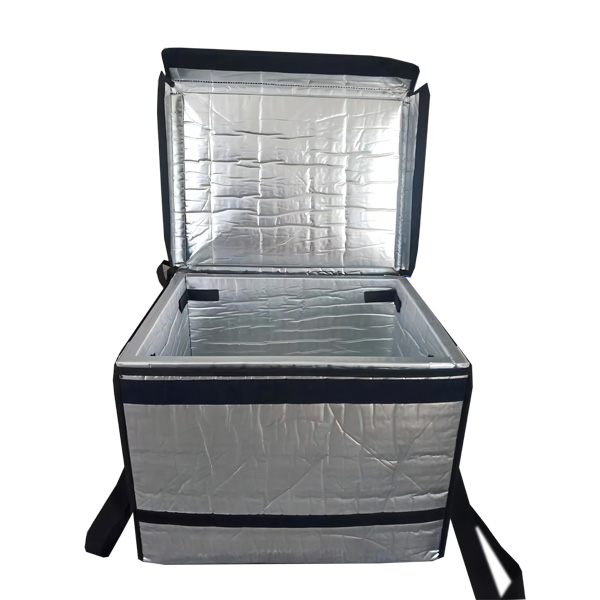
If you are evaluating a cooler box liner supplier, your real goal is simple: keep food cold, keep packing efficient, and keep shipping costs under control. That takes more than a liner spec. It takes a supplier who understands food safety, box fit, refrigerant use, fulfillment speed, and total shipment cost. USDA still warns that bacteria grow quickly between 40 °F and 140 °F and that cold food should be kept at 40 °F or below, while U.S. transportation rules continue to emphasize adequate temperature control for food safety. (usda.gov)
What this guide will help you solve
- How to compare cooler box liner suppliers the right way
- Which technical and operational details matter for food shipments
- How to reduce dimensional freight and labor cost
- What sustainability and waste-reduction questions to ask in 2026
- How to launch a safer trial before you scale
- What should a strong cooler box liner supplier do for you?
- A strong supplier should help with five things:
- select the correct liner format for your product category
- match the liner to your carton sizes
- recommend the right refrigerant pairing
- support route-aware pilots
- improve cost through better pack efficiency
That is important because the liner alone does not keep food safe. Product prep, refrigerant, pack-out design, and transit exposure all matter.
Cooler supplier evaluation table
What technical issues matter most?
Start with fit. A poor-fitting liner creates air gaps where you do not want them and compression where you do. Then look at refrigerant layout. Too little refrigerant risks warm arrival. Too much can freeze sensitive items or waste money.
Reflective and lightweight liner systems can be very effective, but only when they are paired with the correct pack geometry and handling method. Reflective insulation helps by reducing radiant heat gain when the reflective surface faces an air space, which is why carton size and liner style matter so much. (The Department of Energy’s Energy.gov)
How do you control cost without weakening protection?
The fastest win is usually right-sizing. FedEx explains that dimensional weight reflects package size and that customers are charged on the greater of dimensional or actual weight. So a supplier that reduces box cube can save money even before any liner price discussion. (fedex.com)
Three practical cost levers
- Use fewer carton families: This simplifies inventory and training.
- Reduce empty space: This improves thermal efficiency and freight.
- Pilot your hottest lanes first: That gives you the clearest design signal.
What sustainability questions should you ask?
In 2026, sustainability is not just about material choice. It is also about preventing spoilage, reducing oversized packaging, and making disposal instructions clear. EPA’s hierarchy still places source reduction and reuse above lower-value waste outcomes, and broad environmental claims still need evidence. (US EPA)
So ask your supplier:
- Can we reduce carton size?
- Can we reduce refrigerant load?
- What is the disposal path?
- Is the claim market-specific?
- Can the unboxing be simpler for customers?
- Why route-aware testing matters more this year
Food-shipping risk is not evenly distributed. Some destinations are mild. Others are extreme. USDA-backed research continues to highlight the cost of temperature abuse in food systems, including its role in waste. That is why route-aware or season-aware pilots are now more useful than generic tabletop comparisons alone. (nal.usda.gov)
FAQ
What is the first thing to send a cooler box liner supplier?
Your exact box dimensions, product type, target arrival condition, and shipment duration.
- Can one liner work for all food products?
Usually not. Product sensitivity and freeze tolerance vary too much.
- How should I test a new supplier?
- Use your highest-volume carton and your highest-risk lane first.
- What is the biggest hidden cost?
- Oversized boxes that increase freight and refrigerant demand.
How do I improve sustainability quickly?
Reduce waste first: smaller boxes, fewer failures, and clearer disposal instructions.
Summary and next step
The best cooler box liner supplier helps you ship safer food with a smarter, leaner pack-out. If a supplier can improve fit, lower box cube, support real trials, and explain disposal clearly, you are much more likely to reduce both spoilage and shipping cost.
About Tempk
At Tempk, we help food and cold chain teams choose cooler packaging with a practical view of safety, freight, labor, and customer experience. We focus on packaging systems that work in real shipping conditions, not only in theory.
How to Choose the Best Double Bubble Insulated Liner Distributor in 2026
If you are looking for a double bubble insulated liner distributor, you are really choosing a shipping partner, not just a material source. A strong partner helps you balance liner construction, box fit, refrigerant use, fulfillment speed, freight cost, and compliance risk. That matters because reflective insulation performs as part of a system, recognized test methods are used to compare real shipping designs, and both food and medical cold chain programs now expect clearer control of temperature-sensitive transport. (The Department of Energy’s Energy.gov)
What this page will help you answer
- What a double bubble insulated liner distributor should actually do for you
- How double bubble liners work in real parcel and cold chain use
- Which technical, service, and compliance signals matter most
- How sustainability and recyclability claims should be reviewed in 2026
- What next steps help you reduce risk before a full rollout
- What does a double bubble insulated liner distributor really provide?
- The best distributor provides four things at once.
First, material fit. You need a liner style that matches your carton family and product risk. Flat liners, pouch liners, and pre-formed liners all solve different packing problems.
Second, operational fit. Your team may need faster hand pack speed, easier storage, fewer carton sizes, or cleaner pack station flow.
Third, performance support. You need guidance on refrigerants, closure, conditioning, and summer-versus-winter pack-outs.
Fourth, supply confidence. A distributor should support pilot runs, scaling, stock programs, and corrective action if dimensions drift.
How does double bubble material protect shipments?
Double bubble liners use trapped air to slow heat transfer and reflective layers to reduce radiant heat gain when the design preserves an air gap. That combination is useful for many chilled and cool parcel shipments because it is lightweight, easy to store, and simpler to handle than bulky rigid insulation. But it is not magic. Real performance still depends on total pack design and transport exposure. (The Department of Energy’s Energy.gov)
What technical questions separate a good distributor from a weak one?
A weak source sells by thickness alone. A good distributor asks about lane, ambient, hold time, refrigerant, and product sensitivity.
That matters because current packaging practice uses recognized references such as ASTM D3103 for thermal insulation comparison and ISTA 7E for thermal transport exposure in parcel-style shipment testing. A distributor does not need to run every test themselves, but they should understand what the results mean and how they apply to your use case. (国际安全运输协会)
Ask these five technical questions
- Which box families does this liner fit best?
- What refrigerant type and loading do you recommend?
- Do you have summer and winter pack-out guidance?
- What prior testing or shipment data can you share?
- What changes require revalidation or re-approval?
What compliance issues should you keep in mind?
For food, transportation controls must prevent risk from poor refrigeration and poor protection, and U.S. rules require written procedures when temperature control is needed for safety. For medical and pharma-related flows, WHO good distribution guidance and IATA temperature-control requirements reinforce the need for controlled handling, monitoring, and documentation. (U.S. Food and Drug Administration)
So if you serve food, biologics, diagnostics, or health products, your distributor should be comfortable supporting:
documented pack-out instructions
- temperature logger use where needed
- batch traceability
- change control on dimensions or materials
- qualification planning for seasonal lanes
How should you judge sustainability claims in 2026?
This is where many buyers get trapped. “Eco,” “green,” and even “recyclable” can be too vague if no one explains what the claim really means. The FTC says environmental benefit claims should be backed by reliable evidence, and recyclable claims must reflect real access to recycling. At the same time, EU packaging policy is pushing the market toward recyclable packaging, lower virgin material use, reduced waste, and clearer consumer sorting. (Federal Trade Commission)
That means you should ask:
- Is the whole liner recyclable or only part of it?
- In which markets is that disposal path realistic?
- Is there recycled content, and how is it calculated?
- Can we reduce box size or refrigerant first before changing material?
- Do you have a take-back or recovery option for related components?
- A simple 3-minute distributor self-check
- Score each question from 1 to 5.
- Can they explain how the liner works in your actual box?
- Can they provide documented testing logic or trial guidance?
- Can they state clear lead times and stock status?
- Can they speak to compliance without overpromising?
- Can they explain sustainability claims in plain language?
- A distributor scoring under 18 is usually a risk for a serious rollout.
- What trends are shaping buyer decisions right now?
- Three trends are shaping this category in 2026.
Proof over promises. Buyers want test logic, lane thinking, and monitoring options instead of generic insulation language.
Less waste, more clarity. EPA still places reuse and recycling higher than disposal, and EU reform keeps pushing packaging systems toward lower waste and better recyclability. (US EPA)
More visibility. IATA notes rising use of IoT cargo devices such as data loggers and trackers, especially where visibility can reduce loss in perishable and pharmaceutical shipping. (国际航空运输协会)
FAQ
What is the biggest advantage of a double bubble insulated liner distributor?
You get liner supply plus converting support, pack-out advice, stock planning, and a faster path to consistent shipping performance.
Are double bubble liners suitable for all cold chain shipments?
No. They are strong for many chilled and short-to-medium parcel applications, but long frozen or highly validated programs may need a different system.
What document should I request first?
Ask for a size list, construction summary, stock status, and any available thermal comparison or shipment trial guidance.
Should I choose the lowest quoted price?
Only if fit, labor, freight, and failure risk are already controlled. Cheapest unit price is often not lowest total cost.
How do I start safely with a new distributor?
Run a pilot with your exact carton, product load, refrigerant, and seasonal lane, then review both product condition and packing efficiency.
Summary and next step
The right double bubble insulated liner distributor helps you solve three problems at once: shipment protection, operational consistency, and procurement clarity. If a supplier can explain the material, fit it to your box family, support real testing logic, and speak honestly about sustainability, you are much closer to a dependable cold chain program.
About Tempk
At Tempk, we help teams choose thermal packaging with a practical cold chain mindset. We focus on system performance, operational usability, and clear documentation so you can move from sample to scale with fewer surprises and better shipping confidence.
What Is a Fair Cooler Box Liner Wholesale Price in 2026?
A fair cooler box liner wholesale price is the price that gives you the lowest cost per protected shipment, not the lowest cost per piece. You need to compare liner size, material stack, order volume, freight, refrigerant effect, and failure risk together. That is how smart buyers avoid false savings.
This article will help you answer:
- What a fair wholesale price really means
- Which factors move price the most
- How to benchmark quotes without guessing
- How compliance and sustainability now affect pricing
- What steps you should take before signing a bulk order
- Why there is no single market price
The phrase cooler box liner wholesale price sounds simple, but the market is not simple. Two quotes may look similar while covering completely different things:
stock size vs custom fit
- foil bubble vs hybrid structure
- EXW vs delivered
- generic packaging vs documented food-contact suitability
- no validation support vs test-supported packaging
- That is why one buyer sees a “cheap” offer and another sees risk.
- Which factors shape price the most?
- Main wholesale price drivers
- Public benchmark context
Public March 2026 listings showed standard insulated box liner prices ranging from about $98.33 to $203.73 for several common sizes on packaging sites, with some higher-priced listings tied to different specifications and one FDA-compliant 12 x 12 x 12 format listed at $288.72 per case. Those numbers are useful only as context, because pack counts, compliance claims, and dimensions differ. (Twinsource Supplies)
- How should you compare suppliers correctly?
Use a normalized bid sheet. Give every supplier the same data:
- internal carton size
- target temperature range
- lane duration
- ambient risk
- refrigerant type and quantity
- monthly and annual volume
- destination and Incoterm
- compliance needs
- Then ask them for:
- EXW price
- delivered price
- packing quantity per master carton
- sample lead time
- production lead time
- test support level
- Your supplier comparison matrix
- Why freight can change the decision
WHO guidance for passive insulated containers says shipping cost can make up a high proportion of total delivered price, and buyers should look at purchase price and shipping together. That same logic applies directly to cooler box liner wholesale price. A flatter, denser liner can win economically even if the unit price is higher. (WHO Extranet)
Hidden freight-related costs
- More warehouse pallets
- Higher inbound freight
- Slower line replenishment
- More carton air shipped to customers
- Higher export container cost
Which compliance points now influence price?
Food-contact, traceability, and packaging governance are now part of the pricing conversation. FDA’s intended 30-month extension to the Food Traceability Rule compliance date kept documentation pressure alive. WHO’s 2025 vaccine-shipping guidance and IATA’s transport framework reinforce the value of validated packaging and disciplined documentation. The EU packaging regime under PPWR 2025/40 and EPA’s circular-plastics strategy push buyers toward more resource-aware packaging design. (U.S. Food and Drug Administration)
That does not mean every liner gets more expensive. It means price is increasingly judged together with evidence, traceability, and waste logic.
- How do you lower wholesale price intelligently?
Five practical ways
- Standardize sizes across multiple SKUs.
- Remove extra print unless it adds real value.
- Ask for downgauged alternatives with equal performance data.
- Bundle annual volume to strengthen purchasing leverage.
- Use fit optimization to reduce carton size and refrigerant need.
- Cost-saving table
Frequently Asked Questions
What is a fair cooler box liner wholesale price?
A fair price is one that meets your thermal target with the lowest total delivered and operational cost.
- Should I compare by case price or per piece?
Use both, but always connect them to specification and pack count.
- Can custom liners lower total cost?
- Yes. Better fit often reduces carton size, void fill, and refrigerant use.
Do public prices reflect factory quotes?
Not exactly. They are context only. Factory pricing depends heavily on volume, terms, and spec.
What makes a premium quote worth accepting?
Better fit, lower cube, faster pack-out, lower failure rate, and better documentation.
Final recommendation
To judge cooler box liner wholesale price well, move from quote shopping to system shopping. Normalize the brief, compare landed cost, and choose the supplier that reduces total cost while keeping your cold chain stable. That is the price logic that holds up in real operations.
About Tempk
At Tempk, we treat packaging cost as an operational decision, not just a purchasing decision. We work on liner design, storage efficiency, and temperature-control performance so lower cost does not come at the expense of shipment quality.