


How to Evaluate a Gel Ice Sheet USA Manufacturer in 2026
How to Evaluate a Gel Ice Sheet USA Manufacturer in 2026

How to Evaluate a Gel Ice Sheet USA Manufacturer in 2026
If you are sourcing from a gel ice sheet USA manufacturer, the right choice can improve much more than temperature control. A well-designed sheet can simplify packing, improve contact around the payload, reduce box space waste, and create a more repeatable shipping process. That is why sheet format has become more attractive for buyers who care about both thermal performance and operating efficiency.
In 2026, the best manufacturers are not just supplying a frozen insert. They are helping buyers build a better pack-out system. That includes sheet sizing, wet-thickness control, handling durability, and the ability to support faster sample refinement when the carton or product changes.
This article will answer:
- Why gel ice sheet format can outperform loose packs in some systems
- Which design and durability details matter most
- How to compare manufacturers using practical tests
- What 2026 market trends make sheet format more important
Why is gel ice sheet format attractive for modern cold chain shipping?
Because it combines cooling surface coverage with easier pack-out control. A flat sheet can line the box, sit over trays, or support layered temperature control with fewer separate pieces. That reduces placement errors and can make training simpler on the packing line.
Material behavior still matters. SAP-based cooling systems rely on absorbent structure and finished format quality together. Current references on superabsorbent materials reinforce why performance depends on design, not only on a headline absorbency claim. ([EDANA][2])
What should you compare first?
Start with wet thickness, sheet flexibility, perforation strength, cell consistency, and overall fit in your actual carton. If a sheet swells too much, tears too easily, or shifts in the box, the format advantage disappears quickly.
| Evaluation Area | What to Check | Why It Matters | Benefit to You |
|---|---|---|---|
| Wet thickness | Post-conditioning profile | Controls carton fit | Better pack-out consistency |
| Sheet flexibility | Bending and placement | Improves usability | Faster packing |
| Cell design | Uniform coverage | Supports cooling contact | More predictable performance |
| Film toughness | Tear and handling resistance | Protects the sheet | Fewer failures |
| Manufacturer support | Sample revision speed | Improves approval cycle | Faster launch readiness |
Practical tips and advice
- For line trials: Time how long workers need to place a sheet versus loose packs.
- For fit testing: Measure the sheet after conditioning inside the same schedule you use in operations.
- For supplier comparison: Review both temperature outcome and ease of handling side by side.
> Practical example: A shallow meal-kit box may perform better with a flat sheet above and below the product because the pack-out becomes easier to standardize and the contact area becomes more even.
How do you test a gel ice sheet manufacturer correctly?
The best test is a real-use test. Place the conditioned sheet in your actual box with your actual payload and compare it with your current cooling setup. Then check three outcomes: thermal profile, labor ease, and handling damage.
You should also look at durability during normal packing motion. Can the sheet be picked up, positioned, and adjusted without tearing? Does it stay flat enough to maintain usable contact? Those practical details matter every day, not just in the lab.
A practical test plan
- Confirm dry and wet dimensions
- Run handling trials with real packers
- Check tear points and edge integrity
- Compare temperature profiles in real boxes
- Repeat with another batch or lot
- Review cost per shipped box, not just unit price
How are 2026 trends shaping supplier choice?
Buyers increasingly want cooling components that do more with less material, less space, and less labor. That makes sheet format attractive when it improves packaging efficiency. It also makes customization more important because generic sizes rarely fit modern parcel systems perfectly.
At the same time, sustainability discussions are becoming more practical. Buyers ask whether a flatter format improves carton density, reduces excess material use, and supports cleaner system design. Research on absorbent materials continues to keep the broader performance-versus-sustainability conversation active. ([PMC][3])
Latest progress overview
- More custom sheet sizing
- More focus on conditioned flatness
- More value placed on labor simplicity
- More interest in efficient package geometry
These shifts reward manufacturers that can support design refinement, not only product supply.
Frequently Asked Questions
When is a gel ice sheet better than loose gel packs?
When you need flat, broad cooling coverage and easier placement in a compact carton.
What is the biggest technical risk with sheets?
Uneven swelling or tearing during handling, especially near perforations or edges.
Should you choose a standard size or custom size?
Start with standard if it fits well. Move to custom when box efficiency or coverage is poor.
How do you compare manufacturers fairly?
Use the same carton, payload, conditioning method, and route profile for every trial.
Can a sheet reduce labor cost?
Yes, if it lowers the number of placements and makes training easier.
Summary and recommendations
A gel ice sheet USA manufacturer should be evaluated on more than cold retention. The strongest suppliers deliver flat, durable, easy-to-handle sheets that improve pack-out consistency and support efficient carton use. Those factors affect total value more than unit price alone.
Take the next step by running a controlled side-by-side test between sheet format and your current solution. Measure temperature control, handling ease, and pack-out speed together. That will show whether the format creates real operational improvement.
About Tempk
At Tempk, we evaluate cooling products as working parts of a full shipping system. We look at fit, handling, and performance together so you can choose formats that scale smoothly and support real operations.
The best manufacturer is the one whose product works well on your line, not only in a brochure.
==============================
Best PCM Gel Pack Blood Wholesale Guide
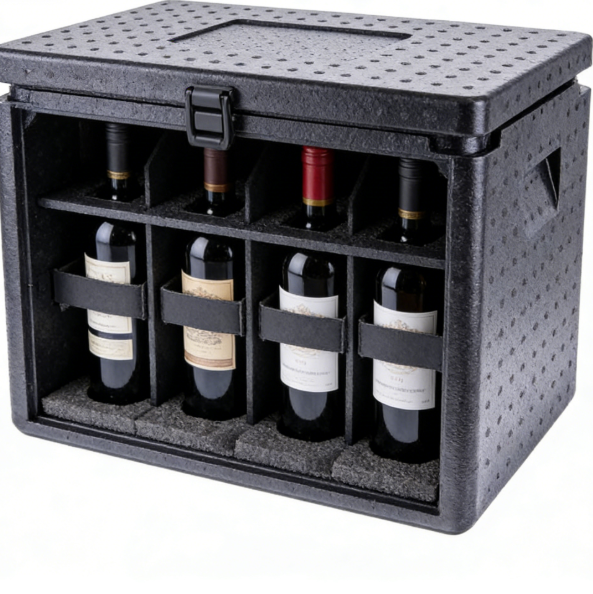
How to Find the Best PCM Gel Pack Blood Wholesale Solution in 2026
If you are sourcing PCM gel pack blood wholesale products, your goal is not to buy colder coolant. Your goal is to build safer, more stable blood transport. The best solution comes from aligning the PCM temperature point with the exact blood workflow, the insulated container, and the way your team packs and monitors the shipment.
This article will answer:
What makes PCM especially useful in blood-related transport workflows
How to choose the right wholesale supplier and thermal design
Which validation and documentation controls matter most
What 2026 buying trends mean for blood-packaging strategy
Why is PCM often a better fit than ordinary frozen gel packs?
PCM is useful when you want a narrower and more controlled thermal target. In blood logistics, that can be a real advantage because some workflows are sensitive not only to warming but also to overcooling. A generic frozen gel pack may provide plenty of cold, but not the right kind of control.
The best PCM gel pack blood wholesale supplier understands this distinction. Instead of asking only how many packs you need, they ask which blood product or workflow you are protecting, what temperature range is required, how long the route lasts, and what insulated container is already in use.
Where PCM adds the most value
How do you build a strong sourcing plan?
A strong sourcing plan starts with separating your workflows. Do not buy one pack and hope it fits everything. Define the blood component or process, the target temperature, the route profile, and the handling pattern. Then ask the supplier to match the PCM pack to that exact task.
This approach reduces both overdesign and underprotection. It also makes validation cleaner because you are testing a specific workflow instead of a vague general use case.
Step-by-step sourcing framework
Define the blood component or exact transfer task.
Confirm the acceptable temperature range.
Review box size, insulation, and payload arrangement.
Select PCM packs matched to that use case.
Validate with loggers and written conditioning rules.
Approve for wholesale rollout only after repeatable results.
Which supplier controls should you demand?
Because medical transport is sensitive, you should demand tighter supplier discipline than in a general food-cooling project. Review the PCM specification, pack dimensions, fill-weight tolerance, conditioning guidance, sealing quality, and lot traceability. Also ask how the supplier handles product changes and customer complaints.
Supply stability matters too. In wholesale medical programs, frequent changes create revalidation work and operational risk. A supplier who offers stable product control can save far more than a small unit-price discount.
Supplier control table
Practical tips
For blood centers: Keep separate packouts for different product classes and route lengths.
For hospital use: Make the final layout simple enough for repeated staff execution.
For validation teams: Challenge the packout with realistic handling delays before approval.
Example: A medical logistics team moved from a generic frozen gel pack to a workflow-specific PCM layout and found that pack placement became easier to standardize because the whole system was designed around one monitored route, not a vague universal claim.
Why are 2026 buyers becoming more selective?
In 2026, buyers want evidence, not assumptions. They want logger-informed transport, stable documentation, and suppliers who can explain both the strengths and limits of a PCM solution. This is why technical-fit sourcing is replacing price-first sourcing in many blood transport projects.
Another clear shift is the move toward staged rollout. Buyers validate a single workflow, prove it, and then scale. This reduces operational surprises and creates stronger confidence in the wholesale program.
Latest progress snapshot
More workflow-specific blood packaging decisions
More use of payload-zone logger review
More emphasis on documentation and change control
More technical screening before wholesale approval
Frequently Asked Questions
What is the biggest benefit of PCM in blood transport?
It can provide tighter temperature targeting, which is useful when overcooling is a concern as well as warming.
Can one PCM design fit all blood logistics?
No. Different components and routes may require different target temperatures and packout strategies.
How do I compare wholesale suppliers?
Compare documentation quality, technical support, stability of supply, and validation readiness, not just price.
Why is staged rollout recommended?
Because it lets you prove one workflow thoroughly before expanding to more routes and product groups.
Summary and action plan
The best PCM gel pack blood wholesale solution in 2026 is the one that matches the exact medical workflow, supports validation, and stays stable from batch to batch. Focus on temperature match, supply consistency, and technical support.
Your next move should be to define one monitored blood route, validate a single PCM packout with written SOPs, and expand only after the results are repeatable.
About Tempk
At Tempk, we design controlled-temperature packaging solutions for demanding cold chain programs where generic cooling is not enough. We focus on matching the thermal tool to the workflow, supporting practical packouts, and helping customers build systems they can repeat with confidence.
If you are evaluating PCM gel pack blood wholesale options, start with the exact blood workflow, temperature target, and handling procedure that need protection.
Best Industrial Gel Pack Laboratory Wholesale
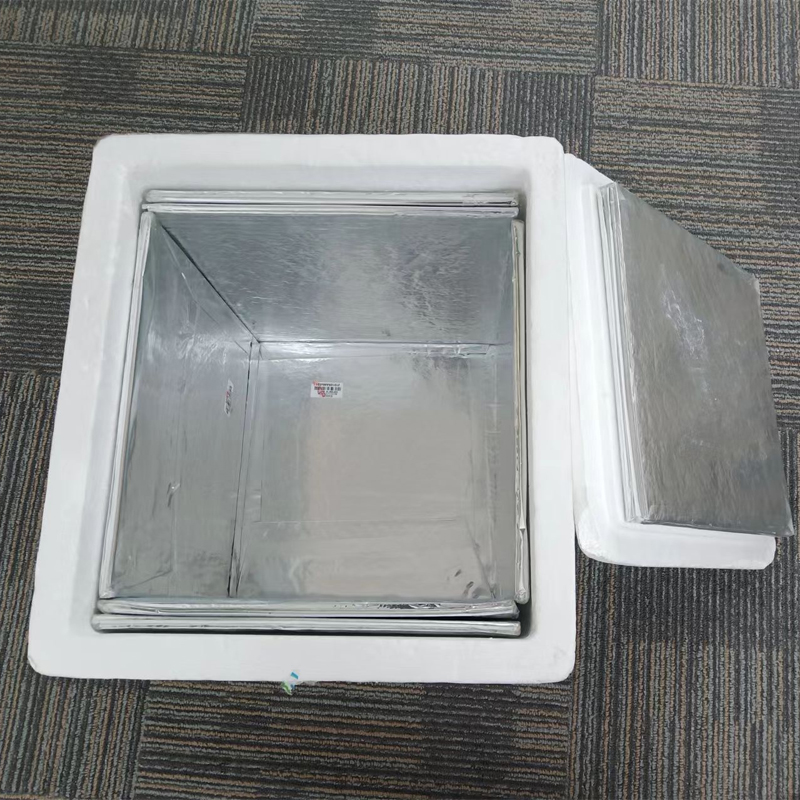
Industrial Gel Pack Laboratory Wholesale Buyer Guide
industrial gel pack laboratory wholesale buying works best when you treat it as a full cold chain decision, not a simple accessory purchase. Good suppliers help you protect product quality, control freight weight, reduce customer complaints, and support cleaner documentation. That combination matters more in 2026 because buyers are comparing thermal performance, compliance, and packaging efficiency at the same time.
This article will answer:
How to compare lab gel packs wholesale options without overpaying
What cold packs for laboratory shipping details matter before you request samples
How to use sample shipping gel packs thinking to reduce complaints
Which validation records and monitoring steps matter in laboratory shipping
Why does industrial gel pack laboratory wholesale need more than bulk price?
industrial gel pack laboratory wholesale selection improves when you judge the whole use case, not one isolated feature. Lab shipping depends on validation, repeatability, and documentation, not just carton cost. If your main pain points are sample temperature drift, non-repeatable pack-outs, the supplier should be able to explain how its pack format, gel load, and bag construction solve those problems in a real shipment instead of in a brochure.
Think about this like choosing a shoe for the route, not for the shelf. A pack that looks impressive in the catalog may be oversized, too rigid, too weak at the seal, or wrong for the box geometry. Ask the supplier to match the product to your payload weight, transit hours, ambient risk, and unboxing requirements. That is where lab gel packs wholesale becomes useful rather than decorative.
How do lab gel packs wholesale choices affect daily use?
A strong supplier should turn specifications into predictable outcomes. That means showing how pack quantity, frozen start condition, carton size, opening frequency, and receiving conditions change the result. In deeper reviews, you should also ask about payload sensitivity and thermal mass. These details sound small, but they often explain why one pack-out survives and another fails. In technical terms, the winning option usually keeps performance inside a usable window instead of chasing a single headline number. That is why repeatability, not just peak cooling, should drive your approval process.
Practical tips and recommendations
For pilot runs: use one carton size and one frozen-conditioning routine so your first comparison is fair.
For approvals: use lab gel packs wholesale samples in at least two likely weather or lane scenarios before scaling.
For cost control: standardize a small number of validated pack-outs and write them into the shipping SOP.
Example: The best results usually come from a small number of controlled decisions repeated well: defined lane inputs, stable packs, written instructions, and clear receiving expectations. That is the difference between cold chain luck and cold chain control.
How do you standardize pack-outs for different sample profiles?
industrial gel pack laboratory wholesale selection improves when you judge the whole use case, not one isolated feature. You should group shipments by temperature band, transit time, and payload sensitivity. If your main pain points are sample temperature drift, non-repeatable pack-outs, the supplier should be able to explain how its pack format, gel load, and bag construction solve those problems in a real shipment instead of in a brochure.
Think about this like choosing a shoe for the route, not for the shelf. A pack that looks impressive in the catalog may be oversized, too rigid, too weak at the seal, or wrong for the box geometry. Ask the supplier to match the product to your payload weight, transit hours, ambient risk, and unboxing requirements. That is where cold packs for laboratory shipping becomes useful rather than decorative.
What does cold packs for laboratory shipping look like in a real test?
A strong supplier should turn specifications into predictable outcomes. That means showing how pack quantity, frozen start condition, carton size, opening frequency, and receiving conditions change the result. In deeper reviews, you should also ask about qualification testing and route-based pack instructions. These details sound small, but they often explain why one pack-out survives and another fails. In technical terms, the winning option usually keeps performance inside a usable window instead of chasing a single headline number. That is why repeatability, not just peak cooling, should drive your approval process.
Practical tips and recommendations
For pilot runs: use one carton size and one frozen-conditioning routine so your first comparison is fair.
For approvals: use lab gel packs wholesale samples in at least two likely weather or lane scenarios before scaling.
For cost control: standardize a small number of validated pack-outs and write them into the shipping SOP.
Example: The best results usually come from a small number of controlled decisions repeated well: defined lane inputs, stable packs, written instructions, and clear receiving expectations. That is the difference between cold chain luck and cold chain control.
What monitoring and validation tools matter for laboratories?
industrial gel pack laboratory wholesale selection improves when you judge the whole use case, not one isolated feature. Data loggers, route simulation, and written pack instructions reduce avoidable excursions. If your main pain points are sample temperature drift, non-repeatable pack-outs, the supplier should be able to explain how its pack format, gel load, and bag construction solve those problems in a real shipment instead of in a brochure.
Think about this like choosing a shoe for the route, not for the shelf. A pack that looks impressive in the catalog may be oversized, too rigid, too weak at the seal, or wrong for the box geometry. Ask the supplier to match the product to your payload weight, transit hours, ambient risk, and unboxing requirements. That is where sample shipping gel packs becomes useful rather than decorative.
Why do sample shipping gel packs and documentation matter together?
A strong supplier should turn specifications into predictable outcomes. That means showing how pack quantity, frozen start condition, carton size, opening frequency, and receiving conditions change the result. In deeper reviews, you should also ask about digital data loggers and min/max review. These details sound small, but they often explain why one pack-out survives and another fails. In technical terms, the winning option usually keeps performance inside a usable window instead of chasing a single headline number. That is why repeatability, not just peak cooling, should drive your approval process.
Practical tips and recommendations
For pilot runs: use one carton size and one frozen-conditioning routine so your first comparison is fair.
For approvals: use lab gel packs wholesale samples in at least two likely weather or lane scenarios before scaling.
For cost control: standardize a small number of validated pack-outs and write them into the shipping SOP.
Example: The best results usually come from a small number of controlled decisions repeated well: defined lane inputs, stable packs, written instructions, and clear receiving expectations. That is the difference between cold chain luck and cold chain control.
How do you buy wholesale without overcomplicating inventory?
industrial gel pack laboratory wholesale selection improves when you judge the whole use case, not one isolated feature. A smart range uses a few validated formats instead of dozens of similar packs. If your main pain points are sample temperature drift, non-repeatable pack-outs, the supplier should be able to explain how its pack format, gel load, and bag construction solve those problems in a real shipment instead of in a brochure.
Think about this like choosing a shoe for the route, not for the shelf. A pack that looks impressive in the catalog may be oversized, too rigid, too weak at the seal, or wrong for the box geometry. Ask the supplier to match the product to your payload weight, transit hours, ambient risk, and unboxing requirements. That is where industrial refrigerant packs for labs becomes useful rather than decorative.
How can industrial refrigerant packs for labs improve cost control?
A strong supplier should turn specifications into predictable outcomes. That means showing how pack quantity, frozen start condition, carton size, opening frequency, and receiving conditions change the result. In deeper reviews, you should also ask about SLA discipline with carriers and receiving labs. These details sound small, but they often explain why one pack-out survives and another fails. In technical terms, the winning option usually keeps performance inside a usable window instead of chasing a single headline number. That is why repeatability, not just peak cooling, should drive your approval process.
Practical tips and recommendations
For pilot runs: use one carton size and one frozen-conditioning routine so your first comparison is fair.
For approvals: use lab gel packs wholesale samples in at least two likely weather or lane scenarios before scaling.
For cost control: standardize a small number of validated pack-outs and write them into the shipping SOP.
Example: The best results usually come from a small number of controlled decisions repeated well: defined lane inputs, stable packs, written instructions, and clear receiving expectations. That is the difference between cold chain luck and cold chain control.
2026 developments and trends
WHO guidance for temperature-sensitive products emphasizes route-based container selection, exact packing configuration, and documented qualification. CDC also recommends continuous monitoring with digital data loggers for temperature-sensitive storage and transport programs. Thermal transport standards now emphasize real-world seasonal heat and cold profiles, which helps laboratories compare one validated pack-out against another instead of relying on guesswork. At the same time, Google’s own search guidance continues to emphasize helpful, reliable, people-first content, so supplier pages that answer buyer questions clearly are still better positioned than thin catalog pages.
What is changing right now
Laboratories: Laboratories are pushing for leaner SKU ranges with stronger validation behind each one.
Digital temperature logging: Digital temperature logging is becoming a default expectation in sensitive lanes.
Route-based SOPs: Route-based SOPs are replacing ad hoc packing habits.
The market insight is simple: better buyers are becoming more structured. They no longer separate product, packaging, compliance, and service into four unrelated conversations. They expect one answer that covers all of them. If a supplier can connect cooling logic with paperwork, packing steps, and cost discipline, it becomes easier to approve and easier to keep.
FAQ
How should laboratories validate industrial gel pack laboratory wholesale?
Use written pack instructions, route-based tests, and data loggers so you can repeat the result and investigate exceptions quickly.
Should you compare industrial gel pack laboratory wholesale only by price?
No. A lower unit price can create higher refund, spoilage, labor, or freight cost. Compare total shipment outcome, not only the pack line.
What is the best sample test for industrial gel pack laboratory wholesale?
Use your real product or a realistic dummy load, freeze the packs consistently, and test the likely transit window and weather exposure.
How many suppliers should you test first?
Two or three strong options are enough for a fair pilot. More than that often creates noise unless your test method is tightly controlled.
Summary and recommendation
industrial gel pack laboratory wholesale sourcing gets easier when you focus on five things: route fit, repeatable performance, packaging strength, usable documentation, and total shipment cost. Those checks help you avoid weak samples, vague claims, and avoidable rework. The best supplier is usually the one that makes your whole shipping process simpler, not the one that only sends the coldest-looking sample.
Start with one shipping lane, one payload type, and one decision scorecard. Compare suppliers on test discipline, pack-out clarity, damage risk, and operational fit. Then scale only the format that keeps both the product and your workflow under control. Share your sample type, lane hours, and acceptable temperature band, and we will map a leaner wholesale pack range.
About Tempk
Tempk works on practical temperature-control packaging for food, cold chain, and industrial applications. We focus on usable pack-out design, repeatable production, and communication that helps your team test faster. Instead of selling a generic cold pack story, we aim to match the format, gel load, and packaging logic to the way you actually ship.
Talk with us about your shipping lane, and we can help you narrow the right pack format before you overbuy.
Best Ice Gel Pack USA Manufacturer Guide for 2026

Best Ice Gel Pack USA Manufacturer Guide for 2026
Choosing the best ice gel pack USA manufacturer is really about choosing a safer, cleaner, and more repeatable cold-chain system. The pack itself matters, but the bigger decision is whether your supplier can deliver consistent fill weight, strong seals, useful validation data, stable lead times, and documentation that fits modern buyer expectations. In 2026, that combination matters more than a low unit price.
If you buy only on quote sheets, you may end up paying through leaks, temperature drift, overpacking, and customer complaints. If you buy with a systems mindset, you can improve both protection and cost control. That is the difference between simply buying cooling media and building a reliable shipping program.
This article will help you answer:
- How to compare an ice gel pack USA manufacturer the right way
- Which technical and operational factors have the biggest effect on shipment results
- Why compliance and documentation now matter more in supplier approval
- How to reduce waste and cost without reducing thermal protection
What should you look for first in an ice gel pack USA manufacturer?
Start with repeatability, not marketing. A dependable ice gel pack USA manufacturer should be able to explain product size, net fill, seal design, film strength, carton count, and recommended pack-out use in clear language. If the supplier cannot explain those basics well, bigger promises are not likely to help you.
Repeatability matters because cold-chain failures often come from drift, not from obvious defects. A pack can look fine and still underperform because it has slightly less gel, weaker seals, or a shape that creates poor coverage inside the shipper. That is why you should compare written specs, not just frozen samples.
Which performance details matter most?
The most important details are usually gel weight, film toughness, seal quality, and fit inside the shipper. More gel can extend hold time, but it can also increase freight and reduce usable box space. Stronger film can reduce leaks, but the best result comes when film and seal quality are both strong enough for frozen handling.
Fit is often underestimated. A pack that matches the box wall or product layer can distribute cold more evenly than a generic shape. In many cases, better fit lets you use fewer total packs while still improving protection.
| Core factor | What to review | Why it matters | What it means for you |
|---|---|---|---|
| Net fill consistency | Lot tolerance | Stable thermal mass | Fewer surprises in delivery results |
| Film and seals | Freezer durability | Lower leak risk | Less damage and rework |
| Pack geometry | Coverage inside the shipper | Better cold balance | Smarter pack count |
| Carton support | Case density and supply planning | Easier replenishment | Better operations under growth |
Practical tips and suggestions
- For DTC food brands: Choose pack shapes that match real carton sizes instead of defaulting to one generic SKU.
- For protein or seafood shipments: Prioritize stronger film and better puncture resistance.
- For multi-region shipping: Test one supplier design in hot, mild, and delayed-lane conditions before full approval.
> Example: A buyer thought it needed heavier packs. Testing later showed the real problem was empty sidewall space in the carton. A better-fitting pack solved the issue without increasing total gel weight.
How do quality control and documentation separate strong suppliers from risky ones?
Good documentation is a sign of good control. A strong manufacturer should be comfortable discussing lot coding, fill verification, seal checks, retained samples, and complaint-response steps. These details are not paperwork for its own sake. They are early signals of whether your supply program will stay stable.
This matters more now because more buyers want faster qualification and cleaner audits. FDA explains that food contact substances used as food additives must be authorized before marketing in the U.S., and the agency expects industry to ensure safe intended use. Even when your application is straightforward, a supplier that can speak clearly about material suitability is easier to trust and easier to approve. ([U.S. Food and Drug Administration][1])
What documents are actually useful?
Useful documents are short, specific, and tied to decisions. A product specification, intended-use statement where relevant, lot-code example, and validation summary are often enough to begin a strong review. A thick brochure without operational detail is usually less useful.
You should also ask about change control. If a supplier changes film source, gel composition, print layer, or carton format, you need to know whether your thermal setup should be revalidated. Silent changes create hidden risk.
| Documentation item | Why it matters | Weak version | Strong version |
|---|---|---|---|
| Product spec | Defines the item clearly | Broad description | Specific dimensions and tolerance |
| Lot coding | Supports traceability | Hard to interpret | Easy lot identification |
| Intended-use statement | Supports review | Generic wording | Clear boundaries |
| Validation summary | Helps compare options | Marketing claim | Test conditions included |
Practical tips and suggestions
- For buyer approval teams: Use the same supplier questionnaire for every manufacturer.
- For regulated customers: Request intended-use and supporting material information early.
- For long-term contracts: Add a change-notification expectation to the purchasing agreement.
> Example: One procurement team reduced supplier confusion by asking for four items only: spec sheet, lot-code sample, validation summary, and change-control contact. The result was faster comparison and less back-and-forth.
How should you test an ice gel pack USA manufacturer before scale-up?
The best test is a system test, not a loose-pack test. A gel pack does not ship by itself. It ships inside a box, with insulation, product load, dunnage, and route stress. So the best approval method is a full pack-out trial with clear pass criteria.
That means you should define the carton, starting product temperature, conditioning time, pack position, ambient profile, and acceptable delivery window. A manufacturer that can support that process is usually much more valuable than one that only says the pack is “long lasting.”
What does a strong validation plan look like?
A strong validation plan compares more than one layout. It may test fewer heavier packs against more lighter packs. It may compare top-loading versus sidewall coverage. It may include summer simulation, mild-weather simulation, and one delayed-route scenario. That sounds complex, but it often saves money by showing where you are overpacking.
CDC’s vaccine toolkit and WHO’s current guidance both emphasize stronger temperature management processes, including monitoring, shipping guidance, and temperature mapping tools. That broader cold-chain direction supports the same lesson for commercial shippers: measure the system you actually use. ([疾病控制与预防中心][4])
| Validation step | What to define | Why it matters | Best outcome |
|---|---|---|---|
| Conditioning | Freeze time and starting temp | Affects release curve | More repeatable testing |
| Pack layout | Position and quantity | Controls coverage | Better protection with less waste |
| Ambient profile | Route stress level | Simulates reality | Higher confidence |
| Pass criteria | Allowed delivery window | Clarifies success | Faster decisions |
Practical tips and suggestions
- For new supplier trials: Test at least two pack layouts, not only one.
- For cost reduction projects: Use data loggers so you can reduce excess gel with confidence.
- For recurring shipments: Recheck performance before summer rather than assuming winter settings still work.
> Example: A company expected to add more gel for summer. Testing showed that shifting one pack from the top to the sidewall gave a better result than increasing total pack count.
Why are sustainability and efficiency now part of the same buying decision?
Because efficient thermal packaging is often the most practical form of sustainability. EPA’s sustainable materials management approach looks at how materials are used through their whole life cycle, and the waste hierarchy favors source reduction and reuse before disposal. For cold-chain buyers, that means the cleanest improvement is often using the right amount of material, not the most material. ([US EPA][2])
In real operations, that could mean smaller boxes, better pack fit, fewer total packs, or a more disciplined seasonal pack-out plan. Buyers in 2026 are asking suppliers to support those choices because they improve cost, labor, and packaging footprint at the same time.
Latest developments at a glance
- System-based sourcing is rising: Buyers want support for the full shipment, not only the pack.
- Documentation expectations are rising: Qualification moves faster when files are clear.
- Material efficiency is becoming a design target: Overpacking is now seen as both a cost problem and a waste problem.
Frequently asked questions
How do you identify the best ice gel pack USA manufacturer quickly?
Look for clear specs, strong lot control, useful validation support, and practical answers about fit, fill, and sealing. Good suppliers explain details plainly.
Should you buy the heaviest pack available?
Not automatically. Better layout often beats extra weight. Overpacking can raise freight cost and create uneven cold zones without improving delivery results.
What is the biggest red flag during supplier review?
Vague answers. If a manufacturer cannot explain tolerances, validation context, or change control, future problems are harder to manage.
Is sustainability separate from performance?
No. In cold-chain shipping, better fit, fewer wasted materials, and smarter pack counts can improve both cost and performance when tested properly.
Summary and next step
The best ice gel pack USA manufacturer in 2026 is not just a pack supplier. It is a partner that combines material consistency, strong quality control, useful documentation, and system-level testing support. That is how you reduce leakage risk, control delivered temperature, and avoid paying for unnecessary packaging.
Your next step should be to compare suppliers on four points: repeatable product specs, documentation quality, full-pack-out validation support, and material-efficiency thinking. That is the buying framework that usually leads to better long-term results.
About Tempk
Tempk works with cold-chain packaging teams that need practical, repeatable outcomes. We focus on performance in the real shipping system, clear product specifications, and efficient pack-out design rather than generic claims.
For the next step, ask us to review your current carton, insulation, and transit profile so we can suggest the right gel pack size, quantity, and layout.
==============================
KEYWORD: drain friendly gel pack seafood manufacturer
Ice Gel Pack Beverage Manufacturer
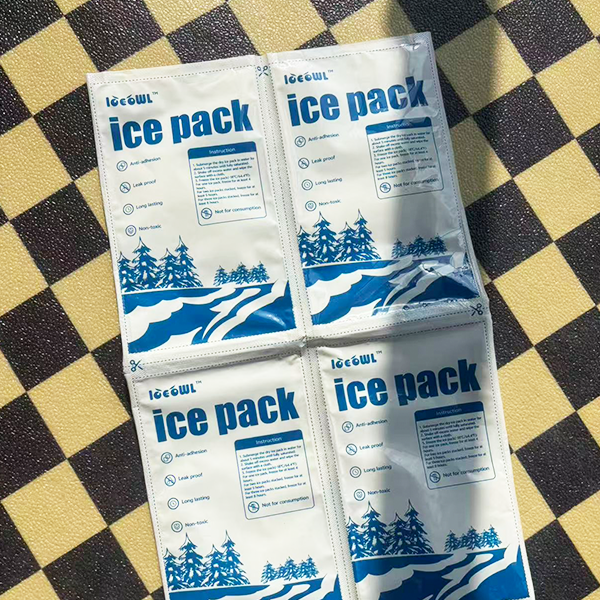
The Complete 2026 Guide to Ice Gel Pack Beverage Manufacturer
ice gel pack beverage manufacturer is no longer a keyword you can rank for with generic copy. Buyers in 2026 expect one page to do several jobs at once. It must explain what the product does, show how to choose the right supplier, prove that the system fits the application, and help the reader take the next step without confusion. The strongest pages now combine practical buyer education, deeper technical logic, and a clean SEO structure built for both traditional search and AI-assisted discovery. That is exactly what this optimized version is designed to do.
This optimized guide will help you:
Understand what makes a serious ice gel pack beverage manufacturer source different from a generic seller
Compare beverage cold chain gel pack, drink shipping ice pack supplier, custom gel pack for bottles and cans use cases without getting lost in jargon
Use a practical framework for fit, validation, cost, and search-ready page structure
Build a page and a sourcing process that lower risk, improve clarity, and support conversion
What makes the best ice gel pack beverage manufacturer source stand out?
The best ice gel pack beverage manufacturer source is not simply the one that sells a cold pack. It is the one that can connect thermal performance, packaging fit, documentation, and operating reality into one usable system. A strong ice gel pack beverage manufacturer helps you protect flavor, appearance, and arrival temperature at the same time. You are not just buying frozen mass. You are buying pack geometry, film strength, fill consistency, and the ability to match the coolant to your route, carton, and beverage format. For drinks, that matters because bottles, cans, and pouches do not all lose temperature at the same speed, and the wrong pack shape creates hot spots or dead space that quietly raises shipping cost.
When you compare suppliers, start with the basics that affect your real landed result: whether they can produce flat sheets, sleeves, or custom pillow styles; whether the gel stays flexible after freezing; whether seals stay strong when corners are pressed by cans or glass; and whether they can give you repeatable dimensions from lot to lot. A beverage buyer usually needs consistent pack-out more than flashy claims. A manufacturer that asks about bottle count, target transit window, ambient risk, and carton size is usually solving the right problem.
That is the big shift in 2026. Buyers want a supplier that understands the shipment, but they also want a page that understands the buyer. If the content cannot explain the use case in plain language, it will struggle to convert even if the product itself is good.
Why does application fit matter so much?
Pack shape changes contact area, stacking pressure, and how cold moves through the box. A long narrow sheet may hug a line of bottles better than thick blocks. A wrap-style pack may control sidewall heat gain for can bundles. A manufacturer that can redesign the geometry around your product often reduces wasted space, lowers refrigerant weight, and gives you more stable presentation when the box is opened.
Application fit matters because the same coolant pack can look excellent in a product sheet and underperform in a real shipment. If the pack shape wastes space, creates pressure points, or fails to match the route and product arrangement, the system becomes fragile. A serious supplier prevents that mismatch by asking better questions early.
Key buying factor What to check Why it matters What it means for you
Bottle-friendly design Flat or wrap geometry Better side contact Helps you cool the product without crushing labels
Flexible frozen gel Less brittleness after freezing Cleaner pack-out Makes daily packing easier for your team
Strong edge seals Lower leak risk Cleaner arrival Protects cartons, inserts, and branded leaflets
Practical buyer actions
Glass bottle launches: Use long side-contact packs to cool the load without concentrating pressure on a single point.
Canned drink subscriptions: Use slim sheet packs to fit tight cartons and keep the unboxing experience tidy.
Seasonal campaigns: Use route-based pack recipes so your summer and winter shipments do not carry the same coolant burden.
Use-case example: A premium drink brand switched from a generic block pack to a custom flat sheet matched to its six-bottle carton. The new design improved fit, reduced carton bulge, and made fulfillment faster because staff no longer had to force packs into the side gaps.
How do you evaluate performance, validation, and total cost?
A strong sourcing decision looks beyond unit price. The best ice gel pack beverage manufacturer will discuss performance in a practical way. That means asking how long the shipment stays in motion, how often it waits on docks, and whether your product is chilled, cool, or only protected from heat spikes. If a supplier jumps straight to price per piece, you are missing the bigger equation. Freight, damage, repacking labor, and complaint handling often cost more than the refrigerant itself.
Cost should be measured at the shipment level, not the unit level. A slightly better gel pack can reduce pack count, simplify assembly, or let you use a smaller box. It can also reduce returns when drinks arrive warm or labels peel from condensation. Ask for pack-out logic, not just a quotation sheet. Good suppliers explain what the pack is meant to do, what assumptions it depends on, and where the failure points are likely to appear.
In the optimized view, cost has three layers: product cost, system cost, and failure cost. Product cost is what you pay per unit. System cost includes freight, labor, carton effect, and handling simplicity. Failure cost includes returns, complaints, reships, deviations, and lost confidence. Serious buyers compare all three.
What evidence should you ask for before scaling?
Request freeze-thaw observation, seal integrity checks, dimensional consistency, and transit simulation under realistic packing conditions. The test should include your actual beverage format, not just an empty box. A strong supplier will also discuss ambient stress, loading order, and whether the pack is intended for single use or multiple cycles. Clear testing saves money because it prevents you from scaling a pack design that only worked in theory.
The real goal of evidence is not paperwork. It is operational repeatability. A supplier that can show specifications, assumptions, conditioning logic, and change control is easier to approve and easier to work with when your business grows.
Evaluation layer What to request Why it matters What it means for you
Piece price Lowest visible number Easy to compare Can hide freight or overpacking cost
Shipment cost Box plus refrigerant plus labor Closer to reality Helps you protect margin
Failure cost Returns, refunds, re-shipments Often ignored Shows why fit-for-use matters
Mistake-reduction tips
Pilot orders: Use a controlled trial with a small set of routes before rolling the same coolant recipe across every region.
Retail sampling: Use leak-resistant outer film when appearance matters as much as temperature control.
Export shipments: Use pre-conditioning instructions that your warehouse team can repeat without guesswork.
Operational example: One ready-to-drink beverage exporter lowered complaint volume after changing from a thick cube pack to two thinner side packs. The product arrived with more even cooling, and the box closed more cleanly during packing.
What does 2026 change for this keyword?
The biggest 2026 change is that clarity now wins twice: once in search, and again in conversion. In 2026, beverage buyers are asking for more than cold protection. They want packaging that is easier to pack, easier to explain to customers, and easier to optimize for search-driven product pages. The supplier conversation now includes route-specific pack planning, cleaner materials stories, and product pages that answer buyer questions clearly. That shift matches current Google guidance, which still centers on helpful, reliable, people-first content, descriptive titles, and strong site structure rather than gimmick tactics.
Market pressure is also pushing beverage shippers to use less wasted space and fewer unnecessary materials. Reuse, recyclability, and packaging-rightsizing matter more in procurement conversations than they did a few years ago. For a manufacturer, that means custom dimensions, better documentation, and clearer communication about how a pack should be frozen, placed, and disposed of. For you as a buyer, it means the best supplier often wins by clarity and system thinking, not by the cheapest catalog item.
This is where SEO and operations finally meet. A better product page is not only good for rankings. It is also good for procurement speed, inquiry quality, and internal alignment between sales, engineering, and quality teams.
How should you talk about sustainability and innovation?
Sustainability now affects sourcing in practical ways. Buyers want lower material waste, more efficient carton fill, and refrigerant packs that fit a broader circular-packaging story. That does not mean every shipment should become reusable overnight. It means you should ask whether the pack design reduces excess material, improves dimensional efficiency, and supports the packaging standards your customers increasingly expect.
In practical terms, the safest path is to focus on right-sizing, fit-for-use design, route logic, and evidence-led claims. Buyers trust specific improvements more than broad slogans.
2026 priority What is changing Why buyers care What it means for you
Route-based design Pack for climate and transit profile Less overpacking You cut waste without lowering protection
Cleaner product pages Helpful FAQs and structured content Better search visibility You attract better-fit inquiries
Material discipline Right-size gel and film Lower packaging waste You improve cost control and brand perception
2026 execution ideas
B2B website pages: Use a dedicated page for each beverage packaging use case instead of one vague all-products page.
Distributor outreach: Use application-specific comparison tables so buyers can self-qualify before contacting sales.
Sustainability messaging: Use precise wording about reuse, recyclability, and disposal instead of broad green claims.
Commercial example: A regional cold-drink supplier improved lead quality after separating one generic product page into pages for bottle shipping, can bundles, and sampler kits. Buyers spent more time on-page because the content matched their exact packing problem.
A decision framework you can use today
If you want to choose the right ice gel pack beverage manufacturer source and build a stronger page around it, use this four-part framework:
Application fit: What exact problem does the pack solve in the shipment?
System evidence: What documents, assumptions, and tests support the solution?
Commercial efficiency: Does the design reduce waste, labor, or failure cost at the shipment level?
Search clarity: Can the value be explained clearly on-page with strong headings, FAQs, tables, and practical examples?
When all four parts line up, the product becomes easier to source and easier to market.
Common questions
How many gel packs do you need for beverage shipping?
It depends on box size, beverage count, starting product temperature, and route risk. A reliable manufacturer will build the answer around your real pack-out instead of giving one generic number.
Are beverage ice gel packs reusable?
Some are reused successfully in closed-loop systems, but reuse only works when handling, sanitation, and refreezing are controlled. For one-way distribution, single-use formats are often simpler and more predictable.
What is the biggest mistake buyers make?
The biggest mistake is buying by piece price alone. A low-cost pack that leaks, wastes space, or forces extra coolant usually increases total shipment cost.
Should beverage brands choose blocks or sheets?
Many beverage brands do better with flatter formats because they fit cartons better and spread cooling more evenly. The right choice depends on product shape and transit stress.
Summary and recommendation
The best ice gel pack beverage manufacturer strategy in 2026 combines the strengths of all three earlier article modes. From the buyer-guide view, you need application fit and system thinking. From the deep view, you need repeatability, documentation, and design logic. From the web view, you need clear structure, useful FAQs, and a page built around real search intent. When you put those together, you get content that performs better and a sourcing process that creates fewer surprises.
Your next step is to build one exact-match landing page for the keyword, add application-specific comparison content, and review suppliers using a system scorecard instead of a unit-price mindset. That approach gives you a stronger page, better leads, and a more dependable packaging decision.
About Tempk
At Tempk, we focus on application-based cold-chain packaging rather than one-size-fits-all coolant selling. We support custom pack formats, practical testing, and packaging combinations designed around how your beverages actually move through storage and delivery.
We focus on building solutions and content that help buyers understand the application quickly, validate the right choice, and move forward with more confidence.
==============================
How to Choose the Right Gel Refrigerant Pack Blood Supplier

How to Choose the Right Gel Refrigerant Pack Blood Supplier
A gel refrigerant pack blood supplier should help you protect more than temperature. In a blood cold chain workflow, you are protecting product usability, handling discipline, route reliability, documentation clarity, and the trust that quality teams place in the entire transport design. WHO defines the blood cold chain as the correct storage and transportation of blood and blood products from donor collection to patient transfusion, and it warns that deviations can reduce viability, increase bacterial risk, and drive wastage. That is why this keyword is not a commodity keyword. It is a systems keyword. ([世界卫生组织][1])
In 2026, that system view matters even more. Buyers are under pressure to validate faster, standardize better, and publish clearer digital content for cross-functional review. At the same time, Google continues to reward content that is helpful, reliable, and easy to understand, while its AI-features guidance still points back to the same core practices: text-first clarity, internal links, crawlability, and visible structured data alignment. ([Google for Developers][2])
This optimized article combines the strongest parts of the buyer-guide view, the deep technical view, and the current web-search view so you can use one page to educate, qualify, and convert.
This complete guide will help you:
- Compare a gel refrigerant pack blood supplier by application fit, not just price
- Understand how blood transport gel pack, medical gel refrigerant pack, validated coolant pack for blood bags, and hospital blood cold chain pack differ in practical use
- Build a smarter qualification plan based on documentation, geometry, conditioning, and change control
- Create a page that works better for both healthcare buyers and 2026 search systems
Why is a gel refrigerant pack blood supplier part of your blood cold chain system?
A blood-use refrigerant pack is part of a controlled transport system, not an isolated accessory. WHO states that the blood cold chain requires correct temperature ranges and conditions through the whole journey, and that quality management should apply across blood centers, hospital blood banks, and institutions handling blood products and blood samples. ([世界卫生组织][1])
That means your supplier choice affects more than thermal hold time. It affects pack-out repeatability, route robustness, packaging cleanliness, staff training, and the ease with which your organization can document and defend the chosen method. A strong supplier understands this. They ask about blood component type, route time, handoff points, insulation type, conditioning method, and monitoring approach before they recommend a pack format.
This systems view is the first major difference between a real medical cold-chain partner and a general coolant seller. A general seller talks about cold duration. A real partner talks about controlled use.
Why can’t one generic pack solve every blood-use application?
Blood logistics are component-sensitive. WHO blood cold chain material describes blood storage in the +2°C to +6°C range, while FDA guidance states that platelets stored at 20°C to 24°C must be gently agitated continuously. These are different handling environments, so one generic refrigerant strategy is not automatically suitable across all workflows. ([IRIS][3])
This matters commercially because generic cooling copy often hides application mismatch. A page may look strong until a quality team asks the obvious question: which blood-use case was this pack actually built for? If the answer is unclear, the product becomes harder to approve and harder to trust.
| Decision area | What to check | Why it matters | What it means for you |
|---|---|---|---|
| Blood-use scope | Which component or workflow is supported | Prevents wrong pack logic | Better qualification outcomes |
| Conditioning method | Frozen, chilled, or pre-conditioned state | Controls starting performance | Easier operator repeatability |
| Pack geometry | Flat, strip, or custom shape | Changes contact and load fit | Better payload organization |
Practical actions you can use now
- For hospital-to-hospital routes: Use a supplier that can describe pack placement and container interaction, not only pack dimensions.
- For blood center networks: Use written conditioning guidance that can be repeated across sites without informal workarounds.
- For tender evaluation: Use component-specific supplier questions early, before price becomes the only talking point.
> Use-case example: A supplier may offer a cold pack that performs well in a general medical-transport test, but that same pack may be a poor fit if your live workflow depends on flat, stable placement beside ordered blood-bag loads in a constrained insulated carrier.
What should you evaluate before approving a supplier?
The best supplier evaluation covers fit, proof, control, and usability. Buyers often over-focus on the piece price because it is easy to compare. But in blood logistics, the more important questions are these:
- Was the pack designed for the intended blood-use application?
- Can the supplier explain conditioning in a repeatable way?
- Do the documents support qualification and training?
- Is there a clear change-control process?
- Does the pack layout reduce or increase operator variability?
These questions matter because small variations become expensive in controlled workflows. A lot-to-lot size difference can change cavity fit. A change in gel behavior can change handling. A vague conditioning instruction can create site-to-site inconsistency. A weak seal can create a cleanliness issue in a medical environment.
What documents should you request?
Request a technical data sheet, dimension tolerance, fill weight tolerance, intended use statement, recommended conditioning method, packaging description, and change-notification policy. If the supplier serves regulated or quality-sensitive sectors, ask how design control, risk thinking, and purchased-material verification are handled. FDA’s QMSR became effective on February 2, 2026, aligning U.S. device quality requirements more closely with ISO 13485:2016 and reinforcing the market expectation for stronger quality-system discipline. ([U.S. Food and Drug Administration][6])
Even if your specific pack program is not classified the same way as a finished medical device, the market signal is clear: healthcare buyers now reward suppliers who speak the language of controlled quality.
| Approval factor | What to request | Why it matters | What it means for you |
|---|---|---|---|
| Intended use clarity | Written application scope | Stops overgeneralized claims | Easier cross-team approval |
| Conditioning guidance | Defined prep instructions | Reduces operator drift | Better day-to-day consistency |
| Change control | Revision and material-change notice | Protects validated status | Lower long-term risk |
Approval tips that reduce friction
- Before pilot testing: Match the sample, document revision, and test plan version.
- Before rollout: Use data logging under realistic route conditions.
- Before annual renewal: Confirm whether any material or dimensional changes occurred.
> Quality example: The most common failure pattern in medical transport packs is not dramatic breakage. It is quiet mismatch between what was qualified, what was documented, and what later got supplied.
How should you validate a gel refrigerant pack blood supplier in real life?
Validation should copy the real route as closely as possible. Use your real transport box, real payload arrangement, real pack count, and realistic dwell conditions. Do not qualify in a simplified setup and assume the live route will behave the same way. WHO’s blood cold chain guidance emphasizes the need to maintain correct temperature conditions, and its warnings about wastage and clinical risk make it clear why route realism matters. ([世界卫生组织][1])
A practical qualification plan should define:
- the blood-use application
- the payload type and mass
- the transport container
- the refrigerant pack location and number
- the pack conditioning state
- the route duration and stress pattern
- the monitoring method
- the acceptance criteria
- the requalification trigger after change
This level of definition may feel formal, but it actually saves time. It prevents repeated debates later and gives quality teams a stable basis for review.
Why is shipment-level cost more important than unit price?
Because the real cost of a blood-use refrigerant pack includes more than procurement price. It includes labor, conditioning time, storage space, pack count, packaging fit, investigation effort, rejection exposure, and lost confidence after a route problem. A slightly higher pack price can be a better value if it reduces operator error and lowers the chance of deviation review.
That is why the smartest buyer scorecards use three layers:
- unit cost
- system cost
- failure cost
In blood logistics, failure cost often outweighs the savings from an aggressive low bid.
| Cost layer | What it includes | What buyers often miss | What it means for you |
|---|---|---|---|
| Unit cost | Price per pack | Does not show workflow impact | Incomplete comparison |
| System cost | Labor, fit, storage, pack count | Harder to see in quotations | Better real-world view |
| Failure cost | Rejects, reviews, delays, waste | Usually noticed too late | Critical to protect |
What does 2026 SEO change for this keyword?
The core change is not a new trick. It is higher demand for precise, useful content. Google’s AI-features documentation says the same core practices still matter: internal links, text-based content, page experience, crawlability, and structured data that matches visible text. Google’s title-link guidance and Starter Guide continue to emphasize clear, concise, accurate titles. Link guidance continues to recommend descriptive anchor text and internal links that help people and Google understand the site. ([Google for Developers][4])
So the best page for gel refrigerant pack blood supplier should not be a broad cooling-solutions page. It should be a focused application page. Lead with the blood cold chain use case. Explain why component logic matters. Add a comparison table, qualification checklist, and FAQs. Then support the page with related content such as conditioning, transport boxes, validation planning, and healthcare-packaging quality control.
Use Article markup on the educational page if appropriate, because Google says it can help Google understand the page and may improve how title text, images, and date information are shown. But keep expectations grounded about FAQPage. Google currently limits FAQ rich-result eligibility mainly to well-known health or government sites, though FAQ content itself is still valuable for readers. ([Google for Developers][7])
Suggested internal link ideas
- blood cold chain transport guide
- validated coolant pack for blood bags
- healthcare refrigerant pack conditioning checklist
- insulated medical transport box comparison
- supplier change-control and requalification guide
How should you talk about sustainability without weakening credibility?
Be specific, not broad. The European Commission says the PPWR entered into force on 11 February 2025 and aims to reduce packaging waste and primary raw-material use. That direction is shaping procurement language across many sectors. ([Environment][8])
In blood-use packaging, the safest sustainability message is not “green cooling.” It is precise efficiency. Talk about right-sized pack geometry, reduced excess material, more efficient cavity use, and lower avoidable waste through route-matched design. That sounds credible because it is tied to operations, not slogans.
Common questions
How many gel refrigerant packs should a blood shipment use?
There is no reliable generic number. The right answer depends on the blood-use application, payload, shipper, route, and conditioning method.
Can one pack design work for every blood component?
No. Blood components have different temperature and handling expectations, so you need component-aware planning. ([IRIS][3])
What is the biggest supplier mistake?
Treating a blood-use refrigerant pack like a commodity item and failing to define intended use, documentation, and change control.
Should a manufacturer page still include FAQs?
Yes. FAQ content helps users and improves topic coverage, even if FAQ rich-result eligibility is limited for non-authoritative sites. ([Google for Developers][5])
Summary and recommendation
The best gel refrigerant pack blood supplier is not the one that sounds coldest. It is the one that fits your blood-use application, supports realistic qualification, documents the product clearly, communicates changes reliably, and gives buyers enough clarity to move from search to approval with confidence.
If you are building the page and the sourcing process at the same time, keep them aligned. Define the exact blood-use case. Build the article around that use case. Ask suppliers for intended-use documents, conditioning logic, and change-control practices. Then compare shipment-level cost instead of piece price alone. That is how you build a stronger page and make a safer buying decision.
About Tempk
At Tempk, we focus on application-based cold-chain packaging rather than one-size-fits-all coolant selling. We help healthcare and laboratory teams evaluate transport-pack fit, conditioning workflow, validation planning, and route risk so the final packaging decision is easier to approve and easier to operate.
Best Tissue Sample Gel Refrigerant Guide
Best Gel Refrigerant Bag Tissue Sample Wholesale Guide for 2026
Gel refrigerant bag tissue sample wholesale is a specialized cold chain topic where packaging safety and temperature control must work together. If you buy these products for pathology workflows, diagnostic logistics, or laboratory transport programs, the right refrigerant bag helps maintain the intended sample condition, supports safer pack-out, and reduces preventable shipping failures. The wrong choice can create confusion, leakage risk, or incorrect temperature management.
This guide will help you answer:
Which gel refrigerant bag tissue sample wholesale format fits refrigerated specimen transport best
When cold packs should be used and when dry ice or another system is more appropriate
What compliance and packaging structure details buyers should verify
How to qualify suppliers and validate pack-outs more effectively
Which 2026 trends are changing specimen logistics expectations
Why should you think in terms of specimen condition, not cold pack category?
Because tissue sample transport is condition-specific. Some specimens need refrigerated handling. Some require frozen handling. Others may move at room temperature or ambient conditions depending on protocol. A refrigerant bag is only correct when it matches the intended sample state and the packaging method designed for that state.
This is not just a technical detail. Current CDC specimen guidance distinguishes refrigerated, frozen, room-temperature, and ambient pack-outs clearly. Refrigerated specimens should be conditioned at 2°C to 8°C and packed with refrigerated or frozen cold packs plus insulation. Frozen specimens should be prepared at the required frozen condition and packed with dry ice. WHO guidance for category B biological substances also reinforces triple packaging, absorbent material, documentation, and UN3373 labeling where relevant.
What this means for buyers
You should not approve one generic refrigerant bag for all use cases. Instead, create a condition-based purchasing structure. Refrigerated tissue sample programs should have a validated cold-pack pathway. Frozen programs should have their own dry ice-oriented logic. If ambient or room-temperature samples are also part of the workflow, define those separately too.
What makes a good refrigerant bag for tissue sample transport?
A good refrigerant bag combines thermal fit, leak resistance, and pack-out compatibility. The bag should fit around the sealed secondary packaging without crushing it or forcing awkward closure. It should remain leakproof after conditioning, packing, and transport. It should also be easy for operators to identify, stage, and place correctly.
Flexible flat formats are often useful for refrigerated specimen transport because they provide more even contact around the secondary packaging and are less likely to create pressure points. But the exact choice depends on the cooler geometry and the transport duration.
Supplier qualification checklist
Intended use condition clearly stated
Fill weight and dimensional tolerance controlled
Film thickness and seal method documented
Leak testing and QC routine defined
Lot traceability available
Conditioning instructions easy to follow
Validation available in specimen-style pack-out
Why packaging structure matters as much as the refrigerant bag
The refrigerant bag is only one layer in a layered protection system. In compliant specimen transport, primary receptacles, absorbent materials, secondary containment, insulation, labeling, documentation, and rigid outers all work together. A well-made cold pack cannot compensate for missing absorbent material, weak secondary packaging, or poor outer protection.
For that reason, the best buyers review the entire specimen transport build. They look at how the refrigerant interacts with the secondary package, how much insulation surrounds the system, how the operator places the pack, and whether the outer closes securely every time.
Pack-out logic that improves performance
Condition the refrigerant correctly before use.
Place primary receptacles and absorbent layers correctly.
Seal the secondary packaging fully.
Position refrigerant around, not against, vulnerable points.
Add insulation and rigid outer packaging.
Apply documentation and labels correctly.
How should you validate a tissue sample refrigerant program?
Validate both temperature control and packaging integrity. For refrigerated specimen transport, current CDC guidance explicitly describes placing sealed secondary packaging within an insulated system and surrounding it with refrigerated or frozen cold packs. That means your test should mirror the actual layout. Use representative samples or realistic thermal mass, the actual cooler, the actual refrigerant placement, and the intended trip duration.
If the route is important or variable, use temperature logging during qualification. Logged test results help you see whether the bag is oversized, undersized, or simply poorly placed. They also make future training and troubleshooting much easier.
Validation checklist
Practical case: A lab network may reduce packing errors simply by pairing one approved flat refrigerant bag with one approved cooler and one photo-based SOP for refrigerated tissue shipments.
How are 2026 trends changing buyer expectations?
In 2026, healthcare and specimen logistics teams are asking for clearer process control. The growth of temperature-sensitive healthcare packaging and the wider use of monitoring tools are pushing buyers toward better evidence, stronger lot discipline, and simpler workflows. Visibility culture from vaccine and biologics logistics is influencing specimen transport too. Even when real-time monitoring is not used for every package, buyers increasingly expect pilot data and stronger validation logic.
Another important trend is operational simplification. Teams want fewer approved pack-outs, faster training, and lower dependence on individual experience. The best programs are designed so that the correct pack-out is easy for any trained operator to execute.
2026 trends to watch
Condition-specific pack-outs are replacing generic cold-pack purchasing
Temperature logging is becoming more common in qualification work
Lot traceability and documentation are more important in supplier review
SOP clarity is now a competitive advantage in busy lab operations
Right-sizing is being used to improve both handling and efficiency
Frequently Asked Questions
Can I use frozen cold packs for refrigerated tissue sample shipping?
Sometimes, depending on the travel profile and the validated packaging design. The required sample condition should always guide the decision.
What is the best format for refrigerated specimen coolers?
Flexible flat refrigerant bags are often useful because they fit around sealed secondary packaging more evenly and cleanly.
What is the most overlooked qualification factor?
The full pack-out structure is often overlooked. Buyers focus on the cold pack and forget the containment layers and operator workflow.
How many approved layouts should I use?
Keep the number small. One validated refrigerated layout and one validated frozen layout are often better than many loosely managed options.
Is unit price the main buying factor?
No. In specimen transport, fitness for the required condition and packaging process matters far more than the lowest unit price.
Summary and next steps
Gel refrigerant bag tissue sample wholesale programs work best when buyers align the refrigerant with the specimen condition, the packaging structure, and the real transport workflow. Focus on leakproof construction, condition-specific qualification, lot traceability, and easy-to-follow SOPs.
If you want a stronger 2026 program, separate refrigerated and frozen pathways now, validate each with realistic pack-outs, and reduce option overload for operators.
About Tempk
Tempk provides temperature-control packaging solutions for applications where thermal stability, clean handling, and consistent execution matter together. We work on refrigerant design, pack format matching, and workflow-friendly packaging systems that help teams operate with more confidence.
For tissue sample logistics, the best wholesale strategy is a simple, validated, and condition-specific one.
Gel Refrigerant Bag Chemical Wholesale
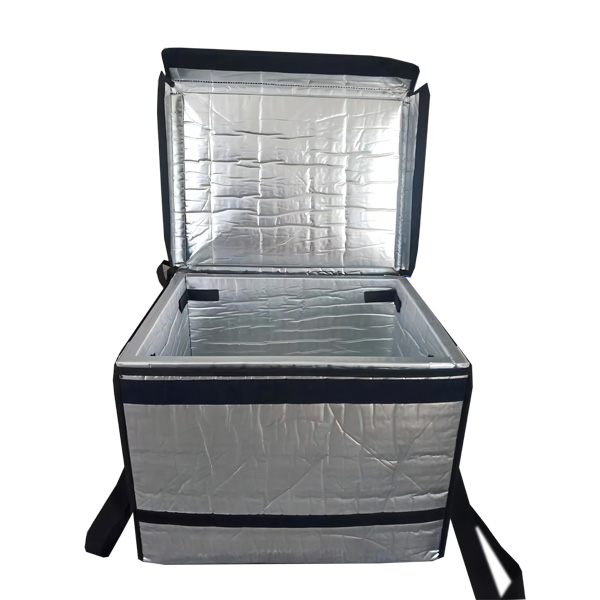
Gel Refrigerant Bag Chemical Wholesale
This optimized version merges the clearest buyer advice, the strongest technical guidance, and the most relevant 2026 market context into one industry article. If you are evaluating gel refrigerant bag chemical wholesale, you need more than a product list. You need a system that protects sensitive reagents, calibration materials, and testing kits while keeping freight, damage, and operating complexity under control. In 2026, strong wholesale buying means connecting product fit, pack-out logic, supplier quality, and route-specific validation from the start.
In this article, you will learn
how gel refrigerant bag chemical wholesale supports temperature control for chemical reagents, lab kits, and specialty industrial inputs
which polymer gel stability, seal strength, puncture resistance, and pack-out repeatability details separate a strong supplier from a cheap one
how to match 2–8°C, 15–25°C, and selected frozen lanes when validation requires it to your real shipping risk
which clear labeling, packaging compatibility, documentation, and route validation steps protect quality during scale-up
Why does this product matter so much in temperature-controlled shipping?
Gel refrigerant bag chemical wholesale matters because temperature control fails quietly and costs money loudly. When a shipment drifts warm, freezes by mistake, or arrives wet and poorly packed, the problem rarely stays small. It becomes a damaged payload, a customer complaint, a retest, a delayed delivery, or a lost account. That is why the right refrigerant pack is not just a packaging detail. It is part of product quality, customer trust, and operating cost.
The strongest wholesale programs begin with real shipping conditions. You define the payload sensitivity, the target temperature band, the route duration, the insulation system, and the handling reality in your warehouse. From there, you choose the refrigerant format, size, fill weight, and pack count. This approach works because it treats the cold pack as part of a thermal system. Once you do that, buying becomes clearer, validation becomes easier, and scale becomes safer.
What this means for chemical distributors, laboratory suppliers, and industrial reagent wholesalers
In practice, buyers should classify their lanes by risk before they compare products. A short controlled route needs a different design from a long summer route or a regulated healthcare shipment. When you map risk first, you avoid paying for unnecessary performance on easy lanes and avoid underprotecting the lanes that truly matter. That balance is where good wholesale buying creates margin.
Practical tips
For multi-SKU reagent orders: use separate gel counts for summer and winter pack-outs so you do not overcool fragile liquids.
For export samples: use a leak-tested secondary barrier to protect labels, SDS sheets, and barcodes from condensation.
For repeat wholesale lanes: ask for lane-specific validation with temperature logger data over the real transit window, not a generic brochure claim.
Case example: A laboratory supply distributor changed from loose ice substitutes to pre-conditioned gel refrigerant bags inside validated insulated cartons. Damage claims dropped, and receiving teams spent less time sorting wet or badly labeled boxes.
How do you select the best format, size, and thermal profile?
Selection gets easier when you match the thermal profile to the real shipment, not to a generic product claim. A refrigerant pack should support the required temperature band without creating new risk. For some products, deep-frozen packs are fine. For others, especially sensitive healthcare or laboratory shipments, a more controlled profile is better because it protects the payload from accidental freezing. The right answer depends on the route, the insulation, the payload mass, and the acceptable margin.
This is why the best suppliers discuss the whole pack-out. They ask how the box is loaded, how long the shipment sits before pickup, what the ambient profile looks like, and how the packs are conditioned. A strong wholesale decision blends product specification with operational discipline. It turns the choice from “Which pack is cheapest?” into “Which system is dependable enough to run every day?”
How to evaluate gel refrigerant bag performance
Supplier evaluation should therefore include thermal behavior, physical strength, documentation quality, and responsiveness. Thermal behavior shows whether the system can hold the target range. Physical strength shows whether the pack survives freezing, stacking, and transport abuse. Documentation quality matters because teams need clear conditioning, storage, and traceability instructions. Responsiveness matters because good support during launch often decides whether a project scales smoothly or stalls.
Practical tips
During sampling: compare at least two pack sizes in the same insulated shipper so you can see the real performance difference.
During supplier review: ask for tolerance data on dimensions, fill weight, and sealing, not just a headline specification.
During approval: confirm whether the supplier can keep the same build after artwork, carton, or case-pack changes.
What compliance, validation, and packaging details protect your shipments?
Compliance and validation protect value because they stop avoidable failure before it reaches the customer. In regulated or quality-sensitive shipments, the refrigerant pack sits inside a bigger process that includes labeling, classification, packaging design, training, and route control. Even outside heavily regulated sectors, validation matters because it proves that the pack-out works in the real world, not only in a sample room or brochure chart.
Useful validation copies reality. Use the actual insulated shipper, the planned number of packs, the real payload mass, and the conditioning method your warehouse will use. Test seasonal risk when it matters. Check both temperature stability and physical durability. Review the result, then lock the work instruction so operators can repeat it. That discipline turns a good product into a dependable operation, which is exactly what wholesale buyers need.
Decision points before wholesale rollout
A practical compliance mindset also keeps documentation simple and usable. The best wholesale systems do not bury the operator in theory. They provide clear conditioning windows, loading diagrams, receiving checks, and escalation rules when a shipment or batch looks wrong. Clear instructions are powerful because most passive cold-chain mistakes happen in everyday handling, not in product chemistry alone.
Practical tips
For documentation: keep one short specification sheet that packaging, procurement, quality, and warehouse teams all use.
For training: show staff the exact conditioning time, loading pattern, and release criteria for every approved shipper.
For seasonal control: define when the summer or winter pack-out version starts and ends instead of changing ad hoc.
How can you source at wholesale scale without creating hidden costs?
Wholesale scale works best when sourcing strategy, packaging design, and ongoing review stay connected. Your first order should not be the end of the conversation. It should be the start of a controlled rollout. Review early shipments, compare arrival results, watch for breakage, and ask whether labor or freight cost can be reduced without hurting protection. This continuous loop is where many buyers unlock real value.
In 2026, the strongest sourcing strategy is not blind cost cutting. It is disciplined simplification. Standardize where you can. Separate easy lanes from high-risk lanes. Build seasonal versions only when they truly help. Choose suppliers who can maintain quality, support documentation, and adapt when routes change. That approach gives you resilience, fewer surprises, and better lifecycle value from every wholesale order.
A simple self-check for gel refrigerant bag chemical wholesale
When you review total cost, include more than unit price. Add freight weight, spoilage risk, labor time, training burden, and replacement cost from failures. A slightly better refrigerant pack often wins once you count the whole system. This is why experienced buyers look for a stable operating model, not only a low quote.
Confirm the required temperature range and maximum transit window.
Check whether the payload enters the shipper already at target temperature.
Match the refrigerant count and placement to the chosen insulated box.
Review conditioning, loading, and receiving steps with the operating team.
Collect early shipment feedback and refine the system before broad expansion.
2026 trends for gel refrigerant bag chemical wholesale
In 2026, buyers across temperature-controlled logistics are moving toward higher-confidence sourcing. They want better route fit, better validation, clearer compliance, and stronger sustainability logic without adding unnecessary complexity. 2026 buyers are paying closer attention to pack validation, leak resistance, and shipping paperwork because temperature-sensitive cargo rules remain strict across air and ground networks. Carriers continue to rely on IATA temperature-control rules for compliant shipments of temperature-sensitive goods, which keeps documentation, pack-out design, and material selection high on every wholesale buyer’s checklist.
What is changing now
Buyer expectations are rising: teams want clearer evidence, clearer pack-out instructions, and faster supplier communication.
System thinking is replacing single-SKU thinking: more buyers evaluate refrigerant, insulation, carton, and route as one design.
Sustainability is becoming operational: wholesale discussions increasingly include reuse, material reduction, and lower spoilage.
The market now rewards suppliers that combine performance, documentation, and execution. Buyers are increasingly choosing partners that can support pilot testing, commercial rollout, seasonal adjustment, and clearer packaging strategy. In other words, value is shifting from product-only sales to solution-driven wholesale support.
Frequently asked questions
What is the biggest mistake when buying gel refrigerant bag chemical wholesale?
The biggest mistake is choosing by price alone. A cheaper pack can raise freight, labor, or damage costs if the size, film, or thermal profile does not match your shipment.
How do you test gel refrigerant bag chemical wholesale before a wholesale order?
Run a pilot with your real insulated box, payload mass, conditioning method, and transit window. That gives you evidence you can actually use, not a generic sales claim.
Should you use reusable or single-use formats for gel refrigerant bag chemical wholesale?
Choose the format that fits your route economics, return flow, and handling discipline. Reuse can be excellent, but only when cleaning, return, and cycle life are clearly managed.
How many packs should you use in one shipper?
There is no universal number. The right count depends on target temperature, transit time, payload mass, insulation, and ambient risk. That is why pilot validation matters.
Summary and recommendation
Gel Refrigerant Bag Chemical Wholesale works best when you treat it as part of a full packaging system. Start with the product temperature requirement, the real route, and the insulation design. Then compare suppliers on consistency, validation support, and operating clarity, not only on unit price. In 2026, the strongest wholesale buyers win by reducing hidden cost, protecting quality, and building a system their teams can repeat every day.
Recommended next steps
Define the target temperature range, payload mass, and worst-case transit time.
Run a pilot using the real insulated shipper and the planned conditioning method.
Approve only the supplier and pack-out that balance thermal protection, durability, and practical execution.
About Tempk
At Tempk, we design passive temperature-control packaging for industrial, laboratory, food, and healthcare supply chains. We focus on stable performance, custom sizing, and practical validation support that helps buyers reduce trial-and-error during procurement.
If you are planning a new wholesale project, start with the route and payload profile, then build the refrigerant and shipper system around that reality.
Best Gel Pack Chemical Supplier
How to Evaluate a Gel Pack Chemical Supplier
gel pack chemical supplier buying works best when you treat it as a full cold chain decision, not a simple accessory purchase. Good suppliers help you protect product quality, control freight weight, reduce customer complaints, and support cleaner documentation. That combination matters more in 2026 because buyers are comparing thermal performance, compliance, and packaging efficiency at the same time.
This article will answer:
How to compare non-toxic gel pack chemical supplier options without overpaying
What phase change gel formulation supplier details matter before you request samples
How to use refrigerant gel raw materials thinking to reduce complaints
Which SDS, classification, and formula controls matter before scale-up
What makes a gel pack chemical supplier reliable for production?
gel pack chemical supplier selection improves when you judge the whole use case, not one isolated feature. Reliable supply means stable formulation, repeatable viscosity, clear paperwork, and predictable filling behavior. If your main pain points are unstable viscosity, leaking seals after freeze-thaw cycles, the supplier should be able to explain how its pack format, gel load, and bag construction solve those problems in a real shipment instead of in a brochure.
Think about this like choosing a shoe for the route, not for the shelf. A pack that looks impressive in the catalog may be oversized, too rigid, too weak at the seal, or wrong for the box geometry. Ask the supplier to match the product to your payload weight, transit hours, ambient risk, and unboxing requirements. That is where non-toxic gel pack chemical supplier becomes useful rather than decorative.
How do non-toxic gel pack chemical supplier choices affect daily use?
A strong supplier should turn specifications into predictable outcomes. That means showing how pack quantity, frozen start condition, carton size, opening frequency, and receiving conditions change the result. In deeper reviews, you should also ask about polymer network, water binding, and salt or additive loading. These details sound small, but they often explain why one pack-out survives and another fails. In technical terms, the winning option usually keeps performance inside a usable window instead of chasing a single headline number. That is why repeatability, not just peak cooling, should drive your approval process.
Practical tips and recommendations
For pilot runs: use one carton size and one frozen-conditioning routine so your first comparison is fair.
For approvals: request viscosity, solids, and fill-trial data before locking a non-toxic gel pack chemical supplier formula.
For cost control: track damage, refunds, and repack labor, not only pack unit price.
Example: The best results usually come from a small number of controlled decisions repeated well: defined lane inputs, stable packs, written instructions, and clear receiving expectations. That is the difference between cold chain luck and cold chain control.
How do you judge freeze-thaw stability and sealing performance?
gel pack chemical supplier selection improves when you judge the whole use case, not one isolated feature. You need to know how the gel behaves before freezing, during freezing, and after repeated cycling. If your main pain points are unstable viscosity, leaking seals after freeze-thaw cycles, the supplier should be able to explain how its pack format, gel load, and bag construction solve those problems in a real shipment instead of in a brochure.
Think about this like choosing a shoe for the route, not for the shelf. A pack that looks impressive in the catalog may be oversized, too rigid, too weak at the seal, or wrong for the box geometry. Ask the supplier to match the product to your payload weight, transit hours, ambient risk, and unboxing requirements. That is where phase change gel formulation supplier becomes useful rather than decorative.
What does phase change gel formulation supplier look like in a real test?
A strong supplier should turn specifications into predictable outcomes. That means showing how pack quantity, frozen start condition, carton size, opening frequency, and receiving conditions change the result. In deeper reviews, you should also ask about viscosity window for automatic filling lines. These details sound small, but they often explain why one pack-out survives and another fails. In technical terms, the winning option usually keeps performance inside a usable window instead of chasing a single headline number. That is why repeatability, not just peak cooling, should drive your approval process.
Practical tips and recommendations
For pilot runs: use one carton size and one frozen-conditioning routine so your first comparison is fair.
For approvals: request viscosity, solids, and fill-trial data before locking a non-toxic gel pack chemical supplier formula.
For cost control: track damage, refunds, and repack labor, not only pack unit price.
Example: The best results usually come from a small number of controlled decisions repeated well: defined lane inputs, stable packs, written instructions, and clear receiving expectations. That is the difference between cold chain luck and cold chain control.
Which compliance documents matter before you buy gel pack chemicals?
gel pack chemical supplier selection improves when you judge the whole use case, not one isolated feature. SDS, ingredient controls, labeling support, and intended-use statements reduce risk for downstream pack makers. If your main pain points are unstable viscosity, leaking seals after freeze-thaw cycles, the supplier should be able to explain how its pack format, gel load, and bag construction solve those problems in a real shipment instead of in a brochure.
Think about this like choosing a shoe for the route, not for the shelf. A pack that looks impressive in the catalog may be oversized, too rigid, too weak at the seal, or wrong for the box geometry. Ask the supplier to match the product to your payload weight, transit hours, ambient risk, and unboxing requirements. That is where refrigerant gel raw materials becomes useful rather than decorative.
Why do refrigerant gel raw materials and documentation matter together?
A strong supplier should turn specifications into predictable outcomes. That means showing how pack quantity, frozen start condition, carton size, opening frequency, and receiving conditions change the result. In deeper reviews, you should also ask about seal contamination risk from low-viscosity formulas. These details sound small, but they often explain why one pack-out survives and another fails. In technical terms, the winning option usually keeps performance inside a usable window instead of chasing a single headline number. That is why repeatability, not just peak cooling, should drive your approval process.
Practical tips and recommendations
For pilot runs: use one carton size and one frozen-conditioning routine so your first comparison is fair.
For approvals: request viscosity, solids, and fill-trial data before locking a non-toxic gel pack chemical supplier formula.
For cost control: track damage, refunds, and repack labor, not only pack unit price.
Example: The best results usually come from a small number of controlled decisions repeated well: defined lane inputs, stable packs, written instructions, and clear receiving expectations. That is the difference between cold chain luck and cold chain control.
How do you balance formula cost, cooling performance, and process speed?
gel pack chemical supplier selection improves when you judge the whole use case, not one isolated feature. The cheapest formula can create hidden cost through slow filling, nozzle clogging, or bag failure. If your main pain points are unstable viscosity, leaking seals after freeze-thaw cycles, the supplier should be able to explain how its pack format, gel load, and bag construction solve those problems in a real shipment instead of in a brochure.
Think about this like choosing a shoe for the route, not for the shelf. A pack that looks impressive in the catalog may be oversized, too rigid, too weak at the seal, or wrong for the box geometry. Ask the supplier to match the product to your payload weight, transit hours, ambient risk, and unboxing requirements. That is where SDS-ready coolant gel supplier becomes useful rather than decorative.
How can SDS-ready coolant gel supplier improve cost control?
A strong supplier should turn specifications into predictable outcomes. That means showing how pack quantity, frozen start condition, carton size, opening frequency, and receiving conditions change the result. In deeper reviews, you should also ask about batch-to-batch solids control and pH stability. These details sound small, but they often explain why one pack-out survives and another fails. In technical terms, the winning option usually keeps performance inside a usable window instead of chasing a single headline number. That is why repeatability, not just peak cooling, should drive your approval process.
Practical tips and recommendations
For pilot runs: use one carton size and one frozen-conditioning routine so your first comparison is fair.
For approvals: request viscosity, solids, and fill-trial data before locking a non-toxic gel pack chemical supplier formula.
For cost control: track damage, refunds, and repack labor, not only pack unit price.
Example: The best results usually come from a small number of controlled decisions repeated well: defined lane inputs, stable packs, written instructions, and clear receiving expectations. That is the difference between cold chain luck and cold chain control.
2026 developments and trends
For chemical and industrial buyers, hazard communication is not optional. OSHA’s 2024 Hazard Communication Standard update took effect in 2024, and OSHA extended certain 2026 compliance dates so manufacturers, importers, and distributors have time to align classifications and guidance materials. That means a strong gel pack chemical supplier in 2026 is expected to support cleaner classification, labeling, and SDS workflows instead of treating compliance as an afterthought. At the same time, Google’s own search guidance continues to emphasize helpful, reliable, people-first content, so supplier pages that answer buyer questions clearly are still better positioned than thin catalog pages.
What is changing right now
Chemical buyers: Chemical buyers are asking for cleaner SDS support and classification readiness.
Formula consistency: Formula consistency is becoming more important than flashy headline cooling claims.
Line-speed compatibility: Line-speed compatibility is now a common sourcing question during trials.
The market insight is simple: better buyers are becoming more structured. They no longer separate product, packaging, compliance, and service into four unrelated conversations. They expect one answer that covers all of them. If a supplier can connect cooling logic with paperwork, packing steps, and cost discipline, it becomes easier to approve and easier to keep.
FAQ
How long should gel pack chemical supplier hold temperature?
It depends on pack mass, carton design, payload, starting temperature, and route hours. Ask for lane-based testing, not a single headline number.
Should you compare gel pack chemical supplier only by price?
No. A lower unit price can create higher refund, spoilage, labor, or freight cost. Compare total shipment outcome, not only the pack line.
What is the best sample test for gel pack chemical supplier?
Use your real product or a realistic dummy load, freeze the packs consistently, and test the likely transit window and weather exposure.
How many suppliers should you test first?
Two or three strong options are enough for a fair pilot. More than that often creates noise unless your test method is tightly controlled.
Summary and recommendation
gel pack chemical supplier sourcing gets easier when you focus on five things: route fit, repeatable performance, packaging strength, usable documentation, and total shipment cost. Those checks help you avoid weak samples, vague claims, and avoidable rework. The best supplier is usually the one that makes your whole shipping process simpler, not the one that only sends the coldest-looking sample.
Start with one shipping lane, one payload type, and one decision scorecard. Compare suppliers on test discipline, pack-out clarity, damage risk, and operational fit. Then scale only the format that keeps both the product and your workflow under control. Send us your filling speed, target viscosity, and bag size, and we will suggest a production-ready gel chemistry window.
About Tempk
Tempk works on practical temperature-control packaging for food, cold chain, and industrial applications. We focus on usable pack-out design, repeatable production, and communication that helps your team test faster. Instead of selling a generic cold pack story, we aim to match the format, gel load, and packaging logic to the way you actually ship.
Talk with us about your shipping lane, and we can help you narrow the right pack format before you overbuy.
How to Find the Best Gel Ice Wrap Meat Supplier

How to Find the Best Gel Ice Wrap Meat Supplier
A gel ice wrap meat supplier should help you protect chilled meat, simplify pack-outs, and reduce daily operational risk. That is the real buying goal. In meat logistics, coolant performance matters, but so do ease of use, wrap durability, and the ability to repeat the same pack-out every day without confusion.
That is why buying on unit price alone often leads to problems. A wrap that is awkward to place, easy to damage, or mismatched to the tray or box can create more cost in labor and inconsistency than it saves in purchasing. The best supplier is the one that makes the whole chilled system easier to run.
This article will help you answer:
- What a gel ice wrap meat supplier should provide beyond a stock pouch.
- How to compare wrap formats for trays, cartons, and insulated shippers.
- Why food-safety benchmarks matter in supplier evaluation.
- How 2026 market expectations are changing chilled meat coolant design.
What should a strong meat-wrap supplier provide?
The best gel ice wrap meat supplier provides a wrap format built for your actual load. That means the supplier understands whether you are packing trays, boxed cuts, prepared meat items, or mixed chilled assortments. It should also understand whether the wrap sits around the load, beside it, or supports a larger insulated shipping layout.
This matters because meat loads behave differently from lighter consumer products. They are dense, often moist, and usually packed at speed. So the wrap must be easy to handle and strong enough for repeated cold use. A good supplier begins by asking questions about your tray size, box geometry, and route conditions.
Core wrap options
| Wrap Option | Best Use | Key Strength | Best for You If… |
|---|---|---|---|
| Tray wrap | Retail and prepared cuts | Better product-side support | You pack repeat tray formats |
| Side-panel wrap | Boxed chilled meat | Good perimeter coverage | You use insulated cartons |
| Hybrid wrap + insert | Longer routes | Flexible seasonal control | Your routes vary by season |
| Custom geometry wrap | Stable SKU programs | Better fit and repeatability | Your pack-out is standardized |
Why do food-safety benchmarks matter?
Coolant should support chilled handling discipline, not replace it. USDA FSIS says cold food should be held at 40°F or colder, while the FDA Food Code uses 41°F or less as a cold-holding benchmark in retail settings. Those references matter because they remind buyers to design the full system around proper chilled control, not around guesswork. ([美国农业部食品安全和检验服务][4])
For a supplier, this means recommending the right wrap layout, not just the heaviest pouch. A better supplier will ask about route duration, insulation level, loading pattern, and conditioning method. That shows it understands the difference between selling coolant and supporting a chilled food process.
What to check in supplier recommendations
- Does the supplier ask about route and outer pack?
- Does it recommend a defined wrap placement?
- Does it explain how to standardize the pack-out?
- Does it provide usable handling and storage guidance?
Why do materials and handling matter so much?
In meat logistics, weak wraps fail fast. Heavy loads, moisture, and repeated cold handling expose weak seals and brittle film quickly. This is why pouch structure matters just as much as thermal mass. A wrap that splits or feels unreliable in the pack room is not a low-cost solution. It is a hidden risk.
You should therefore review seal quality, cold-flex behavior, fit around tray or carton edges, and ease of operator handling. A wrap that staff can place quickly and correctly every time often produces better real-world temperature control than a technically heavier pack that is hard to use.
Technical review table
| Technical Issue | Poor Outcome | Better Outcome | Why It Helps |
|---|---|---|---|
| Film strength | Tears or weak feel | Stable in cold handling | Fewer failures |
| Seals | Uneven or narrow | Consistent and strong | Better reliability |
| Geometry | Bunching or gaps | Clean fit around load | Better repeatability |
| Handling | Awkward placement | Quick and clear pack-out | Lower labor burden |
How are 2026 trends changing supplier selection?
The market in 2026 is prioritizing repeatability, right-sizing, and operational ease. Buyers want a wrap system that works with real chilled workflows and avoids unnecessary material or complicated handling. That is why the best suppliers now win by making packaging simpler, not just colder.
This trend is closely tied to sustainability and cost control. Many teams now view oversized coolant as waste if the same result can be achieved with a better layout. That means right-sized wrap formats, better pack positioning, and clearer instructions are becoming more valuable than generic overpacking.
Latest developments at a glance
- More focus on process support: Wraps are being selected as part of the chilled workflow.
- More interest in right-sized coolant: Better fit is replacing blind overpacking.
- More attention to labor efficiency: Easy-to-use formats now influence supplier choice.
- More demand for durable cold-use films: Reliability matters in high-frequency operations. ([美国农业部食品安全和检验服务][4])
Frequently Asked Questions
Can a heavier wrap solve every problem?
No. If the wrap is the wrong shape or hard to place, more gel may only increase cost and handling difficulty.
What makes a good trial program?
A good trial checks temperature support, ease of placement, seal integrity, and consistency across several live pack-outs.
Should I standardize one wrap for all SKUs?
Only if your load family is similar enough. Sometimes two right-sized formats work better than one generic compromise.
Summary and recommendation
The best gel ice wrap meat supplier helps you protect chilled meat through better fit, stronger structure, and easier operations. That is what creates real value in a demanding food category.
Start with your real tray or carton system and compare suppliers on chilled-process thinking, durability, and usability. When those three line up, the wrap becomes a working part of your food safety and logistics system rather than just an extra frozen pouch.
About Tempk
At Tempk, we focus on temperature-control packaging that works in actual logistics conditions. For meat applications, that means matching the coolant format to the product load, handling speed, and shipment reality.
If you are comparing suppliers, run the wrap through the real pack room. That is where the strongest choice usually becomes clear.
==============================