


Best Gel Cold Compress Manufacturer Guide
Best Gel Cold Compress Manufacturer Guide
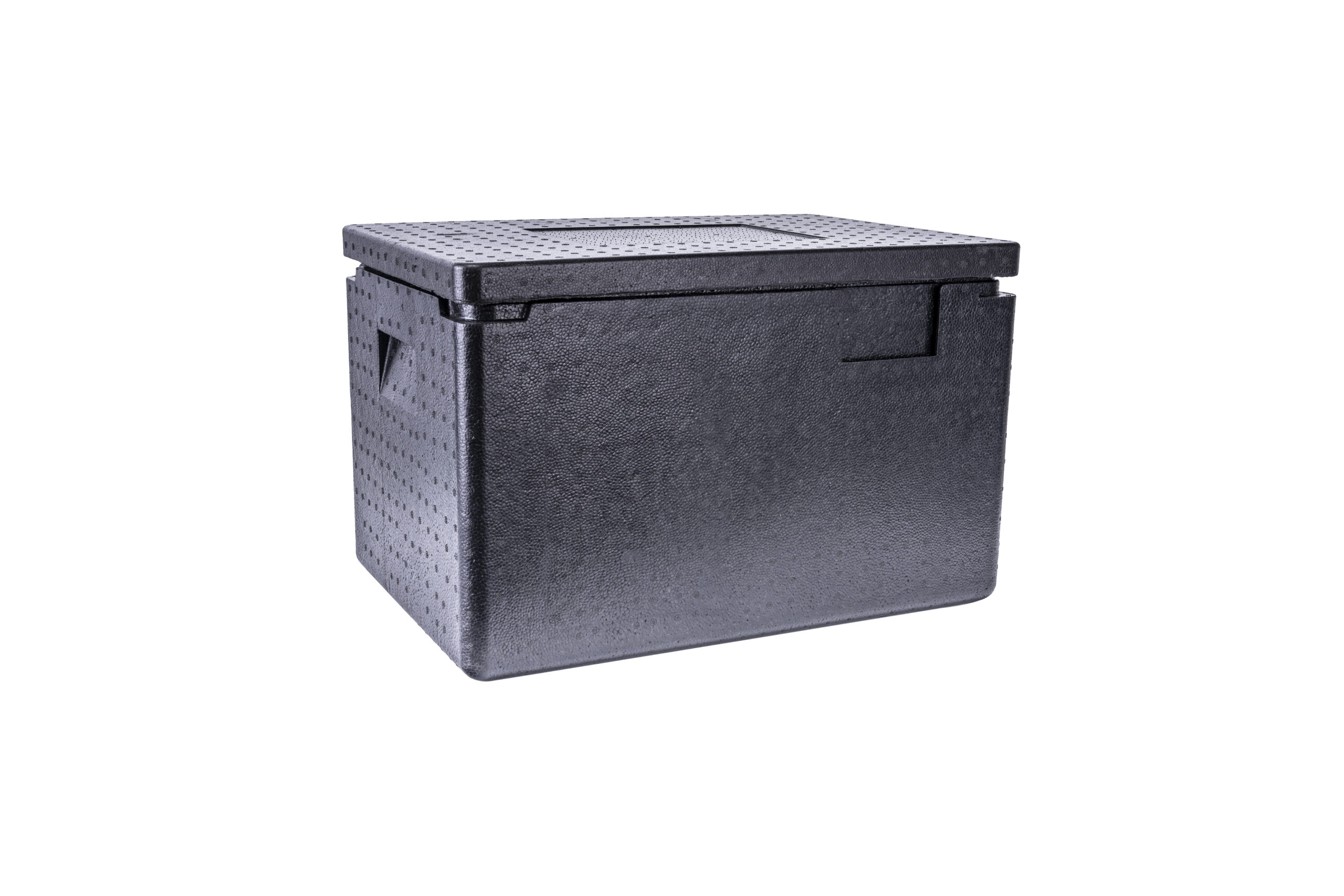
Best Gel Cold Compress Temperature Sensitive Manufacturer Guide for 2026
Choosing a gel cold compress temperature sensitive manufacturer is one of the most important sourcing decisions for brands in sports recovery, first aid, wellness, and selected clinical-use categories. A gel cold compress may look simple, but the real product is the result of formulation science, pouch engineering, seal quality, labeling discipline, and repeatable manufacturing control. If you choose the wrong supplier, you may get inconsistent feel, leakage, uncomfortable rigidity, confusing instructions, or weak batch consistency. If you choose the right one, you can build a product line that users trust and buyers can scale.
This guide will help you answer:
What a good gel cold compress temperature sensitive manufacturer should prove before you buy
Which material, sealing, and performance details matter most
How intended use and claim language influence manufacturer selection
What quality system and documentation signals separate stronger factories from weaker ones
Which 2026 trends are changing how smart buyers qualify suppliers
Why is manufacturer qualification more important than sample appearance?
Because a pretty sample does not guarantee a stable product line. Many cold compresses look similar in the hand. The real question is whether the product will remain consistent when thousands of units are produced, chilled, shipped, and used by customers. That depends on the discipline of the manufacturer.
A strong manufacturer controls fill weight, maintains seal quality, understands film behavior after conditioning, and provides clear guidance on product preparation and use. It also understands how the product will be labeled and sold. That last point matters because intended use and claims can change the compliance expectations around the product.
The core evaluation rule
Do not ask only, “Does this sample feel good?” Ask, “Can this factory make this exact product, with this exact feel and this exact quality, every time?” That is the real sourcing question.
What product details should you test first?
Start with flexibility, cooling feel, leakproof performance, and packaging integrity. For many buyers, post-chill flexibility is one of the most important user-experience factors. A compress that becomes too rigid may feel harsh and fit poorly around joints or body contours. A compress that stays pliable is often easier to use and more appealing for retail recovery products.
Seal quality should be tested under real handling. Chill the product, flex it, place pressure on the seals, and review whether edges remain sound. Also look at how the gel distributes inside the pouch. Uneven fill can create thin cold spots, bulky corners, and inconsistent feel.
Real-use test checklist
Chill or prepare the product as intended
Evaluate flexibility on the target body zone
Check for leakage after bending and handling
Review edge comfort and pouch finish
Compare multiple samples from the same batch
Review unit-to-unit consistency, not only one best sample
How do claims and regulations influence manufacturer choice?
Claims determine how serious your documentation discussion must become. In the U.S., FDA classification databases continue to identify reusable hot or cold packs under 21 CFR 890.5700 and disposable hot or cold packs under 21 CFR 890.5710 as Class I categories. FDA device guidance for heating and cooling products also makes it clear that materials and device description are key elements in regulatory review. For buyers, the simple lesson is this: if your product will make more therapeutic or medical-style claims, your manufacturer should be able to support stronger documentation and clearer claim discipline.
That does not mean every project must become heavily medicalized. It means your sourcing strategy should match your market positioning honestly.
What quality systems should buyers value in 2026?
Documented quality systems matter more now because buyers want less requalification pain as volume grows. ISO 13485 remains the recognized quality management benchmark for medical device manufacturing and related supply chain controls. Even when a cold compress program sits in a more consumer-facing category, buyers often prefer suppliers that can demonstrate controlled quality processes, risk-based thinking, and strong records.
This matters because quality systems support repeatability. They make it easier to keep formulation, packaging, claims, and labeling aligned over time. That is especially important for private-label projects and multi-SKU lines.
What to ask a manufacturer directly
How do you control fill tolerance?
How is seal quality verified?
How are lots coded and retained?
What instructions do you recommend for safe use?
Can you support private-label packaging consistently?
What documentation supports the intended claim range?
How are 2026 trends changing sourcing priorities?
In 2026, cold compress buyers are focusing more on comfort, traceability, and supplier reliability. User experience is rising in importance because recovery and wellness markets are more competitive. A product that is softer, easier to place, and more pleasant to use may have stronger commercial value than a product that simply feels colder for a few minutes.
At the same time, quality expectations are rising. Buyers are less willing to work with factories that cannot provide clear specs, repeatable samples, or stable packaging support. This is leading more brands to favor manufacturers that can combine product design help with strong production discipline.
2026 trends to watch
Comfort is becoming a design priority, not a side issue
Traceability is now central to supplier review
Claim discipline matters more as brands diversify channels
Factories with better quality systems are gaining trust
Supplier consolidation is increasing where stable partners exist
Frequently Asked Questions
What should I test first when choosing a cold compress manufacturer?
Test flexibility after conditioning, leakproof performance, seal strength, and unit consistency first. Those factors drive real user experience.
Do reusable and disposable packs require the same factory review?
They overlap, but not entirely. Reuse durability and product life expectations can change the qualification emphasis.
What is the biggest hidden sourcing risk?
Sample-to-production inconsistency is a major hidden risk. One good sample does not prove a stable manufacturing process.
Should I prioritize ISO-style quality systems?
Yes, especially if your product positioning is closer to medical or therapeutic use, or if you need strong traceability.
How can I reduce risk quickly?
Qualify one flagship SKU fully before expanding into multiple sizes or claim variants.
Summary and next steps
A gel cold compress temperature sensitive manufacturer should be chosen for repeatable product quality, not just low price or attractive samples. Focus on formulation behavior, pouch strength, intended-use alignment, traceability, and documented quality systems.
If you want a stronger 2026 sourcing outcome, define the product claim clearly, fully qualify one lead SKU under real conditions, and use that qualification as the foundation for future line growth.
About Tempk
Tempk develops temperature-control products and packaging systems with a strong emphasis on practical engineering, stable manufacturing, and application-specific performance. We help buyers think beyond catalogs and build supply programs that are easier to control over time.
For cold compress sourcing, the best long-term strategy is to choose a manufacturer that can repeat quality with confidence, not just one that can make a fast sample.
Gel Cold Compress Grocery Wholesale Guide

How to Buy Gel Cold Compress Grocery Wholesale
When you source gel cold compress grocery wholesale products, the real target is not a cheap cold pack. The real target is a repeatable delivery window that keeps food safe, reduces refunds, and protects margin. For grocery wholesalers, dark stores, meal-kit brands, and regional food distributors, the goal is to protect refrigerated groceries while keeping packaging cost and box weight under control. This optimized version fuses the strongest buyer guidance, technical depth, and current-market framing into one final article. It emphasizes decision clarity, technical reliability, search intent coverage, and conversion-friendly structure. A final optimized article should help you move from keyword research to a genuinely useful page that can rank, convert, and reduce pre-sale friction. The best-performing page and the best-performing cold pack share one rule: both need to work in the real world, not only in a simplified test or a sales deck.
FDA food safety guidance continues to center refrigerated handling around 40°F (4°C) or below, freezer control around 0°F (-18°C), and quick refrigeration of perishables after purchase or preparation.
This article will help you answer
Which pack format fits fresh grocery e-commerce, dairy kits, seafood boxes, prepared meals, store replenishment, and same-day regional delivery
How to compare suppliers beyond headline price
What matters in pack geometry, carton fit, insulation pairing, pre-conditioning workflow, and lane-by-lane temperature validation
How to build a stronger 2026 sourcing and validation workflow
Why is gel cold compress grocery wholesale a real buying decision instead of a simple commodity purchase?
gel cold compress grocery wholesale becomes strategic when the pack has to perform inside a real operation, not a laboratory fantasy. The shipment moves through picking, staging, door-open time, line-haul transfer, receiving delays, and sometimes failed first delivery. Every one of those steps adds heat risk, handling pressure, or both.
That is why smart buyers do not begin with price per piece. They begin with the real shipping lane, the product temperature target, the order profile, and the amount of labor the pack line can handle. A cheap pack that forces repacking, extra void fill, or more damage claims is rarely the cheapest solution by the end of the quarter.
Where do buyers usually make mistakes?
The most common mistake is choosing a pack only by weight. Weight matters, but placement, shape, contact area, and repeatability matter too. Another common mistake is asking for a “universal” pack that will handle every SKU and every season. That usually creates overpacking for mild conditions and under-protection for hotter routes.
A better method is to split your use cases into lanes or order families. For example, separate short local moves from overnight parcel lanes. Separate dense cartons from light mixed baskets. Separate heat-sensitive items from more forgiving items. Then match the gel pack design to the actual risk.
Practical buyer tips
Start with the lane, not the catalog: Build your shortlist around route length, door-open time, and receiving pattern.
Use real product load: Validation works better when the carton contains realistic product mass and realistic void space.
Check operator speed: A pack that looks good on a sales sheet may slow your packing line.
Review storage discipline: Frozen, refrigerated, and room-conditioned packs should be clearly separated in the warehouse.
Plan seasonal changeovers: Summer pack-outs, shoulder season pack-outs, and local same-day pack-outs should not always be identical.
Field example: A buyer that replaced one oversized universal pack with three smaller lane-specific formats often finds that damage claims fall while carton fit improves. The surprise is not only better temperature control. Packing accuracy and line speed usually improve too.
How should you compare suppliers for gel cold compress grocery wholesale?
A reliable wholesale supplier gives you more than a unit price. They should be able to discuss fill-weight tolerance, film specification, seal width, labeling, carton count, sample lead time, and how the pack should be conditioned before use. If they cannot explain how the product behaves in transit, they are only selling inventory, not helping you manage risk.
Supplier comparison should include manufacturing stability. Ask whether the pack dimensions stay consistent from batch to batch, whether seals are inspected visually or by sampling, whether there is a standard for filled-weight variation, and how complaints are handled. These details directly affect your packing process, storage density, and claim rate.
What sample program gives you useful answers?
Do not request only one sample and make a decision from a hand-feel test. Request a small but structured sample set. Include at least two sizes, one heavier option, one thinner option, and any custom shape you are seriously considering. Then test them in cartons that reflect your true SKU mix.
Next, review both temperature results and operating results. Did the pack hold temperature? Did it crowd the product? Did it leak after freezing? Did it create condensation that damaged labels or inserts? Did the line team find it easy to place? Good wholesale decisions are made by combining thermal data with handling data.
Why this optimized version should work better for both ranking and conversion
A strong final article answers the search query and the buying query at the same time. It should help a visitor understand the product, compare options, picture the application, and feel confident enough to request samples or pricing. Google’s current guidance keeps pointing toward helpful, reliable, people-first content, while structured data guidance supports clearer machine understanding of article, FAQ, and product content.
That means the best final page is not stuffed with keywords. It is organized around genuine buyer questions. It uses specific headings, short paragraphs, tables, and FAQ blocks to reduce bounce risk and improve scanability. In other words, the same structure that helps readers make a decision can also help search systems understand the page.
What the fused version keeps from the three draft styles
The practical decision flow from the buyer-guide version
The validation depth from the technical version
The trend and demand framing from the market-aware web version
The clearer CTA and page architecture needed for conversion
That blend is usually what turns a serviceable cold-chain article into a page with stronger long-term value.
What technical details matter most in pack geometry, carton fit, insulation pairing, pre-conditioning workflow, and lane-by-lane temperature validation?
The best cold pack is the one that performs predictably and stays easy to handle. Buyers often focus on how cold the pack feels when removed from storage. A better question is how steadily it works after thirty minutes, sixty minutes, or after a delay on the dock. Stable cooling usually matters more than a dramatic first impression.
Material details matter here. Gel distribution affects surface contact. Film strength affects puncture resistance. Seal quality affects leak risk. Pack thickness affects how much product space you lose inside the carton. Even the edges matter because sharp corners can create pressure points against other packaging components. This is where technical review protects future operations.
Mode-specific technical emphasis
For this opt article, the focus is on decision clarity, technical reliability, search intent coverage, and conversion-friendly structure. That means you should ask for test evidence that matches the way you ship. In a buyer guide, that may be carton fit and claim reduction. In a deeper validation program, that may be freeze-thaw stability, burst resistance, or conditioning repeatability. In a market-facing 2026 review, that may be documentation, sustainability, and operational simplicity.
If your application touches sensitive goods, do not ignore protocol or regulatory context. For specimen or healthcare-adjacent loads, current CDC and WHO guidance continues to point to validated temperature ranges and triple-packaging principles rather than guesswork. For hazardous-material contexts, OSHA and PHMSA documentation discipline remains central. For food and beauty applications, buyers still need clear GMP-style thinking, clean handling, and stable temperature control.
What is changing in 2026 for buyers of gel cold compress grocery wholesale?
The direction of travel in 2026 is simple: buyers want proof. They want proof that the pack fits the box, proof that the supplier can repeat the batch, proof that the conditioning method is clear, and proof that packaging waste is not being ignored. That does not always mean the most advanced or most expensive cold pack wins. It means vague claims are losing value.
The strongest market shift is toward tighter operating discipline. Google’s current guidance for search also reinforces the same broad idea on the content side: helpful, people-first information and clearer structure outperform shallow content made only to chase rankings. That matters because many buyers now research packaging partners through detailed educational pages before they ever request a quote. Search-friendly pages that answer the real buying questions have become part of the sales process.
2026 trend snapshot
More validation by lane: Buyers are testing by route, season, and order family instead of using one blanket pack-out.
More focus on waste reduction: Reusable or lower-waste secondary systems keep getting more attention as packaging teams review disposal cost and material use.
More documentation pressure: GMP, SDS, and structured SOP thinking are shaping even routine packaging conversations.
More demand for rich product content: Buyers expect clear sizing, handling instructions, FAQs, and product data before they sample.
Frequently asked questions
How many gel cold packs should a grocery carton use?
Start with lane testing rather than a fixed rule. Mixed baskets with dairy, meat, or seafood often need different pack layouts than produce-only orders, especially in summer.
Are larger grocery cold packs always better?
No. Oversized packs can waste space, slow packing, and create uneven contact. A set of smaller packs often gives better product coverage and easier box balancing.
Can grocery teams reuse gel cold packs?
Many can be reused when the material, hygiene rules, and return flow support it. Reuse only works when cleaning, inspection, and reverse logistics are consistent.
What should wholesalers ask for before buying?
Ask for sample packs, fill-weight tolerance, seal details, carton counts, recommended conditioning rules, and lane-based test support.
Summary and next steps
gel cold compress grocery wholesale should be selected as part of a system, not as a random consumable. The right wholesale product fits your carton, matches your temperature target, survives normal handling, and supports a workflow your team can repeat at scale. That is true whether you ship groceries, chemicals, cosmetics, temperature-sensitive goods, or tissue samples.
The best next step is practical. Narrow the application, shortlist the pack geometries, request structured samples, and run a lane-based validation. Review both temperature and handling outcomes. Then choose the supplier that gives you stable quality, clear communication, and a pack-out you can live with in daily operations.
About Tempk
At Tempk, we help grocery teams match gel pack size, insulation, and carton design to real delivery lanes and real order mixes. We focus on practical customization, dependable wholesale production, and cold-chain packaging choices that make sense for real operations rather than generic marketing claims.
Call to action: If you are evaluating gel cold compress grocery wholesale, build a sample matrix and compare real pack-out results before you lock in your next wholesale order.
Best Drain Friendly Gel Pack Seafood Manufacturer Guide

Best Drain Friendly Gel Pack Seafood Manufacturer Guide
The best drain friendly gel pack seafood manufacturer does more than keep seafood cold. It helps you protect product, reduce leakage risk, and create a cleaner, more confident receiving experience for the customer. In seafood shipping, that matters because packaging performance is judged twice: once during transit and once the moment the box is opened.
If you choose only by price or generic cold claims, you may miss the details that actually drive success. Seafood programs need durable film, strong seals, smart pack geometry, and a drain-friendly design that makes sense in real use. When those pieces work together, you get safer handling, better presentation, and fewer avoidable complaints.
This article will help you answer:
- What to compare first in a drain friendly seafood gel pack
- Why seafood-specific durability matters as much as cold retention
- How temperature-control context changes the buying decision
- Which supplier signals point to a stronger long-term fit
What should you expect from the best drain friendly seafood pack?
You should expect both protection and practicality. A drain-friendly seafood pack should survive freezing, wet handling, and product pressure without leaking. After use, it should be easier to empty or manage according to the end user’s disposal practices. If it fails on the shipping side, the convenience feature does not matter. If it works in transit but creates a messy experience at delivery, the value is incomplete.
That is why the best supplier explains the full life of the pack. How does it behave after freezing? How does it sit in the box? What happens when the receiver opens the carton? Can it reduce cleanup frustration without introducing performance risk? These are better questions than simply asking how long it stays cold.
Which design details matter most?
Film toughness, seal integrity, gel distribution, and box fit matter most. Seafood is a tough application because the load is often cold, wet, and heavy. Fish trays, shellfish, and vacuum-packed products can shift and press against the pouch. If the corners are weak or the seal profile is inconsistent, the pack may fail under real use even if it looked fine in a sample freeze.
Good box fit also improves the experience. A pack that sits neatly against the wall or base is less likely to slide, bunch, or create awkward contact points. That helps both temperature balance and presentation.
| Key factor | What to review | Why it matters | Best result |
|---|---|---|---|
| Seal quality | Width and consistency | Prevents edge failure | Cleaner deliveries |
| Film durability | Freezer and puncture resistance | Reduces leaks | Stronger product protection |
| Pack geometry | Fit to seafood box layout | Improves coverage | Better thermal balance |
| Drain-friendly handling | After-use practicality | Reduces mess | Better customer experience |
Practical tips and suggestions
- For chilled fish delivery: Prioritize flat wall-fit packs over bulky shapes.
- For shellfish or hard trays: Test frozen puncture resistance before approving the SKU.
- For home-delivery brands: Include customer-opening feedback in your packaging trial.
> Example: A seafood company upgraded to a flatter, tougher pack that improved sidewall coverage and made the box look cleaner when opened. The customer noticed the difference even though the product itself stayed the same.
Why does seafood temperature-control context matter so much?
Because seafood packaging does not operate in a vacuum. FDA guidance continues to tie temperature management closely to seafood safety and product handling. The agency’s fishery guidance includes a recommended maximum storage temperature of 40°F in important refrigerated-fish contexts, while its TTI material explains that some raw seafood products rely on refrigeration as the main barrier to toxin production and that TTIs can help show whether proper temperature control was maintained. ([U.S. Food and Drug Administration][5])
For you as a buyer, the takeaway is simple. The best pack is the one that supports your actual control strategy. If the product is chilled, the layout and cold source must match the route. If the product is in reduced-oxygen packaging, temperature history may matter even more. The supplier should be able to talk through those distinctions in plain language.
What should you ask the supplier?
Ask whether the pack is intended for chilled or frozen seafood, whether it has been used with similar products, and how it should be placed in the shipper. Ask how the drain-friendly feature works after use. Ask how the supplier would test the pack with your real product and route, not just in a generic chamber.
If the supplier can answer those questions clearly, you are probably dealing with a more capable partner. If the answers are vague, that is a sign to look deeper.
How should you test before making a final choice?
Run a real-box trial and a real-opening review. You should test the pack inside your actual seafood shipper with real product weight, liner, and route stress. Then inspect the box after delivery for leaks, movement, excess liquid, and general handling quality.
That second part matters because seafood customers do not judge packaging in a lab. They judge it when they open the box. A manufacturer that understands this will help you compare both thermal performance and receiving cleanliness rather than pretending those are separate worlds.
Practical validation checklist
- Test at least two pack shapes or sizes
- Freeze under actual operating conditions
- Use real product load, not a guessed substitute
- Inspect for edge leaks and puncture marks
- Review cleanup and handling at delivery
- Adjust pack position before adding more total gel
2026 developments and trends for drain-friendly seafood packaging
In 2026, seafood packaging teams are becoming more precise. FDA guidance around seafood temperatures and TTIs continues to reinforce the importance of temperature discipline, especially in packaging situations where appearance alone cannot confirm safety. That is one reason more brands are paying attention to monitoring, product-specific pack design, and cleaner handling after delivery. ([U.S. Food and Drug Administration][5])
At the same time, customer expectations are rising. Buyers want cold-chain packaging that feels controlled and professional from warehouse to doorstep. That is why the best drain-friendly seafood packs are being judged not only on cold hold, but also on box organization, leak prevention, and cleanup ease.
Latest developments at a glance
- Cleaner receiving experience is a stronger buying factor
- Seafood-specific layouts are replacing generic pack choices
- Temperature-history awareness is shaping packaging decisions
Frequently asked questions
What is the biggest mistake when choosing a drain friendly seafood gel pack?
Ignoring durability. If the pack leaks or tears under seafood stress, the drain-friendly feature becomes irrelevant.
Should seafood brands care about unboxing?
Yes. The way the box opens affects freshness perception, customer confidence, and repeat purchase behavior.
Is a flatter pack always better?
Not always. But flatter packs often improve fit and reduce shifting in seafood cartons.
How do you find the best supplier?
Choose the one that can explain product fit, freezer durability, after-use handling, and real-box testing with clarity.
Summary and next step
The best drain friendly gel pack seafood manufacturer protects the seafood, survives the shipping environment, and leaves the receiver with a cleaner and more confident experience. Those three outcomes are the right standard in 2026.
Your next step should be to compare suppliers on four points: freezer durability, seafood box fit, after-use handling, and real shipment test support. That gives you a smarter answer than price alone.
About Tempk
Tempk helps seafood brands build cold-chain packaging systems that work in the real world. We focus on durable gel pack construction, practical pack placement, and cleaner receiving results for seafood applications.
For the next step, ask us to review your seafood pack-out and identify where layout or pack design can reduce mess and improve protection.
==============================
KEYWORD: gel freezer pack temperature sensitive manufacturer
How to Find the Best Drain Friendly Gel Pack Grocery Supplier
How to Find the Best Drain Friendly Gel Pack Grocery Supplier
A drain friendly gel pack grocery supplier should help your groceries arrive properly chilled while also making the package easier for customers to handle at home. That is the real standard in 2026. Grocery cooling is no longer judged only by warehouse logic. It is also judged by what happens in the kitchen, at the sink, and during repeat weekly deliveries.
That is why supplier selection has changed. A pack that performs well but creates confusion or frustration at home is no longer a complete solution. The best supplier understands the full journey: route conditions, pack-out practicality, brand messaging, and the customer’s post-delivery experience.
This article will help you answer:
- What a drain friendly grocery gel pack supplier should really provide.
- How to compare chilled performance with customer convenience.
- Why instruction clarity and right-sized design matter more in 2026.
- What food safety and packaging trends now mean for supplier choice.
What should a strong grocery supplier provide?
The best drain friendly gel pack grocery supplier provides a system, not just a pouch. That means the supplier helps with pack size, route fit, handling guidance, and end-user messaging. It should also be honest about what “drain friendly” means for the specific product rather than relying on vague marketing language.
For grocery use, the supplier should think about the delivery tote or carton, the product mix, and how customers unpack the order. A household-scale grocery order has different needs from an industrial food shipment. The pack should feel manageable, clear, and deliberate in the customer’s hands.
What to look for
| Supplier Capability | Why It Matters | Better Outcome |
|---|---|---|
| Clear instructions | Reduces confusion | Better customer experience |
| Right-sized pouches | Easier home handling | Better usability |
| Strong seals | Prevents messy delivery | More trust in the brand |
| Grocery-aware format options | Supports different order sizes | Better program fit |
Why does chilled performance still come first?
Because convenience only matters if the groceries arrive in good condition. USDA FSIS says cold food should be held at 40°F or colder, while FDA Food Code guidance uses 41°F or less as a key retail cold-holding benchmark. For grocery buyers, this means a convenient pack still needs to support a real chilled chain through route time, insulation, and product mix. ([美国农业部食品安全和检验服务][4])
This is why the right supplier starts with route and product questions, not with a disposal claim. It should ask what foods are in the order, how long the route lasts, what the outer pack is, and how the pouch is positioned. That system thinking is a sign of a stronger supplier.
Simple performance checklist
- Does the pouch fit the actual grocery box or tote?
- Is the cold mass sized for the route, not just for marketing?
- Are the seals strong enough for repeated handling?
- Is the customer instruction simple and clear?
Why do customer instructions matter so much now?
Because the customer is part of the packaging system. If the pack arrives with unclear or weak instructions, the brand creates friction at the exact moment the order is being judged. A good pack should tell the customer what it is, how to handle it, and whether it is intended for reuse or a specific disposal path.
This is especially important for grocery subscriptions and frequent delivery programs. Customers see the same pack again and again. Small frustrations become recurring complaints. Clear guidance therefore has real commercial value.
Instruction design tips
- Keep the language plain and short.
- Put the main action on the outer pouch.
- Match instructions to the market where the pack is sold.
- Avoid broad claims that are hard to verify in real use.
How are 2026 trends changing supplier selection?
The biggest trend is consumer-aware cold packaging. Grocery brands now realize that coolant packs shape customer perception just as much as they support temperature. That is pushing suppliers toward better-sized pouches, clearer labels, and more disciplined end-user design.
It also aligns with wider packaging pressure. In the EU, the Packaging and Packaging Waste Regulation entered into force on February 11, 2025 and generally begins applying from mid-2026, while food-contact materials still sit within the general framework of Regulation (EC) No 1935/2004. For grocery packaging, that broader environment supports the move toward cleaner documentation, less avoidable bulk, and more thoughtful packaging choices. ([Environment][2])
Latest developments at a glance
- More emphasis on home handling
- More demand for clearer labeling
- More interest in right-sized packs
- More pressure to avoid excess packaging ([Environment][2])
Frequently Asked Questions
What does “drain friendly” really mean?
It usually means the supplier is trying to make post-use handling simpler, but the exact meaning depends on the product and the instructions. Buyers should verify it carefully.
Should I prioritize reuse or easy disposal?
That depends on your customer model. Some grocery brands benefit from reuse. Others benefit from clear one-time handling instructions.
What is the strongest sign of a good supplier?
A good supplier balances chilled performance, pouch strength, and customer-facing clarity instead of focusing on one point only.
Summary and recommendation
The best drain friendly gel pack grocery supplier is the one that makes the whole grocery delivery system better. That means reliable chilled performance, stronger customer usability, and clear messaging after the order arrives.
Start with your actual order mix, route profile, and customer experience goal. Then compare suppliers on cold-chain logic, pack structure, instruction clarity, and packaging discipline. That is the most reliable way to find a stronger partner.
About Tempk
At Tempk, we design temperature-control packaging for both operational performance and customer handling. In grocery use, that means the cold pack must work in transit and still make sense when the customer opens the box.
If you are reviewing suppliers, include the home-use experience in your test plan. That is often the step that reveals the most important difference between average and strong solutions.
How to Find the Best Cold Gel Compress Floral Supplier
How to Find the Best Cold Gel Compress Floral Supplier
A cold gel compress floral supplier should help your flowers arrive cooler, fresher, and more presentable. That is the standard. In florals, cooling is never only about temperature. It is also about how the flowers look when the box opens, how gently the product was handled, and how clean the whole package feels to the customer.
That is why generic coolant packs often underperform in floral use. They may be too bulky, too messy, or too hard to position neatly. The best supplier understands floral sensitivity and builds the cooling format around the bouquet, the stem box, or the gift pack rather than forcing flowers to adapt to a stock freezer pouch.
This article will help you answer:
- What a floral cooling supplier should provide beyond a standard gel pack.
- How to compare slim inserts, side packs, and box-fit formats.
- What postharvest guidance suggests about floral cooling logic.
- How 2026 market expectations are changing floral coolant design.
What should a strong floral supplier provide?
The best cold gel compress floral supplier provides cooling that respects both freshness and presentation. That means the pack should be slim enough for the box, easy to place, and unlikely to create pressure or clutter around sensitive blooms. It should also freeze into a neat form that feels deliberate inside premium packaging.
A stronger supplier will ask about bouquet style, stem count, box size, route type, and whether the product is going to retail, event use, or direct-to-consumer delivery. Those questions matter because floral cooling depends heavily on layout. The same pack rarely works equally well for all formats.
Common floral cooling formats
| Format | Best Use | Main Strength | Best for You If… |
|---|---|---|---|
| Slim flat insert | Bouquet boxes | Neat and low profile | Presentation matters |
| Side-panel pack | Stem and export boxes | Better spacing control | You ship longer boxes |
| Top-panel compress | Gift florals | Quick pack-out | You need easy assembly |
| Custom floral pack | Stable packaging programs | Better box integration | Your format is consistent |
What does current floral guidance suggest?
Good floral cooling is controlled cooling. UC Davis postharvest guidance notes that for many flowers, temperatures close to the freezing point of water are a good target, and it also notes that dry storage in polyethylene-lined packaging is often superior for many species. That supports a floral packaging strategy based on cool, controlled environments and careful layout rather than bulky, random cold packs. ([加州大学收获后研究与推广中心][5])
This guidance matters because it shows why pack placement is so important. Flowers need help staying cool, but they also need protection from crushing, wetness, and poor airflow. A supplier that understands this will usually recommend slimmer, cleaner pack formats.
Practical floral packing advice
- Keep bulk away from delicate bloom faces.
- Use slim packs where box presentation matters.
- Match the pack to the box rather than buying by gel weight.
- Review condensation and visual neatness as part of validation.
Why do slim formats often win in florals?
Slim packs usually work better because they protect the product without dominating the package. Flowers are visually sensitive products. If the coolant pack crowds the arrangement or looks heavy and messy, the customer notices it immediately. This is why floral packaging increasingly favors flatter, quieter thermal components.
Slim formats also make operations easier. They fit branded e-commerce boxes better, help with faster pack placement, and reduce awkward pressure points inside the package. For floral buyers, that often means better freshness support and a better unboxing result at the same time.
Supplier comparison table
| Factor | Weak Supplier | Better Supplier | Why It Helps |
|---|---|---|---|
| Product shape | Generic bulky packs | Slim floral-ready formats | Better box integration |
| Placement logic | Not discussed | Product-aware guidance | Better flower protection |
| Presentation awareness | Minimal | Understands unboxing experience | Stronger brand fit |
| Operational ease | Awkward handling | Faster and cleaner pack-out | Better consistency |
How are 2026 trends changing floral cooling?
In 2026, buyers expect floral thermal packaging to look more refined and behave more predictably. Floral e-commerce and premium gifting have made presentation a business issue. This is why many buyers now reject oversized generic coolant packs even when they work thermally.
At the same time, sustainability thinking is pushing buyers toward better-fitted packaging. In florals, that often means less unnecessary bulk, better box utilization, and more disciplined component selection. So the same design improvements that help presentation often help efficiency too.
Latest developments at a glance
- More floral-specific pack formats
- More slim-profile coolant designs
- More attention to neat unboxing
- More use of controlled cooling aligned with postharvest practice ([加州大学收获后研究与推广中心][5])
Frequently Asked Questions
Can a floral pack be too cold or too bulky?
A poor format can definitely be too bulky and poorly placed. In florals, layout matters almost as much as cooling support.
What should I validate in a trial?
Validate freshness support, flower appearance, pack fit, condensation, and the opening experience.
Why not buy a general-purpose gel pack?
Because flowers have special presentation and handling needs. A general-purpose pack may work, but it often will not work elegantly.
Summary and recommendation
The best cold gel compress floral supplier helps you preserve freshness without sacrificing floral presentation. That means slim formats, better box-fit logic, and a real understanding of how flowers behave in transit and at delivery.
Begin with the real floral box, the real route, and the real opening experience. Then choose the supplier that combines product sensitivity awareness with practical cooling design. That is usually the best long-term choice.
About Tempk
At Tempk, we build temperature-control packaging around the product and the customer experience together. In floral use, that means cooling has to support freshness and visual quality at the same time.
If you are evaluating suppliers, test the pack in the final branded box and review the full delivery presentation. That is where the strongest solution usually stands out.
==============================
How to Choose the Best Cold Gel Compress Beverage Manufacturer in 2026?
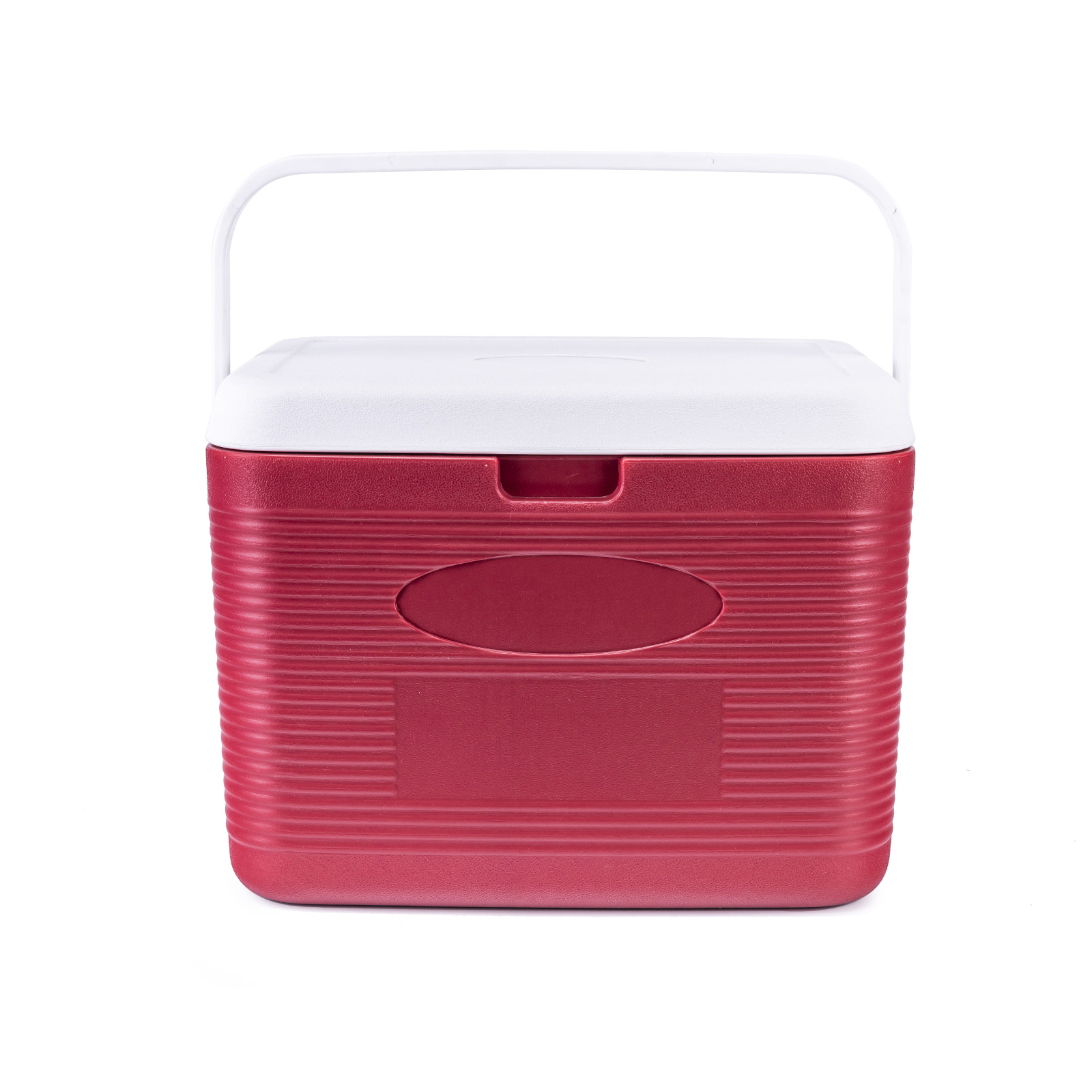
How to Choose the Best Cold Gel Compress Beverage Manufacturer in 2026?
A strong cold gel compress beverage manufacturer helps you protect chilled drinks, reduce wet-carton problems, and make your cold chain easier to manage. Beverages look simple, but beverage logistics are full of temperature risk. Cases move through loading docks, vehicles, distribution rooms, retail storage, and final delivery points. Every step adds heat exposure and handling stress. If your cold pack system is weak, the result may be warm product, carton damage, slippery surfaces, or label quality issues.
That is why a good supplier is not just selling a pouch. The best cold gel compress beverage manufacturer helps you design a pack layout that fits your case size, route length, and operational reality. FDA food safety guidance continues to reinforce the importance of keeping cold foods properly refrigerated and using sanitary transportation practices, which supports the growing buyer focus on real route performance and better transport discipline. ([U.S. Food and Drug Administration][6])
This article will answer:
- How to compare a cold gel compress beverage manufacturer beyond unit price
- Which cold pack features matter most for beverage cases and cartons
- How to reduce condensation, waste, and freight cost without weakening protection
- Why 2026 trends are changing supplier expectations
Why does the right manufacturer matter so much for beverages?
A chilled beverage shipment needs cooling that works with the case, not against it. If the pack is too bulky, too wet, or poorly placed, you may protect the liquid temperature but create new problems around labels, cartons, and handling. That is especially important for premium drinks, retail-ready formats, and multi-SKU beverage operations.
A better manufacturer understands that case geometry matters. Bottles, cartons, cans, and mixed-case programs all behave differently. Some shipments need broader top coverage. Others need sidewall protection where heat enters first. Some need cleaner low-moisture handling to protect labels and carton graphics.
What should you evaluate first?
Review these supplier questions early:
- Can the pack be customized to my case family?
- How strong are the seals under stacked handling?
- Does the outer surface stay manageable during thaw?
- How much pack weight is required per case?
- Can the supplier support pilot tests?
- Is sample quality consistent with bulk quality?
| Evaluation Point | Weak Supplier | Strong Supplier | Why It Matters |
|---|---|---|---|
| Case fit | Generic sizes only | Case-aware customization | Better cooling efficiency |
| Seal quality | Unclear | Stable and documented | Less leakage risk |
| Surface handling | Wet and messy | Cleaner thaw behavior | Better presentation |
| Technical support | Minimal | Application guidance | Faster optimization |
Practical buyer tips
- For bottled beverages: Protect side zones where heat enters quickly.
- For carton drinks: Use flatter packs for broad contact and cleaner stacking.
- For premium labels: Prioritize surface behavior and condensation control.
- For mixed-case routes: Use different pack layouts by case type instead of forcing one standard format.
Which pack features matter most?
The best cold gel compress beverage manufacturer wins on fit, cleanliness, and practical thermal design. A pack can have enough cooling energy and still be the wrong product if it causes wet labels, awkward packing, or wasted shipper space.
That is why beverage buyers should focus on:
- Pack geometry
- Seal stability
- Surface condition after thaw
- Weight efficiency
- Case compatibility
- Pack placement repeatability
Key design factors
| Design Factor | Poor Result | Better Result | Business Impact |
|---|---|---|---|
| Pack thickness | Wasted space | Efficient layout | Lower freight burden |
| Seal strength | Leak complaints | Clean delivery | Better receiver experience |
| Surface feel | Slippery cartons | Controlled handling | Easier operations |
| Layout fit | Hot spots in case | Balanced case cooling | More stable product arrival |
Better validation method
- Pack actual beverage cases.
- Add realistic pre-cool and loading steps.
- Include handling delays.
- Check arrival condition of labels, cartons, and product.
- Compare at least two pack layouts before finalizing the supplier.
> Real use case: A chilled beverage distributor improved summer route performance by changing from a thick central pack to two flatter side-support packs. The result was steadier arrival condition and fewer damp cartons.
How can you reduce cost without hurting beverage protection?
The smartest savings usually come from better design, not cheaper packs. A low-cost pouch may require extra quantity, increase freight weight, or create more cleanup and receiving problems. A better-designed system can often reduce total cost by lowering pack count, improving case fit, and making packing more repeatable.
Many beverage programs overuse coolant because they have not optimized placement. Once the layout is improved, buyers can often reduce total material use while keeping or even improving arrival quality.
Where savings often appear
- Lower coolant count
- Better pallet or case efficiency
- Reduced wet-carton complaints
- Faster packing process
- Better standardization across SKUs
What are the biggest 2026 trends?
The beverage cold chain trend in 2026 is moving toward cleaner, lighter, and more case-specific cooling systems. Buyers want packs that protect product without creating messy handling or unnecessary packaging waste. They also want suppliers that can explain the difference between warehouse cold storage and real transport performance. FDA transport guidance supports that shift by keeping attention on proper refrigeration and transport discipline rather than assumptions. ([U.S. Food and Drug Administration][7])
Latest developments snapshot
- More route-based validation
- More concern about label and carton condition
- More pressure to reduce excess material
- More value placed on technical and OEM support
Frequently Asked Questions
Can one cold gel pack format work across all beverage cases?
Usually no. Bottle, can, and carton formats often need different layouts for the best result.
Why is condensation such a big issue?
Because wet cartons and labels can hurt handling, presentation, and customer confidence even if product temperature is acceptable.
What is the most common supplier mistake?
Selling a generic pack without studying the actual beverage case geometry and delivery route.
Should I test at full commercial scale before switching suppliers?
Start with a controlled pilot, but make sure it reflects real route delays and real case packing.
Summary and recommendations
A strong cold gel compress beverage manufacturer should help you protect chilled drinks, keep shipments cleaner, and improve packaging efficiency. In 2026, the best suppliers combine thermal design, case-aware customization, and practical technical support. That is how beverage buyers lower risk without depending on overpacking.
For your next step, compare two or three suppliers using your real cases and a realistic delivery profile. Review not only cooling outcome but also carton condition, label appearance, pack handling, and total material use. That gives you a much more valuable supplier decision.
About Tempk
We develop beverage cold chain gel pack solutions with a focus on practical case fit, cleaner handling, and OEM flexibility. We help buyers match pack shape, thickness, and layout to their beverage format so the shipping result is more stable and easier to manage.
If you want a better beverage cold chain design, send us your case dimensions and route details, and we can help you review the right pack format.
How to Choose the Best Cold Gel Accumulator Ice Cream Supplier in 2026?

How to Choose the Best Cold Gel Accumulator Ice Cream Supplier in 2026?
A strong cold gel accumulator ice cream supplier helps you protect texture, control melt risk, and make frozen shipping more predictable. Ice cream is one of the hardest products to distribute well because the thermal margin is narrow and the commercial consequences of softening are immediate. A frozen dessert can arrive looking acceptable on the outside and still disappoint the customer after refreezing, texture change, or lid frost.
That is why the right supplier does more than sell frozen packs. The best cold gel accumulator ice cream supplier helps you build a complete thermal buffer strategy around your shipper, your product size, your route time, and your handling reality. FDA food safety guidance continues to reinforce the importance of keeping chilled foods cold and freezers at 0°F or below, while sanitary transport expectations keep disciplined cold-chain handling in focus. ([U.S. Food and Drug Administration][6])
This article will answer:
- How to compare a cold gel accumulator ice cream supplier beyond price
- Which pack design features matter most for frozen dessert protection
- How to reduce freight cost and packaging waste without increasing melt risk
- Why validation and technical support are now major buying factors
Why is supplier choice so important for ice cream shipping?
Frozen dessert quality depends on thermal control, package fit, and route discipline. If the gel accumulator is not designed well, you may see soft pints, distorted novelties, poor scoopability, frosting problems, or unhappy customers. Even short delays at loading or delivery can matter when the pack-out has little thermal reserve.
The best supplier helps you answer key questions before you scale: How much coolant do you actually need? Where should it be placed? Should you use flat packs, block packs, or a hybrid layout? What happens during a 30-minute dock wait or a last-mile delay? Those answers protect both product and cost.
What should you evaluate first?
Review these factors before you compare prices:
- Conditioning requirements in your actual freezer
- Seal strength in rigid frozen state
- Format efficiency inside your shipper
- Cooling spread across the product load
- Weight impact on freight
- Sample-to-bulk consistency
- Ability to support pilot tests
| Evaluation Point | Weak Supplier | Strong Supplier | Why It Matters |
|---|---|---|---|
| Frozen guidance | Generic advice | Route-aware instructions | Better real-world performance |
| Pack fit | Standard catalog sizes | Carton-matched options | Better payload efficiency |
| Seal integrity | Unclear | Documented and stable | Less risk under rigid freezing |
| Technical support | Minimal | Helps with testing | Faster optimization |
Practical buyer tips
- For pint and cup packs: Use flatter accumulators to improve contact without wasting volume.
- For novelty assortments: Protect edge zones and top space where warming starts faster.
- For regional frozen routes: Add a delay stage when validating performance.
- For direct-to-consumer shipments: Test box opening frequency and last-mile dwell, not just transit time.
Which technical features matter most in a cold gel accumulator?
The best cold gel accumulator ice cream supplier wins through geometry, seal performance, and controlled frozen behavior. Many buyers focus only on how long a pack stays cold by itself. That is useful, but incomplete. Frozen dessert shipments depend on how the pack behaves inside a box under real loading conditions.
A pack that is too bulky may waste shipper space. A pack that is too rigid may stress the box or reduce layout flexibility. A pack with weak seals may fail under frozen handling. A pack with poor geometry may leave hot spots even when the total coolant weight looks high. This is why frozen route testing matters so much.
Key technical review areas
- Frozen-state rigidity
- Seal reliability after conditioning
- Thickness versus usable shipper space
- Thermal spread across product zones
- Ease of placement and pack-out repeatability
- Performance after brief ambient exposure
| Technical Factor | Poor Result | Better Result | Practical Benefit |
|---|---|---|---|
| Format efficiency | Wasted space | Tight usable layout | More payload or better buffer |
| Frozen seal behavior | Stress cracking | Stable seams | Cleaner operations |
| Thermal distribution | Uneven cold zones | Balanced coverage | Lower melt risk |
| Handling ease | Awkward pack placement | Repeatable process | Faster packing |
Validation method that works
- Condition the packs in your normal freezer process.
- Build the shipper using real product weight or a close equivalent.
- Add realistic handling delays.
- Review product softness and pack condition at receiving.
- Repeat the test with a second layout before finalizing the supplier.
> Real use case: A frozen dessert brand found that a heavier pack did not solve its summer complaints. The real problem was poor sidewall coverage. After changing to a flatter accumulator layout, product arrival improved while total coolant weight dropped.
How can you reduce cost without weakening frozen protection?
The best cost improvement usually comes from pack efficiency, not lower unit price. A cheap pack may need higher quantity, waste box space, raise freight cost, or create more product loss. A better-designed pack can reduce the total system cost even when the piece price is higher.
In many frozen programs, overpacking happens because the layout is not trusted. Once the pack geometry and placement improve, buyers can often remove unnecessary coolant. That reduces freight weight, packing labor, disposal burden, and sometimes carton size as well.
Where savings often appear
- Lower coolant count
- Better shipper space usage
- Reduced complaint rate
- Less packing guesswork
- Better standardization across routes
Why are 2026 trends changing supplier expectations?
Frozen buyers are asking harder questions in 2026 because freight cost, e-commerce complexity, and sustainability pressure are all rising at once. They want packs that protect product without oversizing the shipment. They want route-based confidence, not theoretical charts. They want manufacturers that can explain the difference between bench performance and lane performance.
FDA sanitary transport guidance continues to keep disciplined cold handling in focus, which supports this shift toward documentation, better operating control, and practical test data rather than sales language alone. ([U.S. Food and Drug Administration][7])
Latest developments snapshot
- More route-specific frozen validation
- More demand for freight-efficient pack geometry
- More pressure to remove excess material
- More value placed on technical support
Frequently Asked Questions
Can one cold gel accumulator work for all frozen desserts?
Not always. Pints, tubs, novelty boxes, and mixed assortments often need different pack shapes or layouts.
Why is pack shape as important as pack weight?
Because shape determines coverage, usable shipper space, and placement consistency. More weight alone does not guarantee better protection.
What is the most common supplier mistake?
Providing a strong sample with limited guidance, then leaving the buyer to solve route problems alone.
Should I validate winter and summer separately?
Yes. Seasonal route conditions can change thermal needs significantly.
Summary and recommendations
A great cold gel accumulator ice cream supplier should help you protect texture, reduce melt risk, and control system cost. In 2026, the smartest buyers are choosing suppliers that combine strong frozen pack design with route validation, technical support, and practical shipping efficiency. That is how you build a frozen program that performs consistently instead of depending on excess coolant.
For the next step, review your current pack-out and run a structured comparison between two or three suppliers using real boxes, real product load, and realistic handling delays. That is the fastest way to find the best-performing frozen solution.
About Tempk
We develop gel accumulator solutions for temperature-controlled logistics with a focus on real frozen-route performance, stable seals, and flexible OEM sizing. For ice cream and frozen desserts, we help buyers choose pack geometry and conditioning methods that improve protection without adding unnecessary weight.
If you want to improve frozen dessert delivery reliability, send us your shipper size and route profile, and we can help you review the best accumulator layout.
==============================
How to Choose the Best Cold Chain Gel Pack Floral Manufacturer in 2026?
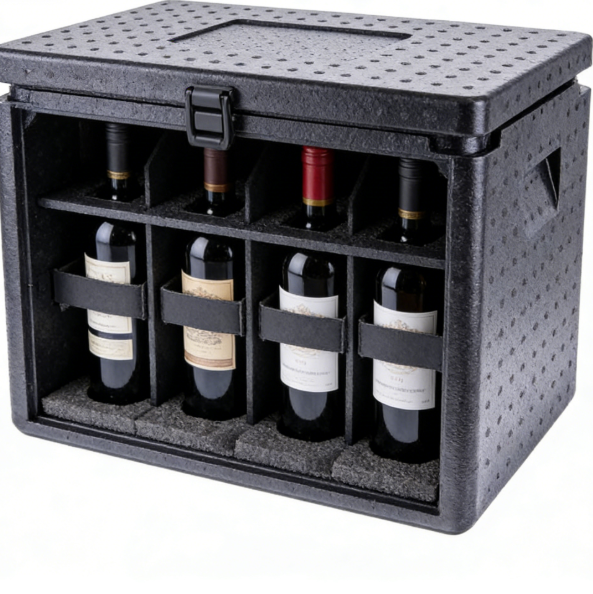
How to Choose the Best Cold Chain Gel Pack Floral Manufacturer in 2026?
A reliable cold chain gel pack floral manufacturer helps you protect bloom quality, extend sellable life, and reduce waste across floral logistics. Flowers are delicate, visual products. That means cooling must do two jobs at once: hold temperature in a stable range and preserve appearance inside the carton. In 2026, buyers also want cleaner packaging, lower material waste, and better customization. The best manufacturers can deliver all of that without making packing operations harder.
This article will answer:
- How to compare a cold chain gel pack floral manufacturer without choosing on price alone
- Which floral pack features improve bouquet, stem, and carton performance
- Why flower-sensitive handling changes gel pack design priorities
- How 2026 sustainability and quality expectations are changing the market
Why does floral logistics need a specialized gel pack manufacturer?
A floral shipment can fail even when it arrives cold. If the carton is wet, the blooms are bruised, or the stems are bent, the commercial result is poor. That is why floral cooling is not the same as food cooling. A flower-friendly gel pack should be slim, flexible, low-leak, and easy to place without stressing the product.
UC Davis postharvest resources continue to show that many cut flowers benefit from very cool handling near 0–1°C, while ethylene-sensitive conditions can shorten floral quality. That is one reason floral buyers are looking harder at packaging design, surface moisture behavior, and box layout. Cooling must support quality, not just temperature. ([加州大学收获后研究与推广中心][5])
What should you evaluate first?
Start with these practical questions:
- Is the pack thin enough for floral cartons?
- Is the outer film smooth and durable?
- Does the pouch stay clean during thaw?
- Can the manufacturer customize dimensions?
- Can the supplier support dry-packed and bouquet-packed formats?
- Is supply stable during seasonal peaks?
| Floral Requirement | What Good Looks Like | Why It Matters |
|---|---|---|
| Delicate contact | Soft, low-profile pouch | Reduces bloom bruising |
| Carton cleanliness | Strong seals, controlled thaw | Better receiver experience |
| Format flexibility | Custom length and width options | Better fit for different box families |
| Operational fit | Easy pack placement | Faster packing and less error |
Practical buyer tips
- For premium rose cartons: Use sidewall or top-perimeter cooling rather than hard top pressure.
- For mixed bouquets: Use wider thin packs that spread cooling gently.
- For export lanes: Validate with full sleeves, liners, and carton load.
- For peak seasons: Confirm lead time and manufacturing capacity before volume ordering.
Which design features matter most in floral gel packs?
The best cold chain gel pack floral manufacturer usually wins through geometry and handling behavior, not just gel formula. Thickness, seam placement, flex behavior, and surface condition after thaw all affect how the pack performs in a real flower box.
A very cold hard pack may reduce box temperature, but it can still be the wrong product if it crushes petals or shifts the stems. Floral shipments often work better with flatter cooling support that touches the carton environment more evenly.
Key design factors
- Low-profile thickness
- Stable fill distribution
- Smooth but durable outer film
- Balanced seam layout
- Controlled thaw feel
- Good fit with sleeves and box walls
| Technical Factor | Poor Floral Result | Better Floral Result | Meaning for You |
|---|---|---|---|
| Pack thickness | Pressure on blooms | Gentle integration | Better shelf presentation |
| Seal strength | Leaks at bends | Stable seams | Cleaner arrival |
| Surface moisture | Slippery or wet | Controlled handling | Easier unpacking |
| Shape retention | Bulging in box | Predictable form | Better box organization |
Suggested validation method
- Pre-cool cartons as usual.
- Test one thin and one medium pack format.
- Compare sidewall, top, and corner placement.
- Review bloom condition, stem straightness, and sleeve quality at arrival.
- Use receiving photos and florist feedback for final selection.
> Real use case: A bouquet packer switched from thick block-style coolant to slim sidewall pouches. The cartons stayed easier to close, blooms looked cleaner at arrival, and the receiving team reported less moisture mess.
How should you compare manufacturers and quotes?
Price is not enough. Compare manufacturers on total floral shipping impact. A cheaper pack may force you to use more units, create more pressure points, or generate more waste at receiving. A better pack may cost more per piece but lower total system cost through better fit and better quality retention.
Look at:
- Pack count per carton
- Pack failure rate
- Box cleanliness
- Ease of packing
- Seasonal supply consistency
- Technical support speed
- Sample-to-bulk consistency
A floral manufacturer becomes much more valuable when they help improve the full pack-out design. That can reduce complaints without increasing coolant quantity.
How are sustainability expectations changing floral cooling?
In 2026, floral buyers want less packaging waste, but they still want dependable cooling. That is pushing manufacturers toward lower-material formats, better box fit, and smarter pack placement rather than simply adding more coolant. Sustainability in this market is becoming about efficiency, not just marketing language.
The best manufacturers help you remove unnecessary pack weight, simplify pack count, and improve disposal burden after delivery. That can lower both operational cost and packaging friction for wholesalers and florists.
Sustainability questions to ask
- Can the pack thickness be optimized instead of increased?
- Can the pack count be reduced with better placement?
- Can the outer material be improved without excess bulk?
- Can the design reduce damage-related waste in the first place?
2026 latest trends and developments
Floral gel pack buying in 2026 is driven by three clear trends. First, delicate-product logistics are pushing demand toward slimmer, cleaner, presentation-safe pack formats. Second, postharvest handling discipline remains central because many flowers still reward near-freezing storage and careful environment control. Third, sustainability pressure is encouraging lower-material, more box-efficient cooling systems rather than oversized pack-outs. ([加州大学收获后研究与推广中心][5])
Latest developments snapshot
- More low-profile pack demand
- More box-family customization
- More supplier involvement in pack-out design
- More focus on quality at receiving, not just temperature
Frequently Asked Questions
Can a floral gel pack be too thick?
Yes. A thick pack can create pressure points, reduce usable box space, and hurt appearance even if its cooling power is strong.
Why is leak control so important in flower cartons?
Because wet wraps, sleeves, and carton surfaces reduce presentation quality and create extra receiving work.
Do flowers need the same cooling layout in every season?
Not always. Summer routes and longer export cycles often need different pack counts or placement than short domestic shipments.
What makes a floral manufacturer better than a generic coolant supplier?
Better customization, better understanding of delicate handling, and better support for real box conditions.
Summary and recommendations
A strong cold chain gel pack floral manufacturer should help you protect temperature, appearance, and operational efficiency at the same time. In 2026, the best suppliers combine slim design, leak resistance, custom sizing, and route-aware technical support. That is how you reduce floral damage without overcomplicating the pack-out.
Your next step should be simple: test two or three suppliers using your actual flower types, sleeves, and cartons. Compare bloom condition, box cleanliness, and pack handling at arrival, not just cold feel. That will give you a much stronger buying decision.
About Tempk
We develop gel pack solutions for delicate cold chain use with a focus on slim profile design, clean handling, and custom OEM flexibility. For floral logistics, we help buyers improve box fit, protect appearance, and simplify pack-out operations across real shipping routes.
If you want a more presentation-safe floral cooling system, send us your carton dimensions and shipment profile, and we can help recommend a practical solution.
==============================
How to Choose a Gel Cold Compress Chocolate Supplier
How to Choose a Gel Cold Compress Chocolate Supplier
gel cold compress chocolate supplier buying works best when you treat it as a full cold chain decision, not a simple accessory purchase. Good suppliers help you protect product quality, control freight weight, reduce customer complaints, and support cleaner documentation. That combination matters more in 2026 because buyers are comparing thermal performance, compliance, and packaging efficiency at the same time.
This article will answer:
How to compare chocolate shipping gel packs options without overpaying
What insulated packaging for chocolate details matter before you request samples
How to use summer chocolate cold packs thinking to reduce complaints
Which food safety, disposal, and pack-out checks protect your brand
Why does a gel cold compress chocolate supplier matter in summer shipping?
gel cold compress chocolate supplier selection improves when you judge the whole use case, not one isolated feature. Temperature control, contact coverage, and carton fit decide whether chocolate arrives glossy or damaged. If your main pain points are melting, fat bloom after heat swings, the supplier should be able to explain how its pack format, gel load, and bag construction solve those problems in a real shipment instead of in a brochure.
Think about this like choosing a shoe for the route, not for the shelf. A pack that looks impressive in the catalog may be oversized, too rigid, too weak at the seal, or wrong for the box geometry. Ask the supplier to match the product to your payload weight, transit hours, ambient risk, and unboxing requirements. That is where chocolate shipping gel packs becomes useful rather than decorative.
How do chocolate shipping gel packs choices affect daily use?
A strong supplier should turn specifications into predictable outcomes. That means showing how pack quantity, frozen start condition, carton size, opening frequency, and receiving conditions change the result. In deeper reviews, you should also ask about gel freezing curve, latent cooling effect, and return-to-liquid behavior. These details sound small, but they often explain why one pack-out survives and another fails. In technical terms, the winning option usually keeps performance inside a usable window instead of chasing a single headline number. That is why repeatability, not just peak cooling, should drive your approval process.
Practical tips and recommendations
For pilot runs: use one carton size and one frozen-conditioning routine so your first comparison is fair.
For approvals: use chocolate shipping gel packs samples in at least two likely weather or lane scenarios before scaling.
For cost control: track damage, refunds, and repack labor, not only pack unit price.
Example: The best results usually come from a small number of controlled decisions repeated well: defined lane inputs, stable packs, written instructions, and clear receiving expectations. That is the difference between cold chain luck and cold chain control.
How do you compare hold time, pack-out design, and food-safe packaging?
gel cold compress chocolate supplier selection improves when you judge the whole use case, not one isolated feature. Buyers should compare tested duration, pack placement, outer carton size, and packaging paperwork instead of only unit price. If your main pain points are melting, fat bloom after heat swings, the supplier should be able to explain how its pack format, gel load, and bag construction solve those problems in a real shipment instead of in a brochure.
Think about this like choosing a shoe for the route, not for the shelf. A pack that looks impressive in the catalog may be oversized, too rigid, too weak at the seal, or wrong for the box geometry. Ask the supplier to match the product to your payload weight, transit hours, ambient risk, and unboxing requirements. That is where insulated packaging for chocolate becomes useful rather than decorative.
What does insulated packaging for chocolate look like in a real test?
A strong supplier should turn specifications into predictable outcomes. That means showing how pack quantity, frozen start condition, carton size, opening frequency, and receiving conditions change the result. In deeper reviews, you should also ask about condensation management around chocolate trays and premium printed sleeves. These details sound small, but they often explain why one pack-out survives and another fails. In technical terms, the winning option usually keeps performance inside a usable window instead of chasing a single headline number. That is why repeatability, not just peak cooling, should drive your approval process.
Practical tips and recommendations
For pilot runs: use one carton size and one frozen-conditioning routine so your first comparison is fair.
For approvals: use chocolate shipping gel packs samples in at least two likely weather or lane scenarios before scaling.
For cost control: track damage, refunds, and repack labor, not only pack unit price.
Example: The best results usually come from a small number of controlled decisions repeated well: defined lane inputs, stable packs, written instructions, and clear receiving expectations. That is the difference between cold chain luck and cold chain control.
What product details should you share before asking for a quote?
gel cold compress chocolate supplier selection improves when you judge the whole use case, not one isolated feature. A better quote comes from lane, transit time, product weight, ship window, and brand presentation requirements. If your main pain points are melting, fat bloom after heat swings, the supplier should be able to explain how its pack format, gel load, and bag construction solve those problems in a real shipment instead of in a brochure.
Think about this like choosing a shoe for the route, not for the shelf. A pack that looks impressive in the catalog may be oversized, too rigid, too weak at the seal, or wrong for the box geometry. Ask the supplier to match the product to your payload weight, transit hours, ambient risk, and unboxing requirements. That is where summer chocolate cold packs becomes useful rather than decorative.
Why do summer chocolate cold packs and documentation matter together?
A strong supplier should turn specifications into predictable outcomes. That means showing how pack quantity, frozen start condition, carton size, opening frequency, and receiving conditions change the result. In deeper reviews, you should also ask about surface contact from flat packs versus point cooling from rigid bricks. These details sound small, but they often explain why one pack-out survives and another fails. In technical terms, the winning option usually keeps performance inside a usable window instead of chasing a single headline number. That is why repeatability, not just peak cooling, should drive your approval process.
Practical tips and recommendations
For pilot runs: use one carton size and one frozen-conditioning routine so your first comparison is fair.
For approvals: use chocolate shipping gel packs samples in at least two likely weather or lane scenarios before scaling.
For cost control: track damage, refunds, and repack labor, not only pack unit price.
Example: The best results usually come from a small number of controlled decisions repeated well: defined lane inputs, stable packs, written instructions, and clear receiving expectations. That is the difference between cold chain luck and cold chain control.
How can you reduce melt risk without making the box too heavy?
gel cold compress chocolate supplier selection improves when you judge the whole use case, not one isolated feature. The smartest supplier balances gel mass, insulation, headspace, and opening experience. If your main pain points are melting, fat bloom after heat swings, the supplier should be able to explain how its pack format, gel load, and bag construction solve those problems in a real shipment instead of in a brochure.
Think about this like choosing a shoe for the route, not for the shelf. A pack that looks impressive in the catalog may be oversized, too rigid, too weak at the seal, or wrong for the box geometry. Ask the supplier to match the product to your payload weight, transit hours, ambient risk, and unboxing requirements. That is where reusable gel packs for chocolate boxes becomes useful rather than decorative.
How can reusable gel packs for chocolate boxes improve cost control?
A strong supplier should turn specifications into predictable outcomes. That means showing how pack quantity, frozen start condition, carton size, opening frequency, and receiving conditions change the result. In deeper reviews, you should also ask about fit testing for 24-hour, 48-hour, and 72-hour parcel lanes. These details sound small, but they often explain why one pack-out survives and another fails. In technical terms, the winning option usually keeps performance inside a usable window instead of chasing a single headline number. That is why repeatability, not just peak cooling, should drive your approval process.
Practical tips and recommendations
For pilot runs: use one carton size and one frozen-conditioning routine so your first comparison is fair.
For approvals: use chocolate shipping gel packs samples in at least two likely weather or lane scenarios before scaling.
For cost control: track damage, refunds, and repack labor, not only pack unit price.
Example: The best results usually come from a small number of controlled decisions repeated well: defined lane inputs, stable packs, written instructions, and clear receiving expectations. That is the difference between cold chain luck and cold chain control.
2026 developments and trends
Chocolate quality is highly sensitive to heat, light, and humidity, and industry storage guidance commonly keeps chocolate below about 18°C for storage and around 20–22°C for consumption, which is why heat-stable pack-out design matters for shipping premium products. In Europe, packaging policy is also moving toward less waste and more reuse, so buyers increasingly ask suppliers to prove not only thermal performance but also packaging efficiency and reuse potential. At the same time, Google’s own search guidance continues to emphasize helpful, reliable, people-first content, so supplier pages that answer buyer questions clearly are still better positioned than thin catalog pages.
What is changing right now
Food brands: Food brands are paying more attention to disposal simplicity and customer handling.
Food-contact paperwork: Food-contact paperwork is gaining weight in supplier reviews.
Teams: Teams are testing how packaging looks after condensation, not only whether it stays cold.
The market insight is simple: better buyers are becoming more structured. They no longer separate product, packaging, compliance, and service into four unrelated conversations. They expect one answer that covers all of them. If a supplier can connect cooling logic with paperwork, packing steps, and cost discipline, it becomes easier to approve and easier to keep.
FAQ
How long should gel cold compress chocolate supplier hold temperature?
It depends on pack mass, carton design, payload, starting temperature, and route hours. Ask for lane-based testing, not a single headline number.
Should you compare gel cold compress chocolate supplier only by price?
No. A lower unit price can create higher refund, spoilage, labor, or freight cost. Compare total shipment outcome, not only the pack line.
Can you market gel cold compress chocolate supplier as eco-friendly without proof?
No. Use specific, documented claims and clear disposal instructions. Vague green wording creates risk and confuses customers.
How many suppliers should you test first?
Two or three strong options are enough for a fair pilot. More than that often creates noise unless your test method is tightly controlled.
Summary and recommendation
gel cold compress chocolate supplier sourcing gets easier when you focus on five things: route fit, repeatable performance, packaging strength, usable documentation, and total shipment cost. Those checks help you avoid weak samples, vague claims, and avoidable rework. The best supplier is usually the one that makes your whole shipping process simpler, not the one that only sends the coldest-looking sample.
Start with one shipping lane, one payload type, and one decision scorecard. Compare suppliers on test discipline, pack-out clarity, damage risk, and operational fit. Then scale only the format that keeps both the product and your workflow under control. Ask us to build a chocolate lane pack-out with target transit hours, ambient range, and carton size.
About Tempk
Tempk works on practical temperature-control packaging for food, cold chain, and industrial applications. We focus on usable pack-out design, repeatable production, and communication that helps your team test faster. Instead of selling a generic cold pack story, we aim to match the format, gel load, and packaging logic to the way you actually ship.
Talk with us about your shipping lane, and we can help you narrow the right pack format before you overbuy.
How to Find the Best Freezer Gel Brick Tissue Sample Wholesale Solution in 2026
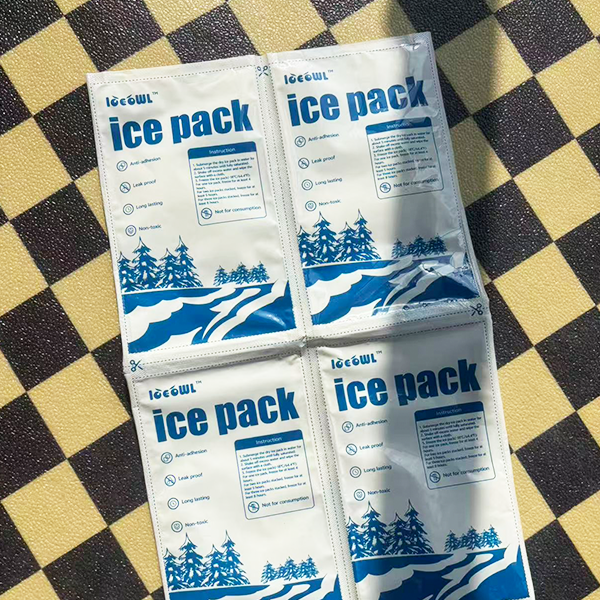
How to Find the Best Freezer Gel Brick Tissue Sample Wholesale Solution in 2026
If you are evaluating freezer gel brick tissue sample wholesale options, the most important decision is not brand or unit price. It is whether a freezer gel brick is the right cooling tool for your exact specimen workflow. In many refrigerated tissue and specimen movements, a gel brick can work well. In frozen tissue shipping, dry ice may still be the more appropriate choice. The best supplier helps you make that distinction early.
This article will answer:
When a freezer gel brick is the right choice for tissue sample logistics
When dry ice is likely the better transport medium
Which supplier, QC, and validation checks matter most
What 2026 trends now shape tissue sample packaging decisions
Why should you define the sample condition first?
Specimen packaging fails when teams choose a coolant before they define the temperature target. A freezer gel brick can be very effective for refrigerated or controlled chilled sample routes because it offers stable shape, easy placement, and repeatable packing. But if the tissue must remain frozen for the entire journey, the system may need dry ice instead.
That is why the best freezer gel brick tissue sample wholesale supplier starts with questions. Is the specimen refrigerated or frozen? How long is the route? What insulated box is used? Will the shipment move by courier overnight or only within one facility? These questions decide the right thermal system.
Use-case overview
What makes a gel brick attractive in chilled specimen systems?
A gel brick is attractive because it stays where you place it. In a structured specimen kit, that can make training easier and reduce packout variation between staff. Compared with a soft pouch, a brick is less likely to bunch into one corner or shift shape during packing.
This fixed geometry is especially useful in trays, molded inserts, or compartment-based shippers. It creates a cleaner and more repeatable packing experience, which is valuable when the specimen program involves many operators or sites.
Practical tips
For hospital and clinic transfers: Use fixed-position layouts with clearly marked brick locations.
For chilled specimen kits: Validate the brick after conditioning, not straight from uncontrolled freezing.
For multi-site programs: Approve one standard layout per workflow and train to that exact layout.
Example: A laboratory group simplified its refrigerated specimen kit by switching from loose soft packs to two fixed-position gel bricks. Staff training became easier because the layout was obvious and repeatable from one shipment to the next.
Which supplier checks should you demand before wholesale approval?
You should demand stable dimensions, stable weight, clear conditioning guidance, durability under freeze-thaw use, and batch traceability. For structured specimen kits, size consistency is especially important because a small change can affect fit in trays or molded compartments.
You should also ask whether the supplier will be clear about the product’s limits. A trustworthy supplier will tell you when the brick is appropriate for refrigerated sample routes and when frozen specimen transport needs dry ice instead.
Supplier review table
Why are 2026 buyers becoming more workflow-specific?
In 2026, specimen teams are more careful about distinguishing refrigerated and frozen transport because they want packaging decisions backed by clear logic and written SOPs. This means one broad “sample shipper” claim is no longer enough. Buyers want exact fit between workflow and coolant system.
This shift favors honest and technically helpful suppliers. A vendor who helps you define the correct role for a gel brick can save more time and risk than a vendor who simply says yes to every use case.
Latest progress snapshot
More workflow-specific specimen packaging approvals
More training-driven kit designs with fixed coolant positions
More caution around frozen tissue routes and dry ice needs
More value placed on clear written packout instructions
Frequently Asked Questions
Can a freezer gel brick replace dry ice in frozen tissue shipping?
Not in every case. Many frozen tissue routes still need dry ice because the temperature requirement is lower than a standard gel brick can support.
What is the main advantage of a gel brick in specimen kits?
Its stable shape makes packing more repeatable and easier to train across different staff members.
How do I compare wholesale suppliers?
Compare workflow honesty, dimensional consistency, validation support, and the clarity of conditioning instructions.
Is customization worth it?
Yes, especially when your specimen shipper uses fixed slots or molded trays that benefit from exact-fit coolant pieces.
Summary and action plan
The best freezer gel brick tissue sample wholesale solution in 2026 is the one that matches the real specimen condition, fits the shipper, and is easy for staff to repeat. Focus on workflow definition, dimensional stability, and honest supplier guidance.
Your next step should be to define one refrigerated workflow and one frozen workflow separately, then validate the right cooling system for each instead of trying to force one product to cover both.
About Tempk
At Tempk, we design temperature-control packaging for real cold chain applications where fit, training, and workflow clarity matter as much as thermal performance. We focus on helping customers choose the right cooling format for the true task, not just the most familiar product.
If you are evaluating freezer gel brick tissue sample wholesale options, begin with the exact sample state, route, and packaging system you need to control.