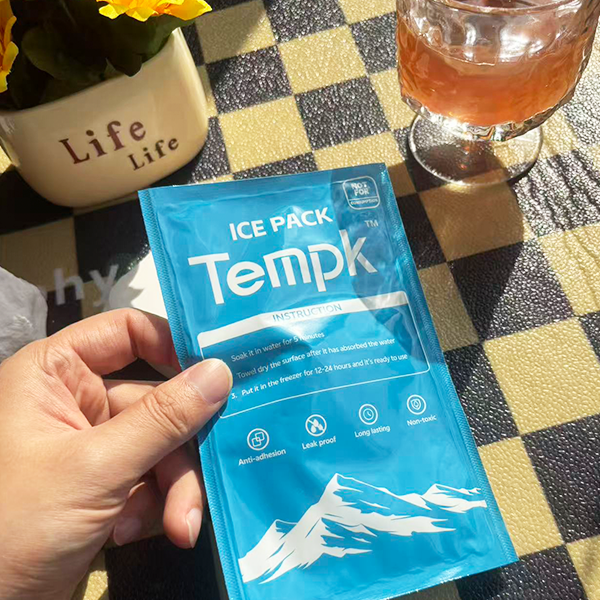
Best Seafood Products Cold Chain Kits in 2026 – Keep Fish Fresh & Compliant
Best Seafood Products Cold Chain Kits: How to Keep Seafood Fresh in 2026
Maintaining the quality of seafood through long, complex supply chains demands more than a generic insulated box. With the global seafood market expected to reach roughly US$270.43 billion in 2026 and strict temperature limits of 0 °C–5 °C for fresh fish and ≤–18 °C for frozen goods, investing in the best seafood products cold chain kits has become vital. You’re not just preventing spoilage—you’re protecting your brand, complying with regulations and meeting customers’ expectations for sustainability and transparency. This guide shows you how to choose and use kits that balance insulation, moisture control and physical protection, using uptodate research and realworld examples.
This guide will answer:
Why the seafood cold chain matters – understand spoilage risks and regulatory standards.
How the threelayer kit model works for shellfish and other seafood.
Which packaging materials perform best in 2026(EPS, fibre, polypropylene, biobased foams and reusable containers).
How to select refrigerants and accessories (ice packs, gel packs, dry ice, sensors).
How to match kits to species and route length using a lanescore system.
What regulations apply and how to stay compliant.
Practical packing tips, case studies and checklists to improve results.
Trends and innovations shaping 2026 – IoT sensors, sustainable materials, AI route optimisation and new protocols.
Why the seafood cold chain matters in 2026
Spoilage happens fast—temperature is everything
Seafood is one of the most perishable food categories. After harvest, enzymes and bacteria begin breaking down tissues almost immediately. Regulators note that keeping fish near the melting point of ice (0 °C–5 °C) slows microbial growth, while temperatures in the “danger zone” (5 °C–57 °C) allow pathogens like Salmonella and E. coli to double every 20 minutes. The U.S. FDA Food Code requires cold foods to be held at 41 °F (5 °C) or below. Failure to meet these limits doesn’t just lead to stale taste; it can cause foodborne illness. The Centers for Disease Control and Prevention estimates 48 million Americans suffer from foodborne diseases each year, many linked to improper coldchain management.
Market growth, consumer expectations and sustainability
The stakes are high. The global seafood market is projected to grow from US$252.67 billion in 2024 to US$270.43 billion in 2026 at a compound annual growth rate of about 7 %, and consumers are increasingly demanding transparency and ecofriendly packaging. Sustainable materials already account for 37 % of seafood packaging, and reusable containers are gaining traction. Companies that invest in advanced coldchain kits and technology can differentiate themselves and reduce waste.
Understanding cold chain kits: the threelayer model
The most successful kits combine outer protection, insulation and inner moisture/ movement control into a cohesive system. If you focus solely on keeping the product cold, you risk leaks, cracked shells and soggy cartons. The threelayer model provides a simple framework for evaluating any kit:
| Kit layer | What it does | Common failure | Impact on you |
| Outer protection | Prevents crushing and punctures during handling and transit | Weak corners, soft cartons | More broken shells and leaks |
| Insulation layer | Reduces temperature swings and extends cooling duration | Insulation too thin for lane length | Product warms before delivery |
| Inner control | Manages moisture, absorbs meltwater and keeps seafood stable | No absorbent or poor spacing | Wet labels, odors and messy claims |
Practical tips: Begin by identifying your worst handoff point (e.g., a hot dock or crossdock terminal). Standardize one packout per lane to reduce variation, and treat moisture as a central risk—wet cartons trigger rejections even if temperatures stay within limits.
Choosing packaging materials: EPS, fibre, PP, biofoams and reusable boxes
Selecting the right box material balances insulation performance, cost, sustainability and regulatory compliance. The following materials dominate the 2026 landscape:
Expanded Polystyrene (EPS)
EPS is a rigid foam that traps air and provides excellent insulation. When packed with ice, EPS boxes can keep fish below 4.4 °C for over 40 hours. They are lightweight and relatively inexpensive, making them ideal for long routes exceeding 900 km and tight budgets. However, EPS is difficult to recycle and faces bans or taxes in many jurisdictions.
Fibrebased corrugated boxes
Corrugated fibre boxes coated with waterresistant coatings (e.g., Greencoat®) offer insulation comparable to EPS on shorter routes. They remain below 4.4 °C for over 40 hours, ship flat—saving 70–85 % storage space—and are fully recyclable. These boxes perform best on routes shorter than 900 km because their insulation is thinner.
Polypropylene (PP) boxes
PP boxes like the CoolSeal range are made from corrugated polypropylene (PP5). They ship flat or prefolded, saving about 85 % storage space and 30 % shipping weight. Sealededge technology prevents water absorption and contamination, and the material bends without breaking. PP boxes offer adequate insulation for 24–48 hours and are fully recyclable—ideal for highturnover products, airlines and exporters who need space efficiency.
Biobased foams
New foams derived from mushroom mycelium, algae or starch provide insulation comparable to EPS but cost 20–50 % more. Chemically recycled EPS (e.g., CELOOPS) reprocesses collected foam into new boxes, reducing environmental impact. Biobased foams are compostable and appeal to ecoconscious consumers, though performance may vary with humidity.
Rigid reusable containers (RISC)
Rigid insulated shipping containers made from plastic or metal offer high insulation and can hold ice for 3–7 days. They are heavy and expensive upfront, and require cleaning and sanitation after each use. RISC boxes are best suited for closedloop systems, bulk shipments or routes that demand strict sustainability mandates.
Material comparison table
| Material | Insulation performance | Cost & durability | What it means for you |
| EPS | Keeps seafood below 40 °F (4.4 °C) for >40 hours | Low cost, singleuse, difficult to recycle | Ideal for long routes (>900 km) and tight budgets; may face disposal fees |
| Fibre boxes | Comparable to EPS for shorter routes (≤900 km) | Moderate cost, fully recyclable, ship flat | Good for regional deliveries or air freight where weight and sustainability matter |
| Polypropylene (PP) | Adequate for 24–48 hours; adapts quickly to temperature changes | Durable, moistureresistant, recyclable; smaller external size | Great for highturnover products, airlines and exporters needing space efficiency |
| Biobased foams | Similar to EPS; may extend shelf life by up to 70 % | 20–50 % higher cost, compostable; performance varies with humidity | Appeals to premium, ecoconscious markets; supply may be limited |
| Reusable containers | Highest insulation; some hold ice 3–7 days | Highest cost, heavy; require cleaning and return logistics | Best for large volumes, closed loops or strict sustainability mandates |
Refrigerants and accessories: ice packs, gel packs, dry ice and reusable options
The cooling medium you choose influences temperature stability, handling safety and cost. A 2026 buyer’s guide compares the main options:
Gel packs are flexible pouches filled with refrigerant and maintain refrigerated temperatures (2–8 °C). They deliver slightly better thermal retention than water packs, are nontoxic and require no special handling, but they can leak if punctured and cost more.
Water packs (ice packs) are pouches filled with frozen water. They are inexpensive, safe and easy to dispose of. The tradeoff is lower thermal mass, which may require more packs, and rigidity when frozen.
Dry ice (solid CO₂) sublimates at –78.5 °C and provides ultralow temperatures. It is ideal for frozen seafood but is hazardous and requires special handling. It can also overcool or damage products not meant to freeze.
Reusable cold packs use durable gel or waterbased refrigerants and are designed for closed systems. They reduce waste and cost over time but require return logistics and infrastructure.
Industryspecific recommendations: For chilled seafood shipments (2–8 °C), water or gel packs provide sufficient stability. Frozen products like crab or lobster may require dry ice. For subscription seafood services or recurring deliveries, reusable packs offer longterm savings.
Complementary equipment: totes, pallets and modular storage
Packaging isn’t the whole story. Insulated totes, pallets and modular cold rooms complete the system. As the coldchain equipment market grows from US$89.5 billion in 2024 to US$94.3 billion in 2026 (projected to reach US$179.8 billion by 2034), producers must invest in equipment that matches their boxes. Bulk insulated fish totes can hold ice for 3–7 days, offer capacities from 9 to 55 cubic feet and allow forklift entry. Pallets made from highdensity polyethylene or aluminium resist moisture and support heavy loads. Modular cold rooms and hybrid refrigeration units allow you to scale capacity seasonally and integrate IoT sensors for continuous monitoring.
Matching kits to species and route length
Different seafood types and shipping lanes require different solutions. A lanescore decision tool from industry experts helps you design kits based on exposure time, handoffs, climate and product sensitivity. Summarized:
Lane length (total exposure): Under 24 hours = 1 point; 24–48 hours = 2 points; over 48 hours = 3 points.
Handoffs: Direct ship = 1 point; one handoff = 2 points; two or more handoffs = 3 points.
Weather risk: Cool season = 1 point; mixed season = 2 points; hot season or hot regions = 3 points.
Species sensitivity: Cooked or sealed packs = 1 point; raw shrimp/mixed seafood = 2 points; live shellfish = 3 points.
Claim tolerance: Low tolerance = 1 point; moderate = 2 points; high = 3 points.
Interpretation: A score of 5–7 suggests a basic kit with strong process controls; 8–11 requires a midrange kit with improved insulation and moisture control; 12–15 demands a highperformance kit with monitoring and strict handoff discipline.
Shellfish vs shrimp vs fillets
Live oysters and shellstock need stable cool temperatures (0–4 °C), cushioning and drainage to prevent suffocation and crushing. Avoid direct contact with frozen packs that can cause local freeze damage. Use separators and snug packing to prevent shells from grinding against each other.
Shrimp and shucked shellfish are prone to drip, odor and texture loss. Place refrigerants correctly—too close causes freeze damage; too far creates warm pockets. A twostep seal (inner bag plus liner) and a “mess barrier” reduce leaks.
Fillets and frozen products require temperatures below –18 °C; dry ice or highperformance phasechange materials (PCMs) can maintain these levels. Use trays or separators and vacuum skin packaging (VSP) to prevent sticking and retain moisture.
Regulations and compliance: staying legal and safe
Several national and international regulations govern seafood cold chains. Understanding them protects consumers and avoids fines:
Hazard Analysis and Critical Control Points (HACCP) – a foundational program requiring identification of hazards and monitoring of critical control points.
Good Manufacturing Practices (GMP) and Sanitation Standard Operating Procedures (SSOP) – covering facility hygiene, equipment design and personnel training.
Food Safety Modernization Act (FSMA) – the Sanitary Transportation Rule mandates vehicles and equipment capable of maintaining safe temperatures and preventing crosscontamination, while FSMA 204 requires recordkeeping of key data elements within 24 hours.
European Union Regulation 852/2004 – requires maintaining the cold chain for foods unsafe at ambient temperature and emphasises digital vessel tracking for seafood.
FAO guidelines – advise chilling seafood to 0 °C immediately after capture and maintaining frozen fish at –18 °C or colder. They note exceptions for brinefrozen fish intended for canning, which may be transported at –9 °C.
FDA Food Code – states that cold foods (including seafood) must be held at 41 °F (5 °C) or below.
Documentation matters: Keep bills of sale, shipping notes, certificates of origin and health certificates on file. Certifications like FSSC 22000, BRCGS and IFS Logistics demonstrate compliance and build buyer confidence.
User scenarios and practical tips
Handling insulated totes and containers
Prechill containers: Cool fish totes and boxes before loading to avoid warming seafood.
Layer ice strategically: Use flake or slurry ice to create uniform cooling; avoid crushing delicate fillets.
Rotate and stack correctly: Align totes to maximize airflow and stack no more than three to four high.
Clean and sanitize: Rinse totes with potable water, scrub with foodgrade detergent and sanitize per HACCP plans; smooth interiors make cleaning easier.
Inspect wear parts: Check latches, gaskets and rubber pads regularly. Replace worn components to maintain insulation and safety.
Case example: A seafood processor in Alaska swapped wooden pallets and uninsulated bins for insulated totes and reusable plastic pallets. Fish stayed at or below 0 °C for 72 hours, enabling longer processing times and yielding 15 % less ice usage.
Selecting the right box and route strategy
Know your product: Shellfish and shrimp require more moisture and moderate temperatures, while fatty fish like salmon spoil quickly if temperatures rise above 5 °C.
Match box to route length and transport mode: Use EPS or highperformance fibre boxes for long hauls; polypropylene or fibre boxes reduce weight and environmental impact for regional deliveries.
Evaluate refrigerants: Choose flake ice, gel packs, dry ice or phasechange materials (PCMs) based on route length and temperature requirements.
Optimize space and weight: Use boxes that ship flat or prefolded to reduce warehouse space by 85 %; smaller external dimensions allow 20–30 % more product per pallet.
Maintain hygiene and traceability: Choose boxes with sealed edges and integrate barcodes or QR codes for traceability as required by FSMA 204.
Sustainability considerations: Paper boxes with Greencoat® or biofoams are fully recyclable and appeal to ecoconscious markets. Reusable containers reduce waste if you can support returns.
Selfcheck quiz
Ask yourself the following yes/no questions to assess your coldchain practices:
Do boxes sit on a warm dock for more than 15 minutes?
Do packers change the packout “when busy”?
Do you ship mixed odors in the same load area?
Do customers open cartons immediately in warm air?
Do you lack trip evidence for disputes?
If you answer yes to three or more, focus on process improvements before buying more packaging.
2026 trends and innovations
Market growth and sustainability
The coldchain logistics market is booming. Precedence Research estimates that it will rise from US$436.30 billion in 2026 to roughly US$1,359.78 billion by 2034. The frozen seafood market is forecast to expand from US$24.78 billion in 2026 to US$42.58 billion by 2034. Sustainability is a major driver; companies like Seawise have replaced over two million Styrofoam and wax boxes with recyclable corrugated technology that keeps water contained for over 14 days.
Technological innovations
IoT sensors and realtime monitoring: Connected sensors are now baseline requirements. They transmit temperature and humidity data to the cloud and trigger alerts when deviations occur. Ambient IoT and batteryfree sensors harvest energy from radio waves, lowering maintenance costs.
AIdriven route optimisation: Artificial intelligence helps logistics providers optimize delivery routes, reducing transit times and energy consumption. This means your seafood spends less time in transit and stays within safe temperature ranges.
Blockchain and digital traceability: Blockchain offers tamperproof records and consumerlevel transparency. The seafood traceability software market is expected to grow from US$705 million in 2024 to US$1.84 billion by 2033.
Energyefficient refrigeration: Manufacturers are moving toward allelectric or hybrid refrigeration units and modular cold rooms. Solarpowered systems are gaining momentum; commercial solar rates range between 3.2 and 15.5 cents per kWh, compared with an average utility rate of 13.1 cents in 2024.
New protocols and industry initiatives: In July 2026, the Global Cold Chain Alliance (GCCA) and the American Frozen Food Institute (AFFI) released a protocol for standardized temperature monitoring across the frozen food supply chain. It identifies critical monitoring points and establishes baseline measurements, aiming to enhance operational efficiency and shelflife management.
Regulatory and regional developments
Governments worldwide are tightening requirements and investing in infrastructure. The Food Traceability Rule under FSMA 204 has a compliance date of January 2026, potentially extending to July 2028. Europe is implementing digital vessel tracking and traceability requirements. Asia–Pacific’s coldchain logistics market is projected to grow at about 14.3 % annually, reflecting rising demand for imported seafood and improved infrastructure.
FAQ
How do I keep seafood fresh during shipping? Pack seafood in an insulated container with sealed edges, add gel or water packs to maintain 0–5 °C for fresh fish or dry ice for frozen products, prechill everything, and monitor temperature with data loggers.
What temperature should seafood be kept at during transport? Fresh fish and shellfish should remain between 0 °C and 5 °C; frozen seafood must stay at –18 °C or colder. The FDA Food Code sets a maximum coldholding temperature of 41 °F (5 °C).
Which coldchain kit works for shellfish vs shrimp? Live oysters need cushioning, drainage and stable cool zones to avoid suffocation and crushing. Shrimp and shucked shellfish require tighter seals and absorbent liners to prevent drip and odor; ensure refrigerants are correctly placed to avoid freeze damage.
Are gel packs or water packs better for seafood? Gel packs provide better thermal retention and are nontoxic, but they cost more and may leak if punctured. Water packs are cheaper and safer to dispose of, making them ideal for short to midduration chilled shipments.
What regulations govern seafood cold chains in the United States and Europe? In the U.S., seafood shipments must comply with HACCP, GMP/SSOP, FSMA (including FSMA 204) and the FDA Food Code. In Europe, Regulation 852/2004 mandates maintaining the cold chain and digital vessel tracking.
Summary and recommendations
Managing seafood quality in 2026 requires more than a cold box—it demands a holistic system that balances insulation, moisture control and monitoring. To achieve success:
Choose materials wisely: For long hauls, EPS or highperformance fibre boxes deliver extended insulation. For regional routes, PP or fibre boxes reduce weight and storage space. Invest in biofoams or reusable containers when sustainability and customer perception matter.
Match refrigerants to the product: Gel or water packs are ideal for chilled shipments; dry ice suits frozen products. Consider reusable packs for subscription services.
Design kits around the threelayer model: Outer protection, insulation and moisture control must work together. Standardize packouts and prioritize absorbent liners to avoid “wet box” claims.
Follow the lanescore system: Evaluate lane length, handoffs, climate, species sensitivity and claim tolerance to choose the appropriate kit.
Invest in monitoring and technology: Use IoT sensors, data loggers and AI route optimisation to maintain temperature and reduce transit time.
Stay compliant: Adhere to HACCP, FSMA and international regulations. Keep digital records, calibrate equipment and train staff regularly.
By implementing these recommendations, you can deliver seafood that meets customers’ expectations, reduces waste and demonstrates environmental responsibility.
About Tempk
Tempk is a leading provider of coldchain packaging solutions and temperaturecontrolled equipment. We specialize in insulated boxes, gel and water ice packs, medical ice boxes and insulated bags, offering options for both chilled (0–10 °C) and frozen (≤–10 °C) shipments. Our R&D center focuses on ecofriendly materials like recyclable fibre coatings and reusable packaging, and we hold certifications such as Sedex and quality management accreditations. Our products are designed to keep seafood, pharmaceuticals and meal kits safe, fresh and compliant. We believe in helping our customers design systems—not just boxes—that protect the product and the planet.
Call to Action: To explore tailored solutions for your seafood business, reach out to our specialists. We can help you design best seafood products cold chain kits that fit your routes, products and sustainability goals. Contact us today for a consultation.
International Temperature-Controlled Express Delivery 2025 Guide & Trends
International temperature-controlled express delivery sits at the heart of modern supply chains. It enables fragile goods – from lifesaving vaccines to gourmet seafood – to travel thousands of kilometres without losing quality or safety. In 2025 analysts estimate the global cold chain logistics market is worth around US$436 billion and could reach US$1.36 trillion by 2034. This explosive growth highlights how vital temperature management has become to international trade. As more consumers expect fresh produce yearround and new biologic medicines require ultracold storage, businesses need clear guidance on how to maintain precise conditions during transit. This article, updated on January 5 2026, demystifies international temperaturecontrolled express delivery and offers practical insights to help you succeed in the year ahead.
This article will answer:
What exactly is international temperaturecontrolled express delivery? It covers definitions and why keeping goods within specific temperature ranges preserves quality and safety.
How does the process work across borders? You’ll learn the stages – precooling, packaging, storage, transportation and lastmile distribution – with realworld examples and useroriented advice.
Which technologies and practices are shaping 2025? From IoT sensors and AI route optimisation to blockchain and sustainable packaging, discover the innovations that make global cold chains smarter.
What are the latest market trends and regulatory changes? Understand growth forecasts, regional insights and environmental regulations affecting refrigerants and packaging.
How can sustainable practices reduce costs and emissions? Explore strategies such as reusable packaging, solarpowered storage and ocean freight that reduce environmental impact while improving efficiency.
What Is International TemperatureControlled Express Delivery?
International temperaturecontrolled express delivery refers to the process of handling, storing and transporting perishable or temperaturesensitive goods across national borders while maintaining precise temperature ranges. Unlike standard parcel services, it involves specialized packaging, cold storage facilities, refrigerated vehicles and continuous monitoring to ensure products remain within allowable temperature limits from origin to destination. Keeping shipments within strict ranges preserves potency, safety and flavour, and is often mandated by regulators for vaccines and pharmaceuticals. A highquality cold chain enables health workers to deliver lifesaving vaccines to remote communities; even minor temperature deviations can render these products ineffective or dangerous.
Why it matters for global trade
From a business perspective, the stakes are high. Spoilage or loss during transit leads to wasted inventory, recalls and reputational damage. According to industry analysts, the global cold chain logistics market accounted for US$436.30 billion in 2025. This massive value reflects surging demand for safe transport of biologics, highend seafood, specialty produce and temperaturesensitive chemicals. Analysts predict the market will reach US$1.36 trillion by 2034, growing at a compound annual rate of 13.46 %. Such growth underscores the strategic importance of efficient temperature management for exporters seeking to tap into booming global demand.
Key categories and their temperature requirements
Different products require different temperature regimes. The following table summarizes common categories, the typical Fahrenheit range and what that means for you based on reliable industry guidance:
| Temperature Category | Typical Range (°F) | What It Means for Your Shipment |
| Ambient | 59–86 | Suitable for dry foods and certain pharmaceuticals. Minimal refrigeration costs, but proper ventilation prevents heat buildup. |
| Cool | 50–59 | Used for cheese and select produce. Mild cooling preserves flavour; short transport times and insulated containers are essential. |
| Refrigerated | 32–50 | Common for vaccines and dairy products. Requires strict control using IoT sensors for realtime monitoring to avoid excursions. |
| Frozen | −22–32 | Needed for meat, seafood and ice cream. Demands deep freezing equipment and redundancy plans for power failures. |
| Ultracold | −80 to −150 | Necessary for biologics, cell therapies and gene therapies. Portable cryogenic freezers maintain these conditions and incorporate GPS tracking. |
Maintaining the correct category reduces spoilage and ensures regulatory compliance. For example, portable cryogenic freezers maintain temperatures as low as −80 °C to −150 °C for biologics and gene therapies. These units include GPS and sensor modules that alert operators to deviations, making them indispensable for cell and gene therapies.
How Does International TemperatureControlled Express Delivery Work?
Moving a temperaturesensitive product across borders involves a coordinated series of steps. Each stage focuses on maintaining stable conditions, minimizing thermal shocks and complying with international regulations.
Precooling and preparation
Preparation starts before your goods ever leave the facility. Fruits, vegetables and flowers are precooled immediately after harvest to remove field heat and slow enzymatic activity. For pharmaceuticals, manufacturing lines often include blast freezers or controlled environmental chambers to ensure uniform temperature before packaging. Precooling sets the baseline; sending products that are warmer than their target range shortens their shelf life and increases the risk of spoilage during transit. At this stage you should document initial temperatures and condition to establish traceability.
Packaging and insulation
Once cooled, products are packed in insulated containers, phasechange materials and gel packs designed to maintain the target temperature. Phasechange materials (PCMs) absorb or release heat at specific temperatures, providing a buffer against environmental fluctuations. Gel packs and dry ice cater to different ranges: gel packs are ideal for 2–8 °C shipments, while dry ice maintains −78 °C for frozen goods. Packaging should also protect against physical shocks and humidity changes. Highdensity foam inserts or vacuuminsulated panels (VIPs) add extra thermal protection without significantly increasing weight.
Storage and staging
Before leaving the country, shipments pass through temperaturecontrolled warehouses. Modern facilities use insulation panels, automated storage and retrieval systems (AS/RS) and highdensity racks to keep temperatures stable. Temperature mapping ensures uniform conditions across different zones. Good warehousing practices follow the FIFO (firstin, firstout) principle to prevent old stock from deteriorating. Electronic data loggers continuously record temperature and humidity, creating an auditable trail for regulatory compliance.
International transportation
The transportation phase is where the “express” element comes into play. Insulated trucks, reefer containers, refrigerated railcars and cargo aircraft maintain the cold chain during longdistance travel. For ultracold shipments, portable cryogenic freezers provide dedicated compartments with integrated GPS and sensors to maintain subzero conditions. Express providers leverage AIpowered route optimisation to minimize transit time and avoid traffic and weather disruptions. Predictive algorithms analyze factors such as road conditions, customs clearance times and flight schedules to choose the fastest and most reliable route.
Lastmile delivery
After clearing customs, shipments move to local distribution hubs where they are sorted for final delivery. Lastmile services require specialized vehicles equipped with refrigeration units and smaller insulated containers. Realtime monitoring remains critical because this is where the risk of temperature excursions increases due to shorter handover times. Drivers and couriers should receive training on correct handling procedures, including how to load and unload insulated parcels quickly and safely. Providing recipients with accurate delivery windows reduces waiting times and exposure to ambient conditions.
Monitoring, documentation and compliance
Throughout the journey, IoT sensors monitor temperature, humidity and location in real time. When a sensor detects an unsafe reading, it automatically sends an alert via SMS or email, enabling quick intervention. Blockchain technology is increasingly used to record each step of the shipment in a tamperproof ledger, creating a transparent record for regulators and customers. Compliance with Good Distribution Practice (GDP), Hazard Analysis and Critical Control Points (HACCP), and International Air Transport Association (IATA) regulations requires meticulous documentation of temperatures, handling procedures and chain of custody. As regulatory scrutiny intensifies, companies that maintain detailed digital records will have an advantage when entering new markets.
Technologies and Innovations Shaping 2025
2025 brings a wave of technological advancements that make international temperaturecontrolled express delivery faster, safer and more sustainable. Below we examine the most impactful innovations.
IoT Sensors and RealTime Monitoring
IoT devices act as the digital nervous system of the cold chain. Small, lightweight sensors affixed to pallets, containers or individual packages continuously record temperature, humidity and GPS coordinates. They transmit this data through cellular networks or lowpower widearea networks (LPWAN), enabling operators to monitor shipments from a central dashboard. Realtime alerts reduce spoilage by allowing quick corrective action. Many sensors now incorporate nearfield communication (NFC) tags so customs officers can verify data without opening the package. For exporters, adopting IoT sensors translates into fewer quality issues, better compliance and improved customer satisfaction.
AIPowered Route Optimisation and Predictive Analytics
Artificial intelligence is transforming logistics by analyzing complex data sets—weather forecasts, traffic patterns, equipment status and historical delivery times—to predict delays and suggest optimal routes. AI can also recommend when to dispatch shipments to align with customs working hours, reducing dwell time at borders. Predictive maintenance uses sensor data to anticipate equipment failures before they occur, ensuring refrigeration units and freezers remain operational. This proactive approach reduces downtime and extends equipment lifespan.
Blockchain and EndtoEnd Traceability
Blockchain records every event in the shipment’s journey in a decentralized ledger. Each handoff—from factory to warehouse to carrier to customs—is logged as a tamperproof “block.” Stakeholders can see where goods are, verify temperature data and ensure chainofcustody integrity. This transparency helps businesses demonstrate compliance with stringent import regulations, particularly for pharmaceutical products. Some countries now require digital certificates for temperaturesensitive shipments, and blockchain provides a secure way to manage these records.
SolarPowered Cold Storage and Renewable Energy
Energy costs and carbon emissions are major concerns in the cold chain. Solarpowered cold storage units provide offgrid refrigeration, making them ideal for remote areas or regions with unstable electricity. Commercial solar rates in the United States range between 3.2 and 15.5 cents per kWh, offering significant cost savings compared with grid electricity. Hybrid solutions combine solar panels with battery storage to ensure continuous operation at night or during bad weather. By reducing dependence on fossil fuels, solarpowered solutions cut operational costs and support corporate sustainability goals.
Portable Cryogenic Freezers
Personalized medicine and advanced biologics often require temperatures between −80 °C and −150 °C. Portable cryogenic freezers deliver these conditions even during long flights or transoceanic crossings. They integrate GPS tracking and IoT sensors to provide alerts if temperature or battery status deviates. The units are batterypowered and meet aviation safety standards, making them safe for commercial air transport. Pharmaceutical manufacturers increasingly rely on portable cryogenic freezers to deliver gene therapies and cell therapies to patients around the world.
Sustainable Packaging and Circular Solutions
Environmental pressures and rising disposal costs are driving the adoption of biodegradable, recyclable and reusable packaging. In 2025 the reusable cold chain packaging market is projected to reach US$4.97 billion. Advanced materials like aerogel insulation and phasechange materials deliver superior thermal performance with less weight. Some packages incorporate embedded sensors that record temperature and transmit data upon arrival. A circular model—where packages are returned, sanitized and reused—reduces waste and longterm costs. Companies that adopt sustainable packaging not only meet regulatory requirements but also appeal to ecoconscious consumers.
Applications Across Industries
International temperaturecontrolled express delivery impacts numerous sectors. Each industry has unique requirements and challenges, yet they share the same goal: preserve product integrity across global distances.
Pharmaceuticals and Biotech
Vaccines, biologics and personalized therapies demand stringent temperature control. UNICEF emphasizes that vaccines must remain within strict temperature ranges to maintain potency. Many biologics lose efficacy if exposed to room temperatures for more than a few minutes. In July 2025 UNICEF shipped over 500,000 doses of pneumococcal vaccine by sea, cutting greenhouse gas emissions by up to 90 % and freight costs by 50 % compared with air freight. This demonstrates how thoughtful route selection can deliver both sustainability and cost benefits. Pharmaceutical shippers should ensure compliance with Good Distribution Practice, maintain realtime temperature logs and plan contingency strategies for customs delays.
Food and Agriculture
Fresh produce, meat, seafood and dairy products rely heavily on cold chains to maintain freshness and prevent bacterial growth. Global consumers demand yearround availability of seasonal produce and expect premium quality. In AsiaPacific, the cold chain logistics market is expected to grow from USD 168.24 billion to USD 253.92 billion by 2030. Rising incomes and ecommerce are changing dietary habits, driving demand for healthy foods and quick delivery. Chilled products accounted for about 68 % of the APAC cold chain logistics market in 2024, reflecting strong preference for fresh over frozen items. Exporters need to adopt insulated packaging and track temperatures closely to meet stringent import standards for food safety.
Specialty Chemicals and Industrials
Beyond food and pharma, many chemicals and industrial materials require controlled temperatures to remain stable. Some adhesives, resins and hightech materials degrade when exposed to heat. International shipments of these products must comply with hazardous materials regulations and include documentation of temperature control. Businesses should work with carriers experienced in handling dangerous goods and ensure packaging meets both thermal and safety requirements.
Floral and Horticultural Products
Flowers and live plants are particularly sensitive to heat and dehydration. Maintaining cooler temperatures during international transit preserves colour, fragrance and shelf life. Horticultural exporters often use ethylene filters, ventilation holes and moistureabsorbing materials to manage respiration and condensation. Realtime tracking helps monitor delays at customs and adjust delivery schedules to ensure plants arrive healthy.
UserFocused Tips and Advice
To make international temperaturecontrolled express delivery work for you, follow these practical strategies. Each tip corresponds to a specific scenario you may encounter.
Selecting the right carrier: Not all express providers offer reliable cold chain services. Choose carriers with specialized temperaturecontrolled vehicles, realtime tracking and contingency plans. Ask for evidence of compliance with GDP and HACCP standards.
Optimizing packaging for crossborder travel: Use insulated containers, phasechange materials and gel packs to match your product’s temperature category. For shipments lasting more than 48 hours, include active cooling elements like dry ice or rechargeable coolants.
Preparing for customs and documentation: Compile temperature logs, safety data sheets and certificates of origin. Many customs authorities now expect digital temperature records and may inspect packaging for tampering. Providing accurate paperwork reduces clearance delays.
Implementing emergency protocols: Develop contingency plans for equipment failures, flight cancellations or border closures. Stock extra gel packs, portable coolers and portable power sources. Train staff on how to handle delays without compromising temperature integrity.
Enhancing lastmile efficiency: Provide customers with realtime tracking and narrow delivery windows to minimize waiting times. In urban areas, consider using electric refrigerated vans or cargo bikes equipped with insulated boxes to reduce emissions.
Realworld case: A Kansas City logistics firm built a cold storage facility in 2024 with automated systems, energyefficient refrigeration and IoT monitoring. The new facility cut energy consumption while improving reliability and throughput. This example shows how investing in modern infrastructure pays off by reducing costs and enhancing service quality.
Regulatory and Compliance Considerations
Crossborder shipments must satisfy a patchwork of national and international regulations. Understanding these requirements helps avoid fines, confiscations or shipment destruction.
Good Distribution Practice and Hazard Analysis
Good Distribution Practice (GDP) is a set of quality assurance guidelines for storing and transporting medicinal products. It mandates temperature control, detailed recordkeeping and staff training. Hazard Analysis and Critical Control Points (HACCP) applies to food shipments and requires identifying potential hazards and implementing control measures throughout the supply chain. Maintaining calibration certificates for thermometers, training logs for staff and documented corrective actions will support compliance during inspections.
Refrigerant Regulations and Phasedowns
Environmental regulations are tightening around highglobalwarmingpotential (GWP) refrigerants. The U.S. Environmental Protection Agency’s Technology Transitions program states that beginning 1 January 2025, certain technologies may no longer use highGWP hydrofluorocarbons (HFCs); restrictions apply to manufacturing, distribution, sale and installation of products containing restricted HFCs. The European Union’s Fgas regulation similarly phases down HFCs, encouraging adoption of natural refrigerants like CO₂, ammonia and hydrocarbons. When purchasing refrigeration equipment, verify the refrigerant type and ensure it complies with the destination country’s rules.
Customs and International Treaties
Different countries impose diverse import restrictions on food, pharmaceuticals and chemicals. The World Health Organization’s Good Regulatory Practice guidelines and IATA’s Time and Temperature Sensitive (TSP) labels standardize temperaturecontrolled cargo across airlines. Many nations require prenotification of sensitive shipments via electronic systems and may conduct random inspections. Engaging customs brokers familiar with cold chain requirements can minimize delays.
20252026 Market Trends and Outlook
Understanding market dynamics helps you plan investments and identify opportunities in the international temperaturecontrolled express sector.
Explosive Growth in Global Cold Chain
Analysts project that the global cold chain logistics market, worth US$436 billion in 2025, will expand to US$1.36 trillion by 2034 at a CAGR of 13.46 %. Growth drivers include rising demand for biologics, increased frozen food consumption and expanding international trade in perishable goods. Postpandemic recovery and the rise of personalized medicine contribute to this surge.
Regional Insights
AsiaPacific: The APAC cold chain logistics market is expected to grow from USD 168.24 billion to USD 253.92 billion by 2030, driven by ecommerce and premium food demand. The region’s middle class is expanding rapidly, and urbanization is accelerating demand for fresh foods delivered quickly. Chilled products dominate, representing about 68 % of the market share in 2024.
North America and Europe: These mature markets focus on upgrading infrastructure and meeting stricter regulations. Companies are investing in AIpowered route optimisation and sustainable packaging to differentiate themselves.
Latin America and Africa: Emerging markets are investing in cold chain capabilities to support agricultural exports and improve food security. Solarpowered storage units and mobile cold rooms help bridge infrastructure gaps in rural areas.
ECommerce and OnDemand Delivery
The pandemic accelerated consumer adoption of online grocery shopping. Market projections show the APAC food ecommerce market could reach USD 635.44 billion by 2029. This surge compresses fulfilment timelines and requires precise lastmile execution. Quick commerce models promise delivery within 30 minutes, putting additional pressure on cold chain infrastructure to be agile and reliable.
Sustainability and Circularity
Consumers and regulators are demanding greener logistics. Sea freight and rail are gaining favour for longhaul shipments because they emit fewer greenhouse gases than air travel. The July 2025 vaccine shipment by sea demonstrates that ocean transport can cut emissions by up to 90 % and freight costs by 50 %. Governments are phasing down highGWP refrigerants and incentivizing renewable energy adoption. Companies embracing circular packaging models and carbonneutral transport will stand out in an increasingly competitive market.
Frequently Asked Questions
Q1: How do I determine the right temperature range for my product?
Begin by consulting regulatory guidelines and manufacturer recommendations. Identify whether your item is ambient, cool, refrigerated, frozen or ultracold. Selecting the wrong category may compromise quality and compliance. If in doubt, partner with experts who can help evaluate your product and recommend appropriate packaging and carriers.
Q2: What happens if my shipment experiences a temperature excursion during transit?
Modern sensors record temperature data continuously. If a deviation occurs, documentation helps determine whether the product is still usable. Work with your carrier to understand their incident response process; they may offer contingency plans such as reicing packages or transferring goods to backup freezers. Maintain clear communication with recipients to manage expectations.
Q3: Are reusable containers costeffective for international shipments?
Yes. Although reusable containers require higher upfront investment, they can reduce packaging waste and overall costs over multiple cycles. The reusable cold chain packaging market is projected to reach US$4.97 billion in 2025, reflecting strong adoption. Evaluate your shipping frequency and reverse logistics capabilities to decide if a circular model makes sense.
Q4: How can small or mediumsized enterprises (SMEs) access temperaturecontrolled logistics without large capital investment?
SMEs can leverage shared infrastructure and thirdparty logistics providers. According to FedEx, SMEs use cold chain transportation, shared warehousing and IoT technology to scale exports and ensure product integrity. Partnering with established carriers offers access to specialized equipment, regulatory expertise and global networks without requiring the SME to build their own infrastructure.
Summary and Recommendations
International temperaturecontrolled express delivery is a critical enabler of global trade in food, pharmaceuticals and advanced therapies. The sector’s rapid growth – from US$436 billion in 2025 toward US$1.36 trillion by 2034 – underscores its strategic importance. To succeed, businesses must understand their product’s temperature requirements, invest in reliable packaging and monitoring technologies, comply with evolving regulations and adopt sustainable practices. Innovations like IoT sensors, AI route optimisation, blockchain and renewable energy are reshaping the industry and will help companies deliver safely and efficiently in 2025 and beyond. Staying informed about market trends, regional dynamics and environmental regulations will ensure you remain competitive and compliant.
Actionable Next Steps
Assess your cold chain needs: Conduct a thorough inventory of products and identify their temperature categories. Review your current packaging, monitoring and documentation practices.
Partner with experts: Engage carriers and logistics providers who specialize in temperaturecontrolled express services. Seek partners with proven compliance records, global networks and advanced monitoring capabilities.
Invest in technology: Deploy IoT sensors, data loggers and route optimisation software to improve visibility and reduce risk. Explore blockchain solutions for highvalue shipments and ensure equipment uses lowGWP refrigerants.
Adopt sustainable practices: Pilot reusable packaging, solarpowered storage or ocean freight routes to cut emissions and costs. Stay abreast of refrigerant phasedowns and regulatory changes.
Train your team: Educate staff on handling procedures, emergency protocols and documentation requirements. Encourage continuous improvement through regular audits and performance reviews.
About Tempk
Tempk is a leading provider of temperaturecontrolled packaging and logistics solutions. With decades of experience in cold chain engineering, we design and manufacture insulated boxes, gel packs, phasechange materials and automated cold storage systems. Our products are built to deliver consistent performance across challenging conditions, whether you’re shipping vaccines to remote clinics or delivering gourmet seafood to discerning customers. We prioritize sustainability by offering reusable packaging and exploring renewable energy options. Our team combines researchdriven innovation with handson field expertise to help you maintain product integrity across every mile.
Call to action: Connect with Tempk’s specialists to assess your cold chain needs and explore customized solutions that fit your operations. From packaging design to route planning, our experts are ready to help you ship with confidence.
Temperature-Controlled Frozen Yogurt Suppliers Europe – Choosing Logistics Partners & Trends 2025
Temperature-controlled frozen yogurt suppliers play a critical role in Europe’s growing froyo market. Keeping frozen yogurt between −10 °C and −30 °C preserves its creamy texture and protects probiotic cultures. In 2023 the European region accounted for more than 38 % of global frozen yogurt revenue, and demand for healthier desserts, plantbased options and custom flavors continues to surge. To help you succeed in this dynamic market, this guide explains how temperaturecontrolled suppliers maintain product integrity, outlines regulatory benchmarks, profiles leading logistics providers and manufacturers, and highlights 2025 trends. Throughout the article, the term temperaturecontrolled frozen yogurt suppliers Europe appears naturally to reinforce our focus.
This Article Will Answer:
How do temperaturecontrolled frozen yogurt suppliers maintain product quality and comply with European regulations?
What criteria should you consider when choosing a frozen yogurt manufacturer or logistics partner?
Which logistics providers specialise in temperaturecontrolled transport across Europe?
What are the latest innovations and market trends shaping frozen yogurt and cold chain logistics in 2025?
What frequently asked questions do buyers have when sourcing frozen yogurt and managing cold chain operations?
Visual Overview
A stylized illustration of Europe showing refrigerated trucks, frozen yogurt containers and cold chain symbols. This visual captures the concept of temperaturecontrolled frozen yogurt suppliers in Europe and helps contextualize the logistics network described in this article.
Selecting TemperatureControlled Frozen Yogurt Suppliers: What Matters?
Quality and Compliance Requirements
Frozen yogurt must remain below −10 °C during production and between −18 °C and −30 °C during transport and storage. The International Institute of Refrigeration (IIR) clarifies that food is considered frozen when its temperature reaches −10 °C or when 80 % of its freezable water turns to ice. After freezing, products must equilibrate and be stored at −18 °C. Many European countries enforce this benchmark; food safety agencies require freezers to be set at −18 °C or lower and refrigerators at 4 °C to keep foods out of the danger zone.
Because frozen yogurt contains live cultures, even minor temperature fluctuations can damage texture and probiotic viability. Temperaturecontrolled suppliers therefore use dedicated frozen zones, separate from dairy ingredients or toppings, to prevent crosscontamination. Leading suppliers also comply with Hazard Analysis and Critical Control Point (HACCP) plans that outline critical control points—from mixing and pasteurisation to freezing, packaging and transport—and document corrective actions if temperature limits are breached.
Certifications and Audits
Verified suppliers generally hold international certifications such as ISO 22000, IFS Logistics or BRCGS (British Retail Consortium Global Standards). A review of procurement platforms notes that partnering with verified frozen yogurt manufacturers ensures consistent product quality and export reliability; these suppliers uphold stringent standards such as ISO, IFS and BRC and maintain audited facilities. When sourcing, ask for audit reports, HACCP documentation and calibration records for temperaturemonitoring equipment.
Minimum Order Quantity and Customisation
Minimum order quantities (MOQ) vary widely—from a few hundred units to several thousand—depending on the producer’s scale. Larger orders usually reduce perunit costs. Many European manufacturers offer privatelabel opportunities and custom packaging (e.g., bulk tubs, singleserve cups or multipacks) to differentiate your brand. Consider lead times, packaging options and the supplier’s ability to integrate with your own distribution network.
Location and ColdChain Infrastructure
Select suppliers situated near major dairy regions or ports to reduce transport times and energy consumption. For instance, Plas Farm Ltd., located in Anglesey, United Kingdom, has over 20 years’ experience manufacturing frozen yogurt. They provide zerofat, probiotic and prebiotic frozen yogurts in various flavours and offer dairyfree options. Their ability to supply awardwinning softserve mixes, takehome packs and smoothie yogurts worldwide makes them a reliable partner. Proximity to coldchain hubs also matters—Germany’s coldchain network includes companies like NORDFROST, which provides specialized temperaturecontrolled storage and transport services, supporting the quality and safety of frozen yogurt products.
Sustainability and Energy Efficiency
Sustainability is becoming a decisive factor when selecting suppliers. Cold chains consume significant energy and contribute to greenhouse gas emissions; global food coldchain infrastructure is responsible for about 2 % of worldwide CO₂ emissions. European suppliers respond by using natural refrigerants, highefficiency compressors, renewable energy and recyclable packaging. When evaluating potential partners, assess their sustainability policies, carbon reporting and use of ecofriendly materials.
Living Example: Supplier Checklist
| Criterion | What to Look For | Why It Matters to You |
| TemperatureControl Protocols | Dedicated frozen zones (−18 °C to −30 °C), calibrated sensors, realtime monitoring | Prevents thawing and protects texture and probiotics |
| Certifications | ISO 22000, IFS Logistics, BRCGS, HACCP documentation | Ensures compliance with food safety regulations and audit readiness |
| Product Portfolio | Variety of flavours, lowfat or dairyfree options, privatelabel capabilities | Supports market differentiation and aligns products with consumer trends |
| Logistics Network | Integration with coldchain service providers, proximity to ports or distribution hubs | Reduces transit time and lowers risk of temperature excursions |
| Sustainability Practices | Renewable energy use, recyclable or reusable packaging, carbon reporting | Appeals to ecoconscious consumers and aligns with corporate social responsibility goals |
Practical Tips
Assess sample shipments: Request a pilot batch and monitor temperatures throughout transit. Reject shipments if sensors show excursions beyond −18 °C.
Verify calibration: Ensure sensors and data loggers have calibration certificates traceable to national standards. Replace batteries and schedule regular recalibration.
Negotiate service level agreements (SLAs): Define acceptable temperature ranges, response times for alarms and penalties for noncompliance.
Use sustainability metrics: Compare energy consumption per kilogram of product, refrigerant type and packaging recyclability.
Case Study: A UK frozen yogurt retailer partnered with a certified manufacturer near Hamburg and used NORDFROST for storage and distribution. By specifying deepfreeze transport (−25 °C) and requiring realtime temperature data, the retailer reduced thawandrefreeze incidents by 80 %, improving product quality and customer satisfaction.
The Role of TemperatureControlled Logistics Providers
Temperaturecontrolled frozen yogurt suppliers often rely on specialised logistics providers to maintain deepfreeze conditions from factory to store. Europe’s coldchain network includes multinational firms and regional specialists that offer refrigerated transport, warehousing and valueadded services.
Leading Logistics Partners in Europe
1. STEF Group / Langdons (UK)
STEF, Europe’s largest temperaturecontrolled logistics network, operates under brands such as Langdons in the UK. Their dualtemperature trucks keep frozen foods and fresh produce in optimal condition. Langdons provides flexible fulltruckload (FTL) and lessthantruckload (LTL) options, handling fresh produce, dairy, meat, bakery items and frozen products. They manage customs formalities (important postBrexit) and offer realtime tracking and delivery times between 24–72 hours. Their commitment to sustainability includes grouping shipments to reduce carbon footprints and operating fleets compliant with lowemission zone standards.
2. Girteka Logistics
Girteka specialises in temperaturecontrolled logistics for fresh, chilled, frozen and processed foods. They provide continuous realtime temperature monitoring from −25 °C to +25 °C, ensuring products arrive in perfect condition. Their service emphasises realtime tracking, proactive issue resolution, secure fleets certified to TAPA TSR 1 & 2 standards and timely deliveries with options for twodriver crews. Girteka’s extensive European network supports scaling across Europe and offers flexible insurance options and high-capacity fleets.
3. METRO Logistics Germany
METRO LOGISTICS offers multicustomer warehouses with seven different cooling zones and specialises in temperaturecontrolled storage and transport of frozen goods at −18 °C or colder. They maintain deepfreeze warehouses at −21 °C to −25 °C, exceeding regulatory requirements to ensure safety. Their 25 years of expertise, HACCP compliance and multichamber trailers guarantee an unbroken cold chain. They monitor core temperatures at multiple checkpoints and handle products ranging from frozen pizza to fish and meat.
4. DFDS Cold Chain Logistics
DFDS provides coldchain logistics solutions for temperaturesensitive goods across Europe. Their trucks have builtin refrigeration systems that keep cool goods at regulated temperatures throughout the entire shipping process. DFDS emphasises compliance with high quality standards, offering cold storage facilities and crossdocking services across 11 sites in Europe to preserve products during transfers. They also provide sustainable chilled packaging options to reduce carbon waste. As the UK’s main carrier of seafood to the continent, DFDS has extensive experience in coldchain management.
5. NORDFROST (Germany)
NORDFROST is a leading German coldchain company that provides temperaturecontrolled storage and transport services. Their expertise in warehousing and distribution supports the quality and safety of frozen products, including frozen yogurt. With deepfreeze logistics infrastructure across Germany, they serve as a reliable partner for manufacturers and retailers.
Comparing Logistics Providers
| Provider | Key Services | Temperature Range | Unique Strength |
| STEF/Langdons | Dualtemperature trucks, FTL/LTL, customs handling, realtime tracking | Frozen: ≤−18 °C; Fresh: 0–4 °C | Large network across Europe, sustainability focus |
| Girteka | Temperaturecontrolled transport for fresh, chilled, frozen foods; realtime monitoring; insurance options | −25 °C to +25 °C | 24/7 control, TAPAcertified security, scalable capacity |
| METRO LOGISTICS | Storage, crossdocking, multichamber trailers, HACCP compliance | Deepfreeze −21 °C to −25 °C | Seven cooling zones, unbroken cold chain monitoring |
| DFDS | Refrigerated transport, cold storage, crossdocking, chilled packaging | Regulated temperatures for frozen and chilled goods | Extensive ferry and road network, sustainable packaging |
| NORDFROST | Temperaturecontrolled storage and transport | Deepfreeze (down to −25 °C) | German market leader in deepfreeze logistics |
Tips for Collaborating with Logistics Partners
Integrate data systems: Connect your order management and logistics platforms with carriers’ tracking APIs for realtime visibility.
Plan capacity: Secure refrigerated truck slots during peak season (summer) to avoid delays.
Audit warehousing: Inspect cold stores for proper temperature zoning and backup power systems.
Review sustainability plans: Choose partners that use natural refrigerants and renewable energy to reduce your environmental footprint.
Case Study: A French frozen yogurt brand collaborated with METRO LOGISTICS for multichamber storage and Girteka for longhaul transport. By precooling goods and using realtime monitoring, the brand maintained product temperatures within −20 ± 1 °C during a 1 400 km trip, reducing customer complaints and saving on insurance claims.
Market Trends and Innovations in 2025
Growth and Consumer Preferences
Europe’s frozen yogurt market is booming. Cognitive Market Research reports that Europe accounted for over 38 % of the global frozen yogurt revenue in 2023. Sales revenue is projected to grow from USD 401.9 million in 2025 to 513.6 million by 2033 with a 3.114 % CAGR. The demand stems from consumers seeking healthier dessert alternatives; frozen yogurt offers lower fat and probiotic benefits compared with ice cream. Customisation and unique flavours, including plantbased options made from coconut, almond or oat milk, appeal to vegan and lactosefree diets.
The global frozen yogurt market is valued at approximately USD 6.2 billion in 2025 and is expected to almost double by 2035. North America holds about 47 % of the market share, while Asia–Pacific is the fastest growing region. However, Europe remains a central hub with robust competition and evolving consumer preferences..
Technology and Automation
Coldchain logistics is rapidly adopting automation, robotics and artificial intelligence. The smart coldchain market is projected to grow from USD 324.85 billion in 2024 to USD 862.33 billion by 2032, yet roughly 80 % of warehouses remain nonautomated. Automation addresses labour shortages and improves accuracy; robotic palletisers and autonomous vehicles operate 24/7, reducing costs and maintaining consistent temperatures. Artificial intelligence analyses realtime sensor data to forecast demand, optimise delivery routes and predict equipment maintenance needs. For example, predictive maintenance uses vibration and temperature signals to schedule repairs before failures occur, protecting frozen yogurt from temperature excursions.
Sustainability and Energy Efficiency
Sustainability is a major trend. The food cold chain accounts for around 2 % of global CO₂ emissions. To reduce environmental impact, industry leaders use natural refrigerants (CO₂, ammonia), highefficiency compressors, renewable energy and recyclable packaging. Electric or hydrogenpowered vehicles and phasechange materials (PCMs) are being adopted to reduce emissions and maintain temperatures. Innovators also explore raising storage temperatures from −18 °C to −15 °C to save energy. However, IIR research warns that shifting to −15 °C may reduce the shelf life of frozen foods by 30 % and require thicker packaging. Thus, energy savings must be balanced against product quality.
ECommerce and LastMile Delivery
Ecommerce is reshaping frozen yogurt distribution. Consumers expect home delivery and ondemand service. This demands smaller shipment sizes, flexible logistics and IoTenabled freezers that maintain deepfreeze conditions until delivery. Routeoptimisation algorithms account for traffic and weather to reduce transit times and fuel consumption. Selfserve shops and microfulfilment centres install sensors and AI analytics to manage inventory and customise product formulations. In April 2025 several major dairy companies launched new plantbased frozen yogurt SKUs, demonstrating rapid innovation and the influence of consumer trends.
Market Insights and Competitive Landscape
The top frozen food companies in Europe include FRoSTA AG, McCain Foods, Nestlé, Nomad Foods, Congelados Cientocinco and Dr. Oetker. FRoSTA, for example, is a leading producer of premium frozen food employing over 1 600 people across eight countries. Since 2003, FRoSTA products have been 100 % additivefree and the company leads the market in Germany and Poland, with expansion plans for Italy and Austria. Although not a dedicated frozen yogurt supplier, FRoSTA’s commitment to transparency and sustainability influences standards across the frozen food sector.
Frequently Asked Questions
Q1: What temperature should frozen yogurt be stored at? Frozen yogurt must be stored at −18 °C or colder. According to IIR guidelines, products are considered frozen when they reach −10 °C, and they must equilibrate and be stored at −18 °C. This prevents ice crystal growth and protects probiotics.
Q2: Can I store frozen yogurt with plain yogurt? It’s best to separate them. Plain yogurt is stored at 2–4 °C, whereas frozen yogurt requires −18 °C or lower. Mixing them in the same cooler risks partial thawing or off flavours.
Q3: How do I know if temperature sensors are accurate? Calibrate sensors regularly against a certified reference thermometer and check for calibration certificates. Replace batteries and schedule calibration according to manufacturer guidelines.
Q4: What packaging works best for shipping frozen yogurt? Dry ice provides ultracold conditions (−78.5 °C) for up to 72 hours, ideal for long distances; gel packs maintain 2–8 °C and suit shorter journeys. Choose insulated containers with proper layering and label shipments with warnings when using dry ice.
Q5: Do plantbased frozen yogurts require different storage? No. Plantbased frozen yogurt still requires deepfreeze conditions (−10 °C to −30 °C). Evaluate each formulation during pilot testing to account for texture variations.
Q6: Why is −18 °C the standard for frozen foods? The IIR states that at −18 °C, most foods achieve a Level of Frozenness of 95–98 %, inhibiting microbial growth. Although raising storage temperature to −15 °C may save energy, research shows it could shorten shelf life by up to 30 %.
Q7: What are the benefits of partnering with verified suppliers? Verified suppliers maintain certifications like ISO, IFS and BRC, ensuring compliance with food safety standards. They also provide consistent quality, audited facilities and traceability, reducing sourcing risk.
Summary and Recommendations
In Europe, temperaturecontrolled frozen yogurt suppliers must deliver products that meet strict temperature and quality standards while satisfying growing consumer demand for healthy, customisable desserts. When sourcing suppliers and logistics partners:
Ensure robust temperature control: Frozen yogurt should be frozen at −10 °C and stored at −18 °C or colder. Use suppliers who maintain dedicated frozen zones and employ realtime temperature monitoring.
Choose verified manufacturers: Look for certifications such as ISO 22000, IFS and BRC and inspect HACCP plans. Evaluate MOQs, product portfolios and privatelabel capabilities.
Partner with reliable logistics providers: Consider providers like STEF/Langdons, Girteka, METRO LOGISTICS, DFDS and NORDFROST that specialise in temperaturecontrolled transport and offer realtime tracking.
Prioritise sustainability: Evaluate energy efficiency, use of natural refrigerants and recyclable packaging. Seek partners who report carbon emissions and adopt renewable energy.
Stay current on regulations and trends: Follow IIR and EU guidelines for storage temperatures, monitor innovations like AIdriven coldchain management and adapt to consumer trends toward plantbased and personalised frozen yogurts.
By carefully selecting and collaborating with compliant manufacturers and logistics providers, you can deliver safe, delicious frozen yogurt while meeting regulatory obligations and sustainability goals. Leverage emerging technologies and market insights to stay ahead in Europe’s dynamic frozen yogurt industry.
About Tempk
At Tempk, we specialise in temperaturecontrolled packaging, monitoring devices and coldchain consulting. Our insulated containers, gel packs and dry ice solutions help maintain deepfreeze conditions between −18 °C and −30 °C, ensuring frozen yogurt and other perishable products arrive fresh and safe. We also offer IoTenabled sensors and datalogging software for realtime monitoring, helping you comply with international standards and build transparent supply chains. Our team of coldchain experts stays uptodate on European regulations and emerging technologies to provide tailored advice. Let us help you design a resilient, sustainable cold chain that delights your customers.
Next Step: Contact us today to discuss your temperaturecontrolled packaging and logistics needs. We’re ready to support your growth in Europe’s thriving frozen yogurt market.
Cold Chain Pastry Technology: Keep Desserts Fresh & Profitable
Maintaining freshness and quality is a challenge for every baker, especially when cakes and pastries travel from oven to customer. Cold chain pastry technology refers to the systems that control temperature and humidity from mixing through baking, packaging, storage and delivery. This guide, updated in late2025, explains why the cold chain matters for pastry, how to manage temperature and moisture, and what new technologies can help your business stay ahead of the competition. By the end, you’ll know how to protect delicate desserts, meet regulatory requirements and use cuttingedge innovations to extend shelf life and increase profits.
This guide answers your questions about:
Why cold chain integrity is essential for pastry quality and safety, referencing the projected growth of the global cold chain market and consumer demand for cleanlabel products.
How temperature and humidity affect desserts, including the danger zone for microbial growth and safe storage ranges.
Innovations driving cold chain pastry technology in 2025, such as modifiedatmosphere packaging (MAP), smart sensors, IoT, robotics, and sustainable materials.
Practical steps to implement a cold chain for your bakery, including rapid cooling, packaging selection, realtime monitoring and route optimisation.
Market trends and future outlook, covering market growth forecasts, AIdriven product development, personalised experiences and directtoconsumer delivery.
Why Cold Chain Pastry Technology Matters
Protecting quality and safety. The cold chain is a temperaturecontrolled supply chain that keeps perishable products within a safe range from production to consumption. In bakery, this means controlling everything from ingredient storage and mixing to proofing, baking, cooling, packaging, warehousing and transport. Breaks in the cold chain cause microbial growth and staling, shortening shelf life and eroding customer trust. Delicate pastries with cream or fruit fillings are particularly vulnerable because bacteria multiply rapidly above 5 °C; food left in the 5 °C–63 °C danger zone can harbour pathogens within hours.
Growing market and customer expectations. The global cold chain market was valued at about USD 278 billion in 2023 and is projected to reach USD 428 billion by 2028 with a compound annual growth rate (CAGR) of roughly 9 %. This growth is driven by rising demand for perishable foods and increased consumer expectations for freshness and cleanlabel bakery products. In 2025 the global cold chain logistics market alone was worth USD 436 billion and is forecast to exceed USD 1.36 trillion by 2034. For bakers, investing in cold chain technology is not optional—it’s a competitive necessity that protects brand reputation, reduces waste and unlocks new distribution opportunities.
Regulatory compliance and risk management. Food safety laws worldwide mandate strict temperature control. The 2025 updates to the U.S. Food Safety Modernization Act (FSMA) require carriers to use calibrated sensors, maintain temperature records and implement training programs. The UK Food Standards Agency recommends keeping highrisk foods at or below 5 °C and freezers at –18 °C, while the FDA Food Code requires cooling from 135 °F to 70 °F within two hours and then to 41 °F within four hours. A strong cold chain reduces the risk of spoilage, protects consumers and helps you avoid penalties.
How Temperature and Humidity Shape Pastry Quality
Temperature and moisture control determine whether your cake arrives moist and beautiful or dry and unsafe. The following table summarises recommended ranges for different stages of pastry production and handling. Maintaining these ranges prevents microbial growth, preserves textures and enhances shelf life.
| Stage | Temperature Range | Humidity | What It Means for You |
| Preparation & rapid cooling | Cool cakes from baking temperatures to below 4 °C within two hours | Moderate | Rapid cooling prevents microbial growth and preserves moisture. |
| Chilled storage | 0–4 °C (32–39 °F) with humidity ≥ 85 % | High | High humidity prevents cracking, keeps cream fillings safe and reduces waste. |
| Display refrigeration | 2–8 °C depending on cake type (cream cakes 2–4 °C, mousse 2–6 °C, fondant 5–8 °C, fruittopped 2–6 °C) | Moderate | Proper display keeps cakes attractive while preventing condensation and staling. |
| Short transport (< 2 h) | 8–12 °C for most cakes; below 8 °C for creambased cakes | Controlled via insulated packaging | Ensures safe delivery using portable coolers or refrigerated vans. |
| Longterm freezing | ≤ –18 °C (0 °F) with low humidity | Low | Extends storage up to three months for unfrosted cakes without freezer burn. |
Why Humidity Matters as Much as Temperature
Dry air causes cakes to stale or crack, while excess moisture leads to sogginess. Studies in 2025 show that packaging with microperforations can maintain 85–90 % humidity and reduce water loss by 60 %, preserving softness. Airtight boxes or foodgrade cling film lock in moisture, and display cabinets with fanassisted cooling and tempered glass ensure even temperature distribution. For fondant cakes, keep display fridges at the high end of the safe range (5–8 °C) and use silica gel packets to absorb excess moisture.
Tip: Avoid the Danger Zone
The danger zone for pastries lies between 5 °C and 63 °C. Bacteria multiply rapidly within this range. Do not leave creamfilled or fruittopped pastries at room temperature for more than two hours. For safety, treat any cake with perishable fillings as high risk and keep it chilled.
Innovations Driving Cold Chain Pastry Technology in 2025
The cold chain industry is undergoing a digital revolution. Innovations originally developed for pharmaceuticals are now transforming bakery operations, making them smarter, greener and more responsive. Here are the key technologies shaping pastry logistics in 2025.
ModifiedAtmosphere Packaging (MAP)
Modifiedatmosphere packaging alters the gas composition inside a package—usually increasing carbon dioxide and nitrogen while reducing oxygen—to inhibit microbial growth and slow oxidation. In bakery, MAP extends shelf life dramatically. For example, MAP can increase the ambient shelf life of white bread from 5–6 days to 14–18 days, and waffles from 3–4 days to 20 days. When combined with freezing, MAP allows bakeries to ship products long distances without sacrificing quality.
Smart Packaging and Sensors
Intelligent packaging integrates timetemperature indicators, humidity sensors and freshness detectors that change colour if conditions deviate or microbial growth occurs. These indicators provide realtime feedback to retailers and consumers and can be connected to IoT systems for remote monitoring. Industry analysts highlight similar smart packaging labels and sensors across the food sector, including timetemperature indicators that change colour when exposed to unsafe conditions and RFID tags that enable consumers to access traceability data with a smartphone. As regulatory pressure for transparency increases, smart packaging adoption is rising in 2025.
Automation, Robotics and Energy Efficiency
Modern coldchain bakeries rely on automated picking systems, robotics and microfulfilment centres to improve efficiency and reduce labour costs. Combining automation with energyefficient technologies—such as LED lighting, solar integration and advanced insulation—can cut energy costs by nearly 50 %. Robotics gently handle pastries to prevent damage, while IoT sensors feed data into warehouse management systems to optimise energy use and ensure regulatory compliance.
Automation also plays a critical role in packaging lines. Collaborative robots (cobots) assist workers in palletising, sorting and labelling tasks, boosting productivity and reducing errors. Artificial intelligence (AI) is integrated into packaging equipment to detect defects, optimise materials and ensure safety compliance.
Micro Fulfilment and Urban Logistics
Rapid urbanisation and demand for sameday delivery are leading bakeries to open micro fulfilment centres in city centres. These compact, automated warehouses shorten the distance between production and consumers, reducing delivery times and preserving freshness. Pairing micro fulfilment with electric delivery vehicles further reduces carbon emissions and fuel costs. Light commercial vehicles (LCVs) are emerging as the fastestgrowing segment in cold chain transport because they combine fuel efficiency with precise temperature control.
Sustainable Materials and Renewable Energy
Consumers increasingly demand ecofriendly packaging and sustainable operations. Bakeries are exploring recyclable or biodegradable materials, compostable liners and reusable insulated containers made from agricultural byproducts. Packaging researchers also highlight edible packaging made from seaweed or rice, plantbased bioplastics like polylactic acid (PLA) and polyhydroxyalkanoates (PHA), and minimalist designs that reduce waste. Solarpowered refrigeration units and green roofs help reduce energy consumption and support corporate sustainability goals.
Digitalisation, IoT, Blockchain and AI
Advanced sensors, IoT connectivity, artificial intelligence and blockchain technology are transforming cold chain management. Realtime monitoring and predictive analytics enable bakeries to anticipate equipment failures, optimise energy use and track products from source to shelf. Blockchain provides tamperproof records, improving transparency and traceability. In transport, AIdriven route optimisation software analyses traffic, weather and delivery windows to minimise fuel consumption and maintain cold temperatures. These digital tools reduce waste, enhance compliance and provide valuable data for business decisions.
Advanced Food Preservation and Active Packaging
Beyond MAP, active packaging materials interact with the food or its environment to extend freshness. Oxygen scavengers, moisture absorbers and antimicrobial films inhibit bacterial growth and reduce the need for preservatives. Highpressure processing (HPP) uses cold water under high pressure to eliminate pathogens while preserving nutrients and flavours; it is increasingly used for readytoeat products and dairy items. Nanotechnology is emerging as a revolutionary approach—nanocoatings create antimicrobial barriers and nanoencapsulation allows controlled release of antioxidants.
Implementing a Cold Chain for Pastry: Practical Steps
Building a robust cold chain involves careful planning, investment and training. Below are actionable steps to help you implement or refine your system.
Plan Temperature Zones in Your Facility
Design your cold storage with separate zones for refrigerated products (0–4 °C) and frozen goods (–18 °C or colder). Use insulated panels, sealed doors and air curtains to minimise temperature fluctuations and ensure humidity control. This zoning prevents crosscontamination and allows different pastries to be stored under optimal conditions.
Rapid Cooling and Freezing
Cool cakes and pastries immediately after baking to retain moisture and inhibit microbial growth. Use blast chillers or rapid chillers to bring internal temperatures below 4 °C within two hours. For longterm storage, transfer products to quick freezers that reduce ice crystal formation and preserve texture.
Optimise Packaging
Select packaging materials with low oxygen and moisture permeability and ensure adequate thickness. Evaluate compatibility with MAP or vacuum sealing for frozen doughs to prevent freezer burn. Consider sustainable options such as recyclable liners, edible wraps or compostable trays. Remember that packaging should also support proper humidity levels by allowing microventilation when needed.
Use RealTime Monitoring and Analytics
Install sensors and data loggers in storage units, transport vehicles and even individual packages to monitor temperature and humidity. Integrate these devices with a warehouse management system to receive alerts and analyse trends in real time. Data analytics can identify heat intrusion patterns and inform process adjustments, saving energy and preventing spoilage.
Route Planning and LastMile Logistics
Use advanced route optimisation software that accounts for traffic, delivery windows and realtime conditions to minimise transit time and fuel consumption. Align delivery schedules with retailers’ sales patterns to reduce waste and ensure that pastries arrive when customers expect them. For local deliveries, consider electric vans or cargo bikes to reduce emissions and operate more quietly.
Train Staff and Standardise Procedures
Educate employees on proper handling, monitoring and documentation. Develop standard operating procedures (SOPs) covering loading, unloading, pallet stacking, equipment maintenance and cleaning. Regular audits ensure compliance and identify improvement areas. Encourage a safety culture where staff record and verify temperatures using calibrated thermometers and logbooks.
Case Study: Delivering Fresh Pastries to Cafés
Imagine biting into a flaky croissant at your favourite café and wondering how it stayed so fresh. The answer lies in a wellmanaged cold chain. In one example, a logistics company used temperaturecontrolled systems to deliver baked goods from producers to cafés. The chain started with rapid cooling immediately after baking, followed by storage at controlled temperatures, transport in refrigerated vans and careful handling on arrival. This continuous cold chain maintained optimal temperature and humidity, resulting in consistent freshness and reduced waste. Clients enjoyed pastries that tasted like they were just baked, and the bakeries enhanced their reputation and profitability.
2025 Market Trends and Future Outlook
Market Growth and Regional Dynamics
Global demand for coldchain services continues to surge. As noted earlier, the overall cold chain market is projected to grow from USD 278 billion in 2023 to USD 428 billion by 2028. Precedence Research reports that the cold chain logistics market size reached USD 436.3 billion in 2025 and is expected to reach USD 1.36 trillion by 2034 (CAGR 13.46 %). AsiaPacific is forecast to grow at the highest CAGR (~14.3 %), while the dairy and frozen desserts segment holds the largest revenue share. Commercial refrigeration is projected to grow from USD 45.6 billion in 2023 to USD 62.7 billion by 2028.
Digitalisation and Smart Chains
Sensors, IoT, AI and blockchain are transforming cold chain management. Realtime monitoring and predictive analytics help bakeries anticipate equipment failures and optimise energy use. Blockchain records provide tamperproof traceability and build consumer trust. AIdriven route optimisation analyses traffic, weather and delivery windows to reduce fuel use and maintain cold temperatures. As the cost of sensors declines and regulatory pressure for transparency increases, smart cold chains are becoming standard practice.
Sustainability and Circular Economy
Environmental concerns motivate bakers to adopt ecofriendly practices. Reusable containers, biodegradable materials and compostable liners reduce waste. Edible packaging made from seaweed or rice, plantbased bioplastics (PLA, PHA) and recyclable monomaterial plastics offer alternatives to traditional plastics. Solarpowered refrigeration and green roofs lower energy consumption and carbon footprints. Regulators are also implementing stricter labeling requirements and offering incentives for sustainable packaging.
AIDriven Product Development and Personalisation
Artificial intelligence is revolutionising product development and market insights. Generative AI enables rapid recipe testing, machine learning forecasts consumer trends and digital twins simulate baking performance. By leveraging AI, bakeries can accelerate product launches, adapt to shifting tastes and make datadriven decisions. Consumers also increasingly seek personalised and premium experiences; custom cake design tools, gourmet hybrids and smallbatch snacks with global flavours are gaining popularity. Despite rising food costs, bakery expenditures rose by about 8 % in early 2024 compared with the previous year, indicating that customers are willing to pay more for highquality, personalised desserts.
DirecttoConsumer (DTC) and ECommerce
Subscription boxes, cake kits and ondemand delivery services are reshaping how baked goods reach consumers. According to baking industry insights, DTC and ecommerce channels contribute significantly to revenue and profit growth. Micro fulfilment centres located near customers, coupled with light commercial vehicles, allow sameday delivery while preserving freshness. Thirdparty fulfilment and lastmile partnerships help bakeries meet consumer expectations for convenience and speed.
Frequently Asked Questions
Q1: Do all pastries need refrigeration?
Not all pastries require the same level of refrigeration. Plain sponge cakes can be stored at room temperature in an airtight container for two to three days. Pastries with cream, custard or fresh fruit should be refrigerated at 1–5 °C and consumed within three to four days.
Q2: How do I store a fondant cake overnight?
Fondant cakes are best kept in a cool room (~20 °C) to prevent sweating. If the cake contains perishable fillings, refrigerate it at 5–8 °C and cover it with a box or dome.
Q3: What is the optimal temperature for transporting a mousse cake?
Keep mousse cakes below 8 °C during transport and use insulated containers with ice packs. For journeys longer than two hours, aim for 2–6 °C and monitor temperatures with a digital thermometer.
Q4: Do I need a special display cabinet for cakes?
Yes. Display cabinets maintain 2–8 °C with even airflow and tempered glass, whereas household refrigerators can be too cold and cause frosting to sweat. Invest in cabinets with fanassisted cooling, digital thermostats and glass doors to keep desserts attractive and safe.
Q5: What are the key regulations affecting cold chain pastry in 2025?
The 2025 FSMA transportation rule requires calibrated sensors and temperature records. UK regulations mandate storing highrisk foods at 0–5 °C and freezers at –18 °C or colder. The FDA Food Code requires rapid cooling from 135 °F to 41 °F within six hours. Compliance protects public health and prevents penalties.
Summary and Recommendations
In 2025 cold chain pastry technology evolved from a logistical necessity to a strategic differentiator. Maintaining continuous temperature and humidity control protects food safety, preserves textures and prolongs shelf life. Market growth projections highlight the increasing economic importance of cold chain services. Technological innovations—from MAP and smart packaging to robotics, AI, blockchain and renewable energy—allow bakeries to operate more efficiently and sustainably. To stay competitive, bakeries should invest in rapid cooling, realtime monitoring and sustainable packaging, and train staff on SOPs and regulatory compliance.. Embracing AIdriven product development and directtoconsumer channels can also boost innovation and customer engagement.
Next Steps and Call to Action
Audit your cold chain. Review temperature logs from ingredient sourcing to delivery. Identify temperature spikes, humidity fluctuations or packaging weaknesses.
Invest in sensors and analytics. Affordable IoT devices provide realtime data and help you predict issues before spoilage occurs.
Upgrade packaging. Explore MAP, active packaging, compostable materials and smart labels to extend shelf life and reduce waste.
Plan for sustainability. Implement renewable energy options such as solar refrigeration, choose biodegradable packaging and optimise delivery routes to reduce emissions.
Innovate with AI and ecommerce. Use AI for recipe testing, personalised product development and route optimisation. Consider subscription boxes and directtoconsumer platforms to reach new markets and gather customer feedback.
Stay informed. Follow industry events like IBIE to learn about emerging technologies and regulations.
By following these steps you’ll protect your products, delight your customers and position your bakery for longterm success.
About Tempk
Tempk is a leading developer of cold chain solutions that help food producers, pharmacies and other temperaturesensitive industries maintain product integrity. We offer insulated boxes, gel ice packs, dry ice packs, portable coolers, thermal pallet covers and other reusable packaging solutions designed for temperature ranges from 0 °C to below –20 °C. Our products comply with international standards and are manufactured in ISOcertified facilities. With a strong focus on R&D and sustainability, we continuously improve insulation materials and designs to reduce environmental impact and support a circular economy. Whether you need to transport cream cakes, frozen dough or vaccines, Tempk’s cold chain products help you maintain freshness, comply with regulations and reduce waste.
Ready to protect your pastries? Contact our team for a personalised assessment and discover how Tempk’s solutions can transform your cold chain operations.
Vegetables Cold Chain Retail Logistics: 2025 Guide
Updated on January 4 2026
Introduction
Vegetables cold chain retail logistics refers to the systems that keep vegetables at the right temperature from farms to your shopping basket. In the United States roughly 70 % of food moves through temperaturecontrolled supply chains, yet only 5 % of fruits and vegetables in China receive similar protection. Inadequate cold chains contribute to 12 % of global food production losses and waste over 526 million tonnes of food each year. Keeping produce cold matters because every temperature breach can waste 25 % of the food being transported. This guide explains how vegetables cold chain retail logistics work, why they are crucial in 2025, which technologies and sustainable practices make them more efficient, and what you can do to reduce waste and deliver fresher vegetables to your customers. We’ll explore temperature requirements, digital tools, lastmile challenges and emerging trends—all in clear language without jargon.
Why investing in vegetables cold chain retail logistics matters: discover how proper temperature control cuts waste and complies with stricter regulations.
Which technologies can transform your operations: learn about AI route optimisation, IoT monitoring, blockchain and sustainable packaging.
How to manage lastmile delivery and retail logistics: see strategies to tackle crossborder disruptions and ensure freshness at store level.
What sustainability practices reduce costs and emissions: understand how renewable energy, efficient refrigeration and reusable packaging help the environment and your bottom line.
What 2025 trends and statistics mean for you: explore market growth forecasts, automation, consumer preferences and regulatory changes.
Frequently asked questions: get quick answers to common queries about cold chain logistics for vegetables.
Why Efficient Vegetables Cold Chain Retail Logistics Matter
Direct answer
Efficient vegetables cold chain retail logistics minimize waste, preserve nutrients and comply with regulations while improving profits. Research shows that inadequate refrigeration contributes to losing around 526 million tonnes of food each year. Smallholder farmers in parts of Africa lose more than 50 % of their vegetable harvests because they lack cooling. Food loss and waste account for 8–10 % of global greenhousegas emissions, and refrigeration processes alone consume 17 % of the world’s electricity. In the U.S., the Food Safety Modernization Act (FSMA) Rule 204 requires 24hour traceability for highrisk foods, including many vegetables. Maintaining temperatures between 0 °C and 5 °C (32 °F–41 °F) prevents pathogen growth and preserves texture. Realtime monitoring and proper documentation are essential for meeting legal requirements and avoiding costly recalls.
Expanded explanation
Keeping vegetables fresh is like moving a delicate ice sculpture across a summer market: without constant cooling, it melts away. Vegetables continue to respire after harvest, producing heat and ethylene that accelerate decay. A welldesigned cold chain slows respiration, inhibits microbial growth and maintains crispness. The FSMA’s traceability rule means that retailers must know exactly where each box of lettuce came from and how it was handled. Failure to keep temperatures in the recommended range—typically 0–4 °C for leafy greens and 10–13 °C for root or tropical vegetables—can lead to ice crystals, texture damage or chilling injuries. At retail level, proper cold chain management extends shelf life, reduces shrink (inventory loss), and protects your brand from recalls or negative publicity. Investing in training, equipment and monitoring pays off through lower wastage and higher customer satisfaction.
Temperature requirements for common vegetables
Different vegetables need different temperature and humidity ranges to stay fresh. Table 1 summarizes key guidelines.
| Vegetable type | Recommended temperature & humidity | Impact if ignored | What this means for you |
| Frozen vegetables | −18 °C to −23 °C; low humidity | Temperature fluctuations form ice crystals and damage cell structure, leading to mushy texture | Maintain ultralow and stable temperatures; use insulated containers and data loggers to prevent bacterial growth and preserve flavour |
| Fresh leafy greens | 0–4 °C with high humidity | Wilting, dehydration and nutrient loss | Maintain humidity using breathable films or misting; ensure rapid cooling after harvest to keep leaves crisp |
| Root vegetables (potatoes, onions) | 10–13 °C | Chilling injury or sprouting | Avoid storage below 10 °C; still cool enough to slow spoilage but prevent sprouting |
| Tropical vegetables (tomatoes, cucumbers) | 10–13 °C with moderate humidity | Softening and decay | Avoid temperatures below 10 °C to prevent chilling injury; maintain moderate humidity to prevent shrivelling |
Cost drivers and their impact
Many factors push up the cost of vegetables cold chain logistics, especially for organic produce. Table 2 identifies common cost drivers and their impact.
| Cost driver | Description | Impact on cost/quality | Practical takeaway |
| Certification & compliance | Fees for organic certification, traceability audits and strict quality checks | Raises procurement costs by 30–300 %; delays can shorten shelf life | Join farmer cooperatives to share certification costs and negotiate bulk audits |
| Fragmented supply chain | Many small farms and intermediaries; poor aggregation | Increases transport time and spoilage up to 40 % | Partner with producer cooperatives or use directmarketing platforms to shorten the chain |
| Inadequate infrastructure | Limited refrigerated warehouses and vehicles, uneven coverage across regions | Causes up to 13 % of global food loss and 25 % waste due to temperature breaches | Invest in local precooling hubs, portable refrigeration and energyefficient trucks |
| High operational costs | Energyintensive refrigeration, fuel and labour | Cold chains consume around 15 % of global energy | Use solar refrigeration, energyefficient equipment and electric vehicles to cut costs |
| Long routes & lastmile challenges | Rural farms far from markets; congested urban deliveries | Up to 47–75 % of fresh deliveries suffer temperature abuse | Use AI route optimisation, microfulfilment centres near consumers and insulated lastmile packaging |
Practical tips and suggestions
Join or support producer cooperatives: Aggregation centres and farmer cooperatives lower costs by pooling resources and negotiating better rates. Case studies show directmarketing platforms can reduce retail prices by 15–20 % and increase farmers’ earnings by 25–30 %.
Invest in precooling and rapid transport: Precooling vegetables immediately after harvest prevents texture damage and can cut spoilage by up to 50 %. Use portable cooling units at farms and ensure that produce moves quickly into refrigerated trucks.
Use sustainable packaging: Lightweight insulated containers with IoT sensors maintain temperature and reduce energy consumption. Biodegradable materials appeal to ecoconscious consumers and support regulatory compliance.
Adopt realtime monitoring: IoT sensors provide continuous temperature and humidity data. Realtime alerts allow you to intervene before produce spoils. The hardware segment held over 76.4 % of the cold chain tracking and monitoring market in 2022, showing the technology’s broad adoption.
Leverage renewable energy: Solarpowered refrigeration and renewable energy sources can reduce energy costs. A Southeast Asian distributor reported that using solarpowered cold storage and IoT monitoring cut energy costs from 13.10 cents per kWh to 3.2 cents while maintaining ultralow temperatures.
Collaborate with logistics partners: Strong relationships with thirdparty logistics providers enhance flexibility and responsiveness. Tariffs and drayage constraints can cause delays and price increases, so plan for alternative routes and build inventories in key markets.
Realworld case: A farmer cooperative in India invested in shared cold storage and routeoptimisation software. Within a year it reduced fuel consumption by 20 %, spoilage by 15 % and overall logistics costs by 18 %, enabling members to lower retail prices without hurting margins. The cooperative’s success shows that pooling resources and leveraging technology can transform smallscale operations.
Digital Technologies Transforming Vegetable Cold Chain Retail Logistics
Direct answer
Artificial intelligence, IoT sensors, blockchain and advanced packaging technologies are revolutionising vegetables cold chain retail logistics by reducing costs, cutting waste and building consumer trust. Machinelearning algorithms for route optimisation and demand forecasting have been shown to reduce logistics costs by 34.76 % and cut waste by 15.6 %. IoT devices provide realtime data on temperature, humidity and location, enabling rapid interventions and ensuring regulatory compliance. Blockchain adds an immutable record of each handoff, making it easier to verify organic certification and combat fraud. Advanced packaging—such as phasechange materials (PCMs), time–temperature indicators (TTIs) and biodegradable insulation—helps maintain desired temperatures while reducing energy use. The TTI label market, valued at US $859 million in 2024, is projected to reach US $1.49 billion by 2034.
Expanded explanation
Digital technologies act like a smart assistant for your cold chain. AI route optimisation analyses traffic, weather and delivery windows to propose the fastest, most fuelefficient routes. In one study combining kmeans clustering and Gaussian process regression for frozen goods distribution, logistics costs fell by 34.76 % and waste by 15.6 %. IoT sensors integrated into packaging or vehicles monitor temperature and humidity and send alerts when thresholds are exceeded, protecting product integrity. The hardware segment led the cold chain tracking and monitoring market in 2022 with over 76.4 % share, showing that businesses value realtime visibility. Blockchain offers tamperproof records of each transaction and temperature reading, essential for meeting FSMA 204 traceability requirements. Smart packaging, including PCMs and TTIs, extends the safe time outside refrigeration. PCMs absorb heat and release cold energy to maintain temperature without continuous refrigeration, while TTIs visually indicate if a product has been exposed to temperature abuse.
Technology impact overview
| Technology | How it works | Benefits & data | What it means for you |
| Artificial intelligence (AI) | Uses algorithms to optimise routes, forecast demand and schedule maintenance | Reduces logistics costs by 34.76 % and waste by 15.6 %; predicts disruptions and recommends actions | Lower fuel use, fewer delays and better inventory planning; quick responses to emergencies |
| IoT sensors & realtime monitoring | Deploys temperature, humidity and location sensors in containers, trucks and packaging | Enables continuous monitoring; reduces spoilage by preventing temperature deviations; hardware segment held 76.4 % of market share in 2022 | Provides endtoend visibility; ensures regulatory compliance; enhances customer trust |
| Blockchain | Creates an immutable digital ledger of each transfer and condition reading | Ensures traceability required by FSMA 204; protects against fraud; simplifies audits | Offers verifiable records for organic certification and reduces paperwork |
| Smart packaging | Uses PCMs, TTIs and biodegradable insulation to maintain temperature | PCMs stabilise temperature without continuous energy; TTIs market set to grow from US $859 million in 2024 to US $1.49 billion by 2034 | Extends shelf life, reduces energy use and appeals to ecoconscious consumers |
| Renewable energy & energy management | Utilises solar panels, wind energy and energyefficient refrigeration | Solarpowered cold storage cut energy cost from 13.10 cents to 3.2 cents per kWh; Moveto15 °C initiative saves 10–15 % energy | Reduces operating expenses and carbon footprint; helps meet sustainability mandates |
Tips for adopting digital technologies
Start with a pilot: Deploy a small number of IoT sensors and AI routeplanning tools on highvalue routes to test performance before expanding.
Integrate systems: Ensure that your AI, IoT and blockchain platforms communicate. Endtoend visibility requires seamless data flow between suppliers, transporters and retailers.
Invest in staff training: Digital tools are only as good as the people using them. Provide training on how to interpret alerts and take corrective actions.
Evaluate total cost of ownership: Consider longterm savings from reduced waste, energy use and recalls when assessing the cost of digital solutions.
Collaborate with tech partners: Work with experienced providers who offer scalable and secure solutions. Technology evolves quickly, so choose partners with ongoing support and upgrade pathways.
Realworld example: In a study, IoT sensors integrated into packaging monitored temperature and humidity for organic vegetables. Alerts triggered when thresholds were exceeded allowed handlers to adjust ventilation and reice shipments. Combined with AI route optimisation, this approach reduced spoilage by 15.6 % and lowered logistics costs by 34.76 %. The hardware market share of 76.4 % suggests that many companies already see the value in such systems.
Managing LastMile Delivery and Retail Logistics
Direct answer
Lastmile delivery and retail logistics are the final and often most challenging stages of vegetables cold chain logistics. In urban areas, traffic congestion and multiple delivery stops make it hard to maintain the cold chain. Studies show that 47–75 % of fresh deliveries experience temperature abuse. Tariffs and geopolitical events can delay shipments and raise costs; for example, a 25 % tariff on imports from Mexico and Canada increases prices for fresh produce and forces businesses to reassess sourcing strategies. Ports and drayage capacity constraints further complicate timely delivery, putting perishable goods at risk. Achieving endtoend visibility, optimizing routes, and establishing microfulfilment centres near consumers are key to overcoming these challenges.
Expanded explanation
The last mile is like the final act of a delicate ballet—any misstep can spoil the show. Vegetables often travel long distances from rural farms to urban markets. Along the way, they pass through multiple transfer points, such as crossdocking facilities, distribution centres and retail stores. Each handoff increases the risk of temperature deviations. Congested city streets, unpredictable weather and limited loading docks amplify the difficulty. In 2025, geopolitical tensions and tariffs have added new layers of complexity. The Cold Chain Solutions Newsletter reports that tariffs on imports from Mexico and Canada are expected to make fresh vegetables more expensive and may cause supply shortages. Meanwhile, port congestion and a 14 % decrease in drayage providers have slowed down finalmile deliveries. To stay competitive, retailers must invest in local cold storage near consumer markets, leverage route optimisation software and partner with reliable logistics providers.
Lastmile best practices
Set up microfulfilment centres: Small, local cold storage hubs reduce travel time and allow retailers to fulfil online orders quickly. They also act as buffers when crossborder delays occur.
Optimise routes with AI: Use realtime traffic and weather data to choose the fastest and most reliable paths. AI can also balance delivery loads to prevent overopening vehicle doors and causing temperature spikes.
Coordinate loading and unloading: Plan dock schedules to minimize dwell time. Quick transfers between refrigerated warehouses and delivery vehicles reduce exposure to ambient temperatures.
Use insulated lastmile packaging: Durable insulated boxes and gel packs maintain cold temperatures during short journeys. For home deliveries, consider twohour delivery windows and instruct customers on proper handling.
Stay compliant with regulations: Keep digital logs of temperature and handoff events to comply with FSMA 204 traceability rules. Realtime monitoring and blockchain simplify recordkeeping and audits.
Practical example: At Fruit Logistica 2024, exporters described how geopolitical disruptions forced them to reroute shipments. One Banana shifted bananas from Guatemala and Ecuador through alternative ports and used cold storage hubs in key markets to balance inventories. Another company shipping strawberries from Egypt to the UK switched from air freight to modifiedatmosphere sea containers. Despite a 10day voyage, precise temperature control kept berries fresher than with air freight. These stories highlight how flexible logistics and reliable cold chain technology can turn challenges into opportunities.
Sustainability and Energy Efficiency in Vegetables Cold Chain
Direct answer
Sustainability in vegetables cold chain retail logistics reduces environmental impact and operating costs while meeting regulatory and consumer demands. Food loss and waste cause 8–10 % of global greenhousegas emissions, and refrigeration processes consume 17 % of the world’s electricity. Initiatives like the “Move to −15 °C” encourage raising freezer temperatures from −18 °C to −15 °C, delivering 10–15 % energy savings without compromising food safety. Renewable energy sources, such as solar and wind, lower costs and reduce reliance on fossil fuels. Sustainable packaging and reusable containers align with consumer preferences and regulatory mandates.
Expanded explanation
Environmental sustainability is now a core value rather than an optional addon. The cold chain accounts for roughly 4 % of global greenhousegas emissions and uses significant electricity. To meet climate goals, governments and industry groups promote energyefficient refrigeration and renewable power. The Moveto15 °C initiative demonstrates that raising freezer temperatures by three degrees can save 10–15 % of energy and reduce emissions. Companies are also moving away from hydrofluorocarbon refrigerants toward natural refrigerants such as ammonia and CO₂. Sustainable packaging—including biodegradable insulation, recyclable materials and reusable containers—reduces waste and can improve brand perception. For example, the TTI label market’s growth to US $1.49 billion by 2034 indicates increasing adoption of smart packaging. Renewable energy projects, like solarpowered cold storage, not only cut costs but also provide resilience during outages.
Sustainability practices and their benefits
Use energyefficient refrigeration systems: Upgrade old equipment and install variablespeed compressors and improved insulation. Modern systems can reduce energy use by 20–30 %.
Adopt renewable energy: Solar panels, wind turbines and thermal energy storage cut electricity costs and lower carbon emissions. Solarpowered cold storage in Southeast Asia reduced energy costs from 13.10 cents to 3.2 cents per kWh.
Switch to natural refrigerants: Ammonia and CO₂ have lower globalwarming potential than traditional hydrofluorocarbons. Regulations are phasing out highGWP refrigerants.
Use sustainable packaging and reusable containers: Ecofriendly materials reduce waste and support brand sustainability claims. Reusable plastic crates and insulated boxes can be circulated within a retailer’s network.
Implement waste reduction strategies: Invest in demand forecasting and inventory management to prevent overordering. Encourage donation of nearexpiry produce to reduce food waste.
Example: A distributor in Southeast Asia installed solar panels and battery storage at its cold storage facility, coupled with IoT monitoring. Energy costs dropped from 13.10 cents to 3.2 cents per kWh, and temperature stability improved. Customers appreciated the company’s reduced carbon footprint, leading to stronger loyalty and new business.
2025 Trends and Market Developments
Trend overview
The vegetables cold chain retail logistics landscape is evolving rapidly. Here are some key trends and statistics for 2025:
Market expansion: The global cold chain logistics market reached US $436.30 billion in 2025 and is projected to grow to US $1.359 trillion by 2034 with a 13.46 % CAGR. The food cold chain market alone is worth US $70.55 billion in 2025 and expected to reach US $121.77 billion by 2030 (CAGR 11.53 %).
Demand for frozen and readytoeat foods: Consumer demand for frozen vegetables and meal kits is driving expansion. Persistence Market Research values the food cold chain market at US $65.8 billion in 2025, projected to reach US $205.3 billion by 2032 (CAGR 17.5 %). The frozen vegetable market alone is worth US $57 billion and expected to reach US $102.3 billion by 2035.
International trade and crossborder logistics: Crossborder food transportation has grown 5.6 % annually since 2018. China’s Ministry of Commerce aims for cold chain circulation rates of 25 % for fruits and vegetables and 45 % for meat by 2027. Tariffs and geopolitical tensions, however, can increase costs and delays.
Automation and robotics: Labour shortages and the push for efficiency are driving automation in cold storage facilities. About 80 % of warehouses remain nonautomated, leaving room for growth. Automated storage and retrieval systems improve throughput and reduce errors.
Sustainability mandates: Environmental regulations push companies toward energyefficient refrigeration, renewable energy and recyclable packaging. The global food cold chain infrastructure is responsible for about 2 % of global CO₂ emissions.
Endtoend visibility: Demand for realtime tracking of temperature and location continues to rise. The hardware segment led the cold chain monitoring market with 76.4 % share in 2022. FSMA 204 mandates digital records and 24hour traceability by January 2026.
Plantbased and specialty foods: New products such as plantbased proteins, glutenfree and organic foods require specialized cold chain logistics. The plantbased food market could reach US $162 billion by 2030, increasing demand for temperaturecontrolled transport for niche items.
Modernizing infrastructure: Aging cold storage facilities—some 40–50 years old—are being upgraded with automation and sustainable refrigerants. Operators are investing in better insulation, energy management and onsite renewable energy to reduce costs.
Latest progress and their significance
AI and predictive analytics: AI optimises routes, forecasts demand and anticipates equipment maintenance, improving service reliability and lowering costs. Businesses that adopt AI gain a competitive edge through faster deliveries and reduced waste.
Realtime tracking: Advanced IoT devices provide continuous data on location, temperature and humidity. Realtime insights allow operators to prevent spoilage and meet regulatory requirements, enhancing customer trust.
Renewable energy adoption: Solar and wind power integrate into cold storage, cutting operational costs and meeting sustainability goals. This trend also builds resilience against power outages.
Smart packaging growth: The rise of PCMs and TTIs indicates a shift toward packaging that maintains temperature without constant refrigeration. Such packaging can reduce energy use during transport and display.
Crossborder integration: Governments push for improved cold chain circulation rates—China targets 25 % for fruits and vegetables by 2027—while trade tensions and tariffs encourage regional production and diversified sourcing.
Consumer demand for traceability: Customers want to know where their food comes from and how it was handled. Blockchain and FSMA 204 compliance provide transparent, verifiable records.
Market insights
The expansion of organised retail, ecommerce and mealkit subscriptions is reshaping vegetables cold chain retail logistics. North America held the largest share of the food cold chain market in 2024 (40.46 %), but AsiaPacific is forecast to grow fastest at 16.56 % CAGR to 2030. Retailers are investing in automated cold storage facilities near urban centres to meet onlineorder demand. Meanwhile, the global cold chain logistics market is predicted to increase from US $496.80 billion in 2026 to US $1.359 trillion by 2034, reflecting the longterm growth trajectory of temperaturecontrolled logistics.
Frequently Asked Questions
Q1: What is vegetables cold chain retail logistics?
It is the system of handling, storing and transporting vegetables under temperaturecontrolled conditions from farms to retail shelves. The goal is to preserve freshness, nutrients and safety while meeting regulatory requirements and reducing waste.
Q2: How does cold chain logistics reduce food waste?
Proper temperature control slows respiration and microbial growth, preventing spoilage. Fully refrigerated supply chains can reduce waste by 41 % and significantly cut the 25 % waste associated with cold chain failures.
Q3: What technologies are essential for vegetables cold chain?
Artificial intelligence for route optimisation, IoT sensors for realtime monitoring, blockchain for traceability and smart packaging with phasechange materials and timetemperature indicators are key technologies.
Q4: How can retailers comply with FSMA 204?
Retailers must maintain digital records of critical tracking events, including harvest, packing, shipping and receipt. Investing in IoT sensors and blockchain solutions simplifies recordkeeping and ensures 24hour traceability.
Q5: What steps can small farmers take to join the cold chain?
Small farmers should join cooperatives to share certification costs and invest in local precooling facilities. Portable coolers and shared transportation reduce costs and help farmers access highervalue markets.
Q6: Are sustainable practices expensive to implement?
Initial investments in energyefficient refrigeration, renewable power and reusable packaging may be higher, but longterm savings from reduced energy costs, less waste and improved brand reputation often outweigh the costs.
Suggestion
Key takeaways
In 2025, vegetables cold chain retail logistics are more important than ever. Up to 12 % of global food production is lost due to inadequate cold chains, and 70 % of US food depends on temperaturecontrolled logistics. Regulatory requirements such as FSMA 204 demand 24hour traceability, while consumers expect transparency and quality. Technologies like AI, IoT sensors, blockchain and smart packaging reduce logistics costs by 34.76 % and cut waste by 15.6 %. Sustainable practices—energyefficient refrigeration, renewable energy and ecofriendly packaging—cut operating costs and emissions. Market growth is robust, with the global cold chain logistics market projected to reach US $1.359 trillion by 2034. Retailers must invest in modern infrastructure, microfulfilment centres and lastmile solutions to meet rising demand and overcome geopolitical challenges.
Action plan
Evaluate your current cold chain: Audit existing equipment, processes and partner networks. Identify temperature breaches, inefficiencies and compliance gaps.
Invest in digital technologies: Adopt AI route optimisation, IoT sensors and blockchain-based traceability. Start small, test on critical routes and scale up.
Improve infrastructure: Upgrade refrigeration systems, adopt natural refrigerants and install renewable energy sources. Build microfulfilment hubs close to consumer markets.
Collaborate across the supply chain: Join farmer cooperatives, partner with reliable logistics providers and share data with suppliers and retailers to improve visibility.
Embed sustainability: Use ecofriendly packaging, implement wastereduction programs and communicate your environmental efforts to consumers.
Stay informed on regulations and trends: Monitor FSMA updates, tariffs and technological innovations to adapt quickly. Participation in industry forums and continuous training ensures agility.
About Tempk
Tempk is a pioneering provider of cold chain packaging solutions for food, pharmaceutical and biotech industries. We specialize in insulated boxes, gel ice packs, thermal bags and solarpowered refrigeration that keep temperaturesensitive products safe during transport. Our research and development centre continuously innovates to deliver lighter, reusable and recyclable materials, helping you lower costs and emissions. With decades of expertise and comprehensive quality certifications, we collaborate with farmers, retailers and logistics providers worldwide to build resilient cold chains. We believe that by combining technology with practical knowhow, we can help you deliver fresher vegetables and reduce waste.
Ready to optimize your vegetables cold chain retail logistics? Contact us to discuss tailored packaging solutions, digital monitoring and sustainable practices that fit your business. Together, we’ll build a fresher, greener future.
Cold chain bean to bar chocolate packaging: protect artisanal quality & freshness in 2025
Packaging artisanal bean to bar chocolate is much more than slipping a bar into a wrapper. These smallbatch, ethically sourced chocolates often lack the stabilisers and emulsifiers used in massmarket candy, making them extremely sensitive to heat, humidity and handling. To keep your chocolate tasting as good as it left the factory, you need a cold chain strategy that balances precision with sustainability. In this guide updated for 2025, we look at how to maintain temperature between 1220 °C (54–68 °F) with relative humidity below 50 %, explore packaging technologies and sustainability trends, and offer actionable advice for chocolate makers and logistics teams.
This guide answers your questions
Why are beantobar chocolates so sensitive? Learn how organic standards and minimal processing increase susceptibility to fat bloom, sugar bloom and microbial growth.
What temperature and humidity ranges prevent bloom and cracks? Discover the optimal 1220 °C band and the tighter 1518 °C, 4555 % RH window for dark chocolate.
How do I choose insulated packaging and cooling materials? Compare insulated boxes, phase change materials (PCMs), active containers and hybrid systems.
Which monitoring tools and inspection protocols work best? Learn how to use data loggers, sample inspections and corrective action plans to catch temperature excursions.
What trends are shaping chocolate logistics in 2025? Explore market growth, digitalisation, sustainability and consumer preferences.
Why is beantobar chocolate uniquely sensitive?
Understanding organic standards and minimal processing
Beantobar chocolate is often certified organic and produced with minimal additives. Regulations in the EU, United States and Canada require at least 95 % organic content, prohibit artificial preservatives and GMOs, and demand full traceability and separation of organic and nonorganic runs. Because organic cocoa beans are grown without pesticides and synthetic fertilisers, there are no residual chemicals to delay spoilage.
Without emulsifiers like PGPR or hydrogenated fats, cocoa butter crystallises and migrates more easily, causing fat bloom (a smooth white haze) when chocolate warms. Rapid cooling followed by warming causes moisture to condense and dissolves surface sugars, leading to sugar bloom (a gritty, dusty appearance). Milk and white chocolates, with higher milk solids and lower cocoa content, are even less tolerant of temperature swings.
These factors mean beantobar supply chains often favour small batches and longer transit routes. Without preservatives to extend shelf life, any temperature excursion or humidity spike can degrade texture and flavour, making robust cold chain packaging essential.
Certification types and key requirements
Beantobar producers may adhere to multiple certification programmes. The table below summarises major programmes and their practical significance:
| Certification | Organic content | Key requirements | Practical significance |
| EU Organic | ≥95 % | Certified organic ingredients; no artificial preservatives or GMOs; full supplychain documentation | Recognised across the EU; signals premium quality & compliance |
| USDA Organic | ≥95 % | All agricultural ingredients certified; separation of organic and nonorganic runs; clear labels with certifier name | High consumer awareness in the U.S.; ~80 % of households buy organic products |
| Canada Organic | ≥95 % | Requirements similar to USDA; crossmarket equivalencies with EU and U.S. | Facilitates North American market expansion |
| Regenerative Organic (ROC) | Must first hold USDA Organic & meet regenerative criteria | Adds soil health, animal welfare and social fairness criteria | Appeals to valuesdriven consumers seeking sustainability beyond “organic” |
Optimal conditions for cold chain chocolate quality control
Temperature & humidity fundamentals
Chocolate behaves like a delicate emulsion of fat and sugar. Cocoa butter softens above 20 °C and migrates to the surface, while chilling too low followed by warming causes moisture to dissolve sugars and recrystallise, creating a dull appearance. Shipments should stay within a narrow 1220 °C (54–68 °F) temperature band and relative humidity below 50 % to prevent these defects. Dark chocolate can tolerate the lower end of this range because of its high cocoa content; milk and white chocolates require a midrange temperature band for smooth texture.
A 2025 guide from Tempk recommends an even tighter band of 1518 °C with 4555 % relative humidity for dark chocolate during shipping. Maintaining these conditions minimises condensation risk and keeps texture stable. Realtime monitoring and data loggers help ensure that temperature excursions stay within acceptable limits.
Recommended conditions by chocolate type
Different chocolate types have distinct sensitivities. The table below summarises bestpractice ranges from logistics guidance:
| Chocolate type | Temperature range | Humidity limit | Practical notes |
| Dark chocolate | 1220 °C | ≤50 % | High cocoa content allows tolerance at lower temperatures but avoid rapid swings |
| Milk chocolate | 1220 °C | ≤50 % | Sensitive to temperature excursions; maintain midrange band for smooth texture |
| White chocolate | 1220 °C | ≤50 % | Least tolerant due to low cocoa solids; continuous monitoring essential |
| Filled/cream chocolates | 1220 °C | ≤50 % | Susceptible to cracking or filling dissolution when conditions fluctuate |
Maintaining humidity below 50 % prevents sugar bloom and mould growth. Realworld warehouses regulate temperature between 12–20 °C and keep humidity below 50 % to store chocolate long term. Low humidity becomes a concern only below 10 % because moisture can evaporate excessively, but continuous monitoring is still necessary.
Common defects and how to prevent them
Customer complaints often stem from visible defects:
Fat bloom: Smooth white haze caused by warm spikes and prolonged dwell times. Reduce heat spikes and long warm durations; keep cartons away from warm loading docks and ensure the chocolate acclimates slowly to room temperature.
Sugar bloom: Dusty appearance due to condensation and humidity swings. Stabilise humidity at 4555 % RH and avoid coldtowarm transitions. Use sealed acclimation: keep cartons sealed until they reach ambient temperature to prevent condensation.
Softening/deformation: Sustained warmth softens bars. Evaluate packaging insulation and minimise dwell time on docks.
Cracks/breakage: Dropping or vibration can crack chocolate; use cushioning materials and reduce void space inside packages.
Odor pickup: Chocolate absorbs odours easily. Maintain adequate airflow and avoid coshipping with pungent goods.
A useful tip is to precool chocolate before packaging and prechill packaging materials so they don’t warm the cargo. Starting shipments at a cool internal temperature reduces the energy required to maintain conditions and minimises condensation risk.
Designing ideal packaging for beantobar chocolate
Choosing the right cooling solution
Packaging is your portable climate control system. For beantobar chocolate, packaging must buffer heat, block moisture, reduce odour pickup and prevent physical damage while aligning with sustainable brand values. Four main cooling options dominate cold chain chocolate logistics:
| Cooling option | Key characteristics | Approximate duration | Benefits & risks |
| Insulated boxes | Multilayer materials such as polystyrene, paper and cotton that slow heat transfer | 24–72 h | Lightweight, inexpensive and customizable for short shipments; limited duration and susceptible to extreme conditions. |
| Phase change materials (PCMs) | Gel packs or advanced PCMs that absorb and release heat during phase change | 24–96 h | Maintain stable temperatures across a wider range; reusable; ideal for premium or longdistance lanes; require preconditioning to the target temperature. |
| Active containers | Powered refrigeration units offering precise temperature control | ≥72 h | Suitable for highvalue or longhaul shipments; higher cost, heavier and require power. |
| Hybrid systems | Combine insulation, PCMs and minimal active cooling | 48–96 h | Balance cost and performance; adaptable to different climates. |
For most organic or beantobar chocolate shipments, PCM systems conditioned around 1520 °C provide the best protection. Dry ice is too cold and can create condensation and sugar bloom later; avoid placing ice or cold packs directly against products. Instead, condition gel packs or PCMs to the target temperature and separate them from chocolate with a barrier layer.
Packaging design checklist
To prevent bloom, breakage and odour pickup, use these design principles:
Barrier first: Line the box with moistureresistant materials (e.g., plastic liners or waxed paper) to block humidity.
No direct contact: Place a corrugated or foam layer between the coolant and the chocolate to avoid cold spots.
Tight fit: Minimise air gaps; excess void space allows air circulation and accelerates heat transfer. Use dividers or molded trays to keep bars stable.
Cushioning: Protect corners and edges with foam or padded inserts to absorb vibration and prevent cracks.
Labelling: Clearly mark packages “Keep Cool” and “Keep Sealed Until Warm” to guide handlers. Use desiccants or moisture barriers inside the shipper and choose recyclable liners or paperbased insulation for sustainability.
Prepackaging & shipment planning
Proper cold chain care begins before the truck arrives. Precool chocolates in refrigerated storage at 1820 °C and maintain humidity below 50 %. Prechill packaging materials so they don’t warm the cargo. Plan deliveries during cooler hours, avoid shipping near weekends or holidays, and coordinate with carriers for express options. Avoid shipping to P.O. boxes or addresses where the recipient may not retrieve the package promptly; the faster chocolate returns to controlled storage, the better.
Monitoring and auditing your chocolate cold chain
Tracking temperature & humidity
Data is the difference between guesswork and confidence. Cold chain monitoring should focus on three key metrics: maximum temperature (worst spike), time above limit and humidity/condensation risk. Collect this data with realtime sensors, data loggers and IoT platforms. Highrisk lanes (hot climates, long distances or multiple handoffs) benefit from richer monitoring and stronger standard operating procedures (SOPs).
An easy way to determine whether you need loggers on every lane is to assign points for each “yes” to these questions:
Do you need proof for claims or chargebacks?
Do you ship through hot or humid zones seasonally?
Do you have handoffs you don’t fully control?
Do you sell premium bars where defects hurt brand trust?
Do you want fast feedback to optimise packaging?
Scores of 0–1 mean spot checks may suffice; 2–3 suggest routine data loggers; 4–5 indicate you need richer monitoring and stronger SOPs. When configuring loggers, set sampling intervals frequent enough to capture spikes, align thresholds with your specification, and start recording when the real trip begins (not while stored in a warehouse). Place sensors at product level, not just on the outer box wall, for accurate readings.
Receiving inspection & corrective actions
The receiving department is the last line of defence against quality issues. Implement a 15minute inspection checklist covering carton condition, seal integrity, temperature history and sensory checks. A suggested workflow includes:
| Step | Time | Pass criteria | Notes |
| Outer carton check | 2 min | No crushing or wet marks | Hold and photograph for evidence if damaged. |
| Seal & barrier check | 3 min | Inner barrier intact | Hold and inspect deeper if compromised. |
| Logger review | 5 min | Within spec or allowed excursion | Escalate if outside spec. |
| Quick sensory check | 5 min | Gloss & snap acceptable | Quarantine if suspicious. |
If you discover deviations, apply a Corrective Action and Preventive Action (CAPA) approach: quarantine the lot, review temperature & humidity history, decide whether to release, hold or discard, identify the root cause (staging, transit or packing), and adjust SOPs or carrier rules to prevent recurrence. Document with photos and timestamps to reduce disputes and keep an audit trail.
2025 trends & technology shaping cold chain beantobar logistics
Market growth & consumer trends
The cold chain and chocolate logistics sector is evolving rapidly. The global cold chain logistics market, valued at US $341 billion in 2024, is projected to reach US $1.19 trillion by 2034. Temperaturecontrolled packaging is expected to grow to US $48.9 billion in 2025 and expand at 9.4 % annually. Meanwhile, the global cocoa and chocolate market is estimated at US $169.12 billion in 2025 and forecast to reach US $233.05 billion by 2030, indicating strong demand for premium and ethically sourced chocolates despite high cocoa prices.
Consumers are trading up to premium products, driving demand for singleorigin, beantobar and highcacao formats. Healthfocused trends push sugarfree, organic and functional chocolate bars containing protein and adaptogens. At the same time, sustainable packaging is now a business imperative: 54 % of American consumers deliberately choose products with sustainable packaging, 90 % say they’re more likely to buy from brands prioritising ecofriendly materials and 37 % have refused to purchase a product due to unsustainable packaging. These pressures are reshaping how chocolate is packaged; manufacturers are shifting to lightweight, recyclable films and bag designs that minimise plastic while maintaining product protection.
Digitalisation: IoT, AI and blockchain
Cold chain management is moving from reactive claims to predictable lane performance. IoT sensors continuously monitor temperature, humidity and location inside shipments, while predictive analytics use sensor data to forecast equipment failure and route disruptions, reducing unplanned downtime by up to 50 %. AIdriven route optimisation minimises distance, saves fuel and shortens delivery times; a European example shows that combining IoT and predictive analytics reduced temperature deviations from 15 % to 3 % and cut fuel consumption by 12 %. Blockchain adds a tamperproof record of each handoff, ensuring authenticity and simplifying recalls. Digital packaging with QR codes can allow consumers to verify storage conditions and ethical sourcing in real time.
Sustainability & green logistics
Environmental stewardship is both a moral imperative and a competitive advantage. Logistics accounts for over 20 % of emissions, and consumers increasingly prefer ecofriendly brands. Key measures include:
Electric and hybrid vehicles: Replacing diesel trucks can cut fuel consumption and greenhousegas emissions by up to 70 %.
Renewable fuels: Biodiesel and renewable diesel reduce emissions by up to 80 %, offering a transitional solution.
Energyefficient warehouses: LED lighting, solar panels and AIdriven HVAC systems can reduce energy use by 20–30 %.
Biodegradable or reusable packaging: Paperbased liners, mushroomroot insulation and reusable boxes cut plastic waste and support circular supply chains. A distribution centre that switched to reusable containers reduced singleuse packaging by 80 %.
Lastmile innovations & microfulfilment
The last mile is often the riskiest part of the cold chain, with traffic delays and unpredictable weather. To keep beantobar chocolate within spec, logistics teams should:
Schedule deliveries during cooler periods and avoid midday heat.
Minimise handling time by limiting time outside insulated packaging during transfers.
Invest in microfulfilment centres close to customers to shorten travel distances and speed up delivery.
Use AI route optimisation to choose the fastest routes and reduce fuel consumption.
Coordinate with customers: notify recipients of delivery times so they can retrieve packages promptly.
Provide realtime tracking so drivers and customers can respond quickly if conditions change.
2025 trend highlights
Recent reports highlight several notable shifts:
Reusable and hybrid packaging: Moving from singleuse passive systems toward hybrid solutions integrating reusable components and active cooling.
Digital compliance & transparency: Enhanced traceability through IoT, blockchain and interactive packaging allows consumers to verify storage conditions and ethical sourcing.
Biodegradable materials boom: The biodegradable packaging market is booming, with materials like paper, hemp and mushroom roots matching thermal performance while reducing waste.
Regenerative agriculture & fair trade: Consumers are demanding products that support farmers and ecosystems. Regenerative Organic Certification sets higher standards for soil health and social fairness.
Frequently asked questions
Q1: What temperature range should I maintain for cold chain beantobar chocolate?
Aim for 12–20 °C, with 15–18 °C and 45–55 % relative humidity for dark chocolate. Keeping within this band prevents fat and sugar bloom and preserves texture.
Q2: How can I prevent fat bloom during transport?
Reduce heat spikes and long warm times by limiting dock staging, keeping packaging sealed until warm and avoiding rapid temperature swings.
Q3: What humidity level is ideal for beantobar chocolate shipping?
Maintain humidity below 50 % for longterm storage; for transport, keep relative humidity between 45–55 % and avoid coldtowarm transitions. Sealed acclimation helps stabilise humidity.
Q4: Should I use dry ice for chocolate shipments?
Generally no. Dry ice is too cold for chocolate and creates cold spots that lead to condensation and sugar bloom. Use conditioned gel packs or PCMs instead.
Q5: What is the fastest inspection checklist for chocolate shipments?
Follow a 15minute inspection workflow: check the outer carton (2 min), seal and barrier integrity (3 min), review data logger records (5 min) and perform a quick sensory check (5 min). Hold and photograph damaged cartons, inspect deeper if seals are compromised and quarantine if the chocolate shows gloss or snap issues.
Summary and practical recommendations
Beantobar chocolate reflects craftsmanship and ethical sourcing, so preserving its quality is both a scientific and an ethical responsibility. Maintaining a tight temperature band of 12–20 °C and humidity below 50 % is nonnegotiable. Use insulated packaging with PCMs conditioned to 15–20 °C, ensure a barrier between coolant and product and prechill everything before shipment. Minimise handling time, monitor conditions with data loggers and implement a CAPA workflow for deviations. In 2025, embrace digital technologies (IoT, AI, blockchain) to predict and prevent excursions, and prioritise sustainability through recyclable materials and energyefficient logistics.
Actionable next steps
Assess your current cold chain: Map lanes, identify highrisk zones (hot climates, long transit times, multiple handoffs) and determine whether you need continuous monitoring or spot checks.
Upgrade packaging: Experiment with PCM systems and hybrid solutions; line boxes with moisture barriers and cushioning; ensure a tight fit.
Implement monitoring protocols: Deploy data loggers at product level, set sampling intervals to capture spikes and establish temperature & humidity thresholds. Train staff to follow a 15minute receiving inspection.
Optimise logistics: Schedule shipments during cooler periods, invest in microfulfilment, use AI route optimisation and coordinate with customers for timely pickup.
Plan for sustainability: Transition to reusable or biodegradable packaging, explore electric or hybrid delivery vehicles and adopt renewable energy in warehouses. Engage with certification programmes like Regenerative Organic to enhance brand trust.
About Tempk
Tempk specialises in temperaturecontrolled packaging solutions for food, pharmaceuticals and other sensitive products. Our products include insulated boxes, phase change materials (PCMs) and active cooling systems designed to keep shipments within strict temperature ranges. We invest in research to improve thermal performance while reducing environmental impact, offering biodegradable liners and reusable containers. With a presence across North America and Europe, we support companies shipping beantobar chocolate and other premium foods.
Ready to protect your chocolate? Contact our specialists to discuss customised cold chain packaging solutions or request a temperaturecontrolled packaging demo.
How to Maximize Cold Chain Bean to Bar Chocolate Shelf Life
Chocolate is one of the most stable treats you can buy, yet its quality can quickly fade if the cold chain breaks. In a world where the global chocolate market topped US$1.11 trillion in 2023 and extreme weather cut cocoa output by 12.9 %, every beantobar maker must protect shelf life. This guide answers how you can keep craft chocolate fresh from factory to doorstep. It explains why water activity, temperature and humidity matter, how packaging choices extend longevity, and what 2025 trends mean for sustainable coldchain management. The insights below are geared toward both hobbyists and professionals, using plain language to demystify science.
This article will answer your questions:
Key factors affecting bean to bar chocolate shelf life – understand water activity, composition and preservation in coldchain conditions.
Optimal storage conditions for dark, milk and white chocolate – including temperature and humidity ranges that prevent fat bloom and sugar bloom.
Packaging strategies to extend shelf life – explore passive versus active systems, barrier materials and modified atmosphere packaging.
Water activity, inclusions and ingredient choices – learn why fillings shorten shelf life and how to control moisture.
Monitoring and technology – discover how IoT sensors, AI and blockchain help maintain conditions.
2025 trends and market insights – stay up to date with sustainability, traceability and functional ingredient trends.
Why does cold chain control matter for bean to bar chocolate shelf life?
Beantobar chocolate stays safe for months or years because it contains little free water and stable cocoa butter, but its texture and flavour degrade quickly when exposed to heat, humidity or oxygen. Cocoa mass has low water activity (a_w) – a measure of free water that enables microbial growth – typically between 0.30 and 0.50, so bacteria rarely grow. However, high temperatures soften cocoa butter and cause fat bloom, while moisture dissolves sugars and leads to sugar bloom. Because craft producers often avoid preservatives and use natural ingredients, their bars are especially sensitive: organic chocolate forbids stabilisers like PGPR or hydrogenated fats, making it more prone to bloom and oxidation.
The type of chocolate also determines shelf life. Highquality dark bars with ≥70 % cocoa can remain fresh for 18–24 months because cocoa butter and flavonoids stabilise the fat crystals. Milk chocolate, which contains milk solids and sugar, lasts roughly 6–12 months; white chocolate, lacking cocoa solids and antioxidants, keeps only 4–6 months. Filled chocolates and truffles have shorter shelf lives – 2–4 months – because cream, nuts and fruit increase water activity.
Understanding water activity and its impact on shelf life
Water activity (a_w) measures how much moisture is available for microbes rather than the total moisture content. Most bacteria, moulds and yeasts need an a_w above 0.8 to thrive. Plain chocolate has an a_w around 0.30–0.50, which is why it rarely spoils microbiologically. Instead, fat oxidation and sugar recrystallisation determine shelf life: heat causes cocoa butter to migrate and solidify on the surface (fat bloom), whereas humidity dissolves and recrystallises surface sugar (sugar bloom). Bloom does not make chocolate unsafe but signals quality loss. The low water activity also explains why cocoa nibs, liquor and butter can last years when kept dry.
| Chocolate Type | Typical a_w Range | Approximate Shelf Life* | Significance for you |
| Dark chocolate (≥70 % cocoa) | 0.30–0.50 | 18–24 months | High cocoa butter and antioxidants make dark bars stable; ideal for longterm storage and global shipping. |
| Milk chocolate | 0.35–0.50 | 6–12 months | Milk solids oxidise faster than cocoa butter, so milk chocolate needs tighter humidity control and shorter shelf life. |
| White chocolate | 0.40–0.55 | 4–6 months | Lacks cocoa solids and antioxidants, making it prone to rancidity; continuous monitoring is essential. |
| Filled chocolates/truffles | >0.50 due to inclusions | 2–4 months | Cream, caramel and nut fillings raise water activity; consume quickly or maintain a strict cold chain. |
*Ranges represent unopened products stored under optimal conditions. Once opened, shelf life roughly halves due to oxygen and moisture exposure.
Mythbusting: does beantobar chocolate expire?
Shelflife labels on chocolate are bestby dates, not safety dates. Because chocolate’s low water activity inhibits microbial growth, it often stays edible months or even years past the printed date. Bloom, those whitish streaks or dust, may look unappealing but does not make chocolate unsafe. Fat bloom results from warm temperatures and feels slick; sugar bloom occurs when moisture dissolves sugar and feels grainy. Both forms of bloom can be melted and retempered for baking. Only bad odours, mould growth or rancid flavours are reasons to discard chocolate.
How to store beantobar chocolate for maximum shelf life
The ideal storage environment for beantobar chocolate is cool (12–20 °C / 54–68 °F), dark and dry, with relative humidity below 50 %. Chocolate begins to soften well before melting; cocoa butter melts around 30–32 °C (86–90 °F). Keeping bars between 12 °C and 20 °C and humidity under 50 % prevents fat migration and sugar recrystallisation. Dark chocolate tolerates cooler temperatures; milk and white varieties require midrange control because milk solids absorb moisture and oxidise faster.
At home, the pantry is usually best. Avoid refrigeration unless ambient temperatures exceed 75 °F or humidity is very high. Fridges introduce odours and condensation that cause sugar bloom. When refrigeration is unavoidable, wrap bars tightly, place them in an airtight container, and let them return to room temperature before unwrapping. Freezing can extend storage for up to a year, but proper acclimation (24 hours in the fridge before freezing and gradual thawing) is crucial to avoid temperature shock.
Home vs coldchain storage: what’s the difference?
For consumers, storing chocolate is simple: keep it in its original wrapping, place it in an airtight container and avoid light. The pantry temperature (18–20 °C) suits most bars. In the cold chain, however, temperature and humidity must remain consistent throughout warehousing, transport and lastmile delivery. After tempering, chocolates are cooled to about 18–20 °C before packaging; spikes above 30 °C melt cocoa butter and ruin texture. Warehouses should hold 12–20 °C with humidity below 50 % and provide airflow and darkness. Vehicles must be precooled and maintained around 55–65 °F (13–18 °C); rapid temperature changes cause fat and sugar bloom. During lastmile delivery, passive coldchain packaging with gel packs and insulated liners keeps conditions stable while IoT sensors alert you to deviations.
Temperature & humidity by chocolate type
| Chocolate Type | Ideal Temperature (°C/°F) | Humidity Range | Practical Note |
| Dark chocolate | 12–20 °C (54–68 °F) | <50 % RH | More stable; slight fluctuations have less impact on texture and flavour. |
| Milk chocolate | 13–18 °C (55–65 °F) | <50 % RH | Higher milk content makes it sensitive to swings; consistent conditions prevent bloom. |
| White chocolate | 13–18 °C (55–65 °F) | <50 % RH | Most fragile due to low cocoa solids; continuous monitoring is essential. |
| Filled chocolates/pralines | 13–18 °C (avoid freezing) | <50 % RH | Fillings crack if frozen; precool packaging and avoid airfreight temperature swings. |
Storage best practices
Precool products and packaging: stabilise moisture and temperature before sealing.
Use insulated containers and gel packs: maintain the target temperature during transit.
Monitor constantly: data loggers and IoT sensors record temperature and humidity.
Maintain airflow and avoid odors: chocolate absorbs nearby scents easily; choose breathable packaging.
Shield from light: opaque packaging prevents UV damage and oxidation.
Wrap tightly at home: once opened, wrap bars in foil or foodsafe film and store in airtight containers. Label the opening date; opened dark chocolate keeps about a year and opened milk chocolate six months.
Real case: A craft chocolatier shipping pralines from Belgium to Japan precools each batch, packs them in recycled EPS insulated boxes with gel packs and includes a temperature sensor. Realtime data ensures the chocolate stays within 55–65 °F during transit, preventing bloom and preserving a glossy finish upon arrival.
Packaging strategies to extend beantobar chocolate shelf life
Packaging shields chocolate from heat, moisture, oxygen and odours, drastically extending shelf life. Exposure to light, heat, humidity and oxygen accelerates oxidation and bloom. Balanced packaging must protect chocolate while meeting consumer expectations for ecofriendly materials.
The role of barriers and atmospheres
Multilayer barriers and modified atmosphere packaging (MAP) create protective environments that slow degradation. MAP replaces oxygen with inert gases like nitrogen or carbon dioxide, reducing oxidation and fat rancidity. Temperatureresistant packaging designs maintain insulation and limit condensation. The choice of barrier depends on shelf life requirements: craft makers shipping internationally may opt for vacuumsealed pouches or recyclable laminates with aluminium layers; local deliveries might use compostable paper with interior foil.
Proper packaging is essential for beantobar chocolate: analyses of packaging specific to each product – often involving microbiological tests, sensory evaluation and accelerated aging – determine shelf life and verify that packaging prevents bloom. Manufacturers sometimes partner with specialised labs to perform these analyses because small producers may not have the equipment.
Passive vs active coldchain systems
Passive systems rely on insulated containers, liners and gel packs. They are modular, lightweight and cost effective, ideal for ecommerce, lastmile delivery or short export shipments. Gel packs sustain target temperatures for 24–72 hours and are cleaner than dry ice. Active systems use refrigerated trucks or containers (reefers) that provide precise temperature control, especially for highvalue or longhaul shipments. Hybrid systems combine insulation, phasechange materials (PCMs) and minimal active cooling to balance cost and performance.
| Cooling Option | Key Characteristics | Approximate Duration | Practical Benefits |
| Insulated boxes | Multilayer materials (polystyrene, paper, cotton) slow heat transfer | 24–72 hours | Lightweight, inexpensive and customisable; best for short shipments. |
| Phasechange materials (PCMs) | Gel packs or advanced PCMs absorb/release heat during phase change | 24–96 hours | Maintain stable temperature across a wider range; reusable; require preconditioning. |
| Active containers | Powered refrigeration units offering precise control | ≥72 hours | Ideal for highvalue or longdistance shipments; higher cost and weight. |
| Hybrid systems | Combine insulation, PCMs and minimal active cooling | 48–96 hours | Balance cost and performance; adaptable to various climates. |
Packaging design checklist
Barrier first: line the box with moistureresistant materials; this blocks humidity and prevents sugar bloom.
No direct contact: place a layer between the coolant and the chocolate to avoid cold spots that cause condensation.
Tight fit: reduce void spaces; excessive empty space allows air circulation and accelerates heat transfer.
Precondition coolant: gel packs or PCMs must be conditioned to the target temperature before packing; putting icecold packs directly against chocolate causes condensation.
Choose sustainable materials: compostable paper liners, recyclable foams and biodegradable films are increasingly available; sustainable packaging is now an industry expectation.
Real case: A specialty beantobar shop in California ships online orders in modular passive containers with gel packs. During summer, it schedules deliveries at night and adds desiccants to absorb moisture, ensuring each bar arrives with the same shine and snap as in the factory.
Managing water activity and ingredients
Controlling water activity is crucial for shelf life. Even though plain chocolate has low a_w, moisture can enter through inclusions (fruit, nuts, dairy fillings) or from high humidity. Humidity raises water activity, making chocolate less stable. Inclusions introduce water and sugars that attract moisture and shorten shelf life. To maximise longevity, beantobar makers must both dry ingredients properly and temper chocolate correctly: proper tempering stabilises cocoa butter crystals and prevents fat bloom.
Why do inclusions shorten shelf life?
Fillings like cream, caramel or fruit increase water activity above 0.50. High water activity facilitates microbial growth and accelerates sugar crystallisation. That’s why filled chocolates remain at peak quality for only 2–4 months, even under optimal storage, whereas solid dark bars can last years. Nuts also contribute oils that oxidise quickly; nut pastes should be roasted and dried before inclusion.
| Product Type | Water Activity Impact | Shelf Life | Practical Tips |
| Plain beantobar bars | Low a_w (<0.50) due to minimal free water | ≥12 months | Keep sealed; store cool and dry; ideal for long shipments. |
| Truffles/filled chocolates | High a_w from dairy, fruit or caramel | 2–4 months | Consume quickly; use airtight packaging and continuous refrigeration if shipping. |
| Nut inclusions | Oils oxidise and rancidity develops | 4–6 months | Roast nuts to reduce moisture; vacuumseal to limit oxygen. |
Simple steps to optimise shelf life
Keep finished products below a_w ≈ 0.60 – measure water activity during production or rely on supplier certificates.
Select ingredients carefully – choose lowmoisture inclusions and treat them by drying or coating.
Temper properly – stabilising cocoa butter crystals gives chocolate its snap and sheen and reduces fat bloom.
Seal it right – use packaging that protects against light and moisture.
Controlling water activity not only extends shelf life but also respects the journey of cacao from farmer to maker. Every step, from harvesting and fermentation to shipping, influences the final flavour and longevity.
Monitoring and maintaining conditions during transportation
Coldchain success depends on continuous monitoring and swift intervention. IoT devices, GPS trackers and data loggers provide realtime visibility of temperature and humidity across the supply chain. Hardware for coldchain tracking accounted for over 76 % of market share in 2022, reflecting widespread adoption. When sensors detect deviations, alerts allow staff to reroute shipments or adjust cooling systems, reducing spoilage and waste.
Technology tools for coldchain chocolate
IoT sensors: Track location, temperature and humidity in real time; send alerts if parameters drift outside defined ranges.
Artificial intelligence (AI): Analyse historical and realtime data to optimise routes, predict equipment failures and forecast demand. AIdriven route planning can reduce transit time and energy use.
Blockchain and federated ledgers: Provide tamperproof records of each step in the cocoa supply chain. Programmes like Rainforest Alliance and Tony’s Chocolonely have piloted blockchain to verify sustainability and fairness.
QR codes & digital traceability: Allow consumers to trace cocoa origins and environmental impact, strengthening trust.
Predictive maintenance: Use sensor data to detect refrigeration issues before they cause shipment failure, enabling proactive repairs.
During transport, precool trucks and containers before loading, maintain a narrow 13–18 °C band with <50 % humidity, and reduce dwell time on loading docks. Use cushioning materials to prevent breakage and keep odouremitting products separate. Precooling reduces energy demands and minimises condensation risk.
2025 latest developments and trends
Trend overview
The beantobar chocolate movement continues to evolve. Mindful indulgence, sustainable packaging and traceable supply chains are no longer optional; they are mainstream expectations. One in three consumers is willing to pay more for chocolate with verified sustainability claims. The 2024–25 cocoa price crisis has heightened awareness of cocoa origins and labour conditions, prompting brands to provide clear sourcing data and measurable community impact.
Sustainable packaging is accelerating: plasticfree, compostable and biodegradable wrappers are becoming standard, alongside refillable containers and even edible packaging concepts. Digital traceability tools – QR codes, satellite monitoring and blockchain – make supply chains transparent. Functional ingredients (protein, adaptogens, probiotics) are reshaping chocolate, with consumers seeking health benefits alongside indulgence. Smaller, portioncontrolled formats and resealable packaging support mindful snacking.
Latest progress at a glance
Transparency & traceability: Digital platforms allow consumers to see where cocoa is grown and how farmers are compensated; brands invest in QR codes and satellite monitoring.
Sustainable packaging: Compostable, biodegradable and refillable packaging is becoming baseline; minimalist designs use less ink and fewer materials.
Ethical sourcing & regenerative agriculture: Direct trade and farmer codevelopment projects differentiate brands; regenerative practices and carbonneutral production gain traction.
Functional & healthy ingredients: Proteininfused bars, adaptogens (maca, ashwagandha), probiotics and natural sweeteners meet wellness trends.
Portion control & snackability: Singleserve and resealable formats support onthego consumption and reduce waste.
Market outlook: The craft chocolate market continues to grow. Beantobar products command premium prices thanks to their high cocoa content and ethical positioning. Meanwhile, the global chocolate market faces supply challenges due to weather and disease, emphasising the need for efficient coldchain management.
Market insights
The global chocolate market was valued at over US$1.11 trillion in 2023. Severe weather and crop disease cut cocoa output by 12.9 %, doubling prices and pressuring margins. Beantobar brands, which often pay farmers a premium for quality and fair labour, must protect their investments through improved coldchain logistics, packaging innovation and technology adoption. The growing demand for transparency and health attributes suggests that consumers will continue to reward brands that deliver exceptional quality and ethical sourcing.
Frequently asked questions
Q1: How long does beantobar dark chocolate last?
Highquality dark chocolate with 70 % cocoa or higher can stay fresh for 18–24 months when unopened and stored at 60–70 °F. Once opened, its shelf life roughly halves to about one year. Keeping it cool, dry and in an airtight container preserves flavour and texture.
Q2: Should I refrigerate my beantobar chocolate?
Generally, no. Refrigeration introduces moisture and odours that cause sugar bloom and alter taste. Only refrigerate if ambient temperatures exceed 75 °F or humidity is very high; wrap tightly and allow the bar to return to room temperature before unwrapping.
Q3: What is chocolate bloom, and is it safe?
Bloom appears as a white or grey coating on chocolate. Fat bloom results from warm temperatures causing cocoa butter to separate and resolidify, while sugar bloom occurs when moisture dissolves sugar and it recrystallises. Bloom affects appearance and texture but does not make chocolate unsafe. Melt bloomed chocolate and retemper it or use it for baking.
Q4: Does organic chocolate have a shorter shelf life?
Yes. Organic chocolate forbids emulsifiers, hydrogenated fats and waxes that stabilise conventional bars. Without these additives, cocoa butter and sugar are more prone to bloom and oxidation, so organic bars require stricter temperature and humidity control.
Q5: Why is controlling water activity important?
Water activity dictates how much free water is available for microbial growth and chemical reactions. Most microbes need a_w above 0.8; chocolate sits around 0.30–0.50. However, inclusions and high humidity can raise a_w, shortening shelf life. Keep a_w below 0.60 and use lowmoisture ingredients.
Summary and recommendations
Key takeaways:
Control water activity and composition – plain beantobar chocolate has low water activity (0.30–0.50), giving it a long shelf life, whereas inclusions raise moisture and shorten longevity.
Maintain proper temperature and humidity – store chocolate between 12 °C and 20 °C with relative humidity under 50 %; avoid refrigeration and freezing unless absolutely necessary.
Design effective packaging – use multilayer barriers, MAP and insulated containers; choose passive, active or hybrid systems depending on shipment duration and value.
Monitor the cold chain – IoT sensors, AI and blockchain provide realtime visibility, route optimisation and traceability.
Adopt sustainable and transparent practices – consumers demand ethical sourcing and ecofriendly packaging. Investing in regenerative agriculture and digital traceability builds trust and premium positioning.
Recommended actions:
Develop a coldchain protocol. Draft standard operating procedures covering precooling, packing, transport and delivery. Train staff to respond quickly to temperature excursions.
Choose the right packaging system. For local deliveries (<72 hours), passive insulation with gel packs may suffice. For international shipments or highvalue products, invest in hybrid or active containers and include data loggers.
Implement continuous monitoring. Deploy IoT sensors and integrate AIpowered dashboards to optimise routes and predict failures.
Promote sustainability. Use compostable or recyclable packaging materials and provide clear information about cocoa origins via QR codes.
Engage customers. Educate consumers about storage practices and encourage them to maintain quality at home. Provide instructions on packaging or via a QR code linking to a care page.
About Tempk
Tempk is a coldchain solutions provider specialising in reusable and recyclable insulated packaging, phasechange materials and temperature monitoring systems. We focus on food, pharmaceutical and precisionmanufacturing sectors, and our R&D team continually tests materials and designs to deliver reliable thermal performance. Our insulated boxes and gel packs help maintain chocolate at 15–20 °C for 48–96 hours, enabling beantobar makers to ship craft chocolate worldwide without compromising quality. We also offer IoTenabled data loggers and routeoptimisation software that integrate with your logistics platform, giving you realtime visibility and analytics.
Next steps: If you’re ready to extend your chocolate’s shelf life or have questions about optimal packaging, contact our team for a customised solution. We’ll help you design a coldchain plan that balances cost, sustainability and quality.
VIP Refrigerated Box for Cryogenic Shipping – 2025 Guide
Looking for a reliable way to transport sensitive samples at cryogenic temperatures? A VIP refrigerated box for cryogenic shipping is your solution. Thanks to vacuuminsulated panels and advanced refrigeration techniques, these boxes maintain temperatures from refrigerated (2 °C – 8 °C) down to deep cryogenic (≤ −150 °C). Studies show that VIP containers provide insulation five to ten times better than foam and can keep contents cold for 72 hours or longer. When combined with cryogenic coolants or dry vapor systems, certain shippers maintain ultracold temperatures for up to 10 days. This guide helps you understand the technology, choose the right box and operate it successfully.
What makes a VIP refrigerated box different from a traditional cooler?
How do vacuuminsulated panels and cryogenic systems work together to maintain ultralow temperatures?
What features should you look for when selecting a VIP cryogenic shipping box?
Best practices and mistakes to avoid when packing and operating your cryogenic box.
The latest 2025 trends in cold chain logistics and how they affect you.
What Is a VIP Refrigerated Box for Cryogenic Shipping?
A VIP refrigerated box combines vacuuminsulated panels (VIP) with a refrigeration or cryogenic system to maintain strict temperature control during transport. Unlike ordinary foam coolers, the walls consist of thin panels of porous core material (often fumed silica) sealed in an airtight film. The air inside is evacuated to create a vacuum, drastically reducing heat transfer. Because vacuum insulation is so effective, the panels are thinner, leaving more space for your payload and coolant.
Advantages of VIP technology — VIP insulation provides 5–10 times better thermal resistance than common foam. In practice, this means VIP boxes maintain temperatures for 72–120 hours or more. Some premium systems integrate vacuum panels into rugged plastic shells for reusability and can maintain environments for up to 120 hours. When used with cryogenic coolants like liquid nitrogen or phasechange materials, certain shippers offer hold times up to 10 days at temperatures below −150 °C.
Why you need one — If you work in biotechnology, reproductive medicine, cell therapy, veterinary medicine or frozen food export, your cargo’s potency depends on staying within a narrow temperature range. VIP boxes drastically reduce the risk of temperature excursions during delays or long transit times. This protection keeps vaccines, enzymes and other highvalue biologics effective and compliant with regulations.
How VacuumInsulated Panels Maintain Cold
VIP panels act like a superthermos. They contain a rigid, porous core enclosed in a vacuumtight envelope, which blocks convection and conduction. Because they insulate so well, less coolant is needed and the box walls can be thinner. Typical foam coolers use polyurethane or polystyrene with thermal conductivities around 0.02–0.04 W/m·K, yielding cold life of 1–3 days. VIP panels have thermal conductivities as low as 0.002–0.004 W/m·K and can maintain the cold for 5–10 days with proper coolants. This performance means you can ship samples over long distances or through customs delays without worrying about temperature spikes.
Understanding Cryogenic Systems
Cryogenic shipments require temperatures below −150 °C. Many VIP boxes are designed for refrigerated (2 °C – 8 °C) or frozen (−20 °C) ranges, but cryogenic shipping boxes combine vacuum insulation with specialized coolants. Dry vapor shippers absorb liquid nitrogen into an adsorbent material. As the adsorbent slowly releases nitrogen vapor, it maintains the interior at cryogenic temperatures. For example, IC Biomedical’s vapor shippers use hydrophobic or advanced adsorbents and rugged vacuum shells to provide maximum holding times while complying with IATA regulations. Cryoport’s dry vapor systems combine integrated monitoring and can maintain ≤ −150 °C for up to 10 days.
Why Choose a VIP Box Over Traditional Options?
Superior Thermal Performance
Traditional insulated boxes rely on expanded polystyrene (EPS) or polyurethane foam. These materials are inexpensive but allow more heat transfer and need thick walls and extra coolant. In contrast, VIP panels deliver thermal resistance more than twice that of foam, enabling thinner walls and longer hold times. Cryogenic containers that combine VIP insulation with polyurethane (PU VIP) have been shown to reduce total transport costs by about 20 % because they require less coolant and are reusable.
Reduced Size and Weight
Because VIP panels are thin and rigid, containers are up to 50 % smaller and lighter than traditional foam boxes. Smaller boxes reduce freight costs and make handling easier. ThermoSafe’s VIP shippers feature durable outer films and do not need bulky EPS shells, allowing smaller container sizes and reduced shipping weight.
Extended Duration for Long Journeys
Standard VIP boxes can maintain 72 hours at 2–8 °C, but highperformance units like CryoCube™ maintain internal temperatures for up to 120 hours. For cryogenic needs, dry vapor shippers hold ≤ −150 °C for up to 10 days. Long hold times mean you can schedule complex multileg transport or allow for customs delays without risking sample integrity.
Reusability and Sustainability
VIP packaging often features durable exteriors such as plastic corrugated shells. Many units are designed to be reused dozens of times, which reduces waste and lowers costs. Reusable design also aligns with sustainability goals; for example, switching to reusable VIP boxes reduced packaging waste by 80 % and cut costs by ~30 % in one pharmaceutical case study. Reusability is especially important when shipping highvalue biologics where product loss is unacceptable.
Security and Compliance
Modern VIP boxes offer security features such as lockouttagout closures, tamperevident seals and integrated data logging. Cryoport’s chainofcompliance system provides continuous temperature, location and orientation data, ensuring each shipment complies with ISTA, IATA and ISO standards. Dry vapor shippers from IC Biomedical also comply with IATA regulations for open cryogenic receptacles.
Key Features to Consider When Selecting a VIP Cryogenic Box
Temperature Range and Stability
Choose a box qualified for your required temperature range. VIP systems exist for refrigerated (2–8 °C), frozen (−20 °C) and deep cryogenic temperatures (≤ −150 °C). Ensure the packaging can maintain a stable environment with minimal fluctuation. If you plan to ship different products, look for modular systems that can be reconfigured with different phasechange materials or coolants.
Duration (Hold Time)
Match the box’s certified hold time to your transit durations. For 48hour shipments, choose at least a 72hour rated unit. For international or remote routes, consider 96 or 120hour packages. A generous buffer ensures your product stays within range even if there are delays or unplanned events.
Internal Capacity and Payload
Ensure the internal dimensions fit your payload plus coolant. Oversized boxes waste space and require more coolant; undersized boxes can be hard to pack and may restrict airflow. Always check the payload dimensions from the manufacturer and confirm that your product plus coolant will fit with room for circulation.
Durability and Reusability
Select a box with durable materials such as EPP, plastic corrugate or composite shells. These materials protect the VIP panels and withstand drops, vibration and rough handling. CryoCube™ VIP shippers use PCOR plastic corrugated exteriors and foam padding for durability and can be reused multiple times. Some systems include security closures for lockouttagout protocols.
Sustainability and Green Credentials
Look for packaging that aligns with your sustainability goals. Reusable containers reduce waste and longterm costs, while recyclable materials support circularity. Many manufacturers are shifting to ecofriendly insulation foams and recyclable VIP panels.
Validation and Certification
Demand performance data from the manufacturer. Reputable VIP boxes provide thermal qualification reports, typically using ISTA temperature profiles. Look for packaging with certifications such as ISTA 7E, IATA PI 650, ISO 21973 and GDP compliance. Verified performance ensures the box performs as advertised and helps with regulatory audits.
Integrated Monitoring and Digital Tracking
Modern VIP solutions incorporate IoT sensors that provide realtime temperature and location data. Systems like Cryoport’s chainofcompliance deliver continuous data streams and integrate with logistics platforms for proactive risk management. Integrated monitoring provides peace of mind and helps satisfy requirements under the FSMA Rule 204 for traceability of highrisk foods.
How to Use a VIP Refrigerated Box for Cryogenic Shipping
Packing and operating a VIP cryogenic box properly ensures optimal performance. Follow these steps to avoid common mistakes and maintain a safe temperature throughout transit.
Precondition your components. Prefreeze or precondition gel packs, phasechange materials (PCMs) or liquid nitrogen adsorbents before packing. Prechill the empty box if possible. Starting cold gives you maximum runtime.
Prepare the payload. Ensure your samples are already at the desired temperature range. Loading warm products consumes much of the box’s thermal capacity and causes initial temperature spikes.
Load strategically. Place highly temperaturesensitive items at the center of the payload space and near cold sources to ensure even cooling. Fill any voids with dunnage to minimize air pockets.
Use the recommended packout configuration. Follow the manufacturer’s guidelines for the number and placement of coolant packs. Overpacking can block airflow and strain the refrigeration unit, while underpacking reduces hold time.
Seal the box securely. Use tamperevident tape and ensure the lid is properly closed. Limit openings—every time you open the box, cold air escapes.
Monitor continuously. Place a temperature logger inside the box. Many modern boxes allow you to connect wireless sensors to cloud platforms for realtime alerts. Monitor data at regular intervals to detect deviations early.
Plan for power and delays. For powered cryogenic containers, plan backup generators for trucks and remote ports. For passive dry vapor shippers, choose units with long hold times and consider additional nitrogen adsorbent charges if delays are likely.
Document the chain of custody. Maintain clear records of temperature data, GPS location and handling events. Digital platforms with predictive analytics can identify potential delays and suggest route adjustments.
Common Mistakes to Avoid
Loading warm products: Always precool goods before loading.
Overpacking or underpacking: Too much product blocks airflow; too little wastes cooling capacity.
Neglecting maintenance: Dirty condenser coils or damaged gaskets reduce insulation efficiency.
Improper refrigerant management: Using too little or too much coolant compromises performance.
Lack of contingency planning: Always plan for delays or power failures.
Real case: A biotech startup shipped gene therapy vials from the U.S. to India in midsummer using a VIP box with PCM gel packs. Despite 35 °C heat and a customs delay, the vials remained at 5 °C for 80 hours, preserving $100,000 worth of product. Proper preconditioning, snug packing and temperature logging were critical to success.
Types of VIP Cryogenic Containers and When to Use Them
| Container Type | Typical Use Case | Temperature Range | Key Benefits | What It Means for You |
| Standard VIP Parcel | Vaccines, enzymes, biologics; shipments up to 72 hours | 2 °C – 8 °C; –20 °C with PCM | Compact size; reconfigurable for different temperatures | Ideal for clinics, labs or biotech companies shipping moderate volumes |
| CryoCube™ VIP | Clinical trials, pharmaceuticals requiring long duration | 2 °C – 8 °C for up to 120 hours | Rugged PCOR shell, highly reusable, security closure | Suitable for return logistics programs and extended global routes |
| PU VIP Container | Frozen foods, biologics requiring -30 °C to +30 °C | –30 °C to +30 °C | Combined VIP and polyurethane reduces energy use by ~55 % and cuts transport costs by 20 % | Efficient for frozen food exporters and ecoconscious shippers |
| Dry Vapor Cryogenic Shipper | IVF samples, cell therapy, cryopreserved specimens | ≤ −150 °C for up to 10 days | Adsorbent retains LN2 vapor; rugged construction; IATA compliant | Enables safe transport of irreplaceable cryogenic samples without liquid nitrogen hazards |
| MultiCompartment VIP Reefer | Mixed loads (frozen and chilled foods) | –30 °C to +30 °C with dual zones | Offers separate temperature zones; reduces cost by 30 % | Perfect for exporters shipping seafood and produce together |
| Super Freezer VIP Container | Ultralow temperature cargo (sushigrade tuna, gene therapy) | Down to –60 °C | Maintains deep freeze during long ocean crossings | Critical for preserving integrity of highvalue frozen goods |
Decision Matrix: Which Box Fits Your Needs?
Consider your payload size, required temperature and transit duration. Use this matrix to select an appropriate box:
| Factor | Short Transit (≤3 days) | Long Transit (3–6 days) | UltraLong or Cryogenic (≥6 days) |
| Temperature Range | 2 °C – 8 °C; –20 °C | 2 °C – 8 °C; –20 °C | ≤ −150 °C |
| Recommended Box | Standard VIP parcel | CryoCube™ or highcapacity VIP container | Dry vapor shipper or super freezer |
| Payload Size | Small samples/vials | Larger biologic batches or multiple plates | Cryogenic vials, straws or canisters |
| Budget | Low to medium; single or limited reuse | Medium to high; reusable reduces cost long term | High upfront cost; essential for irreplaceable samples |
| Practical Impact | Light weight, easy handling | Longer duration, reusable design | Ensures survival of highvalue cryogenic materials |
2025 Trends in VIP Cryogenic Shipping
Trend Overview
The cold chain industry is rapidly evolving in 2025. Global demand for temperaturecontrolled shipping solutions has reached record levels; the cold chain packaging market is worth around $27.7 billion and projected to grow to $102.1 billion by 2034 with a 15.6 % compound annual growth rate (CAGR). This surge is driven by booming frozen food trade and the rollout of sensitive biologics like gene therapies. It also reflects stricter regulations such as the FSMA Rule 204 in the U.S., which mandates 24hour traceability for highrisk foods.
Latest Progress at a Glance
Longer duration shippers: Highperformance VIP containers now boast hold times beyond 120 hours. This enables near weeklong shipments without replenishing coolants.
Digital tracking integration: More boxes include Bluetooth or WiFi temperature loggers and IoT devices that provide realtime location and temperature data. Cloud dashboards offer early warnings if deviations occur.
Ecofriendly materials: Manufacturers are using recyclable panels and biodegradable insulation foams. Reuse programs are expanding, letting shippers circulate durable kits instead of disposing of packaging after one use.
Multitemperature containers: Dualzone and multicompartment containers allow shippers to transport frozen and chilled products in the same reefer, cutting costs and reducing container needs.
Energyefficient designs: VIP insulation combined with solarready roofs or integrated power management can reduce energy consumption by about 55 %, lowering operating costs and emissions.
Regulatory emphasis on validation: Updated GDP and ISO guidelines emphasize risk management and require rigorous thermal performance testing. Shippers must demonstrate that packaging can maintain temperatures under worstcase conditions.
Market Insight and Consumer Impact
The booming market means more suppliers are entering the space, increasing competition and innovation. Companies investing in advanced packaging like VIP shippers see fewer product losses and improved customer trust. For businesses shipping perishable or highvalue goods, staying on top of these trends helps you select packaging that balances performance, sustainability and cost.
Frequently Asked Questions
Q1: What does VIP mean in cold chain shipping?
VIP stands for Vacuum Insulated Panel. These highperformance panels provide thermal resistance far superior to foam and are used to build refrigerated and cryogenic boxes.
Q2: How long will a VIP box keep my samples cold?
Most VIP boxes maintain 2 °C – 8 °C for at least 72 hours. Premium models like CryoCube™ extend hold time to 120 hours. Cryogenic dry vapor systems can hold ≤ −150 °C for up to 10 days. Always check manufacturer specifications and pack accordingly.
Q3: Can I reuse a VIP shipping box?
Yes. Many VIP boxes feature durable exteriors and vacuum panels that maintain performance for years. Reusing reduces waste and can lower costs by 30 % or more.
Q4: Are dry vapor shippers safe for air transport?
When properly charged and packed, dry vapor shippers comply with IATA regulations for open cryogenic receptacles. Their adsorbent absorbs liquid nitrogen and releases cold vapor, eliminating spill risk and facilitating airline acceptance.
Q5: What’s the difference between a VIP refrigerated box and a cryogenic dry vapor shipper?
A VIP refrigerated box typically maintains temperatures between 2 °C and −20 °C using gel packs or PCMs. A cryogenic dry vapor shipper uses a liquid nitrogen adsorbent and can maintain ≤ −150 °C. Both may use VIP insulation, but cryogenic shippers offer ultralow temperatures and special compliance features.
Q6: How do phasechange materials (PCMs) work in VIP packaging?
PCMs melt and solidify at a specific temperature (e.g., +5 °C or −20 °C). They absorb heat as they melt, keeping the surroundings at that temperature. When used inside a VIP box, PCMs provide precise temperature control and longer duration than wet ice.
Q7: What are the main disadvantages of VIP packaging?
VIP panels can be fragile and often require protective shells. They are more expensive than foam insulation, have challenging shapes that create thermal bridges and are heavier than some materials. Despite these drawbacks, they remain the best choice for securing the cold chain in demanding conditions.
Q8: Do VIP boxes eliminate the need for dry ice?
In many cases, yes. By combining VIP insulation with phasechange materials or highperformance gel packs, you may reduce or eliminate dry ice for shipments around −20 °C. For ultralow temperatures, dry ice or liquid nitrogen may still be necessary, but VIP insulation reduces consumption and extends hold time.
Q9: How can I ensure compliance with FSMA Rule 204 and other regulations?
Choose VIP packaging with integrated monitoring and traceability. Cloudconnected sensors and chainofcompliance platforms provide 24hour traceability, meeting the FSMA requirement for highrisk foods. Ensure the box meets ISTA, IATA and ISO standards and keep documentation of qualifications.
Summary and Next Steps
A VIP refrigerated box for cryogenic shipping combines the power of vacuum insulation and advanced cooling systems to protect your most sensitive products. These boxes provide superior thermal performance, thinner walls and extended duration compared to foam coolers. They can maintain 2 °C – 8 °C for 72 hours or more and, when integrated with cryogenic adsorbent technology, can keep samples at ≤ −150 °C for up to 10 days. Reusable designs reduce waste and costs, while integrated monitoring ensures compliance with stringent regulations. By following proper packing practices and choosing the right box for your needs, you can confidently ship vaccines, biologics, frozen foods and cryopreserved samples across the globe.
Actionable Plan
Assess your needs: Determine the required temperature range (refrigerated, frozen or cryogenic) and transit duration for each shipment.
Evaluate boxes: Use the decision matrix to match product size and hold time to a specific VIP or cryogenic box.
Prioritize sustainability: Choose reusable containers and recyclable materials where possible to reduce environmental impact.
Implement best practices: Precondition the box and coolant, pack efficiently, monitor temperature continuously and plan for delays.
Leverage monitoring: Invest in systems with realtime monitoring and chainofcompliance features to satisfy regulatory requirements and improve visibility.
Stay updated: Monitor market trends, new technologies and regulatory changes to keep your cold chain competitive and compliant.
By following these steps and selecting the right VIP refrigerated box for cryogenic shipping, you can ensure safe, costeffective and compliant transport of your valuable products.
About Tempk
Who we are: Tempk specializes in designing and manufacturing advanced cold chain packaging. Our research and development team focuses on vacuuminsulated panels, phasechange materials and ecofriendly materials to deliver highperformance solutions. We build products ranging from reusable insulated boxes to cryogenic shippers and cooling packs.
Our promise: We test every product to meet stringent ISTA and GDP guidelines and provide validated data on hold times and temperature ranges. Our VIP boxes are available in various sizes and configurations, with options for refrigerated, frozen and cryogenic shipments. Many boxes are reusable and recyclable, helping you reduce waste and cost.
Take the next step: If you need assistance selecting the ideal VIP refrigerated box for cryogenic shipping, contact our specialists. We’ll help you map your shipping profiles, choose the right solution and set up a monitoring system. Together, we’ll protect your products, comply with regulations and build a sustainable cold chain.
Cheap Insulated Cooler Bags: Affordable Solutions for 2025 Cold Chain Needs
When your goal is to keep food, drinks or medicine safe without overspending, cheap insulated cooler bags offer a practical solution. Properly chosen, these budgetfriendly bags can maintain a safe temperature for several hours and protect your goods during picnics, deliveries or daily commutes. According to 2025 market estimates, the insulated cooler market is projected to grow from USD 846.6 million in 2025 to USD 1.57 billion by 2035, highlighting a rising demand for portable coldchain solutions. This guide, updated December 2025, explains how affordable cooler bags work, what to look for when shopping, and how to get the most value for your money.
In this article you’ll learn
Key features that define cheap insulated cooler bags, including insulation materials, sealing quality and durability.
How to choose the right size and type—from compact lunch bags to backpack coolers—and align it with your intended use.
Budgetfriendly models worth considering, with pros and cons drawn from 2025 product tests.
Maintenance tips and simple hacks to maximise temperature retention and extend the life of your bag.
2025 trends and innovations shaping the market, including sustainability, smart features and regional market drivers.
What defines a cheap insulated cooler bag?
Cheap insulated cooler bags are costeffective options designed to slow heat transfer without the premium price tag. They typically use a multilayer structure similar to higherend coolers—an outer fabric, a foam core, a reflective film and a foodsafe liner—but often rely on lowercost materials and thinner insulation. For example, expanded polyethylene (EPE) foam is light and inexpensive yet keeps contents cold for 4–8 hours, while polyethylene (PE) foam can extend cooling to 6–10 hours. Budget bags may feature 3–5 mm foam, which under moderate conditions typically retains temperature for up to 6–8 hours.
How multilayer insulation works
An insulated cooler bag uses four functional layers to slow conduction, convection and radiation:
| Layer | Purpose | Budget considerations | What it means for you |
| Outer fabric | Protects the insulation from abrasion and moisture | Budget coolers often use Oxford cloth or 210D polyester rather than heavier 600D fabrics. These materials are lighter but may tear sooner. | A durable exterior keeps your bag usable for years; inspect fabric weight and weave density. |
| Foam core | Creates air pockets that slow heat transfer | Affordable bags typically use EPE foam (Rvalue ~1.2–2.4) at 3–8 mm thickness; thicker or higherdensity foams like EVA or PU (R ≥6) are rare due to cost. | Thicker foam and higher Rvalues extend cooling duration; choose the highest foam thickness within budget. |
| Reflective film | Reflects radiant heat away from the bag | Many budget bags use aluminum foil or metallized PE, which is effective when combined with foam; avoid bags that rely solely on PEVA liners. | A reflective layer boosts insulation without adding weight. |
| Inner liner | Provides a foodsafe, wipeable surface | Lowcost bags often use PEVA or PVC. These materials are easy to clean but may absorb odors over time. | A highquality liner prevents leaks and ensures hygiene; look for welded seams and foodgrade materials. |
Understanding these layers helps you assess whether a lowcost bag can meet your needs. If the foam is too thin or the liner poorly sealed, cold air escapes quickly.
Tradeoffs with budget coolers
Choosing a cheap insulated cooler bag means balancing cost with performance and durability. Entrylevel bags with 3 mm EPE foam typically retain temperature for up to 6 hours under moderate conditions. Upgrading to 5 mm or 8 mm foam, especially with an aluminum liner, can double that duration to 8–12 hours, but the bag may cost slightly more. Budget coolers also often use singlestitch seams and basic zippers that may fail under heavy load; examine seam reinforcement and closures when shopping. Finally, lowerpriced fabrics (210D or 420D) are more prone to tears than heavier 600D or 900D Oxford fabric.
How to choose the right size and type of affordable cooler bag
Step 1: Match capacity to your use
A key selection factor is bag volume. Undersized bags lead to cramped storage and poor airflow, while oversized bags waste space and ice. To estimate capacity:
6–10 L bags: Ideal for single meals, lunchboxes or compact promotional kits. Great for office workers or school lunches.
15–20 L bags: Suited to grocery runs, family picnics or food deliveries. They balance capacity and portability.
30–40 L bags: Designed for group catering, camping or beverage programs. Ensure you fill them at least 80 % to maintain insulation efficiency.
When comparing advertised volumes, ask for internal dimensions. Thick insulation reduces usable space—an ostensibly 30 L bag may have only 25 L of actual capacity.
Step 2: Evaluate insulation and materials
Look for these indicators:
Foam thickness and Rvalue – Higher Rvalues (e.g., 6 for PU/XPE foam) provide longer hold times. A cheap cooler bag with 10 mm PE foam and foil lining can keep contents cold for 8 hours under 86 °F outdoor temperatures.
Reflective lining – Aluminum films reflect radiant heat and boost total Rvalue.
Sealing design – Quality zippers, wide flaps or magnetic closures reduce warm air infiltration. Poor seals cause rapid temperature loss.
Exterior fabric – Durable 600D or 900D Oxford fabric resists abrasion and tearing. Lighter fabrics are acceptable for light use but may degrade faster.
Liner and seams – Foodgrade liners like PEVA are easy to clean but offer less thermal protection than aluminum foil. Welded seams prevent leaks; glued or stitched seams may separate over time.
Step 3: Consider handling comfort
Comfort is vital if you carry your bag frequently. Adjustable, padded shoulder straps distribute weight evenly and prevent fatigue. Backpackstyle coolers with breathable panels are ideal for bike couriers or hikers. For larger 20–40 L bags, look for crossbody straps or two handles to balance heavy loads.
Step 4: Balance price with durability
In budget coolers, price differences often reflect small upgrades in insulation and construction. Paying slightly more for thicker foam, welded seams or reinforced handles can double the useful life of your bag. Evaluate total cost of ownership rather than sticker price; replacing a $10 bag every season may cost more than buying a $25 bag once.
Budget cooler bag types and use cases
Cheap insulated cooler bags come in various forms. Understanding the differences helps you choose the right style for your needs.
Softsided lunch bags
These compact bags feature flexible fabrics and thin EPE foam. They are lightweight, foldable and ideal for daily meals or short commutes. A classic example is the Lifewit Large Insulated 24, which holds 24 cans yet costs a fraction of premium models. This bag uses Ripstop Oxford fabric with a PU coating, an extrathick PEVA liner and hotpressed seams to make it leakproof. It can be carried crossbody or over the shoulder and is easy to pack. However, its thin insulation limits cold retention to singleday trips, and the zipper feels flimsy.
Softsided budget totes
If you need slightly more space without the rigidity of a hard cooler, soft totes with foam cores offer a good compromise. The Coleman Chiller SoftSided Portable Cooler can hold up to 30 cans and includes multiple pockets for ice packs and utensils. A removable plastic insert protects contents and makes cleaning easy. It retains cold for approximately 12 hours and uses welded seams to ensure it stays leakproof. While color choices are limited and the insulation is less than that of premium bags, it offers exceptional value for occasional use.
Backpackstyle budget coolers
Backpack coolers provide handsfree convenience. The Sparter 30Can Backpack is an affordable option that balances portability, convenience and capacity. It features comfortable meshlined shoulder straps, multiple pockets and a lid that stays open during packing. Its measured capacity is 17.5 L (35 cans), and it scores high on packability and convenience. However, the bag’s insulation performance is limited—only 1.5–1.7 days below 40 °F—and its zippers and seams feel cheap. If your budget allows, consider upgrading to a midrange backpack cooler for better cold retention.
Large family or camping coolers
For bigger gatherings, large cheap coolers with triplelayer insulation can offer surprising value. A 27 L insulated cooler sold by Meitianfacai features foil lining, 10 mm PE foam and an outer Oxford cloth shell. Priced around $16, it holds 30 cans plus ice packs and stays cold for more than 8 hours at 86 °F. It includes two mesh side pockets, a front zipper pocket and both a padded handle and detachable shoulder strap. While longterm durability is uncertain, this bag demonstrates that welldesigned cheap coolers can meet family outing needs.
Hardsided coolers and hybrid designs
Hardsided coolers use PU foam for superior insulation, often maintaining cold for 24–72 hours. Cheap hard coolers are rare due to material costs, but look for hybrid designs that incorporate thin PU or XPE panels into otherwise soft bags. These semirigid bags provide better insulation than typical budget coolers without the weight of rotomolded plastic. They are suitable for overnight camping or coldchain deliveries requiring extended hold time.
Comparing affordable cooler bag options
The table below summarises three representative budget coolers, highlighting capacity, insulation and best uses. Note that prices may vary by retailer.
| Model | Approx. price (USD) | Capacity | Insulation & materials | Best for you |
| Lifewit Large Insulated 24 | ~$25 | 24 cans (13.2 L) | Ripstop Oxford fabric; extrathick PEVA liner; EPE foam (3–5 mm). Insulation lasts a single day. | Daily lunches, office workers or small picnics. Lightweight and easy to clean; limited for multiday trips. |
| Coleman Chiller SoftSided Portable | ~$36 | 30 cans (13 × 13.2 × 11 in) | Oxford fabric; removable plastic liner; standard foam insulation. Cold retention ~12 hours. | Casual picnics, beach days or grocery runs. Multiple pockets and a leakproof insert; fewer colour choices. |
| Meitianfacai 27 L Cooler | ~$16 | 30 cans (27 L) | Triplelayer insulation: foil lining + 10 mm PE foam + waterproof cotton exterior. Keeps contents cold for 8 + hours under 86 °F. | Budgetconscious families or camping trips. Large capacity and multiple pockets; longterm durability may be limited. |
These examples show that you can find reliable cheap insulated cooler bags if you prioritise features like foam thickness, reflective liners and sealing quality. The tradeoff is usually shorter cold retention and lower durability compared with premium coolers.
Practical tips to maximise performance
Even the best budget cooler will underperform if used incorrectly. Follow these steps to get the most out of your cheap insulated cooler bag:
Precool the bag – Place gel packs or ice inside the empty cooler for 10–20 minutes before loading. This lowers internal temperature and reduces the cooling burden.
Layer cold sources – Put a layer of ice packs or frozen bottles at the bottom and around the sides. Block ice lasts 2–4 times longer than cubes.
Group similar items – Separate frozen goods, chilled foods and ambient items using dividers or modular inserts to prevent heat transfer.
Limit openings – Every time you unzip the bag, up to 80 % of the cold air escapes. Plan your access to minimise openings.
Choose the right size – An oversized bag leaves unused air pockets that warm quickly, while an undersized bag compresses food and reduces insulation efficiency. Select a bag that fits your typical load plus 20–30 % space for ice.
By following these steps, you can extend the cold retention of a cheap insulated cooler bag and reduce food waste.
2025 innovations and market trends for affordable cooler bags
Smart features and system thinking
Modern cooler bags are evolving beyond passive insulation. Some affordable models now integrate portable power banks, LED lights or Bluetooth temperature sensors, enabling users to monitor internal temperatures and charge devices during outdoor adventures. System thinking emphasises packout training, cleaning routines and reuse programs to ensure bags perform consistently and reduce waste. As technology costs decline, expect budget coolers to incorporate simple thermoelectric modules for active cooling.
Improved sealing and modularity
Manufacturers are upgrading zippers and closures even in lowcost lines. Wider flaps, magnetic seals and doublestitched seams reduce warm air infiltration. Modular inserts and rigid liners allow users to separate frozen and chilled goods, improving efficiency. Look for cheap bags with removable dividers or zipout liners to customise internal layout.
Sustainability and biodegradable materials
Ecofriendly cooler bags are gaining traction. Recycled polymers (e.g., RPET) and biodegradable foams maintain insulation while reducing environmental impact. Some biodegradable EPS foams degrade by up to 94 % in four years yet offer comparable thermal performance. Brands are rolling out return and reuse programs to minimize packaging waste. When shopping for cheap coolers, consider products made from recycled fabrics or compostable foams.
Lightweight and wheeled designs
Ultralight hard coolers introduced in 2024 are up to 30 % lighter than traditional rotomolded units. Budget versions may use thinner panels or lightweight foam composites to reduce weight while still offering adequate insulation. Wheeled coolers with telescoping handles improve mobility for family outings.
Market insights and regional drivers
The global insulated coolers market—including bags and hard coolers—is forecast to grow from USD 846.6 million in 2025 to USD 1.57 billion by 2035 at a 6.4 % compound annual growth rate (CAGR). Outdoor recreation, expanding meal delivery services and growth in coldchain logistics are key drivers. Regional trends show North America leading the market due to camping and food delivery demand, Europe growing because of sustainability regulations and AsiaPacific experiencing the fastest growth thanks to urbanisation and ecommerce. Challenges include high manufacturing costs of advanced insulation materials and competition from batterypowered fridges, but opportunities arise from biodegradable coolers and smart tracking features.
Coldchain relevance
Highperformance cooler bags play a critical role in healthcare. Many vaccines must be kept between 2–8 °C, and up to 50 % can be wasted due to coldchain failures. Budget coolers can assist in lastmile vaccine distribution when paired with highstrength gel packs and phase change materials. Select bags with validated insulation performance and follow regulatory guidelines for pharmaceutical transport.
Frequently asked questions
Q1: How long can cheap insulated cooler bags keep food cold?
Most softsided budget coolers keep items cold for 4–12 hours, depending on insulation thickness, ice quantity and how often you open the bag. Adding thicker gel packs, precooling the bag and minimizing openings can extend retention to 12 hours or more.
Q2: Are cheap cooler bags safe for frozen food or pharmaceuticals?
They can slow thawing but cannot always maintain frozen conditions. Use strong gel packs or dry ice and group frozen items together. For vaccines or medicines, choose validated bags with phase change materials and temperature monitoring, and follow regulations.
Q3: What’s the best way to clean an affordable cooler bag?
Use mild soap, warm water and a soft cloth to wipe the liner. Rinse and airdry fully with the bag open. Avoid harsh solvents unless specified by the manufacturer.
Q4: Can I use a cheap insulated cooler bag for hot foods?
Yes. Insulated bags slow both heat loss and gain. When transporting hot meals, prewarm the bag with hot water or a heat pack and limit openings. Reflective liners and foam will help keep food above 50 °C for several hours.
Summary and actionable recommendations
Key takeaways:
Multilayer design is the secret to insulation. Even cheap bags combine outer fabric, foam, reflective film and inner liner to slow heat transfer. Foam thickness and material choice (EPE, PE, EVA or PU) directly influence hold time.
Match the bag to your needs. Choose capacity based on usage and fill the bag 80–90 % full for optimal performance. Thicker foam and better seals extend retention.
Look beyond price. Paying a little more for reinforced seams, quality zippers and durable fabrics can save money over time. Consider the total cost of ownership and the risk of spoiled goods.
Follow best practices. Precool, layer cold sources, group items and limit bag openings. These simple steps can double the performance of a budget cooler.
Stay informed. Innovations in smart features, sustainable materials and improved sealing are filtering down to affordable coolers. Watch for products that incorporate recycled fabrics or biodegradable foam.
Next steps:
Write down your specific requirements—temperature range, route duration and payload type—to identify the right capacity and insulation level for your cooler.
Shortlist two or three affordable models that meet your criteria. Request or review test data from suppliers to confirm insulation performance.
Conduct a realworld trial with your typical load and ice packs to assess hold time and ease of use.
Train your family or team on packing and cleaning routines to maintain consistent performance. Establish a maintenance schedule and repair or replace bags as needed.
Explore ecofriendly options and consider joining return or reuse programs to reduce waste.
About Tempk
Tempk (also known as Tempcontrolpack) is a technologydriven manufacturer specialising in coldchain packaging and temperaturecontrolled products. Founded in 2015, we design and produce insulated bags, ice packs, vacuum panels and other thermal solutions to support food delivery, pharmaceuticals and outdoor recreation. Our R&D centre continuously tests materials and construction methods to improve insulation performance and sustainability. We offer a range of insulated bags—softsided totes, hardsided boxes, pallet covers and custom designs—with options for reusable, recyclable and biodegradable materials. Our global clients include mealdelivery platforms, vaccine distributors and outdoor enthusiasts who rely on our products to keep their goods safe and fresh.
Call to action: Whether you need cheap insulated cooler bags for personal use or bulk orders for your business, Tempk can help. Reach out to our team for customised recommendations, test data or to discuss sustainable packaging solutions. Let’s keep your products fresh and your budget intact.
How to Choose a Whole Foods Insulated Bag | 2025 Guide
A Whole Foods insulated bag is more than a stylish tote—it’s a practical tool for keeping your food safe and fresh during shopping, commuting, or even medical transport. In an era when sustainability and food safety matter, choosing the right insulated bag can protect your groceries, reduce waste and support a greener lifestyle. This guide, updated in December 2025, will show you why an insulated bag is vital, how to select the best size and materials, and what innovations are shaping the market.
This article will answer:
Why is a Whole Foods insulated bag essential for fresh groceries?
How do you select the right size and material?
What are the best practices for using and maintaining your bag?
How does an insulated bag support sustainability and ecofriendly habits?
What innovations and trends define insulated bags in 2025?
Why is a Whole Foods insulated bag essential for fresh groceries?
Keeping perishable items at safe temperatures prevents spoilage and protects your health. The U.S. Department of Agriculture warns that food packed in a paper bag becomes unsafe after two hours at room temperature. A Whole Foods insulated bag uses multilayer construction—an outer fabric, foam core, reflective film and foodsafe inner liner—to slow heat transfer. Premium models even integrate vacuum insulated panels and phasechange materials (PCMs) that maintain precise temperature ranges, making them suitable for both groceries and pharmaceuticals. The bag’s insulation keeps salads crisp and ice cream solid on the way home, while the reflective layer prevents heat from entering or escaping.
Why insulation matters
A paper or thin plastic bag allows heat to seep in quickly, raising the risk of bacterial growth. In contrast, a multilayer Whole Foods insulated bag traps air in its foam core and reflects heat with its metallised film. For instance, a typical bag with 8 mm expanded polyethylene (EPE) foam and an aluminium foil liner can keep ice packs below 10 °C for about 6.5 hours. Highend designs using vacuum panels and PCMs can maintain 2–8 °C for more than 72 hours, which is critical for vaccines and temperaturesensitive foods. Without insulation, your groceries risk entering the “danger zone” where bacteria multiply rapidly.
Materials and construction: examples from Whole Foods bags
Whole Foods uses different materials for its insulated bags, depending on the design and purpose. A green, slim tote made of polyester with a vinyl acetate lining measures about 17.5 × 18 × 6 inches and includes both a Velcro closure and a zipper to keep items secure. The lining helps retain heat and prevents leaks, making the bag suitable for hot or cold items. Kimberton Whole Foods, a regional partner, introduced a nonwoven polypropylene (NWPP) bag in April 2025 that holds up to 17 pounds and measures 15 × 7 × 15 inches. These bags are machinewashable and made with up to 40 % postconsumer waste, allowing reuse up to 120 times. Together, these examples illustrate how size, materials and closures affect performance and sustainability.
How long does insulation last?
Cooling duration depends on the foam type and thickness. Lightweight EPE foam typically keeps items cold for 4–8 hours, while denser polyethylene foam offers 6–10 hours. EVA foam can maintain temperatures for 10–24 hours, making it common in premium coolers. Polyurethane foam—used in hard coolers and some semirigid bags—retains cold for 24–72 hours. A Whole Foods insulated bag falls in the midrange; when paired with gel packs or dry ice, it can keep frozen goods cold for your shopping trip or picnic. Remember that opening the bag releases up to 50–80 % of cold air, so plan your stops to minimise openings.
Table 1: Insulation materials and what they mean for you
| Material | Performance & Hold Time | Practical meaning |
| Expanded polyethylene (EPE) foam | Lightweight, holds 4–8 hours | Ideal for short grocery runs and lunches; affordable but compresses over time. |
| Polyethylene (PE) foam | Higher density; supports 6–10 hours | Balances cost and performance; good for mediumdistance shopping and delivery routes. |
| EVA foam | Dense and durable; holds 10–24 hours | Suitable for beach trips and long outings; heavier and costlier. |
| Polyurethane (PU) foam | Superior insulation; 24–72 hours | Found in rigid coolers; ideal for camping and pharmaceutical transport. |
Practical tips and realworld example
Precool the bag: Place gel packs inside your empty bag for 10–20 minutes before loading. This reduces the load on your ice packs and extends hold time.
Line the base with cold sources: A cold layer at the bottom stabilises temperature. Use block ice for longer trips; it lasts 2–4 times longer than cubes.
Group similar items: Keep frozen goods together and separate chilled items with dividers. This prevents heat transfer and improves efficiency.
Limit openings: Each time you unzip the bag, you lose cold air. Plan your shopping route so you can load everything at once.
Choose the right size: Oversized bags create warm air pockets; underfilled bags compress goods. Select a size that fits your typical load plus 20–30 % for ice.
Reallife case: A family on a ninehour road trip prechilled their mediumsized cooler, packed frozen water bottles and snacks tightly, and kept the bag out of direct sunlight. The ice stayed solid until evening, illustrating how proper packing extends performance.
How do you select the right size and material?
Sizing matters because air gaps reduce insulation efficiency. To choose the right Whole Foods insulated bag, consider your typical route time and volume. Small bags (6–10 L) work for one or two stops with 1–2 gel packs. Medium bags (15–20 L) suit 3–6 stops and should include dividers for separating frozen and chilled goods. Large bags (30–40 L) or multiple bags are ideal for bulk restocks and extended delivery routes. Whole Foods’ standard 3.5gallon bag falls into the medium category; Kimberton’s 7.5gallon slim bag offers more capacity for big shops.
Evaluating materials and durability
Not all fabrics are equal. Oxford cloth (600D) provides high tear strength and water resistance. Recycled PET (RPET) is made from recycled bottles and offers ecofriendly durability. Nonwoven fabrics are lightweight and low cost; they suit promotional bags but may tear faster. Polyester or nylon are durable and easy to clean. Canvas or cotton twill give a natural look but need protective coatings. When selecting a Whole Foods insulated bag, balance durability and sustainability. NWPP bags from Kimberton Whole Foods contain up to 40 % postconsumer waste, while other Whole Foods bags use polyester with vinyl acetate lining for water resistance.
Table 2: Material choices and your benefit
| Fabric | Durability & Water Resistance | What it means for you |
| Oxford cloth (600D) | High tear strength; waterproof coating | Lasts longer and protects contents during heavy use, ideal for frequent shoppers and delivery drivers. |
| Recycled PET (RPET) | Ecofriendly, made from recycled plastic | Supports sustainability goals while offering strong, waterresistant construction. |
| Nonwoven polypropylene (NWPP) | Lightweight, machine washable | Reusable up to 120 times; affordable but may have lower tear resistance. |
| Polyester/nylon | Durable and easy to clean | Common in Whole Foods bags; good balance of cost and longevity. |
| Canvas/cotton twill | Natural, aesthetic appeal | Stylish but requires care; suitable for lifestyle or picnic bags. |
Features that matter
A quality insulated bag is more than fabric and foam. Look for:
Sealing quality: Tight zippers, double flaps and Velcro closures keep warm air out. Whole Foods’ green tote combines a zipper and Velcro for extra security.
Liner: Foodsafe, wipeable liners such as PEVA or welded plastics prevent leaks. Vinyl acetate linings add water resistance.
Handles and straps: Ergonomic handles and padded straps reduce fatigue. Kimberton’s NWPP bag handles heavier loads (up to 17 pounds).
Pockets and dividers: Mesh pockets and removable dividers organize items. Dividers separate frozen and chilled goods, improving hold time.
Rigidity: Semirigid panels or modular inserts maintain shape and prevent crushing. This helps when stacking groceries or containers.
Tips for choosing the right bag
Match your route and load: Measure your typical grocery order and travel time. Select a bag with 20–30 % extra space for ice.
Ask for insulation data: Request test results on insulation thickness and temperature performance from your supplier.
Check reusability: Opt for bags made from recycled materials or NWPP that can be used over 100 times.
Case: A delivery driver who makes five stops chooses a 20 L medium bag with dividers and 8 mm EPE foam. By precooling the bag and packing gel packs at the base, the driver keeps hot meals separate from cold items and maintains quality for the entire route.
What are the best practices for using and maintaining your bag?
Proper use maximizes insulation performance and extends bag life. Start by precooling or preheating your Whole Foods insulated bag: place ice packs inside for 15 minutes before loading cold items or fill the bag with hot water to warm it before packing hot food. According to the USDA, perishable foods become unsafe after two hours in a noninsulated bag, so use at least two cold sources in your insulated bag. Frozen water bottles, gel packs or dry ice at the bottom of the bag create a cold foundation. For hot food, heat it to at least 165 °F, warm the container with boiling water, then seal it tightly.
Packing and handling guidelines
Pack items tightly: Reduce empty space to prevent convection.
Separate temperature zones: Use dividers or separate bags for frozen, chilled and ambient items.
Limit bag openings: Each opening releases 50–80 % of the cold air. Plan your route to minimize openings.
Store out of direct sunlight: Heat from the sun accelerates warming; keep your bag in the car’s trunk or shaded area.
Avoid overloading: Follow weight limits such as the 17pound capacity for NWPP bags.
Cleaning and storage
To extend the life of your Whole Foods insulated bag, clean it regularly. For routine maintenance, wipe the interior with mild soap and warm water, then air dry it open. For NWPP bags, machine wash on a gentle cycle and lay flat to dry. Avoid harsh solvents that could damage the liner. Store the bag in a cool, dry place and avoid folding rigid liners to prevent cracks. Replace damaged zippers or seams promptly to maintain insulation.
Table 3: Maintenance tasks and benefits
| Task | Frequency | Why it matters |
| Precool / preheat bag | Every use | Boosts insulation performance; reduces energy use of gel packs. |
| Use at least two cold sources | Every cold pack | Keeps perishable foods safe until lunch. |
| Clean interior with mild soap | After each trip | Prevents bacteria buildup and odours. |
| Machine wash NWPP bags | Every few weeks | Maintains appearance and hygiene; NWPP bags are machinewashable. |
| Inspect zippers and seams | Monthly | Ensures sealing quality; prevents warm air leakage. |
Usecase: preserving vaccines
During a vaccine outreach program, health workers used insulated cooler bags with 8 mm foam and PCMs. The bags maintained the critical 2–8 °C range for over 72 hours, preventing spoilage and saving lives. This example shows that proper packing and highquality insulation are essential not only for groceries but also for medical supplies.
How does an insulated bag support sustainability and ecofriendly habits?
Reusable insulated bags reduce waste and carbon footprint. Kimberton Whole Foods reported that its seven locations used over 1.5 million paper bags—more than 200,000 pounds of paper—annually. By transitioning to reusable bags on April 1 2025, they lowered material consumption and encouraged customers to bring their own bags. NWPP bags made with up to 40 % postconsumer waste can be reused up to 120 times, dramatically reducing singleuse waste.
Whole Foods itself was a pioneer in eliminating singleuse plastic bags in 2008. Today, the company continues to offer canvas totes, RPET bags and insulated coolers to promote ecofriendly shopping habits. Research shows that incentives such as discounts or credits can increase reusable bag use by up to 65 %, and Whole Foods’ early campaigns helped normalise reusable bags. Even though some promotions have been reduced in recent years, consumer behaviour has largely shifted to bring-your-own-bag norms.
Environmental benefits of insulated bags
Reusable insulated bags have a longer service life than paper or plastic, reducing waste and saving money. Biodegradable foams can degrade by up to 94 % within four years while maintaining insulation. Recycled polymers and RPET fabrics lower greenhouse gas emissions compared with virgin plastics. A NWPP bag reused 120 times can offset the impact of many singleuse bags, especially when recycled at the end of life.
Table 4: Sustainability aspects and your impact
| Feature | Environmental impact | What it means for you |
| Reusable NWPP bag (15×7×15 in) | Reduces over 1.5 million paper bags (200,000 lbs) annually | Bring it on each trip to cut waste and enjoy a sturdy, machinewashable bag. |
| Polyester bag with vinyl acetate lining | Durable and reusable; prevents leaks | Saves money over time and avoids soggy groceries; easy to wipe clean. |
| Recycled PET fabrics | Lowers carbon footprint and supports recycling | Shows commitment to sustainability; longlasting and waterresistant. |
| Biodegradable foams | Degrade up to 94 % in four years | Future designs may offer compostable insulation without sacrificing performance. |
Tips for ecofriendly use
Use your bag every trip: The environmental benefit increases with each use. Aim for at least 100 uses before recycling.
Choose recycled materials: Opt for RPET or NWPP bags made with postconsumer waste.
Recycle responsibly: Check local facilities to ensure proper recycling of NWPP (#5) bags.
Support return programs: Participate in bag return schemes when available; reusable bag rental programmes help close the loop.
Case: Kimberton Whole Foods introduced NWPP bags with 40 % postconsumer waste and reused them up to 120 times. By charging $0.15 per bag, they encouraged customers to bring their own, reducing paper waste and setting an example for sustainable retail.
What innovations and trends define insulated bags in 2025?
Trend overview
The insulated bag market is evolving rapidly. Innovations focus on smart features, improved sealing and sustainability. Smart coolers now include thermoelectric modules, USB power ports, LED lighting and Bluetooth connectivity, transforming bags into multifunctional devices. Improved sealing and modularity—such as wider flaps, magnetic closures and removable inserts—reduce warm air infiltration and make packing more efficient. Sustainability remains a core trend: recycled polymers and biodegradable foams deliver high performance while reducing environmental impact. Wheeled and lightweight designs are popular for family outings, offering up to 30 % lighter weight than traditional rotomolded coolers.
The global insulated coolers market (including soft and hard coolers) is projected to grow from around USD 846.6 million in 2025 to USD 1.57 billion by 2035, a 6.4 % CAGR. Cold chain packaging more broadly is valued at roughly USD 18.7 billion in 2025 and could reach USD 36.4 billion by 2035. Studies show that reusable cold chain packaging—such as durable insulated bags—will grow from USD 4.97 billion in 2025 to USD 9.13 billion by 2034. Drivers include the expansion of meal delivery services, rising outdoor recreation and stricter sustainability regulations.
Latest advancements at a glance
Smart features: Bags with thermoelectric cooling, USB chargers and Bluetooth offer temperature control and device charging in one.
Improved sealing: Magnetic closures, wider flaps and leakproof zippers reduce warm air infiltration.
Biodegradable materials: New foams degrade by 94 % in four years while providing comparable insulation.
Market insights
The rise in home meal kits and grocery delivery has fuelled demand for mediumsize insulated bags (15–20 L), while outdoor recreation drives growth in backpack and wheeled coolers. North America leads due to camping and food delivery, whereas Europe’s growth is driven by strict sustainability regulations. AsiaPacific shows the fastest growth thanks to urbanisation and ecommerce. Companies such as Pelican BioThermal, va Q tec, and Softbox Systems are investing in vacuum panels, PCMs and IoT sensors to extend hold times and enable realtime monitoring. These innovations help maintain temperatures for vaccines and biologics, addressing the problem that up to 50 % of vaccines are wasted due to cold chain failures.
Frequently Asked Questions
How long does a Whole Foods insulated bag keep food cold?
Most soft insulated bags keep contents cold for 4–12 hours. Pairing your bag with gel packs or dry ice and minimizing openings extends hold time. Premium bags with vacuum panels can maintain temperatures for 24–72 hours.
Can I use a Whole Foods insulated bag for frozen food?
Yes. Group frozen items together and use stronger gel packs or dry ice. Always prechill the bag and validate the hold time for your route.
How do I clean my Whole Foods insulated bag?
Wipe the interior with warm, soapy water after each use and let it air dry. NWPP bags are machinewashable; wash them gently and lay flat to dry.
Are Whole Foods insulated bags environmentally friendly?
Reusable insulated bags reduce waste and carbon footprint. NWPP bags with 40 % postconsumer waste are reusable up to 120 times. Polyester bags with vinyl acetate lining are durable and prevent leaks. Choosing recycled materials like RPET further lowers environmental impact.
What size bag should I choose for groceries?
Select a bag that matches your typical load plus 20–30 % extra space for ice. Small bags (6–10 L) suit short trips; medium bags (15–20 L) are ideal for grocery runs; large bags (30–40 L) cater to bulk shopping or deliveries.
Summary & Recommendations
Key takeaways: Multilayer insulation—outer fabric, foam core, reflective film and liner—is the secret to effective cooling. Choosing the right size and material ensures your bag meets your route and payload needs. Proper packing (precooling, grouping items, limiting openings) maximizes hold time. Reusable insulated bags made from recycled or biodegradable materials cut waste and support sustainability. Innovations like smart cooling, improved sealing and biodegradable foams are shaping the market in 2025【749272294001264†L585-L606】.
Actionable next steps:
Define your needs: Note your typical grocery volume and travel duration. Decide if you need a small lunch bag or a medium grocery bag.
Compare materials: Choose between NWPP, polyester, RPET or canvas based on durability, sustainability and style.
Pretest your bag: Precool your chosen bag, pack it with typical items and gel packs, and monitor temperature over your route to ensure it meets your requirements.
Standardize your routine: Pack cold sources at the bottom, group similar items and limit openings. Clean and dry your bag after each use.
Invest in quality: A wellbuilt Whole Foods insulated bag lasts hundreds of trips, reduces waste and saves money in the long run.
About Tempk
Tempk is a leading cold chain packaging specialist, designing and producing insulated cooler bags, boxes, phasechange materials and monitoring tools for food, pharmaceutical and logistics sectors. Our R&D centre develops highperformance materials like vacuum insulated panels and biodegradable foams. We provide validated insulation data, packout guidance and durable reusable designs that lower cost per trip. All products are BPAfree, meet food contact safety standards and can be customised for your brand. Whether you need a single cooler bag or a comprehensive cold chain system, we’re here to help you safeguard your goods and the environment.
Next step: Reach out to Tempk for professional advice on selecting the right insulated bag, customising a solution or integrating temperature monitoring into your logistics program.