Collapsible EPP Insulation Box: 2025 ColdChain Revolution

Collapsible EPP Insulation Box: 2025 ColdChain Revolution

Collapsible EPP Insulation Box: 2025 ColdChain Revolution

Collapsible EPP Insulation Box: Your 2025 Guide to Cold Chain Efficiency

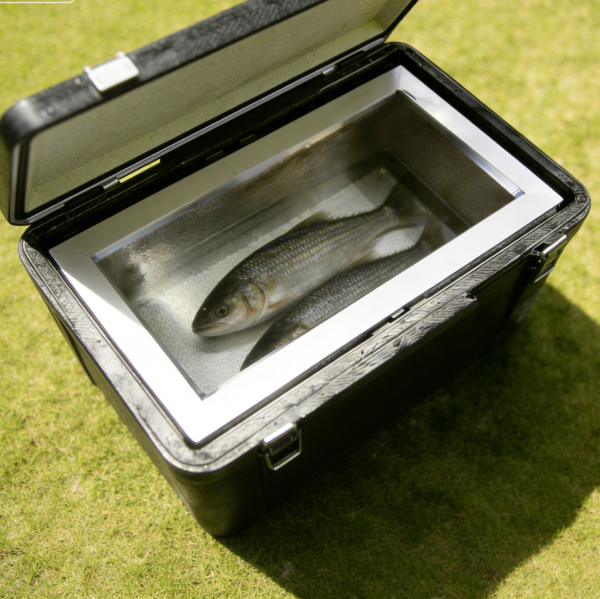
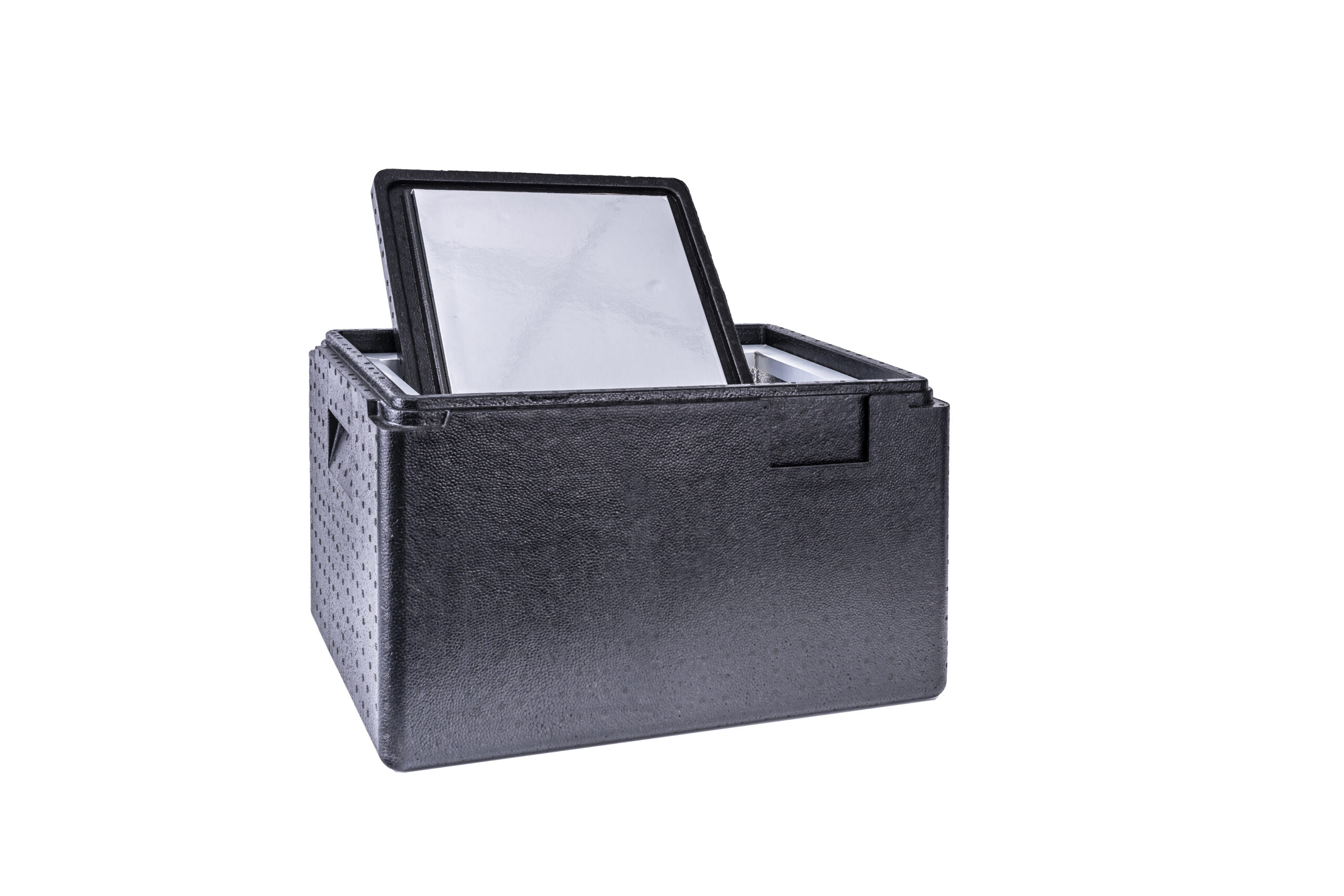
The collapsible EPP insulation box is rapidly becoming the star of coldchain logistics. Within the first few sentences, it’s clear why: this lightweight yet robust container can hold vaccines, seafood or meal kits at 2–8 °C or −18 °C for 72–96 hours when paired with vacuuminsulated panels or phasechange materials. In 2025 the market for expanded polypropylene (EPP) foam alone is valued at about USD 2.2 billion and predicted to more than double by 2035—a testament to the material’s versatility. This article explains why collapsible EPP boxes matter, how they are made, where they fit in your business and what trends to watch.

This article will answer:

Why collapsible EPP insulation boxes outperform traditional coolers and how they maintain temperature up to 72–96 hours.

What makes EPP special—its closedcell structure, impact resistance, thermal insulation and recyclability.

How collapsible EPP boxes are made and customized, including the folding mechanism and colour integration.

Where to use these boxes: pharmaceuticals, food delivery, electronics, automotive and outdoor recreation.

2025 trends and market insights such as the 8.6 % CAGR for EPP foam, innovations in highdensity grades, IoT monitoring and sustainability mandates.

Why Choose a Collapsible EPP Insulation Box for Cold Chain Efficiency?

A collapsible EPP insulation box combines superior insulation, durability and spacesaving design to keep goods within strict temperature ranges while lowering total cost of ownership. Unlike singleuse expanded polystyrene (EPS) coolers, the closedcell EPP foam traps air pockets that slow heat transfer and block heat about 30 % more effectively. Walls typically measure about 1.5 inches thick, allowing vaccines or seafood to stay within 2–8 °C or −18 °C for up to 72 hours and up to 96 hours with advanced inserts. Laboratory testing shows that one EPP container can withstand 500+ reuse cycles without losing shape, reducing packaging waste and payback periods to roughly 18 months.

Expanded Explanation

EPP’s versatility arises from its closedcell bead structure that delivers energy absorption, multiple impact resistance, thermal insulation, buoyancy and chemical resistance. Each bead is fused during steamchest molding, forming a lightweight foam that resists water and solvents. This resilience means the box protects delicate products from bumps and temperature swings while remaining easy to handle. Compared with EPS coolers, EPP boxes are about 50 % lighter and more impactabsorbent. These characteristics reduce freight costs and allow manual handling without breakage. The foldable version goes further: it collapses flat or nests to save up to 60 % storage space, making return logistics and warehousing more efficient. Because EPP is 100 % recyclable and does not support microbial growth, the material aligns with sustainability mandates and foodcontact regulations.

In terms of economics, an EPP box costs more upfront (around USD 80 compared with USD 25 for an EPS cooler) but pays for itself quickly through reuse. A pharmaceutical distributor saved USD 1.2 million in vaccine spoilage losses after switching to EPP containers, while a seafood exporter reduced rejected shipments from 15 % to 0.3 %. The durability of the hinges on foldable EPP boxes allows thousands of opening and closing cycles without failure, ensuring longterm reliability.

Understanding EPP: Material Science Behind the Collapsible Box

EPP foam begins as solid polypropylene beads combined with blowing agents. During preexpansion, steam heat causes the beads to expand like popcorn, setting their final density. The beads are then conditioned in silos so internal pressure stabilizes. In the molding and fusion stage, conditioned beads are pneumatically injected into an aluminum mold and exposed to highpressure steam; this causes them to expand again and fuse at contact points. After cooling, the box is ejected and any excess material trimmed. This process creates a cohesive, closedcell structure that is both lightweight and extremely tough. To achieve a collapsible design, manufacturers add hinge geometries and folding lines that preserve thermal integrity while allowing the box to be flattened. Companies such as ICEE have demonstrated hinges that handle over 20 kg per 100 mm and can be opened thousands of times without breaking. The result is a reusable container that combines the mechanical strength of rigid foam with the convenience of a foldable crate.

Comparison Collapsible EPP Box EPS Box Practical Implication
Temperature hold time Maintains 2–8 °C or −18 °C for 72–96 hours when paired with inserts Typically 24–48 hours Longer hold times reduce gel packs and allow flexible routing.
Reusability 500+ cycles with cleaning Often singleuse Reusable boxes lower longterm costs and landfill waste.
Weight About 50 % lighter than EPS Heavier Lower weight cuts freight costs and eases handling.
Impact absorption Reforms after impact Prone to cracking Products are better protected; less spoilage.
Recyclability 100 % recyclable and reusable Difficult to recycle Supports sustainability and reduces disposal fees.
Upfront cost ~USD 80 per box ~USD 25 per box Higher initial cost pays back via reuse and lower spoilage.

Practical Tips and Advice

Local deliveries (< 24 hours): For sameday deliveries, a collapsible EPP insulation box ensures peace of mind when delays occur. Precool your goods and include gel packs to extend hold time.

Crosscountry shipments (48–72 hours): Use thickwalled EPP boxes (≥ 1.5 inches) combined with dry ice or vacuuminsulated panels to maintain frozen temperatures.

Closedloop systems: Track each box’s trips and schedule cleaning after every use. Folding the box flat saves up to 60 % storage space and simplifies return logistics.

Cleaning: Rinse the box with warm, soapy water and airdry. Avoid abrasive scrubbing; inspect seals and hinges regularly. The nonporous surface prevents bacterial growth.

Realtime monitoring: Integrate IoT sensors or Bluetooth data loggers to record internal temperature and location. This helps you intervene before excursions and proves compliance with Good Distribution Practice guidelines.

Case example: A pharmaceutical distributor eliminated USD 1.2 million in vaccine spoilage losses within 18 months after adopting collapsible EPP containers. Similarly, a seafood exporter reduced rejected shipments from 15 % to 0.3 % by switching to EPP, demonstrating tangible cost savings and quality improvements.

How Collapsible EPP Boxes Serve Different Industries

Pharmaceuticals and biotechnology: These sectors demand precise temperature control and compliance with Good Distribution Practice (GDP). Regulatory guidance recommends storing vaccines between 2–8 °C in pharmaceuticalgrade refrigerators and −50 °C to −15 °C in freezers. EPP boxes with phasechange materials can maintain these ranges for up to 72–96 hours, and their closedcell foam integrates easily with data loggers and IoT trackers. EPP’s resilience also protects fragile biologics and reduces thermal excursions.

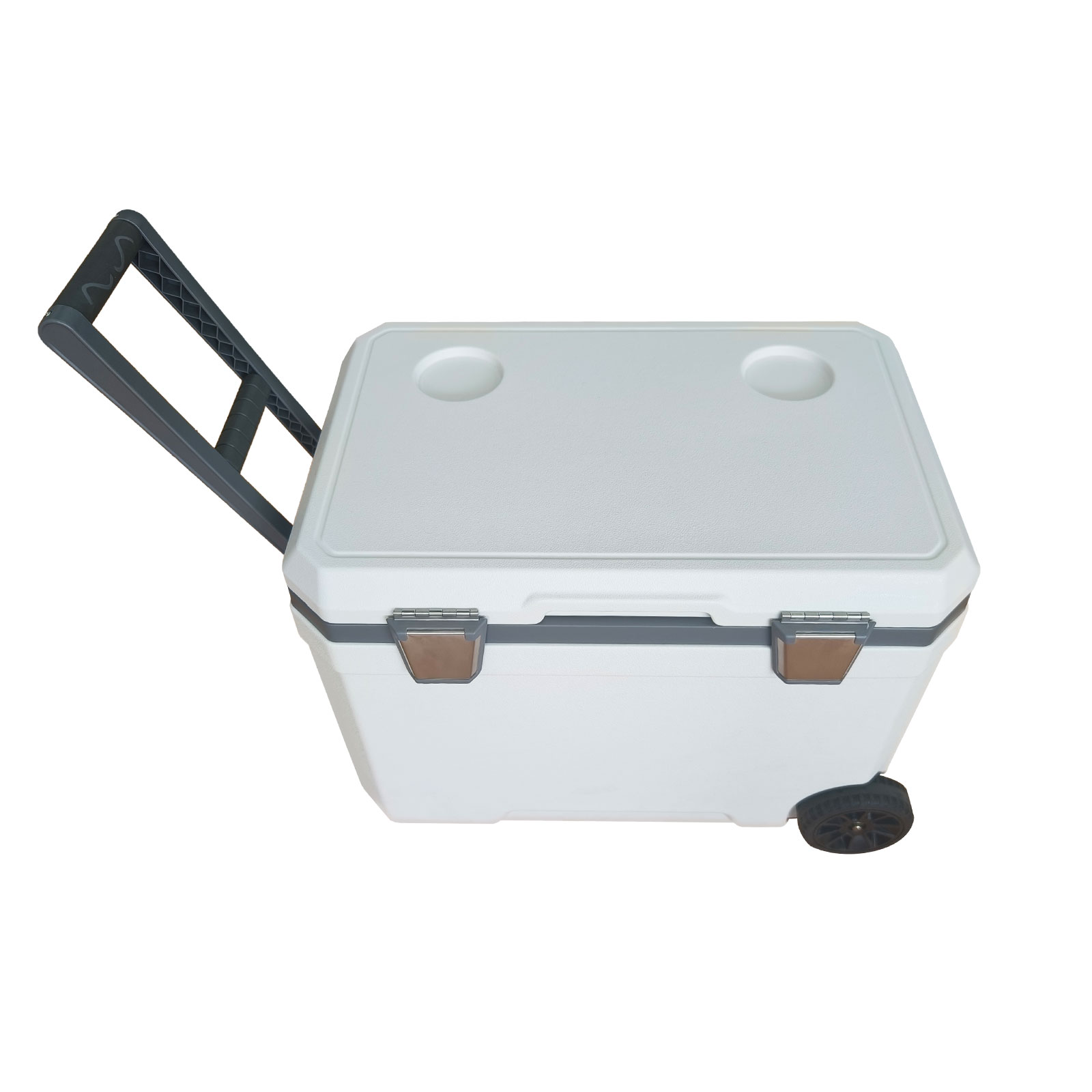
Meal kits and grocery delivery: As ecommerce booms, customers expect fresh, locally sourced food delivered quickly. EPP containers keep produce and meal kits cold long enough for lastmile logistics, support multiple reuse cycles and fold flat for efficient return. Their light weight reduces courier fatigue, and the foam’s impact resistance protects delicate fruit and seafood. Foldable EPP boxes are also used for outdoor activities, camping and picnics because they are lightweight, thermally insulated and hygienic.

Medical and pharmaceutical transport: Beyond vaccines, collapsible EPP boxes carry blood samples, insulin and gene therapies. Their moisture and chemical resistance and nonporous surfaces prevent contamination. The ability to maintain −70 °C to −80 °C when paired with appropriate phasechange materials makes them suitable for ultracold chain. In Germany, demand for EPPbased thermal containers rose 21 % year over year after the European Chemicals Agency reaffirmed EPP’s foodcontact compliance.

Electronics and industrial packaging: Sensitive electronics require protection against both temperature and shock. In 2025, LG Electronics reported a 35 % reduction in OLED screen breakage after adopting EPP foam packaging. Loop Industries expanded EPP usage in its reusable logistics containers due to the material’s ability to withstand repetitive loading. A collapsible EPP box acts as a portable minifridge and shock absorber, keeping devices within safe ranges for 24–72 hours with gel packs.

Automotive and industrial components: Highdensity EPP foam leads market growth because of its superior strength, thermal insulation and impact resistance. Automakers like Stellantis integrate EPP into dashboards and bumper cores to reduce mass and meet emission targets, while Hyundai uses it in electric vehicle seating to enhance impact resistance and recyclability. Foldable EPP containers are also used to transport automotive parts such as brake calipers and mirrors, protecting them from vibration and moisture.

Design and Customization Options

Manufacturers offer extensive customization to ensure that your collapsible EPP insulation box fits your product and brand. Colour pigments can be added directly to the raw beads, creating fullbody colours that will not chip or fade. Boxes can be molded with your logo and sized to exact dimensions, and handles or hinges can be designed for ergonomic use. Advanced models integrate antistatic, dissipative or conductive grades for electronics packaging or lowemission grades to minimize volatile organic compounds in automotive interiors. When choosing a box, consider its density (15–200 g/L), wall thickness and whether you need optional features such as ESD protection. Higher density walls offer more strength and insulation but slightly increase weight.

Easy Folding and Maintenance

Collapsible EPP boxes use engineered hinge geometries that ensure the foam folds along predetermined lines without breaking. The ICEE ColdFold® design allows boxes to be opened and closed thousands of times while maintaining tight seals that prevent air leaks. Folding saves up to 60 % of space—important when returning empty containers or storing extra capacity. When folding or unfolding, follow manufacturer instructions to avoid twisting the hinge; proper handling prolongs box life. After each use, wash the box with mild detergent and let it dry; the moistureresistant, nonporous surface discourages bacteria and mould growth. For medical or food applications, periodic steam cleaning can sterilize the box without degrading the material.

2025 Latest Developments and Trends in Collapsible EPP Packaging

Trend Overview

The EPP foam industry is entering a period of rapid expansion. In 2025 the global EPP foam market is valued at USD 2.2 billion and forecast to reach USD 5.1 billion by 2035, representing a compound annual growth rate of 8.6 %. Growth is driven by surging demand in automotive lightweighting, consumer goods, electronics packaging and industrial packaging. Highdensity EPP foam leads the market because of its superior strength and impact resistance, while porous EPP gains popularity in soundproofing and HVAC insulation.

Latest Innovations at a Glance

Automotive integration: Stellantis’ 2024 sustainability report confirms EPP use in dashboards and bumper cores to meet EU CO₂ reduction targets. Hyundai announced in January 2025 that EPP has been deployed in electric vehicle seating systems for impact resistance and recyclability.

Electronics packaging: LG Electronics’ quarterly bulletin (February 2025) noted that incorporating EPP foam into OLED transport modules reduced screen breakage by 35 %. Loop Industries expanded EPP usage across its reusable logistics containers to support zerowaste goals.

Foodcontact compliance: In December 2024, the European Chemicals Agency reaffirmed EPP’s compliance under REACH foodcontact standards, prompting a 21 % rise in EPP thermal container sales in Germany.

Manufacturing efficiency: JSP Corporation launched a nextgeneration EPP production line in April 2025 that reduced bead expansion time by 18 %, lowering energy consumption. Kaneka Corporation opened a dedicated EPP facility in Texas in February 2025 to localize supply and meet growing North American demand.

Sustainability and recycling: Although feedstock price volatility and limited postconsumer recycling remain challenges, companies are developing chemical recycling technologies and closedloop models expected to mature by 2027. The ability of EPP boxes to be reused hundreds of times and fully recycled reduces carbon footprint and supports corporate sustainability goals.

Packaging qualification: Prequalified system solutions tested under the European AFNOR NF S99700 standard ensure that a thermobox can maintain 2–8 °C for 24, 48, 96 or even 120 hours. These tests simulate summer and winter conditions to verify performance.

Market Insights and Consumer Preferences

Customers increasingly value reuse, lightweight design and low environmental impact when selecting insulated packaging. Pharmaceutical and biotechnology sectors typically use 24hour packaging with 2–8 °C or 15–25 °C ranges, but demand for 48hour and longer solutions is rising. Buyers evaluate factors such as transport duration, climatic conditions, required temperature range, disposable versus reusable solutions, payload volume and durability. The growing mealkit and grocery delivery markets also favor foldable EPP boxes that save space, reduce courier fatigue and support multiple reuse cycles. Meanwhile, regulatory frameworks like the European GDP and FDA’s cGMP emphasize validated packaging and realtime monitoring, pushing manufacturers to integrate sensors and data loggers. Sustainability initiatives, such as carbonfootprint reduction and plastic packaging taxes, further motivate a shift from singleuse EPS to reusable EPP.

Frequently Asked Questions

Q1: How long can a collapsible EPP insulation box maintain temperature?
With appropriate phasechange materials or gel packs, a collapsible EPP box can keep contents within 2–8 °C or −18 °C for 72–96 hours. Standard folding boxes maintain 24–72 hours for electronics or fresh food.

Q2: Is an EPP box more environmentally friendly than an EPS cooler?
Yes. EPP is 100 % recyclable and reusable. A single box can handle 500+ cycles, cutting waste and reducing carbon footprint. EPS is difficult to recycle and often used only once.

Q3: How do I clean and maintain a collapsible EPP box?
Clean the box with warm, soapy water and let it airdry. Avoid abrasive tools that might damage the foam. The nonporous surface resists microbial growth, and you can sterilize the box using steam for medical applications. Inspect hinges and seals regularly and fold/unfold according to manufacturer guidelines.

Q4: Can I customize the color, size or features of an EPP box?
Absolutely. Manufacturers can mix pigments into the raw beads to produce fullbody colours that won’t chip or fade. Boxes can be molded in different sizes, densities and shapes, with options for ESD protection or conductive grades. Handles, hinges and logos can be integrated into the mold.

Q5: What’s the difference between EPP and EPS boxes?
EPP boxes are lighter, more impactresistant and more flexible, allowing them to fold without breaking. EPS boxes offer slightly better thermal insulation but crack under repeated stress and are usually singleuse. EPP’s durability and reusability provide better longterm value despite higher initial cost.

Summary and Recommendations

The collapsible EPP insulation box is more than a trend; it’s a strategic asset for coldchain logistics. Key takeaways:

Superior insulation & reuse: EPP’s closedcell structure keeps goods within strict temperature ranges for 72–96 hours, and its durability allows 500+ reuse cycles.

Spacesaving design: Foldable boxes save up to 60 % storage space and have hinges tested for thousands of cycles.

Versatility: Collapsible EPP boxes serve pharmaceuticals, food delivery, electronics, automotive and outdoor markets.

Customization & compliance: Boxes can be customized in color, density and features, and they integrate easily with data loggers to meet GDP and cGMP requirements.

Sustainability & economics: EPP is fully recyclable. Higher upfront costs pay back via reduced waste and spoilage; case studies show significant savings.

Actionable Next Steps

Assess your coldchain needs: Map out shipment durations, temperature ranges and return logistics. Determine whether you need 24hour, 48hour or 96hour performance and select the appropriate box thickness and phasechange materials.

Implement a pilot program: Start with a small fleet of collapsible EPP boxes, integrate data loggers and monitor performance across several cycles. Use the resulting data to optimize gel pack quantities and routing.

Train your team: Educate staff on proper folding, packing and cleaning procedures. Regular maintenance prolongs the box’s life and protects your investment.

Plan for endoflife recycling: Partner with local recyclers or suppliers to ensure retired boxes are processed into new products, closing the loop.

Stay informed: Monitor regulatory developments, sustainability mandates and new materials (e.g., porous or highdensity EPP) to keep your coldchain operations competitive.

About Tempk

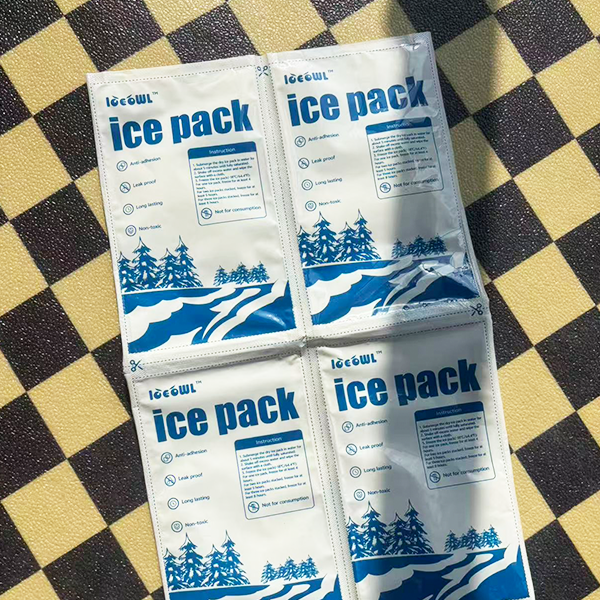
Tempk is an industry leader in coldchain packaging solutions. We specialise in reusable and ecofriendly insulated boxes, ice packs and thermal bags, offering products for food delivery, pharmaceuticals, medical transport and more. Our collapsible EPP insulation boxes maintain temperature for up to 96 hours and can withstand hundreds of trips, delivering exceptional value and sustainability. With advanced design capabilities—including customized colours, densities and integrated tracking—we help businesses meet stringent GDP and cGMP standards while reducing waste. Our R&D team continuously innovates to improve insulation performance and streamline manufacturing for lower energy consumption. We invite you to explore our solutions and join us in building a more resilient and sustainable coldchain.

Next step: Contact our specialists to discuss your coldchain challenges and get a tailored recommendation for collapsible EPP insulation boxes. Whether you’re shipping vaccines across continents or delivering fresh meals locally, we can help you achieve reliability, sustainability and cost savings.

Recyclable EPP Transport Box Price 2025: Value, Trends & ROI

Recyclable EPP Transport Box Price 2025: Value, Trends & ROI

Recyclable EPP Transport Box Price in 2025 – How to Get the Best Value?

Updated December 2025
Looking for the recyclable EPP transport box price in 2025? You’re not alone. With regulations phasing out disposable foam and businesses searching for greener coldchain solutions, expanded polypropylene (EPP) boxes have become mainstream. Small portable boxes typically cost $20–$50, while commercial reusable models exceed $100+. Bulk orders bring the cost down further, with manufacturers quoting as low as US$13–$15 per unit for 10 000+ pieces. In this guide you’ll learn how pricing works, why EPP beats polystyrene (EPS), and how to calculate your real cost per trip.

This article will answer:

What factors influence EPP box pricing? – we’ll look at foam density, wall thickness and accessories.

How can you calculate price per trip and return on investment? – stepbystep instructions and a simple formula.

How do EPP boxes compare with disposable EPS coolers? – durability, regulations and environmental impact.

What are the 2025 trends in recyclable EPP transport boxes? – from collapsible designs to IoT sensors.

Where do market prices stand today? – reliable data on global coldchain packaging and EPP foam markets.


What Determines the Price of a Recyclable EPP Transport Box?

Pricing in context: The cost of a recyclable EPP box might seem random until you break it down. Small boxes (20–40 L) cost about $20–$50, while robust commercial models reach $100+. Bulk orders dramatically reduce unit cost – one supplier quotes US$15.00 per unit for orders of 100–999 pieces, US$14.00 for 1 000–9 999 pieces, and US$13.00 for 10 000+ pieces. The real win comes when you view price through the lens of durability and number of uses.

Why EPP box prices vary

EPP is not a uniform material; manufacturers can change density, wall design and lid geometry. These variables affect strength, temperature stability and reuse cycles. Here are the primary pricing drivers:

Material density: higher density foam costs more but survives more drops and stacking.

Wall thickness: thicker walls improve insulation hold time but add weight and cost.

Lid interface: interlocking lids or gaskets provide better seals, reducing coolant need but increasing tooling complexity.

Hardware & accessories: handles, locks and dividers speed up operations but add to unit price.

Quality control: tighter tolerances ensure lids fit over hundreds of cycles, supporting reliability.

Behind the numbers: your perspective

Imagine sending meal kits across a busy city. A thinwalled EPP box might look cheaper, but after a few drops it cracks and you buy replacements. A slightly pricier box with higher density foam and sealed lid stays intact for 200–500 uses, making your cost per trip pennies. This is why the article on portable EPP box pricing emphasizes matching the box to your route risk and reuse plan rather than chasing the lowest quote. When ordering from manufacturers, ask for density, thickness and tolerance data so you can compare applestoapples.

How Do Size and Order Quantity Affect Price?

The following table summarises typical wholesale price ranges. These figures are drawn from published quotes by EPP foam box suppliers for December 2025 and show how ordering more units lowers your cost per box.

Order Quantity (sets) Approx. Unit Price (USD) Practical Meaning
100 – 999 $15 Suitable for pilots; moderate bulk discount
1 000 – 9 999 $14 Lower perunit cost for regional rollouts
10 000+ $13 Best price for national programs
Custom picnic boxes $5 – $7 Lightweight foldable models for outdoor use
Camping flip boxes $10.50 – $11 Midsized collapsible boxes for camping
Strippattern coolers $13.50 – $15 Heavyduty containers with insulation upgrades
Picnic foldable boxes $5.40 – $5.80 Compact containers for daytrips
Corrugated boxes with foam insert $1.45 – $1.99 Entrylevel packaging for lowrisk goods

Note: These prices apply to standard sizes (around 600 × 370 × 370 mm) and may vary with custom dimensions, color printing or integrated trays. Always confirm shipping and import duties.

Practical tips for pricing decisions

Calculate cost per trip: A $150 box reused 300 times costs $0.50 per shipment. Spread the investment over expected cycles.

Match density to handling reality: If boxes return dented, density is likely too low; pay for higher density.

Prioritize lid quality: Temperature complaints often stem from poor seals; spend extra on interlocking lids or gaskets.

Rightsize your box: Oversized boxes waste coolant and increase shipping weight; choose sizes that match your product dimensions.

Consider accessories: Handles and labels improve ergonomics and traceability, reducing errors and returns.

Real example: A mealkit operator upgraded from cheap EPP boxes to higherdensity models with sealed lids and handles. Although each box cost more, damages dropped, returns decreased, and the cost per successful delivery fell below $1 per trip.

How to Choose the Right Recyclable EPP Transport Box for Your Cold Chain

Direct answer: Selecting the right EPP box involves balancing insulation performance, durability, handling speed and reuse logistics. Assess your transit time, product sensitivity and distribution network. A sameday grocery route may prioritize durability and handles, while a 48hour pharmaceutical shipment demands thicker walls and airtight lids. Use the following guidance to make a confident purchase.

Your stepbystep selection process

Define your lane: Is your route urban sameday, overnight or multiday? Longer lanes require thicker walls and better seals.

List product sensitivities: Vaccines need tighter temperature bands than frozen seafood; choose insulation accordingly.

Estimate cycles: If you plan to reuse boxes 200+ times, invest in higher density foam and robust lids.

Measure your payload: Rightsize prevents wasted space, extra ice packs and higher shipping cost.

Check return logistics: Reusable programs rely on efficient returns and cleaning. Plan how to collect, wash and redeploy boxes; some suppliers offer reverse logistics services.

Ask about certifications: Look for CE, ISO 9001 or foodcontact approvals to ensure quality and safety.

Request samples and data: Compare densities, wall thicknesses and tolerances across vendors; treat these as technical specs.

Calculating cost per trip and return on investment

Your true cost isn’t the invoice but the cost per successful delivery. Use this simple formula, adapted from industry best practice:

True cost per trip = (Box unit price + expected replacement cost) / expected trips

+ cleaning cost per trip

+ handling cost per trip

+ loss rate cost per trip

Example: Suppose you buy 500 boxes at $15 each (total $7 500). You expect each box to last 300 trips and lose 3 % to damage or theft annually. Cleaning and handling cost is $0.20 per trip. The calculation would be:

Depreciation: $15 ÷ 300 = $0.05 per trip.

Replacement: 3 % × $15 ÷ 300 ≈ $0.0015 per trip.

Cleaning and handling: $0.20 per trip.

Total: ≈ $0.25 per trip.

You can plug in your own figures to see whether a higherpriced box actually offers a lower pertrip cost due to longer lifespan or reduced losses.

Tips to optimize return on investment

Design for the worst day: Build in margin for delays and rough handling; thicker walls and better lids prevent temperature failures.

Standardize box sizes: Simplify packing and stacking; training staff on one or two sizes reduces errors and speeds operations.

Plan cleaning workflow: Choose surfaces and shapes that clean quickly; incorporate return logistics to avoid box loss.

Monitor condition: Inspect boxes regularly for cracks and lid fit; retire and recycle when necessary.

Case study: A seafood brand reduced spoilage by standardizing one EPP box size for each product tier and training a consistent packing layout. The uniform workflow reduced pack times and temperature deviations.

Comparing Recyclable EPP with EPS and Other Materials

Main differences: Expanded polypropylene (EPP) and expanded polystyrene (EPS) are both insulating foams, but they behave very differently. EPP is flexible, shockabsorbent and reusable, surviving hundreds of cycles. EPS is brittle; typical white polystyrene boxes crack after one use. EPP handles a wider temperature range (−40 °C to +120 °C) and is fully recyclable, whereas EPS recycling infrastructure is limited. These differences translate to price: an EPP box costs more upfront but far less over its lifetime.

Material comparison at a glance

Material Key Properties Price Level Lifespan Environmental Impact
EPP (Expanded Polypropylene) Flexible, shockabsorbing, insulates from −40 °C to +120 °C, washable Medium–High 200–500 uses Reusable and 100 % recyclable; low energy production
EPS (Expanded Polystyrene) Brittle, cracks easily, insulation similar to EPP initially Low Single use Difficult to recycle; bans increasing in 2025
PU/PUR foam Rigid foam with high Rvalue; often used in longduration shipping Medium Limited reuse; may absorb moisture Often nonrecyclable; offgassing concerns
VIP (Vacuum Insulated Panel) Very low thermal conductivity; thin walls High Reusable for 50–100 cycles Nonrecyclable; energy intensive to produce

Regulatory and environmental considerations

Regulations are accelerating the shift away from disposable foams. Several jurisdictions have banned EPS takeaway containers by mid2025, pushing businesses toward reusable alternatives. The European Union’s Packaging and Packaging Waste Regulation (PPWR) and the U.S. FDA’s FSMA Section 204 require validated, traceable and recyclable coldchain packaging. EPP boxes fit these requirements because they can be reused hundreds of times and then recycled into new products. Additionally, consumer surveys show that 79 % of shoppers prefer brands using sustainable packaging, so switching to EPP not only meets regulations but also strengthens your brand.

Practical guidance

If you rely on singleuse EPS: Evaluate the cost per shipment of EPP boxes; the pertrip cost is often lower when reused 200+ times.

If shipping ultracold products: EPP is stable at −40 °C and can safely hold dry ice with venting. For cryogenic conditions below −150 °C, combine EPP with phasechange materials or consider active systems.

If your priority is lowest weight: EPS may be lighter than EPP, but collapsible EPP designs cut return freight volumes by up to 50 %.

If quality certification is crucial: EPP boxes often carry CE, ISO 9001 and foodcontact approvals.

2025 Trends in Recyclable EPP Transport Boxes

The coldchain industry is evolving rapidly, and EPP boxes are at the forefront of innovation. Sustainability and technology are the driving forces in 2025. Here’s what’s new:

Latest progress at a glance

Collapsible designs: Modern EPP boxes fold flat when empty, reducing return shipping volume by up to 50 % and lowering reverse logistics costs.

Hybrid insulation: Some manufacturers embed vacuum panels or phasechange materials into EPP walls, allowing vaccine shipments at 2–8 °C for five days.

Regulatory standardization: With EPS bans taking effect, guidelines for cleaning and tracking returnable containers are emerging, encouraging reclaim programs and reporting reuse cycles.

Digital monitoring: EPP boxes now include IoT sensors and RFID tags for realtime temperature and location tracking, aligning with the FDA’s traceability requirements.

Market momentum: The global coldchain packaging market, valued around $28.14 billion in 2024, is projected to reach $30.88 billion in 2025 and $64.49 billion by 2032. Several reports estimate 2025 values between $27.7 billion and $34.08 billion with compound annual growth rates ranging 6.9 % to 15.6 %. For EPP foam itself, the market stands at $2.2 billion in 2025 and is projected to $5.1 billion by 2035. This growth reflects the shift toward durable, recyclable packaging and the expansion of food, pharma and ecommerce sectors.

Beyond pricing: sustainability and customer perception

Recyclable EPP boxes are not just a cost calculation; they signal commitment to environmental stewardship. They reduce landfill waste, and their production consumes less energy than many other plastics. When old boxes wear out, manufacturers can grind and reprocess the foam into new products, creating a circular loop. Businesses adopting reusable packaging report improved brand perception and customer loyalty. In a market where consumers vote with their wallets for ecofriendly practices, upgrading to recyclable EPP can become a differentiating factor.

Frequently Asked Questions

Q1: What is the typical price of a recyclable EPP transport box in 2025?
Small portable EPP boxes cost around $20–$50, while heavyduty models reach $100+. Bulk orders reduce the price to as low as $13 per box. Calculate cost per trip instead of focusing on unit price.

Q2: How many times can I reuse an EPP transport box?
Quality EPP boxes typically last 200–500 cycles. Handle them gently, clean them properly and inspect regularly to extend their life.

Q3: How is EPP different from EPS?
EPP is flexible, impactresistant and fully recyclable, whereas EPS is brittle and generally singleuse. EPP boxes cost more upfront but are cheaper over their lifetime.

Q4: Can EPP boxes handle dry ice or very cold contents?
Yes. EPP remains stable down to about –40 °C and can be used with dry ice. Always allow gas venting to avoid pressure buildup.

Q5: Are collapsible EPP boxes worth the investment?
If you return empty containers, collapsible designs cut return freight volume by up to 50 %. They pay back quickly in reverse logistics savings.

Q6: What market forces drive EPP pricing?
Rising demand from biopharma, readytoeat meals and ecommerce, combined with stricter regulations against singleuse packaging, are pushing adoption of reusable EPP boxes. Meanwhile, improved production technologies and expanded supply capacity help lower unit costs.

Q7: How do I dispose of EPP boxes at the end of life?
Many suppliers operate reclaim programs. Worn boxes can be ground into pellets and remolded into new EPP products, ensuring a closedloop recycling process.

Summary & Recommendations

Key takeaways:

Understand the drivers of price: density, wall thickness, lid quality and accessories determine initial cost and longevity.

Look beyond sticker price: calculate cost per trip and factor in cleaning and replacement costs.

Choose EPP for durability and sustainability: it survives hundreds of uses and is fully recyclable.

Adopt 2025 innovations: collapsible designs, hybrid insulation and IoT sensors improve efficiency.

Align with market growth: the coldchain packaging market is set to more than double by 2032; investing in reusable boxes futureproofs your operations.

Action plan:

Assess your coldchain lanes: map product sensitivities and transit times.

Request detailed quotes: specify density, wall thickness and accessories; ask for evidence of CE and ISO certification.

Run a costpertrip analysis: use the formula provided to evaluate ROI.

Pilot collapsible and smart designs: test collapsible boxes and IoT sensors on a small scale before full deployment.

Educate your team: train staff on handling, cleaning and return logistics.

Promote your sustainability story: highlight your shift to recyclable packaging in marketing to meet consumer expectations.

About Tempk

We at Tempk specialize in ecofriendly coldchain packaging. With a research and development center, Sedex certification and a portfolio ranging from gel packs to insulated boxes, we develop solutions that keep goods within temperature ranges for hours or days. Our EPP transport boxes are reusable, recyclable and compliant with international food and pharma standards. We support clients from mealkit startups to pharmaceutical giants in designing return systems, choosing the right foam densities and integrating digital monitoring. By combining engineering expertise with a commitment to sustainability, we help you deliver products safely and responsibly.

Ready to explore recyclable packaging? Contact our experts for personalized guidance and quotes.

Cold Chain RBC Protocol Guide 2025 | Temperature & Compliance

Cold Chain RBC Protocol Guide 2025 | Temperature & Compliance

How to Maintain a Cold Chain RBC Protocol in 2025?

Maintaining a coldchain red blood cell (RBC) protocol ensures that donated blood reaches patients with maximum potency and safety. In 2025, guidelines specify that RBCs must be stored at 1–6 °C and transported at 1–10 °C, with strict time limits and traceability. Failing to meet these limits can cause hemolysis, bacterial growth or oxygencarrying capacity loss. With the United States alone transfusing more than 29 000 units of red blood cells every day, a wellmanaged cold chain protects patients and ensures scarce blood supplies are not wasted. This guide synthesizes the latest regulations, best practices and innovations as of December 2025 to help you implement a reliable RBC protocol.

This Article Will Answer:

What temperature ranges keep RBCs viable? Learn the exact storage (1–6 °C) and transport (1–10 °C) temperatures specified by major regulators.

How long can red blood cells be stored and transported? Understand shelflife limits, the 30minute/60minute rule and return policies.

What equipment and monitoring systems are required? Discover refrigerator setup, data loggers, validated shippers and alarm systems.

Which standards govern compliance? Compare FDA, JPAC, WHO and EU guidelines, and learn how to prepare for audits.

How are technology and market trends reshaping the cold chain? Explore IoT sensors, phasechange materials, drones, blockchain and sustainability initiatives.

What Are the Core Temperature Requirements for RBCs?

Direct Answer

RBCs must be stored at 1–6 °C and kept between 1–10 °C during transport. Major regulators agree on these narrow ranges because deviations can accelerate hemolysis or allow bacteria to proliferate. The U.S. Food and Drug Administration (FDA) mandates storage at 1–6 °C and continuous cooling toward 1–10 °C during shipment. Canadian Blood Services notes that red cell components must remain at 1–6 °C during storage, and transport systems may allow a wider 1–10 °C range for transit times under 24 hours. In Australia, the Lifeblood program specifies 2–6 °C for storage with a shelf life of up to 42 days. The Japanese JPAC guidelines define a core temperature of 4 ± 2 °C and permit a single excursion up to 10 °C for less than five hours.

Expanded Explanation

Keeping red cells within these ranges preserves their integrity and oxygencarrying capacity. If the temperature falls below the lower limit, ice crystals can damage cell membranes; if it exceeds the upper limit, metabolic activity increases and reduces shelf life. A 2020 hometransfusion study from Japan showed that inadequate car transport (using unvalidated coolers) led to elevated lactate dehydrogenase levels—a marker of hemolysis—whereas units transported at 2–6 °C in validated refrigerators maintained quality. Regulatory frameworks from the FDA, European Medicines Agency (EMA), World Health Organization (WHO) and national agencies such as JPAC standardize these ranges to protect patients.

Daily Monitoring and Alarm Systems

Continuous monitoring is essential to ensure temperatures stay within the specified range. Blood storage refrigerators should have builtin fans for air circulation and maintain 1–6 °C uniformly. The FDA and AABB recommend using electric recorder charts or data loggers that record temperature at least every four hours. Modern blood banks employ IoT sensors that log data every two minutes and trigger alerts if temperatures drift, enabling staff to respond before hemolysis occurs. Each refrigerator should also have internal reference thermometers placed on the highest and lowest shelves to detect stratification. Alarms must be tested periodically and documented; any temperature variations or omissions should be explained, initialed and dated.

Table 1 – Temperature Ranges by Regulatory Framework

Framework Temperature Range Key Focus Practical Implications
FDA (21 CFR § 640) Store RBCs at 1–6 °C; transport at 1–10 °C Sets minimum U.S. requirements for blood collection and processing Maintain refrigerators at 1–6 °C and use qualified boxes or coolers with ice packs that keep units below 10 °C during shipment.
JPAC (UK) Core storage temperature 4 ± 2 °C, one excursion up to 10 °C for ≤5 h; transport surface temperature 2–10 °C Detailed guidance for U.K. blood services Validate transit containers; if a unit warms above 10 °C for >5 hours, quarantine or discard.
WHO Maintain correct temperature from donation to transfusion Emphasizes global standards and quality management Treat RBCs as a temperaturesensitive medicine—continuous monitoring and quality systems are essential.
Hometransfusion studies (Japan) Store and transport at 2–6 °C; avoid oscillations and vertical placement Highlights risks during car or drone transport Place bags horizontally and secure them to minimize vibrationinduced hemolysis during transport.
30Minute/60Minute Rule (JPAC) Units removed from controlled storage should be returned within 30 minutes; if out for 30–60 minutes, quarantine for 6 hours before reissue Prevents multiple temperature excursions within hospitals Label units with time of issue; quarantine those exceeding the limit and document.

The table illustrates that while regulators agree on the 1–6 °C/1–10 °C principle, national guidelines refine time limits and excursion allowances. You should integrate the strictest applicable rules into your protocol to ensure compliance.

How to Handle RBC Storage and Transport Operations?

Core Principles

Safe storage and transport underpin every coldchain protocol. FDA regulations require that RBCs be placed in storage immediately after processing at 1–6 °C. JPAC guidelines call for a core storage temperature of 4 ± 2 °C and allow only one temperature excursion up to 10 °C for less than five hours. During transport, RBCs should be kept between 2 °C and 10 °C and transit containers must be validated. The WHO stresses that breaks in the blood cold chain cause wastage and increase transfusion reactions.

Storage Equipment and Layout

Cold rooms and refrigerators – Use purposebuilt blood bank refrigerators with fans to circulate cold air. Separate shelves or compartments should be designated for uncrossmatched, crossmatched, autologous and outdated units. Internal thermometers at the top and bottom detect stratification.

Temperature monitoring and alarms – Continuous data loggers or electric recorder charts should record temperatures at least every four hours. Many modern systems record every two minutes and trigger audible alarms when limits are breached. Keep calibration certificates on file and ensure monitors are validated against recognized standards such as NIST or UKAS.

Validated transport containers – JPAC mandates shippers that maintain a surface temperature of 2–10 °C during transport. Dead air spaces must be minimized, and melting ice should not directly contact the blood bag. Before filling with components, precondition containers to the desired temperature.

Packing materials and coolants – Commercial shipping guidelines require RBCs to be placed in a secondary leakproof plastic bag inside sturdy, insulated containers. Adequate cooling material—preferably cubed wet ice above the blood—maintains the temperature below 10 °C during transportation. The American Red Cross uses qualified boxes validated to maintain the required shipping temperatures.

Data loggers and traceability – For shipments exceeding validated transport times, include data loggers to continuously record internal temperature. If the logger shows an excursion, download and analyze the data to decide whether the products remain suitable.

Transport Duration and Excursion Limits

Red cells have limited endurance outside controlled environments. Canadian Blood Services advises that the transportation time should not exceed 24 hours, using validated shipping containers that maintain 1–6 °C. JPAC guidelines stipulate that units can remain outside refrigeration for up to 30 minutes without quarantine; if out for 30–60 minutes, they must be quarantined for at least six hours before reissue. Units should not undergo more than three excursions in total. Table 2 summarizes key duration and return rules.

Table 2 – Storage Duration and Return Rules

Parameter Requirement Source Why It Matters
Maximum storage time Up to 42 days for red cell components with adenine supplementation; 35 days when stored at 4 ± 2 °C under JPAC guidelines JPAC & general blood bank recommendations Supports inventory management while maintaining cell viability.
Transport duration Maintain surface temperature ≤ 10 °C for a single occasion not exceeding 12 hours JPAC Longer transport can cause warming; limiting exposures ensures validated packaging remains effective.
Return from wards Return within 30 minutes; if between 30–60 minutes, quarantine for 6 hours before reissue JPAC Prevents repeated temperature cycling that damages RBCs.
Home transfusion Maintain 2–6 °C during car or drone transport; avoid oscillations and place bags horizontally Japanese hometransfusion study Controls hemolysis risks during home or remote transfusions.

Handling RBC Units During Hospital Issue and Return

Once RBC units leave the blood bank for transfusion, the clock starts. Document the time of issue and ensure that the unit remains at controlled temperature during transport to wards. If transfusion is delayed, return the unit to the blood bank quickly. JPAC guidelines stipulate that if a unit is out of controlled storage for more than 30 minutes, it should not be returned directly to the main refrigerator but quarantined for at least six hours before reissue. Under no circumstances should a unit undergo the 30 to 60minute outofstorage period on more than three occasions. Always complete the transfusion within four hours of issue to prevent bacterial proliferation.

Practical Tips for Temperature Control

Practical recommendations from regulators and recent studies can help reduce risks:

Use validated refrigerators and coolers: Only equipment designed for blood storage maintains temperature uniformity. U.S. regulations require continuous cooling toward 1–10 °C during transport, and U.K. guidelines demand validated transit containers.

Monitor continuously: Install data loggers or IoT sensors that record temperatures every few minutes and trigger alerts when limits are breached. Detect subtle excursions before hemolysis occurs.

Minimize handling time: Keep RBCs outside controlled environments for less than 30 minutes when issuing to clinical areas. If the limit is exceeded, quarantine the unit for six hours and document the event.

Orient bags correctly: Hometransfusion studies show that vertical placement and oscillation increase hemolysis; place bags horizontally and secure them during transport.

Plan for contingencies: Have procedures for power failures, vehicle breakdowns and delivery delays. Document each temperature excursion and corrective action.

Case example: A 2020 Japanese study compared RBC units transported by car using an active transport refrigerator versus a cooler box. Units in unvalidated coolers exhibited higher lactate dehydrogenase levels, indicating hemolysis, while those transported at 2–6 °C in a validated refrigerator maintained quality. Proper temperature control and horizontal bag placement were critical.

Which Regulatory Bodies and Standards Govern RBC ColdChain Compliance?

Coldchain RBC regulations are enforced by multiple authorities, and compliance requires adherence to validated equipment, calibrated monitoring devices, detailed documentation, and staff training.

Key Regulatory Frameworks

FDA (21 CFR Part 640) – Specifies storage at 1–6 °C and continuous cooling toward 1–10 °C during transport. Equipment must be inspected, and abnormal units must not be issued.

Good Distribution Practices (GDP) – GDP guidelines cover temperature control, traceability, staff competence and written procedures. They are recognized globally and underpin national regulations. Many national agencies require GDP compliance for blood logistics providers.

Calibration Standards – Temperature monitoring devices must be calibrated against recognized standards such as NIST or UKAS. Calibration certificates should be kept on file.

EU GMP Annex 11 & Data Integrity – Electronic systems must have audit trails, secure data handling and validated software. Ensure temperature monitoring software is tamperproof and validated.

EU Clinical Trials Regulation 536/2014 – Investigational medicinal products, including blood components used in clinical trials, must adhere to documented temperature control and recordkeeping.

JPAC & 30Minute Rule – Defines a core storage temperature of 4 ± 2 °C and limits excursions above 10 °C. It also sets procedures for returning units to storage or discarding those exceeding time limits.

WHO Quality Management – Emphasizes that national health authorities must support coordinated blood services with robust quality management at every level.

Navigating Compliance Requirements

Regulatory expectations extend beyond temperature targets. Authorities require validated equipment, calibrated monitoring devices, detailed documentation, staff training and contingency plans.

Validated Equipment: Requalify refrigerators, freezers, coolers and vehicles before use; requalify after repairs or when moving equipment.

Documentation & Calibration: Keep records of temperature logs, equipment maintenance and calibration certificates. Staff should document any deviations and corrective actions. Ensure digital systems are validated and have audit trails.

Training: Annual competency assessments ensure all staff understand temperature limits, emergency procedures and documentation requirements.

Checklists: Develop simple checklists for blood collection, packaging, shipment and receipt. Standardized checklists reduce errors and support audit readiness.

Engage Calibration Laboratories: Work with accredited labs to calibrate sensors and ensure accuracy.

Audits: Regulators expect you to maintain certificates, corrective actions and chainofcustody logs. Maintain digital records for at least ten years, as recommended by many blood banks.

Passing Audits with Proper Documentation

Audits focus on traceability and documentation. Regulators expect you to present temperature logs, equipment maintenance logs and deviation reports. Table 3 summarizes key documents required under various frameworks and practical steps to prepare.

Regulatory Framework Key Documents Required Practical Steps
GDP / GxP Standard operating procedures, training records, deviation reports, equipment qualification documents Develop written procedures for storage, transport and return. Conduct routine refresher training and document deviations with rootcause analysis.
FDA (21 CFR § 640) Temperature logs, equipment maintenance logs, donor and product records Use automated data loggers with audit trails. Inspect units visually before issue and quarantine those with abnormal appearance.
EU GMP Annex 11 Software validation reports, access control logs, audit trail reviews Validate temperature monitoring software and restrict access to authorized users. Review audit trails regularly to detect unauthorized changes.
JPAC Guidelines Temperature excursion records, quarantine logs, 30minute/60minute return documentation Label units with time of issue and track return times. Quarantine units that exceed 30 minutes out of refrigeration.

Safe Storage and Transportation of RBCs: Detailed Requirements

Setting Up Cold Rooms and Refrigerators

Purposebuilt blood bank refrigerators with fans ensure uniform temperature. Keep separate shelves or compartments for different categories—uncrossmatched, crossmatched, autologous and outdated units—so that inventory errors do not result in transfusion mistakes. Position internal thermometers at the top and bottom shelves to detect stratification. Ensure the interior is clean and adequately lighted, and maintain written records of daily temperature checks.

Transport Containers and Packing

Use validated shippers that maintain 2–10 °C during transit. Each unit should be enclosed in a leakproof plastic bag before being placed inside insulated containers. Fill dead air spaces with insulating material, and ensure ice or phasechange packs are preconditioned to the desired temperature. Ice should be placed above the blood, as cool air moves downward, and the volume of ice for long distances should at least equal that of the blood. When using passive systems (insulated boxes with PCM packs), precondition the coolers to the target temperature to avoid sudden warming.

Handling During Issuance and Return

The 30minute rule is crucial: units removed from refrigeration should be transfused or returned within 30 minutes; if out for 30–60 minutes, quarantine for six hours before reissue. Label units with the time of issue and track return times. Minimize repeated transport between wards and the blood bank—each excursion increases the risk of hemolysis. Complete transfusions within four hours of issue to reduce bacterial proliferation.

Practical Tips for Storage and Transport

Precondition coolers: Chill transit containers to the target temperature before loading RBC units.

Use phasechange materials (PCMs): PCMs maintain 2–8 °C for extended periods without external power and provide better stability than ice packs alone. They also minimize the risk of freezing RBCs and support drone deliveries.

Secure RBC orientation: Horizontal placement of bags reduces vibrationinduced hemolysis during car or drone transport.

Check the 30minute rule: Keep a timer with each issued unit and mark those exceeding the limit; quarantine them accordingly.

Record everything: Document temperatures at shipment and receipt; keep logs accessible for audits.

DecisionSupport Tools and SelfEvaluation

An interactive coldchain calculator can help you plan shipments. Input the number of units, ambient temperature and transit time to receive recommendations on container type, PCM quantity and required data loggers. A selfassessment checklist can guide you through regulatory requirements—ensuring you have validated equipment, calibration certificates, SOPs and staff training records. These tools not only enhance compliance but also engage users, reducing bounce rates and improving user signals.

Innovations Transforming the RBC Cold Chain in 2025

Technology is reshaping how RBCs are stored and transported. IoT sensors, phasechange materials, drones, blockchain and artificial intelligence (AI) are no longer futuristic concepts; they are practical tools for ensuring compliance and reducing waste.

IoT Sensors and RealTime Monitoring

Attach IoT devices to blood bags or transport containers to record temperature, humidity and vibration every few minutes. The latest guidelines recommend sensors with memory chips and dashboards. When the system detects a temperature excursion, it triggers alerts and allows corrective action. IoT data also supports predictive maintenance—scheduling service before equipment fails—and facilitates firstin/firstout rotation based on unit shelf life.

PhaseChange Materials (PCMs) and Passive Cooling

PCMs absorb and release thermal energy when changing phase. PCMs designed for blood transport maintain 2–8 °C for extended periods and provide stable cooling without electricity. They offer longer hold times than traditional gel packs and minimize the risk of freezing RBCs. Combining PCMs with insulated containers and data loggers creates robust passive systems suitable for remote locations and drone deliveries.

Drones and AIAssisted Logistics

Unmanned aerial vehicles equipped with temperaturestabilizing gel packs and vibration damping deliver blood quickly across urban and remote regions. AIpowered scheduling prioritizes shipments based on shelf life, urgency and distance. In 2023, programs in Rwanda and Ghana demonstrated that drone deliveries reduced blood wastage and cut delivery times while maintaining compliance. Ethical considerations include payload stability, airspace regulations and data privacy.

Blockchain and AI Forecasting

A 2025 review noted that blockchain technology secures the blood supply chain by providing a decentralized, immutable ledger for tracking donations, storage conditions and transfusion records. Smart contracts automate compliance checks and integrate with AI forecasting models, which analyze historical usage and demographic factors to predict blood demand. Together, blockchain and AI support proactive collection schedules, reducing shortages and overcollection.

Climate Resilience and Sustainability

Extreme weather events—heat waves, floods, hurricanes—can disrupt blood supply chains and increase demand during disasters. Researchers recommend building resilience through backup generators, mobile storage units, climateresilient transport vehicles and walking blood banks. Sustainability is also gaining traction: recyclable insulated shippers, solarpowered refrigeration and closedloop packaging systems reduce environmental footprints. Hospitals and logistics providers are increasingly adopting these technologies to align with corporate social responsibility and regulatory expectations.

Table 4 – Innovations and Their Benefits

Innovation Description How It Helps You
IoT Sensors Data loggers that monitor temperature, humidity and vibration; record every few minutes and send alerts Provide realtime visibility, prevent excursions and create auditable records.
PhaseChange Materials (PCMs) Passive cooling materials that maintain 2–8 °C for extended periods Extend shipping time without power, reduce risk of freezing and simplify packaging.
Drones & AI Scheduling UAVs with temperature control deliver blood rapidly; AI prioritizes shipments based on shelf life Reach remote areas quickly, reduce wastage and optimize resources.
Blockchain & AI Forecasting Decentralized ledger tracks donations and storage; AI models predict demand Enhance traceability, reduce fraud, improve supply planning and automate compliance.
Climate Resilience Measures Backup power, mobile units, walking blood banks, sustainable packaging Maintain supply during disasters, reduce environmental impact and meet sustainability goals.

Tips for Adopting Innovative Solutions

Start small: Pilot IoT sensors or PCMs on a limited number of shipments to evaluate performance before scaling up.

Integrate data systems: Connect sensor data with inventory management and audit systems to automate alerts.

Work with regulators: When implementing drones or blockchain, engage local authorities early to navigate airspace regulations and data privacy requirements.

Design resilient packaging: Combine insulated shippers with PCMs and shock absorbers to protect RBCs during flights and ground transport.

Prioritize sustainability: Choose recyclable materials and plan for endoflife recycling to minimize environmental impact.

2025 Market Trends and Consumer Insights

The coldchain RBC sector is expanding rapidly. Forecasts estimate the pharmaceutical cold chain market exceeds $65 billion in 2025 and will grow to more than $130 billion by 2034. This surge reflects rising demand for biologics, vaccines and advanced therapies that require strict temperature control. In transfusion medicine, the American Red Cross reports that more than 29 000 units of red blood cells are needed every day in the United States. With aging populations and more complex surgeries, demand is expected to grow. Seasonal variations, public health emergencies and climate events can cause sudden blood shortages or surpluses; AIdriven forecasting helps smooth these fluctuations.

Latest Developments

Demand growth & demographic shifts: An aging population increases transfusion needs; more elective surgeries and trauma cases drive RBC consumption.

Sustainability initiatives: Regulators and consumers scrutinize the environmental impact of logistics. Companies are adopting recyclable shippers, solarpowered refrigeration and closedloop packaging systems.

Digital transformation: IoT, AI and blockchain converge to enhance transparency and efficiency. Realtime data enables justintime inventory and reduces waste.

Climate resilience strategies: Extreme weather threatens supply chains; emergency plans include mobile storage units, backup power and walking blood banks.

Regulatory tightening: Growth of biologics and gene therapies has led regulators to strengthen coldchain requirements; expect more audits and documentation demands.

Market Insights for Providers

Hospitals, blood banks and logistics providers should invest in robust coldchain infrastructure and adopt modern technologies such as IoT sensors and blockchain. Sustainability efforts—using recyclable materials, solarpowered equipment and closedloop systems—not only address ethical considerations but also build corporate social responsibility and differentiate your services. Staying ahead of trends helps build trust with donors, patients and regulators.

Frequently Asked Questions

Q1: What is the difference between the blood cold chain and the vaccine cold chain?
The blood cold chain refers to the controlled process of collecting, processing, storing and transporting blood products. RBCs are stored at 1–6 °C and transported at 1–10 °C. Vaccine cold chains maintain a range of 2–8 °C for most vaccines and –18 °C for frozen plasma, but blood components have more nuanced requirements such as platelets at room temperature.

Q2: How long can red blood cells be stored?
Under FDA and JPAC guidelines, RBCs stored in adeninesupplemented solutions can last up to 42 days. JPAC allows storage for 35 days at 4 ± 2 °C with minimal temperature variation. Always check expiration dates and rotate stock accordingly.

Q3: What happens if the temperature exceeds 6 °C during transport?
Small, onetime excursions are sometimes permissible. JPAC guidelines allow one excursion up to 10 °C for less than five hours. FDA rules require cooling toward 1–10 °C during transport. If an excursion occurs, quarantine the unit and follow your facility’s policy to decide whether it can be used.

Q4: Are drones safe for blood transport?
Yes—when properly equipped. Drones with temperaturestabilizing gel packs, vibration damping and realtime monitoring have delivered blood quickly and safely in Africa and the U.S. However, regulatory frameworks and airspace clearance requirements are still evolving.

Q5: How does blockchain improve coldchain compliance?
Blockchain creates an immutable record of each blood unit’s journey from donation to transfusion. It tracks storage conditions, location and chain of custody, reducing fraud and data inaccuracies. Smart contracts can automate compliance checks and integrate with AI forecasting models to optimize supply.

Q6: What is the 30minute rule?
JPAC guidelines state that RBC units removed from controlled temperature storage should be returned within 30 minutes; if they are out for 30–60 minutes, they must be quarantined for six hours before reissue. The rule prevents repeated temperature cycling that can damage red cells.

Summary and Recommendations

Maintaining the integrity of red blood cells is a shared responsibility across donors, blood banks, hospitals and logistics providers. Key takeaways include:

Adhere to temperature ranges: Store RBCs at 1–6 °C and transport them at 1–10 °C. Limit excursions and monitor continuously using IoT sensors.

Follow regulatory frameworks: Comply with FDA, EU, GDP and JPAC guidelines. Validate equipment, calibrate sensors and document every step.

Use validated packaging: Precondition containers, minimize dead air space and use PCMs and insulation to maintain temperature.

Train staff and plan for emergencies: Regular training ensures your team knows how to handle excursions and follow the 30minute rule. Develop contingency plans for power failures and transport delays.

Embrace technology: IoT sensors, drones, blockchain and AI forecasting can improve visibility, optimize inventory and support compliance.

Actionable Next Steps

Audit your cold chain: Conduct a comprehensive assessment of your storage, transport containers and monitoring systems. Identify gaps relative to temperature and documentation requirements described above.

Implement realtime monitoring: Equip each RBC unit or container with an IoT data logger that records temperature every few minutes and integrates with inventory software.

Validate new packaging solutions: Test PCMs and insulated shippers to confirm they maintain 2–8 °C for the required duration, and document the results.

Update SOPs: Revise standard operating procedures to reflect 2025 regulations, including the 30minute rule and contingency protocols.

Train your team: Schedule sessions on temperature management, documentation and emerging technologies. Encourage staff to report deviations promptly.

Engage with experts: Consult coldchain specialists and regulatory advisors to stay abreast of evolving requirements and innovations.

About Tempk

Tempk is a leading provider of coldchain packaging and monitoring solutions tailored to healthcare, biopharma and lifescience logistics. The company designs ISTAcertified insulated shippers that maintain 2–8 °C for up to 72 hours using reusable phasechange materials and smart sensors. Their systems comply with Good Distribution Practice and FDA guidelines and are calibrated to NIST and UKAS standards. Tempk’s digital monitoring platforms provide realtime temperature data and audit trails, enabling customers to meet stringent coldchain RBC regulations with confidence. Sustainability is central to Tempk’s mission; they prioritize recyclable materials and energyefficient designs.

Action Call

If you’re ready to safeguard your blood supply and simplify compliance, reach out to Tempk’s experts for a personalized consultation on optimizing your cold chain. Their team will help you select packaging solutions, monitoring devices and data management systems that meet regulatory requirements, reduce waste and protect patients.

Cold Chain Warehouse Services: Ensuring Quality in 2025

Cold Chain Warehouse Services: Ensuring Quality in 2025

Updated: December 30, 2025

[Introduction:
The global cold chain logistics market is projected to grow from USD 324.85 billion in 2024 to USD 862.33 billion by 2032, with a compound annual growth rate of 13%. This explosive growth underscores why cold chain warehouse services have become critical for food producers, pharmaceutical companies and retailers. If you handle perishable goods, choosing the right partner can mean the difference between freshness and spoilage, compliance and recalls. In this guide you’ll learn what services matter, which technologies define 2025 and how to select a reliable provider.]

This article will answer:

What are cold chain warehouse services and why do you need them? – explaining temperaturecontrolled storage and how they protect product integrity.

How do you select a reliable cold chain warehousing partner? – covering market position, compliance, backup systems and technology.

Which technologies and trends will shape cold chain warehousing in 2025? – exploring automation, robotics, IoT, AI and sustainability.

How do cold chain warehouses ensure regulatory compliance and safety? – summarizing FSMA requirements, documentation and HACCP practices.

What valueadded services can enhance your cold chain? – highlighting kitting, labeling, crossdocking and quality control.

What is the future outlook for 2025 and beyond? – providing market growth forecasts and consumer trends.

What are cold chain warehouse services and why do you need them?

Cold chain warehouse services refer to specialized storage, handling and distribution solutions designed to maintain temperaturesensitive products at precise ranges from manufacturing to consumption. The goal is to preserve freshness, safety and efficacy for products such as fresh produce, dairy, meat, seafood, pharmaceuticals and biologics. These services combine insulated buildings, refrigeration systems, realtime monitoring and trained personnel to protect goods during storage and handling.

Why temperature control is nonnegotiable

Maintaining strict temperature ranges is essential to prevent spoilage and ensure regulatory compliance. The Food Safety Modernization Act (FSMA) shifted the U.S. food system from reactive recalls to preventive controls, requiring warehouses to implement comprehensive monitoring systems, maintain detailed documentation and demonstrate continuous compliance. Under the FSMA Sanitary Transportation Rule, facilities must have written procedures for temperature control, including specific parameters for each product category and corrective actions. Failure to comply can lead to FDA enforcement, product recalls and multimilliondollar losses.

Temperature excursions don’t just threaten product quality – they cause cascading financial and reputational risks. Studies show that dairy companies can lose millions annually from temperature excursions, while one national supplier saved over $2 million by preventing spoilage through improved monitoring. Professional cold chain warehouses mitigate these risks by maintaining temperature zones, backup power and continuous monitoring.

Temperature zones and facility features

Different products require different temperature ranges. Leading cold chain facilities can maintain temperatures from –20 °C to +25 °C, ensuring flexibility for frozen, chilled and ambient products. Typical zones include:

Zone Range Example products What it means for you
Frozen storage –20 °C to –18 °C Ice cream, frozen meat Protects structure and prevents microbial growth; requires robust insulation and defrost cycles
Chilled storage 2 °C to 8 °C Dairy, fresh produce, vaccines Maintains freshness and nutritional value; critical for pharmaceuticals like biologics
Ambient controlled 8 °C to 25 °C Chocolate, dry goods, some cosmetics Reduces humidity fluctuations and prevents quality degradation

Warehouses often combine these zones so that you can store multiple product categories under one roof, eliminating the need for separate facilities. Look for services that provide 24/7 monitoring and alarms for any deviations, as well as flexible racking systems and quality sampling areas.

Practical tips for maintaining product integrity

Understand your product’s temperature profile: Document acceptable temperature ranges and shelf life so the warehouse can assign proper zones.

Choose facilities with backup power and redundancies: Strong providers have generators and refrigeration redundancies to prevent spoilage during power disruptions.

Demand continuous monitoring: Integrated systems should automatically generate compliant documentation and alerts.

Real example: Commonwealth’s West Chester facility can maintain temperatures from –20 °C to +25 °C. This flexibility allows food companies to consolidate operations while keeping diverse products safe and compliant.

How do you select a reliable cold chain warehousing partner?

Selecting the right partner is critical because the facility becomes an extension of your brand. Cold chain logistics in North America alone is a $91 billion market in 2025, so competition is fierce and capabilities vary widely. The following criteria will help you evaluate providers.

Key evaluation factors

Factor What to look for How it helps you
Market position & network coverage Proximity to retail distribution centers, ports and production hubs; capacity to serve multiple grocery/retail chains efficiently Reduces transit times and transportation costs while improving service levels
Regulatory compliance Facilities compliant with FSMA, USDA standards and global food safety certifications Ensures adherence to legal requirements, minimizing risk of fines and recalls
Risk & resilience Backup systems, generators, comprehensive insurance, robust recall and waste management protocols Provides peace of mind during power outages or disruptions
Customer diversification & contract terms Evidence of strong relationships with major retailers like Walmart, Kroger and Costco, plus a diversified client base; balanced contract lengths for revenue stability Indicates reliability and reduces dependence on a single customer
Facility automation & technology Investment in automation, highdensity racking, robotics and integrated WMS/TMS systems Improves efficiency, reduces labor costs, enhances traceability
Temperature range flexibility Frozen, chilled and ambient zones, crossdocking and rapid handling Supports diverse product requirements and accelerates throughput

Questions to ask potential providers

Can you show documentation of FSMA and USDA compliance? Request certifications and audit reports.

What backup systems and redundancies do you have? Ask about generators, refrigeration redundancies and contingency plans.

How do your technology systems integrate with ours? Evaluate the ability to share realtime data and temperature logs.

What valueadded services do you offer? Look for kitting, labeling, repackaging, quality control and crossdocking.

Case study: NewCold’s 2025 expansion in Lebanon, Indiana doubled capacity with 100,000 pallet positions and advanced automation. This $300 million investment shows how modern facilities combine scale, technology and energy efficiency to serve growing demand.

Which technologies and trends will shape cold chain warehousing in 2025?

Technological innovation is transforming cold chain operations. Traditional warehouses relied heavily on manual labor, but in 2025 automation and datadriven systems enable higher accuracy, efficiency and sustainability.

Automation and robotics

Most cold storage warehouses are still early in the automation journey—studies suggest about 80% of warehouses are not automated. However, this is changing rapidly. The global warehouse automation market is projected to reach $63 billion by 2030 and 26% of warehouses are expected to be automated by 2027. Early adopters report 20–50% improvements in service levels and 25–50% reductions in fulfillment costs.

Robotics play a central role. Collaborative robots (cobots) work alongside humans to handle repetitive tasks like picking and packing, allowing people to focus on problemsolving. Autonomous mobile robots (AMRs) navigate warehouses independently, optimizing routes without fixed infrastructure. Advanced robotic picking systems use AI and computer vision to grasp and sort items precisely, meeting ecommerce demands.

IoT and endtoend visibility

Realtime tracking and monitoring are becoming indispensable. IoT devices provide precise location and temperature data, enabling companies to optimize routes and ensure compliance. By 2025, realtime monitoring significantly reduces waste by preventing spoilage, and the hardware segment leads the cold chain tracking market with over 76.4% share. IoT integration also supports predictive maintenance by detecting early signs of equipment failure.

AI and predictive analytics

AI is no longer just a buzzword; the AI in logistics market reached $20.8 billion in 2025, with a 45.6% compound annual growth rate since 2020. AI algorithms optimize inventory placement, reducing picking times by up to 30% and predicting demand to minimize stockouts. AIdriven systems forecast demand and route optimization, enabling companies to adjust stock levels and transportation schedules proactively.

Sustainability and green practices

Environmental responsibility has become a competitive necessity. Sustainable cold chain practices reduce carbon footprints and energy consumption. The global green logistics market reached $1.5 trillion in 2024 and is projected to grow at 8.1% annually through 2030. Sustainable packaging and renewable energy sources are gaining traction, with facilities installing LED lighting, smart climate control and solar panels to achieve netzero energy consumption. Robots operating in cold storage environments minimize temperature fluctuations and reduce energy use by 15–25%.

Growth of pharmaceutical cold chain and fresh food logistics

The pharmaceutical sector drives cold chain expansion. Approximately 20% of new drugs in development are gene and cell therapies requiring strict temperature control. The global pharmaceutical cold chain market is expected to reach $1,454 billion by 2029, with a CAGR of 4.71% from 2024–2029. Meanwhile the North American food cold chain logistics market will reach $86.67 billion in 2025, fueled by growing demand for fresh produce and plantbased foods.

Strategic partnerships and integration

Collaborative partnerships are critical for endtoend supply chain integration. Data standardization and smart containers enable seamless integration across the supply chain, and by 2025 around 74% of logistics data is expected to be standardized. Strategic partnerships across food manufacturers, packaging suppliers and technology providers improve product development and resilience.

Summary of technologies and benefits

Technology Description Benefit for you
Automated storage and retrieval systems (AS/RS) Robots and cranes automatically place and retrieve pallets and cases Higher throughput, reduced labor costs, minimized errors
Collaborative robots (cobots) Assist workers with picking, packing and material transport Enhances productivity and allows staff to focus on valueadded tasks
IoT sensors and realtime tracking Provide continuous temperature and location data Prevents spoilage, optimizes routes, ensures compliance
AIdriven analytics Predict demand, optimize inventory and routes Reduces stockouts, lowers costs and improves service levels
Sustainable infrastructure LED lighting, smart climate control, solar panels Cuts energy costs and meets green regulations

Practical tips for leveraging technology

Assess your automation needs: Identify repetitive tasks that could be automated and evaluate ROI. Early adopters typically see payback within two years.

Prioritize endtoend visibility: Select a provider with integrated IoT monitoring and data sharing to monitor your shipments in real time.

Invest in sustainable solutions: Ask about renewable energy, natural refrigerants and ecofriendly packaging to reduce environmental impact.

Real example: Trackonomy notes that about 80% of warehouses are not automated, highlighting a significant opportunity to adopt robotics and AI to improve throughput, reduce labor costs and minimize errors.

How do cold chain warehouses ensure regulatory compliance and safety?

Food and pharmaceutical supply chains face strict regulatory frameworks. Compliance not only protects consumers but also shields you from fines, recalls and reputational damage.

Understanding FSMA and HACCP requirements

The FSMA requires warehouses to shift from reactive responses to preventive controls. Temperaturecontrolled warehouses must implement comprehensive monitoring systems, maintain detailed documentation and demonstrate continuous compliance. The Sanitary Transportation Rule mandates written procedures for temperature control, including parameters for each product category and corrective actions. Facilities must keep calibration certificates, personnel training records, validation studies and deviation investigations.

The Preventive Controls Rule adds requirements for hazard analysis, preventive controls, monitoring, corrective actions and verification. Hazard Analysis and Critical Control Points (HACCP) programs help identify potential hazards and establish controls. Professional thirdparty warehouses bring established HACCP programs, saving you the cost and complexity of building your own.

Documentation and traceability

Continuous documentation is vital for proving compliance. Modern facilities use integrated monitoring systems that automatically generate records, eliminating manual log books. These systems capture every temperature fluctuation, providing an indisputable trail in case of audits or recalls. Integration with warehouse management systems ties temperature data to inventory and lot numbers, enabling full product histories from receiving through shipping.

Safety protocols and backup systems

Reliable cold chain providers maintain backup generators and refrigeration redundancies to protect products during power disruptions. They also carry comprehensive insurance coverage for highvalue perishables and maintain robust recall and waste management practices. Facilities should have emergency response plans and trained staff who can handle deviations, contamination risks and recall procedures.

Practical tips for regulatory compliance

Request detailed compliance documentation: Ask providers to share their FSMA plans, audit reports and HACCP certifications.

Verify monitoring and reporting capabilities: Ensure the facility uses integrated systems that generate automatic records and alerts.

Check for multizone flexibility: Look for facilities capable of maintaining multiple temperature zones in a single location.

Confirm backup capacity: Make sure the warehouse has backup power, refrigeration redundancies and product recall insurance.

Real example: Under FSMA’s Sanitary Transportation Rule, facilities must maintain written procedures for temperature control and corrective actions. A warehouse that fails to document and follow these procedures risks enforcement action and product recalls.

What valueadded services can enhance your cold chain?

Beyond basic storage, modern cold chain warehouses provide services that transform them into strategic supply chain partners. These valueadded services streamline operations, reduce handling and support retail requirements.

Kitting, labeling and repackaging

Professional facilities offer kitting services that assemble variety packs or promotional bundles inside the temperaturecontrolled environment. Labeling services help brands meet retailerspecific requirements or adapt products for different markets. Repackaging capabilities allow bulk products to be converted to retailready configurations without leaving the cold chain. These services reduce transportation steps and protect product integrity.

Quality control and sampling

Cold chain warehouses often perform sampling, inspection and testing while maintaining chain of custody and temperature control. This eliminates the need to transport samples to separate laboratories, reducing time and risk. Quality control services are essential for sensitive products like pharmaceuticals and highvalue foods.

Crossdocking and distribution

Crossdocking capabilities enable inbound products to move directly to outbound vehicles through temperaturecontrolled staging areas. This reduces handling time and maintains cold chain integrity, especially for fresh products where every hour matters. Efficient crossdocking also supports justintime distribution and reduces storage costs.

Multimodal transportation and strategic locations

Facilities strategically located near highways, rail lines and ports can access multimodal transportation, reducing transit times and cold chain risks. Regional hub strategies allow you to position inventory closer to customers without operating multiple standalone facilities. Multimodal options add resilience during capacity crunches or weather disruptions.

Practical tips for leveraging valueadded services

Ask about kitting and labeling capabilities: These services help you meet retailer and regulatory requirements without extra handling.

Use crossdocking for fastmoving goods: Reduces handling time and maintains temperature control.

Choose strategically located warehouses: Facilities near transportation hubs reduce transit times and cost.

Real example: RLS Logistics’ 2025 expansion in New Jersey added over 6.75 million cubic feet of refrigerated space and advanced highdensity racking, enabling customers to access stateoftheart kitting and crossdocking services.

2025 latest developments and trends

The cold chain industry continues to evolve in response to consumer demands, technological innovation and geopolitical forces. Here are key developments shaping 2025 and beyond:

Market trends and growth

Strong market growth: The global cold chain logistics market grew from USD 293.58 billion in 2023 to USD 324.85 billion in 2024 and is projected to reach USD 862.33 billion by 2032, reflecting rapid expansion and investment.

North American dominance: The U.S. cold chain logistics market is estimated at $91 billion in 2025 and expected to reach $109 billion by 2030, while Canada and Mexico’s markets are valued at $6 billion and $7 billion respectively.

Pharmaceutical growth: The pharmaceutical cold chain market is expected to reach $1.454 trillion by 2029. The sector remains a key driver due to biologics and genetherapy drugs requiring ultracold storage.

Fresh food and plantbased products: The rise of plantbased alternatives and organic certified foods demands reliable refrigerated transportation. Consumers expect highquality produce with minimal waste.

Technological developments

Automation acceleration: More warehouses are adopting AS/RS, robotics and AI to offset labor shortages. The global warehouse automation market will reach $63 billion by 2030 with 26% automation by 2027.

IoT expansion: Realtime monitoring and predictive maintenance reduce spoilage and downtime.

AI integration: The AI in logistics market reached $20.8 billion in 2025. AI optimizes inventory placement, demand forecasting and route planning.

Sustainability as a differentiator: Companies adopt renewable energy, biodegradable packaging and natural refrigerants to meet green regulations.

Consumer and market insights

Demand for visibility: Customers expect realtime updates on shipment location and condition. Logistics providers are investing in software to improve visibility across the supply chain.

Ageing infrastructure upgrades: Many cold storage facilities built 40–50 years ago require modernization. Investments focus on automation, sustainability and integration to replace obsolete systems.

Strategic location planning: Proximity to ports, production areas and retail distribution centers remains a priority. Facilities are being built near harvest regions (e.g., avocados, bananas) and major consumer markets to improve distribution efficiency.

Practical market insights

Prepare for geopolitical disruptions: Geopolitical unrest can affect capacity and transit times. Diversify transportation modes and maintain safety stocks.

Anticipate regulatory changes: The phaseout of harmful refrigerants (HCFCs and HFCs) drives facility upgrades. Ask providers about their transition plan.

Leverage partnerships: Build relationships with logistics providers who offer integrated solutions and data standardization.

Frequently Asked Questions

Q1: How do cold chain warehouse services maintain consistent temperatures?

Professional facilities use multizone refrigeration systems, IoT sensors and automatic monitoring to ensure constant temperatures. Backup generators and redundancies prevent excursions during power outages.

Q2: What regulations govern cold chain storage in the United States?

The FSMA sets preventive controls and documentation requirements for food facilities. The Sanitary Transportation Rule mandates written procedures for temperature control and corrective actions. HACCP programs and USDA standards also apply.

Q3: How can automation improve cold chain warehousing?

Automation reduces manual labor, improves picking accuracy and increases throughput. Early adopters see service level improvements of 20–50% and fulfillment cost reductions of 25–50%.

Q4: What valueadded services should I look for?

Look for kitting, labeling, repackaging, crossdocking and quality control services. These services streamline operations and reduce handling outside controlled environments.

Q5: How can I ensure my cold chain partner is sustainable?

Ask about renewable energy, natural refrigerants, LED lighting, and waste reduction programs. Sustainable practices reduce energy costs and improve your environmental footprint.

Summary and recommendations

Key takeaways: Cold chain warehouse services are critical to preserving product quality and compliance. By maintaining precise temperature zones, adopting automation and IoT monitoring, complying with FSMA and HACCP regulations, and providing valueadded services, reliable providers protect your products and reputation. The industry is growing rapidly, driven by food and pharmaceutical demand, and 2025 will bring greater automation, sustainability and integration.

Action plan:

Assess your needs: Document temperature requirements, volume patterns and special handling needs.

Evaluate providers: Use the evaluation table to compare market position, compliance, resilience and technology.

Prioritize technology and sustainability: Choose facilities with automation, IoT monitoring and green practices.

Leverage valueadded services: Take advantage of kitting, labeling, repackaging and crossdocking to reduce handling.

Stay informed: Monitor market trends and regulatory updates to adapt your strategy.

About Tempk

We are Tempk, a company specializing in cold chain warehouse services that combine advanced technology, regulatory expertise and customercentric solutions. Our facilities offer multizone storage from deepfrozen to ambient temperatures, supported by realtime monitoring, backup power and HACCPcompliant processes. We use automation and AI to optimize efficiency and sustainability, helping you reduce costs while maintaining product integrity. With valueadded services such as kitting, labeling and crossdocking, we act as an extension of your supply chain.

Ready to optimize your cold chain? Contact our experts to discuss your needs and explore how Tempk can keep your products fresh and compliant in 2025.

How Cold Chain Milk Packaging Keeps Dairy Safe & Sustainable

How Cold Chain Milk Packaging Keeps Dairy Safe & Sustainable

The modern cold chain milk packaging system is more than an insulated box — it’s a carefully engineered process that protects quality, reduces waste and meets your sustainability goals. Raw milk begins spoiling almost immediately; temperatures above 4 °C accelerate bacterial growth. To keep you safe, the Pasteurized Milk Ordinance (PMO) requires raw milk to be cooled to 45 °F (7 °C) or less within two hours and held at that temperature during storage and transport. Yet an estimated 17 % of dairy products are still discarded annually due to poor cold chain management. By understanding the science, technology and latest trends, you can design a packaging strategy that preserves freshness, cuts costs and aligns with environmental expectations. (Updated December 30 2025.)

This article will help you:

Ensure quality and safety: Learn how precise temperature control and robust packaging prevent spoilage and comply with regulations.

Leverage smart technologies: Discover how IoT sensors, AI route optimization and blockchain enhance visibility and efficiency.

Adopt sustainable materials: Explore ecofriendly films, reusable designs and plantbased insulation that reduce environmental impact.

Choose the right package: Understand temperature ranges, hold times and regulations so you can select the best solution for your products.

Stay ahead of 2025 trends: See how smart labels, flexible pouches and flatpack innovations are changing the dairy packaging landscape.

Why is cold chain milk packaging essential for quality and safety?

Rapid cooling and regulatory compliance are the foundation of safe milk. Milk is a nutrientrich medium where bacteria multiply quickly; temperatures above about 4 °C (40 °F) accelerate growth. The PMO mandates that raw milk be cooled to 45 °F (7 °C) or lower within two hours of milking and kept at or below this temperature during storage and transport. Failing to meet these standards can lead to fines, product recalls and reputational damage. Proper cold chain packaging maintains these temperatures from the farm to your refrigerator, preserving proteins and vitamins while reducing spoilage.

Sustaining the cold chain isn’t just about safety — it impacts your bottom line and the planet. Approximately 17 % of dairy products are discarded annually due to poor inventory management and cold chain failures, and transport accounts for 10–15 % of total dairy processing costs. Optimized packaging and route planning lower fuel consumption and emissions, while robust systems reduce vulnerability to extreme weather or pandemics. A welldesigned cold chain also reinforces brand integrity and customer trust.

Understanding the four stages of the milk cold chain

Stage Target temperature Duration What this means for you
Onfarm cooling Cool milk to 4 °C (39 °F) within 2 hours of milking Immediate Use bulk milk coolers, instant chillers or insulated cans to rapidly remove heat and slow bacterial growth.
Transportation Maintain 38–40 °F (3–4 °C) during transport 1–2 days Insulated tankers or refrigerated trucks paired with route optimization minimize transit time and fuel use.
Processing Hold milk at 4 °C or below during processing Continuous Pasteurization, homogenization and packaging occur under strict temperature control; automated testing monitors quality.
Distribution & retail Keep products between 0–4 °C 1–3 days Cold storage and inventory rotation maintain freshness until purchase.

Practical tips and advice

Cool immediately: Use instant chillers or bulk milk coolers to reduce the temperature quickly—even offgrid farms can use solar or batterypowered units.

Monitor continuously: Equip tankers with temperature sensors and GPS to receive realtime alerts and prevent spoilage.

Plan routes wisely: Employ routeoptimization software to shorten transit times and avoid rough roads that could damage packaging.

Maintain hygiene: Clean equipment and containers to minimize contamination.

Learn from real cases: In Wisconsin, licensed milk haulers monitor temperatures during pickup; any batch above the legal limit is rejected on the spot. A rural cooperative adopting insulated cans with ice packs and GPS tracking cut spoilage by 40 %.

How do technology and smart packaging enhance cold chain milk management?

Smart technology transforms packaging from a passive container into an active quality guardian. IoT sensors placed in tankers, warehouses and pallets monitor temperature, humidity and location in real time. In 2025, widespread adoption of IoT enables instant alerts when temperatures drift outside safe ranges, allowing you to intervene before spoilage occurs. Integrated dashboards combine data from warehouse management systems, transportation management and enterprise resource planning to give managers a unified view. When sensors detect a deviation — even for a few minutes — immediate action prevents loss of entire shipments.

Artificial intelligence complements IoT by optimizing routes and predicting problems. AI analyzes historical data, weather and traffic to forecast delays and suggest alternative routes, ensuring ontime delivery and reducing the risk of temperature excursions. It also forecasts demand so carriers can allocate refrigerated capacity effectively and uses predictive maintenance to schedule equipment service before breakdowns occur. Blockchain provides an immutable ledger of each step from farm to shelf; every transaction and temperature reading is recorded, enabling rapid recalls and building consumer trust. As FSMA Rule 204 introduces stricter traceability requirements, blockchain adoption is expanding across the dairy industry.

Automation and smart testing further improve quality. Automated sampling equipment measures somatic cell counts, bacterial contamination and antibiotic residues at high speed. Laboratory Information Management Systems schedule tests, track samples and generate reports, while automated order systems create purchase orders and schedule deliveries without human intervention. These technologies free staff from routine tasks and reduce human error.

Technology features and benefits

Technology Features Practical benefits What it means for you
IoT sensors & GPS tracking Continuous temperature and location monitoring; alerts for deviations Prevents spoilage, supports regulatory compliance and improves customer confidence Know immediately if your milk is at risk and intervene quickly.
AI route optimization & predictive analytics Analyzes traffic, weather and historical data to predict delays Ensures timely delivery, reduces fuel costs and mitigates temperature excursions Lower transportation costs and fewer rejected shipments.
Blockchain traceability Immutable ledger recording each transaction and temperature reading Enables rapid recalls, builds consumer trust and meets FSMA requirements Offer consumers a transparent supply chain and simplify audits.
Automated testing & quality control Highthroughput sampling and automated order systems Increases accuracy, speeds testing and simplifies compliance Spend less time on paperwork and more on improving quality.
Integrated dashboards Consolidate data from warehouse, transport and enterprise systems Enables datadriven decisions, identifies bottlenecks and improves collaboration Make smarter, faster decisions and coordinate your team.

Implementation tips

Deploy sensors strategically: Place them inside tanker compartments, near refrigeration units and in storage bays.

Use machine learning for demand forecasting: Analyze sales patterns and seasonality to optimize inventory.

Verify blockchain data: Regularly audit records to ensure accuracy and regulatory alignment.

Invest in training: Ensure staff understand new technologies and can interpret data.

Study case examples: Kroger reduced manual order processing by 75 % by implementing automation that generates orders based on sales data.

Which costefficient cooling solutions and materials improve milk packaging efficiency?

Energyefficient refrigeration and alternative materials cut costs while maintaining safety. Conventional refrigeration systems use large amounts of electricity; innovations like variablespeed drives (VSDs) adjust compressor output to match actual cooling needs and can save more than 50 % of energy compared with constantspeed units. Thermal storage systems accumulate cooling capacity during offpeak hours and release it during peak demand, reducing energy bills.

Solarpowered bulk milk coolers (BMCs) provide reliable cooling in regions with unreliable electricity. Wellwater precoolers and inline plate heat exchangers can reduce energy consumption further. Natural refrigerants like ammonia and CO₂ deliver high energy efficiency and low global warming potential. Heatrecovery systems capture waste heat from condensers and use it to preheat water, lowering energy requirements for cleaning and sanitation.

Smart cooling systems incorporate IoT sensors and automation to maintain precise temperatures. Remote access via mobile apps lets farmers oversee performance and adjust settings from anywhere, reducing labor and human error.

Comparing cooling solutions

Solution Energy use Key advantages What it means for you
Variablespeed drives on compressors Significantly lower than constantspeed systems Adjust output to match demand; reduce energy costs and wear Lower electricity bills and longer equipment life.
Solarpowered bulk milk coolers Use renewable energy Provide reliable cooling offgrid; reduce fuel and electricity costs Maintain cold chain integrity even without grid power.
Thermal storage units Shift consumption to offpeak hours Cut peak energy costs; store cooling capacity Maintain stable temperatures during highdemand periods.
Natural refrigerants (CO₂, NH₃) High energy efficiency and low global warming potential Reduce environmental impact and operating costs Futureproof your systems against synthetic refrigerant bans.
Heatrecovery systems Reuse waste heat Reduce waterheating energy requirements; integrate energy management Improve sustainability and reduce total operational costs.
IoTenabled smart cooling Adjusts cooling based on realtime data Minimizes spoilage; allows remote control and automation Gain peace of mind and lower labor costs.

Actionable tips for energy savings

Audit your equipment: Determine whether existing compressors can be retrofitted with VSDs and evaluate payback periods.

Consider renewable options: Install solar panels and thermal storage if you operate in a sunny region with high electricity costs.

Use natural refrigerants: Plan upgrades to CO₂ or ammonia systems to meet future environmental regulations.

Implement smart cooling: Deploy IoTenabled automation to monitor temperatures and adjust settings remotely.

What are the latest innovations and trends in cold chain milk packaging in 2025?

The 2025 landscape is defined by smart, sustainable and datadriven packaging. The global cold chain packaging industry is worth approximately US $27.7 billion in 2025 and is projected to exceed US $102 billion by 2034, reflecting rising demand from pharmaceuticals, food and ecommerce. Within this market, milk packaging is forecast to grow from US $53.58 billion in 2025 to US $81.36 billion by 2034 at a 4.75 % CAGR. Several technological and consumerdriven trends are shaping the future:

Smart, AIdriven packaging: Sensors and AI detect temperature, humidity and shock; predictive analytics automatically reroute shipments and adjust cooling. Smart labels and QR codes provide temperature history, blockchain traceability and consumer engagement.

Sustainable and reusable solutions: Companies invest in recyclable plastics, biodegradable foams and plantbased insulation. The reusable cold chain packaging market is projected to grow from US $4.97 billion in 2025 to US $9.13 billion by 2034. Sealed Air pledges to make all packaging recyclable or reusable by 2025 and develops plantbased films and foams.

Advanced insulation and phase change materials (PCMs): Vacuuminsulated panels (VIPs) provide 5–10 × the insulation of EPS. PCMs tailored to 5 °C or −20 °C maintain stable temperatures without mechanical cooling. Threelayer structures strategically place PCMs around the product to create a thermal envelope.

Digitalization and data visibility: Data platforms integrate package monitoring with supplychain management, supporting compliance with GDP, IATA and FSMA regulations. Realtime visibility enables accurate carbon footprint reporting and route optimization.

Market insights and consumer behaviour

The global cold chain industry is experiencing robust growth: MarketsandMarkets projects that the overall market will increase from USD 228.3 billion in 2024 to USD 372.0 billion by 2029, a 10.3 % CAGR.

Innovations such as AIpowered route optimization, blockchain traceability, solarpowered refrigeration and lightweight smart shipping containers are top trends. IoTenabled monitoring provides realtime data for temperaturesensitive products.

Sustainable packaging solutions include ecofriendly materials that reduce waste and meet regulatory requirements.

Global trade and ecommerce drive demand. Initiatives like the UK Dairy Export Programme and increasing exports of baked goods illustrate the role of international trade. In India, daily milk consumption averages 427 g per person, well above the global average of 305 g, creating an urgent need for reliable cold chain logistics.

Conveniencedriven formats such as singleserve bottles, resealable pouches and stackable designs are gaining popularity. Standup pouches offer shelf appeal and resealable zippers.

Personalization and customization allow brands to create unique labels and targeted solutions for niche markets.

Extended shelf life technologies like modified atmosphere packaging, vacuum sealing and highbarrier materials preserve freshness and reduce waste.

Flatpack plantbased milk packaging reduces shipping weight by 85 % and packaging waste by 94 %, offering a gamechanging sustainable solution.

Trends table: innovations in 2025

Trend Description What it means for you
Smart & AIdriven packaging Sensors and AI provide realtime monitoring, predictive routing and smart labels Proactively prevent spoilage, reduce fuel use and offer traceability to customers.
Sustainable & reusable materials Recyclable plastics, biodegradable foams, seaweedbased liners and plantbased insulation; reusable shippers growing to US $9.13 billion by 2034 Align with environmental goals and reduce lifetime costs.
Advanced insulation & PCMs VIPs deliver 5–10× the insulation of EPS; PCMs tailored to specific temperature ranges Smaller, lighter packages with longer hold times and lower energy use.
Digitalization & data visibility Integrated platforms unify order management, packaging selection and realtime monitoring Simplify compliance and make datadriven decisions.
Convenience & personalization Singleserve, resealable and stackable designs; unique labels and targeted packaging Enhance user experience, build loyalty and cater to niche markets.
Extended shelf life & preservation Modified atmosphere packaging, vacuum sealing and barrier materials extend product life Reduce waste and expand distribution to remote markets.

Sustainable materials and design: how can you align packaging with environmental goals?

Ecofriendly packaging is no longer optional; it’s an expectation. Dairy products are prone to quick spoilage and contamination, so packages must be structurally sound and durable in cold, humid environments. At the same time, consumers demand greener solutions. According to a 2025 Shorr Packaging study, 90 % of American consumers are more likely to buy from brands with sustainable packaging, and 59 % of millennials and 56 % of Gen Zers purchased such products in the last six months.

Secondary packaging must perform under cold chain conditions while being moisture and punctureresistant. Innovations include recyclable monomaterial films, compostable structures and biobased resins from renewable feedstocks like sugarcane. TC Transcontinental invested over $60 million in a BOPE line to commercialize recyclable films at scale. Accredo Packaging’s recycleready PE films and biobased resins demonstrate industry commitment to circularity.

Flexible packaging – pouches, sachets and bags – is a key trend. Such formats are easier to handle, more sustainable and customizable than rigid options. Standup pouches offer reclosable zippers, easyopen tear notches and vibrant graphics. However, flexible materials offer less physical protection; careful handling and robust secondary packaging are essential.

Highbarrier laminates and modified atmosphere packaging (MAP) extend shelf life without refrigeration. Vacuumsealed packs prevent oxidation and maintain product quality. Aseptic or ultrahightemperature (UHT) packaging allows milk to remain shelfstable, ideal for regions with limited cold chain infrastructure.

Ecofriendly materials and practices

Material/Practice Key properties Benefits Your advantage
Expanded Polystyrene (EPS) Rigid foam with low thermal conductivity; inexpensive Widely used; recyclable forms emerging Good for costsensitive shipments; choose recyclable EPS to align with sustainability goals.
Polyurethane (PUR) Higher insulation value than EPS; structural strength Longer hold time; suited for reusable shippers Ideal for extended shipments or heavy loads.
Vacuum Insulated Panels (VIP) Evacuated cores with 5–10× insulation of EPS Enables thinner walls and lighter packages Use for highvalue products requiring ultracold conditions.
Phase Change Materials (PCMs) Absorb/release heat at specific points Maintain stable temperature without mechanical cooling Match PCMs to your product’s required range; ideal for dairy shipments between 0 °C and 8 °C.
Biodegradable/seaweedbased materials Compostable or plantbased fibers Reduce environmental impact; some provide comparable insulation Perfect for brands emphasizing sustainability; ensure performance validation.
Recyclable monomaterial films Single polymer structure for easier recycling Meet EPR regulations; reduce contamination in recycling streams Align with circular economy initiatives and regulatory requirements.
Reusable shippers Durable containers with replaceable refrigerants Reduce total cost of ownership; prevent landfill waste Save money over time and showcase commitment to sustainability.

Actionable sustainability tips

Evaluate materials: Choose packaging with high barrier properties and recyclable or biodegradable components; test them under cold chain conditions.

Adopt reusable systems: Consider returnable shippers to cut lifetime costs and reduce waste. Plan for reverse logistics and cleaning.

Communicate sustainability: Use onpack messaging to highlight recyclable or plantbased materials. Transparent labels build trust.

Stay ahead of legislation: Extended Producer Responsibility (EPR) laws quantify the cost of nonsustainable packaging and are rolling out across North America.

Balance protection and weight: Lightweight designs reduce transport emissions but must withstand handling; pair flexible pouches with sturdy secondary packaging.

How do you choose the right cold chain milk package for your needs?

Selecting the best package requires balancing performance, compliance, cost and sustainability. Consider the following factors:

Temperature range and hold time: Determine the required temperature band and how long your product will remain in transit. Vaccines may need 2 °C–8 °C protection for 48–96 hours, while gene therapies require −80 °C for 144 hours. Milk typically needs 0–4 °C for 1–3 days.

Regulatory compliance: Ensure the packaging meets Good Distribution Practice (GDP), IATA and USP <1079> standards. Use validated insulated packaging, calibrated data loggers and proper documentation.

Reusable vs. singleuse: Reusable systems lower lifetime cost and environmental impact but require return logistics.

Sustainability: Look for recyclable or biodegradable materials; consumer surveys show that 43 % of buyers consider the environmental impact of packaging.

Digital monitoring: Choose packaging with integrated IoT sensors, RFID tags and realtime analytics.

Decisionmaking framework

Follow these steps to select an appropriate cold chain milk package:

Define your product profile: Identify whether you’re shipping raw milk, UHT milk, flavored drinks or cultured products. Consider pH, fat content and shelflife requirements.

Specify temperature range and duration: Use the table below to match packages and refrigerants to your needs.

Temperature category Typical range Suitable products Packaging recommendations
Ultralow −20 °C to −80 °C Biological samples, mRNA vaccines Highperformance VIPs, dry ice or PCMs; validated shippers for 96–144 hours
Refrigerated 2 °C to 8 °C Fresh milk, cultured dairy, vaccines EPS/PUR boxes with PCMs engineered for 5 °C; gel packs; hold time 48–96 hours
Controlled room temperature (CRT) 15 °C to 25 °C UHT milk, shelfstable drinks Lighter insulation; PCMs designed for 22 °C; suitable for short distances or moderate climates

Select insulation and refrigerants: Choose materials (EPS, PUR, VIP, PCMs) based on performance, weight and environmental impact.

Assess sustainability and reuse: Evaluate whether a reusable shipper fits your business model. Factor in cleaning, maintenance and reverse logistics.

Integrate monitoring: Incorporate IoT sensors, data loggers and smart labels to track temperature and location. This enhances compliance and reduces excursions.

Interactive packaging checklist

Temperature tool: Use an online calculator to determine the required hold time and refrigerant mass based on package size and ambient temperature.

Selfassessment quiz: Evaluate your current packaging by answering questions on material choice, monitoring technology and sustainability commitments. Receive tailored recommendations.

Route planner: Enter your shipping destination and the tool will suggest optimized routes and required refrigerant replenishment points.

2025 latest cold chain milk packaging developments and trends

The industry continues to evolve rapidly. Below are the most noteworthy developments and what they mean for you.

Trend overview

The global cold chain industry is experiencing remarkable growth. MarketsandMarkets projects the market will reach USD 372.0 billion by 2029, up from USD 228.3 billion in 2024. Innovations driving this growth include AIpowered route optimization, blockchain traceability, solarpowered refrigeration and lightweight smart containers. Ecofriendly packaging materials are being developed to reduce environmental impact. International trade programs, such as the UK Dairy Export Programme, highlight the importance of efficient cold chain logistics.

Latest progress at a glance

Expansion of organized retail and online grocery: Consumer demand for perishable goods and home deliveries is soaring. Grocery delivery revenue is expected to reach US $940.96 billion in 2025, growing to US $1.38 trillion by 2029. This trend requires sturdy, spillproof and tamperresistant packaging that maintains quality during transit.

Reusable and recyclable solutions: The reusable cold chain packaging market is set to double by 2033. Peli BioThermal’s Crēdo Cube maintains −20 °C for over 144 hours while reducing dry ice consumption by 75 %. Cold Chain Technologies ships over 12.5 million reusable shippers annually, preventing more than 102 million pounds of landfill waste.

AIenabled risk management: CCT’s Smart Solutions platform uses AI and IoT to recommend packaging based on duration, temperature range and weather, integrating realtime tracking.

Sustainable material pledges: Sealed Air pledges 100 % recyclable or reusable packaging by 2025 and invests in plantbased films and foams. Seaweedbased bioplastics, drainsafe refrigerant gels and recyclable VIP panels are entering the market.

Growth in milk packaging market: The milk packaging market will grow from US $53.58 billion in 2025 to US $81.36 billion by 2034, with pouches dominating packaging types and paperboard leading materials. Asia–Pacific currently holds the largest share, while North America is poised for rapid growth.

Market insights and consumer behaviour

Consumer preference for sustainable packaging continues to spike; 90 % of surveyed Americans are more likely to buy from brands with sustainable packaging.

Convenience and personalization remain critical, with singleserve options, resealable designs and interactive labels enhancing user experience.

Shelfstable milk and UHT products are gaining popularity; aseptic packaging extends shelf life without refrigeration.

Flatpack plantbased milk packaging reduces shipping weight by 85 % and packaging waste by 94 %, exemplifying innovations that combine sustainability and functionality.

Home delivery and ecommerce drive demand for refillable glass bottles, recyclable cartons and compact packaging that reduce shipping costs and environmental impact.

Frequently Asked Questions

Q1: What temperature should milk be kept at during transportation?
Milk should be maintained between 38 °F and 40 °F (3 °C to 4 °C) during transport to inhibit bacterial growth and preserve quality.

Q2: How quickly must raw milk be cooled after milking?
Regulations require raw milk to be cooled to 45 °F (7 °C) or lower within two hours of milking and kept at that temperature during storage and transport.

Q3: Are reusable milk packaging solutions costeffective?
Reusable systems have a higher upfront cost but lower lifetime cost due to reduced material consumption and waste. The reusable cold chain packaging market is projected to grow to US $9.13 billion by 2034, reflecting strong industry adoption.

Q4: What ecofriendly materials are suitable for cold chain milk packaging?
Options include recyclable EPS, PUR and vacuuminsulated panels; biodegradable or seaweedbased materials; and recycleready monomaterial films.

Q5: How can IoT sensors improve milk packaging?
IoT sensors monitor temperature, humidity and location in real time, providing alerts when deviations occur. Integrated dashboards enable datadriven decisions and help prevent spoilage.

Summary and recommendations

Key takeaways:
Precise temperature control, regulatory compliance and robust packaging are essential for safe milk. Smart technologies like IoT sensors, AI route optimization and blockchain provide realtime visibility and traceability. Energyefficient cooling systems, solarpowered units and natural refrigerants reduce operational costs. Sustainable materials — from recyclable EPS and PUR to biodegradable foams and plantbased plastics — meet consumer expectations and regulatory requirements. The 2025 trends center on smart, reusable packaging and digitalization, with the milk packaging market poised to grow significantly.

Action plan:

Audit your current cold chain: Evaluate temperature control, packaging materials and logistics costs. Identify gaps in compliance and energy efficiency.

Invest in smart monitoring: Deploy IoT sensors and integrated dashboards to receive realtime alerts and use AI for route optimization.

Upgrade cooling equipment: Retrofit existing compressors with variablespeed drives and consider solarpowered or thermal storage solutions.

Prioritize sustainability: Transition to recyclable or biodegradable packaging, invest in reusable systems and communicate your environmental commitments to consumers.

Stay informed: Monitor regulatory changes and emerging technologies. Engage with suppliers who offer highbarrier materials, smart labels and modular packaging designs.

About Tempk

Tempk is a leading provider of cold chain packaging solutions dedicated to keeping perishable products safe and fresh. Our team combines expertise in thermal engineering and sustainability to design insulated boxes, pallet shippers and phase change materials that maintain precise temperatures from farm to table. We invest in ecofriendly materials like recyclable EPS and plantbased foams, and our research center constantly explores innovations such as IoTenabled monitoring and AIdriven route optimization. Whether you’re shipping milk, seafood or pharmaceuticals, we offer customizable systems that reduce waste, meet regulatory standards and enhance supplychain efficiency.

Next steps:
To learn how Tempk can optimize your cold chain milk packaging, reach out for a consultation. Our experts will assess your current processes, recommend tailored solutions and help you implement smart, sustainable packaging that keeps your products safe and your customers happy.

Cold Chain Cosmetics: How to Maintain Freshness & Quality

Cold Chain Cosmetics: How to Maintain Freshness & Quality

Updated: December 30 2025

This article will answer:

What temperature range keeps cosmetics stable? Learn the safe zone of 50–70 °F (10–21 °C) and why staying within it protects ingredients and packaging.

Which packaging solutions protect skincare products? Compare insulated shippers, gel packs, vacuum panels, reusable containers and smart sensors to find the right option.

How to pack beauty products correctly? Follow stepbystep instructions on tightening caps, individual wrapping, using dividers and choosing refrigerants.

What are the latest cold chain trends in 2025? Explore the growth of premium skincare requiring temperature control, ecofriendly phasechange materials (PCMs), IoT monitoring, AI analytics and market forecasts.

How can you tell if your cosmetics are damaged? Recognize signs of spoilage and learn how monitoring devices provide datadriven quality assurance.

Why do cosmetics require a cold chain?

Maintaining a consistent temperature is essential for preserving the efficacy, texture and safety of cosmetics. Most beauty products remain stable between about 50 °F and 77 °F (10–25 °C). Outside this range, active ingredients oxidize, emulsions separate and textures change; heat melts lipsticks and balms, while cold causes ice crystals in serums. Natural and organic formulations lack synthetic preservatives, making them even more vulnerable. For example, vitamin C serums can oxidize quickly when exposed to high temperatures, and hyaluronic acid can thicken at low temperatures, reducing absorption.

Cosmetic packaging also suffers from temperature swings. High heat warps plastic jars and can loosen lids, leading to leaks. Rapid freeze–thaw cycles can crack glass bottles and cause caps to pop open. Maintaining a narrow temperature window not only protects the formula but also prevents packaging failures. In luxury beauty and skincare, storing products between 50 °F and 70 °F helps keep them stable, smooth and longlasting.

Broader impacts on brand reputation

Customer trust: Heatdamaged products can separate or smell rancid, eroding customer confidence and leading to negative reviews. An industry analysis reports that more than US$2 billion worth of beauty products are damaged annually by temperature extremes.

Cost of returns: Replacing spoiled items can cost 2–3 times the original shipping fee because cold chain logistics require specialized equipment and packaging.

Regulatory compliance: Premium brands need to document temperature control as part of quality assurance. Failure to meet regulations can result in fines and recalls.

Key factors that drive cold chain cost

Cold chain logistics typically cost more than standard shipping because they involve additional safeguards. Major cost drivers include the distance traveled, refrigeration equipment, packaging and insulation, coolant, monitoring devices and the risk of product failure. For instance, dry ice can cost US$1.60–3.00 per pound and data loggers for realtime monitoring can range from US$2–300 depending on sophistication. Investing in the right combination of packaging and monitoring helps prevent temperature excursions that lead to expensive product replacements.

What is the ideal temperature range to keep cosmetics stable?

Ideal range: Experts recommend storing cosmetics between 50 °F and 70 °F (10–21 °C). This range prevents unwanted changes in texture and consistency—creams stay creamy, serums remain smooth and makeup retains its original form. In practice, some beauty products can tolerate slightly warmer conditions. A fulfillment guide notes that many cosmetics remain stable if kept between 68 °F and 77 °F (20–25 °C), which prevents both freezing and overheating.

Why it matters: Extreme heat accelerates chemical reactions, degrading antioxidants and active ingredients. Low temperatures can cause oils to solidify or separate. Even brief exposure to temperatures outside the safe range can alter fragrance profiles and reduce product efficacy. For example, a premium serum may separate when exposed to high temperatures, while a fragrance’s bouquet can change when stored too cold.

How to monitor temperature: Realtime temperature monitoring systems help ensure that shipments stay within the ideal range. IoT sensors, data loggers and Bluetooth monitors can track temperature continuously, providing alerts if conditions drift. Visual temperature indicators on product packaging or labels can reassure customers that the product arrived within safe limits.

Do you need a dedicated cosmetic fridge?

You don’t always need special equipment. According to industry experts, a regular household refrigerator can be used for storing heatsensitive cosmetics, provided items are properly sealed and separated from food. This approach helps protect ingredients but requires organization—avoid placing heavy items on top of delicate jars and ensure labels are visible. Some premium brands offer dedicated cosmetic fridges with adjustable temperature settings to accommodate sensitive formulations.

Recognizing signs of temperature damage

Monitoring devices and visual checks help identify whether cosmetics have been compromised. Look for changes in texture, colour or scent. If a cream appears separated, has an unusual smell or feels gritty, it may have experienced a temperature excursion. Realtime sensors can provide data logs that prove whether the product stayed within safe limits, helping you make informed decisions about product quality.

Which packaging solutions keep skincare products safe during shipping?

Choosing the right packaging is crucial for maintaining the cold chain. Several solutions exist, each offering specific benefits depending on shipment size, duration and budget. The ideal packaging combines insulation, cushioning and refrigerants to maintain the target temperature range while protecting against shocks and leaks.

Comparison of cold chain packaging options

Packaging solution Key features Typical uses Benefit to you
Insulated shippers Single or multiuse boxes lined with insulation (expanded polystyrene or vacuum panels). Maintain temperature for days Small batch skincare orders, subscription boxes, clinical samples Keep serums and creams fresh during deliveries; validated for long journeys
Insulated containers & pallet shippers Large reusable containers with robust insulation Bulk cosmetic orders or raw ingredients; regional distribution Secure highvolume shipments without temperature swings; costeffective for scaling businesses
Refrigerants & gel packs Gel packs, dry ice or phasechange refrigerants absorb or release heat to maintain target temperatures Midlength or short journeys; customizing 50–77 °F (10–25 °C) windows Prevent melting or freezing by matching the refrigerant to the desired range; reduce leaks caused by extreme conditions
Vacuum insulated panels (VIPs) & phasechange materials (PCMs) Highperformance panels and PCMs provide superior thermal resistance with minimal thickness Longhaul shipments requiring lightweight yet powerful insulation Maximize payload space while keeping products cold; lower shipping costs due to reduced weight
Reusable insulated systems Durable containers designed for multiple cycles, often with integrated monitoring Programs for frequent shipments or highvalue serums Reduce waste and longterm costs; support sustainability goals and ESG reporting
Smart packaging (IoT sensors & data loggers) Embedded sensors record temperature, humidity and location; realtime alerts on excursions All sensitive shipments requiring compliance documentation Provide datadriven proof of product quality; enable proactive intervention when temperatures drift

Packaging innovations and materials

Phasechange materials (PCMs): Modern PCMs can maintain precise temperature ranges by absorbing or releasing latent heat. Formulations cover ambient (+18 °C), refrigerated (+5 °C), nearfrozen (+1 °C) and subzero temperatures. Biobased PCMs offer environmental benefits while maintaining thermal performance.

Vacuum insulation panels (VIPs): VIP technology creates a vacuum to eliminate convective and conductive heat transfer, enabling thinwall packaging with high thermal resistance. Hybrid systems combine VIPs with conventional insulation to balance cost and performance.

Advanced barrier materials: Metallized films, ceramic coatings and multilayer composites protect against moisture, oxygen and environmental factors, extending shelf life.

Smart sensors and IoT: Integrated sensors monitor temperature, humidity, shock and location, transmitting data to cloud platforms for analysis. Realtime alerts allow proactive interventions if conditions deviate from the safe range.

Blockchain and data analytics: Some monitoring systems integrate blockchain to create tamperproof records and use AI algorithms to predict potential breaches. Predictive analytics and automated alerts help optimize routes and avoid delays.

Practical packaging tips

Proper packing prevents leaks, breakage and temperature excursions. Follow these tips when preparing beauty shipments:

Preship preparation: Tighten caps, droppers and pumps; apply shrink bands or tamperevident seals. These secondary barriers prevent leaks caused by pressure changes.

Wrap individually: Wrap each jar or bottle with bubble wrap or foam sheets. For fragile glass, use a snug overbox inside the main package.

Use compartments and dividers: Separate products with cardboard partitions or molded inserts to prevent collisions.

Layer padding strategically: Build a cushioning foundation with crinkle paper, air pillows or foam. Place heavier items at the bottom and leave at least two inches of space between products and box walls.

Leak containment: Bag all liquids in sealed poly bags with an absorbent pad before wrapping. Even if a bottle cracks, the mess stays contained.

Select the right outer box: Choose corrugated or doublewalled boxes that are moisture resistant and sized appropriately. A properly sized box minimizes movement and protects against humidity.

Include temperature indicators: Attach thermal labels or strips to provide visual confirmation that the cold chain was maintained.

Match refrigerant to product: Select gel packs or PCMs rated for the exact temperature range of your skincare formulations. For example, choose a PCM that transitions at 65 °F for serums that must stay below 77 °F.

Seasonal adjustments: Adjust insulation and refrigerants based on climate. In summer, use heavier insulation or additional gel packs; in winter, ensure that PCMs do not freeze and damage products.

Monitor transit time: Choose insulation based on how long the package will be in transit. Short deliveries may only need foam bricks and gel packs; crosscountry shipments may require VIP panels and multiple PCMs.

Consider reuse: Reusable insulated containers may cost more upfront but save money over multiple cycles and reduce environmental impact.

Label clearly: Include “Keep Refrigerated” notices on outer packaging to alert carriers and customers and reduce mishandling.

Realworld case: packaging improvement reduces leaks

A California skincare brand shipping vitamin C serums faced numerous complaints about leaks and spoiled products during summer. They introduced shrinkbanded bottles inside insulated liners with gel packs and added “Keep Refrigerated” labels and temperature indicators. Customer complaints dropped by 85 % and refunds decreased as customers received products in better condition. This case illustrates how attention to closures, containment and temperature control directly improves customer satisfaction.

How to build a cold chain logistics strategy for cosmetics

Maintaining the cold chain goes beyond packaging. A comprehensive logistics strategy ensures that products remain within their safe temperature range from warehouse to customer. Key elements include temperaturezoned storage, route planning, realtime monitoring and testing protocols.

Temperaturezoned storage

Warehouses and fulfillment centers should be divided into zones with different temperature ranges. Products that need cooler environments (e.g., probiotics or vitaminrich serums) should be stored in refrigerated zones, while stable products can remain in controlled ambient areas. This zoning reduces energy consumption by only cooling what’s necessary and simplifies inventory management. Seasonal considerations matter—during cooler months, some routes may not require full refrigeration.

Smart route planning and transfer points

Temperature excursions often occur during transfer points where packages leave controlled environments. Plan routes to minimize handoffs and ensure carriers are equipped with climatecontrolled vehicles. Crossdocking and efficient staging keep products within the temperature window. Avoid shipping during extreme weather or plan backups, such as alternate shipping routes and preconditioned trucks, to prevent delays.

Realtime monitoring systems

Sensors and data loggers should accompany every cold chain shipment. Embedded sensors monitor temperature, humidity and location, providing realtime alerts if conditions deviate from safe thresholds. Data is transmitted to cloud dashboards where you can view and analyze shipments. More advanced systems incorporate GPS tracking, predictive analytics and blockchain to ensure transparency and enable proactive interventions. Review your 3PL’s temperature logs and audit results before trusting them with highvalue formulations.

Testing and validation protocols

Regular validation ensures packaging and storage solutions perform as expected. Before large-scale deployment, test packaging in conditions that simulate transit temperature cycling, vibration exposure and handling stress. Implement rootcause analysis to investigate any temperature excursions, packaging failures or quality issues; systematically capture lessons learned to prevent future problems.

Partnering with compliant fulfillment providers

Select thirdparty logistics (3PL) partners who specialize in temperaturecontrolled fulfillment. Look for providers that offer stability testing, safety data and accurate labeling, plus Standard Operating Procedures (SOPs), temperature logs and audit readiness. Ask to review their most recent temperature audits or stability validations before signing contracts.

Tips and usercentric advice

For small businesses: Start with passive solutions like insulated shippers and gel packs. Adopt reusable systems and IoT sensors as order volumes grow.

For subscription box services: Use dividers and molded inserts to protect various product types. Add a simple questionnaire or preference quiz to personalize shipments and boost engagement.

For luxury brands: Invest in VIPPCM hybrids for longhaul shipments; track shipments in real time and provide customers with temperature graphs on delivery.

For DIY buyers: Store temperaturesensitive cosmetics in a cool, dark cabinet or household refrigerator. Separate them from food and monitor expiration dates.

For sustainabilityminded companies: Choose biobased PCMs and reusable insulated containers to reduce environmental impact. Encourage customers to return packaging for reuse and include clear recycling instructions.

Practical example: An independent skincare label in the southern United States used predictive analytics to reroute shipments away from areas experiencing heat waves. The company integrated IoT sensors that alerted them when a trailer’s cooling unit failed, enabling them to intervene before products spoiled. As a result, they reduced summer spoilage by 60 % and improved ontime delivery rates.

2025 cold chain cosmetics developments and trends

Trend overview

The cosmetics cold chain is evolving rapidly. The global beauty market is projected to exceed US$650 billion by 2025. With more premium skincare formulations containing active ingredients like probiotics, peptides and vitamin C, over 40 % of premium skincare shipments will require controlled temperature environments by 2027. Meanwhile, the cold storage market for cosmetics is growing at a 9.2 % compound annual growth rate from 2022 to 2030.

Latest advancements

Ecofriendly phasechange materials: Biobased PCMs derived from renewable sources maintain precise temperatures while reducing environmental impact. Reusable PCM systems provide economic advantages for highfrequency shipments.

Vacuum insulation panels: Thinwall VIPs offer superior thermal performance without adding bulk, making packaging lighter and reducing shipping costs.

IoT and predictive analytics: IoT sensors now monitor temperature, humidity, shock and location in real time, while AI algorithms predict potential disruptions and suggest proactive adjustments.

Blockchain and smart contracts: Tamperproof blockchain records provide transparency and help automate compliance reporting. Smart contracts can trigger actions like insurance claims or rerouting based on sensor data.

Reusable packaging programs: Brands are embracing reusable insulated systems to align with sustainability goals and reduce costs. Rental programs include cleaning and validation services, making adoption easier for small companies.

Automation in cold chain logistics: Robotics and AIdriven systems enhance inventory accuracy and order processing speed, reducing human error and supporting scale.

Increased regulatory scrutiny: Global regulatory bodies enforce strict standards for cold chain management. Monitoring devices and audit logs provide evidence of compliance and build consumer trust.

Market insights

Consumer preference for premium skincare is driving demand for temperaturecontrolled products in regions like California, New York, Florida and Texas. Eye creams, vitamin C serums and acne treatments are particularly sensitive and benefit from cold storage. A market analysis expects serums containing vitamin C and hyaluronic acid to remain popular due to their brightening and hydrating properties. To meet demand, brands are establishing regional cold storage facilities to shorten delivery distances and maintain freshness.

Frequently Asked Questions

Q1: What temperature should I store my cosmetics at?
Store most cosmetics between 50 °F and 70 °F (10–21 °C). For products containing live ingredients or probiotics, follow the manufacturer’s instructions, which may specify refrigeration at 35–46 °F (2–8 °C). Use a thermometer or sensors to verify storage conditions.

Q2: Can I use a regular refrigerator to store cosmetics?
Yes, a standard fridge works for heatsensitive cosmetics as long as you seal them properly and avoid mixing them with food. Dedicated cosmetic fridges offer adjustable settings and reduce the risk of crosscontamination.

Q3: What happens if cosmetics freeze or overheat?
Freezing can cause oils and emulsions to separate and form ice crystals, ruining the texture. Overheating accelerates oxidation and can melt balms or warp packaging. Both extremes shorten shelf life and can lead to irritations or ineffective products. Always match the refrigerant and insulation to the product’s safe temperature range.

Q4: How can I tell if my cosmetics have been damaged by improper storage?
Look for changes in colour, scent or texture. If a product separates, smells off or feels gritty, it may have undergone a temperature excursion. Temperature indicators and data loggers provide objective proof of handling conditions.

Q5: Are there natural ways to regulate cosmetic storage?
Storing cosmetics in a cool, dark cabinet helps maintain stability, but it provides limited control. For precise conditions, invest in temperaturecontrolled storage or insulated packaging with gel packs or PCMs. Even natural or DIY solutions should be paired with clear labeling and monitoring.

Summary and recommendations

Maintaining the cold chain for cosmetics protects ingredients, textures and brand reputation. Keep products within the 50–70 °F (10–21 °C) range, use appropriate packaging (insulated shippers, gel packs or VIPPCM hybrids) and incorporate realtime monitoring to detect temperature excursions. Preship preparation—tightening caps, individual wrapping and leak containment—reduces breakage and protects shipments. Smart logistics strategies, such as temperaturezoned storage and predictive route planning, further minimize risk. Staying informed about 2025 trends like ecofriendly PCMs, IoT sensors, AI analytics and reusable packaging will help your business stay competitive.

Next steps and call to action

Audit your product portfolio: Categorize items by temperature sensitivity and evaluate current storage and shipping methods.

Upgrade packaging: Choose the right combination of insulation, cushioning and refrigerants based on product needs and transit time. Consider reusable systems to reduce waste.

Implement monitoring: Deploy sensors and data loggers for realtime tracking. Review your 3PL’s temperature logs and compliance records before partnering.

Stay informed on trends: Monitor developments in ecofriendly materials, AIdriven logistics and regulatory changes.

Consult with experts: Reach out to cold chain specialists for customized solutions that meet your brand’s specific needs.

About Tempk

Tempk is a provider of temperaturecontrolled packaging solutions serving the food, pharmaceutical and cosmetics industries. We design and manufacture insulated boxes, gel packs, vacuum insulated panels and reusable containers that maintain precise temperature ranges. Our R&D team focuses on ecofriendly materials and smart monitoring technology, ensuring that products stay safe from production to delivery. With a portfolio of solutions from small parcel shippers to palletsized containers, Tempk helps brands protect their highvalue goods, reduce waste and achieve sustainability goals.

Call to action

Ready to upgrade your cosmetic cold chain? Contact our experts today to discuss customized packaging and logistics strategies that protect your brand’s products and delight your customers. Together we’ll keep your serums, creams and fragrances at their freshest.

Pharmaceutical Cold Chain Packaging 2025 Guide: How to Protect Temperature Sensitive Medicines

Pharmaceutical Cold Chain Packaging 2025 Guide: How to Protect Temperature Sensitive Medicines

Pharmaceutical cold chain packaging ensures that temperature sensitive medicines—such as vaccines, biologics and advanced therapies—arrive at their destination without losing potency. In 2025 this discipline has moved from a logistical afterthought to a strategic advantage. Global market value is projected to grow from US$28.9 billion in 2025 to US$75.0 billion by 2032 (CAGR 14.6%), reflecting the surge in biologics and mRNA therapies that must be shipped at specific temperatures. Proper cold chain packaging matters because without consistent refrigeration, biologic drugs can lose potency and vaccines become ineffective. The cold chain must maintain defined temperature ranges: 2–8 °C for most vaccines and insulin, –20 °C for frozen biologics, –70 to –80 °C for mRNA vaccines and controlled room temperature (15–25 °C) for other medicines. Failure to meet these ranges results in spoilage and wasted investment. This guide uses the latest research and industry trends to help you select, implement and optimize pharmaceutical cold chain packaging in 2025.

What is pharmaceutical cold chain packaging and why does it matter? Learn how temperaturecontrolled logistics protect drug efficacy and comply with strict regulatory guidelines.

How do you select the right cold chain packaging solution? Discover essential components, temperature ranges and decision criteria to choose insulated boxes, gel packs or refrigerants.

What technologies and trends are reshaping cold chain packaging in 2025? Understand how IoT monitoring, smart packaging, blockchain and digitalisation drive proactive risk management.

How can sustainable cold chain packaging reduce your environmental footprint? Explore ecofriendly materials, reusable containers and strategies to align with global sustainability goals.

How do regulations and market dynamics influence cold chain packaging? Stay ahead of GDP, FDA and EMA requirements and learn how regional factors and tariffs impact costs.

What Is Pharmaceutical Cold Chain Packaging and Why Does It Matter?


Direct answer

Pharmaceutical cold chain packaging refers to the materials and systems that protect temperaturesensitive drugs during transport and storage. Maintaining the correct temperature range ensures medicines retain their therapeutic potency and safety. Without consistent refrigeration, biologic drugs degrade and vaccines become ineffective. A typical cold chain uses insulated materials, refrigerants and monitoring devices to keep cargo between 2–8 °C, –20 °C or even –70 °C, depending on the product. In 2025, cold chain packaging is essential because the growth of biologics, mRNA vaccines and cell therapies makes more products temperature sensitive; regulatory scrutiny is intensifying; and patients and providers demand higher quality.

Expanded explanation

Imagine delivering ice cream in summer without a cooler: it melts and loses value. The same principle applies to biopharmaceuticals. Proteins, enzymes and nucleic acids degrade when exposed to heat. Cold chain packaging employs insulated shippers, refrigerants (such as gel packs or dry ice) and temperature monitors to maintain narrow temperature ranges. Regulatory bodies like the FDA and European Medicines Agency require documentation of storage conditions; failure to comply can result in product recalls, fines or patient harm. Cold chain packaging also instils confidence in healthcare providers and patients by ensuring that medicines arrive potent and safe. As more therapies—including gene therapies and complex biologics—enter the market, the cold chain industry is expanding rapidly. The global pharmaceutical cold chain packaging market will reach US$75 billion by 2032, making expertise in this area crucial for supplychain managers and quality professionals.

Components and Temperature Ranges

Cold chain packaging comprises multiple elements that work together to maintain temperature stability:

Insulated materials: Boxes, wraps and pallet shippers made of expanded polystyrene (EPS), expanded polypropylene (EPP) or vacuuminsulated panels trap cold air and prevent heat transfer.

Refrigerants: Gel packs, phasechange materials (PCMs) and dry ice provide thermal energy to keep temperatures within range. Dry ice (solid CO₂) sublimates at –78.5 °C and is used for ultracold shipping, while PCMs maintain narrow ranges around 2–8 °C or –20 °C.

Temperature monitoring devices: Digital data loggers record temperature throughout shipping. The CDC recommends using a digital data logger (DDL) with a buffered probe and an accuracy of ±0.5 °C. Realtime monitoring via IoT sensors sends alerts if temperatures deviate from set limits.

Containers and shippers: Cryogenic containers, refrigerated containers, insulated boxes and pallet shippers provide secure enclosures for pharmaceuticals.

The table below summarises typical packaging options and their temperature ranges:

Packaging Factor Temperature Range Best for How It Benefits You
Insulated boxes 2–8 °C Vaccines, insulin and monoclonal antibodies Maintain refrigerated conditions for shortterm transport
Gel packs –20 °C to –70 °C Biologics and gene therapies Provide cold energy for longhaul shipments
Dry ice –78.5 °C Frozen goods and mRNA vaccines Enables ultracold transport for products requiring deep freezing
Refrigerated containers 2–8 °C All temperaturesensitive products Offer extended duration and controlled environments for large shipments

Practical Tips and Advice

Assess product requirements: Start by identifying the required temperature range. For example, mRNA vaccines need –70 °C or below, while weightloss drugs and many biologics require 2–8 °C.

Match duration to refrigerant: Short journeys may only need gel packs; long haul or international shipments often require dry ice or active refrigeration. Passive cooling solutions can be replenished during transit to mitigate the risk of deviations.

Integrate sensors: Realtime IoT sensors send alerts when temperatures drift, allowing interventions before spoilage.

Prepare for disruptions: Always plan for delays or power failures by adding extra refrigerant and carrying backup monitoring devices.

Validate packaging: Conduct thermal testing and calibrate sensors regularly to ensure compliance. The CDC recommends setting refrigerator thermostats at the midpoint (e.g., 5 °C) and using digital data loggers.

Case study: In 2024 a pharmaceutical company integrated advanced IoT sensors into vaccine shipments, reducing product loss by 30% and improving compliance.

How Do You Select the Right Cold Chain Packaging Solution?

Direct answer

Selecting the right pharmaceutical cold chain packaging depends on the product’s thermal sensitivity, shipment duration and regulatory requirements. Evaluate temperature ranges, shipment length, product value and risk tolerance. Choose passive packaging (insulated boxes with gel packs) for short transport or lowrisk products; select active packaging (batterypowered refrigeration units) for multiday shipments, ultracold requirements or highvalue biologics. Compliance with Good Distribution Practice (GDP) and FDA/EMA guidelines is essential. Temperature loggers and DDLs are mandatory for most products.

Expanded explanation

Begin by classifying your product: vaccines and insulin typically require 2–8 °C, whereas frozen biologics may need –20 °C, and mRNA vaccines demand –70 °C or lower. Determine the length of time the product will remain in transit; longer journeys necessitate more robust insulation or active cooling. Consider packaging size and payload: small boxes or insulated shippers make up about 38% of the market and are standard for clinical trials and vials, while pallet shippers serve large volumes. Evaluate cost sensitivity; cryogenic packaging can cost 40–50% more than standard refrigerated packaging, yet may be justified for highvalue therapies. Finally, confirm that packaging materials and data loggers meet regulatory standards, including calibration certifications and digital recordkeeping.

Decision Criteria and SelfAssessment Tool

To help you choose the optimal solution, consider these questions:

What temperature range does your product require? Determine if it is refrigerated (2–8 °C), frozen (–20 °C) or ultracold (–70 °C or below).

What is the shipment duration? For <24 hours, insulated boxes with gel packs may suffice; for multiday shipments, use PCMs or dry ice.

What is the value of the product? Highvalue gene therapies justify active cooling and redundant monitoring.

Do regulations apply? Follow GDP and countryspecific guidelines; ensure packaging is qualified and validated.

Is sustainability important? Choose reusable shippers and biodegradable refrigerants when possible.

Create a simple selfassessment matrix to rank your priorities. For example, assign scores for thermal sensitivity, duration, value and sustainability, then select packaging solutions that meet or exceed your threshold in each category.

Detailed Insights on Packaging Types

The pharmaceutical cold chain packaging market is segmented into active and passive solutions. Active packaging uses electric coolers, phasechange materials and batterypowered refrigeration. These solutions maintain precise temperatures and often include builtin sensors. They are ideal for ultracold shipments of cell and gene therapies but cost more and require charging or power access. Passive packaging uses foam insulation, gel packs, PCMs and dry ice. It is simpler, lighter and often reusable. Passive systems dominate smallvolume shipments, clinical trials and lastmile delivery. Hybrid solutions combine passive insulation with realtime monitoring, providing both protection and visibility. When selecting packaging, also consider materials: plastics account for 74% of the market due to their superior insulation; however, sustainable alternatives like recycled paper and starchbased materials are emerging.

Packaging Type Key Features Suitable Products Practical Benefit
Active packaging (electric coolers, PCMs) Battery or powerdriven cooling; precise temperature control mRNA vaccines, gene therapies, ultracold biologics Enables continuous cooling during long journeys but higher cost
Passive packaging (foam insulation, gel packs) Uses EPS or EPP insulation with gel packs; limited temperature duration Insulin, monoclonal antibodies, GLP1 drugs Lightweight and costeffective; easy to dispose or reuse
Hybrid smart packaging Combines passive insulation with IoT sensors and data loggers Vaccines, biologics requiring traceability Provides realtime visibility; allows proactive intervention during excursions
Sustainable packaging (paper, starchbased, reusable containers) Recyclable materials; minimal carbon footprint Nonultracold products; general pharmaceuticals Reduces environmental impact; meets ESG targets

Practical Tips and Suggestions

For clinical trials: Use small insulated shippers with gel packs and digital data loggers. Validate packaging for each trial to avoid deviations.

For longhaul international shipments: Choose phasechange materials or dry ice; integrate IoT sensors for continuous monitoring and emergency alerts.

For lastmile delivery: Combine passive packaging with ecofriendly materials to reduce waste and align with sustainability initiatives.

For returns and recalls: Establish quarantine procedures and inspect returned products; never reship without stability data.

For highvalue cell and gene therapies: Invest in active or hybrid systems with battery backup and blockchain traceability to eliminate counterfeiting and ensure chain of custody.

Realworld example: The World Health Organization estimates that up to 50% of vaccines were wasted annually before COVID19 due to poor temperature control and logistics. Implementing qualified containers with IoT sensors drastically reduces wastage and improves vaccine availability in underserved regions.

What Technologies Are Reshaping Cold Chain Packaging in 2025?

Direct answer

Technological innovations—particularly IoT sensors, smart packaging, data analytics and blockchain—are transforming pharmaceutical cold chain packaging from reactive to proactive management. These tools provide realtime visibility into temperature, humidity and location, enabling operators to intervene before deviations occur. Digitalisation integrates packaging data with enterprise resource planning systems, automating compliance reporting and predictive maintenance.

Expanded explanation

The shift from manual temperature recording to sensordriven monitoring marks a fundamental change in cold chain management. IoT monitoring systems utilise lowpower networks such as cellular, LoRaWAN or LTEM to transmit continuous environmental data to cloud platforms. When temperatures deviate from safe limits, automated alerts enable logistical teams to reroute shipments, add refrigerant or repair equipment. Smart packaging can selfregulate temperature and deliver feedback on the product’s condition; integrated sensors monitor shock, tilt and humidity, and some containers can adjust insulation or cooling through phasechange materials. Blockchain technology ensures traceability and transparency, creating immutable records of temperature data and custody transfers. Data analytics and AI detect patterns and predict risk factors, informing route optimization and preventive maintenance. Overall, technology is shifting the cold chain from reactive containment to a proactive, datadriven ecosystem.

Specific Innovations and Their Benefits

Realtime temperature monitoring: IoT sensors continuously capture temperature data and transmit it to central dashboards. Operators receive alerts when temperatures drift, allowing timely intervention.

Smart packaging with selfregulating insulation: Packaging embedded with PCMs and microcontrollers can adjust its own thermal environment, extending cold life and reducing refrigerant use.

Blockchain and serialization: Recording temperature data and chainofcustody events on a blockchain prevents tampering and counterfeiting, boosting patient safety and regulatory compliance.

Predictive analytics: Machine learning algorithms analyse temperature histories, route data and environmental conditions to predict equipment failures and optimize packaging selection.

Augmented reality (AR) training tools: Logistics operators use AR headsets to receive stepbystep packaging instructions, reducing human error and ensuring consistency.

Practical Tips and Suggestions

Invest in IoT infrastructure: Equip containers with sensors that support cellular or LoRaWAN connectivity; select devices with battery life that matches shipment duration.

Integrate data with ERP systems: Use software platforms that gather sensor data, track shipments, and automate GDP documentation and reporting.

Adopt blockchain for highvalue cargo: Work with logistics providers to implement blockchain-based trackandtrace; ensure all stakeholders—manufacturers, carriers and pharmacies—can record and verify custody.

Train staff on new tools: Implement training programs using AR to familiarise employees with packaging protocols and troubleshooting.

Monitor sustainability metrics: Use sensors to measure energy consumption and refrigerant use; adjust packaging to minimize carbon footprint.

Practical example: World Courier’s smart packaging program provides realtime monitoring on all multiuse shipments, enabling proactive risk management and offering customers detailed visibility.

How Can Sustainable Cold Chain Packaging Reduce Your Environmental Footprint?

Direct answer

Sustainability in pharmaceutical cold chain packaging focuses on reducing carbon emissions, packaging waste and energy consumption while maintaining product integrity. Companies are adopting reusable containers, biodegradable refrigerants and renewable energy sources such as solarpowered refrigeration. Sustainable packaging aligns with corporate social responsibility goals, regulatory pressure and consumer expectations for ecofriendly practices.

Expanded explanation

Traditional cold chain operations rely on singleuse EPS containers and dieselpowered refrigeration units, which contribute to landfill waste and greenhouse gas emissions. To address this, industry leaders are developing reusable vacuuminsulated shippers, phasechange materials that extend thermal life, and packaging made from recycled paper or starchbased materials. Solar panels on warehouse roofs and electric refrigerated vehicles reduce carbon footprints. Monitoring energy use and emissions helps companies meet ESG targets and regulatory requirements. In addition, supply chain optimization—such as route planning and localised manufacturing—reduces transportation distances and associated emissions. Sustainability efforts also deliver economic benefits: reusable packaging reduces total cost of ownership over time, and ecofriendly practices enhance brand reputation among environmentally conscious customers.

Sustainable Strategies and Best Practices

Switch to reusable containers: Vacuuminsulated shippers and phasechange materials can be reused multiple times, reducing waste and cost.

Use biodegradable refrigerants: Explore gel packs filled with plantbased gels or PCMs made from organic materials; avoid hazardous refrigerants.

Implement reverse logistics: Establish a system to retrieve and clean reusable containers; invest in tracking to ensure returns.

Leverage renewable energy: Install solar panels at warehouses, adopt electric refrigerated trucks, and utilise alternative fuels like hydrotreated vegetable oil or biomethane.

Measure and report emissions: Track energy use and carbon emissions across the cold chain; set reduction targets and publicly report progress.

Example: A logistics company using gasfuelled vehicles saved over 1,400 tonnes of CO₂ emissions by switching from diesel to alternative fuels.

Practical Tips and Suggestions

Evaluate lifecycle cost: Compare the total cost of reusable packaging—including cleaning and reverse logistics—with singleuse options; savings often accrue over multiple cycles.

Educate stakeholders: Train staff and partners on proper handling of reusable containers and recycling protocols.

Collaborate with suppliers: Work with packaging providers to develop recyclable or biodegradable materials; participate in pilot programs.

Align with ESG frameworks: Ensure sustainability initiatives align with global frameworks such as the UN Sustainable Development Goals and local regulations.

Communicate benefits: Share sustainability achievements with customers and regulators to build trust and demonstrate corporate responsibility.

How Do Regulations and Market Dynamics Influence Cold Chain Packaging?

Direct answer

Regulatory requirements and market dynamics are driving changes in pharmaceutical cold chain packaging. Authorities such as the FDA, EMA and WHO mandate documentation of temperature control, packaging qualification and serialization. The European Union’s Good Distribution Practice (GDP) guidelines require realtime monitoring and riskbased quality systems. Meanwhile, market growth is spurred by biologics and vaccines, but constrained by high capital costs and new tariffs. Companies must navigate regional differences, supply chain complexity and geopolitical factors.

Expanded explanation

Regulation ensures that pharmaceuticals remain safe and effective throughout distribution. The FDA’s current Good Manufacturing Practice (cGMP) rules require companies to validate all cold chain processes—including packaging qualification and temperature monitoring—creating baseline compliance requirements. The EU GDP guidelines emphasise traceability, digital records and quality management; noncompliance results in product recalls and sanctions. In 2025, regulators are tightening requirements by mandating electronic Product Code Information Services (EPCIS) and risk assessments. At the same time, regional market dynamics vary: the Americas and Europe have stringent regulations and advanced logistics, while AsiaPacific regions face infrastructural challenges requiring modular packaging. US tariffs introduced in 2025 have increased costs of components for temperaturecontrolled packaging, prompting companies to explore nearshoring and diversified sourcing. Costs and labour shortages further squeeze margins, pushing companies to optimise routes, adopt AIdriven planning and lease equipment instead of owning.

Market Dynamics and Regional Insights

The pharmaceutical cold chain packaging market is valued at US$28.9 billion in 2025 and is expected to grow to US$75 billion by 2032, with a 14.6% CAGR. Plastics dominate material composition with a 74% market share, while small boxes and insulated shippers account for 38% of product types. Biopharmaceutical companies represent 54% of endusers, reflecting the concentration of demand. North America leads with a 31% share, Europe with 27%, and East Asia with 19%. Temperaturecontrolled logistics accounted for 18% of biopharma logistics spending in 2020, and the growth of cell and gene therapies—projected to surpass US$81 billion by 2029—necessitates ultracold chain solutions. Weightloss drugs (GLP1 agonists) must be kept at 2–8 °C; concerns about counterfeit products make stringent cold chain management essential.

Practical Tips and Suggestions

Stay compliant: Regularly review GDP and cGMP guidelines; maintain digital records of temperature excursions and corrective actions.

Standardise processes: Develop SOPs for packaging qualification, calibration, monitoring and staff training.

Diversify sourcing: To mitigate tariff impacts and supply disruptions, diversify suppliers, consider nearshoring and evaluate alternative materials.

Leverage AI and analytics: Use predictive analytics to optimize routes and reduce fuel consumption, addressing both cost pressures and environmental goals.

Monitor regional regulations: Adapt packaging strategies to different regions; for example, AsiaPacific may require modular, easily deployable packaging due to infrastructure variability.

Did you know? In a survey of 200 logistics decisionmakers, 44% rated maintaining the integrity of temperaturesensitive materials as their top priority, followed by 38% for security and 27% for reliability.

2025 Latest Pharmaceutical Cold Chain Packaging Developments and Trends

Trend Overview

The pharmaceutical cold chain is entering a transformative phase in 2025. Driven by technological advancements, regulatory tightening and sustainability pressures, the industry is shifting toward proactive, datadriven and environmentally responsible practices. Recent research highlights that 59% of industry leaders expect steady growth in infectious disease manufacturing and research in the next one to two years, rising to 70% in the next three to five years. The convergence of biologics, mRNA vaccines and cell therapies requires new infrastructure and packaging solutions.

Latest Progress Snapshot

Integration of IoT and AI: Realtime monitoring and predictive analytics allow logistics teams to anticipate excursions and adjust routes or cooling systems.

Smart and selfregulating packaging: Phasechange materials with integrated sensors adjust thermal properties, extending cold life and reducing waste.

Blockchain adoption: Ensures traceability and reduces counterfeiting by recording every custody transfer on an immutable ledger.

Reusability and sustainability: Companies adopt vacuuminsulated shippers and biodegradable refrigerants to minimize environmental impact; 60% of pharmaceutical companies invest in sustainable solutions.

Regional customisation: Packaging strategies are tailored to local regulations and infrastructure—e.g., modular packaging for AsiaPacific, IoT integration for North America and Europe.

Impact of tariffs: New US tariffs raise component costs, prompting nearshoring and diversification.

Surge in cell and gene therapies: Ultracold logistics (–80 °C and below) are expanding as CGT market surpasses US$81 billion.

Market Insights and Forecasts

The market expansion is underpinned by regulatory requirements, technological innovation and regional investments. Biopharmaceutical manufacturing growth in East Asia is accelerating, with China, South Korea and Japan increasing vaccine distribution and exports. Meanwhile, Europe maintains stringent GDP regulations, driving demand for premium packaging and realtime monitoring. North America remains the largest market due to advanced logistics and adoption of IoT packaging. Emerging markets in Latin America and Africa are investing in infectious disease research, creating opportunities for specialised logistics providers. However, lack of cold chain infrastructure remains a barrier: prior to COVID19, up to 50% of vaccines were wasted globally due to insufficient temperature control.

Frequently Asked Questions

Q1: What temperature range does pharmaceutical cold chain packaging maintain?

Most pharmaceuticals require storage between 2–8 °C, while some biologics need –20 °C and mRNA vaccines or cell therapies require –70 °C or lower. Refrigerators should maintain 2–8 °C, freezers –50 °C to –15 °C, and ultracold freezers –90 °C to –60 °C.

Q2: How do I ensure my packaging is compliant?

Follow Good Distribution Practice guidelines and validate all packaging components. Use digital data loggers with certificates of calibration, conduct thermal qualification studies and maintain records of temperature excursions. Ensure packaging is qualified for the product’s temperature range and duration.

Q3: What is the difference between active and passive packaging?

Active packaging uses powered refrigeration systems and precise temperature control—ideal for ultracold or highvalue products. Passive packaging relies on insulation and refrigerants like gel packs or dry ice; it is lighter and costeffective.

Q4: How can I reduce the environmental impact of cold chain packaging?

Adopt reusable containers, biodegradable refrigerants and renewable energy sources. Optimise transportation routes to reduce emissions and invest in sustainable materials such as paper or starchbased insulation.

Q5: What role does technology play in modern cold chain logistics?

Technology enables realtime temperature and location monitoring, predictive analytics and blockchainbased traceability. These tools shift cold chain management from reactive to proactive, reducing waste and improving regulatory compliance.

Suggestion

Key takeaways

This guide emphasises that pharmaceutical cold chain packaging is essential for protecting drug efficacy and has become a strategic priority. Key points include:

Importance of temperature control: Maintaining the correct temperature range prevents potency loss and compliance violations.

Rapid market growth: The market will grow from US$28.9 billion in 2025 to US$75 billion by 2032, driven by biologics, mRNA vaccines and cell therapies.

Selection criteria: Choose packaging based on temperature requirements, shipment duration, product value and sustainability goals; validate against GDP guidelines.

Technological transformation: IoT sensors, smart packaging and blockchain enable proactive risk management and traceability.

Sustainability and regional dynamics: Reusable containers, biodegradable refrigerants and renewable energy reduce environmental impact; regional strategies must consider regulations and infrastructure.

Actionable recommendations

Assess your supply chain: Conduct a comprehensive audit of product temperature requirements, shipment durations and regulatory obligations. Use a decision matrix to select appropriate packaging.

Invest in technology: Equip shipments with IoT sensors and integrate data into ERP systems for realtime monitoring and analytics. Explore blockchain for highvalue products.

Adopt sustainable practices: Transition to reusable or biodegradable packaging, implement reverse logistics and leverage renewable energy sources. Measure and report emissions.

Train and certify staff: Ensure employees understand GDP guidelines, packaging protocols and emergency procedures. Use AR tools for interactive training.

Collaborate with experts: Partner with experienced cold chain packaging providers who offer validated solutions and regulatory support. Stay informed about emerging trends and regulatory changes.

Stay vigilant: Monitor regulatory updates, market dynamics and technological innovations to adapt your cold chain strategy and maintain competitive advantage.

About Tempk

We are dedicated to designing and manufacturing highquality pharmaceutical cold chain packaging solutions. Our products are engineered to maintain precise temperature control, comply with GDP and FDA guidelines, and support sustainability goals. We offer insulated boxes, vacuuminsulated shippers, gel packs and IoTenabled monitoring solutions that protect highvalue biologics, vaccines and advanced therapies. Our research and development center continuously innovates to reduce waste and improve efficiency. By choosing us, you benefit from industry expertise, regulatory compliance and ecofriendly packaging options that support your mission to deliver lifesaving medicines safely.

Call to Action

Ready to optimise your pharmaceutical cold chain packaging? Connect with our experts today to discuss tailored solutions, schedule a packaging audit or request a product sample. Together we can protect patient health, meet regulatory demands and create a more sustainable future.

Choosing Cold Chain Prepared Food Service Companies

Choosing Cold Chain Prepared Food Service Companies

About this guide

The cold chain prepared food sector is growing rapidly. In 2025 the prepared meals market is estimated at roughly US$190.7 billion and is forecast to exceed US$301.6 billion by 2032, reflecting a 6.3 % compound annual growth rate (CAGR). This growth depends on robust coldchain logistics, and you might be wondering how to pick the right service provider. This guide answers your biggest questions using updated data and research through late 2025. You’ll learn how prepared food companies maintain safety, which logistics providers and meal brands lead the market, what drives growth, and how new technology and sustainability requirements are shaping decisions.

What is a cold chain for prepared foods? – summarises temperature ranges, cooling guidelines and packaging methods.

Which companies lead the cold chain prepared food market? – profiles leading logistics providers and meal service brands.

What drives the surge in prepared meals and coldchain infrastructure? – explores market size, consumer behaviour, technology and regulations.

How to evaluate a prepared meal or logistics service? – provides a checklist covering menu variety, packaging, delivery, price and sustainability.

What trends will shape coldchain food services in 2025 and beyond? – analyses IoT, AI, FSMA 204 traceability, sustainability and labour challenges.


How does the cold chain keep prepared foods safe?

The “cold chain” is a continuous temperaturecontrolled pathway that starts in a commercial kitchen and ends at your refrigerator. Its goal is to prevent bacterial growth while preserving flavour and texture. After cooking, the danger zone for pathogens lies between 40 °F and 140 °F (4 °C and 60 °C). To stay safe, prepared meals must be rapidly cooled: the U.S. FDA Food Code recommends a twostep cooling process – cool from 135 °F to 70 °F (57 °C to 21 °C) within two hours and then to 41 °F (5 °C) or lower within an additional four hours.

Rapid cooling and storage. Once meals have been cooked, chefs divide them into shallow containers and use blast chillers or ice baths to remove heat quickly. After rapid cooling, dairybased sauces and proteins are stored around 4 °C, delicate greens at 0–2 °C and frozen entrées at –18 °C. For longer storage, prepared foods are frozen solid and held at or below –18 °C. When reheating, bring internal temperatures to 165 °F (74 °C) to kill any residual pathogens.

Packaging and coolants. The next layer of protection comes from insulation. Meal kits often ship in boxes lined with foam or plantfibre pads that create a barrier against external heat. Gel packs or dry ice absorb energy and keep contents cold. Waterbased gel packs are nontoxic and durable, but research shows that 93 % of deliveries using gel packs had at least one item above the safety threshold. Dry ice maintains lower temperatures but requires careful handling and can crack certain plastics. Modern services layer multiple materials and schedule deliveries during cooler hours to reduce temperature spikes.

Realtime monitoring. To manage multiple temperature zones and ensure compliance, carriers integrate data loggers and IoT sensors that record temperature, humidity and shock in transit. Sensors trigger alerts when conditions drift out of range and provide auditable records. This transparency helps companies comply with the Food Safety Modernization Act (FSMA) traceability rule, which requires businesses handling highrisk foods to maintain Key Data Elements for every Critical Tracking Event and provide those records to the FDA within 24 hours.

Safe temperature ranges for different foods

Food category Ideal temperature range Approximate storage duration What it means for you
Dairy sauces & proteins 4 °C (39 °F) 3–4 days (refrigerated) Keeps bacteria at bay while preserving creaminess. Transfer to the freezer if not eaten within four days.
Leafy greens & salads 0–2 °C (32–36 °F) 3–5 days Nearfreezing temperatures prevent wilting and bacterial growth.
Frozen entrées ≤ –18 °C (0 °F) 2–3 months or longer Frozen items remain safe indefinitely, but quality declines after several months.
Refrigerated packaged meals ≤ 5 °C (41 °F) 7 days Mechanical refrigeration keeps meals safe; a thermometer at market stands is essential.
Cooling after cooking 135 °F–41 °F (57–5 °C) <6 hours Divide food into shallow containers and use blast chillers to cool quickly.
Reheating before consumption ≥ 74 °C (165 °F) N/A Heat thoroughly before eating to kill pathogens.

Practical tips and advice

Measure arrival temperatures: Use a kitchen thermometer to check your meal immediately. If any item is above 40 °F (4 °C), consume it right away or contact the provider.

Store promptly: Place chilled items in the refrigerator within an hour of delivery and frozen items in the freezer.

Inspect packaging: Look for thick insulation, multiple gel packs and clear “Keep Refrigerated/Frozen” labelling.

Understand shelf life: Frozen meals are flexible for busy weeks, whereas fresh meal services require you to eat within a shorter window.

Choose sustainability: Opt for services using compostable insulation or renewable energy to reduce environmental impact.

Case study: A regional meal service introduced smart temperature sensors in its packaging. Realtime data alerted operations teams to delays, allowing them to reroute shipments. Over six months, spoilage claims fell by 35 % and customers reported consistently colder deliveries, proving that IoT monitoring pays off.

Which companies dominate the cold chain prepared food market?

A handful of logistics specialists and dozens of meal brands drive the cold chain prepared food sector. Large thirdparty logistics (3PL) providers operate temperaturecontrolled warehouses, fleet trucks and realtime tracking systems so meal companies can focus on cooking and marketing. Understanding who does what helps you pick partners that align with your needs.

Leading logistics providers. Market analyses rank Buske Logistics, Lineage Logistics, Americold Logistics, DHL Supply Chain, XPO Logistics, Kuehne + Nagel and Penske Logistics among the top food logistics companies in North America. These providers differentiate themselves through strict food safety compliance, multitemperature capabilities, broad network coverage and advanced technology. For example:

Provider Best for Key strengths
Buske Logistics Enterprises and growing brands needing flexibility FDAcompliant facilities, ambient/chilled/frozen warehousing, strong customer service.
Lineage Logistics Large frozen and refrigerated producers Massive coldstorage network, automation, datascience optimisation and sustainability initiatives.
Americold Logistics Highvolume cold storage requirements Integrated storage, warehousing and transportation across North America.
DHL Supply Chain Global brands with complex supply chains Advanced technology, compliance expertise, scalable warehousing and transportation.
XPO Logistics Brands needing strong transportation and retail distribution Nationwide trucking network, lastmile and managed transportation.
Kuehne + Nagel Importers and exporters International freight forwarding, coldchain expertise and regulatory compliance.
Penske Logistics Large domestic brands Integrated warehousing and transportation with dedicated fleets.

Prepared meal service brands. On the consumer side, companies like Cook Unity, Provenance Meals, Sakara Life, Factor, Fresh N Lean, Territory Foods, Freshly, Gobble, Magic Kitchen, Daily Harvest and Splendid Spoon use these logistics networks to deliver meals nationwide. Each brand focuses on a niche:

Cook Unity partners with chefs to provide gourmet, fresh—not frozen—dishes; packaging emphasises restaurantquality meals.

Provenance Meals offers organic, plantforward programs tailored to wellness enthusiasts.

Sakara Life delivers premium plantbased detox and weightmanagement programs with personalised coaching.

Factor provides dietitiandesigned Keto, Paleo, lowcarb and highprotein plans, delivered fresh and microwavable.

Fresh N Lean emphasises organic, nonGMO ingredients and uses compostable insulation.

Territory Foods works with local chefs to create regionally inspired menus delivered twice weekly.

Freshly delivers comfortleaning meals at budgetfriendly prices.

Gobble flash freezes meals for extended shelf life, appealing to families needing longer storage.

Magic Kitchen specialises in meals for seniors and those with special diets such as diabetic or renal requirements.

Daily Harvest and Splendid Spoon offer plantbased smoothies, bowls and snacks in compostable packaging.

Practical tips for selecting partners

Match provider to your needs: Choose a logistics partner whose facilities and certifications match your product (e.g., multitemperature zones, SQF or BRCGS certifications).

Ask the right questions: Inquire about food safety compliance, recall readiness, traceability capabilities and ability to scale with your volume.

Avoid onesizefitsall services: Large providers may be inflexible; midsized companies often tailor solutions for specific product types and volumes.

Align service plans with your lifestyle: If you value organic ingredients and sustainability, brands like Fresh N Lean or Daily Harvest may suit you. For gourmet experiences, consider Cook Unity or Sakara Life.

Evaluate packaging and delivery frequency: Determine whether meals arrive fresh or frozen and how often deliveries occur. Flashfrozen options like Gobble provide flexibility for busy weeks.

What is driving the prepared meals boom and coldchain expansion?

The surge in prepared meals and the corresponding growth of coldchain infrastructure are driven by demographic shifts, consumer preferences, technological innovation and regulatory pressure. The global prepared meals market is expected to rise from US$190.7 billion in 2025 to US$301.6 billion by 2032, a CAGR of 6.3 %. Europe accounts for roughly 33.5 % of the market, while Asia Pacific is projected to grow above 7 %. In parallel, the food coldchain market is estimated at US$70.55 billion in 2025 and is expected to reach US$121.77 billion by 2030, with readytoeat meals exhibiting a 16.54 % CAGR.

Why consumers love prepared meals

Convenience & lifestyle changes: Urbanisation, more women in the workforce and smaller households boost demand for readytoeat meals. People want quick options that save time and reduce food waste.

Higher disposable incomes: Rising incomes and willingness to pay for premium, cleanlabel products expand the market.

Pandemic habits: The pandemic entrenched online grocery shopping and meal subscriptions, shifting sales from food service to retail and directtoconsumer channels.

Health & diversity: Brands now offer plantbased, lowsodium, keto, paleo and premium options to cater to diverse dietary needs.

Frozen dominance: Frozen meals account for about 42.6 % of the prepared meals market due to their extended shelf life. Supermarkets and hypermarkets remain the top distribution channel with a 54.8 % share.

Innovation extends shelf life

Advances in packaging and processing enable chilled meals with longer shelf life without heavy preservatives. Two technologies stand out:

Modified Atmosphere Packaging (MAP): By adjusting gas composition inside a package, MAP reduces oxygen and increases carbon dioxide and nitrogen to slow spoilage, oxidation and microbial growth. Oxygen levels can drop below 1 %, while carbon dioxide suppresses bacteria and nitrogen prevents package collapse. MAP extends shelf life, preserves appearance and reduces food waste.

HighPressure Processing (HPP): HPP subjects food to up to 87,000 psi at ambient or chilled temperatures, inactivating harmful microorganisms while retaining natural freshness. It eliminates offflavours and reduces the need for synthetic additives. HPP can extend shelf life of readytoeat meals, deli meats, seafood and sauces up to 120 days.

Regulatory momentum

The FSMA 204 food traceability rule requires companies handling highrisk foods to record key data elements for each critical tracking event. Although the original compliance date was January 20 2026, Congress directed the FDA not to enforce the rule until July 20 2028. Nevertheless, businesses are adopting digital systems now to prepare for enforcement and reduce recall risks.

Technology and ecommerce

IoT & AI: Logistics providers are using IoT sensors, AI and machine learning to monitor temperatures, predict demand and optimise routing. Integration of sensor data into enterprise resource planning and warehouse management systems ensures endtoend visibility.

Online channels: Directtoconsumer subscriptions and egrocery channels offer higher average selling prices and rich consumer data. Brands invest in omnichannel capabilities to capture longterm value.

Challenges and costs

Growth comes with hurdles. Coldchain infrastructure is capital intensive: specialised storage, energyefficient designs and refrigerated vehicles can cost three to four times more than conventional systems. Rising energy, packaging and transport costs put pressure on margins. New regulations like California’s SB 1383 mandate organicwaste reduction and zeroemission vehicles, compelling operators to invest in controlled atmosphere storage and electric refrigerated vans.

How to evaluate a prepared meal service or logistics provider

Selecting the right service goes beyond taste. Use this checklist to compare offerings:

Menu variety & nutrition: Ensure the service offers menus that suit your diet (e.g., vegan, keto, lowsodium) and provides transparent ingredient sourcing.

Packaging & sustainability: Examine insulation materials, number of gel packs and whether packaging is recyclable or compostable.

Delivery schedule & shelf life: Determine how often meals are delivered and whether they arrive fresh or frozen. Flashfrozen options like Gobble can last up to two months.

Price & flexibility: Compare permeal pricing, subscription terms and the ability to skip or customise orders.

Logistics partner: Investigate which 3PL or inhouse network the service uses. Reputable providers like Americold or Lineage ensure consistent coldchain performance.

Safety certifications: Look for compliance with food safety standards such as HACCP, SQF or BRCGS and ask about traceability systems.

Customer support: Evaluate how the company handles delays, recalls or customer complaints. Realtime monitoring and proactive communication can prevent spoilage.

Sustainability initiatives: Choose services committed to compostable insulation, renewable energy or carbonoffset programmes.

Case study: A national supermarket chain invested in highpressure processing and modifiedatmosphere packaging for its privatelabel prepared meals. Shelf life increased from five days to two weeks, enabling broader distribution. Sales of the privatelabel meals grew 40 % within a year and spoilage complaints fell dramatically.

2025 trends shaping coldchain prepared food services

The year 2025 underscored how fragile supply chains can be. Geopolitical tensions, cyber incidents and labour shortages strained logistics networks, while regulators tightened safety requirements. At the same time, technology and sustainability innovations created new opportunities.

Technology and automation

Integration of AI and machine learning: Experts note that businesses are focusing on clean, wellprepared data so that AI models can support supply and demand forecasting. This integration improves temperature control and reduces waste.

Digital traceability: Enhanced recordkeeping under FSMA 204 means IoT sensors and blockchain solutions must feed data into enterprise systems for endtoend visibility.

Yard management as a control point: Yard operations, once an afterthought, are now considered a core control point for product integrity, service performance and cost management.

Resilience planning: Cyberattacks and supply disruptions highlight the need for contingency plans. Companies invest in flexible infrastructure and datadriven operations to maintain resilience.

Labour and policy challenges

Driver shortages: Enforcement of new CDL issuance and renewal rules by the Federal Motor Carrier Safety Administration (FMCSA), along with tougher Englishlanguage standards, will reduce the supply of qualified truck drivers, leading to higher freight rates.

Consumer budget shifts: Economic uncertainty has prompted consumers to optimise budgets, boosting frozen sales and emphasising resilience, speed, cost and quality.

Sustainability and energy efficiency

Reefer market growth: The refrigerated container market, valued at $4.5 billion in 2024, is expected to nearly double to $9 billion by 2033. Each container consumes 96–139 kWh per day, comparable to several households’ usage. In terminal yards, reefers account for up to 40 % of electricity consumption.

HighGWP refrigerants: Traditional refrigerants have high globalwarming potential; there are more than 1.5 million refrigerated containers in global trade, many using outdated refrigerants. New designs with CO₂based refrigerants and smart controls reduce emissions.

Renewable energy and electrified vehicles: Electric refrigerated trucks and solarpowered units help meet emission targets like the International Maritime Organization’s goal to halve shipping emissions by 2050. Companies are investing in hybrid and batterypowered refrigeration vans to reduce operating costs and noise.

Market dynamics

Investment in infrastructure: Retailers and 3PLs are racing to build refrigerated warehouses and crossdocking hubs to handle higher volumes. Microfulfillment centres integrated with cold storage shorten delivery times and improve product integrity.

Consumer demand for variety: As costconscious shoppers seek value and variety, companies are diversifying their frozen offerings with smaller portion sizes and diverse cuisines.

Market insights

The market outlook remains bullish. The food coldchain market is projected to grow at an 11.53 % CAGR to 2030, while the U.S. coldchain market is expected to grow from US$14.17 billion in 2025 to US$46.8 billion by 2034, indicating high opportunity (data from other research not cited directly here). As digital traceability and ecofriendly technology become mandatory, companies that invest early will gain competitive advantage.

Frequently asked questions

Q1: Why are cold chain prepared food services important?
Prepared meals often contain dairy, meat and produce. Without a temperaturecontrolled chain, bacteria can multiply quickly. Following strict cooling, packaging and monitoring guidelines prevents foodborne illness and preserves quality.

Q2: How do I know if a meal kit delivery stayed cold enough?
Use a kitchen thermometer to measure internal temperature as soon as the package arrives. Any item above 40 °F (4 °C) should be consumed immediately or reported to the provider. Look for thick insulation, multiple gel packs and clear instructions on the box.

Q3: Are frozen prepared meals less healthy than fresh ones?
Not necessarily. Freezing locks in nutrients and allows for longer shelf life without preservatives. However, sodium and additives vary by brand. Check nutrition labels and choose companies with transparent sourcing and minimal additives.

Q4: What regulations affect prepared meal logistics?
The FSMA 204 traceability rule requires businesses handling highrisk foods to record key data elements and provide information within 24 hours. Compliance enforcement is expected in July 2028. California’s SB 1383 also mandates organicwaste reduction and zeroemission vehicles.

Q5: How can I reduce the environmental impact of meal deliveries?
Choose services that use compostable insulation, CO₂based refrigerants, renewable energy or carbonoffset programmes. Consolidate orders to reduce delivery frequency and recycle packaging whenever possible.

Q6: What should companies focus on for 2025–2030?
Invest in IoT sensors, AI analytics and integrated supplychain systems; modernise fleets with electric refrigerated vehicles; adopt MAP and HPP for shelflife extension; and implement sustainable practices to meet regulatory and consumer expectations.

Summary and recommendations

The cold chain prepared food sector is expanding quickly. The global prepared meals market is projected to grow from US$190.7 billion in 2025 to US$301.6 billion by 2032, and the food coldchain market will surpass US$121 billion by 2030. This growth is driven by convenience, demographic shifts, health trends, online channels and technological innovation. Safety relies on rapid cooling, proper storage, robust packaging and realtime monitoring. Modified atmosphere packaging and highpressure processing extend shelf life while preserving quality. Regulatory changes like FSMA 204 require traceability and digital recordkeeping. Meanwhile, sustainability pressures encourage adoption of ecofriendly reefers, electric vehicles and renewable energy. Choosing the right partner means evaluating menu variety, packaging, delivery frequency, price, certifications, sustainability and customer support.

Actionable next steps

Audit your current coldchain processes: Identify gaps in temperature control, recordkeeping and packaging, and invest in IoT sensors and data analytics to improve visibility.

Update packaging and processing: Adopt MAP and HPP to extend shelf life, reduce waste and meet cleanlabel expectations.

Prepare for FSMA 204: Develop traceability plans, document critical tracking events and collaborate with supplychain partners to comply by July 2028.

Prioritise sustainability: Switch to lowGWP refrigerants, optimise reefer energy use and explore electric or hybrid vehicles. Choose suppliers who invest in renewable energy and offer compostable insulation.

Engage consumers: Provide transparent sourcing, nutrition information and packaging instructions. Offer interactive tools that allow customers to assess their meal preferences and sustainability commitments.

About Tempk

Tempk is a leading provider of coldchain packaging and logistics solutions for food and pharmaceutical industries. We specialise in highperformance insulated boxes, gel packs and dryice packaging that keep products within narrow temperature ranges. Our R&D centre continuously improves materials to maximise insulation while reducing environmental impact. Tempk’s products support rapid cooling, multitemperature routing and FSMA 204 traceability, giving our clients confidence that their prepared foods arrive fresh and safe. We also offer reusable and compostable packaging options to minimise waste and support sustainability goals.

Call to action: To discuss your coldchain needs or request a customised solution, contact our team of experts today.

Vaccine Cold Chain Management: Protect Quality in 2025?

Vaccine Cold Chain Management: Protect Quality in 2025?

How Does Vaccine Cold Chain Management Protect Quality?

Updated December 30 2025
Effective vaccine cold chain management protects your vaccines by ensuring they stay within their required temperature range from manufacture to administration. Even minor temperature deviations can reduce potency or lead to spoilage. This guide explains why the cold chain matters, how you can implement it and which technologies are shaping vaccine logistics in 2025. By following these recommendations you’ll minimize waste, protect patient safety and stay compliant with regulatory standards.

This article will answer:

What vaccine cold chain management is and why it’s critical: A clear definition with temperature ranges and reasons vaccines require strict temperature control.

How you can implement an effective cold chain: Stepbystep guidance on storage, monitoring, transportation and emergency preparedness.

Which technologies are transforming vaccine logistics: An overview of IoT sensors, blockchain, AI route optimisation and portable freezers.

Common challenges and solutions in cold chain management: Practical strategies to avoid temperature excursions, packaging failures and human errors.

Latest developments and trends in 2025: Insights into market growth, updated vaccine storage guidelines and sustainable innovations.

What is vaccine cold chain management and why is it critical?

Direct answer

Vaccine cold chain management refers to the system of temperaturecontrolled processes and infrastructure that keeps vaccines within their specified temperature range throughout the supply chain. Most routine vaccines require refrigerated storage between 2 °C and 8 °C (36 °F to 46 °F), while some COVID19 mRNA and advanced biologics need ultracold conditions as low as −60 °C or even −150 °C. If vaccines are exposed to freezing or excessive heat, they can permanently lose potency. Maintaining the cold chain protects patients from receiving ineffective doses and prevents expensive product loss.

Expanded explanation

Imagine a vaccine as a delicate ingredient that spoils if it’s not kept cool, much like milk or fresh produce. Vaccine cold chain management is the series of steps that ensure that fragile substance stays within the safe temperature zone from the moment it leaves the manufacturer until it reaches a patient’s arm. According to pharmaceutical guides, vaccines are part of the fastestgrowing segment in cold chain logistics and require specialised refrigeration, monitoring and validated processes. Traditional vaccines for influenza, hepatitis and childhood immunisations remain stable at 2–8 °C, but new therapies like mRNA vaccines or cell and gene therapies need cryogenic storage at −60 °C to −150 °C to preserve their complex biological structures. Without these safeguards, nearly 50 % of vaccines are wasted each year due to improper temperature management, leading to billions of dollars in losses and compromised public health. Maintaining a robust cold chain protects efficacy, ensures regulatory compliance and demonstrates commitment to patient safety.

Key vaccine temperature ranges

Vaccine category Recommended temperature Example importance
Routine vaccines (influenza, hepatitis, HPV) 2 °C–8 °C Refrigerated conditions prevent damage; freezing permanently destroys potency for aluminiumadjuvanted vaccines
Nonlive lyophilised vaccines (e.g., MMR) –50 °C to 8 °C Can tolerate refrigeration but degrade if too warm or too cold; specific storage instructions must be followed
mRNA COVID19 vaccines –90 °C to –60 °C until thawed PfizerBioNTech vaccine requires ultracold storage; once thawed, it can be refrigerated at 2 °C–8 °C for up to ten weeks
Cell and gene therapies –150 °C or lower CART and gene therapies require cryogenic temperatures maintained via liquid nitrogen; any deviation destroys living cells

Practical tips and advice

Always know your vaccine’s temperature requirements: Check package inserts or manufacturer instructions and remember that most refrigerated vaccines should never be frozen.

Use dedicated pharmaceuticalgrade refrigerators or freezers: Household units might not maintain stable temperatures; invest in units certified for vaccine storage to avoid fluctuations.

Monitor temperatures continuously: Digital data loggers (DDLs) with buffered probes record temperatures every 30 minutes, providing alerts before excursions occur.

Inspect shipments upon arrival: Examine packaging integrity, expiry dates and temperature indicators to ensure that the cold chain was maintained throughout transit.

Implement emergency protocols: Plan for power outages or equipment failures by designating backup storage and training staff to respond quickly.

Realworld case: A community health clinic in the United States used a domestic refrigerator to store vaccines. During a weekend power outage, the temperature dropped below 0 °C and a batch of aluminiumadjuvanted vaccines froze, rendering them unusable. The clinic adopted pharmaceuticalgrade refrigeration and installed DDLs. After implementing this system, they maintained 100 % compliance with temperature records and eliminated vaccine loss for the next 12 months.

How do you implement vaccine cold chain management effectively?

Direct answer

Implementing vaccine cold chain management involves coordinated actions in storage, transportation, monitoring and staff training. Start by designating a primary and backup vaccine coordinator responsible for managing inventory and cold chain procedures. Use pharmaceuticalgrade refrigerators and freezers capable of maintaining 2 °C–8 °C for most vaccines and −50 °C to −15 °C for frozen vaccines. Continuous temperature monitoring through digital data loggers is essential to detect excursions. Develop detailed standard operating procedures (SOPs) for vaccine receipt, storage, handling and emergency response. Train staff regularly and maintain a documented inventory with expiry dates, lot numbers and storage conditions.

Expanded explanation

Planning and coordination: Assign a vaccine coordinator and a backup to oversee all aspects of cold chain management. These individuals evaluate general vaccine management practices, inspect storage conditions and ensure compliance with CDC guidelines.

Proper storage equipment: Use standalone pharmaceuticalgrade refrigerators and freezers that can maintain the appropriate temperature range. For facilities unable to invest in specialized units, highquality household units can be used if they are dedicated solely to vaccines and contain enough space to prevent crowding.

Temperature monitoring: Equip each storage unit with a continuous temperature monitoring device. The CDC recommends DDLs with detachable buffered probes that record minimum and maximum temperatures and log readings at least every 30 minutes. Regularly calibrate devices and document temperature checks twice daily.

Vaccine handling and rotation: Store vaccines in original packaging and keep them away from cooling elements to prevent freezing. Rotate stock using a firstexpire, firstout (FEFO) system, placing soontoexpire doses at the front. Do not store vaccines on refrigerator doors because temperatures fluctuate.

Transportation and packing: When transporting vaccines between facilities, use qualified insulated shippers, phasechange materials, gel packs or active temperaturecontrolled containers validated to maintain the required temperature range. Prepare transport carriers just before loading, precondition gel packs to proper temperatures and pack vaccines with temperature monitors.

Emergency preparedness: Develop a written emergency plan outlining what to do when storage equipment fails or the temperature goes out of range. Identify alternative storage sites, backup generators and portable refrigerators. Mark any potentially compromised vaccines with “do not use” labels until viability can be assessed.

Training and documentation: Provide continuous education for all staff handling vaccines. Maintain an uptodate SOP manual and train staff to interpret temperature logs, handle vaccines properly, document inventory and respond to alerts. Document all training sessions, temperature logs and corrective actions to meet regulatory standards.

Detailed step-by-step checklist

Step Action Practical significance
1 Plan & assign roles Designate a vaccine coordinator and backup. Review guidelines and maintain SOPs. Establishes accountability and ensures procedures are followed consistently.
2 Equip storage Install pharmaceuticalgrade refrigerators/freezers with enough capacity. Provides stable temperatures and prevents crowding that can lead to hot or cold spots.
3 Monitor continuously Use digital data loggers recording at least every 30 minutes; check logs twice daily. Early detection of excursions prevents spoilage and ensures compliance.
4 Manage inventory Record vaccine names, lot numbers, expiry dates and storage conditions; rotate stock using FEFO. Prevents accidental use of expired vaccines and facilitates recall tracking.
5 Prepare for transport Pack vaccines in validated insulated carriers with temperature indicators; minimize transport time. Maintains required temperature range during transit and avoids freezing.
6 Train staff Provide ongoing training on storage procedures, monitoring devices and emergency response. Reduces human errors, a leading cause of cold chain failures.
7 Develop contingency plan Identify alternate storage facilities, backup generators and protocols for temperature deviations. Ensures vaccines remain viable during power outages or equipment failures.

Practical tips and advice

Post “Do not unplug” signs near storage units to prevent accidental disconnection.

Leave space around vaccines to allow air circulation; never stack boxes tightly against refrigerator walls.

Calibrate thermometers annually and check battery life on temperature monitoring devices to ensure accuracy.

Keep emergency packing kits ready, including insulated containers, gel packs and temperature indicators for quick evacuation.

Document and label everything; clear labeling speeds up response when something goes wrong.

Actual case: A rural clinic in Southeast Asia invested in solarpowered refrigerators after recurrent electricity shortages. The units cut energy costs and provided continuous cold storage even during outages. Vaccines previously spoiled due to power loss now maintain appropriate temperatures yearround, improving vaccination coverage and reducing waste.

Which technologies are transforming vaccine cold chain management in 2025?

Direct answer

Innovative technologies like IoT sensors, blockchain, artificial intelligence, portable cryogenic freezers and sustainable packaging are revolutionising vaccine cold chain management. IoTenabled sensors and GPS trackers provide realtime monitoring and instant alerts when temperatures deviate. Blockchain technology offers tamperproof data logs and endtoend traceability. AIpowered route optimisation analyses realtime traffic and weather data to shorten transit times and minimise temperature excursions. Portable cryogenic freezers maintain ultralow temperatures for biologics during transport. Solarpowered cold storage units and sustainable packaging reduce energy costs and environmental impact.

Expanded explanation

IoTenabled smart sensors and GPS trackers: These devices continuously monitor temperature, humidity and location. When an unsafe temperature is detected, they send instant notifications via text or email, enabling rapid intervention. IoT sensors with GPS functionality also provide realtime position tracking, ensuring that vaccines arrive on schedule and remain within their designated temperature range.

Blockchain for endtoend traceability: Blockchain creates a decentralised ledger where each transaction or shipment event is recorded in a block linked in chronological order. This tamperproof system secures vaccine data, including temperature readings, location and time stamps, making it easy to verify compliance and prevent counterfeit vaccines. Realtime blockchain data logs can be shared with stakeholders, promoting transparency and trust.

Artificial intelligence (AI) and predictive analytics: AI algorithms optimise transportation routes by analysing traffic patterns, weather conditions and historical performance. Predictive analytics use both historical and realtime data to foresee temperature excursions and trigger proactive responses. AI also supports demand forecasting to ensure adequate stock levels without overstocking or waste.

Portable cryogenic freezers: These compact devices maintain temperatures as low as −80 °C to −150 °C, enabling safe transport of ultracold vaccines, biologics and gene therapies. They include sensors and alert systems to provide realtime temperature tracking and compliance notifications, making them especially useful for remote locations.

Solarpowered and sustainable solutions: Solarpowered cold storage units address unreliable power grids in rural regions by using renewable energy to maintain cold chain conditions. Sustainable packaging innovations—like recyclable insulated containers, biodegradable wraps and reusable cold packs—reduce environmental impact while protecting temperaturesensitive products.

Focused discussion: IoT sensors

Aspect Details Why it matters
Monitoring parameters Temperature, humidity, vibration and location are continuously monitored by smart sensors. Offers realtime data that allows operators to respond quickly to potential issues.
Alerts & notifications Sensors trigger text or email alerts when temperatures leave the safe range. Enables immediate intervention to prevent spoilage and maintain compliance.
GPS tracking Devices provide realtime location data to ensure timely delivery. Improves visibility and helps manage lastmile delivery challenges.
Predictive analytics Combined with AI, sensors can predict upcoming temperature excursions and suggest preventive actions. Shifts cold chain management from reactive to proactive, reducing risk.

Practical tips and advice

Invest in connected sensors and data platforms: IoT devices require reliable internet or cellular connectivity to transmit realtime data. Ensure your regions have adequate coverage.

Ensure system integration: Integrate IoT, warehouse management systems and transportation management systems into a single dashboard for full visibility.

Use blockchain to secure data: Collaborate with supply chain partners to adopt blockchain solutions that log temperature data and shipment events, reducing the risk of tampering.

Leverage AI for route planning: Use AIenabled logistics software that can adjust routes dynamically based on traffic, weather or other delays.

Adopt sustainable technologies: Solarpowered fridges and recyclable packaging not only ensure reliable cold storage but also reduce operating costs and environmental footprint.

Practical example: A vaccine distributor implemented an integrated platform combining IoT sensors, blockchain and AI route optimisation. Sensors monitored temperature and location in real time, blockchain recorded immutable data logs and AI suggested route adjustments when traffic accidents were detected. As a result, the company reduced temperature excursions by 75 % and cut delivery times by 18 % within six months.

What are the common challenges and solutions in vaccine cold chain management?

Direct answer

Common challenges include temperature excursions, insufficient visibility, regulatory complexity, inadequate packaging, infrastructure gaps and human error. To overcome these challenges, organisations implement realtime temperature control, endtoend visibility systems, robust compliance strategies, advanced thermal packaging, upgraded infrastructure and workforce training.

Expanded explanation

Temperature excursions: A twohour deviation can spoil a shipment worth hundreds of thousands of dollars. Realtime monitoring, automated alerts and predictive analytics help detect deviations early and allow for corrective action.

Limited visibility and traceability: Many operators still rely on manual logs or disconnected systems, creating blind spots and delaying response. Integrated platforms that combine warehouse management (WMS), transportation management (TMS), enterprise resource planning (ERP) and IoT dashboards provide holistic visibility.

Regulatory complexity: Cold chain logistics must comply with FDA, WHO, EU GDP and local regulations. Inconsistent SOPs or missing documentation can result in audit failures. Maintaining uptodate SOPs, documenting every step and performing regular internal audits ensure compliance.

Packaging failures: Inadequate insulation or improper packing can lead to uneven cooling and spoilage. Use validated insulated containers, phasechange materials and optimized pallet layering to maintain consistent temperatures. Test packaging under worstcase scenarios.

Infrastructure gaps: Aging cold storage facilities, limited refrigerated vehicles and unoptimized routes increase the risk of temperature excursions. Investing in modern refrigeration units, expanding cold storage capacity and optimising route planning address these issues.

Human error and training gaps: Misreading temperature logs, improper handling and neglecting SOPs can destroy vaccine potency. Continuous training, clear procedures and regular drills reduce errors and build a culture of accountability.

Data management silos: Fragmented systems hinder proactive intervention. Integrating data sources into unified dashboards improves decisionmaking and reduces risk.

Table: Challenges vs. Solutions

Challenge Why it occurs Recommended solution Your benefit
Temperature excursions Delayed detection due to lack of realtime monitoring Use IoT sensors and DDLs to trigger immediate alerts and allow quick corrective actions Minimises product loss and protects patient safety
Limited visibility Disconnected systems and manual logging Integrate WMS, TMS, ERP and IoT data into one platform Provides realtime traceability, simplifies audits and helps anticipate issues
Regulatory complexity Multilayered regulations across countries Maintain comprehensive SOPs, document all processes and conduct regular internal audits Reduces the risk of noncompliance and fines
Packaging failures Poor insulation, damaged packaging or improper stacking Use validated thermal packaging with phasechange materials and test under worstcase scenarios Ensures consistent temperatures and reduces spoilage
Infrastructure gaps Limited cold storage, old equipment or insufficient refrigerated vehicles Invest in modern facilities, upgrade fleets and optimise route planning Improves reliability and reduces delays
Human error Insufficient training and unclear procedures Provide continuous training, SOPs and checklists Minimises mistakes and builds accountability
Data silos Disconnected systems and manual processes Use unified data platforms and analytics Enables proactive interventions and better decisionmaking

Practical tips and advice

Audit your cold chain frequently: Regularly review temperature logs, packaging performance and SOP compliance to identify gaps.

Engage stakeholders: Involve manufacturers, logistics providers, healthcare workers and regulators to ensure every link in the chain is aware of their responsibilities.

Choose reliable partners: Collaborate with logistics providers who offer specialised cold chain services, validated packaging and realtime monitoring systems.

Prepare for lastmile challenges: Plan for traffic delays, extreme weather and other external factors by using route optimisation and contingency protocols.

Invest in training: Recognize that human error accounts for many failures; regular training and certification programs pay off.

Realworld example: A regional hospital chain experienced frequent vaccine spoilage due to inconsistent temperature monitoring during overnight shipping. After investing in IoT sensors integrated with a central platform and training staff to respond to alerts, they reduced temperature excursions by 80 % and improved ontime delivery rates.

How does effective cold chain management benefit you?

Direct answer

Proper vaccine cold chain management protects patient health, minimises waste, ensures compliance and strengthens public trust. By maintaining vaccines at their recommended temperatures, you avoid administering ineffective doses and reduce adverse events. Efficient cold chain practices reduce costly wastage—nearly half of vaccines are currently lost due to improper temperature control. Maintaining comprehensive documentation and adhering to regulatory standards prevents financial penalties and liability issues. Finally, reliable cold chain management enhances community trust in vaccination programs, encouraging uptake and improving population health.

Expanded explanation

Protecting patient safety and efficacy: Vaccines that lose potency may fail to generate an adequate immune response, leaving recipients susceptible to disease. By maintaining proper temperatures, you ensure that vaccines deliver their intended protective effect.

Reducing waste and saving costs: Vaccine wastage due to temperature excursions represents a significant financial burden. Traditional vaccines requiring 2 °C–8 °C storage account for billions of dollars in waste annually. Effective cold chain practices—including monitoring and packaging—preserve doses, allowing more people to be vaccinated with existing supplies.

Ensuring regulatory compliance: Regulatory authorities such as the FDA, WHO and EMA require that vaccines be stored and transported within specified temperature ranges. Proper documentation and validated processes prevent fines, legal issues and reputational damage. Compliance also ensures eligibility for public and private insurance reimbursements.

Enhancing public trust and vaccination uptake: Communities are more likely to participate in vaccination programs when they trust the quality and safety of vaccines. Consistent cold chain management demonstrates commitment to quality and helps dispel myths that vaccines are unsafe or ineffective. In lowresource settings, reliable cold chain infrastructure encourages donors and governments to invest in immunisation initiatives.

Supporting program scalability: When your cold chain is reliable, you can scale up vaccination campaigns quickly in response to outbreaks or new vaccine introductions. Effective systems make it easier to expand into new regions, manage increased volumes and integrate new vaccines with different temperature requirements.

Practical tips and advice

Communicate successes: Share cold chain performance metrics—such as zero temperature excursions or reduced wastage—with stakeholders to build trust.

Invest in redundancy: Backup power, spare monitoring devices and alternate storage sites ensure continuity.

Leverage data analytics: Use collected temperature and logistics data to identify trends, improve efficiency and demonstrate compliance during audits.

Educate patients: Explain why proper vaccine handling matters; patients appreciate the care taken to protect their health.

Example: During a measles outbreak, a public health department relied on an efficient cold chain to distribute vaccines quickly. Temperature monitoring prevented any spoilage, enabling vaccination of thousands of children with zero reported failures. The community’s trust in the vaccination program increased, leading to higher coverage rates.

Latest vaccine cold chain developments and trends in 2025

Trend overview

The year 2025 marks continued growth and innovation in vaccine cold chain management. The global pharmaceutical cold chain market is projected to grow from USD 6.6 billion in 2025 to USD 9.6 billion by 2025 and further expand through 2035. Drivers include the rise of biologics, the legacy of COVID19, growth in precision medicine, the globalization of clinical trials and stricter regulatory requirements. At the same time, sustainable technologies and digital transformation are reshaping how vaccines are stored and transported.

Latest progress at a glance

Realtime IoT monitoring: Growth of IoT sensors and data loggers is accelerating, with the monitoring components segment expected to grow at a CAGR of 22.5 % through 2033. This reflects strong demand for realtime visibility and compliance in temperaturesensitive logistics.

Blockchain adoption: Companies are piloting blockchain solutions to ensure endtoend traceability, secure data and prevent counterfeiting. Regulatory bodies are exploring blockchain to streamline compliance audits and recall management.

AIpowered logistics: Artificial intelligence tools are being integrated into cold chain logistics to optimise routes, predict temperature excursions and manage inventory.

Solarpowered storage and sustainability: Solarpowered cold storage units are gaining traction in regions with unstable electricity, reducing operational costs and carbon emissions. Sustainable packaging solutions are becoming mainstream as companies aim to reduce plastic waste and carbon footprints.

Portable cryogenic solutions: Development of portable cryogenic freezers enables safe transport of cell and gene therapies requiring ultralow temperatures. These units include realtime tracking and alarm systems.

Updated vaccine guidelines: New guidelines in 2025 continue to refine storage requirements. For instance, the PfizerBioNTech COVID19 (2024–2025 formula) vaccine should be stored at –90 °C to –60 °C until expiration and can be refrigerated at 2 °C–8 °C for up to 10 weeks once thawed. Moderna’s updated vaccine has similar guidelines but consult current CDC resources for specifics.

Precision medicine impact: The expansion of cell and gene therapies and personalised medicine is driving demand for cryogenic storage and sophisticated chainofcustody systems. Portable cryogenic devices and advanced labeling technologies ensure each patient receives the correct product.

Market insights

Market analysts predict strong growth in cold chain services due to the expansion of biologics and specialty pharmaceuticals. More than 85 % of biologics require temperaturecontrolled manufacturing, storage and distribution. The COVID19 pandemic accelerated investment in cold chain infrastructure, and this momentum continues to benefit the sector. Outsourcing trends mean that drug developers are partnering with specialized providers with cold chain expertise. Regulatory agencies are increasingly mandating serialization and supply chain transparency, further motivating the adoption of digital tools and integrated systems.

Frequently Asked Questions

Q1: Why is maintaining 2 °C–8 °C storage so important for routine vaccines?
Most traditional vaccines must be kept between 2 °C and 8 °C; freezing them permanently destroys potency, while overheating accelerates degradation. Maintaining this range ensures that recipients receive full protection.

Q2: What happens if a vaccine is exposed to freezing temperatures?
Vaccines containing aluminium adjuvants permanently lose potency when frozen, and nonadjuvanted vaccines may also be compromised. Any vaccine exposed to inappropriate temperatures should be marked “do not use” until its viability is confirmed.

Q3: Which vaccines require ultracold storage?
mRNA COVID19 vaccines like PfizerBioNTech need –90 °C to –60 °C storage until thawed. Some cell and gene therapies require –150 °C storage using liquid nitrogen.

Q4: How often should I check vaccine storage temperatures?
Continuously record temperatures with digital data loggers and review logs twice daily. If you notice a deviation, act immediately to correct it and document the incident.

Q5: What emergency measures should be in place for power outages?
Designate alternate storage locations, have backup generators ready and keep portable coolers on hand. If your primary unit fails and cannot be fixed quickly, move vaccines to the backup unit after confirming it is at the correct temperature.

Q6: How can blockchain improve vaccine cold chain management?
Blockchain creates an immutable record of every shipment event, including temperature data and timestamps. This transparency helps stakeholders verify that vaccines remained within the safe range and prevents data tampering.

Q7: Are solarpowered refrigerators reliable for vaccine storage?
Yes. Solarpowered units reduce energy costs and provide reliable cold storage in areas with unstable electricity. They must still be validated to maintain the required temperature range and may include battery backups for cloudy periods.

Q8: What is the future of vaccine cold chain management?
The future involves greater integration of IoT, AI and blockchain, more sustainable practices and specialised solutions for advanced therapies. Expect to see wider adoption of predictive analytics, portable cryogenic technologies and greener packaging in the coming years.

Summary and recommendations

Key takeaways

Maintain vaccines at their recommended temperatures: Most vaccines require 2 °C–8 °C storage, while mRNA vaccines and cell therapies need ultracold conditions.

Invest in proper equipment and monitoring: Pharmaceuticalgrade storage units and digital data loggers prevent temperature excursions and ensure compliance.

Implement comprehensive SOPs and training: Assign roles, document procedures, rotate stock, plan for emergencies and train staff regularly.

Adopt emerging technologies: IoT sensors, blockchain and AI improve realtime visibility, traceability and route optimisation.

Prepare for challenges: Address temperature excursions, packaging failures, infrastructure gaps and human error through proactive strategies.

Stay informed on 2025 trends: Monitor updated vaccine guidelines, market growth and sustainability initiatives, such as solarpowered units and recyclable packaging.

Actionable next steps

Assess your current cold chain: Audit equipment, monitoring practices and training programs. Identify gaps and prioritise upgrades.

Upgrade storage and monitoring: Invest in certified refrigeration, continuous data loggers and integrated platforms. Replace ageing equipment and calibrate sensors regularly.

Implement SOPs and training: Create or update SOPs covering storage, handling, transportation and emergency preparedness. Train staff annually and conduct drills.

Adopt digital technologies: Explore IoT sensors, blockchain solutions and AIenabled logistics software to increase visibility and predictive capability.

Plan for emergencies: Establish backup power sources, alternative storage sites and contingency protocols for power outages, natural disasters or equipment failures.

Monitor regulatory updates: Stay current on CDC, WHO and manufacturer guidelines, especially for new vaccine formulations like updated COVID19 vaccines.

Engage partners and stakeholders: Work with manufacturers, logistics providers and public health authorities to ensure that every link in the cold chain maintains the required standards.

About Tempk

Tempk specialises in cold chain solutions designed to protect temperaturesensitive products like vaccines, biologics and food. Our product portfolio includes insulated containers, phasechange materials and solarpowered refrigerators. We focus on innovation—integrating IoT sensors, data loggers and realtime tracking into our packaging solutions—to deliver reliable, energyefficient cold chain performance. With certifications such as NSF/ANSI 456 and a commitment to sustainability, we provide quality equipment that helps customers meet strict regulatory requirements and reduce waste. Our experienced team offers consultation services to design customised cold chain systems for clinics, laboratories and logistics providers.

Next steps: Contact Tempk’s specialists to discuss your vaccine storage needs, evaluate your current systems or explore our range of certified cold chain products. We’re here to help you safeguard vaccine efficacy and support public health initiatives.

How Refrigerated E Commerce Flowers Arrive Fresh to Your Door?

How Refrigerated E Commerce Flowers Arrive Fresh to Your Door?

Refrigerated e commerce flowers only reach you in perfect condition when every stage of their journey is carefully controlled. From precooling flowers at harvest to insulating them inside temperaturecontrolled packaging and routing them via air, land or sea, cold chain logistics makes sure the blooms you order online arrive fresh. Recent data shows that more than 95 % of exported flowers travel by air, while optimal transport temperatures hover between 1–2 °C. The ecommerce flower market has also evolved with mobilefirst shopping and subscription models gaining traction, making freshness and convenience more important than ever. This article, updated on December 30 2025, explains how refrigerated ecommerce flowers move through cold chain systems, explores the latest technology and trends, examines market growth and sustainability issues, and offers actionable advice to help your business thrive.

Cold chain essentials for flowers: why temperature control and specialized packaging are vital, and how the cold chain works from farm to doorstep.

Innovations shaping refrigerated floral ecommerce: mobilefirst shopping, personalization, subscriptions, AIpowered logistics, and blockchain for transparency.

Market growth and challenges: insights into the US floral gifting market growth of 5.52 % CAGR, the global cold chain logistics market valued at US$436 billion in 2025, and the reusable cold chain packaging market projected to reach US$4.97 billion.

Sustainability and regulatory trends: how ecofriendly packaging, reduced carbon emissions and evolving regulations shape the future.

Why Are Cold Chain Logistics Crucial for Refrigerated ECommerce Flowers?

Cold chain logistics keep refrigerated ecommerce flowers fresh by maintaining them within narrow temperature ranges using specialized packaging and transport. Because flowers are highly perishable, any break in the cold chain can cause wilting, color loss and reduced vase life. Freshcut flowers are ideally transported at 1–2 °C. Maintaining this temperature from the moment of harvest to delivery requires precooling, careful packing, rapid transit and continuous monitoring. Approximately 95 % of exported flowers travel by air because airborne transit is fastest, while sea transport is used for planned deliveries and offers lower costs and carbon footprint. Land transport, including refrigerated trucks, bridges gaps between airports and distribution centers, ensuring flowers stay within the cold chain.

Expanded Explanation

When growers harvest flowers, they immediately precool them to remove field heat. The blooms are then packed into cardboard boxes or Procona water packs; horizontal packing suits most flowers and maximizes volume, while water packing provides continuous hydration but increases weight and cost. The boxes are placed in temperaturecontrolled containers and shipped via air freight for speed; sea freight is cheaper but requires controlled atmosphere containers to maintain quality. Upon arrival, flowers are transferred to cold storage facilities and delivered via refrigerated trucks to distribution hubs and end customers, ensuring minimal time outside the cold chain. Realtime monitoring systems track temperature and humidity, allowing logistics operators to intervene if conditions deviate. Without these measures, flowers would arrive wilted or spoiled, leading to financial loss and unhappy customers.

Temperature Control and Packaging Methods for FreshCut Flowers

Maintaining temperature is at the heart of successful refrigerated ecommerce flower delivery. Packaging solutions vary by distance and product needs. Below is a comparison of common insulation technologies used in cold chain logistics, adapted for floral shipments.

Insulation Type Temperature Range & Duration Pros What It Means for You
Expanded polystyrene (EPS) Maintains 35–46 °F (~2–8 °C) for ~24 hours Affordable, lightweight Suitable for shortdistance floral ecommerce deliveries where transit time is under a day; reduces shipping costs.
Polyurethane panels Keeps contents at −4 °F to 46 °F (−20 °C to 8 °C) for ~48 hours Better insulation than EPS Ideal for mediumdistance shipments or overnight flower deliveries; balances cost and performance.
Vacuum insulated panels (VIPs) Maintains −60 °F to 46 °F (−51 °C to 8 °C) for up to 120 hours Highest thermal performance Best for longdistance or international flower shipments that may face delays; ensures blooms arrive fresh even after several days.
Phase change materials (PCMs) Gel packs (0–10 °C), eutectic plates (−22 °C), dry ice (−78 °C) Precise temperature control; reusable Combined with insulation to maintain specific temperature zones; useful for flowers requiring hydration or special care.

Practical Tips and Recommendations

Precool immediately: Remove field heat right after harvest and maintain flowers at 1–2 °C. Rapid cooling improves vase life and reduces bacterial growth.

Choose packaging based on exposure time: Select insulation by expected transit duration rather than distance. Use EPS for sameday deliveries, polyurethane for twoday shipping, and VIPs for longer trips.

Combine insulation with PCMs: Gel packs or eutectic plates provide stable temperatures; ensure they are conditioned properly before packing.

Monitor and calibrate sensors: Regularly calibrate temperature sensors and data loggers to detect potential warm spots. Realtime monitoring can reduce spoilage by 30 % and improve delivery times by 15 %.

Train staff on handling: Educate staff and couriers on proper loading, scanning and handling to avoid temperature spikes and mechanical damage.

Case Example: A major flower exporter in Colombia uses a cold chain journey that includes precooling, packing flowers into temperaturecontrolled containers, and shipping via the Maersk “America Shuttle.” Upon arrival in US ports like Miami and Jacksonville, shipments are inspected and transferred to cold storage facilities before nationwide distribution. This integrated cold chain ensures millions of blooms arrive fresh for holidays like Mother’s Day.

What Innovations and Trends Define Refrigerated ECommerce Flowers in 2025?

Refrigerated ecommerce flowers are now shaped by digital innovation, personalization and sustainability, making online floral buying seamless and engaging. The rise of mobilefirst commerce is evident; over 70 % of floral ecommerce sales occur on smartphones. Shoppers expect fast, personalized experiences, inspiring florists to offer buildyourown bouquets, subscription plans and ecofriendly delivery options. At the same time, AI and automation optimize inventory and routing, while blockchain brings transparency to supply chains.

Expanded Explanation

Personalization and subscription models. Modern consumers no longer accept onesizefitsall bouquets. They want options that reflect their style and occasion. Ecommerce platforms now offer “build your own bouquet” tools and occasionbased filters. Subscription services provide predictable revenue and convenience, allowing customers to receive weekly, monthly or seasonal flowers. This trend aligns with the broader US floral gifting market, where subscription models are booming due to convenience and sustainability.

Mobilefirst experiences and flexible payments. Because most floral purchases happen on smartphones, florists must ensure mobileoptimized sites with oneclick checkout and fast loading times. Flexible payment options such as buynowpaylater (BNPL) through providers like Afterpay or Klarna increase conversion. Speed and convenience matter, so sameday or nextday delivery combined with ecofriendly packaging gives retailers a competitive edge.

AIpowered support and logistics. Shoppers expect instant answers. AI chatbots and automated order management provide responsive customer support and manage inventory efficiently. AI and machine learning also enable demand forecasting and route optimization, reducing waste and improving delivery speed.

Blockchain and transparency. Consumers want to know where their flowers originate. Blockchain technology enables traceability from farm to customer, reducing fraud and ensuring ethical sourcing. Transparent supply chains enhance trust and support sustainability claims.

Smart greenhouses and sustainable tech. Flower cultivation is becoming smarter with IoT sensors and automated climate control. Smart greenhouses monitor environmental conditions in real time, optimizing irrigation and reducing waste. These technologies contribute to ecofriendly supply chains and consistent quality.

Digital Transformation: AI, Automation and Blockchain in Flower Logistics

The table below summarizes key technological trends shaping refrigerated ecommerce flowers in 2025 and explains their practical benefits.

Trend Description Benefit to You
Mobilefirst commerce Over 70 % of floral ecommerce sales occur on smartphones. Sites must be responsive, fast and offer oneclick checkout and digital wallets. Attracts onthego shoppers, increases conversion rates and reduces cart abandonment.
Personalization & subscriptions Buildyourown bouquets, occasion filters and subscription plans for weekly or seasonal deliveries. Creates recurring revenue, deepens customer loyalty and reduces marketing costs.
AI & automation AI chatbots answer questions instantly; machine learning forecasts demand and optimizes routes. Cuts operational costs, reduces waste and ensures timely delivery.
Blockchain transparency Distributed ledgers track flowers from farm to consumer. Builds trust through proof of origin and ethical sourcing; reduces fraud.
Ecofriendly delivery Sameday or nextday delivery with bike couriers and lowwaste packaging; carbon offsets. Meets consumer demand for sustainability and speed, enhancing brand reputation.
Smart greenhouses IoT sensors and automated climate control in cultivation. Produces consistent, highquality flowers with reduced resource use.

Practical Tips and Recommendations

Optimize your mobile site: Ensure your ecommerce platform is responsive, loads quickly and supports digital wallets. Regularly test on different devices.

Offer subscriptions and personalization: Provide buildyourown bouquet tools and seasonal subscription boxes. Include perks like free delivery or exclusive designs.

Integrate AI chatbots and routing software: Use AI for customer support and predictive route planning. Realtime route optimization reduces delivery times and fuel consumption.

Tell the story behind your stems: Share growers’ stories, sustainability practices and certifications to engage customers.

Sell where customers scroll: Set up social media shops on Instagram and Facebook and share shoppable posts.

Case Example: After implementing realtime IoT monitoring and predictive analytics across its cold chain, a logistics provider cut spoilage by 30 % and improved delivery times by 15 %. By combining temperature indicators, data loggers and realtime trackers, the company responded quickly to equipment failures and rerouted shipments to protect product integrity.

How Is the Market Evolving and What Challenges Exist for Refrigerated ECommerce Flowers?

The refrigerated ecommerce flower market is expanding but faces challenges related to sustainability, energy costs, and regulatory compliance. The US floral gifting market is projected to grow from US$12.18 billion in 2024 to US$16.81 billion by 2030, with a CAGR of 5.52 %. Globally, the cold chain logistics market is worth US$436 billion in 2025 and is expected to exceed US$1.3 trillion by 2034. In parallel, the reusable cold chain packaging market is projected to reach US$4.97 billion in 2025. Despite this growth, up to 20 % of temperaturesensitive products still spoil due to cold chain failures. Rising energy costs, environmental impact and strict regulations present hurdles.

Expanded Explanation

Market growth and demographics. Since 2015, the US flower industry has grown at about 8.5 % annually and is valued around US$5 billion. Consumers spend US$1.83 billion per year on flowers, with occasions like Valentine’s Day, Christmas and Mother’s Day driving sales. Online flower merchants are growing at 11.8 % annually, reflecting the shift to D2C models. However, the industry may experience a job decline of 14 % between 2018 and 2028 due to automation and online shifts. 80 % of US fresh flowers are imported, making efficient cold chain logistics essential.

Global logistics and hubs. Flower logistics relies on international hubs like Schiphol Airport in Amsterdam and Miami International Airport, which handles 91 % of US flower imports. Air transport is crucial for freshness but expensive; sea transport offers lower costs and smaller carbon footprint. Land transport via refrigerated trucks ensures local distribution. Key exporting countries include the Netherlands (41.9 % global export share), Colombia (21.3 %) and Ecuador (10.7 %). Major importers include the US, Germany and the UK.

Challenges: energy, environment and regulation. Maintaining continuous refrigeration demands substantial energy, making utility costs one of the largest expenses. Cold chain operations also generate carbon emissions and packaging waste. Regulations like FSMA 204 (for highrisk foods) and GDP/ISO 21973 (for pharmaceuticals) require detailed temperature logs and chainofcustody records. Noncompliance can lead to penalties and product recalls. To stay competitive, companies must invest in sustainable packaging, renewable energy, digital traceability and staff training.

Sustainability and Regulatory Challenges in Refrigerated Flower Logistics

The following table outlines key challenges facing refrigerated ecommerce flowers and strategies to overcome them.

Challenge Details Solution & Benefit
Energy costs & emissions Refrigeration requires constant power; cold chain operations produce significant carbon emissions. Invest in energyefficient equipment, explore solar or hybrid systems, and choose sea transport when possible to cut emissions (UNICEF’s July 2025 sea shipment cut greenhouse gases by 90 % and freight costs by 50 %).
Packaging waste Traditional styrofoam insulation contributes to landfill waste. Adopt reusable or recyclable packaging; the reusable cold chain packaging market is projected to reach US$4.97 billion in 2025. Replace polystyrene with cardboard lined with organic materials as practiced by Island Creek Oysters.
Regulatory compliance FSMA 204, GDP/ISO 21973 and other standards demand continuous monitoring and chainofcustody records. Automate data capture with IoT sensors and blockchain; integrate monitoring into ERP/WMS systems. Training staff on documentation ensures compliance and reduces human error.
Seasonal demand spikes Events like Mother’s Day and Valentine’s Day cause sudden surges in flower demand. Use AI demand forecasting to adjust inventory and prebook transport; implement multisupplier strategies to avoid bottlenecks.
Route complexity & lastmile delivery Customers expect sameday or nextday delivery with minimal environmental impact. Deploy route optimization software and dynamic packing to reduce distance and maintain temperature budgets. Use bike couriers or electric vehicles for local deliveries.

Practical Tips and Recommendations

Diversify transport modes: Combine air for speed with sea for planned shipments to balance cost and carbon footprint. Consider sea freight for bulk orders and offpeak seasons.

Invest in sustainable packaging: Transition from singleuse plastics to reusable or biodegradable materials; test packaging under worstcase conditions.

Enhance compliance: Use IoT sensors, digital traceability and blockchain to meet FSMA and GDP requirements.

Plan for peaks: Forecast demand using AI and secure extra capacity in advance to avoid delays during holidays.

Educate customers: Provide care tips and sustainability information to encourage proper handling after delivery and support ecofriendly choices.

Case Example: In July 2025, UNICEF shipped 500,000 doses of vaccine by sea instead of air, cutting greenhouse gas emissions by 90 % and freight costs by 50 %, while maintaining temperature integrity. This demonstrates how thoughtful route planning and advanced packaging can make cold chain shipments more sustainable.

2025 Latest Developments and Trends for Refrigerated ECommerce Flowers

Trend Overview

The refrigerated ecommerce flower landscape is evolving rapidly in 2025. Below are some of the latest developments and trends:

Growth in cold chain logistics: The global cold chain logistics market is worth US$436 billion in 2025 and projected to exceed US$1.3 trillion by 2034. This growth is driven by pharmaceuticals, food and floral industries seeking reliable temperature control.

Reusable packaging boom: The reusable cold chain packaging market is expected to reach US$4.97 billion in 2025, reflecting demand for sustainable containers. Companies are shifting to recyclable cardboard and compostable liners.

IoT and predictive analytics: Realtime monitoring using IoT sensors, AI and predictive routing reduces spoilage by 30 % and improves delivery times by 15 %. Combining temperature indicators, data loggers and realtime trackers creates a layered monitoring strategy.

Mobile and subscription dominance: Over 70 % of floral ecommerce sales occur on smartphones. Subscription services and personalized products continue to grow.

Smart greenhouses and AI cultivation: Growers are adopting IoTenabled greenhouses and AIpowered climate control to reduce waste and ensure consistent quality.

Blockchain adoption: Blockchain ensures traceability and reduces fraud in floral supply chains, providing proof of origin and ethical sourcing.

Latest Progress at a Glance

Realtime monitoring: Implementing IoT sensors and AI algorithms has reduced spoilage by 30 % and improved delivery times by 15 %.

Sustainable packaging: Companies adopting reusable packaging have seen lower carbon emissions and improved brand perception.

Subscription popularity: Subscription models are booming in the US floral gifting market due to convenience, personalization and sustainability.

Market Insights

The US floral gifting market’s growth to US$16.81 billion by 2030, combined with the expanding cold chain logistics market, signals strong demand for refrigerated ecommerce flowers. Enhanced logistics and delivery networks, including optimized routes and realtime tracking, are key to meeting consumer expectations. Innovations in digital marketplaces, AI and blockchain, and ecofriendly practices are differentiators for future leaders.

Frequently Asked Questions

Q1: How long can refrigerated ecommerce flowers last in transit?
With proper cold chain management, flowers transported at 1–2 °C can remain fresh for several days. Packaging with VIPs can maintain temperatures for up to 120 hours. Always choose packaging suited to transit time.

Q2: What packaging is best for shipping flowers?
For most ecommerce deliveries, EPS or polyurethane insulated boxes combined with gel packs provide sufficient protection for 24–48 hours. For longer journeys or premium blooms, vacuum insulated panels offer extended temperature control.

Q3: How do ecommerce florists ensure sustainability?
Retailers reduce carbon footprints by using reusable or recyclable packaging, optimizing routes, and partnering with ecofriendly couriers. Subscription services focusing on seasonal, locally sourced flowers also promote sustainability.

Q4: Why are subscription models important for floral ecommerce?
Subscriptions provide predictable revenue, encourage customer loyalty and reduce waste by allowing growers to plan production. They also align with trends toward convenience and personalized experiences.

Suggestion

Key takeaways: Refrigerated ecommerce flowers rely on meticulous cold chain logistics to preserve freshness, with air transport and 1–2 °C temperature ranges forming the backbone. The industry is evolving through mobilefirst shopping, personalization, subscriptions and AIpowered logistics. Market growth remains strong, with the US floral gifting market projected to reach US$16.81 billion by 2030 and the global cold chain logistics market valued at US$436 billion in 2025. Sustainability and regulatory compliance are becoming crucial differentiators; reusable packaging and IoTenabled monitoring help reduce waste and meet standards.

Actionable next steps:

Audit your cold chain: Map every stage from harvest to delivery, identifying temperature risks and upgrading insulation where needed.

Invest in digital tools: Adopt AIpowered demand forecasting, route optimization and chatbots to improve efficiency and customer satisfaction.

Enhance sustainability: Transition to reusable or recyclable packaging and explore sea freight for planned deliveries to reduce emissions.

Expand subscriptions: Offer personalized subscription plans and mobilefriendly shopping experiences to secure recurring revenue.

Stay compliant: Implement IoT monitoring and maintain digital chainofcustody records to meet FSMA 204 and GDP requirements.

About Tempk

Company overview: Tempk is a leading provider of cold chain packaging and logistics solutions. We design insulated boxes, gel packs, VIP panels and phase change materials that keep temperaturesensitive products safe during transit. Our R&D center develops ecofriendly packaging made from recyclable materials, and our solutions are certified for stringent pharmaceutical and food standards. With a focus on innovation and sustainability, we help businesses like ecommerce florists deliver perishable goods fresh and on time.

Call to action: Ready to optimize your refrigerated ecommerce flower deliveries? Contact Tempk to discuss customized cold chain solutions, from sustainable packaging to IoTenabled monitoring. Our experts will help you choose the right insulation, improve route planning and achieve compliance while enhancing customer satisfaction.

Get a Quote