


Best Thermal Bins for Meat Delivery
Best Thermal Bins for Meat Delivery
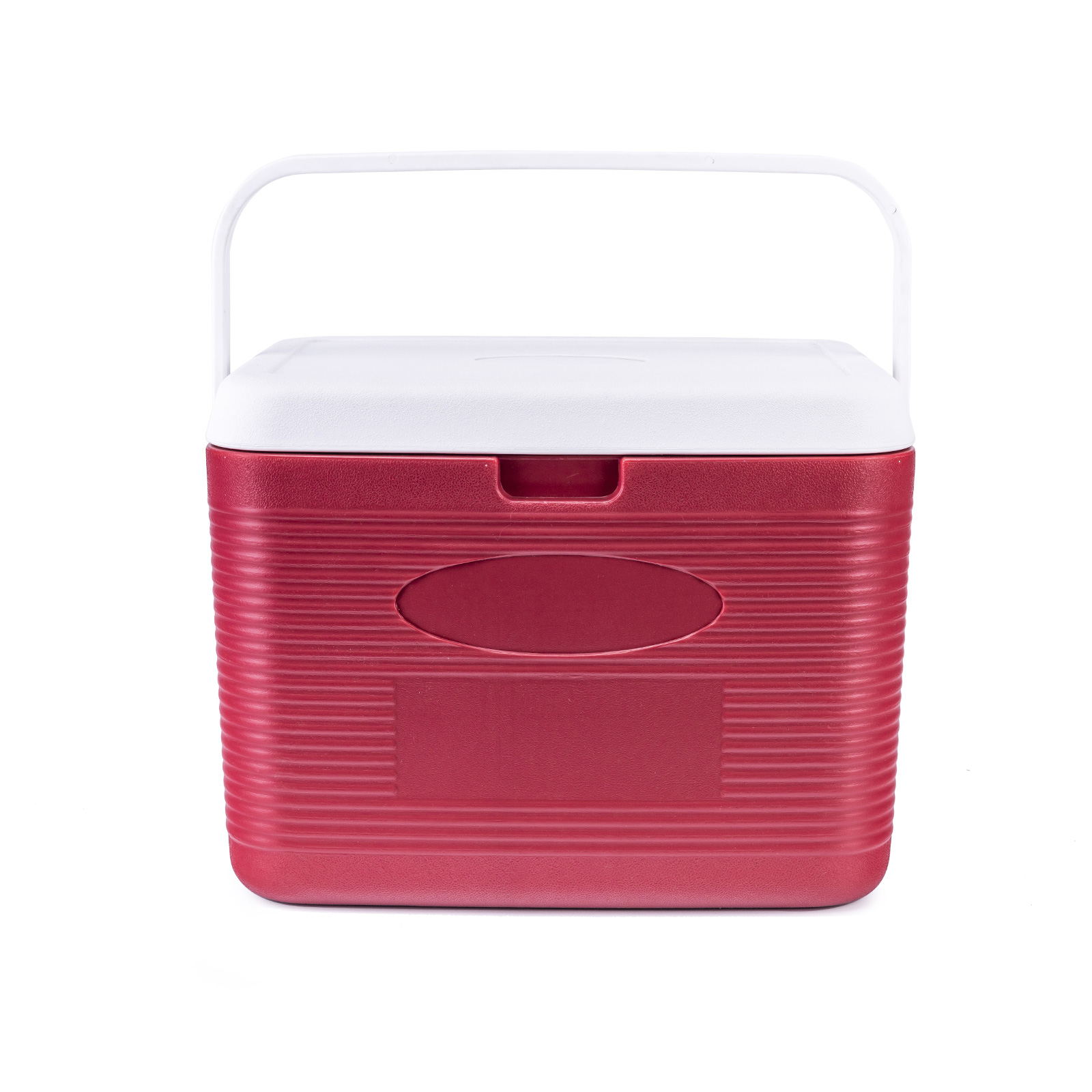
If you need a thermal plastic bin producer for meat delivery, the smartest buying decision comes from combining buyer-fit, technical validation, and 2026 market reality in one shortlist. Meat delivery is messy, cold, and time-sensitive. The right bin helps keep product cold, contains fluids, and makes washdown easier between route turns. This guide brings together practical buying checks, material science, and 2026 trend signals so you can buy with more confidence. The goal is to help you compare options with less guesswork and more evidence from the start.
What this article will answer
- How to match thermal plastic bin performance to your real route and payload risk
- Which data, tests, and supplier documents reduce buying risk for meat delivery
- Which supplier checks, cost metrics, and validation steps deserve the most weight
- What 2026 trends mean for sourcing, compliance, and sustainability planning
Why is thermal plastic bin a smart fit for meat delivery?
The best thermal plastic bin is the one that solves your real operating risk with the least added complexity. That means aligning the design with payload sensitivity, route conditions, handling speed, cleaning reality, and the business value of reuse. When those pieces fit, container choice becomes a measurable performance tool rather than a packaging guess.
Meat delivery is messy, cold, and time-sensitive. The right bin helps keep product cold, contains fluids, and makes washdown easier between route turns. If your highest-cost failure comes from temperature drift, fluid leakage, and odor retention, then the shortlist should start there. A buyer who first defines the route problem usually gets a better answer than a buyer who starts with a catalog dimension and works backward. That is why route profiling should come before price negotiation.
What makes route fit more important than list price?
A low unit price looks attractive until the container causes recurring loss, slow cleaning, stack instability, or exception work at receiving. Once those hidden costs appear, the cheaper quote often becomes the more expensive decision. Route fit protects both product quality and operating rhythm, which is why procurement teams increasingly review use-case evidence early in the process.
| Decision area | What to define | Why it matters | Your next step |
|---|---|---|---|
| Payload risk | Product sensitivity to moisture, heat, impact, or contamination | Tells you which design feature matters most | Rank risks before requesting quotes |
| Route reality | Dwell time, weather, handling, and return loop | Turns generic containers into scenario-based options | Build the shortlist from real lanes |
| Operational fit | Cleaning method, labels, ergonomics, and storage | Protects daily throughput after rollout | Include operations in the evaluation |
Practical tips and recommendations
- Write a one-page route profile before you talk to suppliers.
- Identify the single failure that would cost you the most, then weight that in the scorecard.
- Use route fit as the filter that narrows the field before technical and commercial review.
Illustrative field case: In a procurement review for a regional meat delivery route, the final shortlist was scored on route fit, technical validation, and lifecycle cost. The stronger option proved easier to justify because its supplier could explain how the design would perform, how it would be cleaned, and how the business case would improve over repeated reuse.
Which specifications actually protect product quality?
Specifications only matter if they protect quality in the real world. For this category, the most useful data usually covers structural behavior, environmental exposure, identification, cleaning response, and any temperature or airflow performance relevant to the product. A long spec sheet is not the goal. A decision-grade spec sheet is.
In technical reviews, teams often focus on dimensions first because dimensions are easy to compare. But failures usually come from how a design behaves under weight, motion, moisture, cold, or repeated sanitation. That is why you should test the features that control your main risk, whether that is leak resistance, vent pattern, hold time, stack strength, or fold-cycle durability.
Which data points deserve the most weight?
Weight the data that connects directly to product protection, handling, and qualification. Structural numbers matter, but only under the conditions you really use. Environmental data matters, but only if the test setup resembles your route. When the evidence is route-specific, technical comparison becomes much clearer and internal sign-off becomes easier.
| Key data point | What good looks like | Why it matters | Decision effect |
|---|---|---|---|
| Structural performance | Documented load behavior in realistic stack and route conditions | Protects against distortion and transport damage | Separates durable designs from cosmetic ones |
| Environmental response | Evidence under wet, cold, thermal, or washdown conditions as relevant | Shows whether the design still works outside ideal lab settings | Reduces hidden field risk |
| Control features | Clear label zones, logger fit, lids, vents, or tamper options | Improves product control and audit readiness | Supports smoother operations after rollout |
Practical tips and recommendations
- Ask the supplier to explain the test conditions, not just the headline result.
- Score each data point by its connection to route risk rather than by how impressive it sounds.
- Use a small pilot to verify the highest-weight specification before full standardization.
Illustrative field case: In a procurement review for a regional meat delivery route, the final shortlist was scored on route fit, technical validation, and lifecycle cost. The stronger option proved easier to justify because its supplier could explain how the design would perform, how it would be cleaned, and how the business case would improve over repeated reuse.
How should you compare suppliers, validation, and lifecycle cost?
Supplier comparison should combine technical fit, documentation quality, and lifecycle cost. The strongest producer is not simply the one who offers the lowest quote. It is the one who can show how the design was chosen, how it should be used, and what it will cost across many cycles rather than one purchase order.
Lifecycle cost should include trip life, return rate, cleaning labor, repair or replacement frequency, storage efficiency, and the operational cost of failure. A better reusable design often wins because it lowers exception handling and keeps the route more stable. That is particularly important in meat delivery, where packaging errors can trigger quality reviews, wasted labor, or avoidable spoilage risk.
What should a buyer scorecard include?
A practical scorecard usually combines route fit, performance evidence, compliance support, ergonomic usability, and total cost over time. That mix reduces the chance that one attractive number, such as unit price, dominates a decision it should not dominate. If a supplier cannot support a simple scorecard conversation, the partnership risk is already visible.
| Scorecard item | What to review | Why it matters | Suggested weight |
|---|---|---|---|
| Route fit | How closely the design matches your actual lane and payload | Controls product and handling risk | 30% |
| Evidence and compliance | Test data, qualification support, and operational documentation | Supports approval and audits | 30% |
| Lifecycle value | Trip life, return efficiency, cleaning burden, and replacement risk | Shows true economic performance | 40% |
Practical tips and recommendations
- Use the same weighted scorecard for every shortlisted supplier.
- Review total cost after 10, 50, and 100 cycles where reuse applies.
- Include operations feedback in the final score so the chosen design works in daily reality.
Illustrative field case: In a procurement review for a regional meat delivery route, the final shortlist was scored on route fit, technical validation, and lifecycle cost. The stronger option proved easier to justify because its supplier could explain how the design would perform, how it would be cleaned, and how the business case would improve over repeated reuse.
What changes in 2026 should you plan for now?
The 2026 packaging environment rewards buyers who think ahead about compliance, circularity, and data visibility. Official requirements around food safety, pharmaceutical distribution, produce hygiene, and packaging reuse are not all the same, but they point in a similar direction: better evidence, cleaner operations, and more disciplined packaging choices.
Food shippers remain focused on cleanable temperature-capable equipment because sanitary transport requirements explicitly address both equipment suitability and transport operations. Europe’s PPWR also changes the tone of packaging conversations by pushing the market harder toward waste reduction, lower raw-material demand, and circular packaging logic. For buyers, the practical takeaway is simple: choose designs that are easier to qualify, easier to recover, and easier to defend in front of customers, auditors, or internal stakeholders.
How should you prepare now?
Start by updating your packaging brief. Add route evidence, reuse assumptions, cleaning expectations, identification needs, and end-of-life questions before the next tender starts. The teams that do this early usually buy faster and with fewer surprises because they are comparing suppliers against a modern decision standard rather than an old price-only format.
| 2026 priority | What changed | Why it matters | Action now |
|---|---|---|---|
| Documentation quality | Audits and buyer expectations now emphasize evidence more strongly | Weak paperwork slows approval and CAPA response | Standardize your qualification checklist |
| Circular packaging readiness | Policies and customers increasingly reward reuse and waste reduction | Packaging decisions now affect both cost and sustainability goals | Review trip life, return flow, and end-of-life pathways |
| Operational proof | Route fit matters more than generic claims | Real performance beats brochure language | Pilot before broad rollout |
Practical tips and recommendations
- Refresh your packaging specification to reflect 2026 compliance and sustainability expectations.
- Ask suppliers how they support both qualification and end-of-life planning.
- Use policy change as an opportunity to remove underperforming legacy packaging from the system.
Illustrative field case: In a procurement review for a regional meat delivery route, the final shortlist was scored on route fit, technical validation, and lifecycle cost. The stronger option proved easier to justify because its supplier could explain how the design would perform, how it would be cleaned, and how the business case would improve over repeated reuse.
Quick buyer self-check
Use this final scorecard before supplier approval. A strong option should satisfy most of these questions without forcing exceptions or optimistic assumptions.
- Have you defined the real payload, route duration, and worst-case handling conditions for meat delivery?
- Can the supplier explain how the thermal plastic bin addresses your top failure mode?
- Do you have relevant evidence for load, environment, and cleaning or temperature conditions?
- Is the reusable business case clear on trip life, return rate, and replacement risk?
- Would operations, QA, and procurement all give the same reason for choosing this design?
Scoring shortcut: 5 yes answers usually means the shortlist is mature; 3 or fewer means the project still needs clarification.
Latest developments and trends in 2026
In 2026, the best packaging programs are combining route-fit logic, stronger documentation, and circular packaging planning in a single sourcing standard. That shift is practical rather than theoretical. Buyers want fewer exceptions, fewer wasted assets, better recovery, and a packaging format that remains defensible as rules and customer expectations keep tightening.
Latest developments at a glance
- **Evidence over claims:** Buyers want load, temperature, leak, or airflow data that matches real use conditions.
- **Circular packaging pressure:** Reusable and recyclable transport packaging gets more attention as PPWR-driven thinking spreads through global sourcing.
- **Operational fit:** Containers are increasingly judged by cleaning speed, label control, ergonomics, and return-loop efficiency.
From a market standpoint, operators increasingly want reusable bins that contain fluids better, shorten cleaning time, and avoid soggy secondary packaging. Choose thermal systems when you cannot rely on continuous powered refrigeration. The suppliers most likely to win are the ones that turn those needs into easy-to-compare documentation and simple qualification steps.
Frequently asked questions
How do I choose a thermal plastic bin producer for meat delivery?
Start with route risk, not catalog size. Define payload, handling, cleaning, and the biggest failure mode first. Then compare suppliers on evidence, usability, and lifecycle value so the chosen thermal plastic bin fits real operations instead of only looking good on paper.
Which material is usually better for meat delivery, HDPE or PP?
There is no universal winner. HDPE is often chosen for low-temperature toughness and chemical resistance, while PP is often chosen for stiffness and lighter designs. The correct choice depends on route temperature, washdown conditions, hinge geometry, and expected load.
What data should a supplier provide before approval?
Request dimensional information, relevant performance data, cleaning guidance, and a route-fit explanation. If temperature, airflow, leak control, or compliance matters in your use case, ask for that evidence directly rather than assuming it is part of the standard quote.
When does reusable packaging lower total cost?
Reusable packaging wins when trip life is long enough, return rates are strong enough, and cleaning plus handling do not erase the savings. Model cost across repeated cycles instead of comparing purchase price only once.
What is the biggest buying mistake in this category?
The most common mistake is approving a container without matching it to the real route. A design can look strong in a brochure but still fail when the route includes temperature drift, fluid leakage, and odor retention or more demanding cleaning and handling than the supplier assumed.
Summary and recommendation
Thermal Plastic Bin works best when the design matches your actual route, payload, and cleaning reality. The most useful supplier data usually covers thermal buffer, fluid control, and sanitation speed, durability, and route-specific validation. Compliance should be checked early, whether your route is shaped mainly by food safety rules, GDP-style controls, or transport testing. Lifecycle value matters: a slightly stronger reusable design often outperforms a cheaper option that fails early or returns poorly.
Use a weighted scorecard that combines route fit, evidence, and lifecycle value. Shortlist only the suppliers who can support real qualification and realistic reuse economics. Then confirm the choice with a focused pilot and a clean approval file.
About Tempk
Tempk focuses on reusable plastic transport packaging for cold chain and industrial applications. We emphasize route-fit design, material selection, and practical qualification support so buyers can match packaging choice to product risk, handling reality, and lifecycle cost. For teams comparing thermal plastic bins, that means clearer specifications, better operational fit, and a more disciplined path from shortlist to rollout.
The next step is simple: define your route, payload, and top failure risks, then compare options against that brief. A focused conversation usually leads to a better packaging decision than a broad catalog search.
Best Temperature-Controlled Bins for Food Production

If you need a temperature-controlled plastic bin solutions for food production, the smartest buying decision comes from combining buyer-fit, technical validation, and 2026 market reality in one shortlist. Food production containers live in wet, fast, and highly disciplined environments. The best bin makes cleaning quicker, supports ingredient segregation, and survives daily handling without trapping residue. This guide brings together practical buying checks, material science, and 2026 trend signals so you can buy with more confidence. You will see which specifications matter most, what to ask a solutions provider, and how to avoid paying for features that do not improve outcomes.
What this article will answer
- How to match temperature-controlled plastic bin performance to your real route and payload risk
- Which data, tests, and supplier documents reduce buying risk for food production
- Which supplier checks, cost metrics, and validation steps deserve the most weight
- What 2026 trends mean for sourcing, compliance, and sustainability planning
Why is temperature-controlled plastic bin a smart fit for food production?
The best temperature-controlled plastic bin is the one that solves your real operating risk with the least added complexity. That means aligning the design with payload sensitivity, route conditions, handling speed, cleaning reality, and the business value of reuse. When those pieces fit, container choice becomes a measurable performance tool rather than a packaging guess.
Food production containers live in wet, fast, and highly disciplined environments. The best bin makes cleaning quicker, supports ingredient segregation, and survives daily handling without trapping residue. If your highest-cost failure comes from cross-contact, washdown stress, and temperature drift, then the shortlist should start there. A buyer who first defines the route problem usually gets a better answer than a buyer who starts with a catalog dimension and works backward. That is why route profiling should come before price negotiation.
What makes route fit more important than list price?
A low unit price looks attractive until the container causes recurring loss, slow cleaning, stack instability, or exception work at receiving. Once those hidden costs appear, the cheaper quote often becomes the more expensive decision. Route fit protects both product quality and operating rhythm, which is why procurement teams increasingly review use-case evidence early in the process.
| Decision area | What to define | Why it matters | Your next step |
|---|---|---|---|
| Payload risk | Product sensitivity to moisture, heat, impact, or contamination | Tells you which design feature matters most | Rank risks before requesting quotes |
| Route reality | Dwell time, weather, handling, and return loop | Turns generic containers into scenario-based options | Build the shortlist from real lanes |
| Operational fit | Cleaning method, labels, ergonomics, and storage | Protects daily throughput after rollout | Include operations in the evaluation |
Practical tips and recommendations
- Write a one-page route profile before you talk to suppliers.
- Identify the single failure that would cost you the most, then weight that in the scorecard.
- Use route fit as the filter that narrows the field before technical and commercial review.
Illustrative field case: In a procurement review for a prepared food production site, the final shortlist was scored on route fit, technical validation, and lifecycle cost. The stronger option proved easier to justify because its supplier could explain how the design would perform, how it would be cleaned, and how the business case would improve over repeated reuse.
Which specifications actually protect product quality?
Specifications only matter if they protect quality in the real world. For this category, the most useful data usually covers structural behavior, environmental exposure, identification, cleaning response, and any temperature or airflow performance relevant to the product. A long spec sheet is not the goal. A decision-grade spec sheet is.
In technical reviews, teams often focus on dimensions first because dimensions are easy to compare. But failures usually come from how a design behaves under weight, motion, moisture, cold, or repeated sanitation. That is why you should test the features that control your main risk, whether that is leak resistance, vent pattern, hold time, stack strength, or fold-cycle durability.
Which data points deserve the most weight?
Weight the data that connects directly to product protection, handling, and qualification. Structural numbers matter, but only under the conditions you really use. Environmental data matters, but only if the test setup resembles your route. When the evidence is route-specific, technical comparison becomes much clearer and internal sign-off becomes easier.
| Key data point | What good looks like | Why it matters | Decision effect |
|---|---|---|---|
| Structural performance | Documented load behavior in realistic stack and route conditions | Protects against distortion and transport damage | Separates durable designs from cosmetic ones |
| Environmental response | Evidence under wet, cold, thermal, or washdown conditions as relevant | Shows whether the design still works outside ideal lab settings | Reduces hidden field risk |
| Control features | Clear label zones, logger fit, lids, vents, or tamper options | Improves product control and audit readiness | Supports smoother operations after rollout |
Practical tips and recommendations
- Ask the supplier to explain the test conditions, not just the headline result.
- Score each data point by its connection to route risk rather than by how impressive it sounds.
- Use a small pilot to verify the highest-weight specification before full standardization.
Illustrative field case: In a procurement review for a prepared food production site, the final shortlist was scored on route fit, technical validation, and lifecycle cost. The stronger option proved easier to justify because its supplier could explain how the design would perform, how it would be cleaned, and how the business case would improve over repeated reuse.
How should you compare suppliers, validation, and lifecycle cost?
Supplier comparison should combine technical fit, documentation quality, and lifecycle cost. The strongest solutions provider is not simply the one who offers the lowest quote. It is the one who can show how the design was chosen, how it should be used, and what it will cost across many cycles rather than one purchase order.
Lifecycle cost should include trip life, return rate, cleaning labor, repair or replacement frequency, storage efficiency, and the operational cost of failure. A better reusable design often wins because it lowers exception handling and keeps the route more stable. That is particularly important in food production, where packaging errors can trigger quality reviews, wasted labor, or avoidable spoilage risk.
What should a buyer scorecard include?
A practical scorecard usually combines route fit, performance evidence, compliance support, ergonomic usability, and total cost over time. That mix reduces the chance that one attractive number, such as unit price, dominates a decision it should not dominate. If a supplier cannot support a simple scorecard conversation, the partnership risk is already visible.
| Scorecard item | What to review | Why it matters | Suggested weight |
|---|---|---|---|
| Route fit | How closely the design matches your actual lane and payload | Controls product and handling risk | 30% |
| Evidence and compliance | Test data, qualification support, and operational documentation | Supports approval and audits | 30% |
| Lifecycle value | Trip life, return efficiency, cleaning burden, and replacement risk | Shows true economic performance | 40% |
Practical tips and recommendations
- Use the same weighted scorecard for every shortlisted supplier.
- Review total cost after 10, 50, and 100 cycles where reuse applies.
- Include operations feedback in the final score so the chosen design works in daily reality.
Illustrative field case: In a procurement review for a prepared food production site, the final shortlist was scored on route fit, technical validation, and lifecycle cost. The stronger option proved easier to justify because its supplier could explain how the design would perform, how it would be cleaned, and how the business case would improve over repeated reuse.
What changes in 2026 should you plan for now?
The 2026 packaging environment rewards buyers who think ahead about compliance, circularity, and data visibility. Official requirements around food safety, pharmaceutical distribution, produce hygiene, and packaging reuse are not all the same, but they point in a similar direction: better evidence, cleaner operations, and more disciplined packaging choices.
FDA’s sanitary transport framework still points buyers back to equipment suitability, temperature capability, documented operations, and training. Europe’s PPWR also changes the tone of packaging conversations by pushing the market harder toward waste reduction, lower raw-material demand, and circular packaging logic. For buyers, the practical takeaway is simple: choose designs that are easier to qualify, easier to recover, and easier to defend in front of customers, auditors, or internal stakeholders.
How should you prepare now?
Start by updating your packaging brief. Add route evidence, reuse assumptions, cleaning expectations, identification needs, and end-of-life questions before the next tender starts. The teams that do this early usually buy faster and with fewer surprises because they are comparing suppliers against a modern decision standard rather than an old price-only format.
| 2026 priority | What changed | Why it matters | Action now |
|---|---|---|---|
| Documentation quality | Audits and buyer expectations now emphasize evidence more strongly | Weak paperwork slows approval and CAPA response | Standardize your qualification checklist |
| Circular packaging readiness | Policies and customers increasingly reward reuse and waste reduction | Packaging decisions now affect both cost and sustainability goals | Review trip life, return flow, and end-of-life pathways |
| Operational proof | Route fit matters more than generic claims | Real performance beats brochure language | Pilot before broad rollout |
Practical tips and recommendations
- Refresh your packaging specification to reflect 2026 compliance and sustainability expectations.
- Ask suppliers how they support both qualification and end-of-life planning.
- Use policy change as an opportunity to remove underperforming legacy packaging from the system.
Illustrative field case: In a procurement review for a prepared food production site, the final shortlist was scored on route fit, technical validation, and lifecycle cost. The stronger option proved easier to justify because its supplier could explain how the design would perform, how it would be cleaned, and how the business case would improve over repeated reuse.
Quick buyer self-check
Use this final scorecard before supplier approval. A strong option should satisfy most of these questions without forcing exceptions or optimistic assumptions.
- Have you defined the real payload, route duration, and worst-case handling conditions for food production?
- Can the supplier explain how the temperature-controlled plastic bin addresses your top failure mode?
- Do you have relevant evidence for load, environment, and cleaning or temperature conditions?
- Is the reusable business case clear on trip life, return rate, and replacement risk?
- Would operations, QA, and procurement all give the same reason for choosing this design?
Scoring shortcut: 5 yes answers usually means the shortlist is mature; 3 or fewer means the project still needs clarification.
Latest developments and trends in 2026
In 2026, the best packaging programs are combining route-fit logic, stronger documentation, and circular packaging planning in a single sourcing standard. That shift is practical rather than theoretical. Buyers want fewer exceptions, fewer wasted assets, better recovery, and a packaging format that remains defensible as rules and customer expectations keep tightening.
Latest developments at a glance
- **Evidence over claims:** Buyers want load, temperature, leak, or airflow data that matches real use conditions.
- **Circular packaging pressure:** Reusable and recyclable transport packaging gets more attention as PPWR-driven thinking spreads through global sourcing.
- **Operational fit:** Containers are increasingly judged by cleaning speed, label control, ergonomics, and return-loop efficiency.
From a market standpoint, plants increasingly look for bins that support segregation, traceability, and repeatable sanitation with less labor. Choose system-level validation when product quality decisions depend on temperature evidence. The suppliers most likely to win are the ones that turn those needs into easy-to-compare documentation and simple qualification steps.
Frequently asked questions
How do I choose a temperature-controlled plastic bin solutions for food production?
Start with route risk, not catalog size. Define payload, handling, cleaning, and the biggest failure mode first. Then compare suppliers on evidence, usability, and lifecycle value so the chosen temperature-controlled plastic bin fits real operations instead of only looking good on paper.
Which material is usually better for food production, HDPE or PP?
There is no universal winner. HDPE is often chosen for low-temperature toughness and chemical resistance, while PP is often chosen for stiffness and lighter designs. The correct choice depends on route temperature, washdown conditions, hinge geometry, and expected load.
What data should a supplier provide before approval?
Request dimensional information, relevant performance data, cleaning guidance, and a route-fit explanation. If temperature, airflow, leak control, or compliance matters in your use case, ask for that evidence directly rather than assuming it is part of the standard quote.
When does reusable packaging lower total cost?
Reusable packaging wins when trip life is long enough, return rates are strong enough, and cleaning plus handling do not erase the savings. Model cost across repeated cycles instead of comparing purchase price only once.
What is the biggest buying mistake in this category?
The most common mistake is approving a container without matching it to the real route. A design can look strong in a brochure but still fail when the route includes cross-contact, washdown stress, and temperature drift or more demanding cleaning and handling than the supplier assumed.
Summary and recommendation
Temperature-Controlled Plastic Bin works best when the design matches your actual route, payload, and cleaning reality. The most useful supplier data usually covers cleanability, segregation, and temperature retention, durability, and route-specific validation. Compliance should be checked early, whether your route is shaped mainly by food safety rules, GDP-style controls, or transport testing. Lifecycle value matters: a slightly stronger reusable design often outperforms a cheaper option that fails early or returns poorly.
Use a weighted scorecard that combines route fit, evidence, and lifecycle value. Shortlist only the suppliers who can support real qualification and realistic reuse economics. Then confirm the choice with a focused pilot and a clean approval file.
About Tempk
Tempk focuses on reusable plastic transport packaging for cold chain and industrial applications. We emphasize route-fit design, material selection, and practical qualification support so buyers can match packaging choice to product risk, handling reality, and lifecycle cost. For teams comparing temperature-controlled plastic bins, that means clearer specifications, better operational fit, and a more disciplined path from shortlist to rollout.
The next step is simple: define your route, payload, and top failure risks, then compare options against that brief. A focused conversation usually leads to a better packaging decision than a broad catalog search.
Best Stackable Crates for Biotech Packaging
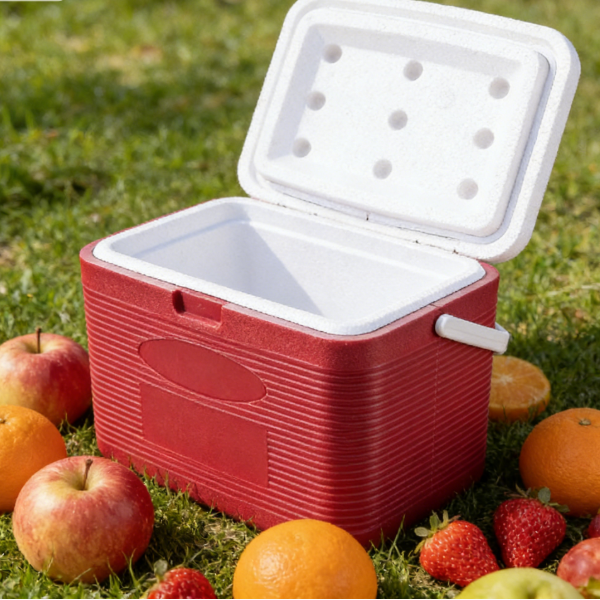
If you need a stackable plastic crate distributor for biotech packaging, the smartest buying decision comes from combining buyer-fit, technical validation, and 2026 market reality in one shortlist. Biotech packaging often protects high-value materials, reagents, or intermediates where route stability matters more than shell price. Cleanability, traceability, and predictable handling are core buying filters. This guide brings together practical buying checks, material science, and 2026 trend signals so you can buy with more confidence. You will also see how compliance, handling reality, and total cost interact, so you can choose a design that works beyond the first shipment.
What this article will answer
- How to match stackable plastic crate performance to your real route and payload risk
- Which data, tests, and supplier documents reduce buying risk for biotech packaging
- Which supplier checks, cost metrics, and validation steps deserve the most weight
- What 2026 trends mean for sourcing, compliance, and sustainability planning
Why is stackable plastic crate a smart fit for biotech packaging?
The best stackable plastic crate is the one that solves your real operating risk with the least added complexity. That means aligning the design with payload sensitivity, route conditions, handling speed, cleaning reality, and the business value of reuse. When those pieces fit, container choice becomes a measurable performance tool rather than a packaging guess.
Biotech packaging often protects high-value materials, reagents, or intermediates where route stability matters more than shell price. Cleanability, traceability, and predictable handling are core buying filters. If your highest-cost failure comes from sample mix-up, temperature drift, and particulate contamination, then the shortlist should start there. A buyer who first defines the route problem usually gets a better answer than a buyer who starts with a catalog dimension and works backward. That is why route profiling should come before price negotiation.
What makes route fit more important than list price?
A low unit price looks attractive until the container causes recurring loss, slow cleaning, stack instability, or exception work at receiving. Once those hidden costs appear, the cheaper quote often becomes the more expensive decision. Route fit protects both product quality and operating rhythm, which is why procurement teams increasingly review use-case evidence early in the process.
| Decision area | What to define | Why it matters | Your next step |
|---|---|---|---|
| Payload risk | Product sensitivity to moisture, heat, impact, or contamination | Tells you which design feature matters most | Rank risks before requesting quotes |
| Route reality | Dwell time, weather, handling, and return loop | Turns generic containers into scenario-based options | Build the shortlist from real lanes |
| Operational fit | Cleaning method, labels, ergonomics, and storage | Protects daily throughput after rollout | Include operations in the evaluation |
Practical tips and recommendations
- Write a one-page route profile before you talk to suppliers.
- Identify the single failure that would cost you the most, then weight that in the scorecard.
- Use route fit as the filter that narrows the field before technical and commercial review.
Illustrative field case: In a procurement review for a biotech reagent packaging line, the final shortlist was scored on route fit, technical validation, and lifecycle cost. The stronger option proved easier to justify because its supplier could explain how the design would perform, how it would be cleaned, and how the business case would improve over repeated reuse.
Which specifications actually protect product quality?
Specifications only matter if they protect quality in the real world. For this category, the most useful data usually covers structural behavior, environmental exposure, identification, cleaning response, and any temperature or airflow performance relevant to the product. A long spec sheet is not the goal. A decision-grade spec sheet is.
In technical reviews, teams often focus on dimensions first because dimensions are easy to compare. But failures usually come from how a design behaves under weight, motion, moisture, cold, or repeated sanitation. That is why you should test the features that control your main risk, whether that is leak resistance, vent pattern, hold time, stack strength, or fold-cycle durability.
Which data points deserve the most weight?
Weight the data that connects directly to product protection, handling, and qualification. Structural numbers matter, but only under the conditions you really use. Environmental data matters, but only if the test setup resembles your route. When the evidence is route-specific, technical comparison becomes much clearer and internal sign-off becomes easier.
| Key data point | What good looks like | Why it matters | Decision effect |
|---|---|---|---|
| Structural performance | Documented load behavior in realistic stack and route conditions | Protects against distortion and transport damage | Separates durable designs from cosmetic ones |
| Environmental response | Evidence under wet, cold, thermal, or washdown conditions as relevant | Shows whether the design still works outside ideal lab settings | Reduces hidden field risk |
| Control features | Clear label zones, logger fit, lids, vents, or tamper options | Improves product control and audit readiness | Supports smoother operations after rollout |
Practical tips and recommendations
- Ask the supplier to explain the test conditions, not just the headline result.
- Score each data point by its connection to route risk rather than by how impressive it sounds.
- Use a small pilot to verify the highest-weight specification before full standardization.
Illustrative field case: In a procurement review for a biotech reagent packaging line, the final shortlist was scored on route fit, technical validation, and lifecycle cost. The stronger option proved easier to justify because its supplier could explain how the design would perform, how it would be cleaned, and how the business case would improve over repeated reuse.
How should you compare suppliers, validation, and lifecycle cost?
Supplier comparison should combine technical fit, documentation quality, and lifecycle cost. The strongest distributor is not simply the one who offers the lowest quote. It is the one who can show how the design was chosen, how it should be used, and what it will cost across many cycles rather than one purchase order.
Lifecycle cost should include trip life, return rate, cleaning labor, repair or replacement frequency, storage efficiency, and the operational cost of failure. A better reusable design often wins because it lowers exception handling and keeps the route more stable. That is particularly important in biotech packaging, where packaging errors can trigger quality reviews, wasted labor, or avoidable spoilage risk.
What should a buyer scorecard include?
A practical scorecard usually combines route fit, performance evidence, compliance support, ergonomic usability, and total cost over time. That mix reduces the chance that one attractive number, such as unit price, dominates a decision it should not dominate. If a supplier cannot support a simple scorecard conversation, the partnership risk is already visible.
| Scorecard item | What to review | Why it matters | Suggested weight |
|---|---|---|---|
| Route fit | How closely the design matches your actual lane and payload | Controls product and handling risk | 30% |
| Evidence and compliance | Test data, qualification support, and operational documentation | Supports approval and audits | 30% |
| Lifecycle value | Trip life, return efficiency, cleaning burden, and replacement risk | Shows true economic performance | 40% |
Practical tips and recommendations
- Use the same weighted scorecard for every shortlisted supplier.
- Review total cost after 10, 50, and 100 cycles where reuse applies.
- Include operations feedback in the final score so the chosen design works in daily reality.
Illustrative field case: In a procurement review for a biotech reagent packaging line, the final shortlist was scored on route fit, technical validation, and lifecycle cost. The stronger option proved easier to justify because its supplier could explain how the design would perform, how it would be cleaned, and how the business case would improve over repeated reuse.
What changes in 2026 should you plan for now?
The 2026 packaging environment rewards buyers who think ahead about compliance, circularity, and data visibility. Official requirements around food safety, pharmaceutical distribution, produce hygiene, and packaging reuse are not all the same, but they point in a similar direction: better evidence, cleaner operations, and more disciplined packaging choices.
Biotech buyers increasingly ask for packaging that supports data logging, lot traceability, and repeatable cleaning without creating particulate or label problems. Europe’s PPWR also changes the tone of packaging conversations by pushing the market harder toward waste reduction, lower raw-material demand, and circular packaging logic. For buyers, the practical takeaway is simple: choose designs that are easier to qualify, easier to recover, and easier to defend in front of customers, auditors, or internal stakeholders.
How should you prepare now?
Start by updating your packaging brief. Add route evidence, reuse assumptions, cleaning expectations, identification needs, and end-of-life questions before the next tender starts. The teams that do this early usually buy faster and with fewer surprises because they are comparing suppliers against a modern decision standard rather than an old price-only format.
| 2026 priority | What changed | Why it matters | Action now |
|---|---|---|---|
| Documentation quality | Audits and buyer expectations now emphasize evidence more strongly | Weak paperwork slows approval and CAPA response | Standardize your qualification checklist |
| Circular packaging readiness | Policies and customers increasingly reward reuse and waste reduction | Packaging decisions now affect both cost and sustainability goals | Review trip life, return flow, and end-of-life pathways |
| Operational proof | Route fit matters more than generic claims | Real performance beats brochure language | Pilot before broad rollout |
Practical tips and recommendations
- Refresh your packaging specification to reflect 2026 compliance and sustainability expectations.
- Ask suppliers how they support both qualification and end-of-life planning.
- Use policy change as an opportunity to remove underperforming legacy packaging from the system.
Illustrative field case: In a procurement review for a biotech reagent packaging line, the final shortlist was scored on route fit, technical validation, and lifecycle cost. The stronger option proved easier to justify because its supplier could explain how the design would perform, how it would be cleaned, and how the business case would improve over repeated reuse.
Quick buyer self-check
Use this final scorecard before supplier approval. A strong option should satisfy most of these questions without forcing exceptions or optimistic assumptions.
- Have you defined the real payload, route duration, and worst-case handling conditions for biotech packaging?
- Can the supplier explain how the stackable plastic crate addresses your top failure mode?
- Do you have relevant evidence for load, environment, and cleaning or temperature conditions?
- Is the reusable business case clear on trip life, return rate, and replacement risk?
- Would operations, QA, and procurement all give the same reason for choosing this design?
Scoring shortcut: 5 yes answers usually means the shortlist is mature; 3 or fewer means the project still needs clarification.
Latest developments and trends in 2026
In 2026, the best packaging programs are combining route-fit logic, stronger documentation, and circular packaging planning in a single sourcing standard. That shift is practical rather than theoretical. Buyers want fewer exceptions, fewer wasted assets, better recovery, and a packaging format that remains defensible as rules and customer expectations keep tightening.
Latest developments at a glance
- **Evidence over claims:** Buyers want load, temperature, leak, or airflow data that matches real use conditions.
- **Circular packaging pressure:** Reusable and recyclable transport packaging gets more attention as PPWR-driven thinking spreads through global sourcing.
- **Operational fit:** Containers are increasingly judged by cleaning speed, label control, ergonomics, and return-loop efficiency.
From a market standpoint, the sector keeps moving toward packaging that works with qualified sops and automated recordkeeping, not ad hoc containers. Choose stackable designs when vertical density and pallet stability matter every day. The suppliers most likely to win are the ones that turn those needs into easy-to-compare documentation and simple qualification steps.
Frequently asked questions
How do I choose a stackable plastic crate distributor for biotech packaging?
Start with route risk, not catalog size. Define payload, handling, cleaning, and the biggest failure mode first. Then compare suppliers on evidence, usability, and lifecycle value so the chosen stackable plastic crate fits real operations instead of only looking good on paper.
Which material is usually better for biotech packaging, HDPE or PP?
There is no universal winner. HDPE is often chosen for low-temperature toughness and chemical resistance, while PP is often chosen for stiffness and lighter designs. The correct choice depends on route temperature, washdown conditions, hinge geometry, and expected load.
What data should a supplier provide before approval?
Request dimensional information, relevant performance data, cleaning guidance, and a route-fit explanation. If temperature, airflow, leak control, or compliance matters in your use case, ask for that evidence directly rather than assuming it is part of the standard quote.
When does reusable packaging lower total cost?
Reusable packaging wins when trip life is long enough, return rates are strong enough, and cleaning plus handling do not erase the savings. Model cost across repeated cycles instead of comparing purchase price only once.
What is the biggest buying mistake in this category?
The most common mistake is approving a container without matching it to the real route. A design can look strong in a brochure but still fail when the route includes sample mix-up, temperature drift, and particulate contamination or more demanding cleaning and handling than the supplier assumed.
Summary and recommendation
Stackable Plastic Crate works best when the design matches your actual route, payload, and cleaning reality. The most useful supplier data usually covers traceability, cleanability, and stack security, durability, and route-specific validation. Compliance should be checked early, whether your route is shaped mainly by food safety rules, GDP-style controls, or transport testing. Lifecycle value matters: a slightly stronger reusable design often outperforms a cheaper option that fails early or returns poorly.
Use a weighted scorecard that combines route fit, evidence, and lifecycle value. Shortlist only the suppliers who can support real qualification and realistic reuse economics. Then confirm the choice with a focused pilot and a clean approval file.
About Tempk
Tempk focuses on reusable plastic transport packaging for cold chain and industrial applications. We emphasize route-fit design, material selection, and practical qualification support so buyers can match packaging choice to product risk, handling reality, and lifecycle cost. For teams comparing stackable plastic crates, that means clearer specifications, better operational fit, and a more disciplined path from shortlist to rollout.
The next step is simple: define your route, payload, and top failure risks, then compare options against that brief. A focused conversation usually leads to a better packaging decision than a broad catalog search.
Best Stackable Boxes for Chemical Packaging
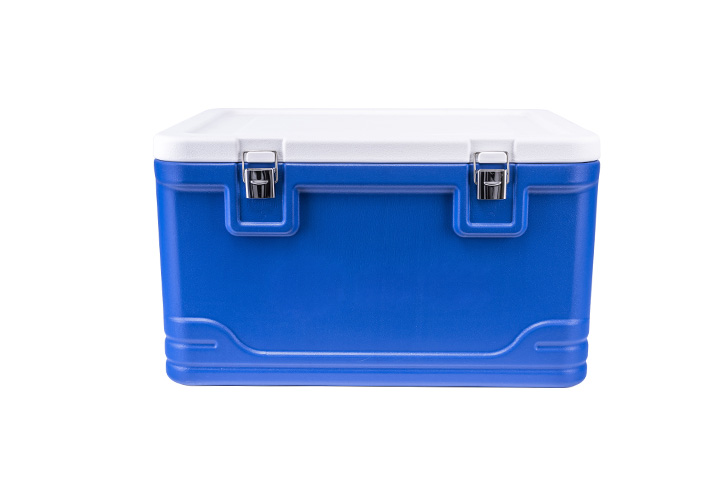
A successful stackable plastic box manufacturer for chemical packaging purchase depends on three things: route fit, documented performance, and lifecycle value. Miss one of them and the quote can look cheaper than it really is. Chemical packaging starts with compatibility. The same plastic that handles one formulation well may soften, crack, or absorb another. That makes material review a front-end requirement, not a later detail. This guide brings together practical buying checks, material science, and 2026 trend signals so you can buy with more confidence. You will see which specifications matter most, what to ask a manufacturer, and how to avoid paying for features that do not improve outcomes.
What this article will answer
- How to match stackable plastic box performance to your real route and payload risk
- Which data, tests, and supplier documents reduce buying risk for chemical packaging
- Which supplier checks, cost metrics, and validation steps deserve the most weight
- What 2026 trends mean for sourcing, compliance, and sustainability planning
Why is stackable plastic box a smart fit for chemical packaging?
The best stackable plastic box is the one that solves your real operating risk with the least added complexity. That means aligning the design with payload sensitivity, route conditions, handling speed, cleaning reality, and the business value of reuse. When those pieces fit, container choice becomes a measurable performance tool rather than a packaging guess.
Chemical packaging starts with compatibility. The same plastic that handles one formulation well may soften, crack, or absorb another. That makes material review a front-end requirement, not a later detail. If your highest-cost failure comes from chemical incompatibility, stress cracking, and leak risk, then the shortlist should start there. A buyer who first defines the route problem usually gets a better answer than a buyer who starts with a catalog dimension and works backward. That is why route profiling should come before price negotiation.
What makes route fit more important than list price?
A low unit price looks attractive until the container causes recurring loss, slow cleaning, stack instability, or exception work at receiving. Once those hidden costs appear, the cheaper quote often becomes the more expensive decision. Route fit protects both product quality and operating rhythm, which is why procurement teams increasingly review use-case evidence early in the process.
| Decision area | What to define | Why it matters | Your next step |
|---|---|---|---|
| Payload risk | Product sensitivity to moisture, heat, impact, or contamination | Tells you which design feature matters most | Rank risks before requesting quotes |
| Route reality | Dwell time, weather, handling, and return loop | Turns generic containers into scenario-based options | Build the shortlist from real lanes |
| Operational fit | Cleaning method, labels, ergonomics, and storage | Protects daily throughput after rollout | Include operations in the evaluation |
Practical tips and recommendations
- Write a one-page route profile before you talk to suppliers.
- Identify the single failure that would cost you the most, then weight that in the scorecard.
- Use route fit as the filter that narrows the field before technical and commercial review.
Illustrative field case: In a procurement review for a specialty chemicals packaging line, the final shortlist was scored on route fit, technical validation, and lifecycle cost. The stronger option proved easier to justify because its supplier could explain how the design would perform, how it would be cleaned, and how the business case would improve over repeated reuse.
Which specifications actually protect product quality?
Specifications only matter if they protect quality in the real world. For this category, the most useful data usually covers structural behavior, environmental exposure, identification, cleaning response, and any temperature or airflow performance relevant to the product. A long spec sheet is not the goal. A decision-grade spec sheet is.
In technical reviews, teams often focus on dimensions first because dimensions are easy to compare. But failures usually come from how a design behaves under weight, motion, moisture, cold, or repeated sanitation. That is why you should test the features that control your main risk, whether that is leak resistance, vent pattern, hold time, stack strength, or fold-cycle durability.
Which data points deserve the most weight?
Weight the data that connects directly to product protection, handling, and qualification. Structural numbers matter, but only under the conditions you really use. Environmental data matters, but only if the test setup resembles your route. When the evidence is route-specific, technical comparison becomes much clearer and internal sign-off becomes easier.
| Key data point | What good looks like | Why it matters | Decision effect |
|---|---|---|---|
| Structural performance | Documented load behavior in realistic stack and route conditions | Protects against distortion and transport damage | Separates durable designs from cosmetic ones |
| Environmental response | Evidence under wet, cold, thermal, or washdown conditions as relevant | Shows whether the design still works outside ideal lab settings | Reduces hidden field risk |
| Control features | Clear label zones, logger fit, lids, vents, or tamper options | Improves product control and audit readiness | Supports smoother operations after rollout |
Practical tips and recommendations
- Ask the supplier to explain the test conditions, not just the headline result.
- Score each data point by its connection to route risk rather than by how impressive it sounds.
- Use a small pilot to verify the highest-weight specification before full standardization.
Illustrative field case: In a procurement review for a specialty chemicals packaging line, the final shortlist was scored on route fit, technical validation, and lifecycle cost. The stronger option proved easier to justify because its supplier could explain how the design would perform, how it would be cleaned, and how the business case would improve over repeated reuse.
How should you compare suppliers, validation, and lifecycle cost?
Supplier comparison should combine technical fit, documentation quality, and lifecycle cost. The strongest manufacturer is not simply the one who offers the lowest quote. It is the one who can show how the design was chosen, how it should be used, and what it will cost across many cycles rather than one purchase order.
Lifecycle cost should include trip life, return rate, cleaning labor, repair or replacement frequency, storage efficiency, and the operational cost of failure. A better reusable design often wins because it lowers exception handling and keeps the route more stable. That is particularly important in chemical packaging, where packaging errors can trigger quality reviews, wasted labor, or avoidable spoilage risk.
What should a buyer scorecard include?
A practical scorecard usually combines route fit, performance evidence, compliance support, ergonomic usability, and total cost over time. That mix reduces the chance that one attractive number, such as unit price, dominates a decision it should not dominate. If a supplier cannot support a simple scorecard conversation, the partnership risk is already visible.
| Scorecard item | What to review | Why it matters | Suggested weight |
|---|---|---|---|
| Route fit | How closely the design matches your actual lane and payload | Controls product and handling risk | 30% |
| Evidence and compliance | Test data, qualification support, and operational documentation | Supports approval and audits | 30% |
| Lifecycle value | Trip life, return efficiency, cleaning burden, and replacement risk | Shows true economic performance | 40% |
Practical tips and recommendations
- Use the same weighted scorecard for every shortlisted supplier.
- Review total cost after 10, 50, and 100 cycles where reuse applies.
- Include operations feedback in the final score so the chosen design works in daily reality.
Illustrative field case: In a procurement review for a specialty chemicals packaging line, the final shortlist was scored on route fit, technical validation, and lifecycle cost. The stronger option proved easier to justify because its supplier could explain how the design would perform, how it would be cleaned, and how the business case would improve over repeated reuse.
What changes in 2026 should you plan for now?
The 2026 packaging environment rewards buyers who think ahead about compliance, circularity, and data visibility. Official requirements around food safety, pharmaceutical distribution, produce hygiene, and packaging reuse are not all the same, but they point in a similar direction: better evidence, cleaner operations, and more disciplined packaging choices.
UN transport recommendations continue to emphasize that dangerous goods packagings must be strong enough to withstand normal transport shocks and loads. Europe’s PPWR also changes the tone of packaging conversations by pushing the market harder toward waste reduction, lower raw-material demand, and circular packaging logic. For buyers, the practical takeaway is simple: choose designs that are easier to qualify, easier to recover, and easier to defend in front of customers, auditors, or internal stakeholders.
How should you prepare now?
Start by updating your packaging brief. Add route evidence, reuse assumptions, cleaning expectations, identification needs, and end-of-life questions before the next tender starts. The teams that do this early usually buy faster and with fewer surprises because they are comparing suppliers against a modern decision standard rather than an old price-only format.
| 2026 priority | What changed | Why it matters | Action now |
|---|---|---|---|
| Documentation quality | Audits and buyer expectations now emphasize evidence more strongly | Weak paperwork slows approval and CAPA response | Standardize your qualification checklist |
| Circular packaging readiness | Policies and customers increasingly reward reuse and waste reduction | Packaging decisions now affect both cost and sustainability goals | Review trip life, return flow, and end-of-life pathways |
| Operational proof | Route fit matters more than generic claims | Real performance beats brochure language | Pilot before broad rollout |
Practical tips and recommendations
- Refresh your packaging specification to reflect 2026 compliance and sustainability expectations.
- Ask suppliers how they support both qualification and end-of-life planning.
- Use policy change as an opportunity to remove underperforming legacy packaging from the system.
Illustrative field case: In a procurement review for a specialty chemicals packaging line, the final shortlist was scored on route fit, technical validation, and lifecycle cost. The stronger option proved easier to justify because its supplier could explain how the design would perform, how it would be cleaned, and how the business case would improve over repeated reuse.
Quick buyer self-check
Use this final scorecard before supplier approval. A strong option should satisfy most of these questions without forcing exceptions or optimistic assumptions.
- Have you defined the real payload, route duration, and worst-case handling conditions for chemical packaging?
- Can the supplier explain how the stackable plastic box addresses your top failure mode?
- Do you have relevant evidence for load, environment, and cleaning or temperature conditions?
- Is the reusable business case clear on trip life, return rate, and replacement risk?
- Would operations, QA, and procurement all give the same reason for choosing this design?
Scoring shortcut: 5 yes answers usually means the shortlist is mature; 3 or fewer means the project still needs clarification.
Latest developments and trends in 2026
In 2026, the best packaging programs are combining route-fit logic, stronger documentation, and circular packaging planning in a single sourcing standard. That shift is practical rather than theoretical. Buyers want fewer exceptions, fewer wasted assets, better recovery, and a packaging format that remains defensible as rules and customer expectations keep tightening.
Latest developments at a glance
- **Evidence over claims:** Buyers want load, temperature, leak, or airflow data that matches real use conditions.
- **Circular packaging pressure:** Reusable and recyclable transport packaging gets more attention as PPWR-driven thinking spreads through global sourcing.
- **Operational fit:** Containers are increasingly judged by cleaning speed, label control, ergonomics, and return-loop efficiency.
From a market standpoint, chemical buyers increasingly demand documented material compatibility and clearer end-of-use pathways before approving large packaging spends. Choose stackable designs when vertical density and pallet stability matter every day. The suppliers most likely to win are the ones that turn those needs into easy-to-compare documentation and simple qualification steps.
Frequently asked questions
How do I choose a stackable plastic box manufacturer for chemical packaging?
Start with route risk, not catalog size. Define payload, handling, cleaning, and the biggest failure mode first. Then compare suppliers on evidence, usability, and lifecycle value so the chosen stackable plastic box fits real operations instead of only looking good on paper.
Which material is usually better for chemical packaging, HDPE or PP?
There is no universal winner. HDPE is often chosen for low-temperature toughness and chemical resistance, while PP is often chosen for stiffness and lighter designs. The correct choice depends on route temperature, washdown conditions, hinge geometry, and expected load.
What data should a supplier provide before approval?
Request dimensional information, relevant performance data, cleaning guidance, and a route-fit explanation. If temperature, airflow, leak control, or compliance matters in your use case, ask for that evidence directly rather than assuming it is part of the standard quote.
When does reusable packaging lower total cost?
Reusable packaging wins when trip life is long enough, return rates are strong enough, and cleaning plus handling do not erase the savings. Model cost across repeated cycles instead of comparing purchase price only once.
What is the biggest buying mistake in this category?
The most common mistake is approving a container without matching it to the real route. A design can look strong in a brochure but still fail when the route includes chemical incompatibility, stress cracking, and leak risk or more demanding cleaning and handling than the supplier assumed.
Summary and recommendation
Stackable Plastic Box works best when the design matches your actual route, payload, and cleaning reality. The most useful supplier data usually covers compatibility, leak control, and stack strength, durability, and route-specific validation. Compliance should be checked early, whether your route is shaped mainly by food safety rules, GDP-style controls, or transport testing. Lifecycle value matters: a slightly stronger reusable design often outperforms a cheaper option that fails early or returns poorly.
Use a weighted scorecard that combines route fit, evidence, and lifecycle value. Shortlist only the suppliers who can support real qualification and realistic reuse economics. Then confirm the choice with a focused pilot and a clean approval file.
About Tempk
Tempk focuses on reusable plastic transport packaging for cold chain and industrial applications. We emphasize route-fit design, material selection, and practical qualification support so buyers can match packaging choice to product risk, handling reality, and lifecycle cost. For teams comparing stackable plastic boxes, that means clearer specifications, better operational fit, and a more disciplined path from shortlist to rollout.
The next step is simple: define your route, payload, and top failure risks, then compare options against that brief. A focused conversation usually leads to a better packaging decision than a broad catalog search.
Best Reusable Crates for Delivery Logistics

If you need a reusable plastic crate producer for logistics delivery, the smartest buying decision comes from combining buyer-fit, technical validation, and 2026 market reality in one shortlist. Delivery logistics lives on repeat cycles. Packaging must protect product, move easily through vans and depots, and return economically enough to justify reuse. This guide brings together practical buying checks, material science, and 2026 trend signals so you can buy with more confidence. You will see which specifications matter most, what to ask a producer, and how to avoid paying for features that do not improve outcomes.
What this article will answer
- How to match reusable plastic crate performance to your real route and payload risk
- Which data, tests, and supplier documents reduce buying risk for logistics delivery
- Which supplier checks, cost metrics, and validation steps deserve the most weight
- What 2026 trends mean for sourcing, compliance, and sustainability planning
Why is reusable plastic crate a smart fit for delivery logistics?
The best reusable plastic crate is the one that solves your real operating risk with the least added complexity. That means aligning the design with payload sensitivity, route conditions, handling speed, cleaning reality, and the business value of reuse. When those pieces fit, container choice becomes a measurable performance tool rather than a packaging guess.
Delivery logistics lives on repeat cycles. Packaging must protect product, move easily through vans and depots, and return economically enough to justify reuse. If your highest-cost failure comes from rough last-mile handling, asset loss, and empty-return inefficiency, then the shortlist should start there. A buyer who first defines the route problem usually gets a better answer than a buyer who starts with a catalog dimension and works backward. That is why route profiling should come before price negotiation.
What makes route fit more important than list price?
A low unit price looks attractive until the container causes recurring loss, slow cleaning, stack instability, or exception work at receiving. Once those hidden costs appear, the cheaper quote often becomes the more expensive decision. Route fit protects both product quality and operating rhythm, which is why procurement teams increasingly review use-case evidence early in the process.
| Decision area | What to define | Why it matters | Your next step |
|---|---|---|---|
| Payload risk | Product sensitivity to moisture, heat, impact, or contamination | Tells you which design feature matters most | Rank risks before requesting quotes |
| Route reality | Dwell time, weather, handling, and return loop | Turns generic containers into scenario-based options | Build the shortlist from real lanes |
| Operational fit | Cleaning method, labels, ergonomics, and storage | Protects daily throughput after rollout | Include operations in the evaluation |
Practical tips and recommendations
- Write a one-page route profile before you talk to suppliers.
- Identify the single failure that would cost you the most, then weight that in the scorecard.
- Use route fit as the filter that narrows the field before technical and commercial review.
Illustrative field case: In a procurement review for a urban delivery loop, the final shortlist was scored on route fit, technical validation, and lifecycle cost. The stronger option proved easier to justify because its supplier could explain how the design would perform, how it would be cleaned, and how the business case would improve over repeated reuse.
Which specifications actually protect product quality?
Specifications only matter if they protect quality in the real world. For this category, the most useful data usually covers structural behavior, environmental exposure, identification, cleaning response, and any temperature or airflow performance relevant to the product. A long spec sheet is not the goal. A decision-grade spec sheet is.
In technical reviews, teams often focus on dimensions first because dimensions are easy to compare. But failures usually come from how a design behaves under weight, motion, moisture, cold, or repeated sanitation. That is why you should test the features that control your main risk, whether that is leak resistance, vent pattern, hold time, stack strength, or fold-cycle durability.
Which data points deserve the most weight?
Weight the data that connects directly to product protection, handling, and qualification. Structural numbers matter, but only under the conditions you really use. Environmental data matters, but only if the test setup resembles your route. When the evidence is route-specific, technical comparison becomes much clearer and internal sign-off becomes easier.
| Key data point | What good looks like | Why it matters | Decision effect |
|---|---|---|---|
| Structural performance | Documented load behavior in realistic stack and route conditions | Protects against distortion and transport damage | Separates durable designs from cosmetic ones |
| Environmental response | Evidence under wet, cold, thermal, or washdown conditions as relevant | Shows whether the design still works outside ideal lab settings | Reduces hidden field risk |
| Control features | Clear label zones, logger fit, lids, vents, or tamper options | Improves product control and audit readiness | Supports smoother operations after rollout |
Practical tips and recommendations
- Ask the supplier to explain the test conditions, not just the headline result.
- Score each data point by its connection to route risk rather than by how impressive it sounds.
- Use a small pilot to verify the highest-weight specification before full standardization.
Illustrative field case: In a procurement review for a urban delivery loop, the final shortlist was scored on route fit, technical validation, and lifecycle cost. The stronger option proved easier to justify because its supplier could explain how the design would perform, how it would be cleaned, and how the business case would improve over repeated reuse.
How should you compare suppliers, validation, and lifecycle cost?
Supplier comparison should combine technical fit, documentation quality, and lifecycle cost. The strongest producer is not simply the one who offers the lowest quote. It is the one who can show how the design was chosen, how it should be used, and what it will cost across many cycles rather than one purchase order.
Lifecycle cost should include trip life, return rate, cleaning labor, repair or replacement frequency, storage efficiency, and the operational cost of failure. A better reusable design often wins because it lowers exception handling and keeps the route more stable. That is particularly important in logistics delivery, where packaging errors can trigger quality reviews, wasted labor, or avoidable spoilage risk.
What should a buyer scorecard include?
A practical scorecard usually combines route fit, performance evidence, compliance support, ergonomic usability, and total cost over time. That mix reduces the chance that one attractive number, such as unit price, dominates a decision it should not dominate. If a supplier cannot support a simple scorecard conversation, the partnership risk is already visible.
| Scorecard item | What to review | Why it matters | Suggested weight |
|---|---|---|---|
| Route fit | How closely the design matches your actual lane and payload | Controls product and handling risk | 30% |
| Evidence and compliance | Test data, qualification support, and operational documentation | Supports approval and audits | 30% |
| Lifecycle value | Trip life, return efficiency, cleaning burden, and replacement risk | Shows true economic performance | 40% |
Practical tips and recommendations
- Use the same weighted scorecard for every shortlisted supplier.
- Review total cost after 10, 50, and 100 cycles where reuse applies.
- Include operations feedback in the final score so the chosen design works in daily reality.
Illustrative field case: In a procurement review for a urban delivery loop, the final shortlist was scored on route fit, technical validation, and lifecycle cost. The stronger option proved easier to justify because its supplier could explain how the design would perform, how it would be cleaned, and how the business case would improve over repeated reuse.
What changes in 2026 should you plan for now?
The 2026 packaging environment rewards buyers who think ahead about compliance, circularity, and data visibility. Official requirements around food safety, pharmaceutical distribution, produce hygiene, and packaging reuse are not all the same, but they point in a similar direction: better evidence, cleaner operations, and more disciplined packaging choices.
Circular packaging pressure in 2026 is pushing more delivery operators toward reusable crates with clear recovery and tracking logic. Europe’s PPWR also changes the tone of packaging conversations by pushing the market harder toward waste reduction, lower raw-material demand, and circular packaging logic. For buyers, the practical takeaway is simple: choose designs that are easier to qualify, easier to recover, and easier to defend in front of customers, auditors, or internal stakeholders.
How should you prepare now?
Start by updating your packaging brief. Add route evidence, reuse assumptions, cleaning expectations, identification needs, and end-of-life questions before the next tender starts. The teams that do this early usually buy faster and with fewer surprises because they are comparing suppliers against a modern decision standard rather than an old price-only format.
| 2026 priority | What changed | Why it matters | Action now |
|---|---|---|---|
| Documentation quality | Audits and buyer expectations now emphasize evidence more strongly | Weak paperwork slows approval and CAPA response | Standardize your qualification checklist |
| Circular packaging readiness | Policies and customers increasingly reward reuse and waste reduction | Packaging decisions now affect both cost and sustainability goals | Review trip life, return flow, and end-of-life pathways |
| Operational proof | Route fit matters more than generic claims | Real performance beats brochure language | Pilot before broad rollout |
Practical tips and recommendations
- Refresh your packaging specification to reflect 2026 compliance and sustainability expectations.
- Ask suppliers how they support both qualification and end-of-life planning.
- Use policy change as an opportunity to remove underperforming legacy packaging from the system.
Illustrative field case: In a procurement review for a urban delivery loop, the final shortlist was scored on route fit, technical validation, and lifecycle cost. The stronger option proved easier to justify because its supplier could explain how the design would perform, how it would be cleaned, and how the business case would improve over repeated reuse.
Quick buyer self-check
Use this final scorecard before supplier approval. A strong option should satisfy most of these questions without forcing exceptions or optimistic assumptions.
- Have you defined the real payload, route duration, and worst-case handling conditions for logistics delivery?
- Can the supplier explain how the reusable plastic crate addresses your top failure mode?
- Do you have relevant evidence for load, environment, and cleaning or temperature conditions?
- Is the reusable business case clear on trip life, return rate, and replacement risk?
- Would operations, QA, and procurement all give the same reason for choosing this design?
Scoring shortcut: 5 yes answers usually means the shortlist is mature; 3 or fewer means the project still needs clarification.
Latest developments and trends in 2026
In 2026, the best packaging programs are combining route-fit logic, stronger documentation, and circular packaging planning in a single sourcing standard. That shift is practical rather than theoretical. Buyers want fewer exceptions, fewer wasted assets, better recovery, and a packaging format that remains defensible as rules and customer expectations keep tightening.
Latest developments at a glance
- **Evidence over claims:** Buyers want load, temperature, leak, or airflow data that matches real use conditions.
- **Circular packaging pressure:** Reusable and recyclable transport packaging gets more attention as PPWR-driven thinking spreads through global sourcing.
- **Operational fit:** Containers are increasingly judged by cleaning speed, label control, ergonomics, and return-loop efficiency.
From a market standpoint, the cost conversation is shifting toward trip life, recovery rate, and repairability rather than carton replacement alone. Choose reusable formats when return rates are measurable and asset control is realistic. The suppliers most likely to win are the ones that turn those needs into easy-to-compare documentation and simple qualification steps.
Frequently asked questions
How do I choose a reusable plastic crate producer for logistics delivery?
Start with route risk, not catalog size. Define payload, handling, cleaning, and the biggest failure mode first. Then compare suppliers on evidence, usability, and lifecycle value so the chosen reusable plastic crate fits real operations instead of only looking good on paper.
Which material is usually better for logistics delivery, HDPE or PP?
There is no universal winner. HDPE is often chosen for low-temperature toughness and chemical resistance, while PP is often chosen for stiffness and lighter designs. The correct choice depends on route temperature, washdown conditions, hinge geometry, and expected load.
What data should a supplier provide before approval?
Request dimensional information, relevant performance data, cleaning guidance, and a route-fit explanation. If temperature, airflow, leak control, or compliance matters in your use case, ask for that evidence directly rather than assuming it is part of the standard quote.
When does reusable packaging lower total cost?
Reusable packaging wins when trip life is long enough, return rates are strong enough, and cleaning plus handling do not erase the savings. Model cost across repeated cycles instead of comparing purchase price only once.
What is the biggest buying mistake in this category?
The most common mistake is approving a container without matching it to the real route. A design can look strong in a brochure but still fail when the route includes rough last-mile handling, asset loss, and empty-return inefficiency or more demanding cleaning and handling than the supplier assumed.
Summary and recommendation
Reusable Plastic Crate works best when the design matches your actual route, payload, and cleaning reality. The most useful supplier data usually covers return rate, ergonomics, and trip durability, durability, and route-specific validation. Compliance should be checked early, whether your route is shaped mainly by food safety rules, GDP-style controls, or transport testing. Lifecycle value matters: a slightly stronger reusable design often outperforms a cheaper option that fails early or returns poorly.
Use a weighted scorecard that combines route fit, evidence, and lifecycle value. Shortlist only the suppliers who can support real qualification and realistic reuse economics. Then confirm the choice with a focused pilot and a clean approval file.
About Tempk
Tempk focuses on reusable plastic transport packaging for cold chain and industrial applications. We emphasize route-fit design, material selection, and practical qualification support so buyers can match packaging choice to product risk, handling reality, and lifecycle cost. For teams comparing reusable plastic crates, that means clearer specifications, better operational fit, and a more disciplined path from shortlist to rollout.
The next step is simple: define your route, payload, and top failure risks, then compare options against that brief. A focused conversation usually leads to a better packaging decision than a broad catalog search.
Best Nestable Totes for Medical Supply
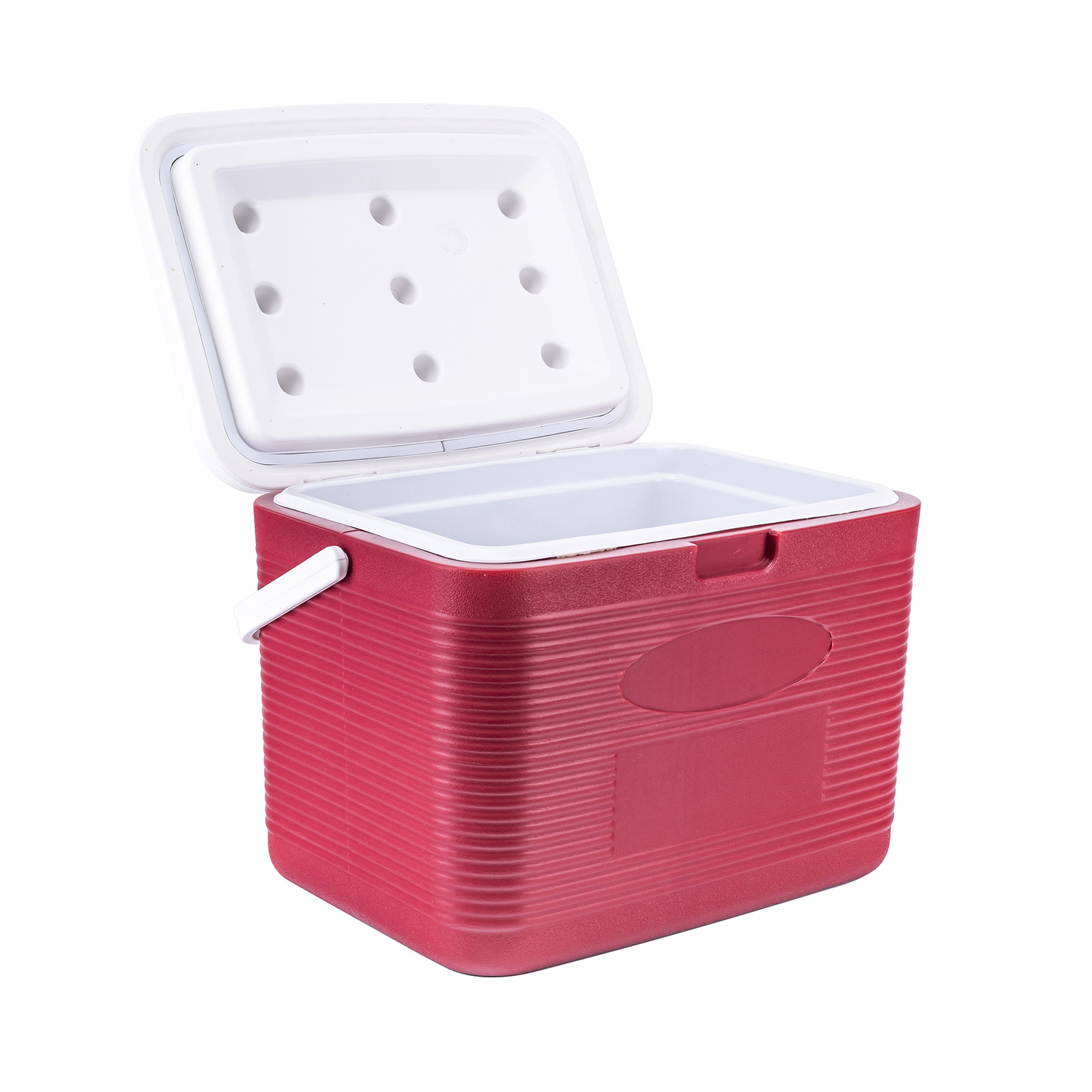
If you need a nestable plastic tote factory for medical supply, the smartest buying decision comes from combining buyer-fit, technical validation, and 2026 market reality in one shortlist. Medical supply operations need clean surfaces, clear identification, easy wipe-down, and consistent handling from central store to point of use. The container becomes part of process discipline, not just storage. This guide brings together practical buying checks, material science, and 2026 trend signals so you can buy with more confidence. You will also see how compliance, handling reality, and total cost interact, so you can choose a design that works beyond the first shipment.
What this article will answer
- How to match nestable plastic tote performance to your real route and payload risk
- Which data, tests, and supplier documents reduce buying risk for medical supply
- Which supplier checks, cost metrics, and validation steps deserve the most weight
- What 2026 trends mean for sourcing, compliance, and sustainability planning
Why is nestable plastic tote a smart fit for medical supply?
The best nestable plastic tote is the one that solves your real operating risk with the least added complexity. That means aligning the design with payload sensitivity, route conditions, handling speed, cleaning reality, and the business value of reuse. When those pieces fit, container choice becomes a measurable performance tool rather than a packaging guess.
Medical supply operations need clean surfaces, clear identification, easy wipe-down, and consistent handling from central store to point of use. The container becomes part of process discipline, not just storage. If your highest-cost failure comes from lot mix-ups, dirty hand-contact areas, and damaged labels, then the shortlist should start there. A buyer who first defines the route problem usually gets a better answer than a buyer who starts with a catalog dimension and works backward. That is why route profiling should come before price negotiation.
What makes route fit more important than list price?
A low unit price looks attractive until the container causes recurring loss, slow cleaning, stack instability, or exception work at receiving. Once those hidden costs appear, the cheaper quote often becomes the more expensive decision. Route fit protects both product quality and operating rhythm, which is why procurement teams increasingly review use-case evidence early in the process.
| Decision area | What to define | Why it matters | Your next step |
|---|---|---|---|
| Payload risk | Product sensitivity to moisture, heat, impact, or contamination | Tells you which design feature matters most | Rank risks before requesting quotes |
| Route reality | Dwell time, weather, handling, and return loop | Turns generic containers into scenario-based options | Build the shortlist from real lanes |
| Operational fit | Cleaning method, labels, ergonomics, and storage | Protects daily throughput after rollout | Include operations in the evaluation |
Practical tips and recommendations
- Write a one-page route profile before you talk to suppliers.
- Identify the single failure that would cost you the most, then weight that in the scorecard.
- Use route fit as the filter that narrows the field before technical and commercial review.
Illustrative field case: In a procurement review for a hospital replenishment system, the final shortlist was scored on route fit, technical validation, and lifecycle cost. The stronger option proved easier to justify because its supplier could explain how the design would perform, how it would be cleaned, and how the business case would improve over repeated reuse.
Which specifications actually protect product quality?
Specifications only matter if they protect quality in the real world. For this category, the most useful data usually covers structural behavior, environmental exposure, identification, cleaning response, and any temperature or airflow performance relevant to the product. A long spec sheet is not the goal. A decision-grade spec sheet is.
In technical reviews, teams often focus on dimensions first because dimensions are easy to compare. But failures usually come from how a design behaves under weight, motion, moisture, cold, or repeated sanitation. That is why you should test the features that control your main risk, whether that is leak resistance, vent pattern, hold time, stack strength, or fold-cycle durability.
Which data points deserve the most weight?
Weight the data that connects directly to product protection, handling, and qualification. Structural numbers matter, but only under the conditions you really use. Environmental data matters, but only if the test setup resembles your route. When the evidence is route-specific, technical comparison becomes much clearer and internal sign-off becomes easier.
| Key data point | What good looks like | Why it matters | Decision effect |
|---|---|---|---|
| Structural performance | Documented load behavior in realistic stack and route conditions | Protects against distortion and transport damage | Separates durable designs from cosmetic ones |
| Environmental response | Evidence under wet, cold, thermal, or washdown conditions as relevant | Shows whether the design still works outside ideal lab settings | Reduces hidden field risk |
| Control features | Clear label zones, logger fit, lids, vents, or tamper options | Improves product control and audit readiness | Supports smoother operations after rollout |
Practical tips and recommendations
- Ask the supplier to explain the test conditions, not just the headline result.
- Score each data point by its connection to route risk rather than by how impressive it sounds.
- Use a small pilot to verify the highest-weight specification before full standardization.
Illustrative field case: In a procurement review for a hospital replenishment system, the final shortlist was scored on route fit, technical validation, and lifecycle cost. The stronger option proved easier to justify because its supplier could explain how the design would perform, how it would be cleaned, and how the business case would improve over repeated reuse.
How should you compare suppliers, validation, and lifecycle cost?
Supplier comparison should combine technical fit, documentation quality, and lifecycle cost. The strongest factory is not simply the one who offers the lowest quote. It is the one who can show how the design was chosen, how it should be used, and what it will cost across many cycles rather than one purchase order.
Lifecycle cost should include trip life, return rate, cleaning labor, repair or replacement frequency, storage efficiency, and the operational cost of failure. A better reusable design often wins because it lowers exception handling and keeps the route more stable. That is particularly important in medical supply, where packaging errors can trigger quality reviews, wasted labor, or avoidable spoilage risk.
What should a buyer scorecard include?
A practical scorecard usually combines route fit, performance evidence, compliance support, ergonomic usability, and total cost over time. That mix reduces the chance that one attractive number, such as unit price, dominates a decision it should not dominate. If a supplier cannot support a simple scorecard conversation, the partnership risk is already visible.
| Scorecard item | What to review | Why it matters | Suggested weight |
|---|---|---|---|
| Route fit | How closely the design matches your actual lane and payload | Controls product and handling risk | 30% |
| Evidence and compliance | Test data, qualification support, and operational documentation | Supports approval and audits | 30% |
| Lifecycle value | Trip life, return efficiency, cleaning burden, and replacement risk | Shows true economic performance | 40% |
Practical tips and recommendations
- Use the same weighted scorecard for every shortlisted supplier.
- Review total cost after 10, 50, and 100 cycles where reuse applies.
- Include operations feedback in the final score so the chosen design works in daily reality.
Illustrative field case: In a procurement review for a hospital replenishment system, the final shortlist was scored on route fit, technical validation, and lifecycle cost. The stronger option proved easier to justify because its supplier could explain how the design would perform, how it would be cleaned, and how the business case would improve over repeated reuse.
What changes in 2026 should you plan for now?
The 2026 packaging environment rewards buyers who think ahead about compliance, circularity, and data visibility. Official requirements around food safety, pharmaceutical distribution, produce hygiene, and packaging reuse are not all the same, but they point in a similar direction: better evidence, cleaner operations, and more disciplined packaging choices.
Medical buyers are increasingly asking for audit-friendly traceability and easier sanitation as reusable packaging replaces ad hoc one-way bins in internal distribution. Europe’s PPWR also changes the tone of packaging conversations by pushing the market harder toward waste reduction, lower raw-material demand, and circular packaging logic. For buyers, the practical takeaway is simple: choose designs that are easier to qualify, easier to recover, and easier to defend in front of customers, auditors, or internal stakeholders.
How should you prepare now?
Start by updating your packaging brief. Add route evidence, reuse assumptions, cleaning expectations, identification needs, and end-of-life questions before the next tender starts. The teams that do this early usually buy faster and with fewer surprises because they are comparing suppliers against a modern decision standard rather than an old price-only format.
| 2026 priority | What changed | Why it matters | Action now |
|---|---|---|---|
| Documentation quality | Audits and buyer expectations now emphasize evidence more strongly | Weak paperwork slows approval and CAPA response | Standardize your qualification checklist |
| Circular packaging readiness | Policies and customers increasingly reward reuse and waste reduction | Packaging decisions now affect both cost and sustainability goals | Review trip life, return flow, and end-of-life pathways |
| Operational proof | Route fit matters more than generic claims | Real performance beats brochure language | Pilot before broad rollout |
Practical tips and recommendations
- Refresh your packaging specification to reflect 2026 compliance and sustainability expectations.
- Ask suppliers how they support both qualification and end-of-life planning.
- Use policy change as an opportunity to remove underperforming legacy packaging from the system.
Illustrative field case: In a procurement review for a hospital replenishment system, the final shortlist was scored on route fit, technical validation, and lifecycle cost. The stronger option proved easier to justify because its supplier could explain how the design would perform, how it would be cleaned, and how the business case would improve over repeated reuse.
Quick buyer self-check
Use this final scorecard before supplier approval. A strong option should satisfy most of these questions without forcing exceptions or optimistic assumptions.
- Have you defined the real payload, route duration, and worst-case handling conditions for medical supply?
- Can the supplier explain how the nestable plastic tote addresses your top failure mode?
- Do you have relevant evidence for load, environment, and cleaning or temperature conditions?
- Is the reusable business case clear on trip life, return rate, and replacement risk?
- Would operations, QA, and procurement all give the same reason for choosing this design?
Scoring shortcut: 5 yes answers usually means the shortlist is mature; 3 or fewer means the project still needs clarification.
Latest developments and trends in 2026
In 2026, the best packaging programs are combining route-fit logic, stronger documentation, and circular packaging planning in a single sourcing standard. That shift is practical rather than theoretical. Buyers want fewer exceptions, fewer wasted assets, better recovery, and a packaging format that remains defensible as rules and customer expectations keep tightening.
Latest developments at a glance
- **Evidence over claims:** Buyers want load, temperature, leak, or airflow data that matches real use conditions.
- **Circular packaging pressure:** Reusable and recyclable transport packaging gets more attention as PPWR-driven thinking spreads through global sourcing.
- **Operational fit:** Containers are increasingly judged by cleaning speed, label control, ergonomics, and return-loop efficiency.
From a market standpoint, standardized reusable totes reduce search time, improve restocking discipline, and support visual control in fast clinical environments. Choose nestable geometry when empty returns are frequent and storage space is tight. The suppliers most likely to win are the ones that turn those needs into easy-to-compare documentation and simple qualification steps.
Frequently asked questions
How do I choose a nestable plastic tote factory for medical supply?
Start with route risk, not catalog size. Define payload, handling, cleaning, and the biggest failure mode first. Then compare suppliers on evidence, usability, and lifecycle value so the chosen nestable plastic tote fits real operations instead of only looking good on paper.
Which material is usually better for medical supply, HDPE or PP?
There is no universal winner. HDPE is often chosen for low-temperature toughness and chemical resistance, while PP is often chosen for stiffness and lighter designs. The correct choice depends on route temperature, washdown conditions, hinge geometry, and expected load.
What data should a supplier provide before approval?
Request dimensional information, relevant performance data, cleaning guidance, and a route-fit explanation. If temperature, airflow, leak control, or compliance matters in your use case, ask for that evidence directly rather than assuming it is part of the standard quote.
When does reusable packaging lower total cost?
Reusable packaging wins when trip life is long enough, return rates are strong enough, and cleaning plus handling do not erase the savings. Model cost across repeated cycles instead of comparing purchase price only once.
What is the biggest buying mistake in this category?
The most common mistake is approving a container without matching it to the real route. A design can look strong in a brochure but still fail when the route includes lot mix-ups, dirty hand-contact areas, and damaged labels or more demanding cleaning and handling than the supplier assumed.
Summary and recommendation
Nestable Plastic Tote works best when the design matches your actual route, payload, and cleaning reality. The most useful supplier data usually covers wipe-down surfaces, clear label windows, and nesting or stacking consistency, durability, and route-specific validation. Compliance should be checked early, whether your route is shaped mainly by food safety rules, GDP-style controls, or transport testing. Lifecycle value matters: a slightly stronger reusable design often outperforms a cheaper option that fails early or returns poorly.
Use a weighted scorecard that combines route fit, evidence, and lifecycle value. Shortlist only the suppliers who can support real qualification and realistic reuse economics. Then confirm the choice with a focused pilot and a clean approval file.
About Tempk
Tempk focuses on reusable plastic transport packaging for cold chain and industrial applications. We emphasize route-fit design, material selection, and practical qualification support so buyers can match packaging choice to product risk, handling reality, and lifecycle cost. For teams comparing nestable plastic totes, that means clearer specifications, better operational fit, and a more disciplined path from shortlist to rollout.
The next step is simple: define your route, payload, and top failure risks, then compare options against that brief. A focused conversation usually leads to a better packaging decision than a broad catalog search.
Best Insulated Totes for Beverage Transport
If you need a insulated plastic tote provider for beverage transport, the smartest buying decision comes from combining buyer-fit, technical validation, and 2026 market reality in one shortlist. Beverage transport combines heavy loads, condensation, fast unloading, and repeated route turns. A good tote protects packs, stabilizes temperature buffer, and keeps handling fast even when crews are moving quickly. This guide brings together practical buying checks, material science, and 2026 trend signals so you can buy with more confidence. The goal is to help you compare options with less guesswork and more evidence from the start.
What this article will answer
- How to match insulated plastic tote performance to your real route and payload risk
- Which data, tests, and supplier documents reduce buying risk for beverage transport
- Which supplier checks, cost metrics, and validation steps deserve the most weight
- What 2026 trends mean for sourcing, compliance, and sustainability planning
Why is insulated plastic tote a smart fit for beverage transport?
The best insulated plastic tote is the one that solves your real operating risk with the least added complexity. That means aligning the design with payload sensitivity, route conditions, handling speed, cleaning reality, and the business value of reuse. When those pieces fit, container choice becomes a measurable performance tool rather than a packaging guess.
Beverage transport combines heavy loads, condensation, fast unloading, and repeated route turns. A good tote protects packs, stabilizes temperature buffer, and keeps handling fast even when crews are moving quickly. If your highest-cost failure comes from condensation, heavy load deformation, and route delay, then the shortlist should start there. A buyer who first defines the route problem usually gets a better answer than a buyer who starts with a catalog dimension and works backward. That is why route profiling should come before price negotiation.
What makes route fit more important than list price?
A low unit price looks attractive until the container causes recurring loss, slow cleaning, stack instability, or exception work at receiving. Once those hidden costs appear, the cheaper quote often becomes the more expensive decision. Route fit protects both product quality and operating rhythm, which is why procurement teams increasingly review use-case evidence early in the process.
| Decision area | What to define | Why it matters | Your next step |
|---|---|---|---|
| Payload risk | Product sensitivity to moisture, heat, impact, or contamination | Tells you which design feature matters most | Rank risks before requesting quotes |
| Route reality | Dwell time, weather, handling, and return loop | Turns generic containers into scenario-based options | Build the shortlist from real lanes |
| Operational fit | Cleaning method, labels, ergonomics, and storage | Protects daily throughput after rollout | Include operations in the evaluation |
Practical tips and recommendations
- Write a one-page route profile before you talk to suppliers.
- Identify the single failure that would cost you the most, then weight that in the scorecard.
- Use route fit as the filter that narrows the field before technical and commercial review.
Illustrative field case: In a procurement review for a chilled drinks distributor, the final shortlist was scored on route fit, technical validation, and lifecycle cost. The stronger option proved easier to justify because its supplier could explain how the design would perform, how it would be cleaned, and how the business case would improve over repeated reuse.
Which specifications actually protect product quality?
Specifications only matter if they protect quality in the real world. For this category, the most useful data usually covers structural behavior, environmental exposure, identification, cleaning response, and any temperature or airflow performance relevant to the product. A long spec sheet is not the goal. A decision-grade spec sheet is.
In technical reviews, teams often focus on dimensions first because dimensions are easy to compare. But failures usually come from how a design behaves under weight, motion, moisture, cold, or repeated sanitation. That is why you should test the features that control your main risk, whether that is leak resistance, vent pattern, hold time, stack strength, or fold-cycle durability.
Which data points deserve the most weight?
Weight the data that connects directly to product protection, handling, and qualification. Structural numbers matter, but only under the conditions you really use. Environmental data matters, but only if the test setup resembles your route. When the evidence is route-specific, technical comparison becomes much clearer and internal sign-off becomes easier.
| Key data point | What good looks like | Why it matters | Decision effect |
|---|---|---|---|
| Structural performance | Documented load behavior in realistic stack and route conditions | Protects against distortion and transport damage | Separates durable designs from cosmetic ones |
| Environmental response | Evidence under wet, cold, thermal, or washdown conditions as relevant | Shows whether the design still works outside ideal lab settings | Reduces hidden field risk |
| Control features | Clear label zones, logger fit, lids, vents, or tamper options | Improves product control and audit readiness | Supports smoother operations after rollout |
Practical tips and recommendations
- Ask the supplier to explain the test conditions, not just the headline result.
- Score each data point by its connection to route risk rather than by how impressive it sounds.
- Use a small pilot to verify the highest-weight specification before full standardization.
Illustrative field case: In a procurement review for a chilled drinks distributor, the final shortlist was scored on route fit, technical validation, and lifecycle cost. The stronger option proved easier to justify because its supplier could explain how the design would perform, how it would be cleaned, and how the business case would improve over repeated reuse.
How should you compare suppliers, validation, and lifecycle cost?
Supplier comparison should combine technical fit, documentation quality, and lifecycle cost. The strongest provider is not simply the one who offers the lowest quote. It is the one who can show how the design was chosen, how it should be used, and what it will cost across many cycles rather than one purchase order.
Lifecycle cost should include trip life, return rate, cleaning labor, repair or replacement frequency, storage efficiency, and the operational cost of failure. A better reusable design often wins because it lowers exception handling and keeps the route more stable. That is particularly important in beverage transport, where packaging errors can trigger quality reviews, wasted labor, or avoidable spoilage risk.
What should a buyer scorecard include?
A practical scorecard usually combines route fit, performance evidence, compliance support, ergonomic usability, and total cost over time. That mix reduces the chance that one attractive number, such as unit price, dominates a decision it should not dominate. If a supplier cannot support a simple scorecard conversation, the partnership risk is already visible.
| Scorecard item | What to review | Why it matters | Suggested weight |
|---|---|---|---|
| Route fit | How closely the design matches your actual lane and payload | Controls product and handling risk | 30% |
| Evidence and compliance | Test data, qualification support, and operational documentation | Supports approval and audits | 30% |
| Lifecycle value | Trip life, return efficiency, cleaning burden, and replacement risk | Shows true economic performance | 40% |
Practical tips and recommendations
- Use the same weighted scorecard for every shortlisted supplier.
- Review total cost after 10, 50, and 100 cycles where reuse applies.
- Include operations feedback in the final score so the chosen design works in daily reality.
Illustrative field case: In a procurement review for a chilled drinks distributor, the final shortlist was scored on route fit, technical validation, and lifecycle cost. The stronger option proved easier to justify because its supplier could explain how the design would perform, how it would be cleaned, and how the business case would improve over repeated reuse.
What changes in 2026 should you plan for now?
The 2026 packaging environment rewards buyers who think ahead about compliance, circularity, and data visibility. Official requirements around food safety, pharmaceutical distribution, produce hygiene, and packaging reuse are not all the same, but they point in a similar direction: better evidence, cleaner operations, and more disciplined packaging choices.
Sustainability pressure and packaging reuse rules are pushing beverage buyers to value reusable, recyclable transport packaging with documented cleaning and return flows. Europe’s PPWR also changes the tone of packaging conversations by pushing the market harder toward waste reduction, lower raw-material demand, and circular packaging logic. For buyers, the practical takeaway is simple: choose designs that are easier to qualify, easier to recover, and easier to defend in front of customers, auditors, or internal stakeholders.
How should you prepare now?
Start by updating your packaging brief. Add route evidence, reuse assumptions, cleaning expectations, identification needs, and end-of-life questions before the next tender starts. The teams that do this early usually buy faster and with fewer surprises because they are comparing suppliers against a modern decision standard rather than an old price-only format.
| 2026 priority | What changed | Why it matters | Action now |
|---|---|---|---|
| Documentation quality | Audits and buyer expectations now emphasize evidence more strongly | Weak paperwork slows approval and CAPA response | Standardize your qualification checklist |
| Circular packaging readiness | Policies and customers increasingly reward reuse and waste reduction | Packaging decisions now affect both cost and sustainability goals | Review trip life, return flow, and end-of-life pathways |
| Operational proof | Route fit matters more than generic claims | Real performance beats brochure language | Pilot before broad rollout |
Practical tips and recommendations
- Refresh your packaging specification to reflect 2026 compliance and sustainability expectations.
- Ask suppliers how they support both qualification and end-of-life planning.
- Use policy change as an opportunity to remove underperforming legacy packaging from the system.
Illustrative field case: In a procurement review for a chilled drinks distributor, the final shortlist was scored on route fit, technical validation, and lifecycle cost. The stronger option proved easier to justify because its supplier could explain how the design would perform, how it would be cleaned, and how the business case would improve over repeated reuse.
Quick buyer self-check
Use this final scorecard before supplier approval. A strong option should satisfy most of these questions without forcing exceptions or optimistic assumptions.
- Have you defined the real payload, route duration, and worst-case handling conditions for beverage transport?
- Can the supplier explain how the insulated plastic tote addresses your top failure mode?
- Do you have relevant evidence for load, environment, and cleaning or temperature conditions?
- Is the reusable business case clear on trip life, return rate, and replacement risk?
- Would operations, QA, and procurement all give the same reason for choosing this design?
Scoring shortcut: 5 yes answers usually means the shortlist is mature; 3 or fewer means the project still needs clarification.
Latest developments and trends in 2026
In 2026, the best packaging programs are combining route-fit logic, stronger documentation, and circular packaging planning in a single sourcing standard. That shift is practical rather than theoretical. Buyers want fewer exceptions, fewer wasted assets, better recovery, and a packaging format that remains defensible as rules and customer expectations keep tightening.
Latest developments at a glance
- **Evidence over claims:** Buyers want load, temperature, leak, or airflow data that matches real use conditions.
- **Circular packaging pressure:** Reusable and recyclable transport packaging gets more attention as PPWR-driven thinking spreads through global sourcing.
- **Operational fit:** Containers are increasingly judged by cleaning speed, label control, ergonomics, and return-loop efficiency.
From a market standpoint, more beverage operations want packaging that reduces re-icing, protects labels from moisture, and survives high-frequency deliveries. Choose insulated designs when your route has frequent door openings and short but meaningful staging delays. The suppliers most likely to win are the ones that turn those needs into easy-to-compare documentation and simple qualification steps.
Frequently asked questions
How do I choose a insulated plastic tote provider for beverage transport?
Start with route risk, not catalog size. Define payload, handling, cleaning, and the biggest failure mode first. Then compare suppliers on evidence, usability, and lifecycle value so the chosen insulated plastic tote fits real operations instead of only looking good on paper.
Which material is usually better for beverage transport, HDPE or PP?
There is no universal winner. HDPE is often chosen for low-temperature toughness and chemical resistance, while PP is often chosen for stiffness and lighter designs. The correct choice depends on route temperature, washdown conditions, hinge geometry, and expected load.
What data should a supplier provide before approval?
Request dimensional information, relevant performance data, cleaning guidance, and a route-fit explanation. If temperature, airflow, leak control, or compliance matters in your use case, ask for that evidence directly rather than assuming it is part of the standard quote.
When does reusable packaging lower total cost?
Reusable packaging wins when trip life is long enough, return rates are strong enough, and cleaning plus handling do not erase the savings. Model cost across repeated cycles instead of comparing purchase price only once.
What is the biggest buying mistake in this category?
The most common mistake is approving a container without matching it to the real route. A design can look strong in a brochure but still fail when the route includes condensation, heavy load deformation, and route delay or more demanding cleaning and handling than the supplier assumed.
Summary and recommendation
Insulated Plastic Tote works best when the design matches your actual route, payload, and cleaning reality. The most useful supplier data usually covers thermal buffer, condensation control, and handle ergonomics, durability, and route-specific validation. Compliance should be checked early, whether your route is shaped mainly by food safety rules, GDP-style controls, or transport testing. Lifecycle value matters: a slightly stronger reusable design often outperforms a cheaper option that fails early or returns poorly.
Use a weighted scorecard that combines route fit, evidence, and lifecycle value. Shortlist only the suppliers who can support real qualification and realistic reuse economics. Then confirm the choice with a focused pilot and a clean approval file.
About Tempk
Tempk focuses on reusable plastic transport packaging for cold chain and industrial applications. We emphasize route-fit design, material selection, and practical qualification support so buyers can match packaging choice to product risk, handling reality, and lifecycle cost. For teams comparing insulated plastic totes, that means clearer specifications, better operational fit, and a more disciplined path from shortlist to rollout.
The next step is simple: define your route, payload, and top failure risks, then compare options against that brief. A focused conversation usually leads to a better packaging decision than a broad catalog search.
Best Insulated Crates for Produce Storage
A successful insulated plastic crate maker for produce storage purchase depends on three things: route fit, documented performance, and lifecycle value. Miss one of them and the quote can look cheaper than it really is. Produce stays alive after harvest, so the crate has to support airflow, drainage, gentle handling, and fast sanitation. A poor crate can trap heat, build moisture, and bruise the load before it even leaves storage. This guide brings together practical buying checks, material science, and 2026 trend signals so you can buy with more confidence. The goal is to help you compare options with less guesswork and more evidence from the start.
What this article will answer
- How to match insulated plastic crate performance to your real route and payload risk
- Which data, tests, and supplier documents reduce buying risk for produce storage
- Which supplier checks, cost metrics, and validation steps deserve the most weight
- What 2026 trends mean for sourcing, compliance, and sustainability planning
Why is insulated plastic crate a smart fit for produce storage?
The best insulated plastic crate is the one that solves your real operating risk with the least added complexity. That means aligning the design with payload sensitivity, route conditions, handling speed, cleaning reality, and the business value of reuse. When those pieces fit, container choice becomes a measurable performance tool rather than a packaging guess.
Produce stays alive after harvest, so the crate has to support airflow, drainage, gentle handling, and fast sanitation. A poor crate can trap heat, build moisture, and bruise the load before it even leaves storage. If your highest-cost failure comes from trapped field heat, condensation, and bruising, then the shortlist should start there. A buyer who first defines the route problem usually gets a better answer than a buyer who starts with a catalog dimension and works backward. That is why route profiling should come before price negotiation.
What makes route fit more important than list price?
A low unit price looks attractive until the container causes recurring loss, slow cleaning, stack instability, or exception work at receiving. Once those hidden costs appear, the cheaper quote often becomes the more expensive decision. Route fit protects both product quality and operating rhythm, which is why procurement teams increasingly review use-case evidence early in the process.
| Decision area | What to define | Why it matters | Your next step |
|---|---|---|---|
| Payload risk | Product sensitivity to moisture, heat, impact, or contamination | Tells you which design feature matters most | Rank risks before requesting quotes |
| Route reality | Dwell time, weather, handling, and return loop | Turns generic containers into scenario-based options | Build the shortlist from real lanes |
| Operational fit | Cleaning method, labels, ergonomics, and storage | Protects daily throughput after rollout | Include operations in the evaluation |
Practical tips and recommendations
- Write a one-page route profile before you talk to suppliers.
- Identify the single failure that would cost you the most, then weight that in the scorecard.
- Use route fit as the filter that narrows the field before technical and commercial review.
Illustrative field case: In a procurement review for a fresh produce packing house, the final shortlist was scored on route fit, technical validation, and lifecycle cost. The stronger option proved easier to justify because its supplier could explain how the design would perform, how it would be cleaned, and how the business case would improve over repeated reuse.
Which specifications actually protect product quality?
Specifications only matter if they protect quality in the real world. For this category, the most useful data usually covers structural behavior, environmental exposure, identification, cleaning response, and any temperature or airflow performance relevant to the product. A long spec sheet is not the goal. A decision-grade spec sheet is.
In technical reviews, teams often focus on dimensions first because dimensions are easy to compare. But failures usually come from how a design behaves under weight, motion, moisture, cold, or repeated sanitation. That is why you should test the features that control your main risk, whether that is leak resistance, vent pattern, hold time, stack strength, or fold-cycle durability.
Which data points deserve the most weight?
Weight the data that connects directly to product protection, handling, and qualification. Structural numbers matter, but only under the conditions you really use. Environmental data matters, but only if the test setup resembles your route. When the evidence is route-specific, technical comparison becomes much clearer and internal sign-off becomes easier.
| Key data point | What good looks like | Why it matters | Decision effect |
|---|---|---|---|
| Structural performance | Documented load behavior in realistic stack and route conditions | Protects against distortion and transport damage | Separates durable designs from cosmetic ones |
| Environmental response | Evidence under wet, cold, thermal, or washdown conditions as relevant | Shows whether the design still works outside ideal lab settings | Reduces hidden field risk |
| Control features | Clear label zones, logger fit, lids, vents, or tamper options | Improves product control and audit readiness | Supports smoother operations after rollout |
Practical tips and recommendations
- Ask the supplier to explain the test conditions, not just the headline result.
- Score each data point by its connection to route risk rather than by how impressive it sounds.
- Use a small pilot to verify the highest-weight specification before full standardization.
Illustrative field case: In a procurement review for a fresh produce packing house, the final shortlist was scored on route fit, technical validation, and lifecycle cost. The stronger option proved easier to justify because its supplier could explain how the design would perform, how it would be cleaned, and how the business case would improve over repeated reuse.
How should you compare suppliers, validation, and lifecycle cost?
Supplier comparison should combine technical fit, documentation quality, and lifecycle cost. The strongest maker is not simply the one who offers the lowest quote. It is the one who can show how the design was chosen, how it should be used, and what it will cost across many cycles rather than one purchase order.
Lifecycle cost should include trip life, return rate, cleaning labor, repair or replacement frequency, storage efficiency, and the operational cost of failure. A better reusable design often wins because it lowers exception handling and keeps the route more stable. That is particularly important in produce storage, where packaging errors can trigger quality reviews, wasted labor, or avoidable spoilage risk.
What should a buyer scorecard include?
A practical scorecard usually combines route fit, performance evidence, compliance support, ergonomic usability, and total cost over time. That mix reduces the chance that one attractive number, such as unit price, dominates a decision it should not dominate. If a supplier cannot support a simple scorecard conversation, the partnership risk is already visible.
| Scorecard item | What to review | Why it matters | Suggested weight |
|---|---|---|---|
| Route fit | How closely the design matches your actual lane and payload | Controls product and handling risk | 30% |
| Evidence and compliance | Test data, qualification support, and operational documentation | Supports approval and audits | 30% |
| Lifecycle value | Trip life, return efficiency, cleaning burden, and replacement risk | Shows true economic performance | 40% |
Practical tips and recommendations
- Use the same weighted scorecard for every shortlisted supplier.
- Review total cost after 10, 50, and 100 cycles where reuse applies.
- Include operations feedback in the final score so the chosen design works in daily reality.
Illustrative field case: In a procurement review for a fresh produce packing house, the final shortlist was scored on route fit, technical validation, and lifecycle cost. The stronger option proved easier to justify because its supplier could explain how the design would perform, how it would be cleaned, and how the business case would improve over repeated reuse.
What changes in 2026 should you plan for now?
The 2026 packaging environment rewards buyers who think ahead about compliance, circularity, and data visibility. Official requirements around food safety, pharmaceutical distribution, produce hygiene, and packaging reuse are not all the same, but they point in a similar direction: better evidence, cleaner operations, and more disciplined packaging choices.
FDA’s Produce Safety Rule sets standards for equipment, tools, and buildings to prevent contamination, including appropriate storage, maintenance, and cleaning. Europe’s PPWR also changes the tone of packaging conversations by pushing the market harder toward waste reduction, lower raw-material demand, and circular packaging logic. For buyers, the practical takeaway is simple: choose designs that are easier to qualify, easier to recover, and easier to defend in front of customers, auditors, or internal stakeholders.
How should you prepare now?
Start by updating your packaging brief. Add route evidence, reuse assumptions, cleaning expectations, identification needs, and end-of-life questions before the next tender starts. The teams that do this early usually buy faster and with fewer surprises because they are comparing suppliers against a modern decision standard rather than an old price-only format.
| 2026 priority | What changed | Why it matters | Action now |
|---|---|---|---|
| Documentation quality | Audits and buyer expectations now emphasize evidence more strongly | Weak paperwork slows approval and CAPA response | Standardize your qualification checklist |
| Circular packaging readiness | Policies and customers increasingly reward reuse and waste reduction | Packaging decisions now affect both cost and sustainability goals | Review trip life, return flow, and end-of-life pathways |
| Operational proof | Route fit matters more than generic claims | Real performance beats brochure language | Pilot before broad rollout |
Practical tips and recommendations
- Refresh your packaging specification to reflect 2026 compliance and sustainability expectations.
- Ask suppliers how they support both qualification and end-of-life planning.
- Use policy change as an opportunity to remove underperforming legacy packaging from the system.
Illustrative field case: In a procurement review for a fresh produce packing house, the final shortlist was scored on route fit, technical validation, and lifecycle cost. The stronger option proved easier to justify because its supplier could explain how the design would perform, how it would be cleaned, and how the business case would improve over repeated reuse.
Quick buyer self-check
Use this final scorecard before supplier approval. A strong option should satisfy most of these questions without forcing exceptions or optimistic assumptions.
- Have you defined the real payload, route duration, and worst-case handling conditions for produce storage?
- Can the supplier explain how the insulated plastic crate addresses your top failure mode?
- Do you have relevant evidence for load, environment, and cleaning or temperature conditions?
- Is the reusable business case clear on trip life, return rate, and replacement risk?
- Would operations, QA, and procurement all give the same reason for choosing this design?
Scoring shortcut: 5 yes answers usually means the shortlist is mature; 3 or fewer means the project still needs clarification.
Latest developments and trends in 2026
In 2026, the best packaging programs are combining route-fit logic, stronger documentation, and circular packaging planning in a single sourcing standard. That shift is practical rather than theoretical. Buyers want fewer exceptions, fewer wasted assets, better recovery, and a packaging format that remains defensible as rules and customer expectations keep tightening.
Latest developments at a glance
- **Evidence over claims:** Buyers want load, temperature, leak, or airflow data that matches real use conditions.
- **Circular packaging pressure:** Reusable and recyclable transport packaging gets more attention as PPWR-driven thinking spreads through global sourcing.
- **Operational fit:** Containers are increasingly judged by cleaning speed, label control, ergonomics, and return-loop efficiency.
From a market standpoint, fresh-chain buyers want reusable crates that improve airflow without sacrificing sanitation or handling speed. Choose insulated designs when your route has frequent door openings and short but meaningful staging delays. The suppliers most likely to win are the ones that turn those needs into easy-to-compare documentation and simple qualification steps.
Frequently asked questions
How do I choose a insulated plastic crate maker for produce storage?
Start with route risk, not catalog size. Define payload, handling, cleaning, and the biggest failure mode first. Then compare suppliers on evidence, usability, and lifecycle value so the chosen insulated plastic crate fits real operations instead of only looking good on paper.
Which material is usually better for produce storage, HDPE or PP?
There is no universal winner. HDPE is often chosen for low-temperature toughness and chemical resistance, while PP is often chosen for stiffness and lighter designs. The correct choice depends on route temperature, washdown conditions, hinge geometry, and expected load.
What data should a supplier provide before approval?
Request dimensional information, relevant performance data, cleaning guidance, and a route-fit explanation. If temperature, airflow, leak control, or compliance matters in your use case, ask for that evidence directly rather than assuming it is part of the standard quote.
When does reusable packaging lower total cost?
Reusable packaging wins when trip life is long enough, return rates are strong enough, and cleaning plus handling do not erase the savings. Model cost across repeated cycles instead of comparing purchase price only once.
What is the biggest buying mistake in this category?
The most common mistake is approving a container without matching it to the real route. A design can look strong in a brochure but still fail when the route includes trapped field heat, condensation, and bruising or more demanding cleaning and handling than the supplier assumed.
Summary and recommendation
Insulated Plastic Crate works best when the design matches your actual route, payload, and cleaning reality. The most useful supplier data usually covers airflow, washability, and bruise reduction, durability, and route-specific validation. Compliance should be checked early, whether your route is shaped mainly by food safety rules, GDP-style controls, or transport testing. Lifecycle value matters: a slightly stronger reusable design often outperforms a cheaper option that fails early or returns poorly.
Use a weighted scorecard that combines route fit, evidence, and lifecycle value. Shortlist only the suppliers who can support real qualification and realistic reuse economics. Then confirm the choice with a focused pilot and a clean approval file.
About Tempk
Tempk focuses on reusable plastic transport packaging for cold chain and industrial applications. We emphasize route-fit design, material selection, and practical qualification support so buyers can match packaging choice to product risk, handling reality, and lifecycle cost. For teams comparing insulated plastic crates, that means clearer specifications, better operational fit, and a more disciplined path from shortlist to rollout.
The next step is simple: define your route, payload, and top failure risks, then compare options against that brief. A focused conversation usually leads to a better packaging decision than a broad catalog search.
Best Insulated Boxes for Meat Production

The best insulated plastic box provider for meat production decision is rarely about shell price alone. You need a container that protects product, fits compliance needs, and still works financially after repeated cycles. Meat production containers need to stay stable in cold rooms, clean quickly between batches, and resist the fats and residues that make some designs hard to sanitize. This guide brings together practical buying checks, material science, and 2026 trend signals so you can buy with more confidence. You will also see how compliance, handling reality, and total cost interact, so you can choose a design that works beyond the first shipment.
What this article will answer
- How to match insulated plastic box performance to your real route and payload risk
- Which data, tests, and supplier documents reduce buying risk for meat production
- Which supplier checks, cost metrics, and validation steps deserve the most weight
- What 2026 trends mean for sourcing, compliance, and sustainability planning
Why is insulated plastic box a smart fit for meat production?
The best insulated plastic box is the one that solves your real operating risk with the least added complexity. That means aligning the design with payload sensitivity, route conditions, handling speed, cleaning reality, and the business value of reuse. When those pieces fit, container choice becomes a measurable performance tool rather than a packaging guess.
Meat production containers need to stay stable in cold rooms, clean quickly between batches, and resist the fats and residues that make some designs hard to sanitize. If your highest-cost failure comes from cold brittleness, residue trap points, and stack distortion, then the shortlist should start there. A buyer who first defines the route problem usually gets a better answer than a buyer who starts with a catalog dimension and works backward. That is why route profiling should come before price negotiation.
What makes route fit more important than list price?
A low unit price looks attractive until the container causes recurring loss, slow cleaning, stack instability, or exception work at receiving. Once those hidden costs appear, the cheaper quote often becomes the more expensive decision. Route fit protects both product quality and operating rhythm, which is why procurement teams increasingly review use-case evidence early in the process.
| Decision area | What to define | Why it matters | Your next step |
|---|---|---|---|
| Payload risk | Product sensitivity to moisture, heat, impact, or contamination | Tells you which design feature matters most | Rank risks before requesting quotes |
| Route reality | Dwell time, weather, handling, and return loop | Turns generic containers into scenario-based options | Build the shortlist from real lanes |
| Operational fit | Cleaning method, labels, ergonomics, and storage | Protects daily throughput after rollout | Include operations in the evaluation |
Practical tips and recommendations
- Write a one-page route profile before you talk to suppliers.
- Identify the single failure that would cost you the most, then weight that in the scorecard.
- Use route fit as the filter that narrows the field before technical and commercial review.
Illustrative field case: In a procurement review for a chilled protein processing room, the final shortlist was scored on route fit, technical validation, and lifecycle cost. The stronger option proved easier to justify because its supplier could explain how the design would perform, how it would be cleaned, and how the business case would improve over repeated reuse.
Which specifications actually protect product quality?
Specifications only matter if they protect quality in the real world. For this category, the most useful data usually covers structural behavior, environmental exposure, identification, cleaning response, and any temperature or airflow performance relevant to the product. A long spec sheet is not the goal. A decision-grade spec sheet is.
In technical reviews, teams often focus on dimensions first because dimensions are easy to compare. But failures usually come from how a design behaves under weight, motion, moisture, cold, or repeated sanitation. That is why you should test the features that control your main risk, whether that is leak resistance, vent pattern, hold time, stack strength, or fold-cycle durability.
Which data points deserve the most weight?
Weight the data that connects directly to product protection, handling, and qualification. Structural numbers matter, but only under the conditions you really use. Environmental data matters, but only if the test setup resembles your route. When the evidence is route-specific, technical comparison becomes much clearer and internal sign-off becomes easier.
| Key data point | What good looks like | Why it matters | Decision effect |
|---|---|---|---|
| Structural performance | Documented load behavior in realistic stack and route conditions | Protects against distortion and transport damage | Separates durable designs from cosmetic ones |
| Environmental response | Evidence under wet, cold, thermal, or washdown conditions as relevant | Shows whether the design still works outside ideal lab settings | Reduces hidden field risk |
| Control features | Clear label zones, logger fit, lids, vents, or tamper options | Improves product control and audit readiness | Supports smoother operations after rollout |
Practical tips and recommendations
- Ask the supplier to explain the test conditions, not just the headline result.
- Score each data point by its connection to route risk rather than by how impressive it sounds.
- Use a small pilot to verify the highest-weight specification before full standardization.
Illustrative field case: In a procurement review for a chilled protein processing room, the final shortlist was scored on route fit, technical validation, and lifecycle cost. The stronger option proved easier to justify because its supplier could explain how the design would perform, how it would be cleaned, and how the business case would improve over repeated reuse.
How should you compare suppliers, validation, and lifecycle cost?
Supplier comparison should combine technical fit, documentation quality, and lifecycle cost. The strongest provider is not simply the one who offers the lowest quote. It is the one who can show how the design was chosen, how it should be used, and what it will cost across many cycles rather than one purchase order.
Lifecycle cost should include trip life, return rate, cleaning labor, repair or replacement frequency, storage efficiency, and the operational cost of failure. A better reusable design often wins because it lowers exception handling and keeps the route more stable. That is particularly important in meat production, where packaging errors can trigger quality reviews, wasted labor, or avoidable spoilage risk.
What should a buyer scorecard include?
A practical scorecard usually combines route fit, performance evidence, compliance support, ergonomic usability, and total cost over time. That mix reduces the chance that one attractive number, such as unit price, dominates a decision it should not dominate. If a supplier cannot support a simple scorecard conversation, the partnership risk is already visible.
| Scorecard item | What to review | Why it matters | Suggested weight |
|---|---|---|---|
| Route fit | How closely the design matches your actual lane and payload | Controls product and handling risk | 30% |
| Evidence and compliance | Test data, qualification support, and operational documentation | Supports approval and audits | 30% |
| Lifecycle value | Trip life, return efficiency, cleaning burden, and replacement risk | Shows true economic performance | 40% |
Practical tips and recommendations
- Use the same weighted scorecard for every shortlisted supplier.
- Review total cost after 10, 50, and 100 cycles where reuse applies.
- Include operations feedback in the final score so the chosen design works in daily reality.
Illustrative field case: In a procurement review for a chilled protein processing room, the final shortlist was scored on route fit, technical validation, and lifecycle cost. The stronger option proved easier to justify because its supplier could explain how the design would perform, how it would be cleaned, and how the business case would improve over repeated reuse.
What changes in 2026 should you plan for now?
The 2026 packaging environment rewards buyers who think ahead about compliance, circularity, and data visibility. Official requirements around food safety, pharmaceutical distribution, produce hygiene, and packaging reuse are not all the same, but they point in a similar direction: better evidence, cleaner operations, and more disciplined packaging choices.
As food safety scrutiny grows, buyers are choosing bins that make sanitation and segregation easier to document and repeat. Europe’s PPWR also changes the tone of packaging conversations by pushing the market harder toward waste reduction, lower raw-material demand, and circular packaging logic. For buyers, the practical takeaway is simple: choose designs that are easier to qualify, easier to recover, and easier to defend in front of customers, auditors, or internal stakeholders.
How should you prepare now?
Start by updating your packaging brief. Add route evidence, reuse assumptions, cleaning expectations, identification needs, and end-of-life questions before the next tender starts. The teams that do this early usually buy faster and with fewer surprises because they are comparing suppliers against a modern decision standard rather than an old price-only format.
| 2026 priority | What changed | Why it matters | Action now |
|---|---|---|---|
| Documentation quality | Audits and buyer expectations now emphasize evidence more strongly | Weak paperwork slows approval and CAPA response | Standardize your qualification checklist |
| Circular packaging readiness | Policies and customers increasingly reward reuse and waste reduction | Packaging decisions now affect both cost and sustainability goals | Review trip life, return flow, and end-of-life pathways |
| Operational proof | Route fit matters more than generic claims | Real performance beats brochure language | Pilot before broad rollout |
Practical tips and recommendations
- Refresh your packaging specification to reflect 2026 compliance and sustainability expectations.
- Ask suppliers how they support both qualification and end-of-life planning.
- Use policy change as an opportunity to remove underperforming legacy packaging from the system.
Illustrative field case: In a procurement review for a chilled protein processing room, the final shortlist was scored on route fit, technical validation, and lifecycle cost. The stronger option proved easier to justify because its supplier could explain how the design would perform, how it would be cleaned, and how the business case would improve over repeated reuse.
Quick buyer self-check
Use this final scorecard before supplier approval. A strong option should satisfy most of these questions without forcing exceptions or optimistic assumptions.
- Have you defined the real payload, route duration, and worst-case handling conditions for meat production?
- Can the supplier explain how the insulated plastic box addresses your top failure mode?
- Do you have relevant evidence for load, environment, and cleaning or temperature conditions?
- Is the reusable business case clear on trip life, return rate, and replacement risk?
- Would operations, QA, and procurement all give the same reason for choosing this design?
Scoring shortcut: 5 yes answers usually means the shortlist is mature; 3 or fewer means the project still needs clarification.
Latest developments and trends in 2026
In 2026, the best packaging programs are combining route-fit logic, stronger documentation, and circular packaging planning in a single sourcing standard. That shift is practical rather than theoretical. Buyers want fewer exceptions, fewer wasted assets, better recovery, and a packaging format that remains defensible as rules and customer expectations keep tightening.
Latest developments at a glance
- **Evidence over claims:** Buyers want load, temperature, leak, or airflow data that matches real use conditions.
- **Circular packaging pressure:** Reusable and recyclable transport packaging gets more attention as PPWR-driven thinking spreads through global sourcing.
- **Operational fit:** Containers are increasingly judged by cleaning speed, label control, ergonomics, and return-loop efficiency.
From a market standpoint, the practical trend is toward containers that clean faster and hold shape longer under cold, wet, heavy daily use. Choose insulated designs when your route has frequent door openings and short but meaningful staging delays. The suppliers most likely to win are the ones that turn those needs into easy-to-compare documentation and simple qualification steps.
Frequently asked questions
How do I choose a insulated plastic box provider for meat production?
Start with route risk, not catalog size. Define payload, handling, cleaning, and the biggest failure mode first. Then compare suppliers on evidence, usability, and lifecycle value so the chosen insulated plastic box fits real operations instead of only looking good on paper.
Which material is usually better for meat production, HDPE or PP?
There is no universal winner. HDPE is often chosen for low-temperature toughness and chemical resistance, while PP is often chosen for stiffness and lighter designs. The correct choice depends on route temperature, washdown conditions, hinge geometry, and expected load.
What data should a supplier provide before approval?
Request dimensional information, relevant performance data, cleaning guidance, and a route-fit explanation. If temperature, airflow, leak control, or compliance matters in your use case, ask for that evidence directly rather than assuming it is part of the standard quote.
When does reusable packaging lower total cost?
Reusable packaging wins when trip life is long enough, return rates are strong enough, and cleaning plus handling do not erase the savings. Model cost across repeated cycles instead of comparing purchase price only once.
What is the biggest buying mistake in this category?
The most common mistake is approving a container without matching it to the real route. A design can look strong in a brochure but still fail when the route includes cold brittleness, residue trap points, and stack distortion or more demanding cleaning and handling than the supplier assumed.
Summary and recommendation
Insulated Plastic Box works best when the design matches your actual route, payload, and cleaning reality. The most useful supplier data usually covers insulation, sanitary geometry, and load stability, durability, and route-specific validation. Compliance should be checked early, whether your route is shaped mainly by food safety rules, GDP-style controls, or transport testing. Lifecycle value matters: a slightly stronger reusable design often outperforms a cheaper option that fails early or returns poorly.
Use a weighted scorecard that combines route fit, evidence, and lifecycle value. Shortlist only the suppliers who can support real qualification and realistic reuse economics. Then confirm the choice with a focused pilot and a clean approval file.
About Tempk
Tempk focuses on reusable plastic transport packaging for cold chain and industrial applications. We emphasize route-fit design, material selection, and practical qualification support so buyers can match packaging choice to product risk, handling reality, and lifecycle cost. For teams comparing insulated plastic boxes, that means clearer specifications, better operational fit, and a more disciplined path from shortlist to rollout.
The next step is simple: define your route, payload, and top failure risks, then compare options against that brief. A focused conversation usually leads to a better packaging decision than a broad catalog search.
Best Industrial Totes for Biotech Design
A successful industrial plastic tote service for biotech design purchase depends on three things: route fit, documented performance, and lifecycle value. Miss one of them and the quote can look cheaper than it really is. Biotech design projects ask a different question: not just which tote is available now, but which tote geometry, resin, and identification features fit the process you are building for the next few years. This guide brings together practical buying checks, material science, and 2026 trend signals so you can buy with more confidence. The goal is to help you compare options with less guesswork and more evidence from the start.
What this article will answer
- How to match industrial plastic tote performance to your real route and payload risk
- Which data, tests, and supplier documents reduce buying risk for biotech design
- Which supplier checks, cost metrics, and validation steps deserve the most weight
- What 2026 trends mean for sourcing, compliance, and sustainability planning
Why is industrial plastic tote a smart fit for biotech design?
The best industrial plastic tote is the one that solves your real operating risk with the least added complexity. That means aligning the design with payload sensitivity, route conditions, handling speed, cleaning reality, and the business value of reuse. When those pieces fit, container choice becomes a measurable performance tool rather than a packaging guess.
Biotech design projects ask a different question: not just which tote is available now, but which tote geometry, resin, and identification features fit the process you are building for the next few years. If your highest-cost failure comes from custom-fit mistakes, poor automation fit, and cleanability gaps, then the shortlist should start there. A buyer who first defines the route problem usually gets a better answer than a buyer who starts with a catalog dimension and works backward. That is why route profiling should come before price negotiation.
What makes route fit more important than list price?
A low unit price looks attractive until the container causes recurring loss, slow cleaning, stack instability, or exception work at receiving. Once those hidden costs appear, the cheaper quote often becomes the more expensive decision. Route fit protects both product quality and operating rhythm, which is why procurement teams increasingly review use-case evidence early in the process.
| Decision area | What to define | Why it matters | Your next step |
|---|---|---|---|
| Payload risk | Product sensitivity to moisture, heat, impact, or contamination | Tells you which design feature matters most | Rank risks before requesting quotes |
| Route reality | Dwell time, weather, handling, and return loop | Turns generic containers into scenario-based options | Build the shortlist from real lanes |
| Operational fit | Cleaning method, labels, ergonomics, and storage | Protects daily throughput after rollout | Include operations in the evaluation |
Practical tips and recommendations
- Write a one-page route profile before you talk to suppliers.
- Identify the single failure that would cost you the most, then weight that in the scorecard.
- Use route fit as the filter that narrows the field before technical and commercial review.
Illustrative field case: In a procurement review for a custom biotech materials flow project, the final shortlist was scored on route fit, technical validation, and lifecycle cost. The stronger option proved easier to justify because its supplier could explain how the design would perform, how it would be cleaned, and how the business case would improve over repeated reuse.
Which specifications actually protect product quality?
Specifications only matter if they protect quality in the real world. For this category, the most useful data usually covers structural behavior, environmental exposure, identification, cleaning response, and any temperature or airflow performance relevant to the product. A long spec sheet is not the goal. A decision-grade spec sheet is.
In technical reviews, teams often focus on dimensions first because dimensions are easy to compare. But failures usually come from how a design behaves under weight, motion, moisture, cold, or repeated sanitation. That is why you should test the features that control your main risk, whether that is leak resistance, vent pattern, hold time, stack strength, or fold-cycle durability.
Which data points deserve the most weight?
Weight the data that connects directly to product protection, handling, and qualification. Structural numbers matter, but only under the conditions you really use. Environmental data matters, but only if the test setup resembles your route. When the evidence is route-specific, technical comparison becomes much clearer and internal sign-off becomes easier.
| Key data point | What good looks like | Why it matters | Decision effect |
|---|---|---|---|
| Structural performance | Documented load behavior in realistic stack and route conditions | Protects against distortion and transport damage | Separates durable designs from cosmetic ones |
| Environmental response | Evidence under wet, cold, thermal, or washdown conditions as relevant | Shows whether the design still works outside ideal lab settings | Reduces hidden field risk |
| Control features | Clear label zones, logger fit, lids, vents, or tamper options | Improves product control and audit readiness | Supports smoother operations after rollout |
Practical tips and recommendations
- Ask the supplier to explain the test conditions, not just the headline result.
- Score each data point by its connection to route risk rather than by how impressive it sounds.
- Use a small pilot to verify the highest-weight specification before full standardization.
Illustrative field case: In a procurement review for a custom biotech materials flow project, the final shortlist was scored on route fit, technical validation, and lifecycle cost. The stronger option proved easier to justify because its supplier could explain how the design would perform, how it would be cleaned, and how the business case would improve over repeated reuse.
How should you compare suppliers, validation, and lifecycle cost?
Supplier comparison should combine technical fit, documentation quality, and lifecycle cost. The strongest service partner is not simply the one who offers the lowest quote. It is the one who can show how the design was chosen, how it should be used, and what it will cost across many cycles rather than one purchase order.
Lifecycle cost should include trip life, return rate, cleaning labor, repair or replacement frequency, storage efficiency, and the operational cost of failure. A better reusable design often wins because it lowers exception handling and keeps the route more stable. That is particularly important in biotech design, where packaging errors can trigger quality reviews, wasted labor, or avoidable spoilage risk.
What should a buyer scorecard include?
A practical scorecard usually combines route fit, performance evidence, compliance support, ergonomic usability, and total cost over time. That mix reduces the chance that one attractive number, such as unit price, dominates a decision it should not dominate. If a supplier cannot support a simple scorecard conversation, the partnership risk is already visible.
| Scorecard item | What to review | Why it matters | Suggested weight |
|---|---|---|---|
| Route fit | How closely the design matches your actual lane and payload | Controls product and handling risk | 30% |
| Evidence and compliance | Test data, qualification support, and operational documentation | Supports approval and audits | 30% |
| Lifecycle value | Trip life, return efficiency, cleaning burden, and replacement risk | Shows true economic performance | 40% |
Practical tips and recommendations
- Use the same weighted scorecard for every shortlisted supplier.
- Review total cost after 10, 50, and 100 cycles where reuse applies.
- Include operations feedback in the final score so the chosen design works in daily reality.
Illustrative field case: In a procurement review for a custom biotech materials flow project, the final shortlist was scored on route fit, technical validation, and lifecycle cost. The stronger option proved easier to justify because its supplier could explain how the design would perform, how it would be cleaned, and how the business case would improve over repeated reuse.
What changes in 2026 should you plan for now?
The 2026 packaging environment rewards buyers who think ahead about compliance, circularity, and data visibility. Official requirements around food safety, pharmaceutical distribution, produce hygiene, and packaging reuse are not all the same, but they point in a similar direction: better evidence, cleaner operations, and more disciplined packaging choices.
Custom biotech packaging projects increasingly include requirements for data logging, labeling consistency, and cleaner end-of-life material pathways. Europe’s PPWR also changes the tone of packaging conversations by pushing the market harder toward waste reduction, lower raw-material demand, and circular packaging logic. For buyers, the practical takeaway is simple: choose designs that are easier to qualify, easier to recover, and easier to defend in front of customers, auditors, or internal stakeholders.
How should you prepare now?
Start by updating your packaging brief. Add route evidence, reuse assumptions, cleaning expectations, identification needs, and end-of-life questions before the next tender starts. The teams that do this early usually buy faster and with fewer surprises because they are comparing suppliers against a modern decision standard rather than an old price-only format.
| 2026 priority | What changed | Why it matters | Action now |
|---|---|---|---|
| Documentation quality | Audits and buyer expectations now emphasize evidence more strongly | Weak paperwork slows approval and CAPA response | Standardize your qualification checklist |
| Circular packaging readiness | Policies and customers increasingly reward reuse and waste reduction | Packaging decisions now affect both cost and sustainability goals | Review trip life, return flow, and end-of-life pathways |
| Operational proof | Route fit matters more than generic claims | Real performance beats brochure language | Pilot before broad rollout |
Practical tips and recommendations
- Refresh your packaging specification to reflect 2026 compliance and sustainability expectations.
- Ask suppliers how they support both qualification and end-of-life planning.
- Use policy change as an opportunity to remove underperforming legacy packaging from the system.
Illustrative field case: In a procurement review for a custom biotech materials flow project, the final shortlist was scored on route fit, technical validation, and lifecycle cost. The stronger option proved easier to justify because its supplier could explain how the design would perform, how it would be cleaned, and how the business case would improve over repeated reuse.
Quick buyer self-check
Use this final scorecard before supplier approval. A strong option should satisfy most of these questions without forcing exceptions or optimistic assumptions.
- Have you defined the real payload, route duration, and worst-case handling conditions for biotech design?
- Can the supplier explain how the industrial plastic tote addresses your top failure mode?
- Do you have relevant evidence for load, environment, and cleaning or temperature conditions?
- Is the reusable business case clear on trip life, return rate, and replacement risk?
- Would operations, QA, and procurement all give the same reason for choosing this design?
Scoring shortcut: 5 yes answers usually means the shortlist is mature; 3 or fewer means the project still needs clarification.
Latest developments and trends in 2026
In 2026, the best packaging programs are combining route-fit logic, stronger documentation, and circular packaging planning in a single sourcing standard. That shift is practical rather than theoretical. Buyers want fewer exceptions, fewer wasted assets, better recovery, and a packaging format that remains defensible as rules and customer expectations keep tightening.
Latest developments at a glance
- **Evidence over claims:** Buyers want load, temperature, leak, or airflow data that matches real use conditions.
- **Circular packaging pressure:** Reusable and recyclable transport packaging gets more attention as PPWR-driven thinking spreads through global sourcing.
- **Operational fit:** Containers are increasingly judged by cleaning speed, label control, ergonomics, and return-loop efficiency.
From a market standpoint, buyers are looking for design partners that can convert process problems into repeatable packaging systems instead of offering generic stock totes. Choose industrial builds when the route punishes light-duty packaging every week. The suppliers most likely to win are the ones that turn those needs into easy-to-compare documentation and simple qualification steps.
Frequently asked questions
How do I choose a industrial plastic tote service for biotech design?
Start with route risk, not catalog size. Define payload, handling, cleaning, and the biggest failure mode first. Then compare suppliers on evidence, usability, and lifecycle value so the chosen industrial plastic tote fits real operations instead of only looking good on paper.
Which material is usually better for biotech design, HDPE or PP?
There is no universal winner. HDPE is often chosen for low-temperature toughness and chemical resistance, while PP is often chosen for stiffness and lighter designs. The correct choice depends on route temperature, washdown conditions, hinge geometry, and expected load.
What data should a supplier provide before approval?
Request dimensional information, relevant performance data, cleaning guidance, and a route-fit explanation. If temperature, airflow, leak control, or compliance matters in your use case, ask for that evidence directly rather than assuming it is part of the standard quote.
When does reusable packaging lower total cost?
Reusable packaging wins when trip life is long enough, return rates are strong enough, and cleaning plus handling do not erase the savings. Model cost across repeated cycles instead of comparing purchase price only once.
What is the biggest buying mistake in this category?
The most common mistake is approving a container without matching it to the real route. A design can look strong in a brochure but still fail when the route includes custom-fit mistakes, poor automation fit, and cleanability gaps or more demanding cleaning and handling than the supplier assumed.
Summary and recommendation
Industrial Plastic Tote works best when the design matches your actual route, payload, and cleaning reality. The most useful supplier data usually covers custom geometry, traceability, and design validation, durability, and route-specific validation. Compliance should be checked early, whether your route is shaped mainly by food safety rules, GDP-style controls, or transport testing. Lifecycle value matters: a slightly stronger reusable design often outperforms a cheaper option that fails early or returns poorly.
Use a weighted scorecard that combines route fit, evidence, and lifecycle value. Shortlist only the suppliers who can support real qualification and realistic reuse economics. Then confirm the choice with a focused pilot and a clean approval file.
About Tempk
Tempk focuses on reusable plastic transport packaging for cold chain and industrial applications. We emphasize route-fit design, material selection, and practical qualification support so buyers can match packaging choice to product risk, handling reality, and lifecycle cost. For teams comparing industrial plastic totes, that means clearer specifications, better operational fit, and a more disciplined path from shortlist to rollout.
The next step is simple: define your route, payload, and top failure risks, then compare options against that brief. A focused conversation usually leads to a better packaging decision than a broad catalog search.