


Best Industrial Totes for Biotech Storage
Best Industrial Totes for Biotech Storage

A successful industrial plastic tote distributor for biotech storage purchase depends on three things: route fit, documented performance, and lifecycle value. Miss one of them and the quote can look cheaper than it really is. Biotech storage needs durable containers that keep materials organized, identifiable, and compatible with cold or clean environments. In these rooms, a container supports access speed as much as protection. This guide brings together practical buying checks, material science, and 2026 trend signals so you can buy with more confidence. The goal is to help you compare options with less guesswork and more evidence from the start.
What this article will answer
- How to match industrial plastic tote performance to your real route and payload risk
- Which data, tests, and supplier documents reduce buying risk for biotech storage
- Which supplier checks, cost metrics, and validation steps deserve the most weight
- What 2026 trends mean for sourcing, compliance, and sustainability planning
Why is industrial plastic tote a smart fit for biotech storage?
The best industrial plastic tote is the one that solves your real operating risk with the least added complexity. That means aligning the design with payload sensitivity, route conditions, handling speed, cleaning reality, and the business value of reuse. When those pieces fit, container choice becomes a measurable performance tool rather than a packaging guess.
Biotech storage needs durable containers that keep materials organized, identifiable, and compatible with cold or clean environments. In these rooms, a container supports access speed as much as protection. If your highest-cost failure comes from mix-ups, cold brittleness, and label loss, then the shortlist should start there. A buyer who first defines the route problem usually gets a better answer than a buyer who starts with a catalog dimension and works backward. That is why route profiling should come before price negotiation.
What makes route fit more important than list price?
A low unit price looks attractive until the container causes recurring loss, slow cleaning, stack instability, or exception work at receiving. Once those hidden costs appear, the cheaper quote often becomes the more expensive decision. Route fit protects both product quality and operating rhythm, which is why procurement teams increasingly review use-case evidence early in the process.
| Decision area | What to define | Why it matters | Your next step |
|---|---|---|---|
| Payload risk | Product sensitivity to moisture, heat, impact, or contamination | Tells you which design feature matters most | Rank risks before requesting quotes |
| Route reality | Dwell time, weather, handling, and return loop | Turns generic containers into scenario-based options | Build the shortlist from real lanes |
| Operational fit | Cleaning method, labels, ergonomics, and storage | Protects daily throughput after rollout | Include operations in the evaluation |
Practical tips and recommendations
- Write a one-page route profile before you talk to suppliers.
- Identify the single failure that would cost you the most, then weight that in the scorecard.
- Use route fit as the filter that narrows the field before technical and commercial review.
Illustrative field case: In a procurement review for a biotech cold-room storage program, the final shortlist was scored on route fit, technical validation, and lifecycle cost. The stronger option proved easier to justify because its supplier could explain how the design would perform, how it would be cleaned, and how the business case would improve over repeated reuse.
Which specifications actually protect product quality?
Specifications only matter if they protect quality in the real world. For this category, the most useful data usually covers structural behavior, environmental exposure, identification, cleaning response, and any temperature or airflow performance relevant to the product. A long spec sheet is not the goal. A decision-grade spec sheet is.
In technical reviews, teams often focus on dimensions first because dimensions are easy to compare. But failures usually come from how a design behaves under weight, motion, moisture, cold, or repeated sanitation. That is why you should test the features that control your main risk, whether that is leak resistance, vent pattern, hold time, stack strength, or fold-cycle durability.
Which data points deserve the most weight?
Weight the data that connects directly to product protection, handling, and qualification. Structural numbers matter, but only under the conditions you really use. Environmental data matters, but only if the test setup resembles your route. When the evidence is route-specific, technical comparison becomes much clearer and internal sign-off becomes easier.
| Key data point | What good looks like | Why it matters | Decision effect |
|---|---|---|---|
| Structural performance | Documented load behavior in realistic stack and route conditions | Protects against distortion and transport damage | Separates durable designs from cosmetic ones |
| Environmental response | Evidence under wet, cold, thermal, or washdown conditions as relevant | Shows whether the design still works outside ideal lab settings | Reduces hidden field risk |
| Control features | Clear label zones, logger fit, lids, vents, or tamper options | Improves product control and audit readiness | Supports smoother operations after rollout |
Practical tips and recommendations
- Ask the supplier to explain the test conditions, not just the headline result.
- Score each data point by its connection to route risk rather than by how impressive it sounds.
- Use a small pilot to verify the highest-weight specification before full standardization.
Illustrative field case: In a procurement review for a biotech cold-room storage program, the final shortlist was scored on route fit, technical validation, and lifecycle cost. The stronger option proved easier to justify because its supplier could explain how the design would perform, how it would be cleaned, and how the business case would improve over repeated reuse.
How should you compare suppliers, validation, and lifecycle cost?
Supplier comparison should combine technical fit, documentation quality, and lifecycle cost. The strongest distributor is not simply the one who offers the lowest quote. It is the one who can show how the design was chosen, how it should be used, and what it will cost across many cycles rather than one purchase order.
Lifecycle cost should include trip life, return rate, cleaning labor, repair or replacement frequency, storage efficiency, and the operational cost of failure. A better reusable design often wins because it lowers exception handling and keeps the route more stable. That is particularly important in biotech storage, where packaging errors can trigger quality reviews, wasted labor, or avoidable spoilage risk.
What should a buyer scorecard include?
A practical scorecard usually combines route fit, performance evidence, compliance support, ergonomic usability, and total cost over time. That mix reduces the chance that one attractive number, such as unit price, dominates a decision it should not dominate. If a supplier cannot support a simple scorecard conversation, the partnership risk is already visible.
| Scorecard item | What to review | Why it matters | Suggested weight |
|---|---|---|---|
| Route fit | How closely the design matches your actual lane and payload | Controls product and handling risk | 30% |
| Evidence and compliance | Test data, qualification support, and operational documentation | Supports approval and audits | 30% |
| Lifecycle value | Trip life, return efficiency, cleaning burden, and replacement risk | Shows true economic performance | 40% |
Practical tips and recommendations
- Use the same weighted scorecard for every shortlisted supplier.
- Review total cost after 10, 50, and 100 cycles where reuse applies.
- Include operations feedback in the final score so the chosen design works in daily reality.
Illustrative field case: In a procurement review for a biotech cold-room storage program, the final shortlist was scored on route fit, technical validation, and lifecycle cost. The stronger option proved easier to justify because its supplier could explain how the design would perform, how it would be cleaned, and how the business case would improve over repeated reuse.
What changes in 2026 should you plan for now?
The 2026 packaging environment rewards buyers who think ahead about compliance, circularity, and data visibility. Official requirements around food safety, pharmaceutical distribution, produce hygiene, and packaging reuse are not all the same, but they point in a similar direction: better evidence, cleaner operations, and more disciplined packaging choices.
As storage systems become more data-driven, buyers expect packaging that supports traceability, standard labeling, and controlled handling. Europe’s PPWR also changes the tone of packaging conversations by pushing the market harder toward waste reduction, lower raw-material demand, and circular packaging logic. For buyers, the practical takeaway is simple: choose designs that are easier to qualify, easier to recover, and easier to defend in front of customers, auditors, or internal stakeholders.
How should you prepare now?
Start by updating your packaging brief. Add route evidence, reuse assumptions, cleaning expectations, identification needs, and end-of-life questions before the next tender starts. The teams that do this early usually buy faster and with fewer surprises because they are comparing suppliers against a modern decision standard rather than an old price-only format.
| 2026 priority | What changed | Why it matters | Action now |
|---|---|---|---|
| Documentation quality | Audits and buyer expectations now emphasize evidence more strongly | Weak paperwork slows approval and CAPA response | Standardize your qualification checklist |
| Circular packaging readiness | Policies and customers increasingly reward reuse and waste reduction | Packaging decisions now affect both cost and sustainability goals | Review trip life, return flow, and end-of-life pathways |
| Operational proof | Route fit matters more than generic claims | Real performance beats brochure language | Pilot before broad rollout |
Practical tips and recommendations
- Refresh your packaging specification to reflect 2026 compliance and sustainability expectations.
- Ask suppliers how they support both qualification and end-of-life planning.
- Use policy change as an opportunity to remove underperforming legacy packaging from the system.
Illustrative field case: In a procurement review for a biotech cold-room storage program, the final shortlist was scored on route fit, technical validation, and lifecycle cost. The stronger option proved easier to justify because its supplier could explain how the design would perform, how it would be cleaned, and how the business case would improve over repeated reuse.
Quick buyer self-check
Use this final scorecard before supplier approval. A strong option should satisfy most of these questions without forcing exceptions or optimistic assumptions.
- Have you defined the real payload, route duration, and worst-case handling conditions for biotech storage?
- Can the supplier explain how the industrial plastic tote addresses your top failure mode?
- Do you have relevant evidence for load, environment, and cleaning or temperature conditions?
- Is the reusable business case clear on trip life, return rate, and replacement risk?
- Would operations, QA, and procurement all give the same reason for choosing this design?
Scoring shortcut: 5 yes answers usually means the shortlist is mature; 3 or fewer means the project still needs clarification.
Latest developments and trends in 2026
In 2026, the best packaging programs are combining route-fit logic, stronger documentation, and circular packaging planning in a single sourcing standard. That shift is practical rather than theoretical. Buyers want fewer exceptions, fewer wasted assets, better recovery, and a packaging format that remains defensible as rules and customer expectations keep tightening.
Latest developments at a glance
- **Evidence over claims:** Buyers want load, temperature, leak, or airflow data that matches real use conditions.
- **Circular packaging pressure:** Reusable and recyclable transport packaging gets more attention as PPWR-driven thinking spreads through global sourcing.
- **Operational fit:** Containers are increasingly judged by cleaning speed, label control, ergonomics, and return-loop efficiency.
From a market standpoint, the market favors modular reusable totes that work across racks, carts, and temperature-controlled rooms. Choose industrial builds when the route punishes light-duty packaging every week. The suppliers most likely to win are the ones that turn those needs into easy-to-compare documentation and simple qualification steps.
Frequently asked questions
How do I choose a industrial plastic tote distributor for biotech storage?
Start with route risk, not catalog size. Define payload, handling, cleaning, and the biggest failure mode first. Then compare suppliers on evidence, usability, and lifecycle value so the chosen industrial plastic tote fits real operations instead of only looking good on paper.
Which material is usually better for biotech storage, HDPE or PP?
There is no universal winner. HDPE is often chosen for low-temperature toughness and chemical resistance, while PP is often chosen for stiffness and lighter designs. The correct choice depends on route temperature, washdown conditions, hinge geometry, and expected load.
What data should a supplier provide before approval?
Request dimensional information, relevant performance data, cleaning guidance, and a route-fit explanation. If temperature, airflow, leak control, or compliance matters in your use case, ask for that evidence directly rather than assuming it is part of the standard quote.
When does reusable packaging lower total cost?
Reusable packaging wins when trip life is long enough, return rates are strong enough, and cleaning plus handling do not erase the savings. Model cost across repeated cycles instead of comparing purchase price only once.
What is the biggest buying mistake in this category?
The most common mistake is approving a container without matching it to the real route. A design can look strong in a brochure but still fail when the route includes mix-ups, cold brittleness, and label loss or more demanding cleaning and handling than the supplier assumed.
Summary and recommendation
Industrial Plastic Tote works best when the design matches your actual route, payload, and cleaning reality. The most useful supplier data usually covers cold durability, label retention, and handling consistency, durability, and route-specific validation. Compliance should be checked early, whether your route is shaped mainly by food safety rules, GDP-style controls, or transport testing. Lifecycle value matters: a slightly stronger reusable design often outperforms a cheaper option that fails early or returns poorly.
Use a weighted scorecard that combines route fit, evidence, and lifecycle value. Shortlist only the suppliers who can support real qualification and realistic reuse economics. Then confirm the choice with a focused pilot and a clean approval file.
About Tempk
Tempk focuses on reusable plastic transport packaging for cold chain and industrial applications. We emphasize route-fit design, material selection, and practical qualification support so buyers can match packaging choice to product risk, handling reality, and lifecycle cost. For teams comparing industrial plastic totes, that means clearer specifications, better operational fit, and a more disciplined path from shortlist to rollout.
The next step is simple: define your route, payload, and top failure risks, then compare options against that brief. A focused conversation usually leads to a better packaging decision than a broad catalog search.
Best Foldable Crates for Pharma Logistics
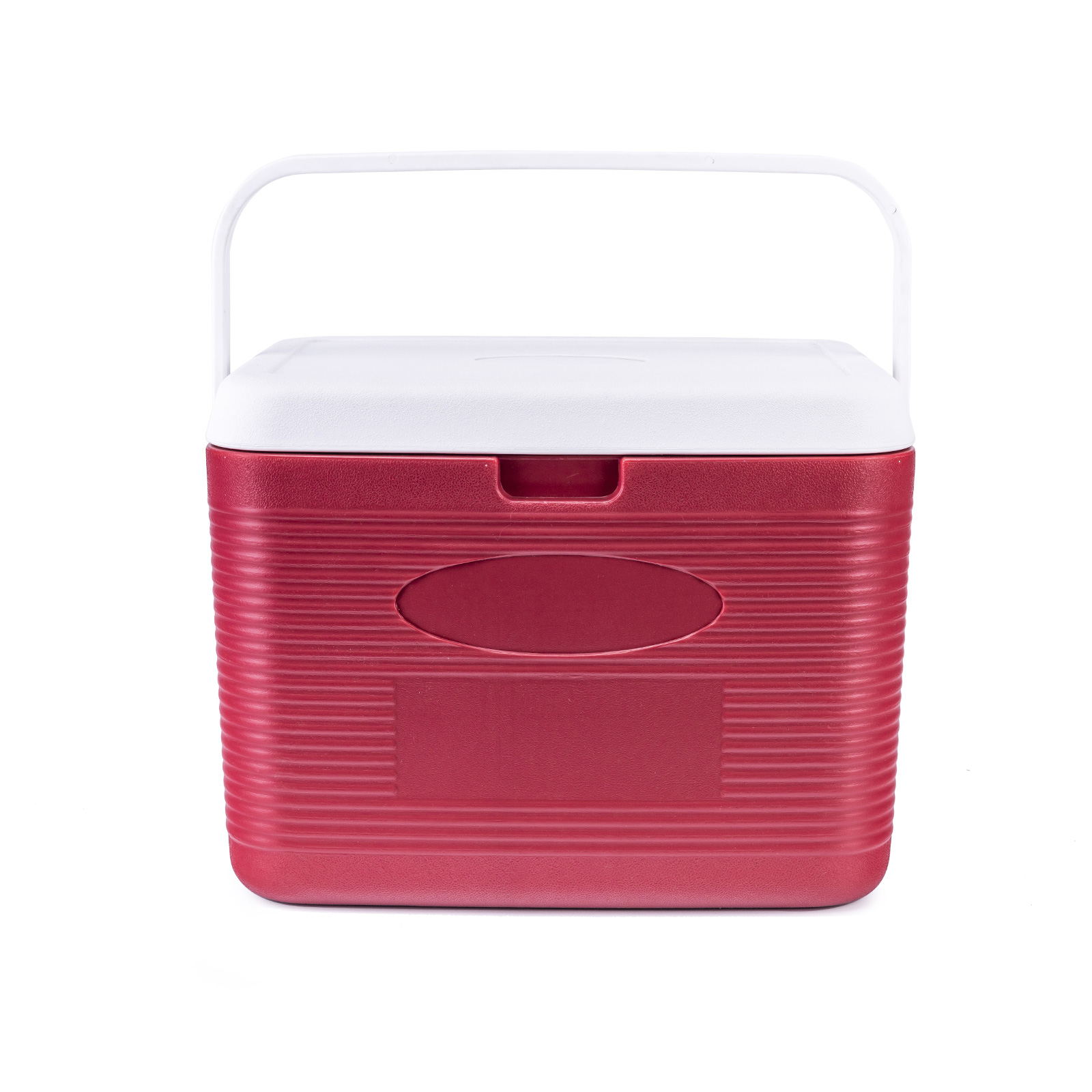
A successful foldable plastic crate supplier for pharmaceutical logistics purchase depends on three things: route fit, documented performance, and lifecycle value. Miss one of them and the quote can look cheaper than it really is. Pharmaceutical logistics is audit-driven. Buyers need route qualification, temperature control, tamper visibility, and records that stand up in an investigation. A container is only useful if it fits the validated process. This guide brings together practical buying checks, material science, and 2026 trend signals so you can buy with more confidence. You will also see how compliance, handling reality, and total cost interact, so you can choose a design that works beyond the first shipment.
What this article will answer
- How to match foldable plastic crate performance to your real route and payload risk
- Which data, tests, and supplier documents reduce buying risk for pharmaceutical logistics
- Which supplier checks, cost metrics, and validation steps deserve the most weight
- What 2026 trends mean for sourcing, compliance, and sustainability planning
Why is foldable plastic crate a smart fit for pharma logistics?
The best foldable plastic crate is the one that solves your real operating risk with the least added complexity. That means aligning the design with payload sensitivity, route conditions, handling speed, cleaning reality, and the business value of reuse. When those pieces fit, container choice becomes a measurable performance tool rather than a packaging guess.
Pharmaceutical logistics is audit-driven. Buyers need route qualification, temperature control, tamper visibility, and records that stand up in an investigation. A container is only useful if it fits the validated process. If your highest-cost failure comes from temperature excursions, route delay, and tamper concern, then the shortlist should start there. A buyer who first defines the route problem usually gets a better answer than a buyer who starts with a catalog dimension and works backward. That is why route profiling should come before price negotiation.
What makes route fit more important than list price?
A low unit price looks attractive until the container causes recurring loss, slow cleaning, stack instability, or exception work at receiving. Once those hidden costs appear, the cheaper quote often becomes the more expensive decision. Route fit protects both product quality and operating rhythm, which is why procurement teams increasingly review use-case evidence early in the process.
| Decision area | What to define | Why it matters | Your next step |
|---|---|---|---|
| Payload risk | Product sensitivity to moisture, heat, impact, or contamination | Tells you which design feature matters most | Rank risks before requesting quotes |
| Route reality | Dwell time, weather, handling, and return loop | Turns generic containers into scenario-based options | Build the shortlist from real lanes |
| Operational fit | Cleaning method, labels, ergonomics, and storage | Protects daily throughput after rollout | Include operations in the evaluation |
Practical tips and recommendations
- Write a one-page route profile before you talk to suppliers.
- Identify the single failure that would cost you the most, then weight that in the scorecard.
- Use route fit as the filter that narrows the field before technical and commercial review.
Illustrative field case: In a procurement review for a regional pharma distribution lane, the final shortlist was scored on route fit, technical validation, and lifecycle cost. The stronger option proved easier to justify because its supplier could explain how the design would perform, how it would be cleaned, and how the business case would improve over repeated reuse.
Which specifications actually protect product quality?
Specifications only matter if they protect quality in the real world. For this category, the most useful data usually covers structural behavior, environmental exposure, identification, cleaning response, and any temperature or airflow performance relevant to the product. A long spec sheet is not the goal. A decision-grade spec sheet is.
In technical reviews, teams often focus on dimensions first because dimensions are easy to compare. But failures usually come from how a design behaves under weight, motion, moisture, cold, or repeated sanitation. That is why you should test the features that control your main risk, whether that is leak resistance, vent pattern, hold time, stack strength, or fold-cycle durability.
Which data points deserve the most weight?
Weight the data that connects directly to product protection, handling, and qualification. Structural numbers matter, but only under the conditions you really use. Environmental data matters, but only if the test setup resembles your route. When the evidence is route-specific, technical comparison becomes much clearer and internal sign-off becomes easier.
| Key data point | What good looks like | Why it matters | Decision effect |
|---|---|---|---|
| Structural performance | Documented load behavior in realistic stack and route conditions | Protects against distortion and transport damage | Separates durable designs from cosmetic ones |
| Environmental response | Evidence under wet, cold, thermal, or washdown conditions as relevant | Shows whether the design still works outside ideal lab settings | Reduces hidden field risk |
| Control features | Clear label zones, logger fit, lids, vents, or tamper options | Improves product control and audit readiness | Supports smoother operations after rollout |
Practical tips and recommendations
- Ask the supplier to explain the test conditions, not just the headline result.
- Score each data point by its connection to route risk rather than by how impressive it sounds.
- Use a small pilot to verify the highest-weight specification before full standardization.
Illustrative field case: In a procurement review for a regional pharma distribution lane, the final shortlist was scored on route fit, technical validation, and lifecycle cost. The stronger option proved easier to justify because its supplier could explain how the design would perform, how it would be cleaned, and how the business case would improve over repeated reuse.
How should you compare suppliers, validation, and lifecycle cost?
Supplier comparison should combine technical fit, documentation quality, and lifecycle cost. The strongest supplier is not simply the one who offers the lowest quote. It is the one who can show how the design was chosen, how it should be used, and what it will cost across many cycles rather than one purchase order.
Lifecycle cost should include trip life, return rate, cleaning labor, repair or replacement frequency, storage efficiency, and the operational cost of failure. A better reusable design often wins because it lowers exception handling and keeps the route more stable. That is particularly important in pharmaceutical logistics, where packaging errors can trigger quality reviews, wasted labor, or avoidable spoilage risk.
What should a buyer scorecard include?
A practical scorecard usually combines route fit, performance evidence, compliance support, ergonomic usability, and total cost over time. That mix reduces the chance that one attractive number, such as unit price, dominates a decision it should not dominate. If a supplier cannot support a simple scorecard conversation, the partnership risk is already visible.
| Scorecard item | What to review | Why it matters | Suggested weight |
|---|---|---|---|
| Route fit | How closely the design matches your actual lane and payload | Controls product and handling risk | 30% |
| Evidence and compliance | Test data, qualification support, and operational documentation | Supports approval and audits | 30% |
| Lifecycle value | Trip life, return efficiency, cleaning burden, and replacement risk | Shows true economic performance | 40% |
Practical tips and recommendations
- Use the same weighted scorecard for every shortlisted supplier.
- Review total cost after 10, 50, and 100 cycles where reuse applies.
- Include operations feedback in the final score so the chosen design works in daily reality.
Illustrative field case: In a procurement review for a regional pharma distribution lane, the final shortlist was scored on route fit, technical validation, and lifecycle cost. The stronger option proved easier to justify because its supplier could explain how the design would perform, how it would be cleaned, and how the business case would improve over repeated reuse.
What changes in 2026 should you plan for now?
The 2026 packaging environment rewards buyers who think ahead about compliance, circularity, and data visibility. Official requirements around food safety, pharmaceutical distribution, produce hygiene, and packaging reuse are not all the same, but they point in a similar direction: better evidence, cleaner operations, and more disciplined packaging choices.
WHO guidance for time- and temperature-sensitive products calls for monitoring sensors accurate to about ±0.5°C and accessible records in qualified storage systems. Europe’s PPWR also changes the tone of packaging conversations by pushing the market harder toward waste reduction, lower raw-material demand, and circular packaging logic. For buyers, the practical takeaway is simple: choose designs that are easier to qualify, easier to recover, and easier to defend in front of customers, auditors, or internal stakeholders.
How should you prepare now?
Start by updating your packaging brief. Add route evidence, reuse assumptions, cleaning expectations, identification needs, and end-of-life questions before the next tender starts. The teams that do this early usually buy faster and with fewer surprises because they are comparing suppliers against a modern decision standard rather than an old price-only format.
| 2026 priority | What changed | Why it matters | Action now |
|---|---|---|---|
| Documentation quality | Audits and buyer expectations now emphasize evidence more strongly | Weak paperwork slows approval and CAPA response | Standardize your qualification checklist |
| Circular packaging readiness | Policies and customers increasingly reward reuse and waste reduction | Packaging decisions now affect both cost and sustainability goals | Review trip life, return flow, and end-of-life pathways |
| Operational proof | Route fit matters more than generic claims | Real performance beats brochure language | Pilot before broad rollout |
Practical tips and recommendations
- Refresh your packaging specification to reflect 2026 compliance and sustainability expectations.
- Ask suppliers how they support both qualification and end-of-life planning.
- Use policy change as an opportunity to remove underperforming legacy packaging from the system.
Illustrative field case: In a procurement review for a regional pharma distribution lane, the final shortlist was scored on route fit, technical validation, and lifecycle cost. The stronger option proved easier to justify because its supplier could explain how the design would perform, how it would be cleaned, and how the business case would improve over repeated reuse.
Quick buyer self-check
Use this final scorecard before supplier approval. A strong option should satisfy most of these questions without forcing exceptions or optimistic assumptions.
- Have you defined the real payload, route duration, and worst-case handling conditions for pharmaceutical logistics?
- Can the supplier explain how the foldable plastic crate addresses your top failure mode?
- Do you have relevant evidence for load, environment, and cleaning or temperature conditions?
- Is the reusable business case clear on trip life, return rate, and replacement risk?
- Would operations, QA, and procurement all give the same reason for choosing this design?
Scoring shortcut: 5 yes answers usually means the shortlist is mature; 3 or fewer means the project still needs clarification.
Latest developments and trends in 2026
In 2026, the best packaging programs are combining route-fit logic, stronger documentation, and circular packaging planning in a single sourcing standard. That shift is practical rather than theoretical. Buyers want fewer exceptions, fewer wasted assets, better recovery, and a packaging format that remains defensible as rules and customer expectations keep tightening.
Latest developments at a glance
- **Evidence over claims:** Buyers want load, temperature, leak, or airflow data that matches real use conditions.
- **Circular packaging pressure:** Reusable and recyclable transport packaging gets more attention as PPWR-driven thinking spreads through global sourcing.
- **Operational fit:** Containers are increasingly judged by cleaning speed, label control, ergonomics, and return-loop efficiency.
From a market standpoint, pharma buyers now weight route evidence, logger data, and capa readiness more heavily than unit price alone. Choose foldable crates when reverse logistics is frequent and cubic savings are financially visible. The suppliers most likely to win are the ones that turn those needs into easy-to-compare documentation and simple qualification steps.
Frequently asked questions
How do I choose a foldable plastic crate supplier for pharmaceutical logistics?
Start with route risk, not catalog size. Define payload, handling, cleaning, and the biggest failure mode first. Then compare suppliers on evidence, usability, and lifecycle value so the chosen foldable plastic crate fits real operations instead of only looking good on paper.
Which material is usually better for pharmaceutical logistics, HDPE or PP?
There is no universal winner. HDPE is often chosen for low-temperature toughness and chemical resistance, while PP is often chosen for stiffness and lighter designs. The correct choice depends on route temperature, washdown conditions, hinge geometry, and expected load.
What data should a supplier provide before approval?
Request dimensional information, relevant performance data, cleaning guidance, and a route-fit explanation. If temperature, airflow, leak control, or compliance matters in your use case, ask for that evidence directly rather than assuming it is part of the standard quote.
When does reusable packaging lower total cost?
Reusable packaging wins when trip life is long enough, return rates are strong enough, and cleaning plus handling do not erase the savings. Model cost across repeated cycles instead of comparing purchase price only once.
What is the biggest buying mistake in this category?
The most common mistake is approving a container without matching it to the real route. A design can look strong in a brochure but still fail when the route includes temperature excursions, route delay, and tamper concern or more demanding cleaning and handling than the supplier assumed.
Summary and recommendation
Foldable Plastic Crate works best when the design matches your actual route, payload, and cleaning reality. The most useful supplier data usually covers qualification evidence, logger placement, and tamper control, durability, and route-specific validation. Compliance should be checked early, whether your route is shaped mainly by food safety rules, GDP-style controls, or transport testing. Lifecycle value matters: a slightly stronger reusable design often outperforms a cheaper option that fails early or returns poorly.
Use a weighted scorecard that combines route fit, evidence, and lifecycle value. Shortlist only the suppliers who can support real qualification and realistic reuse economics. Then confirm the choice with a focused pilot and a clean approval file.
About Tempk
Tempk focuses on reusable plastic transport packaging for cold chain and industrial applications. We emphasize route-fit design, material selection, and practical qualification support so buyers can match packaging choice to product risk, handling reality, and lifecycle cost. For teams comparing foldable plastic crates, that means clearer specifications, better operational fit, and a more disciplined path from shortlist to rollout.
The next step is simple: define your route, payload, and top failure risks, then compare options against that brief. A focused conversation usually leads to a better packaging decision than a broad catalog search.
Ultimate 2026 Guide to Industrial Ice Box Factory Pricing and Sustainable Cold Chain Solutions
Introduction
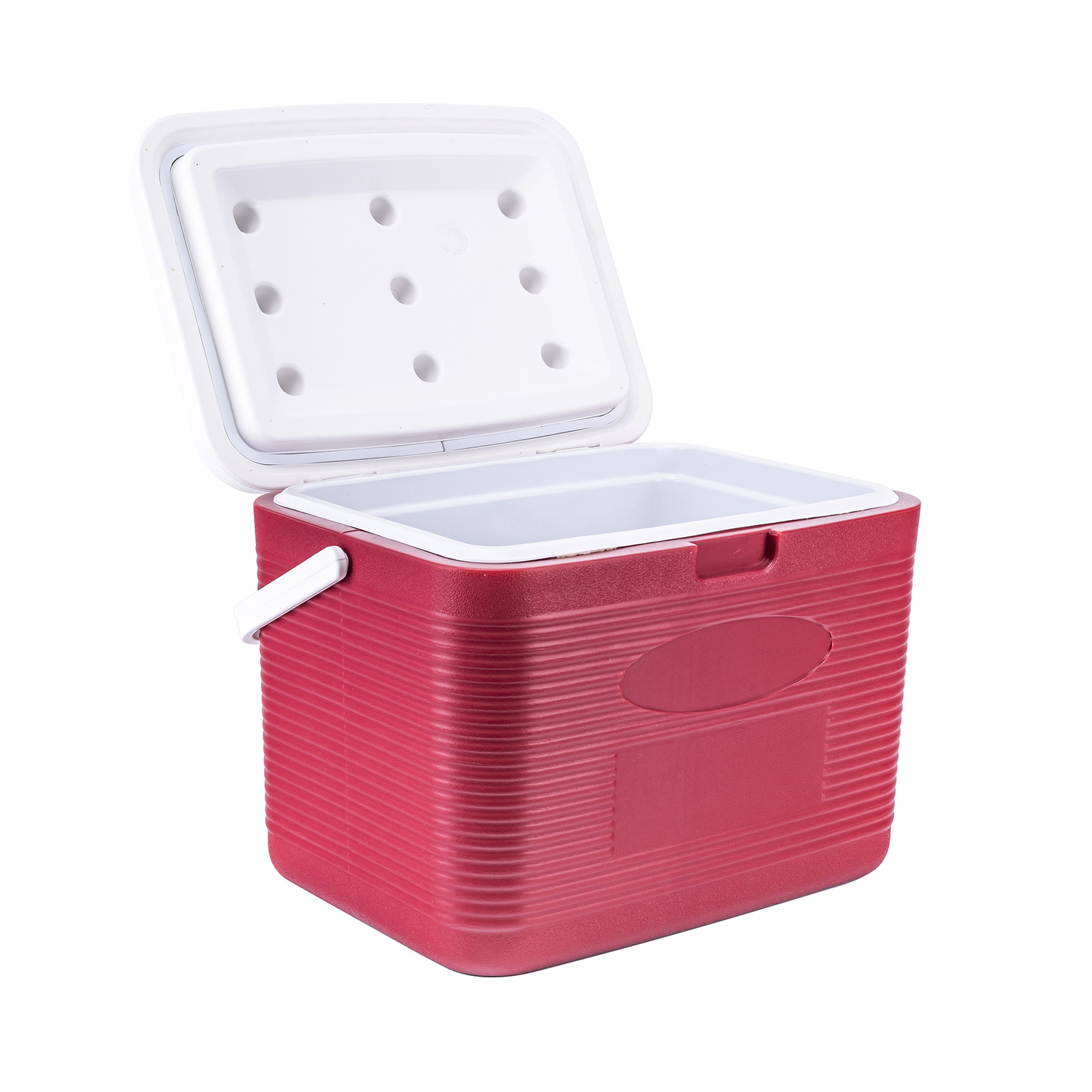
Industrial ice boxes are the backbone of modern cold chain logistics, ensuring that food stays fresh, pharmaceuticals remain potent and chemicals stay stable. Understanding industrial ice box factory price is more than comparing numbers; it’s about grasping the interplay of materials, production methods, regulatory mandates and market dynamics. This ultimate guide synthesizes insights from materials science, industry scenarios and market trends to deliver a comprehensive resource for 2026. Whether you’re a procurement manager, operations director or sustainability officer, you’ll find data-driven answers, practical tools and strategic recommendations to optimize your cold chain packaging.
What this article will answer for you
- Which factors drive the cost of industrial ice boxes? We examine materials, production processes, order volumes, customization and compliance costs.
- How do materials like EPS, PU, EPP and VIP compare in performance and sustainability? Learn about R-values, durability and environmental impact.
- What market trends and regulatory changes influence pricing? Explore growth projections, regional dynamics and sustainability regulations for 2026.
- How can you model cooling duration and forecast total cost of ownership? Utilize simple formulas and checklists to plan your shipments.
- What practical steps can you take to negotiate prices, adopt sustainable solutions and implement smart technologies? Follow our action-oriented advice and internal links to related resources.
Decoding price drivers – materials, manufacturing and compliance
Direct answer
Industrial ice box factory price is determined by the combined effects of material costs, manufacturing processes, order quantity, design complexity, labor and energy rates, and regulatory compliance. Basic expanded polystyrene boxes cost a few dollars per unit, while advanced vacuum-insulated systems can exceed $80 per box. Understanding each cost component allows you to budget effectively and negotiate with suppliers.
Expanded explanation
Every ice box begins as raw materials—polymers, blowing agents and reinforcement fillers. The choice of material influences insulation, durability and environmental footprint. EPS is cheap and light but offers moderate insulation. PU provides higher thermal resistance and mid-range pricing. EPP offers durability and reuse potential at a higher price, and VIP panels deliver premium insulation with the highest cost. Once materials are selected, manufacturing methods such as injection molding, blow molding and rotational molding shape the shells. Tools and molds represent a significant upfront investment; high-volume runs lower per-unit costs. Further, features like smart sensors, tamper-proof seals and reinforced corners add complexity and cost. Compliance with food safety, pharmaceutical and environmental regulations—like the EU PPWR—requires material certifications, performance testing and documentation. Energy prices and labor rates vary by region, affecting overhead.
Table: Key price components and strategies
| Component | Cost Impact | Optimization Tips |
|---|---|---|
| Material cost | Low for EPS ($2.50–$6), mid for PU ($15–$35), high for EPP ($22–$45), highest for VIP ($45–$85) | Match material to application; consider hybrid designs |
| Tooling & manufacturing | High for injection molds, moderate for blow and rotational molding | Spread tooling cost over larger orders; choose processes aligned with volume |
| Design complexity | Added features increase cost | Prioritize essential features; avoid excessive customization |
| Compliance & testing | Certification and recycled-content mandates add cost | Plan compliance early; use supplier documentation |
| Labor & energy | Region-dependent | Source from facilities with efficient operations and renewable energy |
Comparing materials – performance, durability and sustainability
Direct answer
Choosing the right material balances insulation performance, durability, cost and environmental impact. Expanded polystyrene provides adequate insulation for single-use applications, polyurethane foam offers higher R-values for longer shipments, expanded polypropylene delivers durability for reusable systems, and vacuum-insulated panels excel in temperature-critical shipments.
Comparative analysis
EPS is widely used because it is inexpensive and easy to mold. However, its lower density leads to fragility, and disposal issues have prompted calls for alternatives. PU foam incorporates a cross-linked cell structure with blowing agents, giving it superior insulation; it’s often encapsulated in rotomolded shells. EPP’s resilient matrix resists impacts and chemical degradation, making it ideal for returnable systems. VIPs combine a vacuum layer with porous cores (often fumed silica) to virtually eliminate heat conduction, achieving R-values up to 10 per inch. Environmental considerations are increasingly important: EPS and PU are petroleum-based and often end up in landfills; EPP is recyclable and reusable; VIP cores can be reclaimed and panels reconditioned. New bio-based foams and recycled-content plastics are emerging, though their performance varies.
Material selection checklist
Use this checklist to choose the right material:
- Define temperature range and duration: How long and at what temperature must your cargo stay cold?
- Assess durability requirements: Will the box be reused? Does it need to withstand stacking or rough handling?
- Evaluate environmental goals: Are you targeting recycled content or reduced carbon footprint?
- Consider budget and total cost of ownership: Balance upfront cost with potential reuse cycles.
- Check regulatory compliance: Ensure material meets food-contact or pharmaceutical standards.
Table: Performance and sustainability summary
| Material | R-value (per inch) | Reusability | Recycled content potential | Best for |
|---|---|---|---|---|
| EPS | ~3.6 | Low | Limited; difficult to recycle | Short, single-use deliveries |
| PU | ~6 | Moderate | Moderate; some recycled polyurethane available | Medium-duration shipments |
| EPP | ~5 | High | High; recyclable and reusable | Reusable pharmaceutical & food logistics |
| VIP | 7–10 | High | Core can be reclaimed; outer film may be recycled | High-value, temperature-critical shipments |
| Bio-based foam | 2–4 | Low to moderate | High; compostable or biodegradable | Eco-friendly, low-risk deliveries |
Market and regulatory landscape – what’s driving change in 2026?
Direct answer
The industrial ice box market is booming, fueled by e-commerce, healthcare and sustainability initiatives, while new regulations demand recycled content and traceability. The global cooler box market is expected to grow from USD 7.75 billion in 2025 to USD 8.46 billion in 2026 and USD 13.15 billion by 2031 at a 9.22% CAGR. Hard-sided coolers dominate sales, and Asia-Pacific leads growth. The EU’s PPWR requires packaging to contain recycled content and limit void space by August 2026.
Discussion
The pandemic-driven boom in online groceries and vaccine distribution revealed gaps in cold chain infrastructure, prompting investments and growth. Hard-sided rotomolded boxes hold about 59% market share due to their durability and insulation. Personal-size coolers account for roughly two-thirds of the market, reflecting consumer demand, but industrial boxes drive revenue and innovation. Asia-Pacific’s 9.28% CAGR is linked to rising incomes, urbanization and investment in logistics infrastructure. Regulations are shaping product design: the PPWR enforces a maximum 40% void space and requires digital product passports for packaging. Extended Producer Responsibility (EPR) schemes shift disposal costs to manufacturers, incentivizing reuse and recycling.
Strategies to align with market and policy trends
- Diversify your supplier base: Partner with manufacturers in regions experiencing growth (Asia-Pacific) to secure capacity and price stability.
- Adopt reusable systems: Offer deposit-return or leasing programs for EPP and PU boxes to meet sustainability targets.
- Integrate smart technology: Use IoT sensors, blockchain and AI analytics to monitor shipments, improve route efficiency and generate compliance documentation.
- Stay ahead of regulations: Ensure your boxes meet recycled-content thresholds and include digital labeling to avoid penalties.
Modeling cooling duration and total cost of ownership
Direct answer
Use simple thermal models and cost analysis to predict how long a box will maintain temperature and how much it will cost over its lifetime. Start by calculating heat gain and subtracting the cooling capacity of ice or phase-change materials. Then factor in purchase price, reuse cycles, cleaning costs and disposal fees to determine cost per use.
Cooling duration formula
The cooling duration \(t\) can be estimated by:
\[ t = rac{m_{ice} L_f}{\dot{Q}} + rac{m_{c} c_{p} \Delta T}{\dot{Q}} \]
where \(\dot{Q}\) = \(A (T_{outside} – T_{inside}) / R\) is the heat gain rate. This formula helps you determine the amount of ice or phase-change material needed for a given trip. Many suppliers provide calculators; nonetheless, understanding the variables empowers you to ask informed questions and spot unrealistic claims.
Total cost of ownership (TCO)
Calculate TCO as:
\[ ext{TCO} = rac{ext{Purchase Price} + ext{Cleaning Cost} imes ext{Number of Uses} + ext{End-of-life Fee}}{ext{Number of Uses}} \]
Reusable boxes may have higher upfront cost but lower TCO because they can be reused many times. Single-use boxes appear cheap but generate ongoing expenses and waste. Evaluate both economic and environmental costs when choosing a solution.
Example calculation
Suppose you purchase an EPP box for $30 that you can reuse 50 times. Cleaning costs $0.50 per use, and recycling at end of life costs $5. The TCO per use is \(($30 + 0.5imes50 + 5)/50 = $1.40\). A comparable single-use EPS box costs $5 but must be purchased every time. Over 50 shipments, the EPS option costs $250—far more than the EPP solution.
Practical strategies for procurement and negotiation
Direct answer
To secure competitive pricing and high-quality ice boxes, prepare thoroughly and engage suppliers transparently. Use market data, clearly define specifications, request quotes for multiple volumes and evaluate suppliers based on performance and sustainability.
Step-by-step negotiation plan
- Gather data: Research typical prices for materials and boxes using market reports.
- Define requirements: Specify dimensions, insulation performance, reuse cycles, regulatory compliance and sustainability goals.
- Request detailed quotes: Ask suppliers to break down material, manufacturing, overhead and testing costs.
- Negotiate volume discounts: Request tiered pricing for different order quantities; commit to longer-term agreements for better rates.
- Evaluate sustainability programs: Prefer suppliers who use recycled materials, renewable energy and offer end-of-life recycling or reuse programs.
- Plan for compliance: Ensure quotes include costs for required testing, certifications and digital labeling.
Innovations and future outlook
Direct answer
Material science and digital technology are transforming industrial ice boxes, creating opportunities for improved performance and sustainability. From aerogel-enhanced foams to IoT-enabled smart boxes, innovations will continue to reshape the market.
Emerging trends
- Advanced materials: Nanostructured foams, graphene composites and aerogel-infused panels offer higher insulation with thinner walls.
- Phase-change integration: PCMs tailored to specific temperature ranges extend cooling duration without adding weight.
- Smart packaging: Sensors record temperature, humidity and shock; blockchain and AI ensure traceability and route optimization.
- Circular economy models: Leasing and deposit-return programs for reusable boxes reduce waste and support regulatory compliance.
- Modular designs: Boxes with interchangeable insulation panels adapt to different temperature ranges and reduce inventory costs.
Preparing for the future
Businesses should invest in R&D collaborations, pilot projects and data analytics to capitalize on these innovations. Stay informed by participating in industry forums and monitoring regulatory changes. Evaluate the potential for 3D printing and additive manufacturing to create custom boxes on demand. Consider partnerships with startups developing bio-based foams or IoT solutions. By staying proactive, you can turn innovation into competitive advantage.
Frequently asked questions
How do I choose between reusable and single-use boxes? Consider shipment frequency, return logistics and environmental goals. Reusable EPP or PU boxes have higher upfront costs but lower total costs and environmental impact. Single-use EPS boxes suit sporadic or one-way shipments but generate waste.
What role does region play in factory pricing? Labor and energy costs vary by country. Factories in regions with abundant renewable energy and efficient processes may offer competitive pricing. Asia-Pacific suppliers may provide favorable rates due to economies of scale and regional growth.
Are bio-based materials ready for industrial use? Yes, but performance varies. Many bio-based foams meet moderate insulation needs and excel in sustainability. Hybrid designs that blend recycled plastics with bio additives are emerging as a balanced solution.
How will regulations affect my procurement? Regulations like the PPWR enforce recycled content and digital labeling, requiring suppliers to certify materials and provide product passports. Prepare for these requirements early to avoid supply disruptions.
Summary and action plan
The industrial ice box market is entering a dynamic phase. Prices are influenced by material choice, manufacturing processes, order quantities, design complexity, labor and compliance. Market data shows robust growth, with Asia-Pacific leading expansion and hard-sided rotomolded products dominating sales. Regulations such as the EU PPWR mandate recycled content and digital labels, driving innovation in materials and design. To thrive, businesses must align procurement strategies with these trends—selecting materials that balance performance and sustainability, negotiating based on data, adopting smart technologies and preparing for evolving regulations. Use the formulas provided to estimate cooling duration and total cost of ownership, and apply our negotiation checklist to secure favorable deals. Finally, embrace innovation and sustainability to build resilient, compliant and cost-effective cold chain operations.
About Tempk
Tempk combines decades of cold chain expertise with advanced materials research and regulatory knowledge. We supply a wide range of industrial ice boxes, from economical EPS and PU models to durable EPP and high-performance VIP systems. Our products adhere to global food and pharmaceutical standards, incorporate recycled materials and offer options for embedded sensors. We support clients with thermal modeling, compliance documentation and sustainability planning. Contact our team for personalized consultations, quote requests and product demonstrations. Together, we can design a packaging solution that meets your performance goals, budget and environmental commitments.
Best Waterproof Plastic Container Exporter For Medical Import in 2026

When you compare waterproof plastic container exporter for medical import, the smartest buyers look past unit price and focus on route risk, cleaning, compliance, and total lifecycle cost.
In 2026, that standard is higher than before. Buyers are under pressure to prove packaging fit, reduce waste, and keep documentation clean. That is why this guide explains what to check, which materials work, which standards matter, and how to avoid expensive sourcing mistakes. This optimized version combines buyer guidance, technical depth, and current market signals into one decision-ready article.
This article will answer:
- How to match waterproof plastic container design to medical import needs
- Which compliance checks and qualification steps matter before you approve a exporter
- How to compare lifecycle cost, reuse potential, and service reliability
- Which 2026 trends are changing reusable packaging, traceability, and sustainability expectations
- What material and test data separate a qualified solution from a risky one
What defines a high-performing Waterproof Plastic Container Exporter For Medical Import?
A strong waterproof plastic container exporter for medical import should fit the product, the route, and the work on the floor. That means the package must match water resistance and package integrity during import and handling, and the provider must support document control, route protection, multilingual labeling, and import readiness. You want packaging that performs in daily use, not only in a sales sheet.
This is where many buying teams go wrong. They compare outside dimensions and price, then discover later that the unit is hard to clean, unstable in stack, or too generic for medical handling. The best review starts with the real lane: payload, dwell time, temperature range, wash process, return loop, and receiving method. From there, you can decide whether a waterproof plastic container really suits the job or whether you need a different geometry, wall pattern, lid, or closure system. Ask the exporter how it supports customs handoff, document pockets, moisture protection, and route dwell risk.
How does the waterproof plastic container design affect daily performance?
Waterproof Plastic Container performance comes from small details that operators notice immediately. Examples include handhold shape, stack lead-ins, wall stiffness, base drainage, vent layout, and protected label zones. These details reduce bruising, leaks, tip risk, or wasted motion. In practice, a well-designed unit feels less like generic packaging and more like a tool built for one workflow.
Quick buyer check
| Topic | Option / data | What to verify | What it means for you |
|---|---|---|---|
| Performance | document pocket or label protection | documentation support for import and quality checks | Protects product and labor time together |
| Compliance | WHO import procedures for medical products, quality system and labeling discipline for medical device and healthcare supply moves | Auditable records | Makes procurement and QA sign-off faster |
| Economics | Reusable asset life + return efficiency | Lower total landed cost | Improves ROI beyond the purchase price |
Practical tips for your team
- Use the first pilot to test handling, not only product fit.
- Have operations, quality, and procurement score the same sample together.
- Review wash chemistry, wash temperature, and drying time early because reuse success often fails in sanitation, not in shipping.
Representative case: A medical importer shifted to waterproof reusable containers with sealed document pockets and unit-level IDs. Receiving errors fell because cartons, paperwork, and quarantine status all stayed matched through customs and warehouse transfer.
Which materials, compliance checks, and tests matter most?
The best sourcing decision combines material fit, route testing, and compliance review. For waterproof plastic container exporter for medical import, that means checking the resin system, the molded design, and the proof behind it. A strong supplier should make technical review easier, not force you to guess.
At minimum, buyers should verify how the container behaves during stacking, handling, cleaning, and any temperature exposure that matters for the lane. Then they should connect those results to the required compliance documents. This removes the common gap between engineering approval and procurement approval. It also helps you avoid paying for features you do not need while missing the ones you do.
Which materials, standards, and tests belong on your approval checklist?
A practical checklist includes material suitability, closure performance, stack-load behavior, wash-cycle durability, and any route, GDP, food-contact, UN, or import-related documents that apply. If the supplier cannot present these clearly, the project is probably not mature enough for a full rollout.
What to compare
| Topic | Option / data | What to verify | What it means for you |
|---|---|---|---|
| Performance | document pocket or label protection | documentation support for import and quality checks | Protects product and labor time together |
| Compliance | WHO import procedures for medical products, quality system and labeling discipline for medical device and healthcare supply moves | Auditable records | Makes procurement and QA sign-off faster |
| Economics | Reusable asset life + return efficiency | Lower total landed cost | Improves ROI beyond the purchase price |
Practical tips for your team
- Check whether barcodes remain readable after cold exposure, moisture, and repeated handling.
- Ask for the exact resin family, not only the product photo or catalog description.
- Write acceptance criteria before testing starts so every team grades the same evidence.
Representative case: A buyer in the medical sector approved a packaging change only after pilot data matched real route handling. That slowed the purchase by a few weeks, but it prevented a much larger rollout failure.
How do you buy for lifecycle cost, sustainability, and scale?
The best final decision balances technical evidence with operating economics. For waterproof plastic container exporter for medical import, you want a design that works on day one and still makes sense after months of reuse. That means modeling replacement rate, cleaning cost, empty-return efficiency, and service support alongside material and compliance fit.
This is also where strategy matters. Some buyers need the lowest-risk validated system. Others need the most flexible network partner. Others need a custom design that saves transport volume. A strong sourcing process compares those paths openly. When you do that, the final supplier choice becomes easier to defend and easier to scale.
What should your final approval scorecard include?
Your approval scorecard should include technical fit, route qualification, regulatory documents, cleaning model, return economics, and continuity of supply. If any one of those remains vague, the project is still carrying hidden cost or hidden risk.
Decision scorecard
| Topic | Option / data | What to verify | What it means for you |
|---|---|---|---|
| Does the load need ventilation or a tight seal? | Open airflow for respiring loads, sealed control for moisture-sensitive or regulated loads | Choose vented only when the product benefits from airflow | Use this to rate suppliers before approval |
| How rough is the route? | Forklift moves, cross-docks, long dwell times, mixed stacking | More route abuse means you should require stronger test evidence | Use this to rate suppliers before approval |
| How often will the asset be reused? | Pilot, seasonal, or year-round return loop | Frequent reuse increases the value of cleaning and repair planning | Use this to rate suppliers before approval |
Practical tips for your team
- Build a simple landed-cost model for twelve months, not only the first PO.
- Score the supplier on lead time, change control, and replacement-part availability, not only on price.
- Request a sample or pilot batch and test it on your real lane before full rollout.
Representative case: Procurement initially preferred the lowest quoted unit cost, but the cross-functional review selected a better-fit solution after modeling damage, cleaning, and return performance. The higher initial price still delivered lower operating cost.
2026 developments and trends in medical packaging
As of March 10, 2026, the strongest packaging trend around waterproof plastic container exporter for medical import is convergence. Buyers do not want a container that only ships product. They want one that supports compliance, visibility, and reuse at the same time. That is why 2026 conversations are centered on qualification, traceability, and packaging systems that still make sense after many cycles of use.
Latest developments at a glance
- WHO guidance continues to stress import controls and quality assurance across the medical product supply chain.
- Medical buyers in 2026 still prioritize labeling clarity, documented handling conditions, and package integrity.
- Healthcare buyers continue to prioritize packaging that can hold quality documentation and route control together, especially in cross-border moves.
- EU packaging policy now keeps reuse, recyclability, and recycled-content planning high on multinational sourcing agendas.
The market insight is simple: buyers are moving away from generic containers and toward packaging families that can be standardized, tracked, and justified in lifecycle terms. That favors suppliers who can explain technical fit in plain language, provide auditable documents, and design for realistic reuse. It also rewards packaging that fits automation, scanning, and cleaner return logistics rather than only basic transport. In SEO terms, that creates strong intent around buyer-guide content, qualification checklists, FAQs, and comparison tables because those formats answer real commercial questions better than shallow product copy.
Decision tool
Use the quick matrix below before you short-list suppliers. It helps you connect route conditions to packaging design and commercial risk.
| Question | What to review | Why it matters |
|---|---|---|
| Does the load need ventilation or a tight seal? | Open airflow for respiring loads, sealed control for moisture-sensitive or regulated loads | Choose vented only when the product benefits from airflow |
| How rough is the route? | Forklift moves, cross-docks, long dwell times, mixed stacking | More route abuse means you should require stronger test evidence |
| How often will the asset be reused? | Pilot, seasonal, or year-round return loop | Frequent reuse increases the value of cleaning and repair planning |
| What documentation is required? | Food-contact, GDP, UN, SDS, import, or QA records | The right documents shorten approval time and reduce surprises |
| How expensive is empty return space? | Low, medium, or high | Collapse, nest, or stack-nest features matter most when return miles are costly |
Common buying mistakes to avoid
Even well-run teams make the same sourcing mistakes when they buy waterproof plastic container exporter for medical import. Most of them come from reviewing the package in isolation instead of inside the real operation.
- Approving by dimensions alone. A container can fit the product and still fail in washdown, stacking, or scanning.
- Treating reuse as automatic savings. Reusable packaging only performs well when cleaning, inspection, and return flow are designed up front.
- Asking for price before asking for fit. In medical work, the cheapest option often becomes expensive once damage, delay, or compliance rework appears.
If you avoid those three errors, your shortlist becomes smaller, cleaner, and easier to approve across departments. That is one reason this fused version focuses on route fit before any marketing language.
Suggested approval workflow
Before you place a full order for waterproof plastic container exporter for medical import, run a short approval workflow that joins procurement, operations, and quality. This step sounds basic, but it is where strong projects separate themselves from expensive corrections. The goal is to verify that the packaging works in the real lane, not just on paper.
- Define the load and lane: record payload, dimensions, dwell times, temperature range, cleaning process, stacking height, and return loop.
- Review supplier evidence: check resin information, drawings, route-relevant tests, and the documents tied to medical handling.
- Run a pilot: use the packaging in normal receiving, storage, transport, and cleaning conditions so operators can give real feedback.
- Approve with scorecard rules: sign off only after technical fit, compliance, service support, and operating cost assumptions all match.
This workflow keeps the buying discussion grounded. It also helps you compare suppliers fairly because every partner answers the same operational questions. In practice, this is one of the easiest ways to turn a long buying cycle into a cleaner final decision.
Frequently asked questions
What is the first thing you should ask any exporter when buying waterproof plastic container?
Ask what problem the design solves in your actual route. A serious exporter should quickly discuss payload, handling, cleaning, stack load, and the documents needed for medical use, not only offer a price list.
How often should you re-qualify reusable containers for this application?
Re-qualification should follow your risk level, route changes, and cleaning intensity. If the lane, payload, or sanitation process changes, review the packaging again instead of assuming old results still apply.
Which plastic is usually better, HDPE or PP?
Neither wins by default. HDPE often gives strong impact and chemical tolerance, while PP often gives more stiffness and higher heat resistance. Your product, cleaning chemistry, and route decide the better fit.
Do you need third-party testing before full rollout?
Not always, but it is wise when the load is sensitive, the route is long, or compliance exposure is high. Lab and field trials together are much stronger than a brochure claim.
Can reusable containers lower total cost even if unit price is higher?
Yes. Many buyers save through fewer damages, less one-way packaging waste, better stacking, and better empty-return planning. The right comparison is lifecycle cost, not purchase price alone.
Summary and recommendations
The best waterproof plastic container exporter for medical import combines route fit, usable documentation, and practical reuse economics. You should review material compatibility, molded design, stack behavior, cleaning workflow, and supplier support as one package decision. When those pieces align, you get less damage, easier handling, and a sourcing choice that is easier to defend.
Create a short approval sheet for your next project. List the load, the route, the temperature range, the cleaning process, the return loop, and the required documents. Then ask every supplier to answer the same checklist. That will quickly show which option is truly ready for scale. If you are comparing suppliers now, use the scorecard in this article and move to a pilot before full rollout.
About Tempk
About Tempk: We focus on reusable cold-chain and industrial plastic packaging for demanding logistics environments. Our work centers on practical design, route fit, and clear communication so buyers can move from concept to qualified packaging with less trial and error. We prioritize durable materials, scalable production support, and packaging formats that are easier to clean, track, and reuse. Next step: share your load profile, route conditions, and target dimensions so we can help narrow the right container family faster.
How to Buy the Right Waterproof Plastic Container Company For Produce Transport

When you compare waterproof plastic container company for produce transport, the smartest buyers look past unit price and focus on route risk, cleaning, compliance, and total lifecycle cost.
That matters more in 2026 because supply chains want reusable systems, cleaner traceability, and packaging that can survive both audits and daily abuse. The right supplier makes your operation easier to scale. The wrong one quietly adds labor, shrink, and rework. This optimized version combines buyer guidance, technical depth, and current market signals into one decision-ready article.
This article will answer:
- How to match waterproof plastic container design to produce transport needs
- Which compliance checks and qualification steps matter before you approve a company
- How to compare lifecycle cost, reuse potential, and service reliability
- Which 2026 trends are changing reusable packaging, traceability, and sustainability expectations
- What material and test data separate a qualified solution from a risky one
What defines a high-performing Waterproof Plastic Container Company For Produce Transport?
A strong waterproof plastic container company for produce transport should fit the product, the route, and the work on the floor. That means the package must match food-contact material suitability and easy washdown, and the provider must support engineering control, resin choice, tooling discipline, and repeatable QA. You want packaging that performs in daily use, not only in a sales sheet.
This is where many buying teams go wrong. They compare outside dimensions and price, then discover later that the unit is hard to clean, unstable in stack, or too generic for produce handling. The best review starts with the real lane: payload, dwell time, temperature range, wash process, return loop, and receiving method. From there, you can decide whether a waterproof plastic container really suits the job or whether you need a different geometry, wall pattern, lid, or closure system. Ask how the producer controls resin changes, mold maintenance, dimensional drift, and batch traceability.
How does the waterproof plastic container design affect daily performance?
Waterproof Plastic Container performance comes from small details that operators notice immediately. Examples include handhold shape, stack lead-ins, wall stiffness, base drainage, vent layout, and protected label zones. These details reduce bruising, leaks, tip risk, or wasted motion. In practice, a well-designed unit feels less like generic packaging and more like a tool built for one workflow.
Quick buyer check
| Topic | Option / data | What to verify | What it means for you |
|---|---|---|---|
| Performance | drainage planning for wash processes | stack stability in wet and cold conditions | Protects product and labor time together |
| Compliance | FDA produce safety expectations for packing and holding produce, FDA sanitary transportation requirements for equipment and operations | Auditable records | Makes procurement and QA sign-off faster |
| Economics | Reusable asset life + return efficiency | Lower total landed cost | Improves ROI beyond the purchase price |
Practical tips for your team
- Use the first pilot to test handling, not only product fit.
- Have operations, quality, and procurement score the same sample together.
- Use a lane-specific qualification sheet so engineering, quality, and operations sign off on the same target.
Representative case: A produce shipper moved from inconsistent field cartons to returnable totes with matched vent patterns. Cooling became more uniform, label scanning improved, and empty-return planning became easier because every tote nested the same way.
Which materials, compliance checks, and tests matter most?
The best sourcing decision combines material fit, route testing, and compliance review. For waterproof plastic container company for produce transport, that means checking the resin system, the molded design, and the proof behind it. A strong supplier should make technical review easier, not force you to guess.
At minimum, buyers should verify how the container behaves during stacking, handling, cleaning, and any temperature exposure that matters for the lane. Then they should connect those results to the required compliance documents. This removes the common gap between engineering approval and procurement approval. It also helps you avoid paying for features you do not need while missing the ones you do.
Which materials, standards, and tests belong on your approval checklist?
A practical checklist includes material suitability, closure performance, stack-load behavior, wash-cycle durability, and any route, GDP, food-contact, UN, or import-related documents that apply. If the supplier cannot present these clearly, the project is probably not mature enough for a full rollout.
What to compare
| Topic | Option / data | What to verify | What it means for you |
|---|---|---|---|
| Performance | drainage planning for wash processes | stack stability in wet and cold conditions | Protects product and labor time together |
| Compliance | FDA produce safety expectations for packing and holding produce, FDA sanitary transportation requirements for equipment and operations | Auditable records | Makes procurement and QA sign-off faster |
| Economics | Reusable asset life + return efficiency | Lower total landed cost | Improves ROI beyond the purchase price |
Practical tips for your team
- Ask for the exact resin family, not only the product photo or catalog description.
- Score the supplier on lead time, change control, and replacement-part availability, not only on price.
- Write acceptance criteria before testing starts so every team grades the same evidence.
Representative case: A buyer in the produce sector approved a packaging change only after pilot data matched real route handling. That slowed the purchase by a few weeks, but it prevented a much larger rollout failure.
How do you buy for lifecycle cost, sustainability, and scale?
The best final decision balances technical evidence with operating economics. For waterproof plastic container company for produce transport, you want a design that works on day one and still makes sense after months of reuse. That means modeling replacement rate, cleaning cost, empty-return efficiency, and service support alongside material and compliance fit.
This is also where strategy matters. Some buyers need the lowest-risk validated system. Others need the most flexible network partner. Others need a custom design that saves transport volume. A strong sourcing process compares those paths openly. When you do that, the final supplier choice becomes easier to defend and easier to scale.
What should your final approval scorecard include?
Your approval scorecard should include technical fit, route qualification, regulatory documents, cleaning model, return economics, and continuity of supply. If any one of those remains vague, the project is still carrying hidden cost or hidden risk.
Decision scorecard
| Topic | Option / data | What to verify | What it means for you |
|---|---|---|---|
| Does the load need ventilation or a tight seal? | Open airflow for respiring loads, sealed control for moisture-sensitive or regulated loads | Choose vented only when the product benefits from airflow | Use this to rate suppliers before approval |
| How rough is the route? | Forklift moves, cross-docks, long dwell times, mixed stacking | More route abuse means you should require stronger test evidence | Use this to rate suppliers before approval |
| How often will the asset be reused? | Pilot, seasonal, or year-round return loop | Frequent reuse increases the value of cleaning and repair planning | Use this to rate suppliers before approval |
Practical tips for your team
- Build a simple landed-cost model for twelve months, not only the first PO.
- Use a lane-specific qualification sheet so engineering, quality, and operations sign off on the same target.
- Ask for the exact resin family, not only the product photo or catalog description.
Representative case: Procurement initially preferred the lowest quoted unit cost, but the cross-functional review selected a better-fit solution after modeling damage, cleaning, and return performance. The higher initial price still delivered lower operating cost.
2026 developments and trends in produce packaging
As of March 10, 2026, the strongest packaging trend around waterproof plastic container company for produce transport is convergence. Buyers do not want a container that only ships product. They want one that supports compliance, visibility, and reuse at the same time. That is why 2026 conversations are centered on qualification, traceability, and packaging systems that still make sense after many cycles of use.
Latest developments at a glance
- FDA updated produce and traceability resources through 2025 and early 2026, keeping packing records and product visibility high on buyer checklists.
- USDA transport guidance still emphasizes aligned vent holes and proper air paths for respiring produce loads.
- FDA traceability planning remains important even though enforcement of the Food Traceability Rule will not begin before July 20, 2028.
- EU packaging policy now keeps reuse, recyclability, and recycled-content planning high on multinational sourcing agendas.
The market insight is simple: buyers are moving away from generic containers and toward packaging families that can be standardized, tracked, and justified in lifecycle terms. That favors suppliers who can explain technical fit in plain language, provide auditable documents, and design for realistic reuse. It also rewards packaging that fits automation, scanning, and cleaner return logistics rather than only basic transport. In SEO terms, that creates strong intent around buyer-guide content, qualification checklists, FAQs, and comparison tables because those formats answer real commercial questions better than shallow product copy.
Decision tool
Use the quick matrix below before you short-list suppliers. It helps you connect route conditions to packaging design and commercial risk.
| Question | What to review | Why it matters |
|---|---|---|
| Does the load need ventilation or a tight seal? | Open airflow for respiring loads, sealed control for moisture-sensitive or regulated loads | Choose vented only when the product benefits from airflow |
| How rough is the route? | Forklift moves, cross-docks, long dwell times, mixed stacking | More route abuse means you should require stronger test evidence |
| How often will the asset be reused? | Pilot, seasonal, or year-round return loop | Frequent reuse increases the value of cleaning and repair planning |
| What documentation is required? | Food-contact, GDP, UN, SDS, import, or QA records | The right documents shorten approval time and reduce surprises |
| How expensive is empty return space? | Low, medium, or high | Collapse, nest, or stack-nest features matter most when return miles are costly |
Common buying mistakes to avoid
Even well-run teams make the same sourcing mistakes when they buy waterproof plastic container company for produce transport. Most of them come from reviewing the package in isolation instead of inside the real operation.
- Approving by dimensions alone. A container can fit the product and still fail in washdown, stacking, or scanning.
- Treating reuse as automatic savings. Reusable packaging only performs well when cleaning, inspection, and return flow are designed up front.
- Asking for price before asking for fit. In produce work, the cheapest option often becomes expensive once damage, delay, or compliance rework appears.
If you avoid those three errors, your shortlist becomes smaller, cleaner, and easier to approve across departments. That is one reason this fused version focuses on route fit before any marketing language.
Suggested approval workflow
Before you place a full order for waterproof plastic container company for produce transport, run a short approval workflow that joins procurement, operations, and quality. This step sounds basic, but it is where strong projects separate themselves from expensive corrections. The goal is to verify that the packaging works in the real lane, not just on paper.
- Define the load and lane: record payload, dimensions, dwell times, temperature range, cleaning process, stacking height, and return loop.
- Review supplier evidence: check resin information, drawings, route-relevant tests, and the documents tied to produce handling.
- Run a pilot: use the packaging in normal receiving, storage, transport, and cleaning conditions so operators can give real feedback.
- Approve with scorecard rules: sign off only after technical fit, compliance, service support, and operating cost assumptions all match.
This workflow keeps the buying discussion grounded. It also helps you compare suppliers fairly because every partner answers the same operational questions. In practice, this is one of the easiest ways to turn a long buying cycle into a cleaner final decision.
Frequently asked questions
What is the first thing you should ask any company when buying waterproof plastic container?
Ask what problem the design solves in your actual route. A serious company should quickly discuss payload, handling, cleaning, stack load, and the documents needed for produce use, not only offer a price list.
How often should you re-qualify reusable containers for this application?
Re-qualification should follow your risk level, route changes, and cleaning intensity. If the lane, payload, or sanitation process changes, review the packaging again instead of assuming old results still apply.
Which plastic is usually better, HDPE or PP?
Neither wins by default. HDPE often gives strong impact and chemical tolerance, while PP often gives more stiffness and higher heat resistance. Your product, cleaning chemistry, and route decide the better fit.
Do you need third-party testing before full rollout?
Not always, but it is wise when the load is sensitive, the route is long, or compliance exposure is high. Lab and field trials together are much stronger than a brochure claim.
Can reusable containers lower total cost even if unit price is higher?
Yes. Many buyers save through fewer damages, less one-way packaging waste, better stacking, and better empty-return planning. The right comparison is lifecycle cost, not purchase price alone.
Summary and recommendations
The best waterproof plastic container company for produce transport combines route fit, usable documentation, and practical reuse economics. You should review material compatibility, molded design, stack behavior, cleaning workflow, and supplier support as one package decision. When those pieces align, you get less damage, easier handling, and a sourcing choice that is easier to defend.
Create a short approval sheet for your next project. List the load, the route, the temperature range, the cleaning process, the return loop, and the required documents. Then ask every supplier to answer the same checklist. That will quickly show which option is truly ready for scale. If you are comparing suppliers now, use the scorecard in this article and move to a pilot before full rollout.
About Tempk
About Tempk: We focus on reusable cold-chain and industrial plastic packaging for demanding logistics environments. Our work centers on practical design, route fit, and clear communication so buyers can move from concept to qualified packaging with less trial and error. We prioritize durable materials, scalable production support, and packaging formats that are easier to clean, track, and reuse. Next step: share your load profile, route conditions, and target dimensions so we can help narrow the right container family faster.
How to Buy the Right Vented Plastic Box Wholesale For Chemical Distribution

If you are sourcing vented plastic box wholesale for chemical distribution, you are not only buying a box. You are buying process control, cleaner handling, and fewer preventable losses.
In 2026, that standard is higher than before. Buyers are under pressure to prove packaging fit, reduce waste, and keep documentation clean. That is why this guide explains what to check, which materials work, which standards matter, and how to avoid expensive sourcing mistakes. This optimized version combines buyer guidance, technical depth, and current market signals into one decision-ready article.
This article will answer:
- How to match vented plastic box design to chemical distribution needs
- Which compliance checks and qualification steps matter before you approve a wholesale
- How to compare lifecycle cost, reuse potential, and service reliability
- Which 2026 trends are changing reusable packaging, traceability, and sustainability expectations
- What material and test data separate a qualified solution from a risky one
What defines a high-performing Vented Plastic Box Wholesale For Chemical Distribution?
A strong vented plastic box wholesale for chemical distribution should fit the product, the route, and the work on the floor. That means the package must match clear labeling zones and barcode visibility, and the provider must support inventory depth, substitution control, documentation quality, and service speed. You want packaging that performs in daily use, not only in a sales sheet.
This is where many buying teams go wrong. They compare outside dimensions and price, then discover later that the unit is hard to clean, unstable in stack, or too generic for chemical handling. The best review starts with the real lane: payload, dwell time, temperature range, wash process, return loop, and receiving method. From there, you can decide whether a vented plastic box really suits the job or whether you need a different geometry, wall pattern, lid, or closure system. Ask the distributor how it handles stock continuity, approved alternates, regional availability, and documentation support.
How does the vented plastic box design affect daily performance?
Vented Plastic Box performance comes from small details that operators notice immediately. Examples include handhold shape, stack lead-ins, wall stiffness, base drainage, vent layout, and protected label zones. These details reduce bruising, leaks, tip risk, or wasted motion. In practice, a well-designed unit feels less like generic packaging and more like a tool built for one workflow.
Quick buyer check
| Topic | Option / data | What to verify | What it means for you |
|---|---|---|---|
| Performance | reduced condensation traps | clear labeling zones and barcode visibility | Protects product and labor time together |
| Compliance | PHMSA and 49 CFR packaging expectations when hazardous contents are involved, UN performance-oriented packaging concepts from the 2025 UNECE Model Regulations revision | Auditable records | Makes procurement and QA sign-off faster |
| Economics | Reusable asset life + return efficiency | Lower total landed cost | Improves ROI beyond the purchase price |
Practical tips for your team
- Use the first pilot to test handling, not only product fit.
- Have operations, quality, and procurement score the same sample together.
- Confirm how the container behaves when partially filled, because many failures happen during mixed-load operations.
Representative case: A regional chemical distributor replaced mixed one-way bins with a qualified reusable container fleet. Damage investigations fell because each unit had a fixed resin spec, a documented lid fit, and a barcode tied to cleaning and inspection history.
Which materials, compliance checks, and tests matter most?
The best sourcing decision combines material fit, route testing, and compliance review. For vented plastic box wholesale for chemical distribution, that means checking the resin system, the molded design, and the proof behind it. A strong supplier should make technical review easier, not force you to guess.
At minimum, buyers should verify how the container behaves during stacking, handling, cleaning, and any temperature exposure that matters for the lane. Then they should connect those results to the required compliance documents. This removes the common gap between engineering approval and procurement approval. It also helps you avoid paying for features you do not need while missing the ones you do.
Which materials, standards, and tests belong on your approval checklist?
A practical checklist includes material suitability, closure performance, stack-load behavior, wash-cycle durability, and any route, GDP, food-contact, UN, or import-related documents that apply. If the supplier cannot present these clearly, the project is probably not mature enough for a full rollout.
What to compare
| Topic | Option / data | What to verify | What it means for you |
|---|---|---|---|
| Performance | reduced condensation traps | clear labeling zones and barcode visibility | Protects product and labor time together |
| Compliance | PHMSA and 49 CFR packaging expectations when hazardous contents are involved, UN performance-oriented packaging concepts from the 2025 UNECE Model Regulations revision | Auditable records | Makes procurement and QA sign-off faster |
| Economics | Reusable asset life + return efficiency | Lower total landed cost | Improves ROI beyond the purchase price |
Practical tips for your team
- Request a sample or pilot batch and test it on your real lane before full rollout.
- Request a sample or pilot batch and test it on your real lane before full rollout.
- Write acceptance criteria before testing starts so every team grades the same evidence.
Representative case: A buyer in the chemical sector approved a packaging change only after pilot data matched real route handling. That slowed the purchase by a few weeks, but it prevented a much larger rollout failure.
How do you buy for lifecycle cost, sustainability, and scale?
The best final decision balances technical evidence with operating economics. For vented plastic box wholesale for chemical distribution, you want a design that works on day one and still makes sense after months of reuse. That means modeling replacement rate, cleaning cost, empty-return efficiency, and service support alongside material and compliance fit.
This is also where strategy matters. Some buyers need the lowest-risk validated system. Others need the most flexible network partner. Others need a custom design that saves transport volume. A strong sourcing process compares those paths openly. When you do that, the final supplier choice becomes easier to defend and easier to scale.
What should your final approval scorecard include?
Your approval scorecard should include technical fit, route qualification, regulatory documents, cleaning model, return economics, and continuity of supply. If any one of those remains vague, the project is still carrying hidden cost or hidden risk.
Decision scorecard
| Topic | Option / data | What to verify | What it means for you |
|---|---|---|---|
| Does the load need ventilation or a tight seal? | Open airflow for respiring loads, sealed control for moisture-sensitive or regulated loads | Choose vented only when the product benefits from airflow | Use this to rate suppliers before approval |
| How rough is the route? | Forklift moves, cross-docks, long dwell times, mixed stacking | More route abuse means you should require stronger test evidence | Use this to rate suppliers before approval |
| How often will the asset be reused? | Pilot, seasonal, or year-round return loop | Frequent reuse increases the value of cleaning and repair planning | Use this to rate suppliers before approval |
Practical tips for your team
- Build a simple landed-cost model for twelve months, not only the first PO.
- Use a lane-specific qualification sheet so engineering, quality, and operations sign off on the same target.
- Check whether barcodes remain readable after cold exposure, moisture, and repeated handling.
Representative case: Procurement initially preferred the lowest quoted unit cost, but the cross-functional review selected a better-fit solution after modeling damage, cleaning, and return performance. The higher initial price still delivered lower operating cost.
2026 developments and trends in chemical packaging
As of March 10, 2026, the strongest packaging trend around vented plastic box wholesale for chemical distribution is convergence. Buyers do not want a container that only ships product. They want one that supports compliance, visibility, and reuse at the same time. That is why 2026 conversations are centered on qualification, traceability, and packaging systems that still make sense after many cycles of use.
Latest developments at a glance
- UNECE adopted Revision 24 of the UN Model Regulations in December 2024 for the 2025 cycle.
- EPA updated its sustainable management of plastics resources in January 2026, keeping reuse and lifecycle thinking in focus.
- Hazardous and sensitive chemical flows continue to reward suppliers that can align packaging language with UN-oriented transport expectations and clear compatibility review.
- EU packaging policy now keeps reuse, recyclability, and recycled-content planning high on multinational sourcing agendas.
The market insight is simple: buyers are moving away from generic containers and toward packaging families that can be standardized, tracked, and justified in lifecycle terms. That favors suppliers who can explain technical fit in plain language, provide auditable documents, and design for realistic reuse. It also rewards packaging that fits automation, scanning, and cleaner return logistics rather than only basic transport. In SEO terms, that creates strong intent around buyer-guide content, qualification checklists, FAQs, and comparison tables because those formats answer real commercial questions better than shallow product copy.
Decision tool
Use the quick matrix below before you short-list suppliers. It helps you connect route conditions to packaging design and commercial risk.
| Question | What to review | Why it matters |
|---|---|---|
| Does the load need ventilation or a tight seal? | Open airflow for respiring loads, sealed control for moisture-sensitive or regulated loads | Choose vented only when the product benefits from airflow |
| How rough is the route? | Forklift moves, cross-docks, long dwell times, mixed stacking | More route abuse means you should require stronger test evidence |
| How often will the asset be reused? | Pilot, seasonal, or year-round return loop | Frequent reuse increases the value of cleaning and repair planning |
| What documentation is required? | Food-contact, GDP, UN, SDS, import, or QA records | The right documents shorten approval time and reduce surprises |
| How expensive is empty return space? | Low, medium, or high | Collapse, nest, or stack-nest features matter most when return miles are costly |
Common buying mistakes to avoid
Even well-run teams make the same sourcing mistakes when they buy vented plastic box wholesale for chemical distribution. Most of them come from reviewing the package in isolation instead of inside the real operation.
- Approving by dimensions alone. A container can fit the product and still fail in washdown, stacking, or scanning.
- Treating reuse as automatic savings. Reusable packaging only performs well when cleaning, inspection, and return flow are designed up front.
- Asking for price before asking for fit. In chemical work, the cheapest option often becomes expensive once damage, delay, or compliance rework appears.
If you avoid those three errors, your shortlist becomes smaller, cleaner, and easier to approve across departments. That is one reason this fused version focuses on route fit before any marketing language.
Suggested approval workflow
Before you place a full order for vented plastic box wholesale for chemical distribution, run a short approval workflow that joins procurement, operations, and quality. This step sounds basic, but it is where strong projects separate themselves from expensive corrections. The goal is to verify that the packaging works in the real lane, not just on paper.
- Define the load and lane: record payload, dimensions, dwell times, temperature range, cleaning process, stacking height, and return loop.
- Review supplier evidence: check resin information, drawings, route-relevant tests, and the documents tied to chemical handling.
- Run a pilot: use the packaging in normal receiving, storage, transport, and cleaning conditions so operators can give real feedback.
- Approve with scorecard rules: sign off only after technical fit, compliance, service support, and operating cost assumptions all match.
This workflow keeps the buying discussion grounded. It also helps you compare suppliers fairly because every partner answers the same operational questions. In practice, this is one of the easiest ways to turn a long buying cycle into a cleaner final decision.
Frequently asked questions
What is the first thing you should ask any wholesale when buying vented plastic box?
Ask what problem the design solves in your actual route. A serious wholesale should quickly discuss payload, handling, cleaning, stack load, and the documents needed for chemical use, not only offer a price list.
How often should you re-qualify reusable containers for this application?
Re-qualification should follow your risk level, route changes, and cleaning intensity. If the lane, payload, or sanitation process changes, review the packaging again instead of assuming old results still apply.
Which plastic is usually better, HDPE or PP?
Neither wins by default. HDPE often gives strong impact and chemical tolerance, while PP often gives more stiffness and higher heat resistance. Your product, cleaning chemistry, and route decide the better fit.
Do you need third-party testing before full rollout?
Not always, but it is wise when the load is sensitive, the route is long, or compliance exposure is high. Lab and field trials together are much stronger than a brochure claim.
Can reusable containers lower total cost even if unit price is higher?
Yes. Many buyers save through fewer damages, less one-way packaging waste, better stacking, and better empty-return planning. The right comparison is lifecycle cost, not purchase price alone.
Summary and recommendations
The best vented plastic box wholesale for chemical distribution combines route fit, usable documentation, and practical reuse economics. You should review material compatibility, molded design, stack behavior, cleaning workflow, and supplier support as one package decision. When those pieces align, you get less damage, easier handling, and a sourcing choice that is easier to defend.
Create a short approval sheet for your next project. List the load, the route, the temperature range, the cleaning process, the return loop, and the required documents. Then ask every supplier to answer the same checklist. That will quickly show which option is truly ready for scale. If you are comparing suppliers now, use the scorecard in this article and move to a pilot before full rollout.
About Tempk
About Tempk: We focus on reusable cold-chain and industrial plastic packaging for demanding logistics environments. Our work centers on practical design, route fit, and clear communication so buyers can move from concept to qualified packaging with less trial and error. We prioritize durable materials, scalable production support, and packaging formats that are easier to clean, track, and reuse. Next step: share your load profile, route conditions, and target dimensions so we can help narrow the right container family faster.
How to Buy the Right Vented Plastic Bin Distributor For Chemical Shipping

A strong vented plastic bin distributor for chemical shipping should protect your product, simplify your workflow, and give you fewer surprises during transport, storage, and receiving.
In 2026, that standard is higher than before. Buyers are under pressure to prove packaging fit, reduce waste, and keep documentation clean. That is why this guide explains what to check, which materials work, which standards matter, and how to avoid expensive sourcing mistakes. This optimized version combines buyer guidance, technical depth, and current market signals into one decision-ready article.
This article will answer:
- How to match vented plastic bin design to chemical shipping needs
- Which compliance checks and qualification steps matter before you approve a distributor
- How to compare lifecycle cost, reuse potential, and service reliability
- Which 2026 trends are changing reusable packaging, traceability, and sustainability expectations
- What material and test data separate a qualified solution from a risky one
What defines a high-performing Vented Plastic Bin Distributor For Chemical Shipping?
A strong vented plastic bin distributor for chemical shipping should fit the product, the route, and the work on the floor. That means the package must match stack strength under pallet loads, and the provider must support inventory depth, substitution control, documentation quality, and service speed. You want packaging that performs in daily use, not only in a sales sheet.
This is where many buying teams go wrong. They compare outside dimensions and price, then discover later that the unit is hard to clean, unstable in stack, or too generic for chemical handling. The best review starts with the real lane: payload, dwell time, temperature range, wash process, return loop, and receiving method. From there, you can decide whether a vented plastic bin really suits the job or whether you need a different geometry, wall pattern, lid, or closure system. Ask the distributor how it handles stock continuity, approved alternates, regional availability, and documentation support.
How does the vented plastic bin design affect daily performance?
Vented Plastic Bin performance comes from small details that operators notice immediately. Examples include handhold shape, stack lead-ins, wall stiffness, base drainage, vent layout, and protected label zones. These details reduce bruising, leaks, tip risk, or wasted motion. In practice, a well-designed unit feels less like generic packaging and more like a tool built for one workflow.
Quick buyer check
| Topic | Option / data | What to verify | What it means for you |
|---|---|---|---|
| Performance | fast heat removal | clear labeling zones and barcode visibility | Protects product and labor time together |
| Compliance | PHMSA and 49 CFR packaging expectations when hazardous contents are involved, UN performance-oriented packaging concepts from the 2025 UNECE Model Regulations revision | Auditable records | Makes procurement and QA sign-off faster |
| Economics | Reusable asset life + return efficiency | Lower total landed cost | Improves ROI beyond the purchase price |
Practical tips for your team
- Use the first pilot to test handling, not only product fit.
- Have operations, quality, and procurement score the same sample together.
- Review wash chemistry, wash temperature, and drying time early because reuse success often fails in sanitation, not in shipping.
Representative case: A regional chemical distributor replaced mixed one-way bins with a qualified reusable container fleet. Damage investigations fell because each unit had a fixed resin spec, a documented lid fit, and a barcode tied to cleaning and inspection history.
Which materials, compliance checks, and tests matter most?
The best sourcing decision combines material fit, route testing, and compliance review. For vented plastic bin distributor for chemical shipping, that means checking the resin system, the molded design, and the proof behind it. A strong supplier should make technical review easier, not force you to guess.
At minimum, buyers should verify how the container behaves during stacking, handling, cleaning, and any temperature exposure that matters for the lane. Then they should connect those results to the required compliance documents. This removes the common gap between engineering approval and procurement approval. It also helps you avoid paying for features you do not need while missing the ones you do.
Which materials, standards, and tests belong on your approval checklist?
A practical checklist includes material suitability, closure performance, stack-load behavior, wash-cycle durability, and any route, GDP, food-contact, UN, or import-related documents that apply. If the supplier cannot present these clearly, the project is probably not mature enough for a full rollout.
What to compare
| Topic | Option / data | What to verify | What it means for you |
|---|---|---|---|
| Performance | fast heat removal | clear labeling zones and barcode visibility | Protects product and labor time together |
| Compliance | PHMSA and 49 CFR packaging expectations when hazardous contents are involved, UN performance-oriented packaging concepts from the 2025 UNECE Model Regulations revision | Auditable records | Makes procurement and QA sign-off faster |
| Economics | Reusable asset life + return efficiency | Lower total landed cost | Improves ROI beyond the purchase price |
Practical tips for your team
- Review wash chemistry, wash temperature, and drying time early because reuse success often fails in sanitation, not in shipping.
- Use a lane-specific qualification sheet so engineering, quality, and operations sign off on the same target.
- Write acceptance criteria before testing starts so every team grades the same evidence.
Representative case: A buyer in the chemical sector approved a packaging change only after pilot data matched real route handling. That slowed the purchase by a few weeks, but it prevented a much larger rollout failure.
How do you buy for lifecycle cost, sustainability, and scale?
The best final decision balances technical evidence with operating economics. For vented plastic bin distributor for chemical shipping, you want a design that works on day one and still makes sense after months of reuse. That means modeling replacement rate, cleaning cost, empty-return efficiency, and service support alongside material and compliance fit.
This is also where strategy matters. Some buyers need the lowest-risk validated system. Others need the most flexible network partner. Others need a custom design that saves transport volume. A strong sourcing process compares those paths openly. When you do that, the final supplier choice becomes easier to defend and easier to scale.
What should your final approval scorecard include?
Your approval scorecard should include technical fit, route qualification, regulatory documents, cleaning model, return economics, and continuity of supply. If any one of those remains vague, the project is still carrying hidden cost or hidden risk.
Decision scorecard
| Topic | Option / data | What to verify | What it means for you |
|---|---|---|---|
| Does the load need ventilation or a tight seal? | Open airflow for respiring loads, sealed control for moisture-sensitive or regulated loads | Choose vented only when the product benefits from airflow | Use this to rate suppliers before approval |
| How rough is the route? | Forklift moves, cross-docks, long dwell times, mixed stacking | More route abuse means you should require stronger test evidence | Use this to rate suppliers before approval |
| How often will the asset be reused? | Pilot, seasonal, or year-round return loop | Frequent reuse increases the value of cleaning and repair planning | Use this to rate suppliers before approval |
Practical tips for your team
- Build a simple landed-cost model for twelve months, not only the first PO.
- Use a lane-specific qualification sheet so engineering, quality, and operations sign off on the same target.
- Review wash chemistry, wash temperature, and drying time early because reuse success often fails in sanitation, not in shipping.
Representative case: Procurement initially preferred the lowest quoted unit cost, but the cross-functional review selected a better-fit solution after modeling damage, cleaning, and return performance. The higher initial price still delivered lower operating cost.
2026 developments and trends in chemical packaging
As of March 10, 2026, the strongest packaging trend around vented plastic bin distributor for chemical shipping is convergence. Buyers do not want a container that only ships product. They want one that supports compliance, visibility, and reuse at the same time. That is why 2026 conversations are centered on qualification, traceability, and packaging systems that still make sense after many cycles of use.
Latest developments at a glance
- UNECE adopted Revision 24 of the UN Model Regulations in December 2024 for the 2025 cycle.
- EPA updated its sustainable management of plastics resources in January 2026, keeping reuse and lifecycle thinking in focus.
- Hazardous and sensitive chemical flows continue to reward suppliers that can align packaging language with UN-oriented transport expectations and clear compatibility review.
- EU packaging policy now keeps reuse, recyclability, and recycled-content planning high on multinational sourcing agendas.
The market insight is simple: buyers are moving away from generic containers and toward packaging families that can be standardized, tracked, and justified in lifecycle terms. That favors suppliers who can explain technical fit in plain language, provide auditable documents, and design for realistic reuse. It also rewards packaging that fits automation, scanning, and cleaner return logistics rather than only basic transport. In SEO terms, that creates strong intent around buyer-guide content, qualification checklists, FAQs, and comparison tables because those formats answer real commercial questions better than shallow product copy.
Decision tool
Use the quick matrix below before you short-list suppliers. It helps you connect route conditions to packaging design and commercial risk.
| Question | What to review | Why it matters |
|---|---|---|
| Does the load need ventilation or a tight seal? | Open airflow for respiring loads, sealed control for moisture-sensitive or regulated loads | Choose vented only when the product benefits from airflow |
| How rough is the route? | Forklift moves, cross-docks, long dwell times, mixed stacking | More route abuse means you should require stronger test evidence |
| How often will the asset be reused? | Pilot, seasonal, or year-round return loop | Frequent reuse increases the value of cleaning and repair planning |
| What documentation is required? | Food-contact, GDP, UN, SDS, import, or QA records | The right documents shorten approval time and reduce surprises |
| How expensive is empty return space? | Low, medium, or high | Collapse, nest, or stack-nest features matter most when return miles are costly |
Common buying mistakes to avoid
Even well-run teams make the same sourcing mistakes when they buy vented plastic bin distributor for chemical shipping. Most of them come from reviewing the package in isolation instead of inside the real operation.
- Approving by dimensions alone. A container can fit the product and still fail in washdown, stacking, or scanning.
- Treating reuse as automatic savings. Reusable packaging only performs well when cleaning, inspection, and return flow are designed up front.
- Asking for price before asking for fit. In chemical work, the cheapest option often becomes expensive once damage, delay, or compliance rework appears.
If you avoid those three errors, your shortlist becomes smaller, cleaner, and easier to approve across departments. That is one reason this fused version focuses on route fit before any marketing language.
Suggested approval workflow
Before you place a full order for vented plastic bin distributor for chemical shipping, run a short approval workflow that joins procurement, operations, and quality. This step sounds basic, but it is where strong projects separate themselves from expensive corrections. The goal is to verify that the packaging works in the real lane, not just on paper.
- Define the load and lane: record payload, dimensions, dwell times, temperature range, cleaning process, stacking height, and return loop.
- Review supplier evidence: check resin information, drawings, route-relevant tests, and the documents tied to chemical handling.
- Run a pilot: use the packaging in normal receiving, storage, transport, and cleaning conditions so operators can give real feedback.
- Approve with scorecard rules: sign off only after technical fit, compliance, service support, and operating cost assumptions all match.
This workflow keeps the buying discussion grounded. It also helps you compare suppliers fairly because every partner answers the same operational questions. In practice, this is one of the easiest ways to turn a long buying cycle into a cleaner final decision.
Frequently asked questions
What is the first thing you should ask any distributor when buying vented plastic bin?
Ask what problem the design solves in your actual route. A serious distributor should quickly discuss payload, handling, cleaning, stack load, and the documents needed for chemical use, not only offer a price list.
How often should you re-qualify reusable containers for this application?
Re-qualification should follow your risk level, route changes, and cleaning intensity. If the lane, payload, or sanitation process changes, review the packaging again instead of assuming old results still apply.
Which plastic is usually better, HDPE or PP?
Neither wins by default. HDPE often gives strong impact and chemical tolerance, while PP often gives more stiffness and higher heat resistance. Your product, cleaning chemistry, and route decide the better fit.
Do you need third-party testing before full rollout?
Not always, but it is wise when the load is sensitive, the route is long, or compliance exposure is high. Lab and field trials together are much stronger than a brochure claim.
Can reusable containers lower total cost even if unit price is higher?
Yes. Many buyers save through fewer damages, less one-way packaging waste, better stacking, and better empty-return planning. The right comparison is lifecycle cost, not purchase price alone.
Summary and recommendations
The best vented plastic bin distributor for chemical shipping combines route fit, usable documentation, and practical reuse economics. You should review material compatibility, molded design, stack behavior, cleaning workflow, and supplier support as one package decision. When those pieces align, you get less damage, easier handling, and a sourcing choice that is easier to defend.
Create a short approval sheet for your next project. List the load, the route, the temperature range, the cleaning process, the return loop, and the required documents. Then ask every supplier to answer the same checklist. That will quickly show which option is truly ready for scale. If you are comparing suppliers now, use the scorecard in this article and move to a pilot before full rollout.
About Tempk
About Tempk: We focus on reusable cold-chain and industrial plastic packaging for demanding logistics environments. Our work centers on practical design, route fit, and clear communication so buyers can move from concept to qualified packaging with less trial and error. We prioritize durable materials, scalable production support, and packaging formats that are easier to clean, track, and reuse. Next step: share your load profile, route conditions, and target dimensions so we can help narrow the right container family faster.
How to Buy the Right Thermal Plastic Container Company For Dairy Packaging

If you are sourcing thermal plastic container company for dairy packaging, you are not only buying a box. You are buying process control, cleaner handling, and fewer preventable losses.
That matters more in 2026 because supply chains want reusable systems, cleaner traceability, and packaging that can survive both audits and daily abuse. The right supplier makes your operation easier to scale. The wrong one quietly adds labor, shrink, and rework. This optimized version combines buyer guidance, technical depth, and current market signals into one decision-ready article.
This article will answer:
- How to match thermal plastic container design to dairy packaging needs
- Which compliance checks and qualification steps matter before you approve a company
- How to compare lifecycle cost, reuse potential, and service reliability
- Which 2026 trends are changing reusable packaging, traceability, and sustainability expectations
- What material and test data separate a qualified solution from a risky one
What defines a high-performing Thermal Plastic Container Company For Dairy Packaging?
A strong thermal plastic container company for dairy packaging should fit the product, the route, and the work on the floor. That means the package must match moisture resistance and reliable drainage control, and the provider must support engineering control, resin choice, tooling discipline, and repeatable QA. You want packaging that performs in daily use, not only in a sales sheet.
This is where many buying teams go wrong. They compare outside dimensions and price, then discover later that the unit is hard to clean, unstable in stack, or too generic for dairy handling. The best review starts with the real lane: payload, dwell time, temperature range, wash process, return loop, and receiving method. From there, you can decide whether a thermal plastic container really suits the job or whether you need a different geometry, wall pattern, lid, or closure system. Ask how the producer controls resin changes, mold maintenance, dimensional drift, and batch traceability.
How does the thermal plastic container design affect daily performance?
Thermal Plastic Container performance comes from small details that operators notice immediately. Examples include handhold shape, stack lead-ins, wall stiffness, base drainage, vent layout, and protected label zones. These details reduce bruising, leaks, tip risk, or wasted motion. In practice, a well-designed unit feels less like generic packaging and more like a tool built for one workflow.
Quick buyer check
| Topic | Option / data | What to verify | What it means for you |
|---|---|---|---|
| Performance | condensation control | surfaces that do not trap residue or odor | Protects product and labor time together |
| Compliance | FDA food-contact material requirements, FDA sanitary transportation practices for human food | Auditable records | Makes procurement and QA sign-off faster |
| Economics | Reusable asset life + return efficiency | Lower total landed cost | Improves ROI beyond the purchase price |
Practical tips for your team
- Use the first pilot to test handling, not only product fit.
- Have operations, quality, and procurement score the same sample together.
- Score the supplier on lead time, change control, and replacement-part availability, not only on price.
Representative case: A chilled dairy ingredient program switched to stackable reusable containers with wash tracking and defined lid replacement intervals. The buyer gained more stable cold-room stacking and fewer rejects caused by cracked one-way packaging.
Which materials, compliance checks, and tests matter most?
The best sourcing decision combines material fit, route testing, and compliance review. For thermal plastic container company for dairy packaging, that means checking the resin system, the molded design, and the proof behind it. A strong supplier should make technical review easier, not force you to guess.
At minimum, buyers should verify how the container behaves during stacking, handling, cleaning, and any temperature exposure that matters for the lane. Then they should connect those results to the required compliance documents. This removes the common gap between engineering approval and procurement approval. It also helps you avoid paying for features you do not need while missing the ones you do.
Which materials, standards, and tests belong on your approval checklist?
A practical checklist includes material suitability, closure performance, stack-load behavior, wash-cycle durability, and any route, GDP, food-contact, UN, or import-related documents that apply. If the supplier cannot present these clearly, the project is probably not mature enough for a full rollout.
What to compare
| Topic | Option / data | What to verify | What it means for you |
|---|---|---|---|
| Performance | condensation control | surfaces that do not trap residue or odor | Protects product and labor time together |
| Compliance | FDA food-contact material requirements, FDA sanitary transportation practices for human food | Auditable records | Makes procurement and QA sign-off faster |
| Economics | Reusable asset life + return efficiency | Lower total landed cost | Improves ROI beyond the purchase price |
Practical tips for your team
- Review wash chemistry, wash temperature, and drying time early because reuse success often fails in sanitation, not in shipping.
- Review wash chemistry, wash temperature, and drying time early because reuse success often fails in sanitation, not in shipping.
- Write acceptance criteria before testing starts so every team grades the same evidence.
Representative case: A buyer in the dairy sector approved a packaging change only after pilot data matched real route handling. That slowed the purchase by a few weeks, but it prevented a much larger rollout failure.
How do you buy for lifecycle cost, sustainability, and scale?
The best final decision balances technical evidence with operating economics. For thermal plastic container company for dairy packaging, you want a design that works on day one and still makes sense after months of reuse. That means modeling replacement rate, cleaning cost, empty-return efficiency, and service support alongside material and compliance fit.
This is also where strategy matters. Some buyers need the lowest-risk validated system. Others need the most flexible network partner. Others need a custom design that saves transport volume. A strong sourcing process compares those paths openly. When you do that, the final supplier choice becomes easier to defend and easier to scale.
What should your final approval scorecard include?
Your approval scorecard should include technical fit, route qualification, regulatory documents, cleaning model, return economics, and continuity of supply. If any one of those remains vague, the project is still carrying hidden cost or hidden risk.
Decision scorecard
| Topic | Option / data | What to verify | What it means for you |
|---|---|---|---|
| Does the load need ventilation or a tight seal? | Open airflow for respiring loads, sealed control for moisture-sensitive or regulated loads | Choose vented only when the product benefits from airflow | Use this to rate suppliers before approval |
| How rough is the route? | Forklift moves, cross-docks, long dwell times, mixed stacking | More route abuse means you should require stronger test evidence | Use this to rate suppliers before approval |
| How often will the asset be reused? | Pilot, seasonal, or year-round return loop | Frequent reuse increases the value of cleaning and repair planning | Use this to rate suppliers before approval |
Practical tips for your team
- Build a simple landed-cost model for twelve months, not only the first PO.
- Confirm how the container behaves when partially filled, because many failures happen during mixed-load operations.
- Check whether barcodes remain readable after cold exposure, moisture, and repeated handling.
Representative case: Procurement initially preferred the lowest quoted unit cost, but the cross-functional review selected a better-fit solution after modeling damage, cleaning, and return performance. The higher initial price still delivered lower operating cost.
2026 developments and trends in dairy packaging
As of March 10, 2026, the strongest packaging trend around thermal plastic container company for dairy packaging is convergence. Buyers do not want a container that only ships product. They want one that supports compliance, visibility, and reuse at the same time. That is why 2026 conversations are centered on qualification, traceability, and packaging systems that still make sense after many cycles of use.
Latest developments at a glance
- FDA inspection guidance continues to anchor buyers around cold holding, hygienic handling, and documented controls for pasteurized milk products.
- Food-contact and sanitary transport controls remain central in 2026 dairy packaging reviews.
- FDA traceability planning remains important even though enforcement of the Food Traceability Rule will not begin before July 20, 2028.
- EU packaging policy now keeps reuse, recyclability, and recycled-content planning high on multinational sourcing agendas.
The market insight is simple: buyers are moving away from generic containers and toward packaging families that can be standardized, tracked, and justified in lifecycle terms. That favors suppliers who can explain technical fit in plain language, provide auditable documents, and design for realistic reuse. It also rewards packaging that fits automation, scanning, and cleaner return logistics rather than only basic transport. In SEO terms, that creates strong intent around buyer-guide content, qualification checklists, FAQs, and comparison tables because those formats answer real commercial questions better than shallow product copy.
Decision tool
Use the quick matrix below before you short-list suppliers. It helps you connect route conditions to packaging design and commercial risk.
| Question | What to review | Why it matters |
|---|---|---|
| Does the load need ventilation or a tight seal? | Open airflow for respiring loads, sealed control for moisture-sensitive or regulated loads | Choose vented only when the product benefits from airflow |
| How rough is the route? | Forklift moves, cross-docks, long dwell times, mixed stacking | More route abuse means you should require stronger test evidence |
| How often will the asset be reused? | Pilot, seasonal, or year-round return loop | Frequent reuse increases the value of cleaning and repair planning |
| What documentation is required? | Food-contact, GDP, UN, SDS, import, or QA records | The right documents shorten approval time and reduce surprises |
| How expensive is empty return space? | Low, medium, or high | Collapse, nest, or stack-nest features matter most when return miles are costly |
Common buying mistakes to avoid
Even well-run teams make the same sourcing mistakes when they buy thermal plastic container company for dairy packaging. Most of them come from reviewing the package in isolation instead of inside the real operation.
- Approving by dimensions alone. A container can fit the product and still fail in washdown, stacking, or scanning.
- Treating reuse as automatic savings. Reusable packaging only performs well when cleaning, inspection, and return flow are designed up front.
- Asking for price before asking for fit. In dairy work, the cheapest option often becomes expensive once damage, delay, or compliance rework appears.
If you avoid those three errors, your shortlist becomes smaller, cleaner, and easier to approve across departments. That is one reason this fused version focuses on route fit before any marketing language.
Suggested approval workflow
Before you place a full order for thermal plastic container company for dairy packaging, run a short approval workflow that joins procurement, operations, and quality. This step sounds basic, but it is where strong projects separate themselves from expensive corrections. The goal is to verify that the packaging works in the real lane, not just on paper.
- Define the load and lane: record payload, dimensions, dwell times, temperature range, cleaning process, stacking height, and return loop.
- Review supplier evidence: check resin information, drawings, route-relevant tests, and the documents tied to dairy handling.
- Run a pilot: use the packaging in normal receiving, storage, transport, and cleaning conditions so operators can give real feedback.
- Approve with scorecard rules: sign off only after technical fit, compliance, service support, and operating cost assumptions all match.
This workflow keeps the buying discussion grounded. It also helps you compare suppliers fairly because every partner answers the same operational questions. In practice, this is one of the easiest ways to turn a long buying cycle into a cleaner final decision.
Frequently asked questions
What is the first thing you should ask any company when buying thermal plastic container?
Ask what problem the design solves in your actual route. A serious company should quickly discuss payload, handling, cleaning, stack load, and the documents needed for dairy use, not only offer a price list.
How often should you re-qualify reusable containers for this application?
Re-qualification should follow your risk level, route changes, and cleaning intensity. If the lane, payload, or sanitation process changes, review the packaging again instead of assuming old results still apply.
Which plastic is usually better, HDPE or PP?
Neither wins by default. HDPE often gives strong impact and chemical tolerance, while PP often gives more stiffness and higher heat resistance. Your product, cleaning chemistry, and route decide the better fit.
Do you need third-party testing before full rollout?
Not always, but it is wise when the load is sensitive, the route is long, or compliance exposure is high. Lab and field trials together are much stronger than a brochure claim.
Can reusable containers lower total cost even if unit price is higher?
Yes. Many buyers save through fewer damages, less one-way packaging waste, better stacking, and better empty-return planning. The right comparison is lifecycle cost, not purchase price alone.
Summary and recommendations
The best thermal plastic container company for dairy packaging combines route fit, usable documentation, and practical reuse economics. You should review material compatibility, molded design, stack behavior, cleaning workflow, and supplier support as one package decision. When those pieces align, you get less damage, easier handling, and a sourcing choice that is easier to defend.
Create a short approval sheet for your next project. List the load, the route, the temperature range, the cleaning process, the return loop, and the required documents. Then ask every supplier to answer the same checklist. That will quickly show which option is truly ready for scale. If you are comparing suppliers now, use the scorecard in this article and move to a pilot before full rollout.
About Tempk
About Tempk: We focus on reusable cold-chain and industrial plastic packaging for demanding logistics environments. Our work centers on practical design, route fit, and clear communication so buyers can move from concept to qualified packaging with less trial and error. We prioritize durable materials, scalable production support, and packaging formats that are easier to clean, track, and reuse. Next step: share your load profile, route conditions, and target dimensions so we can help narrow the right container family faster.
How to Buy the Right Temperature-Controlled Plastic Container Producer For Chemical Shipping
When you compare temperature-controlled plastic container producer for chemical shipping, the smartest buyers look past unit price and focus on route risk, cleaning, compliance, and total lifecycle cost.
That matters more in 2026 because supply chains want reusable systems, cleaner traceability, and packaging that can survive both audits and daily abuse. The right supplier makes your operation easier to scale. The wrong one quietly adds labor, shrink, and rework. This optimized version combines buyer guidance, technical depth, and current market signals into one decision-ready article.
This article will answer:
- How to match temperature-controlled plastic container design to chemical shipping needs
- Which compliance checks and qualification steps matter before you approve a producer
- How to compare lifecycle cost, reuse potential, and service reliability
- Which 2026 trends are changing reusable packaging, traceability, and sustainability expectations
- What material and test data separate a qualified solution from a risky one
What defines a high-performing Temperature-Controlled Plastic Container Producer For Chemical Shipping?
A strong temperature-controlled plastic container producer for chemical shipping should fit the product, the route, and the work on the floor. That means the package must match leak resistance and secure lid fit, and the provider must support engineering control, resin choice, tooling discipline, and repeatable QA. You want packaging that performs in daily use, not only in a sales sheet.
This is where many buying teams go wrong. They compare outside dimensions and price, then discover later that the unit is hard to clean, unstable in stack, or too generic for chemical handling. The best review starts with the real lane: payload, dwell time, temperature range, wash process, return loop, and receiving method. From there, you can decide whether a temperature-controlled plastic container really suits the job or whether you need a different geometry, wall pattern, lid, or closure system. Ask how the producer controls resin changes, mold maintenance, dimensional drift, and batch traceability.
How does the temperature-controlled plastic container design affect daily performance?
Temperature-Controlled Plastic Container performance comes from small details that operators notice immediately. Examples include handhold shape, stack lead-ins, wall stiffness, base drainage, vent layout, and protected label zones. These details reduce bruising, leaks, tip risk, or wasted motion. In practice, a well-designed unit feels less like generic packaging and more like a tool built for one workflow.
Quick buyer check
| Topic | Option / data | What to verify | What it means for you |
|---|---|---|---|
| Performance | insulated walls or panels | temperature stability during loading, transit, and storage | Protects product and labor time together |
| Compliance | PHMSA and 49 CFR packaging expectations when hazardous contents are involved, UN performance-oriented packaging concepts from the 2025 UNECE Model Regulations revision | Auditable records | Makes procurement and QA sign-off faster |
| Economics | Reusable asset life + return efficiency | Lower total landed cost | Improves ROI beyond the purchase price |
Practical tips for your team
- Use the first pilot to test handling, not only product fit.
- Have operations, quality, and procurement score the same sample together.
- Request a sample or pilot batch and test it on your real lane before full rollout.
Representative case: A regional chemical distributor replaced mixed one-way bins with a qualified reusable container fleet. Damage investigations fell because each unit had a fixed resin spec, a documented lid fit, and a barcode tied to cleaning and inspection history.
Which materials, compliance checks, and tests matter most?
The best sourcing decision combines material fit, route testing, and compliance review. For temperature-controlled plastic container producer for chemical shipping, that means checking the resin system, the molded design, and the proof behind it. A strong supplier should make technical review easier, not force you to guess.
At minimum, buyers should verify how the container behaves during stacking, handling, cleaning, and any temperature exposure that matters for the lane. Then they should connect those results to the required compliance documents. This removes the common gap between engineering approval and procurement approval. It also helps you avoid paying for features you do not need while missing the ones you do.
Which materials, standards, and tests belong on your approval checklist?
A practical checklist includes material suitability, closure performance, stack-load behavior, wash-cycle durability, and any route, GDP, food-contact, UN, or import-related documents that apply. If the supplier cannot present these clearly, the project is probably not mature enough for a full rollout.
What to compare
| Topic | Option / data | What to verify | What it means for you |
|---|---|---|---|
| Performance | insulated walls or panels | temperature stability during loading, transit, and storage | Protects product and labor time together |
| Compliance | PHMSA and 49 CFR packaging expectations when hazardous contents are involved, UN performance-oriented packaging concepts from the 2025 UNECE Model Regulations revision | Auditable records | Makes procurement and QA sign-off faster |
| Economics | Reusable asset life + return efficiency | Lower total landed cost | Improves ROI beyond the purchase price |
Practical tips for your team
- Ask for the exact resin family, not only the product photo or catalog description.
- Use a lane-specific qualification sheet so engineering, quality, and operations sign off on the same target.
- Write acceptance criteria before testing starts so every team grades the same evidence.
Representative case: A buyer in the chemical sector approved a packaging change only after pilot data matched real route handling. That slowed the purchase by a few weeks, but it prevented a much larger rollout failure.
How do you buy for lifecycle cost, sustainability, and scale?
The best final decision balances technical evidence with operating economics. For temperature-controlled plastic container producer for chemical shipping, you want a design that works on day one and still makes sense after months of reuse. That means modeling replacement rate, cleaning cost, empty-return efficiency, and service support alongside material and compliance fit.
This is also where strategy matters. Some buyers need the lowest-risk validated system. Others need the most flexible network partner. Others need a custom design that saves transport volume. A strong sourcing process compares those paths openly. When you do that, the final supplier choice becomes easier to defend and easier to scale.
What should your final approval scorecard include?
Your approval scorecard should include technical fit, route qualification, regulatory documents, cleaning model, return economics, and continuity of supply. If any one of those remains vague, the project is still carrying hidden cost or hidden risk.
Decision scorecard
| Topic | Option / data | What to verify | What it means for you |
|---|---|---|---|
| Does the load need ventilation or a tight seal? | Open airflow for respiring loads, sealed control for moisture-sensitive or regulated loads | Choose vented only when the product benefits from airflow | Use this to rate suppliers before approval |
| How rough is the route? | Forklift moves, cross-docks, long dwell times, mixed stacking | More route abuse means you should require stronger test evidence | Use this to rate suppliers before approval |
| How often will the asset be reused? | Pilot, seasonal, or year-round return loop | Frequent reuse increases the value of cleaning and repair planning | Use this to rate suppliers before approval |
Practical tips for your team
- Build a simple landed-cost model for twelve months, not only the first PO.
- Use a lane-specific qualification sheet so engineering, quality, and operations sign off on the same target.
- Check whether barcodes remain readable after cold exposure, moisture, and repeated handling.
Representative case: Procurement initially preferred the lowest quoted unit cost, but the cross-functional review selected a better-fit solution after modeling damage, cleaning, and return performance. The higher initial price still delivered lower operating cost.
2026 developments and trends in chemical packaging
As of March 10, 2026, the strongest packaging trend around temperature-controlled plastic container producer for chemical shipping is convergence. Buyers do not want a container that only ships product. They want one that supports compliance, visibility, and reuse at the same time. That is why 2026 conversations are centered on qualification, traceability, and packaging systems that still make sense after many cycles of use.
Latest developments at a glance
- UNECE adopted Revision 24 of the UN Model Regulations in December 2024 for the 2025 cycle.
- EPA updated its sustainable management of plastics resources in January 2026, keeping reuse and lifecycle thinking in focus.
- Hazardous and sensitive chemical flows continue to reward suppliers that can align packaging language with UN-oriented transport expectations and clear compatibility review.
- EU packaging policy now keeps reuse, recyclability, and recycled-content planning high on multinational sourcing agendas.
The market insight is simple: buyers are moving away from generic containers and toward packaging families that can be standardized, tracked, and justified in lifecycle terms. That favors suppliers who can explain technical fit in plain language, provide auditable documents, and design for realistic reuse. It also rewards packaging that fits automation, scanning, and cleaner return logistics rather than only basic transport. In SEO terms, that creates strong intent around buyer-guide content, qualification checklists, FAQs, and comparison tables because those formats answer real commercial questions better than shallow product copy.
Decision tool
Use the quick matrix below before you short-list suppliers. It helps you connect route conditions to packaging design and commercial risk.
| Question | What to review | Why it matters |
|---|---|---|
| Does the load need ventilation or a tight seal? | Open airflow for respiring loads, sealed control for moisture-sensitive or regulated loads | Choose vented only when the product benefits from airflow |
| How rough is the route? | Forklift moves, cross-docks, long dwell times, mixed stacking | More route abuse means you should require stronger test evidence |
| How often will the asset be reused? | Pilot, seasonal, or year-round return loop | Frequent reuse increases the value of cleaning and repair planning |
| What documentation is required? | Food-contact, GDP, UN, SDS, import, or QA records | The right documents shorten approval time and reduce surprises |
| How expensive is empty return space? | Low, medium, or high | Collapse, nest, or stack-nest features matter most when return miles are costly |
Common buying mistakes to avoid
Even well-run teams make the same sourcing mistakes when they buy temperature-controlled plastic container producer for chemical shipping. Most of them come from reviewing the package in isolation instead of inside the real operation.
- Approving by dimensions alone. A container can fit the product and still fail in washdown, stacking, or scanning.
- Treating reuse as automatic savings. Reusable packaging only performs well when cleaning, inspection, and return flow are designed up front.
- Asking for price before asking for fit. In chemical work, the cheapest option often becomes expensive once damage, delay, or compliance rework appears.
If you avoid those three errors, your shortlist becomes smaller, cleaner, and easier to approve across departments. That is one reason this fused version focuses on route fit before any marketing language.
Suggested approval workflow
Before you place a full order for temperature-controlled plastic container producer for chemical shipping, run a short approval workflow that joins procurement, operations, and quality. This step sounds basic, but it is where strong projects separate themselves from expensive corrections. The goal is to verify that the packaging works in the real lane, not just on paper.
- Define the load and lane: record payload, dimensions, dwell times, temperature range, cleaning process, stacking height, and return loop.
- Review supplier evidence: check resin information, drawings, route-relevant tests, and the documents tied to chemical handling.
- Run a pilot: use the packaging in normal receiving, storage, transport, and cleaning conditions so operators can give real feedback.
- Approve with scorecard rules: sign off only after technical fit, compliance, service support, and operating cost assumptions all match.
This workflow keeps the buying discussion grounded. It also helps you compare suppliers fairly because every partner answers the same operational questions. In practice, this is one of the easiest ways to turn a long buying cycle into a cleaner final decision.
Frequently asked questions
What is the first thing you should ask any producer when buying temperature-controlled plastic container?
Ask what problem the design solves in your actual route. A serious producer should quickly discuss payload, handling, cleaning, stack load, and the documents needed for chemical use, not only offer a price list.
How often should you re-qualify reusable containers for this application?
Re-qualification should follow your risk level, route changes, and cleaning intensity. If the lane, payload, or sanitation process changes, review the packaging again instead of assuming old results still apply.
Which plastic is usually better, HDPE or PP?
Neither wins by default. HDPE often gives strong impact and chemical tolerance, while PP often gives more stiffness and higher heat resistance. Your product, cleaning chemistry, and route decide the better fit.
Do you need third-party testing before full rollout?
Not always, but it is wise when the load is sensitive, the route is long, or compliance exposure is high. Lab and field trials together are much stronger than a brochure claim.
Can reusable containers lower total cost even if unit price is higher?
Yes. Many buyers save through fewer damages, less one-way packaging waste, better stacking, and better empty-return planning. The right comparison is lifecycle cost, not purchase price alone.
Summary and recommendations
The best temperature-controlled plastic container producer for chemical shipping combines route fit, usable documentation, and practical reuse economics. You should review material compatibility, molded design, stack behavior, cleaning workflow, and supplier support as one package decision. When those pieces align, you get less damage, easier handling, and a sourcing choice that is easier to defend.
Create a short approval sheet for your next project. List the load, the route, the temperature range, the cleaning process, the return loop, and the required documents. Then ask every supplier to answer the same checklist. That will quickly show which option is truly ready for scale. If you are comparing suppliers now, use the scorecard in this article and move to a pilot before full rollout.
About Tempk
About Tempk: We focus on reusable cold-chain and industrial plastic packaging for demanding logistics environments. Our work centers on practical design, route fit, and clear communication so buyers can move from concept to qualified packaging with less trial and error. We prioritize durable materials, scalable production support, and packaging formats that are easier to clean, track, and reuse. Next step: share your load profile, route conditions, and target dimensions so we can help narrow the right container family faster.
How to Buy the Right Temperature-Controlled Plastic Bin Factory For Chemical Packaging
A strong temperature-controlled plastic bin factory for chemical packaging should protect your product, simplify your workflow, and give you fewer surprises during transport, storage, and receiving.
That matters more in 2026 because supply chains want reusable systems, cleaner traceability, and packaging that can survive both audits and daily abuse. The right supplier makes your operation easier to scale. The wrong one quietly adds labor, shrink, and rework. This optimized version combines buyer guidance, technical depth, and current market signals into one decision-ready article.
This article will answer:
- How to match temperature-controlled plastic bin design to chemical packaging needs
- Which compliance checks and qualification steps matter before you approve a factory
- How to compare lifecycle cost, reuse potential, and service reliability
- Which 2026 trends are changing reusable packaging, traceability, and sustainability expectations
- What material and test data separate a qualified solution from a risky one
What defines a high-performing Temperature-Controlled Plastic Bin Factory For Chemical Packaging?
A strong temperature-controlled plastic bin factory for chemical packaging should fit the product, the route, and the work on the floor. That means the package must match stack strength under pallet loads, and the provider must support engineering control, resin choice, tooling discipline, and repeatable QA. You want packaging that performs in daily use, not only in a sales sheet.
This is where many buying teams go wrong. They compare outside dimensions and price, then discover later that the unit is hard to clean, unstable in stack, or too generic for chemical handling. The best review starts with the real lane: payload, dwell time, temperature range, wash process, return loop, and receiving method. From there, you can decide whether a temperature-controlled plastic bin really suits the job or whether you need a different geometry, wall pattern, lid, or closure system. Ask how the producer controls resin changes, mold maintenance, dimensional drift, and batch traceability.
How does the temperature-controlled plastic bin design affect daily performance?
Temperature-Controlled Plastic Bin performance comes from small details that operators notice immediately. Examples include handhold shape, stack lead-ins, wall stiffness, base drainage, vent layout, and protected label zones. These details reduce bruising, leaks, tip risk, or wasted motion. In practice, a well-designed unit feels less like generic packaging and more like a tool built for one workflow.
Quick buyer check
| Topic | Option / data | What to verify | What it means for you |
|---|---|---|---|
| Performance | tight lid compression and controlled openings | temperature stability during loading, transit, and storage | Protects product and labor time together |
| Compliance | PHMSA and 49 CFR packaging expectations when hazardous contents are involved, UN performance-oriented packaging concepts from the 2025 UNECE Model Regulations revision | Auditable records | Makes procurement and QA sign-off faster |
| Economics | Reusable asset life + return efficiency | Lower total landed cost | Improves ROI beyond the purchase price |
Practical tips for your team
- Use the first pilot to test handling, not only product fit.
- Have operations, quality, and procurement score the same sample together.
- Score the supplier on lead time, change control, and replacement-part availability, not only on price.
Representative case: A regional chemical distributor replaced mixed one-way bins with a qualified reusable container fleet. Damage investigations fell because each unit had a fixed resin spec, a documented lid fit, and a barcode tied to cleaning and inspection history.
Which materials, compliance checks, and tests matter most?
The best sourcing decision combines material fit, route testing, and compliance review. For temperature-controlled plastic bin factory for chemical packaging, that means checking the resin system, the molded design, and the proof behind it. A strong supplier should make technical review easier, not force you to guess.
At minimum, buyers should verify how the container behaves during stacking, handling, cleaning, and any temperature exposure that matters for the lane. Then they should connect those results to the required compliance documents. This removes the common gap between engineering approval and procurement approval. It also helps you avoid paying for features you do not need while missing the ones you do.
Which materials, standards, and tests belong on your approval checklist?
A practical checklist includes material suitability, closure performance, stack-load behavior, wash-cycle durability, and any route, GDP, food-contact, UN, or import-related documents that apply. If the supplier cannot present these clearly, the project is probably not mature enough for a full rollout.
What to compare
| Topic | Option / data | What to verify | What it means for you |
|---|---|---|---|
| Performance | tight lid compression and controlled openings | temperature stability during loading, transit, and storage | Protects product and labor time together |
| Compliance | PHMSA and 49 CFR packaging expectations when hazardous contents are involved, UN performance-oriented packaging concepts from the 2025 UNECE Model Regulations revision | Auditable records | Makes procurement and QA sign-off faster |
| Economics | Reusable asset life + return efficiency | Lower total landed cost | Improves ROI beyond the purchase price |
Practical tips for your team
- Ask for the exact resin family, not only the product photo or catalog description.
- Confirm how the container behaves when partially filled, because many failures happen during mixed-load operations.
- Write acceptance criteria before testing starts so every team grades the same evidence.
Representative case: A buyer in the chemical sector approved a packaging change only after pilot data matched real route handling. That slowed the purchase by a few weeks, but it prevented a much larger rollout failure.
How do you buy for lifecycle cost, sustainability, and scale?
The best final decision balances technical evidence with operating economics. For temperature-controlled plastic bin factory for chemical packaging, you want a design that works on day one and still makes sense after months of reuse. That means modeling replacement rate, cleaning cost, empty-return efficiency, and service support alongside material and compliance fit.
This is also where strategy matters. Some buyers need the lowest-risk validated system. Others need the most flexible network partner. Others need a custom design that saves transport volume. A strong sourcing process compares those paths openly. When you do that, the final supplier choice becomes easier to defend and easier to scale.
What should your final approval scorecard include?
Your approval scorecard should include technical fit, route qualification, regulatory documents, cleaning model, return economics, and continuity of supply. If any one of those remains vague, the project is still carrying hidden cost or hidden risk.
Decision scorecard
| Topic | Option / data | What to verify | What it means for you |
|---|---|---|---|
| Does the load need ventilation or a tight seal? | Open airflow for respiring loads, sealed control for moisture-sensitive or regulated loads | Choose vented only when the product benefits from airflow | Use this to rate suppliers before approval |
| How rough is the route? | Forklift moves, cross-docks, long dwell times, mixed stacking | More route abuse means you should require stronger test evidence | Use this to rate suppliers before approval |
| How often will the asset be reused? | Pilot, seasonal, or year-round return loop | Frequent reuse increases the value of cleaning and repair planning | Use this to rate suppliers before approval |
Practical tips for your team
- Build a simple landed-cost model for twelve months, not only the first PO.
- Request a sample or pilot batch and test it on your real lane before full rollout.
- Use a lane-specific qualification sheet so engineering, quality, and operations sign off on the same target.
Representative case: Procurement initially preferred the lowest quoted unit cost, but the cross-functional review selected a better-fit solution after modeling damage, cleaning, and return performance. The higher initial price still delivered lower operating cost.
2026 developments and trends in chemical packaging
As of March 10, 2026, the strongest packaging trend around temperature-controlled plastic bin factory for chemical packaging is convergence. Buyers do not want a container that only ships product. They want one that supports compliance, visibility, and reuse at the same time. That is why 2026 conversations are centered on qualification, traceability, and packaging systems that still make sense after many cycles of use.
Latest developments at a glance
- UNECE adopted Revision 24 of the UN Model Regulations in December 2024 for the 2025 cycle.
- EPA updated its sustainable management of plastics resources in January 2026, keeping reuse and lifecycle thinking in focus.
- Hazardous and sensitive chemical flows continue to reward suppliers that can align packaging language with UN-oriented transport expectations and clear compatibility review.
- EU packaging policy now keeps reuse, recyclability, and recycled-content planning high on multinational sourcing agendas.
The market insight is simple: buyers are moving away from generic containers and toward packaging families that can be standardized, tracked, and justified in lifecycle terms. That favors suppliers who can explain technical fit in plain language, provide auditable documents, and design for realistic reuse. It also rewards packaging that fits automation, scanning, and cleaner return logistics rather than only basic transport. In SEO terms, that creates strong intent around buyer-guide content, qualification checklists, FAQs, and comparison tables because those formats answer real commercial questions better than shallow product copy.
Decision tool
Use the quick matrix below before you short-list suppliers. It helps you connect route conditions to packaging design and commercial risk.
| Question | What to review | Why it matters |
|---|---|---|
| Does the load need ventilation or a tight seal? | Open airflow for respiring loads, sealed control for moisture-sensitive or regulated loads | Choose vented only when the product benefits from airflow |
| How rough is the route? | Forklift moves, cross-docks, long dwell times, mixed stacking | More route abuse means you should require stronger test evidence |
| How often will the asset be reused? | Pilot, seasonal, or year-round return loop | Frequent reuse increases the value of cleaning and repair planning |
| What documentation is required? | Food-contact, GDP, UN, SDS, import, or QA records | The right documents shorten approval time and reduce surprises |
| How expensive is empty return space? | Low, medium, or high | Collapse, nest, or stack-nest features matter most when return miles are costly |
Common buying mistakes to avoid
Even well-run teams make the same sourcing mistakes when they buy temperature-controlled plastic bin factory for chemical packaging. Most of them come from reviewing the package in isolation instead of inside the real operation.
- Approving by dimensions alone. A container can fit the product and still fail in washdown, stacking, or scanning.
- Treating reuse as automatic savings. Reusable packaging only performs well when cleaning, inspection, and return flow are designed up front.
- Asking for price before asking for fit. In chemical work, the cheapest option often becomes expensive once damage, delay, or compliance rework appears.
If you avoid those three errors, your shortlist becomes smaller, cleaner, and easier to approve across departments. That is one reason this fused version focuses on route fit before any marketing language.
Suggested approval workflow
Before you place a full order for temperature-controlled plastic bin factory for chemical packaging, run a short approval workflow that joins procurement, operations, and quality. This step sounds basic, but it is where strong projects separate themselves from expensive corrections. The goal is to verify that the packaging works in the real lane, not just on paper.
- Define the load and lane: record payload, dimensions, dwell times, temperature range, cleaning process, stacking height, and return loop.
- Review supplier evidence: check resin information, drawings, route-relevant tests, and the documents tied to chemical handling.
- Run a pilot: use the packaging in normal receiving, storage, transport, and cleaning conditions so operators can give real feedback.
- Approve with scorecard rules: sign off only after technical fit, compliance, service support, and operating cost assumptions all match.
This workflow keeps the buying discussion grounded. It also helps you compare suppliers fairly because every partner answers the same operational questions. In practice, this is one of the easiest ways to turn a long buying cycle into a cleaner final decision.
Frequently asked questions
What is the first thing you should ask any factory when buying temperature-controlled plastic bin?
Ask what problem the design solves in your actual route. A serious factory should quickly discuss payload, handling, cleaning, stack load, and the documents needed for chemical use, not only offer a price list.
How often should you re-qualify reusable containers for this application?
Re-qualification should follow your risk level, route changes, and cleaning intensity. If the lane, payload, or sanitation process changes, review the packaging again instead of assuming old results still apply.
Which plastic is usually better, HDPE or PP?
Neither wins by default. HDPE often gives strong impact and chemical tolerance, while PP often gives more stiffness and higher heat resistance. Your product, cleaning chemistry, and route decide the better fit.
Do you need third-party testing before full rollout?
Not always, but it is wise when the load is sensitive, the route is long, or compliance exposure is high. Lab and field trials together are much stronger than a brochure claim.
Can reusable containers lower total cost even if unit price is higher?
Yes. Many buyers save through fewer damages, less one-way packaging waste, better stacking, and better empty-return planning. The right comparison is lifecycle cost, not purchase price alone.
Summary and recommendations
The best temperature-controlled plastic bin factory for chemical packaging combines route fit, usable documentation, and practical reuse economics. You should review material compatibility, molded design, stack behavior, cleaning workflow, and supplier support as one package decision. When those pieces align, you get less damage, easier handling, and a sourcing choice that is easier to defend.
Create a short approval sheet for your next project. List the load, the route, the temperature range, the cleaning process, the return loop, and the required documents. Then ask every supplier to answer the same checklist. That will quickly show which option is truly ready for scale. If you are comparing suppliers now, use the scorecard in this article and move to a pilot before full rollout.
About Tempk
About Tempk: We focus on reusable cold-chain and industrial plastic packaging for demanding logistics environments. Our work centers on practical design, route fit, and clear communication so buyers can move from concept to qualified packaging with less trial and error. We prioritize durable materials, scalable production support, and packaging formats that are easier to clean, track, and reuse. Next step: share your load profile, route conditions, and target dimensions so we can help narrow the right container family faster.