


The 2026 Buyer Guide to a Stackable Plastic Crate Wholesaler For Agricultural Distribution
The 2026 Buyer Guide to a Stackable Plastic Crate Wholesaler For Agricultural Distribution

If you are sourcing stackable plastic crate wholesaler for agricultural distribution, you are not only buying a box. You are buying process control, cleaner handling, and fewer preventable losses.
You need more than a catalog promise. You need a partner that can show material fit, real handling performance, and a practical plan for reuse, cleaning, and quality control. This article breaks that down in plain English. This optimized version combines buyer guidance, technical depth, and current market signals into one decision-ready article.
This article will answer:
- How to match stackable plastic crate design to agricultural distribution needs
- Which compliance checks and qualification steps matter before you approve a wholesaler
- How to compare lifecycle cost, reuse potential, and service reliability
- Which 2026 trends are changing reusable packaging, traceability, and sustainability expectations
- What material and test data separate a qualified solution from a risky one
What defines a high-performing Stackable Plastic Crate Wholesaler For Agricultural Distribution?
A strong stackable plastic crate wholesaler for agricultural distribution should fit the product, the route, and the work on the floor. That means the package must match consistent footprint for pallets and automation, and the provider must support inventory depth, substitution control, documentation quality, and service speed. You want packaging that performs in daily use, not only in a sales sheet.
This is where many buying teams go wrong. They compare outside dimensions and price, then discover later that the unit is hard to clean, unstable in stack, or too generic for agricultural handling. The best review starts with the real lane: payload, dwell time, temperature range, wash process, return loop, and receiving method. From there, you can decide whether a stackable plastic crate really suits the job or whether you need a different geometry, wall pattern, lid, or closure system. Ask the distributor how it handles stock continuity, approved alternates, regional availability, and documentation support.
How does the stackable plastic crate design affect daily performance?
Stackable Plastic Crate performance comes from small details that operators notice immediately. Examples include handhold shape, stack lead-ins, wall stiffness, base drainage, vent layout, and protected label zones. These details reduce bruising, leaks, tip risk, or wasted motion. In practice, a well-designed unit feels less like generic packaging and more like a tool built for one workflow.
Quick buyer check
| Topic | Option / data | What to verify | What it means for you |
|---|---|---|---|
| Performance | good airflow or closed-wall options | nesting or collapse for efficient empty returns | Protects product and labor time together |
| Compliance | FDA Produce Safety Rule for packing and holding covered produce, sanitary transport principles when crops enter food channels | Auditable records | Makes procurement and QA sign-off faster |
| Economics | Reusable asset life + return efficiency | Lower total landed cost | Improves ROI beyond the purchase price |
Practical tips for your team
- Use the first pilot to test handling, not only product fit.
- Have operations, quality, and procurement score the same sample together.
- Check whether barcodes remain readable after cold exposure, moisture, and repeated handling.
Representative case: An agricultural cooperative replaced mixed old crates with a collapsible fleet built to one footprint. Load planning improved, empty trucks carried more returns, and crop handling became easier to train across multiple harvest crews.
Which materials, compliance checks, and tests matter most?
The best sourcing decision combines material fit, route testing, and compliance review. For stackable plastic crate wholesaler for agricultural distribution, that means checking the resin system, the molded design, and the proof behind it. A strong supplier should make technical review easier, not force you to guess.
At minimum, buyers should verify how the container behaves during stacking, handling, cleaning, and any temperature exposure that matters for the lane. Then they should connect those results to the required compliance documents. This removes the common gap between engineering approval and procurement approval. It also helps you avoid paying for features you do not need while missing the ones you do.
Which materials, standards, and tests belong on your approval checklist?
A practical checklist includes material suitability, closure performance, stack-load behavior, wash-cycle durability, and any route, GDP, food-contact, UN, or import-related documents that apply. If the supplier cannot present these clearly, the project is probably not mature enough for a full rollout.
What to compare
| Topic | Option / data | What to verify | What it means for you |
|---|---|---|---|
| Performance | good airflow or closed-wall options | nesting or collapse for efficient empty returns | Protects product and labor time together |
| Compliance | FDA Produce Safety Rule for packing and holding covered produce, sanitary transport principles when crops enter food channels | Auditable records | Makes procurement and QA sign-off faster |
| Economics | Reusable asset life + return efficiency | Lower total landed cost | Improves ROI beyond the purchase price |
Practical tips for your team
- Check whether barcodes remain readable after cold exposure, moisture, and repeated handling.
- Review wash chemistry, wash temperature, and drying time early because reuse success often fails in sanitation, not in shipping.
- Write acceptance criteria before testing starts so every team grades the same evidence.
Representative case: A buyer in the agricultural sector approved a packaging change only after pilot data matched real route handling. That slowed the purchase by a few weeks, but it prevented a much larger rollout failure.
How do you buy for lifecycle cost, sustainability, and scale?
The best final decision balances technical evidence with operating economics. For stackable plastic crate wholesaler for agricultural distribution, you want a design that works on day one and still makes sense after months of reuse. That means modeling replacement rate, cleaning cost, empty-return efficiency, and service support alongside material and compliance fit.
This is also where strategy matters. Some buyers need the lowest-risk validated system. Others need the most flexible network partner. Others need a custom design that saves transport volume. A strong sourcing process compares those paths openly. When you do that, the final supplier choice becomes easier to defend and easier to scale.
What should your final approval scorecard include?
Your approval scorecard should include technical fit, route qualification, regulatory documents, cleaning model, return economics, and continuity of supply. If any one of those remains vague, the project is still carrying hidden cost or hidden risk.
Decision scorecard
| Topic | Option / data | What to verify | What it means for you |
|---|---|---|---|
| Does the load need ventilation or a tight seal? | Open airflow for respiring loads, sealed control for moisture-sensitive or regulated loads | Choose vented only when the product benefits from airflow | Use this to rate suppliers before approval |
| How rough is the route? | Forklift moves, cross-docks, long dwell times, mixed stacking | More route abuse means you should require stronger test evidence | Use this to rate suppliers before approval |
| How often will the asset be reused? | Pilot, seasonal, or year-round return loop | Frequent reuse increases the value of cleaning and repair planning | Use this to rate suppliers before approval |
Practical tips for your team
- Build a simple landed-cost model for twelve months, not only the first PO.
- Use a lane-specific qualification sheet so engineering, quality, and operations sign off on the same target.
- Review wash chemistry, wash temperature, and drying time early because reuse success often fails in sanitation, not in shipping.
Representative case: Procurement initially preferred the lowest quoted unit cost, but the cross-functional review selected a better-fit solution after modeling damage, cleaning, and return performance. The higher initial price still delivered lower operating cost.
2026 developments and trends in agricultural packaging
As of March 10, 2026, the strongest packaging trend around stackable plastic crate wholesaler for agricultural distribution is convergence. Buyers do not want a container that only ships product. They want one that supports compliance, visibility, and reuse at the same time. That is why 2026 conversations are centered on qualification, traceability, and packaging systems that still make sense after many cycles of use.
Latest developments at a glance
- Recent FDA and USDA resources keep produce packing hygiene, airflow, and shipment visibility at the center of agricultural packaging choices.
- Circular packaging regulation in Europe is adding pressure for reusable and recyclable transport packaging designs.
- FDA traceability planning remains important even though enforcement of the Food Traceability Rule will not begin before July 20, 2028.
- EU packaging policy now keeps reuse, recyclability, and recycled-content planning high on multinational sourcing agendas.
The market insight is simple: buyers are moving away from generic containers and toward packaging families that can be standardized, tracked, and justified in lifecycle terms. That favors suppliers who can explain technical fit in plain language, provide auditable documents, and design for realistic reuse. It also rewards packaging that fits automation, scanning, and cleaner return logistics rather than only basic transport. In SEO terms, that creates strong intent around buyer-guide content, qualification checklists, FAQs, and comparison tables because those formats answer real commercial questions better than shallow product copy.
Decision tool
Use the quick matrix below before you short-list suppliers. It helps you connect route conditions to packaging design and commercial risk.
| Question | What to review | Why it matters |
|---|---|---|
| Does the load need ventilation or a tight seal? | Open airflow for respiring loads, sealed control for moisture-sensitive or regulated loads | Choose vented only when the product benefits from airflow |
| How rough is the route? | Forklift moves, cross-docks, long dwell times, mixed stacking | More route abuse means you should require stronger test evidence |
| How often will the asset be reused? | Pilot, seasonal, or year-round return loop | Frequent reuse increases the value of cleaning and repair planning |
| What documentation is required? | Food-contact, GDP, UN, SDS, import, or QA records | The right documents shorten approval time and reduce surprises |
| How expensive is empty return space? | Low, medium, or high | Collapse, nest, or stack-nest features matter most when return miles are costly |
Common buying mistakes to avoid
Even well-run teams make the same sourcing mistakes when they buy stackable plastic crate wholesaler for agricultural distribution. Most of them come from reviewing the package in isolation instead of inside the real operation.
- Approving by dimensions alone. A container can fit the product and still fail in washdown, stacking, or scanning.
- Treating reuse as automatic savings. Reusable packaging only performs well when cleaning, inspection, and return flow are designed up front.
- Asking for price before asking for fit. In agricultural work, the cheapest option often becomes expensive once damage, delay, or compliance rework appears.
If you avoid those three errors, your shortlist becomes smaller, cleaner, and easier to approve across departments. That is one reason this fused version focuses on route fit before any marketing language.
Suggested approval workflow
Before you place a full order for stackable plastic crate wholesaler for agricultural distribution, run a short approval workflow that joins procurement, operations, and quality. This step sounds basic, but it is where strong projects separate themselves from expensive corrections. The goal is to verify that the packaging works in the real lane, not just on paper.
- Define the load and lane: record payload, dimensions, dwell times, temperature range, cleaning process, stacking height, and return loop.
- Review supplier evidence: check resin information, drawings, route-relevant tests, and the documents tied to agricultural handling.
- Run a pilot: use the packaging in normal receiving, storage, transport, and cleaning conditions so operators can give real feedback.
- Approve with scorecard rules: sign off only after technical fit, compliance, service support, and operating cost assumptions all match.
This workflow keeps the buying discussion grounded. It also helps you compare suppliers fairly because every partner answers the same operational questions. In practice, this is one of the easiest ways to turn a long buying cycle into a cleaner final decision.
Frequently asked questions
What is the first thing you should ask any wholesaler when buying stackable plastic crate?
Ask what problem the design solves in your actual route. A serious wholesaler should quickly discuss payload, handling, cleaning, stack load, and the documents needed for agricultural use, not only offer a price list.
How often should you re-qualify reusable containers for this application?
Re-qualification should follow your risk level, route changes, and cleaning intensity. If the lane, payload, or sanitation process changes, review the packaging again instead of assuming old results still apply.
Which plastic is usually better, HDPE or PP?
Neither wins by default. HDPE often gives strong impact and chemical tolerance, while PP often gives more stiffness and higher heat resistance. Your product, cleaning chemistry, and route decide the better fit.
Do you need third-party testing before full rollout?
Not always, but it is wise when the load is sensitive, the route is long, or compliance exposure is high. Lab and field trials together are much stronger than a brochure claim.
Can reusable containers lower total cost even if unit price is higher?
Yes. Many buyers save through fewer damages, less one-way packaging waste, better stacking, and better empty-return planning. The right comparison is lifecycle cost, not purchase price alone.
Summary and recommendations
The best stackable plastic crate wholesaler for agricultural distribution combines route fit, usable documentation, and practical reuse economics. You should review material compatibility, molded design, stack behavior, cleaning workflow, and supplier support as one package decision. When those pieces align, you get less damage, easier handling, and a sourcing choice that is easier to defend.
Create a short approval sheet for your next project. List the load, the route, the temperature range, the cleaning process, the return loop, and the required documents. Then ask every supplier to answer the same checklist. That will quickly show which option is truly ready for scale. If you are comparing suppliers now, use the scorecard in this article and move to a pilot before full rollout.
About Tempk
About Tempk: We focus on reusable cold-chain and industrial plastic packaging for demanding logistics environments. Our work centers on practical design, route fit, and clear communication so buyers can move from concept to qualified packaging with less trial and error. We prioritize durable materials, scalable production support, and packaging formats that are easier to clean, track, and reuse. Next step: share your load profile, route conditions, and target dimensions so we can help narrow the right container family faster.
The 2026 Buyer Guide to a Stackable Plastic Crate Service For Dairy Distribution
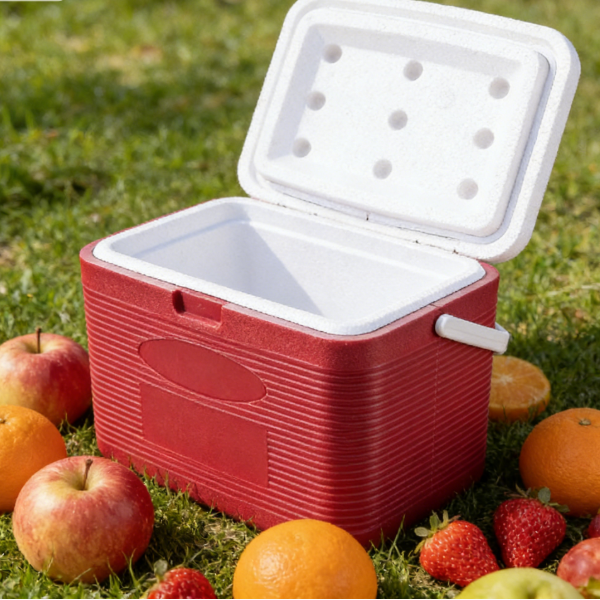
A strong stackable plastic crate service for dairy distribution should protect your product, simplify your workflow, and give you fewer surprises during transport, storage, and receiving.
In 2026, that standard is higher than before. Buyers are under pressure to prove packaging fit, reduce waste, and keep documentation clean. That is why this guide explains what to check, which materials work, which standards matter, and how to avoid expensive sourcing mistakes. This optimized version combines buyer guidance, technical depth, and current market signals into one decision-ready article.
This article will answer:
- How to match stackable plastic crate design to dairy distribution needs
- Which compliance checks and qualification steps matter before you approve a service
- How to compare lifecycle cost, reuse potential, and service reliability
- Which 2026 trends are changing reusable packaging, traceability, and sustainability expectations
- What material and test data separate a qualified solution from a risky one
What defines a high-performing Stackable Plastic Crate Service For Dairy Distribution?
A strong stackable plastic crate service for dairy distribution should fit the product, the route, and the work on the floor. That means the package must match cold-temperature toughness and lid stability, and the provider must support service design, return-loop planning, cleaning support, and repairability. You want packaging that performs in daily use, not only in a sales sheet.
This is where many buying teams go wrong. They compare outside dimensions and price, then discover later that the unit is hard to clean, unstable in stack, or too generic for dairy handling. The best review starts with the real lane: payload, dwell time, temperature range, wash process, return loop, and receiving method. From there, you can decide whether a stackable plastic crate really suits the job or whether you need a different geometry, wall pattern, lid, or closure system. Ask the service provider who owns inspection, cleaning standards, repair thresholds, and loss tracking.
How does the stackable plastic crate design affect daily performance?
Stackable Plastic Crate performance comes from small details that operators notice immediately. Examples include handhold shape, stack lead-ins, wall stiffness, base drainage, vent layout, and protected label zones. These details reduce bruising, leaks, tip risk, or wasted motion. In practice, a well-designed unit feels less like generic packaging and more like a tool built for one workflow.
Quick buyer check
| Topic | Option / data | What to verify | What it means for you |
|---|---|---|---|
| Performance | return-loop durability | stacking performance in chill rooms and cross-docks | Protects product and labor time together |
| Compliance | FDA food-contact material requirements, FDA sanitary transportation practices for human food | Auditable records | Makes procurement and QA sign-off faster |
| Economics | Reusable asset life + return efficiency | Lower total landed cost | Improves ROI beyond the purchase price |
Practical tips for your team
- Use the first pilot to test handling, not only product fit.
- Have operations, quality, and procurement score the same sample together.
- Review wash chemistry, wash temperature, and drying time early because reuse success often fails in sanitation, not in shipping.
Representative case: A chilled dairy ingredient program switched to stackable reusable containers with wash tracking and defined lid replacement intervals. The buyer gained more stable cold-room stacking and fewer rejects caused by cracked one-way packaging.
Which materials, compliance checks, and tests matter most?
The best sourcing decision combines material fit, route testing, and compliance review. For stackable plastic crate service for dairy distribution, that means checking the resin system, the molded design, and the proof behind it. A strong supplier should make technical review easier, not force you to guess.
At minimum, buyers should verify how the container behaves during stacking, handling, cleaning, and any temperature exposure that matters for the lane. Then they should connect those results to the required compliance documents. This removes the common gap between engineering approval and procurement approval. It also helps you avoid paying for features you do not need while missing the ones you do.
Which materials, standards, and tests belong on your approval checklist?
A practical checklist includes material suitability, closure performance, stack-load behavior, wash-cycle durability, and any route, GDP, food-contact, UN, or import-related documents that apply. If the supplier cannot present these clearly, the project is probably not mature enough for a full rollout.
What to compare
| Topic | Option / data | What to verify | What it means for you |
|---|---|---|---|
| Performance | return-loop durability | stacking performance in chill rooms and cross-docks | Protects product and labor time together |
| Compliance | FDA food-contact material requirements, FDA sanitary transportation practices for human food | Auditable records | Makes procurement and QA sign-off faster |
| Economics | Reusable asset life + return efficiency | Lower total landed cost | Improves ROI beyond the purchase price |
Practical tips for your team
- Score the supplier on lead time, change control, and replacement-part availability, not only on price.
- Use a lane-specific qualification sheet so engineering, quality, and operations sign off on the same target.
- Write acceptance criteria before testing starts so every team grades the same evidence.
Representative case: A buyer in the dairy sector approved a packaging change only after pilot data matched real route handling. That slowed the purchase by a few weeks, but it prevented a much larger rollout failure.
How do you buy for lifecycle cost, sustainability, and scale?
The best final decision balances technical evidence with operating economics. For stackable plastic crate service for dairy distribution, you want a design that works on day one and still makes sense after months of reuse. That means modeling replacement rate, cleaning cost, empty-return efficiency, and service support alongside material and compliance fit.
This is also where strategy matters. Some buyers need the lowest-risk validated system. Others need the most flexible network partner. Others need a custom design that saves transport volume. A strong sourcing process compares those paths openly. When you do that, the final supplier choice becomes easier to defend and easier to scale.
What should your final approval scorecard include?
Your approval scorecard should include technical fit, route qualification, regulatory documents, cleaning model, return economics, and continuity of supply. If any one of those remains vague, the project is still carrying hidden cost or hidden risk.
Decision scorecard
| Topic | Option / data | What to verify | What it means for you |
|---|---|---|---|
| Does the load need ventilation or a tight seal? | Open airflow for respiring loads, sealed control for moisture-sensitive or regulated loads | Choose vented only when the product benefits from airflow | Use this to rate suppliers before approval |
| How rough is the route? | Forklift moves, cross-docks, long dwell times, mixed stacking | More route abuse means you should require stronger test evidence | Use this to rate suppliers before approval |
| How often will the asset be reused? | Pilot, seasonal, or year-round return loop | Frequent reuse increases the value of cleaning and repair planning | Use this to rate suppliers before approval |
Practical tips for your team
- Build a simple landed-cost model for twelve months, not only the first PO.
- Score the supplier on lead time, change control, and replacement-part availability, not only on price.
- Ask for the exact resin family, not only the product photo or catalog description.
Representative case: Procurement initially preferred the lowest quoted unit cost, but the cross-functional review selected a better-fit solution after modeling damage, cleaning, and return performance. The higher initial price still delivered lower operating cost.
2026 developments and trends in dairy packaging
As of March 10, 2026, the strongest packaging trend around stackable plastic crate service for dairy distribution is convergence. Buyers do not want a container that only ships product. They want one that supports compliance, visibility, and reuse at the same time. That is why 2026 conversations are centered on qualification, traceability, and packaging systems that still make sense after many cycles of use.
Latest developments at a glance
- FDA inspection guidance continues to anchor buyers around cold holding, hygienic handling, and documented controls for pasteurized milk products.
- Food-contact and sanitary transport controls remain central in 2026 dairy packaging reviews.
- FDA traceability planning remains important even though enforcement of the Food Traceability Rule will not begin before July 20, 2028.
- EU packaging policy now keeps reuse, recyclability, and recycled-content planning high on multinational sourcing agendas.
The market insight is simple: buyers are moving away from generic containers and toward packaging families that can be standardized, tracked, and justified in lifecycle terms. That favors suppliers who can explain technical fit in plain language, provide auditable documents, and design for realistic reuse. It also rewards packaging that fits automation, scanning, and cleaner return logistics rather than only basic transport. In SEO terms, that creates strong intent around buyer-guide content, qualification checklists, FAQs, and comparison tables because those formats answer real commercial questions better than shallow product copy.
Decision tool
Use the quick matrix below before you short-list suppliers. It helps you connect route conditions to packaging design and commercial risk.
| Question | What to review | Why it matters |
|---|---|---|
| Does the load need ventilation or a tight seal? | Open airflow for respiring loads, sealed control for moisture-sensitive or regulated loads | Choose vented only when the product benefits from airflow |
| How rough is the route? | Forklift moves, cross-docks, long dwell times, mixed stacking | More route abuse means you should require stronger test evidence |
| How often will the asset be reused? | Pilot, seasonal, or year-round return loop | Frequent reuse increases the value of cleaning and repair planning |
| What documentation is required? | Food-contact, GDP, UN, SDS, import, or QA records | The right documents shorten approval time and reduce surprises |
| How expensive is empty return space? | Low, medium, or high | Collapse, nest, or stack-nest features matter most when return miles are costly |
Common buying mistakes to avoid
Even well-run teams make the same sourcing mistakes when they buy stackable plastic crate service for dairy distribution. Most of them come from reviewing the package in isolation instead of inside the real operation.
- Approving by dimensions alone. A container can fit the product and still fail in washdown, stacking, or scanning.
- Treating reuse as automatic savings. Reusable packaging only performs well when cleaning, inspection, and return flow are designed up front.
- Asking for price before asking for fit. In dairy work, the cheapest option often becomes expensive once damage, delay, or compliance rework appears.
If you avoid those three errors, your shortlist becomes smaller, cleaner, and easier to approve across departments. That is one reason this fused version focuses on route fit before any marketing language.
Suggested approval workflow
Before you place a full order for stackable plastic crate service for dairy distribution, run a short approval workflow that joins procurement, operations, and quality. This step sounds basic, but it is where strong projects separate themselves from expensive corrections. The goal is to verify that the packaging works in the real lane, not just on paper.
- Define the load and lane: record payload, dimensions, dwell times, temperature range, cleaning process, stacking height, and return loop.
- Review supplier evidence: check resin information, drawings, route-relevant tests, and the documents tied to dairy handling.
- Run a pilot: use the packaging in normal receiving, storage, transport, and cleaning conditions so operators can give real feedback.
- Approve with scorecard rules: sign off only after technical fit, compliance, service support, and operating cost assumptions all match.
This workflow keeps the buying discussion grounded. It also helps you compare suppliers fairly because every partner answers the same operational questions. In practice, this is one of the easiest ways to turn a long buying cycle into a cleaner final decision.
Frequently asked questions
What is the first thing you should ask any service when buying stackable plastic crate?
Ask what problem the design solves in your actual route. A serious service should quickly discuss payload, handling, cleaning, stack load, and the documents needed for dairy use, not only offer a price list.
How often should you re-qualify reusable containers for this application?
Re-qualification should follow your risk level, route changes, and cleaning intensity. If the lane, payload, or sanitation process changes, review the packaging again instead of assuming old results still apply.
Which plastic is usually better, HDPE or PP?
Neither wins by default. HDPE often gives strong impact and chemical tolerance, while PP often gives more stiffness and higher heat resistance. Your product, cleaning chemistry, and route decide the better fit.
Do you need third-party testing before full rollout?
Not always, but it is wise when the load is sensitive, the route is long, or compliance exposure is high. Lab and field trials together are much stronger than a brochure claim.
Can reusable containers lower total cost even if unit price is higher?
Yes. Many buyers save through fewer damages, less one-way packaging waste, better stacking, and better empty-return planning. The right comparison is lifecycle cost, not purchase price alone.
Summary and recommendations
The best stackable plastic crate service for dairy distribution combines route fit, usable documentation, and practical reuse economics. You should review material compatibility, molded design, stack behavior, cleaning workflow, and supplier support as one package decision. When those pieces align, you get less damage, easier handling, and a sourcing choice that is easier to defend.
Create a short approval sheet for your next project. List the load, the route, the temperature range, the cleaning process, the return loop, and the required documents. Then ask every supplier to answer the same checklist. That will quickly show which option is truly ready for scale. If you are comparing suppliers now, use the scorecard in this article and move to a pilot before full rollout.
About Tempk
About Tempk: We focus on reusable cold-chain and industrial plastic packaging for demanding logistics environments. Our work centers on practical design, route fit, and clear communication so buyers can move from concept to qualified packaging with less trial and error. We prioritize durable materials, scalable production support, and packaging formats that are easier to clean, track, and reuse. Next step: share your load profile, route conditions, and target dimensions so we can help narrow the right container family faster.
The 2026 Buyer Guide to a Stackable Plastic Box Producer For Laboratory Transport

A strong stackable plastic box producer for laboratory transport should protect your product, simplify your workflow, and give you fewer surprises during transport, storage, and receiving.
You need more than a catalog promise. You need a partner that can show material fit, real handling performance, and a practical plan for reuse, cleaning, and quality control. This article breaks that down in plain English. This optimized version combines buyer guidance, technical depth, and current market signals into one decision-ready article.
This article will answer:
- How to match stackable plastic box design to laboratory transport needs
- Which compliance checks and qualification steps matter before you approve a producer
- How to compare lifecycle cost, reuse potential, and service reliability
- Which 2026 trends are changing reusable packaging, traceability, and sustainability expectations
- What material and test data separate a qualified solution from a risky one
What defines a high-performing Stackable Plastic Box Producer For Laboratory Transport?
A strong stackable plastic box producer for laboratory transport should fit the product, the route, and the work on the floor. That means the package must match easy cleaning between sensitive loads, and the provider must support engineering control, resin choice, tooling discipline, and repeatable QA. You want packaging that performs in daily use, not only in a sales sheet.
This is where many buying teams go wrong. They compare outside dimensions and price, then discover later that the unit is hard to clean, unstable in stack, or too generic for laboratory handling. The best review starts with the real lane: payload, dwell time, temperature range, wash process, return loop, and receiving method. From there, you can decide whether a stackable plastic box really suits the job or whether you need a different geometry, wall pattern, lid, or closure system. Ask how the producer controls resin changes, mold maintenance, dimensional drift, and batch traceability.
How does the stackable plastic box design affect daily performance?
Stackable Plastic Box performance comes from small details that operators notice immediately. Examples include handhold shape, stack lead-ins, wall stiffness, base drainage, vent layout, and protected label zones. These details reduce bruising, leaks, tip risk, or wasted motion. In practice, a well-designed unit feels less like generic packaging and more like a tool built for one workflow.
Quick buyer check
| Topic | Option / data | What to verify | What it means for you |
|---|---|---|---|
| Performance | stable load transfer | easy cleaning between sensitive loads | Protects product and labor time together |
| Compliance | OSHA laboratory safety and chemical hygiene expectations, CDC and DOT packaging concepts for biological or regulated samples when applicable | Auditable records | Makes procurement and QA sign-off faster |
| Economics | Reusable asset life + return efficiency | Lower total landed cost | Improves ROI beyond the purchase price |
Practical tips for your team
- Use the first pilot to test handling, not only product fit.
- Have operations, quality, and procurement score the same sample together.
- Use a lane-specific qualification sheet so engineering, quality, and operations sign off on the same target.
Representative case: A testing laboratory standardized on industrial plastic bins with barcode recesses and defined secondary containment inserts. Sample handling became easier to audit, and shelf organization improved because every lane used the same footprint.
Which materials, compliance checks, and tests matter most?
The best sourcing decision combines material fit, route testing, and compliance review. For stackable plastic box producer for laboratory transport, that means checking the resin system, the molded design, and the proof behind it. A strong supplier should make technical review easier, not force you to guess.
At minimum, buyers should verify how the container behaves during stacking, handling, cleaning, and any temperature exposure that matters for the lane. Then they should connect those results to the required compliance documents. This removes the common gap between engineering approval and procurement approval. It also helps you avoid paying for features you do not need while missing the ones you do.
Which materials, standards, and tests belong on your approval checklist?
A practical checklist includes material suitability, closure performance, stack-load behavior, wash-cycle durability, and any route, GDP, food-contact, UN, or import-related documents that apply. If the supplier cannot present these clearly, the project is probably not mature enough for a full rollout.
What to compare
| Topic | Option / data | What to verify | What it means for you |
|---|---|---|---|
| Performance | stable load transfer | easy cleaning between sensitive loads | Protects product and labor time together |
| Compliance | OSHA laboratory safety and chemical hygiene expectations, CDC and DOT packaging concepts for biological or regulated samples when applicable | Auditable records | Makes procurement and QA sign-off faster |
| Economics | Reusable asset life + return efficiency | Lower total landed cost | Improves ROI beyond the purchase price |
Practical tips for your team
- Request a sample or pilot batch and test it on your real lane before full rollout.
- Request a sample or pilot batch and test it on your real lane before full rollout.
- Write acceptance criteria before testing starts so every team grades the same evidence.
Representative case: A buyer in the laboratory sector approved a packaging change only after pilot data matched real route handling. That slowed the purchase by a few weeks, but it prevented a much larger rollout failure.
How do you buy for lifecycle cost, sustainability, and scale?
The best final decision balances technical evidence with operating economics. For stackable plastic box producer for laboratory transport, you want a design that works on day one and still makes sense after months of reuse. That means modeling replacement rate, cleaning cost, empty-return efficiency, and service support alongside material and compliance fit.
This is also where strategy matters. Some buyers need the lowest-risk validated system. Others need the most flexible network partner. Others need a custom design that saves transport volume. A strong sourcing process compares those paths openly. When you do that, the final supplier choice becomes easier to defend and easier to scale.
What should your final approval scorecard include?
Your approval scorecard should include technical fit, route qualification, regulatory documents, cleaning model, return economics, and continuity of supply. If any one of those remains vague, the project is still carrying hidden cost or hidden risk.
Decision scorecard
| Topic | Option / data | What to verify | What it means for you |
|---|---|---|---|
| Does the load need ventilation or a tight seal? | Open airflow for respiring loads, sealed control for moisture-sensitive or regulated loads | Choose vented only when the product benefits from airflow | Use this to rate suppliers before approval |
| How rough is the route? | Forklift moves, cross-docks, long dwell times, mixed stacking | More route abuse means you should require stronger test evidence | Use this to rate suppliers before approval |
| How often will the asset be reused? | Pilot, seasonal, or year-round return loop | Frequent reuse increases the value of cleaning and repair planning | Use this to rate suppliers before approval |
Practical tips for your team
- Build a simple landed-cost model for twelve months, not only the first PO.
- Check whether barcodes remain readable after cold exposure, moisture, and repeated handling.
- Check whether barcodes remain readable after cold exposure, moisture, and repeated handling.
Representative case: Procurement initially preferred the lowest quoted unit cost, but the cross-functional review selected a better-fit solution after modeling damage, cleaning, and return performance. The higher initial price still delivered lower operating cost.
2026 developments and trends in laboratory packaging
As of March 10, 2026, the strongest packaging trend around stackable plastic box producer for laboratory transport is convergence. Buyers do not want a container that only ships product. They want one that supports compliance, visibility, and reuse at the same time. That is why 2026 conversations are centered on qualification, traceability, and packaging systems that still make sense after many cycles of use.
Latest developments at a glance
- Recent CDC and FDA materials keep chain of custody, shipping conditions, and packaging compliance in focus for sample logistics.
- OSHA still emphasizes labeling, compatibility, and safe segregation inside laboratory environments.
- EU packaging policy now keeps reuse, recyclability, and recycled-content planning high on multinational sourcing agendas.
The market insight is simple: buyers are moving away from generic containers and toward packaging families that can be standardized, tracked, and justified in lifecycle terms. That favors suppliers who can explain technical fit in plain language, provide auditable documents, and design for realistic reuse. It also rewards packaging that fits automation, scanning, and cleaner return logistics rather than only basic transport. In SEO terms, that creates strong intent around buyer-guide content, qualification checklists, FAQs, and comparison tables because those formats answer real commercial questions better than shallow product copy.
Decision tool
Use the quick matrix below before you short-list suppliers. It helps you connect route conditions to packaging design and commercial risk.
| Question | What to review | Why it matters |
|---|---|---|
| Does the load need ventilation or a tight seal? | Open airflow for respiring loads, sealed control for moisture-sensitive or regulated loads | Choose vented only when the product benefits from airflow |
| How rough is the route? | Forklift moves, cross-docks, long dwell times, mixed stacking | More route abuse means you should require stronger test evidence |
| How often will the asset be reused? | Pilot, seasonal, or year-round return loop | Frequent reuse increases the value of cleaning and repair planning |
| What documentation is required? | Food-contact, GDP, UN, SDS, import, or QA records | The right documents shorten approval time and reduce surprises |
| How expensive is empty return space? | Low, medium, or high | Collapse, nest, or stack-nest features matter most when return miles are costly |
Common buying mistakes to avoid
Even well-run teams make the same sourcing mistakes when they buy stackable plastic box producer for laboratory transport. Most of them come from reviewing the package in isolation instead of inside the real operation.
- Approving by dimensions alone. A container can fit the product and still fail in washdown, stacking, or scanning.
- Treating reuse as automatic savings. Reusable packaging only performs well when cleaning, inspection, and return flow are designed up front.
- Asking for price before asking for fit. In laboratory work, the cheapest option often becomes expensive once damage, delay, or compliance rework appears.
If you avoid those three errors, your shortlist becomes smaller, cleaner, and easier to approve across departments. That is one reason this fused version focuses on route fit before any marketing language.
Suggested approval workflow
Before you place a full order for stackable plastic box producer for laboratory transport, run a short approval workflow that joins procurement, operations, and quality. This step sounds basic, but it is where strong projects separate themselves from expensive corrections. The goal is to verify that the packaging works in the real lane, not just on paper.
- Define the load and lane: record payload, dimensions, dwell times, temperature range, cleaning process, stacking height, and return loop.
- Review supplier evidence: check resin information, drawings, route-relevant tests, and the documents tied to laboratory handling.
- Run a pilot: use the packaging in normal receiving, storage, transport, and cleaning conditions so operators can give real feedback.
- Approve with scorecard rules: sign off only after technical fit, compliance, service support, and operating cost assumptions all match.
This workflow keeps the buying discussion grounded. It also helps you compare suppliers fairly because every partner answers the same operational questions. In practice, this is one of the easiest ways to turn a long buying cycle into a cleaner final decision.
Frequently asked questions
What is the first thing you should ask any producer when buying stackable plastic box?
Ask what problem the design solves in your actual route. A serious producer should quickly discuss payload, handling, cleaning, stack load, and the documents needed for laboratory use, not only offer a price list.
How often should you re-qualify reusable containers for this application?
Re-qualification should follow your risk level, route changes, and cleaning intensity. If the lane, payload, or sanitation process changes, review the packaging again instead of assuming old results still apply.
Which plastic is usually better, HDPE or PP?
Neither wins by default. HDPE often gives strong impact and chemical tolerance, while PP often gives more stiffness and higher heat resistance. Your product, cleaning chemistry, and route decide the better fit.
Do you need third-party testing before full rollout?
Not always, but it is wise when the load is sensitive, the route is long, or compliance exposure is high. Lab and field trials together are much stronger than a brochure claim.
Can reusable containers lower total cost even if unit price is higher?
Yes. Many buyers save through fewer damages, less one-way packaging waste, better stacking, and better empty-return planning. The right comparison is lifecycle cost, not purchase price alone.
Summary and recommendations
The best stackable plastic box producer for laboratory transport combines route fit, usable documentation, and practical reuse economics. You should review material compatibility, molded design, stack behavior, cleaning workflow, and supplier support as one package decision. When those pieces align, you get less damage, easier handling, and a sourcing choice that is easier to defend.
Create a short approval sheet for your next project. List the load, the route, the temperature range, the cleaning process, the return loop, and the required documents. Then ask every supplier to answer the same checklist. That will quickly show which option is truly ready for scale. If you are comparing suppliers now, use the scorecard in this article and move to a pilot before full rollout.
About Tempk
About Tempk: We focus on reusable cold-chain and industrial plastic packaging for demanding logistics environments. Our work centers on practical design, route fit, and clear communication so buyers can move from concept to qualified packaging with less trial and error. We prioritize durable materials, scalable production support, and packaging formats that are easier to clean, track, and reuse. Next step: share your load profile, route conditions, and target dimensions so we can help narrow the right container family faster.
The 2026 Buyer Guide to a Stackable Plastic Bin Distributor For Seafood Design
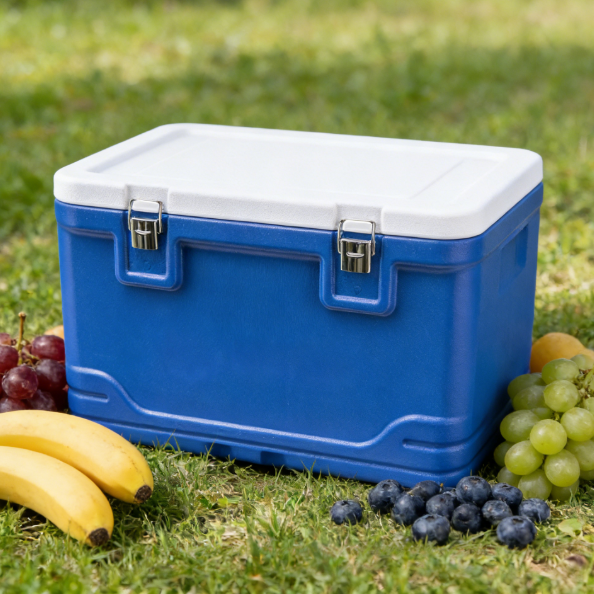
A strong stackable plastic bin distributor for seafood design should protect your product, simplify your workflow, and give you fewer surprises during transport, storage, and receiving.
In 2026, that standard is higher than before. Buyers are under pressure to prove packaging fit, reduce waste, and keep documentation clean. That is why this guide explains what to check, which materials work, which standards matter, and how to avoid expensive sourcing mistakes. This optimized version combines buyer guidance, technical depth, and current market signals into one decision-ready article.
This article will answer:
- How to match stackable plastic bin design to seafood design needs
- Which compliance checks and qualification steps matter before you approve a distributor
- How to compare lifecycle cost, reuse potential, and service reliability
- Which 2026 trends are changing reusable packaging, traceability, and sustainability expectations
- What material and test data separate a qualified solution from a risky one
What defines a high-performing Stackable Plastic Bin Distributor For Seafood Design?
A strong stackable plastic bin distributor for seafood design should fit the product, the route, and the work on the floor. That means the package must match odor resistance and easy cleaning, and the provider must support inventory depth, substitution control, documentation quality, and service speed. You want packaging that performs in daily use, not only in a sales sheet.
This is where many buying teams go wrong. They compare outside dimensions and price, then discover later that the unit is hard to clean, unstable in stack, or too generic for seafood handling. The best review starts with the real lane: payload, dwell time, temperature range, wash process, return loop, and receiving method. From there, you can decide whether a stackable plastic bin really suits the job or whether you need a different geometry, wall pattern, lid, or closure system. Ask the distributor how it handles stock continuity, approved alternates, regional availability, and documentation support.
How does the stackable plastic bin design affect daily performance?
Stackable Plastic Bin performance comes from small details that operators notice immediately. Examples include handhold shape, stack lead-ins, wall stiffness, base drainage, vent layout, and protected label zones. These details reduce bruising, leaks, tip risk, or wasted motion. In practice, a well-designed unit feels less like generic packaging and more like a tool built for one workflow.
Quick buyer check
| Topic | Option / data | What to verify | What it means for you |
|---|---|---|---|
| Performance | anti-jam geometry | smooth, non-absorbent surfaces for sanitation | Protects product and labor time together |
| Compliance | FDA Seafood HACCP expectations and hazards-and-controls guidance, FDA sanitary transportation practices for human food | Auditable records | Makes procurement and QA sign-off faster |
| Economics | Reusable asset life + return efficiency | Lower total landed cost | Improves ROI beyond the purchase price |
Practical tips for your team
- Use the first pilot to test handling, not only product fit.
- Have operations, quality, and procurement score the same sample together.
- Review wash chemistry, wash temperature, and drying time early because reuse success often fails in sanitation, not in shipping.
Representative case: A seafood distributor standardized on stackable plastic bins with better label protection and smoother corners. Cleaning became quicker, ice management improved, and warehouse teams saw fewer unstable mixed stacks.
Which materials, compliance checks, and tests matter most?
The best sourcing decision combines material fit, route testing, and compliance review. For stackable plastic bin distributor for seafood design, that means checking the resin system, the molded design, and the proof behind it. A strong supplier should make technical review easier, not force you to guess.
At minimum, buyers should verify how the container behaves during stacking, handling, cleaning, and any temperature exposure that matters for the lane. Then they should connect those results to the required compliance documents. This removes the common gap between engineering approval and procurement approval. It also helps you avoid paying for features you do not need while missing the ones you do.
Which materials, standards, and tests belong on your approval checklist?
A practical checklist includes material suitability, closure performance, stack-load behavior, wash-cycle durability, and any route, GDP, food-contact, UN, or import-related documents that apply. If the supplier cannot present these clearly, the project is probably not mature enough for a full rollout.
What to compare
| Topic | Option / data | What to verify | What it means for you |
|---|---|---|---|
| Performance | anti-jam geometry | smooth, non-absorbent surfaces for sanitation | Protects product and labor time together |
| Compliance | FDA Seafood HACCP expectations and hazards-and-controls guidance, FDA sanitary transportation practices for human food | Auditable records | Makes procurement and QA sign-off faster |
| Economics | Reusable asset life + return efficiency | Lower total landed cost | Improves ROI beyond the purchase price |
Practical tips for your team
- Check whether barcodes remain readable after cold exposure, moisture, and repeated handling.
- Review wash chemistry, wash temperature, and drying time early because reuse success often fails in sanitation, not in shipping.
- Write acceptance criteria before testing starts so every team grades the same evidence.
Representative case: A buyer in the seafood sector approved a packaging change only after pilot data matched real route handling. That slowed the purchase by a few weeks, but it prevented a much larger rollout failure.
How do you buy for lifecycle cost, sustainability, and scale?
The best final decision balances technical evidence with operating economics. For stackable plastic bin distributor for seafood design, you want a design that works on day one and still makes sense after months of reuse. That means modeling replacement rate, cleaning cost, empty-return efficiency, and service support alongside material and compliance fit.
This is also where strategy matters. Some buyers need the lowest-risk validated system. Others need the most flexible network partner. Others need a custom design that saves transport volume. A strong sourcing process compares those paths openly. When you do that, the final supplier choice becomes easier to defend and easier to scale.
What should your final approval scorecard include?
Your approval scorecard should include technical fit, route qualification, regulatory documents, cleaning model, return economics, and continuity of supply. If any one of those remains vague, the project is still carrying hidden cost or hidden risk.
Decision scorecard
| Topic | Option / data | What to verify | What it means for you |
|---|---|---|---|
| Does the load need ventilation or a tight seal? | Open airflow for respiring loads, sealed control for moisture-sensitive or regulated loads | Choose vented only when the product benefits from airflow | Use this to rate suppliers before approval |
| How rough is the route? | Forklift moves, cross-docks, long dwell times, mixed stacking | More route abuse means you should require stronger test evidence | Use this to rate suppliers before approval |
| How often will the asset be reused? | Pilot, seasonal, or year-round return loop | Frequent reuse increases the value of cleaning and repair planning | Use this to rate suppliers before approval |
Practical tips for your team
- Build a simple landed-cost model for twelve months, not only the first PO.
- Check whether barcodes remain readable after cold exposure, moisture, and repeated handling.
- Review wash chemistry, wash temperature, and drying time early because reuse success often fails in sanitation, not in shipping.
Representative case: Procurement initially preferred the lowest quoted unit cost, but the cross-functional review selected a better-fit solution after modeling damage, cleaning, and return performance. The higher initial price still delivered lower operating cost.
2026 developments and trends in seafood packaging
As of March 10, 2026, the strongest packaging trend around stackable plastic bin distributor for seafood design is convergence. Buyers do not want a container that only ships product. They want one that supports compliance, visibility, and reuse at the same time. That is why 2026 conversations are centered on qualification, traceability, and packaging systems that still make sense after many cycles of use.
Latest developments at a glance
- FDA refreshed seafood guidance pages in February 2026, reinforcing current science and policy around seafood hazards and controls.
- Cold-chain traceability remains a growing buyer requirement for imported and domestic seafood flows.
- FDA traceability planning remains important even though enforcement of the Food Traceability Rule will not begin before July 20, 2028.
- EU packaging policy now keeps reuse, recyclability, and recycled-content planning high on multinational sourcing agendas.
The market insight is simple: buyers are moving away from generic containers and toward packaging families that can be standardized, tracked, and justified in lifecycle terms. That favors suppliers who can explain technical fit in plain language, provide auditable documents, and design for realistic reuse. It also rewards packaging that fits automation, scanning, and cleaner return logistics rather than only basic transport. In SEO terms, that creates strong intent around buyer-guide content, qualification checklists, FAQs, and comparison tables because those formats answer real commercial questions better than shallow product copy.
Decision tool
Use the quick matrix below before you short-list suppliers. It helps you connect route conditions to packaging design and commercial risk.
| Question | What to review | Why it matters |
|---|---|---|
| Does the load need ventilation or a tight seal? | Open airflow for respiring loads, sealed control for moisture-sensitive or regulated loads | Choose vented only when the product benefits from airflow |
| How rough is the route? | Forklift moves, cross-docks, long dwell times, mixed stacking | More route abuse means you should require stronger test evidence |
| How often will the asset be reused? | Pilot, seasonal, or year-round return loop | Frequent reuse increases the value of cleaning and repair planning |
| What documentation is required? | Food-contact, GDP, UN, SDS, import, or QA records | The right documents shorten approval time and reduce surprises |
| How expensive is empty return space? | Low, medium, or high | Collapse, nest, or stack-nest features matter most when return miles are costly |
Common buying mistakes to avoid
Even well-run teams make the same sourcing mistakes when they buy stackable plastic bin distributor for seafood design. Most of them come from reviewing the package in isolation instead of inside the real operation.
- Approving by dimensions alone. A container can fit the product and still fail in washdown, stacking, or scanning.
- Treating reuse as automatic savings. Reusable packaging only performs well when cleaning, inspection, and return flow are designed up front.
- Asking for price before asking for fit. In seafood work, the cheapest option often becomes expensive once damage, delay, or compliance rework appears.
If you avoid those three errors, your shortlist becomes smaller, cleaner, and easier to approve across departments. That is one reason this fused version focuses on route fit before any marketing language.
Suggested approval workflow
Before you place a full order for stackable plastic bin distributor for seafood design, run a short approval workflow that joins procurement, operations, and quality. This step sounds basic, but it is where strong projects separate themselves from expensive corrections. The goal is to verify that the packaging works in the real lane, not just on paper.
- Define the load and lane: record payload, dimensions, dwell times, temperature range, cleaning process, stacking height, and return loop.
- Review supplier evidence: check resin information, drawings, route-relevant tests, and the documents tied to seafood handling.
- Run a pilot: use the packaging in normal receiving, storage, transport, and cleaning conditions so operators can give real feedback.
- Approve with scorecard rules: sign off only after technical fit, compliance, service support, and operating cost assumptions all match.
This workflow keeps the buying discussion grounded. It also helps you compare suppliers fairly because every partner answers the same operational questions. In practice, this is one of the easiest ways to turn a long buying cycle into a cleaner final decision.
Frequently asked questions
What is the first thing you should ask any distributor when buying stackable plastic bin?
Ask what problem the design solves in your actual route. A serious distributor should quickly discuss payload, handling, cleaning, stack load, and the documents needed for seafood use, not only offer a price list.
How often should you re-qualify reusable containers for this application?
Re-qualification should follow your risk level, route changes, and cleaning intensity. If the lane, payload, or sanitation process changes, review the packaging again instead of assuming old results still apply.
Which plastic is usually better, HDPE or PP?
Neither wins by default. HDPE often gives strong impact and chemical tolerance, while PP often gives more stiffness and higher heat resistance. Your product, cleaning chemistry, and route decide the better fit.
Do you need third-party testing before full rollout?
Not always, but it is wise when the load is sensitive, the route is long, or compliance exposure is high. Lab and field trials together are much stronger than a brochure claim.
Can reusable containers lower total cost even if unit price is higher?
Yes. Many buyers save through fewer damages, less one-way packaging waste, better stacking, and better empty-return planning. The right comparison is lifecycle cost, not purchase price alone.
Summary and recommendations
The best stackable plastic bin distributor for seafood design combines route fit, usable documentation, and practical reuse economics. You should review material compatibility, molded design, stack behavior, cleaning workflow, and supplier support as one package decision. When those pieces align, you get less damage, easier handling, and a sourcing choice that is easier to defend.
Create a short approval sheet for your next project. List the load, the route, the temperature range, the cleaning process, the return loop, and the required documents. Then ask every supplier to answer the same checklist. That will quickly show which option is truly ready for scale. If you are comparing suppliers now, use the scorecard in this article and move to a pilot before full rollout.
About Tempk
About Tempk: We focus on reusable cold-chain and industrial plastic packaging for demanding logistics environments. Our work centers on practical design, route fit, and clear communication so buyers can move from concept to qualified packaging with less trial and error. We prioritize durable materials, scalable production support, and packaging formats that are easier to clean, track, and reuse. Next step: share your load profile, route conditions, and target dimensions so we can help narrow the right container family faster.
The 2026 Buyer Guide to a Stackable Plastic Bin Company For Medical Packaging

When you compare stackable plastic bin company for medical packaging, the smartest buyers look past unit price and focus on route risk, cleaning, compliance, and total lifecycle cost.
You need more than a catalog promise. You need a partner that can show material fit, real handling performance, and a practical plan for reuse, cleaning, and quality control. This article breaks that down in plain English. This optimized version combines buyer guidance, technical depth, and current market signals into one decision-ready article.
This article will answer:
- How to match stackable plastic bin design to medical packaging needs
- Which compliance checks and qualification steps matter before you approve a company
- How to compare lifecycle cost, reuse potential, and service reliability
- Which 2026 trends are changing reusable packaging, traceability, and sustainability expectations
- What material and test data separate a qualified solution from a risky one
What defines a high-performing Stackable Plastic Bin Company For Medical Packaging?
A strong stackable plastic bin company for medical packaging should fit the product, the route, and the work on the floor. That means the package must match tamper-evident workflow options and traceability space, and the provider must support engineering control, resin choice, tooling discipline, and repeatable QA. You want packaging that performs in daily use, not only in a sales sheet.
This is where many buying teams go wrong. They compare outside dimensions and price, then discover later that the unit is hard to clean, unstable in stack, or too generic for medical handling. The best review starts with the real lane: payload, dwell time, temperature range, wash process, return loop, and receiving method. From there, you can decide whether a stackable plastic bin really suits the job or whether you need a different geometry, wall pattern, lid, or closure system. Ask how the producer controls resin changes, mold maintenance, dimensional drift, and batch traceability.
How does the stackable plastic bin design affect daily performance?
Stackable Plastic Bin performance comes from small details that operators notice immediately. Examples include handhold shape, stack lead-ins, wall stiffness, base drainage, vent layout, and protected label zones. These details reduce bruising, leaks, tip risk, or wasted motion. In practice, a well-designed unit feels less like generic packaging and more like a tool built for one workflow.
Quick buyer check
| Topic | Option / data | What to verify | What it means for you |
|---|---|---|---|
| Performance | consistent pallet footprint | cleanable surfaces and low-particle interiors | Protects product and labor time together |
| Compliance | WHO import procedures for medical products, quality system and labeling discipline for medical device and healthcare supply moves | Auditable records | Makes procurement and QA sign-off faster |
| Economics | Reusable asset life + return efficiency | Lower total landed cost | Improves ROI beyond the purchase price |
Practical tips for your team
- Use the first pilot to test handling, not only product fit.
- Have operations, quality, and procurement score the same sample together.
- Confirm how the container behaves when partially filled, because many failures happen during mixed-load operations.
Representative case: A medical importer shifted to waterproof reusable containers with sealed document pockets and unit-level IDs. Receiving errors fell because cartons, paperwork, and quarantine status all stayed matched through customs and warehouse transfer.
Which materials, compliance checks, and tests matter most?
The best sourcing decision combines material fit, route testing, and compliance review. For stackable plastic bin company for medical packaging, that means checking the resin system, the molded design, and the proof behind it. A strong supplier should make technical review easier, not force you to guess.
At minimum, buyers should verify how the container behaves during stacking, handling, cleaning, and any temperature exposure that matters for the lane. Then they should connect those results to the required compliance documents. This removes the common gap between engineering approval and procurement approval. It also helps you avoid paying for features you do not need while missing the ones you do.
Which materials, standards, and tests belong on your approval checklist?
A practical checklist includes material suitability, closure performance, stack-load behavior, wash-cycle durability, and any route, GDP, food-contact, UN, or import-related documents that apply. If the supplier cannot present these clearly, the project is probably not mature enough for a full rollout.
What to compare
| Topic | Option / data | What to verify | What it means for you |
|---|---|---|---|
| Performance | consistent pallet footprint | cleanable surfaces and low-particle interiors | Protects product and labor time together |
| Compliance | WHO import procedures for medical products, quality system and labeling discipline for medical device and healthcare supply moves | Auditable records | Makes procurement and QA sign-off faster |
| Economics | Reusable asset life + return efficiency | Lower total landed cost | Improves ROI beyond the purchase price |
Practical tips for your team
- Check whether barcodes remain readable after cold exposure, moisture, and repeated handling.
- Confirm how the container behaves when partially filled, because many failures happen during mixed-load operations.
- Write acceptance criteria before testing starts so every team grades the same evidence.
Representative case: A buyer in the medical sector approved a packaging change only after pilot data matched real route handling. That slowed the purchase by a few weeks, but it prevented a much larger rollout failure.
How do you buy for lifecycle cost, sustainability, and scale?
The best final decision balances technical evidence with operating economics. For stackable plastic bin company for medical packaging, you want a design that works on day one and still makes sense after months of reuse. That means modeling replacement rate, cleaning cost, empty-return efficiency, and service support alongside material and compliance fit.
This is also where strategy matters. Some buyers need the lowest-risk validated system. Others need the most flexible network partner. Others need a custom design that saves transport volume. A strong sourcing process compares those paths openly. When you do that, the final supplier choice becomes easier to defend and easier to scale.
What should your final approval scorecard include?
Your approval scorecard should include technical fit, route qualification, regulatory documents, cleaning model, return economics, and continuity of supply. If any one of those remains vague, the project is still carrying hidden cost or hidden risk.
Decision scorecard
| Topic | Option / data | What to verify | What it means for you |
|---|---|---|---|
| Does the load need ventilation or a tight seal? | Open airflow for respiring loads, sealed control for moisture-sensitive or regulated loads | Choose vented only when the product benefits from airflow | Use this to rate suppliers before approval |
| How rough is the route? | Forklift moves, cross-docks, long dwell times, mixed stacking | More route abuse means you should require stronger test evidence | Use this to rate suppliers before approval |
| How often will the asset be reused? | Pilot, seasonal, or year-round return loop | Frequent reuse increases the value of cleaning and repair planning | Use this to rate suppliers before approval |
Practical tips for your team
- Build a simple landed-cost model for twelve months, not only the first PO.
- Confirm how the container behaves when partially filled, because many failures happen during mixed-load operations.
- Review wash chemistry, wash temperature, and drying time early because reuse success often fails in sanitation, not in shipping.
Representative case: Procurement initially preferred the lowest quoted unit cost, but the cross-functional review selected a better-fit solution after modeling damage, cleaning, and return performance. The higher initial price still delivered lower operating cost.
2026 developments and trends in medical packaging
As of March 10, 2026, the strongest packaging trend around stackable plastic bin company for medical packaging is convergence. Buyers do not want a container that only ships product. They want one that supports compliance, visibility, and reuse at the same time. That is why 2026 conversations are centered on qualification, traceability, and packaging systems that still make sense after many cycles of use.
Latest developments at a glance
- WHO guidance continues to stress import controls and quality assurance across the medical product supply chain.
- Medical buyers in 2026 still prioritize labeling clarity, documented handling conditions, and package integrity.
- Healthcare buyers continue to prioritize packaging that can hold quality documentation and route control together, especially in cross-border moves.
- EU packaging policy now keeps reuse, recyclability, and recycled-content planning high on multinational sourcing agendas.
The market insight is simple: buyers are moving away from generic containers and toward packaging families that can be standardized, tracked, and justified in lifecycle terms. That favors suppliers who can explain technical fit in plain language, provide auditable documents, and design for realistic reuse. It also rewards packaging that fits automation, scanning, and cleaner return logistics rather than only basic transport. In SEO terms, that creates strong intent around buyer-guide content, qualification checklists, FAQs, and comparison tables because those formats answer real commercial questions better than shallow product copy.
Decision tool
Use the quick matrix below before you short-list suppliers. It helps you connect route conditions to packaging design and commercial risk.
| Question | What to review | Why it matters |
|---|---|---|
| Does the load need ventilation or a tight seal? | Open airflow for respiring loads, sealed control for moisture-sensitive or regulated loads | Choose vented only when the product benefits from airflow |
| How rough is the route? | Forklift moves, cross-docks, long dwell times, mixed stacking | More route abuse means you should require stronger test evidence |
| How often will the asset be reused? | Pilot, seasonal, or year-round return loop | Frequent reuse increases the value of cleaning and repair planning |
| What documentation is required? | Food-contact, GDP, UN, SDS, import, or QA records | The right documents shorten approval time and reduce surprises |
| How expensive is empty return space? | Low, medium, or high | Collapse, nest, or stack-nest features matter most when return miles are costly |
Common buying mistakes to avoid
Even well-run teams make the same sourcing mistakes when they buy stackable plastic bin company for medical packaging. Most of them come from reviewing the package in isolation instead of inside the real operation.
- Approving by dimensions alone. A container can fit the product and still fail in washdown, stacking, or scanning.
- Treating reuse as automatic savings. Reusable packaging only performs well when cleaning, inspection, and return flow are designed up front.
- Asking for price before asking for fit. In medical work, the cheapest option often becomes expensive once damage, delay, or compliance rework appears.
If you avoid those three errors, your shortlist becomes smaller, cleaner, and easier to approve across departments. That is one reason this fused version focuses on route fit before any marketing language.
Suggested approval workflow
Before you place a full order for stackable plastic bin company for medical packaging, run a short approval workflow that joins procurement, operations, and quality. This step sounds basic, but it is where strong projects separate themselves from expensive corrections. The goal is to verify that the packaging works in the real lane, not just on paper.
- Define the load and lane: record payload, dimensions, dwell times, temperature range, cleaning process, stacking height, and return loop.
- Review supplier evidence: check resin information, drawings, route-relevant tests, and the documents tied to medical handling.
- Run a pilot: use the packaging in normal receiving, storage, transport, and cleaning conditions so operators can give real feedback.
- Approve with scorecard rules: sign off only after technical fit, compliance, service support, and operating cost assumptions all match.
This workflow keeps the buying discussion grounded. It also helps you compare suppliers fairly because every partner answers the same operational questions. In practice, this is one of the easiest ways to turn a long buying cycle into a cleaner final decision.
Frequently asked questions
What is the first thing you should ask any company when buying stackable plastic bin?
Ask what problem the design solves in your actual route. A serious company should quickly discuss payload, handling, cleaning, stack load, and the documents needed for medical use, not only offer a price list.
How often should you re-qualify reusable containers for this application?
Re-qualification should follow your risk level, route changes, and cleaning intensity. If the lane, payload, or sanitation process changes, review the packaging again instead of assuming old results still apply.
Which plastic is usually better, HDPE or PP?
Neither wins by default. HDPE often gives strong impact and chemical tolerance, while PP often gives more stiffness and higher heat resistance. Your product, cleaning chemistry, and route decide the better fit.
Do you need third-party testing before full rollout?
Not always, but it is wise when the load is sensitive, the route is long, or compliance exposure is high. Lab and field trials together are much stronger than a brochure claim.
Can reusable containers lower total cost even if unit price is higher?
Yes. Many buyers save through fewer damages, less one-way packaging waste, better stacking, and better empty-return planning. The right comparison is lifecycle cost, not purchase price alone.
Summary and recommendations
The best stackable plastic bin company for medical packaging combines route fit, usable documentation, and practical reuse economics. You should review material compatibility, molded design, stack behavior, cleaning workflow, and supplier support as one package decision. When those pieces align, you get less damage, easier handling, and a sourcing choice that is easier to defend.
Create a short approval sheet for your next project. List the load, the route, the temperature range, the cleaning process, the return loop, and the required documents. Then ask every supplier to answer the same checklist. That will quickly show which option is truly ready for scale. If you are comparing suppliers now, use the scorecard in this article and move to a pilot before full rollout.
About Tempk
About Tempk: We focus on reusable cold-chain and industrial plastic packaging for demanding logistics environments. Our work centers on practical design, route fit, and clear communication so buyers can move from concept to qualified packaging with less trial and error. We prioritize durable materials, scalable production support, and packaging formats that are easier to clean, track, and reuse. Next step: share your load profile, route conditions, and target dimensions so we can help narrow the right container family faster.
Best Reusable Plastic Tote Manufacturer For Produce Shipping in 2026
If you are sourcing reusable plastic tote manufacturer for produce shipping, you are not only buying a box. You are buying process control, cleaner handling, and fewer preventable losses.
That matters more in 2026 because supply chains want reusable systems, cleaner traceability, and packaging that can survive both audits and daily abuse. The right supplier makes your operation easier to scale. The wrong one quietly adds labor, shrink, and rework. This optimized version combines buyer guidance, technical depth, and current market signals into one decision-ready article.
This article will answer:
- How to match reusable plastic tote design to produce shipping needs
- Which compliance checks and qualification steps matter before you approve a manufacturer
- How to compare lifecycle cost, reuse potential, and service reliability
- Which 2026 trends are changing reusable packaging, traceability, and sustainability expectations
- What material and test data separate a qualified solution from a risky one
What defines a high-performing Reusable Plastic Tote Manufacturer For Produce Shipping?
A strong reusable plastic tote manufacturer for produce shipping should fit the product, the route, and the work on the floor. That means the package must match food-contact material suitability and easy washdown, and the provider must support engineering control, resin choice, tooling discipline, and repeatable QA. You want packaging that performs in daily use, not only in a sales sheet.
This is where many buying teams go wrong. They compare outside dimensions and price, then discover later that the unit is hard to clean, unstable in stack, or too generic for produce handling. The best review starts with the real lane: payload, dwell time, temperature range, wash process, return loop, and receiving method. From there, you can decide whether a reusable plastic tote really suits the job or whether you need a different geometry, wall pattern, lid, or closure system. Ask how the producer controls resin changes, mold maintenance, dimensional drift, and batch traceability.
How does the reusable plastic tote design affect daily performance?
Reusable Plastic Tote performance comes from small details that operators notice immediately. Examples include handhold shape, stack lead-ins, wall stiffness, base drainage, vent layout, and protected label zones. These details reduce bruising, leaks, tip risk, or wasted motion. In practice, a well-designed unit feels less like generic packaging and more like a tool built for one workflow.
Quick buyer check
| Topic | Option / data | What to verify | What it means for you |
|---|---|---|---|
| Performance | nesting or stack-nest geometry | traceability space for labels, barcodes, or QR codes | Protects product and labor time together |
| Compliance | FDA produce safety expectations for packing and holding produce, FDA sanitary transportation requirements for equipment and operations | Auditable records | Makes procurement and QA sign-off faster |
| Economics | Reusable asset life + return efficiency | Lower total landed cost | Improves ROI beyond the purchase price |
Practical tips for your team
- Use the first pilot to test handling, not only product fit.
- Have operations, quality, and procurement score the same sample together.
- Use a lane-specific qualification sheet so engineering, quality, and operations sign off on the same target.
Representative case: A produce shipper moved from inconsistent field cartons to returnable totes with matched vent patterns. Cooling became more uniform, label scanning improved, and empty-return planning became easier because every tote nested the same way.
Which materials, compliance checks, and tests matter most?
The best sourcing decision combines material fit, route testing, and compliance review. For reusable plastic tote manufacturer for produce shipping, that means checking the resin system, the molded design, and the proof behind it. A strong supplier should make technical review easier, not force you to guess.
At minimum, buyers should verify how the container behaves during stacking, handling, cleaning, and any temperature exposure that matters for the lane. Then they should connect those results to the required compliance documents. This removes the common gap between engineering approval and procurement approval. It also helps you avoid paying for features you do not need while missing the ones you do.
Which materials, standards, and tests belong on your approval checklist?
A practical checklist includes material suitability, closure performance, stack-load behavior, wash-cycle durability, and any route, GDP, food-contact, UN, or import-related documents that apply. If the supplier cannot present these clearly, the project is probably not mature enough for a full rollout.
What to compare
| Topic | Option / data | What to verify | What it means for you |
|---|---|---|---|
| Performance | nesting or stack-nest geometry | traceability space for labels, barcodes, or QR codes | Protects product and labor time together |
| Compliance | FDA produce safety expectations for packing and holding produce, FDA sanitary transportation requirements for equipment and operations | Auditable records | Makes procurement and QA sign-off faster |
| Economics | Reusable asset life + return efficiency | Lower total landed cost | Improves ROI beyond the purchase price |
Practical tips for your team
- Score the supplier on lead time, change control, and replacement-part availability, not only on price.
- Score the supplier on lead time, change control, and replacement-part availability, not only on price.
- Write acceptance criteria before testing starts so every team grades the same evidence.
Representative case: A buyer in the produce sector approved a packaging change only after pilot data matched real route handling. That slowed the purchase by a few weeks, but it prevented a much larger rollout failure.
How do you buy for lifecycle cost, sustainability, and scale?
The best final decision balances technical evidence with operating economics. For reusable plastic tote manufacturer for produce shipping, you want a design that works on day one and still makes sense after months of reuse. That means modeling replacement rate, cleaning cost, empty-return efficiency, and service support alongside material and compliance fit.
This is also where strategy matters. Some buyers need the lowest-risk validated system. Others need the most flexible network partner. Others need a custom design that saves transport volume. A strong sourcing process compares those paths openly. When you do that, the final supplier choice becomes easier to defend and easier to scale.
What should your final approval scorecard include?
Your approval scorecard should include technical fit, route qualification, regulatory documents, cleaning model, return economics, and continuity of supply. If any one of those remains vague, the project is still carrying hidden cost or hidden risk.
Decision scorecard
| Topic | Option / data | What to verify | What it means for you |
|---|---|---|---|
| Does the load need ventilation or a tight seal? | Open airflow for respiring loads, sealed control for moisture-sensitive or regulated loads | Choose vented only when the product benefits from airflow | Use this to rate suppliers before approval |
| How rough is the route? | Forklift moves, cross-docks, long dwell times, mixed stacking | More route abuse means you should require stronger test evidence | Use this to rate suppliers before approval |
| How often will the asset be reused? | Pilot, seasonal, or year-round return loop | Frequent reuse increases the value of cleaning and repair planning | Use this to rate suppliers before approval |
Practical tips for your team
- Build a simple landed-cost model for twelve months, not only the first PO.
- Confirm how the container behaves when partially filled, because many failures happen during mixed-load operations.
- Confirm how the container behaves when partially filled, because many failures happen during mixed-load operations.
Representative case: Procurement initially preferred the lowest quoted unit cost, but the cross-functional review selected a better-fit solution after modeling damage, cleaning, and return performance. The higher initial price still delivered lower operating cost.
2026 developments and trends in produce packaging
As of March 10, 2026, the strongest packaging trend around reusable plastic tote manufacturer for produce shipping is convergence. Buyers do not want a container that only ships product. They want one that supports compliance, visibility, and reuse at the same time. That is why 2026 conversations are centered on qualification, traceability, and packaging systems that still make sense after many cycles of use.
Latest developments at a glance
- FDA updated produce and traceability resources through 2025 and early 2026, keeping packing records and product visibility high on buyer checklists.
- USDA transport guidance still emphasizes aligned vent holes and proper air paths for respiring produce loads.
- FDA traceability planning remains important even though enforcement of the Food Traceability Rule will not begin before July 20, 2028.
- EU packaging policy now keeps reuse, recyclability, and recycled-content planning high on multinational sourcing agendas.
The market insight is simple: buyers are moving away from generic containers and toward packaging families that can be standardized, tracked, and justified in lifecycle terms. That favors suppliers who can explain technical fit in plain language, provide auditable documents, and design for realistic reuse. It also rewards packaging that fits automation, scanning, and cleaner return logistics rather than only basic transport. In SEO terms, that creates strong intent around buyer-guide content, qualification checklists, FAQs, and comparison tables because those formats answer real commercial questions better than shallow product copy.
Decision tool
Use the quick matrix below before you short-list suppliers. It helps you connect route conditions to packaging design and commercial risk.
| Question | What to review | Why it matters |
|---|---|---|
| Does the load need ventilation or a tight seal? | Open airflow for respiring loads, sealed control for moisture-sensitive or regulated loads | Choose vented only when the product benefits from airflow |
| How rough is the route? | Forklift moves, cross-docks, long dwell times, mixed stacking | More route abuse means you should require stronger test evidence |
| How often will the asset be reused? | Pilot, seasonal, or year-round return loop | Frequent reuse increases the value of cleaning and repair planning |
| What documentation is required? | Food-contact, GDP, UN, SDS, import, or QA records | The right documents shorten approval time and reduce surprises |
| How expensive is empty return space? | Low, medium, or high | Collapse, nest, or stack-nest features matter most when return miles are costly |
Common buying mistakes to avoid
Even well-run teams make the same sourcing mistakes when they buy reusable plastic tote manufacturer for produce shipping. Most of them come from reviewing the package in isolation instead of inside the real operation.
- Approving by dimensions alone. A container can fit the product and still fail in washdown, stacking, or scanning.
- Treating reuse as automatic savings. Reusable packaging only performs well when cleaning, inspection, and return flow are designed up front.
- Asking for price before asking for fit. In produce work, the cheapest option often becomes expensive once damage, delay, or compliance rework appears.
If you avoid those three errors, your shortlist becomes smaller, cleaner, and easier to approve across departments. That is one reason this fused version focuses on route fit before any marketing language.
Suggested approval workflow
Before you place a full order for reusable plastic tote manufacturer for produce shipping, run a short approval workflow that joins procurement, operations, and quality. This step sounds basic, but it is where strong projects separate themselves from expensive corrections. The goal is to verify that the packaging works in the real lane, not just on paper.
- Define the load and lane: record payload, dimensions, dwell times, temperature range, cleaning process, stacking height, and return loop.
- Review supplier evidence: check resin information, drawings, route-relevant tests, and the documents tied to produce handling.
- Run a pilot: use the packaging in normal receiving, storage, transport, and cleaning conditions so operators can give real feedback.
- Approve with scorecard rules: sign off only after technical fit, compliance, service support, and operating cost assumptions all match.
This workflow keeps the buying discussion grounded. It also helps you compare suppliers fairly because every partner answers the same operational questions. In practice, this is one of the easiest ways to turn a long buying cycle into a cleaner final decision.
Frequently asked questions
What is the first thing you should ask any manufacturer when buying reusable plastic tote?
Ask what problem the design solves in your actual route. A serious manufacturer should quickly discuss payload, handling, cleaning, stack load, and the documents needed for produce use, not only offer a price list.
How often should you re-qualify reusable containers for this application?
Re-qualification should follow your risk level, route changes, and cleaning intensity. If the lane, payload, or sanitation process changes, review the packaging again instead of assuming old results still apply.
Which plastic is usually better, HDPE or PP?
Neither wins by default. HDPE often gives strong impact and chemical tolerance, while PP often gives more stiffness and higher heat resistance. Your product, cleaning chemistry, and route decide the better fit.
Do you need third-party testing before full rollout?
Not always, but it is wise when the load is sensitive, the route is long, or compliance exposure is high. Lab and field trials together are much stronger than a brochure claim.
Can reusable containers lower total cost even if unit price is higher?
Yes. Many buyers save through fewer damages, less one-way packaging waste, better stacking, and better empty-return planning. The right comparison is lifecycle cost, not purchase price alone.
Summary and recommendations
The best reusable plastic tote manufacturer for produce shipping combines route fit, usable documentation, and practical reuse economics. You should review material compatibility, molded design, stack behavior, cleaning workflow, and supplier support as one package decision. When those pieces align, you get less damage, easier handling, and a sourcing choice that is easier to defend.
Create a short approval sheet for your next project. List the load, the route, the temperature range, the cleaning process, the return loop, and the required documents. Then ask every supplier to answer the same checklist. That will quickly show which option is truly ready for scale. If you are comparing suppliers now, use the scorecard in this article and move to a pilot before full rollout.
About Tempk
About Tempk: We focus on reusable cold-chain and industrial plastic packaging for demanding logistics environments. Our work centers on practical design, route fit, and clear communication so buyers can move from concept to qualified packaging with less trial and error. We prioritize durable materials, scalable production support, and packaging formats that are easier to clean, track, and reuse. Next step: share your load profile, route conditions, and target dimensions so we can help narrow the right container family faster.
Best Reusable Plastic Crate Maker For Meat Design in 2026
A strong reusable plastic crate maker for meat design should protect your product, simplify your workflow, and give you fewer surprises during transport, storage, and receiving.
In 2026, that standard is higher than before. Buyers are under pressure to prove packaging fit, reduce waste, and keep documentation clean. That is why this guide explains what to check, which materials work, which standards matter, and how to avoid expensive sourcing mistakes. This optimized version combines buyer guidance, technical depth, and current market signals into one decision-ready article.
This article will answer:
- How to match reusable plastic crate design to meat design needs
- Which compliance checks and qualification steps matter before you approve a maker
- How to compare lifecycle cost, reuse potential, and service reliability
- Which 2026 trends are changing reusable packaging, traceability, and sustainability expectations
- What material and test data separate a qualified solution from a risky one
What defines a high-performing Reusable Plastic Crate Maker For Meat Design?
A strong reusable plastic crate maker for meat design should fit the product, the route, and the work on the floor. That means the package must match low-temperature impact performance, and the provider must support engineering control, resin choice, tooling discipline, and repeatable QA. You want packaging that performs in daily use, not only in a sales sheet.
This is where many buying teams go wrong. They compare outside dimensions and price, then discover later that the unit is hard to clean, unstable in stack, or too generic for meat handling. The best review starts with the real lane: payload, dwell time, temperature range, wash process, return loop, and receiving method. From there, you can decide whether a reusable plastic crate really suits the job or whether you need a different geometry, wall pattern, lid, or closure system. Ask how the producer controls resin changes, mold maintenance, dimensional drift, and batch traceability.
How does the reusable plastic crate design affect daily performance?
Reusable Plastic Crate performance comes from small details that operators notice immediately. Examples include handhold shape, stack lead-ins, wall stiffness, base drainage, vent layout, and protected label zones. These details reduce bruising, leaks, tip risk, or wasted motion. In practice, a well-designed unit feels less like generic packaging and more like a tool built for one workflow.
Quick buyer check
| Topic | Option / data | What to verify | What it means for you |
|---|---|---|---|
| Performance | wash identification marks | stable stacking on pallets and in racks | Protects product and labor time together |
| Compliance | FSIS transport and distribution guidance for meat and poultry handling, FDA sanitary transportation expectations for food equipment and operations | Auditable records | Makes procurement and QA sign-off faster |
| Economics | Reusable asset life + return efficiency | Lower total landed cost | Improves ROI beyond the purchase price |
Practical tips for your team
- Use the first pilot to test handling, not only product fit.
- Have operations, quality, and procurement score the same sample together.
- Request a sample or pilot batch and test it on your real lane before full rollout.
Representative case: A meat processor standardized on reusable crates with smooth interiors and protected label areas. The result was faster wash verification, fewer broken stacks in the cold room, and easier lot separation during outbound loading.
Which materials, compliance checks, and tests matter most?
The best sourcing decision combines material fit, route testing, and compliance review. For reusable plastic crate maker for meat design, that means checking the resin system, the molded design, and the proof behind it. A strong supplier should make technical review easier, not force you to guess.
At minimum, buyers should verify how the container behaves during stacking, handling, cleaning, and any temperature exposure that matters for the lane. Then they should connect those results to the required compliance documents. This removes the common gap between engineering approval and procurement approval. It also helps you avoid paying for features you do not need while missing the ones you do.
Which materials, standards, and tests belong on your approval checklist?
A practical checklist includes material suitability, closure performance, stack-load behavior, wash-cycle durability, and any route, GDP, food-contact, UN, or import-related documents that apply. If the supplier cannot present these clearly, the project is probably not mature enough for a full rollout.
What to compare
| Topic | Option / data | What to verify | What it means for you |
|---|---|---|---|
| Performance | wash identification marks | stable stacking on pallets and in racks | Protects product and labor time together |
| Compliance | FSIS transport and distribution guidance for meat and poultry handling, FDA sanitary transportation expectations for food equipment and operations | Auditable records | Makes procurement and QA sign-off faster |
| Economics | Reusable asset life + return efficiency | Lower total landed cost | Improves ROI beyond the purchase price |
Practical tips for your team
- Ask for the exact resin family, not only the product photo or catalog description.
- Score the supplier on lead time, change control, and replacement-part availability, not only on price.
- Write acceptance criteria before testing starts so every team grades the same evidence.
Representative case: A buyer in the meat sector approved a packaging change only after pilot data matched real route handling. That slowed the purchase by a few weeks, but it prevented a much larger rollout failure.
How do you buy for lifecycle cost, sustainability, and scale?
The best final decision balances technical evidence with operating economics. For reusable plastic crate maker for meat design, you want a design that works on day one and still makes sense after months of reuse. That means modeling replacement rate, cleaning cost, empty-return efficiency, and service support alongside material and compliance fit.
This is also where strategy matters. Some buyers need the lowest-risk validated system. Others need the most flexible network partner. Others need a custom design that saves transport volume. A strong sourcing process compares those paths openly. When you do that, the final supplier choice becomes easier to defend and easier to scale.
What should your final approval scorecard include?
Your approval scorecard should include technical fit, route qualification, regulatory documents, cleaning model, return economics, and continuity of supply. If any one of those remains vague, the project is still carrying hidden cost or hidden risk.
Decision scorecard
| Topic | Option / data | What to verify | What it means for you |
|---|---|---|---|
| Does the load need ventilation or a tight seal? | Open airflow for respiring loads, sealed control for moisture-sensitive or regulated loads | Choose vented only when the product benefits from airflow | Use this to rate suppliers before approval |
| How rough is the route? | Forklift moves, cross-docks, long dwell times, mixed stacking | More route abuse means you should require stronger test evidence | Use this to rate suppliers before approval |
| How often will the asset be reused? | Pilot, seasonal, or year-round return loop | Frequent reuse increases the value of cleaning and repair planning | Use this to rate suppliers before approval |
Practical tips for your team
- Build a simple landed-cost model for twelve months, not only the first PO.
- Review wash chemistry, wash temperature, and drying time early because reuse success often fails in sanitation, not in shipping.
- Check whether barcodes remain readable after cold exposure, moisture, and repeated handling.
Representative case: Procurement initially preferred the lowest quoted unit cost, but the cross-functional review selected a better-fit solution after modeling damage, cleaning, and return performance. The higher initial price still delivered lower operating cost.
2026 developments and trends in meat packaging
As of March 10, 2026, the strongest packaging trend around reusable plastic crate maker for meat design is convergence. Buyers do not want a container that only ships product. They want one that supports compliance, visibility, and reuse at the same time. That is why 2026 conversations are centered on qualification, traceability, and packaging systems that still make sense after many cycles of use.
Latest developments at a glance
- Food transport guidance continues to center on temperature control, sanitation, and product protection during distribution.
- Buyers increasingly want reusable assets that can be inspected and traced by unit rather than by batch only.
- FDA traceability planning remains important even though enforcement of the Food Traceability Rule will not begin before July 20, 2028.
- EU packaging policy now keeps reuse, recyclability, and recycled-content planning high on multinational sourcing agendas.
The market insight is simple: buyers are moving away from generic containers and toward packaging families that can be standardized, tracked, and justified in lifecycle terms. That favors suppliers who can explain technical fit in plain language, provide auditable documents, and design for realistic reuse. It also rewards packaging that fits automation, scanning, and cleaner return logistics rather than only basic transport. In SEO terms, that creates strong intent around buyer-guide content, qualification checklists, FAQs, and comparison tables because those formats answer real commercial questions better than shallow product copy.
Decision tool
Use the quick matrix below before you short-list suppliers. It helps you connect route conditions to packaging design and commercial risk.
| Question | What to review | Why it matters |
|---|---|---|
| Does the load need ventilation or a tight seal? | Open airflow for respiring loads, sealed control for moisture-sensitive or regulated loads | Choose vented only when the product benefits from airflow |
| How rough is the route? | Forklift moves, cross-docks, long dwell times, mixed stacking | More route abuse means you should require stronger test evidence |
| How often will the asset be reused? | Pilot, seasonal, or year-round return loop | Frequent reuse increases the value of cleaning and repair planning |
| What documentation is required? | Food-contact, GDP, UN, SDS, import, or QA records | The right documents shorten approval time and reduce surprises |
| How expensive is empty return space? | Low, medium, or high | Collapse, nest, or stack-nest features matter most when return miles are costly |
Common buying mistakes to avoid
Even well-run teams make the same sourcing mistakes when they buy reusable plastic crate maker for meat design. Most of them come from reviewing the package in isolation instead of inside the real operation.
- Approving by dimensions alone. A container can fit the product and still fail in washdown, stacking, or scanning.
- Treating reuse as automatic savings. Reusable packaging only performs well when cleaning, inspection, and return flow are designed up front.
- Asking for price before asking for fit. In meat work, the cheapest option often becomes expensive once damage, delay, or compliance rework appears.
If you avoid those three errors, your shortlist becomes smaller, cleaner, and easier to approve across departments. That is one reason this fused version focuses on route fit before any marketing language.
Suggested approval workflow
Before you place a full order for reusable plastic crate maker for meat design, run a short approval workflow that joins procurement, operations, and quality. This step sounds basic, but it is where strong projects separate themselves from expensive corrections. The goal is to verify that the packaging works in the real lane, not just on paper.
- Define the load and lane: record payload, dimensions, dwell times, temperature range, cleaning process, stacking height, and return loop.
- Review supplier evidence: check resin information, drawings, route-relevant tests, and the documents tied to meat handling.
- Run a pilot: use the packaging in normal receiving, storage, transport, and cleaning conditions so operators can give real feedback.
- Approve with scorecard rules: sign off only after technical fit, compliance, service support, and operating cost assumptions all match.
This workflow keeps the buying discussion grounded. It also helps you compare suppliers fairly because every partner answers the same operational questions. In practice, this is one of the easiest ways to turn a long buying cycle into a cleaner final decision.
Frequently asked questions
What is the first thing you should ask any maker when buying reusable plastic crate?
Ask what problem the design solves in your actual route. A serious maker should quickly discuss payload, handling, cleaning, stack load, and the documents needed for meat use, not only offer a price list.
How often should you re-qualify reusable containers for this application?
Re-qualification should follow your risk level, route changes, and cleaning intensity. If the lane, payload, or sanitation process changes, review the packaging again instead of assuming old results still apply.
Which plastic is usually better, HDPE or PP?
Neither wins by default. HDPE often gives strong impact and chemical tolerance, while PP often gives more stiffness and higher heat resistance. Your product, cleaning chemistry, and route decide the better fit.
Do you need third-party testing before full rollout?
Not always, but it is wise when the load is sensitive, the route is long, or compliance exposure is high. Lab and field trials together are much stronger than a brochure claim.
Can reusable containers lower total cost even if unit price is higher?
Yes. Many buyers save through fewer damages, less one-way packaging waste, better stacking, and better empty-return planning. The right comparison is lifecycle cost, not purchase price alone.
Summary and recommendations
The best reusable plastic crate maker for meat design combines route fit, usable documentation, and practical reuse economics. You should review material compatibility, molded design, stack behavior, cleaning workflow, and supplier support as one package decision. When those pieces align, you get less damage, easier handling, and a sourcing choice that is easier to defend.
Create a short approval sheet for your next project. List the load, the route, the temperature range, the cleaning process, the return loop, and the required documents. Then ask every supplier to answer the same checklist. That will quickly show which option is truly ready for scale. If you are comparing suppliers now, use the scorecard in this article and move to a pilot before full rollout.
About Tempk
About Tempk: We focus on reusable cold-chain and industrial plastic packaging for demanding logistics environments. Our work centers on practical design, route fit, and clear communication so buyers can move from concept to qualified packaging with less trial and error. We prioritize durable materials, scalable production support, and packaging formats that are easier to clean, track, and reuse. Next step: share your load profile, route conditions, and target dimensions so we can help narrow the right container family faster.
How to Buy the Right Nestable Plastic Bin Custom For Dairy Export
When you compare nestable plastic bin custom for dairy export, the smartest buyers look past unit price and focus on route risk, cleaning, compliance, and total lifecycle cost.
That matters more in 2026 because supply chains want reusable systems, cleaner traceability, and packaging that can survive both audits and daily abuse. The right supplier makes your operation easier to scale. The wrong one quietly adds labor, shrink, and rework. This optimized version combines buyer guidance, technical depth, and current market signals into one decision-ready article.
This article will answer:
- How to match nestable plastic bin design to dairy export needs
- Which compliance checks and qualification steps matter before you approve a custom
- How to compare lifecycle cost, reuse potential, and service reliability
- Which 2026 trends are changing reusable packaging, traceability, and sustainability expectations
- What material and test data separate a qualified solution from a risky one
What defines a high-performing Nestable Plastic Bin Custom For Dairy Export?
A strong nestable plastic bin custom for dairy export should fit the product, the route, and the work on the floor. That means the package must match surfaces that do not trap residue or odor, and the provider must support prototype speed, dimensional tailoring, branding, and design validation. You want packaging that performs in daily use, not only in a sales sheet.
This is where many buying teams go wrong. They compare outside dimensions and price, then discover later that the unit is hard to clean, unstable in stack, or too generic for dairy handling. The best review starts with the real lane: payload, dwell time, temperature range, wash process, return loop, and receiving method. From there, you can decide whether a nestable plastic bin really suits the job or whether you need a different geometry, wall pattern, lid, or closure system. Ask how the custom partner turns your route data into drawings, pilot samples, and approval checkpoints.
How does the nestable plastic bin design affect daily performance?
Nestable Plastic Bin performance comes from small details that operators notice immediately. Examples include handhold shape, stack lead-ins, wall stiffness, base drainage, vent layout, and protected label zones. These details reduce bruising, leaks, tip risk, or wasted motion. In practice, a well-designed unit feels less like generic packaging and more like a tool built for one workflow.
Quick buyer check
| Topic | Option / data | What to verify | What it means for you |
|---|---|---|---|
| Performance | tapered walls for empty return savings | surfaces that do not trap residue or odor | Protects product and labor time together |
| Compliance | FDA food-contact material requirements, FDA sanitary transportation practices for human food | Auditable records | Makes procurement and QA sign-off faster |
| Economics | Reusable asset life + return efficiency | Lower total landed cost | Improves ROI beyond the purchase price |
Practical tips for your team
- Use the first pilot to test handling, not only product fit.
- Have operations, quality, and procurement score the same sample together.
- Score the supplier on lead time, change control, and replacement-part availability, not only on price.
Representative case: A chilled dairy ingredient program switched to stackable reusable containers with wash tracking and defined lid replacement intervals. The buyer gained more stable cold-room stacking and fewer rejects caused by cracked one-way packaging.
Which materials, compliance checks, and tests matter most?
The best sourcing decision combines material fit, route testing, and compliance review. For nestable plastic bin custom for dairy export, that means checking the resin system, the molded design, and the proof behind it. A strong supplier should make technical review easier, not force you to guess.
At minimum, buyers should verify how the container behaves during stacking, handling, cleaning, and any temperature exposure that matters for the lane. Then they should connect those results to the required compliance documents. This removes the common gap between engineering approval and procurement approval. It also helps you avoid paying for features you do not need while missing the ones you do.
Which materials, standards, and tests belong on your approval checklist?
A practical checklist includes material suitability, closure performance, stack-load behavior, wash-cycle durability, and any route, GDP, food-contact, UN, or import-related documents that apply. If the supplier cannot present these clearly, the project is probably not mature enough for a full rollout.
What to compare
| Topic | Option / data | What to verify | What it means for you |
|---|---|---|---|
| Performance | tapered walls for empty return savings | surfaces that do not trap residue or odor | Protects product and labor time together |
| Compliance | FDA food-contact material requirements, FDA sanitary transportation practices for human food | Auditable records | Makes procurement and QA sign-off faster |
| Economics | Reusable asset life + return efficiency | Lower total landed cost | Improves ROI beyond the purchase price |
Practical tips for your team
- Check whether barcodes remain readable after cold exposure, moisture, and repeated handling.
- Use a lane-specific qualification sheet so engineering, quality, and operations sign off on the same target.
- Write acceptance criteria before testing starts so every team grades the same evidence.
Representative case: A buyer in the dairy sector approved a packaging change only after pilot data matched real route handling. That slowed the purchase by a few weeks, but it prevented a much larger rollout failure.
How do you buy for lifecycle cost, sustainability, and scale?
The best final decision balances technical evidence with operating economics. For nestable plastic bin custom for dairy export, you want a design that works on day one and still makes sense after months of reuse. That means modeling replacement rate, cleaning cost, empty-return efficiency, and service support alongside material and compliance fit.
This is also where strategy matters. Some buyers need the lowest-risk validated system. Others need the most flexible network partner. Others need a custom design that saves transport volume. A strong sourcing process compares those paths openly. When you do that, the final supplier choice becomes easier to defend and easier to scale.
What should your final approval scorecard include?
Your approval scorecard should include technical fit, route qualification, regulatory documents, cleaning model, return economics, and continuity of supply. If any one of those remains vague, the project is still carrying hidden cost or hidden risk.
Decision scorecard
| Topic | Option / data | What to verify | What it means for you |
|---|---|---|---|
| Does the load need ventilation or a tight seal? | Open airflow for respiring loads, sealed control for moisture-sensitive or regulated loads | Choose vented only when the product benefits from airflow | Use this to rate suppliers before approval |
| How rough is the route? | Forklift moves, cross-docks, long dwell times, mixed stacking | More route abuse means you should require stronger test evidence | Use this to rate suppliers before approval |
| How often will the asset be reused? | Pilot, seasonal, or year-round return loop | Frequent reuse increases the value of cleaning and repair planning | Use this to rate suppliers before approval |
Practical tips for your team
- Build a simple landed-cost model for twelve months, not only the first PO.
- Check whether barcodes remain readable after cold exposure, moisture, and repeated handling.
- Confirm how the container behaves when partially filled, because many failures happen during mixed-load operations.
Representative case: Procurement initially preferred the lowest quoted unit cost, but the cross-functional review selected a better-fit solution after modeling damage, cleaning, and return performance. The higher initial price still delivered lower operating cost.
2026 developments and trends in dairy packaging
As of March 10, 2026, the strongest packaging trend around nestable plastic bin custom for dairy export is convergence. Buyers do not want a container that only ships product. They want one that supports compliance, visibility, and reuse at the same time. That is why 2026 conversations are centered on qualification, traceability, and packaging systems that still make sense after many cycles of use.
Latest developments at a glance
- FDA inspection guidance continues to anchor buyers around cold holding, hygienic handling, and documented controls for pasteurized milk products.
- Food-contact and sanitary transport controls remain central in 2026 dairy packaging reviews.
- FDA traceability planning remains important even though enforcement of the Food Traceability Rule will not begin before July 20, 2028.
- EU packaging policy now keeps reuse, recyclability, and recycled-content planning high on multinational sourcing agendas.
The market insight is simple: buyers are moving away from generic containers and toward packaging families that can be standardized, tracked, and justified in lifecycle terms. That favors suppliers who can explain technical fit in plain language, provide auditable documents, and design for realistic reuse. It also rewards packaging that fits automation, scanning, and cleaner return logistics rather than only basic transport. In SEO terms, that creates strong intent around buyer-guide content, qualification checklists, FAQs, and comparison tables because those formats answer real commercial questions better than shallow product copy.
Decision tool
Use the quick matrix below before you short-list suppliers. It helps you connect route conditions to packaging design and commercial risk.
| Question | What to review | Why it matters |
|---|---|---|
| Does the load need ventilation or a tight seal? | Open airflow for respiring loads, sealed control for moisture-sensitive or regulated loads | Choose vented only when the product benefits from airflow |
| How rough is the route? | Forklift moves, cross-docks, long dwell times, mixed stacking | More route abuse means you should require stronger test evidence |
| How often will the asset be reused? | Pilot, seasonal, or year-round return loop | Frequent reuse increases the value of cleaning and repair planning |
| What documentation is required? | Food-contact, GDP, UN, SDS, import, or QA records | The right documents shorten approval time and reduce surprises |
| How expensive is empty return space? | Low, medium, or high | Collapse, nest, or stack-nest features matter most when return miles are costly |
Common buying mistakes to avoid
Even well-run teams make the same sourcing mistakes when they buy nestable plastic bin custom for dairy export. Most of them come from reviewing the package in isolation instead of inside the real operation.
- Approving by dimensions alone. A container can fit the product and still fail in washdown, stacking, or scanning.
- Treating reuse as automatic savings. Reusable packaging only performs well when cleaning, inspection, and return flow are designed up front.
- Asking for price before asking for fit. In dairy work, the cheapest option often becomes expensive once damage, delay, or compliance rework appears.
If you avoid those three errors, your shortlist becomes smaller, cleaner, and easier to approve across departments. That is one reason this fused version focuses on route fit before any marketing language.
Suggested approval workflow
Before you place a full order for nestable plastic bin custom for dairy export, run a short approval workflow that joins procurement, operations, and quality. This step sounds basic, but it is where strong projects separate themselves from expensive corrections. The goal is to verify that the packaging works in the real lane, not just on paper.
- Define the load and lane: record payload, dimensions, dwell times, temperature range, cleaning process, stacking height, and return loop.
- Review supplier evidence: check resin information, drawings, route-relevant tests, and the documents tied to dairy handling.
- Run a pilot: use the packaging in normal receiving, storage, transport, and cleaning conditions so operators can give real feedback.
- Approve with scorecard rules: sign off only after technical fit, compliance, service support, and operating cost assumptions all match.
This workflow keeps the buying discussion grounded. It also helps you compare suppliers fairly because every partner answers the same operational questions. In practice, this is one of the easiest ways to turn a long buying cycle into a cleaner final decision.
Frequently asked questions
What is the first thing you should ask any custom when buying nestable plastic bin?
Ask what problem the design solves in your actual route. A serious custom should quickly discuss payload, handling, cleaning, stack load, and the documents needed for dairy use, not only offer a price list.
How often should you re-qualify reusable containers for this application?
Re-qualification should follow your risk level, route changes, and cleaning intensity. If the lane, payload, or sanitation process changes, review the packaging again instead of assuming old results still apply.
Which plastic is usually better, HDPE or PP?
Neither wins by default. HDPE often gives strong impact and chemical tolerance, while PP often gives more stiffness and higher heat resistance. Your product, cleaning chemistry, and route decide the better fit.
Do you need third-party testing before full rollout?
Not always, but it is wise when the load is sensitive, the route is long, or compliance exposure is high. Lab and field trials together are much stronger than a brochure claim.
Can reusable containers lower total cost even if unit price is higher?
Yes. Many buyers save through fewer damages, less one-way packaging waste, better stacking, and better empty-return planning. The right comparison is lifecycle cost, not purchase price alone.
Summary and recommendations
The best nestable plastic bin custom for dairy export combines route fit, usable documentation, and practical reuse economics. You should review material compatibility, molded design, stack behavior, cleaning workflow, and supplier support as one package decision. When those pieces align, you get less damage, easier handling, and a sourcing choice that is easier to defend.
Create a short approval sheet for your next project. List the load, the route, the temperature range, the cleaning process, the return loop, and the required documents. Then ask every supplier to answer the same checklist. That will quickly show which option is truly ready for scale. If you are comparing suppliers now, use the scorecard in this article and move to a pilot before full rollout.
About Tempk
About Tempk: We focus on reusable cold-chain and industrial plastic packaging for demanding logistics environments. Our work centers on practical design, route fit, and clear communication so buyers can move from concept to qualified packaging with less trial and error. We prioritize durable materials, scalable production support, and packaging formats that are easier to clean, track, and reuse. Next step: share your load profile, route conditions, and target dimensions so we can help narrow the right container family faster.
How to Buy the Right Industrial Plastic Bin Supplier For Pharmaceutical Supply

A strong industrial plastic bin supplier for pharmaceutical supply should protect your product, simplify your workflow, and give you fewer surprises during transport, storage, and receiving.
In 2026, that standard is higher than before. Buyers are under pressure to prove packaging fit, reduce waste, and keep documentation clean. That is why this guide explains what to check, which materials work, which standards matter, and how to avoid expensive sourcing mistakes. This optimized version combines buyer guidance, technical depth, and current market signals into one decision-ready article.
This article will answer:
- How to match industrial plastic bin design to pharmaceutical supply needs
- Which compliance checks and qualification steps matter before you approve a supplier
- How to compare lifecycle cost, reuse potential, and service reliability
- Which 2026 trends are changing reusable packaging, traceability, and sustainability expectations
- What material and test data separate a qualified solution from a risky one
What defines a high-performing Industrial Plastic Bin Supplier For Pharmaceutical Supply?
A strong industrial plastic bin supplier for pharmaceutical supply should fit the product, the route, and the work on the floor. That means the package must match container-closure compatibility and product protection, and the provider must support inventory depth, substitution control, documentation quality, and service speed. You want packaging that performs in daily use, not only in a sales sheet.
This is where many buying teams go wrong. They compare outside dimensions and price, then discover later that the unit is hard to clean, unstable in stack, or too generic for pharmaceutical handling. The best review starts with the real lane: payload, dwell time, temperature range, wash process, return loop, and receiving method. From there, you can decide whether a industrial plastic bin really suits the job or whether you need a different geometry, wall pattern, lid, or closure system. Ask the distributor how it handles stock continuity, approved alternates, regional availability, and documentation support.
How does the industrial plastic bin design affect daily performance?
Industrial Plastic Bin performance comes from small details that operators notice immediately. Examples include handhold shape, stack lead-ins, wall stiffness, base drainage, vent layout, and protected label zones. These details reduce bruising, leaks, tip risk, or wasted motion. In practice, a well-designed unit feels less like generic packaging and more like a tool built for one workflow.
Quick buyer check
| Topic | Option / data | What to verify | What it means for you |
|---|---|---|---|
| Performance | chemical resistance options | qualified storage and transport performance | Protects product and labor time together |
| Compliance | WHO good storage and distribution practices for medical products, EU GDP guidance for medicinal product transportation and storage conditions | Auditable records | Makes procurement and QA sign-off faster |
| Economics | Reusable asset life + return efficiency | Lower total landed cost | Improves ROI beyond the purchase price |
Practical tips for your team
- Use the first pilot to test handling, not only product fit.
- Have operations, quality, and procurement score the same sample together.
- Use a lane-specific qualification sheet so engineering, quality, and operations sign off on the same target.
Representative case: A pharmaceutical distributor replaced mixed secondary packaging with a qualified reusable bin system. Lane-by-lane pack-outs, logger placement, and documented cleaning controls cut excursions and simplified GDP audits.
Which materials, compliance checks, and tests matter most?
The best sourcing decision combines material fit, route testing, and compliance review. For industrial plastic bin supplier for pharmaceutical supply, that means checking the resin system, the molded design, and the proof behind it. A strong supplier should make technical review easier, not force you to guess.
At minimum, buyers should verify how the container behaves during stacking, handling, cleaning, and any temperature exposure that matters for the lane. Then they should connect those results to the required compliance documents. This removes the common gap between engineering approval and procurement approval. It also helps you avoid paying for features you do not need while missing the ones you do.
Which materials, standards, and tests belong on your approval checklist?
A practical checklist includes material suitability, closure performance, stack-load behavior, wash-cycle durability, and any route, GDP, food-contact, UN, or import-related documents that apply. If the supplier cannot present these clearly, the project is probably not mature enough for a full rollout.
What to compare
| Topic | Option / data | What to verify | What it means for you |
|---|---|---|---|
| Performance | chemical resistance options | qualified storage and transport performance | Protects product and labor time together |
| Compliance | WHO good storage and distribution practices for medical products, EU GDP guidance for medicinal product transportation and storage conditions | Auditable records | Makes procurement and QA sign-off faster |
| Economics | Reusable asset life + return efficiency | Lower total landed cost | Improves ROI beyond the purchase price |
Practical tips for your team
- Check whether barcodes remain readable after cold exposure, moisture, and repeated handling.
- Confirm how the container behaves when partially filled, because many failures happen during mixed-load operations.
- Write acceptance criteria before testing starts so every team grades the same evidence.
Representative case: A buyer in the pharmaceutical sector approved a packaging change only after pilot data matched real route handling. That slowed the purchase by a few weeks, but it prevented a much larger rollout failure.
How do you buy for lifecycle cost, sustainability, and scale?
The best final decision balances technical evidence with operating economics. For industrial plastic bin supplier for pharmaceutical supply, you want a design that works on day one and still makes sense after months of reuse. That means modeling replacement rate, cleaning cost, empty-return efficiency, and service support alongside material and compliance fit.
This is also where strategy matters. Some buyers need the lowest-risk validated system. Others need the most flexible network partner. Others need a custom design that saves transport volume. A strong sourcing process compares those paths openly. When you do that, the final supplier choice becomes easier to defend and easier to scale.
What should your final approval scorecard include?
Your approval scorecard should include technical fit, route qualification, regulatory documents, cleaning model, return economics, and continuity of supply. If any one of those remains vague, the project is still carrying hidden cost or hidden risk.
Decision scorecard
| Topic | Option / data | What to verify | What it means for you |
|---|---|---|---|
| Does the load need ventilation or a tight seal? | Open airflow for respiring loads, sealed control for moisture-sensitive or regulated loads | Choose vented only when the product benefits from airflow | Use this to rate suppliers before approval |
| How rough is the route? | Forklift moves, cross-docks, long dwell times, mixed stacking | More route abuse means you should require stronger test evidence | Use this to rate suppliers before approval |
| How often will the asset be reused? | Pilot, seasonal, or year-round return loop | Frequent reuse increases the value of cleaning and repair planning | Use this to rate suppliers before approval |
Practical tips for your team
- Build a simple landed-cost model for twelve months, not only the first PO.
- Review wash chemistry, wash temperature, and drying time early because reuse success often fails in sanitation, not in shipping.
- Score the supplier on lead time, change control, and replacement-part availability, not only on price.
Representative case: Procurement initially preferred the lowest quoted unit cost, but the cross-functional review selected a better-fit solution after modeling damage, cleaning, and return performance. The higher initial price still delivered lower operating cost.
2026 developments and trends in pharmaceutical packaging
As of March 10, 2026, the strongest packaging trend around industrial plastic bin supplier for pharmaceutical supply is convergence. Buyers do not want a container that only ships product. They want one that supports compliance, visibility, and reuse at the same time. That is why 2026 conversations are centered on qualification, traceability, and packaging systems that still make sense after many cycles of use.
Latest developments at a glance
- WHO and EU GDP guidance still place strong emphasis on suitable containers, labels, and controlled transport conditions.
- FDA guidance on container closure systems keeps material compatibility and product protection central for pharma packaging decisions.
- Healthcare buyers continue to prioritize packaging that can hold quality documentation and route control together, especially in cross-border moves.
- EU packaging policy now keeps reuse, recyclability, and recycled-content planning high on multinational sourcing agendas.
The market insight is simple: buyers are moving away from generic containers and toward packaging families that can be standardized, tracked, and justified in lifecycle terms. That favors suppliers who can explain technical fit in plain language, provide auditable documents, and design for realistic reuse. It also rewards packaging that fits automation, scanning, and cleaner return logistics rather than only basic transport. In SEO terms, that creates strong intent around buyer-guide content, qualification checklists, FAQs, and comparison tables because those formats answer real commercial questions better than shallow product copy.
Decision tool
Use the quick matrix below before you short-list suppliers. It helps you connect route conditions to packaging design and commercial risk.
| Question | What to review | Why it matters |
|---|---|---|
| Does the load need ventilation or a tight seal? | Open airflow for respiring loads, sealed control for moisture-sensitive or regulated loads | Choose vented only when the product benefits from airflow |
| How rough is the route? | Forklift moves, cross-docks, long dwell times, mixed stacking | More route abuse means you should require stronger test evidence |
| How often will the asset be reused? | Pilot, seasonal, or year-round return loop | Frequent reuse increases the value of cleaning and repair planning |
| What documentation is required? | Food-contact, GDP, UN, SDS, import, or QA records | The right documents shorten approval time and reduce surprises |
| How expensive is empty return space? | Low, medium, or high | Collapse, nest, or stack-nest features matter most when return miles are costly |
Common buying mistakes to avoid
Even well-run teams make the same sourcing mistakes when they buy industrial plastic bin supplier for pharmaceutical supply. Most of them come from reviewing the package in isolation instead of inside the real operation.
- Approving by dimensions alone. A container can fit the product and still fail in washdown, stacking, or scanning.
- Treating reuse as automatic savings. Reusable packaging only performs well when cleaning, inspection, and return flow are designed up front.
- Asking for price before asking for fit. In pharmaceutical work, the cheapest option often becomes expensive once damage, delay, or compliance rework appears.
If you avoid those three errors, your shortlist becomes smaller, cleaner, and easier to approve across departments. That is one reason this fused version focuses on route fit before any marketing language.
Suggested approval workflow
Before you place a full order for industrial plastic bin supplier for pharmaceutical supply, run a short approval workflow that joins procurement, operations, and quality. This step sounds basic, but it is where strong projects separate themselves from expensive corrections. The goal is to verify that the packaging works in the real lane, not just on paper.
- Define the load and lane: record payload, dimensions, dwell times, temperature range, cleaning process, stacking height, and return loop.
- Review supplier evidence: check resin information, drawings, route-relevant tests, and the documents tied to pharmaceutical handling.
- Run a pilot: use the packaging in normal receiving, storage, transport, and cleaning conditions so operators can give real feedback.
- Approve with scorecard rules: sign off only after technical fit, compliance, service support, and operating cost assumptions all match.
This workflow keeps the buying discussion grounded. It also helps you compare suppliers fairly because every partner answers the same operational questions. In practice, this is one of the easiest ways to turn a long buying cycle into a cleaner final decision.
Frequently asked questions
What is the first thing you should ask any supplier when buying industrial plastic bin?
Ask what problem the design solves in your actual route. A serious supplier should quickly discuss payload, handling, cleaning, stack load, and the documents needed for pharmaceutical use, not only offer a price list.
How often should you re-qualify reusable containers for this application?
Re-qualification should follow your risk level, route changes, and cleaning intensity. If the lane, payload, or sanitation process changes, review the packaging again instead of assuming old results still apply.
Which plastic is usually better, HDPE or PP?
Neither wins by default. HDPE often gives strong impact and chemical tolerance, while PP often gives more stiffness and higher heat resistance. Your product, cleaning chemistry, and route decide the better fit.
Do you need third-party testing before full rollout?
Not always, but it is wise when the load is sensitive, the route is long, or compliance exposure is high. Lab and field trials together are much stronger than a brochure claim.
Can reusable containers lower total cost even if unit price is higher?
Yes. Many buyers save through fewer damages, less one-way packaging waste, better stacking, and better empty-return planning. The right comparison is lifecycle cost, not purchase price alone.
Summary and recommendations
The best industrial plastic bin supplier for pharmaceutical supply combines route fit, usable documentation, and practical reuse economics. You should review material compatibility, molded design, stack behavior, cleaning workflow, and supplier support as one package decision. When those pieces align, you get less damage, easier handling, and a sourcing choice that is easier to defend.
Create a short approval sheet for your next project. List the load, the route, the temperature range, the cleaning process, the return loop, and the required documents. Then ask every supplier to answer the same checklist. That will quickly show which option is truly ready for scale. If you are comparing suppliers now, use the scorecard in this article and move to a pilot before full rollout.
About Tempk
About Tempk: We focus on reusable cold-chain and industrial plastic packaging for demanding logistics environments. Our work centers on practical design, route fit, and clear communication so buyers can move from concept to qualified packaging with less trial and error. We prioritize durable materials, scalable production support, and packaging formats that are easier to clean, track, and reuse. Next step: share your load profile, route conditions, and target dimensions so we can help narrow the right container family faster.
The 2026 Buyer Guide to a Industrial Plastic Bin Maker For Laboratory Shipping

When you compare industrial plastic bin maker for laboratory shipping, the smartest buyers look past unit price and focus on route risk, cleaning, compliance, and total lifecycle cost.
That matters more in 2026 because supply chains want reusable systems, cleaner traceability, and packaging that can survive both audits and daily abuse. The right supplier makes your operation easier to scale. The wrong one quietly adds labor, shrink, and rework. This optimized version combines buyer guidance, technical depth, and current market signals into one decision-ready article.
This article will answer:
- How to match industrial plastic bin design to laboratory shipping needs
- Which compliance checks and qualification steps matter before you approve a maker
- How to compare lifecycle cost, reuse potential, and service reliability
- Which 2026 trends are changing reusable packaging, traceability, and sustainability expectations
- What material and test data separate a qualified solution from a risky one
What defines a high-performing Industrial Plastic Bin Maker For Laboratory Shipping?
A strong industrial plastic bin maker for laboratory shipping should fit the product, the route, and the work on the floor. That means the package must match secondary containment and leak management, and the provider must support engineering control, resin choice, tooling discipline, and repeatable QA. You want packaging that performs in daily use, not only in a sales sheet.
This is where many buying teams go wrong. They compare outside dimensions and price, then discover later that the unit is hard to clean, unstable in stack, or too generic for laboratory handling. The best review starts with the real lane: payload, dwell time, temperature range, wash process, return loop, and receiving method. From there, you can decide whether a industrial plastic bin really suits the job or whether you need a different geometry, wall pattern, lid, or closure system. Ask how the producer controls resin changes, mold maintenance, dimensional drift, and batch traceability.
How does the industrial plastic bin design affect daily performance?
Industrial Plastic Bin performance comes from small details that operators notice immediately. Examples include handhold shape, stack lead-ins, wall stiffness, base drainage, vent layout, and protected label zones. These details reduce bruising, leaks, tip risk, or wasted motion. In practice, a well-designed unit feels less like generic packaging and more like a tool built for one workflow.
Quick buyer check
| Topic | Option / data | What to verify | What it means for you |
|---|---|---|---|
| Performance | long-life base structure | stack stability in carts, shelves, and vehicles | Protects product and labor time together |
| Compliance | OSHA laboratory safety and chemical hygiene expectations, CDC and DOT packaging concepts for biological or regulated samples when applicable | Auditable records | Makes procurement and QA sign-off faster |
| Economics | Reusable asset life + return efficiency | Lower total landed cost | Improves ROI beyond the purchase price |
Practical tips for your team
- Use the first pilot to test handling, not only product fit.
- Have operations, quality, and procurement score the same sample together.
- Confirm how the container behaves when partially filled, because many failures happen during mixed-load operations.
Representative case: A testing laboratory standardized on industrial plastic bins with barcode recesses and defined secondary containment inserts. Sample handling became easier to audit, and shelf organization improved because every lane used the same footprint.
Which materials, compliance checks, and tests matter most?
The best sourcing decision combines material fit, route testing, and compliance review. For industrial plastic bin maker for laboratory shipping, that means checking the resin system, the molded design, and the proof behind it. A strong supplier should make technical review easier, not force you to guess.
At minimum, buyers should verify how the container behaves during stacking, handling, cleaning, and any temperature exposure that matters for the lane. Then they should connect those results to the required compliance documents. This removes the common gap between engineering approval and procurement approval. It also helps you avoid paying for features you do not need while missing the ones you do.
Which materials, standards, and tests belong on your approval checklist?
A practical checklist includes material suitability, closure performance, stack-load behavior, wash-cycle durability, and any route, GDP, food-contact, UN, or import-related documents that apply. If the supplier cannot present these clearly, the project is probably not mature enough for a full rollout.
What to compare
| Topic | Option / data | What to verify | What it means for you |
|---|---|---|---|
| Performance | long-life base structure | stack stability in carts, shelves, and vehicles | Protects product and labor time together |
| Compliance | OSHA laboratory safety and chemical hygiene expectations, CDC and DOT packaging concepts for biological or regulated samples when applicable | Auditable records | Makes procurement and QA sign-off faster |
| Economics | Reusable asset life + return efficiency | Lower total landed cost | Improves ROI beyond the purchase price |
Practical tips for your team
- Request a sample or pilot batch and test it on your real lane before full rollout.
- Ask for the exact resin family, not only the product photo or catalog description.
- Write acceptance criteria before testing starts so every team grades the same evidence.
Representative case: A buyer in the laboratory sector approved a packaging change only after pilot data matched real route handling. That slowed the purchase by a few weeks, but it prevented a much larger rollout failure.
How do you buy for lifecycle cost, sustainability, and scale?
The best final decision balances technical evidence with operating economics. For industrial plastic bin maker for laboratory shipping, you want a design that works on day one and still makes sense after months of reuse. That means modeling replacement rate, cleaning cost, empty-return efficiency, and service support alongside material and compliance fit.
This is also where strategy matters. Some buyers need the lowest-risk validated system. Others need the most flexible network partner. Others need a custom design that saves transport volume. A strong sourcing process compares those paths openly. When you do that, the final supplier choice becomes easier to defend and easier to scale.
What should your final approval scorecard include?
Your approval scorecard should include technical fit, route qualification, regulatory documents, cleaning model, return economics, and continuity of supply. If any one of those remains vague, the project is still carrying hidden cost or hidden risk.
Decision scorecard
| Topic | Option / data | What to verify | What it means for you |
|---|---|---|---|
| Does the load need ventilation or a tight seal? | Open airflow for respiring loads, sealed control for moisture-sensitive or regulated loads | Choose vented only when the product benefits from airflow | Use this to rate suppliers before approval |
| How rough is the route? | Forklift moves, cross-docks, long dwell times, mixed stacking | More route abuse means you should require stronger test evidence | Use this to rate suppliers before approval |
| How often will the asset be reused? | Pilot, seasonal, or year-round return loop | Frequent reuse increases the value of cleaning and repair planning | Use this to rate suppliers before approval |
Practical tips for your team
- Build a simple landed-cost model for twelve months, not only the first PO.
- Check whether barcodes remain readable after cold exposure, moisture, and repeated handling.
- Check whether barcodes remain readable after cold exposure, moisture, and repeated handling.
Representative case: Procurement initially preferred the lowest quoted unit cost, but the cross-functional review selected a better-fit solution after modeling damage, cleaning, and return performance. The higher initial price still delivered lower operating cost.
2026 developments and trends in laboratory packaging
As of March 10, 2026, the strongest packaging trend around industrial plastic bin maker for laboratory shipping is convergence. Buyers do not want a container that only ships product. They want one that supports compliance, visibility, and reuse at the same time. That is why 2026 conversations are centered on qualification, traceability, and packaging systems that still make sense after many cycles of use.
Latest developments at a glance
- Recent CDC and FDA materials keep chain of custody, shipping conditions, and packaging compliance in focus for sample logistics.
- OSHA still emphasizes labeling, compatibility, and safe segregation inside laboratory environments.
- EU packaging policy now keeps reuse, recyclability, and recycled-content planning high on multinational sourcing agendas.
The market insight is simple: buyers are moving away from generic containers and toward packaging families that can be standardized, tracked, and justified in lifecycle terms. That favors suppliers who can explain technical fit in plain language, provide auditable documents, and design for realistic reuse. It also rewards packaging that fits automation, scanning, and cleaner return logistics rather than only basic transport. In SEO terms, that creates strong intent around buyer-guide content, qualification checklists, FAQs, and comparison tables because those formats answer real commercial questions better than shallow product copy.
Decision tool
Use the quick matrix below before you short-list suppliers. It helps you connect route conditions to packaging design and commercial risk.
| Question | What to review | Why it matters |
|---|---|---|
| Does the load need ventilation or a tight seal? | Open airflow for respiring loads, sealed control for moisture-sensitive or regulated loads | Choose vented only when the product benefits from airflow |
| How rough is the route? | Forklift moves, cross-docks, long dwell times, mixed stacking | More route abuse means you should require stronger test evidence |
| How often will the asset be reused? | Pilot, seasonal, or year-round return loop | Frequent reuse increases the value of cleaning and repair planning |
| What documentation is required? | Food-contact, GDP, UN, SDS, import, or QA records | The right documents shorten approval time and reduce surprises |
| How expensive is empty return space? | Low, medium, or high | Collapse, nest, or stack-nest features matter most when return miles are costly |
Common buying mistakes to avoid
Even well-run teams make the same sourcing mistakes when they buy industrial plastic bin maker for laboratory shipping. Most of them come from reviewing the package in isolation instead of inside the real operation.
- Approving by dimensions alone. A container can fit the product and still fail in washdown, stacking, or scanning.
- Treating reuse as automatic savings. Reusable packaging only performs well when cleaning, inspection, and return flow are designed up front.
- Asking for price before asking for fit. In laboratory work, the cheapest option often becomes expensive once damage, delay, or compliance rework appears.
If you avoid those three errors, your shortlist becomes smaller, cleaner, and easier to approve across departments. That is one reason this fused version focuses on route fit before any marketing language.
Suggested approval workflow
Before you place a full order for industrial plastic bin maker for laboratory shipping, run a short approval workflow that joins procurement, operations, and quality. This step sounds basic, but it is where strong projects separate themselves from expensive corrections. The goal is to verify that the packaging works in the real lane, not just on paper.
- Define the load and lane: record payload, dimensions, dwell times, temperature range, cleaning process, stacking height, and return loop.
- Review supplier evidence: check resin information, drawings, route-relevant tests, and the documents tied to laboratory handling.
- Run a pilot: use the packaging in normal receiving, storage, transport, and cleaning conditions so operators can give real feedback.
- Approve with scorecard rules: sign off only after technical fit, compliance, service support, and operating cost assumptions all match.
This workflow keeps the buying discussion grounded. It also helps you compare suppliers fairly because every partner answers the same operational questions. In practice, this is one of the easiest ways to turn a long buying cycle into a cleaner final decision.
Frequently asked questions
What is the first thing you should ask any maker when buying industrial plastic bin?
Ask what problem the design solves in your actual route. A serious maker should quickly discuss payload, handling, cleaning, stack load, and the documents needed for laboratory use, not only offer a price list.
How often should you re-qualify reusable containers for this application?
Re-qualification should follow your risk level, route changes, and cleaning intensity. If the lane, payload, or sanitation process changes, review the packaging again instead of assuming old results still apply.
Which plastic is usually better, HDPE or PP?
Neither wins by default. HDPE often gives strong impact and chemical tolerance, while PP often gives more stiffness and higher heat resistance. Your product, cleaning chemistry, and route decide the better fit.
Do you need third-party testing before full rollout?
Not always, but it is wise when the load is sensitive, the route is long, or compliance exposure is high. Lab and field trials together are much stronger than a brochure claim.
Can reusable containers lower total cost even if unit price is higher?
Yes. Many buyers save through fewer damages, less one-way packaging waste, better stacking, and better empty-return planning. The right comparison is lifecycle cost, not purchase price alone.
Summary and recommendations
The best industrial plastic bin maker for laboratory shipping combines route fit, usable documentation, and practical reuse economics. You should review material compatibility, molded design, stack behavior, cleaning workflow, and supplier support as one package decision. When those pieces align, you get less damage, easier handling, and a sourcing choice that is easier to defend.
Create a short approval sheet for your next project. List the load, the route, the temperature range, the cleaning process, the return loop, and the required documents. Then ask every supplier to answer the same checklist. That will quickly show which option is truly ready for scale. If you are comparing suppliers now, use the scorecard in this article and move to a pilot before full rollout.
About Tempk
About Tempk: We focus on reusable cold-chain and industrial plastic packaging for demanding logistics environments. Our work centers on practical design, route fit, and clear communication so buyers can move from concept to qualified packaging with less trial and error. We prioritize durable materials, scalable production support, and packaging formats that are easier to clean, track, and reuse. Next step: share your load profile, route conditions, and target dimensions so we can help narrow the right container family faster.