


The 2026 Buyer Guide to a Foldable Plastic Container Distributor For Dairy Shipping
The 2026 Buyer Guide to a Foldable Plastic Container Distributor For Dairy Shipping
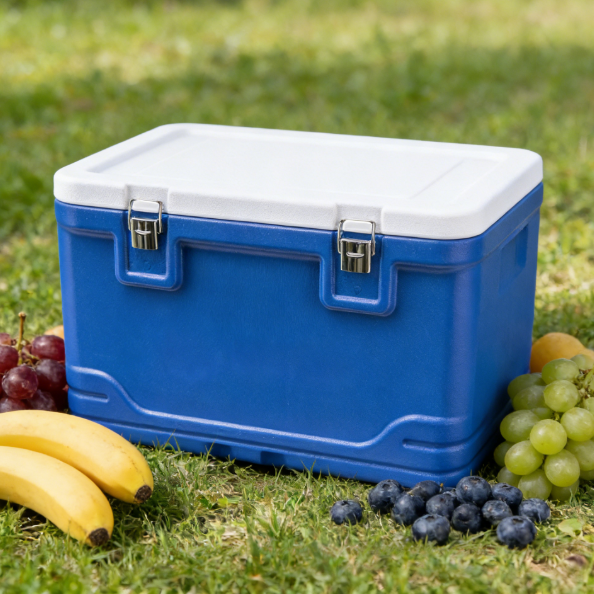
If you are sourcing foldable plastic container distributor for dairy shipping, you are not only buying a box. You are buying process control, cleaner handling, and fewer preventable losses.
That matters more in 2026 because supply chains want reusable systems, cleaner traceability, and packaging that can survive both audits and daily abuse. The right supplier makes your operation easier to scale. The wrong one quietly adds labor, shrink, and rework. This optimized version combines buyer guidance, technical depth, and current market signals into one decision-ready article.
This article will answer:
- How to match foldable plastic container design to dairy shipping needs
- Which compliance checks and qualification steps matter before you approve a distributor
- How to compare lifecycle cost, reuse potential, and service reliability
- Which 2026 trends are changing reusable packaging, traceability, and sustainability expectations
- What material and test data separate a qualified solution from a risky one
What defines a high-performing Foldable Plastic Container Distributor For Dairy Shipping?
A strong foldable plastic container distributor for dairy shipping should fit the product, the route, and the work on the floor. That means the package must match moisture resistance and reliable drainage control, and the provider must support inventory depth, substitution control, documentation quality, and service speed. You want packaging that performs in daily use, not only in a sales sheet.
This is where many buying teams go wrong. They compare outside dimensions and price, then discover later that the unit is hard to clean, unstable in stack, or too generic for dairy handling. The best review starts with the real lane: payload, dwell time, temperature range, wash process, return loop, and receiving method. From there, you can decide whether a foldable plastic container really suits the job or whether you need a different geometry, wall pattern, lid, or closure system. Ask the distributor how it handles stock continuity, approved alternates, regional availability, and documentation support.
How does the foldable plastic container design affect daily performance?
Foldable Plastic Container performance comes from small details that operators notice immediately. Examples include handhold shape, stack lead-ins, wall stiffness, base drainage, vent layout, and protected label zones. These details reduce bruising, leaks, tip risk, or wasted motion. In practice, a well-designed unit feels less like generic packaging and more like a tool built for one workflow.
Quick buyer check
| Topic | Option / data | What to verify | What it means for you |
|---|---|---|---|
| Performance | washdown access | cold-temperature toughness and lid stability | Protects product and labor time together |
| Compliance | FDA food-contact material requirements, FDA sanitary transportation practices for human food | Auditable records | Makes procurement and QA sign-off faster |
| Economics | Reusable asset life + return efficiency | Lower total landed cost | Improves ROI beyond the purchase price |
Practical tips for your team
- Use the first pilot to test handling, not only product fit.
- Have operations, quality, and procurement score the same sample together.
- Check whether barcodes remain readable after cold exposure, moisture, and repeated handling.
Representative case: A chilled dairy ingredient program switched to stackable reusable containers with wash tracking and defined lid replacement intervals. The buyer gained more stable cold-room stacking and fewer rejects caused by cracked one-way packaging.
Which materials, compliance checks, and tests matter most?
The best sourcing decision combines material fit, route testing, and compliance review. For foldable plastic container distributor for dairy shipping, that means checking the resin system, the molded design, and the proof behind it. A strong supplier should make technical review easier, not force you to guess.
At minimum, buyers should verify how the container behaves during stacking, handling, cleaning, and any temperature exposure that matters for the lane. Then they should connect those results to the required compliance documents. This removes the common gap between engineering approval and procurement approval. It also helps you avoid paying for features you do not need while missing the ones you do.
Which materials, standards, and tests belong on your approval checklist?
A practical checklist includes material suitability, closure performance, stack-load behavior, wash-cycle durability, and any route, GDP, food-contact, UN, or import-related documents that apply. If the supplier cannot present these clearly, the project is probably not mature enough for a full rollout.
What to compare
| Topic | Option / data | What to verify | What it means for you |
|---|---|---|---|
| Performance | washdown access | cold-temperature toughness and lid stability | Protects product and labor time together |
| Compliance | FDA food-contact material requirements, FDA sanitary transportation practices for human food | Auditable records | Makes procurement and QA sign-off faster |
| Economics | Reusable asset life + return efficiency | Lower total landed cost | Improves ROI beyond the purchase price |
Practical tips for your team
- Review wash chemistry, wash temperature, and drying time early because reuse success often fails in sanitation, not in shipping.
- Confirm how the container behaves when partially filled, because many failures happen during mixed-load operations.
- Write acceptance criteria before testing starts so every team grades the same evidence.
Representative case: A buyer in the dairy sector approved a packaging change only after pilot data matched real route handling. That slowed the purchase by a few weeks, but it prevented a much larger rollout failure.
How do you buy for lifecycle cost, sustainability, and scale?
The best final decision balances technical evidence with operating economics. For foldable plastic container distributor for dairy shipping, you want a design that works on day one and still makes sense after months of reuse. That means modeling replacement rate, cleaning cost, empty-return efficiency, and service support alongside material and compliance fit.
This is also where strategy matters. Some buyers need the lowest-risk validated system. Others need the most flexible network partner. Others need a custom design that saves transport volume. A strong sourcing process compares those paths openly. When you do that, the final supplier choice becomes easier to defend and easier to scale.
What should your final approval scorecard include?
Your approval scorecard should include technical fit, route qualification, regulatory documents, cleaning model, return economics, and continuity of supply. If any one of those remains vague, the project is still carrying hidden cost or hidden risk.
Decision scorecard
| Topic | Option / data | What to verify | What it means for you |
|---|---|---|---|
| Does the load need ventilation or a tight seal? | Open airflow for respiring loads, sealed control for moisture-sensitive or regulated loads | Choose vented only when the product benefits from airflow | Use this to rate suppliers before approval |
| How rough is the route? | Forklift moves, cross-docks, long dwell times, mixed stacking | More route abuse means you should require stronger test evidence | Use this to rate suppliers before approval |
| How often will the asset be reused? | Pilot, seasonal, or year-round return loop | Frequent reuse increases the value of cleaning and repair planning | Use this to rate suppliers before approval |
Practical tips for your team
- Build a simple landed-cost model for twelve months, not only the first PO.
- Check whether barcodes remain readable after cold exposure, moisture, and repeated handling.
- Check whether barcodes remain readable after cold exposure, moisture, and repeated handling.
Representative case: Procurement initially preferred the lowest quoted unit cost, but the cross-functional review selected a better-fit solution after modeling damage, cleaning, and return performance. The higher initial price still delivered lower operating cost.
2026 developments and trends in dairy packaging
As of March 10, 2026, the strongest packaging trend around foldable plastic container distributor for dairy shipping is convergence. Buyers do not want a container that only ships product. They want one that supports compliance, visibility, and reuse at the same time. That is why 2026 conversations are centered on qualification, traceability, and packaging systems that still make sense after many cycles of use.
Latest developments at a glance
- FDA inspection guidance continues to anchor buyers around cold holding, hygienic handling, and documented controls for pasteurized milk products.
- Food-contact and sanitary transport controls remain central in 2026 dairy packaging reviews.
- FDA traceability planning remains important even though enforcement of the Food Traceability Rule will not begin before July 20, 2028.
- EU packaging policy now keeps reuse, recyclability, and recycled-content planning high on multinational sourcing agendas.
The market insight is simple: buyers are moving away from generic containers and toward packaging families that can be standardized, tracked, and justified in lifecycle terms. That favors suppliers who can explain technical fit in plain language, provide auditable documents, and design for realistic reuse. It also rewards packaging that fits automation, scanning, and cleaner return logistics rather than only basic transport. In SEO terms, that creates strong intent around buyer-guide content, qualification checklists, FAQs, and comparison tables because those formats answer real commercial questions better than shallow product copy.
Decision tool
Use the quick matrix below before you short-list suppliers. It helps you connect route conditions to packaging design and commercial risk.
| Question | What to review | Why it matters |
|---|---|---|
| Does the load need ventilation or a tight seal? | Open airflow for respiring loads, sealed control for moisture-sensitive or regulated loads | Choose vented only when the product benefits from airflow |
| How rough is the route? | Forklift moves, cross-docks, long dwell times, mixed stacking | More route abuse means you should require stronger test evidence |
| How often will the asset be reused? | Pilot, seasonal, or year-round return loop | Frequent reuse increases the value of cleaning and repair planning |
| What documentation is required? | Food-contact, GDP, UN, SDS, import, or QA records | The right documents shorten approval time and reduce surprises |
| How expensive is empty return space? | Low, medium, or high | Collapse, nest, or stack-nest features matter most when return miles are costly |
Common buying mistakes to avoid
Even well-run teams make the same sourcing mistakes when they buy foldable plastic container distributor for dairy shipping. Most of them come from reviewing the package in isolation instead of inside the real operation.
- Approving by dimensions alone. A container can fit the product and still fail in washdown, stacking, or scanning.
- Treating reuse as automatic savings. Reusable packaging only performs well when cleaning, inspection, and return flow are designed up front.
- Asking for price before asking for fit. In dairy work, the cheapest option often becomes expensive once damage, delay, or compliance rework appears.
If you avoid those three errors, your shortlist becomes smaller, cleaner, and easier to approve across departments. That is one reason this fused version focuses on route fit before any marketing language.
Suggested approval workflow
Before you place a full order for foldable plastic container distributor for dairy shipping, run a short approval workflow that joins procurement, operations, and quality. This step sounds basic, but it is where strong projects separate themselves from expensive corrections. The goal is to verify that the packaging works in the real lane, not just on paper.
- Define the load and lane: record payload, dimensions, dwell times, temperature range, cleaning process, stacking height, and return loop.
- Review supplier evidence: check resin information, drawings, route-relevant tests, and the documents tied to dairy handling.
- Run a pilot: use the packaging in normal receiving, storage, transport, and cleaning conditions so operators can give real feedback.
- Approve with scorecard rules: sign off only after technical fit, compliance, service support, and operating cost assumptions all match.
This workflow keeps the buying discussion grounded. It also helps you compare suppliers fairly because every partner answers the same operational questions. In practice, this is one of the easiest ways to turn a long buying cycle into a cleaner final decision.
Frequently asked questions
What is the first thing you should ask any distributor when buying foldable plastic container?
Ask what problem the design solves in your actual route. A serious distributor should quickly discuss payload, handling, cleaning, stack load, and the documents needed for dairy use, not only offer a price list.
How often should you re-qualify reusable containers for this application?
Re-qualification should follow your risk level, route changes, and cleaning intensity. If the lane, payload, or sanitation process changes, review the packaging again instead of assuming old results still apply.
Which plastic is usually better, HDPE or PP?
Neither wins by default. HDPE often gives strong impact and chemical tolerance, while PP often gives more stiffness and higher heat resistance. Your product, cleaning chemistry, and route decide the better fit.
Do you need third-party testing before full rollout?
Not always, but it is wise when the load is sensitive, the route is long, or compliance exposure is high. Lab and field trials together are much stronger than a brochure claim.
Can reusable containers lower total cost even if unit price is higher?
Yes. Many buyers save through fewer damages, less one-way packaging waste, better stacking, and better empty-return planning. The right comparison is lifecycle cost, not purchase price alone.
Summary and recommendations
The best foldable plastic container distributor for dairy shipping combines route fit, usable documentation, and practical reuse economics. You should review material compatibility, molded design, stack behavior, cleaning workflow, and supplier support as one package decision. When those pieces align, you get less damage, easier handling, and a sourcing choice that is easier to defend.
Create a short approval sheet for your next project. List the load, the route, the temperature range, the cleaning process, the return loop, and the required documents. Then ask every supplier to answer the same checklist. That will quickly show which option is truly ready for scale. If you are comparing suppliers now, use the scorecard in this article and move to a pilot before full rollout.
About Tempk
About Tempk: We focus on reusable cold-chain and industrial plastic packaging for demanding logistics environments. Our work centers on practical design, route fit, and clear communication so buyers can move from concept to qualified packaging with less trial and error. We prioritize durable materials, scalable production support, and packaging formats that are easier to clean, track, and reuse. Next step: share your load profile, route conditions, and target dimensions so we can help narrow the right container family faster.
Best Collapsible Plastic Crate Service For Agricultural Logistics in 2026

If you are sourcing collapsible plastic crate service for agricultural logistics, you are not only buying a box. You are buying process control, cleaner handling, and fewer preventable losses.
You need more than a catalog promise. You need a partner that can show material fit, real handling performance, and a practical plan for reuse, cleaning, and quality control. This article breaks that down in plain English. This optimized version combines buyer guidance, technical depth, and current market signals into one decision-ready article.
This article will answer:
- How to match collapsible plastic crate design to agricultural logistics needs
- Which compliance checks and qualification steps matter before you approve a service
- How to compare lifecycle cost, reuse potential, and service reliability
- Which 2026 trends are changing reusable packaging, traceability, and sustainability expectations
- What material and test data separate a qualified solution from a risky one
What defines a high-performing Collapsible Plastic Crate Service For Agricultural Logistics?
A strong collapsible plastic crate service for agricultural logistics should fit the product, the route, and the work on the floor. That means the package must match field durability and resistance to rough handling, and the provider must support service design, return-loop planning, cleaning support, and repairability. You want packaging that performs in daily use, not only in a sales sheet.
This is where many buying teams go wrong. They compare outside dimensions and price, then discover later that the unit is hard to clean, unstable in stack, or too generic for agricultural handling. The best review starts with the real lane: payload, dwell time, temperature range, wash process, return loop, and receiving method. From there, you can decide whether a collapsible plastic crate really suits the job or whether you need a different geometry, wall pattern, lid, or closure system. Ask the service provider who owns inspection, cleaning standards, repair thresholds, and loss tracking.
How does the collapsible plastic crate design affect daily performance?
Collapsible Plastic Crate performance comes from small details that operators notice immediately. Examples include handhold shape, stack lead-ins, wall stiffness, base drainage, vent layout, and protected label zones. These details reduce bruising, leaks, tip risk, or wasted motion. In practice, a well-designed unit feels less like generic packaging and more like a tool built for one workflow.
Quick buyer check
| Topic | Option / data | What to verify | What it means for you |
|---|---|---|---|
| Performance | easy cleaning around hinges | field durability and resistance to rough handling | Protects product and labor time together |
| Compliance | FDA Produce Safety Rule for packing and holding covered produce, sanitary transport principles when crops enter food channels | Auditable records | Makes procurement and QA sign-off faster |
| Economics | Reusable asset life + return efficiency | Lower total landed cost | Improves ROI beyond the purchase price |
Practical tips for your team
- Use the first pilot to test handling, not only product fit.
- Have operations, quality, and procurement score the same sample together.
- Score the supplier on lead time, change control, and replacement-part availability, not only on price.
Representative case: An agricultural cooperative replaced mixed old crates with a collapsible fleet built to one footprint. Load planning improved, empty trucks carried more returns, and crop handling became easier to train across multiple harvest crews.
Which materials, compliance checks, and tests matter most?
The best sourcing decision combines material fit, route testing, and compliance review. For collapsible plastic crate service for agricultural logistics, that means checking the resin system, the molded design, and the proof behind it. A strong supplier should make technical review easier, not force you to guess.
At minimum, buyers should verify how the container behaves during stacking, handling, cleaning, and any temperature exposure that matters for the lane. Then they should connect those results to the required compliance documents. This removes the common gap between engineering approval and procurement approval. It also helps you avoid paying for features you do not need while missing the ones you do.
Which materials, standards, and tests belong on your approval checklist?
A practical checklist includes material suitability, closure performance, stack-load behavior, wash-cycle durability, and any route, GDP, food-contact, UN, or import-related documents that apply. If the supplier cannot present these clearly, the project is probably not mature enough for a full rollout.
What to compare
| Topic | Option / data | What to verify | What it means for you |
|---|---|---|---|
| Performance | easy cleaning around hinges | field durability and resistance to rough handling | Protects product and labor time together |
| Compliance | FDA Produce Safety Rule for packing and holding covered produce, sanitary transport principles when crops enter food channels | Auditable records | Makes procurement and QA sign-off faster |
| Economics | Reusable asset life + return efficiency | Lower total landed cost | Improves ROI beyond the purchase price |
Practical tips for your team
- Score the supplier on lead time, change control, and replacement-part availability, not only on price.
- Request a sample or pilot batch and test it on your real lane before full rollout.
- Write acceptance criteria before testing starts so every team grades the same evidence.
Representative case: A buyer in the agricultural sector approved a packaging change only after pilot data matched real route handling. That slowed the purchase by a few weeks, but it prevented a much larger rollout failure.
How do you buy for lifecycle cost, sustainability, and scale?
The best final decision balances technical evidence with operating economics. For collapsible plastic crate service for agricultural logistics, you want a design that works on day one and still makes sense after months of reuse. That means modeling replacement rate, cleaning cost, empty-return efficiency, and service support alongside material and compliance fit.
This is also where strategy matters. Some buyers need the lowest-risk validated system. Others need the most flexible network partner. Others need a custom design that saves transport volume. A strong sourcing process compares those paths openly. When you do that, the final supplier choice becomes easier to defend and easier to scale.
What should your final approval scorecard include?
Your approval scorecard should include technical fit, route qualification, regulatory documents, cleaning model, return economics, and continuity of supply. If any one of those remains vague, the project is still carrying hidden cost or hidden risk.
Decision scorecard
| Topic | Option / data | What to verify | What it means for you |
|---|---|---|---|
| Does the load need ventilation or a tight seal? | Open airflow for respiring loads, sealed control for moisture-sensitive or regulated loads | Choose vented only when the product benefits from airflow | Use this to rate suppliers before approval |
| How rough is the route? | Forklift moves, cross-docks, long dwell times, mixed stacking | More route abuse means you should require stronger test evidence | Use this to rate suppliers before approval |
| How often will the asset be reused? | Pilot, seasonal, or year-round return loop | Frequent reuse increases the value of cleaning and repair planning | Use this to rate suppliers before approval |
Practical tips for your team
- Build a simple landed-cost model for twelve months, not only the first PO.
- Confirm how the container behaves when partially filled, because many failures happen during mixed-load operations.
- Use a lane-specific qualification sheet so engineering, quality, and operations sign off on the same target.
Representative case: Procurement initially preferred the lowest quoted unit cost, but the cross-functional review selected a better-fit solution after modeling damage, cleaning, and return performance. The higher initial price still delivered lower operating cost.
2026 developments and trends in agricultural packaging
As of March 10, 2026, the strongest packaging trend around collapsible plastic crate service for agricultural logistics is convergence. Buyers do not want a container that only ships product. They want one that supports compliance, visibility, and reuse at the same time. That is why 2026 conversations are centered on qualification, traceability, and packaging systems that still make sense after many cycles of use.
Latest developments at a glance
- Recent FDA and USDA resources keep produce packing hygiene, airflow, and shipment visibility at the center of agricultural packaging choices.
- Circular packaging regulation in Europe is adding pressure for reusable and recyclable transport packaging designs.
- FDA traceability planning remains important even though enforcement of the Food Traceability Rule will not begin before July 20, 2028.
- EU packaging policy now keeps reuse, recyclability, and recycled-content planning high on multinational sourcing agendas.
The market insight is simple: buyers are moving away from generic containers and toward packaging families that can be standardized, tracked, and justified in lifecycle terms. That favors suppliers who can explain technical fit in plain language, provide auditable documents, and design for realistic reuse. It also rewards packaging that fits automation, scanning, and cleaner return logistics rather than only basic transport. In SEO terms, that creates strong intent around buyer-guide content, qualification checklists, FAQs, and comparison tables because those formats answer real commercial questions better than shallow product copy.
Decision tool
Use the quick matrix below before you short-list suppliers. It helps you connect route conditions to packaging design and commercial risk.
| Question | What to review | Why it matters |
|---|---|---|
| Does the load need ventilation or a tight seal? | Open airflow for respiring loads, sealed control for moisture-sensitive or regulated loads | Choose vented only when the product benefits from airflow |
| How rough is the route? | Forklift moves, cross-docks, long dwell times, mixed stacking | More route abuse means you should require stronger test evidence |
| How often will the asset be reused? | Pilot, seasonal, or year-round return loop | Frequent reuse increases the value of cleaning and repair planning |
| What documentation is required? | Food-contact, GDP, UN, SDS, import, or QA records | The right documents shorten approval time and reduce surprises |
| How expensive is empty return space? | Low, medium, or high | Collapse, nest, or stack-nest features matter most when return miles are costly |
Common buying mistakes to avoid
Even well-run teams make the same sourcing mistakes when they buy collapsible plastic crate service for agricultural logistics. Most of them come from reviewing the package in isolation instead of inside the real operation.
- Approving by dimensions alone. A container can fit the product and still fail in washdown, stacking, or scanning.
- Treating reuse as automatic savings. Reusable packaging only performs well when cleaning, inspection, and return flow are designed up front.
- Asking for price before asking for fit. In agricultural work, the cheapest option often becomes expensive once damage, delay, or compliance rework appears.
If you avoid those three errors, your shortlist becomes smaller, cleaner, and easier to approve across departments. That is one reason this fused version focuses on route fit before any marketing language.
Suggested approval workflow
Before you place a full order for collapsible plastic crate service for agricultural logistics, run a short approval workflow that joins procurement, operations, and quality. This step sounds basic, but it is where strong projects separate themselves from expensive corrections. The goal is to verify that the packaging works in the real lane, not just on paper.
- Define the load and lane: record payload, dimensions, dwell times, temperature range, cleaning process, stacking height, and return loop.
- Review supplier evidence: check resin information, drawings, route-relevant tests, and the documents tied to agricultural handling.
- Run a pilot: use the packaging in normal receiving, storage, transport, and cleaning conditions so operators can give real feedback.
- Approve with scorecard rules: sign off only after technical fit, compliance, service support, and operating cost assumptions all match.
This workflow keeps the buying discussion grounded. It also helps you compare suppliers fairly because every partner answers the same operational questions. In practice, this is one of the easiest ways to turn a long buying cycle into a cleaner final decision.
Frequently asked questions
What is the first thing you should ask any service when buying collapsible plastic crate?
Ask what problem the design solves in your actual route. A serious service should quickly discuss payload, handling, cleaning, stack load, and the documents needed for agricultural use, not only offer a price list.
How often should you re-qualify reusable containers for this application?
Re-qualification should follow your risk level, route changes, and cleaning intensity. If the lane, payload, or sanitation process changes, review the packaging again instead of assuming old results still apply.
Which plastic is usually better, HDPE or PP?
Neither wins by default. HDPE often gives strong impact and chemical tolerance, while PP often gives more stiffness and higher heat resistance. Your product, cleaning chemistry, and route decide the better fit.
Do you need third-party testing before full rollout?
Not always, but it is wise when the load is sensitive, the route is long, or compliance exposure is high. Lab and field trials together are much stronger than a brochure claim.
Can reusable containers lower total cost even if unit price is higher?
Yes. Many buyers save through fewer damages, less one-way packaging waste, better stacking, and better empty-return planning. The right comparison is lifecycle cost, not purchase price alone.
Summary and recommendations
The best collapsible plastic crate service for agricultural logistics combines route fit, usable documentation, and practical reuse economics. You should review material compatibility, molded design, stack behavior, cleaning workflow, and supplier support as one package decision. When those pieces align, you get less damage, easier handling, and a sourcing choice that is easier to defend.
Create a short approval sheet for your next project. List the load, the route, the temperature range, the cleaning process, the return loop, and the required documents. Then ask every supplier to answer the same checklist. That will quickly show which option is truly ready for scale. If you are comparing suppliers now, use the scorecard in this article and move to a pilot before full rollout.
About Tempk
About Tempk: We focus on reusable cold-chain and industrial plastic packaging for demanding logistics environments. Our work centers on practical design, route fit, and clear communication so buyers can move from concept to qualified packaging with less trial and error. We prioritize durable materials, scalable production support, and packaging formats that are easier to clean, track, and reuse. Next step: share your load profile, route conditions, and target dimensions so we can help narrow the right container family faster.
Best Collapsible Plastic Container Company For Laboratory Storage in 2026

When you compare collapsible plastic container company for laboratory storage, the smartest buyers look past unit price and focus on route risk, cleaning, compliance, and total lifecycle cost.
You need more than a catalog promise. You need a partner that can show material fit, real handling performance, and a practical plan for reuse, cleaning, and quality control. This article breaks that down in plain English. This optimized version combines buyer guidance, technical depth, and current market signals into one decision-ready article.
This article will answer:
- How to match collapsible plastic container design to laboratory storage needs
- Which compliance checks and qualification steps matter before you approve a company
- How to compare lifecycle cost, reuse potential, and service reliability
- Which 2026 trends are changing reusable packaging, traceability, and sustainability expectations
- What material and test data separate a qualified solution from a risky one
What defines a high-performing Collapsible Plastic Container Company For Laboratory Storage?
A strong collapsible plastic container company for laboratory storage should fit the product, the route, and the work on the floor. That means the package must match secondary containment and leak management, and the provider must support engineering control, resin choice, tooling discipline, and repeatable QA. You want packaging that performs in daily use, not only in a sales sheet.
This is where many buying teams go wrong. They compare outside dimensions and price, then discover later that the unit is hard to clean, unstable in stack, or too generic for laboratory handling. The best review starts with the real lane: payload, dwell time, temperature range, wash process, return loop, and receiving method. From there, you can decide whether a collapsible plastic container really suits the job or whether you need a different geometry, wall pattern, lid, or closure system. Ask how the producer controls resin changes, mold maintenance, dimensional drift, and batch traceability.
How does the collapsible plastic container design affect daily performance?
Collapsible Plastic Container performance comes from small details that operators notice immediately. Examples include handhold shape, stack lead-ins, wall stiffness, base drainage, vent layout, and protected label zones. These details reduce bruising, leaks, tip risk, or wasted motion. In practice, a well-designed unit feels less like generic packaging and more like a tool built for one workflow.
Quick buyer check
| Topic | Option / data | What to verify | What it means for you |
|---|---|---|---|
| Performance | easy washing and drainage | easy cleaning between sensitive loads | Protects product and labor time together |
| Compliance | OSHA laboratory safety and chemical hygiene expectations, CDC and DOT packaging concepts for biological or regulated samples when applicable | Auditable records | Makes procurement and QA sign-off faster |
| Economics | Reusable asset life + return efficiency | Lower total landed cost | Improves ROI beyond the purchase price |
Practical tips for your team
- Use the first pilot to test handling, not only product fit.
- Have operations, quality, and procurement score the same sample together.
- Request a sample or pilot batch and test it on your real lane before full rollout.
Representative case: A testing laboratory standardized on industrial plastic bins with barcode recesses and defined secondary containment inserts. Sample handling became easier to audit, and shelf organization improved because every lane used the same footprint.
Which materials, compliance checks, and tests matter most?
The best sourcing decision combines material fit, route testing, and compliance review. For collapsible plastic container company for laboratory storage, that means checking the resin system, the molded design, and the proof behind it. A strong supplier should make technical review easier, not force you to guess.
At minimum, buyers should verify how the container behaves during stacking, handling, cleaning, and any temperature exposure that matters for the lane. Then they should connect those results to the required compliance documents. This removes the common gap between engineering approval and procurement approval. It also helps you avoid paying for features you do not need while missing the ones you do.
Which materials, standards, and tests belong on your approval checklist?
A practical checklist includes material suitability, closure performance, stack-load behavior, wash-cycle durability, and any route, GDP, food-contact, UN, or import-related documents that apply. If the supplier cannot present these clearly, the project is probably not mature enough for a full rollout.
What to compare
| Topic | Option / data | What to verify | What it means for you |
|---|---|---|---|
| Performance | easy washing and drainage | easy cleaning between sensitive loads | Protects product and labor time together |
| Compliance | OSHA laboratory safety and chemical hygiene expectations, CDC and DOT packaging concepts for biological or regulated samples when applicable | Auditable records | Makes procurement and QA sign-off faster |
| Economics | Reusable asset life + return efficiency | Lower total landed cost | Improves ROI beyond the purchase price |
Practical tips for your team
- Review wash chemistry, wash temperature, and drying time early because reuse success often fails in sanitation, not in shipping.
- Confirm how the container behaves when partially filled, because many failures happen during mixed-load operations.
- Write acceptance criteria before testing starts so every team grades the same evidence.
Representative case: A buyer in the laboratory sector approved a packaging change only after pilot data matched real route handling. That slowed the purchase by a few weeks, but it prevented a much larger rollout failure.
How do you buy for lifecycle cost, sustainability, and scale?
The best final decision balances technical evidence with operating economics. For collapsible plastic container company for laboratory storage, you want a design that works on day one and still makes sense after months of reuse. That means modeling replacement rate, cleaning cost, empty-return efficiency, and service support alongside material and compliance fit.
This is also where strategy matters. Some buyers need the lowest-risk validated system. Others need the most flexible network partner. Others need a custom design that saves transport volume. A strong sourcing process compares those paths openly. When you do that, the final supplier choice becomes easier to defend and easier to scale.
What should your final approval scorecard include?
Your approval scorecard should include technical fit, route qualification, regulatory documents, cleaning model, return economics, and continuity of supply. If any one of those remains vague, the project is still carrying hidden cost or hidden risk.
Decision scorecard
| Topic | Option / data | What to verify | What it means for you |
|---|---|---|---|
| Does the load need ventilation or a tight seal? | Open airflow for respiring loads, sealed control for moisture-sensitive or regulated loads | Choose vented only when the product benefits from airflow | Use this to rate suppliers before approval |
| How rough is the route? | Forklift moves, cross-docks, long dwell times, mixed stacking | More route abuse means you should require stronger test evidence | Use this to rate suppliers before approval |
| How often will the asset be reused? | Pilot, seasonal, or year-round return loop | Frequent reuse increases the value of cleaning and repair planning | Use this to rate suppliers before approval |
Practical tips for your team
- Build a simple landed-cost model for twelve months, not only the first PO.
- Ask for the exact resin family, not only the product photo or catalog description.
- Score the supplier on lead time, change control, and replacement-part availability, not only on price.
Representative case: Procurement initially preferred the lowest quoted unit cost, but the cross-functional review selected a better-fit solution after modeling damage, cleaning, and return performance. The higher initial price still delivered lower operating cost.
2026 developments and trends in laboratory packaging
As of March 10, 2026, the strongest packaging trend around collapsible plastic container company for laboratory storage is convergence. Buyers do not want a container that only ships product. They want one that supports compliance, visibility, and reuse at the same time. That is why 2026 conversations are centered on qualification, traceability, and packaging systems that still make sense after many cycles of use.
Latest developments at a glance
- Recent CDC and FDA materials keep chain of custody, shipping conditions, and packaging compliance in focus for sample logistics.
- OSHA still emphasizes labeling, compatibility, and safe segregation inside laboratory environments.
- EU packaging policy now keeps reuse, recyclability, and recycled-content planning high on multinational sourcing agendas.
The market insight is simple: buyers are moving away from generic containers and toward packaging families that can be standardized, tracked, and justified in lifecycle terms. That favors suppliers who can explain technical fit in plain language, provide auditable documents, and design for realistic reuse. It also rewards packaging that fits automation, scanning, and cleaner return logistics rather than only basic transport. In SEO terms, that creates strong intent around buyer-guide content, qualification checklists, FAQs, and comparison tables because those formats answer real commercial questions better than shallow product copy.
Decision tool
Use the quick matrix below before you short-list suppliers. It helps you connect route conditions to packaging design and commercial risk.
| Question | What to review | Why it matters |
|---|---|---|
| Does the load need ventilation or a tight seal? | Open airflow for respiring loads, sealed control for moisture-sensitive or regulated loads | Choose vented only when the product benefits from airflow |
| How rough is the route? | Forklift moves, cross-docks, long dwell times, mixed stacking | More route abuse means you should require stronger test evidence |
| How often will the asset be reused? | Pilot, seasonal, or year-round return loop | Frequent reuse increases the value of cleaning and repair planning |
| What documentation is required? | Food-contact, GDP, UN, SDS, import, or QA records | The right documents shorten approval time and reduce surprises |
| How expensive is empty return space? | Low, medium, or high | Collapse, nest, or stack-nest features matter most when return miles are costly |
Common buying mistakes to avoid
Even well-run teams make the same sourcing mistakes when they buy collapsible plastic container company for laboratory storage. Most of them come from reviewing the package in isolation instead of inside the real operation.
- Approving by dimensions alone. A container can fit the product and still fail in washdown, stacking, or scanning.
- Treating reuse as automatic savings. Reusable packaging only performs well when cleaning, inspection, and return flow are designed up front.
- Asking for price before asking for fit. In laboratory work, the cheapest option often becomes expensive once damage, delay, or compliance rework appears.
If you avoid those three errors, your shortlist becomes smaller, cleaner, and easier to approve across departments. That is one reason this fused version focuses on route fit before any marketing language.
Suggested approval workflow
Before you place a full order for collapsible plastic container company for laboratory storage, run a short approval workflow that joins procurement, operations, and quality. This step sounds basic, but it is where strong projects separate themselves from expensive corrections. The goal is to verify that the packaging works in the real lane, not just on paper.
- Define the load and lane: record payload, dimensions, dwell times, temperature range, cleaning process, stacking height, and return loop.
- Review supplier evidence: check resin information, drawings, route-relevant tests, and the documents tied to laboratory handling.
- Run a pilot: use the packaging in normal receiving, storage, transport, and cleaning conditions so operators can give real feedback.
- Approve with scorecard rules: sign off only after technical fit, compliance, service support, and operating cost assumptions all match.
This workflow keeps the buying discussion grounded. It also helps you compare suppliers fairly because every partner answers the same operational questions. In practice, this is one of the easiest ways to turn a long buying cycle into a cleaner final decision.
Frequently asked questions
What is the first thing you should ask any company when buying collapsible plastic container?
Ask what problem the design solves in your actual route. A serious company should quickly discuss payload, handling, cleaning, stack load, and the documents needed for laboratory use, not only offer a price list.
How often should you re-qualify reusable containers for this application?
Re-qualification should follow your risk level, route changes, and cleaning intensity. If the lane, payload, or sanitation process changes, review the packaging again instead of assuming old results still apply.
Which plastic is usually better, HDPE or PP?
Neither wins by default. HDPE often gives strong impact and chemical tolerance, while PP often gives more stiffness and higher heat resistance. Your product, cleaning chemistry, and route decide the better fit.
Do you need third-party testing before full rollout?
Not always, but it is wise when the load is sensitive, the route is long, or compliance exposure is high. Lab and field trials together are much stronger than a brochure claim.
Can reusable containers lower total cost even if unit price is higher?
Yes. Many buyers save through fewer damages, less one-way packaging waste, better stacking, and better empty-return planning. The right comparison is lifecycle cost, not purchase price alone.
Summary and recommendations
The best collapsible plastic container company for laboratory storage combines route fit, usable documentation, and practical reuse economics. You should review material compatibility, molded design, stack behavior, cleaning workflow, and supplier support as one package decision. When those pieces align, you get less damage, easier handling, and a sourcing choice that is easier to defend.
Create a short approval sheet for your next project. List the load, the route, the temperature range, the cleaning process, the return loop, and the required documents. Then ask every supplier to answer the same checklist. That will quickly show which option is truly ready for scale. If you are comparing suppliers now, use the scorecard in this article and move to a pilot before full rollout.
About Tempk
About Tempk: We focus on reusable cold-chain and industrial plastic packaging for demanding logistics environments. Our work centers on practical design, route fit, and clear communication so buyers can move from concept to qualified packaging with less trial and error. We prioritize durable materials, scalable production support, and packaging formats that are easier to clean, track, and reuse. Next step: share your load profile, route conditions, and target dimensions so we can help narrow the right container family faster.
Fused and optimized | best-of-three article rebuilt for 2026 SEO and conversion
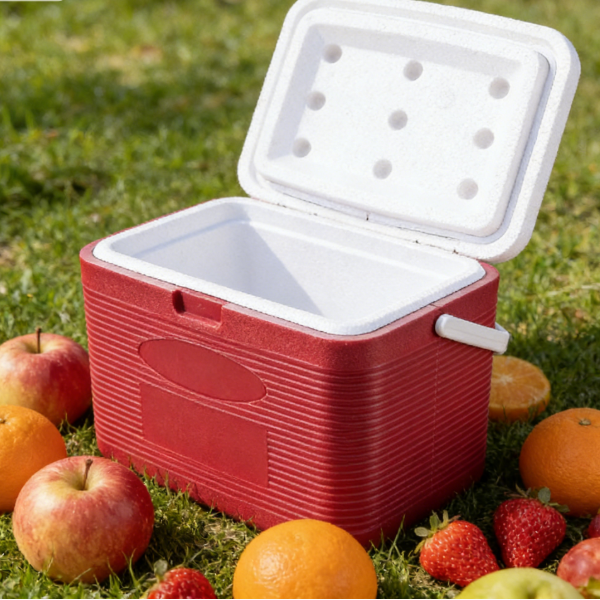
Fused and optimized | best-of-three article rebuilt for 2026 SEO and conversion
| Updated | March 9, 2026 |
|---|---|
| SEO title | Collapsible Plastic Bin for Meat Storage 2026 Buyer Guide |
| Meta description | Get the best spec, checklist, and supplier questions for collapsible plastic bin company for meat storage in 2026 cold-chain operations. |
| Canonical | /insights/collapsible-plastic-bin-company-for-meat-storage-final |
| Primary keyword | collapsible plastic bin company for meat storage |
| Secondary keywords | collapsible plastic bin; bin for meat storage; collapsible bin for meat storage; cold chain bin for meat storage |
| Recommended schema | Article, FAQPage, HowTo |
| Internal link suggestions | Meat cold storage sanitation checklist; Leak-resistant bin design guide; Cold-room material selection brief; Reusable packaging washdown SOP |
How to Choose Collapsible Plastic Bin for Meat Storage
Collapsible plastic bin company for meat storage is worth serious attention when you need a package that protects raw or chilled meat products without slowing daily handling. FSIS continues to warn that bacteria grow rapidly in the 40°F to 140°F danger zone, and refrigerated meat should be kept at 40°F or lower. In practice, a strong collapsible bin helps you control temperature abuse, purge leakage, odor retention, cross-contamination, and rough handling while improving speed at loading, receiving, and storage.
If you choose the right design, you get more than a plastic shell. You get a workhorse handling bin that cuts empty-return volume and frees warehouse space between trips, supports cooler storage, plant staging, retail prep-room supply, and distributor transport, and gives your team a more repeatable workflow. This optimized guide explains how to compare collapsible plastic bin for meat storage options in a way that is useful for buyers, engineers, operations managers, and sourcing teams.
What this article will answer
- Why collapsible plastic bin company for meat storage can solve real operational problems when it is specified correctly.
- Which technical, commercial, and compliance checkpoints belong in your RFQ and supplier review.
- How to build a reusable, lower-risk packaging decision that performs in real routes, not just on paper.
Why is collapsible plastic bin company for meat storage the right fit when specified correctly?
Collapsible plastic bin company for meat storage works best when the packaging format matches the route, the cargo, and the people touching it. That sounds simple, but it is where most sourcing mistakes begin. Teams often buy a plastic bin because it looks durable or low-cost, then discover that it slows pack-out, hides hygiene issues, or cannot keep performance stable across real handoffs. The right specification prevents that gap.
FSIS continues to warn that bacteria grow rapidly in the 40°F to 140°F danger zone, and refrigerated meat should be kept at 40°F or lower. That makes storage packaging a hygiene and temperature-control decision at the same time. So your first question should be practical: how will this collapsible plastic bin behave during cooler storage, plant staging, retail prep-room supply, and distributor transport? If the answer is clear, the rest of the buying process gets easier because you can connect design choices to actual operational value.
What problem should the packaging solve first?
Start with the highest-cost failure in your operation. For some teams that is temperature drift. For others it is wet damage, breakage, scan inconsistency, or poor return handling. When you define the main failure first, you can decide whether best for networks with frequent returns, seasonal peaks, or limited backroom space and whether the design should prioritize sealing, airflow, stack strength, drainage, foldability, or traceability. That is how you move from a generic quote to a packaging strategy.
Problem-First Fit Review
| Primary Problem | Packaging Priority | What to Verify | Why You Care |
|---|---|---|---|
| Temperature risk | Stable thermal workflow | Pack-out, closure, dwell control | Lower excursion risk |
| Handling damage | Structural protection | Base, corners, stack behavior | Lower claims and replacement |
| Process inconsistency | Easy standardization | Labels, seals, user steps | Faster training and fewer errors |
Practical tips and recommendations
- Define the failure first: Name the one failure you most want the new format to reduce.
- Watch the handoffs: Review how the pack is filled, moved, opened, checked, and returned in real sequence.
- Limit custom features: Customize only the elements that materially improve protection, handling, or traceability.
Illustrative case: A buyer reframed the project from ‘find a stronger pack’ to ‘stop route-day loading variation.’ That change led to a better specification, a simpler pilot, and a faster rollout.
What exact specification should you place in your RFQ for collapsible plastic bin company for meat storage?
A strong RFQ turns supplier quotes into useful comparisons. For collapsible plastic bin company for meat storage, include the cargo type, load weight, stack pattern, route or dwell time, cleaning method, expected trip frequency, label requirements, and any temperature band that matters. If the packaging supports regulated or sensitive cargo, add the inspection and documentation checkpoints that your quality team expects to review.
Many buyers skip these details and then wonder why supplier proposals are hard to compare. When the operating requirement is vague, each vendor fills the gap with different assumptions about wall strength, closure style, coolant strategy, or reuse life. A tight RFQ protects your budget because it stops you from comparing different solutions under one label. It also shortens approval because quality, operations, and procurement can review the same reference point.
Which specification lines prevent the most common buying mistakes?
Include loading method, transport orientation, return-loop expectation, temperature-monitoring requirement, cleaning chemistry, and allowable cosmetic versus functional defects. If the container needs inserts, seal points, logger pockets, or barcode zones, specify them clearly. Those lines are small, but they prevent the classic failure where the pack arrives technically correct and operationally wrong. Precision at RFQ stage saves expensive interpretation later.
RFQ Essentials
| RFQ Line | Minimum Requirement | Better Requirement | Benefit to You |
|---|---|---|---|
| Operating use | Basic application name | Route, dwell, and handling detail | Cleaner supplier comparison |
| Quality control | General approval | Defined inspection points and defects | Faster receiving decisions |
| Reuse loop | Mentioned only | Trip, cleaning, and return assumptions | More realistic economics |
Practical tips and recommendations
- Write for operations: Your RFQ should be understandable to the people who will actually pack and receive the unit.
- Attach visuals: One photo or loading sketch often removes more confusion than a full paragraph of abstract description.
- Align internal reviewers: Let quality, warehouse, and sourcing comment on the same draft before it goes out.
Illustrative case: After adding route time, washdown exposure, and label-zone requirements to an RFQ, a buyer narrowed three vague quotes into one clear match and two obvious mismatches.
How do you validate temperature, hygiene, and handling performance before scale-up?
Validation should answer one question: will this pack behave consistently in our real process? That means checking not only the new unit, but the new unit after repeated opening, loading, transport, and cleaning. For meat storage, link the validation plan directly to cold holding, sanitation, drainage control, and clear lot separation.
In practice, the best pilot tests are simple and disciplined. Run the approved pack-out, simulate the expected handoffs, review receiving condition, and document what happens when the route is late or the pack is partly loaded. If the application is temperature-sensitive, treat logger placement and review timing as part of the packaging test, not as a separate project. That is how you learn whether the system works as a system.
What should your pilot measure?
Measure packing time, receiving time, operator errors, stack stability, cleaning effort, and any damage or excursion event. Those measures tell you more than a pass-fail impression. If you can, compare the new format against the current pack so the decision is based on visible operational change. A short, well-designed pilot usually saves more money than a long debate around brochure features.
Pilot and Validation Scorecard
| Measure | Current Pack | New Pack | Decision Use |
|---|---|---|---|
| Process time | Current baseline | Pilot result | Labor and adoption impact |
| Protection result | Current claims or issues | Pilot findings | Quality and loss impact |
| Reuse readiness | Current return behavior | Pilot return condition | Lifecycle confidence |
Practical tips and recommendations
- Validate the exception case: Test one late route, one partial load, or one extra handling event if that reflects reality.
- Standardize logger use: A temperature-sensitive pack is only as useful as the data process around it.
- Document the outcome: Capture one concise pilot summary that procurement and quality can both reference later.
Illustrative case: A short route pilot revealed that the new pack worked well when full but needed a revised loading SOP when partially filled. Fixing that early prevented a weak rollout.
How do reuse, lifecycle cost, and sustainability change the ROI calculation?
The true ROI of collapsible plastic bin company for meat storage comes from the cost it removes, not only the price it carries. Look at product loss, handling labor, cleaning time, return efficiency, replacement rate, and disruption risk. When those factors improve together, the packaging becomes easier to justify even if unit price is higher.
This matters more in 2026 because sustainability pressure is now influencing packaging reviews across many industries. EPA continues to frame reuse above recycling in the waste hierarchy, and European transport-packaging policy is pushing more companies to review reusable systems seriously. But the smartest sustainability case is still operational: lower waste because the pack prevents damage, holds temperature, and returns predictably. That is the kind of savings a finance team can trust.
What makes a reuse loop financially credible?
It needs durable packaging, a visible return process, and a cleaning routine that does not erase the value you hoped to gain. You also need rules for inspection, retirement, and replacement so damaged units do not circulate too long. When those basics are in place, a reusable format often creates cleaner data and cleaner budgeting than a mix of one-way packs. Without them, reuse becomes a promise rather than a system.
ROI Review for Reusable Packaging
| Cost Driver | Weak Visibility | Strong Visibility | Business Meaning |
|---|---|---|---|
| Loss and claims | Estimated only | Tracked before and after | Credible savings case |
| Labor | Anecdotal feedback | Timed process steps | Better staffing logic |
| Return loop | Informal recovery | Measured return and retirement rules | Stable reuse economics |
Practical tips and recommendations
- Model per trip: Convert packaging cost into cost per successful use, not cost per item purchased.
- Track preventable loss: Include spoilage, damage, repacking, and urgent reshipment in the ROI model.
- Review retirement rules: End-of-life discipline protects both quality and financial performance.
Illustrative case: A team that originally focused on unit price changed its view after measuring repacking time and product claims. The more durable format delivered a stronger ROI than the cheapest option.
Which supplier questions should you ask before placing a full order?
The best supplier questions test clarity, consistency, and implementation support. Ask how production consistency is controlled, how changes are documented, what application data support the recommendation, and how the supplier would help if your pilot reveals a weakness. Those answers show whether you are dealing with a catalog seller or a real packaging partner.
You should also ask how samples, replacement units, and future scaling will be handled. If your program might expand across sites or climates, request the supplier’s view on rollout risk now, not after the first shipment. A strong partner will explain limitations as clearly as strengths. That honesty is a positive sign because it lowers surprise later.
What answers usually signal a stronger long-term fit?
Look for answers that connect design, data, and operations in one explanation. If the supplier can discuss samples, validation logic, cleaning fit, and production control without switching into vague marketing language, your approval process will be easier. The most valuable suppliers help you simplify decision-making, not complicate it. In long-term cold-chain packaging, that support is a competitive advantage.
Supplier Approval Questions
| Question Area | Weak Answer | Strong Answer | Why It Matters |
|---|---|---|---|
| Technical fit | Generic recommendation | Use-case-specific explanation | Higher confidence |
| Document control | Loose versioning | Clear document and change control | Better audit readiness |
| Scale support | Order only | Pilot, rollout, and replacement plan | Safer long-term adoption |
Practical tips and recommendations
- Ask for one-page summaries: Short, clear evidence is more useful than a long deck full of general claims.
- Watch response quality: Fast, precise answers during sourcing often predict better service after the PO is placed.
- Keep a decision log: Record why the supplier was chosen so future teams can manage changes consistently.
Illustrative case: A buyer selected the supplier that answered fewer questions with more clarity. That choice led to faster approval, a smoother pilot, and fewer surprises in the first production order.
Latest 2026 developments and trends for Meat Storage
The 2026 direction is clear: buyers want collapsible plastic bin company for meat storage solutions that protect product, fit SOPs, and support reuse or lower-waste logistics without adding operational friction. Current public guidance on cold chain, food safety, and transport packaging keeps pushing companies toward documented, repeatable systems. That makes the best packaging decision both a quality decision and a supply-chain design decision.
Latest developments at a glance
- Practical validation: Buyers trust route-like testing and clear operating instructions more than broad marketing claims.
- Reuse with control: Reusable formats win when return rates, cleaning, and inspection are built into the system.
- Cross-functional buying: Quality, operations, and procurement are now more likely to approve packaging together.
The supplier that wins in this market is usually the one that reduces uncertainty. That means clearer specifications, stronger training support, better document control, and a packaging format that still works when the route is late or the team is busy. In 2026, reliability is the real premium feature.
Quick decision self-check
- Do you know the real load weight, stack height, and route dwell time?
- Do you have one approved loading and receiving method?
- Can your team inspect the pack quickly for cleanliness and damage?
- Have you tested the format under a realistic delay or partial-load condition?
- Can you measure return rate and per-use cost if the pack is reusable?
Frequently asked questions
What is the main benefit of collapsible plastic bin company for meat storage?
The main benefit is more controlled handling for raw or chilled meat products. A good design reduces avoidable damage, temperature risk, and packing variation. The best option is the one that matches your route, cleaning method, and inspection process.
How do I choose the right size or format for meat storage?
Start with load weight, stack pattern, dwell time, and how people actually move the pack. Then review footprint, closure, label area, and return logistics. Choosing by catalog size alone often creates hidden handling problems.
Should I prioritize low unit price or reusable lifecycle value?
For most professional buyers, lifecycle value is more useful. A cheaper pack may cost more if it breaks early, slows cleaning, or increases product loss. Compare cost per successful use, not only cost per unit purchased.
What supplier evidence matters most before approval?
Ask for clear specifications, practical instructions, and any validation that reflects your real use case. If temperature control matters, request route-relevant data, not a broad insulation claim with no operating context.
How often should reusable plastic packaging be inspected?
Inspect it at every return for cracks, closure damage, hygiene issues, and label readability. High-turn programs also benefit from a simple retirement rule so worn units do not stay in circulation too long.
Summary and recommendations
Collapsible plastic bin company for meat storage is most effective when it solves a defined operational problem instead of acting as a generic outer pack. You should compare fit, material and structure, hygiene and validation, and lifecycle economics together. That matters because cuts empty-return volume and frees warehouse space between trips, but only when the design fits cooler storage, plant staging, retail prep-room supply, and distributor transport and your team can use it the same way every time. The strongest buying decisions in 2026 connect packaging performance to real process control, not only to a product datasheet.
Build your next step around a short RFQ and a controlled pilot. Define the route, the risk, the loading pattern, and the inspection method, then ask suppliers to respond to those exact conditions. Once you compare performance, handling, and reuse value in the same trial, the right packaging decision becomes much easier to make with confidence.
About Tempk
At Tempk, we focus on cold-chain transport packaging that is easier to use in real operations, not only in sales presentations. We design around repeatable handling, practical temperature protection, reusable packaging logic, and clear supplier communication. For teams working in meat storage, that means packaging concepts that support cooler storage, plant staging, retail prep-room supply, and distributor transport and a smoother move from sample review to scaled deployment.
If you are reviewing collapsible plastic bin for meat storage options, start with your real route and your real failure points. That makes it easier for us to recommend the right level of structure, insulation, sealing, airflow, or reuse support without adding cost that does not create value.
Next step: build a short sample-and-pilot plan before placing a full order so your team can verify handling, quality control, and reuse value in live conditions.
Editorial source note: Updated March 9, 2026. This copy reflects current public guidance and industry reference points from Google Search Central, WHO, CDC, FDA, UNEP, EPA, EMA, and the European Commission. External links have been removed to keep the article clean for direct publishing.
Fused and optimized | best-of-three article rebuilt for 2026 SEO and conversion

Fused and optimized | best-of-three article rebuilt for 2026 SEO and conversion
| Updated | March 9, 2026 |
|---|---|
| SEO title | Collapsible Bin for Food Production 2026 Buyer Guide |
| Meta description | Get the best spec, checklist, and supplier questions for collapsible plastic bin supplier for food production in 2026 cold-chain operations. |
| Canonical | /insights/collapsible-plastic-bin-supplier-for-food-production-final |
| Primary keyword | collapsible plastic bin supplier for food production |
| Secondary keywords | collapsible plastic bin; bin for food production; collapsible bin for food production; cold chain bin for food production |
| Recommended schema | Article, FAQPage, HowTo |
| Internal link suggestions | Sanitary transport packaging guide; Food traceability label workflow; Reusable bin cleaning SOP; Cold-chain ROI calculator |
How to Choose Collapsible Plastic Bin for Food Production
Collapsible plastic bin supplier for food production is worth serious attention when you need a package that protects prepared ingredients, packaged food, and in-process supply items without slowing daily handling. FDA’s sanitary transportation rule is designed to prevent unsafe food transport caused by improper temperature control, poor cleaning, or cross-contamination. In practice, a strong collapsible bin helps you control cross-contact, inconsistent temperatures, rough handling, and inefficient cleaning while improving speed at loading, receiving, and storage.
If you choose the right design, you get more than a plastic shell. You get a workhorse handling bin that cuts empty-return volume and frees warehouse space between trips, supports plant replenishment, ingredient staging, internal transfers, and mixed-load food supply runs, and gives your team a more repeatable workflow. This optimized guide explains how to compare collapsible plastic bin for food production options in a way that is useful for buyers, engineers, operations managers, and sourcing teams.
What this article will answer
- Why collapsible plastic bin supplier for food production can solve real operational problems when it is specified correctly.
- Which technical, commercial, and compliance checkpoints belong in your RFQ and supplier review.
- How to build a reusable, lower-risk packaging decision that performs in real routes, not just on paper.
Why is collapsible plastic bin supplier for food production the right fit when specified correctly?
Collapsible plastic bin supplier for food production works best when the packaging format matches the route, the cargo, and the people touching it. That sounds simple, but it is where most sourcing mistakes begin. Teams often buy a plastic bin because it looks durable or low-cost, then discover that it slows pack-out, hides hygiene issues, or cannot keep performance stable across real handoffs. The right specification prevents that gap.
FDA’s sanitary transportation rule is designed to prevent unsafe food transport caused by improper temperature control, poor cleaning, or cross-contamination. UNEP says roughly 13% of food produced is lost after harvest and before retail, so better cold-chain handling still matters long before the shopper sees the product. So your first question should be practical: how will this collapsible plastic bin behave during plant replenishment, ingredient staging, internal transfers, and mixed-load food supply runs? If the answer is clear, the rest of the buying process gets easier because you can connect design choices to actual operational value.
What problem should the packaging solve first?
Start with the highest-cost failure in your operation. For some teams that is temperature drift. For others it is wet damage, breakage, scan inconsistency, or poor return handling. When you define the main failure first, you can decide whether best for networks with frequent returns, seasonal peaks, or limited backroom space and whether the design should prioritize sealing, airflow, stack strength, drainage, foldability, or traceability. That is how you move from a generic quote to a packaging strategy.
Problem-First Fit Review
| Primary Problem | Packaging Priority | What to Verify | Why You Care |
|---|---|---|---|
| Temperature risk | Stable thermal workflow | Pack-out, closure, dwell control | Lower excursion risk |
| Handling damage | Structural protection | Base, corners, stack behavior | Lower claims and replacement |
| Process inconsistency | Easy standardization | Labels, seals, user steps | Faster training and fewer errors |
Practical tips and recommendations
- Define the failure first: Name the one failure you most want the new format to reduce.
- Watch the handoffs: Review how the pack is filled, moved, opened, checked, and returned in real sequence.
- Limit custom features: Customize only the elements that materially improve protection, handling, or traceability.
Illustrative case: A buyer reframed the project from ‘find a stronger pack’ to ‘stop route-day loading variation.’ That change led to a better specification, a simpler pilot, and a faster rollout.
What exact specification should you place in your RFQ for collapsible plastic bin supplier for food production?
A strong RFQ turns supplier quotes into useful comparisons. For collapsible plastic bin supplier for food production, include the cargo type, load weight, stack pattern, route or dwell time, cleaning method, expected trip frequency, label requirements, and any temperature band that matters. If the packaging supports regulated or sensitive cargo, add the inspection and documentation checkpoints that your quality team expects to review.
Many buyers skip these details and then wonder why supplier proposals are hard to compare. When the operating requirement is vague, each vendor fills the gap with different assumptions about wall strength, closure style, coolant strategy, or reuse life. A tight RFQ protects your budget because it stops you from comparing different solutions under one label. It also shortens approval because quality, operations, and procurement can review the same reference point.
Which specification lines prevent the most common buying mistakes?
Include loading method, transport orientation, return-loop expectation, temperature-monitoring requirement, cleaning chemistry, and allowable cosmetic versus functional defects. If the container needs inserts, seal points, logger pockets, or barcode zones, specify them clearly. Those lines are small, but they prevent the classic failure where the pack arrives technically correct and operationally wrong. Precision at RFQ stage saves expensive interpretation later.
RFQ Essentials
| RFQ Line | Minimum Requirement | Better Requirement | Benefit to You |
|---|---|---|---|
| Operating use | Basic application name | Route, dwell, and handling detail | Cleaner supplier comparison |
| Quality control | General approval | Defined inspection points and defects | Faster receiving decisions |
| Reuse loop | Mentioned only | Trip, cleaning, and return assumptions | More realistic economics |
Practical tips and recommendations
- Write for operations: Your RFQ should be understandable to the people who will actually pack and receive the unit.
- Attach visuals: One photo or loading sketch often removes more confusion than a full paragraph of abstract description.
- Align internal reviewers: Let quality, warehouse, and sourcing comment on the same draft before it goes out.
Illustrative case: After adding route time, washdown exposure, and label-zone requirements to an RFQ, a buyer narrowed three vague quotes into one clear match and two obvious mismatches.
How do you validate temperature, hygiene, and handling performance before scale-up?
Validation should answer one question: will this pack behave consistently in our real process? That means checking not only the new unit, but the new unit after repeated opening, loading, transport, and cleaning. For food production, link the validation plan directly to sanitary transport expectations, GMP-style cleaning discipline, traceability, and documented handling procedures.
In practice, the best pilot tests are simple and disciplined. Run the approved pack-out, simulate the expected handoffs, review receiving condition, and document what happens when the route is late or the pack is partly loaded. If the application is temperature-sensitive, treat logger placement and review timing as part of the packaging test, not as a separate project. That is how you learn whether the system works as a system.
What should your pilot measure?
Measure packing time, receiving time, operator errors, stack stability, cleaning effort, and any damage or excursion event. Those measures tell you more than a pass-fail impression. If you can, compare the new format against the current pack so the decision is based on visible operational change. A short, well-designed pilot usually saves more money than a long debate around brochure features.
Pilot and Validation Scorecard
| Measure | Current Pack | New Pack | Decision Use |
|---|---|---|---|
| Process time | Current baseline | Pilot result | Labor and adoption impact |
| Protection result | Current claims or issues | Pilot findings | Quality and loss impact |
| Reuse readiness | Current return behavior | Pilot return condition | Lifecycle confidence |
Practical tips and recommendations
- Validate the exception case: Test one late route, one partial load, or one extra handling event if that reflects reality.
- Standardize logger use: A temperature-sensitive pack is only as useful as the data process around it.
- Document the outcome: Capture one concise pilot summary that procurement and quality can both reference later.
Illustrative case: A short route pilot revealed that the new pack worked well when full but needed a revised loading SOP when partially filled. Fixing that early prevented a weak rollout.
How do reuse, lifecycle cost, and sustainability change the ROI calculation?
The true ROI of collapsible plastic bin supplier for food production comes from the cost it removes, not only the price it carries. Look at product loss, handling labor, cleaning time, return efficiency, replacement rate, and disruption risk. When those factors improve together, the packaging becomes easier to justify even if unit price is higher.
This matters more in 2026 because sustainability pressure is now influencing packaging reviews across many industries. EPA continues to frame reuse above recycling in the waste hierarchy, and European transport-packaging policy is pushing more companies to review reusable systems seriously. But the smartest sustainability case is still operational: lower waste because the pack prevents damage, holds temperature, and returns predictably. That is the kind of savings a finance team can trust.
What makes a reuse loop financially credible?
It needs durable packaging, a visible return process, and a cleaning routine that does not erase the value you hoped to gain. You also need rules for inspection, retirement, and replacement so damaged units do not circulate too long. When those basics are in place, a reusable format often creates cleaner data and cleaner budgeting than a mix of one-way packs. Without them, reuse becomes a promise rather than a system.
ROI Review for Reusable Packaging
| Cost Driver | Weak Visibility | Strong Visibility | Business Meaning |
|---|---|---|---|
| Loss and claims | Estimated only | Tracked before and after | Credible savings case |
| Labor | Anecdotal feedback | Timed process steps | Better staffing logic |
| Return loop | Informal recovery | Measured return and retirement rules | Stable reuse economics |
Practical tips and recommendations
- Model per trip: Convert packaging cost into cost per successful use, not cost per item purchased.
- Track preventable loss: Include spoilage, damage, repacking, and urgent reshipment in the ROI model.
- Review retirement rules: End-of-life discipline protects both quality and financial performance.
Illustrative case: A team that originally focused on unit price changed its view after measuring repacking time and product claims. The more durable format delivered a stronger ROI than the cheapest option.
Which supplier questions should you ask before placing a full order?
The best supplier questions test clarity, consistency, and implementation support. Ask how production consistency is controlled, how changes are documented, what application data support the recommendation, and how the supplier would help if your pilot reveals a weakness. Those answers show whether you are dealing with a catalog seller or a real packaging partner.
You should also ask how samples, replacement units, and future scaling will be handled. If your program might expand across sites or climates, request the supplier’s view on rollout risk now, not after the first shipment. A strong partner will explain limitations as clearly as strengths. That honesty is a positive sign because it lowers surprise later.
What answers usually signal a stronger long-term fit?
Look for answers that connect design, data, and operations in one explanation. If the supplier can discuss samples, validation logic, cleaning fit, and production control without switching into vague marketing language, your approval process will be easier. The most valuable suppliers help you simplify decision-making, not complicate it. In long-term cold-chain packaging, that support is a competitive advantage.
Supplier Approval Questions
| Question Area | Weak Answer | Strong Answer | Why It Matters |
|---|---|---|---|
| Technical fit | Generic recommendation | Use-case-specific explanation | Higher confidence |
| Document control | Loose versioning | Clear document and change control | Better audit readiness |
| Scale support | Order only | Pilot, rollout, and replacement plan | Safer long-term adoption |
Practical tips and recommendations
- Ask for one-page summaries: Short, clear evidence is more useful than a long deck full of general claims.
- Watch response quality: Fast, precise answers during sourcing often predict better service after the PO is placed.
- Keep a decision log: Record why the supplier was chosen so future teams can manage changes consistently.
Illustrative case: A buyer selected the supplier that answered fewer questions with more clarity. That choice led to faster approval, a smoother pilot, and fewer surprises in the first production order.
Latest 2026 developments and trends for Food Production
The 2026 direction is clear: buyers want collapsible plastic bin supplier for food production solutions that protect product, fit SOPs, and support reuse or lower-waste logistics without adding operational friction. Current public guidance on cold chain, food safety, and transport packaging keeps pushing companies toward documented, repeatable systems. That makes the best packaging decision both a quality decision and a supply-chain design decision.
Latest developments at a glance
- Practical validation: Buyers trust route-like testing and clear operating instructions more than broad marketing claims.
- Reuse with control: Reusable formats win when return rates, cleaning, and inspection are built into the system.
- Cross-functional buying: Quality, operations, and procurement are now more likely to approve packaging together.
The supplier that wins in this market is usually the one that reduces uncertainty. That means clearer specifications, stronger training support, better document control, and a packaging format that still works when the route is late or the team is busy. In 2026, reliability is the real premium feature.
Quick decision self-check
- Do you know the real load weight, stack height, and route dwell time?
- Do you have one approved loading and receiving method?
- Can your team inspect the pack quickly for cleanliness and damage?
- Have you tested the format under a realistic delay or partial-load condition?
- Can you measure return rate and per-use cost if the pack is reusable?
Frequently asked questions
What is the main benefit of collapsible plastic bin supplier for food production?
The main benefit is more controlled handling for prepared ingredients, packaged food, and in-process supply items. A good design reduces avoidable damage, temperature risk, and packing variation. The best option is the one that matches your route, cleaning method, and inspection process.
How do I choose the right size or format for food production?
Start with load weight, stack pattern, dwell time, and how people actually move the pack. Then review footprint, closure, label area, and return logistics. Choosing by catalog size alone often creates hidden handling problems.
Should I prioritize low unit price or reusable lifecycle value?
For most professional buyers, lifecycle value is more useful. A cheaper pack may cost more if it breaks early, slows cleaning, or increases product loss. Compare cost per successful use, not only cost per unit purchased.
What supplier evidence matters most before approval?
Ask for clear specifications, practical instructions, and any validation that reflects your real use case. If temperature control matters, request route-relevant data, not a broad insulation claim with no operating context.
How often should reusable plastic packaging be inspected?
Inspect it at every return for cracks, closure damage, hygiene issues, and label readability. High-turn programs also benefit from a simple retirement rule so worn units do not stay in circulation too long.
Summary and recommendations
Collapsible plastic bin supplier for food production is most effective when it solves a defined operational problem instead of acting as a generic outer pack. You should compare fit, material and structure, hygiene and validation, and lifecycle economics together. That matters because cuts empty-return volume and frees warehouse space between trips, but only when the design fits plant replenishment, ingredient staging, internal transfers, and mixed-load food supply runs and your team can use it the same way every time. The strongest buying decisions in 2026 connect packaging performance to real process control, not only to a product datasheet.
Build your next step around a short RFQ and a controlled pilot. Define the route, the risk, the loading pattern, and the inspection method, then ask suppliers to respond to those exact conditions. Once you compare performance, handling, and reuse value in the same trial, the right packaging decision becomes much easier to make with confidence.
About Tempk
At Tempk, we focus on cold-chain transport packaging that is easier to use in real operations, not only in sales presentations. We design around repeatable handling, practical temperature protection, reusable packaging logic, and clear supplier communication. For teams working in food production, that means packaging concepts that support plant replenishment, ingredient staging, internal transfers, and mixed-load food supply runs and a smoother move from sample review to scaled deployment.
If you are reviewing collapsible plastic bin for food production options, start with your real route and your real failure points. That makes it easier for us to recommend the right level of structure, insulation, sealing, airflow, or reuse support without adding cost that does not create value.
Next step: build a short sample-and-pilot plan before placing a full order so your team can verify handling, quality control, and reuse value in live conditions.
Editorial source note: Updated March 9, 2026. This copy reflects current public guidance and industry reference points from Google Search Central, WHO, CDC, FDA, UNEP, EPA, EMA, and the European Commission. External links have been removed to keep the article clean for direct publishing.
Best Wholesale Insulated Plastic Containers 2026
Best Wholesale Insulated Plastic Containers 2026
Wholesale Insulated Plastic Containers selection should start with your real shipping lane, not a catalog page. In 2026, the best wholesale insulated plastic containers is the one that protects fresh food, seafood, meal kits, reagents, biologics, and specialty products, fits your workflow, and stays cost-effective over repeated use. That means comparing materials, compliance, temperature performance where relevant, and total operating cost in one view. This optimized guide combines buyer advice, technical depth, and current market direction so you can make a better decision faster.
What this article will answer
- How to choose the right wholesale insulated plastic containers for cold chain, food, pharma, or industrial workflows
- What material, thermal, and compliance details separate a strong supplier from a risky one
- How to reduce total cost while improving reuse cycles, temperature stability, and operational fit
Quick Buyer Self-Check
- Does your wholesale insulated plastic containers spec state the real payload, route length, ambient exposure, and handling method?
- Have you separated must-have requirements from optional features so the design stays practical?
- Can the supplier show documented proof that matches your real application rather than a generic claim?
- Will the package still make sense after reuse, cleaning, return logistics, and first-month operating data are reviewed?
What is the best wholesale insulated plastic containers fit for your application?
The right wholesale insulated plastic containers is the one that matches your exact lane, payload, and handling pattern. That sounds obvious, yet many teams still buy from a catalog category first and define the use case later. A better process works in reverse: start with the product, route, temperature needs where relevant, stack pattern, cleaning method, and return loop. Once those conditions are clear, weak options disappear quickly.
This matters because the same wholesale insulated plastic containers can be used in very different ways. One buyer may care most about washdown and food-contact confidence, while another cares about thermal hold time, pallet efficiency, or barcode readability. If you try to solve all applications with one vague spec, you often end up with a package that is expensive and still not ideal. A sharper application definition almost always leads to a better sourcing result.
How do insulated cold chain box use cases change the best spec?
Use-case fit changes the importance of every feature. A long cold-chain route may prioritize holdover and logger position, while a warehouse loop may care more about stack stability and empty-return efficiency. That is why the best wholesale insulated plastic containers decision usually comes from ranking needs, not listing every possible feature. Once priorities are ranked, the right design becomes easier to defend internally.
| Application | Primary Need | Best-Fit Design Lens | What It Means for You |
|---|---|---|---|
| Meal Kits, Seafood, And Fresh Foods | insulated shell + PCM or gel system | holdover time | You get a closer fit between packaging design and real operating conditions. |
| Diagnostics, Reagents, And Biologics | reusable cold chain box with logger pocket | payload protection | You get a closer fit between packaging design and real operating conditions. |
| Cross-Border Cold Chain Distribution | pack-out optimized thermal container | repeatable pack-out | You get a closer fit between packaging design and real operating conditions. |
Practical Tips for Buyers
- Write a one-page use profile before requesting quotes for any wholesale insulated plastic containers project.
- Separate must-have requirements from optional features so the spec stays practical.
- Pilot the design in the lane where failure would be most expensive or visible.
Case snapshot: A distributor first wrote a short operating profile for its new wholesale insulated plastic containers program and removed several unnecessary features. The final spec cost less than expected and still improved handling consistency because it was built around the actual lane.
Which materials and construction choices matter in wholesale insulated plastic containers design?
Materials and construction choices decide whether the container keeps working after the first few trips. PP, HDPE, corrugated PP, insulated assemblies, and phase change systems can all be effective when they are matched to the job. What matters is how the material behaves under your temperature range, handling intensity, wash routine, and expected cycle life. A strong design uses material where it creates value, not where it only adds weight.
In practical terms, you are comparing system behavior, not just resin names. Base stiffness, corners, lid fit, seal compression, drainage, hinge design, and print or label surfaces all change real-world performance. Insulated shells, lid seals, and phase change media that work as one thermal system may be ideal for one route and wrong for another. The right technical review connects material choice to failure mode, cleaning effort, and total cost over time.
Why do temperature controlled packaging construction details decide daily performance?
Containers fail in the details first. A corner cracks, a latch loosens, a seal compresses unevenly, or a label panel becomes unreadable after cleaning. When buyers study those details early, they reduce the chance that a good-looking sample becomes a frustrating production item. That is one reason experienced buyers ask about geometry and repeatability, not only about raw material.
| Construction Point | Basic Choice | Stronger Choice | What It Means for You |
|---|---|---|---|
| Holdover Time | single generic claim | lane-specific validation result | It prevents avoidable mismatch between brochure claims and real use. |
| Lid Seal Quality | flat lid, loose fit | repeatable compression seal | It influences speed, safety, and repeatability on the floor. |
| Pack-Out Repeatability | operator memory only | documented pack-out SOP | It affects lifespan, cleaning effort, and replacement frequency. |
Practical Tips for Buyers
- Review how the wholesale insulated plastic containers behaves under stacking, washing, and minor impact before final approval.
- Ask which design zones are reinforced and which trade-offs were made to balance weight and strength.
- Treat insulation, PCM, lid seal, and layout as one system when the project includes temperature control.
Case snapshot: A buyer comparing two similar-looking options selected the design with stronger stack shoulders and cleaner seal compression. The higher-quality geometry prevented service issues that would have been hard to see in a basic desk review.
What proof should a wholesale insulated plastic containers provide?
Performance proof matters as much as product design. For food programs, buyers should understand the material status of the components that could contact food or migrate under intended use. For pharmaceutical and vaccine projects, packaging decisions should align with route qualification, pack-out discipline, and temperature visibility. Across all sectors, the safest decision comes from documented evidence that matches the job.
WHO and CDC still anchor most standard vaccine and refrigerated pharmaceutical programs around carefully controlled cold-chain ranges, typically 2°C to 8°C for standard refrigerated products. WHO PQS performance language keeps pushing buyers toward independence and holdover thinking, especially for hot-zone or unreliable-power conditions. The practical takeaway is simple: ask for proof in the same language your operation uses. That means route-relevant thermal data, load data tied to method, sanitation guidance that staff can follow, and documentation that explains assumptions instead of hiding them.
What should phase change insulated box proof actually look like?
Useful proof is specific. It states the material basis, test setup, payload assumptions, environmental conditions, and pass criteria. When a supplier can explain those points clearly, you gain confidence not only in the sample but also in future production consistency. When they cannot, risk usually stays hidden until rollout.
| Proof Area | Weak Evidence | Strong Evidence | What It Means for You |
|---|---|---|---|
| Thermal qualification | Profile, payload, and pass/fail rules are defined | Ask for lane-relevant mapping data | You know whether the system matches your shipment reality. |
| Pack-out control | Conditioning and pack placement are standardized | Review diagrams, SOPs, and training points | Good performance becomes easier to repeat across teams. |
| Temperature visibility | Logger position and alarm logic are planned | Check how data is captured and reviewed | You can find problems before they become product loss. |
Practical Tips for Buyers
- Ask suppliers to connect every major claim to a method, condition, or documented operating instruction.
- Review whether the evidence still applies after reuse, washing, or normal wear, not only when the unit is new.
- Keep compliance review practical; documentation must be usable by operations, quality, and procurement teams alike.
Case snapshot: A buyer improved approval quality by requiring test conditions and assumptions alongside every claim. This small discipline made it easier to reject vague offers and move faster with suppliers that could prove fit to use.
How do cost, reuse, and sustainability affect wholesale insulated plastic containers sourcing?
Cost, reuse, and sustainability only create value when they work together. A low-price container that breaks early or creates more waste is rarely a strong long-term choice. At the same time, a reusable system that cannot be recovered, cleaned, or tracked may disappoint despite good intentions. The best 2026 decisions compare cost per successful trip, not cost per unit purchased.
Packaging strategy is changing because customers, regulators, and internal teams all ask harder questions about durability, unnecessary waste, and recoverability. In Europe, the post-2025 packaging framework is reinforcing that direction. FAO also keeps highlighting the scale of food loss linked to weak refrigeration and cold-chain gaps, which reminds buyers that better packaging can support both quality and sustainability. The real win comes when the same design reduces waste, damage, and labor friction at once.
How does reusable cold chain container thinking improve ROI?
Once you track trip life, replacement rate, damage reduction, and empty-return efficiency, the cost story becomes clearer. Many teams discover that a slightly better spec pays back through fewer exceptions rather than through dramatic unit-price savings. That is especially true when the packaging touches quality-sensitive product or labor-intensive handling. Sustainability and ROI become stronger when they are measured through operational data instead of slogans.
| ROI Lens | Shallow Review | Better 2026 Review | What It Means for You |
|---|---|---|---|
| Temperature pressure | Tighter service windows | Lane-based validation and logger use | It helps protect time-sensitive or temperature-sensitive payloads. |
| Sustainability pressure | Less tolerance for waste-heavy systems | Measured reuse and cleaner materials strategy | It supports bids, audits, and customer reviews. |
| Procurement pressure | Price-only comparison | Total-cost and risk-based comparison | You make better long-term decisions with fewer hidden costs. |
Practical Tips for Buyers
- Calculate cost per successful trip and include labor, replacement, and product-loss exposure in the model.
- Measure actual reuse cycles during the first months so you can adjust the business case with real numbers.
- Treat sustainability claims as operational claims that should be backed by trip data, breakage data, and end-of-life planning.
Case snapshot: A company expecting only a sustainability gain from its reusable wholesale insulated plastic containers rollout found that the bigger win was lower handling friction. Once trips were tracked, the economic case became easier to prove than the original team expected.
How do you qualify wholesale insulated plastic containers partners?
A strong supplier qualification process saves more time than a fast quote comparison. You want a partner that can make the right product repeatedly, explain documentation clearly, and support changes without confusion. That is true whether you need a manufacturer, supplier, or wholesale partner. Good qualification turns packaging from a purchasing event into a stable operating resource.
The best partners usually stand out in predictable ways. They ask better questions, send clearer samples, explain limits honestly, and support pilots without drama. They also help you think about rollout, replacement, and future growth instead of pushing only the first order. That combination is often more valuable than a modest difference in unit price.
Which questions separate strong and weak wholesale insulated plastic containers partners?
Focus on repeatability, not promises. Ask how quality is controlled, how changes are managed, how service issues are handled, and whether the supplier can support future scale or multi-site use. If their answers are specific and calm, qualification gets easier. If the answers stay vague, your risk is probably higher than the quote suggests.
| Qualification Check | Weak Signal | Strong Signal | What It Means for You |
|---|---|---|---|
| Moq, Pallet Quantity, And Carton Planning | unclear | documented and measurable | You get fewer surprises after sampling and first shipment. |
| Stable Repeat Pricing | reactive | fast and consistent | You solve quality or delivery issues faster when operations get busy. |
| Consolidated Shipments Across Sizes | generic | matched to your program | You improve scale-up without restarting packaging decisions. |
Practical Tips for Buyers
- Score partners on product fit, documentation quality, and support response before you finalize price discussions.
- Use a pilot or sample review to check whether the real production item matches the approved concept.
- Keep a second qualified option when the packaging format becomes critical to your operation.
Case snapshot: A team avoided a difficult rollout by choosing the supplier that offered clearer process control and faster sample follow-up. The selected partner was not the cheapest, but it reduced launch friction and made scaling the program easier.
2026 Developments and Trends
The 2026 direction is clear: buyers want wholesale insulated plastic containers programs that are easier to qualify, easier to reuse, and easier to explain to customers and auditors. More buyers are asking for lane-based thermal validation instead of generic brochure claims. Reusable insulated systems are gaining attention where reverse logistics and cleaning can be controlled. As procurement matures, proof, practicality, and total cost are becoming more persuasive than generic marketing claims.
Latest Highlights
- More buyers are asking for lane-based thermal validation instead of generic brochure claims.
- Reusable insulated systems are gaining attention where reverse logistics and cleaning can be controlled.
- Digital loggers and simple data dashboards are becoming a standard part of pack-out reviews.
Market insight in simple terms: your next wholesale insulated plastic containers project is more likely to win approval if it improves process discipline and measurable outcomes at the same time. That could mean lower product loss, better temperature consistency, faster handling, clearer sanitation practice, or stronger reuse economics. In 2026, buyers increasingly reward packaging decisions that solve two or three operating problems together instead of optimizing only one metric.
Frequently Asked Questions
How long should a wholesale insulated plastic containers hold temperature?
A good wholesale insulated plastic containers is chosen against your lane, payload mass, ambient range, and service window, not against a generic hold-time claim. Ask for pack-out instructions, logger positions, and test results that match your real shipping profile.
Do you need phase change packs or gel packs with a wholesale insulated plastic containers?
Use phase change packs when you need a tighter target band and more repeatable control. Gel packs can work for simpler lanes, but they are easier to over-pack or under-pack if conditioning discipline is weak.
What validation data should a wholesale insulated plastic containers supplier provide?
Ask for thermal mapping, conditioning instructions, payload assumptions, and pass/fail criteria. You also want evidence that the container still performs after cleaning, reuse, and normal handling damage.
Can a reusable wholesale insulated plastic containers reduce excursion risk and cost?
Yes, a reusable system can lower excursion risk when the pack-out is simple and staff follow a repeatable process. It also becomes easier to standardize labels, scans, and logger placement over time.
What 2026 trend matters most for wholesale insulated plastic containers buyers?
The biggest 2026 shift is the move from generic insulation claims to lane-specific validation, simple digital visibility, and procurement pressure for reusable or lower-waste systems.
Summary and Recommendations
The main lesson from this guide is simple: the best wholesale insulated plastic containers choice comes from matching packaging design to real operating conditions. You should compare application fit, material and construction logic, documented proof, supplier capability, and the true cost of repeated use. When those pieces line up, the container protects product better, supports smoother workflows, and becomes easier to scale.
Your next step should be a short qualification plan. List the route, payload, cleaning or temperature requirements, and service window, then request samples and proof against those conditions. If the packaging will become important to daily operations, run a pilot before full rollout and measure the first weeks closely. A more disciplined start usually gives you a better wholesale insulated plastic containers program and a faster long-term payoff.
Best Temperature-Controlled Plastic Box 2026

Best Temperature-Controlled Plastic Box 2026
Temperature-Controlled Plastic Box selection should start with your real shipping lane, not a catalog page. In 2026, the best temperature-controlled plastic box is the one that protects fresh food, seafood, meal kits, reagents, biologics, and specialty products, fits your workflow, and stays cost-effective over repeated use. That means comparing materials, compliance, temperature performance where relevant, and total operating cost in one view. This optimized guide combines buyer advice, technical depth, and current market direction so you can make a better decision faster.
What this article will answer
- How to choose the right temperature-controlled plastic box for cold chain, food, pharma, or industrial workflows
- What material, thermal, and compliance details separate a strong supplier from a risky one
- How to reduce total cost while improving reuse cycles, temperature stability, and operational fit
Quick Buyer Self-Check
- Does your temperature-controlled plastic box spec state the real payload, route length, ambient exposure, and handling method?
- Have you separated must-have requirements from optional features so the design stays practical?
- Can the supplier show documented proof that matches your real application rather than a generic claim?
- Will the package still make sense after reuse, cleaning, return logistics, and first-month operating data are reviewed?
What is the best temperature-controlled plastic box fit for your application?
The right temperature-controlled plastic box is the one that matches your exact lane, payload, and handling pattern. That sounds obvious, yet many teams still buy from a catalog category first and define the use case later. A better process works in reverse: start with the product, route, temperature needs where relevant, stack pattern, cleaning method, and return loop. Once those conditions are clear, weak options disappear quickly.
This matters because the same temperature-controlled plastic box can be used in very different ways. One buyer may care most about washdown and food-contact confidence, while another cares about thermal hold time, pallet efficiency, or barcode readability. If you try to solve all applications with one vague spec, you often end up with a package that is expensive and still not ideal. A sharper application definition almost always leads to a better sourcing result.
How do insulated cold chain box use cases change the best spec?
Use-case fit changes the importance of every feature. A long cold-chain route may prioritize holdover and logger position, while a warehouse loop may care more about stack stability and empty-return efficiency. That is why the best temperature-controlled plastic box decision usually comes from ranking needs, not listing every possible feature. Once priorities are ranked, the right design becomes easier to defend internally.
| Application | Primary Need | Best-Fit Design Lens | What It Means for You |
|---|---|---|---|
| Meal Kits, Seafood, And Fresh Foods | insulated shell + PCM or gel system | holdover time | You get a closer fit between packaging design and real operating conditions. |
| Diagnostics, Reagents, And Biologics | reusable cold chain box with logger pocket | payload protection | You get a closer fit between packaging design and real operating conditions. |
| Cross-Border Cold Chain Distribution | pack-out optimized thermal container | repeatable pack-out | You get a closer fit between packaging design and real operating conditions. |
Practical Tips for Buyers
- Write a one-page use profile before requesting quotes for any temperature-controlled plastic box project.
- Separate must-have requirements from optional features so the spec stays practical.
- Pilot the design in the lane where failure would be most expensive or visible.
Case snapshot: A distributor first wrote a short operating profile for its new temperature-controlled plastic box program and removed several unnecessary features. The final spec cost less than expected and still improved handling consistency because it was built around the actual lane.
Which materials and construction choices matter in temperature-controlled plastic box?
Materials and construction choices decide whether the container keeps working after the first few trips. PP, HDPE, corrugated PP, insulated assemblies, and phase change systems can all be effective when they are matched to the job. What matters is how the material behaves under your temperature range, handling intensity, wash routine, and expected cycle life. A strong design uses material where it creates value, not where it only adds weight.
In practical terms, you are comparing system behavior, not just resin names. Base stiffness, corners, lid fit, seal compression, drainage, hinge design, and print or label surfaces all change real-world performance. Insulated shells, lid seals, and phase change media that work as one thermal system may be ideal for one route and wrong for another. The right technical review connects material choice to failure mode, cleaning effort, and total cost over time.
Why do temperature controlled packaging construction details decide daily performance?
Containers fail in the details first. A corner cracks, a latch loosens, a seal compresses unevenly, or a label panel becomes unreadable after cleaning. When buyers study those details early, they reduce the chance that a good-looking sample becomes a frustrating production item. That is one reason experienced buyers ask about geometry and repeatability, not only about raw material.
| Construction Point | Basic Choice | Stronger Choice | What It Means for You |
|---|---|---|---|
| Holdover Time | single generic claim | lane-specific validation result | It prevents avoidable mismatch between brochure claims and real use. |
| Lid Seal Quality | flat lid, loose fit | repeatable compression seal | It influences speed, safety, and repeatability on the floor. |
| Pack-Out Repeatability | operator memory only | documented pack-out SOP | It affects lifespan, cleaning effort, and replacement frequency. |
Practical Tips for Buyers
- Review how the temperature-controlled plastic box behaves under stacking, washing, and minor impact before final approval.
- Ask which design zones are reinforced and which trade-offs were made to balance weight and strength.
- Treat insulation, PCM, lid seal, and layout as one system when the project includes temperature control.
Case snapshot: A buyer comparing two similar-looking options selected the design with stronger stack shoulders and cleaner seal compression. The higher-quality geometry prevented service issues that would have been hard to see in a basic desk review.
What compliance and performance proof should you ask for with temperature-controlled plastic box?
Performance proof matters as much as product design. For food programs, buyers should understand the material status of the components that could contact food or migrate under intended use. For pharmaceutical and vaccine projects, packaging decisions should align with route qualification, pack-out discipline, and temperature visibility. Across all sectors, the safest decision comes from documented evidence that matches the job.
WHO and CDC still anchor most standard vaccine and refrigerated pharmaceutical programs around carefully controlled cold-chain ranges, typically 2°C to 8°C for standard refrigerated products. WHO PQS performance language keeps pushing buyers toward independence and holdover thinking, especially for hot-zone or unreliable-power conditions. The practical takeaway is simple: ask for proof in the same language your operation uses. That means route-relevant thermal data, load data tied to method, sanitation guidance that staff can follow, and documentation that explains assumptions instead of hiding them.
What should phase change insulated box proof actually look like?
Useful proof is specific. It states the material basis, test setup, payload assumptions, environmental conditions, and pass criteria. When a supplier can explain those points clearly, you gain confidence not only in the sample but also in future production consistency. When they cannot, risk usually stays hidden until rollout.
| Proof Area | Weak Evidence | Strong Evidence | What It Means for You |
|---|---|---|---|
| Thermal qualification | Profile, payload, and pass/fail rules are defined | Ask for lane-relevant mapping data | You know whether the system matches your shipment reality. |
| Pack-out control | Conditioning and pack placement are standardized | Review diagrams, SOPs, and training points | Good performance becomes easier to repeat across teams. |
| Temperature visibility | Logger position and alarm logic are planned | Check how data is captured and reviewed | You can find problems before they become product loss. |
Practical Tips for Buyers
- Ask suppliers to connect every major claim to a method, condition, or documented operating instruction.
- Review whether the evidence still applies after reuse, washing, or normal wear, not only when the unit is new.
- Keep compliance review practical; documentation must be usable by operations, quality, and procurement teams alike.
Case snapshot: A buyer improved approval quality by requiring test conditions and assumptions alongside every claim. This small discipline made it easier to reject vague offers and move faster with suppliers that could prove fit to use.
How do cost, reuse, and sustainability change temperature-controlled plastic box ROI?
Cost, reuse, and sustainability only create value when they work together. A low-price container that breaks early or creates more waste is rarely a strong long-term choice. At the same time, a reusable system that cannot be recovered, cleaned, or tracked may disappoint despite good intentions. The best 2026 decisions compare cost per successful trip, not cost per unit purchased.
Packaging strategy is changing because customers, regulators, and internal teams all ask harder questions about durability, unnecessary waste, and recoverability. In Europe, the post-2025 packaging framework is reinforcing that direction. FAO also keeps highlighting the scale of food loss linked to weak refrigeration and cold-chain gaps, which reminds buyers that better packaging can support both quality and sustainability. The real win comes when the same design reduces waste, damage, and labor friction at once.
How does reusable cold chain container thinking improve ROI?
Once you track trip life, replacement rate, damage reduction, and empty-return efficiency, the cost story becomes clearer. Many teams discover that a slightly better spec pays back through fewer exceptions rather than through dramatic unit-price savings. That is especially true when the packaging touches quality-sensitive product or labor-intensive handling. Sustainability and ROI become stronger when they are measured through operational data instead of slogans.
| ROI Lens | Shallow Review | Better 2026 Review | What It Means for You |
|---|---|---|---|
| Temperature pressure | Tighter service windows | Lane-based validation and logger use | It helps protect time-sensitive or temperature-sensitive payloads. |
| Sustainability pressure | Less tolerance for waste-heavy systems | Measured reuse and cleaner materials strategy | It supports bids, audits, and customer reviews. |
| Procurement pressure | Price-only comparison | Total-cost and risk-based comparison | You make better long-term decisions with fewer hidden costs. |
Practical Tips for Buyers
- Calculate cost per successful trip and include labor, replacement, and product-loss exposure in the model.
- Measure actual reuse cycles during the first months so you can adjust the business case with real numbers.
- Treat sustainability claims as operational claims that should be backed by trip data, breakage data, and end-of-life planning.
Case snapshot: A company expecting only a sustainability gain from its reusable temperature-controlled plastic box rollout found that the bigger win was lower handling friction. Once trips were tracked, the economic case became easier to prove than the original team expected.
How do you qualify a temperature-controlled plastic box supplier?
A strong supplier qualification process saves more time than a fast quote comparison. You want a partner that can make the right product repeatedly, explain documentation clearly, and support changes without confusion. That is true whether you need a manufacturer, supplier, or wholesale partner. Good qualification turns packaging from a purchasing event into a stable operating resource.
The best partners usually stand out in predictable ways. They ask better questions, send clearer samples, explain limits honestly, and support pilots without drama. They also help you think about rollout, replacement, and future growth instead of pushing only the first order. That combination is often more valuable than a modest difference in unit price.
Which questions separate strong and weak temperature-controlled plastic box partners?
Focus on repeatability, not promises. Ask how quality is controlled, how changes are managed, how service issues are handled, and whether the supplier can support future scale or multi-site use. If their answers are specific and calm, qualification gets easier. If the answers stay vague, your risk is probably higher than the quote suggests.
| Qualification Check | Weak Signal | Strong Signal | What It Means for You |
|---|---|---|---|
| Sample Availability | unclear | documented and measurable | You get fewer surprises after sampling and first shipment. |
| Manufacturing Consistency | reactive | fast and consistent | You solve quality or delivery issues faster when operations get busy. |
| Service Response Time | generic | matched to your program | You improve scale-up without restarting packaging decisions. |
Practical Tips for Buyers
- Score partners on product fit, documentation quality, and support response before you finalize price discussions.
- Use a pilot or sample review to check whether the real production item matches the approved concept.
- Keep a second qualified option when the packaging format becomes critical to your operation.
Case snapshot: A team avoided a difficult rollout by choosing the supplier that offered clearer process control and faster sample follow-up. The selected partner was not the cheapest, but it reduced launch friction and made scaling the program easier.
2026 Developments and Trends
The 2026 direction is clear: buyers want temperature-controlled plastic box programs that are easier to qualify, easier to reuse, and easier to explain to customers and auditors. More buyers are asking for lane-based thermal validation instead of generic brochure claims. Reusable insulated systems are gaining attention where reverse logistics and cleaning can be controlled. As procurement matures, proof, practicality, and total cost are becoming more persuasive than generic marketing claims.
Latest Highlights
- More buyers are asking for lane-based thermal validation instead of generic brochure claims.
- Reusable insulated systems are gaining attention where reverse logistics and cleaning can be controlled.
- Digital loggers and simple data dashboards are becoming a standard part of pack-out reviews.
Market insight in simple terms: your next temperature-controlled plastic box project is more likely to win approval if it improves process discipline and measurable outcomes at the same time. That could mean lower product loss, better temperature consistency, faster handling, clearer sanitation practice, or stronger reuse economics. In 2026, buyers increasingly reward packaging decisions that solve two or three operating problems together instead of optimizing only one metric.
Frequently Asked Questions
How long should a temperature-controlled plastic box hold temperature?
A good temperature-controlled plastic box is chosen against your lane, payload mass, ambient range, and service window, not against a generic hold-time claim. Ask for pack-out instructions, logger positions, and test results that match your real shipping profile.
Do you need phase change packs or gel packs with a temperature-controlled plastic box?
Use phase change packs when you need a tighter target band and more repeatable control. Gel packs can work for simpler lanes, but they are easier to over-pack or under-pack if conditioning discipline is weak.
What validation data should a temperature-controlled plastic box supplier provide?
Ask for thermal mapping, conditioning instructions, payload assumptions, and pass/fail criteria. You also want evidence that the container still performs after cleaning, reuse, and normal handling damage.
Can a reusable temperature-controlled plastic box reduce excursion risk and cost?
Yes, a reusable system can lower excursion risk when the pack-out is simple and staff follow a repeatable process. It also becomes easier to standardize labels, scans, and logger placement over time.
What 2026 trend matters most for temperature-controlled plastic box buyers?
The biggest 2026 shift is the move from generic insulation claims to lane-specific validation, simple digital visibility, and procurement pressure for reusable or lower-waste systems.
Summary and Recommendations
The main lesson from this guide is simple: the best temperature-controlled plastic box choice comes from matching packaging design to real operating conditions. You should compare application fit, material and construction logic, documented proof, supplier capability, and the true cost of repeated use. When those pieces line up, the container protects product better, supports smoother workflows, and becomes easier to scale.
Your next step should be a short qualification plan. List the route, payload, cleaning or temperature requirements, and service window, then request samples and proof against those conditions. If the packaging will become important to daily operations, run a pilot before full rollout and measure the first weeks closely. A more disciplined start usually gives you a better temperature-controlled plastic box program and a faster long-term payoff.
How to Select the Best Reusable Plastic Box Supplier
How to Select the Best Reusable Plastic Box Supplier
Reusable Plastic Box Supplier selection should start with your real shipping lane, not a catalog page. In 2026, the best reusable plastic box supplier is the one that protects food, retail goods, pharmaceuticals, components, and e-commerce orders, fits your workflow, and stays cost-effective over repeated use. That means comparing materials, compliance, temperature performance where relevant, and total operating cost in one view. This optimized guide combines buyer advice, technical depth, and current market direction so you can make a better decision faster.
What this article will answer
- How to choose the right reusable plastic box supplier for cold chain, food, pharma, or industrial workflows
- What material, thermal, and compliance details separate a strong supplier from a risky one
- How to reduce total cost while improving reuse cycles, temperature stability, and operational fit
Quick Buyer Self-Check
- Does your reusable plastic box supplier spec state the real payload, route length, ambient exposure, and handling method?
- Have you separated must-have requirements from optional features so the design stays practical?
- Can the supplier show documented proof that matches your real application rather than a generic claim?
- Will the package still make sense after reuse, cleaning, return logistics, and first-month operating data are reviewed?
What is the best reusable plastic box fit for your application?
The right reusable plastic box supplier is the one that matches your exact lane, payload, and handling pattern. That sounds obvious, yet many teams still buy from a catalog category first and define the use case later. A better process works in reverse: start with the product, route, temperature needs where relevant, stack pattern, cleaning method, and return loop. Once those conditions are clear, weak options disappear quickly.
This matters because the same reusable plastic box can be used in very different ways. One buyer may care most about washdown and food-contact confidence, while another cares about thermal hold time, pallet efficiency, or barcode readability. If you try to solve all applications with one vague spec, you often end up with a package that is expensive and still not ideal. A sharper application definition almost always leads to a better sourcing result.
How do reusable plastic transport box use cases change the best spec?
Use-case fit changes the importance of every feature. A long cold-chain route may prioritize holdover and logger position, while a warehouse loop may care more about stack stability and empty-return efficiency. That is why the best reusable plastic box supplier decision usually comes from ranking needs, not listing every possible feature. Once priorities are ranked, the right design becomes easier to defend internally.
| Application | Primary Need | Best-Fit Design Lens | What It Means for You |
|---|---|---|---|
| Warehouse-To-Store Replenishment | standard stackable reusable box | lower damage | You get a closer fit between packaging design and real operating conditions. |
| Repeatable Supplier-To-Customer Loops | custom-size molded crate | consistent handling | You get a closer fit between packaging design and real operating conditions. |
| General Export And Distribution Packaging | returnable transport container | repeat-use value | You get a closer fit between packaging design and real operating conditions. |
Practical Tips for Buyers
- Write a one-page use profile before requesting quotes for any reusable plastic box supplier project.
- Separate must-have requirements from optional features so the spec stays practical.
- Pilot the design in the lane where failure would be most expensive or visible.
Case snapshot: A distributor first wrote a short operating profile for its new reusable plastic box program and removed several unnecessary features. The final spec cost less than expected and still improved handling consistency because it was built around the actual lane.
Which materials and construction choices matter in reusable plastic box design?
Materials and construction choices decide whether the container keeps working after the first few trips. PP, HDPE, corrugated PP, insulated assemblies, and phase change systems can all be effective when they are matched to the job. What matters is how the material behaves under your temperature range, handling intensity, wash routine, and expected cycle life. A strong design uses material where it creates value, not where it only adds weight.
In practical terms, you are comparing system behavior, not just resin names. Base stiffness, corners, lid fit, seal compression, drainage, hinge design, and print or label surfaces all change real-world performance. Pp and hdpe constructions that balance stiffness, impact strength, and washability may be ideal for one route and wrong for another. The right technical review connects material choice to failure mode, cleaning effort, and total cost over time.
Why do stackable plastic crate supplier construction details decide daily performance?
Containers fail in the details first. A corner cracks, a latch loosens, a seal compresses unevenly, or a label panel becomes unreadable after cleaning. When buyers study those details early, they reduce the chance that a good-looking sample becomes a frustrating production item. That is one reason experienced buyers ask about geometry and repeatability, not only about raw material.
| Construction Point | Basic Choice | Stronger Choice | What It Means for You |
|---|---|---|---|
| Load Rating | catalog estimate | tested working load | It prevents avoidable mismatch between brochure claims and real use. |
| Nesting Or Stacking Behavior | general statement | stable repeatable geometry | It influences speed, safety, and repeatability on the floor. |
| Washability | basic rinse only | cleaning validation or SOP | It affects lifespan, cleaning effort, and replacement frequency. |
Practical Tips for Buyers
- Review how the reusable plastic box behaves under stacking, washing, and minor impact before final approval.
- Ask which design zones are reinforced and which trade-offs were made to balance weight and strength.
- Treat insulation, PCM, lid seal, and layout as one system when the project includes temperature control.
Case snapshot: A buyer comparing two similar-looking options selected the design with stronger stack shoulders and cleaner seal compression. The higher-quality geometry prevented service issues that would have been hard to see in a basic desk review.
What proof should a reusable plastic box supplier provide?
Performance proof matters as much as product design. For food programs, buyers should understand the material status of the components that could contact food or migrate under intended use. For pharmaceutical and vaccine projects, packaging decisions should align with route qualification, pack-out discipline, and temperature visibility. Across all sectors, the safest decision comes from documented evidence that matches the job.
ISO reusable box and pallet test methods matter because forklift loads, rack loads, and impact events rarely look the same in real use. ISO reusable box and pallet test methods matter because forklift loads, rack loads, and impact events rarely look the same in real use. The practical takeaway is simple: ask for proof in the same language your operation uses. That means route-relevant thermal data, load data tied to method, sanitation guidance that staff can follow, and documentation that explains assumptions instead of hiding them.
What should custom plastic box manufacturer proof actually look like?
Useful proof is specific. It states the material basis, test setup, payload assumptions, environmental conditions, and pass criteria. When a supplier can explain those points clearly, you gain confidence not only in the sample but also in future production consistency. When they cannot, risk usually stays hidden until rollout.
| Proof Area | Weak Evidence | Strong Evidence | What It Means for You |
|---|---|---|---|
| Material status | Resin and additives fit the application | Request written confirmation for food, pharma, or general-contact use | It reduces downstream compliance surprises. |
| Test data | Load, impact, and fit are documented | Ask for method, conditions, and acceptance criteria | You compare facts instead of broad claims. |
| Cleaning or qualification | Reuse process is defined and repeatable | Review washdown, drying, or pack-out instructions | Repeat-use quality becomes much easier to manage. |
Practical Tips for Buyers
- Ask suppliers to connect every major claim to a method, condition, or documented operating instruction.
- Review whether the evidence still applies after reuse, washing, or normal wear, not only when the unit is new.
- Keep compliance review practical; documentation must be usable by operations, quality, and procurement teams alike.
Case snapshot: A buyer improved approval quality by requiring test conditions and assumptions alongside every claim. This small discipline made it easier to reject vague offers and move faster with suppliers that could prove fit to use.
How do cost, reuse, and sustainability affect reusable plastic box sourcing?
Cost, reuse, and sustainability only create value when they work together. A low-price container that breaks early or creates more waste is rarely a strong long-term choice. At the same time, a reusable system that cannot be recovered, cleaned, or tracked may disappoint despite good intentions. The best 2026 decisions compare cost per successful trip, not cost per unit purchased.
Packaging strategy is changing because customers, regulators, and internal teams all ask harder questions about durability, unnecessary waste, and recoverability. In Europe, the post-2025 packaging framework is reinforcing that direction. FAO also keeps highlighting the scale of food loss linked to weak refrigeration and cold-chain gaps, which reminds buyers that better packaging can support both quality and sustainability. The real win comes when the same design reduces waste, damage, and labor friction at once.
How does plastic box for cold chain thinking improve ROI?
Once you track trip life, replacement rate, damage reduction, and empty-return efficiency, the cost story becomes clearer. Many teams discover that a slightly better spec pays back through fewer exceptions rather than through dramatic unit-price savings. That is especially true when the packaging touches quality-sensitive product or labor-intensive handling. Sustainability and ROI become stronger when they are measured through operational data instead of slogans.
| ROI Lens | Shallow Review | Better 2026 Review | What It Means for You |
|---|---|---|---|
| Operational pressure | Faster fulfillment windows | Standardized reusable packaging | It shortens packing decisions and reduces on-floor confusion. |
| Sustainability pressure | Less tolerance for waste-heavy systems | Measured reuse and cleaner materials strategy | It supports bids, audits, and customer reviews. |
| Procurement pressure | Price-only comparison | Total-cost and risk-based comparison | You make better long-term decisions with fewer hidden costs. |
Practical Tips for Buyers
- Calculate cost per successful trip and include labor, replacement, and product-loss exposure in the model.
- Measure actual reuse cycles during the first months so you can adjust the business case with real numbers.
- Treat sustainability claims as operational claims that should be backed by trip data, breakage data, and end-of-life planning.
Case snapshot: A company expecting only a sustainability gain from its reusable reusable plastic box rollout found that the bigger win was lower handling friction. Once trips were tracked, the economic case became easier to prove than the original team expected.
How do you qualify reusable plastic box supplier partners?
A strong supplier qualification process saves more time than a fast quote comparison. You want a partner that can make the right product repeatedly, explain documentation clearly, and support changes without confusion. That is true whether you need a manufacturer, supplier, or wholesale partner. Good qualification turns packaging from a purchasing event into a stable operating resource.
The best partners usually stand out in predictable ways. They ask better questions, send clearer samples, explain limits honestly, and support pilots without drama. They also help you think about rollout, replacement, and future growth instead of pushing only the first order. That combination is often more valuable than a modest difference in unit price.
Which questions separate strong and weak reusable plastic box supplier partners?
Focus on repeatability, not promises. Ask how quality is controlled, how changes are managed, how service issues are handled, and whether the supplier can support future scale or multi-site use. If their answers are specific and calm, qualification gets easier. If the answers stay vague, your risk is probably higher than the quote suggests.
| Qualification Check | Weak Signal | Strong Signal | What It Means for You |
|---|---|---|---|
| Inventory Position And Lead Time | unclear | documented and measurable | You get fewer surprises after sampling and first shipment. |
| After-Sales Response And Replacement Support | reactive | fast and consistent | You solve quality or delivery issues faster when operations get busy. |
| Packaging Design Guidance | generic | matched to your program | You improve scale-up without restarting packaging decisions. |
Practical Tips for Buyers
- Score partners on product fit, documentation quality, and support response before you finalize price discussions.
- Use a pilot or sample review to check whether the real production item matches the approved concept.
- Keep a second qualified option when the packaging format becomes critical to your operation.
Case snapshot: A team avoided a difficult rollout by choosing the supplier that offered clearer process control and faster sample follow-up. The selected partner was not the cheapest, but it reduced launch friction and made scaling the program easier.
2026 Developments and Trends
The 2026 direction is clear: buyers want reusable plastic box programs that are easier to qualify, easier to reuse, and easier to explain to customers and auditors. Procurement teams are pushing returnable packaging projects that cut empty-mile cost and warehouse clutter. Buyers are comparing use-cycle cost instead of one-time purchase price. As procurement matures, proof, practicality, and total cost are becoming more persuasive than generic marketing claims.
Latest Highlights
- Procurement teams are pushing returnable packaging projects that cut empty-mile cost and warehouse clutter.
- Buyers are comparing use-cycle cost instead of one-time purchase price.
Market insight in simple terms: your next reusable plastic box supplier project is more likely to win approval if it improves process discipline and measurable outcomes at the same time. That could mean lower product loss, better temperature consistency, faster handling, clearer sanitation practice, or stronger reuse economics. In 2026, buyers increasingly reward packaging decisions that solve two or three operating problems together instead of optimizing only one metric.
Frequently Asked Questions
How do you choose the right reusable plastic box supplier size?
Start with your product dimensions, handling method, stacking pattern, and empty-return plan. The right reusable plastic box supplier size leaves enough room for safe handling without wasting cube or making the load unstable.
What should you ask a reusable plastic box supplier supplier before ordering?
Ask about material grade, tolerances, test data, production consistency, lead time, replacement policy, and whether the supplier can support growth. A sample trial almost always saves time later.
Is a reusable design better than a single-use alternative for reusable plastic box supplier projects?
Often yes. A reusable design can lower damage, reduce recurring spend, and improve process consistency when the return loop is predictable and cleaning is manageable.
How do you evaluate quality consistency in a reusable plastic box supplier?
Look at sample-to-sample consistency, wall thickness, fit of lids or hinges, print quality, and load testing. A strong supplier should explain the process, not just send a brochure.
What 2026 trend matters most for reusable plastic box supplier buyers?
The biggest 2026 trend is that buyers want proof of durability, reusable value, and easier compliance rather than only the lowest unit price.
Summary and Recommendations
The main lesson from this guide is simple: the best reusable plastic box supplier choice comes from matching packaging design to real operating conditions. You should compare application fit, material and construction logic, documented proof, supplier capability, and the true cost of repeated use. When those pieces line up, the container protects product better, supports smoother workflows, and becomes easier to scale.
Your next step should be a short qualification plan. List the route, payload, cleaning or temperature requirements, and service window, then request samples and proof against those conditions. If the packaging will become important to daily operations, run a pilot before full rollout and measure the first weeks closely. A more disciplined start usually gives you a better reusable plastic box program and a faster long-term payoff.
How to Select the Best Plastic Tote Box Manufacturer
How to Select the Best Plastic Tote Box Manufacturer
Plastic Tote Box Manufacturer selection should start with your real shipping lane, not a catalog page. In 2026, the best plastic tote box manufacturer is the one that protects food, retail goods, pharmaceuticals, components, and e-commerce orders, fits your workflow, and stays cost-effective over repeated use. That means comparing materials, compliance, temperature performance where relevant, and total operating cost in one view. This optimized guide combines buyer advice, technical depth, and current market direction so you can make a better decision faster.
What this article will answer
- How to choose the right plastic tote box manufacturer for cold chain, food, pharma, or industrial workflows
- What material, thermal, and compliance details separate a strong supplier from a risky one
- How to reduce total cost while improving reuse cycles, temperature stability, and operational fit
Quick Buyer Self-Check
- Does your plastic tote box manufacturer spec state the real payload, route length, ambient exposure, and handling method?
- Have you separated must-have requirements from optional features so the design stays practical?
- Can the supplier show documented proof that matches your real application rather than a generic claim?
- Will the package still make sense after reuse, cleaning, return logistics, and first-month operating data are reviewed?
What is the best plastic tote box fit for your application?
The right plastic tote box manufacturer is the one that matches your exact lane, payload, and handling pattern. That sounds obvious, yet many teams still buy from a catalog category first and define the use case later. A better process works in reverse: start with the product, route, temperature needs where relevant, stack pattern, cleaning method, and return loop. Once those conditions are clear, weak options disappear quickly.
This matters because the same plastic tote box can be used in very different ways. One buyer may care most about washdown and food-contact confidence, while another cares about thermal hold time, pallet efficiency, or barcode readability. If you try to solve all applications with one vague spec, you often end up with a package that is expensive and still not ideal. A sharper application definition almost always leads to a better sourcing result.
How do reusable plastic transport box use cases change the best spec?
Use-case fit changes the importance of every feature. A long cold-chain route may prioritize holdover and logger position, while a warehouse loop may care more about stack stability and empty-return efficiency. That is why the best plastic tote box manufacturer decision usually comes from ranking needs, not listing every possible feature. Once priorities are ranked, the right design becomes easier to defend internally.
| Application | Primary Need | Best-Fit Design Lens | What It Means for You |
|---|---|---|---|
| Warehouse-To-Store Replenishment | standard stackable reusable box | lower damage | You get a closer fit between packaging design and real operating conditions. |
| Repeatable Supplier-To-Customer Loops | custom-size molded crate | consistent handling | You get a closer fit between packaging design and real operating conditions. |
| General Export And Distribution Packaging | returnable transport container | repeat-use value | You get a closer fit between packaging design and real operating conditions. |
Practical Tips for Buyers
- Write a one-page use profile before requesting quotes for any plastic tote box manufacturer project.
- Separate must-have requirements from optional features so the spec stays practical.
- Pilot the design in the lane where failure would be most expensive or visible.
Case snapshot: A distributor first wrote a short operating profile for its new plastic tote box program and removed several unnecessary features. The final spec cost less than expected and still improved handling consistency because it was built around the actual lane.
Which materials and construction choices matter in plastic tote box design?
Materials and construction choices decide whether the container keeps working after the first few trips. PP, HDPE, corrugated PP, insulated assemblies, and phase change systems can all be effective when they are matched to the job. What matters is how the material behaves under your temperature range, handling intensity, wash routine, and expected cycle life. A strong design uses material where it creates value, not where it only adds weight.
In practical terms, you are comparing system behavior, not just resin names. Base stiffness, corners, lid fit, seal compression, drainage, hinge design, and print or label surfaces all change real-world performance. Pp and hdpe constructions that balance stiffness, impact strength, and washability may be ideal for one route and wrong for another. The right technical review connects material choice to failure mode, cleaning effort, and total cost over time.
Why do stackable plastic crate supplier construction details decide daily performance?
Containers fail in the details first. A corner cracks, a latch loosens, a seal compresses unevenly, or a label panel becomes unreadable after cleaning. When buyers study those details early, they reduce the chance that a good-looking sample becomes a frustrating production item. That is one reason experienced buyers ask about geometry and repeatability, not only about raw material.
| Construction Point | Basic Choice | Stronger Choice | What It Means for You |
|---|---|---|---|
| Ergonomic Handles | standard cut-out | safer grip geometry | It prevents avoidable mismatch between brochure claims and real use. |
| Scan-Label Area | small flat zone | dedicated readable panel | It influences speed, safety, and repeatability on the floor. |
| Stack Strength | top-load estimate | validated stack test data | It affects lifespan, cleaning effort, and replacement frequency. |
Practical Tips for Buyers
- Review how the plastic tote box behaves under stacking, washing, and minor impact before final approval.
- Ask which design zones are reinforced and which trade-offs were made to balance weight and strength.
- Treat insulation, PCM, lid seal, and layout as one system when the project includes temperature control.
Case snapshot: A buyer comparing two similar-looking options selected the design with stronger stack shoulders and cleaner seal compression. The higher-quality geometry prevented service issues that would have been hard to see in a basic desk review.
What proof should a plastic tote box manufacturer provide?
Performance proof matters as much as product design. For food programs, buyers should understand the material status of the components that could contact food or migrate under intended use. For pharmaceutical and vaccine projects, packaging decisions should align with route qualification, pack-out discipline, and temperature visibility. Across all sectors, the safest decision comes from documented evidence that matches the job.
Standardized test language from ISO and ISTA helps you compare options on facts instead of broad supplier promises. Standardized test language from ISO and ISTA helps you compare options on facts instead of broad supplier promises. The practical takeaway is simple: ask for proof in the same language your operation uses. That means route-relevant thermal data, load data tied to method, sanitation guidance that staff can follow, and documentation that explains assumptions instead of hiding them.
What should custom plastic box manufacturer proof actually look like?
Useful proof is specific. It states the material basis, test setup, payload assumptions, environmental conditions, and pass criteria. When a supplier can explain those points clearly, you gain confidence not only in the sample but also in future production consistency. When they cannot, risk usually stays hidden until rollout.
| Proof Area | Weak Evidence | Strong Evidence | What It Means for You |
|---|---|---|---|
| Material status | Resin and additives fit the application | Request written confirmation for food, pharma, or general-contact use | It reduces downstream compliance surprises. |
| Test data | Load, impact, and fit are documented | Ask for method, conditions, and acceptance criteria | You compare facts instead of broad claims. |
| Cleaning or qualification | Reuse process is defined and repeatable | Review washdown, drying, or pack-out instructions | Repeat-use quality becomes much easier to manage. |
Practical Tips for Buyers
- Ask suppliers to connect every major claim to a method, condition, or documented operating instruction.
- Review whether the evidence still applies after reuse, washing, or normal wear, not only when the unit is new.
- Keep compliance review practical; documentation must be usable by operations, quality, and procurement teams alike.
Case snapshot: A buyer improved approval quality by requiring test conditions and assumptions alongside every claim. This small discipline made it easier to reject vague offers and move faster with suppliers that could prove fit to use.
How do cost, reuse, and sustainability affect plastic tote box sourcing?
Cost, reuse, and sustainability only create value when they work together. A low-price container that breaks early or creates more waste is rarely a strong long-term choice. At the same time, a reusable system that cannot be recovered, cleaned, or tracked may disappoint despite good intentions. The best 2026 decisions compare cost per successful trip, not cost per unit purchased.
Packaging strategy is changing because customers, regulators, and internal teams all ask harder questions about durability, unnecessary waste, and recoverability. In Europe, the post-2025 packaging framework is reinforcing that direction. FAO also keeps highlighting the scale of food loss linked to weak refrigeration and cold-chain gaps, which reminds buyers that better packaging can support both quality and sustainability. The real win comes when the same design reduces waste, damage, and labor friction at once.
How does plastic box for cold chain thinking improve ROI?
Once you track trip life, replacement rate, damage reduction, and empty-return efficiency, the cost story becomes clearer. Many teams discover that a slightly better spec pays back through fewer exceptions rather than through dramatic unit-price savings. That is especially true when the packaging touches quality-sensitive product or labor-intensive handling. Sustainability and ROI become stronger when they are measured through operational data instead of slogans.
| ROI Lens | Shallow Review | Better 2026 Review | What It Means for You |
|---|---|---|---|
| Operational pressure | Faster fulfillment windows | Standardized reusable packaging | It shortens packing decisions and reduces on-floor confusion. |
| Sustainability pressure | Less tolerance for waste-heavy systems | Measured reuse and cleaner materials strategy | It supports bids, audits, and customer reviews. |
| Procurement pressure | Price-only comparison | Total-cost and risk-based comparison | You make better long-term decisions with fewer hidden costs. |
Practical Tips for Buyers
- Calculate cost per successful trip and include labor, replacement, and product-loss exposure in the model.
- Measure actual reuse cycles during the first months so you can adjust the business case with real numbers.
- Treat sustainability claims as operational claims that should be backed by trip data, breakage data, and end-of-life planning.
Case snapshot: A company expecting only a sustainability gain from its reusable plastic tote box rollout found that the bigger win was lower handling friction. Once trips were tracked, the economic case became easier to prove than the original team expected.
How do you qualify plastic tote box manufacturer partners?
A strong supplier qualification process saves more time than a fast quote comparison. You want a partner that can make the right product repeatedly, explain documentation clearly, and support changes without confusion. That is true whether you need a manufacturer, supplier, or wholesale partner. Good qualification turns packaging from a purchasing event into a stable operating resource.
The best partners usually stand out in predictable ways. They ask better questions, send clearer samples, explain limits honestly, and support pilots without drama. They also help you think about rollout, replacement, and future growth instead of pushing only the first order. That combination is often more valuable than a modest difference in unit price.
Which questions separate strong and weak plastic tote box manufacturer partners?
Focus on repeatability, not promises. Ask how quality is controlled, how changes are managed, how service issues are handled, and whether the supplier can support future scale or multi-site use. If their answers are specific and calm, qualification gets easier. If the answers stay vague, your risk is probably higher than the quote suggests.
| Qualification Check | Weak Signal | Strong Signal | What It Means for You |
|---|---|---|---|
| Tooling Depth And Resin Control | unclear | documented and measurable | You get fewer surprises after sampling and first shipment. |
| Qc Records And Lot Consistency | reactive | fast and consistent | You solve quality or delivery issues faster when operations get busy. |
| Custom Mold Or Oem Flexibility | generic | matched to your program | You improve scale-up without restarting packaging decisions. |
Practical Tips for Buyers
- Score partners on product fit, documentation quality, and support response before you finalize price discussions.
- Use a pilot or sample review to check whether the real production item matches the approved concept.
- Keep a second qualified option when the packaging format becomes critical to your operation.
Case snapshot: A team avoided a difficult rollout by choosing the supplier that offered clearer process control and faster sample follow-up. The selected partner was not the cheapest, but it reduced launch friction and made scaling the program easier.
2026 Developments and Trends
The 2026 direction is clear: buyers want plastic tote box programs that are easier to qualify, easier to reuse, and easier to explain to customers and auditors. More sourcing teams want standardized footprints that work across suppliers, warehouses, and automated handling. Buyers are asking for measurable durability instead of broad sales promises. As procurement matures, proof, practicality, and total cost are becoming more persuasive than generic marketing claims.
Latest Highlights
- More sourcing teams want standardized footprints that work across suppliers, warehouses, and automated handling.
- Buyers are asking for measurable durability instead of broad sales promises.
Market insight in simple terms: your next plastic tote box manufacturer project is more likely to win approval if it improves process discipline and measurable outcomes at the same time. That could mean lower product loss, better temperature consistency, faster handling, clearer sanitation practice, or stronger reuse economics. In 2026, buyers increasingly reward packaging decisions that solve two or three operating problems together instead of optimizing only one metric.
Frequently Asked Questions
How do you choose the right plastic tote box manufacturer size?
Start with your product dimensions, handling method, stacking pattern, and empty-return plan. The right plastic tote box manufacturer size leaves enough room for safe handling without wasting cube or making the load unstable.
What should you ask a plastic tote box manufacturer supplier before ordering?
Ask about material grade, tolerances, test data, production consistency, lead time, replacement policy, and whether the supplier can support growth. A sample trial almost always saves time later.
Is a reusable design better than a single-use alternative for plastic tote box manufacturer projects?
Often yes. A reusable design can lower damage, reduce recurring spend, and improve process consistency when the return loop is predictable and cleaning is manageable.
How do you evaluate quality consistency in a plastic tote box manufacturer?
Look at sample-to-sample consistency, wall thickness, fit of lids or hinges, print quality, and load testing. A strong supplier should explain the process, not just send a brochure.
What 2026 trend matters most for plastic tote box manufacturer buyers?
The biggest 2026 trend is that buyers want proof of durability, reusable value, and easier compliance rather than only the lowest unit price.
Summary and Recommendations
The main lesson from this guide is simple: the best plastic tote box manufacturer choice comes from matching packaging design to real operating conditions. You should compare application fit, material and construction logic, documented proof, supplier capability, and the true cost of repeated use. When those pieces line up, the container protects product better, supports smoother workflows, and becomes easier to scale.
Your next step should be a short qualification plan. List the route, payload, cleaning or temperature requirements, and service window, then request samples and proof against those conditions. If the packaging will become important to daily operations, run a pilot before full rollout and measure the first weeks closely. A more disciplined start usually gives you a better plastic tote box program and a faster long-term payoff.
How to Select the Best Plastic Pallet Box Manufacturer
How to Select the Best Plastic Pallet Box Manufacturer
Plastic Pallet Box Manufacturer selection should start with your real shipping lane, not a catalog page. In 2026, the best plastic pallet box manufacturer is the one that protects bulk ingredients, finished goods, parts, and mixed-SKU shipments, fits your workflow, and stays cost-effective over repeated use. That means comparing materials, compliance, temperature performance where relevant, and total operating cost in one view. This optimized guide combines buyer advice, technical depth, and current market direction so you can make a better decision faster.
What this article will answer
- How to choose the right plastic pallet box manufacturer for cold chain, food, pharma, or industrial workflows
- What material, thermal, and compliance details separate a strong supplier from a risky one
- How to reduce total cost while improving reuse cycles, temperature stability, and operational fit
Quick Buyer Self-Check
- Does your plastic pallet box manufacturer spec state the real payload, route length, ambient exposure, and handling method?
- Have you separated must-have requirements from optional features so the design stays practical?
- Can the supplier show documented proof that matches your real application rather than a generic claim?
- Will the package still make sense after reuse, cleaning, return logistics, and first-month operating data are reviewed?
What is the best plastic pallet box fit for your application?
The right plastic pallet box manufacturer is the one that matches your exact lane, payload, and handling pattern. That sounds obvious, yet many teams still buy from a catalog category first and define the use case later. A better process works in reverse: start with the product, route, temperature needs where relevant, stack pattern, cleaning method, and return loop. Once those conditions are clear, weak options disappear quickly.
This matters because the same plastic pallet box can be used in very different ways. One buyer may care most about washdown and food-contact confidence, while another cares about thermal hold time, pallet efficiency, or barcode readability. If you try to solve all applications with one vague spec, you often end up with a package that is expensive and still not ideal. A sharper application definition almost always leads to a better sourcing result.
How do returnable logistics box use cases change the best spec?
Use-case fit changes the importance of every feature. A long cold-chain route may prioritize holdover and logger position, while a warehouse loop may care more about stack stability and empty-return efficiency. That is why the best plastic pallet box manufacturer decision usually comes from ranking needs, not listing every possible feature. Once priorities are ranked, the right design becomes easier to defend internally.
| Application | Primary Need | Best-Fit Design Lens | What It Means for You |
|---|---|---|---|
| Bulk Ingredient And Parts Transport | reinforced pallet box with forklift entry | unit-load safety | You get a closer fit between packaging design and real operating conditions. |
| Warehouse Storage With Forklift Handling | folding pallet bin for return loops | forklift efficiency | You get a closer fit between packaging design and real operating conditions. |
| Returnable Interplant Logistics | bulk pallet container with stable stacking | bulk cube use | You get a closer fit between packaging design and real operating conditions. |
Practical Tips for Buyers
- Write a one-page use profile before requesting quotes for any plastic pallet box manufacturer project.
- Separate must-have requirements from optional features so the spec stays practical.
- Pilot the design in the lane where failure would be most expensive or visible.
Case snapshot: A distributor first wrote a short operating profile for its new plastic pallet box program and removed several unnecessary features. The final spec cost less than expected and still improved handling consistency because it was built around the actual lane.
Which materials and construction choices matter in plastic pallet box design?
Materials and construction choices decide whether the container keeps working after the first few trips. PP, HDPE, corrugated PP, insulated assemblies, and phase change systems can all be effective when they are matched to the job. What matters is how the material behaves under your temperature range, handling intensity, wash routine, and expected cycle life. A strong design uses material where it creates value, not where it only adds weight.
In practical terms, you are comparing system behavior, not just resin names. Base stiffness, corners, lid fit, seal compression, drainage, hinge design, and print or label surfaces all change real-world performance. Heavy-duty hdpe or pp structures with reinforced bases and forklift-ready geometry may be ideal for one route and wrong for another. The right technical review connects material choice to failure mode, cleaning effort, and total cost over time.
Why do plastic pallet box supplier construction details decide daily performance?
Containers fail in the details first. A corner cracks, a latch loosens, a seal compresses unevenly, or a label panel becomes unreadable after cleaning. When buyers study those details early, they reduce the chance that a good-looking sample becomes a frustrating production item. That is one reason experienced buyers ask about geometry and repeatability, not only about raw material.
| Construction Point | Basic Choice | Stronger Choice | What It Means for You |
|---|---|---|---|
| Static And Dynamic Load | estimated values only | measured load data | It prevents avoidable mismatch between brochure claims and real use. |
| Forklift Entry | standard two-way access | four-way efficient handling | It influences speed, safety, and repeatability on the floor. |
| Collapse Ratio | limited fold-down | high empty-return savings | It affects lifespan, cleaning effort, and replacement frequency. |
Practical Tips for Buyers
- Review how the plastic pallet box behaves under stacking, washing, and minor impact before final approval.
- Ask which design zones are reinforced and which trade-offs were made to balance weight and strength.
- Treat insulation, PCM, lid seal, and layout as one system when the project includes temperature control.
Case snapshot: A buyer comparing two similar-looking options selected the design with stronger stack shoulders and cleaner seal compression. The higher-quality geometry prevented service issues that would have been hard to see in a basic desk review.
What proof should a plastic pallet box manufacturer provide?
Performance proof matters as much as product design. For food programs, buyers should understand the material status of the components that could contact food or migrate under intended use. For pharmaceutical and vaccine projects, packaging decisions should align with route qualification, pack-out discipline, and temperature visibility. Across all sectors, the safest decision comes from documented evidence that matches the job.
ISO reusable box and pallet test methods matter because forklift loads, rack loads, and impact events rarely look the same in real use. ISO reusable box and pallet test methods matter because forklift loads, rack loads, and impact events rarely look the same in real use. The practical takeaway is simple: ask for proof in the same language your operation uses. That means route-relevant thermal data, load data tied to method, sanitation guidance that staff can follow, and documentation that explains assumptions instead of hiding them.
What should stackable transport container proof actually look like?
Useful proof is specific. It states the material basis, test setup, payload assumptions, environmental conditions, and pass criteria. When a supplier can explain those points clearly, you gain confidence not only in the sample but also in future production consistency. When they cannot, risk usually stays hidden until rollout.
| Proof Area | Weak Evidence | Strong Evidence | What It Means for You |
|---|---|---|---|
| Material status | Resin and additives fit the application | Request written confirmation for food, pharma, or general-contact use | It reduces downstream compliance surprises. |
| Test data | Load, impact, and fit are documented | Ask for method, conditions, and acceptance criteria | You compare facts instead of broad claims. |
| Cleaning or qualification | Reuse process is defined and repeatable | Review washdown, drying, or pack-out instructions | Repeat-use quality becomes much easier to manage. |
Practical Tips for Buyers
- Ask suppliers to connect every major claim to a method, condition, or documented operating instruction.
- Review whether the evidence still applies after reuse, washing, or normal wear, not only when the unit is new.
- Keep compliance review practical; documentation must be usable by operations, quality, and procurement teams alike.
Case snapshot: A buyer improved approval quality by requiring test conditions and assumptions alongside every claim. This small discipline made it easier to reject vague offers and move faster with suppliers that could prove fit to use.
How do cost, reuse, and sustainability affect plastic pallet box sourcing?
Cost, reuse, and sustainability only create value when they work together. A low-price container that breaks early or creates more waste is rarely a strong long-term choice. At the same time, a reusable system that cannot be recovered, cleaned, or tracked may disappoint despite good intentions. The best 2026 decisions compare cost per successful trip, not cost per unit purchased.
Packaging strategy is changing because customers, regulators, and internal teams all ask harder questions about durability, unnecessary waste, and recoverability. In Europe, the post-2025 packaging framework is reinforcing that direction. FAO also keeps highlighting the scale of food loss linked to weak refrigeration and cold-chain gaps, which reminds buyers that better packaging can support both quality and sustainability. The real win comes when the same design reduces waste, damage, and labor friction at once.
How does warehouse reusable packaging thinking improve ROI?
Once you track trip life, replacement rate, damage reduction, and empty-return efficiency, the cost story becomes clearer. Many teams discover that a slightly better spec pays back through fewer exceptions rather than through dramatic unit-price savings. That is especially true when the packaging touches quality-sensitive product or labor-intensive handling. Sustainability and ROI become stronger when they are measured through operational data instead of slogans.
| ROI Lens | Shallow Review | Better 2026 Review | What It Means for You |
|---|---|---|---|
| Operational pressure | Faster fulfillment windows | Standardized reusable packaging | It shortens packing decisions and reduces on-floor confusion. |
| Sustainability pressure | Less tolerance for waste-heavy systems | Measured reuse and cleaner materials strategy | It supports bids, audits, and customer reviews. |
| Procurement pressure | Price-only comparison | Total-cost and risk-based comparison | You make better long-term decisions with fewer hidden costs. |
Practical Tips for Buyers
- Calculate cost per successful trip and include labor, replacement, and product-loss exposure in the model.
- Measure actual reuse cycles during the first months so you can adjust the business case with real numbers.
- Treat sustainability claims as operational claims that should be backed by trip data, breakage data, and end-of-life planning.
Case snapshot: A company expecting only a sustainability gain from its reusable plastic pallet box rollout found that the bigger win was lower handling friction. Once trips were tracked, the economic case became easier to prove than the original team expected.
How do you qualify plastic pallet box manufacturer partners?
A strong supplier qualification process saves more time than a fast quote comparison. You want a partner that can make the right product repeatedly, explain documentation clearly, and support changes without confusion. That is true whether you need a manufacturer, supplier, or wholesale partner. Good qualification turns packaging from a purchasing event into a stable operating resource.
The best partners usually stand out in predictable ways. They ask better questions, send clearer samples, explain limits honestly, and support pilots without drama. They also help you think about rollout, replacement, and future growth instead of pushing only the first order. That combination is often more valuable than a modest difference in unit price.
Which questions separate strong and weak plastic pallet box manufacturer partners?
Focus on repeatability, not promises. Ask how quality is controlled, how changes are managed, how service issues are handled, and whether the supplier can support future scale or multi-site use. If their answers are specific and calm, qualification gets easier. If the answers stay vague, your risk is probably higher than the quote suggests.
| Qualification Check | Weak Signal | Strong Signal | What It Means for You |
|---|---|---|---|
| Tooling Depth And Resin Control | unclear | documented and measurable | You get fewer surprises after sampling and first shipment. |
| Qc Records And Lot Consistency | reactive | fast and consistent | You solve quality or delivery issues faster when operations get busy. |
| Custom Mold Or Oem Flexibility | generic | matched to your program | You improve scale-up without restarting packaging decisions. |
Practical Tips for Buyers
- Score partners on product fit, documentation quality, and support response before you finalize price discussions.
- Use a pilot or sample review to check whether the real production item matches the approved concept.
- Keep a second qualified option when the packaging format becomes critical to your operation.
Case snapshot: A team avoided a difficult rollout by choosing the supplier that offered clearer process control and faster sample follow-up. The selected partner was not the cheapest, but it reduced launch friction and made scaling the program easier.
2026 Developments and Trends
The 2026 direction is clear: buyers want plastic pallet box programs that are easier to qualify, easier to reuse, and easier to explain to customers and auditors. Procurement teams are pushing returnable packaging projects that cut empty-mile cost and warehouse clutter. Buyers are comparing use-cycle cost instead of one-time purchase price. As procurement matures, proof, practicality, and total cost are becoming more persuasive than generic marketing claims.
Latest Highlights
- Procurement teams are pushing returnable packaging projects that cut empty-mile cost and warehouse clutter.
- Buyers are comparing use-cycle cost instead of one-time purchase price.
Market insight in simple terms: your next plastic pallet box manufacturer project is more likely to win approval if it improves process discipline and measurable outcomes at the same time. That could mean lower product loss, better temperature consistency, faster handling, clearer sanitation practice, or stronger reuse economics. In 2026, buyers increasingly reward packaging decisions that solve two or three operating problems together instead of optimizing only one metric.
Frequently Asked Questions
How do you choose the right plastic pallet box manufacturer size?
Start with your product dimensions, handling method, stacking pattern, and empty-return plan. The right plastic pallet box manufacturer size leaves enough room for safe handling without wasting cube or making the load unstable.
What load data should a plastic pallet box manufacturer manufacturer provide?
Ask about material grade, tolerances, test data, production consistency, lead time, replacement policy, and whether the supplier can support growth. A sample trial almost always saves time later.
Is a reusable design better than a single-use alternative for plastic pallet box manufacturer projects?
Often yes. A reusable design can lower damage, reduce recurring spend, and improve process consistency when the return loop is predictable and cleaning is manageable.
How do you evaluate quality consistency in a plastic pallet box manufacturer?
Look at sample-to-sample consistency, wall thickness, fit of lids or hinges, print quality, and load testing. A strong supplier should explain the process, not just send a brochure.
What 2026 trend matters most for plastic pallet box manufacturer buyers?
The biggest 2026 trend is that buyers want proof of durability, reusable value, and easier compliance rather than only the lowest unit price.
Summary and Recommendations
The main lesson from this guide is simple: the best plastic pallet box manufacturer choice comes from matching packaging design to real operating conditions. You should compare application fit, material and construction logic, documented proof, supplier capability, and the true cost of repeated use. When those pieces line up, the container protects product better, supports smoother workflows, and becomes easier to scale.
Your next step should be a short qualification plan. List the route, payload, cleaning or temperature requirements, and service window, then request samples and proof against those conditions. If the packaging will become important to daily operations, run a pilot before full rollout and measure the first weeks closely. A more disciplined start usually gives you a better plastic pallet box program and a faster long-term payoff.