


VIP temperature controlled container for IoT enabled cold chain Guide
VIP temperature controlled container for IoT enabled cold chain Guide

How to choose a VIP temperature controlled container for IoT enabled cold chain
A VIP temperature controlled container for IoT enabled cold chain is not automatically the right answer for every cold-chain shipment. It is best used when product value, route exposure, payload sensitivity, or space limits justify stronger passive insulation. The practical question is whether the shipper, coolant, payload layout, monitoring process, and receiving workflow fit your product. This edited guide helps you make that decision without overbuying or under-protecting the shipment.
Practical answer: A VIP temperature controlled container should be approved only after the product limit, route exposure, packout, monitoring plan, and receiving rule are clear. VIP insulation improves thermal buffering, but the shipment result depends on the complete operating system.
Decide first whether VIP is justified
A VIP temperature controlled container deserves consideration when the shipment has a clear reason for stronger passive insulation. That reason might be high payload value, narrow temperature tolerance, limited outer box size, long transit exposure, repeated route delays, or a need for reusable handling. Without a reason, VIP packaging can become an expensive habit rather than a risk-control tool.
The useful question is not whether a VIP temperature controlled container for IoT enabled cold chain is advanced. The useful question is whether it solves the weak point in your current shipment. If your failures come from poor pack conditioning, loose handovers, unclear receiving checks, or weekend scheduling, the box alone will not solve the process. If the weak point is lack of thermal buffer or too much wall thickness in a constrained box, VIP may be worth testing.
For high-value healthcare, food, lab, and specialty payloads that need thermal protection plus visibility during transit, start by mapping the product condition at packout, required condition at delivery, expected route exposure, and what proof the receiver needs. This makes the decision specific enough for procurement, quality, and operations teams to discuss together.
Define the product limit before designing the packout
The required range depends on the payload. IoT devices should be configured around the accepted limits, alarm rules, and review process defined by the shipper or quality team. The product limit must be the starting line because it defines what the packaging is trying to protect. A refrigerated product that must not freeze needs a different packout from a frozen product that must stay solid. A heat-sensitive cosmetic needs different protection from a lab reagent, meat parcel, hospital kit, or fresh produce box.
This is where buyers should resist generic answers. A supplier may offer a container family, but the packout needs a product-specific target. That target should include allowable temperature range, freeze or heat sensitivity, maximum time outside storage, payload size, orientation, and whether temperature data is required for release. If any of those items are unknown, they become buyer verification points rather than assumed facts.
For regulated healthcare shipments, labelled conditions and quality procedures should guide decisions. For food shipments, product safety, condition at delivery, and local rules should be checked. For cosmetics, formulas may be sensitive to heat, freezing, or condensation even when they are not regulated like medicine. The packaging should reflect the real risk rather than borrowing rules from another industry.
Build the system around the route
A VIP container is one part of a system. The system includes coolant, payload placement, dividers, liners, absorbents, data loggers, closure method, labels, outer carton, packing instructions, handover procedures, and receiving checks. If these parts are not defined, the same box can produce different results on different packing days.
Route mapping should include more than transit time. Note when the package leaves controlled storage, how long it waits before pickup, where it is sorted, whether it changes vehicles, how the receiver is notified, and how quickly it is opened after delivery. Many cold-chain problems happen during short but repeated uncontrolled moments, not during the long transport leg alone.
Season also matters. A packout that passes during mild weather may need different coolant, different shipment timing, or a different container for hot or cold seasons. Thermal test profiles and lane trials are helpful because they make these assumptions visible. A supplier's stated performance should always be tied to the test conditions behind it.
Procurement checks before sample approval
| Before approving samples | What to record | Reason |
|---|---|---|
| Product requirement | Allowed range, freeze or heat sensitivity, payload size | Keeps the packout connected to the real product |
| Container design | Outer size, usable inner size, VIP panel protection, closure | Prevents surprises in warehouse and carrier handling |
| Packout | Coolant type, conditioning method, placement, separators | Makes sample testing repeatable |
| Evidence | Test profile, lane trial, logger data, acceptance criteria | Separates supported claims from assumptions |
| Operations | Packing SOP, receiving check, cleaning or return process | Allows routine use after the first successful sample |
This table is intentionally practical. It helps the buyer move from a product sample to a controlled packaging decision. If the production container, coolant, or loading pattern changes later, the team should review whether the earlier evidence still applies.
When a simpler insulated package may be better
A VIP temperature controlled container is not always the best choice. Simpler foam boxes, insulated liners, thermal bags, or pallet covers may fit short routes, low-value payloads, broad temperature tolerances, or shipments that do not justify return handling. In many operations, the best solution is the simplest package that reliably meets the route and quality requirement.
VIP packaging can also be the wrong choice when the team cannot protect panels from damage, cannot follow a packout, cannot retrieve reusable containers, or cannot inspect the container between uses. Higher-performance materials require more disciplined handling. If the operation is not ready for that discipline, a less sensitive packaging format may produce fewer field problems.
The most balanced approach is to qualify packaging by lane and product family. Use VIP where the risk justifies it. Use simpler packaging where it works. Keep packout instructions clear enough that warehouse staff can repeat them without interpretation. This is how packaging becomes an operating control rather than a purchasing experiment.
Typical workflow for moving from inquiry to routine shipment
A procurement team evaluating a VIP temperature controlled container for IoT enabled cold chain can use a staged process. First, define the payload and required condition. Second, describe the route and handling points. Third, request a container recommendation with packout details, not only a box price. Fourth, test samples under conditions close to the real shipment. Fifth, document the approved packout and train the packing team.
For example, the team may begin with a lane that has predictable pickup and delivery times. They pack the real product or a representative payload, use the agreed coolant, place the logger in a documented location, and record the receiving condition. If the trial exposes a problem, they adjust the packout or route before scaling. This process is slower than buying boxes from a catalog, but it reduces costly surprises later.
Routine shipments should also include a change-control mindset. If box dimensions, coolant supplier, panel layout, product load, carrier, or route timing changes, the packaging team should ask whether the approved result still applies. This prevents silent drift, where a shipment appears to use the same container but is no longer using the same system.
Frequently asked questions
What makes a VIP temperature controlled container different from a standard insulated shipper? The key difference is the use of vacuum insulation panels, which reduce heat transfer through the container walls. This can provide stronger thermal buffering or more usable space in some designs, but performance still depends on the full packout and route.
How do I compare supplier performance claims? Ask what conditions support the claim: ambient profile, duration, payload, coolant, conditioning method, logger placement, and acceptance criteria. Claims that do not describe these conditions should be treated as incomplete for procurement decisions.
Can the same VIP container be reused? Some VIP containers are designed for reusable handling, but reusability depends on inspection, cleaning, panel protection, accessory control, and return logistics. A returnable program should be piloted before routine use.
Does a temperature logger make the shipment safe? No. A logger provides evidence; it does not create thermal protection. It is useful when the data is reviewed against clear acceptance rules and linked to a receiving or deviation process.
What should I send a supplier for a better recommendation? Send the product type, allowable temperature range, payload dimensions, shipment duration, route description, seasonal concerns, coolant restrictions, monitoring needs, and whether the container is one-way or returnable.
Conclusion
A VIP temperature controlled container for IoT enabled cold chain is most useful when it is chosen for a defined shipment problem. Start with the product's allowed condition, then map the route, payload, coolant, monitoring, and receiving workflow. Ask suppliers to connect performance claims to test conditions, and avoid treating VIP insulation as a universal guarantee.
The best cold-chain packaging decision is usually specific: this payload, this lane, this packout, this acceptance criterion. That level of clarity protects quality, helps procurement compare options fairly, and gives operations a process that can be repeated.
Field notes before scaling
For procurement, the final decision should balance protection, repeatability, and operating burden. If the package requires too many special steps, staff may not follow the packout consistently. If it is too simple for the route, product risk rises. The best VIP temperature controlled container selection is the one that the organization can repeat, inspect, document, and improve over time.
A sample request should be specific enough to prevent guesswork. Instead of asking for a generic cold shipper, the buyer should provide payload dimensions, target condition, transit time, carrier mode, seasonal concern, and whether the container will be returned. This helps the supplier recommend a realistic system rather than a catalog item.
The final packout should be easy to audit. A supervisor should be able to look at a packed container and tell whether the coolant, dividers, logger, documents, and closure match the instruction. If correct packing cannot be recognized quickly, routine quality will depend too much on individual memory.
It is also useful to define what happens when something goes wrong. A damaged box, missing logger, late delivery, or incorrect coolant condition should trigger a clear review. That review may be simple for food or consumer goods and more formal for healthcare payloads, but it should exist before the program scales.
The buyer should keep the wording precise. VIP insulation can improve the thermal buffer, but it does not guarantee product release, replace route planning, or remove the need for documented procedures. This distinction protects both the supplier and the buyer from unrealistic expectations.
For final supplier shortlisting, sample approval should create a reference point for later orders. Record the box size, panel layout, coolant type, payload orientation, accessory list, and closure method. If the production shipment later changes any of these items, the team should decide whether the earlier sample still represents the real VIP temperature controlled container for IoT enabled cold chain program.
For final supplier shortlisting, pack conditioning deserves written control. Coolant that is too warm may reduce protection, while coolant that is too cold or placed incorrectly can damage sensitive products. For high-value healthcare, food, lab, and specialty payloads that need thermal protection plus visibility during transit, the instruction should say how the coolant is prepared, where it is placed, and what separation is required from the payload.
For final supplier shortlisting, documentation does not need to be complicated, but it should be specific. A short packout sheet with photos, a revision date, and acceptance criteria is often more useful than a long generic procedure. The goal is to let a new packer repeat the same VIP temperature controlled container setup without relying on memory.
For final supplier shortlisting, reuse inspection must be part of the route design when the container is intended to return. Returned packaging should be checked for crushed corners, damaged lids, missing accessories, wet interiors, odor, or panel damage before it re-enters stock. Reuse without inspection can turn a good container into an inconsistent risk.
About Tempk
Tempk's cold-chain packaging portfolio includes passive insulated options and thermal accessories used in product sampling, food delivery, medical logistics, and distribution programs. For high-value lanes, delayed handover risk, multi-stop logistics, regulated shipments, and premium food distribution, the useful conversation starts with the product condition, route exposure, handling steps, and whether a reusable or one-way approach makes more sense.
Before moving from sample shipments to routine shipping, discuss the packout, documentation needs, and route assumptions with Tempk.
VIP shipping container for milk shipping: Practical Selection Guide

How to choose a VIP shipping container for milk shipping
A VIP shipping container for milk shipping is not automatically the right answer for every cold-chain shipment. It is best used when product value, route exposure, payload sensitivity, or space limits justify stronger passive insulation. The practical question is whether the shipper, coolant, payload layout, monitoring process, and receiving workflow fit your product. This edited guide helps you make that decision without overbuying or under-protecting the shipment.
Practical answer: A VIP shipping container should be approved only after the product limit, route exposure, packout, monitoring plan, and receiving rule are clear. VIP insulation improves thermal buffering, but the shipment result depends on the complete operating system.
Decide first whether VIP is justified
A VIP shipping container deserves consideration when the shipment has a clear reason for stronger passive insulation. That reason might be high payload value, narrow temperature tolerance, limited outer box size, long transit exposure, repeated route delays, or a need for reusable handling. Without a reason, VIP packaging can become an expensive habit rather than a risk-control tool.
The useful question is not whether a VIP shipping container for milk shipping is advanced. The useful question is whether it solves the weak point in your current shipment. If your failures come from poor pack conditioning, loose handovers, unclear receiving checks, or weekend scheduling, the box alone will not solve the process. If the weak point is lack of thermal buffer or too much wall thickness in a constrained box, VIP may be worth testing.
For milk products, chilled dairy samples, shelf-life study samples, and temperature-sensitive dairy-based beverages, start by mapping the product condition at packout, required condition at delivery, expected route exposure, and what proof the receiver needs. This makes the decision specific enough for procurement, quality, and operations teams to discuss together.
Define the product limit before designing the packout
Dairy temperature requirements vary by product and market. In many U.S. food-service contexts, cold holding references use 41°F or lower for time-temperature controlled foods, but commercial shippers should confirm the applicable product and regulatory requirements. The product limit must be the starting line because it defines what the packaging is trying to protect. A refrigerated product that must not freeze needs a different packout from a frozen product that must stay solid. A heat-sensitive cosmetic needs different protection from a lab reagent, meat parcel, hospital kit, or fresh produce box.
This is where buyers should resist generic answers. A supplier may offer a container family, but the packout needs a product-specific target. That target should include allowable temperature range, freeze or heat sensitivity, maximum time outside storage, payload size, orientation, and whether temperature data is required for release. If any of those items are unknown, they become buyer verification points rather than assumed facts.
For regulated healthcare shipments, labelled conditions and quality procedures should guide decisions. For food shipments, product safety, condition at delivery, and local rules should be checked. For cosmetics, formulas may be sensitive to heat, freezing, or condensation even when they are not regulated like medicine. The packaging should reflect the real risk rather than borrowing rules from another industry.
Build the system around the route
A VIP container is one part of a system. The system includes coolant, payload placement, dividers, liners, absorbents, data loggers, closure method, labels, outer carton, packing instructions, handover procedures, and receiving checks. If these parts are not defined, the same box can produce different results on different packing days.
Route mapping should include more than transit time. Note when the package leaves controlled storage, how long it waits before pickup, where it is sorted, whether it changes vehicles, how the receiver is notified, and how quickly it is opened after delivery. Many cold-chain problems happen during short but repeated uncontrolled moments, not during the long transport leg alone.
Season also matters. A packout that passes during mild weather may need different coolant, different shipment timing, or a different container for hot or cold seasons. Thermal test profiles and lane trials are helpful because they make these assumptions visible. A supplier's stated performance should always be tied to the test conditions behind it.
Procurement checks before sample approval
| Before approving samples | What to record | Reason |
|---|---|---|
| Product requirement | Allowed range, freeze or heat sensitivity, payload size | Keeps the packout connected to the real product |
| Container design | Outer size, usable inner size, VIP panel protection, closure | Prevents surprises in warehouse and carrier handling |
| Packout | Coolant type, conditioning method, placement, separators | Makes sample testing repeatable |
| Evidence | Test profile, lane trial, logger data, acceptance criteria | Separates supported claims from assumptions |
| Operations | Packing SOP, receiving check, cleaning or return process | Allows routine use after the first successful sample |
This table is intentionally practical. It helps the buyer move from a product sample to a controlled packaging decision. If the production container, coolant, or loading pattern changes later, the team should review whether the earlier evidence still applies.
When a simpler insulated package may be better
A VIP shipping container is not always the best choice. Simpler foam boxes, insulated liners, thermal bags, or pallet covers may fit short routes, low-value payloads, broad temperature tolerances, or shipments that do not justify return handling. In many operations, the best solution is the simplest package that reliably meets the route and quality requirement.
VIP packaging can also be the wrong choice when the team cannot protect panels from damage, cannot follow a packout, cannot retrieve reusable containers, or cannot inspect the container between uses. Higher-performance materials require more disciplined handling. If the operation is not ready for that discipline, a less sensitive packaging format may produce fewer field problems.
The most balanced approach is to qualify packaging by lane and product family. Use VIP where the risk justifies it. Use simpler packaging where it works. Keep packout instructions clear enough that warehouse staff can repeat them without interpretation. This is how packaging becomes an operating control rather than a purchasing experiment.
Typical workflow for moving from inquiry to routine shipment
A procurement team evaluating a VIP shipping container for milk shipping can use a staged process. First, define the payload and required condition. Second, describe the route and handling points. Third, request a container recommendation with packout details, not only a box price. Fourth, test samples under conditions close to the real shipment. Fifth, document the approved packout and train the packing team.
For example, the team may begin with a lane that has predictable pickup and delivery times. They pack the real product or a representative payload, use the agreed coolant, place the logger in a documented location, and record the receiving condition. If the trial exposes a problem, they adjust the packout or route before scaling. This process is slower than buying boxes from a catalog, but it reduces costly surprises later.
Routine shipments should also include a change-control mindset. If box dimensions, coolant supplier, panel layout, product load, carrier, or route timing changes, the packaging team should ask whether the approved result still applies. This prevents silent drift, where a shipment appears to use the same container but is no longer using the same system.
Frequently asked questions
What makes a VIP shipping container different from a standard insulated shipper? The key difference is the use of vacuum insulation panels, which reduce heat transfer through the container walls. This can provide stronger thermal buffering or more usable space in some designs, but performance still depends on the full packout and route.
How do I compare supplier performance claims? Ask what conditions support the claim: ambient profile, duration, payload, coolant, conditioning method, logger placement, and acceptance criteria. Claims that do not describe these conditions should be treated as incomplete for procurement decisions.
Can the same VIP container be reused? Some VIP containers are designed for reusable handling, but reusability depends on inspection, cleaning, panel protection, accessory control, and return logistics. A returnable program should be piloted before routine use.
Does a temperature logger make the shipment safe? No. A logger provides evidence; it does not create thermal protection. It is useful when the data is reviewed against clear acceptance rules and linked to a receiving or deviation process.
What should I send a supplier for a better recommendation? Send the product type, allowable temperature range, payload dimensions, shipment duration, route description, seasonal concerns, coolant restrictions, monitoring needs, and whether the container is one-way or returnable.
Conclusion
A VIP shipping container for milk shipping is most useful when it is chosen for a defined shipment problem. Start with the product's allowed condition, then map the route, payload, coolant, monitoring, and receiving workflow. Ask suppliers to connect performance claims to test conditions, and avoid treating VIP insulation as a universal guarantee.
The best cold-chain packaging decision is usually specific: this payload, this lane, this packout, this acceptance criterion. That level of clarity protects quality, helps procurement compare options fairly, and gives operations a process that can be repeated.
Field notes before scaling
For procurement, the final decision should balance protection, repeatability, and operating burden. If the package requires too many special steps, staff may not follow the packout consistently. If it is too simple for the route, product risk rises. The best VIP shipping container selection is the one that the organization can repeat, inspect, document, and improve over time.
A sample request should be specific enough to prevent guesswork. Instead of asking for a generic cold shipper, the buyer should provide payload dimensions, target condition, transit time, carrier mode, seasonal concern, and whether the container will be returned. This helps the supplier recommend a realistic system rather than a catalog item.
The final packout should be easy to audit. A supervisor should be able to look at a packed container and tell whether the coolant, dividers, logger, documents, and closure match the instruction. If correct packing cannot be recognized quickly, routine quality will depend too much on individual memory.
It is also useful to define what happens when something goes wrong. A damaged box, missing logger, late delivery, or incorrect coolant condition should trigger a clear review. That review may be simple for food or consumer goods and more formal for healthcare payloads, but it should exist before the program scales.
The buyer should keep the wording precise. VIP insulation can improve the thermal buffer, but it does not guarantee product release, replace route planning, or remove the need for documented procedures. This distinction protects both the supplier and the buyer from unrealistic expectations.
For final supplier shortlisting, sample approval should create a reference point for later orders. Record the box size, panel layout, coolant type, payload orientation, accessory list, and closure method. If the production shipment later changes any of these items, the team should decide whether the earlier sample still represents the real VIP shipping container for milk shipping program.
For final supplier shortlisting, pack conditioning deserves written control. Coolant that is too warm may reduce protection, while coolant that is too cold or placed incorrectly can damage sensitive products. For milk products, chilled dairy samples, shelf-life study samples, and temperature-sensitive dairy-based beverages, the instruction should say how the coolant is prepared, where it is placed, and what separation is required from the payload.
For final supplier shortlisting, documentation does not need to be complicated, but it should be specific. A short packout sheet with photos, a revision date, and acceptance criteria is often more useful than a long generic procedure. The goal is to let a new packer repeat the same VIP shipping container setup without relying on memory.
For final supplier shortlisting, reuse inspection must be part of the route design when the container is intended to return. Returned packaging should be checked for crushed corners, damaged lids, missing accessories, wet interiors, odor, or panel damage before it re-enters stock. Reuse without inspection can turn a good container into an inconsistent risk.
About Tempk
Tempk's cold-chain packaging portfolio includes passive insulated options and thermal accessories used in product sampling, food delivery, medical logistics, and distribution programs. For dairy sample transport, regional chilled delivery, product testing, and premium milk shipments, the useful conversation starts with the product condition, route exposure, handling steps, and whether a reusable or one-way approach makes more sense.
Before moving from sample shipments to routine shipping, discuss the packout, documentation needs, and route assumptions with Tempk.
VIP shipping case for hospital supply chain: Practical Selection Guide
How to choose a VIP shipping case for hospital supply chain
A VIP shipping case for hospital supply chain is not automatically the right answer for every cold-chain shipment. It is best used when product value, route exposure, payload sensitivity, or space limits justify stronger passive insulation. The practical question is whether the shipper, coolant, payload layout, monitoring process, and receiving workflow fit your product. This edited guide helps you make that decision without overbuying or under-protecting the shipment.
Practical answer: A VIP shipping case should be approved only after the product limit, route exposure, packout, monitoring plan, and receiving rule are clear. VIP insulation improves thermal buffering, but the shipment result depends on the complete operating system.
Decide first whether VIP is justified
A VIP shipping case deserves consideration when the shipment has a clear reason for stronger passive insulation. That reason might be high payload value, narrow temperature tolerance, limited outer box size, long transit exposure, repeated route delays, or a need for reusable handling. Without a reason, VIP packaging can become an expensive habit rather than a risk-control tool.
The useful question is not whether a VIP shipping case for hospital supply chain is advanced. The useful question is whether it solves the weak point in your current shipment. If your failures come from poor pack conditioning, loose handovers, unclear receiving checks, or weekend scheduling, the box alone will not solve the process. If the weak point is lack of thermal buffer or too much wall thickness in a constrained box, VIP may be worth testing.
For pharmacy items, diagnostic samples, lab kits, implants with temperature limits, and temperature-sensitive hospital supplies, start by mapping the product condition at packout, required condition at delivery, expected route exposure, and what proof the receiver needs. This makes the decision specific enough for procurement, quality, and operations teams to discuss together.
Define the product limit before designing the packout
Hospital payloads can have very different labelled conditions. Medicines, samples, kits, and devices should not be grouped into one temperature assumption without review from the responsible quality or clinical team. The product limit must be the starting line because it defines what the packaging is trying to protect. A refrigerated product that must not freeze needs a different packout from a frozen product that must stay solid. A heat-sensitive cosmetic needs different protection from a lab reagent, meat parcel, hospital kit, or fresh produce box.
This is where buyers should resist generic answers. A supplier may offer a container family, but the packout needs a product-specific target. That target should include allowable temperature range, freeze or heat sensitivity, maximum time outside storage, payload size, orientation, and whether temperature data is required for release. If any of those items are unknown, they become buyer verification points rather than assumed facts.
For regulated healthcare shipments, labelled conditions and quality procedures should guide decisions. For food shipments, product safety, condition at delivery, and local rules should be checked. For cosmetics, formulas may be sensitive to heat, freezing, or condensation even when they are not regulated like medicine. The packaging should reflect the real risk rather than borrowing rules from another industry.
Build the system around the route
A VIP container is one part of a system. The system includes coolant, payload placement, dividers, liners, absorbents, data loggers, closure method, labels, outer carton, packing instructions, handover procedures, and receiving checks. If these parts are not defined, the same box can produce different results on different packing days.
Route mapping should include more than transit time. Note when the package leaves controlled storage, how long it waits before pickup, where it is sorted, whether it changes vehicles, how the receiver is notified, and how quickly it is opened after delivery. Many cold-chain problems happen during short but repeated uncontrolled moments, not during the long transport leg alone.
Season also matters. A packout that passes during mild weather may need different coolant, different shipment timing, or a different container for hot or cold seasons. Thermal test profiles and lane trials are helpful because they make these assumptions visible. A supplier's stated performance should always be tied to the test conditions behind it.
Procurement checks before sample approval
| Before approving samples | What to record | Reason |
|---|---|---|
| Product requirement | Allowed range, freeze or heat sensitivity, payload size | Keeps the packout connected to the real product |
| Container design | Outer size, usable inner size, VIP panel protection, closure | Prevents surprises in warehouse and carrier handling |
| Packout | Coolant type, conditioning method, placement, separators | Makes sample testing repeatable |
| Evidence | Test profile, lane trial, logger data, acceptance criteria | Separates supported claims from assumptions |
| Operations | Packing SOP, receiving check, cleaning or return process | Allows routine use after the first successful sample |
This table is intentionally practical. It helps the buyer move from a product sample to a controlled packaging decision. If the production container, coolant, or loading pattern changes later, the team should review whether the earlier evidence still applies.
When a simpler insulated package may be better
A VIP shipping case is not always the best choice. Simpler foam boxes, insulated liners, thermal bags, or pallet covers may fit short routes, low-value payloads, broad temperature tolerances, or shipments that do not justify return handling. In many operations, the best solution is the simplest package that reliably meets the route and quality requirement.
VIP packaging can also be the wrong choice when the team cannot protect panels from damage, cannot follow a packout, cannot retrieve reusable containers, or cannot inspect the container between uses. Higher-performance materials require more disciplined handling. If the operation is not ready for that discipline, a less sensitive packaging format may produce fewer field problems.
The most balanced approach is to qualify packaging by lane and product family. Use VIP where the risk justifies it. Use simpler packaging where it works. Keep packout instructions clear enough that warehouse staff can repeat them without interpretation. This is how packaging becomes an operating control rather than a purchasing experiment.
Typical workflow for moving from inquiry to routine shipment
A procurement team evaluating a VIP shipping case for hospital supply chain can use a staged process. First, define the payload and required condition. Second, describe the route and handling points. Third, request a container recommendation with packout details, not only a box price. Fourth, test samples under conditions close to the real shipment. Fifth, document the approved packout and train the packing team.
For example, the team may begin with a lane that has predictable pickup and delivery times. They pack the real product or a representative payload, use the agreed coolant, place the logger in a documented location, and record the receiving condition. If the trial exposes a problem, they adjust the packout or route before scaling. This process is slower than buying boxes from a catalog, but it reduces costly surprises later.
Routine shipments should also include a change-control mindset. If box dimensions, coolant supplier, panel layout, product load, carrier, or route timing changes, the packaging team should ask whether the approved result still applies. This prevents silent drift, where a shipment appears to use the same container but is no longer using the same system.
Frequently asked questions
What makes a VIP shipping case different from a standard insulated shipper? The key difference is the use of vacuum insulation panels, which reduce heat transfer through the container walls. This can provide stronger thermal buffering or more usable space in some designs, but performance still depends on the full packout and route.
How do I compare supplier performance claims? Ask what conditions support the claim: ambient profile, duration, payload, coolant, conditioning method, logger placement, and acceptance criteria. Claims that do not describe these conditions should be treated as incomplete for procurement decisions.
Can the same VIP container be reused? Some VIP containers are designed for reusable handling, but reusability depends on inspection, cleaning, panel protection, accessory control, and return logistics. A returnable program should be piloted before routine use.
Does a temperature logger make the shipment safe? No. A logger provides evidence; it does not create thermal protection. It is useful when the data is reviewed against clear acceptance rules and linked to a receiving or deviation process.
What should I send a supplier for a better recommendation? Send the product type, allowable temperature range, payload dimensions, shipment duration, route description, seasonal concerns, coolant restrictions, monitoring needs, and whether the container is one-way or returnable.
Conclusion
A VIP shipping case for hospital supply chain is most useful when it is chosen for a defined shipment problem. Start with the product's allowed condition, then map the route, payload, coolant, monitoring, and receiving workflow. Ask suppliers to connect performance claims to test conditions, and avoid treating VIP insulation as a universal guarantee.
The best cold-chain packaging decision is usually specific: this payload, this lane, this packout, this acceptance criterion. That level of clarity protects quality, helps procurement compare options fairly, and gives operations a process that can be repeated.
Field notes before scaling
For procurement, the final decision should balance protection, repeatability, and operating burden. If the package requires too many special steps, staff may not follow the packout consistently. If it is too simple for the route, product risk rises. The best VIP shipping case selection is the one that the organization can repeat, inspect, document, and improve over time.
A sample request should be specific enough to prevent guesswork. Instead of asking for a generic cold shipper, the buyer should provide payload dimensions, target condition, transit time, carrier mode, seasonal concern, and whether the container will be returned. This helps the supplier recommend a realistic system rather than a catalog item.
The final packout should be easy to audit. A supervisor should be able to look at a packed container and tell whether the coolant, dividers, logger, documents, and closure match the instruction. If correct packing cannot be recognized quickly, routine quality will depend too much on individual memory.
It is also useful to define what happens when something goes wrong. A damaged box, missing logger, late delivery, or incorrect coolant condition should trigger a clear review. That review may be simple for food or consumer goods and more formal for healthcare payloads, but it should exist before the program scales.
The buyer should keep the wording precise. VIP insulation can improve the thermal buffer, but it does not guarantee product release, replace route planning, or remove the need for documented procedures. This distinction protects both the supplier and the buyer from unrealistic expectations.
For final supplier shortlisting, sample approval should create a reference point for later orders. Record the box size, panel layout, coolant type, payload orientation, accessory list, and closure method. If the production shipment later changes any of these items, the team should decide whether the earlier sample still represents the real VIP shipping case for hospital supply chain program.
For final supplier shortlisting, pack conditioning deserves written control. Coolant that is too warm may reduce protection, while coolant that is too cold or placed incorrectly can damage sensitive products. For pharmacy items, diagnostic samples, lab kits, implants with temperature limits, and temperature-sensitive hospital supplies, the instruction should say how the coolant is prepared, where it is placed, and what separation is required from the payload.
For final supplier shortlisting, documentation does not need to be complicated, but it should be specific. A short packout sheet with photos, a revision date, and acceptance criteria is often more useful than a long generic procedure. The goal is to let a new packer repeat the same VIP shipping case setup without relying on memory.
For final supplier shortlisting, reuse inspection must be part of the route design when the container is intended to return. Returned packaging should be checked for crushed corners, damaged lids, missing accessories, wet interiors, odor, or panel damage before it re-enters stock. Reuse without inspection can turn a good container into an inconsistent risk.
About Tempk
Tempk's cold-chain packaging portfolio includes passive insulated options and thermal accessories used in product sampling, food delivery, medical logistics, and distribution programs. For hospital-to-hospital transfers, pharmacy replenishment, lab sample logistics, and urgent healthcare routes, the useful conversation starts with the product condition, route exposure, handling steps, and whether a reusable or one-way approach makes more sense.
Before moving from sample shipments to routine shipping, discuss the packout, documentation needs, and route assumptions with Tempk.
VIP refrigerated shipping container for cosmetic cold chain Guide
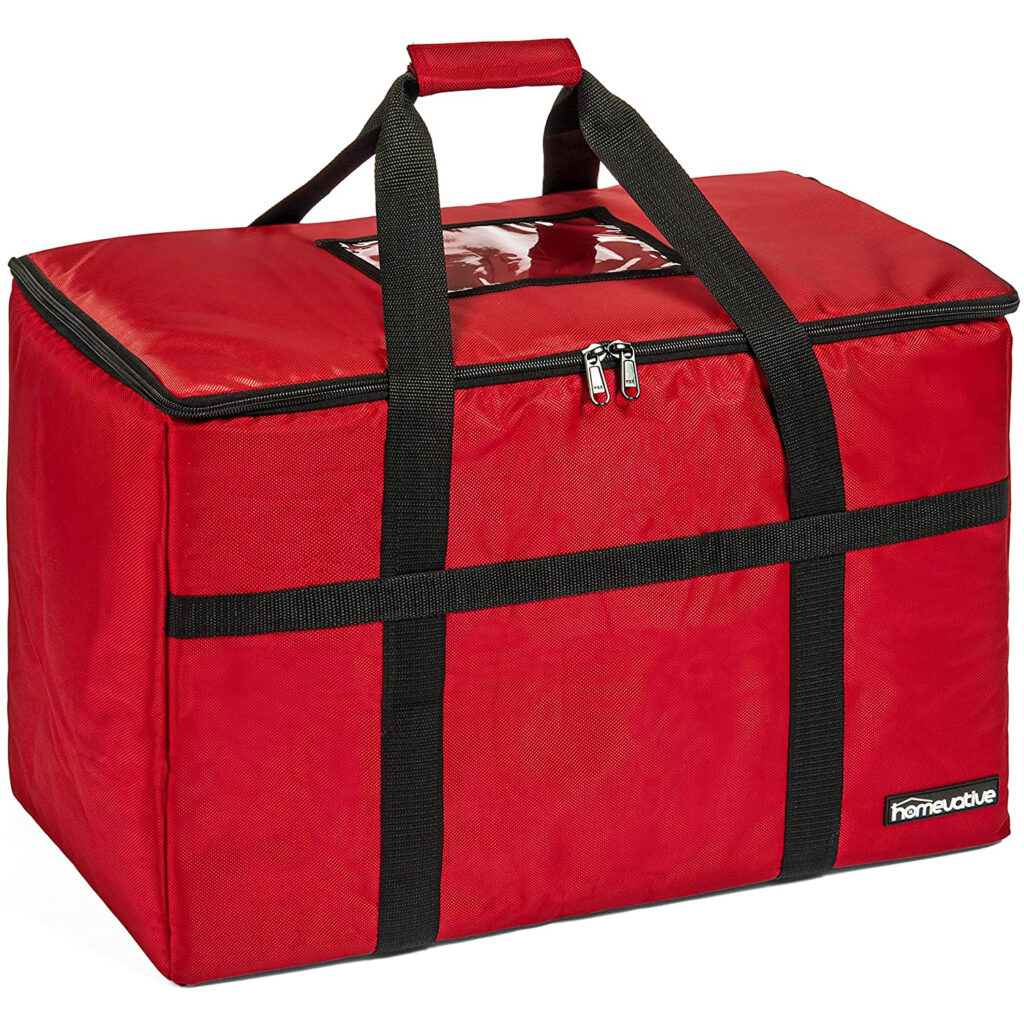
How to choose a VIP refrigerated shipping container for cosmetic cold chain
A VIP refrigerated shipping container for cosmetic cold chain is not automatically the right answer for every cold-chain shipment. It is best used when product value, route exposure, payload sensitivity, or space limits justify stronger passive insulation. The practical question is whether the shipper, coolant, payload layout, monitoring process, and receiving workflow fit your product. This edited guide helps you make that decision without overbuying or under-protecting the shipment.
Practical answer: A VIP refrigerated shipping container should be approved only after the product limit, route exposure, packout, monitoring plan, and receiving rule are clear. VIP insulation improves thermal buffering, but the shipment result depends on the complete operating system.
Decide first whether VIP is justified
A VIP refrigerated shipping container deserves consideration when the shipment has a clear reason for stronger passive insulation. That reason might be high payload value, narrow temperature tolerance, limited outer box size, long transit exposure, repeated route delays, or a need for reusable handling. Without a reason, VIP packaging can become an expensive habit rather than a risk-control tool.
The useful question is not whether a VIP refrigerated shipping container for cosmetic cold chain is advanced. The useful question is whether it solves the weak point in your current shipment. If your failures come from poor pack conditioning, loose handovers, unclear receiving checks, or weekend scheduling, the box alone will not solve the process. If the weak point is lack of thermal buffer or too much wall thickness in a constrained box, VIP may be worth testing.
For serums, emulsions, probiotic cosmetics, natural formulations, heat-sensitive creams, and cosmetic samples, start by mapping the product condition at packout, required condition at delivery, expected route exposure, and what proof the receiver needs. This makes the decision specific enough for procurement, quality, and operations teams to discuss together.
Define the product limit before designing the packout
Cosmetic storage ranges are product-specific. Buyers should follow the formula stability file, label claim, and quality instruction rather than assuming every cosmetic needs the same refrigerated range. The product limit must be the starting line because it defines what the packaging is trying to protect. A refrigerated product that must not freeze needs a different packout from a frozen product that must stay solid. A heat-sensitive cosmetic needs different protection from a lab reagent, meat parcel, hospital kit, or fresh produce box.
This is where buyers should resist generic answers. A supplier may offer a container family, but the packout needs a product-specific target. That target should include allowable temperature range, freeze or heat sensitivity, maximum time outside storage, payload size, orientation, and whether temperature data is required for release. If any of those items are unknown, they become buyer verification points rather than assumed facts.
For regulated healthcare shipments, labelled conditions and quality procedures should guide decisions. For food shipments, product safety, condition at delivery, and local rules should be checked. For cosmetics, formulas may be sensitive to heat, freezing, or condensation even when they are not regulated like medicine. The packaging should reflect the real risk rather than borrowing rules from another industry.
Build the system around the route
A VIP container is one part of a system. The system includes coolant, payload placement, dividers, liners, absorbents, data loggers, closure method, labels, outer carton, packing instructions, handover procedures, and receiving checks. If these parts are not defined, the same box can produce different results on different packing days.
Route mapping should include more than transit time. Note when the package leaves controlled storage, how long it waits before pickup, where it is sorted, whether it changes vehicles, how the receiver is notified, and how quickly it is opened after delivery. Many cold-chain problems happen during short but repeated uncontrolled moments, not during the long transport leg alone.
Season also matters. A packout that passes during mild weather may need different coolant, different shipment timing, or a different container for hot or cold seasons. Thermal test profiles and lane trials are helpful because they make these assumptions visible. A supplier's stated performance should always be tied to the test conditions behind it.
Procurement checks before sample approval
| Before approving samples | What to record | Reason |
|---|---|---|
| Product requirement | Allowed range, freeze or heat sensitivity, payload size | Keeps the packout connected to the real product |
| Container design | Outer size, usable inner size, VIP panel protection, closure | Prevents surprises in warehouse and carrier handling |
| Packout | Coolant type, conditioning method, placement, separators | Makes sample testing repeatable |
| Evidence | Test profile, lane trial, logger data, acceptance criteria | Separates supported claims from assumptions |
| Operations | Packing SOP, receiving check, cleaning or return process | Allows routine use after the first successful sample |
This table is intentionally practical. It helps the buyer move from a product sample to a controlled packaging decision. If the production container, coolant, or loading pattern changes later, the team should review whether the earlier evidence still applies.
When a simpler insulated package may be better
A VIP refrigerated shipping container is not always the best choice. Simpler foam boxes, insulated liners, thermal bags, or pallet covers may fit short routes, low-value payloads, broad temperature tolerances, or shipments that do not justify return handling. In many operations, the best solution is the simplest package that reliably meets the route and quality requirement.
VIP packaging can also be the wrong choice when the team cannot protect panels from damage, cannot follow a packout, cannot retrieve reusable containers, or cannot inspect the container between uses. Higher-performance materials require more disciplined handling. If the operation is not ready for that discipline, a less sensitive packaging format may produce fewer field problems.
The most balanced approach is to qualify packaging by lane and product family. Use VIP where the risk justifies it. Use simpler packaging where it works. Keep packout instructions clear enough that warehouse staff can repeat them without interpretation. This is how packaging becomes an operating control rather than a purchasing experiment.
Typical workflow for moving from inquiry to routine shipment
A procurement team evaluating a VIP refrigerated shipping container for cosmetic cold chain can use a staged process. First, define the payload and required condition. Second, describe the route and handling points. Third, request a container recommendation with packout details, not only a box price. Fourth, test samples under conditions close to the real shipment. Fifth, document the approved packout and train the packing team.
For example, the team may begin with a lane that has predictable pickup and delivery times. They pack the real product or a representative payload, use the agreed coolant, place the logger in a documented location, and record the receiving condition. If the trial exposes a problem, they adjust the packout or route before scaling. This process is slower than buying boxes from a catalog, but it reduces costly surprises later.
Routine shipments should also include a change-control mindset. If box dimensions, coolant supplier, panel layout, product load, carrier, or route timing changes, the packaging team should ask whether the approved result still applies. This prevents silent drift, where a shipment appears to use the same container but is no longer using the same system.
Frequently asked questions
What makes a VIP refrigerated shipping container different from a standard insulated shipper? The key difference is the use of vacuum insulation panels, which reduce heat transfer through the container walls. This can provide stronger thermal buffering or more usable space in some designs, but performance still depends on the full packout and route.
How do I compare supplier performance claims? Ask what conditions support the claim: ambient profile, duration, payload, coolant, conditioning method, logger placement, and acceptance criteria. Claims that do not describe these conditions should be treated as incomplete for procurement decisions.
Can the same VIP container be reused? Some VIP containers are designed for reusable handling, but reusability depends on inspection, cleaning, panel protection, accessory control, and return logistics. A returnable program should be piloted before routine use.
Does a temperature logger make the shipment safe? No. A logger provides evidence; it does not create thermal protection. It is useful when the data is reviewed against clear acceptance rules and linked to a receiving or deviation process.
What should I send a supplier for a better recommendation? Send the product type, allowable temperature range, payload dimensions, shipment duration, route description, seasonal concerns, coolant restrictions, monitoring needs, and whether the container is one-way or returnable.
Conclusion
A VIP refrigerated shipping container for cosmetic cold chain is most useful when it is chosen for a defined shipment problem. Start with the product's allowed condition, then map the route, payload, coolant, monitoring, and receiving workflow. Ask suppliers to connect performance claims to test conditions, and avoid treating VIP insulation as a universal guarantee.
The best cold-chain packaging decision is usually specific: this payload, this lane, this packout, this acceptance criterion. That level of clarity protects quality, helps procurement compare options fairly, and gives operations a process that can be repeated.
Field notes before scaling
For procurement, the final decision should balance protection, repeatability, and operating burden. If the package requires too many special steps, staff may not follow the packout consistently. If it is too simple for the route, product risk rises. The best VIP refrigerated shipping container selection is the one that the organization can repeat, inspect, document, and improve over time.
A sample request should be specific enough to prevent guesswork. Instead of asking for a generic cold shipper, the buyer should provide payload dimensions, target condition, transit time, carrier mode, seasonal concern, and whether the container will be returned. This helps the supplier recommend a realistic system rather than a catalog item.
The final packout should be easy to audit. A supervisor should be able to look at a packed container and tell whether the coolant, dividers, logger, documents, and closure match the instruction. If correct packing cannot be recognized quickly, routine quality will depend too much on individual memory.
It is also useful to define what happens when something goes wrong. A damaged box, missing logger, late delivery, or incorrect coolant condition should trigger a clear review. That review may be simple for food or consumer goods and more formal for healthcare payloads, but it should exist before the program scales.
The buyer should keep the wording precise. VIP insulation can improve the thermal buffer, but it does not guarantee product release, replace route planning, or remove the need for documented procedures. This distinction protects both the supplier and the buyer from unrealistic expectations.
For final supplier shortlisting, sample approval should create a reference point for later orders. Record the box size, panel layout, coolant type, payload orientation, accessory list, and closure method. If the production shipment later changes any of these items, the team should decide whether the earlier sample still represents the real VIP refrigerated shipping container for cosmetic cold chain program.
For final supplier shortlisting, pack conditioning deserves written control. Coolant that is too warm may reduce protection, while coolant that is too cold or placed incorrectly can damage sensitive products. For serums, emulsions, probiotic cosmetics, natural formulations, heat-sensitive creams, and cosmetic samples, the instruction should say how the coolant is prepared, where it is placed, and what separation is required from the payload.
For final supplier shortlisting, documentation does not need to be complicated, but it should be specific. A short packout sheet with photos, a revision date, and acceptance criteria is often more useful than a long generic procedure. The goal is to let a new packer repeat the same VIP refrigerated shipping container setup without relying on memory.
For final supplier shortlisting, reuse inspection must be part of the route design when the container is intended to return. Returned packaging should be checked for crushed corners, damaged lids, missing accessories, wet interiors, odor, or panel damage before it re-enters stock. Reuse without inspection can turn a good container into an inconsistent risk.
About Tempk
Tempk's cold-chain packaging portfolio includes passive insulated options and thermal accessories used in product sampling, food delivery, medical logistics, and distribution programs. For premium skincare shipping, heat-sensitive cosmetics, product launch samples, and direct-to-consumer beauty fulfillment, the useful conversation starts with the product condition, route exposure, handling steps, and whether a reusable or one-way approach makes more sense.
Before moving from sample shipments to routine shipping, discuss the packout, documentation needs, and route assumptions with Tempk.
VIP refrigerated shipping box for meat shipping: Practical Selection Guide
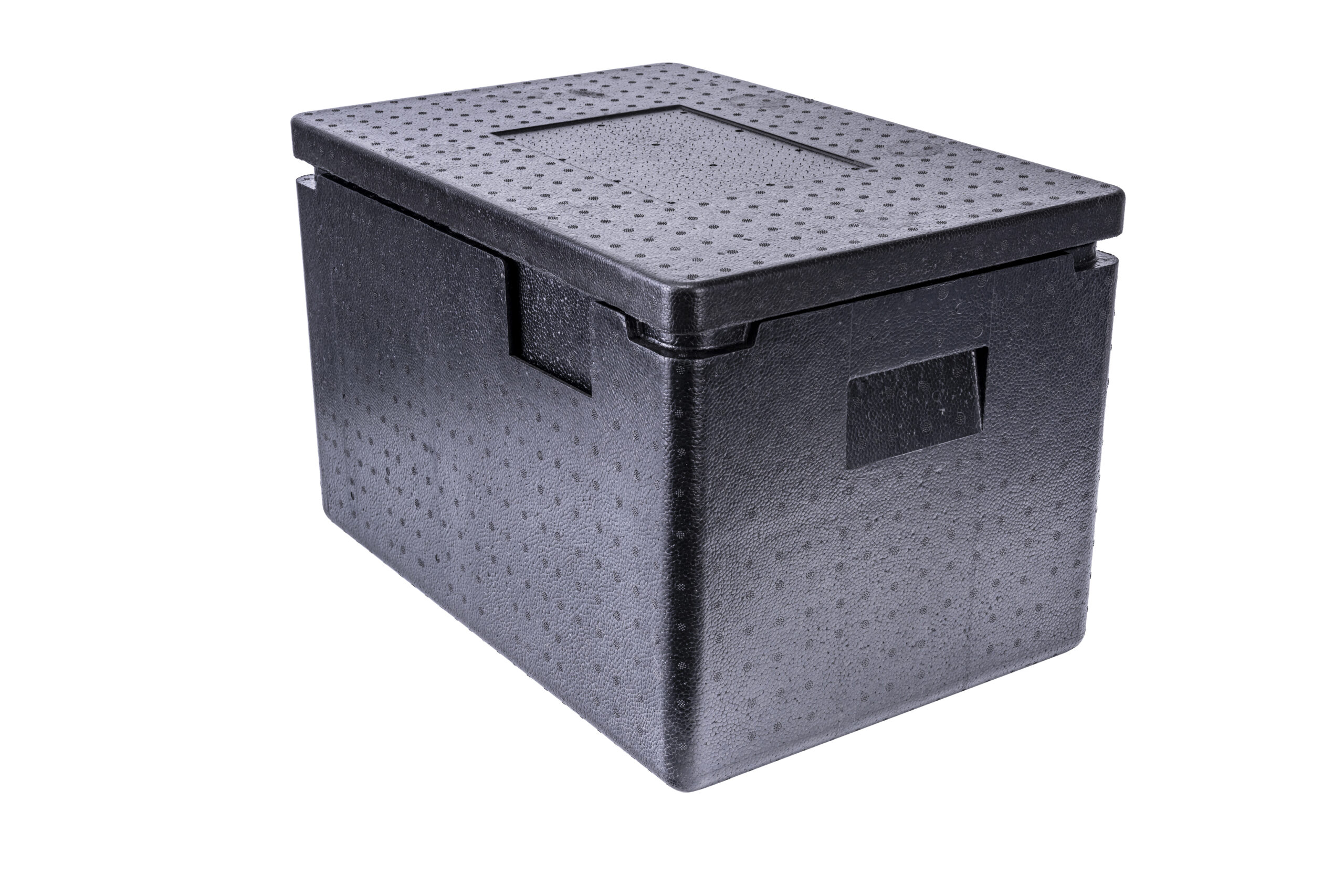
How to choose a VIP refrigerated shipping box for meat shipping
A VIP refrigerated shipping box for meat shipping is not automatically the right answer for every cold-chain shipment. It is best used when product value, route exposure, payload sensitivity, or space limits justify stronger passive insulation. The practical question is whether the shipper, coolant, payload layout, monitoring process, and receiving workflow fit your product. This edited guide helps you make that decision without overbuying or under-protecting the shipment.
Practical answer: A VIP refrigerated shipping box should be approved only after the product limit, route exposure, packout, monitoring plan, and receiving rule are clear. VIP insulation improves thermal buffering, but the shipment result depends on the complete operating system.
Decide first whether VIP is justified
A VIP refrigerated shipping box deserves consideration when the shipment has a clear reason for stronger passive insulation. That reason might be high payload value, narrow temperature tolerance, limited outer box size, long transit exposure, repeated route delays, or a need for reusable handling. Without a reason, VIP packaging can become an expensive habit rather than a risk-control tool.
The useful question is not whether a VIP refrigerated shipping box for meat shipping is advanced. The useful question is whether it solves the weak point in your current shipment. If your failures come from poor pack conditioning, loose handovers, unclear receiving checks, or weekend scheduling, the box alone will not solve the process. If the weak point is lack of thermal buffer or too much wall thickness in a constrained box, VIP may be worth testing.
For fresh cuts, frozen meat packs, chilled meal kits, and temperature-sensitive protein products, start by mapping the product condition at packout, required condition at delivery, expected route exposure, and what proof the receiver needs. This makes the decision specific enough for procurement, quality, and operations teams to discuss together.
Define the product limit before designing the packout
In U.S. food safety guidance, perishable meat and poultry are commonly referenced as needing cold conditions at 40°F or below or frozen at 0°F or below during transport, but shippers must follow the product, route, and local requirements that apply to their business. The product limit must be the starting line because it defines what the packaging is trying to protect. A refrigerated product that must not freeze needs a different packout from a frozen product that must stay solid. A heat-sensitive cosmetic needs different protection from a lab reagent, meat parcel, hospital kit, or fresh produce box.
This is where buyers should resist generic answers. A supplier may offer a container family, but the packout needs a product-specific target. That target should include allowable temperature range, freeze or heat sensitivity, maximum time outside storage, payload size, orientation, and whether temperature data is required for release. If any of those items are unknown, they become buyer verification points rather than assumed facts.
For regulated healthcare shipments, labelled conditions and quality procedures should guide decisions. For food shipments, product safety, condition at delivery, and local rules should be checked. For cosmetics, formulas may be sensitive to heat, freezing, or condensation even when they are not regulated like medicine. The packaging should reflect the real risk rather than borrowing rules from another industry.
Build the system around the route
A VIP container is one part of a system. The system includes coolant, payload placement, dividers, liners, absorbents, data loggers, closure method, labels, outer carton, packing instructions, handover procedures, and receiving checks. If these parts are not defined, the same box can produce different results on different packing days.
Route mapping should include more than transit time. Note when the package leaves controlled storage, how long it waits before pickup, where it is sorted, whether it changes vehicles, how the receiver is notified, and how quickly it is opened after delivery. Many cold-chain problems happen during short but repeated uncontrolled moments, not during the long transport leg alone.
Season also matters. A packout that passes during mild weather may need different coolant, different shipment timing, or a different container for hot or cold seasons. Thermal test profiles and lane trials are helpful because they make these assumptions visible. A supplier's stated performance should always be tied to the test conditions behind it.
Procurement checks before sample approval
| Before approving samples | What to record | Reason |
|---|---|---|
| Product requirement | Allowed range, freeze or heat sensitivity, payload size | Keeps the packout connected to the real product |
| Container design | Outer size, usable inner size, VIP panel protection, closure | Prevents surprises in warehouse and carrier handling |
| Packout | Coolant type, conditioning method, placement, separators | Makes sample testing repeatable |
| Evidence | Test profile, lane trial, logger data, acceptance criteria | Separates supported claims from assumptions |
| Operations | Packing SOP, receiving check, cleaning or return process | Allows routine use after the first successful sample |
This table is intentionally practical. It helps the buyer move from a product sample to a controlled packaging decision. If the production container, coolant, or loading pattern changes later, the team should review whether the earlier evidence still applies.
When a simpler insulated package may be better
A VIP refrigerated shipping box is not always the best choice. Simpler foam boxes, insulated liners, thermal bags, or pallet covers may fit short routes, low-value payloads, broad temperature tolerances, or shipments that do not justify return handling. In many operations, the best solution is the simplest package that reliably meets the route and quality requirement.
VIP packaging can also be the wrong choice when the team cannot protect panels from damage, cannot follow a packout, cannot retrieve reusable containers, or cannot inspect the container between uses. Higher-performance materials require more disciplined handling. If the operation is not ready for that discipline, a less sensitive packaging format may produce fewer field problems.
The most balanced approach is to qualify packaging by lane and product family. Use VIP where the risk justifies it. Use simpler packaging where it works. Keep packout instructions clear enough that warehouse staff can repeat them without interpretation. This is how packaging becomes an operating control rather than a purchasing experiment.
Typical workflow for moving from inquiry to routine shipment
A procurement team evaluating a VIP refrigerated shipping box for meat shipping can use a staged process. First, define the payload and required condition. Second, describe the route and handling points. Third, request a container recommendation with packout details, not only a box price. Fourth, test samples under conditions close to the real shipment. Fifth, document the approved packout and train the packing team.
For example, the team may begin with a lane that has predictable pickup and delivery times. They pack the real product or a representative payload, use the agreed coolant, place the logger in a documented location, and record the receiving condition. If the trial exposes a problem, they adjust the packout or route before scaling. This process is slower than buying boxes from a catalog, but it reduces costly surprises later.
Routine shipments should also include a change-control mindset. If box dimensions, coolant supplier, panel layout, product load, carrier, or route timing changes, the packaging team should ask whether the approved result still applies. This prevents silent drift, where a shipment appears to use the same container but is no longer using the same system.
Frequently asked questions
What makes a VIP refrigerated shipping box different from a standard insulated shipper? The key difference is the use of vacuum insulation panels, which reduce heat transfer through the container walls. This can provide stronger thermal buffering or more usable space in some designs, but performance still depends on the full packout and route.
How do I compare supplier performance claims? Ask what conditions support the claim: ambient profile, duration, payload, coolant, conditioning method, logger placement, and acceptance criteria. Claims that do not describe these conditions should be treated as incomplete for procurement decisions.
Can the same VIP container be reused? Some VIP containers are designed for reusable handling, but reusability depends on inspection, cleaning, panel protection, accessory control, and return logistics. A returnable program should be piloted before routine use.
Does a temperature logger make the shipment safe? No. A logger provides evidence; it does not create thermal protection. It is useful when the data is reviewed against clear acceptance rules and linked to a receiving or deviation process.
What should I send a supplier for a better recommendation? Send the product type, allowable temperature range, payload dimensions, shipment duration, route description, seasonal concerns, coolant restrictions, monitoring needs, and whether the container is one-way or returnable.
Conclusion
A VIP refrigerated shipping box for meat shipping is most useful when it is chosen for a defined shipment problem. Start with the product's allowed condition, then map the route, payload, coolant, monitoring, and receiving workflow. Ask suppliers to connect performance claims to test conditions, and avoid treating VIP insulation as a universal guarantee.
The best cold-chain packaging decision is usually specific: this payload, this lane, this packout, this acceptance criterion. That level of clarity protects quality, helps procurement compare options fairly, and gives operations a process that can be repeated.
Field notes before scaling
For procurement, the final decision should balance protection, repeatability, and operating burden. If the package requires too many special steps, staff may not follow the packout consistently. If it is too simple for the route, product risk rises. The best VIP refrigerated shipping box selection is the one that the organization can repeat, inspect, document, and improve over time.
A sample request should be specific enough to prevent guesswork. Instead of asking for a generic cold shipper, the buyer should provide payload dimensions, target condition, transit time, carrier mode, seasonal concern, and whether the container will be returned. This helps the supplier recommend a realistic system rather than a catalog item.
The final packout should be easy to audit. A supervisor should be able to look at a packed container and tell whether the coolant, dividers, logger, documents, and closure match the instruction. If correct packing cannot be recognized quickly, routine quality will depend too much on individual memory.
It is also useful to define what happens when something goes wrong. A damaged box, missing logger, late delivery, or incorrect coolant condition should trigger a clear review. That review may be simple for food or consumer goods and more formal for healthcare payloads, but it should exist before the program scales.
The buyer should keep the wording precise. VIP insulation can improve the thermal buffer, but it does not guarantee product release, replace route planning, or remove the need for documented procedures. This distinction protects both the supplier and the buyer from unrealistic expectations.
For final supplier shortlisting, sample approval should create a reference point for later orders. Record the box size, panel layout, coolant type, payload orientation, accessory list, and closure method. If the production shipment later changes any of these items, the team should decide whether the earlier sample still represents the real VIP refrigerated shipping box for meat shipping program.
For final supplier shortlisting, pack conditioning deserves written control. Coolant that is too warm may reduce protection, while coolant that is too cold or placed incorrectly can damage sensitive products. For fresh cuts, frozen meat packs, chilled meal kits, and temperature-sensitive protein products, the instruction should say how the coolant is prepared, where it is placed, and what separation is required from the payload.
For final supplier shortlisting, documentation does not need to be complicated, but it should be specific. A short packout sheet with photos, a revision date, and acceptance criteria is often more useful than a long generic procedure. The goal is to let a new packer repeat the same VIP refrigerated shipping box setup without relying on memory.
For final supplier shortlisting, reuse inspection must be part of the route design when the container is intended to return. Returned packaging should be checked for crushed corners, damaged lids, missing accessories, wet interiors, odor, or panel damage before it re-enters stock. Reuse without inspection can turn a good container into an inconsistent risk.
About Tempk
Tempk's cold-chain packaging portfolio includes passive insulated options and thermal accessories used in product sampling, food delivery, medical logistics, and distribution programs. For premium meat delivery, insulated parcel shipping, frozen food fulfillment, and route trials before scaling, the useful conversation starts with the product condition, route exposure, handling steps, and whether a reusable or one-way approach makes more sense.
Before moving from sample shipments to routine shipping, discuss the packout, documentation needs, and route assumptions with Tempk.
VIP insulated shipping container for pet food delivery Guide
How to choose a VIP insulated shipping container for pet food delivery
A VIP insulated shipping container for pet food delivery is not automatically the right answer for every cold-chain shipment. It is best used when product value, route exposure, payload sensitivity, or space limits justify stronger passive insulation. The practical question is whether the shipper, coolant, payload layout, monitoring process, and receiving workflow fit your product. This edited guide helps you make that decision without overbuying or under-protecting the shipment.
Practical answer: A VIP insulated shipping container should be approved only after the product limit, route exposure, packout, monitoring plan, and receiving rule are clear. VIP insulation improves thermal buffering, but the shipment result depends on the complete operating system.
Decide first whether VIP is justified
A VIP insulated shipping container deserves consideration when the shipment has a clear reason for stronger passive insulation. That reason might be high payload value, narrow temperature tolerance, limited outer box size, long transit exposure, repeated route delays, or a need for reusable handling. Without a reason, VIP packaging can become an expensive habit rather than a risk-control tool.
The useful question is not whether a VIP insulated shipping container for pet food delivery is advanced. The useful question is whether it solves the weak point in your current shipment. If your failures come from poor pack conditioning, loose handovers, unclear receiving checks, or weekend scheduling, the box alone will not solve the process. If the weak point is lack of thermal buffer or too much wall thickness in a constrained box, VIP may be worth testing.
For fresh pet meals, raw frozen pet food, chilled toppers, subscription meals, and premium perishable pet products, start by mapping the product condition at packout, required condition at delivery, expected route exposure, and what proof the receiver needs. This makes the decision specific enough for procurement, quality, and operations teams to discuss together.
Define the product limit before designing the packout
Pet food temperature requirements depend on whether the product is refrigerated, frozen, raw, cooked, or shelf-stable. Food safety rules and product labels should drive the delivery specification. The product limit must be the starting line because it defines what the packaging is trying to protect. A refrigerated product that must not freeze needs a different packout from a frozen product that must stay solid. A heat-sensitive cosmetic needs different protection from a lab reagent, meat parcel, hospital kit, or fresh produce box.
This is where buyers should resist generic answers. A supplier may offer a container family, but the packout needs a product-specific target. That target should include allowable temperature range, freeze or heat sensitivity, maximum time outside storage, payload size, orientation, and whether temperature data is required for release. If any of those items are unknown, they become buyer verification points rather than assumed facts.
For regulated healthcare shipments, labelled conditions and quality procedures should guide decisions. For food shipments, product safety, condition at delivery, and local rules should be checked. For cosmetics, formulas may be sensitive to heat, freezing, or condensation even when they are not regulated like medicine. The packaging should reflect the real risk rather than borrowing rules from another industry.
Build the system around the route
A VIP container is one part of a system. The system includes coolant, payload placement, dividers, liners, absorbents, data loggers, closure method, labels, outer carton, packing instructions, handover procedures, and receiving checks. If these parts are not defined, the same box can produce different results on different packing days.
Route mapping should include more than transit time. Note when the package leaves controlled storage, how long it waits before pickup, where it is sorted, whether it changes vehicles, how the receiver is notified, and how quickly it is opened after delivery. Many cold-chain problems happen during short but repeated uncontrolled moments, not during the long transport leg alone.
Season also matters. A packout that passes during mild weather may need different coolant, different shipment timing, or a different container for hot or cold seasons. Thermal test profiles and lane trials are helpful because they make these assumptions visible. A supplier's stated performance should always be tied to the test conditions behind it.
Procurement checks before sample approval
| Before approving samples | What to record | Reason |
|---|---|---|
| Product requirement | Allowed range, freeze or heat sensitivity, payload size | Keeps the packout connected to the real product |
| Container design | Outer size, usable inner size, VIP panel protection, closure | Prevents surprises in warehouse and carrier handling |
| Packout | Coolant type, conditioning method, placement, separators | Makes sample testing repeatable |
| Evidence | Test profile, lane trial, logger data, acceptance criteria | Separates supported claims from assumptions |
| Operations | Packing SOP, receiving check, cleaning or return process | Allows routine use after the first successful sample |
This table is intentionally practical. It helps the buyer move from a product sample to a controlled packaging decision. If the production container, coolant, or loading pattern changes later, the team should review whether the earlier evidence still applies.
When a simpler insulated package may be better
A VIP insulated shipping container is not always the best choice. Simpler foam boxes, insulated liners, thermal bags, or pallet covers may fit short routes, low-value payloads, broad temperature tolerances, or shipments that do not justify return handling. In many operations, the best solution is the simplest package that reliably meets the route and quality requirement.
VIP packaging can also be the wrong choice when the team cannot protect panels from damage, cannot follow a packout, cannot retrieve reusable containers, or cannot inspect the container between uses. Higher-performance materials require more disciplined handling. If the operation is not ready for that discipline, a less sensitive packaging format may produce fewer field problems.
The most balanced approach is to qualify packaging by lane and product family. Use VIP where the risk justifies it. Use simpler packaging where it works. Keep packout instructions clear enough that warehouse staff can repeat them without interpretation. This is how packaging becomes an operating control rather than a purchasing experiment.
Typical workflow for moving from inquiry to routine shipment
A procurement team evaluating a VIP insulated shipping container for pet food delivery can use a staged process. First, define the payload and required condition. Second, describe the route and handling points. Third, request a container recommendation with packout details, not only a box price. Fourth, test samples under conditions close to the real shipment. Fifth, document the approved packout and train the packing team.
For example, the team may begin with a lane that has predictable pickup and delivery times. They pack the real product or a representative payload, use the agreed coolant, place the logger in a documented location, and record the receiving condition. If the trial exposes a problem, they adjust the packout or route before scaling. This process is slower than buying boxes from a catalog, but it reduces costly surprises later.
Routine shipments should also include a change-control mindset. If box dimensions, coolant supplier, panel layout, product load, carrier, or route timing changes, the packaging team should ask whether the approved result still applies. This prevents silent drift, where a shipment appears to use the same container but is no longer using the same system.
Frequently asked questions
What makes a VIP insulated shipping container different from a standard insulated shipper? The key difference is the use of vacuum insulation panels, which reduce heat transfer through the container walls. This can provide stronger thermal buffering or more usable space in some designs, but performance still depends on the full packout and route.
How do I compare supplier performance claims? Ask what conditions support the claim: ambient profile, duration, payload, coolant, conditioning method, logger placement, and acceptance criteria. Claims that do not describe these conditions should be treated as incomplete for procurement decisions.
Can the same VIP container be reused? Some VIP containers are designed for reusable handling, but reusability depends on inspection, cleaning, panel protection, accessory control, and return logistics. A returnable program should be piloted before routine use.
Does a temperature logger make the shipment safe? No. A logger provides evidence; it does not create thermal protection. It is useful when the data is reviewed against clear acceptance rules and linked to a receiving or deviation process.
What should I send a supplier for a better recommendation? Send the product type, allowable temperature range, payload dimensions, shipment duration, route description, seasonal concerns, coolant restrictions, monitoring needs, and whether the container is one-way or returnable.
Conclusion
A VIP insulated shipping container for pet food delivery is most useful when it is chosen for a defined shipment problem. Start with the product's allowed condition, then map the route, payload, coolant, monitoring, and receiving workflow. Ask suppliers to connect performance claims to test conditions, and avoid treating VIP insulation as a universal guarantee.
The best cold-chain packaging decision is usually specific: this payload, this lane, this packout, this acceptance criterion. That level of clarity protects quality, helps procurement compare options fairly, and gives operations a process that can be repeated.
Field notes before scaling
For procurement, the final decision should balance protection, repeatability, and operating burden. If the package requires too many special steps, staff may not follow the packout consistently. If it is too simple for the route, product risk rises. The best VIP insulated shipping container selection is the one that the organization can repeat, inspect, document, and improve over time.
A sample request should be specific enough to prevent guesswork. Instead of asking for a generic cold shipper, the buyer should provide payload dimensions, target condition, transit time, carrier mode, seasonal concern, and whether the container will be returned. This helps the supplier recommend a realistic system rather than a catalog item.
The final packout should be easy to audit. A supervisor should be able to look at a packed container and tell whether the coolant, dividers, logger, documents, and closure match the instruction. If correct packing cannot be recognized quickly, routine quality will depend too much on individual memory.
It is also useful to define what happens when something goes wrong. A damaged box, missing logger, late delivery, or incorrect coolant condition should trigger a clear review. That review may be simple for food or consumer goods and more formal for healthcare payloads, but it should exist before the program scales.
The buyer should keep the wording precise. VIP insulation can improve the thermal buffer, but it does not guarantee product release, replace route planning, or remove the need for documented procedures. This distinction protects both the supplier and the buyer from unrealistic expectations.
For final supplier shortlisting, sample approval should create a reference point for later orders. Record the box size, panel layout, coolant type, payload orientation, accessory list, and closure method. If the production shipment later changes any of these items, the team should decide whether the earlier sample still represents the real VIP insulated shipping container for pet food delivery program.
For final supplier shortlisting, pack conditioning deserves written control. Coolant that is too warm may reduce protection, while coolant that is too cold or placed incorrectly can damage sensitive products. For fresh pet meals, raw frozen pet food, chilled toppers, subscription meals, and premium perishable pet products, the instruction should say how the coolant is prepared, where it is placed, and what separation is required from the payload.
For final supplier shortlisting, documentation does not need to be complicated, but it should be specific. A short packout sheet with photos, a revision date, and acceptance criteria is often more useful than a long generic procedure. The goal is to let a new packer repeat the same VIP insulated shipping container setup without relying on memory.
For final supplier shortlisting, reuse inspection must be part of the route design when the container is intended to return. Returned packaging should be checked for crushed corners, damaged lids, missing accessories, wet interiors, odor, or panel damage before it re-enters stock. Reuse without inspection can turn a good container into an inconsistent risk.
About Tempk
Tempk's cold-chain packaging portfolio includes passive insulated options and thermal accessories used in product sampling, food delivery, medical logistics, and distribution programs. For fresh pet food ecommerce, raw frozen pet food shipping, subscription routes, and premium delivery programs, the useful conversation starts with the product condition, route exposure, handling steps, and whether a reusable or one-way approach makes more sense.
Before moving from sample shipments to routine shipping, discuss the packout, documentation needs, and route assumptions with Tempk.
VIP insulated packaging for payload protection: Practical Selection Guide
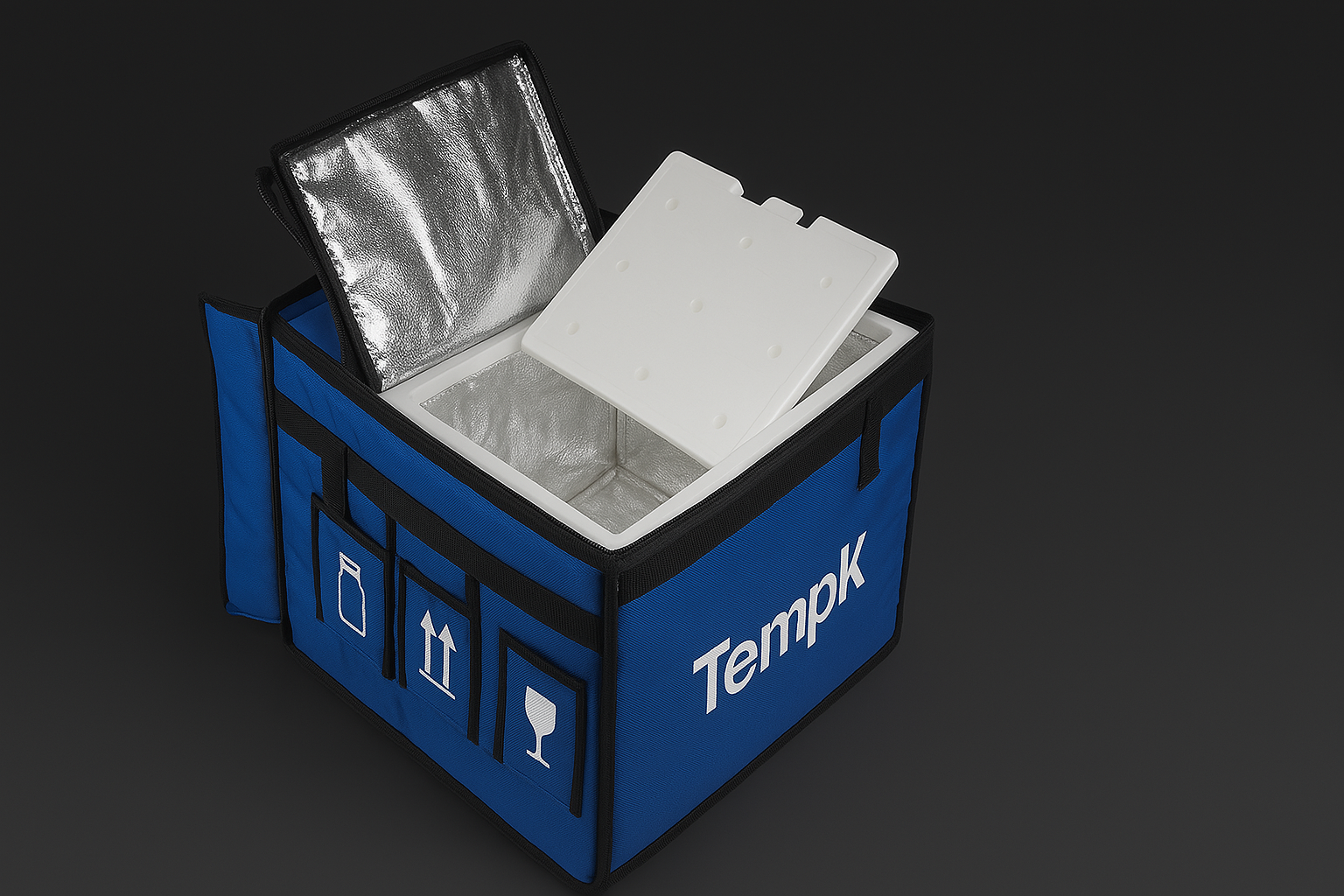
How to choose a VIP insulated packaging for payload protection
A VIP insulated packaging for payload protection is not automatically the right answer for every cold-chain shipment. It is best used when product value, route exposure, payload sensitivity, or space limits justify stronger passive insulation. The practical question is whether the shipper, coolant, payload layout, monitoring process, and receiving workflow fit your product. This edited guide helps you make that decision without overbuying or under-protecting the shipment.
Practical answer: A VIP insulated packaging should be approved only after the product limit, route exposure, packout, monitoring plan, and receiving rule are clear. VIP insulation improves thermal buffering, but the shipment result depends on the complete operating system.
Decide first whether VIP is justified
A VIP insulated packaging deserves consideration when the shipment has a clear reason for stronger passive insulation. That reason might be high payload value, narrow temperature tolerance, limited outer box size, long transit exposure, repeated route delays, or a need for reusable handling. Without a reason, VIP packaging can become an expensive habit rather than a risk-control tool.
The useful question is not whether a VIP insulated packaging for payload protection is advanced. The useful question is whether it solves the weak point in your current shipment. If your failures come from poor pack conditioning, loose handovers, unclear receiving checks, or weekend scheduling, the box alone will not solve the process. If the weak point is lack of thermal buffer or too much wall thickness in a constrained box, VIP may be worth testing.
For fragile, high-value, temperature-sensitive, or quality-critical payloads that need both thermal and physical protection, start by mapping the product condition at packout, required condition at delivery, expected route exposure, and what proof the receiver needs. This makes the decision specific enough for procurement, quality, and operations teams to discuss together.
Define the product limit before designing the packout
The temperature range should be defined by the payload. VIP insulation can slow heat transfer, but cushioning, separators, liners, and coolant placement determine how the payload experiences the journey. The product limit must be the starting line because it defines what the packaging is trying to protect. A refrigerated product that must not freeze needs a different packout from a frozen product that must stay solid. A heat-sensitive cosmetic needs different protection from a lab reagent, meat parcel, hospital kit, or fresh produce box.
This is where buyers should resist generic answers. A supplier may offer a container family, but the packout needs a product-specific target. That target should include allowable temperature range, freeze or heat sensitivity, maximum time outside storage, payload size, orientation, and whether temperature data is required for release. If any of those items are unknown, they become buyer verification points rather than assumed facts.
For regulated healthcare shipments, labelled conditions and quality procedures should guide decisions. For food shipments, product safety, condition at delivery, and local rules should be checked. For cosmetics, formulas may be sensitive to heat, freezing, or condensation even when they are not regulated like medicine. The packaging should reflect the real risk rather than borrowing rules from another industry.
Build the system around the route
A VIP container is one part of a system. The system includes coolant, payload placement, dividers, liners, absorbents, data loggers, closure method, labels, outer carton, packing instructions, handover procedures, and receiving checks. If these parts are not defined, the same box can produce different results on different packing days.
Route mapping should include more than transit time. Note when the package leaves controlled storage, how long it waits before pickup, where it is sorted, whether it changes vehicles, how the receiver is notified, and how quickly it is opened after delivery. Many cold-chain problems happen during short but repeated uncontrolled moments, not during the long transport leg alone.
Season also matters. A packout that passes during mild weather may need different coolant, different shipment timing, or a different container for hot or cold seasons. Thermal test profiles and lane trials are helpful because they make these assumptions visible. A supplier's stated performance should always be tied to the test conditions behind it.
Procurement checks before sample approval
| Before approving samples | What to record | Reason |
|---|---|---|
| Product requirement | Allowed range, freeze or heat sensitivity, payload size | Keeps the packout connected to the real product |
| Container design | Outer size, usable inner size, VIP panel protection, closure | Prevents surprises in warehouse and carrier handling |
| Packout | Coolant type, conditioning method, placement, separators | Makes sample testing repeatable |
| Evidence | Test profile, lane trial, logger data, acceptance criteria | Separates supported claims from assumptions |
| Operations | Packing SOP, receiving check, cleaning or return process | Allows routine use after the first successful sample |
This table is intentionally practical. It helps the buyer move from a product sample to a controlled packaging decision. If the production container, coolant, or loading pattern changes later, the team should review whether the earlier evidence still applies.
When a simpler insulated package may be better
A VIP insulated packaging is not always the best choice. Simpler foam boxes, insulated liners, thermal bags, or pallet covers may fit short routes, low-value payloads, broad temperature tolerances, or shipments that do not justify return handling. In many operations, the best solution is the simplest package that reliably meets the route and quality requirement.
VIP packaging can also be the wrong choice when the team cannot protect panels from damage, cannot follow a packout, cannot retrieve reusable containers, or cannot inspect the container between uses. Higher-performance materials require more disciplined handling. If the operation is not ready for that discipline, a less sensitive packaging format may produce fewer field problems.
The most balanced approach is to qualify packaging by lane and product family. Use VIP where the risk justifies it. Use simpler packaging where it works. Keep packout instructions clear enough that warehouse staff can repeat them without interpretation. This is how packaging becomes an operating control rather than a purchasing experiment.
Typical workflow for moving from inquiry to routine shipment
A procurement team evaluating a VIP insulated packaging for payload protection can use a staged process. First, define the payload and required condition. Second, describe the route and handling points. Third, request a container recommendation with packout details, not only a box price. Fourth, test samples under conditions close to the real shipment. Fifth, document the approved packout and train the packing team.
For example, the team may begin with a lane that has predictable pickup and delivery times. They pack the real product or a representative payload, use the agreed coolant, place the logger in a documented location, and record the receiving condition. If the trial exposes a problem, they adjust the packout or route before scaling. This process is slower than buying boxes from a catalog, but it reduces costly surprises later.
Routine shipments should also include a change-control mindset. If box dimensions, coolant supplier, panel layout, product load, carrier, or route timing changes, the packaging team should ask whether the approved result still applies. This prevents silent drift, where a shipment appears to use the same container but is no longer using the same system.
Frequently asked questions
What makes a VIP insulated packaging different from a standard insulated shipper? The key difference is the use of vacuum insulation panels, which reduce heat transfer through the container walls. This can provide stronger thermal buffering or more usable space in some designs, but performance still depends on the full packout and route.
How do I compare supplier performance claims? Ask what conditions support the claim: ambient profile, duration, payload, coolant, conditioning method, logger placement, and acceptance criteria. Claims that do not describe these conditions should be treated as incomplete for procurement decisions.
Can the same VIP container be reused? Some VIP containers are designed for reusable handling, but reusability depends on inspection, cleaning, panel protection, accessory control, and return logistics. A returnable program should be piloted before routine use.
Does a temperature logger make the shipment safe? No. A logger provides evidence; it does not create thermal protection. It is useful when the data is reviewed against clear acceptance rules and linked to a receiving or deviation process.
What should I send a supplier for a better recommendation? Send the product type, allowable temperature range, payload dimensions, shipment duration, route description, seasonal concerns, coolant restrictions, monitoring needs, and whether the container is one-way or returnable.
Conclusion
A VIP insulated packaging for payload protection is most useful when it is chosen for a defined shipment problem. Start with the product's allowed condition, then map the route, payload, coolant, monitoring, and receiving workflow. Ask suppliers to connect performance claims to test conditions, and avoid treating VIP insulation as a universal guarantee.
The best cold-chain packaging decision is usually specific: this payload, this lane, this packout, this acceptance criterion. That level of clarity protects quality, helps procurement compare options fairly, and gives operations a process that can be repeated.
Field notes before scaling
For procurement, the final decision should balance protection, repeatability, and operating burden. If the package requires too many special steps, staff may not follow the packout consistently. If it is too simple for the route, product risk rises. The best VIP insulated packaging selection is the one that the organization can repeat, inspect, document, and improve over time.
A sample request should be specific enough to prevent guesswork. Instead of asking for a generic cold shipper, the buyer should provide payload dimensions, target condition, transit time, carrier mode, seasonal concern, and whether the container will be returned. This helps the supplier recommend a realistic system rather than a catalog item.
The final packout should be easy to audit. A supervisor should be able to look at a packed container and tell whether the coolant, dividers, logger, documents, and closure match the instruction. If correct packing cannot be recognized quickly, routine quality will depend too much on individual memory.
It is also useful to define what happens when something goes wrong. A damaged box, missing logger, late delivery, or incorrect coolant condition should trigger a clear review. That review may be simple for food or consumer goods and more formal for healthcare payloads, but it should exist before the program scales.
The buyer should keep the wording precise. VIP insulation can improve the thermal buffer, but it does not guarantee product release, replace route planning, or remove the need for documented procedures. This distinction protects both the supplier and the buyer from unrealistic expectations.
For final supplier shortlisting, sample approval should create a reference point for later orders. Record the box size, panel layout, coolant type, payload orientation, accessory list, and closure method. If the production shipment later changes any of these items, the team should decide whether the earlier sample still represents the real VIP insulated packaging for payload protection program.
For final supplier shortlisting, pack conditioning deserves written control. Coolant that is too warm may reduce protection, while coolant that is too cold or placed incorrectly can damage sensitive products. For fragile, high-value, temperature-sensitive, or quality-critical payloads that need both thermal and physical protection, the instruction should say how the coolant is prepared, where it is placed, and what separation is required from the payload.
For final supplier shortlisting, documentation does not need to be complicated, but it should be specific. A short packout sheet with photos, a revision date, and acceptance criteria is often more useful than a long generic procedure. The goal is to let a new packer repeat the same VIP insulated packaging setup without relying on memory.
For final supplier shortlisting, reuse inspection must be part of the route design when the container is intended to return. Returned packaging should be checked for crushed corners, damaged lids, missing accessories, wet interiors, odor, or panel damage before it re-enters stock. Reuse without inspection can turn a good container into an inconsistent risk.
About Tempk
Tempk's cold-chain packaging portfolio includes passive insulated options and thermal accessories used in product sampling, food delivery, medical logistics, and distribution programs. For high-value payloads, fragile diagnostic kits, premium food and cosmetic samples, and sensitive materials with strict receiving checks, the useful conversation starts with the product condition, route exposure, handling steps, and whether a reusable or one-way approach makes more sense.
Before moving from sample shipments to routine shipping, discuss the packout, documentation needs, and route assumptions with Tempk.
VIP cooler container for returnable packaging: Practical Selection Guide
How to choose a VIP cooler container for returnable packaging
A VIP cooler container for returnable packaging is not automatically the right answer for every cold-chain shipment. It is best used when product value, route exposure, payload sensitivity, or space limits justify stronger passive insulation. The practical question is whether the shipper, coolant, payload layout, monitoring process, and receiving workflow fit your product. This edited guide helps you make that decision without overbuying or under-protecting the shipment.
Practical answer: A VIP cooler container should be approved only after the product limit, route exposure, packout, monitoring plan, and receiving rule are clear. VIP insulation improves thermal buffering, but the shipment result depends on the complete operating system.
Decide first whether VIP is justified
A VIP cooler container deserves consideration when the shipment has a clear reason for stronger passive insulation. That reason might be high payload value, narrow temperature tolerance, limited outer box size, long transit exposure, repeated route delays, or a need for reusable handling. Without a reason, VIP packaging can become an expensive habit rather than a risk-control tool.
The useful question is not whether a VIP cooler container for returnable packaging is advanced. The useful question is whether it solves the weak point in your current shipment. If your failures come from poor pack conditioning, loose handovers, unclear receiving checks, or weekend scheduling, the box alone will not solve the process. If the weak point is lack of thermal buffer or too much wall thickness in a constrained box, VIP may be worth testing.
For temperature-sensitive products moving through repeat routes where cooler containers can be collected, checked, cleaned, and redeployed, start by mapping the product condition at packout, required condition at delivery, expected route exposure, and what proof the receiver needs. This makes the decision specific enough for procurement, quality, and operations teams to discuss together.
Define the product limit before designing the packout
The target temperature range remains payload-specific. A reusable cooler should be selected only after the packout, route, cleaning, and inspection process are practical for the operating team. The product limit must be the starting line because it defines what the packaging is trying to protect. A refrigerated product that must not freeze needs a different packout from a frozen product that must stay solid. A heat-sensitive cosmetic needs different protection from a lab reagent, meat parcel, hospital kit, or fresh produce box.
This is where buyers should resist generic answers. A supplier may offer a container family, but the packout needs a product-specific target. That target should include allowable temperature range, freeze or heat sensitivity, maximum time outside storage, payload size, orientation, and whether temperature data is required for release. If any of those items are unknown, they become buyer verification points rather than assumed facts.
For regulated healthcare shipments, labelled conditions and quality procedures should guide decisions. For food shipments, product safety, condition at delivery, and local rules should be checked. For cosmetics, formulas may be sensitive to heat, freezing, or condensation even when they are not regulated like medicine. The packaging should reflect the real risk rather than borrowing rules from another industry.
Build the system around the route
A VIP container is one part of a system. The system includes coolant, payload placement, dividers, liners, absorbents, data loggers, closure method, labels, outer carton, packing instructions, handover procedures, and receiving checks. If these parts are not defined, the same box can produce different results on different packing days.
Route mapping should include more than transit time. Note when the package leaves controlled storage, how long it waits before pickup, where it is sorted, whether it changes vehicles, how the receiver is notified, and how quickly it is opened after delivery. Many cold-chain problems happen during short but repeated uncontrolled moments, not during the long transport leg alone.
Season also matters. A packout that passes during mild weather may need different coolant, different shipment timing, or a different container for hot or cold seasons. Thermal test profiles and lane trials are helpful because they make these assumptions visible. A supplier's stated performance should always be tied to the test conditions behind it.
Procurement checks before sample approval
| Before approving samples | What to record | Reason |
|---|---|---|
| Product requirement | Allowed range, freeze or heat sensitivity, payload size | Keeps the packout connected to the real product |
| Container design | Outer size, usable inner size, VIP panel protection, closure | Prevents surprises in warehouse and carrier handling |
| Packout | Coolant type, conditioning method, placement, separators | Makes sample testing repeatable |
| Evidence | Test profile, lane trial, logger data, acceptance criteria | Separates supported claims from assumptions |
| Operations | Packing SOP, receiving check, cleaning or return process | Allows routine use after the first successful sample |
This table is intentionally practical. It helps the buyer move from a product sample to a controlled packaging decision. If the production container, coolant, or loading pattern changes later, the team should review whether the earlier evidence still applies.
When a simpler insulated package may be better
A VIP cooler container is not always the best choice. Simpler foam boxes, insulated liners, thermal bags, or pallet covers may fit short routes, low-value payloads, broad temperature tolerances, or shipments that do not justify return handling. In many operations, the best solution is the simplest package that reliably meets the route and quality requirement.
VIP packaging can also be the wrong choice when the team cannot protect panels from damage, cannot follow a packout, cannot retrieve reusable containers, or cannot inspect the container between uses. Higher-performance materials require more disciplined handling. If the operation is not ready for that discipline, a less sensitive packaging format may produce fewer field problems.
The most balanced approach is to qualify packaging by lane and product family. Use VIP where the risk justifies it. Use simpler packaging where it works. Keep packout instructions clear enough that warehouse staff can repeat them without interpretation. This is how packaging becomes an operating control rather than a purchasing experiment.
Typical workflow for moving from inquiry to routine shipment
A procurement team evaluating a VIP cooler container for returnable packaging can use a staged process. First, define the payload and required condition. Second, describe the route and handling points. Third, request a container recommendation with packout details, not only a box price. Fourth, test samples under conditions close to the real shipment. Fifth, document the approved packout and train the packing team.
For example, the team may begin with a lane that has predictable pickup and delivery times. They pack the real product or a representative payload, use the agreed coolant, place the logger in a documented location, and record the receiving condition. If the trial exposes a problem, they adjust the packout or route before scaling. This process is slower than buying boxes from a catalog, but it reduces costly surprises later.
Routine shipments should also include a change-control mindset. If box dimensions, coolant supplier, panel layout, product load, carrier, or route timing changes, the packaging team should ask whether the approved result still applies. This prevents silent drift, where a shipment appears to use the same container but is no longer using the same system.
Frequently asked questions
What makes a VIP cooler container different from a standard insulated shipper? The key difference is the use of vacuum insulation panels, which reduce heat transfer through the container walls. This can provide stronger thermal buffering or more usable space in some designs, but performance still depends on the full packout and route.
How do I compare supplier performance claims? Ask what conditions support the claim: ambient profile, duration, payload, coolant, conditioning method, logger placement, and acceptance criteria. Claims that do not describe these conditions should be treated as incomplete for procurement decisions.
Can the same VIP container be reused? Some VIP containers are designed for reusable handling, but reusability depends on inspection, cleaning, panel protection, accessory control, and return logistics. A returnable program should be piloted before routine use.
Does a temperature logger make the shipment safe? No. A logger provides evidence; it does not create thermal protection. It is useful when the data is reviewed against clear acceptance rules and linked to a receiving or deviation process.
What should I send a supplier for a better recommendation? Send the product type, allowable temperature range, payload dimensions, shipment duration, route description, seasonal concerns, coolant restrictions, monitoring needs, and whether the container is one-way or returnable.
Conclusion
A VIP cooler container for returnable packaging is most useful when it is chosen for a defined shipment problem. Start with the product's allowed condition, then map the route, payload, coolant, monitoring, and receiving workflow. Ask suppliers to connect performance claims to test conditions, and avoid treating VIP insulation as a universal guarantee.
The best cold-chain packaging decision is usually specific: this payload, this lane, this packout, this acceptance criterion. That level of clarity protects quality, helps procurement compare options fairly, and gives operations a process that can be repeated.
Field notes before scaling
For procurement, the final decision should balance protection, repeatability, and operating burden. If the package requires too many special steps, staff may not follow the packout consistently. If it is too simple for the route, product risk rises. The best VIP cooler container selection is the one that the organization can repeat, inspect, document, and improve over time.
A sample request should be specific enough to prevent guesswork. Instead of asking for a generic cold shipper, the buyer should provide payload dimensions, target condition, transit time, carrier mode, seasonal concern, and whether the container will be returned. This helps the supplier recommend a realistic system rather than a catalog item.
The final packout should be easy to audit. A supervisor should be able to look at a packed container and tell whether the coolant, dividers, logger, documents, and closure match the instruction. If correct packing cannot be recognized quickly, routine quality will depend too much on individual memory.
It is also useful to define what happens when something goes wrong. A damaged box, missing logger, late delivery, or incorrect coolant condition should trigger a clear review. That review may be simple for food or consumer goods and more formal for healthcare payloads, but it should exist before the program scales.
The buyer should keep the wording precise. VIP insulation can improve the thermal buffer, but it does not guarantee product release, replace route planning, or remove the need for documented procedures. This distinction protects both the supplier and the buyer from unrealistic expectations.
For final supplier shortlisting, sample approval should create a reference point for later orders. Record the box size, panel layout, coolant type, payload orientation, accessory list, and closure method. If the production shipment later changes any of these items, the team should decide whether the earlier sample still represents the real VIP cooler container for returnable packaging program.
For final supplier shortlisting, pack conditioning deserves written control. Coolant that is too warm may reduce protection, while coolant that is too cold or placed incorrectly can damage sensitive products. For temperature-sensitive products moving through repeat routes where cooler containers can be collected, checked, cleaned, and redeployed, the instruction should say how the coolant is prepared, where it is placed, and what separation is required from the payload.
For final supplier shortlisting, documentation does not need to be complicated, but it should be specific. A short packout sheet with photos, a revision date, and acceptance criteria is often more useful than a long generic procedure. The goal is to let a new packer repeat the same VIP cooler container setup without relying on memory.
For final supplier shortlisting, reuse inspection must be part of the route design when the container is intended to return. Returned packaging should be checked for crushed corners, damaged lids, missing accessories, wet interiors, odor, or panel damage before it re-enters stock. Reuse without inspection can turn a good container into an inconsistent risk.
About Tempk
Tempk's cold-chain packaging portfolio includes passive insulated options and thermal accessories used in product sampling, food delivery, medical logistics, and distribution programs. For closed-loop delivery, route-dense food programs, healthcare courier routes, and B2B reusable cold-chain systems, the useful conversation starts with the product condition, route exposure, handling steps, and whether a reusable or one-way approach makes more sense.
Before moving from sample shipments to routine shipping, discuss the packout, documentation needs, and route assumptions with Tempk.
VIP cold shipping box for biologics transport: Practical Selection Guide
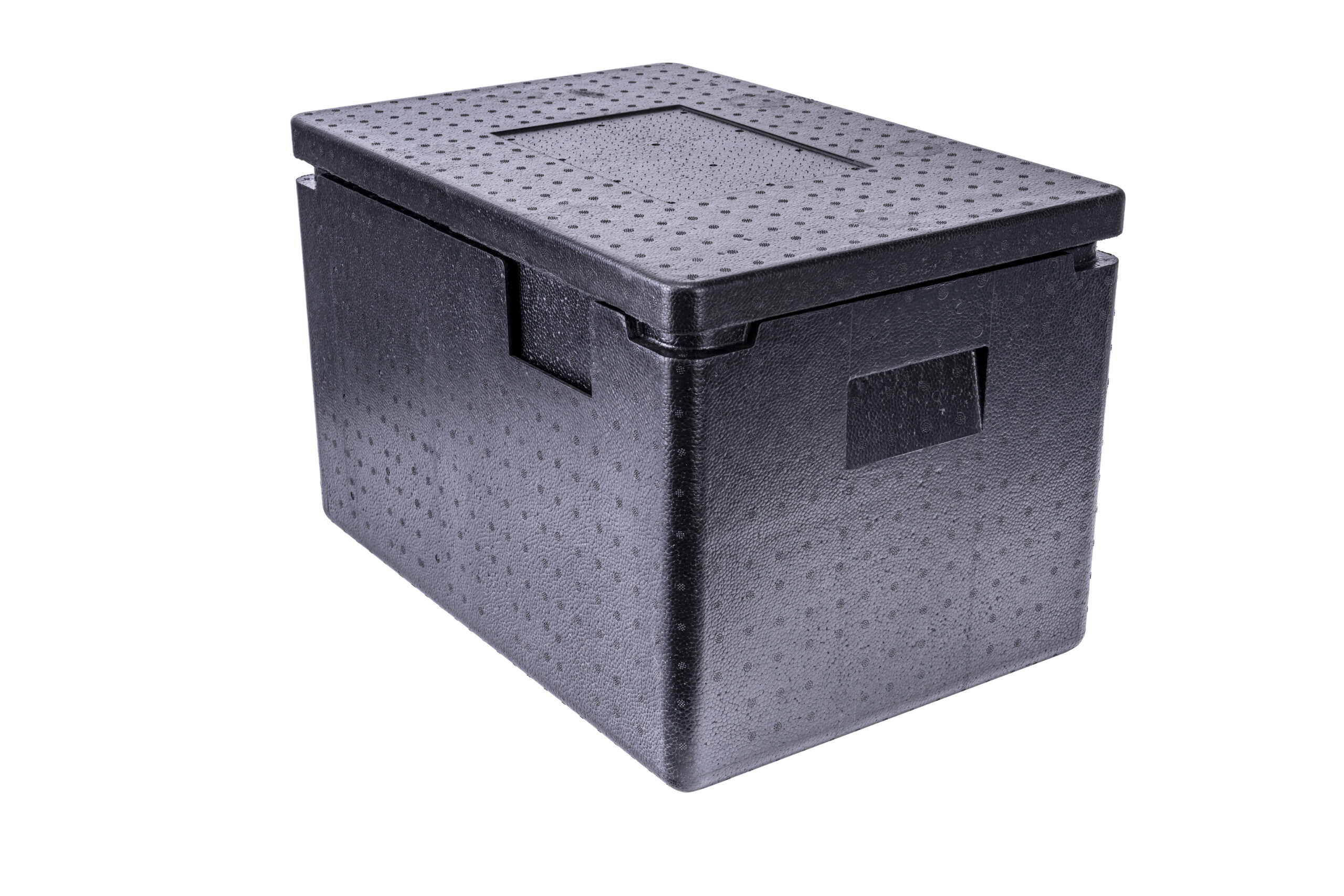
How to choose a VIP cold shipping box for biologics transport
A VIP cold shipping box for biologics transport is not automatically the right answer for every cold-chain shipment. It is best used when product value, route exposure, payload sensitivity, or space limits justify stronger passive insulation. The practical question is whether the shipper, coolant, payload layout, monitoring process, and receiving workflow fit your product. This edited guide helps you make that decision without overbuying or under-protecting the shipment.
Practical answer: A VIP cold shipping box should be approved only after the product limit, route exposure, packout, monitoring plan, and receiving rule are clear. VIP insulation improves thermal buffering, but the shipment result depends on the complete operating system.
Decide first whether VIP is justified
A VIP cold shipping box deserves consideration when the shipment has a clear reason for stronger passive insulation. That reason might be high payload value, narrow temperature tolerance, limited outer box size, long transit exposure, repeated route delays, or a need for reusable handling. Without a reason, VIP packaging can become an expensive habit rather than a risk-control tool.
The useful question is not whether a VIP cold shipping box for biologics transport is advanced. The useful question is whether it solves the weak point in your current shipment. If your failures come from poor pack conditioning, loose handovers, unclear receiving checks, or weekend scheduling, the box alone will not solve the process. If the weak point is lack of thermal buffer or too much wall thickness in a constrained box, VIP may be worth testing.
For biologics, temperature-sensitive medicines, trial supplies, and regulated healthcare payloads, start by mapping the product condition at packout, required condition at delivery, expected route exposure, and what proof the receiver needs. This makes the decision specific enough for procurement, quality, and operations teams to discuss together.
Define the product limit before designing the packout
Many refrigerated healthcare shipments are planned around 2°C to 8°C, but the required range must be confirmed from the approved product label, stability data, route risk assessment, and local rules. The product limit must be the starting line because it defines what the packaging is trying to protect. A refrigerated product that must not freeze needs a different packout from a frozen product that must stay solid. A heat-sensitive cosmetic needs different protection from a lab reagent, meat parcel, hospital kit, or fresh produce box.
This is where buyers should resist generic answers. A supplier may offer a container family, but the packout needs a product-specific target. That target should include allowable temperature range, freeze or heat sensitivity, maximum time outside storage, payload size, orientation, and whether temperature data is required for release. If any of those items are unknown, they become buyer verification points rather than assumed facts.
For regulated healthcare shipments, labelled conditions and quality procedures should guide decisions. For food shipments, product safety, condition at delivery, and local rules should be checked. For cosmetics, formulas may be sensitive to heat, freezing, or condensation even when they are not regulated like medicine. The packaging should reflect the real risk rather than borrowing rules from another industry.
Build the system around the route
A VIP container is one part of a system. The system includes coolant, payload placement, dividers, liners, absorbents, data loggers, closure method, labels, outer carton, packing instructions, handover procedures, and receiving checks. If these parts are not defined, the same box can produce different results on different packing days.
Route mapping should include more than transit time. Note when the package leaves controlled storage, how long it waits before pickup, where it is sorted, whether it changes vehicles, how the receiver is notified, and how quickly it is opened after delivery. Many cold-chain problems happen during short but repeated uncontrolled moments, not during the long transport leg alone.
Season also matters. A packout that passes during mild weather may need different coolant, different shipment timing, or a different container for hot or cold seasons. Thermal test profiles and lane trials are helpful because they make these assumptions visible. A supplier's stated performance should always be tied to the test conditions behind it.
Procurement checks before sample approval
| Before approving samples | What to record | Reason |
|---|---|---|
| Product requirement | Allowed range, freeze or heat sensitivity, payload size | Keeps the packout connected to the real product |
| Container design | Outer size, usable inner size, VIP panel protection, closure | Prevents surprises in warehouse and carrier handling |
| Packout | Coolant type, conditioning method, placement, separators | Makes sample testing repeatable |
| Evidence | Test profile, lane trial, logger data, acceptance criteria | Separates supported claims from assumptions |
| Operations | Packing SOP, receiving check, cleaning or return process | Allows routine use after the first successful sample |
This table is intentionally practical. It helps the buyer move from a product sample to a controlled packaging decision. If the production container, coolant, or loading pattern changes later, the team should review whether the earlier evidence still applies.
When a simpler insulated package may be better
A VIP cold shipping box is not always the best choice. Simpler foam boxes, insulated liners, thermal bags, or pallet covers may fit short routes, low-value payloads, broad temperature tolerances, or shipments that do not justify return handling. In many operations, the best solution is the simplest package that reliably meets the route and quality requirement.
VIP packaging can also be the wrong choice when the team cannot protect panels from damage, cannot follow a packout, cannot retrieve reusable containers, or cannot inspect the container between uses. Higher-performance materials require more disciplined handling. If the operation is not ready for that discipline, a less sensitive packaging format may produce fewer field problems.
The most balanced approach is to qualify packaging by lane and product family. Use VIP where the risk justifies it. Use simpler packaging where it works. Keep packout instructions clear enough that warehouse staff can repeat them without interpretation. This is how packaging becomes an operating control rather than a purchasing experiment.
Typical workflow for moving from inquiry to routine shipment
A procurement team evaluating a VIP cold shipping box for biologics transport can use a staged process. First, define the payload and required condition. Second, describe the route and handling points. Third, request a container recommendation with packout details, not only a box price. Fourth, test samples under conditions close to the real shipment. Fifth, document the approved packout and train the packing team.
For example, the team may begin with a lane that has predictable pickup and delivery times. They pack the real product or a representative payload, use the agreed coolant, place the logger in a documented location, and record the receiving condition. If the trial exposes a problem, they adjust the packout or route before scaling. This process is slower than buying boxes from a catalog, but it reduces costly surprises later.
Routine shipments should also include a change-control mindset. If box dimensions, coolant supplier, panel layout, product load, carrier, or route timing changes, the packaging team should ask whether the approved result still applies. This prevents silent drift, where a shipment appears to use the same container but is no longer using the same system.
Frequently asked questions
What makes a VIP cold shipping box different from a standard insulated shipper? The key difference is the use of vacuum insulation panels, which reduce heat transfer through the container walls. This can provide stronger thermal buffering or more usable space in some designs, but performance still depends on the full packout and route.
How do I compare supplier performance claims? Ask what conditions support the claim: ambient profile, duration, payload, coolant, conditioning method, logger placement, and acceptance criteria. Claims that do not describe these conditions should be treated as incomplete for procurement decisions.
Can the same VIP container be reused? Some VIP containers are designed for reusable handling, but reusability depends on inspection, cleaning, panel protection, accessory control, and return logistics. A returnable program should be piloted before routine use.
Does a temperature logger make the shipment safe? No. A logger provides evidence; it does not create thermal protection. It is useful when the data is reviewed against clear acceptance rules and linked to a receiving or deviation process.
What should I send a supplier for a better recommendation? Send the product type, allowable temperature range, payload dimensions, shipment duration, route description, seasonal concerns, coolant restrictions, monitoring needs, and whether the container is one-way or returnable.
Conclusion
A VIP cold shipping box for biologics transport is most useful when it is chosen for a defined shipment problem. Start with the product's allowed condition, then map the route, payload, coolant, monitoring, and receiving workflow. Ask suppliers to connect performance claims to test conditions, and avoid treating VIP insulation as a universal guarantee.
The best cold-chain packaging decision is usually specific: this payload, this lane, this packout, this acceptance criterion. That level of clarity protects quality, helps procurement compare options fairly, and gives operations a process that can be repeated.
Field notes before scaling
For procurement, the final decision should balance protection, repeatability, and operating burden. If the package requires too many special steps, staff may not follow the packout consistently. If it is too simple for the route, product risk rises. The best VIP cold shipping box selection is the one that the organization can repeat, inspect, document, and improve over time.
A sample request should be specific enough to prevent guesswork. Instead of asking for a generic cold shipper, the buyer should provide payload dimensions, target condition, transit time, carrier mode, seasonal concern, and whether the container will be returned. This helps the supplier recommend a realistic system rather than a catalog item.
The final packout should be easy to audit. A supervisor should be able to look at a packed container and tell whether the coolant, dividers, logger, documents, and closure match the instruction. If correct packing cannot be recognized quickly, routine quality will depend too much on individual memory.
It is also useful to define what happens when something goes wrong. A damaged box, missing logger, late delivery, or incorrect coolant condition should trigger a clear review. That review may be simple for food or consumer goods and more formal for healthcare payloads, but it should exist before the program scales.
The buyer should keep the wording precise. VIP insulation can improve the thermal buffer, but it does not guarantee product release, replace route planning, or remove the need for documented procedures. This distinction protects both the supplier and the buyer from unrealistic expectations.
For final supplier shortlisting, sample approval should create a reference point for later orders. Record the box size, panel layout, coolant type, payload orientation, accessory list, and closure method. If the production shipment later changes any of these items, the team should decide whether the earlier sample still represents the real VIP cold shipping box for biologics transport program.
For final supplier shortlisting, pack conditioning deserves written control. Coolant that is too warm may reduce protection, while coolant that is too cold or placed incorrectly can damage sensitive products. For biologics, temperature-sensitive medicines, trial supplies, and regulated healthcare payloads, the instruction should say how the coolant is prepared, where it is placed, and what separation is required from the payload.
For final supplier shortlisting, documentation does not need to be complicated, but it should be specific. A short packout sheet with photos, a revision date, and acceptance criteria is often more useful than a long generic procedure. The goal is to let a new packer repeat the same VIP cold shipping box setup without relying on memory.
For final supplier shortlisting, reuse inspection must be part of the route design when the container is intended to return. Returned packaging should be checked for crushed corners, damaged lids, missing accessories, wet interiors, odor, or panel damage before it re-enters stock. Reuse without inspection can turn a good container into an inconsistent risk.
About Tempk
Tempk's cold-chain packaging portfolio includes passive insulated options and thermal accessories used in product sampling, food delivery, medical logistics, and distribution programs. For clinical trial supply, specialty medicine distribution, biologic sample transfer, and high-value healthcare lanes, the useful conversation starts with the product condition, route exposure, handling steps, and whether a reusable or one-way approach makes more sense.
Before moving from sample shipments to routine shipping, discuss the packout, documentation needs, and route assumptions with Tempk.
Vacuum insulation panel container for enzyme shipping: Practical Selection Guide

How to choose a vacuum insulation panel container for enzyme shipping
A vacuum insulation panel container for enzyme shipping is not automatically the right answer for every cold-chain shipment. It is best used when product value, route exposure, payload sensitivity, or space limits justify stronger passive insulation. The practical question is whether the shipper, coolant, payload layout, monitoring process, and receiving workflow fit your product. This edited guide helps you make that decision without overbuying or under-protecting the shipment.
Practical answer: A vacuum insulation panel container should be approved only after the product limit, route exposure, packout, monitoring plan, and receiving rule are clear. VIP insulation improves thermal buffering, but the shipment result depends on the complete operating system.
Decide first whether VIP is justified
A vacuum insulation panel container deserves consideration when the shipment has a clear reason for stronger passive insulation. That reason might be high payload value, narrow temperature tolerance, limited outer box size, long transit exposure, repeated route delays, or a need for reusable handling. Without a reason, VIP packaging can become an expensive habit rather than a risk-control tool.
The useful question is not whether a vacuum insulation panel container for enzyme shipping is advanced. The useful question is whether it solves the weak point in your current shipment. If your failures come from poor pack conditioning, loose handovers, unclear receiving checks, or weekend scheduling, the box alone will not solve the process. If the weak point is lack of thermal buffer or too much wall thickness in a constrained box, VIP may be worth testing.
For enzymes, reagent kits, diagnostic components, lyophilized materials, and temperature-sensitive formulations, start by mapping the product condition at packout, required condition at delivery, expected route exposure, and what proof the receiver needs. This makes the decision specific enough for procurement, quality, and operations teams to discuss together.
Define the product limit before designing the packout
Enzyme storage and transport requirements vary by formulation. Some products may be refrigerated, some frozen, and some stable at controlled room temperature, so the specification must come from the supplier label or stability file. The product limit must be the starting line because it defines what the packaging is trying to protect. A refrigerated product that must not freeze needs a different packout from a frozen product that must stay solid. A heat-sensitive cosmetic needs different protection from a lab reagent, meat parcel, hospital kit, or fresh produce box.
This is where buyers should resist generic answers. A supplier may offer a container family, but the packout needs a product-specific target. That target should include allowable temperature range, freeze or heat sensitivity, maximum time outside storage, payload size, orientation, and whether temperature data is required for release. If any of those items are unknown, they become buyer verification points rather than assumed facts.
For regulated healthcare shipments, labelled conditions and quality procedures should guide decisions. For food shipments, product safety, condition at delivery, and local rules should be checked. For cosmetics, formulas may be sensitive to heat, freezing, or condensation even when they are not regulated like medicine. The packaging should reflect the real risk rather than borrowing rules from another industry.
Build the system around the route
A VIP container is one part of a system. The system includes coolant, payload placement, dividers, liners, absorbents, data loggers, closure method, labels, outer carton, packing instructions, handover procedures, and receiving checks. If these parts are not defined, the same box can produce different results on different packing days.
Route mapping should include more than transit time. Note when the package leaves controlled storage, how long it waits before pickup, where it is sorted, whether it changes vehicles, how the receiver is notified, and how quickly it is opened after delivery. Many cold-chain problems happen during short but repeated uncontrolled moments, not during the long transport leg alone.
Season also matters. A packout that passes during mild weather may need different coolant, different shipment timing, or a different container for hot or cold seasons. Thermal test profiles and lane trials are helpful because they make these assumptions visible. A supplier's stated performance should always be tied to the test conditions behind it.
Procurement checks before sample approval
| Before approving samples | What to record | Reason |
|---|---|---|
| Product requirement | Allowed range, freeze or heat sensitivity, payload size | Keeps the packout connected to the real product |
| Container design | Outer size, usable inner size, VIP panel protection, closure | Prevents surprises in warehouse and carrier handling |
| Packout | Coolant type, conditioning method, placement, separators | Makes sample testing repeatable |
| Evidence | Test profile, lane trial, logger data, acceptance criteria | Separates supported claims from assumptions |
| Operations | Packing SOP, receiving check, cleaning or return process | Allows routine use after the first successful sample |
This table is intentionally practical. It helps the buyer move from a product sample to a controlled packaging decision. If the production container, coolant, or loading pattern changes later, the team should review whether the earlier evidence still applies.
When a simpler insulated package may be better
A vacuum insulation panel container is not always the best choice. Simpler foam boxes, insulated liners, thermal bags, or pallet covers may fit short routes, low-value payloads, broad temperature tolerances, or shipments that do not justify return handling. In many operations, the best solution is the simplest package that reliably meets the route and quality requirement.
VIP packaging can also be the wrong choice when the team cannot protect panels from damage, cannot follow a packout, cannot retrieve reusable containers, or cannot inspect the container between uses. Higher-performance materials require more disciplined handling. If the operation is not ready for that discipline, a less sensitive packaging format may produce fewer field problems.
The most balanced approach is to qualify packaging by lane and product family. Use VIP where the risk justifies it. Use simpler packaging where it works. Keep packout instructions clear enough that warehouse staff can repeat them without interpretation. This is how packaging becomes an operating control rather than a purchasing experiment.
Typical workflow for moving from inquiry to routine shipment
A procurement team evaluating a vacuum insulation panel container for enzyme shipping can use a staged process. First, define the payload and required condition. Second, describe the route and handling points. Third, request a container recommendation with packout details, not only a box price. Fourth, test samples under conditions close to the real shipment. Fifth, document the approved packout and train the packing team.
For example, the team may begin with a lane that has predictable pickup and delivery times. They pack the real product or a representative payload, use the agreed coolant, place the logger in a documented location, and record the receiving condition. If the trial exposes a problem, they adjust the packout or route before scaling. This process is slower than buying boxes from a catalog, but it reduces costly surprises later.
Routine shipments should also include a change-control mindset. If box dimensions, coolant supplier, panel layout, product load, carrier, or route timing changes, the packaging team should ask whether the approved result still applies. This prevents silent drift, where a shipment appears to use the same container but is no longer using the same system.
Frequently asked questions
What makes a vacuum insulation panel container different from a standard insulated shipper? The key difference is the use of vacuum insulation panels, which reduce heat transfer through the container walls. This can provide stronger thermal buffering or more usable space in some designs, but performance still depends on the full packout and route.
How do I compare supplier performance claims? Ask what conditions support the claim: ambient profile, duration, payload, coolant, conditioning method, logger placement, and acceptance criteria. Claims that do not describe these conditions should be treated as incomplete for procurement decisions.
Can the same VIP container be reused? Some VIP containers are designed for reusable handling, but reusability depends on inspection, cleaning, panel protection, accessory control, and return logistics. A returnable program should be piloted before routine use.
Does a temperature logger make the shipment safe? No. A logger provides evidence; it does not create thermal protection. It is useful when the data is reviewed against clear acceptance rules and linked to a receiving or deviation process.
What should I send a supplier for a better recommendation? Send the product type, allowable temperature range, payload dimensions, shipment duration, route description, seasonal concerns, coolant restrictions, monitoring needs, and whether the container is one-way or returnable.
Conclusion
A vacuum insulation panel container for enzyme shipping is most useful when it is chosen for a defined shipment problem. Start with the product's allowed condition, then map the route, payload, coolant, monitoring, and receiving workflow. Ask suppliers to connect performance claims to test conditions, and avoid treating VIP insulation as a universal guarantee.
The best cold-chain packaging decision is usually specific: this payload, this lane, this packout, this acceptance criterion. That level of clarity protects quality, helps procurement compare options fairly, and gives operations a process that can be repeated.
Field notes before scaling
For procurement, the final decision should balance protection, repeatability, and operating burden. If the package requires too many special steps, staff may not follow the packout consistently. If it is too simple for the route, product risk rises. The best vacuum insulation panel container selection is the one that the organization can repeat, inspect, document, and improve over time.
A sample request should be specific enough to prevent guesswork. Instead of asking for a generic cold shipper, the buyer should provide payload dimensions, target condition, transit time, carrier mode, seasonal concern, and whether the container will be returned. This helps the supplier recommend a realistic system rather than a catalog item.
The final packout should be easy to audit. A supervisor should be able to look at a packed container and tell whether the coolant, dividers, logger, documents, and closure match the instruction. If correct packing cannot be recognized quickly, routine quality will depend too much on individual memory.
It is also useful to define what happens when something goes wrong. A damaged box, missing logger, late delivery, or incorrect coolant condition should trigger a clear review. That review may be simple for food or consumer goods and more formal for healthcare payloads, but it should exist before the program scales.
The buyer should keep the wording precise. VIP insulation can improve the thermal buffer, but it does not guarantee product release, replace route planning, or remove the need for documented procedures. This distinction protects both the supplier and the buyer from unrealistic expectations.
For final supplier shortlisting, sample approval should create a reference point for later orders. Record the box size, panel layout, coolant type, payload orientation, accessory list, and closure method. If the production shipment later changes any of these items, the team should decide whether the earlier sample still represents the real vacuum insulation panel container for enzyme shipping program.
For final supplier shortlisting, pack conditioning deserves written control. Coolant that is too warm may reduce protection, while coolant that is too cold or placed incorrectly can damage sensitive products. For enzymes, reagent kits, diagnostic components, lyophilized materials, and temperature-sensitive formulations, the instruction should say how the coolant is prepared, where it is placed, and what separation is required from the payload.
For final supplier shortlisting, documentation does not need to be complicated, but it should be specific. A short packout sheet with photos, a revision date, and acceptance criteria is often more useful than a long generic procedure. The goal is to let a new packer repeat the same vacuum insulation panel container setup without relying on memory.
For final supplier shortlisting, reuse inspection must be part of the route design when the container is intended to return. Returned packaging should be checked for crushed corners, damaged lids, missing accessories, wet interiors, odor, or panel damage before it re-enters stock. Reuse without inspection can turn a good container into an inconsistent risk.
About Tempk
Tempk's cold-chain packaging portfolio includes passive insulated options and thermal accessories used in product sampling, food delivery, medical logistics, and distribution programs. For enzyme reagent shipping, diagnostic kit distribution, research supply replenishment, and outsourced manufacturing transfers, the useful conversation starts with the product condition, route exposure, handling steps, and whether a reusable or one-way approach makes more sense.
Before moving from sample shipments to routine shipping, discuss the packout, documentation needs, and route assumptions with Tempk.